Why I admire Nick Vujicic
First, he taught me how to be optimistic. He demonstrates how to be courageous in the face of adversity. He possesses several positive characteristics, including determination, tenacity, charity, trust in God, a sense of humor, and compassion for other human beings. He selected wholeheartedness or engaging in the world and with the world from a point of worthiness, in his effort to love and be himself.
Nick decides to think that what people see and the effort he has done does not define him. Instead, he makes decisions based on his understanding of what matters most to him: family, self-compassion, and love. He is a man who believes in huge dreams, but he doesn't stop there. He exhorts everyone to act. We may be in situations that force us to become victims and let life take its course, but we will never know what we are capable of unless we act.
We want change and hope for it, but until we act, it will never happen. He aids us in overcoming our despondency. We are all born with pain and difficulties, and Nick acknowledges that this is a reality. We are not born with hope in our hearts, and even if we do, it may be taken away by others. Nick, being the amazing speaker that he is, even admits that he didn't have any hope for many years. But it's all just a rumor.


Remembering Martial Law
Over the years, certain illusions about martial law have persisted among younger generations. One is the false belief many Filipinos that the Marcos administration helped the Philippines' economy become one of the finest in South East Asia. It is crucial that we remain informed of the Philippines' actual economic situation during the Marcos era. Human rights are being abused during the Batas Militar, including torture and rape. However, some Filipinos, particularly those of the current generation, view the Martial Law era as a "golden age of the Philippines," and it really makes me sad because they were unaware of that. Whenever I think back to the days of Martial Law that occurred during the 1970s, it always brings back memories of the abuses and atrocities that happened during this dark period in the history of the Philippines.
Understanding what happened during the martial law era can help us safeguard our liberties and rights going forward and stop history from repeating again. The importance of democracy, the rule of law, and human rights in a free society in ensuring that everyone's dignity and rights be honored and preserved. Remembering the sacrifices of Filipinos, both sung and unheard. This is a physical manifestation of the historical teachings that we must guard against abuses of power and stand up for our rights. We recall events not out of a sense of helplessness but rather because there are lessons to be remembered and passed on to younger generations. We commemorate so that democracy will remain and that we may all work to make our country better. During this time, several activists and opponents were unjustly detained, subjected to torture, killed, or kidnapped before going missing. Knowing the truth is essential because it will aid in resolving the wrongs of that time, particularly the violations of human rights. Youth may contribute to the battle against historical distortion by exposing bogus news, especially on social media.
Knowing what fake news is a logical place to start. Though they are sometimes excluded from these wider dialogues, young people are tremendously enthusiastic about problems related to social justice, health, and climate change. They may provide them a platform for speaking out and support them as they take full control of their advocacy activities. The most crucial action is to stop yourself from automatically posting something that offends you or aligns with your ideas. Never share a social media post without first validating its accuracy. You must accept that other people will make mistakes since they are imperfect if you wish to convey the truth. Look for the sources, because the quality of the mainstream media's sources depends on them. Youth are susceptible to false information, propaganda, and fake news. For their understanding of the world and their perception of reality, they greatly rely on information that is disseminated online. Therefore, it is the responsibility of schools to give children the information and critical thinking abilities that they lack at home.
It's never been easy to recall Martial Law in the Philippines. People are recalling the hardships of the martial law era under the late former president Ferdinand Marcos Sr. in order to guarantee that lessons are learned rather than because they are fixated on the past. We still emphasize the importance of the truth and the pursuit of the truth in resolving human rights breaches today. Without the truth, justice is impossible. And because memories may become brittle with time, we implore every Filipino to guard our history and the truth encapsulated in the nation's collective experience under martial law in 1972 as a crucial step toward attaining transitional justice.


TeleHealth
***Perception about "telehealth" for older adults***
Early in 2020, as COVID-19 started to spread throughout the country, health care delivery systems underwent quick and significant transformation. By encouraging as many individuals to stay at home as possible, these modifications aimed to restrict the spread of COVID-19. This change caused a large number of patients, especially many elderly people, to schedule telehealth consultations with their medical professionals rather than in-person ones. Older persons frequently have less access to and familiarity with technology than younger adults. Telehealth may pose problems, especially for older people with chronic illnesses. In addition, telehealth may reduce the quality of treatment due to insufficient physical exams, laboratory testing, and the level of treatment wasn't as excellent as in-person, which are crucial care components. Other issues raised were privacy, difficulties hearing or seeing the healthcare professional, and a lack of a personal connection with the healthcare practitioner.
***Advantages and benefits***
Telehealth has numerous potential applications, and patients might gain a lot from using it. With the help of connected technology, senior people with chronic illnesses (such as asthma, diabetes, hypertension, etc.) can enhance their quality of life, state of health, and ability to control their symptoms. Therefore, these technologies would help patients stick to healthy living choices, engage more fully in their treatment, and keep their autonomy. With the use of telehealth, individuals may gather and track a variety of real-time health and disease-related data without the actual presence or direct involvement of medical experts. Additionally, telehealth systems enable seniors to connect online with their healthcare providers and get guidance or health-related information. A patient who is knowledgeable about their condition, their therapies, and their illness is more likely to take an active role in managing their health and have a higher standard of living. Patients no longer need to travel to the hospital and wait in line for care thanks to telemedicine. They can visit their doctor while relaxing on their sofa or bed. It may be simpler to accommodate virtual visits into a hectic schedule. as they are subject to your schedule. By scheduling sessions to prescreen patients for potential infectious diseases, telehealth can also reduce infectious disease. Elderly people might consider moving far from the closest hospital. A family member who can assist you with information gathering, questioning, and taking notes during your medical visit is usually beneficial.
***Limits and challenges***
The usage of telecare among patients from rural regions and those with lower incomes is insufficient. Variations in telehealth usage are caused by a lack of resources and supplies, the accessibility of medical facilities, and internet connection. For the exchange of information between parties, telehealth depends on technology, which presents a challenge for older persons who may not have access to the required technological equipment and services. Without these innovations, telehealth is restricted to phone conversations, which may be effective for straightforward services (such as medicine refills) but has limitations for more comprehensive treatment. Even if older persons have access to technology, issues may still develop if they lack technical expertise, are unable to resolve issues that do arise, or are unable to adjust to digital communication. Although gradual loss of vision and hearing is a typical part of aging, it can make using technology to communicate challenging. Furthermore, when telehealth contacts take place outside of the exam room's controlled environment, the likelihood of noise, distractions, and missing visual signals may rise, further obstructing patient and provider understanding. The socioeconomic situation of older persons may influence their capacity or inclination to engage in telehealth conversations. For instance, whether or not patients have access to or expertise with technology may depend on their level of education and money. Telephone-only visits may be preferred by older persons who are concerned about the expense of mobile plans and data usage, which might restrict care delivery and remove important visual cues that aid cognition.

A Christmas to Remember
He gave me a forehead kiss.
It's almost Christmas and our second anniversary is coming up; where do you want to celebrate our two years of love and kisses? I love you, baby. Happy Halloween.
I said, "Anywhere, as long as I'm with you.
After that forehead kiss, he drives his car back to his house. Normally, he did it each time we met and parted ways.
That kiss has always been the way how we express our love and affection to one another, and he never forgets it. He makes sure to kiss my forehead first every single day.
He was on his way home about the time that November was about to end, and for a while, we got along before something dreadful occurred to him.
It was the time before November ends when something terrible happened to him.
When I heard that his car had crashed on the highway next to our street, I hastily went in that direction without thinking. By the time I arrived, he had already been taken to the hospital.
He is already conscious, but the doctor predicted that he will experience amnesia. A condition where there is memory loss.
The doctor's comments startled me, but I didn't find it difficult because I am confident that he will never forget me after everything we'd been through.
"Hello.", I said as I walked into his room with some fruit and flowers.
"Oh, hi! May I know you?", he confusingly asked.
Knowing how severely his forgetfulness has affected him makes me sad since he wasn't able to recognize me.
“Don't you know me? I am your girlfriend” I said.
Oh, you are?" he asked in return.
After a few days, Christmas Eve was almost here. He was still unable to recognize me. He has already seen all the activities and places we have engaged in.
"EXCEPT ONE"
I was still weary at 12:47 in the morning when I got a call.
"Ringggg! Ringggg!", his mom called me. She was very anxious and asked me to go to the hospital as soon as I can.
While I was in the taxi, I was shaky. I nearly shouted at the driver to drive quickly, but I was able to restrain myself.
My heart was racing by the time I arrived at the hospital, and a chilly wind was passing me. I felt dread as I walked into his room. "Where is your brother?", I questioned his younger sister who was seated on the couch next to the bed.
"In the operating room", she said.
I arrived quickly. I witnessed his mother beseeching the doctor in tears.
"Please revive him! I'm begging you", his mother said.
"We did everything we could, therefore I'm sorry.", the Doctor responded.
"HE'S GONE"
Tears started to fall, the lights went out, everything went dark, and all I could make out was the operating room door. Knowing that he passed away before we could even revisit our earlier memories makes me angry with myself.
I hugged her mother as I carefully walked up to her. "Merry Christmas! My son wants you to have this as your Christmas and anniversary gift," she said as she gave me a photo frame.
I could see him kissing my forehead in the photo as I slept off on his chest. On his deathbed, he gave one final forehead kiss. When I rotated the picture frame, a letter was there.
"Thank you, I already remembered"
Thank you, everyone!! Hope you enjoy it!!!

Stitching Stories
(Collins, 2012) stated in his book called “Conquering the Fear of Math” that many students feel more anxious in their mathematics subject than the other subjects they take, which could mean that their grades would be affected. According to the study of (Apurillo, 2015), it states that there is a significant relationship between the student's anxiety and their academic performance in key subjects such as Mathematics. This is also proof of the National Achievement Test (NAT) 2014-2016 results for Mathematics of Elementary and Secondary students. The results show that the scores are lowest in 2015 and highest in 2016.
Some students listen to music as a coping mechanism for their anxiety. The students can listen to a variety of musical genres, including country, pop, jazz, rock, and classical, as they study for exams. In Royo’s (2015) experiment, the kindergarten pupils who were exposed to appropriate music in school were better able to deal with separation anxiety compared to their peers who were not. This study demonstrates that some types of mental disorders can benefit from music therapy. (Alimangohan & Matutes, 2011) states that “The secretion of serotonin, a hormone that helps elevate the mood and reduce depression, significantly increases as one spends more time listening to music he prefers.” This clearly demonstrates the outcome of the experiment Royo conducted with kindergarten pupils who used music in order to manage their separation anxiety

Mirror of life
People are born and bound to a certain belief, even though we still do not have the knowledge to understand life itself. Life can be both massively terrifying and promising indeed, but what we must know is that we have to see things bigger than we should; opening our minds to the vast world we live in, try to communicate to others with regards to diversity and cultural understanding.
Culture is a way of life shared by a group of people, and it generally refers to the knowledge, beliefs and values that bind a society together in a strong compact material that may represent cooperation and as well as human understanding . Culture is absolutely manifold and it may include things like language, artworks and perhaps literature. These ways of thinking, feeling and behaving, is all connected to a shared knowledge of a society which allow the members to gain meaning from the objects and ideas around them. When we talk about society we are referring to the way people organize themselves.
Society is talking about a bunch of people who live together usually in a specific geographic area that interacts more with one another than they do with others, resulting to sharing common culture over time. Through culture, people and groups define themselves, conform to society's shared values, and contribute to society. It is somehow like a form of process, culture can be thought of as the rules that guide the way people live, on the other hand, society can be thought of as its structure. The big takeaway is that society is just organized groups of people, and culture is their way of life. These two are obviously not the same thing, but they cannot exist without each other. Society cannot function without its culture.
Moreover, it is not always permanent, it also changes through time, some cultural practices are still intact and followed by its people but some are being changed for many and different reasons, one of those reasons is that cultures are inherently predisposed to change and at the same time, to resist change. There are dynamic processes that encourage the acceptance of new ideas and things while others encourage changeless stability.
In conclusion, culture is the heart and soul that plays a major role in people and in society, it is the manifestation of what a particular set of people thinks, feels, believes in, and holds as ideal. It is a vital part of people’s lives, influencing their views, values, hopes, and dreams. It defines who they are, where they come from and where they belong; the group, race, national origin, class, gender, and religion. It reflects the whole being of a person thus, culture is the mirror of life.


The First Voyage around the World
***What are the relevance and significant contribution of Antonio Pigafetta’s travelogue “The First Voyage around the World” as the only source of our Pre-Colonial history?***
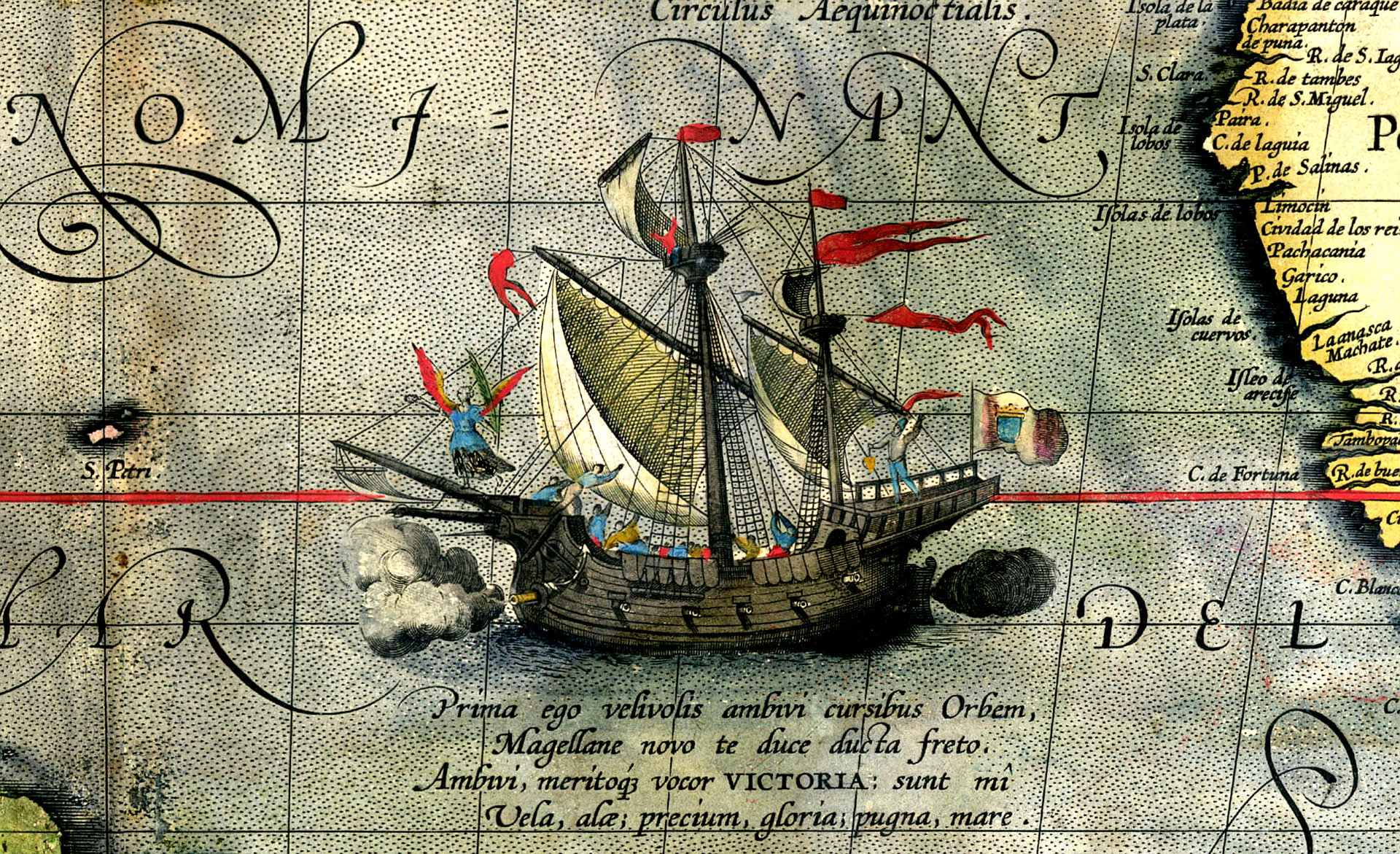
Antonio Pigafetta’s travelogue entitled “The First Voyage around the World” makes me realize how relevant and significant it is in humanity’s pre-colonial history, being it as the only source of information about the past events throughout those many years, and beyond any doubt how it became an extremely essential component for our learnings of history.
Pigafetta’s travelogue highlights one of the most remarkable explorers and sailors in history, Ferdinand Magellan. His exploration yielded definitive evidence that the earth was a sphere and the finding of a real pre-colonial civilization. Additionally, it provided an accurate geographic and ethnographic account of the world's circumnavigation. The primary source of information for many journey-related elements came from Pigafetta's narrative, Magellan's mission undoubtedly opened doors at the locations where they moved through and where people, ideas, and products came and went.
It created long-lasting commercial ties between the East and the West and brought about further interactions between different parts of the world as a result and encouraged the sharing of many kinds of experiences and encounters that led to a crucial aspect of pre-colonial history. Indeed, it has prominently and metaphorically connected the diversity of several people and cultures. Having all that being said, I believe that a person could never understand what is happening today without understanding what came before.
And so, learning about history teaches more than just historical facts or the roots of the current world. Making sense of complex events where the connection between causes and effects, as well as intentions and results, is not always clear but is what history is all about. Antonio Pigafetta presented the events in chronological order that gives readers of the past, present, and future a vivid image for them to visualize what it was like to be a part of the historical first voyage around the world.
***What are the relevance and significant contribution of Antonio Pigafetta’s travelogue “The First Voyage around the World” as a Primary Source and reference in the study of Philippine History?***
As a reference in the study of Philippine History and being a primary source of factual information, Antonio Pigafetta’s experience-based travelogue “The First Voyage around the World” has served as a cardinal document in our country’s predominant past. It has unraveled and tackled many salient events that have given us Filipinos the knowledge about the truth of our past. The travelogue is the only known document containing the life of Lapu-Lapu. It acted as the main source of information that helped us comprehend how early Filipinos lived.
Additionally, it talks about our ancestors' native way of life before to the arrival of the Spanish conquerors. There are claims that several "Datus" joined forces with the Europeans, which proved beyond a doubt that cultures in the Philippines with varied levels of sophistication existed before Ferdinand Magellan's expedition. Aside from that, it highlights the natives' hospitality and generosity toward the expedition team. After all, if the natives on Homonhon Island, had not given the Europeans food and water and had not supplemented the ship's rations from local sources, there might not have been a circumnavigation.
The emphasis on hospitality is a purportedly positive aspect of the Filipino national character that adds another layer to the creation of national myths that may influence the course of Philippine history in the years to come. The travelogue has aided in our understanding of past Filipino lifestyles and interactions with Magellan and his crew after their arrival in the country.
The first Visayan word vocabulary ever offered by a European is also included in it. The expansion and amelioration of the enterprises that comprised the various items, as well as any trades or collaborations, were all key variables in the itinerary and greatly benefited the many different parties who have undergone trades as globalization took place. Antonio Pigafetta’s literary creations reflect a link that opened up knowledge of the Philippines to Europe, and even today, more than 500 years later, they are constantly cited by researchers who are interested in the pre-Hispanic Philippines.

Hospital orientation of student Nurses
The hospital's main responsibilities include creating standards to which both the hospital and staff must adhere; serving patients by giving the best care possible; allocating resources to best meet community needs; and establishing rules that permit staff members to refrain from acting in ways they deem immoral. The Josefina Belmonte Duran Albay Provincial Hospital, in collaboration with Bicol University, sets forth for the student nursing affiliations its policy guidelines for the performance of RLE duty. There have been rules established for the 2022–2023 academic year.
The duty affiliation requirements are being talked about during the orientation. Mandatory attendance of students at the hospital's scheduled orientation The wearing of prescribed uniforms, such as scrub suits, smock gowns, PPE, and nameplates, is required. The student's allocated attendance logbook must be properly completed manually, including the student's full name and signature. The 15-minute rule for arriving at the hospital before one's anticipated shift is strictly enforced. Compliance with COVID-19 guidelines and other pertinent measures to reduce potential viral propagation. Only students who have received all the required vaccinations will be permitted to attend S.Y. 2022–2023. Strict adherence to the WHO/DOH COVID-19 protocols is required at all times. Every member of each group will engage in face-to-face RLE. requirements for reporting and documentation in supervision. Legal documents or patient charts should be handled with care to prevent tampering or manipulation. It must be protected from illegal early disclosure of data to other people and maintain its secrecy. Hospital regulations are rigorously adhered to. responsibility or liability. Although the hospital will provide any available medications or treatments, it will not be held responsible for any unintentional needle sticks. As a normal part of the student athletes' being part of the hospital's health care team to achieve its goal and vision for healthcare services, the aforementioned policy guidelines are given for the academic years 2020 to 2023.
There are also standard infection control measures being discussed. Using personal protective equipment (PPE), the placement and infection assessment, keeping the patient's environment and equipment clean, following all posted precaution signs, getting vaccinated, staying at home if sick, and using safe injection practices Hand washing is also emphasized, especially the WHO 5 key moments for hand hygiene. This is a fundamental measure that has been shown to be beneficial in avoiding infections linked to healthcare and the rise of antibiotic resistance. Greater awareness and understanding of the significance of hand hygiene will result from encouraging hospitals and other healthcare facilities to follow hand hygiene guidelines.

Perioperative Nursing & the OR Team Learning Insights
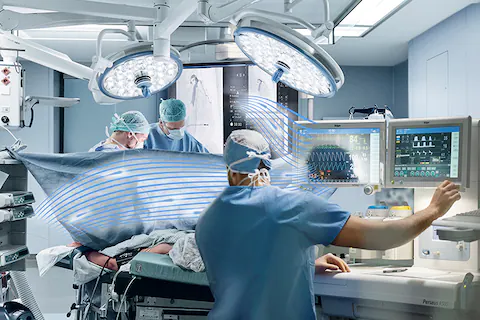
An operating room is a hospital room designed specifically for surgical procedures. A safe and hygienic environment in the operating room can guarantee the maintenance of essential functions, stop risky secondary infections, and consequently support healing without any issues. For our clinical in the operating room, we have thought of OR techniques for our return demonstration. The surgical hand scrub in a local setting; sterile gowning and gloving; gowning and gloving in a surgeon; introduction to various basic surgical instruments as well as sharps and sutures; and surgical instrument arrangement
In the operating room, we make sure that the cap completely encloses all hair strands. Over our nose and mouth, we smugly and comfortably wear our mask. Hand scrubbing is the procedure of mechanically washing and applying chemical antisepsis to the hands and arms to get rid of as many microorganisms as possible. We remove all of the jewelry, make sure there are no artificial nails, and check to see if there are any cracks or cuts on our hands. We then drench our hands in water from the waist down, sprinkle a few drops of antiseptic, and lather vigorously up to two inches above the elbow. Holding the hands up and allowing the water to drip down to the flexed fingers, we wash our hands under running water. With the sterile brush in hand, we now apply the antiseptic solution. The abrasive portion of the brush is used to scrub one hand's nails in a circular motion (30 strokes). We scrub each side of your finger with 10 strokes of the nonabrasive part. We apply 20 strokes to the back of the hand and the palm, 10 strokes to each plane of the wrist, arm, and up to 2 inches above the elbow. After cleaning the brush, we go back and do the other arms and hands. After that, we let the brush go. After that, we thoroughly rinse our hands and arms. We enter the operating room with our hands raised, utilizing our backs after the surgical hand cleanses. The circulating nurse examines the scrub nurse's gown, grabs the hem, and completely yet independently dries both hands. We then locate the gown's middle fold and seize its neckband. Next, we locate the left and right sleeve holes and simultaneously skip both hands to each hole. The circulators hold the passes of the gown back in place. To protect the skin from any contaminants and to establish a barrier between a sterile and non-sterile area, sterile gloves are worn. Therefore, we use a close-gloving approach. We pick up the gown and extend its hem to the surgeon to pat their hands and arms dry when we are gloving and gowning a surgeon in a local situation. The gown is then slowly opened. We pass the surgeon the inside of the gown while keeping our hands on the outside and using the neck and shoulder portions of the garment. The circulating nurse then places the gown over the shoulders, adjusts the sleeves, and even passes the rear of the garment. To fasten the gown's waist, we stomp to grab the tie's point. We delicately pull the sleeves down to reveal the fingers before gloving the surgeon. We put on the sterile gloves, stretched, and put pressure with our thumbs upward to keep them away from the doctors' hands. We then do the same for the other hand. Sharps and sutures are introduced along with basic surgical equipment. The scrub nurse sets up the surgical supplies on the mayo table. The mayo tray will support itself and drape properly. According to use, the tools, sponges, and sharps are placed. All of the clamps are positioned on the left side of the mayo tray if the surgeon's dominant hand is on the right, and vice versa.
The return demonstration is a crucial element that prepares the way for us to learn about nursing practices. It helps us understand what nurses do. Our perceptions of our learning effectiveness improve after exposure to demonstrations. Our ability to reflect on our experiences paves the way for the development of pleasant feelings within ourselves and changes in our professional behavior. One thing I also learned is that having the ability to work as a team will make the procedure work safely and successfully. I also discovered that teamwork is essential to ensure the safety and success of the system. We need to be highly organized and detail-oriented. We need to be aware of everything's location and keep an eye on everything. This demands us to be aware of both the big picture and the tiniest particulars, and it necessitates that we always are aware of the requirements of the patient, the equipment, and the surgical team.
Nursing: A Fundamental and Paramount Profession
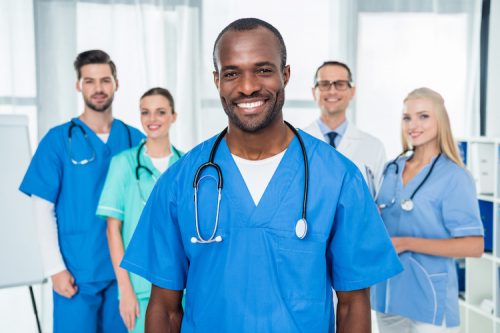
The field of nursing definitely, without a doubt, encompasses a wide range of necessary duties. Every community, no matter how big or small, has nurses who offer professional care from infancy to the end of life. The responsibilities of nurses range from providing direct patient care and case management to setting nursing practice standards, creating quality assurance protocols, and managing intricate nursing care systems. The experiences a nurse has had throughout the years and the specific demands of the patient at the time of care dictate the nurse's position. Being a provider of care and a member of the profession are just two of the many tasks that nurses play in the healthcare environment. The duties that nurses have accumulated throughout the years demonstrate the value of providing care for sick patient. The way evidence-based practice is applied in the healthcare sector is heavily influenced by the roles and professional values mentioned above.
Today's nurses are vital members of society because they promote health, educate the public and their patients about how to avoid illnesses and injuries, take part in rehabilitation, and offer care and support. Having that being said, focusing on a highly significant role in the practice of nursing, which is about giving care and support to people, after having perused the internet about a variety of different research studies inclined with nursing, the study entitled, "A Meta-Analysis of Breastfeeding Effects for Infants with Neonatal Abstinence Syndrome" definitely caught my interest in which I most certainly believe would be incorporated and as well as unequivocally relevant to the practice of nursing.
According to the given study, "Neonatal abstinence syndrome (NAS) rates have dramatically increased." Breastfeeding is a nonpharmacological intervention that may be beneficial, reducing NAS symptom severity and thus the need for and duration of pharmacological treatment and length of hospital stay. By performing a meta-analysis, the researchers determined whether breastfeeding improves outcomes for NAS infants by performing a meta-analysis. The length of the hospital stay, the necessity for and duration of pharmacological treatment, and the severity of the symptoms were all the factors that they mainly focused on. After conducting research from a number of offices such as PubMed, Scopus, Embase, and Cochrane Library, examining comparative studies in relation to breastfeeding for NAS infants and random trials and cohort studies, the results showed that 6,375 newborns from 11 studies were counted in the meta-analysis. A random-effects analysis revealed that breastfeeding decreased the length of stay as well as the start and duration of pharmaceutical treatment. Concerning NAS symptom severity, no variations were found. Most studies simply list one or two important variables. These characteristics were not the main outcomes of the majority of the research. On the basis of the Cochrane Risk Assessment Tools, all studies were determined to be of low risk and good quality. Generalizability is constrained by varying breastfeeding definitions. The researchers concluded that breastfeeding is consistently shown to be a successful strategy for promoting favorable outcomes for infants with NAS in terms of the start and duration of pharmaceutical treatment and LOS. According to the results of our meta-analysis, breastfeeding is advantageous for neonates and infants with NAS, according to the results from our meta-analysis. This review's included studies were all of the low quality, the majority of them used retrospective designs, and the findings were consistent across all of them. Breastfeeding and, ideally, exclusive breastfeeding are advised as the optimum feeding option for infants with NAS in an environment of high-quality and complete clinical care with lactation and family support for moms.
Needless to say, the study "A Meta-Analysis of Breastfeeding Effects for Infants with Neonatal Abstinence Syndrome" is definitely, beyond a doubt, relevant to the practice of nursing. The fact that this subject matter greatly denotes an important factor that succeeding nurses need to know in their future endeavors when it comes to taking care of their patients. This will help students study nursing as a profession in order to expand their knowledge and gain necessary information about the crucial aspects of the said field. In addition to that matter, this study I have given as an example offers direction and recommendations for students, researchers, and those who engage in the field of medicine, like nurses. I would incorporate this study into the practice of nursing and patient education—which is a substantial portion of a nurse's duties. Patients who receive education from nurses are better able to manage their health and are more likely to participate in interventions that might improve their odds of having positive outcomes when they are actively involved in their care.
After all, I believe that the profession of nursing is regarded as one that contributes to the patient's medical needs. One who acts as the patient's advocate is also a member of their profession. Evidence-based practice must be incorporated into routine nursing care in order for a nurse to be the best caregiver and professional member. The patient's health is improved, and other diseases are avoided, thanks to evidence-based practice, research, and theory understanding.
Nursing: A Fundamental and Paramount Profession
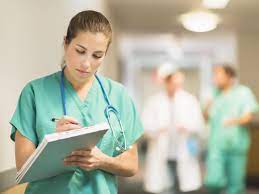
The field of nursing definitely without a doubt encompasses a wide range of jobs. The experiences a nurse has had throughout the years and the specific demands of the patient at the time of care dictate the nurse's position. Provider of care and member of the profession are just two of the many tasks that nurses play in the healthcare environment. The duties that nurses have accumulated throughout the years demonstrate the value of providing care for a sick patient. The way evidence-based practice is applied in the healthcare sector is heavily influenced by the roles and professional values mentioned.
In the study entitled, “Undertaking a scoping review: A practical guide for nursing and midwifery students, clinicians, researchers, and academics”, the researchers aimed to discuss the available methodological resources and best-practice guidelines for the development and completion of scoping reviews relevant to nursing and midwifery policy, practice, and research. Certainly, the relevance of this study in the field of nursing is on point in the view of the fact that it is giving emphasis and tackles a valid scoping review for many practitioners and health care providers such as nurses. Having that being said, one great example of an increasingly popular method of evidence synthesis is scoping reviews themselves. They are utilized to map evidence from many sources and to respond to broad research issues. Scoping reviews offer researchers the chance to examine a wide range of evidence and resources, making them a useful method of evidence synthesis for individuals such as in nursing. In addition to that matter, this will help students studying nursing as a profession in order to expand their knowledge and gain necessary information about the crucial aspects of the said field. For that matter, this study I have given as an example offers direction and recommendations for students, researchers, and those who engage in the field of medicine like nurses who are getting ready to conduct an evidence synthesis and are thinking about using a scoping review technique in their future works or endeavors.
After all, I believe that the profession of nursing is regarded as one that contributes to the patient's medical needs. One who acts as the patient's advocate is also a member of their profession. Evidence-based practice must be incorporated into routine nursing care in order for a nurse to be the best caregiver and professional member. The patient's health is improved, and other diseases are avoided, thanks to evidence-based practice, research, and theory understanding.

Role of the Nurse in Pregnant Woman Receiving Analgesia and Anesthesia by Catheter Techniques
RNs practice within the scope of practice established by the state in which they work. An RN can only remove the catheter after receiving a specific order from a qualified anesthetic or healthcare provider. Manipulate analgesia and anesthetic dosages, as well as PCEA dosing intervals, by manipulating regional/intrathecal analgesia and anesthetic doses. If an infusion has been halted, restart it. However, detailed information about medications used for obstetric regional analgesia and anesthesia is rarely required or included in basic nursing pharmacology courses or clinical orientation to the extent that it is required for safe and competent administration and management of these drugs in the labor and delivery clinical setting.
The utmost concern is the safety of the patient for perinatal health care clinicians who care for women during pregnancy, labor, and birth. Only the woman can be observed and monitored out of the two patients. The health of the fetus can be jeopardized if the mother's condition deteriorates. Furthermore, pregnancy causes beta-adrenergic receptor downregulation, which reduces responsiveness to chronotropic medicines and vasopressors and can jeopardize good response to routine hypotension treatment. It's important to remember that some obstetric anesthetic issues can cause considerable maternal-fetal morbidity and mortality, and pregnant women are more likely to have difficult or unsuccessful intubation if an airway emergency arises. As a result, during labor and delivery, a licensed, credentialed anesthesia nurse care practitioner should manage neuraxial anesthesia and analgesia, as well as be ready to handle obstetric anesthesia-related emergencies. For prenatal health care practitioners, patient safety is paramount. For all procedures, they prepare and inspect anesthetic machines, monitors, medicines, supplies, and equipment.
Nurses must be able to successfully communicate and collaborate. This is to notice problems and take proper action when they occur, as well as to consult with suitable people as soon as possible if patient safety needs it or if the incident falls outside of their scope of practice. They assist with resuscitation, respiratory care, and other acute care needs as needed. It's crucial to remember that some obstetric anesthetic issues can cause considerable maternal-fetal morbidity and mortality, and pregnant women are more likely to have difficult or unsuccessful intubation if an airway emergency arises. As a result, during labor and delivery, a licensed, certified anesthetic care provider is required, as well as the ability to address obstetric anesthesia-related problems. As a student nurse, I will assist myself in making use of this material by training myself to know and apply clinical concepts in practice. I will teach myself through practical and theoretical learning experiences that will allow me to develop nursing skills, attitudes, and knowledge.
It will be useful to internalize the complicated clinical learning environment that will translate my theoretical knowledge into competencies. If there are any problems or difficulties, I will seek assistance from my clinical instructor and colleague for the growth and development of my skills. I will model a positive relationship with my colleague so that we can communicate well and receive important information that will help me improve my skills. I will strengthen my critical thinking skills by analyzing a problem and providing a rational solution. RNs work within the scope of practice set forth by the state in which they practice. For perinatal health care physicians who care for women during pregnancy, labor, and birth, the patient's safety is paramount. Out of the two patients, only the woman can be directly examined and monitored. Nurse anesthetists provide anesthesia and related care before and after surgical, therapeutic, diagnostic, and obstetrical operations, and are considered an important part of the healthcare profession. During surgery, they administer medicines to make patients asleep or pain-free, and they keep track of every biological event in the body.
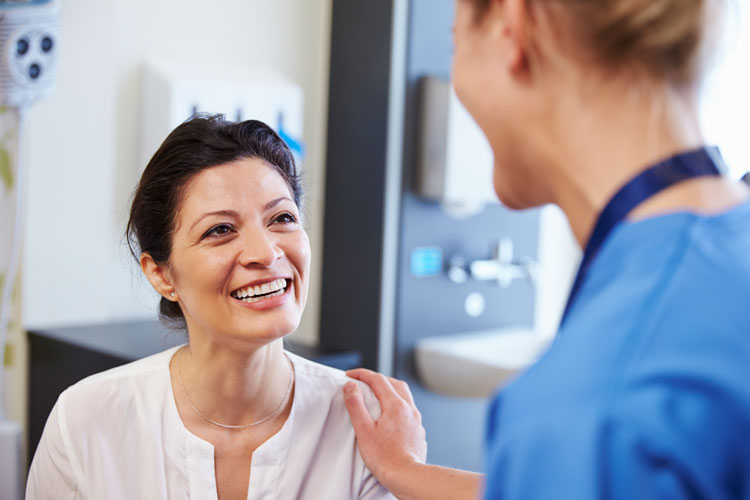
There is also pain treatment and emergency services such as airway management. Nurses are frequently in charge of starting catheterization operations for patients in the hospital or community. This nursing role necessitates up-to-date knowledge of catheter selection and problem-solving in urinary catheter management. The RN educates women about their pain-relieving options throughout labor and delivery, as well as the benefits and risks of various types of analgesia and anesthesia. The RN is also responsible for maintaining track of the fetus's well-being using electronic or regular auscultation of the fetal heart rate.
Patients Bill of rights.
1. Right to Appropriate Medical Care and Humane Treatment. - Everyone has the right to health and medical treatment that is appropriate for his or her condition of health, without discrimination, and within the resources, manpower, and expertise available for health and medical care now. The patient has a right to adequate and high-quality health and medical care. His human dignity, principles, integrity, unique needs, and culture will all be honored throughout this time. If a person cannot receive medically essential treatment immediately, he will either be ordered to wait for care or referred or sent for treatment elsewhere, depending on his condition of health. If a patient must wait for care, the reason for the delay must be explained to him. Without any deposit, pledge, mortgage, or other kind of upfront payment for treatment, patients in an emergency will be given prompt medical attention and treatment.
2. Right to Informed Consent. - The patient has a right to a clear, truthful, and substantial explanation of all proposed procedures, whether diagnostic, preventive, curative, rehabilitative, or therapeutic, in a manner and language understandable to the patient, including the name and credentials of the person who will perform the procedure, the possibility of any risk of mortality or serious side effects, problems related to recovery, and probabilities. Informed consent to medical treatment is required by both law and ethics. Patients have the right to obtain information about proposed treatments and to ask questions so that they may make well-informed decisions regarding their care.
3. Right to Information. - The patient or his or her legal guardian has the right to be informed of the results of the evaluation of the type and degree of his or her ailment during his or her treatment and hospitalization. Any other extra or planned medical treatment on surgical operation or procedures, including any other additional drugs to be provided and their generic counterparts, as well as any other relevant information, data, or research. Any changes in the plan of care for his or her disease must be made before the alteration is made. The extent to which payment may be expected from Phil health or any payor and any charges for which the patient may be liable, the disciplines of health care practitioners who will provide the care, and the frequency of services that are proposed to be furnished are all factors to consider before the plan of care is implemented.
4. Right to be Informed of His Rights and Obligations as a Patient. - Every patient has the right to be informed about his or her rights and responsibilities. The Department of Health, in collaboration with health care providers, professional and civic organizations, the media, health insurance corporations, people's organizations, and local government organizations, shall launch and maintain a nationwide information and education campaign to inform people about their rights as patients, as defined in this act. Patients' rights and duties must be put on a bulletin board prominently displayed at a health care facility. It is the responsibility of health care institutions to advise patients of their rights as well as the institution's laws and regulations that apply to the patient's behavior while in their care.
5. The Right to Choose Health Care Provider and Facility. - The patient has the freedom to pick the health care professional who will serve him as well as the facility, except when he is under the care of a service facility, when public health and safety require it, or when the patient expressly waives this right in writing. At the patient's request and expense, the patient has the right to confer with a consultant specialist about his condition. They also have the right to obtain second and subsequent views from another health care provider/practitioner, if necessary. Patients have a common-law right to choose who provides their treatment, as well as who provides it. As a result, when patients actively express preferences for providers, regardless of payer source or kind of treatment, their decisions must be respected.
6. Right to Refuse Participation In Medical Research. - The patient has the right to know if his health care practitioner intends to include him in medical research, which includes but is not limited to human experimentation, which can only be done with the patient's written informed permission. Provided, however, that the Department of Health ensures the ongoing training and education of future health care providers/practitioners in order to guarantee the country's health care delivery develops. The terms of the Declaration of Helsinki, as well as its associated guidelines, must be made known to the patient engaging in human research. Individuals have the option of participating or not participating. An individual who agrees to engage in a study at the outset has the freedom to withdraw at any time, as well as the right to decline to answer any specific question(s) or participate in a certain set of procedures.
Preventions in Covid-19 Pandemic
How can we defend ourselves against COVID-19 if it spreads in our community? What can we do to prevent it? The coronavirus disease outbreak of 2019 (COVID-19) has become the biggest worldwide pandemic in history. COVID-19 is spread from person to person by droplets, touch, and fomites, as we all know. When one person talks, sneezes, or coughs, ‘droplets' of saliva with the COVID-19 virus are produced, which may readily spread across the population. Over the last few months, we've all made sacrifices to keep our families and communities secure. This group effort has made a significant difference. While certain limitations are being eased, the epidemic is still present. There are things we can take to prevent the spread of the virus
If COVID-19 is spreading in our community, I think that we can protect ourselves by keeping a safe distance, wearing a mask, keeping rooms properly aired, avoiding crowds, washing our hands, and coughing into a bent elbow or tissue. We should always observe the Social Distancing Measures. We can help decrease the risk of person-to-person transmission, we just need to keep a gap of at least 3 feet or 1 meter between other people and us whenever feasible. We should apply this everywhere even if a person appears to be healthy and has no symptoms, this distance should be watched. It might be suggested to avoid handshakes as much as possible. Another thing that we should observe is wearing a facemask and if necessary, a face shield. Even if we are not sick, we should all wear a mask. In wearing a mask, it should completely cover our nose and mouth and fit tightly on the sides of our faces without gaps while worn. As we return to our normal activities, this, together with social distance and frequent handwashing or use of hand sanitizer, will be critical in preventing the spread of COVID-19.
Seems like we are the leaders of our communities, and we can all make a difference not just in our community but perhaps in the whole world. We can all be role models. We can demonstrate to people the necessity of washing hands, concealing coughs and sneezes with a bent elbow, keeping at least 1 meter away from others, and cleaning commonly touched objects and surfaces regularly. If we feel unwell, we can stay at home and monitor our health. Wherever we are, whether at work, home, or school, we can help prevent Covid 19. We just need to be better citizens in our community and follow all the safety protocols to lessen and prevent the spread of the Covid-19 virus in our community. We can all go through this together. Possibly, unity and understanding in our situation, will let us all rise and beat this pandemic together.

Values that correspond to Fiona Lausingco
F-**earless**
As a nurse, we should be fearless and have courage within us. It allows us to be brave and do the right thing for the people that we are caring for. We should always be brave enough to speak up in identifying poor nurses’ practices and be willingly to help each other to gain understanding on given situations.
**I**-**ntegrity**
We should be always honest and fair with everything. Integrity is fundamental to ensuring trust with healthcare professionals. It is our foundation that form patients' trust and fosters healthy therapeutic relationships that promote healing.
O-**ptimistic**
Being optimistic help, us acknowledge ourselves that our work and profession matters. We are clarifying with our purpose, and we believe in ourselves that we can make difference to someone’s life.
N-**ice**
Being kind and nice requires us to be vulnerable to ourselves while acknowledging vulnerability and distress to others. We all know that there are times that we cannot offer any solution to another person's problems, but kindness lets them just be as they are, offering companionship and acceptance of their feelings. In that way, we can better connect and provide with our patient.
A-**utonomy**
Autonomy allows us to work in a home health care setting and manage any minor problems that emerge based on our experience, with the understanding that can seek more medical help if necessary. We canenhance autonomy by clearly communicating and organizing our work to ensure that we have the freedom to act on nursing decisions using sound clinical judgment and it can be organized in a way that ensures that we contribute to decision making about the treatment plan of patient.
L-**eader**
Leadership is important in being a nurse because it helps patients and communities achieve better health outcomes. The growing need to improve the quality of care in our health-care systems necessitates competent nursing leadership and it is a valuable tool for enhancing our patient care as well as the health care system as a whole.
A-**daptable**
A nurse must be adaptable to change hospitals need nurses who are open to new ideas and flexible enough to work through challenging issues such as dealing with challenging priorities and workloads. Workforce flexibility is introduced as a good way to address concerns on our workplace such as employee shortage and meeting patient needs. We should always have the ability to learn new skills as well as our readiness to adjust to changing settings.
U-**nderstanding**
It is critical for nurses to address both the physical and emotional needs of their patients. Demonstrating empathy builds us a collaborative relationship with our patients, which can aid in the identification of the causes, symptoms, or explanations that lead to a proper diagnosis and treatment.
S-**killful**
We are known for our clinical abilities, which we have acquired through school and on-the-job training. Our ability to recognize illnesses, pharmaceutical side effects, and when treatments aren't working is critical for patient care, which is why we are needed to have the knowledge and understanding.
I-**lluminating**
We should always clarify the situation of our patient/client and explain the facts. We should always help them to understand what they are going through.
N-**imble-minded.**
We should always be alert and clever. Attention is essential in working as a nurse to perform daily activities, such as care planning and delivery to all kinds of patients, including those requiring highly complex care and in risk of imminent death.
G-**reathearted magnanimous**
We should always give more than what we are expected. We should have the willingness to provide others and have a generous heart and spirit.
C**-ommited**
We should always be committed to provide optimal patient care and promote the nursing profession When our actions directly affect a person’s life, we need to be committed. Being a nurse is not just a career but an everyday challenge of providing a service where in our actions directly affect a person’s life.
O-**bliging**
Knowing that we work on hospitals, it is given that some of our patients can do even simple things. That’s why is it important for us to be willingly do things or services to others.
Titanic
As the Titanic sank, Jack and Rose, both made it to be on the floating door, they share the heat of their bodies, so they survive the cold breeze of the wind. A few hours later, they are discovered by the rescuers but both of them are asleep. Three days after, they woke up in a hospital.
A few months later, Jack hit a jackpot and came back with a chest of gold and silver. Jack was a genius when it comes to business and put it into investments. Also, Rose's family accepted Jack as he proves how much he loves Rose and would do anything to give her the best life.
The story ends with Rose telling her grandchildren the story of Titanic. She is already 95 years old, and Jack died two years ago. What happened in the whole movie of Titanic was all Rose’s story to her five grandchildren.
Rose gave her first granddaughter ‘The Heart of the Ocean necklace. After a year, Rose dies in her sleep and meets Jack in the middle of the field.
Thank youu so much!
Philippine Traditions
A. Look for an image that you think best represents the Philippines. Explain why you have chosen that image. The image or picture of the object of your choice must not be suggestive of our countries such as our flag or its colors, and indigenous identity.
Pagmamano In my perspective, this painting that shows “pagmamano”, best represents the Philippines. Giving respect to the elderly is a characteristic of Filipino family practice. “Pagmamano” is a Filipino gesture of respect to their elders. When a Filipino child meets an older relative, he or she greets them with a gesture known as mano po, which entails taking the elder's hand and placing it on the youth's own forehead to show profound respect for the senior. The elder will usually say “Kaawaan ka ng Diyos,”, especially in the provinces (May God have mercy on you). Elders in heavily urbanized places, such as Manila, commonly say "Bless you" or "God Bless You." Aside from that, you can hear the words "po" and "opo" in the Philippines. When speaking to elders or someone they respect, Filipinos use these terms to express their regard. In a conversation, they frequently punctuate or complete a normal sentence. When responding to queries from an elder or a respected person, “opo” can be interpreted as “yes.” Filipinos are trained from a young age to respect seniors, not only inside the family but also in the community, whether strangers or relatives. If parents start teaching their children how to do the mano when they are one year old, they will grow up believing in it and putting it into practice wherever they go. The centrality of family in Filipino culture inspires respect for seniors. Because Filipinos are devoted to their families, the elderly are cared for in the homes of their children or grandkids. You are acknowledging the elderly's worth in the family by allowing them to reside at home.
B. Contrast folk culture and popular culture. (5 points)
Folk culture refers to the goods and activities of rural small-scale social groups that are relatively homogeneous and secluded. As a result, folk culture is frequently linked to tradition, historical continuity, a sense of location, and a sense of belonging. Song and dance, narrative and mythology, vernacular architecture, everyday items and apparel, diet, habits, social laws and structures, agricultural and craft production, religion, and worldviews are all examples. Popular culture is the set of habits, beliefs, and objects that express the most held meanings of the social system. It encompasses, among other things, media items, amusement and leisure, fashion and trends, and linguistic conventions. Popular culture includes popular music, print, cyber culture, sports, entertainment, leisure, fads, advertising, and television, among other genres. Some sporting events, such as the World Cup and the Olympics, are watched by millions of people throughout the world.
C. How does popular culture affect our lives? (5 points)
Popular culture surrounds and influences us from the minute we are born. It's the shared values and practices that bring people together. People's perceptions of the world are influenced by pop culture. It not only reflects what society thinks of itself but it may also be used to affect social change. Everyone's daily lives are influenced by popular culture. It doesn't matter if it's done directly or indirectly. Because popular culture is such a broad tent under which many diverse aspects of life and society seek refuge, it can be understood in a variety of ways. Music, movies, toys, and other forms of entertainment. Every day, pop culture has an impact on society, but it has a particularly strong impact on our generation. It has a variety of effects. Trends are fast gaining popularity, and new ones emerge all the time, having a significant impact on youngsters. I am a teenager, and I believe it influences practically every aspect of our lives, including the music I listen to, the clothes I wear, the things I buy, the movies I watch, and the books I read.

Climate Change
Humans have gone through numerous natural calamities, and if the water level continues to rise in the next 100 years, the world map will be redrawn. People are currently experiencing an obvious change in the earth's surface temperature, which will have a psychological, physical, and emotional impact on our lives and the lives of our children. Climate change today, according to the Department of Ecology (DoE), is a combination of temperature, humidity, wind, and weather standards. Furthermore, these climate patterns play a critical role in the formation of natural ecosystems, human economies, and cultures. Many countries and well-known figures have attempted to fix the problem and persuade the globe to take immediate action.
Climate change has become a more prominent issue in the world today. Climate patterns have shifted dramatically in recent years as a result of a variety of human activities. Climate change has wreaked havoc not only on mankind but also on ecosystems and the great majority of animals and their habitats. The polar bear is one of the creatures that has been severely impacted by climate change. The polar bear is extremely reliant on its habitat, which is rapidly deteriorating due to climate change. However, in order to comprehend the startling consequences of climate change, we must first comprehend what climate change is and why it occurs. The average change (increase) in the earth's temperature is referred to as climate change, sometimes known as global warming. There are various factors that contribute to climate change; nevertheless, these factors can be grouped into two categories: natural causes and human actions. Volcanic eruptions are one of the natural factors that have contributed to climate change. These eruptions produce aerosols, which are made up of carbon dioxide and sulfur dioxide.
If humans do not work to mitigate climate change, it will continue to be an issue for many years. Even though climate change can occur naturally, humans have contributed to the rise in global temperatures in a variety of ways. This not only causes issues in society and among humans, but it also has a significant impact on animals. The polar bear is one of the creatures that has been severely impacted by climate change and is on the verge of extinction. Not only is their environment being destroyed, but so is their food supply as the ice melts. Climate change is one of the most pressing challenges of our day, and its advancement will have a cascading effect on many, if not all, ecosystems, including humans.

Hypothesis
**EXAMPLE 1:**
The number of Covid-19 cases which is 15,958 collected in the month of May 2021 is higher than in April. Human behavior is the most critical component. The responses of state and municipal governments, as well as individuals, to the epidemic, vary. Some people take COVID-19 measures, including physical separation, handwashing, and mask use.
***H0*****:** The number of Covid-19 cases which is 15,958 collected in the month of May 2021 is higher than in April. / ***H0*****: μ = 15,958**
***Ha*****:** The number of Covid-19 cases which is 15,958 collected in the month of May 2021 is not higher than in April. / ***Ha*****: μ ≠ 15,958**
In this example, the null hypothesis is *H0*: μ = 15,958. You may notice that the hypothesis used the phrase ‘higher than that is associated with greater than. Therefore, *Ha*: μ > 15,958. This hypothesis uses inequality symbol (>) so it is the one-tailed test and it uses greater than which specifically called for the right-tailed test.
***H0*****: μ = 15,958 and** ***Ha*****: μ ≠ 15,958 (right-tailed test)**
**EXAMPLE 2:**
An increasing number of 1.2 million students drop out of school every year. Teens will claim a variety of reasons for dropping out, ranging from academic failure to boredom. The consequences of dropping out can last a teen their entire life. Most kids opt to drop out of high school because they are struggling in school on a daily basis.
***H0*****:** An increasing number of 1.2 million students drop out every year. / ***H0*****: μ = 1.2 million**
***Ha*****:** No increasing number of 1.2 million students drop out of school every year. / ***Ha*****: μ ≠ 1.2 million**
The null hypothesis is *H0*: μ = 1.2 million. We may notice that the hypothesis used the phrase ‘increasing number’ that is associated with greater than. Therefore, *Ha*: μ > 1.2 million. This hypothesis uses inequality symbol (>) so it is a one-tailed test and it uses greater than which specifically called for the right-tailed test.
***H0*****: μ = 1.2 million and** ***Ha*****: μ ≠ 1.2 million (right-tailed test)**
**EXAMPLE 3:**
The unequal distribution of wealth among Ph inhabitants is referred to as wealth inequality. The chasm between the bottom and higher classes is widening all the time. The disparity between diverse groups of people threatens democracy because poverty worsens as wealth inequality develops. Another frequent metric is the percentage of total wealth in the hands of the top 1% of the wealth distribution to real wealth in the economy.
***H0*****:** The unequal distribution of wealth among Ph inhabitants. / ***H0*****: μ = 1%**
***Ha*****:** There is no unequal distribution of wealth among Ph inhabitants. / ***Ha*****: μ ≠ 1%**
The parameter is 1%. We can write the hypotheses into symbols: *H0*: μ = 1% and *Ha*: μ ≠ 1%. The phrase ‘unequal distribution’ has no clue of the direction of the study, so it implies either an increase or decrease in performance. This tells you that the test is a two-tailed test.
***H0*****: μ = 1% and** ***Ha*****: μ ≠ 1% (two-tailed test)**
Lakbay Sanaysay
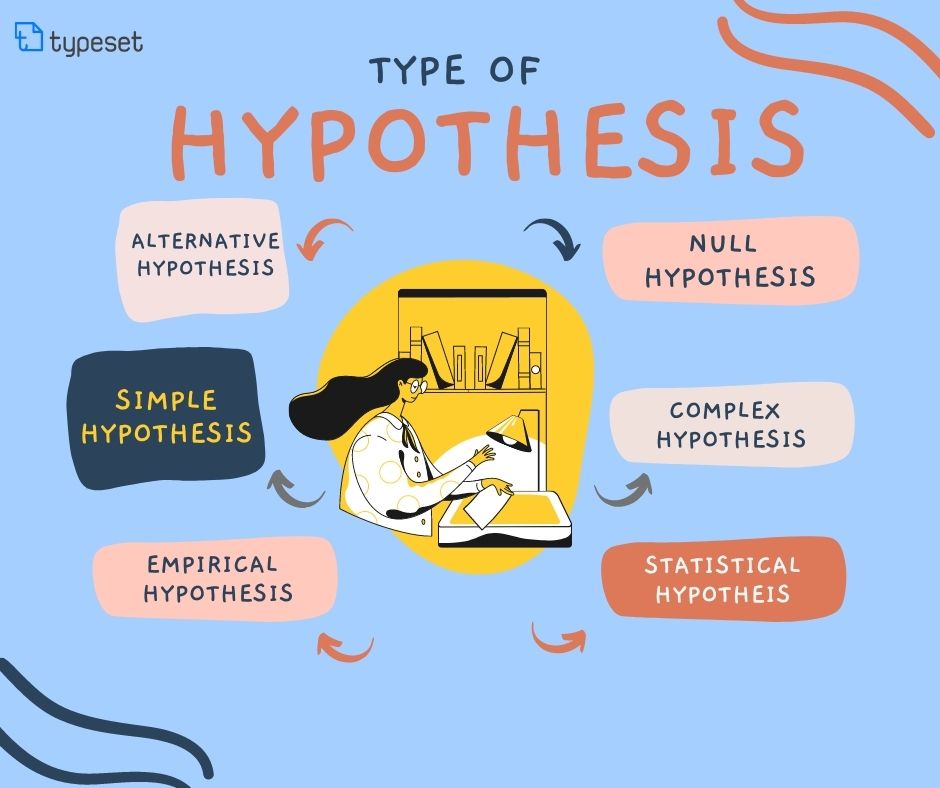
L – itratong kuha
A – ang maglalarawan sa
K – akaibang anggulo na kuha sa pag
B – isita sa
A – ngking ganda ng lugar at sa iba pang
Y – aman ng lugar
S – a pag eendorso
A – t pagtaguyod sa isang lugar
N – a magbibigay interes
A – t mapreserba ang
Y – amang kulturang taglay nito
S – a pamamagitan ng isang
A – kademikong sulatin sa bawat
Y – ugto nito
Examples of medical software and hardware expert systems for dysfunction analysis and treatment
**Examples of medical software and hardware expert systems for dysfunction analysis and treatment**
A new approach of registering and processing speech characteristics for individuals with central nervous system vascular lesions is presented. Strokes are the most common cause of it, with localized abnormalities of cerebrum functioning induced by vascular damage. The quality of speech is determined by the central nervous system's programming activity and the state of the broadcast of stimuli in the cortical-subcortical region. Voice analysis was carried out utilizing our own signal processing methods based on Fourier transforms. Furthermore, statistical analysis was utilized to establish a reasonable association between the improvement of voice characteristics and the neurological state of the patient under consideration.
Several individuals with ischemic and hemorrhagic stroke had the tests done during the first three days of their hospitalization. Following then, the examinations were repeated once a week. The voice analysis of patients with ischemic brain stroke, done using software, revealed distinct abnormalities in frequency and amplitude in the formant parameters when compared to him controls. In the event of a hemorrhagic stroke, the same anomalies were much lower in individuals with aphasia. The technology given here allows for the establishment of a potential of speech recovery process right at the start of the ischemic stroke.
During the recording, numerical data are attributed to the patient's state of health and compared to data from a healthy individual of the same age and gender. Analyzing time, frequency, and time-frequency relationships. Because the g-force vector is constant during such a movement, measuring rotation in the horizontal plane cannot be done analogically.Aside from gravity, the Earth is also a source of magnetic field, which may be utilized to estimate the patient's heading using a magnetometer. Any sensor mistake will be incorporated over time, causing the angle value to drift continuously. Furthermore, the integration constant is unknown ahead of time.
The gyroscope, on the other hand, is more trustworthy than the magnetometer and is used in the proof-of-concept device. Both concerns mentioned above must be resolved in order to fully utilize the abilities of this sensor. Aside from gravity, the Earth is also a source of magnetic field, which may be utilized to estimate the patient's heading using a magnetometer. Any sensor mistake will be incorporated over time, causing the angle value to drift continuously. Furthermore, the integration constant is unknown ahead of time. The prototype process raised a number of challenges that an engineer would confront when building identical equipment. The most significant limitation is that there are presently no inexpensive MEMS accelerometers with resolutions greater than 12 bits. However, in some instances, its performance may be sufficient, particularly if feedback is delivered using a simulated pointer rather of the actual one.

Position Paper
Type of claim: Claim of Fact
Thesis Statement (Stand): How can we stop this pandemic? For COVID vaccine distribution to be given equal access.
As new COVID-19 variants emerge, equal and rapid access to vaccines is more important than ever. Vaccination is a simple, safe, and successful method of protecting people from potentially fatal infections before they meet them. It strengthens your immune system by utilizing your body's defenses to create resistance to specific pathogens. Vaccines instruct your immune system to produce antibodies in the same way as it does when expose to a disease. Vaccines, on the other hand, do not cause the disease or put you in danger of its complications because they include only killed or weakened versions of pathogens such as viruses or bacteria. Vaccination is a safe and efficient strategy to prevent disease and save lives, and it is more important now than ever. Vaccines for at least 20 illnesses, including diphtheria, tetanus, pertussis, influenza, and measles, are now accessible. Every year, these immunizations save the lives of up to 3 million individuals. We are not just protecting ourselves when we get vaccinated, but we are also protecting people around us. Some people, such as the critically ill, are recommended not to receive vaccines, so they rely on the rest of us to get vaccinated and help prevent disease spread. WHO works to guarantee that vaccines are safe and effective for all people everywhere? To accomplish this, we work with governments to develop rigorous vaccine safety processes and to apply stringent international standards to control them.
With the number of new COVID-19 cases virtually doubling in the last two months — nearing the pandemic's greatest infection rate — unequal vaccine distribution is not only a moral outrage but also monetarily and epidemiologically self-defeating. The hashtag #NotoVIPVaccination dominated online conversations after government officials, including President Rodrigo Duterte, revealed that Cabinet members and members of the Presidential Security Group had already been vaccinated for the coronavirus, even though frontline health workers, including those from public and private health facilities, should be given priority. Some compare the immunization of the PSG and a Cabinet member to the scenario in March when government employees were chastised for having access to the COVID-19 test despite limited test kits. Filipinos have once again questioned the Duterte administration's priorities, claiming that the so-called "VIP vaccine" is "unfair" and "unjust." And I completely agree; health workers and uniformed personnel should be prioritized because they have a larger risk of exposure while on the job, and they should be able to continue performing their tasks in both the public and private sectors. It's a slap in the face to medical staff who were overlooked on the vaccine priority list.
Vaccinations are both safe and effective. The Cove 19 outbreak has created a problem for children's rights that must be addressed as quickly as possible. The longer the epidemic continues, the greater the effects on people's health, education, nutrition, safety, and mental health, particularly among youngsters. To stabilize the long-term health of children and families in the Philippines, Covid 19 must be part of a comprehensive immunization plan. The move to a new normal existence acknowledges the danger of infectious diseases threatening our health and safety. Our experience with an infectious society demonstrates that an egalitarian society serves the interests of all, not only the most vulnerable members of society. As a result, the response should take advantage of the opportunity to ensure equity, focus on the concerns of disadvantaged and vulnerable people, and prioritize projects that can go beyond the current epidemic.
Technology in healthcare: how software improves medical practice?
**Technology in healthcare: how software improves medical practice?**
Big data, artificial intelligence, cloud computing, as well as smartphones, the "internet of things," and wearable gadgets, have all evolved in the previous two decades. Things that were once unthinkable are now transforming the workflow in practically every business, including the medical area. Emerging medical software solutions in the healthcare business are delivering previously inconceivable results. They assist healthcare professionals in gathering data in order to make data-driven choices, as well as in interpreting massive quantities of data.
Medical software helps healthcare practitioners to make more accurate and timely judgments. They also allow for the generation of fresh data and the enrichment of decision-making processes, which is very crucial to consider when it comes to medical diagnostics software. There are currently about 400 million individuals worldwide suffering from uncommon illnesses, with half of them thought to be children. Many of these are performed by healthcare professionals using the Face2Gene app. During the COVID-19 pandemic, the enhanced utility of Face2Gene's technology was proved.
In the profession of radiology, where analyzing many imaging images can be difficult to prevent making mistakes while maximizing accuracy. Some medical software is designed to do just that: analyze medical photos from patients with greater speed and accuracy. For radiologists, Zebra Medical Vision developed an AI1 "all-in-one" solution. Their Imaging Analytics Engine collects imaging scans and automatically analyzes them for numerous clinical findings that have been researched. Its technology is based on a “database of millions of imaging scans, as well as machine and deep learning tools,” which enabled them to develop software that analyzes data in real-time with human-level accuracy, assisting radiologists in managing ever-increasing workloads without sacrificing quality.
Many start-ups have developed with the purpose of using AI technology to provide more accurate diagnoses. Aidoc, an Israeli start-up that uses AI to analyze medical scans of the head, spine, abdomen, and chest, is one of them. According to the business, its tools “assist radiologists in detecting and pinpointing significant abnormalities using deep learning and AI algorithms that scan medical pictures and patient data.” One of their most valuable tools is a prioritization tool that indicates crucial discoveries on noncontrast CT head images, such as cerebral haemorrhage. As a result, radiologists can change their work schedule as needed. Imaging is critical in the diagnosis and documentation of disorders such as cancer. According to a research published by NVIDIA, deep learning reduces the mistake rate for breast cancer diagnosis by 85 percent. This was one of the motivations behind the creation of the AI imaging medical platform Behold.ai in 2016 by Jeet Samarth Raut, Peter Wakahiu Njenga, and Simon Rasalingham. They developed a red dot method based on deep learning models. That is, it can categorize a chest X-ray and use heatmaps to localize its results. According to the company's website, its algorithm was created "using over 30 thousand sample photos, all of which were examined and reported by highly experienced consultant radiology physicians." Therefore, its technology detects problems with greater than 90% accuracy in seconds.

Medical Diagnostic and Treatment Software Holds Potential to Improve Patient Care Worldwide
**Medical Diagnostic and Treatment Software Holds Potential to Save Lives and Improve Patient Care Worldwide**
Dr. Maximo Jose Rodriguez Rivera and Dr. Alejandro Dominguez Brito of the Dominican Republic utilize a Tablet PC to field test the NxOpinion user interface. (October 2003) According to the Agency for Healthcare Research and Quality, diagnostic mistakes kill about 100,000 individuals in U.S. hospitals each year. After a patient died because of a mistake, Dr. Joel C. Robertson of Michigan Neuropharmacology decided to develop a technological solution that may assist clinicians assess a patient's health more swiftly and precisely, thereby preventing similar tragedies.
Robertson's vision was channeled into the development of NxOpinion (Nx is short for "Next"), a real-time diagnostic tool built on Microsoft technology and with assistance from Microsoft Research that promises to provide physicians with timely and relevant information about hundreds of non-chronic illnesses and diseases. Robertson's non-profit Robertson Research Institute (RRI), which he created in February 2001, intends to offer NxOpinion at no cost to doctors and medical organizations in locations where this sort of resource is most required, including as disadvantaged and developing countries, as well as rural clinics. In 2005, an initial version of the program and related database of medical information will be released.
NxOpinion, which is designed for usage on a Tablet PC or desktop computer, invites a physician to enter facts regarding a patient's condition as though explaining the case to a colleague. NxOpinion proposes plausible diseases and requests further proof based on each new piece of information. Using Microsoft Windows Forms technology, we were able to create an extraordinarily rich and engaging interface that provides information to the user on a single screen. Another RRI team of physicians and researchers is working to populate the NxOpinion medical knowledge base with illness profiles based on the most recent data from major medical publications and a variety of other sources.
This occurs in the NxOpinion Content Creator, a companion program that organizes, stores, and delivers content using a Microsoft SQL Server database. Each illness profile will comprise information such as typical symptoms, frequency with which they emerge, and the kind of test findings connected with that sickness, with the RRI medica assigning a weighting to each piece of information. As a result, RRI anticipates that future phases of NxOpinion will be a highly successful teaching resource for medical students, interns, and residents. In November 2003, the development team put NxOpinion's usability to the test by inviting a group of twelve doctors in the Dominican Republic to try with the diagnostic application and submit comments over the course of three days.
Genetically modified organisms (GMOs)
Genetically modified organisms (GMOs) are living organisms whose genetic material has been artificially manipulated in the laboratory by genetic engineering. It combines genes from plants, animals, bacteria, and viruses that do not occur in nature or by conventional methods of crossing over.
"GMOs are designed to be extra — extra healthy, extra fast-growing, and extra resistant to weather or pests," says Megan L. Norris, PhD, a biomedical researcher at the UT Southwestern Medical Center. However, GMOs may cause allergic reactions. Because GMO foods contain DNA from other organisms, it's possible that the new DNA can trigger allergies in people who wouldn't normally be allergic to the food. Not all experts agree on this concern, however, some scientists argue that this type of gene transfer is very unlikely and there is little risk to humans.
GMOs pose more environmental hazards than conventional plants and organisms, or have no scientific evidence for food and food safety. The traditional method of producing better varieties of plants or animals is through different breeds.
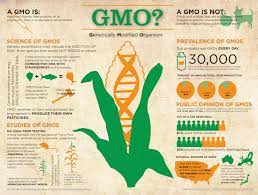
Health Informatics & Its Importance
***What is Health Informatics?***
A specialist area of the healthcare sector called health informatics integrates communication, information, and healthcare with the aim of enhancing patient care. It entails using tools like health information systems to gather, store, retrieve, analyze, and use healthcare data for a variety of goals. Increasing accuracy and efficiency in facility/practice management, streamlining medical quality assurance procedures, improving cost-effectiveness in healthcare delivery, and enabling better collaboration and coordination among healthcare providers are some of the most frequent uses of health informatics. The advancement of patient care, life sciences research, health professions education, and public health are all impacted by health informatics, according to the American Medical Informatics Association (AMIA).
***About Health Information Systems***
It is evident that one of the primary responsibilities of health informatics experts in managing health information systems. Here is a brief explanation of what a health information system is for those who are just starting to research the field: A health information system is any computer-based system that collects, stores, manages, and/or transmits data about an individual's health or the operations of a healthcare organization. The fundamental varieties of health information systems are:
These health information systems are known as "transaction processing systems" because they process data to fulfill transactions. Patient billing systems and admit, discharge, and transfer systems for hospitals are a few examples of these systems.
**Management information systems** - These software programs offer management tools for setting up and assessing teams of employees or departments. Information systems for emergency rooms and laboratories are examples of this type of information management system.
Data is gathered by decision support systems, which then use analytical models and visual aids to enhance the results of decision-making processes. Clinical decision support systems are the most typical instance of this kind of technology.
***Why Is Health Informatics Important?***
This position is crucial to the healthcare industry. Although they work in the background, these healthcare workers organize, store, and manage health data using electronic health records to improve patient experience (EHR). The importance of healthcare systems and the people who work in them has increased in the age of big data. By utilizing these technologies, healthcare professionals have easier access to patient information, allowing doctors and nurses to reach decisions and achieve results more quickly. These health professionals serve as a link between the domains of information technology and policy by communicating with both groups. Overall, they are a valuable asset in healthcare institutions due to their knowledge of people, medicine, and health information technology.
***Health informatics careers***
Here is the information you need to know about acquiring the necessary knowledge base and credentials if a career in health informatics appeals to you. Technical expertise in many kinds of health information systems, administrative prowess, and knowledge of healthcare are prerequisites for this professional path. Since this subject requires knowledge from both the health care and information technology fields, being a health informatics practitioner essentially entails cross-training in both.


Movie Analysis: Apollo 11
***1. Discuss one situation or part in the movie where data was being processed manually then it was transformed into major information and intervention that somehow save the life of the astronauts.***
As the ship begins to tilt out of control, with system buttons lighting up and oxygen tanks failing, mission control acts, attempting to solve the problem from the ground. The crew faced a perilous situation in the hours ahead, and they worked frantically to assess, mitigate, and manage it. The crew and mission support team were beset by ongoing issues with power constraints, water consumption, communications, and carbon dioxide accumulation, forcing them to create new procedures and reconsider their basic assumptions about the Lunar Module's capabilities. Ken believes that if they can remove the unnecessary steps from the checklist, he will be able to reclaim the men with the limited strength they have. He instructs the simulator team to provide him with the same conditions and equipment as the Odyssey crew, and he begins working long hours without rest to devise a procedure. A further difficulty emerges shortly after when it is discovered that all three men in the LEM are using more oxygen and producing more carbon dioxide than planned. Fred Haise realizes that calculating oxygen reserves for only himself and Jim was a mistake because they would be the only two operating the LEM. The ground crew notices that the LEM filters are round, whereas the craft's only other filters (for the Command Module) are square. A group is formed to develop a filtration system using the craft's limited resources. The crew is working nonstop to create a new filter. They get a call from Houston warning them of the oxygen problem right as the CO2 saturation signal turns on, and they work fast to put together the filter that the ground crew developed. The procedure is successful, and the filter cleans the ship's air supply.
***2. The importance of computer technology has somehow shifted, and the advancement of these technologies became possible because of the apollo program NASA has brought a great impact on the progress of mankind. Discuss what will happen to us if these space programs were never developed.***
If these space initiatives are never launched, no technological advancements that will help us enhance our lives on Earth will be made. We wouldn't have GPS, reliable weather forecasting, solar cells, or ultraviolet filters in sunglasses and cameras if space missions weren't funded. Medical research is also taking place in space right now that could cure diseases and extend human life, and these experiments aren't possible on Earth. Space exploration may be the key to human survival. The burden on our natural resources continues to grow as we develop new technology on Earth. The extraction of valuable minerals has resulted in a slew of issues, including environmental devastation and human exploitation, yet space has a variety of valuable resources. Planetary Resources, for example, wants to mine asteroids instead of Earth, which would provide a practically limitless supply of rare raw minerals. Hundreds of technological innovations derived from space programs are introduced into our everyday technology each year, including improved home appliances, advances in farming equipment, faster communications, more precise maritime and aerospace technologies, safety through dangerous weather warnings, improved medical instruments, and other innovations.
***3. “Punto de Vista”, do you think going back to basic is important? Discuss how this helps in the complicated and comprehensive aspect of the workflow (Data-Information-Knowledge).***
Yes, it is critical to return to the basics. This is significant in our life because it helps us deal with the frequent changes we face. Technology offers several options for speeding up development and transferring data. The movement promotes simplicity and adherence to fundamental concepts, implying a return to the basics for those whose lives have grown overly complicated. The fundamentals will provide us with the information we need to open our game in whatever way we see suitable. On the other hand, if we ignore these notions, we're likely to create undesirable behaviors that are difficult to overcome. The workflow of an organization is made up of the procedures it needs to complete, the people or other resources it must complete those activities, and the interactions between them. It's critical to understand the fundamentals because if we don't understand that we must use our prior knowledge and place all the data and information in context to interpret it correctly using our knowledge, we'll end up with an Information Management System. Users are left to their own devices to search through infinite manuals, flowcharts, or wiki-type systems, and each is left to interpret the material in their way. Some processes in health care, like those in other industries, are planned, while others emerge organically and change. Organizations' processes and techniques for achieving certain goals range substantially. Some organizational workflows appear to be simpler than others. When workflow processes are examined in isolation, they often appear to be extremely rational (and even efficient) in their actions toward the final goal. Complexity arises from the interactions between the processes. Some of these interactions conceal tensions between the priorities of different positions in an organization, such as the nursing team's responsibilities vs the physician team's timetable. Workflows are also adjusted to fit the changing environment. Reflecting on organizational workflows over time may reveal that some processes are no longer required or that they can be changed and streamlined.
***4. Do you think the space program NASA has influenced the advancement of medical or health technologies? Discuss a process.***
Yes, the space programs of NASA have influenced the advancement of medical or health technologies. From solar panels to implantable heart monitors, from cancer therapies to lightweight materials, and from water purification systems to enhanced computing systems and a global search and rescue system, space exploration has influenced many parts of daily life. The economic importance of space will grow even more if the ambitious future exploration goals described above are met. Space exploration will continue to be a key driver for unlocking new scientific and technological fields, causing other industries to collaborate with the space industry on collaborative research and development. Microgravity, radiation, and isolation are all factors that astronauts face when in space. Some of the changes they've noticed in their bodies are health issues that come with aging or leading a sedentary lifestyle. Experiments on astronauts in space help us better understand medical conditions on the ground. This study yielded results that potentially aid persons with cardiovascular diseases, Type 2 diabetes, osteoporosis, balance issues, and other ailments. They are revolutionizing surgery on the planet. The International Space Station has allowed for several operating room advances. Surgical robots like neuroArm, a highly precise robotic arm capable of performing brain surgeries that would otherwise be impossible, and Modus V, a second-generation robotic digital microscope that helps patients with a variety of brain and spine conditions, were developed using the same expertise that powered space robots. NeuroArm is the world's first robot capable of doing surgery inside magnetic resonance machines, allowing neurosurgeons to undertake complicated brain surgeries with increased safety and speed. They aid in the detection and treatment of breast cancer. IGAR, a medical robot capable of doing very precise biopsies to diagnose breast cancer, was developed using the same technology as space robots. IGAR performs extremely accurate and minimally invasive procedures that cause the patient less pain and discomfort. They also help folks in rural areas with medical needs. Because of communication satellites, specialists in urban areas can immediately deliver medical advice to health care practitioners in rural areas. They're also working along with space firms and the medical community to develop more portable medical equipment that can be utilized in areas where hospitals aren't readily available, with the objective of enhancing access to care for those living in distant areas. These technologies have the potential to improve patient care on Earth by increasing access to medical assistance and shortening test result wait times.
Thank you.
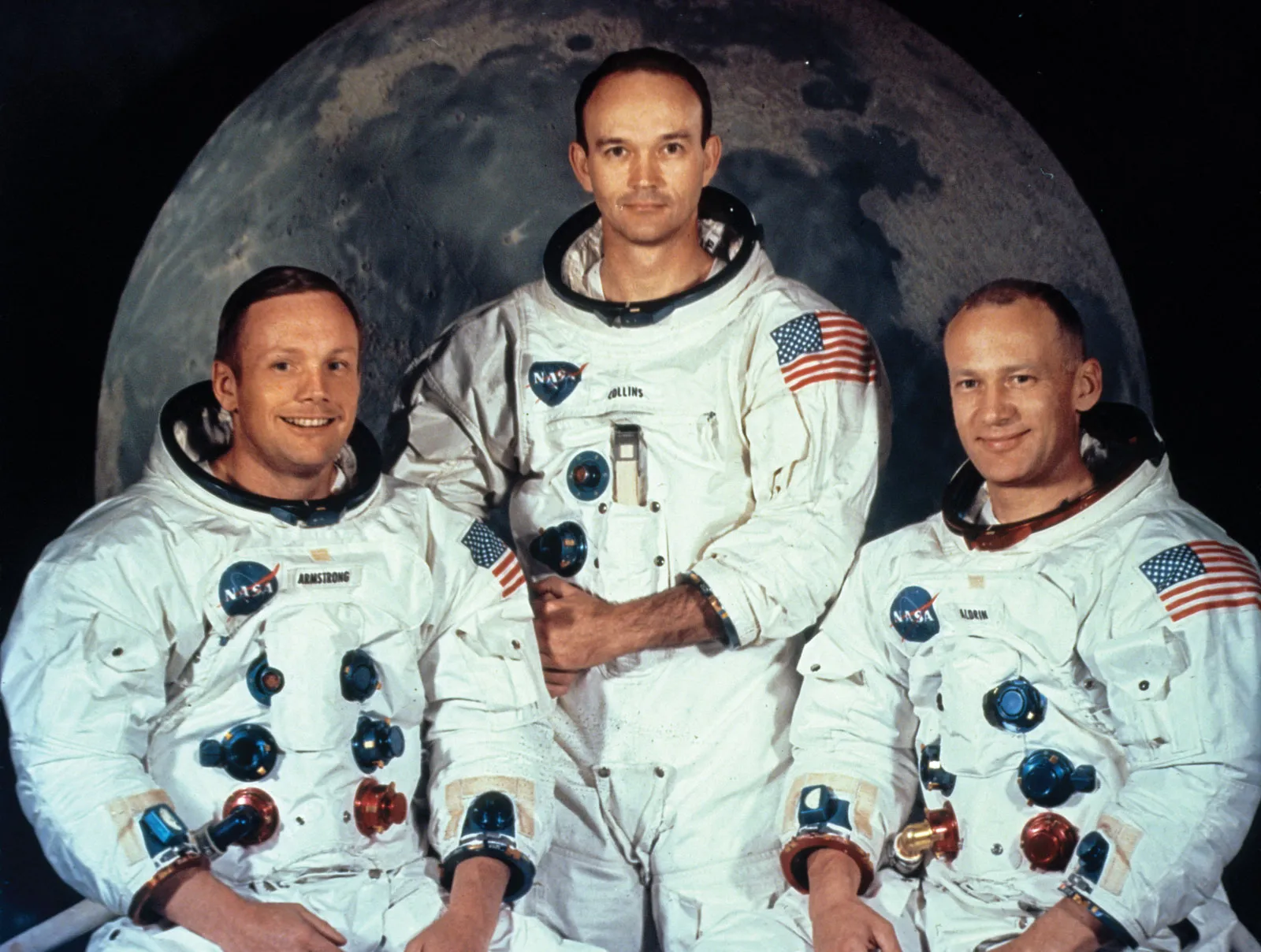
Health Informatics
***A. In a summary form, discuss the essentials of health informatics provided in the video. Discuss the advantages and disadvantages of these protocols in our nursing practice and patient care.***
This role is vital to the healthcare field. Healthcare systems and those who deal with them have become even more vital in today's era of big data. Healthcare providers have simpler access to patient information when they use these systems, which can assist doctors and nurses arrive at faster solutions and outcomes. These healthcare experts also communicate with legislators and IT professionals, serving as a link between the two professions. Overall, their understanding of people, medicine, and health information technology makes them an asset in hospitals.
Informatics can help uncover potentially dangerous treatment or prescription errors, improve patient record retrieval, improve health insurance accuracy, and increase the protection of patient information, to name a few essentials. It focuses on discovering current medical trends that can be applied to various health issues and improve patient care processes. It also helps to improve patient care by giving correct information derived from patient data and reducing care delivery errors. Health Informatics makes life easy for nurses and Doctors. They receive automatic reminders to complete tests, and exams or follow standardized treatment standards. They get more prescriptions per month, have built-in decision help, and drug testing, and can manage all pediatric dosing.
The built-in features allow for more thorough care by not only delivering the information needed to make the best decisions but also sharing that information with anyone else in the health- care system who encounters that patient. They have the potential to improve clinical research by making it faster and easier than it is now. It's not easy to go from pen and paper communication to entirely digital records. There will be some initial fees and modifications. It takes time to adapt quickly. There will be new software, improvements, and ways of doing things on a regular basis. Hospital employees must keep up with such changes to maintain a competitive edge. This can be difficult for certain employees, particularly the older ones. Patient records can also be accessed securely from public locations such as libraries.
B. Discuss how it can help in terms of safety in your future health care practice and for patient safety in terms of nursing care management.
Nursing informatics focuses on the best approaches to generate optimal patient outcomes by aligning nursing best practices with clinical workflows and care. It's all about using the overall process and best practices to provide the greatest possible treatment to patients. Nurse informaticists are frequently involved in process design, clinical workflow reviews, and new diagnosis and treatment plans because of this. They analyze multiple care options and use objective facts and analysis to determine which activities will result in the most patient-centered, value-based care. Nursing informaticists can help a healthcare institution reduce the risk of medical errors and their associated expenses. Staff training, procedural improvement, and best practice will all help to improve care quality and reduce patient hazards.
Medical gadgets that are connected to the internet can give large volumes of health data about people. Nursing informaticists are in a unique position to assess the true worth of that information and make recommendations for how it should be recorded, accessed, and used. By involving informaticists in the selection of medical devices, you'll have more criteria for understanding how device data might inform diagnosis, treatment strategies, and, ultimately, patient outcomes. It also offers objective data-based training and learning.
Providing clinical staff with training is one of the most significant ways a nursing informaticist may improve patient outcomes. They can use data to discover endemic concerns in a healthcare institution and offer advice on how to best address these issues. These lessons can be included in new employee onboarding, continuous in-house training, or external education and certification. Nursing informaticists can assist in the development of highly tailored educational programs to address specific gaps between provider expectations and ability.
C. What suggestions or recommendations can you provide to further improve these systems or protocols?
My suggestion that I think can improve the systems or protocols is more federal research and training resources will be needed. Assessing and improving health care and health outcomes; reducing disparities in health care for minorities; building the data infrastructure to support quality assessments and improvement; and balancing patients' interests in privacy protection and protection of their health and safety are all things that nursing informatics should focus on. Patients can use informatics to offer crucial information to their clinicians and to share that knowledge with family, friends, and other patients. Patients may be able to take more influence over their medical care with this knowledge. We also need to strengthen nursing informatics professionals' proficiency by studying three categories: computer skills, informatics knowledge, and informatics skills. Computerized searches and retrieving patient demographic data, the use of telecommunication devices, the documentation of patient care, the use of information technologies to improve nursing care, and the safe use of networks and computer technology are all examples of computer skill skills.
The recognition of the use or importance of nursing data for improving practice, as well as the recognition that the computer can only facilitate nursing care and that there are some human functions that computers cannot perform, and the formulation of ethical computing decisions are all examples of selected informatics knowledge competencies, the value of clinicians' involvement in the design, selection, implementation, and evaluation of health-care systems, the description of current manual systems, Informatics skills competencies include the interpretation of information flow within the organization, the preparation of process information flow charts for all aspects of clinical systems, the development of standards and database structures to facilitate clinical care, education, and ad hoc research.
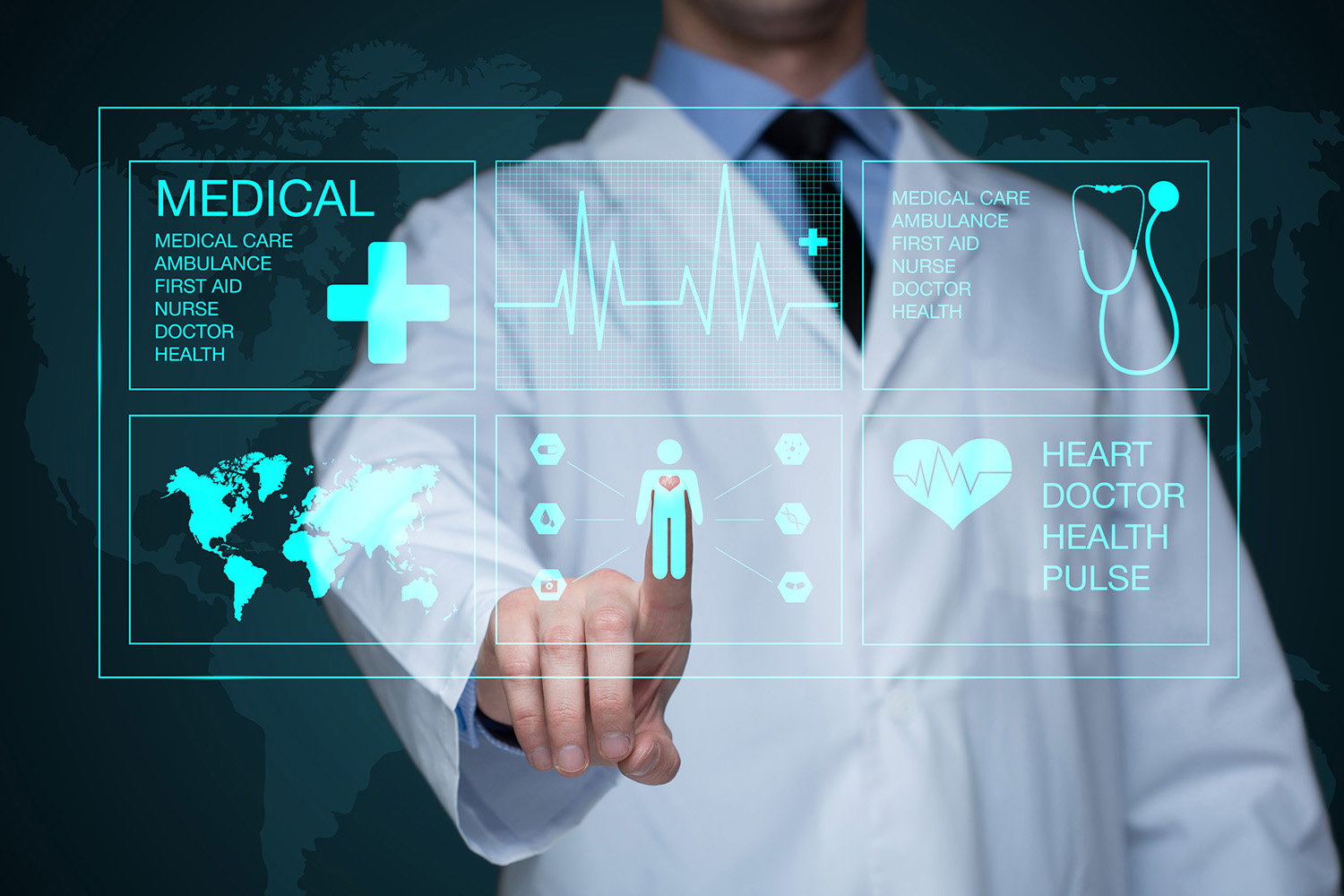
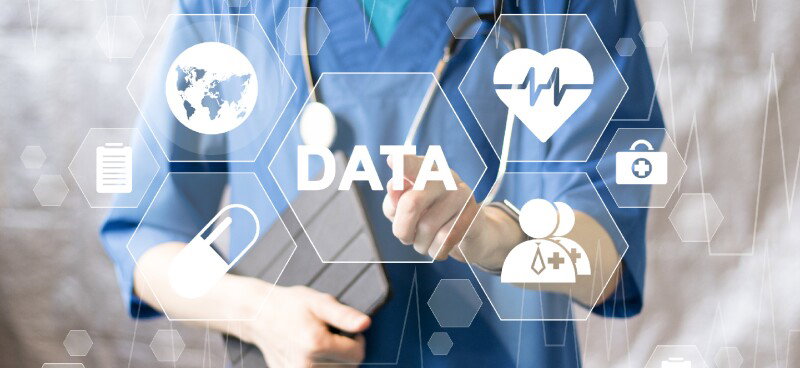
Short Film Review: Game
Aj, the great girl, has a "do-or-die" attitude and is constantly determined to give her all. She may face challenges such as bullying, mistreatment, and keeping her secrets hidden, but she overcomes them all with a great drive to achieve her objective and join the squad. She has an optimistic attitude that allows her to put out her best effort in any scenario, no matter how demanding or unpleasant it may be. Rather than backing down, walking away, or putting in less than her best effort, she always finds a way to rise to the occasion and meet the challenge. The coach motivates everyone with a good attitude and energy. He recognizes individual distinctions and pays close attention to their emotions, strengths, and shortcomings.
He didn't impose his own opinions, thoughts, or judgments on his players, instead allowing them to pursue their own paths and immerse themselves in their needs. He boosts the self-esteem and confidence of others. He doesn't let bad emotions get in the way of their goals. He encourages others to be positive and committed, ensuring that everyone is on the same page and willing to aid their teammates. Collin, the bully, engages in unsportsmanlike behavior and lacks self-control. He just sees himself as unstoppable and his teammates as adversaries. He has a temper tantrum and does not respect others. He exhibits infantile and improper behavior that can detract from the game's atmosphere and make players appear immature. He believed trash talk to be part of the game, as well as crossing others' personal boundaries and tolerating bad behavior from others.
Just like the other kids, when I was in elementary, I also experience sexism on playing outside the house. I saw a group of friends looking for members to be part of their team playing a traditional Filipino game called, "Agawan base". It is played by two teams, each with a minimum of three players. The more players there are, the better. This game involves running, chasing, or tagging, and falls are unavoidable. I tried joining another team weak. I explained to them that I used to play this game every day with my friends, and I am good with it. They let me join their team, but I can hear them talking and making sure that I will be the one to be eliminated first. The game starts and I show my skills and talents to let them think that I am not just a mere girl and that I can also be good at playing games.
I did my best and enjoy the game. With coordination, collaboration, and unity with my teammate, we won the game. I did not let any difficulties and challenges get in my way because I believed that there was nothing to stop me from doing things that I like. I want to prove and let them know that we are not just a girl who is incapable of doing things that boys do. We all have our own strengths and weaknesses. We should not judge and belittle others just because of their genders. We should not criticize, and prejudice others based on our assumptions about their capabilities. Playing games or sports has no gender.
We should not stop anyone does things they like. Rather, let us create a team or group that will help us achieve our common goal and vision. In all aspects especially sports, we should treat everyone equally. This means we ensure everyone gets the same support, same information, same choices, and equal access. Sport can be one of the most powerful platforms for promoting gender equality and empowering women and girls. We should take the risk to voice out and show our capabilities and let them know that we can also do what others can do. We are not those who see women as weak, fragile, incapable, and do not belong to them.
The film shows that there is an intrinsic division of gender in competitive sports, making it one of the most difficult glasses walls to crack. The message of the game is timely. Given the framework of a worldwide, patriarchal society, gender segregation in professional sports has established an inherent bias towards men's professional teams. Although it is evident that women can play with the same fervor and talent as men, old stereotypes and societal constraints persist. Bullying, sexism, egomaniacs, and people who put their vulnerabilities on others.
This is something we've all experienced and now see on a regular basis. Game is a personal look at pushing limits and persevering in the face of hardship. We should break through the detrimental stereotypes that keep women from participating in sports. Women's progress as athletes and leaders in the sports industry should be encouraged. Anyone can be an athlete. There is no specific gender in a specific game. Anyone can do things that others can do. They can play games or sports that they like without any hesitation that it might not be capable to them based on their gender. We girls can prove to them that we are not just girls, we are GIRLS!
Tula para sa obra ni Leonardo Da Vinci, "Mona Lisa"
*ni: Fiona Faye N. Lausingco*
Itong kabigha-bighaning dilag
na siyang tuluyang bumihag
sa mga matang tila nakalatag
sa iisang obra—kay ganda, liyag.
Hugis ng mukha’y tila perpekto;
wala mang kilay,’di nagpatalo.
Sa rikit ng pagkakapinta rito,
tiyak na nakatatak ito sa mundo.
Inspirasyon ay si Lisa del Giocondo
sa pagkakalimbag na ito ni Leonardo.
Walang papantay sa halaga nito,
lalo sa puso ni Francesco Giocondo.
Ang pintor ay malikhaing-higit.
Ang ‘Mona Lisa’ ay obrang ’di pilit.
Punong-puno ito ng hiwaga at rikit.
Kaysarap pagmasdan nang paulit-ulit.
 @Lunafaye129