Between Light and Darkness
Previous Chapter: The Blue Girl https://read.cash/@RDMoy/the-blue-girl-b861e899
*Light*, a blinding light that invaded my whole being, so intense that you could almost touch it...
*Darkness*, a deep sleep, where there was no sight, no hearing, no smell, no touch, no taste...
*Light*, an incandescent light accompanied by a repetitive sound that was already disturbing my eardrums...
*Darkness*, an intense numbing sensation, as if I had been asleep for years...
*Waking up*, and seeing my mother's face, aged from crying...
*Sleeping*, re-entering the emptiness of the darkness I already knew very well...
*Waking up,* seeing a familiar face calling my name, placing light in my eyes, and saying "her pupils react"...
*Sleeping*, to be disconnected from pain, from anguish, from fear, but also disconnected from love...
*Waking up*... This time I recognized the familiar face, it was Dr. Arreaga, checking my signs and verifying several devices with screens around my bed, "Hello princess, how are you feeling?"
My mother was also by my side, but I couldn't read her expression, her face radiated happiness, with a very wide smile, but her eyes were very red and puffy, as if they had cried until they were exhausted with tears.
"I feel fine, thank you," I said to the doctor. I reached out my hand to touch my mother, and stopped instantly. I noticed my hand was different, thinner and... redder?... "What happened?" I asked the doctor.
"You were asleep for several days," said the doctor, "something happened shortly after the surgery..."
Surgery?... Surgery! I remembered, my mind was activating its memories little by little... the doctor was the same one who had operated on me with an "open heart"... and my hand... my hand was no longer blue.
The doctor continued "You had a problem one day after the operation, we had to put you to sleep to control it, you spent two weeks in that state, but it seems that the rest is paying off. Everything indicates that you are in clear improvement..."
"Can I go home now?" I asked anxiously "I want to see my little brother..."
"Wait princess, the fact that you have already woken up does not mean that you can go out, we have to observe you for several more days...".
In those extra days of my visit to the Hospital, I met many people, my parents helped the nurses in my therapy. I had to relearn many of the physical activities that in my ten years I was used to doing such as walking, sitting, lying down. It was amazing how my body after two weeks of sleep had forgotten those things, but it relearned very quickly. I also had to get used to the crack I had in my chest after the operation. But what I never got used to was the army. There was an army of doctors and interns interested in my case. I never understood it.
Two weeks later. My family moved into a studio apartment near the Merida airport, two blocks from the hospital. I love the climate of that city. Its geography is located in the middle of the highest mountains in the country. Its people are so friendly. I love Merida.
My visits to the hospital were constant, first every two days, then every five until after a month in the new apartment I was discharged. My heart and my new scar were apparently fine.
When we returned to the small town where we lived, everyone was excited about my story. Many brought gifts, many cried with joy and many more were surprised by my story. Going back to school was not difficult. Everyone already knew my situation. I was the girl who lived, no longer the blue girl.
Years later, I got a job as a teacher's assistant in the city of Barinas... That motivated me to pursue a career as a preschool teacher. I achieved my goal and spent several years educating dozens of children. I was happy among them. I loved educating the youngest people.
One day I was with the children and I started to feel agitated, I had a feeling that I didn't know or... I didn't remember...
My memory took me back years... it was an irregular throbbing in my chest... it was tachycardia... I tried to calm down but the feeling wouldn't let up and then the dizziness started, and the dizziness led to pain and pain led to fainting... I had had my second cardiac arrest. Suddenly I jumped into the darkness again... and just a second away from the ultimate blackout, I prayed to God that my eyes would see the light again.
N0020.2021-11-16.
Pictures from pixabay.com

The Blue Girl
The tetralogy of Fallot is a set of four defects of the heart (and its blood vessels) that affect normal blood flow from birth. It occurs when the baby's heart does not form properly as it grows and develops in the womb during pregnancy. From infancy it can be identified by several characteristics:
Shortness of breath
Loss of consciousness
Easy tiredness during physical exercise
Irritability
Heart murmur
***Bluish coloration*** of the skin, caused by a low level of oxygen in the blood.
And I know them all first hand... My name is Maria Alejandra, and I was born with Tetralogy of Fallot. This is my story. Here is the set of miracles that God has done to keep me alive.
I was born in a small town called Libertad, in the south of Barinas state, Venezuela. I grew up in a nearby town, Dolores de Barinas. Due to the low resources my mother had, she could not get to the nearest medical center. The world welcomed me at the home of a friend of my mother's who was a midwife. When my mother gave birth to me, she noticed that I was born without strength, as if exhausted by the process.
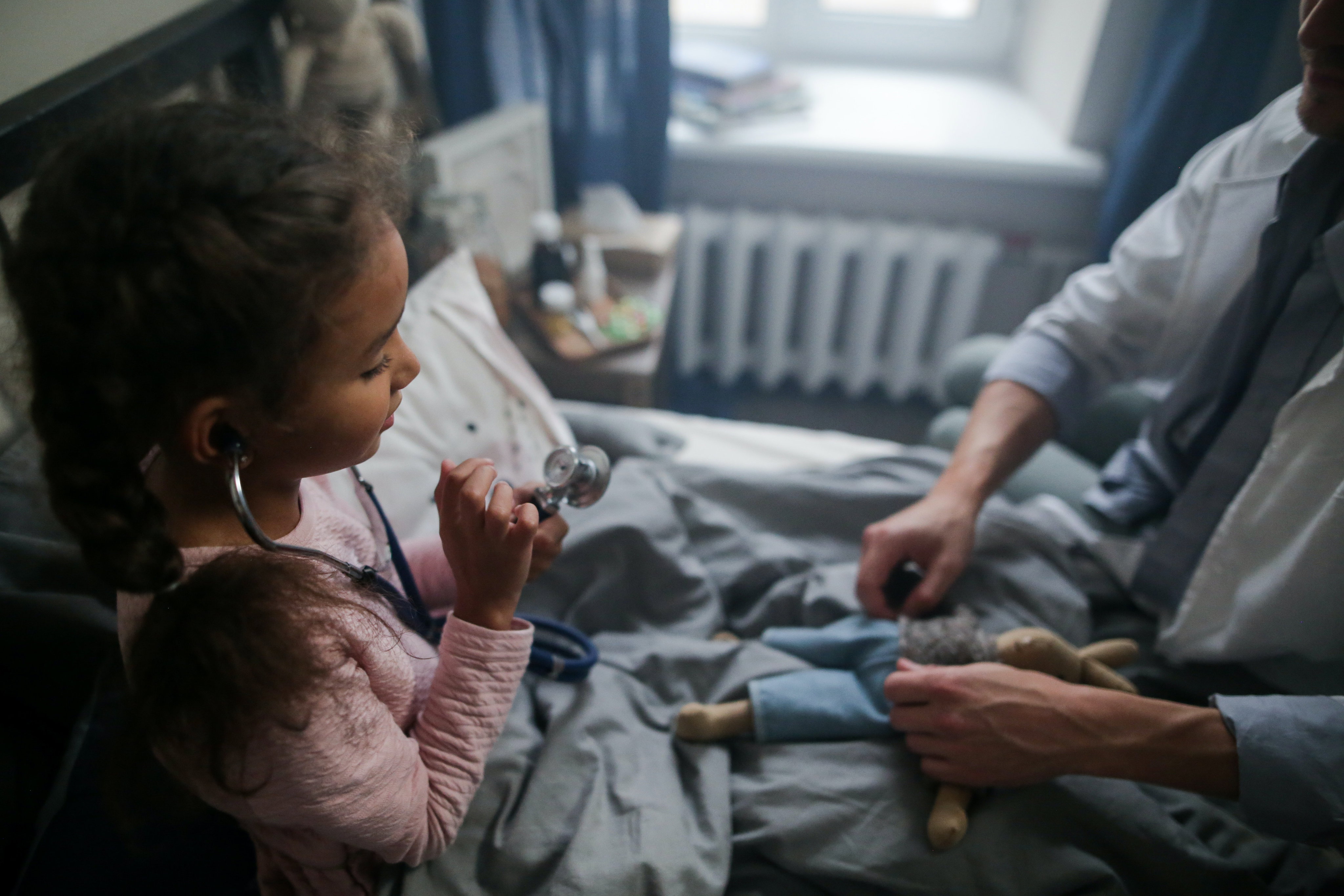
At 13 months of age, I took my first steps and instantly fainted. My mother rushed to the doctor to determine the reason for my fainting. Soon after, they discovered a murmur in my heart. Heart murmurs are sounds, like a whooshing, produced by turbulent blood in or near the heart. The doctor was able to quickly listen to these sounds with his stethoscope.
I spent my childhood relatively normal, can I call it normal not being able to do any physical exercise, not running or playing like other children? Every time I forced my body to the same energy level as the rest of my peers, my fingers would turn blue, then my hands, and then I would fade away. That's how I became known as ***The Blue Girl.***
Solving my problem was not easy. Due to my father's political connections, we were able to travel to Caracas, the capital city, in search of treatment. The solution the doctors proposed was surgery. I felt grateful to God because my problem had a solution. And I did not understand my mother's face of concern and anguish when she heard the phrase "open-heart surgery".
Everything was ready for me to go to the operating room the next day. We left the hotel where we were staying and arrived first thing in the morning at the children's cardiology center in Caracas. They made us wait for a while... a long time actually. After several hours with no response, the doctor informed us that unfortunately the equipment used to perform the surgery had failed the day before, and we had to reschedule the day. My mother was distraught, but I thanked God for that fact... I just thought with horror: what if the so-called machine had failed in the middle of my surgery? *I would not have had the opportunity to grow.*
The next day we received a call from the doctor saying two things that changed our plans completely. The first: they still had no definite date to repair the failure of the surgical device. Second, the doctor recommended us to travel to the city of Merida in western Venezuela (and closer to our town), where there were excellent children's cardiologists, and above all a machine that worked.
Weeks later we were in the beautiful city of Merida, located in the Andean zone of Venezuela. The doctors were fascinated with my case. I can even say that I was for a while the most famous girl in the Andes University Hospital. All the staff, doctors, nurses, and interns were interested in my case. My parents and I were there for months before the big day of surgery. Dr. Arriaga, who was the doctor in charge of the surgery, had doubts about whether to perform it or not, due to the sensitivity of the case. I remember that the day before arriving at the operating room I looked him in the eyes and said: "Doctor, don't worry, I am not afraid, I am not going to die, I am going to live to tell my story". I could see a flash of light in his eyes as if the fear or worry he had vanished.
https://www.cdc.gov/ncbddd/heartdefects/tetralogyoffallot.html
For those who don't know, the human heart has two ventricles. One of the four defects in my heart is the existence of a hole in the wall between the two ventricles. This condition is also called ventricular septal defect. This caused the blood in my heart not to oxygenate properly.
The operation lasted more than 10 hours. They took my heart out, hooked me up to machines, and began the process of repairing the heart muscle. The doctors implanted a patch in the ventricular septal defect. They repaired all the other defects they found (and they found more than initially thought) and reimplanted my repaired heart back into my body.
The surgery was a success. I thanked God for a new breath, a new day, a new opportunity. I was no longer the little blue girl. But if you think this story ends here, I'm sorry to tell you that I'm just getting started.
I went into cardiac arrest 18 hours after surgery. But, I will tell you the details in the next article...
Author's Notes: This article is a true story, based on the life experiences of my wife, Maria Alejandra.
Next Chapter: Between Light and Darkness https://read.cash/@RDMoy/between-light-and-darkness-06bca709
N0019.2021-11-14.
Pictures from: pexels.com
Parlez-vous Français?
Almost 10 years ago I left my homeland and moved to the other side of my country, Venezuela, for work reasons. Months after arriving in Barinas, I discovered that a few blocks from my office there was a branch of the Alliance Française: the largest network for the diffusion of French language and culture in the world. After more than a decade of mastering the English language, I decided to move on to a third language.
In a few months I learned a lot about the similarities between Spanish (my native language) and French, which is logical since both are descendants of Latin. However, I was surprised to learn that there are also many similarities between English and French, due to their extensive geographical and historical relationship.
Here are some curious and interesting facts about one of the most studied, important and influential languages in the world today: **French**. https://read.cash/@RDMoy/the-worlds-most-influential-languages-53e04f23
Besides English, this is the only language which is spoken on five continents. As you read it: French is not only spoken in France. It is also the official language of Madagascar, Belgium, Canada, Ivory Coast or Switzerland, and so on up to a total of 32 countries around the world.
**A living language**
French is a language in constant growth. From 2014 to 2019, the number of French speakers has increased by 9.6%. The biggest advance is in Africa, with 17%, something logical knowing that 59% of French speakers live on the African continent.
**In French there is no such thing as ¨cheap¨.**
The word "cheap", which is used in English to refer to a reduced price, does not exist in French. Instead, equivalents such as "pas cher" (not expensive) or "bon marché" (good price) are used. This phenomenon is very frequent when literal translations are made. Therefore, languages should often not be translated, but interpreted.
**There are words that do not rhyme with anything**
The words "quatorze", "quinze" and "monstre" ("fourteen", "fifteen" and "monster") do not rhyme with any other word in French. This, being the language of many artists of letters, such as poets and writers, it is a very useful curiosity.
**Irregular plurals**
The word "eye" in French ("oeil") is the only word that begins with a different letter in its singular ("oeil") and plural ("yeux") forms.
**Official language of England...**
French was the official language of the English country during the 300 years in which the Normans conquered the English-speaking territory. In fact, it is currently estimated that one third of the lexicon of the English language has a French root.
**Studying French**
There are more than 132 million people studying French in the world. More than 80 million people study French and more than 50 million people in all countries study it as a foreign language. It is the second most studied language after English.
It is necessary to invest about 600 hours to begin to get by in the language. French uses five diacritics (acute, circumflex, grave, cedilla and diaeresis), which makes pronunciation one of the greatest challenges for foreigners learning the language.
As you can see, mastering a language does not only imply knowing its grammatical rules, knowing how to use its lexicon or getting a good pronunciation. But learning a language also means knowing its history, its transformations and its particularities... **And you, have you had any knowledge or contact with the French language?**
Pictures from: unsplash.com
**Other related articles:**
The World's Most Influential Languages https://read.cash/@RDMoy/the-worlds-most-influential-languages-53e04f23
¿Español o Castellano? https://read.cash/@RDMoy/espanol-o-castellano-dd3f6c9d
This Happens Only in English https://read.cash/@RDMoy/this-happens-only-in-english-66ac33f4
A Vibrante Língua Portuguesa https://read.cash/@RDMoy/a-vibrante-lingua-portuguesa-41010eea
National Saudade
In the Portuguese language, there is a term untranslatable to other languages "***Saudade***". This is a feeling similar to nostalgia or melancholy, caused by the temporal or spatial distance of a loved one, with a desire to resolve that distance. It can be translated as "I miss you", “I Love you” or "I hope to see you again".
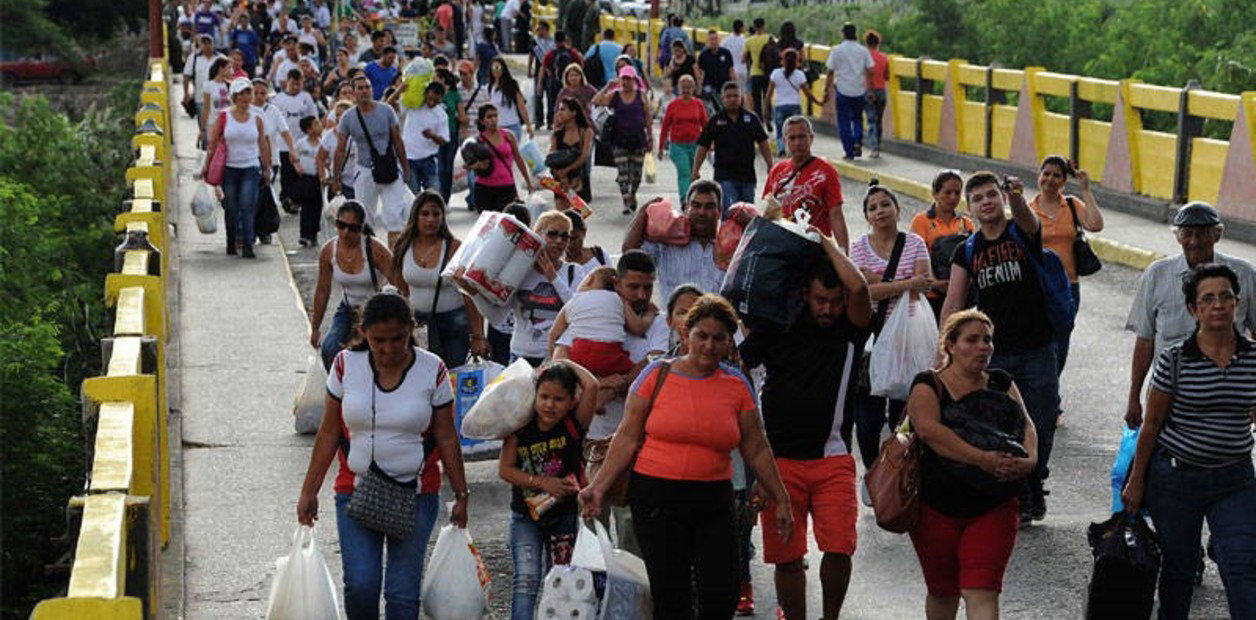
Yesterday that was the prevailing sentiment in our family. My oldest son, almost 18 years old left home to start the adventure of a lifetime. Traveling for 10 days, through 6 countries from our city Barinas in Venezuela, to Santiago Chile. Our reality is not unique, farewells like ours yesterday have been repeated millions of times throughout our nation. Venezuelans are the protagonists of the largest migratory displacement in the history of Latin America.
One fifth of the national population (5.4 million people) have had to leave our borders in search of a better future, as a result of the immense economic and social crisis that our country has experienced in recent decades. Leaving thousands of children and young people without their parents, thousands of separated couples, and as in our particular case, thousands of children who leave the nest prematurely. **Our country is full of** ***Saudade***.
In the past, Venezuela has generously welcomed thousands of refugees from the region and other parts of the world. Now, the number of Venezuelans forced to flee their homes continues to rise, and a significant number of them are in need of international protection. Millions of Venezuelans have left our country to date, according to data from the governments that receive them. **People continue to leave Venezuela to flee violence, insecurity, and threats, as well as the lack of food, medicine, and essential services.**
Many now remain without any documentation or permission to stay regularly in nearby countries, and therefore lack formal access to basic rights and services. This makes them particularly vulnerable to labor and sexual exploitation, human trafficking, violence, discrimination, xenophobia, and to complete this scenario, the pandemic.
The pandemic substantially aggravated the precarious conditions in which Venezuelans find themselves in the host countries, previously marginalized. The closure of businesses and the confinement left thousands of them unemployed, surviving on a day-to-day basis or informally. Many people are dying not from Covid19 , but from hunger. This has forced many to return to our native country, with no choice but to walk. **Men, women, and children are walking thousands of kilometers through Ecuador and Colombia to return to Venezuela.**
https://www.clarin.com/internacional/drama-miles-migrantes-venezolanos-regresan-caminando-colombia-crisis-coronavirus_0_-zfMzhDTf.html
On the other hand, there are also hundreds of examples of Venezuelans who improved their economic reality in other latitudes. I personally know many who with hard work, decency and professionalism have been able to be recognized in their places of work. People who have built businesses and get up day after day to take their families to a better future.
My sister-in-law left Venezuela almost four years ago. Her husband (who had left our country months before) was waiting for her in Chile. They have had many ups and downs but thanks to God, with their efforts and integrity their restaurant has prospered. My son is on his way to meet them. He will work in the restaurant as soon as he arrives. I trust in God that he will have a better future. That he will have the opportunities that this country does not have at the moment.
I trust in God that soon our country will again be full of opportunities for those who want to return. They will bring the values, colors, and flavors with Latin American, North American, and European flavors. Our country will be filled with children of dual nationality. I hope that someday, **God will free us from our chains and that this feeling of national** ***Saudade*** **will no longer exist**.
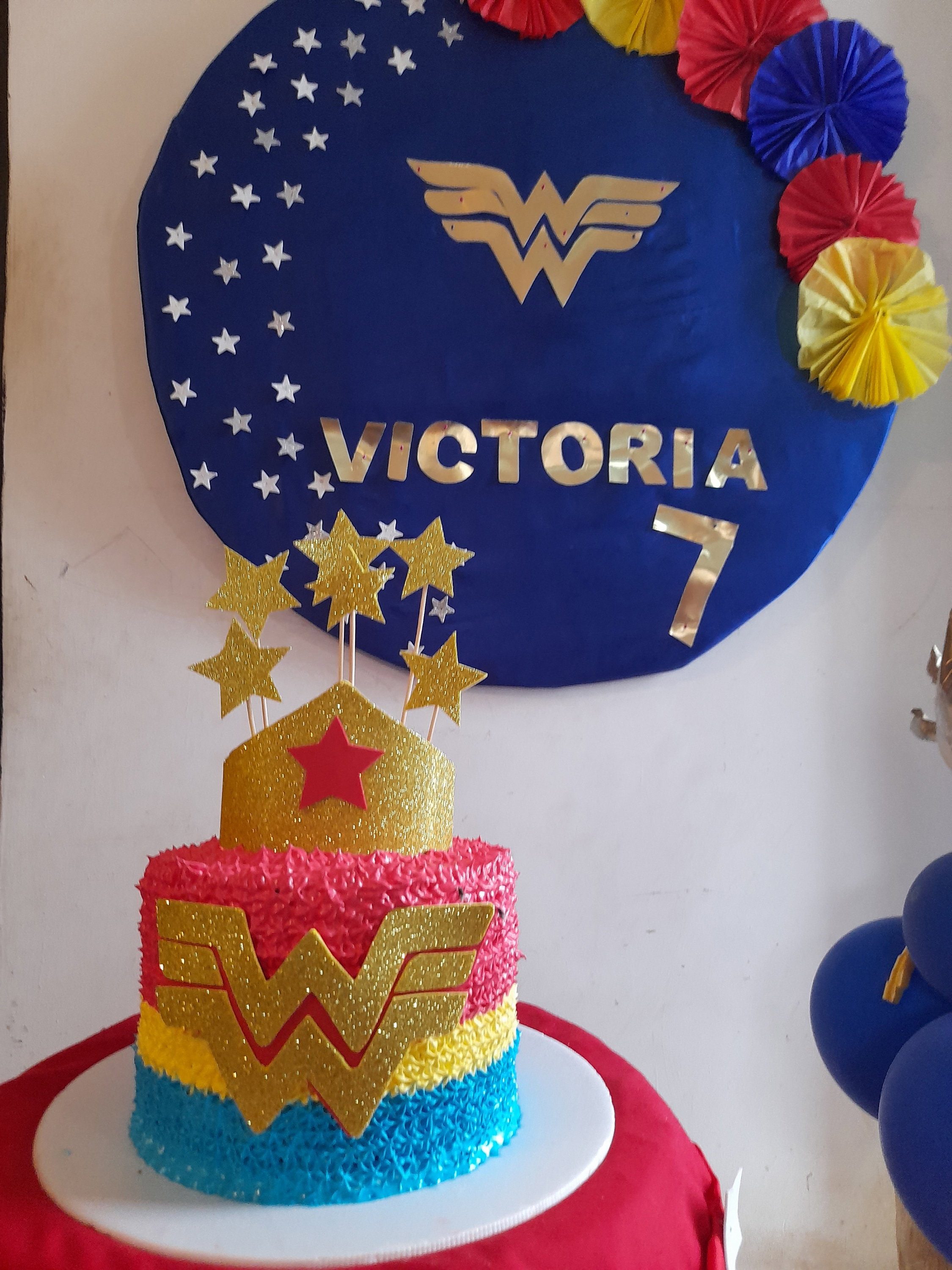
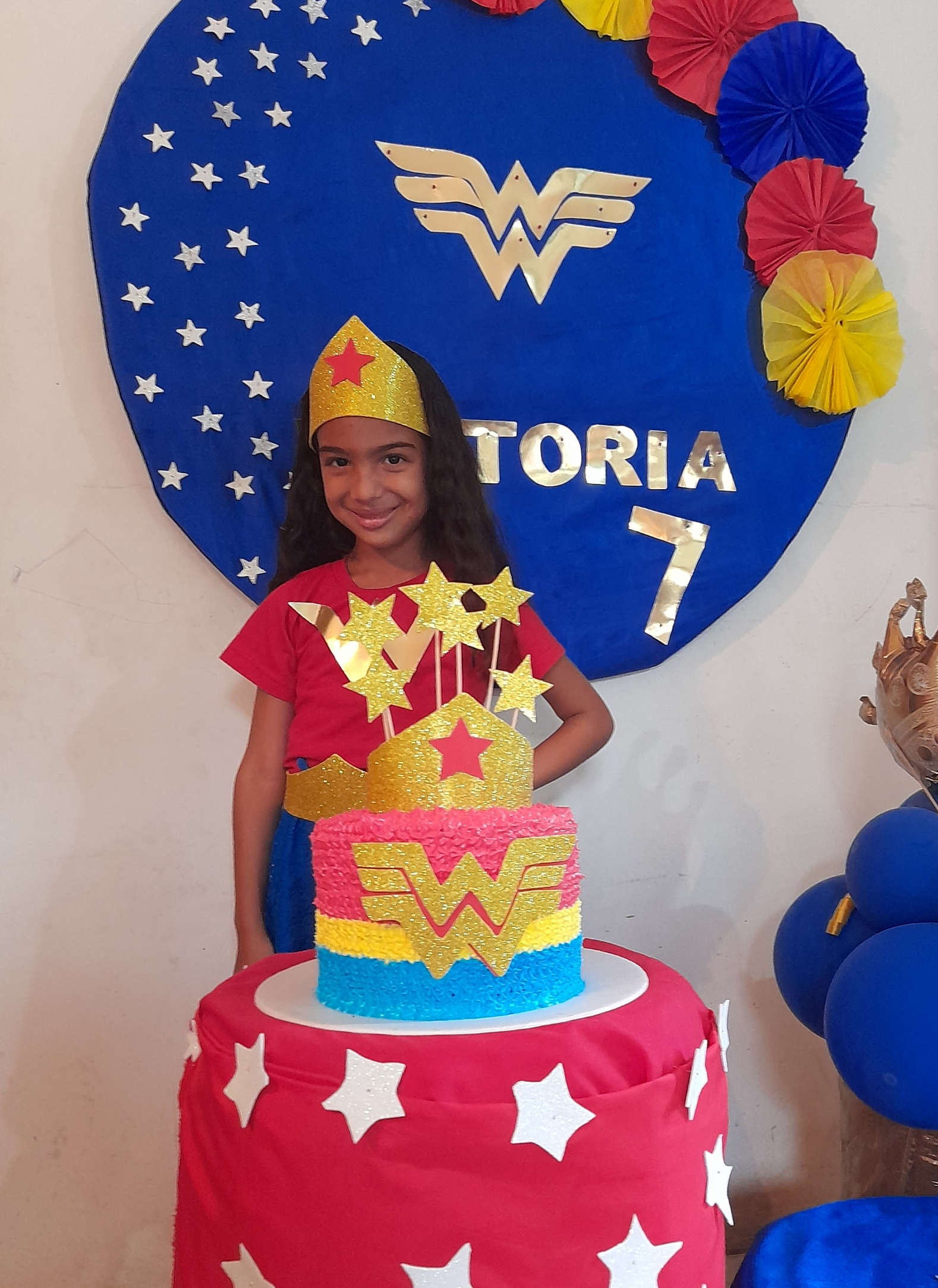
My 7 Years Old Wonder Woman
My life is divided in two. Before Victoria and after Victoria. I never believed in love at first sight until I looked into my daughter's eyes for the first time. In that instant of time, there was no time or space. I felt a grace from God that I had never experienced before, knowing that from that point on I was going to have that privilege, that God-given characteristic that is only granted to certain men: to be a father.
She is a very brave and special girl, her way of being so friendly, so sincere and so compassionate with others has led her to have leadership of her groups of friends, at school, at church and in the neighborhood. She is very determined, knows what she wants and works to achieve it. She has a strength of character mixed with a tenderness that melts the heart. She has great self-esteem. A factor that my wife and I reinforce every day with hugs and words of affirmation.
Today my daughter turned 7 years old. A date she has been reminding us of for months, as well described by my mother in her article Celebrating Another Year, and the subject of the day was the one that inspired the theme of this post: Wonder Woman. https://read.cash/@rodriguezpct/celebrating-another-year-63b5ad8b
Today began with receptive morning greetings with photos and videos for the girl. Messages and more messages. Calls and more calls. Until my mother-in-law and her sister arrived with decorations.
While it was a simple party, it was full of warmth from some family and friends.....
Today we not only celebrated the life of my little girl. We are also anticipating the farewell of my stepson who is leaving the country tomorrow. We are like all families in this country, divided by the economic situation. Today we are happy for life, tomorrow we will be sad to say goodbye. Each day has its own eagerness.
A Vibrante Língua Portuguesa
I remember my grandparents very fondly. From them I learned the value of work and honesty. As Portuguese immigrants, they had to work very hard to support their family. I remember my grandmother's recipes (extremely delicious), and above all I remember that she taught me principles and values that I still keep and treasure.
When I was a child, I accompanied my mother to the market. We were accompanied by a neighbor (a childhood friend of my mother's), and her daughter, a year older than me. Due to the economic problems that were happening in the country at that time, suddenly a protest between police and demonstrators started. My mother and her friend immediately stopped shopping and we headed for the nearest house: my grandmother's. On the way, we all inhaled traces of the tear gas being thrown by the police. When we arrived at the house, my grandmother with her wisdom did not need explanations to know what was happening and its solution. She looked for some handkerchiefs, applied a few drops of vinegar, and gave them to each of us, "*cheire o pano*" she said. I obeyed instantly. However, my childhood friend only had a look of confusion on her face. "*cheire o pano"* my grandmother repeated to her... the little girl looked at me and whispered "what did she say?" and I replied "smell, smell the handkerchief". At that moment, my 7-year-old brain clicked and I discovered two things I had never seen before. First, that my grandmother spoke another language; second, that I understood her: I was bilingual without knowing it! I knew Portuguese!
There is a large community of Portuguese descendants in my country Venezuela, as in other Latin American countries, which received entire communities of Spanish, Italian, and Portuguese immigrants in post-war times. Today I want to dedicate my article to the language of my grandparents, and how it was able to spread to eight countries, three continents and became **one of the most influential languages in the modern world**. Today's article is about the **Portuguese** language. https://read.cash/@RDMoy/the-worlds-most-influential-languages-53e04f23
**Historical, interesting and curious facts.**
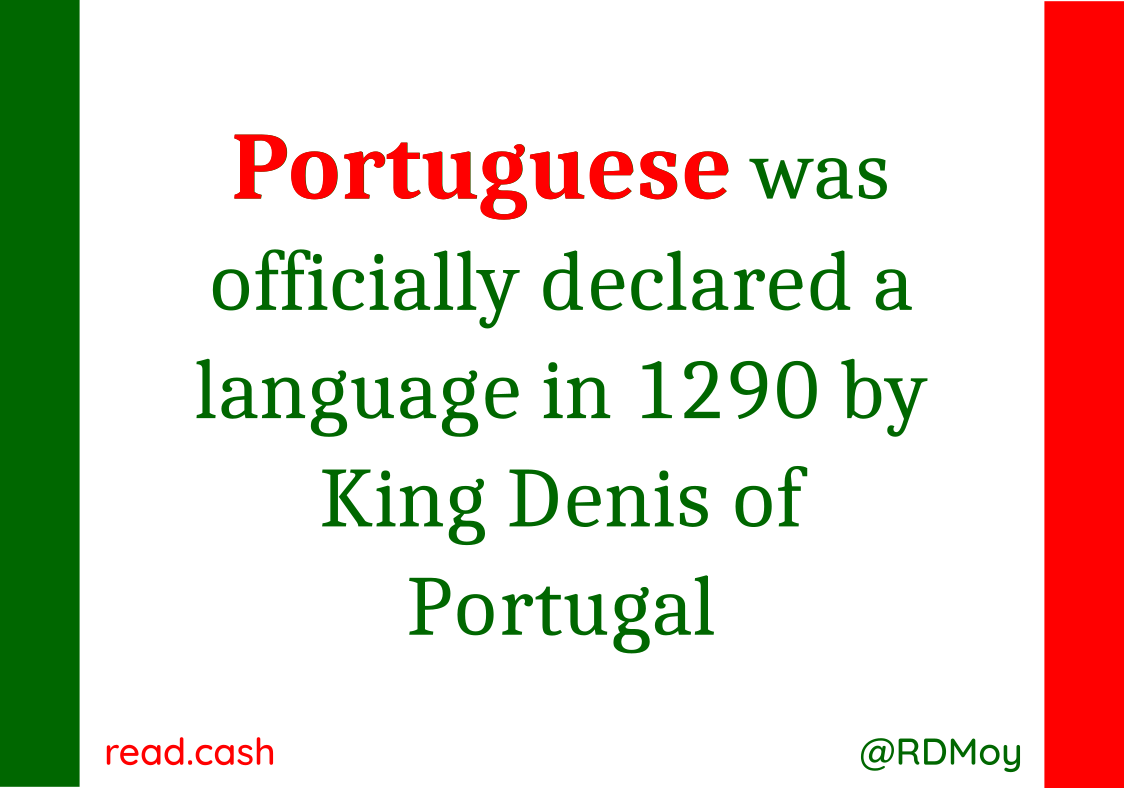
Let's start with its origin. Modern Portuguese comes from the Galician-Portuguese language, with roots in Vulgar Latin. The first Portuguese grammar was published in Lisbon in 1536, by Professor Fernando de Oliveira, although it was officially declared a language in 1290 by King Denis of Portugal.
Despite this origin, it should be noted that it also has a **strong Arabic influence as a** result of the Islamic Moors from North Africa and the Middle East who conquered Portugal and Spain in the 8th century. Today, there are still many words of Arabic origin in this language such as '***almofada***', which means 'pillow', as well as '***azeitona***' to call the 'olives' or 'garrafa', which is the 'bottle'.
If you want to learn it, don't forget that **there are differences between Portuguese in Portugal and in Brazil**. One of the main differences is the second-person pronouns. In the Portuguese country, 'tu' and 'vós' are commonly used, while in the Brazilian state 'você' and 'vocês' are used.
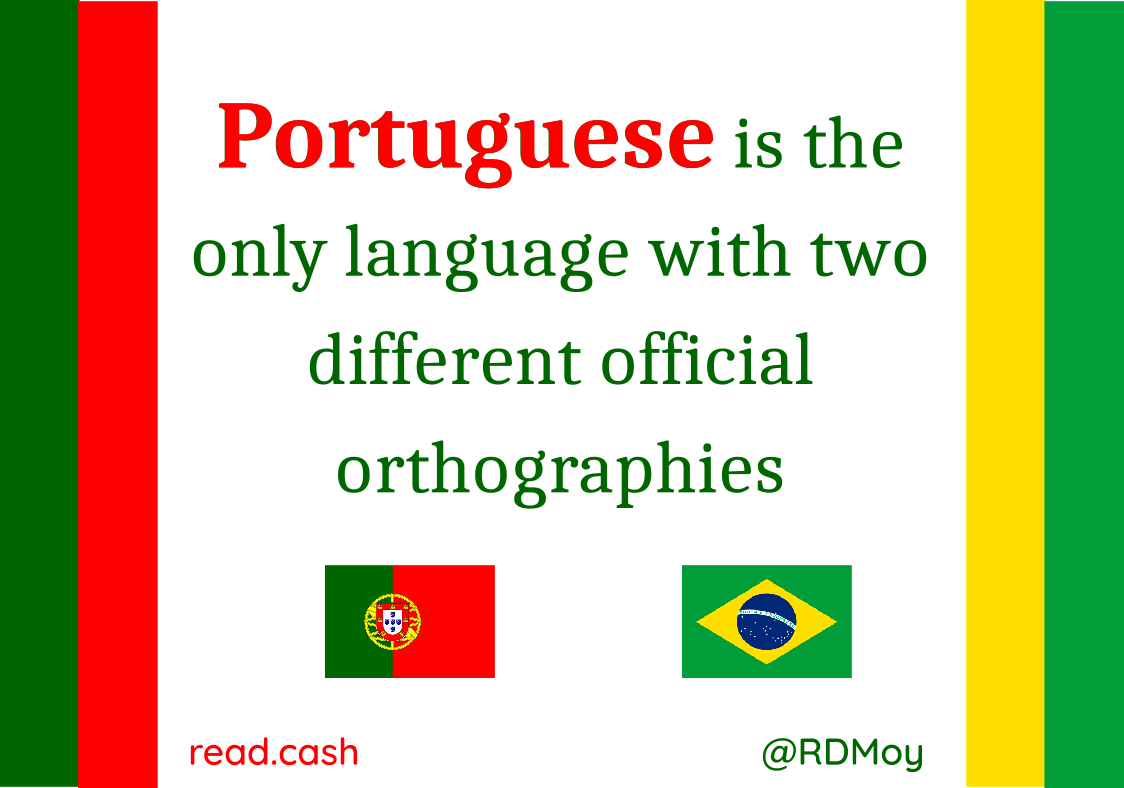
In fact, Portuguese also has a wide variety of dialects and variants, and **is** **the only language with two different official orthographies, officialized since 1990**. The differences between the Portuguese of Europe, Africa and South America are easy to hear, even for those who do not know the language in depth. And within these variants, there are countless contrasts in spelling and grammar that make each dialect special.
It has 11 vowels with different variations. Portuguese vowels can be nasalized (although not as much as French) and the letters "a", "e" and "o" have open and closed forms.
One of its curious facts is that countries that have Portuguese as their main language do not border with other Portuguese-speaking countries.
The Portuguese language has a word that has no literal translation in any other language "***saudade****"*, which means something like "I love you" or "I miss you", but it also encompasses a feeling of nostalgia linked to a long-distance love.
If your intention is to fall in love in Portuguese, you should not overlook a “***Quero-te muito***” which means "I love you very much", “***Gosto de t***i” - "I like you" or, suddenly, “***Você me faz feliz***” or translated means "you make me happy".
Portuguese is an emerging, vibrant language, full of life, colors, and rhythms. Learning it will allow you to improve your communication skills on at least three different continents. Have you had any contact with this language? leave it in the comments... Muito obrigado por ler! (Thank you very much for reading!)
N0015.2010-10-13
This Happens Only in English
I recently read an article by @rodriguezpct about passions. One of my greatest passions is languages. I discovered it in my childhood when I wanted to know the meaning of the lyrics of the American songs I hummed at that time. I have always been a curious person, and I could not stay without discovering the meaning of what I "sang". After dabbling in the dictionary, I read the books with basic lessons, then the not-so-basic ones... and that's how I found myself, studying English at a time when there was no Youtube, Google Translate, or Wordreference. Today I want to dedicate my post to the most influential language in the world and the one that changed my life forever: **English**. https://read.cash/@rodriguezpct https://read.cash/@rodriguezpct/the-passion-that-defines-you-6acdf20e https://read.cash/@RDMoy/the-worlds-most-influential-languages-53e04f23
**At least, a quarter of the world's population speaks some English.** A total of 379 million have it as their native language and 753 million as a second tongue. It is an official language in more than sixty multilingual countries. Interestingly, although the United States has the largest native English-speaking population, the American country doesn’t include English (or any other language) as official from a federal level.
Due to its rich and complex history (which origins have a mixture of Celtics, Germanic, Roman, and French), modern-day English is now full of inconsistencies, along with inexplicable differences in spelling and pronunciation.
Although there are many reasons why English is such a popular and widespread language today, here are the most important ones.
The British Empire refers to the period from the late 15th to the 17th century until the 1960s, when England had control of vast territories and colonies all over the world. Basically, England had control of large parts of Europe, North America, Africa, and the Caribbean.
The second big push came with the rise of the United States in the 20th century, when the country became one of the top international movers and shakers in social, economic, and political affairs.
Finally, many of the most recent technological and scientific advances have come from English-speaking countries. There are many international words such as "*Internet*", "*iPhone*", "*Facebook*" and "*Google*".
**There are many curious and interesting facts about English language, let me list some of them:**
More people in the world have learned English as a second language than there are native English speakers.
More than half of the volume of information handled on the Internet is in English.
English is the most commonly used language in the sciences. It is the language of the air, which means that all pilots must identify themselves and speak English while flying, regardless of their origin. Also, this is the official language for maritime and aeronautical communications.
The most complex word in the English language is "***set***." This small word has over 430 definitions and requires a 60,000 words definition that covers 24 pages in the *Oxford English Dictionary.*
The word "***good***" has the most synonyms of any other word in the English language, at 380.
The longest common word with no vowels is "***rhythms***."
The first number spelled out that contains an "**a**" is one Thous**a**nd. The first number spelled out that includes a "**b**" is one **B**illion.
William Shakespeare added more than 1000 words to the English language during his lifetime. Terms like *“****Addiction”, “Cold-blooded”, “Break the ice”*** are just some of the fantastic words and phrases invented by this famous poet.
The word "***good-bye***" is a contraction of "*God be with ye*.”
The oldest English word still in use today is “***town***”.
The word "***the***" is the most commonly used English word overall, followed by "***be***", "***to***", "***of***", "***and***", "***a***", "***in***", "***that***", "***have***" and *"****I****".*
More English words begin with the letter “**s**” than any other letter.
Some of the oldest words in the English language are still very common today. They include "***I****", "****love****","****black****" , "****mother****" , "****fire****", "****hand****"* and *"****hear****".* Many of these words date back from before the year 900.
English is the only major language that doesn’t have any organization guiding it, as opposed to the French *Académie française*, the Spanish *Real Academia Española*, and the German *Rat für deutsche Rechtschreibung*. These organizations are responsible for controlling the evolution of their respective language in terms of usage, vocabulary, and grammar.
There’s always something fascinating to learn about English. Many people will say that English is one of **the most influential and important language in the world** today. It has proven itself to be a greatly flexible and resistant language, that’s been constantly able to evolve, develop, and adjust itself to other vocabularies and cultures. Today, it is estimated that this language has approximately one million words, and about four thousand are added to the dictionary every year (although the average English speaker only knows between 20,000 and 30,000 words). It has absorbed and survived invasions and incursions, saved itself from being wiped out on numerous occasions, and has only ever gotten stronger – evidenced by its clear worldwide diversity to this day. https://read.cash/@RDMoy/the-worlds-most-influential-languages-53e04f23
And you, do you speak English as your mother tongue? or did you learn it as a second language? please let me know in the comments.
N0014.2021-10-11
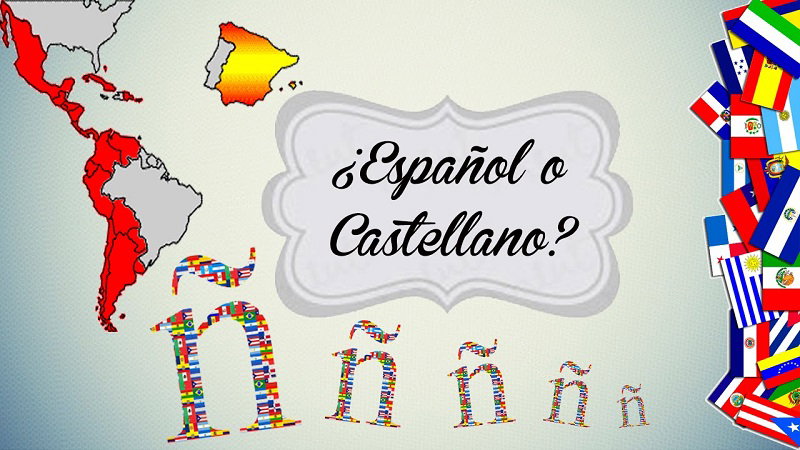
¿Español o Castellano?
Yo hablo español. Y creánme que lo digo con orgullo. Soy ingeniero de profesión pero lingüista de corazón. Dios me ha dado la oportunidad de aprender, dominar y comunicarme en cuatro idiomas. Aprendí Inglés desde muy joven y eso ha sido un pilar en mi carrera. Pero aprender una segunda lengua dejó en mí un amor y conocimiento más fuerte de mi lengua natal, el castellano. En este artículo hablaré un poco de la historia y curiosidades de nuestra amada lengua, incluyendo la pregunta que inspiró el título del post: **¿Se llama Español o Castellano?**
Como escribí en mi artículo anterior, el Español es una de los idiomas más influyentes y poderosos del mundo, y está lleno de curiosidades, empezando porque **es el segundo idioma con más hablantes nativos** (después del Mandarín). Más de 460 millones de personas lo tienen como idioma natal en cinco continentes (Europa, América, África, Oceanía y la Antártica), y más de 74 millones como segunda lengua, acumulando un total de 534 millones de hablantes. https://read.cash/@RDMoy/los-idiomas-mas-influyentes-del-mundo-e95b5a5e
**El Español se lleva la medalla de oro al idioma más rápido de hablar**. Y esto se ha determinado por el número de sílabas que un hablante promedio alcanza a decir en un segundo. En el lado opuesto se encuentran el alemán y el mandarín, que son las lenguas más lentas de pronunciar.
Tenemos 27 letras en el abecedario español, las **K, W** y **X** son las menos utilizadas. Por otro lado las vocales **A, E** y **O** son las más frecuentes. Como dato interesante, nuestras cinco vocales **A, E, I, O, U** forman aproximadamente el 45% de todas las palabras que usamos, lo que demuestra el gran peso que tienen en nuestro idioma.
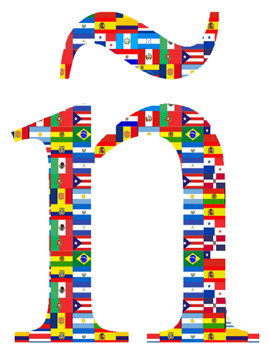
**La tilde de la «ñ»** proviene originalmente de otra «n» que se escribía sobre la más grande en la parte superior, a modo de abreviatura. Con el tiempo se iría aplanando hasta llegar a la forma que conocemos hoy, llamada virgulilla, y **convirtiéndose en uno de los grandes elementos distintivos del español.** Lo más curioso es que la letra **«ñ»** no es exclusiva del español, sino que también podemos encontrarla en otros idiomas como el aragonés, el gallego, el euskera, el aymara, el mixteco, el zapoteco, bretón, el filipino, el guaraní o el quechua.
En la actualidad, **México lidera el ranking como primer país hispanohablante del mundo**, con más de 100 millones de hablantes. En 2050 se proyecta que haya sido superado por Estados Unidos, donde la población que habla español está creciendo a gran velocidad (actualmente es la segunda lengua más hablada después del inglés). De hecho, después de Ciudad de México, la segunda ciudad con mayor número de mexicanos es Los Angeles, California.
El español es el único idioma que utiliza **signos de interrogación (¿?)** y **admiración (¡!) dobles,** es decir, se colocan no sólo al final de la frase (como ocurre en otros idiomas) sino también al inicio de la misma. Sólo en el castellano existen los símbolos "¿" y "¡", los signos que se utilizan como apertura de interrogación y al inicio de una frase admirativa.
Nuestra lengua **tiene aproximadamente unas 300.000 palabras** o conceptos diferentes. Aunque en la RAE solo han recopilado 88.000.
Como muchos saben, **el Castellano procede mayormente del latín vulgar,** de hecho se estima que más del 60 % de las palabras en español son heredadas de la lengua muerta del imperio Romano. En segundo lugar, el Griego es el idioma con mayor influencia histórica sobre nuestra lengua (10% de nuestro vocabulario); palabras como «biología», «química», «aritmética», «cadera», «teatro», «comedia», «iglesia», «plátano» y un gran número de etcéteras tienen origen griego. En tercer lugar (con un 8% de nuestro vocabulario), el Árabe nos heredó mas de cuatro mil vocablos.
¿Es Español o Castellano?
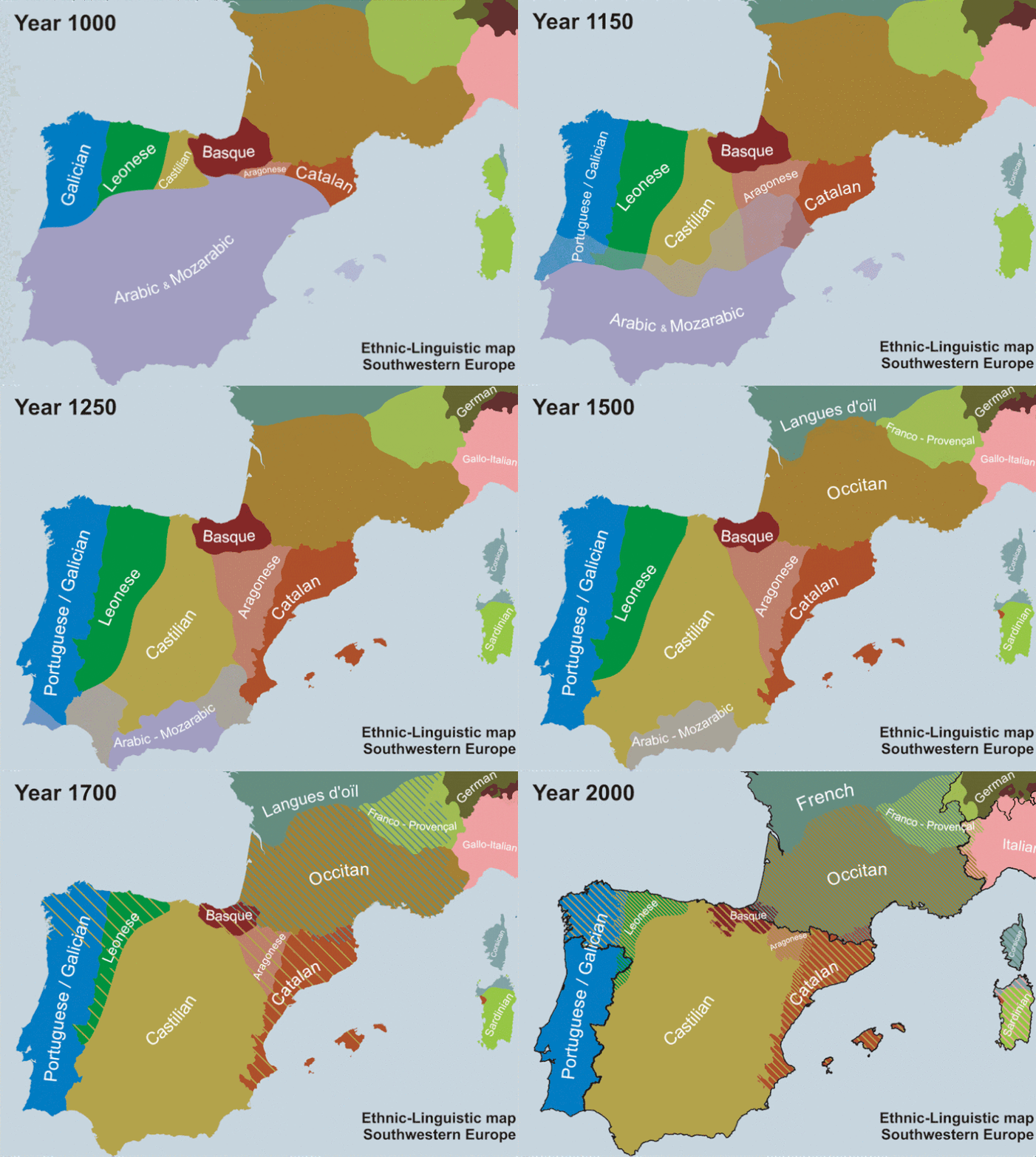
Esta controversia ha estado entre lingüistas desde tiempos ancestrales. Muchos dirán que estas líneas están escritas en Español, otros en Castellano. El hecho es que España (como la mayoría de los países europeos) cuenta en su territorio con varios idiomas oficiales: Gallego, Euskera, Catalán y por su puesto el Castellano. Todas estas lenguas técnicamente también son españolas. Históricamente el término "***Castellano***" existe desde mucho antes que el "***Español***". La palabra "***Castellano***" hace referencia al reino de Castilla (siglo VIII) en la edad media, cuando la España tal como se conoce hoy ni siquiera existía.
Cuando cae el imperio Romano en occidente, el Latín Vulgar empieza a ganarle amplio terreno al Latín Culto. En el siglo VIII, cuando los musulmanes llegaron a la península ibérica, esta quedó dividida lingüísticamente en dos zonas: en Al-Ádalus (en el Centro y sur de Iberia) se hablaban dialectos del latín mezclados con Árabe. Por otro lado, al norte en los reinos cristianos (Gallego-Portugués, Asturleonés, Castellano, Navarro Aragonés, Catalán) también se hablaban lenguas descendientes del latín.
A partir del siglo XI, se produjo una campaña de unificación lingüística, y el resultado fue lo que luego se conoció como la lengua Española. En el siglo XIII, El reino de Castilla empezó a imponerse sobre los otros reinos de la región. Dado su poder militar y político, el Castellano también fue impuesto como idioma oficial en esos territorios, y todos sus habitantes tenían el deber de aprenderla y utilizarla.
Pero, ¿qué ha pasado en América Latina? Pues existen varios países que denominan a nuestro idioma como "Castellano" y otros "Español". Cuando los Estados americanos empezaron a independizarse, muchos usaron el término "Castellano" simplemente porque "Español" aludía a la época de la colonia, a los españoles.
Ahora, desde el punto de vista internacional, siempre se ha preferido decir "Español" para diferenciarlo de las otros idiomas, como el Portugués, Francés o Italiano.
Finalmente, **en el año 2011 La Real Academia Española estableció que "Español" y "Castellano" funcionan como sinónimos para referirse a nuestra amada Lengua**.
Existen muchas más curiosidades de nuestro idioma. Si conoces alguna, ¡Coméntala! Y tú, ¿lo llamas "Español" o "Castellano"?, déjalo en los comentarios y dime de qué país me escribes. ¡Gracias por leer!
N0013.2021-10-09
Imagen de portada: https://www.revistadebate.net/idioma-espanol-o-castellano-donde-se-habla-perfectamente/
Can Knowledge Be Bad?
People have asked me, "Why do you read the Bible so much? Don’t you know that knowledge puffs up but love edifies?" Of course they are referring to I Corinthians 8:1.
**I Corinthians 8:1:**
Now as touching things offered unto idols, we know that we all have knowledge. Knowledge [*gnõsis*] puffeth up, but charity [agapê] edifieth.
Can knowledge be bad? Are knowledge and love mutually exclusive? I trust you know intuitively from life that the answer to both of these questions is “no.” Certainly we want to be motivated by the love of God, [Greek Term "agapê"], and to "edify" or "build up" our brothers and sisters in Christ. We also do not want to be arrogant or proud or “puffed up” like the King James Version says, but is arrogance the inevitable result of too much knowledge?
If knowledge was bad, why would God teach man knowledge as Psalm 94:10 says? If knowledge were a bad thing why would God instruct us to cry after knowledge and promise to provide it (Proverbs 2:3,5). Truly therefore it is not an ever increasing knowledge of God that “puffs up,” but rather it is “a little knowledge” or a smug satisfaction that comes from thinking you “know it all” that breeds arrogance.
Let me ask you a question, “What do you know about “things offered to idols?” Surely the Corinthians because of their culture knew more than we do, but I suggest that not many of them knew as much about it as they needed to, because Paul taught them more. “Knowledge” in I Corinthians 8:1 is the Greek word "*gnõsis*." As it is used in this context it means "a little knowledge" or an isolated and incomplete knowledge. We have an proverb that says: "A little knowledge is a dangerous thing." That’s the kind of knowledge Paul is talking about in I Corinthians 8:1. When people think they know all that they need to know, they are in a precarious situation.
**I Corinthians 8:1:**
Now as touching things offered unto idols, we know that we all have [*a little bit* *of*] knowledge. [A little bit of] knowledge puffeth up, but charity edifieth.
However there is another Greek word for "knowledge" in the New Testament, "*epignõsis*." The *"epi"* prefix indicates a "full," “precise,” or “accurate” knowledge. God encourages us to grow into this "*epignõsis*," or "full knowledge."
**II Peter 3:18:**
Grow in grace and in the knowledge [*epignõsis*] of our Lord and Savior Jesus Christ".
Indeed, He desires it.
**I Timothy 2:4:**
Who will have all men to be saved, and to come unto the knowledge [*epignõsis*] of the truth.
Through it God blesses us, providing all things that pertain to life and godliness.
**II Peter 1:2,3:**
Grace and peace be multiplied unto you through the knowledge [*epignõsis*] of God, and of Jesus our Lord,
**3** According as his divine power hath given unto us all things that pertain unto life and godliness, through the knowledge [*epignõsis*] of him that hath called us to glory and virtue:
This kind of knowledge is required for us to continue to renew our minds.
**Colossians 3:10:**
And have put on the new man, which is renewed in knowledge [*epignõsis*] after the image of him that created him:
Indeed, it is God’s prayer by Paul and every other genuine leader in the Body of Christ.
**Colossians 1:9,10:**
For this cause we also, since the day we heard it, do not cease to pray for you, and to desire that ye might be filled with the knowledge [*epignõsis*] of his will in all wisdom and spiritual understanding;
**10** That ye might walk worthy of the Lord unto all pleasing, being fruitful in every good work, and increasing in the knowledge [*epignõsis*] of God;
**Philippians 1:9:**
And this I pray, that your love may abound yet more and more in knowledge [*epignõsis*] and in all judgment;
Knowledge and love are not mutually exclusive. In Philippians 1:9 we see that a proper, precise, growing knowledge allows our love to abound more and more. The Corinthians were like the Israelites that Paul spoke of in Romans 10. They too, had a little knowledge of God, even great zeal for what they knew. However, they lacked the full, precise, *epignõsis* kind of knowledge God desired for them.
**Romans 10:2:**
For I bear them record that they have a zeal of God, but not according to knowledge [*epignõsis*].
We can never have too much knowledge, epignosis, of God’s Word. Growing in the knowledge of God’s Word and will provides the strength we need to live the Christian life and facilitates the development of good Christian character.
In an isolated and incomplete knowledge alone, there IS the danger of pride and arrogance. Pride and arrogance are often the fruit of a know-it-all or a smug self-satisfied attitude. We do not pursue knowledge for knowledge’ sake. We want to know God better so we can love Him more. Let’s not be content with being just acquaintances with our loving heavenly Father.
Rather let’s pursue a deeper and more intimate knowledge and acquaintance with Him that continues to grow and blossom in our family relationship as we understand more and more of His love and grace upon our lives.

The World's Most Influential Languages
In a previous **article**, I explored some of the many benefits learning a language brings to our lives. If this interests you and you are not yet bilingual, where would you start if you already speak English? https://read.cash/@RDMoy/differences-of-a-bilingual-brain-78be44e3
Primarily, your passion for a language will determine whether you want to learn it or not. To help you, in this article I show you a countdown of the most important languages currently, according to the global context.
12. Russian https://read.cash/@RDMoy/los-idiomas-mas-influyentes-del-mundo-fef4f5f4#12-ruso
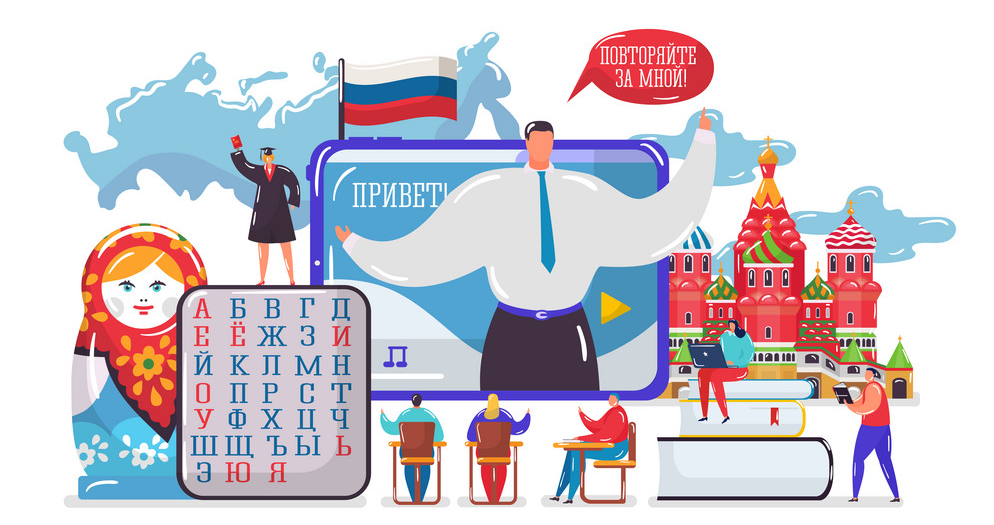
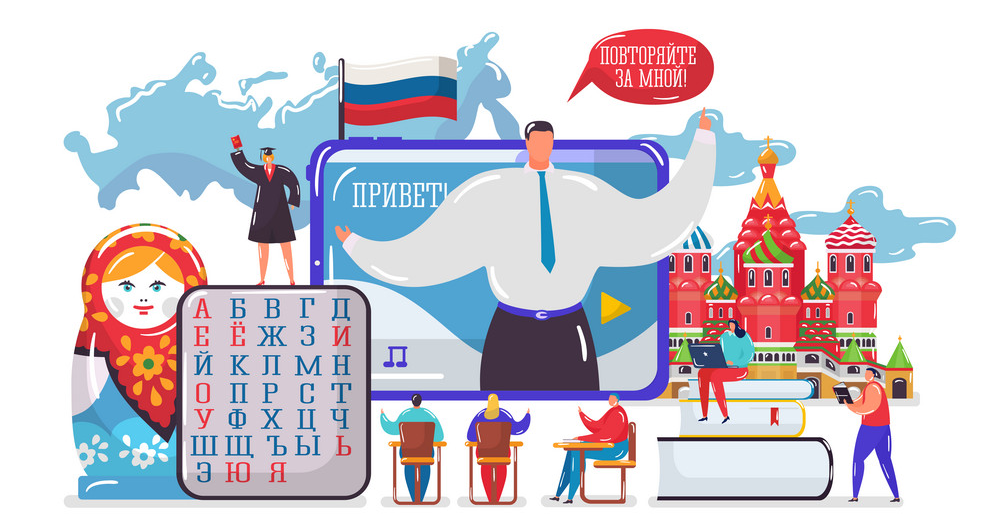
Russian has more expressions for shades of blue than most other languages. In fact, it divides these shades into light blue (голубой) and dark blue (синий).
Contrary to what it might seem, **Russian is the most widely spoken language in Europe**. A total of 258 million people speak Russian, 153 of whom speak it as their first language. In addition to Russia, there are six countries that have it as their main language and many others have population centers that speak this language. If you want to learn it, Cyrillic characters are the main difficulty for a foreigner, besides declensions and grammatical modes. It will take you about a year of study for a basic level of communication.
**11. Arabic** https://read.cash/@RDMoy/los-idiomas-mas-influyentes-del-mundo-fef4f5f4#11-arabe
It is one of the richest languages in vocabulary and has one of the **largest lexicons in the world, with about 12 million words**. For example, the word "lion" أسد in Arabic has more than three hundred synonyms and there are more than fifty ways to say "love" حب.
This is a macro-language (it has many dialects) spoken by more than 270 million people. It is an official language in 23 countries and co-official in six, all located in the Middle East and Africa. It takes over 2,000 hours of study to communicate in everyday situations, which makes it one of the most difficult languages to learn. Professionally, it is a very useful language to work in translation, tourism, cultural centers, teaching, NGOs and humanitarian institutions.
**10. Portuguese** https://read.cash/@RDMoy/los-idiomas-mas-influyentes-del-mundo-fef4f5f4#10-portugues
**The word "saudade" is typically Portuguese and has a nuance that is difficult to translate.** It can be interpreted as "I miss you", although it is not exactly that, as it also refers to a certain state of "melancholy" mixed with love in the distance.
Although the Portuguese spoken in Brazil and Portugal differ in vocabulary, pronunciation and syntax, a Brazilian and a Portuguese can communicate speaking their own language without any difficulty. This language is spoken by 234 million people. Eight countries have it as an official language and there are small populations from various parts of the world. Portuguese is a very useful language to work in tourism, hospitality and in the marketing and import/export departments of international companies.
9. Korean
Although Korean as such is one of the **oldest languages**, its **alphabet** is one of the **newest**. Linguists love Korean. They describe it as the "**most accurate phonetic system ever devised**," with an alphabet that fits the language like a glove.
Some experts consider it to be a language isolate (no kinship with any living language has been demonstrated). It is estimated that about 77 million people speak Korean. It is spoken mainly on the North and South Korean peninsula and in the Chinese province of Heilongjiang, although population groups can also be found in several countries. Korean is considered a difficult language to learn because of its grammar and vocabulary. South Korea's economy has been ranked as the most competitive in Asia, so working in the import and export departments of companies with relations to Korea could have wide-ranging benefits.
**8. Italian** https://read.cash/@RDMoy/los-idiomas-mas-influyentes-del-mundo-fef4f5f4#8-italiano
If you're familiar with music, you've probably seen classical music scores with terms like "*crescendo*", "*soprano*", "*alto*" or "*tempo*". While you may not have noticed that all of these words are Italian in origin, it's no wonder that this language has **such a strong influence on the art of classical music.**
This language is spoken by more than 67 million people in the world (several countries have Italian colonies), and almost 65 million have it as their mother tongue (in Italy, San Marino and Switzerland). You need to speak Italian if you want to work in music, fashion, art, history, teaching, tourism or cultural and commercial work.
**7. Spanish** https://read.cash/@RDMoy/los-idiomas-mas-influyentes-del-mundo-fef4f5f4#7-espanol
**Spanish is the second language with the most native speakers** (after Mandarin), 460 million, and more than 74 million have it as a second language, accumulating a total of 534 million speakers.
Spanish takes the gold medal for the fastest language to speak. And this has been determined by the number of syllables an average speaker manages to say in one second.
With about 600 hours of study, you can handle it in a basic way, although foreigners have difficulty understanding accents and verb conjugations. Professionally, it has many opportunities in the tourism sector and in commercial exchanges with Spain and Latin America.
**6. French** https://read.cash/@RDMoy/los-idiomas-mas-influyentes-del-mundo-fef4f5f4#6-frances
The word "cheap" does not exist in French. Instead, equivalents such as "*bon marché*" (good price) or "*pas cher"* (not expensive) are used.
Some 279 million people speak French in the world, of which only 77 million are native French speakers, in France, various French population centres around the world, and 5 other countries.
Knowing this language is convenient if you want to work in education, hospitality and tourism, or to work in any French company. It is necessary to invest about 600 hours to begin to get by in the language. **French uses five diacritics (acute, circumflex, grave, cedilla and diaeresis)**, which makes pronunciation one of the greatest challenges for foreigners learning the language.
**5. Hindi** https://read.cash/@RDMoy/los-idiomas-mas-influyentes-del-mundo-fef4f5f4#5-hindi
**The most common form of greeting is using the word "*****Namaste*****,"** which is composed of the two words "*namas*" ("bow") and "*te*" ("to you"). When greeting each other, this greeting is usually accompanied by the position of the hands in prayer and a small bow forward.
India has 22 co-official languages. However, Hindi is the most widely spoken. It has more than 615 million speakers, 341 million of whom are native speakers. It takes over 1,000 hours of study to be able to communicate in a basic way. Knowing Hindi facilitates commercial relations with Asia, so it is very useful for professionals who want to do business with Asian companies. It is also useful for working in the scientific field, in translation or in the sectors of the music industry, infrastructure and energy.
**4. German** https://read.cash/@RDMoy/los-idiomas-mas-influyentes-del-mundo-fef4f5f4#4-aleman
Some words do not exist in any other language. In German, "*fremdschämen*" refers to the feeling of shame for another person's action. And "*Fernweh*" (longing for distant travel) is the opposite of "*Heimweh*" (homesickness).
German is increasingly in demand in the engineering, healthcare, teaching, hospitality, tourism and telecommunications sectors.
German is spoken by a total of 132 million people, 76 of whom are native German speakers. According to experts, it takes 15 weeks of intensive study to learn the basics, while it takes about 400 hours of training to master the language. **The most complicated part is the declension of nouns and the construction of sentences.**
**3. Japanese** https://read.cash/@RDMoy/los-idiomas-mas-influyentes-del-mundo-fef4f5f4#3-japones
How should you write in Japanese: horizontally as we do, or vertically? **You should know that writing on both axes is allowed**. In Japanese, different words are used for the same concept depending on the level of trust or respect you have with your interlocutor. A total of 128 million people speak Japanese worldwide, and the vast majority of them are native speakers.
Japanese is difficult to learn because of its spelling and grammar. To get to grips with the language, it is necessary to learn kanji, one of the three Japanese writing systems. It will take a foreigner living in Japan more than six months to start communicating and more than two years to write the language.
**2. Mandarin Chinese** https://read.cash/@RDMoy/los-idiomas-mas-influyentes-del-mundo-fef4f5f4#2-chino-mandarin
**Mandarin Chinese has four tones and the meaning can change depending on the tonal variation.** This is one of the great difficulties encountered by people who study this language.
As China is on its way to becoming an economic superpower in the coming years, those who speak this language will be able to work in a large number of international companies. It is estimated that there are more than 1.117 billion speakers of Chinese as a first or second language, out of the 918 million who are native speakers. It is one of the most difficult languages to learn, both orally and because of the presence of ideograms. There are about 50,000 ideograms and in order not to be considered illiterate you have to know 3,000, although the knowledge of a university student can reach between 6,000 and 10,000.
**1. English** https://read.cash/@RDMoy/los-idiomas-mas-influyentes-del-mundo-fef4f5f4#1-ingles
**Statistically, at least a quarter of the world's population speaks some English.** This is the **language of the air**, which means that all pilots must identify themselves and speak English while flying, regardless of their origin.
Due to the degree of International Superpower applied to the United States, this language is professionally related to multiple areas of the economy. More than half of the volume of information handled on the Internet is in English.
It is the most learned language in the world (as a second language). More than 1,132 million people speak English in the world. A total of 379 million have it as their mother tongue and 753 million as a second language. It is an official language in more than sixty countries. Interestingly, although the United States has the largest native English-speaking population, it is not an official language in the United States.
It is not an essentially difficult language, although it is difficult for foreigners to learn the large number of words, the irregular verbs and, in some cases, the pronunciation. With about 200 hours of study you will be able to begin to master the language.
Now that you have seen the most important languages in the world, which of these would you like to learn?
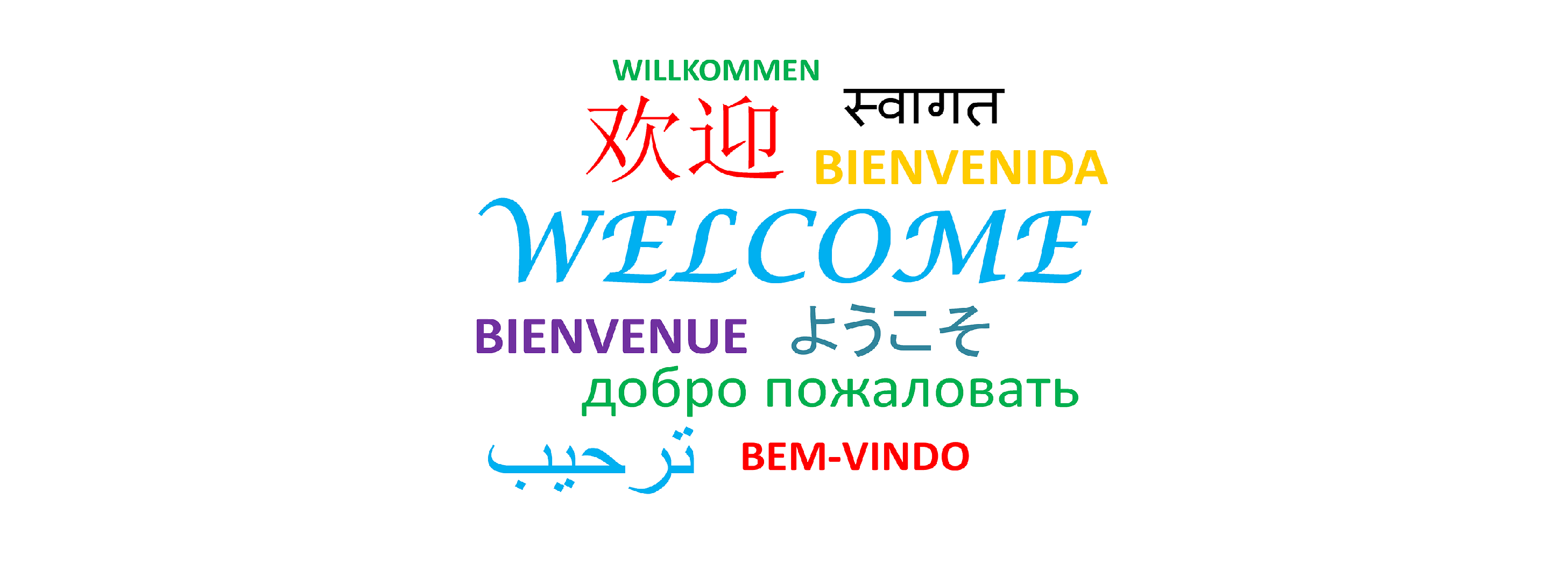
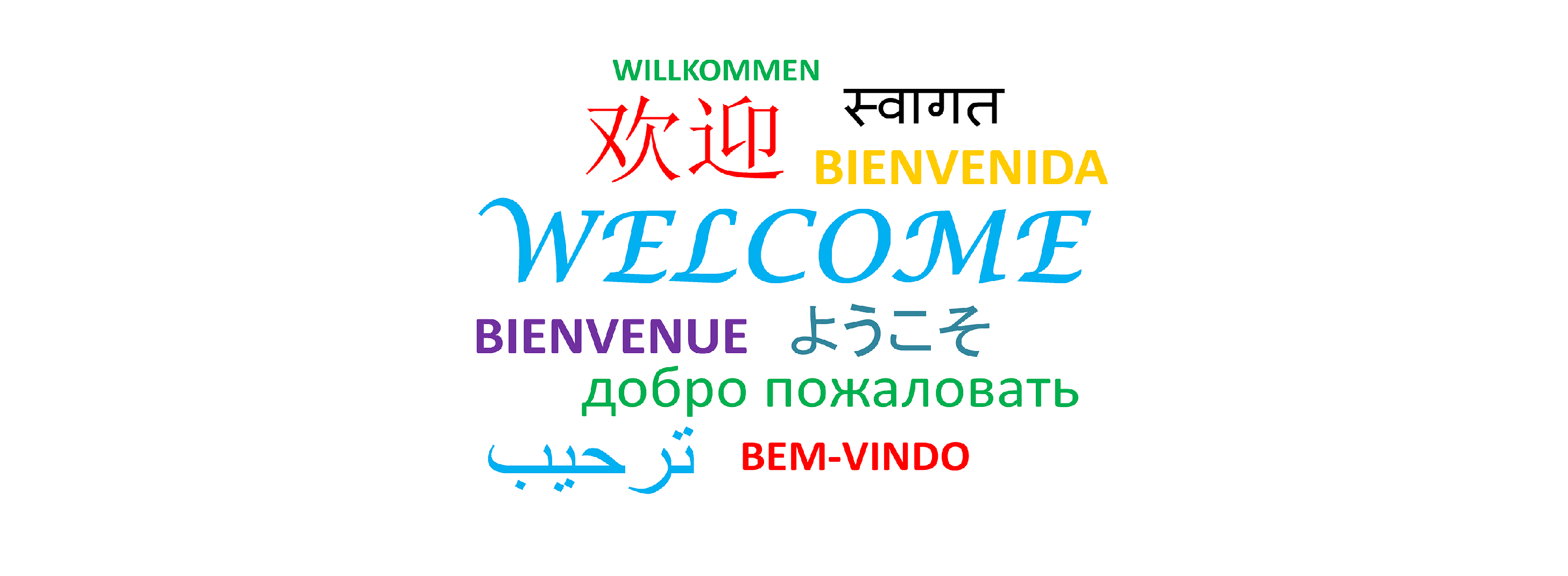
Cover photo: **https://pixabay.com/illustrations/welcome-words-greeting-language-905562/**
N011.2021-10-07
Los Idiomas Más Influyentes del Mundo
En un artículo anterior, exploré algunos de los múltiples beneficios de aprender un idioma traen a nuestras vidas. Si esto te interesa y aún no eres bilingüe, ¿por dónde empezar? Evidentemente, el Inglés debe de ser tu primera opción para aprender si todavía no dominas esa lengua. https://read.cash/@RDMoy/differences-of-a-bilingual-brain-78be44e3
Sin embargo, si ya el Inglés es parte de tu repertorio, ¿a dónde seguir? Principalmente, el gusto por una lengua determinará si deseas aprenderla o no. Para ayudarte, en este artículo te muestro una cuenta regresiva de los idiomas más importantes actualmente, según el contexto global.
**12. Ruso**
El idioma ruso tiene más expresiones para referirse a las tonalidades del color azul que la mayoría de los otros idiomas. De hecho, divide estas tonalidades en claros (голубой) y oscuros (синий).
Contrario a lo que pudiera parecer, **el ruso es el idioma más hablado de Europa**. Un total de 258 millones de personas hablan ruso y, de ellas, 153 lo tienen como primer idioma. Además de Rusia, hay seis países que lo tienen como lengua principal y muchos otros tienen núcleos poblacionales que hablan esta lengua. Si quieres aprenderlo, los caracteres cirílicos son la principal dificultad para un extranjero, además del las declinaciones y los modos gramaticales. Te llevará aproximadamente un año de estudio para un nivel de comunicación básico.
**11. Árabe**
Es de los idiomas más ricos en vocabulario y posee uno de los **léxicos más amplios del mundo, con alrededor de 12 millones de palabras**. Por ejemplo, la palabra «león» أسد en árabe tiene más de trescientos sinónimos y hay más de cincuenta maneras de decir «amor» حب.
Esta es una macrolengua (posee muchos dialectos) hablada por más de 270 millones de personas. Es idioma oficial en 23 países y cooficial el seis, situados todos en Medio Oriente y África. Se necesita algo más de 2.000 horas de estudio para comunicarnos en situaciones cotidianas, lo que lo convierte en uno de los más dificiles de aprender. Profesionalmente, es un idioma muy útil para trabajar en traducción, turismo, centros culturales, enseñanza, ONGs e instituciones humanitarias.
**10. Portugués**
**La palabra "saudade" es típica portuguesa y tiene un matiz difícil de traducir.** Puede interpretarse como "te echo de menos" o "te extraño", aunque no es exactamente eso, ya que también se refiere a un cierto estado de "melancolía" mezclado con amor en la distancia.
Aunque el portugués que se habla en Brasil y Portugal difieren en cuanto a vocabulario, pronunciación y sintaxis, un brasileño y un portugués pueden comunicarse hablando su propio idioma sin ninguna dificultad. Este idioma es hablando por 234 millones de personas. Ocho paises lo tienen como idioma oficial y existen pequeños núcleos poblacionales de varias partes del mundo. El portugués es un idioma muy útil para trabajar en turismo, hostelería y en los departamentos de marketing e importación y exportación de empresas internacionales.
**9. Coreano**
Aunque el coreano como tal es una de las **lenguas** más **antiguas**, su **alfabeto** es uno de los más **nuevos**. A los lingüistas les encanta el coreano. Lo describen como el "**sistema fonético más exacto jamás concebido**”, con un alfabeto que se adapta al idioma como anillo al dedo.
Algunos expertos consideran que esta es una lengua aislada (no ha sido demostrada ningún parentesco con ninguna lengua viva). Se estima que unos 77 millones de personas hablan coreano. Se habla, principalmente, en la peninsula de Corea del Norte y del Sur y en la provincia china de Heilongjiang, aunque también se pueden encontrar grupos poblacionales en varios paises. El coreano es un idioma considerado difícil de aprender por su gramática y vocabulario. La economía de Corea del Sur ha sido catalogada como la más competitiva en Asia, por lo que trabajar en departamentos de importación y exportación de empresas con relaciones con Corea podría tener amplios beneficios.
**8. Italiano**
Si estás familiarizado con la música, probablemente hayas visto partituras de música clásica con términos como "*crescendo*", "*soprano*", "*alto*" o "*tempo*". Aunque puede que no hubieses reparado en que todas estas palabras tienen origen italiano, no es de extrañar que este idioma tenga **una influencia tan fuerte en el arte de la música clásica.**
Esta lengua es hablada por más de 67 millones de personas en el mundo (varios países tienen colonias italianas), y casi 65 millones lo tienen como lengua materna (en Italia, San Marino y Suiza). Se necesita hablar italiano si se desea trabajar en música, moda, arte, historia, enseñanza, turismo o labores culturales y comerciales.
7. Español
**El español es el segundo idioma con más hablantes nativos** (después del Mandarín), 460 millones, y más de 74 millones lo tienen como segunda lengua, acumulando un total de 534 millones de hablantes.
El español se lleva la medalla de oro al idioma más rápido de hablar. Y esto se ha determinado por el número de sílabas que un hablante promedio alcanza a decir en un segundo.
Con alrededor de 600 horas de estudio, puedes manejarlo de manera básica, aunque los extranjeros poseen dificultad en entender las tildes y conjugaciones verbales. Profesionalmente, tiene mucha salida en el sector turístico y en intercambios comerciales con España y America Latina.
6. Francés
La palabra "barato" no existe en francés. En su lugar se usan equivalentes como “*bon marché*” (buen precio) o “*pas cher*” (no caro).
Unos 279 millones de personas hablan francés en el mundo, de los que solo 77 lo tienen como lengua materna, en Francia, varios núcleos poblacionales franceses al rededor del mundo, y otros 5 países.
Saber este idioma es conveniente si te quieres dedicar a la enseñanza, hostelería y turismo, o para trabajar en cualquier empresa francesa. Es necesario invertir unas 600 horas para comenzar a desenvolverse en el idioma. **El francés utiliza cinco diacríticos (acento agudo, circunflejo, grave, cedilla y diéresis)**, lo que convierte la pronunciación en uno de los grandes retos para los extranjeros que aprenden el idioma.
**5. Hindi**
**La forma más común de saludar es usando la palabra “*****Namasté*****”**, que está compuesta de dos término “*namas*” (“inclinar”) y “*te*” (“hacia ti”). Cuando se saludan, generalmente este saludo va acompañado de la posición de las manos en oración y una pequeña inclinación hacia delante.
La India cuenta con 22 idiomas de carácter cooficial. Sin embargo, el Hindi es el más extendido. Cuenta con más de 615 millones de hablantes, de los que 341 millones lo tiene como lengua materna. Se necesitan algo más de 1.000 horas de estudio para poder comunicarte de forma básica. Saber hindi facilita las relaciones comerciales con Asia, por lo que resulta muy útil conocerlo para los profesionales que quieran hacer negocios con empresas de este continente. También para trabajar en el ámbito científico, en traducción o en los sectores de la industria musical, las infraestructuras y la energía.
4. Alemán
Algunas palabras no existen en ningún otro idioma. En Alemán, "*fremdschämen*" se refiere al sentimiento de vergüenza por la acción que realiza otra persona. Y "*Fernweh*" (deseo de viajes lejanos) es lo opuesto a "*Heimweh*" (nostalgia de la tierra natal).
El alemán es cada vez más solicitado en los sectores de ingeniería, sanidad, docencia, hostelería, turismo y telecomunicaciones.
Con un total de 132 millones de personas hablan alemán, de los que 76 lo tienen como lengua materna. Según los expertos consideran que se necesitan 15 semanas de estudio intensivo para obtener conocimientos básicos, mientras que para llegar a dominarlo serían necesarias unas 400 horas de formación. **Lo más complicado son las declinaciones de los sustantivos y la construcción de oraciones.**
3. Japonés
¿Cómo se ha de escribir en japonés? ¿En horizontal como nosotros? ¿O en vertical? **Debes saber que la escritura en ambos ejes está permitida**. En japonés se utilizan diferentes palabras para un mismo concepto dependiendo de la confianza o nivel de respeto que tengas con el interlocutor. Un total de 128 millones de personas lo hablan en todo el mundo y la gran mayoría lo tienen como lengua materna.
El japonés es difícil de aprender por su grafía y su gramática. Para manejarse en este idioma es necesario aprender los kanjis, uno de los tres sistemas de escritura japoneses. Un extranjero que viva en Japón tardará más de seis meses en comenzar a comunicarse y más de dos años en escribir el idioma.
**2. Chino mandarín**
**El chino mandarín cuenta con cuatro tonos y el significado puede cambiar en función de la variación tonal.** Esta es una de las grandes dificultades que encuentran las personas que estudian este idioma.
Ya que China está en camino de convertirse en una superpotencia económica en los próximos años, aquellos que hablen este idioma podrán trabajar en un gran número de empresas internacionales. Se estima que hay más de 1.117 millones de hablantes de chino como primera o segunda lengua, de los 918 que lo tienen como lengua materna. Es uno de los idiomas más difíciles de aprender, tanto en la parte oral como por la presencia de ideogramas. Existen unos 50.000 ideogramas y para no ser considerado analfabeto tienes que saber 3.000, aunque el conocimiento de un universitario puede alcanzar entre 6.000 y 10.000.
**1. Inglés**
**Estadísticamente, al menos un cuarto de la población mundial habla algo de inglés.** Este es el **idioma del aire**, lo que significa que todos los pilotos deben identificarse y hablar en inglés mientras vuelan, independientemente de su origen.
Debido al grado de Superpotencia Internacional aplicado a los Estados Unidos, este idioma esta relacionado profesionalmente con múltiples áreas de la economía. Más de la mitad del volumen de información que se maneja en Internet está en inglés.
Es el idioma más aprendido del mundo (como segunda lengua). Más de 1.132 millones de personas hablan inglés en el mundo. Un total de 379 lo tienen como lengua materna y 753 millones como segunda lengua. Es idioma oficial en más de sesenta países. Curiosamente, aunque Estados Unidos tiene la mayor población nativa de este idioma, el país norteamericano no lo tiene como idioma oficial.
No es un idioma esencialmente difícil, aunque a los extranjeros les cuesta aprender su gran número de vocablos, los verbos irregulares y, en algunos casos, la pronunciación. Con unas 200 horas de estudio podrás comenzar a manejarte en el idioma.
Ahora que has visto las lenguas más importantes del Mundo, ¿cual de estas te gustaría aprender?
Foto de portada: https://pixabay.com/illustrations/welcome-words-greeting-language-905562/
N010.2021-10-06
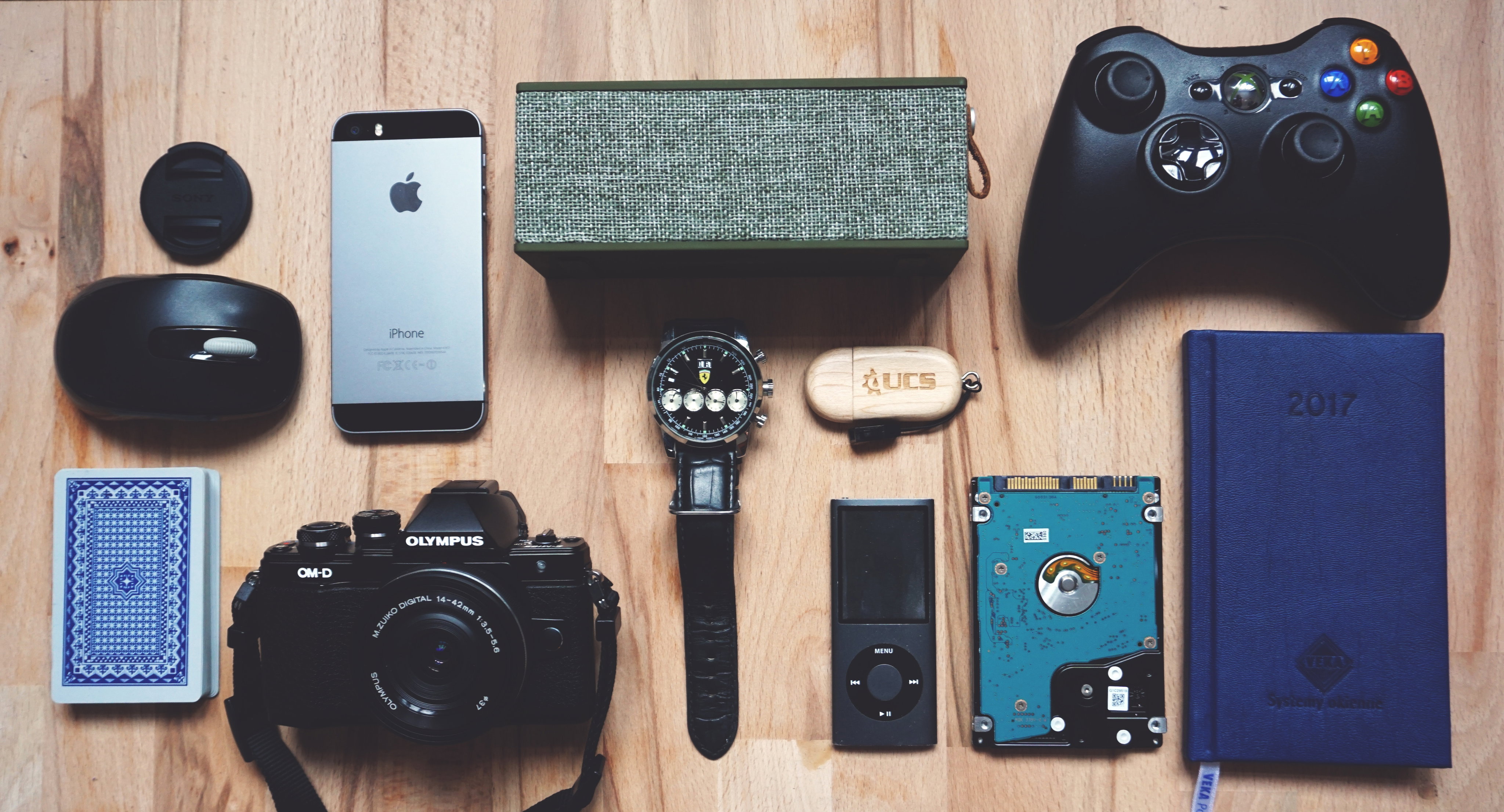
Omnipresent Technologies
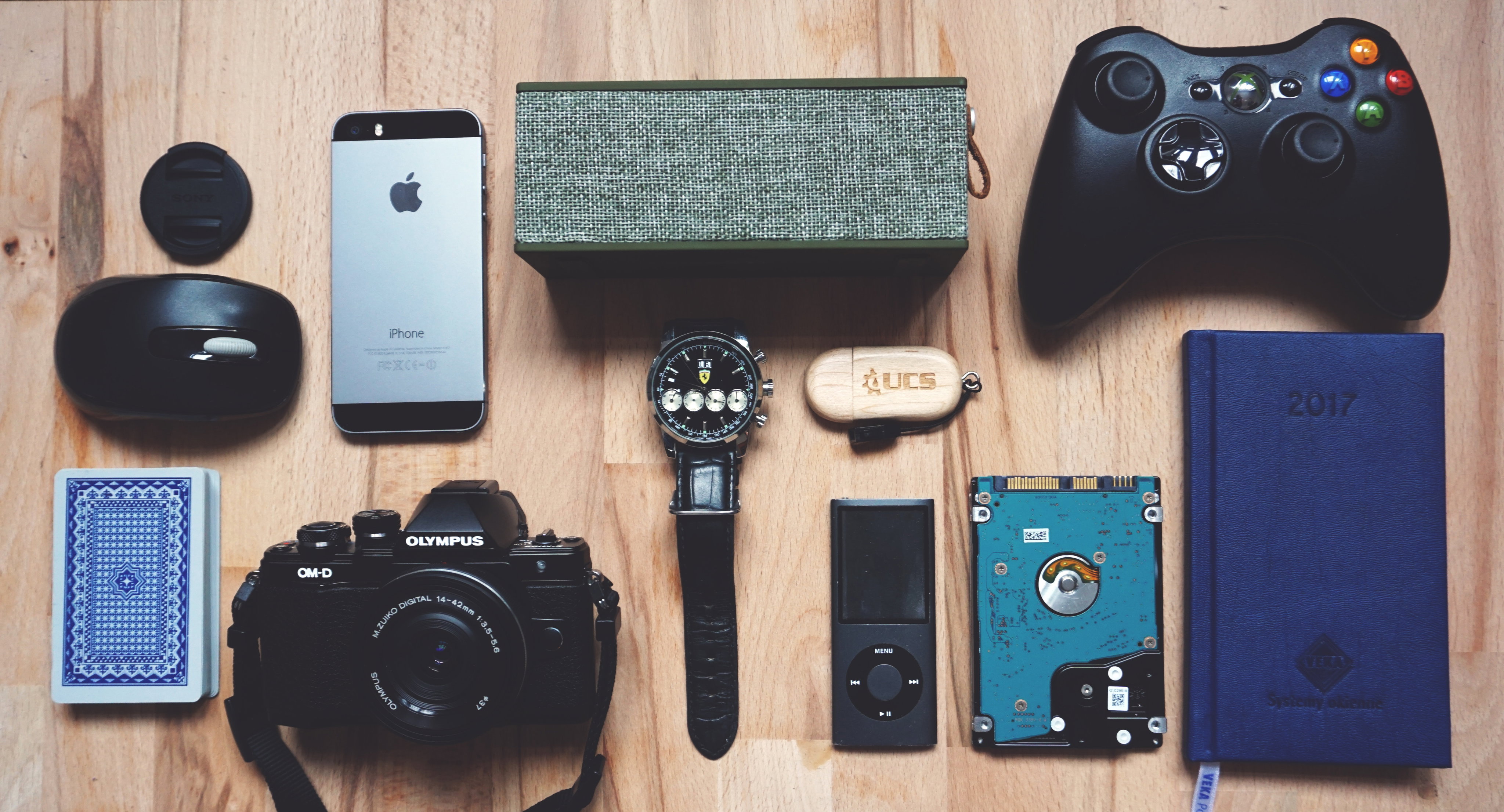
It is obvious that technology has reached immense development speeds. It has evolved more in the last 30 years than in all of history in this aspect. For some people it is easy to remember when (not so long ago) you had to resort to envelopes, stamps and a lot of patience to send a monologue and receive another one some time later.
***In the telecommunications sector***, today we are able to interrupt each other by WhatsApp or Zoom with a person living in Australia who is traveling at that very moment to England. You haven't finished discovering the benefits of your smartphone when it has already become obsolete and the next model and three other more advanced competitors have come out.
***In the sports sector***, the field of nanotechnology has enabled balls that take longer to deflate, lighter surfboards or golf balls that resist surfaces better and avoid moving.
***In the healthcare sector***, technology has made it possible to integrate all the communication channels available to a patient's service, but above all, to synchronize them in order to provide unified and coherent care. Increasingly, experts seek to have updated and integrated patient data, in order to streamline care and above all to make it more reliable and empathetic. These are very important technological advances that many countries are already counting on in times of pandemic.
***The internet of things*** is a term we have been hearing about constantly for some time now and it represents the way in which everyday things that are connected to the internet act in synergy and become an integrated whole. It is a network that interconnects physical objects through specialized hardware that allows not only connectivity to the Internet, but also schedules specific events based on the tasks that are dictated remotely. Your fridge could alert you to the inventory of products you have (or don't have) available, thus streamlining the grocery shopping process.
***The blockchain*** is a single, consensual and distributed record in several nodes of a network. In the case of ***cryptocurrencies***, we can think of it as the ledger where each transaction is recorded. Companies today obtain greater security and monetization of their business thanks to this data structure.
In the coming years, it is estimated that these blockchains may be applied in other sectors such as intellectual property, food security or asset management. Mainly, institutions expect to see a development in Blockchain that focuses on preventing Internet fraud and information leakage.
Virtual reality applied to the world of video games, televisions that are sharper than our own eyesight, increasingly intelligent computers and phones. The list of technological advances is endless. This speed of evolution of technologies sometimes makes us feel a little dizzy and we often ask ourselves the question "Where will we get to?”
Being prepared for the technological trends of the future is not a bad idea, on the contrary, we must develop a research attitude to know how to deal with these coming changes before they arrive and take us by surprise.
*Pictures from:* *Pixabay.com and Pexels.com*
**N009.2021-10-03**
Tecnologías Omnipresentes
Es obvio que la tecnología ha alcanzado unas velocidades de desarrollo inmensas**. Ha evolucionado más en los últimos 30 años que en toda la historia en este aspecto.** Para algunos es fácil recordar cuando (hace no mucho) había que recurrir a sobres, sellos y mucha paciencia para enviar un monólogo y recibir otro un tiempo después.
***En el sector de las telecomunicaciones***, al día de hoy somos capaces de interrumpirnos vía WhatsApp o de hacer Zoom con una persona residente en Australia que está viajando en ese mismo momento a Inglaterra. Uno no ha acabado de descubrir las bondades de su teléfono inteligente, cuando ya se ha quedado obsoleto y ha salido el modelo siguiente y otros tres competidores más avanzados.
***En el sector del deporte***, el campo de la nanotecnología han permitan que existan Balones que tardan más tiempo en desinflarse, tablas de surf más ligeras o pelotas de golf que resisten las superficies de mejor manera y evitan moverse.
***En el sector salud***, la tecnología ha permitido que se integre todos los canales de comunicación con los que cuenta el servicio a un paciente, pero sobre todo, que estén sincronizados para brindar una atención unificada y coherente. Cada vez más los expertos buscan tener actualizados e integrados los datos de los pacientes, con el fin de agilizar la atención y sobre todo de que esta sea más confiable y empática. Avances tecnológicos muy importantes con los que ya muchos paises cuentan en tiempos de la pandemia.
***El internet de las cosas*** es un término del que escuchamos hablar constantemente desde hace algún tiempo y representa la forma en la que **cosas cotidianas** que **se conectan a Internet y actúan en sinergia** logrando ser un todo integrado. Se trata de una red que interconecta objetos físicos mediante hardwares especializados que le permite no solo la conectividad al Internet, sino que además programa eventos específicos en función de las tareas que le sean dictadas remotamente. Tu refrigueador podría avisarte el inventario de productos que tienes (o no tienes) disponibles, y así agilizar el proceso de compra en el supermercado.
***La cadena de bloques****,* más conocida por el término en inglés ***Blockchain***, es un registro único, consensuado y distribuido en varios nodos de una red. En el caso de las ***criptomonedas***, podemos pensarlo como el libro contable donde se registra cada una de las transacciones. Las empresas hoy en día obtienen una mayor seguridad y monetización de su negocio gracias a esta estructura de datos.
Para los próximos años, se estima que estas ***cadenas de bloque*** pueden estar aplicadas en otros sectores como propiedades intelectuales, seguridad alimentaria o administración de bienes. Principalmente, las instituciones esperan ver un desarrollo en *Blockchain* **que se centre en prevenir el fraude en Internet y la fuga de información.**
Realidad virtual aplicada al mundo de los videojuegos, televisores con mayor nitidez que nuestra propia vista, computadores y telefónos cada vez más inteligentes. La lista de avances tecnológicos es infinita. Esta velocidad de evolución en las tecnologías a veces produce vértigo y es habitual que nos hagamos la siguiente pregunta *“¿Dónde llegaremos?”…* En muchos de los casos, la tecnología ha sido concebida como vehículo para hacer nuestra vida más entretenida, más llevadera, más cómoda, más globalizada.
Estar preparados respecto a las tendencias tecnológicas para el futuro no es una mala idea, por el contrario, debemos desarrollar una actitud de investigación para saber cómo abordar estos cambios venideros antes de que estos lleguen y nos tomen por sorpresa.
*Fotos de portada:* https://www.pexels.com/es-es/foto/gagdets-sobre-superficie-de-madera-325153 https://www.pexels.com/es-es/foto/gagdets-sobre-superficie-de-madera-325153/
N008.2021-10-02
Differences of a Bilingual Brain
Speaking English (as a second language) changed my life. I started studying it self-taught as a child. Not only did it improve my grades in high school, but as soon as I got to college I got a job as a school teacher (I literally spent the morning of my 18th birthday teaching English to kids). I spent my entire college years working part-time as a teacher in various schools. And years later, after graduating as an engineer, English was a determining factor when I entered the oil industry. Later, when I studied French, I learned it much faster than the average student because of my discipline with languages.
But, in addition to the academic, labor, and social advantages, What differentiates bilinguals from monolinguals? How do speaking two (or several) languages change your brain?
Whether you run less risk of dementia or are better at multitasking, scientists have spent decades researching this topic (without quite agreeing), and after many years delving into it, they have come to some conclusions, among them that **speaking several languages changes a bit how our brains are physically and how they work.**
The wonderful thing is that no matter if you learn a second language since childhood, or if you start studying it at a later age, doing so will still leave a positive imprint on your brain. This brings me to the first of the five points in this article.
**1. Are there differences between bilingual and monolingual brains?**
The brains of bilingual people are a little different from those of monolinguals, there are certain areas of the brain specifically related to language, which are more robust or changed their way of connecting with other areas. This is due to the repetitive use of the tools that the bilingual brain employs when interpreting everything around it.
These tools called Cognitive Processes have four basic elements: perception, memory, attention, and emotion. When we face or surround ourselves with several languages, these cognitive processes are exercised more and this leaves physical marks (although small) in our brains.
**2. Bilinguals show a greater ability to take another person's perspective.**
This does not refer to empathy, but to a more contextual capacity, i.e. bilingualism offers a greater capacity to see situations from other angles. Bilingual people are social beings agile enough to determine which is the dominant language at that moment, or the language in which the other person wants to or can communicate, or which language within our mental inventory should be used at that moment. From children to older adults, bilinguals have demonstrated greater perspective-taking than monolinguals.
**3. Bilinguals have a greater working memory.**
This refers to a human being's ability to hold a series of items in the brain and work with them in the short term. In a laboratory test, all participants (monolinguals and bilinguals) had a similar ability to memorize a random sequence of numbers.....
45 - 34 - 6 - 82 -24 - 78 - 91 - 63
However, when the scientists asked the participants to recall that same series of numbers in reverse order....
63 - 91 - 78 - 24 - 82 - 6 - 34 - 45
... there the bilinguals were a little better. Since bilinguals face slightly harder or more difficult contextual or conversational situations than monolinguals, they seem to develop more working memory, so they are able to recall more items, and the work done with these items is significantly better than that done by monolinguals.
**4. Bilingual brains demonstrate greater cognitive reserve.**
This is the most recent thing scientists have discovered (and continue to study). Bilingual (or multilingual) brains tend to age better because they compensate more for the natural deterioration we all suffer as we get older. It has also been found that bilinguals cope better with neurodegenerative diseases.
This means that if bilinguals suffer from Alzheimer's or Parkinson's, for example, these diseases come later (by an average of 4 to 5 years), or with lesser effects than monolinguals.
This is due to the greater capacity in cognitive reserve that bilinguals have.
What is important or interesting here is that you do not have to be bilingual from birth to take advantage of these benefits. Learning a language (even in old age) could benefit your brain in the same way.
**5. Are there disadvantages to being bilingual?**
Scientists were also able to observe micro drawbacks to bilingualism or multilingualism. The first is that bilinguals tend to have a slightly smaller vocabulary in their two languages than monolingual speakers. The second is that bilinguals tend to take a few milliseconds longer to find the word they are looking for in their brain's inventory. It is something like the box where we have to search is more full of things. What is clear is that **there is no cognitive disadvantage for speaking a second language.**
Personally, I know that knowing other languages not only allows you to take possession of an inventory of words, phrases and sentences, but in the process you learn other cultures, to see the world from other points of view and above all, bilingualism improves your communication skills in oral or written form.
What about you? Do you speak two languages? What are the advantages or anecdotes that this has brought to your life? I would like to hear your comments. I end this article in my native language, Spanish...
¡Muchas gracias por leer! (Thank you very much for reading!)
N007.2021-09-26
*Pictures from pixabay and pexels.*
The Power of Gifts
From a small piece of candy to a property that costs millions, many times a gift can show how appreciated we are. The important thing is often not the monetary value, but the sentimental value. Gifting is as old as the world itself. Ancient civilizations gave gifts of clothing, sculptures, and jewelry for special celebrations. And that continues to this day.
Giving gifts can be considered a token of love. And we should NOT confuse it with materialism. We all like to receive gifts. However, there are people who greatly appreciate giving and receiving gifts, and in doing so they grow from the thoughtfulness and effort behind this act. These people, in particular, are those who keep all the details, cards, crafts and show it with total appreciation, fond memories of the beautiful moment when that special person took their time, dedication and resources to give that gift.
If you know someone like this, the perfect gift or detail to this person shows that you know him or her, that you care about him or her, and that he or she is valued above all else. On the other hand, a forgotten birthday, a hasty and thoughtless gift would be disastrous - as would the absence of daily details. Gifts are symbols of your heart and affection for your partner.
If your beloved one loves to receive gifts, take note of the following tips:
1. Special gifts do not necessarily imply a considerable economic expense: Send a photo or video of a past vacation, a chocolate or other sweets, a card with a dedication. Remember that the important thing is the detail of the gift.
2. Give a song, if you have musical talent, write it and sing it yourself, and if you don't have the gift of music, download it from the Internet.
3. Hide a surprise gift in your partner's wallet or purse. Or have someone deliver a surprise gift to his or her workplace.
4. Offer the "Gift of Your Presence" at a difficult or stormy time in your partner's life. For example, visiting a sick friend or caring for an elderly relative.
5. Anticipate birthday, anniversary or holiday gifts. Going to a mall helps. The possibilities are endless.
In Summary: Consideration, gifts and details, a special surprise, or gift just because. Remember that the Act of Gifting is an excellent ***Communicator of Love***. Thank you for giving me the gift of your time in this post.
N006.2021-09-24
*Pictures from: pexels.com*
My first articles are based on Dr. Gary Chapman's theory of the 5 Love Languages, if you wish to read them, I give you the links:
The Power of Words https://read.cash/@RDMoy/the-power-of-words-ce1abcb3
The Power of Hugs https://read.cash/@RDMoy/the-power-of-hugs-740ee9a6
The Power of Good Moments https://read.cash/@RDMoy/the-power-of-good-moments-3e78f71c
The Power of Service https://read.cash/@RDMoy/the-power-of-service-59a0300c
The Power of Gifts https://read.cash/@RDMoy/the-power-of-gifts-a931408b
Thank you for reading.

The Power of Service
Can helping with a task really be an expression of love? Of course it can! Our mothers served us from day one, feeding us, clothing us and taking care of our every need.
Sometimes Love is synonymous with relieving another person's personal burden. Actions that help in the day-to-day life of those closest to you. Actions speak louder than words, Phrases like "Let me do this for you", "Can I help you?" can be a breath of fresh air in your relationship.
On the other hand, laziness, broken commitments and causing more work than necessary for your loved ones could bring discord into the relationship. When others serve you out of love (and not out of obligation), you feel truly valued and loved.
One of the best ways to feel loved emotionally is to communicate, if we have the ability to express what makes us feel loved and also make a request rather than a demand or criticism, you can be sure that you are on your way to building an Extraordinary Relationship.
You can make a list of your partner's requests to understand what the priority acts of service are. Think back to what he or she has been asking you for years and you will find the most urgent acts.
Take note of the following tips:
1. Surprise your partner by doing some household chore that he or she usually does.
2. If he or she asks you to do something, do it. Don't wait for her to repeat it back to you.
3. Get up half an hour earlier or go to bed half an hour later to spend that time doing chores around the house.
4. Make dinner, and don't forget to clean up the kitchen after cooking.
5. Consider an action you can do for someone your partner loves (parents, siblings, friends).
Acts of service represent being willing to help do a chore, relieve a workload, or prepare a meal. Remember that service at home is a ***Powerful Communicator of Love.***
N005.2021-09-23
*Pictures from: pexels.com*
My first articles are based on Dr. Gary Chapman's theory of the 5 Love Languages, if you wish to read them, I give you the links:
The Power of Words https://read.cash/@RDMoy/the-power-of-words-ce1abcb3
The Power of Hugs https://read.cash/@RDMoy/the-power-of-hugs-740ee9a6
The Power of Good Moments https://read.cash/@RDMoy/the-power-of-good-moments-3e78f71c
The Power of Service https://read.cash/@RDMoy/the-power-of-service-59a0300c
The Power of Gifts https://read.cash/@RDMoy/the-power-of-gifts-a931408b
Thank you for reading.
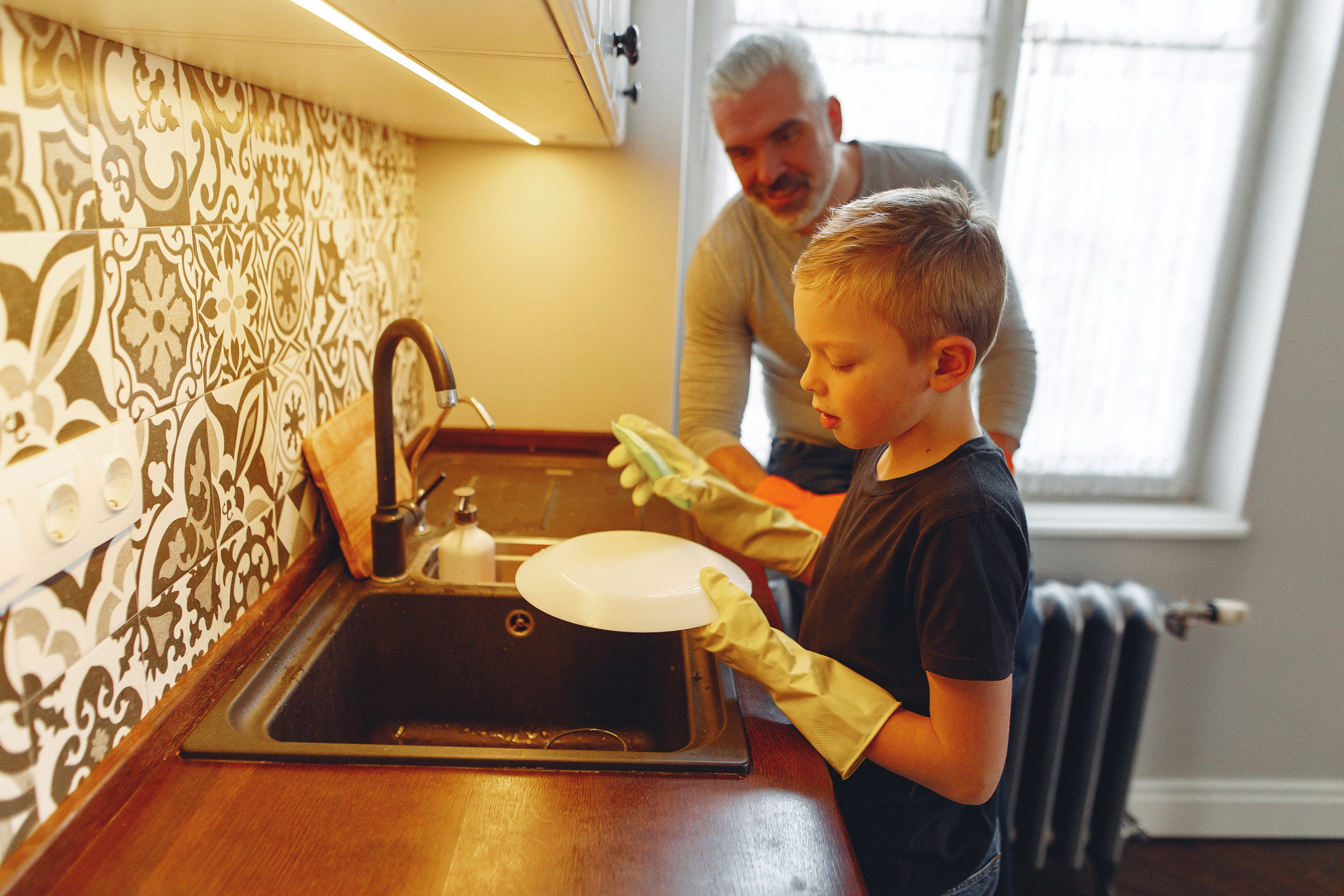

The Power of Good Moments
Today we went for a walk minutes before sunrise. My daughter and I have that routine. And since my niece and nephew are visiting us, today all four of us went out. Exercising in the morning makes us feel good, energizes us and above all makes us thank God for a new day, a new opportunity, a new breath, a new quality family time. Time is the accumulation of all the moments lived. Your life will be determined by how many good or bad moments happen because of you or around you.
Time is the most valuable treasure we as humans can have. Money comes and goes, family and friends come and go, even talents come and go. However, Time is that which goes away and does not come back, it leaves never to return. How important it is to spend time on the things that matter, with the people that matter, and above all with the attention that matters.
Sometimes to have quality time you must devote full and undivided attention to the people you love the most. Being there for your family is crucial, but really being there - with the TV off - cell phone off, not eating, and all chores and busyness on pause - make them feel truly special and loved.
Conversely distractions, postponed activities, or failing to listen can really hurt your loved ones. Whether it's spending uninterrupted time talking with someone else or doing activities together, you can deepen your connection with your special someone by sharing your treasure of time.
Here are some tips if that person closest to you is the one who likes to spend quality time with you.
1. If you are in the habit of praying together with your family, add some extra time to spend together, while spending quality time with God.
2. Invite them to the park, mall, or some tourist site, then take them out to dinner and ask them how they spent their day.
3. Try not to always focus your conversations on the chores at home. Put chores aside and focus on asking your partner or children questions about how they are feeling, how they spent their day, or what new plans they have.
4. Watch a new movie together, and then ask them what they thought of it.
5. Love your family with an uninterrupted, focused conversation, with special moments where you do something fun together.
Life is full of moments, it's up to us to make them memorable, worth remembering, and anecdotal over time. At the end of the day, you will realize that Quality Moments are Powerful Communicators of Love.
What quality moments can you tell me about? Thank you for sharing your treasure of time in these minutes reading my post.
*Pictures from Pexels.com*
N004.2020-09-21
My first articles are based on Dr. Gary Chapman's theory of the 5 Love Languages, if you wish to read them, I give you the links:
The Power of Words https://read.cash/@RDMoy/the-power-of-words-ce1abcb3
The Power of Hugs https://read.cash/@RDMoy/the-power-of-hugs-740ee9a6
The Power of Good Moments https://read.cash/@RDMoy/the-power-of-good-moments-3e78f71c
The Power of Service https://read.cash/@RDMoy/the-power-of-service-59a0300c
The Power of Gifts https://read.cash/@RDMoy/the-power-of-gifts-a931408b
Thank you for reading.
The Power of Hugs
Being a father has become the most rewarding adventure of my life. My six-years-old daughter possesses an energy that radiates joy wherever she goes. She has taught me to be a teacher and life guide for her. Because of her, I am more attentive, compassionate, tender, and protective. But most of all, my little girl has taught me the art of hugging.
She was born with that gift, that way of loving. From the time she was conscious she knew that a caress, a hug, a massage, or a simple touch has a positive impact on those around her. She has the ability to illuminate a saddened heart with a simple hug. Have you ever met someone like that?
It has been proven that hugging has multiple benefits, let me remind you of some of them, I assure you that you will want to hug those closest to you afterwards.
**1. Hugs make you gain self-confidence**
Hugging is the solution if your self-esteem and security has been damaged. Hug and let yourself be hugged. Practice over and over again an action that may seem too simple. Hug more and tighter. You will feel that you are not alone, on the contrary, you will feel loved and valued by those around you. Just invest 20 seconds in that moment that will have an important therapeutic effect for you, you will be able to recover that confidence in yourself that was fading. The next time you feel nervous about some unforeseen test, such as speaking in public, do not hesitate to resort to a hug.
2. **Hugs** immediately improve your mood.
The beneficial effects of a hug are felt from the very moment you embrace another person. Being body to body, with no distance as a barrier, produces a sense of psychological well-being. The next time you embrace someone, feel the happiness that immediately overwhelms you. Experts attribute the feeling that you remember even overtime to the serotonin your body releases. And it's just one of several beneficial hormones that are manifested at the moment of hugging.
I'm sure you've hugged someone in the middle of a celebration: a birthday, the graduation of a loved one, the end of that soccer or baseball game (or any other sport) where your team won.
3. **Hugs** help you strengthen your immune system
It may seem like an exaggeration, but nothing could be further from the truth. Hugging strengthens your immune system and as a consequence, your health is truly benefited. It is scientifically proven that through this seemingly simple action, your body produces more white blood cells. Hugging is the perfect remedy to fight different diseases and infections. Imagine the doctor prescribing you to hug a certain number of people to make your life healthier? It would be a simple, rewarding, and above all economical remedy.
4. **Hugs** lower your blood pressure, among other benefits.
Oxytocin is another hormone that plays a leading role when hugging. It has been proven to lower blood pressure. Accompany it with a good diet. Let your own body help you heal in a different but very effective way. Dare to give it a try. I'm sure it's worth it.
As you have just read, hugs will help you in the most complicated situations. They will be a first-rate remedy, as well as the best possible therapy whenever you need it. Simple, economical, and bearable, but full of benefits that people of all ages can enjoy. From children to the elderly. Do not miss the opportunity to enjoy them every time you have the opportunity. Its advantages are worth it.
Do you know of any other benefits of being hugged? Do you know anyone who (like my daughter) has that same ability to change the mood of others with just a hug? For those who have not been able to escape its influence, hugging is a comforting gesture that helps them. Be that as it may, the truth is that **Hugging is a Powerful Communicator of Love**.
Thank you very much for allowing me to reach your screen with this post. From the distance, receive a virtual HUG!
*Pictures from unsplash.com*
N003.2021-09-20
My first articles are based on Dr. Gary Chapman's theory of the 5 Love Languages, if you wish to read them, I give you the links:
The Power of Words https://read.cash/@RDMoy/the-power-of-words-ce1abcb3
The Power of Hugs https://read.cash/@RDMoy/the-power-of-hugs-740ee9a6
The Power of Good Moments https://read.cash/@RDMoy/the-power-of-good-moments-3e78f71c
The Power of Service https://read.cash/@RDMoy/the-power-of-service-59a0300c
The Power of Gifts https://read.cash/@RDMoy/the-power-of-gifts-a931408b
Thank you for reading.
The Power of Words
Hi, I am new in read.cash. Thinking about what to say in my first post, my mind has a lots of Words… So, what better way to start than by talking about the Power of Words. A proverb says Words have the Power of Life and Death. Words are more than sounds, they mold the mind to later become thoughts or actions, they are so powerful that through them we can create or destroy, that is why their correct management is of vital importance.
Although we learn to communicate through oral language as soon as we are months old, the correct use of words, their content, their tone, their context, is an art that takes some people years to learn and master.
How many times have we been misunderstood because of a simple change in tone of voice? How many times have we spoken out of context? Words are not only transmitters of knowledge, of ideas, but of affection, encouragement, conviction. How powerful words can be to the people who surround us.
We give words of encouragement to transmit courage, security. How many insecurities we accumulate throughout our lives and we need a word of encouragement to push us to start the project we have dreamed of, to begin that new relationship with that special someone, to take new strength in dark moments. "You Can Do It", "Come on, you are the best", "You are very special" are just examples of the dozens or hundreds of affirmations that we can pronounce to those around us who need it so much.
Encouraging with words means learning to see the world from the perspective of the one we want to encourage. To put ourselves in their shoes to see their dreams and hopes and to motivate that person to achieve those dreams. Words can be the light that illuminates the leftovers produced by doubts, worries and fears.
As well as the content of what is said, kindness, tenderness, gentleness in what is said also plays a vitally important role. The way we deliver compliments plays a decisive role in maintaining a healthy relationship with our loved ones.
Most people like to receive compliments. There are even some people who can't live without them. Here are some tips if your couple is one who likes to receive compliments, words of encouragement and affirmation:
1. Start by thanking her or him for things this person does routinely that she or he probably doesn't expect to receive a compliment.
2. Send audios (including WhatsApp) containing songs, poems, stories or podcast that she or he enjoys.
3. Help your partner identify his or her skills, virtues and strengths, then constantly remind him or her of them.
4. Write thoughts of encouragement or affirmation that help express how you feel about your partner. Leave the notes in places where you are sure he or she will find them.
5. Learn to say "I love you" or other phrases of encouragement in other languages:
Te amo (Spanish)
Je t'aime (French)
Ich liebe dich (German)
Ti amo (Italian)
Eu amo-te (Portuguese)
我愛你 (Chinese)
愛してます (Japanese)
انا احبك (Arabian).
To love is a duty we have as human beings. The most powerful commandments are to love God above all things and love others like ourselves. **Words are Powerful Communicators of Love. Encourage, affirm and value, but above all with KIND WORDS.**
Have you ever needed a word of encouragement? Thanks for reading my words and I hope to receive your words in the comments.
N002.2021-09-19
My first articles are based on Dr. Gary Chapman's theory of the 5 Love Languages, if you wish to read them, I give you the links:
The Power of Words https://read.cash/@RDMoy/the-power-of-words-ce1abcb3
The Power of Hugs https://read.cash/@RDMoy/the-power-of-hugs-740ee9a6
The Power of Good Moments https://read.cash/@RDMoy/the-power-of-good-moments-3e78f71c
The Power of Service https://read.cash/@RDMoy/the-power-of-service-59a0300c
The Power of Gifts https://read.cash/@RDMoy/the-power-of-gifts-a931408b
Thank you for reading.
Hello World
I remember in my college years when I was taking my first computer programming classes, the first thing they taught us in C++ language, was to project a warning message on the screen. We could write anything, but 99% of the student population was released in that world with the same phrase "Hello World"... and here I am, many years later, writing my first post with the same famous phrase.
**Hello World, My name is Ricardo Moy from Venezuela** (@RDMoy). First at all, I want to thanks GOD for the creativity of my posts, also my mother @rodriguezpct and my aunt @gertu13 for the invitation and motivation to start writing in the communities of read.cash. There are a lot of topics I want to explore and share, but let me tell you a little bit about who I am.
I was born and raised in Barcelona and Puerto La Cruz, sibling cities in the north east of Venezuela. I graduated as a systems engineer more than 11 years ago. A year after my graduation I moved to Barinas, a small city in the south west of my country. So I have been living on the opposite side of the country, far from my home town for almost a decade. The reason I moved? My first job as an engineer for the Venezuelan Petroleum Company.
After years working and living here in Barinas, I met the woman who now is my wife. I am the happy father of a beautiful 6-years-old girl.
Languages have been one of the passions in my life. My native language? Spanish. Also, I have spoken English since childhood, and (to a lesser degree) I can speak French and Portuguese. I have been an English teacher and a Eng-Spa professional translator for many years.
The topics I like to share in read.cash? Many!
Some of them will be related to the processes we human beings use to acquire new vocabulary and concepts to improve our language, our ways to communicate.
New Technologies, psychology, new movies in theaters worth seeing, and much more interesting things… there’s is a lot to write day by day… So Hello Read.Cash World… Here I Go.
 @RDMoy