 @Eybyoung
more from that month
@Eybyoung
more from that month
How To Write 100% Plagiarism-Free Research-Based Contents
Writing is never easy, especially if you are zero knowledge about the topic. How can you construct 1000-1500 words if you don't know the subject? The answer is to do your research. Google is your friend who can give you the details you need to start crafting your piece. I've been doing a lot of research on the topic given to me; crafting 100% plagiarism-free content with 1000 words, or more is challenging, but I love it. I always love learning, even if it's tiring. I love what I do. Sitting down in front of a computer to do work rather than do manual labor, such as in the field, is not my thing. Techniques How To Write 100% Plagiarism-Free Content Some of you know I am venturing my time to be a professional writer, and if you want to learn how I do it, I'll share my techniques. I always love to share what I learned; who knows, it can also help someone who aspires to be a professional writer. Ways to craft 100% plagiarism-free research-based content: **Get a topic** **Do research** **Select relevant sites or links that can support details on your content** **Read all your selected content** **Make an outline** **Start writing your draft** **Use Grammarly to check errors** **Scan your content in the Plagiarism checker** That's how I craft research-based content; I don't write right away, especially if I don't know the topic, to avoid misleading information. **Get a Topic** If you are writing for a client, they will give you the topic, but if you want to practice, you can find some interesting topics on Google, such as questions. Most people are looking for answers using Google. Just pick some of the questions that might interest you. **Do Research** Once you have the topic, type it in the Google search bar. You will find thousands of links that will provide details of your chosen subject. It is according to the SEO rankings, not because it ranks on top; you will select it immediately. You must read the content if it's relevant to your topic. Some links appear just because you hit the keywords they used, but the information inside the content might not apply to your topic. **Select Relevant Sites or Links that can Support Details on Your Topic**
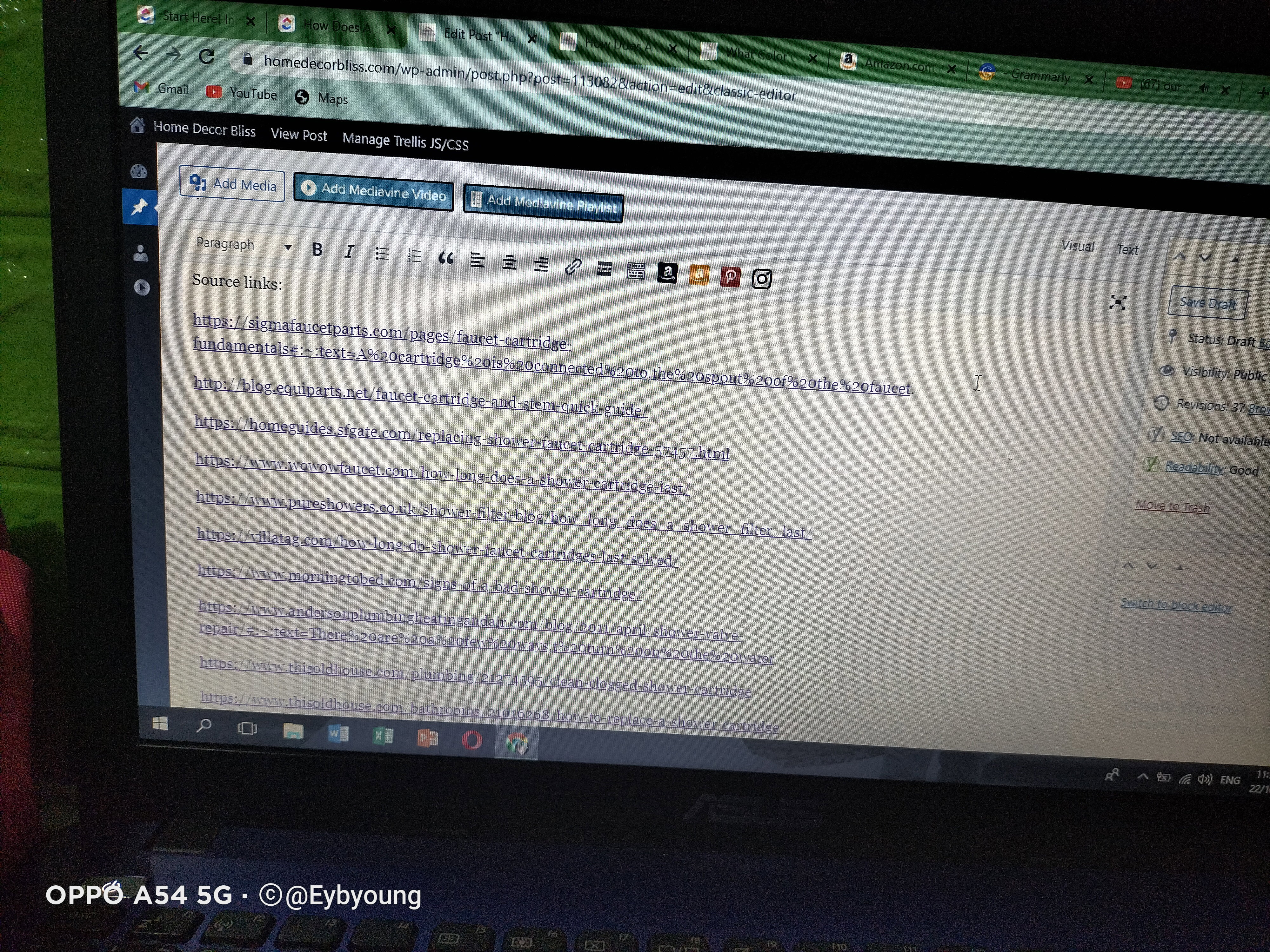
As I've said, thousands of links will appear upon your search; to filter relevant information that you need, select the best sites or links that support details of your topic. It would be best if you chose authoritative sites, which means those sites have the highest authority to provide factual information. Just like the photo above, it's an example of my current chosen topic. I gathered 10 source links to create 1400 words that were 100% unique and scanned via the Grammarly business account. **Read All Your Selected Content** You must read the content thoroughly and get ideas from it. Do not copy and paste, or your content will have plagiarism issues. The best technique for this is to copy and paste a specific paragraph with the most relevant information you need and understand. Then, write it according to your understanding. Make it unique, don't copy the wordings it is considered spinning content. You must write it according to your words without changing the whole ideas. **Make an Outline** Before you start writing, outline first. Into paragraph The answer to the question on your topic (do not discuss everything, make it short but concise) Body of the topic (this is where you discuss everything) You can add additional questions (Make use of the "People also ask" in Google) Your final words or conclusions That's how you outline your content, so it has an organized flow. **Start Writing Your Draft** After outlining, start writing your draft. Making an into a paragraph is sometimes challenging. Still, once you start writing, most of the time, everything will follow as long as you follow your outline correctly in making your intro paragraph; make sure that it reflects your topic and convinces your readers that you've done the research for them. **Use Grammarly to Check Errors** Use Grammarly or any platform that can help you polish your content. It will help you check your spelling, typos, and punctuation errors. It will also give some suggestions for words or a rewrite for clarity if you are in a premium account. In writing, you can't be a genius who will have error-free content; you need Grammarly or another platform to help you polish your content. Don't be someone who laughs, seeing you have many errors! Ignorant bitch! Grammarly won't laugh at you; that's a promise, LOL! Every writer needs Grammarly and many companies recommend writers must use it. **Scan Your Content in The Plagiarism Checker** Once you're done writing, scan it on a plagiarism scanner. How will you know it's 100% unique if you don't check it right? Free plagiarism checkers will do, but premium accounts will do better for better results. Final Words Writing research-based topics sounds complicated, but you will be fine once you get the hang of it. It can unleash a professional writer in you. If you want to improve yourself, keep learning even if others will laugh or do not believe in you. You can see some of my work and check it out here. https://homedecorbliss.com/how-to-find-the-model-number-on-a-lenovo-laptop/ Image are mine and some created in Canva.






35 comments
Salamat dito Eyb. Kailangan ko to now kasi want ko gumawa ng content pang portfolio. Since eme eme lang ako hirap ako sa pag construct. Thank you dito ❤️
Welcome..tyagain mo lang e practice madali na lang pag nagamay mo na.. keep on practicing and writing kase we learn more by doing. Kaya mo yan! Rooting for you 👏❤️
Sana huhu. Thank you Eyb
Impressive. Agree ako dito. I used to write SEO articles and dapat iwas plagiarism. napagod lang din ako sa kakasulat. pinaka bet kong topic before was about home workouts.
Nakakapagod nga rin magsulat but when you see your works published satisfying sya hehe. Ayos din talaga yung fitness niche eh.. napasukan ko now more on home decor and HVAC.
oo naman. :) last month, may side gig ako web design but more on VA talaga ako. nung dami ko free time enjoy ako magsulat sa fitness niche.
Parang nakakapagod din VA eh kasi all around trabaho diba?
di naman ako napapagod. sanay ako sa repetitive tasks. hehe
Oo sabagay pag nasanay ka na noh.. madali lang ba mag VA? May time kasi talaga yan diba di sya flexible?
i started as an article writer, then I learned to setup a Wordpress blog, hanggang sa naging all around na, doing technical things, plus graphic design. pwedeng flexible or hindi.
Grammarly is the best of the best!
Yup, truly! Every business recommends it.
Thanks for this information It's really helpful
Yung content ko is based sa daily happenings I sure na hindi plagia yun hihi. Yung grammarly ,I was trying to use it pero nahirapan ko hanggang ngayon kaya di ko siya magamit😢
Okay lang naman kung self blog ka lang ..pero kung gusto mo kumita through writing ganito ginagawa.
Impressive! Just want to thank you for writing details about how to write awesome plagiarism-free content. As a content writer, this is what you do regularly.
Yes, this is what I do everyday with my writing job.. and I'm happy to share it Hoping it can help others who aspires to be a professional writer.
Grammarly is okay for correcting plain errors, such as verbs, spelling, and prepositions, but not for English construction.
Yes of course. You should construct your own sentence hahaha.
Nice!! This was very educative and educational. It's never easy to write especially on a topic one has zero knowledge about. The level of research to be done is always on the high side.
Indeed, researching is not easy though..it consumes a lot of time.
I never scan my content in plagiarism website I don't know why but I think rusty didn't like it and if his thinking is just like mine. He think if I write everything by own mind how can it be same Other points are superb and I will apply them while writing but for the last point. A big No for me
What you mean? When you scan your article on plagiarism checker rusty won't like it? Haha sorry I'm confused 😂
Ohoo, my only problem is, I really hate research. That's why I wrote only my experience and personal blog. If I want to pursue it, I can apply this to my article UwU.
Haha yeah, I know you're just happy being you 😁
Ehehe, sapat na sakin yan for now.
I do make use of google to expand my knowledge about the topic I wanna write pero for a mom like me w/ so much house chores and kids to handle mejo natatagalan nga ksi u have to understand it fully kaya most of my contents are personal blogs... Diz is a must read for aspiring professional content creators lalo na sa plagiarism free
Okay lang yan mommy na personal blogs especially you have other priorities talaga.. there's nothing wrong writing personal blogs, this is just guide to those who wants to make writing as bread and butter.
Very good information!! I have been waiting to do a research type article. I know the topic well but need to add some facts via resources. Where does one find a good Plagiarism checker? Or any ones you recommend?
Yeah, to make our writing piece solid you must site some facts based on credible sources.. I use grammarly premium account for the plagiarism checker.. to make sure it has 100% unique results.. but for free you can use Duplichecker or Scan Text.. I forgot the rest you can ask @bmjc98 she has written article about it before.
Thanks for the answer. I'm sure MJ will hmu she has forgotten something 😂
In all fairness Ey! Galing mo na sa part na ito. Pro na pro na ang datingan mo sa writing greattt job! Hopefully you can land more and more gigs sa pagsusulat. This information is a good piece of advice for everyone who's starting to write long forms of blogs.
Haha thank you, this melts my heart.. at least I'm not just blabbing nonsense. Hope so too, I actually plan to use all my skills with my own business soon..so many plans hehe!
We really don't want to give out false information out there. Having sources to back up our contents will make us more genuine and reliable.
Thanks a lot because I’m sure this information because it’s very useful even though it is sometimes researching takes a lot of one’s time