Mushrooms with unusual colors - Parrot Toadstool or Parrot Waxcap (Gliophorus psittacinus)
Why is it called Parrot Toadstool or Parrot Waxcap?
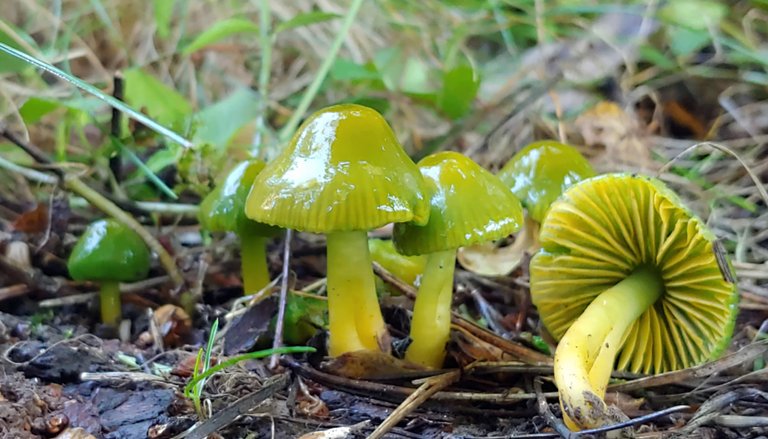
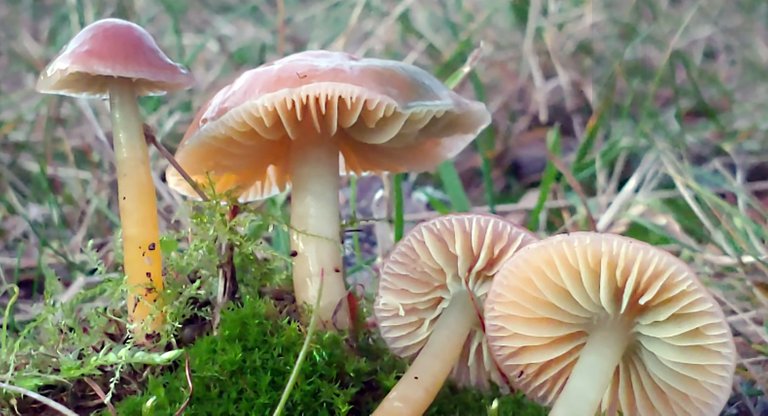
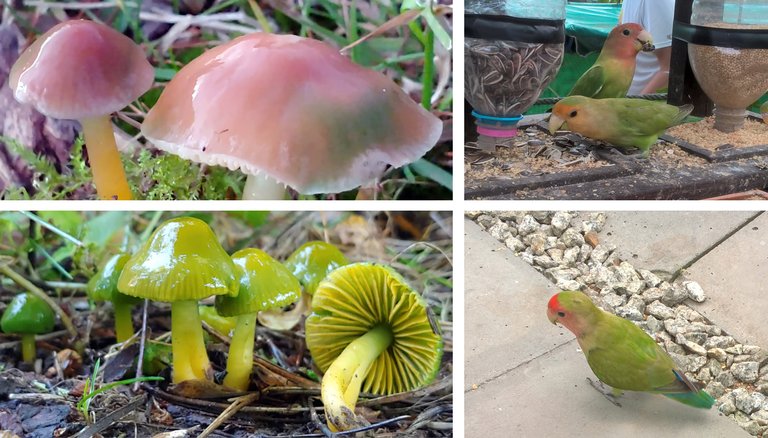
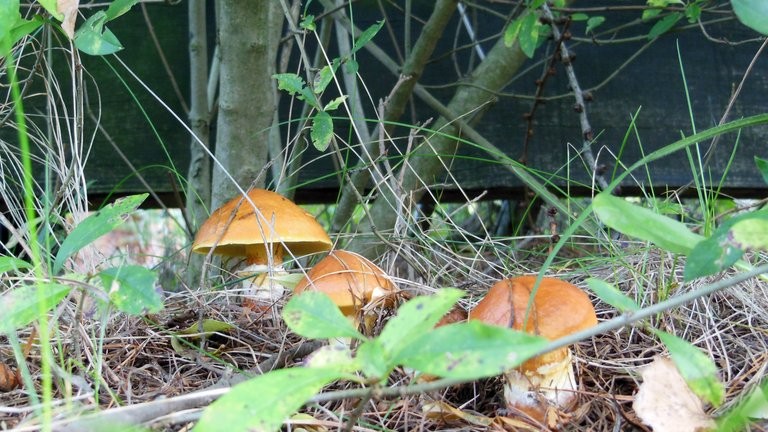
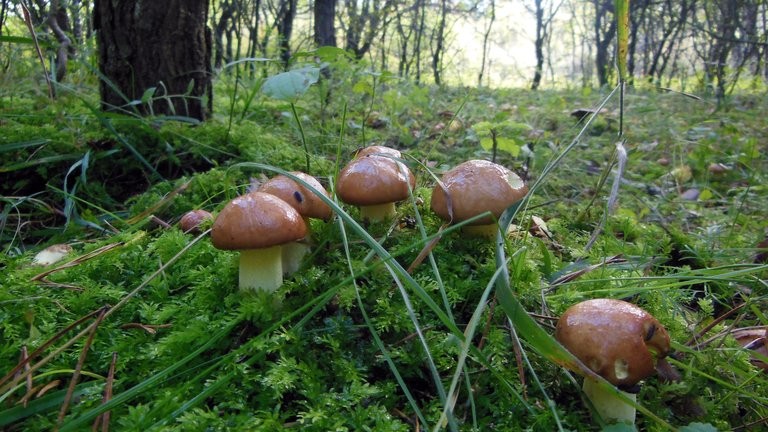
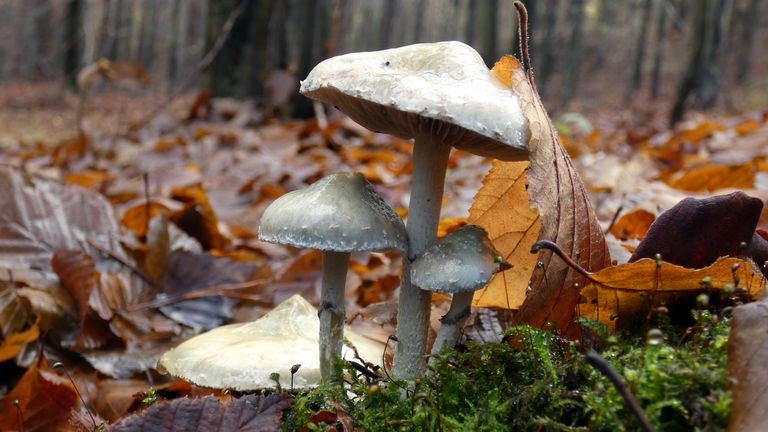
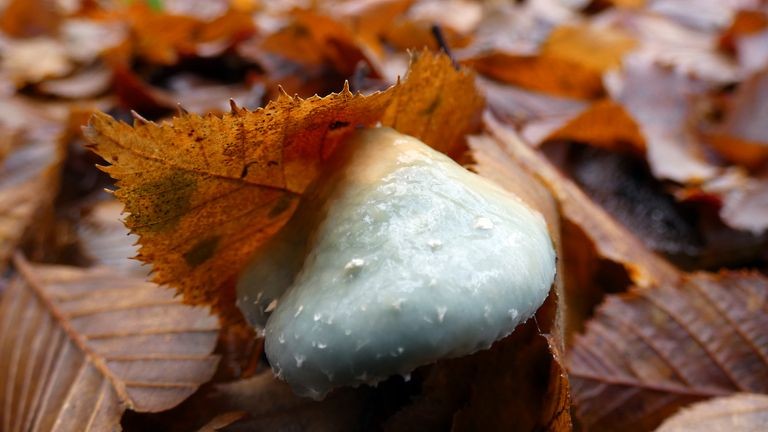
The very first look brings to mind a bird. The color of these mushrooms is surprisingly similar to that of a parrot, it is very varied and variable. The aquatic parrot mushroom can be olive, green, green-yellow, pink-green, lemon yellow, orange in color. There are also other creatures that, due to their coloration, have 'parrots' in the name, namely the parrot fish (Scaridae).
The hat may reach a diameter of up to 5 cm, in young mushrooms it is convex, bell-shaped, in older specimens it becomes flat, sometimes curled up, and even turned upwards. The surface of the hat is slippery and sticky and slimy. During the dry season it is smooth and shiny.
The leg is hollow in the center, cylindrical slightly widening at the bottom. It can be flattened or bent. The color is similar to the color of the hat, but slightly lighter. Also multicolored like a hat.
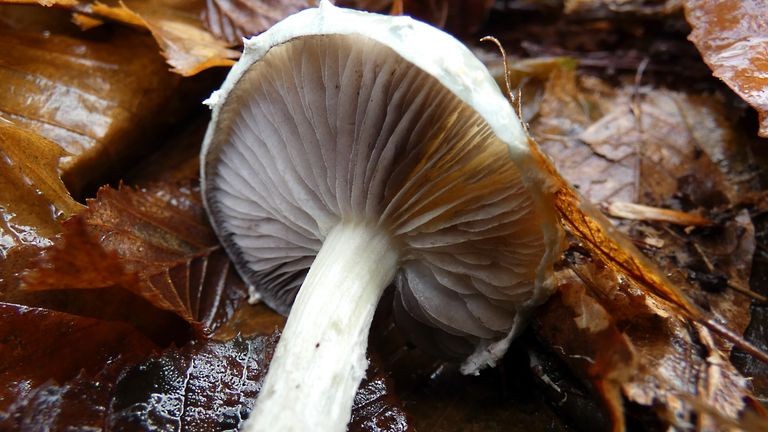
Flesh - brittle and thin, usually yellow, greenish, cream or whitish in color. The taste and smell are almost imperceptible. The gills are yellow, greenish-yellow or greenish, they can be orange or cream, but they are always a shade of the color of the hat. They are thick and sparse
Occurrence. Gliophorus psittacinus grows most often in groups, it can often be found in the so-called devilish circles. He likes grass in meadows, the presence of moss, pastures, wastelands among grasses or mosses in meadows, pastures, in bushes. In Poland it is a rare species, but if we find its position, it is very extensive, with a large number of specimens. Value: Inedible mushroom.
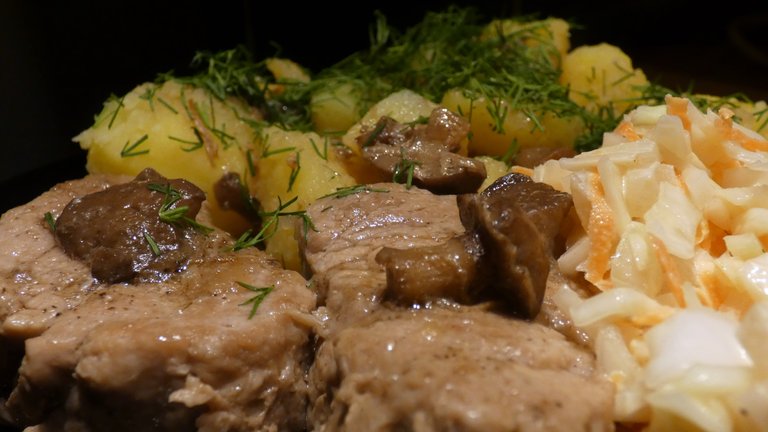
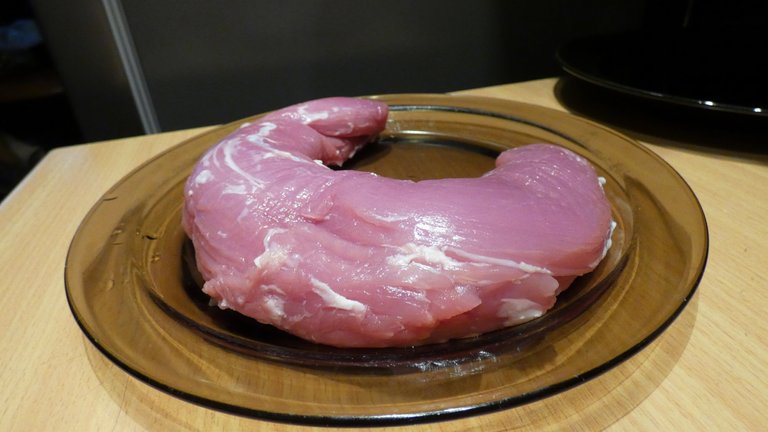
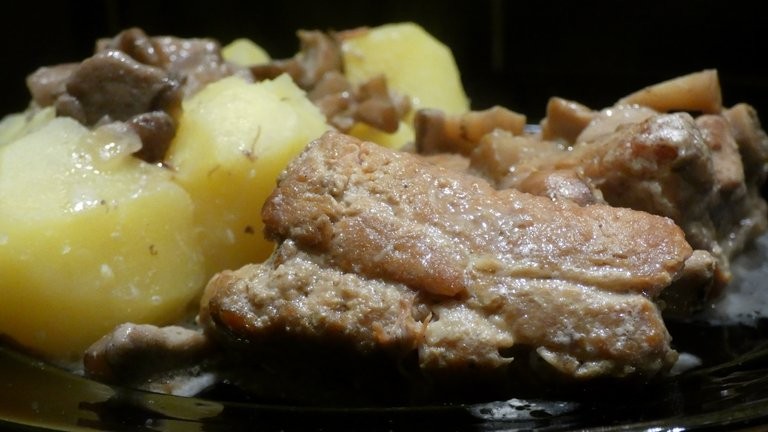
Pork tenderloin in a forest mushroom sauce
Ingredients
1 large pork tenderloin, 1 kg of fresh forest mushrooms, they can be any mushrooms, they can also be frozen, garlic, onion, soy sauce, vegetable fat, spices, pepper, salt, bay leaf, allspice. In addition, white cabbage, potatoes, green dill, carrots, mayonnaise, and of course, as befits a Sunday dinner, broth with noodles.
Serve the sirloin with loose-boiled potatoes, topped with mushroom sauce and white cabbage salad.
more...
https://hive.blog/hive-120586/@marianomariano/pork-tenderloin-in-a-forest
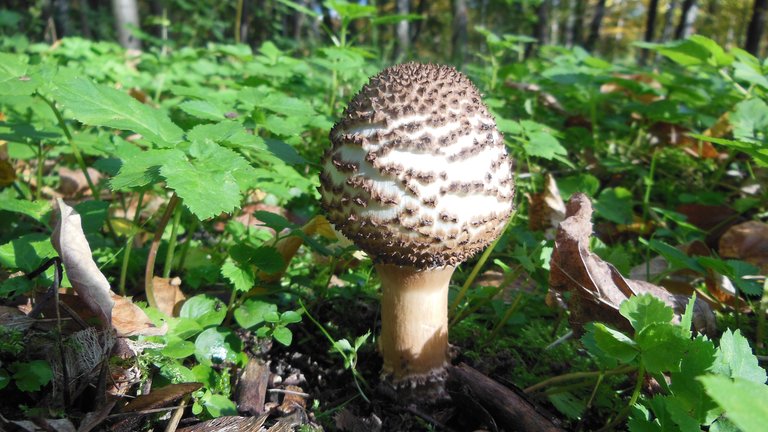
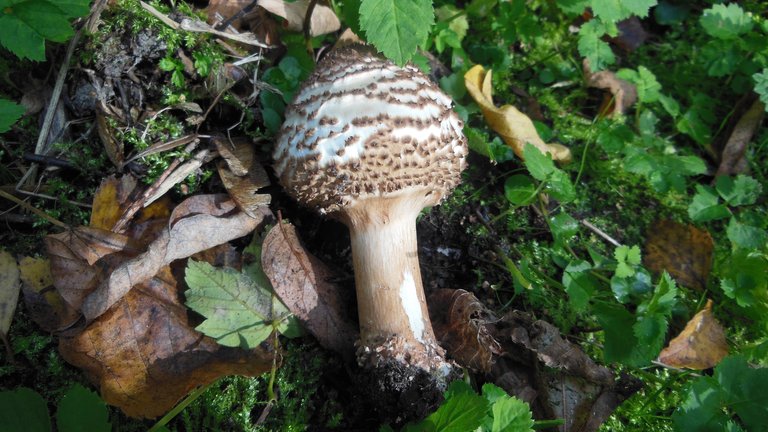
Even an experienced mushroom picker may have doubts - Freckled dapperling
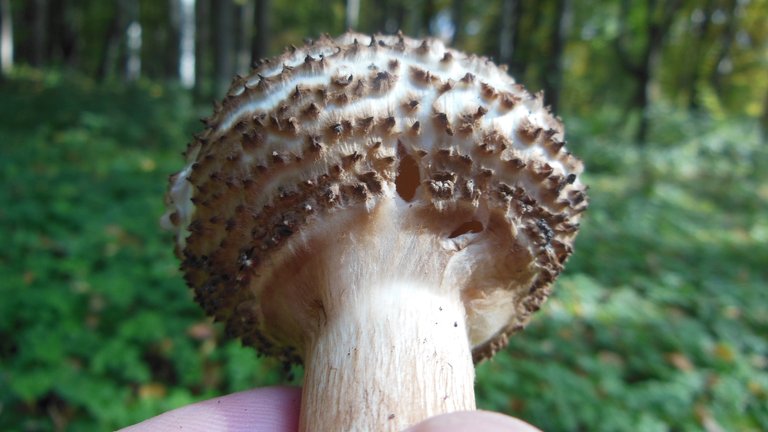
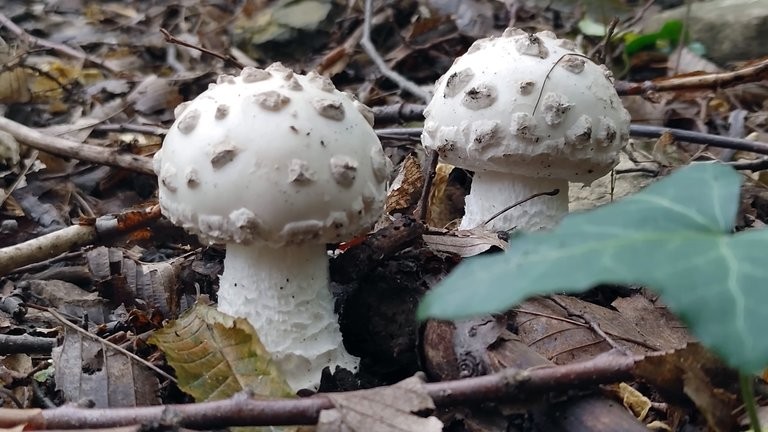
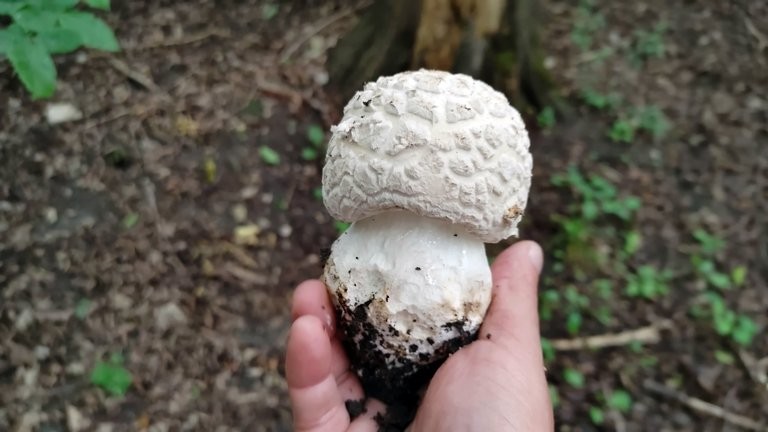
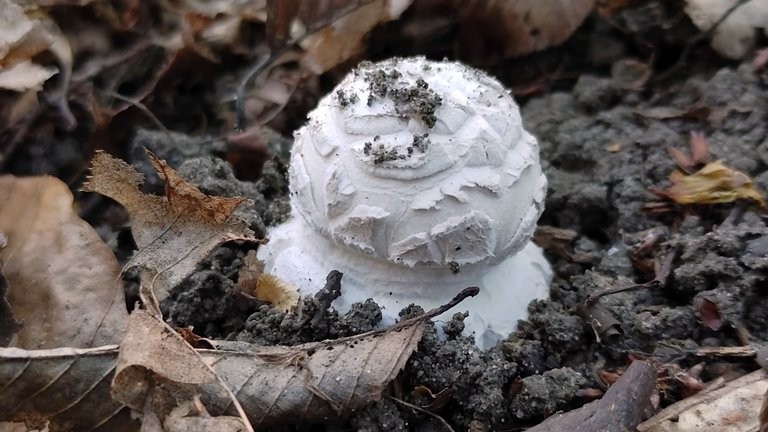
At first glance, most mushroom pickers would say that it is parasol mushroom, only still young, undeveloped. And it actually looks almost identical with a slight difference.
Initially, the cap is spherical, bell-shaped, but opens with age and is flat. The blades of this mushroom are quite tightly spaced, narrow, white in color.
The fungus is quite common and is found in all forests. This specimen grew among the leaves along the park path. These fungi can be found in summer and grow until autumn.
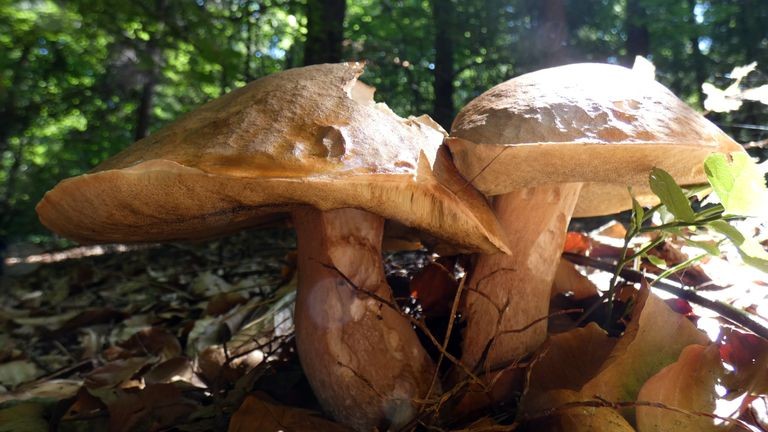
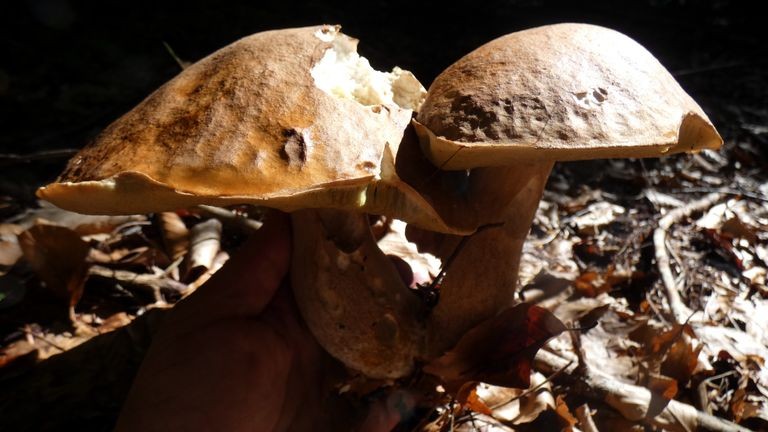
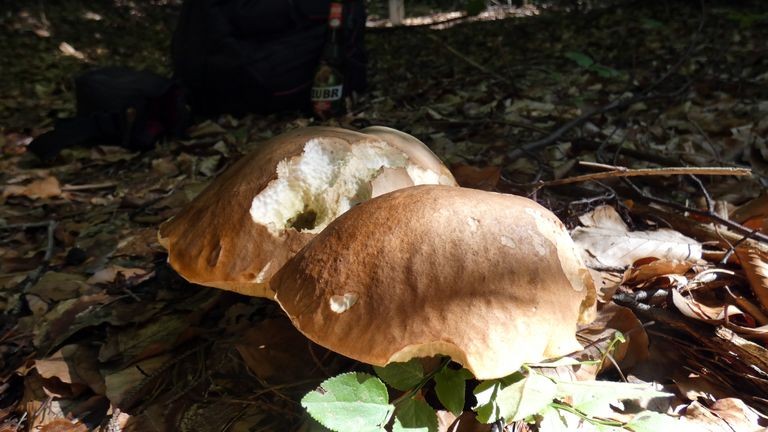
Bay bolete - large, healthy and record-breaking
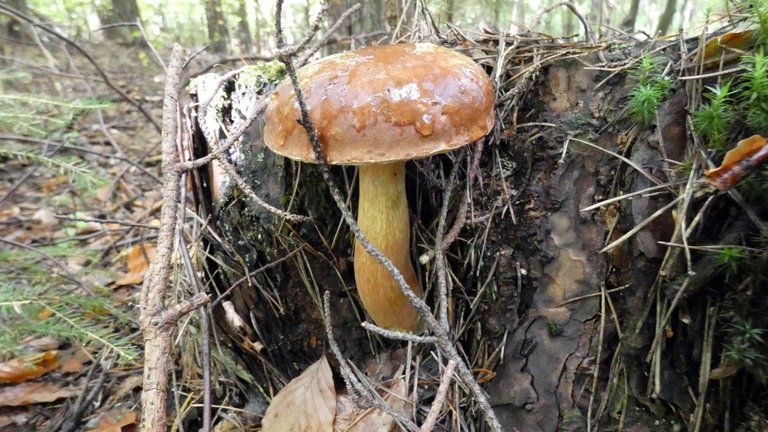
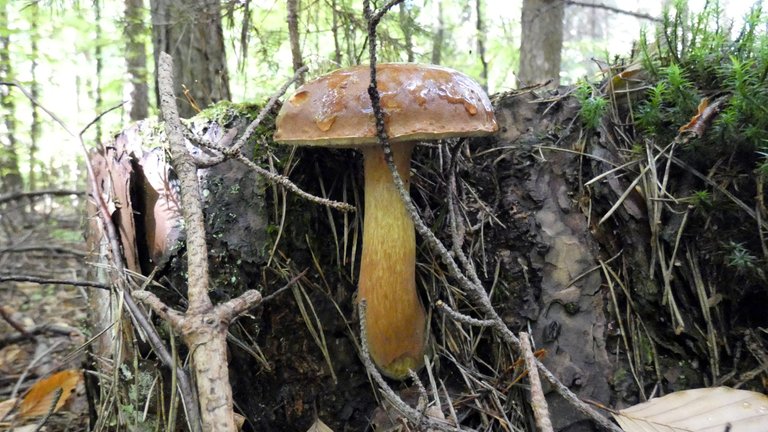
Looking at the places where the bolete mushroom sometimes grows, one might wonder if it is not an arboreal fungus. This is because I often find them to a tree growing out of a trunk or even from the tree itself.
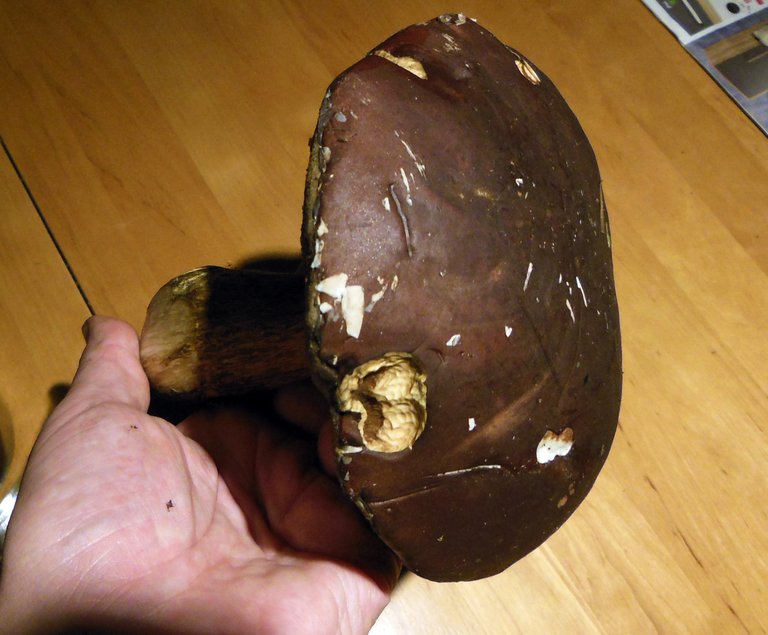
The mushroom is quite common, especially in the fall and late fall. His hat, according to various sources, can be up to 10 cm in diameter, and the record okay is up to 15 cm in diameter.
I was in record size because I just marked a specimen that was over 15 cm in diameter. This is one of the records, the other is that such a large fruiting body was completely healthy.
The young fruiting body is convex when young, becoming flatter over time. The color of the hat is usually brown or dark brown with a dull surface that becomes shiny and slippery after rain.
It is a very tasty edible mushroom with many uses. It is suitable for drying, for sauces and soups, and for pickling in vinegar.
Winter is approaching, time for Christmas tree hangers - fly agaric - legal drugs
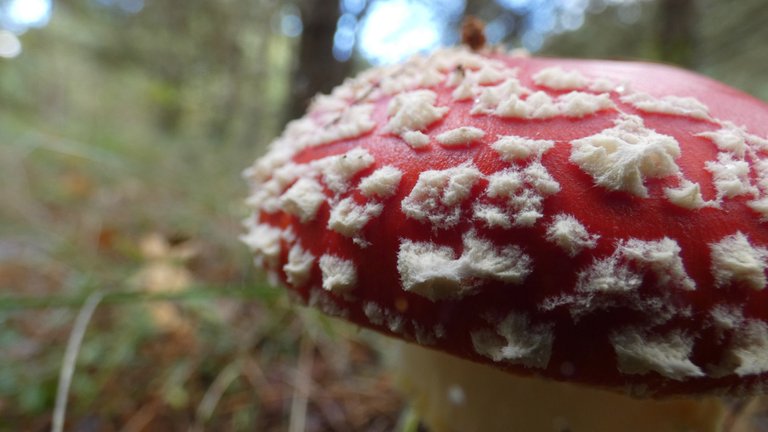
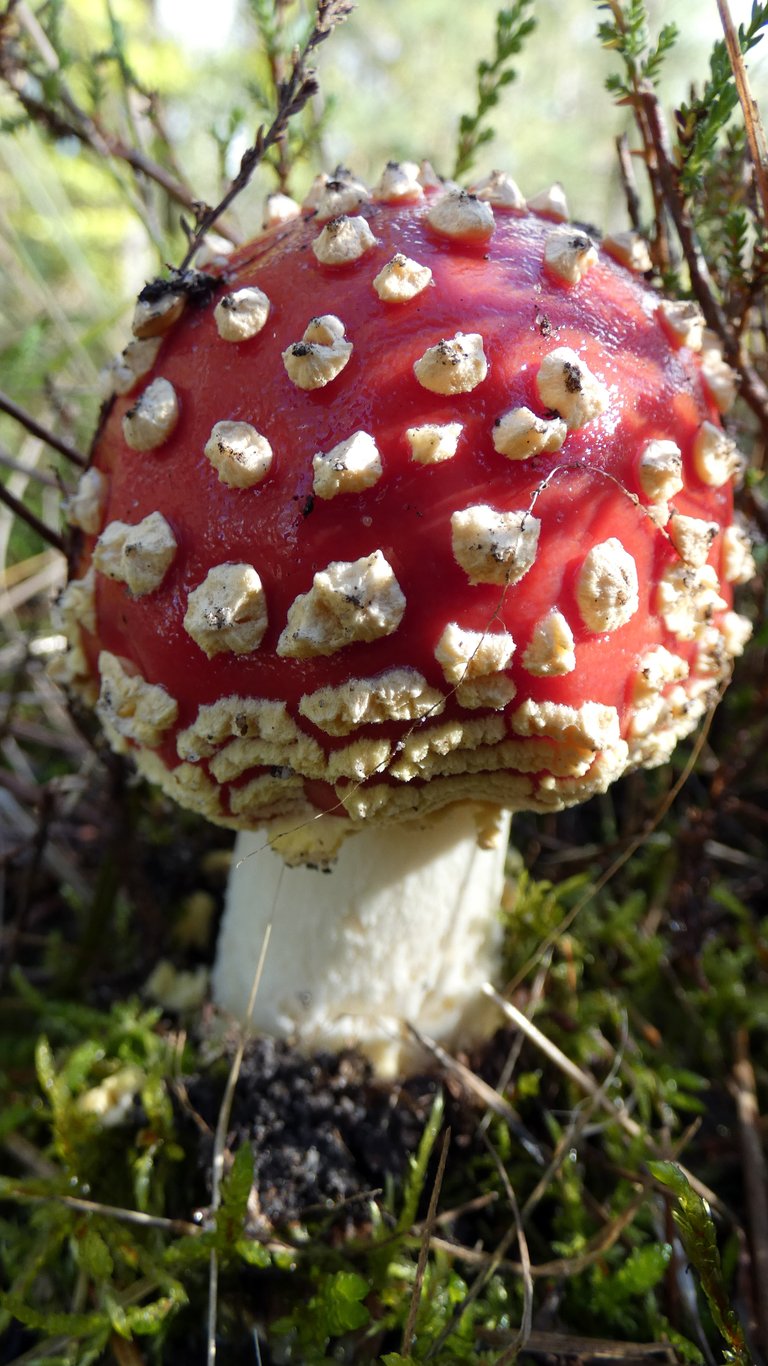
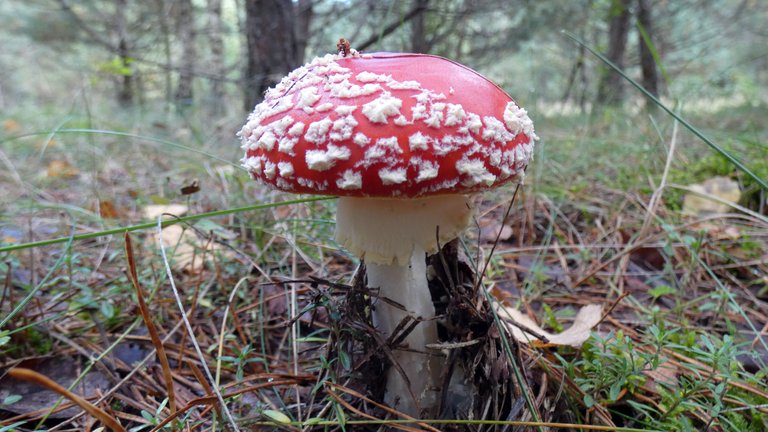
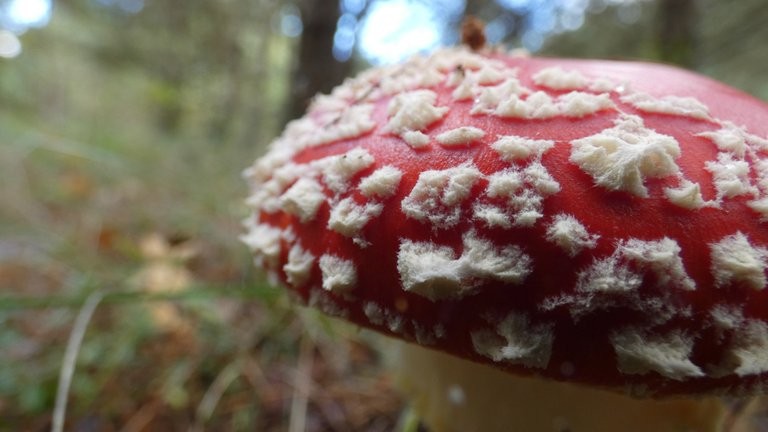
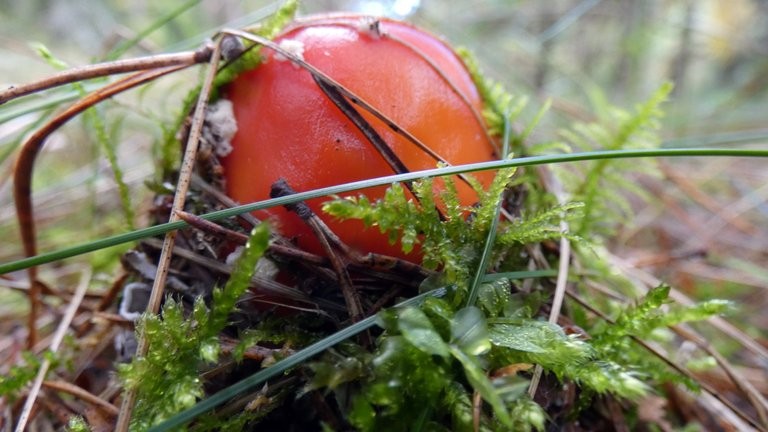
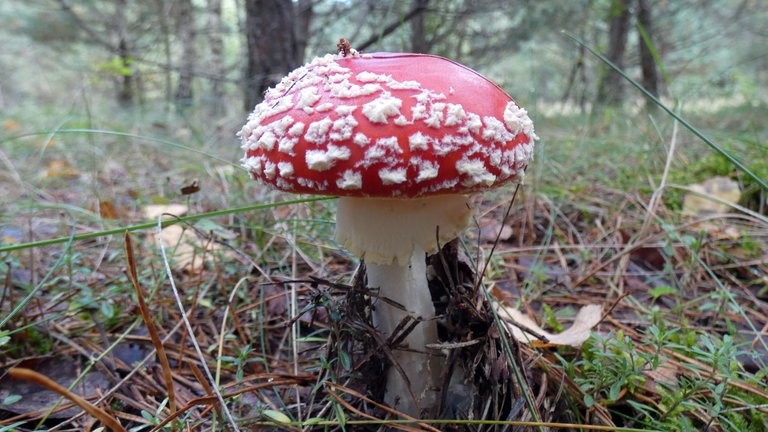
Surely many reading at least the title of this post will be intrigued by the fact, what is it all about? The answer is simple, but maybe not obvious everywhere. As you know, the red fly agaric is not poisonous in small doses, young specimens can even be eaten - they are excellent fried in butter - but this is a school for advanced learners.
Once upon a time, the red fly agaric, sprinkled with sugar, was a natural insecticide, although it did not kill the victims. For example, by wanting to get rid of flies from houses, it was used for this very purpose. The sweet, red toadstool attracted flies, which fell into lethargy after consuming the particles of this mushroom, and were simply intoxicated. It was then possible to quickly get rid of the intrusive insects from the house.
The red fly agaric contains muscarine, which is a hallucinogenic substance in small amounts. The lethal dose in the case of eating this species of toadstool is about 1 kg of fresh mushrooms per adult human, so fatal cases are very rare, mainly indigestion and food poisoning.
Another way of distribution also emerged, also at auctions. Mushrooms are sold like Christmas tree pendants. Of course, the description of the mushroom is remarkably accurate. We will find out where it was obtained and at what time of the year - this is information without which we will not like the Christmas tree.
I note that while writing this text I was not under the influence of intoxicants. 😁
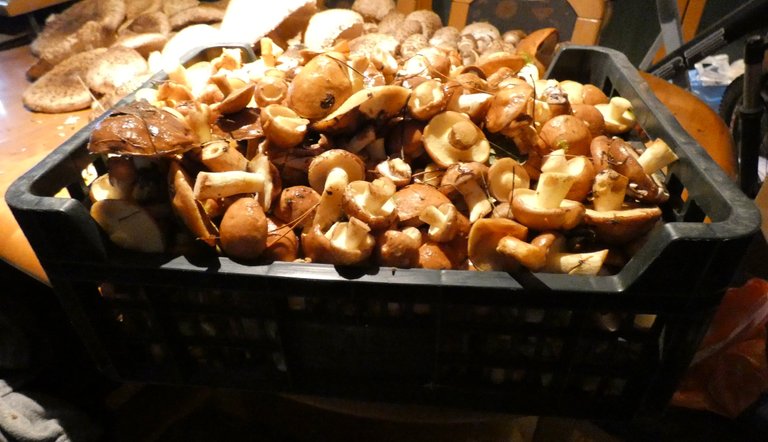
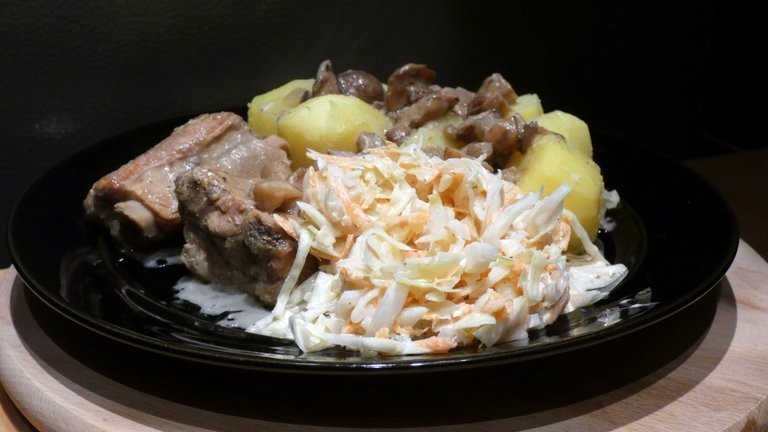
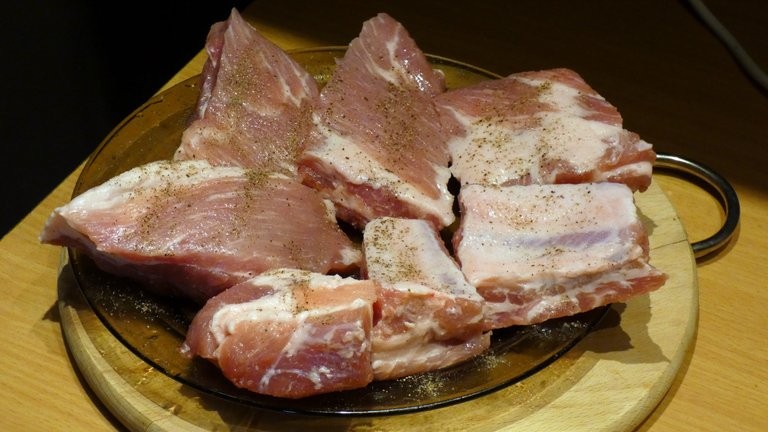
Ribs stewed with forest mushrooms, i.e. Slippery jack
Slippery jack mushrooms are specific mushrooms, some do not like them because of the time-consuming processing, while I am their admirers. They have such a unique and unique aroma and taste that they are successfully used in the kitchen.
Apart from the fact that they are perfect for scrambled eggs or sauces and soups, they are also suitable for meats. In my experience, they are best suited to fatty braised pork ribs. I tried other mushrooms in combination with ribs - unfortunately they don't stand a chance, Slippery jack are one of a kind.
Ingredients
1 kg of fresh pork ribs, 1 kg of fresh Slippery jack, if not, they can be frozen, onion, garlic, soy sauce, vegetable fat, spices, salt, bay leaf, allspice, and a lot of pepper, because butterflies love it. For this, potatoes, green dill and white cabbage, carrots and a tablespoon of mayonnaise for the salad.
more...
https://hive.blog/hive-120586/@marianomariano/ribs-stewed-with-forest-mushrooms
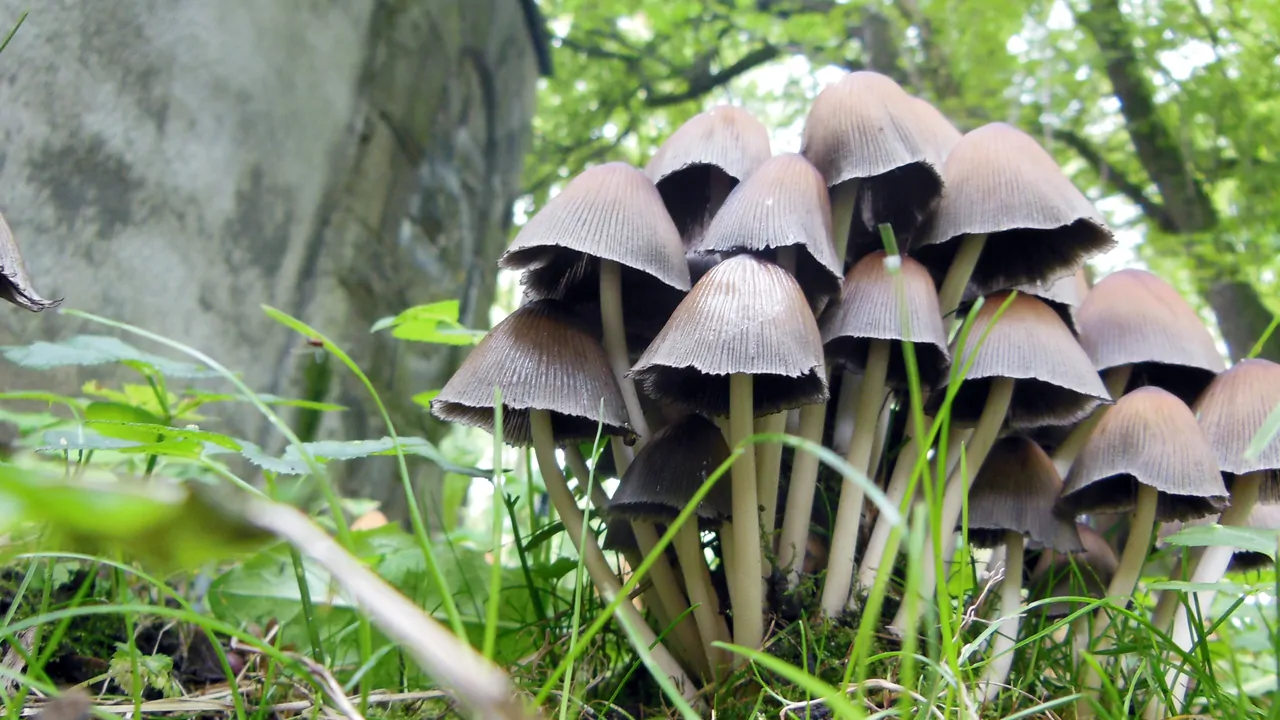
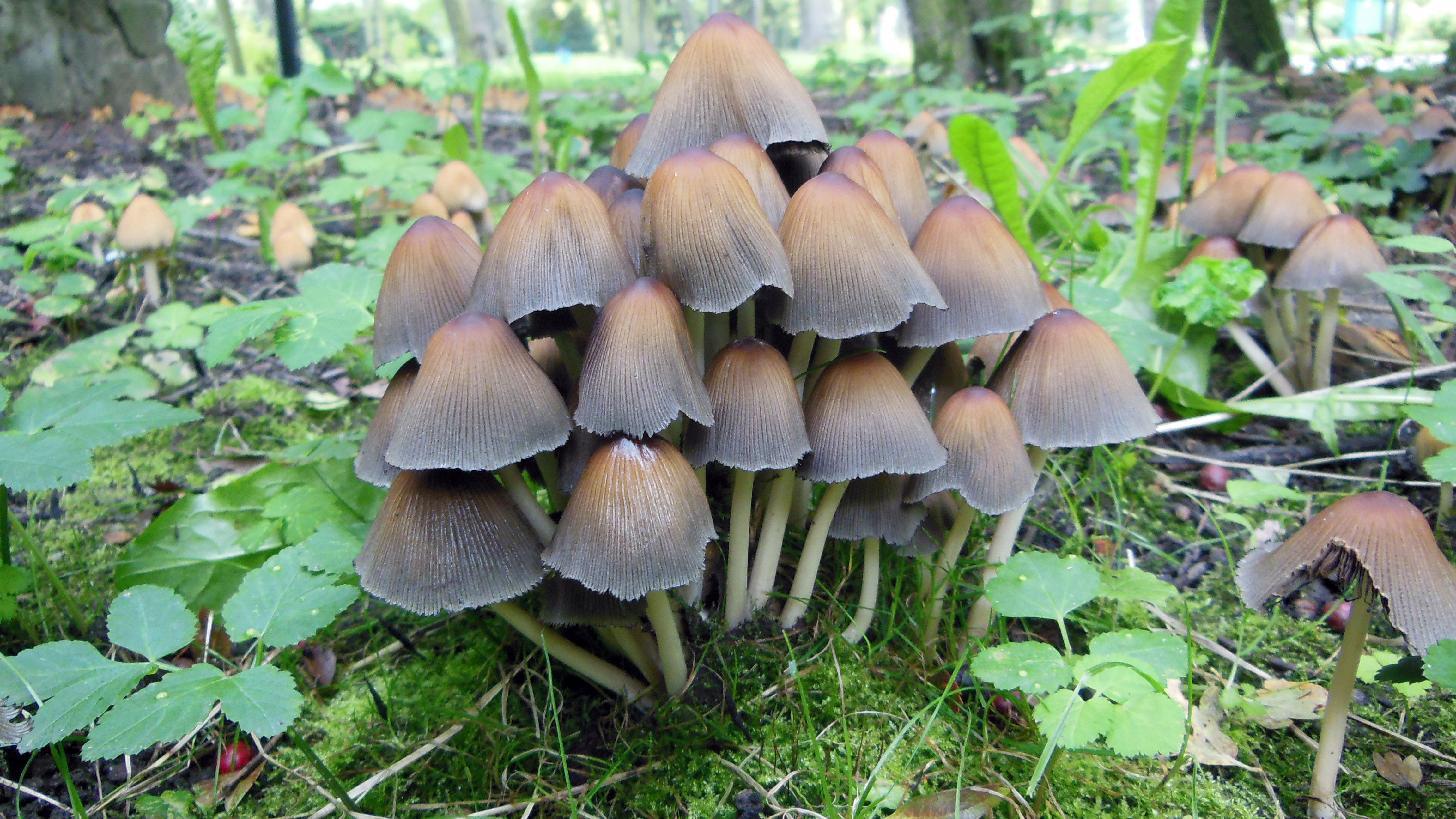
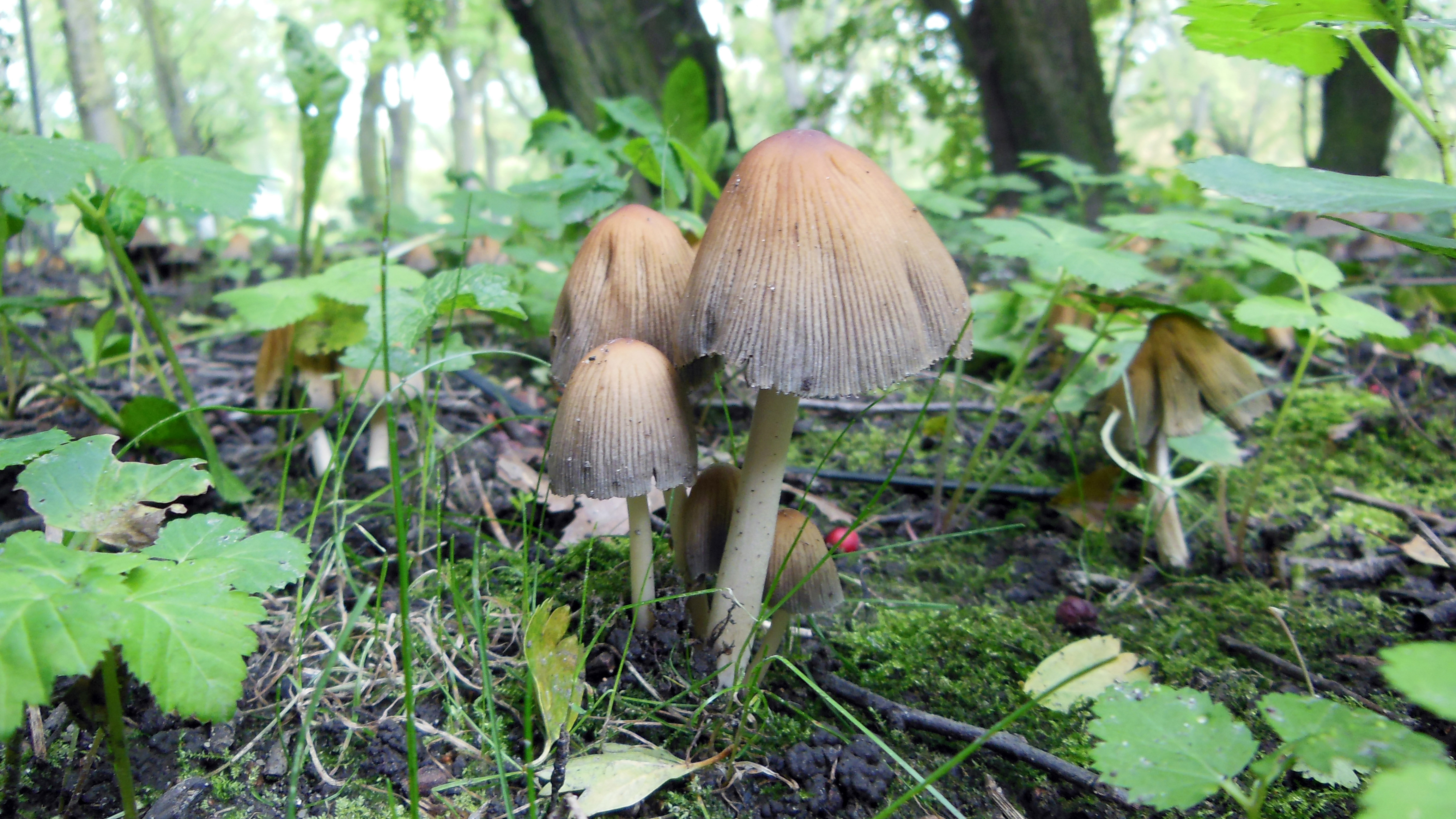
While walking in the woods, we often come across clumps of mushrooms that seem inedible. In the case of a Mica cap, the situation is a bit different. It is an edible mushroom, but only in the early stages of development.
I have never eaten it, apparently it shouldn't be mixed with alcohol. Therefore, its beautiful sight is enough for me. It appears already in early spring and grows until late autumn. It is very common, especially in parks and gardens. It creates large clusters and clumps.
The bell-shaped hat can reach up to 4 cm in diameter. It has clearly marked longitudinal stripes on its surface. Older fruiting bodies may have cracks on the surface of the hat. The color of the hat varies with age. Young fruiting bodies are light brown, even orange, and the older ones are brown. At the end of life, like most Mica cap, it turns into black goo.
Bright and dense in youth, the gills become dark with age, almost tarry black.
The leg is cylindrical, thin, slender and relatively long. It can reach a length of several centimeters. It's empty inside.
The flesh is delicate, brittle, with a pleasant mushroom flavor and aroma. It turns black and becomes gooey with age.
© copyright marianomariano
Winter is approaching, time for Christmas tree hangers - fly agaric - legal drugs
Surely many reading at least the title of this post will be intrigued by the fact, what is it all about?
The answer is simple, but maybe not obvious everywhere. As you know, the red fly agaric is not poisonous in small doses, young specimens can even be eaten - they are excellent fried in butter - but this is a school for advanced learners.
Once upon a time, the red fly agaric, sprinkled with sugar, was a natural insecticide, although it did not kill the victims. For example, by wanting to get rid of flies from houses, it was used for this very purpose. The sweet, red toadstool attracted flies, which fell into lethargy after consuming the particles of this mushroom, and were simply intoxicated. It was then possible to quickly get rid of the intrusive insects from the house.
The red fly agaric contains muscarine, which is a hallucinogenic substance in small amounts. The lethal dose in the case of eating this species of toadstool is about 1 kg of fresh mushrooms per adult human, so fatal cases are very rare, mainly indigestion and food poisoning.
As muscarine is hallucinogenic, its distribution on auction sites has begun. Officially by law, you cannot sell drugs, but who will prohibit the sale of mushrooms, for example, in a collector's form?
Foxy bolete - It looks like a match? - Leccinum vulpinum
The mushroom cap is purple, purple-brown, brick-red in color. It can reach a diameter of up to 15 cm. A young specimen resembles a match, and as it matures it becomes cushion-shaped, convex. The top part of the hat is delicate, slightly suede, slightly slimy and sticky during the rainy season.
The pores are usually white or slightly creamy in color, they become gray-brown in the period of the mushroom's bleeding period. The tubes are white with a slight purple tinge.
The leg is white, with gray discoloration, covered with hyphae and delicate villi. Changes its color to gray, gray-brown after cutting. It's full inside.
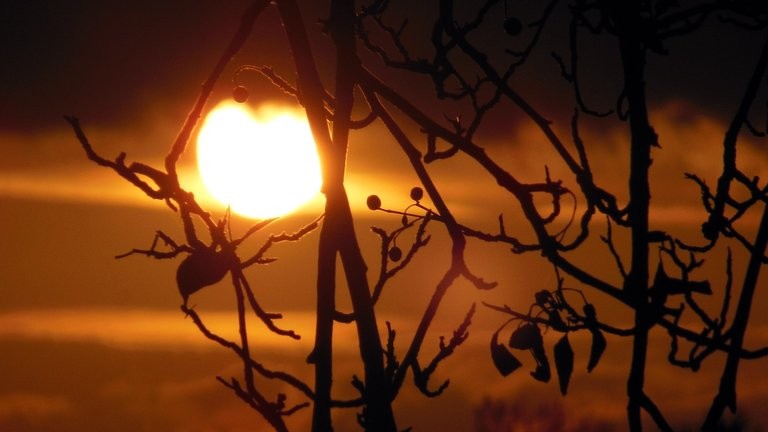
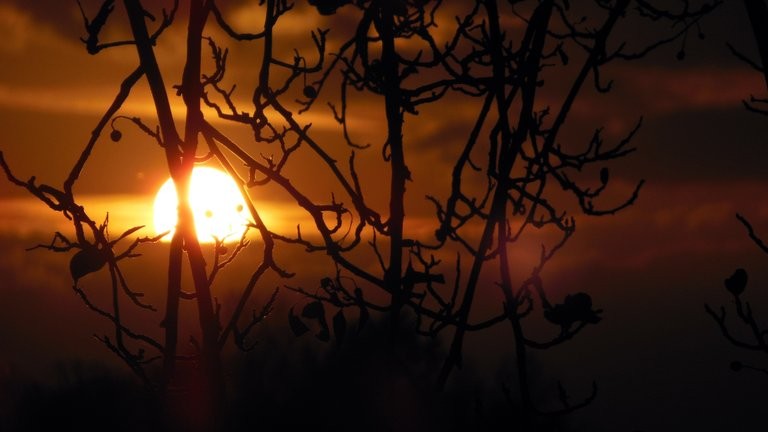
Warm sunsets on cool autumn evenings in beautiful Silesia
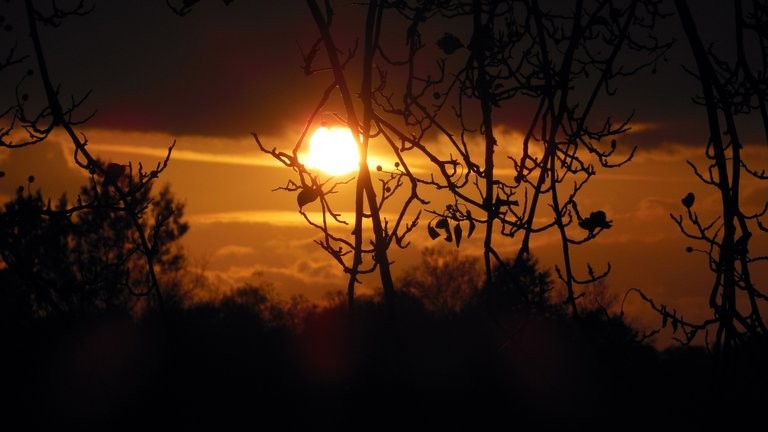
Fall is a beautiful time to watch the sunsets. The trajectory changes day by day, the sun is getting lower and the closer to winter, the more picturesque the sunsets. The sun on the horizon turns bright orange to red.
In the place where I have been taking pictures for many years, the sunsets are unique. The lack of leaves on the trees means that you can get interesting, quite mystical effects without using any filters or graphics programs.
These photos were taken without any enhancements, they are not processed at all and I guess that's the charm of them. Trees come to the fore, making the background out of focus, slightly blurry. Even though this autumn evening was very chilly, the warm sun warmed the imagination.
Enjoy 😉
Photo: Nikon Coolpix S9300
© copyright marianomariano
Suillus luteus harvest in the middle of the week - so many butterflies have not been harvested in such a short time
The mushroom picking trip in the middle of the week did not look promising. Information from friends and from the inhabitants of the town we were going to was rather pessimistic. Something grows, but not much, so we couldn't count on a big harvest.
So we came to the village, of course, the first point of the visit is the local shop and the former village administrator, from whom we inquire about the occurrence of mushrooms. He showed us a basket from the morning harvest - a few young boletus, red-capped scaber stalk, Suillus luteus.
Finally, we decided to take a look at the place where butterflies have always grown. Bingo, we were not disappointed. Within 45 minutes we collected about 5 kg of healthy young butterflies. We left a lot in the forest because they were too young.
more...
https://hive.blog/hive-166168/@marianomariano/suillus-luteus-harvest-in-the
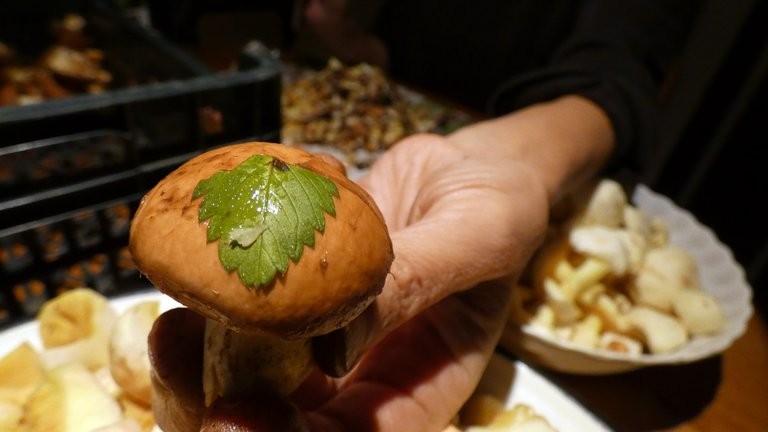
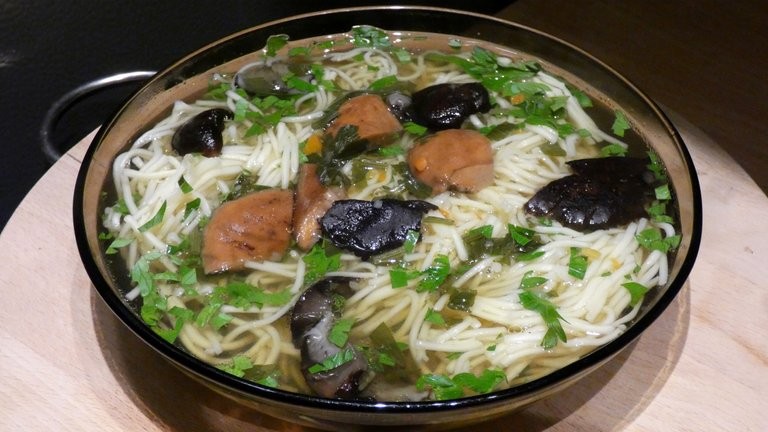
Duck broth with saffron milk cap (Lactarius deliciosus) and honey fungus (Armillaria mellea)
Ingredients
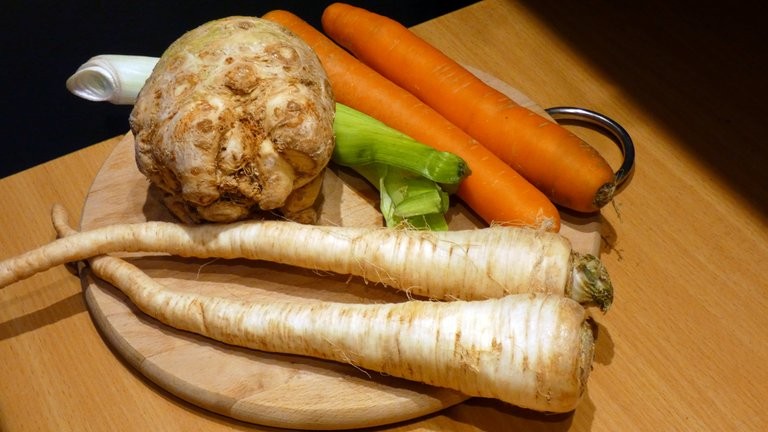
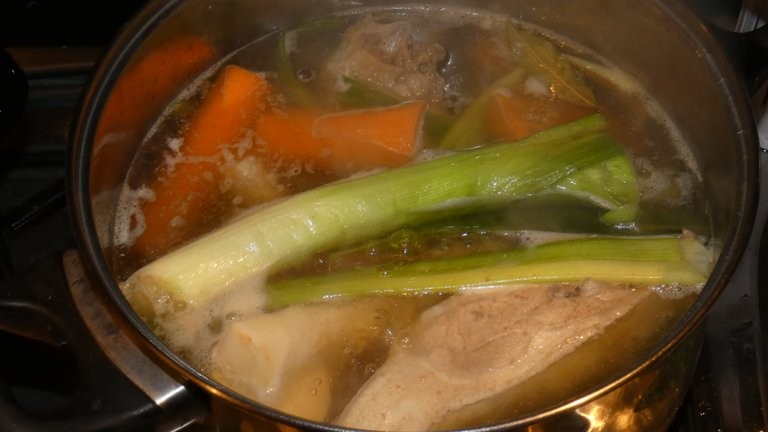
Broth portion of greasy duck, a few mushrooms: blackberry, honey fungus, carrot, parsley, celery, leek, spices, salt, pepper, allspice, bay leaf, soy sauce, home-made pasta.
more...
https://hive.blog/hive-120586/@marianomariano/duck-broth-with-saffron-milk
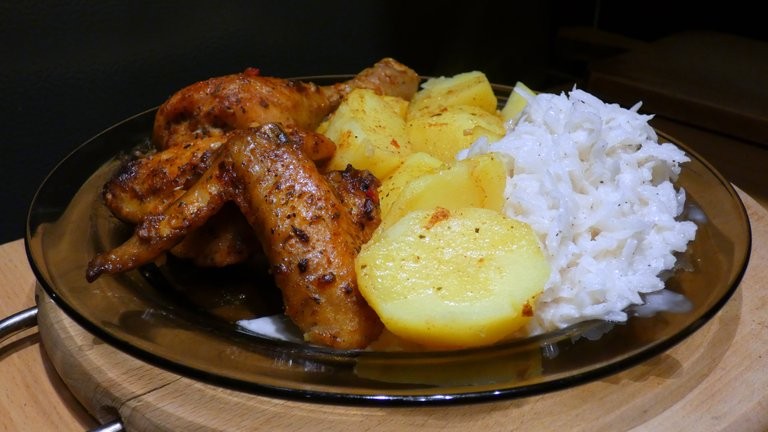
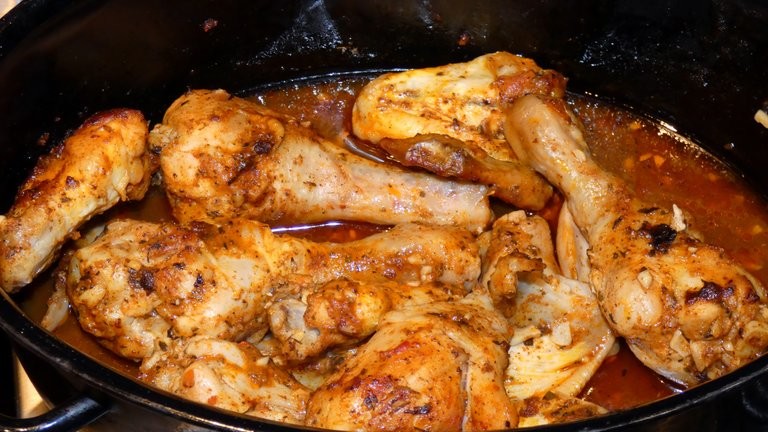
Baked chicken legs and wings in a bag with white radish salad
Ingredients
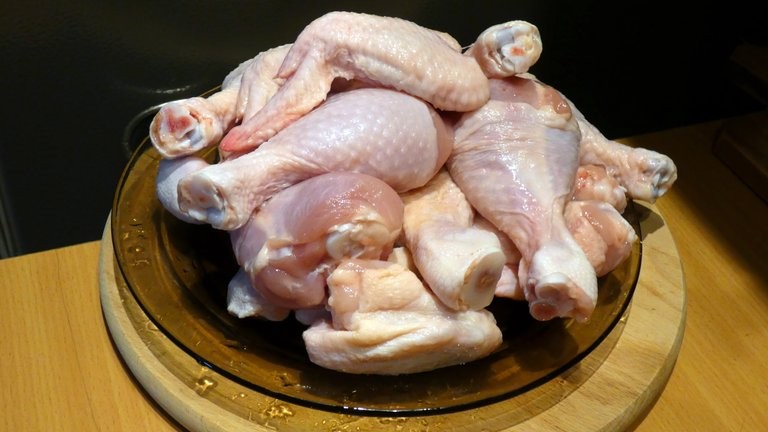
A few chicken wings, a few chicken drumsticks, spices in a bag, salt, pepper, herbs, hot and sweet peppers, garlic, vegetable oil, soy sauce. For the salad: white radish, cream of 12% fat, salt, pepper. Additionally, 1/2 kg of potatoes.
Thoroughly wash the wings and thighs in cold water.
Then put it in a bag in layers, sprinkle with herbs, crushed garlic and pour over soy sauce.
Mix everything thoroughly to evenly distribute the spices and close with a clip. We put in the oven in a casserole dish, but do not cover it. Bake for about 60 minutes. 10 minutes before the end of baking, tear the bag open to make the wings and legs golden brown.
more...
https://hive.blog/hive-120586/@marianomariano/baked-chicken-legs-and-wings
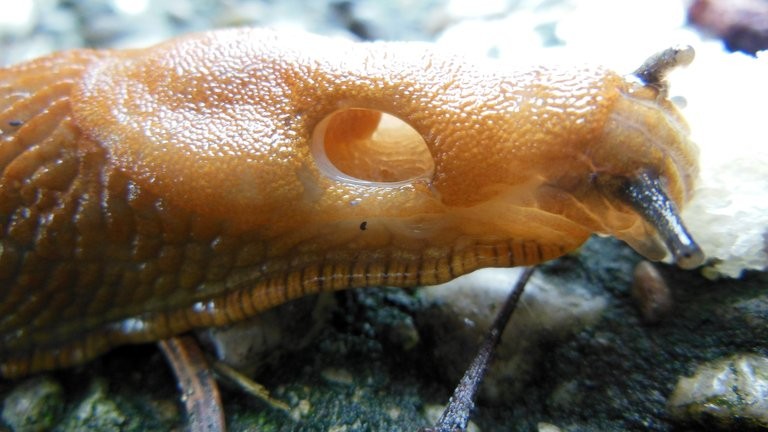
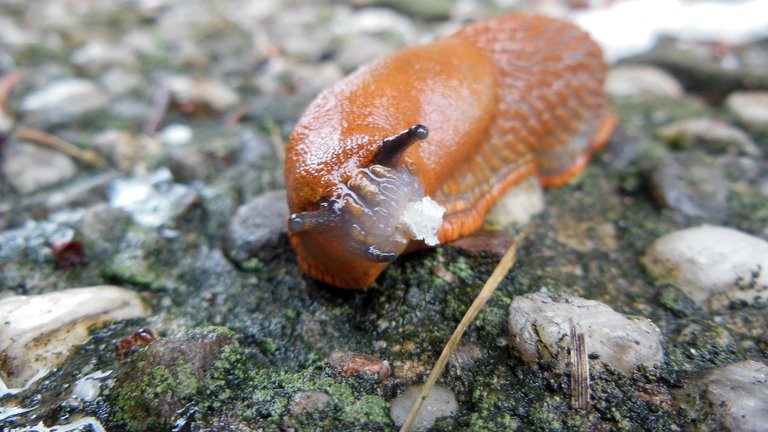
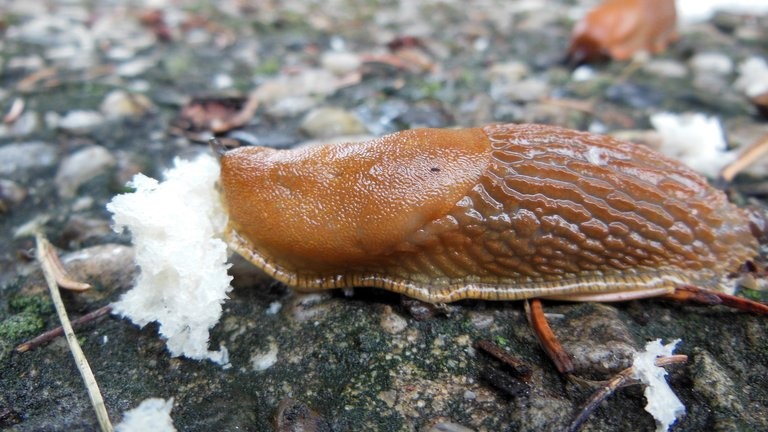
Naked snail, or Lusitan snail - a dangerous pest in our gardens.
As soon as a little rain falls, it gets colder, and the air humidity is quite high, it appears - the Luzutan Snail. If only he would appear alone, but sometimes there are several hundred of them, and they are painstakingly, like a sandstorm, moving towards your garden.
When they appear in it, you should start fighting them and not wait, because an apparently slow creature can devastate any crop in a short time.
Like most snails, they like fresh grass, young leaves of seedlings, but they will not despise flowers, vegetables and fruit.
-------------
© copyright marianomariano
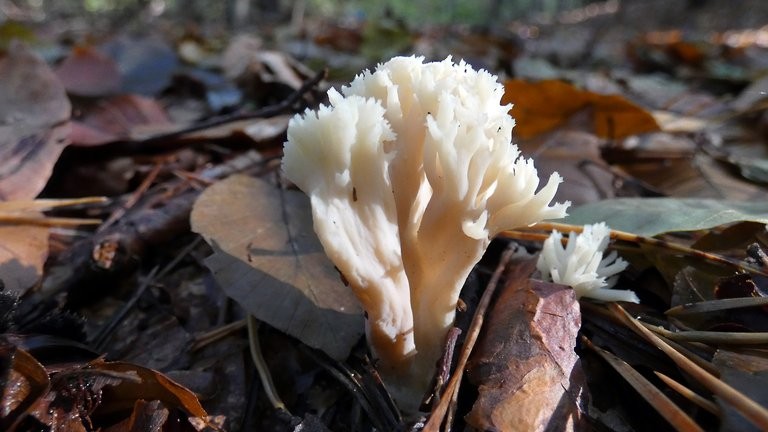
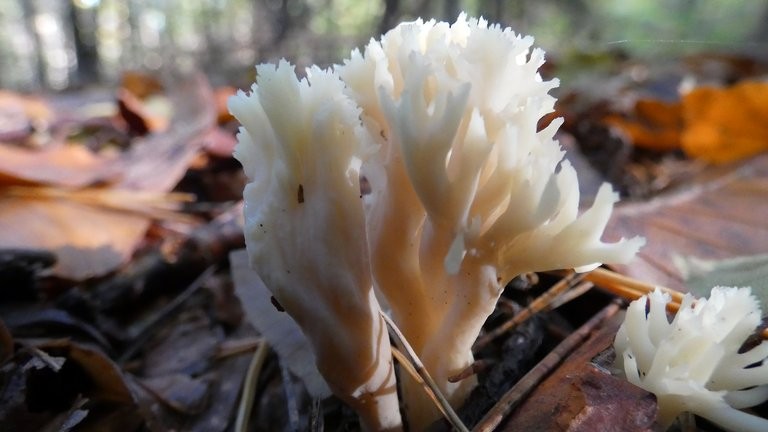
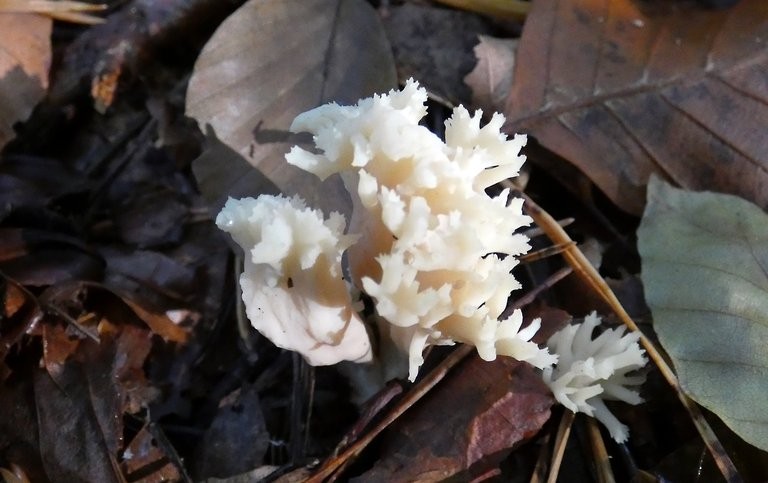
Fascinating mushroom shapes - Clavulina coralloides
(Clavulina coralloides) - a species of fungus in the family of the clove family. It has many names, for example coral carnation, comb or coral carnation.
The young fungus is snow-white, milky white, translucent with an admixture of white. Reaches a height of up to 10 cm. It looks like a small white bush, a twig branched many times, ending as if with horns or cloves which darken during drought. The mushroom is smooth to the touch, delicate, slightly ruffled. With age, the fruiting body becomes creamy and finally gray.
The flesh is slightly bitter but mild in taste, has no perceptible smell, delicate milky white.
Occurrence. In Europe it is quite common, also found in North America. Mushrooms often grow on decaying softwoods and deciduous trees or on the ground from summer to late fall. They grow singly, sometimes in clumps on spruce litter. Value: Inedible mushroom
--------------
Photo: Panasonic Lumix FZ82, Jura Krakow-Czestochowa, Poland
© Copyright marianomariano
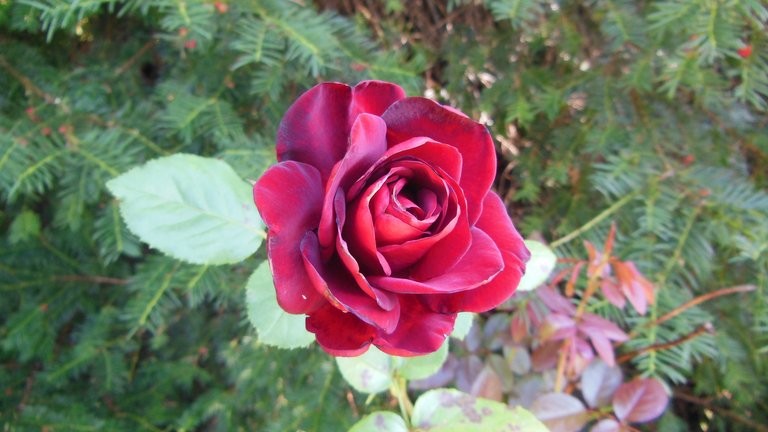
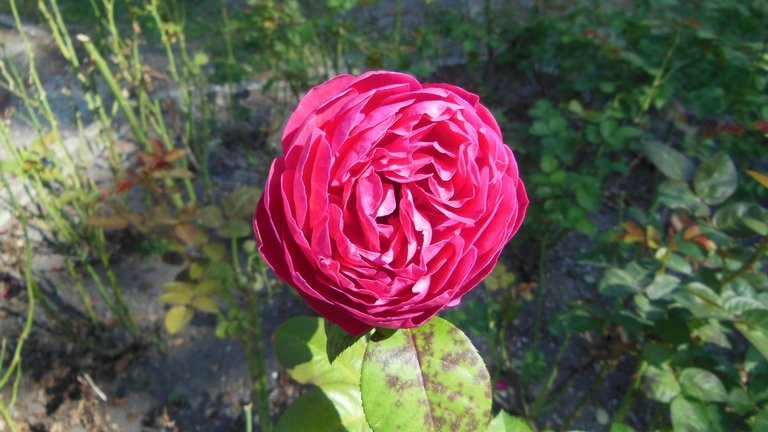
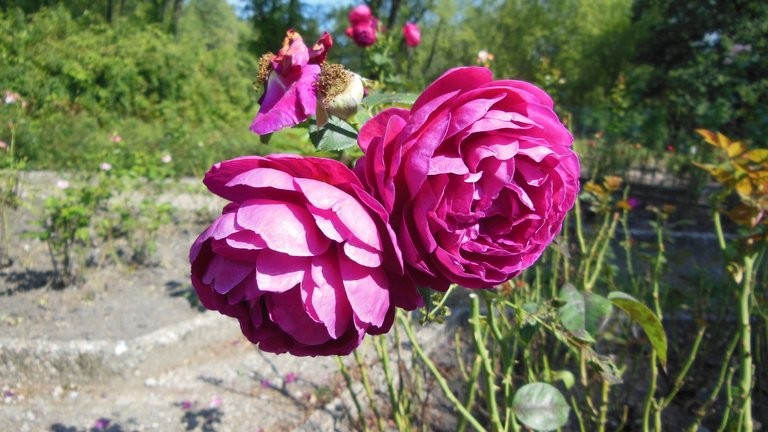
Today, a walk in the Silesian Park again. I decided to walk a little more gently than yesterday to the rosarium and take a closer look at the roses. There are more and more of them, because September is their last period to flourish.
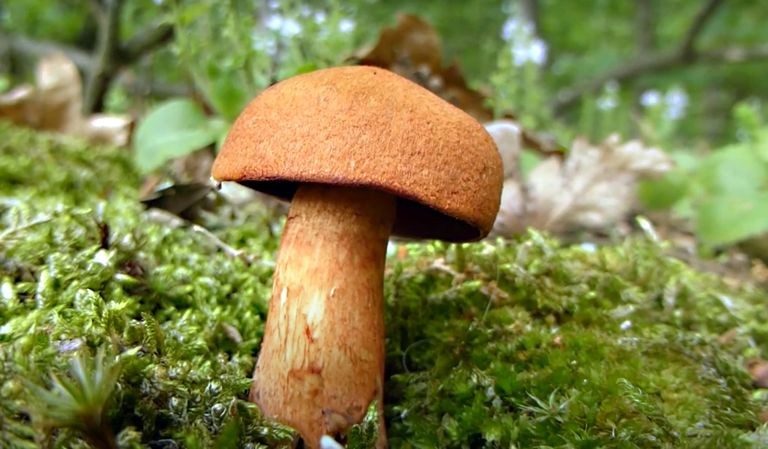
Brown slimecap summer mushroom almost like Suillus luteus
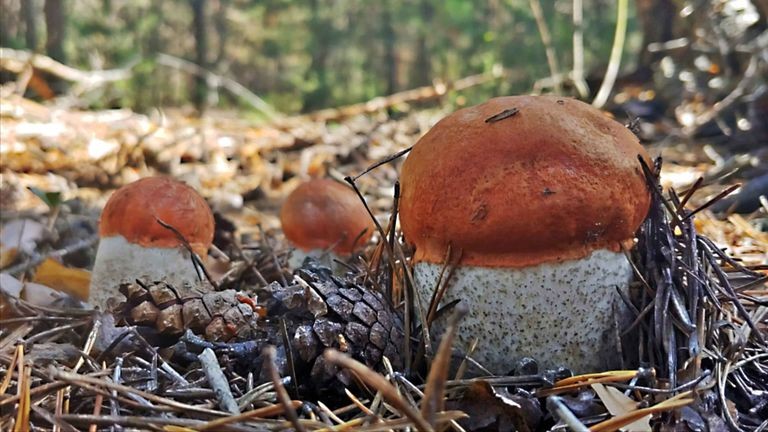
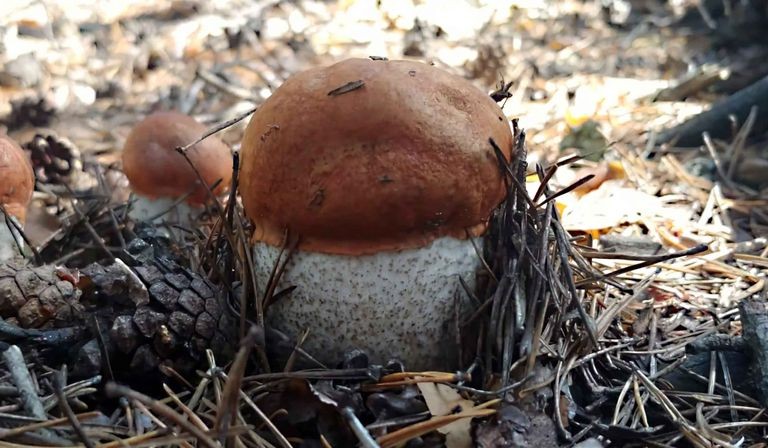
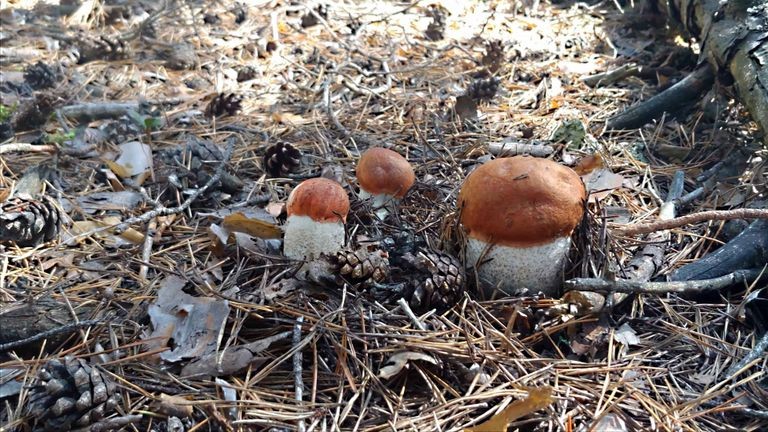
This species of mushroom, when viewed from above, is deceptively similar to a butterfish. It likes to grow near Suillus luteus, most often in pine needles. It differs fundamentally, however, because it has gills.
It is an edible mushroom, but only young fruiting bodies can be eaten, most often in the form of pickled mushrooms.
As you can see in the photos, the fungus often falls victim to parasites, worms and snails.
The hat is reddish, rusty, brownish-orange in color. When wet, it becomes sticky and slippery in the rainy season. It can reach up to 14-15 cm in diameter. The young fruiting body has a characteristic hump at the tip of the hat.
The gills of the fungus change their color over time. Young are pink and darken with age. They are quite rare, delicate.
The fungus can be found mainly in pine forests. He appears at the beginning of summer and can be found even in November.
Porcini mushrooms and Parasol mushroom are a good harbinger of the autumn mushroom season
After the heatwaves in Europe, it's been a moment of relief. The damp front brought cooling and a lot of rainfall. Unfortunately, only stormy and punctual. But that's enough, because the region where I love mushroom picking was quite heavy.
After rainfall, morning mists appear, signaling the approaching autumn, and which significantly improve the humidity of the forest litter and support the growth of our favorite mushrooms.
These two species, which appear in the forest despite low humidity, give grounds for optimism for the coming days. Although there are not many species of mushrooms in the forest, and sometimes it seems that you are walking in the desert, finding a few parasol mushrooms and porcini mushrooms makes you smile.
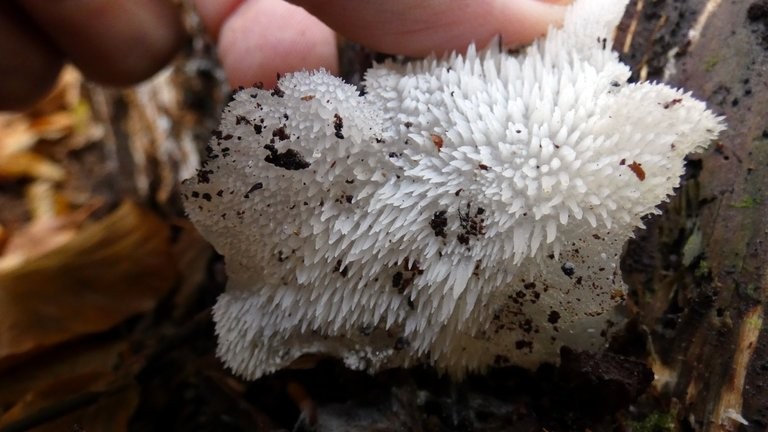
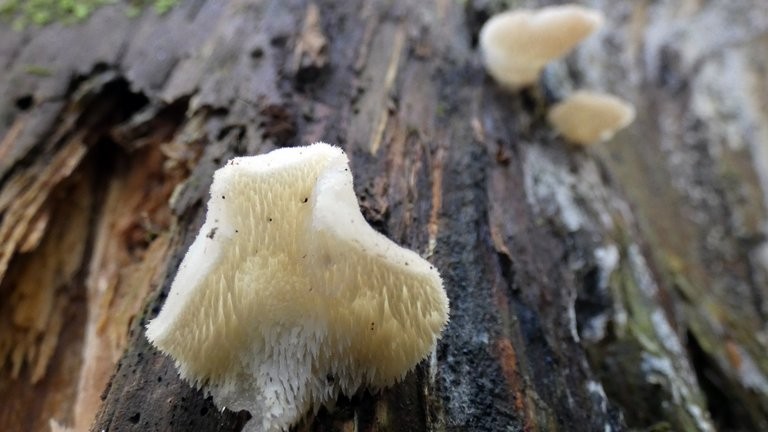
Jelly tooth - it looks exactly as it is called - edible arboreal mushrooms
This is another representative of arboreal fungi that lives on dead parts of the tree and loves moisture. As soon as rainy days appear, and the forests are already shrouded in almost September fog, this species of fungus appears.
The name of this mushroom contains all its secret. Why is it called barbed jelly? Because it has spikes and the consistency of jelly. Although it has spikes, which may make you think it is dangerous, touching it is very pleasant and safe - let me say more, this mushroom is edible and even raw.
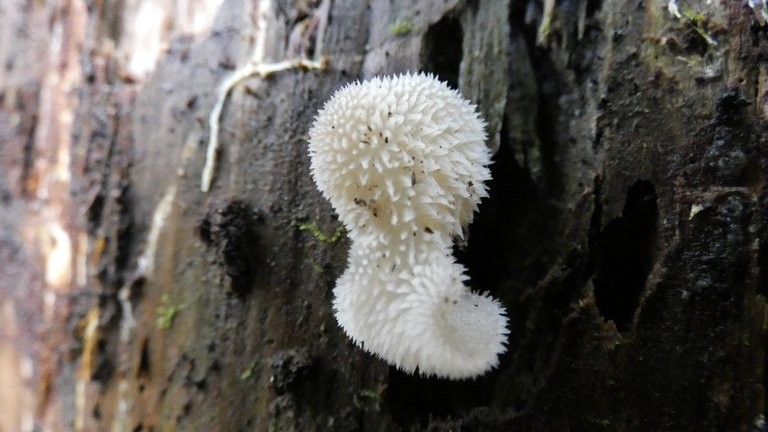
The mushroom can reach a width of up to 10 cm, but its shape is difficult to define. Sometimes it looks like a tongue, a shell, sometimes an irregular oval. Its color is most often white, translucent, milky, but there are also fruiting bodies of other shades, for example grayish or purple.
Cinnabar polypore - an inhabitant of dead trees
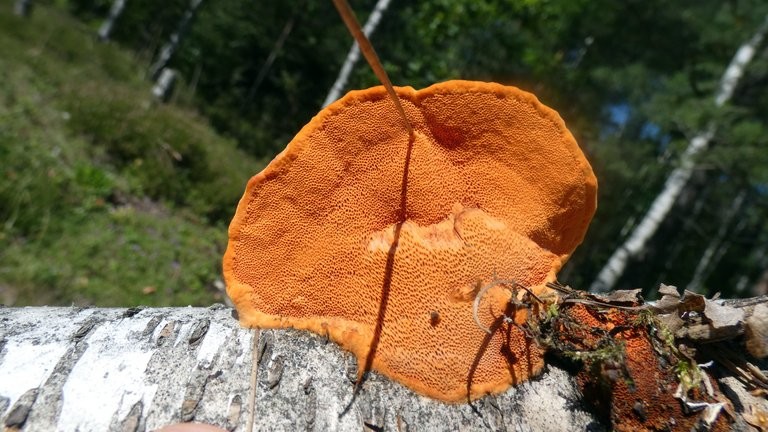
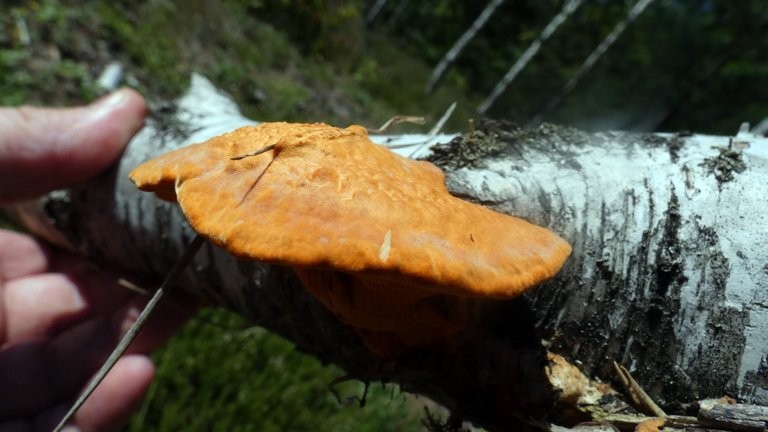
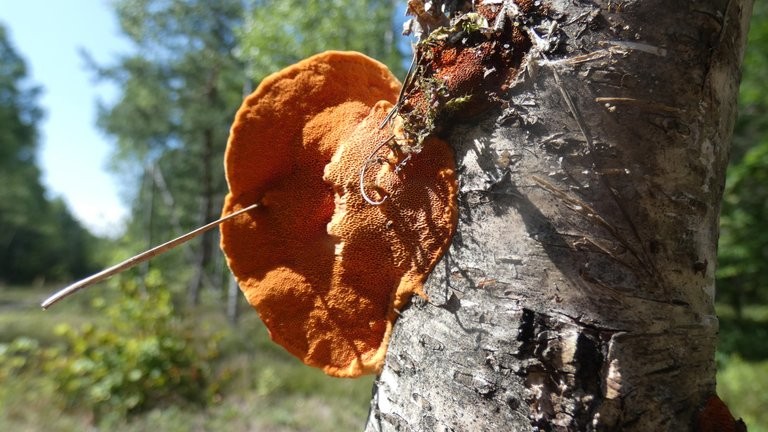
This is an example of an arboreal fungus that occurs practically only on dead branches. The name of such a species is sporophyte. Most often I meet it on fallen birch branches, where it beautifully contrasts with its orange or red color against the background of the white bark of a birch tree.
This mushroom has a variable shape, it can be oval, kidney-shaped, fan-shaped, sometimes it looks very heterogeneous and it is difficult to define its shape at all. However, its size, like a hat, does not exceed 10-11 cm in diameter.
It is an annual mushroom, and I have never seen the same fruiting body in the following year. It is distinguished by a characteristic orange or orange-red color, which it owes to a dye called cinnabarina.
The top of the mushroom cap is delicate, velvety, becoming wrinkled, furrowed with age. The color of the young fruiting body is extremely bright orange, so much so that the mushroom can be seen from several dozen meters. In older mushrooms, the surface of the hat darkens, becomes more red, brick-red.
The mushroom does not have a classic leg, while the flesh is pale vermilion red. As with most of this type of mushroom, it is soft at first, and then hardens and becomes corky.
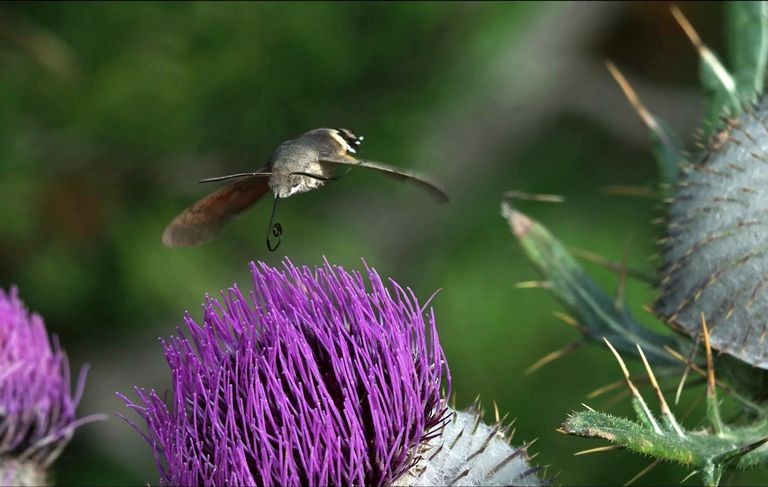
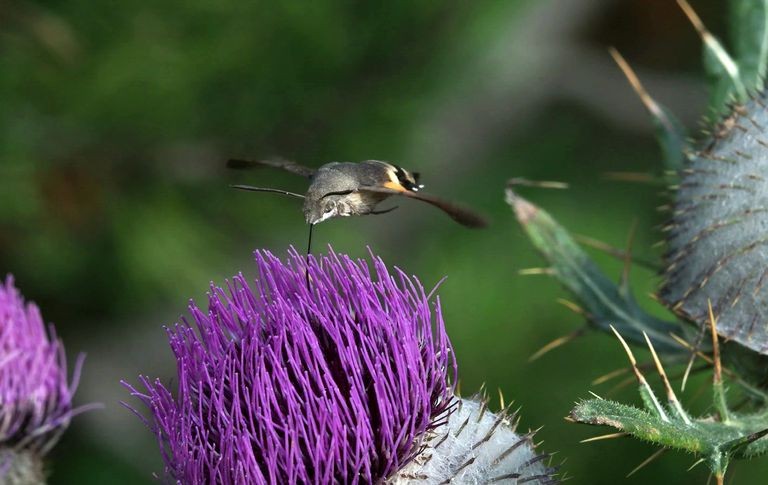
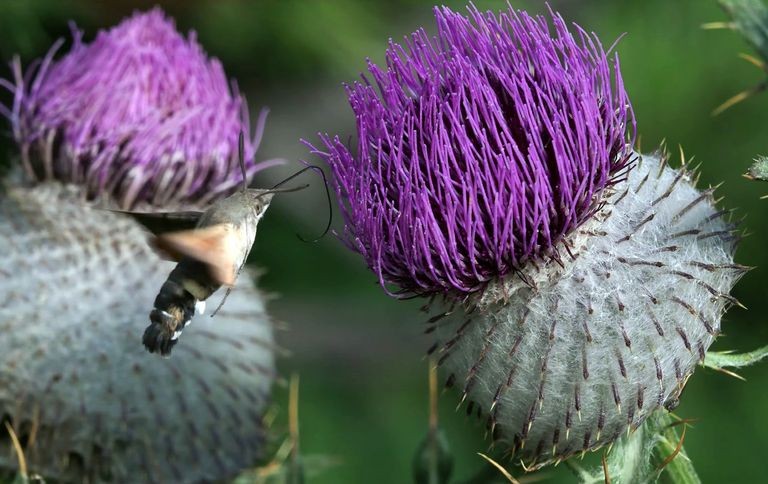
The gorgeous Hummingbird hawk-moth, you can go wrong
He's not what he looks like
Who among us has not seen a strange flying creature and at the sight of it got a fit of euphoria shouting a hummingbird !, hummingbird, hummingbird! I have encountered such a situation many times, during my travels in all countries of southern Europe and, of course, also in Poland. I was also convinced that it was some southern European species of hummingbird.
None of these things, this beautiful double of the smallest bird is just a moth. Its name is Hummingbird hawk-moth, but due to its different coloration, it has different names in other countries. Outside Europe, it also occurs in North Africa and Asia.
Hummingbird hawk-moth rarely sits on a flower, or does not enter it like popular, other pollinating insects. He hovers over the flower as if he is watching it, and watches for a while, with perfect eyesight. At the same time, his trumpet is coiled into a spiral.
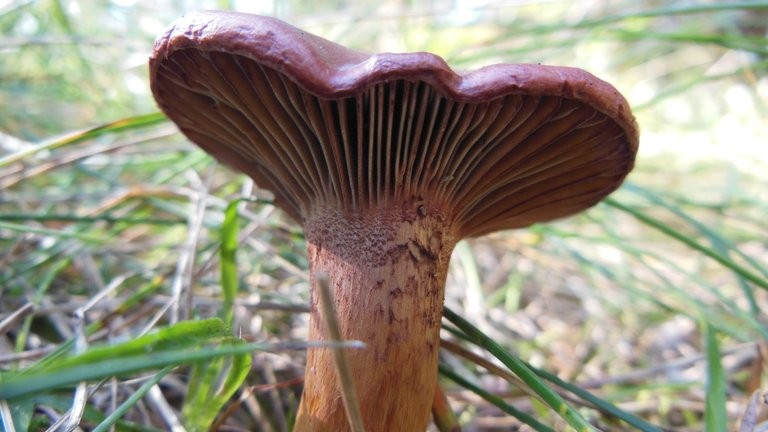
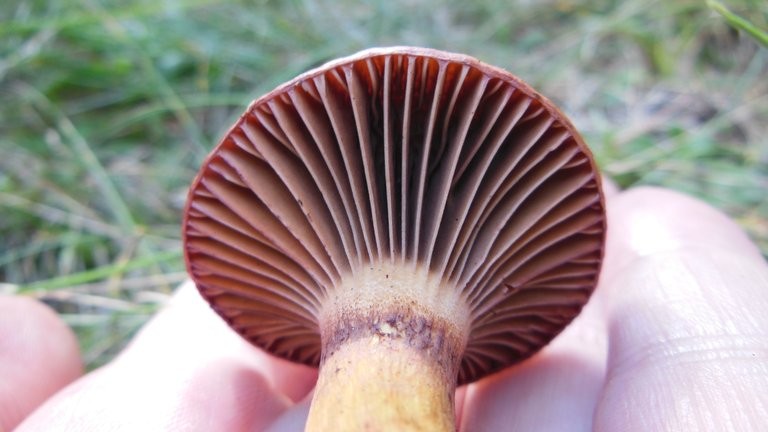
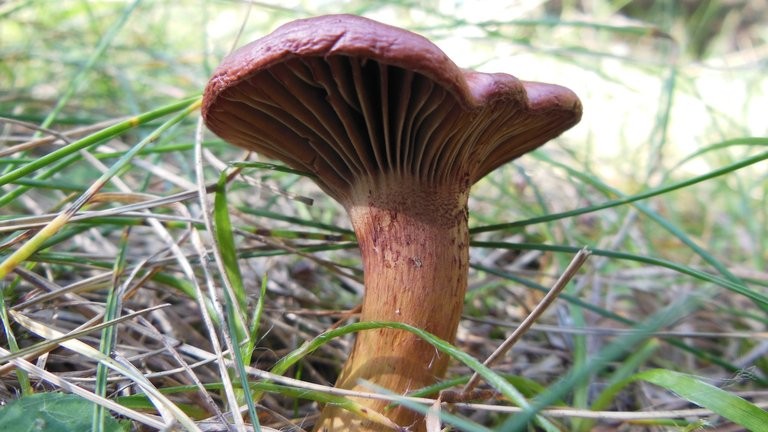
Cortinarius semisanguineus (Surprise Webcap) - Poisonous mushrooms in the world
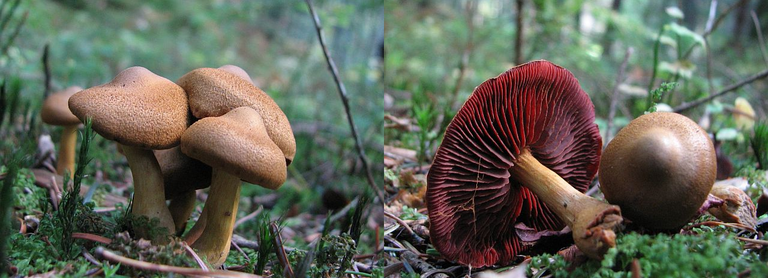
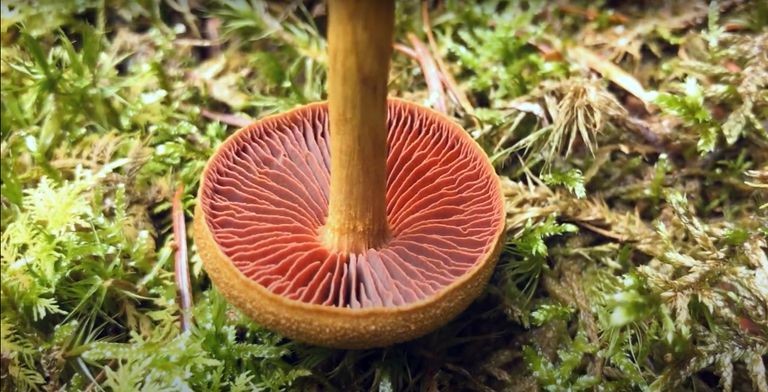
Cortinarius semisanguineus (Surprise Webcap) - The diameter of the hat can reach 6 cm. When the fruiting body is young it has a bell-shaped, hemispherical, arched shape. It opens with age and becomes outstretched, with a small tapered hump. The young fruiting body has a dull, dry skin with fine scales. The color of the hat is olive brown, cinnamon, cinnamon brown.
The gills are wide, medium thick, blood red in color, more or less folded, then they acquire shades of brown, and they become cinnamon when the spores are released.
The leg is up to 10 cm high, cylindrical. Yellowish, yellow-brown in color, fibrous at the base, brass-colored, often bent, brittle. The flesh is yellowish, yellowish-yellow, with a bitter, earthy taste and radish odor.
Occurrence: It grows on the ground, in pine and spruce forests, rarely also under deciduous trees (beech, birch, oak), on acidic soils, in marshes among mosses, in peat bogs, grows in groups. You can meet him from June to November.
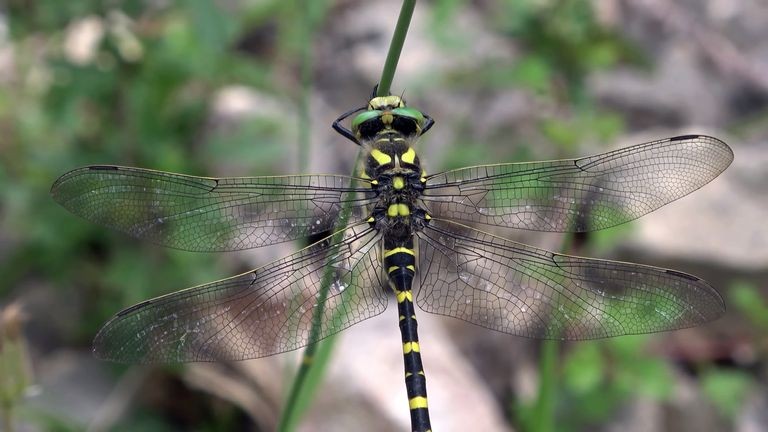
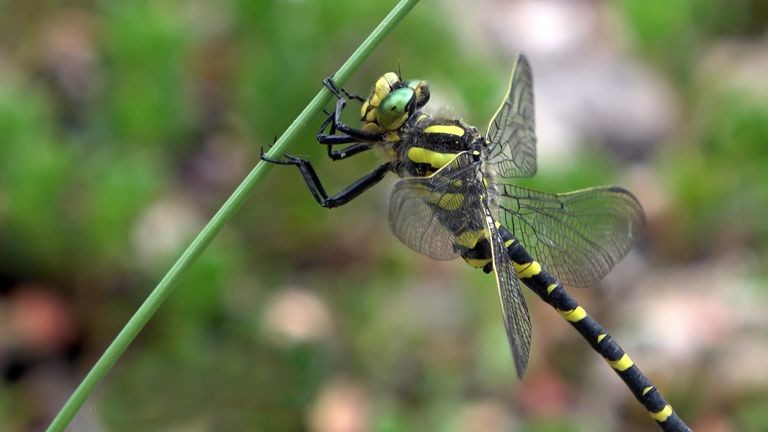
When I go out to the forest in search of mushrooms, I always find something interesting - Cordulegaster boltonni
The situation when you enter the forest and nature suddenly surprises you appears very often, most often when you do not have photographic equipment with you, but if you have, you are not prepared for an interesting situation. This time it was different.
It appears in regions with clean, fast-flowing submontane forest streams, and in my case it appears in the Kraków-Częstochowa Jura, whose climate is very regional and there are species of plants and animals seen only in the mountains. The insect loves small, narrow mid-forest and mid-meadow rivers in the lowlands.
Blue roundhead - (Stropharia caerulea) - it looks like a toadstool, but it is not
Blue roundhead. The cap of this species of mushroom can reach up to 10 cm in diameter. In youth it has the shape of a bell, a cone becomes semicircular with age, and even convex in old age. The color of the hat is most often blue-green, turquoise, green-blue, sometimes even dark green. Light ocher in old age, almost white if washed away by rain. The hat is slimy when wet, and smooth and silky when dry. On the surface of the hat, there are traces of a membrane in the form of villi and white hyphae. The edges have woolly, hair-like debris.
The gills of young fruiting bodies take a white color, sometimes with a pink or yellowish tinge. They become purple-gray, gray-purple over time. They are dense and wide, the blades of the gills are slightly dusted.
Flesh white, or with a cream tinge in the hat and greenish in the stem. Quite soft and compact, watery. The taste resembles a radish, the smell can be unpleasant and sharp.
Occurrence - the species is quite common from mid-summer to November. It grows in deciduous, coniferous and mixed forests. This particular specimen found in a predominantly beech forest. Likes moisture; it grows on the ground or on rotten wood debris, often in groups.
Some sources say it is edible, others that it is inedible and unpalatable. In such cases, he proposes to consider the mushroom inedible.
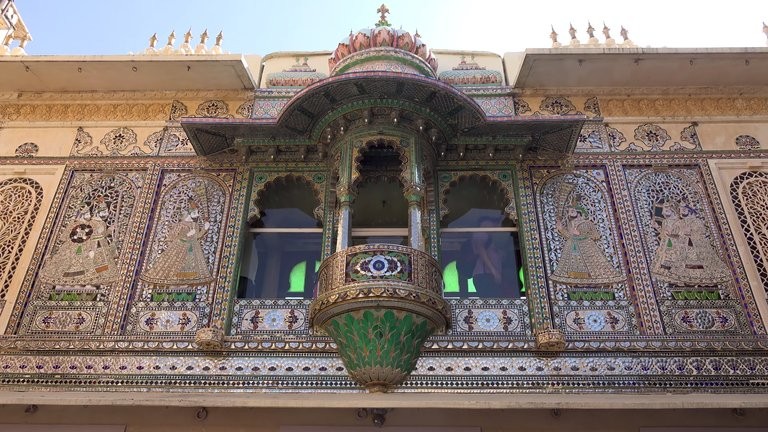
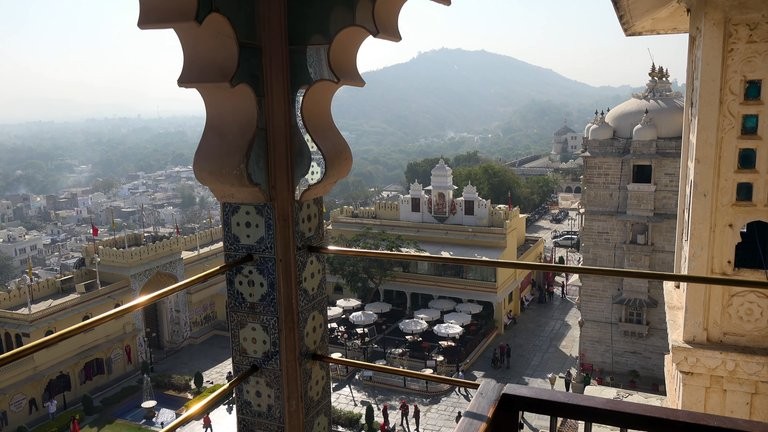
Udaipur in Rajasthan - the Venice of the East and James Bond's favorite place
Rajasthan is by far the most visited region in India. There, too, near the Thar Desert, among dry rocky lands, one of the most beautiful and romantic cities in India - Udajpur was created.
The city of Udjpur, the former capital of the kingdom of Mewar, once known as the white city, the Venice of the East, or the city of lakes, is the most romantic place on the Indian continent.
The city center is probably known to sympathizers of James Bond, who played film roles there as Sir Roger Moore in the 1983 film "Octopussy".
Walks around Udajpur, sooner or later end with a descent to Lake Pichola and observation of the spectacular sunset. The water is situated in five bodies of water, where life goes on, Hindus pray on the stairs, others wash their clothes, still others play instruments.
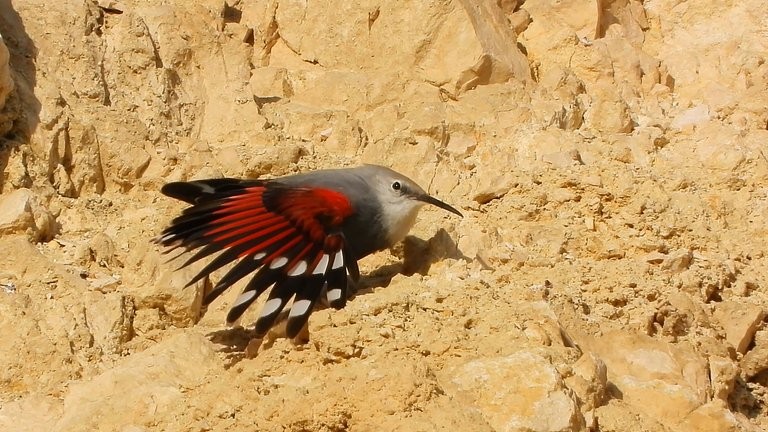
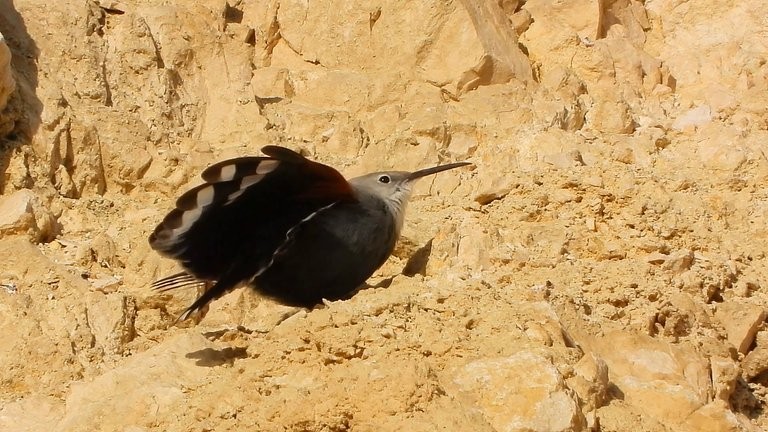
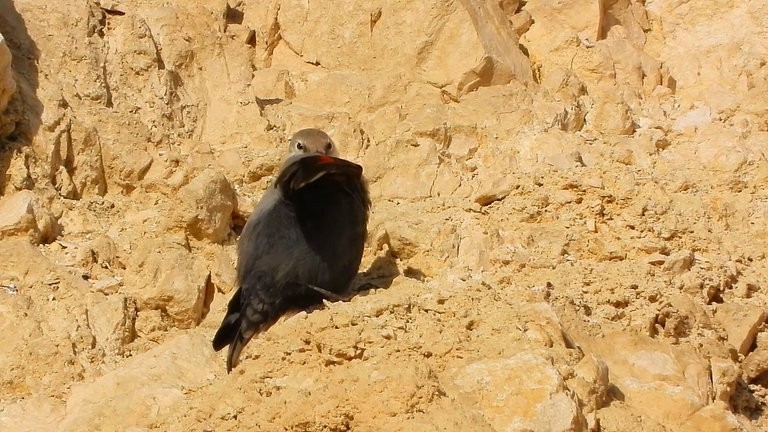
Wallcreeper - an extremely rare and beautiful bird in the European mountains
This unusual bird occurs in Poland only in two mountain regions, namely in the Tatra Mountains and in the Pieniny Mountains. It is difficult to observe, because it hides in nooks and crannies, and difficult to locate, because there are only a few dozen breeding pairs in Poland.
He likes rocky, steep slopes and crags. It can also be observed, but very rarely on old walls, the ruins of brick houses. Hence, its name, both Latin and Polish Tichodroma muraria, more or less means running on the wall, i.e. Pomurnik.
He likes rocky, steep slopes and crags. It can also be observed, but very rarely on old walls, the ruins of brick houses. Hence, its name, both Latin and Polish Tichodroma muraria, more or less means running on the wall, i.e. Wallcreeper.
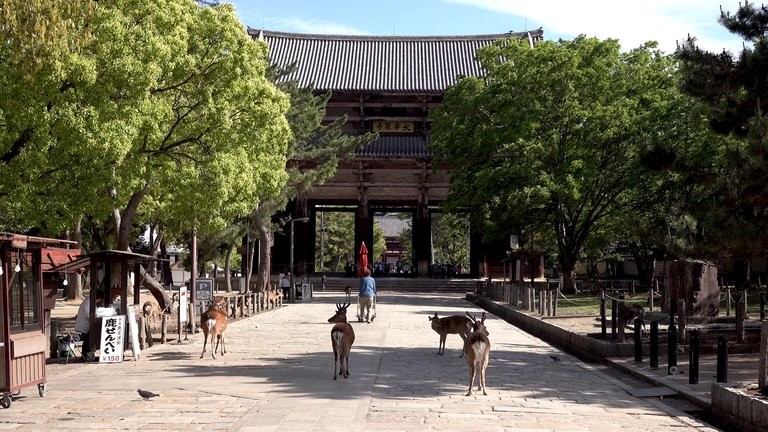
The land of 1,200 deer and 3,000 lanterns - Japan, the city of Nara
The city of Nara is another place in Japan that is worth, or even must, visit when traveling in Asia. It is a small, charming town with an interesting history, full of extraordinary monuments and architectural gems. It is the former capital of Japan and was from 710 to 794 with a short break in Kyoto, it was also the seat of the Emperor of Japan.
The showcase of this city is, of course, the highly famous herds of deer, which persistently force tourists to give food, thanking them with a bow. Legend has it that the god Takemikazuchi came to Nara on a white deer and guarded the new capital. Since then, deer are considered sacred. Actually, they are Sika deer, also known as Japanese or Spotted deer, of which there are over 1,200 in Nara, and they come from East Asia.
The temple has several attractions to offer. It is, for example, one of the oldest wooden structures, the main hall called Daibutsuden. Its current condition is only 2/3 the size of the original, but it is still very impressive.
Fatehpur Sikri or "City of Victory" - India-2
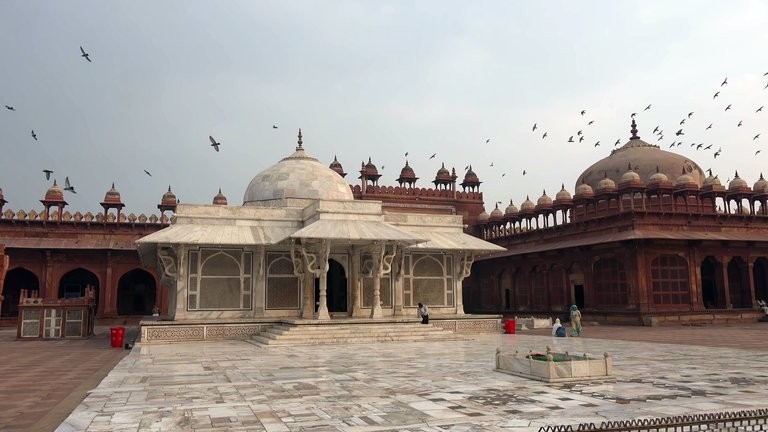
Contrasting tomb of Salim Ćisti
It stands out in terms of architecture and color, because there is a lot of red and its shades around, and it is made of white marble. It is considered one of the finest examples of Mughal art. Numerous pilgrims come here to ensure their prosperity and happiness by praying and hanging a ribbon on the door of the tomb.
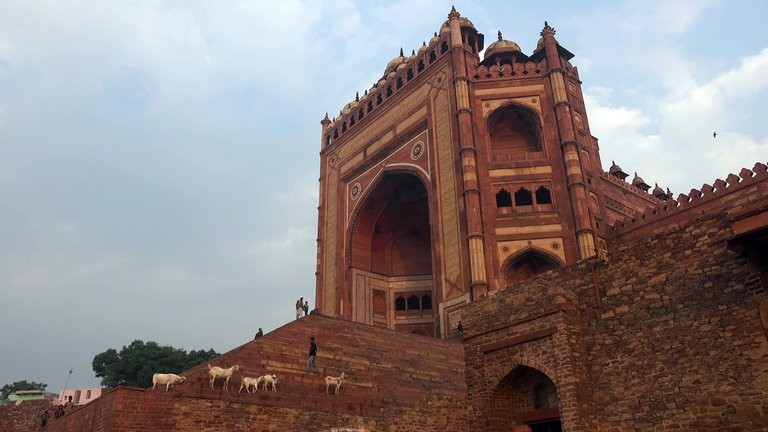
It is a unique architectural structure whose five storeys are reminiscent of a house of cards under construction. Each successive storey is getting smaller and is crowned with a typical for northern India architectural element resembling a canopy, based on four columns and covered with a dome called "chhatri"
Fatehpur Sikri or "City of Victory" - India1
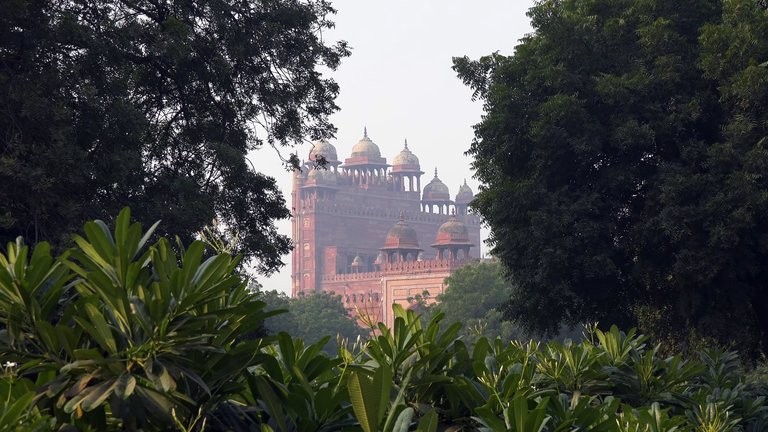
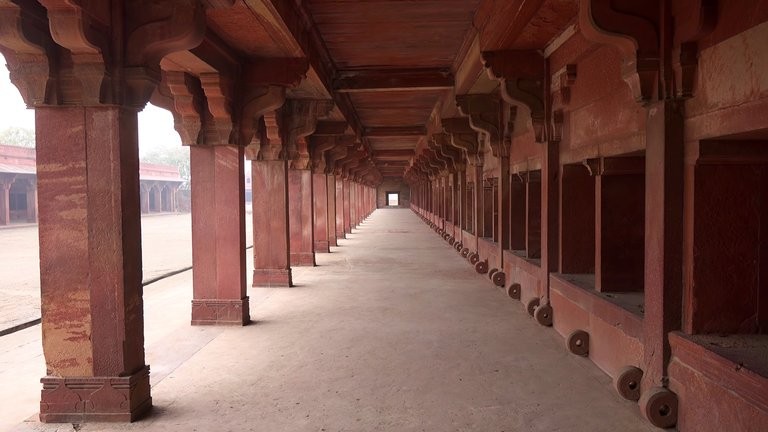
The construction of the "Victory City", completed in 1586, is located about 35 kilometers from Agra.It is situated on a low hill in the Vindhya mountain range, the creator of this temple was Akbar the Mughal king.
During the reign of Akbar, it was a small village inhabited by stonemasons and was the home of Sheikh Salim Chishti, a Muslim astrologer and Sufi saint.
The city was then strategically located in Rajasthan, which brought Akbar and his armies closer to the Gujarat region, whose coastal cities were ideal starting points for trading with the Arab lands.
The main monument of the sacred part is the Jama Masjid (Jama Masjid) mosque, the earliest built part of the entire complex, and in the courtyard of the mosque there is a beautiful marble tomb of Salim Ćisti
Warted amanita the cone fly agaric, one of the first edible toadstools of the season
July is the time when some edible species of mushrooms appear despite the summer heat. They like shady forests, where the litter, despite the fact that it is hot, maintains sufficient humidity due to the morning dew that undemanding and thermophilic species of mushrooms can grow on it.
Culinary applications
We can prepare the mushroom in many ways. Marinate in a vinegar pickle like any other mushroom, or, for example, prepare with onion, butter in a pan.
The recipe is trivial. Clean the mushrooms, rinse and cut into slices if necessary. Peel the onion and dice it, then fry it in butter. Add the mushrooms, salt, pepper, a little soy sauce and stew for a few minutes. We serve it with fresh bread.
more...
https://hive.blog/hive-166168/@marianomariano/warted-amanita-the-cone-fly
 @marianomariano