 @BaldurThorLoki
edited
@BaldurThorLoki
edited
How to make plum brandy
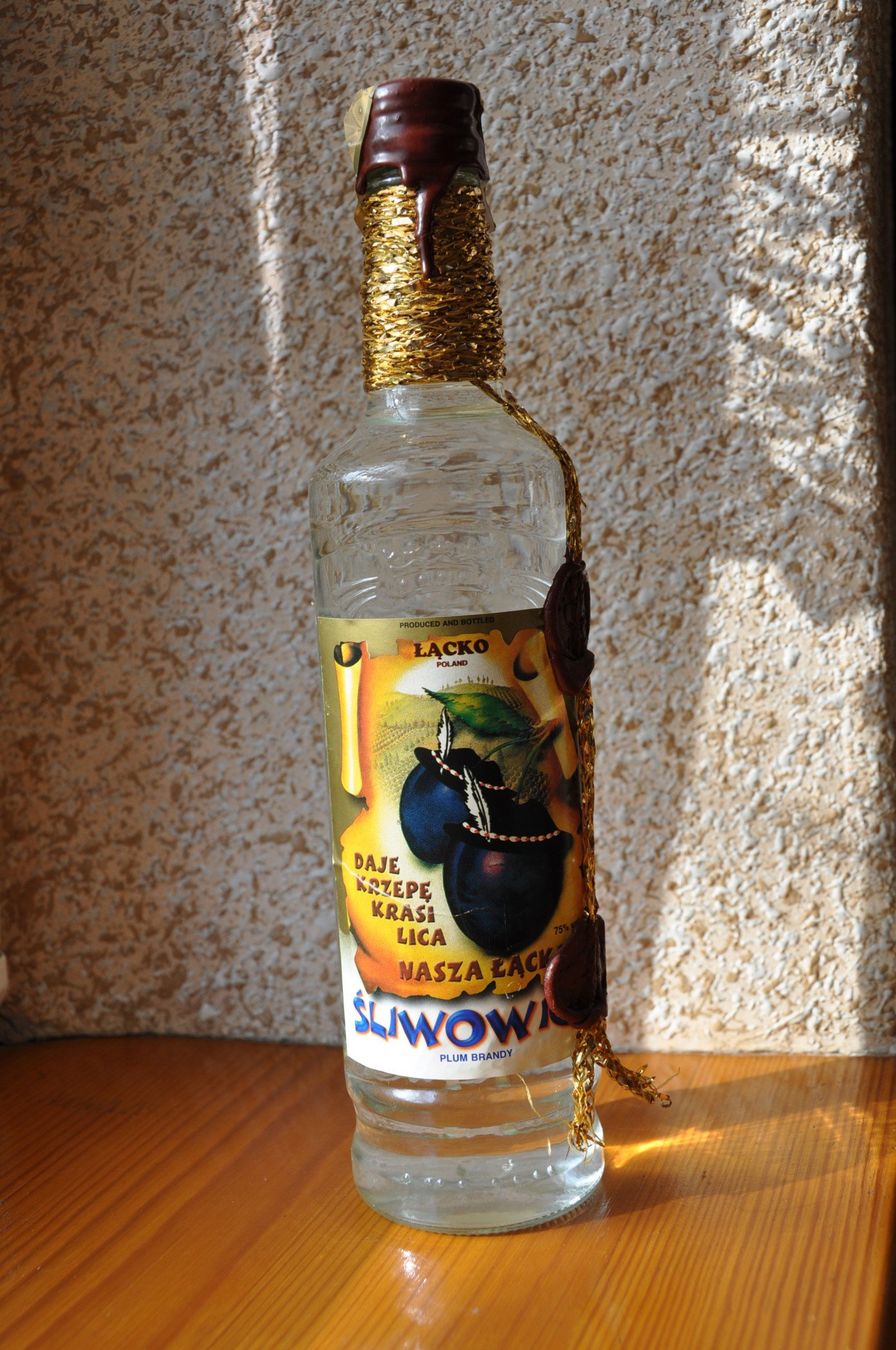
Brandy as an alcoholic beverage occupies a significant place in consumption among Serbs, and perhaps the entire Balkans. She is present in the service of celebrations such as weddings, the birth of a child, farewells to the army. It is also served at funerals and rituals related to them. The host toasts with her during the celebration. It is a ritual of invoking the patron saint to protect them from evil and to give the family good health throughout the year. Production technology starts in the fall. Then the people are happy, because they are close to the "happy machine".
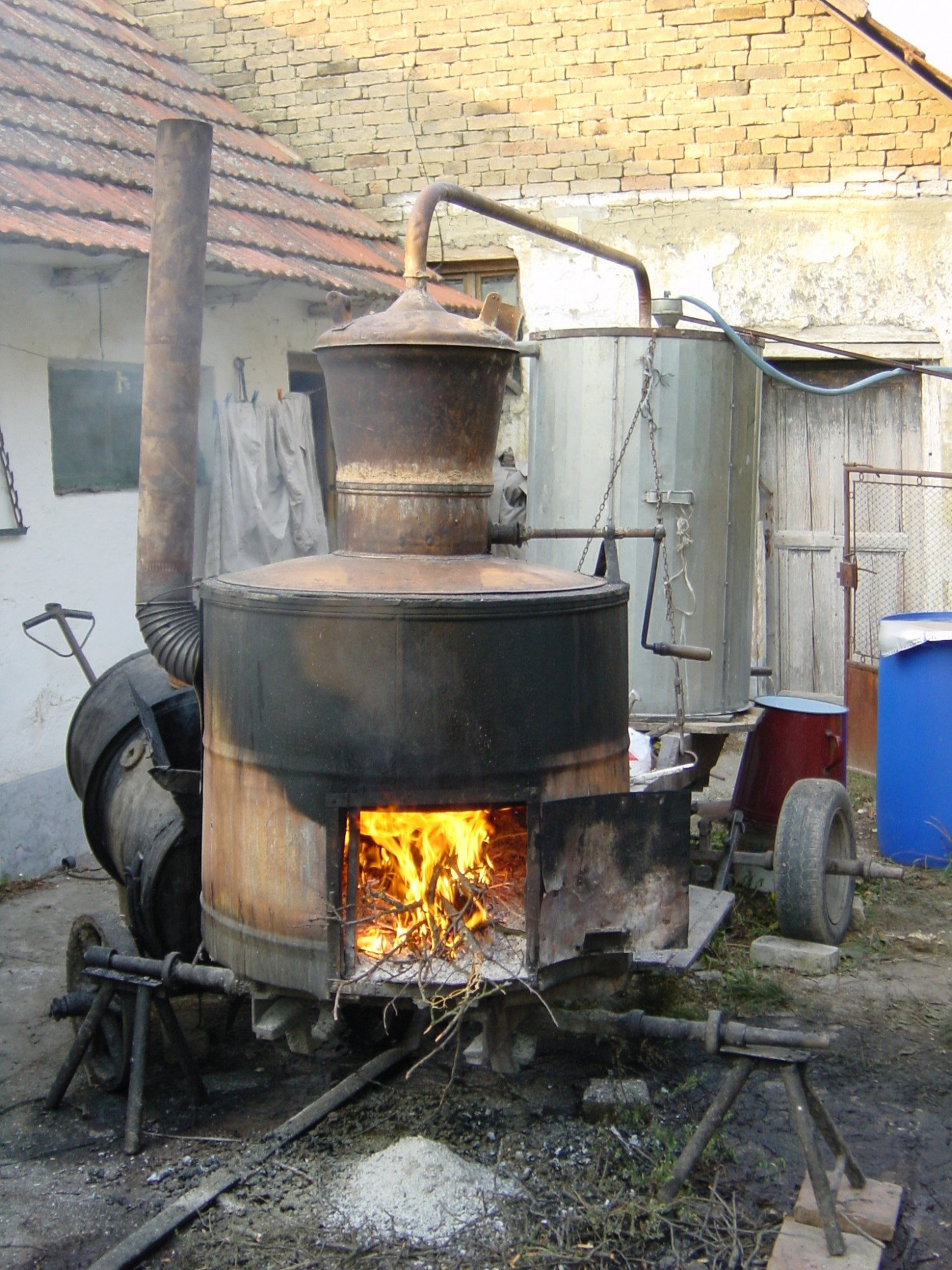
Fermentation of brandy should be done at the right time. Premature fermentation will lead to a reduction in the amount of brandy due to incompletely boiled sugar in the fruit. Too late fermentation with significant loss of alcohol can lead to spoilage of the contents and the appearance of acid and mold. In such cases, it is possible to revive the contents by adding an alkaline chemical such as baking soda. So, the ideal time for fermentation is 2-3 weeks on the advice of experts.
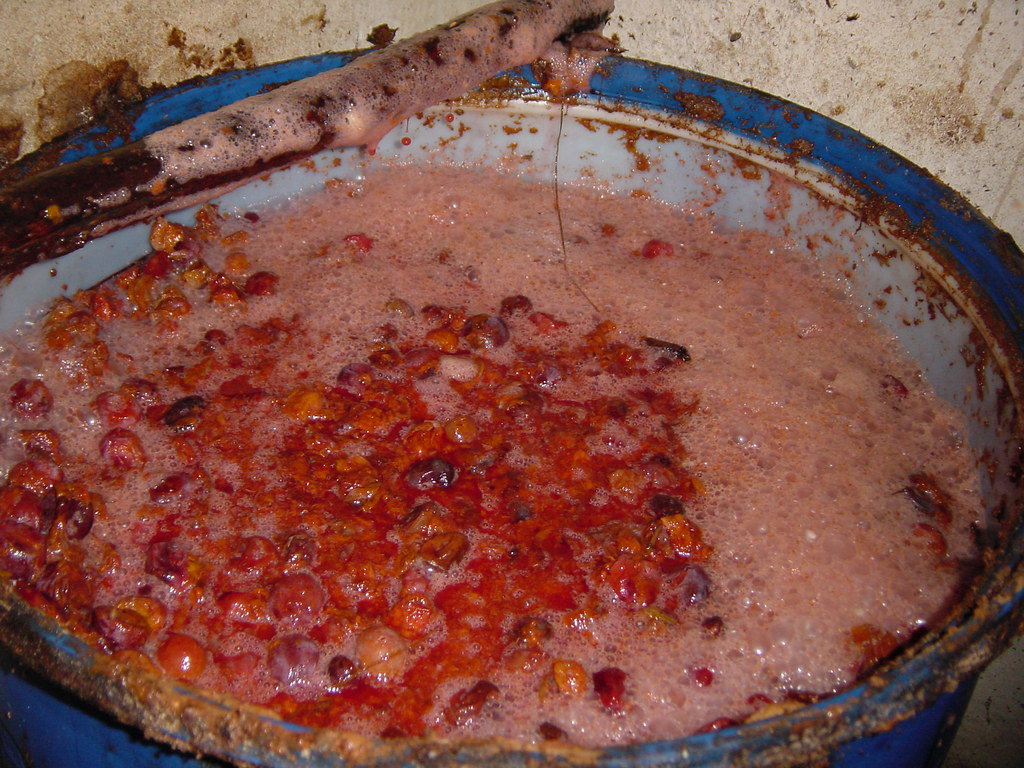
Plum pomace is boiled in cauldrons, a two-stroke distillation apparatus. The cooking part is made of copper, as an excellent conductor of heat, and the heating part is made of metal parts that can withstand high temperatures. Boiling fermented plum pomace, the essential ingredients are separated and turned into a liquid distillate - brandy. Volatile constituents consist of many chemical components. The most common are water and alcohol. All volatile ingredients do not have the same value for brandy quality. When baking, they should be baked, especially more alcohol. The purpose of distillation is such that, in addition to water and alcohol, it also includes aromatic impurities that give brandy its characteristic smell and taste. The greatest skill in this process is the separation of brandy fractions that spoil the smell and taste of brandy. The boiler is filled to approximately two thirds of its volume, so that it does not boil later. There are those with a sludge to prevent boiler over burning of pomace. Distillation is performed in fractions, and three should be singled out: The first - the firstborn, the middle (heart), and the last - the molasses. When a thin stream of brandy comes out of the refrigerator, it is the first, it contains a large percentage of easily volatile components and spoils the smell of brandy. After this fraction, most of it is captured as a middle distillate (28-38% alcohol strength). When the strength of the distillate at the outlet of the cooler drops to about 10-15%, the flow is further obtained, until the alcohol in the distillate drops to 2-3%. The fraction of the firstborn and molasses are mixed or distilled separately, and such brandy is of lower quality. After obtaining all three fractions, the brandy should be toasted. Toasting is done by fractional distillation where as many firsts as possible should be separated. Premature transition from the first to the middle fraction resulted in brandy that "burns" the throat, has a sharp smell and the alcohol really stands out in it. Experienced masters of roasting brandy with an alcohol meter and taste can accurately estimate the moment when it is necessary to switch for capturing the middle fraction. The toasting of soft brandy should take place slowly (4-5 hours) because that is the only way to transfer all the fine aromatic and volatile substances that are decisive for the quality of plum brandy into the toast. The obtained toast (middle fraction) is 65% strong, it is diluted with distilled water (I don't understand this process because it slowly loses its strength in the barrel) to get brandy 45% or 18 degrees, pleasant to drink. The dilution ratio is 30 l of brandy 65%, and water 13.8 l. In the end, the brandy requires a period of lying in an oak barrel for 8-10 weeks and will get a golden yellow color.




29 comments
Bravo za clanak!!! Bravo domacine!
Nema na čemu! Hvala i tebi i vi ste pravi domaćini!
Bravoooo! Mene si vratio u detinjstvo. Volela sam da odem u selo gde mi je tata rođen i da sa tatinim stricem , sedim pored ovakvog kazana i uzivam. Hvala ti za to!
Hvala i Vama!
Hvala najlepše! Podržavam Vaš rad!
Da, čuveni smo po proizvodnji prirodnih rakija i popularni u svetu. Iz Kragujevca "Žuta osa" se služila u Beloj kući na jednom prijemu. Koji smo mi carevi :D
Koji smo mi nama kraljevi...
ne volim žganje piti..al mi je vrlo zanimiv postupak izrade. Nisam imala mogučnost nikad to vidjet na lastne oči..al bi voljela.
Nije loše iskustvo! I žene su te koje učestvuju u pripremi čuvenog 'Sumadijskoog čaja!
a sto je to? može post o tome..nikad nisam čula
Pa to je upravo rakija! Ili brandy!
e to nisam znala
NIje problem!
That's so cool! You should be passionate and have lots of patients. It's a very complicated procedure only experts can do!
Thank you so much! You are great as always!
Ma taj osecaj kada peces rakiju treba da se dozivi. Pricam iz iskustva... Ove godine smo napravili oko 150 litra rakije.. pa izvolte :D
Svaka čast! Samo napred!
Nisam bas neki ljubitelj rakije, ali volim nekad popiti pola casice uz neko meze.
I ja isto.. Ali kad su slavlja, valja nazdraviti !
Slivovka se pogosto postreže kot aperitiv na začetku ali tudi kot digestiv na koncu obilnega obroka in je alkoholna pijača, ki je najokusnejša, če je domača in če jo pijemo v dobri družbi. Po svoji kakovosti sta zlasti cenjeni lička in slavonska slivovka, slednja zaradi svoje večstoletne tradicije nosi tudi označbo geografskega porekla. Slive so namreč rasle v skoraj vsakem dvorišču vseh regij, bogata letina pa se je vsako jesen predelala v slastno marmelado ali močno žganje. V pecarah, posebnih prostorih za kuhanje žganja, so bile velike lesene posode, imenovane kace, ki so služile fermentaciji sadja, ter kotel za kuhanje žganja.
Odlično obrazloženje! Hvala na komentaru! Pozdrav!
opa vesela masina radi punom parom koliko mogu da vidim nek je srecan posao i u zdravlju se castili cele godine do nove berbe
Hvala najlepše! Takođe, svako dobro!
Ovo me podsetilo na moje detinjstvo, isla sam kod dede al nisam htela da berem sljive, pa smo se nagodili za svako napunjeno lonce 1 dinar, i dok bi eda pekao rakiju baba bi donela kukuruza pa onako na zar pecemo
I krompir se bacao u žar..
Plum brandy is very popular in Serbia. In general plum and everything what is made out of it is very popular in Serbia.
That's true!
ooo nema vece srece od vesele masine, he he, shljiva is cool, but medovacha is the best!
Thank you very much! I follow you! Have a nice day! And welcome!