Wojtek, a bear who went to war
A story that caught my attention and I will share it with you
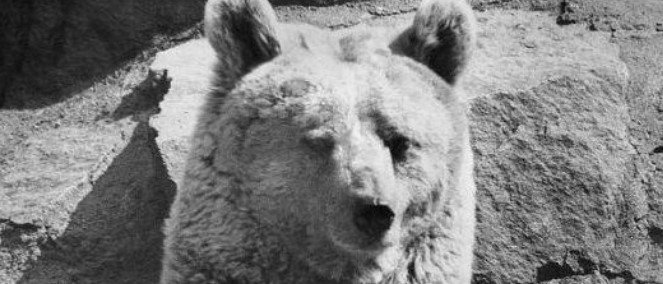
In the spring of 1942, after the release of Polish soldiers from a camp in Siberia, the only route from the Soviet Union was across the Caspian Sea to Iran. The new Polish army, which was formed in the Middle East under the command of the British, encounters a cub cub in the mountainous areas of Persia, which was left an orphan after his mother was killed by hunters. The soldiers bought the swords from a little shepherd who kept him in a sack and gave him the name Vojtek.
When he went with the army, the bear Vojtek was quite small and the problem with his diet was solved with condensed milk. In the following years, he became an indispensable member of the 4th Platoon, and his best friends were young soldiers. The bear liked to stay in the improvised kitchen where he ate whatever they gave him, and he started drinking wine and beer, as well as he consumes cigarettes that he would receive only if they were lit, inhaled one smoke, and then chewed them.
Vojtek grew into a large and strong bear who was extremely tame and protective of his soldiers. He became a hero in Palestine when one night he caught thieves breaking into a room with ammunition where he was sleeping. The Arabs were frightened when they realized that they had come across such a large and dangerous animal and a whole fight ensued. This resulted in their arrest, and Vojtek was deservedly rewarded with a bottle of beer. He was not the only animal in the army, so he became friends with the monkey Kasha and the dog Kirkuk, but he did not hang out with them for long because Kasha died of grief when her cub died, and Kirkuk did not survive the scorpion bite. Wojtek was also in a bad condition after a poisonous insect bit his nose and everyone thought he would not survive. His faithful friend Henrik nursed him day and night, and the bear still recovered.
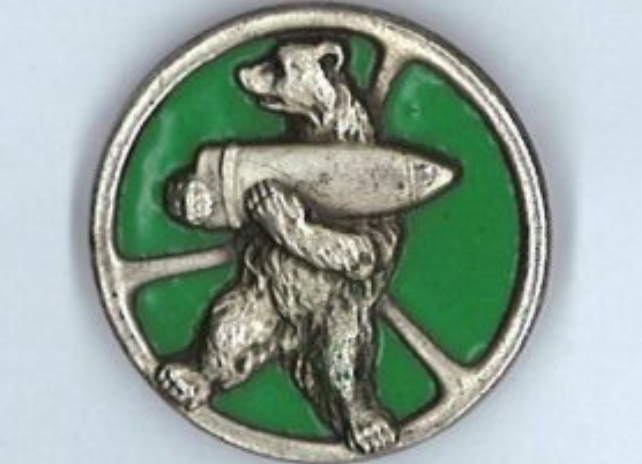
When the Polish army was preparing to enter the war zone in Italy during 1943, a problem arose over Wojtek's status. As the animals were not allowed to go into battle with the soldiers, the problem was solved by giving Vojtek the rank and serial number. During the conflict, Wojtek found himself on the artillery line of fire, where he saw boxes of ammunition being carried from the truck to the cannons. Henrik Zaharevic, who remained to guard the bear, had to help the soldiers, and Vojtek was left alone near the truck. As he had always copied the actions of his soldiers, the bear began to carry boxes of ammunition towards the cannons, and the sounds of the explosion did not touch him. Due to his courage and readiness to take part in the action, his image with a grenade in his hands became the official logo of the company that supplied the army with ammunition during the war.
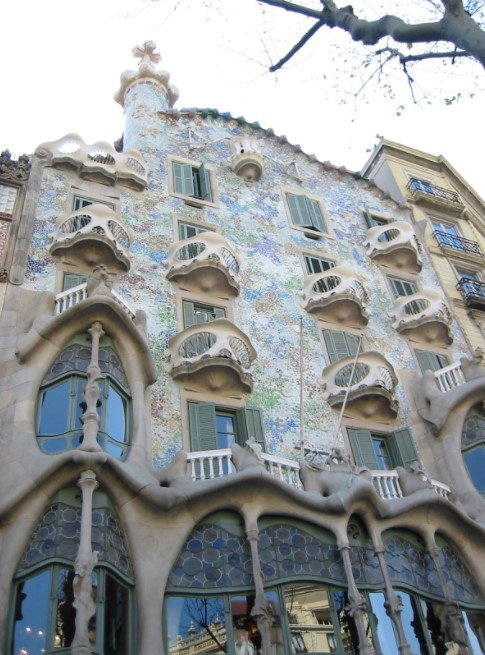
Casa Batlló
Casa Batlló is a house in Barcelona designed by Antonio Gaudi and built between 1905 and 1907. It is situated at Pase Pa de Gracia (Passeig de Gràcia) no. 43. The population of Barcelona is called Casa dels ossos (house of bones), a somewhat less external structure reminiscent of the structure of the skeleton. It was designed as a middle-class family house.
The house is a typical example of Gaudí's architecture. Irregular shapes dominate the architecture of this building. A large part of the facade is covered with mosaics made of broken ceramic tiles, which is called trenkadis, a technique that is very typical for almost all of Gaudi's works. The roof is arched and resembles the back of a dragon (the dragon is one of the typical symbols of Gaudí's architecture).
The village of Santa Claus Lapland
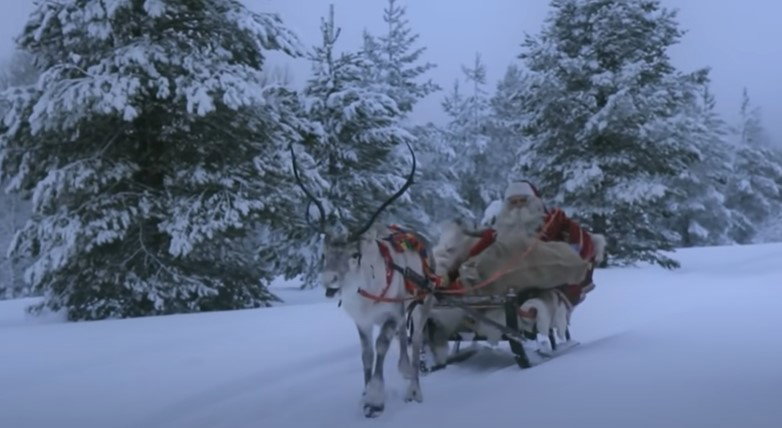
While sleeping this night, Santa Claus will come quietly, he will walk with a white beard to every city, every village. While dreaming tonight, Santa Claus will come quietly and bring bags full of toys, laughter, happiness!
Ohohooo!
Today we are going to Lapland to the village of Santa Claus, a fairytale place
Cold and snowy Lapland has everything you need to evoke a real winter idyll and worthily present the "birthplace" of Santa Claus - huge frozen Arctic tundra, dense forests and inaccessible coast, aurora borealis. All of these are arguments that can characterize it as a land of adventure and unusual fun.
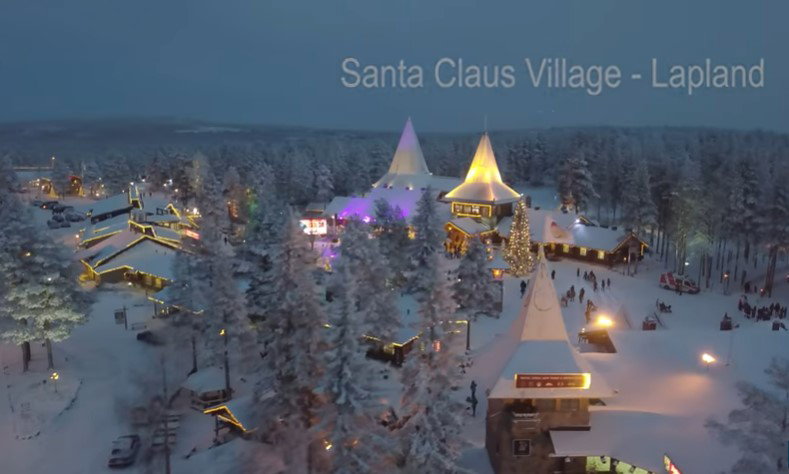
It is traditionally believed that Santa Claus was born in Lapland. Santa's village is located on the polar border (on the edge of the Arctic Circle). Santa's Village (amusement park) is 8 km from the town of Rovaniemi, the capital of the province of Lapland (Lapland). The Finns call the village of Santa Claus the "Gate of Lapland". Thanks to its position on the polar border, the village has very unusual climatic conditions and an atmosphere that is almost unreal. The village was built in the Lappish ethno style according to the project of the Finnish association of architects "Arrak Group" with wooden houses - log cabins.
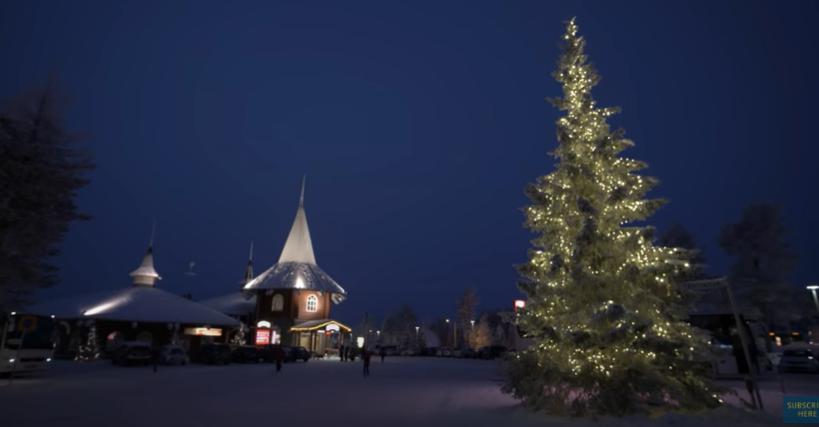
The village is specially decorated with thousands of glittering lanterns, bells and flags that create or further enhance the festive atmosphere. That area, where reality and fairy tale are so closely intertwined, there are such wonderful events that have led to the belief in reality and the possibility of miracles and joys, not only for small children but also for adults. In the village there is a famous office of Santa Claus where you can always look for a real Santa Claus. The village also has a post office where thousands of letters from children from all over the world arrive. Santa in his office responds to these letters and receives visitors who can sit on his lap and whisper their New Year's wishes
Apart from Santa Claus and his assistants, Santa Claus also lives in the village. In the village of Santa Claus, there is also a church that can accommodate up to 1,000 people, a toy factory, a history museum and a Christmas house where you can see various customs from all over the world. The village is visited by more than 500,000 tourists a year! Most tourists come from Great Britain, Germany, Russia and Asia.
Seeing the aurora borealis, the aurora borealis, is one of the almost supernatural experiences. Lapland is the best place to experience it. To the inhabitants of Lapland, the aurora borealis is probably not so strange, because many of them have often met it. But tourists who happen to be there and attend this phenomenon for the first time cannot take their eyes off the colorful sky above them.
Santa Park and the house of Santa Claus - this magical landscape with a wealth of coniferous forests covered with snow, a large number of reindeer that make up the natural inhabitants of this area, creates a real impression of the magic of Santa Claus. In this fairytale environment you have Santa's house, elves who help him (to become an elf, you have to finish school for elves), souvenir shops that are handmade, Santa's mail with his own postage stamp that you can not get anywhere else in the world , a hotel made of snow, but also the presence of this fairy-tale character, Santa Claus himself. By the way, every elf, when he finishes school, gets gingerbread, which is made by Grandma Mrazica according to a strictly guarded, secret recipe.
**You have to watch this video, you will feel like you are in a fairy tale**
https://www.youtube.com/watch?v=iimy3aAilVw
Dolomites
Today I want you to meet this beautiful mountain, maybe one day you want to go on vacation or skiing.
Let's go
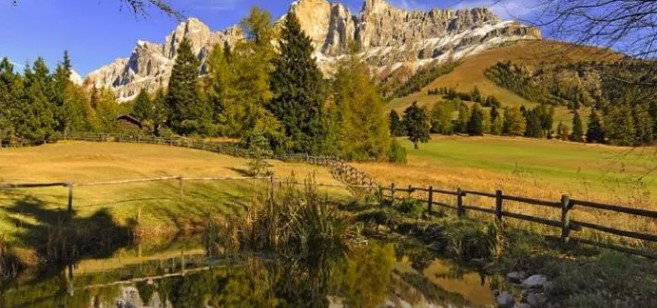
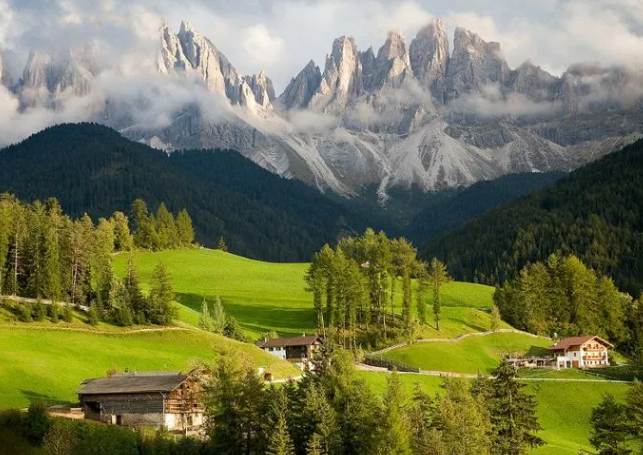
Italy is one of the most beautiful countries in the world. This is not just about ancient cities, centuries of history and architecture, but also about nature. There are sea resorts, ski resorts, so you can come here in both summer and winter. One of the favorite places of tourists - ski lovers - are the Dolomites or simply the Dolomites. This is an amazing place located in the northeast of the country.
This is a mountain range in the length of 120 km. The place is beautiful, with glaciers, pleasant picturesque alpine meadows, pine forest. No wonder this place has become so popular with tourists from Italy and Europe and the rest of the world. It is true that the Dolomites are not advertised like other popular resorts, so not everyone knows about it. This, in principle, is not a disadvantage, because people are not the sea, the contingent of vacationers is very decent. Here you really relax, you gain strength.
The climate is mild. The air temperature usually ranges from 0 to -5 ° C. The coldest months are January and February, when the thermometer can reach -20 ° C. Since in these areas low humidity, even in cold weather, tourists feel comfortable and not they freeze. .
Many hotels, hostels, ski slopes, cable cars, cafes, restaurants, ski rental, souvenir shops and much more will make your vacation as pleasant, interesting and memorable.
A billion years ago there was a sea, but due to the movement of the plates, over time mountains formed here and the water went away. That is why the landscapes here are amazing.
There are about 50 resorts here that differ from each other. There are resorts that have existed for a long time, with their centuries-old history and tradition. Some resorts are sports, where various competitions and championships are regularly held, and at other times professional athletes train.
The name of the mountain comes from the name of the French scientist Deod de Dolomieux. In the 18th century, he was the first to explore this alpine area and discovered that the mountains are composed of limestone and other rocks hitherto unknown to the scientific community. This rock, first described by Dolomier, was later named after a geologist - the Dolomites, and the mountains, after the Dolomites. But that is not the only name of the mountain range. His name used to be Monty Pallidi. The origin of this name is explained by a beautiful legend. The prince once lived in the Alpine countries, and fell in love with the moon princess of unearthly beauty. Yes, I fell in love so much that I couldn’t imagine life without her, so I took the beauty to my wife. But the earthly life of the princess did not bring joy. The person of the monarchy fell ill, fell asleep day by day. And all because I missed my native lunar mountains so much. The gnomes came to their aid: they wove a veil from the moon's threads and covered the mountains with it. Thus the Dolomites acquired their milky gray color. What about the princess? She, of course, recovered and lived a long and happy life with the prince.
Despite the uniqueness and simple beauty of the Dolomites, they received official recognition relatively recently, in 2009 - UNESCO included them on its famous World Heritage List.
If you want to spend your vacation here, they have over 50 resorts and hotels.
If you haven't bought a ticket, hurry up, the Dolomites are waiting for you
See what kind of beauty this is in a short video
https://www.youtube.com/watch?v=Dm7O9FnvsuE
you tube
I'm waiting for you to ski.
The blue dragon
**Have you ever wondered what the depths of the sea hide?**
**Are there animals we don’t know exist?**
**Look at this animal and say have you ever seen it?**
**Instead of an answer, I will introduce you to one of the most beautiful animals**
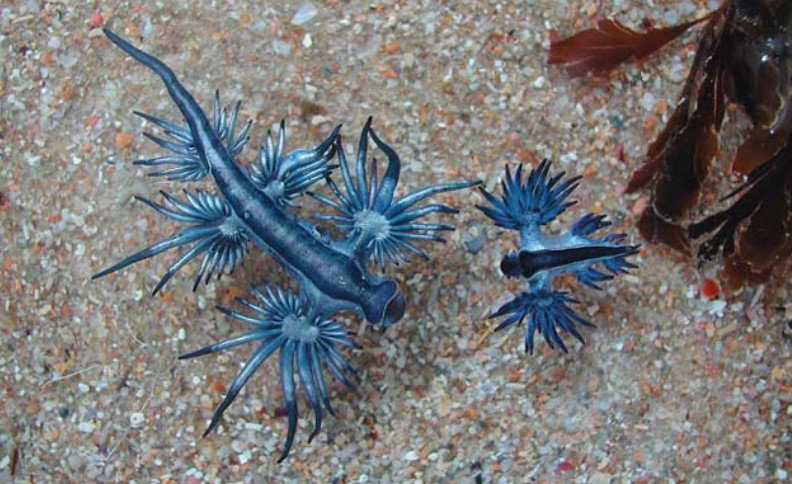
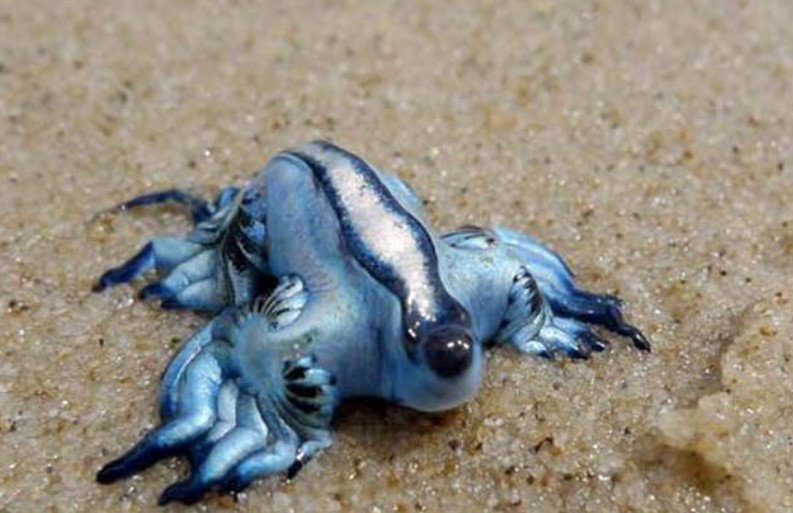
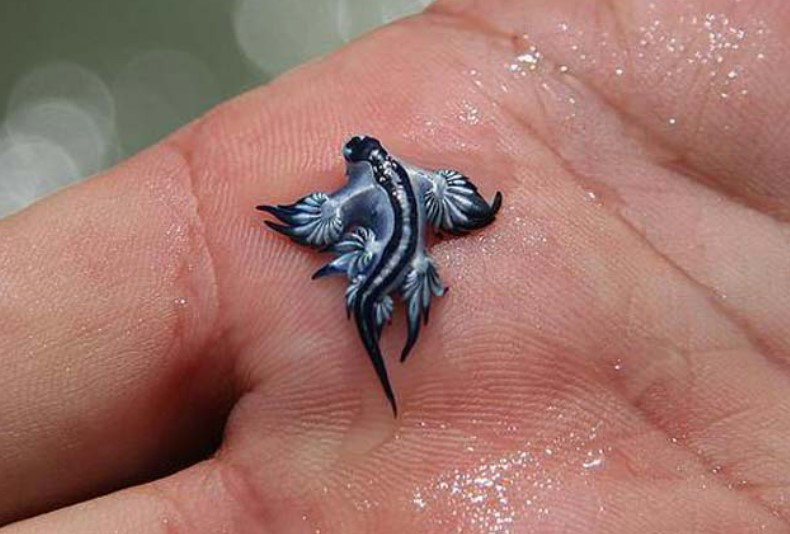
Glaucus atlanticus, better known as the Blue Dragon or Sea Swallow, is a species of small sea snail in the Glaucidae family. Growing about 3 cm, they can be found across the world’s oceans in temperate and tropical waters. In addition to its unusual appearance, the Blue Dragon has also developed an unusual way of moving. There is a small bag of gas in their stomach that allows them to float along with the waves - and that's it. The only mode of transport for these sea snails.
Due to the blue color on the stomach, and the silver color on the back, when the Blue Dragons float upside down, they are almost invisible both from the depths of the sea and from the air. When they are on land, they curl up and spread again only when they enter the water.
Glaucus atlanticus is a hermaphrodite, ie it has both male and female reproductive organs. After mating, both individuals produce eggs.
And their food is extremely unusual. These snails eat poisonous jellyfish known as the Portuguese cruiser or physalis. Not only can the poison not harm them, but they even store it in special bags in their body, which they can later use for their own self-defense. This is exactly the reason why some people are more afraid of these snails, even than the poisonous jellyfish themselves.
I think you liked this little animal, it's beautiful. Take a look and you'll like the video. You will see that dragons not only live on land in fairy tales, but also in the sea
.
https://www.youtube.com/watch?v=0Ako_XDx2-U
you tube
Seahorse - dad became a mom
**Sea Mr. Mom: Did you know that male seahorses give birth to young?**
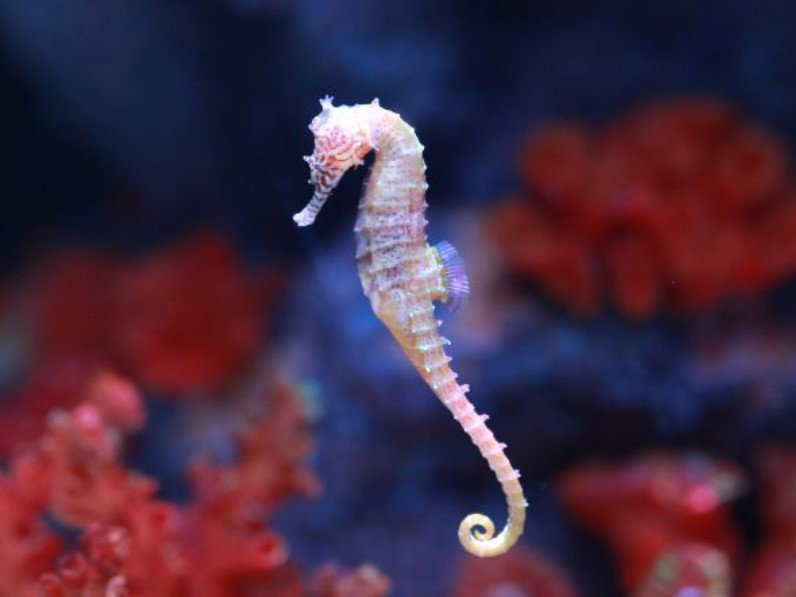
Seahorse, one of the most unusual species of fish, not only does not look like a fish, but also has an unusual way of breeding.
His head looks like a pony's head. Instead of scales, his whole body is covered with bone plates and horny thorns. And his tail is like a snake's.
Seahorse really doesn't have much in common with fish. On a simple notice its long tail around some sea plants, so that the water current does not carry it away. And when it swims, it moves vertically through the water, with the help of a single feather placed on its back. The mouth of a seahorse ends with a kind of tubular wrench with which it sucks food. Unlike all other species of fish, it has a clearly defined neck and a movable head that resembles the head of a horse and which makes an almost right angle with the body of the horse.
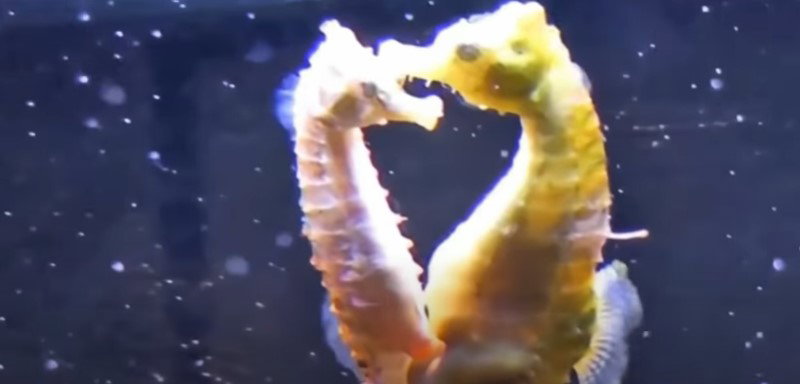
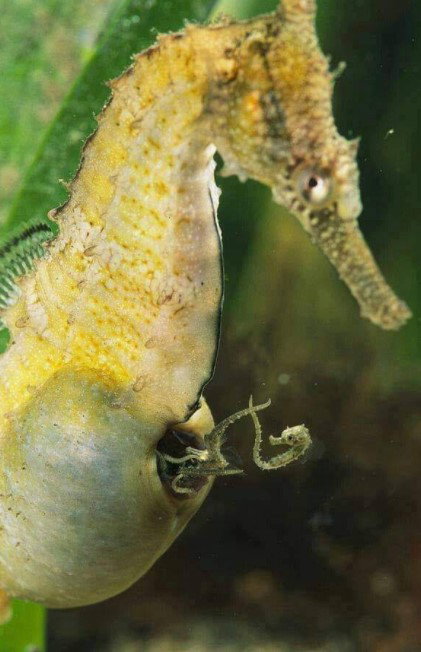
In this species of fish, the male is the one who carries and "gives birth" to the young - namely, females lay eggs in its "bag" on the front of the body (similar to the "bag" that a kangaroo has) during mating, and then, after a period of their development, from the "daddy's" bag give birth to live cubs. Females do not have any part in the whole process after laying eggs, so the male seahorse is actually the "mother" of its young.
But everything is preceded by dance. During the multi-day mating ritual, a pair of seahorses swim for hours in close contact, sometimes with snug muzzles and intertwined tails. Seahorses eat all the time. They feed on plankton or other very small marine animals such as fish. Seahorses can move one eye independently of the other so that they can follow the movements of smaller marine animals in their environment without revealing their presence. When they determine that their prey is available to them, they quickly grab it or simply suck it from a distance of 3 centimeters.
The seahorse distracts its enemies with its long leather threads and the protective color with which it imitates the sea plants among which it lives.
The seahorse is usually found on the seabed overgrown with seagrass, in warm shallow waters. However, some species prefer muddy and sandy areas, while others are found on corals, sponges and mangrove roots. In any case, we come across seahorses near sea currents, where they are provided with a sufficient amount of their main food - plankton. To keep them from being swept away by currents, they wrap their long tails around the nearest plant. The tails are especially suitable for catching.
**Please watch this video. This is beautiful.**
**Dad became a mom**
https://www.youtube.com/watch?v=qki0JF053wQ
You tube
The Turkish fairytale city ended up as a ghost town
Some cities are simply dying. People leave, the streets become quieter, and isolation creates a creepy form of a lonely ghost town. This beautiful city has not been abandoned, there is simply no one to live in it yet
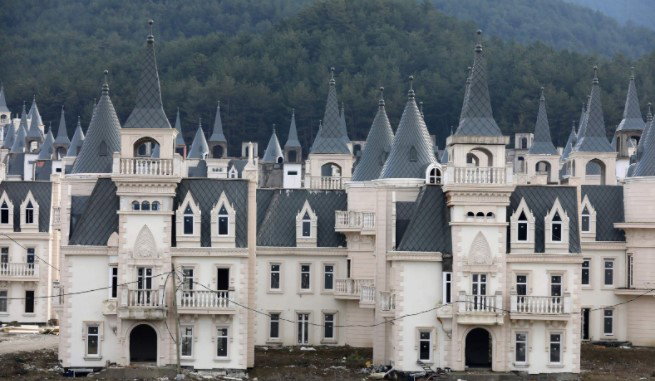
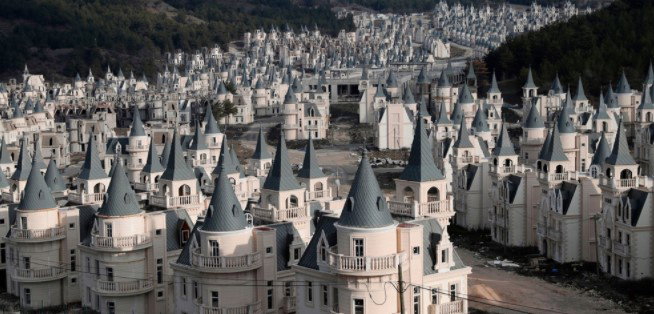
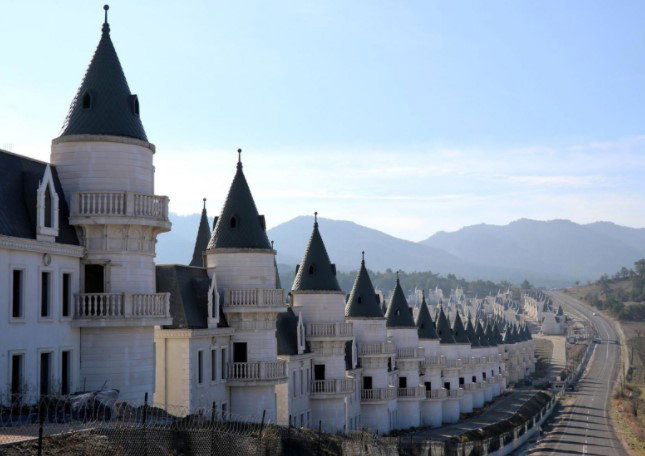
As in a dark fairy tale, hundreds of abandoned identical villas line the hills of the "Burj Al Babas" complex in central Turkey, the construction of which was suspended after the investor declared bankruptcy.
The construction of a luxury settlement halfway between Istanbul and Ankara began in 2014, and an amazing video recorded by a drone shows that 732 mini castles were left unfinished in various phases.
The downturn in the Turkish economy has led Sarot Group to suspend further construction and declare bankruptcy due to a 27 $ m debt. The design of the villas is inspired by the appearance of French castles, with a square tower and a circular tower. All houses are identical, built on three levels on 30 square meters of land. The exterior is expected to remain uniform, while the interior can be adapted to the owner's style.
In addition to villas, the project envisages the construction of common rooms that would contain swimming pools, Turkish baths, aqua park, fitness center, whose services would be free for the residents of the luxury resort.
Depending on the location, the price of houses ranged from 370,000 to 530,000 dollars. Despite the suspension, Sarot Group Deputy CEO Mezher Yerdelen hopes construction will continue nonetheless.
The luxury resort has become a ghost town, and how it looks, see in the video.
https://youtu.be/ZtnjQRjKnEs
**Even today, at first glance, it looks like a place from a fairy tale, but its fate is now completely uncertain. Will this "ghost town" ever be inhabited by humans?**
Longing for a son-today is his birthday
Today I am writing my story. Reading the stories of some members, I liked their stories and I enjoyed reading them so I decided to write something too.
I live in Serbia and I don't remember when Tito died that I lived well. I will not write about my life, bu
Longing for a son-today is his birthday
t I will write about longing for my son.
My son went to work in Russia because there was no work for our country in my small town. Our president, just promises, but for smaller cities there is no work and our children are leaving. So my son went to earn some money abroad. Today is his birthday. Because of the covid, I haven't seen my child in 12 months.
As a mother, I want to write how difficult it is when you can't secure a job for your child, when you can't hug him, when you can't be with him when it's his birthday, when he's sick.
As a mother for my child, I can tear down a steel wall, but I can't tear down the border that separates us
All this will pass one day. My fear that my son will get sick in a foreign country from covid is huge. These days, I read that children no longer go to school, and their mothers complain that it is difficult for them to teach their children at home.
I just want to tell them, You are happy while your children are in your lap and while you can help and love them. Starting your decision is the most important thing for you, so that you can do everything for them, when they leave, your heart will long and you will regret that you did not learn more for your children.
I just want this disease to pass and to hug my son
.
1. December - World AIDS Day
Every year around the world on December 1, people unite with one goal: to raise awareness of the dangers posed by HIV and AIDS. World AIDS Day was first marked in 1988 and it was also the first ever established Global Health Day. It is a day dedicated to informing people about HIV viruses and the disease itself. It is also dedicated to expressing support to all people who have earned, but also to preserve the memory of those who lost the battle with the disease.
People infected with the HIV virus do not have AIDS and it can take quite a long time, usually two to ten years. Unfortunately, there is still no drug that can cure AIDS, nor a vaccine that would prevent it. But there are antiretroviral drugs that can prolong the duration of HIV infection and delay entry into the last stage of infection, the AIDS stage. Individuals who are HIV positive and use certain therapies can continue with their lives normally, and the duration of the infection can sometimes be extended to fifty years.
HIV virus is a human immunodeficiency virus, which is usually transmitted sexually, through infected blood or from an infected mother to a child. It is important to know that the virus cannot be transmitted through normal social contacts, such as touch, nor can it be transmitted by droplets. AIDS, or AIDS, is an acquired immunodeficiency syndrome and represents the last stage of infection of the organism with the HIV virus. People with AIDS have a weakened and weak immune system, which makes them susceptible to various infections and tumors.
Two types of viruses, HIV-1 and HIV-2, have been identified. HIV-1 is more dangerous and has a higher rate of infection and is more easily transmitted from person to person, and for a large number it is the main cause of AIDS in the world. HIV-2 is localized in parts of West Africa. However, both types of viruses originate from central Africa, just below the Sahara. HIV is of biological origin from SIV (Monkey Immunotropic Virus, Simian Immunotropic Virus), which causes immunodeficiency in African green monkeys. It is believed that the evolutionary leap from species to species took hundreds of years. HIV attacks primarily CD4 positive cells, which are CD4 lymphocytes, macrophages and antigen presenting cells, the latter two are in fact a reservoir of the virus. The HIB uses the CD4 receptor of these cells as a gateway — it binds to it allowing it to penetrate the cell. However, it needs another coreceptor, the CCR5 or CXCR4 molecule, which is also found on the membrane of these cells. People who lack these receptors or are altered by mutation are thought to be immune to AIDS. By reducing the number of these immune cells, especially CD4 lymphocytes, the defense system weakens, which allows the invasion of other microorganisms - viruses, bacteria, fungi and parasites, but also tumors, which are actually responsible for the symptoms of this disease.
HIV-positive people are often denied basic human rights, the right to primary and secondary education, are denied medical care, are denied access to organ transplants, are mentally and physically abused, and are often unable to find or receive employment. dismissal when their condition becomes known, HIV-positive prisoners are isolated and quarantined, their families and surroundings reject them, etc.
The most responsible thing you can do for yourself and others is testing, and on the occasion of the World AIDS Day, testing is organized in all major cities. Also, free testing for this virus is possible throughout the year in state institutions.
Get informed about this disease, get tested and expand awareness about it in your envim.ronment, support HIV-positive people and do not discriminate against the
I bought Bitcoin
I bought Bitcoin, now I'm going to show you how to do it too.
Bitcoin has been around since 2014 as the first digital cryptocurrency and strives to represent money or currency without a central bank and authority. He did quite well then and to this day. And that says that the price of some 70$ reached 20,000$, so the mass popularity and adaptation of both individuals and companies that have accepted it as a means of payment, but also as a currency for trade, investing and a secure form of capital.
More about the price can be seen at
https://www.coingecko.com
And read about goals and technology on the net.
In the long run, the price is constantly rising along the way, comparing and falling in cycles that can be predicted. And just one such cycle is happening right now, until the end of 2020 it is growing every day
It started to grow a bit earlier due to covid, isolation, closure, where the price of $ 6,000 in April jumped to $ 20,000 this month.
**Is it too late to buy Bitcoin? Of course not**.
The world's leading investment funds and companies bought a larger amount of bitcoin, a few months ago, and it is they and their analysts who predict a price of $ 100,000 - $ 50,000 by the end of 2021.
If we take into account that the number of bitcoins is limited to 21 million. and the remaining 2.5 million that are not in circulation are the fact that PayPal has opened the option to buy bitcoin. We see that we need to buy bitcoin as soon as possible
So let's buy it. Before we buy bitcoin you need a walet. I opened Exodus.
https://play.google.com/store/apps/details?id=exodusmovement.exodus
I will add the purchased bitcoin to this wallet, and I chose Coinmama for the purchase
We choose bitcoin and buy . We buy through our credit cards transactions are fast
**I bought it, what are you waiting for**
Carnivorous plants
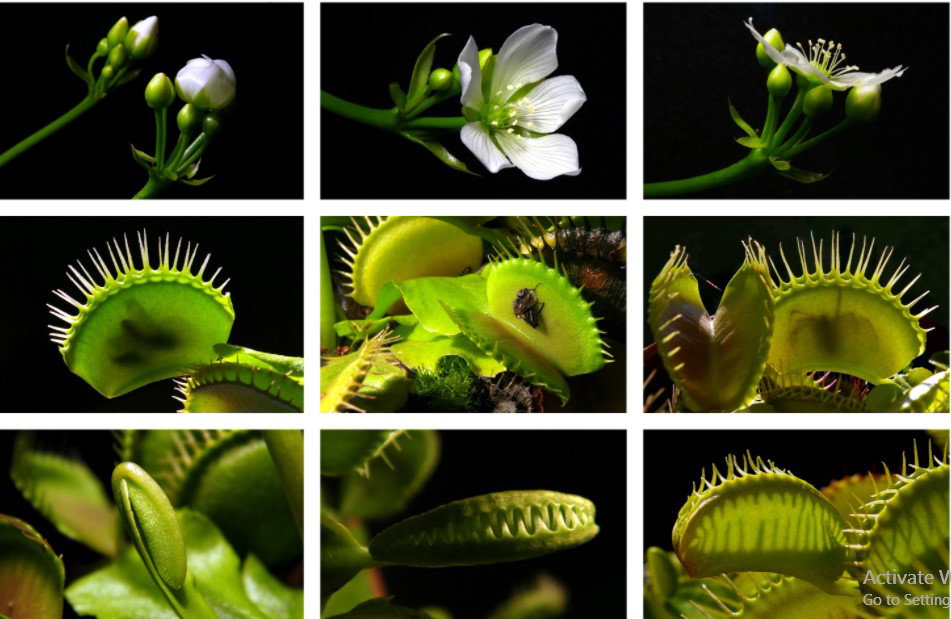
When people think of plants, they often think of the beautiful trees, flowers and shrubs they see every day. Most do not realize that there are many plants that grow all over the world and have the ability to kill all living things that approach them. Today I will write to you about the carnivorous plants
Carnivorous plants (large carnivores or insectivorous plants) are battles that use traps to catch various animals, mostly insects, that they need for food. We mostly live on acidic soils, with a concentration of low minerals, so they adapt to such unfavorable living conditions with the help of traps. They are spread everywhere in the world, especially in Asia, Africa and America, but they are also available here, in Serbia. Carnivorous plants were first mentioned in 1875 in Charles Darwin's book Insective Plants.
Carnivorous plants are formed by the adaptation of plants to soils poorly enriched with minerals, especially nitrogen and phosphorus. To get to these minerals, they adapted morphologically and began to feed on protozoa and animals, and especially arthropods, mostly insects, trapping them. In that way, they became predators, which is quite a rare case with plants. They continue to feed on photosynthesis, because they contain chlorophyll, as well as the process of obtaining water and other minerals through the roots. That way they get energy. Those next to the leaves have modified absorbent hairs
With the help of these hairs, they absorb the products that were created from the bodies of insects that were broken down by enzymes from their glands. In addition, they have special mechanisms for catching prey. According to these mechanisms, a general division is made into two large groups: carnivorous plants with active type of animal capture and carnivorous plants with a passive type of animal capture.
Carnivorous plants with active capture have a trap that moves to catch prey. Their leaves are so transformed that by active movement they catch and disable the prey, which is then broken down with the help of digestive enzymes. Carnivorous plants with passive capture have a passive trap that does not move, but lures insects into the plant where it is then caught. They usually have a part of the leaf transformed into a jug or funnel-like structure containing digestive juices.
The animal simply falls into such a structure, drowns and is digested. However, before catching prey, the carnivore must lure it, and it does so with the help of bright colors, a specific smell or nectar. These traits are contained in both groups, both carnivorous plants with active capture and with passive capture.
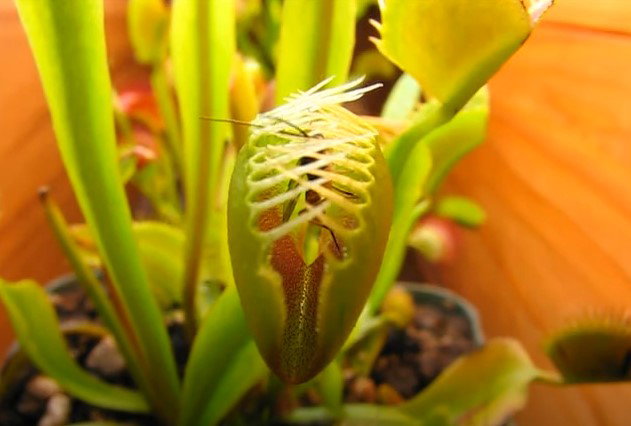
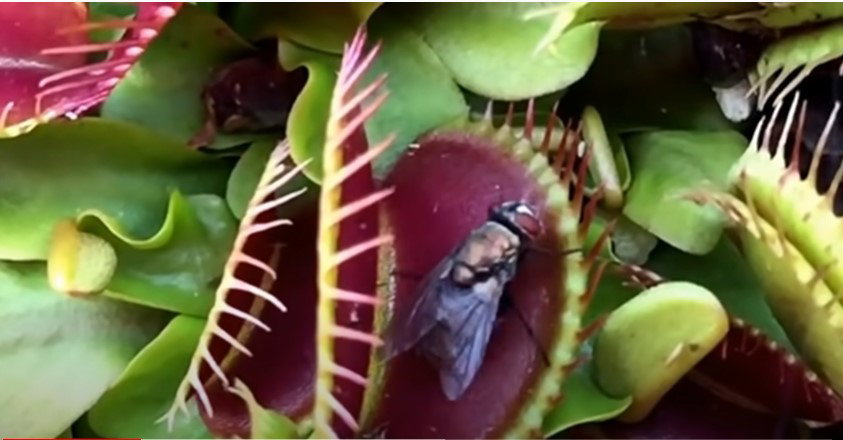
In order for a plant to be called a carnivore, it is necessary for it to be able to lure prey, catch it and eventually digest it. Thus, for example, the most famous carnivorous plant, the Venus flytrap, attracts insects with its bright color and juicy nectar. Insects will irritate two or three sensitive hairs by walking on it, which are located in the middle of both covers, near the main rib. Only then will the trap close quickly and catch him. It stays that way for three or four days. This is the time during which the prey is digested with the help of digestive enzymes. If he somehow manages to escape, it will reopen after a few hours.
https://www.youtube.com/watch?v=yWd_PxtoSTo
you tube
They live in places such as swamps, peat bogs, acid ponds, volcanic ash, sea and river banks, sandstones, stagnant waters, rocks and limestone cliffs with strong acidity, ie soils that lack nutrients, especially nitrates and phosphates. They inhabit mainly in the tropical and rain forests of South America, Asia and Africa, although there are some in our region. We have Aldrovanda in Zasavica and rosulja, near Vlasina Lake.
Yeah, it hurts
Amazon Graviola - miracle plant
Health is without a doubt our greatest asset. And if in reality we know the theory there is really no excuse for an improper lifestyle, stressful everyday life and its fast pace, are the reasons why we often forget the most important facts, just do not take care of ourselves.
Today I will tell you about the small tropical tree Graviola and its medicinal composition
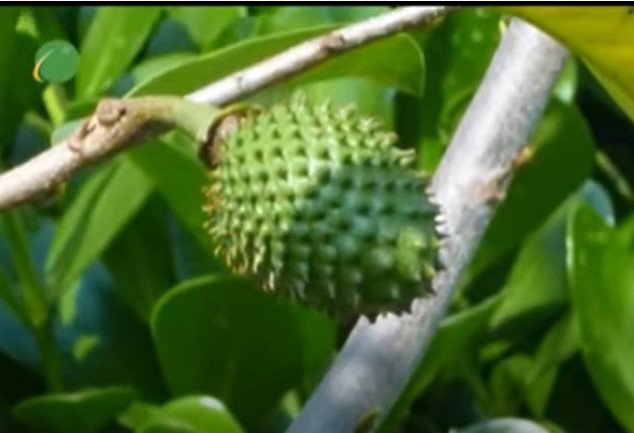
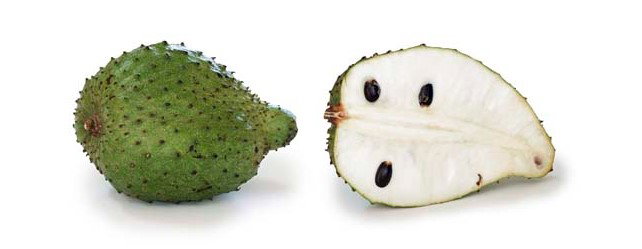
Graviola (Anonna Muricata) is a deciduous tree found in the same genus Annona as the tropical apple. It has a white flower, it can grow up to several meters in height with large dark green leaves with an extremely pleasant smell, especially in the morning. The fruit is yellow-green in color and the inner fleshy part is white, it tastes similar to strawberry and pineapple, and it has a slightly sour taste. It is adapted to areas with high humidity and warm winters, while the temperature is not lower than +3 ° C, it can be dangerous for this sensitive plant, because then the fruits lose their quality and become dry. It is interesting that the fruit of this plant simply cannot be artificially propagated.
Today it grows in Mexico, the Caribbean, Colombia, Peru and Venezuela. The bark, root, leaves and seeds of graviola have been used for centuries in the medicine of the South American Indians to treat heart disease, asthma and liver problems. Thus, for example, in Peru, graviola leaves were taken as a sedative, as a diuretic and analgesic, and in Brazil as a medicine for the liver, in arthritis, asthma, and diseases of the blood system. In India, it is recommended for better sleep, against bile diseases, for colds. In Africa, graviola is used as an analgesic, and it is also used in the treatment of childhood fever.
Graviola contains an extremely large amount of vitamin C, and B1, B2, P vitamins. The compound Annonacin is found in soursop seeds and it is a neurotoxin, which is associated with neurodegenerative diseases. Graviola leaves contain annonamine, which is an Aporphine-class alkaloid, which contains a quaternary ammonium group. Graviola contains a number of biologically active ingredients, such as acetogins, alkaloids, triterpenoids, flavonoids, essential and fatty oils. The active ingredients are thought to be acetogenic. Other ingredients identified in graviola are alkaloids, aliphatic ketones, alkanes, alkanols, fatty acids, flavonoids, tannins, sterols, mono- and sesqui-terpenols.
**Stronger than chemotherapy**
Graviola is best known for its effect on cancer cells. In the treatment of cancer, graviola works by destroying cancer cells, but there are no harmful side effects. It also protects the immune system, and helps avoid deadly infections. Unlike conventional drugs, graviola does not harm healthy cells, and it effectively kills cancer cells. According to laboratory tests of an American drug manufacturer, graviola plant extract kills malignant cells of 12 types of cancer. These include cancers of the colon, breast, prostate, lung and pancreas. Graviola tree compounds are up to 10,000 times stronger than adriamycin, which is commonly used in chemotherapy. An increasing number of scientists and doctors are advocating graviola as a prevention and alternative option for curing cancer. Graviola therapy does not cause extreme nausea, weight loss and hair loss, so it is suitable to help treat various types of cancer.
Graviola is specific for its selective action on tumor cells of the lungs, colon, pancreas, prostate by killing them, and leaving healthy cells intact. This property is due to acetogenins that act as inhibitors of enzymatic processes that take place on the cell membrane of the tumor cell.
In addition to acting on cancer, graviola has other healing properties, so it works against bacteria, fungi and parasites, regulates blood pressure and helps with stress, depression and nervous disorders. It has antibacterial, antifungal and antiparasitic effects, strengthens the immune system and protects against deadly infections. It strengthens the body and strengthens life energy, helps with stress, depression and other nervous disorders. It has a calming effect. It lowers high blood pressure, and helps treat heart disease, asthma, arthritis, diabetes, and liver problems.
If possible, it is best to eat fresh fruit. Graviola leaf can be purchased in the form of powders, tablets and capsules. Use in capsules means one to two capsules a day, preferably with dinner, 2-3 hours before bedtime. Graviola powder is best mixed in 2 dl of warm water, tea, natural juice or yogurt. Depending on the quality of the graviola leaves, the recommended daily dose can be 3 to 5 grams of powdered crushed leaves. During therapy with graviola, it is necessary to take in enough fluids, at least 1.5 liters a day to flush out harmful substances from the body. For long-term use, a break of 7 to 15 days after every 3 months of use is advised.
**Say stop cancer, do something for your health. Nature made it possible for you**
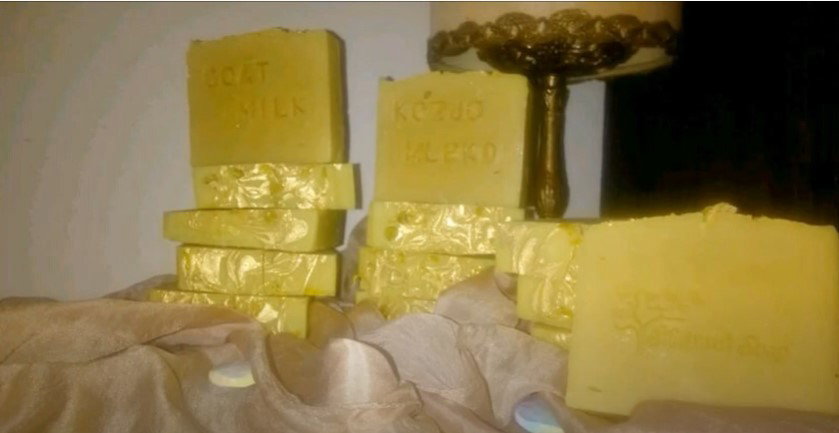
Goat milk soap
Many people still wash their skin with water-based soaps. Switching to soaps made from raw goat's milk can offer you many benefits when it comes to the health of your skin. Goat's milk soap is great for people with dry or sensitive skin or with conditions such as eczema or psoriasis. It is also perfect for healthy skin if you want to stay that way.
Goat's milk contains alpha hydroxy acids such as lactic acid, which helps remove dead skin cells from the skin's surface. This leaves new cells on the surface of the skin that will be smooth and look younger.
Today we make soap from goat's milk. So let's get started
For this second recipe, you need the following ingredients: castor oil 30 g; coconut oil 120 g; palm oil 120 g; olive oil 330 g; sodium hydroxide 81 g; goat's milk 147 g; water 80 g; essential oil optionally 18 g.
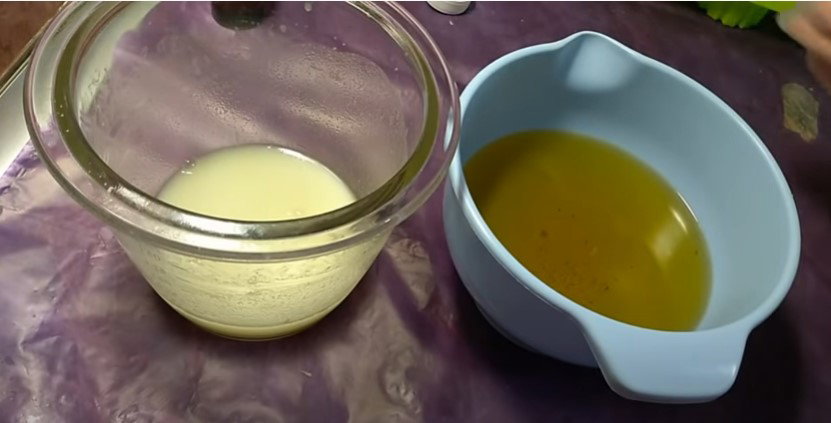
Freeze the goat's milk in ice cube trays the day before. First, sodium hydroxide is dissolved with water. Make sure you do this dissolution in a larger container in which you have poured ice water. Stir gently. Since the temperature of the solution is high, you leave the mixture to cool, and during that time you dissolve palm and coconut oil and mix it with olive oil.
Add cubes of frozen goat's milk to the cooled solution of sodium hydroxide and water. Stir gently until the milk is completely melted. Since the milk is icy, it will cool the soda and water solution at the same time. When the milk melts completely, it will still have a white color.
You are now mixing this solution with the oils. It is best to mix first with a hand blender or stick mixer, slowly from the bottom to the top. The mixture should be stirred continuously, until it gets the density of hot pudding. In the next stage, you can add castor oil and a little essential fragrant oil.
Now pour the mixture into your mold. If the mold is made of wood, then it is best to line it with baking paper. Cover the surface of the future soap with a transparent foil. This prevents a reaction with the air
**Why is goat soap beneficial and healing?**
Many people still wash their skin with water-based soaps. Switching to soaps made from raw goat's milk can offer you many benefits when it comes to the health of your skin.
Goat's milk soap is great for people with dry or sensitive skin or with conditions such as eczema or psoriasis.
It is also perfect for healthy skin, if you want it to stay that way. Raw goat's milk has the following benefits.
Goat's milk contains alpha hydroxy acids such as lactic acid, which helps remove dead skin cells from the skin's surface. This leaves new cells on the surface of the skin that will be smooth and look younger.
Goat's milk contains many vitamins, but it is especially rich in vitamin A, which is necessary for repairing damaged skin tissue and maintaining healthy skin. There have been several medical studies that show that soaps with vitamin A reduce lines and wrinkles, control acne and provide relief when it comes to psoriasis.
Also, goat's milk and soap made from it, contains vitamins such as B1, B6, B12 and E, and all these vitamins are absorbed when applied to the skin. With homemade soap, they will not mind sharp and strong detergents, alcohols, dyes and other chemical ingredients found in industrial soaps.
After this text, I think many women will make this kind of soap
The guardian of your meanders
Nature is full of medicinal plants, we just have to find them
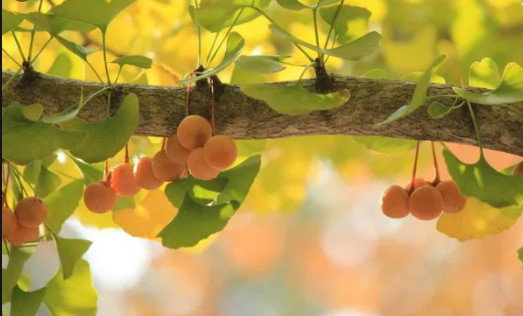
In addition to training our brain twists, there are plants that can help us, one of them is Ginkgo Biloba.
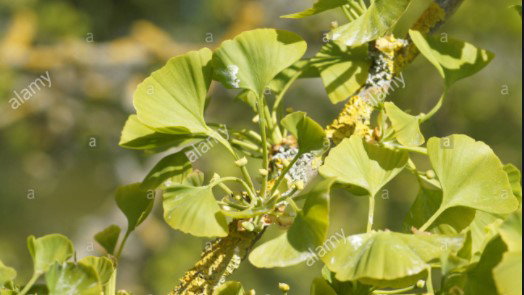
Ginkgo belongs to the group of deciduous trees. Sometimes it can reach a height of up to 50 meters and age up to an incredible 1500 years and even more. Based on fossil remains, the great ginkgo biloba is thought to be 300 million years old, making it one of the oldest living creatures on the planet. It was the most widespread in Europe until the last ice age about 12 thousand years ago, as evidenced by the numerous remains in coal basins across this continent. Indigenous European ginkgo no longer exists, and those that grow head-on today are generated from its homeland of China, where it grows wild in just two more places.
Ginkgo or mandarin tree, grandfather's tree and interior, silver bag, white fruit (Gingko biloba) is a deciduous tree and the only representative of the work of the same name This tree used to be widespread, in the Jurassic about one hundred and seventy million years ago. At that time, species of this genus inhabited almost the entire mainland. Most species disappeared just before the Tertiary. Today, it is found as a wild species only in the mountains of southeast China (endemic). It is very successfully grown in parks and botanical gardens. It has been grown for centuries in the courtyards of Chinese and Japanese temples as a sacred tree. Ginkgo is a relict species, a living fossil, which has survived since the Mesozoic (according to fossil remains).
**Medicinal ingredients**
The leaves and seeds of this plant are used. They contain a large percentage of flavonoids, glycosides, ginkgolides (five species found only in this plant), bilobalides, essential oils, tannic acid, etc. The first ginkgo leaf extract was produced only in 1965. (for that, Dr. Corey received the Nobel Prize), although its healing properties are known and have been traditionally used since ancient times in the medicine of the Far East. In addition, ginkgo has become a favorite park species because it has been found to purify the air in cities and tolerate polluted air well.
**Operation**
Ginkgo improves cerebral microcirculation, and thus improves the brain's oxygen supply. It has an antioxidant effect, reducing fat oxidation and nerve cell damage due to oxidative stress. The antiplatelet effect is manifested by a reduction in the possibility of blood clots, but in combination with other antioxidants it can lead to bleeding. According to some authors, ginkgo extract also has a neuroprotective effect. Ginkgolides stimulate the defense mechanisms, thus improving asthmatic and allergic conditions, bacterial infections, as well as conditions after a stroke and heart attack.
**Application**
Ginkgo is also used to improve memory and to compare circulation. The results of scientific research on the use of ginkgo in dimensions and Alzheimer's disease are contradictory, because according to some arrivals to enrichment, and according to other names in memory. Ginkgo prevents the continuation of blood clots and the development of heart attacks and strokes. The use of ginkgo in young people (students) has an effect 2 to 6 hours after ingestion, and the result is dose-dependent, ie. higher doses of ginkgo extract showed a significant improvement in cognitive abilities and attention. Ginkgo is also used for visual impairment: glaucoma, macular degeneration, peripheral circulatory disorders (cold limbs, intermittent claudication, Raynaud's syndrome). It is sometimes recommended for tingling in the hands, dizziness, fainting, tinnitus ...German Commission E cites it as indications for the use of ginkgo leaf extract: cognitive disorders (forgetfulness, learning) and peripheral circulation disorders. The World Health Organization has recognized ginkgo as a remedy against dementia and Alzheimer's disease. It is recommended to use 40mg of ginkgo leaf extract three times a day, but 120mg is also used once a day. In some cases, higher doses are used in intensive learning (240 mg-360 mg).
Amazing Shell Beach in Australia
There is almost no person who does not like to enjoy the beaches, sunbathing and swimming ...
Staying at sea works wonders for our physical and mental health. All of us who love the sea feel these blessings and that is why we keep coming back to it. But why do I personally love the sea? Because for me, being at sea is a real relaxation and enjoyment.
For me, the sea is an escape from everyday life, monotony, routine, but more than that because the sea has some magical power to cheer us up, make us happy, bring into our lives a little romance, hope, anticipation of something beautiful, new, exciting and unique.
Today I will show you a beautiful beach, a beach of shells
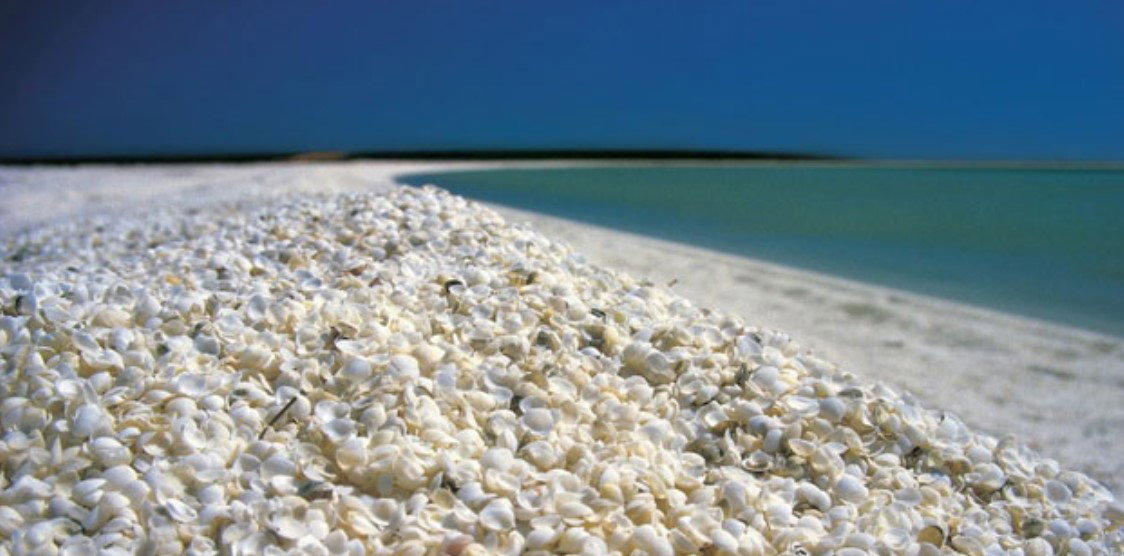
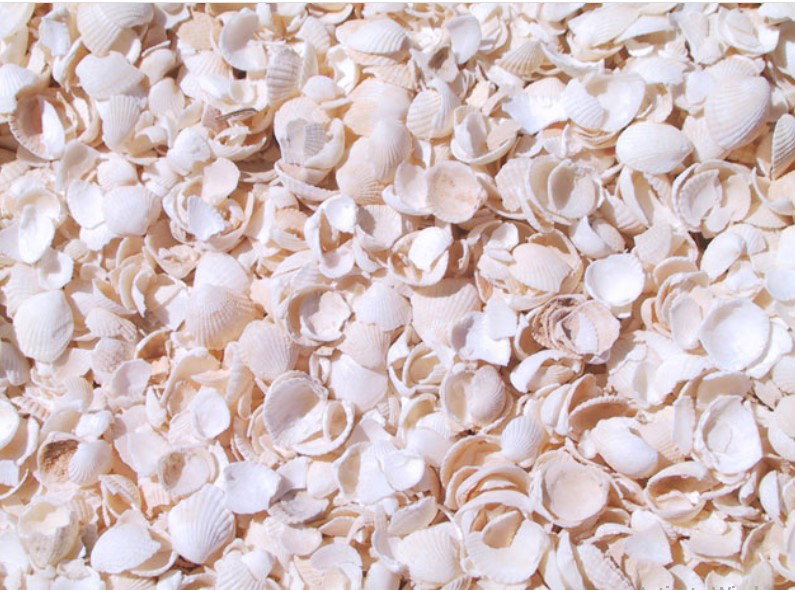
Shellfish beaches are beaches that are covered with various types of shells. Most beaches consist primarily of rock particles such as sand and gravel, but in rare cases the beach can be formed entirely of sea shells, broken and whole. The most famous examples of such beaches are: Shell Beach in Western Australia, and Sanibel Island Beach in Florida, USA.
You walked on sandy, pebble beaches, rocky, but these are completely different. Collecting shells while walking along the seashore on several beaches in the world has a completely different meaning and charm. It is common for the water to reach a few shells on the shore, but some beaches are made entirely of these shells of sea mollusks.
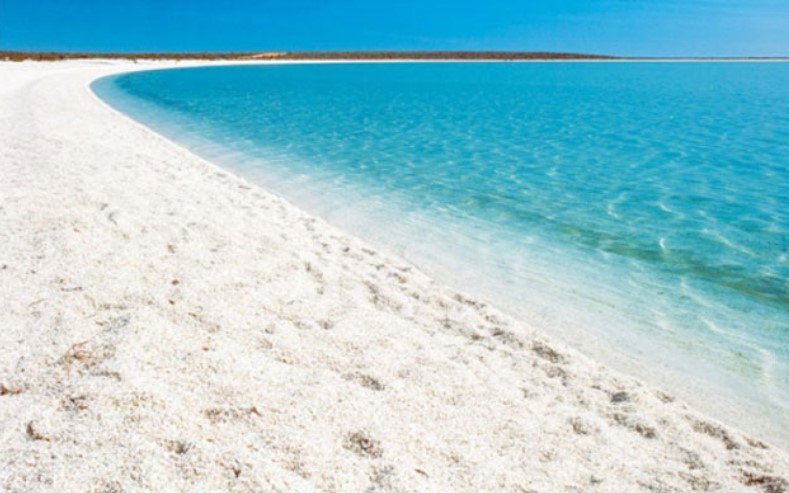
The beach of shells, which is located in Western Australia, stretches for over 120 kilometers, and its snow-white color is due to the millions of small shells that made the embankment 10 meters deep.
In the height of the season, between 20 and 30 thousand tourists visit for a week, eager to take a walk with colorful shells.
The layer of shells on this beach is as deep as 10 meters, and millions of shells were once used as material for the construction of the surrounding facilities - before the beach became part of the UNESCO World Heritage, carefully protected from any damage.
The entire bay is a popular tourist destination, and the crystal clear sea and unusual milky white beach of shells are often the hosts for various ceremonial ceremonies, the most common of which are weddings.
Would you like to spend a vacation on this beautiful beach? I would love to
https://www.youtube.com/watch?v=HERzRGauCKA
You Tube
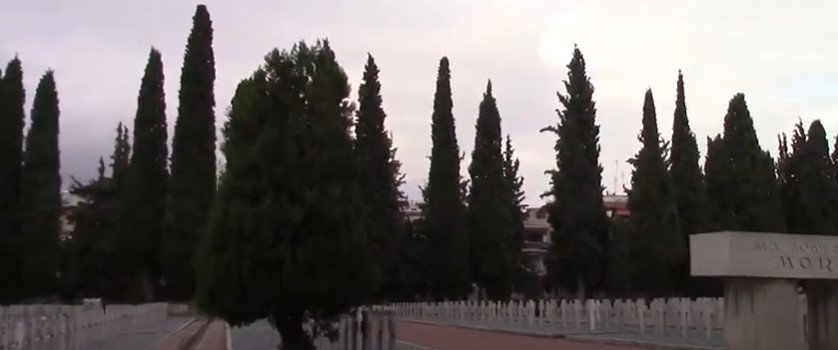
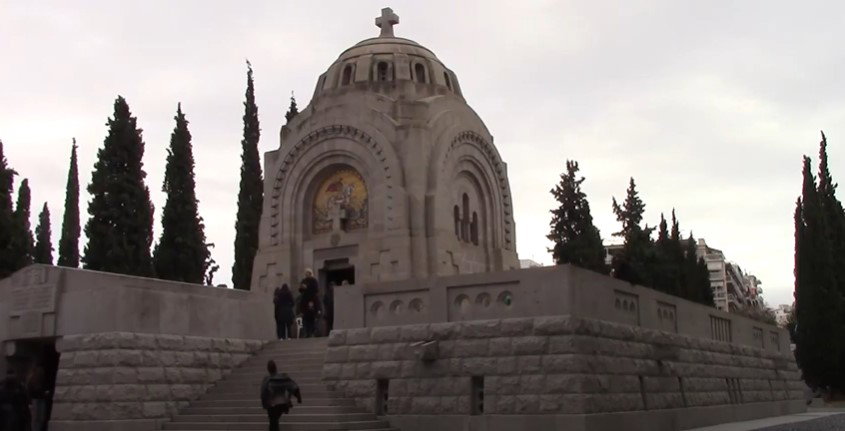
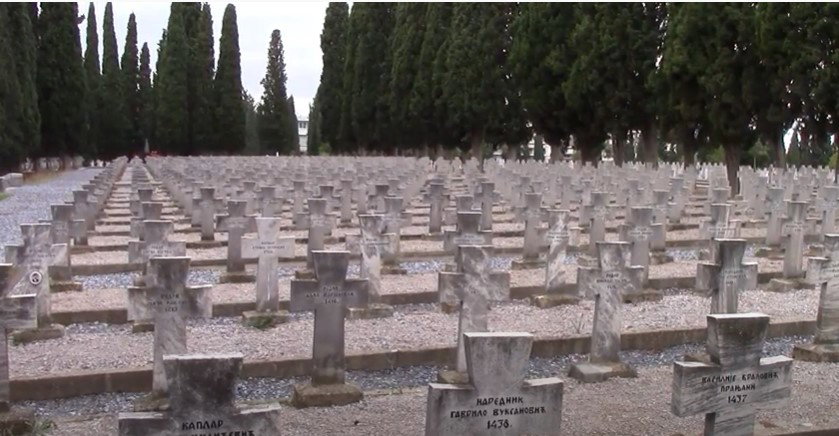
Zejtinlik - Serbian military cemetery
A few years ago, returning from vacation, I visited Thessaloniki and the Serbian military cemetery Zejtinlik, located in Thessaloniki (Solun)
The graves of Serbian, French, Italian, English and Russian soldiers who died in the battles and breakthrough of the Thessaloniki front are located within the cemetery.
Zejtinlik was named after the Turkish word for oil (zejtin). In that area, near Thessaloniki, there was a market for the sale of oil (ie oil) during the Ottoman Empire. Although the sale of olive oil in that area stopped, the name remained among the local population until the First World War.After the end of the war, it was decided that all the fallen warriors on the Thessaloniki front would be buried in the common cemetery. A plateau on Zejtinlik (at that time a bare meadow near Thessaloniki) was set for the place, where the cemetery of the Main Military Polish Hospital of the Serbian Army was located.
Preparations for this endeavor began in 1926, when Savo Mihailović was appointed head of a group tasked with collecting the remains of fallen warriors scattered across the vast area where the fighting on the Thessaloniki front took place. They visited about 250 cemeteries, exhuming the dead warriors, which they then transferred with everything known about them to the area of the future cemetery.
The conceptual design of the appearance of the Serbian military cemetery was obtained in the same year at a competition, and it is the work of the architect Aleksandar Vasić, whose idea was developed by Nikolaj Krasnov. All the material for the construction of the cemetery came from Serbia, where it was previously processed. Therefore, preparations for the beginning of construction lasted until 1933, because large quantities of hewn stone had to be prepared for the construction of the mausoleum, chapel and ossuary, and about 2,000 marble crosses.Cypress seedlings brought from Hilandar were planted around the Serbian cemetery in order to give eternal guard to the fallen freedom fighters. Cypresses today leave a very strong impression on visitors.
During the Second World War, the guard Đorđe Mihailović, the son of the above-mentioned Sava, managed to save the cemetery from Nazi looting by burying valuable books and relics. From the main entrance to the cemetery, a wide path leads to the ossuary above which is a chapel whose entrance is on the other side. The interior of the chapel is decorated with inscriptions of all units and main battlefields. Below the plateau on which the chapel is located is a crypt. From the entrance, the stairs lead down to the central room, from which the side corridors fork, in the walls of which there are marble slabs of the dead who are buried there. The grave peace of the crypt is only from time to time disturbed by the sounds of the song Tamo daleko, which, in the words of Vojin Đordević: "Nowhere more appropriate has this exile song of our sorrow and longing found its place, like here in the ossuary on Zejtinlik."
The Serbian cemetery is the central part of the complex on Zejtinlik. 5580 Serbian warriors who died on the Thessaloniki front are buried in the ossuary. There are 10 plots around the mausoleum in which another 1440 Serbian warriors are buried, and there are also two common graves where 78 unknown Serbian warriors from the Thessaloniki front and 217 unknown Serbian warriors transferred from Constantinople are buried. The Serbian cemetery also includes the so-called "Partisan Cemetery", where 126 partisans who died in Nazi camps in Thessaloniki during the Second World War are buried.
If you are visiting Greece, in any part, be sure to visit the Serbian Military Cemetery in Thessaloniki. The best time to visit is until noon, when Grandpa George is there. Since he is already 86 years old, he received a replacement, so he is not at the cemetery all day. If you do not see him at the time of the visit, look for him in the house where he lives, to the left of the path leading to the mausoleum, but avoid it during the rest period from 14:00 to 18:00 and after 20:00. You can bring some gift or side dish. And if you are lucky, Grandpa George will take you through the complex, explain to you what it is and recite the famous verses of Vojislav Ilić Jr. carved in the chapel of the cemetery:
**"Unknown stranger, when you happen to pass by
Next to this holy common grave
You know, they found eternal refuge here
The greatest heroes of today. "**
I would recommend it to everyone, if you ever visit Thessaloniki, stop by Zejtinlik
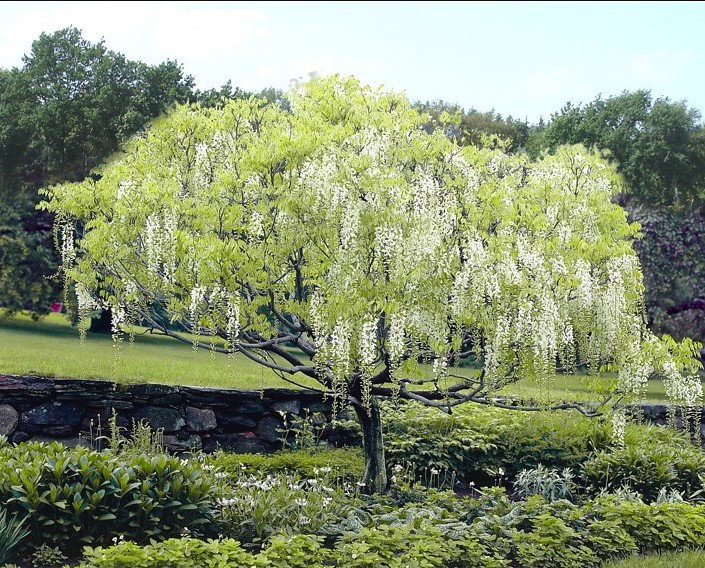
Wisteria - Blue Rain
Today I will write to you about Wisteria's ancient lineage
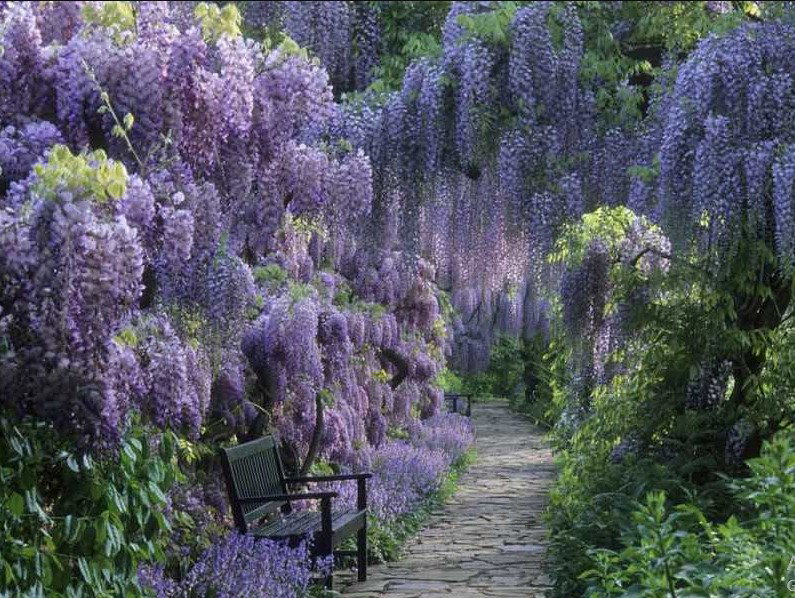
**Wisteria-blue rain** is a magnificent deciduous creeper. The Latin name for this plant is WISTERIA SINENSIS, and it is also called GLICINIA.
It can reach a height of 6 to 20 m, and there are even examples where it is higher than 20 m. Its decoration is a flower that occurs in large hanging clusters. Hence the name for this plant "blue rain". There is also white wisteria - wisteria floribunda "Alba",
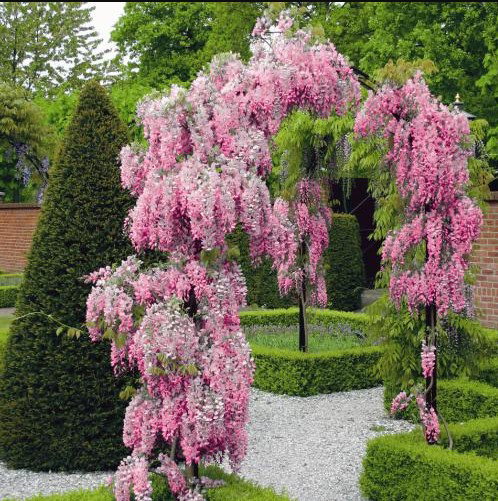
In pink - wisteria floribunda "Rosea"
and in all shades between these three colors. Its flowers have an intoxicating scent and appear from May to June. Extremely fragrant flowers attract bees and other insects that cannot resist the honey nectar of this plant. After flowering, in places where there was a flower, long and plush mauns full of seeds are formed. They stay on the branches during the winter, so they are an additional decoration for this climber.
Wisteria is a genus consisting of a dozen species of semi-woody climbers whose branches bend around the support pillars in a clockwise and counterclockwise direction. They can climb up to 20 meters high and up to 10 meters wide. The most famous wisteria is located in the Sierra Madre in California, and it occupies about 0.40 hectares and weighs about 250 tons. The leaves are alternate (15-35 cm), in the shape of feathers, and have 9-19. The flowers are arranged in clustered inflorescences (10-80 cm), mostly blue-purple, pink, lavender, mallow or pure white. It blooms in spring when the flowers appear first, and then the leaves. It blooms 2-3 more times during the year,
in mid-summer and late autumn. The flowers of some species have an extremely pleasant smell, and they come to the fore if the plant is planted on pergolas. Chinese and Japanese species bloom only after a few years (5-7), while American species bloom in the second year because they are less robust than Japanese and Chinese wisteria. At the end of flowering, pods (fruits) of 15 cm in size are formed, which contain rounded seeds , painted in brown and black.
Wisteria is considered an invasive species of climber, especially if it is allowed to grow and climb with an existing plant because it has the ability to stifle the host plant. It thrives best in strong sunlight and with support that must be very strong because over time, wisteria strengthens its branches that can break wooden poles, suffocate adult trees. If it grows next to the house, it can cause damage to gutters, tiles or access paths and the facade. This magnificent plant is resistant to low temperatures and is not bothered by high summer temperatures.
It survives our continental winters without any problems, it only needs to be protected for the first two years. Neither winter nor summer winds suit her. Wisteria is suitable for slightly acidic soil (pH value 6.2) and during the spring it is very important to fertilize once a year. It can be planted from seed, but it is better and more often done from seedlings. A plant obtained from seeds may not bloom for decades, so a shoot that sprouts from the roots is taken.
Wisteria can be propagated in a variety of ways. One of them is seed propagation. However, then expect the first flowering in at least three years, if the plant survives that period. An easier way is to propagate by laying hens.
The simplest way is to bury one vine (branch) in the ground, water that part and wait for a year to pass. After that, separate the new plant from your "mother" with scissors. Only next year, in the fall, transplant the new plant to the desired location. It can be propagated by cuttings and grafting, as well as most plants.
It belongs to the group of poisonous ornamental plants in our gardens. A real garden beauty, who also has that other bad side. Some say that the seeds and mauna themselves are poisonous, but there is evidence that other parts of the plant are also poisonous. Of course, poisoning can only occur if you eat any part of this plant. I don't believe that anyone would eat any part of wisteria, but you must have special CAUTION because of children who are curious and who can think of something like this.
In Japan, wisteria is one of the favorite plants. They call it Fuji. In their flower park in the city of Ashikaga, there is this tree that they call the most beautiful in the world. The tree is about 145 years old and has formed an umbrella of flowers. Also, in Japan, in the city of Kitakyushu, there is a tunnel formed of 150 wisteria trees, they call it the tunnel for lovers.
Isn't she beautiful, and I would fall in love under this tree.
The strongest animals in the world
You must have wondered at least once who is the strongest animal in the world. Reading the literature, I will tell you the ten strongest lives, Let's go
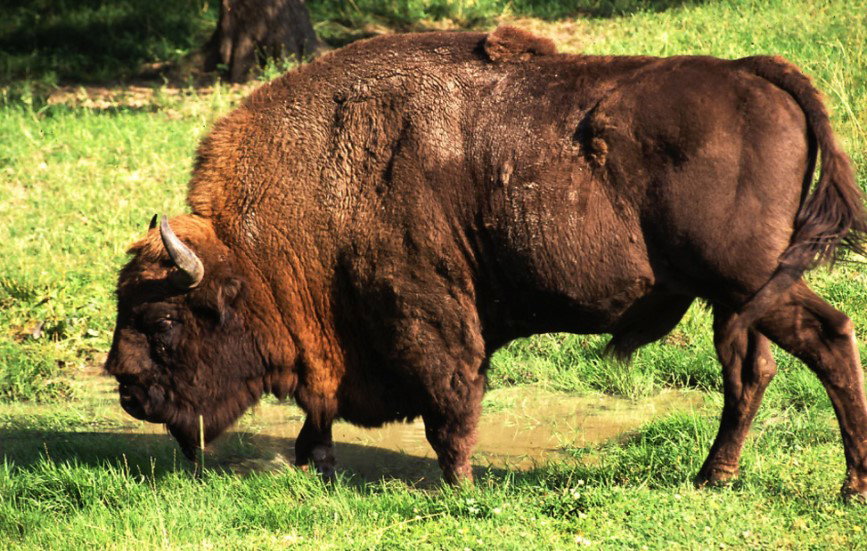
**Buffalo Bison**
The bison is a genus of ungulates from the hollow-horned cattle family. Bison are characterized by short legs, a broad forehead with strong and upwardly bent horns, and a very muscular front part of the body overgrown with long, uniform dark brown hair. They live in herds, and males grow up to 3.5 m in length and 2 m in height. They reach a weight of up to about 1000 kg
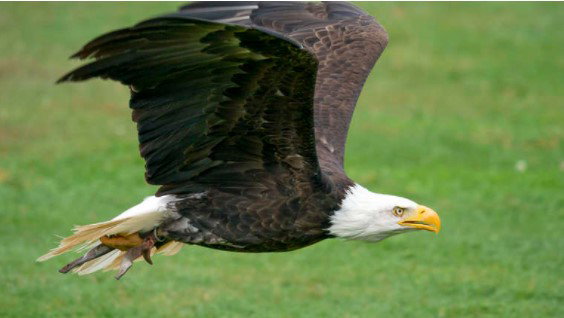
**Eagle**
The history of the magnificent bird of prey has its roots in ancient times, but in the cultural heritage of most peoples of the world, the eagle in our days represents glory and happiness, victory and power. Today, most known species of eagles are characterized by impressive size, and the body length of some adults can be 80-95 cm, At the same time, female eagles are noticeably larger than males. The body weight of an eagle often varies between 3-7 kg. The exceptions are the smallest species: the dwarf eagle and the steppe eagle
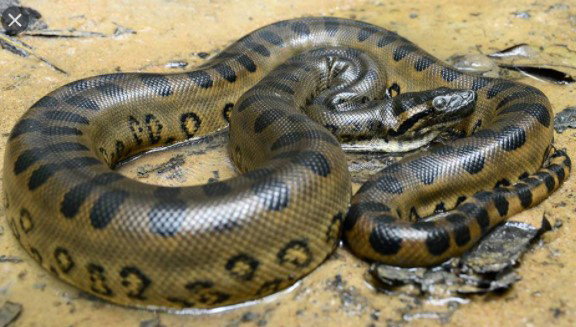
**Anaconda**
The anaconda is one of the largest snakes in the world. The average length is close to 5.5 meters, while (but unverified) lengths of 9.45 m and 11 meters have been recorded. It is close in length to the longest living snake in the world, the reticulated python, which is about 10 meters long, but that is why it holds the record as the heaviest and most bulky snake today; it can weigh 270 kilograms and be more than 30 centimeters in diameter. The largest snake ever measured was probably a female anaconda, caught but not killed, on the border between Colombia and Venezuela in 1944. This giant was as long as 11.43 meters, but its weight was not measured. Females are visibly larger than males, and anacondas are the snakes with the largest sexual dimorphism in the world.
Their skin color is olive green with black spots that extend the entire length of the body. The head is small, compared to the size of the body, and there are recognizable orange-yellow markings on it. The eyes are set high on the head, so that the snake can look over the water while the rest of the body is hidden.
**Grizzly bear**
Grizzly bears are usually solitary active animals, but in coastal areas grizzly bears gather along streams, lakes, rivers, ponds and during salmon spawning. Every other year, females give birth to one to four cubs (usually two) that are small and weigh about 500 grams (half a kilogram). The female is the protector of her offspring and is ready to attack if she feels that her cubs are endangered.
**Tiger**
Nine subspecies of this species are known (one of which is reliable, and two are probably extinct) which are very similar to each other, but differ considerably in size and weight. The smallest subspecies lives in Indonesia. It is 140 cm long and its tail is still about 60 cm. Males weigh 120 kg and females about 90 kg. The Siberian tiger is significantly larger. The length of the body can be as much as 3 meters. The tail is 90 cm long and can reach a weight of 400 k
**Gorilla**
Adult males are 175-185 cm tall and weigh 140 to 220 kg. Adult females are usually twice as small as males with silver backs, weigh an average of 100 kg and are up to 140 cm tall. It was noted in the wild that the male with the silver back was over 200 cm tall and weighed 295 kg. Some gorillas in zoos weighed up to 310 kg.
Pregnancy lasts eight and a half months. The female gives birth approximately every 3 to 4 years. The cub is born weighing about 2 kilograms. The young stay with the mother for 3-4 years. Females at the age of 10-12 reach full maturity (and earlier in captivity), while males at the age of 11-13. Life expectancy is between 30 and 50 years. A gorilla named Massa of the Philadelphia Zoo was 54 when he died - he was the oldest of all gorillas.
**African Elephant**
The African elephant is the largest land mammal in the world and the largest in the genus Loxodonta, to which the African forest elephant also belongs. Earlier, these two species were classified as one The elephant family is a higher mammal. All are, without exception, herbivores and feed primarily on grass and leaves, but in case of lack of that food, they also eat branches, shrubs, bark and similar food. They have a long trunk with which they defend themselves, feed and drink water.
**Ant Sekac**
cutting ants (Atta In the rainforests of Central America,cephalotes) cut pieces of leaves and bring it into large underground habitats, where they grow fungi in its parts, which are the primary food of the colony. But in tropical climates, prolonged rains, which sometimes turn into real torrents, are very common.
Researchers conducted testing on one of the huge anthills in Costa Rica. In the first experiment, they placed large boxes soaked in water, full of damp cotton, on the entrances to the entrance. Going to the habitat, the cutting ants felt a humidity similar to that after a long rain. In another experiment, researchers watered plants along the trail to simulate precipitation. Both situations caused the ants to finish their work faster and rush into the anthill. Scientists measured the rate of withdrawal. Sensing moisture, the ants finished their work and withdrew the anthill thirty percent faster than the time they used to return to the habitat at a time when there was no precipitation. Entemologists believe that this is how they try to keep themselves and their load dry for a good reason - the part of the wet leaf that the ant carries is twice as heavy as the dry one.
**When wet, the load becomes heavy** - twice as heavy as the ant itself. Unable to bear it, these insects instinctively return to the nest without the leaves they have collected. However, if, with the first hints of rain, they rush towards the habitat, they can easily bring in dry pieces of collected leaves and thus provide the necessary food for the colony and the queen.
**Rhinoceros bugs**
These bugs are among the largest in the world and can reach a length of up to 150mm, but they are completely harmless to humans because they can neither bite nor sting. Their common names refer to horns that only males have. They have one horn on the chest and more one standing forward in the center of the chest. The horns are used in fighting during mating as well as for digging. The body of an adult rhinoceros beetle is covered with a thick exoskeleton. A pair of thick wings lie on a group of membrane wings that is below, allowing the rhinoceros beetle to fly even though it is not very effective due to its large size and horns. since they are nocturnal animals they avoid most of their predators during the day.During the day they hide in their hiding places or among the vegetation of several predators that are large enough to eat them.
**Dung beetle**
The dung beetle, also known as the black round beetle of strong build, feeds on mammal dung and lays eggs in it. They are an important part of the ecosystem because they clean it of waste. Males and females are 1 to 3 centimeters long. Their front legs are adapted for digging. There are many types of dung beetles. They can smell dung from a considerable distance and then they are able to fly several kilometers in one flight. [They are often attracted to lights at night.
The ancient Egyptians showed respect for one species of dung beetle - the scarab (Scarabaeus sacer). In the ancient Egyptian religion, the dung rolling of a ball of excrement on the sand was a metaphor for the path of the sun across the sky.
What makes them especially different from other insects is the ability of dung beetles to lift a load that is heavier than themselves. An unusual experiment was performed at Queen Mary University in London. A thread with which the vessel was tied was glued to the back of the dung beetle. Water was gradually poured into it until the insect was able to pull it. This experiment determined that the dung beetle is able to tow a load 1,141 times its own weight.
Do you believe that these little insects are the strongest animals in the world? Of course they are.
The biggest dogs in the world
The dog is man's best friend, Most have their pets, let's see who the biggest dogs in the world are. Wooooow!!!!
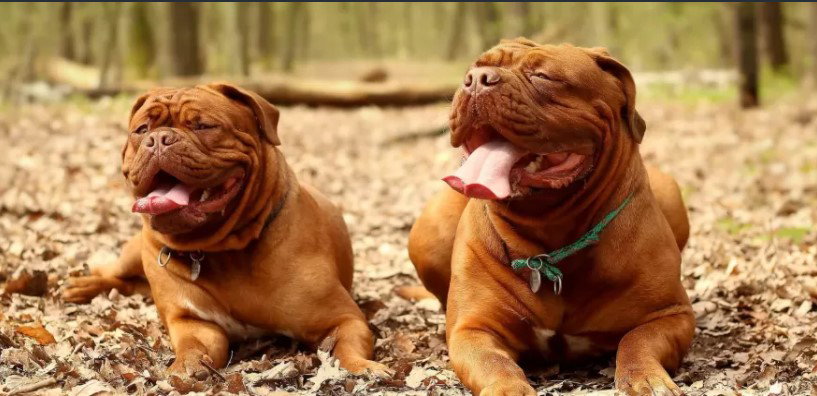
**Dogue de Bordeaux**
The Dogue de Bordeaux is a loyal and very brave breed from France. This breed has been used in many work roles - from towing a cart to guarding. Other names by which these dogs are known are the French Mastiff, the Bordeaux Mastiff and the Bordeauxdog. This dog is mostly known for its massive head, muscular body and fearless temperament. The American public first noticed this dog after the release of the 1989 film Turner and Hooch starring Tom Hanks. After that moment, these dogs gained immense popularity and have maintained it to this day. The French Mastiff is a family dog that is good and obedient in most cases, but can sometimes become stubborn. Before you go looking for Bordeaux Great Dane breeders, be sure to study this breed to make sure it is the right choice for you. These dogs are not suitable for people who spend most of the day outside the home. You need to devote your time and energy to training and socializing if you want your dog to be well behaved. If you do not work with the dog, he will certainly develop behavioral problems that can lead you into many awkward situations. With the right approach, you will get a loyal friend with whom you will enjoy every minute of the day.
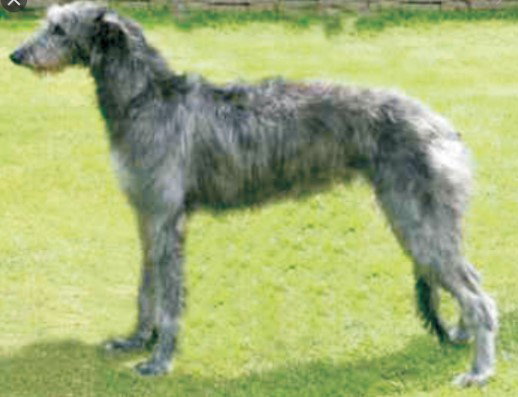
**Scottish Greyhound**
A large dog with strong bones and a strong body. Long and sharp hair, and softer on the head and abdomen. The colors are dark or light gray, sand, tiger or yellow, reddish brown with a black mask. A nimble, fast and energetic dog. He is loyal and extremely attached to his owner. It is intended for deer hunting, which mostly uses the sense of smell. He is calm and barks a little. He is obedient and easy to train, he gets along well with his owner. He should be accustomed to other animals, because of his pronounced hunting instinct.
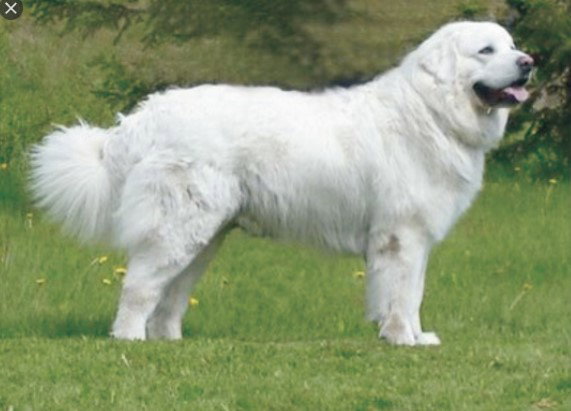
**Chuvash**
Kuvas is a big dog, with a pleasing appearance. It exudes strength and courage. The body parts are proportionate, harmonious. It is not very elongated or charged. Its extremely strong musculature shows readiness for fight. Almond eyes give off great warmth, intelligibility and fidelity. Chest deep but not too wide, correct construction. In the resting position the backs are flat. It is well developed. It has a good tooth that speaks of its past. The color of the fur is white or the color of ivory. The fur is wavy, you typically cook fur. The skin has dark pigmentation. The voice is deep. He learns quickly. He is especially suitable for training guard, shepherd and defense jobs. Faithful, kind but very distrustful of strangers. He reacts suddenly, sharply and because of that his attack is very dangerous. He does not like sharp movements and distractions from the side, especially when eating . Kuvas is a dog that likes to dominate the environment in which it resides. It is a dog that has a certain self-initiative, a dog that * requires * to decide for itself what is good and what is bad for its owner. Kuvas is seemingly uninterested but always on guard and always in sight master, ready to react at any moment. The female kuvasa is somewhat smaller and gentler. A sacrificed mother, who is able to raise, often, numerous litters. Calmer and more obedient than the male who is sometimes prone to excursions. Every space intended for kuvasa seems small. Kuvas is a dog that is looking for a safe man for a master, a man with calm thoughts, strong hands and a stable character.
**Russian Terrier**
This brawny guard dog of the Siberian steppes can tip the scales at 140 pounds and stand as high as 30 inches at the shoulder. They’re much taller when the huge, brick-shaped head is considered. The tousled, all-black coat is warm enough to allow Black Russian Terriers to patrol some of the coldest habitable places on earth. The old expression “He moves well for a big guy” applies to this nimble-footed giant. The character and temperament of the Black Russian Terrier is of utmost importance. The Black Russian Terrier is a calm, confident, courageous and self-assured dog, although they can also be stubborn and lazy. He is highly intelligent and adapts well to training. The Black Russian Terrier was initially bred to guard and protect. He is alert and responsive, instinctively protective, determined, fearless, deeply loyal to family, is aloof and therefore does not relish intrusion by strangers into his personal space. Shyness or excessive excitability is a serious fault. If you have a family with children, the Black Russian Terrier is a great fit for it. They are great companions for children since they have a strong guarding instinct towards children. Female Black Russian Terriers have more patience and will to play with children, but both sexes get along well with kids.
**Newfundland**
Large and extremely strong dog, wide chest and flat stomach, large head with a square snout. He has small dark brown eyes. The ears lie over the head. It has thick, straight, thick, greasy and waterproof hair, which can be black, bronze or white with black surfaces. It has a large, thick and hairy tail that is raised when running. The largest Newfoundland dog weighed 120 kg. Great temperament, extremely gentle, good-natured, patient, brave, obedient dog. Devoted to families especially children, loyal friend.
He has a deep bark, is easy to train, so he can be a good guard. In short, it is a gentle and gentle giant.
It tolerates cold well and can sleep outdoors. Due to its large and thick hair, it is more difficult to tolerate high temperatures. He likes open space and water where he can swim. But due to its mild nature, it adapts to different conditions.
**Sharplaninac**
A large, strong, harmoniously built and robust dog. Abundantly thick and coarse fur is made of two layers and the color usually varies in shades of gray, although other colors are allowed (for example: white, brown, honey color, etc.). The tail is muscular and bends at the top. The head is proportional to the size of the body and is approximately 25 cm long. The muzzle is wide, gently tapering towards the tip and is black. The nostrils are regular and wide. The eyes are almond-shaped, dark or light brown in color. The ears are triangular and rest on the head. An exceptional guardian who is part of his instinct. Brave and determined. He is loyal to his master and the family he lives with. Distrustful of strangers, but does not attack a person for no reason. It has been used for centuries as a protector of the herd.
**Bernardinac**
Bernardine can best and most easily be described in two words - a benevolent gin. He has a large head, a broad skull, a short snout, and large, brown eyes. These dogs are large, with a broad back, deep chest and strong thighs. The normal height of males is 70 to 90 cm, and females are slightly lower. The weight of males ranges from 64 to about 120 kg, and females are thinner. Despite his size, he is quite calm, which makes him a great friend of the family. Although it is good even indoors, it also needs a wide yard where it will be able to spend its energy. He can live in smaller facilities, as long as you have time to satisfy your daily needs for activity.They are very intelligent and want to listen, but they can also be a little stubborn, so it is best to start training on time. Especially you have to do it because of their size, so that there are no accidental, unwanted situations (when they "throw" to greet someone or pull you along with the leash). Such chaotic scenes can be nice in a movie, but we don't believe that in real life you would be thrilled to "fly" on the sidewalk together with your "Beethoven". When training, be consistent, relaxed, using basic rules.
**Irish Wolfhound**
The Irish Wolfhound is one of the largest dogs in the world. It is very strong, and at the same time quite light for a dog of that size. His head is long, his ears are small and his eyes are dark. He has a strong and muscular neck, and he wears his head upright and proud. The abdomen of this dog is tight and slightly retracted, the chest is deep and wide. The coat is quite long and hard, covering the entire body of the dog as well as the legs. It passes over the eyes and lower jaw on the head. It appears in the following colors: gray, red, completely white, black and deer brown. The average height of males is between 81 and 86 cm, and the minimum allowed height is 79 cm. The minimum weight is 55 kg.
It is a really great dog. In addition to being an exceptional hunter, as a pet he is extremely attached to his family and owner. He is quiet and sociable, he does not like to spend time alone, he will enjoy being surrounded by his human family the most. He does not suffer neglect or any kind of rudeness. They need early socialization and training, and a consistent owner who will know how to properly and positively train this dog. They are great and careful with children, but due to the size of this dog, it is not recommended to leave them with children unattended so as not to accidentally injure them in the game. They are never aggressive towards people, but they have an exceptional protective instinct if any member of their human family is endangered. They will get along well with other pets if they have grown up together.
**Great Dane**
The Great Dane is a very large dog, with an exceptional temperament, so it is often called a "gentle giant" or "Apollo among dogs". It is believed that the first evidence of the existence of this breed appears on the minted ancient Greek money from the year 36 BC, on which an image of a dog is engraved, very similar to today's Great Dane. Today, it can be said with certainty that Great Danes were bred in the Middle Ages in German courts where they served as guardians. The forerunners of today's Great Danes are dogs that were used to hunt wild boars and bears. It is assumed that today's Great Dane was created by crossing mastiffs and Irish greyhounds. This is how very tall, slender, strong and agile dogs were born.
**English Mastiff**
With its massive body and broad head, the Mastiff is the largest breed in terms of mass. On average, it is slightly larger than the Bernardine, although there is a significant overlap between the two races. Although the Irish Greyhound and Great Dane can be up to 15 cm taller than the Mastiff, the Mastiff is much heavier.
The body of the mastiff is large and strong, with widely spread front legs. The length of the body measured from the shoulders to the buttocks is greater than the height of the spine. The minimum height of this breed, according to the AKS (American Kennel Club) standard, is about 75 cm to the shoulder for males and 70 cm to the shoulder for females. A typical male weighs from 68 kg to 113 kg while a typical female weighs from 54 kg to 91 kg, with very large exceptions reaching 130 kg and more.
**I hope you liked these beautiful dogs.**
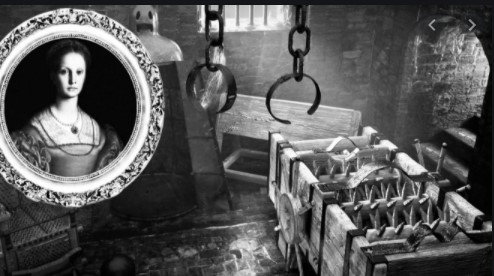
Batori Countess - female monster
I have read many articles, but these monstrous works of this woman are horrible. I will share with you some details during her reign.
One of the richest Hungarian families from Transylvania, the descendant was Erzabet Batori, Countess.
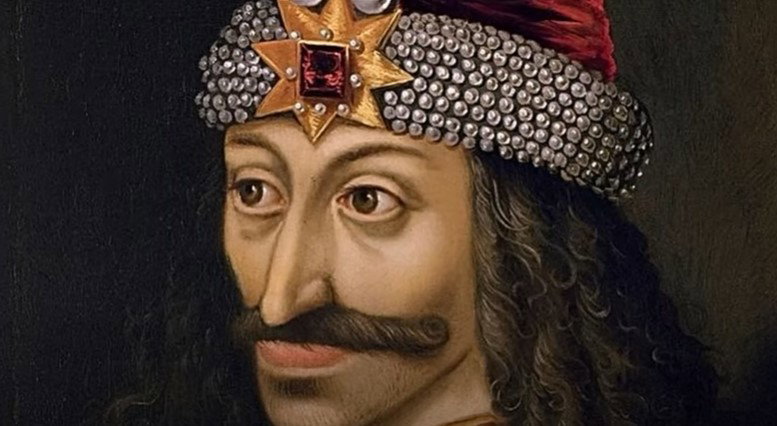
Some historical writings state that she was blood related to Vlad Dracula.
Pictures and records say that she was a beautiful woman with an aristocratic white complexion and long black hair. She was narcissistically in love with herself. She spent time in front of the mirror, admiring her beauty.
She had the opportunity as a child to watch an unfortunate Roma man accused of treason being shoved into the stomach of a dead horse.
Then she realized that people from her class could do whatever they wanted ,without receiving any punishment. This girl simply turned into a monster.She married Ferenc Nadi, with whom she abused young girls.
The young girls were smeared with honey and grown in the room with insects,
or tied them to hives.
This sick mind stuck needles under the girls' nails.
There are writings that say that she opened the jaw of a girl in such a fit of rage that her cervical vertebrae cracked.
It is known that on one occasion she stabbed a servant and cut her cheek with a ring.
Blood dripped from her slime. This monster was convinced that her goat had been rejuvenated by the blood of the maid
She has since become obsessed with the blood of virgins.
So she killed the maid and bathed in her blood
In the last ten years, creativity has been dispersing torture and squeezing blood from young girls.
She tortured young girls for ten years, until one managed to escape and spread the news of what was happening.
By order of the then King Matis II, soldiers invade her castle
Many skeletons were found in the castle, she tortured and killed 2000 girls. The servants who helped the countess were killed.
The countess was walled up in the wall of her castle, leaving a small hole through which she could feed.
She passed away after the fourth year
It is believed that the Countess served as an inspiration to Bram Stoker, for his novel "Dracula", numerous films based on her life were made.
The strangest animals in the world
I think many of us have never seen these animals. I will describe to you some of the strangest animals
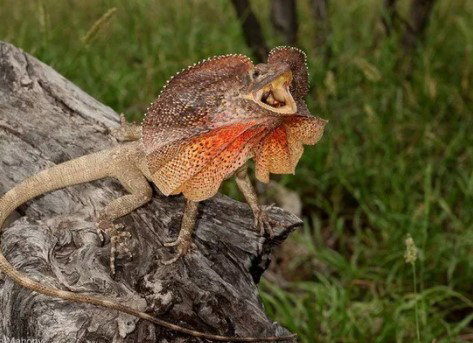
**A lizard with a wrinkled neck**
A lizard with a wrinkled neck, also known as a wrinkled dragon, got its name from the large "mane" ie the fold of skin that is usually located behind, behind the head and neck. Long cartilage spines support this fold of skin and when the lizard is frightened, it opens its mouth showing light pink or yellow folds, and the folds themselves appear in orange and red shades. They often walk on all fours when on the ground. When they are scared, they start running on all fours and then accelerate by running on their hind legs. The Australian folded dragon uses this fold to repel potential predators.
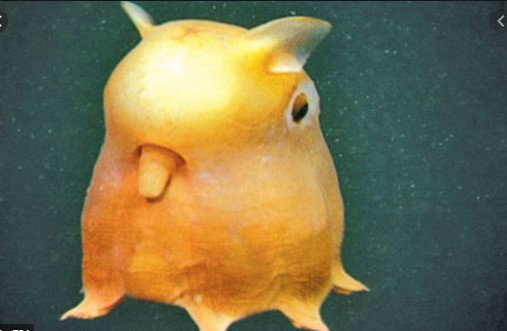
**Dambo octopus**
Octopuses o
f the genus "Grimpoteuthis" are also known as Dambo octopuses, made of ear-like feathers protruding from the head (more precisely, from the body), resembling the ears of a flying Walt Disney elephant, Dambo. They are benton creatures, live in extreme depths and are some of the rarest species of octopuses. They can wash a transparent layer of skin at will and the window animals are open, unlike other octopuses.
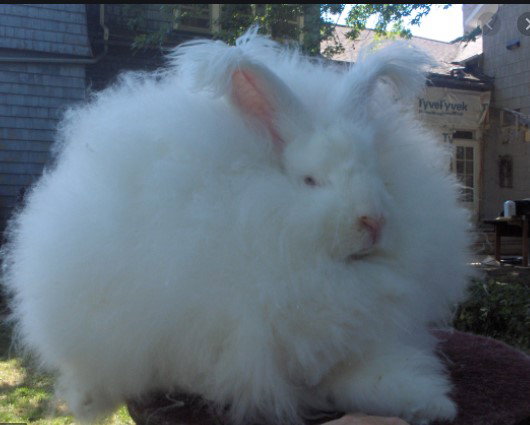
**Angora rabbit**
The Angora rabbit is a type of domestic rabbit, bred for its long, soft hair. Rabbits were popular as pets among the French elite in the mid - 1700s and spread to other parts of Europe by the end of the century. They are grown mainly because of their long fleece, which can be removed by cutting or plucking.
**Tasmanian tiger**
The Tasmanian tiger is the largest known carnivore of modern times. Originally from Australia and New Guinea, it was thought to have become extinct in the 20th century. He is also known as the Tasmanian tiger (because of the tiger stripes on his back) and as the Tasmanian wolf. Some examples can be found in fossil species, whose roots take us back to the early Miocene. The Tasmanian tiger was extinct in Australia hundreds of years before Europeans inhabited the continent, but it survived in Tasmania with other endemic species, including the Tasmanian devil. Large hunts for these animals encouraged by even greater rewards are mostly the biggest culprits for their extinction, but other factors are also disease, getting to know dogs, as well as the entry of people into their natural habitat. Although they are officially marked as an extinct species, sightings of these animals are still reported.
**Platypus**
The beak is a semi-aquatic mammal that can be found in Eastern Australia. Along with four species of prickly anteater, the beak is one of five mammals that lay eggs instead of giving birth to young. The bizarre appearance of this mammal laying eggs with a duck's beak stunned naturalists when they discovered it. It is one of the few mammals that is poisonous; the male beak has a spur on its hind legs, which release a venom that can cause severe pain to humans. The unique characteristics of the beaker make it an important subject in the study of evolutionary biology, as well as a recognizable symbol of Australia; he appeared as a mascot at national events, and is also on the reverse of an Australian 20-cent coin.
**Narwhal**
The fish fisherman was named after his characteristic way of perishing, as well as the fleshy growth from the head of the fish that acts as bait. They also have spines protruding from the head, which are movable in all directions. The outgrowth can move back and forth in rapid uneven movements to mimic a prey animal, or act as bait to lure other predators. Since individuals are probably locally rare, finding a partner is very problematic. When scientists first began examining this species of fish, they noticed that all the specimens were female. These specimens were not very small, about twenty centimeters long, and almost every one had a parasite attached. It turns out that these parasites are in fact the remains of a male, because the male of this fish inserts sperm into the female through the bite, and remains attached to it like a parasite while his life is slowly dying out.
**Sea dragon**
Named after dragons from Chinese mythology, the sea dragon resembles a floating algae as it hovers in water full of algae. The sea dragon, with green, orange and gold shades over the body, is covered with leaf-like accessories, which make it perfectly camouflaged. Only the fluttering of tiny feathers and the movement of his eyes reveals it. They have no teeth or stomach and feed exclusively on shrimp. Also known as Australian seahorses in Australia, they are found in calm, cold water that ranges from 10 to 12 degrees. The South Australian government has protected this species.
**Crab yeti**
Crab yeti is a type of cancer discovered in 2005 in the Pacific. This decapod (a type of cancer) is about 15 centimeters long, recognizable by its silky blue hair, resembling fur, which covers its legs and tongs. The inventors were hesitant to call it a lobster or a crab. Based on morphology as well as molecular data, this species has created a new genus and family (the species Kiwaidae). The animal has very reduced eyes due to lack of pigment, and was considered blind. "Fur" contains certain "filamentous" bacteria that animals can use to detoxify poisonous minerals from water. Alternatively, it can feed on bacteria, although it is considered a carnivore. Its diet also consists of green algae and small shrimp.
**Celacant (Latimeria**)
Celacant or latimeria is a marine fish with a bony skeleton (kosljoribe) from the class of sakoperki. Its closest relatives are bivalves and tetrapods. Celacantes are considered the most famous example of living fossils. The fossils of this animal are between 409 and 70 million years old. They were believed to have disappeared during the Cretaceous. Specimens of this species were caught in 1938 off the coast of South Africa and in 1999 near Celebes. The South African species has been re-observed several times in the same region (South Africa, Comoros, Tanzania, Kenya). The average weight of the species that lives along the southeast coast of Africa is 80 kilograms, and its length is up to 2 meters. Adult females are slightly smaller than males. According to the bones in the ear (otoliths), scientists have concluded that this species lives between 80 and 100 years. Their habitat is 90-200 meters below sea level, but they can also be found at depths of up to 700 meters. Their color is dark blue, which protects them from predators. The Indonesian species is brown in color. Their eyes are very sensitive and reflect light. They hunt in areas of deep coral or volcanic reefs, exclusively in very dark conditions
Serbian specialty!!!
**A dish of English cuisine, but with my corrections, therefore, in the Serbian way. Very simple, almost effortless, but very, very tasty! Try cooking!**
2 pork joints
1**-2 carrots
1 onion
5-7 peas of black pepper
2-3 bay leaves
so
a bunch of primroses
garlic to taste
2-3 tablespoons of capers
ground black pepper
gelatin**
**Cook everything for about three hours.**
**When cooked Remove the bones and break the meat into muscles. Follow the pictures and you will see how easy it is to make**
**Lightly compact and fill with a gelatinous solution so that the liquid just appears on the surface of the meat.**
**Evenly distribute all, put in the refrigerator for 8 hours.**
**I hope you liked the recipe, it is very tasty**
**Pleasant, I hope you are hungry.**
Make your own sausage- domaca kobasica
**Since I don't like to eat industrially produced salami and sausages, I decided to show you how I make homemade sausage.**
**Ingredients you need**
**3.50 kg of meat**
**garlic 10 piece**
**onion 1. piece**
**salt 2. spoon**
**pepper corns**
**lover**
**Put all the ingredients in a pot and cook for 4 hours**
**Chop the cooked meat as desired**
**Add garlic and pour the liquid in which the meat was cooked**
Take one plastic bottle and fill it with some meat
**Leave in the fridge for 6 h**
Try it is very tasty
Illusion - Iluzija !!!
**Da li verujete u reinkarnaciju? Evo jedne kratke zanimljive price.**
**Gospodin Marić svakodnevno je posećivao grob svoje preminule voljene supruge. Kupio bi cvece i ostao malo na grobu a onda se vracao svakodnevnom zivotu. Jednog dana vracajuci se sa groblja prisla mu je jedna zena , prosjakinja i zamolila za pomoc. Gospodin Maric joj je dao novcanicu i pitao je od cega zivi. Mlada prosjakinja mu je odgovorila da nema nikoga i da zivi na ulici. Gospodin Maric je upitao da li bi zelela da zivi kod njega. Ona je pristala i otisli su njegovoj kuci. Ime prosjakinje je bilo Suncica. Gospodin Maric je Suncici dao sobu svoje pokojne zene , dozvolio joj je i da obuce njenu garderobu. Kada se Suncica pojavila onako okupana i doterana sa haljinom njegove supruge on je primetio da ona mnogo lici na pokojnu suprugu.**
**Gospodin Maric gleda album i pocinje da veruje u reinkarnaciju. Suncica je kuvala isto ko i njegova supruga cak je i rucak servirala isto. Svi su primetili kako je on sada srecan i zadovoljan. Kupovao je Suncici skupe poklone, vodio u pozoristu i na razna okupljanja. Suncica je bila neizmerno srecna i zahvalna. Na prijemima mladi ljudi su se udvarali Suncici, no Maric nije bio ljubomoran, voleo da Suncica bude srecna.Vodio je Suncicu na putovanjima, pruzio joj sve ono sto nije svojoj pokojnoj zeni.**
**Jednog dana Suncica je donela kafu i sela do svog gospodina rekla mu da je neizmerno zahvalna za sve sto je ucinio za nju, ali da mora da ode jer ovo nije zivot za mladu devojku poput nje. Rekla je da je upoznala muskarca koga je zavolela. Maric je najpre molio devojku da ostane, a onda se setio kako je molio i suprugu da ne umre. Znao je da se sudbina mora ispostovati i da je ovo bila samo kratka iluzija. Ponovo je odneo cvece na grob svoje zene , zagrlio spomenik i rekao da zna da je to bio njen duh u liku Suncice. Zahvalio joj za to malo srece u vidu iluzije**
**Eng**.
**Do you believe in reincarnation? Here is one short interesting story. Mr. Maric visited the grave of his late beloved wife every day. He would buy flowers and stay a little at the grave and then return to everyday life. One day, returning from the cemetery, a woman, a beggar, approached him and asked for help. Mr. Maric gave her a bill and asked her what she lived on. The young beggar replied that there was no one and that she lived on the street. Mr. Maric asked if she would like to live with him. She agreed and they went to his house. The beggar's name was Suncica. Mr. Maric gave Suncica his late wife's room and allowed her to put on her wardrobe. When Suncica appeared, bathed and dressed in his wife's dress, he noticed that she looked a lot like her late wife.**
**Mr. Maric watches the album and begins to believe in reincarnation. Suncica cooked the same as his wife and even served lunch the same. Everyone noticed how happy and satisfied he was now. He bought Suncici expensive gifts, took him to the theater and to various gatherings. Suncica was immensely happy and grateful. At the receptions, young people courted Suncica, but Maric was not jealous, he liked Suncica to be happy. He took Suncica on trips, gave her everything that was not for his late wife.**
**One day Suncica brought coffee and sat down next to her master and told him that she was immensely grateful for everything he had done for her, but that she had to leave because this was not life for a young girl like her. She said she met a man she fell in love with. Maric first begged the girl to stay, and then he remembered how he begged his wife not to die. He knew that destiny must be respected and that this was only a brief illusion. He took the flowers to his wife's grave again, hugged the monument and said he knew it was her spirit in the form of the Sun. He thanked her for that little bit of luck in the form of an illusion**
Fashion from 1900 to 2020
**Every woman is beautiful; dress, jewelry, hairstyle, makeup and demeanor are just details that can be highlighted and complete your beauty.**
**Women have dressed differently over the centuries, Here are some details of women's fashion in the twentieth century**
**1900.-1920.**
**1930.-1940**.
**1950.**
**1960.**
**1970.**
**1980**.
**1990.**
**2000.-2020.**
**What year do you think was the most beautiful fashion in your opinion?**
Jackie Kennedy
**Jeklin Lee Bouvier was born on July 28, 1929, at Stony Brook Southampton Hospital in Southampton, New York. Her father was a Wall Street merchant, John Verne, and the mother of the socialist Janet Lee Bouvier. Jeklina's mother was of Irish descent, and her father was of French, Scottish, and English descent.In 1935, Buvuje wrote Manpintan's Chapin School, in which she attended seven grades. She was a good student, but she behaved badly**
**In the fall of 1947, Bouvier enrolled at Vasar College in New York, which was a women's school at the time. She wanted to attend Sarah Lawrence College, closer to New York, but her parents insisted on choosing the more geographically isolated Vasar College. Bouvier was an excellent student, who participated in art and drama sections and wrote for school newspapers .While attending George Washington University, Bouvier won the Vogue magazine award, choosing several members of another woman.**
**A family friend referred her to the Washington Times-Herald, where editor Frank Waldrop hired her as a freelance journalis**
**Bouvier and US Representative John F. The Kennedys belonged to the same social circle. They were introduced by a mutual friend, journalist Charles Bartlett, at a dinner in May 1952. Bouvier was attracted to Kennedy's physical appearance, charm, wit, and wealth. The couple also shared similar religious sentiments, a passion for writing, reading, and also both had previously lived abroad. Kennedy was busy running for president of the U.S. Senate in Massachusetts; the relationship became serious and he proposed to her after the election in November of that year.**
**After the death of Robert Kennedy in 1968, Jeklin, as it turns out, suffered from a depression as strong as five years earlier. She feared for her and her two children's lives, saying, "If they kill Kennedy, then my children are the target ... I want him to leave this country." On October 20, 1968, Niklin left for his longtime friend Aristotle Onassis, a wealthy Greek shipping magnate who was able to provide her and Her children with privacy and security.**
**She died in her sleep in her condition in Manhattan at the age of 64. The next morning, Jon Kennedy Jr. told reporters about his mother's death, stating that she was surrounded by "friends, family and books, people and things she loved.**
Cakes in the colors of the galaxy
**These treats look unreal. Do you like them?. Wow, they are beautiful, it takes my breath away how I would love to eat them**
**Cookies not only look delicious but are also healthy because vegans can also eat them**
downloaded from the internet
**To achieve amazing color, they use edible colors, white chocolate and Greek yogurt. From the "tools" they use a brush, a sea sponge and parchment paper. Best of all, these chefs share their recipes with Instagram users, so anyone can try their hand at making these unusual cakes.**
I hope you enjoyed these wonderful treats, unusual colors, soon there will be recipes for some of them
A magical plant
**Most of us have no idea what nature is and what wealth it provides. It is all around us, it just needs to be properly taken and used for beauty and health Turn around and enjoy what nature has given you**
**Sempervivum tectorum is the Latin name for the magical plant Guardian. I think many of you have heard of her It comes from the plant family Aloe Vera.It is 10-30 cm high, the leaves are rosette and red at the top and the flowers are red-purple or yellow**
**This plant grows almost everywhere, in the rocks, among the stones, on the roof of the house and can of course in pots and is very healing. It contains tannin, mucus, resin, calcium malate, fatty oil, formic and malic acid.**
**It is most often used for pain and also for wound healing .It cures ear pain, festering wounds, bleeding, eye pain, burns, herpes, fibroids, cysts and many other diseases How it is used. Fresh juice is placed on wounds, burns and inside the oral mucosa How to get juice. When the leaf breaks, it is placed in hot water, after a few minutes it is taken out and the juice is squeezed out by hand.**
**The balm that cures cysts is made like this**
**Grind 300 grams of leaves in a blender, add 500 g of honey, pour into jars and consume every morning**
https://www.youtube.com/watch?v=ujbj9cPLs_8
**I hope that my post and these videos will help many who have health problems. If you like it leave a comment**
My grandmother's village
**After thirty years, I return to the village where my grandmother was born. Emotions are pouring in, I feel like I've always lived here. In an abandoned village I found four old women, the only inhabitants. The houses were dilapidated and demolished. And they were all built of earthen bricks**
**I couldn't get to my grandmother's house, they say it has grown into a bush and it can't be reached.**
**I walked through the village and remembered my childhood, when I came to my grandmother on vacation.**
**I found an orchard where we played as a kid, someone mowed it at least I was happy about it.**
**I met an old woman who told me that my grandmother often sat in a bench waiting for us to come.**
**I was saddened by her story and I went home with sadness in my heart. I went to take a picture of my grandmother's bench**
**I leave the village with a set in my soul and remorse for not coming earlier and warming the old woman's heart**
**Today's children don't even know about the village, they spend their free time playing video games**
 @bankarica