 @varda42
Mayfly - the planet is theirs Their Latin name for the class is - *palaeoptera*. Ili po naški - *prakrilaši*. They existed millions of years before humans. Postojali su milionima godina prije čovjeka.
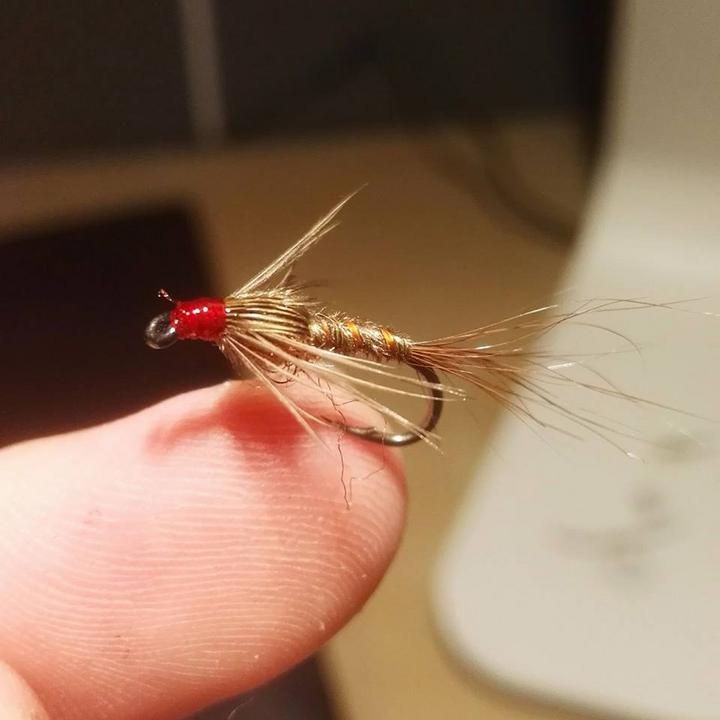
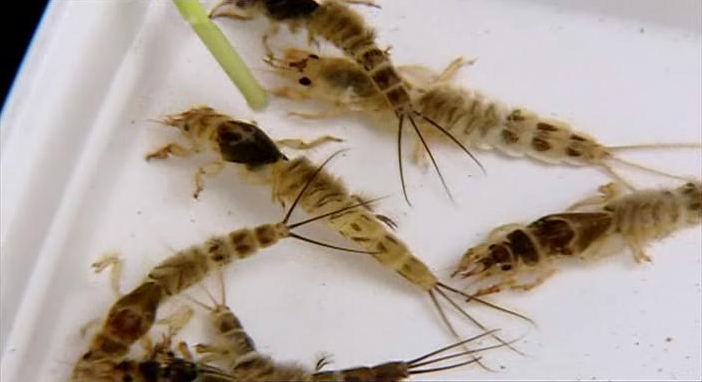
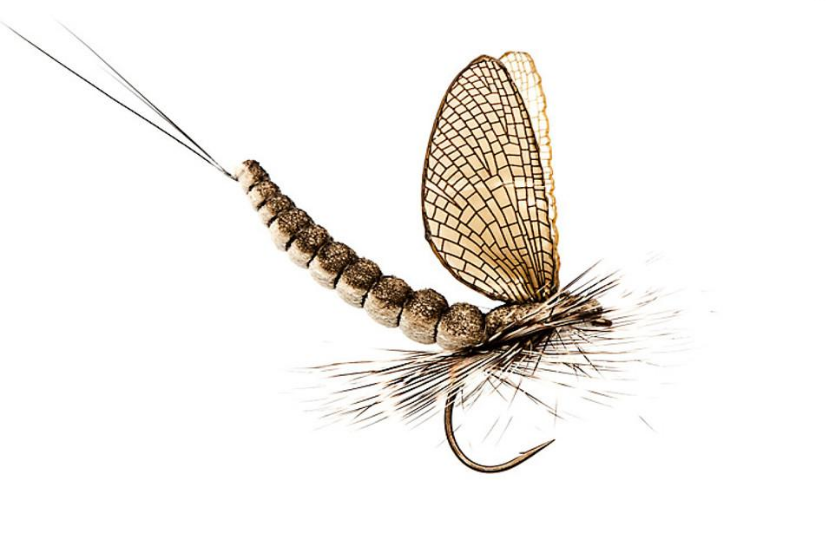
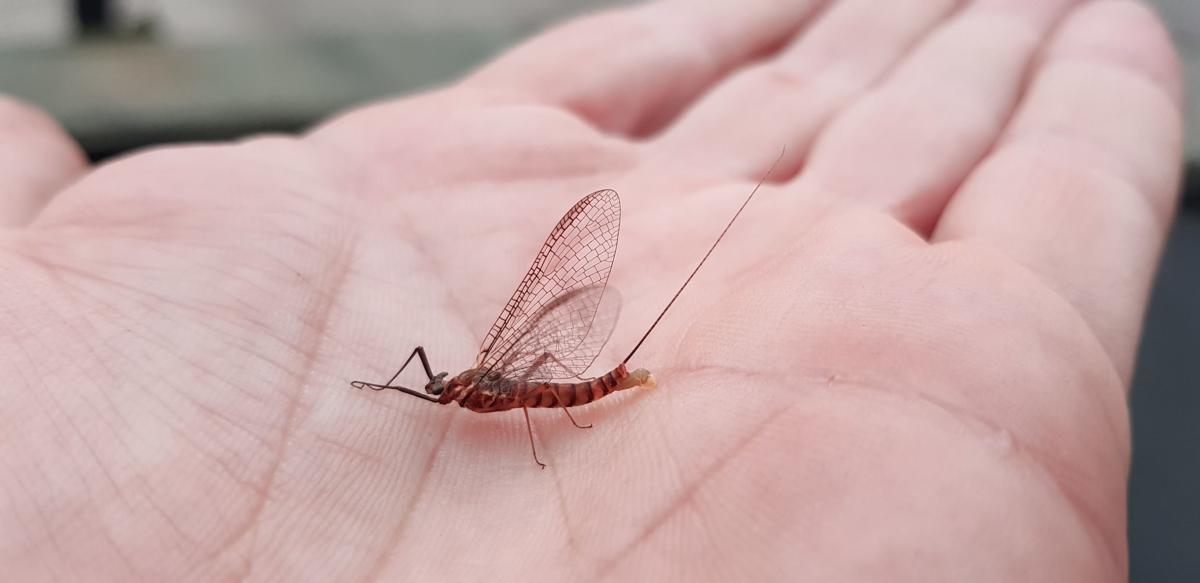
This in the pictures is the same animal. Life in two phases, under water and above water. Ovo na slikama je ista životinja. Život u dvije faze, pod vodom i iznad vode.
40 comments
Pa jesu li ovo larve tulara ili nešto novo?Posšto su u dvije faze i pod vodom i iznad vode?!?
Vodencvjetovi. Bombastičan naslov: Cvjetanje Tise. Fenomen u junu, koji se viđa samo u Srbiji i Kini (VIDEO) https://lat.rtrs.tv/vijesti/vijest.php?id=340882
Znam za cvetanje Tise.Evo ti ideje za novi post.Tisa i Јang Ceng Јang.Još staviš video.I prelepo!
Vjerujem da to ima i u školskom programu.
Naravno i bez školskog programa,to je opšta kultura.
Ovo je mnogo opipljivo a i maleno, treba znati napraviti mamac.
Sve je u rutini. Prvih stotinu udica ćeš pokvariti. Stotinu prva će biti ljepotica.
Kako se ne raspadne dok se stavlja na udicu?
Zabranjeno je pecanje na živi mamac, ali onda jednostavno napravimo imitaciju te životinjice, od konca, perja, vunice, dlake, krzna.
Nisam znala to. Vidjam mnoge ljude kako koriste zive crve
Kod nas je dozvoljeno na jezeru, dok na rijekama to nije slučaj.
Zbog cega je to tako?
Zbog fair play-a, potamanila bi se riba na crve, gliste, meso, skakavce. A jezero je veće, otpornije na sve to.
Aham... Kapiram.. hvala na objasnjenju
Ili što se u Bosni kaže - kontaš? Kontam.
Si señor
I never seen this in live.
Vjerovatno jesi, za vrijeme kišovitih dana, poneka krilata uleti kroz prozor u sobu.
Lepo, ali ponovo za one sa debelim zivcima...
Čak i nokti na prstima trebaju da budu određene dužine. Postoje neke imitacije koje ne mogu napraviti, moram čekati da nokti porastu, haha.
Ja nokte imam, al zivce nemam.. tu je fora. Mislim, rado bih da pomognem, ali slaba vajda
Ja i ti bi odma to bacile 🙈🙈🙈🙈
Ma odletelo bi kroz prozor
Wow!
Inace svaka cast, kad uspeš da napraviš, još si strpljiv. Ja to ne bi uspela nikako.
Ma ne vjerujem ti, žene imaju dvaput bolju koordinaciju prstiju.
I have to confess, i do not really understand the difference between all those that you are posting. They are all very similar.
It's so hairy, does it sting?
Only imitation has sting, actually hook.
What's the proof that they existed years before humans?
See proof here: http://blog.b92.net/user_stuff/upload/thumb/206/9206.jpg Google it.
Okay................ So most of the times I don't like bugs but these ones look so harmless and have a bit of character to them...... Good photographs.
Do you like butterflies?
Yeah I do 😄
baš su bljakasti.Ja da sam riba bjezala bi od njih...lol
Ti si zmaj, zmajica. A baš su fini ovi s krilcima.
Ova zivotno se koristi kako mamec pri ribolov, za fakjanje ribi? Dali ima nekoja sorta na ribi za koi isklucivo se koristat ili se dobar delikatest za bilo koja vrsta na ribi? Gi ima vo prodazba?
Ne, živa je tu samo model, da se u nju gleda i pokuša napraviti slična na udici. Nemoguće je tako nježnu životinju, insekta nabaciti na udicu, raspala bi se.
Ti blagodaram za objasnuvanjeto.
The winged insects, or Pterygota, are undoubtedly a monophyletic group in that wings have developed only once in their evolutionary history; moreover the possession of wings has probably been the single most important factor in the success of insects as a whole. Within this group there are two distinct kinds of wing construction; in the Palaeoptera the wings can only be held upright or outstretched at rest, whereas in the Neoptera the wings can be flexed or folded flat over the body. The difference is simply due to a muscle attached to a small sclerite at the base of the wing. By enabling the twisting and folding of the wings this small muscle has probably enabled insects to evolve the complex wing-cases seen in several groups, as well as other adaptations. It seems clear that the presence of this flexor muscle, along with other related features, means that the Neoptera are a monophyletic group. The situation in the Palaeoptera is less certain, as some characters support the monophyly of the group, while others suggest that it is paraphyletic. In either case, the Palaeoptera are generally considered as the most primitive of the winged insects, comprising the Ephemeroptera and Odonata. The fact that both groups have aquatic juvenile stages is probably the result of convergence, as it is unlikely to be the primitive condition of the insects.