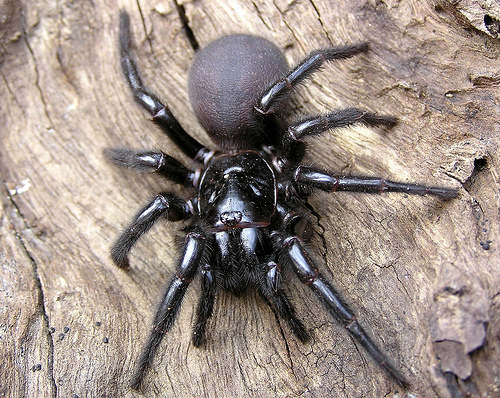
3. The Australian funnel-web spider The Australian Funnel-web Spider is a venomous spider that can be found on the east coast of Australia. This spider has teeth so strong that it can inject venom through the nail. The toxins in the venom are called Atrachotoxins (ACTX) and are harmless to wild animals, but extremely dangerous to humans. The victim may initially have most of the symptoms of spider bites (profuse sweating, vomiting, dizziness, nausea, excessive salivation) after which he may enter a coma or even die within 15 minutes.
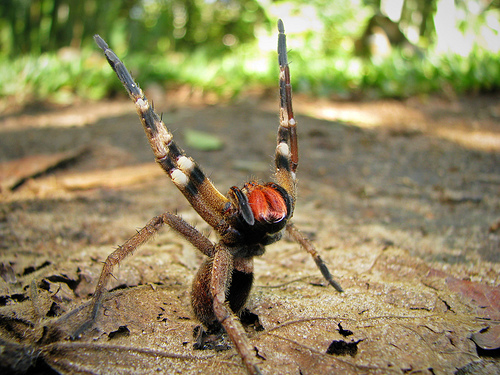
2. The Brazilian vagabond With its scientific name Phoneutria nigriventer, this Brazilian Vagabond is declared the most venomous spider in the world. This spider is so dangerous that it is not even recommended for experienced breeders or petshops. A single moment of inattention or escape of the little one of not even 5 cm can mean a tragedy. Phoneutria spiders, because there are several species of which nigriventer is the most dangerous, live in the tropical area of Central and South America. They are nocturnal animals and unlike other species of spiders that wait for something to fall into their web, they personally go in search of prey. It frequents wet and dark places near human settlements. The day hides in places as dark as possible, such as tree trunks, between stones, various corners, etc. It also has the name "banana spider" because of its habit of hiding among banana bunches. The neurotoxin in this spider's venom is PhTx3. The venom of the Brazilian vagabond is much more dangerous than that of the black widow. Once a Brazilian vagabond has bitten a man, he can die in just 2 hours, depending on the amount of venom he manages to inject. The victim dies of a heart attack, asphyxiation and others.
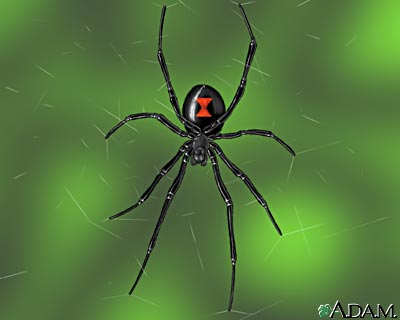
1. Black widow The "Black Widow" is most often found in the southern United States, but also in most of the Western Hemisphere. The dimensions reach 4 centimeters (females) and 1.25 centimeters (males). The poison of this spider is 15 times stronger than that of a rattlesnake. The pain spreads quickly in the body, causing chills, nausea, breathing problems, delirium and partial paralysis. About 5% of black widow attacks are fatal. In 2010, 2,168 cases were reported in the United States, of which 892 people were treated in hospital units.
Mexican Juan Pedro Franco, known as the world's heaviest man alive, weighing nearly 600 kilograms, successfully underwent surgery Tuesday in Guadalajara to remove part of his stomach. Juan Pedro Franco's maximum weight was 595 kilograms, but before the operation he had already lost about 175 kilograms with the help of specialized treatment, according to Agerpres.
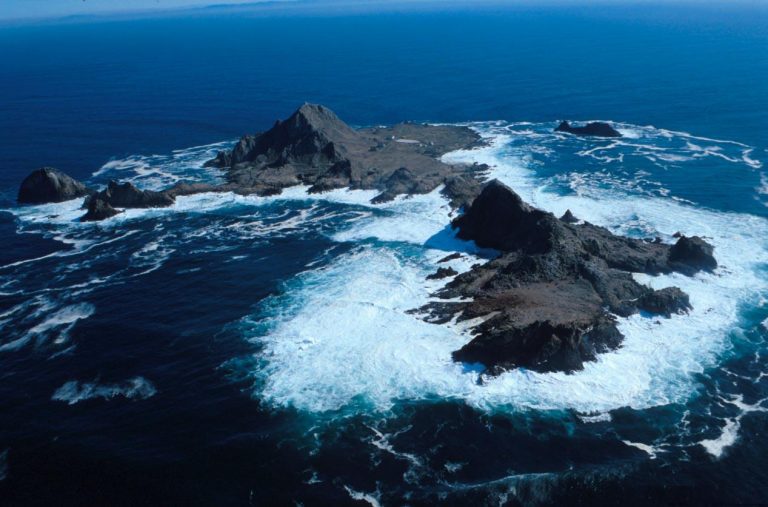
Farallon Islands. From 1946 to 1970, the sea near the Farallon Islands was used as a repository for radioactive waste. About 47,500 steel drums of such waste went to the bottom, but no one knows exactly where. Also, it is not very clear what damage they bring to the environment. The only known thing is that raising them to the surface is more dangerous than leaving them untouched. Moreover, due to the large number of seals present in the area, a very large number of great white sharks are also found here.
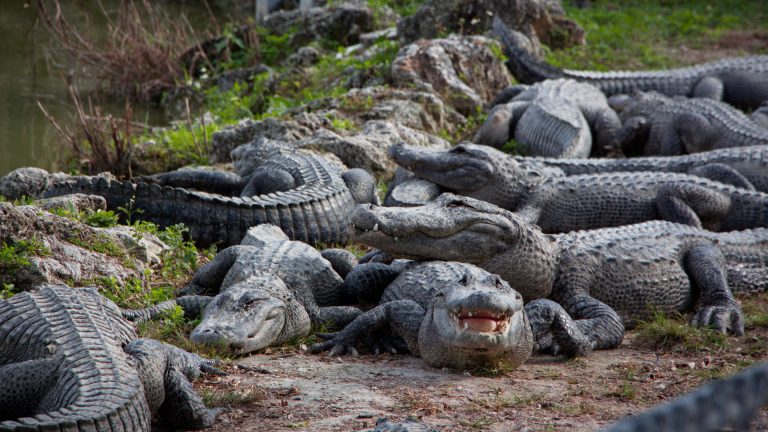
The island. This island near the coast of Birări entered history thanks to a single story. In 1945, after a bloody battle with the British, about 400 Japanese fighters retreated to the lagoons that furrowed the coast of the island, where they were attacked by saltwater crocodiles. In the Guinness Book of Records, this event is called "the greatest harm caused to humans by animals".
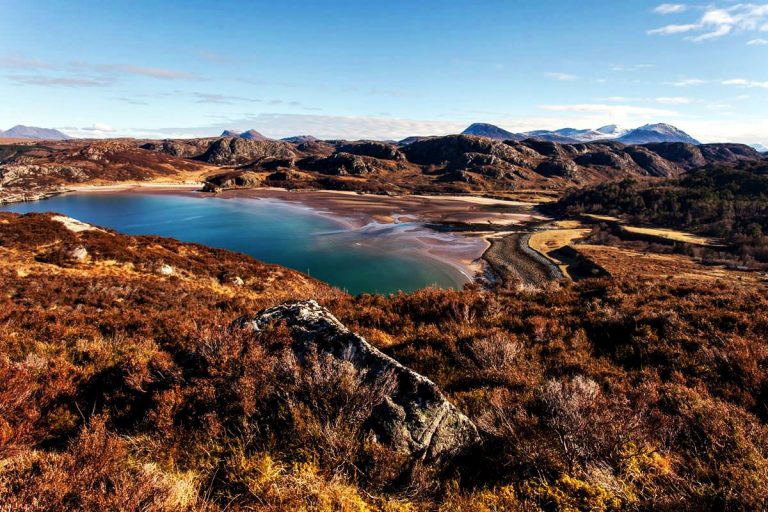
The uninhabited island of Gruinyard was made even more uninhabitable by the British government when biological weapons testing began during World War II. "What an atrocity!" – would probably say Dr. Goebbels, after learning that the British, with the help of a particularly dangerous strain of anthrax, killed several hundred sheep. After that, the island was quarantined, and the anthrax was never useful.
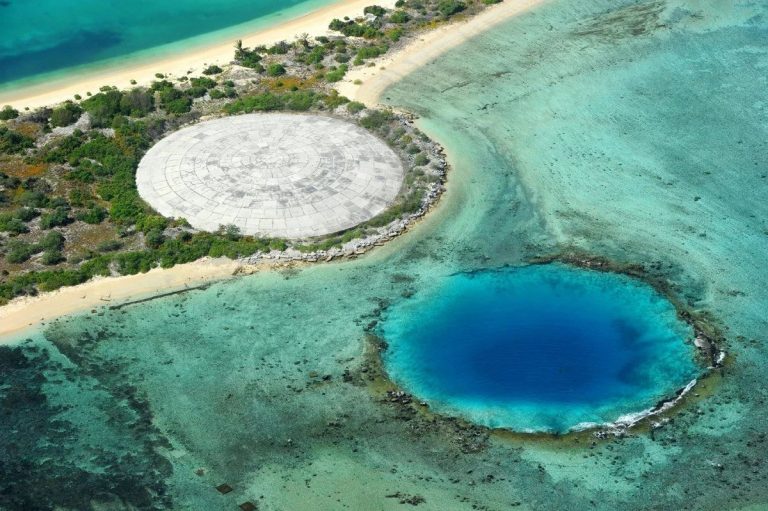
Bikini Atoll in the Pacific Ocean in the Ralik chain (Marshall Islands), most commonly known as the US nuclear test site, is recognized as a UNESCO World Heritage Site. In 1946, the entire local population was evacuated to a neighboring island, and nuclear and hydrogen weapons testing began here. As a result, 1,865 of the 7,000 natives became official victims of the nuclear program, and half of them died from various diseases. Although the radiation is still quite high, since this year the island has been opened to tourists.
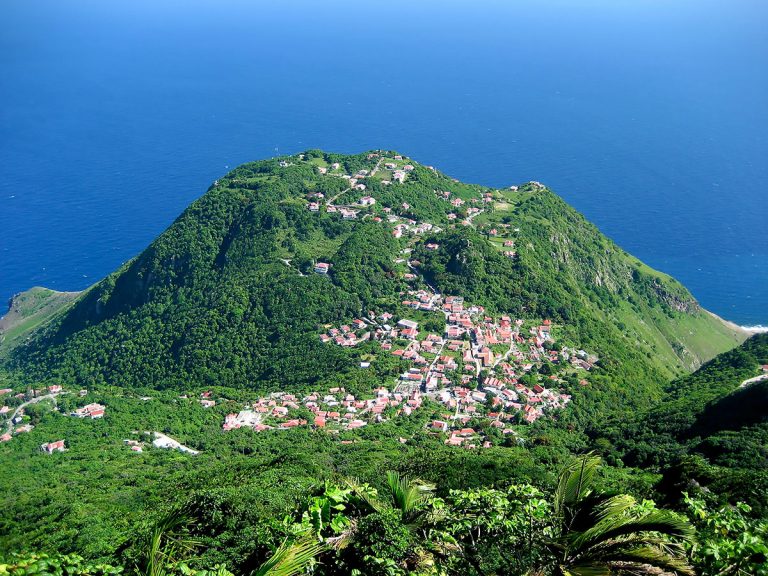
Saba Island. This is a small island in the Caribbean Sea, a former Dutch colony. Over the past 150 years, the island has been hit by hurricanes more often than any other in the region: 15 category 3 typhoons and 7 category 5 typhoons have occurred here.
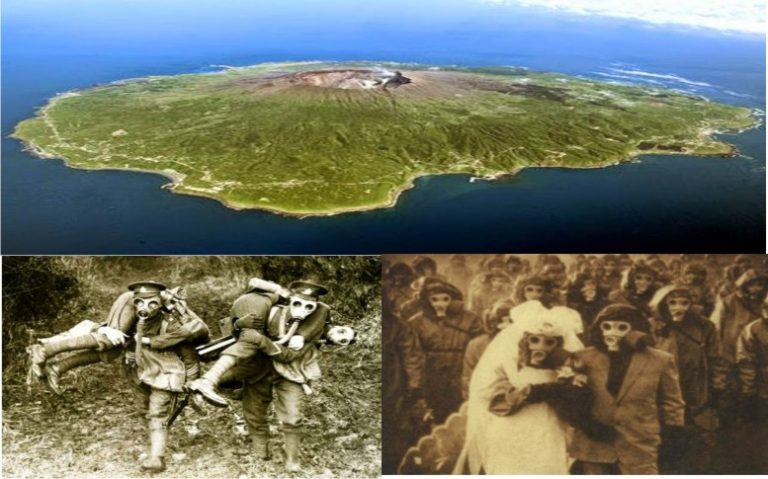
Miyakejima This is a Japanese island of volcanic origin, which regularly erupts a unique mixture of ash and poisonous gas, which is why the inhabitants of the island must always use special protective masks. Eruptions are often combined with earthquakes up to magnitude 4.
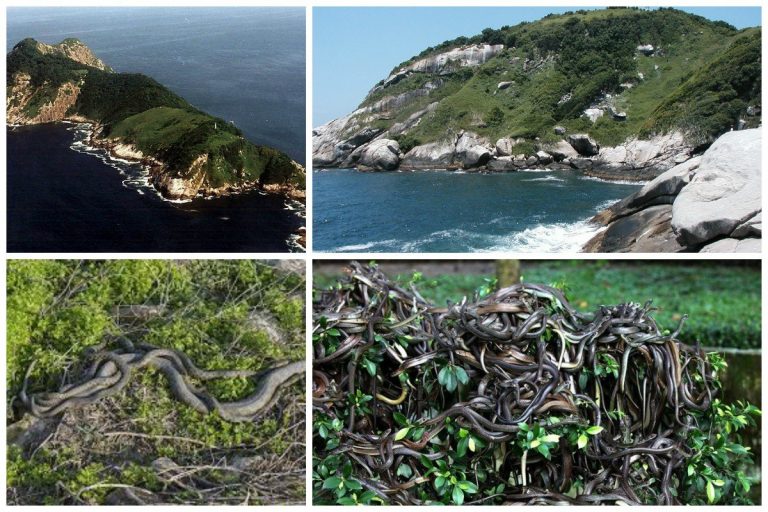
Ilha da Queimada Grande, or "Snake Island", is located off the Brazilian coast and is home to a large number of Bothrops vipers, some of the most venomous in the world. Once upon a time, there was a lighthouse on this island where a single keeper lived, but then the command of the Brazilian fleet forbade the civilian population to appear on the island.
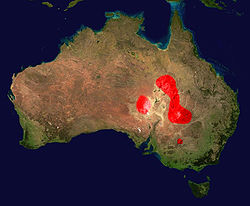
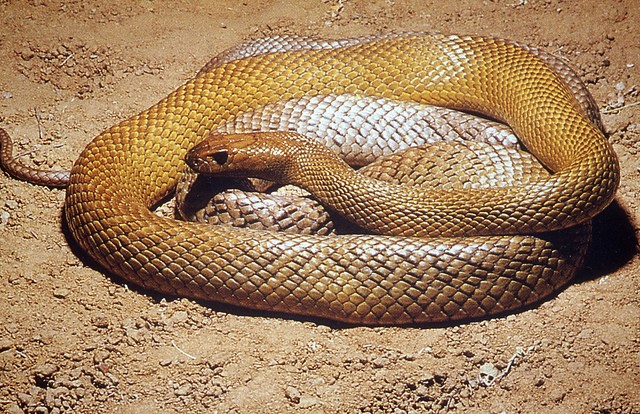
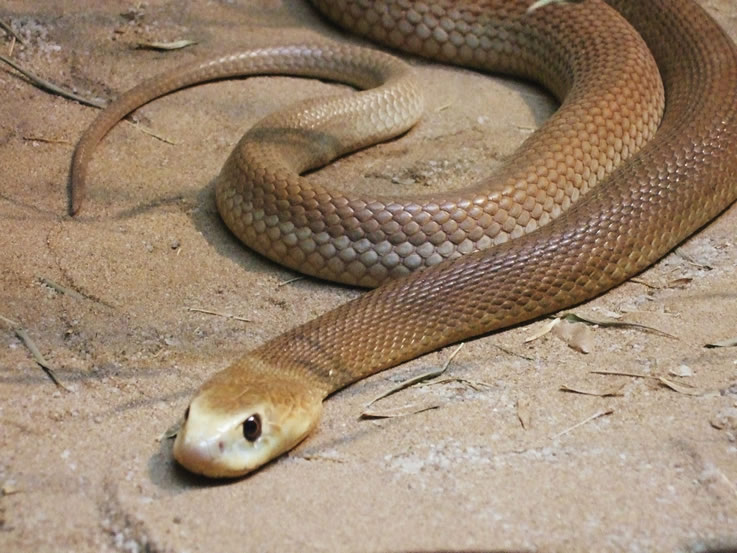
10. Western taipan (Inland taipan - Oxyuranus microlepidotus) This is the only subspecies on the list, but it deserves to be mentioned because it has the most toxic venom of all land snakes in the world. A bite can release up to 110 milligrams, enough to kill approximately 100 people! It is 50 times more venomous than a common cobra. Fortunately, no fatal cases have been recorded, because it is not aggressive and is rarely encountered by humans in the wild.
sorry, but I couldn't post the picture of the snake.
9. Western Brown Snake Its preferred habitat is Australia. It moves very quickly, can be aggressive in certain circumstances and even follows the aggressors, biting them repeatedly. However, he prefers not to bite if possible, reacting only by moving sometimes (he is fast).
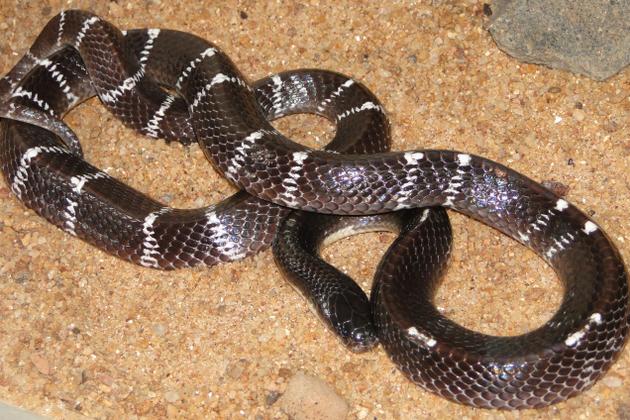
8. The blue krait This is by far the most dangerous of the krait species. It can be found in Southeast Asia and Indonesia, and 50% of blue krait bites are fatal, even with the administration of antivenom. They are usually nocturnal snakes and are even more aggressive when it is dark. The venom is neurotoxic, 16 times more dangerous than that of a cobra, and quickly induces muscle paralysis. However, cases of krait snake bites are quite rare, precisely because of their nocturnal nature.
7. The Taipan Found in Australia, this snake has a venom that produces clots in the victim's blood, blocking the arteries and veins. Before the appearance of antivenom, there are no known cases of people who survived the bite of a taipan. Death usually occurs within an hour.
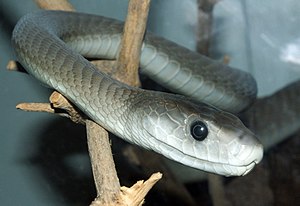
6. Black mamba The dreaded black mamba snake can be found in many areas of the African continent. These snakes are known to be very aggressive, attacking with deadly precision. They are also the fastest land snakes in the world, capable of reaching speeds of up to 20 kilometers per hour. A single bite can kill between 10 and 25 adults. The venom is also neurotoxic and fast, a bite can release an average of 100-120 milligrams of venom, but up to 400 milligrams.The victim first feels pain in the area of the bite and then tingling in the mouth and extremities, double vision, severe confusion, excessive salivation (including the appearance of foam) and pronounced ataxia (inability to control muscles). If the victim does not receive medical help, death can occur between 15 minutes and three hours.
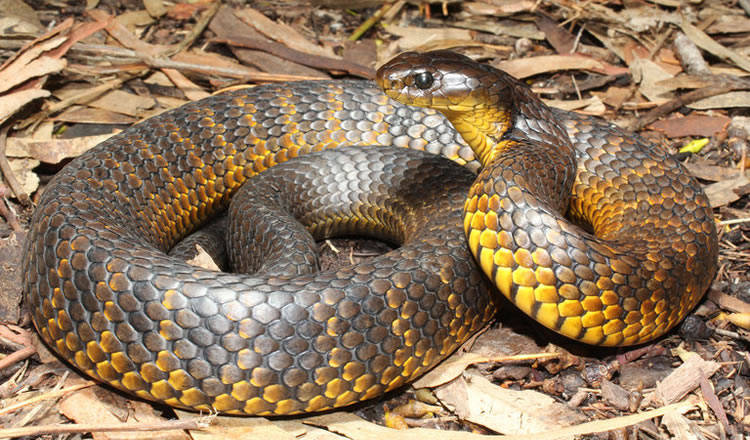
5. The tiger snake This snake that lives in Australia also has a neurotoxic venom, death from a bite can occur in 30 minutes, although it usually lasts 6-24 hours. Before antivenom was invented, the mortality rate caused by the tiger snake was 60-70%. It usually runs away if encountered, but can become aggressive when cornered. Strikes with impeccable accuracy.
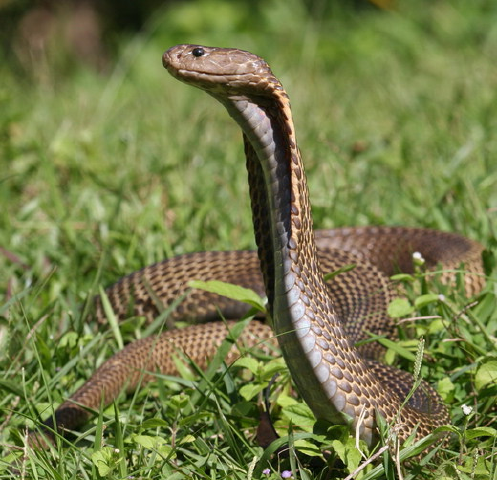
4. Philippine cobra Its venom is the most dangerous of the cobra species, affecting the heart and respiratory system. It can cause neurotoxicity, respiratory paralysis and death in 30 minutes (the neurotoxins in the venom lead to the interruption of the transmission of signals from the nerves).
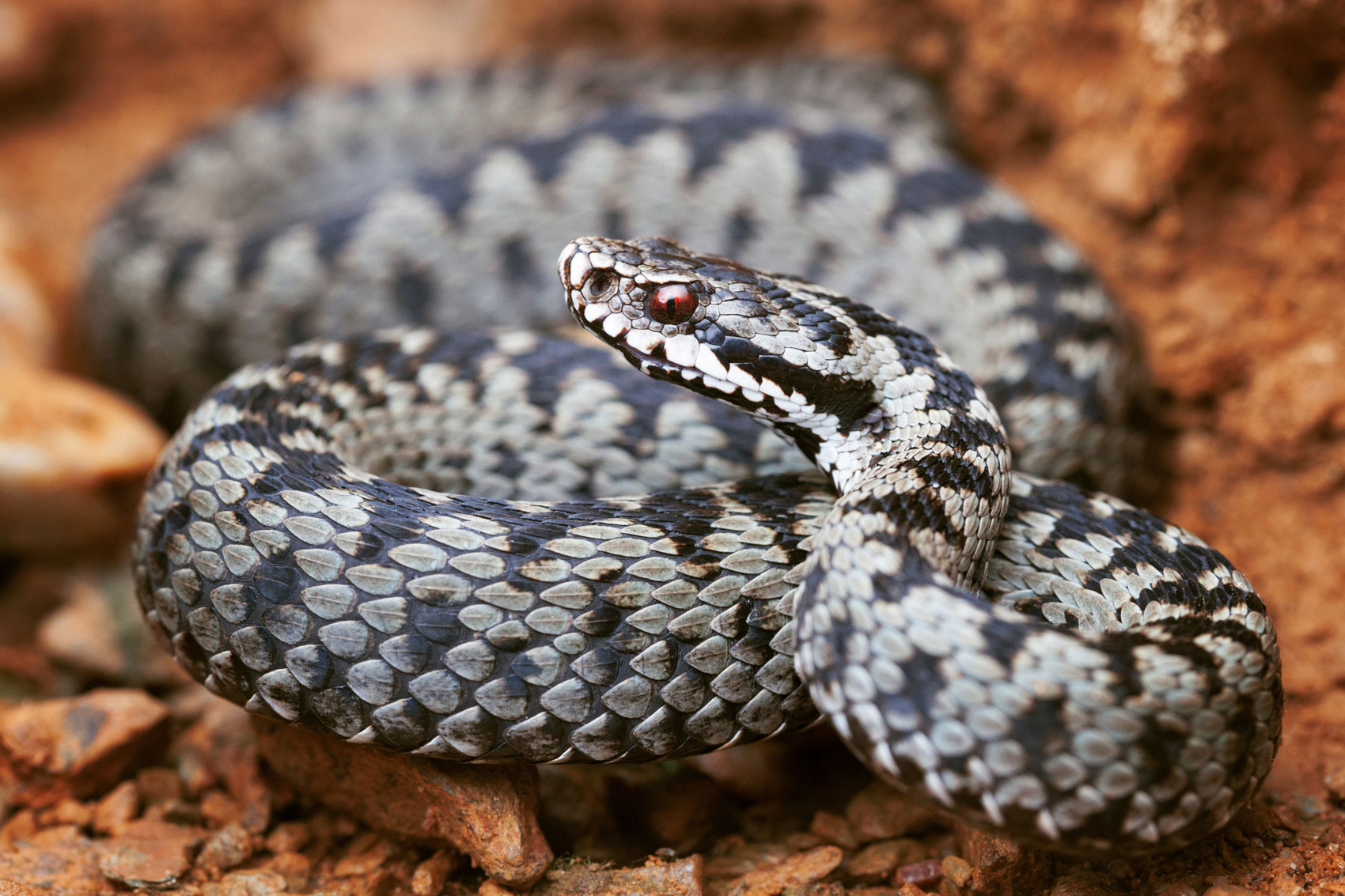
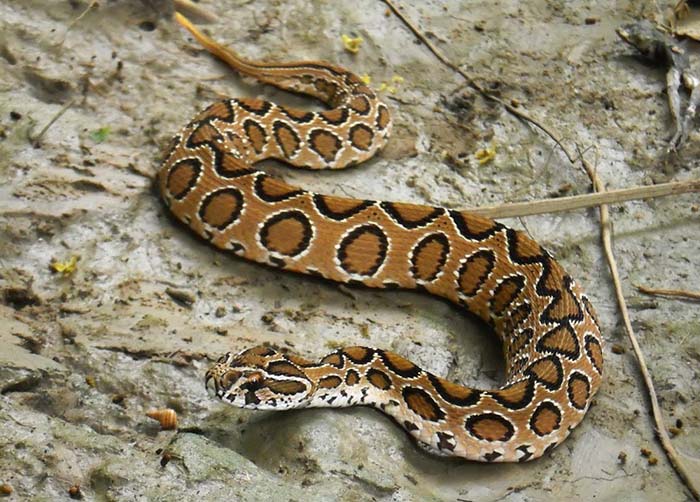
3. Vipers Snakes of this species live almost everywhere in the world, but probably the most venomous are the viper with saw scales and the chain viper, found especially in the Middle East and Central Asia. Vipers are generally nocturnal, but often active after rains. Most of the species have venom that causes symptoms such as pain at the site of the bite and inflammation in the first phase. Bleeding is another common symptom, especially from the gums. The necrosis is usually superficial, limited to the muscles around the bites, but it can also be severe, in extreme cases. Vomiting and swelling of the face occur in approximately one third of cases. Severe pain can last 2-4 weeks. Death due to septicemia, respiratory or cardiac failure can occur 1-14 days after the bite or even later.
2. The viper of death With a similar appearance to vipers - the head in the shape of a triangle -, this species lives in Australia and New Guinea and has the fastest strike in the world - in about 0.13 seconds it can attack and return to its initial position. They usually inject around 40-100 milligrams of venom, an untreated death viper bite being one of the most dangerous in the world. It can cause paralysis and death in about six hours, setting in respiratory failure.
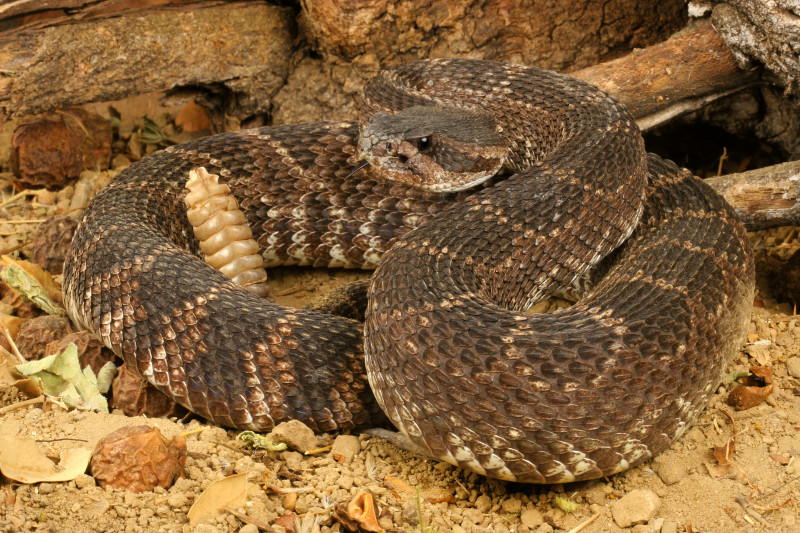
1. The rattlesnake It is easy to identify, by the horny scales on the tail, which make a characteristic noise. It is the only snake on this list that lives in America. Rattlesnakes can attack with up to two-thirds of their length, and young ones are more dangerous than adults, due to their inability to control the amount of injected venom. A bite from such a snake can lead to the loss of a limb or even death, especially if antivenom is not administered quickly. The symptoms can be many, among them paralysis and massive hemorrhage. Most rattlesnake species have hemotoxic venom.
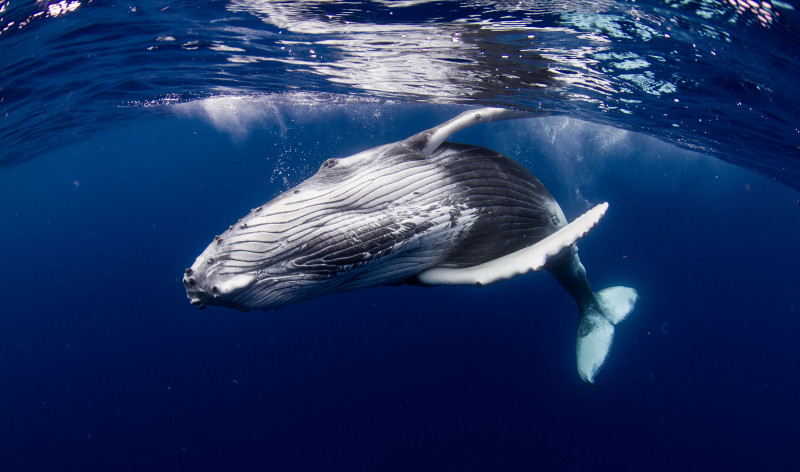
The largest animal in history still lives today. The blue whale reaches dimensions of 21 - 27 m, although some specimens over 30 m and weighing almost 200 tons have been recorded. Unfortunately, few whales reach these impressive sizes today, because fishermen hunt the larger whales.
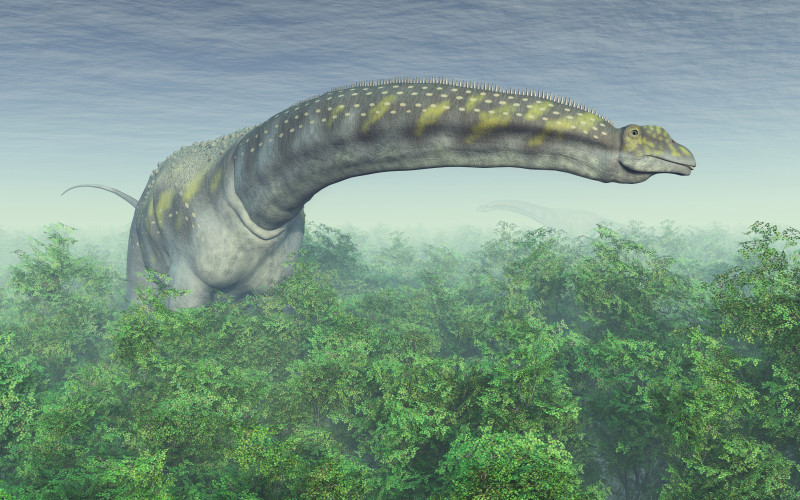
The Argentinosaurus breaks several records: the largest and longest terrestrial animal in history. The animal weighed over 101 tons, so it needed over 100,000 calories a day. Surprisingly, the eggs of this species were very small, about the size of a coconut.
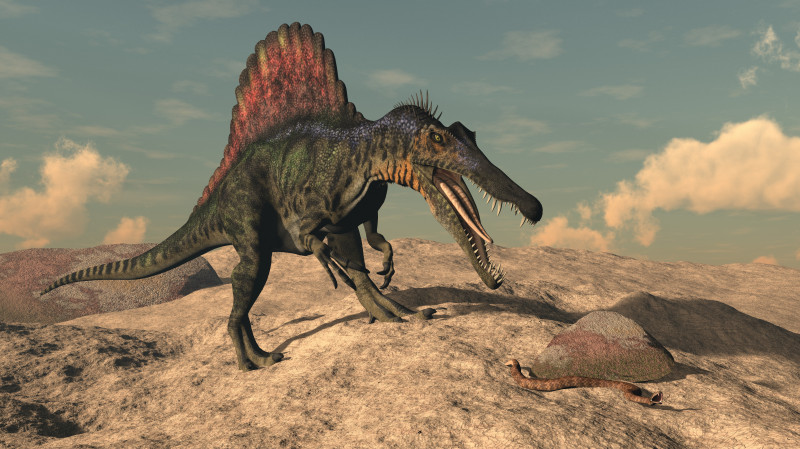
Bigger than a T-Rex, the spinosaurus was the largest carnivorous dinosaur in history. It weighed over 90 tons and was over 18 m long, but it had no serrated teeth and could swim, so it fed on fish rather than other dinosaurs.
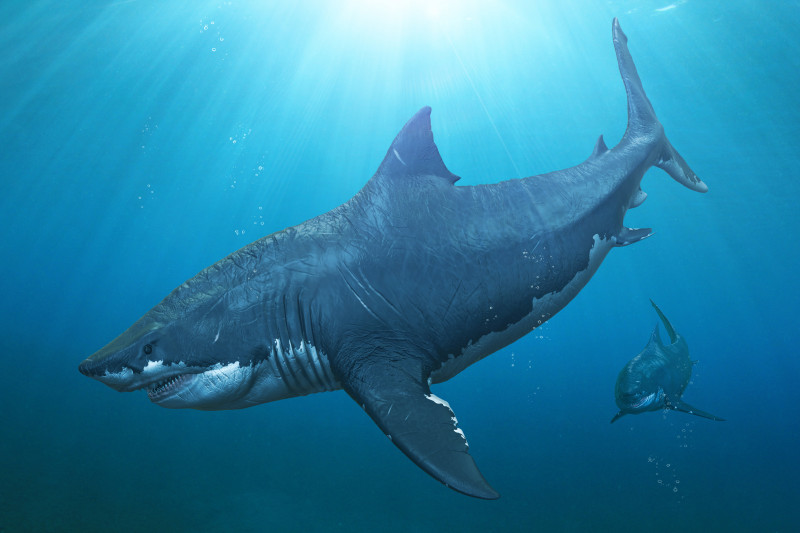
Megalodon was the largest shark in history, weighing 30 times more than a great white shark. Weighing between 63 and 90 tons, it could have swallowed a rhinoceros whole. It disappeared 1.6 million years ago.
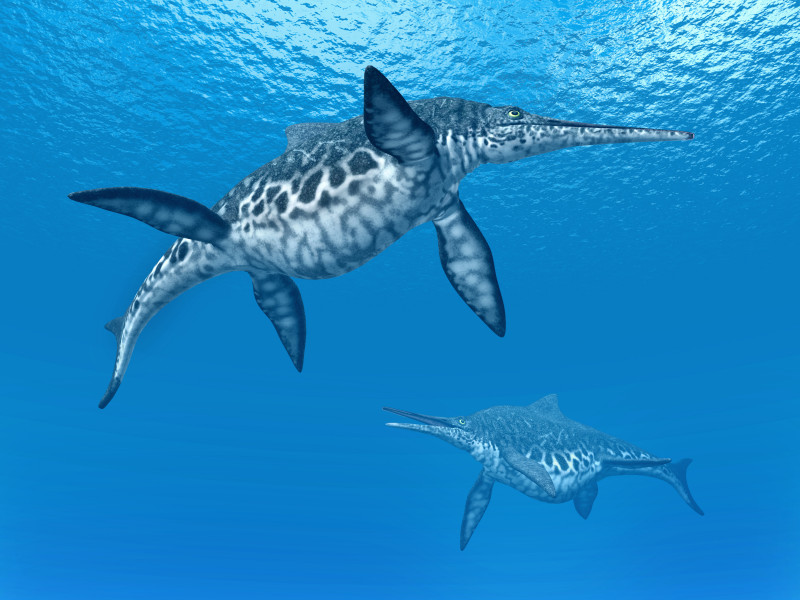
Shastasaurus is the largest marine reptile weighing over 36 tons and could grow to a length of over 20 m. Its massive size allowed it to dive to impressive depths and scientists believe that the animal fed by swallowing all the small creatures it encountered he welcomed them, because his mouth was not equipped with teeth.
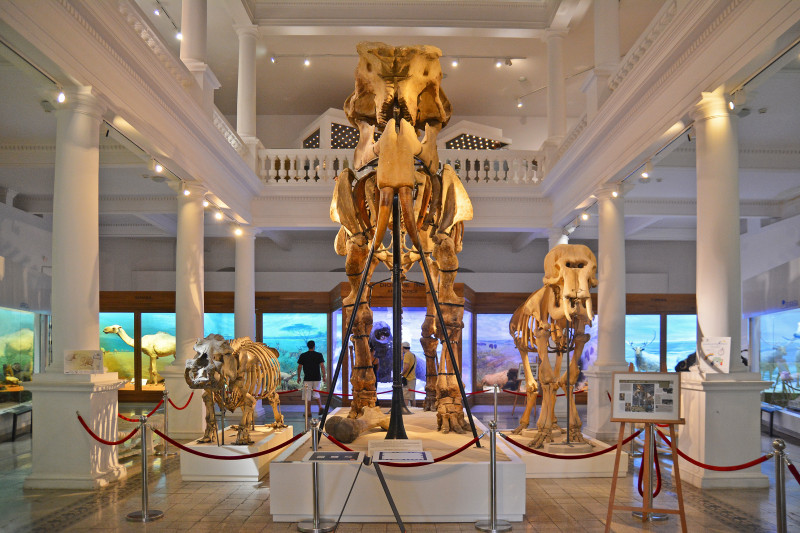
Palaeoloxodon namadicus Also called the elephant with straight ivory tusks, Palaeoloxodon namadicus could be the largest land mammal in the history of the planet, with a weight of over 21 tons and a height of over 5 m. Unfortunately, until now, not many have been found many fossils, so the researchers don't know exactly if it could grow even bigger than that.
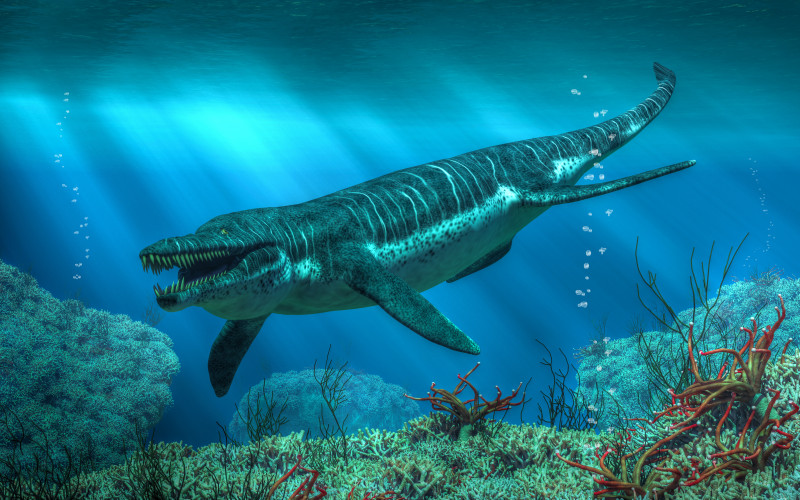
Kronosaurus
One of the largest animals in history measured 9 - 10 m in length and weighed between 13 and 18 tons. Due to its impressive size, researchers believe that it had no predators and that it ruled the oceans, where it fed on fish, octopuses and other marine reptiles, which is why its name is inspired by Cronus - the king of the Titans from Greek mythology who swallowed his children .
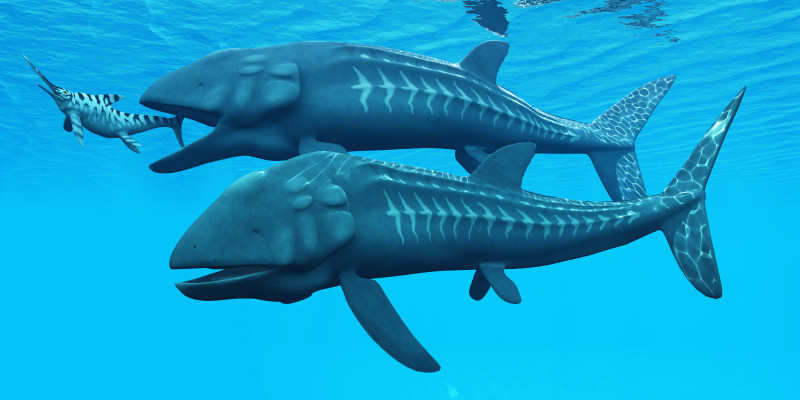
Leedsichthys Even if the whale shark is the largest fish today, the historical record belongs to the animal Leedsichthys. With a length of over 16 m and a weight of over 19 tons, the animal fed on plankton, small shrimps and jellyfish.
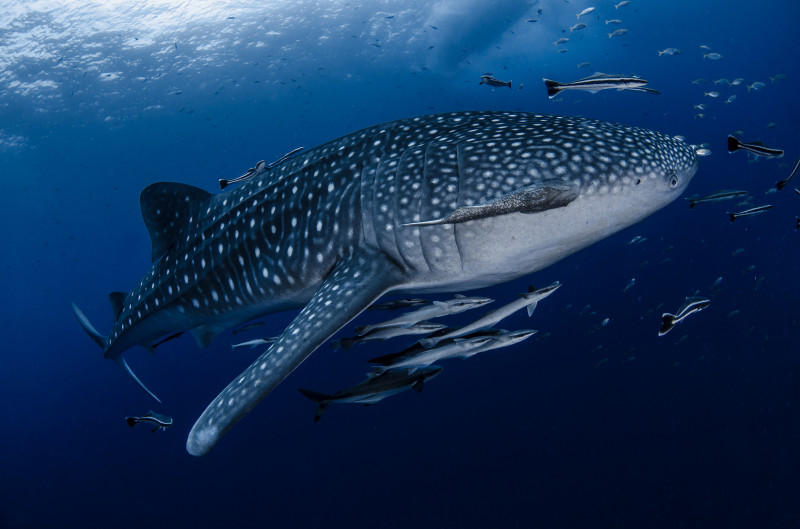
whale shark It is the largest fish and the largest animal on Earth that is not part of the order Cetacea (which includes whales and dolphins). It has a length of almost 11 m and a weight of 18 tons, but scientists believe that it can grow more than that.
 @Maier09