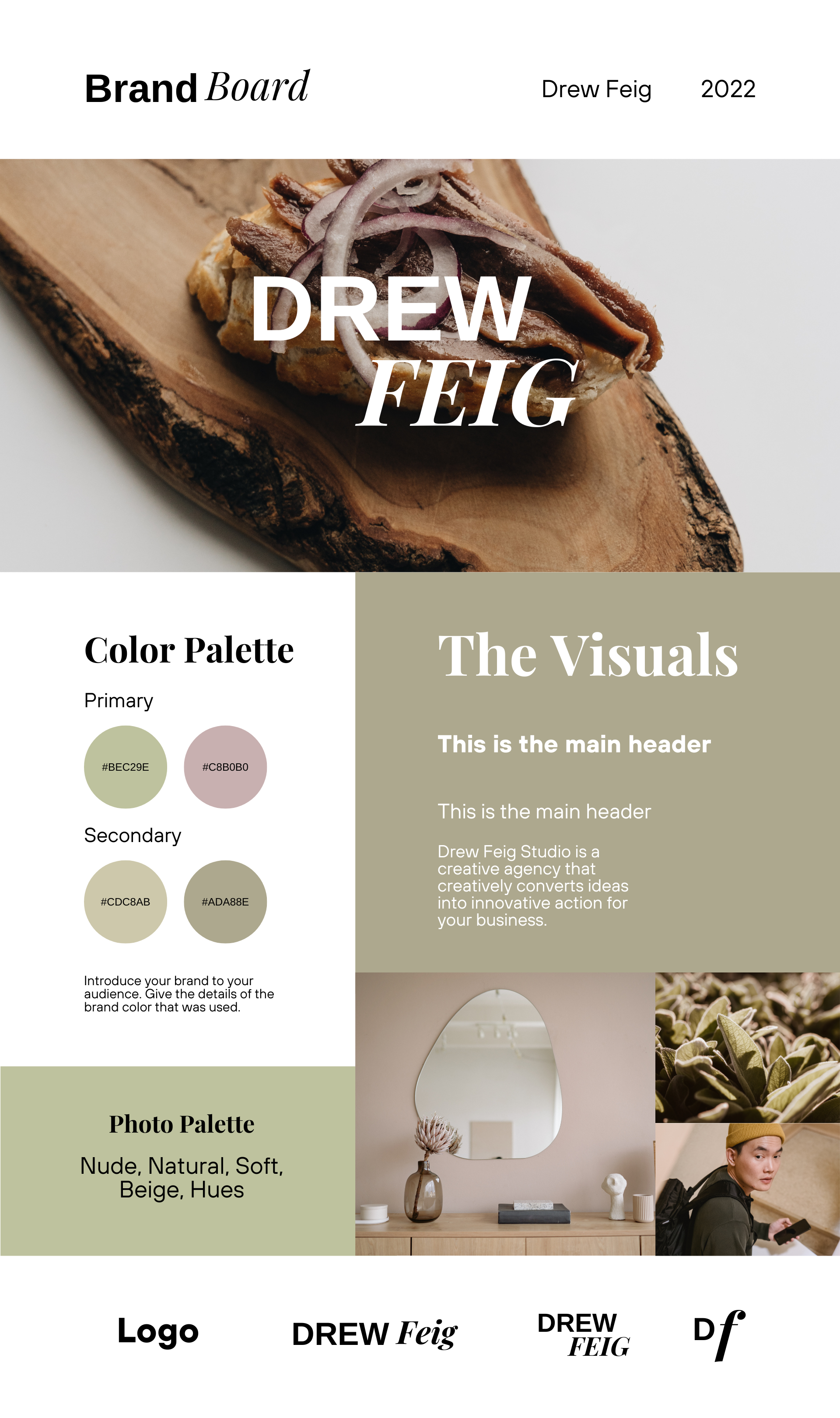
From Minimalism to Materialism: Tips for Designing an Impactful Website
You've probably heard the saying "less is more". And while that may be true in some cases, when it comes to web design, minimalism isn't always the answer. In fact, when done correctly, incorporating a touch of materialism can help create an impactful website that leaves a lasting impression on your visitors.
Defining Your Goals
What are you trying to achieve with your website? This is the first question you need to ask yourself before you start designing it.
Are you looking to create a minimalistic site that's simple and easy to use? Or are you going for a more materialistic design with lots of flashy graphics and videos? The answer to this question will determine the overall look and feel of your website.
Once you've decided on a style, you need to think about the content. What kind of information are you going to be putting on your website? And how can you make it visually appealing to your audience?
Research Your Audience
Before you start designing your website, it's important to do your research and figure out who your target audience is. What are their interests? What do they care about? What are their pain points?
Once you have a better understanding of your audience, you can start designing your website with their needs in mind. Think about what you want them to do on your website—is it to sign up for a newsletter? Make a purchase? Download a white paper?
Your website design should be impactful and help guide your visitors towards taking the desired action. Use visuals and typography to evoke the right emotions and persuade them to act.
Layout
When it comes to layout, less is definitely more. Keep your website simple and streamlined, with plenty of white space to help guide the user's eye.
too much content or flashy graphics can be distracting and will only serve to overwhelm your visitors. You want them to be able to easily find what they're looking for, without having to search through a ton of irrelevant information.
That being said, you still want your website to look polished and professional. Use clean typography and limit the use of animations and video. And make sure all of your content is scannable—users shouldn't have to read through walls of text.
Graphics and Photos
When it comes to graphics and photos, less is often more. As tempting as it might be to go crazy with flashy visuals, remember that your website is supposed to be functional first and foremost.
Your visitors should be able to navigate your website easily, and they shouldn't be overwhelmed by too much information. Stick to a simple design that uses clean lines and muted colors.
And if you do use photos, make sure they're high quality and relevant to your brand. Steer clear of stock photos—they look cheap and unprofessional. Instead, use images that are original and interesting.
Fonts
When it comes to fonts, you want to choose a typeface that's going to be easy to read and that will make your website look polished and professional.
Avoid using too many fonts on your website—it will just look busy and cluttered. And make sure the font you choose is legible on different devices, such as smartphones and tablets.
You also want to use fonts that are web-safe, which means they will look the same on all browsers. Some common web-safe fonts are Arial, Helvetica, Times New Roman, and Courier New.
Testing
When you're designing a website, it's important to test it out on as many devices as possible. That means making sure it looks good and functions properly on desktop computers, laptops, tablets, and smartphones.
It's also a good idea to get feedback from your target audience. Ask them to test out the website and provide feedback. This will help you identify any potential problems and make changes accordingly.
The bottom line is that website design is all about giving your visitors a positive user experience. By testing your design and getting feedback from your target audience, you can be sure that you're on the right track.
Conclusion
So, you want to design a website that makes an impact? Here are a few tips to help you out.
Start by thinking about your target audience. What kind of design will appeal to them? If you're targeting millennials, a minimalist design might work well. If you're targeting business owners, a more materialistic design might be more appropriate.
Once you've settled on a style, it's important to make sure the website is easy to use. Navigation should be simple and clear, and all of the important information should be easy to find. If people can't find what they're looking for, they'll quickly move on to another website.
Finally, make sure the website looks good on all devices. A website that looks great on a computer screen might not look so good on a phone or tablet. Test it out on different devices to make sure it looks good no matter where people view it.
6 Common Design Mistakes and How to Avoid Them
Designers, get ready. Your clients are going to want you to fix those design problems. Learn how to spot the early warning signs...and how to fix them before they become costly.
We live in a visually driven society. Websites, apps, and social media posts are often designed using visual elements that tell stories, inform, entertain, or persuade. Whether you’re a designer, developer, or user, understanding the basic rules of effective design will empower you to create better websites, apps, and web pages.
Design can make or break your website. A well-designed website not only looks good but also functions well and helps you achieve your business objectives. On the other hand, a website with poor design can be frustrating to use, visually cluttered, and unproductive.
These are the six most common mistakes designers make when it comes to design and how you can avoid them:
Overdesigning
You may be tempted to go all out and overdesign your product, but resist the urge! Not only will this make your product more complicated and difficult to produce, but it'll also be more expensive.
Simplicity is key when it comes to design. Think about the Apple logo—it's minimalist and timeless. Or the Nike Swoosh—it's simple and easily recognizable. These are examples of designs that have stood the test of time because they're not too flashy or overdone.
So keep it simple, and you'll be sure to create a product that people will love for years to come.
Lack of Focus
You might be making these mistakes without even realizing it. When you're designing a space, it's important to stay focused on the goal. Sometimes people get too carried away with all the different options and they end up with a space that's cluttered and chaotic. Keep your design simple and streamlined, and you'll be much happier with the outcome.
Not Understanding Your Audience
It's so important to understand your audience when you're designing something. If you don't, you could end up making a mistake that could cost you a lot of time and money.
For example, let's say you're designing a new website. You need to think about who your target audience is, what they want, and what kinds of things are going to appeal to them. If you make assumptions about what they want or design something that's not relevant to them, you're going to lose them pretty quickly.
The best way to avoid this is to do your research and talk to your target audience directly. Ask them what they're looking for and what kinds of things they like. This way, you can be sure that your design is on point and meets their needs.
Not Considering the User Experience
One of the biggest mistakes you can make as a designer is not considering the user experience. It's not enough to come up with a cool concept or design; you need to think about how people will actually use your product.
For example, if you're designing a website, you need to think about things like how people will interact with it, how they'll navigate through the pages, and what kind of information they'll need. You also need to make sure the website is responsive and looks good on all devices.
The same goes for app design. You need to make sure the buttons are easy to tap, the menus are easy to navigate, and the overall design is visually appealing. If your app isn't user-friendly, people will quickly lose interest and move on to another one.
Not Being Consistent
One of the most common design mistakes is not being consistent with your branding. If you have a specific style or look that you're going for, make sure all of your visuals adhere to that style.
This includes everything from your website to your social media posts to your print materials. The more cohesive your branding is, the more professional it will look. And when you look professional, people are more likely to trust you and do business with you.
Ignoring Trends
Trends come and go, and it's important to stay up to date with the latest ones if you want your designs to look current. But sometimes people make the mistake of ignoring trends altogether, or of incorporating them without knowing why.
There are a few things to keep in mind when it comes to incorporating trends into your designs. First, make sure you understand why the trend is popular in the first place. What is it about the trend that people are responding to?
Then, try to think about how you can uniquely apply that trend. Don't just copy what you see other people doing. Be creative! And lastly, always test your designs before you publish them. Just because a trend is popular doesn't mean it's right for your brand.
Conclusion
It's so important to get the basics of design right, especially when trying to impress investors. None of us are perfect designers (I know I'm far from it), but it's still worth trying to learn from others and studying common pitfalls like poor composition and clutter. On the flip side, when you're designing something complex, don't underestimate the importance of simplicity. After all, a little bit of good design goes a long way.
Shape Up Your Visual World: A Guide to Using Shapes in Design
In the world of design, shapes are everything. They create the foundation for your entire project, and can be used to communicate a range of emotions and ideas.
There are a few basic shapes that every designer should be familiar with, and each one can be used in a variety of ways. In this article, we'll take a look at circles and squares, and explore how you can use them to create stunning and effective designs.
Different Shapes and Their Meaning
When it comes to shapes, there are a few basics you need to know. Let's start with circles.
Circles have a lot of meaning in design. They can represent unity, wholeness, and completeness. They can also be used to communicate femininity and softness.
Squares are the complete opposite of circles. They're strong and masculine, and they represent order, stability, and power.
triangles are often used to convey strength or aggression. They can also be used to symbolize dynamism or change.
How to Use Shapes Effectively in Design
When it comes to using shapes in your design, there are a few things to keep in mind.
First, think about what you want the shape to communicate.Is it round and soft, or is it angular and harsh? Once you've determined that, you can start toying with different shapes to see what works best.
Second, consider the space you're working with. Not all shapes will work in all spaces—you need to find the right balance of shapes and negative space to create a cohesive design.
And finally, always test your designs before you put them into production. Sometimes a shape that looks great on the screen doesn't translate well when it's printed out or used in real life. So always be prepared to make tweaks until you're happy with the results.
Balance and Contrast With Shapes
Think about it this way: if you want to create a sense of balance in your design, you need to use evenly-sized shapes. If you want to create contrast, you need to use different shapes.
For example, if you want to create a calming effect in your design, try using circles. But if you want to create a more energetic feeling, try using squares. It's all about playing around with different shapes and seeing what works best for your project.
Using Shapes
When it comes to shapes, there are a few basic rules you need to remember. First, use circles to create a sense of warmth and friendliness. They're informal and inviting, perfect for logos and branding.
Second, use squares to create a sense of order and stability. They're perfect for corporate logos and websites, because they give the impression of trustworthiness and professionalism.
Finally, use triangles to create a sense of power and dynamism. They're perfect for product designs and webpages, because they suggest movement and energy.
So next time you're working on a design project, think about the shapes you're using and how they can help you convey your message to your audience.
Shapes in Branding
When it comes to shapes in branding, there are no hard-and-fast rules. But there are a few things to keep in mind as you start to think about how to use shapes in your own branding.
Start by thinking about your target audience. What shapes resonate with them? If you're targeting a younger crowd, you might want to consider using more playful shapes, like circles or squares. But if you're targeting a more sophisticated audience, you might want to go with more subtle shapes, like triangles or ovals.
Keep in mind the overall tone of your brand, too. If you want your brand to feel modern and fresh, go with clean, minimalist shapes. But if you want it to feel classic and timeless, go with more traditional shapes.
The bottom line is that using shapes in branding is all about creativity and experimentation. So have fun with it and see what works best for your business!
How to Use Shapes to Create Negative Space
When it comes to using shapes in your designs, it's all about creating negative space. Let's take a look at an example.
If you use a circle as your main shape, you can create negative space by using squares or rectangles around it. This will create a visual effect that will draw the eye in and make your design more interesting.
You can also use different shapes to create layers in your design. For example, if you have a square in the foreground, you can use a circle or other round shape in the background to create depth and interest.
When it comes to using shapes in design, the possibilities are endless. So get creative and have some fun!
Conclusion
So, now you know all about using shapes in your designs. But what if you want to create a specific kind of look? Check out some of these popular design styles, and see how you can use shapes to create them.
Abstract: If you want to create a visually interesting design that doesn't have a specific meaning, use abstract shapes. These designs are often organic and free-flowing, and can be very effective in creating a unique look.
Minimalist: A minimalist design is simple and clean, with limited shapes and colors. Use basic geometric shapes to create a sleek and professional look.
Eclectic: An eclectic design is a mix of different styles and shapes. Use different colors and textures to create a visually stimulating design that stands out from the crowd.
With these tips in mind, start experimenting with shapes in your designs, and see what looks the best!
The Beginner's Guide to Typography
When you're starting out in the world of graphic design, one of the first things you learn is the importance of typography. Different fonts can convey different messages, and the right choice can make all the difference in your final product. But with so many options available, it can be tough to know where to start.
In this guide, we'll teach you the basics of typography so you can make informed decisions about what fonts to use in your designs. We'll discuss the different types of typefaces, how to choose the right one for your project, and how to use it effectively.
What Is Typography?
Typography is the art and technique of arranging type to make written language legible, readable and appealing to the eye.
When you're starting out in graphic design, it's important to have a strong understanding of typography. After all, type is one of the most fundamental elements of design. It's what you use to create your logo, your posters, and your website.
There are three main aspects to typography: typeface, font, and size. **Typeface** refers to the style of the lettering, while **font** refers to the actual weight and shape of the lettering. **Size** is self-explanatory—it's simply the size of the text.
Why Is Typography Important?
Well, think about it. Typography is the foundation of all graphic design. It's the first thing you see, and it's what sets the tone for the rest of the design. Well-designed typography can make your graphics look amazing, while a bad typeface can ruin everything.
That's why it's so important to get your typography right. It's the foundation on which your whole design will stand or fall. So take your time, experiment, and keep learning until you get it just right.
The Different Types of Typefaces
There are so many different types of typefaces out there, and it can be pretty daunting to figure out which one to use for your design project. But don't worry, we're here to help!
In general, there are four main types of typefaces: serif, sans-serif, script, and decorative. **Serif typefaces** have small flecks or lines at the end of each letter, while **sans-serif** **typefaces** don't have these extra flourishes. **Script typefaces** are usually more formal and look like they've been handwritten, while **decorative typefaces** are just that—decorative! They're not meant to be used for text, but rather for headlines or logos.
So which typeface is right for you? That depends on the mood you're trying to create and the overall tone of your design. Serif typefaces are often seen as more traditional or classy, while sans-serif typefaces are considered more modern and minimalist. If you want your design to feel playful or romantic, go with a script typeface. And if you're looking for something eye-catching and unique, try a decorative typeface.
How to Choose the Right Typeface
When it comes to choosing the right typeface, there are a few things you need to keep in mind. First, think about the tone of your project and how you want your audience to feel. Then, take a look at the other elements of your design and see what typeface will complement them best.
And lastly, don't be afraid to experiment! Try out different typefaces until you find one that feels just right. Remember, practice makes perfect.
Tips for Using Typography in Your Designs
Now that you know the basics of typography, it's time to put it into practice. Here are a few tips for using typography in your designs:
Use different types of fonts to create visual interest.
Make sure the font matches the tone of your message.
Use typography to create a hierarchy of information.
Experiment with different color combinations.
Use typography to create a unique style for your brand.
Stay consistent with your typefaces and font sizes.
Typography is an important aspect of design, and it's something that all designers should learn. It's not as hard as it seems, and once you get the hang of it, you'll be able to create beautiful and professional-looking designs.
Keep Your Friends Close and Your Personal Information Closer
Scammers are getting more and more sophisticated every day, and it's important to be aware of the ways they try to steal your personal information.
**So how do scammers get your personal information in the first place?** There are a few ways, but one of the most common is phishing emails.
Phishing emails are fake emails that look like they're from a legitimate company, like your bank or credit card company. The goal of a phishing email is to get you to click on a link or open an attachment, which will install malware on your computer.
Once the malware is installed, the scammers can access all your personal information, including your passwords and account numbers. They can use this information to steal your identity or to run up fraudulent charges on your credit cards.
That's why it's so important to be careful about what you click on and to never open attachments or click on links in emails that you don't recognize. If you're not sure whether an email is legit, contact the company directly to see if they sent it.
Do Not Give Out Your Personal Information
When it comes to protecting your personal information from scams, the most important thing is to not give out your information yourself. So, if someone ever asks for your Social Security number, bank account details, or even your mother's maiden name, just hang up or walk away.
There are a lot of scams out there, and they're getting more and more sophisticated. So it's important to be aware of the different types of scams and how they work. For example, there are phishing scams, where someone will contact you pretending to be from your bank or credit card company and ask for your personal information.
There are also email scams, where you might get an email that looks like it's from a reputable company but is actually a scam. And one of the most common types of scams is the 419 scam, which is when someone asks you to help them transfer money out of a foreign country.
So be vigilant, and if something seems too good to be true, it probably is. And if you're ever in doubt, just contact the company directly to verify that the email or phone call was legit.
Be Cautious of Unsolicited Emails, Calls, or Text Messages
You may have heard the saying, "**If it's too good to be true, it probably is**." And that's definitely something to keep in mind when it comes to scams.
In today's digital world, scammers are getting more and more clever. They know how to prey on people's emotions and vulnerabilities, and they're not afraid to use scare tactics to get what they want. That's why it's so important to be aware of what to look for, and to be cautious about any unsolicited emails, calls, or text messages you may receive.
Here are a few tips for protecting your personal information from scammers:
-Never give out your personal information such as your Social Security number, date of birth, or account numbers unless you absolutely trust the person or organization.
Don't click on any links or open attachments from emails that seem suspicious.
Be wary of organizations that ask for donations over the phone or in person.
If you're not sure whether an offer or request is legitimate, do some research online or contact the Better Business Bureau.
Know How to Spot a Phishing Email
Phishing emails are one of the most common ways scammers try to get your personal information. They look exactly like regular emails, but they're actually trying to get you to click on a link or open an attachment that will give them access to your account.
So how can you tell if an email is a phishing email? Here are a few tips:
The email will often ask for personal information, like your address or banking details..
The email may include a link or attachment that looks like it's from a legitimate website, but when you hover over it, the address doesn't match.
The email will often say that there's a problem with your account and that you need to click on the link or open the attachment to fix it.
If you're not sure whether an email is safe, don't open it. Instead, call the company directly and ask them if they sent the email.
Do Not Click on Links from Unknown Sources
Be careful with the websites you visit, and even more so with the links you click on. A lot of scammers out there are looking to steal your personal information, and they'll use any means possible to do it.
They might send you an email with a link that looks legitimate, but when you click on it, you're taken to a website that's created specifically to steal your information. They might even create a fake website that looks just like the real thing. So be vigilant and always check the address bar to make sure you're on the right website.
And never, ever give out your personal information unless you're absolutely sure of who you're dealing with. Legitimate companies will never ask for your social security number or credit card information over the phone or by email. So if something seems too good to be true, it probably is.
What You Can Do to Protect Your Personal Information
Now that you know a bit more about scams, it's time to talk about what you can do to protect yourself and your personal information.
First and foremost, be extremely careful about who you share your information with. If someone asks for your Social Security number or credit card number, be suspicious. And if you're not sure, don't hesitate to ask a friend or family member for their opinion.
Second, make sure you have strong passwords and don't use the same password for different accounts. This makes it much more difficult for scammers to gain access to your information.
Finally, keep an eye on your bank statements and credit reports regularly. If you see any suspicious activity, be sure to report it right away.
Conclusion
Now that you know how to protect your personal information from scams, be sure to keep your guard up. Remember, if it sounds too good to be true, it probably is. Do your research before you give away any of your personal information, and if something seems suspicious, report it to the authorities.
By following these tips, you can keep yourself safe from scammers and protect your personal information.
Scams: How to Avoid Them
There are all sorts of scams out there, and as a savvy consumer, it's important to know how to avoid them. The best way to do that is by being aware of the most common scams and learning how to spot them.
In this article, we'll take a look at the most common types of scams and provide some tips for how to avoid them. We'll also discuss what to do if you find yourself in a scam situation.
What Is a Scam?
A scam is a fraudulent scheme or action, typically one that involves stealing money. It could be as simple as someone cold-calling you and asking for your credit card number, or as complicated as an investment scam that leaves you out of pocket thousands of dollars.
The best way to avoid being scammed is to be aware of the different types of scams that are out there, and know how to protect yourself. Familiarize yourself with the red flags, and be vigilant about giving out your personal information.
If something seems too good to be true, it probably is. So always be suspicious of any offer that sounds too good to be true, and remember that if it sounds too good to be true, it probably is.
How Do Scammers Operate?
Let's talk about how scammers operate. Generally, there are three ways they can go about it:
1. **The first way is by stealing someone's identity**. They might get hold of your personal information, like your social security number, and use it to open up accounts in your name. Or they might even use your credit card without your permission.
2. **The second way is by pretending to be someone you know or trust**. For example, they might call you and pretend to be your bank, and then try to get you to give them your personal information.
3. **The third way is by using a fake ID**. This is probably the most common type of scam because it's so easy to do. scammers will create a fake ID that looks just like yours, and then use it to try to get access to your accounts or your personal information.
Why Are People Scammed?
People are scammed for a variety of reasons. Maybe they're looking for a quick fix and don't do their research. Maybe they're desperate and don't know who to trust. Or maybe they just don't want to believe that it could happen to them.
Whatever the reason, scammers are experts at playing on people's emotions. They know how to make you feel like you're the only one who can help them, or that you're in danger if you don't act fast. And before you know it, you've handed over your hard-earned money without getting anything in return.
What Are Some Common Scams?
You might have heard about some of the most common scams, like the one where someone calls and says you've won a prize.
But there are lots of other scams out there, ones that you might not be aware of. For example, there's the phishing scam, where you get an email that looks like it's from a friend or a company you know, but it's really from a scammer. The goal of the email is to get you to click on a link or give away your personal information.
Another common scam is the 419 scam, which is named after the section of Nigeria's criminal code that it falls under. This is when someone emails you and says they need your help to get money out of the country. They'll usually ask for your bank account number or other personal information.
How Can You Avoid Being Scammed?
The best way to avoid being scammed is to be aware of the warning signs. For example, if something seems too good to be true, it probably is. Be suspicious of any offers that require you to pay up-front, or that require you to share your personal information.
And if you're ever unsure about an offer, don't hesitate to reach out to the company directly and ask for more information. Reputable businesses will be more than happy to answer any of your questions.
Finally, always remember that if something sounds too good to be true, it probably is. So stay vigilant, and you'll be less likely to fall victim to a scam.
There's no single solution to avoiding scams, but there are a few things you can do to make yourself less of a target: be skeptical, do your research, and never give out your personal information unless you're absolutely sure of the source.
How Can You Protect Yourself From Scams in the Future?
So, you've been scammed. It happens to the best of us, and unfortunately, there's not much you can do to reverse the damage. But what you can do is take steps to make sure it doesn't happen again.
Here are a few ways to protect yourself from scams in the future:
1. Educate yourself about the different types of scams and how they work. This way, you'll be able to spot them a mile away.
2. Don't share your personal information with anyone unless you absolutely trust them.
3. Be skeptical of any requests for money or donations, no matter how legitimate they may seem.
4. Use strong passwords and change them often.
5. Stay up to date with the latest scams by reading articles like this one!
What Should You Do if You Think You've Been Scammed?
If you think you've been scammed, the first thing you need to do is to stop all communication with the person who scammed you. This means no more emails, no more phone calls, and no more texts.
Next, you should report the scam to the appropriate authority in your country. You can do this online or by phone. They will help you figure out what to do next and may be able to get your money back.
You should also file a police report. This will help law enforcement officials track down the scammer and bring them to justice. Finally, you should warn your friends and family about the scam so they don't fall victim, too.
Conclusion
No one wants to be ripped off, so it's important to be aware of the warning signs of a scam. If you're ever unsure about a deal, it's always best to err on the side of caution. If something seems too good to be true, it probably is.
How to Keep Your Motivation High When Times Are Tough
How do you stay motivated during tough times? When life gets stressful, we often focus on our problems instead of our goals. Being able to identify what motivates you and what brings you joy is crucial to maintaining motivation throughout challenging times.
No matter who you are and what stage you are at in life, staying motivated is essential to success. Having a positive attitude helps you achieve your goals. There are several ways to help you reach greater heights through mental strength. The key is to build up your ability to cope with stress and challenges.
Difficult times are an inevitable part of life, but how you deal with them is up to you. When the going gets tough, it's important to find ways to stay motivated and push through. Here are a few tips that have helped me stay on track when things get tough.
Recognize That Difficult Times Are Temporary
When you're feeling down and discouraged, it's important to remember that these feelings are temporary. You're not going to feel this way forever.
The next time you're feeling unmotivated, take a step back and ask yourself why. What is causing this lack of motivation? Once you have a better understanding of what's going on, you can start to put a plan into place to get yourself back on track.
Remember, it's perfectly normal to feel down sometimes. The key is to not let those feelings keep you from reaching your goals.
Find Your Why
You know those days when you just don't feel motivated to do anything? Well, that's why it's so important to find your why.
Your why is what keeps you going when things get tough. It's what gets you out of bed in the morning and pushes you to keep going when you feel like giving up.
For me, my why is my family. I want to provide for them and make them proud. I want to be able to give them a good life and show them that anything is possible. And I know that if I can stay motivated through difficult times, then I can achieve anything I set my mind to.
So find your why and keep it close to your heart. Let it be your driving force when things get tough.
Set Realistic Goals
When you're feeling down and out, it's tough to get motivated. Everything seems like an uphill battle, and it's hard to see the light at the end of the tunnel.
But that's when it's more important than ever to set realistic goals and work towards them. Don't try to tackle everything at once—break your goals down into smaller steps that you can actually achieve. This will help you stay motivated and on track.
Think about what's important to you, and focus on those things. Maybe there are some things you can let go for now, and that's okay. The most important thing is to keep moving forward.
Make a Plan
To get through these tough times, you need to make a plan.
Sit down and figure out what's been getting you down, and then come up with a strategy for how you're going to deal with it. Maybe you need to take a day off from work to recharge your batteries, or maybe you need to reach out to a friend for support.
The most important thing is that you take some kind of action. Just sitting around feeling sorry for yourself isn't going to do anything but make things worse. So put on your biggest smile and get ready to take on the world!
Find a Support Group
When times get tough, it's important to have a support group to help you stay motivated. You need people who will understand what you're going through and can offer helpful advice and words of encouragement.
So where can you find a support group? There are plenty of places online, or you could join a local group. The important thing is to find people who share your goals and who will be there to support you when you need it.
When you have a support group, it's easier to stay motivated and push through difficult times. Remember, you're not alone in this—you have a team of people who are rooting for you.
Take Care of Yourself
You're going to hit some tough times during your career. It's inevitable. But how you deal with those times is up to you.
When the chips are down and you're feeling discouraged, it's important to take care of yourself. Get enough sleep, eat healthy foods, and exercise. These things will help keep your energy up and your spirits high.
When you're feeling good about yourself, it's easier to stay motivated and focused on your goals. So take some time for yourself every day, even if it's just for a few minutes. Relax, reflect, and rejuvenate your mind and body. You'll be glad you did.
What Do You Do When You Feel Like Giving Up?
You might be feeling down and out like you just can't go on. You might be tempted to throw in the towel and give up.
But don't do it! Remember, it's not over until you say it's over. There's always a way to turn things around, you just have to find it.
When you feel like giving up, these are the things you should do:
Take a step back and assess the situation. Are you really in a bad place, or are you just feeling down? Sometimes we get so caught up in our emotions that we don't see things objectively.
Talk to someone about how you're feeling. It can be really helpful to talk to someone who will understand what you're going through and can offer some advice.
Do something that makes you happy. Even if it's just for a little while, take some time for yourself to do something that brings you joy. It'll help put things into perspective and recharge your batteries.
These are just a few tips but each individual has their way of staying motivated. **How do you stay motivated through difficult times? What inspires you?**
Conclusion
When things get tough, it can be hard to stay motivated. Our brains tend to focus on short-term goals, and we tend to put off long-term goals. That makes us less likely to stick with them. As a result, we can become overwhelmed and unmotivated.
In order to achieve success, you need to develop a strong sense of purpose. The key is to take action every day towards achieving that purpose. You'll need to identify your values, commit to a plan, and then execute your goals. This way, you'll always have something to strive for. You can also look at your daily actions to see where you've already taken steps towards reaching your goal.
Staying motivated isn't always easy, but it's worth it in the end.
The Power of Simplicity in Design
When it comes to design, simplicity is key.
Too often, people try to overcomplicate things, but when it comes to design, less is often more. A simple, clean design can be more effective and eye-catching than a cluttered one.
In this article, we'll take a look at some examples of simple design done well, and explore the reasons why simplicity is such an important principle in graphic and web design.
Defining Simplicity
When it comes to design, simplicity is key. It's all about creating a clear, concise message that's easy to understand.
But what does simplicity really mean? For some people, it might mean using a limited color palette or keeping the layout uncomplicated. For others, it might mean eliminating all distractions and focusing on the essentials.
The key is to find what works best for you and your audience. There's no right or wrong answer—simplicity is all about finding the right balance for your project.
The Benefits of Simplicity
It's not about minimalism or taking things away for the sake of taking them away. It's about distilling an idea down to its most essential elements and building from there. When you keep things simple, you make your job as a designer much easier. You also make your product or service more user-friendly.
Simplicity breeds clarity, and clarity is essential for good design. It's what allows people to understand your message and take action on it. So don't be afraid to strip away the unnecessary details and focus on the essentials. When it comes to design, less is often more.
**How to Achieve Simplicity in Design**
When it comes to design, simplicity is key. You don't want your design to be cluttered or confusing—that just makes it difficult for your customers to understand what you're trying to say.
So how can you achieve simplicity in your design? Here are a few tips:
Keep your design clean and organized.
Use simple, easy-to-read fonts.
Use common imagery that your customers will be familiar with.
Stick to a limited color palette.
Use whitespace to create contrast and emphasize important elements.
Limit the number of elements on each page.
Use concise language and avoid long paragraphs.
**Examples of Simplicity in Design**
Consider the design of an iPhone. It's simple, yet elegant. There are no unnecessary bells and whistles, just the essentials. And that's what makes it so popular.
It's the same with Apple as a brand. They've built a successful business by keeping things simple and focusing on the essentials. Sure, they've made a few missteps along the way, but overall they've been very successful in their approach to design.
When it comes to your business, don't try to do too much. Keep things simple, and focus on the basics. That's where you'll find success.
Think about some of the most iconic designs of all time. They're almost all simple, right? The Apple logo, the Nike swoosh, the McDonald's arches.
These designs are so successful because they're instantly recognizable and easy to remember. And when it comes to marketing, that's what you want—a design that people will remember and associate with your brand.
Simplicity is key when it comes to design. It's a timeless quality that never goes out of style. So keep it simple, and you can't go wrong.
The Future of Simplicity in Design
It's always been clear that great design is easy to recognize. The best designers manage to reduce complexity and create clarity. In a world that's becoming increasingly complex, this is more important than ever.
And it's not just about making things look pretty. Simplicity in design can also increase productivity. When people can understand your message quickly and easily, they're more likely to act on it.
So what does the future of simplicity in design hold? I think we'll see even more concepts like consistency and accessibility becoming unquestionably valuable. The best designers will continue to find ways to make things simpler and easier to understand.
The Dangers of Over-Complicating
The thing about design is that it's all about simplicity. The simpler the design, the more effective it is. When you over-complicate things, you lose the focus and the impact of your message.
It's like when you're trying to make a point in a meeting and you start rambling on and on. Suddenly, everyone's lost and they're not sure what you're trying to say. You're just making things more complicated than they need to be.
The same thing applies to design. When you try to pack in too many details, or use too many colors, or make too many shapes, you lose the impact of your message. People can't take it all in at once.
But when you keep things simple, people can understand your message right away. They don't have to work hard to figure out what you're trying to say. They see it right there in front of them, and it's clear and concise and easy to understand.
**Conclusion**
As you go about your day, think about the objects and spaces around you. How many of them are simple, and how many are cluttered? Which ones make you feel calm and which ones make you feel stressed?
When it comes to design, simplicity is key. A well-designed object or space is one that's clear and easy to understand. It doesn't have any extra details that don't serve a purpose.
When it comes to your own life, try to simplify as much as possible. Cut down on the clutter and the noise, and focus on the things that really matter. You'll be surprised at how much better you'll feel.
The Importance of Digital Skills in the Job Market
You may have heard the phrase "digital native." But what does that really mean?
Being a digital native simply means that you're comfortable using technology and the internet from a very early age. You probably started using a computer before you could even read or write. And because you grew up using the internet, you have a unique set of skills that are in high demand in today's job market.
In this article, we'll discuss the importance of digital skills in the job market and explore some of the best ways to develop these skills. Whether you're looking for your first job or considering a career change, understanding and mastering digital skills is essential. So keep reading to learn more!
The Ever-Changing Digital Landscape
The digital world is always evolving, and those who don't stay up to date with the latest trends and technologies will be left behind. That's why it's so important to have strong digital skills.
Think about it—almost every job these days requires some level of proficiency with technology. You need to be able to send emails, do online research, use word processing programs, and so on. And if you don't have the skills to do those things, you're going to find it tough to land a job in today's economy.
But don't worry, you're not alone. A lot of people are in the same position. The good news is that there are plenty of resources out there that can help you improve your digital skills. So don't wait—start learning today!
The Importance of Digital Skills in the Job Market
You're probably wondering why digital skills are so important in today's job market.
After all, most jobs don't require you to use a computer on a daily basis. But the truth is, even if your job doesn't require you to use a computer, you're going to need digital skills to land that job in the first place.
That's because almost every company nowadays is using technology to search for candidates. They're using software to screen resumes, and they're using social media to find the best candidates. So if you want to stand out from the crowd, you need to have some solid digital skills.
Which Digital Skills Are Most in-Demand?
Which digital skills are most in-demand? According to a recent study, the answer is data analysis, programming, and UI/UX design.
That's not too surprising, given the way our world is evolving. We're living in a more and more digital age, and businesses are starting to realize that they need to have a strong online presence if they want to stay competitive.
That's where you come in. If you have the right digital skills, you're in high demand. So it's important to make sure you're keeping up with the latest trends and technologies. And if you're not sure where to start, there are plenty of online courses and tutorials that can help you get up to speed.
The future is looking bright for those who possess the right digital skills. So make sure you're one of them!
How to Improve Your Digital Skills
So, you want to improve your digital skills? Here are a few tips:
**Start by learning the basics**. Make sure you know how to use a computer, send an email, and do some basic online searches.
**Use different types of technology**. If you only use one type of technology, such as a desktop computer, you're limiting yourself. Try using a laptop, tablet, and smartphone so you can familiarize yourself with different platforms.
**Use social media wisely**. Social media can be a great way to connect with people and learn new things, but it's important to use it in a responsible way. Don't share confidential information or post anything that could hurt your reputation.
**Be open to change**. The digital world is always changing, so it's important to be open to new ideas and technologies. If you're not willing to learn, you'll quickly fall behind.
**The Future of Digital Skills**
The future of digital skills is looking bright, that's for sure. But what does that mean for you?
It means that if you're looking to get ahead in the job market, you need to make sure your skills are up-to-date. Employers are going to be looking for candidates who have experience in the latest technologies, and who know how to use them.
**How Can I Make Myself More Marketable With Digital Skills?**
Let's face it: the job market is tough. Even if you have the right skills and experience, it's not always easy to find a job that's a good fit for you.
But that doesn't mean you should give up. In fact, one of the best things you can do is make yourself more marketable by developing your digital skills.
There are a lot of different ways to do this, and the best approach depends on your own strengths and interests. But some general tips would include:
Learning how to use social media for business purposes. This could include things like creating a social media strategy, managing campaigns, or measuring results.
Becoming familiar with basic coding languages. This could include HTML, CSS, and JavaScript, among others.
Developing your skills in data analysis and visualization. This could include using programs like Excel or Tableau to analyze data and create graphs and charts.
Learning about digital marketing concepts and strategies. This could include things like email marketing, search engine optimization (SEO), and pay-per-click (PPC) advertising.
The bottom line is that the more digital skills you have, the more marketable you'll be in today's job market. So don't be afraid to invest in yourself and learn what you need to stand out from the crowd.
Conclusion
The job market is changing, and with it, the skills that employers are looking for. If you want to stay ahead of the curve, it's important to make sure you have the digital skills that employers are looking for. That means having a strong grasp of technology and being able to use it to your advantage.
Digital skills are in high demand, and they're only going to become more important in the years to come. If you want to stay competitive in the job market, make sure you have a strong foundation in digital skills. It will open up more opportunities for you and help you stand out from the crowd.
Qualities of a Good UI Design
The goal of UI design is to create designs that are simple, intuitive and effective at helping users accomplish their goals.
As we know, the success of any website is largely dependent upon its accessibility and usability. A good UI helps users find what they're looking for easily and intuitively. A bad UI makes sure you don't find anything! Designing a good interface requires understanding how people use computers and web browsers. Understanding human behavior and psychology is critical to designing effective UIs.
The goal of User Interface design is to create digital products and services that work well on screen, regardless of device type.
A quick recap:
User Interface (UI) design is the art of designing user interfaces for digital products. In this case, we’re talking about websites, mobile apps, desktop software, etc. These designs should look great and work well across different devices. When done right, users feel positive emotions towards their experience of using your product. That’s why its called “user interface”; it's designed specifically for users.
The Qualities of UI Design
There are several qualities of UI design that define a successful design.
Usability
When it comes to usability, you want to make sure that your interface is easy to use. This means that your users should be able to complete the tasks they're trying to do without any trouble.
There are a few things you can do to make your interface more user-friendly. One is to make sure all of your buttons and icons are easy to see and understand. You also want to make sure that your text is easy to read, and that all of your instructions are clear.
Another thing you can do is make sure that your interface responds quickly. Nobody likes waiting around for a page to load, so make sure you're optimizing your images and scripts. And lastly, always test your design on different browsers and devices to make sure it looks good everywhere.
Learnability
When you're designing a UI, you want to make sure that it's easy for users to learn how to use it. You don't want them to have to fumble around, trying to figure out how everything works.
So how do you make sure that your UI is easy to learn? By following some basic principles of good design. Keep your layout simple and organized, use clear labels and instructions, and make sure all the controls are easy to access.
And most importantly, test your design with real users. Get feedback and make changes based on their feedback. The goal is to make your UI intuitive and user-friendly, so that users can figure it out without having to read the instructions.
Desirability
Creating an effective and desirable user interface is essential for any designer. It's the first thing people see and it's what will ultimately determine whether they stay or go. This is about making your interface look good and appealing to users. It's important to strike the right balance between esthetics and functionality, making sure that your design is both beautiful and useful..
Credibility
One of the most important aspects of good UI design is credibility. Your users need to trust that your interface is trustworthy and will do what it's supposed to do. If you're not careful, you can easily damage your users' trust by making careless mistakes or by being unclear about what you're asking them to do. So always take the time to make sure your design is clear and easy to use. And if you're not sure whether something is credible or not, ask for feedback from your users. They'll be happy to tell you what works and what doesn't, and you can use that information to make your interface even better.
Findability
When it comes to UI design, findability is key. You want your users to be able to find what they're looking for with ease. Otherwise, they'll get frustrated and leave your site.
So how can you make sure your users can find what they need? Here are a few tips:
Keep your navigation menu easy to use.
Use clear labels so users know where they are and where they're going.
Make use of search bars and filters to help users narrow down their results.
Use headings and subheadings to break up your content and make it easier to scan.
Use visuals to help guide users' attention and highlight important information.
A well-designed UI can make all the difference in the world for your users. Keep these tips in mind and you're sure to create a user-friendly interface they'll love.
What Goes Into a Good UI/UX Design
UI design and UX design are two of the most important aspects of any website or app. If the user interface is confusing or difficult to use, people will be less likely to stick around. The goal of good UI/UX design is to make the user's experience as smooth and easy as possible.
There are a few key principles that good UI/UX designers follow to create a user-friendly interface. In this article, we'll cover the essentials of good UI/UX design, and we'll give you some tips on how you can improve your own designs.
Why UI and UX Design Is Important
You might be wondering why UI and UX design is so important. After all, you can just design the website or app however you want, right?
Well, not exactly. UI and UX design are essential for making sure your website or app is effective and easy to use. In fact, if your UI or UX design is bad, it can actually turn users off and make them leave your website or app.
That's why it's so important to get it right. Good UI and UX design will make your website or app more user-friendly and enjoyable to use, which means people are more likely to stick around and use it.
What Goes Into a Good UI/UX Design
So what goes into a good UI/UX design? Well, first and foremost, it's important to understand the user. What are their needs and what are they trying to achieve?
Then, you need to think about the interface. How is the user going to interact with it? Is it easy to use? Is it intuitive?
And finally, you need to focus on the esthetics. The design should be visually appealing and convey the right message. It should be cohesive and consistent with the overall branding.
It's not easy to create a good UI/UX design, but if you follow these essential guidelines, you're on your way to creating something that your users will love.
Creating a Wireframe
The next step in the design process is to create a wireframe. This is basically a blueprint of your website or app, and it's a great way to get a sense of how everything is going to fit together.
Your wireframe should include the following:
The layout of your pages
The structure of your content
The navigation bar
The text and fonts you'll be using
Images and other graphics
It's important to get your wireframe right, because it will serve as the foundation for your final design. So take your time and make sure everything is just right.
Designing the Interface
As a designer, it's your responsibility to create an interface that is both user-friendly and visually appealing. But where do you start?
The first step is to think about the user. What are their needs and how can you accommodate them? Your design should be intuitive and easy to use, otherwise people will get frustrated and leave your site.
You also need to consider the overall esthetic. The layout and colors should be pleasing to the eye, otherwise people will be turned off from your site entirely.
It's important to keep these things in mind when designing your interface, as they will make or break the user's experience.
User Testing
Once you've got your design prototype ready, it's time for user testing. This is where you'll see how people actually interact with your design. You need to watch them closely and take notes as they use your prototype.
Don't be surprised if you find that people don't use your product the way you imagined they would. That's perfectly normal, and it's something you can learn from. Just make sure you're paying close attention to how they're using your product so you can improve on the design.
Launching the Product
Congratulations! You've finished designing your amazing new product. It looks great, and you're excited to launch it out into the world. But before you do, there are a few things you need to keep in mind.
First, make sure you have a solid strategy for user acquisition. No one is going to find your product if they don't know it exists, so put some thought into how you're going to get people to try it out.
Second, think about your onboarding process. This is the first impression users will have of your product, so make sure it's a good one. Guide them through the features and make it easy for them to get started.
Last but not least, make sure you have a plan for post-launch support. Users will inevitably have questions and problems, so make sure you have a way to address them. Keep communication open and be prepared to iterate on your design based on user feedback.
Conclusion
So, what makes good UI/UX design? Krug puts it best when he says, "Good design is a mix of art and science." It's both an intuitive and analytical process that, when done well, results in a seamless and satisfying experience for the user.
If you're looking to create good UI/UX design, start by understanding your users. What are their needs and goals? What are they trying to accomplish? Once you have a good understanding of your users, you can start to create prototypes and wireframes that will help you to visualize your ideas and test their feasibility.
It's important to be constantly testing and refining your designs, as user feedback is essential to making good UI/UX design. Don't be afraid to experiment – the best designs often come from trial and error. With a bit of practice, you'll be able to create designs that are not only beautiful but also user-friendly.
The User Is Always Right: The Importance of UX Design
As a UX designer, you know that making your design user focused is essential to your success. But what does that mean in practice? How do you go about making sure your designs are actually useful and usable for your target audience?
It's not always easy to put yourself in the shoes of your users, but it's essential to do so if you want to create effective designs. You need to understand their needs and wants, and you need to be able to see things from their perspective. Only then can you start designing for them, rather than for yourself.
In this article, we'll explore the importance of user focus in UX design, and we'll look at some ways to make sure your designs are actually useful and usable for your target audience.
A quick recap, UX design is all about making sure the user has a good experience with your product. It's about taking into account their needs and wants, and designing something that's going to be easy for them to use.
**What Are the Goals of UX Design?**
When it comes to UX design, the goal is always to put the user first. After all, they're the ones who are going to be using the product or website, so it's important to make sure their needs are taken into account.
Some of the goals of UX design include simplifying complex tasks, making the user feel in control, and reducing cognitive load. But the most important goal is always to create a positive user experience.
Think about it: if a user has a bad experience with a product, they're not going to stick around. And that's bad news for your business. So it's essential to make sure that all aspects of the user experience are taken into account in everything you do - from the initial design phase all the way through to launch and beyond.
**How Does UX Design Benefit Users?**
When it comes to UX design, the user is always right. After all, it's all about meeting their needs and providing a good user experience.
So how does UX design benefit users? Here are just a few ways:
It makes websites and apps easy to use.
It makes them more user-friendly.
It ensures that they meet users' needs and expectations.
It helps to improve users' satisfaction levels.
It makes websites and apps more appealing to customers.
**How to Create a User-Focused UX Design**
So, how do you create a user-focused UX design? It's actually pretty simple. You just have to keep the user at the forefront of your mind at all times.
Remember, the user is always right. And if you can make sure that your design is catering to their needs, you're going to be on the right track. So, how can you make sure that your design is user-friendly?
The first step is to understand your user's needs. What are they looking for in a product? What are their goals? What are their pain points? Once you have a good understanding of your user's needs, you can start designing with them in mind.
Your design should be intuitive and easy to use. Think about the steps the user will need to take to complete their goal. Make sure everything is organized and easy to find. And don't forget about the esthetics! Make sure your design looks good and is pleasing to the eye.
Always be willing to listen to feedback, and make changes accordingly. And lastly, don't be afraid to experiment. The key is to constantly be learning and evolving.
When it comes to UX design, think of the user first and everything else will follow.
**What Are Some Common UX Design Mistakes?**
As a UX designer, it's important to always keep the user in mind. After all, they're the ones who will be using your design, so you want to make sure you're giving them what they need.
But that's not always easy. In fact, making UX design more user focused can be pretty tricky. You have to constantly be aware of what the user wants and how they're feeling. And you also have to be prepared for changes in direction, because what the user wants one day might not be what they want the next.
So, what are some common UX design mistakes? Well, here are a few:
Not paying enough attention to users
Not taking into account user feedback
Focusing too much on esthetics instead of usability
Not doing enough user research
**How Can Good UX Design Improve My Website/App?**
Imagine you're the user. You're using a website or app, and you can't figure out how to do something. You click around for a while, and finally you give up and go somewhere else.
UX design is all about making sure that doesn't happen. By making your website or app intuitive and easy to use, you're increasing the chances that users will stick around and see what you have to offer. You're also making it more likely that they'll convert into paying customers.
So how can you make your website or app more user-focused? Here are a few tips:
Make sure your design is responsive and adapts to different screen sizes.
Use an easy-to-use navigation bar that's always visible.
Create user flows that make sense and are easy to follow.
Use clear labels and instructions throughout your design.
Test your design with real users to get feedback.
**Conclusion**
It's important to remember that the user is always right, and your job as a UX designer is to make sure their experience is the best it can be. By taking user feedback into account and making changes based on that feedback, you can create a product that users will love.
Remember, the user is always right, and you should always be listening to them.
From Shyness to Solitude: Why Some People Embrace Loneliness
We all know what it feels like to be lonely. For some, it's a rare occurrence that comes with a sense of shame and isolation. For others, loneliness is a way of life.
The experience of loneliness can be very different for different people. For some, loneliness is a source of great comfort and peace. They may enjoy the solitude of being alone and feel a sense of satisfaction from their own company.
For others, loneliness can be debilitating and lead to depression, anxiety, and even addiction. The root cause of this loneliness can be difficult to identify, but it's worth exploring if you find yourself feeling isolated and alone more often than you'd like.
In this article, we'll explore the reasons why some people embrace loneliness and why others find it such a struggle. We'll also discuss ways to cope with loneliness if it becomes a problem in your life.
Loneliness Doesn't Have to Be Negative
The first time you experienced loneliness, it probably wasn't a positive experience. You were probably shy and withdrawn and didn't know how to connect with people. You may have felt like an outsider, alone and isolated from the rest of the world.
But loneliness doesn't have to be negative. In fact, for some people, loneliness can be quite empowering. It can be a time when they can focus on their own needs and figure out what they want in life. There's a certain peace that comes with being alone, and for some people, that's more important than being around other people. They'd rather have their own space and time to themselves than be around others who may not understand them.
It Can Be a Source of Strength
It might sound strange, but some people actually find loneliness to be a source of strength. They like the peace and quiet it provides, and the time to focus on their own thoughts.
For these people, loneliness is not a source of pain or sadness, but instead a way to connect with themselves in a deeper way. It can be a time to reflect on their lives and figure out what they want out of them. And that's not to say that these people don't enjoy socializing. They just find that solitude is something they need in order to feel happy and fulfilled.
**It Can Help You Focus on Your Goals**
You may not realize it, but loneliness can actually be a good thing.
Yes, I know it doesn't feel that way when you're feeling lonely and withdrawn, but hear me out. When you're by yourself, you have the freedom to focus on your goals without distractions. You can take the time to reflect on what you want from life and figure out the steps you need to take to get there.
Being alone also gives you the opportunity to develop your own unique perspective. You can explore different ideas and thoughts without any pressure to conform to what others think. And that's a valuable asset, especially in today's world where everyone is trying to be heard.
So don't be too quick to dismiss loneliness. It may not be the most comfortable feeling, but it can help you achieve your goals and become who you want to be.
It Can Teach You to Be Independent
It might be hard to believe, but loneliness can actually teach you a lot about yourself. For one, it can help you learn how to be independent. When you're constantly around people, it's easy to rely on them for support. But when you're alone, you have to find ways to support yourself.
You learn how to cook, how to fix things, how to take care of yourself. And eventually, you learn how to be happy on your own. You learn that you're capable of living a fulfilling life without other people. You learn that you're strong and that you can survive anything life throws your way.
Loneliness can be a scary thing, but it can also be a very powerful force. It can help you grow into the person you're meant to be.
It Can Help You Appreciate Your Relationships More
You might be wondering why anyone would choose to be lonely. And, trust me, I've asked myself that question a lot. But, after some introspection, I've come to believe that loneliness can have its benefits. It can help you appreciate your relationships more. When you're lonely, you really savor the moments when you're around people you care about. You take the time to listen to them and to share your own thoughts and feelings.
And, paradoxically, loneliness can also help you connect with other people more. Because it creates a sense of separateness, you're more likely to reach out to others and connect on a deeper level. You're not afraid to let your guard down because you know that, ultimately, you're alone in this world.
**How to Make the Most of Your Alone Time**
You might be surprised to know that some people actually enjoy their alone time. It's a time to recharge, to focus on their own needs, and to explore their own thoughts and feelings.
But if you're not used to being alone, it can be tough to make the most of it. Here are a few tips:
First, find something that you can focus on. Whether it's a hobby, a project, or just reading a good book, having something to distract you from your thoughts can help.
Second, try not to dwell on negative thoughts. It's natural to feel lonely or anxious at times, but don't let those feelings take over.
Third, reach out to your friends and family. They're a great source of support, and they'll be happy to hear from you.
Finally, don't be afraid to get out and explore your community. There's plenty to do, and meeting new people can be really rewarding.
**Conclusion**
You may be wondering why someone would choose to be lonely instead of socializing like everyone else. The truth is, there are many reasons why someone might find solace in loneliness.
Maybe you're an introvert who needs time alone to recharge. Maybe you've been hurt one too many times and don't want to risk getting close to anyone. Or maybe you just enjoy your own company. There's nothing wrong with embracing loneliness – as long as you're happy and healthy, there's no reason to change your ways.
Loneliness isn't always a bad thing. In fact, for some people, it can be a very positive experience. If you're happy and content with your own company, there's no need to change anything.
How to Cope with Loneliness in a World That's More Connected Than Ever
You're scrolling through your Facebook feed and you can't help but feel a little lonely. It seems like everyone you know is out having the time of their lives, and here you are, stuck at home. Sound familiar?
It's no secret that loneliness is on the rise. In a world that's more connected than ever, it seems paradoxical that so many of us feel so isolated. But the truth is, technology can only do so much to connect us with other people. At the end of the day, we all have to put in the effort to make real connections.
You might be wondering how it's possible to be lonely in a world that's more connected than ever. It's a paradox, but it's true. We can be surrounded by people and still feel alone. We can be hooked up to the internet 24/7 and still feel disconnected from the world.
Why is this? There are a lot of reasons, but one of the biggest is that we've lost the art of conversation. We're more connected than ever, but we're also more isolated. We're constantly interacting with screens instead of people.
If you're feeling lonely, don't despair. There are things you can do to help cope with loneliness and connect with other people. In this post, we'll share some tips for how to beat loneliness and connect with others.
The Definition of Loneliness and How It's Different From Being Alone
You might be wondering, what exactly is loneliness? loneliness is feeling disconnected from other people. It's the feeling of emptiness, isolation, and sometimes fear.
It's important to note the difference between loneliness and being alone. When you're alone, you might be by yourself, but you're not necessarily feeling lonely. You might be perfectly content in your own company.
Loneliness can sometimes be a result of shyness or introversion, but it doesn't have to be. You can also feel lonely in a room full of people if you don't feel like you connect with them.
Why Loneliness is on the rise in a connected world
For one, we're constantly bombarded with social media. It's so easy to compare our lives to the lives of others and feel like we're falling short. And since social media is such a curated version of reality, it can be tough to remember that everyone's life is not as perfect as it seems.
We're also more disconnected than ever. With so much technology at our fingertips, we can go for days without talking to another human being. And sometimes, even when we are around other people, we're not really present because we're busy checking our phones.
So how do we cope with loneliness in a world that's more connected than ever? It's not easy, but there are a few suggestions if you read to the end.
The Causes of Loneliness and How to Identify Them
You might be wondering, what are the causes of loneliness? Well, there are a lot of them. And sometimes, it can be tough to identify them. But that's why it's so important to be aware of the signs.
Some of the most common causes of loneliness are feeling like you don't fit in, feeling like you don't belong, or feeling like you're the only one who doesn't have friends. These feelings can be exacerbated by social media, where we're constantly exposed to images of people who seem to have perfect lives.
Other causes of loneliness can include moving to a new city, losing a loved one, or becoming isolated due to health problems. The good news is that there are things you can do to address these causes and start to feel less lonely.
The Dangers of Loneliness
When you're lonely, you tend to isolate yourself from the people around you. And that's when the negative thoughts start to creep in. You start to doubt yourself and your ability to connect with others. You feel like you're not good enough, and that no one would want to be friends with you anyway.
These negative thoughts can lead to depression and even suicidal thoughts. And studies have shown that loneliness can be just as harmful as smoking or obesity. Yikes!
So what can you do to combat loneliness? There are a few things:
How to cope with loneliness
You might be feeling lonely right now, and that's okay. We all feel lonely at times, and it's nothing to be ashamed of. The important thing is to do something about it.
Here are a few ideas to help you cope with loneliness:
**Reach out to friends and family**. Talk to them about your feelings, and let them support you.
**Connect with people online**. There are lots of online communities where you can find friends and chat with people who share your interests.
**Get involved in activities you enjoy**. This can help take your mind off things and give you something to look forward to.
**Seek professional help if you feel like you can't cope anymore**. talking to a therapist can help you deal with your feelings of loneliness and isolation.
Finding Balance in a World That's More Connected Than Ever
With social media, we're more connected than ever before. But ironically, we might be feeling lonelier than ever before, too. It seems like everyone's always busy and no one has time for real conversation anymore.
So how can you find balance in a world that's more connected than ever? Here are a few tips:
1. Make time for real conversations with the people you care about.
2. Shut off your phone and computer every once in a while and enjoy some peace and quiet.
3. Get outside and get active—exercise is a great way to combat loneliness.
4. Find a hobby or passion that you can devote yourself to.
5. Reach out to a friend or family member when you're feeling down.
6. Seek professional help if loneliness is starting to take a toll on your mental health.
Conclusion
It can be tough to deal with loneliness, especially when it feels like everyone else is happily connected. But remember that you're not alone – there are millions of people out there who feel just as lonely as you do. The good news is that there are plenty of ways to cope with loneliness. You can try out different activities to see what makes you happy, reach out to your friends and family, or join a support group.
No matter what you do, don't give up. Loneliness is a natural emotion, and there's nothing wrong with feeling it sometimes. Just keep moving forward and don't let yourself get stuck in a rut.
How to Stay Sane During Unemployment
You've just received the news that you've been laid off. It's a gut-wrenching feeling, and the sense of panic and uncertainty can be overwhelming. What do you do now?
The first thing to remember is that you are not alone. Millions of people have gone through unemployment, and many of them have found a way to get through it. The key is to take things one step at a time and to stay positive.
In this post, we'll outline some steps you can take to stay sane during unemployment. We'll also offer some advice on how to network and find new opportunities. You'll get through this, we promise.
The Impact of Unemployment
Unemployment can take a major toll on your mental health. It's not just the financial stress that can get to you, but the sense of isolation and hopelessness as well.
You feel like you're not good enough, that you're not worth anything, and that you'll never find another job. This can lead to depression and even suicidal thoughts.
But you have to remember that you're not alone. There are millions of people out there who are in the same boat as you. And there are tons of resources available to help you get through this tough time.
So please, don't hesitate to reach out for help. It's okay to not be okay, and there's nothing wrong with admitting that you need help. You're strong, resilient, and you will get through this.
How to Stay Sane During Unemployment
It's tough out there. We all know that. But when you're struggling to find a job, the last thing you need is to feel like you're losing your mind.
So how can you stay sane during unemployment? Here are a few tips:
1. Make a plan. Having a plan gives you a sense of purpose and helps you stay focused.
2. Stay connected with friends and family. They can be a great support system during tough times.
3. Don't dwell on the past. Keep your thoughts positive and focused on the future.
4. Take care of yourself. Make sure to get plenty of rest, exercise, and eat healthy foods.
5. Take time for yourself. Relax, read a book, take a walk, or do something that brings you joy.
6. Don't give up. Keep looking for jobs and don't let the process wear you down.
How to Manage Your Finances During Unemployment
It's hard enough to live on a reduced salary, but when you don't have a salary at all, it can feel downright impossible. But it's not impossible. You just have to be creative and proactive about it. Here are a few tips for managing your finances during unemployment:
1. **Sell your stuff**. This is probably the hardest thing to do, but it's also the most effective. Get rid of anything you don't need and sell it on eBay, Craigslist, or at a garage sale.
2. **Get a part-time job**. Even if it's something you don't want to do, it's better than nothing. A part-time job will help you keep your head above water until you find something new.
3. **Cut back on your expenses**. This one is a no-brainer, but it can be tough to do. Try to scale back on things like eating out, cable TV, and luxury items.
4. **Negotiate with your creditors**. If you're having trouble making payments, call your creditors and see if they're willing to work with you. Many of them will be happy to help if they can avoid having to deal with a collections agency.
Dealing With Rejection
It can be tough when you're unemployed and you're constantly facing rejection. But don't let it get you down. You have to stay positive and keep your head up.
Remember, it's not about you. The company is not doing you a favor by considering you for the job—you're doing them a favor by applying. So don't take it personally when you don't get the job.
There are plenty of other companies out there, and you're going to get a job eventually. Just keep your chin up and stay positive.
Conclusion
During this difficult time, it's important to remember to take care of yourself. Make time for yourself every day, even if it's just for a few minutes. Relax and recharge, so you can face the challenges ahead. Staty positive. It's easy to get down on yourself, but try to focus on the good things in your life. There are always things to be grateful for, no matter how bad things seem at the moment.
Saying goodbye to your job is hard, but it's not the end of the world. You will get through this tough time and come out stronger on the other side.
Secrets to Creating Stunning Publication Graphic Designs
You might think that all publication graphics are created equal, but that's not the case. Graphics need to be tailored to the specific publication they'll be appearing in.
For example, a graphic that appears in a trade journal will be very different from one that appears in a consumer magazine. The graphic for a trade journal will be more conservative, while the graphic for a consumer magazine might be more colorful and eye-catching.
When you're designing graphics for publication, it's important to keep these things in mind. You need to think about the target audience of the publication and what will appeal to them. If you can create graphics that are visually appealing and also relevant to the target audience, you're on your way to creating stunning publication graphics.
Guidelines for Creating Stunning Publication Graphics
When it comes to creating stunning publication graphics, there are a few key things to keep in mind. Here are some guidelines to help you get started:
**1. Keep it simple**
The best graphics are the ones that are simple and easy to understand. You want to keep your graphics simple and clean. This will make it easier for readers to digest the information you're trying to communicate. When you're working on a design, ask yourself if it's necessary to include all of the elements you've included. Can you pare it down to its essentials?
**2. Use contrast**
A good way to create visual interest is by using contrast. Combine bold and muted colors, light and dark textures, or large and small graphics.
**3. Use typography creatively**
Typography is a great way to add visual interest to your design. Choose fonts that are easy to read and that complement the overall design.
**4. Keep it consistent**
When it comes to graphic design, consistency is key. Make sure all of your elements are working together cohesively and that the overall look and feel of your publication is consistent from page to page. This will create a unified look for your publication.
**5. Use relevant visuals**
Make sure the graphics are relevant to the content of your publication. They should support and enhance your message, not distract from it.
If you can keep these things in mind, you'll be well on your way to creating beautiful publication graphics that will Wow your readers!
How to Make Your Publication Graphics Stand Out
When you're designing graphics for your publication, you want to make sure they stand out. You want people to see them and be drawn in, wanting to learn more.
So how do you do that? There are a few things you can do to make your graphics stand out:
1. Use bright colors.
2. Use interesting fonts.
3. Be creative with your images.
4. Use an eye-catching layout.
5. Make sure your graphics are consistent with the overall look and feel of your publication.
By following these tips, you can create publication graphics that will really wow your readers!
How to Choose the Right Colors for Your Publication Graphics
When it comes to choosing colors for your publication graphics, there are a few things to keep in mind. First, think about the tone of your publication and what you want it to communicate to your audience.
Then, consider the colors that will complement your text and create visual harmony. You don't want your graphics to compete with your text for attention—they should support and enhance it.
Finally, make sure that the colors you choose are legible and easy to read. This is especially important for graphics that appear near or opposite your text.
Visuals for a Graphic Design
When it comes to creating stunning publication graphics, there are a few different types of visuals you can use. Let's take a look at each one:
1. **Photos**: When it comes to photos, you want to make sure that they're high-quality and high-resolution. Think about using interesting angles or close-ups to capture your reader's attention.
2. **Illustrations**: Illustrations can be a great way to add visual interest to your publication. They can also help to explain complex concepts in a simplified way.
3. **Charts and Graphs**: Charts and graphs are a great way to display data in an easily digestible way. Make sure that your data is accurate and easy to follow.
4. **Infographics**: Infographics are one of my favorite types of graphics. They're a great way to communicate complex information in an easily understood way.
Conclusion
When creating graphics for your publication, remember to keep it simple, and use contrasting colors and typography to your advantage Following these guidelines will ensure that your graphics are both eye-catching and professional. So get creative and start designing!
UX or UI Design: Which Is More Important for Your Website or App?
***Are you unsure of the difference between UI and UX design? Many people are. Simply put, UI design is all about the look and feel of your website or app, while UX design is focused on the user's experience.***
When it comes to website and app design, there's a lot of overlap between UI and UX design. But what's the difference? And which one is more important?
UI design is all about the visual elements of your website or app. It's the part that you see and interact with. UI designers are responsible for the layout, colors, fonts, and graphics in your design. They make sure everything looks good and works well together.
UX design is all about making your website or app easy to use. It's about understanding your users and their needs and then designing something that meets those needs. UX design is about making sure your website or app is easy to use and navigate, that it's responsive to user input, and that it provides a good overall experience. UX designers focus on the user experience, or how users interact with your design. They work to make sure buttons are easy to find and buttons are in the right place, that forms are easy to fill out, and that users can find what they're looking for quickly and easily.
In most cases, UI and UX work together to create a complete design.
What Is More Important for a Website or App, UI or UX Design?
When it comes to website and app design, what's more important—UI or UX?
Well, it depends on what you're looking for. If you want your users to have a great experience, then you need to focus on UX. But if you're more concerned with how your website or app looks, then UI is the way to go.
Their importance depends on your project. If you're focused on creating a beautiful website or app that looks great but isn't very user-friendly, then you need more UI designers. But if you want to create an effective website or app that meets the needs of your users, then you need more UX designers.
So which one is more important? The answer is both—UI and UX design are equally important. If you skimp on either one, you're going to end up with a finished product that's less than stellar. And believe me, users will notice.
How Can You Tell if a Website or App Has Good UI or UX Design?
It's not always easy to tell, but there are a few key signs that you can look for.
First, take a look at how easy it is to use the app or website. Is everything where it should be? Are the buttons easy to find and press? If not, then the UI design probably needs some work.
Second, pay attention to how the app or website makes you feel. Does it make you feel angry, frustrated, or overwhelmed? If so, then the UX design could use some improvement.
Finally, think about how engaged you are with the app or website. Are you constantly getting lost, or do you feel like you're in control? If it's the latter, then the UX design is probably working well.
What Are Some Common Mistakes in UI or UX Design?
Here are some common mistakes in UI or UX design:
1. Failing to understand the target audience
2. Not paying attention to detail
3. Not testing prototypes with real users
How Can You Improve Your UI or UX Design Skills?
So, you want to know how to improve your UI or UX design skills? Here are a few tips:
1. Start by learning the basics
UI design is all about making things look pretty, while UX design is all about making things functional and easy to use. So if you're not familiar with the basics of UI or UX design, you need to start there.
2. Pay attention to the small details
A good UI or UX designer is always paying attention to the small details, because those are the things that make a big difference in the end.
3. Experiment with different designs
Try out different designs and see which ones work best for you. Not everything will work for every situation, so it's important to be flexible and experiment until you find something that works.
4. Get feedback from others
It's always helpful to get feedback from others, especially when it comes to design. Ask your friends and family what they think about your designs, and see if they have any suggestions for improvement.
5. Keep learning and keep practicing
The only way to improve your skills is by practicing constantly and learning as much as you can about UI and UX design. So keep reading blogs, watching tutorials, and practicing as often as possible.
Which Is More Important for Your Career, UI or UX Design?
So, you're trying to make a decision about which area of design to focus on in your career. That's a big decision, and it's not one to be taken lightly.
UI design is all about the look of the product—making sure it's attractive and easy to use. UX design, on the other hand, is all about the user's experience. It's about making sure the product is easy to use and meets the user's needs.
So, which to go for? Ultimately, it depends on what you want to achieve with your design career. If you're more interested in making things look good, then UI design is probably the better choice for you. But if you want to create products that are user-friendly and actually meet people's needs, then UX design is the better option.
Conclusion
UI design is focused on the esthetics of a product (look and feel of a website or app), while UX design is concerned with how users interact with a product (user's experience). Both are important for creating a successful website or app. UI design is , while UX design .
If you're not sure which area you need more help with, start by doing some research on good UI and UX practices. Once you have a better understanding of how each element affects the user's experience, you can make a more informed decision about which area you need to focus on more.
The Essentials of UI Design
As a designer, you know that creating a great user interface is all about understanding your users. You need to be able to anticipate their needs and design something that is both visually appealing and functionally effective.
But where do you start? What are the essentials of UI design? In this article, we'll explore the basics of UI design and discuss some of the most important factors to consider when creating your next interface.
So, if you're looking to learn more about UI design, or just want some tips on how to improve your current designs, then read on!
What Is UI Design?
You might be wondering, what is UI design?
UI design is the process of designing user interfaces for digital products. So, basically, anything that you see on a screen that you interact with—that's UI design. This can include websites, apps, social media platforms, and anything else that has a user interface.
As a designer, it's your job to make sure that all of the elements in this interface are easy for users to interact with and that they're visually appealing.
One of the most important aspects of UI design is making sure that all of the elements are aligned and organized in a way that makes sense to users. You also need to make sure that buttons and other interactive elements are easy to find and use.
The Basics of Good UI Design
When it comes to UI design, there are a few basics that you need to keep in mind. First and foremost, your design should be user-friendly. That means it needs to be easy to navigate and it should be obvious what each element is for.
Your design should be visually appealing, but not distracting. It should be simple and streamlined, with no extraneous details. Everything on the screen should serve a purpose.
And lastly, your design should be consistent. The elements should look and feel like they belong together, and they should all follow the same style guidelines. If your design is all over the place, it will be confusing for the user and they'll be less likely to trust it.
The Elements of UI Design
When it comes to UI design, there are three core elements that you need to focus on: structure, layout, and visual design.
**Structure** is all about the organization of your content. You need to think about how the user will interact with your interface and create a clear hierarchy for your information.
**Layout** is how you physically arrange the elements on the page. You need to make sure that everything is easy to see and accessible, and that the user isn't constantly having to scroll up and down or side to side.
**Visual design** is all about the aesthetics of your interface. You need to make sure that everything looks good and is consistent with your brand. The goal is to create a seamless experience for the user that they will enjoy using.
How to Create a UI Design That Works
As a designer, one of your primary goals is to create a UI that works. But what does that mean, exactly?
It means designing a user interface that's intuitive and easy to use. You want your users to be able to navigate your design without any trouble, and you want them to be able to complete the tasks they're trying to accomplish as easily as possible.
So how do you go about creating a UI that works? Well, it starts with understanding your users and what they're trying to achieve. You need to put yourself in their shoes and think about the steps they'll need to take to reach their goals.
Once you have a clear understanding of your users' needs, you can start designing your interface accordingly. Keep things simple and user-friendly, and make sure all of your elements are easy to find and use.
Testing and Iterating on Your UI Design
Testing and iterating your UI design is essential to creating an effective user interface. By constantly testing your design and making small changes, you can ensure that you're meeting the needs of your users and creating a positive user experience.
It's important to test early and often, so you can catch any issues before they become a problem. And remember, not everyone will like your design—that's okay! as long as you're meeting the needs of the majority of your users, you're on the right track.
Keep tweaking and testing until you have a design that's both effective and visually appealing. And then be prepared to iterate on that design again and again, as user needs and preferences change over time.
The Future of UI Design
So, what's the future of UI design? Well, that's a question that's difficult to answer. But one thing is for sure—UI design is constantly evolving, and it's more important than ever to stay ahead of the curve.
To stay ahead of the curve, you need to constantly be learning and experimenting. You need to be open to new ideas and be willing to try out new things. The best way to learn is by example, so make sure you're always keeping an eye on what other designers are doing.
The future of UI design is bright, and with the right tools and the right attitude, you can be a part of it. So get out there and start experimenting!
The Do’s and Don’ts of UI Design
What are the dos and don'ts of UI design? Well, here are a few tips to help you out.
Do:
Use typography to create hierarchy and emphasis
Use color sparingly, and only when it adds value to the design
Make sure all your elements are legible and easy to use
Subtle animations can add a lot of polish and personality to your design
Don't:
Use too many fonts or typefaces
Use bright or garish colors
Use clashing or conflicting elements
Overwhelm users with too much information
Conclusion
UI design is all about making information easy to understand and use. By following a few basic principles, you can create interfaces that are both effective and appealing.
The most important part of UI design is understanding your users and what they need. Make sure you know their goals and what kinds of tasks they'll be using your interface for.
Once you have a clear picture of your users, you can start designing your interface. Use simple, clean designs with plenty of whitespace. Keep your text brief and easy to read, and use familiar icons and symbols whenever possible.
UI design isn't easy, but it's worth it to create interfaces that are both effective and appealing. Follow these basic principles, and you'll be on your way to designing beautiful UI's that your users will love.
The Fundamentals of UX Design
So you want to learn about UX design? In this article, we'll walk you through the basics of what UX design is and isn't, and provide some tips for getting started.
Keep in mind that this is just a starting point - there's a lot more to learn about UX design than what we can fit into a single article.
Understanding UX Design
Have you ever used an app or website and thought to yourself, "What were they thinking?" You're not alone. User experience (UX) design is all about creating interfaces that are easy to use and navigate, making sure the customer's needs are always top of mind.
UX design is all about creating a smooth customer journey, from the time they first hear about your product to the moment they make a purchase. It's a complex process that involves a lot of research and collaboration with different teams, but the end result is worth it.
A well-designed interface makes it easy for customers to find what they're looking for, without having to spend hours scrolling through menus or trying to figure out how to use a complicated system.
UX design is all about process. It's the process of designing products that are user-friendly and satisfying to use.
But it's not just about making things look pretty. It's about understanding your user and their needs, and then figuring out the best way to meet those needs. That's where the research comes in. You need to do your research so you can understand your user inside and out.
Once you have that understanding, you can start designing your product. You'll need to think about things like layout, navigation, and how best to solve your users' problems. And don't forget the all-important testing phase! You need to test your design with real users to make sure it's actually effective.
The Principles of UX Design
When it comes to UX design, there are three main principles you need to keep in mind:
1. Functionality: The design of your product should be based on its function. What does it do, and how can it be made easier for the user to do that?
2. Usability: The product should be easy to use. It should be intuitive, and the user should be able to figure out how to use it without any help.
3. Esthetics: The product should look good. It doesn't have to be flashy, but it should be visually appealing and fit in with the user's overall esthetic preferences.
The Benefits of UX Design
When you're working on a website, it's essential to have a strong user experience (UX) design in place. Why? Because if your visitors don't enjoy using your site, they're not going to stick around for long.
In fact, they might not even make it past the homepage. That's why UX design is so important—it's the foundation of a great website. And when you have a strong UX design, it's going to result in a better overall user experience.
Your visitors will appreciate the attention to detail, and they'll be more likely to convert into customers. Plus, you'll be able to breathe a little easier knowing that your website is built on a solid foundation.
The Challenges of UX Design
When it comes to UX design, there are a few challenges you need to be prepared for.
One of the biggest challenges is getting everyone on board with the process. You need to make sure that everyone from the executives to the developers are on the same page, and that can be a tricky task.
Another challenge is making sure your designs are user-friendly. You need to understand your target audience and what they're looking for, and then design your interfaces accordingly.
And finally, you need to be prepared for change. The world of technology is always evolving, so you need to be prepared to adapt your designs as needed.
Conclusion
UX design is all about creating a user-friendly experience for your customers. By following the basic principles of UX design, you can create a website, app, or product that your customers will love.
Keep in mind that UX design is an ever-evolving field, so don't be afraid to experiment and try new things. The best way to learn is to keep learning, and the best way to get better at UX design is to always be working on improving your skills.
How to Cope with Grief and Mourning
Losing a loved one is one of the most difficult things a person can go through. Grief and mourning can be overwhelming and seem impossible to cope with. But you can get through this. You will get through this.
In this post, we'll provide some tips on how to cope with grief and mourning. We'll also discuss the different stages of grief, so you can better understand what you're feeling.
Mourning is the process of grieving over the death of a loved one. It's a natural and necessary reaction to the loss of someone close to you. Mourning can be a very long and difficult process. It's normal to feel a range of emotions, including sadness, anger, guilt, and anxiety. You might also feel isolated and alone.
There are many ways to cope with grief and mourning. Some people find comfort in talking about their loss, while others prefer to keep their feelings bottled up. Some people find solace in religion or nature, while others turn to creative outlets like writing or painting. Whatever works for you is okay. There is no right or wrong way to mourn. Just take time for yourself and do what feels best.
The Stages of Grief
It's normal to feel a range of emotions after someone close to you dies. Shock, disbelief, numbness, sadness, anger, guilt, emptiness—the list goes on. All of these emotions are part of the grieving process.
There are five common stages of grief: **denial**, **anger**, **bargaining**, **depression**, and **acceptance**. You may not experience all of them or you may go through them in a different order. But it's important to remember that these are all normal reactions to a difficult situation.
It's also important to remember that the grieving process is unique to each individual. Don't compare your experience to anyone else's. And don't be afraid to ask for help from family and friends. They want to help you through this tough time.
How to Cope with Grief
Mourning is a natural process that everyone goes through when they lose a loved one. It's a way of dealing with the pain and expressing your feelings.
There are many ways to mourn, and it's important to find the way that works best for you. Some people find it helpful to talk about their loved one, others find it helpful to write down their thoughts and feelings. Some people want to be surrounded by people, others want to be alone.
There is no right or wrong way to mourn, the most important thing is to allow yourself the time and space to grieve. Don't try to rush the process, it will take as long as it takes. And don't be afraid to ask for help from family and friends. They want to help, they just might not know how.
When to Seek Professional Help
Losing a loved one is one of the most difficult things a person can go through. Grieving is a natural process, but it's also very personal.
There's no right or wrong way to mourn, but if you're struggling to cope with your loss, it might be time to seek professional help. A therapist can provide you with the support you need to get through this tough time.Talking about your feelings and experiences can be really helpful in managing your grief. A therapist will provide a safe space for you to do this, and they'll also offer helpful advice and guidance.
If you're feeling lost and alone, don't hesitate to reach out for help. There are people who care about you and want to support you during this difficult time.
Mourning Rituals from Around the World
When someone close to you dies, it's natural to feel a range of emotions: pain, sadness, confusion, and anger are all common. And it's normal to want to find ways to express these feelings. That's where mourning rituals come in.
Mourning rituals can be as simple as writing down your thoughts and feelings in a journal, or as elaborate as a week-long ceremony that includes hundreds of people. They can be religious or secular, and can be specific to a certain culture or group of people.
No matter what the ritual is, though, the purpose is the same: to provide support and comfort to the people who are grieving. Some rituals help people come to terms with their loss, others help them celebrate the life of the person who died. But all of them provide a way for people to express their emotions and connect with others who are going through the same thing.
How to Help Someone Who Is Grieving
If you know someone who is grieving, the best thing you can do is simply be there for them. Listen to them, let them talk about their loved one, and don't try to fix anything. That's not your job. You can also do things like make them a meal, run errands for them, or just spend time with them. The most important thing is that you show that you care and that you're there for them.
Grief is a very personal experience, and what works for one person might not work for another. Just be patient and let the person grieve in their own way.
Conclusion
Everyone deals with grief and mourning differently, and there's no single right or wrong way to do it. However, there are a few things that can help make the process a little easier.
First and foremost, it's important to allow yourself to mourn in your own way and at your own pace. There's no need to put on a brave face or pretend you're not hurting. Secondly, don't be afraid to seek out help and support from friends, family, and professionals. It can be really helpful to talk about your feelings and to have someone to lean on. Finally, try to stay as active and positive as possible. Though it may be difficult, focusing on the good things in life can help you get through this tough time.

Making the Most of Marketing & Advertising Graphic Design
***When it comes to marketing and advertising, graphic design is key.***
A well-designed ad or logo can help you stand out from the competition and catch the attention of potential customers. But with so many design options out there, how do you know what's right for your business?
In this guide, we'll teach you all about marketing and advertising graphic design. You'll learn how to create an effective ad campaign.
Fundamental Elements of Marketing & Advertising Graphic Design
When it comes to marketing and advertising, there are a few different types of graphic design you need to be aware of.
The first is your logo. This is your brand's identity, and it should be simple yet memorable. Your logo will appear on all of your marketing materials, from business cards to website headers.
The next type of graphic design is your typography. This is the text on your marketing materials, and it's important that it be easy to read and look professional.
The last type of graphic design is your layout. This is how all of your elements come together on a page, and it's important that it be visually pleasing and organized.
What Goes into a Good Marketing & Advertising Graphic Design
When you're designing a marketing or advertising graphic, you need to keep a few things in mind. First, you want to create something that's visually appealing and catches the viewer's attention.
But you also need to think about the message you're trying to communicate. What is the goal of your campaign? What is the target audience you're trying to reach?
Your graphic should be tailored to those specific goals and demographics. It needs to be strategic, not just eye-catching. So take the time to plan it out, and you'll be sure to create an impactful design.
Different Marketing & Advertising Graphic Design Strategies
So what are the different types of marketing and advertising graphic design strategies that you can use? Here are a few to get you started:
1. Branding: This is all about creating a unique identity for your company or product. With branding, you want to create a consistent look and feel across all your marketing and advertising materials. This includes your logo, typefaces, color palette, and overall esthetic.
2. Advertisement: Advertisement is all about getting your message out there. You want to create eye-catching visuals that will stand out in a crowded marketplace.
3. Collateral: Collateral is any type of marketing or advertising material that's not digital. This could be anything from a flyer to a brochure to an envelope. It's important to make sure that all your collateral is visually consistent and on-brand.
How to Choose the Right Marketing & Advertising Graphic Designer
You may be wondering how to choose the right marketing & advertising graphic designer. Well, wonder no more! Here are a few tips to get you started:
First, take a look at their portfolio. Do their designs reflect your brand or your target audience? If not, keep looking.
Second, ask for references. Talk to other business owners who have used their services and get their feedback.
Third, ask for a quote. This will give you an idea of how much they charge and how much you can expect to pay for their services.
Finally, make sure you feel comfortable working with them. Graphic designers are notorious for being temperamental, so it's important that you can get along with them and that they understand your vision.
The Benefits of Working With a Marketing & Advertising Graphic Designer
When it comes to marketing and advertising your business, it's important to work with a graphic designer who understands the process. A good graphic designer can help you create a style that's unique to your company and will communicate your message clearly and concisely.
But what are the benefits of working with a marketing and advertising graphic designer? Here are just a few:
1. A good graphic designer can help you stand out from the competition.
2. They can create designs that are attention-grabbing and eye-catching.
3. They can help you create a brand identity that's consistent across all mediums.
4. They can develop marketing materials that are visually appealing and easy to understand.
5. They can help you create a style that's unique to your company and will communicate your message clearly and concisely.
How to Get the Most Out of Your Marketing & Advertising Graphic Design
When it comes to marketing and advertising, your graphic design is one of your most important tools. It's what captures people's attention and makes them want to learn more about your product or service. But with so many options out there, how can you make sure your graphic design is standing out?
Here are a few tips to help you get the most out of your marketing and advertising graphic design:
1. **Make sure your graphics are eye-catching.**
Your graphics should be visually appealing and draw people in. This doesn't mean they have to be flashy or over-the-top, but they should be memorable and distinctive.
2. **Keep your messaging consistent.**
Your graphics should be reinforcing the same message you're sending with your other marketing materials. Make sure all of your branding is cohesive and on-point.
3. **Use typography to your advantage**.
Typefaces can communicate a lot of information quickly and effectively. Use different typefaces to add interest and contrast, and make sure the ones you choose are easy to read.
Conclusion
Marketing and advertising graphic design is all about creating visuals that capture the attention of your target audience and communicate your message in a clear and concise way.
By understanding the basics of marketing and advertising graphic design, you can create visuals that are not only effective but also memorable.
How to Make Your Packaging Design Pop
In this article, we'll talk about some of the things you need to consider when creating your packaging design, and we'll give you some tips on how to make it stand out from the competition.
You want your product to stand out on the shelf, don't you? You want it to catch people's attention and make them want to pick it up and take a closer look.
Well, good packaging design is one of the best ways to achieve that goal. It's not just about the product itself - the packaging is an important part of the overall branding and marketing strategy.
The Psychology of Color in Packaging Design
When it comes to packaging design, color is everything. It's what grabs your attention and compels you to pick up a product from the shelf. So how do you use color to your advantage?
It's all about understanding the psychology of color. Here are a few basics to get you started:
Blue is associated with trust and security. Use it for products that you want customers to feel confident about buying.
Green is associated with nature and harmony. Use it for products that you want to seem fresh and healthy.
Yellow is associated with happiness and sunshine. Use it for products that you want to feel cheerful and fun.
Pink is associated with love and femininity. Use it for products that you want to feel romantic or pretty.
You can read more about the psychology of colors here. https://read.cash/@Lixten/more-than-just-aesthetically-pleasing-the-power-of-colors-in-graphic-design-98f652fd
The Importance of Typography in Packaging Design
Have you ever picked up a product and been drawn in by its packaging? I'm sure you have. And I'm also sure that you've been drawn in by the typography on that packaging.
Fonts are a critical part of design, and they play a big role in how your product is perceived by the consumer. They can set the tone for your brand and help create a visual hierarchy that leads the customer's eye to the most important elements.
Choosing the right font is essential, and it's something that takes practice. You need to find a typeface that's appropriate for your product and your brand, and then you need to make sure it's readable. You also need to make sure that it's consistent with the other branding elements you're using.
If you get it right, your packaging will stand out from the competition and your customers will be more likely to buy your product.
How to Create a Cohesive Look for Your Packaging Design
When you're designing your packaging, it's important to create a cohesive look that will stand out on the shelves.
Start by thinking about your target audience and what will appeal to them. Are you going for a funky, retro look? Or maybe a more modern style? Whatever you choose, make sure all of your designs are consistent with each other.
Keep your fonts and colors consistent, and use similar shapes and graphics to create a unified look. This will help your product stand out from the competition and make it more likely to be picked up by customers.
The Dos and Don’ts of Using Photography in Packaging Design
When it comes to using photography in your packaging design, there are a few dos and don'ts you need to keep in mind. Here are a few tips to help you out:
DO use high-quality images.
DON'T use cheesy stock photos.
DO use images that are relevant to your product.
DON'T use images that are overcrowded or cluttered.
DO make sure your images are consistent with your branding.
DON'T forget to include your logo and contact information.
Using Packaging Design Case Studies
When it comes to packaging design, it's all about creating a visual that pops and stands out from the competition. And that's where case studies can come in handy.
By looking at what other brands have done, you can get some inspiration for your own project. Not to mention, it can be helpful to see what works and what doesn't. So if you're feeling stuck, take a look at some case studies and see if you can find a trend or commonality among them.
But be careful not to copy someone else's work outright. As with anything in life, originality is key. So put your own spin on things and make sure your design is distinctly yours.
How to Make Your Packaging Design Stand Out
So, you want to make your packaging design pop? Check out these tips:
1. **Use bright colors**
When it comes to packaging, you want to catch the customer's eye as quickly as possible. And what better way to do that than with bright colors? So go crazy with the hues and make your product stand out from the crowd.
2. **Use appropriate typography**
Think outside the box when it comes to typography. Play around with different fonts and styles to create a look that's unique and eye-catching.
3. **Use images creatively**
Images are a great way to capture the customer's attention, so use them wisely. Choose images that are relevant to your product and make sure they grab attention.
4. **Use negative space creatively**
Negative space can be a powerful tool when used correctly. So use it to your advantage and make your packaging design stand out from the competition.
5. **Use shapes creatively**
Shapes can be used to create some really cool effects, so experiment with different shapes and see what works best for you.
Conclusion
Packaging design is one of the most important aspects of marketing a product. It's the first thing potential customers see, and it's what grabs their attention and makes them want to learn more about the product.
There are a few key things to keep in mind when creating packaging design: make sure your graphics are eye-catching, use typography to your advantage, and make sure the design is aligned with your brand identity.
If you're not sure where to start, or you need some help putting your ideas into action, there are graphic designers, agencies, and a lot of online resources that can help you create a stunning and effective packaging design that will help your product stand out from the competition.
Lead Image by Studio Blackthorns on Unsplash https://unsplash.com/@studioblackthorns
Image 1 by Curology on Unsplash. https://unsplash.com/@curology

Your Visual Identity: What Graphic Design Can Do for You
You've probably heard the saying that "a picture is worth a thousand words." Well, when it comes to your visual identity, that's definitely true. Graphic design can be a powerful tool for telling your story and projecting the image you want to put out into the world.
It's not just about slapping a few logos and images together and calling it a day. A good graphic designer will work with you to create a cohesive visual identity that captures who you are and what you stand for.
In this article, we'll take a look at the basics of visual identity design and how it can help promote your business or organization.
Defining Your Brand
Your visual identity is so important. It's the first thing people see when they encounter your brand, and it's what helps them understand what you're all about.
That's why it's essential to have a strong graphic design that reflects your brand values. It needs to be visually appealing and on-brand, so that people know they can trust you and your products or services.
But what goes into designing a great visual identity? There are a lot of factors to consider, from your color palette to your typography. The key is to keep things simple and consistent, so that your visuals are instantly recognizable no matter where they appear.
If you're not sure where to start, that's where a professional graphic designer can help. They can help you define your brand and create a visual identity that really speaks to your customers.
Creating a Visual Identity
You may not realize it, but you already have a visual identity. It's the combination of all the visuals that make up your brand, from your logo to your website to your social media presence.
The job of a graphic designer is to take all of those elements and create a cohesive visual identity that reflects your company's values and mission. They do that by taking a holistic approach, looking at everything from your target audience to the emotions you want to evoke. And create a visual identity that's unique to you and that helps you stand out from the competition.
Applying Your Visual Identity
Once you have a visual identity that represents your company, it's important to apply it in the right way. You want to make sure that all of your marketing materials and communications are consistent with your branding.
This means using your logo, typeface, and colors consistently across all of your materials. And it also means making sure that your graphics are of the highest quality. Nothing looks worse than sloppy design or low-resolution images.
When you have a well-designed visual identity, it can help you stand out from the competition and make a strong impression on potential customers. So make sure you take the time to get it right!
Maintaining Your Visual Identity
When you're starting out, it's important to have a strong visual identity that you can stick with over time. This is what people see when they think of your brand, and it's what will set you apart from the competition.
That's why it's important to work with a graphic designer who understands your brand and can create a look and feel that's consistent across all channels. From your website to your social media profiles to your print materials, your visual identity should be instantly recognizable.
A good graphic designer will help you maintain your brand identity over time, while also keeping up with the latest design trends. So if you're looking to make a good first impression, or just want to refresh your look, talk to a graphic designer today.
Why Your Visual Identity Is Important
You may be wondering why your visual identity is so important. After all, it's just a logo, right? Wrong. Your visual identity is one of the most important aspects of your business.
Think about it - when someone sees your logo, they immediately associate it with your company. It's the first thing people see, and it's what sets the tone for your brand. A good logo design can make your company stand out from the competition and create a positive impression in the minds of customers.
But a bad logo can do just the opposite. It can make your company look unprofessional and send the wrong message to customers. That's why it's so important to invest in good graphic design services to create a visual identity that represents your business in the best possible light.
How Graphic Design Can Help You
When it comes to your visual identity, graphic design can do wonders for you. It can help you create a look that's professional and polished, and that represents your brand in the best light possible.
But it's not just about creating a pretty design—graphic design can also help you communicate your message effectively. It can help you make sure that your branding is consistent across all channels, and that your visuals are sending the right message to your target audience.
So if you're looking to give your visual identity a makeover, or if you're just starting out and need some help getting started, then contact a graphic designer today. They'll be able to help you create a look that's unique to you and that will help you stand out from the competition.
Conclusion
Graphic design can help you to create a professional and polished image for your business or individual brand. It can also help to communicate your brand's message to your target audience.
If you're interested in hiring a graphic designer to create a visual identity for you, be sure to research different designers and portfolios to find the right one for your needs.
From Pixels to Projects – What Does a Graphic Designer Actually Do?
You may have seen graphic designers at work and wondered what it is they actually do. Do they just play around with pixels all day? Or is there more to it than that?
In truth, graphic design is a complex and multi-faceted field. There's a lot more to it than just making things look pretty. A good graphic designer needs to be able to think outside the box, be creative, and have an eye for detail.
In this article, we'll take a look at the different aspects of graphic design and what goes into creating a successful project.
What Do Graphic Designers Do?
As a graphic designer, you'd be responsible for crafting the look and feel of a project. This could be anything from a logo to a website to an advertising campaign. You would be involved in every step of the process, from coming up with the initial concept to refining the final product.
But that's just the beginning. Graphic designers are also responsible for liaising with clients and managing projects from start to finish. You would need to be able to juggle multiple tasks at once and stay on top of deadlines.
It's a lot of work, but it's also a lot of fun. If you have a creative mind and enjoy working with pixels, then graphic design might just be the career for you!
What Skills Do You Need to Be a Graphic Designer?
So you want to be a graphic designer? That's great! But what skills do you need to succeed in this field?
First and foremost, you need to be able to **think creatively**. This means being able to come up with new and innovative ideas, and then translating those ideas into visually stunning designs.
Second, you need to be able to **communicate** effectively. As a graphic designer, you'll be working with clients, team members, and other stakeholders, so it's important to be able to communicate your ideas clearly and concisely.
Third, you need to be able to **work well under pressure**. Design projects can often be time-sensitive, so it's important to be able to stay calm and focused when things get hectic.
If you have these skills, then you're on your way to becoming a successful graphic designer!
What Are the Different Types of Graphic Design?
You might be wondering what types of projects a graphic designer might work on. And the answer is, it varies a lot.
According to 99design, there are 8 fundamental types of graphic design: https://99designs.com/blog/tips/types-of-graphic-design/
`1. Visual identity graphic design – includes designing logos, typography, color palettes, and image libraries that represent a brand’s personality`
`2. Marketing & advertising graphic design – examples are postcards and flyers, magazine and newspaper ads, Vehicle wraps, posters, banners and billboards, signage, email marketing templates, PowerPoint presentations, menus, social media ads, banners and graphics, images for websites and blogs and more.`
`3. User interface (UI) graphic design – examples include web page design, theme design, game interfaces, and app design`
`4. Publication graphic design – examples include books, newspapers, newsletters, magazines, catalogs, and more.`
`5. Packaging graphic design`
`6. Motion graphic design – Examples include; advertisements, animated logos, promotional videos, websites and apps, video games, banners, and GIFs.`
`7. Environmental graphic design – Examples are; Signage, murals, office branding, public transportation navigation, retail store interiors, stadium branding, etc.`
`8. Art and illustration for graphic design - T-shirt design, graphic patterns for textiles, stock images, graphic novels, comic books, album art, book covers, picture books, infographics, etc.`
What Are the Steps of the Graphic Design Process?
As a graphic designer, you know that every project is different. But there are some general steps that you follow every time. Let's take a look at them.
The first step is **research**. You need to understand the client's needs and the audience they're trying to reach. This is where your creative juices start flowing, and you come up with some initial ideas for the project.
Next is **concept development**, where you take those ideas and refine them into a specific concept that meets the client's requirements. Once you have a concept you're happy with, it's time for pre-production. This is where you create all of the assets needed for the project, like logos, illustrations, and typography.
Once everything is ready, it's time for **production**. This is where you put it all together and create the final product. And last but not least, post-production AKA **quality control**. This is where you make sure everything looks perfect and meets your high standards.
Design Thinking
There's a lot that goes into graphic design. It's not just all about coming up with cool designs and making things look pretty. In fact, a big part of the job is about design thinking. This is a process that helps you come up with creative solutions to problems. It involves understanding the customer's needs and then brainstorming possible solutions.
Design thinking is all about finding the best possible solution for the customer, and it's a skill that's in high demand these days. So if you're interested in graphic design, make sure you learn how to think creatively!
How Do You Become a Graphic Designer?
So you want to become a graphic designer? That's great! But where do you start? Well, the first thing you need to do is get some learning. A degree in graphic design can be a good place to start, but there are also plenty of online courses and workshops that can teach you the basics.
Once you have the basics down, it's time to start putting your skills to use. Start by creating a portfolio of your work, and make sure to showcase your best designs. Then start reaching out to local businesses and see if they need any help with their branding or marketing.
The more experience you get, the better you'll become, and before you know it, you'll be a professional graphic designer!
What Are the Top Graphic Design Trends of 2022?
So, what's the graphic design landscape going to look like in 2022? Here are some of the top trends we're predicting:
More hand-drawn elements.
Geometric shapes and patterns.
Bright and bold colors.
Use of illustrations.
More experimental typography.
Retro and vintage designs.
Transparency and layering effects.
Closing Thought
As a graphic designer, you may be responsible for everything from the design of a logo to the layout of a website. But what does that actually involve?
In short, it means working with images, typography, layout, and other design principles and design elements to create designs that are both appealing and effective. https://read.cash/@Lixten/from-contrast-to-visual-hierarchy-6-basic-design-principles-7f8aa4bb https://read.cash/@Lixten/elements-of-design-understanding-7-basic-elements-of-design-cf09b3ab
Graphic designers may work for clients or companies in-house and may be responsible for everything from initial concepts to the final product.
If you're interested in pursuing a career in graphic design, get in touch with your local art school or design agency or network with professional designers to find out more about the opportunities available to you.


More Than Just Aesthetically Pleasing – the Power of Colors in Graphic Design
Can colors affect how we perceive things? In the graphic design field, color has become a significant tool to convey messages. From logos and corporate identities to websites and advertisements, colors play a vital role in creating and conveying effective visual communication.
Color is one of the most important elements of graphic design. It can be used to set the tone of a piece, create visual interest, influence emotions and perspective, and draw attention to particular areas. When used skillfully, color can greatly enhance the impact of a design. While it is possible to create stunning designs using only black and white, adding other colors can take them to the next level.
Color can be used to add drama, contrast, and depth. It can also be used to convey moods and emotions. If you are working on a graphic design project, don't underestimate the power of color. Experiment with different colors and combinations to see what works best for your purposes. And don't be afraid to use bold colors - sometimes they are exactly what a design needs to stand out from the crowd.
Color plays a major role in branding and marketing strategy. Many brands choose to go with a specific color palette for their ads because it helps them get across their message better. As designers, we should consider color psychology too. When choosing colors for a logo or ad campaign, there are certain principles to follow to ensure maximum impact.
Color theory is a complex topic, but there are a few basic principles that every designer should know.
First, it’s important to understand the difference between warm and cool colors. Warm colors (like red, orange, and yellow) tend to be associated with energy, excitement, and heat, while cool colors (like blue, green, and purple) are often associated with calmness, relaxation, and cold.
Second, it’s important to understand the different effects that colors can have on viewers. For example, studies have shown that blue can create a feeling of trustworthiness and dependability, while yellow can create feelings of happiness and optimism.
And finally, it’s important to remember that color is often subjective. What one person finds visually appealing might not be what another person finds appealing. So when choosing colors for your designs, it’s important to consider your target audience and what message you want to communicate. Keep these principles in mind and you’ll be well on your way to creating designs that pack a punch!
The Psychology of Color in Design
Color psychology is the study of how different colors influence human perception*.*
When it comes to colors in graphic design, there is a lot more to consider than just what looks nice. Color can affect a viewer's emotions and perceptions, and it can be used to create a desired mood or message. Different colors can have different effects on people, and as a designer, it's important to be aware of these psychological implications. For example, warmer colors like red and orange are often associated with energy and excitement, while cooler colors like blue and green are often associated with calm and relaxation. Some colors are also more eye-catching than others. This is something else that must be considered when designing graphics, as you want your audience to actually see and notice your work.
If you're designing something that needs to convey a certain feeling or message, then choosing the right colors can be crucial. Of course, this is just scratching the surface when it comes to the psychology of color. There are whole books devoted to the subject. But as a designer, it's important to at least be aware of some of the basics. The next time you're choosing colors for a project, take a moment to think about what those colors might be saying to your audience. By understanding the psychology of color, you can use it to your advantage to create designs that are more likely to evoke the desired emotions you want your viewers to feel.
11 ways to use color in your graphic designs
Color is a powerful tool in graphic design. It can help convey emotion, draw attention to specific elements, and even change the mood of a space. To use color effectively in your designs, you need to understand how each color affects people and what they find appealing when they see it. Your goal should be to make sure that the colors you choose are always balanced, harmonious, and timeless.
Below are some helpful ways to use colors:
Use bright colors to grab attention.
Use dark colors to create a feeling of sophistication and depth.
Use light colors to create a feeling of space and airiness.
Use warm colors to create a feeling of excitement or energy.
Use cool colors to create a feeling of calmness or serenity.
Use complementary colors to create contrast and make your designs more eye-catching.
Monochromatic scheme to give your design a unified look.
Analogous scheme to create a calming effect
Using just black, white, and gray – otherwise known as achromatic schemes – can give your design an elegant look
Use contrasting colors to make things pop.
Use various shades of the same color to create visual interest and depth.
If you like this, you may also want to read Graphic design: colors and Colors and Feelings: How Different Colors Affect Perception and Mood to understand how different colors affect your perception and mood. https://read.cash/@Lixten/graphic-design-colors-e4b41c9a https://read.cash/@Lixten/colors-and-feelings-how-different-colors-affect-perception-and-mood-338fc3eb
If you are interested in reading more about colors, you'll find several articles here: https://read.cash/@Mictorrani/index-over-my-articles-at-read-cash-5f7c1e34#colour
You can also check out The Psychology of Color by *JCnakama.* https://read.cash/@JCnakama/the-psychology-of-color-da536715
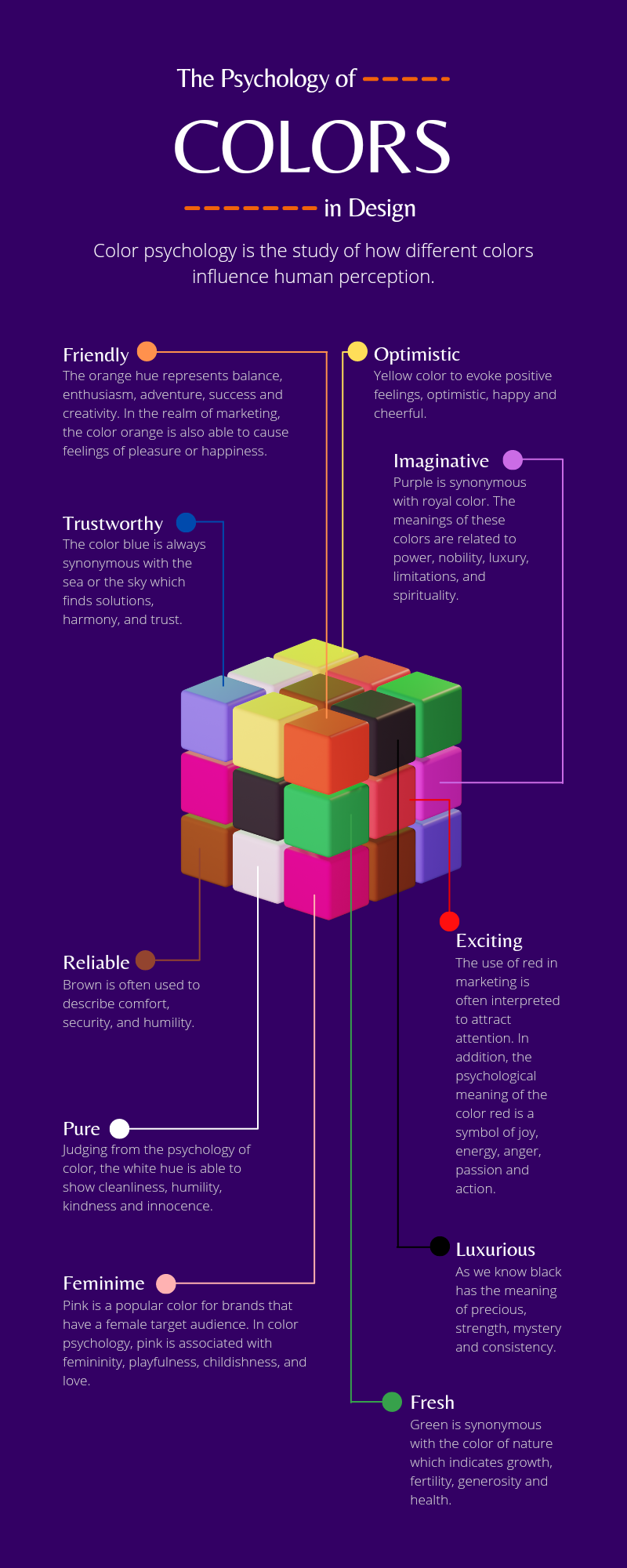
Elements of Design: Understanding 7 Basic Elements of Design
Graphic design elements are the fundamental aspect (or building blocks) of any visual design. They include colors, lines, textures, space, etc. All these elements work together to create a unified look and feel for your final product and are critical to successful visual communication. In this course, we'll explore 7 fundamental elements of graphic design, and explain how they contribute to effective visual communication.
Graphic design is the process of creating visual designs. It includes the creation of images, text, and other visual elements that tell stories and convey information. Graphic designers use their creativity to create effective visual communications for a variety of purposes. Graphic designers create the look and feel of websites, apps, logos, packaging, etc., using their skills of design elements (colors, lines, texture, space, etc) and design principles (balance, contrast, hierarchy, alignment, etc). They also ensure that a piece of art has a strong brand identity, creating visuals that convey value and meaning. Graphic design isn't just about aesthetics; it also requires a deep understanding of psychology, marketing, user experience, and other areas of study.
When it comes to graphic design, one of the first things that you need to know is how to effectively use the basic elements of design in your project. You'll find that these elements are used across all types of design, whether it's a logo, print, or web-based.
1. Color
The most important element is color. Color is what makes a design stand out and draw attention to itself. It's crucial to use colors that are highly visible and understood by your target audience.
Color is the property of light by which we perceive things. When we view something, our eyes take in different wavelengths of light and use the receptors at the back of the eye to convert those wavelengths into electrical signals. These signals then reach the brain where we ultimately perceive them as colors. In terms of graphic design, the term is often used to refer to all aspects of visual communication, including typefaces, illustrations, photographs, paintings, designs, etc. However, the color theory focuses mainly on what people think about color, e.g., its nature (what does it look like?), how it affects us emotionally, and how we apply it to design.
Colors can be used to highlight certain aspects or help you focus on a particular part of a design. Different colors can create entirely different moods. When designing a project, make sure you choose colors that complement each other. To be a good designer, you have to learn how to use colors to create effective visual communication for any target audience.
2. Line
Line is another important part of graphic design because it adds structure and rhythm to your designs. Line is the path that an object follows, its outline, and helps us organize information. Lines can be curved or straight depending on what you're trying to accomplish with them; but generally speaking consist of two parts: the outline and the fill. **Straight lines** create a sense of direction and stability while **curved lines** create an impression of depth and movement. **Outlines** are boundaries of an item that define its shape, such as the sides of letters, the borders of a figure, and the outer limits of a landscape. **Fills** are the portions of outlines that are either transparent or filled with the background color. We use lines to draw boundaries, define objects, and create symmetry. Lines can also be used to separate components.
3. Shape
Shapes are another key element of graphic design because they allow you to create interesting compositions by combining shapes together into new ones with different properties like size differences between lines/objects, etc. Shape refers to how objects look when viewed from different angles or how they are grouped to communicate meaning; examples include circles, triangles, and squares. In graphic design, basic shapes have two main dimensions - width and height. When we view an object, our brain processes the image and creates a mental representation of what we see.
4. Space
Space is another important aspect of graphic design because it can create the illusion of depth in your design. Space refers to the arrangement of shapes in a composition. A piece of art or design may not necessarily have all shapes arranged in some kind of order; rather, it simply uses space to place the shapes within the composition. Space may be divided into two types – positive space and negative space.
The **positive space** is the subject or the area of interest in the design or art. **Negative space** is the area surrounding the subject or in between multiple subjects. - Vecteezy https://www.vecteezy.com/blog/design-tips/what-is-negative-space
Use negative space to draw attention to important elements in your designs.
5. Form
Form is another important aspect of graphic design because it helps establish hierarchy within your designs. Form is the way an object appears physically. Form uses perspective or shading techniques to transform two-dimensional images into three-dimensional ones. Think of a circle as a bowl, an oval as a banana, a box as a cube, etc. Aspects of the form include size, weight, volume, mass, position, proportion, movement, motion, dimension, and distance between points.
6. Value
Value refers to the intensity of the color. It is the amount of light reflected or absorbed by an object. Light reflected by an object falls on another surface, causing the second surface to become brighter than it would if no reflection had occurred. Conversely, light absorbed by an object causes it to appear darker than it would without absorption. Value creates contrast and it's used to create depth.
7. Texture
Texture is the surface feel of an object. It arises from tiny irregularities in a material's microstructure, such as differences in grain size or density. Smooth surfaces feel soft and gentle to the touch. Rough surfaces are hard and bumpy. Textures help us grasp the world around us. They allow us to determine what types of experiences we may encounter.
Closing Thoughts
Design elements are basic graphical building blocks of a design, which are used and incorporated into different design styles. Being familiar with basic graphic design elements is vital to a designer's success. Understanding how they work together can make or break a piece of work. Now you should have a good understanding of the basic graphic design elements and their importance. In the end, it is up to you to decide how important these elements are for your designs and what kind of value they provide.

From Contrast to Visual Hierarchy: 6 Basic Design Principles
Graphic design is a process of creative communication. If you’re looking to improve your skills or develop new ones, you should take time to understand the basic principles that make up that process. In this article, we'll cover the most important principles of graphic design and explain how they can help you create a great product.
Graphic design has become a very important element of modern marketing. Companies need to promote their brand and communicate ideas effectively through visual elements. The graphic designer plays a vital role in creating the right image for a company.
Graphic design isn’t just about pretty pictures, although they certainly play a part. Several disciplines go into designing an effective commercial project. Understanding these aspects will allow you to better understand why certain designs succeed and fail.
Graphic design principles are the building blocks of a successful design. Without them, you can't build a solid foundation for your work. These principles help shape the work of graphic designers across the world by setting the tone of their work and helping them convey their message effectively. These principles can be applied to any type of design—whether it's a website or an advertisement for your favorite product.
You can be a great designer by mastering these principles to create your own unique work of art.
1. Balance
*When we hear balance, we think about balancing the left side of the page with the right side of the page. However, balance can refer to how elements interact with each other. Also, balance can be achieved by using color theory and balancing the number of positive and negative spaces.* ***A good balance creates a consistent visual experience across different devices, platforms, and browsers.***
Balance, or the correct distribution of elements, is a fundamental principle in good design. Balance refers to maintaining equal distribution between two opposing forces, elements, or components. In graphic design, balance is achieved by making sure each element or group of elements have similar emphasis, weight, or significance in relation to the rest of the page. Without balance, the layout becomes chaotic and disorganized. A visual system should always have enough focus and interest, yet not too much, or they risk being unreadable.
The concept of balance is about achieving the perfect harmony between two opposing factors. In graphic design, we call these opposing factors positive and negative space. Positive space is defined as any area in the design where no matter what color or shape is placed, it always looks balanced. Negative space is everything else, which includes blank spaces, white space, and negative shapes. When using both positive and negative space, designers use colors, textures, and shapes to achieve a great balance.
Balance in the context of typography refers to how the text and its surrounding elements interact with each other visually. When designing a page, it's important to consider what kind of emphasis should go where. One way to achieve balance is to use some typefaces that contrast well with others, such as using bolder fonts on headlines and smaller ones for body copy. Another method is to place related content side-by-side rather than top-to-bottom or left-to-right.
2. Contrast
*Contrast is a graphic design principle that is often overlooked and yet it is one of the most effective ways to create interest and attention. Contrast is achieved when two different things occur together.* ***A good contrast creates emphasis, enhances visuals, and draws focus toward certain elements of the design.***
This is the difference between the foreground and background of a design. It occurs when two different things appear together on a screen. Contrast in graphics may refer to either difference between colors, values, shapes, textures, etc. (i.e., a black-and-white photo versus a colorful one), or a contrast between two visual elements (such as text or background). Contrast helps users differentiate between items in a design.
If there is not enough contrast, then it becomes difficult to distinguish different objects and elements. Therefore, a good graphic designer uses these three aspects to create visual interest.
3. Alignment
Aligning text and graphics is used to keep things organized and visually pleasing. To create alignment, use guidelines, guides, rules, grids, and other systems to keep your design straight.
In graphic design, alignment refers to the placement of different components of a design. The alignment of text refers to how words flow together and align with each other. As a result, it helps readers understand what they’re reading faster and easier. Graphics designers use alignment to make sure that all parts of a design work together harmoniously. Good alignment helps viewers scan information easily by ensuring that blocks of text or images are aligned in logical places on the page. There are many ways to achieve alignment. One example would be centering text on a page.
4. Proximity
Proximity relates to how close two things are together. This principle is based on the fact that if something is closer to us then we have a stronger connection to it than if it was farther away. In graphics, proximity helps visually connect objects. We use proximity to group similar items together, making them easier to find and identify. If you overlap items, they appear closer than if they were farther away. Items close together have a stronger connection with the viewer, whereas those further apart don't seem as connected.
5. Repetition
Repetition refers to the occurrence of a certain pattern or idea over and over again throughout a piece of work. This principle is often used to create visual interest in a graphic. Repetition makes our eyes move across the design, giving us a feeling of progression or completion. When designing graphics, repetition gives a sense of order and organization.
For example, a repeating motif is seen when a company uses the same logo over and over again. A repeated shape, color scheme, or texture creates a consistent feel. With repetition comes balance. Too much of any one thing in a graphic will cause it to lose its meaning and become uninteresting. By balancing repetition with variations, you will avoid monotonous design.
6. Hierarchy
Visual hierarchy determines how content is arranged and presented to the viewer. Elements higher up on the page tend to get attention first, while lower down items receive less emphasis. Hierarchical structures organize information into categories, sections, or levels. They allow users to get a general overview of information at a glance.
Closing Thoughts
Graphic design is built on a simple foundation of principles – or rules if you will – that are the core of what makes it such an important discipline. These principles define and shape graphic design as we know it, and they serve as an invaluable guide for anyone who is looking to learn how to create great graphics.
By learning about the basics of visual design, you can really improve your skills and elevate the quality of your work. As you practice, experimentation is key – play around with different elements and see how they look together and what works best for your project.
**Quick tips for beginners**: Take a piece of paper, and write down a few words for each design principle above. Put it somewhere where you can see it every day. Work on incorporating one to three principles into your designs each day. After a week, review your progress and set new goals for the next week. These design principles should become habits in no time, which will yield fantastic results in your designs.
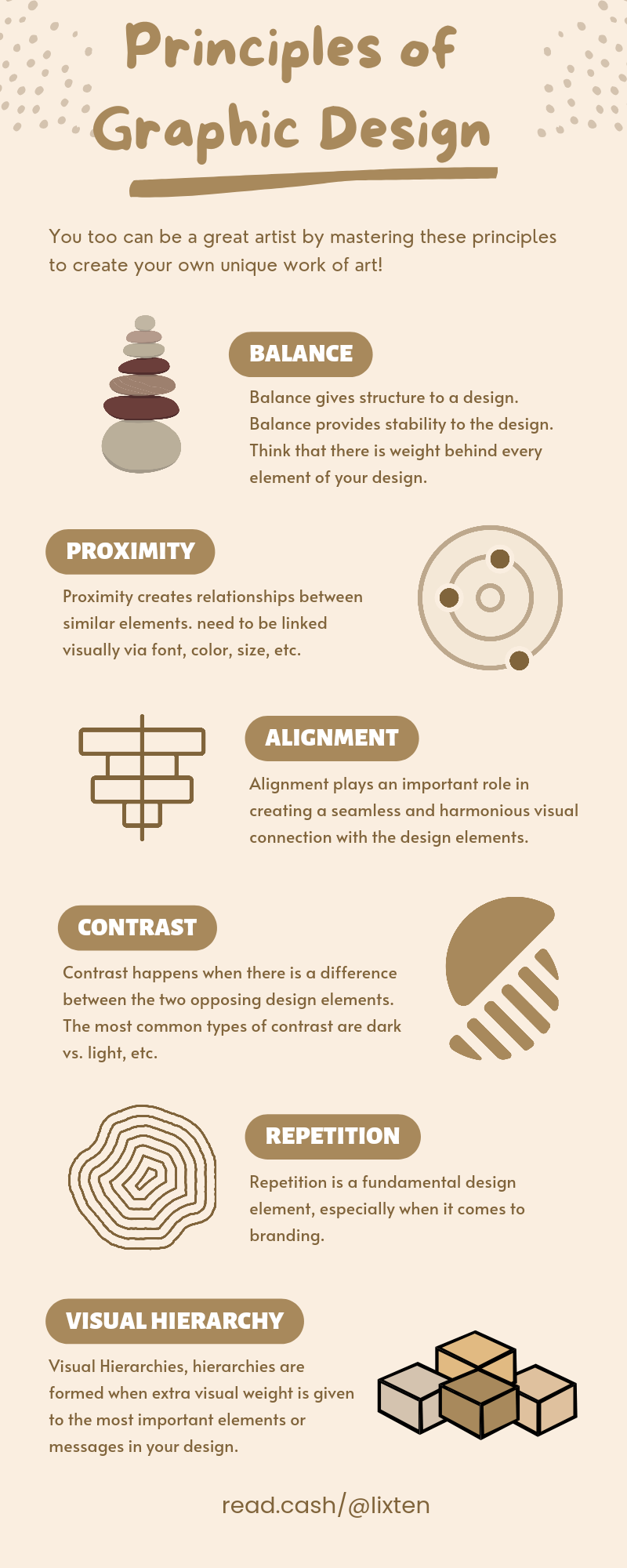
The Future of Persuasion Is Bright for Those With Skills to Create Amazing Visuals
Graphic design is the future. It is the perfect way to merge art and technology, and it is a field that is constantly evolving. As a graphic designer, you will never be bored, and you will always have the opportunity to learn new skills and techniques.
There is no doubt that graphic design is one of the most important aspects of persuasion. In a world where images are constantly being bombarded at us, it is crucial to have the ability to capture someone's attention and communicate a message quickly and effectively. Graphic design can do just that. By utilizing various design elements such as color, shape, and size, graphic designers can create visuals that are both eye-catching and informative. When used correctly, graphic design can be an extremely powerful tool in persuasion. As we move into the future, it is likely that graphic design will only become more important. With technology becoming more and more advanced, we are now able to create visuals that are even more realistic and impactful. As our world becomes increasingly digitized, those who have the skills to create persuasive visuals will be in high demand. If you're interested in pursuing a career in graphic design, now is the time to do it. The future of persuasion is looking bright for those with the talent and skills to create amazing visuals.
Graphic design is an exciting field to be in. And it's only going to become more important in the future. Businesses are going to need highly skilled graphic designers who can create engaging and visually appealing designs. Graphic designers will be responsible for creating everything from website layouts to branding materials to marketing collateral. If you're passionate about art and design, then a career in graphic design is definitely worth considering.
Few professions offer as much opportunity and creativity as graphic design. With the right training, you can start your own business, work for an agency or company, or even freelance. The sky really is the limit when it comes to graphic design. It's a field that's constantly evolving, so you'll never get bored, and there will always be new challenges to keep you on your toes.
Graphic design is a widely recognized term for visual communication. As a result, graphic designers are often responsible for developing logos, packaging designs, advertisements, websites, and many other types of content. If you're interested in becoming a graphic designer, keep reading to find out more about how you can get started!
It’s a Well Pays Job
According to 99designs, a designer with medium experience earns between $45,000 and $55,000 in the US on average. Don’t forget that’s just an average and earnings can vary significantly depending on experience level, education, location, and area of design too. So if you’re just beginning your career as a graphic designer, expect to start at a lower pay rate than experienced designers. But don't worry - the good news is that you can still earn a decent amount of money as a graphic designer! https://99designs.com/blog/freelancing/graphic-designer-salaries/
You Can Be Your Own Boss
Many graphic design professionals work full-time without any managers to report to. In fact, many freelance graphic designers choose to work independently instead of being hired by big companies. That said, some graphic designers do work under contract for certain clients; however, they’re usually paid hourly rates rather than fixed fees. Either way, working as a freelancer gives graphic designers a great deal of independence when it comes to choosing projects and setting their own hours.
You Work from Anywhere
When you’re creating any graphic design project, you only need a computer or laptop and the relevant software (e.g. Illustrator). Because of this, you don’t necessarily need to work in a traditional office environment. Instead, you might opt to work from home, in coffee shops, hotels, or even in public libraries. Since graphic design is a highly mobile industry, many graphic designers choose to work remotely. And since you can always access your files online, you can work anywhere!
You Have to Be Creative to Succeed in Graphic Design
While it’s true that art is not necessary for design, understanding colors, shapes, textures, and composition helps succeed in the field. In addition, graphic designers sometimes have to be able to think critically by evaluating different ideas and options. Finally, you need to be proficient in software programs like Photoshop, Illustrator, Sketch, etc., to create professional graphics. So if you want to be a graphic designer, you should consider taking classes in these skills.
Closing Thoughts
Graphic design is one of the most in-demand skills in the modern job market. With technology becoming more and more intertwined with our everyday lives, the need for visually appealing and user-friendly designs is only going to increase. Companies are always looking for creative ways to stand out from the competition, and a well-designed logo or website can make all the difference. If you're thinking about a career in graphic design, now is the time to start. The field is growing at an incredible rate, and there are plenty of opportunities for those with the right skill set. So if you're creative, passionate about design, and have a desire to learn new things, then a career in graphic design may be perfect for you. So what are you waiting for? Get out there, start learning and start designing!
Don't Let Fear of Rejection Hold You Back: Overcome Your Fears and Reach Your Goals
With any type of rejection, whether it is from friends, family members, or strangers, there are always going to be instances where people don’t appreciate what you do. In this post, I share some tips to help you deal with negative situations.
Fear of rejection has always been something I struggled with. Even though I knew deep down that my fear was irrational, I couldn't get away from it no matter how hard I tried. Then I found a way to overcome my fears.
I've always had a strong desire to succeed at anything I did. I wanted to become better at things I enjoyed and even started volunteering because I thought I'd enjoy meeting new people. Unfortunately, I never seemed capable of building relationships with other people. Instead, I felt left out or rejected whenever someone talked to me.
To build confidence and gain freedom, you'll need to change some of your beliefs about being social and feeling unworthy. Try these strategies to overcome your fear of rejection.
1. Accept it
The first thing I did was accept my fear of rejection. I realized how silly I was being and how ridiculous I felt for having such a strong fear. By accepting my fears it helped me realize that they were normal and nothing to worry about. I had to learn to let go of this fear and not allow it to control my life.
2. Validate your feelings
Next, I validated my feelings of rejection and then took them back to the root cause of why I feared rejection. When I started looking at the original reason behind my fear, I realized that it stemmed from a time when I was younger and didn't have any real friendships. I also realized that a lot of times people don't appreciate that what I do isn't just for myself. In fact, I'm doing it for others too. Once I considered these things, I realized that there would be no need to fear rejection because everyone loves helping others.
3. Look for the lesson
Looking back now, I believe that I'm stronger than ever before. I got over my fear of rejection and I'm still able to help many people. I look forward to finding more friends who enjoy helping others and will continue to build long-lasting relationships.
4. Know your worth
I've learned that we never know if someone likes us until that person opens their mouth and says something. Even though I still get nervous sometimes, I tell myself that I am worthy of love and friendship. I also remind myself that I'm here to help myself and others and that's what matters most.
5. Don't Take Things Personally
If someone doesn't like you then they don't like you. There's no point worrying about it. The only person who can hurt you is yourself.
6. Figure out what really frightens you about rejection
Is it that you're afraid that you won't fit in? That people will reject you because they don't agree with what you stand for? Maybe it's that you're worried that people will judge you, or that you're afraid to lose the friend group that you've worked hard to build. Whatever it is, figure out exactly what it is that makes you afraid of rejection. Then ask yourself if there's a way to solve the underlying issue. If there is, you might be able to eliminate your fear altogether. If there isn't, you'll need to accept that there will probably be times when people don't like you. You can choose to stay away from those people, or you can find a different crowd of people that does like you. Either way, you'll have to live with your choices and learn to deal with rejection.
7. Face your fear
The best way to overcome your fear of rejection is to face your fears head-on. If you never take chances, you'll never achieve success. Do whatever it takes to get over that fear. When you succeed, you create a positive chain reaction. The more you reach milestones, the more comfortable you'll become around taking risks.
8. Get rid of negative self-talk
Self-talk is the inner dialogue that goes on inside our minds. It may seem harmless at times, but it can actually become harmful if we listen to it regularly. One example of negative self-talk could be, "I'm always alone." Or, "People aren't interested in what I have to say." These are just two examples of how we can start making excuses for ourselves whenever we feel rejected. We might think that those thoughts come from reality, but the truth is that they come from our own imagination. So, instead of listening to our negative self-talk, we should replace it with positive statements that improve our thinking. Focus on the positive aspects of yourself. Think about the things you've accomplished throughout your lifetime. Remind yourself that you've done great things and remind yourself over and over again. Eventually, you'll begin to believe that you can accomplish anything.

The importance of first impressions: why graphic design matters
Graphic design is a powerful tool that can be used to communicate messages, convey emotions, and create experiences. When done well, it can captivate audiences and leave a lasting impression.
Graphic design is an essential resource for businesses, artists, and individuals. It can be used for branding, marketing, and advertising. It can also be used to create artwork, illustrations, and infographics. When used effectively, graphic design can:
Capture attention and interest
Generate an emotional response
Persuade someone to take action
Whether you're designing a simple flyer or a complex website, the principles of effective graphic design still apply. By understanding how to use color, typography, imagery, and other design elements, you can craft visuals that are both aesthetically pleasing and effective at communicating your message.
**The power of graphic design**
Graphic designers can shape the way we see the world around us and influence the way we interact with it. Whether it's through advertisements, product packaging, or website design, graphic designers play a crucial role in how we perceive and engage with the world. Designers must use their skills carefully and responsibly, as they have the power to influence our behavior and decisions. With great power comes great responsibility; designers must be aware of the ethical implications of their work and ensure that their designs are ethically sound. When used ethically, graphic design can be a force for good in the world. It can raise awareness of important issues, promote positive messages, and help to make the world a better place.
Designers must be careful not to use their skills for evil; they should avoid designing things that might exploit or manipulate people. Unfortunately, not all designers are ethical. Some use their skills to manipulate and mislead people, which can have harmful consequences.
**Graphic design can be used to persuade**
A good graphic design can be used to persuade an audience. By using the right colors, fonts, and images, a graphic designer can create a message that will resonate with the viewer. When it comes to persuasion, tonality is everything. The way that a message is presented can make all the difference in whether or not it will be successful. For example, if a company is selling a new product, they will want to use bright, positive colors in their advertising to make the viewer feel good about the purchase. On the other hand, if a company is trying to raise awareness about a serious issue, it might use darker tones and images to convey the gravity of the situation. No matter what the goal may be, tonality is an important aspect of graphic design that should not be overlooked. With the right approach, graphic design can be a very powerful tool for persuasion.
**Good graphic design can help your business to gain high visibility**
Designers have a unique ability to translate complex concepts into visually appealing and easy-to-understand forms. This is why businesses of all sizes invest in graphic design, whether it’s for marketing materials, website design, or product packaging. Good graphic design doesn’t just happen by accident – it’s the result of careful planning and execution.
If you’re thinking about incorporating graphic design into your business, here are a few things to keep in mind:
1. Define your goals
What do you hope to achieve with your graphic design? Do you want to increase brand awareness, drive sales, or do something else? Having a clear goal will help you make decisions about what kind of design to create.
2. Know your audience
Who are you designing for? What are their needs and wants? What will resonate with them? Keep your audience in mind throughout the entire design process.
3. Simplicity is key
Don’t try to cram too much information into one space – less is more. Focus on creating a clean and clutter-free design that is easy on the eyes.
4. Use high-quality images and fonts
Invest in professional photography and fonts that reflect your brand image. Avoid using free stock photos and fonts – they will make your design look cheap and unprofessional.
5. Hire a professional designer
A good designer will bring your vision to life, while also taking into account the points mentioned above. Working with a professional is an investment that will pay off in the long run
Graphic design can be a powerful asset for any business. By keeping these tips in mind, you can ensure that your designs are effective, engaging, and professional.
 @Lixten