Surviving the Loss of a Spouse
It's hard to lose someone you love. When your spouse dies, it feels like a part of you has been ripped away. You may feel like you'll never be happy again. But please, don't give up. There is life after the death of a spouse. It's just going to take some time and effort to get there.
Grieving is a process, and it will take time before you feel like yourself again. But with time, patience, and the support of loved ones, you will survive this tragedy and be happier than you ever thought possible.
**The First Few Weeks After a Spouse Dies**
It's hard to know what to do when your spouse dies. There are so many things going through your head, and it feels like everything is happening all at once. You feel lost, confused, and alone. You might not even want to get out of bed, let alone figure out what comes next.
But you have to. The first few weeks after a spouse dies are the most important. This is when you start the grieving process, and it's critical that you take the time to mourn properly. You need to allow yourself to feel all the emotions—the sadness, the anger, the frustration. Don't try to bottle them up or ignore them. They're a part of the healing process.
Talk to your friends and family members. Lean on them for support, and let them help you get through this tough time. Don't be afraid to ask for help—that's what they're there for. And don't be afraid to cry. It's okay to cry as much as you need to.
**Decisions That Need to Be Made**
The decisions that need to be made in the aftermath of a spouse's death can seem overwhelming. You may feel like you can't make them on your own, and that's okay. You don't have to. Reach out to your friends and family for help, and lean on them as you work through this difficult time.
Some of the decisions you'll need to make include:
-What do you want to happen with the funeral?
-How do you want to handle your daily life?
-Who will take care of the children?
Each of these decisions is important, and they all require careful thought and consideration. Talk with your family and friends about what you want, and make sure you're taking the time to grieve properly. You need it.
**Telling the Children**
No matter how you choose to tell your children, it's going to be hard. But it's important that they hear it from you, and that you're there to answer their questions and help them through their own grieving process.
Some parents choose to sit their children down and have a frank discussion about death, while others take a subtler approach. You might want to avoid using euphemisms, or explaining death in terms of the child's age - for example, " Grammy went to sleep" is unlikely to cut it with a six-year-old. However, you decide to do it, be honest, be straightforward, and be there for them.
**Dealing With Grief**
Grief is a multifaceted response to loss, and its nature depends on both the type of loss and the individual. There are physical, psychological, social, and spiritual reactions to grief, all of which are normal.
The physical reactions to grief can be both mental and physical. You may have trouble sleeping, lose your appetite, or feel physically exhausted. You may also have headaches or stomachaches. The psychological reactions can include feeling shocked, confused, angry, or isolated. You may also have difficulty concentrating or making decisions.
It’s important to understand that there is no “right” way to grieve. Grief is a very personal experience, and everyone copes with it in their own way. There is no timeline for grief, and you shouldn’t feel pressure to “get over” your loss. Allow yourself to mourn in whatever way feels right for you.
**Moving On**
It is hard to imagine your life without your spouse. You have gone through so much together and they have been by your side through thick and thin. But eventually, the time comes when you have to move on.
This doesn’t mean that you forget about your spouse or that you stop loving them. It just means that you have to find a way to live your life without them.
The best way to do this is to find a new purpose in life. Maybe there is something you’ve always wanted to do but never had the time for. Or maybe there is a cause you care about that you can now dedicate your time to.
Whatever it is, find something that will give you a reason to get up in the morning and that will help you feel like you are living your life, not just surviving it.
**Conclusion**
No one can prepare you for the loss of a spouse. It's a shock that can leave you feeling numb, confused, and lost. You may feel like you can't go on without them.
But you can survive this difficult time. It takes time, patience, and support from others, but it is possible to rebuild your life after the loss of a spouse. Lean on your friends and family, join a support group, or seek professional help if you need it. Take things one day at a time, and eventually, you will start to feel like yourself again.
Heartbreak: What to Do When You Can't Stop Crying
You've been through a lot these past few months. Your heart's been broken twice, and you can't seem to stop crying. You're exhausted and overwhelmed, and you don't know what to do.
We feel you. Losing someone you love is one of the most painful experiences you can go through. But there is hope. You can get through this.
In this article, we'll share some tips on how to cope with heartbreak and how to start healing. We'll also offer some words of encouragement because we believe that you can make it through this.
Acknowledge Your Feelings
It's normal to feel overwhelmed after a breakup. You're experiencing a range of intense emotions, from sadness and loneliness to anger and betrayal. All of these feelings are valid, and it's important to allow yourself to feel them.
Don't try to bottle up your emotions or ignore them. Face them head-on. Cry if you need to. Scream into a pillow. Let it all out. The more you suppress your feelings, the longer they'll stay bottled up and the harder it will be to move on.
Get Rid of Reminders of Your Ex
The longer you keep reminders of your ex around, the longer it'll take for you to heal. So, start by getting rid of anything that's triggering those memories and making you feel upset.
This could be anything from clothes to photos to books. If it was important to your relationship, it's important to getting over it. But if it's not serving a purpose anymore, why keep it around?
It might be tough at first, but it'll be worth it in the long run. The less you see of your ex, the less power they'll have over you.
Give Yourself Time to Heal
Give yourself time to heal. This is probably the most important thing you can do. Just because he/she has moved on, doesn't mean you have to immediately. You are allowed to grieve the loss of the relationship. And, it's okay if you need help to get through this tough time.
There is no shame in seeking out therapy or counseling. In fact, it can be really beneficial. A therapist can help you work through your emotions and develop a plan to move forward. They can also provide support and guidance during this difficult time.
If you're not ready to see a therapist, that's okay too. There are other things you can do to help yourself heal. Maybe you need to talk to a friend or family member about what you're going through. Or, maybe you need to take some time for yourself and do things that make you happy.
Whatever you do, just make sure you give yourself the time and space you need to heal.
Stay Busy and Distracted
One of the best things you can do when you’re going through a tough time is to stay busy and distracted. This can be really hard to do, especially if you’re used to being in a relationship and now find yourself with a lot of free time. But it’s important to try to keep your mind off of things as much as possible.
A good way to do this is to fill your schedule with things that you enjoy or that make you feel good. This could be anything from working out to taking a cooking class. If you can find things that make you feel good and keep your mind occupied, you’ll be in a much better place mentally and emotionally.
Closing Thought
In the end, the most important thing is to be gentle with yourself. Heartbreak is hard, and there is no shame in taking the time you need to grieve. Lean on your friends and family, and if you need help, don't hesitate to reach out. With time, the pain will lessen, and you'll be able to move on.

Chess: A Game of Strategy and Skill
Chess is a board game that has been played for centuries and is known for its challenging strategy. The object of the game is to capture the opponent's king, and the game can be won in a number of different ways.
Chess is believed to have originated in northern India in the 6th century AD and was later adopted by the Persians. The game spread to Europe in the 10th century and enjoyed great popularity during the Middle Ages.
Today, chess is enjoyed by people of all ages all over the world. If you're new to the game, here are a few tips to help you get started.
What Is Chess?
Chess is a two-player strategy board game that is thought to have originated in northern India in the 6th century AD. The game is played on a square board with a sum total of 64 black and white squares (it can come in other colour combinations like green and white, etc) and 32 pieces in total. The object of the game is to capture the opponent's king.
Each player starts with 16 pieces: **one king, one queen, two rooks, two knights, two bishops, and eight pawns**. The pieces are placed in the following positions at the beginning of the game: one king on square e1; one queen on d1; two rooks on the first and eighth ranks; two knights on b1 and g1; two bishops on c1 and f1; and eight pawns on the second rank.
How to Play Chess
Chess is a game of strategy and skill. In order to play chess, you must first learn the different pieces and their movement.
The king is the most important piece on the board, and can only move one square at a time, in any direction.
The queen moves any distance horizontally, vertically and diagonally.
The rooks can move any number of squares horizontally or vertically
The knights moves in a L-shape and can jump over other pieces.
The bishops can move any number of squares diagonally.
The pawns move one step forward or two squares on its first move.
The object of the game is to capture your opponent's king. You can do this by trapping your opponent's king so it cannot move, or by attacking it with one of your pieces. If your opponent's king cannot escape to a safe square, it is said to be in checkmate and you win the game.
Chess strategy and tactics
You might be wondering what the difference is between chess strategy and tactics. Strategy is long-term planning—it's what you do to get yourself into a position to win the game. Tactics, on the other hand, are short-term moves—they're the things you do to take advantage of an opportunity or to put your opponent in a bad position.
A good chess player will have a mix of both strategy and tactics in their toolkit. And part of the fun of chess is trying to come up with new and innovative ways to get the upper hand on your opponent.
Tips for Winning at Chess
There are many different ways to capture the king, and the player who can best anticipate their opponent's moves will be more likely to win.
Here are some tips for winning at chess:
1. Pay attention to your opponent's moves.
2. Try to anticipate your opponent's next move.
3. Keep your pieces well-positioned so that you can attack your opponent's king from several directions.
4. Don't be afraid to sacrifice some of your pieces in order to gain an advantage over your opponent.
5. Stay calm and think strategically.
Why Chess Is Good for You
There are plenty of reasons why chess is good for you. For one, it's a great way to exercise your brain. Studies have shown that playing chess can improve your memory, problem-solving skills, and concentration.
And it's not just your cognitive skills that get a workout—chess can also help improve your physical health. One study found that playing chess can help reduce the risk of developing dementia and Alzheimer's disease. And another study found that chess players have a lower risk of stroke and heart attack.
So if you're looking for a way to boost your brainpower and your physical health, chess is a great option.
Conclusion
So there you have it—a crash course in chess! Now that you know the basics of the game, it's time to start honing your skills.
Practice makes perfect, so the more you play, the better you'll become at seeing ahead, making strategic decisions, and outsmarting your opponents. There are plenty of resources out there to help you improve, including online tutorials, YouTube videos, and books on chess strategy.
chess can be a fun and rewarding hobby, and it's a great way to exercise your brain. So what are you waiting for? Grab a board and start playing!


Why Am I Tired All the Time?
You're exhausted. All the time. No matter how much sleep you get, you can't seem to shake this feeling of fatigue. You're dragging yourself through the day and relying on caffeine and sugar to make it through. This can't be normal.
You're not crazy; you're not imagining things. You are tired all the time. And it's time to find out why.
Before you go blaming every little thing on your fatigue, know that this is a completely normal feeling.
There are a million things that can make us tired, from stress to poor sleep habits to health problems. And sometimes it's tough to pinpoint the exact cause. All we know is that we're just not feeling ourselves.
But before you resign yourself to a life of fatigue, know that there are plenty of things you can do to help yourself feel more rested. From making small tweaks to your lifestyle to seeing a doctor if there's something more serious going on, there's always something you can do to get your energy back on track.
**Check if You’re Getting Enough Sleep**
Are you getting enough sleep? It might seem like a simple question, but it's not always easy to answer. Many factors can influence how well—and how much—you sleep.
For starters, you should try to get around seven to eight hours of sleep each day. That's the number of hours that research has shown to be the optimal amount for most people. And if you're frequently tired during the day, it's a good sign that you're not getting enough shut-eye.
**Consider Your Stress Levels**
You might be surprised to learn just how many seemingly unrelated things can cause fatigue. When you sit down and take a closer look, you might find that your tiredness is caused by stress, diet, lack of exercise, or even hormonal changes.
The good news is that once you identify the root of the problem, it's usually pretty easy to address it. For example, if you're feeling run down because of stress, there are plenty of ways to get that under control. Maybe you need to make a few changes to your lifestyle, or start taking some time for yourself every day. If your diet is causing problems, then make some healthy changes. And if lack of exercise is the issue, then get moving!
It can be tough to admit that we're not feeling our best, but it's the first step on the road to finding a solution. So be honest with yourself and don't be afraid to ask for help when you need it.
**See if You Have Any Medical Conditions**
Tiredness can also be a symptom of a larger underlying medical condition. If you’ve been feeling tired for a long time, it’s worth mentioning to your doctor to see if there could be an underlying cause. Some medical conditions that can cause fatigue are:
Anemia: This is when you have low levels of iron in your blood and can result in fatigue, shortness of breath, and pale skin.
Hypothyroidism: This is when your thyroid gland doesn’t produce enough hormones, which can lead to feelings of fatigue, weight gain, and depression.
Sleep apnea: This is a condition that causes you to stop breathing briefly during sleep, which can lead to fatigue during the day.
Diabetes: This is a condition where your body doesn’t process sugar properly, which can lead to feelings of fatigue, weight loss, and increased thirst.
If you think you might have one of these conditions, it’s important to see a doctor so you can get the proper treatment.
**Try Making Lifestyle Changes**
If you're always feeling tired it might be time to make some lifestyle changes. And I'm not just talking about getting more sleep (although that's important, too).
I'm talking about things like eating a healthier diet, exercising more, and reducing stress. Why? Because all of these things can help improve your energy levels. Healthy eating is important because the food you eat affects how your body functions. Exercise is also key because it helps improve your cardiovascular health and makes your heart and lungs work better. And when your heart and lungs are working better, you have more energy.
Finally, reducing stress can also help you feel less tired. When you're stressed, your body releases hormones like cortisol, which can lead to fatigue. So finding ways to relax and de-stress can be helpful in combating tiredness.
**Conclusion**
There are a lot of potential reasons why you might be feeling tired all the time, from poor sleep habits to underlying medical conditions. If you're struggling with fatigue, it's important to speak to your doctor to rule out any serious causes. In the meantime, there are a few things you can do to boost your energy levels, like exercising regularly, eating a balanced diet, and getting enough sleep. With a little bit of effort, you should be feeling back to your old self in no time.

Avoiding Conflict: Is It Really Possible?
There's no getting around it: Conflict is a part of life. We all know that feeling when we're faced with an argument, disagreement, or tough conversation. It's often uncomfortable and can be downright painful. So is it really possible to avoid conflict altogether?
At first glance, the answer might seem like a resounding "no." After all, conflict is bound to arise in any situation where there are different opinions or agendas at play. However, there are ways to minimize the chances of conflict and to handle it when it does come up. In this article, we'll explore some of the best tips for avoiding conflict and handling it effectively when it can't be avoided.
What Is Conflict?
Before you can work on avoiding conflict, you first need to understand what it is. Conflict is simply a disagreement or clash between two or more people. It can be emotional and often involves raised voices, strong feelings, and even violence.
Conflict can arise in any situation, but it's particularly common in the workplace. When people are under pressure to meet deadlines or achieve results, small disagreements can quickly escalate into full-blown conflicts.
If you're finding yourself in the middle of a conflict, it's important to remain calm and try to resolve the situation as quickly as possible.
What Causes Conflict?
Conflict is often the result of differing opinions, needs, or wants. It can stem from something as simple as a disagreement over what type of product to buy, or as complex as a conflict at work.
What's important to remember is that not all conflict is bad. In fact, it can often lead to positive change. But only if it's resolved healthily.
Some of the most common causes of conflict are:
Miscommunication
Lack of trust
Different goals or needs
Jealousy or envy
Fear of change
Can Conflict Be Avoided?
Conflict is a part of life. We can't avoid it, but we can learn how to deal with it healthily.
Is it possible to avoid conflict altogether? Well, that depends on the situation and the people involved. But generally speaking, I think it's safe to say that conflict is inevitable.
There are a few things you can do, however, to help minimize the risk of conflict and keep things from getting out of hand. First, try to be understanding and understanding of others. Listen to what they have to say and try to see things from their perspective.
Second, stay calm. No one wants to deal with someone who's angry and emotional. Stay coolheaded and be prepared to compromise. Finally, try to resolve conflicts head-on. Avoiding them will only make them worse in the long run.
How Can I Resolve Conflict?
The first step is to try and see things from the other person's perspective. It's easy to get wrapped up in our own emotions and forget that there are two sides to every story.
If you can understand where the other person is coming from, it'll be easier to find a resolution that works for both of you. Another helpful tip is to avoid getting defensive. It's only natural to want to defend ourselves when we feel like we're being attacked, but getting defensive will only make the situation worse.
Instead, try to stay calm and open-minded. If you can keep a level head, you'll be more likely to find a solution that everyone can agree on.
When Should I Seek Professional Help?
Sometimes, conflict is just too much to handle on your own. If you find yourself in this situation, it might be time to seek professional help.
A professional can help you and the other parties involved in the conflict to communicate more effectively and find a resolution that everyone can agree on. They can also help you to understand each other's perspectives better and find common ground.
If the conflict is causing you a lot of stress or impacting your work or home life, it's definitely time to seek professional help. A professional can provide you with the tools and support you need to resolve the conflict and move on with your life.
Conclusion
There's no easy answer when it comes to avoiding conflict, but it's definitely something that's worth considering. If you're constantly finding yourself in the middle of arguments, it might be a good idea to take a step back and try to assess the situation. Are there certain topics that you tend to disagree on? Is there a particular person who seems to bring out the worst in you?
Once you identify the source of the conflict, you can start to work on finding a way to avoid it. This might mean Avoiding certain topics of conversation, or it might mean learning to walk away from an argument before it escalates. Whatever the solution is, it's important to remember that conflict is not always avoidable. Sometimes, it's just a part of life.
Cybersecurity Threats: What You Need to Know
You've probably heard a lot about cybersecurity threats in the news lately. From ransomware to data breaches, hackers are getting more and more sophisticated in their attempts to steal your information.
But what can you do to protect yourself? In this article, we'll take a look at some of the most common cybersecurity threats and explain how you can protect yourself from them. We'll also discuss ways to stay ahead of the curve and keep your information safe.
So, what are you waiting for? Read on for important cybersecurity tips that could save you from a data disaster.
**What Are Cybersecurity Threats?**
Cybersecurity threats are any type of threat that target your computer systems, networks, or data. These threats can come in many different forms, including viruses, malware, phishing attacks, and ransomware.
One of the most important things to remember about cybersecurity threats is that they are constantly evolving. What might have been a minor threat a few years ago could now be a major issue if it's not been properly addressed. That's why it's so important to stay up-to-date on the latest cybersecurity news and trends.
another thing to keep in mind is that not all cybersecurity threats are created equal. Some might only cause minor damage, while others could completely destroy your system. That's why it's important to understand the different types of threats out there and how to protect yourself from them.
**The Most Common Types of Cybersecurity Threats**
Now that you know what a cybersecurity threat is, let's take a look at some of the most common types of threats out there.
Viruses, worms, and Trojan horses are all malicious software programs that can wreak havoc on your computer. They can delete files, steal information, and even give hackers control of your machine.
Spyware is another type of malicious software that can install itself on your computer without you even knowing it's there. Once it's on your system, it can track what you're doing online and even steal sensitive information like passwords and credit card numbers.
Phishing attacks are a type of social engineering attack where hackers pose as a trusted entity in order to get you to share sensitive information with them. This can be done via email, text message, or even in person.
Denial-of-service attacks are when hackers overload a system with traffic in order to take it down. This can be done for various reasons, such as to extort money from the victim or to disrupt a competitor's business.
These are just a few of the most common cybersecurity threats out there. Stay vigilant and always be on the lookout for signs that your system may have been compromised.
**What to Do if You're a Victim of a Cybersecurity Threat**
There's no need to panic if you think you might have been a victim of a cybersecurity threat. The first thing you should do is assess the situation and figure out how bad it is.
If you think your personal information has been compromised, the next step is to contact your financial institution and let them know. They will usually be able to help you resolve the issue and get your account back up and running.
It's also a good idea to change your passwords for all your online accounts, just to be on the safe side. And if you use the same password for multiple accounts, now would be a good time to stop doing that!
Last but not least, keep an eye on your credit report and look out for any unusual activity. If you see something that doesn't look right, don't hesitate to reach out to the credit bureau to report it.
**How to Stay Up-to-Date on the Latest Cybersecurity Threats**
A great way to stay up-to-date on the latest cybersecurity threats is to follow industry news outlets and experts on social media. This way, you’ll be able to quickly learn about new threats as they emerge and get insights from experts on how to protect yourself.
Some news outlets and experts to follow include:
The CyberWire: This outlet provides daily news and analysis on cybersecurity issues and is a great resource for staying up-to-date on the latest threats.
Brian Krebs: Brian Krebs is a well-known cybersecurity journalist who writes for KrebsOnSecurity.com. He’s also very active on Twitter, where he frequently shares breaking news and updates on cybersecurity threats.
Bruce Schneier: Bruce Schneier is a cryptographer and security technologist who writes regularly about cybersecurity issues. He has a blog at Schneier.com, and you can also follow him on Twitter.
**Conclusion**
Now that you know a little more about cybersecurity threats, it's time to take action. Here are a few things you can do to protect yourself:
Keep your software and operating system up to date
Install malware protection and keep it up to date
Don't click on links or attachments from unknown sources
Be cautious about what you post online
Backs up your data regularly
The best way to protect yourself is to be aware of the most common cybersecurity threats out there. Keep the threats in mind and be extra cautious when you're online. If something doesn't seem right, don't do it!
5 Ways to Make Your Sex Life Even More Exciting
Your sex life is probably pretty good by now. But you can always make it better.
There are a lot of ways to make sex more exciting, and we're going to cover four of them here. But first, let's start with a disclaimer:
everybody is different, and what works for one person might not work for another. With that in mind, feel free to mix and match these tips to create your own perfect sex life.
Now that we have that out of the way, let's get started!
**Spontaneity**
One of the best ways to make your sex life more exciting is to be spontaneous. This means doing things on the spur of the moment, without planning them out ahead of time.
The key is to mix things up and keep yourself and your partner guessing. By being spontaneous, you'll never get bored and your sex life will always be exciting.
**Variety**
Another way to keep things exciting in the bedroom is to mix things up a bit and try new things. This could mean anything from trying out new positions to introducing sex toys into your bedroom play.
If you’re feeling really adventurous, you could even role-play with your partner. The options are endless, so get creative and have fun!
**Communication**
One way to make your sex life even more exciting is by communicating with your partner about what you like and don't like. This can be a difficult conversation to have, but it's so worth it.
Being able to communicate openly with your partner about sex will not only make the experience more pleasurable for both of you, but it will also help to build intimacy and trust. And those are two things that are essential for a happy and healthy relationship.
So how do you go about having this conversation? First, you need to find a time when you're both relaxed and not in the heat of the moment. Then, start by asking your partner what they like and don't like. Listen carefully to their answer and then share your own thoughts.
Remember, there is no right or wrong answer here. The important thing is that you're communicating openly and honestly with each other.
**Putting Sex in Perspective**
Remember, at the end of the day, sex is just sex. It doesn’t have to be this big, complicated thing. As long as both you and your partner are enjoying yourselves, that’s all that really matters.
So don’t put too much pressure on yourself to perform or to make things perfect. Just relax and go with the flow. I promise you, it’ll be a lot more fun that way.
**Take Things Slow and Focus on Foreplay**
Sometimes, the best thing you can do to make things more exciting is to take things slow. We live in a world where we're constantly being bombarded with stimuli, so it's no wonder that we sometimes struggle to relax and focus on the moment.
When it comes to sex, slowing down can be incredibly hot. Take the time to explore each other's bodies, kiss leisurely, and let things unfold organically. You might be surprised at how much more pleasure you both experience when you take things slow.
**Conclusion**
There are countless ways to make your sex life more exciting, and it all starts with trying new things. Talk to your partner about what you both want to try, and be open to trying new things. If you're both on the same page, you'll be able to experiment and have a lot of fun in the process.
Don't be afraid to get a little kinky, experiment with different positions, and role-play. You can also spice things up by introducing sex toys into the mix. The options are endless, so get creative and have fun!
What Women Really Want in a Relationship
You're probably familiar with the old saying, "happy wife, happy life". Well, while that may be true, it's not the whole story.
It's not surprising that women want a lot of things in a relationship. After all, they want to feel loved, appreciated, and supported. But what are some of the specific things that women crave in a relationship?
In this post, they'll take a look at some of the most common things women want in a relationship. We'll also explore how you can give your girlfriend or wife what she wants and make her feel loved and happy.
**Women Want Respect**
The first thing every woman wants in a relationship is respect. They want to be respected for their thoughts, opinions, and ideas. They want to be respected for who they are as individuals. And they want to be respected for their boundaries and limitations.
When a woman feels disrespected, it is an immediate turnoff. It doesn’t matter how attracted she is to you, if you disrespect her, she will not want anything to do with you.
Disrespectful behavior includes but is not limited to: talking down to her, interrupting her, patronizing her, talking over her, Gaslighting her, mansplaining, and making assumptions about her without asking first.
Respectful behavior includes but is not limited to: listening to her, taking her seriously, valuing her opinion, respecting her boundaries, and being honest with her.
**Women Want to Feel Valued**
One thing women want in a relationship is to feel valued. This doesn't mean you have to spend a lot of money on gifts or take her on fancy dates. It can be the little things, like making sure she knows you're listening when she's talking, or being there for her when she needs you.
It's also important to show your appreciation for the things she does for you. Whether it's cooking your dinner, taking care of the kids, or just picking up your dry cleaning, make sure to let her know how much you appreciate her. A simple "thank you" goes a long way.
**Women Want to Feel Heard**
Another thing women want in a relationship is to feel heard. They want their partners to listen to us when they're talking, and to really hear what they're saying. They don't want you to just nod your head and agree with everything they say, but they do want you to listen and try to understand their perspective.
It can be frustrating when they feel like they're not being heard, so try to make an effort to really listen to your partner when they're talking to you. Show them that you're interested in what they're saying, and ask follow-up questions if you're not sure about something. Let them know that their thoughts and opinions matter to you and that you're open to hearing what they have to say.
**Women Want to Feel Loved**
Women want to feel loved, and that means feeling like they're your number one priority. Not your job, not your friends, not your hobbies - but her.
She wants to feel like she's the only person in the world that matters to you, even if she knows she's not. It's not about being possessive or needy, it's about feeling like she's the most important person in your life.
Make time for her, even when you're busy. Let her know that she's always on your mind, even when you can't be with her. Send her random texts throughout the day just to let her know you're thinking of her.
It doesn't have to be grand gestures all the time, but just little things that show her that she's always on your mind.
**Women Want Trust and Honesty**
Women want to be able to trust their partners, and that starts with being honest with them. Honesty is the foundation of any good relationship, and without it, everything else will eventually fall apart.
Unfortunately, far too many relationships are built on a foundation of lies and deception. If you want your relationship to be something special, you need to be honest with your partner from the very beginning.
That means being honest about your past, hopes and dreams for the future, and anything else that might be important to your partner. It might not always be easy, but it's always worth it.
**Conclusion**
Women want a partner who is reliable, supportive, and understanding. They also want someone who is willing to work on the relationship and make it a priority. Communication is key, and women also value honesty, trust, and respect. If you can give them what they need, you'll have a happy and healthy relationship.
How Climate Change Is Affecting Our Planet and What We Can Do to Help
You may have heard about climate change, but what does it actually mean? And what, if anything, can we do to help?
Climate change is a broad term used to describe a gradual increase in the Earth's average surface temperature. This increase is happening largely due to our use of fossil fuels and the resulting emissions of greenhouse gasses. These gasses form a "blanket" around Earth that traps energy from the sun. This trapped energy makes the Earth's atmosphere warm and disturbs the Earth's climate.
The effects of climate change are already being felt around the world. For example, sea levels are rising and extreme weather events like hurricanes, droughts, and floods are becoming more common. And as the climate changes, it could also lead to things like the extinction of plant and animal species and water shortages. The good news is that we can all do our part to help reduce greenhouse gas emissions and slow down climate change.
In this article, we'll explore some of the ways climate change is affecting our planet, and what we can do to help.
**Greenhouse Gasses and the Greenhouse Effect**
You might be wondering what exactly greenhouse gasses are and how they contribute to climate change. Greenhouse gases are gases that trap heat in the atmosphere and make the Earth's average temperature rise. The most common greenhouse gases are water vapor, carbon dioxide, methane, and nitrous oxide.
Here's how it works: the sun shines down on the Earth and warms it up. Then, the Earth emits infrared radiation (heat) back into the atmosphere. Greenhouse gases trap some of this heat so that it doesn't escape into space, which makes the Earth's atmosphere warm. This is called the greenhouse effect, and it's what makes our planet habitable.
However, human activity has been emitting more and more greenhouse gases into the atmosphere, which is causing the greenhouse effect to intensify. This is why the Earth's average temperature has been slowly but steadily rising over the past century or so. And this temperature rise is what we call climate change.
**How Do We Know That Human Activity Is Causing Climate Change?**
There are a few things that scientists look at when they're trying to figure out whether something is causing climate change. First, they look at the historical record to see if there's anything unusual going on. For example, they might look at tree rings or ice cores to see if there's anything that looks out of the ordinary.
Second, they look at the physics of what's going on. They know that certain things, like greenhouse gases, trap heat. So if they see that there's more greenhouse gas in the atmosphere than there used to be, they can conclude that it's probably trapping more heat and causing the planet to warm up.
Third, they look at computer models. These models are based on our understanding of the physics of the climate system. They take into account things like greenhouse gas levels, solar activity, and aerosols like aerosols aerosols aerosols volcanoes. When scientists run these models, they can see if what they're seeing in the real world matches up with what the models predict should be happening.
**What Are the Impacts of Climate Change?**
There are many ways climate change is impacting our planet, and they're all pretty serious. Here are a few of the most significant ways:
**The Earth is getting warmer**. This might not sound so bad, but it actually is. Warmer temperatures mean that the Earth's poles are melting, and that's causing the sea level to rise. This leaves coastal cities at risk of flooding.
**Extreme weather events are becoming more common**. We're seeing more hurricanes, floods, and wildfires. And when these events do happen, they tend to be more intense than they used to be.
**Animal populations are being affected**. As the climate changes, it's changing the habitats that animals live in. Some animals can adapt, but others are not, which is causing them to decline in numbers or even go extinct.
**People's health is being impacted**. As the climate changes, we're seeing an increase in diseases and other health problems. For example, there's been a rise in respiratory problems because of air pollution and vector-borne diseases because of changing patterns in where insects live.
These are just a few examples of how climate change is impacting our planet—and us. It's important to remember that we can all do our part to help make a difference.
**What Can We Do to Mitigate Climate Change?**
So what can we do to actually help mitigate climate change? Well, there are a few things.
First, we can try to curb our consumption. This means eating less meat, flying less, and driving less. It also means being more mindful about the things we buy and whether or not we really need them.
Second, we can offset our carbon footprint by planting trees. Trees absorb carbon dioxide, which helps to clean the air and reduce greenhouse gasses.
Third, we can support renewable energy sources like solar and wind power. This helps to create jobs in the renewable energy sector while also reducing our reliance on fossil fuels.
Fourth, we can vote for politicians who have made climate change a priority and who are committed to taking action on this issue.
It’s important to remember that climate change is a global problem and that we all have a role to play in mitigating it. But if we work together, I believe we can make a difference.
**Conclusion**
Climate change is a huge problem that we can no longer ignore. It's time to take action and do our part to help the planet. There are lots of small things we can do to make a difference, like recycling, using less water, and driving less. But we also need to demand change from our governments and corporations. We need to believe in a better future and fight for it.
The first step is educating ourselves and others about climate change. We need to understand the science and the ways it's affecting our lives. We also need to understand that we have the power to make change happen.
So let's get informed and get active. Our planet needs us.
When Betrayal Comes From the Person You Love the Most
No one expects to be betrayed by the person they love the most. But it can happen, and when it does, it feels like a cold knife slicing through your heart.
You may feel like you'll never get over the pain, but with time and healing, you can eventually put the past behind you and move on. betrayal is a tough experience to go through, but you're not alone. There are others who have been through the same thing and can offer support and understanding.
In this article, we'll explore the pain of betrayal and offer some tips for how to deal with it.
**The Various Types of Betrayal We Experience in Life**
betrayal comes in many shapes and sizes. There's the emotional betrayal of being lied to or deceived, the physical betrayal of being cheated on, and the financial betrayal of being taken advantage of.
But the most painful kind of betrayal is when it comes from the person you love most. This is the person who's supposed to be your ally, your protector, your confidante. And when that trust is violated, it feels like a cold sharp knife slicing through your heart.
You feel like you've been punched in the gut and all the air has been knocked out of you. You can't eat, you can't sleep, and you can't think straight. You feel like there's no point in going on, because how can you trust anyone again?
**Betrayal Trauma: What It Is and How It Can Impact Us**
Betrayal trauma is a unique kind of trauma that can be incredibly painful and confusing. When the person we trust the most betrays us, it feels like our world has been turned upside down.
We go from feeling safe and secure to feeling completely alone and vulnerable. The sense of betrayal can be so strong that it feels like a physical wound. And often, the pain of betrayal trauma can stay with us for a long time.
What makes betrayal trauma so tricky is that it can be hard to identify. We may not even realize that we've been traumatized until much later. This is because betrayal trauma is often accompanied by feelings of shame and guilt.
**If You've Been Betrayed, What Can You Do to Heal?**
The first thing you need to do is give yourself some time to heal. This isn't going to be easy, and you're going to want to lash out at the person who hurt you. But that's only going to make things worse. You need to take some time for yourself and allow yourself to grieve the loss of your relationship.
Second, you need to talk to someone about what happened. It's not healthy to keep these feelings bottled up inside. Talk to a friend, a counselor, or even a support group for people who have gone through something similar. It's important to get your feelings out in the open and start working through them.
Finally, don't be afraid to rebuild your life. This person may have been a big part of your life, but that doesn't mean you can't move on without them. Start dating again, make new friends, and get involved in new activities. The more you get out there and focus on living your own life, the easier it will be to forget about the person who betrayed you.
**Why Some People Are Prone to Being Betrayed**
People who have been betrayed often feel like they did something wrong to deserve it. They might ask themselves, "What did I do to make this happen?" or "How could he do this to me?"
The reality is that there's no one answer to that question. Some people are simply more prone to being betrayed than others. Maybe they're too trusting, or maybe they let their guard down too soon. But it's not their fault.
**How to Avoid Being Betrayed in the Future**
You can't stop thinking about what happened, and you replay the scene over and over in your head, trying to make sense of it all. You feel like an idiot for not seeing it coming, and you worry that you'll never be able to trust anyone again.
If this has happened to you, I'm sorry. But there is hope. Here are a few tips for avoiding being betrayed in the future:
1. Be aware of the red flags. If your partner is always accusing you of being cheating, or if they're always checking your phone, there's a good chance they're not trustworthy.
2. Don't be afraid to ask for help. If you're feeling like your relationship is heading in a dangerous direction, talk to a friend or family member about it. They might be able to help you see things from a different perspective.
3. Don't be afraid to end things if it's not working out. This can be hard, but it's better to end things on your own terms than to let someone else do it for you.
To Love or Not to Love? Why Love Is Worth It Despite the Risks
You may have heard the saying, "love makes the world go round." There's a reason this phrase has been around for centuries. Love is a powerful emotion that can drive us to do amazing things.
Despite all the risks, love is worth it. It's the thing that makes us feel alive, and when we're in love, we feel like we can conquer the world. Love is what makes life worth living.
In this article, we'll explore the risks and rewards of love and why it's worth it to take the chance.
**Love: What Is It and Why Do We Seek It?**
Have you ever wondered what love is? Is it an emotion? A feeling? A state of being? The answer is all of the above. Love is one of the most complex and powerful emotions we experience. It's what drives us to do crazy things, like jump in front of a bullet or move to a new country.
We all need love, and we seek it out in different ways. For some, it's in the form of family, while others find it in their passions or their work. Love is what makes us feel whole, complete, and happy.
But love also comes with risks. It can be hurtful and damaging when it's not reciprocated or when it's used as a weapon. But despite the risks, love is still worth it. Because when love is good, it's really good.
**The Risks of Love: Heartbreak, Betrayal, Unrequited Love**
So you're thinking about taking the plunge and falling in love? It's a big decision, and it's not without its risks.
Heartbreak is probably the biggest one. When you love someone, and they break your heart, it feels like everything inside of you is crumbling. It's like you're grieving the loss of a loved one, and the pain can be unbearable.
Betrayal is another risk. When you trust someone, and they betray that trust, it can feel like your world is ending. You feel like you can't trust anyone anymore, and it's a pain that can be very hard to heal from.
And then there's unrequited love. When you love someone who doesn't love you back, it feels like you're stuck in a nightmare that you can't escape from. You have all this love inside of you, and there's nowhere for it to go. It's so painful, and it can feel impossible to move on.
But despite all these risks, love is still worth it. The feeling of happiness and joy that comes with being in love is unlike anything else in the world, and it's worth taking the chance for that feeling.
**The Benefits of Love: Happiness, Companionship, Intimacy**
Love is a beautiful thing. It makes us happy, it gives us companionship, and it allows us to experience intimacy as no other feeling can.
Sure, there are risks involved in love—it can be heart-wrenching when things don't work out, and it can be challenging to navigate the waters of a healthy relationship. But in my opinion, the benefits of love are well worth the risks.
Love makes us feel alive. It fills us with warmth on a cold day, it makes our hearts race when we see the person we care about, and it gives us a sense of purpose in life. I don't know about you, but I wouldn't want to give that up for anything.
**Why Love Is Worth It Despite the Risks**
So why is love worth it, despite the risks? Because it ultimately leads to happiness.
Think about it—when you're in love, you feel joy and happiness like you've never felt before. You're excited about the future and feel like you can accomplish anything. Plus, love makes life more meaningful and enjoyable.
Sure, there are risks involved in love, but the rewards are so worth it. When you find the right person, it's an amazing feeling that can't be replicated any other way.
Love is worth the risk. Why? Because when you love someone, you're opening yourself up to a whole new world of possibilities. You're giving that person the power to hurt you, but you're also giving them the power to make you happier than you've ever been.
Love is a two-way street. It's not all about giving—you have to be willing to receive as well. When you love someone, you're accepting all of their flaws and all of their good qualities. You're saying, "I want to be with you no matter what."
Love is scary because it's a chance to get hurt. But it's also a chance to feel happiness like you've never felt before. So is love worth the risk? Yes, it definitely is.
It's not always easy, but it's worth it. There will be ups and downs, but the good moments will outweigh the bad. So, if you're thinking about taking the plunge, go for it. You won't regret it.
How to Show Your Love Without Saying a Word
It can be tough to find the perfect way to say "I love you," but sometimes the best way to show your love is to simply let your partner know that you're there for them. Sometimes the most important thing we can do is just listen.
In this post, we'll discuss some simple ways to show your partner that you care without saying a word. We'll also cover some of the best ways to listen and really hear what your partner is saying.
**Words Are Not Always Necessary**
Sometimes, words are not necessary. Actions can speak louder than words, and that's definitely true when it comes to showing your love.
You know your partner better than anyone else. You know what they like, you know what makes them happy, and you know what they're afraid of. So use that knowledge to your advantage!
Do something your partner will love, even if it's something small. Cook their favorite dinner, buy them their favorite flowers, or just do something that shows you've been paying attention.
The bottom line is that sometimes the most meaningful things we can do for our partners don't require any words at all.
**Body Language Is Key**
When it comes to showing your love, body language is key. You can say all the right things, but if your body language is saying something different, your partner is going to pick up on it.
So what are some ways to show your love without saying a word? First, make eye contact. A prolonged gaze communicates all sorts of things, like affection and desire. And don't forget to smile! A genuine smile not only looks good, but it also makes you feel good.
Another way to show your love is by touching your partner in a casual way. A light touch on the arm or back can really make them feel loved and appreciated. These small gestures can go a long way in reinforcing your relationship.
**Listening Is an Undervalued Form of Showing Love**
When it comes to showing your loved ones that you care, listening is one of the most underrated forms of communication. It's easy to get wrapped up in our own lives and forget to really listen to the people we care about.
But when you make an effort to listen, you're showing that you're paying attention and that you care about what they have to say. You're also creating a space for them to open up and share their thoughts and feelings with you.
Listening is a simple way to show your loved ones that you love them, and it doesn't require any words. All you have to do is take the time to listen, and really listen, to what they have to say.
**Quality Time Together Is Crucial**
Spending quality time together is crucial if you want your partner to feel loved. You don't need to spend a lot of money or go on extravagant dates. All you need is some time alone, without distractions, to focus on each other.
It can be hard to find time for each other when you're both busy, but it's important to make the effort. Turn off your phones, put away the laptops, and just spend some time talking and enjoying each other's company.
If you can't get away for a weekend, try scheduling a regular date night. And make sure it's something that your partner will enjoy—maybe a dinner at their favorite restaurant or a walk in the park. Quality time doesn't have to be expensive or complicated. Just spending time together is all it takes to show how much you care.
**Small Gestures Matter**
Sometimes the best way to show your love is by not saying a word. It's all about the small gestures.
Think about it—a hug, a kiss on the forehead, a simple "I love you." These are the things that mean the most.
And don't forget about quality time. Spending time with the people you love is one of the best ways to show them how much you care. Whether you're cooking dinner together, watching a movie, or taking a walk in the park, just being there is what counts.
So the next time you're wondering how to show your loved ones how much you care, just remember—sometimes the best way to say it is without saying a word.

How to Keep the Spark Alive in Your Relationship
Love is one of the most powerful emotions we can experience. When we're in love, it feels like nothing can come between us and our partner. But as time goes on, the initial excitement of a new relationship can fade. The honeymoon stage ends and we're left with the day-to-day realities of life.
It's normal for the spark to fade as our relationship progresses, but that doesn't mean we have to let it die out completely. With a little effort, we can keep the flame burning strong and enjoy a happy, healthy relationship for years to come.
**Why Is Keeping the Spark Alive Important?**
You and your partner have been together for a while now. You know each other's likes and dislikes, you can finish each other's sentences, and you're pretty much in sync with each other.
But the thing is, you don't want your relationship to become stagnant. You don't want things to get too comfortable and too mundane. You still want the spark to be alive.
Why is keeping the spark alive so important? Well, for one, it's what keeps things interesting. It's what keeps your relationship exciting. And it's also what helps you grow as individuals.
If you're not careful, your relationship can quickly become dull and boring. But if you make a conscious effort to keep the spark alive, then you'll be able to maintain that sense of excitement and anticipation that comes with being in a relationship.
**Signs That the Spark Is Fading**
You know the spark is fading when you stop taking care of yourself and start taking each other for granted. You stop trying to be seductive and irresistible and instead, you just become complacent.
You don't feel the need to put in the extra effort because you're already comfortable in your relationship. But this is a slippery slope, and it's one that can quickly lead to disaster.
If you're not careful, you'll find yourselves growing apart instead of closer together. So how can you prevent this from happening? By being proactive and working on your relationship constantly.
**Ways to Keep the Spark Alive**
There's no denying that relationships take work. But it's worth it, because when things are going well, they're amazing. So how can you make sure that the spark stays alive in your relationship? Here are a few ideas:
Keep things fresh by trying new things together.
Talk openly and honestly about how you're feeling.
Make time for each other, even when you're busy.
Express your love in thoughtful ways.
Laugh together, and don't take things too seriously.
If you can keep the spark alive, your relationship will be stronger than ever.
**How to Bring the Spark Back if It's Already Gone**
If your relationship has lost its spark, don't worry—it's not too late to bring it back. But it's going to take some work.
First, you need to sit down and talk to your partner. Talk about what's been going on, and be honest about how you feel. Then, agree on a plan of action. Maybe you need to set some ground rules, or maybe you need to make a change in the way you're approaching things.
Whatever it is, both of you need to be on the same page. And you need to be willing to put in the effort. It won't be easy, but it will be worth it in the end.
**How Can You Communicate Better With Your Partner?**
Listen, we all know communication is key in any relationship. But sometimes it can be tough to know how to talk to your partner in a way that makes them feel heard. So here are a few tips:
Use "I" statements. For example, "I feel upset when you stay out late without telling me where you're going." This will help your partner understand how you're feeling without sounding accusatory.
Pay attention to your tone of voice. Avoid sounding judgmental or condescending, and try to be as understanding as possible.
Don't try to fix the problem for your partner. Let them speak, and then offer your support and advice.
Be patient! It may take some time for your partner to open up and feel comfortable talking about their feelings with you. Just be there for them, and let them know that you're always willing to listen.
The key is to be patient and put in the work – your relationship is worth it!
What to Do When Friendship Goes Wrong: Dealing With Conflict and Drama
So, your friends have turned into a bunch of drama queens (or kings). What do you do when your once-perfect friendship falls apart?
Well, first of all, don't panic. It's always tough when a friendship goes wrong, but there are ways to deal with the conflict and get things back on track. The most important thing is to stay calm and understanding. It's easy to get dragged into the drama, but if you want to salvage the friendship, you need to stay above the fray.
In this post, we'll give you some tips on how to deal with conflict and drama in your friendships. We'll also offer some advice on how to move forward if things have gone too far.
**Identify the Signs That a Friendship Is Going Bad**
You might be wondering if there are any signs that a friendship is going bad. After all, it can be tough to admit that a relationship might not be as healthy as you thought it was.
Here are a few red flags to watch out for:
You're not comfortable around your friend anymore
Your friend is always negative and critical
You don't enjoy spending time with your friend
Your friend makes you feel bad about yourself
You're always arguing or fighting with your friend
If you're experiencing any of these things, it might be time to rethink your relationship with that person.
Learn How to Deal With Conflict and Drama in a Friendship
It's tough when a friendship goes wrong. There's so much built-in history and shared experiences that it's hard to let go. But the thing is, sometimes you have to.
If you're dealing with conflict and drama, the first thing you need to do is take a step back and assess the situation. Ask yourself some honest questions: What are the issues? What isn't working? What are each person's roles in the friendship?
It's also important to be honest with yourself about how you're feeling. Are you angry? Hurt? Disappointed? Once you know where you stand, it'll be easier to start figuring out what needs to change.
**Take Steps to Repair or End a Friendship That Isn't Working**
When a friendship starts to go wrong, it's important to take action. Here are some steps to consider:
1. Talk to your friend about what's going on. This is the first step in resolving any conflict. Be honest and open, and express what you're feeling.
2. If talking doesn't help, it might be time to take a break from each other. This can give you both some time to reflect on the relationship and figure out if there's a way to salvage it.
3. If things still don't improve, it might be time to end the friendship altogether. This can be tough, but sometimes it's the only option.
No matter what you decide to do, remember that it's important to do what's best for you and your own happiness.
Why You Should Care About What You Eat: The Health Benefits of Good Nutrition
You know that you should be eating healthy, but sometimes it's hard to know where to start. Or maybe you've been trying to eat better, but you're not seeing the results you were hoping for. You're not alone. It can be tough to make the right choices when it comes to food, but the benefits of good nutrition are worth it.
In this article, we'll discuss some of the most important reasons why you should care about what you eat. We'll also provide some tips for how to make healthy eating easier and more enjoyable.
What Is Good Nutrition?
You might be thinking, "I already know all this stuff." But trust me, you don't. I'm not a nutritionist, and even I learned a ton by reading about the health benefits of good nutrition.
So what is good nutrition, anyway? It's basically eating foods that are going to give your body what it needs to function properly. That means eating plenty of fruits and vegetables, whole grains, lean protein, and healthy fats.
And you don't have to deprive yourself to eat healthily. In fact, I think it's way more fun to eat delicious, nutritious food than it is to eat junk.
Nutrition is one of the most important things when it comes to your health. When you eat right, you feel right. You have more energy, you're able to think more clearly, and your immune system is stronger.
All of that might sound a little too good to be true, but it's not. When you eat the right foods, your body can function at its best. You're less likely to get sick, you'll have more energy and better mental clarity, and you'll even look younger.
So what are some of the best foods to eat for good nutrition? Well, that all depends on your individual needs and preferences. But some good options include fruits and vegetables, lean protein, whole grains, and healthy fats.
How Good Nutrition Can Impact Your Health
Nutrition is one of the most important aspects of maintaining a healthy lifestyle. It's not just about eating the right foods, but also about understanding how those foods can impact your health.
For example, did you know that eating a balanced diet can help improve your mental health? It's true! Eating nutritious foods helps provide your brain with the nutrients it needs to function properly. This can help improve your mood, increase your focus, and boost your productivity.
And that's just one example. There are countless other ways that good nutrition can improve your health. By making healthy choices, you're taking an important step towards reducing your risk of developing diseases like heart disease, diabetes, and cancer.
The Benefits of Good Nutrition for Athletes
You're an athlete, so you know the importance of good nutrition. But what you might not know is how important it is for your overall health as well.
You see, when you eat nutritious foods, your body can function at its best. You have more energy, you're less likely to get sick, and you recover from injuries faster. Plus, good nutrition can actually help improve your performance on the field or the court.
So what should you be eating? Well, that depends on what kind of athlete you are. But a good rule of thumb is to eat plenty of fruits and vegetables, lean protein, and whole grains. And remember to drink plenty of fluids, especially water.
So go ahead and eat that spinach salad and drink up that water—your body will thank you for it!
Good Nutrition for Pregnant Women and Young Children
You're probably familiar with the saying "you are what you eat." Well, that's definitely true when it comes to your health.
That's why it's so important to make good choices when it comes to food, especially if you're pregnant or have young children. You want to make sure your body is getting the nutrients it needs to grow and thrive.
A balanced diet is key, and that means eating plenty of fruits, vegetables, and whole grains. It's also important to limit processed foods and added sugars. And don't forget about protein—it's essential for building muscle and keeping you energized.
The good news is that it's never too late to start making healthy changes. Just start small and work your way up. The benefits will be worth it!
Making small changes to your diet can have a big impact on your health. Why not give it a try?
Facing Death: How to Make Peace With Your Own Mortality
No matter who you are or what you believe, at some point in your life you will have to face death. It's an inescapable fact of life, and yet so many of us go through our days avoiding the topic altogether. But avoidance won't make death any easier to deal with when it comes. The only way to make peace with our mortality is to face it head-on.
Talking about death can be difficult, but it's a crucial step in preparing for our own mortality. In this post, we'll explore some of the ways we can make peace with our own death and the deaths of those around us. We'll also look at how we can discuss death with those who are grieving, and how to cope with our own grief.
What Is Death?
What is death, really? Is it a crossing over to some other realm? An end to all consciousness? The complete annihilation of our being?
a permanent cessation of all vital functions **:** the end of life.
Death is one of the great mysteries of life. We can never know for sure what happens when we die. But that doesn't mean we can't make peace with it.
It's something you have to think about, especially if you're facing a terminal illness. How will you face death? What will you say to those you love? It's not an easy thing to contemplate, but it's something we all have to do at some point.
The key is to accept death as a natural part of life. It's something that's going to happen to all of us, eventually. When we understand that, we can face death with grace and dignity.
Why Is It Difficult to Talk About Death?
It's difficult to talk about death because it's a topic that we usually associate with sadness and loss. And often, we don't want to think about the fact that we're going to die someday. We'd rather just enjoy life and not worry about it.
But the thing is, if we don't talk about death, we're not really preparing for it. And if something happens, and we're not prepared, it can be a lot harder to deal with. That's why it's so important to face death head on and make peace with our own mortality.
It's not an easy task, but it's something that we all have to do at some point. So how do we go about it? Well, the first step is to understand what death is. Then, we need to come to terms with the fact that we're going to die someday. After that, we can make preparations (like writing wills) for when we pass.
Why Is It Important to Make Peace With Your Own Mortality?
It's important to make peace with your own mortality because, let's face it, we're all going to die someday. And the sooner we accept that, the sooner we can start living our lives to the fullest.
When we know that our time on this earth is limited, we start to pay more attention to what really matters. We stop worrying so much about things that don't really matter and focus on the things that do.
We also learn to appreciate life more. We understand that every day is a gift and that we need to make the most of it. We learn to take risks and live our lives with no regrets.
Ultimately, making peace with our own mortality allows us to live our lives with a sense of purpose and meaning. We know that we're not going to be here forever, so we make the most of every moment.
How Can You Make Peace With Your Own Mortality?
There's no getting around it—death is a part of life. And it's something that we all have to face at some point. How we deal with the prospect of our own mortality says a lot about who we are as people.
For some, the fear of death can be debilitating. They spend their lives in a constant state of worry, never really living in the moment. For others, death is seen as a natural part of the cycle of life. They know that one day they will die, and they accept it.
How can you make peace with your own mortality?
Acknowledge your fear and make peace with the fact that you will die someday. It's not something to be afraid of—it's simply a fact of life.
Facing Your Fear of Death
Death is a fear that we all share, but few of us are willing to talk about. Why? Because it's uncomfortable. It's a reminder that we're all going to die one day, and most of us would rather not think about it.
But if we want to make peace with our mortality, we need to face our fear of death head-on. We need to talk about it, learn about it, and understand it. Only then can we begin to accept it as a part of life.
So how do we do that? Well, the first step is to understand that death is not something to be afraid of. It's a natural process, and it's something that we all have to go through. The second step is to learn about different cultures' views on death and the afterlife. And the third step is to find a support system—someone who can help you through the grieving process.
It's not easy, but it's worth it. Facing death is one of the most important things we can do in life.
Accepting That Death Is a Part of Life
It's tough to accept, but death is a natural part of life. No one can escape it.
Death is something that we all have to face at some point, and the sooner we come to terms with it, the better. It's not an easy thing to do, but it's important.
When we think about death, we tend to focus on our own mortality. But what about the people who will be left behind? What kind of impact will our death have on them? These are tough questions to answer, but they're worth thinking about.
The fact is, death is a part of life and we can't avoid it. The sooner we come to terms with that, the better.
Tips for Dealing With the Death of a Loved One
It's never easy when someone close to us dies. Losing a loved one is one of the most difficult things we can go through in life. But there are ways to make the process a little bit easier.
Here are a few tips for dealing with the death of a loved one:
1. Allow yourself to feel whatever you're feeling. Don't try to bottle up your emotions—it's natural to feel sad, angry, or scared after someone dies.
2. Don't be afraid to talk about your loved one. Sharing memories and stories can be comforting and helpful in the healing process.
3. Seek out support from friends and family members. They want to help, so let them.
4. Don't try to do everything yourself. Ask for help when you need it—there's no shame in that.
5. Allow yourself to grieve in your own way and at your own pace. There's no right or wrong way to mourn a loss.
6. Take care of yourself both physically and emotionally. Make sure you're eating well and getting enough sleep, and find ways to express your emotions, whether it's writing, painting, or talking to a therapist.
How to Use HR to Drive Business Success
So you've recently hired your first employee. Congratulations! Now what?
As an entrepreneur, you're probably used to wearing many hats and handling a variety of tasks on your own. But with a new employee comes new responsibilities - it's no longer just you running the show. Suddenly, you need to start thinking about things like payroll, benefits, and training. And that's just the beginning.
In order to ensure that your business continues to thrive, it's important to take advantage of all the resources your company has to offer - including HR. HR can help you manage your employees more effectively and drive business success. But how?
In this post, we'll discuss how HR can help you reach your business goals and provide some tips for getting the most out of your HR department.
What Is HR?
HR can be a key part of your business’s success. It stands for human resources, and it's the department that deals with all the people stuff: hiring, firing, training, and everything in between.
Think of HR as the backbone of your company. It's responsible for making sure that your employees are happy and productive, and that they're following all the rules and regulations.
If you're not sure how to use HR to drive business success, don't worry—we're here to help.
The Role of HR in Business
As a business owner, you know that having a great HR department is key to your success. After all, it's the HR team's job to make sure you have the right people in the right roles, and that they're performing up to standards.
But what role does HR play in driving business success? Quite a few, actually. First and foremost, HR is responsible for recruiting top talent and building a talented team. They also develop and manage employee policies, which can help or hinder your company's growth. And finally, HR is responsible for training and development, so your employees are constantly learning and growing.
All of these roles are essential to a thriving business, so it's important to have a strong HR department that can drive your company to success.
How to Use HR to Drive Business Success
You can use HR to drive business success in a few simple ways.
First, make sure you have the right people in the right roles. This means hiring the right people and then putting them in the right positions. Matching the right person to the right job is key to success.
Second, make sure your HR department is properly aligned with your company's overall objectives. The HR department should be working hand-in-hand with all other departments in order to achieve common goals.
Finally, make sure you're constantly training and developing your employees. Keep them engaged and motivated by regularly providing new challenges and opportunities for growth. By doing these things, you'll set your company up for success now and into the future.
HR Strategies for Different Stages of the Business Cycle
When you're just starting out, it's important to focus on building a strong HR foundation. That means putting in place policies and procedures that will help you attract and retain the best talent. You also need to make sure your team is well-trained and equipped to deal with the challenges of running a new business.
As your company grows, you'll need to start focusing on HR strategies that will help you stay competitive. That might mean expanding your benefits package or finding new ways to reward and motivate your team.
And when you reach the mature stage of your business cycle, it's time to start thinking about succession planning and retiring your old HR strategies. It's all about adapting to the ever-changing needs of your business and making sure you're always at the forefront of HR innovation.
Measuring the Impact of HR on Business Success
You may be wondering how you can measure the impact of HR on your business success. After all, HR is a critical function, but how can you be sure that it's actually contributing to your bottom line?
There are a few ways to do this. You can look at things like employee retention rates, employee satisfaction levels, and even the number of customer complaints. If you see that any of these are trending downward, then you know that something is wrong and it's time to investigate.
Another way to measure the impact of HR is by looking at things like organizational productivity and profits. If you see that these are also trending downwards, then you know that something is wrong and HR needs to take some corrective action.
By measuring the impact of HR on business success, you can be sure that you're getting the most out of your investment in this crucial department.
Conclusion
By understanding how HR can help you achieve your business goals, you can start to use it as a tool to drive success. By creating an HR strategy, you can make sure that your company is getting the most out of its employees.
If you're not sure where to start, or you feel like your HR department is struggling, consider these tips to help you get on the right track. And remember, it's always important to consult with a professional to get the best advice for your company.
HR is an important part of any business, and it should be used to help you reach your goals. By creating a strategy and understanding how HR works, you can start to see success in your company.
Content Creators: The Unsung Heroes of the Internet
You might not know it, but every time you log onto the internet, you're interacting with the work of content creators.
From the blog posts you read to the tweets you favorite, content creators are the people who make the Internet a valuable and informative place. They're the ones who provide insights, perspectives, and laughs that make our day a little brighter.
But often, their work goes unrecognized.
In this article, we'll take a look at what it takes to be a content creator, and why their work is so important. We'll also share some tips for how to create great content that will engage your audience.
Who are Content Creators?
You might not know their names, but content creators are the lifeblood of the internet. They're the people who produce the content that we all consume on a daily basis.
And it's not an easy job. Content creators are constantly under pressure to come up with new and original content that will keep their audiences engaged. They need to be creative, well-informed, and have a strong understanding of what their audiences want to see.
Not to mention, they need to be good at social media and SEO, so their work can reach as many people as possible. It's a lot of work, but it's also a lot of fun. And when you see a piece of content that you really love, you can bet that a content creator is behind it.
The Different Types of Content Creators
There are all sorts of different ways to create content, and the possibilities are endless.
There are the people who run blogs, the ones who make videos, the ones who take photos, and so on. But there are also content creators who don't fit into any one category. They might mix things up, or they might dabble in different mediums.
The important thing is to find what you're good at and stick with it. There's no point trying to be something you're not. Find your niche and own it.
Why Are Content Creators Important?
You might not realize it, but content creators are the unsung heroes of the internet. They're the people who make it possible for you to find the information you're looking for, and without them, the web would be a pretty boring place.
Think about it—if no one was creating content, where would you find the latest news? The answer is, you wouldn't. The same goes for blog posts, product reviews, and just about everything else you come across online.
Content creators are the ones who keep the internet alive and thriving, and for that, we should be grateful. So the next time you see a great blog post or a funny meme, take a second to thank the person who created it. They deserve it.
How to Become a Content Creator
So you want to be a content creator? Great! It's a challenging but rewarding career. Here are a few tips to help you get started:
**1. Figure out what you're passionate about.**
Your content should be something you're excited to talk about, whether it's your favorite type of food, the latest gadget you've bought, or your thoughts on the current political climate. If you're not interested in the topic, your audience is going to be able to tell.
**2. Find your voice.**
This is something that takes time and practice to develop. But once you find it, your content will stand out from the crowd.
**3. Be consistent.**
People want to know what they can expect from you, so try to post new content at least once a week. And make sure it's high quality—no one wants to read low-quality ramblings just for the sake of having new content.
**4. Use social media to reach a wider audience.**
Platforms like Twitter and Instagram are great for sharing your content with a wider audience. But make sure you're also engaging with other users on these platforms; that's how you build relationships and create a following.
The Challenges of Being a Content Creator
So you want to be a content creator? It's not as easy as it seems.
Creating quality content that people actually want to read is hard work. You need to have a good understanding of your audience and what they're looking for, and you need to be able to produce content that's both interesting and informative.
And then there's the challenge of getting your work seen by the right people. With so much content out there, it can be tough to make your voice heard. You need to find ways to stand out from the crowd, and you need to make sure your content is relevant and engaging.
It's definitely not an easy job, but it can be incredibly rewarding. If you're up for the challenge, then go for it! Just make sure you're prepared for the hard work that comes with it.
What Skills Do You Need to Be a Content Creator?
What skills do you need to succeed?
Well, first and foremost, you need to be a good writer. You should also have some basic design skills so you can create attractive visuals to accompany your content. And it's also helpful to have some video or audio production skills so you can create multimedia content.
But most importantly, you need to be able to think outside the box and come up with creative ideas that will capture your audience's attention. If you can do that, you'll be well on your way to becoming a successful content creator.
Conclusion
You might not always think about it, but content creators are the lifeblood of the internet. They're the people who make the videos, write the articles, and post the pictures that you love to consume – and they deserve to be paid for their hard work.
If you appreciate the content that you see online, take a minute to thank the people who created it. And if you're looking for new content to consume, check out the work of some of these unsung heroes. You might be surprised at what you find.
What Does a Scrum Master Do? Everything You Need to Know
So you want to know what a scrum master does?
A scrum master is essentially the project manager for Agile software development projects. They are responsible for ensuring the project stays on track and meets all of its deadlines. They also work to keep the team focused and motivated, and help to resolve any conflicts that may arise.
In short, a scrum master is responsible for ensuring the project is completed successfully and on time. If you're thinking of becoming a scrum master, or are just curious about what they do, this post is for you.
What Is a Scrum Master?
So, what exactly is a scrum master? In the most basic terms, they're the project manager for scrum teams. They're responsible for making sure that the team is staying on track, meeting deadlines, and adhering to the scrum methodology.
But that's just the beginning. A scrum master is also responsible for ensuring that the team is productive and working together harmoniously. They act as a buffer between the team and management, and they're responsible for removing any roadblocks that might get in the way of progress.
And on top of all that, scrum masters are also responsible for educating team members on the scrum methodology, and helping them to adopt it into their workflows.
What Are the Responsibilities of a Scrum Master?
As a scrum master, you are responsible for ensuring that the team adheres to the Scrum framework and can complete their work efficiently. But your job doesn't end there. You also need to be the team's advocate and make sure they have everything they need to be successful.
Some of your other key responsibilities include:
Monitoring the team's progress and adjusting their work plan as needed
Facilitating meetings and ensuring that everyone is on the same page
Helping team members resolve conflicts
Reporting progress to stakeholders
How to Become a Scrum Master
If you're interested in becoming a scrum master, there are a few things you need to know. First, scrum masters need to have a good understanding of agile methodology and be able to effectively implement it.
They also need to be great coordinators and communicators, and be able to effectively manage teams. And finally, scrum masters need to have a lot of empathy and be able to understand the needs of their team members.
If you have the skills and qualities that make you a good fit for the role of scrum master, there are a few ways to go about getting certified. One option is to take an online course. Or you could attend an in-person training course. And finally, there's always the option of getting certified through the Scrum Alliance.
**What Scrum Master Certifications Are Available?**
You might be wondering what scrum master certifications are available. And the answer is, there are a few different ones.
The most popular one is the Certified Scrum Master (CSM) certification from Scrum.org. This is the one that most people think of when they hear the term "scrum master certification."
Another popular one is the Certified Agile ScrumMaster (CASM) certification from the Scrum Alliance. This is a more general certification that covers a wider range of agile methodologies.
There are also a few other scrum master certifications out there, but these two are the most popular ones by far.
Tips for Being an Effective Scrum Master
As a scrum master, it's important to be flexible and adaptable. You need to be able to roll with the punches and be responsive to changes.
But that's not all. You also need to be a leader, someone who can motivate and inspire your team. You need to be able to keep things on track, make sure everyone is staying focused, and that they're meeting deadlines.
Most importantly, you need to be able to build relationships and communicate effectively. You need to be able to communicate with your team, your stakeholders, and your clients. And you need to be able to communicate in a way that everyone can understand.
So if you're looking for a challenging and rewarding career, then consider becoming a scrum master. It's a role that requires a lot of skill and a lot of hard work, but it's definitely worth it.
So, what does a scrum master do? Everything we just mentioned and more. If you're looking for a challenging and fulfilling role, becoming a scrum master may be right for you.
The Power of Now: How to Use the Present Moment to Your Advantage
The present moment is a powerful thing. When you're in the moment, you're in control. You can make decisions and take action with clarity and purpose.
But too often, we let the past dictate our present and future. We dwell on what's already happened instead of focusing on what's happening now. And we worry about the future, instead of enjoying today.
In this post, we'll explore how to use the power of the present moment to your advantage. We'll talk about why it's important to stay in the moment and give you some tips on how to do it.
What Is the Power of Now?
The power of now is a pretty interesting idea, and it's one that you can use to your advantage in a lot of situations. The basic idea is that the present moment is all you really have, so you need to make the most of it.
When you're in the moment, you're focused and you're in control. You’re not worried about what happened in the past or what might happen in the future. You're just living in the present and enjoying it.
When you're able to harness the power of now, it can help you stay calm and focused when things get tough. It can help you stay positive and motivated when things are going well, and it can help you stay present and connected with the people around you.
**Why Is It** Important **to Live in the Present Moment?**
You may be wondering why it's so important to live in the present moment. After all, the past is gone and the future is yet to come. Right?
Well, the thing is, if you're always living in the past, you're missing out on what's happening right now. You're not really living at all. And that's why it's so important to stay in the present as much as possible.
When you're living in the present, you're more focused and more aware. You're able to connect with people and your surroundings in a way that you can't when you're stuck in your head. You're also able to take advantage of opportunities as they arise because you’re not worried about what may or may not happen in the future.
How Can You Use the Power of Now to Your Advantage?
You can use the power of now to your advantage in a lot of different ways. Here are a few to get you started:
1. Pay attention to what's happening in the present moment. When you're fully focused on what's going on around you, it's easier to stay in the moment and not let your thoughts wander.
2. Appreciate the present moment. The next time you're stuck in traffic, or you're at the dentist's office, or you're having a tough day, try to find something to appreciate about the situation. It might be hard, but it's worth it.
3. Take a deep breath and relax. When you're feeling overwhelmed or stressed out, take a few deep breaths and relax your body and mind. It'll help you calm down and focus better.
4. Make a list of things you're grateful for. Every night before bed, make a list of five things you're grateful for that happened that day. It might seem small, but it can make a big difference in your outlook on life.
Tips for Staying Present and Connected to the Power of Now
When you're in the moment, you're connected to the power of now. And this is what you want to tap into if you want to achieve your goals. Here are three tips for staying present and connected to the power of now:
Make a habit of being in the present moment.
Consciously choose your thoughts and actions.
Practice mindfulness and meditation.
How to Increase Your Awareness of the Present Moment
How can you increase your awareness of the present moment? Here are a few tips:
1) Be patient. It takes time to develop a strong sense of presence.
2) Practice mindfulness meditation. This will help you focus on the current moment and tune out distractions.
3) Take a break from your phone and other gadgets. Give yourself some time to just relax and be in the moment.
4) pay attention to your body and breath. When you're feeling tense, take a few deep breaths and let go.
5) Live in the moment. When you're fully aware of what's happening right now, you'll be able to make better decisions and respond more effectively to whatever life throws your way.
Conclusion
The present moment is always with us, but we often don't make the most of it. By learning to use the power of now, we can improve our lives in a number of ways. When we're living in the present moment, we're less likely to worry about the past. This can lead to a sense of peace and calm that can be beneficial in all areas of our lives. The present moment is also a time for action. If we want to achieve our goals, we need to take action now. The time for planning and dreaming is over – it's time to get to work.
The power of now can help us live better lives, both mentally and physically. When we're able to focus on the present moment, we can enjoy life more and achieve more than we ever thought possible.
The Power of Positive Thinking: Why You Should Think Positively
Are you the type of person who tends to see the glass as half empty? Do you often find yourself focusing on the negative aspects of a situation? Many people are guilty of this type of thinking, but there are good reasons why you should start thinking positively.
When you think positively, you're more likely to take action and be proactive about reaching your goals. You'll also be less likely to let obstacles get in your way. Additionally, positive thinking has been shown to have a positive effect on your health, both mentally and physically.
So why not give it a try? In this post, we'll explore the power of positive thinking and discuss some simple ways to start thinking more positively.
What Is Positive Thinking?
Positive thinking is all about looking at the bright side of every situation. When you're positive, you don't get bogged down by the negative aspects of life, and you're more likely to see the silver lining.
One of the great things about positive thinking is that it's a mindset that you can adopt at any time. You don't have to be born with a positive outlook on life—you can learn how to be positive, and it's definitely worth the effort.
When you think positively, you're more likely to take steps to improve your life. You have more energy and enthusiasm, and you're more motivated to achieve your goals. Plus, positive thinking has been shown to have some amazing health benefits, such as reducing stress and anxiety levels.
What Are the Benefits of Positive Thinking?
When you think positive thoughts, you're putting yourself in a good frame of mind. You're more likely to take action and be proactive, and you'll be more open to new opportunities.
But that's not all. Positive thinking also has some major benefits for your health. For example, it can help you.
Lower your stress levels
Boost your immune system
Improve your mood
Improve your cognitive function
How Can I Start Thinking More Positively?
You can start thinking more positively by making a conscious decision to do so. It won't happen overnight, but with practice, you can train your mind to think more positively.
One way to start is by **paying attention to your thoughts**. When you catch yourself thinking negatively, gently replace those thoughts with more positive ones. For example, if you're feeling down, tell yourself that you're capable of getting through this and that you'll feel better soon.
Another way to start thinking more positively is by **surrounding yourself with positive people**. When you're around positive people, their positive energy will rub off on you. And finally, **practice gratitude**. When you focus on the things you're grateful for, it puts you in a positive frame of mind.
Tips for Remaining Positive During Tough Times
When things are tough, it can be difficult to remain positive. But believe it or not, your attitude has a lot to do with how successful you are. That's why it's so important to find ways to stay positive during tough times.
Here are a few tips:
1. Make a list of things you're grateful for. This can help you focus on the good things in your life, even when times are tough.
2. Avoid negative people and situations. Surrounding yourself with negativity will only drag you down and make it harder to stay positive.
3. Make time for yourself. This is a time to relax and recharge, so you can face the challenges ahead with a fresh perspective.
4. Stay positive in your thoughts and actions. This is one of the most important things you can do to stay upbeat and motivated during difficult times.
**The Power of Positive Affirmations**
If you want to start thinking more positively, start by using positive affirmations.
Positive affirmations are statements that you repeat to yourself over and over again until they start to sink in. They're a great way to reprogram your subconscious mind and change your attitude for the better.
The best time to use positive affirmations is first thing in the morning when your mind is still fresh and uncluttered. You can also use them before bed, or any time you need a little boost of confidence.
Here are a few examples of positive affirmations:
I am enough.
I am worthy.
I am loved.
I am successful.
I am happy.
I am beautiful.
Why It’s Important to Surround Yourself With Positive People
When it comes to positive thinking, one of the most important things to remember is that you are what you eat. In other words, if you fill your mind with garbage, then that's exactly what you're going to get.
But it's not just about what you take in, it's also about who you surround yourself with. Studies have shown that people who are surrounded by positive people tend to be more positive themselves.
So why is it so important to have positive people in your life? Well, for one thing, they can help you see the bright side of things. They can also help you stay motivated and push through when things get tough.
So if you're looking for a little bit of encouragement, or if you're just trying to stay positive, then it might be a good idea to start surrounding yourself with positive people.
Conclusion
Positive thinking isn't a magical cure-all, but it can be a powerful tool in your arsenal. When you have a positive outlook, you're more likely to take action and achieve your goals.
So why not give it a try? Start thinking positively and see how it affects your life. You may be surprised at the results.
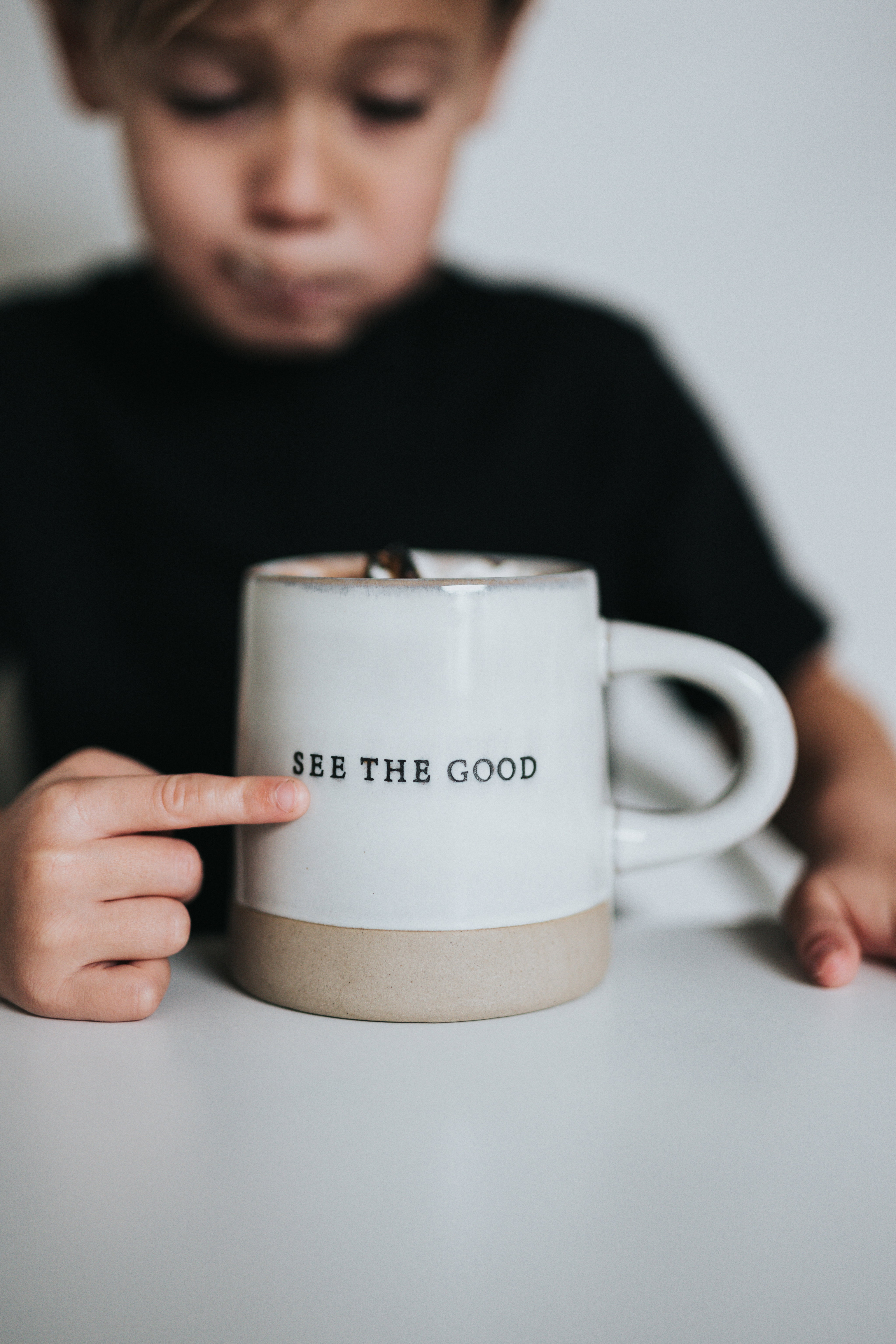
What Does a UI Designer Do?
If you're thinking of becoming a UI designer, you're probably wondering what the job entails. What exactly will you be doing day-to-day? What kind of skills and knowledge do you need?
A UI designer is responsible for the look and feel of a website or app. They create the overall layout and design, and they work with the developers to make sure the interface is easy to use. In order to be successful in this field, you'll need strong graphic design skills and a good understanding of user experience (UX) design.
In this article, we'll take a closer look at what it takes to be a UI designer, and we'll explore some of the common tasks and challenges involved in the job.
What Is UI Design?
UI design, or user interface design, is the process of designing the look and feel of a website, app, or other type of software. As a UI designer, you're responsible for creating a layout that's both visually appealing and easy to use.
You'll need to think about things like how the user will interact with the interface, what kind of graphics to use, and how to organize the information. You'll also need to be familiar with different design principles and how to apply them.
It's a challenging job, but it's also very rewarding. If you're interested in becoming a UI designer, there are several courses you can take that will teach you everything you need to know.
What Does a UI Designer Do?
So you want to be a UI designer? That's great! But what does a UI designer do, exactly?
Well, first and foremost, a UI designer is responsible for the look and feel of a product. They create the visual interface that users see and interact with. This includes things like buttons, icons, menus, and all the other elements that make up a user interface.
UI designers also work with developers to make sure that the design is implemented correctly. They need to have a good understanding of both design and development in order to be successful.
And finally, they need to be able to think from the user's perspective. They need to understand what users are looking for and how they interact with digital products.
If you're interested in becoming a UI designer, these are some of the things you'll need to know.
The Skillset of a UI Designer
So you want to be a UI designer? That's great! But what does that actually mean?
Well, first and foremost, it means having a strong understanding of how people interact with digital products. As a UI designer, you need to be able to think about things like layout, typography, and how to make interfaces that are both visually appealing and easy to use.
But it's not all about looks. As a UI designer, you also need to be able to think about how to make interfaces that are functionally sound. That means ensuring that all the elements on the page are working properly and that the user can navigate through the product without any problems.
So if you're interested in becoming a UI designer, it's important to make sure that you have a solid foundation in both graphic design and coding. You'll also need to be comfortable working with different software platforms and have a strong understanding of UX principles.
The Benefits of Being a UI Designer
So what does a UI designer do? As the name suggests, they focus on the User Interface (UI) of a product. This includes everything from the layout and design of buttons and menus to typography and color schemes.
The goal is to make the product as user-friendly as possible, while still looking stylish and modern. A good UI designer can make a huge difference in the overall usability of a product, and that's why they're in high demand these days.
But it's not all about looks. A UI designer also needs to be able to think strategically, and understand how the user interface affects the overall user experience. They need to be able to work with teams, and be able to communicate their ideas effectively.
If that sounds like you, then a career in UI design might be just what you're looking for.
How **to Become a UI Designer**
So you want to be a UI designer? It's a great career choice, and there are a few things you need to do to make sure you're headed in the right direction.
First, you need to learn the basics. What is user interface design? What are the key principles of UI design? What are the different types of UI design? These are all important questions you need to answer before you can start your career.
Next, you need to get some experience. Try to find some internships or volunteer opportunities where you can get hands-on experience. This will give you the skills you need to start working as a UI designer.
Finally, keep learning. The field of UI design is constantly evolving, so you need to make sure you're up-to-date on the latest trends and technologies. Read up on new design principles, experiment with new software, and attend workshops and conferences.
Conclusion
So, what does a UI designer actually do? A UI designer is responsible for the look and feel of a website or app, from the buttons and icons to the typography and color palette. They work with the engineering team to make sure the visuals are on-brand and user-friendly, and they often create prototypes to show how the design will work in practice.
If you're interested in a career in UI design, it's important to have a good understanding of both design and engineering principles. You should also be comfortable working with software like Figma, Photoshop, Illustrator, and have strong communication skills so you can effectively collaborate with other team members.
What Does a Graphic Designer Do?
So, you're thinking of hiring or becoming a graphic designer. Great! But what does a graphic designer actually do?
Well, a graphic designer is responsible for creating visual concepts to communicate ideas. They might be responsible for designing the overall look of a website or company logo, or for creating illustrations and graphics for advertisements and marketing materials.
In short, a graphic designer is responsible for creating visuals that effectively communicate a message. If you're looking to create an effective marketing campaign or just want your website to look a little bit more polished, a graphic designer can help.
What Is a Graphic Designer?
So, you're curious about what a graphic designer does? A graphic designer is responsible for creating the visual elements that communicate a message or idea. They might work with text, images, or both, and use their skills to create something that's visually appealing and easy to understand.
Graphics designers can be found in a variety of industries, from advertising and marketing to education and publishing. They might be responsible for creating labels and packaging, designing logos and branding, or creating illustrations and infographics.
So if you're creative and have a flair for design, a career as a graphic designer could be a great choice for you.
What Does a Graphic Designer Do?
You might be wondering what a graphic designer does. After all, you've probably seen their work all over the place, but you might not know the ins and outs of the job.
Graphic designers work with text, images, and color to create visually appealing designs. Sometimes they work with clients to come up with ideas, and other times they work with pre-existing materials to create a specific look.
No matter what, their goal is always to create something that's visually appealing and effective. They might work on everything from logos and websites to magazines and product packaging.
If you're curious about what it takes to become a graphic designer, then keep reading.
What Skills Do You Need to Be a Successful Graphic Designer?
First, you need to be **creative**. You need to be able to come up with original ideas and see things in a different way. After all, that's what design is all about—creating something new and unique.
Second, you need to be a **good problem solver**. When you're working on a project, you're going to run into roadblocks—and it's your job to find a way to get around them.
Third, you need to be able to **work well under pressure**. When a client is breathing down your neck and the deadline is looming, you can't afford to panic. You need to stay calm and focused, and get the job done.
Finally, you need to be able to **communicate effectively**. Graphic designers are often working with clients who may not have a lot of design experience. It's your job to explain your ideas in a way that they can understand.
How to Become a Graphic Designer
So you want to become a graphic designer? It's a great career choice, and the best part is that there are lots of ways to get started.
First, you need to learn how to design. You can get a degree, certificate or experience in graphic design. There are lots of schools, bootcamp or online courses that offer these programs, so do your research and find one that's a good fit for you.
Once you have learned how to design, it's time to get practical experience. There are lots of ways to do this, but the best way is to find an internship or apprenticeship. This will give you the opportunity to learn from the pros and develop your skills.
And finally, don't forget to keep learning. As technology changes, so does the graphic design industry, so it's important to stay up-to-date on the latest trends and techniques.
Graphic Designer Tools and Softwares
When you're a graphic designer, the tools of your trade are essential for getting the job done. And trust me, there are a lot of them.
There's no one-size-fits-all answer to this question, because the tools and software a graphic designer uses depends on their specialization. But some of the most common tools are photo editing software, vector drawing software, and typography software. Some popular tools are Sketch, Figma, Adobe Creative Suite (Photoshop, Illustrator, and more) just to mention a few.
Graphic designers use these tools to create layouts, illustrations, logos, and other visuals for digital and print media. They may also use them to create prototypes for websites or apps. And as technology evolves, so too must the tools of the trade for graphic designers.
Conclusion
A graphic designer is responsible for creating visual communications. They may design logos, branding, ads, and even entire websites. They use their creativity and expertise to create visually appealing and effective designs that capture the essence of their client's message.
If you're interested in becoming a graphic designer, it's important to learn as much as you can about the profession. There are many different specialties within graphic design, so you need to find the area that interests you the most. And be prepared for a lot of hard work.
But if you're up for the challenge, being a graphic designer can be a very rewarding career.
What Does a UX Designer Do?
So you're thinking about becoming a UX designer? That's great! But what does a UX designer actually do?
UX designers are responsible for the look and feel of a website or app, as well as the user experience. They work to make sure the interface is easy to use and navigate, and that users have a positive experience when interacting with the product. This involves a lot of research and testing, as well as design work.
If you're interested in becoming a UX designer, this article is for you. Here we'll take a closer look at what the job entails and what skills you need to succeed.
What Is a UX Designer?
A UX designer is responsible for creating a seamless experience for the user. They design the interface, create prototypes, and test user feedback. They're also responsible for making sure that the user's needs are always taken into account.
If you want to become a UX designer, you need to be able to think from the user's perspective. You need to be able to understand their needs and desires, and then design something that meets those needs.
It's not an easy job, but it's definitely rewarding.
What Does a UX Designer Do?
As aforementioned, a UX designer is responsible for creating a great user experience. They work with teams to come up with solutions that meet the needs of users and businesses alike.
UX designers focus on the usability of a product and make sure that everything from the interface to the interaction is easy for people to use. They also think about how people interact with a product and how they can make it better.
If you're interested in becoming a UX designer, it's important to have a strong understanding of psychology, design, and technology. These are all essential for creating user-friendly products.
So, A UX designer is also responsible for:
Researching who the target audience is and what their needs are
Coming up with ideas and concepts for the design
Wireframing and prototyping to create a realistic vision of the design
What Skills does a UX Designer Need?
So you want to be a UX designer? Awesome! It's a great career choice. But how do you become one?
First, you need to have a strong foundation in design. You don't need to be an expert in everything, but you should at least have a basic understanding of typography, color theory, and layout.
Next, you need to learn about user experience design. There are lots of different ways to do this, but my favorite is to read books and articles, attend workshops and webinars, and participate in online forums and communities.
Finally, get your hands dirty. This is the most important part of the process. You need to start designing for real-world projects and collaborating with other team members. This will help you learn what works and what doesn't, and it will also give you the opportunity to refine your skills.
So, to be a successful UX designer, you need to have:
Excellent communication skills – you need to be able to work with other members of the team and explain your ideas in a clear and concise way
Strong problem-solving skills – you'll need to be able to identify and solve problems as they come up
Technical skills -the ability to use design tools like Sketch, Figma, and Adobe design suite.
What Are the Benefits of Being a UX Designer?
A UX designer is responsible for the overall experience of a user when interacting with a product. They work on things like the layout, usability, and flow of an application or website.
The benefits of being a UX designer are pretty clear. For starters, you get to work on cool projects that make people's lives easier. You're also in charge of shaping how people interact with a product, which means you have a lot of control over the user experience.
And last but not least, as a UX designer you're always in demand, so you can pretty much pick and choose the job offers that come your way.
What Are the Challenges of Being a UX Designer?
UX design is not all fun and games, you know. There are some challenges you'll need to be prepared for.
For starters, you'll need to have a good understanding of human behavior. You'll need to be able to think outside the box and be able to come up with creative solutions to design problems. And you'll need to be able to communicate effectively with stakeholders and team members.
But perhaps the biggest challenge of all is staying up-to-date with the latest trends and technologies. The UX field is constantly evolving, so you'll need to keep learning and keep your skills sharp. If you can overcome these challenges, then you're on your way to becoming a successful UX designer.
Should You Become a UX Designer?
So, should you become a UX designer? The answer is yes! You can become a UX designer with no experience. Many UX designers do not have a degree in UX or a UX-related field.
A UX designer’s job is to create websites and apps that are easy to use and intuitive for the user. They work with the team to come up with ideas, test prototypes and make changes to the design based on user feedback.
If you want to become a UX designer, there are many online courses and tutorials that you can take. Some bootcamps will teach you everything you need to know about becoming a successful UX designer. So what are you waiting for? Start learning today!
Conclusion
As a UX designer, you would be responsible for designing user interfaces and user experiences for web or software applications. You would need to have a strong understanding of both design and user behavior, as well as be able to effectively communicate your designs to others.
If you're thinking of becoming a UX designer, or are just curious about what the job entails, hopefully, this gives you a little better idea. Keep in mind that the job description can vary depending on the company and project, so don't hesitate to ask around or do some research if you want to know more.
User Research: Don't Preach to the Wrong Choir
***If you don't know your audience, you're preaching to the wrong choir.***
When it comes to product development, user research is key. By understanding your users and what they need and want, you can create a product that meets their needs and exceeds their expectations.
User research can take many different forms, from surveys and interviews to focus groups and product testing. The most important thing is to make sure that you're asking the right questions and listening to the answers.
In this article, we'll discuss the importance of user research and how to incorporate user research into product development.
Why Is User Research Important?
You know how important it is to do user research before you start developing your product. But do you know why it's so important?
It's simple: user research allows you to understand your users better. You learn about their needs and how they currently solve their problems. And when you have this information, it helps you design a product that's actually useful to them.
Research isn't just about understanding your users, though. It's also about understanding the market and the competition. When you have all this information, you can develop a product that stands out from the rest and that users will love.
How to Do User Research
So how do you do user research? It's actually not as difficult as you might think.
First, you need to come up with a plan. What questions do you want to answer? What are you trying to learn? Once you have a clear idea of your goals, it's time to start recruiting participants.
You can find people in a variety of ways: online, through social media, or by contacting local businesses. But be sure to screen them carefully, because you want to make sure you're getting accurate feedback from your target audience.
Once you have your participants, it's time to start the research process. This can involve interviews, surveys, focus groups, or even observation. The key is to be flexible and adapt your approach as needed.
By doing user research, you'll be able to develop products that meet the needs of your users—and that's a recipe for success.
You've probably heard the saying, "If you don't know your audience, you're preaching to the wrong choir." The same principle applies to product development. If you don't understand your users, your product is going to fall flat.
That's where user research comes in. It's the key to understanding your users and developing a product that meets their needs. User research involves studying your users in depth—their behaviors, goals, and pain points.
Once you have a clear picture of your users, you can start designing features and prototypes that address their needs. And that's when the magic happens—you end up with a product that your users will love.
How to Incorporate User Research Into Product Development
You may be wondering how user research fits into the product development process. After all, you've probably got a lot of ideas about what you want your product to do and how it should look. How can user research help you there?
Well, the funny thing is, user research doesn't really tell you what to build. It just helps you make better decisions based on what your users need and want. And that's why it's so important to incorporate user research into your product development process.
**Here are a few tips for doing that**:
Make user research a priority.
Talk to your users early and often.
Use feedback to make decisions about your product.
How to Make User Research Actionable
You've probably heard the term "user research" before, but what does it actually mean? Simply put, user research is the process of understanding your users and their needs. It's all about getting to know your target audience inside and out, and it's essential for successful product development.
**But how do you make user research actionable? Here are a few tips**:
Make sure your research is objective. Avoid subjective opinions and assumptions.
Be open to feedback. When you're presenting your findings, be prepared to answer tough questions.
Take notes. Record everything that you learn during your research, so you can refer back to it later.
Be patient. User research is a process that takes time and patience. Don't expect to have all the answers right away.
Use your findings wisely. Implement what you learn into your product design and development process, and see how it affects your bottom line.
Conclusion
If you're not doing user research, you're putting your product development at risk. This is especially true when it comes to creating digital products – you need to understand how people use your product in order to make sure it's effective and intuitive.
User research can help you learn about your users' needs and desires, and it can also help you figure out how to solve problems before they become too big. It's an essential part of product development, and it's worth taking the time to do it right.
If you're not doing user research, now is the time to start. It's a process that takes time and effort, but the results are well worth it.
What Does a Product Designer Do?
You might have seen job listings for "product designers" and been curious about what the position entails.
In general, a product designer is responsible for designing and overseeing the production of products. They work with teams of engineers and other designers to come up with innovative new products and improve existing ones. They often have a strong focus on user experience, and strive to create products that are both practical and appealing to customers.
If you're interested in becoming a product designer, or just want to learn more about what the job entails, keep reading. In this post, we'll take a closer look at what the job involves, what skills you need to succeed, and how to get started.
What Is Product Design?
You might be wondering what a product designer does. And the answer is, they design products. But not just any old products. They design products that are user-friendly, innovative, and meet the needs of the customer.
They come up with new ideas for products and work with engineers and other team members to make those ideas a reality. They also need to be able to think outside the box and come up with creative solutions to problems.
A good product designer is someone who understands the needs of the customer and can translate those needs into a product that is both functional and attractive.
What Does a Product Designer Do?
You may be wondering what a product designer does. They are responsible for the design of a product, from start to finish. This includes **researching the competition**, **designing the product**, and then **overseeing the production process**.
A product designer is someone who can take a concept and turn it into a reality. They have to be able to think outside the box and come up with creative solutions that meet the needs of the customer. And they also have to be able to communicate effectively with other members of the team, so that everyone is on the same page.
It's a challenging job, but it's also very rewarding. If you're interested in becoming a product designer, there are some things you need to know. You need to be able to sketch your ideas, and you need to be good at using software like Adobe Photoshop and Illustrator. And you need to be able to work under pressure and meet deadlines.
The Skills a Product Designer Needs
So what do you need to be a product designer?
Well, obviously, you need to have a passion for design. You need to have a good sense of design. You should be able to take an idea and turn it into a finished product that looks great and functions well.
Second, you need to be able to communicate well. As a product designer, you'll be working with engineers, manufacturers, and other people who need to understand your designs. You'll also need to be able to understand their needs and translate them into designs that they can build.
Third, you need to be able to think on your feet and come up with innovative solutions. As the saying goes, the customer is always right. And that means you'll need to be able to adapt your designs as needed in order to satisfy the customer's needs.
And let's not forget the technical skills. You need to be able to use software to create sketches and 3D models. You need to be able to work with a variety of materials and understand the properties of each one. And you need to be able to follow detailed engineering drawings.
It's a lot of responsibility, but it's also a lot of fun. So if you think you've got what it takes, why not give it a try?
The Steps in the Product Design Process
As a product designer, you'll go through a process to create the best possible product. This process usually starts with understanding the needs of the customer and ends with the release of the product to the market.
There are a few steps in between that you'll need to go through, and each one is just as important as the last. Here's a quick rundown of what those steps are:
1. **Research**: This is where you'll gather all of the information you need about the problem you're trying to solve. You'll want to talk to customers, competitors, industry experts, and anyone else who can help you get a better understanding of the issue.
2. **Ideation**: This is where you'll come up with all of your ideas for solving the problem. You'll want to brainstorm as many solutions as possible and then narrow it down to the best ones.
3. **Design**: This is where you'll turn your ideas into a reality. You'll create sketches, prototypes, and anything else you need to show how your solution works.
4. **Testing**: This is where you'll test your prototypes with actual customers to see how they respond. You'll want to get feedback on everything from usability to *a*esthetics.
5. **Refinement**: This is where you'll take all of that feedback and make changes to your design based on what you learned in testing. You'll continue refining your design until you have a product that meets all of your customer's needs.
Product Designer Salaries
So you want to be a product designer? That's great! But what does that mean, exactly?
A product designer is responsible for the look, feel, and function of a product. They work with teams of engineers and other designers to come up with ideas and then turn those ideas into a reality.
Salaries for product designers vary depending on experience and location.
*A product designer in the US makes an average base salary of $81,845 in 2022, according to* *Glassdoor**. Average additional pay such as bonuses, commission, and profit sharing is $14,923, bringing the average total pay for a product designer in the US to $96,768.* https://www.glassdoor.com/Salaries/product-designer-salary-SRCH_KO0,16.htm
But on average, you can expect to make somewhere in the range of $60,000 to $80,000 per year.
Keep in mind that this is just a general guideline—salaries can vary quite a bit depending on the company you work for and the type of products you design.
Conclusion
So you want to be a product designer?
Great! Product designers are responsible for the look, feel, and function of a product. They come up with ideas, sketch out designs, and work with engineers to make their ideas a reality.
If you want to become a product designer, you'll need to have a good eye for design, be able to think outside the box, and have strong engineering skills. You'll also need to be able to work well with others and be able to take feedback.
If you're up for the challenge, a career in product design may be right for you.
How to Use User Research in Product Design
You may have heard the saying "design is not what it looks like, design is how it works." This is especially true in product design, where how the product functions is just as important as how it looks. The best way to create a product that works well is by doing user research.
User research involves studying how people use your product to improve its design. By understanding how users interact with your product, you can make changes that will make the product easier and more enjoyable to use. This not only makes the product more user-friendly but can also increase sales and even reduce costs.
In this article, we'll discuss the importance of user research in product design and how you can use it to create a better user experience for your customers.
What Is User Research?
So what is user research, exactly? It's the process of understanding your customer's needs and wants. You can do this through interviews, surveys, and focus groups.
But it's not enough to just ask your customers what they want. You also need to observe them in their natural environment. This is where user research comes in handy because it allows you to see how your customers interact with your product.
You can also use user research to get feedback on your prototypes. This is a great way to get insights that you wouldn't otherwise get from your customer base.
What Are the Benefits of User Research?
When you're designing a product, it's important to do your research and understand your users. What are their needs and wants? What are they trying to achieve with this product?
User research will help you answer these questions and more. It allows you to get feedback from your users early on in the design process, so you can make changes and tweaks that will improve the user experience.
Plus, user research is just plain useful for getting your head around complex problems. It gives you a fresh perspective and can help you come up with new ideas. All in all, it's a vital part of the product design process.
How Do You Conduct User Research?
It's important to get user feedback during the product design process. You can accomplish this in a few different ways:
1) **Interviews**: You can talk to users one-on-one or in groups to get feedback on your product.
2) **Surveys**: You can send out surveys to get feedback from a larger audience.
3) **User Testing**: This is where you actually have users test your product prototype.
The key is to constantly be gathering user feedback so that you can make adjustments to your product and ensure that you're satisfying the needs of your target audience.
How Do You Use User Research in Product Design?
You can use user research in product design in a few ways.
One way is to observe how users interact with your product. You can watch them as they use it and take note of where they get stuck, what they like, and what they don't like. This is a great way to get a general idea of how people are using your product and where you might need to make some changes.
You can also conduct interviews with users to get a more in-depth understanding of their needs and how they use your product. This can help you figure out what features to focus on and how to improve the user experience.
User research is an important part of product design, and it's essential to use it to create a product that users will love.
What Are Some Common User Research Methods?
When you're designing a product, it's important to do your research and understand your target audience. And user research is one of the best ways to do that.
So what are some common user research methods? Here are a few:
User interviews: This is where you sit down with your target users and ask them about their needs and how they use your product. It's a great way to get feedback and learn more about their pain points.
User surveys: You can use surveys to gather data from a large number of users. This can help you understand trends and identify pain points.
Focus groups: A focus group is a small group of users who you gather together to discuss your product. This is a great way to get feedback and get ideas from users.
How Do You Choose the Right User Research Method?
You may be wondering how to choose the right user research method for your product.
The first step is to figure out what you want to learn from your users. What are your goals? Once you know that, you can select a research method that will help you achieve those goals.
For example, if you want to know what people think about your product, you might want to do a survey or use focus groups. If you're looking for feedback on specific features or functionality, you might want to do a usability test or interview users.
But remember, the most important thing is to select a research method that will give you the information you need. So ask yourself this question: What do I need to know? And then find the research method that will answer that question.
Case Studies of User Research in Product Design
So let's take a look at a few case studies of user research in product design. In each example, the designers used different research methods to gain an understanding of their users.
First, there's the team that used interviews and surveys to get feedback on a new product idea. They were trying to gauge interest in the product and get an idea of the features users would want. This was helpful for getting a general understanding of their users.
Then there's the team that did some ethnography. They observed their users in their natural environment, trying to understand how they interacted with the product and what problems they were having. This gave them valuable insights into how to improve the design.
Finally, there's the team that did some user testing. They had users try out different prototypes and gave them feedback on what worked and what didn't. This helped them figure out what features to keep and which ones to ditch.
Each of these teams used different research methods, but they all ended up with similar results: a better understanding of their users and how they could improve their product design.
Conclusion
No one understands your customers as they do. User research is the process of understanding your customers and their needs. It involves interviews, surveys, and testing your products with real users.
User research is an important part of product design. By understanding your customers, you can create products that meet their needs and solve their problems. Use the information you gather from user research to create prototypes and test them with real users. The feedback you get will help you improve your products and make them more successful.
Your customers are the best source of information about their needs and want. Use user research to learn about them and create products that meet their needs.
The Modern Family: What Has Changed
How has the definition of family changed over the years?
It's a question that's been debated for centuries, and the answer is still changing. The traditional idea of family has been evolving for years, and it's now more diverse than ever. There are more single-parent households than ever before, and more families that include same-sex parents.
This shift in family dynamics has caused some people to challenge the traditional definition of family. They argue that the traditional family is no longer relevant in today's society. But others argue that the traditional family is still an important part of our society, and that it should be preserved.
What do you think? How has the definition of family changed over the years, and what role does it play in our society today?
The Changing Face of the "Traditional" Family
The traditional family is no longer the norm. What counts as a family these days is a lot more diverse than it used to be.
Back in the day, the nuclear family was the ideal—mom, dad, and the kids. But these days, that's not what you see everywhere you look. Families come in all shapes and sizes, and there's no one right way to do things.
There are single-parent families, blended families, and families with two moms or two dads. There are families who live together and families who don't. There are families who are close-knit and families who are scattered all over the place.
The bottom line is that there's no one template for family anymore. What matters most is that everyone in the family feels loved and supported.
The Rise of the Single-Parent Family
You may be wondering what's happened to the traditional family. Well, the truth is, it's changed a lot in recent years. One of the most significant changes has been the rise of the single-parent family.
Single-parent families are now more common than ever before, and there are some reasons for this. Rising divorce rates, increasing numbers of women in the workforce, and rising housing costs are just a few of the factors that have contributed to this trend.
As a result, more and more children are growing up in homes where they don't have two parents. This can be challenging, but it can also be empowering. Single parents have to work twice as hard, but they also get to experience the joys of parenting on their own.
The Rise of the LGBTQ+ Family
Another is the rise of the LGBTQ+ family. As society becomes more and more accepting, more and more people are coming out and forming families that reflect their true selves.
We're all different, but we all come from the same place. We're all human, and we all deserve to be treated with love and respect.
The Rise of the Blended Family
According to a study by the Pew Research Center, in 2015, 46 percent of all U.S. households were blended families.
What does that mean for you? It means that there's a good chance you have a step-parent or two, or that you're one yourself. It also means that the definition of family is changing.
The blended family can be a great way to bring different families together and create a support system for each other. There are definitely challenges involved, but with communication and cooperation, they can be overcome.
The Changing Roles of Parents and Children
You probably know a family like this. Parents who are working all the time, children who are glued to their smartphones, everyone living their lives in a state of perpetual busyness. It's the reality for so many families these days.
But what's interesting is that this isn't the way it always used to be. In fact, the roles of parents and children have changed a lot in the past few decades. For one thing, kids aren't always obedient anymore. They're more likely to stand up for themselves and express their opinions.
And parents are more likely to be friends with their kids, rather than simply authority figures. There's a lot more communication and collaboration happening between parents and children nowadays. Families are becoming more democratic in nature.
The Changing Dynamics of the Modern Family
So what has changed about the modern family? Well, for starters, the traditional family unit has changed dramatically. The days of the nuclear family are long gone. Nowadays, families come in all shapes and sizes.
There are more single-parent households than ever before, and there is also a growing trend of adult children living with their parents for longer periods of time. And don't forget about same-sex couples and blended families. The traditional concept of a perfect family is a thing of the past.
Conclusion
The family is evolving, and there's no turning back. Whether you're a part of a traditional or nontraditional family, there's no wrong way to do it. Just be sure to embrace your family for who they are, and love them unconditionally.
The Art of Copywriting: How to Write Persuasive Copy
Imagine you're a marketer, and you need to write a sales copy that will convince people to buy your product. You might be tempted to just write about the features and benefits of your product, but that's only part of the equation.
If you want to write persuasive copy, you need to understand the art of persuasion. You need to understand what makes people tick, and how to appeal to their emotions. In this article, we'll discuss the basics of copywriting, and we'll give you some tips on how to write persuasive copy that will make people want to buy your product.
What Is Copywriting?
When you're thinking about copywriting, think about it as a way to persuade your reader to take a specific action. That might be clicking on a link, signing up for a free trial, or making a purchase.
**You may ask about the difference between copywriting and content writing.**
When it comes to copywriting, there's a big difference between copy and content. With content, you're providing information—sharing your thoughts and insights on a particular topic. But with copywriting, you're trying to persuade your reader to take a specific action, like buying a product or clicking through to a landing page. It's all about getting your reader to bite.
Copywriting is all about getting your point across clearly and concisely. It's not about being flashy or clever—it's about saying what you need to say in a way that your reader will understand. And one of the best ways to do that is to think about your reader as a friend. Imagine that you're sitting down with them for coffee and you want to tell them about the amazing product you've just discovered. How would you do it?
Here's the thing about copywriting: it's an art form. And like any art form, it takes time and practice to get good at it. The first thing you need to understand is your audience. You need to know who you're speaking to and what their needs are. Once you understand that, you can start crafting your message to appeal to them.
Your message should be clear, concise, and easy to read. And it should compel your readers to take action.
When it comes to copywriting, there's no one-size-fits-all solution. You need to tailor your message to fit your unique audience and their needs. But if you follow these basic guidelines, you'll be well on your way to writing persuasive copy that converts leads into customers.
What Are the Goals of Copywriting?
There are a few goals that all good copywriting should aim for:
It should persuade the reader to take a specific action, whether that's buying a product, clicking on a link, or filling out a form.
Good copywriting also needs to be persuasive in terms of getting the reader to see things from your perspective. You want them to understand why it's in their best interest to do what you're asking them to do.
And finally, good copywriting is always clear and concise. You don't want to confuse or overwhelm the reader with too much information.
Why Copywriting Is Important
Copywriting is one of the most important aspects of any marketing campaign. After all, if you don't have a good copy, how are you going to persuade people to buy your product or service?
Copywriting is all about using the right words to create a connection with your audience and get them excited about what you have to offer. It's a skill that takes time and practice to perfect, but it's well worth the effort.
When it comes to writing persuasive copy, there are a few things to keep in mind:
Know your audience: understanding who you're writing for is essential because it will help you target your message accordingly.
Be clear and concise: people don't have time to read long, rambling paragraphs, so make sure your copy is easy to read and understand.
Make it interesting: nobody wants to read dull, boring copy, so find a way to make your words jump off the page.
Use strong call-to-action: telling people what you want them to do is a great way to get them moving.
How to Write Persuasive Copy
When it comes to copywriting, the aim is to persuade people to take a certain action—whether that's clicking on a link, signing up for a mailing list, or making a purchase. And there are a few key tactics you can use to make your copy more persuasive.
One of the most important things to remember is to be clear and concise. Don't try to cram too much information into your copy; people won't read it if it's too long. Start by outlining your main points, and then go into more detail if needed.
Another thing to keep in mind is the tone of your copy. You want to be friendly and approachable, but also authoritative. You're the expert, so sound like it! Use confident language, and make sure your tone is consistent throughout the piece.
And finally, always test your copy before publishing. Try running it through a couple of different audiences to see how they react. A/B testing can be a great way to tweak your copy until it's as persuasive as possible.
What Are the Elements of Persuasive Copy?
When it comes to writing persuasive copy, there are a few key elements you need to remember.
First, you need to instill trust. You want your reader to feel like you're someone they can trust, someone who has their best interests at heart. Second, you need to be clear and concise. Don't try to cram too much information into your copy—just focus on the essentials. Third, use emotional appeals. People are more likely to take action if they feel an emotional connection to what you're saying.
And finally, always remember to be persuasive. Use strong verbs and persuasive adjectives, and make sure your arguments are logical and well-reasoned. When you hit all these marks, you'll be able to write a copy that's truly persuasive.
Conclusion
When it comes to copywriting, there's one golden rule: be persuasive. Your goal is to convince your reader to take the desired action, whether that's clicking through to your website, buying your product, or simply reading more of your content. There are a few key tactics you can use to be more persuasive in your writing: be clear and concise, use strong verbs and adjectives, and focus on the benefits of your product or service. Follow these tips and you'll be on your way to writing a copy that sells.
5 Affiliate Marketing Hacks That Will Boost Your Sales
As an entrepreneur, you're always looking for new and innovative ways to boost your sales. Affiliate marketing can be a great way to do just that, but it's not always easy to get started. That's where these 5 hacks come in.
By using these hacks, you'll be able to quickly and easily set up a successful affiliate marketing campaign that will help you boost your sales and grow your business.
Define Your Goals
When it comes to affiliate marketing, you need to start by defining your goals. What do you want to achieve?
Are you looking to make a quick buck, or are you in it for the long haul? Once you know where you want to go, you can start plotting your course of action.
There are lots of different affiliate marketing strategies out there, but not all of them will work for you. You need to find what works best for you and stick with it.
There's no one-size-fits-all approach when it comes to affiliate marketing, so experimentation is key. Try out different tactics and see what works best for you. If something's not working, ditch it and try something new.
Find the Right Affiliate Partners
When it comes to affiliate marketing, finding the right partners is key. You want to partner with companies that share your values and that your customers will trust.
**But how do you find the right affiliates?** There are a few things you can do:
Firstly, take a look at your customer demographics. What companies do your customers already trust?
Secondly, research the companies you're considering partnering with. Make sure they have a good reputation and that their products are high quality.
Thirdly, reach out to companies you're interested in working with. Let them know what you have to offer and see if they're interested in partnering up.
Building strong affiliate relationships is key to success in this business. By partnering with the right companies, you can boost your sales and create a lasting impression with your customers.
Create Enticing Offers
When it comes to affiliate marketing, you need to create enticing offers if you want to boost your sales.
Think about it—if you're just offering a standard product, why would anyone choose your link over someone else's? But if you're offering a discount, free shipping, or some other bonus, people will be more likely to click through.
And don't forget about urgency! People are more likely to take action if they feel like they need to do something quickly. So consider adding a time limit or a limited quantity to your offer.
Use Effective Tracking Methods
When you're affiliate marketing, it's crucial to use effective tracking methods. This way, you can see exactly how your campaigns are performing and make adjustments as needed.
There are a number of different tracking methods you can use, and the one you choose will depend on your business and the products you're promoting. One of the most popular methods is cookies.
Cookies are small files that are placed on a user's computer, and they track browsing habits. This information is then sent back to the affiliate network, so you can see which ads are working and which ones aren't.
Other tracking methods include IP addresses, click-through rates, and conversion rates. Whichever method you choose, make sure you're using it consistently so you can get a clear picture of how your campaigns are performing.
Optimize Your Campaigns
You're probably familiar with affiliate marketing, but are you doing everything you can to optimize your campaigns? Here are a few hacks to help boost your sales:
Make sure you're targeting the right audience.
Use catchy, attention-grabbing headlines.
Write persuasive copy that's relevant to your audience.
Optimize your landing pages for conversions.
Use social media to promote your content.
 @Lixten