 @tatatatira
edited
@tatatatira
edited
Be original and not duplicate We live in a time of false perfection with imposed rules and a disturbed value system. Everyone strives for this so-called "perfection" in which many people, both young and old, try to present themselves to others as original, special, unique, different. Teenagers in particular try to stand out, be different from their peers and leave the impression of an interesting, and thus attractive person. No matter how expressed this aspiration is, the human brain functions in a different way: as a machine for imitating others. Much of this imitation takes place on an unconscious level. Children imitate their parents, but also other children. Teenagers imitate their peers, but also choose "idols". Adults imitate others in order to be accepted or to occupy social status. Much of social learning takes place through the unconscious imitation of other people.
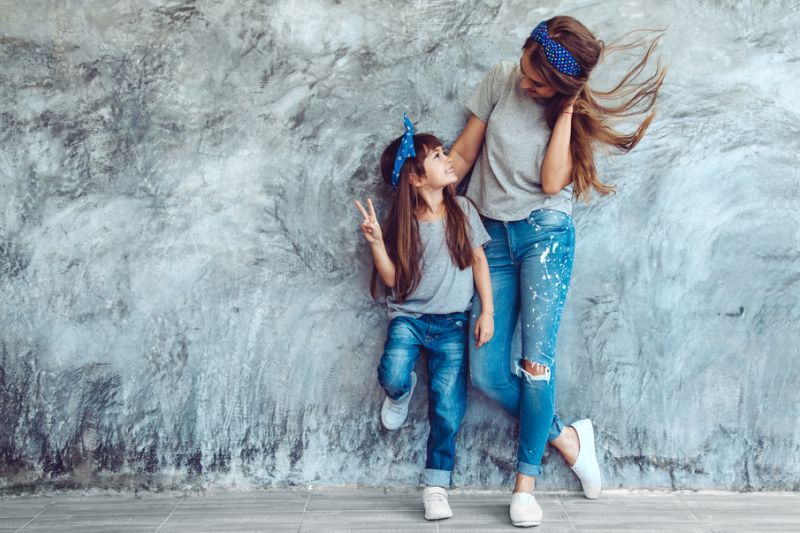
When an adult moves from one environment to another, a different environment, he unconsciously adopts the patterns of behavior, dress, expression, and speech that exist in the new environment. In a few years, she "drowned" in a new environment, so it is difficult to distinguish her from the "natives". The cause of this is the human need to be accepted, to belong, not to be different, different and foreign in a given social environment. This is in line with the Latin proverb: When you are in Rome, do what the Romans do. There are several names for the psychic mechanism that underlies imitation, such as identification or identification, imitation, model learning, pattern, copying, and so on. At the core of this mechanism is the sense of sight: people imitate what they see, but not everything but only what they like. The importance of the senses of sight is indicated by the words s-see, where the root is sight, as well as the pattern, where the root zor means to look. Based on what is seen, there is a desire to have what others have, to be like others, to act like others.

All this makes the group of peers in which a teenager moves an important factor in the development of his personality. Teenagers have a strong need to be accepted and to belong to the group, so if members of the group have problematic behavior, it is very likely that the teenager will start behaving that way. This same mechanism that applies to bad society also applies to good society. If the group is made up of young people who behave in a desirable and positive way, the teenager will imitate them. A positive imitation is when teachers and professors, through the splendor of their knowledge and their personality, achieve that they are role models for students, then they will unconsciously "absorb" not only the knowledge but also the behavior of given professors, and try to look like them. And when there are a large number of such teachers at a school or faculty, then it becomes the best school. Many people intuitively know that when they are in contact with people who impress them, who are their role models, they develop as personalities because they feel that they are enriched in that way by "taking over" some positive ways of thinking and behaving.
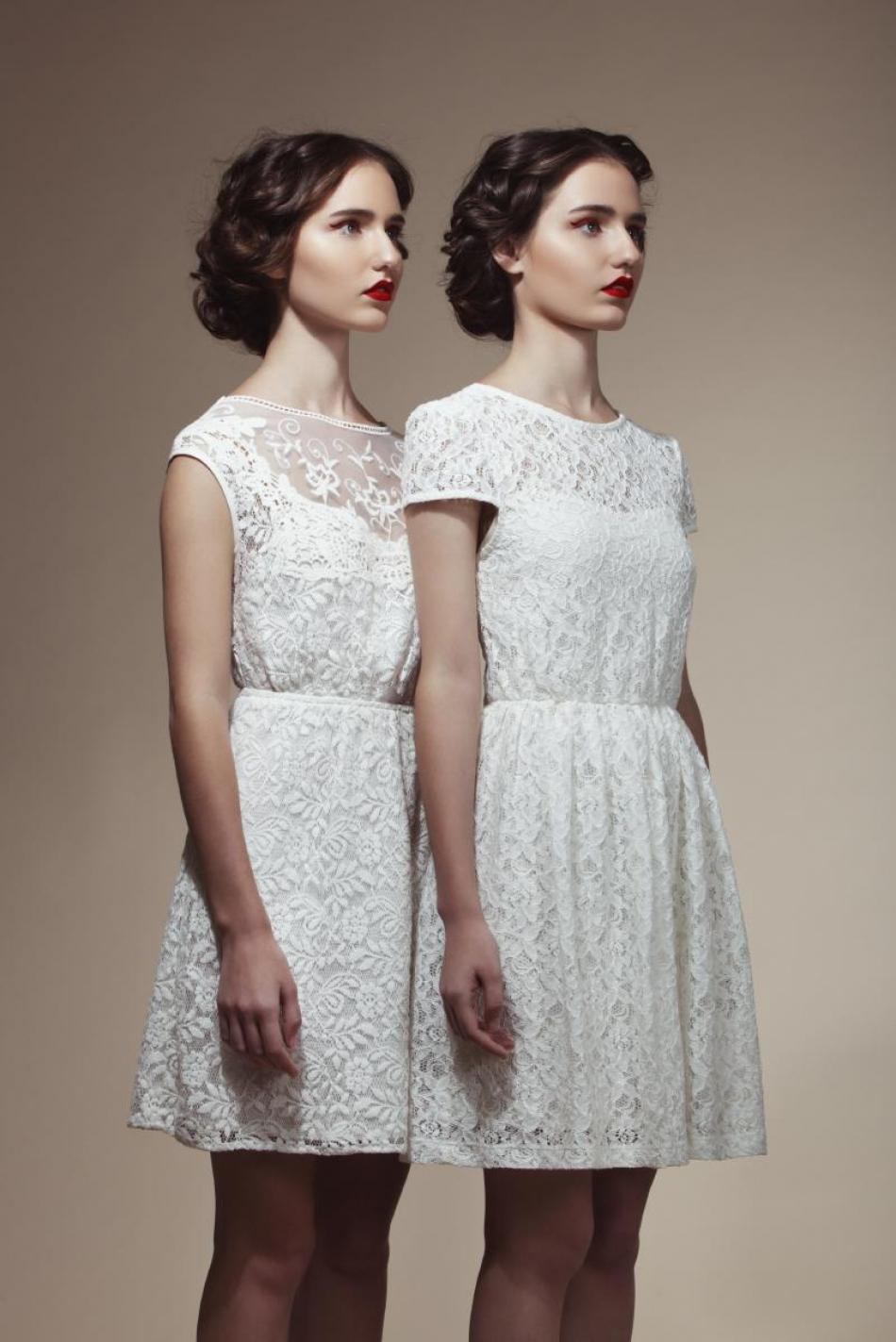
The emergence of mass media, especially visual ones, has led to a new problem. While people used to imitate other real-life people, the media offered unreal, illusory characters as role models. On the one hand, they are real people, film and music "stars" who offer the audience carefully shaped images and personalities, hiding numerous aspects of their real personalities and real lives. On the other hand, they are completely fictional characters from movies and series. There are many who unsuccessfully try to imitate film characters and transfer film scripts into real life. Imitating others can also become a conscious way of personal growth and development. When someone is successful in something, people often envy him. When they see that someone they compare themselves to is more successful than them, they conclude that they are equally unsuccessful. Instead of seeing their own failure in someone else's success, they can turn a successful person into a role model. It simply means seeing what that person has been doing to achieve success, and starting to do the same thing to achieve the same kind of success. In that sense, perhaps the collective consciousness would change if we used "exemplary success" instead of the often used term "enviable success".

On the other hand, they are completely fictional characters from movies and series. There are many who unsuccessfully try to imitate film characters and transfer film scripts into real life. Imitating others can also become a conscious way of personal growth and development. When someone is successful in something, people often envy him. When they see that someone they compare themselves to is more successful than them, they conclude that they are equally unsuccessful. Instead of seeing their own failure in someone else's success, they can turn a successful person into a role model. It simply means seeing what that person has been doing to achieve success, and starting to do the same thing to achieve the same kind of success. In that sense, perhaps the collective consciousness would change if we used "exemplary success" instead of the often used term "enviable success". It is interesting that although people consciously and unconsciously imitate others, they do not like others to imitate them. Occasionally we hear a complaint from a woman that someone else is "stealing her personality" because he imitates her in dress, make-up and hairstyle. It is just a sign that she has become a role model, and that imitation is a form of flattery.

The photos used in this article are taken from the site **www.google.com** https://www.google.com/search?q=People+and+machines&tbm=isch&ved=2ahUKEwjhkJKrieDsAhVUIhoKHQZIDz8Q2-cCegQIABAA&oq=People+and+machines&gs_lcp=CgNpbWcQDFAAWABgLGgAcAB4AIABAIgBAJIBAJgBAKoBC2d3cy13aXotaW1n&sclient=img&ei=E_-dX6G7E9TEaIaQvfgD&bih=625&biw=1366&rlz=1C1GCEA_enRS903RS903#imgrc=fkuqJNgp2iLXZM&imgdii=59WbsvxyMo2zmM Sources: Zoran Milivojević, Oponašanje drugih, Beograd, 2020.


14 comments
I would have love to read the conclusion part..........
I was always what I was, but I suffered a leg in my life.
Merging with the environment is a kind of return to the tribal community. Anyone who stands out from the crowd at least a little and turns on the brain must be punished in some way.
You said nicely about adults who change the environment, here I am in another city for 5 months, the other day I heard from a relative, she says sorry you started talking with that accent, you stretch, by chance my daughter asked to talk to her, she just blends this child with them, she stretches as she speaks, sometimes it takes a little time. But it is inevitable, she will always be who you are with.
Imitating accents is a perfectly normal thing to do. It is also expected that it will happen after a while, whether you like it or not, the child is adjusting and that is good. He draws less attention to himself and protects himself in some way. However, I wrote about the new phenomenon under the influence of the media and popular personalities and how strong the influence on our children is in the form of behavior (if a celebrity takes drugs, we have to do the same) and clothes and similar things.
To build an identity, it is not enough for others to tell us who we are, nor for us to infer ourselves; we need to identify with the pattern. Patterns are important for personality development, especially in childhood and adolescence, so there is a psychological need for them. Choosing a person as a role model means adopting the values he or she stands for. Having a role model in someone also implies a desire to become the same one. Without a role model there is no process of identification, identification with others, which is so important for building one's Self.
Copy of a copy of a copy of a copy... There are many copies nowadays, and we sometimes do not know who is the original.
i never wanted to copy someone.....i always wanted to be what i am,being myself and living in how i feel is the best for me
Just the best option.
sometimes copying is also good. For example, you copy a friend learning.
Welcome kresnica, I have nothing against copying teachers, teachers, because it's learning, but super old people who don't know anything except whether the blush on their cheeks looks good ... it's terrible.
Yea.. i know its.. copy is not Good.. If you Done a post by copy from another side or you Follow another people s.. Then what's about you?? Whats done bye yourself??? You tottally damage your Own Created Knowledge... You just Damage your Sen's... You Cant di Anything without follows others... Pleased dont mined read my Comments idont know proler English but stil i Try my best to send my Opinions to You the Arti Author. Thank you for this Great article...
Welcome HafizaKhanom6, I'm glad you understood the essence of my text. Nowadays, we are overwhelmed by a new trend of imitating celebrities ... Unfortunately, no quality ...
Yes.. I like this.." Be Yourself.... 👍👍👍Dont Copy Others...