 @milos1998
Valerian - an unsurpassed medicinal plant
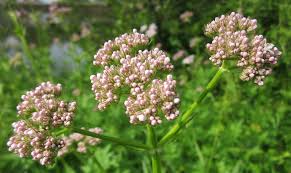
Valerian (Valeriana officinalis) is a medicinal plant that has been used to treat many diseases and alleviate ailments for thousands of years. Due to its medicinal properties and application, the plant was used in Ancient Rome (Dioscurides) and Ancient Greece (Galen), and in the 18th and 19th centuries it was one of the most widely used medicines.
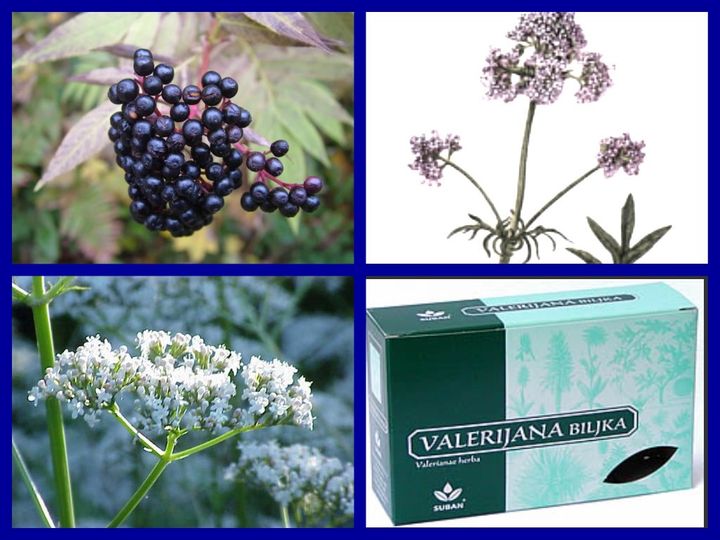
Valerian is a perennial plant from the grass family with branched roots and shoots of about ten centimeters. The stem is branched and reaches a height of up to 120 cm, and the flowers are white and pink. The root has a characteristic taste and smell and it is used as a medicine. The plant is very resistant and thrives in various parts of the meadows, especially in wetlands. The roots are harvested in spring or autumn. In addition to the fact that valerian is used by humans as a medicine, it is known that cats use it (grazing grass or root) when they have some "health problems", so the name catnip is also used for valerian. Useful ingredients Valerian root or valerian-based liquid contains a lot of medicinal-active concentrated substances: alkaloids plant fibers vegetable fats plant hormones valeric acid isovaleric acid formic acid enzymes essential oils mineral salts starch resin chlorogenic acid Use The root from which they are made is used for treatment: tea, drops, various tinctures and oils. Teas or tinctures of a mixture of valerian and other herbs are usually used. Tea from this plant acts as a sedative, but it also has a detoxifying effect. It is advantageous that valerian, unlike other sedatives, is not addictive. As it acts as a sedative, care should be taken when using it on its own initiative, especially in children and pregnant women. Healing fact Valerian is used in the following cases: anxiety angina pectoris stress-induced allergies (hives) asthma addictions back pain blood vessel disease bladder and urinary tract diseases bronchitis, colds and flu high blood pressure dizziness headache and migraine muscle cramps cramps and tightness in the chest depression diabetes emotional shock nervous diseases toothache urinary tract infections a cough palpitations (arrhythmias) menstrual and menopausal ailments irritable bowel syndrome, bloating and gas in the stomach insomnia nervousness a feeling of fear epilepsy problems with digestion, intestines and stomach nerve problems, against stress irritability various infections and inflammations regulating blood sugar stomach ache fatigue hypochondria hysteria schizophrenia With long-term use of valerian, some people may experience insomnia, irritability or headaches. Wraps and baths Valerian tea compresses and massage are used against back pain, but also against migraines, dizziness, headaches and nausea. A bath in water with valerian has a beneficial effect on the female reproductive organs. Warning Based on centuries of experience and the latest scientific research, it can be concluded that valerian is a very medicinal plant. Valerian strengthens immunity, and has a beneficial effect on the respiratory organs, nerves, blood vessels, heart and stomach. As with other herbs, you should be careful when using them on your own, and it is best to consult a doctor or pharmacist. It is recommended to take a break after three weeks of using valerian, in order to avoid side effects. You should be especially careful if you pick the grass (root) yourself, as there are similar plants that are poisonous.
9 comments
concentrate of juice of this plant can be very helpful, in a previous time this is be very popular for use
I think you got the wrong picture that looks like a call on the left. I think it's Elderberry
It is definitely one of the most medicinal plants.
How many times have I seen this plant and I didn't know it was valerian
I used to use valerian drops ...
Thank you so much! I learned a lot from you! Cheers!
So soo important article you have wrote. Thank you for sharing this.
Nice article and lots of information
interesting plant..but unknown to me until now