 @Teji
@Teji
6 tips for anyone considering a ketone diet The ketone diet has certainly been one of the most popular diets lately. You may be thinking about it yourself, but you’re not sure if you really know what it’s like to tackle it and how to avoid the typical beginner’s mistakes? We have gathered some useful tips for you to help you determine if this diet is right for you or what you can expect if you opt for it.
1. Do not confuse LCHF and ketone diets Although the ketone diet is basically very similar to the LCHF-principle of nutrition, there are still important differences to consider when deciding which form of weight loss would be most appropriate for you. We could say that the ketone diet is a more drastic form of LCHF-eating. Although the latter also aims to limit carbohydrates, there is usually no specific definition of the "permitted" amount of this macronutrient. It is different with the ketone diet. If we want the body to pass into t. i. ketosis, namely the daily amount of carbohydrates should not exceed about 20-30 grams. So at least in the beginning, careful monitoring of your diet will be necessary, otherwise you can get carried away quickly. 2. Try to design the menu in advance Those who are just getting to know the ketone diet are usually advised against overly complicated recipes that require quite a few “exotic” ingredients. Try to design a simple menu and calculate how much the dishes you have chosen will cost you approximately to avoid any unpleasant surprises. 3. Thoughtful in choosing carbohydrate sources The ketone diet allows very few carbohydrates, but of course this does not mean that foods containing carbohydrates are completely banned. In fact, this would be almost impossible, as many foods, which in principle are not considered to be carbohydrates, contain a certain proportion of this macronutrient. In the ketone diet, these foods are an important source of certain vitamins and minerals. It is therefore important that you make careful choices and that you try to provide your body with as varied a diet as possible, without exceeding the limit that still allows ketosis. In addition to various types of (non-starchy) vegetables, for example, it is highly recommended to eat moderate amounts of berries, which are a real treasure trove of useful nutrients.
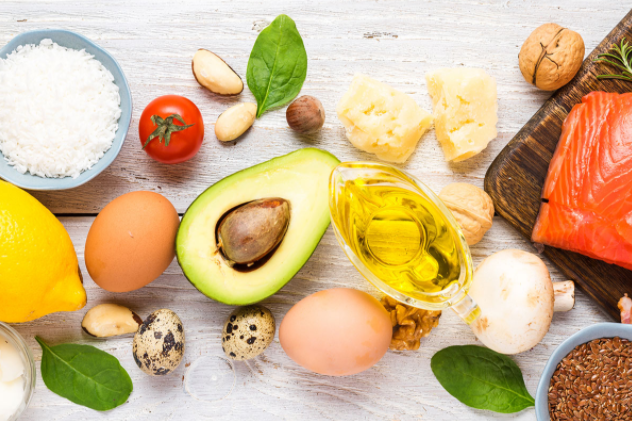
4. Note that there are several versions of the ketone diet For the most part, the ketone diet is primarily associated with foods of animal origin, but this type of diet actually allows for more freedom than you might imagine. So you don’t have to limit yourself to a certain type of ketone diet in advance, but it also makes sense to research variants such as the vegan ketone diet. 5. Don’t forget the salt The proportion of sodium in the body is usually higher than the proportion of potassium. However, an increased sodium excretion often occurs with a ketone diet, so potassium may predominate. Therefore, a slightly higher intake of salt or sodium-rich foods, such as green, is usually recommended to balance these minerals or electrolytes. 6. Avoid stress Chronic stress reduces the amount of ketones. If you are constantly under stress, this will make it harder to stay in ketosis. In the case of a ketone diet, it is also very important that you try to find the most effective relaxation techniques possible or that you avoid very stressful situations, otherwise the results will not be what you would probably like. What about you? Are you using any diet? I hope you like my post......subscribe,like and comment.
7 comments
Prva stvar koja mi je na pameti, pripaziti na bubrege, svaka dijeta je stres za naše bubrege.
Proteinska dijeta bi mogla naštetiti.
pa mogla bi....ko zna....ima dijeta više nego novca hahah
prvi put čujem to
Da li vojna dijeta znači i vojnička disciplina Pratite dijetu striktno! Hranite se samo po planu! Namirnice iz menija zajedno rade da podstaknu metabolizam, obezbede energiju, pomognu u oscilacijama šećera i započnu proces sagorevanja masti Nema pauze! Prava vojna dijeta se drži tri dana u kontinuitetu. Izmerite kilograme prvog dana ujutru i nemojte da stajete na vagu do četvrtog dana ujutru. Izmerite i obime. Ako dobijete mišić, nećete biti lakši na vagi, ali ćete izgubiti obime. Obimi su važni kako biste ostali fokusirani i pozitivni. Kilaža može nepredvidljivo varirati. Imajte to na umu da se ne biste razočarali i obeshrabrili. Nema grickanja između obroka! Nikada, ali nikada nemojte ostavljati nešto za kasnije! Mnogi često prave ovu grešku, u želji da podele obrok na više porcija. Nema odlaganja obroka! Sledovani obrok pojedite tačno kada mu je vreme. Prag tolerancije je 10 minuta. Obroke stalno morate jesti u isto vreme, čak iako niste gladni u datom trenutku. Fizička aktivnost može drastično poboljšati rezultate, pa se zato i te kako preporučuje.
Keton dietata e mnogu popularna vo posledno vreme. No , saka malku pogolem angazman okolu nabavkata na produktite i podgotovkata na obrocite. no, kako sto pisuva vo tekstot, postojat poveke tipovi od ovaa dieta, pa koj sto e zainteresiran, sigurno kje najde sto mu odgovara.
tačno tako