Importance of Industrial Safety
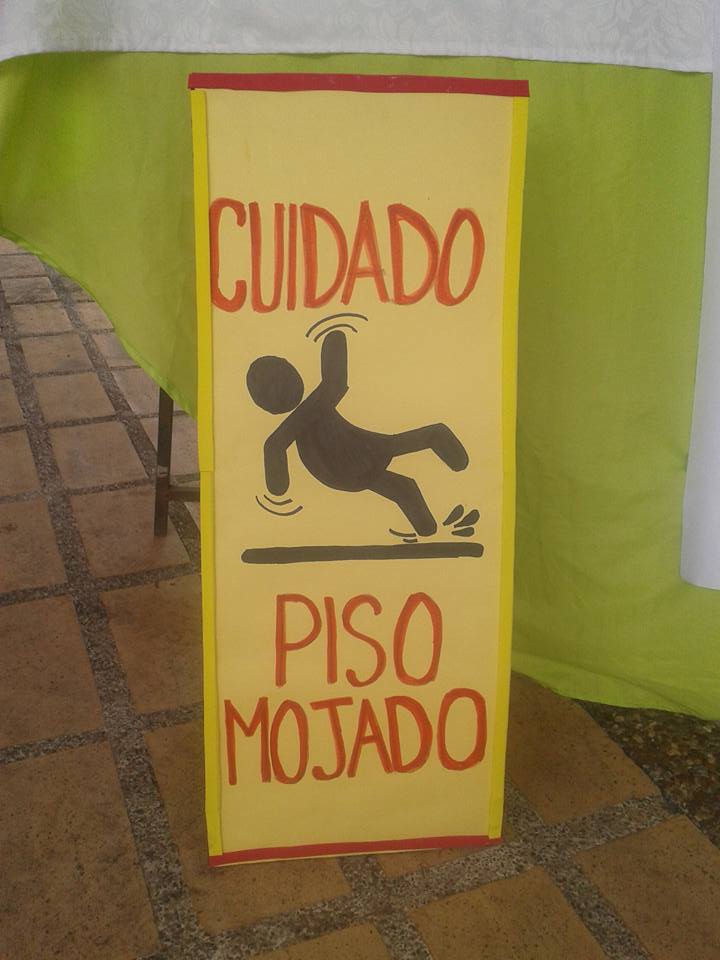
Happy day, I hope you are very well. On this occasion I bring you as information a reading on the importance of Industrial Safety, it is very important to know about the subject, what it is for and apply it so we can avoid incidents, accidents or even death. It is only about reducing the different risks or dangers that we run daily, however small they may be.
Industrial safety is responsible for reducing occupational risks in the industry. Occupational risk prevention is based on protecting the worker from the risks arising from their work. The employer must ensure that working conditions are optimal and must limit the number of accidents that could occur in the workplace. The company must provide the employee with the necessary equipment to fulfill their function, which meets the safety requirements, in addition to offering them training on the use of the equipment, the risks in the company's spaces and refresher courses on these topics.
**Tips to improve industrial safety**
We already know the importance of occupational safety, and that is why it is necessary to take certain precautions and measures to avoid any type of accident. Although it is necessary for each company to have its safety standards, we leave you with some recommendations:
AWARENESS OF THE WHOLE STAFF
It is one of the most important points to keep in mind. This awareness must be implanted and promoted with the greatest possible force from the hierarchical levels of the company, with the total involvement of management and middle managers to instill at all levels of the organization the utmost importance of occupational safety of their employees. workers. Once this trajectory has been traced, and this philosophy has been inculcated throughout the company, it will be much easier to reduce accidents in a company, and therefore increase the safety of its workers.
CONTINUOUS TRAINING
The training of the new incorporations to the company and the carrying out of recycling training is what allows us to maintain this exercise of awareness and will help to reduce our occupational accident rates. In addition, it provides training for any industrial tool kit that will be used for both new and returning employees. Don't assume new hires, no matter how veteran, operate tool equipment safely. You cannot be sure of the level of training they received from a previous employer. For current employees, it's never a bad idea to review industrial safety manuals and procedures on how to operate equipment safely.
ADAPTATION OF WORK TEAMS
Another point that we must take into account is the correct maintenance and start-up of the work equipment. For this, we leave you the most important tips:
Do not manipulate electrical appliances until they have been fixed by those responsible for the area.
Control accumulated fatigue due to inadequate gestures or postures during work or weight bearing.
Keep the work environment clean and orderly.
Work with adequate lighting for the needs of the workers.
Learn to manage stress.
Maintain a favorable work environment through correct temperature and control excess noise.
Of course, train workers about the security measures they must comply with.
I will continue to publish more of this type of information content. Thank you
**Raosubterraneo**

Venezuelan Patacon
**Patacon Recipe:**
150gr. of shredded meat
2 Green bananas
Shredded Mozarella cheese
Lettuce in strips
sliced tomato
julienned onion
Bacon
Ketchup, mayonnaise and mustard
**Preparation**
https://www.instagram.com/p/CVBHA_MKLpO/
I hope you prepare them at home they are very tasty.
**Raosubterraneo**
Burger Volcano
Hello Good evening, how are you? On this occasion I present the Volcano Hamburger. This delicious fast food is prepared with loin meat in pieces, cooked on a grill seasoned with garlic sauce, ketchup and mustard, after cooking the meat, "it should always be juicy" but for the sauces, we take a hamburger bun and we open a circular hole in the center, then we put melted cheese on it, then we fill it with the meat, then we put more melted cheese on top, we take it to the grill and au gratin.
Ready! We accompany with some delicious fries, and we enjoy this delicious Volcano hamburger.
**Raosubterraneo**
Pepito Gratin with Mushrooms
Good night, how are you? This time I will show you a Pepito Gratin with mushrooms. Here in Venezuela, pepitos are very famous, especially in Edo Lara, it is widely consumed and is one of the favorites at dinner and enters fast food, there are many varieties of pepitos, this time I will show you the gratin with mushrooms. Most are prepared with tenderloin meat, chicken and pork, some make them surf and turf, adding shrimp, but they usually come out mixed with meat and chicken.
**Ingredients:**
150 grs Loin Meat
150 Gr Milanesa of chicken
½ quill bread about 30 cm
100 g grated mozzarella cheese
50 grams Mushrooms
100 grams Bacon
Ketchup, mayonnaise, mustard.
Preparation:
Season the meat and chicken with salt. Cook the 150 g of minced meat and chicken separately on a griddle, add them together with bacon, while cooking, add a little ketchup, mayonnaise and mustard to the meat. then you stir it a little, when the meat browns the leagues, always try to make it juicy, then place the fresh bread on the griddle, seal it inside and put the three sauces on it, then put the meat on it, put the grated mozzarella on it on top, then three strips of bacon and the 50 grams of mushrooms. Then you place the pepito on the grill until it gratin and that's it, you have your Pepito Gratin with mushrooms.
Well, here I leave you this recipe for this exquisite pepito, so that whenever you like, you can prepare it and enjoy it, it will be an excellent experience.
Bon Appetite
**Raosubterraneo**
Burgers at Home
How are they? This time I come to share an experience and recipe for some hamburgers that we made at home, they are very good. I will leave you the recipe and how to prepare them so that you can cheer up and enjoy an excellent experience with family or friends.
**Ingredients:**
2 Kg of Ground Beef
250 grams Mozzarella cheese (grated)
200 grams Bacon (squares)
1 romaine lettuce
4 Tomatoes, sliced
2 Onions julienned
16 Hamburger Buns
Ketchup, Mayonnaise, mustard.
Other Sauces to taste:
Garlic sauce
Barbecue
**Preparation:**
First we put salt to taste, we knead the 2 kg of ground meat well, then we stretch it on the counter, there we place both grated cheeses and the squared bacon, now we knead everything together again. After they are well kneaded, we proceed to make balls of 200 grams each, then we crush each ball with our hands while we give it a circular shape. When you have the 16 hamburger meats, they are ready to be placed on the grill.
When assembling the hamburgers, place mayonnaise and mustard on the top of the bun, and only ketchup and/or another sauce of your choice on the bottom lid. In that bottom lid then you place the meat and on top the vegetables then you put the top lid and that's it, don't forget to accompany them with some delicious French fries.
Bon Appetite.
I hope you like it. Thank you.
**Raosubterraneo**
Let's talk about Occupational Health and Safety
"There is a general consensus that prevention is more effective and less expensive than treatment and rehabilitation."
The Occupational Health and Safety Management System (SG-SST) covers a discipline that tries to prevent injuries and illnesses caused by working conditions, in addition to the protection and promotion of employee health.
Its objective is to improve working conditions and the work environment, in addition to health at work, which leads to the promotion of the maintenance of the physical, mental and social well-being of employees.
**Safety and Health at Work in Venezuela**
It holds constitutional rank, given that the right to adequate safety, hygiene and work environment conditions is guaranteed for all workers. Such guarantees refer to the LOPCYMAT (Organic Law of Conditions and Environment at Work) in which the right of workers to be consulted and the duty to participate in matters of Safety and Health at Work is clearly stated. Also, article 56 of this same law, speaks of the duties of employers to inform workers in writing of unsafe conditions. Prepare, with the participation of the workers, the company's Occupational Health and Safety Program. Notify the National Institute for Occupational Health and Safety Prevention (INPSASEL) on a mandatory basis, occupational diseases and work accidents within the work environment provided for by this law.
**Measures to promote the health of workers:**
Have a defined internal communication policy with specific objectives that include health issues.
Promote training and personal development during working hours.
Provide rooms for social meetings.
Make an employee assistance program available to workers.
A healthy work environment is essential, not only to achieve the health of workers, but also to have a positive contribution to productivity, obtain greater performance, achieve a decrease in unforeseen events, increase work motivation, fluidity of labor relations , work spirit, job satisfaction and overall quality of life. There is a general consensus that prevention is more effective and less expensive than treatment and rehabilitation.
Hygiene and Safety Standards in the Use of Ultraviolet Radiation Lamps
**GENERAL SAFETY RULES**
• Limit or minimize the time of exposure to UV radiation.
Comply with the recommendations provided by the manufacturer on
handling and care of equipment.
Know the wavelength with which you work, or the type of source of
radiation it uses. (This information is provided by the manufacturer)
Always keep and regularly read the technical documentation of the
equipment you have.
• Verify that the installation is adequate and carried out by a specialist
in these types of items.
Reduce and control the surface area affected by these
radiation, enclosing it or limiting it as much as possible
Inform all workers subjected to ultraviolet radiation of the
risks to which it is exposed and the appropriate means of protection.
UV-C sources should be located in compartments, or cabinets individuals or places that allow the source to be adequately isolated, through screens or special curtains, in order to avoid the scattering of ultraviolet radiation to other areas. The Compartments shall have interior walls, ceilings, and floors that are not
reflect radiation. A good renewal of the air in the work environment, since appreciable quantities of ozone, which is a gas obtained by ionization of the air,
among other methods, by exposing it to ultraviolet light. Ozone is a highly oxidizing compound that decomposes very quickly toxic even in low concentrations, for this reason it should be aerated properly an area that has had UV in operation for a long time.
Signaling and operation: When in use, it must be kept closed the access door to the UV light utilization area and should not be Valencia Prevention Service CSIC allow unauthorized personnel access to the area. It must be signaled ppropriately the area and implement visual signaling that allows inform about the operation of UV. symbol can be used general non-ionizing radiation adapted as follows: ULTRAVIOLET LIGHT IN USE. Any unnecessary exposure should be avoided even with the eyes. and the skin covered, for this it is essential to implement systems of turned on or off outside the zone or area of location of the UV source. The emission source should never be looked at directly.Sources of ultraviolet rays should not be discovered as these Rays can cause injury to the eyes or skin. Abstain from make repairs or adjustments to equipment, this must be done
by trained personnel who will be in charge of carrying out regularly scheduled corrective and preventive maintenance.
Use of germicidal lamps: Ultraviolet C light has the best action
germicidal. The optimal action is at 265 nm in length.
The ultraviolet light lamp used for disinfection only requires
be turned on once in the morning, at the beginning of the working day. Do not
it is necessary to turn it on every time a job is finished on it,
except in the cabin where mycobacteria are evaluated.
Maintenance of ultraviolet light lamps: It is very important
that the lamps be periodically cleaned with alcohol and
check its effectiveness with some frequency, at least annually.
Protection measures: To use ultraviolet light it is necessary to use
adequate personal protection, in particular that of the eyes, even when looking at gels with ultraviolet light. use screens face shields or safety glasses specifically designed to protect against these risks (European standard EN170). They exist in different colors (clear, yellow, gray) according to the protection offered by wavelength.
Health effects of ultraviolet light: Ultraviolet radiation, Because it penetrates poorly, it affects only the eye and skin. The lesions eyes are due to thermal action and skin damage is due to all to photochemical reactions. The effects of chronic exposure include accelerated skin aging.
UV-C radiation: These rays are the most dangerous and their effects biological range from germicidal action to protein alteration, nucleic acids and other complex biological materials. a minimum proportion of these rays on the surface of the Earth would suffice to Valencia Prevention Service CSIC cause a considerable increase in skin cancer, changes in the immune system, cataracts in the eyes, and serious damage to other areas such as agriculture. This radiation is not normally found on the surface of the earth, we only find it in sources artificial lamps such as germicidal ultraviolet lamps or in the arc of welding (electric arc welding.) The cornea absorbs almost 100% of UV-C, but transmission increases rapidly for radiation from longer wavelength for example: of the 320 nm rays only 40% is absorbed by the cornea, the rest is transmitted to the interior of the eye. For its part, the lens of an adult absorbs most of the UV, mainly those that are below 370 nm. Without However, people who do not have a lens are at greater risk. surgery (aphakia), since ultraviolet light, which is normally retained lens can pass to the retina and cause damage. In In general, in an adult person, less than 1% of the radiation between 320 and 340nm and only 2% of the 360nm radiation reaches the retina.
UVB radiation: UVB rays are the cause of skin burns.skin with painful redness (erythema) and blisters. If a person exposed to these rays for a long time, you will have greater chances of getting skin cancer. At eye level, UV-B rays favor the opacification of the lens giving rise to cataracts, after repeated exposures.
UV-VA radiation: They produce tanning of the skin and reactions of photosensitivity. This radiation is also emitted by so-called "black lights", used in tanning salons.
**OZONE**
**1. SUMMARY OF POSSIBLE RISKS**
Ozone can affect you when you breathe it
It is possible that ozone causes mutations. Treat this substance with
great care.
Ozone can cause reproductive damage. treat this substance
very carefully.
Breathing ozone can irritate the nose and throat. the exhibits
Older adults can cause headaches, upset stomach, vomiting,
chest pain or tightness
Breathing ozone can irritate the lungs and cause coughing and/or shortness of breath. Higher exposures can cause a buildup of fluid in the lungs. (pulmonary edema), a medical emergency, with severe shortness of breath.
Contact of liquid ozone with skin or eyes can cause severe
Burns.
Repeated exposure can cause lung damage.
**2. IDENTIFICATION**
Ozone is a colorless gas with a pungent odor. It is used to purify air and drinking water, in industrial waste treatment, oils, bleach and waxes, and to make other chemicals.
Ozone is on the List of Hazardous Substances.
**3. INFORMATION ON HEALTH HAZARDS**
**Acute health effects**
The following acute (short-term) health effects may occur occur immediately or shortly after exposure to **ozone**:
Breathing **ozone** can irritate the nose and throat. the exhibits older can cause headaches, upset stomach, vomiting, pain or chest tightness.
Breathing **Ozone** can irritate the lungs causing coughing and/or shortness of breath. air. Higher exposures can cause a buildup of fluid in the lungs pulmonary edema), a medical emergency, with shortness of breath severe.
Contact of liquid **ozone** with skin or eyes can cause severe burns.
**Chronic health effects**
The following chronic (long-term) health effects can occur in any time after exposure to **ozone** and can last months or years:
**cancer risk**
There is some evidence that ozone causes cancer in animals. It is
may cause lung cancer.
Ozone may cause mutations (genetic changes).
**Reproductive risk**
Ozone may harm the developing fetus.
**Other long lasting effects**
Repeated exposure can cause lung damage.
Security and health at work.
**Rasoubterraneo**


One night of fast food service
Hello community.
A night of service in any kitchen is a daily challenge, there are always setbacks that we are used to, but the commitment and the daily challenge is to do your job well and that the diners always or almost always leave satisfied with a quality service. That ranges from the attention that is given to you from the moment you enter the Restaurant, while you are in it, the quality of what you consume, meals, drinks, or any whim or variant that you want in any item that we offer on the menu.
In our case, in fast food, it usually happens that diners like to remove, add, change or substitute one or some ingredients of the food they want to consume, or even how they would like in some way some strange decoration made with the ingredients that said food has. food in its preparation or in the assembly of it more than anything.
Here I will show you a couple of examples:
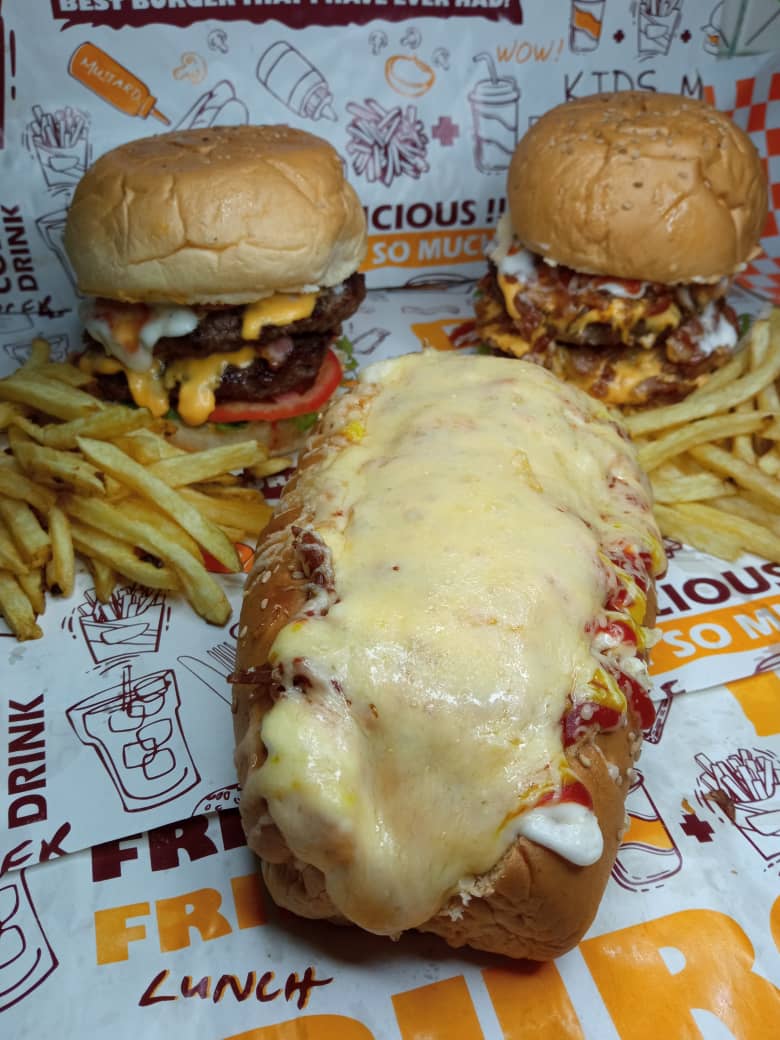
These burgers originally had mozzarella cheese with caramelized onions and bbq sauce, diners preferred cheddar cheese, caramelized onions without bbq and bacon.
He is a double cheese pepito here no ingredient varied, it was just the decoration in the assembly and the gratin, in my particular opinion I did not like it, but it was a demand of the diner.
We read.
**Raosubterraneao**


Burgers Lovers
Hi, I'm here again, this time I'm just going to show all hamburger lovers some photos of burgers that I took this week, I hope you like it. Thank you
**Raosubterraneo**
Hamburger food porn
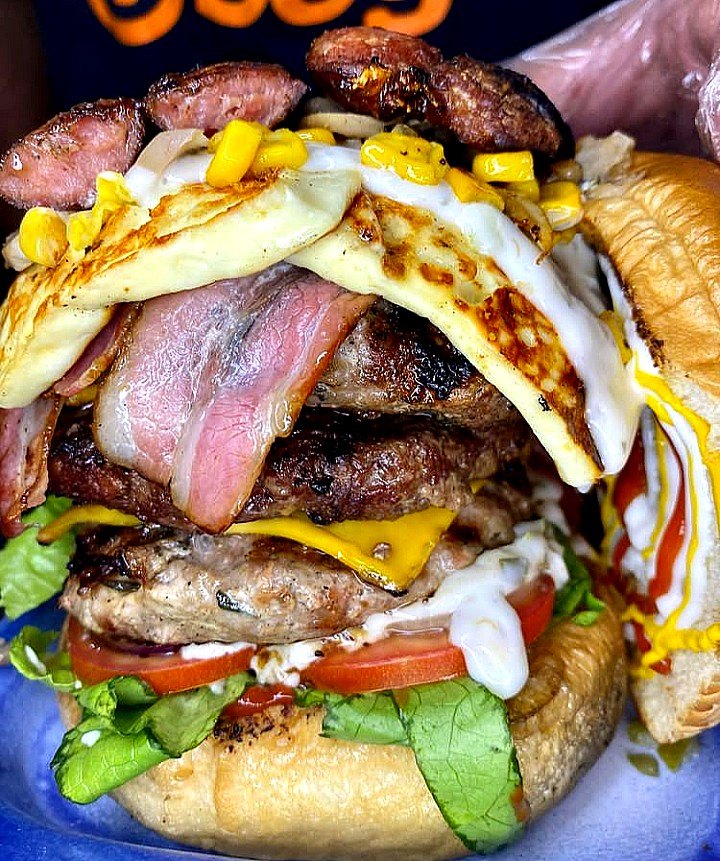
Hi everyone! How are they? Today in the kitchen we made this Burger, Beautiful, full of flavor, it is exquisite, its combination of flavors is unique and it is an experience of another level ... at the base of the bread we place Basic Sauces Ketchup, mayonnaise, mustard, then we place Vegetables, lettuce, tomato and onion, then beef, chicken, and pork. Among the meats we put American cheese, on top we put bacon, white beef cheese, before this cheese we put it on the grill, (note: this cheese only made in Venezuela.) We continue putting tartar sauce, corn and mushrooms and finally sausage can be smoked or garlic, as companions you can put a Cesar salad of tenderloin or chicken and natural potatoes, then I will let you see what I am writing to you.
https://youtu.be/YG3JoroWaSo
I say goodbye, we read later. It is a very good option for your Sunday barbecue.
**Raosubterraneo**
Hamburgers and Hot Dogs with Shredded Meat and Guayanes Cheese
How are they? This time we made hamburgers and hot dogs with the novelty that we used shredded meat and mozzarella cheese or guayanes cheese as an extra ingredient, the latter born and raised here in Venezuela. The hamburgers have meat of about 160 grams cooked on the grill or on the grill with bacon, shredded meat, mozzarella cheese or Guayanes and vegetables, sauces that go on a bun with sesame or oregano, with sticks or natural potato flakes.
The hot dogs in a bun filled with a pork sausage with vegetables, shredded meat, mozzarella or Guayanes cheese, sauces and striped or natural potatoes. Here is what I am writing about.
I hope you like it, we have a lot of diversity in our fast food, then I keep showing you. Thanks
**Raosubterraneo**
One day in the kitchen
Hi there! I'm here again to continue showing my day to day in the kitchen and see the different fast food dishes that I cook so that our customers enjoy a good meal. Between pepitos, hamburgers, hot dogs, volcanoes, farmers and French fries with chicken strips. Although sometimes it is routine and working with the public is difficult in the end it is fun to cook and for people to enjoy your food which is the purpose of doing this.
Next, I will show you with images the process in the kitchen.
https://www.youtube.com/watch?v=tgjb2IfxMH4
https://www.youtube.com/watch?v=mqLsPqi-Ji8
https://www.youtube.com/watch?v=FkYFsx9r1hI
https://www.youtube.com/watch?v=I6LVbjIcR1Q
We have a variety that we serve daily, these and other more exquisite diverse fast food.
I hope you liked it, we read each other. Thanks
**Raosubterraneo**
Pepito Gratin and Sausage with potatoes
Hello how are you? Today I come here again to show you what I continue to do in the kitchen, today again I bring you "El Pepito", the king of fast food in Barquisimeto, Edo Lara-Venezuela. This time gratin, its ingredients are meat, chicken sautéed with onion and bacon, and we gratin it with mozzarella, peccorrino and melted cheeses, we also put smoked chorizo and French fries.
Sausages with gratin potatoes. They are French fries, we put smoked sausages and sausages. We gratin them with the mozzarella, peccorino and melted cheeses, to decorate we add corn and tequeños with cheese. Well I will leave you the images, you will see what I am writing to you.
**Sausage with potatoes**
See you later, I'll show you soon what I'm still doing in the kitchen. Thank you so much
**Raosubterraneo**
Cooking Fast Food
Hi there! I'm back here, I'm going to tell you that I have returned to a kitchen, a couple of months ago I went back to cooking fast food. It is a new experience, it is a new kitchen, it is an undertaking of a friend in which I am the owner of the kitchen, I cook El Pepito, which we are famous for because Pepito was born here in my land Barquisimeto - Venezuela are the best of all the Country, and I dare say that of the world. A "Guaro" (this is our Gentilicio), making Pepitos in another part of the world do not miss the opportunity to enjoy eating one of these exquisite Pepitos.
Well I keep telling you we have a variety of delicious hamburgers, hot dogs, patacones, pork sandwich, among others. The variety is very good and the food is excellent, the combinations of flavors give a very good taste to the palate, it is very fun to do new things in the kitchen, and that it is to the liking of people, to see that they approach each day. and they eat our variety of the menu and they leave satisfied and wanting to return, that gives us great pleasure and desire to continue doing things well, continue cooking and innovate. For me it fills me with pleasure that satisfied and happy customers leave because they liked the food that I prepared for them. My goal is to open doors or windows so that in the not too distant future I will undertake and have my own kitchen, have my own business.
I'm going to show you the food I prepare with pictures so that you can at least see what I'm writing about, I hope you like it.
**Pepitos**
**Hamburger.**
**Others.**
These are part of the fast food menu that I prepare, the place is called "El Mundo Fogonero", the meat of the hamburgers we prepare ourselves and cook them on the embers, the pepitos are prepared in our own style and recipe, without lose the essence of what Pepito Guaro represents, this is done here in Barqusimeto-Venezuela.
I hope it has been to your liking, we will read later. Thanks
**Raosubterraneo**
Dangerous processes
They arise when the object, the media and the activity interact, in a given organization and division of labor.
In other words, the moment the activity interacts with objects and media, a wide variety of elements capable of causing various health alterations appear as an explosion.
**CLASSIFICATION OF HAZARDOUS PROCESSES**
They arise from the interaction between objects, media and activity. Ex: noise, which is physical. **PHYSICAL, CHEMICAL, BIOLOGICAL TYPE**.
They arise from the interaction between objects, media and activity, but it is the **characteristics of the media** that are relevant. Eg: uneven floors, lack of order and cleanliness, lack of security devices.
They arise from the interaction between objects, media and activity, but it is the **characteristics of the organization and division of labor** that are relevant.
**A.** According to the duration of the working day and the forms of rotation. Ex: Night work, inadequate rotations.
**B.** According to the quality of the work. Example: monotonous or repetitive tasks.
**C.** Due to the forms of remuneration. Example: piecework and performance bonuses that increase work intensity and affect health.
**D.** Due to the forms of control or surveillance at work. Eg: contradictory orders, workplace harassment.
Related to the type of physical effort and positions. Ex: repetitive movements, prolonged standing.
**RISK**
Probability of occurrence of damage or unwanted effect (latent danger condition).
**OCCUPATIONAL RISK**
Probability that a material object, substance or phenomenon can potentially trigger disturbances in the health or physical integrity of the worker, as well as in materials and equipment.
**RISK FACTORS / (DANGEROUS PROCESSES)**
Physical risk
Chemical Hazard
Biological risk
Mechanical Risk
Disergonomic Risk
Electric risk
Psychosocial risk
**PHYSICAL RISK FACTORS**
It refers to all those environmental factors that depend on the physical properties of the bodies, such as physical load, noise, lighting, ionizing radiation, non-ionizing radiation, high temperature and vibration, which act on the tissues and organs of the worker's body and that can produce harmful effects, according to the intensity and time of exposure of the same.
**CHEMICAL RISK FACTORS**
They are all those elements and substances that, when in contact with the body, either by inhalation, absorption or ingestion, can cause intoxication, burns or systemic injuries, depending on the concentration level and the exposure time.
**BIOLOGICAL RISK FACTORS**
In this case we find a group of organic, animate or inanimate agents such as fungi, viruses, bacteria, parasites, hairs, feathers, pollen (among others), present in certain work environments, which can trigger infectious diseases, allergic reactions or poisoning to enter the body.
**MECHANICAL RISK FACTORS**
It considers all the factors present in objects, machines, equipment, tools, which can cause work accidents, due to lack of preventive and / or corrective maintenance, lack of security guards in the power transmission system, point of operation and moving parts and overhangs, lack of work tools and personal protection elements,
**DYSERGONOMIC RISK**
It involves all those agents or situations that have to do with the adequacy of the work, or the elements of work to the human physiognomy. Risk factors are objects, workstations, machines, equipment and tools whose weight, size, shape and design can cause overexertion, as well as inappropriate postures and movements that result in physical fatigue and musculoskeletal injuries.
**ELECTRICAL RISK FACTORS**
It refers to the electrical systems of the machines, equipment, tools and locative facilities in general, that conduct or generate energy and that when in contact with people, can cause, among other injuries, burns, shock, ventricular fibrillation, as appropriate. the intensity of the current and the contact time.
**PSYCHOSOCIAL RISK FACTORS**
The interaction in the work environment, the conditions of work organization and the needs, habits, capacities and other personal aspects of the worker and their social environment, at any given time can generate burdens that affect health, performance at work and labor production.
Health, safety and well-being
**Raosubterraneo**
Old School
Hello Community, Capture an Old School Style Photography, between cassettes, acetates, music, art and passion. I Like The Real, The Original and you?
**Raosubterraneo**
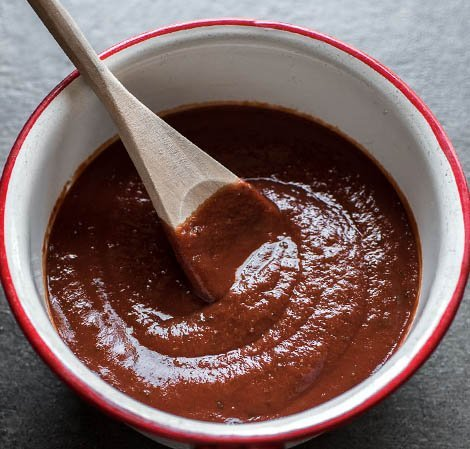
BBQ Tamarind Dressing
Greetings! How are you doing? In This Opportunity I Will Share With You This Recipe, A Rich Tamarind BBQ Dressing. I hope they put it into practice and be to your liking, excellent with crispy, breaded and roasted chicken.
**Ingredients:**
1.2 kgs Tamarind
500grs Ketchup
150 grs English Sauce
200 grs Moztaza
500 grs Sugar
80 grs Bacon 1/2 Onion
5 grs Santana Gum
**Preparation:**
1- Sauté the onion with the finely chopped bacon, until it crystallizes.
2- Boil the tamarind juice in a Jewish pot with the Worcestershire sauce, mustard, sugar, Santana gum, until it thickens.
3- Then to the mixture that was boiled we add the onion and sautéed bacon, mix it, let it rest and we have our Tamarindo BBQ.
4- Then we pack it preferably in glass or plastic containers, keep refrigerated if it is not being used.
**Raosubterraneo**
Operational Hygiene
Operational hygiene constitutes a true branch of engineering, which is why it is also called Hygienic Engineering. The objective is centered on eliminating the reduction of the degree of contamination existing in the work environment to the reference values provided by theoretical hygiene, using engineering knowledge for this. Operational hygiene, to achieve the elimination of hygienic risk, must act on the different factors that intervene in the process:
**1st source of emission of the pollutant**
In order to prevent the formation of the pollutant or if it is generated, prevent its passage into the atmosphere of the workplace, it is possible to:
**Replac**e the agent with another that is not dangerous or at least that is not so dangerous; This is the case of carcinogens or sensitizers since the other actions can reduce the concentration of the pollutant but do not eliminate its presence and therefore its effects, difficult to control, remain; Furthermore, any failure to control the agent could lead to the release of the harmful agent, resulting in serious consequences.
In the design phase of the installation, health problems must already be taken into account, choosing equipment designed to avoid exposure to any of the agents that may be harmful. This is especially important in the case of noise and vibrations since the subsequent fix is often economically impossible.
**Modify the process**, for example by automating to make the presence of the worker unnecessary during its operation or to use products in another state (for example, instead of a gas, use a solution that contains it).
Enclosure can also be carried out by encapsulating the process by means of closed reactors, enclosing the point of operation of the machine that generates the noise or the source of radiation. Isolation in a separate building can be very useful as it reduces the number of workers affected.
**Local extraction** is a way of eliminating the chemical agent from the environment at the moment it is generated.
**Preventive maintenance** of work equipment is another complementary technique that can prevent accidental exposures to chemical contaminants.
**2nd means of diffusion of the pollutant**
In order to prevent the pollutant already generated from spreading through the atmosphere and reaching dangerous levels for the operators close to the job, it is possible to influence:
**Cleanliness** is a key element, since its lack translates into secondary sources of contamination. It is essential to clean floors, walls, machinery and all places where dirt can be deposited.
Dilution or general ventilation is a good tactic that can sometimes be used with mildly harmful pollutants, as long as excessive amounts of air that need to be heated are not exchanged (due to its economic cost).
**Increasing the distance** between the contaminant source and the receiver and the alarm systems are a complement to the previous measures.
**3.º Exposed workers**
Protecting the operator so that the pollutant does not enter his body.
One way to reduce risk is to reduce exposure time by rotating staff.
**The closure** of the worker is the inverse of the closure of the process. It requires a careful study and the relationship needs of the human being with the rest of his companions must be taken into account.
**Personal protective equipment** is the last resort and should be taken as a provisional measure while other solutions are being discussed; however, they are essential in certain circumstances.
Finally, the **information and training** of the worker must constitute the first link in the preventive action that we initiate.
As we can easily deduce, the most effective measures
From the point of view of hygiene, they are those that act on the emission source of the pollutant Figure 6-2, acting on the diffuser medium when elimination in the source has not been possible and finally, only on exposed workers when not It has been possible to act on the previous stages or as a complementary measure to others adopted.
Occupational Safety, Health and Hygiene.
**Raosubterraneo**
Larense sunrise
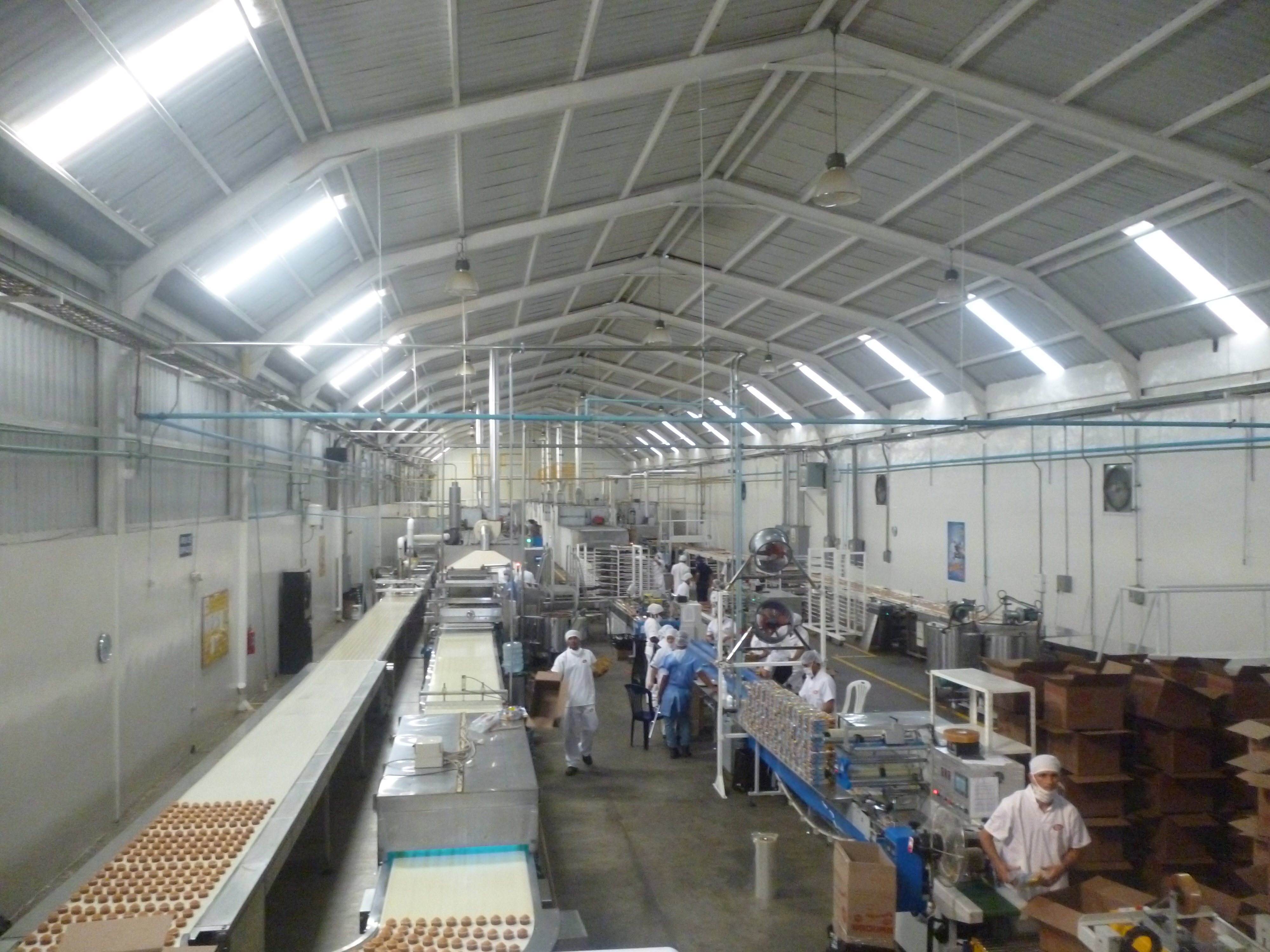
Hello! I hope you are very well, this time I will share some images of what the sunrises are like in my land, I am from Barquisimeto - Edo Lara, Venezuela. It is called the city of twilights or the musical capital, it is called like that because usually in its sunsets beautiful twilights appear in the sky to the horizon, in the sunrises they usually appear but not so deep. These give a beautiful combination to the landscape, whether it is a beautiful vegetation or a beautiful city like Barquisimeto, land of beautiful and gentle people.
Next I will show you some images taken from the Manzano to the Turbio River Valley, these are on the outskirts of Barquisimeto and are very good places, with excellent weather to visit and enjoy its tourist area, there are some parks, clubs and farms .
I am again happy to share with you images, which say more than I can describe how beautiful my land is. thanks
**Raosubterraneo**
Pepito Guaro from Venezuela
The pepito is definitely the king of a Larense night. There are several theories about who or where this simple, but exquisite dish was created. What is not disputed is that it is "Guaro" of pure strain.
This is thanks to its simple preparation: minced beef (beef pulp, tenderloin, shoulder) on half a canilla bread (half baguette), ketchup, mayonnaise and mustard.
In recent years, various variants have emerged thanks to the versatility of the dish and the creativity of the chefs: up to a few more elaborate and better presented pepitos. Even, due to Venezuelan migration, it is being sold in several countries of the continent and even in the Iberian Peninsula (El SospechosoUsa, KurvanFood, KrispyGuasa).
**Preparation:**
For this recipe we will need:
150g of minced beef into small pieces (1cm or 2cm).
150 grams of Chicken Milanesa
ketchup, mayonnaise and mustard.
150 grams of French fries
On a griddle, the meat is sealed and seasoned with a mixture (usually based on ajio sauce, mustard and ketchup but you can season it as you like) previously made, cook making sure it is juicy. Then, in the following order, the assembly is carried out on the half-tap bread: stripes of ketchup, mayonnaise and mustard, meat and milanesa cut into pieces. It is served alongside French fries or on sticks.
Prepared by this server. **Raosubterraneo**
Coffee Break
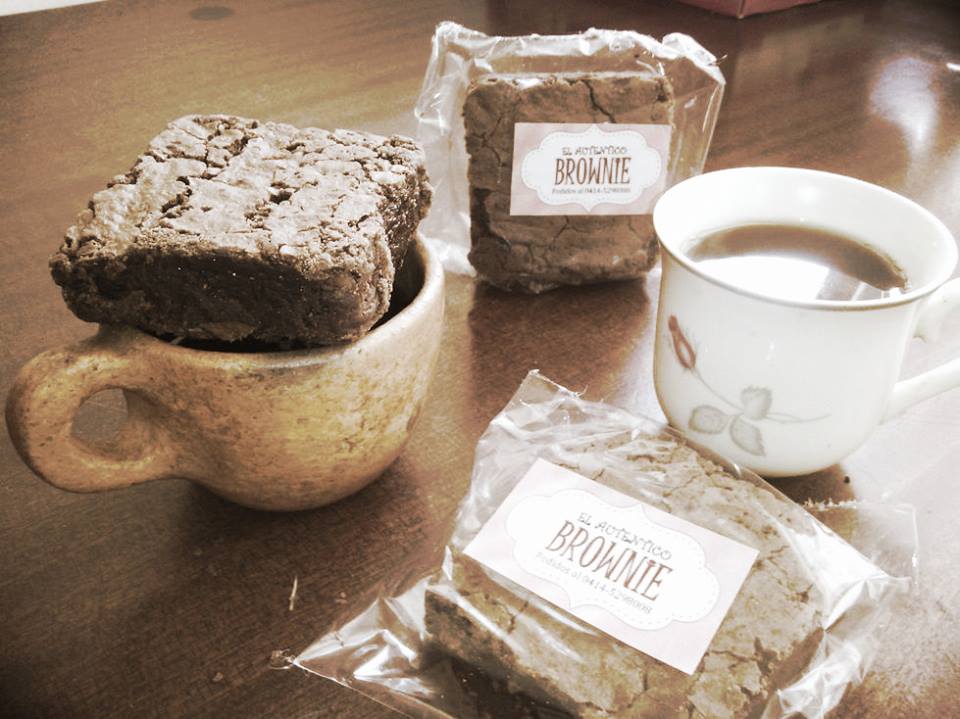
Coffee time is a sacred space to share, relax and enjoy a good coffee! Accompanied By Some Candy ... In This Case An Authentic Brownie Which Are My Favorites. I like to share this time preferably with family or friends, we can have different tastes, but with coffee and a real brownie we will almost always coincide. It helps us to relax, have a good talk and let the coffee and chocolate do their magic ... It is the most pleasant and comfortable moment of the day.
**Raosubterraneo**
Vital Signs
They are measurements of the most basic functions of the body, that is, the signs or manifestations of life that a living human being presents. The vital signs are:
Breathing.
Respiration is the man can be visualized in the abdomen and in the woman in the thorax. Bring your ear close to the injured person's nose to hear and feel their breath. Bring the back of your hand to your nose to feel your breath.
Normal respiration figures are:
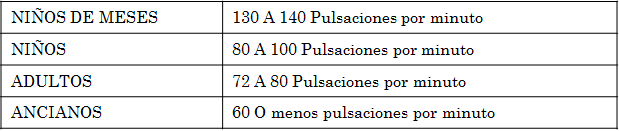
Pulse.
It is the rhythmic expansion of an artery, produced by the passage of blood pumped through the heart. The pulse is monitored to determine how well the heart is working.
RECOMMENDATIONS TO TAKE YOUR PULSE
Feel the artery with your index, middle, and ring fingers. Do not feel with your thumb, because the pulse of this finger is more noticeable and confuses yours.
NORMAL PULSE FIGURES
Temperature.
Fever is an important part of the body's defense against infection. . Most bacteria and viruses that cause infections in humans thrive best at 98.6 degrees F (37 degrees C), and raising your body temperature by a few degrees can help the body fight the infection.
Blood pressure.
It is the force with which the heart expels blood into the arteries.
Techniques for taking blood pressure.
Instruct the patient to rest, either lying down or sitting. Help you place your arm resting on your bed or table in a supine position.
Repeat the procedure to confirm the values obtained or to clarify doubts.
Make the corresponding annotations on the registration sheet
Normal blood pressure values
<
Pupillary reflex.
Normally the pupils contract when stimulated by light. If both pupils are larger than normal (dilated), the injury or illness may indicate shock, severe bleeding, heat exhaustion, or drugs.
Way to take the pupillary reflex
If you have a small lamp, shine the beam of light into the eye and observe how the pupil contracts.
If there is no constriction of one or both pupils, there could be serious neurological damage.
important content, to take into account when these types of events may arise, or any emergency, accident and incident, you can save a life.
**Raosubterraneo**
Piñita and French Bread
Hello Community, this post that I publish today is to show you the result of some homemade pineapple and French bread that I made, following a recipe obtained on an Internet page. I tell you that the breads were good for me, I really liked the result and we shared the bread as a family, the salty ones that are French bread we ate for dinner and the pineapple we enjoyed accompanied with their respective black (coffee) at the time of the snack, I will share the recipes that I followed and a photograph that will show you how the breads were, I hope it is to your liking. thanks
**Piñita Bread Recipe**
**Ingredients:**
1 kg of wheat flour
1 ½ tablespoon yeast
270 grs. of sugar
150 grs. of butter
a pinch of salt
1 egg
A pinch of cinnamon
1 tsp vanilla
½ teaspoon of banana essence
Warm milk (as needed)
**Preparation:**
Mix the dry ingredients (flour, sugar, salt, cinnamon) and place on a counter (or in a mixer with the spiral dough blades) making a hole with the flour, add the yeast previously mixed with warm milk and a little of sugar, mix and add the butter and the egg, mix well and gradually add the warm milk, kneading until obtaining a soft dough, add the essence of banaba, once well kneaded leave the preparation in a container, cover with a cloth and let lift in a place where it does not receive drafts. Once the dough is raised, cut it into two pieces and knead again, make balls of uniform size and weight and place them on a greased tray. Let rise in a preferably warm and dark place, when they are large, paint them with beaten egg and sprinkle with sugar . Take to the oven previously heated to low temperature, let them bake until golden brown on top. Remove from the oven and allow to cool slightly before removing from the tray.
Recipe by https://www.venezuelatuya.com/cocina/panpina.htm
**French bread**
**Ingredients:**
Ingredients:
750 grams of flour (6 measuring cups)
500 ml. water (2 cups)
50 grams of sugar (4 spoon)
10 grams of salt (1 spoon)
50 grams of vegetable shortening (4 spoons)
20 grams of dry yeast (2 spoons)
preparation by Video youtube
https://www.youtube.com/watch?v=MeTqwBx9eU4
I hope it is useful for you to also prepare your breads. thanks
**Raosubterraneo**


Flower Of Venezuela Or Hannover
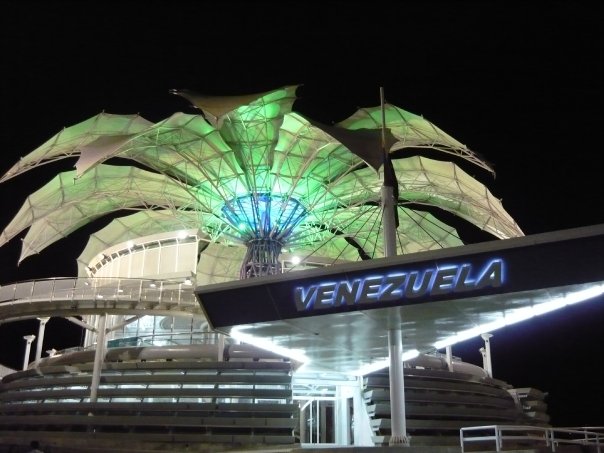
Greetings Community, I hope you are very well. Here Are Some Photographs Of The Flower Of Venezuela Or Hannover, Sculpture Located In Barquisimeto - Edo Lara. Inside there is a museum, an auditorium, outside, ice cream parlors, restaurants, they usually present plays, some musicians or musical groups. A Tourist Site Where You Can Spend A Pleasant Time And Enjoy The City Of Barquisimeto, Excellent Weather And Nice People.
Excellent site and wonderful work done by the architect Fruto Vivas, Venezuelan pride.
**Raosubterraneo**
Ergonomics School of the Back
**STRUCTURE OF THE VERTEBRAL COLUMN**
It is made up of 32 to 34 bones called vertebrae and has five regions:
**Cervical:** composed of 7 vertebrae
**Dorsal:** composed of 12 vertebrae on which the ribs articulate
**Lumbar:** with five vertebrae
**Sacra:** with 5 vertebrae welded into the sacrum
**Coccygea:** composed of 3,4 or 5 atrophied vertebrae
Let us know our back, to know the correct postures of it and not suffer diseases that we cannot correct later.
**Raosubterraneo**
"La Olla" Natural Monument, In Edo Lara- Venezuela
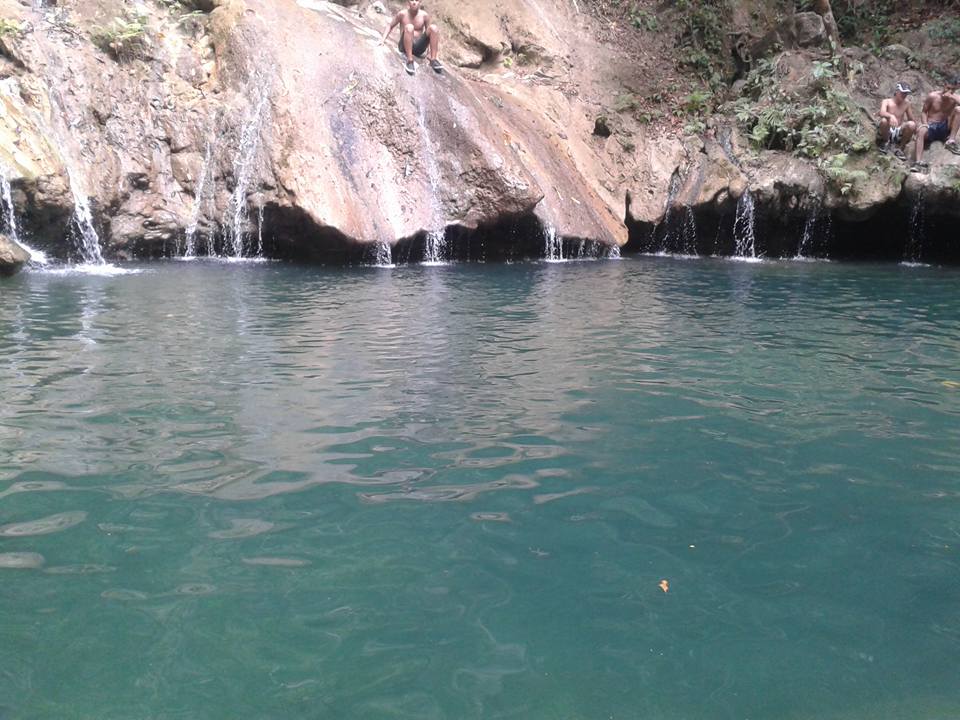
Hello! Aca Community I Share Some Photographs Of My Experience In This Beautiful Place Located In My Homeland. Lara - Venezuela Where There Are Many Beautiful Tourist Places Like This, I Hope You Like It.
Raosubterraneo
Introduction to Industrial Hygiene
CONCEPT AND FUNCTIONS OF WORK HYGIENE
According to the American Industrial Hygienist Assocciation (AIHA), Industrial Hygiene is the “Science and art dedicated to the recognition, evaluation and control of those environmental factors or stresses emanating or caused by the workplace and that can cause disease, destroy health and the well-being or create any significant discomfort among the workers or citizens of a community ”.
It is also usually defined as a non-medical prevention technique, which acts against environmental pollutants derived from work, in order to prevent occupational diseases in individuals exposed to them.
To achieve its objective, hygiene bases its actions on:
**Recognition** of environmental factors that influence the health of workers, based on in-depth knowledge of products (pollutants), work methods, processes and facilities (analysis of working conditions) and the effects they produce on man and his well-being.
**Evaluation** of risks in the short and long term, through the objectification of the environmental conditions and their comparison with the limit values, necessitating the application of sampling and / or direct measurement techniques and, where appropriate, the analysis of samples in the laboratory , so that most of the exposed jobs do not contract an occupational disease.
**Control** of the risks based on the data obtained in previous stages, as well as the unsanitary conditions using the appropriate methods to eliminate the causes of risk and reduce the concentrations of the pollutants to limits that are bearable for man. Corrective measures will be given, depending on the case, through action in the focus, route or exposed worker.
Raosubterraneo
Coffee
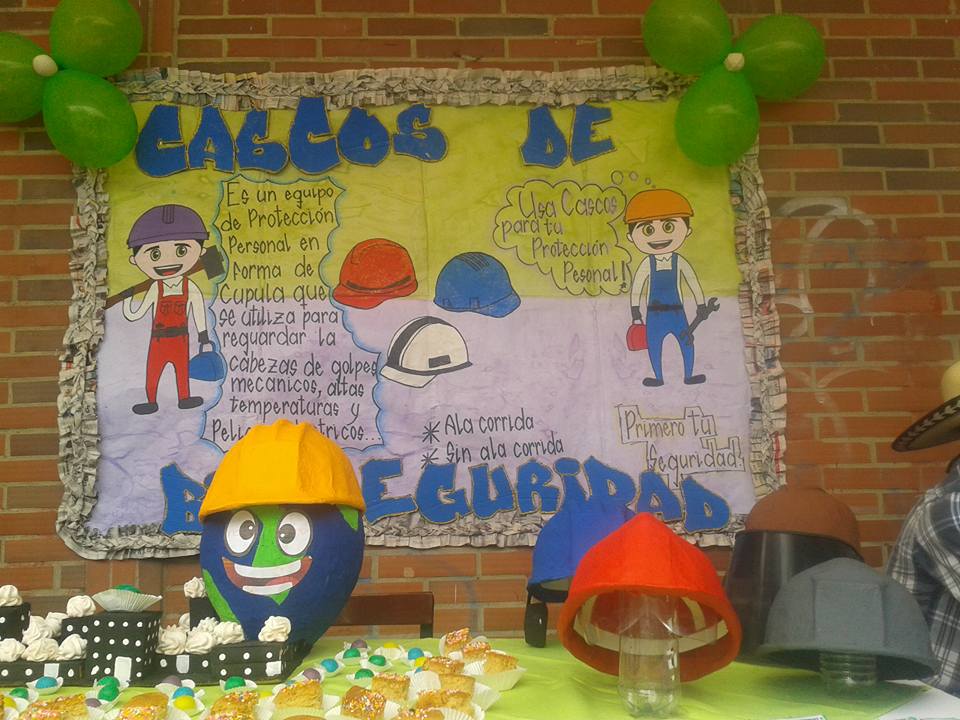
Greetings, this time I will share an image that says more than words, or what I can write here. I share with you this image of coffee in its natural process and made at home, after being cultivated its beans are extracted, we bring them home, we roast them, we grind them, we prepare them and then we serve them ready to drink. in this case a black guy who is excellent in the morning, although in my case I prefer it that way most of the times that I consume this exquisite drink, surely you will have your preferences on how to drink your coffee and just like I like it a lot drink it and combine them with a sweet bread or catalinas in my land we call it "Cucas", others prefer to do it with a cake or cake, then I leave the image or photograph. Thanks for reading me.
**Raosubterraneo**
Occupational Toxicology
**Occupational Toxicology** is the science that is dedicated to the study of the toxic actions produced by chemical compounds used in industry and which tend to penetrate man as a result of their manipulations and uses.
In broad terms, toxic action or toxicity is understood as the relative capacity of a compound to cause damage through adverse biological effects, once it has reached a susceptible point in the body.
For the development of Industrial Toxicology and knowledge of the adverse effects that chemical pollutants produce on workers, three procedures are used: animal experience with extrapolation to man, epidemiology and chemical analogy.
**TOXICKINETICS**
For systematic intoxication to occur, a means of transporting the poison is necessary, this medium is normally blood. Once the poison enters the bloodstream, it circulates reaching the area where it exerts its action. Later it is deposited or it will be eliminated, transforming itself through metabolic reactions.
We can consider, sequentially, the movement of the toxin inside the organism (kinetics) in the following way: Absorption, Distribution, Location, Accumulation or Fixation and Elimination.
**Absorption** consists of the passage of the toxic into the circulatory system, for which it will have to cross, in any case, some type of biological membrane, for example: the alveolar membrane. The cell membrane is made up of three layers. Each of these layers has a thickness of 25 A. The two protein layers are responsible for elasticity, resistance and hydrophilicity, and these will be in contact with the aqueous media outside and inside the cell. The lipid intermediate layer is bimolecular and constitutes the main skeleton. This structure will regulate the passage of toxins through it. The lipoid cornea will favor the passage of fat-soluble substances, that is, neutral, but the strong electrical charge of the membrane hinders the passage of ionized substances.
The mechanisms by which a poison can cross the membrane will be: by simple diffusion, by filtration, or by active transport. In the latter case, energy input is required, which is provided by the cell itself.
By diffusion, only neutral molecules can penetrate, and their speed depends on the lipid / water partition coefficient, that is, the ratio of the solubility of the toxin in these media, and the difference in concentrations of the toxin on both sides of the membrane.
There is a form of absorption which is catalyzed diffusion, which requires the presence in the cell membrane of a carrier, which can combine with the toxic substance and move freely through the membrane. Since it is a form of diffusion, the transfer will always be carried out towards lower values of an electrochemical great.
This type of union is specific, the carriers only bind to a limited minimum of substances of similar chemical structure. These substances can compete with each other for the carrier and cause inhibition.
By filtration, small anions can penetrate through the pores of certain cells, due to the groupings of positive charges, which in turn prevent the passage of cations.
Active transport, which allows the passage of electrically charged substances, occurs only with the help of specific enzymes and with the use of energy, provided by the ATP that comes from the oxidative phosphorylation processes that continuously take place inside the cell. The carrier enzyme binds to the toxin to be transported, modifies its structure in such a way as to facilitate its passage through the membrane and once inside the cell the complex unfolds and the cycle is renewed.
**Skin absorption**
In this type of penetration, the poison must cross many layers of cells until it reaches the capillaries. The poison must be more or less soluble in the different layers of the skin, each with its own chemical characteristics. In general, absorption will be more favorable for fat-soluble compounds such as solvents, being almost nil for metallic compounds, unless there are chelation and protein denaturation phenomena.
The annexes of the skin, glands, hairs, etc., as well as the damaged areas of the skin, significantly modify their absorption capacity with respect to the transepidermal capacity.
**Digestive absorption**
In this case, the fat-soluble compounds will be easily absorbed and the ionized ones will be influenced by changes in the pH of the digestive tract. The ionization states of the molecules will vary depending on the pH and, as a consequence, their greater or lesser ease of absorption. In the stomach and small intestine there are specialized "carriers" for the absorption of metal ions.
**Respiratory absorption**
The inhalation route is the most important absorption route in Industrial Hygiene, due to its ease of penetration and its large exchange surface.
Fat-soluble gases and vapors reach the alveolar volume and are diluted in the air already present; absorption occurs by diffusion and will depend on the concentration of the toxin in the alveolar volume, the diffusion coefficient through the alveolar membrane and the partition coefficient between air and blood.
The alveolar concentration will depend on the environmental concentration of the toxin and the exposure time. The partition coefficient will depend on the solubility of the toxin in plasma lipids, its ability to bind to plasma proteins, and its solubility in tissue membranes.
**Distribution:** When the poison has passed into the blood, it spreads it throughout the body. Incorporation into the blood can be done by simple dissolution or by binding to proteins or blood cells. The speed of diffusion of the toxin depends mainly on the modality of this incorporation into the blood, as well as the route of penetration followed.
**Accumulation:** Toxic products distributed throughout the body by the blood can be fixed in those organs for which they have the greatest affinity. The most affected organs are usually the most vascularized or those with a constitution rich in lipids. When the fixation does not cause a local effect, it constitutes an accumulation process, which is capable of prolonging the effects of the poison, after ceasing the exposure, due to the progressive release of the accumulated product.
**Metabolism:** Chemical compounds can be altered by their interaction with the body. This metabolic action tends to transform the molecules of the compound into more water-soluble products in the blood plasma to facilitate their elimination.
This process means detoxification, except in some cases where the first stage of metabolism produces a more toxic product than the starting one.
**Elimination:** Absorbed toxins can be eliminated from the body by various routes depending on various factors.
The volatile products are partly eliminated by the respiratory route, in a process contrary to their absorption. Most of the compounds are excreted to a great extent in the urine, either unchanged or as products of their metabolism. Some toxins are eliminated by the bile, in which case they can be reabsorbed by the intestine, thus prolonging the intoxication.
**EXPOSURE AND DOSE.**
The presence of a contaminant in the environment in which an individual is found causes their exposure to the contaminant in question. The consequence of this exposure (external exposure) is that a certain amount of the pollutant may reach or enter the worker's body, producing certain effects (intoxication) on the worker.
The amount of poison that the body absorbs (incorporates) is called the dose. Generally, it is expressed in mg / Kg. subject's weight.
The intensity of the damage in the worker exposed to toxic substances is proportional, however, to a series of factors, some of human nature, others characteristic of the pollutant such as its toxicity, the speed of absorption of the pollutant by the body, concentration and time of exposition.
Since human factors, toxicity and absorption rate are constant for each case, we can say that in a person the concept of exposure,
Given that human factors, toxicity and absorption rate are constant for each case, we can say that in a person the concept of exposure, as a magnitude, integrates two different variable factors: the concentration or level of presence of the contaminant in the environment. and the time or duration of the exposure itself. E = f (c, t
**EFFECTS OF TOXICS. TYPES OF INTOXICATIONS**
The effect produced by a poison in an organism is not only a function of the dose Three poisonings are known according to the speed of penetration into the organism:
**Acute intoxication**
It leads to a serious alteration of the organism and manifests itself in a short period of time. For it to occur, acute exposure to the poison and rapid absorption by the body is necessary.
**Subacute poisoning**
It presents a lower degree of severity than acute poisoning and follows a subclinical course, with no apparent manifestations for some time.
**Chronic intoxication**
The poison penetrates in small repeated doses over a long period of the life of the subject..
**CLASSIFICATION OF CHEMICAL CONTAMINANTS**
We have specified the toxic effect (or intoxication) in the ability of chemical compounds to produce adverse biological effects. In reality, there are no harmless chemicals. Among these effects there are the following dualities, which are used as a system to classify chemical pollutants:
**Local and general**
The first appear in the place of contact of the poison with the organism and the second appear in points away from that place.
**Acute and chronic**
They respond to a distinction from the clinical point of view according to the duration of the evolution of the manifestations.
**Reversible and irreversible**
It refers to the possibility of recovery of the normal state after the remission of the biological changes produced by the poison.
**Cumulative and non-cumulative**
Difference between toxins that act by accumulation in the body, being eliminated very slowly, and those whose elimination is much faster, and that act when exposure is intense enough.
**Stochastics (quantal) and non-stochastic (graduated)**
In the first group, the possibility of the effect occurring increases with the dose of poison received (eg, carcinogens). In the second, it is the intensity or severity of the effect that depends on the dose (eg: corrosives).
He continued treating them about what goes into the subject of industrial hygiene, in this case one of the occupational risks is toxicology, which I dealt with in this post, I like to contribute with the people who have more conscience regarding what it is Occupational Health and Safety that is very important.
Occupational safety, health and welfare.
**Raosubterraneo**
Let's Talk About Industrial Hygiene
Accepting the modern definition of the term "Health", which contemplates not only the absence of organic disease (poor functioning of the set of cells, tissues, organs and systems of the human body), but also the physical, mental and social balance We can accept that the control of "Occupational Health" is something broader than just avoiding the appearance of occupational disease.
"Occupational disease is understood as the one contracted as a consequence of working for others in the activities specified in the table approved by the provisions of application and development of that law, and that is caused by the action of elements or substances that in said table they are indicated for each occupational disease "
In this sense we can indicate that since Occupational Health consists of the physical, mental and social balance of an individual in the work environment, the maintenance of said balance should be controlled, using the most appropriate techniques in each case:
**INDUSTRIAL HYGIENE**
Non-medical technique for the prevention of occupational diseases, by controlling the pollutants that produce them in the work environment. Industrial hygiene deals with the relationships and effects that the pollutant in the workplace produces on the worker.
We mention here to distinguish them that ERGONOMICS is the technique of study and mutual adaptation between man and his job, while WORKMEN is the part of medical science dedicated to the monitoring and prevention of the effects of different pollutants and physical agents on man.
Given that the fundamental objective of Industrial Hygiene is to Prevent Occupational Diseases, in order to achieve this objective it bases its action on the functions of recognition, evaluation and control of environmental factors at work.
**RELATIONSHIP BETWEEN OCCUPATIONAL ILLNESS AND ACCIDENT AT WORK**
From the technical point of view, occupational disease is defined as a slow and gradual deterioration of the worker's health produced by continuous exposure to adverse situations, while an occupational accident is defined as a normal event that, presenting itself unexpectedly , interrupts the continuity of work and causes harm to the worker.
The similarity between the two lies in the final consequence: damage to the worker's health. The difference, in the time during which the action that ends up causing the damage takes place. In illness, time is important, since the concentration, quantity or energy of the pollutant configures the dose and the effect it produces on the exposed person. On the other hand, in the case of an accident at work, time is irrelevant, since it does not influence the effect caused; it appears instantly at the time of the accident.
**ENVIRONMENTAL FACTORS AND TYPES OF POLLUTANTS**
The development of any work activity causes modifications in the work environment that originate aggressive stimuli for the health of the people involved. These stimuli, which are called pollutants, can appear as portions of matter (inert or living), as well as energetic manifestations of a diverse nature and their presence in the work environment gives rise to what is known as HYGIENIC RISK. This concept can be defined as “the probability of suffering health alterations due to the action of pollutants, also called RISK FACTORS, during the performance of work
Chemical pollutant is any substance that during handling can enter the environment and enter the human body with harmful effects and the ability to harm the health of people who come into contact with it. We can classify them according to their nature, risk factors or contaminants in:
**Chemical pollutants**: It is understood by such, any portion of inert matter, that is, not living, in any of its states of aggregation (solid, liquid or gas), whose presence in the work atmosphere can cause alterations in the health of people exposed. As it is inert matter, its absorption by the body does not cause an increase in the portion absorbed. Within this group we can mention, by way of example, fine powders, fibers, fumes, mists, gases, vapors, etc.
**Harmful physical agents:** They are energetic manifestations, the presence of which in the work environment can create a hygienic risk. Some examples of forms of energy capable of acting as risk factors are: noise, vibrations, pressure variations, radiation (ionizing and non-ionizing), etc.
**Biological pollutants:** It is considered as such, the entire portion of living matter (viruses, bacteria, fungi ...), whose presence in the workplace can cause adverse effects on the health of the people with whom they come into contact. Unlike what happens with chemical pollutants, the absorption of a biological pollutant causes an increase in the absorbed portion in the body.
**FACTORS THAT DETERMINE AN OCCUPATIONAL DISEASE**
The concentration of the pollutant in the work environment: There are maximum tolerated values, established for many of the physical and chemical risks that are usually present in the work environment, below which it is foreseeable that under normal conditions they will not produce damage. the exposed worker.
**Exposure time:** The commented limits usually refer to specific exposure times, related to a normal 8-hour working day and an average period of active working life.
**The individual characteristics of each individual:** The concentration and time of exposure are established for a normal population, so it will be necessary to consider in each case the living conditions and personal constants of each individual.
**The relativity of health:** The legal definition of health does not coincide with the technical definition: Work is a constantly evolving phenomenon, the working methods and products used are increasingly diverse and changing, and so are the concepts that health and disease are in force in a society, so limiting oneself to what is officially established, although this is very recent, is not a guarantee of approaching the problem of occupational diseases in its real dimension.
**The presence of several pollutants at the same time:** It is not difficult to suppose that the aggressions caused by an adverse element diminish the defense capacity of an individual, for which the acceptable limit values have to be questioned when there are several aggressive conditions in A job.
In these lines I was talking a little about what Industrial Hygiene is, the risk factors and contaminants, this is so that you have an idea what Industrial Hygiene is for, it influences to take precautions in the health of workers, it is now It is known more as Occupational Health and Safety. Then I will make other publications touching a little more of this and other topics in common. thanks
Safety Health and Well-being
**Raosubterraneo**

 @Raosubterraneo