 @Maier09
The youngest parents in history (two children aged 8 and 9, respectively) lived in China. Their child was born in 1910.
Joined 26 October 2022 · 178 posts
120 KT
0 KT received · 0 KT given
@Maier09
The youngest parents in history (two children aged 8 and 9, respectively) lived in China. Their child was born in 1910.
@Maier09
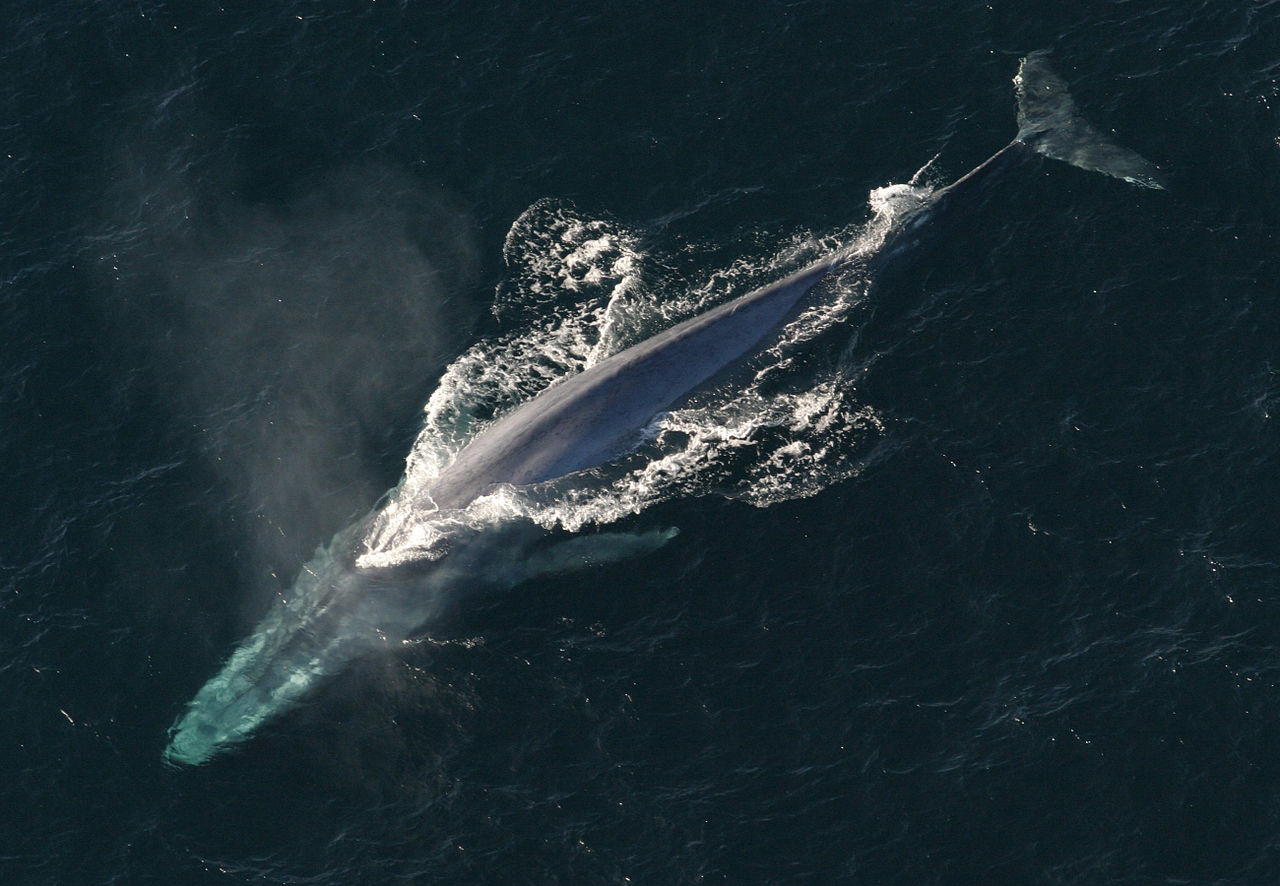
The blue whale is the animal that produces the loudest sounds (up to 188 decibels). Such a sound can be received through water at a distance of up to 850 kilometers.
 @Maier09
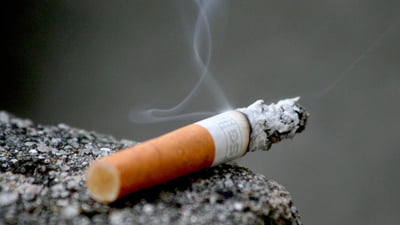
What happens if you quit smoking? When you quit smoking, you'll find that your body and brain go through good changes, day after day, week after week. Your body can repair itself, you'll look better, have more energy and feel healthier. 20 minutes. Your pulse and heart rate drop as soon as you finish your last cigarette. Blood pressure begins to return to normal. 12 hours. Your body removes the carbon monoxide found in cigarettes from your body. Levels return to normal and oxygen levels increase. one day. As your blood pressure drops, your circulation improves. You have already reduced your risk of heart disease from high blood pressure caused by smoking. 2 days. Your nerves begin to fade and your sense of taste and smell will return to normal. Three days. Any trace of nicotine in your body will be completely gone. You may experience nicotine withdrawal symptoms, but these will soon pass. one month. As your lungs heal, you may notice less coughing and shortness of breath. You may also find it easier to exercise. Nine months. By this time, your lungs will have healed significantly. The cilia (like tiny hairs) inside your lungs will recover from cigarette smoke. one year. When you have quit smoking for a year. Your risk of coronary heart disease will be halved. It will continue to decrease.
 @Maier09
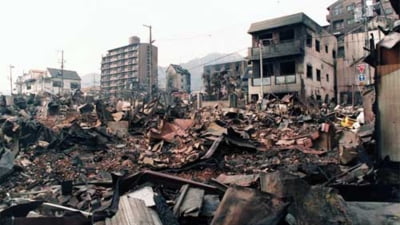
Every year experts detect around 500,000 earthquakes worldwide. 100,000 of these are felt by humans and 100 cause damage.
 @Maier09
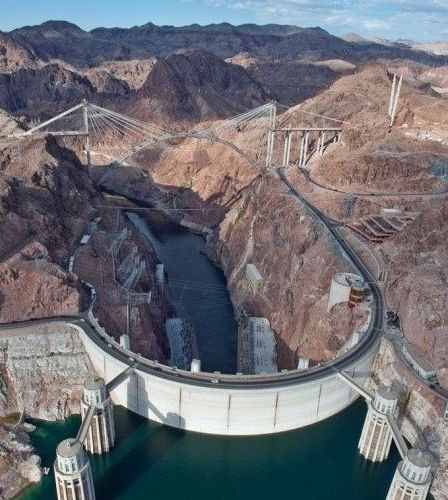
The Hoover Dam in the US was designed to last for at least 2,000 years. The cement used to erect the impressive construction will not fully harden for over 500 years.
 @Maier09
05. Despite appearances, two-thirds of the surface of the entire African continent is in the northern hemisphere.
@Maier09
04. The Hoover Dam in the USA was designed to last for at least 2000 years. The cement used to build the impressive construction will not fully harden until over 500 years.
@Maier09
03. Chimpanzees and chimpanzees are the only animals that can recognize their own image in a mirror.
@Maier09
02. Approximately 90% of the entire planet's population lives in the northern hemisphere.
@Maier09
01. Ants never sleep. However, at dawn, ants lie down like humans to untangle themselves.
@Maier09
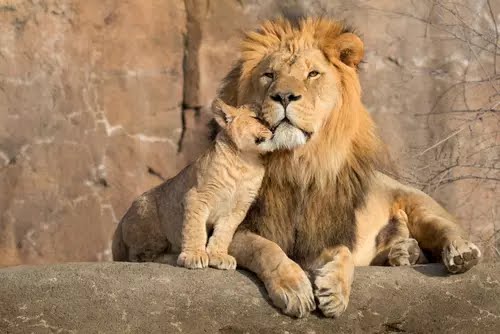
The lion is the second largest feline in the world, after the tiger. Also called the king of the jungle, the lion is a very interesting animal, but on the verge of extinction in many areas of the globe.
 @Maier09
Where does the lion live? African lions live in Angola, Botswana, Mozambique, Tanzania, Central African Republic, South Sudan and other parts of sub-Saharan Africa. Asiatic lions are found only in the Indian state of Gujarat, western India, where most live in the protected Gir Forest National Park, a 545-square-mile wildlife haven
 @Maier09
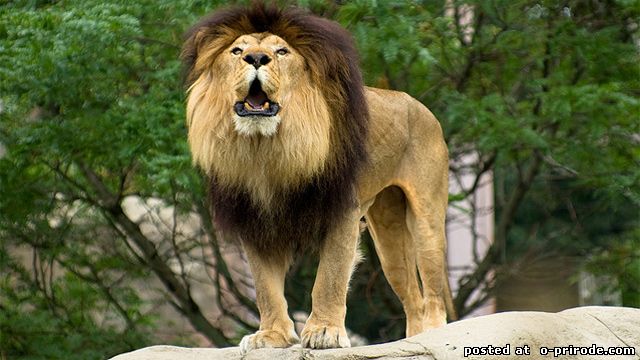
Male lions are generally larger than females, but they also have a thick mane around their heads. The biggest and most fabulous manes are more impressive to mating females and more intimidating to competing males. The mane also protects the male's neck during fights for territory or mating rights. African lions tend to have larger manes.
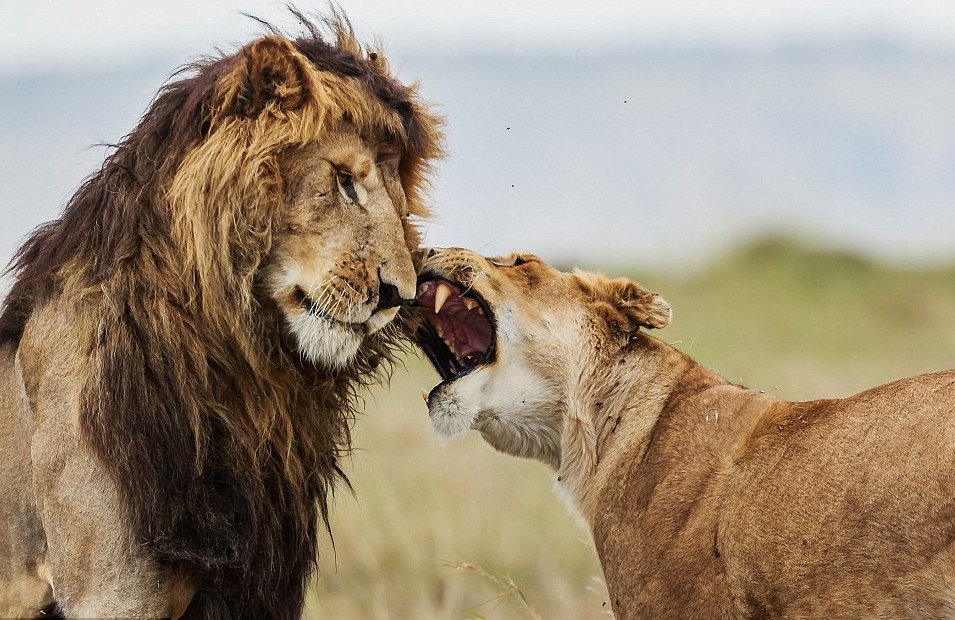 @Maier09
Lions tend to have their skin hanging over the midsection of their bodies, possibly to protect them from the piercing hooves of their prey. Asiatic lions also have a fold of skin that runs along their bellies, a feature rarely found in African lions. Compared to African lions, Asiatic lions tend to have less showy fur, longer tufts of hair on elbows and a longer tassel at the end of the tail.
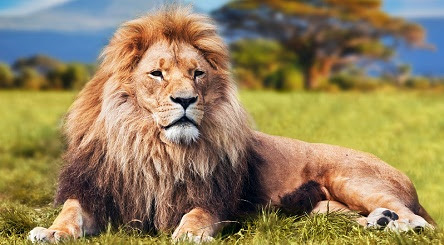 @Maier09
What does the lion look like in the wild? The lion is noticeably different from most other felines in that it has a muscular and prominent chest with a short but rounded head. The neck is short and they have rounded ears plus a tuft of hair at the end of the tail. The male is easily distinguishable from the female as it has a prominent mane. African lions can grow up to 3 meters from head to tail, with the tail being about 60 to 91 centimeters. Lions typically weigh between 150 and 250 kilograms, with males reaching the upper end of this range. Asiatic (also called Indian) lions are slightly smaller than African lions. They are 2 to 2.8 m long from head to tail and weigh between 110 and 190 kg.
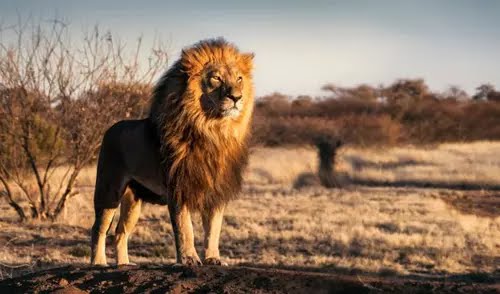 @Maier09
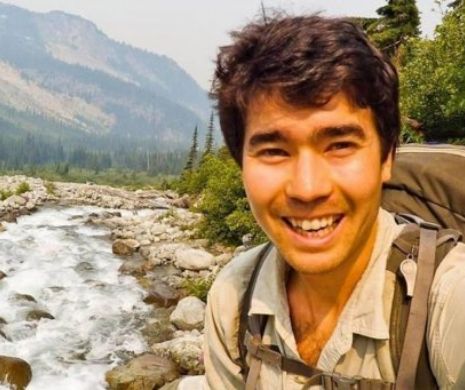
This man died on the North Sentinel island, he is not the only man who died, there are others, if you search on google maps (North Sentinel Island), you will notice that there are many boats of the people who were there. If you want other information about this island, please follow and like
 @Maier09
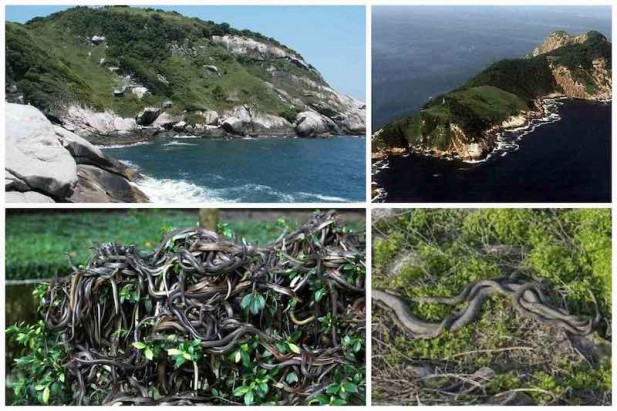
It is impossible to name, even approximately, the number of snakes on this island. After humans left this terrible place, reptiles reproduce here exponentially. Some even claim that there are as many as five snakes for every square meter of land. It is hard to say whether this is true or not. However, we should not think that people do not visit Queimada Grandi at all. They are still brave. What draws them here, despite the danger of death? Serpentologists receive official permission for scientific observation. But most visitors are illegal. They are convinced that it is relatively safe to be on the shore, since the snakes are only found in the forested part of the island. In addition, for many profiteers, Bothrops insularis is a welcome trophy, as it is highly valued on the black market. There are also treasure hunters who are certain that the pirates buried untold treasures on the island and released hordes of snakes to guard their treasures. Brazilian authorities have banned access to the island, but they are making money from it. Queimada Grande is extremely popular with tourists. Of course, access to the island is not allowed, but guides take tourists by boat to the rocky shore of the island. At the shore, the snakes never come. At the same time, poachers make money on snakes. According to some reports, on the mainland, an adult Bothrops insularis is estimated at about 2.7 thousand dollars. In the last century, some businessmen tried to rid the island of snakes to establish banana plantations. However, the case was not crowned with success. The tall boots didn't help either, as the snake attacks came from the trees. The hot climate did not allow wearing full protective clothing. If you look at the island from the water, you can see the whole tangle of snakes calmly basking in the sun on the coastal rocks. This is an unprecedented case - the reptiles completely isolated the island from people. Neither the usual five-star hotels for these latitudes, nor beaches. Just a forest and a gloomy rocky coast up to 200 meters high.
 @Maier09
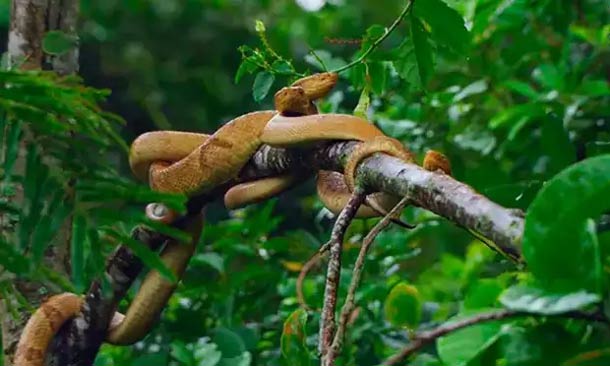
The biggest danger among local snakes is Bothrops insularis, which belongs to the viper family. This extremely dangerous reptile can be up to one meter long. The body is yellowish to light brown with dark square or triangular spots. It is interesting that, apart from Queimada Grandi, it is not found anywhere else in the world. That is why this snake species is classified as rare and included on the Red List of the International Union for Conservation of Nature. Doctors say that the probability of death after being bitten by a Bothrops insularis is extremely high. Moreover, this is true even in the case of timely medical assistance. And if there were no doctors nearby, the victim was almost inevitably doomed to die. Victims die from brain hemorrhage or kidney failure.
 @Maier09
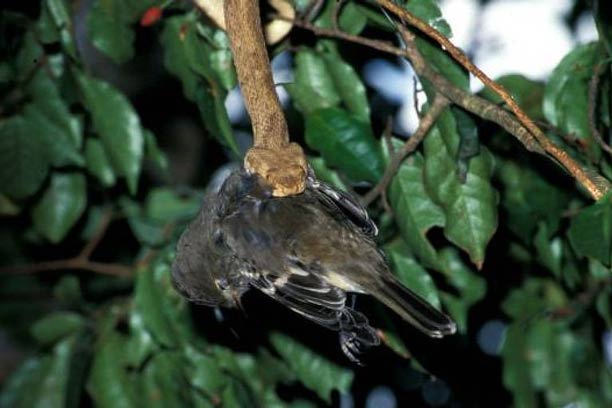
Once the people saw with horror that the snakes crawled into their house, they tried to escape, but they could not, they all died from snake bites. The lighthouse is still in operation today, in automatic mode. There are no more people willing to settle on the island. There is also a popular legend about a fisherman who was starving and decided to dock on the island to collect bananas. He didn't have time to get to the bananas, the poor man was found dead in the boat. He died, as did the caretaker's family, from snake bites. Did you know that the snakes drove not only the people from here, but all the animals, frogs, lizards and insects were also almost completely destroyed. The main food of snakes nowadays is birds, which have the imprudence to land on the island. Some birds even manage to build nests here, but most often the eggs or chicks also fall prey to the snake.
 @Maier09
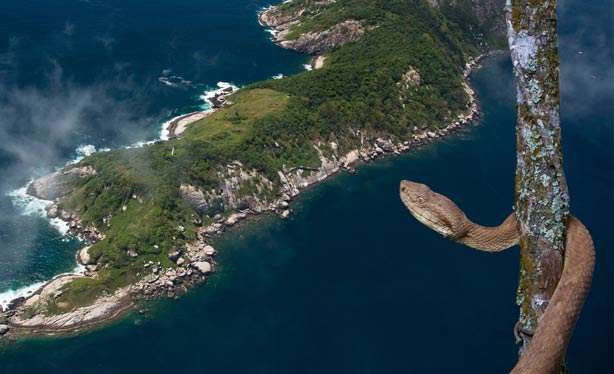
Man is the king of nature. At least people themselves think so. But 35 kilometers off the coast of Brazil is the unusual island of Queimada Grandi. And it is unusual that snakes are the owners here. Moreover, these reptiles also drove the people away from here. And those who dare to visit this island have every chance to say goodbye to life. The surface of the island is small - only 0.4 square kilometers. The Brazilian authorities have introduced a ban on visiting this dangerous piece of land, but anyway, not many people want to walk on the island. There is a lighthouse on the island, previously it was served by a person who lived on Queimada Grandi with his family.
 @Maier09
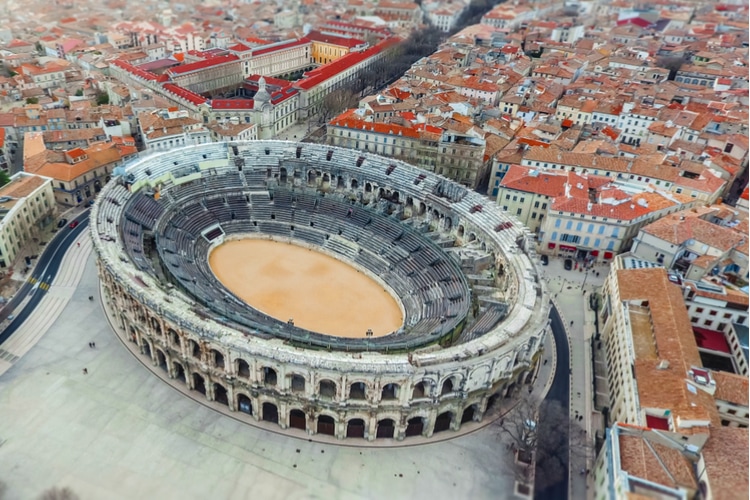
Nimes Nimes is an old Romanian city where you can find a well-preserved Roman amphitheater, so it should come as no surprise that it has been named the most Roman city outside of Italy. But Nimes is more than "just" an amphitheater and is a wonderful city to visit in the Occitanie region.
 @Maier09
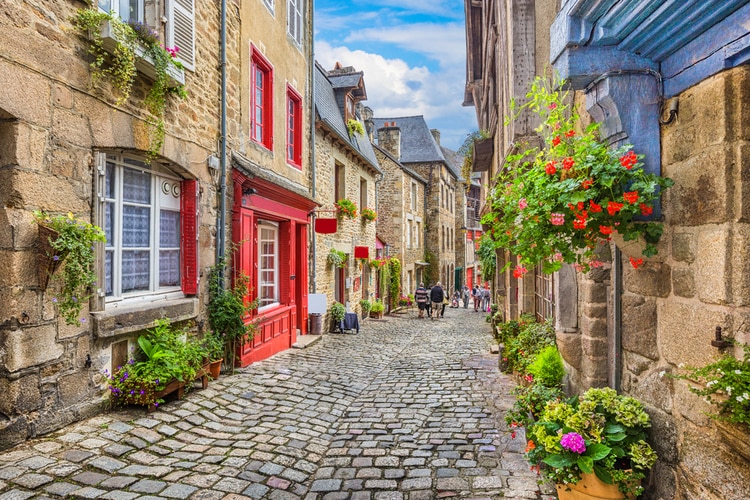
Brittany Brittany or Bretagne is a region in the western part of the country and is full of charming villages like this one. Some of the most charming villages in Brittany are Carnac, Dinan, Locronan and Pont-Aven, to name but a few.
 @Maier09
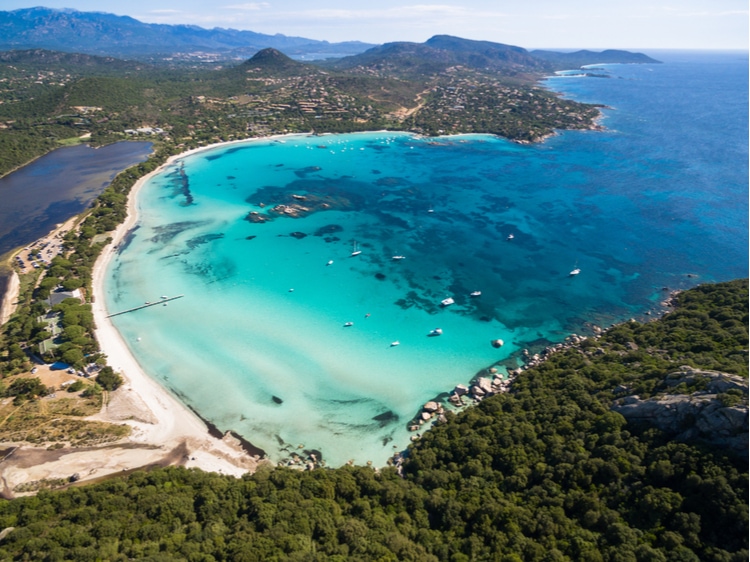
Corsica If you're looking for the best beaches in France, look no further than Corsica. Here you will find crystal clear turquoise water, as well as white sand beaches that will make you feel like you are in paradise.
 @Maier09
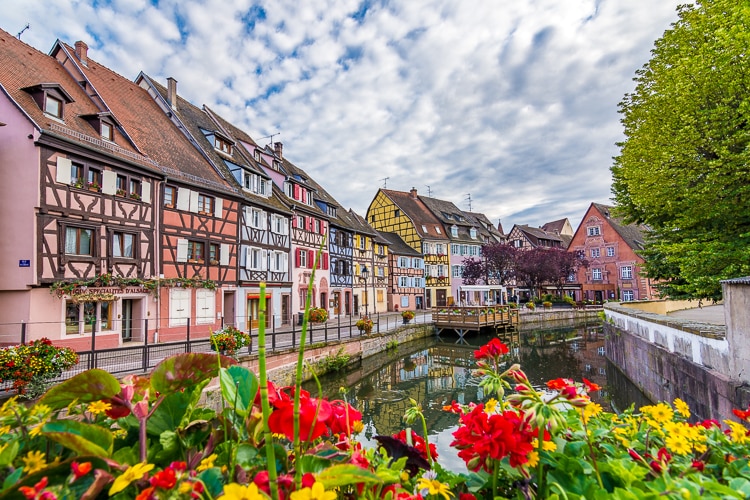
Colmar This colorful gem is found in the Alsace region and Colmar is famous for its old German houses in different colors. The Alsace region itself is also one of the best places to visit in France, especially if you enjoy wine and quaint little villages.
 @Maier09
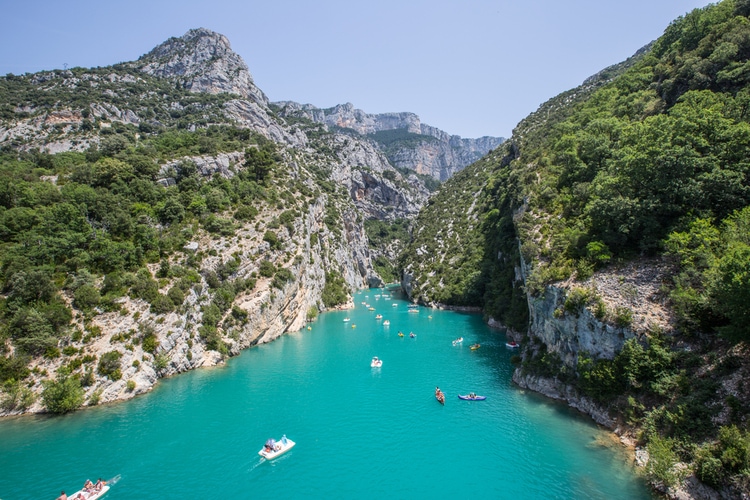
Verdon Keys If you're traveling to the French Riviera, make sure you take a day trip to the Gorges du Verdon (Verdon Gorge), a spectacular canyon about 2 hours away from Cannes.
 @Maier09
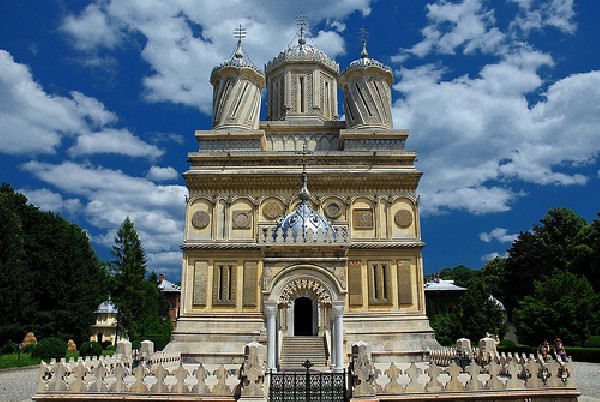
6. Yard of arges Monastery. Built at the beginning of the 16th century, this Romanian Orthodox cathedral is dedicated to the Dormition of the Mother of God and is considered one of the most prestigious religious sites in Romania. The cathedral boasts an exterior of pastel gray limestone, while the interior is made of brick, covered and embellished with sublime frescoes. Much of the marble and tiles used in its construction come from Constantinople, resulting in the Curtea de Arges Monastery, which looks more like a mosque than a conventional Orthodox church. The site also hosts a large Neo-Romanesque Royal Palace and a necropolis – the final resting place of many medieval princes and members of the royal family over the centuries, including most recently in 2017 when King Mihai I was buried here with a full state funeral.
 @Maier09
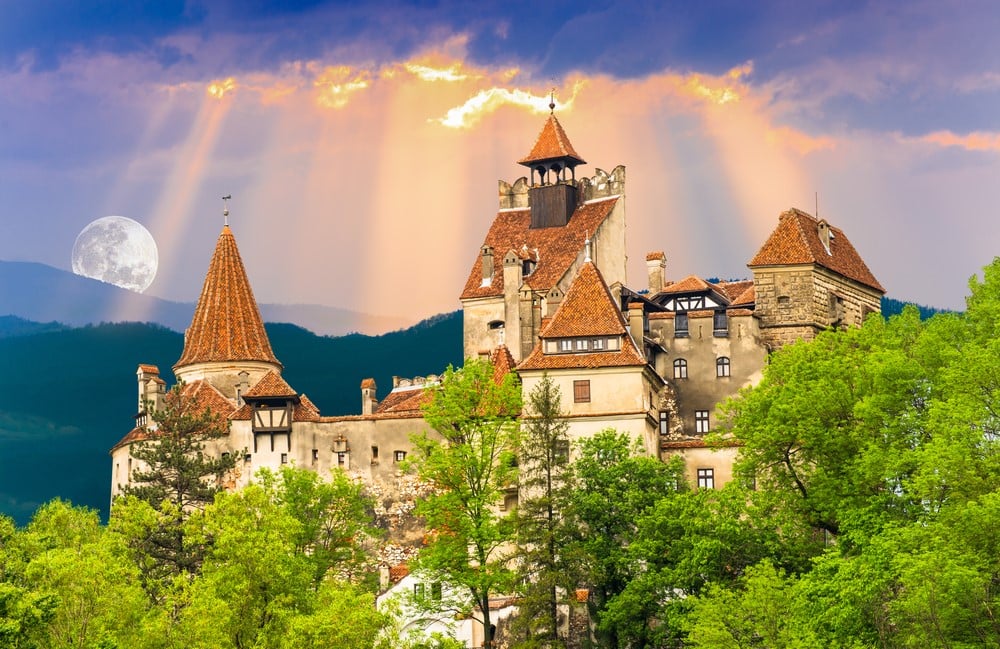
5. Bran Castle. It is one of the most famous and beautiful castles in Romania - if not in the world, initially built in 1212 and destroyed only a few decades later in 1242 by the Mongols. It was destroyed and rebuilt many times over the centuries, taking the dramatic form we see today in the 14th century. Commonly known outside of Romania as "Dracula's Castle", Bran Castle is often claimed as the inspiration for the famous Count Dracula from Bram Stoker's famous book. However, there are only tenuous associations with Vlad Tepes, the supposed inspiration for Dracula. In fact, there is no evidence at all that Bram Stoker was even aware of the existence of this castle. However, this association was one that the Romanian Communist Party used in the 1970s to encourage tourism, while trying to develop a closer relationship with the West. Today, the private owners of Bran Castle are happy to continue this to bring in tourists. Regardless of this, the dramatic medieval architecture, the interesting history and a well-stocked museum that presents the art and furniture collected by Queen Maria, make Bran Castle one of the most beautiful places to visit in Romania. There is also a cute little open-air museum that features classic Romanian peasant structures such as cottages and barns.
 @Maier09
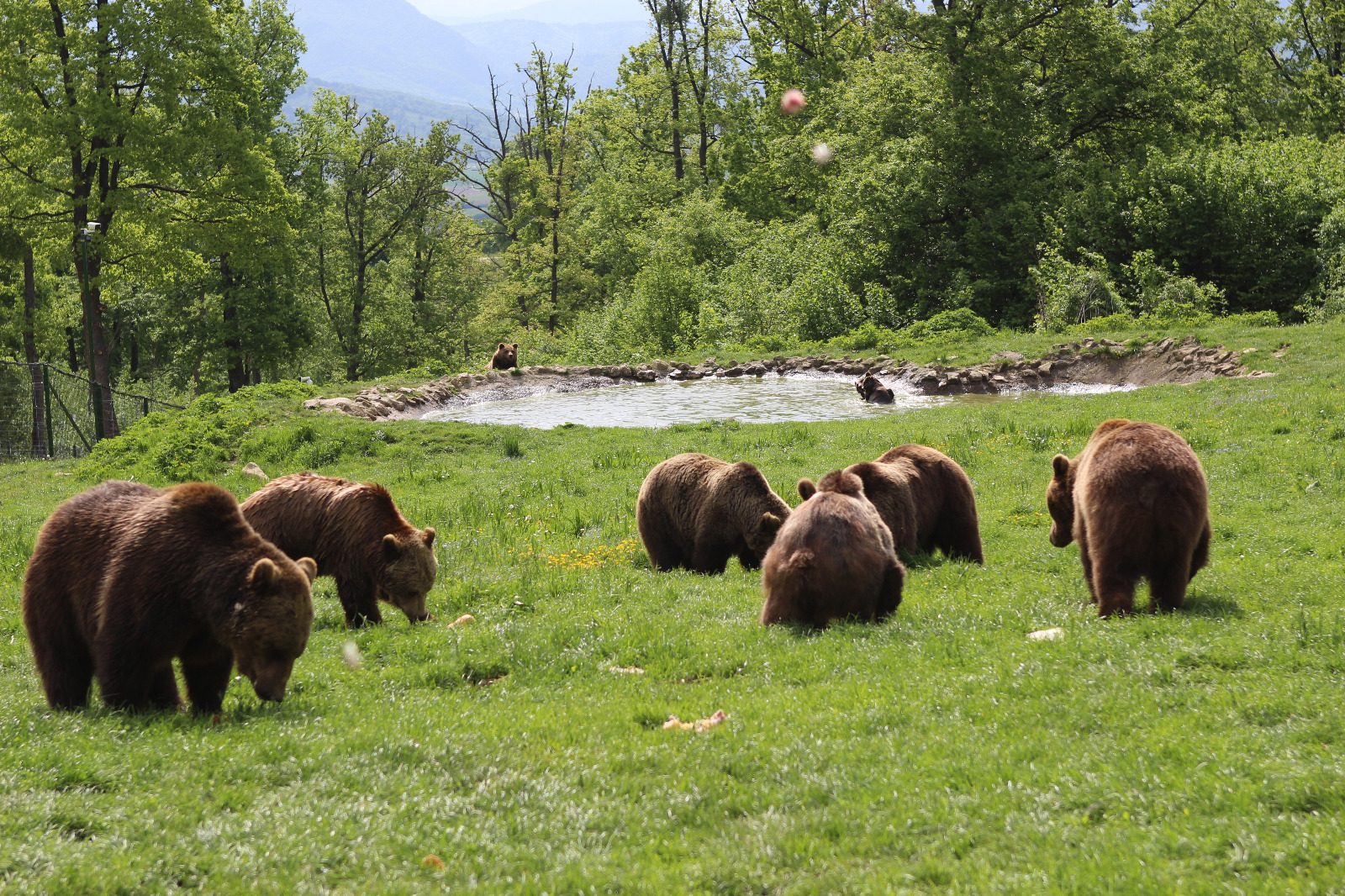
4. Natural bear reserve - Zarnesti. Come face to face with nature in this safe space for rescued brown bears from Eastern Europe. A beautiful bear sanctuary hidden in the historic oak forests above the town of Zarnesti in Transylvania is now open to guests. The Libearty Bear Zarnesti sanctuary was founded in 1998 by a Romanian, Cristina Lapis, after she witnessed three captive bears in a small cage in a restaurant, used to attract customers. Unfortunately, in the past, this practice was popular. Then he made it his personal mission to save the bears that were lingering in small and rusty cages at restaurants and gas stations and to create a sanctuary for them. This is how Liberty Bear Sanctuary Zarnesti was born. Open only in the morning, the on-site guides take you around the sanctuary, informing you about each of their personal stories – and offering you a unique opportunity to see more than 50 rescued bears. Some of their stories are very sad, but supporting this shelter helps ensure that the rest of their lives are as peaceful as possible.
 @Maier09
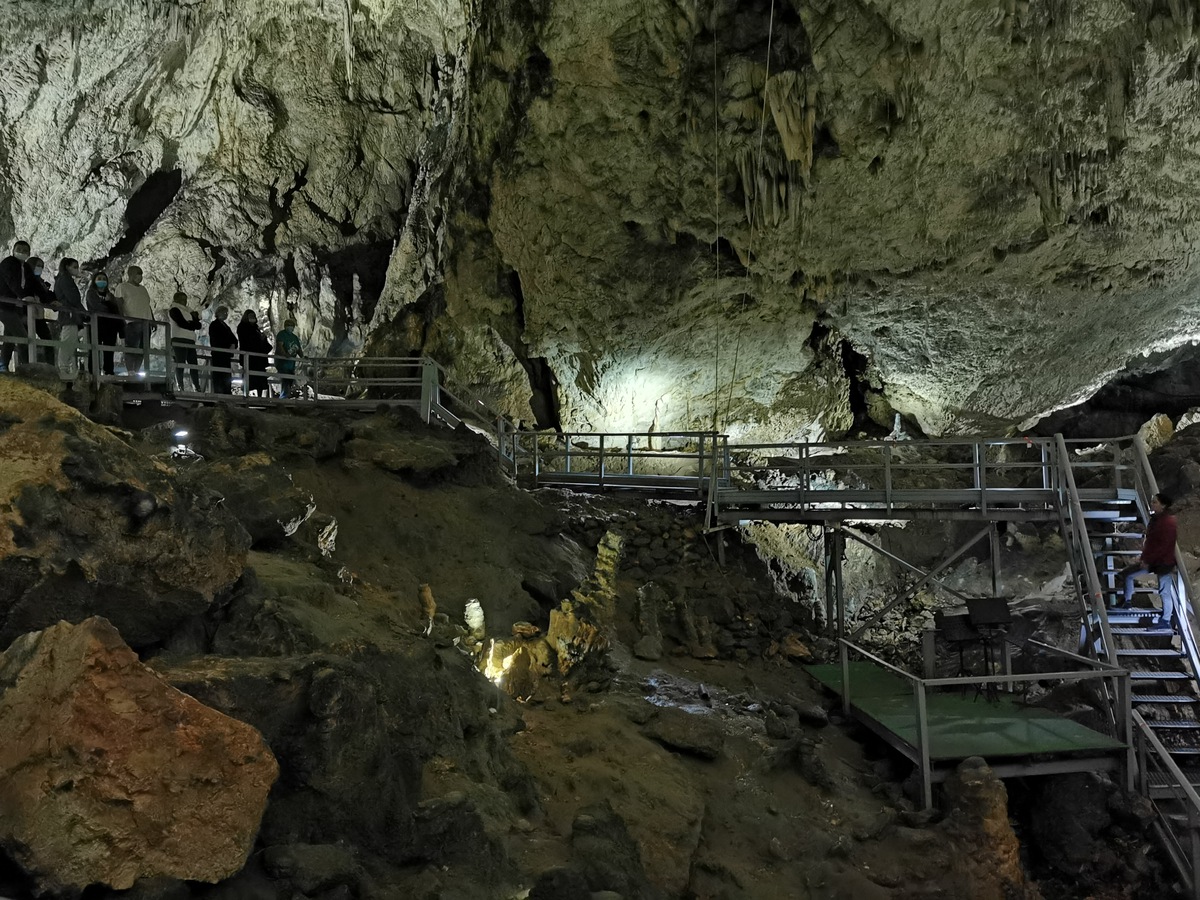
3. Valea Cetatii cave. Climb into a huge limestone cave carved by water and time under the mountains. Valea Cetatii Cave and the protected natural surroundings are all exceptional. In this cave of 30,000 cubic meters there are small pools of water that perfectly mirror the extraordinary formations of stalactites and stalagmites. A rare chance to get close to these natural geological formations - and without undertaking a claustrophobic expedition like in many other places. It is conveniently located just a few kilometers from the town of Rasnov, although, for some reason, international tourists have not yet discovered the Valea Cetatii Cave - which means a more enriching experience for those who have the opportunity to visit this magical place!
 @Maier09
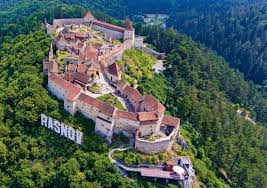
2. Rasnov Fortress. A large mountain fort built to protect the outer borders, Rasnov Fortress has a long and intriguing history that just begs to be explored. The location was chosen because the invading armies had to pass through Rasnov before heading west - and over the years, it was besieged by Tatars, Ottomans, Hungarians, etc. As a result, it is probably not a surprise that the inhabitants of Rasnov and the nearby villages got tired of continuously leaving their houses to be robbed and thus turned the Rasnov Citadel into their long-term residence for decades - which which means that now there is an entire village of the fortification left to explore. There is also a museum worth visiting with exhibits, including weapons and period objects.