 @Jim
@Jim
What topics do I need to write to earn more here at Read.Cash?
Joined 20 June 2020 · 128 posts
Exploring the World. A teacher. A writer. A learner.
120 KT
0 KT · $3.36 received · 0 KT · 13¢ given
@Jim
What topics do I need to write to earn more here at Read.Cash?
@Jim
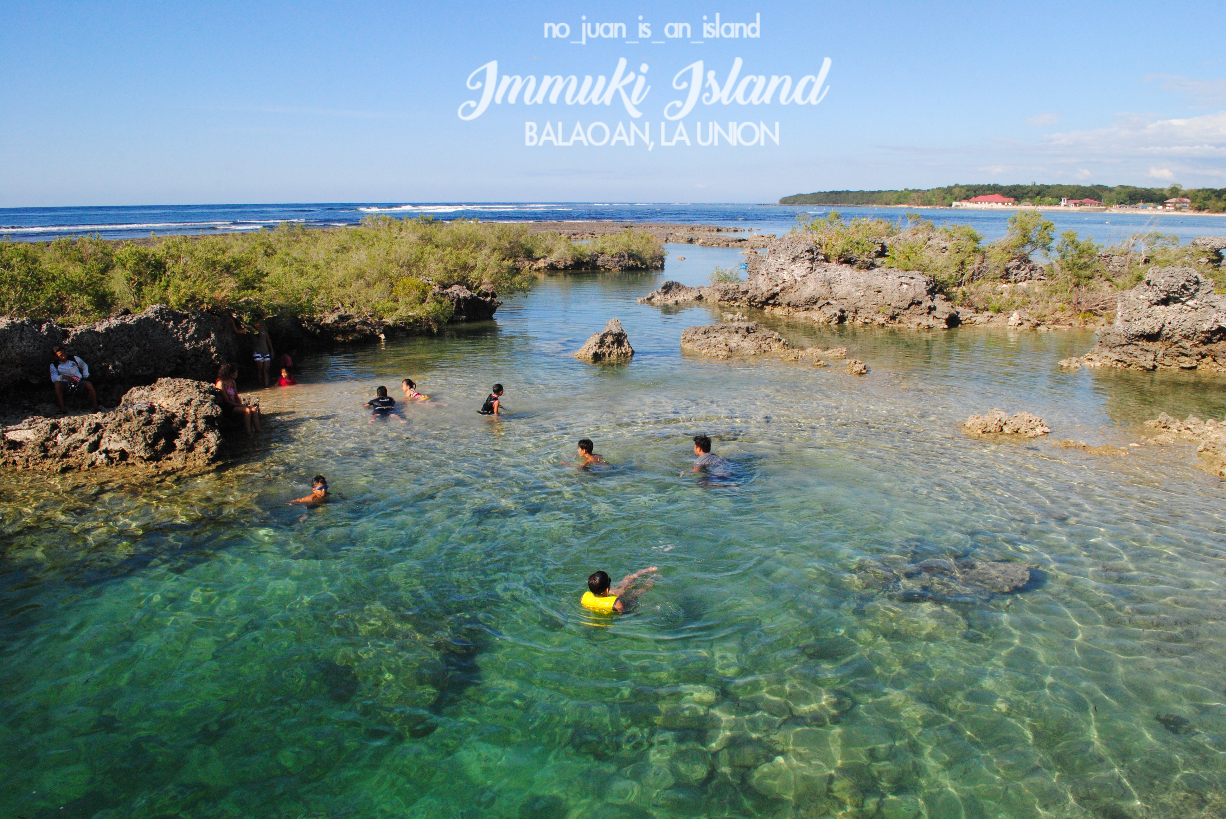
Elyu (First District) La Union is a province in the Philippines located in the Ilocos Region in the island of Luzon. Here are some attractions and activities you can do for a visit to the province: **The Amburayan River** (Sudipen) https://www.youtube.com/watch?v=bExlYZ2RJxo **Loom Weaving/ Abel** (Bangar) https://www.youtube.com/watch?v=oK9OieKIoGI **Lengsad Falls** (Santol) https://www.youtube.com/watch?v=GKSZIbgAExQ **Immuki Island** (Balaoan) **Pebble Beach** (Luna, La Union) https://www.youtube.com/watch?v=X6cYf0_nEeA Baluarte (Luna) https://www.youtube.com/watch?v=1bnn_bm7p7Q **Bahay na Bato** (Luna) https://www.youtube.com/watch?v=0YCtRcn1ixU **Honey Bee Farm** (Bacnotan) https://www.youtube.com/watch?v=QdgaYE9Q5TM **Surfing** (San Juan) https://www.youtube.com/watch?v=5AyWTl67CC8 **Tangadan Falls** (San Gabriel) https://www.youtube.com/watch?v=yWLTYm1JaOQ **Thunderbird Resort** (San Fernando City) https://www.youtube.com/watch?v=foLtWMuF8Zo **Macho Temple** (San Fernando City) https://www.youtube.com/watch?v=9wZno-pyacg **Halo-halo de Iloko** (San Fernando City) https://www.youtube.com/watch?v=tbhgv5N5yKM These are just a few. There are more to visit in La Union. Read part 2 of this article here https://read.cash/@Jim/elyu-second-district-db016253

 @Jim
@Jim
A Perfect Irony I am the face of truth. I have hurt you. You are me. And you and I are imperfect. Just look at the mirror. Those freckles and scars are for years you and I have earned. Just look at our body. The fats and sagging skin are what you and I have filled in it. And look at you and me. My thing is never yours and your mood is something I never understood. We are truly a perfect match of imperfections. I struggle every day to find what I want, and you keep on running from me. But in the end, you and I have never let go of the paradoxical nature of our being. Because you and I are us. And I am you and you are me. This is us. A total irony. *Are you the opposite of yourself?*

 @Jim
@Jim
Checking Papers The grip on his hand the pen on paper his love his patience for his one right or wrong like what the answers they exhaust to look at to assure that they taught right not wrong.

 @Jim
@Jim
Preservation of Filipino Language *"Bear in mind that the wonderful things you learn in your schools are the work of many generations, produced by enthusiastic effort and infinite labor in every country of the world. All this is put into your hands as your inheritance in order that you may receive it, honor it, add to it, and one day faithfully hand it to your children. Thus do we mortals achieve immortality in the permanent things which we create in common." - Albert Einstein* This quotation of Einstein best refers to the social institutions that promote education and preserve quality education. In this paper, the local government and the lay and religious missionary groups are given the emphasis on their roles in education specifically in one of each area which is the promotion of the national language- Filipino. Filipino is the national language of the Philippines; thus, it is for ethnic Filipino groups to acquire this language. For it to be successful, it can be said that the local government and lay and religious missionaries play a big role in promoting the national language, especially among ethnic groups. For local government units (LGUs), it is their responsibility to provide supplementary funding support to public basic education because they have access to a sustainable source of financial resources. LGUs are considered to be partners of the national government in the promotion of education particularly in the delivery of basic education services. In connection to the teaching of Filipino, LGUs can also be considered as partners for they provide financial support to sustain the needs of students in books and other needed facilities needed for learning. Moreover, LGUs can legislate laws that promote the use of the Filipino language during events, occasions, and other relevant happenings such as celebrations within the local cities and towns. These things are very much essential for ethnic groups to see the relevance of the use of Filipino which therefore leads them to embrace the language that binds the nation they belong to. On the other hand, the lay and religious missionary groups also play a role in the promotion of Filipino as a national language. This can be proven as to when these missionaries gage to share their doctrines to the various ethnic groups in the Philippines in which they need to communicate through a common language that both parties do understand. Thus, these missionaries contribute to the teaching of Filipino. With these two social institutions, it is true that education and the preservation of language only happen when these institutions and the others work together. Thus, as a teacher, though I am teaching English, I should never forget that Filipino is the language that I first embraced in this world; and so be it to the students that I am to be with.



+2 more
@Jim
It seems like there is a problem with the notifications here at Read Cash. I am wondering why I am not being notified with the comments on my articles. I hope @Read.cash will fix this soon so I can reply to the comments of other writers.
@Jim
For Newbies Welcome to Read Cash! Write your comments here by answering this question: How does this pandemic change your life? *Paano nabago ng pandemic ang buhay mo?* You can write your answer in English or Filipino. Include also your name (optional), location, and profession/job. E.g. This pandemic...(at least 3 sentences/lines). -Jim/La Union, Philippines/ Teacher *Your data will be confidential. This is for research purposes.* In this way, I can see your account, subscribe to it and comment on your articles. Good luck and see you in the comment section! If you want to learn some tips on how to earn here, read and comment on this article https://read.cash/@Jim/tips-on-how-to-earn-money-in-readcash-a-must-read-8625e354.
 @Jim
@Jim
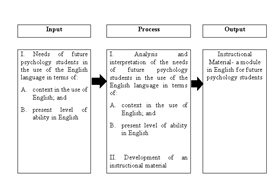
Needs Analysis: English for Future Psychology Students **Chapter 1** **INTRODUCTION** **Situation Analysis** The growth of English as the leading language for the dissemination of academic knowledge has transformed the educational experiences of countless students, who must now gain fluency in the conventions of English language academic discourses to understand their disciplines and to successfully navigate their learning. According to Hyland and Hamp-Lyons (2002), for college and university students in many countries, mastering enough English, and the right English, to succeed in learning their subjects through the medium of English in textbooks, lectures, study groups, and so on, is a matter of great urgency. The use of the English language is indeed very important in many aspects human beings are related to. In the field of psychology, for example, to understand psychology as a subject, you need to possess a reasonably good command of the English Language, so as to be able to grasp key concepts and salient points from your reading with ease and expediency. Another reason the English language is important is that most psychology students speak English and do their work from English, often ascribing English concepts to be psychological universals; this is actually a methodological problem. It is a very serious problem too(Say Keng Lee, 2015). In relation to the above-mentioned information, the researchers were persuaded to conduct study that determined the needs of future psychology students in the use of English. **Framework of the Study** The ESP Learning-Centered Approach. The ESP Learning of English centered approach by Hutchinson and Waters emphasizes language teaching that centers on learning. The concern has always been on ‘how people learn’ looking at the process of how learners use the knowledge and skills they acquired. It is an approach that depends on learners’ purposes of learning English in other fields. This approach is applicable for the study because the purpose directs to the creation of a module in English for future psychology students. The Critical EAP Theory. According to Benesch (2001), critical pedagogy is concerned with institutional power relations'. She believes that 'critical pedagogy acknowledges students' and teachers' subject positions', for example, their class, race, gender, and ethnicity. She also believes that students should be encouraged and allowed to shape their academic goals and the way they reach them. She believes that the teaching and design of EAP have been pragmatic and in general, has been a response to the needs of content courses offered in academic institutions. Her general concern appears to be for the position of ESL students rather than EFL where students learn in their own cultural environment. She sees the role of the ESL teacher as being that of 'instructor' rather than 'educator'. As a result, the important roles of a facilitator of learning and negotiator of the developmental process and course outcomes are not explicitly addressed. This theory is much concerned with the development of a syllabus and an instructional material relevant to the specialized subjects of the students specifically in Psychology in the case of this study. These theories are helpful in establishing facts in the study which serve as basis in the formulation a syllabus leading to the development of instructional material. **Conceptual Framework** The study made use of the IPO (Input- Process- Output) model shown in figure 1, the research paradigm. The input variable shows the needs of future psychology students in the use of the English language in terms of the context in the use of English and the present level of ability in English. The process contains the analysis and interpretation of the needs of future psychology students in the use of the English language in terms of the context in the use of English and present level of ability in English; and the development of instructional material, a module. And lastly, the output is the completion of a module based on a syllabus that considers the specialization of the respondents. **Statement of the Problem** This study aimed to determine the needs of future psychology students in the use of English. This study was conducted at Saint Louis College High School Department for the first semester of the school year 2017-2018. Specifically, it sought to answer the following questions: 1. What are the needs of the future psychology students in the use of the English language in terms of: a. context in the use of English; and b. the present level of ability in English? 2. What instructional material can be developed to address the needs of future psychology students in the use of English? **Definition of Terms** For better understanding, the following terms are defined according to their use in the study: *Future psychology students* are students of the Humanities and Social Sciences strand who shall take up Bachelor of Science in Psychology. *Instructional material* refers to the module developed to address the needs of the said students. *Needs analysis* is the process of obtaining data relevant to the language ability of future psychology students. *Ability* refers to the language ability of the respondents specifically macro skills. *Context* refers to the linguistic background and situations in which the respondents use English. **Chapter 2** **METHODOLOGY** **Research Design** The descriptive method of design was used in the study. This design aims at describing characteristics, opinions, perceptions, attitudes, behaviors as they currently exist in a population; and is utilized for the purpose of accurately portraying a population that has been chosen because of some specific characteristics. Moreover, a mixed-method approach, a combination of the quantitative and qualitative approaches, was utilized. A quantitative approach deals with data that are numeric uses questionnaires, tests, surveys; while a qualitative approach deals with data expressed as descriptions or observations. These designs and approaches were apt for this research because they describe the existing condition. They involve describing, analyzing, and interpreting conditions that are prevailing. Thus, they are appropriately used to determine the needs of the future psychology students in the use of the English language. **Sources of Data** ***Locale, Population, and Duration of the Study*** This study was conducted at Saint Louis College- Senior High School department, City of San Fernando, La Union during the first semester of the school year 2017-2018. The respondents of this research were the 18 senior high school students from the Grade 12 Humanities and Social Sciences Strand (HUMSS) who shall take up Bachelor of Science in Psychology. **Instrumentation and Data Collection** The data gathering tool was a research made questionnaire that was based on other related studies revolving around English for academic purposes specifically along with psychology. The questionnaire consists of two parts: for part one with 19 questions which identified the needs of the future psychology students in the use of the English language in terms of the context in the use of English, and for part two which asked for the perception of the respondents regarding their linguistic ability. The questionnaire was administered to the 18 senior high school students from the Grade 12 Humanities and Social Sciences Strand (HUMSS) who shall take up Bachelor of Science in Psychology. On the other hand, an interview was conducted to an instructor of Bachelor of Science in Psychology, College Department. The interview was conducted to suffice the data gathered with regard to the needs of the respondents in the use of English. **Analysis of Data** For data analysis, the following statistical tools were used: To determine the needs of future psychology students in the use of the English language in terms of the context in the use of English, mean was utilized; and to identify the needs of future psychology students in the use of the English language in terms of their present level of ability in English, the frequency was used and mean was utilized to get their overall ability. To facilitate computations, Microsoft Excel was used. To interpret the needs of future psychology students in the use of the English language in terms of the context in the use of English, a 3- point Likert scale was used following this data categorization: Range of Mean Values Descriptive Equivalent 2.34-3.00 Very Useful 1.67-2.33 Useful 1.00-1.66 Not Useful Meanwhile, to interpret the needs of future psychology students in the use of English in terms of their present level of ability in English, this table of data served as a basis: Range of Mean Values Descriptive Equivalent 4.21-5.00 Advanced 3.41-4.20 Intermediate (upper) 2.61-3.40 Intermediate (lower) 1.81-2.60 Basic (upper) 1.00-1.80 Basic (lower) **Chapter 3** **RESULTS AND DISCUSSION** **I. Needs of Future psychology students in the Use of English in terms of Context in the Use of English** Table 1 presents the needs of future psychology students in the use of English in terms of the context in the use of the said language. It can be gleaned from the table that thirteen (13) among the identified nineteen(19) situations consider English as a very useful language. These include the following arranged from the context with the highest mean to the lowest mean among those that were identified as very useful: ‘conducting a research/case study’ with a mean of 2.67; ‘reading academic books and conducting interview’ with the mean of 2.56; ‘reading directions, attending seminars/symposiums, and searching something in google’ with the mean of 2.50; ‘communicating with friends, listening to music, writing a reflection journal, presenting situations to others, and providing possible solutions in front of the class’ with the mean of 2.44; and ‘watching documentary videos and singing a song’ with the mean of 2.39. Moreover, the remaining six (6) situations consider English as a useful language. These include the following arranged from the context with the highest mean to the lowest mean among those that were identified as useful: ‘operating computer’ with the mean of 2.41; ‘giving advice to someone, sharing problems to others, and speaking to the teacher’ with the mean of 2.28; explaining theories/ concepts’ with the mean of 2.27; and ‘dealing with academic anxiety’ with the mean of 2.06. Overall, students who will take up Psychology view English as a very useful language in their field of specialization with an overall mean of 2.41. The findings above mean that reading is the most important skill which demands students to read academic books relevant to studies specifically about human behavior. Their readings are important for them to write their own research work. The results also suggest that reading should not only be the focus of teaching in English among future psychology students but should include other macro skills such as speaking, listening, and viewing. Therefore, these can be addressed by using the same situations above as strategies in teaching. Meanwhile, the results above can be supported by the interview conducted to a psychology instructor from the school’s college department. “Research is so important in this field and students should imbibe to themselves the habit of reading so that they can write.” Added to this, “Communication must be the focus of the English teachers today especially for our students. However, some students have the fear to speak because some teachers notice their grammar more than the content of what they say or in other circumstances, they can not express themselves because of lack of vocabulary.” These lines also support the data on the next table regarding the needs of the future psychology students. **II. Needs of Future psychology students in the Use of English in terms of Present Level of Ability in the Use of English** Table 2 shows the perception of students who shall take up Bachelor of Science in Psychology regarding their level of ability in the use of English. It can be seen that the highest number of respondents is within the intermediate level (lower) with seven (7) or 39% of the respondents; this means that these students are fluent but discuss different topics, and have some difficulty with vocabulary, idiom, grammar, and pronunciation. Six (6) or 33% of the respondents believe that they are at the intermediate level (upper) which implies that they can manage comfortably in familiar situations and with familiar topics, though have some difficulty with vocabulary, idioms, grammar, and pronunciation. Meanwhile, three (3) or 17% say that they are advanced (able to converse fluently and naturally on most topics; little difficulty with vocabulary, idioms, grammar, and pronunciation); two (2) or 11% think that they are in the upper basic level (wrong pronunciation, short conversation on a few predictable topics; survival level knowledge of vocabulary, grammar, and idiom); and none is considered in the lower basic level. In general, the weighted mean along the level of ability of the future psychologist in the use of English is 3.56 which is described as upper-intermediate. This implies that the said students still need improvement in the said area specifically along with vocabulary, idioms, grammar, and pronunciation **Chapter 4** **SUMMARY, CONCLUSIONS, AND RECOMMENDATIONS** **Summary** The research endeavored to study the needs of future psychology students in the use of English in terms of the context in the use of the said language and their present level of linguistic ability. The researchers gathered the data through a questionnaire to the 18 students of Humanities and Social Sciences strand who shall take up Bachelor of Science in Psychology, and through an interview with an instructor in Psychology at Saint Louis College during the first semester of the school year 2017-2018. **Findings** The study came up with the following significant findings: 1. The needs of future psychology students in the use of English in terms of: a. context in the use of English, the students of Humanities and Social Sciences strand who shall take up Bachelor of Science in Psychology view English as a very useful language in their field of specialization with an overall mean of 2.41; the instructor of Psychology believes that macro skills are important and should be given focus. b. the present level of linguistic ability, the students of Humanities and Social Sciences strand who shall take up Bachelor of Science in Psychology perceive that they are in the upper intermediate with a general mean of 3.56; the instructor of psychology thinks that communication is an essential factor in learning. **Conclusions** Based on the findings above, the following conclusions are drawn: 1. The needs of future psychology students in the use of English in terms of: a. context in the use of English, the five macro skills are needed in the field of psychology. Research is an important work for students to developed such skills. b. the present level of linguistic ability, the students of Humanities and Social Sciences strand who shall take up Bachelor of Science in Psychology can manage comfortably in familiar situations and with familiar topics, though have some difficulty with vocabulary, idioms, grammar, and pronunciation. **Recommendations** Aside from the module, the following are also helpful recommendations based on the findings and conclusions of the study: 1. For the school, seminar workshops among English and Psychology teachers should be sponsored to address the needs of the students in English; 2. For the psychology department, there should be coordination with the English department so as for the students to practice English not only in their English classes; 3. For the English teachers, the following activities should be adopted or inputted in their lessons: a. Documentary Film b. Simulation (Interview, Giving advice, etc.) c. Research Work d. Journal Writing e. Debate f. Library Hunt; 4. For the English teachers, they should align their lessons to the lessons in the specialized subjects of the students; 5. For the future psychology students, they should follow instructions given by the teachers for them to easily develop their ability in the use of the English language; and 6. For future researchers, they can use this study as a reference to prove and have an in-depth analysis of the findings. Literature Cited Purposes, T., Bruce, I., & UK, P. (2017). Theory and Concepts of English for Academic Purposes | Ian Bruce | Palgrave Macmillan. Palgrave.com. Retrieved 14 December 2017, from http://www.palgrave.com/gp/book/9780230249745 Learn English Psychology. (2017). Learn to Speak English Powerfully With Effortless English. from https://effortlessenglishclub.com/english-learning-psychology English Language and Psychology. (2016). Hope.ac.uk. Retrieved 14 December 2017, from https://www.hope.ac.uk/undergraduate/undergraduatecourses/englishlanguage/englishlanguageandpsychology/ http://www.hope.ac.uk/undergraduate/undergraduatecourses/englishlanguage/englishlanguageandpsychology/ English for Academic and Professional Purposes (EAPP). (2015). Middlebury Institute of International Studies at Monterey. Retrieved 14 December 2017, from http://www.miis.edu/academics/language/degreelanguages/english/node/31767 Book, E. (2013). English for Psychology in Higher Education Studies Teacher’s Book | Garnet Education. Garnet Education. Retrieved 15 December 2017, from https://www.garneteducation.com/product/english-for-psychology-in-higher-education-studies-2/ English Language Center :: English for Academic Purposes. (2010). Elc.msu.edu. Retrieved 15 December 2017, from http://elc.msu.edu/programs/eap/ EAP Theory - Academic English UK. (2010). Academic English UK. Retrieved 15 December 2017, from https://www.academic-englishuk.com/eap-theory @Dangerous_Fly


+3 more
@Jim
What do I like about Read.Cash? Read.Cash is a good platform for everyone. It is an avenue for me to write whatever I want to write. I can write something about my personal experience, concerning issues around the community, and discussion of concepts in language and education. Through this site, I was able to write again. And not only write, but also earn while writing. I also learned that there are generous people who sponsor and give away prizes for some work you publish. Thanks a lot to them! Here is a link as to why I am writing this post: https://read.cash/@scottcbusiness/readcash-bitcoin-cash-giveaway-d307aea9
@Jim
@Dangerous_Fly wants to share $1.00 among 100 people. Subscribe to my account and subscribe also to his account. Please clink the link for more info: https://read.cash/c/any-post-are-allowed-c2a0/post-333e6c7d
@Jim
PAKIBASA: Sharing a few of my articles Narito po ang mga articles na sinulat ko sa mga nakaraang araw. Ang mga nilalaman nito ay hindi pawang opinyon lamang. Ito ay base sa aking pangangalap ng mga valid information at observations. Hypocrites (The world is in danger- even nature) (https://read.cash/@Jim/hypocrites-the-world-is-in-danger-even-nature-5e33a416) Mediocrity (https://read.cash/@Jim/mediocrity-f346714a) Education amidst the pandemic (https://read.cash/@Jim/education-amidst-the-pandemic-f96e2a2d) Benefits of Online Learning (https://read.cash/@Jim/benefits-of-online-learning-c7e2df62) Benefits of Modular Distance Learning (https://read.cash/@Jim/benefits-of-modular-distance-learning-548803e3) Foundation of Education: My Philosophy in Teaching (https://read.cash/@Jim/foundation-of-education-my-philosophy-in-teaching-da12f349) Transportation in the Country during the Pandemic (https://read.cash/@Jim/transportation-in-the-country-during-the-pandemic-38c01493) Rabindranath Tagore's Educational Philosophy (https://read.cash/@Jim/rabindranath-tagores-educational-philosophy-16869293) Similarities of Tagore’s Educational Philosophy to the Current Educational System of The Philippines (https://read.cash/@Jim/similarities-of-tagores-educational-philosophy-to-the-current-educational-system-of-the-philippines-48e8f62c) Differences of Tagore's Educational Philosophy to the Educational System in the Philippines (https://read.cash/@Jim/differences-of-tagores-educational-philosophy-to-the-educational-system-in-the-philippines-4319399e) I know you have not read somehow any of these, but please click this link and do it in favor of me. Answer the question in the article as I am doing a survey. How does this pandemic change your life?https://read.cash/@Jim/how-does-this-pandemic-change-your-life-f0eae8ca Thanks a lot!
 @Jim
@Jim
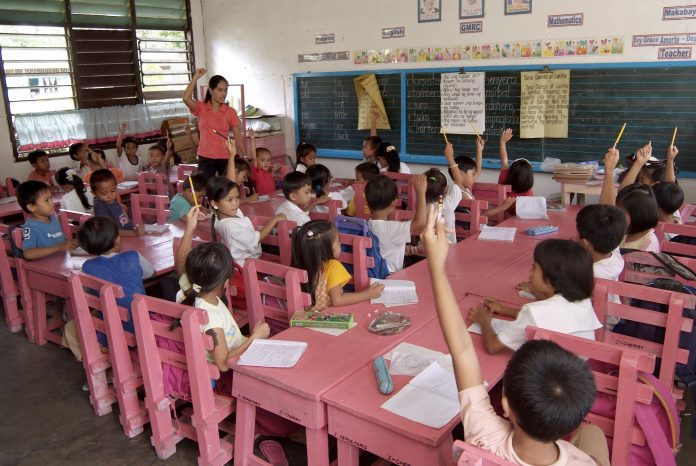
Differences of Tagore's Educational Philosophy to the Educational System in the Philippines I tried to make a contrasting analysis of Rabindranath Tagore's educational philosophy to the educational system here in the Philippines. Before we go to these differences, kindly read these two articles which I published recently about Tagore's educational philosophy and its similarities to the educational system here in the Philippines. Here are the links: https://read.cash/@Jim/rabindranath-tagores-educational-philosophy-16869293 https://read.cash/@Jim/similarities-of-tagores-educational-philosophy-to-the-current-educational-system-of-the-philippines-48e8f62c **Differences of Tagore's Educational Philosophy to the Educational System in the Philippines** 1. In Tagore’s educational philosophy, the teaching of religion can never be imparted in the form of lessons, it is where there is a religion in living- where life is simple; while in the Educational System in the Philippines, religion is taught like the values education and Christian Living education subjects. 2. In Tagore’s educational philosophy, the teacher is more important than the method; while in the K-12 Curriculum, though teachers have Continuous Professional Development (CPD), the said program does not really focus on the teacher himself but on the methods and approaches he can use in his classroom. Thus, the focus is more on the methods and the students. 3. Mother tongue is the medium of instruction in Tagore’s curriculum; although it is true that mother-tongue is also a medium of instruction, it is only for young learners. Moreover, it is not only considered a medium of instruction but also a subject among elementary pupils. 4. Mother tongue is the only language given the emphasis on Tagore’s curriculum; while second language learning is also included in the K-12 curriculum. 5. Communication skills (viewing, speaking, writing, listening, and reading) are not given emphasis in Tagore’s curriculum; while they are very essential in the K-12 Curriculum. 6. “The school should be situated in natural surroundings. There should be an atmosphere of nature’s own beauty with her varied gifts of color and dance, flowers and fruits, with the joy of her mornings and the peace of her starry nights.” as stated in Tagore’s educational philosophy; yet it is very ideal that even if Filipinos want to have this kind of school community, many schools in the country lack facilities and that reality needs to be mimic. Though technological advancement has taken education into another level, many children of this generation are unfortunate not to experience the beauty of nature as they are more focused on virtual reality. 7. “The school should be a self-governing institution-has a dairy farm, post office, hospital, and workshop. Students hold their own courts.” Said, Tagore. However, the schools in the Philippines, despite efforts to have programs like “Gulayan sa Paaralan”, etc. and build their own medical facilities, the educational system in the country cannot afford to do so; thus, the school only becomes a place to learn concepts and not to apply them due to lack of resources and facilities. 8. The number of students in classes should be very small in Tagore’s curriculum, yet each classroom in the Philippines consists of 40 to 60 students. 9. Tagore’s educational philosophy suggests that the school should have a well-equipped library; while the educational system in the Philippines, though aims to have a library for each school, does not afford to have. In addition, most libraries are not functioning since students already have access to the internet where they can search easily for the answers to their questions.

+2 more
@Jim
I am currently conducting a survey now. Please click the link https://read.cash/@Jim/how-does-this-pandemic-change-your-life-f0eae8ca and answer the question. Follow the instruction in the content. After you comment and subscribe to my account, I promise to subscribe also to yours and comment to your articles. See you in the comment section!
@Jim
I AM CONDUCTING A SURVEY AMONG USERS OF READ.CASH Pasupport naman po. I will subscribe to your account and comment on your articles once you subscribe and comment to this article. The link is https://read.cash/@Jim/how-does-this-pandemic-change-your-life-f0eae8ca. Pwede po kayo sumagot in English and Filipino. Just follow the instruction sa content po ng articles. Surely, you expect to see me in your comment section once nakapagsubsribe ka and comment sa aking post na nasa link. https://read.cash/@Jim/how-does-this-pandemic-change-your-life-f0eae8ca
@Jim
How does this pandemic change your life? ****How does this pandemic change your life?**** I am making a survey on **how this pandemic has changed our lives**. This is for research purpose and I hope you help me with it. Please write your answer based on your life experience in these past few months. You may include your name (optional), location & country, and profession/ job after it. You can do it this way: *Answer...* *-Jim/ La Union, Philippines/ Teacher* In exchange for your answers, I will SUBSCRIBE to your account and will start commenting also on your articles. See you in the comment section. I hope you also SUBSCRIBE to mine. Thank you so much.
 @Jim
@Jim
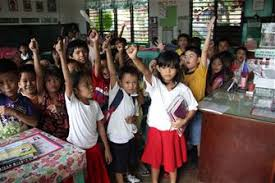
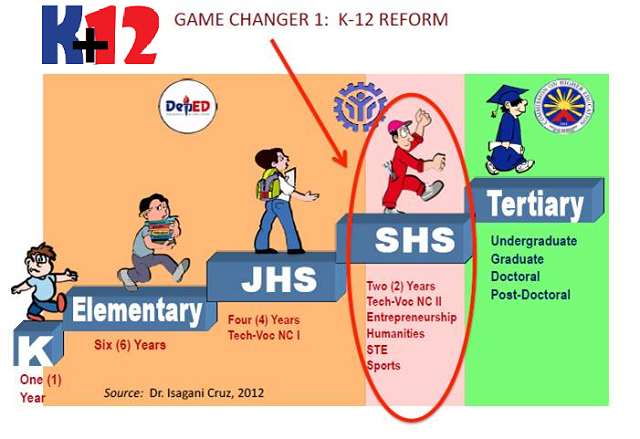
Similarities of Tagore’s Educational Philosophy to the Current Educational System of The Philippines To read about Rabindranath Tagore's Educational Philosophy, click https://read.cash/@Jim/rabindranath-tagores-educational-philosophy-16869293 and read the article. **Similarities of Tagore’s Educational Philosophy to the Current Educational System of The Philippines** 1. “The widest road leading to the solution of all our problems is education.”-this philosophy of education by Tagore can be explicitly associated with the Department of Education’s “Edukasyon ang Solusyon. 2. The K-12 program similarly to Tagore’s philosophy aims to promote international co-operation and creating global citizens. 3. Freedom in school in Tagore’s curriculum is given emphasis; as such, it is true that in the Philippines, every Filipino has the right to free education. 4. Both the K-12 Curriculum and Tagore’s philosophy focus on individual development as they help an individual identify strengths and areas for growth, and set attainable goals. 5. Tagore’s self-realization, love for humanity, freedom, and moral and spiritual development can be demonstrated along with values education and social sciences subjects and are even integrated into other subjects under the K-12 Curriculum. 6. Intellectual development as an aim of Tagore’s educational philosophy is anchored to the 21st Century skills, critical thinking, creativity and imagination, and problem-solving, that the recent curriculum aims to develop among learners. 7. Learners are developing physically both in Tagore’s philosophy and the K-12 Curriculum. 8. Mother-tongue, the medium of instruction, as suggested by Tagore’s philosophy can be seen through MTB-MLE (Mother-tongue based- multilingual education) which has been implemented in the K-12 Curriculum. 9. Tagore’s co-relation of objects and social development are given emphasis in the K-12 curriculum through cooperative and collaborative learning activities and projects provided inside and outside the classroom. 10. Tagore aims at a curriculum for the full man aside from satisfying the spiritual, the creative, and the aesthetic aspects, also has the vocational aims of education; these can also be realized in the new curriculum (K-12) as it deals with learners’ life skills as reflected in the strand-based curriculum of the senior high school. 11. Tagore’s curriculum suggests that it should revolve organically around nature, with flexible schedules to allow for shifts in weather, and with special attention to natural phenomena and seasonal festivities; which in turn, the K-12 Curriculum’s localization, contextualization, and globalization. 12. The school should be a community where there is no distinction of caste and creed; similarly, through the scholarship programs of the government, everybody has the right to education as mandated by the Constitution. 13. Sewing, book-binding, weaving, carpentry, etc. are life skills present in Tagore’s curriculum and the K-12 Curriculum which can be observed among Technology and Livelihood education subjects like Home Economics, Industrial Arts, Drafting, etc. 14. Learning by Doing is both stressed in Tagore’s curriculum and in the present educational system in the Philippines, as students are engaged in various tasks, actual demonstrations, collaborative activities, and research work. 15. Hobbies and occupations of students are given importance in Tagore’s curriculum; which in the new curriculum, are seen in the strand based curriculum among Senior high school students. To read about Rabindranath Tagore's Educational Philosophy, click https://read.cash/@Jim/rabindranath-tagores-educational-philosophy-16869293 and read the article. Leave your insights and suggestions in the comment section of this article.

+5 more
@Jim
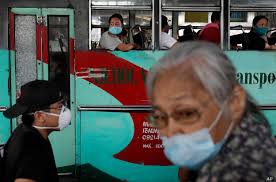
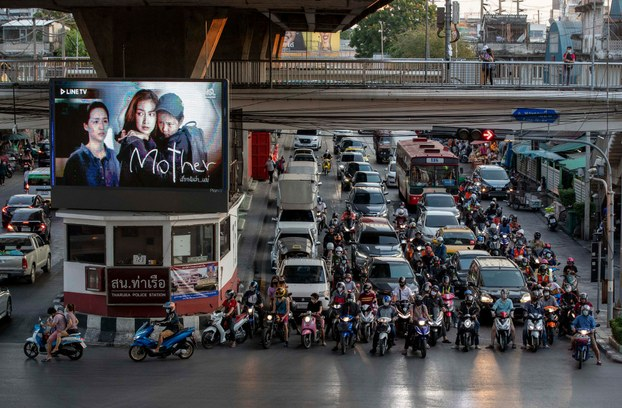
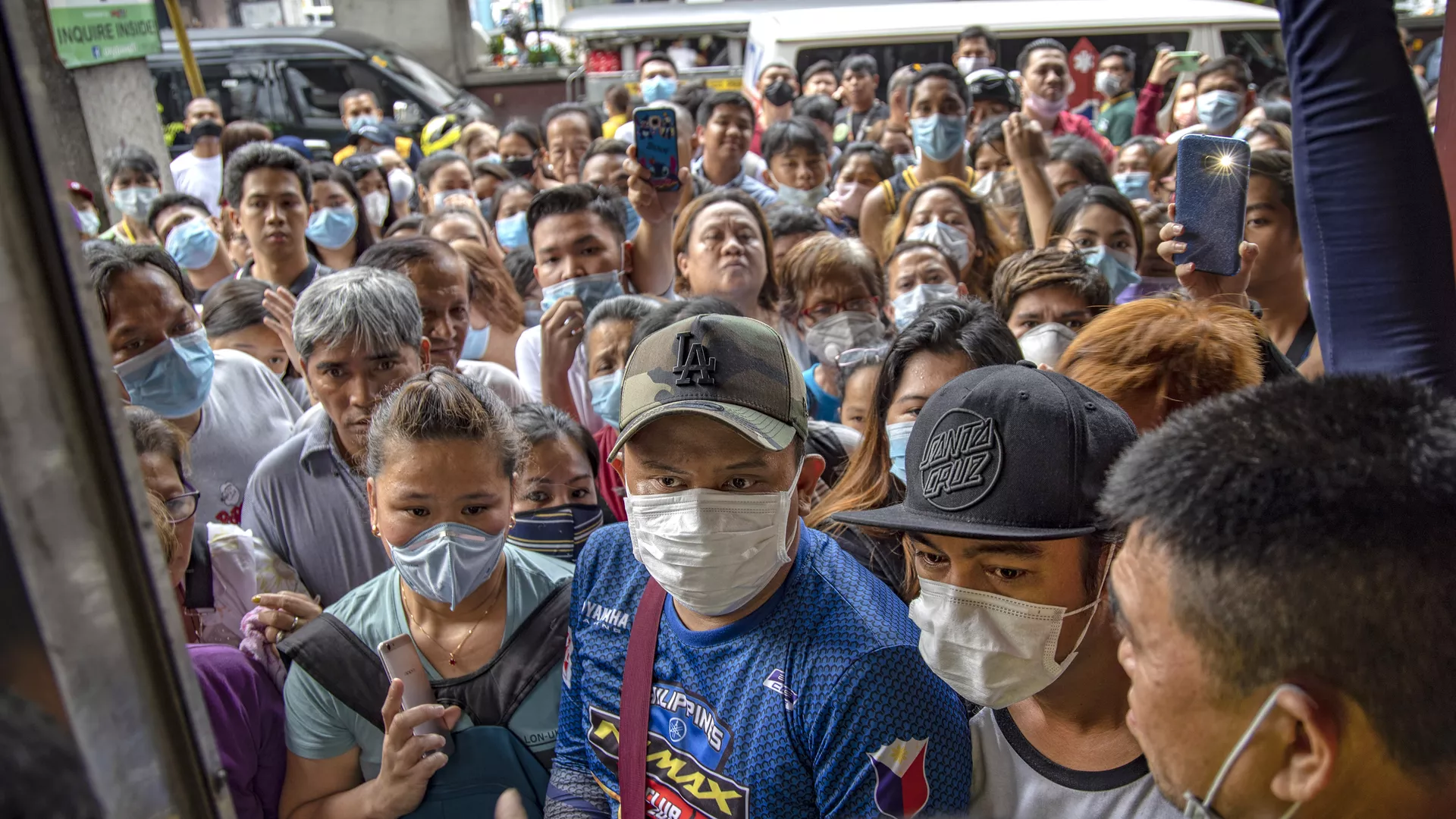
Transportation in the Country during the Pandemic With this pandemic, we have realized that the major cause of traffic in the country are not public transportation. They are not buses, tricycles, nor jeepneys. But they are what you see now. With private vehicles, there are only a few passengers who can be accommodated which would cause a more congested road. We also notice that many have availed their own cars as they see traveling through PUVs hassle. As a result, people do not save money and worst contribute to air pollution. With limited public transportation, many have seen the need to buy their own cars, even if they have never planned for it in the very first place. This is evident since the start of community quarantine in the country as the roads are now piled up with new cars. However, the sad truth is this: even how much everybody would like to have their own cars, not each of us is capable to have one. The poor ones are always left behind. They are the ones who wait in long queues for hours. And worst, they are the ones who are prone to be exposed to the virus. So, what should we do to address this problem? Or how should the government respond to this? The vulnerable sector should be protected. But with what is happening, it seems like there is little consideration.
+1 more
@Jim
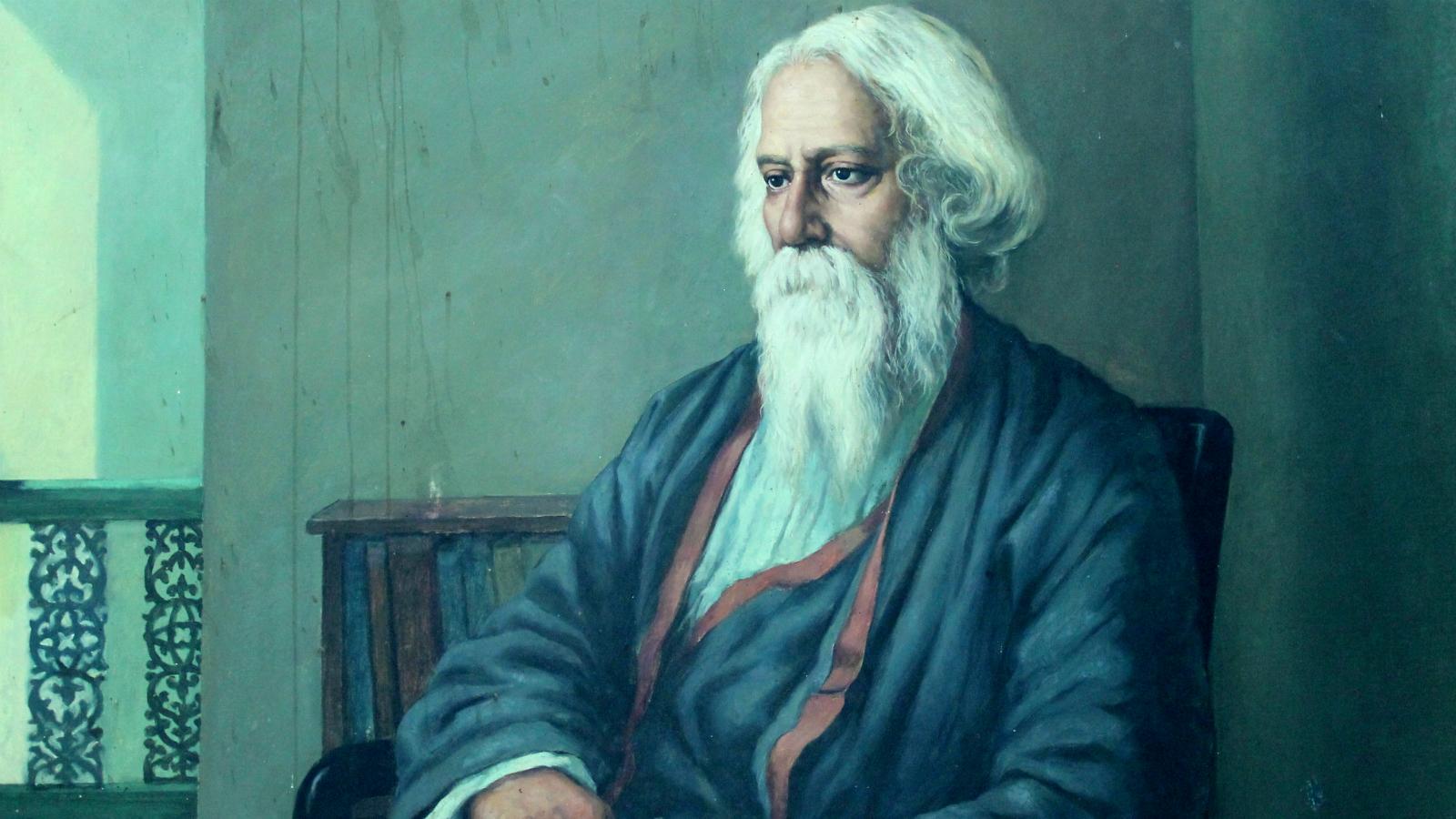
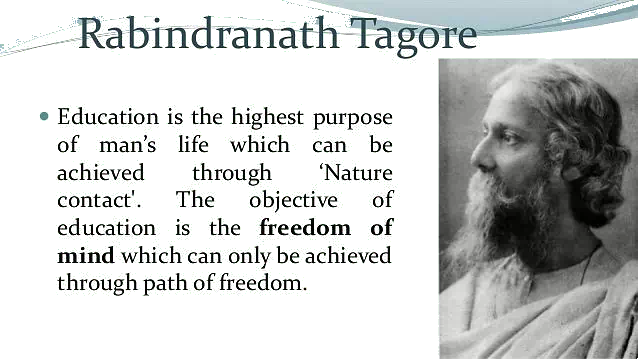
Rabindranath Tagore's Educational Philosophy **Rabindranath Tagore** Writer, song composer, playwright, essayist, painter An educator **Educational Philosophy** The widest road leading to the solution of all our problems is education. **Aims of Education** 1. Self-realization: Spiritual is the essence of humanism. The manifestation of personality depends upon the self-realization and spiritual knowledge of an individual. 2. Intellectual Development: It means the development of imagination, creative free-thinking, constant curiosity, alertness of the mind. Freedom of child to adopt his own way of learning, which would lead to all-round development. 3. Physical development: Sound and healthy physique through yoga, games, sports as an integral part of education. 4. Love for Humanity: Education for international understanding and universal brotherhood. Education should teach people to realize oneness. 5. Freedom: Education is a man-making process, it explores the innate power that exists within man, it is not an imposition, but a liberal process that provides the utmost freedom for development. 6. Co-relation of objects: A peaceful world is only possible when the correlation between man and nature will be established. 7. Mother-tongue is the medium of instruction: Language is the true vehicle of expression. 8. Moral and spiritual development: It is more important than bookish knowledge for an integral development of human personality, by encouraging selfless acts, co-operation, sharing, and fellow-feeling among students. 9. Social Development: ‘Brahma’ the supreme soul manifests through men and all creatures. He is the source of all life. Brotherhood should be cultivated from the beginning of life. **System of Education** Tagore's ideas for creating a system of education aimed at promoting international co-operation and creating global citizens. Tagore envisioned an education that was deeply rooted in one’s immediate surroundings but connected to the cultures of the wider world; predicated u Tagore recommended a curriculum for the full man satisfying the spiritual, the creative, the aesthetic, and the vocational aims of education. He felt that the curriculum should revolve organically around nature, with flexible schedules to allow for shifts in weather, and with special attention to natural phenomena and seasonal festivities. **Curriculum** Tagore recommended a curriculum for the full man satisfying the spiritual, the creative, the aesthetic, and the vocational aims of education. Besides providing for the teaching of ordinary schools, Tagore developed many educational ideas, years ahead of others. Nowadays educationists talk so much about the educational value of crafts, projects, music, dancing, fine arts, etc. But it is indeed very significant to note that the poet provided for the teaching of most of these subjects from the very beginning in his school at Shantiniketan. **Principles of Teaching** 1. The school should be situated in natural surroundings. There should be an atmosphere of nature’s own beauty with her varied gifts of color and dance, flowers, and fruits, with the joy of her mornings and the peace of her starry nights. 2. It should cultivate a love of nature among the students. 3. It should provide spiritual training to students. 4. It should educate children by providing an environment of freedom. 5. It should impart education in the mother-tongue of the students. 6. It should provide an environment after the fashion of ancient ‘taco vans’-forest schools about which he had read so much in the Upanishads. 7. It should be a community school where there is no distinction of caste and creed. 8. It should teach crafts like sewing, book-binding, weaving, carpentry, etc. 9. It should include drawing, art, and music as an integral part of the curriculum. 10. It should provide students adequate opportunities for choosing their hobbies and occupations. 11. It should be a self-governing institution-has a dairy farm, post office, hospital, and workshop. Students hold their own courts. 12. It should provide for close personal contact with the teacher. The number of students in classes should be very small. 13. It should have a well-equipped library. It should provide for manual labor. **Methods of Teaching** He stressed the movement of the whole body in various learning activities. He followed the activity principle and advocated constructive and creative activities. **Teachers’ Role** In education, the teacher is more important than the method. Tagore pointed out, “A teacher can never truly teach unless he is learning himself. A lamp can never light another lamp unless it continues to burn its own flame.” **Implications on Present Day Education** 1. Tagore established a number of educational institutions at Shantiniketan. 2. Tagore founded the Visvabharati. 3. Tagore was a great practitioner. He worked out his ideas and ideals in a constructive way. 4. Tagore drew attention to the listless environment of the traditional school. 5. Tagore tried to synthesize the ancient Indian ideals of education and the western arts and sciences. Tagore pointed out the significance of providing an environment of freedom in the school.
+11 more
@Jim
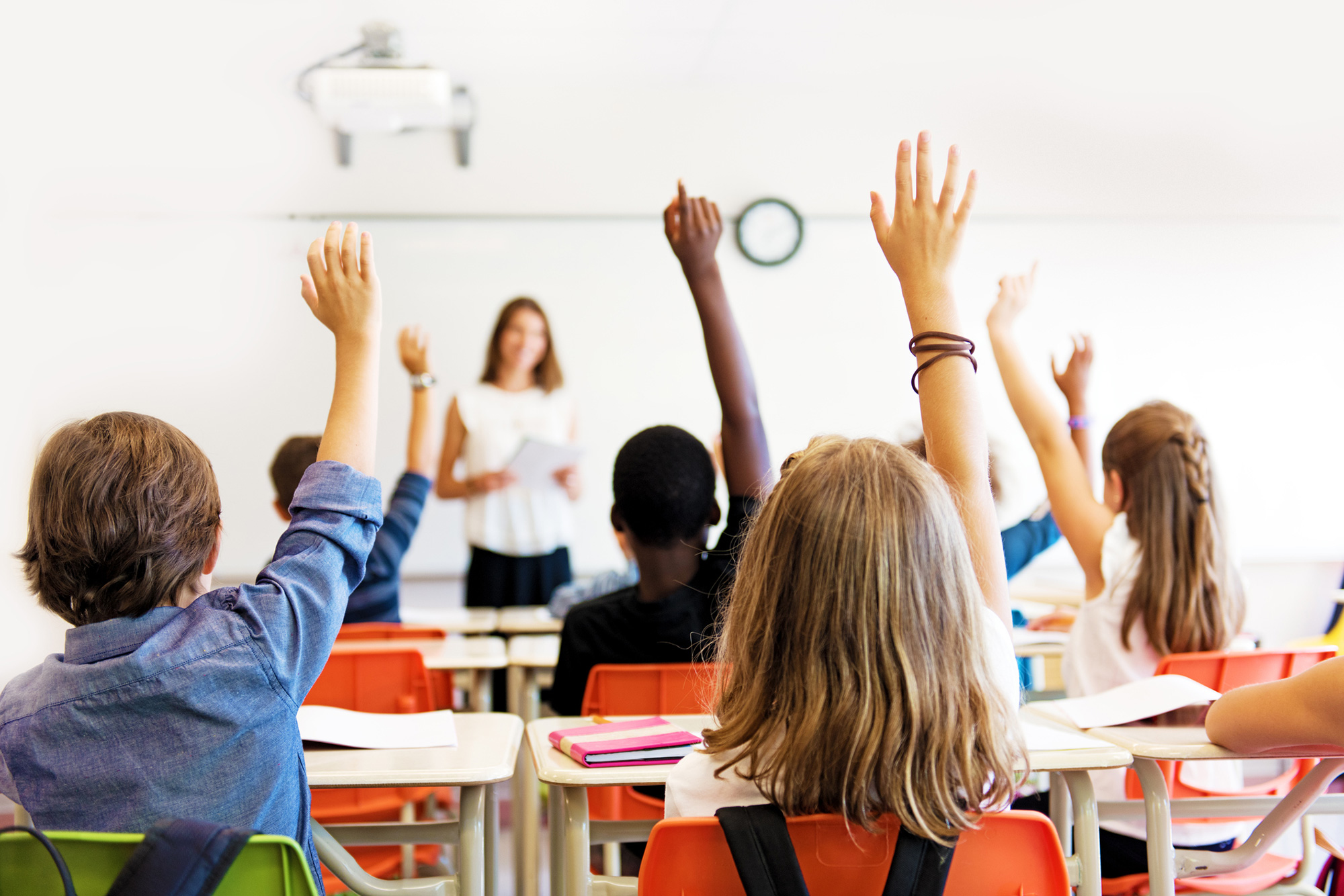
Foundation of Education: My Philosophy in Teaching **A Summary: Philosophy and its Branches** Philosophy is a personal belief why do things exist which can be anchored to other people’s beliefs which could either be of same point or conflicting idea. Philosophy consists of three branches namely: Metaphysics, the study of questions about existence; Epistemology, the study of knowledge, and it is obtained and assessed; and Axiology, the study of value or worth. **Personal Learning on Philosophy and its Branches: Its Help to the Teacher** A person with philosophy can stand on what he believes in amidst any circumstance, yet a person without any philosophy can be easily persuaded by others to believe in what they believe in. A person with philosophy has a direction to follow; while a person without any philosophy has no certain path to go. A true philosopher must seek answers to his questions and must not stop dwelling on feeding his curiosity about his existence, about the world, about the new things he can learn, and about the worth of all that are either seen or just felt. As a teacher, my philosophy in education is necessary. It helps me in bridging my content and my students, my content and the society, and my students and the society. Thus, having a philosophy is having a purpose to teach. **My Philosophy in Teaching.** Teaching is never an easy process. It requires time and space. It requires a teacher to master himself as there is a need to master everything he has to teach his students, yet it does not mean explicit teaching in which the teacher feeds everything to students. It requires the teacher REFLEXIVITY, and not hypocrisy. It is a ‘SHOW DON’T TELL’ process like being communicative competent to teach effective communication, being proficient in English to teach grammar and sentence structure, and being a well-read person to teach reading and literature. Thus, teaching is not merely centered on students; but should also focus on who teaches, facilitates, and evaluates- the teacher.


+1 more
@Jim
Benefits of Modular Distance Learning Problems have arisen as to how students who do not have stable internet connectivity will have access to education amidst this pandemic. Educators, parents, and students have different views on this issue, but the Department of Education proposed different modalities of learning. One of which is modular distance learning. This mode of learning is a response to the call for education among students who prefer the traditional way of learning. Teachers hand over the printed modules to the parents or guardians of students once a week. These contain different activities, discussions, and performance tasks which the students need to accomplish on their own. Here are some benefits of modular distance learning: Flexible. Students can set their own schedule in finishing the tasks in the module. Student-centered. Students have their own way of learning that would work for them. Since the accomplishment of tasks is self-paced, students learn to have a sense of responsibility. Accessibility. Resources within the locality are available not always in the form of online resources, but the help from the community. In this way, they become inquisitive and creative in looking for answers to their questions prior to the activities. Simplified. The contents of the module are easier to grasps than those in the books. Key points are included as supplements to the books as reference. Cost-efficient. Parents and guardians can save a lot of transportation and accommodation. The only expense is in the printing of modules which are shouldered by schools.
 @Jim
@Jim
Benefits of Online Learning The transition to online learning as a response to Covid19 was sudden and challenging. Many have opposed to continue formal education but the agency on education has pursued two modalities in learning. One of which is online distance learning. This modality is appropriate for students who have stable internet connectivity. When done right, this mode of learning comes with many benefits: 1. Convenient and flexible. Students can work in self-paced instruction and can manage a flexible schedule. In this way, students save time in going to schools and can do other home tasks. 2.Homy. Students can create an environment that works for them. Students also feel at ease especially in speaking up in class as they are not as intimidated by being in front of the class. 3. Student-centered. Students have their ways of learning that work for them. 4. Accessible. Learning materials can be accessed 24 hours a day. 5. Interactive. Students are less pressured or intimidated. As a result, they are more participative and engaged. 6. Cost Effective. Parents or guardians can save a lot because there are no additional costs for transportation and accommodation.
 @Jim
@Jim
Ano na ang pinakamalaki mong cash-out dito sa read.cash sa isang araw?
@Jim
Education amidst the pandemic Education matters amidst any pandemic or outbreak. As citizens of the world, we need to continue pursuing formal education, especially for our children. It is not necessary that we let students go to school and sit to have a class since face-to-face might not be possible in this current situation. As a response, there are many alternatives that can be done-not necessarily just the use of modern technology like gadgets and the internet but even the traditional ways which were used in the past. Educators and curriculum experts have reviewed the curriculum guide for each course and they have identified the most essential learning competencies which need to be given emphasis in the new modes of learning. These competencies which should be demonstrated by students are the key points of the course. In the implementation of these revisions in the curriculum, two modes can be used. Students who have stable internet connectivity can do activities, attend lectures, and accomplish examination through online modality. On the other hand, students who prefer the traditional mode can access the learning materials through the printed modules which will be given by the teachers to the parents or guardians; this is a good option for those who encounter problems with power shortage and internet connectivity. In these ways, education still continues. The future needs the children of today and the only way to have a better tomorrow is to prepare them now. As citizens of the world, we are responsible for promoting education in our own ways, not necessarily in the ways we knew but in new modes that would adhere to the unplanned circumstances.
 @Jim
@Jim
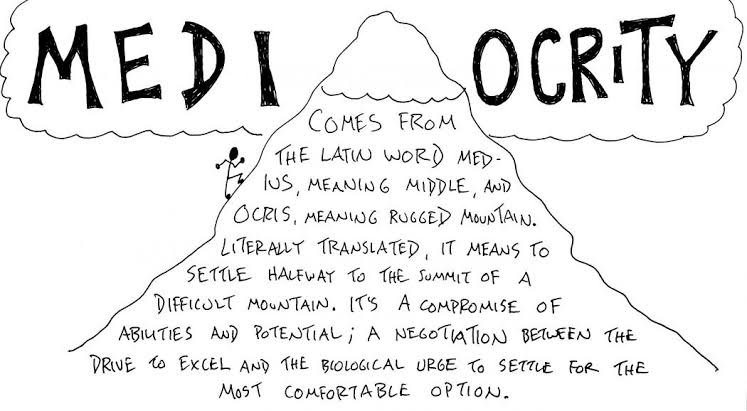
Mediocrity We always get lazy and we resort to just okay. That is the sad truth about our lives. The opportunities around us are being taken for granted by us ourselves. And we neglect the chances of growing in our own fields. How about a change? How can we give our best in every chance we have and make this a sustainable source of living? We always say that the answer to living a good life is consistency but how can we when the people around us bring us down when we try to reach the top. This is the reason why we have to prepare for everything even the challenges that would come along the way because if we do not and let these negativities conquer us, we might end up nothing but a regretful being who has missed life opportunities and has fallen to nonsense mediocrity.
 @Jim
@Jim
Hypocrites (The world is in danger- even nature) Do you know someone who advocates on something but is actually a violator of it? The world is in danger. The politician whose in charge of crafting bills for the agricultural sector is the CEO of the biggest construction company which has replaced agricultural lands to subdivisions. The person who protests against the establishment of a coal industry within the community is the son of the executive leader who approved its construction. The legislature who spearheaded the ban of single-use plastics is the same person who hosts gatherings which use disposable food containers for relief. This is the truth about this world. A painful truth that everybody knows but has done nothing about. Because the real truth is many are afraid to speak. Not because they do not have the power, but because they afraid to use it. Part 1. Please comment for additional input. Thank you.
 @Jim
@Jim
La Union Have you been to La Union, Philippines? There are many beautiful places here. In the capital city of San Fernando, you can go to Macho Temple, a temple found on top of the hill which is a picture-perfect place, and you can get a luxurious residence for days in Thunderbird Resorts Poro Point. The next day, you can go surfing and watch the beautiful sunset on the Urbiztondo beach of San Juan. You can try cliff diving in Tangadan falls of San Gabriel and check out the Bahay na Bato and pebble beach in Luna. Aside from places, you can try the Buko Halo Halo, Ginataang Halo Halo or Deep Fried Halo Halo in Halo-Halo de Iloko of San Fernando. You can also experience grape-picking in grape farms of Bauang. La Union is really a beautiful place and there is more to see in it.
 @Jim
@Jim
Can you recommend a good investment? Bitcoin sounds good. In the past few months, I have been looking for a source of income on the internet. I have applied to a number of platforms as an ESL teacher, chat moderator, data encoder, etc. But I never feel that those are for me. Until then, I have found a post about investing to binary trading. I have been reading about it for quite some time now but my understanding seems to be limited and still vague. I was also offered by some people to invest but I am afraid to lose it since the money I have is the only savings I have. As a newbie in this industry, I tried to solicit ideas from others and still continue to . With this opportunity, can you help me find the right investment to earn more in a short period of time? Can you explain to me further how I can earn more from this investment? And can you make me understand how bitcoins work? I would really appreciate if you write your opinion. Thank you :)
 @Jim
@Jim
I need your opinion. To franchise business or not? Just in the last few months, I have been planning to have my own milk tea business in the city. I am really a fan of milk tea drinks that is why I have decided to have my own maybe by this year. I have searched on how I can get one and I am now stuck in to options of having a franchise or to come up with my own business concept. Actually, I am not a graduate of any business related course that is why I am having a hard time deciding. I really need help from others and here I am asking people to give their opinions. So, what do you think should I do? Should I franchise the business or should I just come up with my own milk tea house? I would appreciate if you leave your comments and suggestions. It would surely help me decide.
 @Jim
@Jim
Tips on how to earn money in read.cash (A MUST READ) How to earn money in read.cash? Be a good writer. Always remember that the primary source of income here is writing. If you do not write, then, you gain nothing. Do not just write to earn. Write for a purpose. Motivate yourself and find the purpose why you are writing. Focus on your area of expertise, interests, hobbies, etc. Be a good reader. Reading is the best way to have an idea what to write. By reading others' articles or posts, you gain new information which might inspire you to write more. Comment on others' posts. Do not be selfish. Read and comment also. In this way, you are helping others to earn more and you encourage them to write more. Give time. Have at least an hour or more to open your account and do the aforementioned tips. Of course, if you do not give time, you also lose the chance to earn more. Join communities and post. Be part of the communities in read.cash. Submit your articles appropriate to these communities. Join as many as possible but make sure to not submit non-essential to the topics they only cover. Write an interesting content. At the end of the day, read.cash is not only about posting something. It is an avenue to be creative. This is the reason why writers who get more comments and approval are those who write the timely, catchy, and relevant topics. *You can write your comments and suggestions regarding the content of this article. You may add more for me to learn also from you. In this way, I can write better posts the next time. You can also comment on my writing style. Thank you so much.*
 @Jim
@Jim
The truth about research Research is "to search again'. It means to prove what exists and to review what has been proven. It is to prove again what has been proven. That is why research is a tedious task. In formal schooling, research is the investigation of a certain phenomenon. It is a way to justify and explain why these phenomena occur. It is a scientific process that undergoes series of steps which a researcher follows. Unknowingly, research is a vital part of our lives. It is something we do that we are not aware of. This can be proven with our rationality in which we try to find answers everyday. We use our senses to believe that something exists and we use our reasoning to justify our doings. As human beings, research is empirical. It is a way of life. Without it, we could have not existed in this world for this long and we could have not had these innovations around us. However, amidst the advantages brought to us by our discoveries especially in the field of medicine and modern technologies, there have been negative impacts which would also result to our possible extinction.