ASWANG
Aswang is one of the most famous and feared creatures in Filipino folklore. Here’s a long, detailed story-style explanation about where they came from, what they look like, what powers they have, and the different kinds of Aswang found across the
The Legend of the Aswang
Long ago, before the Spanish came to the islands, the people of the Visayas and Mindanao already whispered about a terrifying creature that lurked in the dark — the Aswang.
No one knew exactly where it came from. Some old folks say the first Aswang was once a human who made a deal with an evil spirit in exchange for power and eternal youth. Others say they were descendants of demons who fell from the sky and took human form to live among mortals.
Appearance and Behavior
By day, an Aswang looks like any ordinary person — quiet, shy, often living alone at the edge of the village. But when night falls, it reveals its true form.
Its eyes turn red, its nails grow long and sharp, and its body becomes thin and shadowy. In some stories, its tongue stretches like a thin thread that can pierce through windows and roofs to suck the blood of sleeping victims.
People say if you look closely into the eyes of someone who might be an Aswang, you’ll see your reflection upside down — a sure sign that something is not human.
What an Aswang Can Do
Aswangs have the power to:
Shape-shift into animals like dogs, cats, pigs, or bats.
Fly silently through the night in search of food.
Separate their bodies (in some types) — usually the upper half that flies off to hunt.
Cast illusions so people won’t recognize them.
Devour flesh or drink blood, especially from the sick or unborn babies.
They are said to fear salt, garlic, holy water, and sunlight, and they cannot cross consecrated ground or churches.
Different Types of Aswang
There isn’t just one kind — there are many types of Aswang across the Philippines, each with unique traits and abilities.
1. Manananggal (Probably the most famous type.)
A beautiful woman by day who turns into a terrifying monster at night. She separates her upper body from her lower half, grows wings, and flies to hunt for pregnant women. She uses her long, hollow tongue to suck out the unborn child’s heart or blood.
To kill her, people sprinkle salt, garlic, or ash on her lower half while she’s away — she cannot reattach and dies when the sun rises.
2. Tik-tik
Named after the sound it makes — “tik-tik” — while flying at night. The sound actually grows fainter the closer it gets, tricking people into thinking it’s far away.
It’s often a companion of the Manananggal or a similar vampire-like Aswang that hunts for human blood.
3. Sigbin
A strange, invisible Aswang that moves backward and has the power to suck blood through its shadow. It’s said to look like a hornless goat or kangaroo, and it smells terrible.
In some areas, rich families are believed to keep Sigbins as pets to gain wealth and power.
4. Wakwak
Another flying Aswang that tears out the hearts of its victims. Its name comes from the “wak-wak” sound of its wings. Some believe it’s a large bird-like creature, while others think it’s another form of the Manananggal.
5. Balbal
A corpse-eating Aswang. It digs up graves and eats the bodies of the dead. It can even replace the corpse with a banana trunk so the family doesn’t notice right away. Its long tongue and sharp claws make it a terrifying scavenger of the night.
6. Kuwak-Kuwak or Ekek
Similar to the Wakwak, this creature has birdlike wings and a long beak. It makes a crying sound like “ek-ek” while searching for food — often human flesh or blood.
7. Abat or Weredog
A version of the Aswang that transforms into a dog or boar. It attacks travelers at night and disappears without leaving a trace.
How People Protect Themselves
Filipinos have long believed in ways to protect themselves and their homes from Aswangs: Hang garlic, salt, or holy rosaries near windows.
Keep buntot pagi (stingray tail whip) as a weapon.
Use holy oil or blessed palm leaves from Palm Sunday.
Place sharp bamboo sticks under the window to keep them away.
Cultural Meaning
The Aswang is more than just a scary tale — it reflects Filipino fears, beliefs, and values.
It warns people to protect their families, respect the dead, and be careful whom they trust.
In many ways, it also symbolizes the unknown — the dangers that hide in the dark, both in the forest and in people’s hearts.
Hi ?
Life is not about having everything perfect — it’s about finding peace in the middle of chaos, strength in every struggle, and gratitude in every small blessing.
Keep believing that every setback is just a setup for something better. 🌈✨
#Motivation #LifeLessons #KeepGoing
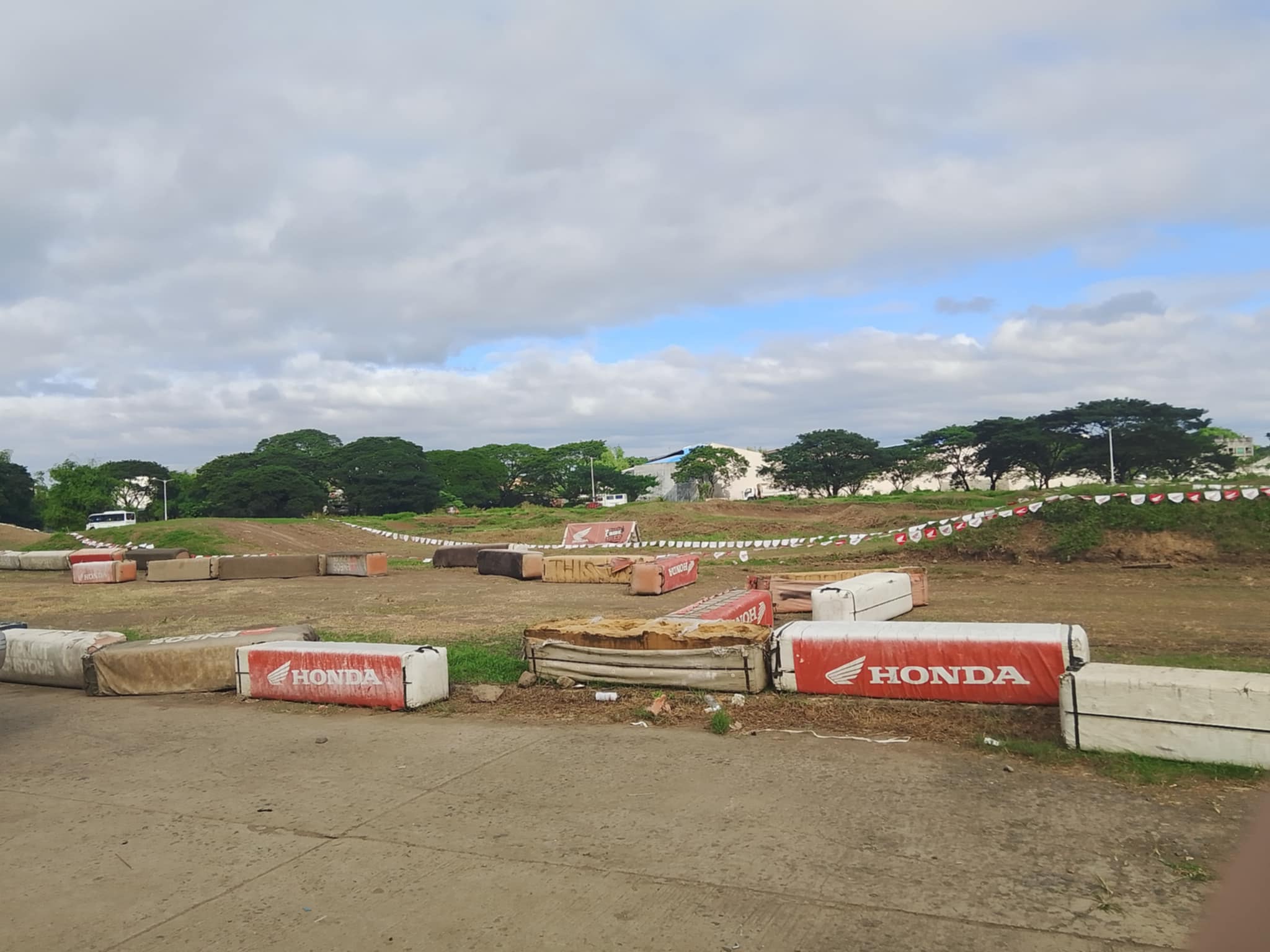
What happened here??
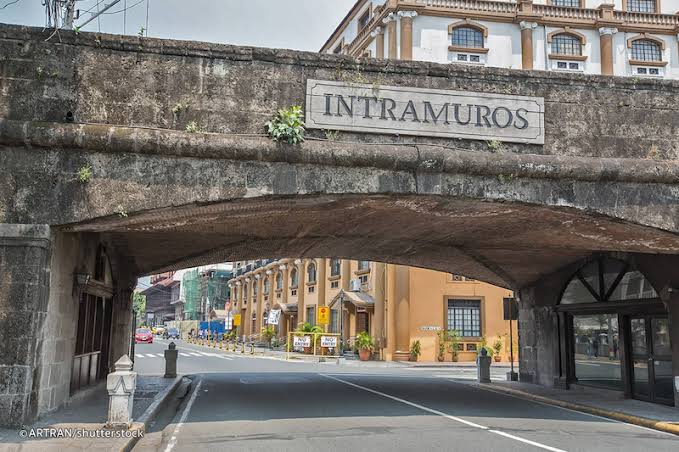
Beautiful Places in the Philippines: The Intramuros
Intramuros is the historic walled area within the city of Manila, Philippines. The name "Intramuros" comes from the Latin word "intra," meaning "within," and "murus," meaning "wall." It was established by the Spanish in the late 1500s as the center of Spanish colonial rule in the Philippines. Intramuros was the seat of government and the main hub for the military, religion, and commerce during the Spanish era.
Here's what you can see in Intramuros
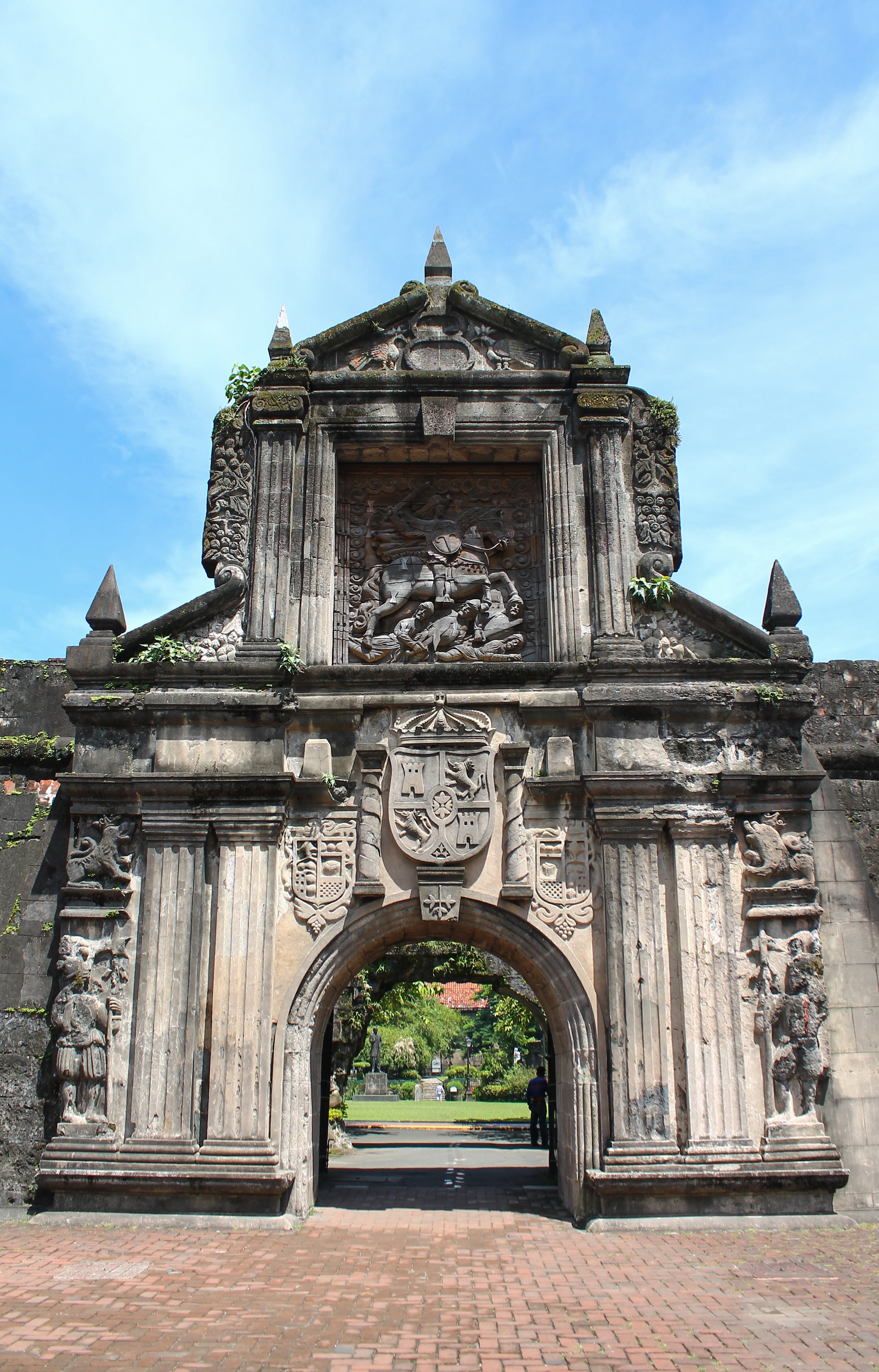
1. ***Fort Santiago***: **Fort Santiago** is one of the most significant historical landmarks located within **Intramuros**, Manila. Built in 1593 by the Spanish, it was originally a military defense fortress designed to protect the city from external threats, particularly from pirates and invaders. It has since become a symbol of the Philippines' colonial history, revolution, and its fight for independence.
**Historical Significance**:
The fort is most famous for its role during the **Philippine Revolution** and World War II. It was a key location during the Spanish colonization and was later used by the Japanese military during World War II.
It was the site of the imprisonment of **José Rizal**, the national hero of the Philippines, before his execution on December 30, 1896. His cell can still be visited today, and a monument commemorates his time there.
**Architecture**:
Fort Santiago's architecture is a mix of Spanish colonial military design, with thick stone walls and a strategic location by the Pasig River, allowing it to control access to the city.
The fort is surrounded by moats, and it features a series of gates and bunkers designed for defense.
**The Rizal Shrine**:
Within Fort Santiago is the **Rizal Shrine**, a museum dedicated to José Rizal. The museum houses various memorabilia, photographs, and artifacts related to his life and his role in the Philippine Revolution.
The spot where Rizal was imprisoned and the path he walked before his execution is also marked within the fort.
**Visitor Experience**:
Visitors can explore the fort's well-preserved structures, including its dungeons, gates, and walls. The serene surroundings, beautiful gardens, and impressive architecture make it a peaceful place to learn about the country’s history.
There are also interactive exhibits and educational materials about the fort’s historical importance.
**Restoration and Preservation**:
Over the years, Fort Santiago has undergone significant restoration work to preserve its historical integrity. Today, it stands as a tribute to the country's rich cultural heritage and serves as an important historical site.
Fort Santiago remains one of the most visited historical sites in Manila and is a must-visit for those wanting to learn about the country's colonial past and the life of José Rizal.
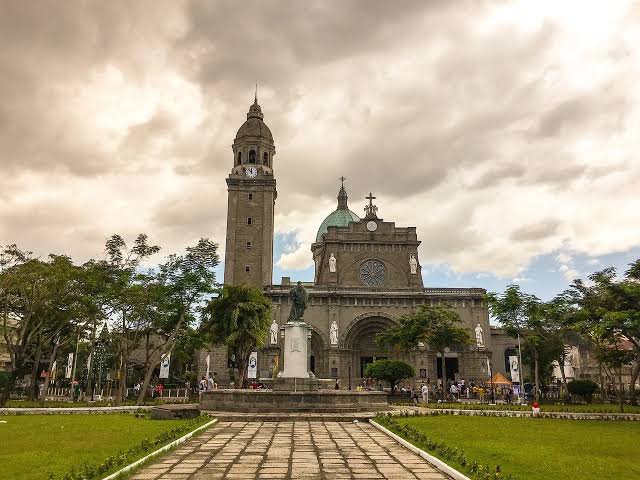
2. ***Manila Cathedral***: The Manila Cathedral, formally known as the Cathedral-Basilica of the Immaculate Conception, is one of the most iconic and significant churches in the Philippines. Located in the heart of Intramuros, Manila, it has played a central role in the religious and cultural history of the country since its establishment.
**1. Historical Background:**
The Manila Cathedral was originally built in 1581 by the Spanish colonizers as the seat of the Archbishop of Manila and the center of Catholicism in the Philippines.
It has undergone several reconstructions due to damage from various natural disasters, such as earthquakes, and during World War II. The current structure is the 8th iteration of the cathedral.
It has witnessed many significant events, such as the consecration of numerous archbishops, the celebration of important religious rites, and the arrival of many prominent figures in Philippine history.
**2. Architecture**:
The Manila Cathedral is renowned for its Romanesque and Byzantine-inspired architecture, featuring a grand façade with intricate carvings, towering columns, and a large rose window.
Its belfry (bell tower) is one of the prominent features, and it also houses a crypt where many significant bishops and archbishops are buried.
The cathedral's interior is equally beautiful, with detailed mosaics, stained-glass windows, and a grand altar, all reflecting the rich religious and cultural history of the Philippines.
**3. Role in the Catholic Church**:
The Manila Cathedral serves as the mother church of the Roman Catholic Church in the Philippines. It is the seat of the Archdiocese of Manila and a place for major religious ceremonies, including papal visits and important liturgical celebrations.
It has hosted significant events, such as the beatification of several Filipino martyrs and the papal visit of Pope John Paul II in 1995.
**4. Recent Renovations**:
The cathedral has been meticulously restored and renovated to preserve its historical and architectural significance. The most recent major renovation took place in the early 21st century, ensuring that the structure remains safe and accessible for future generations.
The 2014 restoration included the re-opening of its crypt and the addition of a museum to further highlight its rich history and artifacts.
**5. Visitor Experience:**
Visitors to the Manila Cathedral can experience its breathtaking architecture and peaceful atmosphere. It’s not only a religious site but also an important cultural heritage site.
The cathedral is an active place of worship, so visitors can attend Mass and experience the local Catholic traditions and rituals.
**6. Cultural and Religious Symbol**:
The Manila Cathedral is a symbol of the enduring role of Catholicism in the Philippines, a country where over 80% of the population identifies as Catholic. It stands as a representation of the country's deep religious roots and its historical connection to Spanish colonization.
The Manila Cathedral is a majestic and historically rich landmark in Intramuros, offering visitors a chance to experience both the beauty of its architecture and its profound religious and cultural significance. It continues to serve as a vibrant place of worship while also acting as a key monument in the Philippines’ heritage.
3. ***San Agustin Church***: San Agustin Church is one of the most iconic and historically significant churches in the Philippines, located within the historic district of Intramuros, Manila. It is the oldest stone church in the country and a UNESCO World Heritage site, recognized as part of the Baroque Churches of the Philippines.
**1. Historical Significance:**
San Agustin Church was originally built in 1586 by Spanish missionaries and completed in 1607. It was designed to withstand the frequent earthquakes that plagued the region, which led to the use of coral stones and other durable materials.
It has survived numerous natural disasters, including earthquakes and World War II, making it one of the most enduring and historically valuable structures in the country.
The church was originally part of the Augustinian friars' convent and served as the center for Catholic evangelization in the Philippines.
**2. Architecture**:
The church is a stunning example of Baroque architecture, with elaborate detailing on the façade, interior, and altar. Its stone façade is intricately carved and reflects the grandeur of Spanish colonial religious design.
The interior is equally remarkable, with beautiful ceiling murals, wooden altars, and gold accents. The wooden ceiling is painted with intricate designs, depicting religious scenes and symbolism.
The church also features several chapels on its sides, which are dedicated to different saints.
**3. UNESCO World Heritage Site:**
In 1993, San Agustin Church was designated as a UNESCO World Heritage Site as part of the Baroque Churches of the Philippines, a collection of four churches (the others are in Paoay, Santa Maria, and Miag-ao) that are considered to be prime examples of the Baroque style in the country.
**4. The Convent and Museum**:
Adjacent to the church is the San Agustin Museum, housed in the former convent. The museum showcases a rich collection of religious artifacts, historical items, and art pieces related to the church and the history of Catholicism in the Philippines.
Some of the items include antique vestments, religious statues, and paintings, as well as old Filipino manuscripts.
**5. Role in Philippine History:**
The church has been the site of many important historical events, including several significant weddings, funerals, and papal visits. It is also where many prominent figures in Philippine history have worshiped.
San Agustin Church served as a place of refuge during times of conflict, particularly during the Philippine Revolution and World War II.
**6. Cultural and Religious Importance**:
San Agustin Church is not only a place of worship but also a cultural treasure, preserving centuries of religious and colonial history. It remains an active parish church, hosting regular Masses and religious ceremonies.
It continues to be an important site for both the local community and visitors, playing a central role in Manila's spiritual and cultural landscape.
**Visitor Experience:**
Visitors to San Agustin Church can admire its stunning architecture, learn about its historical significance, and explore its museum. It’s a serene and sacred space that offers insight into the early colonial period of the Philippines.
The church's location in Intramuros makes it a prime destination for tourists who wish to experience the historical heart of Manila.
San Agustin Church in Intramuros is a stunning example of the country’s religious and architectural heritage. With its Baroque architecture, historical significance, and role in the country’s Catholic tradition, it remains a testament to the Philippines' rich cultural and colonial past.
4. ***Baluarte de San Diego***: Baluarte de San Diego is one of the most historic and well-preserved fortifications within Intramuros, Manila. It is one of the oldest structures in the area, originally built during the Spanish colonial period and playing a crucial role in the defense system of Manila.
**1. Historical Background:**
Construction of Baluarte de San Diego began in 1586, making it one of the oldest fortifications in the Philippines. It was built by the Spanish as part of their effort to defend the walled city of Intramuros from external threats, particularly from pirates and other invaders.
The fort was designed by Spanish military engineers and was one of the key parts of the defensive wall that surrounded Manila. Its strategic location near the Pasig River allowed it to control access to the city by water.
Baluarte de San Diego was continuously improved and expanded over the centuries. It was initially made from earthworks but later reinforced with stone after the threat of external attacks increased.
**2. Architectural Features**:
The fort is notable for its bastion design, which is a type of defensive structure designed to provide fire from multiple angles. It has a circular layout with walls that are sloped to maximize its defensive capabilities.
The fort also has a distinctive moat and several underground passages that were used for storage and as a means of escape.
The walls of the fort are made from coral stone, and some parts have been preserved to highlight the original construction methods.
**3. Renovations and Restoration**:
Over the centuries, Baluarte de San Diego suffered from natural disasters, including earthquakes, and had fallen into disrepair. However, restoration efforts in the 1970s and 1980s have helped bring the structure back to life.
Today, Baluarte de San Diego is part of a larger park and is open to the public, allowing visitors to experience its historic significance.
**4. The Gardens:**
One of the unique features of Baluarte de San Diego today is its beautiful gardens. The fort has been transformed into a peaceful park area, with lush greenery, ornamental plants, and flowers. The combination of historical architecture and serene landscaping makes it a popular spot for both history buffs and those seeking a quiet retreat in the heart of Manila.
**5. Visitor Experience:**
Baluarte de San Diego is a great place for visitors to explore the remnants of Manila’s colonial past. The structure is surrounded by well-maintained gardens, providing a scenic spot for walking or relaxing.
Visitors can explore the fort’s bastions, its underground chambers, and the view over Intramuros. It is also a great spot for photos, with views of the walled city and nearby landmarks.
The fort’s historical markers and small museum offer educational insights into the Spanish colonial era and the fort's role in the defense of Manila.
**6. Cultural Importance**:
Baluarte de San Diego is not only a historical site but also an important cultural landmark in Intramuros. It offers visitors a glimpse into the past, showcasing the defensive strategies employed by the Spanish colonists in their attempts to protect the city from various external threats.
The site is often used for local cultural events, including concerts and outdoor performances, helping to connect the city’s colonial history with contemporary Filipino culture.
Baluarte de San Diego is a significant historical site in Intramuros and one of the oldest fortifications in the Philippines. Its combination of military history, colonial architecture, and beautiful gardens makes it a must-visit for anyone interested in learning about Manila's past while enjoying a peaceful and picturesque environment.
5. ***Plaza Roma***: Plaza Roma is a historic public square located within Intramuros, Manila, and holds great cultural and historical significance as the former center of political and social life during the Spanish colonial period.
**1. Historical Significance:**
Plaza Roma was originally established in 1571, the same year Manila was founded as the capital of the Philippines by Spanish conquistadors. It was named after Pope Clement VIII, whose papal name was "Romanus" (Roma).
During the Spanish colonial era, Plaza Roma was the political and social center of Manila. It was located near the Manila Cathedral and other key Spanish colonial buildings, making it a hub of activity for both the Spanish authorities and the local elite.
The plaza was the site for important events such as official ceremonies, military parades, and public gatherings. It was also where the Spanish government conducted official business, as it was in close proximity to key institutions.
**2. Location and Layout**:
Plaza Roma is located near the Manila Cathedral and Intramuros’ southern entrance, making it central to the overall design of the walled city.
The square is surrounded by historical buildings, including the Palacio del Gobernador (Governor's Palace) and San Agustin Church.
Over the centuries, the square has undergone several transformations. During the American occupation, the plaza was redesigned and paved, and it became less of a public gathering place, but its historical roots remain evident.
**3. Modern Day Plaza Roma**:
Today, Plaza Roma is a peaceful public space that serves as a cultural landmark in Intramuros. It is home to several statues, including a monument of King Charles IV of Spain, which commemorates the Spanish king's reign and his influence on Manila's development.
The plaza is often used for small public events, festivals, and historical tours. It also remains a popular spot for visitors who want to learn about Manila’s rich colonial history and enjoy its scenic surroundings.
**4. Connection to Other Landmarks**:
Plaza Roma is closely linked to several other important historical sites in Intramuros, including San Agustin Church, Fort Santiago, and Manila Cathedral. Visitors can easily access these landmarks from the plaza, making it a natural stop for anyone exploring the history of Manila.
**5. Cultural Importance**:
The plaza is a symbol of Manila's colonial past and serves as a reminder of the Spanish legacy in the Philippines. It reflects the city’s evolution from a Spanish colonial outpost to a modern metropolis.
Plaza Roma is also associated with Filipino identity and nationalism, as it witnessed several key moments in the country’s fight for independence.
Plaza Roma is a historic square in the heart of Intramuros that reflects the political and social importance of the Spanish colonial era. Today, it remains a significant cultural landmark, offering visitors a chance to experience Manila's rich history while being surrounded by some of the city’s most important historical structures.
Intramuros was heavily damaged during World War II but has since been restored and is a popular tourist destination, offering visitors a glimpse into the country's colonial history.
Beautiful Places in Philippines: The Banaue Rice Terraces
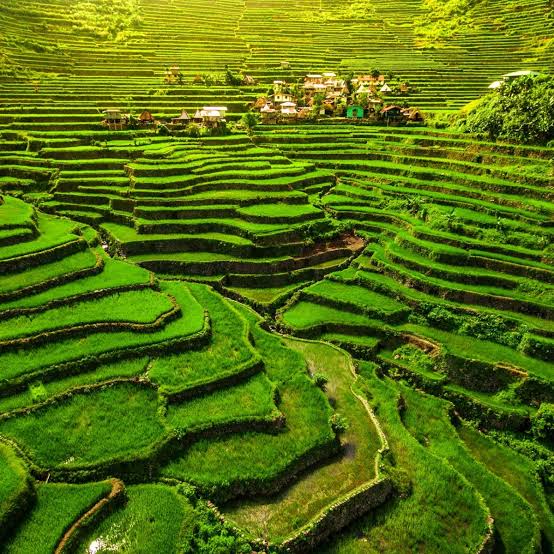
The Banaue Rice Terraces are an incredible feat of engineering and a testament to the ingenuity of the Ifugao people. Located in the mountains of Ifugao, Philippines, these ancient terraces were carved into the mountainsides over 2,000 years ago, with some estimates suggesting they may be as old as 6,000 years.
The terraces are a remarkable example of sustainable agriculture, with a sophisticated irrigation system that distributes water from mountain springs and streams to each terrace level. This system allows the Ifugao people to grow rice and other crops on the steep mountain slopes, while also preventing soil erosion and conserving water.
The Banaue Rice Terraces are not only an important cultural and historical site but also a popular tourist destination. Visitors can hike through the terraces, explore the surrounding villages, and experience the traditional Ifugao way of life.
**Location**
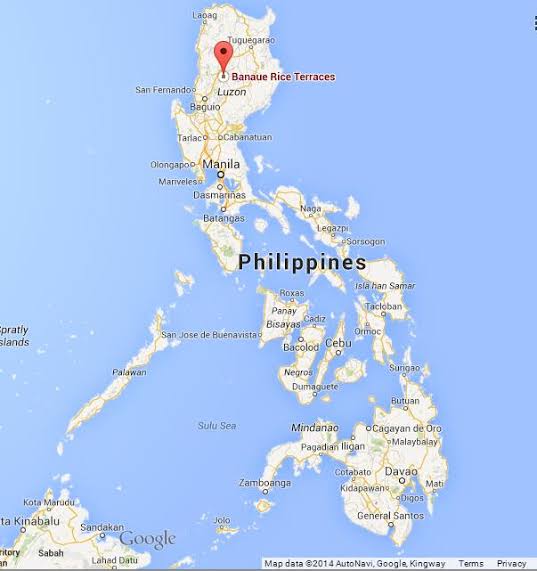
The Banaue Rice Terraces are located in the Philippines, specifically in the province of Ifugao, on the island of Luzon.
Province: Ifugao
Municipality: Banaue
Island: Luzon
Region: Cordillera Administrative Region (CAR)
Country: Philippines
The Banaue Rice Terraces are situated in the Cordillera Mountains, approximately 200 miles (320 kilometers) north of Manila, the capital city of the Philippines.
Getting to Banaue Rice Terraces:
By air: The nearest airport is in Baguio City, which is about a 4-hour drive to Banaue.
By land: Banaue is accessible by bus or private vehicle from Manila, with a travel time of around 8-10 hours.
Once you arrive in Banaue, there are various tour operators and guides that can assist you in exploring the rice terraces and surrounding areas.
**Age**
The age of the Banaue Rice Terraces is a topic of interest and debate among historians and archaeologists.
The Banaue Rice Terraces are estimated to be over 2,000 years old. However, some estimates suggest that they may be as old as; 6,000 years old (according to the Philippine Department of Tourism) or 3,000 to 4,000 years old (according to some archaeologists and historians)
**History**
The Ifugao people, who built the terraces, have a rich cultural heritage that dates back to the pre-colonial period. The terraces were carved out of the mountainsides using simple tools made of wood and stone.
**Preservation**
The Banaue Rice Terraces were declared a UNESCO World Heritage Site in 1995, recognizing their cultural and historical significance. Efforts are being made to preserve the terraces and the traditional way of life of the Ifugao people.
**Size and Scope**
The Banaue Rice Terraces are a vast and impressive network of terraces carved into the mountainsides. Here are some facts about the size of the Banaue Rice Terraces:
1. Total Area: The Banaue Rice Terraces cover an estimated 10,360 square kilometers (4,000 square miles).
2. Length: The terraces stretch for approximately 20 kilometers (12 miles) across the mountainsides.
3. Width: The width of the terraces varies, but some areas are as wide as 1 kilometer (0.6 miles).
4. Number of Terraces: There are over 2,000 tiers of terraces, with some areas having as many as 5 tiers.
5. Height: The terraces rise to a height of approximately 1,500 meters (4,921 feet) above sea level.
**Layout and Structure**
1. Irrigation System: The terraces are supported by a complex irrigation system that distributes water from mountain springs and streams to each tier.
2. Stone Walls: The terraces are reinforced with stone walls, some of which are as high as 3 meters (10 feet).
3. Rice Paddies: Each tier of the terraces contains a rice paddy, which is flooded with water during the growing season.
The Banaue Rice Terraces are an engineering marvel and a testament to the ingenuity and skill of the Ifugao people who built them.
The irrigation system of the Banaue Rice Terraces is an impressive and complex network that has been in use for centuries. Here are some key facts about the irrigation system:
**Main Sources of Water**
1. Mountain springs: Water from natural springs in the mountains is channeled into the irrigation system.
2. Rivers and streams: Water from nearby rivers and streams is also diverted into the system.
**Components of the Irrigation System**
1. Canals: Water is channeled through a network of canals, some of which are lined with stone or concrete.
2. Aqueducts: Water is carried across valleys and gorges using aqueducts, some of which are made of stone or wood.
3. Tunnels: Water is channeled through tunnels, some of which are hand-dug, to reach the upper tiers of the terraces.
4. Bamboo pipes: Bamboo pipes are used to distribute water to the individual rice paddies.
**How the System Works**
1. Water distribution: Water is distributed to the different tiers of the terraces through a system of canals, aqueducts, and tunnels.
2. Gravity-fed: The system is gravity-fed, with water flowing from the upper tiers to the lower tiers.
3. Control gates: Control gates are used to regulate the flow of water to each tier, ensuring that each rice paddy receives the right amount of water.
**Importance of the Irrigation System**
1. Supports agriculture: The irrigation system supports the agriculture of the Ifugao people, allowing them to grow rice and other crops on the steep mountain slopes.
2. Preserves soil: The system helps to preserve the soil by preventing erosion and landslides.
3. Cultural significance: The irrigation system is an important part of Ifugao culture and tradition, and is considered a national treasure in the Philippines Irrigation System
**Crops**
The Banaue Rice Terraces are primarily used for growing various crops, with rice being the main crop. Here are some of the main crops grown in the Banaue Rice Terraces:
**Main Crops**
1. Rice: The primary crop grown in the Banaue Rice Terraces, with several varieties cultivated, including traditional Ifugao rice varieties.
2. Taro: A staple crop in Ifugao culture, taro is grown in the terraces and used in various dishes.
3. Sweet Potatoes: Sweet potatoes are another important crop grown in the terraces, providing a reliable source of food.
4. Legumes: Legumes, such as beans and lentils, are grown in the terraces, providing a source of protein.
5. Vegetables: Various vegetables, such as cabbage, carrots, and tomatoes, are grown in the terraces.
**Other Crops**
1. Corn: Corn is also grown in the terraces, often in rotation with rice.
2. Sugarcane: Sugarcane is grown in some areas of the terraces.
3. Fruit Trees: Fruit trees, such as citrus and mango, are grown in some areas of the terraces.
**Traditional Farming Practices**
1. Crop Rotation: Farmers practice crop rotation to maintain soil fertility.
2. Organic Farming: Traditional farming practices in the Banaue Rice Terraces are largely organic, with minimal use of synthetic fertilizers and pesticides.
3. Irrigation Management: Farmers manage the irrigation system to ensure efficient water use.
The Banaue Rice Terraces are a truly remarkable site, and their importance extends beyond their cultural and historical significance to their role as a model of sustainable agriculture and environmental stewardship.
Hello?
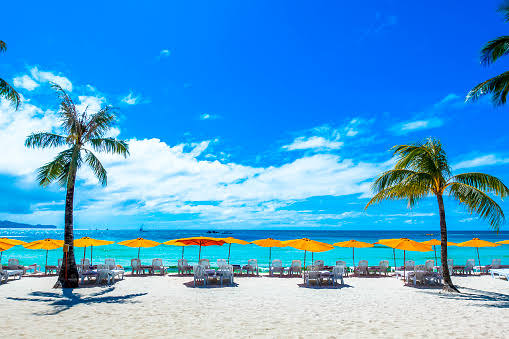
Beautiful Places in Philippines: Boracay
Are you looking for some places that can make you feel at ease and comfortable? Let me introduce to you one of the most beautiful places here in Philippines.
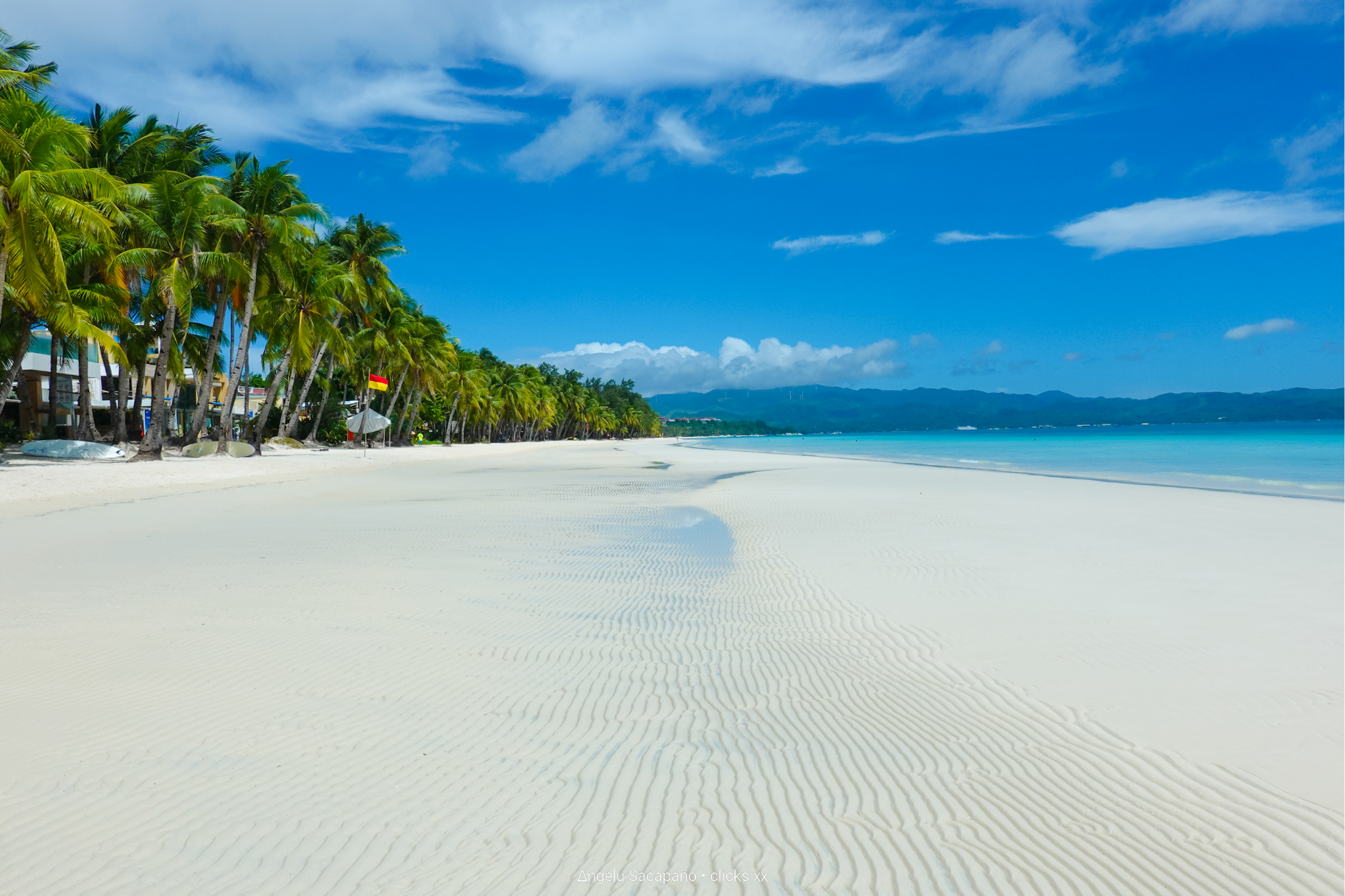
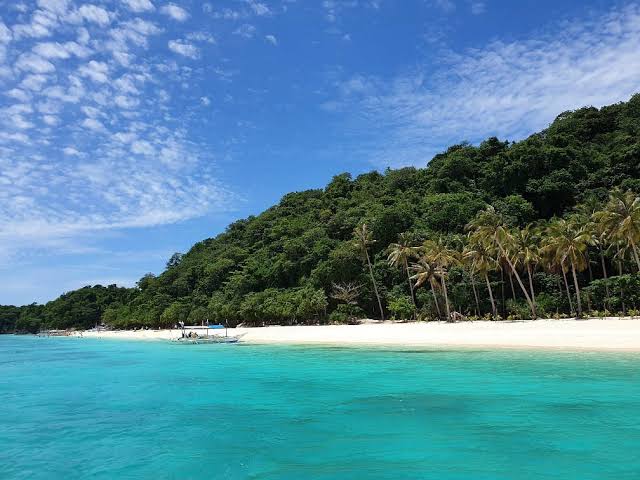
This is Boracay in Panay, Aklan a small island in Central Philippines it is known for its beautiful white sands beach it also has a beautiful resort and bars. In 2012 Time and Leisure rank Boracay as the best island. Boracay is one of the best island here in the Philippines that many people wants to visit, not just Filipinos but also people form other countries. Many foreigner go back here in the Philippines just to visit Boracay again. They said that they feel so relax when they are in Boracay for their vacation and they feel in love in Boracay beach.
Boracay also know as 'Beach of Paradise' and the 'Island that never sleep'
Boracay! That's a wonderful destination in the Philippines known for its stunning beaches, vibrant nightlife, and relaxing atmosphere.
Here are some interesting facts and tips about Boracay:
**Best Beaches**
1. *****White Beach***** : The most popular beach in Boracay, known for its powdery white sand and crystal-clear waters. White Beach in Boracay! That's one of the most iconic and stunning beaches in the world. Here are some interesting facts and tips about White Beach:
**Best Features**
Powdery White Sand: The beach is famous for its incredibly fine and white sand, which is made from crushed coral and shells.
Crystal-Clear Waters: The waters off White Beach are crystal-clear and turquoise, making it perfect for swimming, snorkeling, and other water activities.
Picture-Perfect Sunsets: White Beach offers breathtaking sunset views, with the sky turning pink, orange, and purple.
White Beach is divided into three stations:
Station 1: The northernmost part of the beach, known for its upscale resorts and hotels.
Station 2: The central and most vibrant part of the beach, featuring a wide range of restaurants, bars, and shops.
Station 3: The southernmost part of the beach, which is generally quieter and more laid-back.
**Activities**
Swimming and Snorkeling: Enjoy the crystal-clear waters and explore the marine life.
Para sailing and Kites surfing: Experience the thrill of flying above the ocean.
Beach Volleyball and Other Games: Engage in fun beach activities with friends and family.
Island Hopping: Take a boat tour to explore nearby islands and beaches.
**Facts**
White Beach's Length: The beach stretches for approximately 4 kilometers.
Boracay's Famous Attraction: White Beach is the most popular attraction in Boracay, attracting millions of visitors each year.
Awards and Recognition: White Beach has been consistently ranked as one of the top beaches in the world by various travel publications and organizations.
Best Time to Visit: December to May for optimal weather conditions.
White Beach in Boracay is a tropical paradise that offers an unforgettable experience. With its stunning natural beauty, vibrant atmosphere, and wide range of activities, it's no wonder why it's one of the most popular beach destinations in the world.
2.*****Puka Beach*****: A quieter beach on the northern part of the island, famous for its shell-filled shores. Puka Beach in Boracay! That's a stunning and secluded beach on the northern part of the island. Here are some interesting facts and tips about Puka Beach:
**Features**
Puka Shells: The beach is named after the abundance of puka shells, which are used to make jewelry and other souvenirs.
Rugged Coastline: Puka Beach has a more rugged coastline compared to White Beach, with larger waves and stronger currents.
Secluded and Peaceful: The beach is generally less crowded than White Beach, making it a perfect spot for those seeking relaxation and tranquility.
**Activities**
Swimming and Snorkeling: Enjoy the crystal-clear waters and explore the marine life.
Beachcombing: Search for puka shells, sea glass, and other unique beach treasures.
Sunbathing and Relaxation: Unwind and soak up the sun on the beach.
Picnicking: Bring a picnic lunch and enjoy eating on the beach.
**Tips**
Getting There: Puka Beach is accessible by tricycle or van from White Beach.
Best Time to Visit: December to May for optimal weather conditions.
Food and Drinks: Bring your own food and drinks, as there are limited options available near the beach.
Responsible Tourism: Help preserve the beach by reducing plastic use, respecting local regulations, and supporting eco-friendly initiatives.
**Fun Facts**
Puka Beach's Length: The beach stretches for approximately 1 kilometer.
Boracay's Hidden Gem: Puka Beach is often referred to as Boracay's hidden gem, due to its secluded location and natural beauty.
Popular Spot for Photographers: Puka Beach is a favorite spot for photographers, due to its unique landscape and stunning sunsets.
Puka Beach in Boracay is a must-visit destination for those seeking a more secluded and peaceful beach experience. With its stunning natural beauty, rugged coastline, and unique features, it's a perfect spot to relax, unwind, and enjoy the beauty of nature.
3. *****Diniwid Beach*****: Diniwid Beach in Boracay! That's a tranquil and picturesque beach on the western side of the island. Here are some interesting facts and tips about Diniwid Beach:
**Unique Features**
Secluded and Peaceful: Diniwid Beach is a quieter alternative to White Beach, offering a more relaxed atmosphere.
Rocky Coastline: The beach has a unique rocky coastline, with large boulders and coral formations.
Crystal-Clear Waters: The waters off Diniwid Beach are crystal-clear and perfect for swimming, snorkeling, and kayaking.
**Activities**
Swimming and Snorkeling: Explore the underwater world and spot tropical fish and coral.
Kayaking and Paddleboarding: Rent kayaks or paddleboards and explore the nearby coves and inlets.
Beachcombing and Shell-Hunting: Search for unique shells, sea glass, and other beach treasures.
Sunset Watching: Diniwid Beach offers stunning sunset views, with the sky turning pink, orange, and purple.
**Tips**
Getting There: Diniwid Beach is accessible by tricycle or van from White Beach.
Best Time to Visit: December to May for optimal weather conditions.
Food and Drinks: There are a few restaurants and bars near the beach, but options are limited.
Responsible Tourism: Help preserve the beach by reducing plastic use, respecting local regulations, and supporting eco-friendly initiatives.
**Fun Facts**
Diniwid Beach's Length: The beach stretches for approximately 500 meters.
Boracay's Hidden Gem: Diniwid Beach is often referred to as Boracay's hidden gem, due to its secluded location and natural beauty.
Popular Spot for Weddings: Diniwid Beach is a popular spot for weddings and romantic getaways, due to its picturesque scenery and tranquil atmosphere.
Diniwid Beach in Boracay is a must-visit destination for those seeking a peaceful and secluded beach experience. With its unique rocky coastline, crystal-clear waters, and stunning sunset views, it's a perfect spot to relax, unwind, and enjoy the beauty of nature.
**Activities in Boracay**
Island Hopping: Explore nearby islands, such as Crystal Cove and Tambisaan Beach.
Snorkeling and Diving: Discover Boracay's vibrant marine life and coral reefs.
Parasailing and Kitesurfing: Experience the thrill of flying above the ocean.
Beach Relaxation: Simply unwind and enjoy the sun, sand, and sea.
**Nightlife**
Station 2: The heart of Boracay's nightlife, featuring bars, clubs, and restaurants.
D'Mall: A popular shopping and dining complex that's open until late.
Beach Parties: Join the island's famous beach parties, which often feature live music and fireworks.
**Tips**
Best Time to Visit: December to May for optimal weather conditions.
Getting There: Fly to Kalibo or Caticlan, then take a ferry or van to Boracay.
Accommodation: Choose from a range of hotels, resorts, and budget-friendly options.
Responsible Tourism: Help preserve Boracay's environment by reducing plastic use and respecting local regulations.
**Fun Facts**
Boracay's Size: The island is approximately 7 kilometers long and 1 kilometer wide.
Language: The local language is Aklanon, but most residents speak English and Filipino.
Currency: The Philippine peso is the local currency, although US dollars are widely accepted.
Boracay is a tropical paradise that offers something for everyone. Whether you're looking for relaxation, adventure, or a vibrant nightlife, Boracay is an unforgettable destination.
February 2023 was my last post here in noise.cash 😂 and I can't say if it's good to be back coz It's so quiet here 😂 It's been an hour since I decided to open my account here but still can't feel the noise at all 🥺 Miss the old one !!
How's everyone here??
Fan's React to BTS Jungkook new single '3D'
Jeon Jungkook is one of the 7 member of Korean Idol band Bangtansonyeondan or worldwide known as BTS. Last June 14, 2023 on their live when BTS announced their break as a group and focusing to their solo projects where each member released their solo albums and singles.
BTS Jungkook is the 2nd to the last member who released it's first solo single 'SEVEN' featuring Latto under Big Hit Label that broke so many records in music industry and gets so many awards that why Army and his solo fans looking forward to his new single '3D' featuring Jack Harlow.
'3D' by BTS Jungkook ft. Jack Harlow under Big Hit Label was released on 29th of September year 2023 1pm (KTS), he announced it first at Global Citizen Festival on September 24, 2023 during his performance. All of his fans go crazy because of the news, they all know that when it's Jungkook it become on top, so they all expecting so high in this song.
And Jungkook didn't disappoint his fans because it's a master piece and a good song. '3D' by BTS Jungkook ft. Jack Harlow is on #1 spot on music trending in Youtube and has 12 million views in just 1 day of released date.
Army love his music very much, but there's some fans who didn't like some verse in this song, some says it is too much to handle especially in Jack Harlow line where he rap the lyrics about women.
I had one girl (One girl), too boring
Two girls (Two girls), that was cool for me
Three girls, damn, dude's horny
Four girls, okay, now you whorin'
That lyrics from explicit version of '3D' and triggered some women who's really sensitive in this kind of issue. They says that it's not appropriate to say this things.
But Jungkook says in his interview in Consquence that he choose this song naturally and this song has a rollercoaster emotion you may feel great, with this song.
He also ask his hyungs (big brother in Korean) Kim Namjoon also known as BTS RM the leader of the group and Min Yoongi also known as BTS Suga who's the first one who listen to his new single '3D', he ask RM and Suga about thier perspective about this song and they say Jungkook is a true pop star.
Despite of having different comments about his new single, Jungkook still dominating the music industry in his own talents and Army was always there to support him and fight for him everyday.


Heyy it's been a long long time since I've posted something here in noise app 😍 Ang I miss this ! How are you all ?? Is there any new updates about this app ? Or still the same like the old one ?
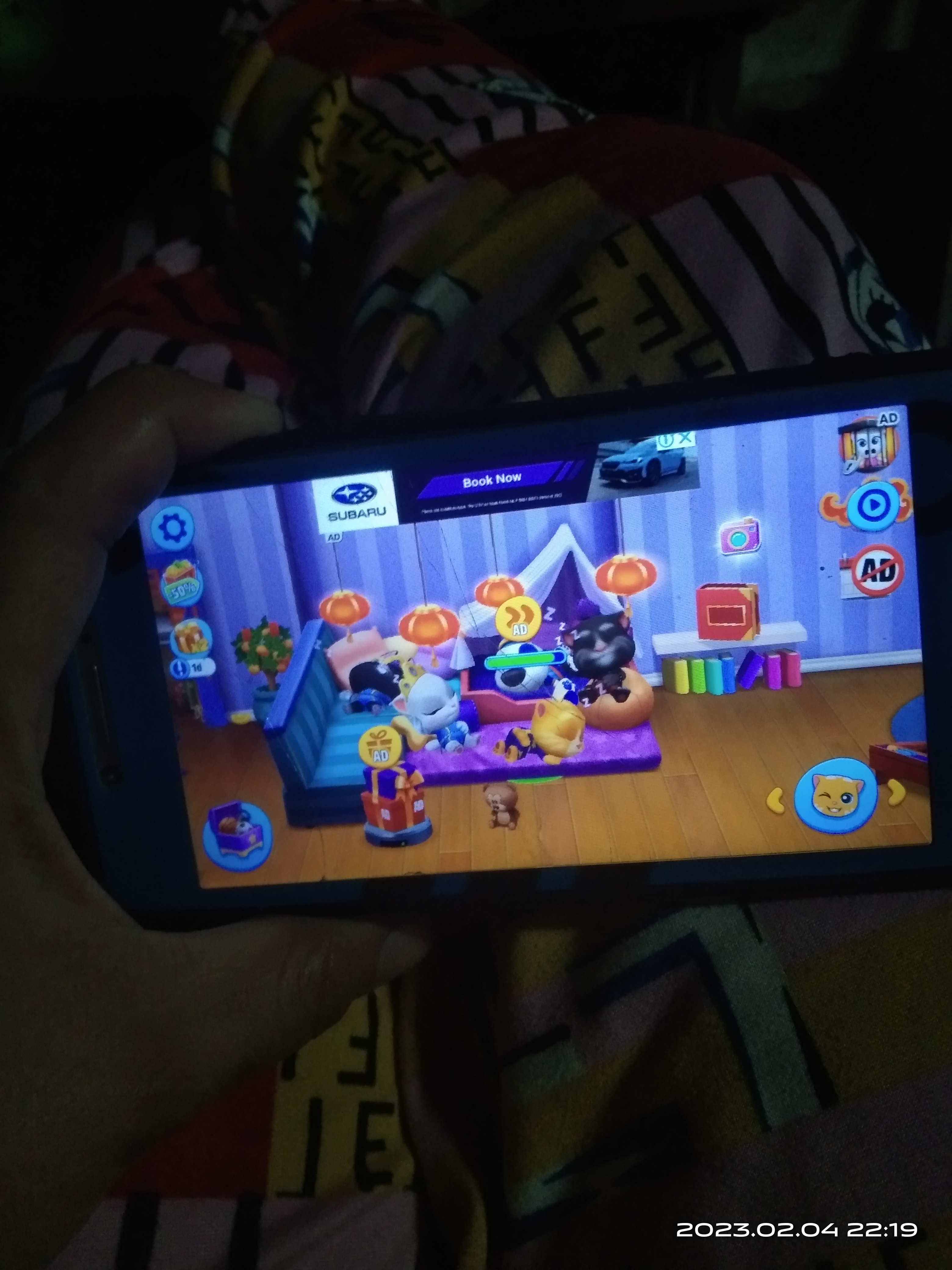
I'm just wasting my time playing my daughter downloaded game Tom and Friends 🥰
Hope you all doing fine 💕
Still can't move on to this Netflix series I'm Wednesday Addams 😘 She's so cool ..
Good Morning everyone 🌞 I wake up too early coz I need to make my partners meals 😍 And preparing our breakfast too, Just a rice with eggs and a coffee for too 😘
I observed that some of our post in noise.cash is already here in noise.app 😁 the merging is real hahaha can't wait for more 😉
(ctto: this photo was not mine)
Wow .. this is what I'm waiting for the merge of noise.cash and the noise.app 😉 it become more exciting. I will see those people who followed and I followed too 😘
See yah guys !
Have a good Evening noisemates 😁
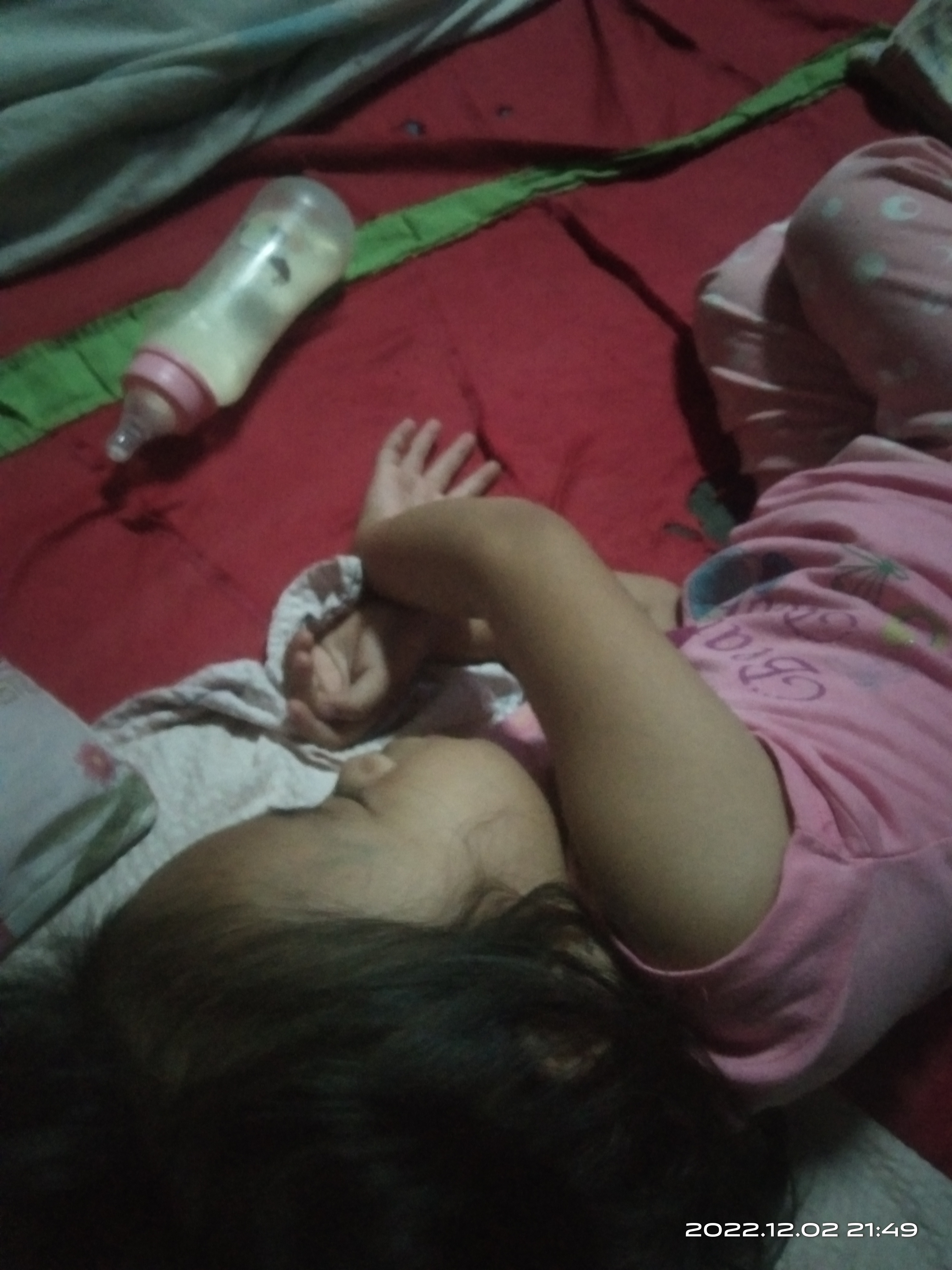
My baby is now a lady 😍 time really flies so fast isn't it? She's a big girl now, she still wants my hug and kisses but I know someday she will grow a fine lady who knows the right and wrong. But for her no matter how old she is, she's still my baby 😍😘 and that will never change.
Good Evening everyone 👋 still can't sleep maybe later 😊 what about you?? What are you doing?
Hello mga Kababayan 😁 Medyo napapadalang Ang pag popost dinadala Kasi Ni Partner ung CP eh Kaya Gabi Lang nakakapag post hehe
Eto pilot pading Pinag aaralan Ang noise.app natin at mukhang malapit nang mag merge with noise.cash coz I've read some articles about it just now. Sana naman bumalik balik na SA Dati para happy happy ulit.
Here's my noise.app link
@Imjhum invites you to join! https://noise.app/invite/xuf7kllu
@Imjhum invites you to join! https://noise.app/invite/xuf7kllu
Hope you can join me there too 😉 and let's get some interaction too 😘
Good Evening Everyone 😊
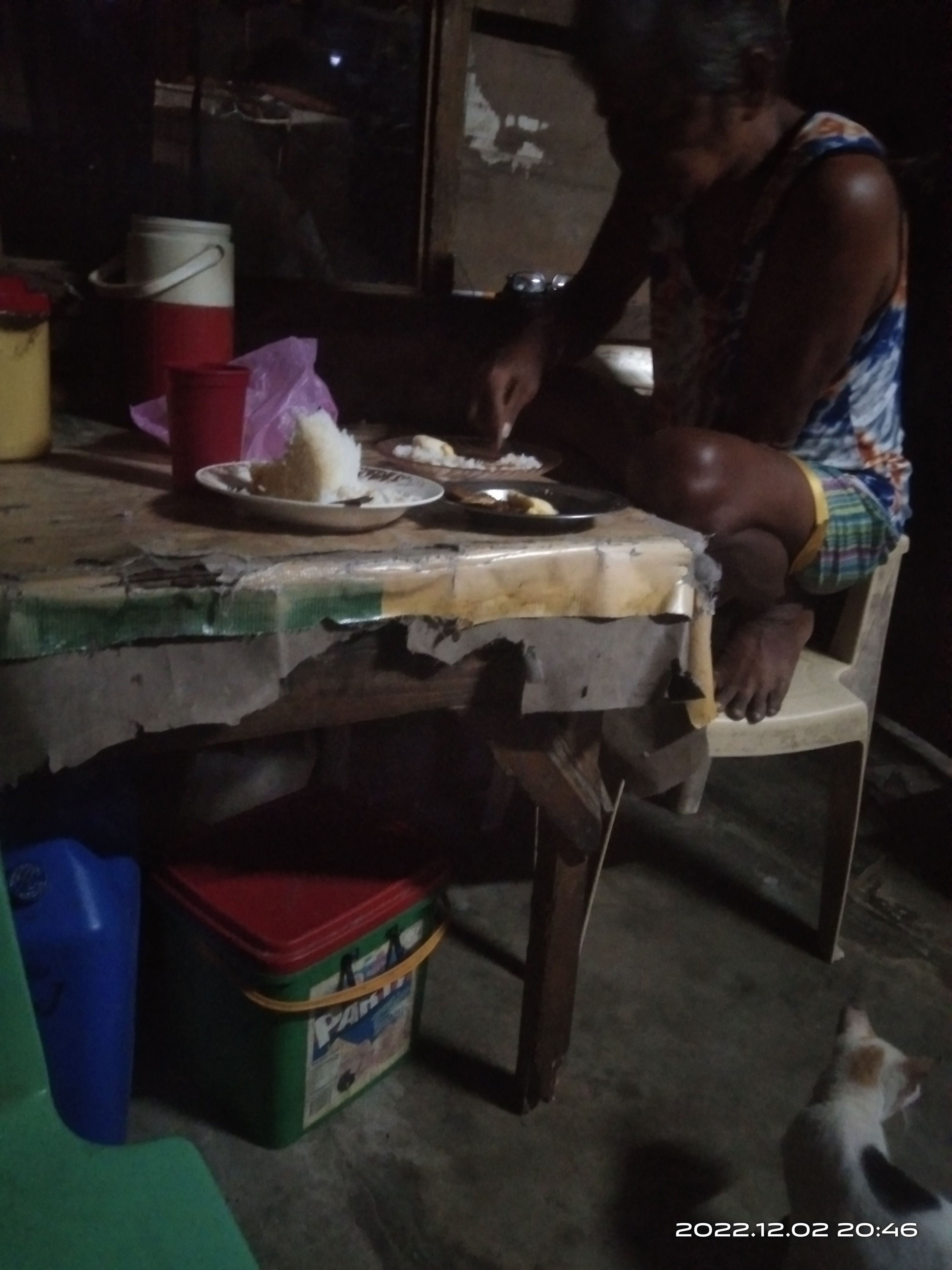
Here's my father eating alone hehe he's waiting for my mother to come home but she seems like having a long talk with her Amigas hahaha 😁
By the way what's for dinner?? We're just having a Pansit Canton 😇 what about you dear ?
It's a good good day everyone 😊
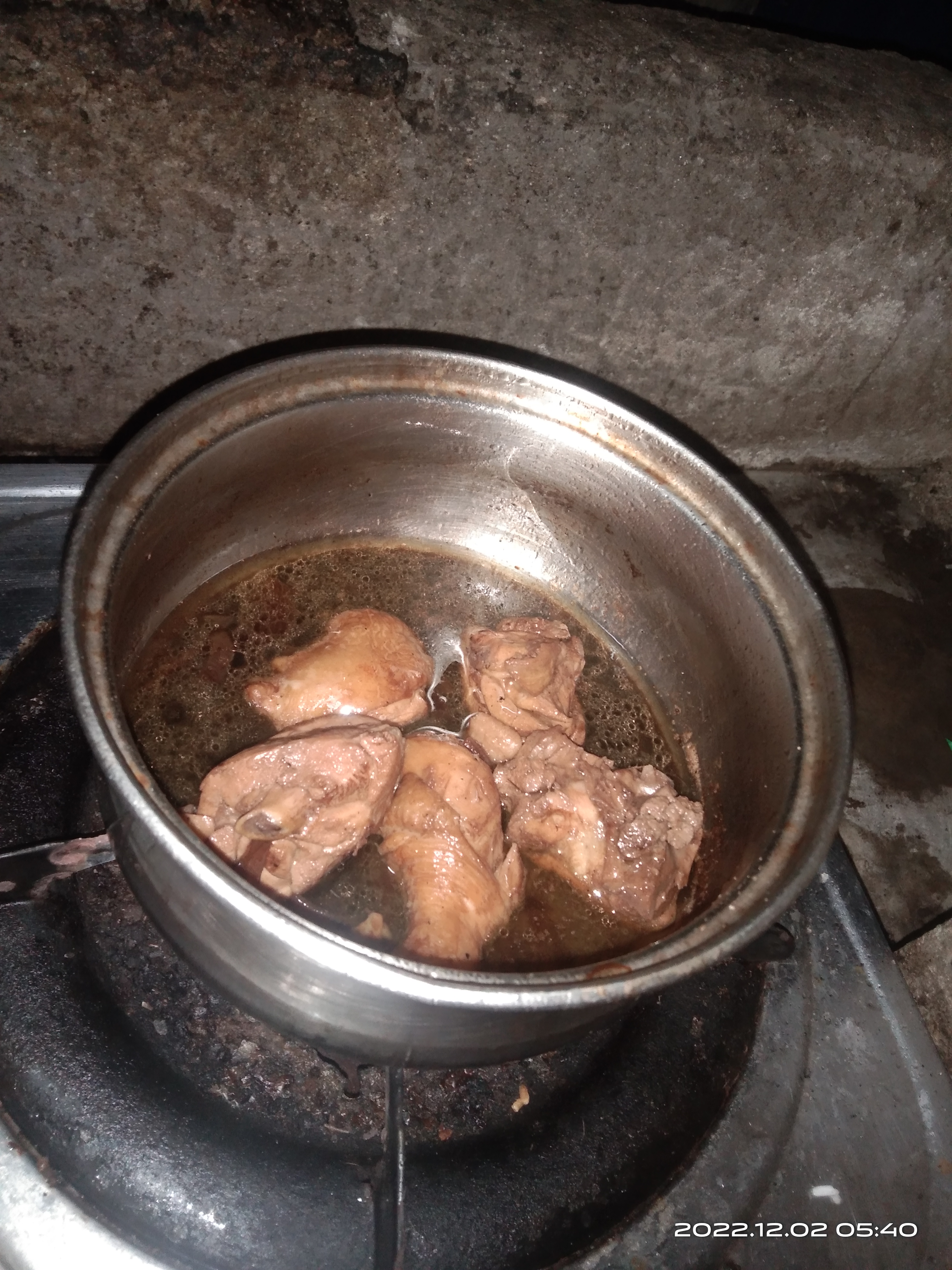
Just done cooking Chicken Adobo for my partner's lunch later and for our breakfast for this morning. I'm not a good cook but I know my partner will appreciate this efforts of mine haha 😉
What about you ?? What's for breakfast?? Have a good and great day everyone
I'm still in learning process here in Noise.App 😂
Good Night everyone it's time to take a rest 😴 my partner is now sleeping he's so tired from work so let him be. tommorow is another day for us.
Have a good and sweet dreams everyone 😘
Still learning from this app 😔 maybe I'm so slow coz I don't understand this untill now it's been 2 days.
Don't know where to start 😂 Don't where I can find the wallet, how to make communication with others coz there's only 2 person I always see in my feed. Haha Hope to learn more. But I'm so glad that there's 18 people who followed me there already.
@Imjhum invites you to join! https://noise.app/invite/75ibmix6
@Imjhum invites you to join! https://noise.app/invite/75ibmix6
I will follow you here too just drop your link in my latest post there 😊 and do the same thing.
Good Evening 😊
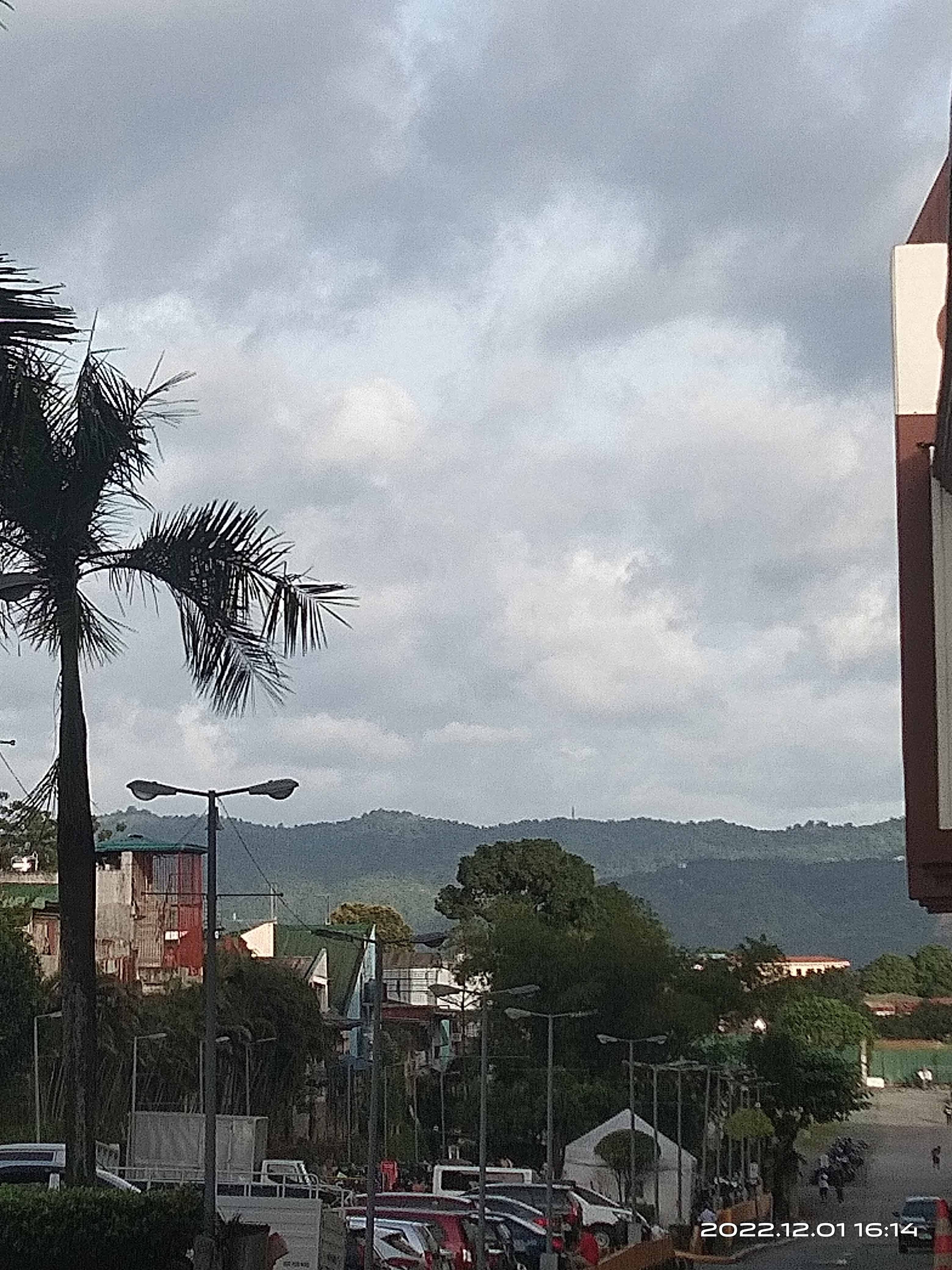
Good Evening everyone 👋 this is shot from my partner 😇
Are you done with your dinner?? It's raining here in our place it's so cold 😇
What about you.? What are you doing ?
Oh my ghad !! Finally I can make a post here myghad ❤️ thank you Lord ! It makes me insane discovering how to use this app and finally I make it 😍
Hello everyone 😊 I hope I will have a lot of friends here too like in the noise.cash ❤️
Honestly?
I don't know what should I do here?? I don't understand how to use this app 😑 myghad! Hope someone will help me with this 🙏
Here my Link
https://noise.app/Imjhum
https://noise.app/Imjhum
https://noise.app/Imjhum
Let's be friends here 😁
Is this the real one??
Now downloading the app of noise.cash because I see that there alot of members here is now using this app .. is this grate that here in website??
Good Evening Everyone 👋
Finally our phone is back 😁 we pay 1300 pesos for this haha coz my partner need this in his job.
What about you?? What are you doing ?
She's busy with her Tatay's phone 📱
Good Morning Everyone 😘 It's bee a long time, I become more busy.
how are you all ?? have good day
Yes Natapis din magLabas ng sinampay 😂 Sana naman wag nang umulan .. hirap mag labas pasok ng sinampay eh !
Good Morning mga kababayan ko 😌 Siyesta tym dahil natapos na sa gawain para sa umaga na ito .. kayo?? anong ginagawa niyo??
Labahan day today hahaha 🤣
magandang umaga pero nakakapagod Nagsi kain na po ba kayo?? kami katatapos lang 😜
kayo ? anong simula ng lunes niyo ?
Your Meal, Your Safety
Introductions:
This articles want you to know more about our own/different beliefs, this is about superstitious beliefs about our safety. If this is against your own beliefs please do respect ours and we also respect yours, you are free to share your own beliefs here.
How many meals do you eat in a day? four? three? some of us are very lucky to have a meal three times a day because there other people who wanted to eat but they can't because they are lack of money to buy their own foods. That's the sad reality now a day.
But did you know that there's also different beliefs before, during and after our meals? we should and should not do before, during and after our meals? here in our country we are very superstitious in different things that we know we should pay more attention. Once I was a kid I always laugh when my grandmother talk about this kind of thing like "seriously" we should/shouldn't do that thing? that's more likely a joke to me once I heard that, don't get me wrong I'm just a kid that time nothing is more important than playing with my friends. So here's some of superstitious beliefs that I know about meals.
Before:
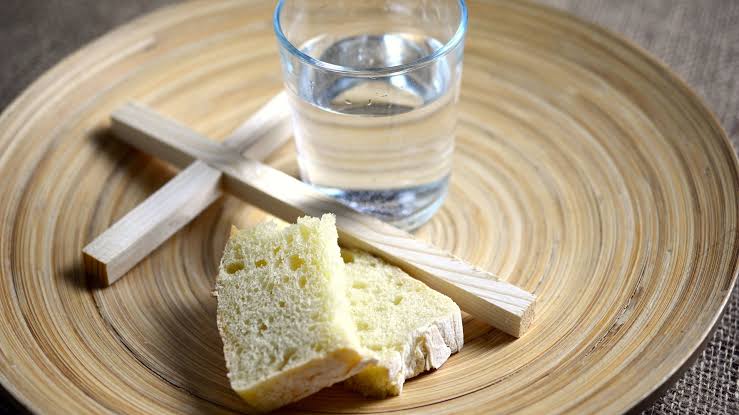
Do not wash plates - this is not a literal meaning of course, this is when someone or your neighbors gives you a food do not wash their plates just let it unclean then give it back to them because it is a blessing and they said that if you wash the plates, you will washed the blessings too. Although it is so rude to do but just say thank you instead.
Drop utensils - it is the most common superstitious beliefs that we always encounter that if you drop the utensils on the floor there's someone who's coming. If you drop the fork it is for 'girl' and the spoon for 'boy' but if you drop the knife it means there is bad thighs might happen to someone you know.
During:
Turn you plate - this is when someone is leaving in the middle of the meals, they said that you need to turn their used plate for them to have a safe trip and there's nothing bad will happen to them.
Leave Unclean - Don't you ever clean the table or the used plates when someone is still eating, just leave it there and let the last person who still eating clean it for themselves because we believe that if you clean the table and there's someone still eating she/he might live alone forever or if she/he is married he/she will have an unhappy marriage life.
Choke - when you are in the middle of a meal and you suddenly choke it means someone is talking about you.
After:
No left overs- Make sure that you leave nothing even the single grain of rice in the table, rice is a blessing if you throw it away it like you throw away the blessings.
There still a lot of superstitious beliefs that you might think is crazy but there is nothing wrong is you will follow those.
If you believe it like me, it is ok. If you do not, it is still ok nothing wrong with that we have a different believe and in the end of the day we still choose what we believing right? and I do respect those beliefs of yours.
We don't need to have an argument to other people just because we want them to understand us or want them to understand what we are trying to say.

Magandang Umaga mga kababayan .. Grabe ang tahimik dito ahh di na ata to noise haha pero ayos lang enjoy lang mga guys .. ung iba siguro nasa app na kaya medyo tahimik na.
picture muna ung partner at baby ko bago pumasok 😍
Nagsi agahan n po b kayo.??
 @Imjhum