 @Imjhum
Beautiful Places in the Philippines: The Intramuros
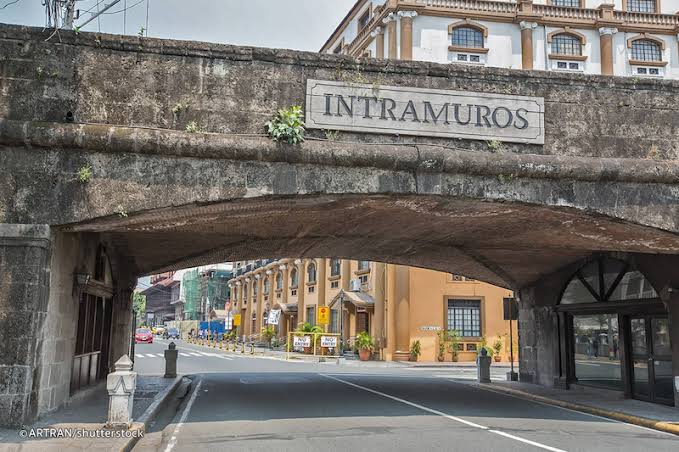
Intramuros is the historic walled area within the city of Manila, Philippines. The name "Intramuros" comes from the Latin word "intra," meaning "within," and "murus," meaning "wall." It was established by the Spanish in the late 1500s as the center of Spanish colonial rule in the Philippines. Intramuros was the seat of government and the main hub for the military, religion, and commerce during the Spanish era. Here's what you can see in Intramuros 1. ***Fort Santiago***: **Fort Santiago** is one of the most significant historical landmarks located within **Intramuros**, Manila. Built in 1593 by the Spanish, it was originally a military defense fortress designed to protect the city from external threats, particularly from pirates and invaders. It has since become a symbol of the Philippines' colonial history, revolution, and its fight for independence.
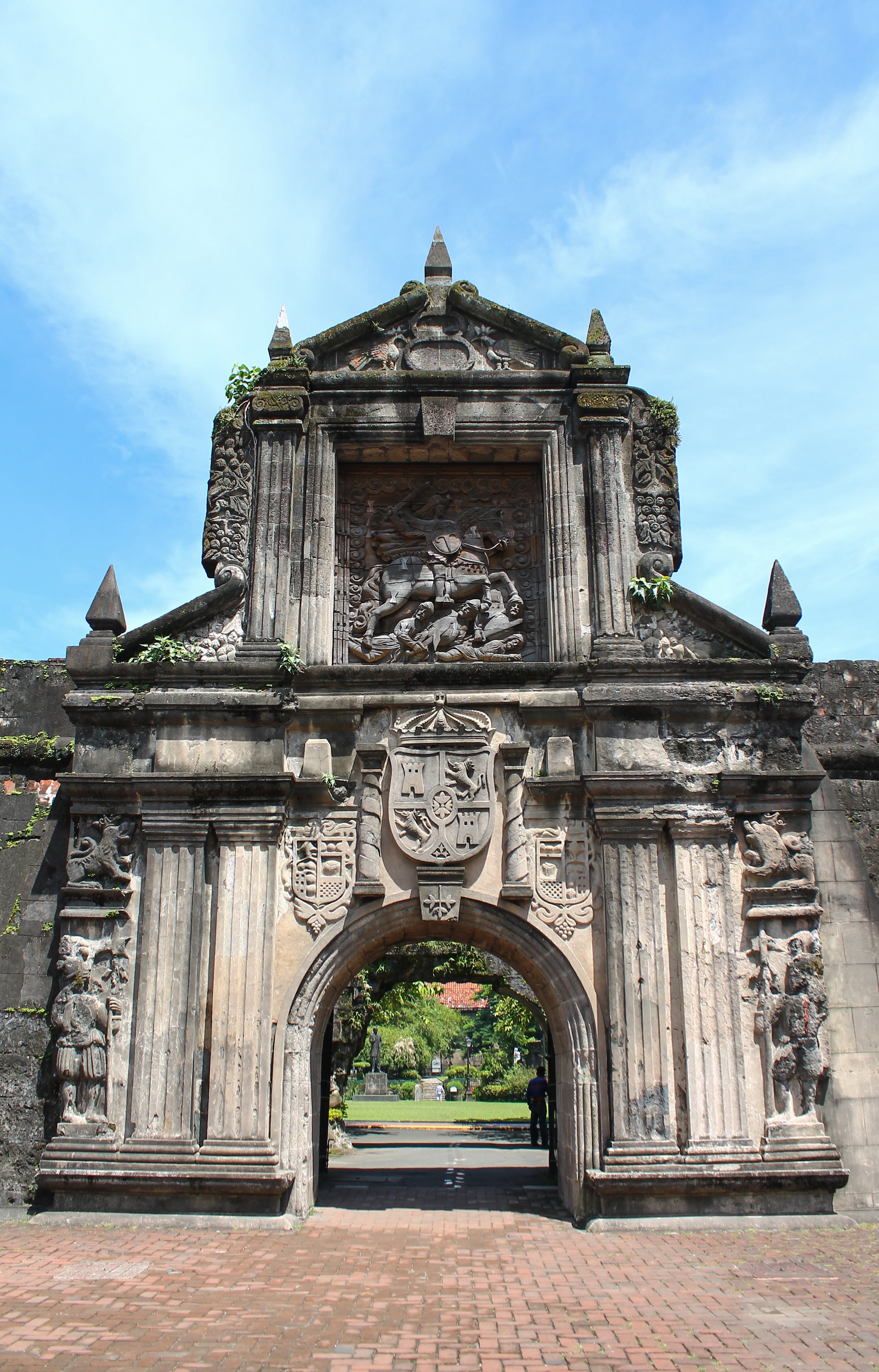
**Historical Significance**: The fort is most famous for its role during the **Philippine Revolution** and World War II. It was a key location during the Spanish colonization and was later used by the Japanese military during World War II. It was the site of the imprisonment of **José Rizal**, the national hero of the Philippines, before his execution on December 30, 1896. His cell can still be visited today, and a monument commemorates his time there. **Architecture**: Fort Santiago's architecture is a mix of Spanish colonial military design, with thick stone walls and a strategic location by the Pasig River, allowing it to control access to the city. The fort is surrounded by moats, and it features a series of gates and bunkers designed for defense. **The Rizal Shrine**: Within Fort Santiago is the **Rizal Shrine**, a museum dedicated to José Rizal. The museum houses various memorabilia, photographs, and artifacts related to his life and his role in the Philippine Revolution. The spot where Rizal was imprisoned and the path he walked before his execution is also marked within the fort. **Visitor Experience**: Visitors can explore the fort's well-preserved structures, including its dungeons, gates, and walls. The serene surroundings, beautiful gardens, and impressive architecture make it a peaceful place to learn about the country’s history. There are also interactive exhibits and educational materials about the fort’s historical importance. **Restoration and Preservation**: Over the years, Fort Santiago has undergone significant restoration work to preserve its historical integrity. Today, it stands as a tribute to the country's rich cultural heritage and serves as an important historical site. Fort Santiago remains one of the most visited historical sites in Manila and is a must-visit for those wanting to learn about the country's colonial past and the life of José Rizal. 2. ***Manila Cathedral***: The Manila Cathedral, formally known as the Cathedral-Basilica of the Immaculate Conception, is one of the most iconic and significant churches in the Philippines. Located in the heart of Intramuros, Manila, it has played a central role in the religious and cultural history of the country since its establishment.
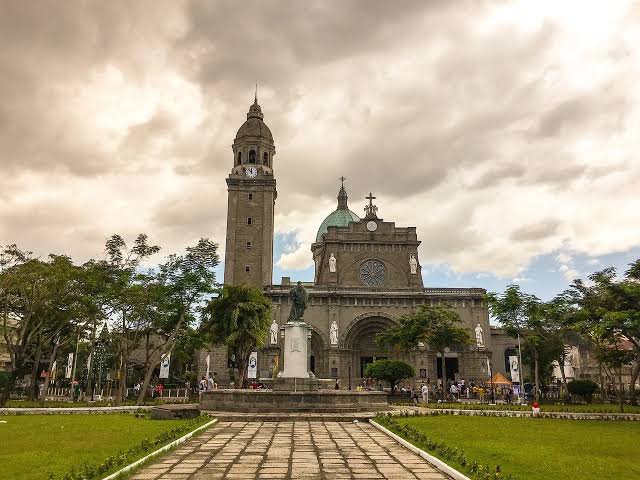
**1. Historical Background:** The Manila Cathedral was originally built in 1581 by the Spanish colonizers as the seat of the Archbishop of Manila and the center of Catholicism in the Philippines. It has undergone several reconstructions due to damage from various natural disasters, such as earthquakes, and during World War II. The current structure is the 8th iteration of the cathedral. It has witnessed many significant events, such as the consecration of numerous archbishops, the celebration of important religious rites, and the arrival of many prominent figures in Philippine history. **2. Architecture**: The Manila Cathedral is renowned for its Romanesque and Byzantine-inspired architecture, featuring a grand façade with intricate carvings, towering columns, and a large rose window. Its belfry (bell tower) is one of the prominent features, and it also houses a crypt where many significant bishops and archbishops are buried. The cathedral's interior is equally beautiful, with detailed mosaics, stained-glass windows, and a grand altar, all reflecting the rich religious and cultural history of the Philippines. **3. Role in the Catholic Church**: The Manila Cathedral serves as the mother church of the Roman Catholic Church in the Philippines. It is the seat of the Archdiocese of Manila and a place for major religious ceremonies, including papal visits and important liturgical celebrations. It has hosted significant events, such as the beatification of several Filipino martyrs and the papal visit of Pope John Paul II in 1995. **4. Recent Renovations**: The cathedral has been meticulously restored and renovated to preserve its historical and architectural significance. The most recent major renovation took place in the early 21st century, ensuring that the structure remains safe and accessible for future generations. The 2014 restoration included the re-opening of its crypt and the addition of a museum to further highlight its rich history and artifacts. **5. Visitor Experience:** Visitors to the Manila Cathedral can experience its breathtaking architecture and peaceful atmosphere. It’s not only a religious site but also an important cultural heritage site. The cathedral is an active place of worship, so visitors can attend Mass and experience the local Catholic traditions and rituals. **6. Cultural and Religious Symbol**: The Manila Cathedral is a symbol of the enduring role of Catholicism in the Philippines, a country where over 80% of the population identifies as Catholic. It stands as a representation of the country's deep religious roots and its historical connection to Spanish colonization. The Manila Cathedral is a majestic and historically rich landmark in Intramuros, offering visitors a chance to experience both the beauty of its architecture and its profound religious and cultural significance. It continues to serve as a vibrant place of worship while also acting as a key monument in the Philippines’ heritage. 3. ***San Agustin Church***: San Agustin Church is one of the most iconic and historically significant churches in the Philippines, located within the historic district of Intramuros, Manila. It is the oldest stone church in the country and a UNESCO World Heritage site, recognized as part of the Baroque Churches of the Philippines.
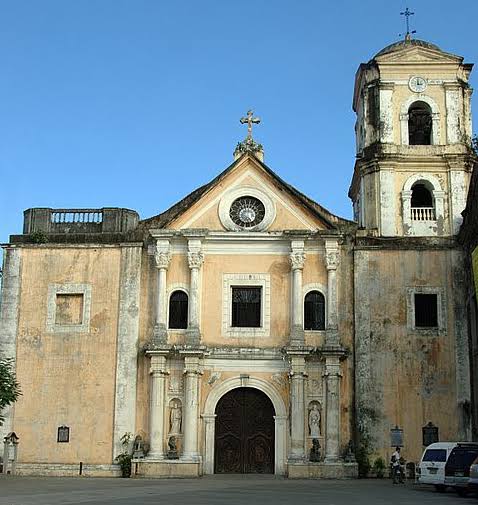
**1. Historical Significance:** San Agustin Church was originally built in 1586 by Spanish missionaries and completed in 1607. It was designed to withstand the frequent earthquakes that plagued the region, which led to the use of coral stones and other durable materials. It has survived numerous natural disasters, including earthquakes and World War II, making it one of the most enduring and historically valuable structures in the country. The church was originally part of the Augustinian friars' convent and served as the center for Catholic evangelization in the Philippines. **2. Architecture**: The church is a stunning example of Baroque architecture, with elaborate detailing on the façade, interior, and altar. Its stone façade is intricately carved and reflects the grandeur of Spanish colonial religious design. The interior is equally remarkable, with beautiful ceiling murals, wooden altars, and gold accents. The wooden ceiling is painted with intricate designs, depicting religious scenes and symbolism. The church also features several chapels on its sides, which are dedicated to different saints. **3. UNESCO World Heritage Site:** In 1993, San Agustin Church was designated as a UNESCO World Heritage Site as part of the Baroque Churches of the Philippines, a collection of four churches (the others are in Paoay, Santa Maria, and Miag-ao) that are considered to be prime examples of the Baroque style in the country. **4. The Convent and Museum**: Adjacent to the church is the San Agustin Museum, housed in the former convent. The museum showcases a rich collection of religious artifacts, historical items, and art pieces related to the church and the history of Catholicism in the Philippines. Some of the items include antique vestments, religious statues, and paintings, as well as old Filipino manuscripts. **5. Role in Philippine History:** The church has been the site of many important historical events, including several significant weddings, funerals, and papal visits. It is also where many prominent figures in Philippine history have worshiped. San Agustin Church served as a place of refuge during times of conflict, particularly during the Philippine Revolution and World War II. **6. Cultural and Religious Importance**: San Agustin Church is not only a place of worship but also a cultural treasure, preserving centuries of religious and colonial history. It remains an active parish church, hosting regular Masses and religious ceremonies. It continues to be an important site for both the local community and visitors, playing a central role in Manila's spiritual and cultural landscape. **Visitor Experience:** Visitors to San Agustin Church can admire its stunning architecture, learn about its historical significance, and explore its museum. It’s a serene and sacred space that offers insight into the early colonial period of the Philippines. The church's location in Intramuros makes it a prime destination for tourists who wish to experience the historical heart of Manila. San Agustin Church in Intramuros is a stunning example of the country’s religious and architectural heritage. With its Baroque architecture, historical significance, and role in the country’s Catholic tradition, it remains a testament to the Philippines' rich cultural and colonial past. 4. ***Baluarte de San Diego***: Baluarte de San Diego is one of the most historic and well-preserved fortifications within Intramuros, Manila. It is one of the oldest structures in the area, originally built during the Spanish colonial period and playing a crucial role in the defense system of Manila.
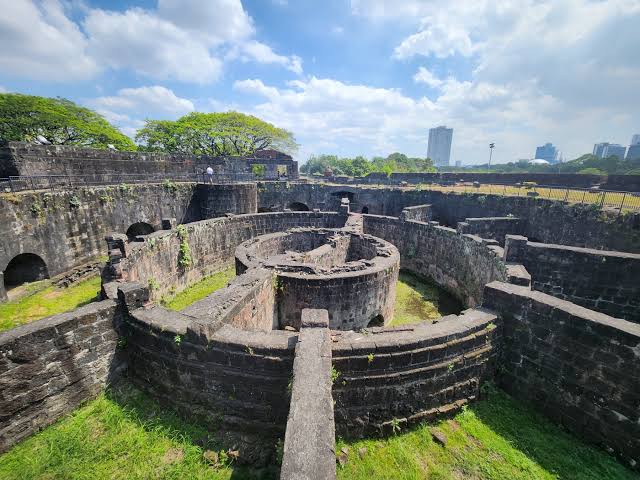
**1. Historical Background:** Construction of Baluarte de San Diego began in 1586, making it one of the oldest fortifications in the Philippines. It was built by the Spanish as part of their effort to defend the walled city of Intramuros from external threats, particularly from pirates and other invaders. The fort was designed by Spanish military engineers and was one of the key parts of the defensive wall that surrounded Manila. Its strategic location near the Pasig River allowed it to control access to the city by water. Baluarte de San Diego was continuously improved and expanded over the centuries. It was initially made from earthworks but later reinforced with stone after the threat of external attacks increased. **2. Architectural Features**: The fort is notable for its bastion design, which is a type of defensive structure designed to provide fire from multiple angles. It has a circular layout with walls that are sloped to maximize its defensive capabilities. The fort also has a distinctive moat and several underground passages that were used for storage and as a means of escape. The walls of the fort are made from coral stone, and some parts have been preserved to highlight the original construction methods. **3. Renovations and Restoration**: Over the centuries, Baluarte de San Diego suffered from natural disasters, including earthquakes, and had fallen into disrepair. However, restoration efforts in the 1970s and 1980s have helped bring the structure back to life. Today, Baluarte de San Diego is part of a larger park and is open to the public, allowing visitors to experience its historic significance. **4. The Gardens:** One of the unique features of Baluarte de San Diego today is its beautiful gardens. The fort has been transformed into a peaceful park area, with lush greenery, ornamental plants, and flowers. The combination of historical architecture and serene landscaping makes it a popular spot for both history buffs and those seeking a quiet retreat in the heart of Manila. **5. Visitor Experience:** Baluarte de San Diego is a great place for visitors to explore the remnants of Manila’s colonial past. The structure is surrounded by well-maintained gardens, providing a scenic spot for walking or relaxing. Visitors can explore the fort’s bastions, its underground chambers, and the view over Intramuros. It is also a great spot for photos, with views of the walled city and nearby landmarks. The fort’s historical markers and small museum offer educational insights into the Spanish colonial era and the fort's role in the defense of Manila. **6. Cultural Importance**: Baluarte de San Diego is not only a historical site but also an important cultural landmark in Intramuros. It offers visitors a glimpse into the past, showcasing the defensive strategies employed by the Spanish colonists in their attempts to protect the city from various external threats. The site is often used for local cultural events, including concerts and outdoor performances, helping to connect the city’s colonial history with contemporary Filipino culture. Baluarte de San Diego is a significant historical site in Intramuros and one of the oldest fortifications in the Philippines. Its combination of military history, colonial architecture, and beautiful gardens makes it a must-visit for anyone interested in learning about Manila's past while enjoying a peaceful and picturesque environment. 5. ***Plaza Roma***: Plaza Roma is a historic public square located within Intramuros, Manila, and holds great cultural and historical significance as the former center of political and social life during the Spanish colonial period.
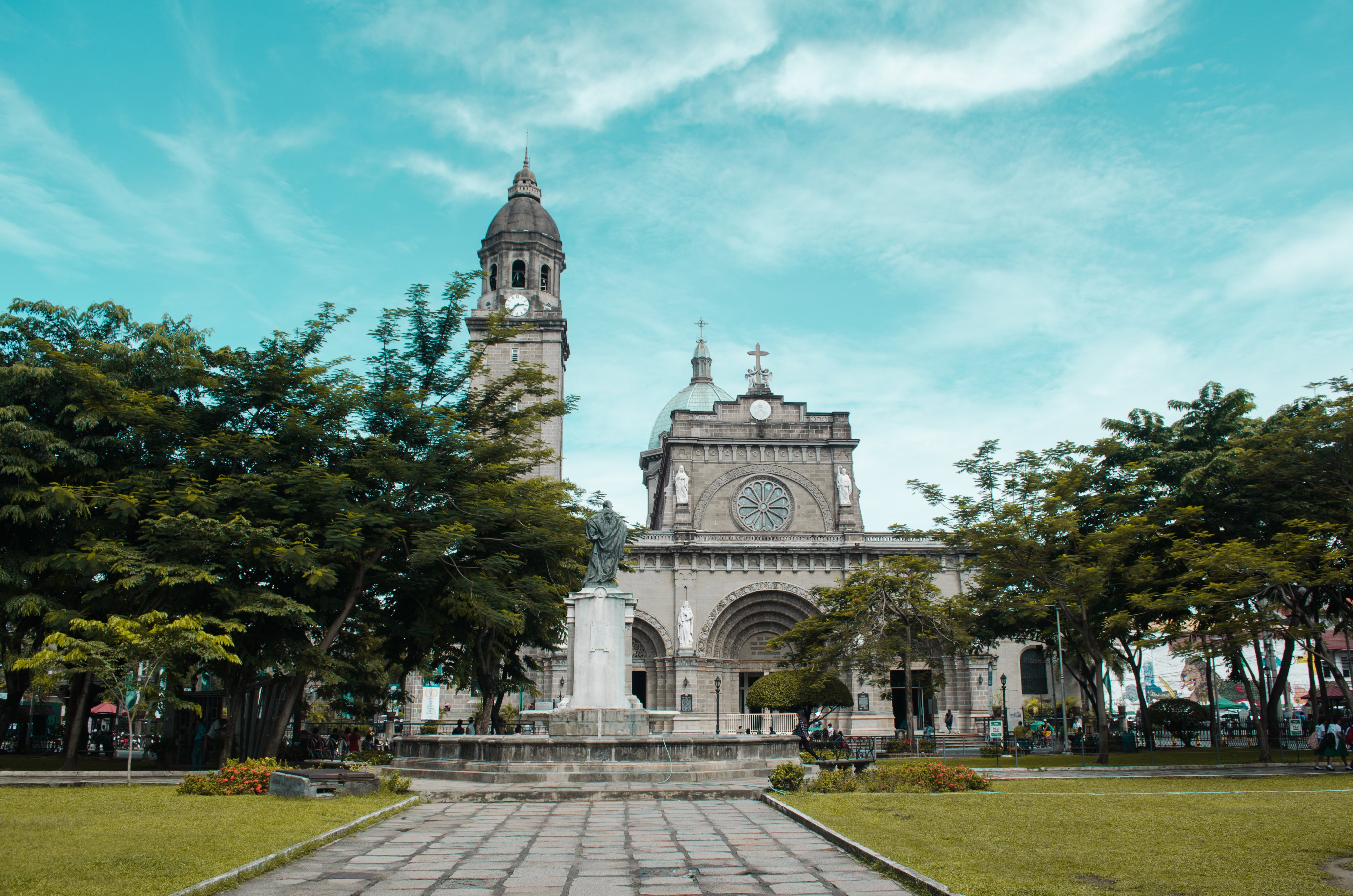
**1. Historical Significance:** Plaza Roma was originally established in 1571, the same year Manila was founded as the capital of the Philippines by Spanish conquistadors. It was named after Pope Clement VIII, whose papal name was "Romanus" (Roma). During the Spanish colonial era, Plaza Roma was the political and social center of Manila. It was located near the Manila Cathedral and other key Spanish colonial buildings, making it a hub of activity for both the Spanish authorities and the local elite. The plaza was the site for important events such as official ceremonies, military parades, and public gatherings. It was also where the Spanish government conducted official business, as it was in close proximity to key institutions. **2. Location and Layout**: Plaza Roma is located near the Manila Cathedral and Intramuros’ southern entrance, making it central to the overall design of the walled city. The square is surrounded by historical buildings, including the Palacio del Gobernador (Governor's Palace) and San Agustin Church. Over the centuries, the square has undergone several transformations. During the American occupation, the plaza was redesigned and paved, and it became less of a public gathering place, but its historical roots remain evident. **3. Modern Day Plaza Roma**: Today, Plaza Roma is a peaceful public space that serves as a cultural landmark in Intramuros. It is home to several statues, including a monument of King Charles IV of Spain, which commemorates the Spanish king's reign and his influence on Manila's development. The plaza is often used for small public events, festivals, and historical tours. It also remains a popular spot for visitors who want to learn about Manila’s rich colonial history and enjoy its scenic surroundings. **4. Connection to Other Landmarks**: Plaza Roma is closely linked to several other important historical sites in Intramuros, including San Agustin Church, Fort Santiago, and Manila Cathedral. Visitors can easily access these landmarks from the plaza, making it a natural stop for anyone exploring the history of Manila. **5. Cultural Importance**: The plaza is a symbol of Manila's colonial past and serves as a reminder of the Spanish legacy in the Philippines. It reflects the city’s evolution from a Spanish colonial outpost to a modern metropolis. Plaza Roma is also associated with Filipino identity and nationalism, as it witnessed several key moments in the country’s fight for independence. Plaza Roma is a historic square in the heart of Intramuros that reflects the political and social importance of the Spanish colonial era. Today, it remains a significant cultural landmark, offering visitors a chance to experience Manila's rich history while being surrounded by some of the city’s most important historical structures. Intramuros was heavily damaged during World War II but has since been restored and is a popular tourist destination, offering visitors a glimpse into the country's colonial history.
No comments yet