 @Imjhum
Beautiful Places in Philippines: The Banaue Rice Terraces
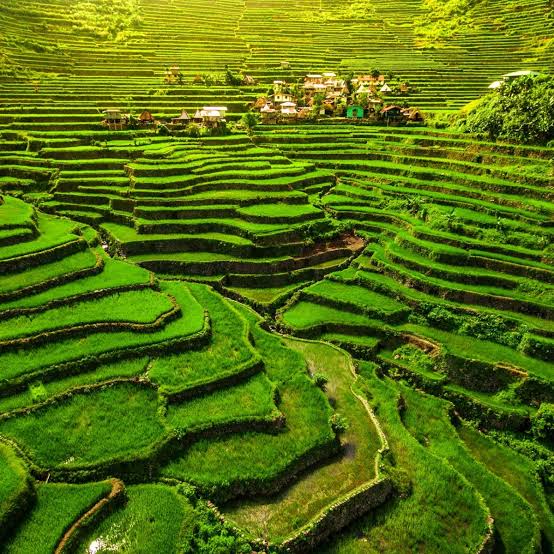
The Banaue Rice Terraces are an incredible feat of engineering and a testament to the ingenuity of the Ifugao people. Located in the mountains of Ifugao, Philippines, these ancient terraces were carved into the mountainsides over 2,000 years ago, with some estimates suggesting they may be as old as 6,000 years. The terraces are a remarkable example of sustainable agriculture, with a sophisticated irrigation system that distributes water from mountain springs and streams to each terrace level. This system allows the Ifugao people to grow rice and other crops on the steep mountain slopes, while also preventing soil erosion and conserving water. The Banaue Rice Terraces are not only an important cultural and historical site but also a popular tourist destination. Visitors can hike through the terraces, explore the surrounding villages, and experience the traditional Ifugao way of life. **Location**
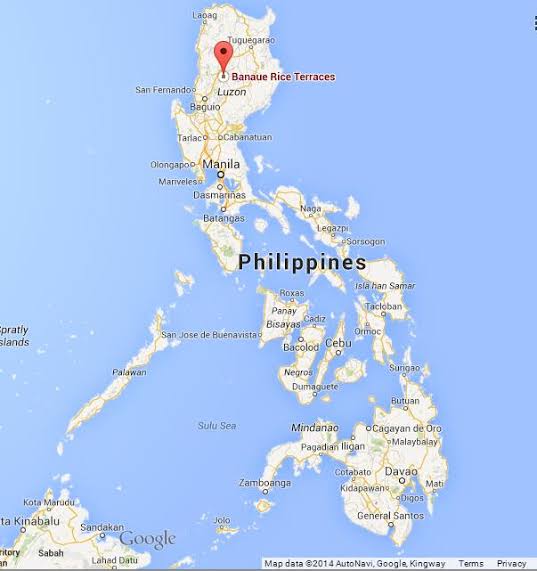
The Banaue Rice Terraces are located in the Philippines, specifically in the province of Ifugao, on the island of Luzon. Province: Ifugao Municipality: Banaue Island: Luzon Region: Cordillera Administrative Region (CAR) Country: Philippines The Banaue Rice Terraces are situated in the Cordillera Mountains, approximately 200 miles (320 kilometers) north of Manila, the capital city of the Philippines. Getting to Banaue Rice Terraces: By air: The nearest airport is in Baguio City, which is about a 4-hour drive to Banaue. By land: Banaue is accessible by bus or private vehicle from Manila, with a travel time of around 8-10 hours. Once you arrive in Banaue, there are various tour operators and guides that can assist you in exploring the rice terraces and surrounding areas. **Age** The age of the Banaue Rice Terraces is a topic of interest and debate among historians and archaeologists. The Banaue Rice Terraces are estimated to be over 2,000 years old. However, some estimates suggest that they may be as old as; 6,000 years old (according to the Philippine Department of Tourism) or 3,000 to 4,000 years old (according to some archaeologists and historians) **History** The Ifugao people, who built the terraces, have a rich cultural heritage that dates back to the pre-colonial period. The terraces were carved out of the mountainsides using simple tools made of wood and stone. **Preservation** The Banaue Rice Terraces were declared a UNESCO World Heritage Site in 1995, recognizing their cultural and historical significance. Efforts are being made to preserve the terraces and the traditional way of life of the Ifugao people. **Size and Scope** The Banaue Rice Terraces are a vast and impressive network of terraces carved into the mountainsides. Here are some facts about the size of the Banaue Rice Terraces: 1. Total Area: The Banaue Rice Terraces cover an estimated 10,360 square kilometers (4,000 square miles). 2. Length: The terraces stretch for approximately 20 kilometers (12 miles) across the mountainsides. 3. Width: The width of the terraces varies, but some areas are as wide as 1 kilometer (0.6 miles). 4. Number of Terraces: There are over 2,000 tiers of terraces, with some areas having as many as 5 tiers. 5. Height: The terraces rise to a height of approximately 1,500 meters (4,921 feet) above sea level. **Layout and Structure** 1. Irrigation System: The terraces are supported by a complex irrigation system that distributes water from mountain springs and streams to each tier. 2. Stone Walls: The terraces are reinforced with stone walls, some of which are as high as 3 meters (10 feet). 3. Rice Paddies: Each tier of the terraces contains a rice paddy, which is flooded with water during the growing season. The Banaue Rice Terraces are an engineering marvel and a testament to the ingenuity and skill of the Ifugao people who built them. The irrigation system of the Banaue Rice Terraces is an impressive and complex network that has been in use for centuries. Here are some key facts about the irrigation system: **Main Sources of Water** 1. Mountain springs: Water from natural springs in the mountains is channeled into the irrigation system. 2. Rivers and streams: Water from nearby rivers and streams is also diverted into the system. **Components of the Irrigation System** 1. Canals: Water is channeled through a network of canals, some of which are lined with stone or concrete. 2. Aqueducts: Water is carried across valleys and gorges using aqueducts, some of which are made of stone or wood. 3. Tunnels: Water is channeled through tunnels, some of which are hand-dug, to reach the upper tiers of the terraces. 4. Bamboo pipes: Bamboo pipes are used to distribute water to the individual rice paddies. **How the System Works** 1. Water distribution: Water is distributed to the different tiers of the terraces through a system of canals, aqueducts, and tunnels. 2. Gravity-fed: The system is gravity-fed, with water flowing from the upper tiers to the lower tiers. 3. Control gates: Control gates are used to regulate the flow of water to each tier, ensuring that each rice paddy receives the right amount of water. **Importance of the Irrigation System** 1. Supports agriculture: The irrigation system supports the agriculture of the Ifugao people, allowing them to grow rice and other crops on the steep mountain slopes. 2. Preserves soil: The system helps to preserve the soil by preventing erosion and landslides. 3. Cultural significance: The irrigation system is an important part of Ifugao culture and tradition, and is considered a national treasure in the Philippines Irrigation System **Crops** The Banaue Rice Terraces are primarily used for growing various crops, with rice being the main crop. Here are some of the main crops grown in the Banaue Rice Terraces: **Main Crops** 1. Rice: The primary crop grown in the Banaue Rice Terraces, with several varieties cultivated, including traditional Ifugao rice varieties. 2. Taro: A staple crop in Ifugao culture, taro is grown in the terraces and used in various dishes. 3. Sweet Potatoes: Sweet potatoes are another important crop grown in the terraces, providing a reliable source of food. 4. Legumes: Legumes, such as beans and lentils, are grown in the terraces, providing a source of protein. 5. Vegetables: Various vegetables, such as cabbage, carrots, and tomatoes, are grown in the terraces. **Other Crops** 1. Corn: Corn is also grown in the terraces, often in rotation with rice. 2. Sugarcane: Sugarcane is grown in some areas of the terraces. 3. Fruit Trees: Fruit trees, such as citrus and mango, are grown in some areas of the terraces. **Traditional Farming Practices** 1. Crop Rotation: Farmers practice crop rotation to maintain soil fertility. 2. Organic Farming: Traditional farming practices in the Banaue Rice Terraces are largely organic, with minimal use of synthetic fertilizers and pesticides. 3. Irrigation Management: Farmers manage the irrigation system to ensure efficient water use. The Banaue Rice Terraces are a truly remarkable site, and their importance extends beyond their cultural and historical significance to their role as a model of sustainable agriculture and environmental stewardship.
No comments yet