 @viggy40
more from that month
@viggy40
more from that month
What is panic attack?
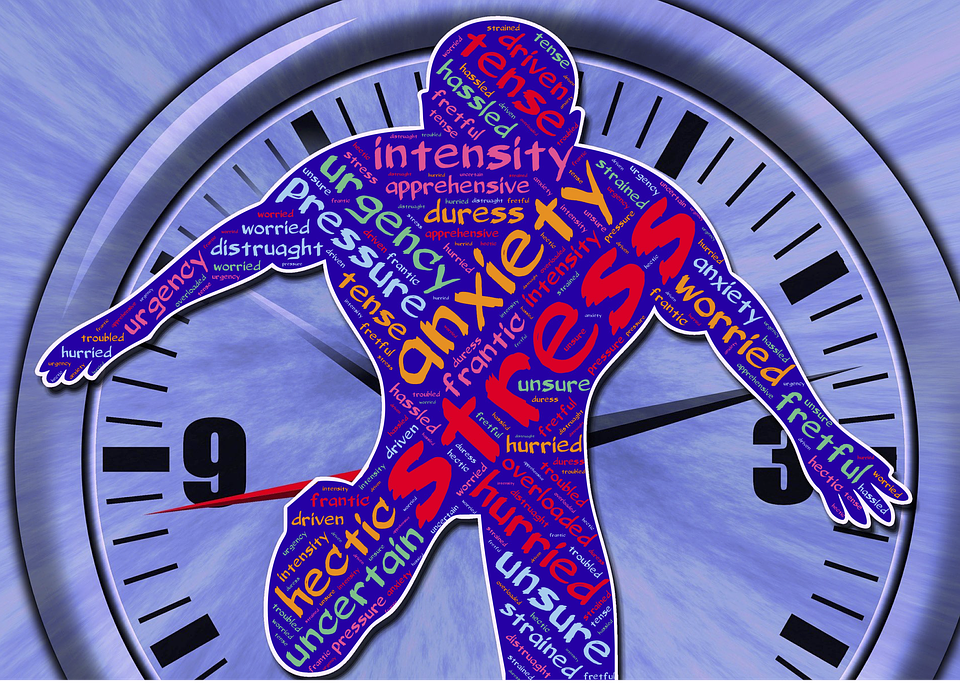
A panic attack is a sudden onset of an inconspicuous, brief period of marked discomfort or fear, accompanied by somatic or cognitive symptoms. Panic disorder is the occurrence of recurrent panic attacks, typically accompanied by fear of future attacks or behavioral changes that can avoid situations that create susceptibility to attacks. The diagnosis is made clinically. Isolated panic attacks do not have to be treated. Panic disorder is treated with pharmacotherapy, psychotherapy (eg exposure, cognitive-behavioral treatment) or both. Panic attacks are frequent and affect as many as 10% of the population in one year. Most people recover without treatment; some get panic disorder. Panic disorder is rare, affecting 2-3% of the population over a 12-month period. It usually begins in late adolescence or young adulthood and affects women 2 to 3 times more often than men. A panic attack involves the sudden onset of at least 4 of the 13 symptoms listed in TBL. 196– 2. Symptoms usually peak in 10 minutes and disappear a few minutes later, leaving very little to see. Although unpleasant — and sometimes severe — panic attacks are not dangerous to health.
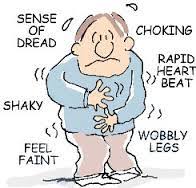
SYMPTOMS OF A PANIC ATTACK Cognitive Fear of death Fear of madness or loss of control Feelings of unreality, strangeness or alienation from the environment Somatic Chest pain or pressure Dizziness, unstable feelings or fainting Feeling of suffocation Waves of heat or cold Nausea or abdominal discomfort Feeling numb or tingling Palpitations or rapid heartbeat Feeling short of breath or choking Sweating Shivering or shivering


17 comments
Everyone panics in their own way. In a sense, we are all panickers, only some less, some more.
I don't think you fully understand what a panic attack is and what happens to that person at that moment, and I don't want you to feel it.
I've had a panic attack a couple of times but I didn't know anything about it what it is, a good article just goes on like this.
i have symptoms when i am nervous.
It’s looking really worst. I never feel those symptoms and didn’t see those in anyone. Thank you for awareness
I don’t want you to ever feel them
We need to keep out of panic, it's very bad for body and mind.. Thank you!
Great article!
I've seen so many patients like that. They just need to breath in and out on a paper bag and relax.
I've experienced this kind of situation. I was at work. Maybe because of stress
Upon how much I hate anything illness or doctor's work, I find my self finding out things about it and exploring it's content. By the way, why I don't like illness is because it makes me fall sick.
It's weird managing panic attacks because a person can logically know that it is all just in their head, but at the same time I when they are having such an attack it becomes basically impossible for them to think logically. It can really be hard for people because it counters your best way of defeating it.
I have learned to manage panic attacks to some extent but it is very difficult
What about price control
Depression is actually a main cause of panic attack and can leads to serious consequences. Its symptoms are more apparent so we should be careful.
It really is frightening whenever I experience it, especially during these times.
Oh dear. People having panic disorder or their cousin should read this post. Such an Informative post. Thanks dear for spreading awareness.