Sour sauce
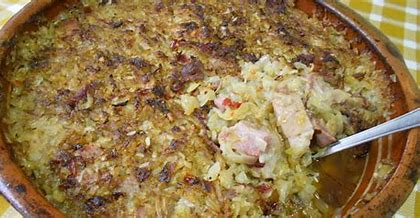
I'll show you how to make stew in my own way. There are several ways, but somehow I like this one the most ... so let's go ...
Components:
chopped sauerkraut about 2kg
1kg of pork
one dry knee
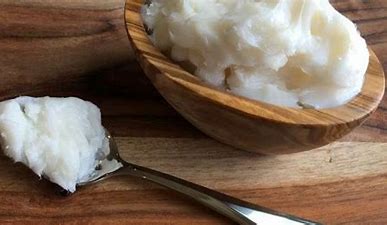
fat
Bay leaf
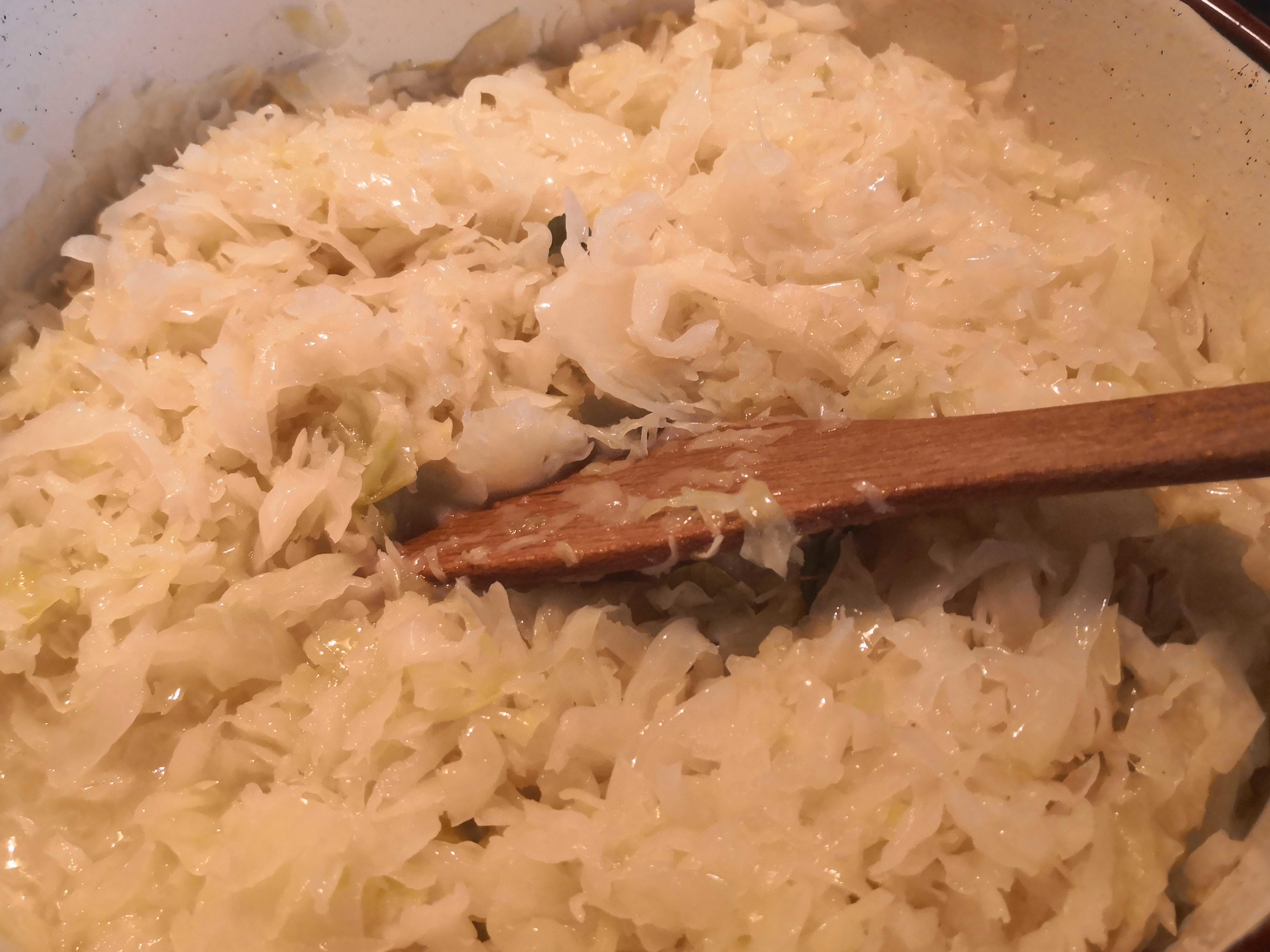
We take the cabbage and put it in a wide sieve, add the fat and start frying it on the stove.
Add the fat and a couple of pieces of bay leaf
During that time, we take the knee and let it boil a little. We take the meat and fat and put it to fry
When it is done, mix everything together and put it in the oven to bake at 180 degrees
pleasant ...
Pork paprikas
I will make one lunch of pork and potatoes. I know there are a thousand ways to prepare it but I prepare it this way. We like it too.
So let me go ... The following ingredients are needed ...
Prepare and cut two heads of onion. Pour a little oil into a bowl, add the onion and simmer over low heat. Add thinly chopped sangare.
Cut a piece of pork leg into cubes and add the onion that is fried on the fire.
In the meantime, cut the potatoes into slightly larger cubes and add them to the bowl with the previously mentioned ingredients.
While we are waiting for it to be cooked, we can drink coffee ...
After a few hours, add a little flour, allspice to fry. Add the vegeta as needed. Let it cook for a while longer.
And almost ...
Bee cakes
It's winter ... but nature is slowly starting to wake up ... The queen is starting to lay eggs from where a new bee will be created. Since the bees will not leave the place where the brood is located, there is a chance that due to the food that is a little further away from them, the bees will not reach the food and will die. So at this time, at the end of January, I make cakes that I will put on the satonose in the hive and allow the bees to have food close to them. This is a problem with LR type hives because they have a shallow frame and a shallow honey cap.
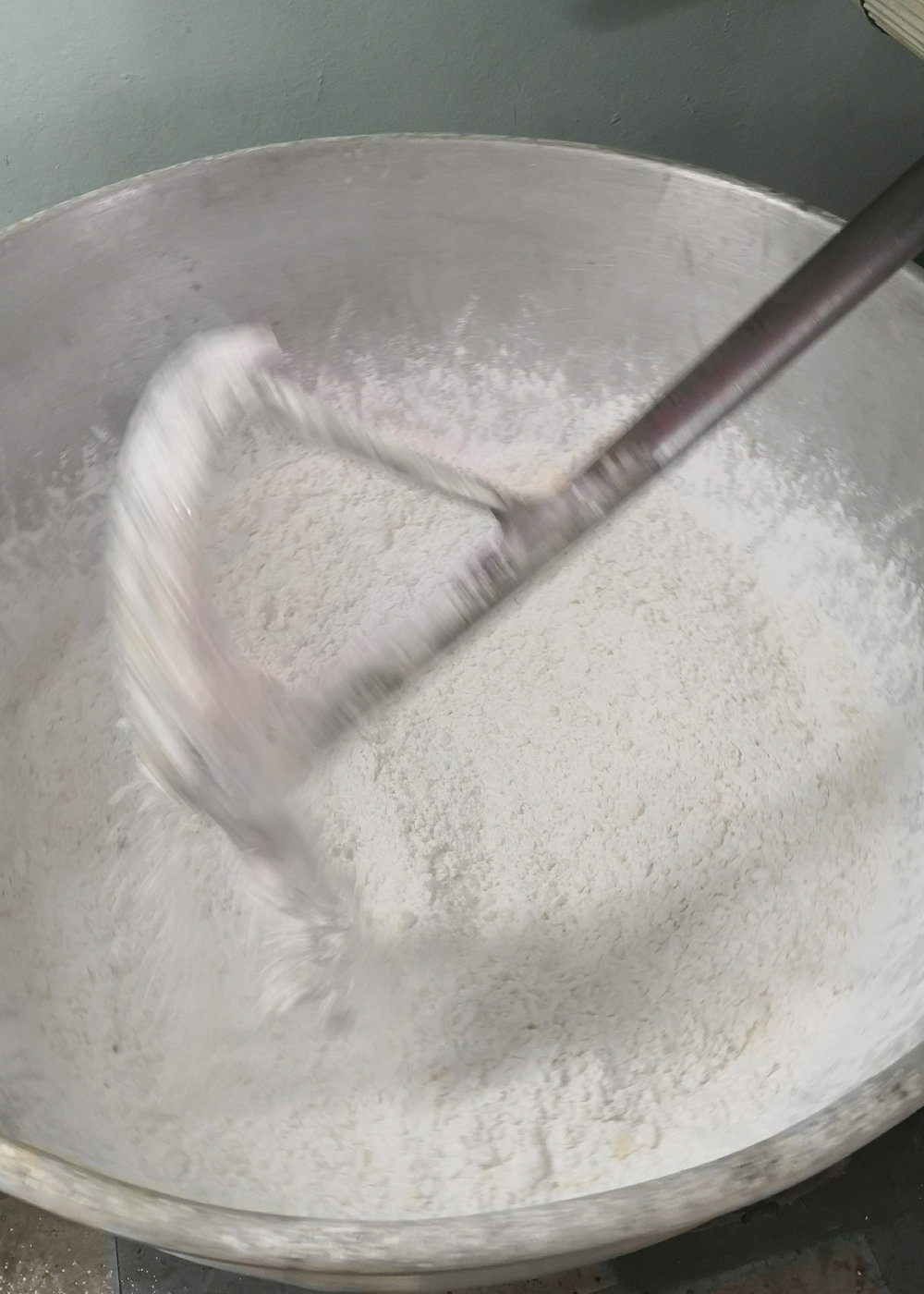
1. First grind the powdered sugar
2. Add sugar and honey to mix
3.When the mixture is nice it becomes a thick mass
4. Appearance of the cake
5. Put 1 kg in a bag and shape the cake on the iron
6. The appearance of the cake at the end
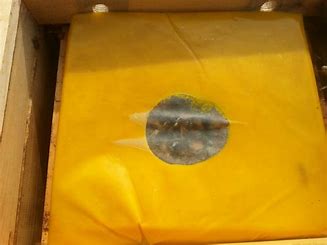
7.Bread in the hive
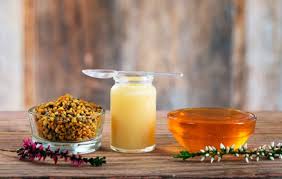
Pollen
Today I will deal with the topic of pollen ... which is very important for bee reproduction.
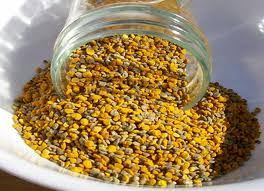
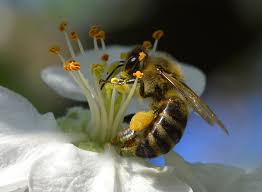
Pollen is tiny grains that are found in sacs of various flowers. For bees, they are an important source of protein, fat, minerals and vitamins. It would be ideal for them to have more different flowers, because bees overwinter better on that, as well as on the early spring development itself, which directly affects the amount of honey yield.
It is very important for the human organism itself. It accelerates the recovery from diseases, suppresses nervousness, and creates the body's physical resistance. It is remarkable for the use of prostate therapy. It is also used for cosmetics. Increasingly, medicine is finding evidence of the effects of pollen in humans.
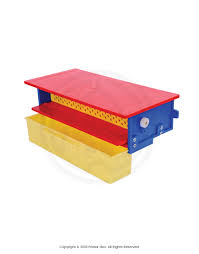
The method of collecting pollen is different, but the essence is the same. There are external collectors and internal. I personally use the internal. When the bees arrive in the hive, they go through the holes of size determination, whereby lumps of pollen fall from their hind legs and the drawer under the hive falls. These drawers are emptied daily and pollen is stored. The catchers themselves are made by inserting some part into the hive they use because of the litter. However, there are certain time periods when the catchers are active so that the bees can collect pollen for their needs as well.
Fresh pollen contains about 18 percent water and is very perishable. Therefore, it is stored in a room where there is a draft or it is dried in pollen dryers. When drying, you should mix the pollen, which is in a thin layer. By drying itself, we manage to lower the amount of water by 8-9%. After that, we put that pollen in the freezer at -18 degrees for at least two days, and then we can store it for a long period of time at zero degrees. Another way is to put fresh pollen in the freezer and keep it in use.
Another way to use pollen is pollen that bees have preserved for their own needs and this is called Perga. The bees put it in such a way that the pollen would not spoil. Usually the perga is taken out of the honeycomb to be replaced. The frame with the perga is cut so that the cells are open and then the perga is removed from the cell with a hyacinth. After removal, the perga is placed in glass containers and hermetically sealed until use.
Royal jelly...
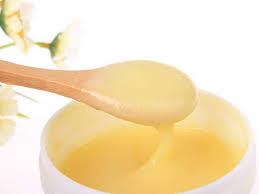
The bee product that is in demand every day is royal jelly. However, although medicinal properties are studied in many countries, consumers still rarely buy because even a small number of beekeepers do. One of the reasons lies in the fact that the conditions for the production and storage of milk are rigorous. However, beekeepers who produce queens can also do the extraction of royal jelly since the same procedure is up to determining the stage. In addition, there are only conditions for storage and storage of royal jelly.
Milk is produced by bees aged 5-15 days from their adrenal glands. It is creamy milky whitish in color. It has a sour-bitter taste and a specific smell.
It has a large amount of proteins and sugars, it is rich in vitamins B and C. It contains proteins, reducing sugars, fats and some other undefined ingredients. Its antibiotic properties have been proven against many bacteria and viruses.
Scientific research has proven the following properties of royal jelly:
stimulates the effect on the whole organism by increasing energy action which increases resistance to various infections - increasing resistance to stress and disease improving memory - maintaining hormonal balance reducing cholesterol levels - regulating blood pressure antibiotic and antiviral action helps with various problems of musculoskeletal composition shortens time recovery in critically ill patients increases appetite and body weight.
Pure royal jelly is used about an hour before meals. Royal jelly the size of a pea is placed under the tongue (maximum blood flow) and kept there as long as possible so that the body can completely dissolve it. For preventive purposes, adults can consume 50 to 200 mg per day of royal jelly. For children, this dose is 25 to 100 mg per day. Royal jelly can be used in its original form, ie. as a liquid. It must be stored in the freezer at -18 ° C until use. After opening the bottle, store it in the freezer until it is used up.
It should be emphasized that improperly stored royal jelly very quickly loses its valuable property - healing properties. Royal jelly is adversely affected by temperature, light and air (oxygen). Therefore, royal jelly in its original form should be stored in dark bottles at temperatures of -18 ° C or lower.
Propolis
Modern times ... looking for answers from the past and present .... Encouraged by the article that in 30 years we will be completely insensitive to antibiotics, I decided to write a text about bee propolis ... a drug used in the past .... present aiu of the future. It is the medicine of the future because it has been proven that bacteria and viruses do not have the ability to protect themselves from it ... it means that the human body can use it in larger quantities without fear that bacteria will find the answer.
Let's go ...
What is propolis?
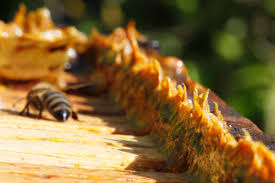
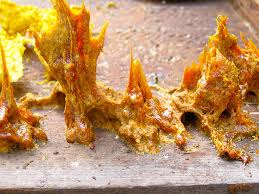
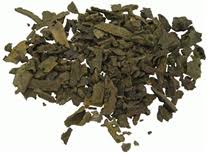
The word propolis itself comes from the Greek word pro which means in front and polis city..in front of the city It can be found from dark green to wormy. Fresh propolis is lighter while the older one is darker and depends on which child it was picked from. The smell is reminiscent of birch buds or pine needles, and when burning propolis, a typical incense smell appears. At higher temperatures, propolis becomes sticky and at lower temperatures it crumbles. Its specific gravity is higher than that of wax and is 1,112 to 1,136. The temperature at which it changes is from 64 to 69 degrees Celsius. It is partially soluble in ninety-six percent alcohol and completely in ether and chloroform. In warm water it separates from the wax and falls to the bottom of the vessel while the wax floats on the surface.
Propolis consists of plant resins and balms about 55%, aromatic and essential oils 10%, wax about 30% and pollen about 5%. Propolis itself contains copper, manganese, iron, aluminum, zinc as well as trace elements that make up cobalt, strontium silicon, vanadium. It is otherwise rich in vitamins and all this makes it have antiseptic, antibacterial and antitoxic effects. It is otherwise a good biostimulator because it activates antibodies in the human body.
By the way, the chemical composition of propolis itself differs from the area where the bees collect it, as well as from hive to hive.
Propolis is widely used in folk medicine. In addition to treating bacteria, it is good for viral diseases, especially as a prevention against influenza and all respiratory infections, as well as inflammation of the gums and oral cavity. Treatment of burns, various wounds on the skin .hemorrhoids. It has anti-inflammatory, anti-fungal effects and has anesthetic abilities. Propolis works well in tissue regeneration in all complex disorders and diseases, as well as in people who have the consequences of stressful life and environmental toxicity. It is excellent as an anesthetic not only in dentistry but also in other pains up to medium strength.
It is used for wounds, calluses and has an effect on cancer.
It is mostly used in the form of fat and less in the form of extract. Compared to other preparations, the advantage of propolis is that it can be used in unlimited measures as well as in combination with other drugs.
Apart from medicine, propolis was also used for varnishing wooden objects. Especially the old masters used the violin to varnish their instruments. 2 parts of propolis, 1 part of wax and 4 parts of linseed oil were used to make the varnish.
Crankshaft bees and drones
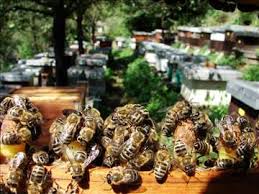
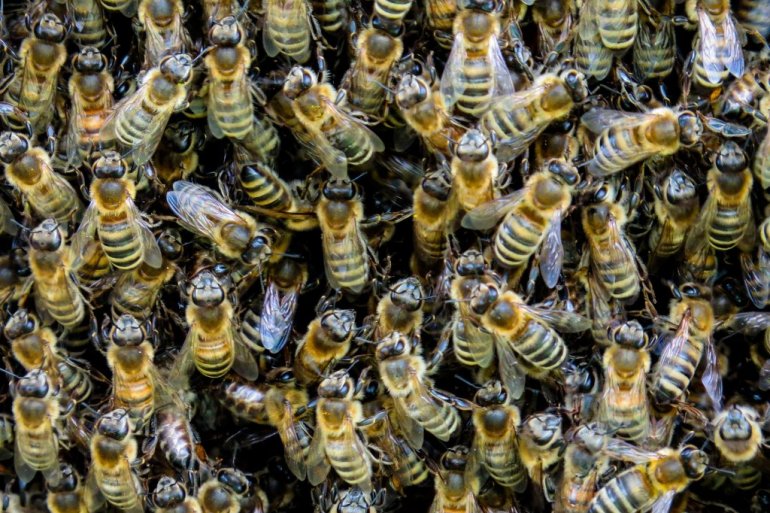
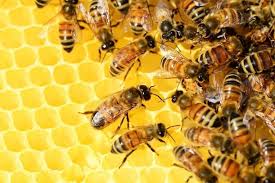
The worker bees are female like queens but are underdeveloped as females. While the queen has only one role and that is to lay eggs, the workers perform all other tasks in the community. They clean the cells, build honeycombs, nurture and feed the larvae, feed the queen, maintain hygiene in the hive, maintain temperature and humidity in the hive, protect the hive from enemies, collect propolis resin, bring nectar and pollen. Each bee as an individual, depending on its age, performs all these tasks. That’s why bees are said to be “worker bees” because they do it all.
The worker bee itself is 12-14 mm long and weighs about 90 -115 mg. At the beginning of the season there are about 20,000 workers and during the active season there can be about 60,000 workers. Although the worker is like a female queen, due to the type of nutrition in the larval stage, the time the bee leaves the cell takes longer and is 21 days. Litter care has been shown to shorten the life of bees. During the active season, bees live for about 45 days, while the so-called winter bees that hatch in September can live for 4-6 months, ie until a new cycle of bees.
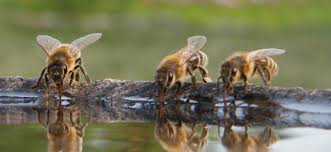
When the cranberry hatches in the first two weeks, it nurtures the litter and feeds the queen. During that period, he goes on a process flight as well as getting to know the surroundings. During this period, their wax glands are active, so they secrete wax to build honeycombs. After that time, they do other jobs. After 20 days, there are workers who bring nectar, pollen and water. However, depending on the need, the workers also perform tasks that do not suit their age. The first brood after winter is raised by old bees. They secrete milk even though they are several months old.
Drones are male individuals of the bee community. The structure of their body is adapted to the role they have in the community, which is the fertilization of the queen. Their body is shorter and thicker than the body of the queen and larger than the crankshaft. Their number in the hive varies depending on the season. In spring and early summer there are the most of them because then they have the task of fertilizing the queen, while in early autumn the workers push them from the honey to the side, stop feeding them and they die of hunger and cold. In winter, bees enter without drones. However, there are also when workers keep drones and then the queen is bad and the bees plan to replace it so that they need it for fertilization.
It takes the drone the most time for the cells to come out ... 24 days. When he comes out, he is not yet fully mature, so he needs another 8 to 14 days. During the spraying trip, the queen emits a specific odor that attracts drones. The drone that is the fastest mates with the queen and its task is accomplished. During the separation, his sexual organ is torn and he dies.
Queen of bees ...
It's snowing ... it's winter ... the hive is in some kind of dream. However, something is happening ... it's time to start a new life ... The queen bee feels that time is changing and that she needs to start laying eggs in order to start a new wave of life in the hive .... now is the time to talk about her.
Queen bee....
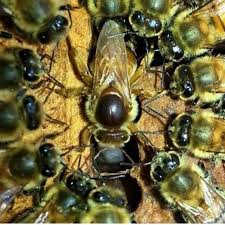
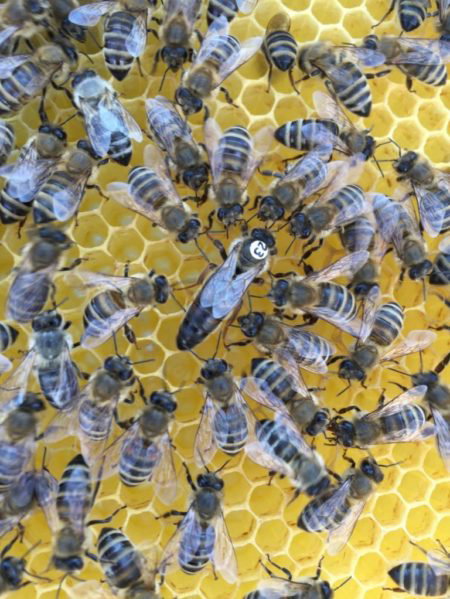
The queen is a fully mature bee capable of producing offspring-bees. When we say sexually mature, we mean the fully developed sexual organ - ovaries and tubes and the ability to deposit fertilized eggs in the cells from which the worker bees will be derived. However, although earlier and now it is believed that the mother is the one who decides what society will do, science has proven that this is not the case. If the bees feed abundantly, the queen will lay eggs. Society is preparing the urge to swarm and it will depend on the condition of the hive - whether there is space, food, parasites ...
But...
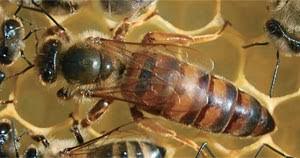
When the queen bee disappears, an alarm is raised and a hum is heard in the hive. When the queen exists, the bees feel the queen substance that she secretes and the bees spread it around the hive. Bees raise a queen from fertilized eggs like worker bees. However, due to the special food, ie royal jelly, with which the bees feed the larva, the time of the queen's release is shortened by 5 days and she comes out by 16 days, while the worker bee comes out by 21 days. The queen itself is larger and longer than all other bees. The length of the body is 20-25 mm depending on the type of bee, the weight of the unfertilized queen is 150 -200 mg, while the fertilized one weighs up to 250 mg. A quality queen can lay up to 2,000 eggs in 24 hours. There are some queens that can lay up to 4000 eggs in 24 hours. The quality of the queen itself affects how she is fed during growing up as well as the quality of mating with drones. She lays the largest eggs when she is young and later they are all smaller and thus the bees. That is why it is recommended that the queens be changed every other year. Otherwise, the queens can live from 5-7 years.
When the young queen comes out of the queen for 7-10 days she is ready to mate. Then she develops scent glands which attract drones and she goes on a "wedding flight". After 4 to 5 days, the queen lays eggs after returning to her hive. In case it does not mate after two weeks, the queen loses the mating order and she becomes a drone. As soon as the queen begins to lay eggs, the society works harder and ingests pollen and nectar.
It often happens that the queen initially lays more eggs (2-4) in the cell. This can mislead the beekeeper into being a fake queen. The main difference between them is that in the case of a true queen, the eggs are at the bottom of the cell, while in the case of a false one they are on the walls of the cell.
Wax production
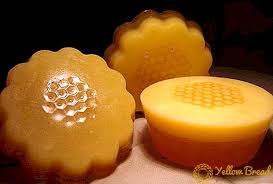
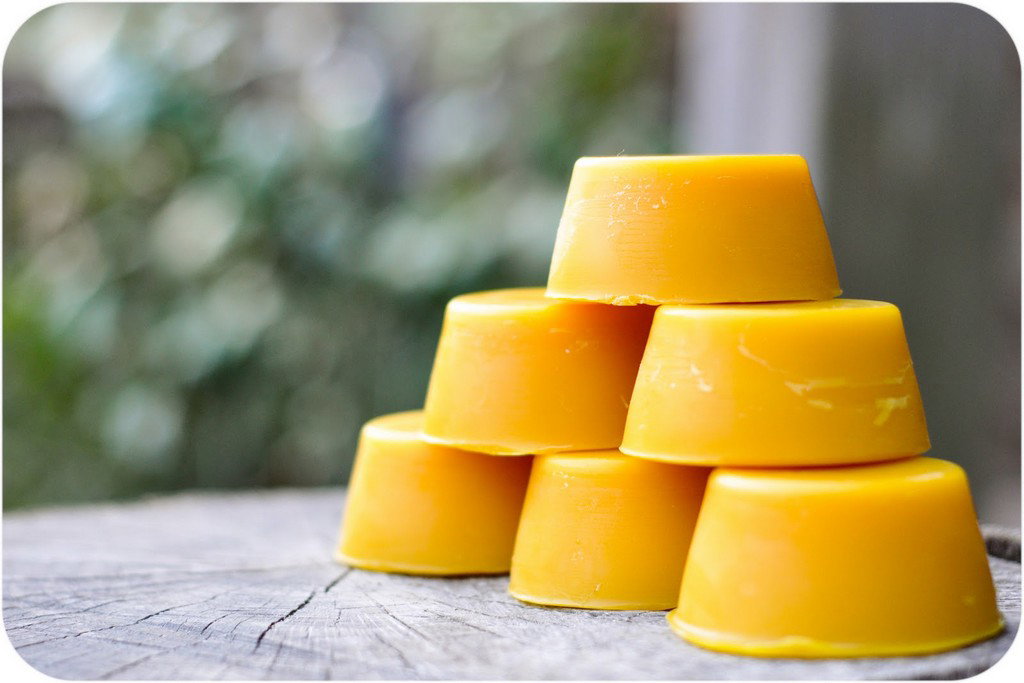
Beeswax is very important for beekeeping and is always lacking. It is used a lot in the Faurmaucet and chemical industries and in cosmetics. The beekeepers themselves do not have enough of the wax needed for the annual needs of their apiary to replace the hive. Due to insufficient production, wax is often counterfeited by paraffin waxing, ceresin or technical wax. The specific weight of wax is quite different from these fake ones so by measuring its weight we can determine if the wax is real or not.
The quality of the wax can be determined organoleptically and laboratory. Organoleptically it can be determined on the basis of odor, fracture appearance, brittleness and sawdust properties. Natural wax has the smell of honey, honey and propolis. The cast of natural wax has a flat or slightly curved surface and breaks easily when struck with a hammer. But if there is paraffin in it, it does not break on impact. Natural wax has a fine-grained structure, while artificial wax has easily spotted large and separate crystals. A piece of wax when compressed feels greasy and it is fake, while with real wax it becomes plastic. If a piece of wax bites and it does not stick to the teeth, it means that it is clean, otherwise it is false.
Wax production can be increased in two ways. The first way is by placing the frame of the builder and the second is by diluting the frame in the medist. By setting the frame of the builders we help the bees in the fight against varroa. In this case, it is necessary to cut the drone sac when it coincides. In the case of wax production only, it is necessary to come to the apiary several times, but this also increases the costs of beekeepers. Therefore, it is more cost-effective to use the method of thinning copper frames for the production of wax. The bees will increase the depth of the frames due to the space and thus will bring more honey. If there is no space for honey, the nectar intake will stop immediately and they will secrete less wax to build honeycombs. However, for the production of honeycombs, in addition to pollen and honey, space is needed in the immediate vicinity of the litter where they will build.
The honeycomb made of construction materials, copper lids and cut cells in thinned frames is the raw material from which the highest quality wax is obtained. However, old frames with worn-out honeycombs as well as sawdust from frames, cover boards and hive walls are also raw materials.
Depending on the quality of the raw material, lighter or darker wax is obtained. Quality wax is lighter in color.
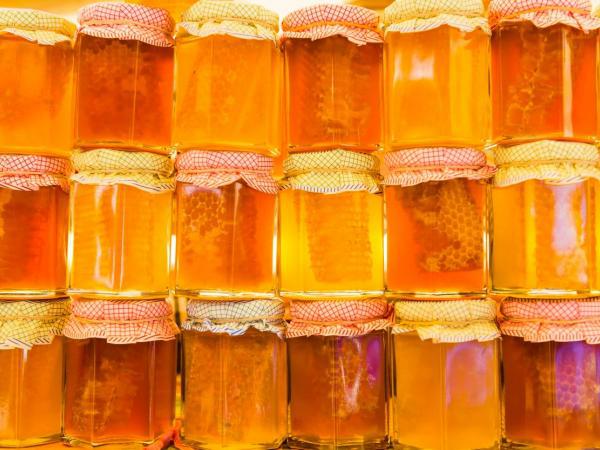
Types of honey ...
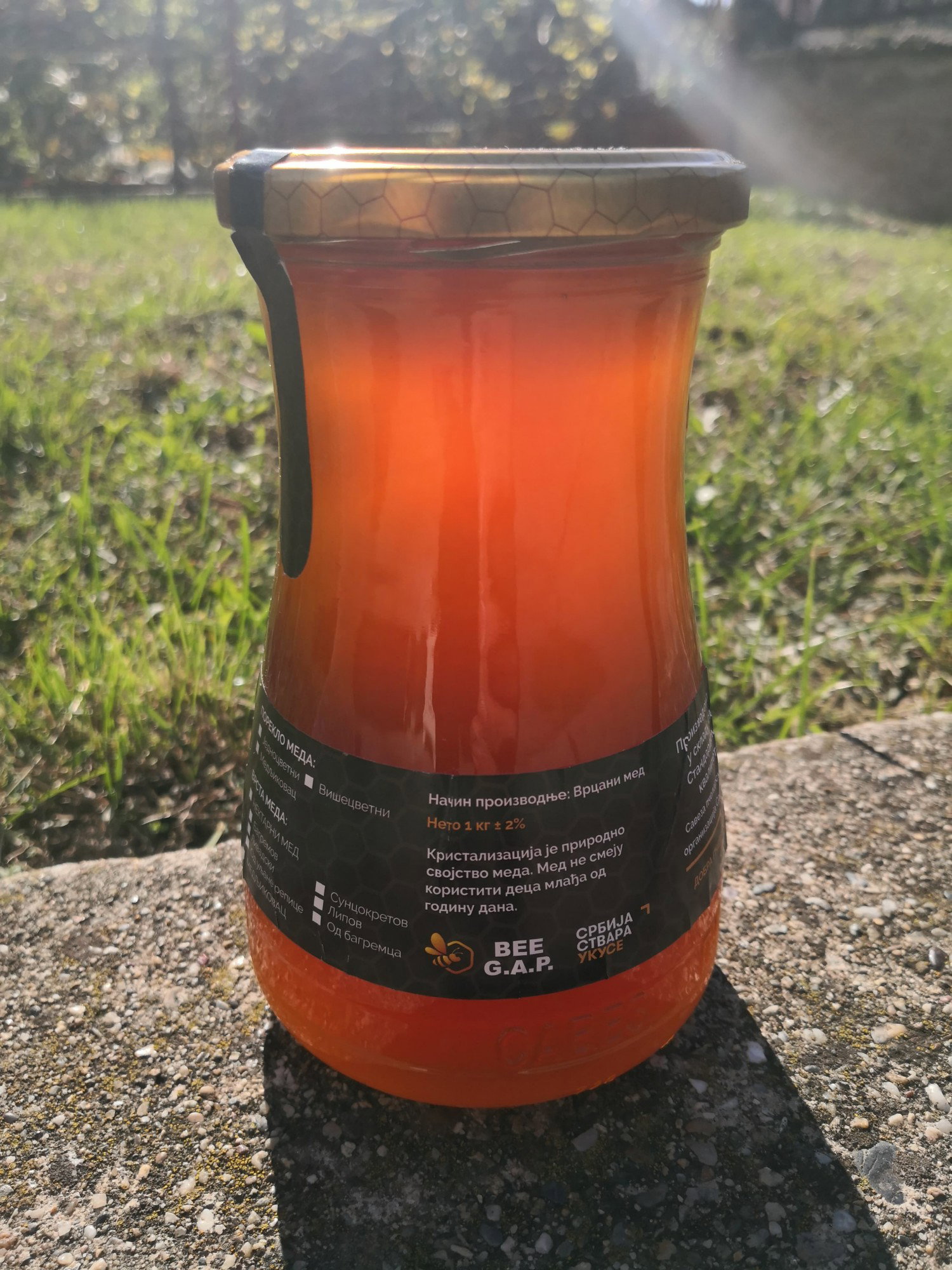
Honey is a food that, due to its properties and action, has a great benefit on the human body. Despite the development of science, honey cannot be made like bees do.
There are a large number of types of honey, but I will list the species that are in the territory of my region.
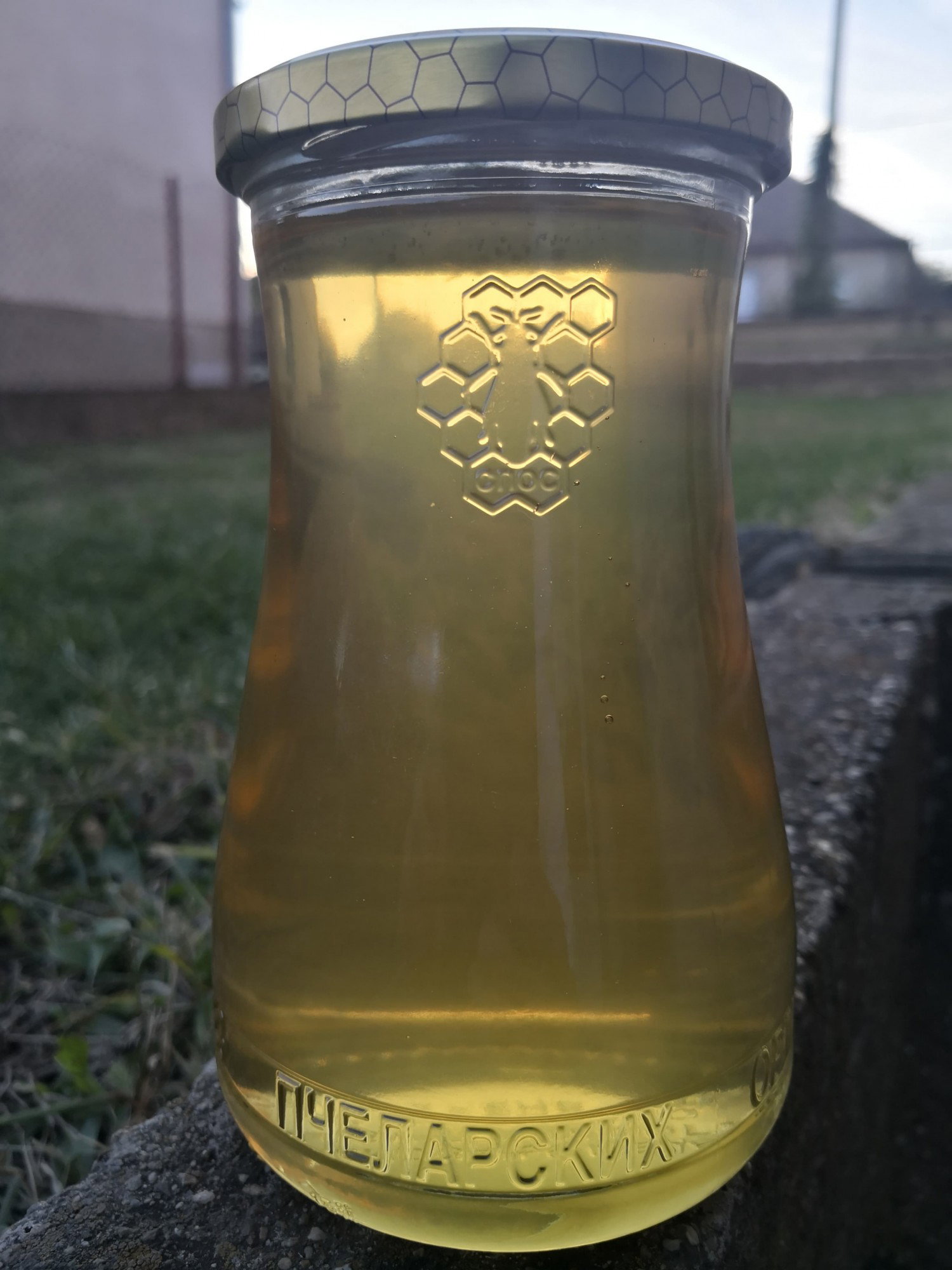
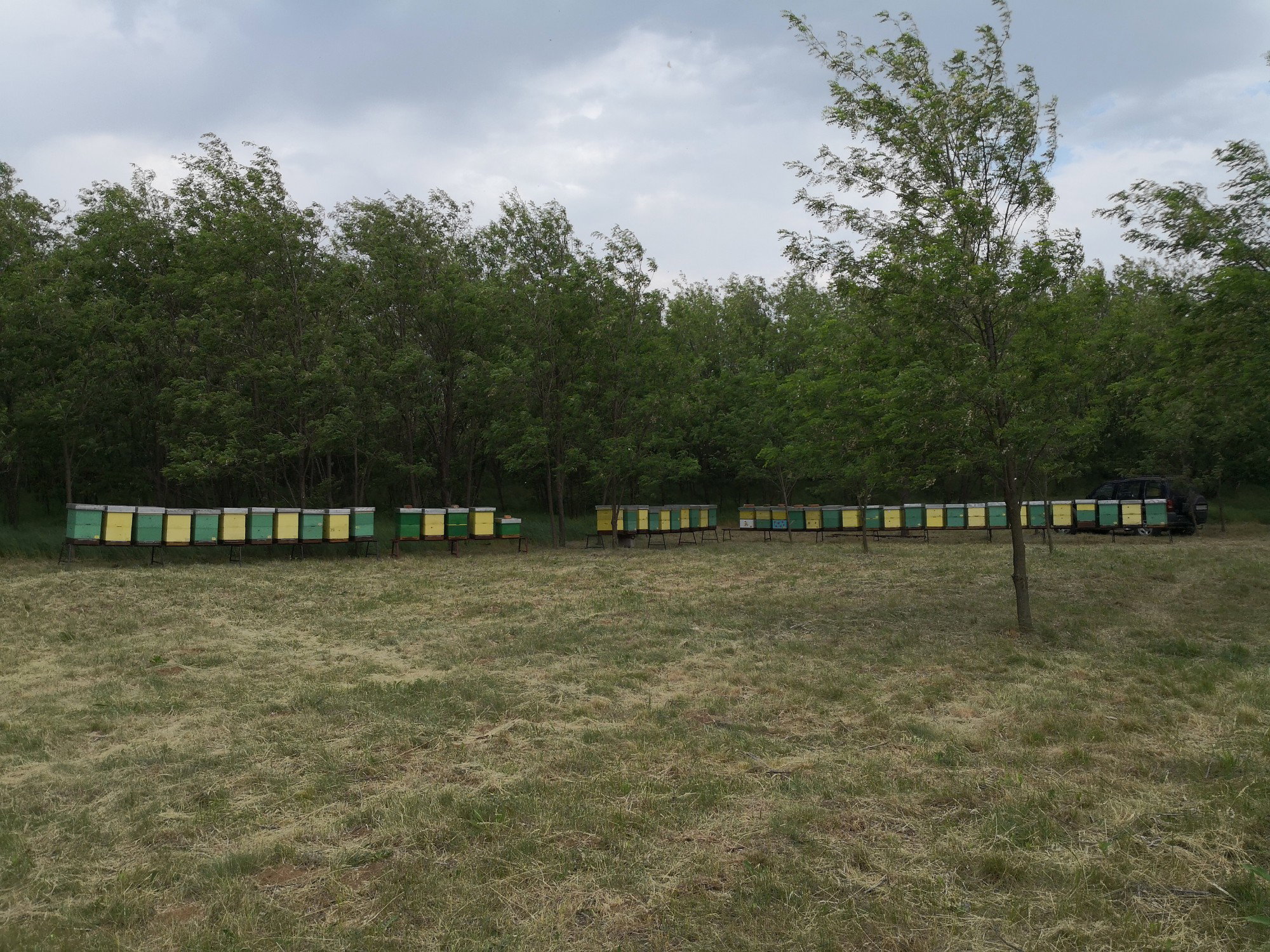
**Acacia** honey is quite widespread. Honey is liquid and transparent. The color ranges from colorless, greenish to yellow depending on the flowering of other plants. It has a mild taste but at the same time a soothing and mild aroma. This honey is recommended as the first honey to be introduced to small children because it is as mild as it is for the sick. It is good for insomnia as well as for calming the nervous system. It is good for combinations with teas. This honey stays in a liquid state for the longest time.
**Linden** honey is transparent and has a very characteristic scent of linden flowers and where it gets its healing effects. With chamomile or wormwood teas it has a calming effect. It is used to prevent migraines or dizziness as for people who have kidney disease. It is quite good to use in the winter due to the relief of coughs and colds.
**Fores** honey - honeydew is honey that is not produced by the secretion of nectar but by the secretion of sweet juices of plant villages which bees collect and process into honey.
It is much darker in color and thick, with a strong taste reminiscent of caramel. It crystallizes fairly quickly. It is rich in mineral ingredients, while there are few traces of flowers or none. Folk medicine recommends it to pregnant women, nursing mothers, and for exhaustion or fatigue as well as anemia.
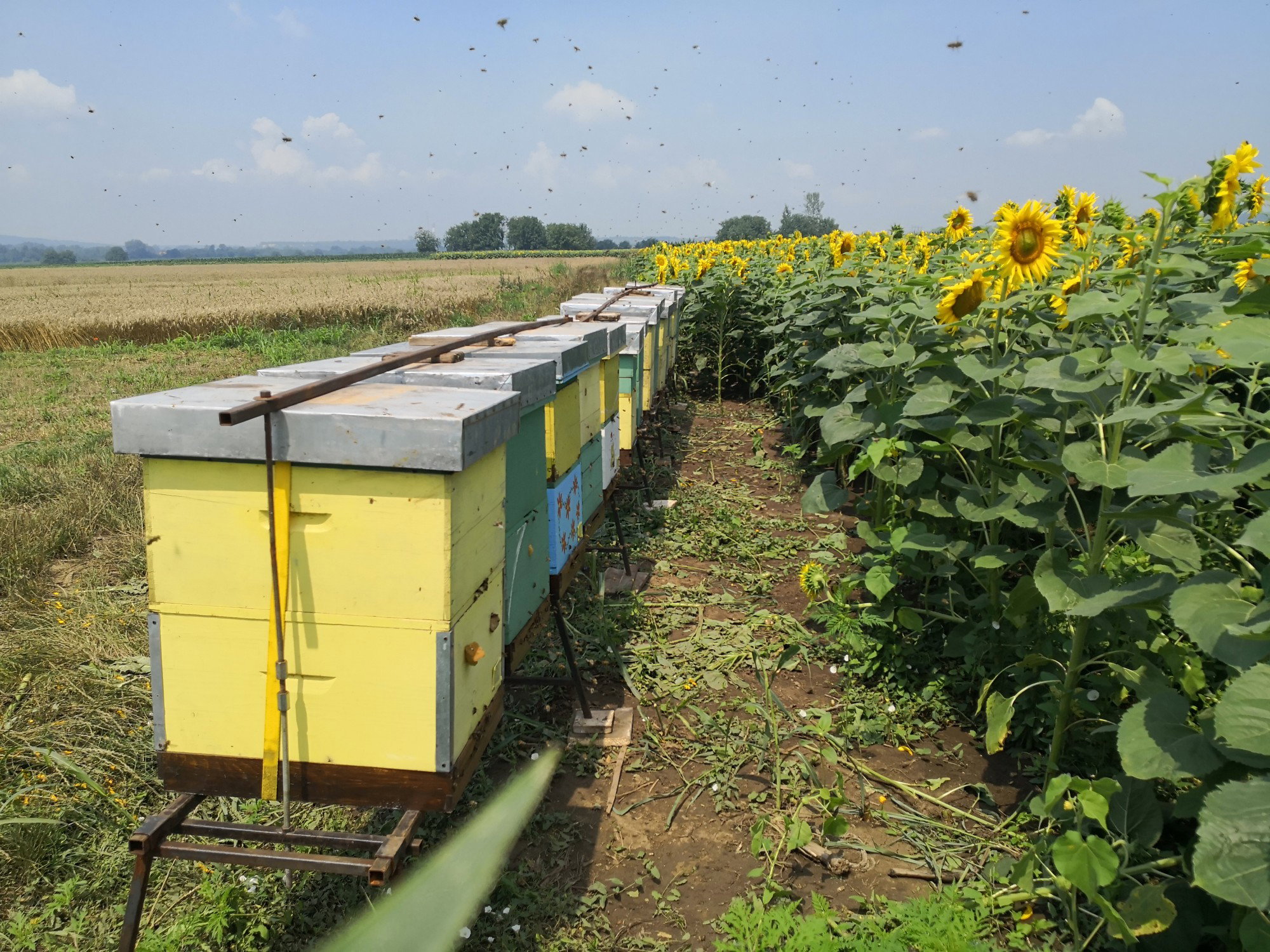
**Sunflower** honey is highly rated in the world. Only pure honeydew and some special homogeneous types of honey are in front of it. The reason for that is the extremely high concentration of pollen and some minerals dissolved in sunflower honey. Its color varies from yellow to orange. It tastes good. It rarely stays in a liquid state for more than forty days.
**Meadow** honey has a rich and pleasant taste, and can be darker and lighter. It is especially recommended for people who are prone to pollen allergies. This honey is obtained from various flowers of meadow and shrubby plants. With the power of various ingredients, it has a beneficial effect on developing children, the elderly, as well as all those who need rest and additional energy. The specific structure of plant species, especially mountain ones, make them recognizable.
**Chestnut** honey is darker in color, has a bitter taste and a special aroma. It is good for problems of the stomach organs: stomach, intestines, liver. the effect of honey is increased with chamomile, rosehip and thyme tea.
**The natural property of honey is that it crystallizes and cannot be prevented**
Types of hives ...
From ancient times, man has tried to make a hive that will be as close as possible to the habitat of bees in nature. However, he did not succeed in that ... There are several types of hives that have become standard, but they also have their disadvantages and advantages. These are LR (Langstrot Rutova), AZ (Alberti-Žnidaršičeva), DB (Dadan Blatova), Farar, Poloska and other smaller representation.
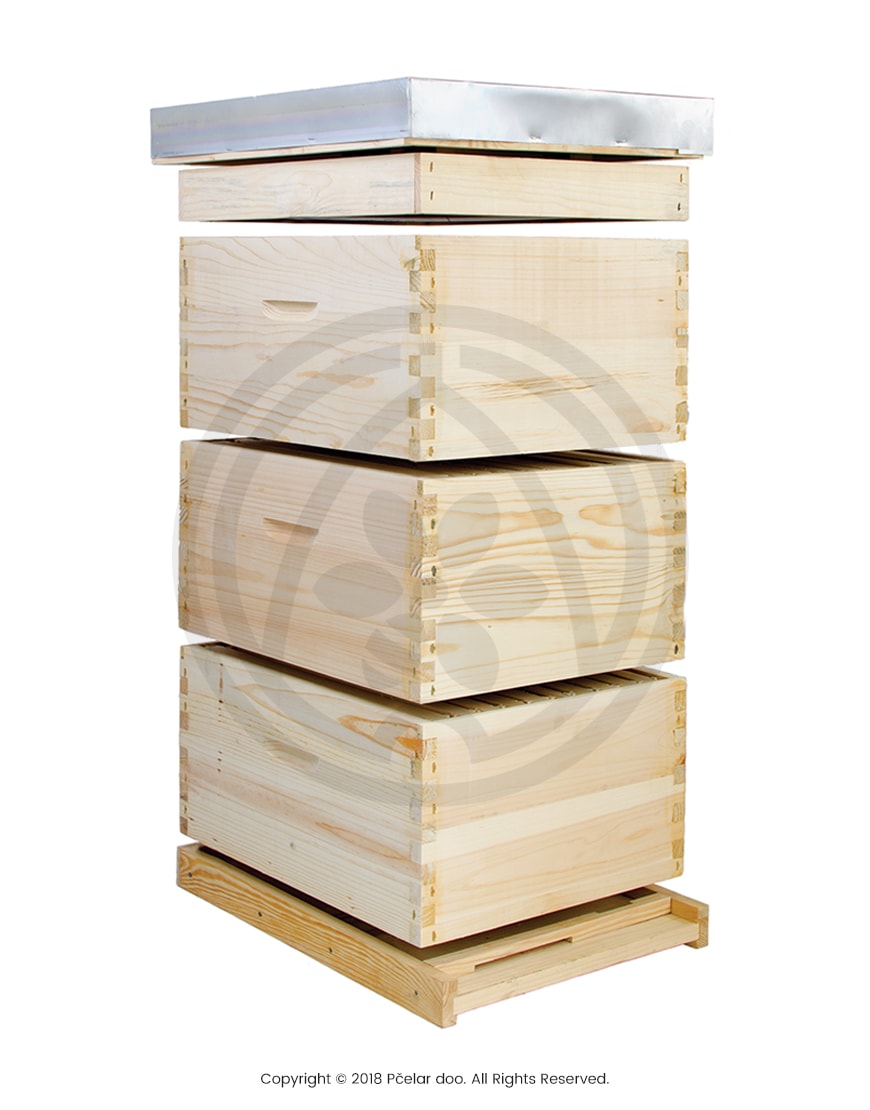
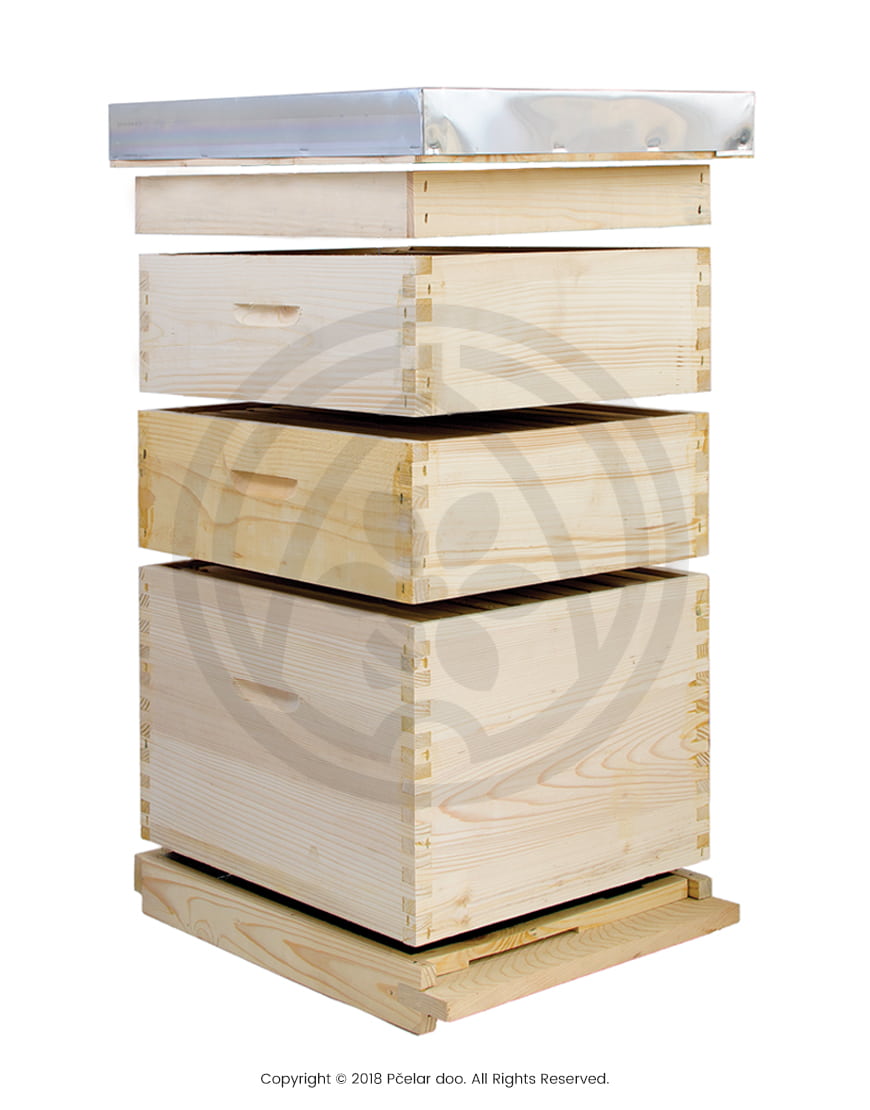
LR - beehive was patented in 1852. and consists of a base, three identical bodies 242mm high, a feeder, a ventilation net, a cover board and a roof. This hive has the advantage that bees build honeycombs into movable frames that can be easily removed and moved. Langstroth installed a movable frame in the hives, which "overcame" the bees in order to fill in the blanks and to propolize only smaller areas. The frame of the standard LR hive has an external height of 232 mm, while the length of the satin carrier itself is 480 mm. By default, the LR hive is provided that the lower two extensions are fertile, but in order to obtain the highest possible yields of honey, the fruiting body is reduced to one extension in many beehives by the beginning of honey grazing, by filling the other with a closed brood and rising above the parent grid. There are several ways to work with it, but also for the second time ....
DB -Dadan Blato hive or abbreviated DB hive is a hive with one body 310 mm high which serves as a beehive for bees and 2 semi-extensions of external height 155 mm which serve as honeycombs. The standard DB hive has 12 frames, but the 10-frame hive is also becoming increasingly popular. The DB hive is quite good for wintering because the dimension itself corresponds to a larger amount of honey cap and thus better wintering. Due to the size of the hive, it is not suitable for migratory beekeeping.
AZ - is a hive with a mobile honeycomb that is mostly used in mobile trailers. There are two established types, AŽ Grom with a frame 2 cm shallower than DB and slightly shorter and AŽ standard which has an even shallower frame than AŽ Grom. The AJ hive consists of the fruiting and medial space, separated by a parent grid. They usually have 10 or 11 frames. The frames do not have eyelets that are not even needed because they stand on two cross bars, and from the front and back they enter the tin gaps. This hive opens from the back and since there are no roofs they are good for stationary pavilions or for trucks. Disadvantages are limited space because new bodies cannot be added as well as more difficult work with frames.
Strips- Unlike other hives, the fruiting body and the middle of the hive are next to each other, usually separated by a parent grid, and not one above the other. The frame is deep, from the dimensions of the DB frame 420x270mm to 400x300mm, and even larger 400x400mm. The larger the frame, the more difficult it is to handle the frames, and the problem is closing the honey on the side of the bees, so that the smaller frame certainly has an advantage over the larger one, not only with the hive but also with other hives. The sheets usually have 18 or 20 and even 24 frames. If they weren't so heavy and bulky, they would be suitable for moving. They are characterized by limited volume and the necessity of working with an individual frame. They are suitable for keeping two or more bee colonies in one hive, which can be easily joined before grazing.
Types of bees ...
There are several theories about the origin and origin of bees ...
-Central Europe ... once when there was a tropical climate in that part the first forms of bees appeared and are considered to be the oldest species of bees
-The basin of the eastern Mediterranean-today's species were formed after the ice age and then as the climate changed they spread to Central Europe
-Southeast Asia - there are several species of bees and it is believed that they originated there
Apis Melifica - the whole area of Europe, Asia and part of Africa
Apis indica, Apis Dorsata, Apis florea - South and East Asia
On other continents of America, Australia, there was no Apis species
In Europe, the bees we now know are divided into:
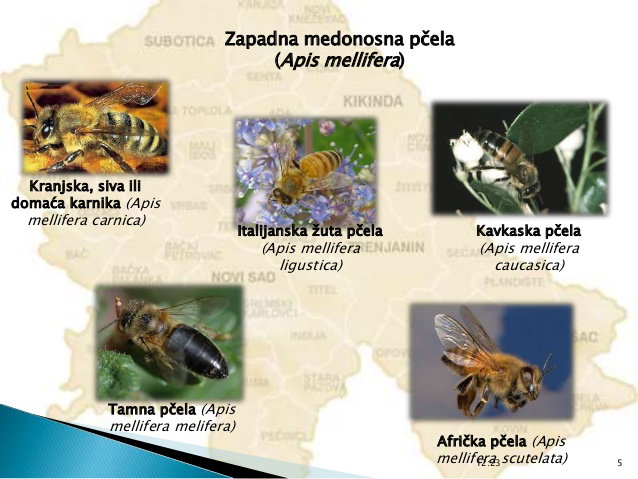
-Dark European bee (Apis mellifera var. Mellifera) or black, German bee
-Italian bee (Apis mellifera var. Ligustica)
-Kranjska bee
(Apis mellifera var. Carnica) The Carniolan bee is represented throughout Europe, and some call it by its color - gray, whose habitat is the area of today's state of Slovenia. The Carniolan bee has subspecies known as Banat, Croatian, lavender and Macedonian. Yet it is all one kind of bee. Although the body of that bee is black, it is overgrown with gray-silver hairs, so it is slightly lighter than the European dark bee. In addition to color, this bee also differs in its characteristics, so it is accompanied by the voice of sudden and accelerated spring development. It has the characteristics of a good and successful overwintering even in very unfavorable weather conditions, which is why it is one of the most sought after species of bees. It has a rather strong instinct for swarming. It shows exceptional calmness on the honeycomb, not too aggressive, even according to some authors of written literature, it is the most peaceful breed of bees. It is accompanied by the voice of poor collection of propolis, but the queen bee is extremely fertile and communities have a huge instinct to collect food.
-Caucasian gray bee (Apis mellifera var. Caucasica)
There are other types of bees that I would not list on this occasion.
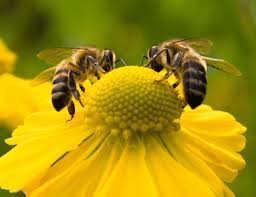
Bees are the most numerous pollinators in the world and as much as 85% of the food we eat thanks to them.
Today we know that there are about 20,000 species of bees distributed in 7 to 9 groups, although their number is probably even higher. They are found on all continents except Antarctica, in every place where there is a plant that needs to be pollinated.
Bees associate bees with other insects such as wasps, hornets or beetles. This fear is normal and is passed down through the generations. However, people need to be explained that bees are still great pollinators and that is why we need to help them by planting honey plants in a safe period.
Stationary and migratory apiary
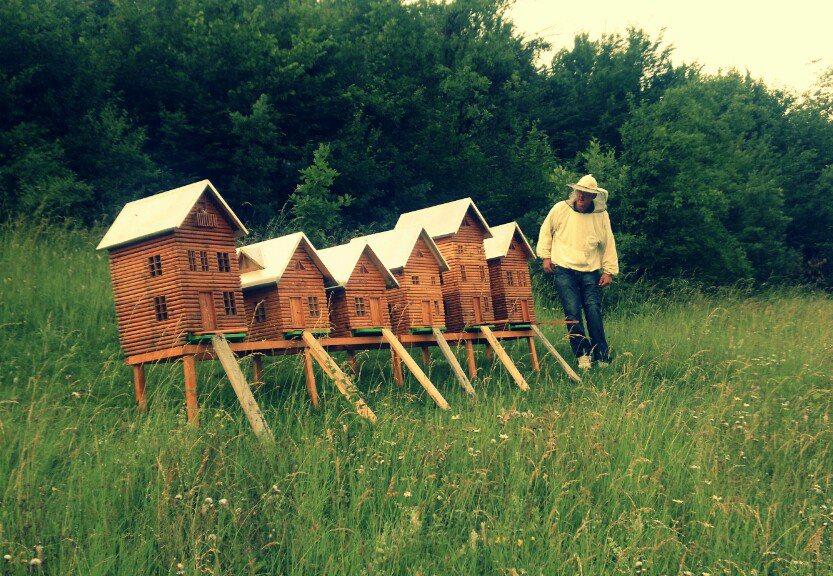
At the beginning of beekeeping, you should decide on the type of apiary ... several factors decide that ... how many hives we want to have up to the grazing conditions in the area ... Regardless of the way. hives are placed away from roads, factories and other pollutants. This should be influenced by the distance as well as the access to the apiary itself.
When it comes to a stationary apiary, one should pay attention to the diversity of dogs in the area, as well as avoiding places where crops are treated with various chemical preparations. In stationary apiaries, it is not bad to build a facility where the equipment necessary for work will be located.
Bees fly optimally about 3km in diameter and in case of lack of pasture they can fly even more but then it is not profitable for the beekeeper himself. The distance how far it will fly also depends on the weather conditions, the configuration of the terrain and the condition of the bees. The disadvantages of stationary beekeeping are reflected in the yield of nectar, but the lack of the bee itself will not notice because they are able to provide nectar for the winter, but the beekeeper himself will have much less honey than the beekeeper who moves the bees. Since the awareness of people in the area about the usefulness of bees is very low, so the migrant beekeepers themselves have problems finding places where they can set up hives. The benefits of pollinated bees are enormous, ranging from increasing crop yields to reducing the use of chemicals to treat yields. It is a mistake to think that beekeepers only benefit from bees - that is completely wrong. The whole flora and fauna benefit.
The advantage of stationary beekeeping is reflected in lower costs due to migration, less suffering of society during migration, less possibility of infection of the bees themselves due to contact with other bees as well as better development of society.
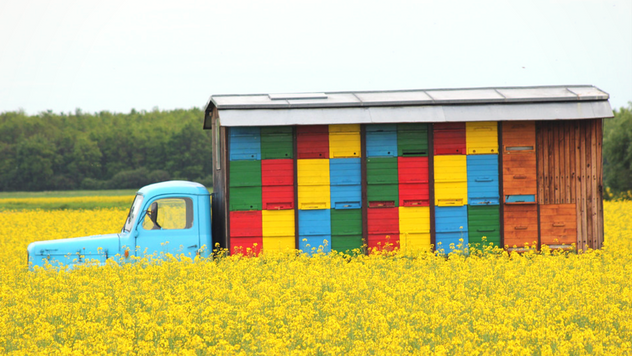
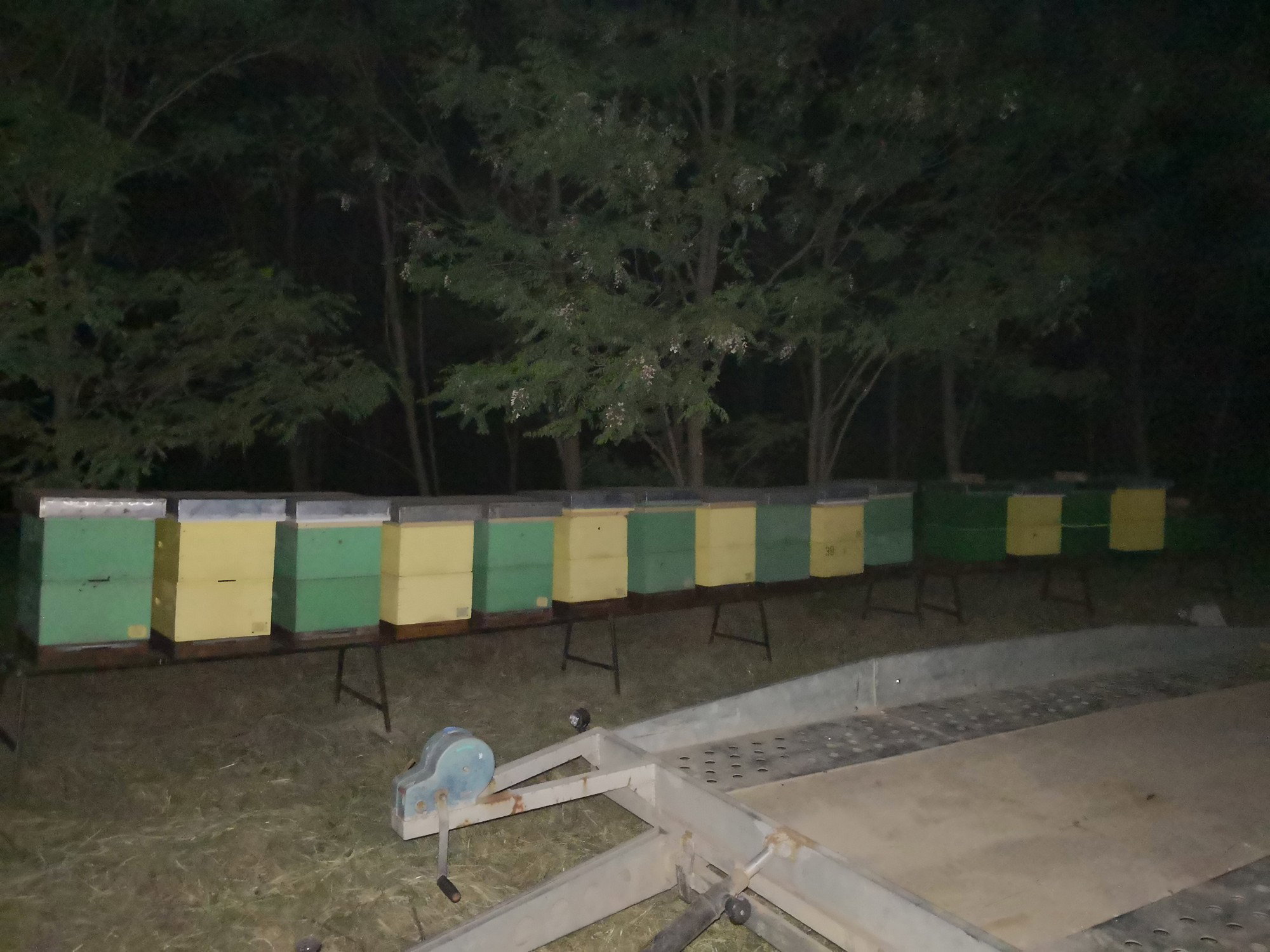
The hives are moved by various means. Trucks, buses, trailers, boats or by rail. The migration can be from 10 km and depending on the location several hundred kilometers. The main advantage of migratory beekeeping is that we can migrate to more dogs .... Acacia can migrate 3 times depending on altitude .... linden ... sunflower and meadow . All of these are pastures in various locations. The yield can be increased 3 to 4 times compared to a stationary apiary.
But the move itself also brings problems. The societies themselves are exhausted during the move and we are left without bees. During the move the bees are disturbed and therefore consume more food and produce more carbon dioxide and can happen if they do not have ventilation to suffocate. move to the location if there is no good road.Transportation costs increase if there is no beekeeper own transport.