 @tatatatira
Why do we remember the best time as a period of wars with adults?
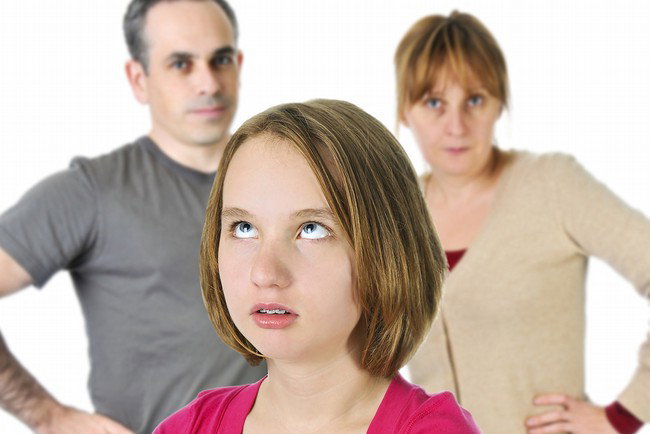
Good day, good people, I don't know about you, but in my home, raising children is the basic motive. In addition to our children, the children of relatives came to our family for support and help with their studies. We have encountered many challenges but also their diverse natures and psychologies. From tiny babies, they grew up and formed their own identities. Thanks to their education, they left as formed and complete mature personalities ready to fight with life's problems and everyday life. But we have to go back to the beginning…
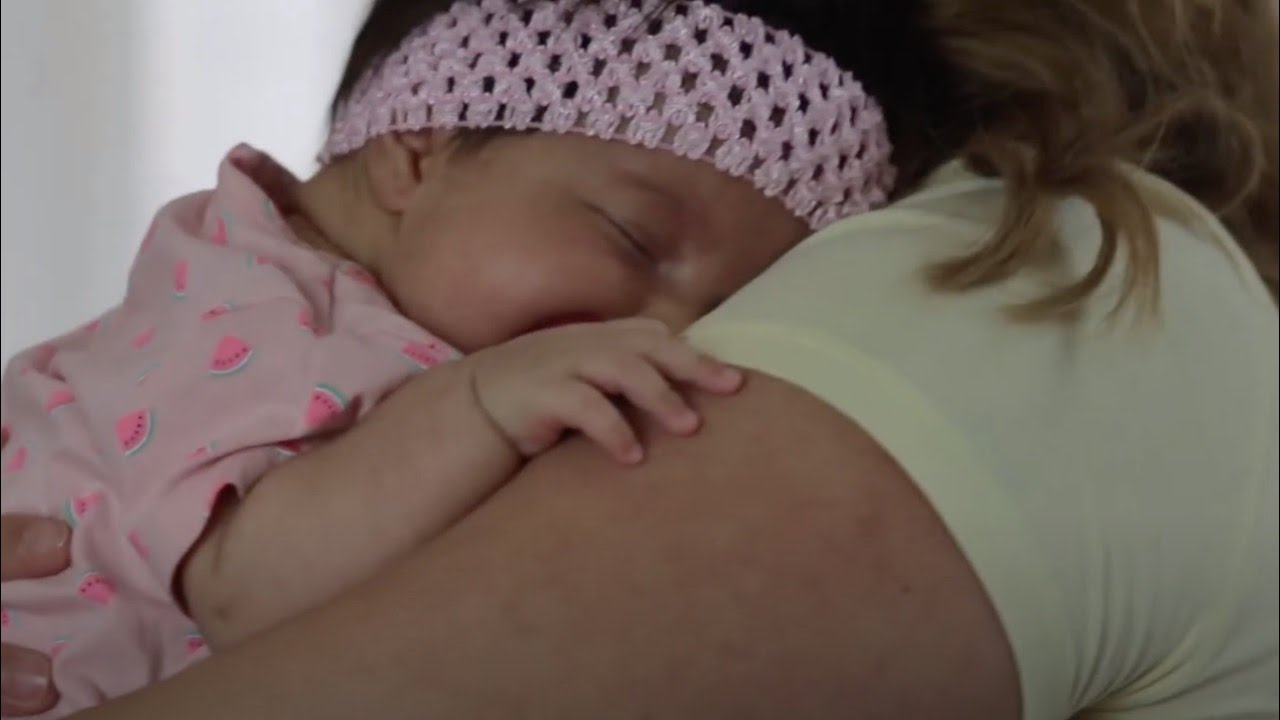
**And we would start with tears, carrying and singing…** The first hands that held us from the first day of our birth are parents until we go to school. The first kiss, the first hug and all the first emotions come to us from our parents. But joining a group in a child creates resistance towards the parents. A child, like an adult, is a social being and needs to belong to someone or something. The first group in which a child creates his identity is his family. As a rule, the mother is the most important, because in the first years of life, three to four, she continues to act as if the child is a part of her, so that the child develops the experience of a strong emotional belonging to the mother. During pregnancy, the child was a part of the mother's body, so that the mother experiences the child as a part of her personality in the first years of life. We call such a relationship symbiosis and it is necessary for the proper development of the child. In this relationship, the child develops the first feeling of fundamental security and acceptance. After that period, the child turns to other family members, including those important parts of the extended family - grandparents.
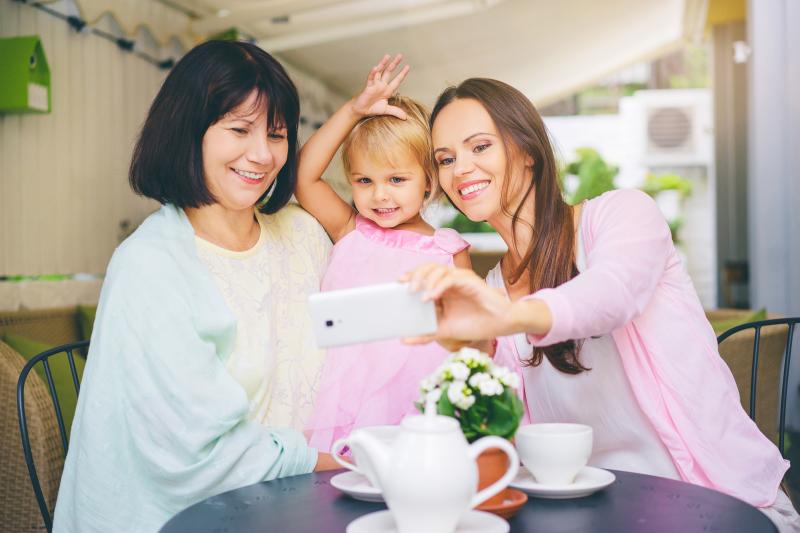
**The first attachment to others and the Balkan style** Although for most children, staying in kindergarten is a necessary experience, because their parents are employed, children, as a rule, do not have a developed sense of belonging to a group in kindergarten. They are mostly attached to one of the other children, especially the one they play well with. Many children perceive a group of children in kindergarten as a worse substitute for a family group. By starting school, children create a new student identity and have a need to belong to a group of children in the class. It should be noted that the situation in the first grades of primary school is not idyllic for the simple reason that children are not socialized enough. This means that in addition to friendly relations in the classroom, there are also hostile ones. Precisely because of insufficient socialization, some children in the class impose the "rule of the stronger", so that they gather around themselves children who are fighting for "power" and "popularity" with other similar groups. The task of the teacher is to cultivate and develop in the classroom such group dynamics in which friendly relations will prevail and "rule of law" in which it is not important who is stronger, but who is right.
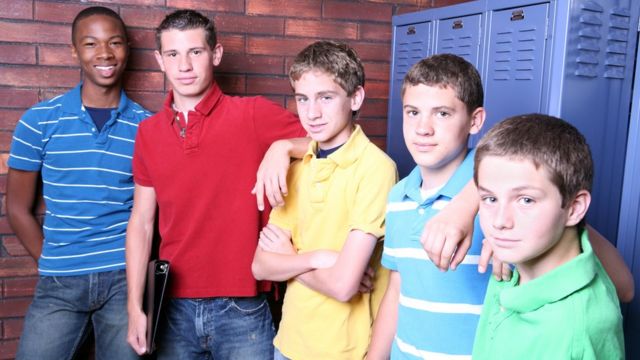
Entering puberty causes a big change in the child's value system, because often peers are more important than family, especially belonging to this group and status in it. This is the normal phase of "belonging to a tribe" or "tribalism". It is interesting that this international word originated from the name of the Tribali tribe, which from 1200 BC inhabited the area in present-day Serbia (between South and West Morava) as well as parts of Macedonia and Bulgaria, and which, unlike the official historiography , in ancient sources considered Serbs. Tribals existed until the Roman conquest of these areas. In the phase of tribalism, it is important for the adolescent to be accepted in the group of peers and to take an important place in it. While in the family the child builds a "primary identity", in a group of peers it creates a "secondary identity". For proper development, it is important that a person in both of these phases develops a positive image in himself. After the phase of belonging to a peer tribe, the young person begins individual development, defining himself as an individual who walks his own life path. It is the phase of a functionally adult person who is socialized and capable of independent living. She has different "affiliations" to different groups and different social roles, but her self dominates in the Self-Other relationship.

**"Locked" in the past** Adult individuals have a need for love, which is why they mate in love relationships, belonging to a partner, which usually leads to a new phase of belonging, and that is belonging to a secondary family, especially their own children.
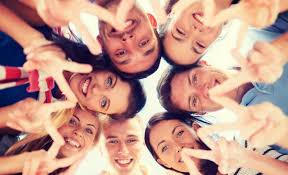
If these were the stages of some development of belonging to a group, then we could also talk about how some people lag behind in some stages of belonging. There are those adults who still feel the most belonging to their parents. There are also those adults who are "locked" in the phase of tribalism, so they have to belong to some, for example, fan, political or ideological "tribe" that fights against "enemy" tribes. There are also those who have remained in the phase of individualism and, perhaps, narcissism, believing that such a way of life suits them best. The ideological "winds" that blow through the modern media actually promote individualism as the optimal way of life. This is indicated by worrying data on the long-term trend of declining birth rates and the declining number of those adults who are family-oriented. The photos used in this article are taken from the site **www.google.com** https://www.google.com/search?q=People+and+machines&tbm=isch&ved=2ahUKEwjhkJKrieDsAhVUIhoKHQZIDz8Q2-cCegQIABAA&oq=People+and+machines&gs_lcp=CgNpbWcQDFAAWABgLGgAcAB4AIABAIgBAJIBAJgBAKoBC2d3cy13aXotaW1n&sclient=img&ei=E_-dX6G7E9TEaIaQvfgD&bih=625&biw=1366&rlz=1C1GCEA_enRS903RS903#imgrc=fkuqJNgp2iLXZM&imgdii=59WbsvxyMo2zmM Sources: Zoran Milivojević, Pripadnost grupi, Beograd, 2020.

20 comments
I never had a problem with my parents about my company, they didn't defend me. I knew very well what was good for me, I hung out with everyone, everyone came to me, they knew everyone. I think it's very important to build a circle of trust, that's the best with everyone. My sister hid where she was going, where she was going, they were constantly waging war with her.
Trust is the core of successful parents and even more successful children. Although, children who are surrounded by parental attention have stability and self-confidence
From birth, we belong to a "group of people", and that is absolutely true. Many life circumstances place us in certain groups, both larger and smaller.
The influence of the group can be devastating, although a child who has a stable relationship with his parents will not get into conflicts. He will have a more mature approach to everything, including society.
I completely agree with your views expressed in the article on the stages of a child's growth, the first phase is belonging to the family, then to society at puberty and finally to some groups or parties. Every child strives to be accepted in a group .
> I completely agree with your views expressed in the article on the stages of a child's growth, the first phase is belonging to the family, then to society at puberty and finally to some groups or parties. Every child strives to be accepted in a group . It is one of the most difficult periods of growing up because you are afraid of everything. Will you be accepted, will you be loved, not rejected, etc., etc.
At a point children become anti societal. They seems to be the best of times
> At a point children become anti societal. They seems to be the best of times Welcome Eseehi.Thanks for reading. A small child has a much larger number of problems because he is still learning and perceiving his life and relationship with the environment, but over time he forgets bad memories and remembers only beautifully.
Most times been accepted in a group means leaving your parents 'net'
> Most times been accepted in a group means leaving your parents 'net' The psychology of the masses or in a simple interpretation, where the whole herd runs and the little calf runs
Every parents should friendly to their children. It helps to grow them with good lesson. Their behaviour depends on how their parents teach them
> Every parents should friendly to their children. It helps to grow them with good lesson. Their behaviour depends on how their parents teach them That's right. I raise my children to be good people because I will live with them for the rest of my life. I couldn’t live with bad people, not at all.
Yeah, that's good for your children. Only for bad people and bad society a children can lost the real path of their life. It's better to be guide them at Childhood
Why are women suddenly so angry and complex, what puts them in this state? It’s not as “cool” and feminist as we think it is, Rebecca Liu warns, it’s more an indicator of the times we live in - in which Western women, even if they think they’re liberated, still face many limitations. Many people do not even know what exactly they want from themselves, from life, what role they should play - the possibilities are endless, but it is difficult to choose the right one, then there are external limitations and frustrations when it is impossible to find resources that would allow you to live on your own
I will have to deal with that idea in the next text. You gave me a great idea.
Thank you. These are all the life stages of a person's life and yes we faced them all for once in our lives.
Welcome Lewiss, Yes, it's all a part of life. The first experience as children through that period and later we take on another role as parents.
Yeah and it's so tiring 😌
Family or children are also the most important things in my life for me, so I help them, advise them, give all my love and hope that when they grow up, children will become independent and good people.
> Family or children are also the most important things in my life for me, so I help them, advise them, give all my love and hope that when they grow up, children will become independent and good people. Yes, the right definition for the receiving cell of our social society is just one normal, healthy and happy family.