 @rapsantos
more from that month
@rapsantos
more from that month
The Filipino Revolution (Part 2)
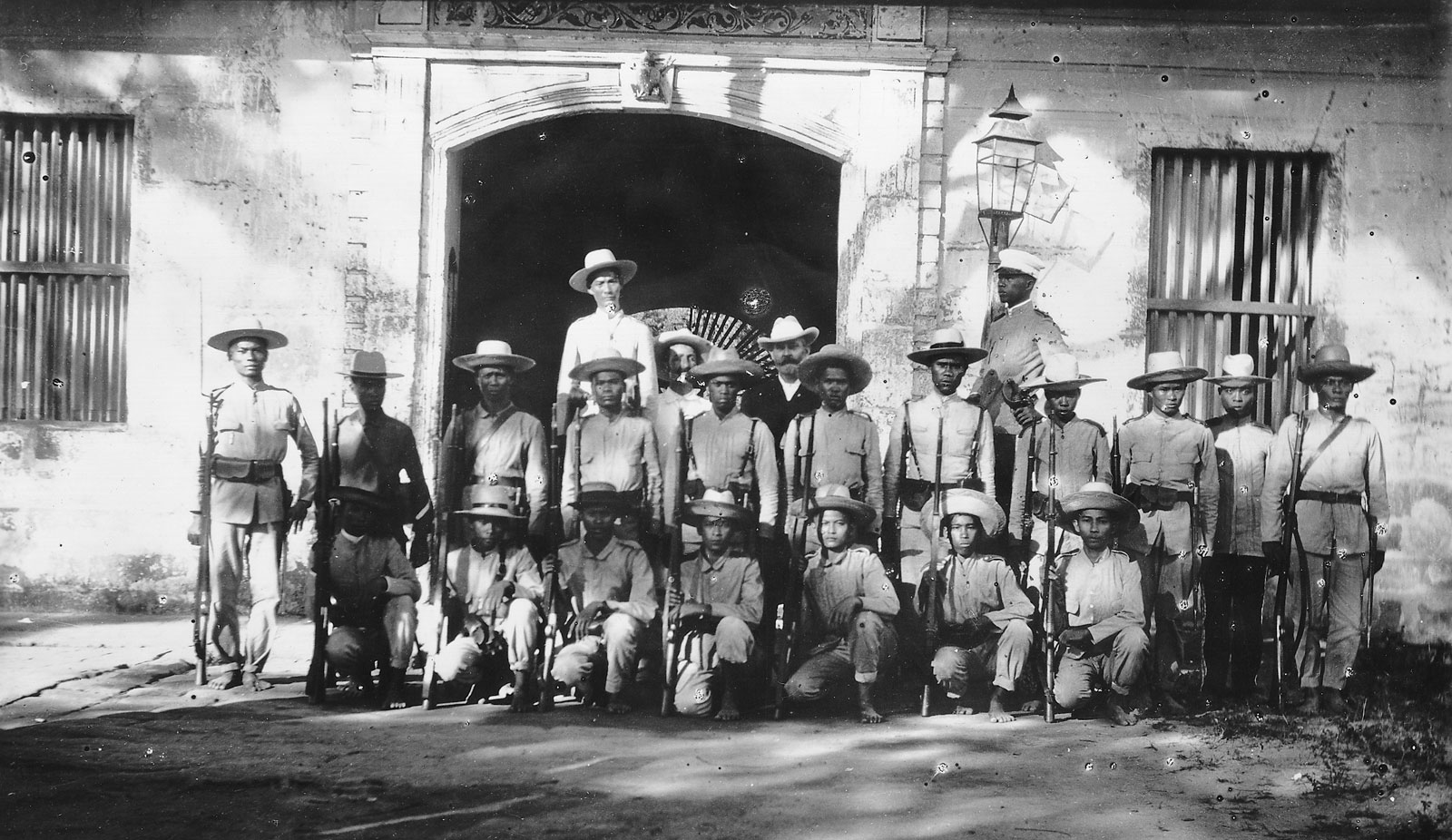
Japan's participation in the Filipino Revolution
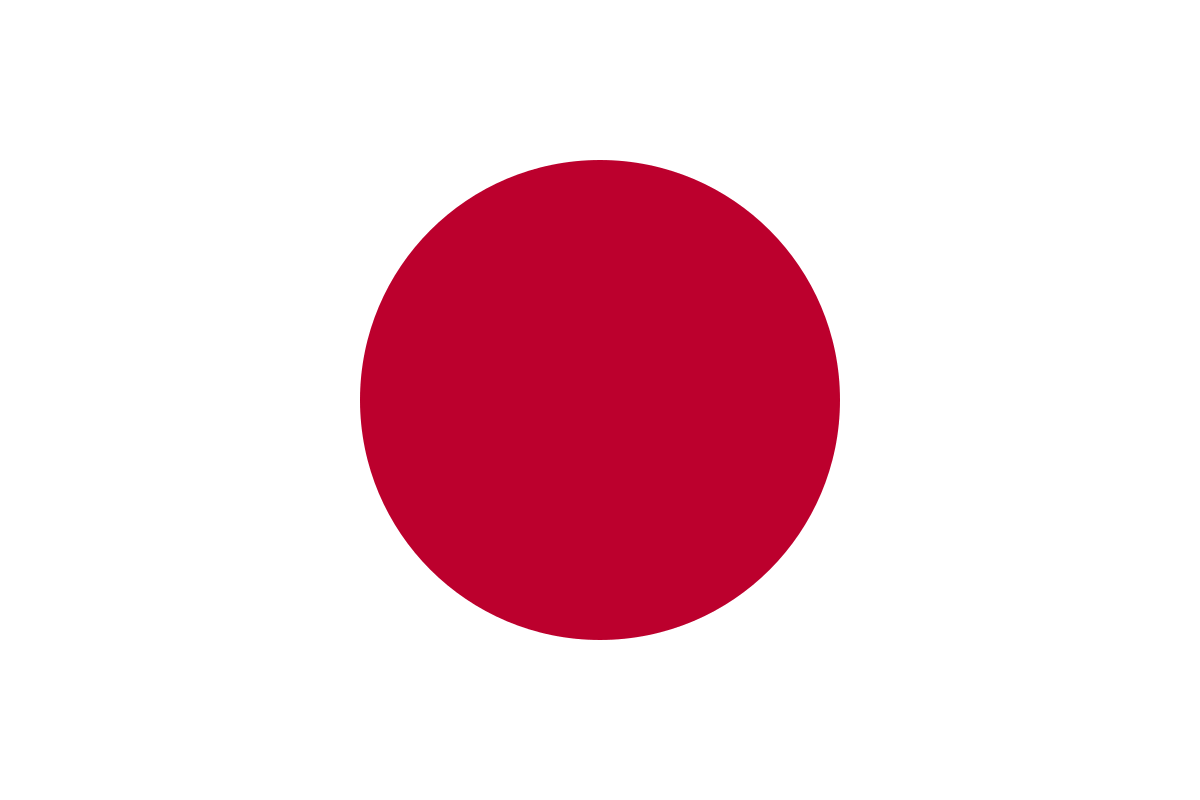
During the Spanish colonization in the Philippines, and before their divine conquest during **World War II**, Japan has close ties with the Philippines before it's discovery & the 1st expedition of **March 16, 1521**. As the relations between the Philippines & Japan dates back to the ***Muromachi period*** when Japanese merchants & traders had settled in **Manila**. https://read.cash/@rapsantos/the-spanish-colonization-that-lasted-for-3-centuries-part-1-9ec11388#the-magellan-elcano-expedition They also lent their support in numerous revolts from the ***Sangley Revolt*** to the ***Tondo Conspiracy***. They even plan to colonize the country as they offered 40 million pounds of Sterling from Spain, but this offer was not accepted according to a Spanish diplomat. *Would you imagine if the Japanese colonized the country in the 1890s?* https://read.cash/@rapsantos/the-spanish-colonization-that-lasted-for-3-centuries-part-5-fa872ad7#the-chinese-revolt-of-1603 https://read.cash/@rapsantos/the-spanish-colonization-that-lasted-for-3-centuries-part-4-12be83b4#the-maharlika-conspiracy-1587-1588 Another story was Spain offered to sell the country to Japan for $3 million of gold, but the offer was rejected. Going back to their involvement during the revolution, and Since Jose denied his full support of an armed revolution, Andres continued his plan to rusticate the Spaniards. Japan can be a probable champion of Asian liberties against Western oppression at that time. After sending Pio to Dapitan and convincing Rizal's full support, in **May 1896**, a Japanese cruiser named ***Kongo*** docked in Manila commanded by ***Admiral Kanimura***. One of Pio's friends, ***Jose Moritaro Tagawa*** was also in Manila as their translator. He informed Andres and other leaders of the Katipunan about their visit as they agreed to arrange a meeting. After exchanging courtesies, Andres tried to negotiate with the Japanese to purchase weapons, but failed due to insufficient funds until the group was discovered 3 months later. The Katipunan's Discovery
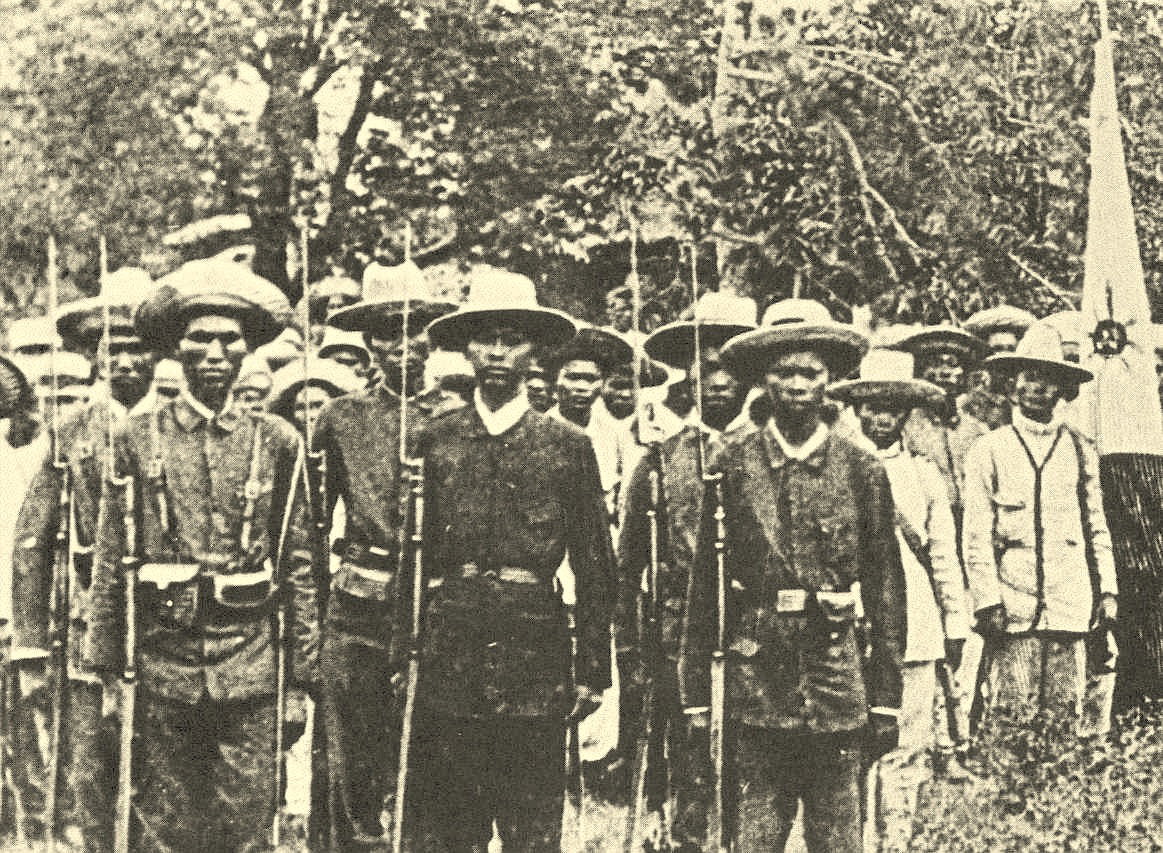
As the group was busy preparing for the uprising, there were different versions of the story how the Katipunan was discovered. In **August 1896**, ***Teodoro Patiño***, a typesetter working for a printing press called ***Diario de Manila*** (*the* ***Manila Journal***). It is said that Teodoro was given a direct order from Bonifacio to expose their existence according to one of Andres' closest friends who was expelled in **1895**, others say that he betrayed the society through a confession which became the standard version of how it sparked in **1896**. Teodoro had a misunderstanding with ***Apolonio de la Cruz*** - a press foreman also working for ***Diario de Manila***, regarding about their wages as they fought over for a salary increase. Apolonio tried to blame Teodoro for the loss of the printing supplies for the group's publication, ***Kalayaan*** (***Freedom***). Teodoro confessed to his sister, ***Honoria Patiño***. She was shocked, and was very upset of her brother's story. She told everything to the mother superior of the orphanage. Until it reached to the town of **Tondo**, **Manila**. When Teodoro confessed to an Augustinian priest where they hide their *equipment*, including *documents of membership*, *a picture of Dr. Jose Rizal*, and *several daggers that was made for the Katipuneros*. As for the priest, he was accompanied by the authorities, searched the office and found pieces of evidence stated by Teodoro. The Spaniards now organized mass arrests when the news was reached to ***Governor-General Ramon Blanco***, and many innocent people were forced to go at ***Fuerte de Santiago*** (***Fort Santiago***). The Revolution Begins
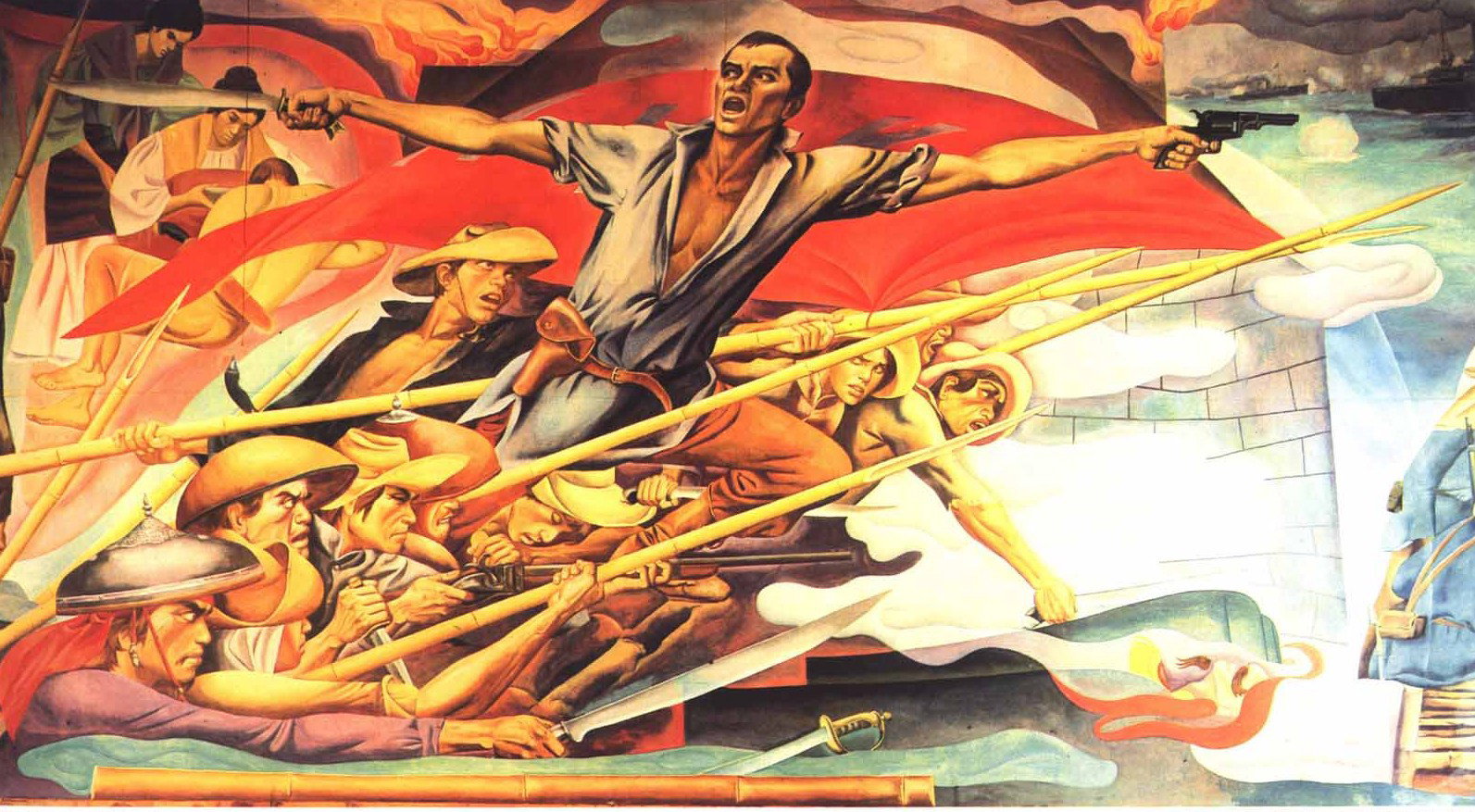
After the mass arrests organized by the Spanish authorities, Andres gathers all Katipuneros to decide when the revolution will start. It is said there were different stories from dates to different locations when the revolt started. After much deliberation, the official stance was it began on **August 26, 1896**. All Katipuneros gathered in **Caloocan**, where they decided to start a nationwide armed revolution against our colonial masters, as they tear up their ***cedulas*** (***tax certificates***) along with cries of patriotism. It is called ***Grito de Balintawak*** (***Cry of Balintawak***, also known as *the* ***Cry of Pugad Lawin***). The group agreed to attack on the **29th of August 1896**, as all leaders from other provinces prepare for the spark of rebellion against the Spaniards. Civil guards discovered the meeting and the first battle occurred in the ***Battle of Pasong Tamo***. The Katipunan had the upper hand, but the civil guards turned the fight around. Andres and his men went back to **Marikina** via **Balara** (now **Quezon City**), then proceeded to **San Mateo** (now the **Province of Rizal**) and takes over the town. However, it regained control by Spanish forces 3 days later. Andres regroups his forces, and decided not to attack Manila. Instead, they agreed to take a powder magazine garrisoned by the Spaniards at **San Juan del Monte** (now the **City of San Juan**) on **August 30, 1896**. 153 Katipuneros died in battle, but they had to withdraw when Spanish reinforcements arrived. As the news reached in other suburban areas of **Manila** from **Caloocan**, **San Pedro de Tunasan** (now **Makati City**), **Pateros**, **Taguig**, and the provinces of **Cavite**, **Laguna**, **Batangas**, **Bulacan**, **Pampanga**, **Tarlac**, and **Nueva Ecija** rose to arms. The Spanish colonial government declared ***Martial Law*** on 7 Provinces and only one City, the Filipino Revolution had begun.
No comments yet