Lowering of Age Criminal Reliability - Justice Prevails, Justice Fails?
Nowadays, minors are being manipulated and victimized by criminal syndicates. The justice system of the Philippines articulates this bill with a pros and cons effect to the society and as with the citizen of the country.
Thus, the minor became rebel because they adapt the wrong doings of those syndicates. Nonetheless, why does it need to lower down the age criminal reliability amongst youth if in the first place, the victims here are the young ones. We all know that children are very innocent. They really don’t know how the world, nor the society works. Most of the children merely don’t know what is right and wrong. Some cases, children are being involved in crimes because of peer influence. It is unavoidable that minors don’t hang out with their colleagues. In other words, minors are those people who are a narrow-minded human being
It is a need to punish those people who violated the laws in the country. They became the delinquent citizen in the country and the Philippines doesn’t tolerate those kinds of people. Yes, the criminals are being convicted and penalized but, instead of decreasing the population of criminals it is being increased and for worst, the age range of criminals has been decreased also. And in this case, the only solution of the government is done through this bill. By the help of this bill, it can possibly decrease the minors who are involved on this crime.
As a citizen of this country, the Philippines, we need to act immediately to stop this one problem of our country, if we don’t stop this there well be many innocent people will be involved on these crimes specially the minors. A simple way means a lot to stop this scenario, because for me there are many ways to lessen the number of criminals or crimes in this country. For me its not a good idea to penalize the youth, but rather let us teach them to be a good citizen of the country and the world. Show them the difference between good and bad deeds and parenting is the key. Proper guidance for there children is the best way avoid them from cruelty.

#JunkAnti-TerrorLaw
Sa gitna ng bumubugsong panganib dulot ng pandemya na COVID-19, nilagdaan ni Pangulong Rodrigo Duterte ang Anti- Terrorism Act of 2020 noong ika-3 ng Hulyo 2020. Ang nasabing batas ay naglalayong pigilan, puksain, at bigyan ng karampatang kaparusahan ang sino mang nagpapakita ng gawaing terorismo. Ang biglaang desisyon na ito ng pangulo ay nag-ani ng sari saring kritisismo mula sa sambayanan. Nagkaroon ng mga rally ang mga taong tutol sa pagpapatupad ng batas na ito. Ayon sakanila, ang batas daw na ito ay lumalabag sa karapatang pantao at bibigyan lamang nito ng dagdag na kapangyarihan ang mga hukbong sandatahan ng Pilipinas. Ang nasabing batas ay nabigyang pansin din ng United Nations na agad namang siinagot ng Pangulo.
Past to Present Stoves
Way back ancient times; people were used to live in a simple way. People back then used simple invention to make their lives easier and as the times goes by, modern people innovate and modernized things or even invent more efficient things that can be used by humans.
Let’s talk about the evolution of stoves.
· ****Three-Stoned Stove****
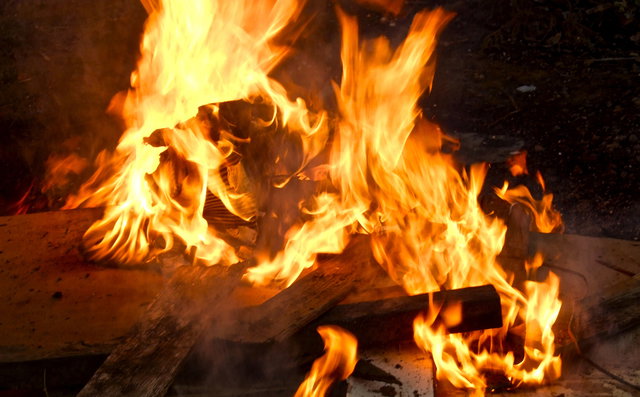
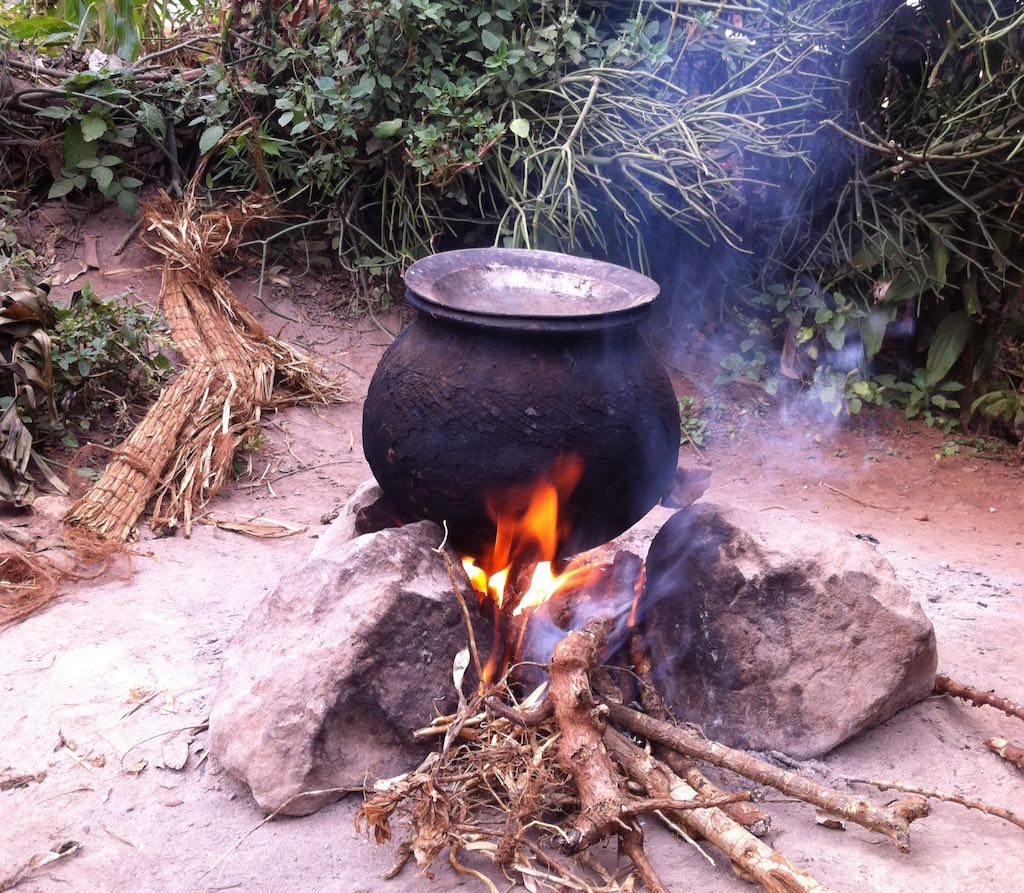
People back then used a simple material for cooking, they only used a ****three-stoned stove****, where wood is the material for making fire, people cook their food in this open-fired stove where they usually place the pots on the stones, sometimes hangs their pots above it.
· ****Clay Stove****
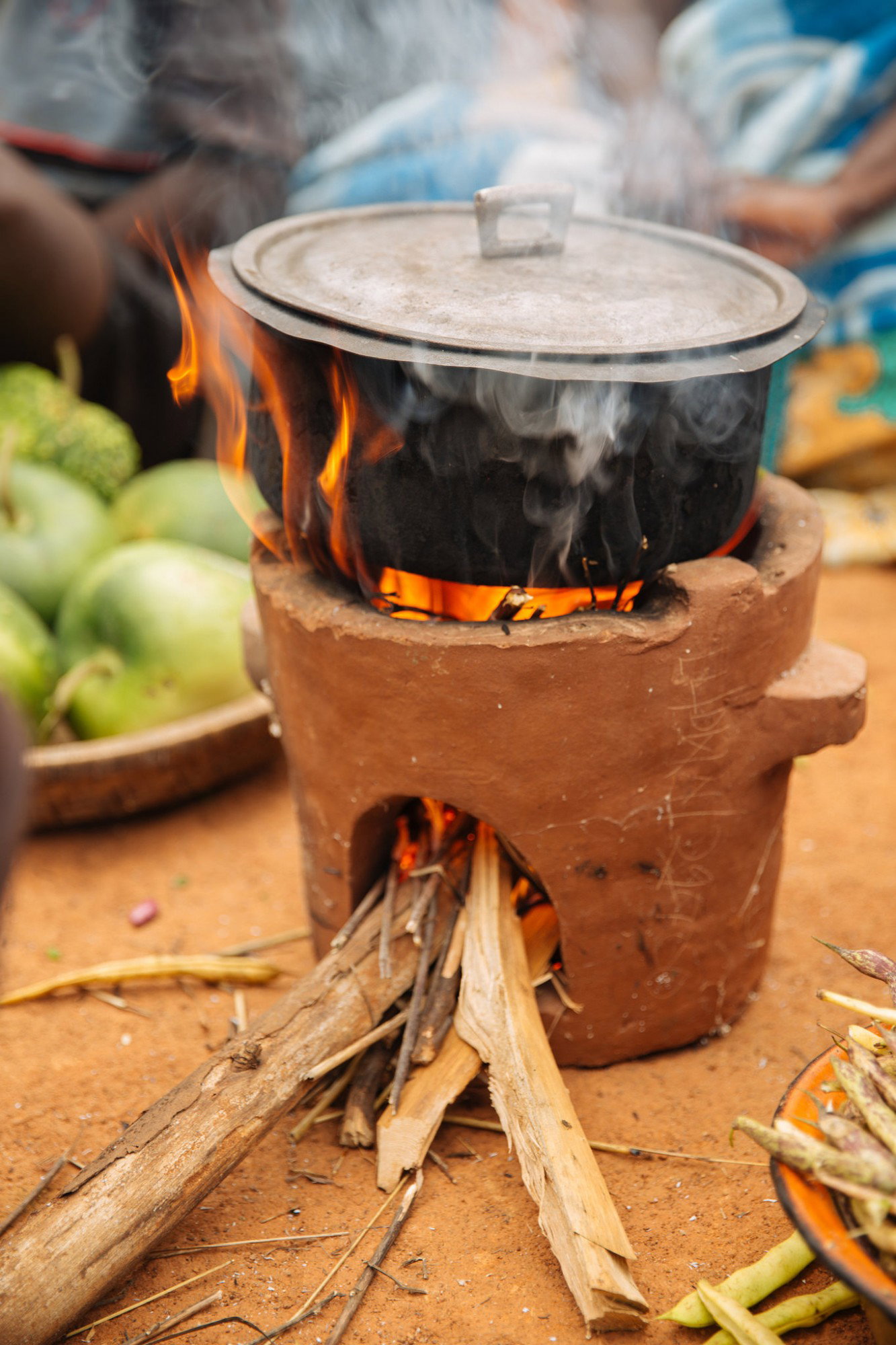
Asian people way back 200 B.C. are using a ****clay stove******,** it is basically made from clay, even today these kind of stove is still present, and many people are still using it. Here in Albay, there is a place called Tiwi, Albay where clay stove is one of the famous products in this town. They are one of the big manufacturers in Albay.
· ****Hearth****
As we talk about the evolution of stove there is a stove way back in the Middle Ages (1700s) called ****hearth**** that is made from stone, and Europeans improved it by using bricks and mortar walls to strengthen the hearth stove. A hearth is a brick or stone-lined fireplace, with or without an oven, used for heating and originally also used for cooking food.
· ****Cast-Iron Stove****
Through time, ****cast-iron stove**** was invented and become popular in the mid-1700s, these stove is still burned wood, cast-iron stove is built from a material consisting of iron mixed with carbon, in which a solid fuel such as wood or charcoal is burned to produce heat for warmth or cooking. The stove usually consists of a grate, which holds the fuel, a hollow interior in which the fuel burns, flues through which hot air flows, and baffles to slow down the flow of hot air, allowing the stove to produce more heat. Cast iron stoves are not just used for cooking but it was also used to keep rooms warm. Other materials which may be used in cast iron stoves include: ceramics (various materials made from nonmetallic substances subjected to high temperatures), firebrick (a type of brick made from heat-resistant clay), and platinum or palladium (metallic elements used in catalytic converters which cause smoke to burn at a lower temperature, resulting in the release of less pollution).
· ****Coal-Burning Stove****
In the late 1833, Jordan Mott invented a stove that is called ****coal-burning stove,**** this oven had ventilation to burn the coal efficiently, was cylindrical and made of heavy cast iron with a hole on the top, which was then enclosed by an iron ring.
· ****Gas Stoves****
As modernization came, ****gas stoves**** are invented and have been popular way back 1920s and even today, gas stoves are fueled by combustible gas such as syngas, natural gas, propane, butane, liquefied petroleum gas or other flammable gas. Before the advent of gas, cooking stoves relied on solid fuels such as coal or wood. The first gas stoves were developed in the 1820s and a gas stove factory was established in England in 1836. The new cooking technology had the advantage of being easily adjustable and could be turned off when not in use. The gas stove, however, did not become a commercial success until the 1880s, by which time supplies of piped gas were available in cities and large towns in Britain. The stoves became widespread on the European Continent and in the United States in early 20th century.
· ****Electric Stoves****
Next to gas stoves, through the very creative minds of people, ****electric stoves**** are invented and available way back 1890 but it is not popular back then, now if we could take a look, only fortunate people can afford to buy elegant stove like electric stove. Electric stove became popular as replacements for solid-fuel (wood or coal) stoves which required more labor to operate and maintain. Some modern stoves come in a unit with a built-in extractor hoods. Electric stove “electric coil” may be controlled by a rotary switch with a finite number of positions, each of which engages a different combination of resistances and hence a different heating power or may have an “infinite switch” called a *simmerstat*. Some may have a thermostat. In electricity consumption, typically electricity consumption of one heating element depending on size is 1-3 kW.
This electric stove is constructed from steel panels on a frame which is usually steel although old ones may be cast-iron and very heavy. The heating elements are made of resistance wire, sitting on some form of insulation, commonly ceramic to withstand the heat or cool cycling.
· ****Induction Cooking****
And for the latest cooking technology, ****induction cooking**** is already used nowadays; induction cooking uses electric currents to directly heat pots and pans through magnetic induction. Instead of using thermal conduction (a gas or electric element transferring heat from a burner to a pot or pan), induction heats the cooking vessel itself almost instantly.
If we go back to the changes of the stoves, we immediately noticed the materials used in making stoves, from **stones, clays, bricks, cast-irons, metals, and magnetic induction.**
La Loba Negra by Padre Jose Burgos
In this life, we only have two possible destinations: to live or to die. Since we are living in a complex world, we are being injected into different tragic situations. It is only up to us how we are going to interpret to this situation. Kill or we’ll get killed, eat or we will be eaten.
La Loba Negra (The Black Wolf) is a novel that tells about the tragic death of a woman who turned into monster praising an Aztec God because of the tragic death of her husband and son. It is a twisted plot because at the first part of the novel, Luisa and her family live in luxury. Her husband is the new Governor-General of the Philippines and a well-respected man. Who would have thought that a fine lady that comes from a royal blood will turn out into a distorted woman?
On a sociological perspective, the first scene where I coined an idea that is connected to the youth’s current situation is the part where the new governor-general exits the court because of the unexpected arrival of an indio servant who carries message from the auditor general Torrabla. Right after, Fray Totanes grabs the chance of the governor’s disappearance to boast the church’s power over the state. It is somehow similar to the current attitude of youth of this generation. One minute, everyone is nice to each other and when one leaves after a minute, everyone talks about his/her wrongdoings and boasting themselves out. In short, it talks about dishonesty and betrayal.
The second scene that I can relate to a current situation is the scene after discovery of empty treasury and Governor-general Bustamante ordered incarceration of different state and religious officials to Intramuros. After that, the people conducted a religious demonstration procession. It seems like that the people are against the decision of the governor-general. It is just like the `narrow-minded people are against the enlighten one. Connecting it to the current situation of the society of youth, the new generation today seems to be angry of a face-slapping truth. They only believe what they want to believe. They love those who are pretend to be great but actually weak. They hate those who are true to themselves and express what is in their minds.
The third scene that I found interesting and can be connected to the youth at the same time is the transfiguration of Luisa into La Loba Negra after summoning the Aztec God Huitzilipochtli. She rejects her Christian background because of only one reason: Grief. After witnessing the brutal death of her husband and son, Luisa seems to lose her mind she became inferior. On a microsociology perspective, Luisa seems to be a representation of the youth who have undergone a depressing situation. After being hurt or deprived, the tendency for the youth is to repel themselves to others and changing their attitude.
The La Loba Negra is a novel of revenge and nationalism at the same time. Luisa can be all of us. There will be a point in our life that we will face a ground shaking situation that will change us, either into something better or something worse. We must strengthen our faith and we must not reject our belief. We might lose ourselves in the process.
In conclusion, answering the question: Are the concepts found in the novel still relevant to the Filipino youth? Yes, the concepts that I found in the novel is still evident in the everyday lives of Filipino youth. As a Filipino youth I, the only concept that is slowly fading in the present day is the essence of nationalism. We need to empower our love for our nation in order for us to be aware of the current standing of our country. We must protect our sovereignty just like what Luisa and Macatangay did because we are the living sovereignty of our country.

Know More
Have you ever thought, ***" Do I really know myself?"*** or maybe***, "Am I really what I think I am?"***
Sometimes when I am having my me time, those are the questions that have been wandering in my mind. It is important to know who we truly. It is a must to know our **ACTUAL SELF.**
ACTUAL SELF is defined as the self that we actually see. It is the self that has characteristics that we nurtured, or in some case, born to have. From what I can understand, actual self are our own skills and talents. It can also be our attitude and personality. Actual self is our present self. It is the self that we show to the world, to the universe rather.
The best way to know our actual self is to always open doors for opportunities. Do not hesitate to accept tasks that is new to us and challenges that test our abilities. We only live once. We need to explore and be dynamic. We need to step up in our comfort zones. We should explore new things about ourselves when we are being indulged in varying situations that needs critical thinking at the same time creativeness. We should also open our minds for criticisms. It is important for us to take every comments in a positive manner so that we use it to improve ourselves. Criticisms doesn't mean hatred.
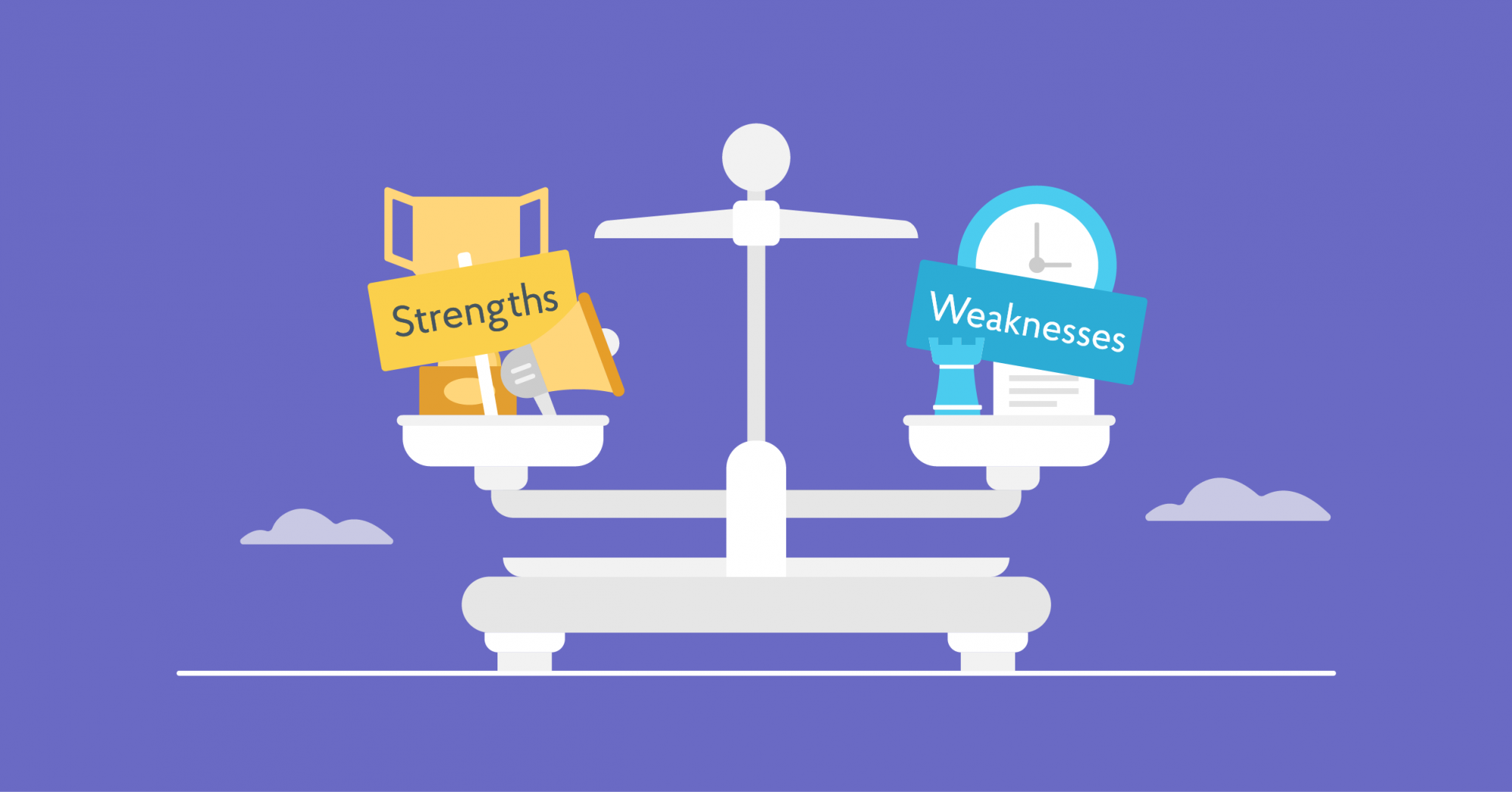
As for me, being a normal human being, I also have my own strengths and weaknesses. I can say that I am good at certain aspects of life. I knew that I have those strengths because I have been into different scenarios and events wherein those skills are needed. Despite those strengths that I acquired, I am positive that I don't excel in music, arts, public speaking, logistics, and also I have a hard time dealing with my trust issues, my insecurities, patience issues and a lot of stuffs. However, I am doing my best in lessening my weaknesses as I slowly overcome them one by one.
It is normal for us to have our own share of strengths and weaknesses. The best thing to do is to recognize both of them and be able to find a way to work them out together. Work on with your weaknesses and maintain strengths. It is an important thing to consider to fully recognize our potentials and downfalls because it is the only way for us to know who we truly are. By this, we can make things work out with both our strengths and weaknesses because it it our actual self.
Arts and Crafts: The Healing Force
As Tim Yanke quoted, “There is life in movement, death in stagnation. I approach every painting with the idea that I want that painting to continuously move.” The country is so wounded, bleeding, hurt, and haplessly approaching to death right now. The country needs crusade to continue life—it’s not going to be healed by the upperclassmen and other earthly things. How are we going to give life? Arts and crafts are embedded in our life for as long as humanity has existed. What’s a good thing about arts and crafts is that it upholds the strengthening and development of the frontal cortex - the hub or center of creativity in the brain. It trains the mind through the eye, and the eye through the mind. Furthermore, it makes extensive and essential contributions to the well-being of communities. They are prevailing tools with which to engage communities in various levels of change. They are a means to public dialogue, contribute to the development of a community’s creative learning, create healthy communities capable of action, provide a powerful tool for community mobilization and activism, and help build community capacity and leadership. Even though they already know these aforementioned things, there are still various people who are wondering the genesis of arts and crafts. How did it come along the way? Where does it originate? Who influenced? So, to answer those queries, there is so called the “Arts and Crafts Movement”- initially developed in England during the latter half of the 19th century wherein, this movement, challenged the tastes of the Victorian era, was inspired by the social reform concerns of thinkers such as Walter Crane and John Ruskin, together with
the ideals of reformer and designer, William Morris. Those people were some of the first major critics of the Industrial Revolution. They were united not so much by a style rather than the common goal- a desire to break down the hierarchy of the arts and to revive traditional handicrafts and cake art that could be enjoyed by the consumers and the creator as well.
Their notions of good design were linked to their notions of a good society. This was a vision of a society in which the worker was not brutalized by the working conditions found in factories, but rather could take pride in his craftsmanship and skill. Ruskin, Morris, and others proposed that it would be better for all if individual craftsmanship could be revived-- the worker could then produce beautiful objects that exhibited the result of fine craftsmanship, as opposed to the shoddy products of mass production. Thus the goal was to create design that was... "for the people and by the people, and a source of pleasure to the maker and the user." Workers could produce beautiful objects that would enhance the lives of ordinary people, and at the same time provide decent employment for the craftsman.
According to Ruskin, modernization is the root of social evil. He fears about the loss of traditional handicrafts and traditional skills through modernization. In this movement, controversy was raised regarding how concrete it could be in the modern world. Furthermore, United Kingdom and United States distinguished from each other by their respective attitudes towards industrialization. Through the Europe and North America, this movement stood for anti- industrialism, while in America the ideas ever slightly different, they tended to embrace the machine more readily.
Morris embedded to us that looking back the history will served as a powerful tool for us to be inspired in creating arts and crafts. The rise of industrialization is the downfall of the movement. Because of the mere fact that they are more confident that achieving a progressive life is due to modernization, and it’s not because of looking back at the past. It seems to me
that the death of the movement is because the people were dazzled of the quantity over quality, which is certainly can be seen today. Whereas, increased of demands are not based on the quality but rather due to quantity. However, the best striking influence of this movement is the proportionality of good quality of designs to life. And now, despite of living in a modernized world, the people, and the country as well, are wounded, bleeding, hurt and approaching to death. I’d ask you, is modernization the only crusade to have life?

Destructive Activities that Affects Watershed
In the broadest sense, humans are the root cause of the destruction of watersheds neither direct nor indirect obliteration. Human activities are undeniable facts. The following listed below are the activities that can negatively affect our watershed:
**Climate change;**
**Agriculture practices;**
**Sedimentation**
**Nutrients**
**Animal feeding operations**
**Livestock grazing**
**Irrigation**
**pesticide**
**Urban runoff;**
**Industrial pollution;**
**Residential runoff; and**
**Deforestation**
Below, is an elaborative discussion about the abovementioned activities.
**Climate Change.** The logic equation here is: more people = higher temperature. The explanation for this is, if there are lots of people living in an area, most probably in an urban area, there is a highly chance of burning things that might really affects the environment, if that so, burning can cause increased global temperature which leads to less surface water.
**Agricultural practices.** Agricultural practices can affect watersheds through several different means. Such as: sedimentation; nutrients; animal feeding operations; livestock grazing; irrigation; and pesticides.
a. **Sedimentation** - The most prevalent source of agricultural water pollution is soil that is washed off fields. Rain water carries soil particles (sediment) and dumps them into nearby lakes or streams. Too much sediment can cloud the water, reducing the amount of sunlight that reaches aquatic plants. It can also clog the gills of fish or smother fish larvae (United States Environmental Protection Agency, 2015).
b. **Nutrients** – Farmers apply nutrients such as phosphorus, nitrogen, and potassium in the form of chemical fertilizers, manure, and sludge. When these sources exceed plant needs, or are applied just before it rains, nutrients can wash into aquatic ecosystems. There they can cause algae blooms, which can ruin swimming and boating opportunities, create foul taste and odor in drinking water, and kill fish by removing oxygen from the water (United States Environmental Protection Agency, 2015).
c. **Animal feeding operation** – In the Philippines, estimates shows that there are more than 13 million tons of excreted manure can be generated annually from the livestock and poultry industry (Calub, 2016). Runoff from poorly managed facilities can carry pathogens such as bacteria and viruses, nutrients, and oxygen-demanding organics and solids that contaminate shell fishing areas and cause other water quality problems. Ground water can also be contaminated by waste seepage (United States Environmental Protection Agency, 2015).
d. **Livestock grazing** - Overgrazing exposes soils, increases erosion, encourages invasion by undesirable plants, destroys fish habitat, and may destroy streambanks and floodplain vegetation necessary for habitat and water quality filtration (United States Environmental Protection Agency, 2015).
e. **Irrigation** - Irrigation water is applied to supplement natural precipitation or to protect crops against freezing or wilting. Inefficient irrigation can cause water quality problems. Excessive irrigation can affect water quality by causing erosion, transporting nutrients, pesticides, and heavy metals, or decreasing the amount of water that flows naturally in streams and rivers (United States Environmental Protection Agency, 2015).
f. **Pesticides** - Insecticides, herbicides, and fungicides are used to kill agricultural pests. These chemicals can enter and contaminate water through direct application, runoff, and atmospheric deposition (United States Environmental Protection Agency, 2015).
All of these can be toned down through proper applications of agricultural methods.
**Urban runoff.** Cities and towns contribute to nonpoint source pollutants. Excessive nonpermeable surfaces such as roads allows runoff to sweep chemicals easily into lakes and streams collection of more waste in landfills, that can leak and increase in the extraction of groundwater. Most street drains flow through pipes directly into streams or lakes.
**Common pollutants found in urban runoff:**
· sediments from bare soils
· bacteria from wastes
· nutrients from fertilizers
· oil from parking lots
· gasoline
· metals
· antifreeze and grease
· pesticides
· trash
**Industrial pollution.** Industrial facilities are considered point sources of pollution. They can contribute numerous types of toxic substances, chemicals and products (depending on the type of industry). Oil and gas facilities can be sources of pollution if they leak these products into the groundwater.
**Effects of industrial pollution includes:**
· color changes
· excessive algae
· odors
· absences of aquatic life
· fish kills
· sewage fungus
**Residential runoffs.** This runoff is not treated and goes through sewers directly into streams, rivers, and lake. More pavement means less water will soak into the ground, meaning that the underground water table will have less water to recharge it. This will lower the water table. Some existing wells will not be deep enough to get water and might run dry. The runoff from the increased pavement goes into storm sewers, which then goes into streams. This runoff, which used to soak into the ground, now goes into streams, causing flooding. Changing a stream channel can cause flooding and erosion along the stream banks (Coles, 2012).
**Deforestation.** Leads to increased erosion, which could lead to an increase of waste materials that end up contaminating the freshwater supply
A watershed is a contiguous area that drains to an outlet, such that precipitation that falls within the watershed runs off through that single outlet (the term catchment is sometimes used synonymously for just the surface portion of the watershed) (Bedient, 2013). Water is essential to Earth. It provides various benefits to sustain human as well as other living things’ needs and wants. Therefore, it is our duty to protect the quality of our watersheds.
**Save Water. Save Lives. Save Mother Earth**
To the Pied Piper
It's been a while since I shared my poems here in read.cash.
I hope you like it!
Is this song of your cheerful mourning?
Or is this the tune of your restless breathing?
This music, iced, and somber;
Dancing with the fumes of old barren caskets.
Conceived from the greased womb, inside your ancient blow pipe.
Is this part of your heart's silent wailing?
Tribulation is this, Piper?
Perhaps revenge for your lost abducted smiles and hunger.
it's been years of wearing that rueful mask,
Of gnawing angst and devouring greed.
marching to the ends of what your mind's eye foretell,
And collecting smiles from children's innocent laughter.
So keep nurturing your melody with hate from your soul.
I'd be here waiting to witness,
Your music change into a percussive storm.
Looking away, unhappy to see,
Your pipe change into smoke, candle, and lifeless debris.
Burning and sobbing, solemn, for its dead music master.
The smoke puffs of the lighted music pipe will reach the depths of where you are, to reunite, ready to sing with you once again.

Prevalent Gender Issues on Online Games
Entertainment is an important part of everyday life. Online and video games have become among the most popular leisure time activities for millennial nowadays. They appear to have a strong influence on the players and their perception of the world. Today’s society is immersed in a process of change in social, human a work place relationship dominated by information and communication technologies.
Schools are also experiencing the impact of the ICT’s, which have led to a change in teaching learning relationship. The uses of certain applications related with mathematics, languages and physics to support teacher’s explanations and to work in specific area such as mental calculations and drawing are common in most primary and secondary schools.
The rise in the use of the internet has led to many changes in our daily life. This rise has also led to the rise of online gaming. Online gaming can refer to any type of game that someone can play through the internet or over a computer network. Most of the time, online gaming refers to the video games played over the internet, where multiple players are in different locations around the world. In most cases, online games are freeware programs that can be used for an unlimited time and are available for free. Most percentage of web games available nowadays is written in Flash, Shockwave and Java languages. Because of that, they feature more primitive game play than downloadable games.
Having an online gaming experience typically requires a high-speed internet connection. Proper hardware will also be required whether it’s a computer or a gaming console, such as XBOX OR Play station that’s connect to the internet. Some online games require a specific piece of controlling hardware such as joystick or a game controller, but these days, gaming technology has progressed to an amazing extent. Things like streaming 3-D animation graphics with superb surround sound stereo now could make all addicted to gaming. In terms of video games, online gaming is growing in popularity for variety of reasons. Gamers can easily find opponents of a similar skill level when playing a head-to-head game over the Internet. Players also can game in a virtual world. Some online games change a monthly fee for access to the video game software.
The same is true of online games. Despite the benefits of using online games and playing them, in general, many teachers are reluctant to use them in classroom. The two most commonly mentioned negative aspects refer to violence and sexism. As far as violence is concerned many games display aggressive attitudes and anti-social world view and many authors observe this type of conduct may lead to increase in aggressiveness.
Played by over a billion people globally, digital games are challenging, engaging and fun (Liu et al. 2013). Online games, the most popular of digital games, are enabled by modern information and communication technologies and played on an Internet-based platform. These games transport users to a virtual environment and are played individually or together with other online gamers. Many players crave the competitive nature of online games (Liu et al. 2013), others seek hedonic gratification (enjoyment, fantasy and escape from reality), yet others relish social interaction (Li et al. 2013). The growing popularity of gaming is further amplified by the spread of mobile technologies with 36% of gamers using their mobile devices to access their favorite games anytime and anywhere in 2013 (Entertainment Software Association 2013).
These games transport users to a virtual environment and are played individually or together with other online gamers. Many players crave the competitive nature of online games (Liu et al. 2013), others seek hedonic gratification (enjoyment, fantasy and escape from reality), yet others relish social interaction (Li et al. 2013). The growing popularity of gaming is further amplified by the spread of mobile technologies with 36% of gamers using their mobile devices to access their favorite games anytime and anywhere in 2013 (Entertainment Software Association 2013).
There are many types of online games. Among them, puzzle, logic and card games are most popular accounting for 34% of all online games, followed by action, sports, strategy and role-playing games (26%), casual and social games (19%) and persistent multiplayer universe games (14%) (Entertainment Software Association 2013). An important category, Massively Multi-player Online Role-Playing Games (MMORPGs), allow players to create a new identity, navigate their avatar in a 3D environment and interact with others in a “reality-like” setting. The environment, the roles and stories to be created (Kuo at al. 2012), and the experience in a place different from the one they are physically in (Schroeder 2006) entice gamers to return.
As society becomes more connected through the Internet, many forms of traditional human interaction have shifted toward online communities. One of the largest growing online communities is the online game community.
As technology becomes more prevalent in education, students of all ages have increased opportunities to play and learn from educational games. At first glance, educational games appear to be an ideal educational tool because they provide increased motivation for students to spend time engaged with academic concepts. However, concern arises as possible gender differences in gaming are considered.
Stereotypically, most game players are males (Shaw, 2012) and females typically exhibit higher levels of anxiety than males with regards to playing online games (Huang, Hood, & Yoo, 2013). If not appropriately addressed, gender differences could promote gender inequity when games are used for education.
Although it is common for both men and women to say that they play games, it is less common for individuals of either gender to describe themselves as a gamer. Women are less likely than men to self-identify as a gamer (Shaw, 2012). Women are also more likely than men to underrepresent the amount of time they spend playing video games (Shaw, 2012; Williams,Consalvo, et al., 2009). By comparing self-reported data to data collected from game servers, Williams and Consalvo et al. found that women underrepresented their playing time by an average of 3 hours per week, while men underrepresented their playing time by an average of 1 hour per week. Overall, men have more positive attitudes about gaming than women (Bonanno & Kommers, 2008).
Nowadays, since online games are part of mass media, they are responsible for the unrealistic ideal body perception as well. Girls and boys who play online games that use this ideal shaped body image for female are more likely to create their concept on how female should look like based on their representation.

Moringa oleifera: Processing Industry
The current global market value of *Moringa oleifera* products is estimated to be billions of US dollars. Consumers are becoming increasingly interested in new and exotic products, particularly when they have traditional health benefits. Due to several developments, the potential utilization of *Moringa oleifera* in products is vast and constantly expanding. Moreover, a SWOT analysis was made by (Luhlaza Inetgrated Sustainable Solutions, 2019) to further determine the feasibility of unlocking the economic value and use of *Moringa oleifera* in other industries in South Africa.
Meanwhile, Moringa is one of the world's most useful trees and in the Philippines almost all parts of the plant are used for food and traditional medicine. Various research and development efforts are currently focused on food fortification to utilize the nutritional value of moringa and its medicinal potentials. For the past 10 years the moringa industry in the Philippines has grown significantly as research and development efforts have focused on this crop (Palada, 2017). In line with this, he government’s thrust to support innovative, rural and agro-industrial development, the Board of Investments (BOI) approved the application for registration of MAUSWAG AGRIBUSINESS INC. as a new export producer of Powdered Moringa (commonly known as Malunggay). The P 36.4 million project qualifies for incentives under the Investment Priorities Plan (IPP) which covers production/manufacture of non-traditional export products with an export requirement of at least 50 percent (if Filipino-owned) and at least 70 percent (if foreign-owned). Commercial operation in the firm’s facility in Curry, Pili, Camarines Sur have already started in April 2017 with 56 personnel in its initial year. The firm, which has a registered annual production capacity of 49,500 kilos, expects its personnel to expand to 98 workers by the fifth year of operation (https://pia.gov.ph/news/articles/1001364).
Malunggay is now being eyed by the Department of Agriculture (DA) in the mitigation of malnutrition and poverty in the country. also, under its biotechnology program, DA urged the planting of malunggay as “revenue- generating industry”. Moreover, it is now being looked into as a potential export product as a natural ingredient for cosmetics and pharmaceutical applications. The data production for malunggay are collected and reported separately as a fruit and as a leafy vegetable. In 2008, malunggay leaves production was estimated 38, 501.1 MT, higher by 2.4% from the 2007 level of 37, 602.6 MT. The top three (3) producing regions and their contributions to the national total were: Western Visayas (18.6%); Northern Mindanao (15.1%); and Central Visayas (12.1%) (Bureau of Agricultural Statistics, 2008).
Due to the positive projections of malunggay industry in the Philippines, the House Committee on Agriculture and Food approved a bill on year 2018 which pursues to advance and toughen the moringa industry in the country. Due to its demand in public health. This bill tasks the Department of Agriculture, in coordination with the Department of Environment and Natural Resources, and the municipal government concerned, to identify the broad areas suitable for the planting and propagation of malunggay, within six (6) months after the effectivity of this proposed measure. In view of the benefits that will be gained by maximizing the yield and use of malunggay for agricultural, industrial, commercial and medicinal purposes, the immediate passage of this bill is earnestly requested (Legarda, 2018). The deputy speaker Linabelle Ruth R. Villarica of the Fourth District of Quezon City, one of the authors of the bill, said that*, “it is now the time for the government to intervene and develop the moringa industry, given the many benefits of the malunggay”*. Arroyo also said that*, “it can increase multifarious and varied on- farm, off- farm and non- farm enterprise incomes, generate millions of jobs, utilize vast tracts of idle agricultural lands and urban spaces, make the Philippines globally competitive, impact local and international market and help attain food security and safety, poverty reduction and socio- economic equity"* (De la Cruz, 2018)*.*
In Region V, the Department of Agriculture (DA) has declared malunggay *(Moringa oleifera)* as among the banner crops of the Bicol region as its Regional Field Unit (RFU) plans out approaches to widen its production by means of new technologies and proper motivation. DA Regional Executive Director Jose Dayao said he had instructed all the research outreach stations (ROS) under the RFU in the six provinces of Bicol to facilitate the propagation of planting materials in support to a nationwide malunggay production and promotion program spearheaded by Agriculture Sec. Arthur Yap. *“We are piloting promising technologies for this distinct crop that is now considered among the banner commodities of Bicol next to coconut, abaca and pili” (Calleja, 2009).*
Malunggay is prevalent commodity in the Bicol Region, prominently in the provinces of Albay, Camarines Sur, and Sorsogon. However, malunggay is still considered to be a modest crop. Although various food entrepreneurs are already processing malunggay to multiple end- products, the main custom of it is just bounded to an ordinary vegetable that is used and cooked with coconut milk or *gata*. Locally, plant growers of malunggay indulge into backyard or fence cultivation.

The In Between of North and South
Generally, there are broadly two economic worlds that cut across the globe: the Global North and the Global South. The Global North countries represented by Europe, North America, Australia, Israel, and South Africa are economically developed, technologically advanced, politically stable and aging as their societies tend towards zero population growth. The Global South countries signified by Africa, 51qc India, China, and Mexico seem to be the opposite of the North. The Global South countries are agrarian based and economically and politically dependent on the Global North countries. In summation, Global North has continued to dominate and direct the Global South in international trade and politics.
Economics is simply just the study of a process we find in all human societies –“the” economic problem which is the process of providing for the material and well-being of the society. According to Uroh, 1998, development is multidimensional; as such a precise definition of development is difficult to arrive at. Development has shifting, understood variously by different people at various times. Kegley and Wittkkopf (1999) explain development as the process which a country increases its capacity to meet its citizens basic human needs and raise their standard of living. In Nnoli’s study in 1981, it stated that development is a process leading to man’s progressive and quantitative self-improvement. Meanwhile, Irele sees development as the expanding and adaptive capacity of a society in satisfying the materials and cultural needs of its members. In summary of the definition stated above development can be defined as the point of continued advancement of man towards good living standards.
In the study of Lemuel Ekedegwa Odeh entitled “A Comparative Analysis of Global North and Global South Economies”, the development of the two economic world was examined using the four selected themes namely levels of productivity, population growth and dependency burdens, agricultural production, and exports and international relations.
In terms of levels of productivity, the Global South countries are at its low-lying pace. The deprivation in human development is also evident. In addition to this, Global South countries are characterized by low levels of labor productivity. The levels of labor productivity in terms of the output per worker are extremely low compared to those in the Global North countries. Strauss and Thomas (1998) argue that the low productivity of the workers may due to largely physical exhaustion and the physical and emotional inability to withstand the daily pressures of the competitive work. According to Dasgupta and Ray (1987) low productivity leads to low income which can leads to low capacity of moving forward towards to the so called development.
The population growth and dependency burden of Global South countries is highly comparable to the Global North countries. Both birth rates and death rates of the two economic worlds are strikingly different. The Global North, birth rates are very low with the order of 15-20 per 1, 000 population while the Global South has high birth rates which ranges from 30-40 per 1, 000 populations. According to the data from the World Development Indicators (2004), countries that have the highest birth rates ranging from 50-20 all belongs to the Global South countries. In accordance to the study of Dasgupta and Ray (1987), the overall dependency burdens represents only one-third of the population of the Global North and about 45%of the population of the Global South.
The agricultural productions of the Global South countries are high compared to the Global North because of the agrarian dependency of the global south. According to Todaro (2006) Global South countries are 65% rural based while the global north is only 27%. Also, 58% labor force of the global south countries are engaged in agricultural activities while the global north only has 50% of its labor force engaged in agriculture. Agriculture contributes for about 14% to the Global South Nations while only 3% to the Global North Nations. Todaro further explained that the Global South countries focused more on agriculture because of having low income which makes them to prioritize more on food, clothing, and shelter and lacks on technological advancement.
In terms of export and international relations, it is pretty visible that the Global South countries depend on the Global North Nations. There is an unequal strength because the Global North Nations is technologically advanced and producing a highly competitive workers.
In conclusion, over the years, the Global North Nations have been dominating the Global South countries in terms of technology, politics and productivity. The Global South Nations are striving to make its own way of development by prioritizing agricultural development. Both Economic worlds are aiming for a progression with sustainable development in order to sustain the needs of the future generations to come.
Reference:
Odeh, L. E. (2010). A Comparative analysis of Global North and Global South Economics. *Volume 12, No.3, 2010*, 338-348.

What Makes an Empowered Woman?
What does it take for a woman to be called an empowered woman? Some say manners, others say quality education. It is indeed true but for me, to be called an empowered woman; she should not just have a sharp mind but also a heart of gold and an active body.
Just like a machine, our body needs to have its source of energy to keep it going. We need to intake enough vitamins and minerals to function well and accomplish our tasks for the day. Eating nutritious foods is the best way to have all the elements that our body needs. In preparing a healthy meal, it is best if we follow the pinggang pinoy guide. The pinggang pinoy is established by the Food and Nutrition Research Institute (FNRI) of the Department of Science and Technology (DOST). It is a visual tool to guide Filipinos in consuming the right amount of food in every meal. It answers the question of how much food we should eat to be healthy. As a woman of this challenging generation, we need to be fully equipped to cope up and meet life’s challenges. We need to be holistically healthy and that should start with eating the right dose of healthy foods.
Failure to consume the right amount of healthy foods can lead to different complications. Micronutrient deficiency is referred to as lacking of essential vitamins and minerals required in small amounts by the body. It can cause different complications because some of the micronutrients are needed by the body in order absorb other nutrients. It can start with not being able to function well and will further lead to being vulnerable to different diseases. We all know that it is hard to work when we are sick. It lessens our productivity at work. We are not able to do the things that we want.
In this time of health crisis, we all need to focus on the things that concern our holistic health. That should start with the things that we eat. We need to boost our immunity and that can be achieved by eating foods rich in vitamins. We need to educate ourselves on how to be healthy in our little way. By this, we can also disseminate our knowledge to our family members. We need to be fully equipped by body and mind. In that way, we are not just helping ourselves but also our community. By staying at home and keeping ourselves healthy and physically fit, we can say that we are one step ahead against the pandemic.
Keep your body fit. Have enough sleep. Eat nutritious foods. Continue to learn. Continue to grow. Do not let this pandemic to make you grow fatter and lazier. Utilize this time to reload the energy that was consumed before the quarantine. Use this time to meditate. In that way, we can continue to improve our way of living into something better and healthier. Then when this pandemic is over, we can say that we have become the empowered woman that we want to be. Women with the goal, woman with nutrition.
Pork, Beef and Chicken Addressing Climate Change
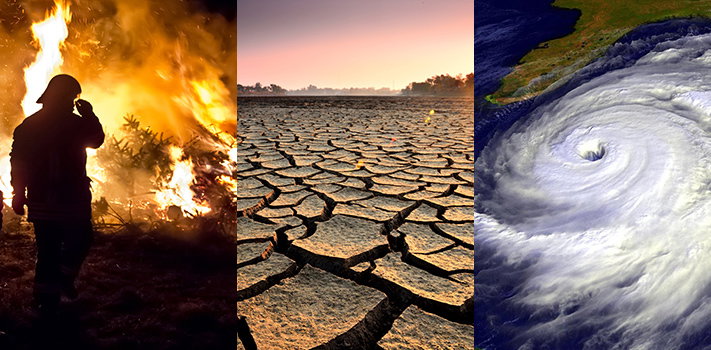
**Earth** –the only place that we can call home. It is the only planet in the solar system that has the characteristics of a habitable planet thus serves as a habitat for millions of organism. Due to the undisciplined acts of humans, the planet that we call home is being ruined little by little. One of the effects of these disruptive acts is climate change. Climate change is the abrupt change of earth’s temperature over a long period of time. It is caused by the increasing number of greenhouse gases in the ozone layer. Countless studies are being done by scientists to eradicate this dilemma.
Livestock is the key to food security. Hundreds of millions of vulnerable people rely on livestock in a changing climate because of animals’ ability to adapt to marginal conditions and withstand climate shocks. Environmental scientists from Food and Agriculture Organization of the United Nation releases a study which states that livestock production is the solution to climate change even though livestock production contributes a large account of greenhouse gases because of feed production, enteric fermentation, animal waste and land use change. The study states that livestock supply chains account for 7.1 GT CO2 which is equivalent to 14.5% of global anthropogenic greenhouse gas emissions. Cattles are responsible for about two-thirds of that total largely due to methane emissions resulting from rumen fermentation. Because methane is a short-lived climate pollutant, reducing emissions of enteric methane can help mitigate climate change, within our lifetimes.
According to the study, low carbon livestock production is possible only that its actions must be much more decisive because the demand for livestock products is continuously increasing especially in low- and middle-income countries. There is a considerable scope for reducing emissions and creating off-sets. Ninety-two developing countries have included livestock in their National Determined Contributions (NDCs) under the Paris Climate Agreement. The political actions are set; the only things that are missing are effective policies, strong institutions and the application of advanced practices.
Food and Agriculture Organization (FAO) proposes three ways to substantially reduce the emissions from livestock productions; productivity improvements that reduce emission intensities; carbon sequestration through improved pasture management; and better livestock integration in the circular bio-economy. FAO also stated that when these ways are combined, they can also contribute to increase the resilience to climate change.
Emission intensities pertain to the emissions expressed per kg of milk, meat, or eggs. Since they vary a lot among producers in the same area, it indicates a considerable scope for improvement. FAO suggested that improving the husbandry practices can reduce emissions by 20 to 30% across all production system. Improving the production of livestock is a win-win situation because it does not only address climate change but it also improves rural livelihoods and food security. There are various practices that can be done to improve the production of livestock. One of which is improving the feed quality through grassland management, pasture species (e.g. grass and legumes mix), forage mix, feed processing (e.g. chopping, urea treatment) and strategic using of locally available supplements. Amending reproductive efficiency and extending the reproductive life of the animal is also a highly suggested practice to improve livestock production. It will improve the lifetime performance per animal thus reducing GHG emission intensities. Reducing the incidence and impact of diseases, parasites, and insect burdens will result in higher productivity and efficiency. Another practice that can be done is breeding. It is the key to increase the productivity by improving traits such as live-weight gain and milk yield or fertility. It can also improve the adaptation of livestock in changing environment, resistance to stress or shocks and diseases. Well-planned breeding programs and conservation of animal genetic diversity can ensure farmers to have access to the best animals that would fit certain environment.
Another solution to climate change that FAO foresight is Carbon Sequestration. Permanent pastures and meadows cover about 3.3 billion ha, which is one quarter of the Earth’s land area and 68% of the global agricultural area. Farmers usually feed their animals through grazing. Grazing has a number of ecological functions and roles which includes biomass removal which fosters regrowth by preventing the accumulation of dead materials, prevents wild fires, regulating hydrology and water quality by producing diverse landscapes, and dispersal of seeds through ingestion and release in dung. Grasslands are estimated to contain 343 billion tons of carbon globally which is nearly 50% more than that is stored in forest worldwide. With the increasing number of livestock sector, poor grazing management, and policy neglect, overgrazing took place. About 20% of grassland around the world is degraded, which reduces the capacity of farmers to adapt to climate change. Simultaneously, under grazing can also result to biodiversity loss, degeneration of productivity, shrub encroachment and fires. The solution for this dilemma is adjusting the grazing pressure by balancing spatial and temporal presence of livestock, fertilization and nutrient management, introduction of species and plant inoculation, improved mobility of animals in pastoral and agropastoral systems, and the integration of trees and pastures (silvopastoralism).
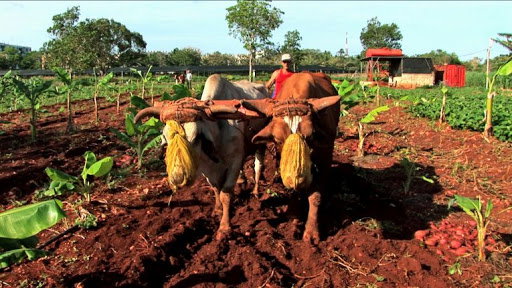
Lastly, FAO suggest better livestock integration in the circular bio-economy to reduce the emission of greenhouse gases. A circular economy minimizes the leaks of energy and materials from the system by re-circulating them in production. If a linear economy uses external inputs to produce outputs and waste wherein they will only take the outputs and disregard the waste, in circular economy, they re-circulate the waste that can be used by the animals and humans. One of the practices in which re-circulating waste products occurs is the increasing crop productivity through animal manure and animal traction. A total nutrient from livestock manure exceeds nutrients from synthetic fertilizers. Better integrating livestock into the circular bio-economy can be achieved by increasing the share of by-products or waste that humans cannot eat in the livestock feed ration or by recycling and recovering nutrients and energy from animal waste (e.g. biogas).
In this millennial world, we must always consider two things: practicality and sustainability. In addressing a large-scale dilemma like climate change, we must think of a win-win solution. Think of a solution that will not only benefit the quarter or half of the world’s population. Formulate a solution that fits the missing piece of a puzzle. It is not bad to hit two birds with one stone.
The Earth is the only place where we can live in. We must conserve the resources that we are enjoying in order to let the succeeding generations to experience it also. If we consume all the resources that are given to us, think how miserable the future generations will be. So we must act now, and do not let our Earth to sacrifice because of our wrongdoings.
Connected but Alone by Sherry Turkley
**Technology** – tremendous medium of communication and epitome of change. Today’s society, it is completely impossible for us to move every routine without technology. It appears to have a strong influence in people’s daily life basis and their perception of the world. But little did we know that as we use technology as our medium for communication, instead of creating closer bond we are isolating ourselves from each other.
In Sherry Turkley’s speech entitled ***“Connected but Alone”***, she stated several ideas about technology where she uses real life encounter that strongly supports her ideas. One of which is the expectations versus the reality of the internet. The core purpose of the internet upon invention is to use what we learn in the virtual world about ourselves, our identity, to live better lives in the real world. But it ended to maneuver us. We let technology define who we are by who we want to be. Turkley uses the term “Alone Together”. People wants to customize their lives by getting in and out the places in their lives because they want to have control on where they put their attention. We inject ourselves in a situation but we only focused on what captivates our interest. By doing so, we end up hiding from each other even as we are constantly connected.
The second idea that Sherry Turkley introduced is what she called “The Goldilocks Effect”. Across the generations we can see that people can’t get enough of each other if and only if they can have each other in a distance, not too close, not too far, but just right. But the disturbing idea here is that we have our own definition and intensity of “just right” what seems to be just right for a person might be too much or too less to others. Having that right amount of space between a person means having control with the exchange of idea comparing to a conversation which takes place in a real time and we cannot control what we are going to say.
The third idea of the speech is that we sacrifice a conversation for a mere connection. It happens when we try to clean up a rich, messy and demanding human relationship through technology. Over the time, we seem to forget how to express our care for a person through conversation. We must bear in mind that every bit of tweets and texts of communication, even added up together won’t end up as conversation. It will never be as strong as conversation. The more that we distance ourselves from having a conversation, the more chances of having lesser capacity for self-reflection.
We are tempted by machines that offer companionship is another idea that Turkley stated in her speech. People have this habit of assuming that no one cares or no one listen to them. To avoid it, they opt to engage their selves with their social media accounts where they can get full attention of anybody. Having those little phones in our pocket and being connected with our social media accounts seems like having a friend and a companion. Technology appeals to us where we are most vulnerable, and we as people are indeed vulnerable. We are lonely but we are afraid of intimacy. As technology gets more wider and more advanced through the years, through the creation of social media and social gadgets, we are creating a complete illusion of companionship without the demand of friendship. We expect more from technology and less from each other.
Aforementioned ideas, I want to make an emphasis on two ideas. The first one is that we are tempted by machines that offers companionship. I strongly agree with this idea because people nowadays are so obsessed with having the newest trend technology just for the sake of not being excluded. We spend large amount of money on gadgets because we feel that it is the only place where we can express our feelings and everybody listens. By becoming devoted to technology, we become less attached to others. Technology makes us feel belong and appreciated. But truth to be told, it only shows us fake empathy. True feelings cannot be felt athwart the screen. We can never tell if the feelings that was shown to us through screen is true. According to Dr. Katerine John, “Sarcasm strongly exemplifies the limits on social media, one cannot express sarcasm through text or chat, but in face-to- face conversation one can clearly identify sarcasm from tone of voice and facial expressions” As Sherry Turkley said, “by the use of technology as a medium of communication, we get to retouch, we get to edit, we got control of things to show people what we want things to be.”
The second idea that I want to point out is the idea that technology hits us to where we are vulnerable. Technology somehow fills up the missing piece in our lives. Technology aids us with the things that we are not good at. When we want to know something, we browse the internet. With just a flick of finger, we can access all the information that we need. When we are sad, we use applications that brightens up our mood or we socialize using our social media accounts. As years goes by, technology became our necessity. It doesn’t just make our lives easier; it makes our life complete. With the presence of technology, everything seems to be easy for us.
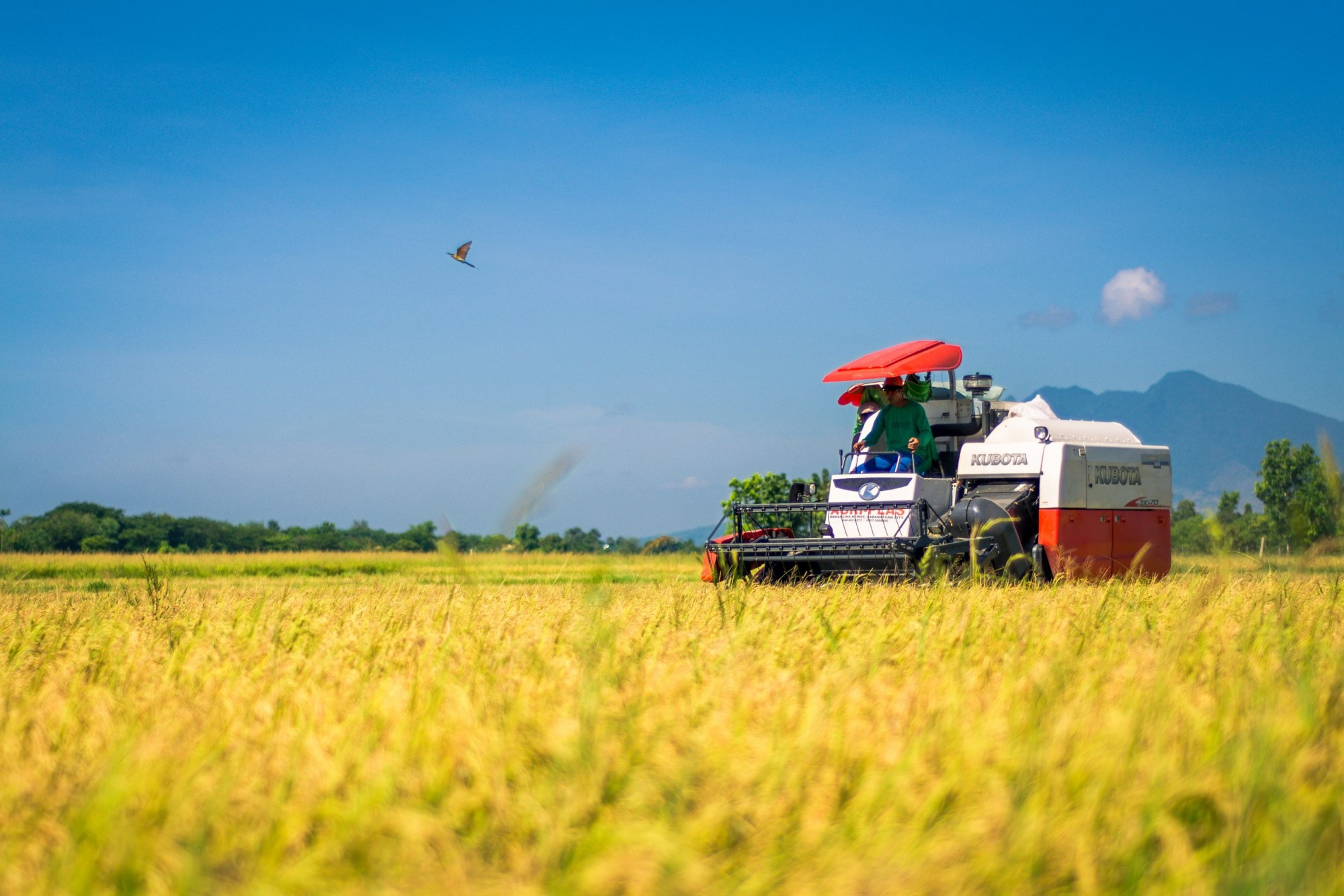
Technology also took a big part in agriculture. Over the years, different machineries were invented in order to increase the productivity and improve the quality of crops in order to sustain the increasing number of the global population. Through technology, innovation and exchange of ideas are easy and can be accessed by any one. By the aid of technology, crops have become more advanced and secure. Significant changes have been made in the irrigation, farming, and planting techniques. One of the biggest boons of technology to agriculture is weather forecast system.
Over the years, technology has been a big part of our lives. Technology grows with us. It also comes up with the demands of the competitive world. It helps us deal with the circumstances that we cannot do alone. It helps us prosper in different aspects of our lives. Through technology we can connect. We can talk to our love ones in distance. But we must bear in mind that there is nothing better than having a face to face conversation. In communication, we can edit and retouch, but in a real conversation, we can recognize and we can discover more.
Reference:
John, D. K. (2016, December 12). Social Networking vs. Face to Face Communication. Retrieved November 5, 2019, from https://www.studymoose.com/social-networking-vs-face-to-face-communication-essay

Moringa oleifera: Nature and Uses
The most amazing fact about Moringa is that it is a storehouse of nutrients and medicinal chemicals. It is termed as the “Miracle Tree” due to its several uses. Moreover, almost all of its parts have uses and benefits starting from its roots, pods, seeds, barks, flowers and leaves. Primarily, it is used for centuries because of its medicinal properties. It is held that it has anti-fungal, anti-viral, antidepressant, and anti-inflammatory properties. Due to its several uses; it has a long history of medical usage and has a long list for folkloric health benefits.
Malunggay pods are the most valued part of the plant. Each pod contains essential amino acids, vitamins, and other nutrients. These pods may be eaten raw or may be prepared or cooked. May be fried and can produce clear, odorless, and sweet oil called ben oil or behen oil. It has high amounts of behenic acid and is probably the most stable type of oil known to man. Moringa oil has been mentioned as a very useful oil in the medicinal books of Greece and Rome. Even today, this oil is used for a number of industrial applications. It is great for topical use on the skin and the hair. It is also a nice cooking oil with a soft, appealing taste (https://oilhealthbenefits.com/moringa-oil-ben-oil/). Indeed, *Moringa* oil could be a good substitute for olive oil in the diet as well as for non-food applications, like biodiesel, cosmetics, and a lubricant for fine machinery (Leone, Spada, Battezzati, Schiraldi, Aristil, & & Bertoli, 2016). The seed cake produced after oil extraction may be used as fertilizer or as a medium for water purification (Maghirang, Guevarra, & S., 2009) or as an or as an organic fertilizer to improve agricultural productivity (Leone, Spada, Battezzati, Schiraldi, Aristil, & & Bertoli, 2016).
Moreover, malunggay leaves may be cooked, dried, and crushed into powder that can be used as a food additive. Malunggay is usually cooked with chicken “tinola” or mixed with other vegetables. It is also blanched as salads (Maghirang, Guevarra, & S., 2009). The leaves are separated from the stalks and are either oven- dried or sun-dried. The dried leaves were pulverized and became malunggay tea. The pounded dried leaves are turned into malunggay powder, which can be mixed into common Filipino delicacies, such as soups, sauces, instant noodles, cookies, and chocolates as an added ingredient (https://businessmirror.com.ph/2018/10/04/malunggay-the-countrys-vegetable-icon/). Also, in the Philippines, there is a popular malunggay pandesal, its main ingredient is made up of pounded malunggay.
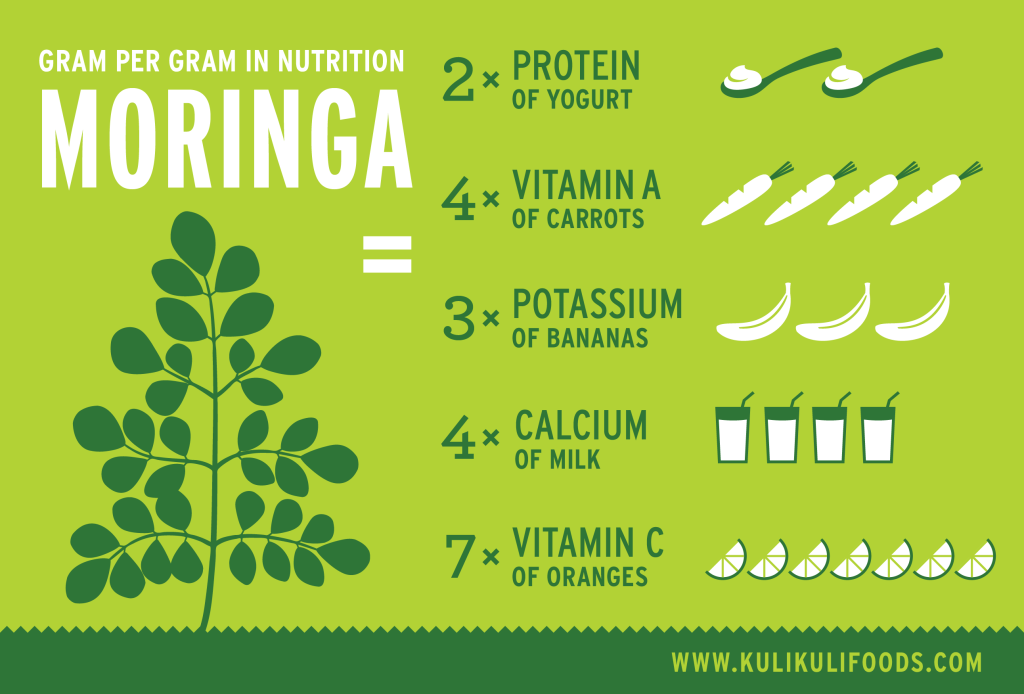
Malunggay leaves are outstanding sources of nutrition as shown in Table 1, either as fresh or dried. For fresh, it contains 4 times the vitamin A and calcium of carrots and milk that is good for stronger bones, 7 times the vitamins C of oranges, 3 times the Potassium of Bananas and 2 times the protein of yogurt and iron of spinach. Meanwhile, for dried malunggay leaves, it contains ½ times the vitamin C of oranges, 10 times the vitamin A of carrots, 17 times the calcium of milk, 15 times the Potassium of bananas, 9 times the protein of yogurt and 25 times the iron of spinach (De Asis, 2016).
Moringa is believed to have many benefits and its uses range from health and beauty to helping prevent and cure diseases. Some benefits of moringa includes: protect and nourish skin and hair, treats edema- a painful condition where fluid builds up in specific tissues in the body, protects the liver against damage caused by anti- tubercular drugs, treats and help prevent cancer from developing, treat stomach complaints such as constipation, gastritis and ulcerative colitis, it also combat infections caused by bacterial diseases, helps to keep bones healthy and strong, also, it helps to prevent cardiac damage, it help wounds to heal, the extract of moringa help wounds close as well as reduce the appearance of scars, moringa also helps to reduce blood sugar level, it also help reduce the severity of some asthma attacks and protect against bronchial constrictions, moringa contains high levels of antioxidants that might aid toxicity levels in the kidney, as well as it improves eye health, thanks to its high antioxidant levels (https://www.medicalnewstoday.com/articles/319916).

Agricultural Mechanization in the Philippines
Throughout the history, Philippines have always been recognized as an agricultural country. In fact, Philippines is considered as the richest country when it comes to agriculture, both flora and fauna. Whereas, it has a total land area of 298,170 sq.km, has an agricultural land of 124, 400 sq.km and 0.31 ha agricultural land per capita (World Bank, 2017). Its main agricultural crops are rice, coconut, corn, bananas, pineapple, tabacco, abaca, sugarcane, mangoes and coffee. Philippines is also known in exporting commodities and high-value commercial crops around the world.
Currently, Philippine agriculture managed to grow by 0.5 percent in the second quarter of 2020. Crops registered a 5.0 percent (%) growth in production. It shared 53.7 percent in the total agricultural output. Production went up for palay by 7.1 percent (%), and corn by 15.4 percent (%) (Philippine Statistics Authority, 2020). However, truth to be told, Philippine agriculture faces crushing challenges and criticisms. Ironically speaking, Philippines is an agricultural country yet, those people who are entitled of feeding the country are those who experiences great hunger and poverty. This suggests the necessity to sustain food production to satisfy the basic needs of the growing population. A way to attain this is through increasing land and labor efficiency in agriculture through agricultural mechanization.
Agricultural mechanization refers to the manufacture, distribution, and utilization of tools, implements, and machines, and the provision of after-sales service for the development of farmlands, agricultural production and post- production processes (PCARRD, 2009). In other words, agricultural mechanization simple means upgrading of agricultural productivity through appropriate technologies. Its goal is to sustain agricultural production by bringing in more lands under cultivation, saving energy and resources, protecting the environment, and increasing the overall economic welfare of farmers. Moreover, its goal today is very broad that is why the United Nations Food and Agriculture Organization (FAO) and United Nations Industrial development Organization (UNIDO) concluded that the ultimate goal of agricultural mechanization is to reduce labor (Emami, 2018).
Agricultural mechanization in the Philippines had a significant growth during the era of Green revolution (PCARRD, 2009). An intensive effort on the application of agricultural mechanization in the Philippines was started after the World War II. There was then an impending food shortage all over the world. Bringing agricultural mechanization in the country marks a lot of impacts, especially in terms of socioeconomic factors such as: labor productivity; women and family labor; and farm income.
Republic Act No. 10601, which is also known as “Agricultural and Fisheries Mechanization (AFMech) Law” – an act promoting agricultural and fisheries mechanization development in the country (Official Gazette, 2013), this law strengthened the commitment of the government to enhance the adoption and utilization of agricultural mechanization technologies to modernize the agricultural sector. Even though the Philippines has this AFMech law, the country have not been very conducive both in the local and national levels. Economic, technical, and policy factors had hindered the adoption of machines in agriculture sector. Agricultural mechanization contributes advantageous effects towards Philippine agriculture; the country is also dealing with many glitches.
There is a study entitled, *“Problems and Issues Affecting Agricultural Mechanization in the Bicol Region (Philippines)”,* whereas; the respondents are from Albay, Sorsogon, Camarines Sur and Camarines Norte. The results made in this study indicates that among problems encountered in agricultural mechanization, high cost of equipment ranked first followed by high fuel cost small size of farm holdings and high repair and maintenance cost. Other problems encountered were: unavailability of machine in locality, outstanding credit in banks and unavailability of spare parts (Agricultural Mechanization Development Program, 1991). This study is anchored with the study entitled, *“Sugarcane Farm Mechanization is the Solution. What are the Problems?”* by Mendoza (2016), whereas it discussed four (4) interrelated problems which influence farm level implementation of mechanization as follows: (1) Financing as the improved machines are expensive; (2) Machine types suitability in relation to farm size and farm operation; (3) Machine brand/size (Hp) in relation to farm size, affordability, choice/ preference; and (4) Labor displacement/ livelihood for displaced worker.
**Financing as the improved machines are expensive.** It is true that farmers need to purchase and/or acquire variety of mechanized equipment and services, however, truth to be told, it is beyond the buying capacity of the utmost number of farmers. The industry must be able to come up with marketable machines, which could meet farmers’ operational needs at an affordable price. Prices of machines are expensive because they are imported. If acquired, the farmers’ tendency is to loan, there will be high principal + loan interest + imposing tax will be equated to greater burden for the farmers (Mendoza, 2016). Resulting to not acquiring mechanized machines, and will stick to museum type or old machines which are less efficient. Still, the farmers will withdraw money in using the old machines for maintenance and repair cost. Another, machines are assembly. It composed of various parts including, prime mover, tires, attachments, implements etc. Our country is not feasible and capable to manufacture those types of machine parts. But some of it can be manufactured locally like tire, chisel, platform, etc. Importing them penalizes the users as the price increased enormously. For example, 1 000 kg disc harrow set is worth Php 350, 000.00. the raw material part at Php 50/ kg is only worth Php 50, 000.00. The metal value increased seven (7) times (Mendoza, 2016).
**Machine types suitability in relation to farm size and farm operation.** Small farm size is a big factor in agricultural mechanization. In land preparation and harvesting operations, mechanizing small and non- contiguous parcels of land would be inefficient. There are many details to be considered in the design and manufacture of specific farm implements to suit local conditions.
**Machine brand/size (Hp) in relation to farm size, affordability, choice/ preference.** There are many quality brand manufacturer importing to Philippines such as Japan, US, Europe, recently China and South Korea. China is known for cheaper price products but are considered to have a low quality standards. Since, it is a budget-friendly product; most of the farmers are into it. Neglecting the time value of money or interest expense and other factors, cheaper brand dictates the farmer’s choice. One of the reasons for the proliferation of imported equipment in the Philippines is the adoption of liberal import policies and lack of import restrictions on agricultural machinery. Loosening restrictions among the government policy is deemed necessary as an action for this issue.
**Labor displacements/ livelihood for displace workers.** To those countries being introduced by agricultural mechanization, displacement of workers is one of the major concerns. Although farmers have a great deal of knowledge in terms of traditional methods of farming which had accumulated through experience over generations, they have relatively limited access to new knowledge. There is a high rate of illiteracy among rural farming populations; this hinders the improvement of agricultural production and productivity and of the general level of farm management. Farmers lack of knowledge and skills to operate and mechanized equipment leads to labor displacement.
Developing the agricultural economy through appropriate and efficient machineries covering all types of crops and animal production necessitates addressing specific problems abovementioned. It would be unrealistic to attempt specific recommendations to developing countries on what their mechanization strategy should be situations within and between countries are much too diverse. Nonetheless, there are a number of issues which experience has shown to be common to most developing countries, and which require policy or strategy decisions to establish an appropriate framework for mechanization development and support. Here are some of the recommendations for mechanization strategy: the most suitable type, level and role of mechanization in agriculture is determined by the farming situation (including social and political factors) which is specific to individual towns, villages, regions, areas, sectors or conditions within a country; capital investment in mechanization (of an types and levels) should be conditional on measures to ensure levels of utilization and efficiency that are economically sound; agricultural machinery should be manufactured locally to meet local market demands in conformity with a realistic appraisal of technical and financial capabilities; Importation of machinery, spares and supplies for agricultural mechanization should be systematically organized in accordance with foreign exchange priorities, on the basis of technical evaluation and with clear lines of authority and responsibility for importation and distribution; it should be recognized that while credit is an instrument of policy, the purpose for which it is used are policy issues. Measures should be taken, therefore, to ensure that credit use is aimed at achievement of specific goals within the broad aims of national policy; to ensure that mechanization contributes to agricultural development, measures both long and short-term, must be taken to train farmers and government support staff in management and technical skills; Support for the development and extension of mechanization should be within the overall effort to improve farming systems. Mechanization is only one element in those systems and should not be considered in isolation; and regulations and amounts of taxes and tariffs, as applicable to agricultural machinery, should clearly reflect the government's desire to either encourage or discourage mechanization (Gifford, 1981).
Nonetheless, mechanization at all levels is a reality that exists and cannot be ignored. It seems inevitable that higher levels of mechanization will become increasingly important in the development process in most countries. Furthermore, mechanization will probably have greater and more far-reaching effects on development in the future than it has in the past. It is essential, therefore, that agricultural mechanization is considered as a process which must be carefully planned and carried out in all developing countries. Failure in this regard is likely to be unacceptably costly in terms of money and time, and will not allow mechanization to make the contribution to increased agricultural productivity and reduction of rural poverty for which it is capable.
References:
Agricultural Mechanization Development Program. (1991). Problems and issues affecting agricultural mechanization in the Bicol Region [Philippines].
Emami, M. A. (2018, March 23). *Agriculture & Food Security.* Retrieved August 29, 2020, from BMC Part of Springer Nature: https://doi.org/10.1186/s40066-018-0176-2
Gifford, R. (1981). *Agricultural Mechanization in Development: Guidelines for Strategy Formulation.* Rome: FAO Agricultural Services Bulletin.
Mendoza, T. P. (2016). Sugarcane Farm Mechanization is the Solutio. What are the Problems? *Journal of Agricultural Technology, 12*(6), 1167-1169.
Official Gazette. (2013, June 5). *Official Gazette.* Retrieved August 20, 2020, from GOV.PH: https://www.officialgazette.gov.ph/2013/06/05/republic-act-no-10601/
PCARRD. (2009). Agricultural Mechanization in the Philippines. In D. A. Suministrado (Ed.), *Agricultural Mechanization in the Philippines* (1st ed., p. 14). Los, Banos, Laguna, Philippines: Philippine Council for Agriculture, Forestry and Natural Resources Research and Development.
Philippine Statistics Authority. (2020). *Performance of Philippine Agriculture.* Department of Agriculture. PSA Complex, East Avenue, Diliman, Quezon City: Philippine Statistics Authority.
World Bank. (2017). *The World Bank Group*. Retrieved August 29, 2020, from World Bank: https://data.worldbank.org/indicator/AG.LND.AGRI.ZS?locations=PH
Next in Line
Rising above challenges, fighting for determination
Against the tyrant of pressure and agitation
Believing that we, fighters
Will stand out after the chaos.
Much to our amazement, what a life of a student
Bombarded with assignments; called for responsibilities
They say anchored for excellence,
Catastrophe as we may say. Alas! Misery.
But knowing thru these; is the way to success,
For every hardship we meet there is always victory that escapes.
Hardship comes in everyone's life but only few survives.
The agony of a student doesn't end in a nap.
For we have to strive if we really want life
It's not all about enjoyment but sacrifice,
After all the trials, is triumph and surely you'll ask
What's next in line?
Human, youMAN
The vast changing world makes it harder for us humans to survive and compete with all other living things clinging for life. But amidst all efforts for the things we need, for the things of real vitality in our lives and existence, can we really say that we're HUMAN enough?
Look onto the mirror and see your other self reaping that thin sheath of boundary between YOU and the reality.
Then, it stares at you...
...or is it you, doing the staring and reaping. YOU, the other self.
Human, youMAN.
Patriarch
I think of you as a father of his son.
I want so much to tell you how proud I am of the man you have become.
But it's no longer my place to tell you anything.
You became a greater man than him
Too much rests upon your shoulders and should you survive it will rest on your shoulders again tomorrow.
But if you ever collapse under the weight I will be there to share the burden.
Hello everyone! Let's earn money through read.cash. Subscribe me and I'll do the same for you.
My Other Self
Until now, I still smile at the little things I found about myself, those little discoveries ever so unpredictable, yet so fulfilling. It somehow completes me.
Looking back at this mirror, staring creepily, is my other self. Untiringly mimicking every moment I di, every shiver I unconsciously make; every beat of my heart, even the timely filling and emptying of my diaphgram: almost everything... except, she doesn't have her own voice. She's mute and deaf.
And maybe she's my complete opposite...
It feels so peculiar looking at my own gazing eyes.
In a split second, I saw the image in the mirror twitch its fingers, *my fingers?*
Then the image lifts its finger pointing directly at me. My other self is moving at her own accord, and I can do nothing to stop it. She's nabigating me. *Stop! Yet I can't.* She is now movingn towards the mirror wearing that sarcastic smile, so unfamiliar but so triumphant. I am worried and fearful but she moved me.
I touched the surface of the mirror, it is cold and drastic. We're touching, finger to finger, eyes locked on each other. Then the glass turned paper-like, brittle and soft. I couldn't move still, she held me there fi with extreme power. I wasn't quick enough to move away when she finally slackened. Her hand suddenly clawed from the paper-like mirror, piercing its brittleness and betraying its fragility. All I know next was she threw me in the hole she created, then she hurriedly moved out. In an instant, the paper-like surface was the hard and shining crystal again. She betrayed me, imprisoned me, heaved me into the subconscious; tossed me to her former role: to be my other self.
*With one cynical glance, she left... and all I heard was a faint evil laugh.*

Fields of Barley
*I wrote this prose two years ago. I don't have some courage to post and share this before because it was my first time to write a prose and I hope that you will like it.*
The first few weeks on the college life were full of surprises. We're not sure what to expect. Everyone seems so sure. While we were the exact opposite.
I remembered the early days. Me and the guys were blasting away any obstacle they threw at us, with an angel swooping by once in a while, slipping on ubiquitous ice slides most of the time.
Those truly were the best of times, the moment how badly the freshmen wanted to impress the professors. And I remembered that they never hit their mark easily.
It was as if we were sent into battle as children. We're united in a safe haven, with one common purpose. We made it happen. Except it's suddenly not so safe. We only just come into being, but it may all be gone by this time tomorrow. Unless we make our first big decisions, everything could come undone.
Of all those sacrifices, are they worth it?
It was a hard road that brought us here. Maybe too hard. But a straight and featureless road never possess beauty, nor presented a worthwhile challenge.
*Thank you for reading!!!*

I Will Someday
This is a poem for my future self.
I will someday, be tireless as a river
Where rivulets dance their way round and round
Droplets of water, in the sunlight quivers
And beauty is born in its murmuring sound.
I will someday, be sportive as a fawn
Jumping, running, walking, dancing and prancing
Wild, wild with glee- across the lawns
Or up the mountains' calm springs.
I will someday, be sturdy as a tree
Proud as the roaring wind pounds it across
Tall with its branches forever mighty
A peaceful quantum to be troubled soul.
I will someday, be free as a bird
Free to fly, sing in the top of the world
Wings spread, I joyfully soared
In the vast open space without a word.
I will someday, be the person I want to be,
Free as bird, sportive as a fawn
Tireless as the river flows, sturdy as the mighty tree
Someday when dreams are fulfilled,
Like the shining sun at dawn.
I will someday be the best version of myself.
Stay tune with my next poem! Thank you for reading :)
Inferiority Complex
Dive into your mournful shadows,
Find me having rocks as pillows.
Coward to step into my own light.
Fire scavenger, bring back my sight.
Masked by your fame and glory,
Forgot your friend pained and folly?
To glare my eyes and strain to see;
From your shadows:escaped and free.
Desperate for your crumbs to eat.
Sucking your air for me to breathe.
Scarred crawling; still lighting torches.
'Til this curse burn down like matches.
Body Shaming
I have never been the kind of person who would get upset or influenced by other’s opinions about me. However, constant body shaming and mean comments about my weight began to take a toll on my mental health. I used to feel really low and upset. I no longer wanted to feel this way, so I decided to shed all the extra weight and change my life around. I wanted to become the best version of myself. Though I still have a long way to go, I am really happy with what I have achieved.
By the way, I am 19-year-old girl with a 5'4 height and weighing 80 kilograms which is said to be an obese person.
**What’s the most difficult part of being overweight?**
Due to my weight, I used to avoid all physical activities. Moreover, I wasn’t able to fit into the clothes of my choice and as my weight was increasing with every passing day. I had to compromise on what I wore as it was becoming really difficult to find my clothing size which would fit me properly.
**What are the lifestyle changes you made?**
I made it a point to completely turn my lifestyle around. I changed my lifestyle and disciplined myself. Currently, rice is no longer part of my meal. I do OMAD (Once a Meal per Day) thrice a week and TMAD (Twice a Meal per Day) for the rest of the week but I have also one day to cheat. Before, I do not do workouts and I really hate doing vigorous activities because I'm such a lazy girl. But now, I used to have a 30 minutes allotment in the morning to do my home workouts or sometime in the evening around 7-8 pm while I'm on my fasting period.
**What was the lowest point for you?**
I wasn’t someone who paid any attention to what people had to say about me or what comments they made about my body. However, there came a point in my life where I really got tired of hearing that I was fat-- all the time! Although I laughed at them when they throw jokes about my body but deep inside I am hurt and offended with that jokes.
**How do I stay motivated?**
I have made exercising a way of leading my life. When I skip my exercise routine even for a day, it feels as if something is missing from my day. On the next day, I will fast the entire day and do some workouts with doubled time.
By the way, I started to change not for them but for my self.
Current weight: 66 kilograms
It's way too far from my goal weight, but I'll be there.
Hence, let us make each other realise that fat, tall, short, or thin are not insults but just characteristics. A number on the weighing machine cannot determine our worth. Losing weight is not our life’s work and counting calories is not the call of our soul.

Limerence
Good evening.
I wrote this poem for a guy who has a special place in my heart before.
Serendipitous memories
And regretful sighs
Fallen leaves are twirling amidst the skies
Mellifluous noise of crickets and chirps
Ephemeral hours
Beneath the gloomy sky
And starry night
Anguished thoughts
Clandestine revelations
Secret frustrations
Incandescent candles burn
As if awaiting your return to my feelings
As it would happen
Heatbreak and hollow emptiness
Caused by unforsaken limerence
.Acceptance is the key
Between requited love and bittersweet limerence
***Limerence -*** the state of being infatuated or obsessed with another person, typically experienced involuntarily and characterized by a strong desire for reciprocation of one's feelings but not primarily for a sexual relationship *(Oxford Language Dictionary)*
"Through Night & Day"
This movie taught me "PATIENCE" sabi nila, sa Travel niyo masusubok kung gaano kayo katatag, kung gaano niyo kakilala yung isa't isa. You're lucky if you find someone who knows how to handle your mood and how bad your attitude is. Imagine alam niya kung paano ka papakalmahin everytime wala ka sa mood. And imbes mairita at magalit siya sa pagiging moody mo, iintindihin kana lang niya kaysa maging dahilan ng pag-aaway niyo.
Hindi mahalaga kung sino ang nagkamali. Ang mahalaga eh yung parehas kayong marunong magpatawad, parehas kayo marunong tumanggap pagkakamali. Hindi laging sagot ang break-up, kasi hindi naman 'yan laging "masaya lang."
Hayaan mo yung mga taong umaalis sayo kapag hindi ka nila maintindihan sa oras na hindi mo maintindihan sarili mo. Kasi kung para sayo talaga yan, kahit ang gulo niyo na parehas 'di ka niyan iiwan. People nowadays nag i-stay lang kapag ramdamn nilang masaya sila. Pero once 'di na nila mafeel yung saya at kilig, biglang magsasawa, mapapagod. And instead of fixing it together, mas hinahanap nila sa iba yung bagay na 'di na nila mafeel sa una
Para mahalin ka niya ng tapat at totoo, maging tapat at totoo ka din sa sarili mo. Transparency and Honesty are the two main important things para maging strong pa yung foundation niyo sa isa‘t-isa. ❤
Pst! Kamusta ka? Nawa'y okay ka lang. 🤗
Kung ano man yang dinadala mong mabigat, tingin ka lang sa taas at pakikinggan ka ni Lord. Huwag mong hayaang malugmok ka sa kalungkutan, depresyon, hinanakit, galit o puot. Oo, alam kong mahirap na huwag hayaan kasi tao lang din naman tayo. Pero kailangan mo ding tulungan ang sarili mo na maka-ahon sa nararamdaman mo ngayon. Kailangan mong magpakatatag at magtiwala na darating din ang araw na magiging okay kana, at magiging masaya kana kasi buo kana ulit. Remember that we can never go through easy in life. Lahat tayo may kanya-kanyang pinagdadaanan at nilalabanang problema. You'll just have to believe in yourself, pray, have faith and trust and always hope in the Lord‘s goodness and mercy. Love ka niya. Love niya tayong lahat.
"Believe in yourself, pray and have trust and faith and always hopein the Lord's goodness and grace"
Some poems are written with pen,
But most of the poems are written with pain
Agree with me?
 @clandestine