Using DeFi Without Taking Your Assets Out of Cold Storage How Arculus and STONfi remove a trade-off many of us accepted for too long Cold storage used to feel like keeping money in a vault with the key buried in another city. Safe, yes. Useful when the market moves 20% in an hour, not really. For years, anyone serious about security faced the same choice: keep assets in a hardware wallet and miss DeFi opportunities, or move funds into a browser wallet and accept more…
Execution Quality: The Determinant of Capital Efficiency in DeFi Markets Why Liquidity Aggregation Is Becoming the Real Edge on TON Where the Problem Actually Starts I used to believe that making a good trade in DeFi mostly depended on timing and token choice. Over time, my view changed. Liquidity in most ecosystems, including TON, is scattered. It exists in various pools and protocols, often without consistent depth. Because of this, when you make a large trade, you…
Learning DeFi Without Risk: My Experience with the STONfi Interactive Course Onboarding is still one of the hardest parts of decentralised finance. When I first explored a DEX, I remember staring at terms like slippage, liquidity pools and APR, wondering whether I was about to press the wrong button and lose money. That early hesitation stays with many users. You open a platform, connect a wallet, and suddenly you are expected to understand pricing mechanics and pool…
How I Created a Jetton on TON and What You Should Know Before Doing It Blockchain is simple in idea: code runs on a network, and everyone can verify it. On Bitcoin and Ethereum, tokens became a big part of the ecosystem. On TON, they are called jettons. I recently explored how to create one, and I want to share practical points you should understand before you try. On TON, a jetton follows a standard smart contract. It defines supply, transfers, minting, burning, and…
Using cbBTC on TON: How I Bring Bitcoin into DeFi via STONfi Bitcoin remains the most recognized cryptocurrency in the world. I have always respected its security model and conservative design. At the same time, I often felt that holding BTC alone meant limited flexibility. You store value well, but you cannot easily use it inside fast DeFi environments. When I started exploring The Open Network, I looked for a practical way to keep Bitcoin exposure while participating in…
Why STON.fi Treats Partnerships as Infrastructure, Not Marketing Most DeFi protocols chase partnerships for visibility. STON.fi pursues them for function. That distinction, while subtle, separates protocols that scale from those that stagnate. The core evaluation question STON.fi applies to every potential integration is straightforward: does this solve a real technical or economic problem for builders and users? If an integration adds friction instead of removing it, no…
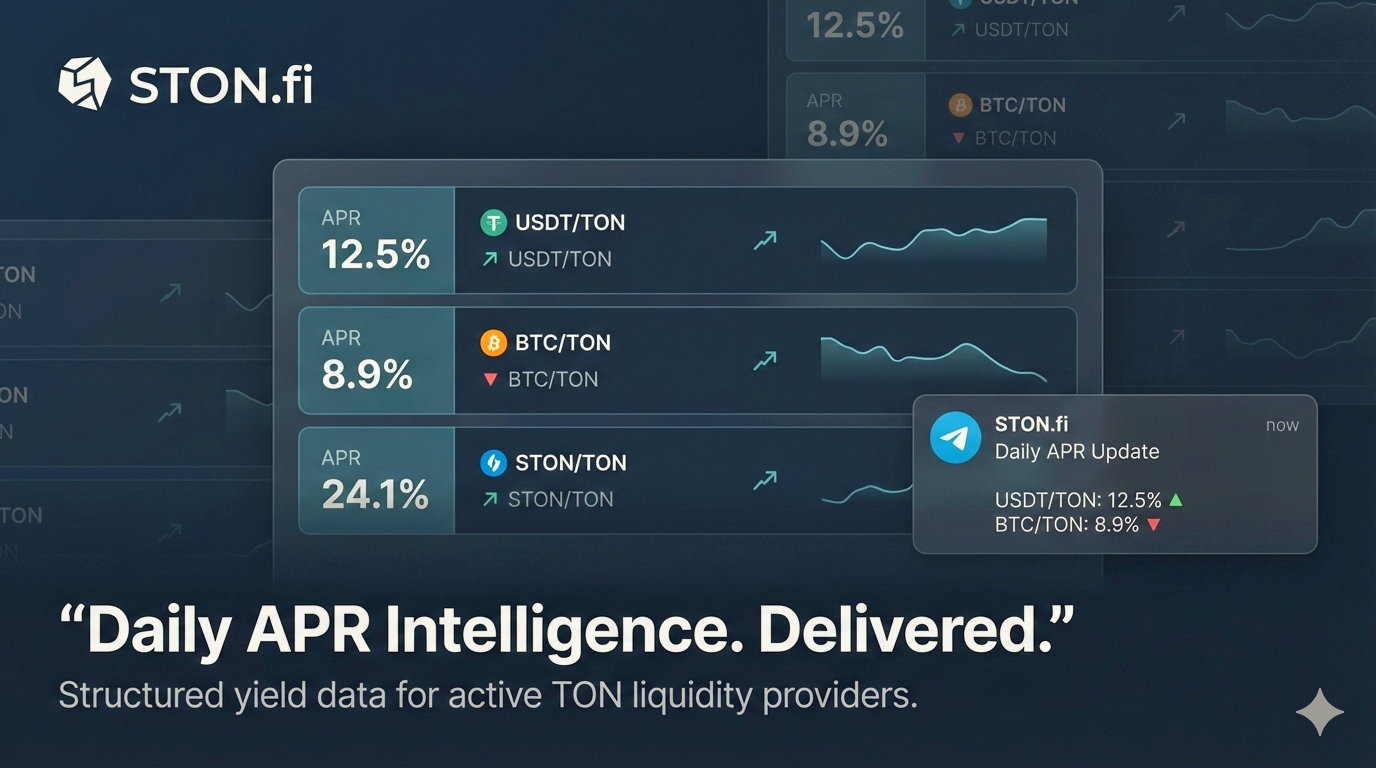
The Friction Tax on DeFi Yields Most liquidity doesn't move because returns are bad. It moves because monitoring costs exceed switching gains. You're staked in a pool earning 12% APR. Somewhere else, there's 18%. But checking requires opening multiple tabs, translating TVL shifts into actual yield exposure, and calculating impermanent loss under current volatility. So you stay put. Not because you chose 12%, but because 18% wasn't worth the cognitive overhead. This is the…
Breaking AMM Constraints: STON.fi Arbitrary Liquidity Ratios Most DeFi users hit this wall: your wallet holds 70% USDT and 30% TON, but classic AMMs force a 50/50 split. You either swap half your stack, paying fees and slippage or sit out. STON.fi fixes this with arbitrary ratio deposits. For TON's ecosystem, this is the first major AMM to support flexible LP positions, and it changes how capital flows into pools. The Problem with Traditional AMMs Traditional AMMs…
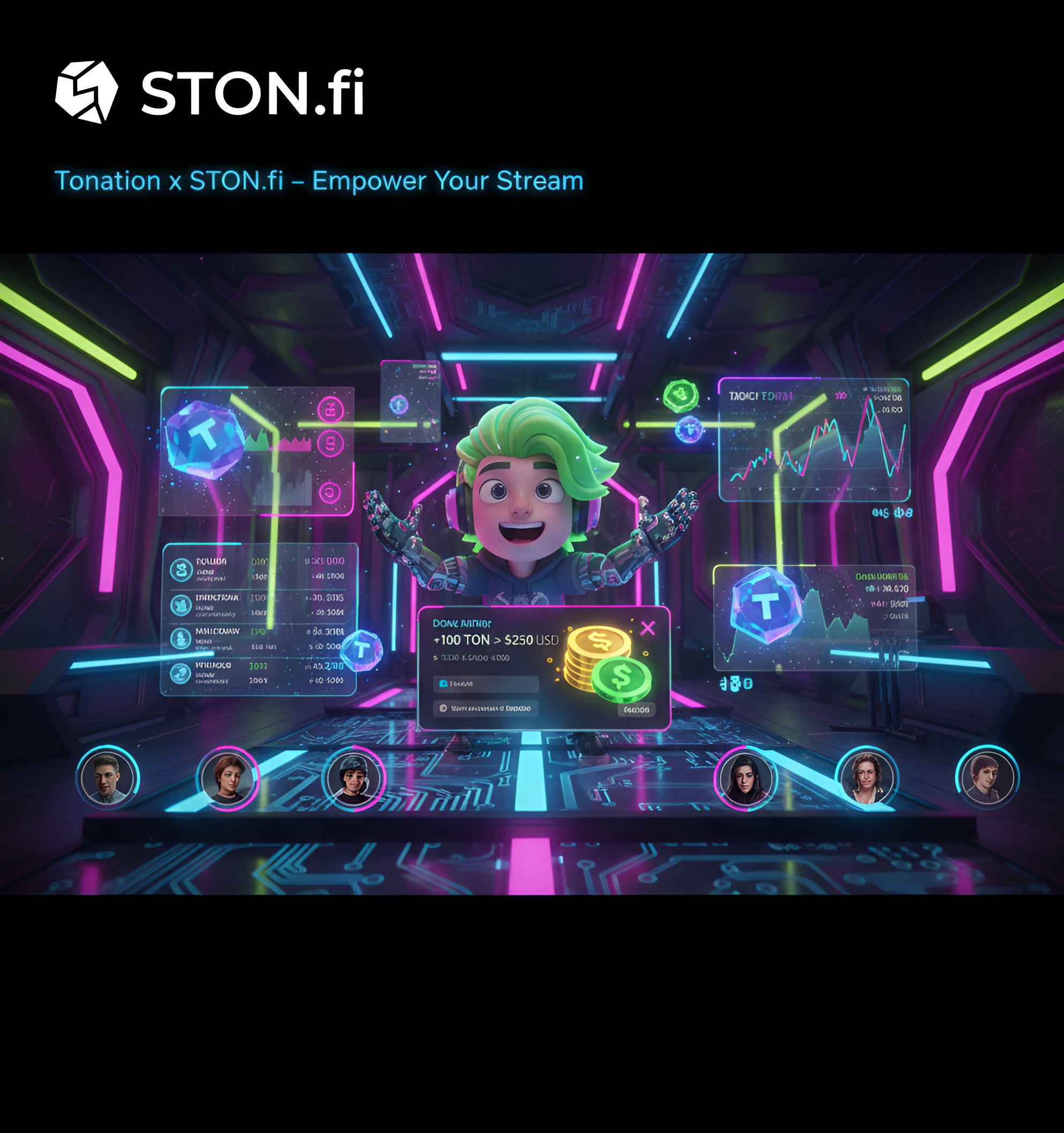
Seamless DeFi in Action: How Tonation and STONfi Are Transforming Crypto Donations on TON The integration of STONfi swaps into Tonation represents more than just a new feature, it reflects a broader shift in the way decentralized finance (DeFi) is being adopted across the TON ecosystem. Traditionally, decentralized exchanges (DEXs) have been treated as standalone destinations: a user would navigate to a DEX, execute a trade, and then return to their original platform. While…
When Telegram Became My DeFi Dashboard I didn’t notice the shift at first. One week I was opening Telegram to reply to messages. The next, I was swapping tokens inside the same app without thinking about bridges, browser extensions, or even which network I was on. That’s when it clicked: TON’s growth isn’t loud. It’s friction quietly disappearing. Swaps That Just Work Around the time TVL crossed $600–650M, most people argued about the number. I wasn’t looking at TVL—I…
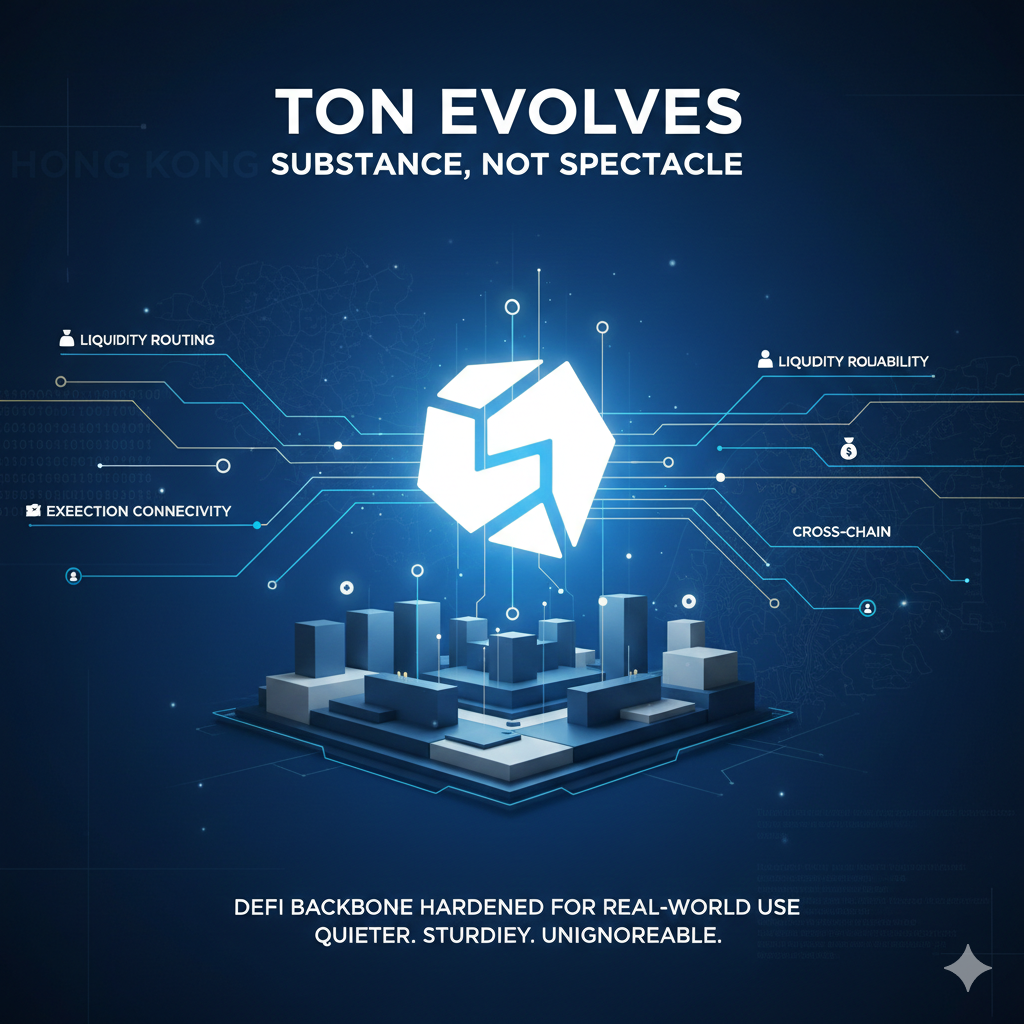
What STON.fi Revealed in Hong Kong — And Why It Matters While many crypto teams arrived in Hong Kong focused on announcements and visibility, STON.fi took a different approach. At Consensus and Hack Seasons, Andrey Fedorov, Chief Marketing and Business Development Officer at STON.fi, sat down with CoinEdition to discuss something far more substantial than partnerships or projections. The conversation centered on infrastructure specifically, how TON’s DeFi foundation is…
Why TON's DeFi Path Looks Nothing Like What Came Before For years, DeFi followed a pattern you could almost set your watch by. New blockchain launches. Yield incentives flood in. TVL charts spike. Users hop from one ecosystem to another, chasing returns. Ethereum built the deepest liquidity pools. Solana raced toward consumer-speed transactions. Specialized chains ran lean, campaign-fueled growth engines. Then there's TON, which doesn't quite fit any of these molds. And…
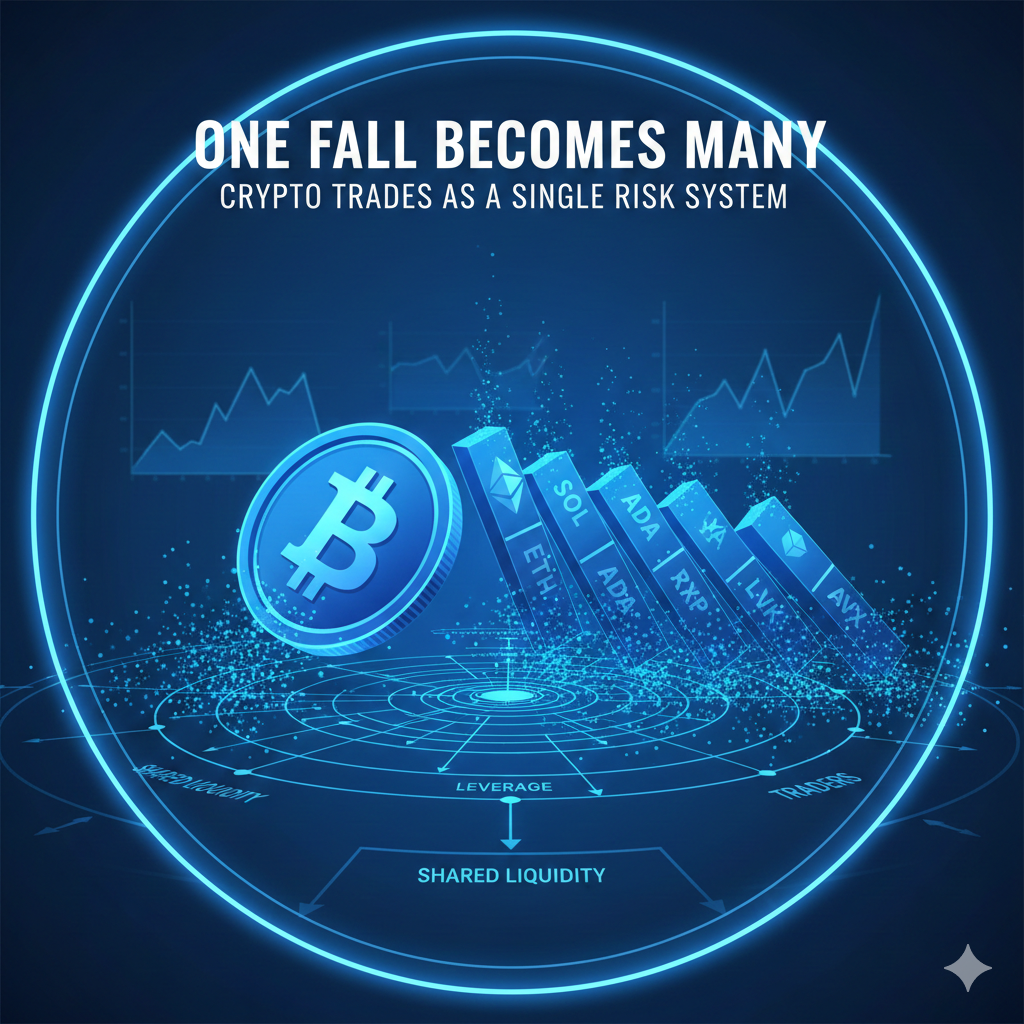
One Fall Becomes Many — Crypto Trades As A Single Risk System I've been staring at my on-chain portfolio for months now, and there's this thing I keep noticing. Doesn't matter what I'm holding, could be a DeFi blue chip, some layer-2 governance token, or whatever narrative is hot that week. When things go up, they all go up. When the vibe shifts and everyone gets spooked, everything crashes together. Eventually you start wondering: am I actually diversified here, or do…
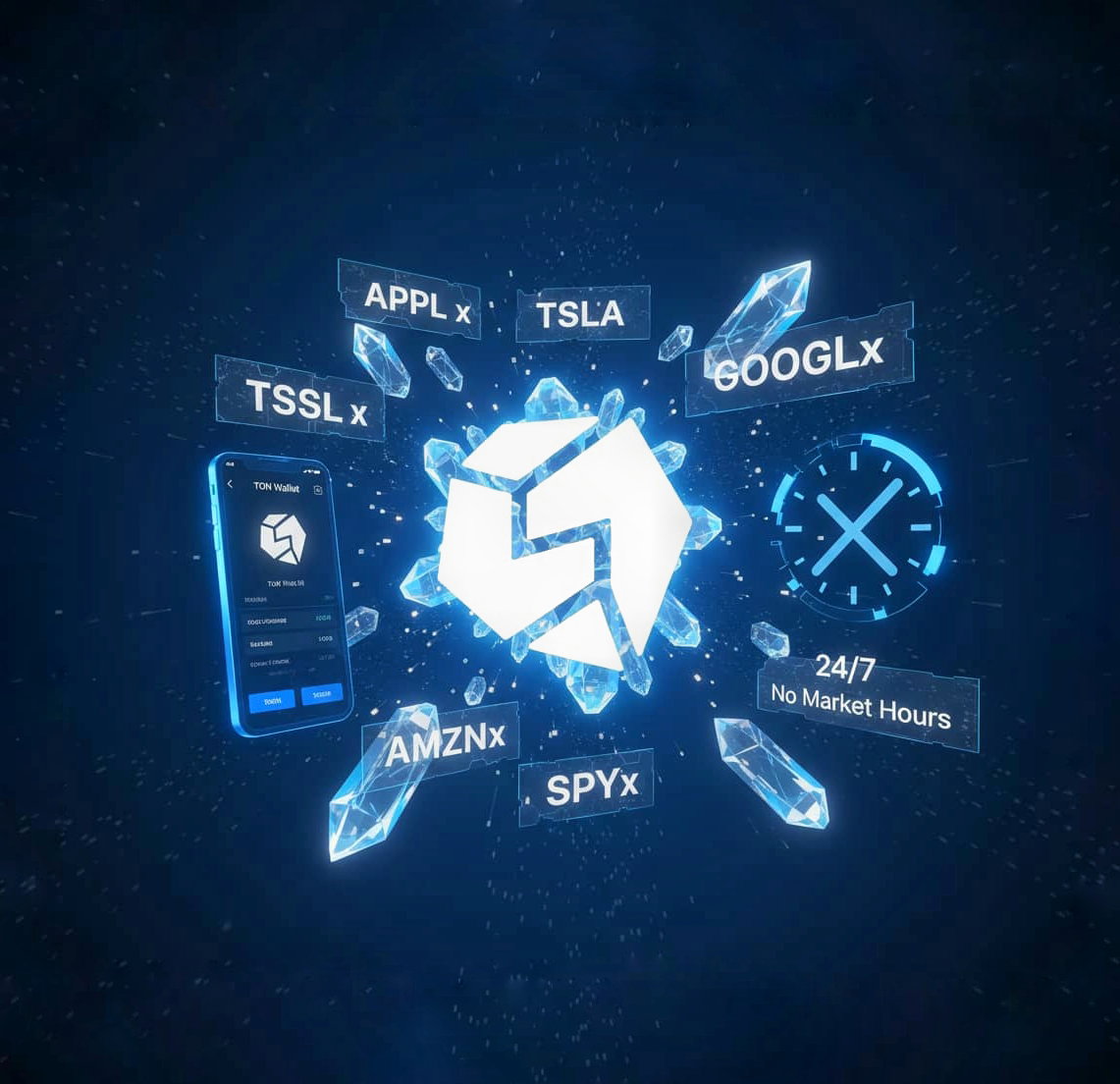
Your First xStocks Swap in Under 5 Minutes — What It Actually Feels Like You know that moment when you check a stock price at midnight and wish you could just act on it? Not wait for markets to open. Not shuffle money between apps. Just do something right then. That friction? It's gone. With xStocks on STONfi, you can swap into tokenized versions of Apple, Tesla, or the S&P 500 directly from your TON wallet. No brokerage signup. No waiting. No wondering if your funds are…
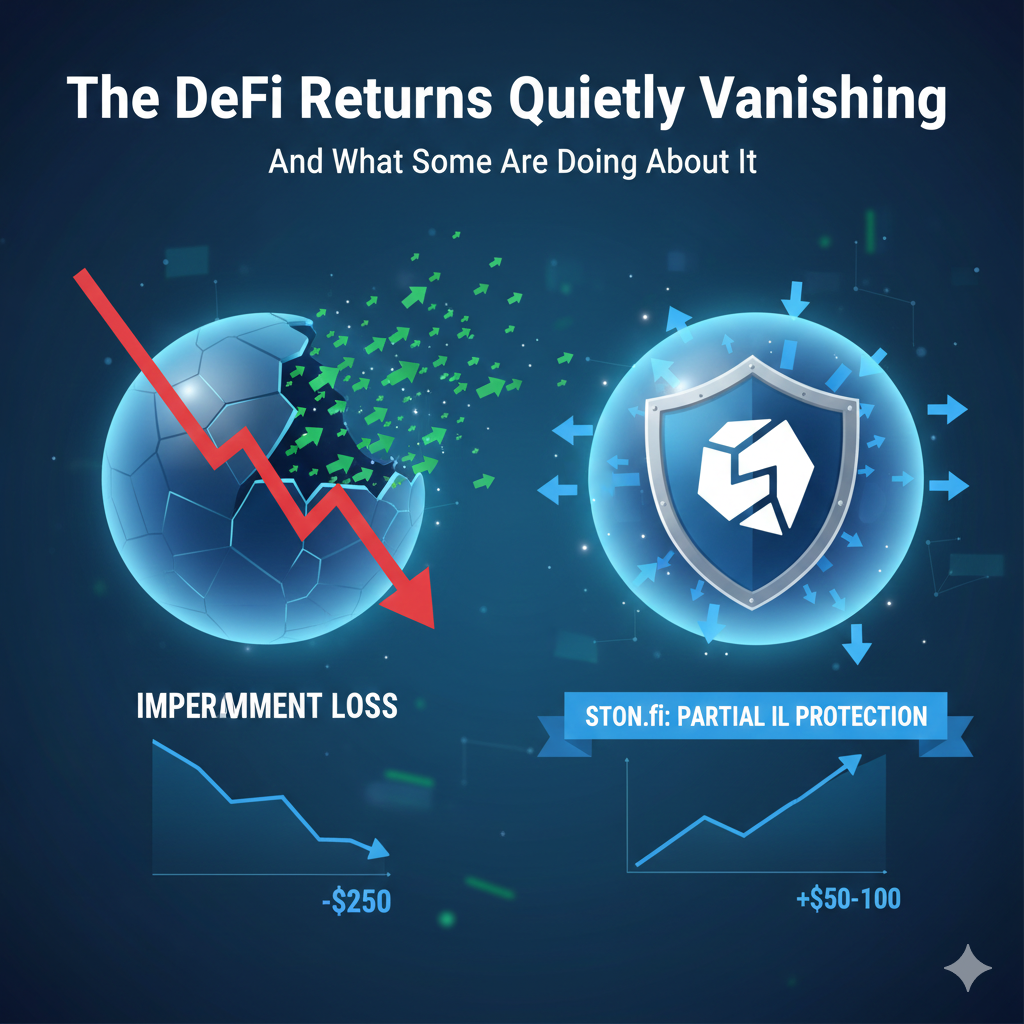
The DeFi Returns Quietly Vanishing (And What Some Are Doing About It) You check your liquidity pool. The APY looks solid. Fees are coming in. Everything seems fine. Then you withdraw and realize you're down money. What happened? Meet impermanent loss, the profit drain most DeFi newcomers don't see coming. It's not a scam or a glitch. It's just how automated market makers work. And it's probably costing you more than you think. What's Really Going On When you add…
TON Just Became Multi-Chain: What the Omniston-Rango Integration Actually Changes The friction around moving assets into and out of TON has quietly limited the ecosystem's reach. Omniston's integration with Rango Exchange addresses this directly by connecting TON to over 80 blockchain networks through a single routing layer. The result is straightforward: swapping TON-based assets no longer requires specialized bridges or fragmented tooling. Rango operates as a liquidity…
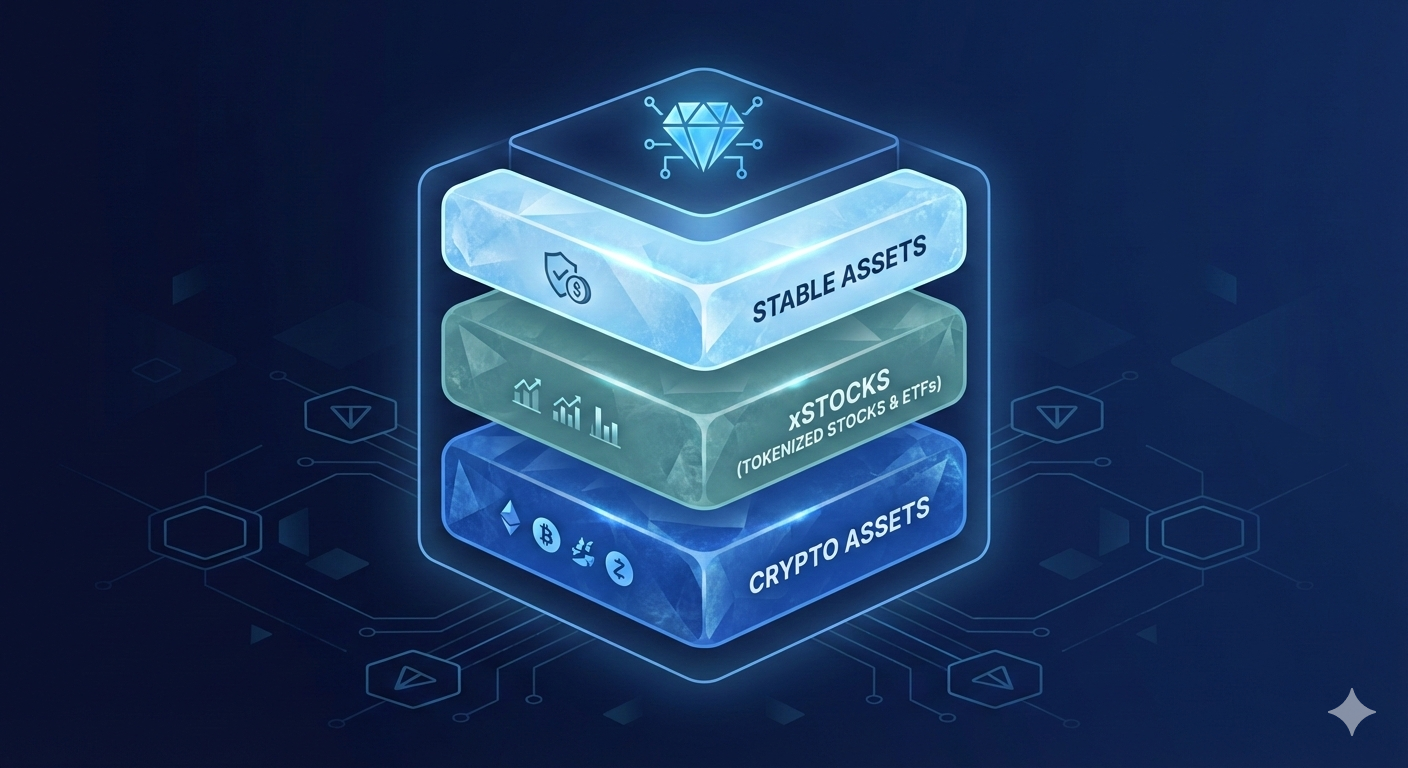
xStocks on STON.fi: Why Tokenized Equities Represent a Meaningful Shift for TON DeFi The ability to trade shares of NVIDIA or Tesla directly from a TON wallet represents more than a technical novelty. It marks a fundamental change in how decentralized finance participants can access traditional markets. Through xStocks on STON.fi, real-world equities arrive on-chain with full regulatory compliance, eliminating the need for brokerage accounts while maintaining the familiar…
 @Mrcosmic