𝓕𝓸𝓷𝓽𝓼 𝓪𝓷𝓭 𝓣𝓮𝔁𝓽 𝓕𝓸𝓻 𝓨𝓸𝓾𝓻 𝓦𝓻𝓲𝓽𝓲𝓷𝓰𝓼
**FREE FONTS AND TEXT STYLES**
𝑀𝑜𝑢𝑛𝑡𝑎𝑖𝑛 𝑆𝑖𝑑𝑒.
𝐴𝑎 𝐵𝑏 𝐶𝑐 𝐷𝑑 𝐸𝑓 𝐺𝑔 𝐻ℎ 𝐼𝑖 𝐽𝑗 𝐾𝑘 𝐿𝑙 𝑀𝑛 𝑂𝑜 𝑃𝑝𝑄𝑞 𝑅𝑟 𝑆𝑠 𝑇𝑡 𝑈𝑢 𝑉𝑣 𝑊𝑊 𝑋𝑥 𝑌𝑦 𝑍𝑧 0 1 2 3 4 5 6 7 8 9
𝙈𝙤𝙪𝙣𝙩𝙖𝙞𝙣 𝙎𝙞𝙙𝙚.
𝘼𝙖 𝘽𝙗 𝘾𝙘 𝘿𝙙 𝙀𝙛 𝙂𝙜 𝙃𝙝 𝙄𝙞 𝙅𝙟 𝙆𝙠 𝙇𝙡 𝙈𝙣 𝙊𝙤 𝙋𝙥𝙌𝙦 𝙍𝙧 𝙎𝙨 𝙏𝙩 𝙐𝙪 𝙑𝙫 𝙒𝙒 𝙓𝙭 𝙔𝙮 𝙕𝙯 0 1 2 3 4 5 6 7 8 9
𝙼𝚘𝚞𝚗𝚝𝚊𝚒𝚗 𝚂𝚒𝚍𝚎.
𝙰𝚊 𝙱𝚋 𝙲𝚌 𝙳𝚍 𝙴𝚏 𝙶𝚐 𝙷𝚑 𝙸𝚒 𝙹𝚓 𝙺𝚔 𝙻𝚕 𝙼𝚗 𝙾𝚘 𝙿𝚙𝚀𝚚 𝚁𝚛 𝚂𝚜 𝚃𝚝 𝚄𝚞 𝚅𝚟 𝚆𝚆 𝚇𝚡 𝚈𝚢 𝚉𝚣 𝟶 𝟷 𝟸 𝟹 𝟺 𝟻 𝟼 𝟽 𝟾 𝟿
𝕄𝕠𝕦𝕟𝕥𝕒𝕚𝕟 𝕊𝕚𝕕𝕖.
𝔸𝕒 𝔹𝕓 ℂ𝕔 𝔻𝕕 𝔼𝕗 𝔾𝕘 ℍ𝕙 𝕀𝕚 𝕁𝕛 𝕂𝕜 𝕃𝕝 𝕄𝕟 𝕆𝕠 ℙ𝕡ℚ𝕢 ℝ𝕣 𝕊𝕤 𝕋𝕥 𝕌𝕦 𝕍𝕧 𝕎𝕎 𝕏𝕩 𝕐𝕪 ℤ𝕫 𝟘 𝟙 𝟚 𝟛 𝟜 𝟝 𝟞 𝟟 𝟠 𝟡
𝓜𝓸𝓾𝓷𝓽𝓪𝓲𝓷 𝓢𝓲𝓭𝓮.
𝓐𝓪 𝓑𝓫 𝓒𝓬 𝓓𝓭 𝓔𝓯 𝓖𝓰 𝓗𝓱 𝓘𝓲 𝓙𝓳 𝓚𝓴 𝓛𝓵 𝓜𝓷 𝓞𝓸 𝓟𝓹𝓠𝓺 𝓡𝓻 𝓢𝓼 𝓣𝓽 𝓤𝓾 𝓥𝓿 𝓦𝓦 𝓧𝔁 𝓨𝔂 𝓩𝔃 0 1 2 3 4 5 6 7 8 9
𝕸𝖔𝖚𝖓𝖙𝖆𝖎𝖓 𝕾𝖎𝖉𝖊.
𝕬𝖆 𝕭𝖇 𝕮𝖈 𝕯𝖉 𝕰𝖋 𝕲𝖌 𝕳𝖍 𝕴𝖎 𝕵𝖏 𝕶𝖐 𝕷𝖑 𝕸𝖓 𝕺𝖔 𝕻𝖕𝕼𝖖 𝕽𝖗 𝕾𝖘 𝕿𝖙 𝖀𝖚 𝖁𝖛 𝖂𝖂 𝖃𝖝 𝖄𝖞 𝖅𝖟 0 1 2 3 4 5 6 7 8 9
𝔐𝔬𝔲𝔫𝔱𝔞𝔦𝔫 𝔖𝔦𝔡𝔢.
𝔄𝔞 𝔅𝔟 ℭ𝔠 𝔇𝔡 𝔈𝔣 𝔊𝔤 ℌ𝔥 ℑ𝔦 𝔍𝔧 𝔎𝔨 𝔏𝔩 𝔐𝔫 𝔒𝔬 𝔓𝔭𝔔𝔮 ℜ𝔯 𝔖𝔰 𝔗𝔱 𝔘𝔲 𝔙𝔳 𝔚𝔚 𝔛𝔵 𝔜𝔶 ℨ𝔷 0 1 2 3 4 5 6 7 8 9
🅜🅞🅤🅝🅣🅐🅘🅝 🅢🅘🅓🅔.
🅐🅐 🅑🅑 🅒🅒 🅓🅓 🅔🅕 🅖🅖 🅗🅗 🅘🅘 🅙🅙 🅚🅚 🅛🅛 🅜🅝 🅞🅞 🅟🅟🅠🅠 🅡🅡 🅢🅢 🅣🅣 🅤🅤 🅥🅥 🅦🅦 🅧🅧 🅨🅨 🅩🅩 0 1 2 3 4 5 6 7 8 9
🄼🄾🅄🄽🅃🄰🄸🄽 🅂🄸🄳🄴.
🄰🄰 🄱🄱 🄲🄲 🄳🄳 🄴🄵 🄶🄶 🄷🄷 🄸🄸 🄹🄹 🄺🄺 🄻🄻 🄼🄽 🄾🄾 🄿🄿🅀🅀 🅁🅁 🅂🅂 🅃🅃 🅄🅄 🅅🅅 🅆🅆 🅇🅇 🅈🅈 🅉🅉 0 1 2 3 4 5 6 7 8 9
Ⓜⓞⓤⓝⓣⓐⓘⓝ Ⓢⓘⓓⓔ.
Ⓐⓐ Ⓑⓑ Ⓒⓒ Ⓓⓓ Ⓔⓕ Ⓖⓖ Ⓗⓗ Ⓘⓘ Ⓙⓙ Ⓚⓚ Ⓛⓛ Ⓜⓝ Ⓞⓞ ⓅⓟⓆⓠ Ⓡⓡ Ⓢⓢ Ⓣⓣ Ⓤⓤ Ⓥⓥ ⓌⓌ Ⓧⓧ Ⓨⓨ Ⓩⓩ ⓪ ① ② ③ ④ ⑤ ⑥ ⑦ ⑧ ⑨
[M̲̲̅̅o̲̲̅̅u̲̲̅̅n̲̲̅̅t̲̲̅̅a̲̲̅̅i̲̲̅̅n̲̲̅̅ ̲̲̅̅S̲̲̅̅i̲̲̅̅d̲̲̅̅e̲̲̅̅.̲̲̅̅
̲̲̅̅A̲̲̅̅a̲̲̅̅ ̲̲̅̅B̲̲̅̅b̲̲̅̅ ̲̲̅̅C̲̲̅̅c̲̲̅̅ ̲̲̅̅D̲̲̅̅d̲̲̅̅ ̲̲̅̅E̲̲̅̅f̲̲̅̅ ̲̲̅̅G̲̲̅̅g̲̲̅̅ ̲̲̅̅H̲̲̅̅h̲̲̅̅ ̲̲̅̅I̲̲̅̅i̲̲̅̅ ̲̲̅̅J̲̲̅̅j̲̲̅̅ ̲̲̅̅K̲̲̅̅k̲̲̅̅ ̲̲̅̅L̲̲̅̅l̲̲̅̅ ̲̲̅̅M̲̲̅̅n̲̲̅̅ ̲̲̅̅O̲̲̅̅o̲̲̅̅ ̲̲̅̅P̲̲̅̅p̲̲̅̅Q̲̲̅̅q̲̲̅̅ ̲̲̅̅R̲̲̅̅r̲̲̅̅ ̲̲̅̅S̲̲̅̅s̲̲̅̅ ̲̲̅̅T̲̲̅̅t̲̲̅̅ ̲̲̅̅U̲̲̅̅u̲̲̅̅ ̲̲̅̅V̲̲̅̅v̲̲̅̅ ̲̲̅̅W̲̲̅̅W̲̲̅̅ ̲̲̅̅X̲̲̅̅x̲̲̅̅ ̲̲̅̅Y̲̲̅̅y̲̲̅̅ ̲̲̅̅Z̲̲̅̅z̲̲̅̅ ̲̲̅̅ ̲̲̅̅ ̲̲̅̅0̲̲̅̅ ̲̲̅̅1̲̲̅̅ ̲̲̅̅2̲̲̅̅ ̲̲̅̅3̲̲̅̅ ̲̲̅̅4̲̲̅̅ ̲̲̅̅5̲̲̅̅ ̲̲̅̅6̲̲̅̅ ̲̲̅̅7̲̲̅̅ ̲̲̅̅8̲̲̅̅ ̲̲̅̅9̲̲̅̅ ̲̲̅̅]
M̰̃õ̰ṵ̃ñ̰t̰̃ã̰ḭ̃ñ̰ ̰̃S̰̃ḭ̃d̰̃ḛ̃.̰̃
̰̃Ã̰ã̰ ̰̃B̰̃b̰̃ ̰̃C̰̃c̰̃ ̰̃D̰̃d̰̃ ̰̃Ḛ̃f̰̃ ̰̃G̰̃g̰̃ ̰̃H̰̃h̰̃ ̰̃Ḭ̃ḭ̃ ̰̃J̰̃j̰̃ ̰̃K̰̃k̰̃ ̰̃L̰̃l̰̃ ̰̃M̰̃ñ̰ ̰̃Õ̰õ̰ ̰̃P̰̃p̰̃Q̰̃q̰̃ ̰̃R̰̃r̰̃ ̰̃S̰̃s̰̃ ̰̃T̰̃t̰̃ ̰̃Ṵ̃ṵ̃ ̰̃Ṽ̰ṽ̰ ̰̃W̰̃W̰̃ ̰̃X̰̃x̰̃ ̰̃Ỹ̰ỹ̰ ̰̃Z̰̃z̰̃ ̰̃ ̰̃ ̰̃0̰̃ ̰̃1̰̃ ̰̃2̰̃ ̰̃3̰̃ ̰̃4̰̃ ̰̃5̰̃ ̰̃6̰̃ ̰̃7̰̃ ̰̃8̰̃ ̰̃9̰̃ ̰̃
爪口Uれ匕丹工れ ち工刀モ.
丹丹 乃乃 匚匚 刀刀 モ下 ムム 卄卄 工工 JJ KK ㄥㄥ 爪れ 口口 ㄗㄗQQ 尺尺 ちち 匕匕 UU VV 山山 メメ ㄚㄚ 乙乙 0 1 2 3 4 5 6 7 8 9
And many more cool fonts. It can attract readers and up voters.
Feel free to comment if what app is this. 😇
I'll answer you, right away. 😇

Good Health Habits for Your Digestive System
***Eat a balanced diet.***
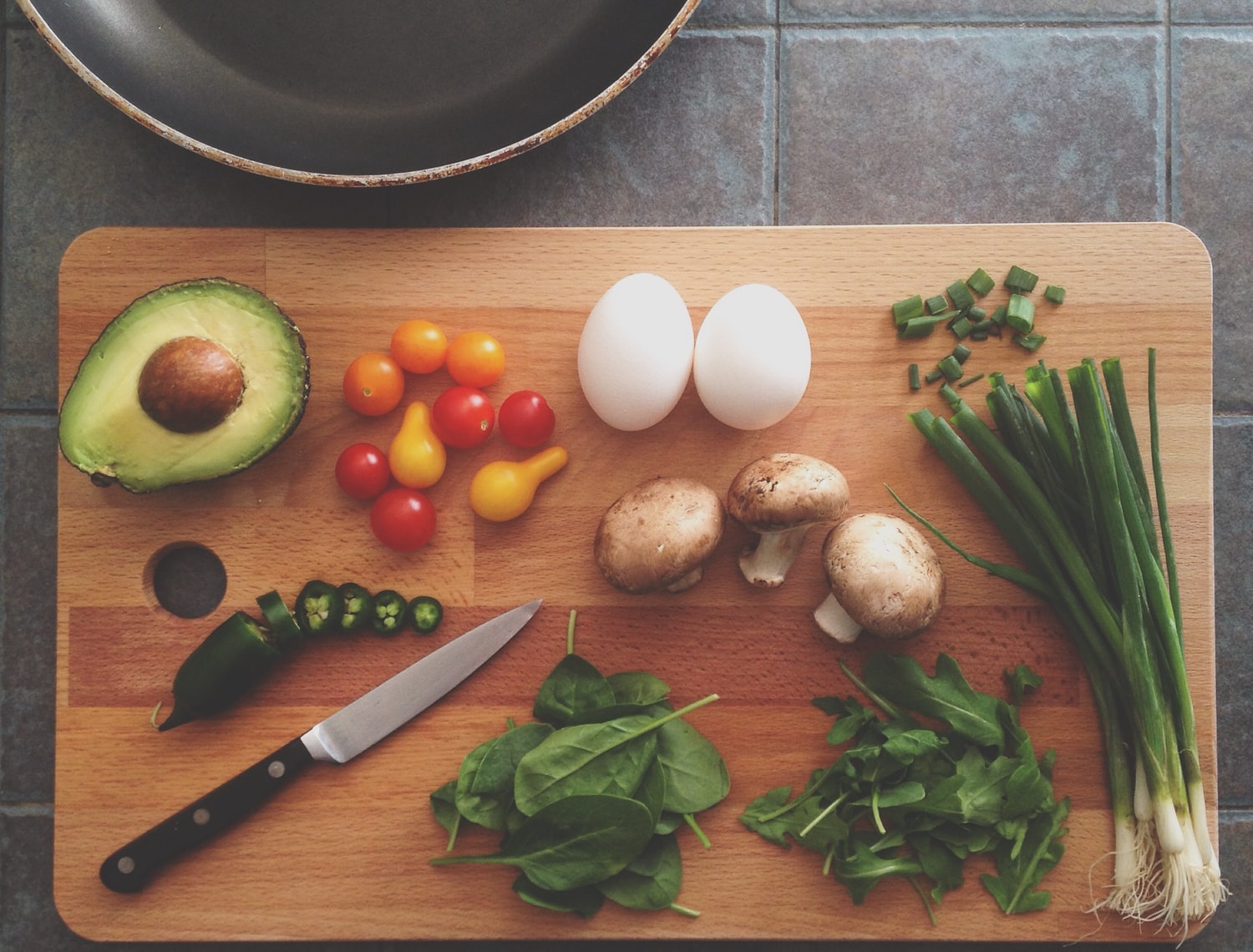
The food nutrients are grouped into three: the body building group, the energy-giving group, and the body-regulating group.
The body building foods include fish, meat, chicken, eggs, nuts, and beans. What food nutrients do these foods contain?
The energy-giving foods include cereals, tubers, fats and oil. What food nutrients do they contain?
The body-regulating foods include fruits and vegetables. What food nutrients do they contain?
You should eat foods from each food group every day. Then you can be sure that your body is getting all the food nutrients it needs.
EAT BALANCED DIET
***Eat Regularly***
Keep a regular time for meals - breakfast, lunch, and supper, with snacks in between. This will help your digestive system work more smothly.It will also make you feel better. Have you tried not eating long time? How did you feel?
EAT REGULARLY
***Eat Breakfast***
Breakfast is the most important meal of the day.. You should eat a full breakfast. It will keep you going the ,whole day. It will make you work better in school. You will feel better. too.
Your breakfast should take care of at least one-fourth of your day's requirement of protein or body-building foods. Supper should not be a very heavy meal since you will be going to sleep afterwards.
BREAKFAST
***Eat pleasantly.***
Your feelings affect digestion When you are feeling bad or upset, your stomach may not secrete digestive juices. The digestion may be delayed. There may be times, too, when digestion happens faster because if upset emotions.
Upset emotions may also make the stomach secrete too much acid. If this happens, part of the lining of the stomach or small intestine may be affected. An ulcer or wound may-develop if this happens often.
What can you do to make caring pleasant?
What pleasant things can you talk about during mealtimes? What topics should you avoid? What should you do if you have problems?
PLEASANTLY
Mandaragit
'𝔖𝔦𝔫𝔤 𝔱𝔞𝔪𝔦𝔰 𝔫𝔤 𝔭𝔲𝔩𝔬𝔱-𝔭𝔲𝔨𝔶𝔲𝔱𝔞𝔫
𝔨𝔲𝔫𝔤 𝔪𝔞𝔨𝔞𝔫𝔤𝔦𝔱𝔦 𝔰𝔞'𝔶𝔬𝔫𝔤 𝔥𝔞𝔯𝔞𝔭𝔞𝔫,
𝔗𝔦𝔩𝔞 𝔟𝔲𝔟𝔲𝔶𝔬𝔤 𝔫𝔞𝔪𝔞𝔫𝔤 𝔪𝔞𝔫𝔤𝔞𝔤𝔞𝔱
'𝔭𝔞𝔤 𝔨𝔞𝔶𝔬'𝔶 𝔫𝔞𝔤𝔨𝔞𝔩𝔞𝔩𝔦𝔨𝔲𝔯𝔞𝔫.
𝔓𝔞𝔫𝔞𝔶 𝔞𝔫𝔤 𝔟𝔲𝔩𝔲𝔫𝔤-𝔟𝔲𝔩𝔲𝔫𝔤𝔞𝔫
ℌ𝔦𝔫𝔡𝔦 𝔫𝔞𝔪𝔞𝔫 𝔨𝔞𝔶𝔞𝔫𝔤 𝔥𝔲𝔪𝔞𝔯𝔞𝔭
𝔫𝔤 𝔡𝔦𝔯𝔢𝔱𝔰𝔞𝔥𝔞𝔫
𝔗𝔞𝔬-𝔫𝔤𝔞𝔫𝔤 𝔫𝔞𝔱𝔲𝔯𝔦𝔫𝔤𝔞𝔫,
𝔱𝔞𝔬 𝔯𝔦𝔫𝔟𝔞𝔫𝔤 𝔫𝔞𝔨𝔞𝔲𝔤𝔞𝔩𝔦𝔞𝔫?
𝔖𝔞 𝔩𝔞𝔨𝔞𝔰 𝔫𝔤 𝔭𝔞𝔫𝔤-𝔞𝔪𝔬𝔶
𝔞𝔱 𝔱𝔞𝔩𝔞𝔰 𝔫𝔤 𝔪𝔤𝔞 𝔪𝔞𝔱𝔞,
𝔇𝔞𝔭𝔞𝔱 𝔫𝔞 𝔪𝔞𝔤-𝔦𝔫𝔤𝔞𝔱 𝔨𝔞
𝔭𝔞𝔤𝔨𝔞𝔱 𝔰𝔞 𝔦𝔰𝔞𝔫𝔤 𝔰𝔲𝔩𝔶𝔞𝔭 𝔩𝔞𝔫𝔤,
𝔗𝔞𝔩𝔞𝔪𝔟𝔲𝔥𝔞𝔶 𝔪𝔬'𝔶 𝔦𝔱𝔦𝔫𝔞𝔥𝔬𝔩 𝔫𝔞.
ℌ𝔲𝔪𝔞𝔫𝔡𝔞 𝔨𝔞𝔫𝔤 𝔪𝔞𝔥𝔲𝔰𝔤𝔞𝔥𝔞𝔫!
𝔄𝔩𝔞𝔪𝔦𝔫 𝔨𝔲𝔫𝔤 𝔰𝔦𝔫𝔬 𝔭𝔢𝔨𝔢 𝔰𝔞 𝔱𝔲𝔫𝔞𝔶!
𝔖𝔞𝔭𝔞𝔤𝔨𝔞𝔱, 𝔰𝔞 𝔩𝔦𝔭𝔲𝔫𝔞𝔫𝔤 𝔪𝔞𝔶
𝔪𝔞𝔨𝔦𝔱𝔦𝔡 𝔫𝔞 𝔡𝔞𝔞𝔫
𝔇𝔞𝔭𝔞𝔱 𝔪𝔞𝔱𝔲𝔱𝔬𝔫𝔤 𝔪𝔞𝔤𝔩𝔞𝔨𝔞𝔡 𝔫𝔤
𝔓𝔞𝔥𝔞𝔭𝔞𝔶-𝔥𝔞𝔭𝔞𝔶.
𝔖𝔞 𝔤𝔞𝔫𝔦𝔱𝔬𝔫𝔤 𝔰𝔦𝔱𝔴𝔞𝔰𝔶𝔬𝔫,
𝔓𝔞𝔞𝔫𝔬 𝔞𝔞𝔥𝔲𝔫?
𝔎𝔲𝔫𝔤 𝔞𝔫𝔤 𝔲𝔱𝔞𝔨 𝔞𝔶 𝔫𝔞𝔩𝔲𝔩𝔲𝔫𝔬𝔡
𝔖𝔞 𝔡𝔞𝔤𝔞𝔱 𝔫𝔤 𝔭𝔞𝔫𝔦𝔫𝔦𝔟𝔲𝔤𝔥𝔬'𝔱 𝔞𝔪𝔟𝔦𝔰𝔶𝔬𝔫.
𝔄𝔫𝔤 𝔨𝔞𝔲𝔤𝔞𝔩𝔦𝔞𝔫𝔤 𝔫𝔞𝔭𝔲𝔫𝔬 𝔫𝔤 𝔩𝔞𝔫𝔤𝔞𝔴,
𝔑𝔞 𝔫𝔞𝔰𝔦𝔩𝔬 𝔰𝔞 𝔰𝔞𝔭𝔬𝔱 𝔫𝔤 𝔤𝔞𝔤𝔞𝔪𝔟𝔞,
𝔓𝔞𝔞𝔫𝔬 𝔭𝔞 𝔩𝔦𝔩𝔦𝔫𝔦𝔰𝔦𝔫
𝔎𝔲𝔫𝔤 𝔦𝔱𝔬'𝔶 𝔫𝔞𝔨𝔞𝔟𝔞𝔬𝔫 𝔫𝔞?
𝔐𝔞𝔱𝔞𝔱𝔞𝔩𝔬 𝔟𝔞 𝔫𝔤 𝔰𝔦𝔫𝔞𝔤 𝔫𝔤 𝔞𝔯𝔞𝔴
𝔞𝔫𝔤 𝔡𝔦𝔩𝔦𝔪 𝔫𝔤 𝔫𝔞𝔨𝔞𝔯𝔞𝔞𝔫,
𝔎𝔲𝔫𝔤 𝔴𝔞𝔩𝔞𝔫𝔤 𝔱𝔲𝔱𝔬 𝔰𝔞 𝔱𝔞𝔩𝔦𝔫𝔤𝔥𝔞𝔤𝔞𝔫𝔤
ℑ𝔫𝔦𝔴𝔞𝔫 𝔫𝔞 𝔫𝔤 𝔨𝔞𝔰𝔞𝔶𝔰𝔞𝔶𝔞𝔫
𝔐𝔞𝔨𝔞𝔨𝔞𝔶𝔞 𝔟𝔞𝔫𝔤 𝔥𝔲𝔤𝔞𝔰𝔞𝔫 𝔫𝔤 𝔲𝔩𝔞𝔫
𝔞𝔫𝔤 𝔪𝔞𝔡𝔲𝔫𝔤𝔦𝔰 𝔫𝔞 𝔰𝔞𝔩𝔞𝔪𝔦𝔫.
𝔘𝔭𝔞𝔫𝔤 𝔨𝔞𝔭𝔦𝔪𝔱𝔞𝔰𝔞𝔫 𝔰𝔞 𝔰𝔞𝔯𝔦𝔩𝔦'𝔶
𝔪𝔞𝔞𝔪𝔦𝔫?
Sing tamis ng pulot-pukyutan
kung makangiti sa'yong harapan,
Tila bubuyog namang mangagat
'pag kayo'y nagkalalikuran.
Panay ang bulung-bulungan
Hindi naman kayang humarap
ng diretsahan
Tao-ngang naturingan,
tao rinbang nakaugalian?
Sa lakas ng pang-amoy
at talas ng mga mata,
Dapat na mag-ingat ka
pagkat sa isang sulyap lang,
Talambuhay mo'y itinahol na.
Humanda kang mahusgahan!
Alamin kung sino peke sa tunay!
Sapagkat, sa lipunang may
makitid na daan
Dapat matutong maglakad ng
Pahapay-hapay.
Sa ganitong sitwasyon,
Paano aahun?
Kung ang utak ay nalulunod
Sa dagat ng paninibugho't ambisyon.
Ang kaugaliang napuno ng langaw,
Na nasilo sa sapot ng gagamba,
Paano pa lilinisin
Kung ito'y nakabaon na?
Matatalo ba ng sinag ng araw
ang dilim ng nakaraan,
Kung walang tuto sa talinghagang
Iniwan na ng kasaysayan
Makakaya bang hugasan ng ulan
ang madungis na salamin.
Upang kapimtasan sa sarili'y
maamin?
Reference: Literary, the Bicol Universitarian/vol. XLVI (2018)
Space Research for Everyone
The discoveries and inventions of the past few years have led to dramatic changes in the lifestyles of many people.
Not many years ago, the first satellite circled t earth. The Space Age began. Since that time, we have come a long way in space travel and research. Just as important, we have been able to adapt many of the space products for use here on earth. By-products now in use effect our everyday lives in many ways.
**Space Research and the Field of Medicine**
Many hospitals are using equipment that were developed as a result of space research. Nurses and doctors keep a close watch on some of their patients hy means of machines called monitors.In a heart-care unit, for example, patients may be hooked up to machines that look something like TV screens. In a room nearby, a large instrument panel is set up to receive the information fr om each patient's monitor. A nurse or doctor can then tell at a glance a patient's heartbeat, temperature. and breathing pattern. The large monitor can also act as a computer and information.
Although doctors and nurses give each patient medical attention, a monitor helps them to know instantly of a patient's condition. The moment a monitor records that a patient is having difficulty, help is on the way. Many lives, that might otherwise have been lost, are saved by this system. Space studies made the hospital monitoring equipment possible. But scientist.s and engineers first developed such machines and other devices for immediate use in space travel. Some medical advanced have developed, however, as a result of studies made on how space flight affects the human body.
Whenever astronauts go into space their bodily conditions change. Their temperature, heartbeat. and breathing change, and much else as well. We must know all we can about all these bodily changes if we are to plan for further safe travel in space.
To help researchers learn everything possible, a number of new instruments have been developed. Some of the instruments were already in use in other fields of work. They only had to be changed somewhat to be adapted for space research. Other instruments were developed for the special needs of the space program.
How are such developments adapted for use in other fields, such as medicine? Suppose doctors in the space program develop instruments that check an astronaut's condition. They realize that these instruments would be useful in the field of medicine, too, for checking on a patient's condition. Doctors and researchers then would probably work closely with medical engineering or supply companies to adapt such instruments for a hospital's needs.
This is only one example, of course, of the way in which something that is developed for use in one field may be taken over by another.
**Space Research and Food**
A great deal of research is being done today on food. For example, what sort of food should be carried in a space capsule on long journeys?
Such food has to be very special. First of all,it must keep the astronaut healthy. It has to be toad th:it will not spoil; there is no freezer in a space capsule. The Food cannot be canned, for it must not take up much room or weigh too much. The food should be tasty and easy to prepare.
The astronaut's food come in plastic tubes. It is either freeze-dried or concentrated. Freeze-dried means that it is frozen and the water is removed. Water is added later. Concentrated foods, such as cookies, need no water. Such foods save space and weight. Their packaging keeps crumbs and liquids from floating inside the spacecraft.
Some of these space foods are already being sold in supermarkets everywhere.
**Space Research and the Home**
Some of the by-products of space research have been improvements in machines and materials already in daily use. TV sets, radios, and watches are less hulky and work better, thanks to new electronic devices. Hearing aids are made small enough to fit within the frames of eyeglasses. Also, the use of new materials in the production of cookware and the discovery of labor-saving devices have made the modern kitchen a delight.
References:
P. Galapon & A. Relente (2010). *English for all times. (*1281 Gregorio Araneta Avenue Quezon City Philippines.)
Ang Kabiguan Sa Tagumpay ng Pag-Ibig
Ang Kabiguan sa Tagumpay ng Pag-ibig
Noong una kang mahagkan,
Nasa hardin ng kalikasan.
Ako’y napabaling sa busilak mong kaanyuan
Naantig ang isipa’t pakiramdam.
Ika’y naiiba sa mga rosas kong nadaanan
Ang halimuyak mo’y natatangi, naiiba’t espesyal.
Ang iba may’ iba’t-iba ang kulay,
Ngunit, pare-pareho ding amoy ang taglay.
Ipinunta ka sa munti’t simple kong bakuran,
Araw-araw na dinidiligan at inaalagaan.
Ang ugat ma’y binusog ko ng mga pataba,
Ligaw na damo ay aking pinagtatanggal.
Bulaklak na labis kong inalagaan,
Gabi’t araw ito’y nais masilayan.
Sa init, ulan o bagayo man hindi kita pinabayaan,
Lahat ng sakuna’y taos puso kong nilabanan.
Bukang liwayway ay dumungaw na,
Ako’y handa nang pitasin bulaklak na naiiba.
Ngunit anong lakin gulat ang sumambulat,
Nang bulaklak ay nakabagsak.
Insekto na ang naunang pumitas,
Sakanya, ulan ay bumagsak,
Pero hindi na ito nakaabot pa.
Pati ang bakod ay tuluyan nang tumaob.
Ang bulaklak ay nalanta’t natuyo na,
Ang dating halimuyak ay sumangsang at amoy bulok na!
At ang lupa ay natigang na,
Parang ayaw nang tubuan kailanman.
Oh! Bulaklak sa gitna ng gubat,
Sana, halimuyak mo’y aking muling malanghap!
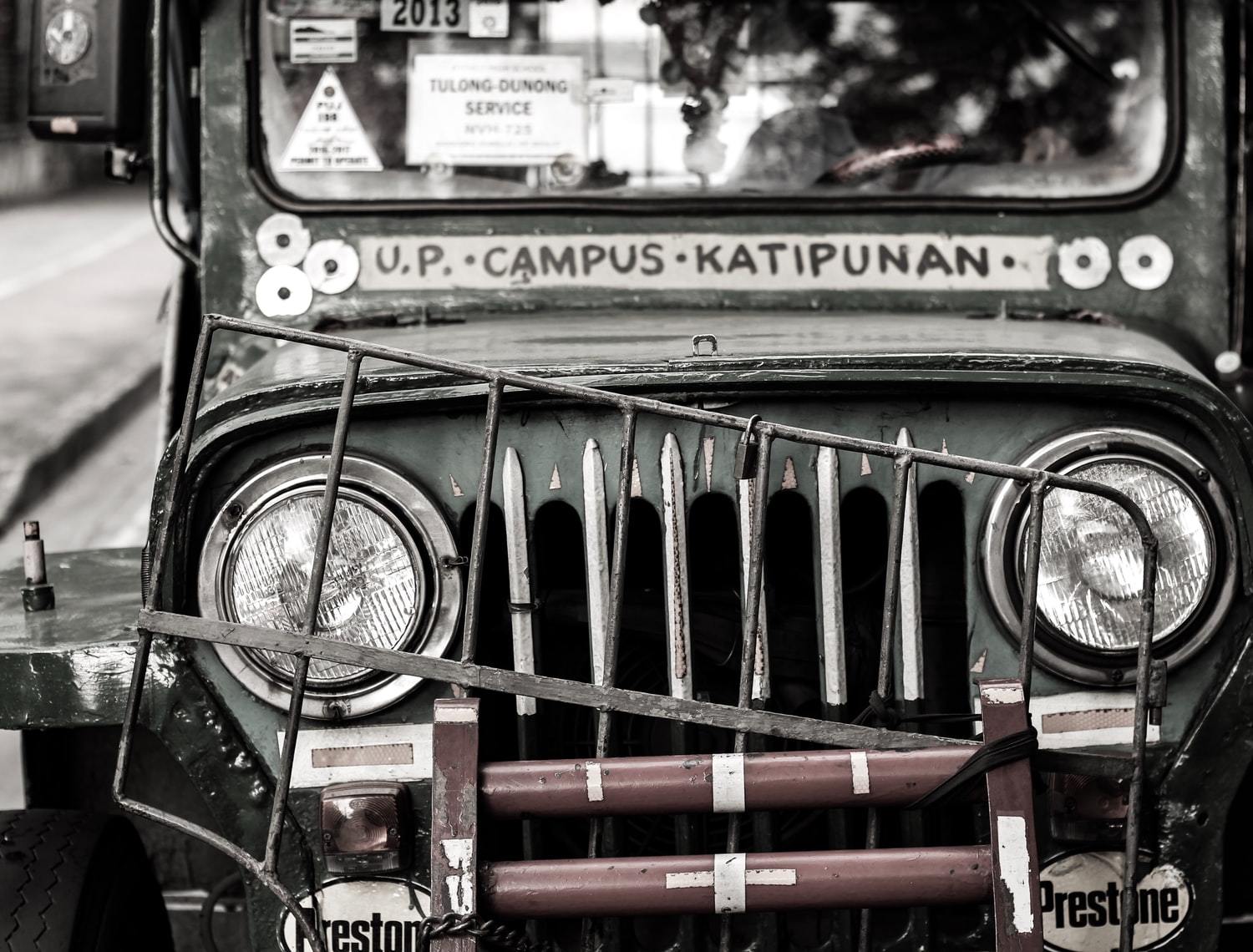
Byahe
*Nakasakay kana ba*
*sa biyaheng binabaybay*
*Ang kahabaan ng masalimoot*
*nating sistema't kasaysayan?*
*Biyaheng punong-puno ng lason*
*At ang lason ay dumadaloy sa dugo ng ating kababayan.*
*Nilalanghap ang hangin sa alapaap*
*Ng lipunang may epidemyang lumalaganap.*
*Ito ang byahe ni Juan,*
*sasakay kana ba?*
*Pumunta sa ruta na hindi kabisa,*
*Mabisa raw kasi ang mga*
*salitang "pwede na."*
*Kaya lang din namang gawin*
*pero bat puro "mamaya na?"*
*Pagkatapos isisisi sa iba,*
*Magbabaybay at magdurusa,*
*"Bahala na si Batman," yan ang sabi mo di ba?*
*Ito ang byahe ni Juan,*
*Sasakay ka ba?*
*Panatang makabayan,*
*iniibig ko ang ibang bansa*
*Ganyan mo sabihin ang mga kataga.*
*Labis na pinagmamalaki ang katagang, "Pinoy Ako!"*
*Kung nilalason mo lang din naman sa kilos at salita.*
*Habang naglalakbay*
*Sa sistemang sanay*
*Kapag may nagpapakamatay,*
*Sa wari'y agaw atensyon.*
*Mabuhay ito ang bansang hindi kilala*
*ang salitang depresyon.*
*Ito ang byahe ni Juan,*
*Sasakay ka pa ba?*
*(Ipagpapatuloy............*
*Reference: Literary, the Bicol Universitarian/vol. XLVI (2018)*
Using the Almanac, the Encyclopedia, and the Atlas
The almanac, the encyclopedia, and the atlas are three useful books that give different kinds of information.
Encyclopedias contain various information and are easy to use because the topics are alphabetically arranged. There are also guide words at the top of each page which help readers easily locate the topics.
An almanac is a reference material that is published annually. It contains list of facts on many different subjects. It gives information on statistics, major events, famous people, dates, flags, maps. historical information, etc. Just like the encyclopedia, almanacs are arranged by subject matter.
The atlas is a book of maps and variety of facts about places..It has charts, maps, tables and graphs. Illustrations of like cities, towers, roads, countries and the like are included. Distribution of many other things such as economic resources, population and even the types of climate are contained in an atlas.
An Unusual Relationship(Symbiosis)
Are you aware that people, plants and animals have a special relationship? The story below, tells this relationship.
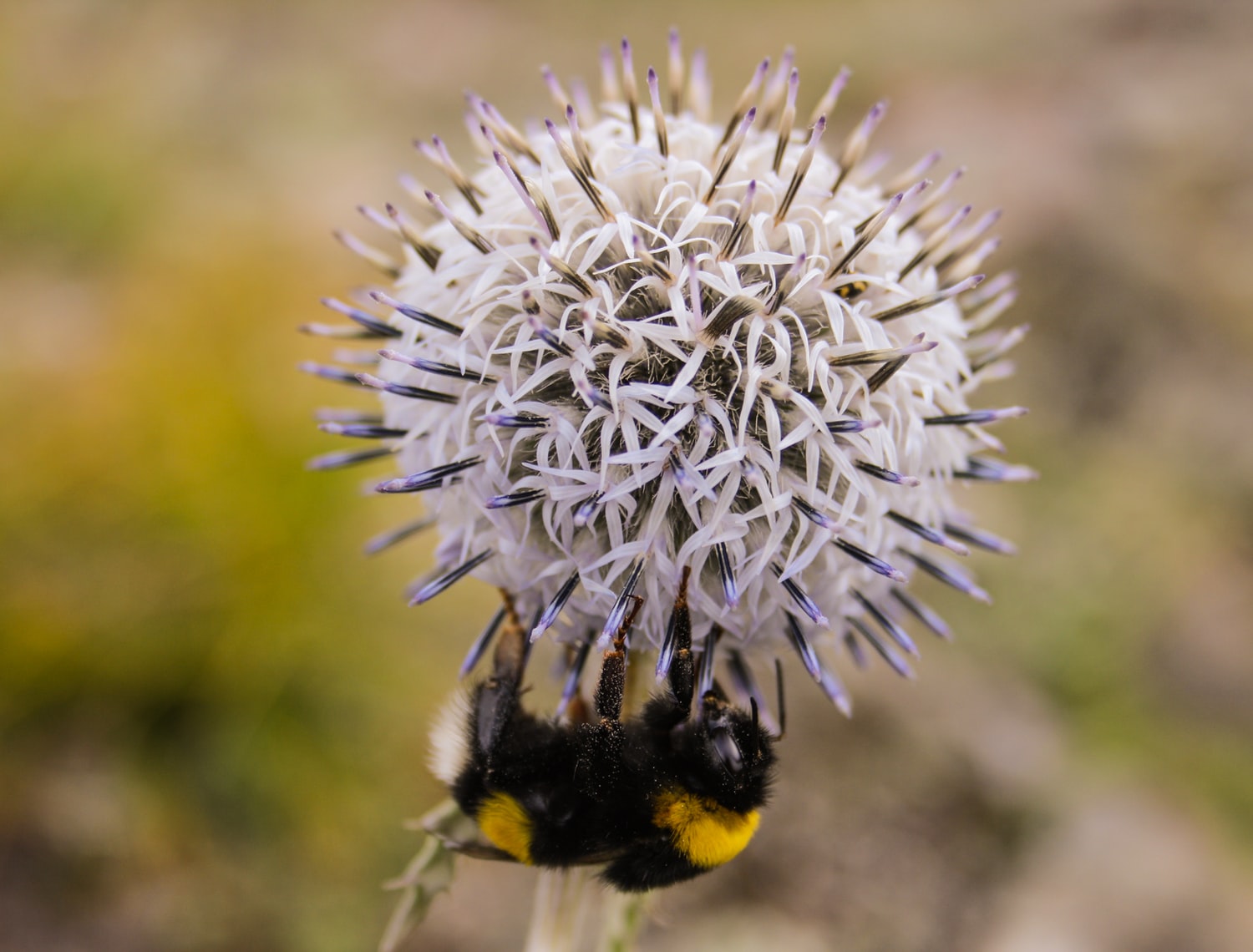
Some animals and plants have a special kind of friendship. They develop this friendship so they can help each. Often, they depend each other for survival. This of friendship is called "symbiosis". Symbiosis means that two completely different kinds of animals or plants help each other in order to live.
One example of symbiosis is the relationship between man and plants. Plants give off oxygen which man needs for breathing, and man gives off carbon dioxide which plants needs for making food. A similar relationship exists between plants and animals that live in a body of water.
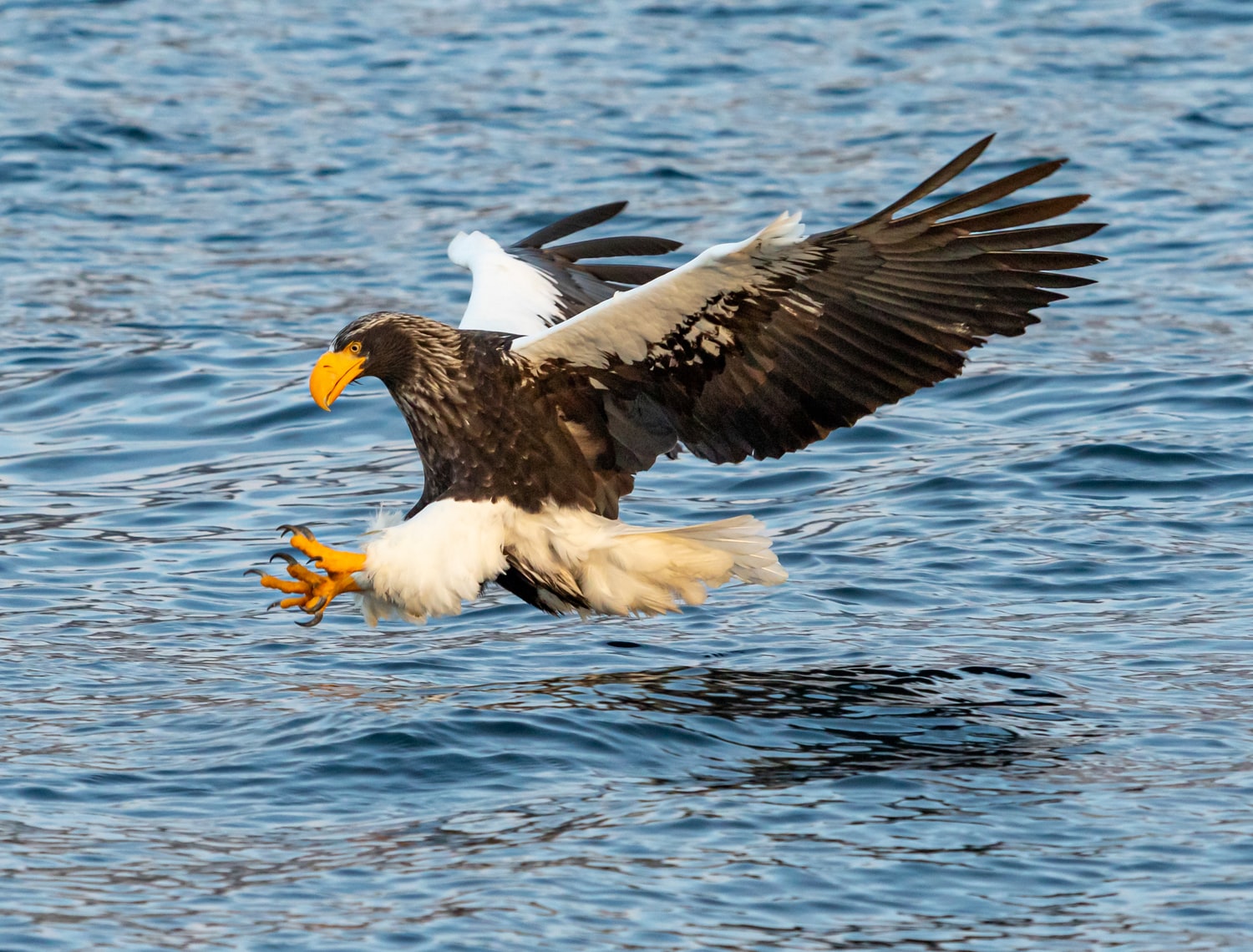
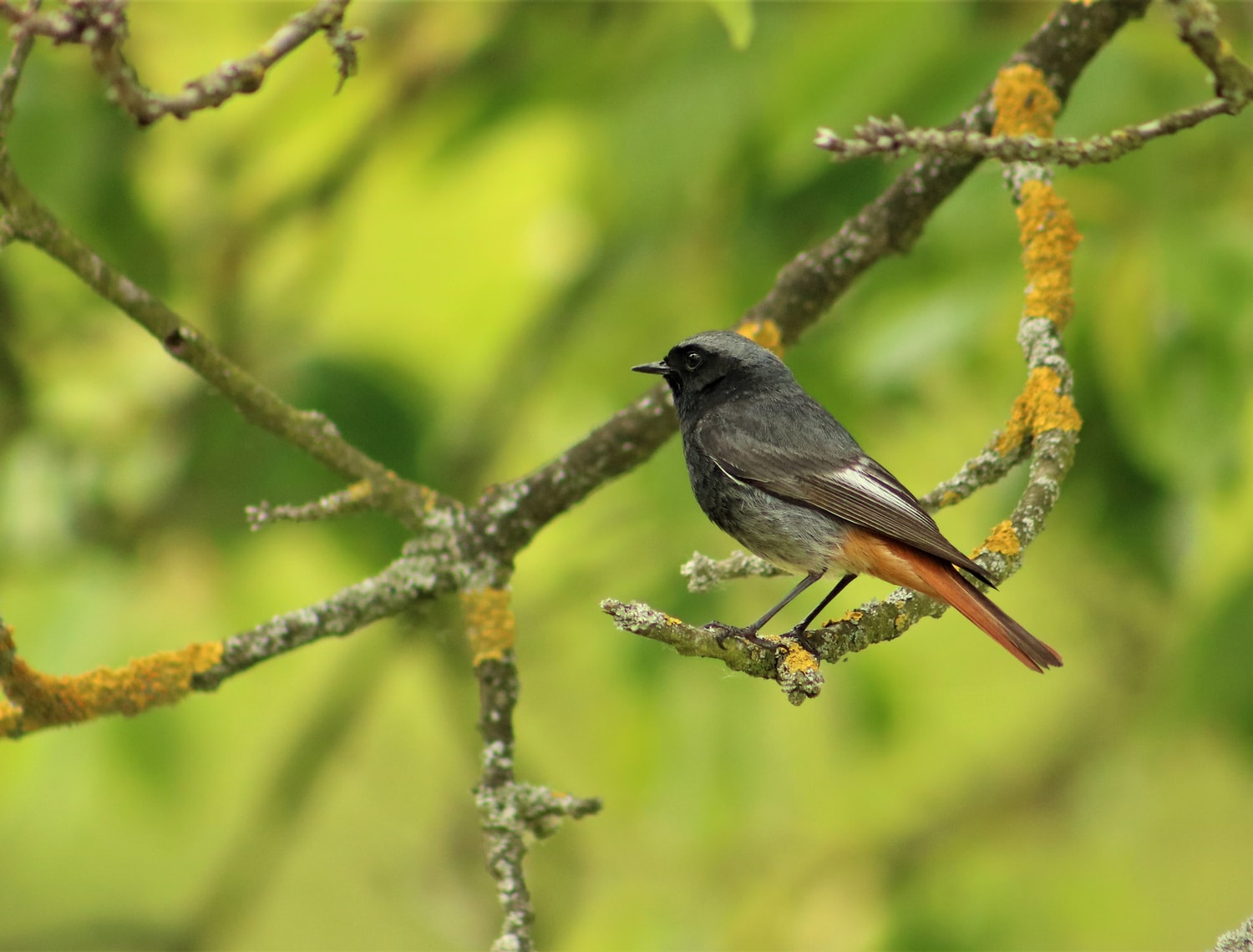
Perhaps the most unusual friendship is shown by the small bird known as the African honey-guide and the animal known as the ratel.
The African honey-guide loves beeswax. Although it can find a beehive on her own, it cannot break it open. So this little bird looks for a ratel. Chirping to get the ratel attention, the honey-guide leads the ratel to the beehive.
Upon reaching the beehive, the ratel jumps on it, tears it apart with its claws, and eats the honey greedily. The angry bees try to sting the ratel but it's thick fur and tough skin give it protection.
When the ratel has finished eating the honey, it leaves happily still surrounded by the angry bees. As soon as they are gone, the honey guide goes to the honeycomb and enjoys peacefully its favorite beeswax meal.
**Think It Over!**
1. What examples of similar unusual friendship have you observed?
2.What can you do to cultivate such a friendship?
 @MisterWrite