Recreational Activities in our everyday life
1. Do you agree on the impact of recreational activities on our lives?
Yes, I do agree. Recreational activities help us to be healthy and feel better mentally, physically, and emotionally. It has a calming effect on us. It contributes to our total personal growth. It not only aids in the acquisition of knowledge but also in the ethical application of that knowledge to live a healthier and better life. It instills in us the ability to reason and live with a more practical mindset. It improves our ability to express ourselves, self-fulfillment, interpersonal skills, leisure techniques, and approaches, physical strength, creative expression, and aesthetic sense. Such characteristics are beneficial to those of us who face limitations in our daily lives.
2. Why is it important for a student to enjoy positive leisure or recreational activities daily?
Recreational activities assist us in coping with stress. It allows us to nourish ourselves while also providing a sense of balance and self-esteem, which can aid in the reduction of anxiety and sadness. This helps to maintain a healthy balance between academic pressures and physical and mental health. This gives us a sense of fulfillment in our lives and allows us to be free of needless anxieties and worries. As a result, we can perform better and achieve greater success. Positive leisure use is associated with identity development, improved coping skills, stress reduction, activity innovation, increased physical activity, socializing, academic and community participation, well-being, and health on the one hand. We increase the quality of our lives by participating in leisure activities. We form social bonds, experience happy emotions, gain new skills and knowledge, and therefore improve the quality of our lives.
3. What is recreation for you?
Recreation is something that restores our bodies and minds while also adding variety and enjoyment to our leisure time. Walking, swimming, meditation, reading, playing games, dancing, and other activities fall under this category. Recreational activities assist us to improve our physical health, emotional health, and cognitive performance. It also allows you to interact with your classmates and be more creative. This is especially important at this time of pandemic when nearly everyone is suffering from sadness and worry. This will benefit us since it improves our mental health, concentration skills, and ability to manage anxiety and stress. It also boosted our social skills and developed abilities such as cooperation and teamwork, and it is a pleasant way to meet new people and create friendships.

Mayroon ka na lamang ilang oras bago mamatay, ano ang huling tulang isusulat mo
Enero 9, 2003, unang nabuksan ang ilaw ng aking mundo
Dumaan sa pagkabata, dalaga, at ngayon huling araw ko
Sa pagmamasid, pag iisip, andaming napagtanto ko
Buhay na pinangarap ko, andito na ba ako?
Nasa gilid, nag-iisip kung ano ang maaring isulat pa
Mga pangarap, mga bagay, mga problemang kinakaya
Napapagod, nanginginig, buong katawa'y pabagsak na
Ayaw pa sana sumuko ng mga mata ngunit katawan ay pabagsak na
Huling kinang sa aking mga mata
Unang alab ng huling araw magpapaalam ang bihag ng tanikala
Walang humpay na daluyong ng mga ala ala'y titigil na
Aking katawan, napapagod at nanghihina na
Malinaw ang buwan, malamig ang simoy ng hangin
Nagmamasid sa paligid, nag-iisip at nag-aalanganin
Saglit napapatingin sa repleksyon sa salamin
Dilim at katahimikan, nagpaparamdam saakin
Unti-unting humihina, apoy saaking gasera
Nagbabadya na oras ay patapos na
Oras, minuto, at segundo ay bilang na
Liwanag sa madilim na gabi, nawalan na ng sindi

Should wealthy people pay higher taxes than the poor?
We should not raise taxes on the wealthy. It's all about justice! Let's start with a definition of fairness. Fairness means that Americans get the benefits of their labor, that what they make is inherently theirs and not the government to redistribute as it sees right, and that the only way to prosperity is hard work and success. Even if the wealthiest pay the same tax rate as lesser incomes under a flat tax, the wealthy will still pay more in absolute terms since they have a bigger amount of income to tax. However, by any realistic sense, the amount paid by the wealthy is already more than their "fair share," since the top 1% earned 16.5 percent of all income in 2015 but paid a stunning 43.6 percent of federal income tax. Meanwhile, more than 44% of Americans do not pay any federal income tax. The success of entrepreneurs and business owners should not be penalized.
It is not only immoral, but also ineffective, to force a tiny segment of the population to pay an excessive load of government support; it kills jobs and, in some cases, results in lower government revenue. Raising taxes on the wealthy deters people from working and creating jobs, delaying both. If increased taxes deter businesses from launching or expanding, not only the wealthy will suffer, but so will people who will be unemployed. Furthermore, this means that tax increases frequently fail to achieve their intended revenue-raising goal. When high taxes stifle economic growth, the government is forced to tax a less amount of money at a greater rate. Tax increases sometimes result in decreased total receipts, but even in less extreme instances, tax increases provide diminishing returns.
They're already high (in comparison to other industrialized countries), and the US was in the terrible company before the Tax Cuts and Jobs Act (TCJA) decreased the federal corporate income tax rate from 35% to 21% in 2018. Only the United Arab Emirates, an oil-rich Middle Eastern country with a population of fewer than Michigan, Puerto Rico, a US territory, and Comoros had higher top corporate tax rates than the United States. The United States now has 20%, 25%, and 25% rates in the United Kingdom, China, and Canada, respectively (28 percent). Other countries enjoyed a competitive advantage over the US when it came to attracting businesses before the corporation tax cut. This is no longer the case, and evidence suggests that boosting tax rates could hasten the trend. Every time a corporation relocates overseas, it costs the United States both jobs and tax income.
Higher taxes on the wealthy are supported by those who feel it makes economic sense and that some wealth redistribution is beneficial. Their free-market critics argue that not only is this a bad government interference but that the economic effects will damage both the rich and the poor. Do you think taxes on the wealthy should be raised, or should the status quo be maintained?


Do fairy tales affect children's perception of reality?
Children's perceptions of reality are influenced by fairy tales. I say this because fairy tales aren't true, thus the person who made this narrative had to be imaginative! This encourages readers to be inventive, creative, and innovative as well. Yes, there are villains in most fairy tales that do horrible things, but there are also good characters in the story who vanquish the villain. This concept will instill in the reader the desire to be good and to serve others. Yes, there is something a villain does in a story that is bleak and lacking. And you may argue that individuals incorporate those horrible things into their lives.
However, there is something positive in that story that I am confident most people will accept and adopt.
Fairy stories have an impact on a child's emotional, physical, and cerebral growth. Children learn how to deal with basic human issues, desires, and relationships in a healthy way through fairy tales. They have no control over how they perceive reality. So, how do children's perceptions of reality change as a result of fairytales? Yes, in a nutshell, to this important question. Fairy tales have a significant impact on how we perceive ourselves and the world around us. If a youngster files fairy stories in the 'Reality' category, he or she will think differently than if the fairy tales are filed in the 'Fiction' category.
I believe that children's perceptions of reality are unaffected by fairy tales. Children improve their problem-solving skills by listening to fairy stories. Cinderella and Beauty and the Beast are two stories that teach children how to keep a cheerful attitude in the face of adversity. Fairy tales are extremely important for a child's imagination development. They broaden a child's horizons, stimulate their creativity, and instill a sense of wonder. Curiosity is sparked by a developing sense of wonder, which leads to the exploration of new things. As youngsters grow older, they begin to learn that fairy tales do not exist in reality.
Also, our elders are constantly there to remind us of this. Albert Einstein once said that "Imagination is more vital than knowledge." For knowledge is limited, whereas imagination encompasses the entire world." So, today, I discussed the benefits of fairy tales in the development of a child, and then I discussed how they are unable to influence our thinking about the real world; for these reasons, I am convinced that fairy tales have no impact on children's perceptions of reality.
We all have an egocentric and objective sense of reality during our childhood. This is primarily due to the fact that our cognitive and mental faculties are still developing at this time. There are discrepancies between our understanding of the world and its underlying reality. Furthermore, there is a distinction between who we think of ourselves and who we are in reality. As a result, it's difficult for us to tell the difference between objective reality and our distorted or skewed perception of it. As youngsters, we have a tendency to look at things from our own unique perspective, with no consideration for how others interpret reality.
As a result, it is relatively easy to manipulate or affect the young and underdeveloped human mind through fairy tales during this era of development. When a youngster reads or listens to fairy tales, his or her imaginative processes begin to change in response to the stories' substance and descriptions of adventures. They could form expectations that aren't grounded in reality. A fictitious world could influence their view of a variety of things. Children may be frustrated as a result of cognitive dissonance caused by misaligned realities. Not only that, but fairy tales also teach youngsters how to handle basic human problems, desires, and relationships in a healthy manner, which can have a negative impact on a child's health and quality of life. This is why I believe fairytales have an impact.
Fairy stories are important for a child's imagination development, as well as their emotional, physical, and mental growth. I believe that children's perceptions of the literary work change as they listen to fairy tales. Most fairy tales have a moral element attached to the plot. If we don't see fairy tales, we won't be able to construct characters when writing a story. Children should be aware of how realistic fairy tales are.
Imagination is a fragile, glass-like substance. When you lose your imagination, the world becomes flat and tasteless, devoid of hope and wonder. Fairy stories have a positive and negative impact on everyone, though the positive impact is more. Great scientists and even authors have utilized their own fairy tale imagination to offer us the wonder and light that we now enjoy. Not only that but there are several morals that educate us on how to live our lives. This is why, in my opinion, fairy tales may be extremely beneficial to individuals who are prepared to listen to them.


Mary
*Mary, you're a star,*
*You seem so close yet so far.*
*I desire to reach for you,*
*Yet I fear it'll burn me too;*
*But won't falter as it's you I'm after.*
*A future together I truly desire.*
*These cold nights gives me the chills,*
*The sight of you gives me the thrills.*
*Your glance puts me in trance;*
*This thrill I feel it is a bliss.*
*Oh what a glee for me to see,*
*That beauty of yours a treat indeed*
*Like Rosemary,*
*Love grows wherever you go.*
*These words I confer is not an offer.*
*Hence, a delirium when I'm with you.*
*Oh what a thrill it is to feel;*
*How I wish this bliss won't cease.*
Reaction: Buy Bust (movie)
It's rare for a Pinoy action film to keep your interest for more than two hours. Erik Matti's "BuyBust" makes you feel precisely like that: glued to your seat and on the verge of a panic attack (believe me, I had to use all I had to stop myself from shaking and slow my pulse down). Not that this is a bad thing, but we know a film has done its job when the audience is emotionally and physically engrossed in it.
Anne Curtis portrays Manigan, a tough, rebellious heroine whose intuition (and previous job experience) tells her she's being led into an ambush by Dela Cruz (Lao Rodriguez) and Alvarez (Nonie Buencamino), her two superior officers in the Manila police department's drugs branch. Curtis' acting is good enough that Manigan appears to be more than a Ripley clone at first. Director Erik Matti ("On the Job") gets praise for utilizing a number of effective close-ups to emphasize Curtis' sensitivity. "BuyBust" puts Manigan and her crew into the tiny, labyrinthine slum that big-time heroin dealer Biggie Chen (Arjo Atayde) calls home.
The rest of "BuyBust" isn't quite as enlightening, unfortunately. There are many sluggish, choppy warfare situations that are unpleasant to watch or contemplate. There's also a lot of waiting, stalking, and even some walky-talking going on, all of which are drab and unmoving. By the statistics, the film's identity as a sensationalistic piece of noir-ish pulp story-telling wouldn't be an issue if so much of the tale wasn't so monotonous. On the other hand, the hand-to-hand combat action scenes were the worst letdown for me; they looked dreadful. They were ponderous and well-telegraphed, and you could see them coming from miles away.
However, it's yet another scenario in which a blatantly immoral villain talks about moral relativity all the way up to Manigan's final confrontation with Chen. However, the photography is amazing, making the slums appear almost beautiful, and the camera work is also pretty impressive, all of which add to the film's mystery. She did an excellent job in the lead role, and there are enough twists and turns to keep the movie interesting throughout. I believe the super realistic photography played a role in this, but it had a significant negative impact on the film, especially when compared to "The Raid," from which the plot was clearly adapted.
"BuyBust" is a timely documentary that not only depicts the current state of affairs in the Philippines during the "War on Drugs" era, but also offers commentary on it. It also places itself on such a high pedestal that it may one day be considered a Criterion-worthy release. It effectively urges spectators to applaud officers who shoot, knife, punch, and behead people of a run-down shantytown. On the other hand, director Erik Matti is a critic of populist President Rodrigo Duterte's support for extrajudicial executions.
The ultraviolent action movie from the veteran Philippine genre-meister goes beyond easy moral boundaries to show how Duterte's twisted worldview has turned everyone
from cops to peddlers to regular people into monsters, all performing the brutal bidding of a corrupt ruling elite. This is a time in Philippine cinema when we're embracing the balance of art, story, and cinematography in a way that isn't determined by the studio but rather by the director's creative freedom. "BuyBust" is a narrative deserving of its own seat at the table, with action sequences that leave little to the imagination and a plot based on brutal truths and terrible realities.


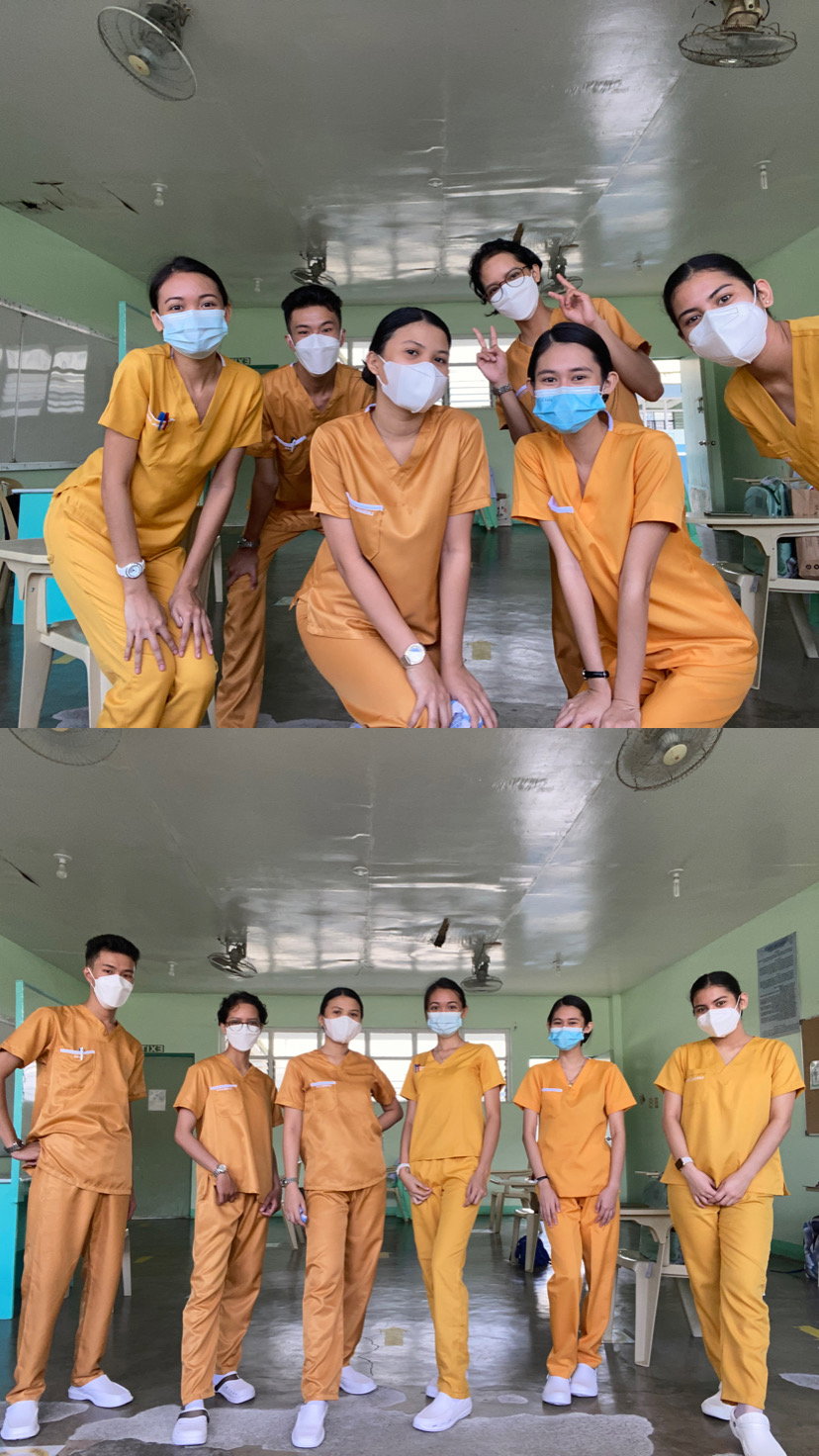
Experiences in the limited face to face classes for Nursing students at Bicol University
Only Related Learning Experience (RLE) or Skills Laboratory Classes will be held in a face-to-face setting for our Nursing program. The decision to begin face-to-face instruction has presented a challenge to school administrators, who must guarantee that health precautions against COVID-19 are applied while maintaining the greatest level of educational quality. The rearrangement of its educational programs was one of the problems we faced while preparing for the face-to-face lessons. There is still more work to be done, particularly for the academics who oversee the courses. Because only 11 students will be allowed in the classrooms and laboratories during the engagement period, the 1.5-meter physical distance will be enforced. To accommodate all the pupils, teachers will have to conduct practical sessions in batches while adhering to strict health regulations.
In addition, the teacher must determine which outcomes and topics will necessitate face-to-face interaction, as some lectures will be delivered online. Students who will be attending the limited face-to-face classes will be limited to two days on campus. The fewer days they spend outside their houses, the lower their risk of contracting the virus. The Nursing Students of Bicol University are warmly welcomed. Our safety is a top priority for them as our educational partners. We make certain that we are prepared before heading for school. Before leaving the house, we examine our health. We are ready if we do not experience any symptomatic symptoms.
Invest in a personal hygiene package that we may always keep with us. Disposable gloves, extra disposable or washable masks, disposable wipes or facial tissue, alcohol-based hand sanitizers, or isopropyl alcohol are the main components. We carry our lunch or snacks to the university with us. For convenience, keep pre-packaged food, bottled drinks, or healthy snacks in your bag. We always hide behind a mask. We sanitize our hands and put on a mask. What should we do now that we've left our home to enroll in university? We follow the crowd and preserve our social distance. We always keep a one-meter or more than three-foot distance between ourselves and others. When entering the university, correctly line up and be aware of the following procedures. We step on the sanitizing footbath mat and use the sanitizing stations at every entry point of university buildings. We choose to fill out the contact tracing form after scanning our temperature. When doing so, we recommend that you use your own pen. We then hand over our paperwork to the person in charge and enter the building. We always follow the guiding arrows affixed to or painted on the floor when taking the steps. These are prevalent throughout the university, and they aid with our simple mobility as we navigate the campus.
Wherever you go, we constantly pay heed to signs. Signs serve as guides and reminders during our time on campus, and they must be always followed. Remember that following these processes not only ensures structured and efficient mobility but also helps to ensure our own and others' safety. We noticed the following in our classrooms: Seats are already pre-arranged at a 1.5-meter distance from one another. Pay heed to the floor and wall advisories and utilize the hand sanitizer or alcohol fountain near our classroom door. When we sit in the classroom, we maintain social distance and always wear our masks. Behind a clear wall, our instructor will teach. We put on our allotted PPE or scrub suits before entering the laboratory.
When we leave, we disinfect our hands and adjust our seats before returning the borrowed resource materials to the librarian behind the barrier. When departing, use the specified exit points and the foot-controlled alcohol and hand sanitizer. The following rules must be always followed in the dining room or canteen. We take turns sitting on each side of the table's clear barrier. We follow the clean-as-you-go philosophy and use a damp wipe or clean tissue to sterilize and clean the table we just used. We always depart on time after our planned classes and place your PPE in a Ziploc or paper bag for sanitation and storage in your allotted locker. We constantly pay attention to signs wherever we go, and we don't stroll out of the building with our peers. Following these measures ensures not only seamless mobility, but also our own and others' safety.
Should euthanasia be legalized?
*The right to life also encompasses the right to a dignified existence. Is there, nevertheless, dignity when there is pain?*
The debate over euthanasia serves as a backdrop for a broader discussion in our culture about the essence of human existence and meaning. Human beings do not have dominion over life because it has its genesis in God. Instead, they are stewards of life. I don't believe we're prepared for this. In several European Union countries, including Luxembourg, the Netherlands, and Belgium, euthanasia is legal. Euthanasia is permitted in Belgium for terminally ill children. It is only permitted in Switzerland in cases of severe cancer or persistent pain and suffering. Even there, euthanasia is clearly not an option.
Every civilization faces a complicated issue, and the odds of it being mishandled are considerable. As a result, it is not widely acknowledged as a method of ending the lives of mentally alert and otherwise healthy people. Euthanasia in that form cannot be allowed or legalized since there is a considerable risk of it being misused, whether for the sake of property, money, or familial hostility. Such killings are usually categorized as homicides, and if the culprits are apprehended, they are prosecuted. Consider the ramifications of legalizing this. Its abuse in India and abroad would know no bounds. When a person is mentally alert, deciding in favor of euthanasia is significantly more difficult. The core ethical concept expresses the potent combination of holiness and stewardship. This concept states that no one has the right to take another person's life without their consent and that there is a positive obligation to nurture and defend life. There is a need to build a "natural" metaphysic of sacredness in our secular culture. A metaphysic like this can be used to build a foundational principle that can subsequently be applied to actual moral rules. It can demonstrate how life adds to a person's entire dignity. This sense of urgency is necessary for this approach to be effective in combating the campaign to legalize euthanasia.
We need to arrive at "concrete norms," as ethicists term them, that guide individual choices. When faced with the potential of death, the question is how we translate our core principle—do not attack innocent human life directly—into a specific rule. Some people wonder if the concrete prohibition on euthanasia could be considered a matter of public morality. We must return to our fundamental concept to address this question. As a culture, we must consider how "sacred" life is. Will legalizing euthanasia increase or harm that inherent sense of amazement about life, that innate desire not to be vulnerable?


Nurse care of the Pregnant Woman Receiving Analgesia and Anesthesia by Catheter Techniques
RNs practice within the scope of practice established by the state in which they work. An RN can only remove the catheter after receiving a specific order from a qualified anesthetic or healthcare provider. Manipulate analgesia and anesthetic dosages, as well as PCEA dosing intervals, by manipulating regional/intrathecal analgesia and anesthetic doses. If an infusion has been halted, restart it. However, detailed information about medications used for obstetric regional analgesia and anesthesia is rarely required or included in basic nursing pharmacology courses or clinical orientation to the extent that it is required for safe and competent administration and management of these drugs in the labor and delivery clinical setting. The utmost concern is the safety of the patient for perinatal health care clinicians who care for women during pregnancy, labor, and birth. Only the woman can be observed and monitored out of the two patients. The health of the fetus can be jeopardized if the mother's condition deteriorates. Furthermore, pregnancy causes beta-adrenergic receptor downregulation, which reduces responsiveness to chronotropic medicines and vasopressors and can jeopardize good response to routine hypotension treatment. It's important to remember that some obstetric anesthetic issues can cause considerable maternal-fetal morbidity and mortality, and pregnant women are more likely to have difficult or unsuccessful intubation if an airway emergency arises. As a result, during labor and delivery, a licensed, credentialed anesthesia nurse care practitioner should manage neuraxial anesthesia and analgesia, as well as be ready to handle obstetric anesthesia-related emergencies.
For prenatal health care practitioners, patient safety is paramount. For all procedures, they prepare and inspect anesthetic machines, monitors, medicines, supplies, and equipment. Nurses must be able to successfully communicate and collaborate. This is to notice problems and take proper action when they occur, as well as to consult with suitable people as soon as possible if patient safety needs it or if the incident falls outside of their scope of practice. They assist with resuscitation, respiratory care, and other acute care needs as needed. It's crucial to remember that some obstetric anesthetic issues can cause considerable maternal-fetal morbidity and mortality, and pregnant women are more likely to have difficult or unsuccessful intubation if an airway emergency arises. As a result, during labor and delivery, a licensed, certified anesthetic care provider is required, as well as the ability to address obstetric anesthesia-related problems. As a student nurse, I will assist myself in making use of this material by training myself to know and apply clinical concepts in practice. I will teach myself through practical and theoretical learning experiences that will allow me to develop nursing skills, attitudes, and knowledge. It will be useful to internalize the complicated clinical learning environment that will translate my theoretical knowledge into competencies. If there are any problems or difficulties, I will seek assistance from my clinical instructor and colleague for the growth and development of my skills. I will model a positive relationship with my colleague so that we can communicate well and receive important information that will help me improve my skills. I will strengthen my critical thinking skills by analyzing a given problem and providing a rational solution.
RNs work within the scope of practice set forth by the state in which they practice. For perinatal health care physicians who care for women during pregnancy, labor, and birth, the patient's safety is paramount. Out of the two patients, only the woman can be directly examined and monitored. Nurse anesthetists provide anesthesia and related care before and after surgical, therapeutic, diagnostic, and obstetrical operations, and are considered an important part of the healthcare profession. During surgery, they administer medicines to make patients asleep or pain-free, and they keep track of every biological event in the body. There is also pain treatment and emergency services such as airway management. Nurses are frequently in charge of starting catheterization operations for patients in the hospital or community. This nursing role necessitates up-to-date knowledge of catheter selection and problem-solving in urinary catheter management. The RN educates women about their pain-relieving options throughout labor and delivery, as well as the benefits and risks of various types of analgesia and anesthesia. The RN is also responsible for maintaining track of the fetus's well-being using electronic or regular auscultation of the fetal heart rate.


Banning mobile devices (cell phones, smartphones) at schools: yes or no?
We needed something to keep ourselves occupied, so we started messaging each other. I realize now that we should have paid attention in class, but kids will be kids. There hasn't been much change in nearly four decades. Kids must be kept engaged and interested at all times, otherwise, they may get easily distracted and "zone out." On the other hand, if you can find something that truly captivates them, it will be exceedingly tough to entice them away from it. Any parent with a child who enjoys video games can attest to this.
This, in my opinion, is at the heart of the discussion about whether or not cell phones should be prohibited in schools. The most compelling argument against cellphones is that they are a distraction in the classroom, resulting in bad test scores. Students are unable to concentrate in class, and professors are unable to complete their work due to the constant buzzing and chirping of devices. Students are more likely to text and post on social media than to pay attention to their lecturers. Clearly, this is a source of concern for teachers, with many calling for a complete ban on cell phones.
This is a divisive issue, with passionate disputes taking place at multiple levels: education departments, school boards, and parents all have opinions on the subject. As a result of the demands, an increasing number of schools are enacting entire or partial bans. We need to better understand the habits and motivations of today's youth if we are to harness the potential of these devices to create more engaging and effective learning experiences. Rather than being viewed as a hindrance in the classroom, technology should be used to enhance the human experience.
When we were developing our game-based teaching platform, we noticed that having a room full of kids with their heads buried in their gadgets meant they weren't getting the most out of the valuable social time the classroom provides. That is why it is critical to developing a methodology that allows students to look up, see each other, and participate in a social and playful learning experience that includes student-led questions, discussion, and debate. When adding any form of technology into the classroom, this should be the primary focus.
Technology may enhance rather than detract from a greater learning experience. If it is feared that social media would divert students' attention, we must involve them in the process of creating experiences that engage and drive them.
Learning is a personal and emotional process, and you always have your phone with you. Mobile phones can assist students in understanding their development, directing them in the proper direction, and even assisting them in discovering the areas of life where they can realize their maximum potential. They are instruments that enable creativity, cooperation, and problem-solving, all of which are necessary abilities in a world that are always changing and uncertain. Mobile phones in the classroom can help with group activities, creation, and discussion. They can provide teachers with a rapid assessment of everyone's understanding, giving them more time to train and encourage those who need it.
If mastery is the goal of school, it's past time for consumer technology and other pertinent topics like mental health to be included in the curriculum. Isn't it a chance for us to teach a healthier approach to use technology at a time when we're battling with how cellphones are eroding our attention span, affecting our productivity, relationships, and mental health?
The focus of this discussion is frequently on the negative consequences of technology rather than the tactics utilized to use it. If the government wishes to help today's students become useful members of society, it should consider the role that young people can play in a more positive future. The next generation will be better positioned to create the tools that will provide a more sustainable future if they gain a better understanding of the wider role technology plays politically, socially, and environmentally, as well as a greater appreciation for the positives of what technology can enable if designed empathetically.

Health reform agenda
**A descriptive study on the percentage implementation of the health reform agenda of the essential intrapartum and newborn care program in the selected health centers in Cagayan de Oro City.**
Essential newborn care knowledge and good practice are critical for a newborn's survival, growth, and development. Despite its importance, most healthcare providers are unaware of and do not adhere to the World Health Organization's guidelines. The ESSENTIAL ITRAPARTUM NEWBORN CARE (EINC) program is billed as a "simple, cost-effective newborn care intervention" that aims to improve neonatal and maternal care. Maternal and newborn deaths can be greatly reduced by modifying delivery procedures.
Giving prompt and adequate assistance for a newborn's health and nutrition is critical in preventing infant problems that can lead to mortality. Many traditional beliefs and practices around infant care should be reviewed to see if they are beneficial or harmful to the baby. Unang Yakap is a simple, evidence-based strategy that may aid in the survival of all newborns and infants. Warmth, breastfeeding, affection, safety, and infection prevention are all included in this category. This approach is now used in hospitals and birthing centers. Prior to giving birth, the mother must give clear instructions that the EINC protocol would be conducted shortly following the delivery. It emphasizes the necessity of delaying bathing and thoroughly drying a baby, establishing early skin-to-skin contact with the mother, initiating early and exclusive breastfeeding, and correctly timed cord clamping. With over 60% of births now being attended by a professional health worker in the Philippines, applying the EINC protocol guarantees that all skilled birth attendants deliver quality and timely treatment, ensuring that all women and infants receive the best possible care during pregnancy and childbirth. Within 24 hours of birth, a newborn baby should have a newborn screening (NBS). NBS is a method of evaluating newborns to see if they have a congenital metabolic disease that could impact their mental abilities, hamper their growth, and, in the worst-case scenario, result in death. It assists health workers in identifying and treating these disorders to avoid negative repercussions that could damage the baby's growth.
Prioritizing a newborn baby's health is critical for their growth and development. The EINC procedures or the Unang Yakap Campaign should be included in a mother's birth plans because they will benefit both the mother and the baby. In addition, newborns should undergo neonatal screening and hearing screening to address and prevent future issues. In a health facility, a baby must get vital newborn care health services, including immunization. To ensure the survival of neonates, proper care and support should be provided. It is important to develop clinical guidelines and standards for addressing the leading causes of neonatal mortality and will cooperate with health professionals (physicians, social workers, nurses, and midwives), as well as other partners and key stakeholders such as nutrition workers, local government units (LGUs) and community-based health, ensuring that all relevant cadres of health service providers are equipped with the requisite knowledge and skills.

Diverse linguistic and cultural backgrounds
***Have you talked to people of diverse linguistic and cultural backgrounds? Have you experienced any difficulty? If so, how did you manage the conversation? What strategies did you employ?***
Yes, I've talked to people with different linguistic and cultural backgrounds. I also experience difficulties because I am not familiar with what they are trying to imply, but I did manage the conversation by using strategies. I listen carefully to them, watch my nonverbal communication if it is appropriate, speak clearly and slowly, maintain the usual tone of my voice so that they won't be offended, use simple and short sentences, and avoid jargon communicating with them. I will always be aware and have an open mind that I can learn things from these people, and they can also learn something from me. It is important to consider how people from various cultural backgrounds comprehend, interact, and make decisions. While it can be challenging to understand such statements and attitudes, the principle of acceptance and open-mindedness must be emphasized heavily. All parties must feel at ease for effective communication to take place. We should treat non-native English speakers with respect in any conversation, do our best to communicate clearly, and encourage them when they respond. This will increase their confidence and trust in us.

Racism in commercial
***What does the picture tell?***
The picture clearly shows racism. It shows discrimination in which people with identical ethnic characteristics or assumed race are viewed differently due to the social significance of the cultural definitions associated with skin color. This did not reflect the diversity of true beauty, which is something Dove is passionate about and a core value, and it should not have happened. The commercial reinforces the stereotype that fair people are more attractive than dark people in a different nauseating way.
***What is the motif?***
The motif of the picture is to help women in feeling at ease in their skin. Their whitening products are intended to brighten one's skin tone visibly. The color used are white (purity or innocence), brown (dependability and reliability), black (strength), and blue (serenity).
***How does it affect you and the viewers?***
Racism and its variants are one of the most pressing concerns confronting the world today. Given that racism is a highly rooted phenomenon in the Western world, the notion promoted by this advertisement seems to be that only white women should be considered attractive. It affects me because it shows inequality and racism, especially on the beauty standard of society. Racism can create a lot of damage to both communities and individuals. People would grow up and have a mindset of society's opinion that dark-skinned people, especially women, would look better if their skin were lighter. The brains are being infiltrated with the idea that "white is right," which in turn drives many black people to believe that whitening their skin can brighten their prospects (literally), increase their general quality of life, and, tragically, make them more beautiful.

Different sides of Manila, the Philippines’ chaotic capital
***The good***
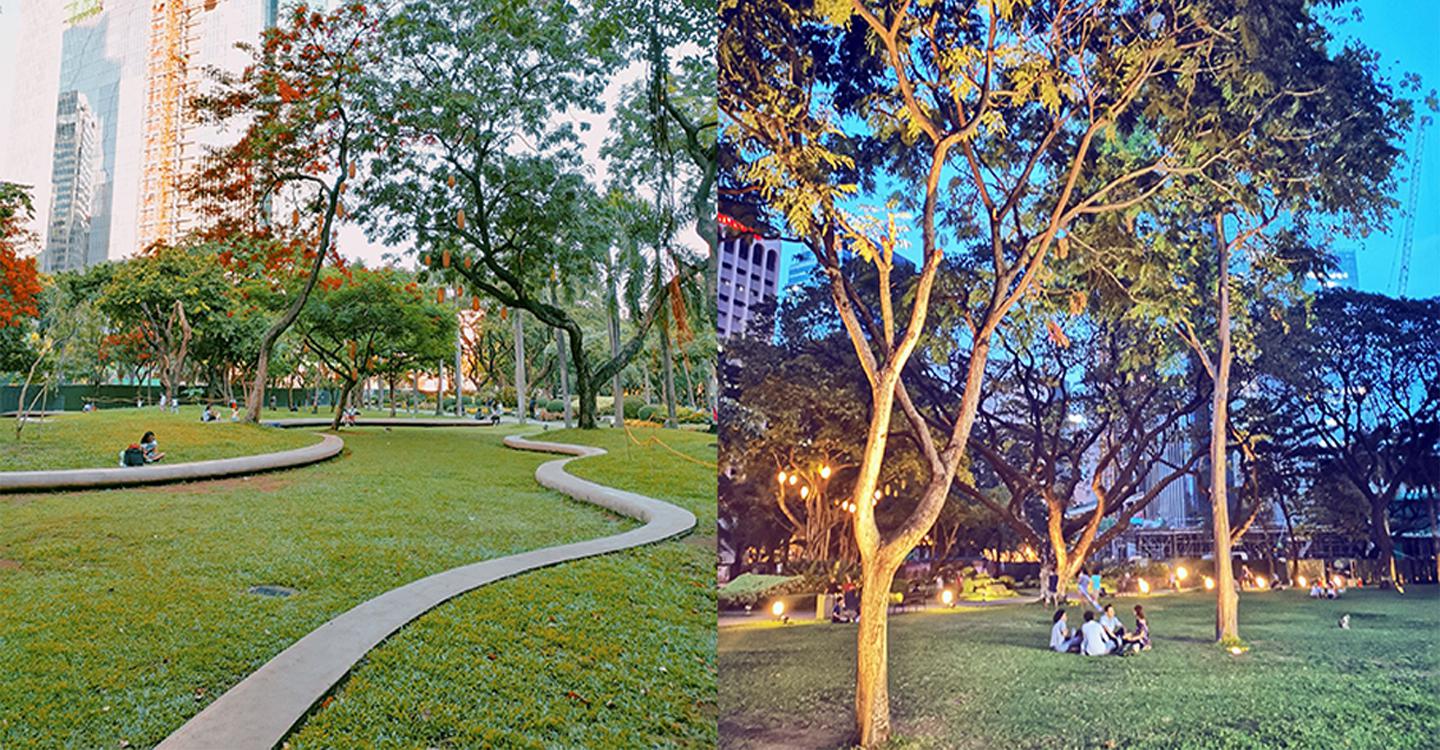
The city of Manila is a sensory overload. It's frantic and hyperactive, vivid and energetic, yet one description stands out above the rest when describing the Philippines' capital. The fantastic anarchy and delicious chaos, the chaotic charm, and organized chaos, are all mentioned by travel writers and bloggers. Tourists are even urged to revel in the enthralling pandemonium. Who'd have guessed that turmoil could be so much fun?
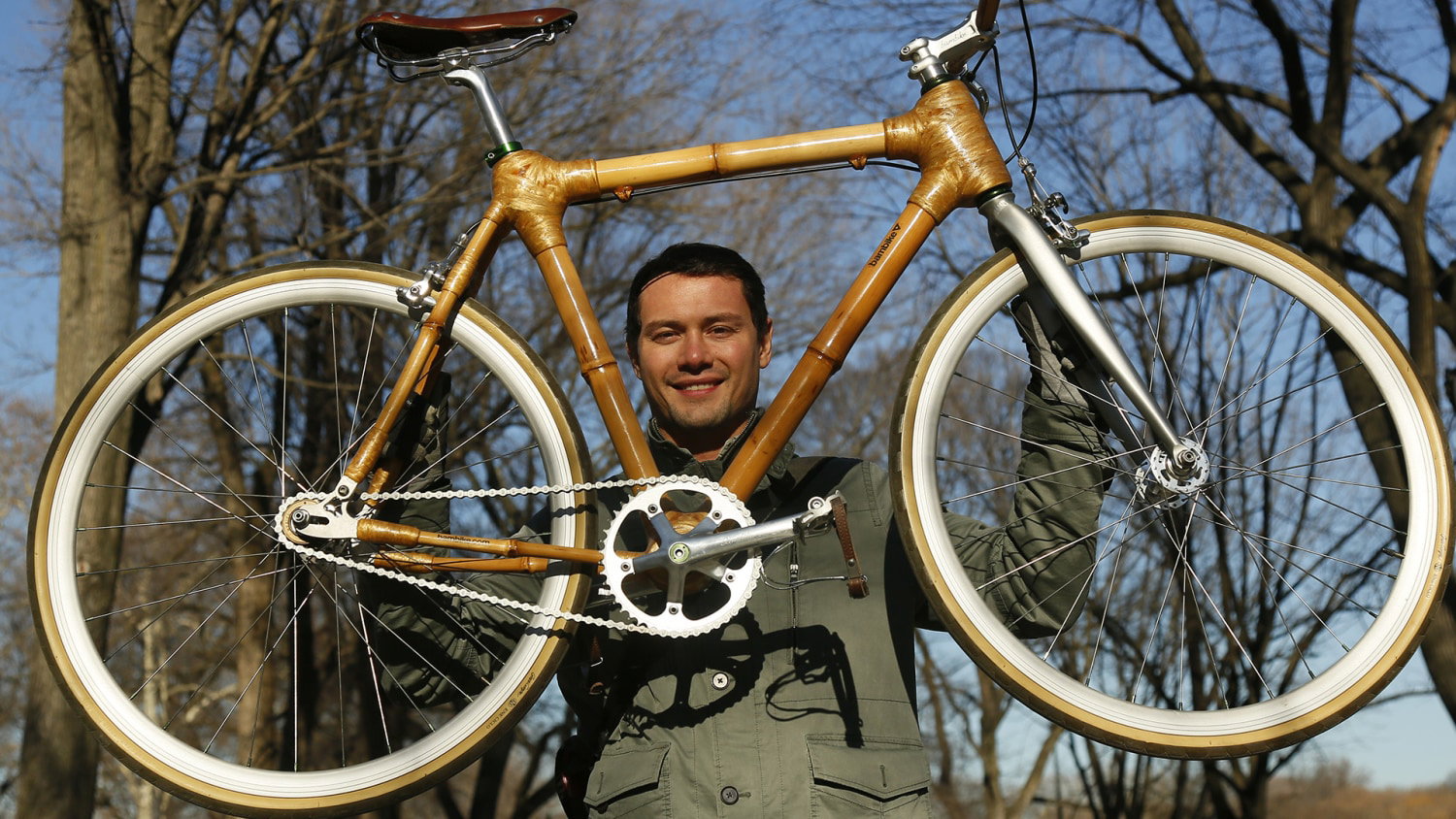
Binondo is the starting point for your sightseeing tour. The commercial and dining attraction is home to some of the most valuable real estate in the Philippines, as well as the world's oldest Chinatown. Intramuros, the hub of Manila during Spanish colonial times, is located across the Pasig River. The walled city, which was built in 1571, is best explored on a bicycle. One made of bamboo would be ideal. Gawad Kalinga, a community-based development organization dedicated to ending poverty, employs employees to make "bambikes."
Begin your two-wheeled Intramuros tour at the Philippines' oldest church, San Agustin, and then go to Manila Cathedral. Fire has destroyed the principal port of call for visiting popes, and typhoons and earthquakes have demolished it, only to be reborn again and again.
Fort Santiago served as a barracks and a prison, as well as a defense against a naval assault. In 1896, nationalist hero José Rizal was imprisoned in the citadel for two months before being marched to Bagumbayan Field, where he was shot by a firing squad. Rizal Park, which was renamed in his honor in 1967, is a tranquil park with lovely gardens, monuments, and fountains.
Not all prominent Filipinos are held in such high regard by their peers. The ruling Marcos family was forced to flee the country in 1986 and relocate to Hawaii in the United States. Imelda Marcos, the wife of President Ferdinand Marcos, is said to have left behind 3,000 pairs of shoes. Some estimates were higher (7,500 pairs), while others were conservative (1,060 pairs). Regardless of the exact number, 749 pairs of shoes once owned by the Philippines' first lady are on exhibit at the Marikina Shoe Museum, which is guarded by a portrait of the unofficial patron saint of footwear herself.
The expanding economy of the Pearl of the Orient has lifted people out of poverty and produced a growing middle class with money to burn in recent years. Manila has over 100 shopping malls, complete with gyms, medical clinics, and churches where shoppers can attend Mass before going shopping.
The Mall of Asia is the Philippines' largest shopping mall: in addition to a bowling alley, ice rink, IMAX theater, a 20,000-seat arena, the shrine to consumerism is well-positioned for visitors who want to watch the sunset over Manila Bay. Arrive an hour or two early and visit the Desert Museum, where a tour of eight rooms themed around confectionery costs 699 pesos (US$13), minus future dental charges. Before photographing the sunset, remember to blow the icing sugar off your camera lens.
***The bad***
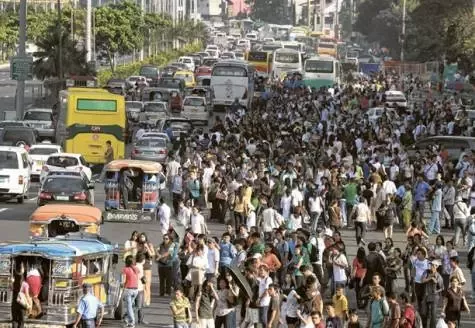
If you're only in town for a day or two, the capital's bustle may be "charming" or "delightful," but it's draining, unpleasant, and frustrating for inhabitants. Similarly, the Department of Tourism statement "It's more fun in the Philippines" may be true if you're cooling down in a turquoise waterfall on Palawan or playing volleyball on a pristine beach in Pagudpud, but ask a commuter in Manila. No, don’t.
According to Waze research, Manila has the worst traffic in the world, which is exacerbated by a particularly Philippine approach to the Uber and Grab platforms, which just adds to the congestion.
Rather than regular people utilizing their automobiles as taxis, affluent business people purchase fleets of vehicles and hire their own drivers. Every month, an estimated 25,000 new cars enter the country's highways, with many of them ending up on Manila's already congested streets. Metro Manila, according to a top counsel at the American Chamber of Commerce, is at risk of becoming uninhabitable in four years if road and other infrastructure are not renovated soon. The issue is that he stated it in January of 2016.
Manila's inefficient and fractured public transportation system is approaching a breaking point. Commuters may have to wait up to two hours for a train during rush hour (and you thought Admiralty MTR station was busy). Accidents on the road or flash floods paralyze the city; a proposed urban cable car system can't come soon enough.
Despite improved living standards for some, the gap between affluent and poor appears to be wider in Manila than in other developing countries, possibly due to its density as one of the world's most densely inhabited cities. Parts of the Tondo district are as poor as any African shantytown, with many of the district's 80,000 residents lacking access to sanitation, health care, education, and jobs. Bonifacio Global City, on the other hand, might easily be mistaken for a Scandinavian city.
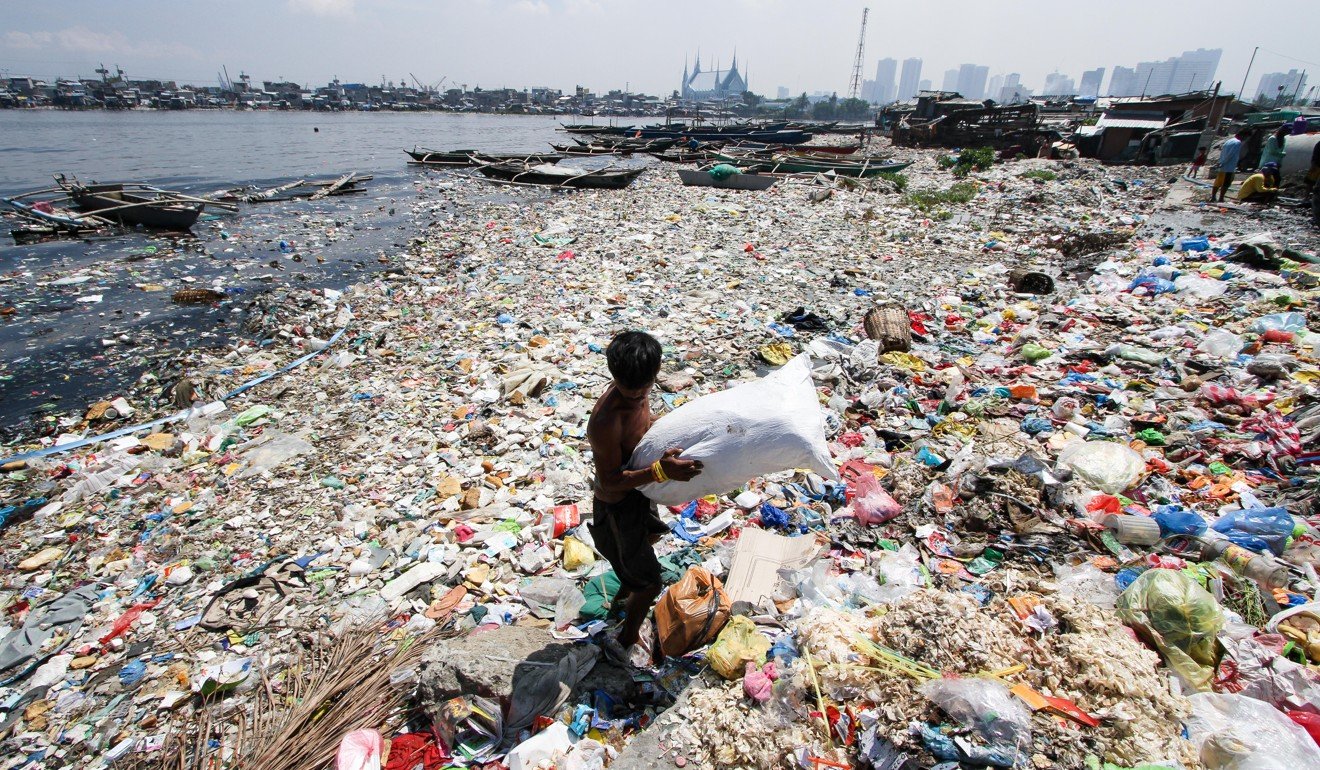
Sunset over Manila Bay is a must-see, but don't get too close. The country's most polluted stretch of water, the large natural harbor, is a toxic stew of industrial effluent, home sewage, oil spills, and farm chemical run-off. It's doubtful if the trash dump, which serves 13 million Filipinos, can be adequately cleaned up — talk of a Boracay-style rehabilitation program sounds outrageously optimistic. Swimming in Manila Bay, according to a former health secretary, is like "drinking other people's urine and ingesting other people's feces." While you're visiting the Dessert Museum, try not to worry about it.
It's not like things are a lot better when you're not in the water. Manila was ranked 55th out of 60 cities in the Economist Intelligence Unit's Safe Cities Index last year, based on four variables. Be cautious who you give your credit card to because the city scored poor grades for health security and digital security (hacking and cybercrime). It also did poorly in the infrastructure security category, which is unsurprising given that Manila has the world's highest natural catastrophe fatality rate.
***The ugly***
Personal security is the fourth and final Safe Cities criteria. Although Filipinos are known for their friendliness and hospitality, hostage situations, shootouts, and police standoffs occur regularly enough to keep tourists on their toes. Only in the Philippines can you attend Mass in a mall before honing your shooting skills at a basement shooting range.
Why empowering local farmers is an important step towards food security
Before we can begin the process of gradually becoming food secure, we must first determine what is preventing us from always having food available to everyone.
Many residents are ignorant of the critical role that farmers play in feeding society, making it difficult for them to support those who provide food or recognize the importance of agriculture in the country's development.
One solution is to help foster food security in the country is to empower local farmers to live a self-sufficient and good quality of life, as well as to encourage the youth to pursue careers in agriculture so that as time goes on, more people will realize that agriculture is an industry that has long sustained us and our needs.
Food security in the next years will be impossible to attain unless stakeholders from all industries collaborate to find a long-term solution.
Within the roadmap are five strategies composed of farm consolidation, modernization, industrialization, export promotion, and infrastructure development. These in turn will be enabled through proper budgeting and investing in local farmers and fishers, legislative support, and roadmap development.
No matter what our status is in society, food is a necessity that we should secure for ourselves and others as well. And since we’re stakeholders in the agriculture industry because we eat food, we should play our part in fostering food security in the Philippines by treating our farmers with respect and dignity. After all, they’re the ones who put food on our tables.

Food Insecurity in the Philippines
We have had difficulty getting enough food to live an active and healthy life. Hundreds of millions of people throughout the world are food insecure, unsure whether they will be able to eat themselves the next day or at the end of the day.
The Philippines, which is positioned amid the Pacific, has faced various food security risks in recent years. A series of natural disasters have wreaked havoc on the food supply, rendering farmer harvests useless, while problems created by a lack of suitable infrastructure have provided an unnecessary and formidable task to farmers.
Food insecurity is a risky concept since it does not exist in a vacuum. Low-income families may face multiple overlapping challenges, such as social isolation, acute and chronic health problems, a lack of suitable housing, low salaries, and high medical bills. These problems could lead to food insecurity, and vice versa, complicating and risking life.
They're all social determinants of health. Addressing successful remedies to food insecurity requires addressing these overlapping concerns as well. A detailed examination of the causes, effects and solutions to food insecurity may be found here.
Food access and usage have been limited by a widening income disparity between the high and lower classes, particularly for those in lower-income groups. So, what variables in the Philippines contribute to food insecurity? Here are some examples of causes in each dimension
Getting rid of hunger and malnutrition, as well as creating greater global food security, are two of humanity's most difficult challenges. While many previously impoverished countries are now rapidly improving, the world is unlikely to fulfill the first Millennium Development Goal of halving the share of the world's population suffering from hunger between 1990 and 2015. Though the global proportion of undernourished individuals has decreased, the rate of decline has slowed, and the absolute numbers of undernourished people remain stubbornly high.
Increased food prices haven't helped, but they aren't the root of the problem. The poorest consumers, including many subsistence farmers whose production is insufficient to meet their consumption demands, are undeniably harmed by high pricing. Global hunger, the most visible symptom of food insecurity, is, however, a long-standing issue that precedes the current period of increased food prices. Indeed, in the early 2000s, when international food costs were at an all-time low, there were as many hungry people as there are today. Similarly, increased food costs have had no impact on the general decline in the share of undernourished persons.
Getting rid of hunger and malnutrition, as well as creating greater global food security, are two of humanity's most difficult challenges. While many previously impoverished countries are now rapidly improving, the world is unlikely to fulfill the first Millennium Development Goal of halving the share of the world's population suffering from hunger between 1990 and 2015. Though the global proportion of undernourished individuals has decreased, the rate of decline has slowed, and the absolute numbers of undernourished people remain stubbornly high.
Malnutrition affects both physical and mental abilities in children up to a certain age, resulting in stunted growth, delayed brain development, and other comparable disorders.
Food insecurity is one of the causes of malnutrition in the Philippines. This indicates that, due to a lack of resources or inaccessibility, Filipinos do not have enough food to feed themselves daily. Filipinos still have a long way to go until they have physical and economic access to enough, safe, and nutritious food to meet their dietary needs for an active and healthy lifestyle, despite the country's vow to abolish hunger and poverty as part of its sustainable development target.
Poor households can benefit from a variety of initiatives, both within and outside of agriculture. Income growth can be boosted by improvements in education and basic healthcare. They directly increase nutrition in addition to providing clean water. Peace and stability, solid macroeconomic management, good governance, developed institutions, unambiguous property rights, and enough physical infrastructure are significant components in the overall investment climate. These policies are beneficial to farmers, but they do not prevent them from exploring non-farm possibilities as they arise.

Eco-friendly Artistic Tote bags
In any endeavor, Bayani Atienza has pursued entrepreneur, a working student, a community leader, and a youth leader. The amount of effort he puts into each of them has been consistent. He is also a second-year student at Bicol University. He has effectively moved from a simple student to an entrepreneurial artist as an entrepreneur in Daraga, Albay. His latest invention is eco-friendly artsy tote bags. He develops the concept and paints the tote bag he sells himself. He has become an entrepreneur by seizing an opportunity to earn money while doing something he enjoys, which is painting. He recognizes and assesses the opportunity, and he develops a concept that he is committed to pursuing. He discovers his mission, goals, and vision.
He is optimistic, focusing on the good while remaining emotionally resilient in the face of adversity. Being optimistic aids him in quickly overcoming obstacles rather than becoming demotivated by them. He is enthusiastic about his work and considers it to be more than just a means of subsistence. He has a real love for what he does. When he engages with his friends that assist him with his business, he communicates with passion and is constantly excited about what he does. He develops a work ethic that motivates him to work hard to achieve his objectives. He is constantly open to hearing other people's views and opinions. He encourages his buddies to give feedback and to think about their ideas to improve a product or service. He is a creative thinker. He introduces a new product in our neighborhood and positions himself to attract clients. He advertises his items on various social media platforms, interacts with customers, and provides them with services. He isn't afraid to take a risk. In the process of establishing his business, expanding into new areas, and investing funds, he takes numerous risks.
Because of the many ways in which we can use them, this innovation has immensely benefited both the community and the environment, since it has become a widely used alternative to plastic bags. A reusable tote bag is no longer limited to supermarket shopping. Today's totes are fashionable, long-lasting, and easy to carry. They can also sustain a significant amount of weight. As a student entrepreneur, he faced different obstacles in doing his business. He had a hard time finding customers and didn't have somebody to model his creations. When he was just starting out in business, no one was interested in buying. He is unable to afford his art supplies due to budgetary constraints. He tries to refrain from doing and making artsy and innovative tote bags. But then he remembers his aims and vision, and he decides to take a chance and continue doing business while demonstrating his dedication and passion.

Hospital Health Informatics Technology
**LINAC Accelerator (Novalis Tx)**
The Novalis Tx is a radiosurgery device that combines a variety of modern technologies to treat tumors and other anatomical targets. It provides energy to the exact location where it is required. The Novalis Tx radiosurgery platform provides a non-invasive therapy option for a variety of cancers and other potentially debilitating illnesses, without causing injury to neighbor healthy tissue or requiring traditional surgery.
This is for medical management. A linear accelerator (LINAC) is a device that is often used to treat cancer patients with external beam radiation. The linear accelerator is used to treat all the body's components and organs. It uses high-energy x-rays or electrons to target the tumor's location. These treatments deliver continuously modulated doses to the entire tumor volume while sparing normal, healthy tissue in less than two minutes with this radiotherapy technology. By simultaneously modulating aperture shape, dose rate, and gantry speed at every angle.
**Ultrasound Sonography Test**
An ultrasound / SONOGRAPHY is a method in which high-frequency sound waves are used to scan the internal organs of the body, such as a woman's belly and pelvic cavity, the reproductive system, and the fetus of a pregnant woman, to create a picture (sonogram) of the baby and placenta. Even though the terms ultrasound and sonogram are technically distinct, they are used interchangeably and refer to the same procedure. They can depict the structure and movement of the body's internal organs, such as the belly, pregnant women's fetuses, and blood flowing via blood veins.
It is used for diagnostics purposes. Sound waves are used in ultrasound imaging to create images of the inside of the body. It aids in the diagnosis of pain, swelling, and infection in the body's internal organs, as well as the examination of a pregnant woman's unborn child (fetus).


Why is there a need for nursing standardization initiatives
Advances in information technology and new equipment have benefited both patients and healthcare personnel. Technological advancements that are innovative, intelligent, immersive, and linked have found their way into nursing care delivery settings all over the world. Due, in part, to globalization vivid demonstrations of nurses who invent, champion, accept, and implement innovative technology to make better decisions at the point of care and support operations using these technologies have become a reality. Nurses are using new technological advances to improve safe, high-quality treatment to fulfill this demand.
Using developing technology, the digital recognition of global socioeconomic determinants of health is increasing the provision of effective, efficient, equitable, and accessible care across the care continuum. Nurses are pledging to create and implement breakthrough technologies to achieve critical global health goals.
Nurses are crucial change agents in the creation and application of technological functionality that bridges the delivery of health care and social needs in both urban and rural communities, thanks to their unique and valuable knowledge and abilities to tackle these challenging health care objectives.
With a global nurse shortage, the necessity to integrate technology to support nursing duties is becoming increasingly important to keep up with the demands on health services. Innovations can assist nurses to manage several time-consuming obligations by alleviating part of the strain of many repetitious chores. Applying technology to knowledge could aid in the early detection of potential problems.
For example, because electronic documentation makes information readily available, recognizing changes in patient status may be done promptly. Patient vital sign trends are always available, and the data is evaluated, systematized, and organized. This knowledge enables the nurse to devise a feasible plan of action. New technologies can help to reduce human errors. Long-shift nurses and nurses working in understaffed units are more prone to make mistakes. Because of advancements in medical technology, routine operations have been simplified.
Indeed, technology is transforming the world at breakneck speed, and nowhere is this more apparent than in the healthcare industry. Using technology in health care and care coordination is becoming a basic skill needed across the nursing profession as technology pervades every area of our everyday lives. Through the delivery of evidence-based practice and support for clinical decision-making, technology is also boosting nursing standards and quality of care.
Many healthcare providers have now incorporated technology that enhances evidence-based nursing practice and provides data-enabled clinical decision-making. For nurses, this helps to standardize care delivery inside their organizations, as well as across the profession, leading to higher quality care across the entire health continuum. These solutions also aid in the reduction of clinical errors and administrative delays, both of which can have an adverse effect on the overall quality of treatment offered.


Hi guys, good morning! it's been a while. Super busy rin with acads. Kumusta kayo?
Halina't kilalanin ako
Narito ang isang tula upang mas makilala ako
Katangian, kagustuhan, pati pangarap ko
Mayroong sikretong maibabahagi ako
Halina't kilalanin kung sino ako
Minsan ako'y napapatingin sa salamin
Upang pagmasdan ang aking sarili at kilatasin
Ano ang kailangang baguhin
Pango kong ilong, ang hirap tangapin
Ako pala yung tipo ng tao
Minsan maingay, minsan walang kibo
Depende sa taong nakakasama ko
Ang kilos at mga ginagawa ko
Ang mundo na dati’y malayang ginagalawan
Biglang naglaho pati pangalawang tahanan
Ang dating masaya at makulay na mundo
Ay unti-unting nagbago dahil sa birus na ito
Tahanan ang nag silbing paaralan
Kay raming distraksyon at pinagkakaabalahan
Kalungkutan ang bumabalot sa bawat aksyon
Minsang nakaranas ng pagkabalisa at depresyon
Kalungkutan ay hinanapan ko ng solusyon
Hilig sa pagsayaw, doon nalang itinuon
Nagbasa ng libro, naglaro, at nanuod ng telebisyon
Hanggang sa umayos na ang aking kondisyon
Ngayon, ako ay nasa ikalawang taon na ng kolehiyo
Kursong narsing ang pinag-aaralan ko
Talagang mahirap at kailangan ng dedikasyon dito
Hindi pwedeng manghina lalo na’t mahirap ito
May mga pagkakataong pinaghihinaan ako,
Inaaliw ang sarili, minsan natutulog ako
Kalusugang pangkaisipan iniingatan ko
Naglalaan ng panahon upang makapag relax ako
Ang daming pangarap na gusto kong matupad
Katulad ng isang ibon na malayang lumilipad
Nais ko maging isang nars, negosyante, at mabuting estudyante
Kahit minsa'y nahihirapan, pilit pa rin aabante
Nangangarap ako hindi lang para sa sarili ko
Isa sa inspirasyon ang pamilya ko
Pilit lalaban at hindi sususko
Ipagpapatuloy ito hanggang kaya ko
Laking pasasalamat ko sa pinagtunguhan ko,
Bagaman alam ko na, kung ano ang haharapin ko,
Lakas lang ng loob at determinasyon ang kailangan ko,
Patutunguhan ko’y malayang pook na sinilangan ko
Thank you, everyone! :>>
BAMBIKE: Hand-made Bamboo Bicycles
We all know that bamboo is a tough and versatile material that has been used by humans for thousands of years. The benefits of the bamboo plant are numerous, ranging from shelter to nourishment. Its hollow structure and dense, thick stem make it a superb building material for practically any project. More importantly, bamboo is a renewable resource, thus its use is good for the environment.
Bambike is a Gawad Kalinga company that uses bamboo's strength and versatility to create bicycles that are both beautiful and durable, as well as having a social cause behind them. The bikes themselves are made of a combination of bamboo, abaca, and aircraft-grade aluminum, and are designed to resist safety tests as well as normal wear and tear.
They're not only dependable and weatherproof, but they're also aesthetically pleasing. Bryan discovered that the technology could be developed in the Philippines, where bamboo is plentiful. Bamboo has qualities that make it an excellent material for riding. According to Bryan, these traits result in a bike frame that is stiff enough to crank on and gives a smooth ride. He also focuses on developing new bike types and improving the bamboo treatment method, which he just engineered.
Filipinos of legal age should get vaccinated
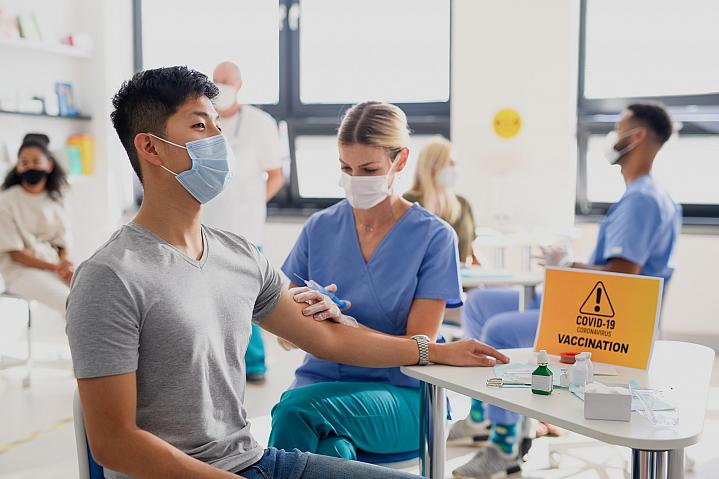
Since March 2020, when the coronavirus epidemic wreaked havoc on practically every facet of life throughout the world, we've come a long way. In the global fight against COVID-19, we've reached a critical juncture. Coronavirus cases continue to be stubbornly high over the world, averaging nearly 600,000 per day. These figures, together with current hospitalization rates in many parts of the country, are enough to put healthcare systems under duress.
With the widespread availability of a COVID vaccination, millions of individuals have taken the first step toward eradicating the disease. COVID, on the other hand, isn't over yet! Vaccines are one of the most effective health interventions available, but they are frequently misinterpreted. Everyone is unique, and they weigh in on the subject "Should I Get the Vaccine?" based on their own health, beliefs, and circumstances.
By vaccinating most of our population, we can safeguard our entire community from disease. There is no such thing as a 100% effective vaccine. Some people do not respond adequately to a vaccine, or the vaccine's protection has worn off, necessitating a booster shot. When most of us are vaccinated, we improve everyone's protection. Immunity developed by vaccination is like that gained from a natural illness but without the danger of disease.
Research shows that children who have been vaccinated have fewer infections overall than children who have not been vaccinated. Because our immune systems are at their peak in adulthood, small children and the elderly are particularly vulnerable to illnesses. Vaccines avoid this risk by strengthening our immune systems early and late in life.
Infections cannot spread from person to person if a large enough population is vaccinated, which means that everyone, including those without immunity, has a high level of protection. Vaccines can aid in the prevention of epidemics. The propensity of developing infectious diseases to spread and cause destruction is increasing in a world of denser cities, increased international travel, migration, and ecological change.
Vaccines can be an important weapon in combating this threat, but only if we have them on hand when diseases emerge. They can also aid in the reduction of medication resistance. Antimicrobial medications, such as antibiotics, are used to treat infectious diseases, but abuse and misuse of these drugs are causing pathogens to become resistant to them. Vaccines lower the risk of medication resistance by preventing infections that would otherwise necessitate treatment.
Vaccines, like nutrition and exercise, are essential for maintaining our overall health. Vaccines, along with eating nutritious foods, exercising, and seeing a doctor on a regular basis, are critical to remaining healthy. Vaccines are one of the most practical and safe ways to prevent disease.
It is safe, and all licensed vaccines go through a rigorous approval process to assure their safety. Vaccine-related side effects are rare and far less severe than the diseases they are meant to prevent. They aren't going to cause the problems they're designed to prevent. Vaccines include viruses that have been destroyed or weakened, making disease transmission more difficult.
Mental Health: Taking Care of Oneself
All these years, I have been struggling with my mental health. I have been drowned with my thoughts and pent-up emotions. However, I’ve already witnessed how powerful it is to take care of yourself first rather than focusing on other things that aren’t worth your time and aren’t healthy at all.
I already know some of the health interventions that one must do to feel okay. I already know how to divert my thoughts and negative feelings into something productive or creative. But still, I lack application, socialization, and mindfulness. All these years, I thought I was all alone. I thought that I was destined to be always misinterpreted and judged by many people. But as time went by, I realized that there are still some people who genuinely care for me and assure me that I am worthy. I have learned that for us not to be drowned by such negative things, sometimes all we need to do is talk with someone that makes us feel safe, understands us, and empathizes with our feelings.
Only one thing I believe that would improve my mental health is to apply and be consistent with some of those that work for me and be positive with life.

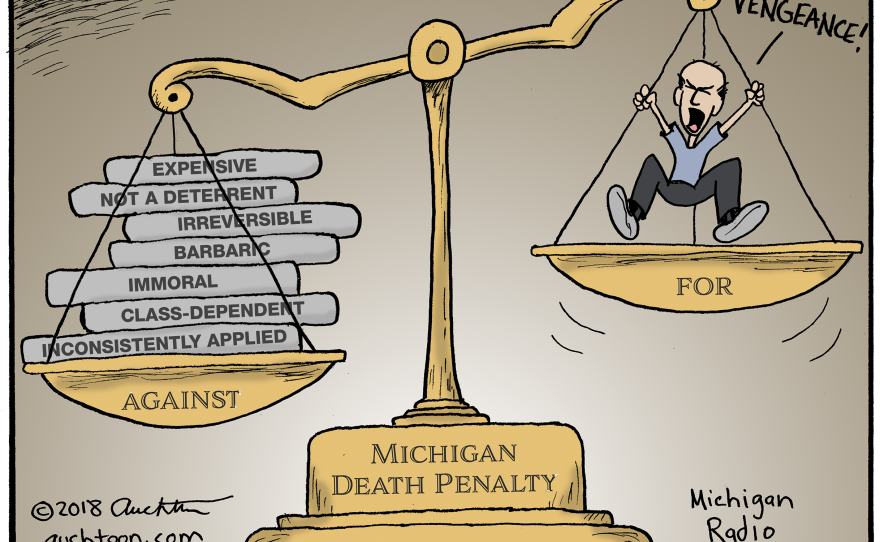
Death penalty
When I hear the words "death punishment," thoughts of ruthlessness come to my mind. Throughout history, the death sentence has been regarded as the most severe punishment that can be imposed on a person who has committed crimes.
I considered it unethical and immoral. However, in a society where many serious crimes are committed, it is necessary to effectively offer one's life to pay for one's wrongdoings. Many people believe that capital punishment should be abolished totally, but others disagree because they believe that the capital penalty helps maintain society in order by preventing future murders, discouraging crimes, and providing closure for victims and their families.
It makes no sense to put individuals to death to demonstrate that we are against killing. This assertion is against the country's belief system. Certain populations are disproportionately affected by the death sentence.
The mentally ill, people of color, and the destitute, account for most death row inmates. On a worldwide basis, the poor are likewise disproportionately affected by the death sentence. They have a decreased likelihood of receiving effective representation, and the system is skewed against them. The death penalty can be used to control rather than to punish.
Many governments around the world, on the other hand, use executions for non-lethal offenses. By using the death penalty so arbitrarily, authorities create their own standards for what is "acceptable" in society and what is a fitting punishment. Citizens are terrorized, and their human rights are violated.
How many more people on death row are on the verge of being executed in an unjust manner? Even if they aren't all guilty, a comprehensive review of their cases could reveal discrimination, inadequate representation, and other faults that suggest they were not given a fair trial. In a culture where the judicial system cannot be trusted to provide justice, the death penalty is an unduly harsh punishment.
The death penalty is unjustifiable. There is no legitimate justification for the government to believe it has the authority to execute people. As much as the persons who are executed are murdered, capital punishment is murder. The death penalty is unnecessary and should be eliminated. It violates the Constitution, which provides that no harsh or unusual punishment will be applied. The death sentence is the cruelest, most inhumane, and most demeaning punishment imaginable. Regardless of who is accused, the nature or circumstances of the crime, guilt or innocence, or method of execution, Amnesty International condemns the death sentence in all cases. Perhaps the most important reason why the death penalty is wrong is that it does not prevent crime. While many people believe the death sentence isn't ideal, they believe it is justified if it deters future perpetrators.

Living in the future
*Do you want to live in a metaverse? If yes, what is the first thing you are excited to do with a pair of glasses? If not, what are you most afraid of in that new virtual world?*
Virtual reality superimposes a computer-generated image over a user's perspective of the real world, which will be key in bringing the metaverse to life. It could be used in the metaverse to immerse users in an alternate world. Although the technology is still being refined, businesses such as Meta claim to be developing and upgrading these gadgets.
I believe the metaverse caters to a surface-level awareness of social interconnection but falls short of providing the depth of emotional connection that we crave. The metaverse has the potential to increase our connectivity while diminishing our satisfaction from being linked. Metaverse is only a developing 'virtual' concept that will create a fictitious universe that is entirely at odds with reality. The rapid rise of social media has had detrimental consequences. If Metaverse adopts a growth-first strategy, it may exacerbate these issues.
Toxic conduct in virtual reality and gaming is nothing new. However, as Meta and other large firms make the metaverse their platform in the future, the problems are likely to be amplified by the companies' global influence. Harassment, assaults, bullying, and hate speech are all too common in virtual reality games that are part of the metaverse, yet there are few ways to easily report it. In the metaverse, bad behavior can be far worse than today's online abuse and bullying. That's because virtual reality immerses users in an all-encompassing digital environment in which unwelcome digital touches can feel real, and the sensory experience is amplified. Virtual worlds have the potential to be extremely freeing.
Cyberspace has promised to make us all equal from the start, allowing us to be judged not by our physical appearance or limitations, but by what's within our heads, by how we want to be regarded. The virtual worlds of video games and the early internet offer a refuge from the real world's disparities and injustices. It's upsetting to see the tendrils of big tech and social media reaching out to locations that have served as safe havens for me and millions of others.
Trying to moderate something with that much freedom can either result in full chaos, in which everyone is free to do whatever they want, and racism, sexism, abuse, and other forms of oppression are rampant, or in extreme moderation, in which no one is allowed to do anything. They will continue to happen if there are people who would hide behind their computer screens to avoid moral accountability.
Although virtual reality encounters tied to the metaverse's future promise are still limited, accusations of sexual harassment and assault are growing more regular. These experiences have fostered aggressive conduct from people who feel shielded by the anonymity and distance given by the virtual environment, just as they have in other connected environments, such as the communication channels of online games.
We've all seen the news about how cyberbullying impacts social media users and how sites like Facebook and Twitter struggle to prevent abuse. It's one of the main reasons why some people prefer not to use social media at all. Harassment in such a digital realm may feel scarier and more disturbing because it is more immersive. People should remember that sexual harassment does not have to be physical; it can also be verbal or virtual.


Random breakdown
Lately, I’ve been having a breakdown, especially at night.
I am full of thoughts and sadness.
I always wonder what I did wrong to be treated this way.
I don’t know maybe I’m just too fragile, I think. Having lots of thoughts become a distraction for me. Until I realize that I should be more self-aware.
I am focusing now on things that make me calm and relaxed to avoid situations that can trigger my sadness. I am taking care of myself by doing things that I like.
I am trying to understand the importance of loving myself and it is essential for my mental well-being, this means that I am accepting my emotions and looking for something that will motivate me in life.
As much as I can, I eat healthy foods and do exercise. I take time to talk to my friends. I am connecting more about myself. I am doing different coping mechanisms that can help me through my hard times. I am doing commissions to distract myself and I vent out my stress in a non-threatening manner by talking to my dogs and walking around the house.
Sorry for sharing my sad girl phase... byeee

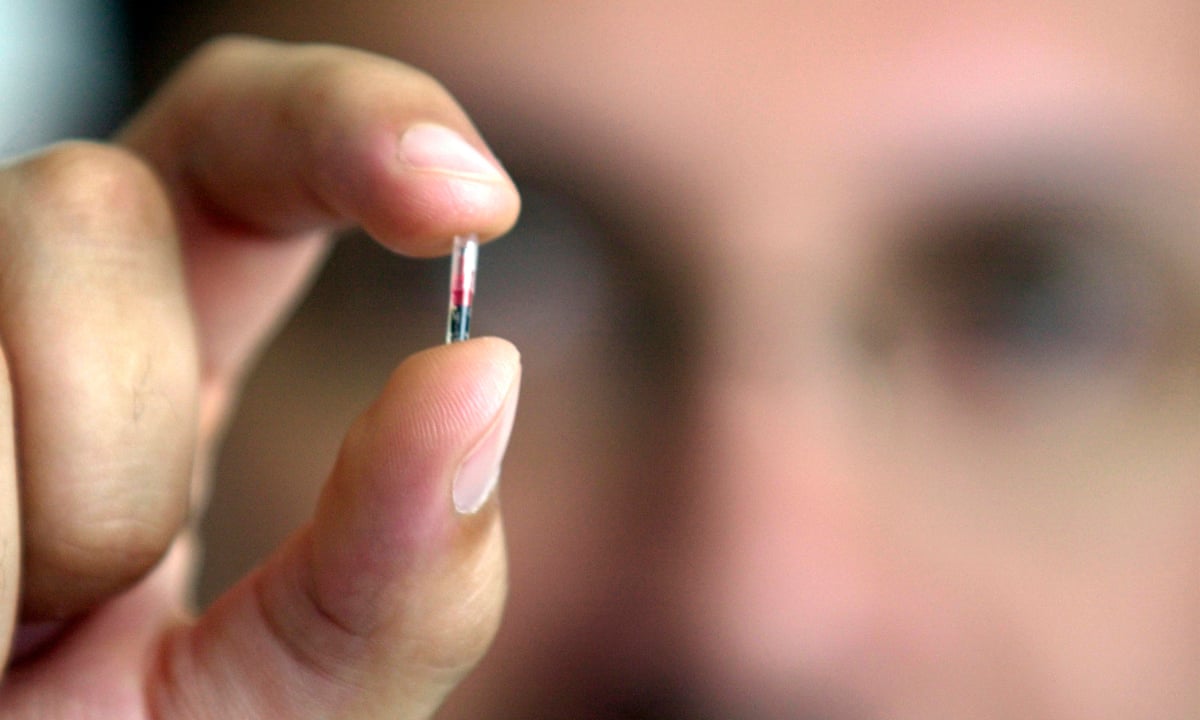
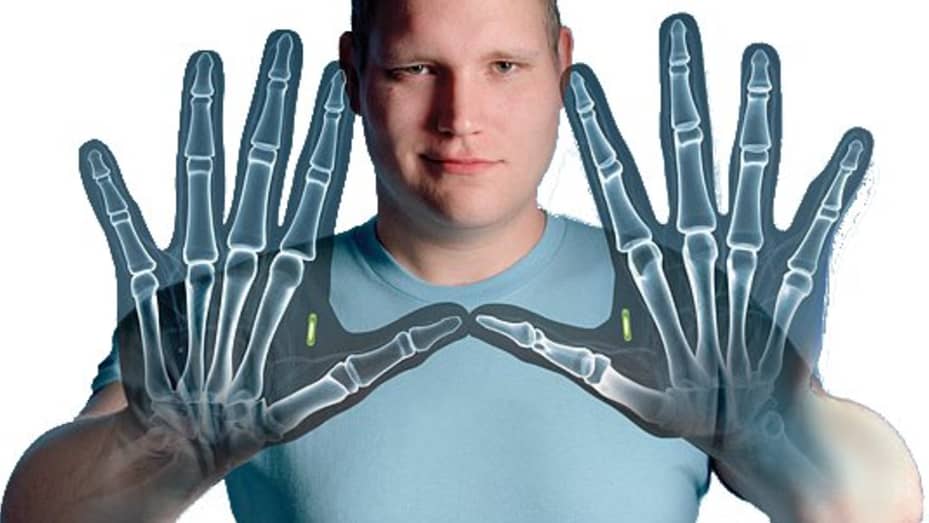
Implanting microchip in our body
These days, technology accompanies us everywhere. Given how close we've brought technology to ourselves, it's only natural that the next step is to retain it within our bodies. Many individuals believe that because microchipping is such a new technology, people are bound to have fears and misconceptions about it. Even though people have been microchipping their cats and dogs for decades, there is still some confusion about how it works in humans. Chips are the first component in a typical system, which also includes sensors, networks, the cloud, and applications. As a sensor, the chip practically touches our hands, heart, brain, and the rest of our body.
Implanting microchips in the body is not a good idea. Infection hazards and degradation of the chip's elements are important concerns when using tiny chips within our bodies. Stolen identities, threats to human freedom and autonomy are just a few of the security and privacy concerns. To help others understand my point and research, I will gather data and information that will strengthen my claims.
This technology is exciting and another step toward increasing convenience and simplifying many of the daily duties of billions of people throughout the world, but it lacks sufficient security, safety, and privacy protections when used. We shall be confronted with a cybersecurity nightmare with far-reaching ramifications. Aside from the ethical difficulty of dealing with people who refuse to use it, they will be disenfranchised in other areas, such as employment.
This invention will give a whole new meaning to the terms "hacking the body" and "biohacking." While cyber experts continue to be concerned about safeguarding vital infrastructure and reducing security risks that could affect the economy or result in a loss of life, Implanted chips have an impact on health, but they also add to the hazards and concerns of sensor hacking. There are numerous organizations in this industry, and the prospects are vast in replacing identification in stores, offices, airports, and hospitals, to name a few.
Chips will also give crucial physical data, which will be processed on the cloud to deliver business insights, new therapies, and better services. It presents a great opportunity for many stakeholders in both the private and public sectors. There are numerous organizations in this industry, and the prospects are vast in replacing identification in stores, offices, airports, and hospitals, to name a few. Chips will also give crucial physical data, which will be further processed on the cloud to deliver business insights, new therapies, and better services.
This presents a great opportunity for many stakeholders in both the private and public sectors. As people struggle to understand the privacy and security implications of technologies like social media sharing, a new set of technologies emerges that will become far more personal than our smartphone or storage history, and the tiny chip under our skin is at the top of the list, posing new risks and threats
Human microchipping has the potential to be dangerous. One issue is that a person's privacy may be seriously violated. This is possible since the person's physical and financial movements could be followed. A person's personal information could be sold or hacked. A third issue that could arise is who would have access to the information and who would store it. There is also a scarcity of data on the safety and health hazards linked with chip implantation. Although each of these apps is useful, privacy concerns are concerning. It is the hazards that microchip implants might cause to mental health to understand the physical health risks. People who receive an implant may feel compelled to change their regular habits because they are monitored, resulting in high levels of tension and anxiety.
Relevance of having Entrepreneurial Mind in Nursing
In recent years, the importance of entrepreneurship education in K-12 schools has become widely recognized. It is presently developing as one of the fastest-growing fields in the world, with the potential to boost economic growth and job prospects. An entrepreneurial mindset is a collection of abilities that allow people to see and seize opportunities, overcome, learn from setbacks, and flourish in a range of situations. This involves the ability to take initiative, adapt to change, develop creative solutions, and be comfortable with risk, among other qualities. Entrepreneurship education emphasizes the acquisition of practical skills that will help students to live extraordinary lives in a rapidly changing world.
As a result of Covid-19, students' possibilities to develop and work with others have dwindled. Entrepreneurship fosters invention, creativity, and teamwork. This subject has the potential to offer us crucial life skills that will aid us in navigating this unpredictable future. These abilities include problem-solving, teamwork, empathy, and learning to accept failure as a part of the learning process. We must learn how to recognize problems as nursing students before we learn how to address them. Problem-solving skills have been taught in schools for decades, but problem identification has not. An entrepreneurial mindset can help us grow confidence by encouraging us to take on new challenges and not be afraid to take chances. Being able to approach challenging situations and conversations with confidence at work can help us enhance our leadership style and improve our overall social contact with our coworkers. Understanding how to control our abilities and attitudes, as well as the impact they have on others, is a valuable attribute that is simpler to achieve with an entrepreneurial mindset. If we have that mindset, setting objectives and milestones for self-improvement will be much easier. Being able to handle constructive criticism constructively while not taking it personally is a skill that may be learned over time. We must recognize that receiving criticism and working on self-improvement is preferable to refusing any form of input outright due to our fear of negative feedback. Another business skill that we may learn is enthusiasm. Being passionate at work can help us not only create additional chances but also improve our social interaction, which is crucial in developing relationships with our patients and coworkers. With this level of energy and enthusiasm, the task at hand is more likely to succeed.
Improvements in entrepreneurial skills such as resilience, excitement, and confidence can help us achieve success and raise our satisfaction at work and home. Adopting an entrepreneurial attitude allows us to develop these skills, allowing us to work more effectively and feel more fulfilled at work and at home. It is possible to convert our difficult situations from bad to positive if we are resilient and strong-willed. We must learn from our mistakes and put them to good use to grow and improve. Learning about entrepreneurship does not automatically turn a person into an entrepreneur, but it can foster an innovative mentality that leads to success in school and beyond. Similarly, entrepreneurship is not limited to economic activity and the formation of new businesses; it extends to other aspects of life, such as encouraging students to think creatively and aspire to greater heights.


Lakbay Sanaysay
***Bakit kailangang magsagawa ng pananaliksik bago maglakbay?***
Mas maganda na lagi tayong handa sa tuwing maglalakbay. Kung hindi natin sasaliksikin o aalamin ang lalakbayin natin ay maari tayong mapahamak o makagawa ng hindi ayon sa batas ng lalakbayan. Sa pagsasagawa ng pananaliksik, marami tayong pwedeng malaman gaya ng mga magagandang lugar na pwedeng pasyalan. Pwede natin malaman kung anong mga lugar ang magagndang pasyalan at kung kalian sila mainam na puntahan. Mas maiintindhina rin natin at mas maaapreciate ang iba’t ibang kultura ng bawat lugar. Mahalagang maintindihan nating mabuti ang kultura ng bawat lugar na ating pupuntahan. Magiging daan ito upang maging relax at hindi tayo mabahala sa ating paglalakbay. Maaari itong makatulong saatin sa pakikipagsalamuha sa iba’t ibang tao at para makaiwas sa gulo. Maaari rin naitng maiwasan ang iba’t ibang culture shock kung mananaliksik tayo nang husto sapagkat malalaman natin ang mga tamang pag-uugali, kasuotan, at pakikipag salamuha sa iba. Sa pananaliksik, marami tayong matututunan at maaari tayong makatulong na ibahagi sa iba ang ating mga natutunan. Maari rin nating maiwasan ang mga delikadong lugar na hindi dapat pinupuntahan. Malaking tulong ito para mabigyang alerto ang ibang mga manlalakbay.
***Ano o sino ang tuon ng lakbay sanaysay?***
Karaniwang nakatuon ito sa ating sariling karanasan. Maaari itong saating mga napuntahan. Nagging lakbay, mga karanasa, at mga naidama. Ang iba’t ibang damdaming ating naranasan sa ating nagging lakbay. Maaaring namangha, hindi makapaniwala, at bilid sa iba’t ibang magagandang tanawin. Kabilang rin dito ang lugar na ating napuntahan. Iba’t iibang destinasyon na mas nagbibigay ganda sa mga lugar na napuntahan. Mga lugar na talagang kamangha mangha at kakaiba. Mga destinasyon na mas nagpapayabong ng mga lugar at aking ganda nito. Mga lugar na kung saan maraming magagandang alaala ang magiiwan saiyo na talagang hanggang sa paglaki ay babaunin mo. Kabilang din dito ang ibang mga tao. Mga taong nakasalamuha natin saating paglalakbay. Mga taong may iba’t ibang kultur ana talagang kamangha-magha. Ating mga nakasalamuha na taalgang nakapagpagaan ng loob natin saating paglalakbay. Mga aral na ating natutunan pati na rin ang iba’t ibang impormasyon na saatin ay naibahagi na talagang magpapakita kung gaano kaganda ang isang lugar.
***Ano ang kahalagahan ng sarili sa lakbay sanaysay.***
Kung wala ang sarili, paano magkakaroon ng lakbay-sanaysay? Mahalaga ang sarili sa lakbay sanysay sapagkat tayo ang magiging daan upang maisawalat ang mga nagging karanasan natin sa paglalakbay. Tayo ang maglalahad ng mga ganap saating paglalakbay. Tayo ang magpapakita at magkukwento tungkol sa kung gaano kaganda sa isang lugar. Maibabahagi natin ang iba’t ibang kultur ana ating naranasan pati na rin ang mga magagandang karanasan. Maituturo natin sa iba ang iba’t ibang tradisyon na ating Nakita at natutunan. Tayo ang isa sa magiging daan upaang dumami ang mga taong nagnanais na makapunta sa lugar na iyon upang pasyalan at amkita kung ano ang ating mga nakita. Maipapakita natin ang iba’t ibang pag uugali ng mga tao ang kung paano sila makitungo. Maibibida rin natin ang iba’t ibang mga destinasyon na lalong mas nagpapabuhay sa gandang taglay ng isang lugar. Sarili ang magiging daan upang mabigyan atensyon muli ang iba’t ibang lugar lalo na ang mga nakalimutang pasyalan sa paglipas ng taon.
 @Lunafaye129