Celulas madre, vida para preservar la vida. Si se puede...! (ES)
***Vida para preservar la vida. Esta frase podría resumir el poder de las células madre. Su fácil recolección en el momento del parto y si conservación en laboratorios criogénicos de vida no sólo para el bebé, si no para sus familiares cercanos.***
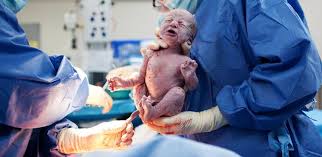
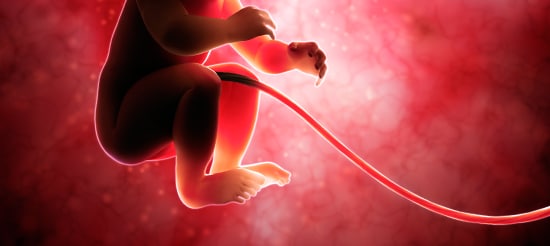
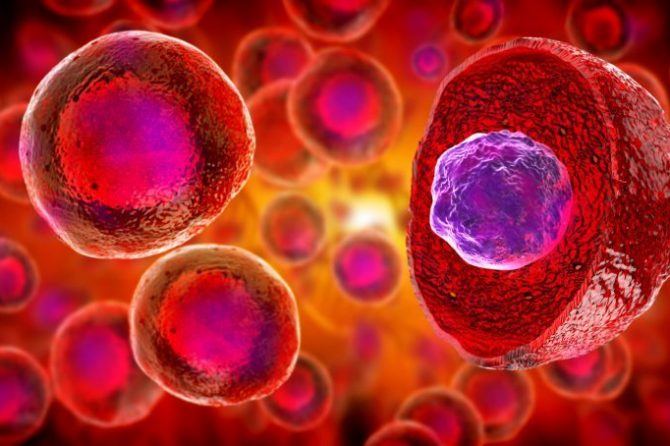
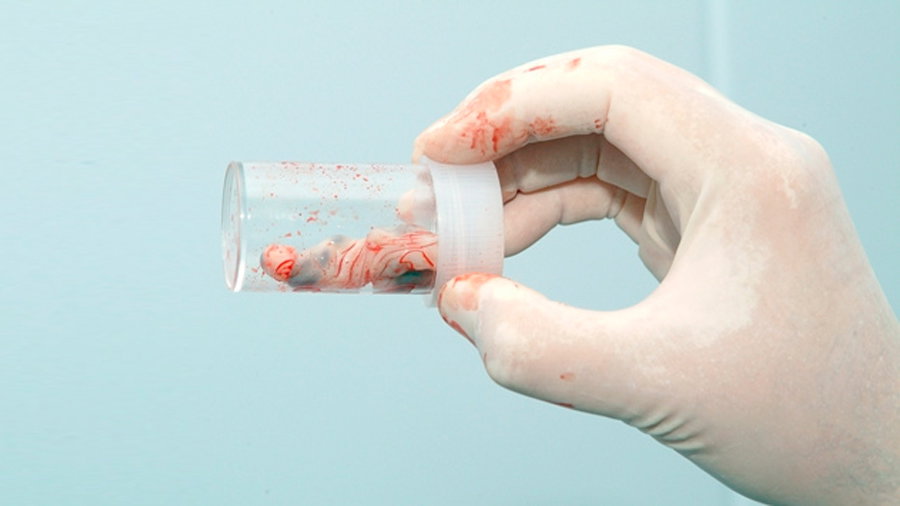
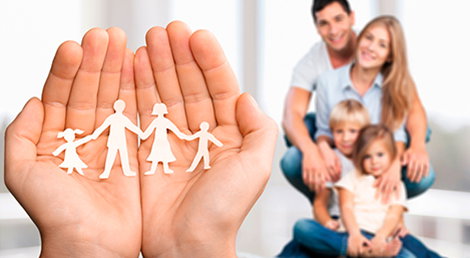
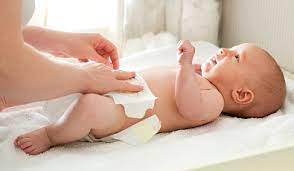
Más allá de estar de moda, lo cierto es que los adelantos en las investigaciones referentes a las células madre las muestran como la panacea del futuro. Estas células, capaces de dar origen a los diferentes tipos celulares que forman el organismo, pueden ser extraídas directamente de la sangre del cordón umbilical en el momento del nacimiento y, tras ser conservadas adecuadamente, utilizarse en el tratamiento de enfermedades específicas en cualquiera de los miembros de la familia.
***Cura a la vista***
El trasplante de células madre se está convirtiendo en un arma para combatir afecciones malignas y degenerativas como leucemias, anemias, linfomas, anormalidades de los glóbulos rojos y de las plaquetas, desórdenes del sistema inmunológico, desórdenes fagocíticos y cáncer de médula ósea, entre otras. En algunos casos pueden servir como un tratamiento primario o como un tratamiento auxiliar.
***Las ventajas***
Distintas enfermedades que actualmente son tratadas mediante trasplantes de médula ósea serán atendidas en el futuro con la utilización de células madre. Este procedimiento, que es mucho menos costoso y riesgoso, presenta las siguientes ventajas: no hay rechazo inmunológico, ya que el receptor es el mismo donante, mientras que en familiares consanguíneos disminuye notablemente la probabilidad de rechazo; están disponibles cuando se les necesite porque se almacenan en bancos especializados, y su extracción es indolora.
***Hacia el futuro***
Día a día se conocen nuevos resultados en cuanto a las técnicas utilizadas y respecto al tratamiento de diversos tejidos con células madre. Entre las enfermedades que podrán tratarse por esta vía están el cáncer de mama, ovario, pulmón y testículos, tumores del cerebro, melanomas, sida, diabetes, Parkinson, Alzheimer, artritis, lesiones de la médula espinal, esclerosis múltiple, lesiones de la piel y de la córnea, y reparación de órganos como el riñón y el hígado.
*****Lo último!*****
La reconstrucción del tejido óseo es uno de los hallazgos más importantes en el aprovechamiento de las células madre. Científicos han logrado desarrollar células adecuadas para estos tejidos a partir de células madre provenientes de la sangre y de la médula ósea. Además, investigadores españoles trabajan en la curación de diversos órganos a partir de estas células primarias.
***Aunque estas investigaciones han desatado un debate ético, lo cierto es que muestran que el poder de las células madre no tiene límites.***
Mother cells, life to preserve life. (EN)
***Life to preserve life. This phrase could sum up the power of stem cells. Its easy collection at the time of delivery and if it is preserved in cryogenic laboratories of life not only for the baby, but also for its close relatives.***
Beyond being fashionable, the truth is that advances in research on stem cells show them as the panacea of the future. These cells, capable of giving rise to the different cell types that make up the body, can be extracted directly from the umbilical cord blood at the time of birth and, after being properly preserved, used in the treatment of specific diseases in any of the members of the family.
*****Cure in sight*****
Stem cell transplantation is becoming a weapon to combat malignant and degenerative conditions such as leukemias, anemias, lymphomas, red blood cell and platelet abnormalities, immune system disorders, phagocytic disorders, and bone marrow cancer, among others. In some cases they can serve as a primary treatment or as an auxiliary treatment.
*****The advantages*****
Different diseases that are currently treated by bone marrow transplants will be treated in the future with the use of stem cells. This procedure, which is much less expensive and risky, has the following advantages: there is no immunological rejection, since the recipient is the same donor, while in consanguineous relatives the probability of rejection significantly decreases; they are available when needed because they are stored in specialized banks, and their removal is painless.
*****Towards the future*****
New results are known every day regarding the techniques used and regarding the treatment of various tissues with stem cells. Among the diseases that can be treated in this way are breast, ovarian, lung and testicular cancer, brain tumors,melanomas, AIDS, diabetes, Parkinson's, Alzheimer's, arthritis, spinal cord injuries, multiple sclerosis, skin lesions and the cornea, and repair of organs such as the kidney and liver.
*****The latest!!!*****
The reconstruction of bone tissue is one of the most important findings in the use of stem cells. Scientists have managed to develop cells suitable for these tissues from stem cells from blood and bone marrow. In addition, Spanish researchers are working on the healing of various organs from these primary cells. Although these investigations have sparked an ethical debate, the truth is that they show that the power of stem cells is limitless.
*The question do you really know what stem cells are? In my next post I will talk a little ...!*
Eres su pareja o su madre? Alerta Podrías poner en peligro tu relación ...!(ES)
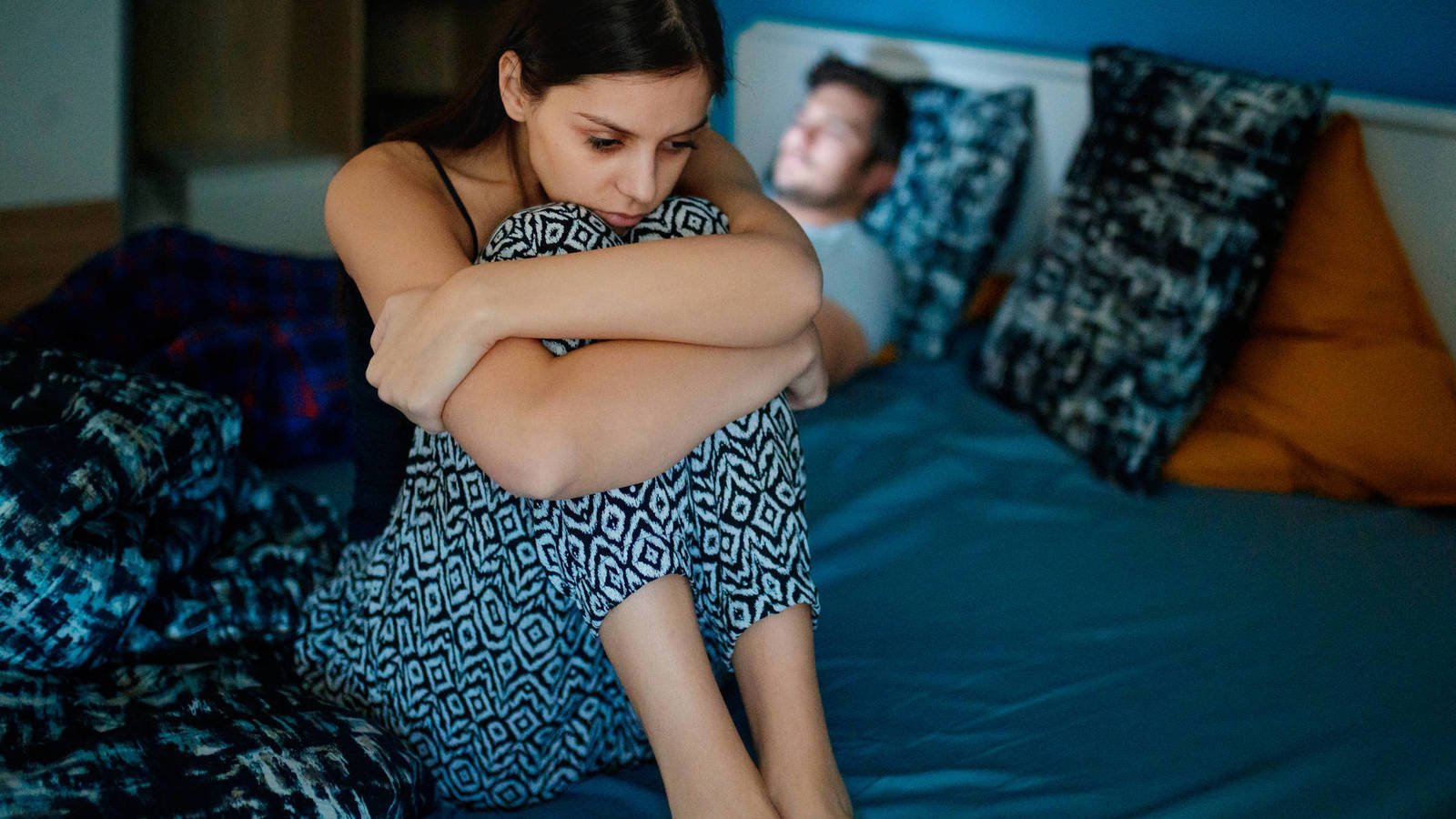
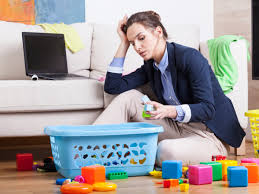
Lo regañas? Tienes que cuidar que cumpla con todos sus compromisos? Estas siendo sobreprotector? Le enseñas buenos modales? AUXILIOOOOO! Ten cuidado no confundas tu papel en la relacion... Eres su pareja no su madre.
Para los amigos de Alicia, acompañarla a la playa es una pesadilla: Jose, ponte bloqueador que te quemas!" grita desde la orilla. "Hey!, si te metes al mar hazlo con mucho cuidado, dije que con cuidado!, Ay Jose, ya salte del agua que te me arrugas José no es un niño, sino su novio ya adulto, quien por cierto es un excelente nadador.
Por su parte, cenar con Lucia y su pareja es una auténtica lección de etiqueta: Saul, la copa grande es para el agua, y ese tenedor es para la carne, no para la ensalada y cómete toda la lechuga.
Pero las palmas se las lleva Norma: cada mes paga la colegiatura de la escuela de Eduardo,su novio desde hace cuatro años, al que está apoyando para que acabe su carrera.
El común denominador de estas mujeres es que confunden el rol de pareja con el de madres. Lo cual es un problema catastrófico. Sus motivos son diversos; convertirte en la mamá de tu enamorado lo mismo puede ocultar una necesidad de control, que inseguridades personales, hay muchas mujeres llevan el rol de madres a todos los aspectos de su vida, así sea la oficina o su relación amorosa.
Aquellas que siempre buscan tener la solución de todos los problemas o que anteponen las necesidades de los demás a las propias le suena conocido? Si bien es cierto las parejas son para apoyarse mutuamente, pero hay momentos donde las cosas se salen de control.
Novia, solo hay una?
Qué tipo de mujer confunde su papel de pareja? ¿Quiénes son? ¿Por que se comportan así? En realidad cualquier mujer puede convertirse, sin darse cuenta, en una mamá novia, con alguna de sus parejas o bien, en algún momento de su relación. Las latinas se consideran especialmente susceptibles a actuar asi, el arquetipo de la madre está muy arraigado en nuestras culturas, representan lo bueno, noble y puro.
No olvidemos que para que exista una novia-madre, pues tiene que haber un hombre que quiera ser adoptado por su pareja. No se trata de un problema de ella, sino de ambos.
Si bien se dice que madre hay sólo una, en realidad existen muchos tipos de conductas maternas, y por tanto, diferentes casos de novias mamá. Así como hay madres controladoras, así también existen mujeres que parecen asfixiar a su chico, lo mismo pasa en comportamientos como la sobreprotección o la permisividad
Algunos especialistas consideran que actuar de este modo en tu relación de pareja puede ocultar un aspecto de tu personalidad, que no sólo podría poner en peligro tu relación. Sino también tu tranquilidad. De una manera a otra, se podria entender que por querer cuidarlo, ayudarlo o protegerlo estas tomando el control total de la relación. En ningún tipo de relación es bueno. Piensalo. Por tu bien y el de tu pareja.
*****Pero ellos también tienen la culpa…*****
Antes de echarle, como siempre, toda la culpa a las mujeres, hay que decir que los varones también aportan en esta ecuación: ellos también van por la vida buscando una figura materna que nunca van a encontrar. "Para algunos latinos, la madre es la única mujer que realmente cuenta en su vida.
Lamentablemente aún hay hombres que creen que ninguna los va a querer y a cuidar como esa abnegada viejecita que siempre los espera con los brazos abiertos. Asi, por más que te esfuerces a nivel inconsciente en ser una novia madre, para el nunca estarás a la altura. Como decimos todos madre es madre, y madre hay una sola.
***Ante este panorama, que procede? La opción más sana es sencilla: madurar, tanto en lo personal, como en las relaciones***
Are you his partner or his mother? Alert You could put your relationship on alert ...!! (EN)
***Scold him? Do you have to take care that he fulfills all his commitments? Are you being overprotective? Do you teach him good manners?***
***HELP ! Be careful not to confuse your role in the relationship ... You are his partner not his mother.***
For Alicia's friends, accompanying her to the beach is a nightmare: Jose, put on sunscreen, you get burned! "He yells from the shore." Hey! If you go into the sea, do it very carefully, I said carefully !, Ay Jose , I got out of the water and you wrinkled me José is not a child, but her boyfriend as an adult, who by the way is an excellent swimmer.
For his part, dining with Lucia and her partner is a real lesson in etiquette: Saul, the big glass is for water, and that fork is for meat, not for salad, and eat all the lettuce.
But the palms go to Norma: every month she pays Eduardo's school tuition ... her boy for four years, whom she is supporting to finish her degree.
The common denominator of these women is that they confuse the role of couple with that of mothers. Which is a catastrophic problem. Their motives are diverse; Becoming the mother of your lover can also hide a need for control, that personal insecurities, there are many women who take the role of mothers to all aspects of their lives, whether it is the office or their love relationship. It is about those who always seek to have the solution to all problems or who put the needs of others before their own. Does it sound familiar?
*****BRIDE, THERE IS ONLY ONE*****
What kind of woman mistakes her partner role? Who are they? Why do they behave like this? In fact, any woman can become, without realizing it, a mother bride, with one of her partners or, at some point in her relationship. Latinas are considered especially susceptible to act like this, the mother archetype is deeply rooted in our cultures, they represent the good, noble and pure.
Let's not forget that for there to be a bride-mother, there has to be a man who wants to be adopted by his partner. It is not a problem of her, but of both.
Although it is said that there is only one mother, in reality there are many types of maternal behaviors, and therefore, different cases of mom girlfriends.
Just as there are controlling mothers, so there are women who seem to suffocate their boy, the same happens in behaviors such as overprotection or permissiveness
Some specialists consider that acting in this way in your relationship can hide an aspect of your personality, which could not only endanger your relationship. But also your peace of mind.
***But they are also to blame ...***
Before throwing all the blame on women, as always, it must be said that men also contribute to this equation: they also go through life looking for a mother figure that they will never find. "For some Latinos, the mother is the only woman who really counts in her life ...!
Unfortunately, there are still men who believe that no one is going to love and care for them like that selfless old woman who always waits for them with open arms. height.
*Given this scenario, what happens? The healthiest option is simple: grow up, both personally and in relationships.*
Tu sueldo es mayor al de tu pareja? Ganas $ mas que el? (ES)
***Ya sea que él actualmente está desempleado o que tú tengas un trabajo mejor remunerado, la situación puede llevar a momentos tensos y en ocasiones hasta acabar con sus planes juntos. Cada vez es mas común que ocurra en algún punto de una relación.***
***Por qué le puede afectar***
Principalmente en Latinoamérica, aun hay una fuerte carga cultural que dicta que el hombre es quien debe tener el poder monetario frente a su pareja. Por lo general en una relación, el hombre es quien asume el papel de proporcionar lo necesario para el sustento, pero cuando ocurre lo contrario, se puede sentir bastante incomodo.
Al hombre le afecta esto porque ahi hay un trasfondo sociocultural, pero también biológico. Antropológicamente, está relacionado con la conquista. El sexo masculino, por naturaleza, vincula el hecho de tener suficiente dinero con el ser atractivo para las mujeres.
En el siglo XXI, que nosotras ganemos más que ellos cada vez es más común. Una de cada seis mujeres recibe más que su media naranja.
****Aunque sea temporal:**** quizás actualmente hayas encontrado un trabajo con un sueldo mayor, y eso lo tiene incómodo. Esto puede afectar a los enamorados que comparten gastos, mas también a los que no, simplemente porque tú puedes permitirte cosas que están fuera del alcance de tu novio. Si ya aceptaste la situación, es momento de pensar en él.
Según algunos especialistas, un hombre en esta posición reacciona de una de estas formas: el tema le influye o realmente le molesta. La diferencia es crucial: "Que sólo le influya que tú ganes más que él significa que lo toma como una realidad que puede manejar, es decir, lo acepta. Pero cuando le afecta, se siente menos y no puede con la situación. La razón tiene que ver parcialmente con lo que decíamos del peso cultural, pero también significa que tiene una autoestima baja". Si notas que no llega a superarlo, debes pensar si te conviene seguir a su lado.
La pregunta no es si puedes estar con alguien que gana menos, sino con una persona que se siente amenazada por tu superioridad económica y tus triunfos laborales.
***Como manejar la situación***
Si tu pareja tiene menos ingresos que tú, habla con él del tema y demuéstrale que no te afecta. Nunca demandes más de lo que él te pueda proporcionar porque se sentirá humillado. Es decir,si él únicamente puede invitarte a comer unas hamburguesas, comida chatarra, no le pidas que te Ileve al restaurante más caro de la ciudad. Si estás contenta con su relación y no te importa que no tenga tanto dinero como tú, tienes que saber aceptar lo que está a su alcance. Peor aún es que tú intentes invitarlo a ese sitio costoso.
En la mente masculina, eso lo privaría de la sensación de tener cierto control. Un hombre que por un lado acepta tu estatus económico y por el otro está seguro de lo que vale, se sentirá orgulloso de ti y de tus éxitos. Si él tiene la madurez suficiente, va a apoyarte.
Pero incuso el hombre más seguro tiene sus reservas en este aspecto. Tampoco decimos que nunca tengas el detalle de invitar la cena. Pero no tomes la cuenta para pagar de la nada. Dile desde el principio para que él esté de acuerdo. De lo contrario, sentirá que no tiene voto en la situación.
***Señales de que él no lo superara:***
Tú quieres aportar con algo (digamos, los refrescos en el cine, los dulces, quieres comprar el snack para una tarde en el parque, llevas algo para compratir en su casa con su familia) pero él reacciona ofendido y no lo acepta. Esto significa que piensa que quien paga manda. Es un indicio de que siempre querrá el control económico.
La forma en que fantasea sobre el futuro juntos es algo como cuando te compre una casa y cuides a los niños, y ya no tengas que trabajar, que todo lo hago y mantengo yo. Mucho cuidado con eso estamos en otro siglo y hemos avanzado un poco de esa superioridad masculina.
El hecho de que manifieste que se encargará de todo y que tu empleo va a terminar, indica que no piensa que tu éxito profesional sea importante; esta decisión debe ser un acuerdo.
No admira tus logros profesionales. Los que no pueden con la idea de tener una Compañera que gana más que ellos, tampoco valoran ni le dan importancia al trabajo de su pareja.
No es abierto sobre su administración económica. No sabes cuánto gana ni cuánto debe. El tema para él es tabú? Mala señal".
Is your salary higher than that of your partner? Do you earn more than him? (EN)
***Whether he is currently unemployed or you have a higher paying job, the situation can lead to tense moments and sometimes even ending your plans together. Find out if you are with someone who could handle it, and above all, how to ensure that it does not affect them.***
*Why it can affect you*
In general, mainly in Latin America, there is still a strong cultural load that dictates that the man is the one who should have the monetary power over his girl. In a relationship, he usually takes on the role of providing sustenance, but when the opposite occurs, he can weigh on her quite a bit. That this affects the male has a sociocultural background, but also a biological one. Anthropologically, it is related to the conquest. The male sex, by nature, links having enough money with being attractive to women.
In the 21st century, that we earn more than them is increasingly common. One in six women receives more than her better half.
**Even if it is temporary:** perhaps you have currently found a job with a higher salary, and that makes it uncomfortable.
This can affect lovers who share expenses, but also those who do not, simply because you can afford things that are out of the reach of your boyfriend. If you've already accepted the situation, it's time to think about it.
According to some specialists, a man in this position reacts in one of these ways: the subject influences him or really bothers him. The difference is crucial: "That he is only influenced by the fact that you earn more than he means that he takes it as a reality that he can handle, that is, he accepts it. But when it affects him, he feels less and cannot handle the situation. The reason it partially has to do with what we said about cultural weight, but it also means that he has low self-esteem. " If you notice that he does not get over it, you should think about whether you should continue by his side.
The question is not if you can be with someone who earns less, but with a person who feels threatened by your economic superiority and your job triumphs.
***How to handle the situation***
If your partner currently has less income than you, talk openly with him about it and show him that it does not affect you. Never demand more than he can provide because he will feel humiliated. That is, if he can only invite you to eat hamburgers, do not ask him to take you to the most expensive restaurant in town. If you are happy with his relationship and you do not care that he does not have as much money as you do, you have to know how to accept what is available to him. Worse still is that you try to invite him to that expensive site.
In the male mind, that would deprive him of the feeling of having some control. A man who on the one hand accepts your economic status and on the other is sure of his worth, he will be proud of you and your successes. If he has the mature enough, he will support you.
But even the most confident man has reservations about him in this regard. Nor do we say that you never have the detail to invite dinner. But do not take the account to pay out of nowhere. Tell him from the beginning so that he agrees. Otherwise, he will feel that he has no vote in the situation.
***Signs that he didn't get over it***
You want to contribute something (say, soft drinks at the movies) but he reacts offended and does not accept it. This means that he thinks that whoever pays is the boss. It is an indication that he will always want financial control.
The way you fantasize about the future together is kind of like when you buy yourself a house and babysit, and you no longer have to work.
The fact that he says that he will take care of everything and that your job is going to end indicates that he does not think that your professional success is important; this decision must be an agreement.
He doesn't admire your professional accomplishments. "Those who cannot with the idea of having a Compañera who earns more than them, neither value nor give importance to their partner's work."
He is not open about managing his finances. "You don't know how much he earns or how much he owes. The subject is taboo for him? Bad sign."
Speaking a bit about metabolism. (EN)
***One trend in the world of dieting is to pay attention to metabolism. In other words, accelerating it (the way the body burns the calories we eat) is the key to losing weight and building firmer muscles.***
****That metabolism varies in each person, but you can do it faster with these tips:****
Do exercises to build more muscle. This speeds up the metabolism, as you need to use more energy although you're resting As you move, the body uses its reserves of fat and calories. You can build more muscle by lifting weights, pedaling a bike, or using resistance machines at gyms.
Take caffeine, because being a stimulant, it helps you burn fat. Many people drink tea or coffee before exercising, but you will. check with your doctor first.
Some studies show that people who are exposed to cold climates or who are very restless and are always doing something, burn more fat in their body.
Consume carbohydrates because they give us more energy. Then we burn those calories with exercise that we do more easily. Metabolism is like the engine of a car. As soon as we turn it on we start to use gasoline and the faster we go, the more gasoline we use. So the more we move, the more stored calories and fat we burn.
***Eat several meals a day. Eating just a big meal doesn't help, because the body recognizes that it lacks energy and slows down the metabolism so we burn less fat.***
***When exercising, the body uses the stored fat reserve.***
Hablando un poco del metabolismo. (ES)
*Una tendencia en el mundo de las dietas es prestarle atención al metabolismo. O sea, que acelerarlo (la manera como el cuerpo quema las calorias que ingerimos) es la clave para perder peso y crear musculos mas firmes.*
Ese metabolismo varia en cada persona, pero puedes hacerlo más rápido con estos tips:
Haz ejercicios para crear más músculo. Esto acelera el metabolismo, pues necesitas usar más energia aunque estés descansando. Al moverte, el cuerpo usa sus reservas de grasas y calorias. Puedes crear más músculo levantando pesas, pedaleando en una bicicleta o usando máquinas de ejercicios de resistencia en los gimnasios.
Toma cafeina, pues al ser un estimulante, te ayuda a quemar grasa. Muchas personas toman té o café antes de hacer ejercicios, pero si vas a hacerlo. consulta primero con tu médico.
Algunos estudios muestran que las personas que están expuestas a climas frios o quienes son muy inquietas y siempre están haciendo algo, queman mas grasa en su organismo.
Consume carbohidratos porque nos dan más energía. Después quemamos esas calorías con el ejercicio que hacemos con más facilidad. El metabolismo es como el motor de un auto. Tan pronto lo encendemos comenzamos a usar gasolina y mientras más rápido vamos, más gasolina usamos. De manera que mientras más nos movemos, más calorias y grasas acumuladas quemamos.
Haz varias comidas al dia. Hacer solo una gran comida no ayuda, pues el cuerpo reconoce que le falta energia y baja la velocidad del metabolismo por lo que quemamos menos grasa.
***Al hacer ejercicio, el cuerpo, utiliza la reserva de grasa que tiene acumulada.***
Hambre emocional, será que como por estrés? (ES)
Para la mayoría de las personas, disfrutar de la buena mesa es uno de los grandes placeres de la vida. Sin embargo, muchas ven la alacena con una mezcla de deseo y temor, porque se sienten incapaces de controlar el impulso de comer, incluso cuando han acabado de hacerlo y se sienten satisfechas. Para ellas, la comida puede ser un arma de doble filo. El alcohólico y el adicto a las drogas saben que estas sustancias son nocivas, y pueden, si lo desean o tienen la ayuda necesaria, evitarlas. Con la comida es diferente. Aunque padezcas de un desorden alimenticio, como comer compulsivamente, al menos tres veces al día tienes que lidiar con la comida, todos te la ofrecen: los amigos, la familia, las redes sociales, simplemente no puedes evitarlas.
Muchas personas padecen de lo que los expertos llaman comer por emoción, y que también puede describirse como “hambre emocional”. Ellas no comen para nutrir su cuerpo, o cuando sienten hambre, sino para llenar un vacío emocional. El estrés, la ira, la ansiedad, la tristeza y la soledad, lo mismo que cualquier alteración en sus vidas, desde la pérdida del empleo hasta un divorcio, las llevan a buscar el confort de la comida, especialmente en los alimentos cargados de azúcar, grasa y calorías, que se conocen como “comida chatarra”. Añade a esto que muchos platos hacen que el organismo segregue hormonas que elevan el ánimo y dan una sensación de bienestar que puede volverse adicta.
Esta es la razón por la que el hambre emocional es tan común. De hecho, de acuerdo con estudios científicos el 75% de los casos, cuando una persona come de más, es por el estado de ánimo. Por otra parte, el origen de este desorden no siempre es emocional. Algunos estudios sugieren que comer compulsivamente puede tener causas biológicas relacionadas con el hipotálamo, un área del cerebro que controla el apetito. Por lo tanto, siempre es necesario consultar el problema con un médico para buscar ayuda.
*****El Círculo vicioso*****
Pero las personas que reconocen que comen para llenar un vacío emocional, muchas veces batallan con sus sentimientos de culpa y con la vergüenza que les provoca no poder controlar este habito, aunque saben que es muy dañino. Pero en realidad que es lo que sucede mientras se recriminan, pues más aumenta la ansiedad y también la compulsión por atenuar todos esos sentimientos desagradables con más comida.
Además de la angustia que esto les causa, también saben que comer de más puede causar sobrepeso, el cual está vinculado con la diabetes tipo 2, la hipertensión, ciertos tipos de cáncer, trastornos gastrointestinales y colesterol alto, entre otros problemas de salud. Esto nuevamente comienza a elevar la ansiedad, con los resultados que ya conocemos.
***Afortunadamente es posible controlar y eliminar este mal habito.***
*****Síntomas de comer compulsivamente*****
Comer grandes cantidades muy rápidamente
Comer aun cuando estas lleno, continuamente durante el día
Escondes alimentos para comerlos cuando estés sola.
Sientes alivio de las tensiones solo cuando comes
Nunca te sientes satisfecho, no importa cuánto comes
Te sientes culpable o deprimido después de comer en exceso.
*****Pasos para la liberación*****
Si comes compulsivamente, los expertos recomiendan que
Aprendan a distinguir entre el hambre verdadera y el vacío emocional que te lleva a comer para llenarlo. Si logras reconocer que el hambre no es física, puedes dejar pasar unos minutos hasta que pase la sensación. Distráete con una actividad que te lleve lejos de la alacena, como dar una caminata, hablar con una amiga, hacer las tareas de la casa, leer un libro, estudiar.
Reconoce el patrón. Lleva un diario de lo que comes cuando lo haces y porque. De esta manera podrás reconocer que hay situaciones o circunstancias o sentimientos que te llevan inmediatamente a buscar alivio en las comidas.
Eliminemos de la alacena las comidas peligrosas. Estas son las que comes para aliviar tu angustia emocional, como el chocolate, pepitos, dulces, productos que contengan grasas.
Mantén una dieta sana y balanceada, con comidas nutritivas, incluyendo frutas y vegetales.
Haz ejercicios, caminar trotar, o cualquier actividad, te ayudara a combatir el estrés y la ansiedad, a quemar las calorías y a mantenerse sana y en forma. Al mismo tiempo tu cuerpo descansa, duerme 8 horas para calmar los nervios y repara el desgaste emocional del estrés que te lleva a comer de más.
Cuidemos nuestra salud...!!! Feliz Día..!
Emotional hunger, will it be that I eat from stress?
For most people, enjoying good food is one of life's great pleasures. However, many view the cupboard with a mixture of desire and fear, because they feel unable to control the urge to eat, even when they have finished eating and feel satisfied. For them, food can be a double-edged sword. The alcoholic and drug addict know that these substances are harmful, and can, if they wish or have the necessary help, avoid them. With food it is different. Even if you suffer from an eating disorder, such as compulsive eating, at least three times a day you have to deal with food, everyone offers it to you: friends, family, social networks, you simply cannot avoid them.
Many people suffer from what experts call emotional eating, which can also be described as "emotional hunger." They do not eat to nourish their body, or when they feel hungry, but to fill an emotional void. Stress, anger, anxiety, sadness and loneliness, as well as any alteration in their lives, from job loss to divorce, lead them to seek the comfort of food, especially in foods laden with sugar , fat and calories, which are known as "junk food." Add to this that many dishes cause the body to secrete hormones that lift the mood and give a feeling of well-being that can become addicted.
This is why emotional hunger is so common. In fact, according to scientific studies, 75% of the cases, when a person overeats, it is because of the mood. On the other hand, the origin of this disorder is not always emotional. Some studies suggest that binge eating may have biological causes related to the hypothalamus, an area of the brain that controls appetite. Therefore, it is always necessary to consult the problem with a doctor for help.
*****The vicious circle*****
But people who recognize that they eat to fill an emotional void, many times struggle with their feelings of guilt and with the shame caused by not being able to control this habit, although they know that it is very harmful. But in reality, what happens while they recriminate themselves, because more anxiety increases and also the compulsion to attenuate all those unpleasant feelings with more food. In addition to the distress that this causes them, they also know that overeating can cause overweight, which is linked to type 2 diabetes, hypertension, certain types of cancer, gastrointestinal disorders and high cholesterol, among other health problems. This again begins to raise the anxiety, with the results that we already know.
*Fortunately, it is possible to control and eliminate this bad habit.*
*****Symptoms of binge eating*****
Eating large amounts very quickly
Eating even when you're full, continuously throughout the day
You hide food to eat when you are alone.
You feel relief from stress only when you eat
You never feel satisfied, no matter how much you eat
You feel guilty or depressed after overeating.
*****Steps to liberation*****
***If you binge eat, experts recommend that***
Learn to distinguish between true hunger and the emotional void that leads you to eat to fill it. If you can recognize that hunger is not physical, you can allow a few minutes until the sensation passes. Distract yourself with an activity that takes you away from the cupboard, such as taking a walk, talking with a friend, doing housework, reading a book, studying.
**Recognize the pattern.** Keep a journal of what you eat when you do it and why. In this way you can recognize that there are situations or circumstances or feelings that immediately lead you to seek relief in meals.
**Let's remove dangerous foods from the pantry.** These are the ones you eat to alleviate your emotional distress, such as chocolate, pepitos, sweets, products that contain fat.
Eat a healthy and balanced diet with nutritious meals, including fruits and vegetables.
**Do exercises,** walk, jog, or any activity, will help you combat stress and anxiety, burn calories and stay healthy and fit. At the same time, your body rests, sleeps 8 hours to calm your nerves and repair the emotional wear and tear of stress that leads you to overeat.
***Let's take care of our health from each and every one of the perspectives that it needs.***
Thanks for reading my post.
Change your attitude and improve your life...! (EN)
The attitude we have towards life can determine our state of health. The positive or negative evaluation that you have towards yourself is very important. That is why we sometimes find that the person who always talks about illnesses gets sicker, and that the person who lives relaxed and in harmony with life, tends to have fewer medical problems.
*****Studies reveal that:*****
Optimistic people can live up to 12 years longer than pessimists, who also suffer from colds and flu more often.
According to studies carried out, people who believe in God, as well as those who give more importance to being than to "having, have a 35% higher probability of living longer than materialistic people."
Sociable people, who have a wide circle of friends, have healthier lives than lonely people, who only have contact with the family, possibly because they are not afraid to show themselves as they are, they do not repress their opinions or feelings.
Calling mom, dad, is good for your health. The family gives you love, affection, understanding, security. Throughout life it has been revealed that people who did not maintain affectionate contact with their loved ones, particularly with the mother and / or father, developed hypertension, alcoholism or heart disease at an earlier age.
Sometimes we want to change the things that do not work from one day to the next, but nevertheless in order to achieve this there are attitudes that we must take so that these changes can take place.
*****Moral:*****
Calling mom, dad, family, or a loved one is good for everyone.
Having a positive mind helps us to face problems and certain situations that we hear from others, we must try not to be affected by problems, change our attitude for the better and not worse, let's remember something super important, you are responsible for your life and your wellness.
Being happy is a life decision that does not depend on the difficult circumstances that you live, but on the attitude with which you face those difficulties.
As Victor Frank says: "If it is not in your hands to change a situation that causes you pain, you can always choose the attitude with which you face that suffering"
Enjoy your present, stop being in the past and want to live the future that has not arrived.
Be grateful, stop complaining about what you have not achieved, the power of gratitude allows us to live in the here and now.
Listen to your feelings and emotions do not turn your back on them, do not fight against them, they are only your essence and they know you better than anyone, so that you can build your own path, be loyal to your dreams and desires.
***Thanks for reading my article. Until next time.***
Cambia tu actitud y mejora tu vida (ES)
*La actitud que tenemos ante la vida puede determinar nuestro estado de salud. Es de mucha importancia la valoración positiva o negativa que tengas hacia ti mismo. Es por eso que a veces comprobamos que la persona que siempre habla de enfermedades se enferma más, y que aquella que vive relajada y en armonía con la vida, suele tener menos problemas médicos.*
*****Estudios revelan que:*****
Las personas optimistas pueden llegar a vivir hasta 12 años más que las pesimistas, quienes, además, sufren de gripe y resfriados con mayor frecuencia.
De acuerdo con estudios realizados, las personas que creen en Dios, lo mismo que aquellas que le dan más importancia a ser que a "tener, tienen un 35% más alto de probabilidades de vivir más que las personas materialistas".
Las personas sociables, que tienen un amplio círculo de amigos, tienen vidas más saludables que las personas solitarias, que solo tienen contacto con la familia, posiblemente sea porque no tienen miedo a mostrarse tal y como son, no reprimen sus opiniones o sentimientos.
Llamar a mamá, a papá, es bueno para la salud. La familia te brinda amor, cariño, comprensión, seguridad. A lo largo de la vida se ha revelado que las personas que no mantenían un contacto afectuoso con sus seres queridos, particularmente con la madre, y/o padre, desarrollaron hipertensión, alcoholismo o enfermedades cardiacas a más temprana edad.
En algunas ocasiones queremos cambiar las cosas que no funcionan de un día para otro, pero sin embargo para poder lograrlo hay actitudes que debemos tomar para que estos cambios se puedan dar.
*****Moraleja:*****
Llamar a mamá, papá, familiares, o un ser querido, es bueno para todos.
Tener mente positiva nos ayuda a enfrentar los problemas y ciertas situaciones que escuchas de los demás, debemos tratar de que los problemas no nos afecten, cambiar la actitud para mejor y no peor, recordemos algo súper importante, eres responsables de tu vida y de tu bienestar.
Ser feliz es una decisión de vida que no depende de las circunstancias difíciles que vivan si no de la actitud con la que se enfrentan esas dificultades.
Como dice Victor Frank: “Si no está en tus manos cambiar una situación que te produce dolor, siempre podrás escoger la actitud con la que afrontes ese sufrimiento”
Disfruta tu presente, deja de estar en el pasado y querer vivir el futuro que no ha llegado..
Se agradecido, deja de quejarte por lo que no has conseguido, el poder de la gratitud nos permite vivir el aquí y el ahora.
Escucha tus sentimientos y emociones no les des la espalda, no luches contra ellos, solo son tu esencia y te conocen mejor que nadie, para que puedas construir tu propio camino, se leal a tus sueños y deseos.
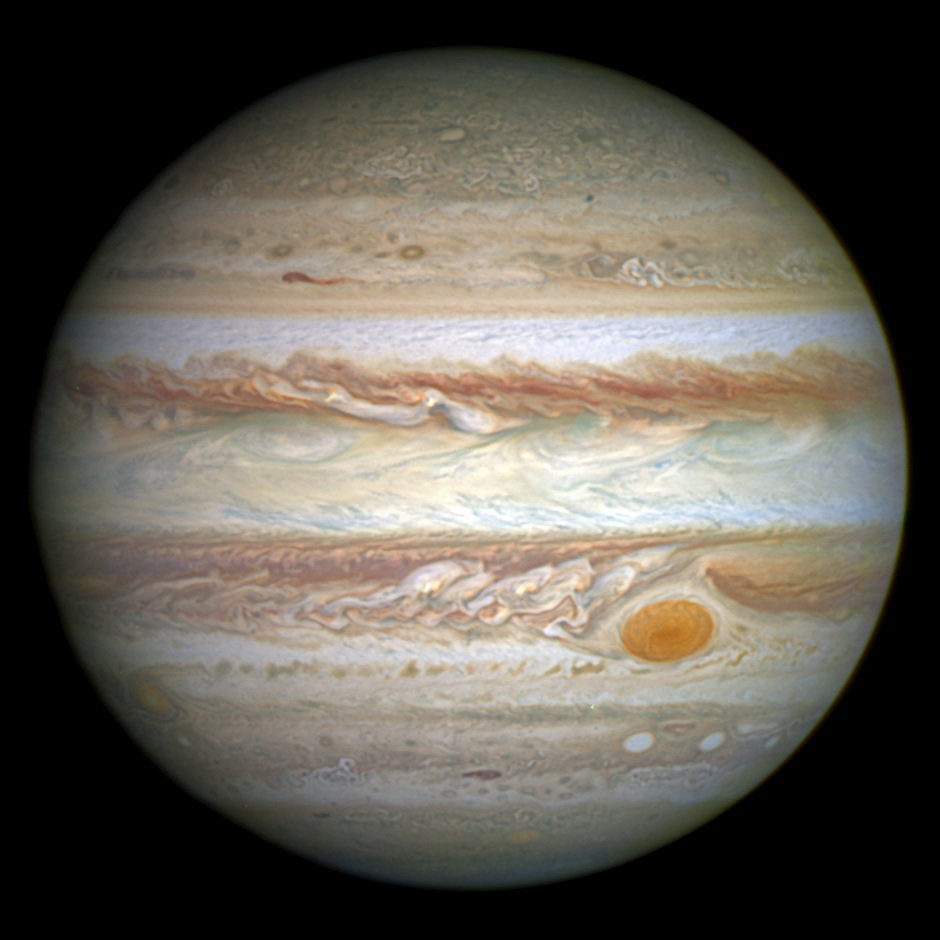
Jupiter, the ruler of Sagittarius. (EN)
*The god Jupiter or Zeus, as the Greeks called him, was the lord of the sky, the wind, the rains and the lightning. She presents herself as a deity who, devoted to love affairs, seeks a way to hide her infidelities from her wife*
Hera (also called Juno). He was the supreme god of the Greeks, the protector of laws and mortals and the one who dispensed good and evil.
They represented him as a mature man, with a robust body, long wavy hair and a beard, dressed in a long cloak, a scepter in his left hand and a lightning bolt in his right. At his feet he had an eagle. Oak was assigned as a tree.
*****Astrological meaning of Jupiter*****
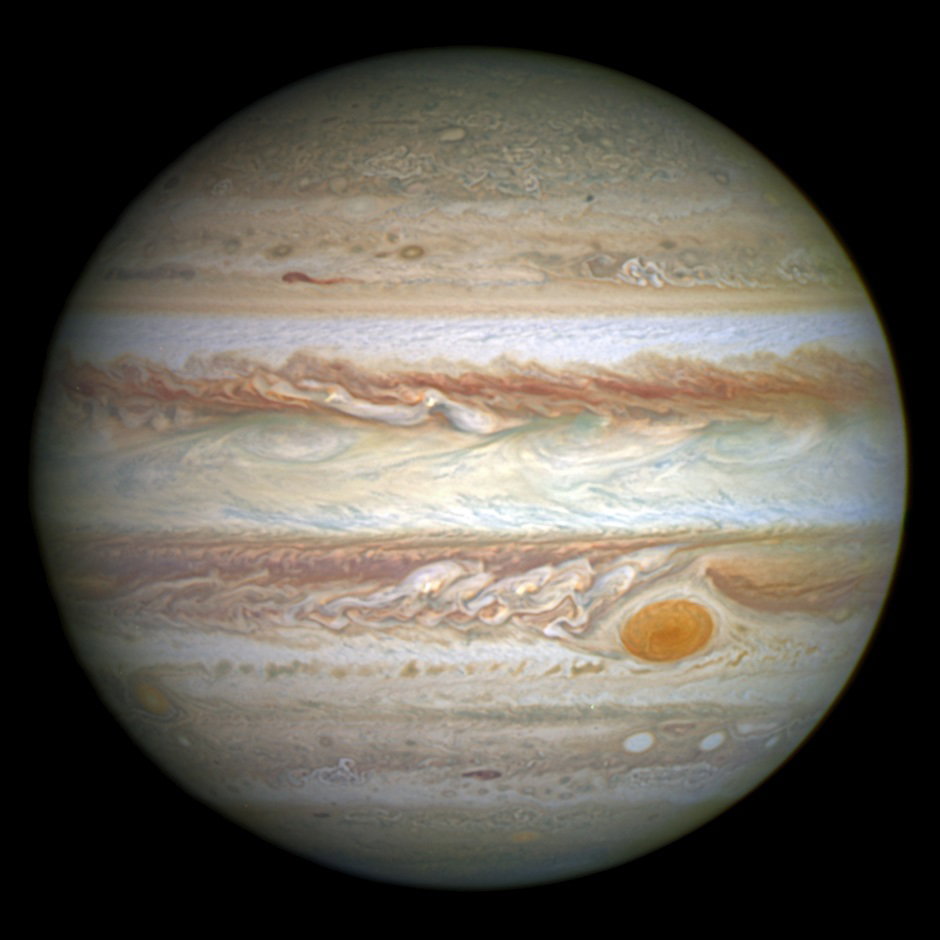
The planet Jupiter represents the expansive force that tends to drive our being as far as possible, without limit of space or time. Jupiter is the growth of the sphere of action and experience in which an individual lives. It represents the desire to grow, learn, travel, and be free. Jupiter pays little attention to the minor details of life. It is an energy that seeks spaciousness, but can sometimes generate excess, arrogance and carelessness.
Let us remember that Jupiter, with its large number of satellites, appears as a miniature Sun (it is the first planet that man observed with a certain resemblance to the star).
Galileo spotted his satellites with the telescope he built in the 17th century. Those of Saturn were discovered much later. The resemblance to the Sun gave Jupiter symbolic qualities similar to the sun king: brightness, power and energy.
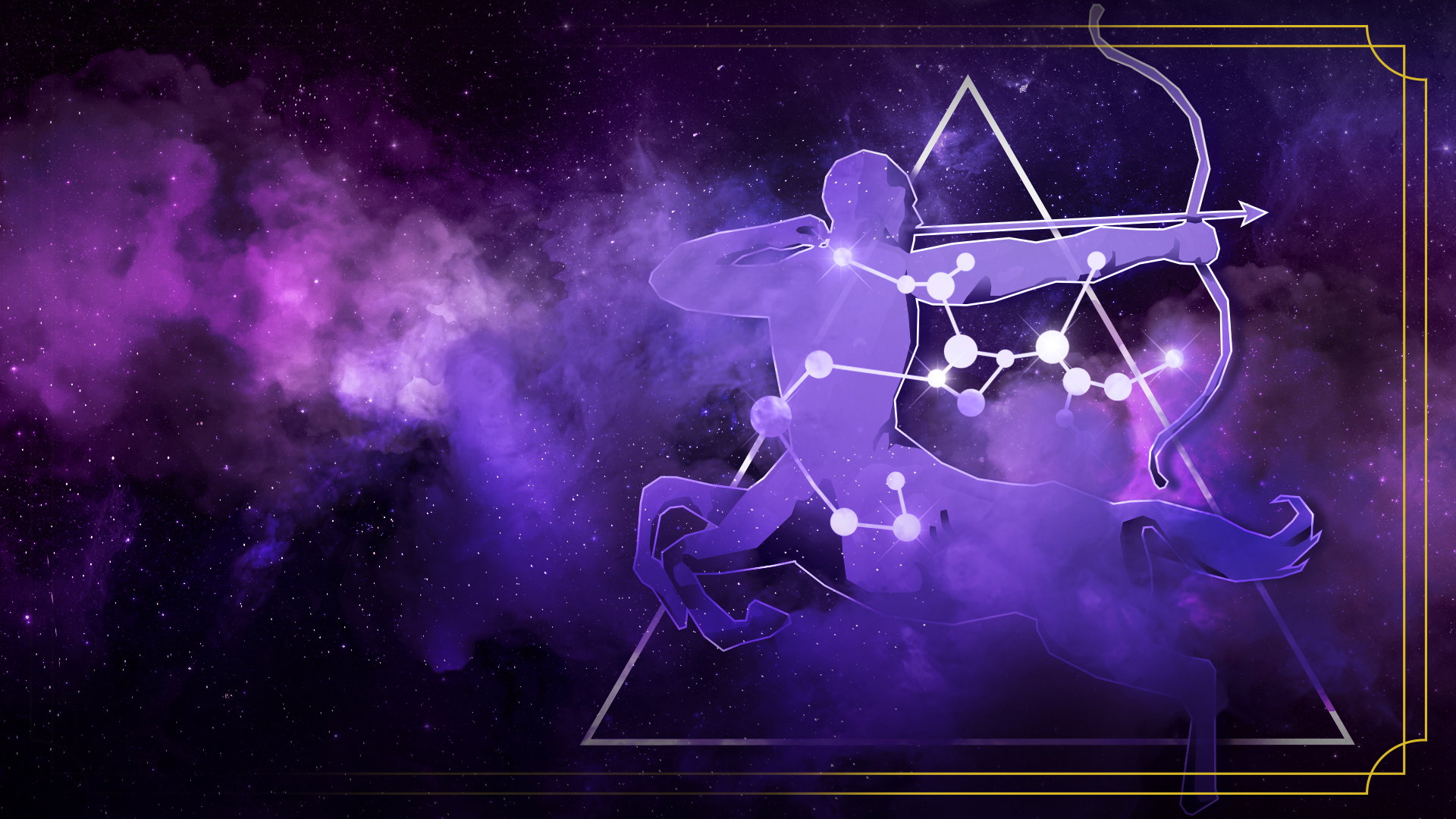
Often, those born under the sign of Sagittarius, the domicile of Jupiter, show in their personality such great faith in themselves that it seems that they are convinced that they are equal to the Sun. According to the principle "as above is below", the representatives of Jupiter here on Earth feel supported by the primary source of all power.
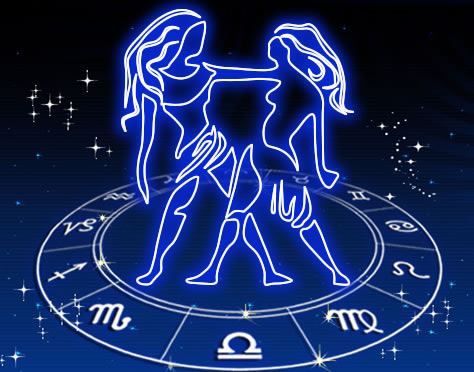
When an astrologer makes the map of the sky of the birth of a person, he includes in it the position of the planet Jupiter, and according to the sign in which he is or the part of the sky he occupies, he obtains information about aspects of his personality. The same is true of the birth map of a country. For example, in the sky at the moment of the birth of Venezuela, Jupiter occupies a relevant position along with Venus and Mercury, in the sign of Gemini. As a nation, our faith and optimism are variable and are associated with beauty (Venus) and intelligence (Mercury). But even more important than that, is the fact that on the map Jupiter is a little after its culmination (it has just passed the highest point in the sky).
This also occurs in the natal charts of daring, spiritual people, eager to grow in consciousness and explore new fields of knowledge. This is the case of characters like Ludwig Van Beethoven, Albert Einstein, José Gregorio Hernández, Pablo Neruda.
Júpiter, el regente de Sagitario (ES)
El dios Júpiter o Zeus, como lo llamaban los griegos, era el señor del cielo, el viento, las lluvias y el rayo. Se presenta como una deidad que, entregada a las aventuras amorosas, busca la manera de ocultar sus infidelidades a su esposa Hera (también llamada Juno). Era el dios supremo de los griegos, el protector de las leyes y de los mortales y el que dispensaba el bien y el mal.
Lo representaban como un hombre maduro, de cuerpo robusto, pelo largo ondulado y barba, vestido con un manto largo, un cetro en la mano izquierda y un rayo en la derecha. A sus pies tenía un águila. Como árbol se le asignaba el roble.
*****Significado astrológico de Júpiter*****
El planeta Júpiter representa la fuerza expansiva que tiende a conducir nuestro ser lo más lejos posible, sin límite de espacio o de tiempo. Júpiter es el crecimiento de la esfera de acción y de experiencia en la cual un individuo vive. Representa el deseo de crecer, aprender, viajar y ser libre. Júpiter presta poca atención a los detalles menores de la vida. Es una energía que busca amplitud, pero a veces puede generar exceso, arrogancia y descuido.
Recordemos que Júpiter, con su gran cantidad de satélites, aparece como un Sol en miniatura (es el primer planeta que el hombre observó con cierto parecido al astro).Galileo divisó sus satélites con el telescopio que construyó en el siglo XVIl. Los de Saturno fueron descubiertos mucho después. La semejanza con el Sol le dio a Júpiter cualidades simbólicas similares al astro rey: brillo, poder y energía.
Con frecuencia, los nacidos bajo el signo de Sagitario, el domicilio de Júpiter, muestran en su personalidad una fe en sí mismos tan grande que pareciera que estuvieran convencidos de que son iguales al Sol. Conforme al principio "como es arriba es abajo", los representantes de Júpiter aquí en la Tierra se sienten poyados por la fuente primaria de todo poder.
Cuando un astrólogo elabora el mapa del cielo del nacimiento de una persona incluye en él la posición del planeta Júpiter, y de acuerdo al signo en que se encuentra o la parte del cielo que ocupa, obtiene información sobre aspectos de su personalidad. Lo mismo ocurre en el mapa natal de un país. Por ejemplo, en el cielo del instante del nacimiento de Venezuela, Júpiter ocupa una posición relevante junto con Venus y Mercurio, en el signo de Géminis. Como nación, nuestra fe y optimismo son variables y están asociados a la belleza (Venus) y a la inteligencia (Mercurio). Pero aun más importante que eso, es el hecho de que en el mapa Júpiter se encuentra un poco después de su culminación (acaba de pasar por el punto más alto del cielo).
***Eso también ocurre en las cartas natales de personas atrevidas, espirituales, deseosas de crecer en conciencia y explorar nuevos campos del conocimiento. Este es el caso de personajes como Ludwig Van Beethoven, Albert Einstein, José Gregorio Hernández, Pablo Neruda.***
Are you really ready to live as a couple? (EN)
**Low self-esteem makes us believe that no one good enough will notice us or that we will not be able to.**
*I have a relatively young friend who is currently single. He has lived his forced singleness with tranquility, he could even say it with illusion. But in recent months he has started to feel visibly down and aggressive, caused by a sudden inability to accept and handle loneliness any longer.*
When talking with her, phrases that are repeated by other people who are in the same situation stand out: "I think I'm going to stay alone", "I met a few days ago with my friends and most of them are married and even have children" . "," I no longer want to go to family gatherings to ask myself if I have a boyfriend and when am I going to get married "," It is very difficult to find a partner these days ".
There are many reasons why an adult person is left alone and it is difficult to predict if at some point she will find an ideal person with whom she dreams of sharing her life. I think that a large part of the obstacles to overcome are in our minds and are the prejudices or beliefs that we acquire from a very young age and that are also usually reinforced by the comments of our friends and family.
For example, low self-esteem makes us believe that no one good enough will notice us or that we will not be able to maintain a relationship. Another cause could be our independent attitude, generated by living so long alone and having to solve all situations by ourselves, becoming self-sufficient and capable, many times we alienate other people from our side.
It can also happen that, having spent a lot of time alone, we have become accustomed to our freedom and our personal space, making it increasingly difficult to share it with another person who will be different from us in their habits and behaviors. But it is also possible that a difficult sentimental experience from the past turns us into aggressive and distant people, building an emotional shell that we do not see but that others easily recognize.
Another possibility is that our expectations of the prince are so high that we cannot find anyone to make us hear the bells. The latter seems to me to be one of the most common. We all know the theory that says: Having a relationship implies sharing part of our space of freedom and intimacy with the other person, so that we both feel included and taken into account. But are we ready to do it?
As we get used to living alone, we adjust our lifestyle to our needs and wants, making it difficult to give up part of our territory when it comes to sharing it.
This is the perfect time to start a self-observation process. Recognize your attitudes, listen to your words and look in the mirror to know the expression of your body and then ask yourself if you are the ideal person who can attract into your life that special person that you are waiting for. If the answer is no, prepare to be.
Nobody comes into our life by chance, each encounter is causal and if we want to change the pattern of the people we attract we have to make some significant change in our personality and behavior.
***Some keys to receiving love:***
****Value yourself:**** The first thing you have to do is recognize and value your qualities and the positive characteristics of your personality. Believe that you are a very special person who deserves to share his life with a person who respects, loves and values you enough.
Show yourself as you are and someone special will come into your life to share it.
****Forgive:**** The next step is to practice forgiveness towards that person who in one way or another affected you, making you build an emotional shell to protect yourself from pain and betrayal in a new relationship.
Fill yourself with love and forgive it, so that you can turn the page and heal your heart.
****Stop waiting**** : live your life with enthusiasm and joy. Be yourself, play a sport or a hobby.
It is important that you get out of the confinement you are in. Go ahead and have fun with your friends or co-workers, join a club or an activity where you meet new and different people.
Don't let loneliness drive you into a relationship without true love, making you pay dearly for a little love and companionship. You are a very special person! Let go of the past, stop worrying about the future, live in the present, life is wonderful, everything will be fine!
¿Estás realmente listo para vivir en pareja? (ES)
***La baja autoestima nos hace creer que nadie lo suficientemente bueno se fijará en nosotros o que no podremos hacerlo.***
Tengo un amigo, relativamente joven, que actualmente está soltero. Ha vivido su soltería forzada con tranquilidad, incluso podría decirlo con ilusión. Pero en los últimos meses ha comenzado a sentirse visiblemente desanimada y agresiva, causada por una repentina incapacidad para aceptar y manejar la soledad por más tiempo.
Al conversar con ella, destacan frases que repiten otras personas que se encuentran en la misma situación: "Creo que me voy a quedar solo", "Me conocí hace unos días con mis amigos y la mayoría de ellos están casados y hasta tienen hijos ". "," Ya no quiero ir a reuniones familiares para preguntarme si tengo novio y cuándo me voy a casar "," Es muy difícil encontrar pareja estos días ".
Son muchas las razones por las que una persona adulta se queda sola y es difícil predecir si en algún momento encontrará una persona ideal con la que sueña con compartir la vida. Creo que gran parte de los obstáculos a superar se encuentran en nuestra mente y son los prejuicios o creencias que adquirimos desde muy pequeños y que además son habitualmente reforzados por los comentarios de nuestros amigos y familiares.
Por ejemplo, la baja autoestima nos hace creer que nadie lo suficientemente bueno se fijará en nosotros o que no podremos mantener una relación. Otra causa podría ser nuestra actitud independiente, generada por vivir tanto tiempo solos y tener que resolver todas las situaciones por nosotros mismos, volviéndonos autosuficientes y capaces, muchas veces alejamos a otras personas de nuestro lado.
También puede suceder que, habiendo pasado mucho tiempo solos, nos hayamos acostumbrado a nuestra libertad ya nuestro espacio personal, dificultando cada vez más compartirlo con otra persona que será diferente a nosotros en sus hábitos y comportamientos. Pero también es posible que una experiencia sentimental difícil del pasado nos convierta en personas agresivas y distantes, construyendo un caparazón emocional que no vemos pero que otros reconocen fácilmente.
Otra posibilidad es que nuestras expectativas del príncipe sean tan altas que no podamos encontrar a nadie que nos haga escuchar las campanas. Este último me parece uno de los más comunes. Todos conocemos la teoría que dice: Tener una relación implica compartir parte de nuestro espacio de libertad e intimidad con la otra persona, para que ambos nos sintamos incluidos y tomados en cuenta. ¿Pero estamos listos para hacerlo?
A medida que nos acostumbramos a vivir solos, ajustamos nuestro estilo de vida a nuestras necesidades y deseos, lo que dificulta renunciar a parte de nuestro territorio a la hora de compartirlo.
Este es el momento perfecto para iniciar un proceso de autoobservación. Reconoce tus actitudes, escucha tus palabras y mírate al espejo para conocer la expresión de tu cuerpo y luego pregúntate si eres la persona ideal que puede atraer a tu vida a esa persona especial que estás esperando. Si la respuesta es no, prepárate para serlo.
Nadie llega a nuestra vida por casualidad, cada encuentro es causal y si queremos cambiar el patrón de las personas que atraemos tenemos que hacer algún cambio significativo en nuestra personalidad y comportamiento.
***Algunas claves para recibir amor:***
****Valorarte a ti mismo**** : Lo primero que tienes que hacer es reconocer y valorar tus cualidades y las características positivas de tu personalidad. Cree que eres una persona muy especial que merece compartir su vida con una persona que te respeta, ama y valora lo suficiente.
Muéstrate como eres y alguien especial entrará en tu vida para compartirlo.
****Perdonar**** : El siguiente paso es practicar el perdón hacia esa persona que de una forma u otra te afectó, haciéndote construir un caparazón emocional para protegerte del dolor y la traición en una nueva relación.
Llénate de amor y perdónalo, para que puedas pasar página y sanar tu corazón.
****Deja de esperar:**** vive tu vida con entusiasmo y alegría. Sea usted mismo, practique un deporte o un hobby.
Es importante que salga del encierro en el que se encuentra. Anímate y diviértete con tus amigos o compañeros de trabajo, únete a un club o una actividad donde conozcas gente nueva y diferente.
***No dejes que la soledad te lleve a involucrarte en una relación sin amor verdadero, haciéndote pagar un alto precio por un poco de amor y compañía. ¡Eres una persona muy especial! Deja ir el pasado, deja de preocuparte por el futuro, vive el presente, la vida es maravillosa, ¡todo estará bien!***
What is the art?
**Have you asked yourself this question several times? So do I and I think millions of people around the world have done it like us.**
Like most words in our language, art has its origin in a Latin word, said word alluded in times of the Roman Empire to the creation of objects, particularly those that could be the subject of aesthetic experience.
Such an idea was typical of the Latin people because, for the Greeks from whom the Romans took a good part of their culture, art referred to the techniques of material production. The aesthetic was only taken into account to the extent that some of these techniques served as a resource to represent or copy reality.
These two meanings of the word art are still preserved today. For this reason, and to differentiate them, when speaking of art in aesthetic terms, the adjective bella is added to the noun and any possible confusion is settled.
As for the meaning of art referred to techniques of material production, it is alluded to when these techniques are performed masterfully.
*****Then it is said colloquially, with admiration:*****
That is quite an art!
With what art So and so dominates the hammer! (or the plow, or a car, or any object that allows to carry out a job in daily life).
The notion of fine arts, as opposed to other arts that, by logical contrast, would then be the ugly arts, comes from the seventeenth century, when the Industrial Revolution separated work into three different ways of doing it: artistic, artisanal and industrial.
The artistic form referred to the ability to create aesthetic works, that is, beautiful and sublime although still associated with the imitation of nature or life in general.
The craft came to refer to the traditional techniques of material production, that is, to the way of producing objects one by one.
As for the industrial, he alluded to the production of objects in series, of little or no aesthetic value.
This separation has resulted in an overvaluation of the artistic fact and an undervaluation of the industrial fact. At present, only the artisanal maintains a certain balance in the consideration of people.
The undervaluation of the industrial has had a lot to do with the image that the factories offered at the beginning of the Industrial Revolution, which were considered dirty and extremely noisy places. It has also had to do with the separation into social classes of the members of society. For those in privileged social positions, art (and, incidentally, everything that is considered beautiful or sublime) must be elite and enjoyed only by those who can afford it. This same way of understanding the world postulates that those who lack material goods and, in addition, privileges, education, hygiene and good taste, do not have the right to enjoy art or their access to it should be as superficial as possible.
This is the reason why a mass culture has been created that aims to give the people "what the people want" or are capable of understanding. And, according to this same idea, what the people want and understand as they believe and want to be believed, is low, vulgar, corny, ridiculous.
This idea of the artistic, apart from being exclusive and foolish, perceives art as something to be possessed, instead of being enjoyed, understood, loved.
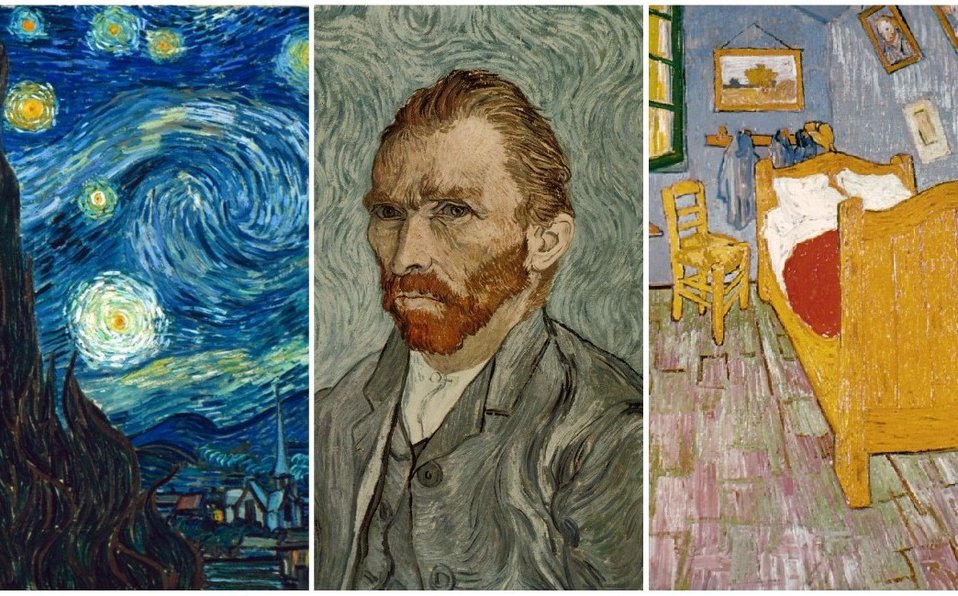
Poverty is only associated with the artistic in a romantic way, that is, seeing the artist as a tormented genius who lives in misery because he puts his high ideals before any aspiration of a material nature. This romantic aura acts as an economic incentive and increases the price of the works of the poor genius, yes, after he dies. That is the reason why today the paintings of the Dutch Vincent Van Gogh are auctioned for astronomical prices and, while he lived between 1853 and 1890, he barely sold two paintings.
Those who have paid tens of millions of dollars for any of Van Gogh's paintings know of the aesthetic value of it, but what they have sought is to own such works rather than enjoy them. To enjoy them, it would have been enough for them to see them as many times as they wanted in a museum, which is where they should be. Van Gogh's paintings should be known not only by a few people, but by all humanity, since they are part of the artistic heritage of this, such as the works of the Italian Renaissance masters Raphael, Michelangelo and Leonardo or the epic poems of Homer.
Evil geniuses.
***One of the favorite themes of police-style television series is the hunt and capture of murderous psychopaths who terrorize towns and cities. But what is a psychopath? How do you think? What are its most outstanding distinctive features?***
In a world like the present one, simply reading the daily press is enough to come into contact with information about people of great evil who brutally hurt their fellow men, through perverse acts such as rape, amputation, kidnapping and torture. Many of us may have wondered what is in the mental world of these depraved and perverse antisocials.
The dictionary of Psychology defines the Psychopath as an emotionally unstable person almost pathologically, although without notable mental disorders. Scholars of the subject indicate some psychopathic personality traits that are useful to us in understanding the matter. Psychopaths generally: They do not experience feelings of guilt, they exploit others in an insensitive way, they do not suffer easily from nervousness or shame, they reveal an inability to love, their affective relationships are usually very poor, they tend to be reckless, they can be irresponsible although some are perfectionists, they reject social morality, they lack true loyalty, they are extremely selfish and oriented towards their particular desires, they do not fear the consequences of their actions, and they can be apparently kind and charming. In general, they appear to be healthy people.
As possible causes of psychopathic tendencies, the following are mentioned: Karma, astrological predisposition, genetic inheritance, brain damage or sociocultural learning. According to a specialist in brain function, who supports the thesis of biological causes, there are certain brain conditions that limit the ability of some people to feel or recognize affectively even close people.
The theorists of emotional intelligence refer to the absence of emotional restraint, and to a triggered exacerbation of the most primitive emotional reactions.
On his part, Professor Robert Hare, an expert in psychopathic behavior, states that according to his studies, the typical psychopath can say "I love you" but without feeling anything different from when they ask for a cup of coffee. From this perspective, there would be innate factors related to brain biochemistry, which would drive certain people to act disproportionately and insensibly.
On the other side of the street are those who consider the social aspect as the main cause of personality disorders and the emergence of psychopathic personality; they include culture, relationships, parenting style. The most understanding people see these characters as almost normal people, although with very intense interpersonal, affective and behavioral symptoms.
A scholar like Ressler, affirms that there are "stressful agents that can trigger criminal reactions. Among these: conflicts with parents, partners, people of the opposite sex, economic difficulties, birth of a child, physical harm, legal problems, death of someone close, etc. Being overwhelmed by frustration and resentment can promote negative behaviors of a high degree of dangerousness There are cases of psychopaths that seem to confirm this thesis in a certain way.
The death of Ed Gein's mother triggered his psychopathic career. While after a heated argument with his mother, Ed Kemper virtually freaked out. Christopher Wilder, who traveled across the United States to rape and kill eight women, claims that he began killing after being rejected in his marriage proposal.
There are famous cases of actions by psychopaths, such as that of Bella Kis, a Hungarian gentleman who, after a painful love disappointment with his wife María, decided to charge the world his penalty with at least 21 homicides, 20 of them committed against women he previously seduced. . By the way he was never caught. Another striking case was Henry Landru, a refined and educated man, married with four children, who committed more than 100 murders of women, before being sentenced to death by guillotine in February 1922.
Charles Manson, the murderer of actress Sharon Tate, starred in one of the most notorious cases in the USA, linked to drug trafficking, child pornography, sexual abuse, and human sacrifice, it has been said that he was the son of an alcoholic prostitute, who never knew his father, and that he had a stepfather who dressed him as a woman. An anecdote relates that his mother wanted to exchange it once for several liters of beer. He was imprisoned and repeatedly raped and injured at the age of 13. His record shows us what someone so badly treated can do.
Perhaps one of the most famous, if not the most, is the Marquis de Sade, known for his sexual orgies and for his tendency to force women to please him with strange rituals that included physical pain and severe mockery of religious symbols on which he defecated for fun. It is said that he was beaten and raped in adolescence and that he had libertine relatives who initiated him into sexual depravity. He was imprisoned many times and died in the Charenton asylum, where he died on November 30, 1814.
It is important to note that despite the great medical and scientific advances in general, nowadays no method or treatment has been discovered or invented to guarantee the cure or cure of this disease. In this sense, the phrase of the criminal Carl Panzram has become famous, who once said: "I have no desire to reform myself. I want to reform people who want to reform me. And the only way to achieve it is by killing them.
***This motto is : rob them, rape them and kill them. " No case of reformed killer psychopaths is known.***
For us the important thing here could well be to accept the importance of these beings, learn to be cautious, and avoid severe abuse, and repeated to children and young people, since this physical or emotional damage can be a trigger for regrettable actions.
***Let us pray to God for a better world and act to help create it.***
Detect if abuse occurs
***The abuse does not happen suddenly, but begins with incidents. the ones you don't give importance and that it is better to stop in time.***
You meet someone you like and who likes you, you have a great time together and you end up forming a couple. Hormones do their job and you enjoy that feeling of fullness that only endorphins can give you: the world is a wonderful place where you float, and when you look at that man you see only positive things. However, you gradually take ground and see other details that you do not like so much. It is natural and healthy that it be so.
We go from being in love with the image that we have made of that person to real love towards a being of flesh and bone, with his defects and virtues. If the balance compensates us, we move on with the relationship; and if not, we will find a solution or say goodbye.
But as soon as we look around we will realize that, in practice, relationships can take other harmful forms that have not just been ended. The most serious cases, with fatalities, end up being the cause of sad and increasingly frequent news in the newspapers.
*****When something breaks.*****
But let's go back to understand better how something like this can come about. You have met a wonderful person, with whom you feel like and desired. But one fine day, something breaks for a moment so much happiness, when we are caught by surprise an insult, an inconsiderate treatment, a more or less veiled prohibition ("'I don't like you wearing that short skirt, for example). Something, in short, you feel like an unfair wound.
*****Anyone has a bad day*****
Instead of acting on it, we can ignore the evidence of our discomfort or excuse the other in a thousand ways ("He's under a lot of pressure", "He had a bad day", etc.), for fear of being left alone (that is, deep down, fear of not being loved). But then it happens again, perhaps the next day or a week later. And once again we let it pass, closing our eyes to the evidence that enduring such treatment undermines us.
*****Childhood habits*****
It's easy to get into that dynamic when we were not treated with respect in our childhood. How are we going to identify something as harmful when it was our daily bread?
As children we feel that the treatment we receive is what we deserve, and as adults we assume without realizing that this treatment (good or bad) is normal. If we were despised and devalued, the ground for abuse (physical and / or psychological) is paid, unless we do a work of conscience to be able to change it.
In this framework, it is very easy to fall into resignation, and thus inconsiderate behaviors will increase in intensity and frequency. An unsolved problem is like a snowball downhill: it can only grow or burst. We thus enter a spiral from which it is increasingly difficult to get out: our self-esteem suffers, and we increasingly try to excuse that person, "because deep down he does it without meaning to."
*****Better the good to know*****
Does that mean that all the bad answers, insults or blackmail will end up on the front page of the newspapers? Not much less. What it means is that there are many degrees of abuse, that all are harmful and that even the most serious is the product of an escalation of violence, subtle at first but not recognized and / or resolved. Does it mean then that at the first discussion, misunderstanding or rudeness we meet, we have to pack our bags and go out the door? Neither. It means that, above all, we have to respect so that they respect us. And that means saying what we think and what we feel, and finding a solution for what hurts us.
If you are currently not compensated to be with your partner, but you think that "it is better known bad ..., you may be chaining yourself. Sometimes for fear of living, we just survive. And other times not even that.
*****Don't expect a miracle to happen*****
Relationships are a way to grow, to enjoy and to support each other. From a health point of view, the options are clear: we should go ahead with what feeds us and abandon what harms us (and it is not only applicable to relationships). The first time someone disrespects us, we can say that it is their responsibility, but if that is repeated, it is also our responsibility.
Before ending a relationship it is, of course, advisable to try to solve the problems that appear (especially not to run into the same situation in the next relationship). Sometimes verbalizing what is annoying is enough to resolve the issue; others require partner agreements and commitments. The solution of the problems, in any case, requires the involvement of both. It can also be helpful to seek outside help. What does not work is trying to change the other or waiting for a miracle to happen. To truly love means to accept the other as they are.
If, despite our attempts and good intentions, the situation does not change, the healthiest thing to do is to end that relationship, celebrate the experience and appreciate the learning, which will help us next time.
**There are excuses that make us go easily from victim to savior. However there are a couple of important issues that we should not forget for the world.**
**You cannot help someone who does not want to be helped.**
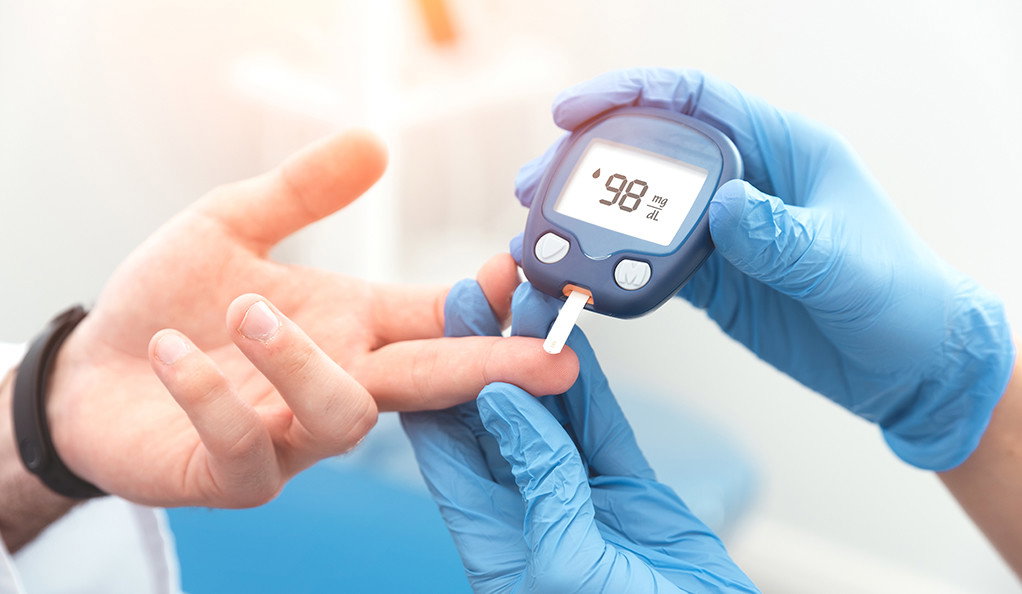
Diabetes (Sugar in the blood)
***It is a chronic disease that is characterized by having excess sugar in the blood and that, despite this, is a not sweet pathology that affects millions of people in the world.***
***Diabetes is caused when the body has metabolic problems, and because it is unable to properly store a type of sugar called glucose, it accumulates in the blood. This happens because the body makes low levels of insulin, a hormone produced by the pancreas that is responsible for keeping sugar levels within normal ranges.***
*****Exams*****
To establish the diagnosis of diabetes, a person must have very high glycemic values in the blood. These levels through routine checkups that are done annually or when a person is going to enter a job.
This study is performed through the analysis of a blood sample from the patient. Similarly, the doctor should take into account within the clinical history if other symptoms associated with the disease are present.
There is another study called a glucose tolerance test that is done orally.
The patient must be fasting and will be asked to ingest a solution containing glucose, before this, a blood sample will be taken and then every 30 or 60 minutes after having ingested the liquid. This exam can take up to three hours.
Glucose can also be administered intravenously for this test, however this form is less common.
If the patient does not control his blood sugar levels, he can develop other pathologies associated with this disease such as eye problems or even loss of vision.
*****Process*****
To understand this pathology, it is very important to know the process by which the body breaks down food to convert it into energy. First, glucose enters the bloodstream and the pancreas produces a hormone called insulin that must transport it from the blood to the muscles and liver cells to be used for energy.
People with diabetes do not produce enough insulin or their cells do not respond normally to it, which results in glucose not being able to move into the cells to be converted into energy and, therefore, it remains accumulated in the blood.
*****Classification*****
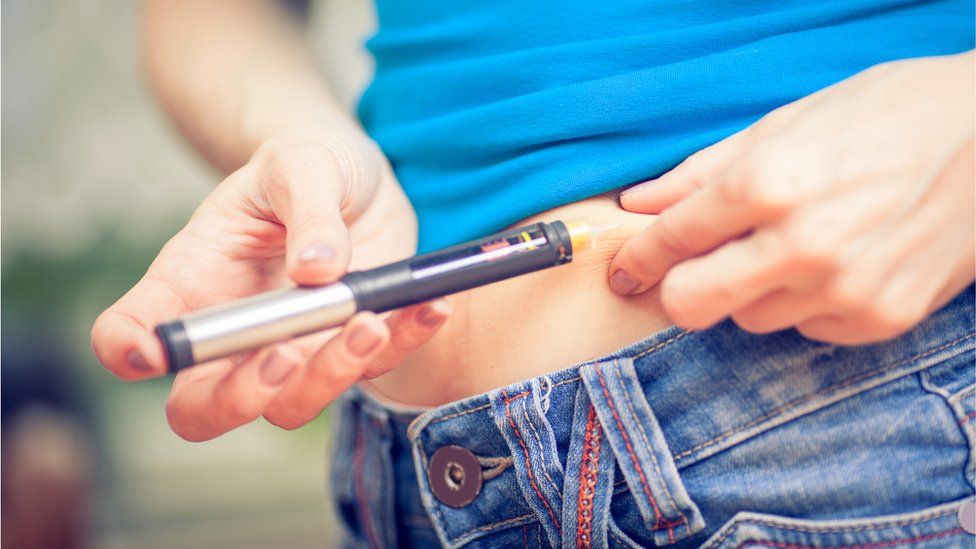
***Type I diabetes:*** It is diagnosed at any age but is most common in children, adolescents, and young adults. The pancreas of these people does not produce insulin, therefore these patients must inject this hormone daily.
***Type II diabetes:*** It is the most common form of this disease. In this case, the body does produce insulin, but at very low levels that cannot be used.
***Gestational diabetes:*** It is a type of diabetes that occurs during pregnancy, so it is considered an occasional disease. Usually the woman recovers her normal state after delivery.
*****Other data*****
People with diabetes must take special care of their feet to prevent gangrene from forming, also known as diabetic foot. The foot of diabetic patients is very sensitive or vulnerable, therefore, they should protect themselves with footwear, do not go barefoot, or wear very tight shoes or high heels.
To control diabetes, three basic measures are needed, having a balanced diet, practicing physical exercise on a regular basis and receiving the appropriate medication.
The drugs can be injectable or administered orally. If you want to prevent the onset of type II diabetes, you should avoid being overweight and sedentary. Type I diabetes is not preventable. To avoid complications you have to maintain constant medical control, monitor blood sugar levels and blood pressure.
***Symptoms***
Weightloss.
Fatigue.
Increased need to eat.
Loss of visual acuity.
Excessive thirst.
Increased urination
Irritability or mood swings.
Vomiting and nausea
Numbness of hands and feet.
Wounds that do not heal.
**It is important to acquire healthy habits.**
Who is the healthiest?👧👨
A thin child used to be a symbol of illness, weakness, rickets in short, of everything negative that can be related to the physical development of a child. And, of course, he could not even be called "cute" no matter how well defined his actions were and how well proportioned his body was. He was simply ugly! On the contrary, the plump, meaty shaped like rings all over the body, it was the symbol of overflowing health and how to doubt it with those colors on the cheeks?), of strength and, of course, of physical beauty. In other words, the fat child (not to say that the notion of thick today would be translated to obese) was a symbol of everything positive in the physique of a creature that, in turn, promised great advantages in the mental aspect. Today, however, these notions have completely changed .
Years ago, when diseases were rife and modern antibiotics to combat them did not exist, being thick represented a certain resistance against all childhood diseases. So thin children tended to be sicker and to die more often. But today, when the fatal childhood diseases have almost been eliminated, it is proven that being thin is a great advantage, while being thick from early childhood only carries the danger of later having a tendency to extra kilos and, as a direct consequence, to reach adulthood with cardiovascular problems.
Despite the fact that this new concept has not begun to be defended and disseminated yesterday, many mothers remain with the ideas of our grandmothers. These, when they take a chubby newborn in Their arms, they see the puffy cheeks and the rolls in the arms, hands, legs and feet, and they find it charming. They even comment with great pride that the child has increased from the beginning and that she already has more weight than usual for her age. In short, they consider him an "advanced" child.
Unfortunately, one in twenty newborns in the Western Hemisphere weighs more than 4 kilos at birth. This weight, which is too high, is the product of the lack of care that the mother has observed in her diet during pregnancy, despite the importance that the obstetrician gives to the fact that it is kept to a minimum for health of the mother and the child and, of course, to facilitate the process of childbirth
After being born, these mothers who may even be described as modern "fall into the same obsession as their predecessors: making the child fat, and they use all the means to achieve it, from entertaining the child with a story while they give the compote until they squeeze their noses to make them pass the spoonfuls of porridge through their mouths, which they open to breathe. What a martyrdom this represents for the baby with a normal appetite! And what a negative satisfaction for the glutton! doing enormous damage.
**Adult weight is defined during childhood**
Many specialists believe that the mother's weight gain during the first three months of pregnancy determines the weight of the newborn at the time of delivery. In this case, the danger of an increase above normal directly affects the mother, for whom the last months of pregnancy are much more difficult and for whom labor will certainly be more difficult than for the woman who has been able to support a suitable weight.
The thick newborn, like its mother, has a layer of subcutaneous fat greater than normal. Therefore, women who start their pregnancy already fat, should be much more careful in following the diet that the specialist gives them; These women must take special care to avoid sweets and pay attention to nutrition, so as not to ingest additional calories in desserts and take advantage of them in meat and vegetable dishes, rich in protein and vitamins.
When children are born with more than 4 kilos of weight, they have the probability of developing normally, as long as they later lose the characteristic fat of the baby. But the problem with chubby children is that mothers continue to fatten them through infancy, and the result is that they later grow into fat teens and adults.
It is proven that babies born 25 or 30% overweight not only have more fat cells, but they are larger in size and in concentration of fatty elements. This close relationship between the number and concentration of fat cells and the weight of children is in itself a reason for the mother to fight overweight in the child from the beginning, by creating good eating habits
Until a few years ago it was believed that the number of fat cells was fixed at birth, and that the only thing that could be changed was their size, over the years. It is now known that fat cells increase easily, especially in children who weigh more than they should be for their age and size. It has been proven that there are two-year-old children so fat that at this very young age they already have the same number of fat cells as an adult of normal weight.
You have to be very aware of the critical periods of the child in relation to their nutrition. The time between the first year of life and three years, and between 14 and 18 years, are key in the adult weight afterwards. Overfeeding the child or adolescent in these two periods usually leads to fat problems later. Because what is increased in the number of fat cells during the first six years of life, later is very difficult to alter, and the weight of the adult, therefore, will always tend to be much higher than it should be. and desired.
The human body can be compared to a machine that requires enough fuel to function; But unlike the machine, the body also needs energy to make more cells. For correct nutrition you need 60 calories per kilo of weight. What is eaten beyond this index of need, becomes fat. Of course, newborns are unaware of these facts. However, nature only makes them suckle according to their needs (when they are breastfed). This being the case, they should never have weight problems; But as there are mothers who either do not breastfeed or supplement the breast dose with bottles, the chances of being overweight through the years do not disappear.
In addition to the damage that fat represents to health and how unsightly it is today, the mother must think about the disadvantage at which she places her child with respect to her schoolmates. While the thin are generally physically agile, the fat easily tire from physical activities, so in most cases they prefer not to participate in games and sports like the rest of their friends. Thus, they suffer from certain complexes, since they even become objects of ridicule by others. Several studies have found that 25% of schoolchildren are overweight and, among this percentage, 97% have no reason other than eating too much.
When a newborn is born overweight, what is recommended is a diet based on few cereals and many fruits and vegetables; that is, a lot of protein and few carbohydrates. As soon as she begins to crawl, she should be given plenty of free space to exercise enough to burn off calories. In any case, whether the child is chubby or normal, proteins, legumes and fruits with residue are of greater importance during the first three years of life. Following a diet based on these three elements, in which there are hardly any carbohydrates, it is difficult for the child to go beyond her normal weight.
Despite all these facts, which make the thin child see as healthy and pretty (yes, the aesthetics say somodern), are you still worried because the child is thin? Let's go!
Stop obsessing over those ideas of the past and enjoy your perfectly healthy baby, future man or woman without weight problems. And always remember what the pediatrician will have told you: "No child goes hungry with food within reach.
**Thanks for your attention, I hope you like it!**
I want to work but what do I do with the children?
*The mother should find a trusted person who can stay with the child. Children need security. It is impossible to obtain it without a suitable person providing the necessary care so that she can develop her personality normally.*
Every day there are more women who work outside the home and, therefore, there are more children who become "children of mothers who work. The controversy over whether mothers who have babies should or should not do or, extends from Stockholm to Buenos Aires, from Paris to Chicago.
Most of the discussions around the problem start from the simple fact that many women are already working because they have to work to live or to help their family. Let's start by analyzing the problem starting with children, from the moment of their birth, considering what their needs are and how we can satisfy them. With this we will be closer to solving this problem, because if we stick to the statistics, we will see that they show that the children of working mothers are, for the most part, healthier than those of mothers who stay at home and that they progress in their studies the same as those who have their mothers all day. But this is not what we will refer to here.
A baby needs continuous care. All the studies that have been done on this indicate that a very frequent change of the people who care for him has a negative effect on him emotionally. When a woman works all day outside, it is extremely difficult for her to provide this continuity. A young child needs someone to be genuinely interested in him, to give him hours of attention, responding to his games and initiating others, talking to him, noticing his changes of expression, reinforcing the activities he has learned and encouraging him to have confidence in himself . Babies who are raised in institutions, although they receive good physical care, often do not develop well and can even get sick and die.
Mothers, by simple definition, but more often because they want to, are happy watching and playing with their babies, and even with the children of others. Parents, in general, although they enjoy other children, prefer their own.
This ability to provide continuous care for a young child, which we usually associate with the mother, is essential in the educational system that characterizes our society. What the mother does in the years before school is essential to the success of what the teacher will do afterward. When there is a very large discrepancy between what the mother did at home and what the teacher is able to continue at school, teaching does not work properly.
A baby, who is given continuous and satisfactory care day after day, during that sensitive period between eight months and two years, develops a feeling of confidence in himself and in others, which will help him later to adapt and overcome changes in people and places. This continuity means that a single person is with him part of the time day after day, bathing him, tucking him in bed and, above all, giving him food. Without this continuity, it has been found that, without this continuity, children's ability to trust the world, leave home temporarily content (that is, without crying), and develop stable relationships with other people later in life is greatly diminished.
So, the basic question that arises is how to ensure that the babies of mothers who work outside the home receive the care they need, either because the mother stays that time with the child or by looking for a person to do so, either a grandmother, a neighbor, a sister or her own father, if her schedule allows it. Governs and other intelligent or trustworthy people, with the right personalities that require the constant care a child needs, are very difficult to find today. And there is no state institution that can afford to pay the kind of people with the required training.
The experience with the "kibbutz" of Israel (a kind of communes), which has been widely studied and commented on by Dr. Bruno Betelheim in his work "Los
Children of a Dream ", has shown that the person who is in charge of many children, and who therefore has to divide his time among many babies of the same age, is not loved by them and ends up being rejected. The mother, whose Taking care of your baby is limited to breastfeeding the first few weeks and then visiting it two or three times a day in the place where it is cared for, it also fails, as it does not provide a stable point of reference. Children raised in the "kibbutz "They support each other and seek each other the affection that they would normally have obtained from adults and, as they grow up, they tend to maintain those ties, to depend on their group and to remain locked in the 'kibbutz way' all their lives.
On the other hand, in our economy, it would be nearly impossible to employ truly competent and trained workers to care for infants and toddlers on a running eight-hour shift. But even if the nurseries we need existed, and mothers who work out of necessity could afford them, they would never have enough staff for the baby to receive that sense of continuity that he needs, being in this Play for up to maybe ten hours a day.
Meanwhile, every day pressures are increasing for women to work, even with very young children. Mothers with one, two, three or more children are desperately trying to solve their financial problems, and the only way to do it is by working. Those who really need to do so are joined by the women of the so-called middle class, who are pressured to work in the name of self-realization (they must overcome themselves), although in truth it is a disguised way of forcing them, because in this way they help society, and that they are women with an education.
On the other hand, the need to abolish large families and this must be done if we are to join the rest of the world in the effort to control the disastrous increase in population is resulting in hostile environment towards children. Facing these changes, what hope do we have of establishing a massive interest that allows, in some way, that the woman who is forced to work has a place where her children have continuous care? Perhaps in ten years time a consensus will be reached so that everyone realizes that the attention given to each child is of great value to society.
But first, what other roads open before our eyes? When I speak of open roads, I mean those that social networks, information media and professional agencies open, due to the great influence they have on public opinion. So they can support laws that implement changes in work habits and create new kinds of life.
Another simple step would be to return to natural nutrition, in which the mother breastfeeds her child, a system that has become popular again among the most intelligent women. Breastfeeding had been gradually eliminated as the bottle system was adopted.
Mothers have been made to see the advantage of breastfeeding her child, due to the psychological bond that it establishes between them. But this has another advantage for the working mother.
If accepted as necessary by the government and employers, arrangements would be made for the child to be close to her mother for the first six months of her life.
Industries can create daycare centers or establish staggered hours, as has been done in many countries.
But this only remedies the baby's needs during the period when his ability to trust others is developing. They have another need that is related to development or nabla and motor skills: that there is a person with whom the baby can establish reciprocal communication every day, that recognizes when he has mastered a new skill, that stimulates his progress or worry about the lack of it. It is this individual attention from a person, mother, father, grandfather, governess, etc., that differentiates the development of children who reach full capacity from those who do not. It is this attention that allows them to better use their natural intelligence to master new situations.
In the large families of old, and in a neighborhood where everyone knew each other, there was a realization of the need for each baby to have a person who understood their first babbling and attempts to speak, their personal language and her wishes. But among the changes that have occurred with modernization is that of the family, now of the "nuclear" type, which has replaced the great family of yesteryear.
The child must be under the constant care of the person who is raising him. We have the car, the playpen, the milk bottle, which is now plastic (which means that the child can be left alone with one thing instead of the person having to be vigilant against the danger posed by a broken glass). When the child is weaned, and in a way separated from her mother, she also withdraws from him in many other ways. Paradoxically, this makes it easier to leave the child with another person, but also for the other person to reject him, leaving him for hours in her crib or playing alone.
We should encourage the kind of home and the kind of social behavior that keeps grandparents close. Give more importance to the stability provided by a neighborhood and known neighbors, and do not look for a cheaper place or closer to where you work. A stable residence means a familiar neighborhood and a friendly exchange for babysitting between everyone. Perhaps you have to come up with a kind of cross between the typical nursery school and the mother of the whole block. That is, a house where a baby can be left in an emergency and where phone messages can be received (If a boy suddenly falls ill at school) and even where a hungry little one can order a jelly snack and stay a while when he leaves school.
***All of these things were once handled by the extra aunt in almost every family. In our time, these same tasks can be carried out by women in the neighborhood, including those in the suburbs, where there are practically no services to take care of children.***
***All these suggestions are aimed at establishing more auxiliary and family contacts for the working mother and her children. The combination of nursery school and groups in which both working and non-working women share and share all childcare tasks is an emerging lifestyle. With enough people around, working at different hours and taking care of different tasks, some single, others retired, it is possible to establish a flexible regime, within which the youngest children can maintain that continuity with their mothers, grow and, consequently, mature .***
Many times hunger and cravings are simply a sign of thirst
***Those who have swollen limbs think that reducing their water intake will help prevent fluid retention. Well, that is not so.***
Water is the most essential nutrient and the first liquid for human life. Two thirds of our body is made up of water. We can survive for months without food, but without water we would die in 12 days. Apart from air, water is the only element that enters our body every day of our life. It is present in every cell and tissue in our body and plays a vital role in almost all biological processes in the human body.
Most people are not really aware of the importance of water for overall health and vitality. It is estimated that only 10 to 15% of the population drinks B or more glasses of pure water per day. The importance of drinking adequate amounts of water increases with age. Many people (especially older people) do not consume or retain enough water to maintain good health and a long life.
As we age, there is intracellular dehydration, a factor that is linked to the fact that it increases the loss of sensitivity towards the sensation of thirst. As the body matures, the body retains less cellular water (up to 10 to 15% less at the age of 65). The typical phrase "Be well for your age" is closely related to a diet rich in fruits and vegetables together with a low intake of overcooked food, table sugar, salt ... all this linked to reality. ***DRINK A LOT OF WATER!***
*****Water and digestion*****
Water is a very important component in digestion, especially in a digestive system belonging to an older person. In younger bodies, the process of "breaking down" food and converting it into simpler forms to be absorbed by the body is done in a very basic way.
Both the digestive and metabolic systems undergo relatively little change over time, but there are some that do occur.
Intestinal mobility or peristaltic movements, the ability of the intestine to move food by contracting the walls of the intestine, decreases with age. This increases the time it takes for a food to be fully digested and eliminated in the form of feces, causing a person to be more prone to cramps, bloating, gas, constipation, and even colon cancer.
Often, a lack of fiber and water are to blame for creating dysfunction in the digestive system. Diverticulum is an anatomical change in the digestive system produced by the formation of small diverticula in the bottom of the large intestine of a person. This disease affects one third of people over 45 years of age and two thirds of those over 60, with women being more prone to it. The best way to prevent this disease is to eat enough fiber and drink 6 to 8 glasses of water daily. It can also be prevented reducing strong laxatives and enemas that steal body fluids and add pollutants to the body.
On the other hand, people who suffer from spastic colon or irritable bowel syndrome experience alternate phases of diarrhea and constipation, accompanied by painful cramps and gas. Spasms occur because the musculature is not uniform in consistency, some parts are hard and compact while others are very permeable. Eating a diet rich in soluble fiber and drinking enough water daily can go a long way toward normalizing a spastic colon.
People who suffer from constipation can also benefit from drinking large amounts of water, because it favors extremely hard and dry bowel movements.
*****Water and weight loss*****
Many people, who have swollen limbs, think that reducing their water intake will help prevent fluid retention. Well, that is not so. It often gives the impression that the body has too much water in the system because the hands, feet and eyes are swollen. However, the problem is simply that the water is deposited in the wrong place and therefore the kidneys need to increase their water consumption to remove the excess fluid.
Many times, hunger and cravings are simply a sign of thirst. Drink 2 glasses of water beforehand, wait 10 minutes and then see if you are still hungry.
You will find that you do not have to eat as much to feel full or that the cravings pass completely. Remember that by drinking diet sodas like colas instead of plain water you are filling your system with sweeteners, minerals and chemicals that alter your metabolism, cause fluid retention and increase your cravings.
Likewise, there are foods that can contain up to 90% water. Fruit, for example, has a high water content and is a perfect substitute for desserts and snacks. Always have a wide variety of fruits, apples, bananas, papayas, kiwis, grapefruits, etc. on hand, but stay away from others such as avocados and nuts; Although these foods are high in vitamins, their fat and cholesterol content is quite high. The last challenge would therefore be to replace your cravings for sweets with fruits.
Finally, drinking cold water absorbs calories from the body by lowering body temperature. The body is a heat generating machine and recovers this loss by burning fat.
Although the calories burned are minimal, drinking cold water on a regular basis can cause you to burn some calories effortlessly.
***Drinking cold water absorbs calories from the body by lowering body temperature. The body is a heat generating machine and recovers this loss by burning fat. Although the calories burned are minimal, drinking cold water on a regular basis can cause you to burn some calories effortlessly.***
What to do with teenage children?
***Do you remember your adolescence?***
***Surely so, but, as we mentioned earlier, adolescence itself is examined from a new point of view when you have a child. Children often reproach their parents: "Remember when you were young!", And parents often reply: "Precisely because I remember ...".***
This is a stage that brings together special characteristics that are observed in most families. To the amazement of his parents (how, if only yesterday he was a child?) And himself, the pre-adolescent or pubescent begins to experience a series of consumptive and emotional changes.
****Boys****
Males appear to be made of wire; His arms and legs are long, his trunk too short. Their voices begin to change and their tone becomes somewhat unstable; Hair sprouts all over them and they become clumsy in their movements.
They begin to prefer the company of their friends to that of their family, they prefer to go dancing than go to eat at their grandmother's house, they begin to feel new things, they like girls and fear them tremendously; when they try to approach a member of the opposite sex they turn pale, sweat, stutter, and withdraw.
Conflicts with parents become frequent and more violent than in previous stages; This is because they begin to question the values instilled by the family, to adopt their own.
****The girls****
Young girls physically mature faster than boys. Their growth is less noticeable and they are acquiring the body of a woman. They begin to worry about makeup, hairstyle, fashionable clothes. It is the age when they stop eating because they feel overweight, although this is not true.
When you see a pimple on your face, you are in real conflict; they spend long hours in front of the mirror while they contemplate themselves and think about the day their prince charming will arrive ... In addition to this, telephone bills also increase considerably.
****Parents****
Also for parents, the growth of their children implies a series of changes and adaptations. Dad, who just a year or two ago was an idol, is now an "old man with old fashioned ideas"; mom "gets mad about everything"; and it all ends in "nobody understands me." The boy or girl in question runs to lock himself up in his room and listens to the rock group of his choice at full volume, trying not to think how unhappy he is.**Faced with this situation, parents of adolescents ask: "How should I drive my children?"**
****Teens and school****
Adolescence not only involves changes in physical and emotional appearance; it also represents greater responsibilities and a strong change when it comes to the school environment. At this stage, middle school begins, that is, high school, high school or equivalent.
Think and remember what this implies for the young student. It represents a transition from elementary school, in which he had one or two teachers and in which he was still treated as a child, to a school where the first phrase heard from the teacher is: "This is already primary, you guys. They are already young and from now on they will have more work and responsibilities.
They will have to do teamwork and study hard if they want to be someone in life. ”This is enough to scare anyone.
But, on the other hand, we could not pretend that all of life children were just that, children, and that they will never mature. Therefore, what they have to do is adapt to their new life circumstances.
Studious children suddenly become rebellious, "I don't know what happened to him, he always got good grades," say anguished parents. And of course, this anguish does not stop there, it brings its consequences: punishments begin, friends and parties are forbidden.
Of course this is not the case in general. The opposite is also often the case, and the child does not necessarily deteriorate in school performance, but simply becomes an introvert and is concerned about his grades.
Once the most frequent cases have been exposed, and that you will surely know in depth if you have teenage children, let's see.
***What to do with teenage children?***
The importance of this stage in the future life of the young person should be considered in the vocational aspect. As already mentioned in previous points, it is extremely important that the inclination that your child has for this or that profession is discovered. This preference must be respected and the boy must be encouraged in his choice.
The degree of demand must increase, but not precisely from the parents towards the son or daughter, but from the young person towards himself. Here the habits formed and the principles instilled in childhood must bear fruit; If these are solid, the adolescent will overcome this stage as he has done with the previous ones, and as he will surely do with the later ones.
Therefore, if for young children we suggested little parental intervention regarding schoolwork, now with all the more reason we reiterate it. Again, this does not imply that children become totally independent, because there is a certain ambivalence about it or they want to be adults, and at the same time they need protection from their parents. Nor should poor school performance be supported; you just have to be discreetly aware.
***The communication***
This is the main factor of conflict in many families, and the success factor of many others. Open, healthy and sincere communication allows a rapprochement between parents and children; allows you to share wishes, feelings and concerns, avoiding misunderstandings.
If this sounds utopian to you, it would be convenient for you to remember that communication constitutes the main factor of unity and continuity between human groups, and that the family, being the basic cell of society, should be the starting point for promote communication.
Just look at families who have problems with teenage children (alcohol, "undesirable" friends, dropouts or poor school performance, strange clothing, etc.) and you will discover that, deep down, there is a greater or lesser lack of communication scale. Young people do not trust their parents, parents say that they cannot talk to their children.
***Who are right? Perhaps there is reason on both sides and the question would be simply to ask, who will take the first step?***
Talk to your children about the issues that concern them, such as sex, AIDS, alcohol, drugs, career choice, dating, etc. never withhold information from them "to protect them." Think that if they are in a dangerous situation, it is easier for them to identify it if they are well informed "Ignorance does not make wise.
If you feel uninformed on some topics, look for suitable literature or turn to a person you trust who has the necessary elements to guide you.
Remember that if you did not maintain constant communication during your children's childhood, in adolescence it will be more difficult, but not impossible. If you are willing to guide your children, it is never too late to seek an opportunity for dialogue.
***Open, healthy and honest communication will allow a true rapprochement between parents and children.***
Observe, a means to discover and learn.
***Involve your children in the concern to know, observe and discover, that although it is natural in all children, it gets lost with the passage of time.***
***We are so used to a fast pace of life that we do not allow ourselves to contemplate a sunrise, a sunset, a flower or a star.***
In the same way that curiosity to know is taught and learned, the refusal to acquire knowledge as well, convey to your children that being in school is not an obligation but a privilege that will allow them to grow as people in the intellectual, social aspect , physical and spiritual.
***Be aware of the concerns of your children.***
Be attentive to your child's abilities and inclinations. If your son or daughter has a great concern to discover and explore, don't hold it back; rather, encourage it. Of course, action limits must be established. The desire to explore should not be in conflict with the rules of behavior or basic safety rules.
Precisely because of these concerns we will be able to know the character of children, which will greatly influence the profession that the child chooses when it comes time to define their path in life.
It is very common for children to be taught that they have to be doctors, lawyers or engineers, "like your dad", and girls, psychologists, nurses or dancers, "because I wanted to be and I didn't have the opportunity", when in actually the child wants to be a journalist or astronomer. This only leads to training in the future professionals dissatisfied with their work, when, if their vocation is respected, they will be fulfilled people who will seek to improve themselves day by day.
****Important tips****
When you go out for a walk, observe and discuss everything around you with your children. Give yourself the opportunity to stop to contemplate nature, zoos, museums and libraries are excellent places to observe and learn.
If your children are young, provide them with books that encourage their interest in discovering the world around them. Even if they can't read, large, colorful illustrations will stimulate their minds and imagination.
Have you ever commented to your child: "I work very hard to pay for your school and for you to become someone?" Think that the child will feel pressured if she knows that her education is a burden for you, it will be more pleasant
You are used to talking with your children as you do with a friend. If you are not used to doing it, do it that will better facilitate your relationship with your children, open an open line between father and children.
Have you thought about the future profession of your children? Would you like him to choose the same profession as you or the one that you would have wanted? Or would you like them to choose for themselves?
Allow your child to choose the place that they consider appropriate, where he feels most comfortable, as long as it does not endanger his health, or his well being.
***Take time to rediscover the world around them with your children.***
Healthy, healthy frog tail,How to relieve diaper rash and other discomforts in the baby's skin.
***One of the annoyances that most commonly steals the baby's smile and with it, his mother is dermatitis, as the skin of the youngest children is especially sensitive to fungal conditions, as well as to irritation due to humidity, giving rise to to what is known as diaper rash, there are simple measures with which you can avoid what hurts so much the tranquility of the little ones.***
**How to recognize diaper rash:**
The baby's tail is red and swollen, with swollen bumps around the diaper area. If the dermatitis also has pink bumps around a red part of the diaper area or around the baby's mouth, it may have turned into a fungal dermatitis, which needs to be treated with topical antifungals.
**When it's not diaper rash**
According to experts, what is believed to be diaper rash on the baby's bottom may be another mild skin condition, typical of childhood. Therefore, it is key to recognize the difference between diaper rash and other conditions to treat them effectively, such as seborrheic dermatitis and prickly pear, which are commonly confused.
Impetigo is a contagious bacterial skin infection that appears in the diaper area, on the face and hands, with pimples and honey-colored sores that blister and itch. Due to its contagious nature, all members of the family should wash their hands very well with antibacterial soap to avoid contagion. Faced with this type of injury, the pediatrician should be called, who will prescribe an antibiotic or oral antibiotic cream.
For its part, seborrheic dermatitis is a common skin condition that affects children in their first year. You will find raised, rough, red patches covered in thick white or yellow scales on the baby's groin, genitals, and lower abdomen.
When similar patches appear on the scalp, the lesion is known as cradle cap. It is treated with over-the-counter cortisone or hydrocortisone ointment to the affected area. Keep the baby clean dry. If the condition does not improve, the pediatrician may prescribe a stronger cortisone cream.
**What is the cause of diaper rash?**
Most cases of diaper rash are the consequence of skin irritation due to moisture.
Changes in skin pH, protein damage from bowel movements, and secondary infection with bacteria or fungi are the main culprits.
**Here are some of the most common causes:**
Not cleaning the diaper area properly. Because diaper rash is caused by the pH changes that occur when bowel movements and urine combine, you will need to gently and thoroughly clean any dirt from your baby's sensitive skin.
Use an alcoholvfree cloth or soft washcloth and warm water. The skin has less of a problem with water alone, while other butts may need a mild soap.
Avoid cleaning with rough cloths, as this will only make the dermatitis worse and your baby will feel more fussy. Although most baby wipes do not contain alcohol, be sure to read the label and avoid any, as this will make the dermatitis bothersome and more irritating.
Not changing diapers often enough. Studies have shown that children who are changed at least eight times a day have diaper rash less often.
**Frequent diaper changes are important for two reasons:**
1) Prolonged moisture makes the skin fragile and prone to dermatitis.
2) The more time urine and bowel movements spend together, the more time the enzymes in the stool will have to hurt the baby's skin, which, due to its immaturity, does not yet have the protective layers that develop with age.
Fungal infections Once your baby's skin has been moist for a long time, it becomes susceptible to fungal infections, the most persistent type of diaper rash.
Antibiotics can cause diarrhea, which in turn could lead to fungal dermatitis, which you will recognize by the pink, reddish or white pus-filled bumps surrounding the diaper area. The baby may also have white patches in the mouth and the mother may have sore breasts if she is breastfeeding. See your pediatrician for antifungal treatment if this persists.
**Prevention and treatment**
**Tips to prevent diaper rash:**
Make sure to change your baby's diapers as soon as possible when they get dirty.
Clean your baby's genital area carefully after each bowel movement and allow the area to dry being careful not to rub the skin too much.
Put a protective layer of ointment or petroleum jelly on your baby's bottom.
When you put on a clean diaper, don't close it too tight; let some air circulate.
Try to use extra absorbent or petrolatum-treated diapers on the top layer that is in contact with your baby's skin.
Check your baby's diaper area a lot if she is taking antibiotics, or has diarrhea.
**Here are some proven methods of treating diaper rash once it exists:**
Air out the skin, let your baby spend some time every day without the diaper (although you may have to leave a diaper or cloth nearby in case of an accident).
After a bowel movement, clean your baby's bottom and dry it well before putting on a diaper.
Apply a thick layer of zinc oxide or petroleum jelly ointment, or one recommended by your baby's doctor, to prevent urine from reaching the affected area.
If all else fails, try another brand of diapers or a different washing powder. If your baby uses cloth diapers.
If the dermatitis does not go away after a few days or if blisters with pus appear.
***Seborrheic dermatitis is common in babies under one year of age, but easy to treat.***
How to prevent diabetes?
When one of the two spouses is diabetic (and more if they are both), all preventive measures towards the child are few. Now, there are more and more diabetic children, regardless of the state of health of parents. And the main cause is obesity. There is a series of standards to reduce risk:
That fruit juices that you give to children are 100% natural, and that do not exceed 4 to 6 ounces (V2 to 4 cup) per day.
Do not animate children to "clean the plate" in meals. Let them eat your way: your organism knows when you should stop.
Serve highly nutritious foods, such as whole grains, fat-free dairy products, fish, fish (better those who have low mercury content, such as cod, tilapia, sole) and good amount of fruits and vegetables (insist on offering them one again if at first rejects them).
Reduces "empty calories", decreasing the consumption of sweets and other processed foods, carbonated refreshments (sodas), and other sugary beverages, including energy drinks.
Cut the consumption of saturated fats. Avoid fried foods, greasy sauces, get used to eating lean meats.
Try to do exercises and do not be sitting in front of the television. Plans family walks.
They all go swimming to the pool, etc
*Parents should eat healthily. This is the best Förmula: it preaches with the example. Children do what they see to make their elders.*

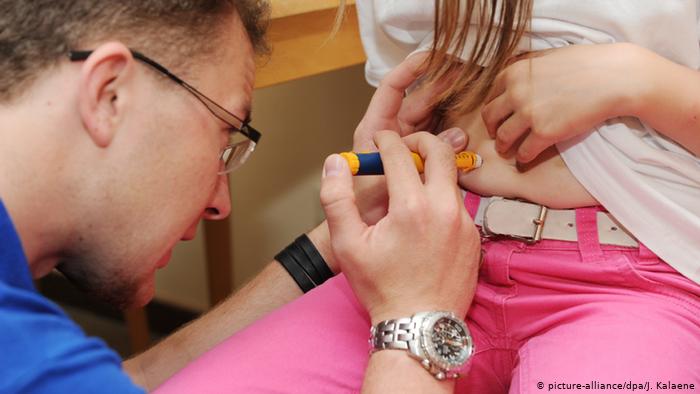
Is my son more crying than usual? It is a normal phenomenon.
***Children who continue to cry excessively, without an organizational or psychological reason to justify it, run a greater risk of suffering behavioral problems in the future.***
***Every child is different. There are children who cry more and children who cry less, but they all go through stages or periods in which they cry more than is usual for them.***
Newborns usually cry between one and three hours a day and it is considered normal that they do so as a rudimentary attempt to communicate to their parents or the elderly who care for them that they feel discomfort, tiredness, hunger, cold, drowsiness or loneliness, or that need physical contact or are bothered by noisy surroundings.
If a baby has problems it does not mean that they will have behavioral disorders later, although crying and difficulties eating and sleeping could also be early symptoms of this.
One of the most common causes of infant crying, are the so-called infant colic, which usually last about two or three hours a day more than three days a week that usually appear in the afternoon-night, they have tried to be related to allergies , gases.
For those who do not, those babies who cry too much and for no apparent reason are at greater risk of suffering severe behavior problems later, especially if they also have difficulties feeding or sleeping.
Some studies indicate that crying in babies is normal, although some cry excessively after their first three months of life for reasons other than the colic they may suffer.
Let's be careful when our babies cry, something is actually happening to them, it is not just bad children.
***Thanks for reading. Greetings***
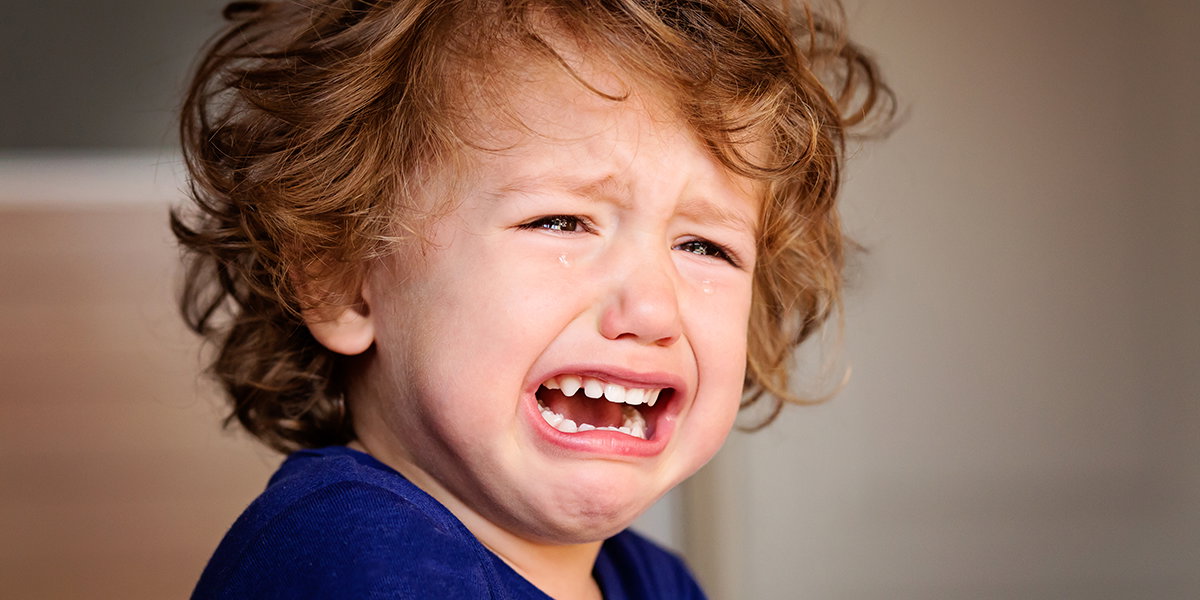
From children to intelligent and decisive adults?
***Did you know? Giving children responsibilities makes them become adults a little more intelligent and decisive.***
There are people who depend on others to do things, and others who dare to do them for themselves, as we grow we must learn to do things for ourselves, to take care of yourself you will have to make decisions, and those decisions are those that will mark our destiny throughout life.
Giving children small responsibilities from an early age helps improve their decision-making and IQ. You can strengthen these skills by asking your children to take care of putting away their toys, picking up their clothes, throwing dirty clothes in the laundry basket, encouraging free play and asking them to help you with housework depending on their age. . In addition to the material order of things and responsibilities, children must learn that there is a temporal and spatial order, the sequence of things, the order of ideas and society. You should start by teaching the material order (Each Thing must have its place) and the sequential order (with very clear routines), to be more effective. Children must learn that everyone has a role and that we do not all do the same. We must respect each other's role.
We can fulfill the assignments that are made to us, we all have obligations and we should respond to them, let us remember that being responsible is complying with everything that is expected of us. You, like everyone, are part of a group. At home, at work, at school, in society. Have you thought about your role and responsibility in each of them?
It is sad but the truth is that the psychological mechanism works like this, generally in a group everyone has a function, and this makes everyone live in an organized and responsible way, children will be responsible if and only if we as parents accustom them to fulfill their obligations. We must be totally consistent, and reward them when it deserves it, we must not give up so easily, the rights and duties of each of us must be clear and precise, each of them has results and benefits for us, first of all, great satisfaction and increasing trust between all.
Sometimes it is difficult to tell the truth, but we must dare, we must be responsible, be authentic, be more noble and more practical.
Do not worry about the opinions and criticisms of others, they will always judge the way you educate your children, whatever you do whatever you say we are always going to hear criticism from people who have no idea about your stories or your motivations. The criticisms are always there, although they usually only reflect the frustrations and dissatisfaction of the person who puts them on the table. The reality is that when we educate we do not educate to satisfy any external person if not for our own reasons, to build a family that we will be proud of, to see our children grow or for the simple pleasure of building something beautiful.
Be careful not to slip into depression, especially in this Covid-19 crisis.
Insomnia, headaches, stomach or back pain, aggressiveness, laziness, and fatigue are responses to distressing situations. Faced with them, the woman looks for their physiological causes, fills herself with drugs that are "recommended" to her as miraculous and tries to find the culprits that put her in that state, but she does not spontaneously question her own responsibility, elsewhere they Children find themselves in somewhat negative moods, they find themselves trapped in the same circle in which there is no way out.
Currently in the midst of this Covid-19 pandemic crisis we must be very careful with our children and with ourselves, with all the negative aspects that lead us to depression.
It is not easy at all not to feel depressed in such difficult moments where we have forced inactivity and constant uncertainty is inevitable, in which we all find ourselves struggling to maintain a positive attitude.
The rejection of the disease or the indulgence in one's ills are equally harmful and constitute the best way to ruin the existence of those around us by firmly settling in the disease.
**Some of the symptoms of depression:**
Unusual and persistent sadness or irritability, even when circumstances change.
Loss of interest in activities you once enjoyed; reduced feelings of anticipation.
Changes in weight
Changes in sleep patterns
Laziness.
Negative self-assessment ("I'm ugly. I'm not good. Nobody loves me.")
Feelings of worthlessness.
Suicidal thoughts or attempts
The solution of the problem begins when you proceed to identify the origin of that discomfort, which helps you partially solve the concerns that each one may experience in the course of life. Our life is made up of peaks and abysses, of difficult times and of happy and positive times. "Depreciation" in all its manifestations is devalued, rejected. However, only from the moment it is identified is it possible to analyze its causes in order to face them.
Faced with depression, it is necessary to accept as fragile, understand that there is no change without crisis and that only self-knowledge can definitively overcome difficulties.
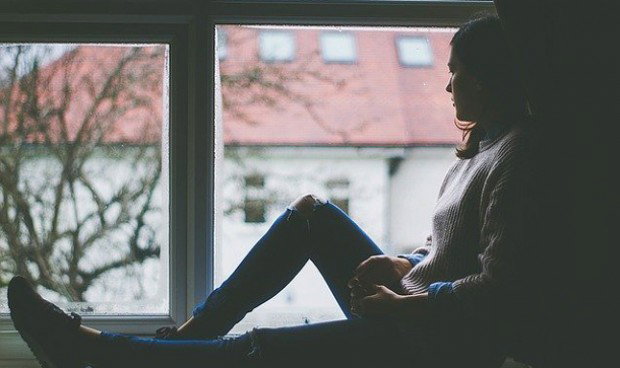
 @Dani01