Patuloy (Spoken Word Poetry)
Halika na, tara na sa ating lakbayin
Oo, sa lakbayin na kinasayan na natin
Ang ating araw araw na ginagawa
Tara na at sabay sabay na mamangha.
O kay saya, sarap sa damdamin!
Na sa aking mata'y masasalamin
Panibagong landas ating tatahakin
Hinahangad na tagumpay atin nang susungkitin
Ngunit sandali, ako ay naninibago
Pawang may mali at kakaiba sa nakikita at nararamdaman ko
Hindi ito, Hindi ito ang nakasanayan ko
Tulong! Tulungan nyo ako.
Hindi ito ang aking nakasanayan
Hindi Ba nga tayo ay magkakasama?
Mga sariwang ngiti noon ay akin pang nasisilayan
Ngayon kailangan pa ng salapi at magtungo sa bayan upang ang dating tawanan ay muli kong mapakinggan.
Okay lang sana kung lahat tayo ay nakakahabol.
Nakakasabay sa agos, pagbabago ng daloy
Ngunit kagamitan namin sa bahay
Kulang na nga at namimiligro nang humiwalay.
Namumugto na ang mga mata ko, bunga ng pagbabagong ito
Nakahapon sa sanga na wari koy malulugso
Dibdib ko'y naninikip habang ang hangin ay bumubugso
Sigaw ni inay, gabi na! Umuwi ka na aking bunso
Ngunit kay saklap diba? Nitong ating tadhana
Labis na nagpapakasakit ay kami pang mga dukha
Dukha na nga, ngunit tayo'y walang magagawa
Kaysa naman sa ang lahat ay mahawa ng nakamamatay na sakit at kaaway na mapamuksa.
Ang iba ay lulan ng barko
Nilalasap ang masaganang paglalakbay sa kabilang ibayo
Samantalang ako? Amg ginagawa ay sinasagwan ko
Landas sa pangarap kong kay hirap, kay layo.
Akoy napatulala,
sa langit ay tumingala
Ama, ngayon sa akin iyong ipinaunawa,
Akoy nasa isa na lamang balsa
Kaya mga kapwa mag-aaral ko
Huwag tayong susuko
Tandaan na mas malakas ang ating puso
Kumpara sa kaaway na ngayon lang bumugso.

Let's define it
Booster Injection
A vaccine injection given some time after a previous one to strengthen or renew immunity.
Brain
The large, soft mass of nerve tissue within the skull. It weighs about 1.3 kg and is the center of the nervous system. It is the seat of consciousness, the subconscious, memory, emotion and reason.
Pigeon Chest
An abnormally prominent breastbone (sternum), which may be present from birth or develop during childhood. Usually pigeon chest is harmless, but if the chest is so seriously deformed that heart and lung movement are restricted, surgical correction may be necessary.
Convulsion
Sometimes called a fit or a seizure, a convulsion is a violent involuntary contraction of the muscles. Convulsions may occur for a variety of reasons such as brain injury, insufficient blood to the brain, brain tumors, excessive alcohol, drugs, epilepsy, overdose of insulin in diabetes, brain inflammation from such diseases as meningitis and encephalitis. Severe fever in a child will sometimes cause convulsions. Whatever the reason for convulsions, call a doctor.
Health is important, Be Informed!
Coitus interruptus
Also called ‘withdrawal’. A contraceptive method where the penis is withdrawn from the vagina before ejaculation so that no semen can enter the cervix. As a means of contraception, this method is generally unreliable (about 20 percent failure rate), although many couples have successfully used it to space their children.
Colic
A severe, cramping pain in the abdomen, caused by spasm of muscles in the wall of hollow organs. Colic may be caused by constipation or distension of the bowel; any disorder that irritates the intestine, such as infection and certain poisonings; and partial or complete obstruction of the bowel. Biliary colic is due to obstruction of the bile ducts, usually by a gallstone. Urinary colic is due to obstruction of the ureter by a stone or tumor.
Colles’ Fracture
A fracture of the forearm bones, just above the wrist. It is often caused by a fall on to the outstretched hand.
Colon
The lower part of the digestive tract. The colon and the rectum make up the large intestine, where water is absorbed from food residue, which is then discharged as feces.
Colostomy
A surgical procedure in which an artificial opening, or stoma is made in the wall of the abdomen and connected to part of the colon. The contents of the large bowel are expelled into a colostomy bag attached to the stoma, instead of passing out through the rectum. A colostomy may be performed when part of the colon or rectum is removed because of cancer, and in certain diseases of the large bowel.
Bone
The hard, dense tissue that makes up the skeleton which is the framework of the body. The bones of the central skeleton form the head and trunk and the bones of the peripheral skeleton form the arms and legs.
Bone Marrow
The soft core of bones. It consists of tissue specialized for the production of blood cells (hemopoieses). Sometimes a sample of bone marrow is taken to help in the diagnosis of a blood disorder.
Contraception
Contraception
An intervention to prevent pregnancy. This can be achieved in many ways. The following classification describes various interventions, in order, from sperm formation to implantation of the fertilized ovum.
· Prevent sperm formation. There is no satisfactory way to do this yet.
· Keep sperm out of the semen by cutting, tying or otherwise blocking the spermatic ducts.
· Keep semen out of the vagina by abstinence, ejaculation outside the vagina, or by catching the semen in a condom.
· Keep semen out of the vagina when fertilization could occur by predicting when ovulation will take place, and abstaining from coitus for seven days before and 36 hours after that event, or by abstaining from the beginning of menstruation until after ovulation. This method is called periodic abstinence. The various methods of predicting ovulation are known as mucus, Billings, basal temperature and symptothermal methods.
· Kill sperm in the vagina by using spermicides.
· Prevent sperm from passing through the cervical canal by using a cervical barrier or by using hormones to change the cervical mucus so that it becomes impenetrable to sperm (the mini-pill).
· Prevent sperm from reaching the egg by cutting, tying or otherwise blocking the fallopian tubes, as in female sterilization.
· Prevent ovum formation by using hormones (pill or injection) to prevent egg maturation and release.
· Prevent implantation of a fertilized egg by using an IUD. This can also be done by post-coital administration of hormones (the morning-after pill).
The Immune Response
A second, specific defense system called immunity is much more selective in its targets. It operates against particular enemies that are identified and remembered by the immune system cells involved. If the enemies return the response is immediate.
The assault troops of specific immunity are white blood cells known as lymphocytes. There are two brigades of these troops, the so-called B cells, and T cells, and their battle tactics are quite different. The spearhead of the T cells brigade, the killer T cells, are close-quarter fighters: they lock on to the enemy, sometimes a cell invaded by a virus, and secrete chemicals to destroy it. They are primed to recognize the antigen or chemical characteristics of the invader. Having attached to the enemy, they emit other substances that summon other T cells and macrophages to the attack.
B cells standoff and fight the invader with antibodies, proteins that exactly complement the chemical structure of the invading antigen. The antibodies combine with the antigen and initiate its destruction. Each B cell can secrete about 2000 antibodies per second.
A certain type of both B cells and T cells remembers any antigen after an initial encounter. If the same organism invades a second time these cells initiate a much swifter reaction than on the first occasion. This process can confer lifetime natural immunity to some diseases, such as measles.

Some C(s) in Health
**Coronary Thrombosis**
A blood clot forming in the arteries supplying blood to the heart.
**Corpuscle**
One of the cells in the blood. Cells make up 45 percent of the blood and include red cells, which carry oxygen to the tissues and waste carbon dioxide to the lungs, and white cells which destroy invading bacteria and help to resolve inflammation.
**Cortisone and Corticosteroids**
Natural steroid hormones produced by the adrenal glands. Synthetic cortisone (corticosteroid drugs) is used as an anti-inflammatory and immunosuppressant agent, and to treat Addison's disease, a condition in which the adrenal glands are underactive. Cortisone may have several adverse side-effects such as water retention, high blood pressure, and diabetes, so it is used with caution.
**Cot Death**
Also known as sudden infant death syndrome (SIDS), it occurs suddenly and unaccountably during sleep in about 1 in 600 babies under the age of six months. It seems that there are a variety of causes but often no cause can be identified. Cot death is more common in low-income families, in babies born prematurely, in low birth weight infants, and in babies whose mothers smoked during pregnancy.
**Cough**
A protective reflex response that helps rid the respiratory passages of irritants or mucus. Coughing is a symptom of respiratory disorder so anyone with a persistent cough should see a doctor.
**Crab Lice**
Lice which infest the pubic hair. They are usually transmitted by sexual or close physical contact. The crabs are 1 mm in diameter. When they lay their eggs (nits) near the roots of the hairs, there is intense itching. Effective treatment is simple, using lotions on which your doctor or chemist will advise you.
**Cramp**
A painful spasm of muscle, often in the abdomen. Cramp is also common in the legs and feet. Causes of cramp include poor circulation, abnormal salt balance, exhaustion, and stress.
**Craniotomy**
Surgical opening of the skull.
**Cretinism**
A condition caused by a congenital lack of thyroid hormone, and characterized by severely retarded physical and mental development.
**Crohn's Disease**
Severe inflammation of parts of the intestine, cause unknown. It is also known as regional ileitis. Symptoms include abdominal pain, diarrhea (often blood-stained), weight loss, and often fever general debility. Treatment is non-specific. Measures to control diarrhea, improve nutrition, and build up the general health are important. Sometimes corticosteroid drugs are used, and occasionally surgical removal of the affected segment of bowel is necessary.
Pneumoconiosis, Pneumonia & Pneumothorax
**PNEUMOCONIOSIS**
Chronic inflammatory lung disease caused by inhaling mineral dust containing silicon, hard coal, or asbestos particles. Pneumoconioses are occupational or environmental diseases. The inflammation caused by the particles where they come in contact with the lungs leads to the destruction of respiratory tissue and its replacement by fibrous scar tissue. When this happens there is less lung available for the exchange of oxygen with resulting shortness of breath, and it is harder for the right side of the heart to pump blood through the scarred lungs, which leads to right heart failure. There is no cure for the pneumoconioses. The aim of treatment is to prevent further damage and infection. Breathing exercises and carefully graded activity can make the most of the remaining undamaged lung tissue.
**PNEUMONIA**
Acute inflammation of the lungs in which the tiny air sacs become so filled with inflammatory exudate that respiration cannot take place. It may be caused by bacteria, viruses, chemical damage from inhalation of certain gases, or from inhalation of vomit. Bacterial pneumonia, which may develop when resistance is lowered by colds, influenza, or general poor health, may affect only one lung or one lobe of a lung when it is called lobar pneumonia. When both lungs are affected it is called bilateral or double pneumonia. Symptoms of pneumonia, which often strikes without much warning, include very high fever, rigors, headache, sharp chest pains, rapid shallow breathing, harsh dry cough followed by, perhaps, the bringing up of rust-colored sputum containing blood and pus. Bacterial pneumonia can be successfully treated with antibiotics. Many cases of pneumonia, particularly in infants and the elderly, require admission to the hospital so that appropriate nursing care is available day and night and so that oxygen can b administered if necessary.
**PNEUMOTHORAX**
In health, the pleural layer covering the lungs is in close contact with the pleural layer which lines the chest cavities, with only a thin film of fluid separating the two layers. Pneumothorax develops when air enters the pleural cavity. This may happen when the lung perforates due to an injury or may occur as a result of perforating injuries of the chest wall. Rarely, pneumothorax can develop dramatically when an apparently healthy person takes a forceful, deep breath or bursts out laughing. The pressure of air in the pleural cavity causes the lung to collapse, preventing respiration on the affected side. Symptoms are sudden severe pain in the chest, shoulder tip pain, and shortness of breath. The diagnosis is confirmed by chest X-Ray. Pneumothorax is an emergency usually requiring hospital admission for oxygen administration and round the clock nursing care. Treatment is to correct the cause.
Muscles
The muscles which swathe the skeleton and are present in many other tissues supply the power for all the body's movements, from walking and running to breathing and digestion. The skeletal muscles contract to move bones about their joints like levers on a fulcrum. This is putting it in the simplest terms. In reality, nearly all bodily movements require the interplay of muscle groups, with the contraction of the prime mover being balanced by the relaxation of complementary muscles.
The skeletal muscles, being under conscious control, are called 'voluntary'. Another term for them is striated muscles. This refers to the appearance of the bundles of fibres of which they are made. As in all muscles, each fibre is a single cell. In the voluntary muscles, however, the fibres contain many overlapping strands of two different filaments: one containing the protein, actin; the other a different protein called myosin. Under the light microscope the overlap of the two filaments within a skeletal muscle fibre shows up as a dark band against the lighter color of the rest. Hence the name, striated. The arrangement of muscle fibres varies according to the function of the muscle. A muscle with a twisting action, such as the trapezius in the back, for example, has its fibres arranged in spirals.
Our control over the voluntary muscles is non-specific. When we wish to move an arm or a leg, it is the brain that automatically notifies the particular muscles involved. The message it sends induces the release of a chemical, acetylcholine, at nerve endings. Acetylcholine initiates a chemical reaction within the muscle fibre, causing actin micro threads to slide towards myosin micro threads, contracting the muscle. During contraction lactic acid is created as a by-product. Cramp and muscle fatigue results from the accumulation of lactic acid during strenuous exercise: the blood cannot deliver enough of the oxygen required to break it down.
The many muscles under control, not of the conscious mind, but of the automatic nervous system are divided into two categories: the cardiac muscle of the heart wall, and smooth muscle which performs a variety of unsung tasks in the body. Both types are involuntary, but cardiac is striated whereas smooth muscle is not.
Cardiac muscle puts man-made engines in the shade, commonly working non-stop for seventy years to keep blood flowing around the body. Smooth muscle, to mention just some of its jobs, moves food through the digestive canal, expels wastes from the urinary bladder and babies from the uterus, and controls blood flow in the arteries and veins.
**BODY MUSCLES**
Attached to the bones are nearly 700 skeletal muscles which control movement, maintain the posture of the body and generate heat to help keep it warm.
PID (Pelvic Inflammatory Disease)
PID (Pelvic Inflammatory Disease)
Inflammation (usually infectious) of the pelvic reproductive organs: the uterus, tubes, and ovaries in women and the prostate and seminal vesicles in men. The commonest cause of PID is thought to be a sexually transmitted infection (Gonorrhea and Chlamydia), though it may also occur following childbirth or abortion, surgical procedures on the reproductive organs or lower urinary tract, or appendicitis (especially ruptured). Like most STDs, PID has been diagnosed more often since the mid-1970s than previously. Symptoms of acute PID are severe lower abdominal pain, fever, and often a foul discharge from the vagina or penis. There may be associated symptoms of cystitis. The onset of chronic PID may be insidious, especially in women, who may experience few or no symptoms until the inflammatory process is well advanced. Whether acute or chronic, PID can lead to scarring and adhesions in the reproductive organs which may reduce fertility. Early diagnosis and vigorous treatment with appropriate antibiotics will reduce the risk of reproductive system damage.


Epilepsy
A condition in which there is a disturbance of the normal electrical activity of the brain. Epilepsy affects about 1 in 200 people, and in about half those cases the malfunction is the result of a head injury, a birth injury or an infection. Sometimes a stroke or a tumor is responsible. In the other cases, the cause is unknown. Epilepsy is characterized by seizures. In grand mal seizures there is a fit of abnormal jerky movements followed by unconsciousness. The seizure usually lasts a couple of minutes. Petit mal seizures are less severe and are most often seen in children. During petit mal, the person seems to go into another, private world with only a little twitching or blinking, the state lasting only a few seconds. Epilepsy is diagnosed by the symptoms as well as ELECTROENCEPHALOGRAMS, X-rays and other tests. It may be successfully controlled with anticonvulsant drugs.
Barber's Rash & Coeliac Disease
Barber’s Rash
Infection of the hair follicles in the beard area, which may spread into the surrounding skin resulting in impetigo. Treatment is by local or oral antibiotics.
Coeliac Disease
A disorder in which the lining of the small intestine is so adversely affected by glutens, the proteins found in wheat, rye and barley, that food cannot be properly digested. The disease tends to run in families and is usually diagnosed early in life, though in mild cases may not cause great health disturbance until adulthood, when anemia develops due to failure to absorb essential vitamins and minerals. Symptoms in infants include pot belly, loose, foul smelling stools, failure to thrive and irritability. In adults there may be bouts of diarrhea, flatulence and abdominal distension, wasting and weakness. Effective treatment is a gluten-face diet.
Health Issues
Botulism
A rare but very serious form of food poisoning caused by the bacterium Clostridium botulinum, which may grow in canned or bottled food which have been inadequately sterilized. This bacterium, normally present in small numbers in soil, flourishes without oxygen (hence in full, closed containers) to produce a powerful toxin which poisons the nervous system to cause difficulty in swallowing, speaking and breathing, and extreme muscular weakness. Botulism is often fatal. Instruction for adequate sterilization should be followed strictly for all home preserving, and preserved food should never be eaten from any container which bulges or from which gas under pressure escapes on opening.
Bradycardia
Slowing of the heartbeat to a rate of less than 60 per minute. In health, a slow heart rate at rest is often found in fit athletes, where it is an index of the heart’s capacity to respond to the need for increased effort during strenuous physical activity. Bradycardia is a health problem only when the heart rate is too slow to maintain the blood pressure and adequate circulation. This happens briefly in fainting and permanently in disorders of the cardiac pacemaker or of the heart’s conducting system.
Poliomyelitis
Commonly called 'polio' and once known as infantile paralysis, poliomyelitis is an acute viral infection of the central nervous system. The disease is spread from the feces of infected persons. The virus attacks the motor components of the brain and spinal cord. The effects range from mild weakness to total paralysis of muscles. Early symptoms include mild fever, sore throat, and headache, vomiting, drowsiness and stiffness in the neck and back.
There is often complete recovery at this stage, leaving the patient with life-long immunity to further polio infection. If polio progresses, cramping muscle pains and spasms develop and the affected muscles may become weakened or paralyzed. In young children paralysis of one limb is common, in older people more muscles are usually affected. There may be hoarseness and difficulty in swallowing. If breathing or swallowing muscles become paralyzed, the patient's life may be in danger. In some cases, a respirator ('iron lung') may be necessary to help a patient breathe.
There is no specific treatment for poliomyelitis although, with skilled hospital care, patients usually survive. Paralysis is permanent. The incidence of poliomyelitis in Australia has been greatly reduced by immunization. However, in countries without immunization programs, 35000 childhood deaths from polio were reported in one recent year. Irresponsible neglect of immunization could lead to the resurgence of the disease in this country. It is essential that infants are immunized to protect them against polio. The oral vaccine is given in three doses during the first year of life with a booster dose given around the age of 5.


Renal Failure
**Renal Failure**
Failure of the kidneys to perform their main functions of filtering waste products from the blood, controlling salt and water balance, and controlling blood pressure and red blood cell formation. Kidney failure leads to uremia in which the waste products, many of them poisonous, accumulate in the body. There are many possible causes of both acute renal failure and chronic renal failure. Acute renal failure may occur when the kidney is deprived of blood (as in hemorrhage or heart attack) or it may be the result of acute nephritis, which damages the kidneys' filtering units. The most obvious early symptom of renal failure is the very small amount of urine passed in a day. Other symptoms include loss of appetite, nausea, vomiting, and, as uremia develops, drowsiness, confusion, convulsions, and coma. Treatment is according to the cause.
Chronic renal failure may be caused by chronic nephritis or pyelonephritis, kidney stones, and cysts, or over-use of certain analgesics. Symptoms, which appear gradually, include frequent urination, fatigue, and lethargy. If the specific treatment proves to be unsuccessful, chronic renal failure may progress to the stage in which the kidneys can no longer sustain life. The only treatment then is with dialysis (which is also used in some cases of acute renal failure) or a kidney transplant. With modern technology and drug treatment, renal failure is not inevitably fatal as it once was.
**Repetitive Strain Injury (RSI)**
A form of Tendinitis or Tenosynovitis resulting from repeated strain, injury, or excessive unaccustomed exercise of particular muscles or muscle groups.
**Repression**
A term used in psychoanalysis to describe the mechanism by which those desires and impulses that prompt feelings of guilt or anxiety are forced out of a person's conscious mind and into the unconscious mind. They emerge from the unconscious mind in a disguised form.
Peptic ULcer & Perthes' Disease
**Peptic Ulcer**
Ulceration of the intestinal lining which penetrates to involve the muscle layer, caused by the action of the acid and pepsin secreted by the stomach. Peptic ulcers are found in the stomach and duodenum and less commonly in hiatus hernia. Ulceration occurs when there is a disturbance of the balance between the production of gastric juice and factors protecting the intestinal lining such as mucus. Many influences can disturb this balance, including stress and certain drugs. The most common symptom is gnawing or burning upper abdominal pain, relieved by milk or antacids. Diagnosis is confirmed by barium meal x-ray or Gastroscopy. Many peptic ulcers heal by themselves when precipitating factors are corrected and after a short period of treatment with antacids. Otherwise, the outlook for ulcer sufferers has been vastly improved by the introduction of the histamine H2 receptor blocking agents such as cimetidine, which reduce gastric secretion and promote healing of peptic ulcers. These medications have dramatically reduced the need for surgery, which is now performed only in the emergency treatment of complications such as perforation and severe bleeding.
**Perthes' Disease**
Degeneration of the upper growing end (epiphysis) of the thigh bone (femur), which may occur in children, particularly boys, between the ages of 4 and 10. Perthes' Disease is caused by disturbance of the blood supply to the epiphysis. The reason for this occurring is usually obscure. Symptoms include mild pain in the hip and sometimes in the knee, limping, and restricted hip movement. A child promptly diagnosed as suffering from Perthes' disease can be successfully treated with bed rest and a caliper or splint fitted to the hip to take the weight off the joint until healing is complete.
Hematoma, Haematuria & Hemoglobin
**Hematoma**
An accumulation of blood that has leaked into the tissues from damaged blood vessels, usually as a result of an injury. Common hematomas are those occurring around fractures or in the tissues around the eye following a blow (the classic shiner). The most dangerous hematoma occurs beneath the outer membrane (dura) surrounding the brain following head injury.
**Haematuria**
The presence of blood in the urine, usually obvious, but sometimes the blood may not be visible to the naked eye and is only detected by microscopic examination of urine. The causes of haematuria include kidney stone or tumor, nephritis, cystitis, bladder tumors, inflammation, or tumors of the prostate gland. Blood in the urine should be immediately reported to the doctor for diagnosis of the cause and appropriate treatment.
**Hemoglobin**
A complex compound of protein and iron carried within the red blood cells, or erythrocytes. Hemoglobin, which carries oxygen from the lungs to the tissues, is the red pigment that gives blood its color.
Bag of Waters & Balanitis
**Bag of Waters**
The membranous sac (amnion) containing amniotic fluid that surrounds the developing baby in the uterus.
Balanitis
Inflammation of the glans (head of the) penis, usually as a result of bacterial, fungal or viral infection. Some forms of balanitis are sexually transmitted, such as herpes, thrush and trichomoniasis. Other causes of balanitis are allergy, chemical or mechanical irritation, and the various dermatitises. Balanitis is more common in uncircumcised males, especially if the foreskin is tight. Symptoms are pain, redness and swelling of the glans, often with discharge of pus. Treatment is by rest, analgesics, bathing to remove discharges, antibiotics if appropriate. Further attacks can mostly be avoided by good hygiene. If the foreskin is difficult to retract because it is too long or too tight, circumcision may be necessary.
Bacteria
Bacteria
Micro-organisms consisting of a single cell without a nucleus. Bacteria are found wherever life exists. Most bacteria live in harmony with other life forms. Some, for example, those that are normally found in the human bowel and vagina, are essential for health. Bacteria that cause disease in animals or plants are described as pathogenic. Pathogenic bacteria cause disease by causing inflammation (for example, staphylococcus as a cause of wound infection), by invading and disturbing or destroying cells or tissues (for example, tubercle bacillus), or by producing toxins which enter the bloodstream and cause poisoning, (for example, Botulism).
About health that you might have to know
Malabsorption
Failure to absorb adequate nourishment even though the diet is satisfactory. Malabsorption may be temporary or permanent and is a result of inflammatory bowel disease or disturbances of digestive enzymes.
Malaise
A general term for feeling unwell. It may signify the onset of an infectious illness, or maybe associated with established illness. Symptoms include loss of appetite and energy, aching joints and muscles, weakness, difficulty in thinking clearly, and headache.
Malignant
The term used to describe a tumor or growth that invades nearby organs or tissues and spreads to other parts of the body via the blood or lymph streams. The opposite of malignant is benign.
Mammary Glands
The female breasts that produce milk in lactation.
Mania
A disorder marked by over-excited, overconfident behavior, quick and excessive movement and a garrulous manner. Often it is associated with manic-depressive psychosis, a severe mental disorder in which the sufferer swings between moods of extreme excitement and profound depression. Manic-depressive psychosis needs specialist, long-term psychiatric care.

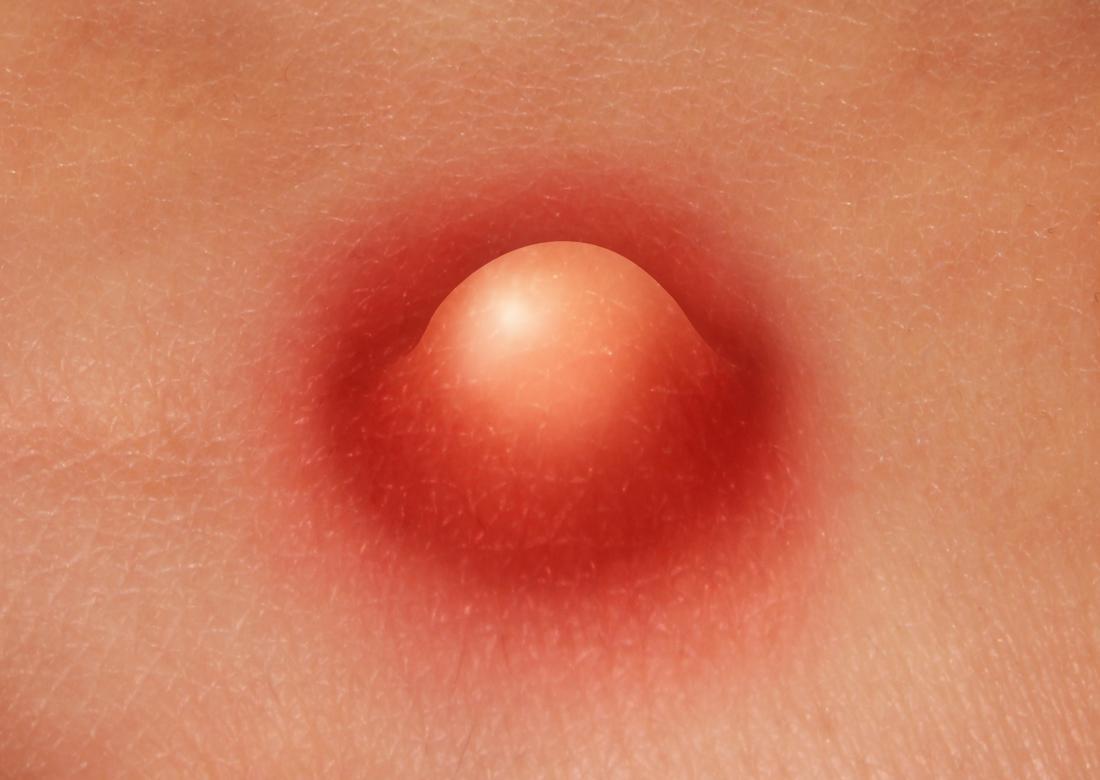
Boil
An Abscess in the skin caused by bacterial infection of a hair follicle which has spread and destroyed tissue beyond the anatomical boundary of the follicle (as opposed to a pimple, which is confined to the follicle). The central core of the boil, consisting of dead tissue and pus, is usually discharged onto the skin before healing begins. Because tissue destruction has extended beyond the skin boundary, a scar is left after healing. A blind boil is one in which the skin over the core of the abscess doesn't break down to release the pus. Surgical opening is usually necessary to prevent deeper spread of the infection. The pus discharged by a boil may spread to nearby or distant hair follicles resulting in clusters of, or recurrent, boils. For this reason it is best that the pus from a boil should be cultured to identify the bacteria causing the infection (usually staphylococci) and the appropriate antibiotic used to eradicate it.
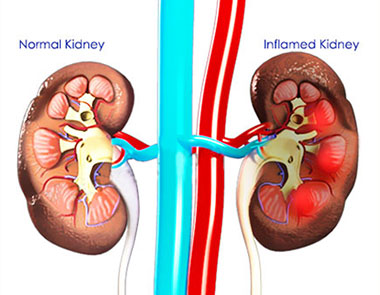
Nephritis (Glomerulonephritis)
Nephritis (previously called Bright's disease) is an acute or chronic inflammation of the filtering units of the kidneys, caused by an abnormal reaction of the immune system. The reaction often occurs several weeks after a streptococcal infection (usually a sore throat). The immune system produces antibodies which overcome the bacterial infection but which later accumulate in the kidney, causing damage which results in leakage of blood into the urine and inadequate output of urine. In one type of nephritis, the damage is caused by autoimmune antibodies. Acute nephritis is rare, but occurs most often in children. About one in 3000 school-age children develop nephritis. Symptoms include red-brown or smoky coloured urine of reduced amount, puffiness of the eyes and face, sometimes generalised oedema, tiredness and backache. If your child develops these symptoms after a recent sore throat, see your doctor without delay. The diagnosis is made if there are typical abnormalities in the urine and blood together with raised blood pressure and oedema.
Treatment consists of bedrest, diet low in salt and protein, antibiotics to get rid of any remaining infection and in some cases drugs such as diuretics to reduce oedema, drugs to reduce blood pressure if it is dangerously high and corticosteroids to reduce the inflammatory reaction. Usually recovery is complete within two or three weeks. In a few severe cases acute nephritis may become chronic, and may lead to renal failure and uraemia.
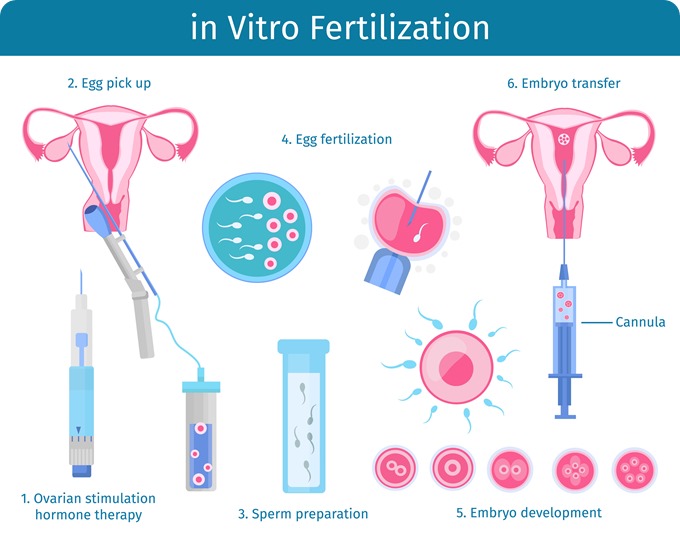
In-Vitro Fertilisation
The fertilisation of ovum outside the body, also known as extra-corporeal fertilisation. This technique involves a mature egg being removed from the ovary (using a long hollow needle inserted through a laparoscope) and being fertilised under carefully controlled conditions in the laboratory. The fertilised ovum is returned to the woman's uterus at the four - or eight-cell stage, via a fine plastic tube inserted through the cervix. If the timing is right, the fertilised egg will implant in the lining of the womb and develop in the same way as a naturally fertilised egg. It is a delicate and complex procedure with no guarantees of success. There is a risk of spontaneous abortion within the first twelve weeks of gestation but generally around 25 percent of women who receive extra-corporeal fertilisation have successful pregnancies. There have been many such births since the first 'test tube baby' was conceived and born as a result of extra-corporeal fertilisation in 1978.
Malaria
A tropical disease, marked by severe chills and fever, caused by a microscopic parasite called Plasmodium carried by mosquitoes and introduced into the human bloodstream through the mosquito’s bite. The parasites invade the red blood cells and multiple, eventually causing the cells to burst. Symptoms include severe, regularly recurring bouts of fever and prostration. After repeated attacks of malaria, a person will develop anemia and the liver and spleen will become enlarged. Quinine was once the only drug available for treatment but today new, more effective drugs have been developed to prevent and treat the disease. While the malaria mosquito is confined to certain regions of the world, it is important for travelers who intend visiting such places to take a course of preventative drugs.
Hay Fever & Headache
Hay Fever
Inflammation of the membranes lining the nasal passages and sinuses due to an allergic response to any number of inhaled substances, chiefly pollen from grasses, plants and trees as well as fungal spores, animal hair, house dust and even certain foods. Symptoms are running nose and eyes and sneezing. Antihistamine drugs and decongestant sprays or drops usually relieve the problem although people with recurrent hay fever may be given a special course of injections in an attempt to desensitize them to the allergens (allergy-causing substances).
Headache
The most common is tension headache which is associated with extreme tenseness of the muscles of the head and neck, usually the result of emotional stress. Other headaches may be the result of changes of pressure within the sensitive blood vessels inside the skull (vascular headache), eye strain, sinusitis, influenza, feverish illness, high blood pressure, fatigue, too much smoking or drinking, hormonal changes, excessive noise. Headaches are most effectively dealt with by treating the cause rather than the symptoms. Persistent headaches warrant a visit to your doctor.
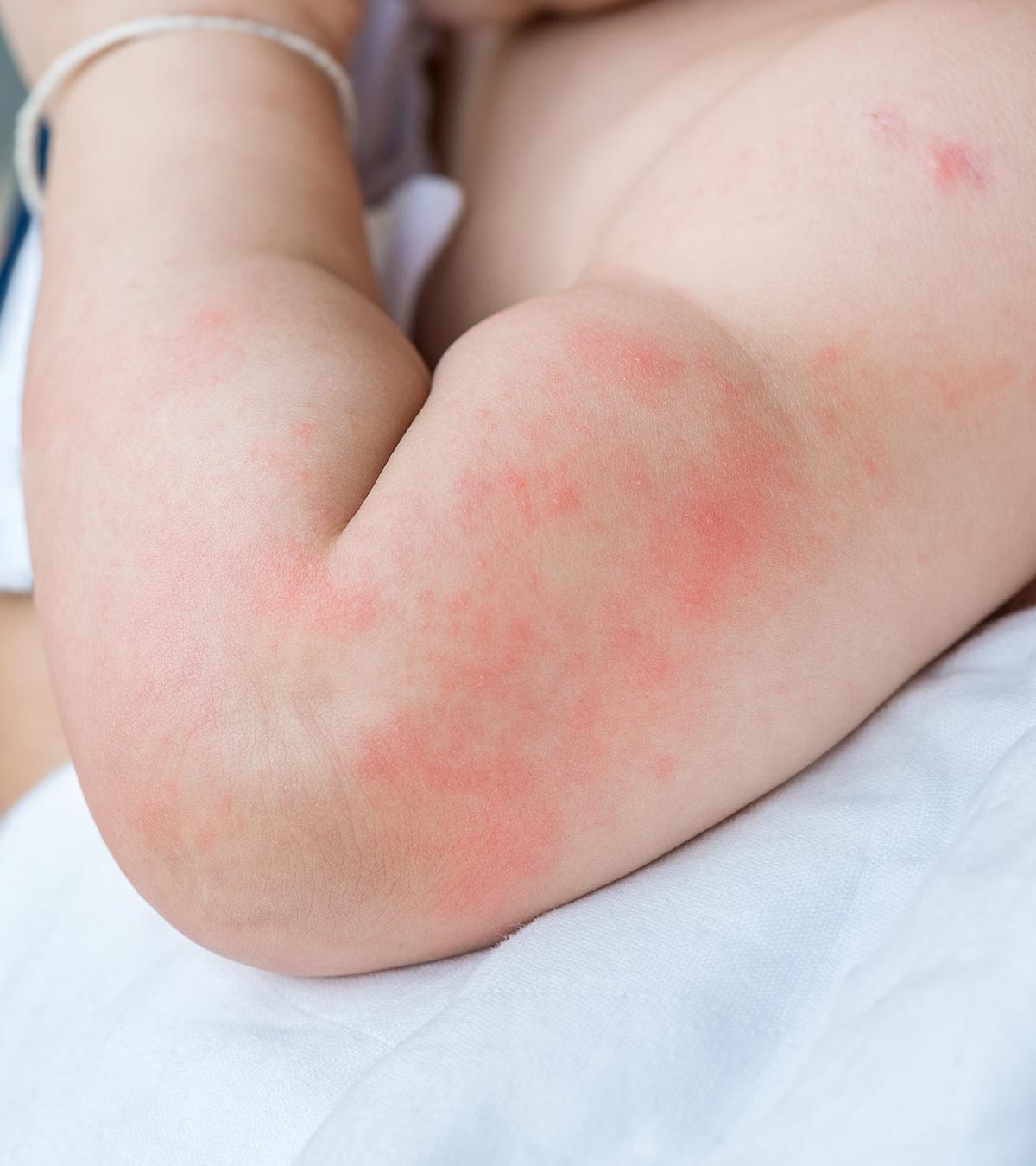
Rash
A temporary skin eruption due to inflammation of the skin, which may be caused by infection, allergy, chemical irritation, physical injury (such as sunburn, chafing), disorders of blood or blood vessels and nervous disorders. Rashes may be local (confined to a specific area) or general (occurring anywhere on the skin). In generalised rashes the cause is usually distributed by the bloodstream. Most rashes involve redness, with or without swelling, in spots or patches of varying shape and size. As well there may be itching, blistering, weeping, crusting, scabbing or peeling of the affected areas. Many rashes (for example those seen in infectious diseases such as chicken-pox, measles, scarlet fever) are characteristic of the cause, so that diagnosis can be made on the appearance and distribution of the rash. If any rash persists, especially if accompanied by other symptoms such as fever and headache, consult your doctor. The treatment of rashes is that of the underlying cause, plus measures to relieve itching.
Fainting & Fatigue
**FAINTING**
Suddenly becoming unconscious, usually only for a short time, due to a brief, temporary reduction of blood supply to the brain, usually as a consequence of a sudden fall in blood pressure. A fainting spell may occur for any number of reasons: emotional shock, fear, pain, lack of food, lack of air, or may be associated with such conditions as cardiovascular disease, anemia, hemorrhage. The person about to faint feels weak and nauseated and breaks out in a sweat before vision blurs and recedes.
**FATIGUE**
A feeling of extreme tiredness. Fatigue is most commonly the result of strenuous exercise or activity and the cure is simple: rest and relaxation. However unexplained fatigue may be a warning sign of oncoming illness such as viral infection: it may be associated with emotional stress, heavy menstruation pregnancy, or with such serious disorders as anemia, diabetes, heart disease, kidney disease, or cancer. A person who persistently feels tired for no apparent reason should see a doctor.
Adenoids & Adenoma
Adenoids
One or more small masses of lymphatic tissue, similar to the tonsils, that lie behind the nasal cavity close to where it joins the mouth cavity. They reach their maximum size around the ages 6-8, then begin to shrink until they have entirely disappeared by adolescence. Sometimes in childhood, the adenoids become infected and grossly enlarged as a result of the repeated throat and respiratory infections. In such cases adenoids may cause obstruction to breathing through the nose, thick nasal speech, snoring, and repeated ear infections which may lead to deafness. Unless there is a severe and troublesome blockage to the eustachian tubes which connect the throat with the middle ear, surgeons these days usually don’t remove adenoids, preferring instead to treat infections as they occur and to allow the natural process of shrinkage to eventually solve the problem.
Adenoma
A benign (non-cancerous) tumor caused by localized overgrowth of the cells of any gland. Adenomas vary in size from microscopic to larger than a football. Symptoms may be cosmetic, or because the tumor presses on nearby organs and tissues, or because the adenoma produces an excess of the usual secretion of the gland. Generally, adenomas are removed surgically because a definite diagnosis that the tumor is non-cancerous cannot be made until it is examined under a microscope. If the tumor proves to be malignant (cancerous), it is known as an adenocarcinoma.
Cocaine, Coccyx & Cochlea
**COCAINE**
A narcotic drug obtained from the leaves of the South American coca plant. Although it has been used in the past for its medicinal properties as a local anesthetic, most doctors are ow wary of its harmful side-effects. It is a powerful stimulant which produces short-lived excitement, euphoria and often pleasant hallucinations. Overdose causes delirium, convulsions, respiratory failure and even death. Cocaine is illegally used by drug-dependent persons in spite of the risk of adverse effects. Although it does not cause physical addiction (there are no withdrawal symptoms when the drug is stopped), users become psychologically dependent on its effects. Cocaine is taken in many ways, including chewing or smoking the coca leaves, inhaling the crystalline pure substance distilled from the leaves, or by injection. Crack is a somewhat purer and more concentrated form of regular cocaine. It is dried and broken into tiny chunks known as crack rocks. The little pellets are usually smoked in glass pipes.
**COCCYX**
The tailbone, attached to the sacrum at the lower end of the spine.
**COCHLEA**
The fluid-filled spiral cavity, in the shape of a coiled shell, lying in the inner ear and containing the organs of hearing.
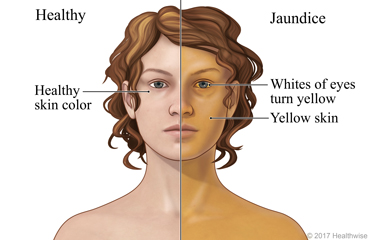
Jaundice
This is not a disease itself but rather a symptom of disease or disorder. People with jaundice have a characteristic yellowing tinge to their skin and the whites of their eyes due to excessive amounts of bile pigment, known as bilirubin, in the blood and tissue fluids. There may be many different causes of jaundice, but the main ones include hepatitis where the liver is unable to deal with bile in the normal way, gallstones which may block the bile duct, and the excessive breakdown of red blood cells (hemolysis) which may be due to certain poisons, infections such as malaria or some forms of anaemia. This last form of jaundice is frequently found in new-born babies when the liver is not developed enough to cope with the normal breakdown of red blood cells. It usually clears up in a couple of days. A serious cause of jaundice in new-born babies is rhesus (rh) factor which incompatibility, which results in hemolytic disease of the new-born. Jaundice from any cause subsides when the cause is corrected.
Incontinence
Loss of control of outflow from the bladder (urinary incontinence) or bowel (fecal incontinence). Incontinence may occur in any disorder of the nervous or muscular control of the bladder or rectum. Total incontinence may result from spinal cord injury, dementia, or severe degenerative nerve and muscle disease.
Stress incontinence is he involuntary passage of urine when pressure inside the abdomen increases, as in coughing, sneezing, laughing or jumping. It is common in women whose pelvic floor muscles have been damaged during childbirth or weakened by estrogen deficiency after the menopause. Treatment is by physiotherapy and, in some cases, repair surgery.
Urge incontinence is the inability to hold the urine when the urge to urinate is felt. It is often the result of chronic inflammation of the bladder and urethra. Treatment of the inflammation and bladder retraining will usually correct urge incontinence.
 @Cheriben