Addison's Disease & Adenitis
Addison's Disease
First described by the 19th-century English physician Thomas Addison, this condition occurs when the adrenal glands do not produce sufficient quantities of the hormones called corticosteroids. In most cases this drop in the production is caused when the body’s defenses react against the adrenal glands, slowly destroying them. Occasionally the glands may be damaged by tumors or by chronic infection such as tuberculosis.
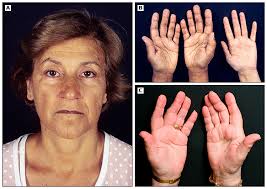
Symptoms are weakness, tiredness, vomiting, weight loss, low blood pressure and a darkening of the mucous membranes and those areas of the body, like the elbows and palms, where there is friction on the skin. Treatment is by replacement of corticosteroids orally, by injection or by implantation under the skin.
Adenitis
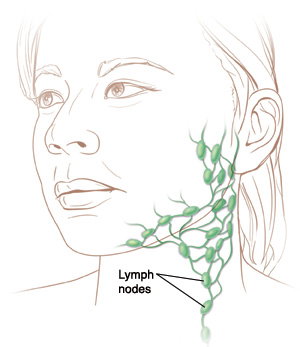
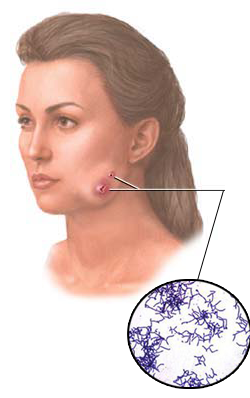
Inflammation of any glands, but the term usually refers to the lymph glands (lymphadenitis) in the neck, armpit and groin (sentinel lymph glands). These glands help the body’s defenses against infection. Mostly adenitis is caused by spread of bacterial infection from parts of the body drained by the lymph glands. Lymphadenitis also occurs in generalized viral infections such as infectious mononucleosis (glandular fever) and rubella German measles).
Shock
A general term used to describe a set of symptoms associated with failure of the circulatory system. Shock may result from many severe disturbances including trauma, hemorrhage, septicemia, myocardial infarction, severe diarrhea, severe burns, overwhelming allergic reactions such as may occur following bee and wasp stings. Indications of shock include weakness, pallor, cold and sweaty skin, weak and fast pulse, low blood pressure, rapid, shallow and irregular breathing, thirst and sometimes unconsciousness. Anyone with a severe injury or burn may suffer delayed shock so should be closely watched for some hours after the injury. People showing signs of shock should be kept still and warm while waiting for medical attention.
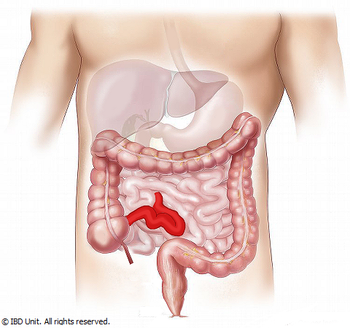
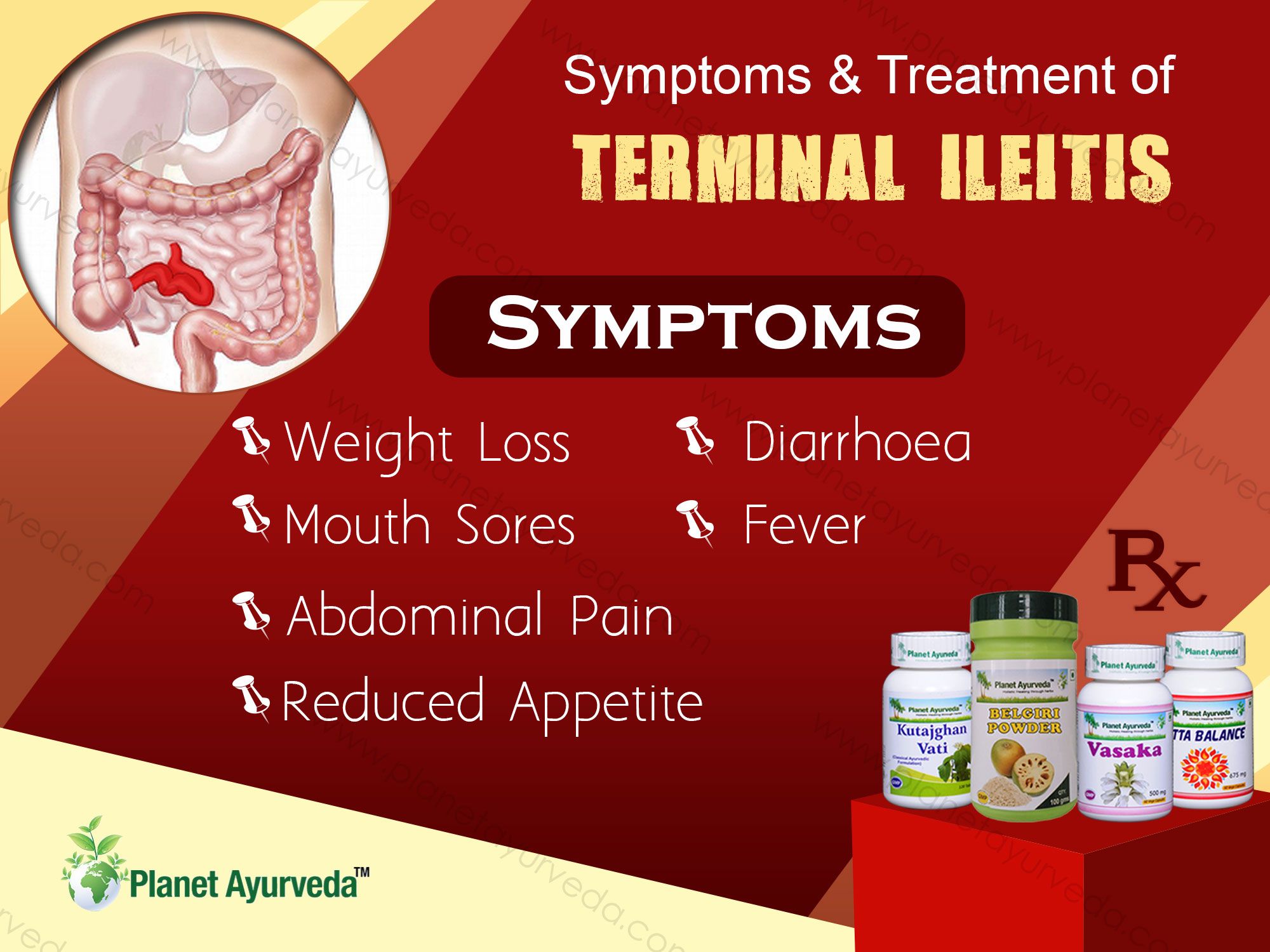
Ileitis
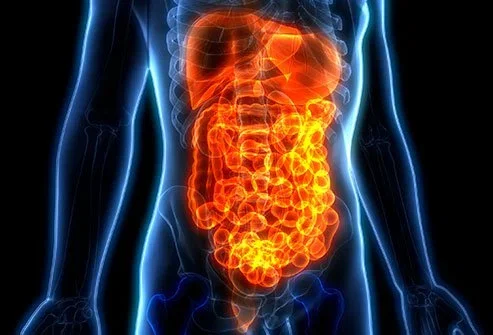
Inflammation of the ileum (the lower part of the small bowel) and sometimes other parts of the intestine. One form of ileitis is also known as CROHN's DISEASE. The inflammation causes swelling and ulceration of the lining of the ileum. Ulcers may perforate, resulting in PERITONITIS. In the long term, scarring in and around the affected parts may cause narrowing or blockage of the bowel.
Ileitis usually affects young adults, men, and women equally. The cause is unknown, the disease tends to run in families. Symptoms include severe diarrhea, abdominal pain, fever, and the manifestations of MALABSORPTION - weight loss, anemia, and other deficiency diseases. The diagnosis is confirmed by the X-ray of the bowel. Treatment consists of anti-diarrhoeal medications, courses of corticosteroids to reduce the inflammatory process and measures to combat nutritional deficiency. When ileitis is complicated by scarring or perforation, surgery may be necessary to remove the affected bowel or to rest it by ILEOSTOMY.
Heart Failure & Heart Massage
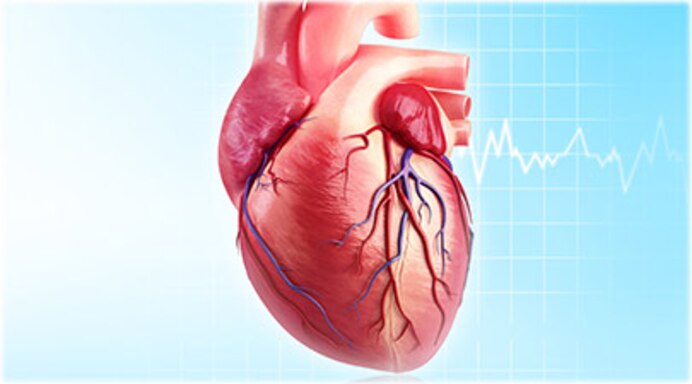
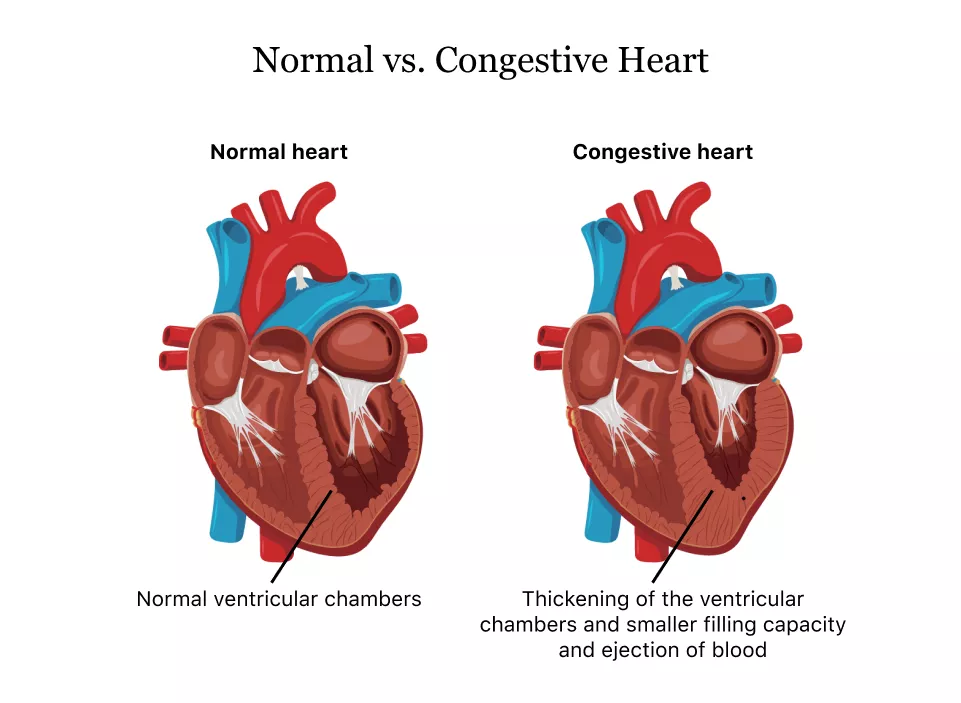
**Heart failure** does not mean that the heart has ceased to beat, but rather that it cannot meet the demands for blood made on it by the body. Heart failure is also called congestive cardiac failure (CCF) or cardiac insufficiency. The condition may be secondary to heart disease, lung disease, hypertension. Symptoms may include breathlessness, fluid accumulation in the legs, abdomen (dropsy) and lungs, giddiness, and fainting. Many cases of heart failure can be successfully treated with drugs such as digitalis and diuretics and a sensible routine of rest and gentle exercise.
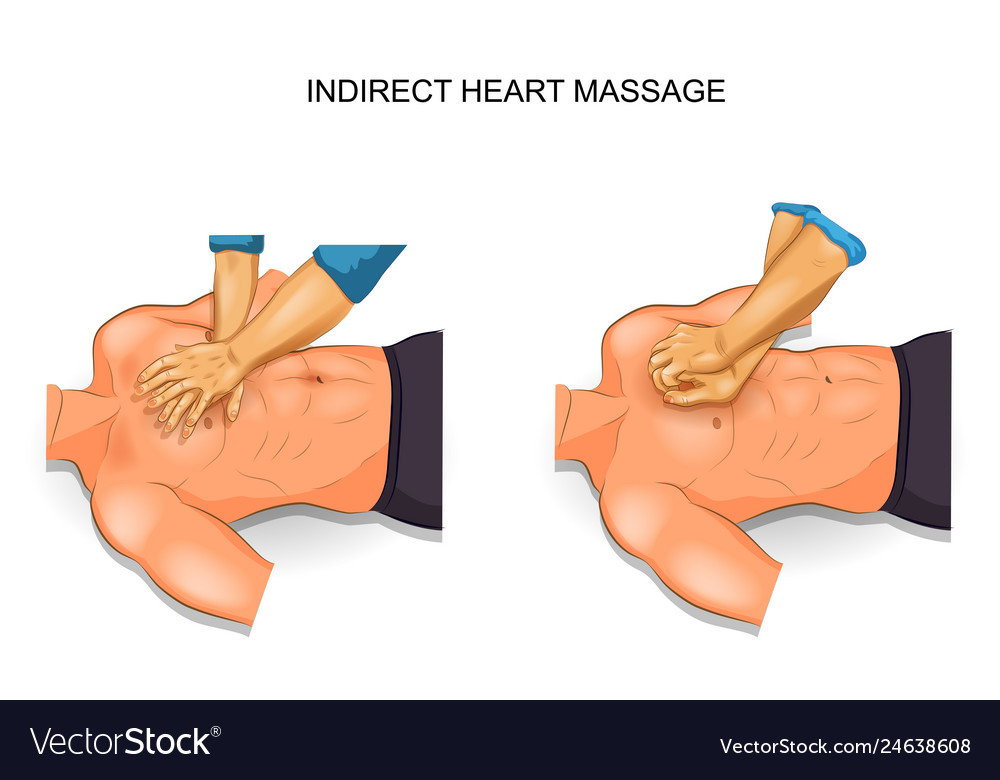
**Heart massage** is more commonly known as external cardiac compression, this is an emergency treatment technique used to restore the beating of a heart that has stopped.
Bell's Palsy
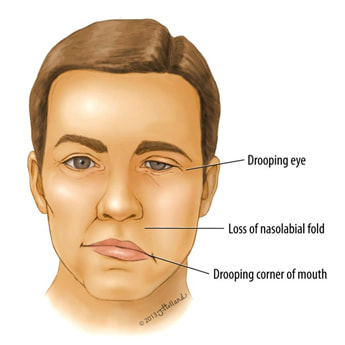
The sudden onset of paralysis of the muscles of one side of the face. The cause is unknown, but the paralysis is presumed to be due to swelling of the facial nerve as it emerges through the skull. Bell's palsy is usually painless, but it may cause severe embarrassment, loss of confidence, and withdrawal because of uncontrollable dribbling and weeping from the affected side, difficulties in speaking and eating, and loss of control of facial expression. There is no specific treatment, but the use of anti-inflammatory medication will help to prevent further swelling of the nerve (and further paralysis), and physiotherapy will help to keep the paralysed muscles in good condition. Recovery is usually spontaneous but can take from a few weeks when paralysis is partial, to many months when paralysis is extensive.
Placebo
Placebo
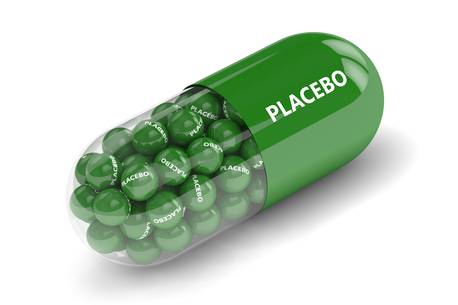
An inactive substance or treatment that has no biological effect. Placebos are used in studies that aim to test the effectiveness of new drugs or treatments. Any treatment accepted in the belief that it will relieve symptoms or cure disease is likely to bring about improvement of symptoms of some disorders. This is known as the placebo effect. When new drugs are being tested a ‘placebo-controlled’ study is carried out as follows: the number of patients is randomly divided into two groups, with the first group being given the test drug and the second, or control, the group being given the best drug and the second, or control, the group being given a placebo which looks and tastes exactly the same. Neither the researchers nor the patients know who is taking drugs or placebo until the study has been completed. In this way, the researchers can properly determine the effectiveness of the drug against mere confidence that something is being done. Such is the power of placebo effect that in some complaints it produces as much relief as theoretically effective drugs.
Hysterectomy
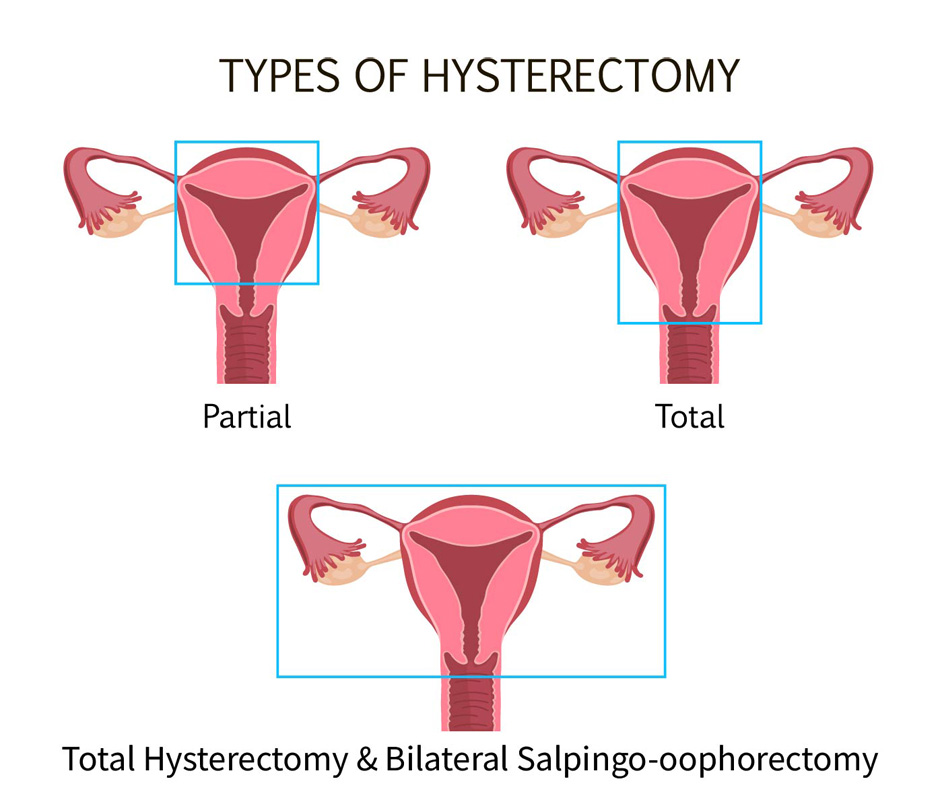
Surgical removal of the uterus and cervix, usually because of disease of the uterus or abnormal bleeding which cannot be controlled by other treatment. The operation requires eight to fourteen days in hospital and a further two to three weeks of convalescence. after a hysterectomy, it takes about four weeks for the inner end of the vagina to heal. There is usually some blood-stained discharge until healing is complete. When the discharge ceases, sexual intercourse may be resumed. After hysterectomy there is no more menstruation and pregnancy is no longer possible. The ovaries are not removed (unless they are also diseased) so that normal hormone production continues until the end of ovarian function at about age fifty. Although hysterectomy means the end of fertility, it is not castration, and should not have any effect on feminity or sexuality.
Depression
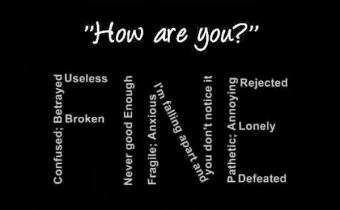
A state of feeling sad and dispirited, most likely to occur at those stages of the life of emotional upheaval and tumult, such as adolescence, during pregnancy, and after birth, at menopause, during personal disappointment or bereavement. Relatively mild depression in response to adverse circumstances is normal and eventually passes. Pathological depression is characterized by overwhelming feelings of black despair with the future looking bleak, even hopeless. A depressed person may be constantly tired, have little appetite, suffer from inertia, insomnia, and loss of libido. Suicidal thoughts and attempts are common. In such cases, the person should see a doctor who may prescribe anti-depressant drugs and psychiatric counseling. Loving, reassuring care from family and friends can be a great help.
Leukaemia
a form of cancer affecting the bone marrow and other blood-forming tissues causing over-production of leucocytes (white blood cells). Leukemia can be either acute or chronic. In acute lymphoblastic leukemia, which affects children, leukaemic cells replace the normal cells of the bone marrow. Acute myeloblastic leukemia usually occurs in middle age; chronic myeloblastic leukemia, in which the liver and spleen become enlarged, mostly effect elderly people.
in general, leukemia causes suppression of the production of red blood cells and other blood constituents resulting in anemia, recurrent infections, pains in joints and bones, bleeding disorders such as nosebleeds and bruising, weight loss, fever, night sweats and lack of energy. The cause of leukemia is unknown, but treatment with anti-leukemic drugs, radiotherapy, blood transfusions, and sometimes bone marrow transplants, will often result in remission.
Wind (in Stomach or Intestines)
Air or gas accumulated in the stomach or intestines leading to belching, rumblings, passing wind and a bloated feeling. The most common cause of wind is swallowing air. We all swallow some air, but excess air is likely to be swallowed by nervy, anxious people and when drinks are gulped or food is bolted. Wind is also a symptom of indigestion. Some foods, such as beans, onion, cabbage and Brussels sprouts, are likely to cause wind because they are usually not fully broken down by the digestive juices and the residue collects in the bowel where it ferments, producing gas. People who suffer from wind should avoid such foods, and should sit down to a meal in a relaxed state, and eat and drink slowly.
Common Cold (CORYZA)
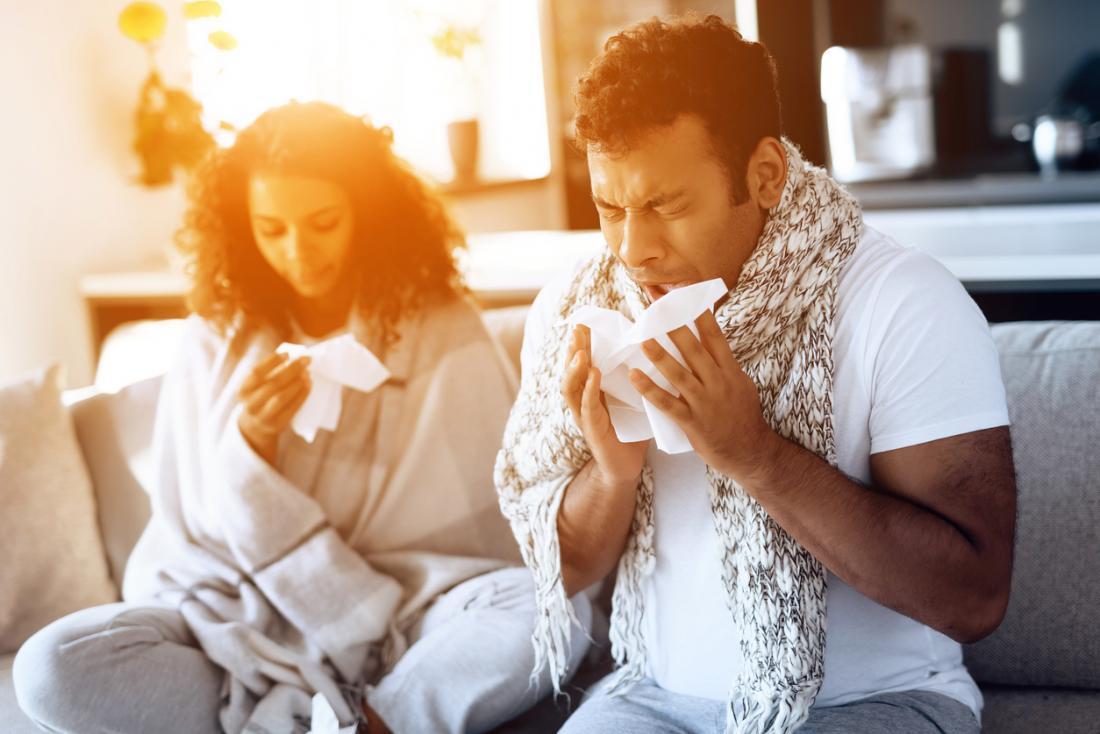
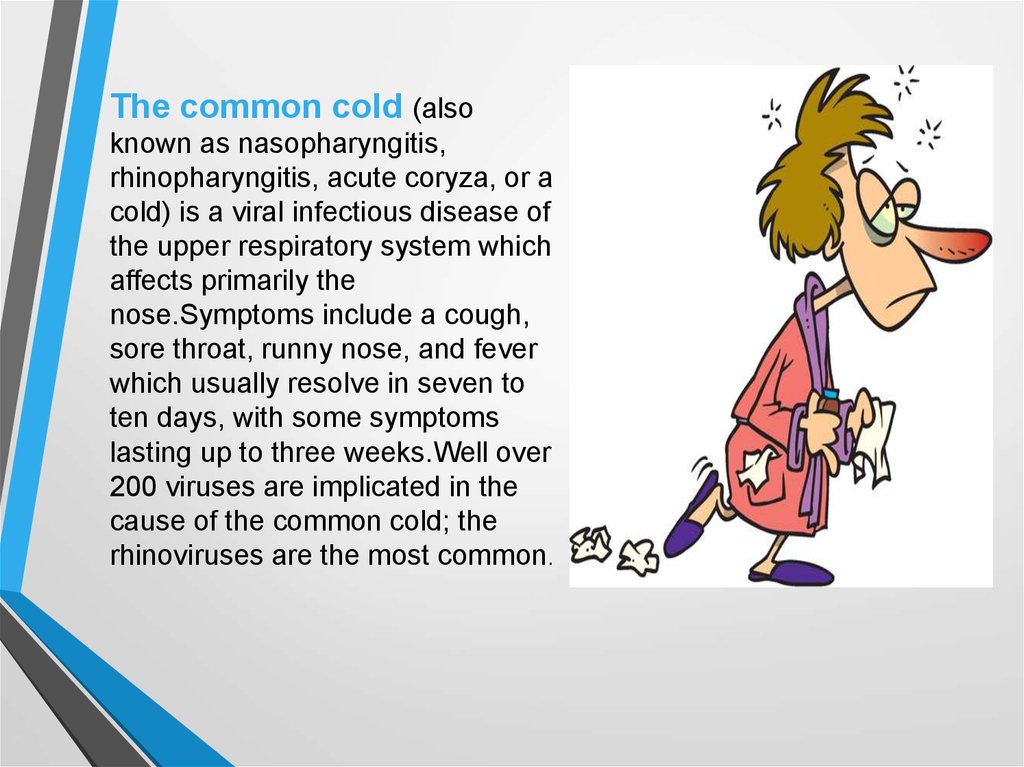
An acute viral infection of the upper respiratory passages in which the mucous membranes of the nose, throat and larynx become inflamed. Early symptoms include sneezing, mild fever, blocked or running nose, headache and perhaps sore throat, hoarseness and cough. Symptoms usually appear within two days of infection and may last between a few days and several weeks. The best treatment is rest, aspirin, cough linctus if necessary, and plenty of fluids. Complications such as sinusitis, otitis media, bronchitis and bronchopneumonia are rare, occurring mainly in infants and debilitated people. The common cold is the most widespread contagious disease, most people getting one or two colds per year. Prevention means keeping away from infected people.
Puberty & Puerperium
**PUBERTY**
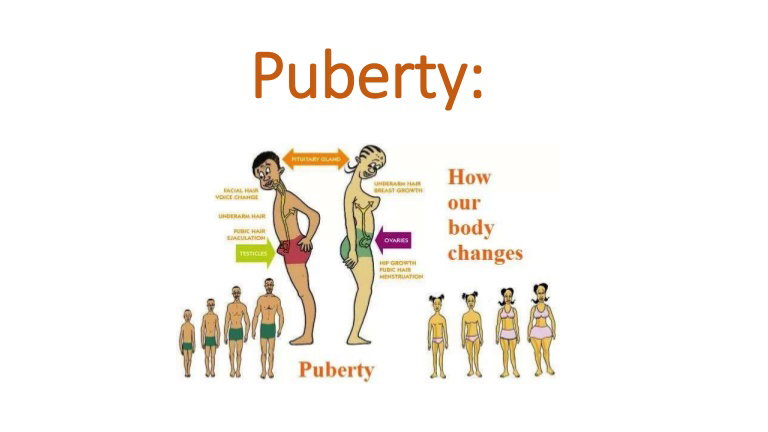
The progress from childhood to physical adulthood, during which the secondary sexual characteristics develop and reproductive functions mature. Adolescence usually refers to the progress from childhood to adult mentality, though the term is often used interchangeably with puberty. Bodily changes of sexual maturation are stimulated by an increase in the production of estrogen and androgen by the reproductive glands (the ovaries in women, the testes in men), in response to regulating hormones from the pituitary gland. The hormonal changes may cause skin problems like pimples and acne as well as emotional instability, moodiness, anxiety, and over-excitement. Loving, understanding, and support from parents and family help an adolescent boy or girl to find a sexual and personal identity in the adult world.
**PUERPERIUM**
The period of about six weeks that follows childbirth, during which the reproductive organs return to normal.
Cholesterol
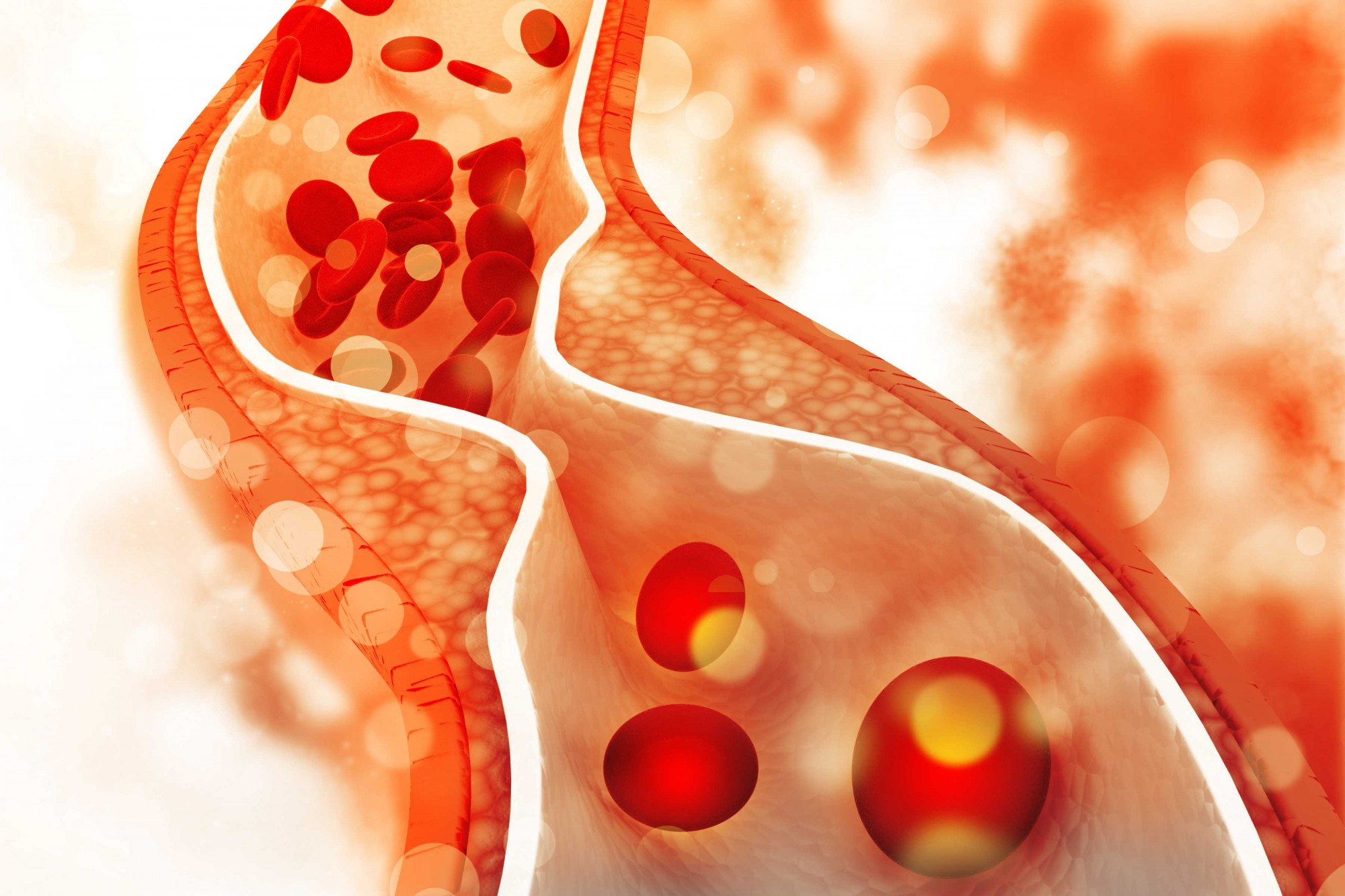
A substance similar to fat, found in the blood, brain, and all other body tissues. It is produced chiefly by the liver and adrenal glands and is one of the key factors in the body's chemistry. In atherosclerosis, the atheroma that contains large amounts thickens the walls of the arteries contains large amounts of cholesterol. Whether dietary intake of cholesterol-rich foods encourages the development of atherosclerosis is controversial, but it has been found that the disease is more common in people with a raised blood level of cholesterol.
Shingles
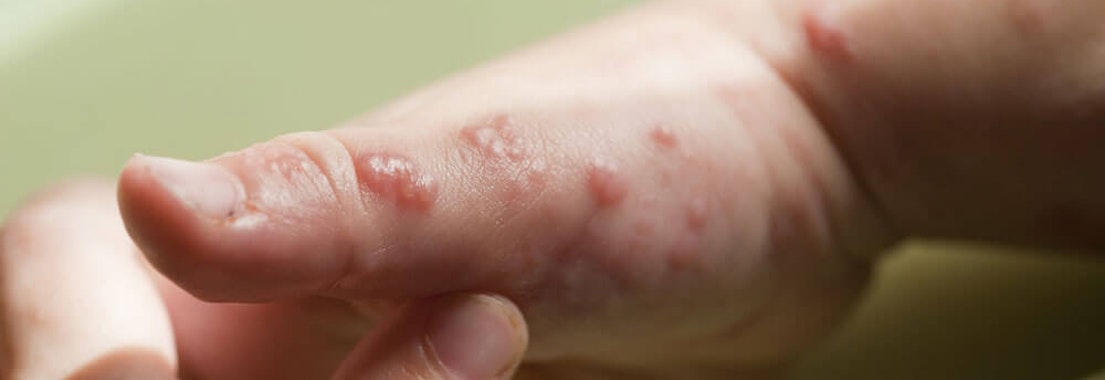
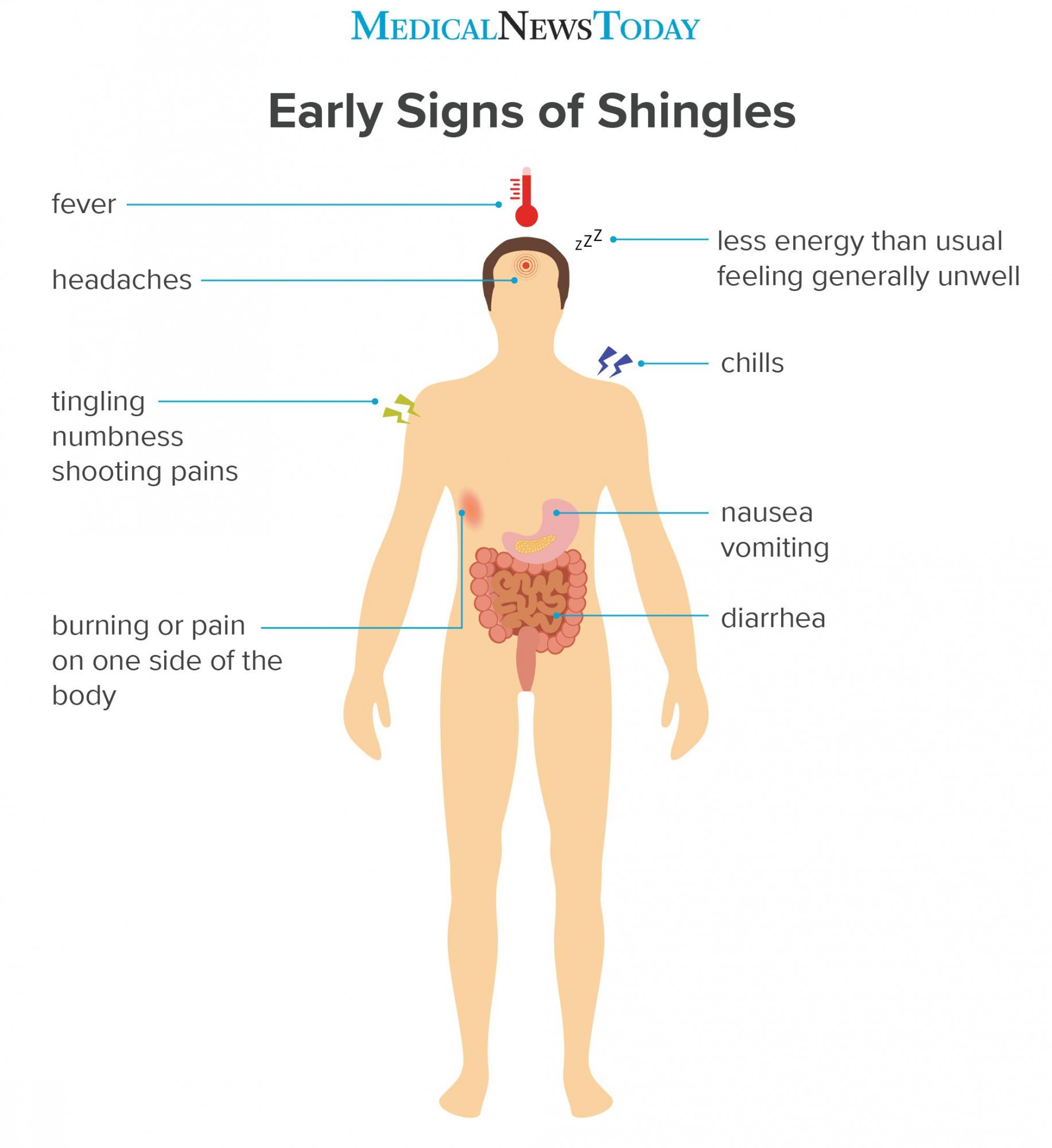
The common name for herpes zoster. This disease is the result of viral inflammation of the root of a sensory nerve. Shingles is caused by the same virus that causes chicken-pox in children. It is thought that after chicken-pox, the virus remains dormant in some or all nerve roots, only becoming active to cause shingles in states of severely reduced immunity. Shingles is marked by clusters of small blisters and severe pain in the skin by the nerve. The redness and scabs remaining after the blisters break usually last two to three weeks. In some cases the pain along the course of the nerve may last for some months after the blisters have disappeared. There is no specific treatment for shingles, but rest and analgesics will help to relieve symptoms. The new anti-viral drugs will shorten the course of an attack.
About Health
**AUTISM**
Psychosis in children, cause unknown, characterized by an indifference to people, surroundings, noise, pain. Autistic children withdraw into themselves and live in a closed world of their own making. While often not responding to care and affection, an autistic child will sometimes show repetitive, ritualistic play. Although not necessarily mentally deficient, an autistic child may appear to be so because of intense withdrawal. Although complete recovery is rare, many advances have recently been made in understanding and treating autism.
**AUTOIMMUNE DISEASE**
A disease where the body cannot distinguish between foreign substances and those it produces itself, the result being that antibodies are produced that attack and destroy parts of the body.
**AUTONOMIC NERVOUS SYSTEM**
The part of the nervous system regulating the unconscious functions of the body such as breathing, the beating of the heart, and bodily reactions to emotional states such as blushing. It consists of two parts: the sympathetic nervous system and the parasympathetic nervous system. The two balance each other so that the body can cope with many different situations and stresses.
**AUTOPSY**
Also known as post mortem, this is the examination of a body by dissection to discover the cause of death.
**AVERSION THERAPY**
A form of behavior therapy in which an unpleasant sensation or association is linked, in the patient's mind, with behavior considered socially or medically unacceptable.
**AZOOSPERMIA**
Absence of sperm in the seminal fluid. It may be the result of undescended testes, the inadequate blood supply to the testes, obstruction of the seminal passages, infections of the testes, alcoholism, hormonal disorders, irradiation, and certain poisonings. Temporary azoospermia may follow high fever, with recovery after two to three months.
Addiction
An overwhelming and uncontrollable physical or psychological craving for a substance (such as drugs, alcohol) or activity (such as gambling, exercise). The need to have whatever it is that addicts crave prevents them from leading normal lives; all the addict's activities become directed towards satisfying the craving, to the detriment of health, family and other interpersonal relationships, and work. With some addictions, the body becomes so dependent on the substance that its withdrawal causes physical and mental illness. Addiction can be treated by psychotherapy using analysis, group therapy, and various behavior modification techniques. In some drug addictions, the prescription of less addictive drugs is used to relieve the symptoms of withdrawal.
Dysmenorrhoea
Painful MENSTRUATION.
There are two types:
**Primary Dysmenorrhoea**
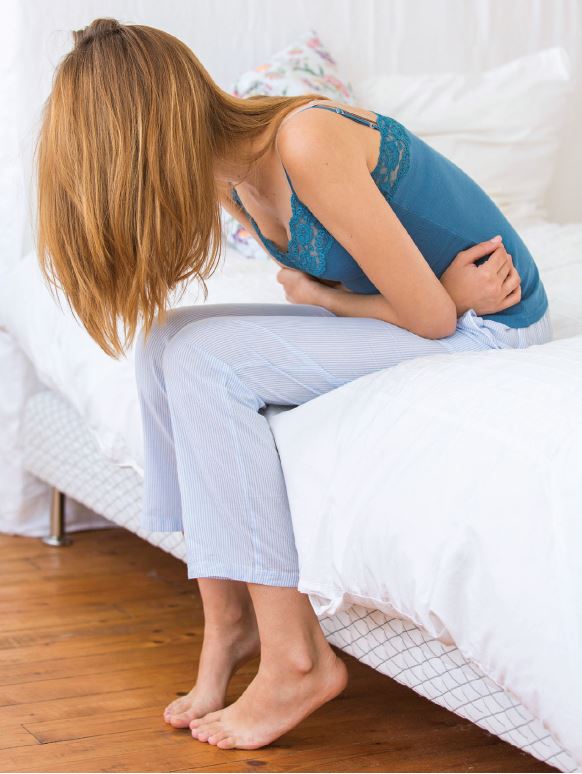
Pain due to cramps or spasm of an otherwise normal uterus. The spasm is caused by substances (prostaglandins) released when the mucous membrane that lines the uterus breaks down at the end of the menstrual cycle. Primary dysmenorrhoea most often affects young women who have not had children, and rarely persists after the first pregnancy. It is not known why dysmenorrhoea affects some women and not others. Pain begins with the onset of bleeding and rarely lasts more than a day or so. It may be accompanied by nausea and vomiting, diarrhea, and, in severe cases, fainting. Mild cramps may be relieved by rest and simple analgesics such as aspirin or paracetamol. More severe dysmenorrhoea, such as that which causes absences from school or work, usually responds well to anti-spasmodic or anti-prostaglandin medication and is usually eliminated by taking the contraceptive pill (one of the good side-effects of the pill). Any woman who suffers from severe dysmenorrhoea should have a thorough gynecological check to make sure that there is no cause for the pain other than the uterine spasm.
**Secondary Dysmenorrhoea**
Painful menstruation in a woman who has previously had painless periods. Pain tends to be constant and severe, and often begins before and lasts throughout bleeding. Common causes include PID (Pelvic Inflammatory Disease), fibroids of the uterus and endometriosis. Secondary dysmenorrhoea should always be investigated so that the cause can be treated
Be informed
**ACTINOMYCOSIS**
An infection caused by a parasitic micro-organism, Actinomyces israelii. The microbe is commonly found in the mouth of many people. When antinomyces gets into the tissues through a decayed tooth, or after the removal of a tooth or other injury to the jaw, it causes slowly progressive tissue destruction and pus formation. If infected pus is swallowed, inhaled, or enters the bloodstream, it may cause antinomycotic abscesses in the digestive tract, the liver, spleen, kidneys and lungs. Early treatment with antibiotics is usually effective although surgery may be necessary to drain accumulated pus.
**ACUPUNCTURE**
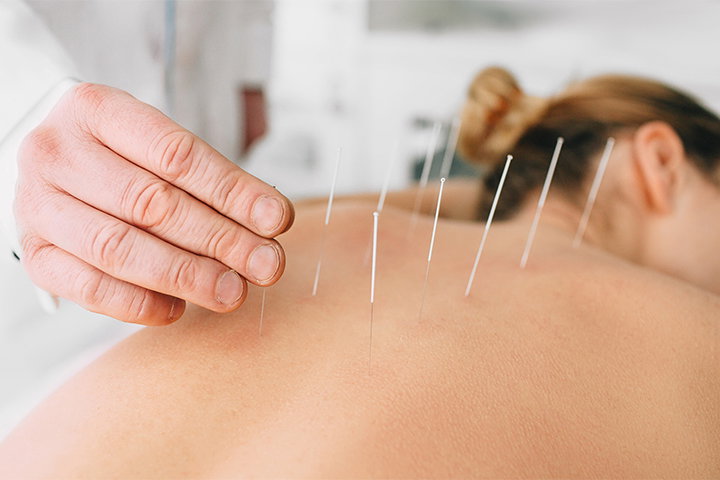
A traditional method of treatment used in China for several thousand years, acupuncture means 'piercing with a needle'. The Chinese theory is that a life force flows through the body along the meridian lines which are quite distinct from the lines followed by the nerves. Fine needles are inserted into the skin along the meridian lines at specific points which represent various organs. The rotation of the needles is believed to restore the balance between opposing energy forces. Recent scientific studies show that acupuncture causes the release of endorphins and encephalins whose effects include, among other things, reduction in pain perception.
**ACUTE**
A term used to describe a disease, disorder, or illness that has a rapid onset, severe symptoms, and a short course.
**ADAM'S APPLE**
A prominent piece of cartilage at the front of the neck surrounding the voice-box, also known as the larynx.
Acros
**ACROMEGALY**
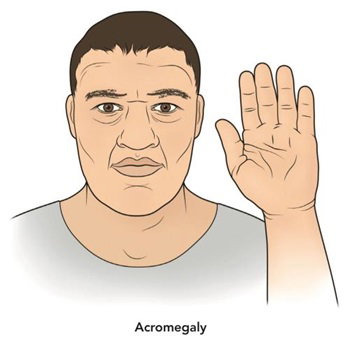
Abnormal enlargement of the extremities of the skeleton - nose, jaw, fingers, and toes - due to overproduction of growth hormone in adulthood. The excess growth hormone is produced by a benign (non-cancerous) tumour of the pituitary gland. Early symptoms are changed appearance, tightening of shoes and gloves, and sometimes headache and visual disturbances. Treatment involves removing the gland surgically or destroying the tumour by radiotherapy. Excessive growth hormone in children results in a different condition, gigantism.
**ACROPHOBIA**
An abnormal, excessive fear or dread of high places in which the sufferer may be illogically afraid in, say, a room in a high building even though there is no chance of falling. It is a disabling condition since the sufferer will often refuse to go to work or a function that involves going into a high building or a place high above the ground. As with other phobias, the sufferer may go into analysis to determine the possible cause of the phobia. Desensitisation, which the sufferer is taught techniques of relaxation when confronted with high places, may also be helpful.
Abortion
The premature ending of any process before it reaches its natural conclusion. Medically, abortion refers to a pregnancy finishing before the fetus is mature enough to survive.
**Spontaneous Abortion** - also called miscarriage - happens when pregnancy terminates without any outside interference, and usually to the great disappointment of the parents. the reason for miscarriage is often obscure but thought to be due to a defect in the fetus, placenta, uterus or cervix, or the hormonal support of the pregnancy. It may also be caused by fever or viral illness in the mother. The symptoms of impending abortion are bleeding from the uterus, usually accompanied by lower abdominal cramps. When this happens during pregnancy, consult a doctor without delay. Several terms are used to describe spontaneous abortion:
Threatened abortion. Bleeding from the uterus in the early or middle months of pregnancy without the death of the fetus. The bleeding may settle and the pregnancy survive.
Incomplete abortion. Part of the conception has been expelled from the uterus. The remaining part causes bleeding - often severe. The remaining conceptus must be removed by suction or curettage so that bleeding will stop.
Inevitable abortion. When there has been much bleeding and the cervix has dilated, there is no possibility of the pregnancy surviving.
Missed abortion. The fetus has died but remains in the uterus.
Habitual abortion. Spontaneous abortion occurring in three or more successive pregnancies.
Septic abortion. Miscarriage associated with infection in the uterus. In septic incomplete abortion, it may be impossible to know whether the infection is the cause or the result of the miscarriage.
**Induced Abortion.** The deliberate termination of a pregnancy, either by surgical removal of the conception from the uterus or by inducing premature labour so that contractions of the uterus expel the pregnancy. In skilled medical hands, abortion carries minimal risk of complication: indeed it is the safest of all surgical procedures. The legal position regarding induced abortion in Australia varies from State to State. Any woman seeking termination of pregnancy should see her doctor as early as possible for information and advice about the appropriate medical and legal requirements.
Pain to see
**ABRASION**
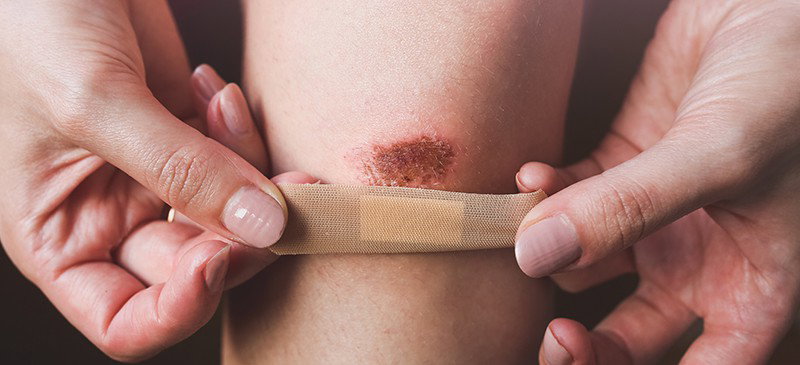
A scrape on the skin with surface bleeding or seepage of blood. Abrasions should be gently and thoroughly cleansed then covered with a sterile dressing. If redness, swelling, and pus formation occur, see your doctor.
**ABSCESS**
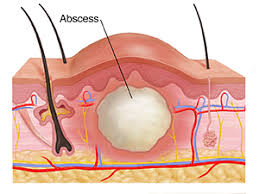
a painful, swollen pocket of pus, which forms as a result of tissue destruction complicated by infection. An abscess can occur in any organ or tissue. Common examples are found in the skin (boil or furuncle caused by infection entering through a hair follicle) or when a decayed tooth and its socket become infected. The pus must be drained from an abscess before healing can take place.
**ACHE**
A dull pain that lasts for a while in contrast to an acute pain that is sharp and sudden.
**ACHILLES TENDON**
The strong, powerful tendon at the back of the ankle connecting the heel bone to the calf muscles.
**ACIDOSIS**
A metabolic disturbance resulting from accumulation of acid in or loss of alkali from the body. It is characterized by drowsiness, nausea, and an increased rate of breathing. The condition is serious and may occur as a complication of diabetes, lung, and kidney disorders, and other severe illnesses. Acidosis is treated by attention to the cause and by correcting the body's acid-base balance with oral or intravenous fluids.
Adrenal Glands
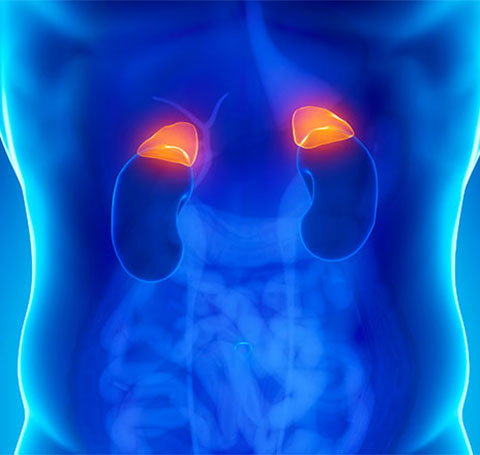
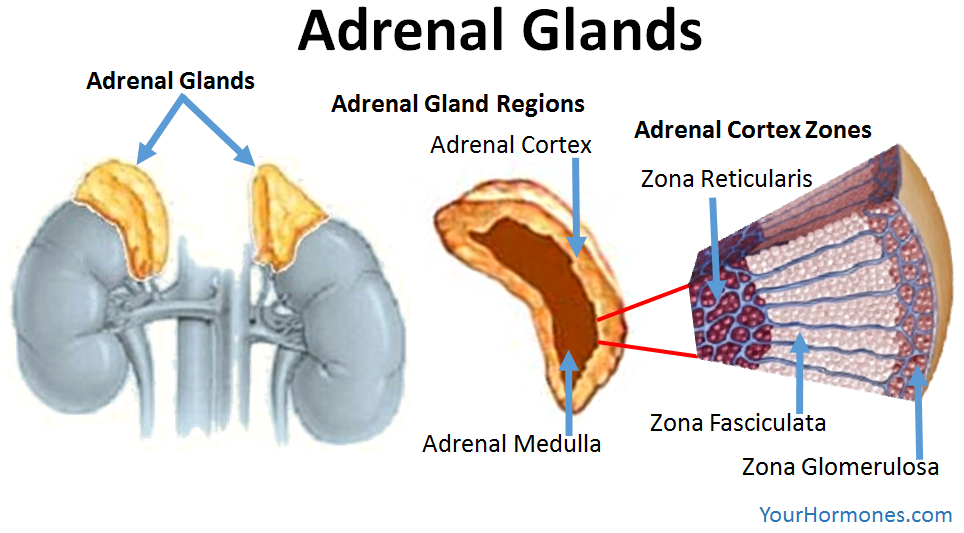
The two adrenal glands, one sitting on top of each kidney, are divided into an outer part, the adrenal cortex, and an inner part, the adrenal medulla. The adrenal cortex secretes aldosterone, which acts on the kidneys to reabsorb salt and water from the urine. The purpose is to restore blood volume after dehydration or haemorrhage. aldosterone is part of a complex control system. On sensing a fall in blood pressure due to loss of blood volume, the kidneys secrete an enzyme called renin. Renin reacts with a plasma protein from the liver to form angiotensin I. Converted to angiotensin II in the lungs, this stimulates the adrenal cortex to produce aldosterone. Thus initial action of the kidneys culminates in the restoration of blood volume and blood pressure.
The second group of hormones from the adrenal cortex called glucocorticoids. are concerned with normal metabolism and resistance to stress. They include cortisol and cortisone. By assisting the conversion of amino acids and fats to glucose they provide a quick source of energy to combat fight, temperature extremes, infection, and trauma. They are also anti-inflammatory agents. Their secretion is controlled by the hypothalamus, which directs the pituitary to send adrenocorticotrophic hormone (ACTH) to the adrenal cortex to summon their release.
The adrenal medulla secretes two hormones, adrenalin, and noradrenalin, which literally spurt from the gland when fear, anger, a severe injury, or some other cause of stress assaults the brain. The glandular reaction is part of the fight-or-flight response. Impulses from the hypothalamus traveling along fibers of the sympathetic division of the unconscious nervous system, jolt the adrenal medulla into discharging its hormones. They accelerate breathing and heart rate, diverting blood from the periphery to the skeletal muscles by constricting blood vessels of the skin, increase blood sugar level and bring about other changes that prepare the body for immediate action.
Body Odour
All animals have distinctive body odours. Theses smells are important in giving other animals of our own and different species important information about our identity, emotional state (fear, anger, aggression, etc.), state of sexual arousal and health. Body odours are produced by sweat and other feromones, and are not normally offensive. Sweat is odourless when secreted and normally evaporates quickly. When sweat cannot evaporate because of climatic conditions or because it is trapped where air cannot circulate freely (armpits, groin, feet), an offensive smell can develop because of the action of normal skin bacteria which break down certain chemicals in sweat. Unpleasant perspiration smells can be prevented by washing regularly in hot, humid weather, by avoiding synthetic clothing which prevents the absorption and evaporation of sweat, and by the appropriate use of deodorants.
Clubfoot
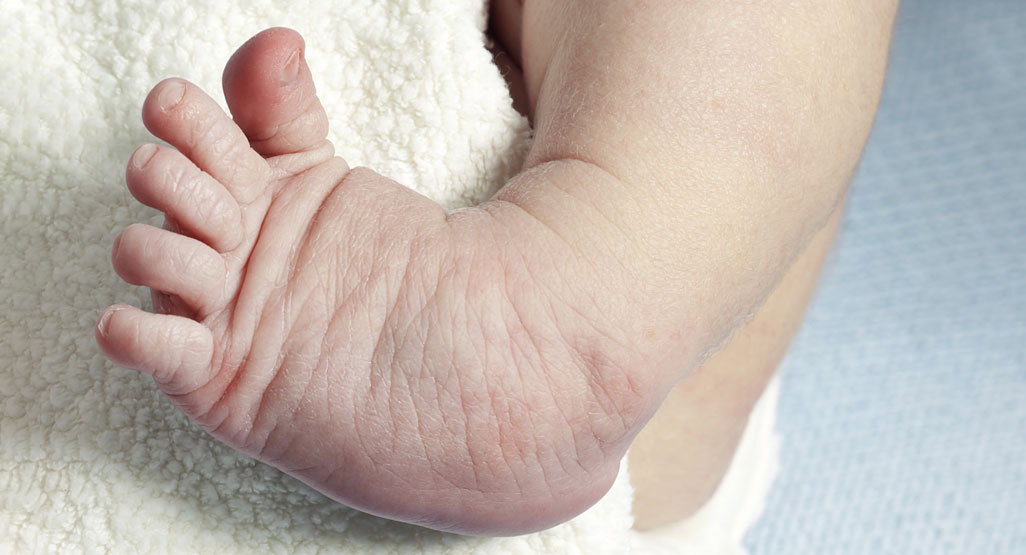
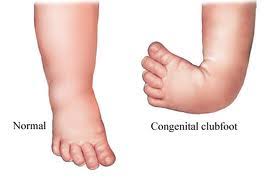
Also known as talipes, this is a congenital deformity of the joints of one or both feet which prevents standing with the sole flat on the ground. The foot may be twisted either inwards, upwards, up or down at the ankle. All new-born babies are examined to see whether any such deformity exists. If treatment by manipulation or splinting is started when a baby is just a day or two old, the deformity can usually be completely corrected. If, however, the condition persists, treatment involves further manipulation, a plaster cast to support and hold the foot in the correct position, exercises to strengthen muscles and tendons and, perhaps, specially fitted shoes. More severe cases may require orthopaedic surgery.
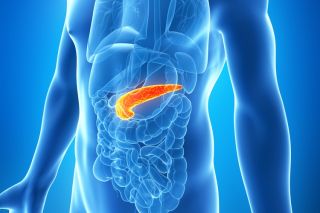
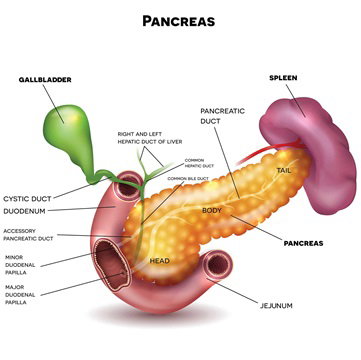
The Pancreas (LAPAY)
The pancreas sits in a bend of the duodenum, conveniently placed for its work in digestion. In its other role is as an endocrine gland, it makes two hormones that regulate the everyday fluctuations in blood glucose levels. They come from two different clusters of cells in the islets of Langerhans. When glucose enters the blood after a meal, insulin is secreted to limit its level. It does this mainly by speeding the entry of glucose into the cells. It also accelerates the conversion of glucose to glycogen for storage.
The other pancreatic hormone, glucagon, has the opposite effect. Secreted when the level of blood glucose falls below normal, it accelerates the conversion of glycogen in the liver to glucose and helps the liver to convert other nutrients such as amino acids and fats into glucose.
Macrophages
Despite these frontline defenses, many germs do succeed in penetrating the tissues and entering the bloodstream. Protein complexes in the blood such as antibodies and interferon do their best to destroy them. In many tissues, such as the liver, lungs, brain, spleen, lymph nodes, and bone marrow, fixed macrophages lie in wait for them. These are cells capable of gobbling up bacteria and dead matter, an activity known as phagocytosis. The spleen, the largest mass of lymphatic tissue, has a major phagocytic function, cleansing the blood of foreign organisms, worn-out red blood cells, and platelets.
Other white cells made in the bone marrow and lymphoid tissue move through the blood to engulf bacteria. First to arrive at the site of an impending infection are a type of granular white cell called neutrophils. Granular refers to their grainy structure inside. These are followed by agranular white cells called monocytes, which enlarge and become macrophages on the way. They are called wandering macrophages because they leave the blood and enter the tissues to do battle with adversaries. These phagocytic cells are undiscriminating about what they swallow. They are part of the general, non-specific system of resistance to disease.
Female System (Be informed)
Female System (Be informed)
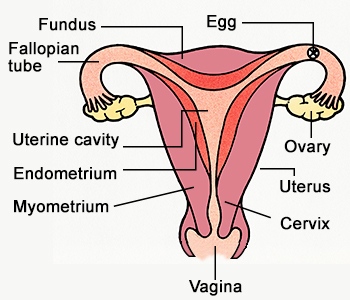
The female's reproductive organs lie mainly in the shelter of the pelvis. The opening of her genital tract, the vulva, has two gateways: the outer lips or labia majora, and the inner labia minora. The latter vary considerably in size, and may normally protrude outside the labia majora or be hidden by them.
Both pairs of lips surround a space called the vestibule. This contains the entrance to the vagina - the introitus - and the opening of the urethra, the tube that carries urine from the bladder. Hooded by the junction of the labia minora in front is the clitoris, a small (5 mm) knob of nerve-packed tissue which is the centre of female sexual sensation. In infancy and childhood, the entrance to the vagina is partly closed by a thin membrane, the hymen, which is stretched or broken by the first sexual penetration.
The vagina is a flask-shaped tube, 8-10 cm in length, running upwards and backwards towards the uterus. Its folded lining and the muscle in its wall allow for considerable expansion during intercourse and childbirth. The lining is kept moist by a watery fluid which seeps from capillaries beneath the surface, increasing in amount during sexual arousal.
The vagina meets the uterus at the cervix, the neck or narrowed entrance to the gestation chamber. The uterus, about 7.5 cm long and 5 cm wide, is shaped like an inverted pear. Its strong, muscular walls are about 1 cm thick, and its lining, the endometrium, is specialised for gestation. The uterus is a very mobile organ, being loosely tethered to the pelvic walls by four sets of ligaments. It leans forwards when the rectum is full, backwards when the bladder is full, and can expand up to the diaphragm during pregnancy.
The uterus is joined on either side near the top by the fallopian tubes. These narrow passageways, about 10 cm long, open out in finger-like projections near the surface of the ovary. Their sweeping movements will pickup the ovum as it is released to be transported down the tube to the uterus.
The almond-shaped ovaries have two functions: maturing and release of eggs and production of hormones. At birth the ovaries contain many thousands of ova in a resting, immature state. Each ovum is surrounded by a layer of specialized cells, forming an ovarian follicle. Starting from puberty, the brain begins to order a few of these follicles to develop each month, the instruction being carried by follicle stimulating hormone (FSH) from the pituitary gland. The egg cells begin to mature, and the surrounding cells multiply and start to manufacture the hormone oestrogen. This hormone prepares the female body for pregnancy by stimulating growth of the lining of the uterus and develop and maintenance of all other female secondary sex characteristics. Each month only one of the ripening follicles reaches full maturity. This takes about two weeks, during which time fluid accumulates within the follicle around the ovum. Eventually, increasing amounts of oestrogen produced by the cells of the follicle wall trigger release of luteinizing hormone (LH) from the pituitary. Under the influence of LH the follicle bursts to release the ovum (ovulation), which is captured by the tube to be swept towards the uterus and any sperm that maybe coming the other way.
After ovulation LH directs the remains of the follicle to transform into the corpus luteum, a gland which secretes an additional hormone, progesterone, which halts growth of the endometrium and transforms the uterine lining into a lush secretory layer, rich in blood supply and perfectly designed for implantation of a fertilised ovum. If there is no conception, the corpus luteum degenerates after twelve to fourteen days, oestrogen and progesterone levels fall and the endometrium dies and is shed. This is menstruation. The menstrual discharge consists of the liquefied dead endometrium mixed with some blood which is lost as the tissue breaks down. The usual amount of the menstrual flow is 40-80 ml. This monthly cycle continues from the first period or menarche until the menopause at about 50 years of age.
What is your birthmark?
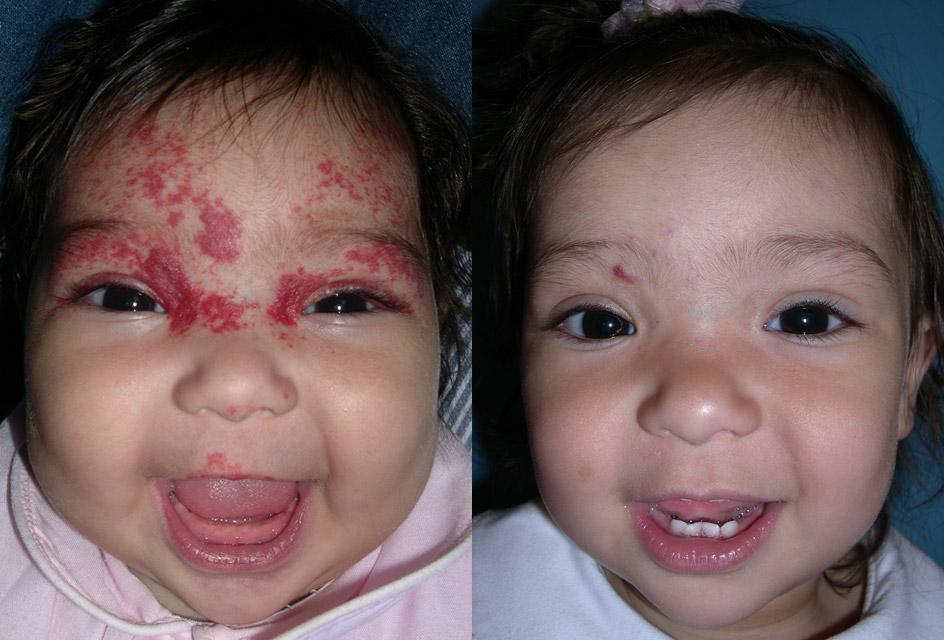
Birthmark is a blemish or mark present on the skin at birth, also known as a nevus. The cause of most birthmarks is not known.
The commonest birthmarks are those due to clusters of abnormally dilated blood vessels (strawberry mark and port wine stain), and those due to patches of excessive pigmentation of the skin (brown to black marks).
Some birthmarks fade with time; others can be removed by laser treatment, surgery and skin-grafting. Some can only be camouflaged with cosmetics.
Vaccination and Immunisation
Without understanding the mechanisms of immunity, Dr. Edward Jenner in the late 18th century turned it to the service of medicine when he vaccinated his patients against smallpox with the similar virus of cowpox. He had acted on the popular belief in his part of Gloucester that people who contracted the much milder cowpox where thenceforth immune to smallpox. In our century artificial immunisation has become the most effective protection against many infectious diseases. It takes two forms: passive immunisation in which the patient is inoculated with serum containing antibodies to a particular disease organism; and active immunisation in which the inoculant used contains live or killed virus, or more often a weakened strain of the virus. The nature of immunity is under increasingly intensive study as medical scientists strive to improve the results of organ transplantation, now limited by the patient's immune reaction to foreign tissue.
Breaking Down Food (Food Digestion)
Breaking Down Food
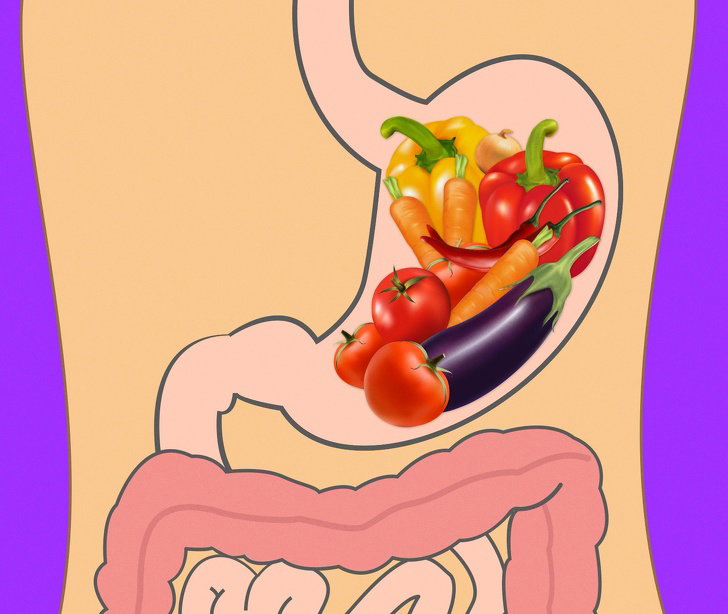
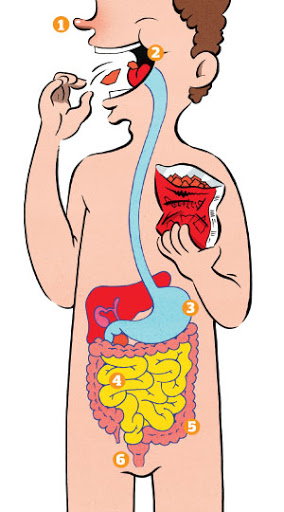
Food is digested during a journey through a canal some 10 meters long, starting at the mouth and ending at the anus. This gastrointestinal tract, or alimentary canal, bulges in places such as the stomach and colon but is uninterrupted.
Even before food reaches the mouth the body prepares to break it down into its basic components, mainly carbohydrates (sugars and starches), fats, and protein. The sight or smell of food or the sounds of a meal being prepared will stimulate the parotid and other glands to secrete saliva into the mouth in anticipation of what is to come. Saliva contains an enzyme, or organic catalyst, which assists chemical changes. Called salivary amylase, it starts the breakdown of starches. Saliva also lubricates. Food during chewing so that it can be swallowed more easily. The salivary glands produce from a liter to a liter and a half of fluid every day for digestion and to moisten the mucous membrane of the mouth and lubricate the tongue and lips during a speech. Excess production is swallowed and reabsorbed.
Chewing merely prepares food for swallowing. It serves no digestive purpose. When the teeth have broken food into small lumps., the tongue rolls them into a bolus or soft mass that can be swallowed. Any conscious influence on digestion ceases once the food is swallowed. We are blissfully unaware of most of the following events as the bolus slips into the throat and the unconscious centers of the brain take over.
 @Cheriben