 @BaldurThorLoki
edited
@BaldurThorLoki
edited
Medival town of Borač
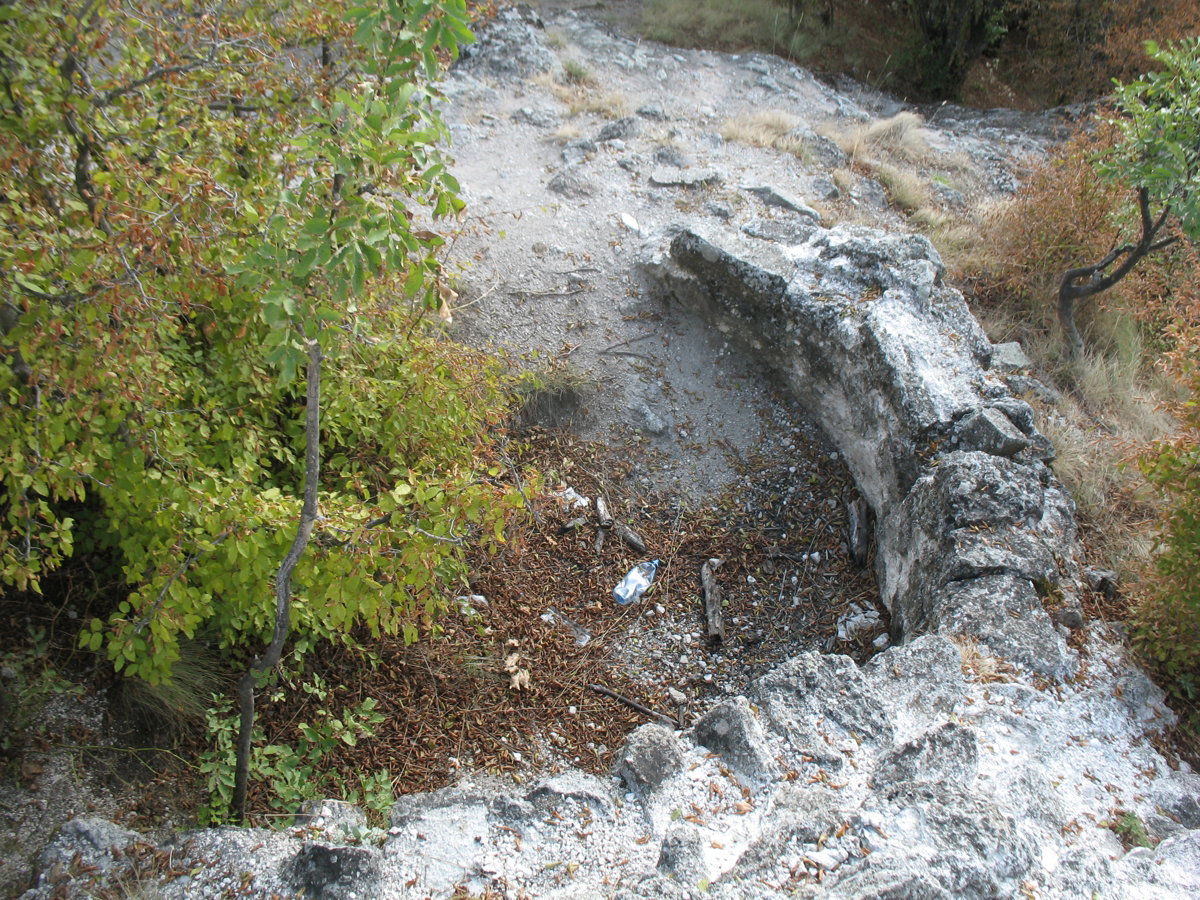
The medieval town of Borač was located on the Borač karst during the despotism of Serbia. Veteran karst is a unique natural phenomenon. Karst is estimated to have a history of over a thousand years. It was formed from volcanic rocks, which is specific for this area, and for the whole of Šumadija. According to historians, in the Middle Ages there was a large town Borac in which trade and work took place. The Venetian cartographer Mauro drew it on the map of famous world cities. It was also visited by numerous lords, emperors and kings, and they found a place to live in it. The largest fortification was during the despotism with dimensions of 150x70 meters, while at the foot there was another fortress where citizens, craftsmen and merchants lived.
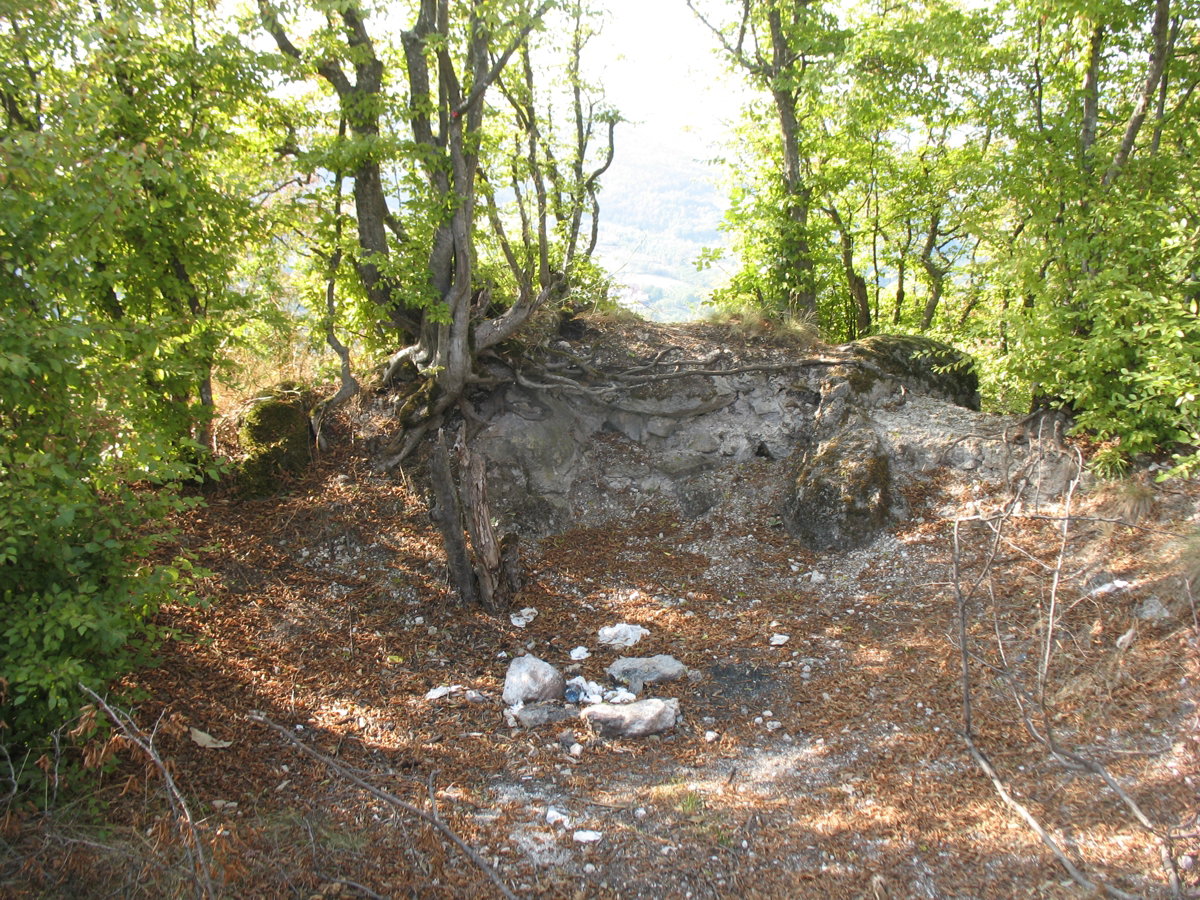
Preserved sources say that this medieval city was rebuilt on Roman foundations. It became part of the Serbian state in 836 during the reign of Prince Vladislav. The Hungarian king Sigismund of Luxembourg conquered it in 1389, and the Serbs, with the help of the Turks, recaptured it the following summer.
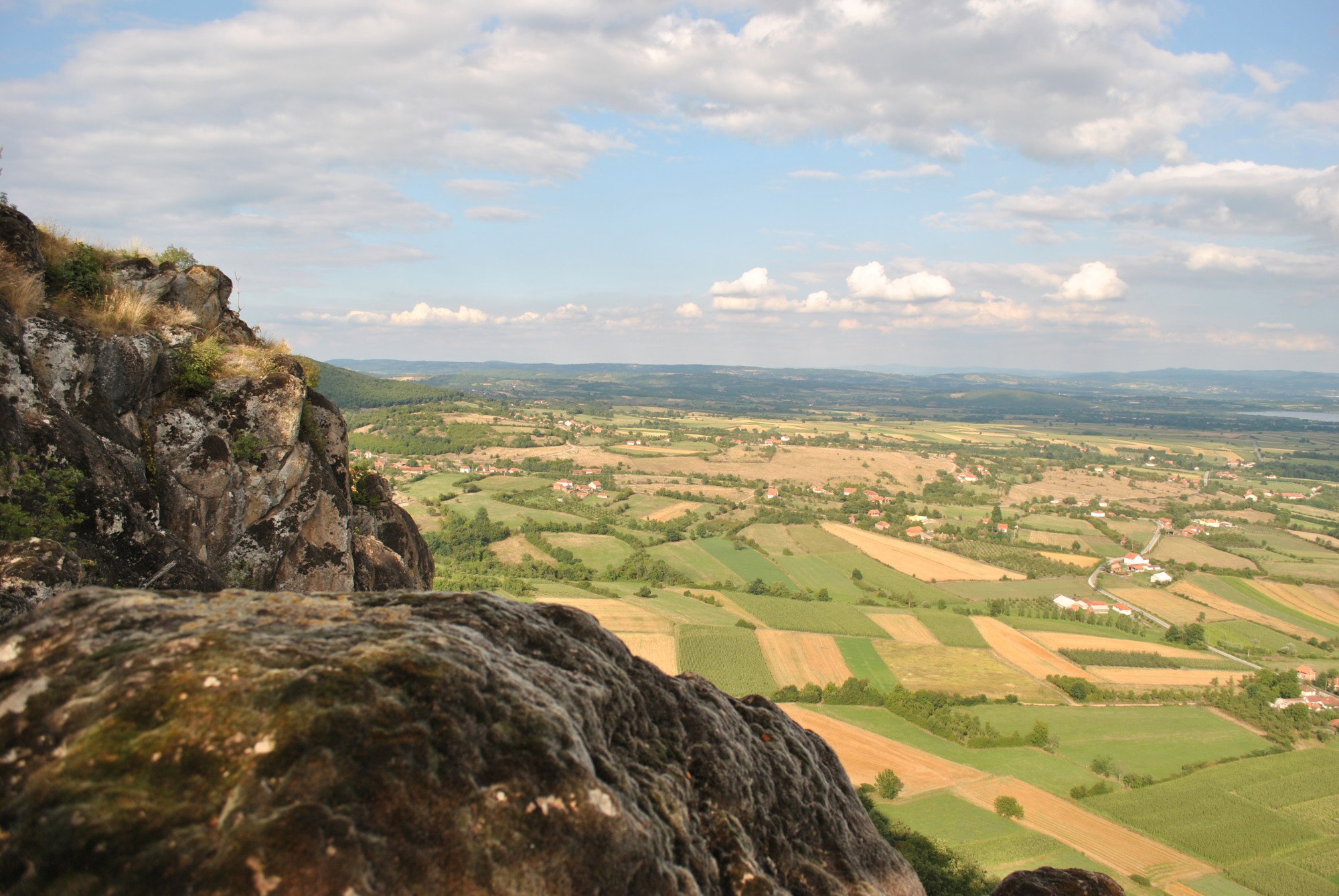
Despot Stefan Lazarević issued a charter on free trade to the citizens of Dubrovnik on December 2, 1405. years. It is said that the ruler, receiving guests from afar, climbed the highest rock, from where there is a view of Šumadija, pointed to the fields, rivers, forests, and fertile fields, and thus, said more about himself: "When you came you saw only a stone, and when you stood on the stone you saw native fields and plums and grain. God gave everything to the town of Borač." Unfortunately, there is not much information on what the city itself looked like. With an altitude of 507 m, it can easily be concluded that the city dominated the entire area. It was divided into Donji and Gornji Grad. It is believed that the military crew and administration were housed in the upper part, and warehouses, apartments and other facilities in the lower part. The city served to keep the inhabitants of the district of Gruza away from the invasion of the enemy. When Djuradj Brankovic ruled Serbia, in 1427, Smederevo began to be built as a new Serbian capital. Simultaneously with it, the fortifications of Ostrovica on Rudnik and Borac in Gruž were built. A lot of stone and effort has been spent on these jobs. The people languished both night and day, and blamed Jerina, Đurđe's wife, for all the misfortunes. The local people gladly mention Radič Postupović, the leader of Prince Lazar, who himself lived here for a while. How much the locals loved their Kosovo hero is also shown by the fact that they gave him two ducat boots, from which he later built the Vraćevšnica monastery. There was a lot of work, but also trade. Cattle, grain, wax, wool were sold ... Church books were also written here, cartoon projects for Serbian monasteries, and in Borča itself, from the 13th to the 15th century, there were two monasteries and as many as nine churches. Borac was conquered by the Turks on July 1, 1438. The intention of Emperor Murat II was to conquer Gruža, but Borač resisted for a long time. The vertical high cliffs were too great an obstacle for the conquerors. As the Turks burned the town below the city, they began to beat the upper part and stormed furiously, but were repulsed by the brave defenders. And who knows how it would have ended in the end if, according to legend, they had not caught an old woman. Under threat of death, the woman showed them the way through the dense forest, which led to the hill above the city. From there, it was much easier for the Turks to conquer Borač, and the hill, which until then was called Black Top, was called Golden Top. That name has remained to this day. https://www.youtube.com/watch?v=DSUqgJGerAo&ab_channel=AleksandarDimitrijevi%C4%87


19 comments
A, prokleta jerina. Znam gde je tvrđava, ali nisam čula za grad borač. Eto, nešto sam i naučila.
Prokleta Jerina je gradila I Smederevo i Maglič, ali nisam siguran za Maglič...
Nema nikakve veze Jerina sa Magličom. Njega je zidao neko ko je bio pre Arhiepiskopa Danila II koji je bio u vreme kralja Milutina. Crkva u sklopu utvrđenja je ktitorija arh Danila, ćelije za monahe, sazidao je i palatu, popravio kule i to je neki period XIV vek a postoji mogućnost da je podignut i krajem XIII veka. Za Borač nemam tačne podatke, mada ima toga u arhivu samo treba da se sedne i izlista :) Odličan ti je tekst. Ima da se nađe još po nešto o manastirima oko Kragujevca.
Hvala ti na ispravci za Maglič. Da, ima dosta manastira i crkava! Volim da čitam istorijske članke, ali ovaj vezan za rodno mesto moga oca mi je nekako i dragocen i zanimljiv. Baš zbog tih borbi je i dobio ime Borač. Zanimljivo je da je crkva u steni Krša očuvana, hvala bogu, i da je sagrađena 30 godina pre Kosovske bitke.
Borač je bio grad u poznom Srednjem veku i najstariji je od svih naselja u tom području. Prebogata istorija stvarno. Ima dokumenata u Zavodu za zaštitu spomenika u Kragujevcu i kada bi se našao neko da izvrši rekonstrukciju imali bi nešto stvarno vredno i verujem da bi postali broj 1 u Turističkim ponudama. Volim ovakve teme. Volim i taj kraj :) Na tim lokacijama snimana je domaća serija "Rođak sa sela". Priroda i predeli , fantastični.
Napisah Jerina malim slovom u prethodnom komentaru. Ja sam se penjala na jednu ovakvu tvrđavu-grad, koji se nalazi od Kraleva prema Čačku i Gornjem Milanovcu. Sada sam skroz zbunjena. Ovo mi liči na to.
Ja mislim da je to to!
I want to go there! Amazing landscape. It looks really beautiful. 🤩
Yes, truly beautiful!
There is no way I can go to see Boracki karst, I have been planning for a long time. Thanks for sharing the history of that town with us!
You are welcome!
znam za pricu i za mesto ali nisam imao prilike da ga posetim
Ja sam se peo, ali ne do tog mesta, ja sam bio sa druge, mnoge teže strane i vratio se nazad...
mozda bi trebali izkopat ostatke grada? sigurno ima sta
Ko zna mozda se iskopa neki ćup turskog paše...
bas to..nikad se nezna
Ne bi bilo loše! Ne znam samo da li može po kamenu da se kopa, jedino ako su bile neke kamene uvale, pa tu da se ćušne...
Zanimljiva priča!
Hvala!