 @ARTicLEE
edited
more from that month
@ARTicLEE
edited
more from that month
Sadanga: A taste of a wedding
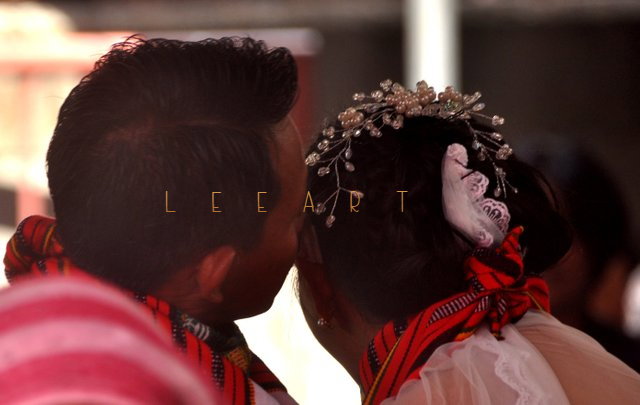
Someone from noise.cash talked about her home, Sadanga. This made me want to share this article that I have posted in another site (click here) and I am sharing it here now with some revisions. All contents and photos are mine. https://steemit.com/travelfeed/@leeart/a-glimpse-of-sadanga-mountain-province
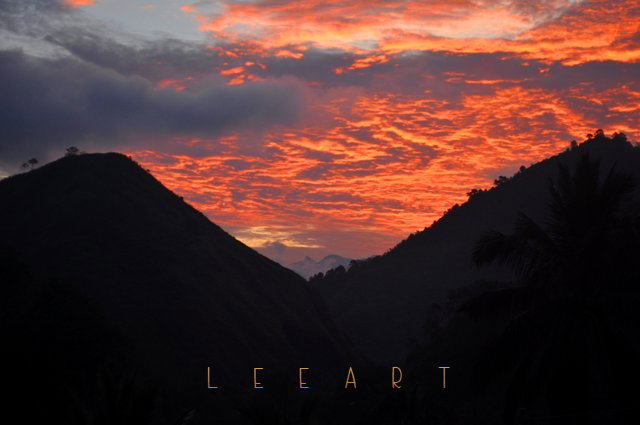
I was invited to my friend's wedding to their hometown, Sadanga in Mountain Province. It was my first time to visit the place and I have no idea about it or what to expect. The farthest I have been to Mountain Province at that time was Bontoc and Sagada. It was nighttime when we arrived. Our travel was one of worry, on my part. Roads were built on mountain sides, mostly rocky ones. It was during the rainy season and traveling these roads can be dangerous because of possibility of landslide. Rocks and stones were also falling on some areas. We passed by a van with punctured tires caused by the sharp edges of stones on the road. Risky but we arrived in Sadanga safely. Last night's worry was rewarded with foggy but beautiful sunrise the next day. What a promising day to wake up to. The photo above is one of the many photos I took but that was the only photo that survived. Far beyond, my friend said that one can see a part of "Sleeping Beauty" of Kalinga, a famous mountain range that Kalinga boasts of named so because of how it looks like a lady lying down. At a right angle, you can see the outline of a lady's face. Sadanga is a landlocked municipality bounded by Bontoc, Kalinga, Barlig and Abra. It is a mountainous area. We traveled from Baguio City to Sadanga, passing by Bontoc. Bontoc is the capital of Mountain Province. It was all dark when we arrived and raining. We were warmly welcomed and fed. We were then housed at my friend's future home. As if the sunrise is not enough, once the sun is up, we were greeted by this.
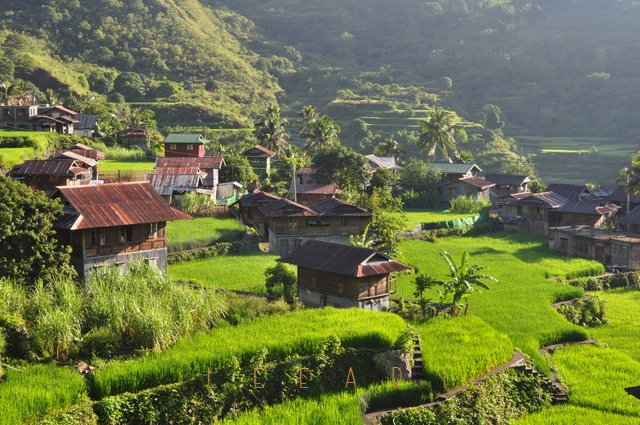
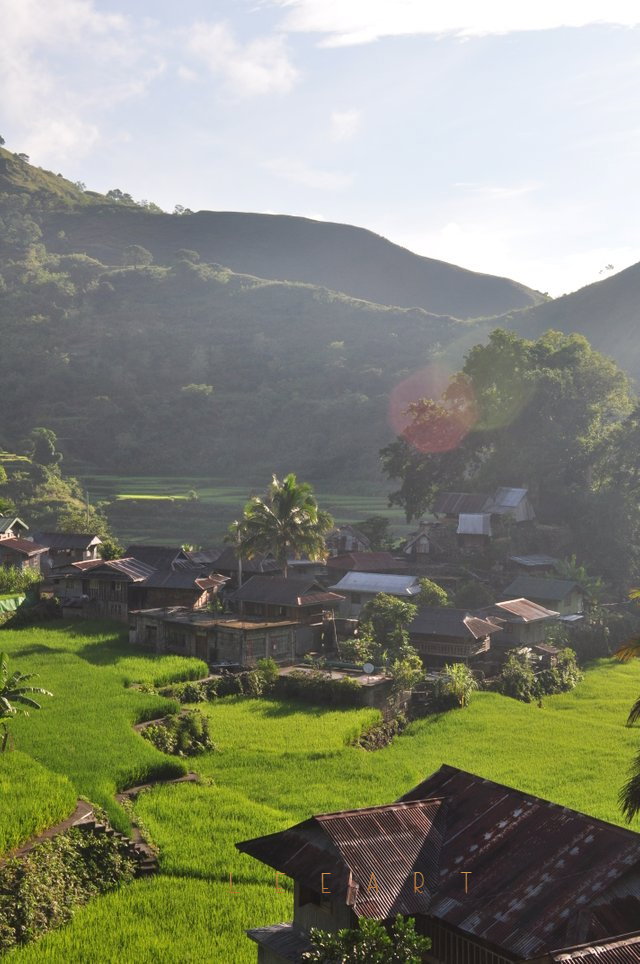
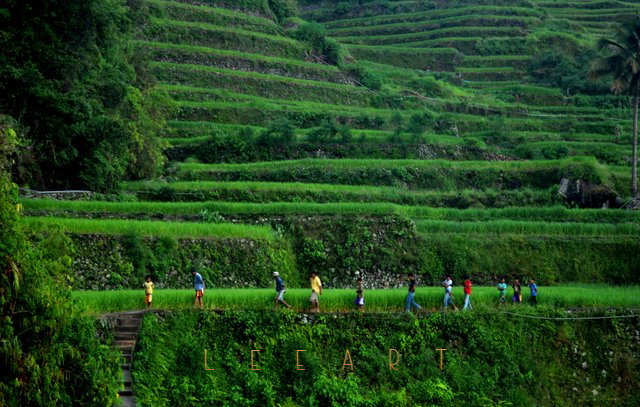
We were right in the middle of rice terraces. I was thrilled! We were there at the opportune time because rice were already planted. It would have been a different sight once the rice are ready for harvest. The light of the sun makes them burst with color and energy. The contrast of the traditional style of architecture adds beauty to this place. The freshness of it all is a medicine to the soul - the smell, the sight, the sound - such bliss. See the picture below. Rice terraces are common here in the Philippines and in Asia. It is an ingenuous way to make use of the mountains. These terraces can go as high to the top of the mountain. What an engineering feat! Sadanga is said to be "*The Land of Kadangyans*" - *kadangyan* meaning rich man. It was used to refer to someone in rich class then. One of the ways to measure wealth is in terms of how many rice fields you have, granaries, sugar wine (*basi*) and cattle. The beauty that we saw in Sadanga was just one of its many treasures. There are caves and waterfalls that one must see. They even have a hot spring and public bath that we tried. It made me feel self-conscious but it was liberating at the same time. Of course no pictures of us there!
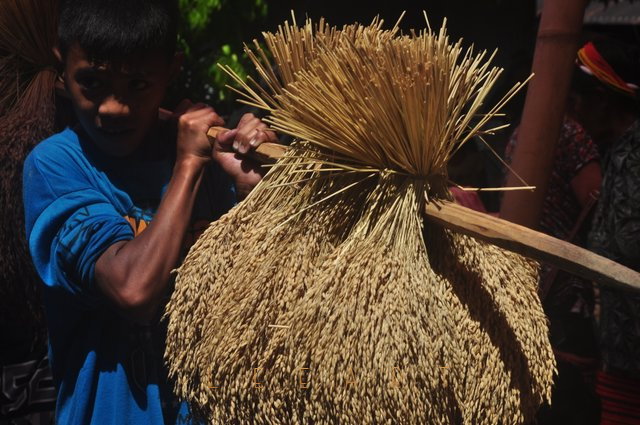
This boy was carrying rice the traditional way where you balance sheaf of rice on a pole. You can tell from the photo that what he was carrying was heavy. He had to grip the pole really hard. Also he seems to be doing this kind of hard labor a lot for how toned his arms are.
The houses are now being slowly upgraded to concrete. I can only imagine how it would be if the houses were made of indigenous materials such as cogon. It is common in the Cordillera that the houses are raised from the ground. The ground floor is used for storage and/or shelter animals. You can still see houses like this. What is also remarkable is that they seem to follow a certain style as noticeable in the way the roofs were built.
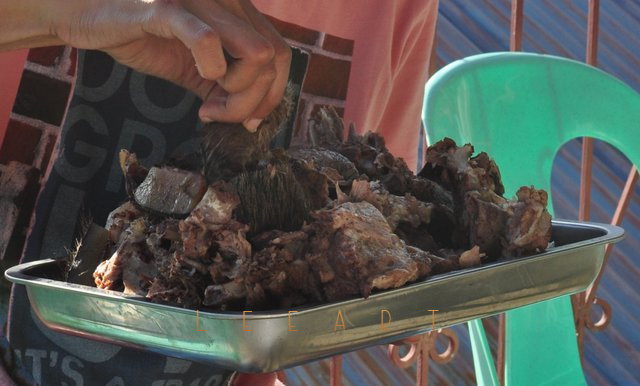
Breakfast is then served while enjoying the view outside. This is how food is served. These are chopped and boiled pig, cow or carabao meat. In one house that we went, the cuts were bigger. During our stay there, we ate meals in different houses. What happens is that, one family will host a meal. During our stay there, we would be climbing up and down the mountains for our next meal. All those meat that we ate were put to good use. After our breakfast, we prepared and then headed to the wedding venue. It was a simple wedding done at the school's gym but it was attended by prominent people of Sadanga.
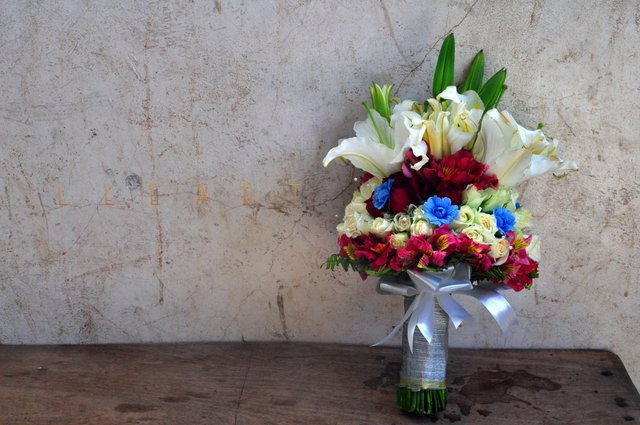
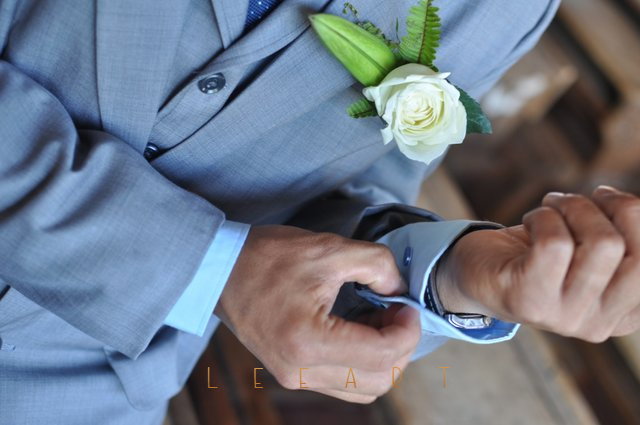
After the ceremony, the other fun part awaited and I believe it was what everyone was looking forward to - food and cañao. Events like this, the whole town is invited. In a community where majority of people knows each other, getting married is a serious matter especially financially. You have to be prepared to feed hundreds of people. The night before the wedding, it is hard to sleep because you can hear pigs being butchered and at the same time folks taking part in the cañao which happen all night long until the next morning. Days before the wedding, during the wedding and even after the wedding, people still dance.
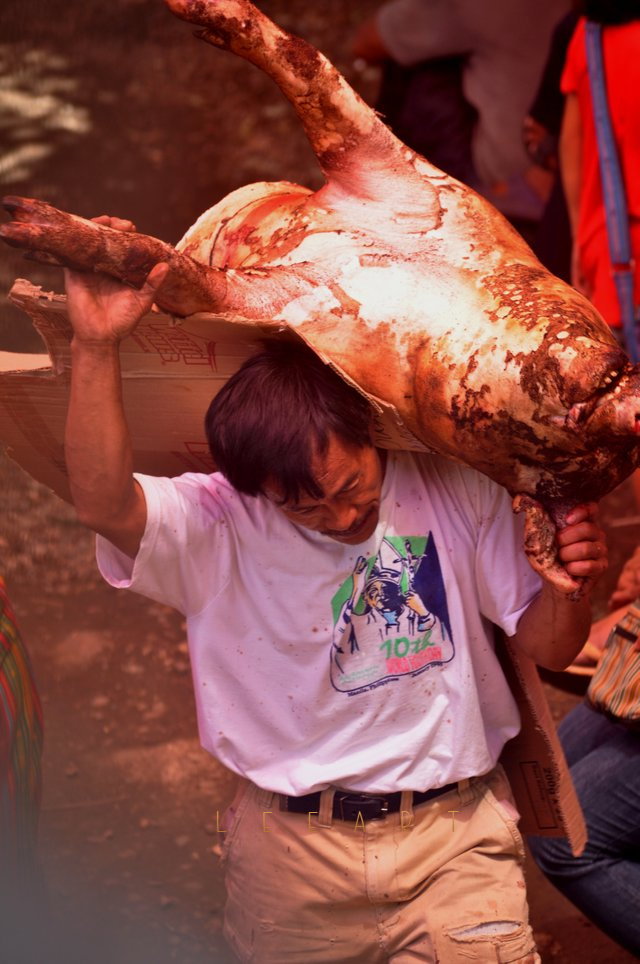
This man was carrying one of the many pigs butchered at that time. Some of the pigs were butchered and roasted and cooked to be served. Some were butchered and sliced to be given away to guests. I lost count how many pigs were butchered on the day of the wedding. That was the time where almost everyone gathered from far and near to celebrate the wedding or join in the merriment. Naturally, more pigs had to be butchered to feed the masses. Tokens were given to guests as well. The couple chose wooden bowls with stand and many other tokens to be given away. After the ceremony, at the reception, the newly wed will sit in an area to entertain well wishers and to accept gifts and to give tokens in return. Then comes the dance. It is in this kind of practice that shows how tradition is kept alive. Some however were no longer doing this. The introduction of Christianity changed the beliefs of many and will no longer participate in what is perceived as paganism. The next generations don't know how to do a proper *cañao*, just like these newlyweds, to the amusement of the guests.
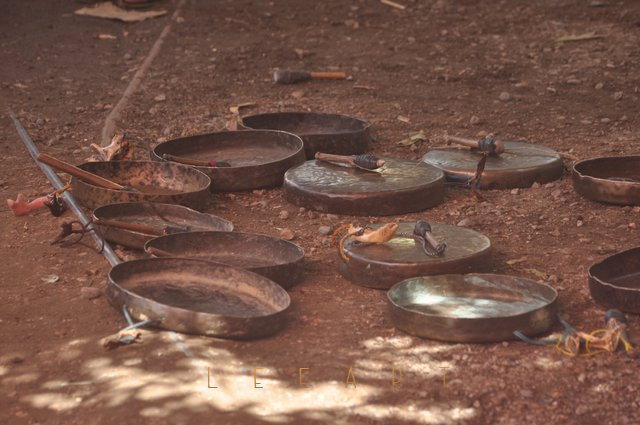
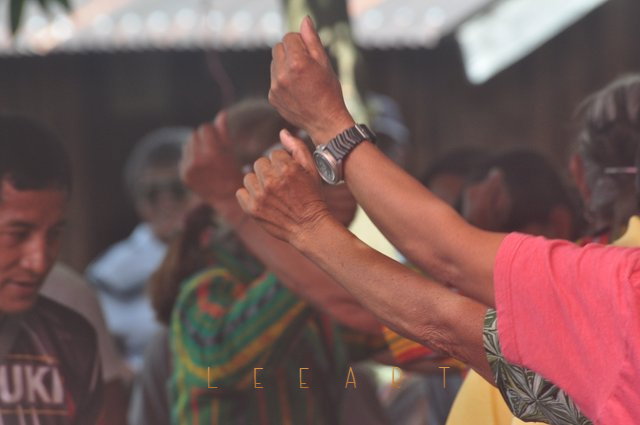
*Gangsa* or gongs were made of metal or bronze with jaw bones of animals or wood as handles and were beaten with wooden sticks. These were played by men, kids and adults, but ladies are allowed to play it too. Each gong sounds different and each gong were beaten differently to follow a repetitive rhythm. The playing of gongs differ from region to region. Not only will the couple dance once but every now and then they are called to the dance floor. They are at the mercy of the crowd. In between dances are speeches from guests and singing from those who are bold and willing enough to do so. Different groups are called to represent families, relatives and friends. What I love watching the most are the elderly and the way they dance. There is such grace in their movement - beautiful to witness.
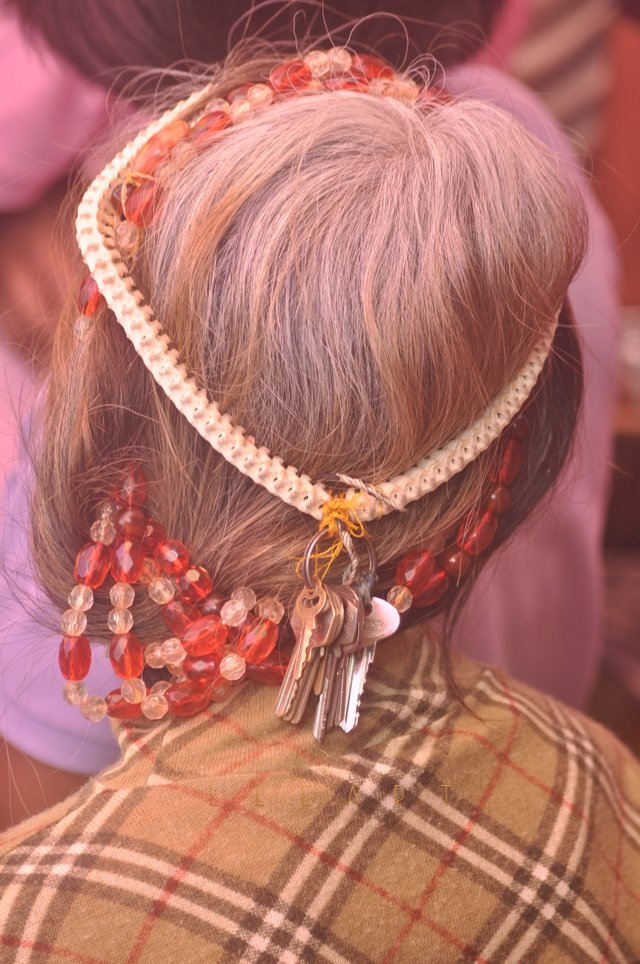
Ladies adorn themselves with colorful beads and snake skeletons. The skeleton bones are said to be a charm against lightning. Aside from being used as a hairpiece, it also serves as a keychain.
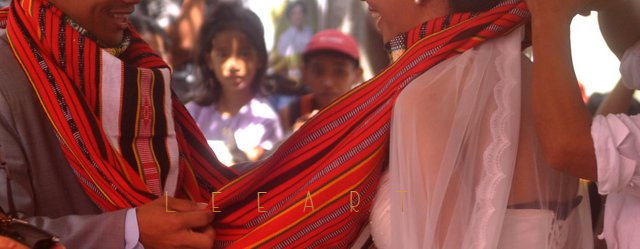
A popular practice is the tying of cloth around the newlyweds to place money. The couple will then dance and guests will place money, coins or bills, to where they prefer. The groom or the bride will then get that money using his/her mouth and drop it to the cloth. In this occasion, tapis or the traditional wrap-around skirt was used. It was fun to watch!
There was a lot of things going on that it's hard to keep up. Emotions are high and everybody is in good spirits. The merrymaking is infectious such that you are swayed to join the dance or to play the gong at least. Everyone is a participant and a spectator at the same time. It is in these moments you are lucky to be alive to witness a culture and tradition that survived for so many years. In this modern times, traditions are still what bond us together. This is just a snippet of what Sadanga has to offer. They have one of the beautiful rice terraces than can be seen along the way. They have caves and waterfalls that takes hours to get to so they are well preserved. They even have natural hot springs and one that is a public bath with separate baths for men and women. There is so much to look forward to. One Korean missionary fell in love with this place and now lives here. The people, culture and environment are easily lovable.

Thanks a lot for reading! See on the next blog!





41 comments
Ay wow! That's one superb exposure and experience! I can still imagine in my head the part where pigs are getting butchered. haha. The dance.. the gongs.. you are right, next generations will probably no longer know about their traditional canao. Wish they preserve it though just to show a little touch of history.
I still see younger generations doing the dance here in the city so I imagine that those in the provinces they are being practiced more. I can say the tradition is still alive for now at least :D
Oww how lovely wedding ceremony they had. I also witness occasion like that, we are in Igorot neighborhood BTW so we could watch how traditional dance occurred and it's amazing culture.
That's great! Maybe you can learn from my kailyans :D
Simply amazing 😃
It truly is! :D
indigenous people use gong or gangsa for their traditional dance during fiesta .....for wedding din pala..hehe
Yes, even when somebody dies meron pa rin yan :)
uso po sa mga indigenous people yan hehe.
Tama yan kasi nga part na ng kultura nila yun. Meron silang sariling identity :)
Wonderful wedding ceremony ❤ wish I could also witness like that someday.
Maybe soon :D It's something to witness for tradition culture and modern styles were incorporated. It really is interesting and a learning experience.
It seems like a lovely place. I imagine what it was like to wake up and see that green landscape with the rice terraces in all their splendor. And everything you've described at the wedding is simply fascinating. Thank you for letting us know a little piece of Sadanga
I'm glad you enjoyed it! My family came from the neighboring town, Bontoc, which is the capital of Mountain Province but I have only been there a few times. I haven't even explored much the surrounding towns.
It seems to be a region worth exploring. Not only for the beautiful landscape that is seen, but also because it seems to be loaded with traditions.
That's true. I like how intact those traditions are and very much alive.
I have been fortunate to attend weddings in many different countries and seeing other customs are fascinating for this. Salamat kuya what a brilliant article. I love the very first picture, the tones in the sky like molten lava. The houses yes I saw and presumed the lower part was for animals, a bit like more modern houses have the lower part as a garage for cars. The pigs I can imagine how many were needed. The journey was worth it though along the scary roads, but you made it and I know had a magical experience.
You seem to be well traveled, kuya. Good for you! There are so many things one culture can offer and I want to experience them all but I would like to start here first within our country. We are diverse with different cultures that we even have different languages from region to region.
People forget the beauty that is in their own doorstep so to speak. All countries are fascinating and we should there first, but travelling is also great to different regions. I am a sucker for trying to speak in different languages.
That's right. I did plan beforehand to travel within my country but other countries are irresistible. It's great that you seem to learn a new language easily. Here in our region we have two major languages/dialects. I can understand and speak a little Kankana-ey, and know some words of Ibaloi. We grew up speaking Ilocano and had been exposed more to the Ilocano regions so we haven't had practice of our own languages.
I really can't believe how many dialects you have over there. IT is fun for me knowing a little of each dialects. Now for example I have never heard of Kankana-ey, off to ggole more about that one ;)
We have hundreds of dialects :D
I would love to travel this place. The view, the people it's perfect, I would love to know more about their culture. There way of living and the houses built among rice fields reminds me of my province.
Where is your province? It sounds interesting too if this reminds you of your province. I will tour the Philippines when everything is going to be okay.
I'm from Samar and I'm a farmer❤️ but now I'm residing in NCR for my studies.
I have seen a lot of beautiful places in Samar online. If I'm not mistaken, I might have read some articles of @Momentswithmatti in some other site that we are a member of. I hope to visit your place too.
It was kalanggaman Island sir
Ah yun pala yun hehe :D
hehe
Kalanggaman Island yung may sand bar ba? Tinandaan ko kasi yun dati pa kasi isa siya sa gusto ko mapuntahan. 😊
Yes i am writing about that soon too
Interesting talaga traditions sa mountain province...i like how they do the money dance
Yung money dance nakita ko din na ginawa pero sa ibang tribe naman. Akala ko nga jan lang sa Sadanga ginagawa un, di pala.
ung uso kasi ngayun sa mga weddings ung parang ginagawang cape ung pera
Oo din. Mostly sa baba ko yan nakikita, I mean sa lowlands.
Although the difficulties you had to get to the wedding, it is worth it, it is a beautiful place, full of magic and the story of the wedding was a dream ...! I congratulate you for the beautiful pictures and for having enjoyed the feast.
Thanks so much for the appreciation! I appreciate you too :) I can only do as much with the photos and limited descriptions that I know of. It's still a whole lot rewarding to be be there and experience it.
Lovely pictures. Such a greenery. Another paradise in earth. You should be lucky to visit such a beautiful town and Iam sure you had a wonderful experience.
It surely was a learning wonderful experience and I would love to go back again.
I was thinking about a different wedding wherein you were the photographer. I do not know if I remember it right but I know it was you (from Kiki days article). 😁 I would have also taken a lot of pictures like you if I were to witness a different wedding tradition. And the view was really stunning. Was Thanos there? LOL.
I believe this was the same one. Lol! This was a different place for Thanos was in Ifugao :D