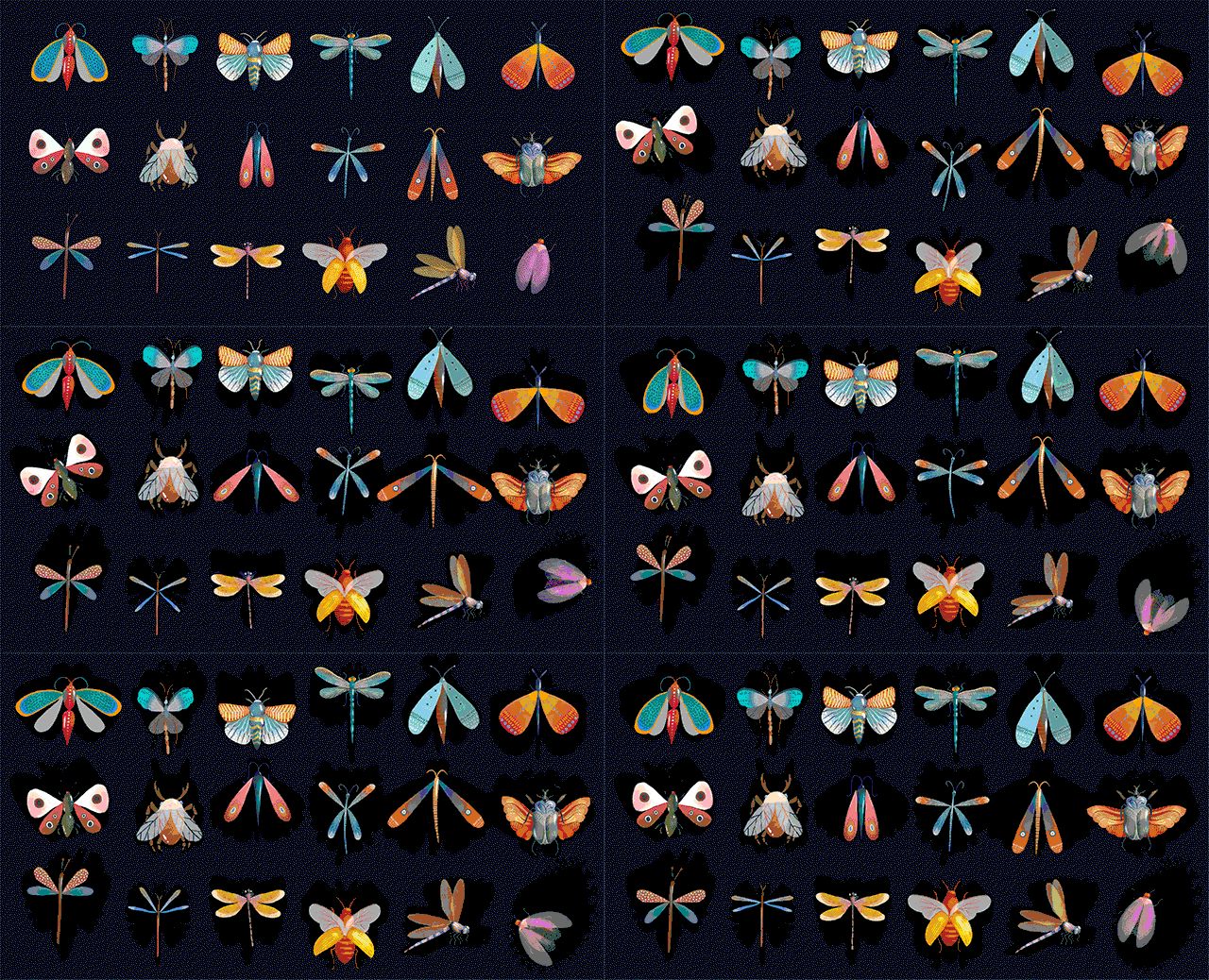
Things You Probably Didn't Know About Insects
Insects are fascinating**. They're tiny, they have wings**, they live everywhere, and they're just so much fun to be around! But did you know that there are still some things about insects that you probably didn't know?
If you've never paid much attention to insects before, now is your chance to learn something new! Here are 7 facts about insects that you probably didn't know:
1. They don't have a nervous system. Insects have individual nerve cells, but no brain or central nervous system like humans do. Instead, their brains are made up of groups of nerve cells called ganglia.
2. They don't have blood: Their bodies are filled with hemolymph instead of blood! Although it's similar to hemoglobin in how it carries oxygen from the tissue surfaces to the organs, hemolymph is not as viscous as human blood and therefore does not flow as easily through narrow vessels and capillaries (the thin tubes that carry fluids inside and outside of the body).
3. They breathe through holes in their exoskeleton called spiracles—just like us! These openings allow them to exchange gases without having any kind of respiratory apparatus—which would cause them to suffocate if they had lungs instead of gills!
4. They are capable of flight. Yes, they can fly! They have wings (sometimes) and they use them to get around. You might be surprised to find that some insects have wings at all—in fact, there are more than 1 billion different species of insects worldwide!
5. They have eyes on their feet. No joke! Some insects have eyes on their feet so they can see what's going on around them while running from predators or looking for food (or both!). This is especially useful when hunting for prey in dim light conditions such as caves or underground tunnels where other senses would be useless without vision).
6. Insects have very specific diets based on what kind of environment they live in and what kind of food source is available nearby—that's why some kinds of bugs like caterpillars are found only in specific areas where certain plants grow naturally; others like ants can go for weeks without eating at all if there isn't any food around!
7. Insects live for a long time. Insects have lifespans ranging from just a few days to over 30 years—and some species live even longer than that! Some species can even live over 40 years! This means that if you bring home a bug as a pet, it will probably grow up with you. And once it does find its way into your home, it will probably stay there for a long time too—at least until it dies of old age!
Insects are the most diverse group of animals on Earth. That's right—they're so diverse, in fact, that they have more than 1 million species! They can be found in every continent except Antarctica, and they live in all kinds of places: deserts, rain forests, tundra, even cities like New York City. They eat just about anything: flowers, fruit trees… even each other! And while they may seem like tiny little bugs to your eyes, if you were to look at them up close you'd see that they're actually quite big—they can grow as long as a human finger! That's right—even the largest insects are only about the size of your thumb! However, that doesn't mean that they're not important to our ecosystem. Insects play a key role in the cycling of nutrients through their ecosystems and help break down decomposing matter into fertilizer for plants and other animals.
In Conclusion
There are some things in life you don't expect to learn from a blog, but this is one of them. As it turns out, insects can be just as fascinating as anything else--and the amount they have to teach us hasn't even begun. From their incredible strength to their brilliant camouflage and beyond, these tiny critters are pretty impressive.
Hopefully, I've dispelled some of the myths that surround insects and showing you the many interesting and useful things they do in the world. Insects aren't always out to get us; they're simply doing their best to survive, just like any other species on the planet. And if we continue to work with them, instead of against them, we might have a chance of not only surviving alongside them, but perhaps even improving our world in the process. After reading this, you may never look at them the same way again.
Writing Article Ideas That Engage Your Audience
**To engage your audience, you need to be able to write articles that are interesting and engaging. But how do we write articles that engage your audience?**
As you write the content for your blog, it's important to keep in mind what you're trying to accomplish. You want your audience to engage with your words and ideas, so it's a good idea to start by thinking about what kind of content will attract them. Make sure your article is interesting and easy to read. If people don't want to read your article, they won't even open it! You can use words and phrases that will be meaningful and interesting to your target audience. For example, if you're writing about food, use phrases like "the sweetest citrus ever made," "the best desert you'll ever eat," or "the most amazing churro you've ever tasted."
You can also use clear language and short sentences. It's important that people know exactly what you mean when they read your article, so make sure their reading experience is easy on their brains! A good way to do this is by using short sentences (like the ones mentioned above) instead of long ones with multiple clauses (like "The best desert…," which makes it harder for readers
Another way to engage your audience is by writing in the third person, which allows you to use more authoritative language and let readers know that they are listening to someone who knows what they're talking about. You can also use more personal language that makes the reader feel like they are part of the story rather than just reading about it. For example, instead of saying "you should," try saying "you should do." And instead of saying "they said," try saying "they said you should."
Maybe you can also try out a different perspective. This can apply to any topic, but it's especially helpful when writing about something that's not your own experience—like how you might think about the topic from someone else's perspective.
You and also write a question instead of an explanation. This can be tricky, but it's fun! It forces you to consider what other people are thinking and feeling, which can give you new insight into your own thoughts and feelings about the topic at hand. Additionally, it makes your article more interesting for readers because they get to try to answer your question or solve the problem in their head while they read along!
Lastly, write a story. Stories are great for engaging readers because they make them feel like they're living through the events of the story with the writer, rather than just reading about them from a distance (which is what most articles do). If you want to add another level of engagement, try writing multiple scenes in different points-of-view or using flashbacks/flash-forwards/flash-sideways techniques (depending on how much time you have available!). You can use specific details about the people involved in the story—as little as one character's name or as many as four or five characters' names—to make sure that readers remember exactly who's talking when they read about something happening in your story.
In **Conclusion**
We all have a unique, personal vision for how our content should look and feel, but not all of us have the time or resources to create the content we want. As a writer, it's easy to get stuck in a rut. The best way to write an article that engages your audience is to think like a reader. It's important to remember that your audience will be looking for something specific in the content you're writing, so it's helpful to think about what they might be looking for when you're creating your article. Do they want tips on how to make their business more profitable? Do they want advice on how to cope with stress? Or do they need help with a problem they're having in their personal life?
You want to make sure that they're not only paying attention, but also engaged in what you're saying and thinking about. If you want people to read your content, then you need to make it interesting and engaging. You can't just tell them something; you have to show them how it will benefit them.

The Most Beautiful Places on Earth
Every once in a while, we get a chance to see the world in a whole new light. You know what I'm talking about: that moment when you're at the top of a mountain and your jaw drops, or when you see an underwater scene that makes you gasp, or when an animal catches your eye and you can't help but stare. It's these moments—the ones when something makes you stop, take stock of yourself and your surroundings, and realize how lucky you are—that make travel worth it.
But there's so much more to travel than just those moments. There are amazing places to visit all over the planet, and I've rounded up my top 5 favorite spots for you to experience in each region of the globe. If you've never been to any of these places before, now is the perfect time to go!
1.) **The** Great Barrier Reef in Australia
The Great Barrier Reef is one of the most iconic sights in the world, thanks to its size and beauty. It's also home to thousands of species of aquatic life, making it an incredible sight to see even if you don't want to dive into its waters (which many people do). If you want to get up close and personal with this beautiful underwater landscape, consider renting a boat or plane trip. You'll be able to see all sorts of different species while getting quite close to them!
2. **The** Grand Canyon in Arizona, USA
The Grand Canyon is one of the most popular tourist attractions in the United States, and for good reason: it's one of the most beautiful places on earth. A huge canyon carved by water erosion over millions of years, it's a natural wonder that defies description. The colors change depending on how far away you look; there are so many different shades you can see—and if you're lucky enough to be there during sunrise or sunset, the beauty truly astonishes.
3. **Mount** Everest in Nepal
The mountain was named after Sir George Everest, who led an expedition in 1856 that discovered its peak at 29,029 feet above sea level. Since then, it has become a popular tourist destination. Mount Everest is a huge, imposing peak that towers over the Himalayas and is home to some of the most dangerous weather conditions in the world. But it's also one of the most beautiful places on Earth, with a summit that is constantly changing as snow falls on it and then melts into waterfalls. The view from the top of Mount Everest is truly breathtaking, with snow-capped peaks in every direction.
4. The Galapagos Islands off the coast of **Ecuador**
If you're looking for a uniquely different experience, consider heading over to the Galapagos Islands off the coast of Ecuador. These islands are made up entirely of volcanic rock formations that were formed during eruptions from beneath the sea surface around 500 million years ago—and they're still forming today! Today's islands are home to over 1,000 species of plants and animals found nowhere else on Earth—including giant tortoises (which can weigh up 300 pounds), giant land crabs (which can reach lengths of 10 feet long), and finches that can fly.
5**. Machu Picchu in Peru**
Machu Picchu (mah'ku puh-CHU) is an Inca citadel built around 1450 CE by the Inca emperor Pachacuti. It was part of a larger estate called Qosqo (KOHS-koh), which also included agricultural fields and terraces used for growing crops. The estate was built on top of a mountain ridge that rose above surrounding valleys—making it one of the highest locations in Peru. Today, Machu Picchu is a UNESCO World Heritage Site that has been designated as a protected area due to its unique architecture and cultural significance. Its beauty has attracted travelers from all over the world.
**In Conclusion**
The world is full of wonders, and it's hard to choose just one place out of all those places. The most beautiful places on Earth are the ones that surprise you. You look at a picture and think, "Oh yeah, this is pretty." Then you go there and it's more than you ever expected. They are also the ones that make you stop and think—they're not just beautiful in a generic way. They're made of something special. They might be small and intimate, or they might be huge—but they all have something in common: they're full of things that make your heart sing.
Few places can compare to the natural beauty of the world's most beautiful places. These spots showcase the planet's amazing landscapes, culture and biodiversity, and they contain many of the most renowned attractions on the planet. From national parks to UNESCO sites to coastal islands, these are five of the many beautiful places on earth.
***Lead image from Forbes***
I Trust People Who Don't Trust Me
I'm not sure what to make of this, but it's a feeling I've never been able to shake. It may be that I've spent too much time around people who are distrustful, and it has colored my view of people who aren't like that. I'm not sure if this is a good or bad thing, but I've always been one to trust people when they say they have my best interest at heart.
Or maybe there's something else going on here. Maybe it's just part of the human condition—we have an innate need to feel safe and secure in our relationships, and when those things aren't provided by others, we look elsewhere for them.
One thing is for sure: I have come across some amazing people in my life who have trusted me despite my lack of trust in them. It makes me wonder if there might be some value in letting go of my own prejudices and trying harder to see others through different eyes. You know, I used to be the kind of person who would always trust people, no matter what. I mean, how could you not? People were basically good, right?
The more you put yourself out there, the more people who want to take advantage of you. The more you expose yourself, the more people will realize they can hurt you. It's an inevitable part of life—you just have to deal with it.
I'm not saying that this will happen every time you introduce yourself to someone new, but it's going to happen at some point in your life. You might meet someone who seems trustworthy and reliable, but they're actually a scammer who wants something from you. They might be a friend who wants something from you but acts like they aren't interested in getting anything from you. Or maybe they're an acquaintance who knows about your situation and wants to help—but only if they can get something out of it in return!
The point is: trust is a tricky thing. It's something that's easy to lose, but hard to find again. It's not just about whether or not someone is telling you the truth or not—it also has to do with how much value that person places on their own word versus what they think will benefit them from getting something from another person (like money or favors).
If you're like me, you probably do a lot of things that make it hard for other people to trust you. I mean, I'm not going to lie: I've been a jerk at times—I've been selfish and self-centered and judgmental. And those things can seem like they make it impossible for people to trust me, but I know that's not true.
I'm always working on becoming a better person, and part of that means learning how to be less selfish and judgmental and more open-hearted towards others. It's taken me a while, but now when someone doesn't trust me, I find myself asking myself these questions: What did they think would happen? What did they expect from me? Did they think somehow if they didn't like something about me or my behavior then that would make them feel better about themselves?
I know this because I've been there, and I've lost trust. And I know it's something that can be hard to get back—even when you think you know what happened, or how it went down.
But here's the thing: if you're just starting out on learning or gaining friends or have already been working in yourself for some time, it's not too late to start trusting again.
You might be thinking "but I don't want to trust people who don't trust me." But actually, people who don't trust you are exactly the people who will help you grow—because they'll be willing to show you who they really are rather than hide behind the façade of fake professionalism.
So if someone seems untrustworthy, just remember that there's a chance that person is trying their best to do right by you—and maybe even holding back information about their own skillsets so that they can give them away at a later date rather than keeping them for themselves.
The ingredients of an ideal relationship
***Do you have an idea of what you want from your partner? Do you know what you want from them, and how to get it? Or are you just winging it?***
If the latter is the case, then we've got some advice for you: ask yourself why. What does your relationship need to be like in order for you to feel fulfilled in it? Is there something about the current state of your relationship that makes you unhappy? If so, look at ways to change that. If not, maybe there's nothing wrong with the way things are at all—maybe your needs aren't being met because they're different than those of your partner's. Maybe there are other things going on in life that are affecting your relationship negatively. Maybe there's something else entirely that's causing problems in a way neither person can see clearly yet but which will become clearer as time goes on. Either way, if there's something missing from this particular union—if each person feels unfulfilled or dissatisfied—then it might be time for a change!
**An ideal relationship is one that is built on trust, respect and love.**
When you have a good relationship with someone, you give them your full attention and respect them as an individual. You listen to what they have to say, you acknowledge their feelings and opinions, and you are willing to compromise if it means bettering the relationship.
A great relationship is one where both partners are committed to being there for each other in good times and bad. If one partner feels like something isn't right in the relationship (for instance, they're not getting enough attention), they'll speak up about it and work towards improving things together. If one partner isn't happy with their partner's behavior, they can take a step back without feeling resentful or angry—they just want their partner to change their behavior. It's a place where you can feel safe, but also have the freedom to be yourself. It's a place where you can be happy and sad, mad and glad, angry and peaceful, etc., at will. You don't have to try so hard to keep everything together because your partner understands how it feels when you're on a rollercoaster.
It is one where both partners are able to be themselves and love each other unconditionally. The two of you should not be afraid to show your emotions, especially in front of each other. You should be able to talk about anything and everything with each other without worrying that it will ruin the relationship, because it won't. This means that when someone makes a mistake, they don't have to hide it from their partner. Your partner understands your changes in mood, because they've experienced them too. They know what it's like to go through something that makes you want to break down and cry and then get angry and yell at them for making you upset. They know what it's like when they're having an off day, because they've been there too!
You should also feel free to put your needs first at all times and know that your partner will always be there for you no matter what. It's important that you trust each other completely so that neither of you ever feels like they're not being heard or understood by the other person.
Lastly, an ideal relationship also has longevity; it's not based on physical attraction or lust - it's about emotional intimacy and commitment that lasts over time regardless of how many times either person changes or grows as individuals over time. It is one that is mutually fulfilling and sustainable. It has to be, because it's hard to make a relationship work when you're not happy with the other person. The key word here is "mutual," because no one should ever have all of their needs met by any one person. That's just not possible! So when we talk about having "mutual respect," what we really mean is respecting each other's boundaries and needs so that everyone feels respected by their partners at all times.
Do you ever pretend to be someone you’re not to avoid judgment?
We all know that feeling. It's one of the most common insecurities, and it can crop up at any time—from a job interview, to a party, to a social media post. The fear is that if others see you for who you really are, they'll judge your character or appearance, and you'll lose their respect or acceptance.
Sometimes, the people we interact with can be so judgmental that it feels like they might be able to see right through us. We want to be good people, but sometimes it just feels like there are no good people. Or maybe we feel like we don’t have any control over what other people think of us or how they judge us.
But… who we are is not determined by anyone else’s opinions, and so there is no need to act in a way that makes others think we are something other than who we are. It’s easy to fall into the trap of wanting others to “see our side” or “understand where we were coming from with our actions” when, really, there is only one side—the truth about who we really are—and it’s up to us alone whether or not others see it or understand it.
There will always be things that happen in life that aren’t fair or logical—that aren’t even fair or logical according to human logic! But these things should never become excuses for us not being ourselves because if we do, then who are we really?
But there's another way of looking at it: If you pretend to be someone else so often, isn't that the very definition of hiding the real you? You're trying to hide parts of yourself from other people so they won't judge them. And when they do judge them—as they inevitably will—you feel shocked and betrayed by their reactions and reactions as well.
***I used to be really good at it. But then I realized that it wasn’t the right way to go***.
When I was younger and trying to impress people, I would sometimes sneak out of my house and go to the mall or something, just so that I could be seen with a group of people. Then when we got there, I would talk about how much I loved some movie or book that no one cared about. And then once we were done talking about things no one cared about, all of us would go back home and no one knew what had happened!
Nowadays, I can see how pretending can actually make things worse because it ends up being a lie that people are forced to believe. People will start treating you differently and maybe even think less of you because they don’t know the real person behind the mask. But also, pretending can lead people on when they feel like they have gotten more than they expected from someone who is pretending to be someone else—and then they might get hurt when the truth comes out.
The problem is that pretending like you know stuff when you don’t makes people think less of you. It makes them feel like they have no idea who you are or what kind of person you are because the only thing they saw was someone pretending like they knew something that they didn’t really know! And then later on in life when people do know who you are but still don’t trust your ability to tell them stuff because they found out later on that you weren’t actually great at it after all. And that’s is a very big problem!
**So what do we do about it?**
The answer is simple: stop pretending. Stop hiding parts of yourself from other people because they might judge those parts harshly or dismissively. Stop pretending because if everyone just showed themselves for who they really were (not who everyone else wants them to be), then everyone would have a much better chance at connecting with each other in ways that
***So whatever you do, don't lie about who you really are—or just wait until everyone trusts each other enough before sharing anything about themselves!***
What I Want My Readers To Know About Me
***Hello! How are you today? I hope you’re all doing great!***
I'm Zhean, and I'm a writer. I like to write about things that make me feel good, and I have a passion for sharing the stories of people who inspire me.
I also have a great eye for detail, which is why I enjoy writing about things that are so small and seemingly insignificant. I like to highlight the little things that make us human, and I want my readers to be able to find inspiration in the stories of ordinary people around them.
I also want my readers to know that I am a hard worker who always has their best interests at heart. In my spare time, I enjoy reading books, watching movies, playing video games and spending time with family and friends.
When I was younger, I always wanted to be a writer—but my parents made it clear that wasn't an option. They told me that writing isn't a job you do for money; it's something you do because you love it. They said that if you love what you're doing, then no one will be able to take it away from you.
I used to think that they were wrong. After all, there are so many other things I could do with my life: earn money, go to school, and travel around the world. But as time went on and I realized how much writing meant to me, I started seeing their point—and now I want my readers to understand why writing is such an important part of my life. So I'm here today because of my parents—and because of the many people who believed in me when I knew nothing about writing or publishing myself.
Writing is more than just words on a page—it's about putting your heart into something and making it better than what came before. It's about connecting with people through art and stories, and seeing them smile when they read something new from you. I've been writing for a few years now. The thing I love most about it is the people: the ones who reply to my emails, the ones who read my articles and comment on them, the ones who share them with their friends. It's so cool to see how much you guys love this stuff!
In my stories, I try to capture the feeling of human connection that we all share—the way we laugh at jokes and cry over tragedies, how we're able to feel empathy toward others even when they're different from us. How words can change our lives and make us feel like we're part of something bigger than ourselves.
I write because I love to be able to express myself, and when I can't, there's this little void that gets bigger and bigger with every passing minute. So I write. And I love it. That said, I'm not here to sell you anything—or anyone. This is just a blog about a writer who loves what she does and wants you to know about her experiences in the hopes that it might help you feel the same way.
I also love getting to know you, because everyone has a story, and everyone has something special to teach me. So if you want to send me an email or send me something in a comment—don't be shy! It really helps me out when people reach out like that. And if you have any questions about writing or just want someone to talk to about whatever it is that's on your mind today… come on over!


What's happening in this world?
It's a question we all ask ourselves. And it's one that can be answered with a simple answer: everything.
Everything is happening all at once. We're living in an era where technology is advancing at a breakneck pace, and we're still trying to figure out how to use it all properly. We're learning more about our bodies every day, and what we learn changes the way we feel about ourselves—which in turn changes the way we treat others. We are constantly learning new things about ourselves, our bodies, the universe around us—and there's no end in sight!
We are all aware of the current state of the world. It is in a state of flux. Many problems, crises, and issues are occurring across the globe. We are currently facing an energy crisis, as well as a food and water scarcity crisis. In addition to these problems, there are many other issues that need to be addressed. These include global warming, pollution, and deforestation. These problems are only going to get worse unless something is done about it.
The reason why we have reached this point is because humans have not been taking care of our planet for thousands of years now. The Earth's resources are getting depleted at an alarming rate due to overpopulation; this has resulted in severe consequences on our environment too such as rising sea levels and increased temperatures in some parts of the world. There have been countless attempts over time at solving these problems but only a few have really worked.
***The world is changing, and we all need to change with it.***
As a society, we're at a breaking point. We've got many problems that need fixing—but each of us is responsible for addressing our own issues.
It's easy to get caught up in others' problems, but the best way to make an impact is to start with yourself and make sure you're taking care of your own needs first. If you're not happy in your personal life, chances are you won't be able to help other people who are struggling. And if there's something in your personal life that needs fixing? It's time to take action!
**In Conclusion**
We've got a lot of problems to contend with. It seems like there's no end to the issues we face—from global warming to political corruption, from pollution to gun violence. We can't seem to escape from them, and it's hard to know where to start.
But let me tell you what I know: if we focus on our own actions, then we can make a difference. If we focus on finding a solution that works for us, then we will have an impact on the world around us. And if we do this together as a community, then maybe together we can make a difference in our own way.
We don't just need to keep up with this pace; we need to do everything better than ever before. And that means that what we do today has a great impact on how things will look tomorrow: If we're not careful, our current generation will be remembered as a group of people who couldn't keep up with the times. But if we can adapt and evolve as quickly as new technology develops around us, then maybe our legacy won't be so bad after all—and maybe even be remembered as some kind of revolutionary generation!
It's hard to keep up with everything that's going on right now, but if you try your hardest you'll find that there is no limit to what you can accomplish. The world is yours for the taking—you just have to believe in yourself and your abilities!
Be social in your writings
When we write, it can feel like we're trying to talk someone into something. But that's not the goal at all—it's just so easy to forget that! We're just writing.
But when you write, you want something to happen. You want to make a connection with your readers and get their attention, right? That's what writing is for!
There are a lot of reasons why people love reading. One of them is being able to escape into another world and imagine what it would be like to live in that world. Another reason people read is entertainment. Some people read for information, but others just want to be entertained. If you want to make a connection with your readers, then you have to give them something to connect with. This means that you need to use social media in your writing.
You might think that the only way to do this is by including all of your favorite quotes from famous authors or sharing photos of your cat, but that's not true. You can do way more than that! You can't just sit back and assume that your audience will magically find you. You need to actively participate on social media platforms like Twitter and Facebook in order to get people's attention. The way that you do this is by making sure that every post is interesting and relevant for people who are interested in what you're talking about.
It's not enough to simply write and type out your thoughts on paper or on a computer screen. If you want your words to resonate with others, they need a little help from you. This doesn't mean that every word you write needs to be an emotional punchline or a sly one-liner—in fact, some of the best writing is simply a straightforward description of what happened at work or what the weather was like yesterday. But sometimes, especially when you're trying to connect with other people, there's nothing wrong with adding a little bit of emotion into what you're writing.
For example, if you are writing about an event and you want people to get excited about it, then talk about the time when it happened—how did it feel? What was the feeling on campus like that day? Did anything interesting happen? These are all things that can help your readers relate to what you are writing about.
When you’re being social, you interact with your audience in a way that helps them understand what you’re trying to say, and why it matters. You use your writings to tell stories about the world around you, or about the people who live in it. You can also be social by giving back to the community around you—sharing information that helps others learn something new, or connect with others who share their interests. It is important to remember that when you write for yourself and your friends and family, make sure that your writing is clear, concise and engaging so that it will stand out from all the other posts out there!
Lastly, you can also be social in your writing by encouraging others through examples and stories. For example, if there is a new student who just moved into town or joined a club or team, then talk about how they feel welcome and involved! If someone has just bought a house or gotten married, then write about how excited everyone was at their big celebration!
**In Conclusion**
When you're writing, it's important to consider how much time and energy you're putting into this project. Are you pouring yourself into it? Are you giving something back? Are you helping others? When you put so much of yourself into something—or if someone else is doing the same thing—then it becomes more than just words on a page or blog posts or articles; it becomes something real and alive and shared with others.
By sharing the information in the right way, you can help people feel a connection and make them feel more comfortable talking about what they read.

The Art of Being Alone
We all need some time to ourselves, and even though it's not always easy to carve out that space for ourselves, it can be incredibly rewarding.
Many people are afraid of being alone, but the truth is that it can be a valuable experience. When you are alone, you can think more clearly and focus on your own thoughts and feelings without any distractions from others. Being alone will help you become more self-aware, which can make you a better friend, partner or parent.
You don't have to be completely isolated from other people in order to take advantage of this time. You can use this time to connect with your inner self by journaling or meditating. You can also use this time as an opportunity to start new habits or projects that will help improve your life in the long run.
When you're alone, you have the opportunity to find out who you really are on your own time and in your own space. You’ll learn what makes you happy and what doesn't make you happy at all times during each day when everyone else around you might be distracting their minds with external stimuli like television shows or social media scrolling feeds.
The art of being alone is important for young people to learn because it teaches them how to be comfortable with their own thoughts, ideas, and feelings. It helps them understand themselves better so that they can make good decisions about who they want to be as an adult. But what does the art of being alone actually look like?
One way of thinking about it is as a way for young people to gain confidence in their own abilities so that they don't need others around them all the time. The more confident you are in your own intelligence, creativity, or problem-solving skills, the less likely you are to fall into bad habits such as relying on other people too much or not taking responsibility for your actions or decisions.
The other side of this coin is that being alone gives you time to reflect on yourself and your experiences in ways that aren't always possible when there are other people around all day every day (or even just some days). This could mean thinking deeply about your feelings toward someone else; maybe even resolving some conflict between two friends who need some space from each other. It can also be a great way to discover who you are when no one is telling you who they think you should be, or how things should be done.
Being alone can help us reconnect with the things we love most about ourselves. We might realize that we've been missing something in our lives—something like fresh air or sunshine, or maybe even a good book! Or perhaps we'll realize that we've been spending too much time on social media and not enough time with our families. It's up to us how we respond once we're alone: will we let ourselves sink into depression and loneliness? Or will we use this opportunity as a chance to improve ourselves?
**In Conclusion**
There are many things to be said about being alone, but the most important thing is that it's not a bad thing.
Being alone can be a great way to really get to know yourself and what you need, and having those moments of quiet definitely helps us grow as individuals. Being alone isn't just about being in a room by yourself—it's also about spending time with yourself. It's about being in your own head, thinking about your thoughts and feelings without having to worry about what other people think of them.
We're all used to talking with other people—we do it all day long! Talking with other people is super important, but we can't forget that it's also important to talk with ourselves as well.
***Being alone isn't just sitting there doing nothing: it's actually an opportunity for self-improvement and growth.***

You Can't Control What Happens To You
**The world is a scary place.**
There's a lot of bad stuff going on in the world, and it can feel like there's nothing we can do about it. We can't control what happens to us, but we CAN control the way we react to it.
When something goes wrong in your life, it's easy to feel like there's nothing you can do about it. Maybe someone has hurt your feelings or done something terrible to you. Maybe your boss told you that they don't think they'll be able to give you a raise this year. Maybe someone just broke up with you.
It's easy to get caught up in a negative spiral of self-loathing when someone says something mean or cruel to you. But it doesn't have to impact your life forever. You're allowed to feel upset, and there are surely better ways to deal with those feelings than by lashing out at others or harming yourself.
We've all been there. And it's hard not to feel like there's nothing we can do about it. But here's the thing: You're wrong! While it might not seem like much, taking steps toward improving your own mental health and well-being will help make sure that when things go wrong in your life, they don't have as much of an impact on you as they used to—and maybe even less than that!
If you find yourself spiraling downwards into depression or other mental health issues, seek help from a therapist or doctor immediately. If you're feeling overwhelmed by negative thoughts and emotions, take some time out for yourself—and remind yourself that this will pass.
No matter what happens in life, no matter how bad things get, there's always a way to look at the situation and find some kind of positive. Sure, sometimes that positive might take a little digging—but it's there!
I’m not saying that finding your silver lining is going to make all of your problems go away. I know that life isn't always easy, and sometimes things really do happen for no reason at all. But I do believe that the way you react to those things is what makes all the difference in how they affect your day-to-day life.
If something bad happens, don't get angry or resentful—instead, think about what lessons you can learn from the experience. You'll be better able to handle future situations if you've learned from past ones. If someone says something mean or rude to you, don't let it get under your skin—instead, think about how they may have had a different upbringing than yours and try not to judge them too harshly for their behavior because of it (unless they're being intentionally hurtful). If you can take a step back and look at things objectively, it will help you deal with whatever is going on in more productive way.
**In Conclusion**
You can't control what happens to you in life—and that's okay! You can't control the people around you or how they act toward you, but what matters most is how YOU react to their actions and words. In fact, sometimes the best thing for your mental health is to let things slide off your back and do whatever makes YOU feel better about yourself and more empowered as a person.
When something bad happens, don't get angry or upset with yourself—just take a deep breath and ask yourself: "What can I do about this?" Then do it!
So today's tip: if someone says something mean or rude to you at work today (or even tomorrow), don't let it get under your skin—just take it as an opportunity to practice being kinder than necessary by ignoring their comment completely. You'll be amazed at how much easier it will be for them to stop bothering people like this if they never get any attention or reaction from those they're trying to offend.
Daily Habits That Stunt Your Growth As A Writer
***There are a lot of things that can get in the way of your writing.***
Maybe you're struggling with a plot or a character, or maybe you just feel like you're stuck in a rut. Whatever the case may be, there are many daily habits that can stunt your growth as a writer and make it hard to get past whatever's getting in the way.
As a writer, you probably already know that your habits can have a big impact on how much you grow and improve as a writer. But what kinds of habits are we talking about?
The truth is, it's not just about the things you do every day that can help or hinder your growth as a writer. It's also about the things you do every day that might be unconscious—habits that may not seem like much, but can actually have a big impact on how well you're able to progress in your craft.
Of course, we all want to get better at our craft—and we all have different ideas of what that means. But if we're honest with ourselves about what's holding us back from being truly great writers, we'll see that there are some habits that are actually hurting our growth as writers.
**So let's take a look at some of these habits and see what they mean for your writing:**
Writing without any structure or discipline
You may think you're being productive when you sit down to write every day, but if you don't have a routine or plan for how long you'll be writing and what kind of content you want to produce, you could end up wasting time on things that don't matter.
Not reading enough
Reading is the best way to improve your writing—and it's also fun! If you're not reading, you're missing out on all of the amazing things other writers have done and learned before you.
**Not making time to write every day**
Writing is how we practice our craft and grow as writers. If we don't write, we're never going to get any better at it!
Not taking advantage of critique opportunities
Critiquing others' work helps us identify our strengths and weaknesses so that we can improve them in our own writing. We also get valuable feedback from other writers, which helps us understand how readers experience our writing and what they respond most positively towards or negatively against in it
Not asking for help when you need it
It's important not only to ask for feedback from other people on your work, but also be open to their suggestions and advice about how they think it could be improved.
Being too hard on yourself when you don't meet your goals
Sometimes things come up that get in the way of our goals and schedules—that's just life! Don't beat yourself up over things like this—just figure out what went wrong and try again next time.
**In Conclusion**
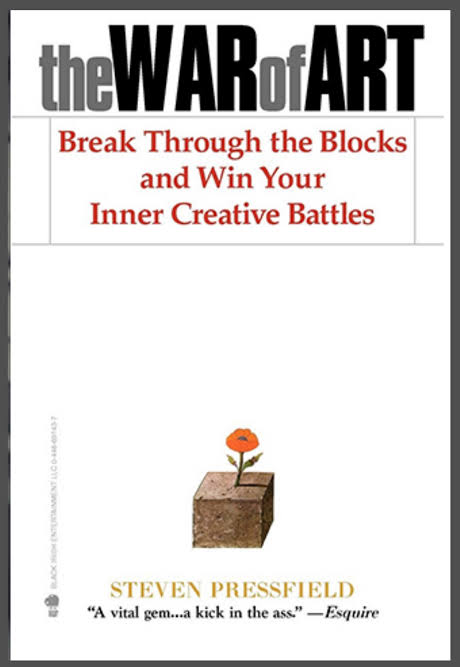
In the book The War of Art, author Steven Pressfield talks about the "Resistance"—the things that hold us back from doing what we know we need to do. It's easy to let Resistance get the best of you and make you think that you're not talented enough or good enough to be a writer.
Whatever your situation is, it can be hard to stay motivated when all of the things that are supposed to help us become better writers seem to be getting in our way. We want those positive habits, but sometimes it seems like they just aren't working for us.
But the truth is that everyone can be a writer—it's just a matter of making sure your daily habits are working for you instead of against you. This means setting up realistic goals that keep your motivation high and making sure the daily habits you engage in are helping rather than hurting.
Make The Most Of Your Content
If you're looking to increase the reach of your content, it's important to make sure that you're using the right words.
We all know that content is king, but what matters most is how well it's written. You can have the greatest idea in the world, but if nobody reads it because it's poorly written, then it won't do any good.
Let's face it: you're probably not going to become a Pulitzer Prize-winning author, but that doesn't mean you can't make the most of your masterpiece.
As a content creator, your job is to tell a story. You have to create something that is relevant, interesting, and engaging. The key to doing this well is understanding the different types of content you can use in order to achieve that goal.
The first type of content you need to understand is informational or tutorial-based content. This type of content is best used when you want to teach someone something new or share important information with them. It's also good for providing tips and tricks on how something works or its best practices so that readers can benefit from what they learn.
The next type of content you need to understand is promotional or promotional-focused content. This type of content should be used when you want to promote something such as a product or service that you offer so that readers know about it and might buy it from them too!
Finally, there's narrative-based content which is basically storytelling! Narrative-based content can take many forms such as an essay or even an article like this one! It's great for capturing attention because readers love stories so make sure yours has enough drama and intrigue so that people keep reading until the end.
How often do you read a blog post or an article, and it just doesn't seem to be quite right? It might not be the best written, or it might be too long or short, or the tone might not match your expectations. You know what I mean.
But when you see something that's just perfect, it's like a lightbulb goes off in your head and you want to write just like that. So how do you get there? How do you get to a point where every piece of content you produce is as good as it can be?
The first step in making the most of your content is choosing the right topic. Think about what your audience cares about and how they want to be informed. Don't be afraid to ask them questions—you'd be surprised how much people love sharing their opinions!
Once you've got your topic down, it's time to start writing. It can be tempting to just jump in and start typing away, but take a second to consider what your readers need from this piece of content. What kind of information will they find most useful? What kind of tone should you use? How can you make sure that the message comes across clearly?
The final step is proofreading! You'd be amazed at how many mistakes get through even the best writers' fingers when they're in a hurry. Make sure everything is spelled correctly and grammatically correct before publishing or sharing with anyone else so that your readers don't have any trouble understanding what you're trying to say.
**In** Conclusion
Making the most of your content isn't just about writing it, though that's the first step. Your content needs to be engaging and shareable. It needs to have a point, and it needs to be written in a way that is easy for readers to understand and follow.
And if you're not getting the results you want from it? You need to ask yourself, "Am I making the most of my content?"
If you want your content to be seen by more people and generate more engagement, then you're going to have to do something different—something better—than what you're doing now.
No matter how hard you work on your content or how much time and effort goes into creating it, if no one reads it or shares it with others, then no one will ever know about you.
Ask Yourself, "So what?"
***When you're writing, ask yourself, "So what?"***
***When you're reading, ask yourself, "So what?"***
This is the most important question you could ever ask when you're writing or reading. It's important to ask because it helps you understand what information is important and why. It helps you understand how your audience will be affected by the information you're presenting them with and why they should care about that information.
But let's be honest: sometimes it's hard to figure out what is going to make your audience care about your writing. You're a writer. You write stuff down all day. But why? What's the point of what you're doing? Why should anyone care about your writing?
The answer is simple: People will care about your writing if it has an impact on them in some way. They'll care about it if it helps them solve a problem or achieve a goal, or if it just makes them feel something. Basically, people will care about your writing when it has meaning for them.
You can do this by making sure that every sentence in your piece can be answered with the question, "so what?" So what if I'm working this morning instead of sleeping in? So what if I didn't get my favorite flavor of ice cream? So what if I lost my job? So what if I had to go to work on Christmas Eve? So what if you're writing about how your best friend's dog is a total jerk and ate your homework? So what if you're writing about how your boss is so mean to you at work that she makes you want to quit every day? What does that matter? So what if the world ends tomorrow and everyone dies. So what if we all live forever or get taken up into space by alien life forms. Who cares? What difference does it make?
The point is, nothing matters unless there's a reason for it to matter. It doesn't matter if your friend's dog ate your homework unless that means something about friendship or responsibility or learning from mistakes—or even just about basic math skills! The point is, everything has an impact on everything else in some way—even if it seems minor or irrelevant at first glance.
You might think that your story is just one small part of the world around you, but in fact the truth is that every little thing matters. Your story is part of a bigger picture, and if you don't take care to make sure it fits into that picture properly, then nobody will be able to understand what you're trying to say.
**In Conclusion**
If there's no reason for the reader to care about what you're saying, then there's no reason for them to keep reading. So when you're writing anything (whether it's an article or a novel), try asking yourself "so what?" at least once per paragraph.
If you can't answer that question, you might want to go back to the drawing board.
It's not enough for your content to be interesting—it needs to actually be relevant. If your reader doesn't learn something from your piece of writing, or if they don't feel like it's helping them move forward in any way, then what's the point?
You can also ask yourself if there is any value in sharing your information with others. If you don't have a reason for writing it down and putting it out there for everyone to read, then maybe it would be better off left unsaid.
Embrace White Space
When you're writing, you have to make some decisions. Do you want to write your content in a straight, orderly fashion? Or do you want to use white space, formatting that gives the reader's eyes a chance to rest between lines of text?
You can choose whichever writing style suits you and your audience best. But if I had to make one recommendation, it would be this: embrace white space. While it can be tempting to jam in as much information as possible, it is very important to incorporate white space into any piece of writing.
White space is a pretty new concept to most people. It's the blank that can be used to help you express yourself more clearly and effectively. It helps readers digest the text and find what they're looking for more easily. You don't want to force them to read through paragraphs that are too dense with words (unless of course, you're trying to write something like an encyclopedia entry).
White space is the most underrated part of any piece of writing. It's what makes your words stand out, and it's what helps you focus on what you're trying to communicate. But more often than not, we feel like we have to fill up every single line with our words. We think that if there's even a little bit of white space, readers will get bored and move on.
White space is an important part of writing and communicating. It's the space between words, sentences, and paragraphs that helps readers understand what you're trying to say. It signals that one idea has ended and another one has begun; it helps them know where they are in a document at any given moment—which makes it easier for them to follow along and remember what they've read later on down the road (even if they don't remember what was specifically said).
It's also the spaces between ideas in your head—the gaps that allow you to think about your next move before you act. When you're learning a new skill, for example, those gaps help you process what you've just learned so that you can apply it correctly; when you're trying to get through a difficult conversation with someone who makes you uncomfortable, those gaps help keep your cool and resist the urge to jump in with both feet.
White space is also important because it gives us time to breathe and enjoy life. Whether we're taking care of our bodies by eating right or getting enough sleep every night or doing something fun like playing video games or watching Netflix until midnight on Saturday night (totally not judging), it's important to take time out of our days for ourselves—and white space helps us do that by creating opportunities for breaks where we can recharge our energy levels before continuing on with whatever else needs doing next on our list of priorities.
**In Conclusion**
Writing is hard. It's one of those things we all have to do, but that doesn't mean we're all good at it.
That's why white space is so important. White space isn't just for making your writing look pretty—it can actually make you sound better.
In fact, white space can be your best friend when it comes to writing. It lets you breathe, and it gives your writing room to expand and grow. It gives your reader a break from all of the text they're looking at. It gives them a chance to breathe and take in what they've just read. Lastly, it helps your content look professional.
So when you're writing, try to leave some space between each paragraph or sentence. This will help your reader focus on what you're trying to say without getting distracted by the words around it. It also makes your writing feel easier to read, which will help them remember what they just read.
Write for Humans, Not Robots
You want your writing to be clear and concise, but you also want it to sound natural and friendly. Maybe you've even heard that you should write for robots, not for humans—but does that really make sense?
Of course not! You're writing for humans. And the best way to do that is by using language that is easy-to-understand and friendly.
I know it sounds obvious, but it's something that can get lost in the shuffle of the daily grind. When you're working on a piece of content, whether it's for your blog or for a client, make sure you're writing for real people—not just to fill up space or keep the page count down.
If you write with a human voice in mind, your audience will feel more connected to what you have to say. They'll feel like they're being invited into your world and that they understand how you think and feel about something. They'll also be more likely to remember what they read and share it with their friends and family.
There are a lot of ways to write for humans, but if you're looking for a good place to start, I have some tips to help you out.
The first thing you want to do is make sure that your writing is clear and easy-to-understand. You want your readers to be able to read it and understand what you're saying without having to go back over the same sentence multiple times.
When writing for humans, don't write like a robot would—which means no jargon, no complex sentences that take three readings just to figure out what they mean, and no passive voice. Instead, use short sentences with active verbs and clear language.
Don't be afraid of repetition—it's okay if you repeat yourself every now and then! If your audience needs more information about something, make sure they have it right away in case they forgot what was said before or missed part of it by accident.
It's also important that when writing for humans, make sure there's an emotional connection between them and what they're reading (if possible). You can do this by using descriptive words like "beautiful" or "delicious" instead of just saying "good." This will help keep readers interested throughout their entire reading experience!
If you're a writer, you've probably heard this advice before. It's a common refrain in the writing world and it's often repeated as a way to remind us that we should be writing with our readers in mind, rather than just trying to get the words out there. But I'm here to tell you that it's more than just a catchy phrase: it's something we can ACTUALLY do! And it'll make all the difference in your ability to connect with your readers on social media.
When I'm writing my articles, I always try to think about who my audience is and how they would respond if we were talking in person. This helps me write better headlines, find the right tone for my voice, and overall create things that are more likely to resonate with them.
**In Conclusion**
Humans are a lot like robots. They have eyes, ears, and mouths. They can see what you're saying and hear what you're saying. And they can respond with words of their own.
But there's one big difference: humans are not robots! They don't work like robots—they don't always do the same thing over and over again with no variation. In fact, the best way to talk to a human is by being human yourself!
When you write for robots, you miss out on an opportunity to connect with real people. It can feel like a waste of time at first, but if you want people to actually want to keep coming back to your site and read more of what you've got to say, then it's worth putting some extra effort into writing from a human perspective.
Trust Your Writer Instincts
Passion is one of the most important things you can have as a writer. It’s what keeps you going when you’ve been stuck on a scene for days, or when you’re staring at your computer screen and nothing comes to mind. It’s why you love creating stories, why you put in all that hard work to make sure every word is just right, and why the idea of writing just isn't something you could ever give up on.
But passion alone won't make you an amazing writer. You need to learn how to harness it—and one of the best ways to do that is with these words:
**Trust**
Passionate writers trust their instincts, even when they don't know where those instincts are leading them. They're willing to explore new ideas and experiment with different techniques in order to find their own unique voice as a writer. They don't let fear stand in their way (even if it's fear of failure). And once they've found that voice? They stick with it through thick and thin.
We all have our own unique set of strengths and weaknesses when it comes to writing. Some of us are better at analyzing than creating, while others might be better at creating than analyzing. Here's the thing: if you don't trust yourself and your instincts as a writer, then you'll never be able to find your unique voice and style. But those who are passionate about writing understand that they must work through our weaknesses in order to strengthen them—and ultimately, become stronger writers overall.
A lot of us get caught up in the idea that we need to know all the rules before we can start writing something good; but what if instead we could just start writing, knowing that as we went along we'd learn more about what works best for us? That's what a lot of writers do: they get out there and start writing, knowing full well that they're going to make mistakes along the way—but also knowing that those mistakes will help them grow into better writers.
It's important for you to trust your writer's instinct when you're starting out. You don't need to know everything about grammar or punctuation or even spelling before you start writing. You just need to get started: write down whatever comes into your head; let yourself go; let yourself make mistakes (even big ones); and then take a step back and look at what you've got. When you do this, you'll find yourself growing as a writer much faster than if you had tried to learn everything upfront.
You can learn some general rules of grammar, punctuation, and spelling later on once you've already gotten into the habit of writing regularly—but don't try to learn everything at once! It's okay if you don't know the difference between an apostrophe and an apostrophe-s—just write down what feels right in the moment while keeping an eye out for those types of errors so that they don't become a habit later on when editing your work.
**In Conclusion**
When you're a self-taught writer, it can feel like you're constantly learning new things—and that's because you are. The more you write, the more you learn about your own process and what works for you. And the more you learn about yourself as a writer, the easier it becomes to trust your instincts and just start writing.
The most important thing to remember is that your process will always change. Just try to embrace that fact, and allow time for it to change. Try new things, and if something doesn't feel right, don't stress about it; your writing will evolve over time. And the more comfortable you become with trusting yourself as a writer, the easier this evolution will be.
After a while, you'll learn how to navigate the process with ease. You'll know what works and what doesn't, and you'll feel confident in your writing style and your personal preferences as a writer. And as your skills grow, you'll be able to write more and more—all thanks to that sense of instinct that helped get you there.
All About The Passion Words That Help You Become A Better Writer
**It's not just about writing, but also about how to become a better writer. The best way to do that is to learn the basics of grammar, punctuation, and spelling, as well as how to build a sentence or an essay.**
But there's another important aspect of being a good writer: passion! Passion comes from within—it's something that you feel deep down inside yourself. It's what makes you want to write and share your stories with others.
If you want to be a better writer, you have to learn how to express yourself. This is what makes writing so much fun. Not only do you get to express yourself, but you get to share your thoughts with the world, and for many people this is an amazing feeling.
The problem is, though, that many people struggle with this idea because they don't know where to start or what they should be doing. We all know that writing is an art. It can be the most difficult task in the world to write a book or even just a few paragraphs. It takes time and patience, but it's worth it when you finally finish your masterpiece. However, there are some things that we do wrong when we write that can hinder our progress.
When you write something as important as a book, you want it to be perfect. To make sure this happens, you need to make sure that your writing style is on point. This is where the importance of passion words comes in.
Passion words are words such as "love", "enjoy", "want", "need" etc., which help readers connect with what they're reading. These words help them understand what you're saying and make them feel something toward your story which means that they'll keep reading until the end.
These words are important because they let the reader know how you feel about what you're writing. It's a way of connecting with the reader so that they can relate to your story. The best way to write passion words is to use them when describing something or someone in your story.
For example, if I say: "I really need to go grocery shopping today." You might think: "Well, I guess she's going grocery shopping today because she needs food." But if I say: "I love going grocery shopping because it makes me feel like a normal person who does normal things." You might think: "That's interesting! Going grocery shopping makes her feel like a normal person who does normal things?"
Now, let's take this example one step further and imagine how it would sound if I said instead: "I can't wait until tomorrow when I get up early so that I can go grocery shopping and buy all of my favorite foods." This time, you probably thought something different than before. It’s because the passion words in the second example make the sentence more interesting and engaging.
In short, passion words help your readers imagine themselves being part of the story you're telling them. They can help to create a richer world for both yourself and your reader, by giving them more details about what's happening in your writing.
**In** Conclusion
There are many reasons to write. We write to entertain, to inform, and to persuade. But there's one thing that all writers share: a love of the written word. And this love is what makes us want to improve our writing skills.
When we talk about passion words, we're not just talking about any old words that make people feel good—we're talking about words that allow us to connect with our emotions in a deep way. We want to feel something when we hear them! It doesn't matter if the emotion is positive or negative; either way, as long as there's an emotional response involved then we'll feel connected to what's being said and be able to remember it better.
**If you're a writer, then you know that the words you use can make or break your writing. That's why it's so important to choose the right words for your audience and the message you want to convey.**
What Writing Can Learn From Facebook
***There's no denying that Facebook has changed the way we communicate. But what can writing learn from Facebook?***
Writing, like Facebook, has a lot to learn from the way that it's structured.
Well, for one thing, Facebook is a great example of how to make something simple and easy to understand. The site is easy to navigate, and it doesn't take long for new users to get the hang of it—so long as they follow the rules. This is because Facebook has done a great job of setting up a clear set of guidelines for its users.
The same goes for writing. When you're writing an article, you need to make sure that your audience understands what you're trying to say as quickly as possible. If they don't understand what you mean by the end of paragraph 1 or 2, then there's something wrong with your content.
Facebook is also a great example of how to keep people engaged by changing up your content regularly and providing them with new content they're excited about.
When writing, it's important to think about how you can build up your audience over time by making sure they have a reason to come back. You can do this by providing them with new content regularly or by offering them something unique that no one else has.
It's also important for writers to think about the kind of writing they want their readers to engage with—for example, if you want them to share your work with their friends or family members, then you'll want to make sure there are plenty of opportunities for them to do so (like by including linkable text).
We need to keep our readers engaged by making sure there's always something interesting happening in our stories and articles—it could be something funny, or a surprising turn of events. If you want people to talk about your writing on social media, then you need something that catches their attention right away—so make sure it contains an eye-catching title or intro sentence.
Facebook has made writing more accessible and easier to understand. Before Facebook, it was difficult to find people who shared your interests and views, and even if you did, it was hard to connect with them in a way that felt natural. Now, on Facebook, you can post a status update about something you're passionate about—whether it's writing or anything else—and you'll be connected with people who are into that thing as well. The result is a community of like-minded individuals who share articles and ideas with each other on a regular basis.
In addition to making writing more accessible, Facebook has helped writers organize their thoughts into something more cohesive. Before Facebook, there were many different ways for writers to express themselves: blogs, forums, chat rooms… but none of these were designed specifically for writers. They were designed for everyone else! Nowadays when I'm working on an article or blog post, I use my news feed as an outline: I'll write down the key points of what I want to say in bullet points or paragraphs before I start writing so that they're easy for me to see later on when I'm writing up my final draft.
**In Conclusion**
As a writer, I have always been fascinated by how Facebook has changed the way we communicate. Facebook has opened up new avenues for me as a writer to share my thoughts with others in an authentic way. The platform allows me to connect with others who are interested in what I have to say or interested in reading my work. Facebook has given me the opportunity to build relationships with readers who can provide valuable feedback on my writing projects.
Facebook is an excellent example of how writing should look like today: it is not just about typing words on paper anymore; it's about communicating with people through technology and building relationships through those interactions.
***Writing can learn a lot from this approach. We should strive for stories that engage readers and make them want to read more—and maybe even share it with others!***
Don’t Forget, Write Today
***Write, even if it's just a few lines. Even if it's just a few words. Write something now, and you'll be writing more in the future. Do it daily, and you'll be writing better tomorrow. The one thing you have control over right now is to write something.***
Have you forgotten about the importance of writing today? Do you find yourself thinking, "I'm just going to skip writing today and do it tomorrow"?
If so, you're not alone—I've been there too. But trust me when I tell you that every single time I've made that decision, I've regretted it later. You know why? Because writing every day is like flossing every day or eating your vegetables: it's just what humans are supposed to do!
You're busy, you've got stuff to do, and you've got a million things going on in your life. And then it hits you: "I haven't written anything today!"
Don't let that happen! Write today!
Writing is a great way to express yourself and make your thoughts clear to others. It can also help you think through problems and develop new ideas. And if you write every day, it will become easier for you to do it—and then even more fun!
If you're a writer, or if you have ever wanted to be a writer, the most important thing you can do is write. Every day. Because the more you write, the better you'll get at it, and the better your writing will get. And if there's one thing that's true about writing, it's that what you do every day will make you better at it.
It doesn't matter if it's a short story or an essay or a poem—just write something. Maybe you'll even finish it! Maybe your writing will be terrible, but maybe it won't! Either way, by writing today, you'll feel like you've accomplished something. And that feeling is just so satisfying.
The truth is that if you want to be a writer, then being a writer means writing every day. And even if you don't care about being a writer anymore? Well, guess what: writing is still good for your brain! Studies show that writing helps with memory retention and improves cognitive function in older adults.
And if you're not convinced yet, think about this: your writing will improve when you write every day. It's like playing the piano—you have to practice every day to get better at it. There's no shortcut to becoming a better writer except through practice.
So even if you're not interested in becoming an author, there's no reason not to write today. If nothing else, it will keep your mind sharp, help you remember things better, and make sure that when the time comes for you to write your memoirs (or whatever) you'll have all the right words at your disposal.
**In Conclusion**
One thing that helped me write, faster and more often, was to remind myself of this simple example; if you have just a few minutes a day to write, that time is enough. You can always make up for the moments when you haven't written by writing more later on—you get ahead by consistently writing.
I know, I know. It's easy to let yourself get distracted and forget about the things that really matter. But if you want to be a writer, you have to make time for it—and that means finding ways to make it a priority.
If you're someone who's trying to get their writing life together, I'm sure you've heard this before: "If it's important to you, find the time."
***So what are you waiting for? Grab a pen and paper, or open up your favorite text editor and get started on your next masterpiece!***
Avoid Ruining Your Writings
***If you're a writer, you probably feel like the odds are stacked against you. If you're not struggling with writer's block, you're trying to find ways to get your work out there without being rejected for one reason or another.***
There's no denying that writing is a tough gig. It requires a lot of hard work, dedication, and discipline. With the rise of the internet and social media, it's never been easier to get your writing out there. But with so many people looking for ways to make a name for themselves, it's important to know how to avoid ruining your writing career.
The most important thing to remember is that you can't please everybody. You might think you're doing a great job, but if you're not getting the response you want, there's no use in trying to continue on the same path. The best way to learn is through feedback, and if you don't get any, it's up to you to seek out feedback from others who will be honest with you about the quality of your work.
Take care of yourself first. If you don't take care of yourself physically and mentally, then how can your work possibly be good? Make sure that you're eating well and getting enough sleep every night—you'll feel better as a result, which will help with your creativity and productivity!
If you're struggling with writer's block, try going for a walk or taking a break from writing for a few days. Sometimes doing something else—even if it's just watching TV—can help clear your mind so that when you come back to it, ideas start flowing again.
Take time off from writing. If you're feeling overwhelmed by the stress of being a writer, take some time away from it! Go on vacation or spend some time with friends and family—your creative energy will come back stronger than ever once you get back into your routine again.
Don't give up! If writing is something you love, don't let yourself think about giving up too soon. Many writers find themselves struggling in their first few years as professionals, but if you keep at it and hone your skills, you'll eventually find your niche and achieve success.
Don’t be afraid to ask for help. If you’re on the right track with your writing career, it means that other people think so too—and they might even be willing to help you get there! Ask them questions (in person or over email), and they might give you some advice that can make all the difference in your success.
And finally: be patient! It takes time to develop your skills as a writer and master your craft; don't let anyone rush or pressure you into publishing anything before it's ready.
In Conclusion
Writing is a career that's often misunderstood, and the fate of many writers is to end up abandoned after their first book. But it doesn't have to be that way!
This happens all the time with writers—we get into a rut and feel like our work is no longer original or meaningful because we've seen so many other people make similar points or portrayed similar characters before us.
Everyone wants to be a great writer, but not everyone knows how to get there. You might think that you're just not as good as other writers, or that your work isn't special enough to share with the world. But chances are, you're just making some common mistakes that are holding you back from reaching your true potential.
If you've ever been writing, you know that it can be a lonely business. There are long stretches of time where you're stuck with just your thoughts, your computer, and a blank page. It's easy to get caught up in the idea that no one cares about what you're doing or what you have to say, and sometimes it feels like no one will ever care.
**But that's not true! There are people out there who want to read what you're working on—people who want to hear from you and see what you have to say. The trick is not getting discouraged when things aren't going well and finding ways to keep going when it feels like nothing will ever come of all this work.**
The Need to Write Great Contents
**You may think that you can get away with just writing a few catchy sentences, but you're wrong. There's a reason why some people are better writers than others—and it's because they know how to write great content. If you want your blog posts, emails, and social media posts to be effective, then you need to learn how to do it right.**
In this day and age, the internet has become a place where we can find almost anything we need. However, there is one thing that most people would agree is still missing from this new information age: good quality articles.
The internet is filled with articles that are poorly written, and it can be hard to find good ones. Writing great contents is not easy at all. It requires time, effort and patience. It also requires some basic knowledge of the right tools and techniques that can help you create content that will engage your readers.
You need great content if you want people to read your website or blog. The first step towards creating great content is by knowing what makes an article good and what doesn’t. In order for people to keep reading your articles, they need to be interesting and well-written. It means knowing your audience, understanding their needs and wants, and making sure they get what they need from your content. It means using language that's clear, concise, and easy to read. It means using the right tone and style for the type of article you're writing. And it means making sure your grammar and spelling are spot-on.
In order to write a great article, you need to know the subject matter well. This means that if you're writing about something in which you're not an expert, it's important to take time to learn as much as possible before putting pen to paper (or fingers to keyboard). You should also know who your audience is and what they want from your content—and then make sure that your writing meets their needs.
People love reading articles because they provide valuable information that helps them make better decisions about their lives. When someone reads an article that they like, they will share it with others on social media platforms like Facebook and Twitter. For example, if you write an article about how to lose weight fast using a particular diet plan, then people who want to lose weight quickly will find it very useful and will share it with their friends on social media sites like Facebook and Twitter. Therefore, if you want more visitors coming to your website every day then writing great articles is a must!
Great writing isn't just about what happens on the page; it's also about how that content is presented. Readers want easy-to-digest information delivered in an engaging way—and they want it quickly! So while you're crafting the content itself, remember that your readers are going through the same process with their own minds: they're taking in new information and processing it efficiently so they can move on with their lives.
In Conclusion
Great content isn't just about writing something that sounds good or looks pretty—it's about writing something that gets results.
A lot of people think great content is about the words you use, or how much you know about your subject matter. They might think it's about the way you format your work, or even how well-researched it is. But while all of those things are important, what really makes content great is its ability to drive results.
As a writer, you have a lot of power to create amazing content for your readers. You can help them solve problems, learn new things, and even find new meaning in life. But if you're not careful, your work will get buried by all the other noise online. You could write the best article ever written, but if no one sees it, what good is that?
**Good writing doesn't just happen by chance; it takes time and effort, which means that anyone who wants to improve their writing skills should practice regularly until they reach their desired level of mastery over this important skill set.**
Get Into The Writing Flow
**Writing is hard.**
It’s not just the act of sitting down and starting to write—it’s also all the other things that come before and after that. It’s planning, researching, reading, editing… basically, it’s the beginning of a process that starts with you in one place and ends with you in another.
But there’s something about writing that makes it feel like more of an art than most other things we do: it requires a certain amount of inspiration and creativity to get started, which means that sometimes even if you know what to do next (or where to find what you need), you still might not be able to do it.
The writing flow is a state of mind that many writers aspire to. It's a state where time flies by and the words just flow.
But what does it look like? How do you get into the writing flow and stay there for as long as you want?
The first step is understanding how your brain works. We all have a different process, and it's important to understand how yours works so that you can create an environment that helps you get off to a good start. If you're trying to write while your dog is barking at squirrels outside or if your phone keeps vibrating every few seconds with notifications from Twitter or Facebook or Instagram… well… chances are pretty good that you'll get distracted. And if you're distracted? You'll probably get frustrated and give up before you even really get started.
For some people, the best time to write is in the morning before breakfast. Others prefer writing at night after they've had a chance to unwind. You may even find that one day of the week is better than another for getting into the flow of writing. Experiment and see what works best for you!
Once you've figured out when you're most productive, make sure to set aside that time each day or week for writing—even if it's just 15 minutes. This will help train your brain to expect writing time during this period of the day or week, which will make it easier for you to get started when it's time to sit down at your desk or laptop.
Getting into a writing flow is the best when you're feeling blocked, but it's not always easy to get there.
When I'm feeling blocked, it can be hard to get started with writing because my brain is full of all the things that I'm trying to write about, and they don't seem like they're going to fit together in any meaningful way. This makes me feel like a failure, because I'm supposed to be able to write about anything and everything. If I can't even make sense of what I want to write about, how will anyone else ever be able to understand it?
But then I read something by someone who isn't me: "Just start writing."
And suddenly everything clicks into place. It doesn't matter if it looks messy or if there are gaps in logic or if it doesn't look like it's going anywhere—just start writing and see where your thoughts take you. If you get stuck on something and can't figure out how to move forward, just keep going! Eventually your brain will find its own way through the mess and lead you where you need to go.
I’ve found that there are two main things that get me through those times when I really don’t want to write: getting organized, and taking breaks (sometimes both at once).
**In Conclusion**
Getting into the writing flow is hard.
It's a lot like starting a workout: you feel good at first, but then your energy starts to wane and you start to question why on earth you ever thought this was a good idea in the first place. But just like with a workout, it's possible to get past the initial burnout and into the zone.
Find your own unique voice
Finding your own unique voice can be a difficult process. It is easier said than done, but it's something you can't afford to ignore. Sometimes, it takes a lot of trial and error to find the right tone for your writing.
**We all have a voice. And we all have the ability to use it.**
When I started writing this article, I didn't know what would come out of my fingers and onto my screen, but as I wrote, I found myself saying things that had been brewing inside me for years—things about my journey and how it has shaped who I am today.
I've learned that there's a lot more to it than just typing words onto a page. It's about finding your own unique voice and sharing your story with the world. For me, that means starting with an idea and then letting my fingers fly—and then seeing where they take me.
It can be scary to put yourself out there like that—to share parts of yourself with others—but it's also incredibly liberating. And when you find your own unique voice, it becomes easier to share your story with others in an authentic way that resonates with them too.
I have always loved writing, but it wasn't until recently that I discovered the joy of sharing my words with others. In fact, it was only after some very close friends encouraged me to start publishing my work online that I began to think of myself as an "author."
Before then, writing was something private; something I did when no one was looking. But once I got into the habit of sharing what I wrote online—and saw how much people appreciated it—it became less intimidating and more fun.
Now imagine if someone else had written this article instead of me: would they have said what I did? Probably not! And that's why we need so many different kinds of voices in the world. But how do you find it? How do you find your own unique voice, the one that's all yours?
The first step to finding your voice is getting out of your head and into the world. When we spend time observing our surroundings, what we see and hear, and who we interact with, we end up learning so much about ourselves. The key is to keep an open mind—you never know what will bring something special out in you!
Once you've collected the raw materials for your writing, it's time to start shaping those ideas into something that feels right for you. Start by writing down everything that comes to mind when you think about your topic. Then look at what jumps out at you—what words are repeated? What phrases are used more than once? What concepts seem to be missing?
Once you have a good sense of what really matters to you when it comes to this topic or subject matter, start pulling together all the elements that make up that feeling into an outline. Don't worry about making sure everything fits perfectly or if one idea follows another logically; just write down everything that comes into your head as quickly as possible so that nothing gets lost along the way.
In Conclusion
Finding your voice is about more than just learning how to speak up for yourself. It's about finding the ability to express yourself in a way that feels authentic and true to who you are.
We're all different, and we all have our own unique ways of communicating. We want you to be able to express yourself comfortably and confidently in any situation—whether it's in public or at home with your friends—and for many people, this also means being confident enough to share their thoughts and ideas in an articulate way.
The Worst Part Of Writing Is Editing
***There's a reason why the word "writer" rhymes with "bruiser." You're working on your craft, and you want to do it right. And then you have to go back and fix all the mistakes you made.***
It's not just about fixing typos and grammatical errors (though that can be difficult enough). It's about finding ways to make your writing clearer, more concise, and more compelling. It's about making sure that every sentence counts, and that everything you say has an impact on your readers.
The worst part of writing is editing. It's true. It's the part where you have to go back and make changes to what you've already written, and then it's not going to be perfect anymore. After you've put in countless hours of work, and you've finally finished your first draft—it's hard to believe that you'll ever get to the point where it's good enough to be published.
But then comes the editing process. And it's a long one: from changing sentence structure and grammar to cutting out unnecessary details and rephrasing clunky sentences, there are plenty of changes to make and they're not always easy.
It can be very discouraging when you get your piece back from the editor with a bunch of red marks all over it—especially if you've spent hours on the piece. Sometimes you just want to throw in the towel and quit altogether because of all the edits.
***The first draft of anything is always the best.***
This is not just my opinion—it's a scientific fact. It's why we have such a high rate of writer's block and why so many writers never finish a book. Because they get too attached to their first draft, they find it impossible to make changes and improvements.
They think they've written the best thing ever and don't want to ruin it by making changes, but what they don't realize is that their first draft is not perfect—it's just as flawed as everything else on earth. And if you don't edit, your manuscript will never be published.
I've been a writer for a long time now, and one thing I've learned is that every piece of writing is different. Sometimes you'll write something that just flows out of your fingers so naturally that you can barely believe it; other times it feels like pulling teeth. The same goes for editing—sometimes you'll have trouble finding things to change or improve, while other times the very act of reading through your own work will leave you feeling like you should be wearing a mask and surgical gloves before touching a single word again.
Even if the content is solid and engaging, if the reader can't understand what you're trying to say or get bogged down in too much detail, then your writing just won't work as well as it could. If you want your readers to keep coming back for more—then it's essential that every word counts!
**In Conclusion**
Editing is hard work, but it's worth it! It's just so hard to get your words right, and then once you're done with that, you have to go through and make sure everything is spelled correctly.
The first draft feels so good—like you've just finished a marathon and you're ready to run another one. But then comes editing and all of that excitement drains away as you realize that no matter how much time you spend on your first draft, it still needs work.
But once you get past that initial hurdle of editing and start learning how to do it well—not just faster or more efficiently but also better—it's an incredibly rewarding experience. It can help you take your writing from good to great, and it will make sure your content is always ready when someone needs it.
Editing isn't just about making sure that nothing is wrong with your writing. Editing also helps you figure out what's working, so that you can keep doing more of what works and less of what doesn't. Editing is just part of the process of writing a good piece—and it's something we all need to do in order to make sure our writing is as clear, concise, and interesting as possible.
Choose A Topic That Is Right For You and Your Readers
***One of the best ways to increase your blog's visibility is to choose a topic that is right for you and your readers.***
***What topic should you write about?***
It's a question that can keep you up at night, but it's also the most important one to answer. After all, if you don't know what your audience wants to read about, then how can you expect them to keep reading?
So what's the solution? The best advice I have for you is to choose a topic that is right for you and your readers.
The first thing you need to do is figure out who your readers are—and what they want. Look at the top posts on your blog, and think about what kind of content they're looking for. What keywords are they using? Is there anything specific that they're asking for? These are all good indicators of what sort of content will resonate with your readership.
Once you know who your audience is and what they want, it's time to decide if this topic is right for them. If you've been doing research and have found some topics that might be good fits for your audience, I recommend taking some time to think about which one will fit in with your goals and values as an author. If nothing else, this will help ensure that you won't get writer's block later on down the road; when writing becomes difficult or stressful, it's often because we're working against our own beliefs and values.
Once you've decided on a topic that fits with what matters most to you—and hopefully resonates with readers as well—it's time to start thinking about how it will be structured as well as how much detail is needed (the length of any article depends on its purpose).
The structure of your article will depend on its purpose: Is it meant to inform, persuade, or entertain? While this may seem like an obvious first step, the reality is that many people find it difficult to narrow down their ideas into one cohesive piece of writing. The key here is to focus on your audience and their needs so you can write something that they'll actually want to read.
You can write short articles that summarize your main points and provide links to other articles or resources on the same topic. Or you can write long-form articles that go into depth about one specific subject. In other words, there are no hard-and-fast rules about the length of an article. Just make sure whatever approach you choose will help readers find what they want quickly and easily so they can get back to doing what really matters most in their lives!
In Conclusion
Choosing a topic is the most important step in writing your blog post. If you don't choose a topic that interests you, is relevant to your readers, and is easy to write about, you'll end up hating every minute of it.
It's important to start out with something you're passionate about, because it will come through in your writing. Your passion will also help you stay motivated as you continue blogging, which is crucial for long-term success.
It's easy to get overwhelmed by the sheer number of topics out there—and if you're writing for a larger audience, it may be hard to figure out which ones are going to resonate with your readers and which ones aren't. But if you take the time to think about your audience and how they want to feel when they read your content, it can make all the difference!
***After all, if your audience doesn't feel compelled enough by your subject matter, then why should they bother reading about it? So take some time now to think about what makes this topic interesting—and why others might be interested too!***
How Writing Helps Me Make Things Happen
*I've been writing for a long time. If you're reading this, chances are you have too. Writing is one of the most powerful things we can do to make things happen in our lives.*
I have a friend who's always been impressed by how much writing I do, and he often reminds me of what he calls "**the power of the pen."** He believes that words can change the world, and that writing is one of the most effective ways to make things happen.
He's right: I've seen it happen over and over again in my own life. Writing helps me get big things done and accomplish goals I didn't think were possible—and it even helps me get small things done! It makes me feel like I'm taking action toward whatever it is I want to do or achieve.
I think writing helps me make things happen in my life because it allows me to work through difficult thoughts or emotions in a way that feels safe for me—and then share those thoughts with others. In other words, I'm able to get my feelings out on paper (or screen) so that I can process them further and let go of them more fully.
It's important for me to note here that this isn't just about writing down negative emotions—it can be equally helpful when we want to express positive ones as well! For example, if you're feeling grateful or excited about something happening in your life, writing about it can help you stay focused on those feelings long enough for them to become more powerful over time, which can help bring you even more happiness down the road.
Writing does change me, and it helps me make things happen. It helps me see things in new ways and lets me express myself in ways that feel meaningful to me.
One of my favorite things about writing is how it puts my thoughts into order—it helps me organize my thoughts in a way that makes sense so I can share them with others or just keep track of them for myself. My mind tends to jump around when I'm thinking through something new, but when I get down onto paper or type into Google Docs (which I prefer), those thoughts start falling into place like puzzle pieces coming together in my mind.
So yeah—writing really does change lives. It's helped me get through some really hard times in my own life and has helped me understand what's going on with other people I know who are struggling.
I don't want to say too much about this because it would probably be boring for you (and also because it's about me and not about you), but writing has helped me achieve things I never thought were possible. It's helped me see the world differently, think more deeply, and understand myself better. The process of putting words on paper is so important to me that I have dedicated my life to making sure these skills are available to everyone—from kids who are just learning how to read to professionals who need a boost of motivation or clarity when they're feeling lost or overwhelmed by their work.
**In Conclusion**
You might think that putting your dreams out there will make them less likely to come true, but actually it's just the opposite: by sharing what you want with others, you're connecting with like-minded people who are excited about helping you reach your goals. You'll also be able to see what other people are working on and get inspired by their stories—and maybe even collaborate on something together!
It's not just about writing a blog post or an article. It's about using your words in every interaction you have, from emails to conversations with friends and family members. In fact, I'd argue that the best way to start making things happen is by writing down everything you want in your life—and then sharing it with others.
When I started sharing my dreams online, they didn't seem real at first because they were so big—but as time went on, they got closer and closer until they became reality! If you have big dreams but feel like they're impossible—don't give up! Start writing them down today.
***It's true: Words can change the world. But they can also change your own small world in ways you never imagined possible!***
Experiment with different forms of writing
***It can be hard to know where to start in the world of writing. You might be a brand new writer, or you might have been writing for years and feel like you've hit a wall with your creativity. Either way, I'm here to help!***
We know that it can be hard to get started, especially when you're feeling uninspired or unsure of how to proceed.
Experimenting with different forms of writing is a great way to get your creative juices flowing and expand your skills as a writer. It is a great way to get out of a creative rut and get back on track. While it may seem overwhelming at first, once you find something that works for you, it will become easier over time. And don't worry if none of these options work for you—there are tons of other ways to get inspired and write creatively.
It can be easy to write the same thing over and over again, especially if you are working on a project that has specific guidelines or parameters. But if you want to expand your horizons, try experimenting with something new.
You can experiment with different styles of writing, or even different genres. You could write a poem instead of a short story, or write in first person as opposed to third person. Or maybe you've always wanted to try your hand at script-writing?
It's also worth experimenting with different topics—you may find that you really love writing about one particular subject, and then it becomes easier to branch out into other topics related to that subject area!
If you aren't sure where to start when experimenting with new forms of writing, ask yourself these questions: What kind of information is most important for this topic? Can I make the information more engaging by telling a story about how I learned about it? How can I make this information more visual than just text?
You can start by brainstorming different kinds of formats that might work for what you're trying to say. Try listing things in bullet points, or writing an essay in all lowercase letters. Or try writing from the first person point-of-view, or from the perspective of an animal—or even an object!
When you're writing, it's easy to get stuck in a groove. You may find yourself writing the same kind of stories over and over again, because they're what come most naturally to you. But when you experiment with different forms of writing, it can open up a whole new world of possibilities for your creativity.
When there's no right answer and no wrong answer, it can be easier to find inspiration and discover new things about yourself as a writer. Maybe you'll find out that you love writing poetry or short stories more than novels—or maybe you'll discover something completely unexpected!
Experimenting with different types of writing is also good practice for becoming more adaptable as a writer: there are so many ways to tell a story. You may find yourself writing the same kind of stories over and over again, because they're what come most naturally to you. But when you experiment with different forms of writing, it can open up a whole new world of possibilities for your creativity.
**In Conclusion**
It's easy for us to fall into a routine, especially when we're working on something that needs to be done every day. The problem with this is that we can end up getting stuck in a rut where our creativity dries up and we end up feeling bored and uninspired. If you feel like this has happened to you recently, it's time for some experimentation.
You may be surprised what happens when you try something new! It's easy to get stuck in a routine, but the more you experiment with different things, the more likely it is that one day you'll find yourself creating something truly unique.
***Remember, even professional writers get stuck sometimes—don't be afraid to experiment with new forms and styles until something clicks!***
Growing Up, It Was Me vs The World
***Growing up, I was a bit of a loner. It wasn't that I didn't have friends or family—I did. I just felt like I was on my own in the world and that no one understood me. It's true—I've been on the receiving end of some pretty unfair treatment over the years.***
I was always a little different. I didn't fit in with my classmates—they were into sports and playing outside and making friends, but I wasn't that interested in any of those things. I was too busy learning about nature and the universe, reading books about space and animals, and thinking about how the world could be a better place if we just tried harder to be good people to one another.
It's not hard to understand why: my parents were busy with their careers, so they weren't around much. Since I was good at school, everyone assumed that I could handle myself just fine; but really, what did they know? No one ever took time to explain things to me or encourage me along this path. They didn't understand how much I needed them or how much they could help me if they just took the time to explain things to me. But no one ever bothered to ask if I needed any help; instead, everyone just assumed that everyone knew what they were doing and didn't need any assistance.
It wasn't until college that I realized how much of a struggle it had been for me to get through my life without knowing what was going on around me. When I got into my classes at school, it was like someone had turned on the lights for the first time—I could finally see everything that had been in front of me all along.
As hard as it was to go through those experiences, they helped me grow into the person I am today: confident and strong enough to stand up for myself when something isn't right. In fact, there were times when being completely alone was exactly what I needed. When I was young, it gave me time to explore my creativity and find out who I really was without anyone else's influence or expectations getting in the way. And now that I'm older and more secure in myself, those times alone have given me confidence to stand up for myself when someone tries to hurt me or treat me poorly!
It's actually so much that if you don't have someone around to help you navigate through it all, you could spend your whole life missing out on some pretty amazing things just because they weren't visible from where you were standing!
**In Conclusion**
Growing up, it was me vs the world—and I won every time.
I'm not sure if it's because I was so confident in my abilities r if everyone else just let me have my way. But either way, I can't imagine a better way to grow up.
My point is this: no matter where you go or what you do in life, there will always be people who will try to bring you down because they're jealous of your successes or just want something from you! But no matter how hard those people try—and trust me, they WILL try—you must never let them get the best of you. You have to remember that every time someone brings you down, it's because they're afraid of something. They don't want to see YOU succeed for fear that YOU might make them look bad by comparison.
***Now that I'm older and wiser, I can look back on those times with gratitude: it made me stronger than most people!***
Surprise Your Readers
***Many writers are intimidated by the idea of surprising their readers. They think it's just too hard and too risky, but it doesn't have to be. You can surprise your reader without losing their attention or confusing them.***
It's a simple concept, but it can be so hard to do. We've all been there: you're writing your latest blog post, and you're stuck on something. Maybe it's the introduction, or maybe it's a sentence that just doesn't sound right. But no matter what it is, you just can't seem to figure out how to make the next sentence work.
So what do you do? You start over from scratch. And then you get stuck again. And then you start over from scratch again, because this time you've decided that if the first two sentences aren't working, then maybe starting with the third would be better… or maybe even the fourth?
And then before you know it, hours have passed and your precious afternoon has been wasted trying to make something work that isn't meant for this world.
You don't have to be a great writer to write well. All you need is an ability to surprise your reader and make him or her pay attention. Keep your reader engaged, and you'll have a loyal fan who will share your work with others.
Surprise them with a new perspective on something they thought they knew. Surprise them by making them laugh or cry. Surprise them with the unexpected.
**Surprise your readers with a fresh take on the familiar.**
There are many ways to surprise your readers, but one of the most effective is to use a familiar subject and then explore it in a new way. This is especially powerful when you're writing about something that's part of your readers' daily lives, such as a restaurant or an office building.
Surprise can be a powerful tool in your writing. It's a quick way to engage your audience and make them want to read more, but it's also a great way to startle your reader into paying attention. It's not always easy to get right. You want to make sure that your article surprises readers without making them feel like they've been tricked or manipulated into reading something that wasn't worth their time.
Here are some tips for how you can surprise your readers in a way that feels natural, rather than forced:
Keep it short and sweet. You don't have to go out of your way to shock your reader with something shocking; one well-placed sentence will do the trick!
Make sure it fits with your overall tone. If you're writing a lighthearted story about two friends who meet at a party, then there's no need for a sudden murder scene—unless of course it really works within the context of the story!
Don't be afraid to experiment! The best way to learn how to surprise people is by trying different things and seeing what works best for you.
In Conclusion
People love surprises. If you've come up with something that no one else has, you can win them over. A good blog post is also a way to surprise your readers. It's not just posting content; it's sharing something that they didn't know before that interests you.
The final concept to keep in mind is one that is relatively simple. Surprising your readers can make a huge impact. It creates an immediate connection with the reader that makes them want to continue reading your content. You can surprise them by getting specific about an idea that you have or a common problem that the readers might be facing and offering advice on how to solve it.
Sometimes, the best way to shake things up is employ a little bit of mystery. Keep your readers on their toes by throwing them curve balls. A change in tone can be just what you need to break up the monotony and make people stop scrolling through their feeds.
***Everyone loves a good turn of phrase.***