A blog is meant to be shared with others
***If you've ever read an article, you probably know that it's meant to be shared. We write articles so that other people can enjoy them and learn from them. But what happens when we don't share our unique content?***
A blog is a great way to share your expertise with others. It's also a wonderful way to network and connect with people who have similar interests as you.
When you're writing a blog, you're creating something that you want other people to read—and even comment on. So it's important to make sure you've got your audience in mind when you're writing your content.
Have you ever read an article and thought, "I just don't get it?"
Maybe the author was trying to be too clever or esoteric. Maybe they were trying to impress their audience with how much they knew about a certain topic. Maybe they were just trying to make things as complicated as possible for no reason at all.
Whatever the case, there's a chance that your audience won't understand what you're saying—and that's a problem!
The most successful blogs have a clear purpose, and the writer's job is to make sure that purpose is communicated clearly and effectively. They don't want readers to feel like they're missing something, or that they have to work too hard to figure out what's going on in the article. Readers should be able to pick up where they left off if they stop reading after a paragraph or two, and they should be able to keep reading without getting lost in unfamiliar concepts or jargon.
A good writer will write with an audience in mind. They won't just write for themselves—they'll write for their audience. They'll make sure their content is accessible and easy to understand, because they know that if they don't clearly communicate what they mean, readers won't be able to understand it. And if readers can't get anything out of the article, there's no point in writing it.
A great way for writers to think about their audience is by imagining themselves as readers. That way, you'll be able to make sure that you're writing something that's engaging, useful, and easy to read. You want to be sure that your message is clear, and that it's delivered in a way that will resonate with people who are reading it. You also want to consider what kinds of questions or comments they might have when they finish reading your article.
In order to write with an audience in mind, ask yourself: who are my readers? What questions do they have? Where do they live? What kind of things do they like to read about? Then write like you're speaking directly to those people—with their interests in mind at all times—and you'll be on your way toward creating a compelling blog post.
In Conclusion
It can be tempting to write an article just for yourself—to just get your thoughts out there and let them roll around in the world. But a blog is meant to be shared with others; it's meant to be read by other people.
It may seem like you're writing primarily for yourself, but you'll find that once you get used to writing for an audience, it becomes second nature. You'll start thinking about how your readers might react to what you've written, and how what they think might affect what they read next. You'll learn how much work goes into making sure that every word—every sentence—is meaningful and important enough to say out loud. And as you write more and more, you'll find that your writing gets better and better because of all this attention to detail. Your words will become stronger and more precise; your perspectives will become clearer; your arguments will become tighter.
*So if you want your blog to reach its full potential, then you need to give it away. You need to share it with everyone who you think might be interested in what you have to say.*
Readers Come First in Writing
Writing is a form of communication, and readers come first.
In fact, your readers should be the only thing you're thinking about when you write. It's not about what you want to say or how you want to say it; it's about what your reader needs to hear from you. And if they don't need to hear from you at all? Well, then there's no point in writing in the first place!
I know this is a controversial statement, and the topic of how much writers should focus on the reader has been debated for decades. But I don't think it's controversial to say that if you're writing for readers without considering what they need or want from your content, then you're probably not going to be successful as a writer.
That's because readers are what make your writing valuable. Without them, it's just ink on paper or pixels on a screen. But with them? You have an audience who will listen to what you have to say and engage with it. They'll remember your work long after they've read it—and maybe even share it with their friends.
The key is to find out what your reader wants and give them that. If they want information, give them information. If they want an opinion, give them an opinion—but make sure it's an informed one.
Be mindful of the reader's perspective at all times: think about where they are coming from, what their situation is like, what their interests are likely to be. If they're not familiar with the subject matter at hand—for example, if they're new parents—they might need more information than someone who has been parenting for years already would need. So make sure you're always aware of where your reader stands on any given topic before beginning to write about it so that you can tailor your content accordingly.
As a writer, you want to make sure that the reader is at the forefront of the conversation. Why? Because it's all about them! Readers come first in writing because they want to feel like what they're reading is relevant to them and their lives. If you can connect with your reader on a personal level, then you're going to have an easier time getting them engaged with your content—and that's where things start getting really fun.
You don't want to just write something and hope it works out. You want to make sure that what you're writing is relevant and interesting for your readers. And how do you do that?
By asking questions! Ask yourself what kind of things would be relevant for your audience and then start writing down some answers based on those questions. Once you've got some ideas written down, take a look at each one and ask yourself: "Is this something my audience will be interested in?" If yes, then keep going! If no, then move on until something clicks with your audience… You'll know it when it happens because they'll start engaging with the content and commenting on it!
In Conclusion
There's a lot of writing advice out there, but when it comes down to it, the most important thing is to put your readers first.
Yes, you want your writing to be efficient and effective—but that's only the beginning. You have to think about what the reader wants and needs from your content, and make sure that what you're providing is going to help them do their job or achieve their goal. If you don't know that kind of information up front, you need to ask questions so that you can find out!
And if you do know what they need? Well then, make sure they get it in your writing—and then some. Give them extra value by including something unexpected or unique that they might not have expected but will love anyway.
**Your readers are counting on you: don't let them down!**
The Influence Of Social Media On Our Writings
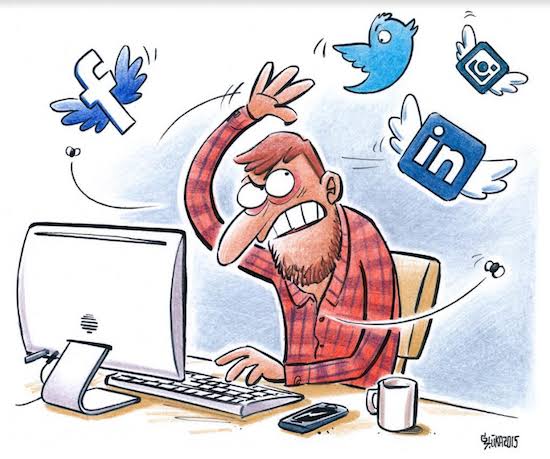
Social media has had a profound impact on the way we write. It's no longer enough to write a blog post or an article, you need to be able to share it with your audience in a manner that will draw them in and make them want to read what you have to say.
Social media allows us to connect with people all over the world, no matter what language they speak or where they live. We can also share our opinions with others and get feedback from them. This helps us become better writers by learning more about what other people think about what we have written.
When we write an article on social media, it will be seen by thousands of people around the world within minutes! If you have an interesting opinion or story to tell, this is a great place for you to share it with others who may not know about it yet!
**Social Media Is Changing How We Write**
The way we write has changed dramatically over the years due to technology advances and changes in society. A lot of people would argue that social media is not creating new ways for us to communicate but rather just making us more aware of existing methods. However, there have been some noticeable changes in how people communicate via text messaging or email compared with face-to-face conversations as well as how they write letters or emails compared with personal letters sent through regular mail carriers. Social media has become a powerful tool for writers. It provides a platform to share their work, connect with other writers, and get feedback on their ideas. While social media may seem like an easy way to generate buzz and create connections, it's important to understand how it can affect the way you write.
One of the most common ways social media affects writing is by encouraging more frequent posting. Writers sometimes use this as an excuse to post whenever they feel like it, even if they don't have anything interesting to say. They may also use this opportunity as an excuse not to edit their work—they're just going to post whatever they wrote last week! The problem with this approach is that it can make your content look unprofessional and unedited. Your followers will see that you're not taking your writing seriously enough to take the time and effort necessary to make sure everything looks perfect before posting it online.
Before social media, writers could choose to keep their work private or publish it in a book. There was no middle ground—you either published your work, or you didn't. Today, however, writers can choose to share their writing on several different platforms and with different audiences.
This means that if you want to be a successful writer today, you need to be prepared for a lot more feedback from your readers than you might have gotten in the past. A bigger audience also means that there are more people out there who are interested in what you have to say and will want to hear more from you—which can be both amazing and intimidating at times!
In Conclusion
When social media first came into use, it was primarily used by young people—but now it's become an integral part of everyone's life. We use it to share our thoughts and opinions with others, but we also use it to read what other people have to say about the world around us.
Social media has led to many changes for writers. They now have a platform for sharing their work with millions of people around the world in just seconds. This has given them more opportunities than ever before: they can get feedback from readers much faster than before, which helps them improve their writing skills and develop a following; they can receive requests from publishers who want to publish their books; and they may even get paid for their work if they make enough money through advertising or sponsorship deals.
We live in a new world—one in which it's impossible to avoid being influenced by the things that surround us. In this case, social media is not just a part of our culture, but also how we write. The best we can do is learn about these practices and try to think about their effect on us when making choices for our own writing. Ultimately, it's up to you to decide what kind of impact social media will have on your own writing, and how or if you'll react to the changes that are certain to continue.
Leave a Lasting Impression to your Readers
***As a writer, you know how important it is to leave a lasting impression on your readers. The first few lines of your article are critical for that, but it's not always easy to get them right.***
I know, I know. It's not easy—especially with the way the world moves so quickly these days. But if you want to make an impact, you need to do more than just put out content. You need to make sure that what you're putting out is memorable and meaningful for your audience, so that they'll remember it and come back for more.
It can be tempting to think that all you have to do is write something funny or clever enough that people will share it without really thinking about what they're sharing or why they're sharing it—but while that might work for some people (for now), it won't be sustainable long-term. So how do we do this? How can we make sure our content stands out in a crowded marketplace?
The first step is making sure your content has a purpose—and that purpose should be tied directly into what makes your article unique and different from other articles out there. If you don't know what makes your brand special, then how are people going to know why they should follow you instead of someone else?
To get started, think about what kind of article would be interesting and useful for your audience. That could be an interview with someone who has expertise in the field or an explainer on a specific topic, or it could be just sharing information that's relevant to their life (like the best places to take their kids on vacation). Once you've figured out what kind of content would resonate with them, make sure it doesn't feel like something they could find anywhere else—it should stand out because it offers something new or unexpected!
It's also important to understand what kind of experience they're expecting when they land on your articles. When it comes down to it, we all want to feel like we're receiving something valuable from the people we engage with online. So if you want people coming back for more, make sure you're always giving them something they care about!
Once you know what makes your content unique and different from other articles out there, it's time to set up a schedule for posting regularly on social media platforms. How often should you post? That depends on who your audience is.
But whatever schedule you choose for yourself, make sure it's sustainable over the long haul. Whatever schedule works best for your audience will also depend on how much time you want to spend each day interacting with people online in general. If that's not something that's important to you right now or if it's just not possible given the demands of your life, then choose a low-stress option. You don't want to burn yourself out by posting too much or too little!
In Conclusion
When it comes to writing, it’s important to have a clear and concise message. This means that you need your words to be able to stand on their own and make an impression on the reader. You want them to be able to read your article and remember what it was about, even when they’re not looking at the screen.
It is a testament to the fact that simple is often best. In some cases, at least. Making your writing as clear and immediately useful as possible is the top priority, and how you format your work can boost or undermine this objective. Keep it simple, be careful with what you choose to include in the body of your work and you'll have a good base to start from.
Don't use big words if you don't need them, and don't use little words if you can use bigger ones instead. Your goal should be to write at a level that is appropriate for your audience, not so far above or below their heads that they get lost or bored.
Also, make sure your content is relevant and useful for your readers. If it isn't, then why are they reading it? You can tell whether or not something is useful by asking yourself: "would I want this information if I were reading it?" If the answer is no, then rewrite it until it's helpful!
It's important to leave a lasting impression with your readers. If you want to be remembered, you have to do something memorable.
The Best Way To Publish And Promote Your Writing Online
Writing is a powerful medium. It can inspire, motivate, and help people change their lives for the better.
If you're a writer, chances are that at some point or another you've considered publishing your masterpieces online. You may be thinking of starting a blog, or maybe you want to write for a magazine or online publication. Or maybe you have an idea for a book and you have no idea how to get it published, but you're ready to give it a shot.
Writing online is one of the best ways to expose your ideas to a large audience. The internet's reach is global, and publishing on it can help you gain fans who will clamor for your next piece. But before you begin writing, you need to decide which medium is best for you. Do you want to write articles? Blog posts? Short stories?
In the digital age, you don't have to land a traditional publishing deal or get accepted into the New York Times' Opinion section to get your writing out there; you just need the right platform. And with a wealth of digital options at your fingertips, there are more ways than ever to publish and promote yourself online.
Whatever your goals as a writer, it's never been easier to publish your writing online—but that also means that in order to do anything with your writing, you'll need to promote it as well. So let's talk about the best way to do both!
Blogging is one of the best ways to connect with audiences online. Blogs are written articles, usually published on a website or social media pages, which provide information or educate readers on a specific topic. Blogs can be used by businesses, brands, individuals, and even organizations to share ideas, connect with others, and/or showcase products or services.
**Aside from blogging as a way in promoting your writing online, there are also three things you can do: social media marketing (SMM), search engine optimization (SEO), and pay-per-click advertising (PPC).**
**Social media marketing** is all about sharing your work on social media platforms like Twitter and Facebook in order to increase its visibility and drive traffic back to your website. You have to make sure that you're posting often, that your posts include proper keywords, and try to stick with appropriate hashtags so that people can find you easily.
**Search engine optimization** is the process of using keywords, links, and other strategies in order to rank higher on search engines like Google and Bing. You need to make sure that your site has good content and links back to itself, so it's important not only what kind of keywords you use but also how they're used within the text itself!
And finally, **pay-per-click advertising** is the process of paying other websites or companies to host ads for your content on their site. It's a great way to get your name out there quickly!
Each has its own pros and cons. Social media marketing is great if you want to build a community around your work—but it takes time to build up a following and an audience. Search engine optimization, on the other hand, only works if people are actively searching for keywords related to your writing—which can be hard if you're just starting out. Finally, PPC costs money—and it's difficult to know how much money will be well spent until you try it out for yourself.
**In Conclusion**
Promoting your work online can feel daunting, but there are a few basic things you can do that will help you generate more of an audience for your writing.
There are tons of options, so dig around and put some thought into it. You want people who read your work to have an easy time finding more of it, so make sure your blog is organized nicely—or that you're using tags that will allow readers to find what they're looking for.
**In the end, I'll leave you with one final piece of advice: be nice.**
While it's good to promote your work online, it shouldn't be done in a way that comes off as pushy or desperate. Readers can tell when someone is just trying to put their work out there for any reason at all, and those writers are unlikely to develop significant followings. Instead, search for ways to connect with other writers.
Master the art of dialogue
Dialogue is a powerful tool for making your writing more engaging and persuasive. But it can be tricky to master, especially if you're not used to crafting conversations.
When you talk to someone in person, you can see what they're thinking and feeling. This helps you understand how to respond and adjust your message accordingly. But when you're writing, you don't have that advantage—you have to do the work of getting inside your reader's mind yourself. That's where dialogue comes in.
**Mastering the art of dialogue is an essential skill for any writer who wants to create compelling characters.**
A character's dialogue can be used to reveal his personality, his history, and other aspects of himself that are not explicitly stated. Good dialogue can also help a reader understand what's happening in a scene without having to be told explicitly. It can make a character more relatable by showing how they speak and act in their everyday lives.
Dialogue can also serve as a means of conveying information—whether it's through exposition or otherwise—but it should never feel like you're telling your reader something they already know or don't need to know.
When writing dialogue, make sure your characters are consistent with who they are as people. If they're an introvert, don't have them suddenly start shooting off at the mouth at some point in the story; if they're normally reserved but say something unexpected and inappropriate, then explain why that happened so readers don't think something is wrong with them as people.
So how do we do this?
The dialogue in your story should not be an afterthought. You need to know how your characters talk, what they sound like, how they speak and what their tone is like. How do they express anger? Are they sarcastic? Do they make jokes or are they more serious? These are all things that you should consider when writing your characters' dialogue.
Once you have determined a character's personality and how they speak, it is time to write down some lines for them to say!
When writing dialogue, it's important to keep in mind that your characters are speaking in ways that would be natural for them. If you have a character who grew up as a farmhand, then it wouldn't make sense for them to speak like an educated city-dweller. Don't try too hard to make your characters sound like people from different backgrounds—just write them as they would naturally speak.
This can be one of the most difficult parts of writing dialogue because it requires a lot of creativity on your part. Try not to write too much at once or else you might end up with too many words and not enough meaning behind them. Instead, try writing one line at a time until you have enough material for one conversation between two characters or more! Remember: It doesn't matter if what they say doesn't make sense yet because we will fix that later on during editing when we look at whether or not our sentences are logical enough so that people won't have trouble understanding them when reading through them again later down the line!
In Conclusion
**The key to effective dialogue is knowing where it belongs in your story, who should be saying it, and how you can use it most effectively.**
Dialogue is a great way to show your reader what's going on in your characters' heads without having to resort to exposition or narration, which can be boring for both writer and reader. Dialogue helps readers get into your character's head, feel their emotions and understand their motivations more deeply. It also gives them a chance to interact with other characters and make decisions about how they want those relationships to evolve, which makes them more invested in your story.
Dialogue is how we communicate with others through words, so it makes sense that it would be the best way for writers to communicate with their readers too. If you want your characters' voices to be distinct and believable, dialogue can help make that happen. You can use dialogue as a way to reveal character traits like personality traits, values and beliefs; or use it as a way for characters to show their thoughts or feelings; or even use it just for fun!
What do writers do when they are not writing?
That's a question that might seem simple, but it is actually quite complex. It's a valid question, and one that's worth asking yourself. Because even though you may think of yourself as a writer first and foremost, there are many other aspects of life that should be taken into account. You see, many people believe that they only write and nothing else. That's just not true. Writers do other things too.
When I decided to become a writer, the main reason was so that I could spend my days sitting in front of a computer, with a cup of coffee, and staring at a blank document. The thought of it was so appealing to me that I didn’t even consider what it would be like to not be writing or what I would do if I wasn’t writing.
After spending a few years as a writer, I have come to realize that one of the most important skills for a writer is knowing what to do with your time when you are not writing. This may seem like an obvious thing but it is actually quite difficult.
First off, there are many different things that people can do when they are not writing. Some people will choose to read books while others might choose to listen to music or watch TV shows. There are also many different ways that these activities can be done; some people might prefer reading books while listening to music while others might prefer watching TV shows while listening to music.
I'm not alone in the fact that I have a hard time writing. For me, writer's block is more like writer's chain-link fence topped with barbed wire and guarded by a military police dog.
**So, what do I do when I am NOT writing?**
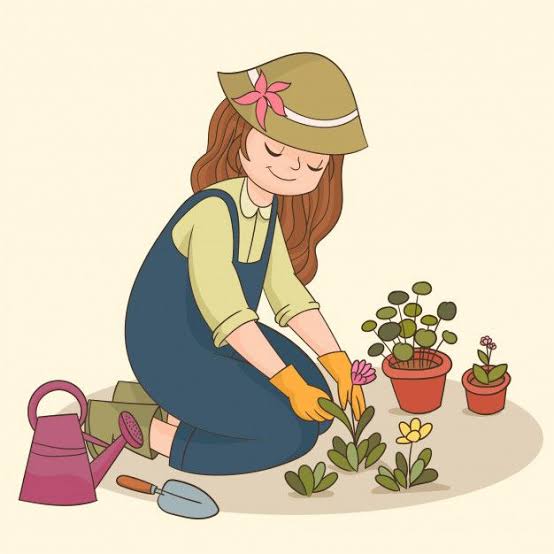
I garden. Gardening is the perfect antidote for writer's block because it requires no thinking about words or how to put them together. It does require some physical energy, but it's still very easy on your brain. You can get lost in the mindless work of weeding and watering and even pruning, which is strangely satisfying. And then you get to sit back and watch plants grow—and there is nothing more calming than watching something come to life, especially when you were involved in its creation.
And if you are lucky enough to have a garden that produces fruit or vegetables, you also get to eat what comes of it! There is nothing more delicious than fresh produce picked right from your own yard. It just tastes better. Plus, it makes you feel good to know exactly what kinds of chemicals are on (or not on) your food.
**In conclusion**
When writers aren't writing, they're probably thinking about writing. But they also like to do other things, too. Some of these things are more productive than others—but even when they're not working on their craft, most writers need some kind of creative outlet.
So, the answer to the question still depends on the writer. Some of us spend our time daydreaming about our next projects, while others might be thinking about how to make the best use of their time (and a good cup of coffee).
That's right—we do have lives outside of writing! We may be able to sit down in front of a computer for hours on end and just hammer out content, but that doesn't mean that we want to do that every day (or even most days).
I understand that there are other things in life besides writing, and I also understand that it's important to take some time away from the keyboard once in a while. Because no matter what else is going on in life, it's important for us to have some downtime. Downtime is good for us because it allows us to reflect on our work and recharge before diving back into it. This helps ensure that we're always ready to create new content and improve upon the things we've already done.
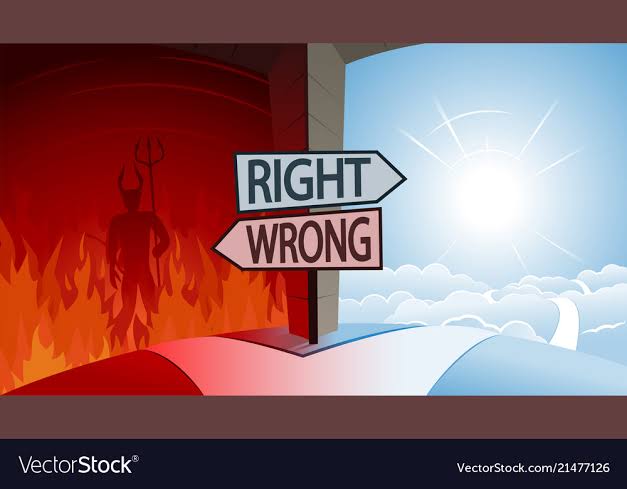
*There is no right way or wrong way for how you should spend your time when you are not writing. The main thing is that you find something that works well for you and stick with it. Whatever works best for YOU!*
Write Responsibly
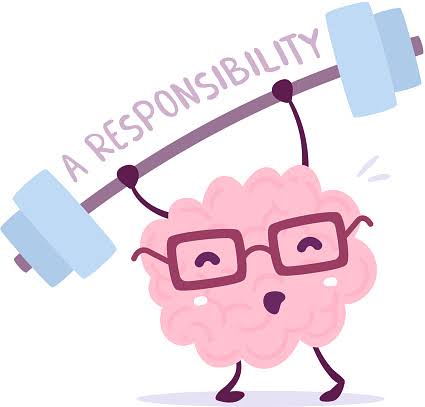
**When you're a writer, there's a lot of pressure to be witty, clever and eloquent. But writing responsibly is just as important. Writing responsibly is a responsibility that every writer should take seriously.**
Writing responsibly means writing with your readers in mind—not just the ones you have now, but also the ones you will have in the future.
Whether you're writing a blog post or an email to your boss, when you're trying to make a point, it's important to be considerate of your audience. If they don't understand what you're saying, they won't take the time to read your work—and if they don't read it, then you're not getting your message across.
A responsible writer is a writer who cares about the impact their work has on others. A responsible writer will take into consideration how their writing might affect their readers and make sure that it does not cause harm.
Responsible writers understand that their words can be used for good or for ill: they take responsibility for the ways their words may be interpreted by others. They write with the intent of educating, informing, or entertaining, rather than to hurt or harm others.
What does this look like? It looks like thinking about how your writing might affect people from different backgrounds to yours—and making sure that you've taken steps to ensure that there is no bias in your work against anyone based on gender identity, race/ethnicity, sexual orientation, religious beliefs, etc., as well as other factors that make people different from each other (such as age).
It also means being aware of what you're saying when it comes to those topics: if you're going to talk about something controversial (like abortion), then you should make sure that your facts are correct and that your language is neutral. If you don't want to offend anyone with your writing, it's important to be careful about what words you use.
This means two things: first, don't just write whatever comes into your head—be mindful of how it might affect others, and second, if someone does feel offended by something you wrote, apologize and try to correct your mistake by editing or removing the offensive material as soon as possible.
You can also use responsible writing as a way of building trust with your audience. If they know that you're only sharing information that has been verified by experts or has been sourced from reputable websites, then they'll feel more confident in what they read on your blog or website—and they'll come back again!
This can be tricky—especially today, when we're all so used to communicating in sound bites and tweets instead of long-form written content. But it's important not just for your sake, but for the sake of the people who are reading your work. If you want them to listen to what you have to say, then you need to give them something good to listen to.
In Conclusion
Writing is a powerful tool, used to convey information and ideas. But it can be misused, too. Some people use writing in ways that are not appropriate—for example, by being offensive or hurtful. Others may use it to make false claims about things or people.
As a writer, you should know that your words have power. That's why it's so important that you write responsibly. It's easy to forget that what we write has the potential to affect people in ways we may not even consider—especially if we're writing for a publication or blog with a lot of readers.
Writing is a gift, but it can also be a curse. It can be used to inspire, to educate, and to entertain. But it can also be used for manipulation and deception. When you write something, you have a responsibility to the reader to be honest and accurate.
*Responsible writing is a habit that will benefit you in every aspect of your life.*
It's not easy! Sometimes, it feels like you're just too busy to write responsibly. That's why it's important to remember that writing responsibly isn't something you do once or twice—it's something you do every time you sit down with a blank screen and an idea in your head.
*If this sounds complicated, just remember: always think before you write!*
The Interconnected World of Blogging: A blog about the rise, fall, and rise again of blogging
In the past few years, bloggers have been going through some growing pains. They've been facing a lot of challenges, but that's not to say they're dying off. In fact, for many bloggers, this is a time to grow stronger than ever before.
Bloggers have always had to pay close attention to what readers want and need—that's part of their job, after all. The rise of social media and the shift in how people use the internet have made blogging much more complicated, but they've also created opportunities for bloggers to do things they couldn't before.
The internet has changed a lot in the last 20 years. We used to have to physically meet up with our friends to talk about the things that interested us, but then we discovered message boards and forums. We thought that was the end of it—we could just meet in one big room with a bunch of other people who wanted to talk about the same thing! But then blogging came along.
For a while, blogging was king. It allowed people to share their thoughts and ideas without having to compete for attention on a forum thread—you had your own space for expression. You could design it however you wanted, share links, photos, videos—whatever you wanted! And you didn't have to worry about being moderated by some random person who wasn't even interested in your topic. That's what made it so great!
**Ah, the blog. Once the stuff of legend, then the stuff of forgotten history.**
And we're not sure if you know this, but blogs are making a comeback. Before, blogs were the internet's best-kept secret. People shared their stories and gave advice through them in a way that didn't feel staged or fake. They could be funny or serious, and they often went viral without any effort on their creators' part. It was like shooting stars zooming through cyberspace at lightning speed.
But then social media came along and crushed everything. Gone were the days of message boards, forums, and blogs… there was only Facebook now. And Twitter. And Instagram. And Snapchat. And every other social media platform that turned our lives upside down and made us feel like we had to constantly be on top of something new just to stay relevant.
It's been tough, but we've survived these past couple of years without blogs. And this is the ultimate sign that the world has come full circle—blogging is back!
And it's not just because hipsters have a way of bringing back the rejected stuff from the past: it's because people are craving the kind of thoughtful content that you'll find on a blog but can't get from other social media platforms. Sure, you can share your thoughts with a quick tweet or post a link to an article on Facebook, but if you want to really delve into an idea or topic? You're going to need more than 300 characters or a few paragraphs—you're going to need a blog.
Blogs are back, and they're better than ever.
What do we mean by "better than ever"? Well, it's kind of a more nuanced thing than you might think at first glance. But it boils down to this: the way people get their content has changed so much in the last couple of years that blogs are now—again—a viable place for people to get information from sources they trust.
The way people consume content has changed again, and people have become wary of getting their news from social media platforms that have been proven to be rife with misinformation. Now readers are looking for relevant material written by reliable sources—and that's exactly what blogs offer! Blogs allow writers to share their expertise in an easy-to-read format without having to worry about wading through hundreds of comments or scrolling past ads or sponsored posts.
We don't know how long blogs will be around for (although we hope they're here forever), but we do know that as long as they are, they'll be held to a higher standard than their clickbait-y counterparts.
That's because blogs have a reputation to uphold. They're supposed to be the authority on a subject, the place you go when you want a deep dive into something—you know, like what your favorite celebrity had for breakfast or the top 10 places to get a copy of your birth certificate. But with all this responsibility comes expectations, and it's important that you deliver on those expectations.
Think you've found the one?
Love is a tricky beast. A big, beautiful, and occasionally scary beast that can be difficult to understand.
Many of us have heard stories about that first glance across a room and the immediate certainty that this was the person for you. Whether or not you believe in love at first sight, it's undeniable that there are fundamental differences between how people fall in love and how they stay in love. What makes you click with a stranger might not necessarily be what keeps your relationship going strong after years together.
The way we typically think of falling in love is with a swooping feeling in our stomachs and a tingly little jolt we can't quite pin down. But what happens after those tingles subside? How do you manage to keep the passion alive?
While there isn't one universally accepted definition of love at first sight, the common thread among everyone who has experienced it is that it's a powerful and immediate visceral reaction to someone you've just met. You may feel like you've always known them, or that you know exactly who they are as a person before you've even spoken to them. It's often related to physical attraction, but it's also possible to feel this way based on someone's personality or energy alone. Many people report feeling an instant sense of calm or comfort in the presence of their future partner, or feeling immediately overcome with passion.
The experience seems to be largely subjective. Some people only report feelings of love at first sight for one person, while others say they've experienced it multiple times. It's also not clear whether love at first sight is something that happens for most people, and we just don't talk about it because it feels so intense and personal.
Indeed, the idea of falling in love with someone without having met them in person is one that many people have become familiar with in an era where online dating is more popular than ever. Perhaps the feelings we experience when we see someone online are similar to what we would feel if we encountered them in real life?
**In Conclusion**
Love: it's the basis for so many of our greatest life stories, whether we're talking about Romeo and Juliet, or your little sister who met her husband at a bar. You may feel like you've always known them, or that you know exactly who they are as a person before you've even spoken to them. "That's my person," you think, even before they've said a word. It's often related to physical attraction, but it's also possible to feel this way based on someone's personality or energy alone. Many people report feeling an instant sense of calm or comfort in the presence of their future partner, or feeling immediately overcome with passion.
The most important thing about all these feelings is not whether they're "right" or not—it's how they make you feel. There aren't any rules for relationships; if you're meant to be together, you'll find a way to make it work.
Love at first sight isn't just limited to physical attraction—it can also happen when you're drawn to someone's personality or energy, or feel an instant sense of calm or comfort in their presence. Many people describe it as feeling like they've known their future partner for a long time, even though they just met them.
So the next time your heart skips a beat the moment you lock eyes with someone, rest assured that there's something behind it—even if you don't fall in love with them, there's still a reason you felt that way.
Different Doesn't Mean Wrong
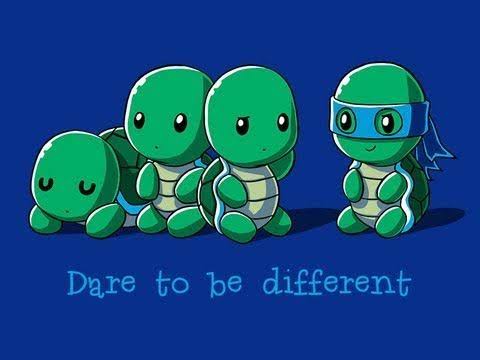
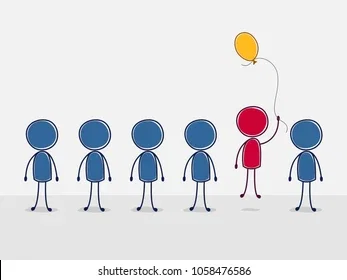
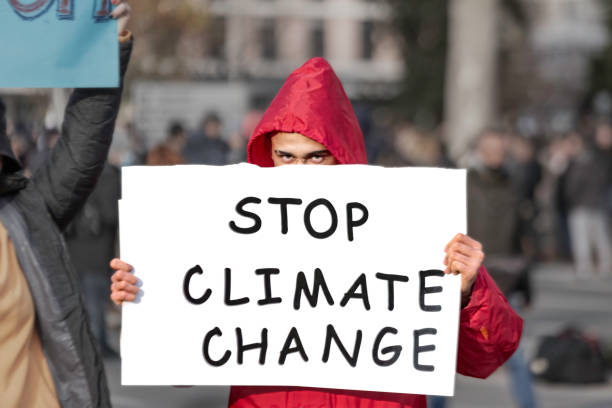
***Everyone is different. Each of us has our own ideas about the world, our own opinions on everything from our favorite ice cream flavor to what we think about climate change. Sometimes, the things that are different from everything else catch our eyes. They are usually the first to be put on display. They can be considered as the most special ones, right?***
**Different doesn't mean wrong.**
It's easy to think that different means wrong.
You wake up in the morning, and you want to make sure you're doing everything right. So you eat a bowl of oatmeal for breakfast, right? You go through your morning routine—shower, brush teeth, get dressed—right? And then you get to work, and you do all the things on your to-do list, like check your email, write a report, and make some phone calls… right? All day long we're going through our lives trying to make sure we're doing things "right."
But what if you wake up tomorrow and decide to put peanut butter on your oatmeal instead of brown sugar? What if you shower at night instead of in the morning? What if you wear a bright blue skirt with those red shoes? What if you skip checking your email for an hour and spend that time reading the newspaper instead?
Is that all wrong? Maybe not. Maybe it's just different. Maybe there isn't one single way to live your life or do your job or run your business. Maybe there are many ways to do things, and not everyone has to be doing them the same way as you do.
I've been guilty of this more times than I care to admit: when I learn that someone is different from me, in a way that I don't personally understand, my first instinct is to be judgmental.
I can't say how many times I've heard about a person not being able to afford rent, or food, or medication and felt... indifferent? But the truth is, it's not indifference; it's judgment—and it's something that I need to work on.
When we're presented with people who are different from us, our brains go into overdrive trying to categorize them: race, religion, where they're from—you name it. And that's not always bad! If we were never able to categorize people based on the differences between us and them, we'd wind up in situations where we were never willing to try new foods or learn basic facts about other cultures. So categorizing isn't bad. But it can lead us down some really dangerous paths.
When we internalize the fact that someone is different from us—whatever that means—we're in danger of letting ourselves believe they are "wrong" because they are not like us. And these categories are almost always misguided.
In Conclusion
All people have something valuable to bring to the table! Think about how boring life would be if everyone was exactly the same as everybody else! And even though we might not understand why someone does or believes something differently from us, it doesn't mean they're wrong. You don't have to like every single thing about other people.
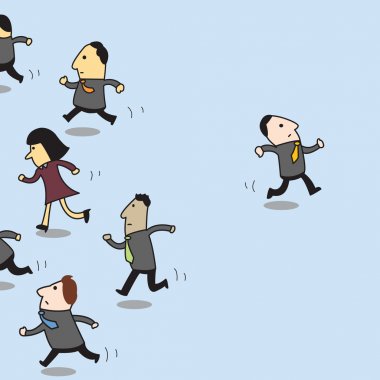
You don't have to be like everyone else. You can do things differently, and that's not just ok—it's amazing! When you're different, you see things differently. You solve problems differently. You interact with the world differently, and that means you can bring new and fresh perspectives to… well, everything.
When you're different, you're more likely to challenge accepted notions of "the way things are." This means that you might find a better way to do something than the way it's been done since the dawn of time. You might decide that a process is outdated or inefficient and create something entirely new just because it works better for YOU.
***And when you think about it this way, being different isn't just empowering—it's revolutionary!***
© 2022 zheanders. All rights reserved
Get Out Of Your Comfort Zone
**Have you ever wanted to learn something, but you just couldn't make yourself do it?**
We've all been there. There's so much to do in our lives, and most of us don't know how to find the time for new things. But learning is important. So how are you supposed to find the time and courage?
Ever wonder why when you take a class, you master the concepts so quickly that by the end of the semester, you've forgotten everything again? Or why it's so easy to learn a new language in high school, but then never want to speak it again? Or why people learn how to ride a bike as kids but can't do it as adults?
This is because we only ever push ourselves in one direction; we spend our entire lives developing our strengths and ignoring our weaknesses. It's great for getting ahead in life, but it's awful for learning.
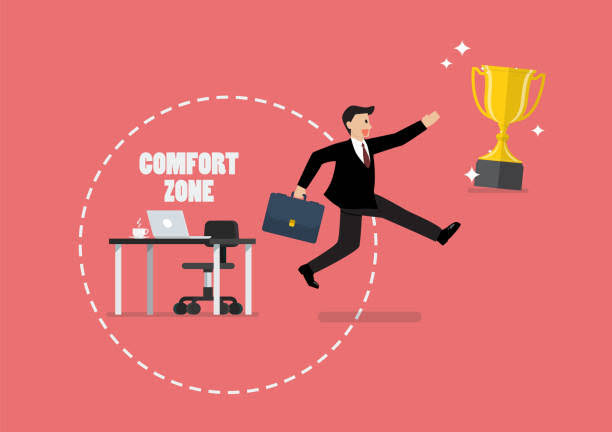
You have to get out of your comfort zone to learn new things and grow.
In fact, if you're not willing to get out of your comfort zone, you probably shouldn't bother reading this article. It's not going to be much help if you're not prepared to do the work necessary to change your situation.
**Get out of your comfort zone!**
It's important to get out of your comfort zone because that's where real growth happens—not in doing things you already know how to do.
Yes, it's true that comfort zones are a great place to be: they make us feel safe, secure, and happy. However, your mind was built for more than just reading and watching TV. The human brain is an incredible organ that can learn everything from how to speak a foreign language to how to build a rocket ship. In life, we find it easy to get into routines and stay in our comfort zones. We go to the same places and do the same things every day, then wonder why we never learn anything new or exciting. If you let the same things happen over and over again, it's easy to get stuck in a rut. But life is too short to stay in that rut.
**But what if you tried something new today?**
Sitting in your comfort zone isn't as easy as it sounds. Sure, it may be cozy and familiar, but you're also going to end up staying there forever. When we're in our comfort zones, we stop learning and growing. We float along in a state of mediocrity, and no one wants to be mediocre. We want to be great, but how can we do that when we're not willing to get out of our comfort zones?
The only way to get out of it is to challenge yourself to learn new things. You might find yourself failing miserably, or you might find out that there's a whole world of possibility out there. The important thing is that you're trying!
**In Conclusion**
All throughout high school and college, I'd been told over and over how important it is to "get out of my comfort zone." It was drilled into me that trying new things would be good for me and help me succeed.
I did everything I could not to get out of my comfort zone. I didn't want to meet new people, try new foods, or listen to music other than what I'd always listened to. I was content to stay in the same routine and enjoy what I already knew.
I think we all have this attitude sometimes, but the truth is that getting out of your comfort zone is one of the most important things you can do for yourself. If you're looking for a way to improve your life and improve as a person, staying in your comfort zone will only hold you back.
It's time to break out of your routine! To learn something new, you have to put yourself out there. You have to stop doing what you've been doing and try something new. If you're smart about it, you'll be able to learn a whole lot from the experience.
Are you ready? Let's go!
L-O-V-E: Living On Valued Energy
**You've probably heard the phrase "self-love," but may not have heard of L-O-V-E, which stands for Living On Valued Energy.**
LOVING yourself, then living your life accordingly gives you the best chance of being happy. That's because when you don't value yourself, you can't fully engage in your relationships, career, or creative endeavors. You'll be too busy feeling like you need to prove your worth to others.
Sometimes, this lack of self-love is a result of being raised in dysfunctional households or having experienced traumatic events. But regardless of how it happened, once we're aware that we don't value ourselves enough, we can work to change our outlook and behavior so we can become better versions of ourselves.
It sounds simple—I mean, who doesn't love themselves? And who wouldn't want to be happy? But there are some things to consider here.
First, most people don't love themselves at all. They think it's selfish, or they feel like they don't deserve it. Or maybe they just don't know how to do it.
Second, most people think that working toward other people's happiness will make them happy in turn. That if they work hard enough and make others' dreams come true, theirs will come true too. This is not how life works!
L-O-V-E is a practice that takes a while to get used to. It starts with loving yourself as much as you can—and if you can't find a way to love yourself right now, then finding ways that help you learn how to love yourself.
In order to really focus on LOVING yourself, we must make sure that we are building our lives around things we VALUE. Your values are the MOST important thing about you. They are what makes you unique.
When you value something—the environment, children with disabilities, the arts—you commit your energy to that thing. You donate money to causes you care about. You volunteer at a soup kitchen. You bake cookies for your coworker who has cancer. That's valuing something and then putting your actions where your mouth is.
Living on valued energy means doing the same thing—but for yourself. When you put your actions where your mouth is for YOURSELF, then you're living on valued energy for yourself. You're committing your energy to yourself in ways that really matter to you. In other words, you're loving yourself!
It sounds too easy to be real, right? But it's not! All you have to do is ask yourself a few simple questions: What matters to me? What gives my life meaning? What makes me feel like I'm making a contribution?
After we determine our values, then we can start working on living a lifestyle that is CONSISTENT with those values. It's a pretty simple formula, but it can be hard sometimes to take this approach because our society tells us it’s okay to be inconsistent and hypocritical—but just remember: YOU ARE NOT A HYPOCRITE if YOU ARE TRYING TO BE MORE CONSISTENT!
Sometimes we all need to reevaluate our priorities in life, and I'm here to tell you that one of the most important things you can do is focus on valuing yourself.
That's what L-O-V-E means to me: Living On Valued Energy. In other words, loving yourself and living your life accordingly. It's a simple idea but powerful in practice.
When you love yourself, you make room for your own happiness, even if it looks like something you don't expect. You're able to understand that you are actually in control of your own happiness, not anyone else. You have the power to choose how you want to feel—and no one else can take that away from you!
Loving yourself also means having the energy and motivation to pursue things that are important to you. Whether it's work, family or friends, short-term goals or long-term dreams, when we make these things a priority, we're able to go after them with dedication and passion. And when we give ourselves permission to be happy with the choices we've made, we're more likely to succeed and do our best work.
If you're in love with yourself, you'll always be able to find beauty in your eyes. You'll always be able to find strength in your arms. You'll always be able to find gracefulness in your legs. You'll always be able to find luster in your hair. You'll always be able to find power in your voice. And most importantly of all…
You'll always be able to find happiness in your heart. Life is too short not to be happy. Everybody deserves a chance at being happy!
***-zheanders 2022***
Rejection is a Redirection
How many times do you get rejected before you realize it?
We're all going to experience rejection at some point in our lives. Anyone who is living a life full of possibility will experience rejection over and over again. Every so often, you might find yourself in the unfortunate position of being rejected. And your first instinct is probably to beat yourself up over it. Why didn't I get it? What am I good for? Am I just not good enough?
No matter how well you present yourself, no matter what you do to earn the love and approval of others, there will be times you're left empty handed. As you face rejection in your life, it can be challenging to stay positive—and we get that. You've been working hard toward your goal and you've made a lot of progress. So when something doesn't go your way, it's tempting to get discouraged and view the rejection as a comment on your worth.
When you get rejected from an opportunity, it can feel like the wind is knocked out of you. You may start to question how valuable you are as a person, or perhaps even decide that it's just not possible to be successful. The trick is, if you get too bogged down in acceptance—in the need for approval—you won't be able to keep your eyes open long enough to see all the new opportunities coming your way.
**First of all, I want you to know something: rejection is not a reflection on you or what you're capable of.** Rejection is a signal that whatever you're pursuing isn't in alignment with your purpose. You might have been rejected because another opportunity was waiting for you. You might have been rejected because you were meant to be on a different path. And you might have learned something from the rejection.
We know rejection is a part of the human experience, and many of us have experienced it. But we also know that our positive experiences outweigh the negative ones. And we've seen how important it is to learn from rejection—both the good and bad parts. Rejection is a signal to your heart that you're headed in the wrong direction.
**Rejection is a redirection. Isn't that a comforting thought?**
Though it might not seem like it at first, it's true! When you take time to reflect on the opportunities you've been given so far in life, you'll likely find that every one of them has led you closer and closer to where you're meant to be.
You might not understand rejection in the moment, but if you take some time to think about it, you can usually find the silver lining. Think about it this way: rejection is simply a "no" for now, but it's not necessarily a "no" forever. And think about how many times you've said "no" only to realize that "no" was never actually what you wanted or needed? You can't let someone else's "no" dictate your ability to say "yes" when the right opportunity comes along!
And that's why rejection is so powerful: it re-directs your energy toward creating new opportunities for yourself, rather than wasting time on something that wasn't right for you anyway. It's only a redirection if you allow yourself to accept that this was not meant for you. Because if you are focused on getting every single thing you want, you will miss out on what you really need. You'll miss out on the opportunities that would really change your life for the better because you're too busy obsessing over the ones that didn't pan out—or sometimes even over ones that never existed in the first place!
There's this quote I read once: "**If opportunity doesn't knock, build a door**." It's so true! Always remember that you're totally good enough. This rejection isn't about YOU. It's just a redirection of your path toward what is meant for YOU—something even better than what you lost out on. If you can learn to be grateful for the opportunities you DO get instead of mourning the ones you don't, your life will open up to so much more abundance!
So if you find yourself disappointed by an outcome, remember that there are so many other opportunities out there waiting for you—you just have to keep pushing forward!
What It's Like To Be A Freelance Writer In 2014
A writer's words can change lives and impact society in positive ways.
Freelance writers are more than just someone who writes for a living. They're an important part of a thriving community, and people in the writer's life often take great pride in them. As a freelance writer, your job is to be available whenever and wherever you're needed. You can do this from home, at the library, or while sitting on a beach in Bali (or all of the above). And in today's world, that's more possible than ever before. But how does it actually work? How do you get clients? What are the best ways to set up your workflow? And what are some of the challenges that come with being a freelance writer?
Being a freelance writer is like being a sailor. You're always on the move, you have to be able to adapt to different situations and people, and you have to be willing to work with your hands (or at least your fingers). And that's not even mentioning the fact that you’re constantly being pulled in different directions by your clients, who are often demanding a lot of your time and attention.
You have to be able to write, but you also have to be able to market yourself. If you don't have the right skills, it's going to be hard for you to get the jobs that you want.
You also need to be able to manage your time wisely so that you can stay focused on getting the work done and keeping track of deadlines. Freelance writing can be very rewarding if it's done right, but it can also turn into a nightmare if you don't know what you're doing or if your work isn't up to par.
One of the biggest challenges of being self-employed is managing your finances and staying afloat financially while paying taxes on money earned during the year (and not just those pesky quarterly estimates). It's important for freelancers to get organized early on so they don't end up spending more than they earn or getting behind on payments.
The days of being able to make a living writing for magazines and newspapers are over. The internet has changed everything, and now freelancers need to learn how to work in this new environment.
For many writers, the dream of being able to make a living doing what you love is slowly fading away. As the Internet has become more and more ubiquitous, people have begun to expect things for free, even when it comes to the written word. Writers who used to make their money by selling articles have been forced to find other ways of making ends meet—and many have had to turn to self-publishing.
Freelance writers don't make much money anymore—at least not from print publications. Most writing jobs are online now, and they pay less than what you'd make writing for print media. It's true that some people still get by doing "copywriting" or "content creation," but those jobs aren't really about writing anymore—they're about putting together articles that will attract traffic and make money for their clients' businesses.
If you want to be a writer these days, it's best to look at it as more of an entrepreneurial endeavor than just another job where someone pays you to do something. You'll need to be able to market yourself effectively and find clients who want what you have to offer them!
Freelance writing used to be about making money by selling ideas or opinions; now it's more about how well you know how the internet works. You need to understand SEO (search engine optimization) and social media marketing in order for people to even see what you've written—and if they don't like what they see there? Well then they won't pay for it because they won't know who wrote it in the first place!
**So what does this mean for those who want to be freelance writers?**
It means that it's harder than ever before to find someone who will pay them well for their work.
It also means that those who want to become freelance writers need to have more than just talent—they also need creativity, dedication and patience if they're going to succeed in today's competitive working environment.
In short, being a freelance writer means you have to hustle. You have to get out there and market yourself—and not just once or twice but constantly! You need to keep building your brand, because if you don't, someone else will take your place. If you want to make money from your words, it's all about finding ways for people to find them—and those ways are changing every day!
Copyright, 2022 zheanders. All rights reserved.
Tattoo & Piercings Aren't Crimes
In the modern society tattoos are perceived to be art form, something beautiful and fashionable. In ancient world tattoos were signs and symbols of religious and social beliefs, we can say that tattoos were used as identity tools in much more different cultures. Nowadays mentioning tattoos makes some people cringe. Some even consider them a crime. There are millions of people who have chosen to cover themselves with beautiful pieces of art.
People are beginning to worry about their looks in today's world. It is common for people to get tattoos and piercings. Besides, it is a way of expressing oneself. Some people do not like this type of "art". They think it makes them criminals and they should be arrested. But we believe that tattoos and piercings are not crime and people should be allowed to express themselves.
Tattoos are act of expressing one's self through art. It is an expression of freedom. Everyone has the right to express themselves without being judged by others. Tattoos are an act of bravery. People who get tattoos show that they have no fear or they want to overcome fear. Moreover, some people get tattoos because they want to honor someone or something in their life. Therefore, tattoos are not a crime and should be accepted by people more than it is now.
Piercings also show bravery from the person who gets them done. The person shows courage to deal with the pain to express themselves in the best way possible for them. It takes time for the wound to heal after getting pierced and it causes the person some pain as well but he/she does not care about that because all what matters is being happy with oneself.
**Is Getting Tattoos or Piercings a Crime?**
The short answer is no.
Getting tattoos and piercings, in and of itself, is not a crime. But depending on where you live, there may be laws regulating where these body modifications can occur or who can perform them. There are also age restrictions that you have to look out for.
The reason why some countries have laws restricting tattoos and piercings is because they can introduce bacteria into your body, which can cause infections and other health issues. Some areas of the body are particularly susceptible to infection from needle punctures. The most common places for tattooing are the arms, shoulders, back, chest, and legs. People get pierced in their ears, noses, eyebrows, tongues, lips, nipples and navels (and other body parts).
Infections caused by getting pierced or tattooed are rare when done by a licensed professional under sanitary conditions. However, there are many cases of people getting infections from being pierced or tattooed by an unlicensed individual using dirty needles or equipment that has not been sterilized properly.
**In conclusion**
As more and more people get tattoos and piercings, the pop culture is slowly becoming accepting of these forms of body art. However, some workplaces are not as accepting of tattoos, piercings, and other forms of expressing yourself through your body.
Including tattoos and piercings in the same category as criminal records unfairly discriminates against people who have made a decision to mark themselves in a certain way.
Of course, you should always consider the consequences of getting a tattoo. You may have to answer questions about it at various times in your life, and while many people see tattoos as an art form or even as a rite of passage, some might not understand exactly what they mean to you.
Tattoos and piercings have been a part of human history for hundreds of years. Ancient cultures all around the world practiced these methods of body modification as a way to express their identity and even as a rite of passage. It's only in the last few hundred years that people in the Western world have started to consider tattoos and piercings unacceptable, but that doesn't mean it's true for everyone.
The next time someone calls your piercings “gaudy” or describes your tattoos as a “tacky blemish” on otherwise perfect skin, you can set him or her straight. After all, it's your body and you should be able to decorate it with whatever decoration strikes your fancy!
Grow As A Writer
If you're like me, you love to write. You've got a fantastic story in your head and you want to get it out there so everyone can read it and be inspired by your words.
But at the same time, you're wondering: "How do I start? What should I write about? How do I get started?"
Is there a magic formula that gets things off the ground? Are there shortcuts for writers? Is there some secret way to make writing effortless, fun, and easy? For many people, writing comes pretty naturally. That's great! If you're in that camp, you're lucky. But for many others, writing can feel like a slog—something you have to do because it's necessary, not because it's fun.
You may have heard people say "she's a natural" or "I just don't have the knack for it." But what if I told you that writing is not like being born a natural singer or dancer? What if I told you that it's more like playing basketball, a skill that can be greatly improved over time with focused practice and an eye for detail? It's easy to think of writing as something you're either born with or not. But I'm here to tell you that writing is something you can practice, improve upon, and get better at over time.
The truth is, whether or not you were born with the ability to write does not matter. What matters is how much work you put into improving yourself and your skills. The more time you spend practicing, the better a writer you will become.
When I was in middle school, I thought writing was just a box to check before I got my grade. It wasn't until high school that I started to see how important good writing really is. The best part about writing? It's an art form that anyone can practice, regardless of talent or skill level. If you're looking for ways to improve your own writing, a great place to start is by reading! It's amazing the things we can pick up from reading other writers' work: everything from sentence structure and word choice to voice and tone.
We're all born with our unique strengths and weaknesses, which is great because it means we each have our own special way of seeing the world. The thing is, though, that these strengths and weaknesses are not set in stone. In fact, we can get better at things that don't come naturally to us.
This is good news if you're not a natural writer! Maybe you get flustered or bored when you have to write something, or maybe you just can't seem to find the right words to communicate your ideas. Writing isn't something that comes easily to everyone, but I'm here to tell you it's something you CAN learn how to do with time and practice—and it's something that will make all aspects of your life easier and more enjoyable.
It's true! If you learn how to write effectively, this skill will improve every aspect of your life—from your career potential to your relationships. You'll be able to share your opinions in a thoughtful way and field other people's ideas without getting defensive. You'll be better at communicating with colleagues, clients, friends, family members, and anyone else who crosses your path. And most importantly: **YOU'LL BE ABLE TO WRITE YOUR OWN STORY.**
Like any skill, writing takes practice and persistence. You won't get better overnight; but if you dedicate yourself to learning and improving over time, there's no limit to what you can accomplish as a writer.
***Keep writing. Keep reading. Experiment with different styles and genres until you find the niche where you feel your writings can be the most meaningful. The best writers aren't the ones that know all of the right words and styles—they're the ones that know how to use them. But perhaps most importantly, they're the ones that don't give up.***
Happiness Is...
We all want to be happy, right? And it can feel like happiness is a thing that you'll have someday—when you've lost the weight, when you find the perfect person, when you get the big promotion at work. We're always waiting for happiness to happen to us, instead of living in it now.
But it turns out that happiness isn't about having no problems or worries or concerns; it's not about always getting what we want, or never experiencing any disappointment.
Instead, it's about being grateful for the good things in your life, even when you're also dealing with difficulty or stress. It's about being able to see the silver lining in every cloud, and being open to the possibility of new beginnings and new opportunities. It's about knowing that today won't last forever, but the lessons and memories you make now will shape how you approach tomorrow.
`"The challenge is to be grateful for what you do have, even when it feels like there's not enough." - Mandy Hale`
Being happy is not about always making the right choices or never failing. It's about getting back up and dusting yourself off after you've made a mistake so that you can keep moving forward. It's important to remember that nothing lasts forever, so today may be frustrating, but if you can only persevere just a little bit longer, tomorrow may hold something much better.
Additionally, happiness isn't about looking at life through rose-colored glasses (you have to face reality sometimes), but it is about choosing to focus on the positives rather than dwelling on the negative. I am not saying that problems, worries, or concerns don't exist. But we are saying that your attitude and how you deal with them matters.
When you're feeling stressed by the demands of work, family, and all the other things in life that can make your head spin, it's easy to forget to see the good in life, or to think about what's really important. It's easy to get caught up in negativity.
Happiness comes from knowing that even when things feel hard right now, they won't stay hard forever. Even when things seem overwhelming and hopeless and like they'll never get better, remember that this is only one moment out of many moments. And as soon as this moment passes, another will replace it.
There are people in our lives who love us, support us; there are trees outside our window, birds singing in them; there are meals on our tables, animals in our houses; there are jobs that bring us joy and friends we can hang out with; there are people we get to help every day through our work; there are places we have yet to visit and sights we haven't seen; there are adventures waiting for us around every corner if only we take the time to realize them.
A happy person can look back over a day and say "I had a bad moment today when my car broke down, but I'm grateful that I have a great friend who I can call when I need help." Or "I had a great day at work, and learned some new things that I'll be able to use later on."
You can't control what happens to you; all you can control is how you respond to it. You can choose to let your circumstances define you and shape your actions, or you can choose to define yourself from within, and then take action accordingly.
In Conclusion
Being happy doesn't mean that everything is perfect all the time. It means that you've made peace with the fact that there are always going to be ups and downs, but as long as you're still standing at the end of each day, then tomorrow will be brighter than today.
So when you get a moment—even if it's just a few seconds while you're waiting at the bus stop—take a second to think about what makes you happy. And remember that happiness starts with gratitude!
Happiness is not a place you come to, but a state of mind you're attuned to.
Copyright, 2022 zheanders. All rights reserved.
20 Mistakes You Must Avoid In Your 20s
I have always wanted to live longer and happier. It's hard to do so when you're trying to establish your career and make sure you have enough money to live a comfortable life, but over time I believe that you can achieve these goals. But what is the best way to achieve longevity? Why is it important? How can we live longer? How can we be happier?
Hi everyone! I know that you are living your life out there. In our twenties, we get to leave behind the naivete of adolescence, but we've still got so much to learn. We're still figuring out our passions, our careers, and the kind of people we want to be. And sometimes we make mistakes that set us back.
But the good news is that those mistakes are often avoidable. We just have to do a little planning and foresight! Here are 20 mistakes you should try your hardest to avoid in your twenties:
1. Waiting for things to come to you. It's easy to just wait around for life's opportunities to come to you. But that's not how the world works. You have to make things happen for yourself—and one way to do that is by taking chances, even if it means risking a little discomfort.
2. Thinking you have all the time in the world. When you're young, it's easy to think you have forever ahead of you but that isn't always true. If you think you'll have all the time in the world later to get serious about your future, think again. Everything takes longer than you would expect—so if there are certain things you want to accomplish, start making headway on them now.
3. Not saving money. Not saving money can be tempting in your twenties, when there are so many fun things to do and buy! But don't fall into the trap of thinking that saving money is something you can do "later." The sooner you start saving, the more in control of your financial future you'll be.
4. Not asking for help. Don't let pride stop you from asking for help when you need it. You can't learn everything on your own, and asking for help shows strength, not weakness. Don't be afraid of being vulnerable sometimes—it's important!
5. Not being kind to your body. Healthy body = healthy mind! Don't take your body for granted in your twenties—you might not feel like anything could ever go wrong with it, but that's not true!
6. Pursuing short-term happiness over long-term success. Sure, we all want to be happy, but sometimes we're too focused on doing whatever will make us feel good in the moment—and that can mean ignoring our futures. Instead of focusing on short-term happiness, think about ways your day to day decisions will affect you 10 years down the road—and make choices accordingly.
7. Not knowing how to cook at least one meal. It's important to be able to prepare at least one healthy meal that you enjoy eating and costs less than a restaurant bill would have been. This will help keep your health up while saving a lot of money.
8. Making career decisions based on what other people want you to do. Don't choose a career path just because your family wants you to—or because it's expected of you. Take time to figure out what YOU really want and go for it.
9. Holding grudges. It's okay to forgive people, even if they were mean or did something terrible to you. Letting go of the past will set you free.
10. Losing touch with your interests. Keeping up with your hobbies will keep you sane throughout all the changes. When you're busy trying to be an adult, it can be easy to get caught up in your responsibilities and let go of the things that make life fun.
11. Slacking off on personal hygiene and grooming. There's no shame in investing in yourself. Make sure you stay up-to-date with personal hygiene and grooming practices so that you always feel your best!
12. Being afraid of trying new things just because others might think it's silly. I know it can be scary to try something new and bold with no guarantee of success. But if everyone had that attitude, nothing would ever change!
13. Drinking alcohols excessively. We get it—it's so tempting to just unwind with a beer or some edibles after a long day at work or school. But don't let those nights turn into weeks, or even months!
14. Staying in toxic or unhealthy relationships. You deserve love, happiness, and respect—but sometimes the grass isn't greener on the other side. If you find yourself in a relationship that isn't working for you anymore, it might be time to cut those people off for good.
15. Losing focus, especially when it comes to your career goals and life goals. You might be overwhelmed by all the options available to you or unsure about what you want to do with your life, but this is the time for figuring it out! Be sure to keep track of your goals so that you can stay focused on them.
16. Being 'busy' instead of productive. There is a difference between being busy and being productive. To figure out if you're doing one more than the other, ask yourself this question: "Are these things I am doing moving me closer to my goals?" If they aren't, then you should probably step back and reevaluate how you're spending your time.
17. Not getting enough sleep. This can have a huge impact on both your physical health and mental health, so make sure you're getting at least eight hours every night!
18. Saying "yes" to everything and everyone. In your twenties, it's important to start building your identity, and part of doing that is saying "yes" to certain things that speak to who you are—and saying "no" to others so you can focus on those things.
19. Not prioritizing your mental and physical health. Again, you're young, but that doesn't mean you'll always be invincible. A lot of people think that if they just eat enough kale and avoid refined sugar, they'll be good—but it's not that simple. Don't wait until you're sick to start paying attention to how you feel.
20. Relying on your parents too much. They've helped you out a lot over the years, but don't take advantage of them now. Don't forget that now is the time when you're supposed to be developing into an independent adult. Remember: They raised an amazing person who can make their own way in the world now—and that person is YOU!
While we're all trying to figure out this whole life thing, it's important to be kind to yourself. That said, these are the things you should avoid doing in your 20s—but that doesn't mean you have to beat yourself up if you've already made some of these mistakes. You'll probably make some mistakes along the way! Mistakes are a part of life, and there is no crime in making them so long as you learn from them and move on. What matters is how you handle the consequences of your actions, and how you grow from them. In fact, making mistakes is an important part of growing up.
Always remember that you're still young and there's always time to learn from them! Don’t go hard on yourself! So, go out, have fun, be safe, and realize that there is a difference between what you can do now, and what you ought to do at this tumultuous time in life.
This blog post is here to serve as your blueprint to a good life. Because believe it or not—life doesn't just sort itself out, and mistakes are easy to make. None of us are perfect. But the more attention you pay to your personal growth, and the more intentional you are about setting positive goals for yourself, the better off you will be for it.
Life can be like an ocean- it can go up and down
`Hi everyone! How’s your day? I hope you have a great day! It’s so hot here in the Philippines right now so I’m planning to go swimming in the beach. Upon thinking, I came up with a realization and I can get it off my mind so I’ll just write it here and share it with you guys. I hope you’ll enjoy reading this article of mine and learn something from it.`
Life is like an ocean. Did you ever think why? The reason is that life has many ups and down which could be compared with the movements of water. Sometimes we have a smooth sailing on the calm sea of life. Other times we experience stormy weather, when our boat is tossed about in the rough waters of trouble. But no matter what state you're in, the water is always moving.
There are times when your life may seem calm and peaceful, like a clear summer day on the ocean. The waves lap lazily against the shoreline, and you can see all the way to the sandy bottom beneath your feet. At times like these, it's hard to imagine water causing any damage at all.
But sometimes the waves get bigger, and they come crashing into the shore with more force than you've ever seen. They carry with them driftwood, seaweed, and even whole trees. These waves can be so powerful that they break apart houses along the shoreline and destroy property as if it were made from Styrofoam blocks.
What causes these dramatic changes in the sea? Sometimes it's a storm that's raging far out there on the horizon. Sometimes it's just a change in atmospheric pressure or temperature that makes the tide move differently. And sometimes there may not seem to be any reason for it at all—it just happens.
Life can be unpredictable, just like the waves in the sea. Life has its surprises, both good and bad. One moment your life can be going along just fine, when all of a sudden something happens that turns your entire world upside down and you are faced with challenges that you were not prepared for.
As we all know that the tides are changing always in our lives and it doesn't matter if we are staying at home or travelling as the instances of happiness and sorrows always coexist but what matters most for us is how we cope up with them in order to live a stress free life.
Just like a wave can crash down on you, life can crush your dreams. The wave begins with a small ripple and then rises high. It starts out small, moving slowly toward the shore. As it approaches land, it gets bigger and bigger before it crashes against the sand and starts to recede back into the sea in a gentle rolling motion.
In life, things start out simple and get more complicated as they get closer to maturity. We are full of energy and hope when we are young. We have few responsibilities and no real worries in life. As we grow older, we gain more commitments and more problems that we have to solve on our own as adults than when we were children who relied on our parents for everything from money to shelter to food on the table at mealtimes. Then we begin to get old, just as the wave falls back into the ocean.
Waves come in all shapes and sizes, just like the challenges in our lives. Some are small enough to be easily overcome while others can seem so big they threaten to overwhelm us.
In Conclusion
Life is like an ocean. It doesn't have any start and it doesn't have any end. It just goes on. Nothing can be compared to the power of the ocean, it's vast and deep and strong. But it's all part of the process. It's all part of the beauty of being alive.
The important thing is to enjoy every moment—even the rough ones—and remember that things will change again soon enough. We should always try to improve and move forward, there will always be those unexpected situations in life which we can't control. We need to learn how to deal with difficult times by trying our best and seeing it as an opportunity to grow rather than become weaker. And whenever things get really rough, it's good to remember that life will go on and the water will calm down again just like it always does.
So swim with me today. Let's be brave together, let's face our fears and keep going even when we feel like we can't anymore. Let's do this for each other, because I believe in you, and I know that together we can do anything!
Heaven Or Hell: The Answer Might Blow You Away
Which is better: Heaven or Hell?
I know this has to be one of the great philosophical questions of our time, and one that has been debated by the greats for generations. But I'm telling you now: it's a trick question. There is no answer (and frankly, we're not sure that either option is better than the other).
And I'll be honest: I've been there. I've asked myself, "Is there a God?" "Do good people go to Heaven?" "What if Hell is actually better than Heaven?" And then one day, while deep in contemplation, it hit me. I realized that these are incredibly important questions, and they're worth asking.
The reason we want to know what Heaven and Hell are like is that we want to be able to choose between them. We want to make an informed decision about where we end up once this life is over. And really—who could blame us?
For most people, the choice is obvious. But I question that decision. Not because I think Hell is better than Heaven—on the contrary: I think both are equally awful and you should choose neither!
Now, I understand how this might seem blasphemous—and, to be honest, if you were thinking with a limited mind, it might be. But let's look at things from a broader perspective.
Sure, on paper, Heaven looks like it's got a lot going for it. You've got eternal life in a paradise where nothing goes wrong, ever. Seems pretty good. But then you take away all the things that make living interesting—all the challenges and struggles and mistakes we make along the way—and what are you left with? A bunch of people who have never had to learn how to deal with disappointment or figure out how to work through conflict or set boundaries with others or build resilience from a place of failure. At least in hell you get an opportunity to grow as a human being!
Hell probably seems like an obvious loser here. It's hot, it's smelly, there are demons everywhere trying to torture you constantly… but if you think about it, isn't that just a metaphor for life? Isn't life kind of like living in hell already? When things go wrong, they seem to get worse before they can get better. Things only ever seem to get better when we suffer through the bad stuff first. So wouldn't Hell be better than Heaven because it would give us something to look forward to?
We all know that heaven is metaphorical. It's easy to understand what it means when someone says they were in heaven after they ate a really delicious slice of cheesecake. But if we think of hell as just another word for the way things are—a world filled with pain and turmoil—then the question becomes "which is more likely: that this world will continue to be a place where your boss can yell at you whenever he wants to, or that it will become a place where everyone has the same amount of money and no one ever goes hungry?"
Life is all about choices.
You can't have your cake and eat it, too. You can't have great wealth without hard work, you can't have family without pain, and if you want a chance at eternal bliss, you're going to have to face the fires of Hell first.
I'd like to offer an alternative perspective: Heaven isn't better than Hell. It's that both are equally necessary for our lives to be whole. If we want the joy of Heaven, we also need the struggle of Hell. If we're given everything without having to earn it, how will we know what value even means?
Does Money Determines Success? Maybe Not
We all grew up with the idea that money equals success, right? And if we worked hard, we would be rewarded. That's what we were told in school, and by our parents, and it's what we see on social media. But is it really true?
All of us feel the desire to achieve a certain level of wealth. As children we're taught that we need to make money in order to be successful and happy, but is that really the case? Is success determined by the number in your bank account? Could it be that there's more to life than money? Success for most people means having all the money you could ever want, but is this really so? Should monetary achievement be the standard by which we judge our self-worth?
You might have heard that money doesn’t buy happiness. But did you know that even if you think it does, you probably wouldn’t feel much happier if you made $100,000 more a year? It's a familiar story. Somebody works their whole life, makes millions and millions of dollars, but can't seem to hold on to any of it. They're left with nothing.
That’s right! Contrary to what you might think, your current income may or may not change how successful you feel. And if you do make a lot of money, your happiness will have more to do with how you got it than how much there is in your bank account. Financial success doesn't always lead to financial happiness—and sometimes it's not about how much money you make but what you do with the money you have.
Here’s the truth: We all want to be successful. But what does that actually mean? And does having a lot of money ensure that we will feel like we are? Does Money Determine Success? **Maybe Not**.
You might think differently about wealth if you were born into it versus making a lot of money. When you look at the world from this perspective, you see that wealth is about much more than money. You also see that financial success has nothing to do with personal happiness. Income and happiness are related, but there’s a limit to how happy more money can make you. When it comes to the question of whether money determines success, the answer might surprise you: it depends on how it makes you feel.
Defining your own success is key to making meaningful changes in your life. It's also important to understand how wealth, relationships and happiness relate to one another. Financial success has nothing to do with personal happiness. A fat bank account is not a measure of your worth and not a requirement for fulfilling relationships or inner contentment.
The physical world is just one aspect of the larger picture of life. The spiritual and emotional are often overlooked as more important than they actually are. Even if you're rich, that doesn't guarantee success with money management. Money can’t buy inner peace, and without inner peace, people will continue to feel unhappy—regardless of how much money they have in their bank accounts.
Even if you're rich, that doesn't guarantee success with money management. People with a lot of money often feel dissatisfied because they're never satisfied with what they have, and they don't take the time to learn how to manage their finances. Money can’t buy inner peace. A lot of people think having more money will make them better off—not necessarily true! It depends where your head's at: do you live intentionally and mindfully? Or are you just trying to get by?
In Conclusion
The main point of the article is that it's not how much money you make but how you spend your time pursuing what you love, making an impact in the world, and being at peace with yourself. Having money is great, but if it's not handled well, it won't lead to happiness. Rather than devoting yourself to earning as much as possible and being at the top of your field, you can think about how much time you spend doing things you love, making an impact on the world around you, and just being at peace with yourself. Money isn't everything!
From Bad Writing to Good Writing
Writing is often an undervalued skill. We assume that everyone can write well if they put their mind to it, but this is a dangerous assumption to make. There are many factors that contribute to making good writing good—and bad writing bad—and it takes time and effort to master this craft.
Everyone has their own perception of a "good writer." So when it comes to writing, what is the difference between good and bad?
While good writing is subjective, there are some essential elements that can make or break an article. You can write a great blog post or a terrible one, just as you can write a great novel or a terrible one. Writing well takes practice, but it's worth the effort.
Writing is like the weather: Sometimes it's stormy, sometimes it's clear. But one thing you can always be sure of is that the weather will change—and so will your writing.
No matter how much experience you have with writing, there will always be a time when your writing runs dry, or becomes muddled and cloudy, or feels like a torrential downpour of words. But just as quickly as a storm rolls in, it can roll out again—and just as quickly as your writing can become unclear and muddy, it can become clear and easy to follow again
**Good vs Bad**
Good writing is clear, concise, and engaging. It gets the reader's attention and then holds it through to the end. It uses language that is natural, accessible, and interesting. Good writing is like a window pane. When you're looking through it, you should be able to see clearly but not necessarily notice that it's there. Good writing is transparent—it gets out of the way and lets the meaning shine through.
Bad writing can be harder to identify. It comes in many forms: confusing sentence structure, passive voice, poor word choice, ill-fitting references or quotes, excessive jargon and acronyms, choppy sentences. Writing that is badly written can often be recognized because it is hard to understand. Bad writing is like a window full of smudges and smears. You can still see out of it, but you have to work harder than you should have to.
Bad writing is like a broken window. It distracts from the otherwise harmonious and productive life you could be leading. When you're staring at a run-on sentence, all you can think about is how to fix it. When you're reading an article with too many big words, your brain turns into mush.
**How do you make your writing good?**
By simplifying it. Not by dumbing it down, but by getting to the point. If you're trying to write something that informs people about an experience you've had—say, a trip to Istanbul—it's not very helpful to write about every single thing that happened while you were there: what time you woke up each day, where each meal took place, and so on. That kind of information is better suited for a diary or a journal entry—if anyone will ever read it at all!
Many people think that good writing is always complicated. That's not true! Complicated ideas can be expressed simply if they're organized properly. Good writers organize their thoughts before they write them down so that they can convey their ideas with clarity and precision.
**In Conclusion**
Bad writing is a problem. It's a problem for writers, because it takes them much longer to write, and it's a problem for readers, because they have to wade through the bad writing in order to find the good stuff.
If you want to be a writer, you have to accept that there are going to be things people don't like about your work—things you don't like about your work! But that doesn't mean you're bad at writing; it just means you have room to grow and improve.
The Blunder of Writing Mistakes
There are a lot of things to worry about when writing, but mistakes are probably near the top of the list for most writers. If you're anything like me, you probably also experience a bit of anxiety when it comes to your writing. You might wonder if it's any good, if it's clear enough, or even if it makes sense, period.
The biggest mistake you can make when you're trying to write is to think it's so easy that you should just be able to dash it off without preparing.
That's what we all wish would happen, right? We'd like to wake up in the morning and find that a novel has been written for us in our sleep. But unfortunately, we're going to have to do this the hard way: by sitting down and actually putting one word after another until we have an entire essay or article or book.
Have you ever been in a situation where you were trying to make an important point, but no one was listening? Maybe they were distracted, or maybe they just didn't think what you had to say was worth hearing. Maybe you weren't making yourself clear.
Whether it's because we're distracted or because we think our message is obvious, we all fall into the trap of being less than clear sometimes.
Writing mistakes. We’ve all made them, and we’re going to make them again (and again and again). The key is learning from your mistakes so you don’t repeat them in the future.
Here are some of the common writing mistakes to avoid:
Not proofreading
Many writers rush through their first draft and neglect to revise before moving on to the next project. This is a bad habit because it means you’ll miss some pretty significant spelling mistakes and grammatical errors—like the “its” vs. “it’s” error that I just made.
Not taking breaks when necessary
Sometimes, writers will work themselves into a frenzy, pounding away at their keyboards, trying to get their articles out as fast as possible or meet a tight deadline. While it’s important to not procrastinate, this also might not be the best way to proceed with your writing projects.
Not using correct grammar and punctuation
This is probably the most common mistake people make when they write. When we speak, we use our voice and intonation to convey meaning. In writing, though, it's all in the words—and that means that proper grammar and punctuation are crucial if you want to be understood correctly. A missing comma or apostrophe can change the whole meaning of a sentence!
Misspelling words
While spell-check on computers has made this one less common, it still happens all the time. The problem is that spell-check doesn't necessarily know what word you meant to use. If you type "teh", spell-check won't alert you that there's an error—but your reader probably will!
Too Much Background Information
Sometimes new writers get stuck in their heads and think that they have to explain everything about a topic or idea before they can move on. In truth, an experienced writer will assume that the reader has some knowledge about the topic already and will only need a little extra information before moving on.
Using confusing language
Using big words that people don't understand or lots of jargon can obscure what you're trying to say. Use language that is easy for everyone to understand clearly and directly.
In Conclusion
There's no way to become a good writer without making writing mistakes. And there's no way to become a great writer without making mistakes and learning from them.
That doesn't mean it feels good to make them, though. Mistakes hurt. However, it's OK to make mistakes when you're writing—mistakes are how we learn and grow. They help us get better at writing and at life in general. And if you're not making mistakes, it's an indication that you're not taking enough risks!
The first step in learning from your mistakes is owning them—admitting you made a mistake and that you need to do better next time.
Once that hurdle is cleared, the real fun begins: figuring out what you did wrong and what you can do differently next time.
*Copyright, 2022 zheanders. All rights reserved.*
The Future of Humanity: Thousand Years Later
How do you think humans are going to look in a few thousand years?
Are we going to become taller, with longer arms and legs, because we're not going to need to manipulate objects as much as we do now? Are our eyes will get bigger because we are taking in more light at once?
These are good questions which are not only been asked a lot lately by the public media, but also by scientists.
If you look at what is known about evolution and the human body, it's clear that there's still a lot of room for change. The human species is newer than most of the other creatures on this planet—it only emerged 200,000 years ago, which is practically nothing when you consider how old Earth itself is. And although many scientists agree we've already begun to evolve as a species, it's unclear exactly what those changes will be.
In general, however, scientists note that evolution follows different paths based on the type of lifestyle that humans lead. For example, areas where people work hard physically tend to develop more muscles and larger bodies overall; areas with less sunlight tend to favor paler skin; and regions where there are frequent water shortages evolve with longer legs and arms.
By reviewing the history of human evolution, it becomes clear that humans will continue to be subject to the laws of natural selection, and will continue to adapt to the needs of their environment. It makes sense that this is the case. For instance, look at how we've evolved over the past few thousand years:
As we went from hunter-gatherers to farmers, we became taller and thinner. But that's all changed. Now, as we become more sedentary and our culture is dominated by sugary and salty processed foods, we are starting to become shorter and heavier. Aside from that, we are now much more reliant on technology. Most of us are sitting at desks or in cars, grocery shopping for dinner and ordering takeout. So what does this mean for the future? What will a human look like in a few thousand years?
Considering our current trajectory, I believe humans will eventually grow shorter and wider as their girth expands from our current diet of processed foods. I feel that we will have smaller bodies because our daily routine will evolve to include less physical activity. However, our heads might get larger as our brains expand with knowledge. But it's also possible that our brains may shrink if technology takes over many of our mental functions. With the advancement of technology, most things will be automated and there will not be a need for us to do as much labor or as many manual tasks like we do now.
Another possible scenario is that humans will probably take on the appearance of the machines they rely on to live their lives. They will look more like androids and less like humans in the sense that they won't have the same kinds of faces that we do today. Instead, their faces will be composed of different patterns of light, based on the type of mood or emotion they want to convey. Their eyes will probably be grow larger and more luminescent because they'll need to see better in low light environments, which will be increasingly necessary as cities become more crowded. Also, as a result of having larger eyes, their eyelashes may disappear altogether.
With the rise in technology and automation, there's a chance that some humans will become less physically active, resulting in reduced muscle mass—and potentially even smaller brains.
Their skin will adapt to become thicker and stronger so it can protect them from environmental factors like pollution or extreme temperatures. But because of this adaptation, it's possible that skin color may diminish to bright pastel colors—like yellow—which could serve as a way for humans to communicate when words are no longer necessary.
It's also possible that with advances in technology, some humans will have access to genetic engineering procedures—meaning they could live longer and alter their appearance as they age. This could lead to a number of changes in the way we look, including larger eyes, more hair on our heads to keep us warm, and lighter skin to absorb more sunlight.
Despite of all those scenarios, we shouldn’t ignore the possibility that future humans will look a lot like us. In the past few thousand years, we haven't had many major shifts in our appearance or function, because we've been developing tools and technology that have allowed us to adapt the environment around us rather than adapting ourselves. It took millions of years for humans to progress from looking like fish to looking like apes. It's only been a few thousand years since we've been walking upright—and we still have remnants of our tails inside us, if you can believe that!
I think that will continue to be like these for thousands of years. We'll continue to build houses and roads and bridges and machines that help us do things more easily and efficiently without changing ourselves very much at all. That's how humans work best—when we're using our ingenuity not just to survive, but to create amazing things and accomplish great feats as well.
My ideal type of human evolution is that humans are going to evolve into more beautiful and selfless creatures that will work together for the good of all. That they will become less destructive, less selfish, and more compassionate. That they will learn from their mistakes and progress as a species. Unfortunately, I don't think this is happening in the near future. When I look at our society now, it's hard not to see the flaws. In many ways, we have regressed as a people. We have become so self-centered and narcissistic that we have forgotten how to interact with one other. And that is the sad part. But I hope, something will change and every human will become better not only for themselves but for the future.
What about you? How do you think humanity will look like in the future? Share us your thoughts in the comment section!
All photos are from unsplash.com
© 2022 zheanders. All rights reserved.
The Future of Transportation: Flying Cars
Have you ever looked outside your window and wished you could be part of the clouds? Have you ever gazed into the sky and wished that you, too, could soar high above the ground, without worrying about things like airplanes and turbulence?
People have been dreaming of flying cars since the 1940s, when they featured in an episode of the animated series "The Jetsons," and no one has been able to stop talking about them since. While we're still waiting on our hover boards, the thought of being able to hop in a car and zoom around the sky is still just as exciting as it was when we were kids. And with recent advancements in technology, that dream is closer to becoming a reality than ever before.
In a world where we've seen the invention of everything from smart refrigerators to self-driving cars, flying cars might seem like they fit right in with all of our other advancements in technology and innovation. I mean, we have everything else. We can communicate with people across the globe in a matter of seconds. We can order food for delivery and track its progress en route. We have robot vacuum cleaners and self-driving cars, but don't be fooled. They're not going to be quite so easy to develop.
Indeed, there are more than a few companies out there working on prototypes for the flying car of the future. In terms of practicality and ease-of-use, flying cars are certainly not quite ready for prime time. However, as a luxury item or novelty, flying cars are sure to make waves when they hit the market.
We're on the edge of a revolution in personal transportation, and flying cars are just the start of it. Imagine taking a trip to work in your flying car, which drives itself, and there's no traffic because everyone else is on a monorail or a hovercraft. When you get to work, you fly right up to your floor and walk into your office.
Flying cars. We’ve all heard about them, thought about them, dreamed of them. They will change the way we live, they will change our lives. And yet they are not here. The future that was promised to us by every sci-fi movie and book is still a long way off. We may have 3D printing and virtual reality, but we don’t have flying cars. Why is that?
It turns out that flying cars are actually quite difficult to achieve, from a technical standpoint. Several different types of technology need to be perfected in order for flying cars to be safe and reliable enough for public use—and the problem isn’t even solved yet.
There are three major problems that need to be overcome in order for flying cars to become a reality:
1) They need to be able to fly without harming people on the ground;
2) They need to be able to land safely when they run out of fuel; and
3) They must be affordable enough for the average person.
The main problem is the need for lithium-ion batteries in order to power the cars. These batteries are expensive and inefficient, which would mean that flying cars would cost a lot more than normal ones. There's also an issue with people's comfort level when it comes to driving in the air, but this seems like more of an issue of familiarity. Flying cars also pose a threat to regular planes in terms of safety, because they would be much smaller and harder to see on radar.
The advent of aviation was a real game changer for how we get around. But now, with all that we've learned in the past 100 years, are we ready to take it to the next level? Flying cars? The future of transportation? We’re not sure yet.
All photos including the lead image are from unsplash.com
© 2022 zheanders. All rights reserved.
Holy Week Is Over: Back To Reality
Sigh. It's Monday again.
I've been thinking about how much I don't want to go back to school, work or anything that has something to do with the real world, but then again, this break is over and it's time to get back to reality.
No more sleeping in for a week, no more lazing around the house, no more eating whatever we want when we want it. And this means, we're going back to school, meet our deadlines for activities, and get prepared for the upcoming quizzes. It's time to do what we need to do.
It’s the first day of the week and it’s usually the hardest to get over. The weekend just passed, leaving us all wanting for more rest and relaxation time, but then again, Monday means another chance to make a difference—whether that's in your career or in your family life. It means another chance to do things better than you did before.
Things are about to get hectic. You know how it is—once Holy Week is over, the world just seems like it's moving at 500 miles per hour again. And with life so busy and chaotic, it's easy to feel like our emotions are on edge all the time, too. It happens to me all the time! I get so caught up in everything going on that I can't even remember what it feels like to relax.
But before you rush off into the busyness of your day-to-day life, take a moment and reflect on what you did this week. It was Holy Week after all—a time for rest and recuperation, for planting seeds of good fortune, and for spending time with family.
So did you spend your break wisely? Did you mark it with anything meaningful? Did you make sure your family was well? Did you treat them right? Did you share food with them? Did they share their stories with you?
These are important questions we need to ask ourselves every now and then, because these are all important things that add meaning to our lives. Holy Week is a perfect time to ponder these things, and I hope everyone got something out of this break.
Oh, Holy Week! Wasn't it amazing? The solemnity, the beauty, the feeling of being one with God and your loved ones. Wasn't it amazing, how you were able to get away from all the petty things that usually bother you?
For many of us, this week has meant a break from the hustle-and-bustle of daily life: no classes, no work, no need to rush from place to place. Instead, we've had time to reflect on the sacrifices others have made for us and the ways in which we can show that gratitude.
But now that it's over, what does that mean for our commitment to selflessness? How can we keep carrying out Jesus’s teachings even as life returns to normal?
Now, we're back to reality. Monday is upon us, and we should never forget all the things we've learned from our Holy Week experience. If anything, we should use them now more than ever. We can also bring the spirit of Holy Week into our everyday lives by being more mindful of our actions and words.
Let your heart lead you in every decision you make. Remember that we are all God's children and we are called to love one another as He loves us.
So let's start the week off right: by doing our best in everything we do, as if we were doing it for God himself! May we all continue to walk with Christ and live our lives according to His will!
`All photos are from Unsplash.com`
© 2022 zheanders. All rights reserved
Celebrating My Family: Those Who Lifted Me Up When I’m Feeling Down
Happy Easter, everyone! It's a beautiful day to celebrate the resurrection of our Lord and Savior Jesus Christ.
It's also the perfect opportunity to reflect on the things that matter most in life. To me, what matters most is family. I was so lucky to grow up in a home where there was always love and laughter. My parents created an environment where everyone was welcome, especially when we were at our lowest points.
I think we often forget how much more there is to life than work, work, and work. We get caught up in getting ahead, being successful, and making lots of money. But what if we've had it wrong all along? What if success isn't measured in dollars or promotions but in love and family?
Family what makes life worth living—they're what keeps me going when times get tough. As I grew older, I realized that it wasn't just my family's genetics that made them so loving—it was the choices they made each day to be kind, forgiving, and generous. They've always been there for me, and I know they always will be. I really couldn't imagine life without them. What would I do if something happened to them? Life would never be the same again.
Family is the reason I'm here today. It's my parents who protected me from all dangers and gave me the tools I need to succeed. It's my friends who encouraged me even when I felt lost. It's my dog who makes sure that no matter how bad things get, there will always be a furry face to make it all better.
Easter reminds us of the importance of love and sacrifice above all else. It reminds us that togetherness is what matters most—that life is too short to focus on anything but love. Let's be honest, we're not always great to each other, but families are incredible when they come together. In tough times, family is there for you, providing support and love. And in good times, family is there for you too—celebrating your life's accomplishments and milestones.
Jesus was crucified on Good Friday for our sins, and He rose again on Easter Sunday—the day we celebrate His resurrection. That means He died to save us from our sins so that we could have eternal life with Him in heaven. However, this isn't just about the resurrection itself; it's about everything that comes with it: the grace of God, eternal life, justification by faith—all wrapped up in the gift of salvation.
What does that mean for us? How should we approach life with this perspective? How do we bring God's grace and love into our everyday lives? It's not always easy to answer these questions, but as you work through this devotional series, you'll get to know God better, find His love more deeply within yourself and others, and discover just how amazing your life can be when you're seeking Jesus.
Even though we may feel defeated, stressed out, or hopeless at times, remember that you can never be held down by anything for long—you are made of stronger stuff than that. Easter is a great opportunity to get together with the people who lift you up and make your life worth living. For us, it's an opportunity to come together as a family, eat our weight in chocolate, and eggs.
So this Easter, when you're feeling inspired by the resurrection of Christ, think about who has helped you rise again after tough times in your own life. The people who lift you up and make your life worth living? They're your family. When you're able to recognize those people and thank them for what they've done for you, I guarantee your heart will be full!
All photos including the lead image are from unsplash.
©, 2022 zheanders. All rights reserved.
Let the Scientists Be Heard
Earth is in trouble. Our home, the planet on which we live, is being destroyed by pollution and other forms of human-caused damage. We only have a few years to make a difference before it is too late—and that's not an exaggeration.
The science is clear. Earth is a living, breathing organism—a miraculous one at that. But for the past few centuries, we've been polluting it to an extreme degree. We've been destroying the environment and making it uninhabitable and unhealthy for billions of people. Scientists are saying that if we don't change our ways immediately, we're going to ruin Earth beyond repair in just 3-5 years.
At this point, you've probably heard about the effects human activity is having on the planet. It goes without saying that climate change is real, it's happening now, and it's largely a result of human activity. People are afraid of the truth because it's hard, but now it's time to face reality: this is a very serious problem, and they're happening right now.
Climate change is a scary monster. It's wreaking havoc all over the world, and it's only getting worse as we continue to release greenhouse gasses into the atmosphere. The scariest thing about climate change is that we have no idea how long we have before it's too late to reverse its effects. Five years? Ten years? Fifty years? We don't know. And that uncertainty terrifies us. What if we wait too long? What if, in ten years, the damage is so bad that even our most dramatic efforts aren't enough to save us?
But because of the protest of the scientists all around the world, we now know how close to the edge we really are. If we don't reduce our carbon emissions significantly within 3-5 years, scientists say it will be too late to slow down global warming. We know this information can seem overwhelming and hopeless. But there's good news too: We can still fix it—not tomorrow, but right now.
We're truly scared for our future and for the future of our planet. But at the same time, we should believe in humanity's ability to adapt, change, and evolve.
Think about your day-to-day activities—what little changes could you make right now? Maybe instead of driving to work every day, you walk or bike some days. Or when you're shopping for groceries, maybe you buy produce that's locally grown instead of shipped from across the country—or even across the world. Through simple actions like recycling, installing solar panels, and driving more fuel-efficient cars, we can start to reverse our impact on the earth.
The first step is awareness. What you do after that is up to you! There is still time to reverse the damage done by our reliance on fossil fuels, but we must act quickly. In order to make a difference, we need your help. Spread this message far and wide; let everyone you know that the time for change is now.
Let me be clear: if we don't change our ways, the planet will die. And knowing this, I've been consistently stunned by how many people I see who seem to care more about economics than our own survival!
And while it sucks that it's come to this, I've also found that I have a powerful tool at my disposal: the scientists. They are on our side! And they're willing to say what needs to be said in order to get us all moving in the right direction.
We need them—and they need us!—to make sure their voices are heard above all the noise and distractions that seem so much more compelling than the future of our planet.
If you're reading this, you probably care about the environment. If you care about your children, your grandchildren, and future generations, please take the time to understand where we are right now. It's not too late! You can be part of the solution. You can still build a better world for everybody to live in. All you have to do is make small changes in your life right now so that earth can breathe again.
All photos including the lead image are from Unsplash.
©, 2022 zheanders. All rights reserved.
Why Can't We All Just Get Along?
We all want to get along. We all want peace, harmony and understanding in our lives. We live in a society where everyone has an opinion about everything, and that's great. But when we have such strong opinions on every issue, it becomes very difficult to get along with people who have different opinions We all want to be respected and cared for, but it seems like we can’t agree on anything. Why is that?
We take a stand on every issue, no matter how small. We argue about politics, religion and sports teams. We analyze things from every angle, and then debate some more.
But what's the deeper reason behind this constant battle of ideas? And why do we feel the need to do this in the first place?
And while some of us might attribute that to the fact that we simply don't agree on anything, the deeper and more profound reason, is the fact that we each have a different definition for “being right.” We believe we are right, and others are wrong. We don't like even having to consider the possibility that we might be wrong.
We tend to cling to this belief so strongly that we don't like even having to consider the possibility that we might be wrong. In fact, sometimes when someone tells us something we don't want to hear, instead of listening, our first reaction is to argue with them—like you can convince someone you're right using logic alone!
And here's what's funny—we are arguing that we need to get along and stop fighting, with good intentions but the minute we expressed our opinion on the matter and suggested an alternative (which was nothing more than an opinion), it became a battle of right vs. wrong, who was right and who was wrong. That's why every argument turns into a fight: because everyone involved wants to be on the side of what they consider to be "rightness." And when everyone involved feels like they know what's right, no one is willing to admit that someone else might be right, too.
In so many cases, people care deeply about their causes and beliefs, but when it doesn't affect us directly we can easily dismiss it as not worth fighting over. But in our constant quest to be right, we release a lot of emotional energy that could otherwise be put towards more productive things. It's in our nature to want to be right. Just ask any toddler if they like to be told that that they're wrong, and you'll probably get a dirty look or a tantrum in response.
But this instinct doesn't just go away as we age—sometimes, we get so passionate about being right that we even pick fights with people we love over something silly, just for the sake of proving them wrong.
It's natural to hold strong opinions, but our tendency to fall in love with politics, religion, and other ideologies can sometimes be destructive. It gives us something to stand for and justifies our belief that we are right. But if we value the quest to be right so much that we will write off loved ones who do not share our views (even if their opinions are fairly harmless), then what are we really standing for?
Just imagine how easy it would be for us to get along if we stopped focusing so much on whether or not we're right, and instead started focusing on finding solutions to our problems together? It's not about agreeing with everything someone else says or making them agree with you—it's about understanding other people and working together to find solutions.
Why can't we all just get along? That's the question that haunts the modern age. Yes, we're all human. We can't agree on everything. And we don't always have to! But sometimes, it would be nice if we could all just get along. Unfortunately, that's easier said than done.
I think that instead of blaming those with whom we disagree or who have different lifestyles and beliefs than we do, perhaps it is time for all of us to take a good look at ourselves. Are we really the tolerant, inclusive people we think we are? Or do we fall into the trap of judging people by how they look and live their lives without truly getting to know them first? This world is so divided, but I believe that if each of us was willing to try extending a little more kindness and understanding in our daily conversations and actions, then maybe these divisions would begin to bridge themselves.
I wanted to write an article with a more positive message. And if there is any message that I want readers to take away from this, it's that we can make a difference. We can try our best to be less judgmental and more compassionate. We can recognize our flaws and work on fixing them for the sake of the greater good. Remember, this isn't about you—it's about having a healthier society.
All photos including the lead image are from unsplash.
©, 2022 @zheanders. All rights reserved.