Benefits of Eating Sprouts
Vital and full of valuable nutrients, sprouted seeds are a little treasure for the organism. Including them in the diet is a good way to consume fresh vegetables and reward yourself not only with their delicate flavor but with their antioxidant and revitalizing power.
Sprouted seeds have been part of the ancient culinary cultures around the world, but what happens during germination so that so much energy is concentrated in them?
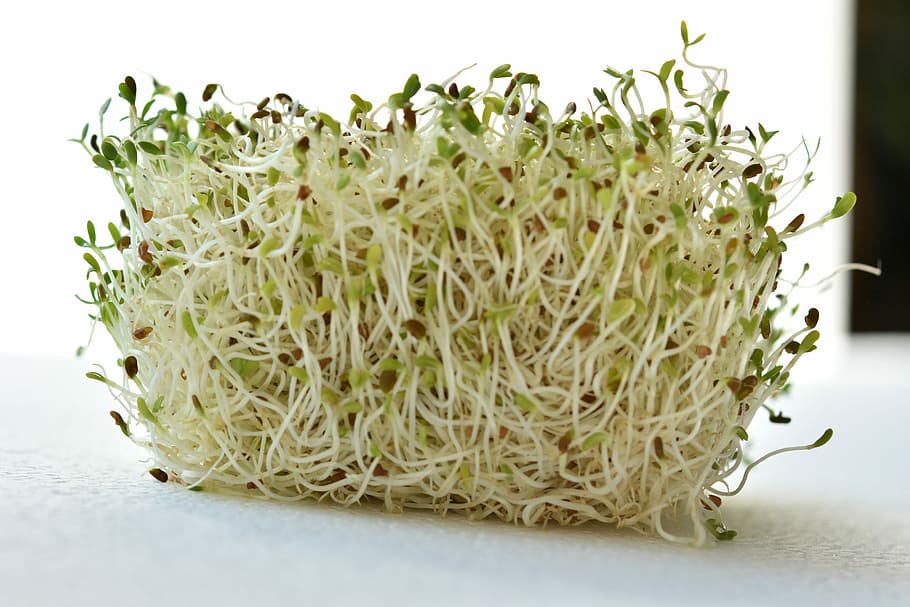
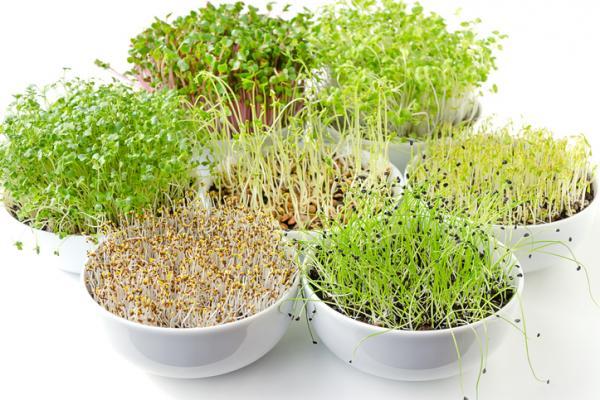
The seeds, when put to soak, double their volume, the shell softens and opens, and the enzymes are activated by water and oxygen.
Within a few days of keeping them in a humid and warm environment, the shoots are raised towards the light in a process of intense metabolic work that transforms and increases the nutrients that the grains within are stored.
Properties of sprouts
Those nutrients are what the plant needs to grow, but in sprouts they are spectacularly activated, more available and easier to digest.
Carbohydrates are predigested by enzymes, which transform them into simpler, more assimilable sugars. Fats are transformed into fatty acids and proteins are broken down into simpler chains and, therefore, more usable.
Vitamins multiply equally and minerals become easier to assimilate. Furthermore, chlorophyll is activated, with a high antioxidant power.
Health benefits of sprouts
Its health benefits are remarkable. Its regular consumption regenerates the intestinal flora and improves digestion. They are restorative, remineralizing and detoxifying, stimulate metabolism and pancreatic juices, strengthen defenses and provide hardly any calories ...
Their growth energy benefits us, especially in seasonal changes.
They are also purifying the body, enhancing the production of breast milk and regulating the endocrine system. In addition, they increase muscle tone, decrease meteorism ... and have proven rejuvenating effects.
GERMINATE AT HOME
**In bottle:** put a small amount of seeds in the bottle (a quarter of the bottle) and cover it with 3 times its volume of water. It is stored in the dark at 15-20ºC and left to hydrate overnight.
The next day, the water is removed, the bottle is covered with gauze or cloth and kept away from light.
Once a day, drain the water, strain and cover it again and leave it in the dark.
In 4 or 5 days we will have the sprouts. When they are ready, we must put the bottle in a place where sunlight hits it so that the shoots activate its chlorophyll and turn green.
To preserve them, it is best to put them in a tightly closed container in the fridge, with kitchen paper at the base or a thin cotton cloth that absorbs moisture.
**In germinator:** the seeds are placed in the lower plate of the germinator covered with water.
The next day they are rinsed and placed on the next level, while the lower level is again filled with soaked seeds.
Once the sprouts begin to germinate, they level up until they reach the upper one, which offers the sprouts ready for consumption.
Cachapa with Venezuelan Cheese
Cachapa is a typical Venezuelan dish very similar to pancakes or thin cakes, only they are made from very, very tender ground corn (jojoto).
They have a sweet flavor and are almost always filled with butter and "e'mano cheese" or "Guiana" cheese. They are made on a budare or cast iron plate, although Teflon pans are used today.
Ingredients
450 grams of tender corn (jojoto corn) in grains
½ cup milk
2 eggs
2 tablespoons of cornmeal
1 spoon of sugar
1 tablespoon butter or margarine
Salt to taste
2 hand cheeses * (400 grs.) Or sliced mozzarella cheese
* Fresh and creamy cheese typical of Venezuela.
Preparation
We put all the ingredients, except the eggs and the butter, in the glass of a blender and crush, until we obtain a dough, neither too thick nor very liquid. When we have this consistency add the butter and eggs and continue beating for one more minute. If the mixture is too runny, add a little cornmeal to thicken it.
Pour the mixture into a bowl or container, cover with plastic wrap and let it rest for about 20 minutes in the fridge.
After this time, heat a pan (it can be Teflon) and lightly grease it with butter or oil.
With the help of a ladle or a cup, pour a little of the mixture into the pan and distribute it until we have a circumference of approximately 12-14 cm. in diameter and about 5 mm. thick. If we want to make mini-cachapas, we add less mix.
We wait for it to cook on the one hand, we will notice that bubbles and small holes begin to come out on the surface and it turns golden below. That means the mix is drying out and it's time to turn them over.
When it is golden brown on both sides, remove it from the pan and immediately spread it with butter, fill it with the cheese and fold it in half.
We hope the cheese melts and we enjoy the Venezuelan flavor.
Enjoy !!


Vitamin E: what it is and what it is for.
Vitamin E is a fat-soluble vitamin essential for the functioning of the body, due to its antioxidant action and its anti-inflammatory properties, which help improve the immune system, skin and hair, as well as prevent some diseases such as atherosclerosis and Alzheimer's.
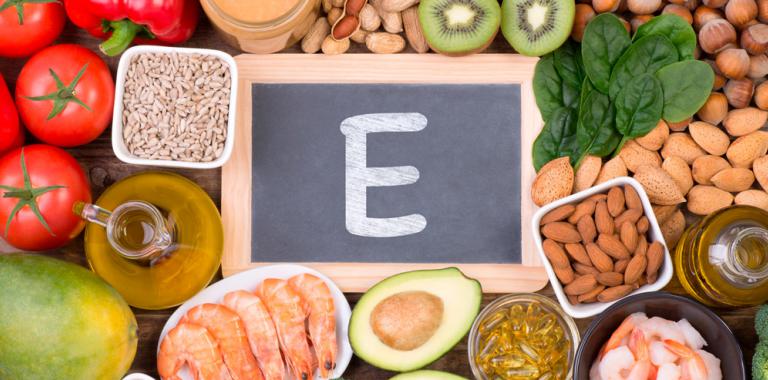
This vitamin can be obtained through food, being found mainly in vegetable oils or nuts. It can also be purchased in the form of a nutritional supplement in pharmacies, health food stores or online stores, and in these cases it should be taken under the guidance of a doctor or nutritionist.
What is it for
The main function of vitamin E in the body is to neutralize the damage that free radicals cause to cells, for this reason it could provide various health benefits.
What is Vitamin E?
Vitamin E, also called tocopherol, is the name for eight related compounds present in food, including alpha-tocopherol. Consuming this vitamin is not harmful, except when taking high doses of supplements that could increase the risk of bleeding and bleeding in the brain. Additionally, it can increase the risk of birth defects, problems that occur as a baby develops inside the mother's body.
Vitamin E deficiency is rare in healthy people, most of the time it is related to certain diseases that cause poor absorption or digestion of fats. According to the National Institute of Health, "having little vitamin E in our body can cause damage to the nerves and muscles with loss of body movement or sensation in the arms and legs, as well as vision problems" .
Vitamin E benefits
Vitamin E protects our body from free radicals that cause tissue degeneration, which is why it has been associated with youth and beauty of the skin. This vitamin can be applied directly to the skin with its capsules, to combat aging and wrinkles, although it must be advised by a health professional.
It is healing and increases the production of defense cells, therefore it helps fight infections. In addition, it is fat soluble, they can be dissolved in fats and oils.
Sources of vitamin E
Foods that contain vitamin E are:
Vegetable oils such as wheat, sunflower, corn or soy.
Nuts like almonds and sunflower seeds are also among the best sources of vitamin E.
Green leafy vegetables (broccoli or spinach).
Cereals, margarines, or fruit juices also contain vitamin E.
Vitamin E supplement
The vitamin E supplement can be indicated by the doctor or nutritionist in the following situations:
Individuals with fat malabsorption, as can occur in bariatric surgeries, irritable bowel syndrome, chronic pancreatitis, for example;
Genetic abnormalities in alpha-TTP enzymes or in apolipoprotein B that cause severe deficiency of this vitamin;
In preterm infants, since vitamin E deficiency can cause retinopathy of prematurity and hemolytic anemia;
In cases of high cholesterol and to improve blood circulation;
Couples with fertility problems;
In older people to fight free radicals and improve their immune system.
In addition to this, it can also be indicated by dermatologists to maintain the health of the skin and hair.
Vitamin E deficiency
Lack of vitamin E is rare, occurring mainly in people with fat malabsorption, genetic problems, or premature newborns.
The symptoms that can arise in cases of deficiency are mainly at the level of the central nervous system, which can cause reduced reflexes, gait difficulties, double vision, loss of sense of position, muscle weakness and headaches.
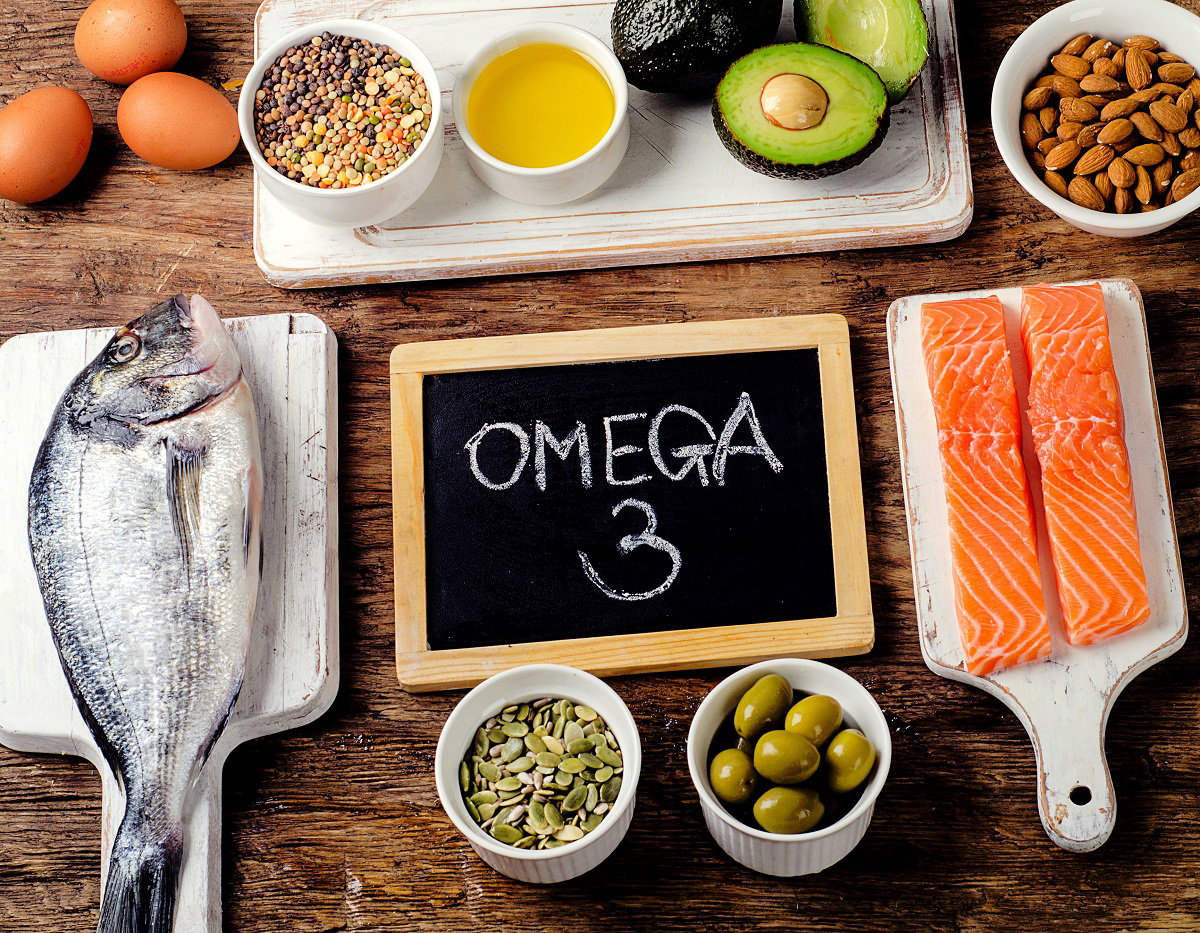
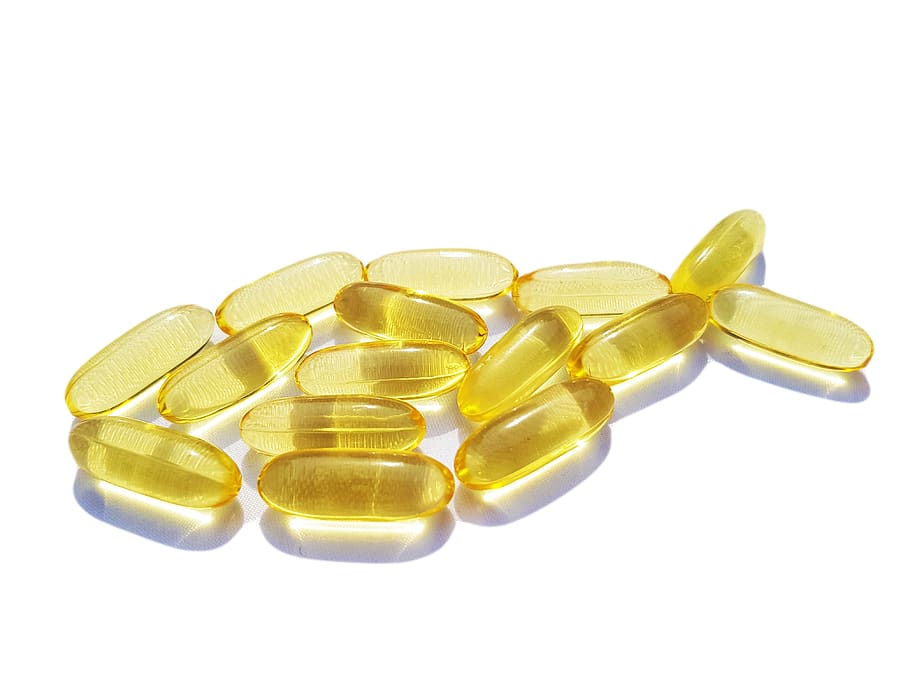
Omega-3 fatty acids
Discover its benefits and from which sources to obtain Omega 3 fatty acids, so necessary for the basic functions of the body such as lipid metabolism, coagulation and blood pressure, the immune system.
There are many investigations that have been carried out around omega 3, which have shown that it is a great ally for health that should not be missing in our everyday foods. Among the included findings that this substance benefits the heart after a heart attack, since it favors contraction of the heart and fibrosis in the undamaged area, it also improves semen quality or helps reduce asthma symptoms, among others.
What is omega 3?
It is a polyunsaturated fatty acid that the body needs but cannot produce on its own, so it gets foods like oily fish or vegetable oils. Omega 3 provides many benefits for the heart and blood circulation.
Omega-3s have been under study by nutritionists especially since the 1970s, when scientist Hans Bang discovered that Eskimos living in Greenland had few very low rates of heart disease mortality due to their fish-rich diet. Bang demonstrated the connection of this fact with the contribution of the fatty acid that fish contains in his study The composition of food consumed by Greenlandic Eskimos.
Sources
Omega 3 can be found in:
Blue fish, such as tuna, salmon, or mackerel.
Seafood, such as shrimp, oysters or mussels.
Leafy green vegetables, such as spinach, lettuce, or cucumber.
Vegetable oils, such as seed, flaxseed, walnut, olive, sesame, soybean, etc.
Some nuts, like walnuts or almonds.
The daily amount of omega 3 required is currently unknown, although according to the Sanitas Health Library, some studies point to what could be 1 gram per day.
Types
Three types of omega 3 can be distinguished:
**Alpha-Linolenic Acid:** Found in vegetable oils and essential to the body.
**Eicosapentaenoic Acid:** What is in blue fish and breast milk. Its properties provide benefits to blood circulation to prevent problems such as inflammation, arthritis or thrombi.
**Docosahexaenoic acid:** some blue fish contain it. Its components target the entire central nervous system and can help prevent symptoms such as depression, headaches, migraines, schizophrenia, dementia, Parkinson's or Alzheimer's.
Benefits
The heart is the most benefited from an omega 3 contribution, since this fatty acid has anti-inflammatory and anticoagulant properties. It also helps reduce the level of cholesterol, triglycerides and blood pressure, by fluidizing the blood.
Among the beneficial effects of omega 3 fatty acids for our body it can be highlighted that:
They have anti-inflammatory properties that affect the symptoms of diseases like rheumatoid arthritis.
They are necessary for the proper functioning of the eyes, the brain and the nerves.
It helps in the control of blood clotting.
Reduce triglyceride levels in the blood
Lower blood pressure in people with hypertension.
They prevent thrombi from forming in the blood vessels thanks to its vasodilatory effect.
They promote the functioning of the immune system.
Avoid some skin disorders, like psoriasis.
They prevent certain types of cancer (breast, colon and prostate).
It reduces the symptoms of asthmatic people and improves their lung function.
Consuming them during pregnancy contributes to the normal development of the brain and eyes of the fetus.
What is plasma transfusion?
Donating blood plasma is a simple act that allows many people to be treated for different pathologies. How often can it be done? Who benefits?
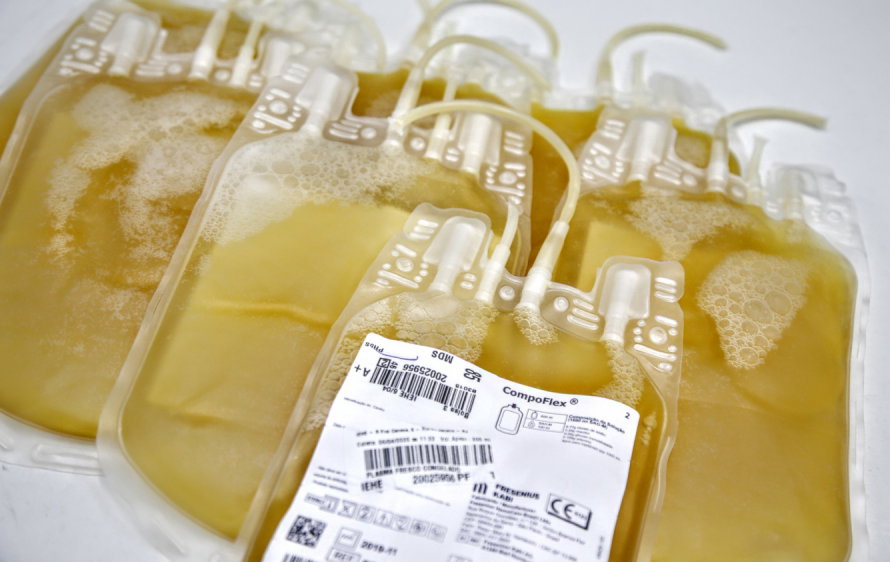
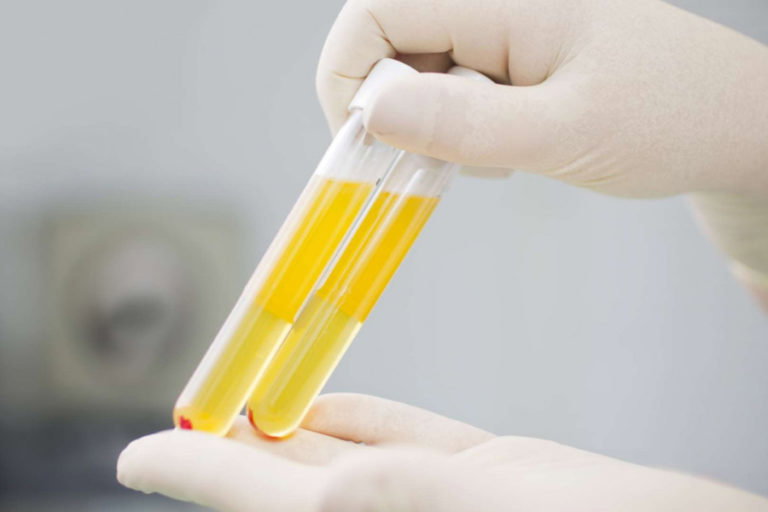
Transfusion of blood plasma is a technique that has gained a lot of strength in recent years. Plasma is one of the parts of blood. Specifically, it is the clear, slightly yellowish liquid that does not contain blood cells.
Plasma is almost 55% of the total volume of our blood. The other part is made up of cells like red blood cells, white blood cells and platelets. Many proteins are found in this liquid, such as albumin, which perform very important functions for our body.
Although many people are unaware of it, plasma transfusion allows treating numerous pathologies, such as bleeding or burns.
What is blood plasma?
Plasma is the liquid part of the blood. In it are suspended the blood cells, that is, the red blood cells, the white blood cells and the platelets. When the two parts are separated, the plasma looks like a clear liquid.
Plasma is made up of almost 90% water. However, the rest of its composition is a mixture of proteins and mineral salts that are essential for the body to function properly.
First, it contains immunoglobulins. They are an element of the immune system that allows us to defend ourselves against infections. In addition, we find albumin in it. It is a molecule that is responsible for transporting certain substances to the tissues.
Similarly, it is important to note that clotting factors are found in plasma. These factors are what allow clot formation to start when there is bleeding somewhere in the body.
How is a plasma transfusion performed?
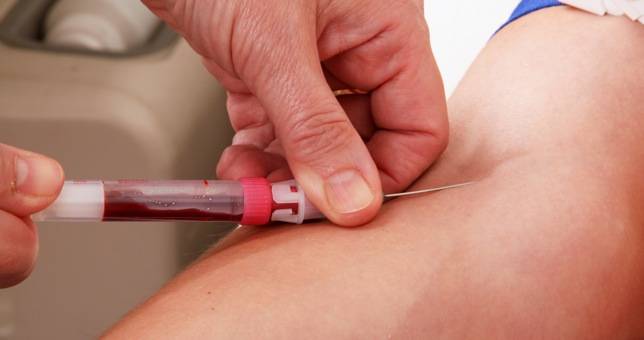
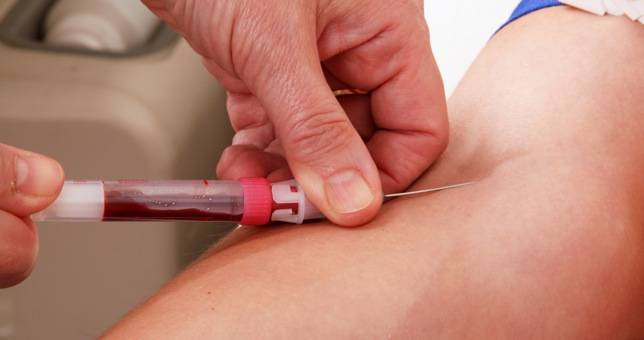
Plasma transfusion is actually a simple procedure. First, there needs to be a donor. It must be an altruistic and selfless act. What is done is to extract blood from the donor, in a process that lasts between 30 and 45 minutes.
After the blood is drawn, the blood cells are separated from the plasma. The liquid is preserved and stored. When it comes to a plasma-only donation, it's called plasmapheresis.
The latter differs from blood donation in that the removed cells are reintroduced and only the plasma is retained. In addition, the recovery is shorter and a donation can be made every fortnight.
It is important to note that to perform a plasma transfusion the donor and recipient must have the same blood group. This is because in plasma we also find proteins that can cause a rejection reaction.
What is it for?
Plasma transfusion is used as a treatment in many situations. For example, when someone has been burned or has a serious accident, plasma transfusion helps to regain lost blood volume.
In addition, since clotting factors are found in this liquid, this technique allows bleeding to be stopped faster. It is especially useful in those people who suffer from diseases such as hemophilia, caused by the lack of any of these factors.
It is also used in liver transplants. However, techniques have been developed in which, instead of introducing all the plasma, only the molecules that are needed are used. They are called blood products.
For example, in the case of hemophilia that we mentioned, you can already transfuse the clotting factor that person needs. Although plasma transfusion is a safe technique, it has more drawbacks than if it is only carried out from blood products.
What we must remember is that plasma transfusion is a simple technique that can save the lives of many people. Therefore, it is important that we all be aware that through a simple donation we are helping other people.
Tired legs syndrome: what is it?
Tired legs syndrome appears due to insufficient venous return. While many cases require medical intervention, it can generally improve with lifestyle changes.
The demands of day to day can have a lot of influence on health. That fatigue appears after hours of standing is normal. However, if the sensation is continuous, we could be facing tired leg's syndrome, something unknown to many, but suffered by many people.
Fortunately, tired legs syndrome is not a serious disease, although it can limit the activities of daily life and must be monitored and controlled.
Furthermore, this syndrome affects 20-30% of the adult population. It affects 50% of people over 50 years and is five times more frequent in women. It also occurs more in people who are obese, sedentary or who spend a lot of time on their feet.
Unfortunately, in many cases this health problem is directly related to the profession performed. Spending many hours standing or sitting can negatively affect leg and leg health.
What is tired leg's syndrome?
Due to the natural process of cellular aging, the cell walls increase in size faster. This makes the blood vessels, made up of many cells, more fragile and less effective.
The function of veins is to collect blood from the entire organism and return it to the heart. With respect to the venous system of the legs, so that the blood rises (in the opposite direction to gravity), it has small valves that prevent the blood from receding, in addition to a muscular layer that helps in pumping.
When the venous return is insufficient, either because the pumping fails or because the blood is stagnant, the first symptoms appear: heaviness, tiredness and swelling of the legs. This happens when fluid leaks from the veins into the tissues.
If this lengthens over time, due to the excessive pressure suffered by the venous wall, it loses the ability to contain the blood inside it. This is when varicose veins and the common vascular disease known as chronic venous insufficiency (CVI) appear.
Symptoms of tired legs syndrome
In general, the usual signs and symptoms of tired legs syndrome are the following:
Heaviness and edema in the leg's.
Pain.
Itching (itching).
Fatigue.
Muscle cramps.
Nocturnal paresthesias (feeling of numbness in the legs).
Tingling and stiffness.
Varicose veins or spider veins (dilated veins, as they do not have the capacity to return all the blood to the heart. Spider veins are smaller and reddish in color, while varicose veins are larger and have a more bluish color).
Swelling, which is worse when standing or not moving for a long time.
As clinical data, the symptoms that occur most in most cases are itching, heaviness and pain.
What factors influence its appearance?
There are factors that predispose to tired legs syndrome and that can be avoided, such as those discussed below.
Age. Various studies show that the frequency of venous diseases reaches 60% in people over 65
Personal history (previous circulatory disease).
Genetic predisposition (family history)
Hormonal status (particularly during pregnancy, menopause, taking oral contraceptives, and hormone replacement treatments).
Foot morphology. The flat foot (decreases the muscular contraction that we carry out naturally when walking).
In addition, there are also avoidable factors that aggravate the syndrome, such as the following:
Sedentary lifestyle.
Standing or sitting many hours a day.
Prolonged exposure to the sun or heat.
The professions at risk: health personnel, hostesses, hospitality personnel, hairdressers, housekeepers, office workers, drivers, teachers, telemarketers, etc.
Overweight or obesity, especially in the case of women. The increase in fatty tissue in the legs complicates the effectiveness of the muscle pump that helps the venous return
Constipation, because it causes an increase in abdominal pressure and can make it difficult for blood to flow back to the heart.
Clothing tight on legs and hips, as it interferes with venous return.
The high temperatures. Heat causes dilation of the veins and makes it difficult for blood to flow back to the heart
In this way, all these influences can be modified before the onset of the syndrome or, on the contrary, we can help alleviate your discomfort and long-term complications.
Tips for the prevention and relief of tired legs syndrome
The main solution to avoid the syndrome of the tired legs is to change the habits of life. Regarding the measures that we can use to prevent the syndrome or alleviate its possible effects when it appears, there are the following:
Keep your legs up: take breaks with your legs elevated for at least 30 minutes, 2 or 3 times a day. You should sit and raise your legs above hip level, supported on an armchair without crossing them
Perform daily physical exercise: at least 30-60 minutes a day. Avoid leg weight exercises. Aerobic activities such as swimming, cycling, pilates or yoga are recommended.
Avoid being overweight: follow a low calorie diet.
Avoid sources of heat and excessive exposure to the sun: cold water baths in the legs can be beneficial.
Sleep with your legs raised about 10 or 20 cm.
Do not wear tight clothing or footwear: it is preferable to wear natural fabric garments to improve skin perspiration. A little heel can be beneficial in footwear, although high heels should be avoided.
Avoid constipation: try to establish a daily stool pattern, establishing new habits.
Control blood pressure.
Massage from the feet up: to aid circulation and decrease fluid buildup in the ankles.
Possible treatments
Tired legs syndrome is not a serious problem, but it is an increasingly common issue in healthcare. Currently, the following options are used as treatment:
Compression therapy: consists of applying pressure to the legs through the use of elastic compression bandages or stockings. You must choose the appropriate compression, size and model, which will be different for each person, so it is essential that they are always recommended by a professional.
Hydrotherapy: showers combined with massages with cold water or alternating cold water with lukewarm. This serves to stimulate venous circulation.
Phytotherapy: there are medicinal plants that help improve blood circulation. Always recommended by a professional and supervised by pharmacists. Examples of them are: ginkgo biloba, rusco, witch hazel virginiana, among others.
Drugs: consists of the administration of venotonics, always under medical prescription, which improve venous return.
Vascular surgery: in extreme cases.
Tired legs syndrome can affect quality of life if you are not given timely care. Therefore, before the first symptoms, it is advisable to consult the doctor.


Why should you know your blood type?
Blood type is relevant data both for attending medical emergencies and for the treatment and prevention of diseases.
The blood was classified in 1901 by an Austrian doctor known as Karl Landsteiner. He mixed blood from different people and found compatibilities between some of them, while not others. He was the creator of the blood type: AB0 system.
Today, it is important to know each blood group, especially in emergencies and accidents. Likewise, it is also convenient to know this data, both to prevent and to diagnose and treat a wide variety of diseases.
What are the blood groups?
Blood types are determined, above all, by proteins found on the surface of cells, called antigens. These can cause a response of the immune system to any blood group that is not compatible, through antibodies.
Two antigens (A and B) were found to exist in the cell wall, in addition to also containing antibodies in the plasma (Anti-A and Anti-B.), The plasma being the blood content regardless of the cells. In this way, 4 main types were established, which include:
A
B
AB
0
In addition, another protein on the surface of the cells must be taken into account, which will also be part of the blood groups: the Rh factor. There are the following:
Rh positive. They have the protein in their cells.
Rh negative. They do not present it.
What is the importance of knowing the blood type?
Generally, people know about blood groups only for some traumatic cause, blood transfusions, accidents, etc. But, beyond this, it is convenient to know that it is good to inform yourself about these topics in order to avoid, control and treat a multitude of conditions that are influenced by the body's proteins.
**Prevention, treatment and control of diseases**
Donate blood.
Receive blood transfusions in emergency situations.
Organ transplants
Prevent or control heart disease. Group AB has a higher risk of suffering them. The lowest risk is for people in group O.
Avoid hypercholesterolemia. People with group A have higher cholesterol levels.
Detect predisposition to deep vein thrombosis. There is an increased genetic risk in groups A, B and AB.
Monitor the tendency for certain types of cancer. For example, group A and its relationship to stomach cancer.
Nourish yourself correctly. People with type 0 blood are believed to increase their intake of protein foods.
Know the predisposition of fat accumulation (also related to cardiovascular risk). People in group A digest carbohydrates better and accumulate less abdominal fat, unlike those in group 0.
Know the causes of stress. People in group A produce, to a greater extent, cortisol (stress hormone) and those in group 0 have higher levels of adrenaline.
Knowing what type of exercise is recommended. For example, it is said that those in group A should, due to stress, do relaxing exercises.
Control and treat problems in reproduction. There is a higher sterility rate in women in group O.
Furthermore, there is an incompatibility of Rh in pregnancies with mother (Rh negative) and child (Rh positive). This can lead to damage to the fetus, especially after the second pregnancy, creating antibodies that destroy the cells of the fetus and can be fatal for the future baby.
Knowing the blood type: an important fact
As it has been observed, there is information provided by blood groups that is key to controlling the state of health from many aspects. Even knowing this information is key for periods like pregnancy.
For this reason, doctors often establish the blood type before starting any treatment. Furthermore, it is relevant information in emergency situations where transfusions are necessary.
HDL and LDL cholesterol: what you should know
HDL and LDL cholesterol have become terms that we all know, even if we are not doctors. This is so because of the importance they have for our health.
Talking about HDL and LDL cholesterol is common for heart patients. Anyone who has had a heart attack knows that they must raise some blood values and decrease others to protect their heart.
However, not only cardiology patients are familiar with the terms. Prevention campaigns worldwide have paid off and more and more people understand how cholesterol works and what effect it has on the arteries.
Both HDL and LDL cholesterol are parts, or portions, of the total cholesterol in the body. In themselves, they are fatty substances that cells require for metabolism. It is not something that we should not have, but we need to control.
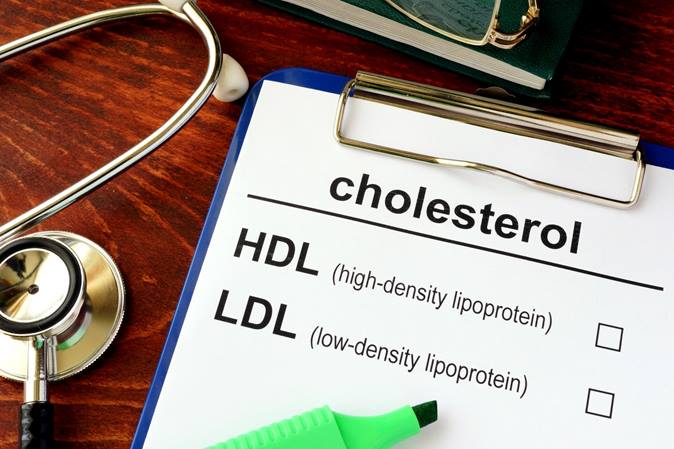
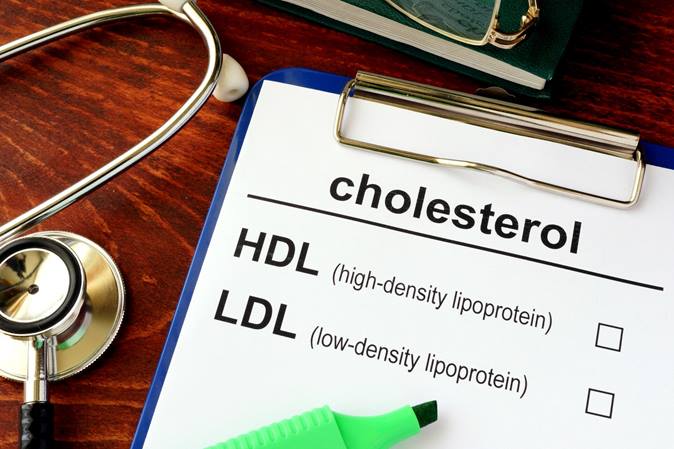
According to what we can measure in a blood test, cholesterol is divided into:
**HDL:** is the fat that cleanses the arteries, without clogging them. This is what is called "good" cholesterol.
**LDL:** This is the variety that is deposited on the arterial walls, creating danger. This is called ‘bad’ cholesterol.
**Triglycerides:** This is a particular fat in cells and blood that varies greatly with the person's diet.
What we call total cholesterol is the sum of HDL and LDL cholesterol.
What is HDL cholesterol?
HDL and LDL cholesterol are not the same, as we have already anticipated. The so-called 'good' cholesterol or High Density Lipoprotein (HDL) is one that carries portions of fat from different parts of the body to the liver, as if it were cleaning the arteries.
In medicine, this value is attempted to rise, since a higher proportion of HDL ensures better cardiovascular work. Contrary to popular belief, this is the case of a cholesterol that must be increased.
Unfortunately, the use of certain medications due to chronic pathologies favors the decrease of this substance; It is almost inevitable for someone taking beta-blockers, for example. It is also affected by benzodiazepines and progestins, among others.
HDL and LDL cholesterol are approached with similar measures since, in general, what increases the "good" cholesterol usually lowers the "bad" cholesterol. Still, tobacco is known to affect HDL more than LDL.
What is LDL cholesterol?
LDL stands for Low Density Lipoprotein, commonly known as "bad" cholesterol. It is associated with damage because it tends to deposit on the inner walls of the arteries and obstructs blood flow.
Arteriosclerosis has an ally in this cholesterol. The atheroma plaques have fat in their conformation that is carried there by this lipoprotein. Cardiologists insist on lowering their biochemical values to prevent heart attacks and angina pectoris.
Ultimately, a higher LDL cholesterol value will be linked to a lower oxygen flow to the vital organs. When the atheroma plaque ruptures, after it has reached a breaking point that forces it, acute events occur.
In terms of laboratory figures, it is considered:
Less than 100 milligrams per deciliter of LDL is clearly healthy.
Up to 130 milligrams per deciliter would be acceptable.
Above that level we are at risk, which increases to become very high above 190.
Raise and lower HDL and LDL cholesterol
Certain preventive measures can be taken to increase HDL cholesterol and decrease LDL. This is not exclusive for cardiac patients, but should become routine for anyone, with a view to reducing cardiovascular risk.
The key points where to act are the following:
**Weight control:** an overweight person, in addition to the cardiological risk of obesity, is exposed to increase their LDL cholesterol. The good news is that lowering your body mass index also causes lowering of “bad” cholesterol.
**Exercise:** Physical activity, unlike sedentary lifestyle, increases HDL cholesterol. Sport consumes body fat to generate the necessary energy that the muscles demand. These removes circulating cholesterol from the arteries, contributing to its cleaning.
**Healthy food:** diet is important in cholesterol control, but not determining, as previously thought. Studies on the Mediterranean diet suggest that the nutritional balance stimulates the work of HDL cholesterol and makes it more efficient in its transport of fats. Likewise, excessive consumption of saturated fats raises LDL cholesterol above acceptable limits.
**Tobacco:** Among many negative effects of smoking, one of them is the reduction of HDL.
Control cholesterol to live better
The quality of life is affected by sedentary lifestyle and the ultra-processed food we eat, among other factors. Our rhythms of existence seem contrary to good organic health.
Therefore, we have to make an effort to change our habits, increasing HDL cholesterol and lowering LDL. In this way, we will live longer and better.
Dilated heart: what should you know?
The dilated heart is also known as dilated cardiomyopathy. It is a pathology of the heart that means that it cannot function as it should.
Its causes and symptoms are varied. There are some factors that can influence the development of this pathology and which should be known.
How does the heart work?
First we are going to make clear some important concepts about the healthy heart in order to understand this disease. The heart is divided into four chambers:
Two atria at the top.
Two ventricles at the bottom.
To understand how it works, we separate the heart into the left half and the right half:
Oxygen-free blood from the entire body is received in the right atrium. From here it passes to the right ventricle and this expels it to the lungs. In these organs, the blood removes the carbon dioxide it carries and recharges itself with oxygen.
Oxygenated blood reaches the left atrium directly from the lungs. From there it goes to the left ventricle and this, in each beat, sends this oxygen-laden blood to the rest of the body so that the organs use this oxygen.
In order for the heart to function properly, its walls are made of a muscle known as the myocardium. It has to be in good condition to be able to stretch when receiving the blood and contract with enough force to pump it throughout the body.
What is a dilated heart?
The dilated heart is a pathology in which the muscular walls of the heart become thinner and dilate. It normally begins by affecting the left ventricle, which is the most important chamber for blood supply to the rest of the body.
What happens is that, when the muscle is dilated, the contraction force decreases. As a result, the heart loses strength by pumping blood, and it is expelled weaker from the ventricle. Because of that, you may have trouble reaching the entire body.
What is its cause?
Up to half of the occasions its cause is not known exactly. Despite this, there are different factors that can influence the development of this pathology:
**Genetic cause:** Up to a quarter of cases of dilated cardiomyopathy there is a family history of this disease. In addition, some of the genetic mutations that cause it are known.
**Alcohol abuse:** also called enolic cardiomyopathy. Consuming an excessive amount of alcohol over many years causes the heart to dilate.
**Pregnancy:** during pregnancy, especially in women with other risk factors such as obesity or advanced age, this pathology can develop. Prognosis and recovery will depend on many variables, although it is advised that these women do not have more pregnancies again.
**Some viral diseases:** Viruses like HIV or coxsackie virus can cause viral cardiomyopathy. Many times it goes unnoticed and ends up causing dilation of the heart.
**By drugs or other toxic substances:** For example, some chemotherapy treatments for cancer have this side effect that must be well controlled.
What symptoms does the dilated heart produce?
There are many symptoms that can occur. In general, they are symptoms of heart failure. Most often, they gradually develop and get worse. Some of them are the following:
**Drowning sensation when breathing:** it occurs because, when you cannot pump blood correctly, it accumulates in the anterior part of the cardiovascular circuit, that is, in the lungs. Therefore, the gas exchange in the lungs does not take place correctly and gives this sensation.
**Tiredness:** it will appear first with more intense efforts and will get worse as the disease progresses until it appears with less intense activities such as climbing stairs or walking. It occurs because the muscles in the body do not receive enough oxygen from the failure to pump.
**Palpitations and dizziness:** Palpitations are the feeling that the heart is racing in the chest. Both occur because the heart is unable to meet the body's oxygen and energy needs. Therefore, it accelerates and works beyond its possibilities. It may even run out.
Diagnosis and treatment
The diagnosis of the dilated heart will be made by combining the clinic and the physical examination by the doctor, along with some other tests. With them we can see the left ventricle larger than normal and check how the heart works. These tests may be, among others, the following:
Cardiac ultrasound, with or without function tests.
Chest x-ray.
Electrocardiogram.
Once the diagnosis is confirmed, the treatment will be based on different points. On the one hand, we must take into account the cause of cardiomyopathy. For example, if the cause is alcohol, abandoning its consumption can even cause the heart to return to its original shape.
In addition to this, the specialist will prescribe a series of drugs to help the heart pump blood well. In very serious cases, you may need a heart transplant.
You must take care of your heart
The heart is the most important organ for the functioning of our entire organism. Therefore, we must know the signs that something is not going as it should. In these cases, you must go to the specialist, who will diagnose and establish the most appropriate treatment.
Likewise, it is convenient to know the risk factors that can make this pathology appear and control them as much as possible. If you have any questions, the doctor will inform you in detail of what you need.
The three most common viral diseases in humans
Viruses are perfectly designed to fulfill a single objective: infecting us and causing different diseases.
Human beings have lived with viral diseases since time immemorial. The cold is the most prevalent of all, and together with the other two they complete the frequency podium.
There are viruses that are more common than others and have a greater distribution. We have all heard of the flu, for example, whether we live in America, Europe or Asia.
Knowing the enemy
As usual in this type of subject, it never hurts to remember a little what a virus is and how it works. We won't dwell on it much:
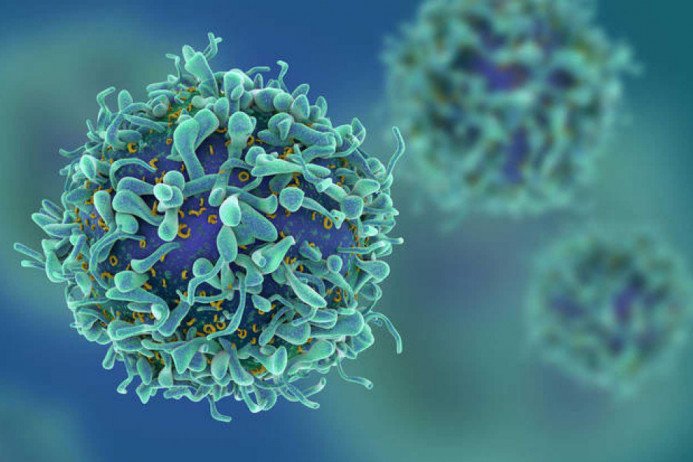
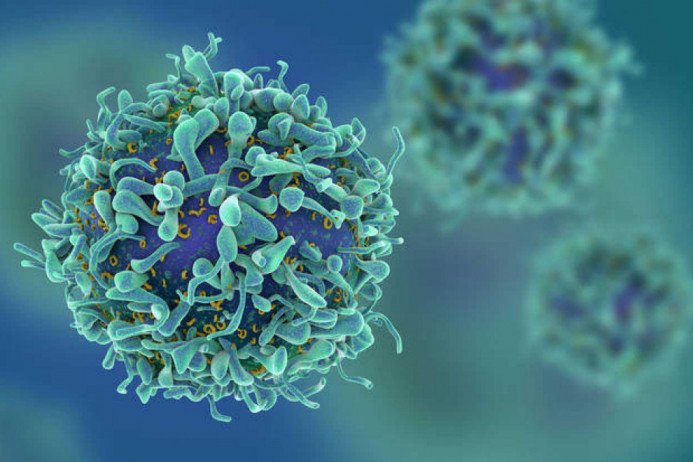
Viruses are microscopic acellular agents that can only reproduce within the cells of an organism.
They are made up of DNA or RNA, and proteins that give them a three-dimensional structure, a physical form.
These microscopic organisms sequester the host's infected cells: they replicate their own genetic information in them and are released to infect other cells and organisms.
Thus, the existence of a virus cannot be conceived without its host. Furthermore, there is an interesting debate about whether to even consider them living beings. Beyond questions that border the philosophical field, it is time to focus attention on the three most common viral diseases in humans.
The most common viral diseases
**The common cold**
The common cold is a type of respiratory infection that takes the crown as far as prevalence is concerned. According to studies compiled by the PMC, it affects adults two to six times a year and children six to ten. We go further, because this pathology is the cause of 30% of truancy and 40% of work.
There are more than 200 types of serologically different viruses that cause the common cold. Still, the most common is the genus of rhinoviruses, which cause more than 50% of typical clinical conditions.
Rhinoviruses are made up of a capsid with four types of proteins and a single-stranded RNA molecule, giving them a circular shape similar to that of a golf ball.
The characteristic symptomatology of the common cold is, unfortunately, known to all: cough, nasal congestion, pharyngitis and sneezing. A curious fact is that, due to the immense amount of viruses that generate this pathology, a vaccine is totally unfeasible.
**The flu**
Influenza is an infectious disease caused by influenzavirus A or influenzavirus B, genera of the Orthomyxoviridae family. These viruses are more complex than the causative agents of the cold, since they present seven or eight fragments of reverse RNA instead of a typical chain. Its shape is also tiny and spherical.
Influenzavirus B is less aggressive and has a lower mutation rate than influenzavirus A. The only animal capable of becoming infected with this virus, other than humans, is the seal.
The global incidence (that is, the number of people who are suffering it at any given time) is estimated at 20%, but in certain population groups it can reach 50%. These data cause vertigo, since in the moments of greater prevalence (in winter) up to half of a specific group can have the flu.
The symptoms are known to everyone again: very similar to that of the cold, but with a greater indisposition and associated fever.
**Viral gastroenteritis**
Although perhaps a little anticlimactic, we end this space with viral gastroenteritis. This pathology is the cause of 70% of diarrhea in pediatric age groups globally.
Norovirus is the largest causative genus of RNA virus, causing 90% of outbreaks in the United States. Typical symptoms include nausea, vomiting, abdominal pain, and liquid diarrhea.
Although being infected by this pathogen can be extremely uncomfortable, the prognosis is very positive. It is estimated that in two or three days most people recover without major complications.
A world of microorganisms
As we have seen, there is a huge world of viral diseases. There are many types of pathogens that generate common pathologies known to all, but luckily, the prognosis of patients who contract it is usually always positive.
How to relieve muscle cramps
Muscle cramps can be alleviated by some very simple techniques, such as those that we will discuss below. However, if they persist over time, better get a medical checkup.
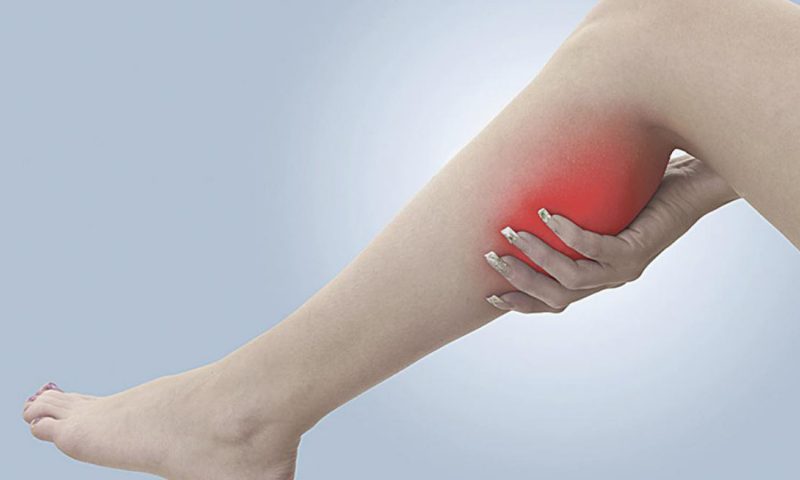
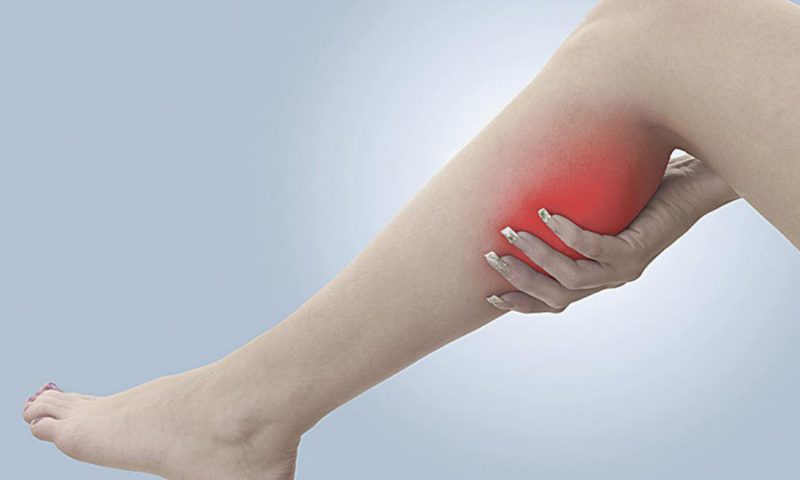
Muscle cramps are involuntary contractions that can affect a specific muscle or a group of them. They occur abruptly and suddenly, sometimes during rest and sometimes during night rest.
Muscle cramps can be of two types:
Benign ideopathic leg cramps (usually occurs at night, in the absence of a causal disorder).
Cramps associated with exercise (occurs during or immediately after exercise).
**And why do muscle cramps occur?**
Muscle cramps can occur for several reasons, one of which has to do with hydration.
Not drinking enough water throughout the day can lead to this type of discomfort, either during physical activity or rest. As experts explain, "Fluids help muscles contract and relax, and keep muscle cells hydrated and less irritable."
They can also influence mineral deficiencies (such as potassium, according to various research) in the diet or insufficient blood supply to the muscles.
On the other hand, cramps can occur when the muscles are subjected to excessive effort or the execution of some unusual movement. This becomes very common in athletes.
Although they do not only appear when performing certain movements or activities, they can also occur due to lack of activity. Therefore, staying long periods of time in the same posture (sitting, standing, etc.) is not recommended.
Other possible causes
Muscle cramps can also be due to exposure to cold, stress, anemia, vitamin E deficiencies, diseases (arthritis, arteriosclerosis and fibromyalgia); as well as the consumption of some drugs, such as diuretics.
It should be noted that although cramps can affect any muscle in the body, they are more common in the calves, thighs, feet and hands. Seeing all this, you will surely ask yourself: what to do to calm muscle cramps?
Methods to relieve muscle cramps
The easiest ways to relieve muscle cramps are: ice packs, massages, and certain stretching exercises.
Remember that before any complication, the most reasonable thing is to go to your doctor. In the same way, you must ensure that none of the remedies to follow is dangerous to you because of related allergies or intolerances.
**Water**
In addition, hydration is essential in these cases. Whether you are doing physical activity or not, it is essential to have the body hydrated at all times. To do this, choose natural drinks, such as water, natural infusions. Keep in mind that it is not recommended that you consume products with high sugar content, therefore, better avoid soft drinks and commercial drinks.
**Ice packs**
There is nothing more infallible against inflammation than ice. So, as a first step, put some ice on the affected area. This will cause the muscle to relax, helping you with muscle cramping.
In detail, putting ice on the affected muscle can reduce the transmission of impulses from the brain to the overactive muscle. Therefore, it is ideal for cramps whose origin is overstimulation of the muscle.
Now, it is essential to remember that it must be applied with a pad, towel or compress wrapped in gauze, since it can be directly abrasive to the skin.
**Stretching exercises**
Sometimes it is advisable to do some stretching to prevent and relieve muscle cramps. If the cramp occurs, for example, in a leg or arm, it is best to do a slight stretch of the muscle.
You can also do a massage in the opposite direction to the course of the pain. This will help to gradually stretch the muscle and thus relax it. The important thing is that you should practice it at the time of the episode, to avoid muscle injuries.
However, when cramps are caused by performing a large exercise load, the best solution is to try to rest.
.**How to prevent muscle cramps?**
Before the cramp occurs and to avoid resorting to the methods we have described, you must take into account the following tips if you are about to do some physical activity or sport:
Drink water before, during and after exercise.
Get plenty of rest before and after exercising.
Before starting physical activity, it is good to do mild warm-up exercises. Stretching is also recommended.
Eat well so that your body has all the nutrients it requires. And be sure to include enough potassium-rich foods, such as bananas, in your diet.
Finally, you should keep in mind that, if you are experiencing muscle cramps too often, it is recommended that you tell your doctor and do a complete check-up to find out what may be happening.
Why is yawning contagious?
Surely you've ever yawned in front of another person, this one saw you do it and a few moments later, that person also ended up yawning. Therefore, surely at least once in your life you have asked yourself: why is yawning contagious? Well, seeing someone yawning, hearing a yawn, or even reading about yawns can make you yawn.
For many years, various theories have tried to explain why yawning occurs. However, for now there is no conclusive evidence.
Why is yawning contagious? Almost two-thirds of people are sensitive to yawning. That is, they will instinctively repeat this behavior if they see that someone is doing it.
The fact is that, among the most common behaviors in humans, yawning is perhaps the least understood. Thus, the explanation of why we yawn has yet to be demonstrated. Although, in any case, this behavior is usually common in other animals such as cats, dogs, apes, etc.
Theories as to why yawns exist
If this behavior exists it must be because it has some use. Now what can it be? For many years, various theories have tried to explain it. Let's see some of the most accepted.
**Oxygenation theory**
His most distal antecedent seems to lie in Hippocrates, who argued that yawning removed used air and renewed it for clean, fresh air. This hypothesis seems to correspond to the fact that, when oxygen levels decrease due to drowsiness, yawning would be a quick way to inject oxygen into the body.
In any case, it is a controversial theory that, as the researchers point out, has not yet been tested. Therefore, the idea cannot be confirmed or discarded in its entirety.
**Activation theory**
If we are aware, we yawn when the level of alertness decreases due to drowsiness, boredom, etc. Yawning would redirect attention and give us a necessary extra trigger. However, although it seems logical, the idea could not be 100% empirically demonstrated.
It is not that this theory should be discarded, it is that more research is still needed to causally link the level of activation with yawning.
**Body temperature theory**
This is the theory that has gained more strength in recent years, since it is the one that provides the most convincing data. According to a study by Gallup, A. C., & Eldakar, O. T. (2013) yawning would help lower the temperature to cool the brain and make it work better.
The data clearly indicates that, before yawning, there is a temperature rise that drops rapidly after each yawn. If you want to eliminate yawns, nothing like putting a cloth with very cold water on the forehead, because it has a similar effect.
In addition, these data have been successfully replicated in other studies, thus giving the theory considerable validity. However, the main investigator of the study suggests that the 3 previous theories are compatible with each other and that, although this theory has greater validity, the possibility of a relationship between the three should not be ruled out.
Why is yawning contagious?
As we said before, most people easily catch other people's yawns, just like other superior animals. There are two theories that explain it; We detail them below:
Yawning helps to synchronize group behaviors. It is part of the imitation behaviors. For example, social animals tend to carry out specific behaviors at the same time. For example, eating, moving, body posture, etc.
The second theory refers to empathy. Thus, seeing someone yawn would activate empathy brain circuits, including mirror neurons, which act as an internal reflection of the movements we observe from others.
On the other hand, it has been pointed out that some research on yawning has yielded results that have determined that contagious yawning is a sign of empathy, a peculiar form of social bonding. It also highlights that children begin to develop this contagious behavior from the age of four and that in children with autism there is half the chance that yawning will spread. Something really surprising, isn't it?


Why do we age?
Have you ever wondered why we age? Aging is an inevitable physiological process.
Although it is true that not all of us age at the same speed or in the same way, it is clear that aging is an inevitable physiological process that has many associated changes in our body.
Aging is defined as a set of changes that occur in the body, both morphological and functional, as a consequence of the passage of time. This process entails that the body, in general, gradually loses its capabilities. In the end, a failure in the function of one or more organs leads to the death of the person.
Fortunately, science is advancing and in recent years our knowledge of what happens in our body and in the millions of cells that compose it as the years go by has greatly improved. What is this knowledge for? To be able to take measures against aging, and especially, to achieve the golden goal: to live longer and better.
Why do we age?
Science has made it possible to advance more and more in deciphering what actually happens in the aging process. Different modifications have been discovered that take place at the molecular level and that would explain the changes that we observe on a large scale in people. Some of those changes are as follows.
**Genome damage**
The genome is the set of genetic material, made up of DNA, present in every cell in our body. It contains the information for the formation and function of each part of the human body. Over time, it suffers constant damage from physical, chemical and even substances specific to the individual.
DNA itself has machinery for detecting and repairing damage. However, over the years, the alterations are increasing and the machinery begins to fail, so that they accumulate. Cells and organs can stop working as they should and cancer, for example, is possible.
**Why do we age? Telomere instability**
Our DNA is organized into chromosomes, which are a condensed form of genetic material. They are important especially in cell division. Telomeres are the ends of them. They are responsible for giving stability to the structure and helping cell division to take place correctly.
What happens is that, with the successive divisions that the cell carries out, these telomeres become shorter. As a result, there is a loss of stability in the genome that, in the end, will result in more damage and cellular mutations.
**Loss of protein balance**
Our genetic material contains the information necessary for the formation and structural conformation of proteins. Proteins are very important molecules in our body. They carry out various functions, such as the transport of other substances, the support of some structures or the transmission of messages.
When DNA is damaged, the instructions for these molecules to form and fold correctly fail. This causes proteins to form that cannot perform their function.
If this occurs on a large scale and many pathologies accumulate, the processes of the human body are affected. The more genetic damage there is, the more proteins in poor condition and the more failure of functions. Thus, everything is linked to aging.
**Why do we age? Other changes**
In addition to those we have named, a number of other changes also occur in cells. Some of them are the following:
Stem cell depletion: They lose their ability to divide and generate young cells.
Cellular communication problems that may be due, for example, to the dysfunctional proteins that we have discussed.
Accumulation of toxic substances in the mitochondria by the respiratory processes.
Ultimately, we age because we accumulate damage, we spend ourselves over time and we begin to function worse. However, although it seemed that aging as we do is the law of life and nothing could be done about it, science and knowledge of what happens in our body and our cells over the years seem to indicate that it is really possible to live longer. and better. In this way, although greater longevity poses new medical, social and economic challenges, perhaps we are not so far removed from the fact that the elderly can say: At my age I am capable of that and much more!


Discover the properties and benefits of zinc
Human beings need a quantity of nutrients, vitamins and minerals for the body to function properly. Some are very unknown, although they are essential for good health. This is the case of zinc.
Zinc is an essential mineral for our body. It has a specific role in more than 300 enzymes that participate in all the important biochemical reactions of the human body. It has a direct effect on growth, neurological development and on the immune system.
What are the properties of zinc?
In 1963 Dr. Prasad realized that patients with iron deficiency anemia responded well to treatments that included zinc supplements. Most of this micronutrient is absorbed by the small intestine. Then it is transported to the liver and from there it is distributed to the tissues.
Zinc is included in the group of "the 100 most important enzymes" and is related to the metabolism of proteins and carbohydrates, the synthesis of insulin and the improvement of the immune system.
It also serves to eliminate free radicals from the body and to achieve elasticity in the skin (20% of this mineral is retained in the dermis). 85% of the total is deposited in:
Pigmented eye tissues
Nails and hair
Bones
Testicles
Muscles
Other important aspects of zinc
Zinc is eliminated through biliary, intestinal and pancreatic secretions and, mainly, in the faeces. And it is necessary to know that the excessive consumption of legumes and refined grains can inhibit the complete absorption of the mineral. In turn, zinc levels can be affected when we suffer from:
Anemia
Infections
Cardiovascular diseases
Kidney disease
Having low zinc levels is related to greater vulnerability to diseases. The recommended daily dose of zinc for women is 8 mg and for men 11 mg.
There are certain groups of people that require a greater amount of this mineral every day:
Babies, children and the elderly
Malnourished and people with eating disorders
Pregnant and lactating women
Celiac
Alcohol addicts
Vegetarians and vegans
Recently operated or people with a depressed immune system
People with Crohn's disease, ulcerative colitis, or intestinal malabsorption.
What are the benefits of zinc?
**Bone development**
As we have previously specified, this mineral is important for the growth of children, since it develops and strengthens the bones in addition to the reproductive organs. In turn, it is necessary to treat osteoporosis and serves to remove tartar from the teeth.
**Strengthens the immune system**
Zinc helps us in the defenses of our body, in a way that protects and strengthens our immune system. In this sense, it helps in the wound healing processes and prevents us from diseases caused by viruses and bacteria.
**Provides energy**
When we are tired and wanting nothing, it is important to recommend enough zinc (also in the form of supplements) so that we have more energy. That is to say, that a deficit of this mineral makes us, in general, much weaker.
**Promotes shiny skin and healthy hair**
If you think of a food supplement to help you maintain healthy and shiny skin, Zinc is probably not the first option that comes to your mind.
It is true that half of the Zinc in our body is located in the bones, but the skin also contains a significant amount of Zinc. Zinc is key for our body to produce collagen, one of the proteins responsible for the support structure of the skin. In other words, this trace element will help keep your skin looking healthy and youthful.
Many cosmetic sunscreen formulas and nourishing skin creams contain Zinc, as it protects the skin from damage caused by ultraviolet light and other irritations. Even taking Zinc tablets by mouth, we will help to reduce the redness and inflammation caused by acne, improving the health and appearance of our skin.
Zinc also plays a key role in hair health. We know that Zinc deficiency is directly associated with hair loss and loss. Although today there is still no known compound that can prevent male pattern baldness, an adequate supply of Zinc helps prevent hair loss.
**Balances hormones in both men and women**
Even a small change in hormone levels can cause big changes in the body. Low Zinc levels are a potential factor that can contribute to hormonal imbalances.
Zinc levels are directly associated with various hormones, including testosterone, estrogens, thyroid hormones, and even insulin, the hormone responsible for balancing blood sugar levels.
In addition to promoting a good hormonal balance, Zinc improves muscle recovery and strength in people who do weight training.
**Improves sexual health**
At certain times in our lives, particularly during stressful periods or significant life changes, sexual desire may decrease. Other times, a hormonal imbalance can affect libido.
Zinc promotes normal levels of sex hormones in the body in both men and women, which improves health and sexual desire. Likewise, it also helps to have normal erectile function.
In addition, the body requires Zinc during sperm production, so obtaining adequate amounts of this mineral promotes fertility.
What are the most important sources of zinc?
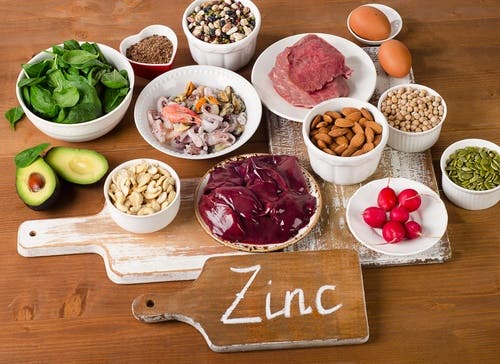
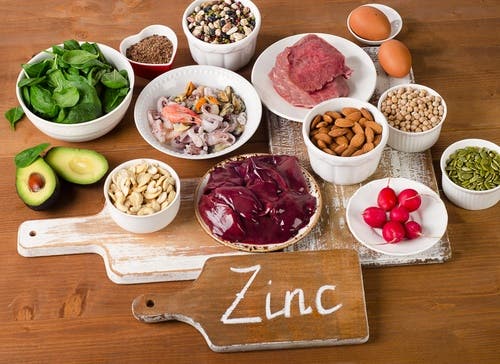
Now that you know that zinc is more than vital for our daily lives, you may be wondering where to find it. These foods are rich in this mineral:
Fish, oysters and seafood
Animal viscera (especially liver)
Meat (white and red)
Nuts (walnuts, peanuts) and seeds (pumpkin, sesame)
Wheat germ and cereals (brown rice, oats, millet, rye)
Legumes (chickpeas, lentils)
Bee pollen
Leafy vegetables (Lettuce, spinach, Brussels sprouts)
Cucumber and banana
If you want to take care of your health, zinc is essential. And you see that you can include it in your diet through many foods.
Four reasons to eat insects
Insects are 'a wasted resource' as they are an important and easily accessible source of nutritious and protein rich food.
"Eating insects" was an original campaign launched by the Food and Agriculture Organization of the United Nations (FAO), in 2013, after discovering through an important study that insects are nutritious, various, inexpensive and even delicious.
Many are stopped by their appearance, but if you have wondered why eating insects is nutritious and good for people's health? Keep reading and you will be amazed at what these beings can do for your body.
Insects benefits
**1. They help preserve the planet's resources**
Concern for the future of the planet drives, according to Dea, the interest in "finding new sources of food with minimal expenditure of resources." In this field, the efficiency of insects is unquestionable, since to obtain 1kg of edible insects it is enough to use 2kg of food, while to obtain 1kg of meat 8kg of food is required. In addition, "insects can feed on food or human waste," says the expert.
De Lamo adds that it is very possible that, in the future, more than a fad, insects will be a necessity: “It is calculated that by 2050 the protein requirements will be 50 percent higher than the current ones and the system we have for obtaining protein will not be enough to meet this new demand. " Insects would be another alternative, which would be added to other protein sources, such as algae or so-called clean meat (artificial or cultured meat).
Another of the objectives related to sustainability is the improvement of animal nutrition. In fact, the professor comments that "studies have been done with Atlantic salmon, partially feeding it with extracts of larvae of the black fly."
**2. They have a high nutritional value**
Insects are rich in protein, fat (especially polyunsaturated omega 3, 6, and 9) and micronutrients such as iron, calcium, magnesium, phosphorous, manganese, selenium, and zinc. "Insects provide high-quality protein and nutrients compared to meat and fish," says Dea. "They are also rich in fiber, so they improve intestinal transit."
Regarding proteins, he stresses that "the average protein content is 50 percent, much higher than that of traditional slaughter animals". Pork has 16.6 percent protein, beef 21 percent, lamb 15.6 percent, and chicken 19.9 percent. He also notes that "the quality of insect proteins is similar in terms of the supply of amino acids to soy protein."
Differences in iron content are also seen. Thus, for example, it is calculated that mopana caterpillars can have from 37 to 77 mg of iron per 100 g of dry product, while the amount in beef is about 6 mg per 100 g of dry product.
It must be taken into account that the nutritional composition will vary according to the species of insect and also depending on the metamorphic phase of consumption. “The insects go through different metamorphic phases; for example, from the mealworm, Tenebrio molitor, we eat its adult larvae, but to obtain them we need female and male beetles. The females lay the eggs from which the larvae hatch and, once they are adults, they become pupae and these, in turn, become beetles ”, explains De Lamo.
**3. They have great gastronomic versatility**
There are more than 1,900 edible species of crickets, ants, grasshoppers, beetles, termites, caterpillars ... In many countries they are eaten whole or ground (in powder or paste form) and can be incorporated into other foods. Dea emphasizes the need to cook them well, but the way of doing it can vary: "Fried, stewed, cooked, stewed, boiled or roasted".
De Lamo says that whole insects can be found "thermally treated and seasoned with spices for consumption directly as snacks -as if they were nuts or vegetable chips- and can be put as ingredients of different culinary preparations, such as salads or pizzas".
Flours, mainly cricket, grasshopper, mealworm, and Buffalo worm, can also be purchased at online stores and some supermarkets. "It is important to mention that they do not behave technologically like cereal flours," adds the UOC expert.
**4. Your health risks are minimal**
"In general, insects have fewer health risks than other foods," says Dea, who summarizes the possible dangers in three: that contain antinutrients such as oxalates, phytates or tannins; that have allergens and that have traces of pesticides.
De Lamo adds that "in principle, the insects that are consumed in Europe (larvae, crickets and grasshoppers) do not have pathogenic microorganisms or viruses that can affect humans." In this sense, the key question to be answered is whether, if they were contaminated with human pathogens such as Salmonella, they could transmit them. The expert clarifies that "all this is being investigated because insect farms are going to be created." There is also concern that insects may accumulate heavy metals.
In any case, Dea considers that they are suitable for all ages and "are especially indicated for children to complete nutritionally deficient diets."
Regarding the creation of farms, the professor at the CEU University considers that the breeding of insects "can generate business opportunities in both developing and developed countries."


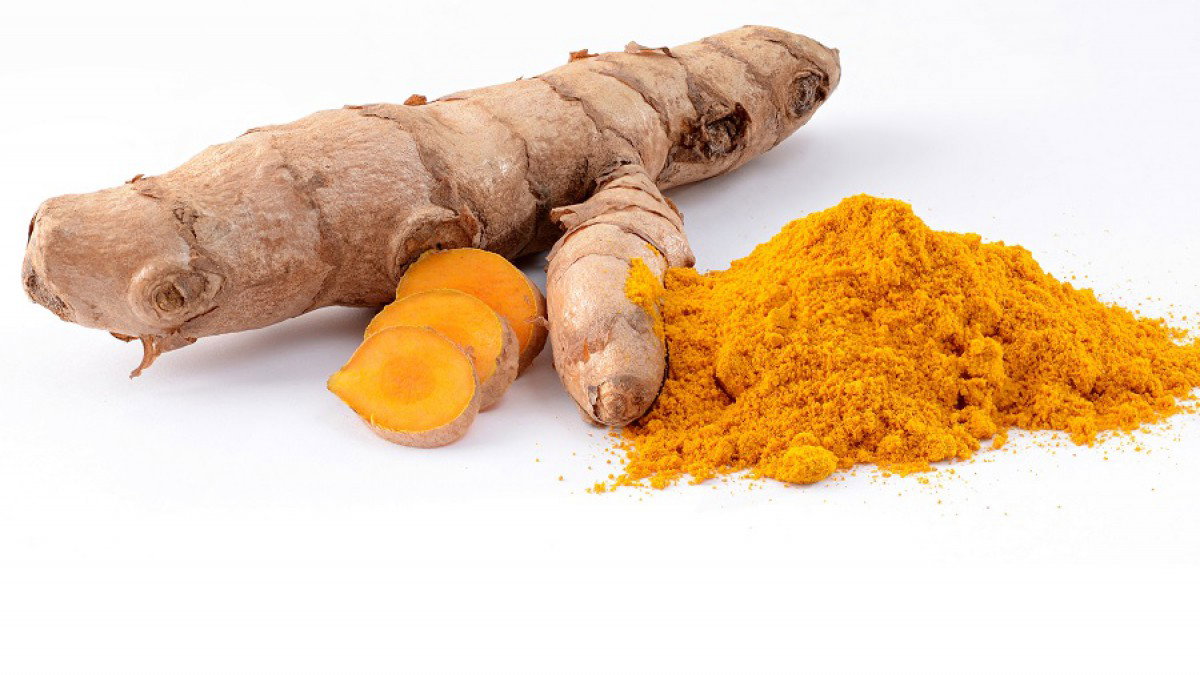
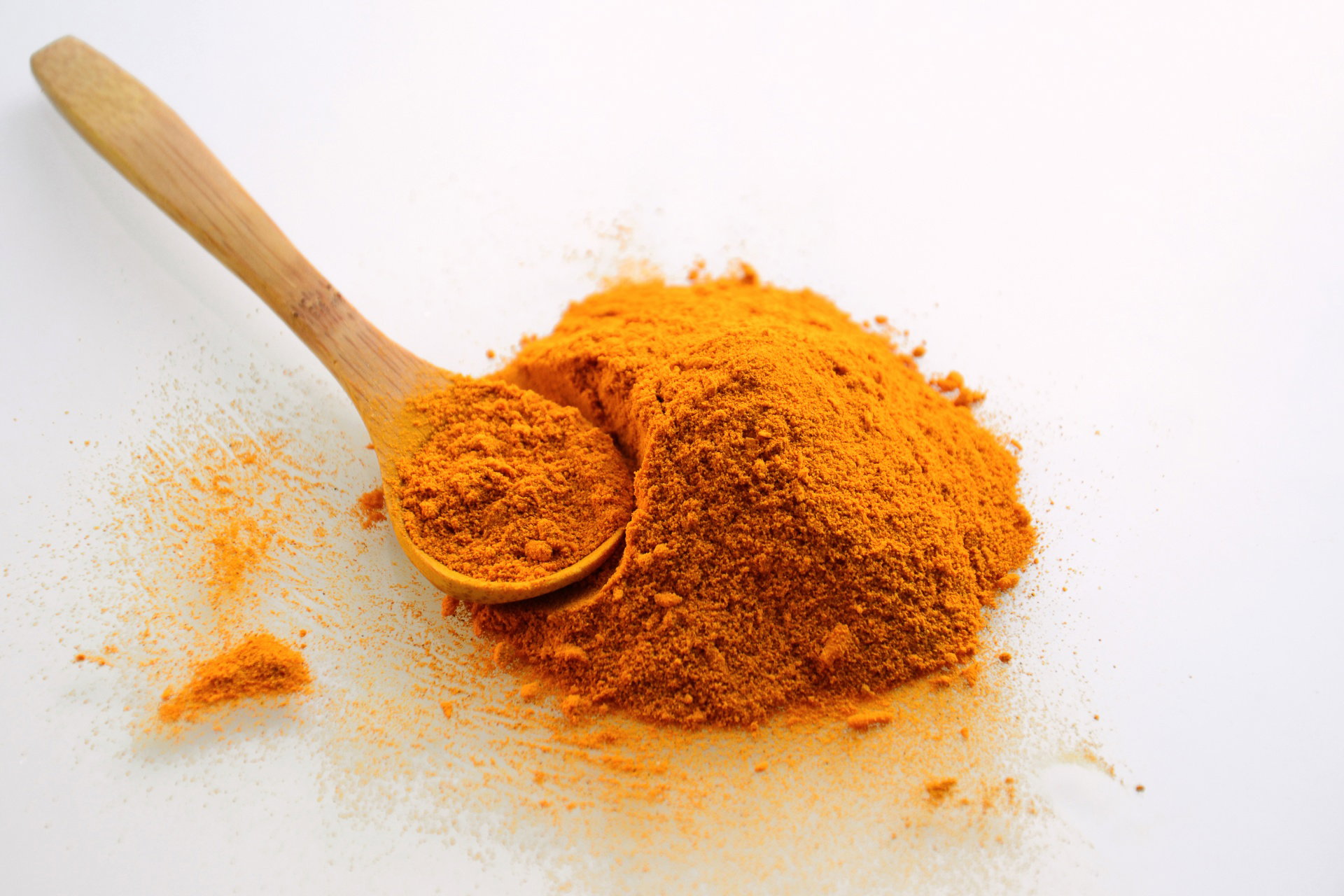
Turmeric benefits and properties
Turmeric, also called sulfur of the Indies, is a highly appreciated plant because it offers great gastronomic versatility and it is attributed medicinal properties against cancer, high cholesterol or osteoarthritis, among other diseases. It is native to southwestern India and belongs to the same family as ginger.
Intense yellow in color and with an unmistakable odor, this spice comes from the orange root of a herbaceous plant belonging to the ‘Zingiberáceas’ family located in India and Indonesia.
Its scientific name is ‘turmeric longa’ and it has a historical tradition. In fact, there is evidence that its earliest uses date back to 610 B.C. at 320 B.C. when it was used as a dye for wool thanks to its deep yellow-orange color. Later, it was adopted by Hindu gastronomy as a food coloring, to give a peculiar flavor to foods and to be part of the popular curry.
In India turmeric is considered a symbol of prosperity and a physical and spiritual purifier. A mixture of turmeric and lime water is still used in worship rites at numerous temples.
Properties of turmeric
The root and rhizome of turmeric contain curcumoids and curcumin, coloring matters to which clear antioxidant and anti-inflammatory effects are attributed.
They also contain an essential oil with zingiberene, polysaccharides and mineral salts such as iron and potassium.
Curcumin, which is not soluble in water, does have a great capacity to dissolve in fats and stimulate the secretion of bile.
Turmeric benefits
**Relieves stomach upset**
Turmeric is a very effective natural remedy for an upset stomach. Having anti-inflammatory properties, it prevents acidity and calms heartburn, as well as digestive disorders in general.
**Treat liver disorders**
Thanks to ‘curcumin’, turmeric is an excellent bile tonic. Even, the rest of its hepatoprotective components serve as adjuvants to eliminate stones in the gallbladder and promote liver drainage. Having anti-inflammatory properties, it is recommended for people with jaundice, liver cirrhosis, and gallbladder disorders.
**Helps treat cancer**
Surprisingly, the rhizome of this plant contains at least ten anti-cancer components, among which are curcumin and beta-carotenes. These elements have protective properties against various types of cancer, including colon, skin, breast, and duodenal cancer.
In addition, it greatly helps the body to resist the effects of debilitating medications and strong treatments such as chemotherapy.
**It is a powerful anti-inflammatory**
The curcuminoids that turmeric has give it great anti-inflammatory properties, becoming almost as effective as some anti-inflammatory drugs, but without the side effects of these.
For this reason, it is recommended for disorders in which inflammation exists, such as menstrual disorders, Crohn's disease, bowel diseases, irritable colon, colitis, arthritis, carpal tunnel syndrome, obesity, etc.
**Protects from cardiovascular disease**
Another benefit of the components of turmeric is its cardioprotective properties, which is why consuming it frequently treats and prevents the risk of heart disease.
But this is not all, it also helps reduce bad cholesterol and triglycerides. They recommend that, in addition to eating a healthy, low-fat and natural diet, foods should be seasoned with turmeric in order to naturally prevent cardiovascular diseases, such as heart attacks.
**Works as a natural antidepressant**
For thousands of years, traditional Chinese medicine has used turmeric to treat depression, sadness, and unhappiness. Turmeric extract, or what is the same, turmeric powder, stimulates the nervous system, activates the immune system and awakens the mood.
It is ideal for reducing stress levels, since it produces an increase in serotonin. For this reason, it is widely used in people with seasonal or emotional depression, as well as other related disorders.
Venezuelan Andean Chicha
Andean chicha is a drink originating in the Venezuelan Andes. Its origin is attributed to the indigenous people, who considered it a drink for the gods. His recipe has survived to this day, passed down from generation to generation.
It is a traditional Venezuelan drink, unique in its flavor, very nutritious and natural. There are many variations of the recipe for this drink depending on the region.
In its beginnings it was a drink fermented only from corn, with time and the arrival of the colonizers, it was combined with new ingredients such as rice, giving way to a transformed fermented drink as we know it today.
**INGREDIENTS OF THE ANDEAN CHICHA:**
**FOR 1 AND A HALF A LITER OF CHICHA ANDINA APPROXIMATELY**
The shell of a pineapple
250 gr of paper (cane sugar cane)
2 cinnamon sticks
6 cloves
1 cup of rice
6 cups of water approximately
**PREPARATION:**
**1st FERMENTED OF THE ANDEAN CHICHA** - **THE PINEAPPLE GUARAPO**
Put the pineapple shell, 2 cups of water and half of the cane sugar in a pot to cook as an infusion. Boil, simmer for about 15 minutes with the pot covered. Remember to wash the pineapple shell well before using it.
Once the pineapple guarapo is ready, add it to a plastic container and cover it, leave it at room temperature, some 8 days. You must move and test every day, since depending on the temperature (if the temperature is high), it may ferment faster (mine was an average temperature of approximately 8ºC).
A white layer will form on top, if you see a trace of green mold, for some reason, you should remove them, for this you should also check and move every day.
Once the days of the first fermentation have passed, and that is to your liking, place the cup of rice to cook with 3 cups of water, the cloves, the cinnamon and the other half of the cane panela. At this point keep an eye on the sweetness you may like less sweet or sweeter, I recommend that you add the second half of the panela in portions and that you try and at the end of this step decide whether to add more or not.
Once the rice is ready, you must crush it well together with the pineapple guarapo made in the first stage and with everything and shells. The ideal is to do this step in batches, little by little, alternating guarapo and rice, until it is completely crushed and a thick and homogeneous mixture remains, add more water if necessary (2 or 3 cups) since it usually thickens too much.
Once we have it well crushed, we proceed to place in a large pot and cook over low heat for around 20 to 30 minutes, you must constantly move so that it does not stick to the pot and burn. At this point if we have had a lot of water we can thicken to our liking, if we do not want it because we have found the desired consistency, neither so thick nor so liquid (middle ground), always keep it covered.
Here you can test if you like the sweetness that is left or if you need more cane sugar, add it in this step.
Once ready. strain as many times as necessary to remove any remaining pieces of the mixture. Ideally, strain with a clean cloth, I sneaked 2 times, you may need more.
**2ND STAGE OF THE ANDEAN CHICHA - 2ND FERMENTED:**
Place in a large glass container, because it tends to increase the volume, leave covered and at room temperature for around 1 day (24 hours), at this stage also the days that will be left will be to taste, and trying it every day, there are those who usually leave it for several days, I like it with mild fermentation.
After 24 hours, depending on the temperature you are at, it may be less hours. stir the Andean chicha well and put it in the fridge, it is taken very cold.
Ready! Enjoy this rich Andean chicha, a pre-Columbian drink from our beloved ancestors, the Indians.


Arepas and different fillings
The arepa is the food that most characterizes the Venezuelan people. This is due to its flexibility, since you can consume it as breakfast or dinner regardless of the time of year in which you are.
It is a cooked or fried dough based on corn flour, which you can accompany with whatever you want, since its style of preparation allows any type of filling.
**Ingredients for the arepas**
2 cups of precooked cornmeal
4 cups warm water
a pinch of salt
1 tablespoon of oil
**Preparation for the arepas:**
Spread the oil in a large skillet and put it in the kitchen over medium high heat.
Place the water and a pinch of salt in a bowl; Gradually add flour and stir with a spoon. Wait about three minutes until the dough takes a little consistency. Then knead it vigorously until it does not stick to the edges of the container. There should be no lump.
Form spheres the size of an orange and then crush them with the palms of your hands until you get circular arepas about ten centimeters in diameter.
Put them in the pan and cook with a lid for about 5 minutes; Uncover and back to the arepas. If you want the very crispy arepas you can put them in the oven for about 10 minutes over medium heat 180 ° C. The arepas will bulge slightly and if you tap them gently they will make a hollow sound.
If you don't know the terms used, ordering an arepa can be difficult, and even more so when you're hungry. Here are some different ways to name them in a very Venezuelan language, such as when ordering a coffee. There are very simple fillings, such as cheese, ham, chicken, but there are other more elaborate ones in which each combination of filling has a distinctive and characteristic name.
**The widow:**
It is the typical arepa alone, without any type of filling. It is usually a companion at meals.
**The Queen Pepeada:**
It is one of the most famous. Her name is in honor of the Miss Venezuelan world Susana Duim. Its filling is chicken or shredded chicken, with mayonnaise and avocado, all mixed.
**The Sifrina:**
It is the Queen Pepiada with grated yellow cheese.
**The Pelúa:**
It looks like a person's hair, and that's where its name comes from. This stuffed meat filling, seasoned with tomato and condiments, plus grated yellow cheese, is one of the favorites.
**The Catira:**
She is La Pelúa's younger sister, but a little lighter. A filling of stewed and frosted chicken accompanied with yellow cheese, resembles a blonde woman for her yellow hair.
**With Parakeet:**
Fill with a scramble of eggs with onion, tomato and salt. One of the most typical of all. A complete breakfast.
**The Rumbera:**
Its name comes from the habit of going to a arepera in the early morning after a rumba (party), with the intention of eating something nutritious and hearty. Others say that its name originates from the fact that after the December festivities, where the leg is usually prepared, the leftovers are used and used for this filling. These are pieces of baked pork (pork) with grated yellow cheese.
**Pavilion**:
Our typical dish in an arepa. Colorful and nutritious combination for those who like to eat in quantity. It consists of slices, beans and shredded meat.
These are just some of the fillings that can be obtained in Venezuelan arepas, very varied and for all tastes.
The peach, rich in nutrients and low in calories
The peach is the fruit of the peach tree (Prunus persica). It comes from northern China, where the references to its cultivation date back 3,000 years, and currently has more than 2,000 varieties
This fruit is suitable for almost all consumers, has an excellent balance between nutrients and calories, has a refreshing and sweet flavor and offers great culinary possibilities.
Composition and nutrients
The peach has the following composition for every 100 grams of product:
9 g of carbohydrates.
1.4 g of fiber.
89 g of water.
Energy: 39 Kcal.
Small amounts of vitamin C, vitamin A, and folic acid.
It also contains moderate proportions of carotenoids with provitamin A activity, such as alpha-carotene, beta-carotene, and cryptoxanthin, as well as other carotenoids without this activity (lutein and zeaxanthin).
The most abundant vitamin "is A, with an important antioxidant function, followed by C and folate." Of the minerals, “the most notable is potassium, very interesting for patients with high blood pressure. It also contains magnesium and calcium. "
Fiber is a relevant component "for its regulatory role in digestive functions, for its influence on the selection and settlement of intestinal flora and for the absorption of sugars and other nutrients that provide energy to cells." In addition, "it intervenes in the regulation of blood glucose and lipid levels".
Tips to fully enjoy this fruit
These three tricks can help us to take advantage of all the properties of the peach:
**How to choose the best**
Color turns from pale green to yellowish when peaches are on point. Its aroma is intense and its texture softer the more mature. The skin must be intact, without damage.
**How to keep them**
It is advisable to keep them preferably in the fridge or at room temperature only a couple of days to accelerate their maturation, taking into account that they dehydrate quickly.
**How to consume them**
The best way to taste them is fresh, washing them previously if they are consumed without skin and disinfecting them if eaten with it.
Who can take it and in what quantity
In terms of the recommended daily and weekly amounts, experts emphasize that it is a fruit that can be consumed frequently. "Fruits like peaches can be eaten at any time of the day and with a frequency that will depend on consumer preferences, without a limit beyond that set by common sense and without displacing other foods that are also key to a pattern healthy eating ”, explains Moñino, who recalls that the minimum recommended consumption of fruit is three servings a day.
People allergic to this fruit or to those of the Rosaceae family, those who have hereditary intolerance to fructose or malabsorption of this sugar and who should restrict fiber intake should avoid or limit, depending on the case. , especially the soluble or fermentable type (this is the case of those who suffer from inflammatory bowel disease ”.
Despite its sweet taste and contrary to what is sometimes thought, the peach does not provide an excess of sugar, which makes it perfectly suitable for diabetics and people with obesity. "No fruit is better than another for people with diabetes, because what matters is the time of consumption, the preparation (whole instead of juice), the amount ingested and the foods that accompany it (in a meal, the effect on blood glucose is lower than if consumed alone), ”says Moñino.
However, as Gimeno points out, we must not forget "that peach in syrup is not recommended for diabetics and dried only in small amounts or in cases of hypoglycemia".
The dried peach contains a high amount of fiber (8.2 grams per 100 grams of food), so it is especially advisable in case of constipation. "It would also be recommended for those who require a quick source of energy (272 Kcal per 100 g) and recover potassium," adds the specialist. Therefore, it can be a good food "for athletes who have finished a training or test."
Beware of allergy
The fruits that are most frequently associated with allergies are those of the Rosaceae family; mainly peach, but also apple, pear, cherry, apricot, plum, strawberry and blackberry. In fact, people with a peach allergy tend to be allergic to other fruits in that family, too. The most characteristic symptom is itchy mouth, throat and ears.
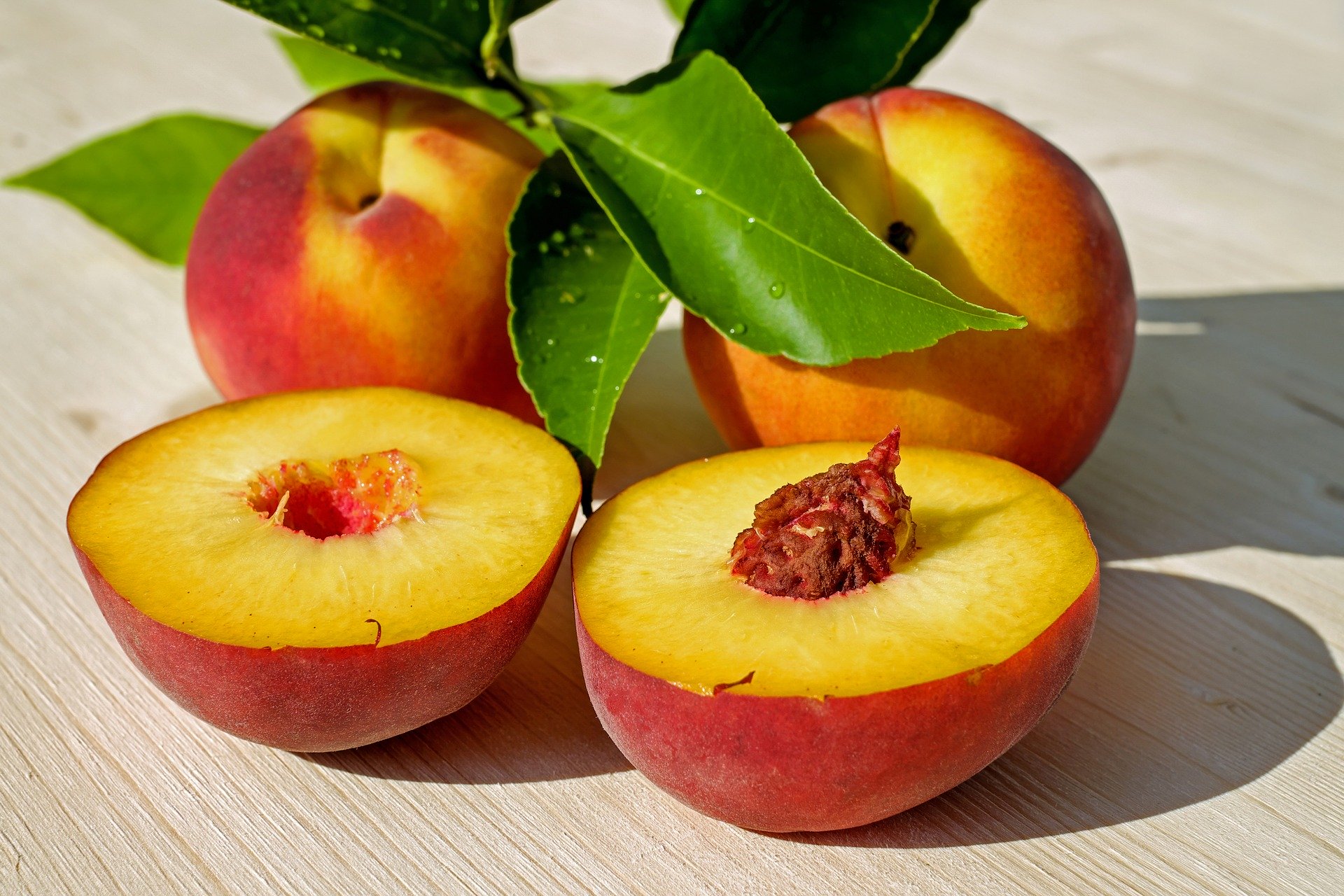
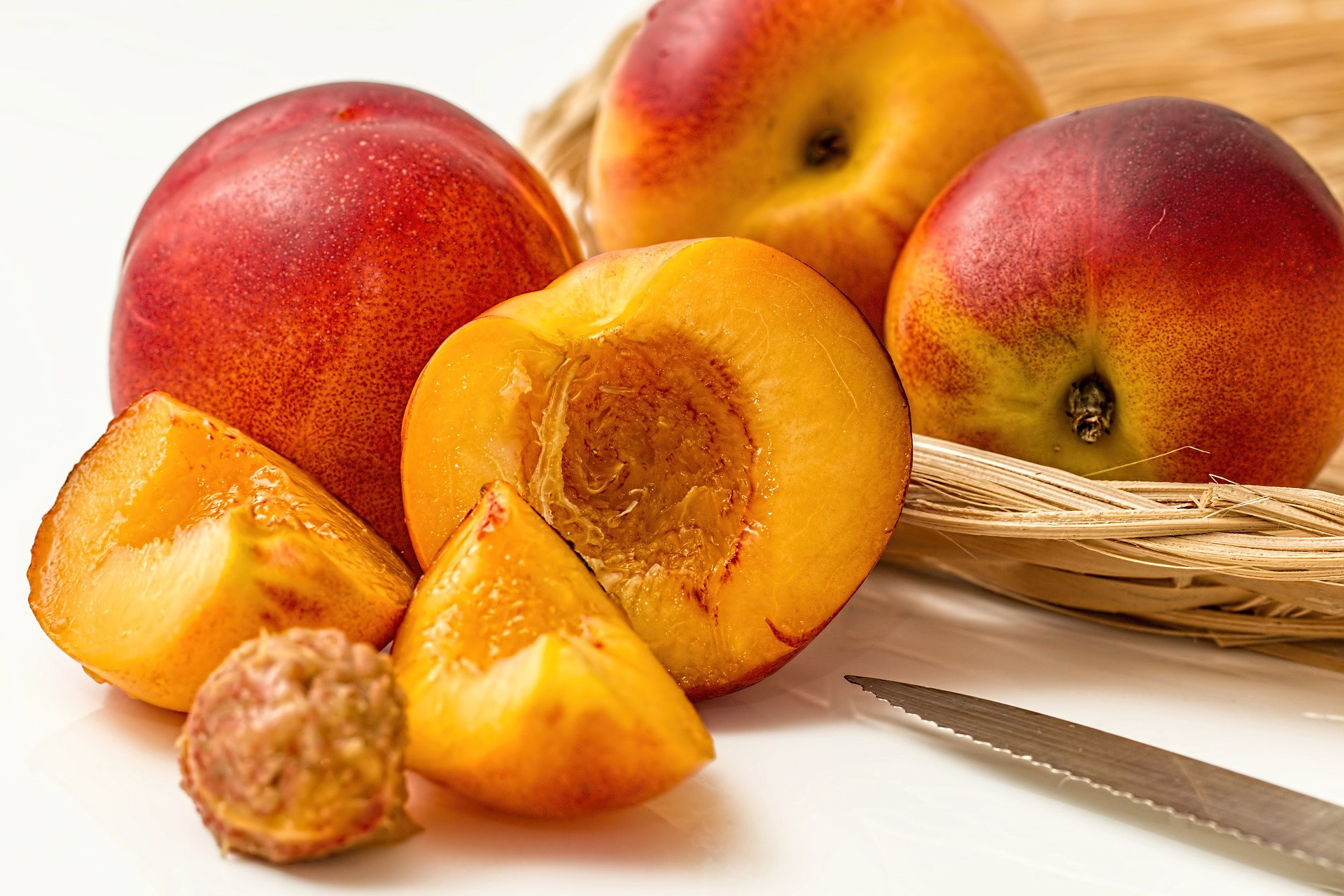
Benefits of passion fruit for your health
Parchita, also known as passion fruit, is bittersweet and exotic in flavor. It has a high content of water and fibers, making it a functional food to prevent constipation, reduce blood cholesterol levels and keep sugar at its limits, in the case of people with diabetes.
Also, it helps fight insomnia, depression, stress, thyroid, menopause and PMS.
There are many benefits of consuming this delicious fruit that we can prepare in a thousand ways.
Passion fruit properties
It contains vitamins A and C, and minerals such as potassium, phosphorus and magnesium, essential for our body.
It helps to have healthy hair, take care of the skin, vision and the immune system.
It provides a great contribution in fibers, ideal for people with constipation problems. It is an important ally for dietary regimes, since it contains a low caloric contribution.
It has flavonoids, which calm the nerves and relax the body.
It helps fight insomnia, depression, stress, thyroid, menopause, and PMS.
Its infusion is an effective home remedy for nerves.
HEALTH BENEFITS
• Relieves asthma symptoms
• It helps you lose weight
• Helps fight free radicals
• It helps to sleep because it has calming qualities
• Helps maintain visual health
• Helps prevent cancer
• Helps prevent cardiovascular disease
• Helps prevent and treat constipation
• Helps reduce bad cholesterol
• Collaborate to strengthen the bones of the body
• Balances the level of sugar or glucose in the blood
• Improves digestion
• Prevents anemia
• Prevents respiratory diseases
• Promotes tissue repair
• Reduces the risk of degenerative diseases


Benefits and Properties of Mango
Mango is a tropical fruit with a very characteristic flavor and that has magnificent nutritional properties and benefits for our health.
Mango properties
The mango stands out for the set of nutrients and antioxidant substances found in its composition.
**VITAMINS C AND A**
A single piece of 200 g provides the recommended daily amount of vitamin C (about 60 mg) and 60% of vitamin A, in the form of beta-carotene. Mango is one of the most important sources of this nutrient.
**FRUIT RICH IN VITAMIN E**
Although vitamin E, one of the most effective antioxidants and heart protectors, is usually found mainly in fatty foods, mango has an extraordinary amount in the case of a fruit. A 200 g piece provides 2.3 g, that is, 23% percent of the recommended daily amount.
**CONTRIBUTES MAGNESIUM AND POTASSIUM**
Regarding its mineral content, the proportions of magnesium and potassium stand out (in both cases, a mango provides 10% of daily needs).
**CONTAINS DEPURATIVE ACIDS**
In addition to nutrients, mango provides other substances with beneficial effects on health. Tartaric and malic acids help counteract the effect of acidic metabolic residues.
Benefits of mango
The peculiar composition of the mango prevents degenerative diseases, especially heart disorders, cancer and diabetes (it is rich in carbohydrates, but does not provide as many calories as its sweet taste may lead you to think: 100 g contain only 65 calories with a good fiber dose).
**1. Aids in digestion**
Due to its high fiber and water content, mango provides the body with a group of digestive enzymes that help break down food and improve intestinal transit, avoiding stomach pain, as well as preventing constipation.
Did you know? Green mango is very useful to treat gastrointestinal problems. Eating one or two small green mangoes, where the seed is not yet formed, with salt and honey, has been shown to be effective in curing diarrhea, dysentery, morning sickness, chronic dyspepsia, and indigestion.
**2. Improve eye health**
Mangoes have an antioxidant called zeaxanthin that acts as a protector in visual health, as it is capable of filtering part of the blue light rays that damage our eyesight. In addition, it should be noted that eating several pieces of fruit daily is one of the protective factors against vision problems such as macular degeneration suffered by many elderly people. Also, the high vitamin A content found in mangoes is good for the eyes, as the vitamin can help prevent night blindness and dryness.
**3. Prevents heart disease**
The vitamin C and fiber present in mangoes have been shown to help lower LDL (bad cholesterol) levels, reducing the risk of heart disease, attacks on this organ and stroke. In addition, mango contains potassium and magnesium, associated with the regulation of blood pressure, keeping it within healthy limits.
**4. It is an aphrodisiac**
It is known as the "fruit of love". In addition to having a high content of vitamin E, which is worth it as an aphrodisiac, mangoes also have compounds such as the estrogen hormone, which helps regulate sex hormones and increase sexual stimulation.
**5. It helps in diabetes**
Both the fruit and the mango leaves are healthy. The mango, still unripe, should be consumed accompanied by yogurt to decrease the levels of sugar in the body.
**6. Lowers cholesterol**
This fruit contains a high level of vitamin C, pectin and fibers that help lower serum cholesterol levels. Fresh mango is a rich source of potassium, which is an important component of cells and body fluids that helps control heart rate and blood pressure.
**7. Is a skin cleanser**
The handles help to unclog pores and bring freshness to the face. This fruit can be applied to any type of skin. It also helps clean clogged pores that cause acne.
Did you know? Mangoes are one of the richest sources of beta-carotene. They contain 20% more than melons and 50% more than peaches.
**8. Alkalize the body**
Mango is rich in tartaric acid, malic acid, and chunks of citric acid, which in the first instance helps maintain the alkaline reserve in the body.
**9. Aids in weight loss**
This fruit contains many vitamins and nutrients that help the body feel satisfied. Also, as mentioned above, its fiber stimulates digestive function, which helps burn additional calories.
Did you know? Green mango is one of the best fruits to eat when we want to lose weight, since it contains less sugar than ripe mango.
**10. Strengthens the immune system**
The powerful combination of Vitamin C, Vitamin A, and 25 different types of carotenoids keeps our immune systems healthy. These elements of the mango help to strengthen the body's defenses and make it impervious to bacteria and toxins.
Did you know? Mango contains the same amount of vitamin C as an orange. Take into account that if your skin is green it has more vitamin C, but as it matures, vitamin A increases.
**11. It helps concentration and memory**
This fruit is rich in glutamic acid, an important protein for concentration and memory. Therefore, it is recommended to include it in the diet of children and thus help improve their performance.
**12. Fight anemia**
Being rich in iron, mango is ideal to prevent anemia, since this mineral is one of the bases that make up the blood. Women in the menopausal stage and pregnant women should consume mangoes, since it will increase their iron and calcium levels at the same time. As an added benefit, the iron present in mangoes is supported by its vitamin C content, which helps the body absorb iron more effectively.
**13. Reduce kidney stones**
The mango is rich in fiber, high in water and low in oxalates. Eating foods low in oxalates but high in water can be very helpful in preventing kidney stones.
**14. Helps prevent cancer**
The mango-containing compound called lupeol, a powerful antioxidant, has been shown to be an effective inhibitor of cancers such as prostate and skin cancers.
**15. Supports healthy weight gain**
Eating mango regularly is one of the most effective ways to gain weight quickly. The calories of this fruit can be easily absorbed by your body. In addition, mangoes contain starch that turns into sugar, which gives you completely natural energy.
**16. Reduces signs of aging**
Eating mango will help you have a healthy-looking face, while lightening and removing blemishes caused by sun or acne. This is because mangoes are rich in vitamin A and vitamin C and these are responsible for promoting collagen production.
**17. Controls acidity**
The mango is enriched with malic acid, tartaric acid and traces of citric acid; therefore, it maintains the alkaline reserve in the body and prevents acidity.
**18. Strengthens bones**
Vitamin K deficiency is related to the increased risk of osteoporosis and bone fractures, mainly because it supports the absorption of calcium necessary to keep bones strong. Mangoes provide this benefit since they are full of this vitamin.
**19. Strengthens teeth**
For children and adults to boast healthy and strong teeth, it is necessary to give them their daily dose of calcium and vitamin C, and the mango contains both elements.
**20. It is good for the liver**
The best benefit of eating green mango is its ability to treat liver disorders. Eating a piece of green mango increases bile acid secretion and cleanses the intestines of infectious bacteria.
Definitely, mango provides many benefits and nourishes us. As if that were not enough, its leaves can also be used. Choose mangoes every day from the fruits you eat.
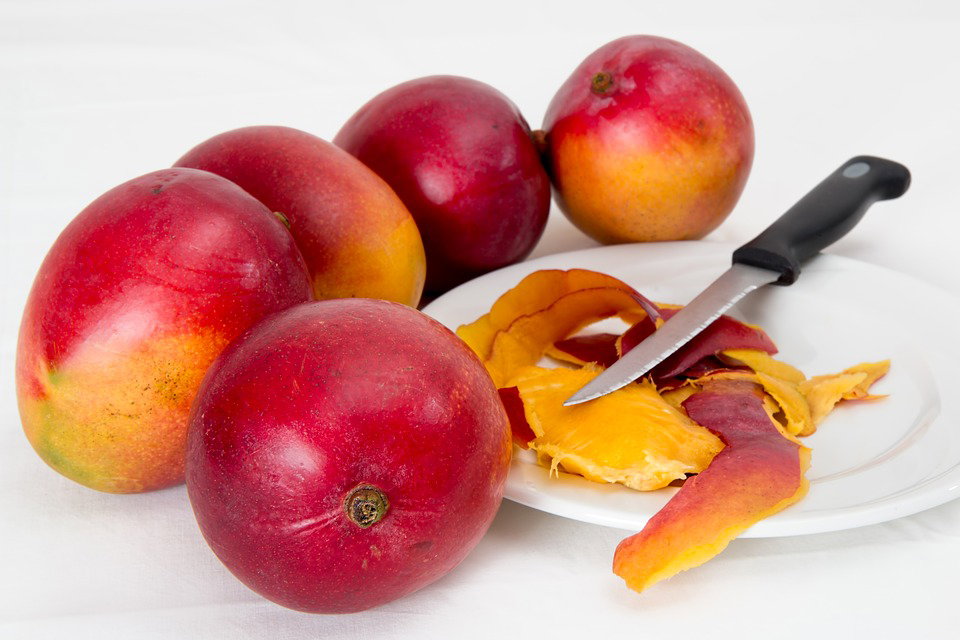
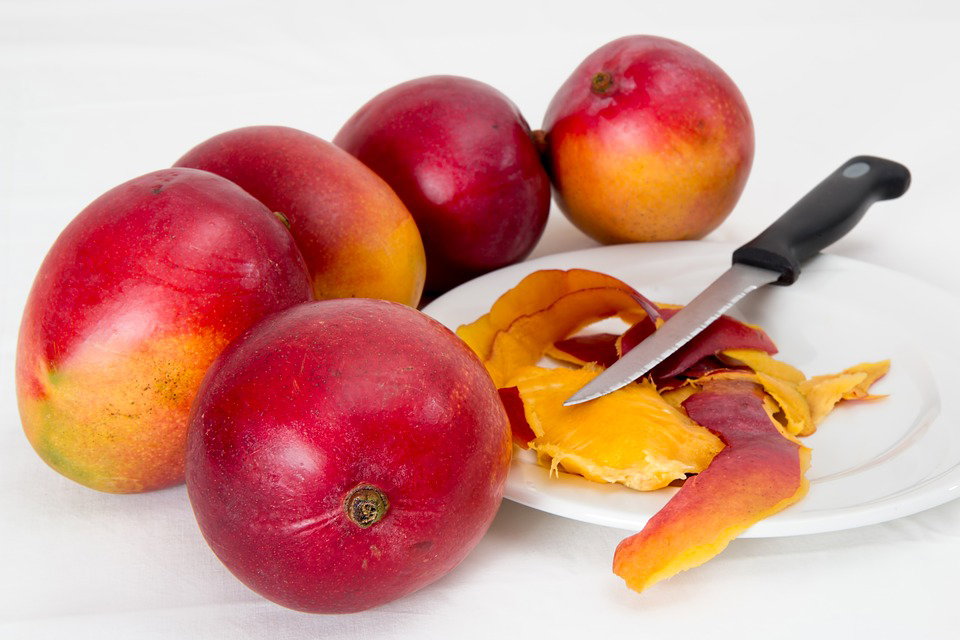
Vitamin D benefits
What is vitamin D?
Also called calciferol, vitamin D is one of the essential fat-soluble vitamins for the normal formation of bones and teeth and for the absorption of calcium at the intestinal level. Vitamin D deficiency can cause osteoporosis and rickets.
Vitamin D can be obtained in two ways:
By exposing the sun's rays (UV).
By consuming foods rich in this vitamin, such as milk and eggs.
What foods are a source of vitamin D?
Very few foods contain this vitamin naturally. Foods fortified with added vitamin D provide most of this vitamin in the diets of people in the United States.
Fatty fish, such as salmon, tuna, and mackerel are among the best sources of vitamin D.
Beef liver, cheese, and egg yolk contain smaller amounts.
Mushrooms provide a certain amount of vitamin D. In certain types of mushrooms now on sale, the vitamin D content is increased by exposing them to UV light.
Vitamin D benefits
Among its various biological processes in which vitamin D is involved, because it has receptors (RVD) in a large number of human cells, the main ones are:
Increase the absorption of calcium and phosphorus in the intestine
Strengthens bones, preventing musculoskeletal diseases
Maintain correct muscle function, this reduces the risk of falling, especially in men and women over 60 years
Strengthen the immune system, helps prevent respiratory diseases, in addition to presenting benefits in combating skin afflictions
Normal cell division (helps prevent cancer)
Controlling blood sugar helps prevent diseases like obesity, diabetes, hypertension and multiple sclerosis
It has an impact on good cardiovascular function
Maintaining the proper functioning of the respiratory system, helps the body fight acute respiratory infections
Maintain neuronal development, aid cognitive function
Almost the entire milk supply in the United States is fortified with 400 IU of vitamin D per liter, as well as many of the plant-based alternatives, such as soy milk, almond milk, and oat milk. However, foods made with milk, such as cheese and ice cream, are generally not fortified.
Also, certain breakfast cereals and some brands of orange juices, yogurts, margarines, and soy-based beverages contain added vitamin D. Always check labels.
Vitamin D deficiency and related problems
A lack of vitamin D in the body causes a decrease in the absorption of calcium by the intestine and activates the parathyroid gland, which produces a greater amount of parathyroid hormone. This hormone acts on the bone releasing calcium and phosphorous salts from it. It also acts on the kidney, stimulating the loss of phosphorus through the urine.
With this reaction, the organism tries to stabilize the calcium levels in the blood, where it is essential for the immediate functioning of the systems that guarantee life. Even at the cost of a slow process (and therefore rectifiable in the short term) to demineralize the bones.
Lack of vitamin D is frequent in geographical areas where there is less incidence of sunlight. It also occurs more in older people because their absorption, activation and production capacities of the vitamin are diminished. Infants who are breastfed and infants with a balanced diet who are frequently exposed to the sun are protected against rickets.
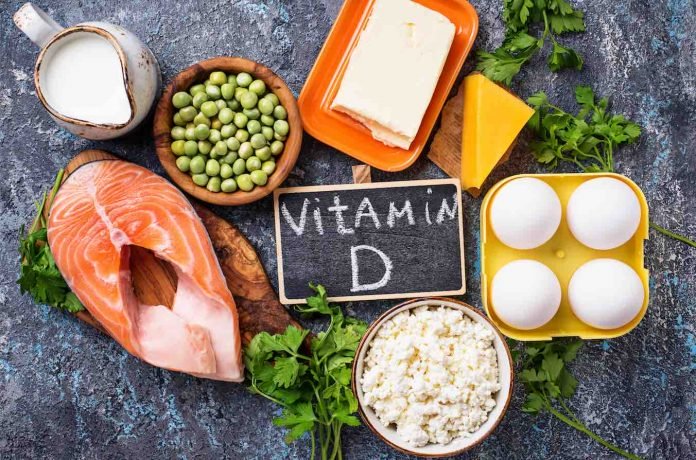
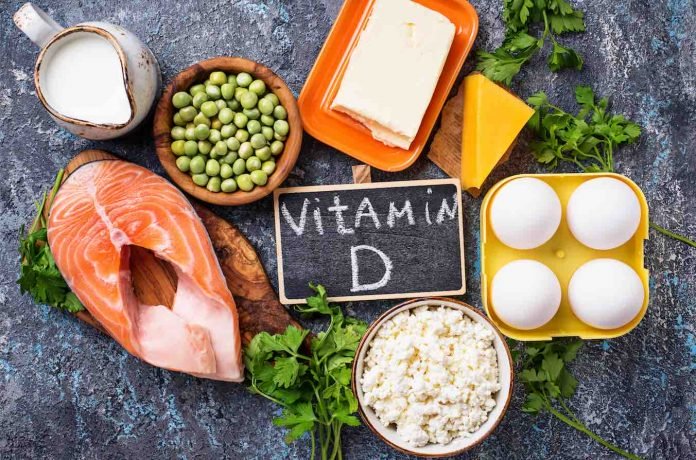
Benefits of eating ice cream
Eating ice cream can provide calcium, vitamins and release hormones that make you feel happy.
Ice Cream is a frozen food that is usually made from dairy products such as milk or cream, often in combination with fruit or other ingredients and flavors.
It is generally sweetened with sugar, flavorings, sweeteners or honey. Typically other ingredients are added such as egg yolks, nuts, fruits, chocolate, cookies, nuts, yogurt and substances that stabilized it.
Benefits
Ice creams have the capacity to refresh and hydrate us during the months of suffocating heat. Popsicles, sorbets and slushies contain a large amount of water (between 85 and 90 percent of their composition) making them a simple and rich way for dehydration risk groups, such as children and the elderly, are covered to avoid health problems.
More and more establishments offer ice cream enriched with fruit (in some cases, up to 50% of its content is fruit) with the aim of increasing its nutritional properties.
In addition to sugars, minerals and vitamins, they also provide our body with a good dose of proteins of high biological value.
Milk-based ice creams become a fun alternative for all those who do not consume the minimum recommended amounts of calcium. Children, adolescents and pregnant women, breastfeeding, or after menopause, are the ones who need to consume greater amounts of this mineral.
Ice cream can be taken at any stage of the year, it is not true that if it is taken in winter there is a greater risk of catching a constipation, quite the contrary. If you start to notice discomfort in the throat, when swallowing for example, take a little ice cream, it will reduce the inflammation produced by the irritation of the cough and it helps to heal the possible wounds. It is also common for doctors to recommend ice cream when suffering from angina, as it seems to be beneficial.
They make us happier and reduce our level of stress, both physical (pain) and emotional (anxiety), since some of its components, such as chocolate, casein, or sugars, stimulate the production of the so-called pleasure hormones or endorphins .
Finally, it is a good way to socialize with others, we hardly ever eat ice cream alone, so we usually associate having it as a fun and shared experience with others. Who does not remember the ice creams in the park during our childhood?

Cherries: properties and benefits
Cherries are a fruit that provide us with excellent nutritional properties, in addition to numerous health benefits.
With cherries you can prepare many types of desserts and sweet accompaniments such as cakes, jams, smoothies, cakes and even liqueurs or gazpacho.
But above all they can be eaten (and almost what could be said "must") be eaten raw. Its flavor is delicious and it is consumed directly when the properties of the cherry are fully presented in our diet.
The cherry, whose scientific name is Prunus cerasus, has been used for a long time as an intestinal cleanser, to rid the body of toxins.
This is because the pigments that give them their purple color, anthocyanins, which are a type of flavonoid with great purifying properties.
These anthocyanins in cherries are also very powerful antioxidants and according to studies carried out at the University of Arizona, cherries are the fruit with the highest concentration of flavonoids that exists.
This makes it of importance in the treatment and prevention of some of the most widespread diseases today, related to deterioration, cancer or Alzheimer's.
Main properties of cherries and the benefits of consuming them
Among the properties of the cherry we cannot stop thinking about the main ones:
Antioxidant properties. Cherries are included in the superfruit category because they are loaded with antioxidants called anthocyanins, which help reduce heart disease and serve to counteract the processes that lead to cancer.
Additionally, cherries are one of the few food sources containing melatonin, an antioxidant that helps regulate the heart rate and sleep cycles of the body.
Vitamin A. Cherries are an excellent source of beta-carotene (vitamin A). In fact, they contain 19 times more beta-carotene than blueberries and strawberries.
Vitamin A serves for the formation of teeth, their preservation and acts on eye health, both in sight and in general eye health.
Source of more vitamins and minerals. In addition to vitamin A, cherries are rich in vitamins C, E, potassium, magnesium, iron, calcium, folic acid (B9), and fiber.
A healthy mind. Cherries are known as 'brain food', as it helps maintain good brain health and prevent memory loss. Do not forget, eating this fruit when it is your season will help your health.
Because the cherries contain anthocyanins, a component that serves to attract animals to consume this fruit, in order to later expand the seeds.
Therapeutic and pharmacological use of this pigment is recent, but its ability to reduce coronary heart disease, inflammation, and symptoms of arthritis and gout has been proven. In turn, it has anti-tumor, anti-inflammatory and anti-diabetic effects, which can benefit many people. It has also been shown to be useful in treating obesity.
Something to note is that anthocyanins are easily absorbed by the human intestine.
Fiber. As it is a good source of fiber, it is important and helps digestive health.
Muscle pains. Due to its powerful anti-inflammatory benefits, cherries can help reduce pain; They are highly recommended for the pain of tendons and muscles that runners and athletes suffer from overload after training.
Therefore, if you practice an aerobic sport, if you run or go cycling, cherries can help you recover after intense training.
Are cherries fattening? How many calories do they have?
Many times you hear the question of whether cherries are fattening. This confusion is mainly due to the use of this fruit in pastry, and also to the amount of sugars added to it for different processes (jams, coulis) or for the preparation of cherry clafoutis.
But the cherry itself is not fattening. A cup of cherries has just 87 calories, 22 grams of carbohydrates, 1 gram of protein and 3 grams of fiber.
Cherries are a good snack or dessert of important choice for weight maintenance, due to the low calorie intake.
Cherry pit toxicity and contraindications
The cherry stone contains its seed, and these seeds are toxic because they have cyanogenetic glycoside compounds.
These when ingested are transformed into cyanide, but thanks to the natural design, the bone protects the seed and prevents it from happening, in normal circumstances, from being swallowed by both animals and people. The organism will not be able to digest the bone and expel it as it is, keeping the seed intact inside.
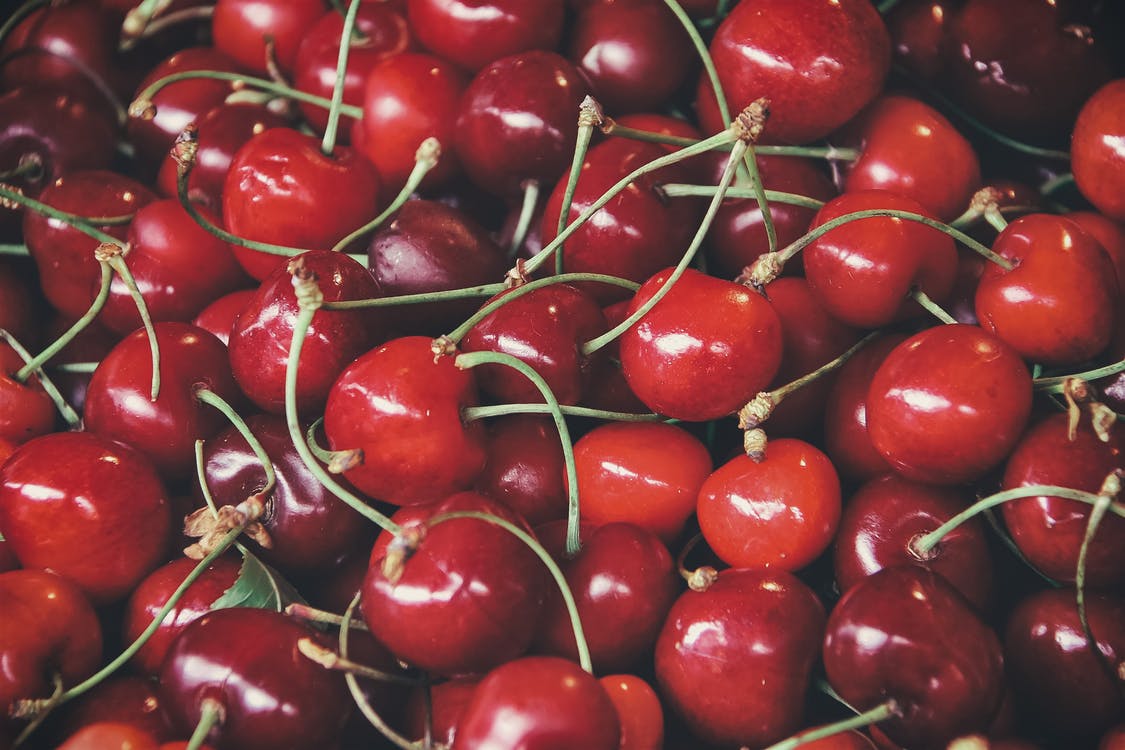

Natural or roasted roasted coffee: which is better nutritionally?
Starting the day with a good cup of coffee is something that many people cannot do without. Either for the pleasure they get in the preparation and enjoyment of this drink or because without this grain they are unable to get going in the morning.
It talks about its benefits and the effect that caffeine has, but nutritionally, what do we have to look at for a coffee to be good? Does it influence whether it is naturally roasted or roasted?
Sara Martínez, professor in the Department of Pharmacy, Biotechnology and Nutrition at the European University, points out that in order to assess the quality of coffee, it is necessary to assess both the nutritional and organoleptic properties (smell, taste or aroma). "They are essential to coffee or taste a good coffee, without forgetting the famous stimulating effect caused by the intake of this food."
To point out some of its nutritional benefits, Martínez highlights that coffee is a healthy drink due to its low calorie and fat content, as well as being rich in bioactive compounds. "Those components are in a small quantity, but they have excellent beneficial properties for health, as occurs with antioxidants, and more specifically with polyphenols."
What role does the type of roasting play?
For starters, roasting is one of the most important points in coffee making: in this process it acquires its characteristic aroma.
“The natural roasting process involves subjecting the coffee bean to temperatures close to 200º C. Roasted coffee is also roasted coffee; however, before roasting, sugar is added. This will add shine to the bean, but the high temperatures will cause the sugar to burn and give rise to a more bitter product that is far from the true flavor of coffee, "explains Martínez, who adds that the true lovers of this drink will opt for a natural roasted coffee, although there are also combinations of natural roasted coffee and roasted coffee, commonly known as mixed coffee, in order to take advantage of the properties of each one ”.
On the other hand, the type of roasting also influences the nutritional properties of coffee, as explained by Martínez, who indicates that industrial processing, and more specifically roasting, induces the loss of some of these bioactive components.
"The more roasted the coffee, the higher the acrylamide content (a toxin generated during the roasting process that has been linked to some types of cancer). For this reason, and in order to take advantage of the benefits of the raw material, it is preferable to opt for those options that are less processed, or purer ”, adds the professor at the European University.
The specialist indicates that an alternative available on the market is the mixture of roasted coffee and green coffee, that is, unroasted coffee. "This combination maintains the characteristic aroma of roasted coffee and the composition in polyphenols, although the proportion of green coffee in the blend will slightly affect the flavor."
Finally, a factor to consider is the flavor. The roasted one is more bitter, reason why some people probably choose to add sugar or some sweetener, which implies that there is one more ingredient, which apart from its sweetening properties, does not provide any benefit. "In addition, its energy value will be modified with the addition of milk or cream."
How should you keep coffee at home?
The way we store coffee at home also influences the subsequent result and the conservation of the properties over time.
To achieve this, the expert recommends:
Keep it in a cool and dry place, in its original container, away from strong odors or heat sources that could alter its aroma.
If it is coffee beans, it should be ground at the time of use.
If we talk about coffee already prepared, the coffee should be consumed in the shortest possible time, avoiding ingesting it when it is still very hot since it will change its aroma.
Coffee beans or ground coffee?
In grain. The reason is that the grain itself is a protective barrier that helps preserve nutrients.
“Once the beans are roasted, they begin to lose flavor, so it is advisable to buy coffee beans in specialized places (roasters) where we are certain that the beans have been recently roasted. Once at home, we can grind it just before consumption ”, he concludes.


Angel Falls
The Angel Falls (Kerepakupai Vená in Pemón, which means "waterfall from the deepest place") is the highest waterfall in the world, with a height of 979 m (807 m of uninterrupted fall), originating in the Auyantepuy. It is located in the Canaima National Park, Bolívar, Venezuela; a protected natural space, established as a national park on June 12, 1962 and declared a World Heritage Site by Unesco in 1994 that extends over an area of more than 30,000 km² (similar to the territorial extension of Belgium), until the border with Brazil and the territory of the Essequibo (currently in claim)
There are two ways to see Angel Falls. One of them is from the air, by plane and the other is on an excursion that departs from the Ucaima port in Canaima, and that lasts more than 3 hours sailing on the Carrao river and then on the Churún. From the Churún river, to the Salto Ángel viewpoint, you must walk approximately an hour through the jungle.
The Angel Falls have that name, in honor of the man who discovered it in 1937, the American adventurer and aviator Jimmy Angel. However, the indigenous people of the area, the Pemones, already knew him previously and had baptized him as Churún Merú.
This mosaic of nature is a living testimony to the geographical history of our planet.
This is the oldest corner of the planet that is two billion years old (2 billion). Time and nature make this place something special and its visitors feel like another world. This unique place gives you the opportunity to integrate with nature in a direct and real way. Ecotourism par excellence offers a world to discover.
With the arrival of the new century, Angel Falls became one of the finalists in the election of the Seven Natural Wonders of the World, although it was finally left off the official list.
Definitely a magical place located in Venezuela, which is worth knowing and enjoying.
Lechoza's Sweet
Lechoza or papaya candy is a traditional dessert that is prepared in Venezuela at Christmas time and for the end of the year celebrations.
This milky canning should be cooked slowly until crystalline, then stored in a glass jar. A perfect gift on festive dates.
**Ingredients**
1 milky two and a half kilos more or less
3 liters of water
1/2 tablespoon of baking soda
12 cups of grated brown sugar
5 cups of sugar
8 spice cloves
3 1/2 liters of water
**Preparation**
Peel and cut the milky into slices of 1/2 centimeter thick more or less. You can lay it in the morning sun for a few hours before cooking it.
Place in a pot, bring to a boil. Cook covered for five minutes, remove from heat and pass through a pasta strainer. Bathe in cold water directly from the tap.
Put the paper, sugar, cloves and water in the pot to make the syrup. Let it cook in the uncovered pot for 15 minutes.
Transfer the milky to another large pot and place the pasta strainer on it. Put a canvas inside. Pass the syrup through it and drop it into the pot containing the milky. Now put the pot on the fire and cook it for about an hour and a half. You will know that the syrup is ready when the drops fall slowly from a wooden spoon, forming a trickle.
Remove the pot from the heat, let it cool and put it in the fridge. Cover the candy box with plastic wrap.
Enjoy ...


Mango jelly
A very popular and traditional sweet in Venezuela, which is prepared from green mangoes and other times from painted mangoes. This delicious delicacy has an acid to sweet flavor, is polished and has a thick texture.
The rich tradition of sweets in Venezuela has its roots in Spanish recipes which, over time and with the Caribbean touches added, became treasures of our home cooking.
**INGREDIENTS:**
1.5 kg. whole green mangoes
enough water to cover the mangoes
approx. 600 gr. sugar (add the same amount of sugar as pulp)
½ vanilla bean.
**PREPARATION:**
Wash the mangoes.
Put the mangoes in a large pot and cover them with water.
Cook the mangoes over medium heat and covered for approx. 30 to 45 minutes, depending on the size of the fruit.
Remove the mangoes from the water, once the skin opens on its own and you feel that the pulp is soft.
Let the mangoes cool slightly before you start peeling them.
Peel the mangoes and extract the pulp with the help of a large grater or strainer. It is very easy: Rub the pulp against the grater or the strainer and you will see that the pulp comes out very easily.
**ELABORATION OF THE JELLY:**
Put the pulp in a pot, add the same amount of sugar as pulp. Cut the vanilla bean in half, scrape it off with the blunt end of the knife, and add both to the handle.
Cook over medium-high heat, stirring continuously with a wooden spoon for approx. 30 to 40 minutes. When lifting the mixture with the spoon it should break and fall with a single blow and it should not drip. The mixture should be easily separated from the bottom and the sides of the pot.
Remove from the burner and take out the vanilla.
In a refractory pan moistened with water, immediately pour the jelly. Level the surface and pat it against the kitchen counter so you don't have any bubbles.
Let it cool.
When the mango jelly is completely cold, store it covered in the fridge.
**Tips:**
1.- You can substitute sugar for paper or brown sugar or muscovado sugar.
2.- If it is to your liking, you can add a splash of lemon at the beginning of cooking.
3.- If there are pieces of mango left, you can liquefy the mixture before starting cooking or pass it through a strainer.
4.- When cooking the jelly, you must constantly stir, since the mixture can stick to the bottom of the pot.
5.- Preferably use a wooden spoon.
6.- If it is to your liking, you can add a spice pin.
7.- Our recipe is to be able to cut it. Now, if you find that it is a little soft, continue cooking until you get the desired consistency. The green fruit has enough pectin to thicken the jelly. You will see the consistency once the jelly is very cold.
Enjoy ...
Rice pudding
One of the most common desserts in Venezuelan culture is Arroz con leche. Even though it is a daily dessert in other cultures, it is considered part of the culture of this Caribbean country. Consumed mainly during the festivities of Easter, it is very pleasant and exquisite.
**Ingredients**
1/2 cup uncooked white rice
1 cup of water
3 1/2 cups milk
2 cinnamon sticks
1/2 cup of sugar
1 teaspoon salt
ground cinnamon, for garnish
lemon zest
**Instructions**
Cook the rice by adding a cup of water.
Boil for 7 minutes, until the rice softens and the water is almost absorbed.
Add milk, cinnamon sticks, and grated lemon peel.
Simmer over medium heat for 10 minutes.
Remove the cinnamon sticks.
Add sugar and salt and cook for about 20 minutes, stirring frequently, until the pudding is creamy and the rice is smooth.
Remove from heat and refrigerate until cold.
To serve, sprinkle the cinnamon rice.
Traditional Venezuelan Quesillo
El Quesillo is a delicious typical Venezuelan dessert and perhaps one of the best known, it cannot be missing on a birthday or simply when "a cake is chopped", always accompanied by a rich jelly, making a perfect trio of flavors. The quesillo owes its name to the holes so particular that they resemble a Swiss cheese. It is the Creole version of the flan, but it differs in its texture and in that both the white and the egg yolk are added. Each family adds its special touch that ranges from vanilla, lemon zest, rum or even the amount of eggs, in each house there is a unique cheese, you will never taste one like the other. There are also some versions such as coconut cheese, auyama, chocolate, corn, pineapple, cream cheese, parchita, coffee and dulce de leche just to name a few. Imagine how divine it is to have an afternoon snack with a little piece of cheese and have a negrito (that's what we call black coffee or espresso).
**INGREDIENTS**
1 can of condensed milk
5 eggs
5 tablespoons of sugar (for the caramel)
1 splash of rum
Milk (the same size as the can of condensed milk)
Vanilla
**PREPARATION**
In a round metal tin of Danish type cookies add ¼ of water and 5 tablespoons of sugar, stir constantly but avoid burning, that is the caramel and the color should be golden.
Still hot, the caramel should be spread throughout the mold and then allowed to cool.
Separately put the eggs, condensed milk and milk in the blender (or if you want you can use the mixer) until homogeneous (approx. 3 minutes).
Add a little vanilla, and / or rum at the end.
Add the mixture to the mold and put it in a water bath for one hour and 15 minutes.
Note: If the bain-marie is in the oven, the temperature should be 350 ° F or 175 ° C.
You can insert a toothpick, if it comes out clean it is ready.
Put it in the refrigerator for at least 5 hours, unmold and serve.
**Here are some tips:**
- Eggs must be at room temperature when liquefied and are as fresh as possible (no eggs that have been in the fridge for 2 months)
-The caramel should not burn too much, but it becomes bitter.
-I use liquid milk (the cardboard or bottle) powdered milk makes the cheese very creamy and almost no holes come out.
-The traditional cheese has condensed milk, that helps give it that special texture.
-In order to make the holes more noticeable, liquefy the eggs, condensed milk, milk and rum at low speed and for less than a minute, so the mixture fills with air bubbles.
Enjoy it!


 @raptorx1