Cats have memory?
Cats are animals popularly considered suspicious or unloving, without a great need to receive and show affection for their family. Although some behaviors invite these thoughts, the reality is that felines give a lot of company in a home and, in addition, they express feelings like any other animal, although they do so in their own way.
If you have sometimes called your cat by name and she has ignored you or you try to teach her basic aspects of coexistence that she does not comply with in the following days, you have probably questioned the functioning of the memory of felines. If you want to find out if cats really have memory, how it works, the time intervals in which they retain information and if they have the ability to miss their owners.
How is the memory of cats
The memory of people and animals is in a section of the brain, and in the case of cats it is also like that. So YES, cats have memory.
The brain mass of felines is less than 1% of their body mass, but the most important aspect in determining the intelligence and memory of any living being is the number of neurons that its brain has. The neurons of cats number a total of 300 million. They almost double the number of neurons dogs have (160 million). These data allow us to affirm that the memory capacity of felines is much higher than that of dogs.
In the short term, the memory of cats reaches about 16 hours, so they have the ability to remember the most recent experiences. Even so, for this memory to last over time or throughout your life and become part of long-term memory, the experiences must be very important: so your brain can more easily select them among all things who has lived and preserve them as a useful learning.
Another of the curiosities of cats related to memory is their condition of being episodic, which in fact is known as episodic memory: they have the ability to remember where certain objects, people, events or routines are. Having lived those experiences that have provided them with knowledge, they manage to retain this type of information, especially if they have been especially intense experiences.
Cognitive dysfunction in cats
Felines, just like people, lose memory and cognitive ability as they approach old age. This cognitive dysfunction appears in cats from 12 years of age, although not all suffer from it.
How long does a cat's memory last?
Despite the lack of studies that confirm the real duration of memory in cats, a maximum of 3 years is established as the capacity they have to remember the most important aspects of their life in this period of time. Some really intense events that can influence your survival behavior, such as a trauma or a very bad experience, can come to remember it much longer, because it is stored in your brain as a very relevant memory for survival.
Even so, you should always take into account the two factors explained above about the memory of felines, that is, episodic and selective. Therefore, do not expect your cat to remember everything it has lived through in the last three years, but only those really important experiences that it has managed to keep in the brain.
Another element that you should keep in mind is the spatial memory of cats. They will easily learn where certain objects scattered around the house are located, especially those of their interest such as food and bed. In this way, they will immediately notice any novelty that you add to the home furniture, since it will be an unidentified element and that they will want to explore, or even any change in the order or location of these objects.
For all this, cats are capable of learning many things for the convenience in your home, their survival in the street or nature, and so on. Thus, you can teach him things, better if it is from a young age because his memory will retain them better.
Do cats miss their owners?
Having already seen that cats have memory, it is easy to say that they can miss the people with whom they live and have a close relationship. In just a few days they are able to adapt to a routine, so they suffer stress if they constantly experience news even if they are insignificant for you.
By having the ability to quickly recognize an environment and its family, as well as love people, your cat will miss you and home in the event of some kind of separation or transfer. They are animals that do not usually tolerate moves well or live without their family in certain periods, such as vacations.
For you to be fully aware of the level to which cats can miss their owners, they sometimes don't mind letting go and dying when abandoned. Many protective associations that take in cats have verified this: despite picking them up from the street or from a bad situation, the pain for not being with their family invades them and they become depressed until the moment of death.
Of course, not all cats reach the point of dying if they are abandoned because each one has their own personality, but in a large percentage they suffer so much stress that they stop eating and drinking, leaving their bodies weakened until they become ill and die. Therefore, if you really consider adopting one or more felines at home, try to have a very marked routine and leave them alone for the shortest possible time so that they do not suffer from depression or inconvenience of this type. In addition, if the difficult point of not being able to attend him any more for forced reasons arrives, always leave him with a family you trust who wants to adopt him, never leave him on the street.
How to tell the age of a turtle
Turtles are perhaps one of the reptiles that have lived the longest on Earth and, today, they have become very popular among humans, as they are very long-lived and, if you take good care of them and keep them in good condition health, they will possibly be a pet for life. Turtles could spend generations in your family, as they can live up to more than 100 years, being one of the oldest animals in the world.
The age of turtles has always been a lot to talk about, because it is somewhat difficult to find out exactly how many years a turtle lives. To find the age of a turtle, a method similar to that used to count the years of a tree is used, because instead of looking at the rings of the trunk, we look at the lines of its shell. On the other hand, knowing how old a turtle is, although it is not essential to take good care of it, it can help us to know what to feed it or have an approximate of how much it will grow.
How long do turtles live
In general, turtles live between 50 and 100 years, although it is difficult for them to reach a century of life. This is because, in part, a turtle in the wild may live less than one in captivity, since the latter are more protected from the dangers of wildlife.
Wildlife awaits more threats and dangers than life in captivity, which is why certain species are preserved in captivity to protect them. In these cases, these species are in danger of extinction as a result of the pollution of the seas and hunting.
The life expectancy of a turtle in the wild will depend on the opportunities that nature offers it, and that of turtles in captivity will depend on the diet and habitat that are provided, the better cared for, the more likely they will live longer. .
How many years does a sea turtle live?
Knowing the exact time that sea turtles live is difficult to determine, since most live in the wild. Some experts have estimated that their life expectancy is about 100 years. It is estimated that the longest-lived sea turtle in history was 250 years old and came from India.
Some species, such as the famous Galapagos tortoise, still represent a mystery to science, since the fact that they live in isolation makes it difficult to calculate their longevity and life expectancy.
On the other hand, domestic tortoises, which are usually freshwater turtles, usually live between 15 and 20 years, although they could last longer if they lead a healthy life together with a balanced diet and an optimal home for them.
How many years does a tortoise live?
The life expectancy of land turtles is lower than that of sea turtles, they can live from about 50 to 60 years. Some species, like the box turtle, can live up to 100 years. The oldest tortoise in history is estimated to have died at 255 years old.
The longevity of land turtles will depend, as we have said, on the care and feeding that is provided to them, or on the conditions with which they are in their natural habitat.
How to tell the age of a turtle
Knowing the age of a turtle is a task that can give somewhat imprecise results, unless you have seen it hatch or have adopted it since childhood. Despite this, there are a number of aspects you can look at to find out approximately how old a turtle is.
How to tell the age of a turtle by its size
It must be borne in mind that species in captivity grow faster and faster than those found in the wild, since they eat often and in greater quantity. Because they are cold-blooded animals, turtles grow for many years of their lives, since they do not spend energy on so many metabolic processes. For this reason, it is possible to guess the age of a turtle by measuring its size in the following way:
Measure from the end of its head to the tip of its tail.
Find the species of your turtle and compare it with specimens of the same species in adulthood.
Also, look for scientific articles that detail the size of the turtles according to their species and age.
Keep in mind that factors such as the environment and food can influence the size of your turtle.
How to tell the age of a turtle by its shell
Another way to estimate the age of a turtle is by looking at the lines on its shell, much like we would if we were trying to decipher the age of a tree. The lines or rings of the shell represent periods of growth of the turtles, but they do not represent years of age. During periods of good feeding, turtles may experience great growth, while at other periods it may be paralyzed.
There is no exact way to know the age of the turtles, but if we can read their lines or rings, we can get an idea of how old they are. To do so, follow these steps:
Count the lines or circles that form on your turtle's shell.
The thick lines will represent periods when the turtle was well fed. The reverse will be true for thin lines. If the tortoise lives in the wild, the thin lines represent winter and the thick lines represent summer.
Knowing the above, we can count all the lines and divide by 2 to find out how old a turtle is.
Keep in mind that, as the turtle ages, the lines form closer to each other, making them more difficult to count.
Don't count the shields on the shell, count the rings inside it. In some species they are more visible than in others.
In addition to seeing the lines of its shell, it is important to evaluate the health conditions of the turtle and the general conditions of its shell, as some look older than they really are due to having suffered from diseases. If you want to know more exactly the age of your turtle, visit a veterinarian who specializes in turtles, as they will have the necessary experience to guess with greater accuracy.
Knowing the age of the turtles can help you know how long they will grow. In this way, you will know exactly the size of the terrarium that you will have to make so that they can live happily with you.


Is it bad to use the mobile while charging?
How many times have you not been told that using your phone while charging is bad? It may even be you who does not stop repeating it every time you see someone manipulating their mobile while it is plugged in. This is a myth, a legend or a rumor that everyone talks about but few people have investigated what is true.
Can the mobile be used while charging?
There have been some cases that have come to light that have raised all the alarms about the convenience or not of using the mobile while it is charging. The fact is that, although there have been accidents and even deaths of people while using their mobile phones while charging, there is no problem using your cell phone when it is charging.
If we go to the root of the problem, in most of those accidents, the charger that was being used was a poor quality copy. So, if we reformulate the answer we should say that you can use the mobile while charging if you do it with an official charger. Not that any other charger is dangerous, but you cannot be sure that it has passed the relevant and necessary safety regulations.
Recommendations when using the mobile while charging
Some manufacturers like Apple only put some restrictions on the use of their terminals while they are charging. The American company recommends letting the mobile recharge for 10 minutes before using it again. This recommendation should only be followed when the battery is completely drained and the mobile turns off, but if you recharge it before it has run out, it is not necessary.
Opening applications and using the phone while it is charging has no effect on the charge and its speed, in fact, even if you do not use it, the mobile is working equally. Think that current smartphones are doing many functions even if you do not have it in your hands: they are connected to wi-fi, they are updating information, there are applications that work in the background, etc. It is not that you cannot use the mobile while charging, it is that, even if you do not want to, the mobile will be working.
How to use the mobile while charging?
Now that you know that you can navigate with your mobile with ease, it is good that you know some recommendations so that this load of good results and your terminal does not suffer any damage:
Always charge the device with the official charger with which they sold it to you. It does not matter if at certain times you use another charger, but this should not be the general trend.
If you use a protective case, it is normal that the phone can heat up, since you are blocking the ventilation channels. So that this does not happen, we recommend removing the case when you are going to charge it.
How to charge the mobile faster?
Here we will give you a series of tips to speed up the charging of your mobile so you can recharge the battery faster:
As we have previously said, even if you are not using the mobile this is working in the background, something that consumes some battery. Turning off the device while charging will prevent this from happening, gaining a few minutes on charging.
Another less radical but equally effective way is to activate the airplane mode of the phone. You can use it for all those tasks that do not require the use of the network, but you will lose your Internet connection and telephone coverage.
Even though you can currently charge your phone from almost anywhere, the fastest way to do it is still to plug it directly into the power. Computers or laptops are much slower.
The more applications and processes we have open on the mobile, the greater the energy leak and the more its charging will slow down. If you want to speed up the charge, you must free the RAM of the phone so that there are not so many processes that suck your electricity.

Why does my mobile phone get too hot?
Mobile phones are part of our daily lives, and when they break down, many of the things we do with most everyday lives may seem more complicated than we ever thought. One of the most common problems that mobile phones tend to have are those related to temperature. More and more phones are overheating and stop working when they are not an even bigger problem.
In this sense, we must bear in mind that a mobile phone can overheat for various reasons and, if we do not find the right one, we may not be able to solve the problem either.
Where does the heat of the phone come from?
First of all, you must detect the heat source of the phone.
Why the mobile heats up: external source
The first thing you have to take into account if your mobile gets very hot is where you put the phone. One of the enemies of any electronic equipment can be something as simple as sunlight. If the sunlight is directly hitting an electronic device, it is most likely that it overheats and may cause malfunctions, malfunctions that normally begin to show up as errors on the screen.
In these cases, the first thing you have to take into account is that you must remove the mobile phone from the heat source, whether it be sunlight or any other, such as heating or lamp light.
Why my phone gets very hot: internal source
If in spite of this you notice that your mobile phone continues to overheat excessively, then, most likely, the source of the heat is not external, but internal. In these cases, what is happening is that the phone cannot regulate the temperature that it generates naturally with its operation well and, consequently, the device begins to increase the temperature without being able to control it. If the temperature reaches too high a level, it will be when the phone starts to malfunction, as well as being able to reach extreme cases in which the battery explodes.
When this happens, the first thing we should do is try to lower the temperature quickly. However, it is important that we find the cause of the temperature rise, as it will be the only way to prevent it from happening again.
My mobile phone gets hot and runs out: apps and games
One of the most common causes that explain why my cell phone gets very hot is the excessive use of its activity. When a mobile phone works, like any other electronic tool or device, it generates heat. The greater the activity carried out by the device, the greater the heat it generates, since, internally, it will be working more, although the user does not realize it.
In these cases, the most important thing to do is to reduce the workload of the phone, that is:
Close apps that are running in the background.
Uninstall the ones that need the most capacity from the phone and / or that we do not use.
However, in general, mobile games are a good example of the applications that require more memory and phone capacity, which means that, after using them for a while, it is normal for the temperature of the mobile to begin to rise.
When this happens, the best thing to do is close the game and let the terminal rest for a while. If we check that the temperature has dropped when we use it again, we can be almost sure that this was the cause of the overheating.
Why the phone gets hot when charging
Although many people do not know it, the unofficial accessories of a mobile phone can also be the cause of an overheating in the devices. This is mainly due to the fact that they are supplements that, although they are compatible from a physical perspective, many of them have not passed the corresponding laboratory tests.
A good example is found in unofficial chargers. Although they have the dimensions and the appropriate form to carry out the load, if the composition of their materials is not the necessary and recommended by the manufacturer, it may act as resistance during the load, which will entail, not only a risk from the heat, but could imply that the battery explodes in some cases.
My phone gets very hot and turns off: the unofficial cases
Another example may be unofficial covers. Although not the most common, some covers act as excessively good insulators of temperature. This, which a priori could seem a positive thing, means that the phone cannot expel the excess heat that it produces with its normal operation, which could make even the mobile phone turn off.
The consequence is that, when the heat accumulates, this makes it even more difficult to evacuate the heat, which causes an exponential increase in temperature. If you're not sure why the phone gets so hot, try changing the charger and case for a while. If the problem is solved, you already have the answer to the origin of the problem.
Why my cell phone gets hot - other causes
However, although a mobile phone that gets very hot is usually caused by one of the cases that we mentioned earlier, there are also situations in which the failure is due to the phone itself. If after testing all of the above, your mobile phone continues to reach excessive and non-normal temperatures, it is recommended that you take it to an official dealer so that they can carry out the corresponding checks.
In many cases, the battery may be in poor condition, or some of the other elements of the device itself may be damaged and, due to this, it may overheat and be dangerous.
Drinking juice is not the same as eating fruit
Drinking fresh fruit is one of the most weighty recommendations in nutrition and in the fight against obesity. In fact, a daily consumption of at least five pieces of fruits and vegetables a day is recommended, being the proportion of 3 fruits and 2 vegetables.
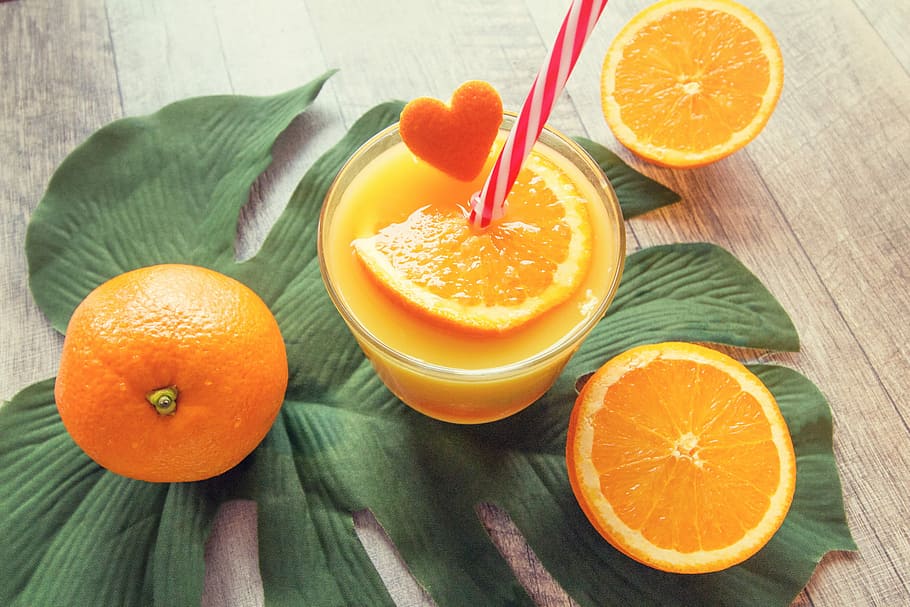
Much has been said about the convenience or not of drinking juices, whether natural or processed. Can they be taken? Elena Pérez Montero, nutritionist at the QuirónSalud Madrid University Hospital, is clear: it is best to drink fresh fruit, much more refreshing. However, if you want to drink it in juice, it should be natural and homemade. But there is one very important thing to keep in mind: you have to keep the pulp and pay attention to the quantity.
It is not the same “to take an orange, with which you fill up, that to take a juice that contains three pieces, and that is less satiating. In this way you are tripling the contribution of vitamins but also that of calories ”.
The fact that drinking a juice cannot be equated with eating fruit occurs by two processes. The first of these is due to the simple movement of chewing, which makes nutrients easier to obtain and because it induces satiety before drinking. Hence, apart from the quantity, more calories are consumed. The second reason, according to Pérez, focuses on the fact that the modification of the food produces an oxidation, in addition to a break in the cells and the start-up of enzymes that begin to degrade the food.
In the case of processed juices, it is necessary to pay attention to their content of sugars, as well as other substances, and also to the quantity of fruits contained in the concentrate on which the drink is based. "The concentrate takes away the water from the food and leaves that base fundamentally of sugars, but also of pectins and some vitamins, although when concentrating it the majority is lost".
What about the gazpacho?
In the case of vegetable smoothies, such as gazpachos, Pérez explains that it is a cream or soup type preparation so it has a different connotation: “Although it is fresh fruit, a series of ingredients are mixed that interact with each other and that relationship can often be beneficial for some products. " In case you buy packaged it is important to pay attention to the ingredients because they can contain preservatives and high amounts of salt that can far exceed the recommended amounts.
Juice myths
**Oxidation:** The most common myth when it comes to juices is that you have to take it as soon as possible the better because if it does not oxidize. "It is true that it is oxidizing but it does not do so quickly," says Pérez, and this speed or slowness depends on the orange, its degree of maturation, and the time it has been harvested since all of this influences the quantity of vitamin C that contains the orange, for example.
**Combinations:** It is believed that there are foods that should not be mixed. This occurs, for example, with dairy. “Since most of the fruits are rather citrus, they could cut milk. But it is true that the stomach does the same. So except for intolerances in some people there should be no problem. " What is lost is the texture. In some cases, the mixtures, as occurs when combining the carrot and the orange, the contents of this vegetable and this fruit enhance the absorption of carotene.
Do not resort to lack of time
The short time resource may also influence the decision to choose a juice instead of a fresh fruit. "With the excuse of lack of time, what we do is give even less time to our health." For this reason, Pérez recommends opting for fresh food to benefit from its quality, vitamins and nutrients.

Coronavirus: Why is it important not to get fat?
The average weight gained during home confinement caused by the coronavirus pandemic has been 2 to 3 kilos in Spain. This increase in body weight seems to be the consequence of worse eating habits, with an increase in snacks, and more time spent watching television, as well as a decrease in physical activity, according to a survey of 1,000 people by the Spanish Obesity Society (Seedo) with the support of Novo Nordisk.
Why should you avoid gaining weight?
Since the coronavirus has entered our lives, it has been confirmed that obesity is a fundamental risk factor for a poor evolution of Covid-19 infection, both in the duration of the disease and in the need to require hospital admission or in intensive care, as well as the probability of receiving mechanical ventilation and mortality. Hence, Seedo experts emphasize the need to keep weight at bay, since it is estimated that in Spain 60% of the population is overweight and more than 20% is obese.
Albert Lecube, vice president of Seedo, adds that 50.9% of the population knows that obesity is a poor prognostic factor for the coronavirus. However, 49% are not aware and this figure rises to 67% in the population between 18-24 years, "a group that is currently under scrutiny due to the outbreaks that are occurring throughout Spain." In addition, it increases to 70.7% among those who have gained more than 3 kilos in confinement. So "physical activity and maintaining healthy lifestyle habits should be the norm," adds Lecube.
Snacking and more hours of television confined
According to Francisco Tinahones, president of Seedo, more than 50% of those surveyed acknowledge having increased the consumption of alcohol and pastries, "products very rich in refined sugars and carbohydrates, which are obviously not recommended."
The stress and boredom generated by confinement have generated more feeling of hunger in 40% and more than 20% of those surveyed have opted for pecking.
56% admit to having done less physical activity and almost 33% have been sitting for more than five hours in front of the television, while more than half have been sitting for more than 5 hours.
Weight gain and decrease in physical activity are also related to socioeconomic and educational factors. Thus, at a lower income level, greater abandonment of healthy lifestyle habits. "The smaller size of the home has been a limitation for physical activity and the consumption of hours in front of the television has increased," says Tinahones.
How to improve diet and physical activity?
With these data and since the regrowths are increasing it is more important than ever to maintain a healthy weight. "Obesity is not an aesthetic problem, it is a disease that produces a greater number of deaths and associated diseases. There is still no such knowledge that obesity worsens the state of health, "says Tinahones.
In fact, obesity is the main cause of the onset of diabetes and has a great influence on the appearance of many cancers, such as breast cancer or endometrial cancer, for example.
According to Susana Monereo, technical secretary of the Seedo, it is crucial to spread the message that it is necessary to take care of the weight at all times, and more during the coronavirus pandemic. For this reason, she affirms that “the recommendations that have been made against Covid-19, such as the use of a mask, hydroalcoholic gel or hand washing, among others, should include the concept of taking care of weight on a continuous basis because if not, the probability of getting sick from the infection is greater ”.
**So how do we have to take care of ourselves?**
The first thing is to pay attention to food and abandon the consumption of foods rich in sugars. The golden rule is to reduce dietary sugar, the fast absorbing carbohydrate. One way to carry a healthy diet is to make an adequate purchase, avoiding bringing home chocolates, alcoholic beverages, sweets, alcohol ... "It is advisable not to improvise and plan the menus in time when the vegetable is the main dish, use protein -meat, fish and eggs cooked in a simple way-. For dessert, always fruit ”, says Monereo.
Avoid alcohol consumption, which in addition to other harmful effects adds a large amount of empty calories to the diet and fattens much
To lose weight or maintain it, it is important to carry out vigorous physical activity every day, at least for 30 minutes. For this, and if we can not leave the house, you can make videos online, do squats or go up and down stairs. You should also perform strength exercises with weights.
Patients in obesity treatment have abandoned their treatments, so it is necessary to resume their medications, as well as to adopt again the diet and exercise recommendations.
It should not be forgotten either that life habits seem to have a halo or contagious effect, so it is very important for parents to have exemplary behavior. How to become an example? Since children tend to repeat the behaviors observed at home, it is advisable to carry out physical activity and a healthy diet, in which there are all kinds of foods, but that fruits and vegetables and grilled foods predominate and flee from fried and stews with many sauces. And, of course, avoid pre-cooked and ultra-processed dishes.
"This type of diet improves immunity and will help us defend ourselves against the pandemic. So does moderate or intense physical exercise, which is another immunity booster. Today more than ever we need those immune benefits that, in addition, also have an anti-inflammatory character ”.


Fight malnutrition to win the battle at Covid-19
According to data from the recent Effort study, published by The Lancet, adequate and early nutritional care in hospitalized patients can reduce mortality by 35% and poor clinical outcome by 21%. These data, according to the research authors, would “firmly” support the concept of nutritional screening and evaluation at the time of hospital admission and the immediate introduction of individualized nutritional support in the case of patients at risk.
These conclusions become even more important in the case of Covid-19, an infection that, like others, has a negative impact on the nutritional status of patients, but which, according to Dr. Carmen Gómez Candela, head of the Nutrition Unit Clinic and Dietetics of the La Paz University Hospital in Madrid, "has shown spectacular aggressiveness in this regard with the establishment of very severe cases of malnutrition in a very short time."
According to the manifesto of the Malnourished Alliance on Addressing Disease-Related Malnutrition in patients with COVID-19, patients affected by Covid-19 can develop "malnutrition related to acute disease with inflammation" for different causes: among them the increased energy requirements with difficulty covering them due to hyporexia, the existence of a severe inflammatory situation and the coexistence of feeding difficulties; to which, in the case of Covid-19 infection, there are symptoms of this disease such as nausea, vomiting and diarrhea, which affect both food intake and absorption.
Increased risk in hospitalized patients
The risk of malnutrition associated with infection by the new coronavirus is higher in hospitalized patients since, as explained by Dr. Francisco Pita, member of the Nutrition area of the Spanish Society of Endocrinology and Nutrition (SEEN), "they are usually more severe , and have higher nutritional requirements ”; some factors to which others associated with hospital malnutrition are added "such as prolonged fasting due to tests, altered palatability or changes that had to be made in hospitality due to the pandemic." In this sense, the expert recalls that SEEN promoted "an approach with high nutritional density diets, including adding oral nutritional supplements to correct these factors from the start."
This was done at the Hospital de la Paz, where, as Dr. Gómez Candela explains, any patient with a Covid-19 diagnosis who could eat was automatically supplemented with hyperprotein formulas. "Nutritional treatment has been one of the pillars on which the disease approach has been based and from our position we have used all the arsenal that we have available: diet modifications, modifications by food modules, supplementation, enteral nutrition and nutrition parenteral, because the fundamental thing was to nourish the patient in a very exquisite and early way before he lost weight, since if we waited for that weight loss or that they could not swallow we were already late ”.
Even more serious was the case in those patients who have undergone a critical care unit such as the ICU, in whom the syndrome of acquired weakness is very present and in whom enteral nutrition has been the first option. "Patients lose weight and muscle mass, requiring intensive nutritional and rehabilitative treatment for several weeks after discharge from the ICU," says Pita. An opinion shared by Gómez Candela, who points out that they have seen “impressive” muscle mass losses that have been combated with the use of hyperprotein formulas “enriched in calcium or vitamin D for the recovery of muscle mass”.
How to increase caloric and protein density
As Dr. Carmen Gómez Candela assures, all Covid-19 patients have been at risk of malnutrition. Even the mildest who have not needed hospitalization "have easily lost 8-10 kilos", something that according to the expert has been due to the metabolic effects of the virus itself and the lack of appetite derived from one of the symptoms of the coronavirus, the loss of smell and taste perception.
In this sense, to fight against the risk of malnutrition, SEEN has made a series of recommendations with the aim of increasing the caloric and protein density of daily food ingested in order to provide a greater amount of nutrients in more food portions. little. Among those recommendations, the following stand out:
Increase the number of meals a day to an average of between six and ten, even if they are not large, so that it is possible to increase the caloric and protein intake without feeling satiety.
Chew well and eat slowly, taking the necessary time.
If you have a poor appetite, it is important to always start your meal with protein food, regardless of whether you make two high-density dishes or single dishes.
Do not base food on soups or broths, since these only provide water, but not nutrients.
Drink plenty of liquids (water or infusions), but always outside of meals, separated from them at least 30 or 60 minutes). Natural juices or homemade smoothies are also included in this between-day fluid intake.
Both lunch and dinner should always include meat (150 g), eggs (2 units) or fish (150 g).
Enhance the caloric content of the dishes: Purees crushed in whole milk and accompanied by cheeses, ground nuts, egg whites, meat or fish; legumes always with rice, little soupy and with added protein; rice and pasta with minced meat, grated cheese, ham or tuna.
Whenever possible, choose multigrain bread, with seeds or nuts.
Try to accompany fruit consumption with yogurts or prepare it in smoothies.
Employ cooking techniques that add calories to the dish, such as batters, breaded, stews with stir-fries.

How to make money with Brave Browser. The fastest browser in the world
**How to make money with Brave Browser**.
Brave allows registered users to earn money in four ways:
1. Deactivating the advertising blocker and observe the own advertising of the browser.
2. Randomly, receiving payments of between 5 and 7 dollars a month. This promotion is available to a few users and is done randomly. Anyone could theoretically access it.
3. Referring our friends, family and acquaintances to download the browser, register with it and use it at least 5 times in a month. Brave rewards us with $ 5 for the referred users who register and download the browser.
4. By registering our website, youtube channel, twitter account, twitch, vimeo and reddit on the Brave platform so that we can receive tips from browser users.
Once registered on the platform we can redeem or claim our money by creating an uphold account.
Download it here: Brave Browser https://brave.com/qis535
Milk, a food as common as it is controversial
Milk is an ancient food, there are testimonies of its consumption from 10,000 years ago and it has traditionally occupied a prominent place in the diet. Currently, milk and its derivatives continue to be very common on our menus. However, they have been the subject of harsh criticism, they are as common as they are controversial and, when we talk about feeding adults, expert opinions but also interested or pseudoscientific proliferate.
It is not easy to reach a final resolution. The experts consulted by CuídatePlus reject criticism as excessive as the association that has been made with the appearance of cancer. Although there is no unanimity regarding the benefits, it can be concluded that milk is a good food for adults but not essential for health, not even for bone health.
Eduard Baladía, from the Scientific Knowledge Management Area of the Spanish Academy of Nutrition and Dietetics, attributes the criticism to a reaction to an equivocal message launched by the dairy industry in the sense that they are essential for health when it is not true : “If you maintain good lifestyle habits, dairy consumption is less important. This is what the literature says, we are not inventing anything ”.
According to this literature, it is physical activity that is most related to bone health and the prevention of problems such as osteoporosis or broken bones when we are older. Baladía clarifies that dairy products are a good source of calcium from which, fundamentally, the sedentary population or those with bad habits can benefit, "but the evidence does not indicate that a higher intake of these products reduces the risk of bone fracture due to osteoporosis" .
Jordi Salas, researcher at the Center for Biomedical Research in Red-Pathophysiology of Obesity and Nutrition (CiberOBN) and professor of Nutrition at the Rovira i Virgili University of Tarragona, affirms that it is a complete food, containing proteins, vitamins and minerals, and promotes bone health. Anyway, he advocates not to simplify things and insists that there are no good or bad foods, but good or bad diets.
There are no undesirable effects
"There is sufficient evidence that dairy products do not have undesirable effects on weight, sugar, cardiovascular disease or cancer," says Salas, who agrees on this point with Baladía, who describes as excessive the claim that they have something to do with the appearance of oncological pathologies.
Both experts agree in advising adults to consume two units or daily servings of milk or milk, although the researcher from CyberOBN adds that there should be three during the menopause phase and the spokesman for the Academy of Nutrition and Dietetics point out that it can be none when life routines are healthy and include physical exercise because it insists that "consuming dairy is not essential for optimal health."
Whole, semi-skimmed or skimmed
And their views reconcile when they address another milk controversy. Is whole, semi-skimmed or skimmed better? The problem is that there is an important scientific discussion that has not yet been solved.
Scientific societies considered that whole milk was not the best for adults, especially for those with conditions such as hypercholesterolemia, diabetes or obesity. Today, there is no scientific evidence that clearly indicates the superiority of one or another type of milk.
Baladía understands that good studies are necessary, "which I think has not been" and, meanwhile, that each doctor make his recommendation adjusting to the specific case of his patient: "Uncertainty implies that the decision is different depending on the plane in the let one move. "
Does it protect from diseases?
Salas and Baladía disagree, however, regarding the benefits of milk on the prevention of certain diseases.
The CiberOBN researcher refers to several studies that show an inverse relationship between the consumption of dairy products and the metabolic syndrome, that is, the frequent consumption of these foods, especially milk and yogurt, reduces the risk of developing with time this disease, which is characterized by the presence of several cardiovascular risk factors at the same time, such as abdominal obesity, good low and high bad cholesterol, hypertension, high triglycerides, etc.
This was the result, for example, of the last meta-analysis carried out in 2018 by the Nutrition Group of the Rovira i Virgili University. In this investigation, the risk was 27% lower with dairy, 21% with milk and 26% with yogurt.
Salas also notes that the World Cancer Research Fund and the American Institute for Research (WCRF / AICR), the body that continuously monitors the effect of lifestyle on cancer, has concluded that there is important evidence that the Intake of these products protects against colorectal cancer, although against prostate cancer it is the other way around, "but with less level of evidence."
On the contrary, the person in charge of the Scientific Knowledge Management Area of the Spanish Academy of Nutrition and Dietetics defends that milk and its derivatives do not protect against anything, but rather have a neutral effect: “We must take cautiously the information from that protect from something, may be associated with other behaviors but not only due to the consumption of dairy products. With the type of studies we have, which are practically observational, we can say that they have a neutral effect. ”
What both strongly reject is that milk is harmful to the body.

Fruits, better day or night?
There is abundant scientific evidence about the health benefits of the fruit. "The consumption of five servings of fruit and vegetables a day from childhood is essential to prevent childhood obesity and not develop non-communicable diseases at different stages of life," says Ana Cantón, endocrine of the University Hospital Complex of Santiago de Compostela (CHUS).
However, the controversy is also manifest as to the best time of day to take it. Various hypotheses have been reported, scientists have not always agreed, and the population has doubts. "There are many theories and little evidence to support them, although some may be reasonable," acknowledges Ramón Estruch, a researcher at the Hospital Clinic de Barcelona and the Center for Biomedical Research in the Pathophysiology of Obesity and Nutrition (CiberOBN).
The most reasonable guideline is to distribute the different foods throughout the day to achieve a balanced distribution of macronutrients with different food groups. According to current recommendations, there is no single or ideal time to consume fruits. Cantón assures that fruit can be taken at any time of the day, also at night: "Fruits should be incorporated into breakfast, lunch, snack, as an accompaniment and / or as desserts in main meals (lunch and dinner)."
Traditionally in Spain the fruit has been taken as a dessert, after lunch and dinner. However, in recent years, hypotheses have been propagated that discourage their intake at these times of the day, as well as before going to bed. The main reason is its high sugar content.
"If taken after meals, more sugar is provided to the body, which causes more insulin to be generated in the pancreas and this would lead to a greater predisposition to diabetes and obesity," explains Estruch, who often finds the arguments They answer this theory: "The Mediterranean diet has been shown to reduce diabetes and help control body weight, and the classic is to take the fruit after main meals."
It is not indigestible at night
Contraindications to eating fruit at night again have to do with its amount of sugar and the need for the blood sugar spike to remain flat. But there has also been no clear evidence that it is harmful: “Once again, it would have to be proven. It can be taken, although perhaps it is better that it be fruit with less amount of sugar, such as apple, pear, watermelon and pineapple ”. Estruch has just published a study in Annals of Internal Medicine (USA) on the protective effects of fruit and vegetables on the cardiovascular system.
Cantón is forceful when he affirms that at night he is not indigestible and does not ferment after meals. Likewise, endocrine rejects another of the most established myths: “It is said that fruit before food is digested better and fattens less. This is not true".
The main components of fruits are digestible carbohydrates, among which are sucrose, glucose and fructose, and polysaccharides, and non-digestible (dietary fiber), vitamins, minerals and phytochemicals (carotenoids and polyphenols). .
This composition, together with other factors, can influence a better or worse tolerance. Cantón recommends to facilitate digestion fresh ripe fruit, peeled and free of seeds such as apple, pear, banana and apricot. It is advisable to avoid hard or fibrous fruits and organic acids such as orange juice. Fruit in syrup, compote, or roast also helps prevent digestion problems.
Better whole
Both experts agree that it is better to eat the whole fruit than in juice: “The energy and carbohydrate intake is similar, but there is an important difference in the fiber intake, which is much less in the juice than in the piece of fruit ”, the CHUS endocrine reasons. One way to solve this deficiency is to add the pulp of the fruit once the juice has been prepared. However, a decrease in the concentration of vitamins A, C and folates in the juice has been observed in relation to fresh fruit.
Defense for the body
Another attribute of the fruit that in these pandemic times is not trivial is its contribution in vitamins, trace elements or potassium, which contributes to good nutrition and is a defense for the body: “It does not protect against contagion but helps to face infection best. It has been shown that people who are poorly nourished are prone to pneumonia and to more severe pneumonia, "says Ramón Estruch.

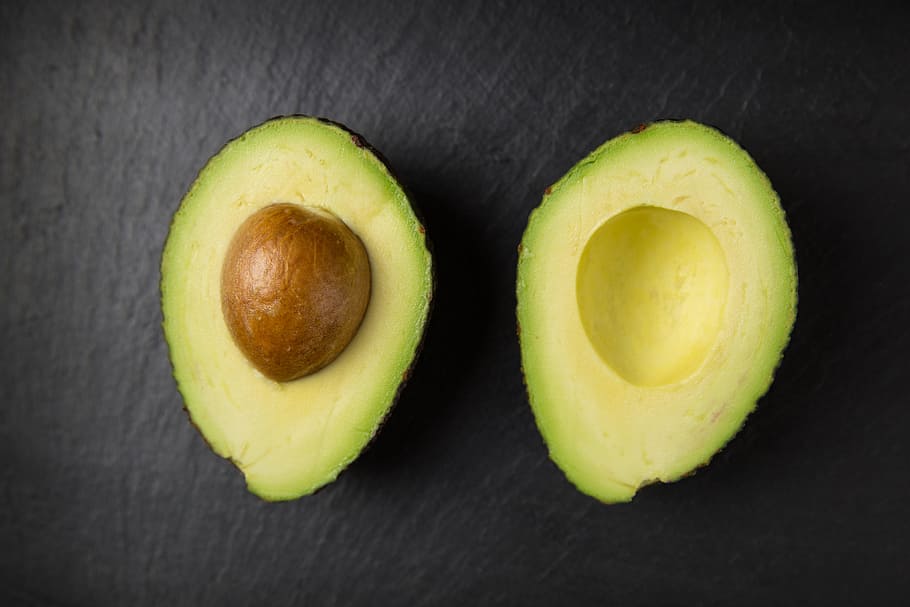
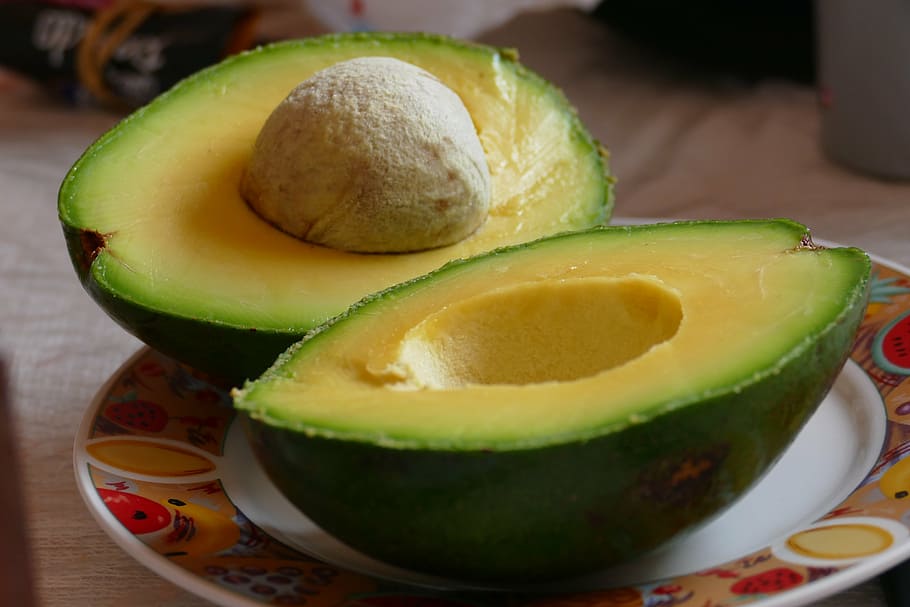
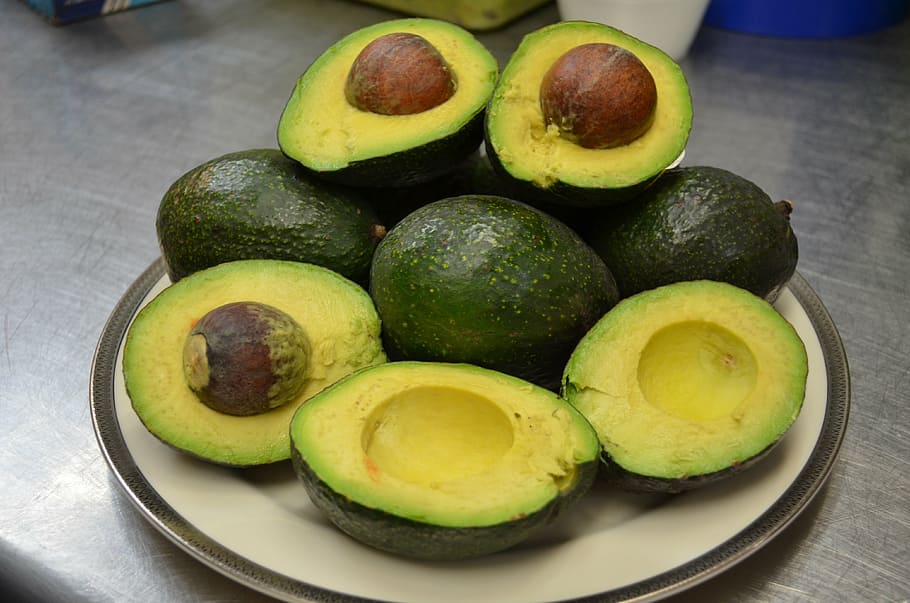
Avocado: reasons to eat it daily
For some time now, avocado has become the standard bearer for top foods (it is rare not to see it in the recommendations / photos of culinary influencers, instagramers and others), to the point that its consumption has not stopped growing in everyone during the weeks of confinement, according to data from the World Avocado Organization (WAO).
Luckily, and unlike other foods that cyclically become fashionable, its fame is endorsed and has the full approval of the experts in health and nutrition, who recommend its regular consumption, alluding to the important benefits demonstrated by the nutrients it provides.
The truth is that it is a peculiar food, which could be said to be a little free in terms of classifications, denominations and others. “It is a fruit, not a vegetable or a vegetable, although we consume it as such. It is not an edible plant, but the fruit of a tree, the Persea americana ”, explains Andrea Calderón, nutritionist of the Spanish Society of Dietetics and Food Sciences (SEDCA), who highlights that its nutritional composition is also considered special : “It does not resemble that of vegetables and vegetables, nor that of fruits in general.
Its water content is similar to that of other fruits, although slightly lower (around 78-82); that of simple sugars is lower, while its fat content is much higher (around 12 percent in avocado compared to 0-0.5 percent of fruits in general), which gives it a caloric content as well highest. In fact, its composition is more similar to that of olives than to any other food. ”
Especially noteworthy is its content in vitamins, especially E and C, powerful antioxidants, and also in vitamins of group B. "In addition, it is rich in bioactive antioxidant and anti-inflammatory components, which complete its high nutritional value, highlighting among them avocatin , a molecule unique to its composition. "
Avocatin: a molecule with an 'exclusive patent'
Indeed, avocatin B (Avo B) is a fat molecule exclusive to avocados that has been the subject of several recent scientific studies. One of them, carried out at the University of Guelph, in Ontario (Canada) and whose results were published in Molecular Nutrition & Food Research, points to the possible healthy benefits of this substance associated with the prevention of diabetes, an effect that It is due to the regulation of blood glucose and insulin.
"Avo B has also been associated with the prevention of some types of cancer, due to its ability to destroy malignant tumor cells. Other research suggests that it may promote weight loss (by reducing excess fat), precisely because of its beneficial effect on insulin. Keep in mind that insulin resistance is a key factor in the development of obesity and the accumulation of body fat, in addition to influencing the onset of diabetes ", most of these studies have been conducted with mice laboratory under controlled conditions or in small human groups by supplementation (with very high amounts of avocatin): “Its effectiveness in humans is still not entirely clear. What does seem confirmed is that the amount of avocatin B that is related to these benefits cannot be obtained only through a normal diet that includes avocados, since higher amounts of this compound are needed, but more research is needed in this regard. "
Lots of 'good' fats and also heart-healthy
One of the buts that is usually put to this food is its high caloric intake, about 140-145 kcal per 100 grams of avocado (amount equivalent to just over half a piece). "A medium whole avocado has around 250 kcal in total, a caloric value that may seem high compared to other fruits, but that must be evaluated from a different perspective, taking into account, for example, its high nutritional density, that is to say , the amount of vitamins, minerals and antioxidants that it provides for each serving ”.
Low in protein and carbohydrates, the calories in avocado mainly come from the fats it contains. The nutritionist highlights that this fat profile is of high quality –another peculiarity of this food–: “One serving (considering half avocado as such or a little more if it is small) contains around 12-14% monounsaturated fats and, among They highlight oleic acid, also present in olive oil. It is also rich in polyunsaturated fats. "
Along the same lines, Marisa Calle, a member of the Nutrition area of the Spanish Heart Foundation (FEC), comments that both this high content of good fats (essential for lowering blood cholesterol levels) and other nutrients make avocado a food especially beneficial for cardiovascular health: “It is rich in phytosterols (natural sterols that work by preventing part of the cholesterol that is consumed through the diet from being absorbed by the intestine). Furthermore, it is an important source of potassium and is very low in sodium, which contributes significantly to maintaining stable blood pressure levels. "
Dr. Calle also explains that all these benefits are backed by several investigations that have shown, for example, how consuming this food daily (in an amount of between half an avocado and half an avocado) helps to keep blood cholesterol levels stable.
Good news: it is apt ’to lose weight
According to Andrea Calderón, the calorie intake and the fatty profile of avocado are not only not associated with weight gain or an added difficulty in losing weight, but also enable it to be part of a weight loss diet, an opinion shared by Dr. Calle , who stresses an added advantage of avocado in this regard: its fiber content (between 2 g and 4.6 g per 30 g of fruit, approximately). “This makes it a food with a high satiating power. For example, a snack of half an avocado with a little extra olive oil, a serving of guacamole or, simply, a raw piece, provides such satiety that it reduces the intake of other foods in general. This contribution in fiber also explains its low glycemic index, which means that it helps to keep insulin levels stable (thus avoiding the fluctuations that are usually behind the desire to eat after hours), to which we must add another effect of fiber: to favor that the amount of food that is absorbed is less ", adds Marisa Calle.
Regarding the amount in which it should be included in the menus to avoid adding more calories from the account to the total daily count, both experts agree in recommending moderation and not losing sight of balance and proportion with other foods. "The appropriate amount will depend on the rest of the diet, but a third, half an avocado or a full-size avocado a day may be recommended, depending on the physical constitution and requirements of each person," says Andrea Calderón.
In this sense, one of the latest trends in the consumption of avocado is to include it in breakfast, a custom that Marisa Calle recommends complementing by adding a little salmon, “an option very rich in fats and yet very healthy to start the day. It is a magnificent food (not a super food, because that does not exist), which can be consumed daily and whose only ‘drawback’ is its price ”.
To eat it better
There are many varieties of avocado. The most widespread worldwide (and also the most cultivated in Spain) is the Haas: pear-shaped, small-medium in size and with dark, rough skin. Other varieties are Pinkerton (similar to Haas but larger and elongated, with a smaller bone than the others); the Reed (rounder, with thicker and rougher skin), the Bacon (with a characteristic thin and shiny skin) or the Strong (pear-shaped and elongated neck; it is the richest in oleic acid).
“It can be kept both inside and outside the fridge, taking into account that at room temperature it matures faster, so that if we do not consume it in a short period of time, it turns black and will pass. On the other hand, in the fridge, its maturing slows down and lasts longer ”, explains Andrea Calderón.
One aspect that often raises doubts is what happens to the avocado once it is peeled (cut and prepared to be added to a salad, for example), since its meat tends to blacken quickly: can it be eaten without problem? Does it keep its properties despite the change in appearance? Andrea Calderón sheds light on the subject: “The reason why avocado turns black so fast is because of its unsaturated fats, which quickly oxidize on contact with air. It is what is known as fat rancidity. This gives it that blackened appearance, which is not harmful or a priori reduces its nutritional quality. If it spends a long time at room temperature, its contribution in vitamins and antioxidants could be slightly reduced ”.
The nutritionist provides an extra trick to check the status of this fruit: “Press lightly on your skin. If you notice that it yields minimally (neither too soft nor too hard) it means that it is the ideal time for consumption. It must be discarded both for quality and for food safety when it yields too much, since it is a sign that it is very soft and very old ”.
How to include it in the diet: the salad as a clue
To graphically identify both the recommended amount of avocado and the best nutritional combinations to take full advantage of its properties, Andrea Calderón offers guidelines for what would be the ideal avocado salad:
The main ingredient must be the vegetables and the vegetables: tomato, green salad, asparagus, cucumber, onion, peppers ... in high quantity.
To this we must add a protein ingredient, which can be animal protein (fish, egg, meat, cheese) or vegetable (legume and derivatives).
Finally, give it an energetic touch in the form of fat or carbohydrates: whole grains, potatoes, nuts, olives and, of course, avocado. Quality is in proportion.
A vegetable salad with avocado and, for example, a protein, constitutes a complete menu ideal for a lunch or dinner.
In order for the dish to be balanced, it is necessary to choose varied ingredients from each group, "and avoid adding, in addition to avocado, nuts, seeds or cheese, since they exceed the fat content of the dish and also the calories."
"Ultimately, the important thing is to include it in the diet, either daily or every other day, balancing its consumption with other fatty sources of interest and in adequate amounts depending on the energy expenditure and the diet that is followed."
Guacamole, always homemade
One of the most popular avocado-based preparations is guacamole, an option as versatile in its use (such as dip, sauce or just) as tasty, which also fulfills one of the key premises to get the full nutritional advantage of this food. : "It is very important that when we consume avocado it is natural, and if you opt for guacamole, it should be homemade, since those that are bought already prepared usually have a higher salt content," explains Marisa Calle.
Precisely, this dish is in full "celebration" since at the request of the WAO the "Month of the Guacamole World Cup" is being carried out for the first time in Spain, an initiative in which many countries have participated for a long time during the month July and that includes, among other events, a contest, the GUACAchallenge, which seeks the best recipe for this dish.
But in addition to guacamole, there is a wide repertoire of recipes, all easy to prepare, that allow you to enjoy this food. Mireia Elías, nutritionist-dietitian at the Centta Institute, lists some of the healthiest options:
Toasts with avocado, boiled egg and pine nuts.
Guacamole dip in a more original version, with edamames and mango, to take with vegetable crudités or whole wheat bread.
Salmon or tuna tartar with avocado.
Grilled avocado.
Stuffed avocados.
And, also, in sweet recipes, such as a cocoa cream (to which avocado is added to give it texture).
How to make homemade yogurt
Often when we have stomach upsets, we are recommended to eat this delicious dessert and even when we are on a diet it is ideal to enhance the flavors of the fruits due to its touch of acidity and sweetness as well as its creamy texture. We all like yogurt and even if we buy liters and liters, it always ends in the blink of an eye and we are left with that feeling of not having made enough combinations that we wanted, let's solve this situation by preparing our own yogurt.
Ingredients
**for 1lt. yogurt**
1 lt. milk
1 small plain yogurt
How to make homemade yogurt
**the recipe**
Place the milk in a saucepan over medium heat. Do not move from next to the pot and stir occasionally. The temperature of the milk should rise to approximately 80ºC, that is, a while before it boils. If you don't have a kitchen thermometer (like me), look at the edge of the milk: when small bubbles begin to form, as soon as they start, you take it out of the fire.
Mix a ladle of this warm milk with the pot of plain yogurt. Stir well until joined.
Bring the yogurt and milk mixture to the pot, with the rest of the milk and unite, stirring.
Put all the milk and yogurt mixture in a large bottle of a material that loses little cold (glass or metal are fine, plastic will also come out, but better glass or metal).
Wrap the container with a blanket or towel. Place a clean brush on top and DO NOT cover with the lid of the bottle.
Take the wrapped homemade yogurt to a closed place: the oven turned off, the microwave idem, a box, the wardrobe, the baby's backpack or whatever you can think of.
Leave it like this for 6 to 12 hours. As I explain above, after 6 hours it will be ready, but with a little more time it will improve its texture.
And ready! You already know how to make homemade yogurt.
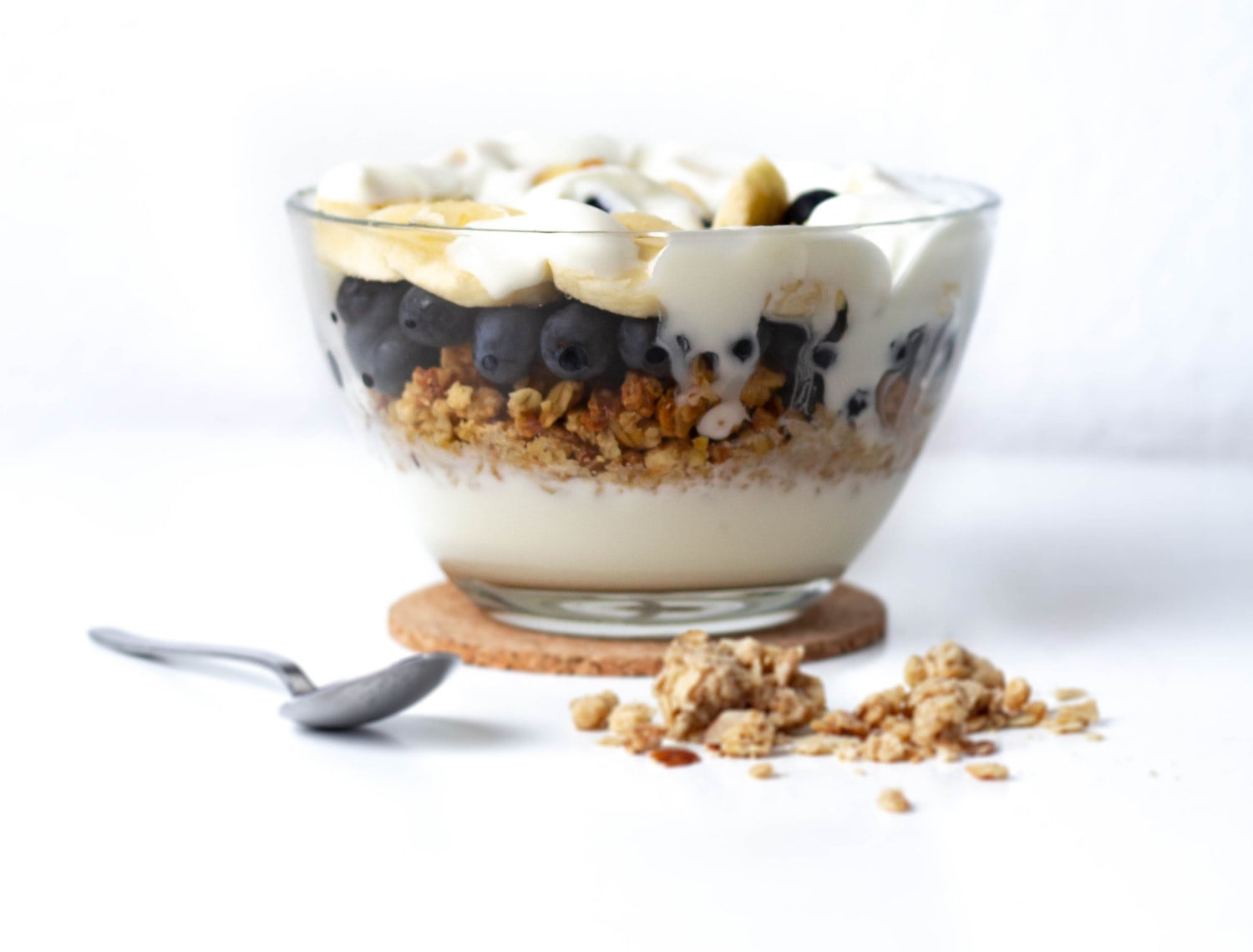
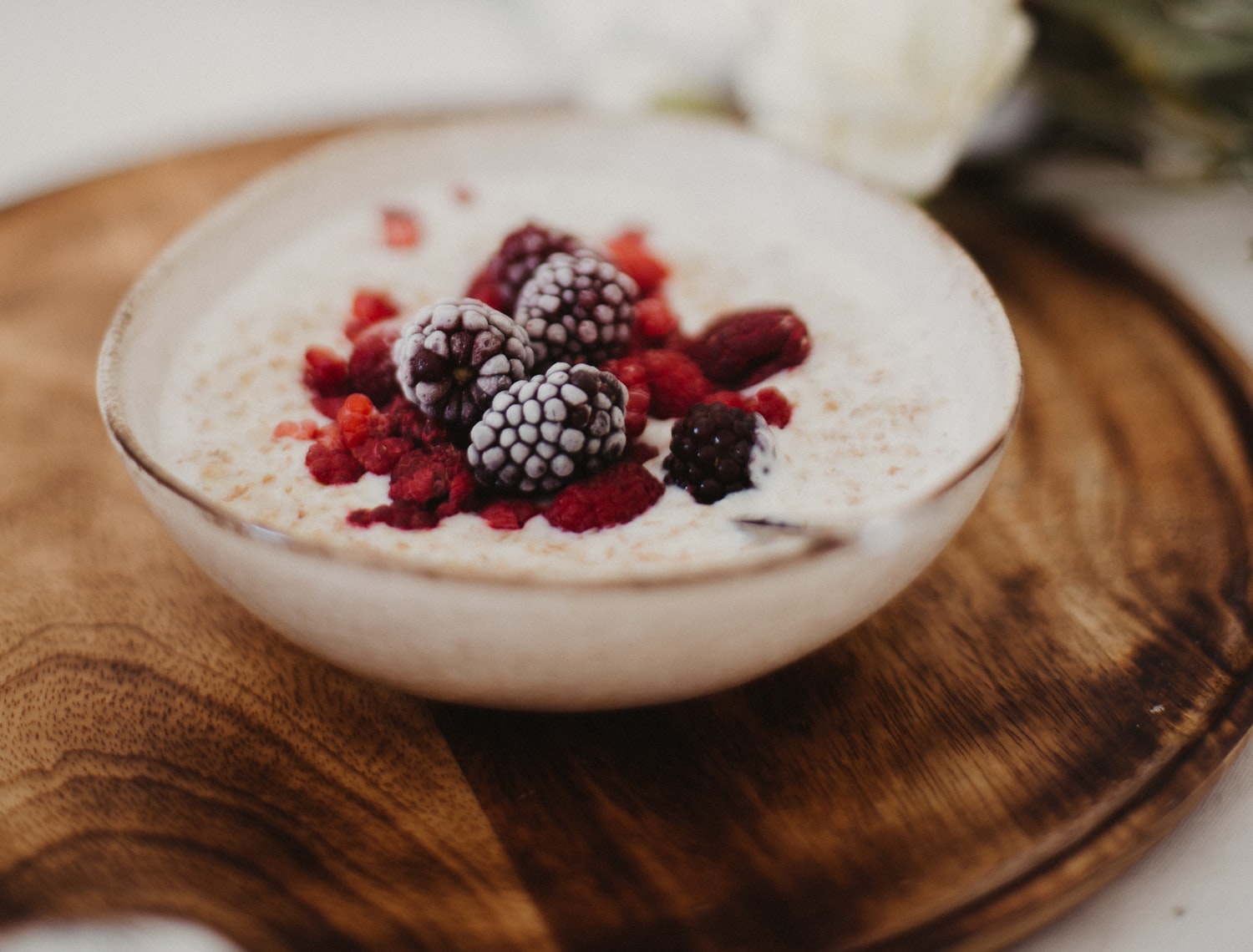
Pita bread or homemade Arab bread with and without oven
Arab bread also known as pita is a type of flat bread in a circular shape, originating from the east but widely recognized in all parts of the world. This bread is often used a lot to prepare sandwiches, to eat sauces like hummus, and also typical dishes like kebabs.
Depending on the way in which we knead we are going to obtain a different bread, we can prepare an inflated and crumbless bread ideal for sandwich, but we can also prepare an Arab bread with a little more crumb (not inflated).
Ingredients
**for 12 Arab breads**
20g. fresh yeast
300g. Water
500g. flour 000
3 tbsp. olive oil
2 tsp. Salt
1 tbsp. polenta (optional)
Step-by-step preparation of Arabic bread
Place 300 grams of warm water in a bowl or container. It is important that it is warm and not hot.
Crumble the yeast by hand, incorporating it into the warm water. Stir until the yeast is completely dissolved in the water. Leave to sit for 10 minutes.
In another container or large bowl we place the half kilo of flour 000 (the one that we use to prepare any bread). Hollow out the flour in the middle and place the salt around it (outside the hole). In this step I added a tablespoon of polenta. The Arabic bread does not have polenta, I know and therefore they can skip this part, I really like the texture it gives the bread.
Add the warm water with the dissolved yeast that we had resting in the flour hole. Now we are going to mix everything, I recommend doing it with your hands but you could do it with a spoon. We must mix it until a kind of dough is formed but not completely smooth, only until the water absorbs the flour.
Add 6 tablespoons of olive oil and mix again with your hands until all the dough is finished. Once it is well joined, we remove it from the bowl and knead it for 7 minutes. It is not necessary to knead more than that time (they can do it if they want) but it is important that we do it for at least 7 minutes.
Once a very smooth dough is obtained, we put it back in the bowl, covering it with plastic wrap, and let it rise for approximately 1 hour until it doubles in size.
Put the dough back on the counter with a little flour. Knead for a minute and cut the amount we want to prepare each Arab bread, making a chorizo with the dough and cutting into pieces with a knife. If they want them exactly the same, they must be weighed, in my case I assemble them by eye and they are quite similar. I got 12 large loaves of this kilo of flour.
Now comes the important part of this recipe for Arabic bread: we will stretch each piece of dough and fold it inward several times until we obtain a roll. Then we will knead these buns gently by hand against the counter, crushing the dough a little. I recommend that you watch the video to understand this point since it is difficult to explain it in words, and it is the most important tip for the bread to turn out as we want. Let the buns sit for another 15 minutes.
Knead the buns with a rolling pin until you reach the desired size. It is important that they do not mistreat the dough, that they use flour on the counter, that they do not bend it, the key is to be patient and knead with the stick until you reach the right size.
If they want a low-dough Arab bread, they must make it very fine, that way they will inflate when cooked. If instead they want an Arab bread with a little dough (as for a sandwich), they should leave it a little thicker.
Place the discs of dough in a clean source or with a little flour and cook in a well preheated oven previously at 200º. We must cook them for 7 to 9 minutes: the Arab bread is white, if they wait until it is toasted they will be taken apart.
This Arab bread can be cooked in a non-stick frying pan, it is not necessary to put flour or oil, we place the stretched dough in the frying pan over medium heat and cook for 4 minutes per side.

Homemade Burger Bread
This recipe allows us to eat healthier breads, without preservatives or additives, but you can also eat it fresh and freshly made. Nothing is better than freshly made hamburger bun.
Ingredients
**a half dozen come out**
250 gr of flour
2 gr. of dry yeast or 6gr. fresh yeast
Half a tsp. of salt
2 tsp. filled with sugar
100 ml. of warm water
40 ml. warm milk
1 egg
40 gr. butter
Sesame and poppy seeds to decorate (optional)
How to make this homemade hamburger bun
**it's really very easy**
The first thing we are going to do is put the flour inside a container and we are going to open a hole in the center, running it towards the sides of the boul, forming a crown. We will also add salt to the sides.
In the center we are going to pour the warm water and the warm milk. We are also going to put the egg, then the butter and finally the yeast, breaking it down so that it is better integrated into the kneading.
We begin to integrate the flour with the liquid part of the center, little by little. This procedure is done by hand, inevitably, any other utensil is going to be cumbersome, everything is going to get dirty, the truth is very highly not recommended. Use your hands. It's a bit gross, but look within that part of you that is still 5 years old and has fun getting dirty and playing with dough.
Once the ingredients are well integrated and we have a ball of dough, we are going to remove it from the container.
It was time for the kneading with all the letters. Sprinkle a little flour on the counter and on our bun and start to knead it carefully. Control the humidity of the dough. It must be spongy but not very wet. If you see that it is very sticky, add the flour that you think is necessary while kneading. Also, do not overdo flour, which afterwards remains a hard and caked thing.
We are going to put a jet of oil in a bowl and we are going to leave our dough bun resting, covered with plastic wrap. well, 1 hour more or less.
When we see that the dough has doubled in size, we are going to remove it from the bowl and degas it. What does this mean? a slight kneading that will generate the leaking gas. Be careful not to knead too much, it's just a little bit.
We divide the bun into 6 equal parts. They can do it by eye or weigh them to check that they are the same. We will round each part to give it a neater and smoother shape.
We put them in a roasting pan painted with oil and cover them with a brush to give them a second leaven.
Seeing that the muffins doubled in size, we are going to paint them with a little egg and we are going to put the seeds that we have chosen to decorate them on top.
So they go to the oven, 200º for more or less 12 or 15 minutes. When they are we take them out, let them cool a little, and they are ready to use.


English muffins or bread without oven
The English muffin is a wonder of British food. One of those English breakfast recipes.
English muffins don't really have a muffin at all. They are more like a salty muffin or bread without an oven, which is made in a frying pan and that in addition to being achieved with an easy recipe, they can be filled or spread with whatever you want. You can do it with scrambled egg, or with jam and a little butter, whatever you can think of.
Ingredients
**a few come out**
250 gr. flour 000
75 ml. of water
75 ml. milk
30 gr. of butter
15 gr. of sugar
5 gr. fresh yeast (or 2g. dry yeast)
1/2 tsp of salt
Preparation
The first thing we are going to do is mix, in a bowl, the milk, the water (always at room temperature, pulling to warm, never cold or hot) and the yeast. We stir until the yeast melts very well and joins the liquid. We put a reviewer on top and let it rest for about 15 minutes approx.
In another bowl we put the flour, making a hole in the center and on the sides we are going to pour the salt and sugar.
We are going to dump the mixture with the yeast in the hole and we are going to start incorporating all the ingredients. They can use their hand or a spoon or the utensil they want to mix. They should do this until the dough is quite homogeneous. At that time, we remove it from the bowl and begin to knead it on the counter or the flat surface they want.
Once we have kneaded for a while, we are going to add the butter (room temperature) to the kneaded. And then we continue to incorporate it well with the rest of the dough. If it is necessary because they see that the dough is very sticky, they can add flour, but it is important not to overdo it with the flour, the secret is to continue kneading until you get a smooth roll.
We are going to put the bun back in the bowl, we are going to place a flim around it and we are going to let it rest in a place that is rather warm, until it doubles its volume.
Once it is raised, we will knead it again a little, always with great care, to degas it. Just a little.
We are going to roll out the dough with a rolling pin and then, with a round mold, we are going to cut our bread rolls.
We put them in a source with a little flour underneath. We are going to add a little polenta over it, we are going to cover them with a brush and we are going to let them take a second time, until they double their size again.
We are going to put a skillet on the fire with nothing at all and once it is hot, we will gently place our pancitos (the amount that enters) on medium heat. We leave them about 7 - 8 min on each side. Repeat the procedure until they are all done and voila!

3 milk cake!
This is one of those easy and 100% customizable cakes, it's almost a blank canvas where you can add your magic touch.
Ingredients:
**Biscuit:**
6 eggs
200 g of sugar
200 g of flour
1 tsp vanilla essence
**Sauce:**
1 can of condensed milk
1 can of evaporated milk
1 can of milk cream
**Meringue:**
1/2 cup of egg whites (3 or so)
1 cup of sugar
preparation:
Separate the eggs. Beat the yolks until they sponge and pale, add half the sugar and the vanilla. Separately beat the egg whites until stiff with the rest of the sugar. Very gently add the sifted flour to the yolk mixture
Mix until well combined. Next, add 3 generous tablespoons of the snow whites mixture to the yolks with flour. It is important to stir very gently so that the air in the mixture is not lost.
Now you will do the opposite, incorporate little by little
Mix the yolks and flour in the egg whites bowl, trying to combine very gently so that the mixture does not come down.
Pour this mixture into a previously greased mold (I use a refractory) and take it to the oven for 20 to 25 min at 180 ° C or until the stick comes out clean.
Besides, in the blender, mix the 3 milks and reserve.
Once the cake is ready, you have the option of unmolding (before bathing it) or you leave it in the mold. Let it rest a little, and here it goes to your liking, the longer you let it cool the less it will absorb the milks.
That is, some of us like a super moist sponge cake, which does not swim in liquid and others like the opposite. If you want the sponge cake to absorb the milks (and do not swim in them) bathe it hot. If you want it to be soggy, bathe it when it cools completely.
Remember to prick it many times with a toothpick so that the milk is better distributed.
The meringue I leave it to your choice too, French, Swiss or Italian, they are the same ingredients. The easiest to make is a French meringue, where you simply beat the whites
On the verge of snow and add the sugar in the form of snow until well integrated.
I told you that this cake is fully customizable just by adding a few things and big changes result, for example:
Add coconut milk in the 3 milks and grated coconut on top you will have a coconut version.
Add 2 tablespoons of cocoa powder in the mixture (taking out the same amount of flour) and add melted chocolate to the 3 milks you will have a divine version of chocolate.
Add 2 cds of cocoa (subtracting that amount of flour) and 1/2 tsp of red food coloring you will have a red velvet version.
Add cream cheese to the milks, and many pieces of oreo to the mixture you will get a cookies and cream version.
Add soluble coffee and whiskey to the milk, you will get a version of Irish coffee.
Add strawberries, cambur, pineapple, etc etc and make 3 fruit milks ...
And so ... To infinity ... Let your creativity fly.

Homemade Condensed Milk
Condensed milk is nothing more than liquid milk from which water has been extracted and sugar added, resulting in a thick, sweet-tasting liquid that can be kept refrigerated for a long time.
INGREDIENTS
1 liter of liquid milk (you can use powdered milk)
250 gr of sugar
PREPARATION
In a saucepan over medium heat pour the ingredients, stirring occasionally, as soon as it reaches the boil, lower the flame and continue to move the mixture.
Little by little the amount will be reduced by approximately half, it will turn yellowish and will thicken, when this happens you can remove it from the fire.
Using a wire whisk, beat for a few minutes to avoid crystals in the mixture while it cools.
You must bear in mind that when totally cold the mixture will thicken a little more.
There are other methods to make condensed milk, but in my opinion, this is cheaper and easier.
Now you can use it in the preparation of other desserts or as a delicious snack!
How to make Italian meringue at home
Ingredients
240 gr of sugar
4 egg whites
80 ml of water
A few teaspoons of lemon juice
Preparation
**you will not fail, I assure you!**
Put a pot with the sugar and water over medium heat. When it breaks boil begin to beat the whites.
Beat the whites together with the lemon drops (this will serve to stabilize the whites and thus do not lower) until they are almost snow.
To take into account: it depends on each mixer and the power that each one has. If you do not know how long it takes to reach the snow point, you should start beating the whites before starting to make the syrup and when it reaches the snow point, reserve until you have it.
When the syrup reaches 118 °. Check with a thermometer or scoop out a little and, if a ball is formed with the syrup, it is done! Watch your fingers, they won't burn!
While the mixer continues to beat, add the syrup very gently, in the form of a thread. The mixer must be at maximum speed.
Once all the syrup has been incorporated, continue beating until you get a bright and dense Italian meringue. When the bowl is almost cold it will be there!
When spikes are achieved with the meringue and do not fall from the balloon of the whisk ready! It's ready!
Tricks for the perfect Italian meringue recipe:
**Everything you use to beat the whites has to be very clean** (bowl, mixer, spatula ... Whatever is in contact with the whites!). No fat residue, and that includes the yolks. If you have even a little bit of the rest of this the whites are not going to be mounted and nothing makes sense.
**To make the syrup it is preferable to use a pot or pot that has a wide "mouth"** so that the water evaporates better and you get to the point you want!
When you put the sugar next to the sugar, let it rest for about 5 or 10 minutes. This way it dissolves better. Another thing that will help make the ideal syrup is putting it over medium heat, so it does not reach 118 ° before the sugar dissolves well.
**The measures for the perfect Italian meringue are:** one white and twice its weight in sugar. The whites measure approximately 30 gr, so you have to add 60 of sugar. And as for the water it is simply to cover the sugar. Don't let them get away!
Adding a few drops of lemon, glucose or cream of tartar will help the Italian meringue to harden, lose water or be porous.
If you are going to add the lemon juice, squeeze it separately, before adding it. This way neither pulp nor part of the peel falls.
**The syrup should not be allowed to cool!** As soon as it reaches the point we are looking for it should be added to the whites.
It is added in the form of a thread so that the whites do not cook, and at high speed so that it begins to cool as we add it.
If you add it all at once, the smoothie goes down and everything will be chaos and crying and now what do I do with this (pudding, always pudding. Don't even throw it away!)
**Once you start to beat, do not stop**. If you interrupt it, it can also be lowered and you may not be able to trace it.
**On the end you can add essences or dyes**. Take into account the fat: no fat in your meringue!
They should not be oil-based, but become liquid.

Foods that give energy
Many people associate food with pleasure, but the most important function is to fill us with energy and the nutrients that our body needs to function every day. For this reason, the most vital aspect of any healthy diet, whether it is to lose weight or not, is consuming foods that are rich in calories and nutritious. In this way, we will not need to overeat to feel satiated and ready to face the day.
Our bodies need food to be able to perform at 100% of their capacities. If you feel very tired or feel like you don't have enough energy to exercise, study or work, you may need to incorporate ingredients into your diet that give you an immediate energy boost.
What foods give energy?
How do you know which foods give energy? All foods, to a greater or lesser extent, provide us with energy to keep all metabolic processes active and to strengthen the body's systems. However, many of them contain empty calories that lack many of the nutrients necessary for the body, so it is important to maintain a diet as balanced as it is varied.
In general, the foods that are responsible for giving us more energy have proteins, carbohydrates, vitamins and minerals vital for the proper functioning of the blood, bones and muscles, such as iron and potassium.
In order for the effects of these foods to be maximized, it is also necessary to reduce the consumption of other foods that impair vitality and defenses, such as sugar, alcohol or caffeine.
Banana
Bananas provide a large amount of potassium, a mineral that helps balance the body's water and strengthen muscles. In addition, potassium is essential to meet your vital needs, giving you all the energy the body requires throughout the day. It is one of the best anti-fatigue foods, as exhaustion is often linked to low potassium levels.
Therefore, if you are looking to incorporate energy-giving foods to train, one piece of banana a day will contribute to maintaining a healthy life and replenishing the glycogen lost during physical exercise.
Nuts
There are plenty of energy foods, but if you're looking for a truly natural snack, nuts are tiny energy capsules with a high nutrient content. Nuts provide:
Fatty acids important to the body.
Featured source of protein.
Satiating and antioxidant power.
Despite being a product with a high caloric content, it is one of the foods that give immediate energy. Among the multitude of nuts, the consumption of walnuts, cashews, almonds and pistachios is recommended because they contain vitamin E, potassium, iron and Omega-3.
Pipes and seeds
Flax seeds (a vegetable used to obtain oil and flour) and sunflower seeds are rich in Omega 6 and Omega 9. In addition, they contain nutrients that provide energy to the body such as vitamin B, folic acid and iron.
Taking a handful of these pipes and seeds, you will feel less fatigued and you will be consuming some of the best foods that give energy and vitality to the body.
Eggs
One of the foods with more protein is the egg. Consuming one will give you 30% of the amount you need per day of this macronutrient, which is responsible for transporting nutrients through the blood vessels and for the proper functioning of the muscles.
Therefore, it is recommended that you eat eggs due to the enormous versatility it offers in the kitchen (omelets, scrambled eggs or whites) and its great impact on physical recovery after playing sports.
Oats
This food is rich in complex carbohydrates and contains phosphorus, calcium, iron, and lecithin. Therefore, oats are slow-digesting, which helps provide more energy throughout the day.
In addition, its fiber content gives it great satiating power that helps you eat less and lose weight. It also helps lower cholesterol and balance glucose levels in the body. These last two properties are essential to maintain the health of the brain and nervous system, so consuming oats improves concentration and is one of the best energy-giving foods to study.
Spinach
Spinach are highly recommended vegetables in sports diets. Containing high levels of potassium, iron and magnesium, it is one of the energy-giving foods for running and exercising. They are also antioxidants and provide vitamin K and B, facilitating digestion and optimal muscle performance.
Spinach is ideal for losing weight, since it contains very few calories, one more reason for you to introduce it into your diet.
Garlic
Inulin, a satiating fiber that facilitates iron absorption, is found in garlic. That is why this food is important in a diet to prevent fatigue and anemia. In addition, it helps improve blood circulation and reduce cholesterol levels.
It is recommended that you eat raw garlic so that your body takes advantage of all its medicinal benefits. If you cook it, you will be losing much of its effectiveness.
Water
Water is essential to absorb all the nutrients that provide energy. Thus, it is essential that you drink enough to allow the meals that give you energy to work effectively in the body.
Figs
This food provides a large amount of healthy carbohydrates that are quickly converted into energy. It also contains folic acid and calcium, that is, basic nutrients for strengthening bones. Consuming several units will facilitate the recovery process of the muscles.
Pure chocolate
Chocolate consumption is excellent to maintain physical and mental energy, since it provides iron, magnesium, potassium and vitamins A, B1, B2 and E. In addition, it helps to improve mood and motivation, but it will only be healthy if you eat it pure. If it contains milk, you will be eating empty fats and a large part of its benefits will disappear.
Watercress
Another energy-giving food is watercress. It contains high values of vitamin C and minerals (especially iodine and iron). The consumption of this vegetable reduces fatigue if you take an approximate amount of 50 to 100 raw grams daily. You can introduce it in dishes as an accompaniment or in salads to take advantage of all the benefits of watercress.
Dates
This fruit provides a good dose of energy to the body: 10 units contain 275 calories. In addition, it is rich in vitamin B, trace elements and minerals, contributing to the cellular absorption of sugar and acting as an invigorating food.
Tips for more energy
There are foods that give energy by nature due to the nutrients present in their composition. Still, food is not the only way to increase your vitality. We give you the following tips so you can always perform at the best level:
**Meditate:** the frenetic rhythm of the daily routine prevents you from stopping and reflecting. Take time to think, organize and clarify your ideas. In this way, you will optimize the energy used for each task and reduce stress levels.
**Sleep at night:** It seems obvious, but it is more important than you think. Respecting the body's circadian rhythm helps to have more energy during the day. Taking advantage of the morning sunlight is also positive for the body.
**Exercise regularly:** making enormous efforts on time will exhaust you. Muscle recovery will be slower, so it is preferable to perform exercises that you can accomplish most of the week without causing enormous fatigue.
**Maintain a good diet:** do not skip any of the daily meals, do not trust your diet exclusively to supplements or believe in the power of 'superfoods'.
**Do not abuse sweets:** empty fats and the enormous amount of sugars they contain can be excessively harmful. It also prevents excessive consumption of caffeine, as it sometimes negatively influences energy levels.
**Drink water to stay hydrated** - otherwise concentration and physical performance decrease.
Homemade Baguette
Baguette is the version of the bread is the most versatile of the Venezuelan bread menu. Filled with whatever, they always represent an excellent option for breakfast, dinner and even a good lunch.
INGREDIENTS
600 gr of Flour all use
335 ml of water
9 grams of yeast paste or 5 grams of instant
11 gr of salt
25 g of butter or butter
12 g of sugar
PREPARATION
In a bowl place the flour, sugar, yeast, butter, mix everything very well and place half of the water and knead until gluten is formed, then place the rest of the water and salt and knead until there is an elastic mass and even, then you start kneading dough, like washing clothes, for 10 minutes. Let stand for an hour covered in a warm place, then divide the dough into 4 portions and form the loaves, let stand for another 25 minutes, covered. Before with a leaf you superficially cut three cuts to each bobbin. In a floured tray and oven preheated to 180 ° C, put in for about 30 minutes or when browning the bread.
Coconut Water Properties and Benefits
Coconut is the tropical fruit of the coconut palm and is, in addition, a food from which human beings have been able to get the most out of; This is because not only do we use coconut as an ingredient for various kitchen dishes, but over time we have made it the protagonist of a large number of products for the field of cosmetics and health.
Properties of coconut water
This interesting exotic fruit that quenches our thirst and is typical of coastal areas has excellent properties for our health:
**Regulatory properties:** having a large amount of potassium, coconut water is a natural regulator of electrolytes, which makes it a perfect household toxin remover.
**Strengthening properties:** thanks to its rich source of minerals such as iron, potassium, phosphorus and calcium, coconut water has the property of strengthening the immune system, thus eliminating pathogens harmful to health. In addition, thanks to its high content of mineral salts, coconut water helps us strengthen our bones when they are growing.
**Moisturizing properties:** on the other hand, coconut water has incredible moisturizing properties, something that is due to its composition of sugars with isotonic effects. That is why coconut water is especially recommended for athletes.
**Antioxidant properties:** If coconut water is used primarily in the beauty field, it is due to its amazing antioxidant properties. These properties slow down cellular aging and therefore prevent premature aging.
**Digestive properties:** In the field of health, coconut water is used especially for its digestive properties. This is mainly due to the bioactive enzymes in coconut water, which contain acid phosphatase and diastase, among others.
**Regenerative properties:** due to its high content of vitamin A, coconut water has regenerative properties for vision, a sense that is widely affected by the lack of said vitamin.
**Antibacterial properties:** we come to one of the key properties to understand the popularity of coconut water. It should be noted that there are very few natural sources of lauric acid, from which coconut water derives these properties, which is why nutritionists recommend the moderate consumption of this ingredient.
What is coconut water for - benefits and drawbacks
To talk about the benefits and disadvantages of coconut water, we will start by introducing you to the most popular and beneficial uses of this product.
Coconut water for the skin
Coconut water can help you keep skin smooth and hydrated at all times, something that is due to its high content of vitamin C and folic acid, great regenerators of collagen. In addition, thanks to the cytokinins it contains, coconut water is also perfect for softening the skin and giving it a younger appearance.
As if that were not enough, coconut water is an incredible natural moisturizer (something that we must also thank for its high content of different minerals). If we take this into account, it is not surprising that many creams and ointments to improve the appearance of the skin contain coconut water.
Coconut water for hair
These moisturizing properties of coconut water are also the reason why this product is essential for the care of your hair.
If you want to give vigor and shine to your hair, coconut water is the natural remedy you need, because thanks to its high content of vitamins C and E, this product activates the collagen of the scalp and noticeably strengthens it in a short time. As if that were not enough, coconut water is the best ally of those with dry hair, since this remedy is capable of nourishing hair and keeping it moist for longer.
Coconut water for kidney and cardiovascular health
Did you know that coconut water is capable of eliminating toxins from our body? If you want to keep your organs strong and healthy, coconut water can help you achieve your goal. In addition, it is a product capable of preventing heart disease, since its high content of potassium and electrolytes help the cardiovascular system not to fail.
Coconut water for a cold
Coconut water is responsible for strengthening the immune system to prevent viruses and fungi. In addition, it is a great help to eradicate more quickly those that have already settled in your body.
Coconut water for the digestive system
We finish with one of the most popular coconut water benefits. This product is ideal for hydrating both children and adults in the face of diarrhea symptoms. This is due to the cocktail of enzymes that regulate the digestive system and that coconut water has. In addition, it is an isotonic drink also perfect for energizing naturally.
Coconut water is perfect to recover lost electrolytes, so before a very hot day or great physical activity, do not hesitate to prepare a little of this home remedy.
What are the disadvantages of coconut water?
Coconut water also has some contraindications and disadvantages, so keep the following information in mind:
**It contains many calories:** coconut water has the disadvantage of being rich in calories, since about 250 ml of this product contain up to 60 calories. Therefore, you must be very careful if you are trying to lose weight, since this ingredient could betray you. This does not mean that you should eliminate coconut water from your menu completely, but we do recommend that you consume it in moderation.
**It contains high levels of sugars:** on the other hand, and contrary to what many think, coconut water has quite high levels of sugars. A cup of coconut water could contain up to 7 grams of sugar, the equivalent of a tablespoon and a half. If you drink green coconut water, at which point the sugar level is higher, you could consume up to 16 grams of sugar in one glass, the equivalent of 4 tablespoons. It goes without saying that this can be very dangerous, so if you are diabetic or have hypertension, avoid consuming this product.
Coconut water: how to drink it
Now that you know what coconut water is for and what its benefits are, the time has come for you to discover how to drink coconut water to take advantage of all its properties.
Coconut water: how to drink it on an empty stomach
According to experts, the best time to drink this exquisite water is when you get up. When we are fasting, the body absorbs nutrients better in the body, so it is not surprising that the digestive system has a better functioning at this time.
In addition, drinking coconut water on an empty stomach ensures good performance throughout the day, since as we have said previously, it is a natural energizer. To make matters worse, coconut water is an extraordinary diuretic, so you can eliminate toxins through urine.
To drink coconut water on an empty stomach, we recommend a 100% natural preparation. Drink the coconut water at room temperature and do not add any additional components.
How to drink coconut water after exercising
Coconut water regenerates the lost electrolytes, making it an excellent hydrating and energizing drink. Because of this, many specialists claim that coconut water can easily replace artificial energy drinks, so drinking it after exercise (or even before) is a great ideal.
You can drink coconut water immediately after completing physical activity or during the day during the hottest hours. In this case, we recommend drinking natural coconut water after leaving it for a long time in the fridge or with some ice cubes to make it more refreshing.
How to drink coconut water to lose weight
This may surprise you, because as we have said before, coconut water contains enough calories and sugars that are unnecessary for the body. But don't let these characteristics fool you, as coconut water is a satiating ingredient that can help you lose weight quickly.
If you want to drink coconut water to lose weight, we recommend you drink a glass along with the diet foods you consume. If you want to obtain an excellent fat burner that helps you improve digestive processes, add lemon juice to coconut water and your drink will be even more powerful, as it will accelerate the metabolic functions of your body.
To lose weight with coconut water you can also consume a glass just before each meal, because this way you will feel more satiated / a and will reduce your appetite considerably.
How to drink coconut water to hydrate
During the symptoms of diarrhea, we recommend drinking plenty of coconut water. Due to the dehydration that a person presents when having diarrhea, it is recommended to consume 2 glasses a day and no more than 3 times a week.
If you want to create a most powerful natural home remedy, add a small teaspoon of baking soda to the glass of coconut water, as this will quickly reduce your symptoms.
In addition, coconut water is also the ideal product to take after a night of drinking, as it will help you reduce hangover symptoms such as the desire to vomit, headaches and dehydration. To make matters worse, coconut water will bring a refreshing sensation to your body, so you can get up after a night of partying without worrying about the annoying hangover symptoms.
This article is merely informative, we have no power to prescribe any medical treatment or make any kind of diagnosis.
Chlorophyll Benefits and Properties
Talking about chlorophyll leads to thinking about the close relationship it has with plants, since it is a green pigment present in vegetables. Chlorophyll is responsible for successfully completing photosynthesis, so its importance is essential.
However, the link between people and chlorophyll is very unknown, and it is that few know that chlorophyll has very beneficial properties for human health, as specialists have verified.
Chlorophyll: what is it and properties
It is a compound that is found mainly in plants, but also in certain algae and some bacteria. Its two main functions are to bring green to vegetables and, above all, to be in charge, along with light, of carrying out photosynthesis. It has a structure similar to that of blood in humans, although chlorophyll contains magnesium and blood iron.
The outstanding properties of chlorophyll are as follows:
**Antioxidant:** the high levels of vitamins A, C and E make chlorophyll a powerful antioxidant for our health.
**Anti-inflammatory:** the anti-inflammatory properties of chlorophyll make it an important substance in certain treatments, such as arthritis. It acts and combats the growth of inflammations caused by certain bacteria.
**Detoxifier:** if you are looking for home remedies that help oxygenate the entire body (blood and cells), you should know that chlorophyll is the perfect substance. Thus, we can say that chlorophyll improves the functioning of the organs.
**Deodorizer:** it should be noted that chlorophyll also fights bacteria in the mouth, promoting better breath.
What is chlorophyll for - benefits
Due to its properties, chlorophyll can provide you with a multitude of health benefits. At unCOMO we help you discover them.
**Arthritis treatment**
As it has been previously exposed, being an anti-inflammatory compound, chlorophyll is very effective to stop the increase of inflammations produced by different bacteria. This substance is especially effective for the treatment of arthritis.
**Detoxification of the organism**
Chlorophyll contributes to eliminate toxins and impurities from the body thanks to the purifying qualities it contains. In addition, thanks to this, it can also improve blood flow through our body. That is why taking smoothies made from vegetables can be very flattering for our body.
**Facilitates digestion**
This substance ostensibly improves digestions and facilitates the work of the intestinal flora. In other words, chlorophyll is very effective against constipation.
**Improve sleep**
Chlorophyll is usually recommended for those who have trouble falling asleep. This is because it is a substance with calming properties that help reduce nerves and some anxiety symptoms naturally.
**Improves oral health**
It is very useful to eliminate the bacteria present in the mouth, something that we must thank for the aforementioned deodorizing properties of chlorophyll. So, if you want to achieve fresh breath in a completely natural way, chlorophyll can be a good ally.
**Bone strengthening**
Chlorophyll contributes to the growth and subsequent maintenance of bones. Containing magnesium, this substance has a direct effect on our bones.
**Oxygenates the blood**
Chlorophyll oxygenates our blood, which means that it improves the transport of cells through our body. This clearly has very positive repercussions on the state of our vital organs, such as the heart.
**Fights hormonal disruptions**
Chlorophyll contains vitamin E that provides antioxidant properties, something that makes it a stimulus for the manufacture of male (testosterone) and female (estrogen) hormones.
Other benefits of chlorophyll that you should consider are the following:
It improves physical performance because it promotes toning and muscle relaxation.
Lowers triglycerides and cholesterol levels.
Contributes to preserve and improve memory.
Eradicate dandruff easily by applying it to the hair and with a subsequent rinse.
Being detoxifying, it facilitates the elimination of calcium oxalate stones.
Strengthens the immune system, being a great remedy for people who have low defenses.
How to take chlorophyll
Once you know what chlorophyll is for and what its benefits are, you will want to know how to take it. The easiest way to consume this substance, and the most recommended by nutrition experts, is by consuming green vegetables.
Taking this premise into account, the recommendation is to consume, among other foods, lettuce, spinach, parsley, arugula, watercress, chard, celery, peppers and asparagus. In addition, you should know that the raw consumption of these products is preferable to the cooked ones, since this way the original amounts of chlorophyll in a food are maintained. Our recommendation is that you include and vary these foods in your diet and mix them with fruit to eat smoothies for lunch.
On the other hand, if you wonder how to take chlorophyll and that it takes effect quickly, you should know that chlorophyll supplements can become your best allies. In herbalists and other specialized stores you will find chlorophyll powder, wheatgrass (wheat grass), liquid chlorophyll or chlorophyll capsules.
Contraindications to taking chlorophyll
You already know all the benefits of chlorophyll, however, are there any contraindications? There are two possible side effects that you should be aware of before using this product:
Stomach problems: by fighting constipation, chlorophyll greatly increases bowel movements. In this way, it can cause diarrhea and even dehydration.
Itching and irritation: This side effect can occur, especially if you use chlorophyll as a topical treatment. A misapplication or an excess of this product could cause irritations and itchy skin, so remember to be cautious with its consumption.
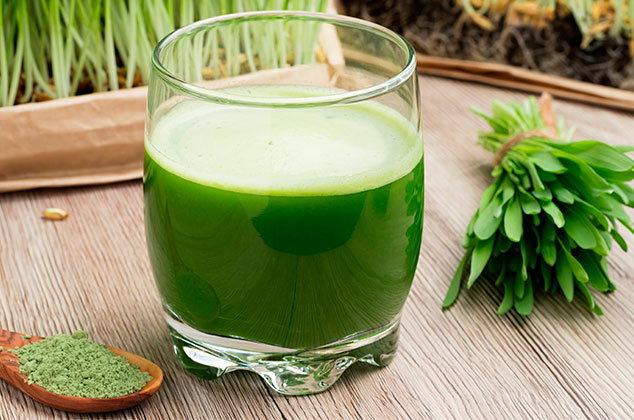
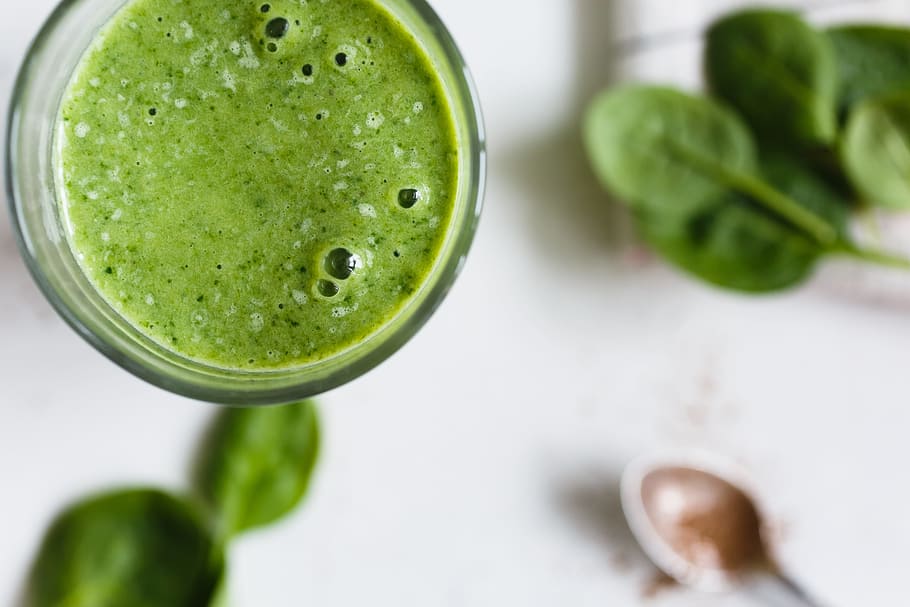
Is it bad to eat lemon with salt?
Lemon is one of the most consumed foods worldwide; This is not only because it is a fruit with incredible benefits for our health, but also because its citrus flavor, highly appreciated by certain palates, is most versatile. With this in mind, it is not surprising that the lemon accompanies an infinity of dishes and desserts or even that it is consumed alone or with other condiments such as salt.
However, and despite the minerals and vitamins it provides to the human body, it is worth mentioning that the daily consumption of lemon may be discouraged in some cases, especially when combined with salt. Do you want to find out if it is really bad to eat lemon with salt? Why is it important to be careful when it comes to this fruit known as "medicine food"?
Lemon with salt - why is it taken?
The combination of lemon and salt is very interesting, since it is a mixture rich in vitamins B1, B2, B3, vitamin C and vitamin P (or bioflavonoids), in addition to providing calcium, phosphorus, iron and magnesium to your body. Both ingredients have hydrating, anti-inflammatory, antibacterial and antioxidant properties, so if you are wondering why you take lemon with salt, you should know these benefits:
Relieves sore throat
Helps with digestion
Treat canker sores
Supports weight loss
Avoid dehydration
Now that you know why lemon is taken with salt, let's see if it is really harmful for health to eat these ingredients together on a regular basis.
Is it bad to eat lemon with salt?
Taking lemon with salt in a timely manner to relieve some pain or discomfort such as those mentioned above is not a bad thing. However, the answer will always depend on the amount of lemon and salt you eat per day and what your health status is.
You must understand, for example, that it is not the same thing that a completely healthy person takes lemon with salt than a patient with gastric or kidney problems, since this could suffer some unwanted effects.
In other words, taking or eating lemon with salt is bad when its consumption is excessive. And it is that although ingesting this mixture in a timely manner can favor your digestions, someone who suffers from stomach complications can often develop problems such as acute gastritis, reflux or discomfort caused by ulcers.
We should also discourage the consumption of lemon with salt for those who have kidney problems, since salt is well known for promoting fluid retention and could be the cause of kidney failure. In addition, excess salt could cause high blood pressure, so its consumption should always be moderate.
Drinking lemon every day is bad - reality or myth?
If you are trying to lose weight or control your weight, you have surely heard that taking a glass of lemon with water a day on an empty stomach is most beneficial. Certainly, lemon is a most favorable food for your health and yes, being a low-calorie fruit, it is perfect for losing weight.
However, you should keep in mind that you should never drink more than 120 ml of lemon juice with water a day. If you stick to this rule, taking lemon every day will help you noticeably, although when any side effect appears you should always consult your doctor.
Of course, taking lemon excessively every day is dangerous, because as we have anticipated, it can bring serious stomach and kidney problems. So from unCOMO we recommend that you be responsible with your consumption and that you do not exceed the recommended dose.
How many lemons can you take per day?
If we talk about consuming lemon with water in the morning, you must remember that it is not recommended to exceed 120 ml of lemon diluted with water a day. However, and according to nutritionists, you can consume up to 2 lemons a day without worrying about possible side effects.
Try not to exceed these 2 lemons a day, since otherwise you could have a problem related to your stomach or kidneys, as we have explained previously.
Mango its Vitamins and its Benefits
Fresh fruits are a source of vitamins that your body needs every day. For example, mangoes, in addition to the delicious flavor they produce when you put them in your mouth, have many vitamins that can strengthen and benefit your body.
Mango vitamins and their benefits
The mango fruit has a series of nutrients that you can take advantage of to provide your body with a good function. Among these nutrients, a series of vitamins stand out that can help you to carry out all your vital functions in an adequate way and to lead a healthy life. The main nutrients in mango include iron, calcium, sodium, copper, and fibers, as well as various vitamins. What are the vitamins of mango? Take note:
Vitamin A
B vitamins
Vitamin C
Vitamin D
Vitamin E
Thanks to all these nutrients, this fruit has properties that give us great benefits. If you are wondering what mangoes avoid when it comes to aspects of health problems, take note of what are the benefits of ripe and green mango:
**Improves eye health:** it can help prevent problems associated with vision and improve some by facilitating treatment.
**Protects the skin:** the tissues take advantage of a large part of the properties of vitamin A, including hair, nails, which remain healthy and strong thanks to it.
**Stimulates the defenses:** the large amount of vitamins that this tropical fruit has are very good for your body, as they are powerful antioxidants that help your immune system to function properly.
**It prevents cardiac problems:** thanks to the fact that this fruit contains vitamins, fiber and potassium, it can help us in the prevention of problems of the circulatory system, mainly of the heart.
**Regulates intestinal transit:** thanks to its fiber and water content it can help you against constipation.
**Mango is good for the bones:** mainly thanks to vitamin K, this fruit helps to strengthen the bones, which are one of the most important structures in the body.
**Helps lose weight:** mango fruit can help you lose weight if you eat it properly.
How mango vitamins can benefit your body, describing the main benefits of each vitamin.
Mango vitamin A
Mangoes are a great source of vitamin A. This vitamin, also known as retinol if it comes from animal proteins and carotenes if it comes from plant proteins (being then pro-vitamin A), is necessary for your body daily. This protects the health of the retina, helps against the development of soft tissues and bones and teeth. This nutrient, which is a great antioxidant, also has a significant impact on the skin. These are the main benefits of vitamin A for our body:
Strengthens the immune system by increasing the production of defenses and stimulating the response of antibodies against pathogens, which could cause some damage to the body.
This vitamin has a very important role at the cellular level, since it helps against the growth and repair of hair and nail cells, as well as teeth and bones, skin and vision. This causes your bones, teeth, nails and hair to stay healthy and strong and grow properly, in addition to promoting good eye health and preventing diseases such as blindness, glaucoma or cataracts.
It works as an antioxidant, detoxifying our body and protecting cells.
By protecting the skin, you will be helping to prevent problems such as herpes, psoriasis, eczema, acne or dermatitis, or to prevent outbreaks if these conditions are already suffered.
B vitamins
The vitamins of group B are of special importance for your organism, since in addition to providing energy, they provide you with many other advantages. Vitamins B6, B9 and B12 stand out in mangoes, but it also contains vitamins B1, B2, B5, B6 and B7. The main benefits of the B vitamins in the mango are:
Vitamin B6 is usually useful to avoid nausea and hypertension, and it also helps decrease PMS pain. That is why, it is usually indicated in pregnant women due to the great benefits it provides during this stage.
It helps better digestive function. By promoting intestinal transit, producing gastric juices, better metabolizing food and favoring the secretion of bile, it produces that digestions are not heavy and a better absorption of nutrients. In addition, this group of vitamins help to deflate the intestine.
These vitamins are of special importance to the brain. By helping to improve cognition, it contributes to better functioning and conservation of the brain, as well as its neurotransmitters. In fact, these vitamins are also recommended to improve depressed or depressed states.
They help to have a better vision. In this way, you can prevent cataracts, myopia, or certain degenerations of vision.
Mango vitamin C
Surely you have ever heard of vitamin C, and it is one of the best known nutrients due to the great benefits it brings to the body. For years this vitamin has been associated with the prevention and recovery against a cold, but there are many other benefits that it brings to our body. In summary, these are the main benefits of mango vitamin C:
Vitamin C has been linked to the production of collagen, thus helping to optimize skin healing, improve skin firmness and prevent premature aging.
Like vitamin A, it has antioxidant properties that protect cells, thus helping you fight free radicals in your body.
Increases the body's defenses, thus helping the immune system to fight diseases. So it's popularly said to help prevent colds, and actually helps much more.
Helps facilitate the absorption of other vitamins and other nutrients.
Vitamin D
Vitamin D, known as the sun vitamin, also brings great benefits to our body, similar to the benefits of the vitamins described above. We can summarize that these are the main benefits of vitamin D that help us naturally produce mangoes and other foods:
Strengthens the immune system, helping your body fight bacteria, viruses, and other pathogens.
It helps absorb other vitamins and minerals, such as phosphorous and calcium. In addition, precisely because of its role in the absorption and fixation of calcium, this is one of the vitamins in mango that helps strengthen bones.
It improves the nervous system. Nerve impulses depend on a large part of this vitamin, so consuming it will help the nervous system to function better.
Maintains blood pressure levels in an optimal state.
Vitamin D keeps the skin hydrated and healthy, so it helps us to look radiant and healthy, so that it can perfectly maintain the function of protecting our body.
It helps keep your hair healthy and strong and helps prevent it from falling out.
Vitamin E in the mango
Vitamin E performs functions similar to those of vitamins A and C. It is known as the vitamin of life and youth because it is a powerful antioxidant. These are the main benefits of vitamin E, which you can find in quantity in fruits such as mangoes.
It helps fight infections, thanks to which it increases the defenses of your body.
It promotes healing, in the same way as vitamin C.
Protects the membranes of the muscles, nerves and cardiovascular system. It also helps red blood cells to have a longer and healthier life.
Vitamin E is essential, as cells interact with each other using it.
Some organs need this vitamin to function properly, this is the case of the liver, lungs and heart, which take great advantage of the properties of vitamin E. This happens because this vitamin reduces toxins and free radicals and prevents problems related to blood pressure.
Vitamin k
Many people do not take into account the importance of vitamin K for the body, and it is that it is a vitamin which for many goes unnoticed but is necessary for the body to function properly. These are the benefits of vitamin K, which we can find in mango:
It helps protect the heart, which is because it helps blood to clot properly, helping to prevent serious bleeding, and can prevent the arteries and heart walls from hardening by helping to keep calcium out of them.
It is a good vitamin for the bones. It is able to distribute calcium in the most suitable places so that the body can use it in the most optimal way possible. Vitamin K, especially, helps fix calcium in the bones and teeth.
As an aid to blood clotting, as we've already mentioned, it helps wounds heal and heal faster.
Mango minerals and their benefits
Now that you know what vitamins the mango has and what it is for, let's talk a little about the minerals that we can find in the mango fruit. This, apart from containing all these vitamins, also has a large amount of minerals, such as iron, calcium, sodium and copper, which act to benefit our body. In summary, we highlight that the health benefits of mango thanks to these minerals are:
Iron provides energy, improves blood circulation and blood condition, as well as strengthens your immune system, increasing your defenses so that they can fight against pathogens capable of causing disease in your body.
Calcium, as you surely know, is mainly necessary to maintain healthy and strong bones and teeth.
Sodium is used to control body fluids and blood pressure.
Copper is mainly responsible for maintaining healthy hair.
This article is merely informative, I have no power to prescribe any medical treatment or make any diagnosis.
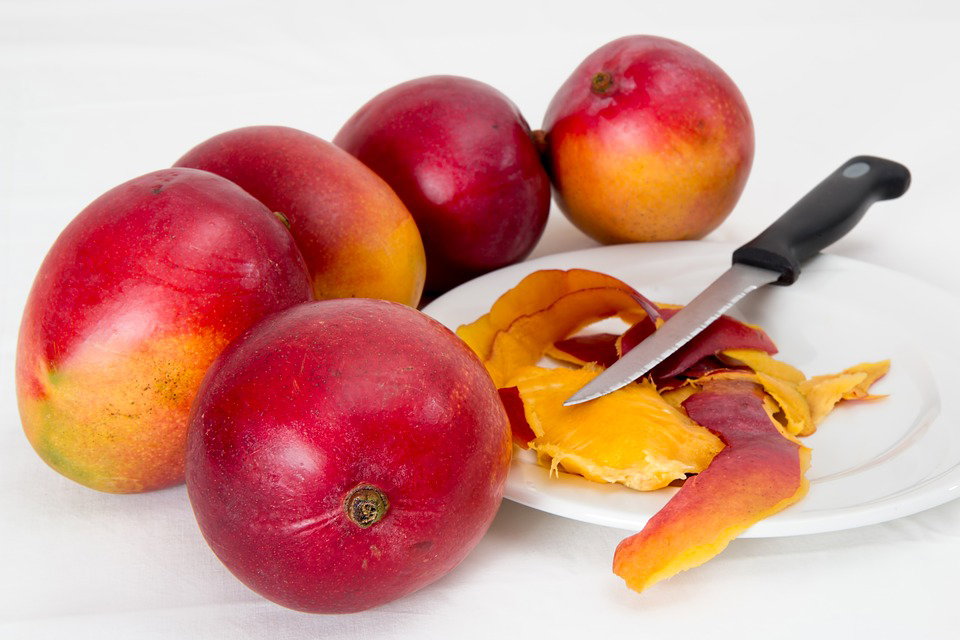
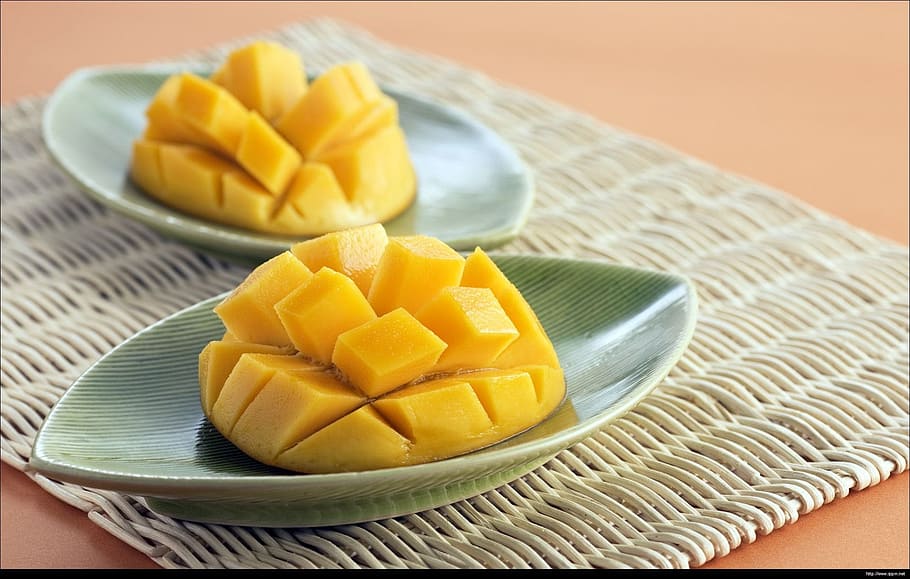
Benefits of dark chocolate
Dark chocolate is one of the most consumed products worldwide, not only for its exquisite flavor and its wide variety of benefits, but also for its versatility. And it is that this food allows the preparation and accompaniment of a large number of dishes and drinks that appeal to both adults and children.
Properties and benefits of dark chocolate
Dark chocolate, unlike milk chocolate or white chocolate, has more cocoa and fewer sugars and fats, which provides many more benefits than inconveniences for your health.
This ingredient, that is, 100% cocoa, contains large amounts of minerals such as calcium, potassium, phosphorus, iron, etc., in addition to vitamins B1, B2, B3, C and E. These nutrients, along with the natural antioxidants already The flavonoids of dark chocolate make this product a delight for the palate and for health. That is why we can affirm that some of the most important properties of dark chocolate are:
Antioxidant properties
Antiviral properties
Anti-inflammatory properties
Satiating properties
Stimulating properties
Anticoagulant properties
To benefit from all these properties, consuming a single square of dark chocolate is enough.
Dark chocolate to fight heart problems
Dark chocolate is known, among many other things, for contributing to the good condition of the heart. This is because being a great source of antioxidants, this product is in charge of regulating blood flow correctly and preventing the appearance of blood clots in the long term.
In addition, and closely linked to this, it should be mentioned that dark chocolate also helps reduce blood pressure, since its high content of nitric oxide relaxes the arteries and promotes better blood circulation. So people with high blood pressure or heart problems don't have to give up a piece of dark chocolate.
Dark chocolate for the health of your skin
Dark chocolate, due to its flavonoids, antioxidant properties, and active compounds, also acts as a terrific home remedy for the skin. Not only is it responsible for hydrating it in depth and preventing dryness and itching, but it also guarantees optimal blood circulation in the upper layers of the skin.
In addition, dark chocolate also helps protect the skin from the sun, as it creates greater resistance to ultraviolet rays that prevents dehydration and other damage. That is why there are so many aesthetic treatments and face masks whose main ingredient is dark chocolate. Still you have not tried?
Dark chocolate for depression symptoms
Although it may sound surprising to some, dark chocolate contributes to reducing some symptoms of depression, such as decay and anguish. This is because dark chocolate contains phenylethylamine, a natural substance that acts as a neutron transmitter and has psychoactive effects that can be remarkably positive.
Of course, in no case should dark chocolate (or any other food) be understood as a remedy for depression or anxiety, since these are serious mental disorders that must always be treated by health professionals.
Dark chocolate for more energy
They say that dark chocolate is one of the best allies of athletes, and the truth is that it is not surprising. Due to its calories and its stimulating properties, this product is capable of providing your body with an extra energy even in moments of greatest weakness.
So, if you want to enjoy a product that has an effect similar to that of caffeine but that is much more natural, chocolate will not disappoint you.
Chocolate to improve memory
Dark chocolate is highly recommended for older people and people who, in general, need to boost their concentration ... why? Well, because dark chocolate has the ability to increase blood flow to the brain and improve memory and cognitive abilities of those who consume it.
Being such a stimulating substance (since dark chocolate contains theobromine, very similar to caffeine), it is a food that can prevent diseases such as Alzheimer's.
Dark chocolate to regulate cholesterol
Consuming dark chocolate in moderation is ideal for those who suffer from cholesterol problems, since it lowers the levels of bad cholesterol (that is, LDL) in the blood and increases the levels of good cholesterol (HDL).
Dark chocolate for the liver
Before explaining how dark chocolate can benefit the health of your liver, we must clarify that the abundant consumption of any type of chocolate in people who suffer from fatty liver can be very negative, since these foods are already fatty in themselves.
However, a study from the Geneva Hospital claimed that dark chocolate consumed in moderation was very beneficial for cirrhosis patients, since the properties of this food decrease liver blood pressure and reduce the risk of endothelial dysfunction.
Dark chocolate for tooth enamel
Contrary to what many believe, dark chocolate not only does not harm the teeth but helps to strengthen the tooth enamel.
This we must also thank theobromine, since it is a substance that prevents the bacteria in our mouths from producing the acid that damages enamels. So, eating a bit of completely dark chocolate from time to time can also be beneficial for your mouth.
Dark chocolate to improve your sex life
Did you know that the substance called phenylethylamine in dark chocolate is also known as "the chemical breaks down"? Dark chocolate is an aphrodisiac food with stimulating properties that, as we have seen before, is capable of improving the mood of anyone.
These properties make dark chocolate an ideal ingredient to induce pleasure, so if you are interested in improving your sex life naturally, adding dark chocolate to your life can be a great solution.
Dark chocolate for the health of your hair
Did you know that black chocolae is the protagonist of many beauty treatments for hair? Vitamin B1 of dark chocolate is responsible for making this ingredient a perfect product for dehydrated and damaged hair that lack shine, softness and volume.
This stimulator will notably promote the production of collagen in your hair, thus providing your hair with extreme luminosity and hydration.
Does dark chocolate make you fat?
To end this note, it is important to understand that excessive consumption of any product can be harmful to health. Dark chocolate is no exception, since it contains certain calories and fats that although they are much lower than those of any other chocolate, they can alter the regular functioning of your body.
However, dark chocolate does not fatten if consumed in moderation and if it has more than 65% pure cocoa (and, of course, without added sugars). In fact, and as we have previously seen, the incredible satiating properties of dark chocolate will reduce your appetite significantly and you can achieve your ideal weight in less time.
Fish oil: what it is for and benefits
The popularity of consuming fish oil is due to its high content of omega 3, a fatty acid that is a protector of cardiovascular health. However, there is a great disparity of opinions about the properties and benefits of fish oil on our health. Furthermore, there are notable discrepancies between the theoretical studies and the clinical trials. In any case, it should be considered as a dietary supplement and never as a substitute for any food or as a medicine itself. It is a dietary supplement widely consumed worldwide, just behind vitamins and minerals.
What is fish oil for?
The dietary supplement of fish oil is extracted from the fat of blue fish such as: tuna, herring, mackerel, sardine, salmon or trout. The consumption of this type of fish is considered essential for our body due to its contribution of omega 3 fatty acids and eicosapentaenoic acid (EPA), which are essential for cardiovascular health. Omega-3 also has anti-inflammatory properties that benefit those suffering from diseases related to arteriosclerosis and rheumatism. It also provides docosahexaenoic acid (DHA), which is attributed the ability to reduce the level of triglycerides.
The combination of these acids is supposed to strengthen the veins and arteries, in addition to helping to keep the blood free of clots, which is why they are considered a way to prevent thrombosis, strokes and strokes, as well as a treatment to reduce blood pressure. However, it has more benefits and is used to improve more aspects of our health.
Properties of fish oil
Fish oil is attributed amazing properties, especially if it is consumed directly, including the consumption of blue fish in our diet at least twice a week. The properties of this food supplement are given thanks to its composition. These are the main components of fish oil:
High content of omega 3 and omega 6.
Eicosapentaenoic Acid (EPA).
Docosahexaenoic acid (DHA).
Vitamins A, B, C, E and D.
In addition, in the case of dietary supplements in capsules, the vitamin index is usually increased and, in some cases, some minerals are added, such as zinc, iron and / or magnesium.
Thus, thanks to this nutritional composition, these are the main properties of fish oil:
Cardioprotector
Anti-inflammatory
Hypotensive
Anticoagulant
Lipid lowering
Skin hydration
Healing
Stimulates defenses
Fish oil benefits
The benefits of fish oil are varied, especially thanks to omega, EPA and DHA fatty acids. Thus, fish oil is attributed, among others, the following benefits:
Reduces the possibility of heart disease.
It reduces the risk of suffering diseases related to the coronary arteries.
It improves the general health of the heart and prevents changes in its rhythm.
By lowering blood pressure, it helps regulate hypertension.
It helps as prevention of thrombosis, strokes and strokes.
It improves the stiffness of the joints in diseases such as arthritis and rheumatism.
It has an anti-inflammatory effect, so it helps to reduce internal inflammations when taking it, but also on the skin or external ones when applying it.
Helps to reduce bad cholesterol levels.
Helps reduce triglyceride levels.
It is beneficial in helping to balance blood glucose (diabetes).
Its high oleic content favors the hydration of the skin and other tissues.
Its topical application improves skin conditions, such as eczema and psoriasis, and facilitates healing.
Improves the appearance of skin and hair.
It helps improve the immune system, that is, it stimulates the defenses, so it is used to prevent conditions, such as colds, and to facilitate the effect of some medical treatments.
How to take fish oil
The most effective way to take fish oil is by incorporating the consumption of blue fish in our diet, at least twice a week. Another way to consume fish oil is through dietary supplements that can be obtained at any pharmacy.
You can find fish oil capsules with different levels of concentration. There are also formulations from different types of fish and with other added ingredients, such as vitamin complexes.
You can buy fish oil in a bottle or a dark or brown glass jar, as it will spoil when exposed to light for a long time. In this case, generally, you take one tablespoon daily, up to a maximum of 3, either directly or mixed with other foods.
Contraindications of fish oil
There are few contraindications to fish oil. Among those who should not take it, at least without the control of a doctor who prescribes it, we find:
Those who cannot consume fish due to some problem of intolerance or allergy.
Those who take anticoagulant medications.
People taking cholesterol-lowering medications.
Patients taking blood pressure medications.
In any case, it is always advisable to consult a professional before including any supplement in our diet.
Cinnamon Rolls
The cinnamon roll was created in the 1920s in Europe and was a dish that only the very wealthy could afford, now due to globalization and certain facilities that did not exist at the time, this snack is within reach Everyone to make our afternoon afternoons an experience worthy of the high European nobility, so let's unwind tasting some cinnamon rolls.
INGREDIENTS
1 cup warm milk
2 and ½ teaspoons of yeast
½ cup sugar
2 eggs
2 tablespoons melted butter
1 teaspoon of salt
4 and ½ cups of wheat flour without baking powder.
Filling...
2 teaspoons of butter
1 cup grated paper
3 tablespoons of cinnamon powder.
PREPARATION
In a container you place the yeast and dilute with the milk, let it rest for ten minutes, in a bowl mix the eggs, sugar, melted butter and salt, add the yeast, then beating, gradually add the flour, stirring until all the ingredients are integrated, knead until the dough is homogeneous and firm, if you see that the flour is missing you can add little by little.
You make a ball and keep in a greased container until it doubles its size, approximately 1 hour.
Apart in a container mix the paper with the cinnamon and leave it reserved.
With the dough ready you crush and make a rectangle, brush with butter and bathe the stretched dough with the paper and cinnamon, roll carefully and use a knife to cut into rolls.
You put on a greased tray and with flour, let it rest for half an hour.
Put the tray in a preheated oven at 180 ° C for 25 minutes until golden.
You can make a covering of condensed milk, cream cheese or grated cheese, a syrup of your choice.

How to take Aloe Vera?
Aloe vera, also called aloe vera, is a plant that is part of the 250 species of medicinal plants of this type worldwide. It is possible to find it in desert regions, because its growth benefits from hot climates, as it is a succulent plant. This well-known plant has multiple properties and benefits for our body, both for health and aesthetics.
Aloe vera can be consumed in many ways, such as juices, teas or infusions, and even in small pieces or tacos to eat it fresh. However, it should be borne in mind that, on some occasions, it is necessary to resort to specialized help if you want to consume correctly.
Ways to take aloe vera
If you are wondering how to eat aloe vera, you should know that you can do it in many ways, such as:
Drink aloe vera juice.
Prepare raw and chopped aloe for salads.
Add the pulp to the sauces.
Take aloe vera capsules.
Drink it in syrup.
Make a tea or infusion with this plant.
In addition, you can take it at different times of the day. Here we clarify the two moments of the day to take aloe that generate more doubts.
Taking aloe vera on an empty stomach
You can benefit from all the properties of the plant regardless of the time of day when you consume it, but it is true that depending on what time, depending on whether you have eaten or not, among other aspects, you will be able to take better advantage of some of its properties or others .
Thus, it is convenient to take aloe on an empty stomach especially when the objective is to facilitate weight loss and improve intestinal transit or some digestive problems, as well as strengthen the immune system. With these goals, it is also usually consumed before main meals.
How to prepare aloe to take on an empty stomach? It is best to take it in juice or tea or infusion to avoid taking more food at once. After an hour, more or less, you can eat your breakfast or main meal normally.
Take aloe vera before bed
In the case of thinking about taking aloe vera at night, shortly before going to sleep, keep in mind that what will be most effective for you is to facilitate the digestion of dinner and, therefore, so you can sleep better .
In addition, having a glass of aloe juice in the morning and another before lunch and before dinner, always a good time before going to sleep, will help you lose some weight, because among other things, help you satiate yourself more easily.
How to make aloe vera juice
To make aloe juice follow these instructions:
Leave the leaves or leaves of this plant to soak for 24 hours. In this way, the aloin will come out, which you can see as a part of the yellowish gel, which should be avoided because it can be irritating.
After this time, wash the leaf or stalk of the aloe well to remove dirt and remove all yellowish remains. If you prefer, you can also disinfect it with food bleach or other similar products.
Cut the sheet into several pieces and also cut both sides and the top to separate the skin or bark and reach the pulp.
With the help of a spoon, remove the pulp from the aloe and put it in a large glass or bowl.
Blend the gel with water so that it has a more liquid consistency. The proportion will depend on how you like the texture of the juice, if you prefer something more dense add little water and if, on the contrary, you want it to be more liquid, add more water.
You can take it this way or you can add more foods to the juice that can be good for your goal.
How to prepare aloe vera tea
Another good option to take aloe vera on an empty stomach to lose weight, improve intestinal transit and also to have more energy from the first moment of the morning is to take it with a tea. You can prepare it with any type of tea, but we recommend green tea. To prepare green tea with aloe vera follow these instructions:
Have the aloe pulp prepared as we explained in the previous recipe, but do not liquefy it.
Prepare a green tea, either in a bag, in bulk or in powders.
When you have removed the tea from the fire, it has rested as necessary and is still somewhat hot, add the pieces of the aloe pulp.
Let it rest for about 3 minutes and you can take it.
If there are pieces of pulp that have not been undone, it is recommended that you also eat them. Another option is to make iced aloe vera tea. To do this, when you have the green tea ready, store it for a few minutes in the fridge, liquefy the pieces of aloe pulp and add the two ingredients in a large glass. If you want you can add slush ice to drink this very cold tea.
How much aloe vera should be consumed
To learn how to take aloe, it is necessary to know not only the most appropriate formats or recipes and the most recommended times of the day, but it is also convenient to know the recommended amount, because as with everything, it is not good to exceed. A suitable daily dose of aloe vera is considered to be between 50 and 100 ml.
If you choose to take aloe vera in capsules or syrup, always follow the indications of the doses and time of consumption that you will see on its packaging or those that have been prescribed directly by the doctor.
How long can you take aloe vera?
It is advisable to take the pulp of this plant, always in the general recommended dose or in the dose specified by the health professional who has prescribed it for us, for several weeks or a few months, depending on each body and state of health.
You may also be wondering "what happens if I consume aloe every day?" and the truth is that as long as the indicated doses are followed and a safe product is consumed, without aloin residues, it can be taken daily as we have indicated. On the other hand, it is not recommended to consume aloe every day for too long in a row, that is, for many months in a row, nor is it recommended to consume its latex, or a yellowish part that contains aloin, because its abuse can cause intestinal and kidney problems
What are the benefits of taking aloe vera
Aloe vera is perhaps one of the best known medicinal plants in the world. It is used for a large number of natural and homemade treatments. Many people believe and verify the value that its properties bring to the body. In this way, among the many benefits of aloe vera, we can highlight the following:
Aloe vera for digestive problems
This plant helps to clean the digestive tract, in order to guarantee the proper functioning of the organ. Also, it eliminates intestinal worms and stomach bacteria.
Aloe Vera to lose weight
Because it detoxifies the body and improves digestive problems, it can be a great ally to help lose weight. However, it is important to remember that it is not a substitute for good nutrition and a consistent exercise routine, but is just a good help.
Aloe vera for the skin
Aloe is one of the most commonly used plants for aesthetic skin treatments, thanks to its moisturizing and oxygenating properties. In this way, it supplies the cells with the oxygen necessary to revitalize them. Similarly, its pain-relieving and healing properties make it an antidote for stings, burns, wounds and scars.
Reduces stress levels
Consuming this plant can help reduce stress levels, nervousness and also improve your moods.
Improves the immune system
The gel found inside aloe helps to strengthen the immune system, thanks to all the vitamins, minerals and antioxidants that make it up. In addition, it alkalizes the body, restoring pH and strengthening the body's systems.
Prevents heart conditions
Aloe vera is also known for its ability to help prevent heart disease. Although not a substitute for medications, aloe vera is believed to help lower blood pressure, cholesterol, and improve blood circulation.
Aloe vera contraindications
Despite the fact that aloe vera is a highly beneficial plant for health, it can bring side effects to some people. In this sense, the use of this plant is contraindicated for the following cases:
**People with diabetes:** if you have diabetes, you should be careful with the amount of aloe you consume, since it reduces blood sugar levels and can cause hypoglycemia.
**Stomach problems:** if you are one of those who suffer from a stomach problem, you should consult your doctor if it will do you good to consume aloe in your diet, since it acts as a laxative, which is why it can cause abdominal cramps or diarrhea. Sometimes its high intake can trigger kidney conditions.
**Pregnant women:** its consumption is strictly prohibited in pregnant or lactating women. Neither should young children, as they are growing up.
**Allergies:** If you are allergic to legumes like garlic, onion or flowers like tulips, you have a high probability of suffering an allergy to aloe vera, for this reason, you should eliminate it from your diet.
**People with degenerative problems in the gallbladder or liver:** they should ask their trusted doctor how beneficial their consumption will be.
**People with serious injuries:** It is not recommended to apply it to burns or deep cuts, without having been approved before by a specialist. It should also be taken into account that, in some cases, the topical application of this plant on the skin can cause burning, irritation or redness.

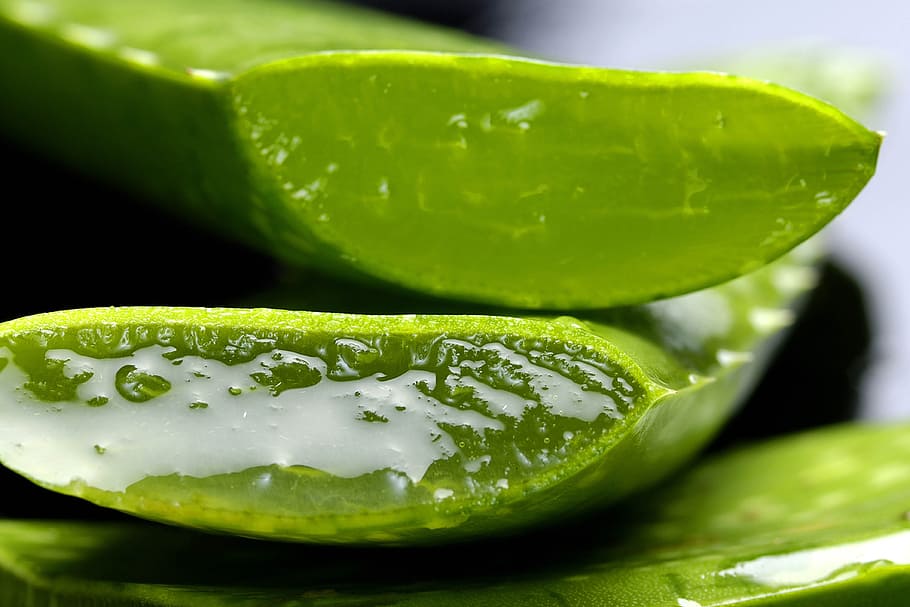
How to Strengthen the Immune System Naturally
Keeping the immune system in good condition and strong defenses allows us to prevent the development of certain diseases and stand up to those that begin to manifest in our body.
To maintain your body in perfect condition and strengthen the immune system naturally, the ideal would be a food supplement with purified beta-glucans from yeast, vitamin D3, vitamin B and Zinc: This food supplement will help you maintain the normal functioning of the immune system, It will reduce tiredness and fatigue so that your body increases its defenses and will protect the cells of your body against the damage caused by oxidation.
Why the immune system is weakened
The immune system is the body's defense method that is activated to prevent attacks by bacteria, viruses, fungi, or other pathogenic organisms. The skin is our first defensive barrier, but there are a few more, such as white blood cells and immunoglobulins. Any imbalance in the immune system can directly affect the performance and functioning of our body, as well as health. Therefore, it is necessary to keep it strong and take the necessary measures so that the defenses do not weaken.
Although we have sophisticated defense methods, there are certain factors that can affect and weaken our immune system. These are the main reasons why the immune system is weakened:
**Inadequate food:** it is the basis of health. The deficit of proteins, vitamins or minerals, as well as excess carbohydrates directly affect the functioning of the immune system.
**Low activity:** sedentary lifestyle is directly related to diseases such as diabetes or being overweight, which negatively affects immunology. Lack of movement or the lack of moderate physical activity, at least twice a week, is a quick way to weaken your defenses.
**A bad rest:** not sleeping the recommended hours (between 7 and 8 a day) and not having an optimal rest and good sleep hygiene produces that the defenses of the immune system lower their guard and are not as effective against the attack of diseases.
**Stress:** although it is a natural response that favors the release of adrenaline, an overload of tension can transform into more serious pathologies such as anxiety, depression or even thrombosis. Maintaining stressful situations for a long time can affect the depression of the immune system and weaken it.
Food to raise defenses
Diet is the basis for maintaining a strong and healthy immune system. For this reason and in order to raise the defenses naturally, it is important to incorporate foods that provide us with the necessary nutrients to strengthen the immune system and favor the body's defense cells more efficiently. These are some of the best foods to raise defenses:
**Products with Omega 3:** tuna, salmon, sardines, walnuts, chia seeds and flaxseed.
**Foods rich in vitamin C:** orange, tangerine, lemon, pineapple, mango, melon, watermelon, strawberries, kiwi, tomato, broccoli, cabbage, etc.
**Foods with vitamin A:** carrot, spinach, chard, beets or eggs.
**Foods rich in vitamin E:** olive and sunflower oil and nuts such as hazelnuts, peanuts, pistachios or almonds.
**Products containing zinc:** chicken, turkey, red beef, oysters, wheat germ and whole grains, pumpkin seeds and fish.
**Foods with selenium:** rice, chicken, cheese, wheat flour, sunflower seeds, etc.
**Natural probiotics:** plain yogurt and kefir.
In addition to introducing these foods into your diet, it is important to avoid processed foods, refined sugars, alcohols and caffeine, as they are very harmful and weaken the body.
Vitamins to raise defenses
Maintaining the body with good levels of vitamins is essential to strengthen the immune system naturally. But what are the most necessary vitamins to keep the immune system strong? These are as follows:
**Vitamin C:** is the most essential, as it directly helps the proper functioning of the immune system. The star fruit where you can find this vitamin is in the orange, however, you can also consume it through food supplements.
**Vitamin B3:** This vitamin is water soluble, that is, it dissolves in water, so you can lose great property if you cook foods that contain them. Therefore, taking it through food supplements will allow the mucosa to be in normal conditions, one of the main functions of type B vitamins.
**Vitamin D:** this type of vitamin helps to absorb calcium, since it is fat soluble, and together with phosphorus, it helps keep bones strong, a great defense of our immune system. Vitamin D is produced in the body through sunlight, although you will also find it in small doses in some foods and as a supplement.
Taking care of your body, leading a healthy life and avoiding, as much as possible, everything harmful to your body will allow you to maintain a strong immune system with high defenses and ready to fight everything.
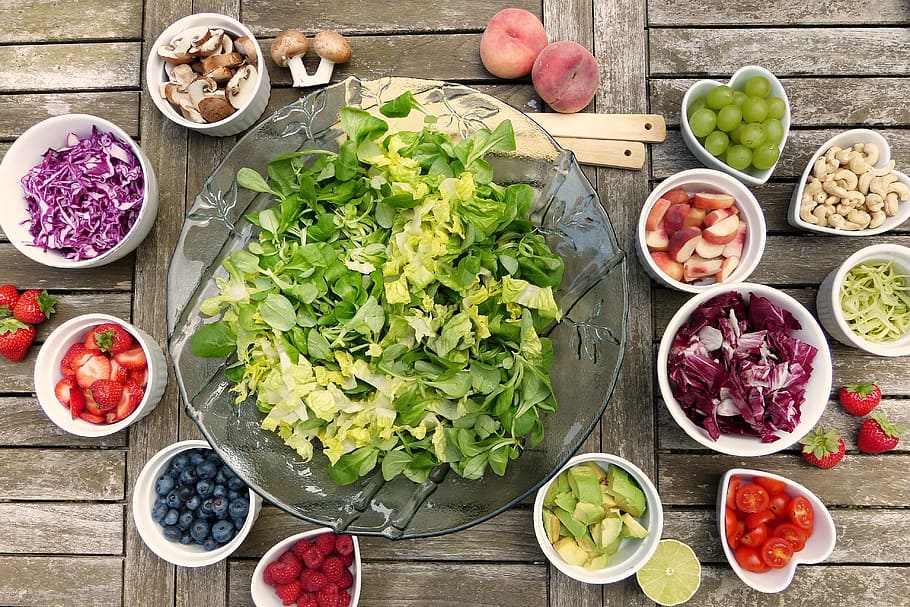
Juices to Detoxify the Body
Fruits are one of the most beneficial foods for the body. Its properties, minerals and vitamins help maintain body energy during the day, as well as contributing to digestion, being anti-inflammatory or detoxifying, and providing protection against conditions or diseases.
When prepared in juices, the combination of fruits with other types of cereals helps purify the body, as many of its qualities are enhanced, such as its antioxidant and diuretic properties. For this reason, at unCOMO we bring you 10 juices to detoxify the body, perfect for helping your body to eliminate accumulated toxins, reduce inflammation and improve your well-being.
Juices to detoxify the body
If you are looking for a good recipe for purifying juice, always keep in mind the nutritional content of its ingredients. Fruits with high water content, herbs with antioxidant properties and vitamin-rich ingredients will be perfect to hydrate your body and help it get rid of the toxins it absorbs day by day through the environment or food.
Each of the detoxifying smoothies or juices that we will mention below are made from fruits, nuts, cereals or vegetables, rich in vitamins and minerals, and are mainly intended to cleanse your body naturally and with delicious flavors. Learn about all its benefits, as well as the ingredients and steps to prepare them.
Citrus juice
Some citrus fruits will help purify your body, thanks to their vitamin content (A, B, C), as well as their properties to improve kidney function, as they are diuretics and prevent fluid retention. You only need to get some citrus fruits on the market and enjoy this juice whenever you want. These are the necessary ingredients:
2 lemons or 2 oranges
1 grapefruit
½ cup pineapple
1 passion fruit
¼ papaya
This juice or juice is prepared as follows:
Chop pineapple, passion fruit and papaya (the latter is responsible for attenuating the concentrated flavor of citrus).
Extract the juice from the orange, grapefruit, or lemon. The flavor of orange and grapefruit is intensified when combined.
Incorporate each ingredient in the blender.
Add 1 glass of water.
Beat until you get the consistency you like.
Strain the juice if you prefer.
Serve to taste.
You can take these shakes to detoxify the body at any time, but many people prefer to take it first thing in the morning to enjoy its energy throughout the day. However, it is a myth that you will not be able to take advantage of its properties if you take it outside of the morning hours.
Anti-cellulite detoxifying juice
Cellulite is fat accumulated in certain parts of the body such as the thighs, buttocks, hips, among others. Anti-cellulite juices are made with ingredients with fat burning and diuretic properties. Thanks to this, they are responsible for reducing the production of fat in these areas, as well as preventing its formation eventually. To prepare this delicious detox drink, you must have:
½ melon or 2 grapefruits
¼ pineapple
¼ ginger branch
3 peaches
4 strawberries
1 cucumber
To prepare this juice, just follow the steps below:
Chop all the fruits.
Incorporate them in the blender.
Add 1 glass of water.
Whisk until desired consistency.
Do not strain and serve to taste.
Juice for digestion
The digestive system always needs to be active and in optimal conditions for food processing. A good digestive juice must be made from fruits and vegetables, as well as fiber, which help fight constipation, prevent conditions such as gastritis or purify the stomach. These are the ingredients that you must have at home to prepare this juice:
¼ oatmeal or celery stalk (rich in fiber)
1 apple
1 pineapple
2 carrots
1 lemon
Like any juice, you just need to follow these simple steps to prepare it.
Peel and chop the apple and carrot.
Chop the celery stalk (in case you don't use oatmeal)
Cut 3 pineapple slices.
Squeeze the lemons.
Incorporate all the ingredients in the blender, except for the lemon juice because it is used at the end.
Add 1 glass of water.
Whisk until desired consistency.
Add the lemon juice.
Serve to taste and avoid straining.
Diuretic juice
It has been proven that watermelon is one of the fruits that most helps the body to avoid fluid retention, making it very favorable for those who suffer from kidney problems. Also, this juice is very healthy for its content in vitamin C, a powerful antioxidant. For its part, mint reduces gas production and favors digestion, while ginger eliminates bacteria and improves intestinal flora.
Altogether, this purifying juice is a favorite of the people for its particular flavor. Its ingredients are:
¼ of watermelon.
Mint leaves or 1 pinch of ginger powder
1 celery stick
Prepare the juice by following these easy steps:
Chop the watermelon and celery.
Incorporate all the ingredients in the blender.
Add 1 glass of water.
Whisk until desired consistency is smooth.
Add the mint leaves.
Serve to taste.
Herbal juice
The particular feature of this juice are the herbs that provide a unique flavor, while they are responsible for purifying your body thanks to its antioxidant content. You can take it on an empty stomach to enjoy its properties to clean toxins from the body. To prepare it you will need the following ingredients:
1 clove garlic
1 sprig of fresh coriander
1 tablespoon of basil,
2 tablespoons of parsley
1 tablespoon of rosemary
2 ripe tomatoes
1 cucumber
This herbal juice or juice is prepared as follows:
Chop the tomato and cucumber into small pieces.
Incorporate them in the blender together with the herbs and garlic.
Add 1 glass of water.
Whisk until the smell of herbs is stronger.
Strain the juice if you like and serve it.
Juice for the liver
The liver is one of the most essential organs of the body, since it is in charge of filtering contaminating substances or that affect the organs. They also contribute to conserving energy through liver processes.
This juice is especially useful if you have had a night of drinking in which you have given your liver a lot of work. Blueberries are packed with antioxidants that will help you flush toxins out faster, while cucumber and apple hydrate and prevent liver stones. Also, this juice improves defenses and prevents fluid retention. To prepare it, you will need:
2 apples
1 cup blueberries
1 cucumber
Prepare this excellent detoxifying juice for the liver with these steps:
Chop the apples with their peel.
Cut the cucumber into slices.
Add the ingredients to the blender.
Add 1 glass of water.
Whisk until desired consistency.
Strain the juice.
Serve to taste.
Juice for migraines
If you constantly suffer from migraines or headaches, this juice will help you reduce discomfort, while keeping your body hydrated and helping you eliminate toxins such as histamines, generated by stress. It also improves the functioning of the liver and digestive system. It is one of those smoothies to detoxify the body that you can prepare with few ingredients:
2 pineapple slices
¼ quinoa (rested in water from the previous day) or Brazil nuts, beneficial for their contribution of selenium (antioxidant)
This juice or juice is prepared as follows:
Chop the pineapple.
Incorporate pineapple, walnuts and quinoa in the blender.
Add water.
Whisk until you have a desired consistency.
Do not strain and serve it to taste.
Juice for the skin
The skin is one of the organs most affected by toxins that enter the body. The skin will look tired, swollen and dehydrated if we do not take care of ourselves inside. Thanks to the rich vitamin and antioxidant content of plums and beets, detox skin juices like this one are perfect for skin care and rejuvenation.
Its ingredients have little fructose, which gives a particular flavor to this detoxifying shake and enhances its quality to cleanse the body. Prepare it with these ingredients:
1 beet
1 carrot
1 apple or pear
4-6 plums
1 cucumber
This juice or juice is prepared as follows:
Peel and chop the beets and carrots
Chop the apple or pear, as well as the cucumber.
Incorporate all the ingredients in the blender
Add 1 glass of water.
Whisk until desired consistency.
Serve to taste. Avoid straining it so as not to lose all its properties and its fiber.
I hope that these juices to detoxify the body will be useful for you. It is important to know that juices are not food substitutes, but complementary drinks ideal for snacks or strong meals.
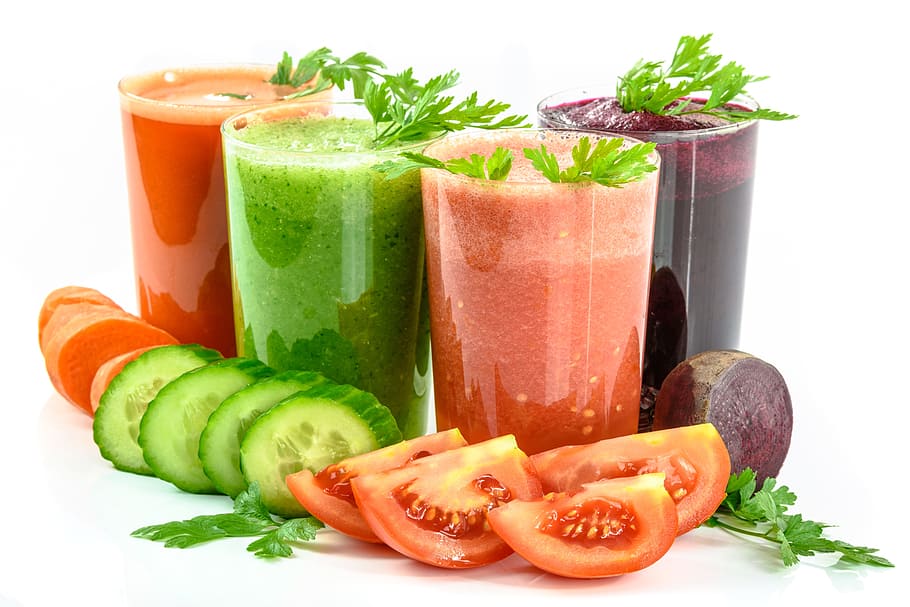
 @raptorx1