Which foods produce the most gases
Gases, a problem also known as meteorism, are usually annoying because, although in most people they do not produce symptoms, in others it can even be painful.
Fortunately, with the exception of extreme cases that require medication, it is only a matter of avoiding foods that cause gas. But, what are the flatulent foods that we should stop consuming? Pay attention to the following tips and take note of the changes you must make in your life and in your diet to avoid the appearance of gases.
Why gases are produced
The gases present in the digestive system appear through the digestion process and is normal, as is its expulsion through belching or flatulence. However, you may experience pain from gas-causing foods, especially if they are trapped or not moving as they should in the digestive system.
Most of the time, the increase in gases and the pain they cause appear as a consequence of consuming flatulent food. In this way, making some simple changes in eating habits can decrease their presence. In addition, various disorders of the digestive system, such as irritable bowel syndrome or celiac disease, can cause an increase in the amount of gases or the pain they produce, among other symptoms. Some of its signs include the following:
Belching and gas expulsion. Most people pass gas about 20 times a day, and while having gas can be uncomfortable or embarrassing, belching and passing it is rarely related to a medical problem.
Increased abdomen size or bloating.
Pain, cramps, or a knotty feeling in the abdomen.
Feeling of fullness or inflammation in the abdomen.
Foods that produce more gases
There are no prohibited or bad foods, but you should know that there are flatulent foods that can make you feel unwell due to this problem.
Cereals, legumes and tubers. Reduce the consumption of products rich in fiber, since the intestine is not able to digest these fibers, increasing their amount in the colon. In this way, the bacteria of the flora ferment them producing more gases. Decrease the consumption of whole grains, rice and whole grains, beans, beans, chickpeas, lentils, potatoes and peas.
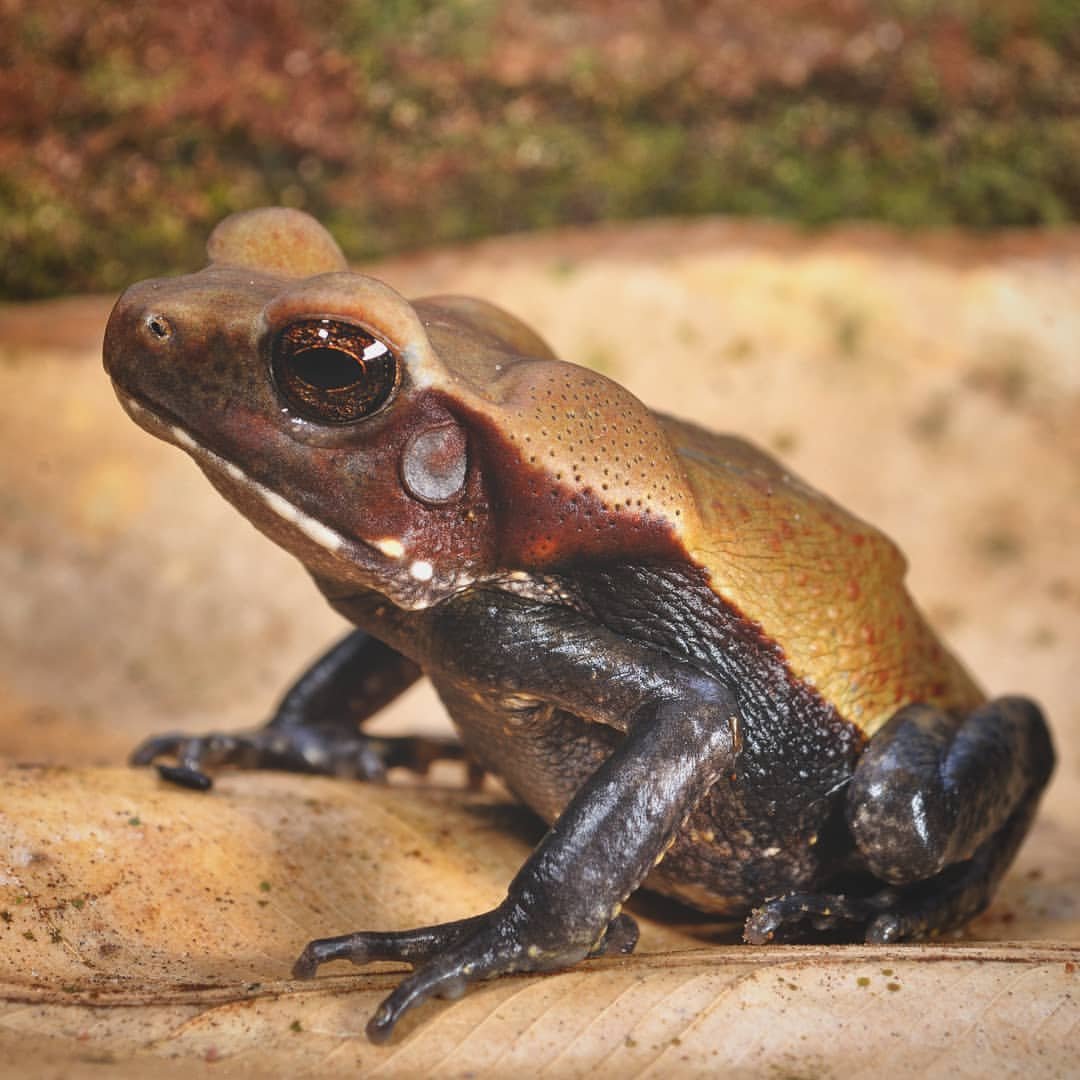
Vegetables and greens. Vegetables that give gas include: cabbage, cauliflower, Brussels sprouts, spinach, cabbage, artichokes, lettuce, turnips, chard, peppers, asparagus, cucumber, and curd onion. Not for this reason we should stop eating vegetables on a daily basis, but we should moderate the consumption of those that have a high fiber content.
Drinks. If you are prone to gases, forget about carbonated or carbonated drinks. They provide a lot of gas immediately and have no nutritional contribution. Better to drink plenty of water, herbal teas and broths, avoiding beer, soft drinks and red wine.
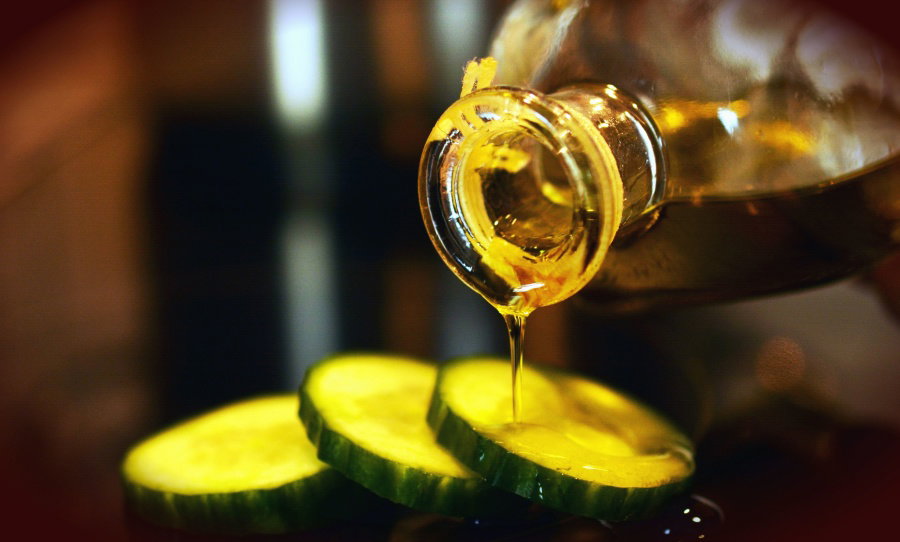
Fats It is essential that you reduce meals with excess fat, as they are flatulent foods. Use to cook virgin olive oil or seed oil in moderation and avoid fried foods, butter, nuts and margarine.
Dairy products. It is better to opt for semi-skimmed dairy products, reducing the consumption of fatty and cured cheeses and yogurts with fruits, cereals or nuts.
Meat, fish and eggs. If you want to avoid foods that cause gas, better cook with cow, beef, turkey, chicken and suckling lamb. As for fish, both white and blue should remain in your diet. Eggs are not considered flatulent foods, so there is no consumption limit, but better to prepare them poached, boiled or in a French omelette. Avoid deli meats and organ meats and it is preferable that you prepare cooked or roasted foods. Decrease fried and battered.
Sugars and sweets. The consumption of these products should be occasional, using honey and sugar in moderation. Decrease the consumption of chocolate and cocoa, pastries and industrial pastries.
Seasonings The use of salt is not discouraged, and neither is aromatic herbs. But you should decrease the consumption of black or white pepper, cayenne and green, paprika and chilli.
Home remedies against gases
Anise tea. Highly recommended after meals that cause gases because it has antispasmodic properties.
Gentian tea. Regulates peristaltic movements and helps stimulate the production of gastric juice, making it an excellent remedy against intestinal and stomach gases.
Infusion of avocado leaves. It is a diuretic and helps calm the digestive system. It also contributes to the expulsion of gases, fights diarrhea and eliminates kidney stones.
Cardamom tea. If you have eaten gassy vegetables, this tea helps relieve symptoms and discomfort, fatigue and bloating of the abdomen.
Melissa or lemon balm tea. It helps to decrease the formation of gases in the intestine, also fighting constipation, one of the causes of gas accumulation.
Infusion of carqueja. Drink a cup of this tea after eating flatulent food.
Ginger tea. In addition to eliminating gases, you can also use it to help fight nausea and vomiting.
Herbs infusion. Add basil, star anise, mint and anise, as these plants have antispasmodic properties that help fight gases.
Coriander tincture. It is ideal and an effective remedy after eating foods that cause gas.

The foods and drinks with more sodium that you consume daily
Excessive sodium consumption is considered the main dietary risk associated with high blood pressure, increased risk of stroke, cardiovascular disease, and premature death. The sodium intake in the Spanish population exceeds the recommendations of the World Health Organization (WHO) by 25 milligrams daily, since the total intakes reach 2,025 mg of sodium per day, that is, approximately 5.06 grams per day salt (excluding salt added on the table or during cooking). These are the results of the Anibes study, carried out on 2,009 individuals between 9 and 75 years old, and recently published in the scientific journal Nutrients.
Would you know how to identify the foods and beverages that hide the most sodium in your diet? We help you recognize them: "The main food groups that contribute to sodium intake in the Spanish population are meats and meat products (27%), cereals and derivatives (26%), milk and dairy products ( 14%) and prepared meals (13%) ”, two of the Anibes researchers, Teresa Partearroyo, professor at the Department of Pharmaceutical and Health Sciences at CEU San Pablo University (Madrid) and Gregorio Varela Moreiras, explain to CuídatePlus. Professor of Nutrition and Food Science at the Faculty of Pharmacy of the aforementioned university and President of the Spanish Nutrition Foundation (FEN).
The first thing is to explain the difference between salt and sodium. Salt is the common term used to refer to sodium chloride, consisting of 40% sodium and 60% chloride by weight (5 g of salt is approximately 2 g of sodium) and provides approximately 90% of the sodium consumed through of the diet.
Sausages, white bread, cheeses ...
Among the main dietary sources of sodium found in this study, it is worth knowing that:
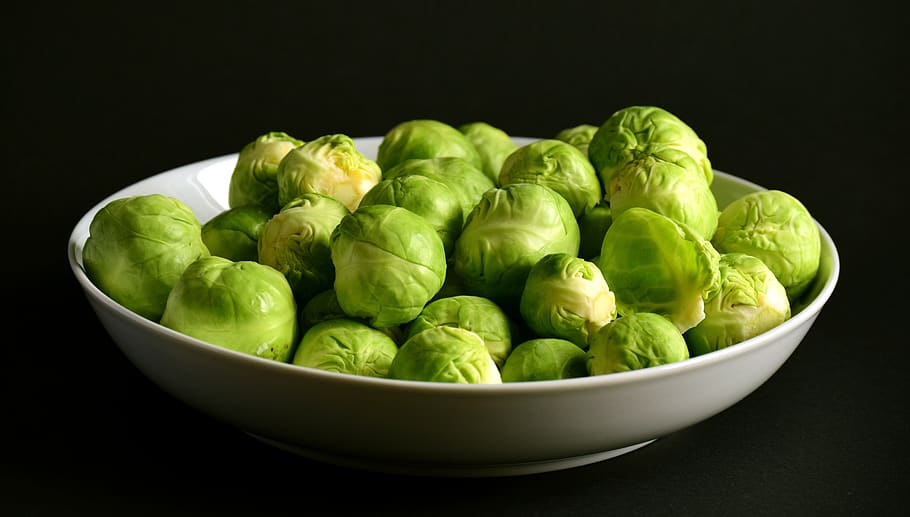
In the meat and meat derivatives group, the foods that contribute most to sodium intake are sausages and fatty sausages (18%), followed by fatty meats (3.9%) and lean sausages (3.2 %).
Within the cereals and derivatives group, the foods that contribute the most are white bread (17%), followed by pastries and pastries (4.3%) and cookies (2.2%).
In the group of milks and dairy products, cheeses are the ones that have the greatest contribution to sodium intake (6.9%), followed by milks (4.7%) and yogurts and fermented milks (1.6%). ).
Within the group of fish and shellfish, the foods that most contribute to sodium intake in the Spanish population are canned fatty fish (tuna type) with 2.5%, followed by seafood in general (1.2%) and white or non-fatty fish with 0.8%.
While milk contributes 4.7% to sodium intake in Spaniards, the rest of non-alcoholic beverages contribute 0.8% and alcoholic beverages contribute 0.5%.
Regarding precooked foods, the authors acknowledge that they have not been able to subdivide due to the high heterogeneity of this group.
We take more sodium at dinner
This research, in which sodium intake has also been analyzed according to different occasions of consumption, has shown that dinner was the food that most contributed to daily sodium intake, since it represented between 30 and 37 % of total intake. After dinner, lunch was located in the next place, providing between 25 and 34% of the intake. The mid-morning and snack provided only between 5 and 11% of the total sodium intake.
"It is difficult to indicate what may be the reason why dinner is the meal of the day that contributes the most to sodium intake. What is clear is that we Spaniards consume more sodium-rich foods at night. Recall that the foods that contribute the most to sodium intake are sausages and other processed meat products, closely followed by bread, prepared meals, cheeses and canned fish and shellfish, "say the researchers.
However, Partearroyo and Varela consider it important to remember that dinner is usually the time of the day when people usually eat at home, "which means that we can adopt measures to reduce sodium consumption both personally and as a family."
Some ‘spend’ more than others
"If we look at the gender of the people analyzed, we have found that men have a significantly higher intake of sodium than that obtained by women, regardless of age. In any case, we must bear in mind that these differences could be attributed to the higher male dietary intake, since when we have adjusted the intakes according to energy these differences are not maintained, ”explains Varela.
It should be noted that, according to the body mass index (BMI), as indicated by the coordinator of the scientific study, “overweight children showed a significantly higher sodium intake than those who were underweight. However, no significant differences were observed in the rest of the age groups in relation to the different BMI values ”.
Nutritional tips not to exceed the recommended sodium
Reducing the dietary intake of sodium is a very relevant public health objective, since the intakes of this macro mineral in the Spanish population are above the recommendations in all ages, mainly in children. However, as indicated by the Spanish Heart Foundation, salt intake should be reduced to 1 g per day, especially in hypertensive patients or those with heart failure. In cases of advanced heart failure or hypertension that is difficult to control, cook without salt.
Given the established health benefits of dietary salt reduction, it would be advisable to continue, and even improve, current national awareness and education campaign initiatives, and in particular food reformulation to decrease overall intake of salt in the Spanish population ”, indicate the authors of the Anibes study. They also offer the following recommendations to limit sodium intake from now on:
Limit the consumption of prepared foods, bread, cheese, meat products, preserves and canned, due to its high sodium content.
Avoid using precooked or concentrated flavored sauces, as they are high in salt.
Dress salads and other dishes with pepper, onion, garlic, lemon, vinegar, oil, parsley ... as substitutes for salt, since they provide a lot of flavor and are within the traditional concept of the Mediterranean diet.
Cooking in water can be a culinary technique of choice when preparing foods that contain large amounts of sodium, since it passes into the osmosis cooking water and, therefore, reduces the sodium content of that food. In the case of using this culinary technique, it must be taken into account that the cooking water must not be used.
Reading the nutritional composition of the foods we buy is a practice that we must do routinely, since many pre-cooked foods are high in salt.

Tangerine is not the ‘poor sister’ of orange
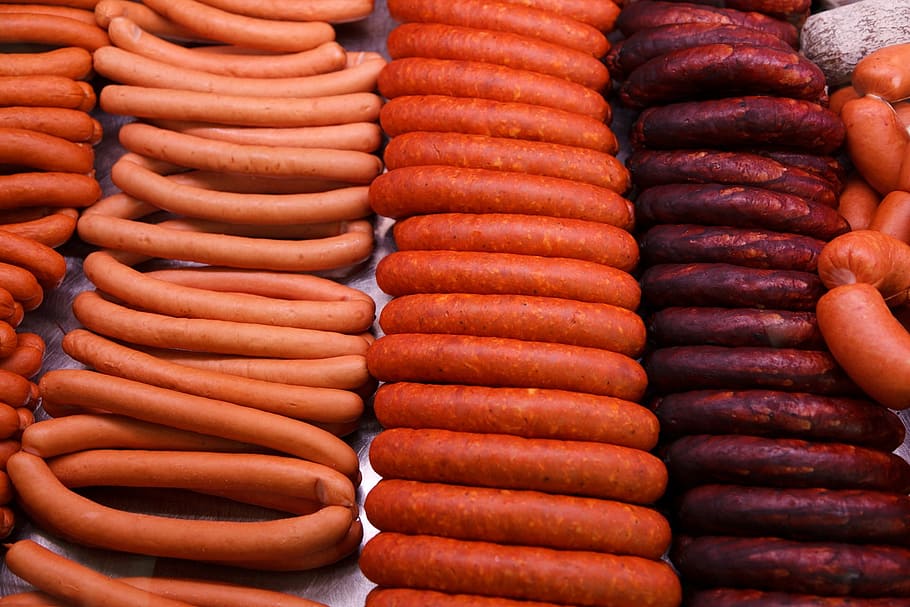
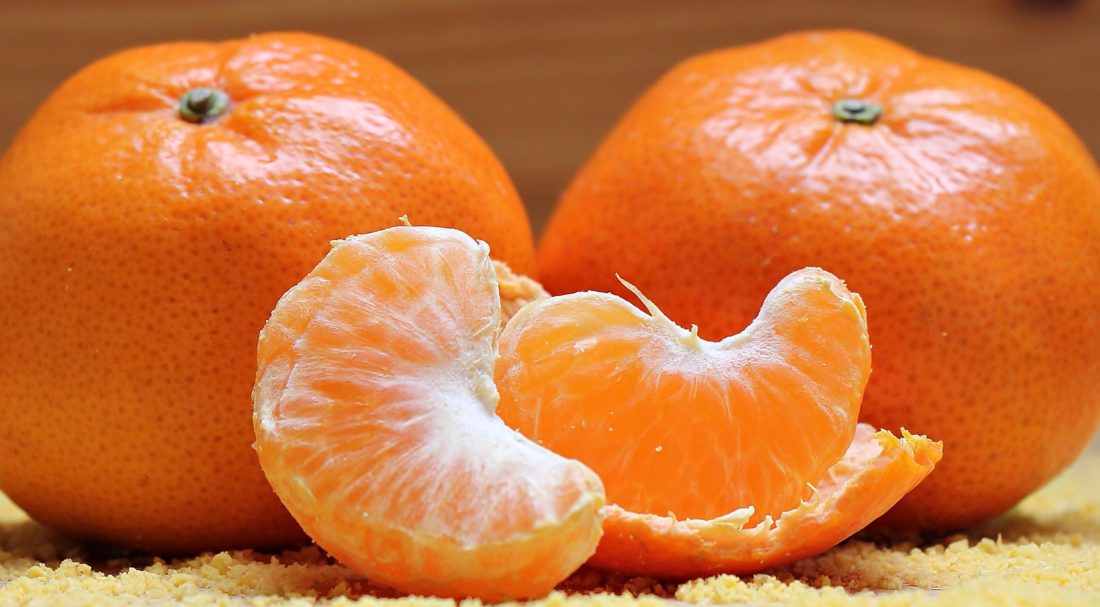
The idea that it is better to consume oranges than mandarins does not hold. The latter are by no means an impoverished version and both are an excellent nutritional option, rich in nutrients and low in calories. It is true that orange contains more vitamin C, but tangerine is also an excellent source of this micronutrient and, in addition, it provides others.
For Dolores Silvestre Castelló, professor of Nutrition and Food Science at the CEU Cardenal Herrera University, the benefits of tangerines are clear: “They are one of the most interesting fruits for their benefits on consumer health. As in oranges and other citrus fruits, in mandarins we find the best dietary sources of some micronutrients; especially of the water-soluble vitamins ascorbic acid (vitamin C) and carotenes (vitamin A), which are not easy to obtain in other foods. ”
Characteristics and nutritional composition
The tangerine is the fruit of the mandarin, a tree of the family of the rutáceas very similar to the orange tree, although smaller. As reported by the Spanish Nutrition Foundation (FEN) on its website, “there are doubts regarding its origin, although it is known with certainty that it has been cultivated in China for several millennia, dating back to the first reference to this fruit in the 12th century BC. " Its name is attributed "to the color of the robes worn by the rulers of ancient China." In southern Europe it has been cultivated since the 19th century of our era.
This fruit is characterized, like many others, for its high water content and low contribution of macronutrients. "The protein and lipid content is negligible and carbohydrates are present in a small amount, so its caloric value is very low," says Silvestre. A serving of two tangerines provides around 60 Kcal.
This is the nutritional composition of the tangerine per 100 grams of edible portion:
Energy: 43 Kcal
Protein: 0.8 grams
Fat: practically 0
Carbohydrates: 9 grams
Fiber: 1.9 grams
Water: 88.3 g
Calcium: 36 milligrams
Iron: 0.3 milligrams
Magnesium: 11 milligrams
Zinc: 0.4 milligrams
Sodium: 2 milligrams
Potassium: 160 milligrams
Phosphorus: 17.2 milligrams
Vitamin B6: 0.07 milligrams
Folates: 21 micrograms
Vitamin C: 35 milligrams
Vitamin A: 56 micrograms
Silvestre comments that the fiber content is not high, but considers that "due to our dietary habits, it is important to value this small contribution, since the general consumption of fiber is much lower than the recommended 25 grams daily."
Tangerines are a good source of functional components: carotenoids, flavonoids and organic acids that "contribute to the prevention of common, almost epidemic diseases, such as cardiovascular diseases, cancer, retinopathies and, in general, all those related to the oxidative process "
Optimal source of vitamin C
Regarding the antioxidant power of mandarin, the expert acknowledges that "it is superior in orange, but it is not less valuable in this fruit." In this sense, he calculates that with a ration and a half of mandarins (2-3 units) "the daily vitamin C recommendations are covered." In short, "either fruit is an excellent option to satisfy our needs."
If the orange wins in vitamin C, the mandarin is superior in terms of vitamin A: 140 microequivalents in 100 grams of edible product, compared to 60 milliequivalents in the orange. However, also in this case "both fruits are valued among the best sources of this vitamin".
Tips to maximize your profits
There are different varieties of mandarins, which are divided into four main groups: clementines, clementines, hybrids and satsuma. Which to choose? Silvestre clarifies that the nutritional properties of the fruit depend, rather than on the mandarin variety, on the growing conditions, the degree of insolation of the tree, the harvest, the period and the storage conditions, in addition to the way of home consumption . "All of them are factors that affect the composition of vitamins and modify the healthy properties of the phytocomponents."
Tangerines can be found on the market from September to mid-March and the different varieties ripen at different times.
Silvestre offers the following consumption recommendations:
Choose, whenever possible, seasonal and locally produced fruit.
Choose mandarins with an optimum degree of maturity.
Limit the storage period.
Store them in cool and ventilated environments.
Avoid its use in desserts that require a treatment of the fruit for a long period before consumption.
Make sure they are not piled up and keep them from getting wet or damp (to prevent mold).
Is eating dehydrated fruit the same as eating fresh fruit?
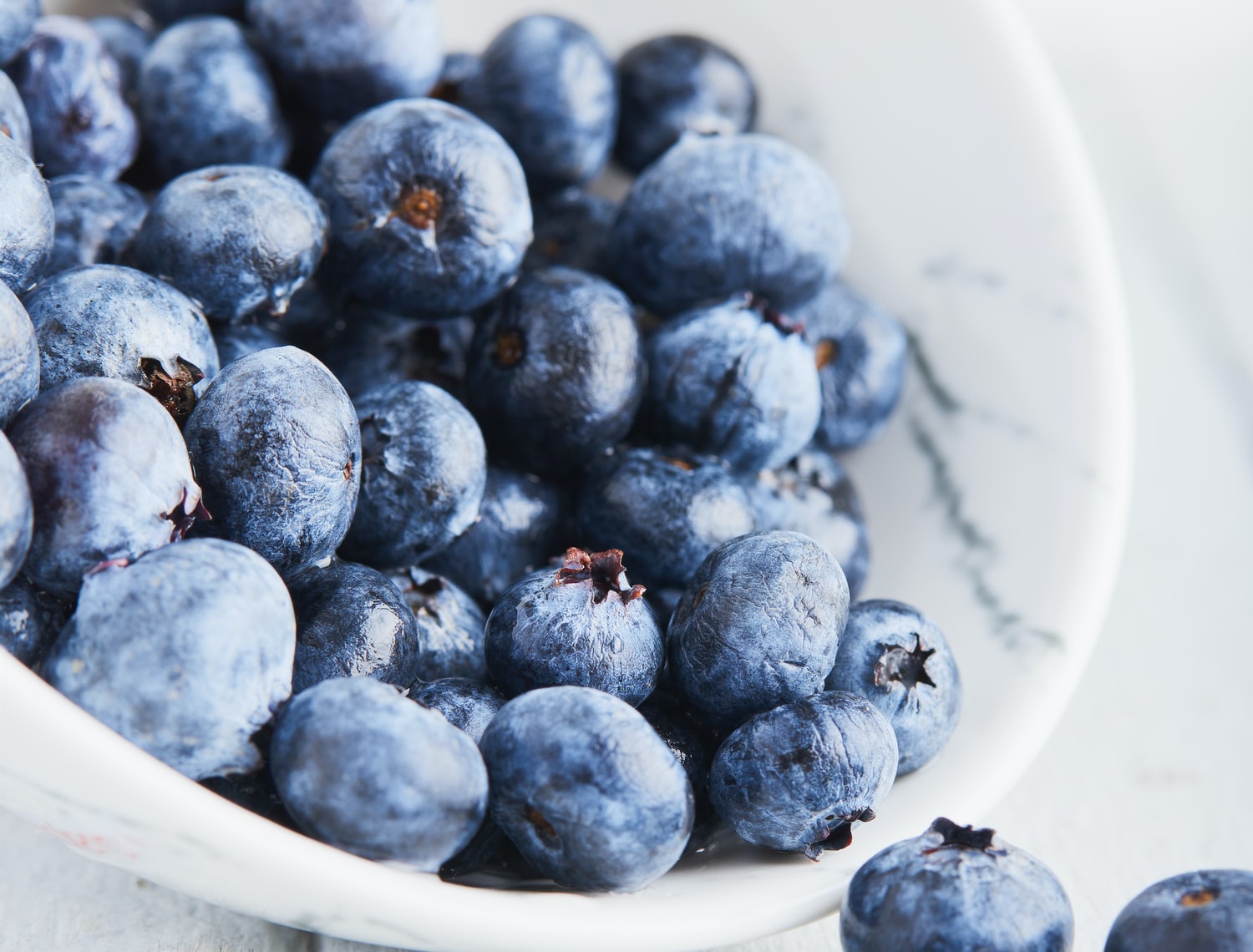
Dried fruit consumption is in fashion. There is an increasing supply of this type of products in supermarkets. Where before we only found blueberries, raisins and dried apricots, now there is pineapple, kiwi, apple, coconut or dried mango. Their use has become widespread because they are no longer only consumed on time as a salad topping, but many people use them as snacks, sports equipment and even as a substitute for fresh fruit, but are they just as healthy? How many calories do they provide? Can you eat freely and without limits?
As CuídatePlus Inmaculada Luengo, a dietitian nutritionist at the European Medical Institute for Obesity (IMEO), points out, “dehydrated fruits are fruits that undergo a drying process to eliminate their water content”. Formerly "the fruit was dehydrated so that it would not spoil, being an ideal method of preservation for those places where fruit was not available all year round".
The process to obtain it is as follows: "Fresh fruit is heated in drying tunnels, where hot air is passed with controlled relative humidity so that the external water evaporates and the interior migrates by capillary action towards the exterior . Through this process it is possible to lengthen the useful life of the food, since it hinders the development of spoilage reactions by pathogenic or altering microorganisms and, in addition, it reduces its size and weight, which facilitates its packaging, transport and storage. ”Explains María del Mar Montesinos Chacón, nutritionist, coordinator of the Nutripharma Nutrition Service and pharmacist in Almería, in more detail.
In principle, as Luengo points out, "all fruits can undergo this process", however, "there are some that are better than others, such as apples, bananas, kiwi or mango, compared to other more fibrous ones, like oranges or tangerines ”.
But not only can the industry make this type of products, but it can also be done at home. "We can make dehydrated fruit at home and make sure it is 100% healthy," says Luengo. "The first thing to do is cut the fruit into thin sheets and place them on the baking sheet with baking paper."
To achieve the most optimal result, the ideal is to "turn the oven on at around 60ºC and keep it at this low temperature so that they gradually dry out." Also "you can dry the fruit in the sun or use a homemade dehydrator," adds the expert.
In Later's opinion, this would be the best option since "those that are purchased may contain added vegetable fats to give them better flavor," he warns, so he recommends "read the label of these foods well and see that in the list of ingredients only the fruit in question is included ”.
Are properties lost?
After this drying process, it is worth asking if the fruits lose their properties, remain or, on the contrary, increase. According to Montesinos, "the nutrient content is similar to that of fresh fruit, although with a more concentrated content." By reducing its water content, "all nutrients such as sugar, vitamins and minerals are concentrated," Luengo reaffirms.
It is important to keep in mind that "they preserve all the nutrients of fresh fruits except for water-soluble vitamins, such as vitamin C, which is reduced almost entirely after the dehydration process," Montesinos warns.
"If the original fruit has a high content of a nutrient, the corresponding dried fruit will have multiplied the content of this nutrient at equal weight, as a consequence of the elimination of much of the water," says José Luis Sierra Cinos, member of the group of Nutrition and digestive from the Spanish Society of Family and Community Pharmacy and professor of the Degree of Nutrition at Isabel I.
What does change a lot with this process are the organoleptic characteristics of the fruit. “There are changes in the color, due to the browning reactions; in the flavor, by the concentration of the sugar, and in the texture, since they become more rubbery due to the loss of water ”, details the nutrition expert from Almería.
The fact that dehydrated fruits have a higher concentration of nutrients does not mean that they have more calories, in fact they have the same calories as fresh fruit, however, “by reducing the size, there is a risk of consuming more servings of this product, larger portions and, therefore, more calories than necessary, "says Montesinos.
For example, "a serving of dried fruit (25 grams) is equivalent to 100 grams of fresh fruit, so consuming 100 grams of dehydrated fruit would be equivalent to eating about 4 fresh apples and, therefore, consuming an extra 150 kcal".
In Sierra Cinos' opinion, "the two types of fruit can be healthy when consumed properly. It is necessary to take into account the caloric and sugar contribution that many of the dehydrated fruits suppose and to adjust their intake to these circumstances." What must be taken into account is that dehydrated "does not replace the portions of fresh fruit that must be consumed daily".
For whom it is?
It is true that "they are more satiating", indicates Luengo, due to their high fiber content (they provide from 5 grams of fiber for every 100 grams of food in the case of raisins to 18 grams per 100 grams in the case of plums ) "But if we eat a lot, this could lead to weight gain." Therefore, his advice is "not to use them as a substitute for fresh fruit but to contextualize the intake."
According to this, dehydrated fruits would be "an excellent option for athletes, since they have a high energy content, and about 100 grams provide between 250-300 kcal".
The nutritionist also recommends its use in children, infants and pregnant women, "since, undergoing the drying process, increases its safety." And, although it may seem contradictory, it also recommends them in weight loss diets, however, "taking into account the amount consumed and the daily physical activity carried out by each person."
In the case of diabetics, Luengo advises against uncontrolled consumption of dehydrated fruits, due to the risk of consuming more sugar than necessary, but, he clarifies: “If they are going to be consumed, the ideal is to do it with protein and fat consumption so that digestion is slower and emptying into the stomach as well. In this way, the pancreas can secrete insulin more progressively. ”
Recommended Amount
As for the recommended daily amount, Montesinos advises consuming "around 25-50g, which is equivalent to about 50-70 kcal". "No more quantity is recommended due to the concentration of nutrients and sugar, although everything will depend on the level of activity of each person." This amount could also be increased in “people who want to gain weight or those who have a very high energy expenditure”.
"We must remember that they should be limited and, if possible, not exceed 10% of the total calories consumed," warns the Sefac expert.
The best time of day for consumption would be "as a mid-morning snack or snack, since in addition to being a very nutritious option, it is ideal for moving and consuming between meals, so that it can constitute or be part of a good healthy snack ”, indicates Montesinos.
Also, they would be a good option for a breakfast before a workout, "since this type of fruit provides energy immediately." In addition, "they can be a good replacement to reduce the use of sugar in the kitchen, since a puree of dates or raisins bring moisture, flavor and a lot of color to a dish, without the need to add caloric and low-nutritive sweeteners".
In the case of dinner, the expert advises to limit its consumption, "since that extra energy that they suppose will not be used and our body would store it in reserve tanks (fat deposits)".
For his part, Luengo advises "take them before or after sports training or as snacks mid-morning or mid-afternoon" and warns: "Although they are rich in calories and satiating, they are not substitutes for main meals. If this were done, the consumption of other more interesting foods such as vegetables and legumes would be displaced ”.
Is extra virgin olive oil good for frying?
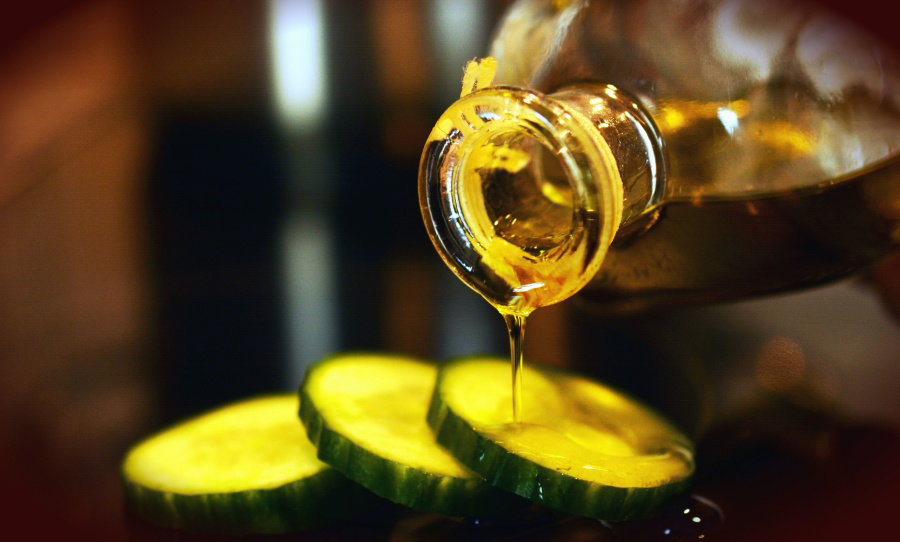
Consuming raw extra virgin olive oil had already been shown to have protective health effects. Different beneficial properties are attributed to this food. These include the prevention of cardiovascular diseases, breast cancer and neurodegenerative diseases and a lower incidence of type 2 diabetes.
However, there was little research on whether it is best suited for cooking. Now, a study recently published in the scientific journal Antioxidants brings us out of doubt, concluding that this type of oil maintains the levels of antioxidants considered healthy when used to sauté. What the authors intended is to apply science to the daily life of domestic cooking to evaluate the effect of temperature and time on extra virgin olive oil with stir-fry.
“Cooking with extra virgin olive oil reduces its content of phenolic compounds and antioxidants. But the most relevant aspect of this study is that the oil after cooking, even sautéing at a moderate temperature, has a content of polyphenols that is within the parameters set forth in the health claim of the European Union, ”Rosa Cuídate explains. Mª Lamuela, group leader of the Center for Biomedical Research in the Pathophysiology of Obesity and Nutrition (Ciberobn) and director of the Institute of Research in Nutrition and Food Safety of the University of Barcelona (INSA-UB). His team has worked in collaboration with the University of Sao Paulo (Brazil) to carry out this research.
The European Union health claim claims that the polyphenols in extra virgin olive oil protect LDL cholesterol (“the bad”) from oxidation. This oxidation process leads to the accumulation of cholesterol in the vascular wall, causing cells characteristic of atherosclerosis.
Why is there a belief that it should not be used for frying?
Regarding the widespread idea that extra virgin olive oil is not worth frying, Lamuela recalls that “it has always had many detractors. It is true that it has a lower smoke point than other oils due to its concentration in volatile compounds, but these are the ones that give it its characteristic aroma and flavor. On the other hand, thanks to its high content of antioxidants, such as polyphenols or carotenoids, this oil withstands oxidation well, since it is these that first oxidize, preventing the fat from doing so ".
Recommended quantity, temperature and time
The benefits of extra virgin olive oil with a Mediterranean diet in a study called Predimed, carried out in Spain with more than 7,000 people, “were observed consuming 40 grams a day, adding the amount of oil in raw and cooked, but each dish and each type of preparation require a specific amount. " This is stated by Lamuela, who also participated in that clinical trial.
“Extra virgin olive oil, as with all oils, should not be heated to very high temperatures, or for too long. However, virgin olive oil, being an oil rich in oleic acid and with antioxidants, is more protected from oxidation than seed oils, "says the Ciberobn researcher.
How can the consumer measure the temperature at which their oil has reached during cooking? “There are special thermometers that allow you to measure the temperature while cooking. The appropriate thing would be not to reach temperatures above 160ºC, but a general recommendation is not to leave it overheating, or smoke to come out, "responds Lamuela.
"Gas fire, ceramic hob, microwave, oven ... The temperature can be reached equally in any of these cooking systems. It will depend on the type of cooking that we are looking for one or another temperature. We can always modulate it regardless of the type of electrical appliance ”, says the director of INSA-UB.
For example, a relatively low temperature is suitable for using extra virgin olive oil in cooking baked fish, since it is a fragile food. This temperature also ensures better maintenance of its sensory and nutritional qualities.
Low folic acid: causes and consequences
What reasons and diseases cause a drop in folic acid levels? And what consequences does the deficiency of this vitamin have? Guadalupe Blay Cortés, head of the Endocrinology and Nutrition Group of the Spanish Society of General and Family Physicians (SEMG), brings us out of doubt, also offering nutritional recommendations to increase these levels.
Possible causes of low levels
"Because folate is not stored in the body in large quantities, the blood level will drop after a few weeks of eating a low-folate diet," says Blay.
Likewise, the SEMG specialist says that there are other causes:
Inadequate dietary intake of folic acid due to: limited consumption of fresh or minimally cooked food, chronic alcoholism, or the long-term need for intravenous nutrition (total parenteral nutrition).
Inadequate absorption of folic acid due to: malabsorption syndromes, such as celiac disease, or drug interactions, such as anticonvulsant drugs and oral contraceptives.
Increased need for folic acid due to: pregnancy, lactation, childhood, or malignancy (for example, cancer).
Increased loss by hemodialysis.
Poor use of certain medications (for example, methotrexate, which is administered in cancer patients).
Eating overcooked vegetables as folate can be easily destroyed.
Kidney dialysis.
Consequences of having low folic acid
This vitamin plays a role in the accumulation of proteins in the body, including blood cells. Blay mentions the consequences of low folic acid levels below:
Fatigue or irritability.
Anemia (low red blood cell count).
Low levels of white blood cells and platelets (in severe cases).
Pale skin (paleness).
Red, irritated tongue, sometimes shiny.
Shortness of breath and dizziness.
Change in evacuation patterns (diarrhea, generally).
High level of homocysteine in the blood (a risk factor for heart disease).
Also, folic acid deficiency can cause serious birth defects known as neural tube defects.
What to eat to raise the levels?
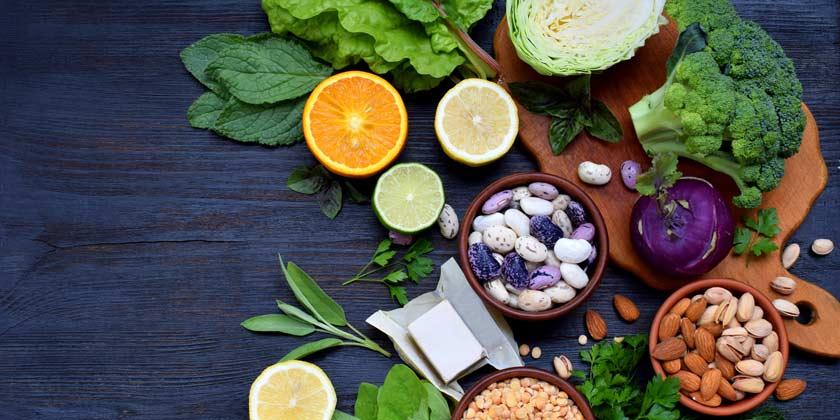
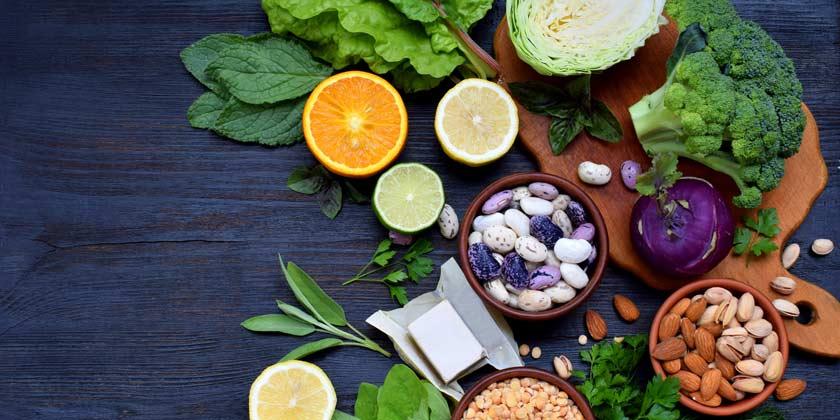
Green leafy vegetables, such as arugula, spinach, endive, lettuce, watercress, Swiss chard or cabbage, are some of the foods richest in folic acid. So is parsley ”, says the head of the EEM Group and Nutrition of the SEMG.
Folic acid is also present in other vegetables such as broccoli, Brussels sprouts, asparagus, leek or artichoke. Other vegetables and greens like celery, tomatoes, carrots, or squash are also important sources of folic acid. Blay advises steaming them.
Beans, chickpeas, soybeans, and peas are some of the legumes that provide folic acid.
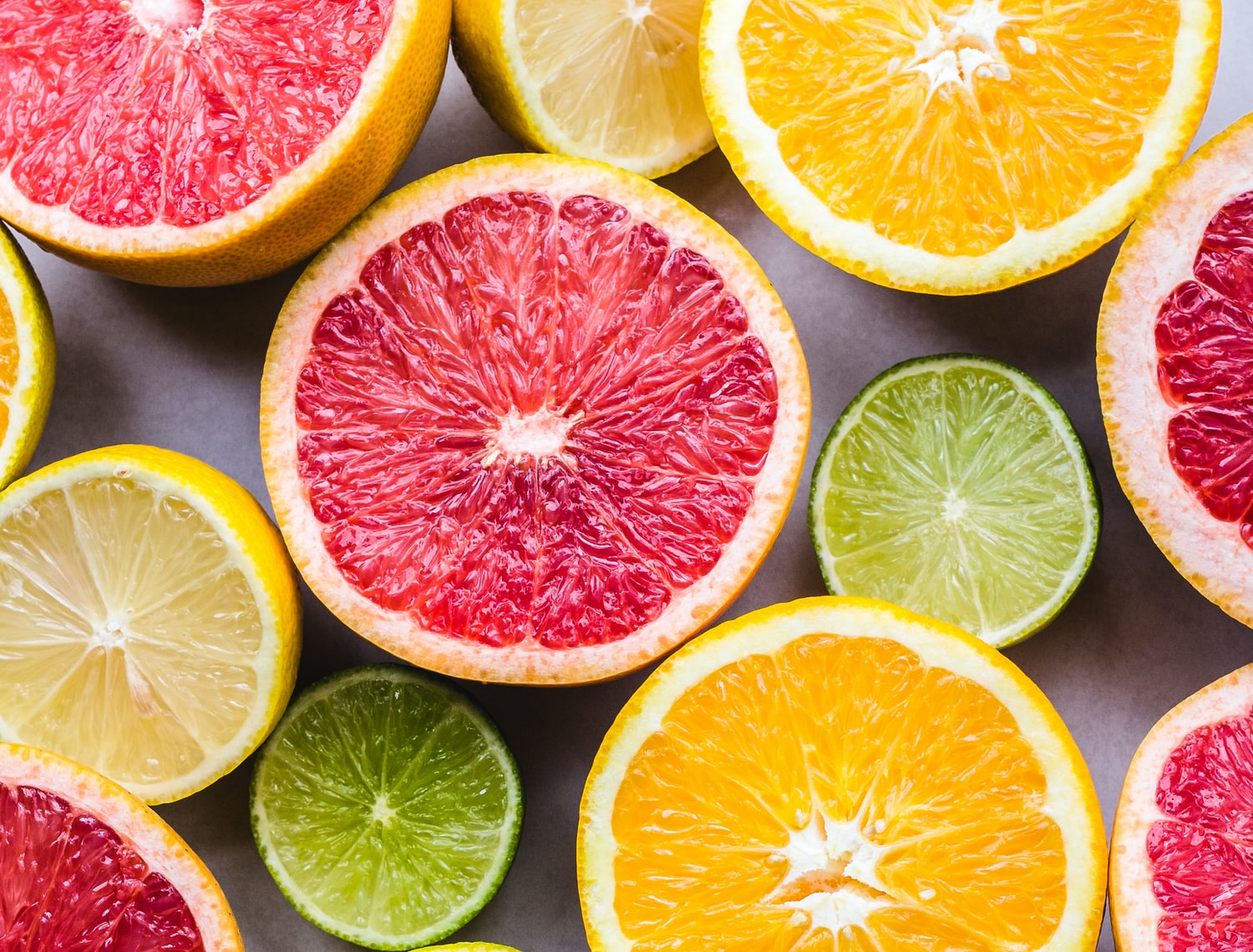
Among the fresh fruits, avocado, orange, banana and melon stand out. Citrus fruits such as kiwis, papayas, strawberries, or raspberries are also an exquisite source of folic acid.
Avocado is a fruit with many beneficial properties. It contains fatty acids, vitamin K, fiber and also a great contribution of folic acid.
Nuts such as almonds, chestnuts, and peanuts; and seeds, such as flax, sesame or sunflower seeds, also represent an excellent source of folic acid.
Whole grains have more folic acid than refined ones. Inflated wheat flakes stand out, but also rye.
Other sources are:
Chicken, turkey or beef liver, foods very rich also in vitamin A.
Seafood and fish, especially blue, perfect also to combat anemia that some women suffer during pregnancy.
Dairy, which will also help maintain correct calcium levels.
At what stages of life are adequate levels necessary?
In the preconception stage and lactation it is important to have adequate levels of folic acid.
In addition, Blay highlights that "a diet rich in folic acid in childhood alters the genetic markers of obesity, promoting a reduction in the risk of obesity in adulthood."
How to detect a low level of folic acid?
Folic acid can be measured in both the liquid portion of the blood (serum) and the red blood cells. This last test may be better than the serum test to measure the amount of folic acid stored in the body.
"The amount of folic acid in red blood cells measures the level present when the blood cell originated up to four months ago. This level is usually not affected by the amount of folic acid in your diet on any given day, but the result indicates the usual amount in your diet over several months. It is a more accurate way of measuring the level of folic acid in the body ", c
Cerro Autana - Wahari Kuawai
The Autana, Euwabey or Kuawai hill "The tree of life" in Piaroa dialect, is a tepuy that is located in the Amazon state.
It is part of the Guiana Shield. As for its height, some sources say that it reaches 1,250 meters of altitude, in others it is said that approximately 1,300 meters. It constitutes for the piaroas indigenous people a sacred mountain (known as the Tree of Life).
Although made up of almost horizontal strata of sandstone, the Autana contains caves and other karst formations, which are rare on rocks other than limestone.
The reason for these formations is found in the fact that said sandstone was cemented with proportions of limestone and the parts where there was a greater proportion of this mineral (calcium carbonate) were emptied by its dissolution, leaving interconnected caves and a very large with a dome-shaped roof that has different colors due to the different composition of the minerals that make it up.
This tepuy was declared a Cerro Autana Natural Monument in 1978, including not only the hill, but part of the Autana River and Lake Leopoldo.
Legend has it that the world begins when the Wahari God creates the Piaroa Indians. To populate and give fertility to the land, Wahari cuts the tree of life, the Kuawai, so that it spills all its fruits on the ground. Of this tree, only the cut trunk remains, which we foreigners call Cerro Autana.
“From the Tree of life, only the trunk remains.
You creoles call it Cerro Autana.
For us piaroas, it is the Kuaimayojo, the petrified stump of the Wahari-Kuawai, around whom Mereya Anemei created the universe: the rivers and streams, the mountains and the jungle, the animals, the rain and the celestial space.
This is our home territory.
This is, for us, the sacred land ”.


The Passiflora or Passion Flower
It is one of the most popular climbing species in decoration. This genus of plants is made up of vines that can reach several meters in height and creeping vegetation.
It is considered a climbing plant because it helps with tendrils to be able to climb. These are born from the leaves and often develop into tangled masses.
The passion flower is fast growing.
Its leaves appear alternately, are persistent, perennial and have a limbus divided into oblong lobes.
But, if there is something striking in the Passion Flower, it is its flowering. Its beautiful flowers begin to appear in summer and remain on the plant until autumn.
Of several different shades.
There are species of light blue and others of a very beautiful purple hue. In addition, they are usually aromatic flowers, so you will not only have a beautiful garden, it will also smell very good.
Its fruits are shaped like an egg, they are oranges and there are varieties of Passiflora that can even be eaten.
Although the Passion Flower has been considered for many years a plant related to eroticism, its name and origin are linked to religion, specifically to the Passion of Christ.
And now you will ask yourself, why the Passion of Christ? And you will find the answer below:
The ten petals that protect the flower represent the ten apostles found in the crucifixion of christ
The filaments available to it represent the crown of thorns that were placed on his head
The five stamens represent the five sores inflicted on him
The three pistils are the keys by which the body was fastened to the cross.
All this was seen by a Jesuit father, Manuel de Villegas, back in 1610. He found a similarity between the parts of the plant and the religious symbols that surround the Passion of Christ.
Passion flower is one of the most beautiful plants to decorate a garden. Its so special appearance will delight any lover of gardening.


Butterfly orchid or Phalaenopsis
It is one of the most beautiful orchid species in the world and perhaps also the best known. Its cultivation and marketing has spread throughout the world and they are easy to find in any garden center.
They are the most cultivated orchids as houseplants due to the simplicity of their cultivation and the spectacular nature of their sticks with flower clusters that can last 2 or 3 months.
These orchids owe their name to their similarity to butterflies: "Phalaena = butterfly" and "Opsis = similar"
They are native to the Philippines, the tropical zone of Asia, Australia and also to some areas of Africa.
The genus of butterfly orchids contains about sixty species and a large number of cultivated hybrids, featuring flowers of various sizes and colors.
Like many other orchid species, phalaenopsis are epiphytes, that is, they grow on tree branches or in the middle of rocks. Therefore, its roots are not made to look for the earth but to cling to any structure or natural support and capture the nutrients from the rainwater and the organic matter that it carries along as it slides down the trees and branches.
Butterfly orchids are shade orchids. They don't like being in direct sunlight, it can easily burn their leaves,
They should be kept near a window, where they can get some natural diffused light.
Phalaenopsis prefer to have constantly wet roots and therefore it is advisable to water twice a week during the summer and once a week during the winter.


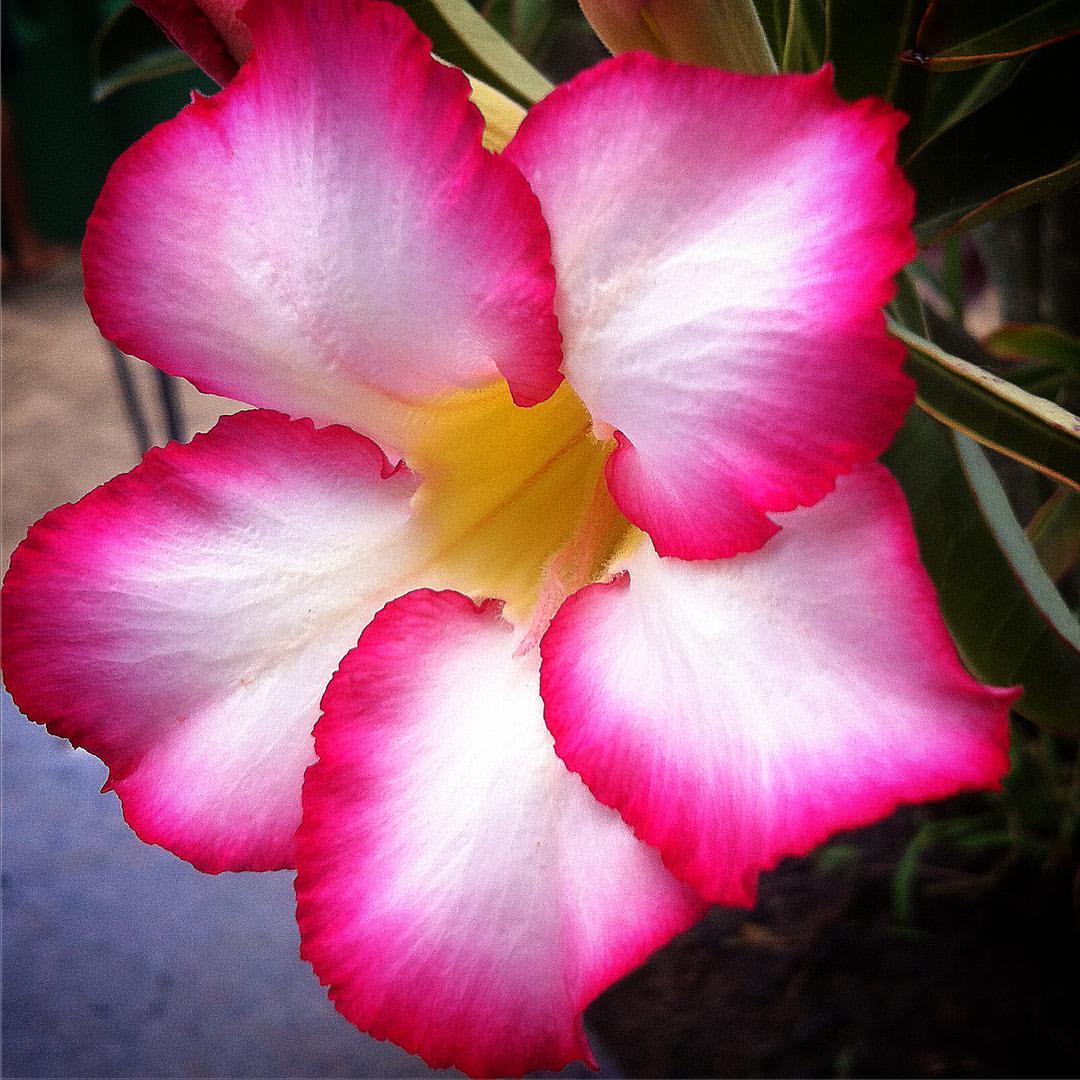
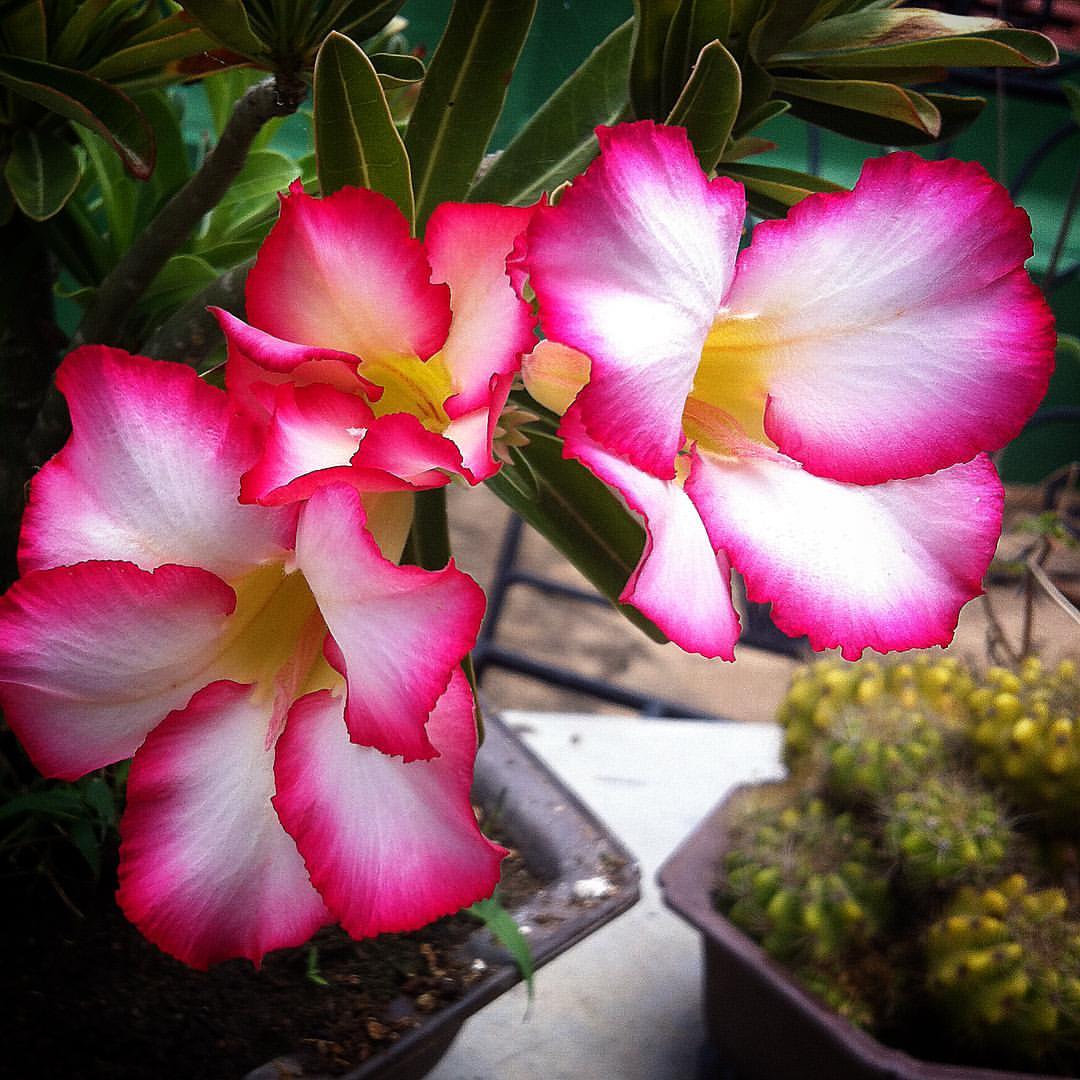
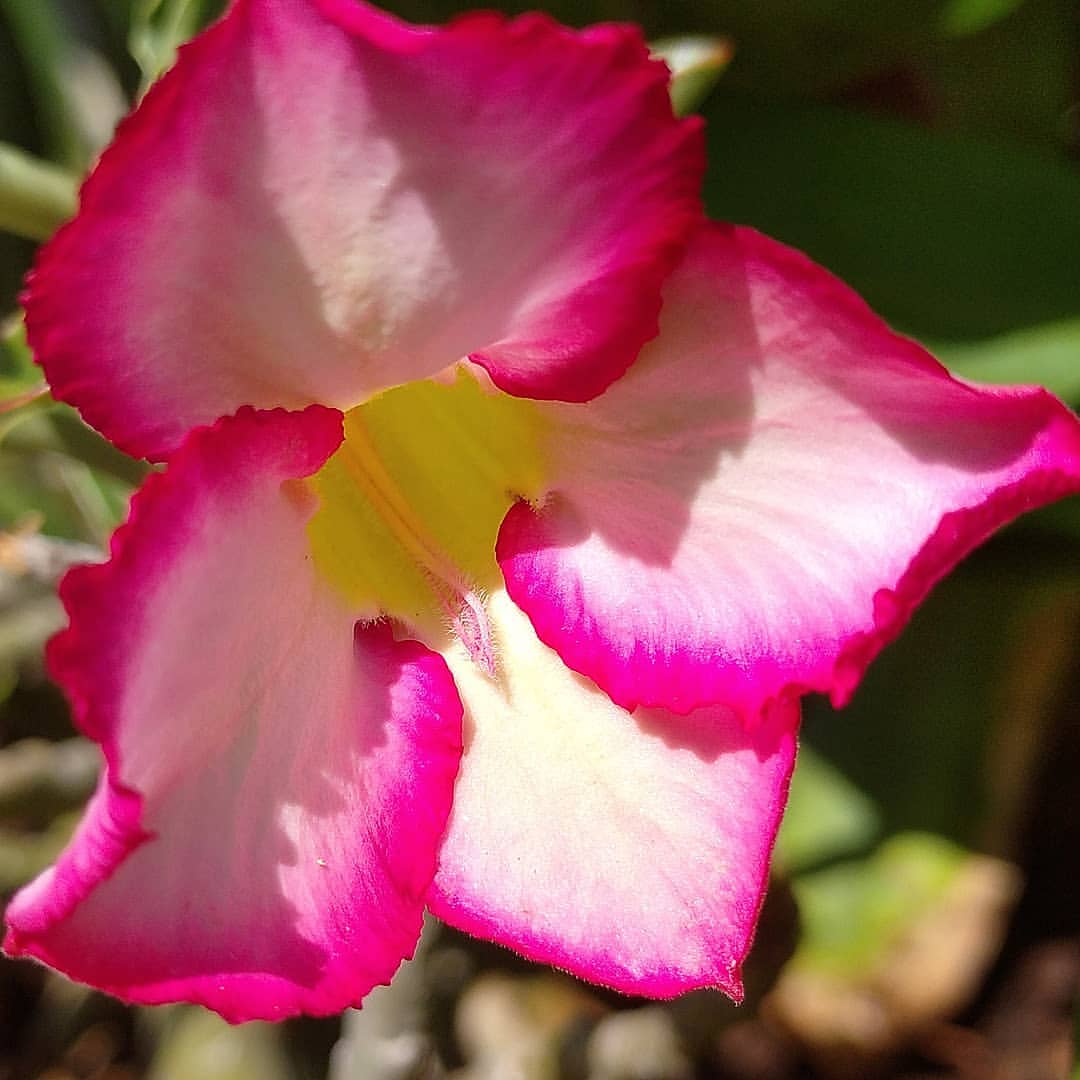
Desert Rose
The Desert Rose is a bush native to Africa that produces very lively and cheerful trumpet-shaped flowers. Although its growth rate is very slow, this makes it an ideal plant to keep in a pot for many years, even throughout its life.
The Desert Rose, also known as Sabi Star, Kudu, Desert-rose or Adenium and with the scientific name Adenium obesum, is a shrub belonging to the Apocynaceae family that reaches 2m in height. It is native to the tropical and subtropical east and south of Africa and Arabia.
Its leaves are perennial, which means that the plant remains evergreen all year round, but it loses them in areas where the winter is cool. These are simple, whole, and leathery. They measure 5 to 15cm in length and 1 to 8cm in width. They are dark green in color and have a highly visible central nerve.
It is important to add that its sap is toxic, so if it is necessary to prune it, you must always wear gloves to avoid problems.
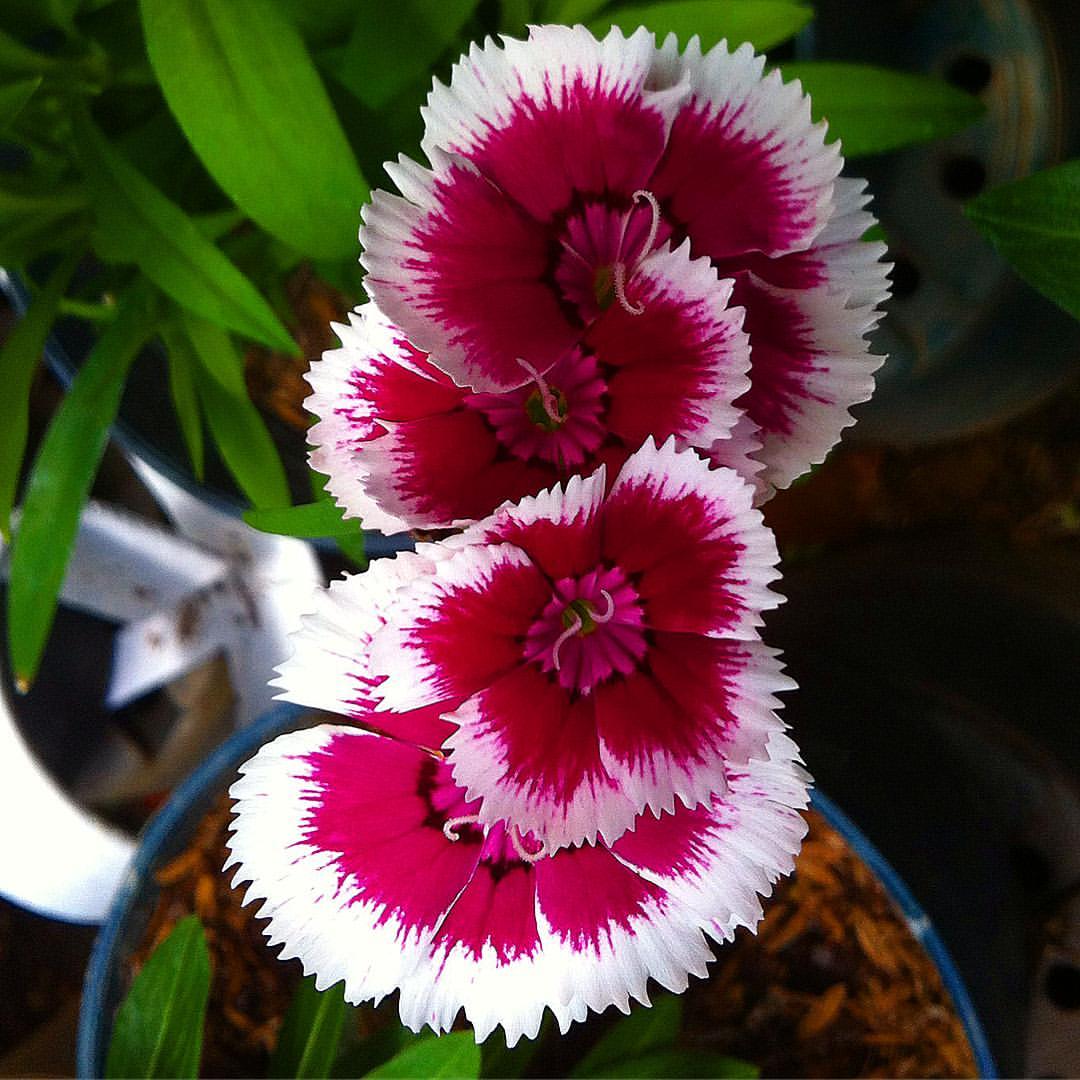
Carnation of the Poet or Minutisa
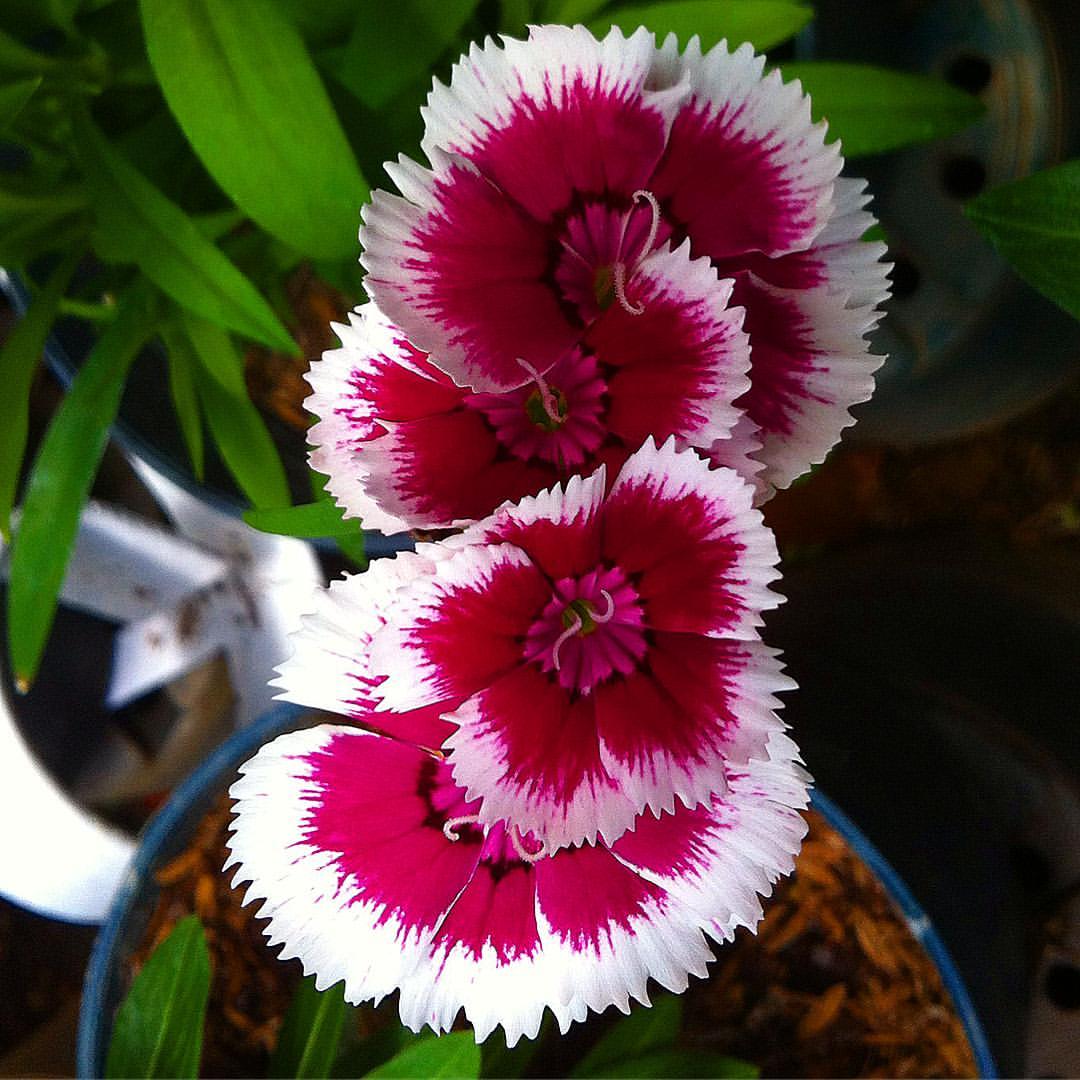
Vivacious species characterized by its rosette flower, polychrome and very aromatic, indicated for planting in flower beds and rockeries. Also known as Japanese carnations or "Sweet William" by the Anglo-Saxons it is a biennial plant, you plant it and that year it will not give you flowers, it will be in the next season when a tapestry of multicolored flowers will shine in spring.
It was known as the divine flower of Jupiter and Zeus. Its heads of small fragrant, simple flowers that seem to form a single flower will appear in May as a mattress with wonderful aromas of carnation, it is a plant that resists drought, although it loses aesthetics, but it is easy to grow.
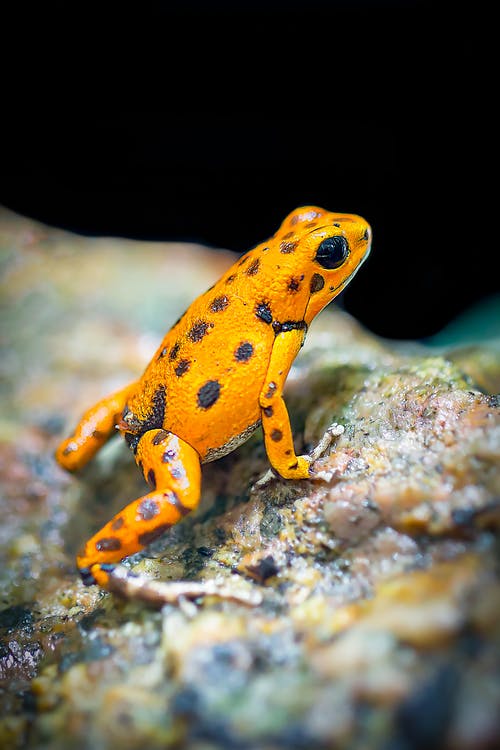
Golden dart frog
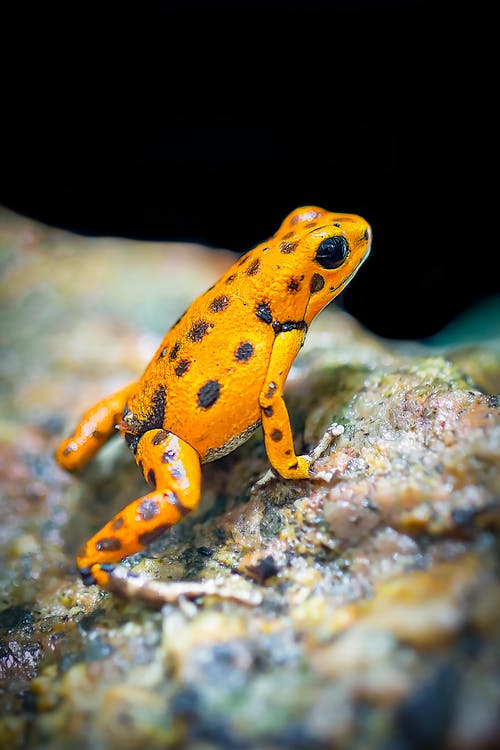
The golden dart frog is considered the most poisonous animal on Earth. It is a unique species that measures about 5 centimeters and has enough venom to kill ten adult men. The Emberá Indians of Colombia used this powerful poison for centuries to smear the tips of the darts they shot with their blowguns, hence the name of this species.
This brightly colored amphibian is one of the largest of more than 100 species of poison dart frogs: the average length is two and a half centimeters. They live in a small area of the rain forest on the Pacific coast of Colombia. Although it is an abundant species, the destruction of the rain forest has made it part of the international lists of threatened species.
Its color, which varies between yellow, orange and pale green, depending on the species, is deliberately eye-catching to protect itself from potential predators, a tactic called aposematic coloration. Poisonous Golden Dart Frogs eat flies, crickets, ants, termites, and beetles.
Scientists are unsure of the origin of the toxicity of these frogs, although it is possible that they acquire it through the poison of the plants that carry their prey. Golden dart frogs that are bred in captivity and isolated from insects in their natural habitat never develop the poison.
Medical research has tried to find medicinal uses for the poison dart frog. They have already managed to develop a synthetic version of one of its components that can be a powerful pain reliever
The carrao river
Located on the western side of the Canaima National Park, southwest of Venezuela, Bolívar state.
In the Carrao river, waters from different tributaries are poured that strengthen it on its way, such as the Akanán river and the Churún that is born in the Auyantepuy, then the Carrao pours its waters into the great Caroní river.
El Carrao borders the Auyantepuy from south to north along its eastern face, it represents an important communication route between various indigenous communities in the area, it is also the obligatory route to discover the majestic Falls of Angel Falls, the highest waterfall of the world due to a series of steep terrain slopes along the river route, it offers several imposing landscapes represented in various causes, fast and real, which then form the Ucaima, Wadaima, Golondrinas and Hacha falls, which return to the The same channel to form and rest the Canaima lagoon, the same one that is adorned by a series of palm trees and its soft pink sand beaches.


Stick insect
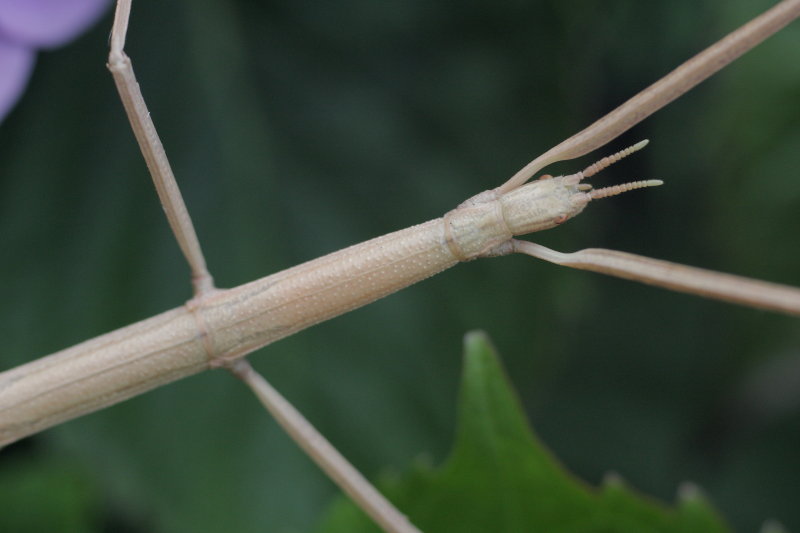
Stick insects, along with leaf and bark insects, are included in the phasmid family (Phasmatodea), characterized by its specialization in camouflage. In addition, it includes the largest and heaviest insects that exist. On the other hand, their way of defending against predators is very interesting, since once caught they can detach from their limbs to try to escape. They are distributed throughout a large part of the planet, something very surprising, since their displacement capacity is quite reduced.
On the other hand, it is noteworthy that many plant species use animals as vehicles to disperse their seeds and thus be able to expand their progeny and colonize new places. They do this by producing tasty and attractive fruits that the animals feel like consuming (along with the seeds inside), in this way, with little movement, the animals will defecate the seeds in a totally different place from where they consumed them ( also, between subscription). But we might think that the seeds will be destroyed by the gastric juices of the animals. This can happen with some of the seeds, but there will always be several that survive the process in a viable way. Furthermore, there are seeds whose protective cover is so thick and hard that they need to pass through these corrosive gastric juices so that, in the soil, the water can penetrate to the embryo and germinate.
For stick insects have developed a similar system of dispersal of their eggs. Since they do not have wings, their ability to move is reduced to slow movements between branches, something that prevents a dispersal of the species to new habitats. How do they do it then? Well, the females full of eggs allow themselves to be caught and eaten by a bird (they commit suicide by the dispersal of their progeny!). These eggs have a protective layer that makes them very resistant, and a small percentage of them (between 5 and 20%) manage to survive the bird's digestive tract. Subsequently, probably in a very remote place, the bird will defecate viable eggs near new plants that colonize by insects, in addition, in the feces the newborn insects find a humid, hot and rich place in organic matter where to begin their life. And it has even been thought that these eggs could be washed away by currents of marine water and have thus colonized new habitats.
Analyzing the strategy carried out by these insects, simply to try to give a better life to their progeny, makes us imagine the enormous complexity of the biology of insects and their behavior.
**"Studying nature will make us discover its exciting secrets and come to love it as it deserves."**
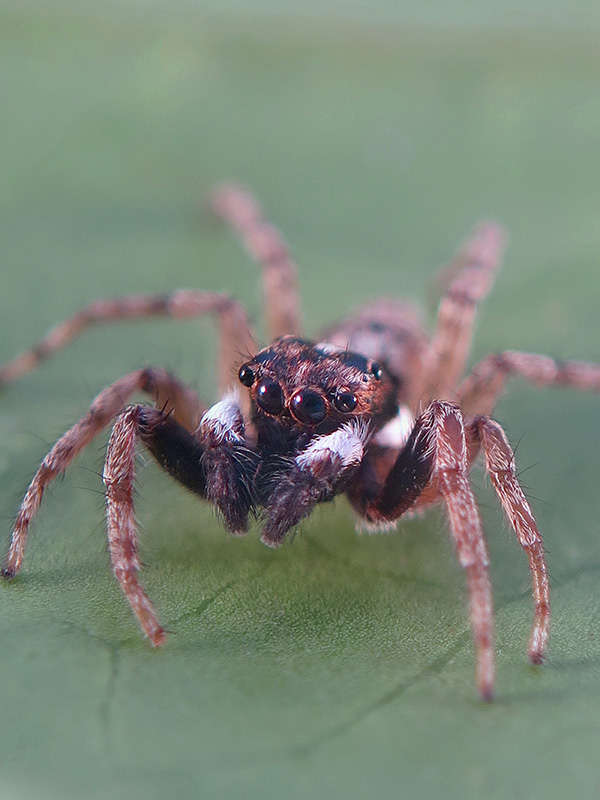
Jumping Spider (Menemerus Semilimbatus)
Menemerus semilimbatus is a spider about 4 mm male and 6 mm female, typical representative of the Salticidae family, that of jumping spiders.
The body is dotted with shades of gray and light beige, except for the legs where these shades alternate in short stripes. In the forehead it has 2 large central eyes like the headlights of a car, 2 laterals and even 4 more minor eyes in the backmost position; it is understood that you can see in all directions simultaneously.
Large pedipalps covered in white hair and the clear triangle in the prosoma identify the species.
Like the rest of Salticidae, Menemerus semilimbatus does not build capture fabrics, it only weaves a small cabin in the crack of a wall.
Menemerus semilimbatus is often found on the exterior walls of buildings. When the spider mite detects an insect on its wall, usually a diptera, it moves very quickly, jumps on it, captures it and kills it by injecting venom through the bite with the chelicerae.

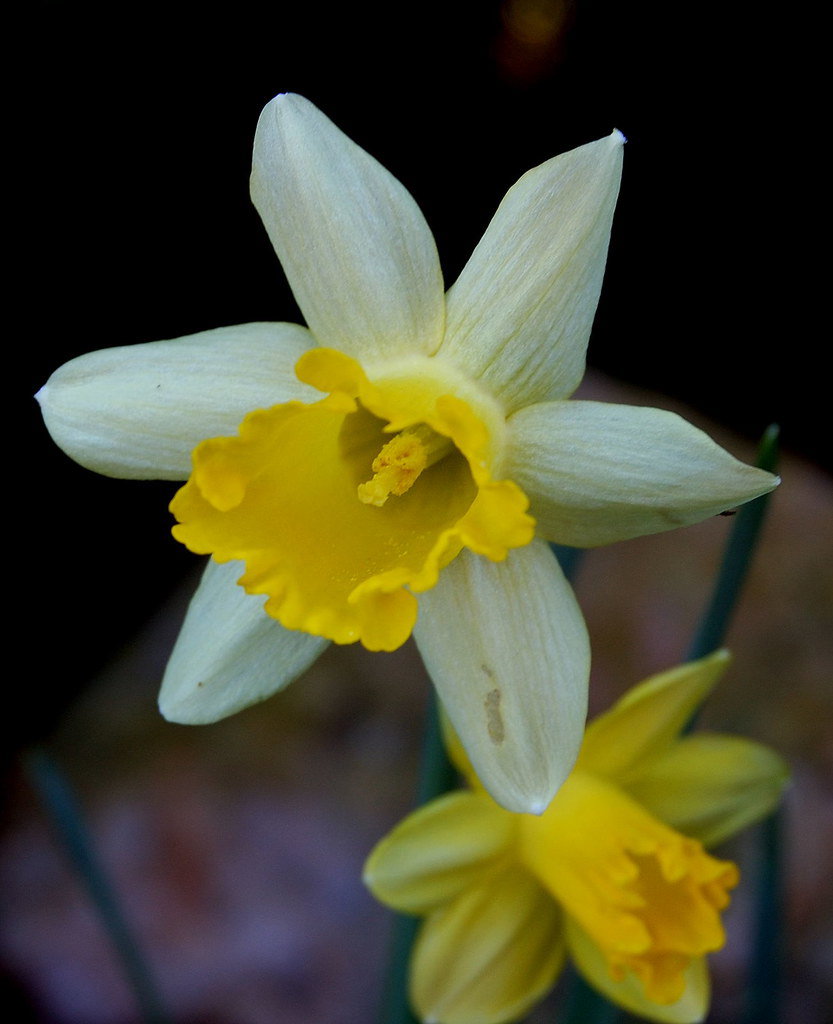
White daffodil
The narcissus or narcissus is a genus of bulbous plants belonging to the amaryllidaceae family which includes an immense number of species. Whose majority bloom in spring, with the exception of some specimens that bloom in autumn.
Daffodils like so many other flowers are full of meanings and symbols that are certainly very curious. Some mythologies like the Greek associate the meaning of daffodils with vanity while others can associate the daffodil with vitality and the arrival of spring.
Meaning of daffodils by colors
**White narcissus**: The white narcissus has a purity meaning, but this can also be attributed a meaning of change or renewal.
**Yellow daffodil**: The yellow daffodil is without doubt the most popular daffodil, this represents the definitive symbol of the arrival of spring.
**Purple daffodil**: The meaning of the purple daffodil is linked to the Greek legend of its origin (which we talk about a little below and represents selfishness.
**Orange Daffodil**: These are flowers that have a meaning of joy, excitement and vitality.
Green-eyed treefrog
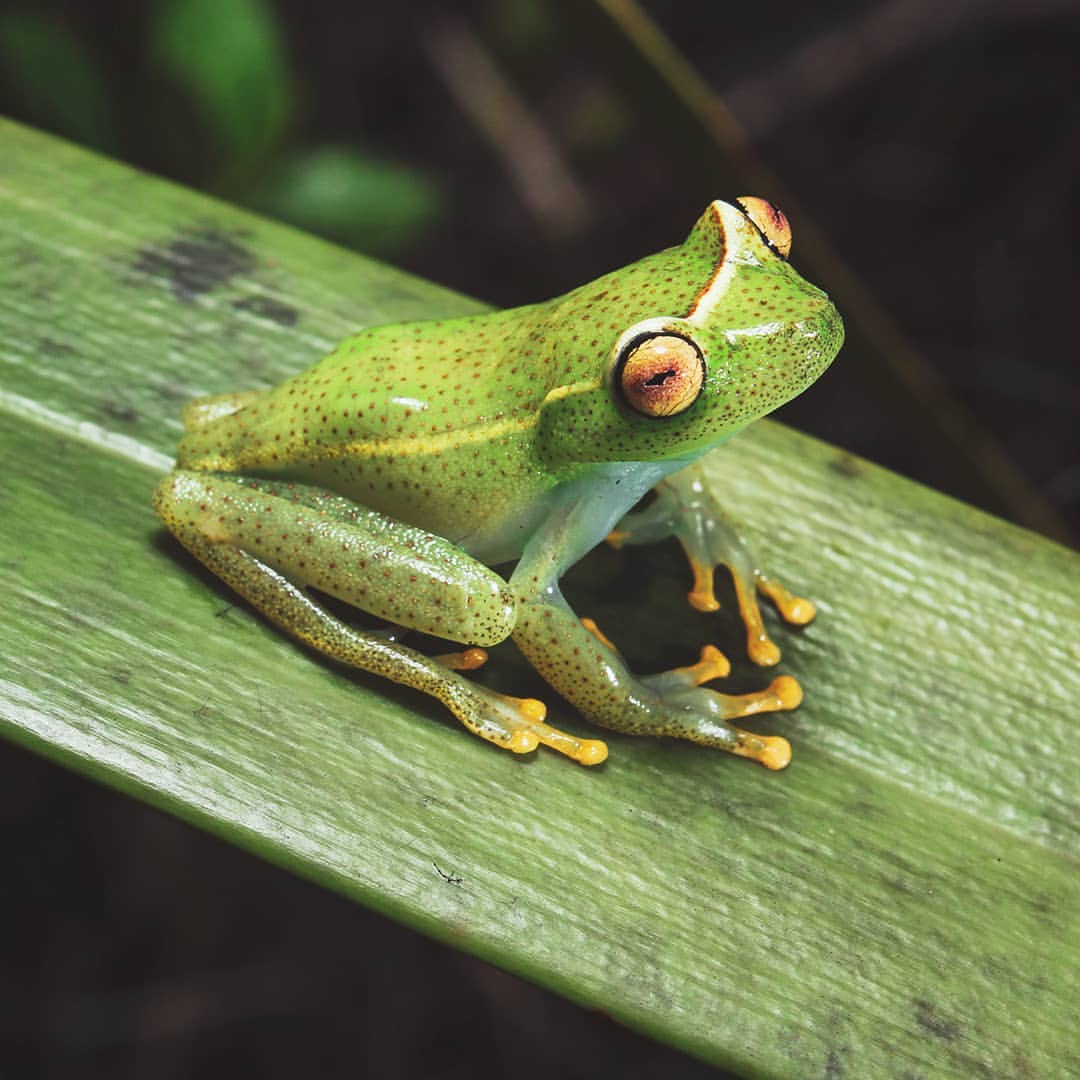
The green-eyed treefrog (Ranoidea serrata) is a species of Australasian treefrog in the family Pelodryadidae that occurs in the Wet Tropics of Australia.
Its natural habitats are subtropical or tropical moist lowland forests, subtropical or tropical moist montane forests, rivers, intermittent rivers, intermittent freshwater marshes, rural gardens, and heavily degraded former forests. It is threatened by habitat loss and chytridiomycosis.
Their diet is carnivorous.
Frog lemur
The lemur frog or tarsian frog (Phyllomedusa tarsius) is a species of amphibian in the family Hylidae. It lives in Brazil, Colombia, Ecuador, Peru, Venezuela and, possibly, in Bolivia and Guyana. Its natural habitats include dry and low-lying tropical or subtropical forests, tropical or subtropical swamps, intermittent freshwater marshes and now heavily degraded formerly forested areas. It is threatened with extinction by the destruction of its natural habitat.
A jewel of the Amazon jungle.
The species (Bothrops bilineatus) commonly called tendril cuaima, Oköi-rora (Pemón ethnic group) or emerald mapanare, belongs to the Viperidae family and a poisonous species that has strictly arboreal habits.
Accidents with this species are very few but extremely important because it is an animal that lives among branches, vines or shrub areas. Its poison has not been studied in Venezuela, but records in Brazil, Colombia and Ecuador establish that its toxin is not as potent.
The ecology of this species has been little studied due to the few records; Every encounter is used to the maximum to understand how these incredible organisms in nature live.
The Gladiator Frog
In the jungles of southern Venezuela is one of the largest frogs on the continent, with approx. 20cm the Gladiator Frog is a key member of this type of ecosystem, it feeds on Orthoptera (crickets, grasshoppers and locusts) and its name derives from a bulge on its thumb that it uses to fight with other males in the breeding season.
The populations of Venezuelan Guiana (deserve revision) are of nocturnal habits and prefer sinking into the rocks, erosion wells and drought river beds to lay thousands of eggs, it is like having a type of pool or nursery that they take care of energetically.
If you visit the Canaima National Park you will hear it every night, its singing is very peculiar, strong and dry; This type of vocalization allows them to call multiple females to copulate and ensure their species.
Orinoco Superba
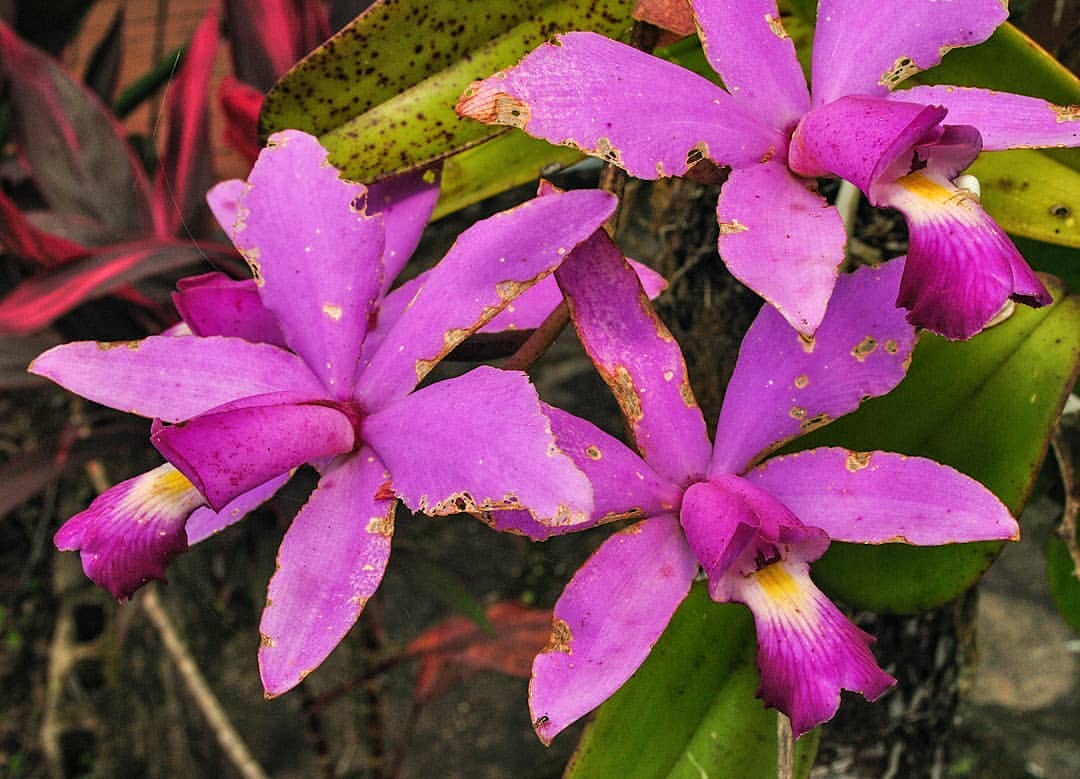
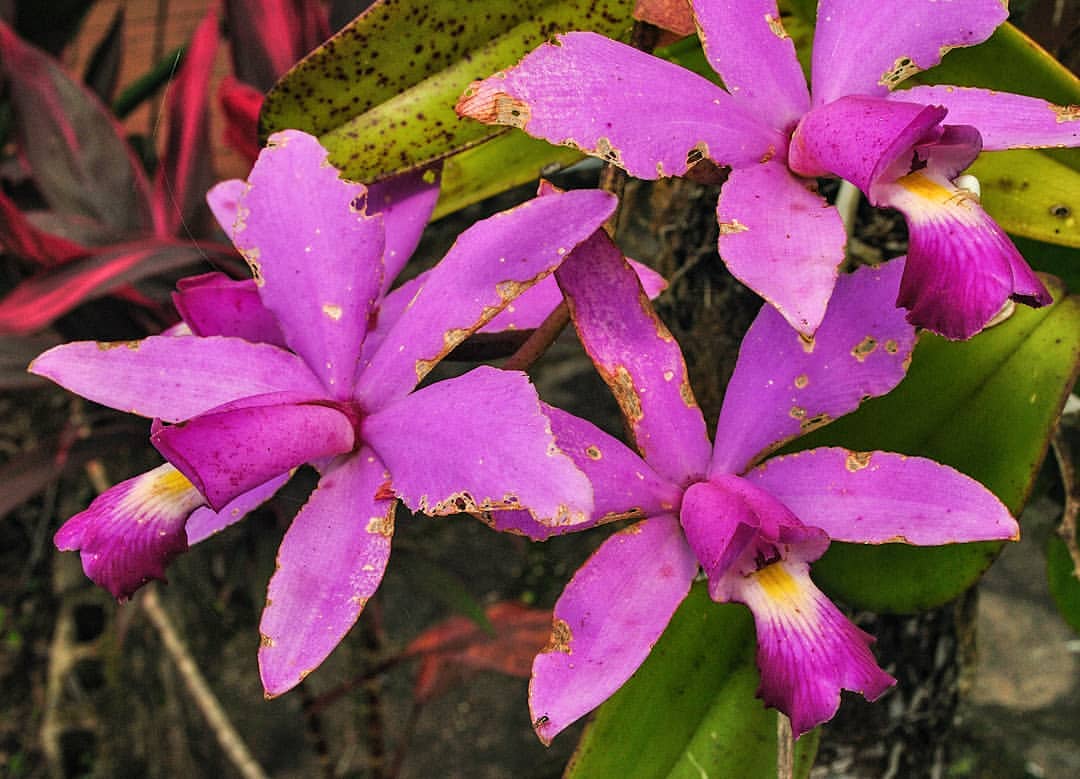
Discovered by Humboldt and Bonpland in the year 1800 during their expedition to the Orinoco, the Orinoco Superba (Cattleya violacea) is a species of orchid endemic to the Orinoco basin. This jewel of the neotropical flora is distributed up to 600m of altitude and is the cousin of some twenty species associated with the genus, including our national flower - Flor de Mayo (Cattleya mossiae).
.
The Orinoco superba is endangered by collecting and collecting it in the wild, assuming that the lack of knowledge and the desire to control certain organisms considerably increases the loss of biodiversity, to the point of disappearing one or hundreds of species .
Remember that our resource is genetic and is expressed in millions of shapes and colors.
Banks of the Cataniapo River, Amazonas. Venezuela.
Actualización de Bitcoin Cash completa: 3 nuevas características agregadas a las reglas de consenso
Texto original por **Jamie Redman**
Texto Original https://news.bitcoin.com/bitcoin-cash-upgrade-complete-3-new-features-added-to-consensus-rules/
Hoy, exactamente a las 9 a.m. ET del 15 de mayo de 2020, la red Bitcoin Cash completó otra actualización agregando algunas características nuevas a la cadena de bloques. La última actualización viene con un nuevo soporte de código de operación, una extensión de límite de cadena y el conteo mejorado de operaciones de firma utilizando la nueva implementación de "Sigchecks".
Se han extraído varios bloques bajo nuevas reglas de consenso
Cada seis meses, la red de Bitcoin Cash se actualiza, y generalmente tienen lugar el 15 de mayo y el 15 de noviembre de cada año. Los partidarios de BCH en todo el mundo han estado monitoreando la actualización, como lo hacen todos los años, para ver si todo salió bien. La actualización se inició después del bloque 635,258 y las reglas de consenso entraron en vigencia después de que se minara el siguiente bloque. La primera adición permite un gasto más rápido de transacciones no confirmadas, ya que los desarrolladores han aumentado el límite de transacciones encadenadas de 25 a 50. Si uno observara el historial de limitación de la cadena de mempool, descubrirían que cuando Satoshi lanzó Bitcoin por primera vez, lo hizo No incluye un límite. El principal científico de Bitcoin Unlimited, Peter Rizun, analiza la exploración de los límites de la cadena en un editorial detallado en el blog read.cash.
Otra adición es el código de operación, OP_Reversebytes, que invierte los bytes del elemento superior de la pila. En enero de 2020, los desarrolladores de Bitcoin Cash organizaron una video conferencia sobre la Hoja de ruta de Bitcoin Cash Script y el código de operación OP_Reversebytes. Una idea que podría aprovechar OP_Reversebytes es el concepto "Mitra", o el proyecto anteriormente conocido como Nimbus que fue desarrollado por Tobias Ruck. Según Ruck, la versión de transacción podría liberar un sofisticado potencial de contrato inteligente en la red BCH. La última característica que mejora el conteo de sigops llamada "Sigchecks" se discutió en la reunión de desarrolladores de BCH # 18. Las especificaciones de Sigchecks explican la motivación detrás de la nueva implementación si se visitara el repositorio de Github.
"Desde los primeros días, Bitcoin ha tenido una regla de conteo de Sigops para limitar la cantidad de uso de CPU posible en una transacción o bloque dado, basado en el principio de que las verificaciones de firmas son, con mucho, las operaciones más intensas de CPU", detallan las especificaciones. "La idea esencial de Sigchecks es realizar el recuento únicamente en la transacción de gastos y contar las operaciones de verificación de firma ejecutadas reales".
Debates sobre el desarrollo futuro
En general, la comunidad BCH está satisfecha con el cambio de actualización y muchos partidarios están discutiendo mejoras futuras como Avalanche, compromisos UTXO, reactivando los siguientes códigos de operación; OP_Mul, OP_Lshift, OP_Rshift y OP_Invert, y conceptos como Bobtail. Además, la comunidad ha estado celebrando y discutiendo la actualización el 15 de mayo y el desarrollo futuro también. Por ejemplo, Collin Enstad está organizando una transmisión en vivo con varios partidarios de Bitcoin Cash antes de la actualización y también después del evento.

Roraima Rough Toad
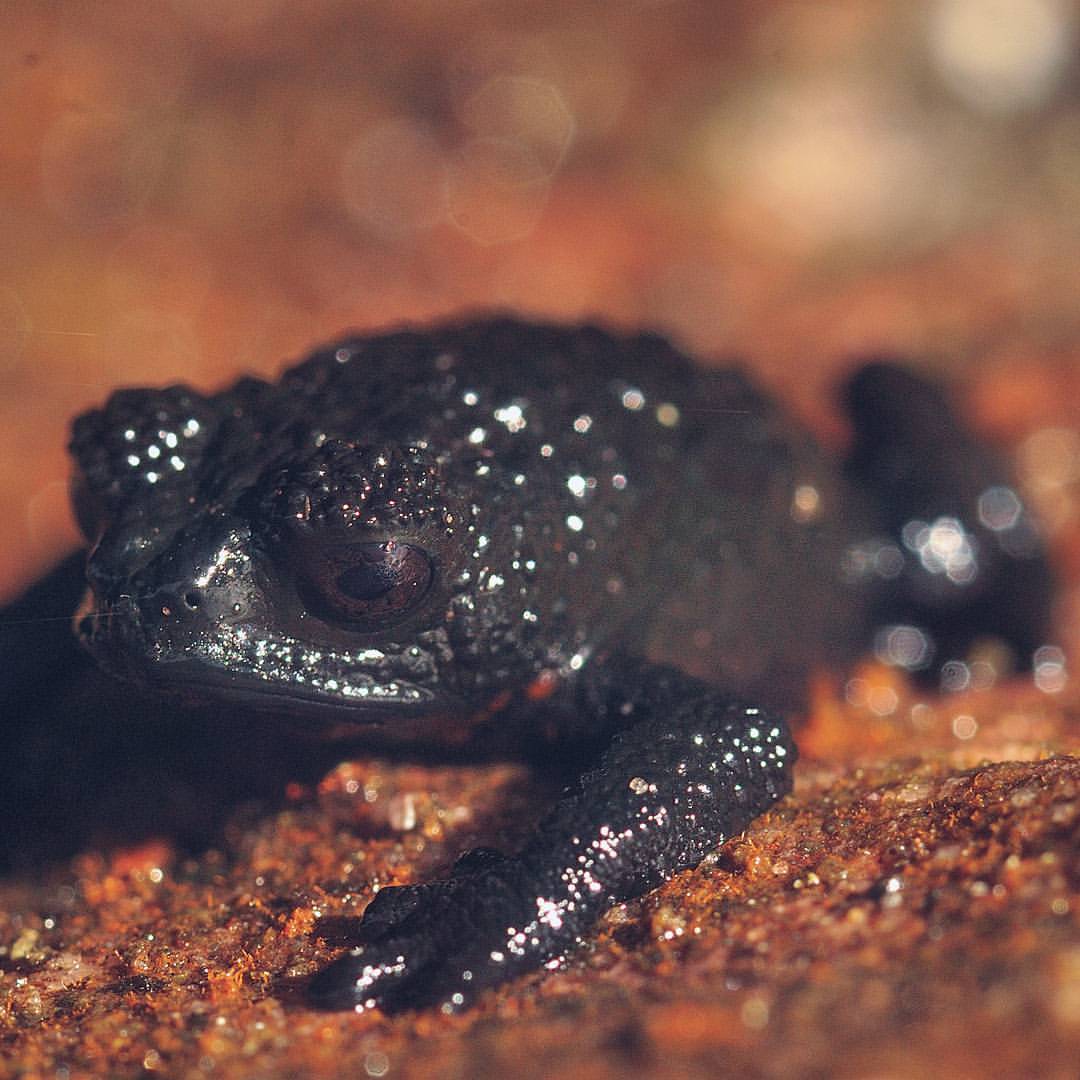
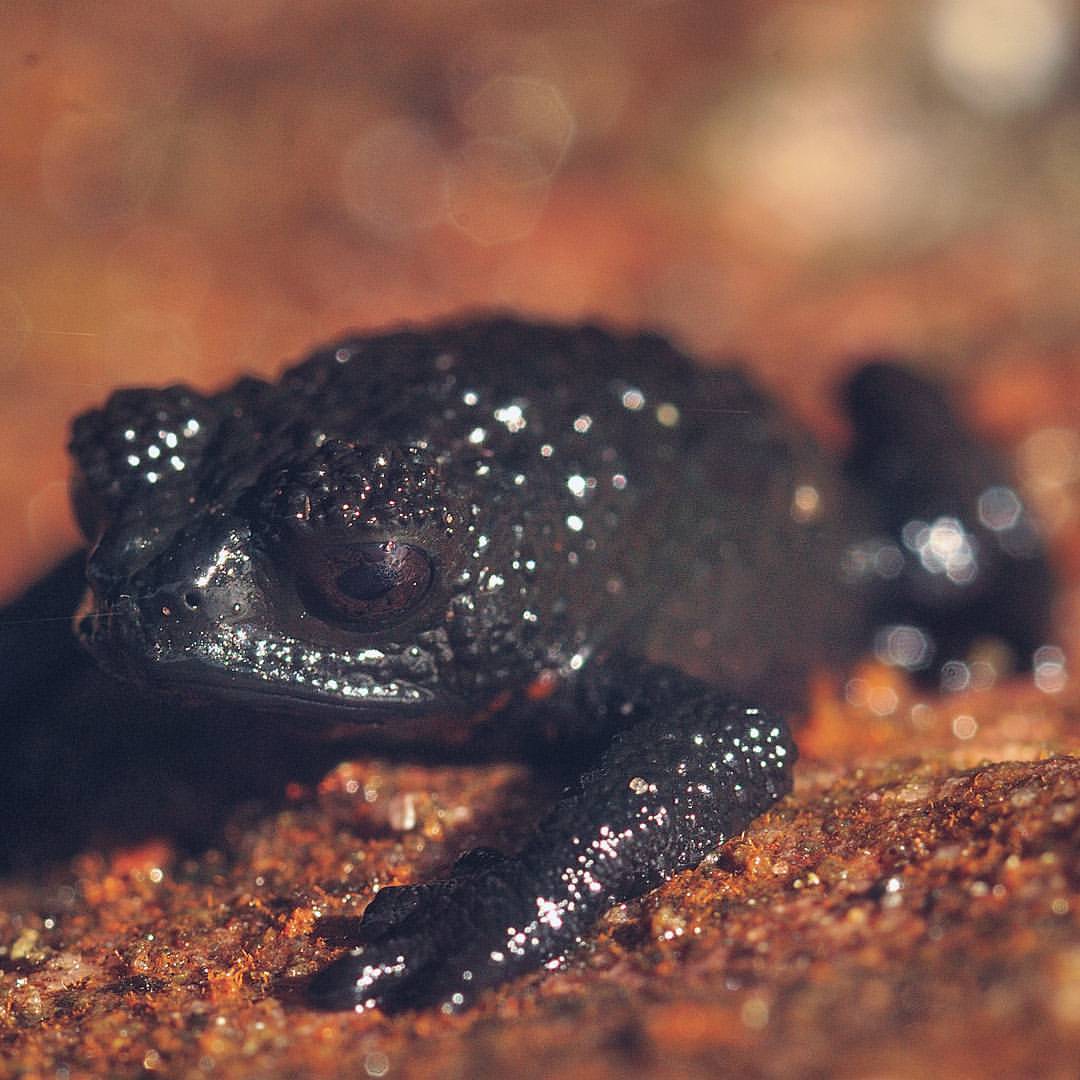
The genus Oreophrynella encompasses a group of anuran amphibians of the Bufonidae family associated with Tepuyan and endemic formations of the Pantepui. 9 species have been identified, the best known residing in the Roraima (Oreophrynella quelchii) is distributed in the upper and upper zone (1,800 - 2,700 masl) of the Tepui Roraima and Uei assipü with a prom. of 40km².
This species measures just over 2cm, has a cryptic coloration that allows it to go unnoticed among the rocks; They do not have the ability to jump, they only climb the rocks helped by their opposable fingers. Feeling a threat, he stoops and falls as he "rolls" between the rocks as an anti-predatory method.
The rough toad of Roraima is in danger due to human intervention generated by irresponsible tourism and the introduction of invasive species. We recommend NOT TO HANDLE this species and none present in Roraima for photographic registration.
Because knowing is protecting.
Canaima Golden Toad
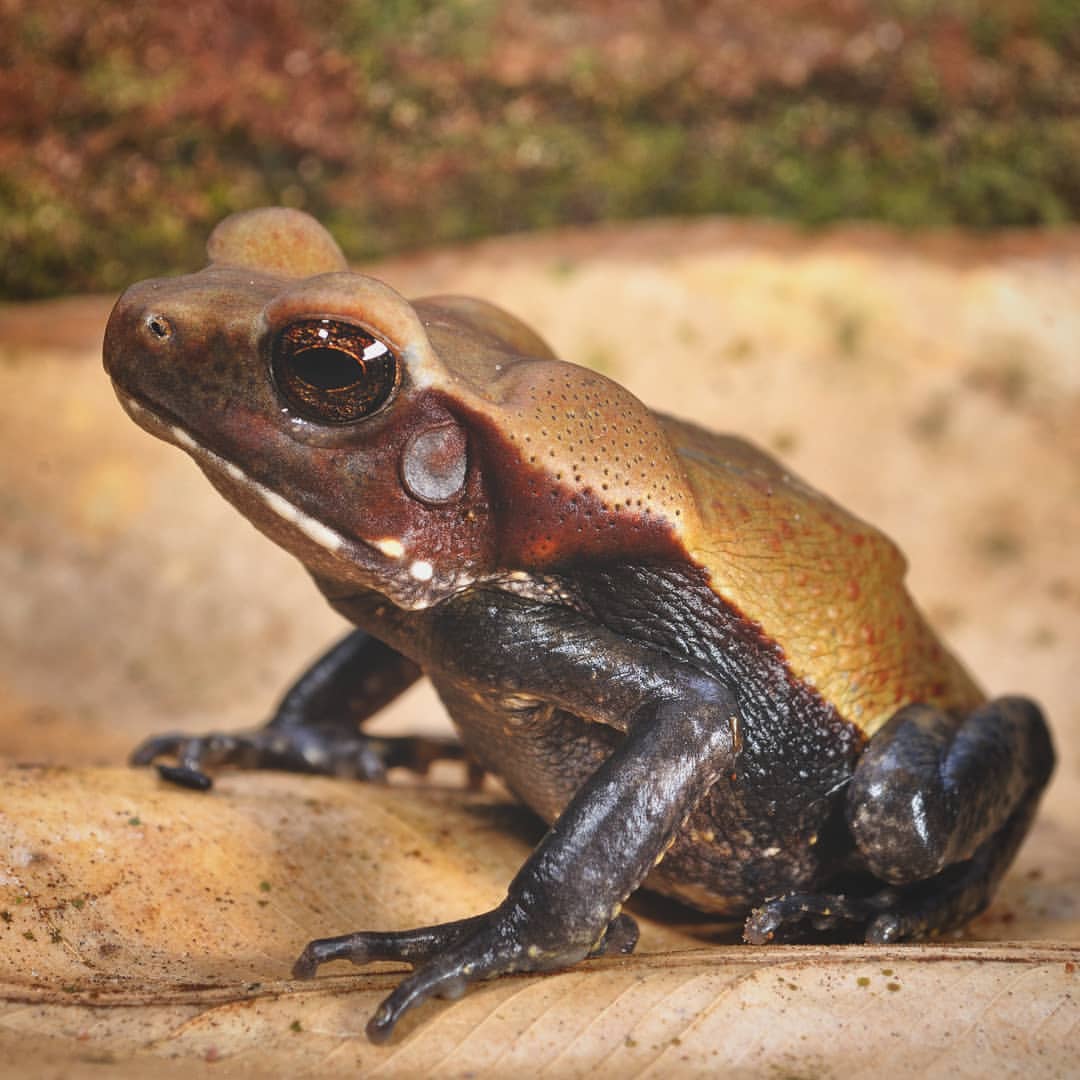
Surely it is not the friendliest or the most pleasant animal with the naked eye, it is likely that you will kiss it and it will not become the person you want; But the truth is that this Golden Toad (Rhaebo guttatus) is an indispensable and very valuable being in the rain forest, a nocturnal species associated with puddles or flood areas that belongs to the Bufonidae family, which integrates more than 600 species around of the world.
Toads in Venezuela are distributed in almost all ecosystems, from the lowlands in the plains or coastal range, to the Andean paramo or at the top of certain tepuis; they represent the main arthropod predators within the jungle. They have an external gland behind the eye and on the eardrum (parotoid gland) that groups and characterizes them, which they use as a defense method while secreting a whitish-looking toxic substance composed of alkaloids, including Bufotoxin.
Harlequin Toad
This curious amphibian is a harlequin toad (Atelopus cruciger), belongs to the Bufonidae family and is critically endangered; more than a decade ago it was considered extinct, due to multiple factors ranging from Chytridiomycosis to the loss of its habitat. But as Mother Nature is very wise, she used a last resort, a small population migrated and was able to adapt without major problems, away from all danger and thus be able to insure the species. Today its population is monitored and protected, the task of multiple institutes, researchers and conservation ngos. Remember extinction is forever.
Monkey Frog or Giant Lemur Frog
Within the thick Amazon rainforest hides a jewel of nature, it is the Monkey Frog or Giant Lemur Frog (Phyllomedusa bicolor); an amphibian of considerable size, strictly arboreal and of nocturnal activity. Like most amphibians, their diet derives basically from insects, being of extreme importance in pest control.
In the rainy season couples can be found making a hug or amplexus (reproductive method used by anurans) very close to lagoons or bodies of water; males fertilize the eggs and protect them with leaves at a sufficient height where they cannot be preyed on (1.5 - 3m). Weeks later and partially developed, the tadpoles fall into the water to complete their development.
Amphibians are a fascinating group that deserves our attention and study; As the best bioindicators, they are a fundamental part of the natural balance.
Drástica caída en la tasa de hash de bitcoin: el nuevo objetivo de algunos mineros es BCH y BSV
Articulo original de **Daniel Kucher**
Version en ingles. https://www.somagnews.com/dramatic-drop-bitcoin-hash-rate-miners-new-target-bch-bsv/
Después de completar la mitad del premio del tercer bloque en Bitcoin, puede llevar algunas semanas comentar en la red, pero parece que algunos mineros ya se han cambiado a Bitcoin Cash y Bitcoin SV.
Después de completar la mitad del premio del tercer bloque en Bitcoin, la tasa de hash continúa disminuyendo drásticamente. Los datos de blockchain.com muestran que la tasa de hash alcanzó 136 exsahash por segundo en el día de la reducción a la mitad, y 95 exsahash cuando se publicaron las noticias. Esto significa una retirada del 30 por ciento a la tasa de hash.
Por otro lado, estos valores son valores sin procesar. Para obtener datos más saludables, es necesario tener en cuenta los promedios de 7 días. El estado neto de la tasa de hash se hará más evidente en los próximos días a este respecto.
Entonces, ¿dónde están saliendo los mineros de la red de Bitcoin actualmente? En el día de la mitad, el 11 de mayo, la tasa de hash de Bitcoin Cash se duplicó con creces. Esta cifra ahora es casi el doble que la del día anterior a la mitad, aunque cayó más tarde.
Otra moneda que tuvo un premio la mitad este año fue BSV. Después de su "reducción a la mitad" en abril, las tasas de hash de BSV cayeron un 16 por ciento en 24 horas. Esta semana, las tasas se duplicaron, pero en las últimas 24 horas, hubo una reversión del 7 por ciento.
Después de la reducción a la mitad de estas dos monedas, muchos analistas comentaron que los mineros cambiarían de BCH y BSV a Bitcoin para cubrir sus pérdidas. Después de la reducción a la mitad del BTC de fin de semana, los mineros parecen volver a BCH y BSV.
**"No es fácil calcular la tasa de hash exactamente"**
Sin embargo, el empresario de Bitcoin Matt Odell dijo que buscar datos en grupos de minería es una opción, pero no es fácil calcular la tasa de hash en poco tiempo ya que los números son números autoinformados. Al afirmar que las mediciones se obtuvieron utilizando los tiempos de bloqueo promedio y la dificultad de extracción actual, Odell dijo: "En las próximas semanas, tendremos una mejor idea de cuánto cayeron las tasas de hash después de‘ reducir a la mitad ".
El desafío minero de BTC es una medida de cuán difícil es la lucha para ganar una recompensa, y en el próximo ajuste, es decir, se espera que aumente en un 1 por ciento en 5 días para llegar a 16.36 billones.
Daniel Frumkin, analista de Braiins, la compañía detrás del Slush Pool y el protocolo de minería de piscinas Stratum V2, espera que el desafío minero caiga en un 2 por ciento.
Según Qingfei Li, gerente de marketing de F2Pool, esto ayudará a los mineros que tengan dificultades con la división del tercer premio de BTC. Según Li, el desafío minero continuará disminuyendo durante los últimos dos ajustes hasta mediados de junio.
**Bitcoin está cambiando de manos a $ 9650 durante la transmisión.**

Canaima Marsupial Frog
Marsupial frogs are a group of neotropical amphibians belonging to the Hemifractid family, in which 6 genera and more than 100 species are grouped. These anurans are characterized by their incredible reproductive strategies, where the females transport their eggs introduced into dorsal dermal cavities or attached on the back. A peculiar type of reproduction that is defined as direct development, where the offspring do not live a larval phase (tadpoles) because they do not depend on an aquatic environment for their development.
This nocturnal species (Stefania scalae) endemic to the Guiana shield, can be seen near waterfalls and waterfalls where the dew of these falls maintains an optimal temperature and humidity to fulfill its reproductive cycle.
Dart Frog or Miner Toad
In the jungles of southern Venezuela you will find a jewel of nature, the mining frog or dart frog (Dendrobates leucomelas). It is a small daytime terrestrial amphibian, highly visible in dense vegetation, a member of the Dendrobatidae family that groups more than 200 colorful species, each with a unique coloration pattern. It displays bold colors to warn potential predators of its toxicity or bad taste.
Several indigenous ethnic groups in Venezuela use the skin of these amphibians to obtain their toxic secretion, where they are then mixed with other catalysts resulting in the famous Curare (it can also be derived from fungi, plants and other animals). This mixture is applied to the tip of your darts or arrows and the effect of this toxin (Batrachotoxin) comes from an alkaloid compound that prevents the transmission of the nerve impulse to the muscles.
The use of natural toxins is essential for the subsistence of ethnic groups. Due to their pharmacological properties they can save lives due to their anesthetic, analgesic and anti-inflammatory power.


Frog Tepuyana Guayanesa
The order Anura represents a group of amphibians with approx. 6,600 species, many of them distributed in remote, difficult to access or highly fragile areas. In the Pantepui there are numerous forms nestled in this bioregion; many of them endemic. But what does the term endemic mean?
Endemism refers to the distribution of a taxon in a well-defined area within a relatively small geographical area and without connection to other populations anywhere in the world. This endemism is the result of biogeographic barriers such as rivers, altitude, habitat or the diversity of factors that make it possible to find it exclusively in that place.
These conditions mean that many organisms are affected by human interaction in areas such as cloud forests, mountain ranges, tepuis and high basins of great importance. The decline of amphibians is a fact and they are the main insect predators on our planet.
Because knowing is protecting
 @raptorx1