@omarOnNoiseApp
@omarOnNoiseApp
Joined 5 December 2022 · 1003 posts
120 KT
0 KT received · 0 KT given
Posts
@omarOnNoiseApp
@omarOnNoiseApp
Dear noiser friends, Please check out my attempt at poetry.. https://read.cash/@Omar/ode-to-bitcoin-cash-2ded36ee Your feedback is welcome and much appreciated! Please let me know what you think.
 @omarOnNoiseApp
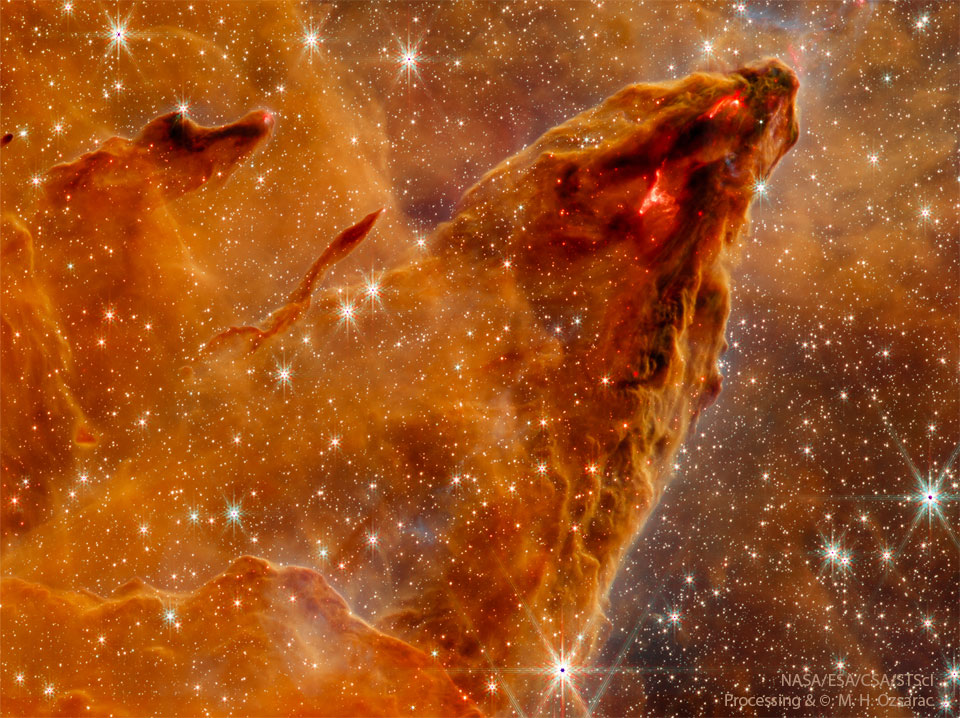
I am back! Miss you all.. -- Astronomy Picture of the Day -- M16: A Star Forming Pillar from Webb -- Image Credit: NASA, ESA, CSA, STScI, Processing & Copyright: Mehmet Hakan Özsaraç -- Explanation: What’s happening inside this interstellar mountain? Stars are forming. The mountain is actually a column of gas and dust in the picturesque Eagle Nebula (M16). A pillar like this is so low in density that you could easily fly though it -- it only appears solid because of its high…
 @omarOnNoiseApp
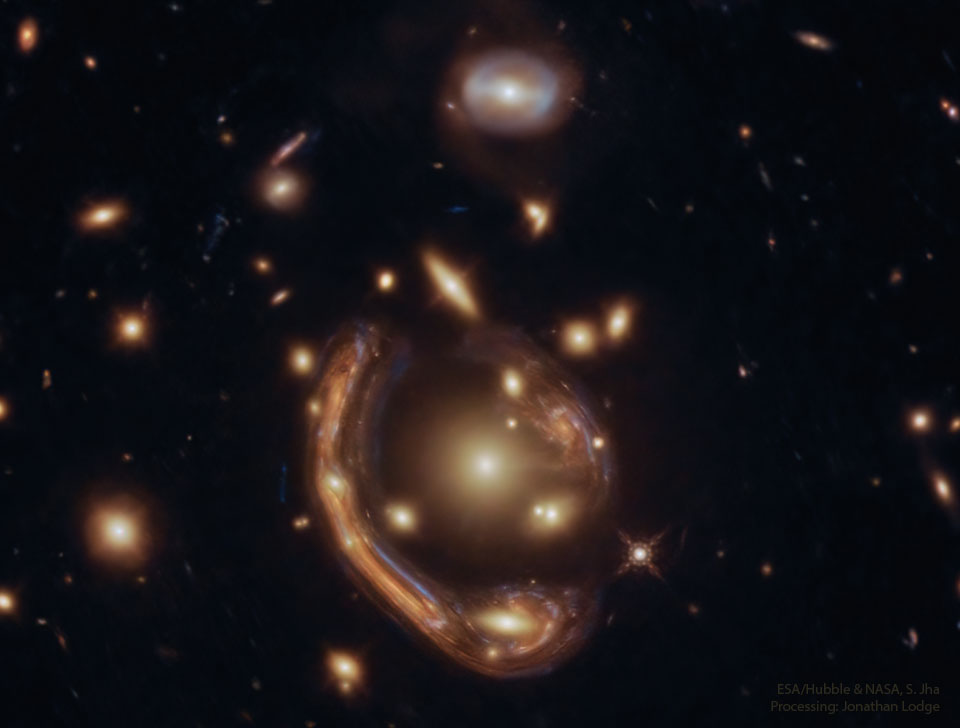
Astronomy Picture of the Day 🔭 A Molten Galaxy Einstein Ring -- Image Credit: ESA/Hubble & NASA, S. Jha; Processing: Jonathan Lodge -- Explanation: It is difficult to hide a galaxy behind a cluster of galaxies. The closer cluster's gravity will act like a huge lens, pulling images of the distant galaxy around the sides and greatly distorting them. This is just the case observed in the featured image recently re-processed image from the Hubble Space Telescope. The cluster…
 @omarOnNoiseApp
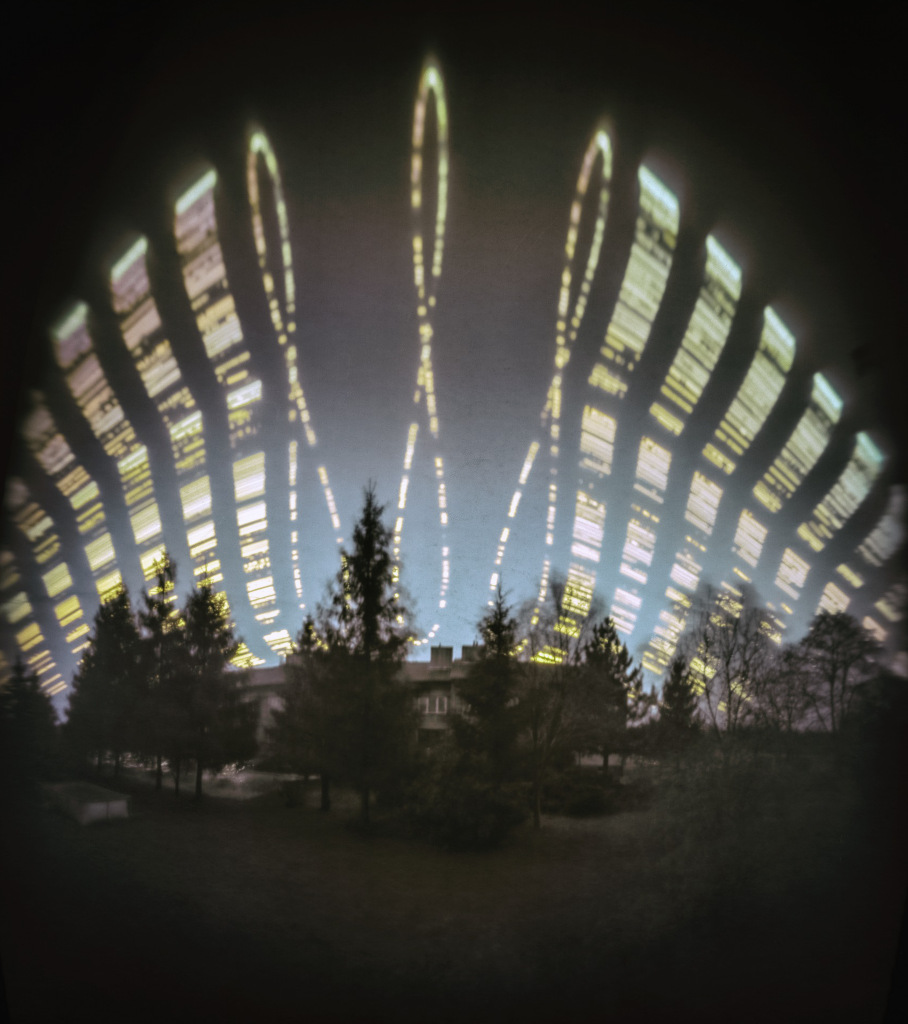
Astronomy Picture of the Day 🔭 Solargraphic Analemmas -- Image Credit & Copyright: Dawid Rycabel (Pinholove) -- Explanation: For the northern hemisphere June 21 was the summer solstice, the Sun reaching its northernmost declination for the year. That would put it at the top of each of these three figure-8 curves, or analemmas, as it passed through the daytime sky over the village of Proboszczow, Poland. No sequence of digital exposures was used to construct the remarkable…
 @omarOnNoiseApp
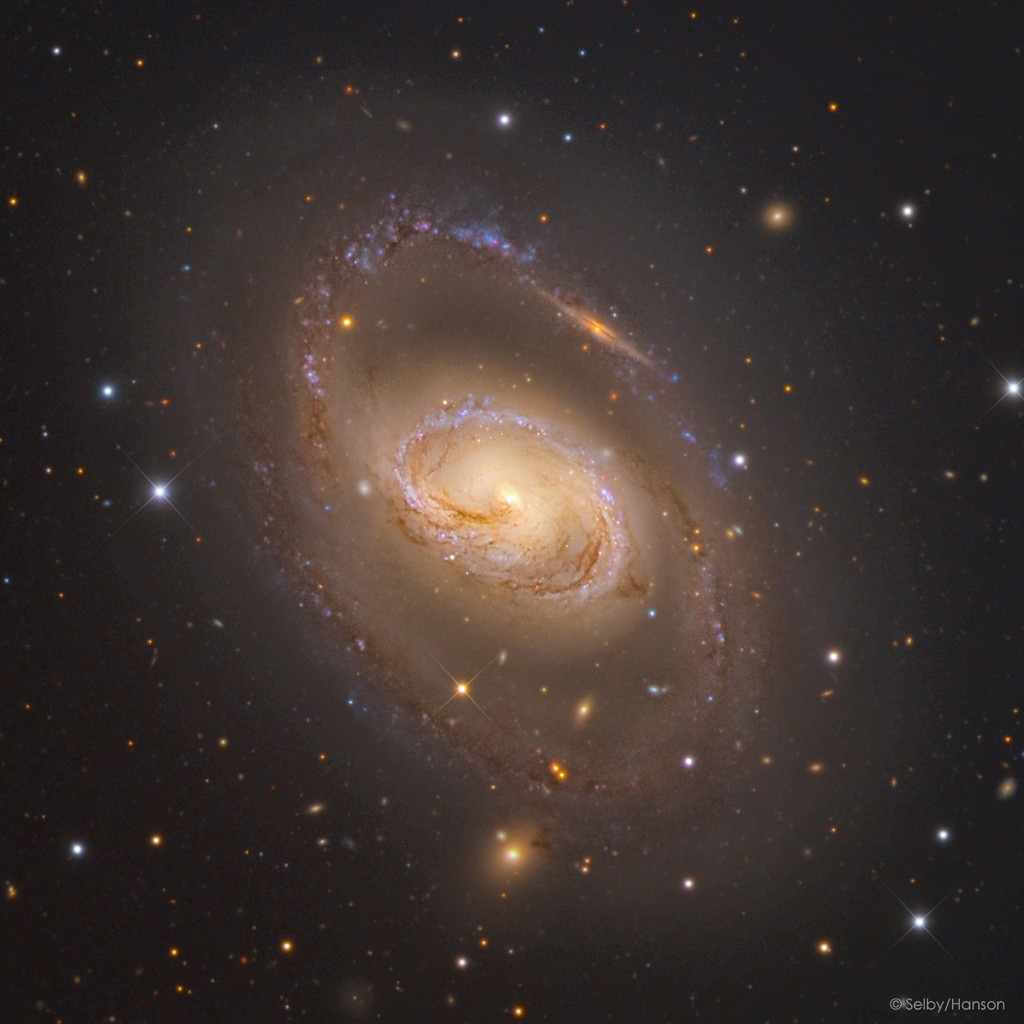
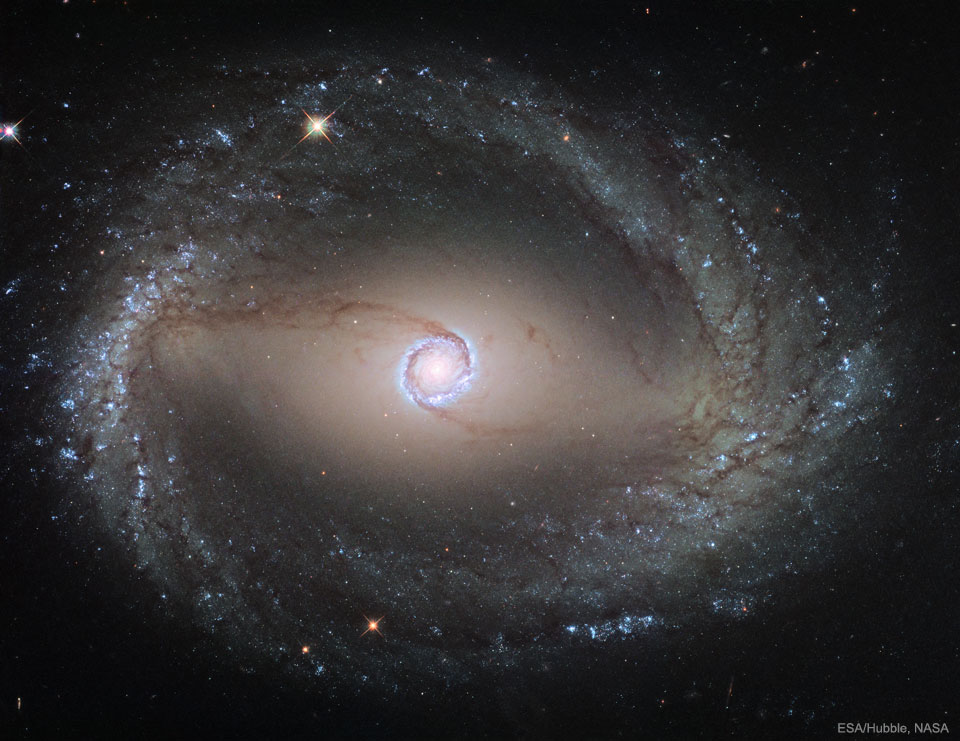
Astronomy Picture of the Day 🔭 Spiral Galaxy NGC 1512: The Inner Rings -- Image Credit: NASA, ESA, Hubble Space Telescope -- Explanation: Most galaxies don't have any rings -- why does this galaxy have two? To begin, the bright band near NGC 1512's center is a nuclear ring, a ring that surrounds the galaxy center and glows brightly with recently formed stars. Most stars and accompanying gas and dust, however, orbit the galactic center in a ring much further out -- here seen…
 @omarOnNoiseApp
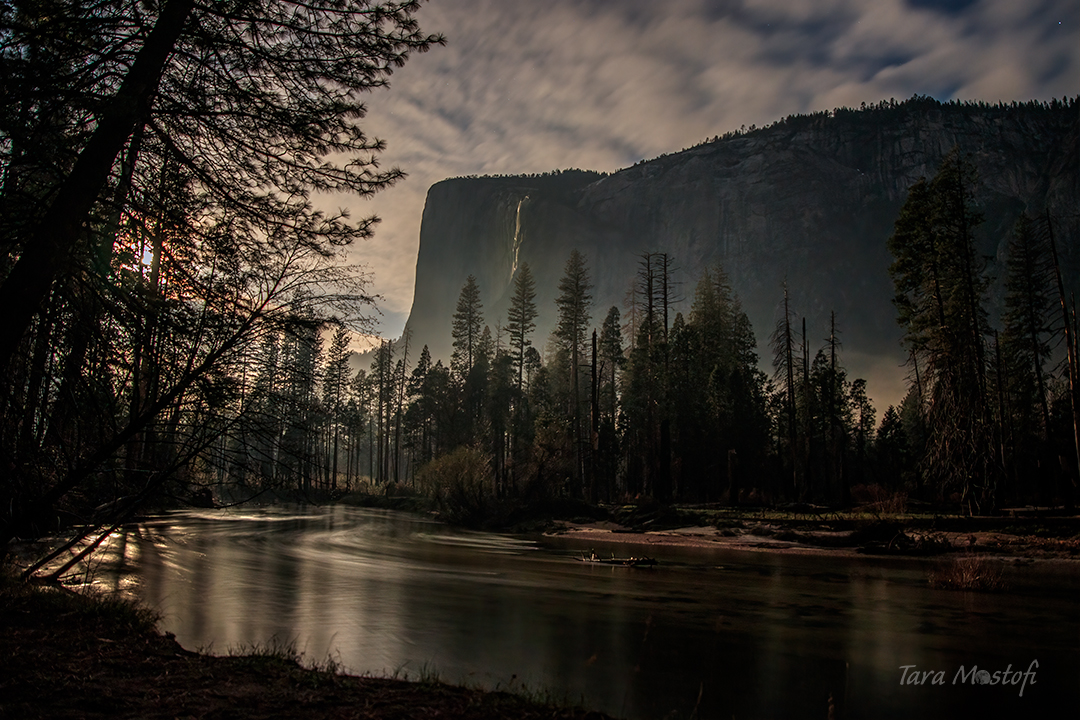
Astronomy Picture of the Day 🔭 Firefall by Moonlight -- Image Credit & Copyright: Tara Mostofi -- Explanation: On certain dates in February, an elusive firefall can be spotted at sunset in Yosemite National Park, when water flows, the weather cooperates and the direction to the setting Sun is just right. Often photographed from vantage points below, at the right moment the park's seasonal Horsetail Fall is isolated in the shadows of the steep walls of El Capitan. Then, still…
 @omarOnNoiseApp
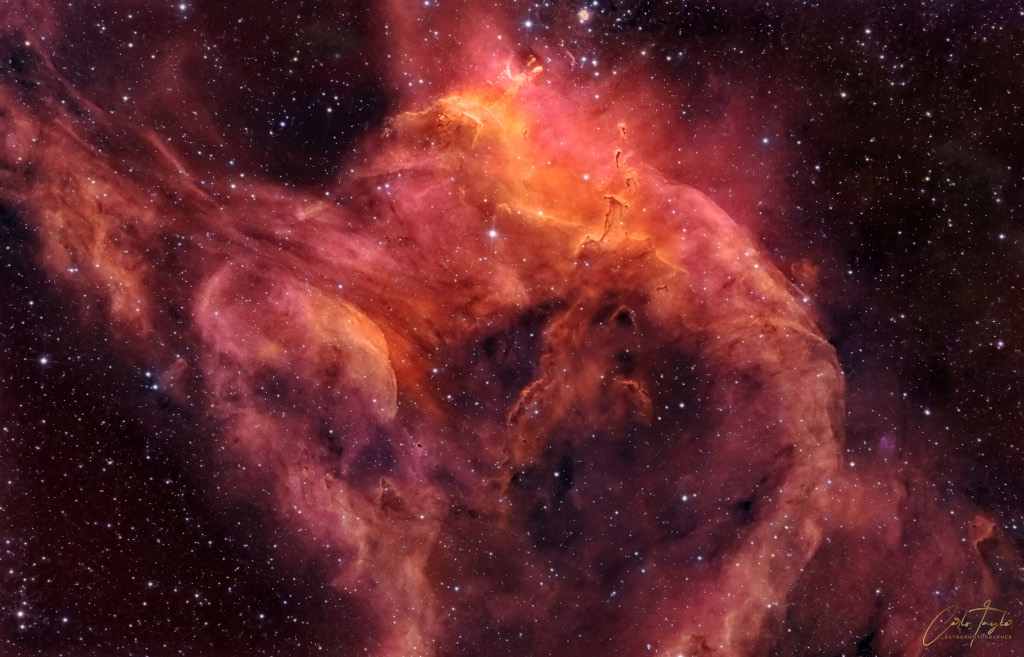
Astronomy Picture of the Day 🔭 NGC 3572 and the Southern Tadpoles -- Image Credit & Copyright: Carlos Taylor -- Explanation: This cosmic skyscape features glowing gas and dark dust clouds along side the young stars of NGC 3572. A beautiful emission nebula and star cluster it sails far southern skies within the nautical constellation Carina. Stars from NGC 3572 are toward top center in the telescopic frame that would measure about 100 light-years across at the cluster's…
 @omarOnNoiseApp
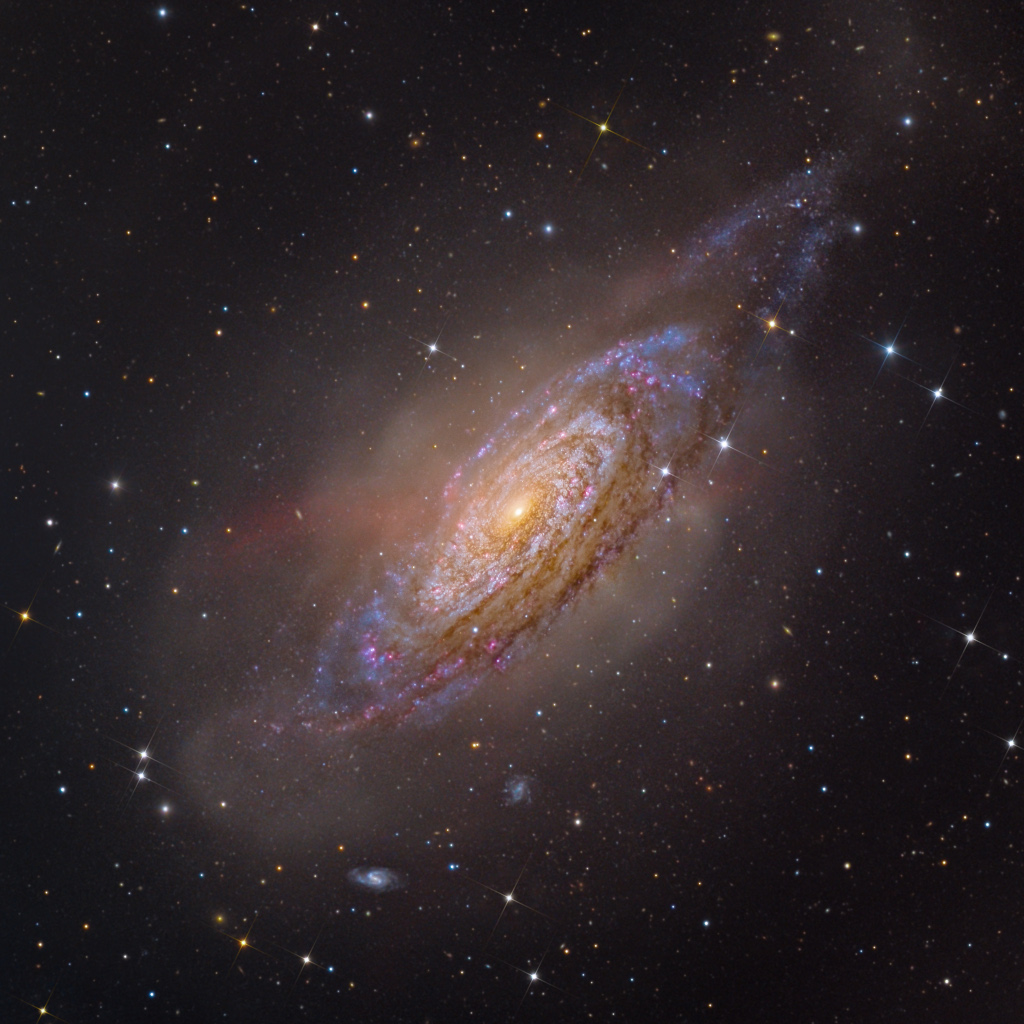
Astronomy Picture of the Day 🔭 NGC 3521: Galaxy in a Bubble -- Image Credit & Copyright: Mark Hanson and Mike Selby -- Explanation: Gorgeous spiral galaxy NGC 3521 is a mere 35 million light-years away, toward the northern springtime constellation Leo. Relatively bright in planet Earth's sky, NGC 3521 is easily visible in small telescopes but often overlooked by amateur imagers in favor of other Leo spiral galaxies, like M66 and M65. It's hard to overlook in this colorful…
 @omarOnNoiseApp
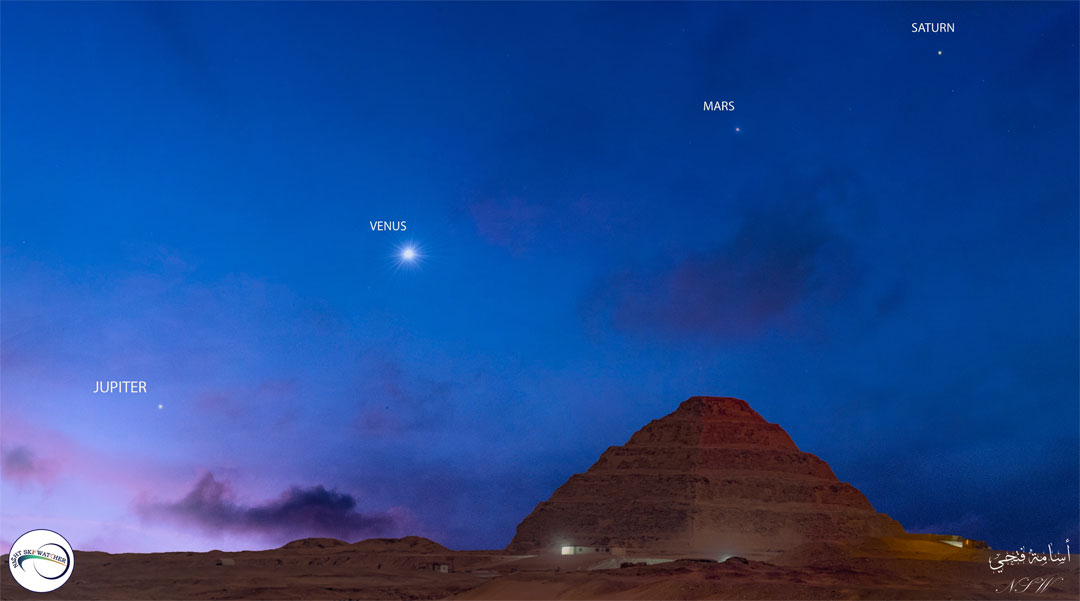
Astronomy Picture of the Day 🔭 Planets Over Egyptian Pyramid -- Image Credit & Copyright: Osama Fatehi -- Explanation: The early morning planet parade continues. Visible the world over, the planets Jupiter, Venus, Mars and Saturn have been lining up in the pre-dawn sky since mid-April. In the featured image taken last month, these planets were captured over the Step Pyramid of Djoser, a UNESCO World Heritage Site. Located in the Saqqara necropolis of Egypt, the pyramid was…
 @omarOnNoiseApp
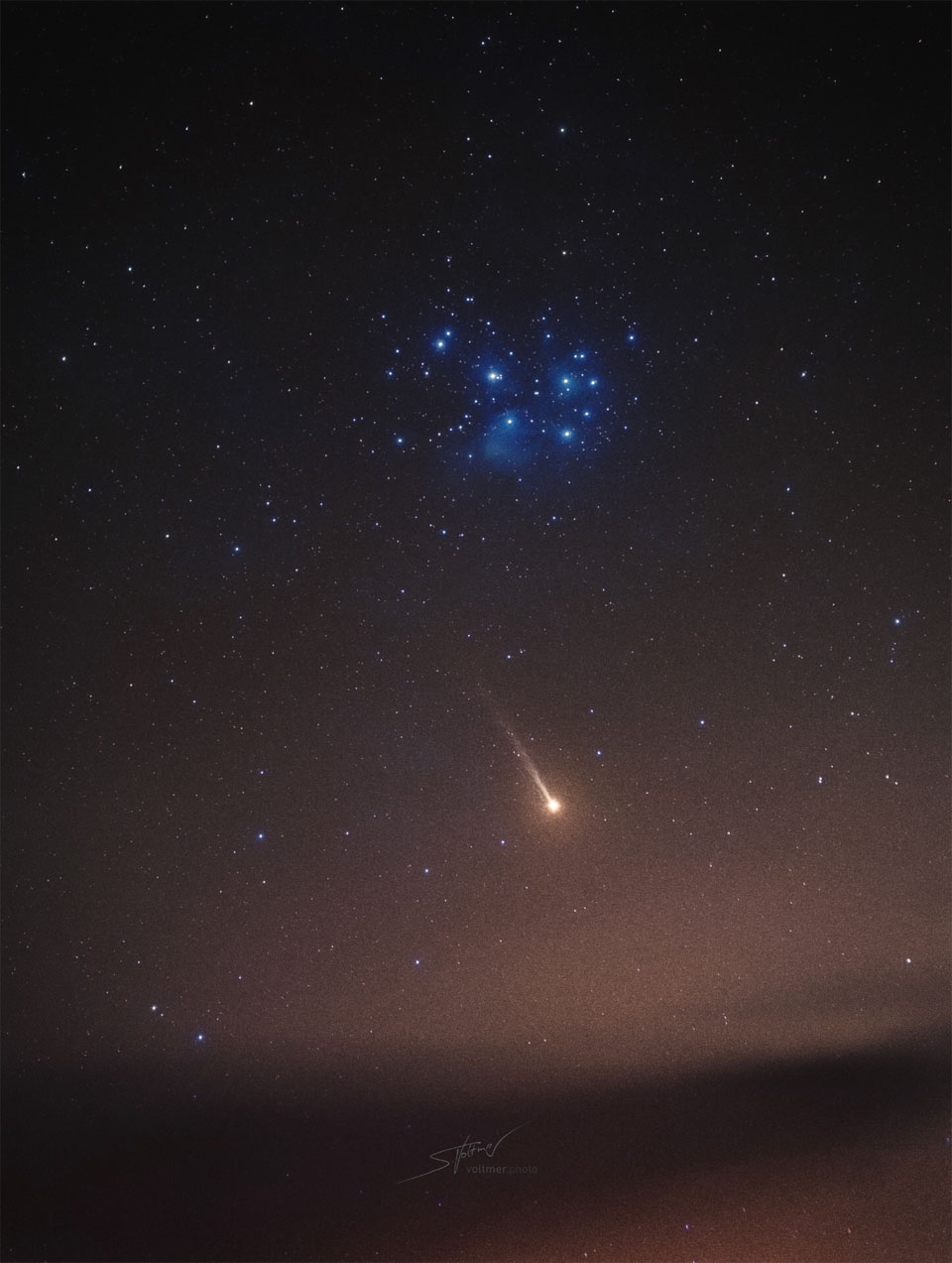
Astronomy Picture of the Day 🔭 Mercury's Sodium Tail -- Image Credit & Copyright: Sebastian Voltmer -- Explanation: That's no comet. Below the Pleiades star cluster is actually a planet: Mercury. Long exposures of our Solar System's innermost planet may reveal something unexpected: a tail. Mercury's thin atmosphere contains small amounts of sodium that glow when excited by light from the Sun. Sunlight also liberates these molecules from Mercury's surface and pushes them…
 @omarOnNoiseApp
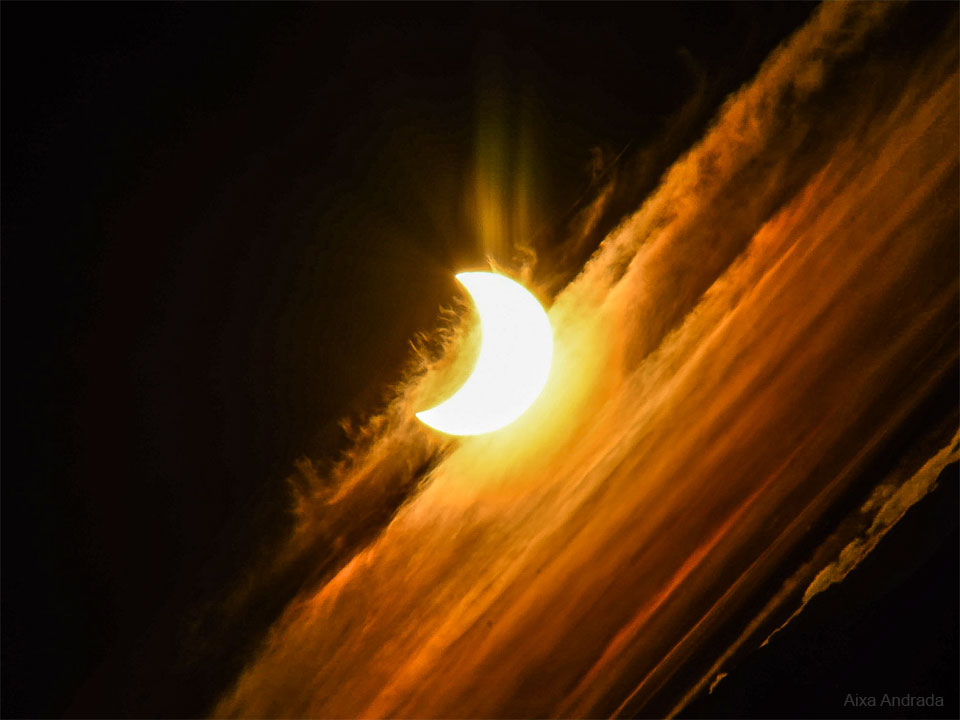
Astronomy Picture of the Day 🔭 Partial Solar Eclipse over Argentina -- Image Credit & Copyright: Aixa Andrada -- Explanation: What's happened to the Sun? Two days ago, parts of South America were treated to a partial solar eclipse -- where the Moon blocked out part of the Sun. The featured image shows an image of the partially eclipsed Sun through clouds as it was setting over Patagonia, Argentina. In the tilted image, Earth is toward the right. During the eclipse, the Moon…
 @omarOnNoiseApp
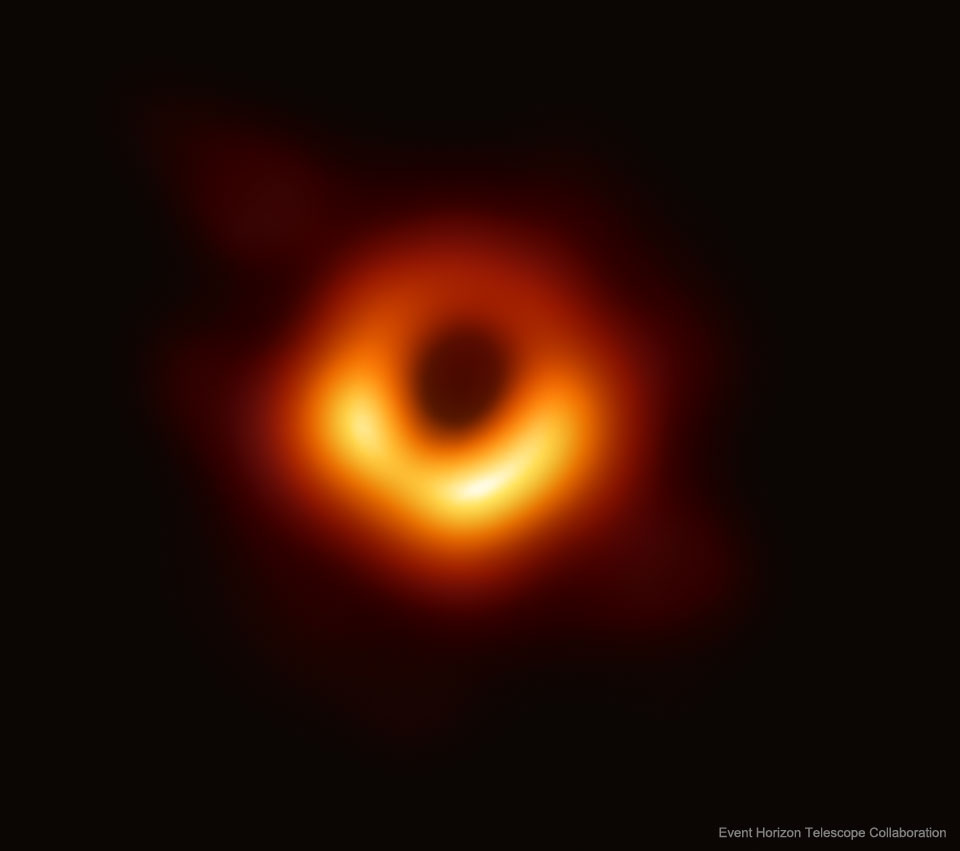
Astronomy Picture of the Day 🔭 First Horizon-Scale Image of a Black Hole -- Image Credit: Event Horizon Telescope Collaboration -- Explanation: What does a black hole look like? To find out, radio telescopes from around the Earth coordinated observations of black holes with the largest known event horizons on the sky. Alone, black holes are just black, but these monster attractors are known to be surrounded by glowing gas. This first image resolves the area around the black…
 @omarOnNoiseApp
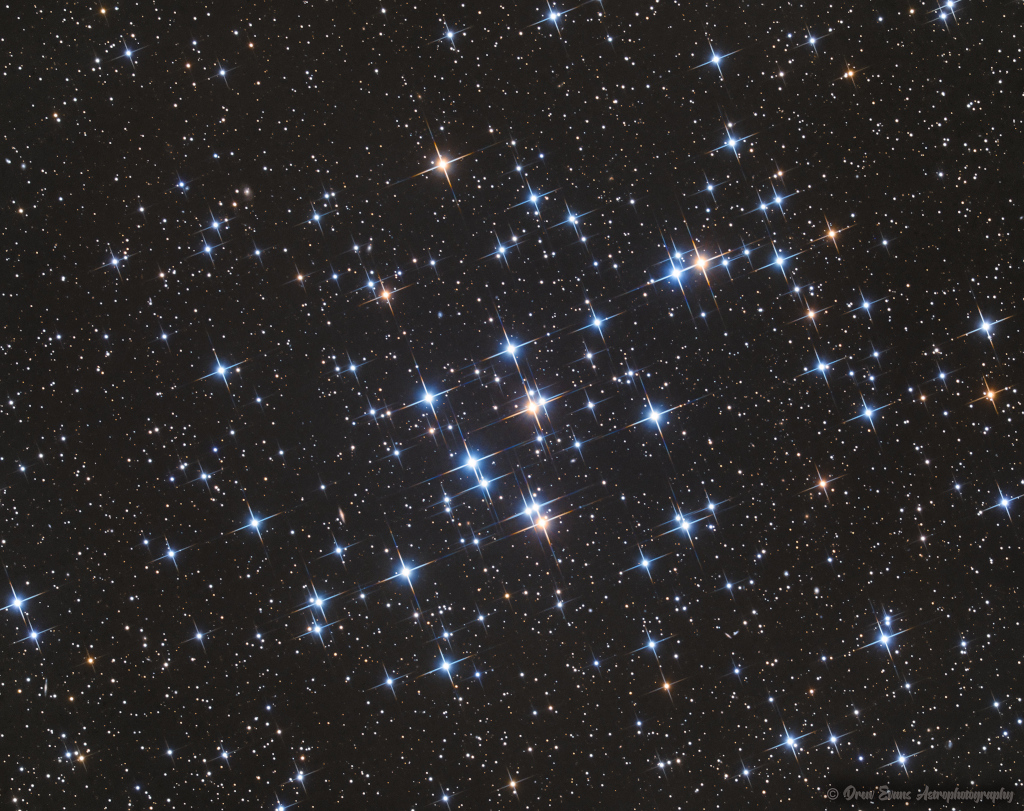
Astronomy Picture of the Day 🔭 M44: The Beehive Cluster -- Image Credit & Copyright: Drew Evans -- Explanation: A mere 600 light-years away, M44 is one of the closest star clusters to our solar system. Also known as the Praesepe or the Beehive cluster its stars are young though, about 600 million years old compared to our Sun's 4.5 billion years. Based on similar ages and motion through space, M44 and the even closer Hyades star cluster in Taurus are thought to have been…
 @omarOnNoiseApp
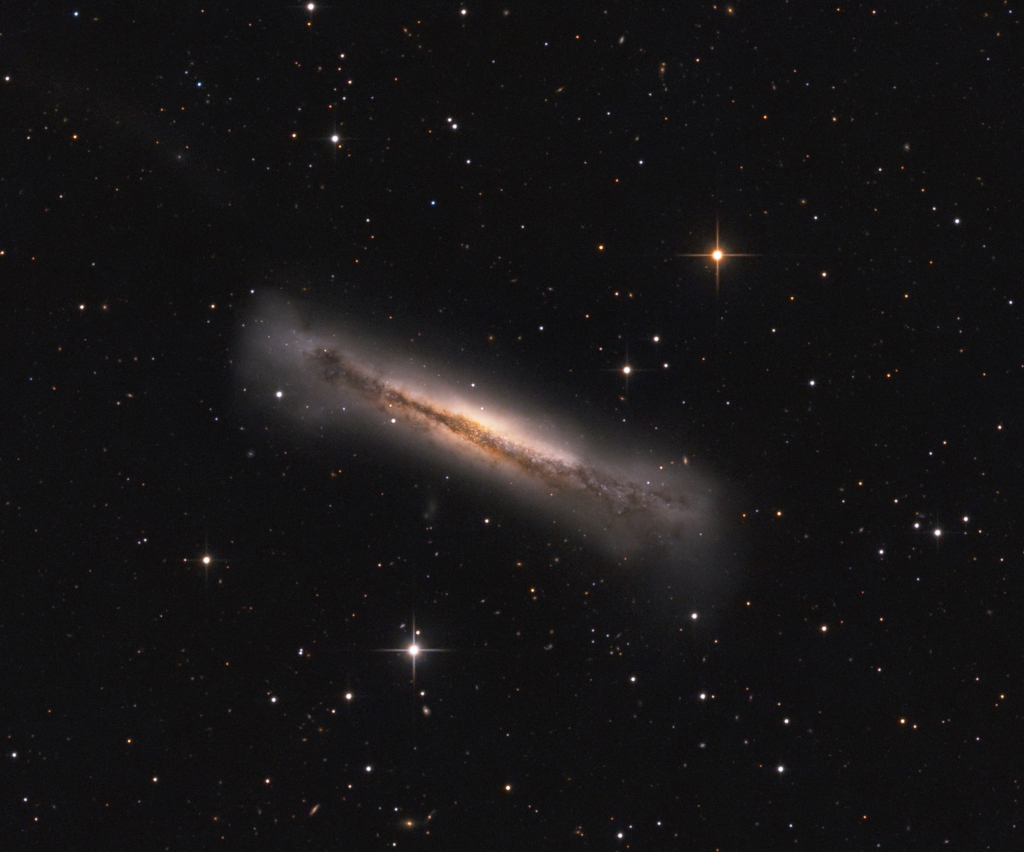
Astronomy Picture of the Day 🔭 Portrait of NGC 3628 -- Image Credit & Copyright: Wilhelm Michael Kasakow, Olaf Guillaume -- Explanation: Sharp telescopic views of NGC 3628 show a puffy galactic disk divided by dark dust lanes. Of course, this portrait of the magnificent, edge-on spiral galaxy puts some astronomers in mind of its popular moniker, the Hamburger Galaxy. It also reveals a small galaxy nearby (below), likely a satellite of NGC 3628, and a very faint but extensive…
 @omarOnNoiseApp
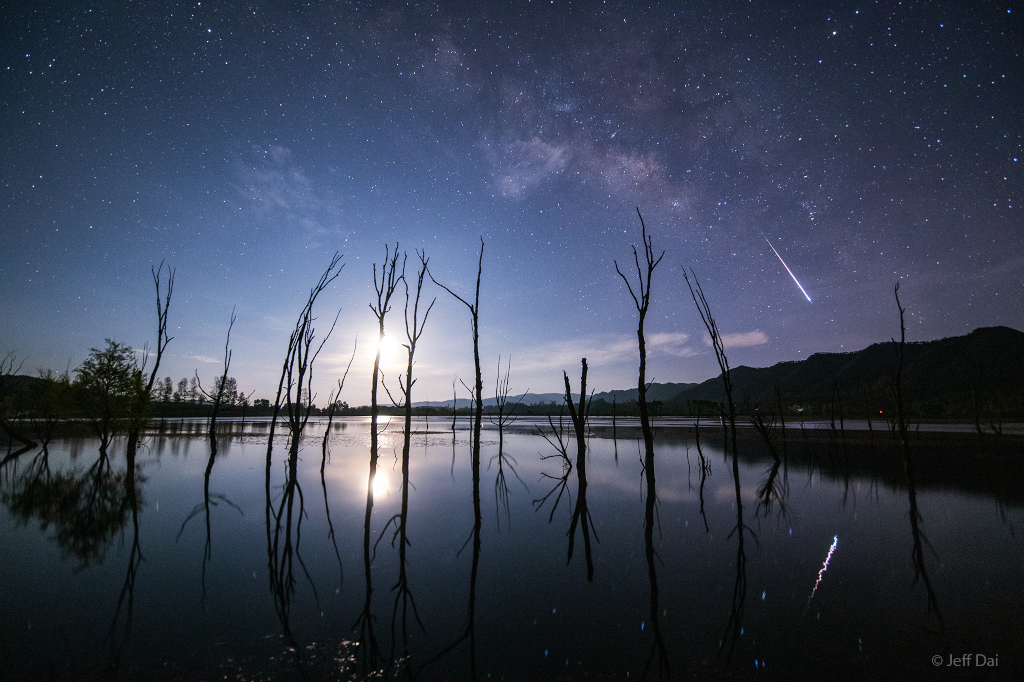
Astronomy Picture of the Day 🔭 Lyrid of the Lake -- Image Credit & Copyright: Jeff Dai (TWAN) -- Explanation: In the early hours of April 24 this bright Lyrid meteor flashed along the central Milky Way. For a moment, it cast a bright reflection across Lake Nian, Yunnan province, China. The annual Lyrid meteor shower, one of the oldest known, is active in late April, as our fair planet plows through dust left along the orbit of long-period comet Thatcher. The trail of the…
 @omarOnNoiseApp
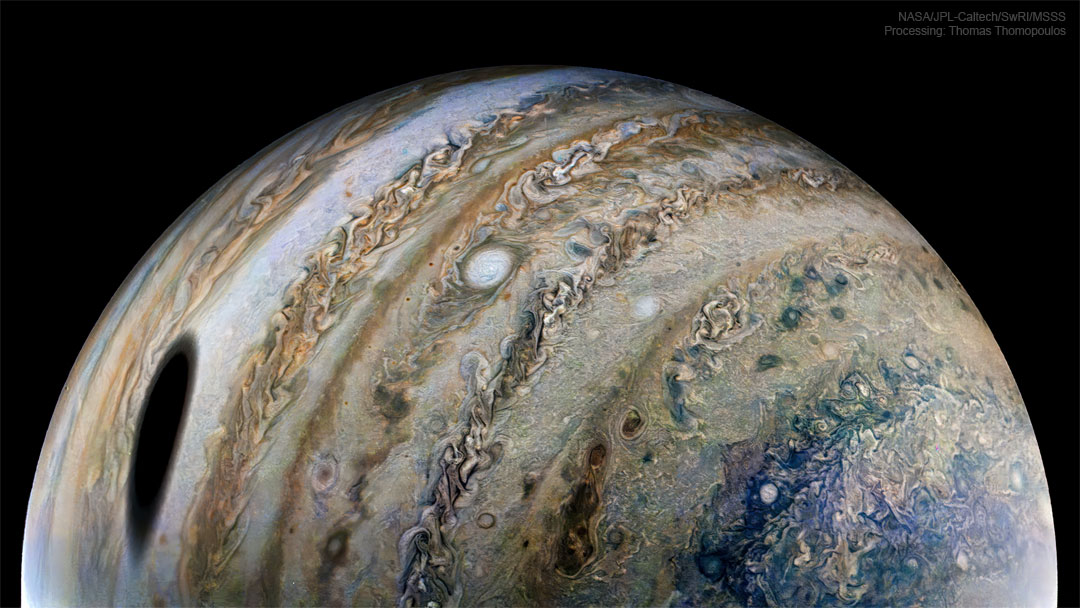
Astronomy Picture of the Day 🔭 Moon Shadow on Jupiter -- Image Credit: NASA/JPL-Caltech/SwRI/MSSS; Processing & License: Thomas Thomopoulos -- Explanation: What is that large dark spot on Jupiter? It's the shadow of Ganymede, Jupiter's largest moon. When Jupiter's moons cross between the Jovian giant and the Sun, they created shadows just like when the Earth's moon crosses between the Earth and the Sun. Also like on Earth, if you were in a dark shadow on Jupiter, you would…
 @omarOnNoiseApp
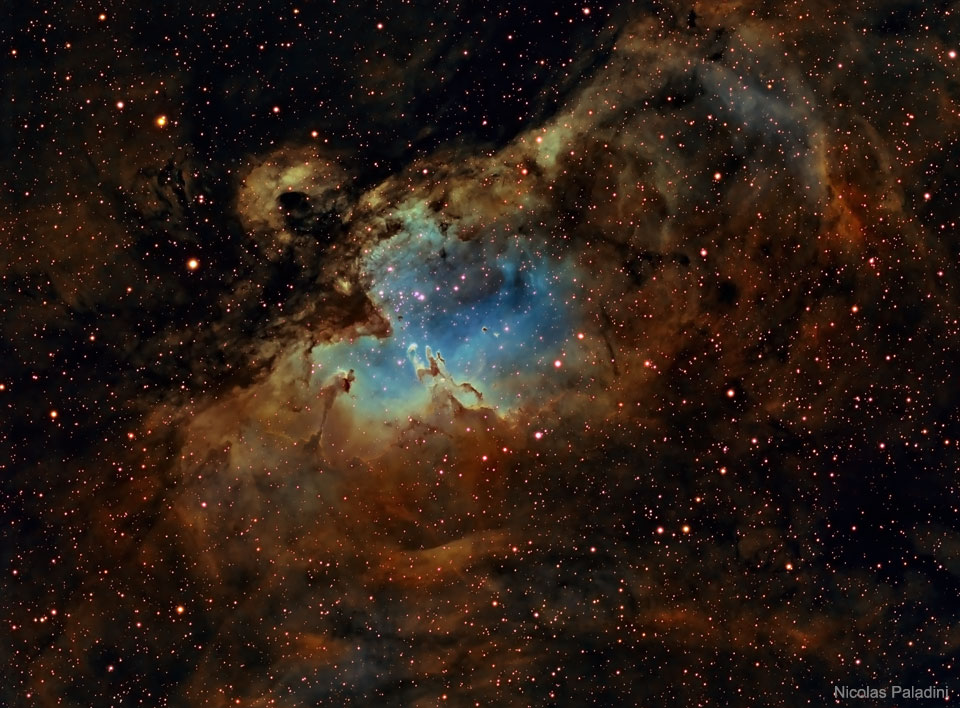
M16: Inside the Eagle Nebula -- Image Credit & Copyright: Nicolas Paladini -- Explanation: From afar, the whole thing looks like an Eagle. A closer look at the Eagle Nebula, however, shows the bright region is actually a window into the center of a larger dark shell of dust. Through this window, a brightly-lit workshop appears where a whole open cluster of stars is being formed. In this cavity tall pillars and round globules of dark dust and cold molecular gas remain where…
 @omarOnNoiseApp
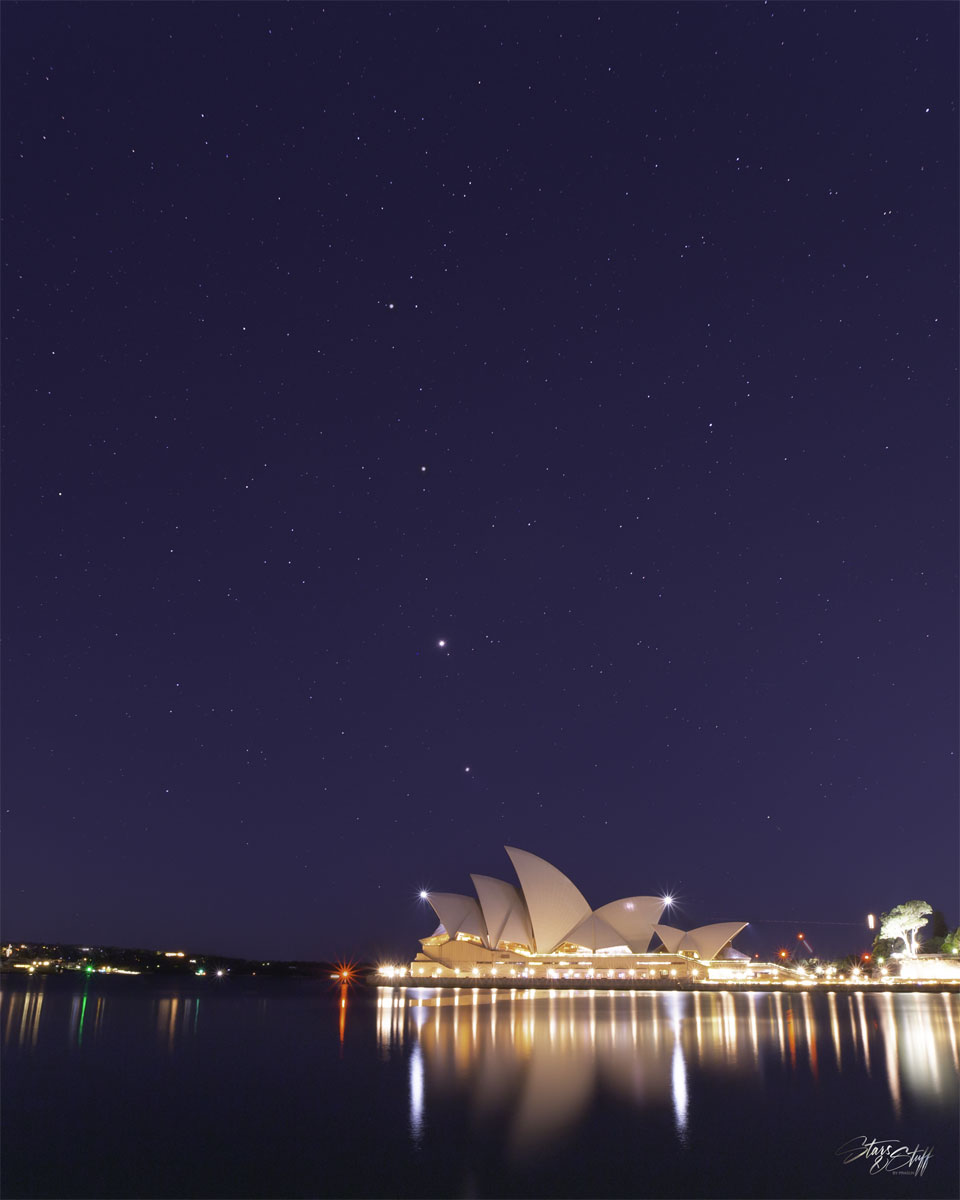
Planet Parade over Sydney Opera House -- Image Credit & Copyright: Prasun Agrawal -- Explanation: The world is waking up to a picturesque planet parade. Just before dawn, the eastern skies over much of planet Earth are decorated by a notable line of familiar planets. In much of Earth's northern hemisphere, this line of planets appears most nearly horizontal, but in much of Earth's southern hemisphere, the line appears more nearly vertical. Pictured over the Sydney Opera…
 @omarOnNoiseApp
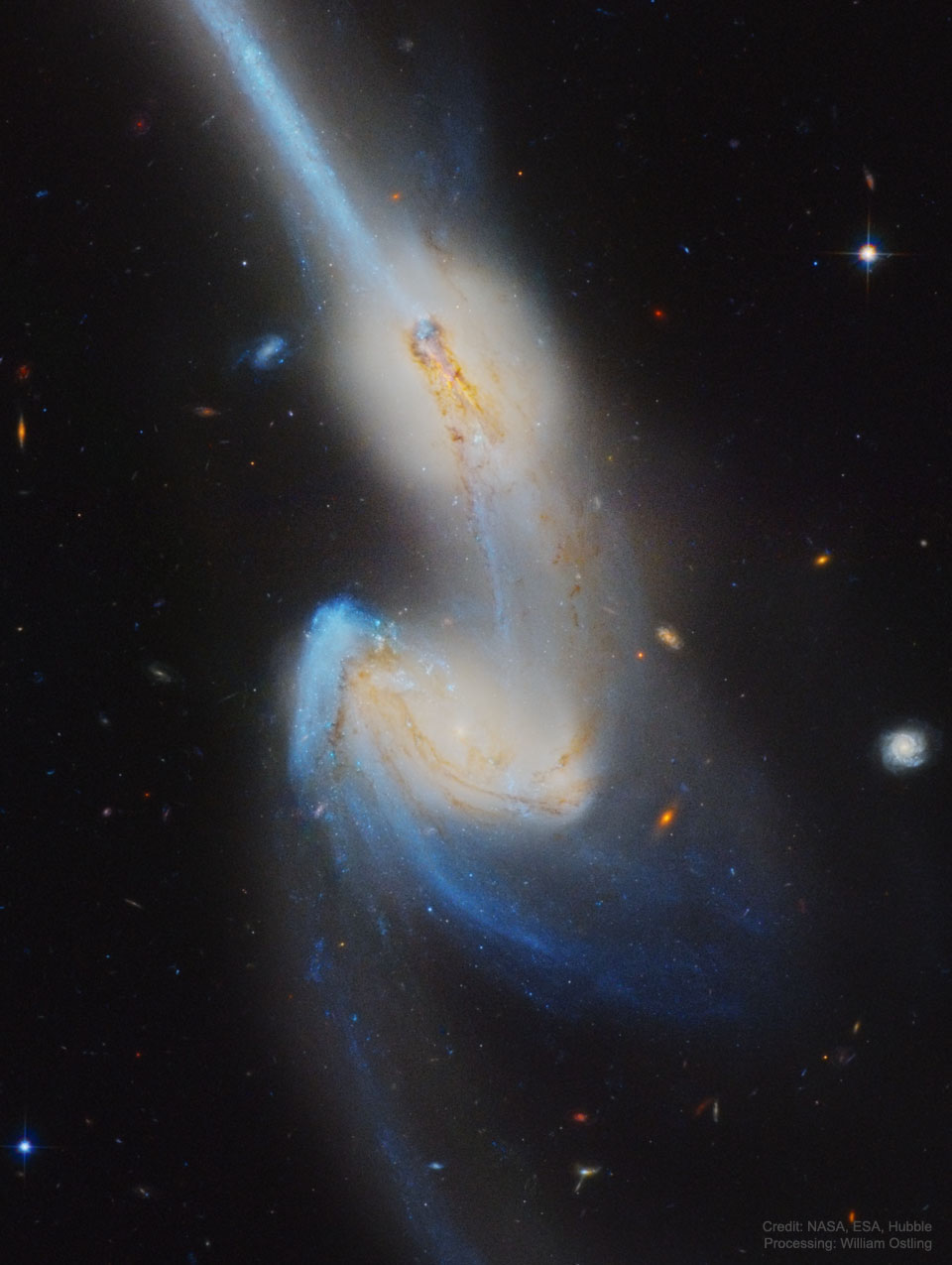
Astronomy Picture of the Day 🔭 NGC 4676: When Mice Collide -- Image Credit: NASA, ESA, Hubble; Processing & Copyright: William Ostling (The Astronomy Enthusiast) -- Explanation: These two mighty galaxies are pulling each other apart. Known as the "Mice" because they have such long tails, each spiral galaxy has likely already passed through the other. The long tails are created by the relative difference between gravitational pulls on the near and far parts of each galaxy.…
 @omarOnNoiseApp
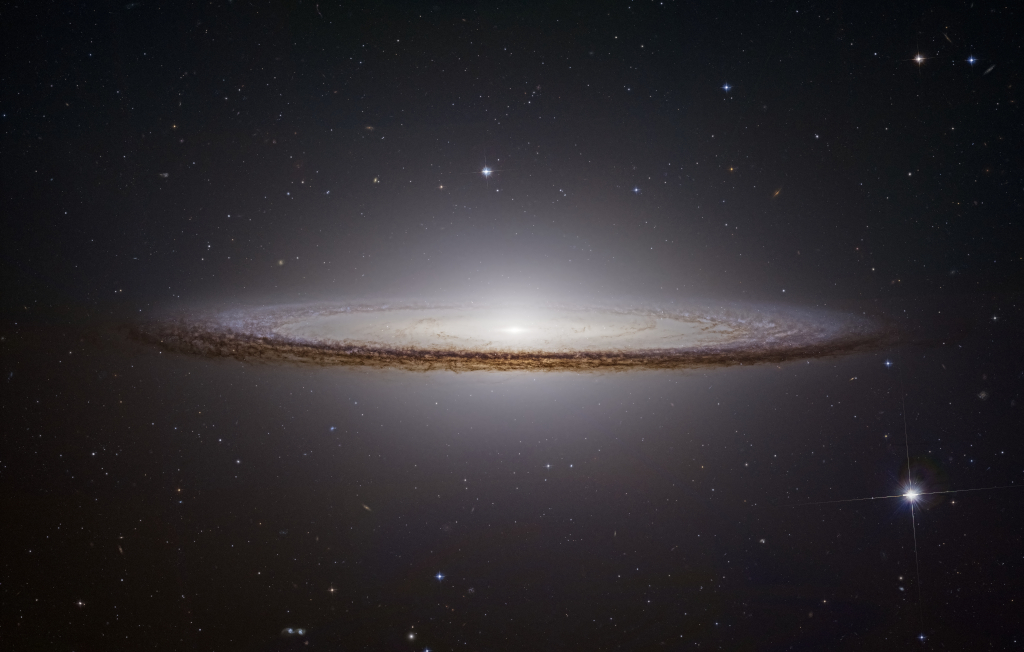
Astronomy Picture of the Day 🔭 Messier 104 -- Image Credit: NASA, ESA, Hubble Legacy Archive; Processing & Copyright: Ignacio Diaz Bobillo -- Explanation: A gorgeous spiral galaxy, Messier 104 is famous for its nearly edge-on profile featuring a broad ring of obscuring dust lanes. Seen in silhouette against an extensive central bulge of stars, the swath of cosmic dust lends a broad brimmed hat-like appearance to the galaxy suggesting a more popular moniker, the Sombrero…
 @omarOnNoiseApp
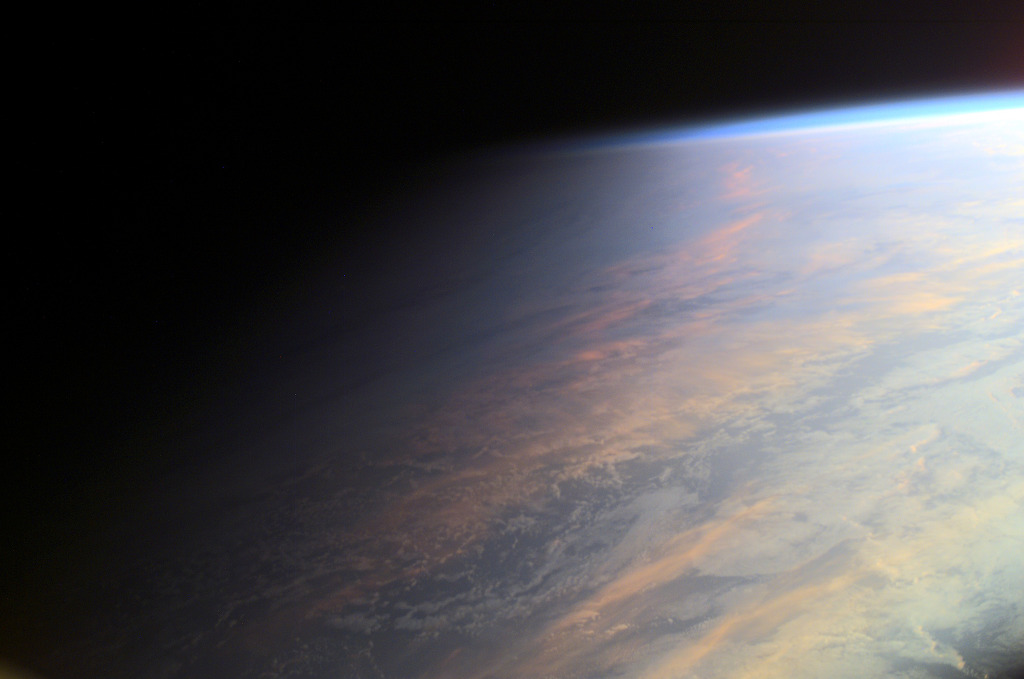
Astronomy Picture of the Day 🔭 Planet Earth at Twilight -- Image Credit: ISS Expedition 2 Crew, Gateway to Astronaut Photography of Earth, NASA -- Explanation: No sudden, sharp boundary marks the passage of day into night in this gorgeous view of ocean and clouds over our fair planet Earth. Instead, the shadow line or terminator is diffuse and shows the gradual transition to darkness we experience as twilight. With the Sun illuminating the scene from the right, the cloud…
 @omarOnNoiseApp
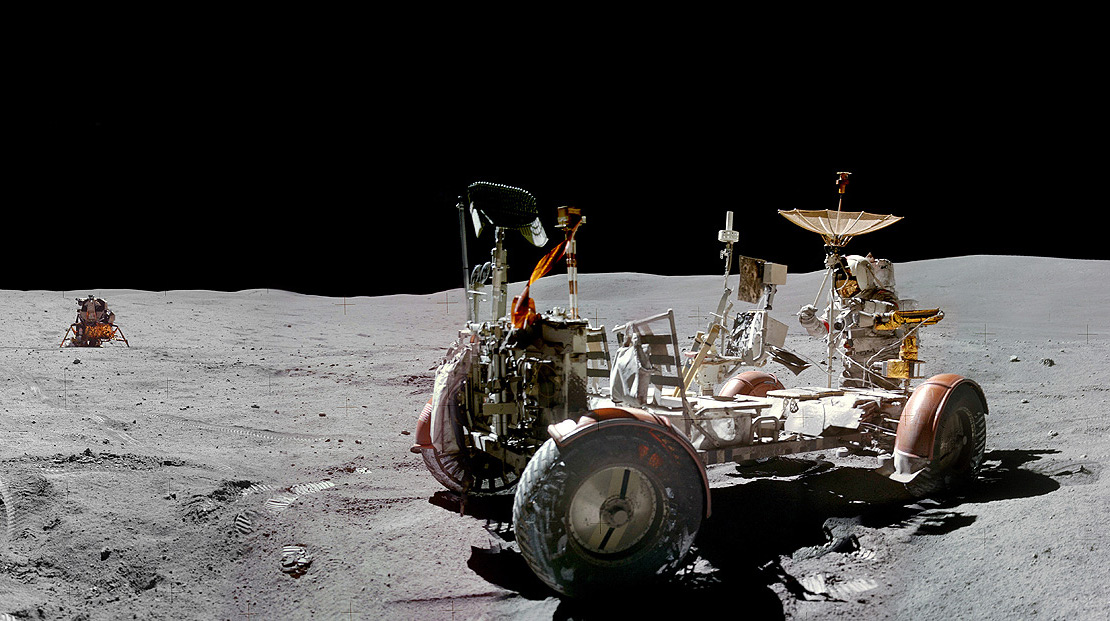
Astronomy Picture of the Day 🔭 Apollo 16 Moon Panorama -- Image Credit: Apollo 16, NASA; Panorama Assembly: Mike Constantine -- Explanation: Fifty years ago, April 20, 1972, Apollo 16's lunar module Orion touched down on the Moon's near side in the south-central Descartes Highlands. While astronaut Ken Mattingly orbited overhead in Casper the friendly command and service module the Orion brought John Young and Charles Duke to the lunar surface. The pair would spend nearly…
 @omarOnNoiseApp
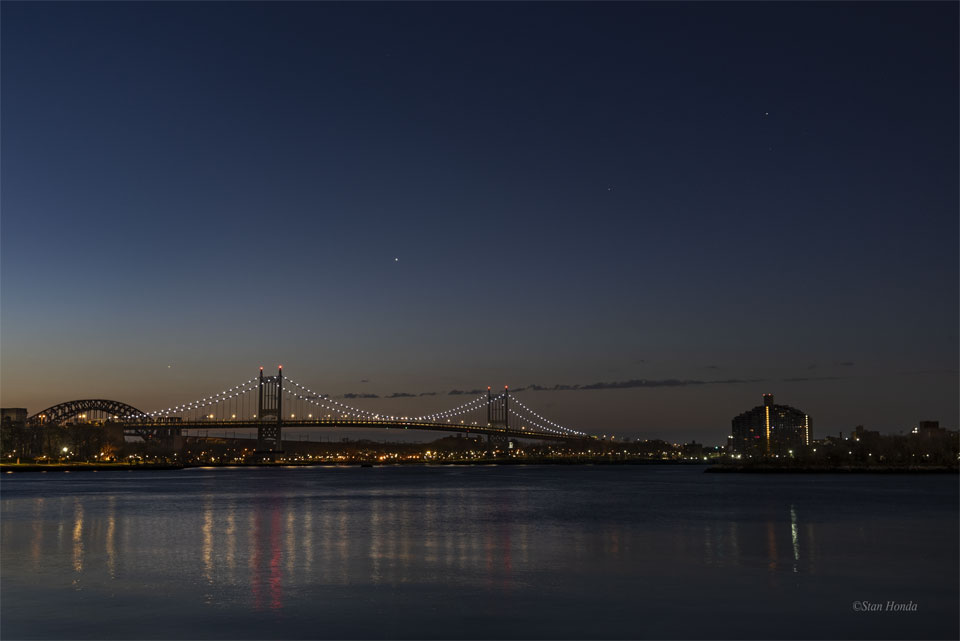
Astronomy Picture of the Day 🔭 Planet Line over New York Bridge -- Image Credit & Copyright: Stan Honda -- Explanation: There's an interesting sky to see if you wake up before the Sun. Lined up on toward the eastern horizon are four planets in a row. The planets are so bright they can even be seen from the bright sky inside a city. In fact, the featured image was taken from New York City, USA, with the foreground highlighted by the RFK (Triborough) Bridge. Pictured, the…
 @omarOnNoiseApp
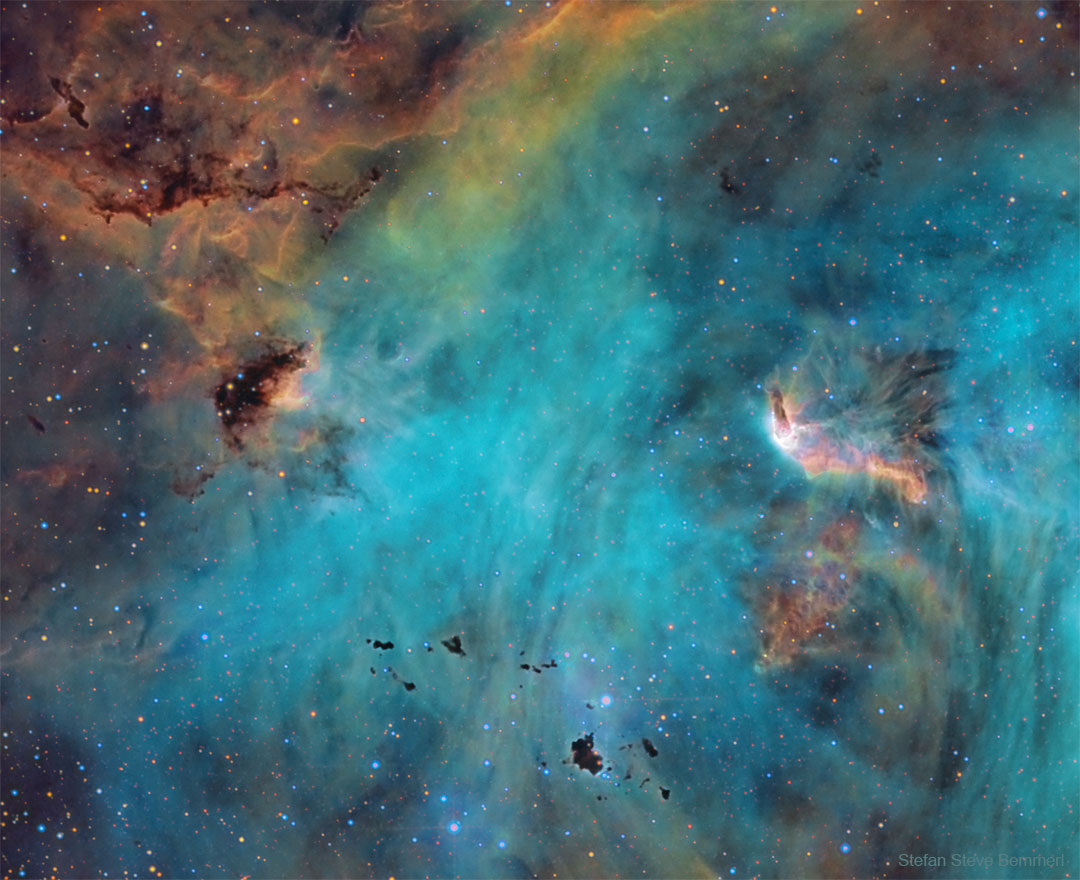
Astronomy Picture of the Day 🔭 Stars and Globules in the Running Chicken Nebula -- Image Credit & Copyright: Stefan Steve Bemmerl -- Explanation: The eggs from this gigantic chicken may form into stars. The featured emission nebula, shown in scientifically assigned colors, is cataloged as IC 2944 but known as the Running Chicken Nebula for the shape of its greater appearance. Seen toward the bottom of the image are small, dark molecular clouds rich in obscuring cosmic dust.…
 @omarOnNoiseApp
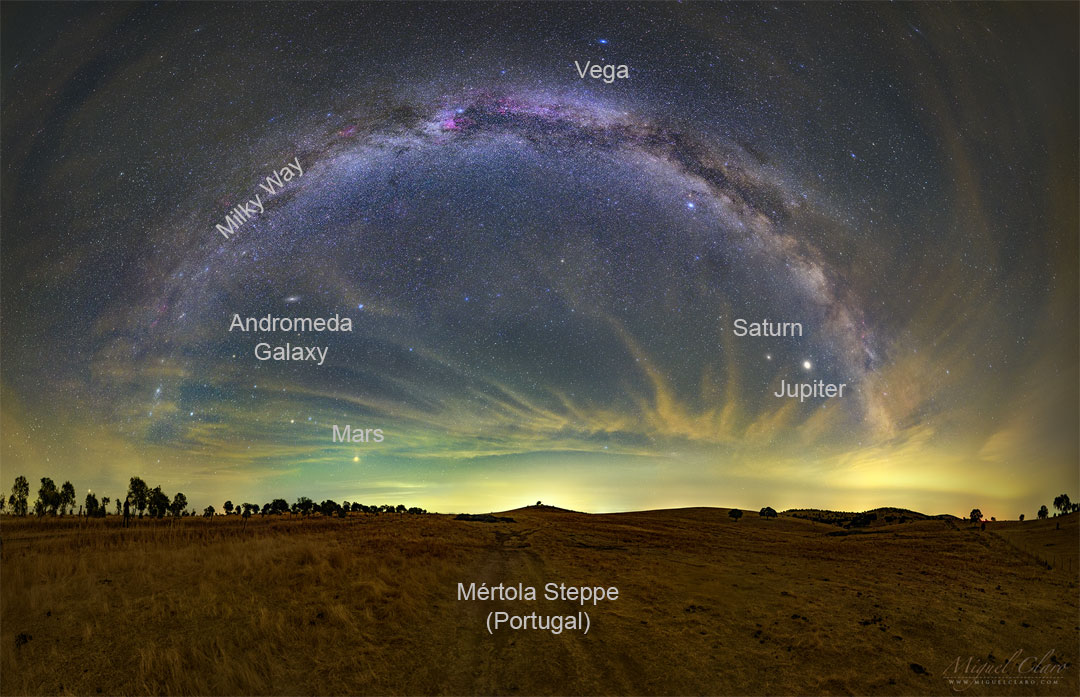
Astronomy Picture of the Day 🔭 Stars and Planets over Portugal -- Image Credit & Copyright: Miguel Claro (TWAN, Dark Sky Alqueva) -- Explanation: The mission was to document night-flying birds -- but it ended up also documenting a beautiful sky. The featured wide-angle mosaic was taken over the steppe golden fields in Mértola, Portugal in 2020. From such a dark location, an immediately-evident breathtaking glow arched over the night sky: the central band of our Milky Way…
 @omarOnNoiseApp
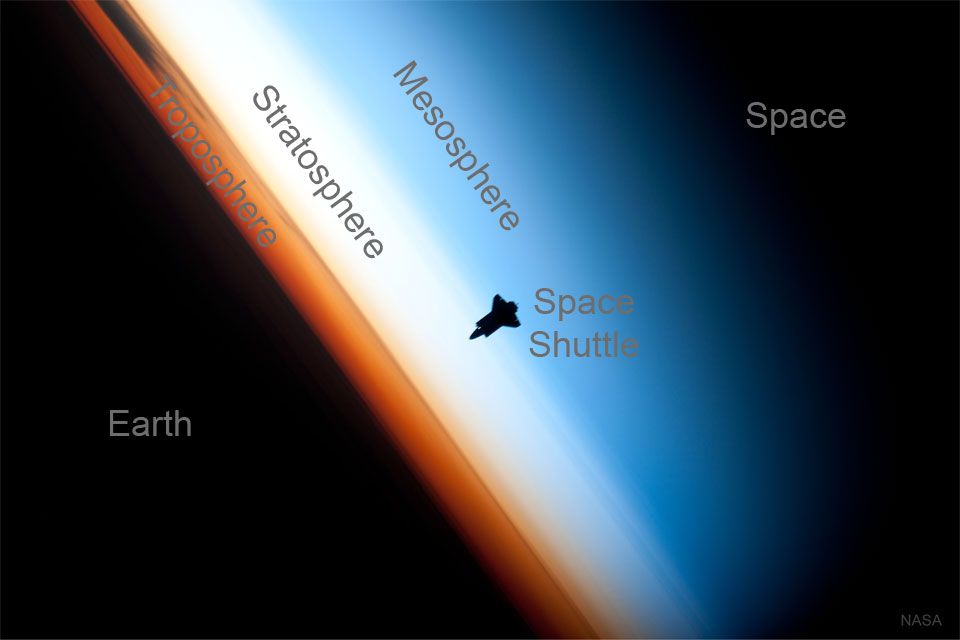
Astronomy Picture of the Day 🔭 Shuttle Over Earth -- Image Credit: NASA, Expedition 22 Crew -- Explanation: What's that approaching? Astronauts on board the International Space Station in 2010 first saw it far in the distance. Soon it enlarged to become a dark silhouette. As it came even closer, the silhouette appeared to be a spaceship. Finally, the object revealed itself to be the Space Shuttle Endeavour, and it soon docked as expected with the Earth-orbiting space…
 @omarOnNoiseApp
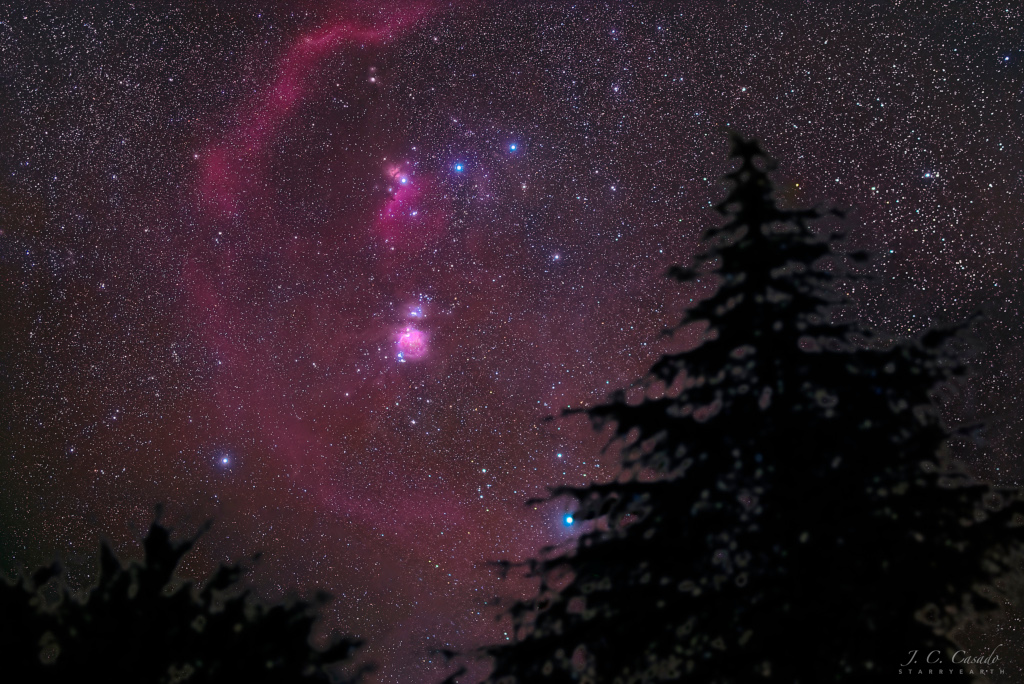
Astronomy Picture of the Day 🔭 Orion Pines -- Image Credit & Copyright: Juan Carlos Casado (Starry Earth, TWAN) -- Explanation: Taken with a camera fixed to a tripod, many short exposures were aligned with the stars to unveil this beautiful, dark night sky. Captured near the rural village of Albany`a at the northeastern corner of Spain, the three stars of Orion's belt stretch across top center in the starry frame. Alnitak, the easternmost (left) of the belt stars is seen…
 @omarOnNoiseApp
Astronomy Picture of the Day 🔭 The Gator-back Rocks of Mars -- Image Credit: NASA, JPL-Caltech, MSSS -- Explanation: Wind-sharpened rocks known as ventifacts, cover this broad sloping plain in the foot hills of Mount Sharp, Gale crater, Mars. Dubbed gator-back rocks their rugged, scaly appearance is captured in these digitally stitched Mastcam frames from the Curiosity rover on mission sol 3,415 (March 15, 2022). Driving over gator-back rocks before has resulted in damage to…
 @omarOnNoiseApp
Astronomy Picture of the Day 🔭 Messier 96 -- Image Credit & Copyright: Mark Hanson and Mike Selby -- Explanation: Spiral arms seem to swirl around the core of Messier 96 in this colorful, detailed portrait of a beautiful island universe. Of course M96 is a spiral galaxy, and counting the faint arms extending beyond the brighter central region it spans 100 thousand light-years or so. That's about the size of our own Milky Way. M96 is known to be 38 million light-years…