Elon Musk and Metaverse
Speaking about Metaverse, web 3.0 and Neuralink in an interview he gave, Elon Musk made remarkable evaluations. According to Musk, Neuralink will replace web 3.0 with metaverse ecosystems in the long run.
Billionaire businessman Elon Musk, who managed to fall on the agenda like a bomb with every statement he made, made some assessments on the agenda. Stating that he does not find ecosystems such as metaverse and web 3.0 very permanent, Musk said that his own project Neuralink will pass metaverse and web 3.0. Elon Musk thinks that this prediction will definitely come true in the long run.
Speaking in an interview with The Babylon Bee, Elon Musk stated that he thinks no one would want to wear glasses for days and live in a virtual world. According to Musk, isolating from physical life for a virtual world is not a very smart business. Musk, who also made a confession, said that he did not fully understand such as metaverse and web 3.0, that he might understand it in the future, but for now, he sees these technologies as marketing.
"Face-mounted TV guaranteed to ruin the eyes. Is that good?"
According to Musk, the so-called metaverse is nothing more than a face-mounted TV guaranteed to ruin the eyes. "Is that really a good thing?" Musk asks, stating that a customized Neuralink chip can already put a person in a virtual world, so there will be no need for things like metaverse and web 3.0. So what exactly is going on with Neuralink? Let's take a closer look at this technology in its simplest form.
Elon Musk's Neuralink is no innocent technology either
Neuralink, to put it simply, is a chip placed in our brain. The chip, which establishes a connection between the brain and computers with the software installed, almost turns a person into a robot. To be frank, we can easily say that Neuralink is not an innocent technology at all. However, there is one detail that Elon Musk is right in his comparison. So much so that Neuralink has the potential to bring people into a virtual world. This technically eliminates the need for metaverse ecosystems. However, it is not clear how many people would want to have a chip implanted in their brain and live in that head all day long...

Facts About Crows
There is a very beautiful creature known for its black, shiny feathers: Crows. They are constantly told to be cunning and highly intelligent. Yes, this is true, but there are unknown facts and misconceptions about crows.
From time to time, we can see videos and posts about how smart they are in various places such as social media about crows. The main reason why they are so intelligent is that they are the bird species with the highest brain and body size ratios. It has a large brain-to-body ratio, especially as one would expect from a crow-like ape called a corvus.
Crows hold funeral rites.
Perhaps the reason why crows represent death in fields such as cinema and mythology is that crows hold a funeral ceremony when one of their species dies. The ceremony can also take place with just one crow or with a group. During the ceremony, they are very serious and quiet. Researchers have no way of knowing what an animal's emotional state is, but crows are thought to have emotional intelligence.
Crows' puzzle-solving abilities can be as advanced as those of a small child.
It's not for nothing that crows are famous for their intelligence, because they can be equally capable of solving puzzles with a small child. According to a study in the journal 'Current Biology', crows can plan tool use while solving a puzzle. It is even said that they can achieve success by ignoring the traps that will make it difficult for them to solve the puzzle.
Crows can use and make tools.
In the early 1960s, a primatologist refuted the idea that humans were the only species capable of using tools, when he discovered that wild chimpanzees used branches for hunting. However, not only primates but also other animals have been the subject of research, proving that crows have the ability to use and even make tools.
Many creatures in the crow family can already use tools, but there is one species that has an advanced ability to make tools, which is the New Caledonian crow. These crows have the ability to make tools that range from clearing a branch of leaves to making hooks from thorns.
Crows gossip and hold grudges.
Yes, crows gossip too. It has been proven that several crow species can recognize human faces. For example, magpies and ravens taken for research have been known to scold researchers who they knew had gotten too close to their nest or theirs in the past.
They never forget the person whom they knew to have touched evil at the time, and at the same time they hold a grudge against them and see them as enemies. Studies show that the only thing that the crows pay attention to in this regard is the face of the person they remember as the enemy, apart from the other physical appearance. This feeling is especially observed in crows living together with people in cities.
Crows will try any means for their food.
Crows tend to be opportunistic and creative and are prone to develop new feeding strategies in order to easily survive. It has been observed that one type of crow catches its own fish and uses other food as bait to lure the fish close. They can also steal food from other animals and even humans if they can.
Crows can help at home.
Of course, crows also have a family. Young crows may remain attached to their parents for some time after leaving the nest. It has been observed that their parents still support their development and learning during adolescence, in a way. In some cases, young crows do not want to build their own nest for a certain period of time and do not find a mate. In such cases, they can stay in their home with their families and help their parents take care of their second child, i.e. sibling.
Crows have dialects just like humans.
In fairy tales and stories, there are other sounds they use other than the crow's voice, which is described as 'cackling', and each of them can have a different meaning. It has been observed that crow languages can vary even in two different populations. According to an ornithologist researcher, crows have dialects just like humans. In the crow language, which can vary regionally, if a crow changes a flock, it learns the new language by imitating the pack leaders.
Crows do not live for 200 years.
There is a known misconception about crows that there are species that live as long as 200 years. It is not known where this error comes from, but there is not a single crow species that lives for 200 years. Crows, which live for 15-20 years in nature, can possibly live up to 30 years if they are under special care. The longest recorded lifespan of a crow is 40 years.
What is Hardware?
Hardware is a subject that some people have a lot of knowledge about, some know enough to tell their problems, and some have nothing to do with it. Of course, the job turns into a situation that is known to those who are curious or who love to research.
However, hardware is a subject that everyone who wants to get to know their computer better researches a little bit. After all, as a computer user, whoever encounters a problem can be a door-to-door technician, etc. Doesn't he want to solve his own problem instead of calling? In simple cases like this, a little understanding of the hardware will set things right.
What is hardware?
Computer Hardware, to put it simply: is a collective term used to describe any of the physical components of an analog or digital computer. It is also possible to think of hardware as the organs that make the heart of the computer beat, as a result, when one of these parts is damaged or something happens to it, the problem that exists on the computer, just like in the human body, affects the healthy working process.
In addition to the hardware, there is also the software part of the job. Although hardware and software may seem like different things, the two complement each other. A computer can only be used efficiently and produce useful things when it works in harmony with both hardware and software.
What does my hardware do?
We have said that hardware is the physical components that provide the most basic life functions of the computer. To illustrate this a little more, hardware: We can say that it is used to receive input data from the user, store data, display output and execute commands given by a person.
Each of the hardware supports and develops the computer in a different way. Of course, although the functions of each part are different from each other, we can easily use the electronic devices we have in our hands through the healthy and harmonious functioning of each of these different parts. Your computer cannot exist without any hardware, and of course, software cannot be used either.
How much is the hardware and what are its types?
There are many pieces of hardware your computer has, and we can divide these hardware into internal or external hardware. If we try to examine it in detail, we can see that there is quite a lot of hardware. But we will keep our list simple and familiar.
Internal equipment:
Motherboard:The motherboard is a circuit board on the computer that holds the basic internal hardware, such as the CPU, and acts as the hub through which all other hardware components pass.
CPU:CPU is hardware that processes and executes digital instructions from various programs. In short, it can be defined as the brain of the computer.
RAM:RAM is temporary memory storage that provides instant access to information to programs. Since RAM is a temporary memory, the stored data is cleared when the computer is turned off.
Hard Disk:Hard Disk can contain programs, operating systems, device files, photos, etc. It is a physical storage device that stores both permanent and temporary data in different formats, including
SSD:SSDs are solid state storage devices based on flash memory technology. SSDs are permanent. Therefore, they can safely store data even when the computer is turned off.
Display card:A video card is an expansion card that transfers output images to a display device (such as a monitor). At its core is the main part, the GPU, which does the actual calculations.
Mouse:A mouse is a hand-held pointing device with which you can move the cursor on the computer screen and interact with objects on the screen.
Keyboard:A keyboard is an input device with a standard QWERTY keypad that allows users to enter text, numbers, and special characters.
Microphone:A microphone is a device that converts sound waves into electrical signals and supports computer-based audio communication.
Camera:The camera captures visual images and transmits them to a computer or via a computer to a network device.
Monitor:A monitor is an output device that displays information, documents or images created by the computing device.
Printer:Printers are devices that convert electronic data from a computer into printed physical material.
Speaker:A speaker is an external audio output device that connects to a computer to output sound.

Can Tiktok Read Our Minds?
From time to time, various assumptions are made about the algorithms of TikTok and similar social media applications. Researchers sought an answer to one of these assumptions. Can TikTok read our minds? Let's examine the research on the subject.
Various discussions are emerging about Tiktok's algorithms for determining what content to display. One of these discussions is How TikTok Reads Your Mind, which was published in the New York Times recently. It came up with the news.
In the news, it was claimed that TikTok's video highlighting features developed as a result of a mind reading for various reasons. But TikTok and other social media apps focus more on what their users are doing inside the app than what's on their minds. On TikTok, users can upload and view various short-form videos. As users post and consume videos, more and more similar videos are served to them.
"TikTok doesn't read minds, it creates mindsets"
This year, a study was conducted by researchers at Boston University, Binghamton University and University of London on how TikTok's algorithm works. In the study, 400 TikTok videos were analyzed to understand the factors that caused a short video to go viral. In the review, there were 10 factors that could cause a video to be liked by users, such as whether the video owner is popular or not, the video style.
As a result of the study, the most important features between viral and non-viral videos were determined. The most important factor in making a video go viral was the popularity of the video creator. The second biggest factor was whether the video included close-ups. In 2019, researchers at Guilin University of Electronic Technology in China and the University of Oslo in Norway examined the number of views and likes of TikTok videos, proving that popular videos were "liked" by users.
As a result, the researchers emphasized that whether to show videos that interest users on TikTok or any social media platform is an example of engineering, not mind reading. Even though people spend a lot of time on social media, they can't actually be on social media. The most important factor in the succession of videos that attract the attention of users is the existence of a software system that develops according to the rates of views and likes. The algorithm works independently of the human mind.


Google Duo and Meet
It turned out that Google's popular video calling platforms Duo and Meet will not combine consumer-oriented. According to the statements, Meet may become a single, more business-oriented video calling platform.
Last year, news emerged that the US technology giant Google would make Meet the only video calling platform. After that, it was stated that two platforms called Duo and Meet could be combined and a common consumer and business-oriented video calling platform would be created.
In the news published in August 2020, it was stated that Google will offer a video call service focused on both normal people and business. Recent news has revealed that Duo and Meet's consumer-oriented 'merger' plan will not materialize.
Consumer-focused merger plan abandoned
Initially, Google aimed to combine Duo and Meet into a platform called 'Duet' with both consumer and enterprise focus. For this, the team created in 2020 made a lot of effort to combine the two platforms. However, at the end of 2020, it was stated that these two goals could not be achieved, and Duo was likely to join Meet as a more corporate-oriented platform. In other words, the goals of creating a video calling platform that is both consumer and business-oriented were abandoned.
It was stated that this team is currently focusing on working on the business-oriented part of Meet. Google also stated in its statements about this situation that there was no change in Duo's consumer-oriented investments. In addition, in the statements made, it was emphasized that features such as HD screen sharing, new video effects, advanced contact search, foldable device support, new spam controls and protections, a renewed interface were added to Duo in 2021, that is, the consumer targets of the platform continue.
Duo's fate remains uncertain
To sum up, Google has announced that Duo's consumer-oriented features (like calling users by phone numbers) will not be added to Meet. In addition, the company stated in its statements that it will have a 'rich roadmap' for both regular and business users in the coming year; but did not reveal which platform or platforms this will be aimed at.
It remains unclear what will happen to Duo after Google's plans change. According to the reports, there is still the possibility that Duo will be developed or closed and Meet will be made a single platform. In other words, Google may decide that Meet is a 'sufficient' video calling platform for users and may abandon the very popular Duo.
This also shows that Android may lack an application that can rival FaceTime in the coming years. In other words, the replacement of Duo by Meet will deprive users of an application that allows users to call their contacts with a single button, even if some features can be integrated.

Declining Fertility Around the World
According to a new study by Danish scientists, one of the biggest factors that play a role in the decrease in the fertility rate in the world is fossil fuels. The chemicals in these fuels adversely affect the reproductive health of people.
Climate change, which affects us more and more in every aspect of our lives, will affect the future of our planet in a completely different way, according to a new study. According to research published in the journal Nature, industrialized regions now have fertility rates below the levels needed to sustain their populations.
As a result of their study, the scientists behind the study revealed that reproductive health problems are partly linked to human exposure to chemicals that originate directly or indirectly from fossil fuels. Data previously shared by the Lancet showed that the fertility rate dropped to 2.4 in 2017. In 1950, this ratio was 4.7.
Fossil fuels negatively affect reproductive health
The research also points out that declining birth rates began at the same time as industrialization and large-scale burning of fossil fuels. Scientists hypothesize that fossil fuels have a major negative impact on human reproduction. The research, which focused only on the Danish population, had the following results, which were announced to be applicable to the whole world:
One in 10 Danish children was born with medical assistance in the last 50 years.
More than 20% of men have never had children.
Unintended pregnancy losses have increased by 1% to 2% since 1990.
Globally, approximately 74,000 cases of testicular cancer occur annually.
Infertility rates are increasing for biological reasons.
Chemicals produced using fossil fuels are found everywhere, from makeup to food containers. Toxic chemicals originating from fossil fuels pass through people's blood, urine, semen, placenta, breast milk and adipose tissues through these products. Therefore, it interferes with the hormonal systems of the body and adversely affects reproductive health.
Researchers called for more protection for pregnant women to avoid this situation. Claiming that chemicals in air pollution also have a range of adverse effects on unborn babies and young children, the researchers also predict that worsening fertility will cause mental harm to individuals in communities.

Information About Eagles
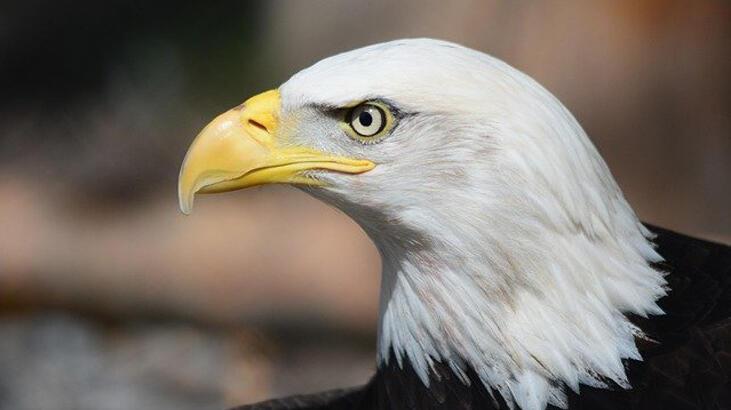
The eagle is a known bird of prey. Eagles are monogamous. They use the same nest every year as they do not change partners throughout their lives. Their nests are usually in places that are not easily accessible. The incubation period of one or a few eggs that they leave the nest lasts for six to eight weeks. Their young develop slowly, and only at the age of three or four eagles have adult plumage.
The general name given to many species of the Eagles (Falconiformes) order. It is one of the largest of the daytime raptors. They are large, rounded-winged birds with curved pointed beaks, strong and sharp claws. The nostrils in the beak are fleshy. It is usually brown or gray haired. Their eyesight is sharp. It nests in very high steep rocks or trees. They prey on mammals, reptiles and birds. There are also fish and scavengers. Their reproduction is slow as they spawn less. They lay 1-2 eggs. The incubation period is 43-49 days. Mostly the female broods. They feed the young together. In some species, the first chick to hatch expels the later one from the nest.
Where they live: There are many species found in almost all parts of the earth.
Lifespan: 70-104 years. In captivity, he lives up to 40 years.
Varieties: Black eagle, lamb's eagle, osprey eagle, kaiser's eagle, snake eagle, big shout eagle, small shout eagle are the famous ones.
They are large predators with wide wings and tails and feathered legs. They reach puberty in 2-3 years. In flight, they frequently turn and rise, their prominent fingers curved upwards. They live in forests and mountains. They nest in rock recesses and trees. Eagles are monogamous. They use the same nest every year as they do not change partners throughout their lives. Their nests are usually in places that are not easily accessible. The incubation period of one or a few eggs that they leave the nest lasts for six to eight weeks. Their young develop slowly, and only at the age of three or four eagles have adult plumage.
Eagles are brave, assertive animals that fly high and fast. The large ones can easily kill animals such as antelopes, monkeys, foxes and rabbits. There are those who remove the lambs and kidnap them. It is seen that they fight to get each other's prey. They easily digest the bones of their prey; They remove their feathers from their mouths in balls after digestion. Most of them have hairy feet up to the toes. They can be considered useful, as they consume rodents and carrion. In some regions, they are domesticated and used for hunting. They do not hesitate to attack people when they are stuck. Eagles are grouped and studied under four main groups: 1) Sea eagles and ospreys, 2) Serpent eagles, 3) Arpia eagles and crested eagles, 4) True eagles or winged eagles.
The ankles of all eagles in the first group are hairless, and there are needle-shaped structures (spicula) on their toes that prevent the fish from slipping. White spots are seen on their heads and tails. Puppies are also brown haired. They are common on the shores of large lakes, rivers and seas and on some islands. Apart from fish, sea eagles also prey on the offspring of marine mammals such as seals and various seabirds. Snake eagles live in Asia and Africa. They are called by this name because they mostly feed on reptiles and snakes. Thanks to their agility, the scales of their short and strong legs and the density of their feathers, they catch and prey on even the most venomous snakes without danger. From time to time, they also eat mammals, birds and carcasses. Arpia and crested eagles are common in the tropical forests of South America. They are extremely predatory and good flying birds. They mostly hunt monkeys, agouti and sloths. The weight of the females of the Arpia eagle is 6.5 kg, and the males are 4-5 kg. A pair of crests on their heads gives this species an eerie appearance. About 30 species of eagles are known. The very common golden eagle belongs to this group.
The eagle has been included in the folklore of many nations since ancient times as a symbol of courage and strength. They live up to 70-104 years. They cannot endure long in captivity.
Eagles sense of sight
Eagles flying thousands of meters high have eyes that can scan the earth in all its details from this distance. Just as advanced warplanes detect their targets from thousands of meters away, the eagle detects its prey by detecting the smallest movement on the ground, the smallest color difference. He owes this ability to the very special structures in his eyes.
We have said that after the light coming into the human eye is refracted in the lens, it falls on the retina and the image is formed here. Eagles have two retinas in their eyes. Having two retinas provides extremely sharp vision. In addition to the sharpness, both the front and rear sides are noticeable at the same time.
Eagle's eye has a wide angle of three hundred degrees at the same time, and it can enlarge the desired image by 6 to 8 times. It can scan an area of 30,000 hectares with its eyes while flying at an altitude of 4,500 m. It can easily distinguish a camouflaged rabbit among the grasses in the field from 1,500 meters.
Lux in League of Legends
Support champion Lux, who is in many cinematics of LoL, has a poster face and even has a comic book to her name, is a very strong character. We bring together the abilities, strengths and weaknesses, ct's and gameplay tips of this powerful mage who is supposed to be a support but can also be played in mid lane.
LoL has many advertising faces, that's for sure, but it is obvious that the most popular advertising face of the game is Lux. Lux, who even has his own comic book made in cooperation with Marvel and Riot Games, is a very popular champion in the game.
Lux CTs:
Sona
Janna
Nami
The ct characters we gave for Lux in this guide are the ones that gave her the most difficulty in her supporting role. What Sona, Janna and Nami have in common is that they can always provide shields and health to their snipers. Because of this, these champions disable Lux's pokes and limit her power in the early game, preventing her from snowballing.
All of Lux's abilities:
Passive – Illumination: Lux's damaging abilities charge the target with energy for a few seconds. Lux's next attack ignites energy and deals bonus magic damage (based on Lux's level).
Q - Light Link: Lux can unleash an orb of light that binds and damages up to two enemy units.
W - Prismatic Barrier: Lux launches a boomerang that shields herself and allies. In this way, it also protects them from enemy damage.
E - Burst of Light: Lux unleashes a circle of light in a certain area that slows nearby enemies within it, which she can detonate at any time. This causes damage to enemies in the area of effect.
R - Final Spark: After collecting Lux's energy, she can fire a beam of light that can damage all enemies in her area of effect. This ability also triggers Lux's passive - lighting ability.
Strengths:
Has one shot potential
His shield is much stronger than you think
Lux really has one-shot potential with her full Q + E + R combo. This can easily wipe out a fragile enemy from the map, starting at level six. His shield, contrary to popular belief, is very strong because it can save all a lot of poking. This ability can be used to secure the surrounding area when passing through enemy jungle or blind areas.
Weaknesses:
Can be killed instantly if caught motionless
An easy target if he moves away from the team
He can be killed almost instantly if caught too still and without Q. A Lux caught in a crowd control chain has no chance of salvation. He's also somewhat dependent on items, so camping and killing him as a jungler early in the game can only turn him into a shield bot in the late game. A Lux who strays away from her team is an easy target.
Tips for playing Lux:
In the early game, try to nudge the opponent with your E ability in the laning phase, and when you have reduced the opponent's health enough, try to dive and cut with all your skills. Try to keep your sniper alive and in the lane as much as possible, and don't forget to shield him at appropriate times.
You become an easily killable target when playing support in midgame, so it's best to go with your sniper or jungler by your side. In this way, it will be easier for you to misfire what you catch.
This is where the late game Lux "shines" the most. He turns into a champion that knocks everyone out, no matter tank or fragile. Of course, things also have an effect on this. An enemy rooted by Lux's Q has no way of surviving, as her ult's cooldown is also greatly reduced.
Thus, we have come to the end of our content, where we list all the abilities, strengths, weaknesses, CTs and gameplay suggestions of LoL support champion Lux. Please leave your thoughts and suggestions in the comments section below.

Robotic Coding
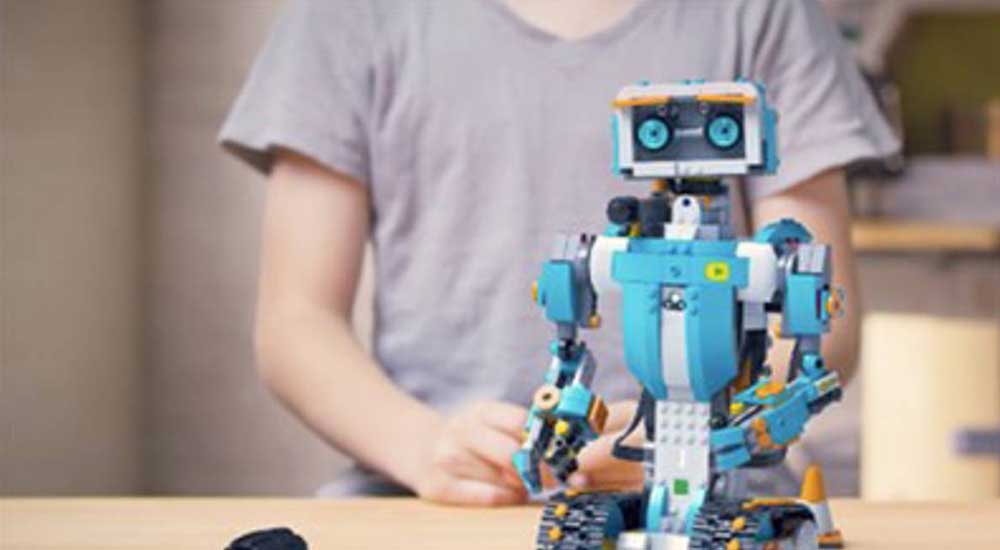
The future has come. In the near future, robots will begin to do the work that humans do in every corner of the business world. So, who will control these robots? If we give the right commands with robotic coding, the robots will not be able to take over the world. Let's take a closer look at what robotic coding is, how to learn it, and what are the advantages of knowing.
For the last hundred years, there has been a common idea in literature, cinema and, more importantly, in the world of science; Robots are coming. The future, which has been drawn and anticipated for years, has finally arrived. It is estimated that the use of robots will become widespread in the next ten years and these robots will do the work that more than 1 billion people have done. But how will these robots work? It is thanks to robotic coding that they get the right commands, of course.
We are used to the concept of coding, robotic coding is a similar concept. Just as you need to write code to run even the smallest application, the same is true for an advanced robot. The word robot might be a little scary, but they're just machines. The only thing that prevents them from taking over the world, as we see in science fiction movies, will be the robotic coding learned today.
Robot; It is a machine that perceives the environment it is in, makes a decision by making calculations in line with the commands it has received before, and performs some actions according to the decision it has taken. So it doesn't necessarily have to be human-like. It is sufficient to make a decision and fulfill its function by perceiving the event only within the framework of the commands it receives.
Although it changes according to its function, it is possible to talk about some basic parts that should be found in all robots; large and small motors, sensors and computing units. The robot, which senses its surroundings with sensors, will perform actions thanks to motors. Computing units filled with commands given by humans will decide what these actions will be.
What is robotic coding?
With the coding we know, it is written what the application should do when a key is pressed or a point is touched. Robotic coding works just like that. Certain scenarios are added to the calculation units of the robot and what kind of action should be taken in which situation is written.
Robotic coding can be written in languages such as C/C++, Python, Java, C#. Languages such as Wiring, Embedded C, and Mbed are also available, but they are already C++-based. While robotic coding may sound a bit fairytale, it is actually quite similar to basic coding. Someone who writes that the application opens when you click, can also write that the robot opens when it detects something.
What does robotic coding do?
Robots are widely used in the industrial world. For example, a robot can be programmed to only close the jar lid. Another can detect cracked eggs and remove them from the parcel. In other words, most repetitive tasks are given to robots so that the advanced human mind no longer has to deal with such small tasks.
Of course, it is obvious that they will carry out much more advanced commands in the future, but basically, the robots will only move within the framework given to them. Programmers who know robotic coding will take the lead in this job. Because no matter how advanced a machine is, a human is nothing but a pile of metal unless he gets the right commands written by a programmer.
How to learn robotic coding?
To be frank, if you resign from your duty as a civil servant in a good day and suddenly start learning robotic coding, it will take a long time to turn into a master. Because several times more than the infrastructure required to learn coding is required to learn robotic coding.
So, how to learn robotic coding? The first audience to learn robotic coding is children. When a coding education that starts with primary school education continues on robotic coding, children are ready for the future. Moreover, robotic coding represents the present for children, not the future.
Coding and robotic coding have become an indispensable course in engineering departments of universities. However, if you say that I am neither a child nor an engineer, but I have no interest in coding; then we recommend checking out Udemy and similar educational platforms. You can even find free tutorials on YouTube if you have some basic knowledge. As long as you have determination.
Benefits of learning robotic coding in kids:
Develops critical thinking skills.
Develops problem solving skills.
It helps them develop logical, numerical and analytical thinking systems.
It enables them to be individuals who are much more prone to teamwork.
There will be opportunities to work in an endless new discipline.
They get to know the world of today and the future closely.
They are not easily unemployed and work with not bad salaries.
Children's learning of robotic coding allows them to understand that there can be a much larger world than they see. Thanks to a coding education supported by art and science, children truly build the future. Of course, we don't know how accurate it is to guarantee that if all children learn to code, they will not be unemployed.
Will robotic coding really shape the future?
Take a look around you. You must have noticed how much of an increase in the number of machines we use in the last few years. For now, we operate these machines by pressing, touching or voice commands. It is not necessary to be a prophet to say that the technology that came from zero to this point in a short time will progress further.
Your coffee machine will know how many cups of coffee you have drunk at what time and it will be ready at the exact time you want. When your dirty basket is full, a simple robot will throw the laundry into the washing machine, wash, dry and fold it. We will experience almost everything we see in the Jetsons cartoon. Because we have seen dozens of things that seemed impossible years ago are possible today. It is not a luxury but a necessity for children to learn robotic coding so that they do not fall behind in this world.
Person of the Year "Elon Musk"
Elon Musk, founder of SpaceX and Tesla companies, was named 'Person of the Year 2021' by Time magazine. Elon Musk experienced many important milestones in his career in 2021.
Elon Musk, whom we talk to every day with his crazy-sounding projects, the company's operation far from the understanding that we accept as 'normal', and of course his activeness on social media, was named "Person of the Year 2021" by Time magazine today. Known for his companies such as Tesla, SpaceX, Neuralink, The Boring Company, OpenAI and Zip2, which continues to be the richest person in the world, Musk has revolutionized space missions, pioneered the transformation of electric cars, and revealed many plans for the future, such as life on Mars.
Elon Musk has also become one of the main factors affecting world stock markets and cryptocurrency exchanges. As Bloomberg writer Matt Levine has previously stated, Wall Street, the world's largest stock market center, now takes the word of even Elon Musk. The year 2021 was very active for Musk.
In 2021, Elon Musk took flight. In April, space company SpaceX managed to secure a special deal to land US astronauts on the Moon. In September, SpaceX sent four civilians into space. In October, car rental giant Hertz announced that it plans to buy 100,000 Teslas. Musk also experienced a great increase in his shares, taking the title of the richest man in the world with a difference of $ 100 billion.
Time magazine dedicated the title of Heroes of the Year 2021 to the scientists working on the COVID-19 vaccine, which it describes as "Miracle Workers". The four names on the cover of the magazine were Katalin Kariko, Barney S. Graham, Kizzmekia Corbett and Drew Weissman. Dr. Kariko and Dr. Although Weismann led a revolution with mRNA technology, these achievements did not come to the fore for a long time. But their success has been used to develop COVID-19 vaccines using Pfizer and Moderna's mRNA method. Dr. Corbett and Dr. Graham played an important role in the rapid development of COVID-19 vaccines.

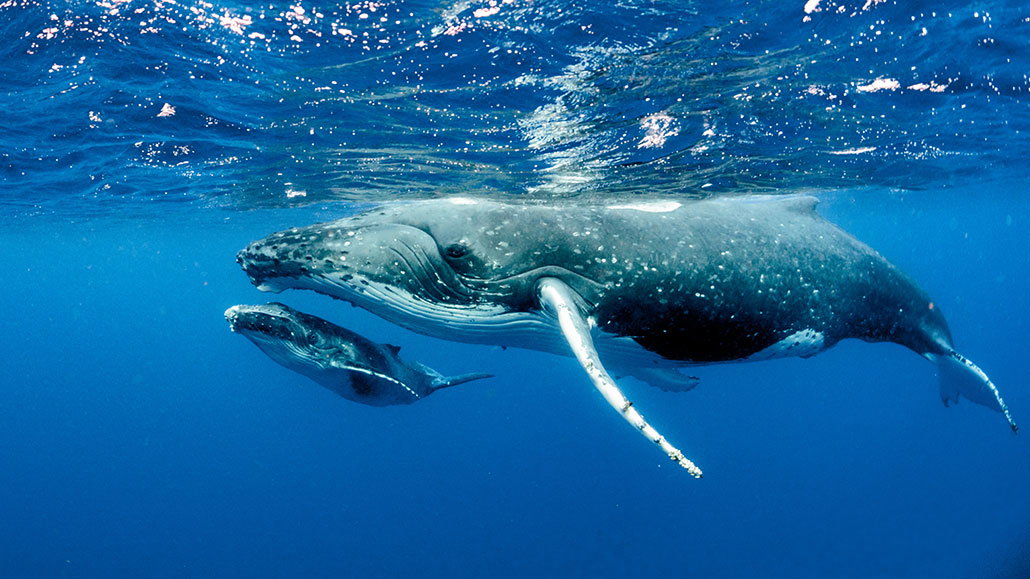
25 Facts About Whales
1. Humanity slaughtered at least 2.8 million whales in the 20th century.
2. The age of whales can be learned by counting the rings on a 25 cm earwax plug.
3. The natural predator of the elk is the killer whale. They are known to hunt deer swimming off the northwest coast of America.
4. The water in the mouth of the blue whale is almost the weight of its entire body.
5. Most expensive perfumes contain whale excrement.
6. Whales can also suffer from sunburns.
7. A blue whale is bigger than a basketball court.
8. There is only one fully white humpback whale known in the world.
9. Whales will drown if they stay underwater for more than 30 minutes.
Compared to fish and other aquatic creatures, whales have lungs instead of gills, so they have to dive in to get air from time to time like we do.
10. Despite their enormous size, blue whales feed almost exclusively on krill.
These are creatures that resemble shrimp, the size of a bean. How ironic isn't it?
11. A blue whale's heart can be the size of a car.
12. The tongue of blue whales can weigh the weight of an elephant.
13. Whale sharks can live up to 100 years.
14. Gray whales always mate in threes: two males and one female.
15. Blue whales can sunbathe.
16. In their first year of life, baby blue whales gain 91 pounds each day.
17. Killer Whales are actually dolphins, not whales.
18. Dolphins and whales give birth from the tail first instead of the head.
19. The heads of most sperm whales are filled with an oily yellow tissue called "scrap."
20. Female killer whales, short-finned pilot whales, and humans are the only species that can survive postmenopause.
21. Humans have been hunting whales since the Stone Age. Ancient whalers used harpoons to hunt them while they were in the boat.
22. According to a 2008 study, sperm whales generally sleep during the day in a vertical position under the surface of a shallow 'stream dive'.
23. Hunters of the 18th and 19th centuries hunted whales to use their oil to make lamp fuel and oil.
24. Whale milk has the density of toothpaste.
25. Sperm whales are the loudest animals on Earth. Their sound can reach up to 230 decibels.
Informations About Tigers
Tiger
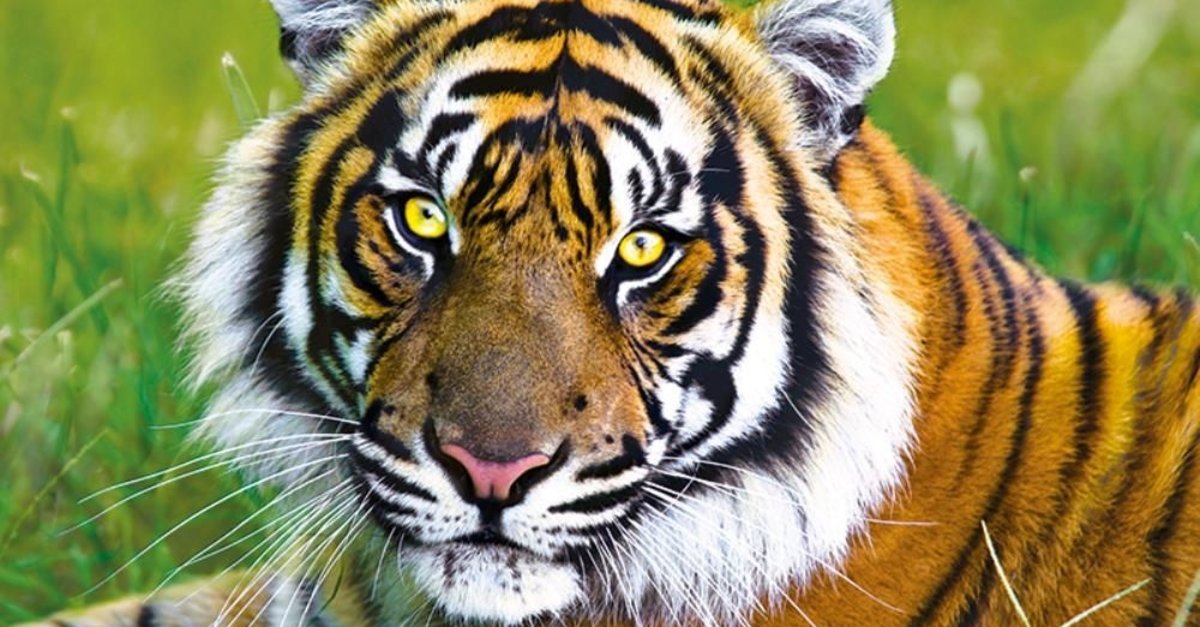
Tigers are the largest cats in the world. They can survive in large climatic zones of Asia and Russia: their habitat is from tropical rainforests and savannas to the forests of Siberia. There are 5 subspecies of tigers. All of these are endangered. There are only 7400 tigers left in the wild. Their numbers have been greatly reduced due to hunting for their fur and loss of habitat. Some people domesticate tigers. There are more tigers kept as pets in the US than tigers in the wild.
Interesting Facts About Tigers:
Tigers are big cats. The Siberian tiger is the largest of all subspecies. It has a length of 11 feet and can weigh up to 330 pounds. The tiger's long tail provides balance and is used for communication.
Tigers are famous for their stripes. There are over 100 uniquely positioned stripes used to identify tigers (just like our fingerprints). Stripes provide camouflage.
White tigers are a special type of tiger that is rarely seen in nature. These tigers have white fur and blue eyes.
Tigers are solitary animals. They only come together during the mating season.
They only want a piece of land that will belong to them, they determine it. Depending on the tiger species, this area is usually between 20 and 80 square kilometers, but in some cases it can be as large as 120 square kilometers.
Tigers mark their territory with a liquid mixed with urine with a strong odor. That way, other tigers will know that the land is occupied.
Tiger claws are sharp, retractable claws (they can hide their claws). They use them for killing prey and fighting other tigers.
Tigers usually prey on large mammals such as wild boar and deer. Alongside them, they can attack and kill pythons, crocodiles and even bears.
Tigers catch their prey by setting traps.
Tigers are excellent swimmers. They can swim up to 5-6 kilometers with a prey in their mouths.
Female tigers are ready to become a mother for the first time, at the age of three and a half. They usually give birth to 3-4 cubs. Despite being a very protective mother, half of her cubs are killed by other predators and male tigers or die from lack of food.
The cubs leave their mothers at the age of 2 and begin a solitary life.
Tigers have excellent eyesight. They can see 6 times better than humans at night. They hear well and produce particularly loud and characteristic rumbling sounds during the mating season. They can be heard from a kilometer away.
Tigers are very fast animals. They can run at speeds of 35-40 miles per hour. They are also good jumpers; They can jump a distance of 10 meters.
Tigers can survive up to 10-15 years in the wild and up to about 20 years in captivity.
Information About Tiger
Tiger; It is a cat-like, lion-sized, more agile, more aggressive animal than the predatory tetrapods. Tigers are mostly found in the hot regions of Asia, India, Turkestan, Iran, China, Japan, Java and Sumatra. The tiger is found only in Asia.
A tiger is very similar to a lion in terms of size, bone structure, teeth and nails. The coat of the tiger is not solid color like that of the lion. It is light yellow-brown with black and white stripes. Male tigers generally weigh 200-250 kilograms, females 150-160 kilograms. The average lifespan of a tiger is 20-25 years. The coats of tigers living in cold regions have long, thick hairs more often than those living in warm regions. In northern China lives a different breed of tiger with white-on-light brown markings on its pelt.
Tiger Nutrition
The tiger is one of the carnivores. The favorite foods of animals living in India are deer, wild boar, antelope and beef. Tigers that eat human flesh are also encountered in India. These are mostly aged tigers whose teeth have lost their sharpness, so they prefer human flesh, which is softer than beef. In India, these tigers have been seen killing 130,000 people a year. Human flesh-eating tigers are experienced and intelligent because they are old, they are very difficult to catch and kill.
Tigers do not go out to hunt during the day unless they are very hungry. Their hunting time is at night. In order to go after their prey, they climb to the tops of the trees if necessary, enter the water and swim. It also happens that tigers swim from one island to another in search of their prey. Tigers also go into the water to cool off in very hot weather.
Mother tigers are very fond of their cubs, they do not leave them with them until they are two years old. When the baby tigers' milk feeding time has passed, the mother tiger teaches them to hunt. Although mother tigers are so fond of their cubs, they eat them when they are very hungry.
Information About Lions
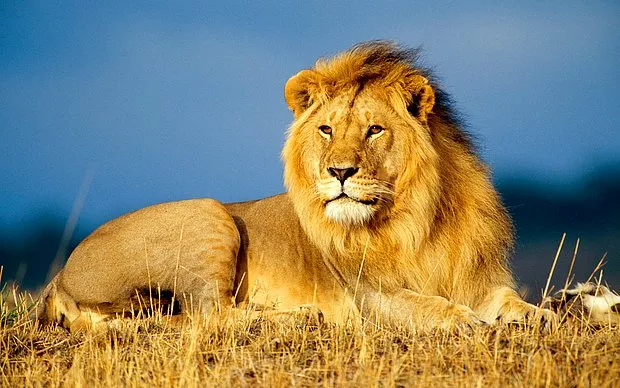
As a member of the felines, the lion cannot be disputed with the power and tool it possesses. The small lion of the forests has an unusual and dense structure. Lions are the largest in the world after tigers. How much do you know about lions? Before this information, you do not know more about the information you did not know about lions.
“What is a lion? Where do lions live? How many times do lions give birth? What do lions eat? Information about lions?” We will provide you with answers to such questions in these articles. Here is all about lions.
1. Lions are heavy and clumsy animals. Leopards and tigers are much faster than lions. For this reason, lions hunt in groups.
2. The bite of an adult lion is 30 times stronger than the bite of any domestic cat.
3. There are more lion statues than live lions in the world.
4. If an adult lion is spayed, its mane begins to fall out.
5. A lion mates an average of 3,000 times in its lifetime.
6. Lions are animals that love to sleep. They can sleep for 24 hours after a big meal.
7. Lions were the second most common land mammal after humans about 10,000 years ago.
8. Lions do not kill their prey by wounding them with their teeth. They mostly resort to the method of killing by strangulation.
9. An average pregnant lioness can give birth to 4 cubs.
10. A lioness can give birth 2-3 times a year.
11. Lions live in Asia and Africa.
12. Lions are carnivores. However, in some cases or when they are sick, it is seen that they are fed with grass.
13. An adult lion can reach 2-3 meters in length and 230 kg in weight.
14. Lions' manes begin to become evident when they are 5-7 months old.
15. Cats generally do not like to swim. But lions from the feline family are animals that love to swim.
16. An adult lion needs to eat at least 15 kg of meat per day.
17. Lions are the only cat breeds with tufted tails.
18. Lions protect their territory. A lion patrols its territory every day.
19. Lions can eat almost any animal when they are hungry. These animals include deer, impala, giraffe, elephant, rhinoceros, hippopotamus, wild boar and hyenas.
20. Baby lions start to eat meat when they are 3 months old.
Information About Sharks
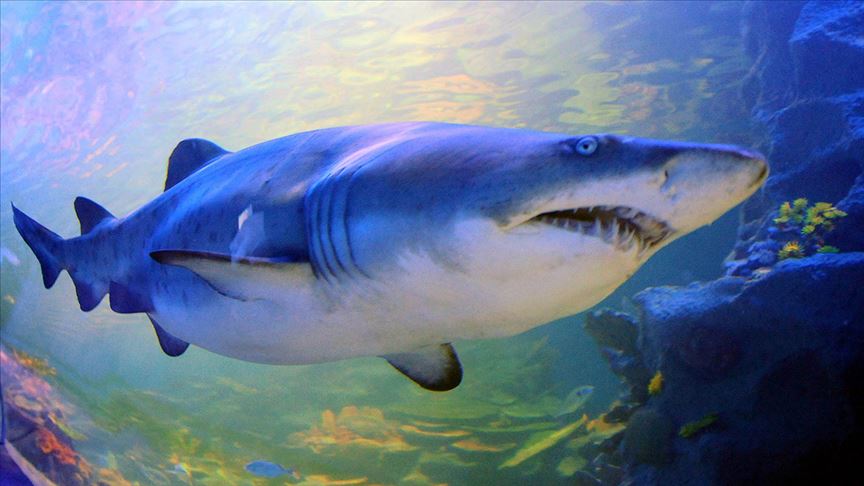
Sharks are predatory fish that arouse fear in people with their appearance, and that we feel as if they will attack us from the depths every time we enter the sea. Such a scenario must have crossed our minds, especially when swimming in regions with high depths. This scenario is a testament to the impact the film industry has had on us. If you have watched horror-thriller movies in which sharks are used, this situation is in your subconscious and it is not easy to get rid of it.
Sharks are the most predatory fish in the seas. They generally feed on meat and invertebrate sea creatures, but they have been seen to eat those thrown from ships. Objects such as tin cans, pieces of glass, newsprint, and pieces of wood were found in the stomachs of some sharks caught. As can be seen from here, they do not distinguish much food, they are the scavengers of the seas. They usually spend all their time looking for food, and they can also eat creatures larger than themselves.
The term shark is the name used in our language and given in reference to the head structure of these animals. Sharks' upper jaws and snouts are anterior, and the lower jaw is just below the head. In general, this type of mouth structure is not seen much in the fish group. The nose in front of the head structure has special receptors. Thanks to these sensors, they can smell very well, as well as feel the electrical waves and temperature changes in the water very well. They can smell blood in the water from 3 kilometers away. At the same time, this region is very sensitive in terms of nervous structure.
Scientists studying sharks have discovered interesting information about nasal protrusions in recent years. The sensors in their noses are so sensitive that it is possible to directly affect their brains by contacting them. It has been observed that the fish whose nose is touched calm down and even become numb. Again, it is possible to put them under the hypnotic effect by touching and stroking this area.
Another new discovery made by scientists is about body structures and balance. Sharks' bodies are designed for straight swimming. Even if they turn sideways or upside down while making moves, they cannot stay that way and immediately return to their previous positions. Noticing this, the researchers found that when you turn the sharks over, they go into a trance state. It was noted that as long as it was reversed, the fainting state, which did not react at all, continued. When you turned it straight again, it was seen that it returned to normal and started to swim and move away.
Sharks are not mammals like whales or dolphins. They breathe through gills. There are 5-7 vertical gill holes on the sides and they provide breathing by filtering the water they take from the mouth. There are about 250 species of sharks, and 27 of them have been found to attack humans. The smallest ones start at 30 centimeters, while the largest can reach 14 meters in length and 20 tons in weight. The species that attack humans are the larger species. If we look at it, people do not mean any difference to them. They can attack any living thing of this size in water. Therefore, it is normal for them to see humans as potential prey. They are also curious animals. Different creatures in the water attract their attention. The movements of people in the water and the smells they secrete can attract them to you.
Interesting Facts About Cats
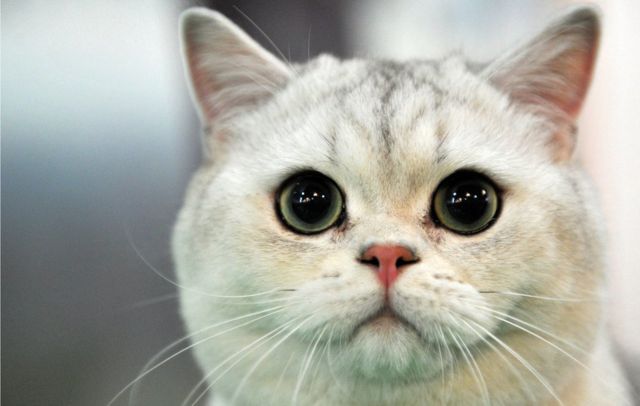
There are more than 500 million domestic cats of 34 different breeds in the world. Cats have their own unique physical features and characters. But in general, they have unique properties that they do. Many of these are actually known to you esteemed owners. But we will examine 15 surprising and interesting features of cats, which are not known much, with you. Let's read the rest of our article.
1) Cat's heart beats about 2 times faster than humans
While the heart rate is between 170-200 beats per minute in kittens, this number is between 120-140 in adult cats. This number is considered normal in humans between 60-100.
2) Cats dream like humans!
Yes, cats can dream when they sleep, just like humans. In 1954, French neurology scientist Michel Jouvet and his colleagues witnessed that cats raise their heads, exhibit the movements they do while hunting, by interfering with the rem region, which is the dream part of cats, in their sleep.
3) Cats have a 200-degree field of view
The viewing angles of cats, which we know as good hunters, differ compared to humans. Forward vision in humans is 180 degrees. In other words, cats have a wider field of vision than humans.
4) Cats can drink sea water
Genetic synthesis structures and organ functions may allow cats to drink seawater. Developed kidney structures can easily filter seawater.
5) Cats' hearing functions work quite well
Cats have better ear structure than dogs and humans. Thanks to these advanced ear structures, they can hear many sounds that we cannot hear. For this reason, talking loudly to your cat can make him nervous and stressed. Your cat will enjoy talking to you in soft, whispering voices.
6) Cats can see 5 times better in the dark than humans
We talked about the hunting features of cats in our article. Its developed eyes allow it to hunt comfortably both in the dark and in the light. Rod cells that facilitate vision in low light are much more numerous than in humans. This difference allows cats to see best in the lowest light.
7) Cats are afraid of water but EXCEPT one
Cats do not like to bathe and swim. The reason for this may be the traumatic reasons they were exposed to when they were puppies. Their meticulous habits that clean themselves all day can also cause them to feel this way. However, the Van Cat is not included in this group. This cat breed, which lives only in the Van Sea basin in the world, is also a good swimmer.
8) Cat and human brains are 92% similar physically
According to scientific research, cats have lobes and folds just like humans. But it is smaller. Because of all these features, the brain that is most genetically similar to the human brain belongs to cats.
9) Cat sterilization surgery increases the average lifespan by 60%
Most people have misinformation about sterilization. Neutering cats is not a negative process, on the contrary, it has many benefits for their health. You can find all information about Cat Neuter Surgeries from the link ↵.
10) Their tongues can't understand "sweet" things
Receptors on their tongue cannot detect sweet and sugary foods. So they don't have sweet senses.
11) 60% of their life is spent sleeping
Every cat owner will find this item very familiar. Cats that spend about 15 hours sleeping during the day are nicknamed "sleeper".
they have received.
12) Cats are good for health
According to research, cats;
Lowering the risk of heart attack,
headache relief,
Reducing bone and joint pain,
balancing tension,
Fast healing of fractures and dislocations
It has many benefits such as
13) Cats have more bones than humans
While a human has 206 bones and 33 vertebrae, cats have 290 bones and 60 vertebrae.
14) Cats' nose surfaces are unique
Just as human fingerprints are unique, so are cats' noses. The nasal surface of every cat in the world is different from each other. The folds and pits on the finger surface of humans are similar to the noses of cats.
15) Cats are the cutest creatures in the world
This feature, which every cat owner knows, is like a reason for our love for them. Their unique characters and variable behavior make it difficult for us to understand them. While we try to solve them, we also understand that we love. Its interesting features strengthen our bond a little more every day.
Interesting Facts About Dogs
Have 1-3 eyelids
Although most dog owners are not aware of this, dogs actually have 3 eyelids. The third eyelid in dogs is called the haw. Haw provides protection and hydration to the eye.
2-Truly the most loyal friend
A visually impaired person in the USA crossed a 3.5-kilometer course thanks to his dog's guide dog. This is further proof that dogs are our most loyal friend.
3- Only dogs can hear that song
The song A Day in the Life by the legendary band The Beatles has a frequency that only dogs can hear. Paul McCartney, one of the members of the band, said in an interview in 2013 that they added a frequency that only dogs can hear to the end of this song.
4-Basenji dogs howl
The Basenji, a dog breed originating from Central Africa, sets itself apart from other dogs. Because basenjis don't bark, they howl instead. This dog breed is always ready to play and loves to move.
5-George Lucas was inspired by his dog in the characters
Star Wars director George Lucas created the Ewok characters in Return of the Jedi, inspired by his Brussels griffon dog.
6-Some dog breeds have black tongues
Chow chow and Shar Pei dogs have black tongues. However, experts do not yet know why these dog breeds have black tongues.
7-Saluki, the oldest dog breed in the world
Saluki dogs are thought to be the oldest dog breed in the world. The Saluki, which were used as royal dogs in 329 BC. His paintings were found in caves in Iraq in 7000 BC.
8-Dalmatians have hearing problems
30 percent of Dalmatians are born deaf in one ear. It's a genetic disease. The probability of Dalmatians being deaf in both ears is 5 percent. Experts suggest this is due to a gene responsible for their white fur and blue eyes. Dalmatians are born white and their spots enlarge as they get older.
9. Greyhounds can beat cheetahs
Cheetahs are said to be the fastest animal in the world. However, it seems that greyhounds have the speed to beat cheetahs in a long race. Greyhounds can run an 11 kilometer track at 55 kilometers per hour. Since cheetahs can't always keep their pace and slow down after a while, greyhounds are more likely to beat them in the race.
10-The tallest dog in the world
Known as the longest dog of all time, entered the Guinness Book of Records, the famous dog Zeus could reach 224 centimeters when he stood on his hind legs. Its height at shoulder level was 112 cm. Zeus died in 2014, just before he turned 6 years old.
11-Bloodhound's nose is infallible
A large and strong dog breed, the Bloodhound's nose smells so well that it can be used as evidence in court. Bloodhounds can track even a scent that has remained more than 300 hours ago and can follow it from 200 kilometers away. The Bloodhound breed got its current appearance in the United States and England in the 19th century.
12-The best lifesaver in the world
Newfoundland dogs are known to be an incredible lifesaver. These dogs, trained and bred by fishermen in their homeland, can move very actively in the water thanks to their webbed feet and special fur. They are known for being intelligent, brave, friendly, calm, reliable.
13-Miracle of the nose
Dogs' noses are as unique as human fingerprints. The reason it is wet is to be able to smell better. Dogs lick their noses to better sample the scent coming into their noses. Dogs' sense of smell is 100,000 times better than humans.
14. They can look at your face and understand your feelings.
Dogs have the intelligence of a 2-year-old. Also, dogs are the only animal species that can tell your mood from your face, just like humans.
15-Three dogs survived the Titanic disaster
Three dogs survived the Titanic disaster, which sank after hitting an iceberg south of New Foundland on April 15, 1912, killing 1513 people. According to the allegations; The dogs belonged to someone who was traveling in 1st class. To save the dogs, their owners wrapped them in blankets and made them look like babies. The breed of dogs was Pomeranian.

Interesting Facts About Pandas
1. Pandas Are Much Bigger Than Your Teddy Bears
When you search for photos online, we know that giant pandas look pretty cute and even small. But in reality things are a little different, they are quite large!
An adult panda weighs more than 45 kilograms and is about 1.5 meters long.
2. Pandas Climbing and Swimming Are Highly Developed
Giant pandas aren't as agile as Po in Kungfu Panda, and yes, they can't do kung fu moves. But they have a better climbing ability than Po. They can start climbing trees when they are only 7 months old.
Cute pandas and bears are very closely related and can swim like other bears.
3. Pandas Are Born Pink
When pandas are born, they are born hairless, pink, and blind baby badgers. The iconic black and white colors arrive after about three weeks.
Not all pandas are black and white! Although rare, they can be brown-white.
4. Pandas Are One of the Most Loved Animals in the World
What makes pandas so popular is that they literally look like teddy bears. Pandas appeal to our "cuteness buyers" as they are large and extremely furry, which is why we find them adorable.
This information was the subject of a recent BBC study by scientist Gordon Buchanan, and that's why almost all of us love pandas.
5. They Don't Do Much Except Eat and Sleep
Just as all a panda does all day is eating and sleeping, if you're going to visit a zoo with pandas, it's best to go early. This will increase your chances of catching them awake.
One reason pandas are rare is because they don't see breeding as a priority. It's also not surprising that pandas are an "endangered" species, while there is only a one-day window per year for a female to become naturally pregnant.
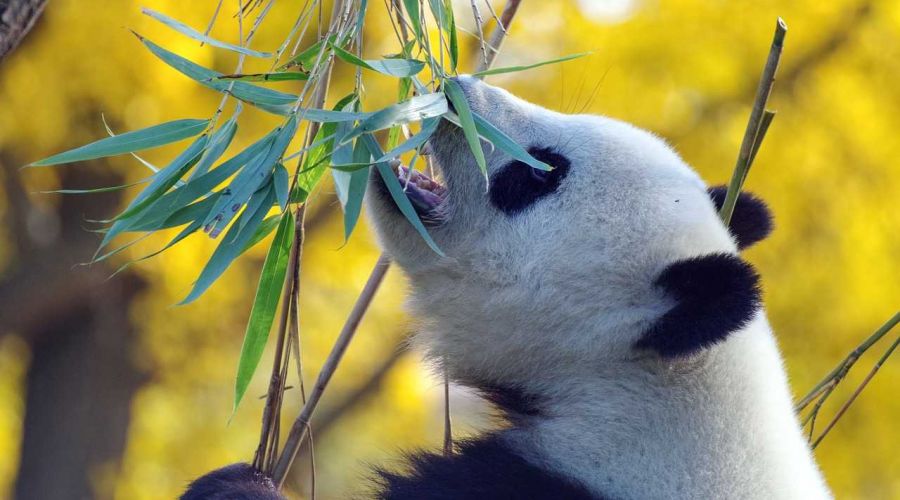
6. An Adult Panda Can Eat Up to 35 Kilos of Bamboo a Day!
In the life of a 45-pound adult, food spends 14 hours a day. They can eat 12 to 38 pounds of bamboo a day. As it is known, the favorite food of pandas is bamboo shoots.
7. They Can Dispose Up To 28 Kilos In A Day
Pandas can defecate up to 28 kilos per day. Since bamboo is not easily digested, it may have a tendency to accumulate in the body and come out suddenly, these situations are known as the reason for the occasional extra stool.
Panda's poop indicates travel directions so they can be easily tracked in the wild. Unfortunately, this has made them more endangered over time, so many of them are now housed in zoos.
8. Pandas Have Carnivorous Teeth, But Eat Bamboo
With giant predators like saber-toothed tigers no longer around, pandas didn't need to be so fast and become vegetarian to avoid extinction.
We know that they only eat bamboo, but they can also eat a variety of fruits and meats. However, the reason why they prefer bamboo, which is an easy food, is that they do not have the energy to chase anything.
9. They usually give birth in August
Pandas mate in March-April and usually 3 months of gestation is completed in August and calving takes place on these dates. Females often give birth to two cubs, but only the stronger can survive in the wild.
10. Pandas Have Been On Earth Since Two Million Years Ago
Fossils of pandas date back 1 to 2 million years. Although pandas were once widespread throughout China, they now only live in the desolate areas of the Tibetan foothills of China.
11. Pandas Have 6 Fingers
Pandas have a 6th finger on the back of their front paws. This extra thumb allows them to grip the bamboo more easily and get tired less while eating.
12. Strange Behavior! Pandas Love to Lick Copper and Iron
It is said that pandas love copper and iron. They really enjoy licking every bit of food in metal bowls, even turning the bowl with their dexterous claws. They have an ancient reputation as a copper and iron-eating licker. There have been rumors in the past that Chinese villagers stole copper and iron dishes from their homes, and we are liars of course.
Imagine living in a deserted mountain house and seeing a giant panda with claws and teeth as big as your fingers. He probably wants to eat, we mentioned that they eat for 14 hours a day; It shouldn't be hard to guess.
Everyday Articles
Is the Internet Harmful?
The internet, which is the biggest product of the age of technology, has started to enter every house now. The fact that internet usage is increasing day by day from all over the world and Turkey and the age of internet usage is being lowered every day brings with it many risks. Different and beautiful aspects of internet use It can have bad aspects as well.
The Internet is like an unlimited world that is entirely in your hands. You can open any door you want in this world. It is as if the key to the world has been given to you. You will decide which door to open with this key. You can enter through useful doors as well as through bad and useless doors. The initiative will be entirely in your hands.
Time and Youth
Famous novelist DH Lawrence said, “Don't say 'this is mine' for nothing!” he had warned years ago. He simply allowed us to say, "This is with me." Indeed, whatever enriches our existence and deepens our lives, they are all doomed to decay, wear out, and disappear in the fluency of time.
Regardless of their current state, things and people always bear the stamp of transience and transience. Accordingly, in fact, no one seems to have the right to say "I am young"; in fact, he owes his youth to the fact that he was born a little later than what he described as "old" on the day he was found.
No matter how young he is, every young man is an old man of another time. So don't be proud of your youth, or be sorry for being old. This is your current title, just in the corner of time reserved for you! For now! Just for now! Youth will pass anyway, old age will pass too!
Is Computer Harmful?
Recently, scientists (some) claim that human intelligence will decline in the coming years. If they need it, they show the computer as the only culprit. As we all know, there is something we call brain gymnastics. The more we push our brain, the more we contribute to its development and staying young… The simplest of these is like solving puzzles. Now I wonder if we are running away to some kind of convenience, or will we escape over time? Will there be a decrease in our IQ in future generations as a natural result of this convenience? When a friend of yours wants to get information from you about a subject, or because of a lesson our child is having, he wants to ask you something, our answer is: You don't need to ask me and think about it anymore. Enter the computer what you want to ask or learn, write and click it, it's that simple and it will appear right in front of you. At the end of these examples, are the scientists' concerns justified?
Reading Difficulties
Some people have trouble reading. This condition is not age dependent. Causes include health problems, hearing, and especially vision disorders. Sometimes children cannot learn to read because they are not taught well in school. Children of families who move from house to house in their childhood may have difficulty in adapting to different schools, so they may not be able to read well. Also, some children may not like to read, doing other things may make them happier.
There are private tutors who are trained to help children who have trouble learning to read. They investigate why the child cannot learn like their peers by applying tests. Once the problem is determined, it becomes easier for the child to learn to read with special education.
Dyslexia, which is thought to be caused by a simple physical disorder, can be defined as the difficulty in learning to read. Some children, who started school at a normal age and do not have mental retardation or behavioral disorders, cannot read fluently or confuse the pronunciation and spelling of close letters. For example, dyslexics read "either" as "ay" or "d" as "b". There are various degrees of dyslexia. There is no definitive finding on the causes of dyslexia, although reading is sometimes taught with special education if it is recognized quickly. People with dyslexia can compensate for their reading deficiencies to some extent with visual and auditory devices.
The first aim of mothers, fathers and teachers should be to raise the child as a person who will enjoy reading not only at school but throughout his life. The awareness that only good reading is not enough and that reading is an indispensable and productive occupation of life should be instilled in children. With such an encouragement, the doors of a whole world of books and knowledge are opened to children.
Stress of exam
Are you one of the many people struggling with exam stress? Does the thought of sitting in front of that table full of mysterious questions make your heart pound and your body start to sweat? relax! You can overcome those fears and exam stress by using simple stress reduction strategies.
Remember the simple art of breathing. Take a few heavy breaths and let your mind relax with your exhale. It is a simple matter, but easily forgotten when exam panic arises.
Think positive things. The best thing that will prevent you from getting good results on the exam is to panic yourself by speaking negatively. room for the positive

Information About the Canary
Canary
Canary is a general term for different genera of Serinus Canaria. Since canaries mostly feed on grains, canary food also contains plenty of grains.
Appearances of Canaries
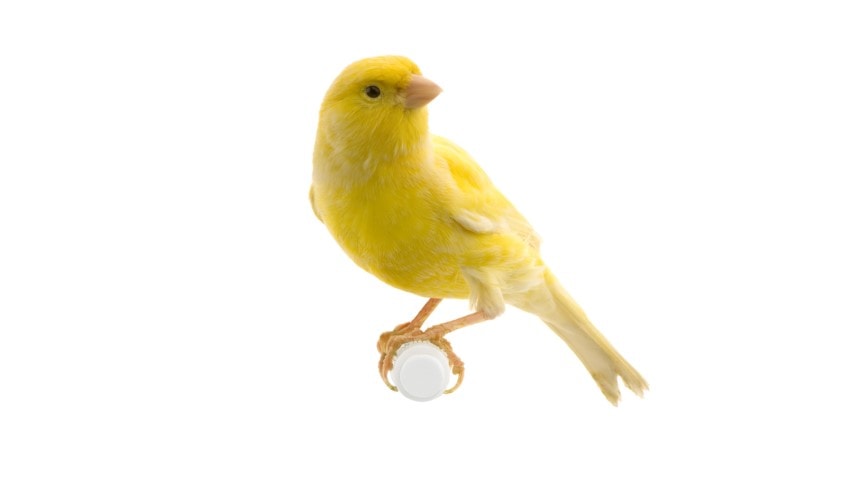
Canaries are small, long-bodied; They have bright and colorful feathers. Their eyes are small and round. Canaries have a small cone-shaped beak.
Canary breeding is very popular in many parts of the world, including our country. They are easy to care for, and they are among the most commonly grown and fed birds among domestic birds, even when they need less space.
Care and Feeding of the Canary
Despite being a solitary species, canaries like to mate towards the middle of their breeding season. Apart from their breeding time, they do not show any interest in anything else. Still, some birds are very attached to their mates. In the wild, canaries take advantage of daylight when they go to their nests. For this reason, home canaries should not be deprived of sunlight, but should not be exposed to direct sunlight.
Canary Voice
Housing is an important factor for birds to stay healthy, but for a bird to sing, it is also necessary to make them happy. Canary birds also sing, The best way to achieve this is related to good sheltering environments. In canary care, each winter should have its own canary cage. Otherwise, the consequences can be fatal. Because canaries divide
How Many Years Do Canaries Live?
Canaries can live for more than 14 years if well cared for. But canaries are not that easy to care for. Besides the canary food, it is necessary to offer other nutritious menus.
Other Information About the Canary
Canaries are one of the most curious species of birds, and creating a special cage environment for each canary, having hundreds of canaries, is not an easy task. For this reason, canaries have a purpose of breeding. These; for the sound of the canary, for its colors, and for the appearance of the canaries. Canaries bred for their voices are usually male because only the male bird can sing. This is rarely seen in female canaries.
Canary Breeding and Incubation
In order for canaries to mate and hatch, they must first select suitable mates. The breeding cycle of canaries is seasonal. They mate during periods when the sun's rays are high and the days are longer.
In cage-fed canaries, the best time to choose their mates is late winter. You can do this by analyzing the most appropriate time behaviors, weight, age and health during these periods.
Female canaries reach sexual maturity at 6 months of age and male canaries at 9 months of age. Although they are considered sexually fertile by this age, it is usually best to wait until they are 1 year old.
In order for canaries to reproduce in a healthy way, they need to be both healthy and well fed. They should be in good spirits, especially when spring, the breeding month, comes. Remember that canaries shed their feathers 3 months before their breeding season. So don't worry.
What does it mean to fly in the dream?
There are many signs of flying in a dream. Seeing an airplane in a dream has different meanings depending on how the dream looks. What does it mean to fly in the dream? What does it mean to see an airplane in a dream? What does it mean to get on a plane in a dream?
Some dreams can give clues about the future. Flying in a dream means a road for the dreamer. This road, which means work, vacation or visit, means financial loss if the dream owner flies upwards, flying towards the clouds means disaster and death for the person who cannot see it descending to the ground. What does it mean to fly in the dream? What does it mean to see an airplane in a dream? What does it mean to get on a plane in a dream?
WHAT DOES IT MEAN TO FLY IN DREAM?
Flying in a dream has different meanings depending on the way the dream is seen. Flying from roof to roof in a dream indicates marriage, flying for no reason indicates a natural change of state. In general, this dream, which points to goodness, is called death when it is seen to be promoted and to fly upwards and towards the clouds. Flying like a bird in a dream is very beautiful and a dream about relocation. Whoever sees himself flying like a bird in his dream will soon reach a higher position than his current position. As a result, his income, rank and jobs increase. Flying from one place to another in a dream means that the road appears to the dreamer. This dream means a short or long trip to a place where the dreamer is expected. The higher you fly in the dream, the more respect and reverence will be seen. Flying into the sky in a dream means increasing your prestige and being well-known in the society. According to some scholars, this dream is interpreted as going to Hajj, getting rid of sins and turning from mistakes.
In a dream, rising to the sky and opening the sky gates there is interpreted as reaching an auspicious and beautiful level. In a dream, flying to the sky and talking with angels makes friends with good people in the world, and this dream is called a meeting of friends. Flying from one roof to another in a dream indicates going on a journey and moving to a new place. This dream, which means a change of place, is interpreted as living in a better place. Flying in the direction of the qibla in a dream is much more beautiful and beneficial than the situation it is in.
WHAT DOES IT MEAN TO SEE AN AIRCRAFT IN DREAM?
To see an airplane in a dream indicates that the dreamer will overcome all obstacles, overcome problems and draw a new direction in life. This dream, which expresses that the dream owner will gain fame, means to act more consciously and more cautiously. This dream also means that you need to look at a subject from a broad perspective. To see that you are flying with your wings in your dream means that you will get great benefits in the world that you never expected. Whatever wish or wish will come true. To see that you are flying with your wings in a dream means being peaceful and happy in every sense.
WHAT DOES IT MEAN TO TAKE A PLANE IN DREAM?
Getting on a plane in a dream is interpreted as getting good news about health or business life about one of the loved ones who the dreamer has not seen for a long time. This dream, which indicates being very happy, sometimes means that the dreamer will fall into troubled situations and dangerous environments. Flying by plane in a dream means that the dreamer will experience things that make him happy. This dream signifies the dreamer's hopes for hearing and the changes that will take place in the dreamer's life. To see that you are flying by clapping your hands in your dream means that you will gain benefits in business and private life and you will have great luck. All the wishes and expectations of the person who sees this dream come true and receive good news. At the same time, getting a pregnant woman on a plane means premature birth. For a single person, it is called marriage. It means that you will be very happy after a news that will come. It indicates that the way of the dream owner will be opened and good and beautiful opportunities will come before him. While getting on a plane in a dream is considered good luck, falling out of a plane is considered bad luck. This dream means that the dreamers will soon leave life to its own flow and enter a period of pleasant living.

European Union Energy Storage Regulations Pursuant to New Electricity Market Design
1. Introduction
Energy storage plays an important role in supporting intermittent renewable energy and adding stability and flexibility to the grid, so that the European Union achieves its goal of being carbon neutral by 2050 in accordance with the European Green Deal. At the same time, energy storage; locally, it can accelerate the decarbonization of the electricity grid by improving the management of distribution networks, reducing costs and increasing efficiency, thereby facilitating the market entry of renewable energies.[1] Directive on the Common Rules for the Internal Market in Electricity, which replaces the Electricity Directive; It will provide more flexibility to accommodate the increasing share of renewable energy in the electricity grid, thereby contributing to the fulfillment of the goals of the European Green Deal and the goal of the European Union to become the world leader in energy production in renewable energy sources.[2]
Electricity production with renewable energy sources is expected to grow by more than 50% until 2030, and accordingly, it is important to adapt the electricity market with the needs of renewable energy and to regulate new electricity market rules that will increase investments in energy storage resources that can compensate for energy production.[3 ].To address these issues, the European Union Clean Energy Package for All Europeans was organized in 2019. With this package, an important contribution is made to the long-term strategy of the European Union to achieve its carbon neutral target by 2050, primarily by aiming at energy efficiency, the European Union's global leadership in global warming and renewable energy, and a fair agreement for energy consumers.[4 ] Under the package, four regulations were adopted to help adapt EU market rules to new market realities.
2. Directive (EU) 2019/944 on Common Rules for the Internal Market in Electricity
The Electricity Directive (2009/72/EC) will remain in force until the end of 2020, and the Directive on Common Rules for the Internal Market in Electricity (EU) 2019/944 was created by amending this Directive.[5] This Directive, which is one of the 4 elements of the Electricity Market Design elements, establishes common rules for electricity generation, transmission, distribution, energy storage and supply, together with consumer protection provisions, in order to create truly integrated, competitive, consumer-centered, flexible, fair and transparent electricity markets within the Union.
Utilizing the advantages of an integrated market, this Directive aims to provide affordable, transparent energy prices and costs for consumers, a high degree of security of supply, and a smooth transition to a sustainable low-carbon energy system.[6]
3. Internal Market Regulation (EU) 2019/943 for Electricity
To provide a higher share of renewable energy sources, security of supply, grid flexibility, sustainability and decarbonization aimed with this Regulation, which replaces the Electricity Regulation (2019/941/EC), to form the basis for the effective achievement of the Energy Union and especially the 2030 climate and energy targets. By setting the basic principles for well-functioning, integrated electricity markets, enabling all resource providers and electricity consumers to access the market without discrimination, empowering, protecting and raising awareness of consumers, ensuring competition in the global market, energy storage and energy efficiency, and market and sectoral integration of electricity produced from renewable sources. to enable market-based remuneration; establishing fair rules for electricity cross-border exchanges, providing mechanisms to harmonize cross-border shopping rules so that a well-functioning and transparent wholesale market, including the establishment of a compensation mechanism for cross-border electricity flows, taking into account the specific characteristics of national and regional markets [7]
4. Risk Preparedness
In accordance with the Risk Preparation Regulation (EU) 2019/941 in the electricity sector, in order to increase the resilience of the European Union electricity system, the European Union countries require the European Union countries to define all possible risky scenarios at the national and regimen level by using common methods and to prepare a "Risk Preparation" plan according to them.[8] In order for each member state to take action against potential electricity crises and to cope with the crisis, it is necessary to prepare "Risk Preparedness" plans, as well as to work in cooperation with neighboring member states by determining the appropriate tools for these plans.

Weekly Bitcoin Forecast: We Should Be Ready for These Levels!
According to crypto analyst Akash Girimath, Bitcoin (BTC) price is showing its most bullish pattern ever in 2021 as it pulls back to seek support from a ceiling before the next divergence rises. The analyst claims that if successful, this move could bring BTC extremely close to a six-digit value. On-chain metrics are also trending bullish as investor interest grows at a steady pace, all this coupled with more widespread adoption of the leading crypto, suggesting that the last two months of 2021 and the first quarter of 2022 will be something crypto enthusiasts look forward to.
Adoption takes on a new meaning
The analyst states that the fact that Bitcoin is a municipal asset is an indicator of its adoption. Miami and Mayor Francis Suarez takes Bitcoin adoption to a new level by announcing that every citizen with a digital wallet will earn dividends in BTC. This development comes right after CityCoin, known as MiamiCoin, was launched in August. CityCoin gives power back to communities by launching a city's cryptocurrency. Miami is not the only city, New York also launched its own coin, "New York Coin", on November 10.
Staking MiamiCoin generated over $21 million, which Mayor Francis Suarez believes will enable the city to meet its tax needs if yield generation continues at a similar rate. The Mayor also added that all Miami citizens will be given a created wallet that will receive free BTC dividends. On the adoption side of things, BitWise is optimistic about a “spot Bitcoin ETF” endorsement. Matt Hougan, CIO of the investment firm, said:
As a result, what many investors want is a Bitcoin ETF. We think this is possible. Bitwise will continue to pursue this goal and we will look for other ways to help investors access the incredible opportunities in crypto.
BitWise has therefore left the Bitcoin futures ETF race as it continues to focus on the spot ETF. As adoption continues in the West, the Indonesian Ulema Council (MUI) classifies Bitcoin and cryptocurrencies as haram. In order for people to be allowed to trade these assets, they must abide by Sharia rules and demonstrate a clear benefit.
“Bitcoin price preparing before takeoff”
According to the analyst, the Bitcoin price has broken out of a bullish pennant pattern that shows the continuation of the 65% uptrend that occurred between September 30 and October 20. The analyst states that the first leg, called the flagpole, follows a consolidation that squeezes BTC price to form a pennant, and this technical pattern is a bullish pennant that predicts a 38% rise obtained by adding the high of the flagpole to the breakout of $62,760. Akash Girimath points to the following technical levels in his analysis:
In November, BTC marked a breakout via the pennant. However, since then, BTC has pulled back and is aiming to retest the 2-day demand zone, which currently ranges from $60,521 to $63,620. This pullback will allow BTC to gather strength before surging 38% to $86,836. On the way to the target, Bitcoin price is likely to take a break at the 161.8% Fibonacci extension level at $77,908. In some cases, this increase could extend another 15% to mark the psychological level of $100,000.
Supporting this bullish outlook for Bitcoin price are the daily active addresses hovering at 958,000, according to the analyst. The analyst states that this number has increased steadily by 20% since the end of July, indicating that investors are returning to invest in BTC, which indicates that there is a bullish story in the game.
“Investors need to be careful as there is 'Greed' in the market”
The analyst said the estimated leverage for all exchanges, showing how much leverage investors are using in their trading, reached an all-time high of 0.199, has since started to decline and is now hovering at 0.189, indicating a reset in the number of leveraged positions. and makes the following comment:
Perhaps this is due to the flash crash on November 10. However, this development is undoubtedly good for Bitcoin price as it loosens the market, given that it will eventually allow the price to rise even higher.

Examining the Works Produced by Artificial Intelligence in Terms of Copyright Law
Entry
Artificial intelligence, which has become an indispensable part of the digitalized world, continues to develop and change day by day. This change brings with it new question marks. While there are countless opinions and studies put forward to find an answer to these questions, it is impossible to talk about a clear solution yet due to the gap in the laws.
It is clear that today's laws need to be revised in order to keep up with the digital world, and this need will always exist, unless the development of technology has come to a standstill.
One of the problems that are tried to be solved is undoubtedly the issue of who will own the rights of the works produced by artificial intelligence. However, it is not possible to directly answer this question. First of all, it should be examined whether the product produced is a work and the producer has the qualification of being the owner of the work and whether it meets the other conditions in the law.
In short, if artificial intelligence produces products such as pictures, books and music, it is our main discussion topic whether these products can be considered as works within the meaning of the Law on Intellectual and Artistic Works, and if these products are accepted as works, who will own the property and copyrights.
Therefore, the primary question for which we seek an answer is: "Is there any intellectual property right on the works produced by artificial intelligence?"
In terms of FSEK;
FSEK m. work in accordance with 1/B; It is defined as all kinds of intellectual and artistic products that have the characteristics of their owner and are counted as works of science and literature, music, fine arts or cinema. In the same article, the owner of the work is expressed as the person who created the work.
In accordance with the settled case-law of the Supreme Court; It must have the conditions of being included in one of the work groups listed in the law, not being in the stage of thought, that is, having a material and physical existence, and finally reflecting the characteristics of the owner.
The last point is important for our discussion topic. Because within the scope of this last condition, it is necessary to put forward a creative intellectual work. Therefore, it is accepted that the products produced as a result of purely mechanical phenomena are not considered works in terms of FSEK.
In the doctrine, it is argued that the features of performing a creative intellectual work and carrying the characteristics of its owner are unique to real people, and therefore, in the sense of FSEK, works can only be produced by real people.
In classical copyright law, the owner of the work is a real person. In this respect, while legal entities cannot have the title of authorship, they can own the financial rights on the work. As a matter of fact, this issue was clearly emphasized in a 2015 decision by the 11th HD of the Supreme Court.
As a result, in Turkish law, only real persons can create a work within the meaning of FSEK and have the title of owner of the work.
Legal Status of Artificial Intelligence
The personality and legal status of artificial intelligence is a matter of debate and there are various opinions on this issue. However, it is clear that he is not a real person. While there is the view that he has the status of a slave, another approach is that he is a legal person. Today, the view that it is considered as a commodity and is subject to the property of its manufacturer is dominant.
Therefore, it is clear that artificial intelligence cannot have the title of author for the products it produces. Because artificial intelligence is not considered as a person in the legal sense at the moment. However, although it is a subject of criticism in the doctrine, it is useful to state that attempts have been made to recognize a special personality for artificial intelligence. As a matter of fact, an advisory report was published by the European Parliament's Legal Affairs Committee on January 27, 2017, stating that artificial intelligence can be recognized as a new type of personality different from legal entity and real personality.

Abused Woman Syndrome
In today's societies, many women are exposed to violence by men. There is no doubt that the victims of this violence are not only women, but also men. However, the most important thing that we cannot object to is that the main victims of these acts of violence are women.
It is included in many international conventions that this type of violence is a violation of human rights. Although the state is a party to these conventions, it has a positive obligation to take the necessary measures to prevent the violation of these rights by others, and a negative obligation to ensure that these rights cannot be violated by the states. Therefore, the state becomes obliged to prevent violence and to protect the victims of violence.
The abused woman syndrome is a concept used to describe the psychological state of women who are constantly exposed to physical, psychological or sexual violence by their spouse or partner. This concept is also accepted as a type of post-traumatic stress disorder. In criminal law, the traumatized woman syndrome refers to a woman who is constantly subjected to violence to kill her abusive partner or spouse. This syndrome is a desperation experienced by women who have been subjected to violence, and it may also occur as a result of the state's failure to fulfill its positive obligations within the scope of the struggle against women.
Courts of case law countries accept the abused woman syndrome as a reason that reduces or removes criminal responsibility. Although it is not directly accepted as a legal defense reason by the courts, it can be evaluated as a reason that removes the unjust provocation, legitimate defense or imputation. In Turkish law, there are criticisms as well as opinions that this syndrome can be evaluated within the scope of legitimate defense. Practitioners should ask themselves why the women who are constantly exposed to violence choose to kill their abusive spouses/partners instead of going to the authorities because of this violence. As an answer to this question, it would be more appropriate to evaluate the situation based on the psychology of the woman who has the traumatized woman syndrome, rather than evaluating how a person who thinks objectively and rationally will react when faced with such an attack.
Abused Woman Syndrome and Its History
One of the first names that come to mind when we say battered woman syndrome, Dr. It is Lenore Walker. This syndrome, by Walker from the 1970s, is based on two theories that the victim of violence killed the perpetrator as a result of the psychological distress she felt and the helplessness she experienced. These theories are; women's "violence cycle" and "learned helplessness" theory. Walker based these theories on research, experiments and especially learned helplessness theory by Martin Seligman et al. in 1967.
Seligman et al. conducted two separate experiments using three groups of dogs: control, escape and helplessness. In the first stage of the experiment, the dogs in the escape and helplessness groups were placed in the experimental box and given a shock. Although the dogs in the escape group somehow learned to stop the shock; those in the helplessness group failed. In the second stage of the experiment, they put all three groups in the experiment box and also applied escape-avoidance training to these three groups. Before applying the shock, a warning is sent indicating that the shock will come. Within a few minutes after this warning was given, those who jumped out of the box got rid of the shock, and those who did not. As a result of the experiment, the dogs in the escape group and the dogs in the control group got rid of the shock by jumping from the box, while the dogs in the helplessness group failed to escape. Although they knew that the dogs in the helplessness group would get rid of the shock when they jumped from that box and would be harmed if they did not jump out of the box, they did not prefer to jump from the box and waited for the shock. Seligman named the situation that emerged as a result of this experiment as "learned helplessness".
The traumatized woman syndrome proposed by Walker consists of a three-stage cycle of violence and this cycle reveals learned helplessness. By applying these stages to the theory of "learned helplessness", she tried to explain why women who were subjected to violence failed to escape from the perpetrators.6 In the first stage, also called the tension stage, the man begins to increase the tension in the relationship and the efforts of the woman to reduce the tension are inconclusive. There is also mild physical violence at this stage.
The second stage of the cycle, the "acute abuse stage", includes more severe physical violence than the first stage; even sexual violence was added to this physical violence. This stage is followed by the stage in which the perpetrator's apologies and regrets take place. The third stage ends with the man's resumption of violence. Although it is unclear how long these phases will last, the phases follow each other like a vicious circle. Although these stages differ for each woman who is exposed to violence, what stands out in theory is that the violence experienced by the traumatized woman becomes a part of her life. Therefore, the woman who is the victim of violence accepts herself in an attack that may come at any time. According to Walker, the woman who is exposed to violence accepts this violence because violence becomes inevitable for her. This situation causes women to lose their self-confidence and as a result of the violence they are subjected to, they start to look for the blame in themselves.

Causes of Crime According to Sociology of Law
Although crime is included in the field of Criminal Law, it has negative effects on society as a type of behavior, so it is one of the fields in which Sociology does research, and it is one of the subjects that Practical Sociology of Law deals with.
As we know, different negative effects of crime are seen on society. These:
a) Disruption in social order
b) Non-compliance with the legal order
c) Resource shortage
d) Putting the safety of the community at risk
such effects. While the increase in crime rates causes these effects to be experienced more intensely and intensely, it is possible to interpret this as the inadequacy of the penal laws. Sociological factors also play a role in the making of laws. Because crime is a social element and if its causes are determined sociologically, it is possible to make more effective laws. For this reason, the theories of crime put forward in Sociology of Law are important.
They can be listed as follows:
1) Biological Theories
a) Physical Characteristics
b) Biological Characteristics
c) Diabetes
d) Genetic Problem
e) Innate Characteristics
2) Psychological Theories
a) Schizophrenia, Neurosis, Depression
b) Psychopathy
c) Id, Ego, Super Ego
3) Rational Choice Theories
a) Preferred
b) Benefit and Cost Reasoned
c) Perception of Less Penalty as Cost
d) Consideration of Penalties as Insignificant
4) Economic Theories of Crime
a) Risk and Perception of Risk
b) Uncertainty
c) Benefit and Cost
5) Social Structure Theories
a) There are those who think that crime is a normal behavior.
b) Tension Theory: Inequality of Opportunity, Inequality of Income, Tension
c) Subculture: Gangs, Youth
d) Ecology Theories: Environment, Urbanization, Dissolution Areas, Migration, Population Density
6) Social Process Theories
a) Due to Learning: Close Contact with Criminals, Learning and Imitation, Formation of Criminal Individuals in Friends and Family
b) Human Capital Idea
c) Labeling, Characterizing as Deviant
7) Control Theories
a) The Thought that Crime Will Bring Benefit
b) Attachment, Dedication, Inclusion, Belief: Religious Motives, Weak Friendships and Friendships, Broken Families
c) Adolescent Groups Not Observed Enoughly
d) True False Awareness and Distrust of Control Mechanisms
8) Conflict and Power Theories
a) conflict
b) Seeing the Existing Norms as the Rules and Representatives of the Current Power
c) Income Inequality Caused by Capitalism
1) Biological Theories
According to the Italian thinker Lombrosso, people who are born abnormal and damaged, who resemble primitive people in a way, are prone to crime. However, he thinks that some physical characteristics of the person give us clues about being prone to certain crimes. By basing the causes of crime on biological and physical features, crime types were associated with them. For example, he is of the opinion that the wide skull, asymmetry in the body and face, and the large or small size of some organs can inform us that the person may be a congenital criminal. However, in some experimental studies conducted by Charles Gorring, the name of the experiment is British Prisoner, it was used as a sample group of university students and faculty members, but no data could be found about the correctness of Lombrosso's Theories.
One argument of Biological Theory is biochemical properties. Various chemicals in endocrine glands have been suggested for a reason why human behavior can be determined and behavioral disorders can be observed.
The common defense of the Biological and Biochemical Theories is that crime is innate and inevitable. However, it does not seem possible to accept these theories with a humanist approach.
2) Psychological Theories
Another approach to the causes of crime is from a psychological point of view. Mental problems, illness and mental retardation are thought to be related to crime in this context. In terms of heredity, it can be thought that Psychological Theories and Biological Theories are very similar. Because it can be observed that some psychological tendencies can be inherited. However, it should not be ignored that mental retardation is caused by factors such as nutrition, family interest, education, and social environment.
In particular, the connection between crime and the will of the person is important in terms of law. For example, the inability of a person to foresee the consequences of his actions is not within the scope of the Criminal Law. Here, the application of security measures and treatment for the person is in question, not punishment. When evaluated in this context, it is more correct to focus on neurotics. Neurotic disorder is a state of negativity associated with one's personality. Neuroticism, in other words, is the inability to learn the necessary information to become an adult and to have maladaptive attitudes.
According to the Psychoanalytic Theory, which is evaluated in this context, the factor that determines the crime is the conflicts in the thoughts of the person, suppressed desires and other predispositions. It is accepted that there is a direct relationship between the rate of aggression in crime and sexuality. Neurosis, psychosis and psychopathic tendencies were evaluated from a different perspective, and the concept of anti-social personality was emphasized as a top heading.
According to Freud, the connection between crime and psychology should be resolved with the psychoanalytic method. The prominent concepts in this method are conscious, unconscious and subconscious. Consciousness is the psychological stage that creates the ability to understand and comprehend. The unconscious is like a warehouse. It reflects learned knowledge and instincts from the outside world. The subconscious is the center where life energy is collected. These three make a person whole. The balance between the id, which is also called the lower self, and the super ego, is established by the ego. The function of the superego is to store social prohibitions and norms. When the ego is unable to maintain its balance, neuroses and consequent crime can occur.
Although Psychological Theories alone can explain criminal acts based on personal and mental characteristics, they are not sufficient to explain why some people living under the same conditions commit crimes while others do not.

International Organizations Law
Entry
In order to understand international organizations, we must first understand the concept of "subject". Because international organizations are one of the most important actors of international law, besides the main subject states. In order to understand the concept of subject, we need to pay attention to the distinction between "objective law" and "subjective right". The objective legal method allows us to identify the sources of law. Objective and binding rules determine both the scope of the law it regulates and how it will be applied. The subjective right method, on the other hand, serves to identify the subjects of this law. Because the units that the objective law grants subjective rights and competences constitute the subjects that will take place as actors in the application area of this law. However, this relationship does not require us to make a general comment that "subjective right arises from objective law". On the contrary, we can say that objective law arises from the will of subjects with subjective rights to set general and binding objective rules.
Units that can have rights and obligations (entitlement), have the capacity to seek rights, and can assert these rights before the court (party capacity) are considered "subjects". Since international law is a field that is constantly changing and developing, the concept of subject may change in this field of law. This historical journey is the reason why international organizations have started to be accepted as subjects.
International law; It has developed step by step as classical, modern and today. In the Classical period, which lasted between the 16th and 19th centuries, states tried to solve their problems with bilateral treaties, especially as the interests of different states began to clash frequently with geographical discoveries. In this period, states are the only subject of international law, they are still considered as the main subject. Great wars, massacres etc. in the 19th century. As a result, it has been understood that bilateral relations between states are insufficient and objective law is needed. The search for a more humane law and order has led states to organize and to impose international "binding" provisions by giving up some of their subjective rights. This means the transition to the modern era. States came together at various conferences and wanted to ensure "peaceful settlement of conflicts" and "limitation of the right to war" by setting more "common" rules. International organizations, which are specialized in various fields and geographies, have emerged to meet the need for these "reliable and predictable" relations in international dimensions. In the 20th century, the present period has passed and the international organization has gained importance in a way to cover the previous two periods. States have realized that they can achieve peace and order not only by establishing various organizations, but also by giving these organizations the necessary importance and legitimacy. Due to the necessity of acting more together, international law has evolved as the law of the international community, which is not only composed of states. The Convention on Human Rights was signed and the peaceful settlement of disputes was arranged. A prohibition on the use of force was introduced and with the 1928 Paris Pact, hostile methods were prohibited in resolving disputes.
The fact that organizations have gained such importance and institutionalization over time, especially in practice, necessitated the acceptance that they have rights and competencies. As a result, international organizations have become subjects of international law as actors with rights and competencies.
Basic Characteristics of International Organizations
Let's try to define international organizations, to specify their basic features and their differences from other similar institutions.
The first definition initiatives came from bodies tasked with enforcing and codifying law, such as the International Court of Justice and the International Law Commission. In the light of these definitions and the various advisory opinions of the ICJ, we can list five main features that distinguish international organizations from similar organizations:
They are established by treaty: Organizations are made up of many states that want to achieve the same goal. The founding agreement is formed with the declarations of will put forward by these states.
They have institutional aspects, their own organizations: These institutional structures and arrangements are unique to the organization and are contained in its founding treaty. The specific political, legal, geographical, etc., which international organizations are established to realize. has purposes. However, in order to achieve this, they must operate “continuously”. Institutional structure is the expression of this continuity element. It occurs in the form of organizational organs and decision mechanisms. Organizations exercise their authority through these bodies. The institutional structure is also proof that the organization has a separate existence from the member states. In this way, organizations; they can operate as fair decision-making mechanisms independent of member states.
They are subjects of international law: Organizations acquire the legal capacity they need to achieve their goals.
They are functional organizations: While talking about the emergence of organizations on the stage of history, we talked about the problems that states could not solve alone or through bilateral agreements. Therefore, every organization should have the function of solving the underlying problem of the organization. Other features of the organization; its structure, activities,… are determined depending on this function.
They are institutions of cooperation: The philosophy of "solving problems by acting together" should not be forgotten at the very beginning and at the base of the process. In this respect, organizations can be defined as the institutionalized form of inter-state cooperation. States participating in the cooperation are obliged to be subject to common rules.
In addition, we should state that there is “sovereign equality” among the units within the international organizations. Because in the first place. In order for the idea of international organizations to be formed and put into practice, there must be political units that establish relations with each other on equal terms.

Space Law and Its Historical Development
Entry
In our country and in the international arena, apart from a few powerful states, the field of space law has not been given the necessary importance compared to other branches of law and some problems have been experienced in its general principles. Despite the arrangements made under the umbrella of the United Nations to solve these problems, the debates about the bindingness of these arrangements continued. Technological developments and innovations played an active role in the formation process of space law and contributed to the development of this branch of law. After these rapidly increasing developments in the last century, the space activities of the states started and studies on space law were made. As can be understood from all these explanations, space law is a young and current field of law. Due to the fact that the development process has a direct connection with technological studies, the importance and interest shown in this field is increasing considerably.
1. Definition and General Principles of Space Law
Space law is a field of law that covers and regulates the work of humanity in the fields of space and aviation. The basis of space law is international treaties signed by states. However, the principles formed as a result of economic, environmental and scientific developments are also a part of the foundations of this field. These treaties and principles are extremely important in the context of the systematic and control of actions in space. Compiling and putting into effect the mentioned treaties also contributed a lot to the development of international space law. As a result of the developments we have explained above, some general principles have emerged in the international community in the context of space law.
Let's talk about these principles:
First, it is forbidden to claim ownership and sovereignty in space. It is agreed that space is a common space allocated to humanity.
Opinions have been expressed that states should act jointly with regard to the study of space and celestial bodies.
The authority over the spacecraft and satellites sent from the earth will be in the hands of the sending state. The governments in question will also be held responsible if these vehicles and objects cause damage or danger to the earth.
The Peaceful Use Principle must be taken into account in activities to be carried out in outer space. Dangerous attitudes, behaviors and espionage activities are prohibited.
Studies carried out in the field of space will be carried out on behalf of humanity in order to benefit humanity.
These principles have been accepted by the states as a result of the studies and have become the rule of customary international law.
2. Historical Development Processes of Space Law
In 1910, when space activities and space law had not yet developed, Emile Laude carried out the first studies on space law. In 1926, V.A. Zarzar has carried out studies on the need for a vertical boundary of the space airspace region. II. During the World War II, the great powers of the period, America and the Soviet Union, carried out important studies in the field of space technology. In 1957-1958, the USA and the Soviet Union competed with each other to reach the world orbit and send satellites. This rivalry marked the beginning of the Space Age, which will continue in the following years. As a result of the Soviet Union's launch of the Sputnik-1 spacecraft into world orbit in 1957, the competition and competition in the field of space increased. The USA responded to this action within 4 months and sent its first satellite into orbit with the Explorer Project. In the second satellite they launched after Sputnik-1, the USSR sent a live dog named Laika into space for reconnaissance. In 1961, with the Vostok Project, a Russian cosmonaut named Yuri Gagarin became the first human to be successfully sent to earth orbit. After these achievements of the USSR, America became the first country to reach the moon with the Apollo Project in 1969 under the leadership of US President Kennedy. The first person to set foot was Neil Armstrong, who said the famous phrase: "One small step for man, but one giant leap for mankind." As a result of all these activities gradually increasing and becoming violent, America and the Soviet Union mutually agreed to put an end to their fierce rivalry in the field of space. Afterwards, studies on compiling the sources of international space law were started.

Japanese Law in General
Self
Law is the whole of permissive, regulatory and prohibitive rules that regulate relations between individuals or between individuals and the state and are subject to sanctions. The sum of the ideas, opinions, attitudes and values of the people who make up that society in a society is called the legal culture. When distinguishing legal systems, it is necessary to know the historical foundations, social culture and legal techniques well. Under the influence of different legal systems, Japanese law did not give up its own values and did not lose its essence while adding new developments to itself. The Japanese legal system is not subject to a specific legal system. Japanese law is a hybrid legal system.
Entry
While quoting law from the West, the Japanese did not give up on their own customs. In general, Japanese law is a hybrid legal system shaped by different legal systems. This system was first influenced by the Chinese political and legal system in the second half of the seventh century and the eighth century.1 In the late nineteenth and early twentieth centuries, the basic codes in Japan were borrowed from Continental Europe.2 The Constitution of Japan is basically based on three principles: People's sovereignty, respect for fundamental human rights and renunciation of war.
1. SIX LAW OF THE MODERN JAPANESE LEGAL SYSTEM
The modernization of Japanese law by transferring from the law of western countries began with the Meiji Restoration of 1868, when the Emperor of Japan officially regained power. The first major regulation adopted in Japan was the Penal Code of 1880. Then the Constitution of the Empire of Japan in 1889, the Commercial Code, the Code of Criminal Procedure and the Code of Civil Procedure in 1890; The Civil Code was adopted in 1896 and 1898. These changes were called roppo (six laws), and this phrase later became used for all written law of Japan.3 Today, six laws; Civil Code (民法 Minpō, 1896), Commercial Code (商法 Shōhō, 1899), Criminal Code (刑法 Keihō, 1907), Japanese Constitution (日本国憲法 Nippon-koku-kenpō, 1946), Criminal Procedure Code (刑事訴訟法 Keiji) -soshō-hō, 1948), Code of Civil Procedure (民事訴訟法 Minji-soshō-hō, 1996).
2. CASE LAW
In the civil law system of Japan, court case law is practically a non-binding guide to how laws should be interpreted.
–
3. JAPANESE CIVIL LAW (民法 Minpō, 1896)
The Meiji Government sought to Westernize the Japanese legal system in order to save Japan from the treaties with unequal provisions that the Tokugawa Shogunate4 signed with the United States and European countries. This period, in which the basic codes were taken from the West in Japan, is called the "Meiji Restoration". The first three books of the Japanese Civil Code (general provisions, law of obligations and property law) characterized the Japanese Civil Code under the influence of the German Civil Code. Regulations on family law and inheritance law are arranged according to Japanese customs and traditions. The working group, which supports the common law legal system despite objections to the law, made an amendment by emphasizing that customary law is an important source of law. The Japanese Civil Code was adopted by the Japanese Parliament in 1896 as Law No. 89 and entered into force as a whole on July 16, 1898.
3.1. JAPANESE CUSTOM LAW
Provisions regarding Japanese customary law are regulated in Article 92 of the Japanese Civil Code. According to the article, in the absence of a mandatory rule of law, Japanese customary law is applied within the discretion of the judge. There are still opinions in the doctrine about the application of customary law in the concrete case, even if it is against the mandatory legal rules in some cases.
–
3.2. JAPANESE LAW OF CONTRACT
It is the law that is mostly based on the Civil Code and defines the rights and obligations of the parties in general and in some types of contracts in particular. In Japanese law, if there is no rule in written law or customary law regarding a dispute in a contract, the disputes are resolved with “jori”5. The basic principles of Japanese contract law can be defined as the principle of limiting the rights arising from private law on the grounds of public welfare, the rule of good faith, the principle of freedom of contract based on the autonomy of will, and the liability for fault.
–
3.3. TORT ACTIONS
The low number of tort cases is due to the availability of non-litigation methods in Japan to assess flaws, inform victims of their rights, calculate the appropriate amount of compensation, and ensure payment.
–

Mobbing Case
Mobbing is a kind of psychological terror practiced in the workplace in the form of repeated attacks by other employees or employers. The person who is mobbed can terminate the employment contract with just cause, and if the conditions are met, he/she can demand material/moral compensation.
1. WORD ORIGINAL AND DEFINITION
The word mobbing comes from the Latin word "mobile vulgus". It is derived from the English word "mob", which means unlawful rudeness associated with extreme violence. Mobbing means psychological violence, harassment, disturbing in English.
2. WHAT IS MOBBING?
Mobbing is a kind of psychological terror practiced in the workplace in the form of repeated attacks by other employees or employers. The concept includes meanings that express all kinds of ill-treatment, threats, violence and humiliation systematically applied to employees by their superiors, subordinates or employees of equal level1. In the “Information Guide on Psychological Harassment at Workplaces” of the Ministry of Labor and Social Security, it is stated that “… Intimidation, pacification or dismissal from work, which is carried out by one or more persons in the workplace, against another person or persons, that continues systematically for a certain period of time. aiming; harming the personality values, professional status, social relationships or health of the victim or victims; It is the whole of malicious, intentional, negative attitudes and behaviors.” is defined as.
3. ELEMENTS OF MOBBING
1-) It must take place in the workplace.
2-) It can be applied by superiors, it can be applied by subordinates to their superiors or it can take place between equals.
3-) It should occur in a systematic way. It should be repeated frequently.
4-) It must be done deliberately.
5-) It should be shaped for the purpose of intimidation, pacification and dismissal.
6-) Damage must occur to the victim's personality, professional status or health. Negative attitudes and behaviors towards the person can be hidden or overt.
4. BETWEEN WHICH PEOPLE DOES IT OCCUR?
The person who practices mobbing is called “harasser” and the person who is exposed to mobbing is called “victim”. Studies show that these behaviors of mobbing users are caused by features such as communication disorder, not acting honestly, and the need to raise their reputation to the highest level. Victims, on the other hand, are people who are very successful in their work, are valued by their environment, have a high work discipline, are reliable, and have characteristics superior to the abilities of the harasser.
5. TYPES OF MOBBING
I must emphasize that, contrary to popular belief, mobbing is not just an action of superiors against their subordinates.
1.Vertical Psychological Harassment:
It is the cases of psychological harassment perpetrated by the superiors against their subordinates. It is the superiors' use of their institutional power by oppressing their subordinates and pushing them out of the institution.
2. Horizontal Psychological Harassment:
The perpetrator or perpetrators of psychological harassment in the workplace are co-workers in the same position with the same duties and opportunities as the victim. E.g; such as the envy of employees in equal conditions, competition, conflict of interest, personal discontent.
3.Vertical Psychological Harassment:
It is the application of psychological violence by the employee to the manager. It is a rare condition. For example, employees' inability to accept the manager, loyalty to the old manager and not recognizing the decisions of the new one, such as jealousy.

Primitive Periods of Criminal Law
Criminal law is a branch of law that examines the structure of human behavior called crime and envisages specific sanctions. When we look at the historical process of criminal law, we see that it has gone through different periods and accordingly a covert stage. In this article, we will examine the primitive period of the history of criminal law and the criminal responsibility that developed accordingly.
Criminal Responsibility in the "Personal Revenge Period"
Punishment is a sanction in return for a behavior that has been foreseen as a crime since the earliest times of societies. It is applied for the purpose of preventing the offender from committing a crime again and improving the society. In the period of personal vengeance, when human beings begin to express themselves, there is no concept of state, even if people begin to live together with the instinct of protection from external factors. It is known that the law in primitive and ancient times is based on an objective responsibility principle that determines responsibility by looking at the result in terms of criminal responsibility. In this period, criminal law was founded on the principle of material responsibility. Therefore, to punish someone, it was enough for that person to do a prohibited act. However, the basis of the punishment system consists of the feeling of revenge against the offender. During this period, a constant state of response prevails. The act expressed as a crime was determined as the actions that the tribe reacted to because the written text was not created. It created the perception that justice was provided in the society during the period of personal vengeance, where only the perpetrator was punished. This system, which provides individualization, is considered to have formed the basis of the principle of individuality of criminal law, which is being applied today. In primitive times, there were different types of sanctions such as exclusion, retaliation and diet.
Exclusion from the clan: The person who commits a crime leaves the place he is in and goes to another place. It is aimed to take advantage of the soothing effect of time for the criminal and in this way a correction. It is also done with the instinct to protect the clan. The perpetrator is pushed out of society and isolated. However, this method created problems in practice, as it led those who were pushed out of the clan to unite and fight against the clan in the long run and facilitate the formation of criminal organizations.
Diet: This institution, which means that the injured party renounces the right to take revenge through compensation, is frequently encountered in the Twelve Tablets, Germanic and Islamic legal systems. It is an agreement between the perpetrator and the victim of the crime. It provides compensation for the damage caused. At times, the amount of damage reached the extent of forcible seizure (confiscation) of almost all of the criminal's property, so the attacker was able to pay for it with the help of his family. Societies envisaging this method in practice generally made it necessary to compromise, and some of the money paid was taken as common income.
Talion Principle (Trial): This concept, also known as the principle of retaliation, is based on the principle of "an eye for an eye, a tooth for a tooth". This principle is embodied in the form of harming the person who caused the harm at the same rate and with the same intensity. This institution, which is frequently encountered in the penal laws of many societies, especially in the Code of Hammurabi, carries the belief of repayment (atonement) of a religious nature. In this law, which states that whoever breaks a person's bone will break his bone, and whoever breaks his tooth, his tooth will be broken, everything is mutual and the responsibility is personal. Accordingly, the penalty for the person who kills a person will of course be death. This principle has been envisaged in many periods, from important laws such as the Law of the Twelve Tablets to religious texts such as the Torah. In short, it is progress. Because the limits and intensity of vengeance have been determined, the limits of punishment have been determined and individualized, and it has created the consciousness of justice and equality in people.