Together Nasi Lemak Together signature rendang pork nasi lemak dumplings
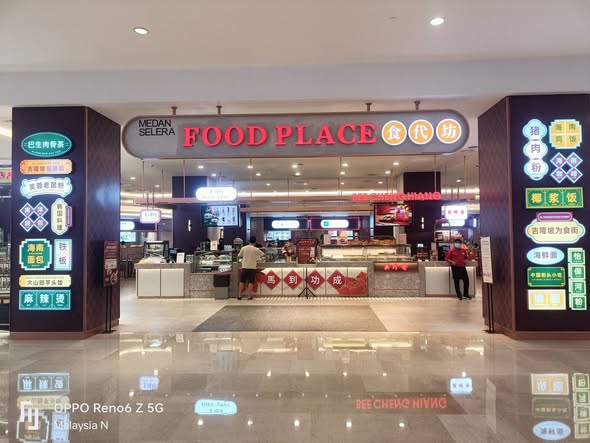
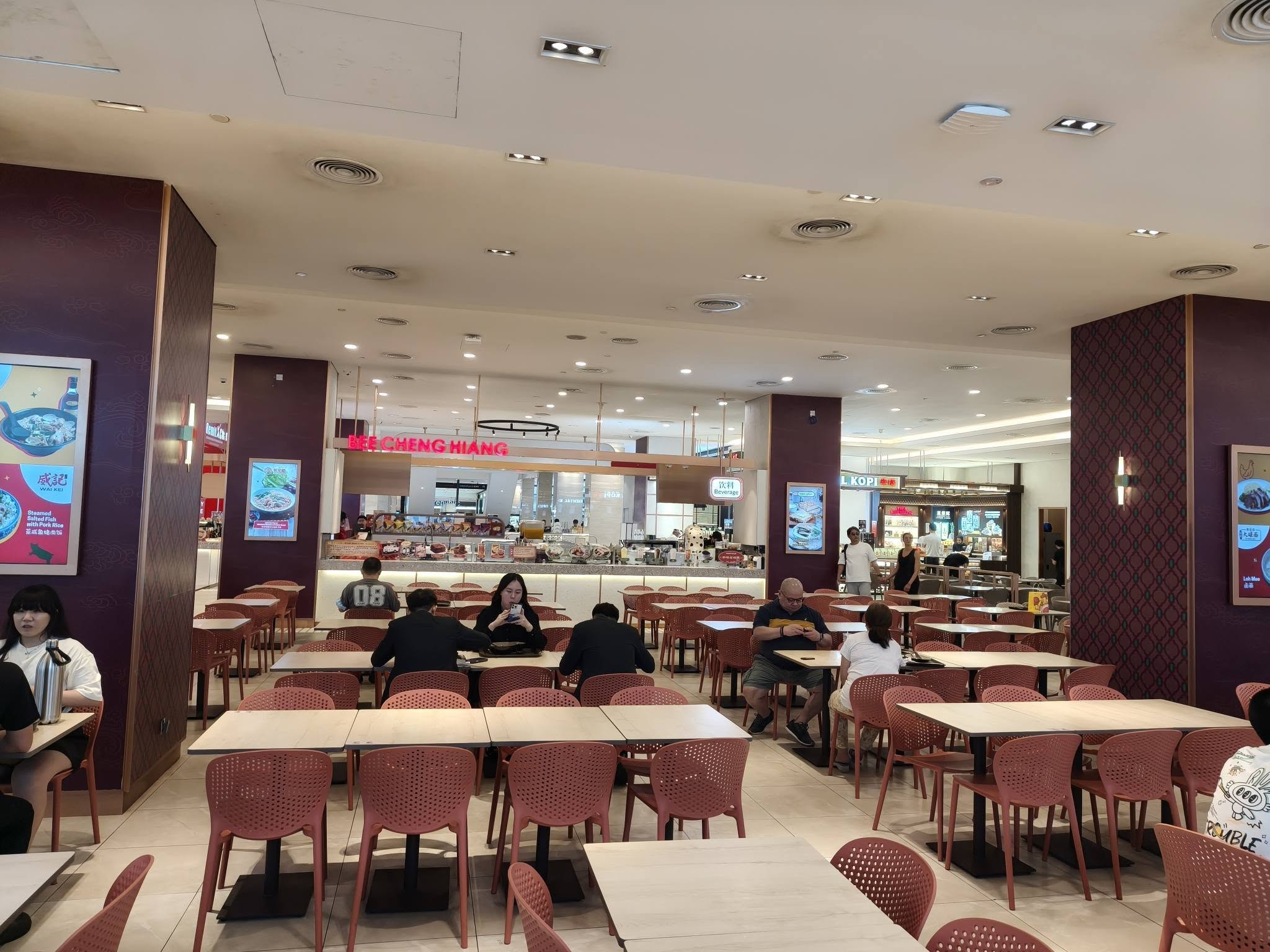
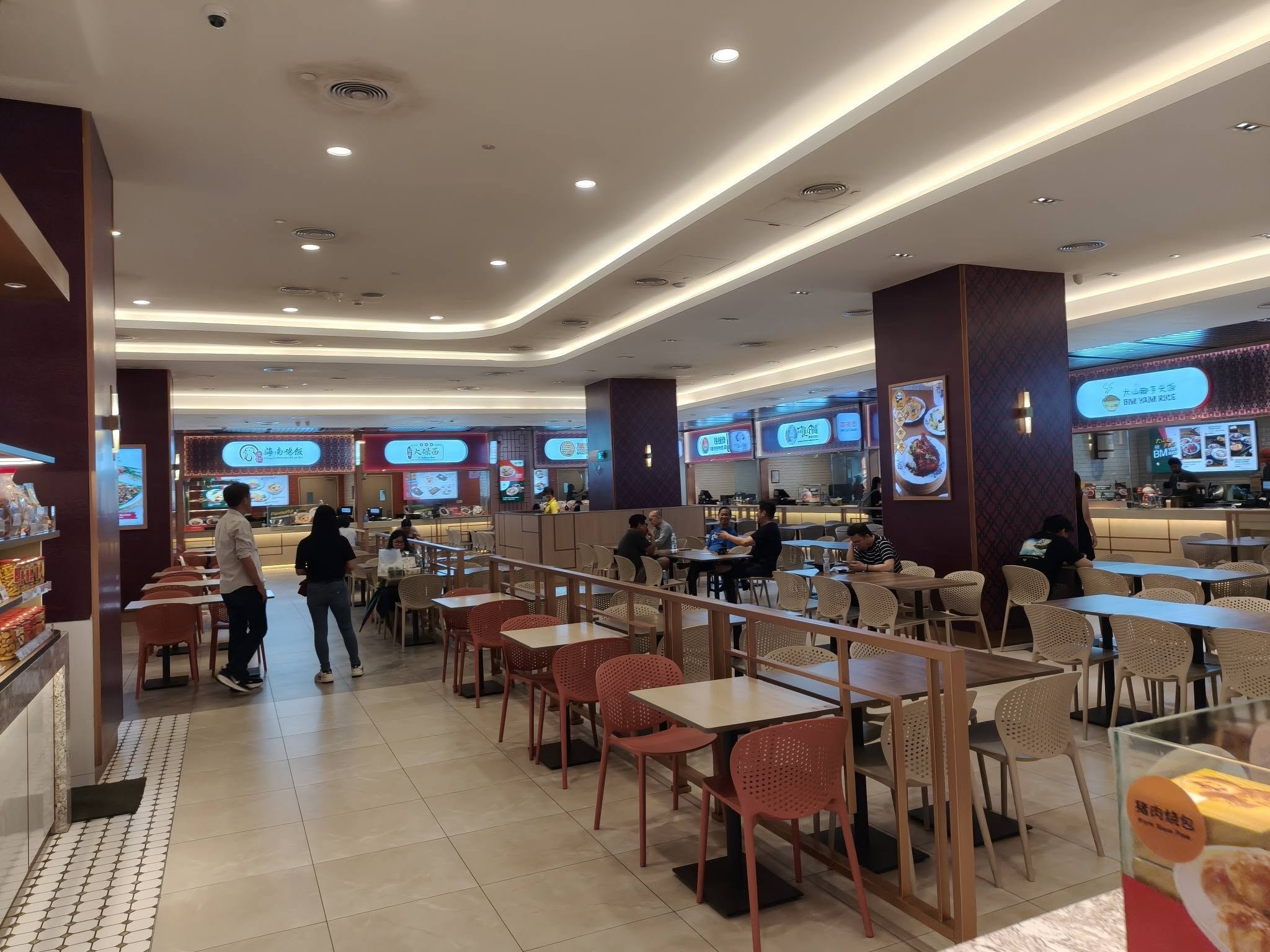
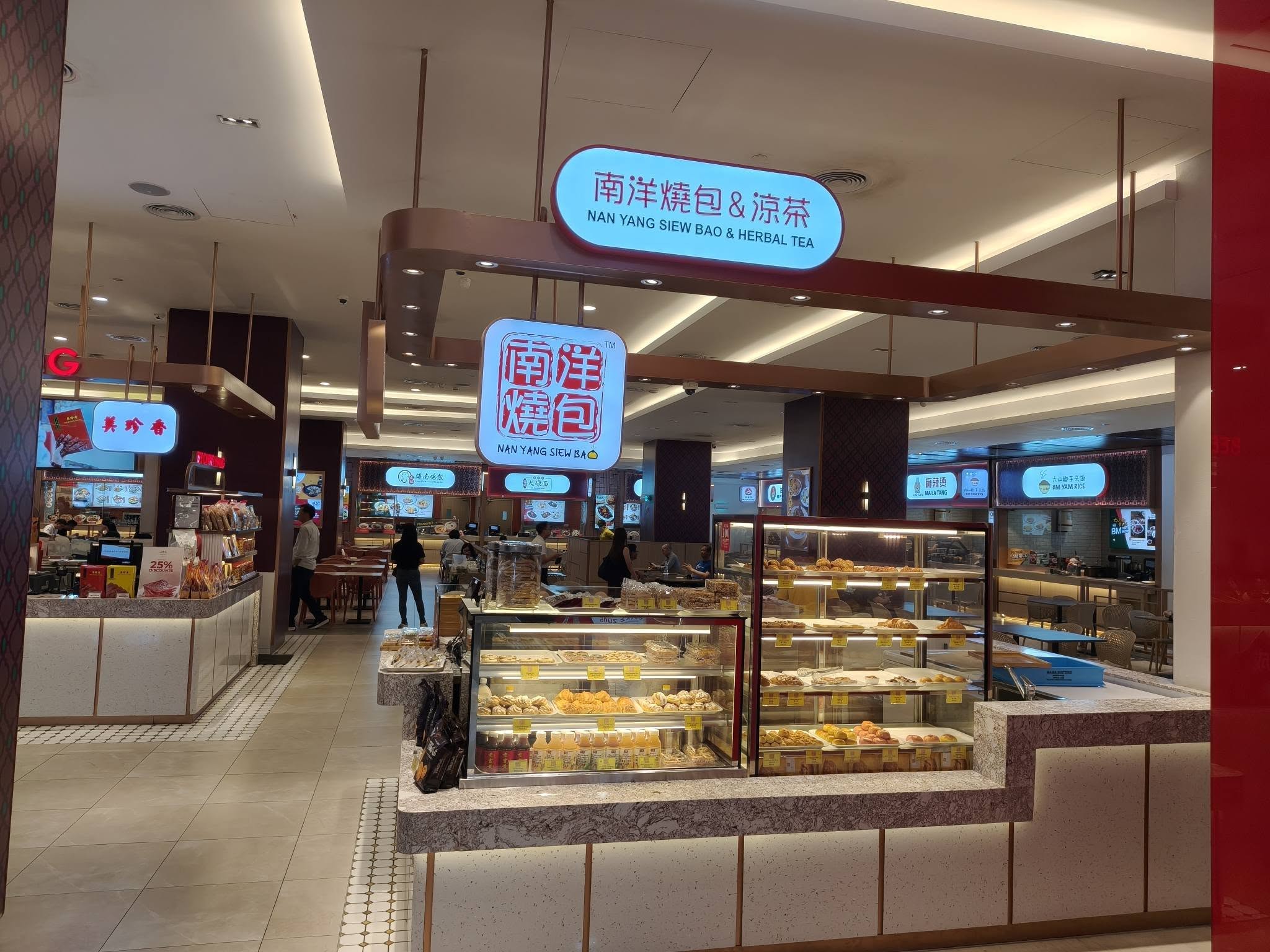
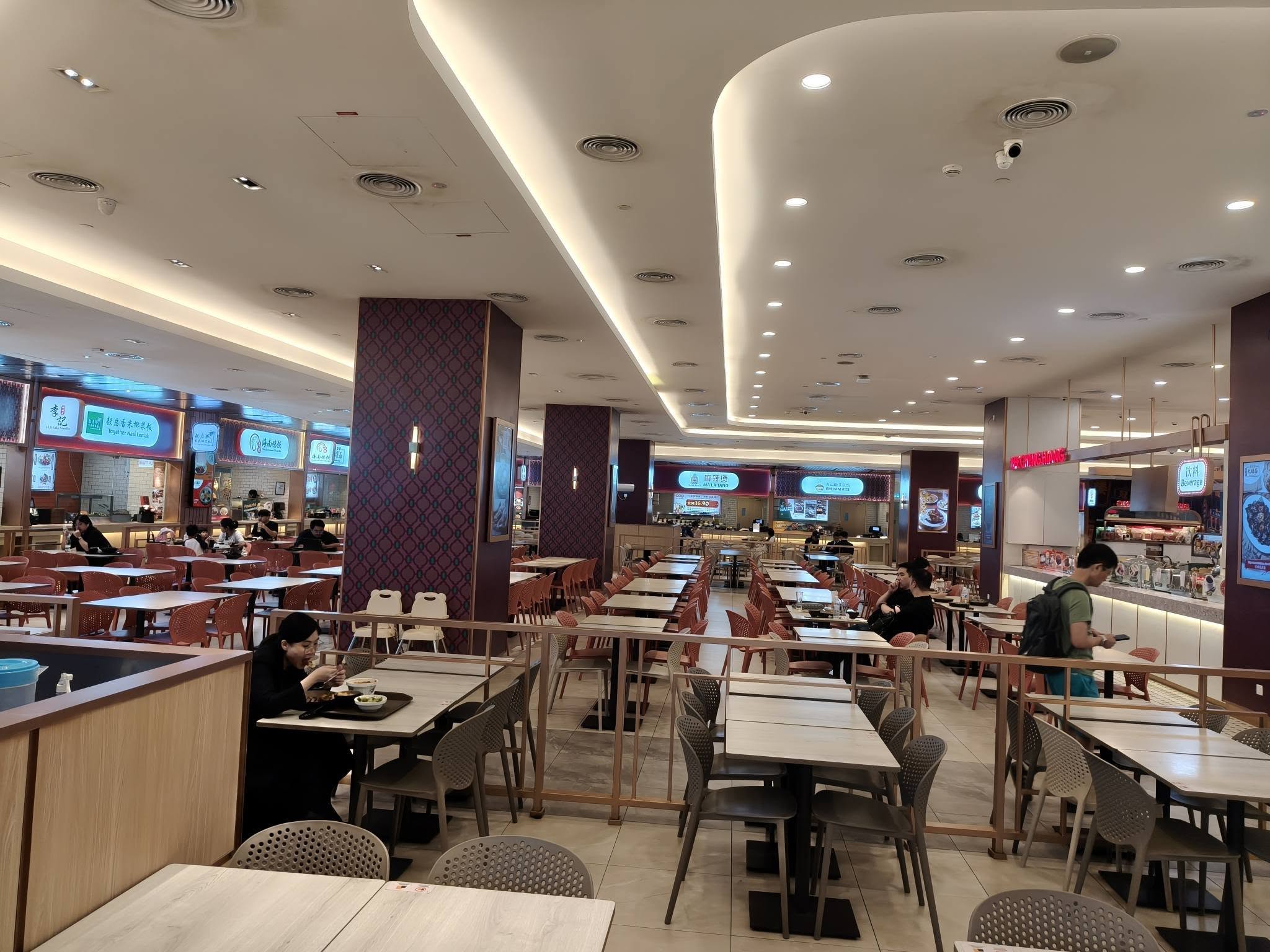
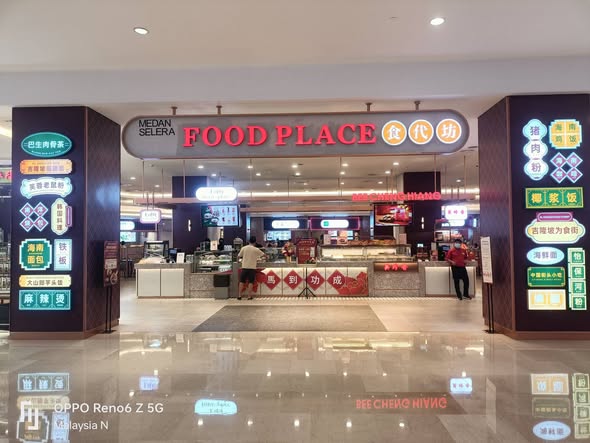
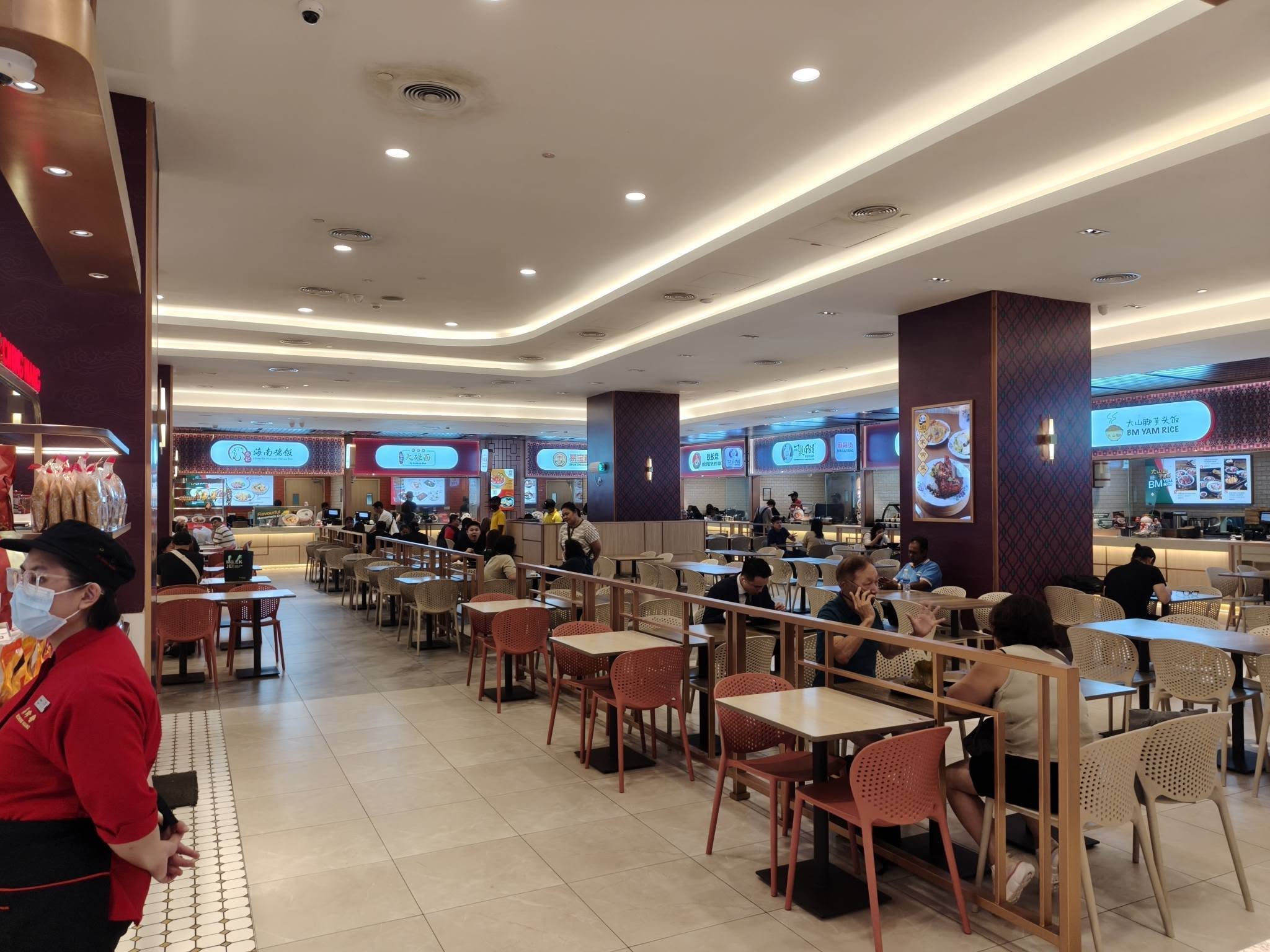
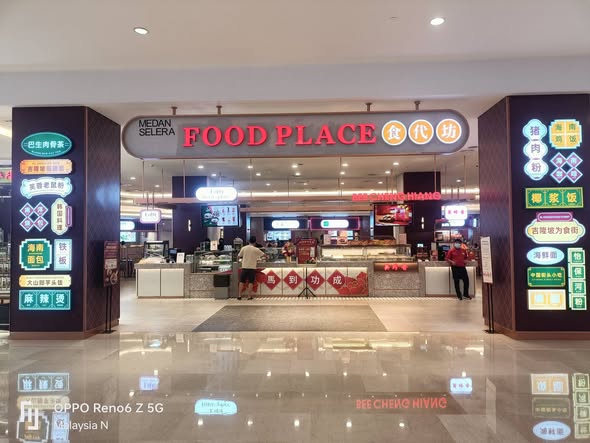
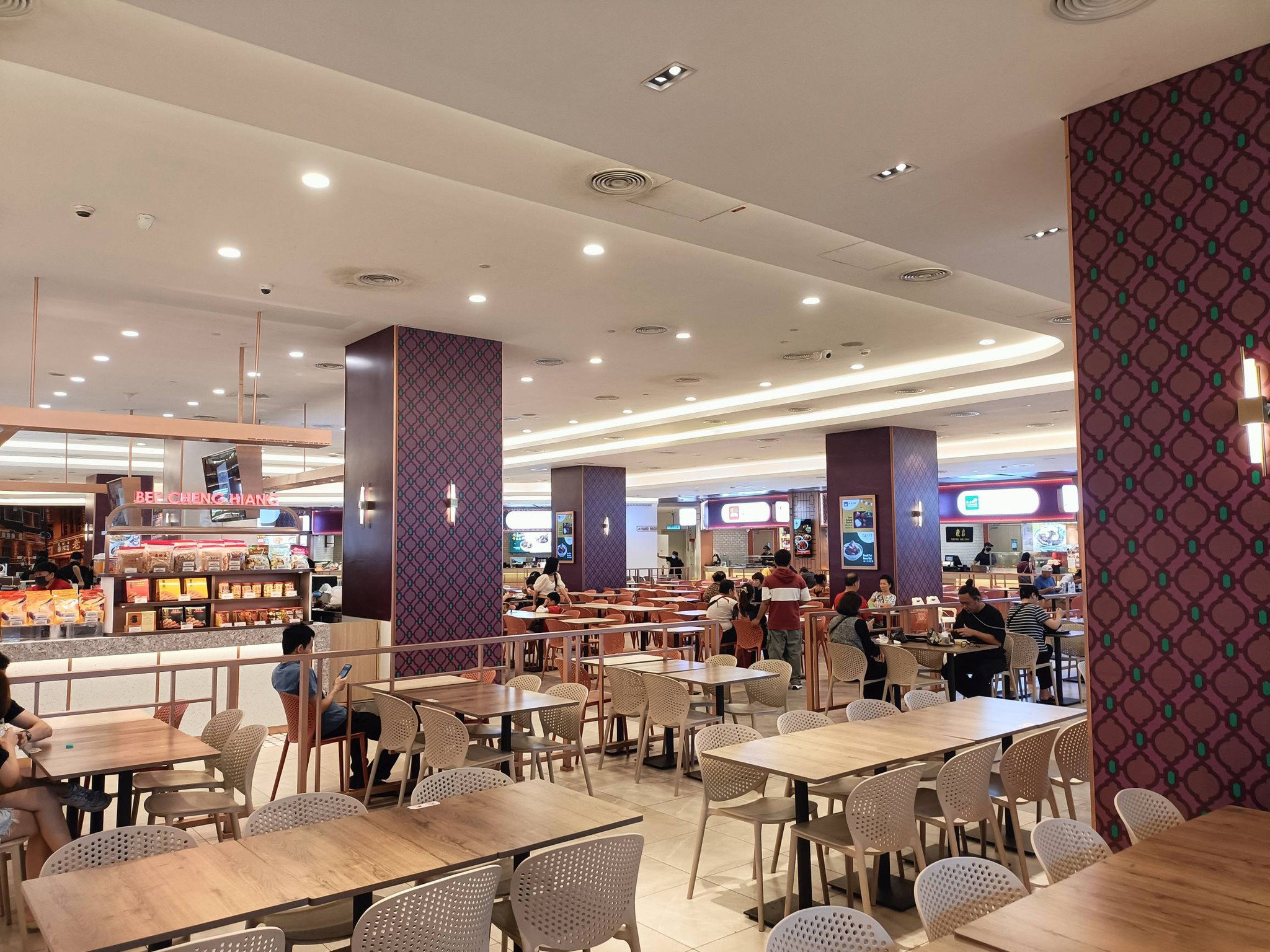
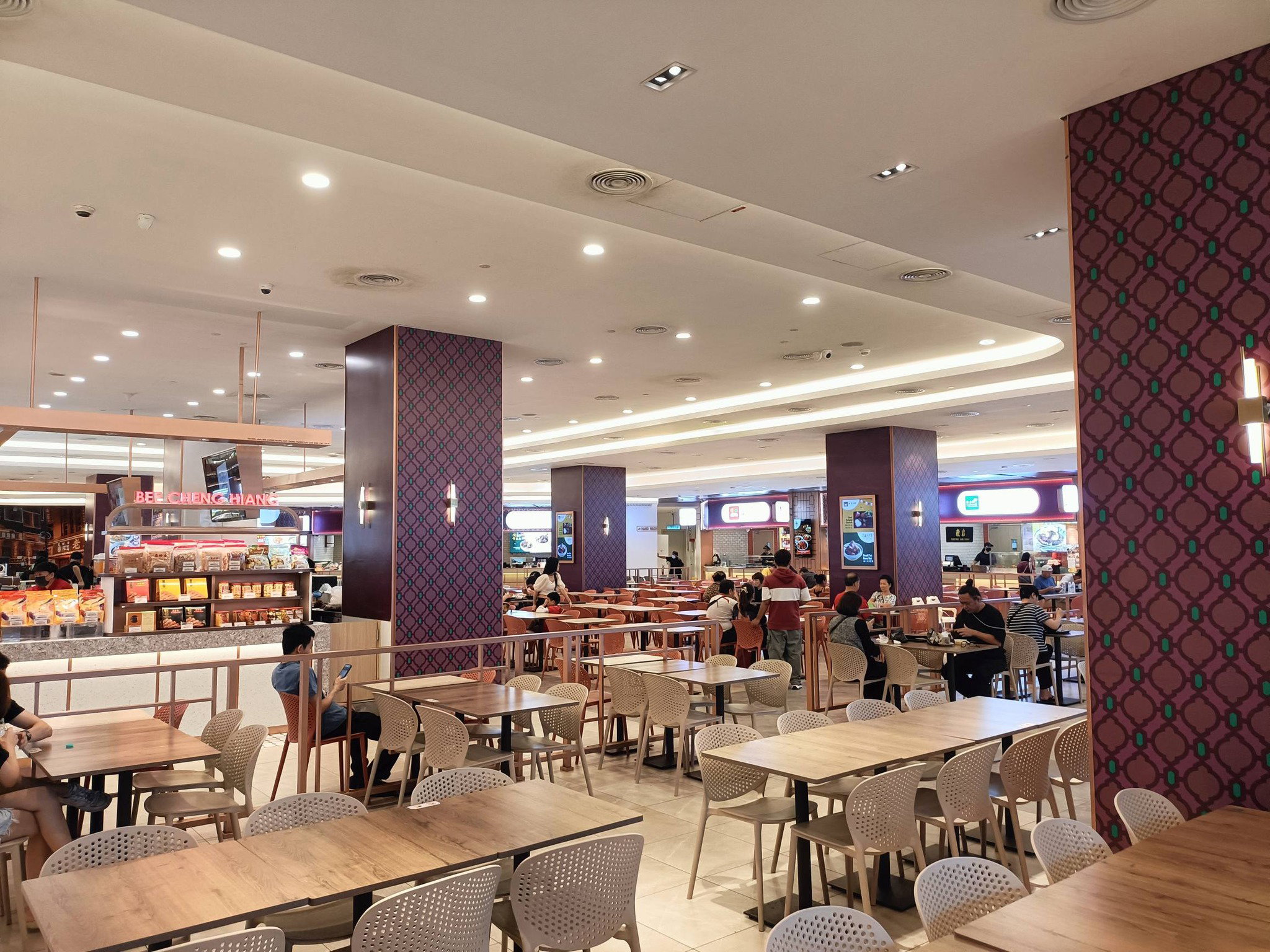
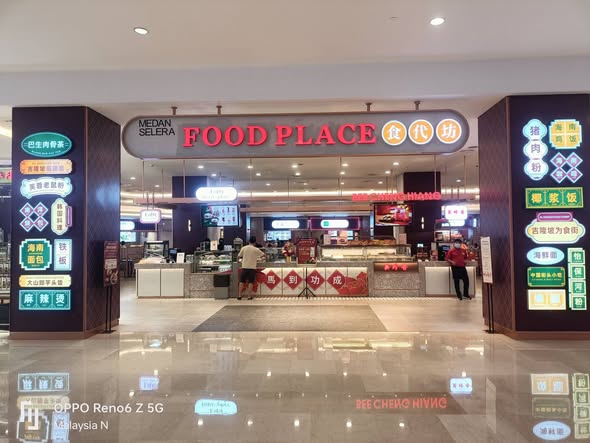
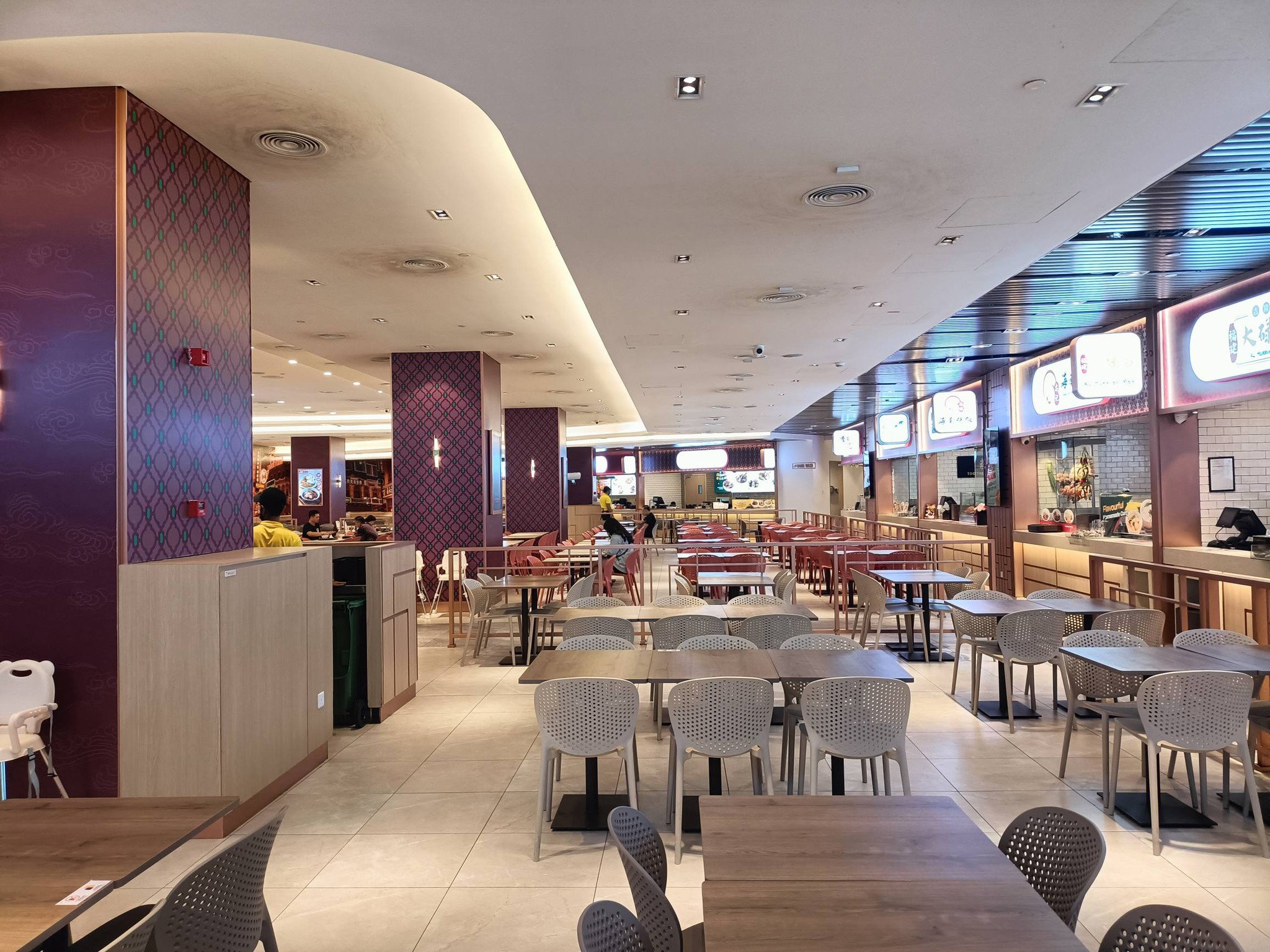
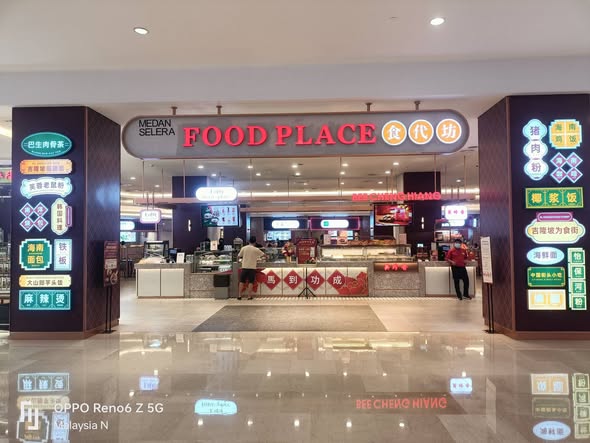
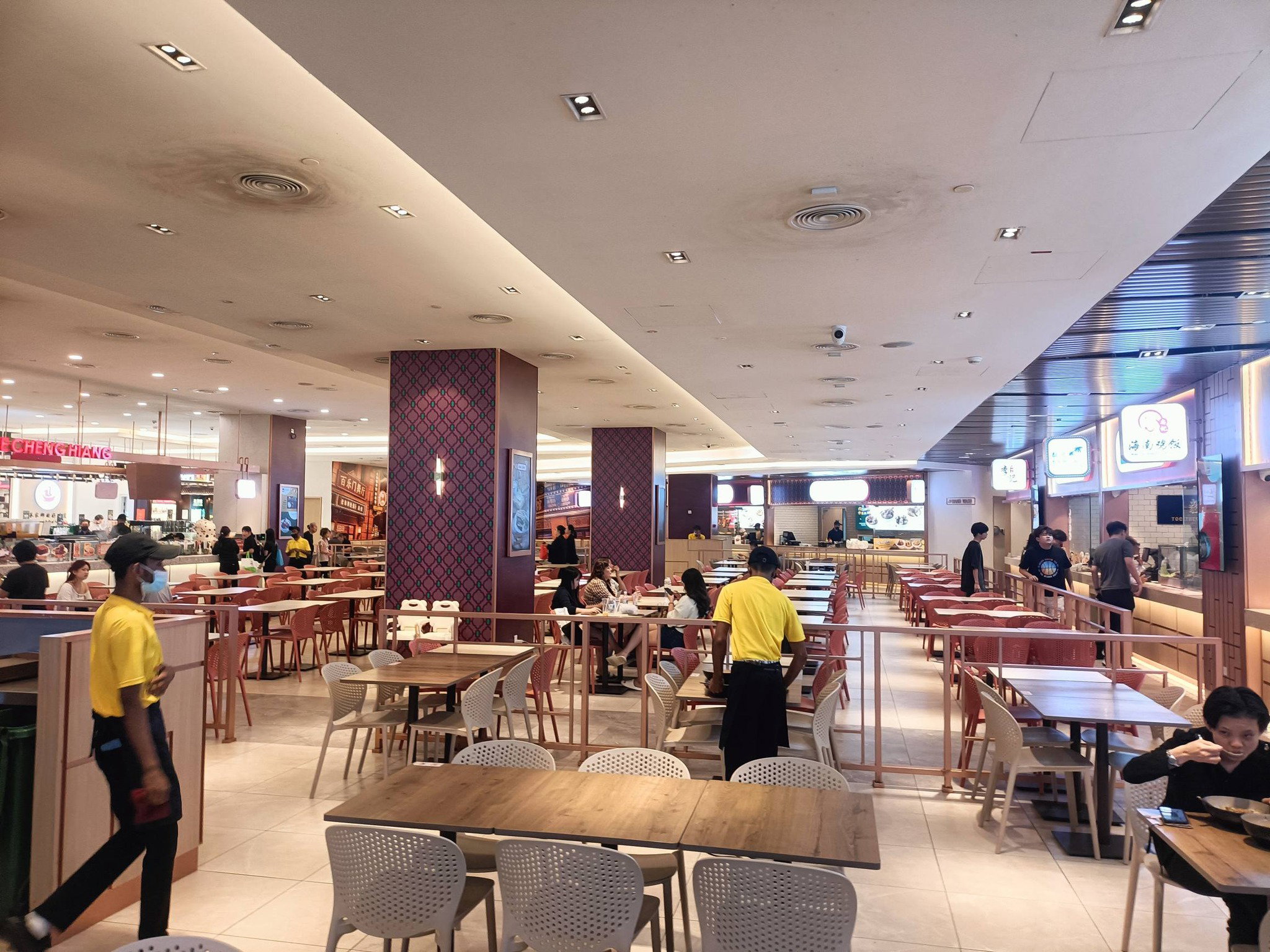
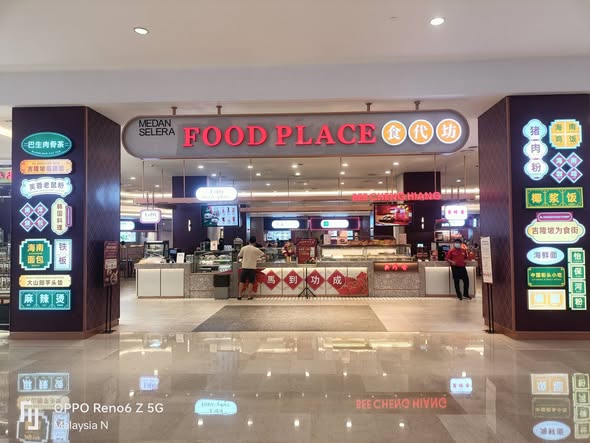
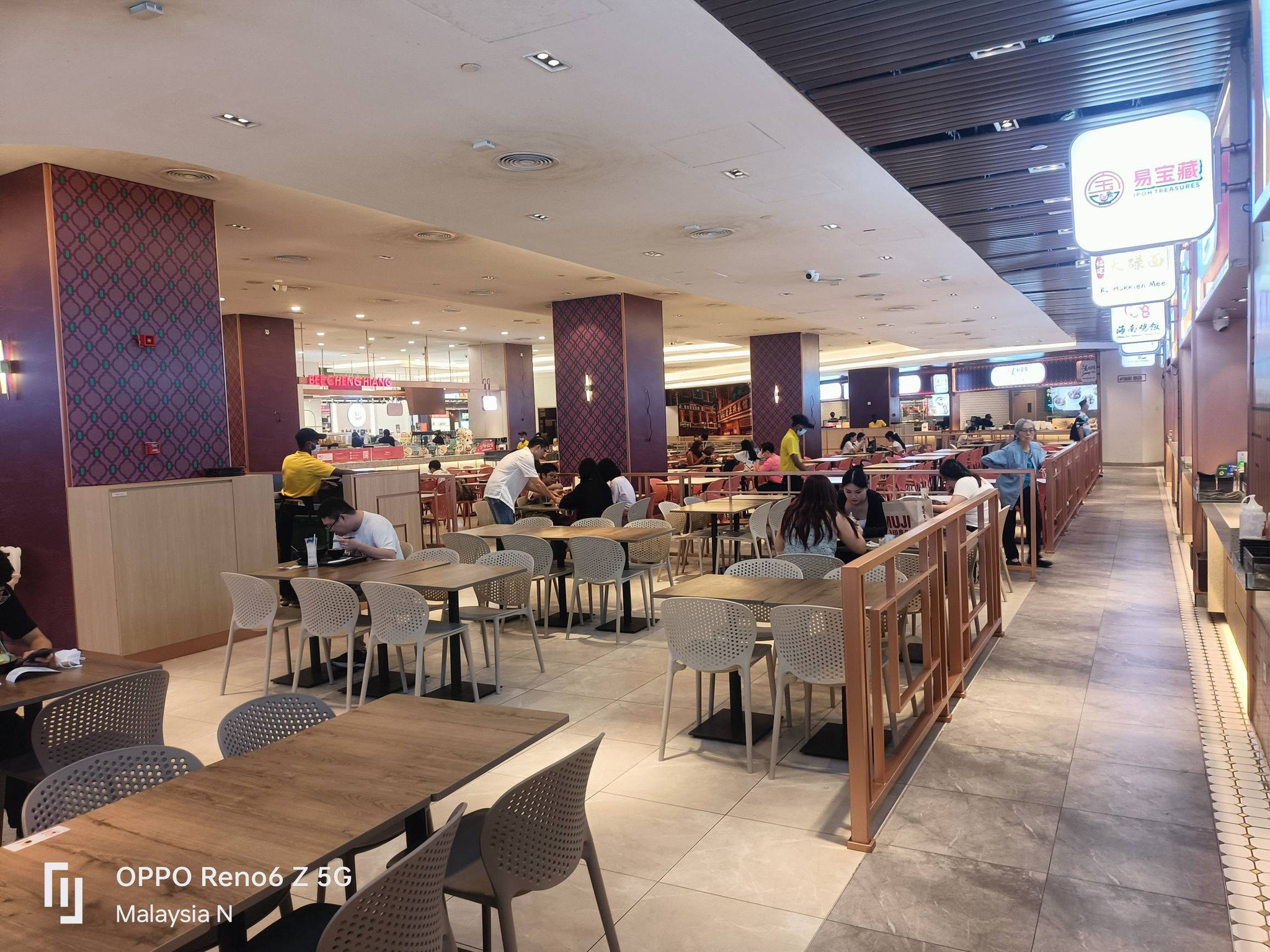
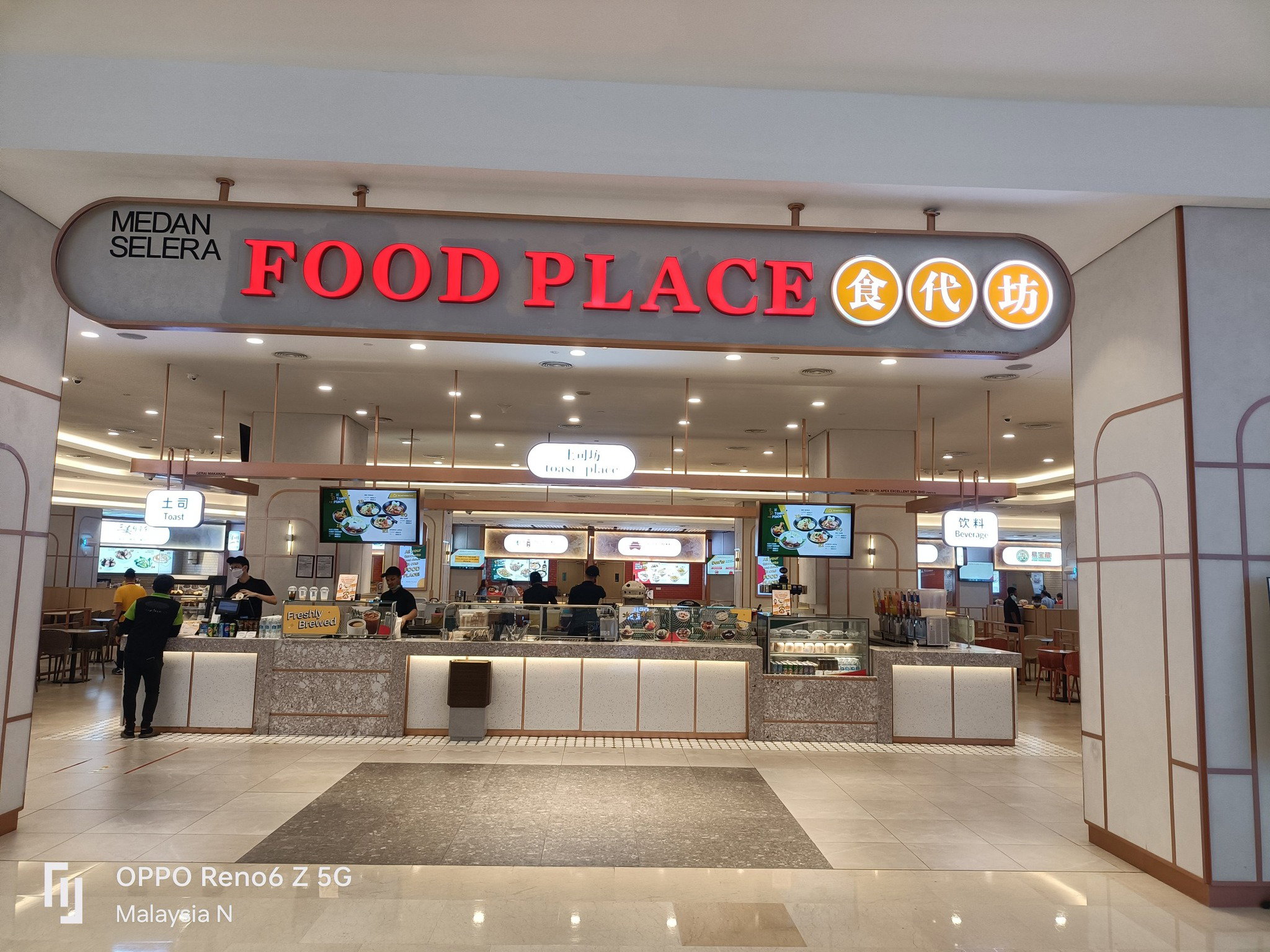
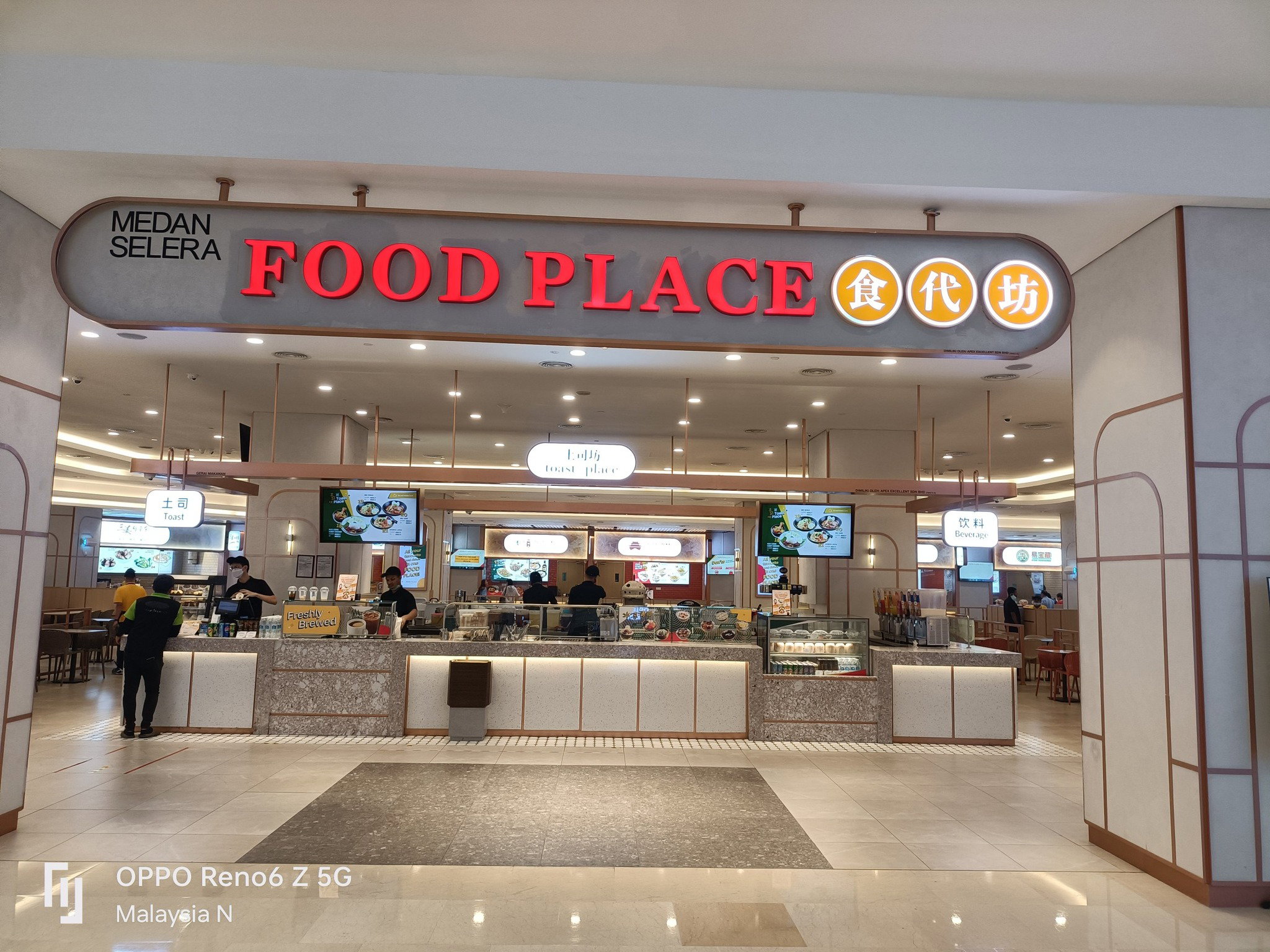
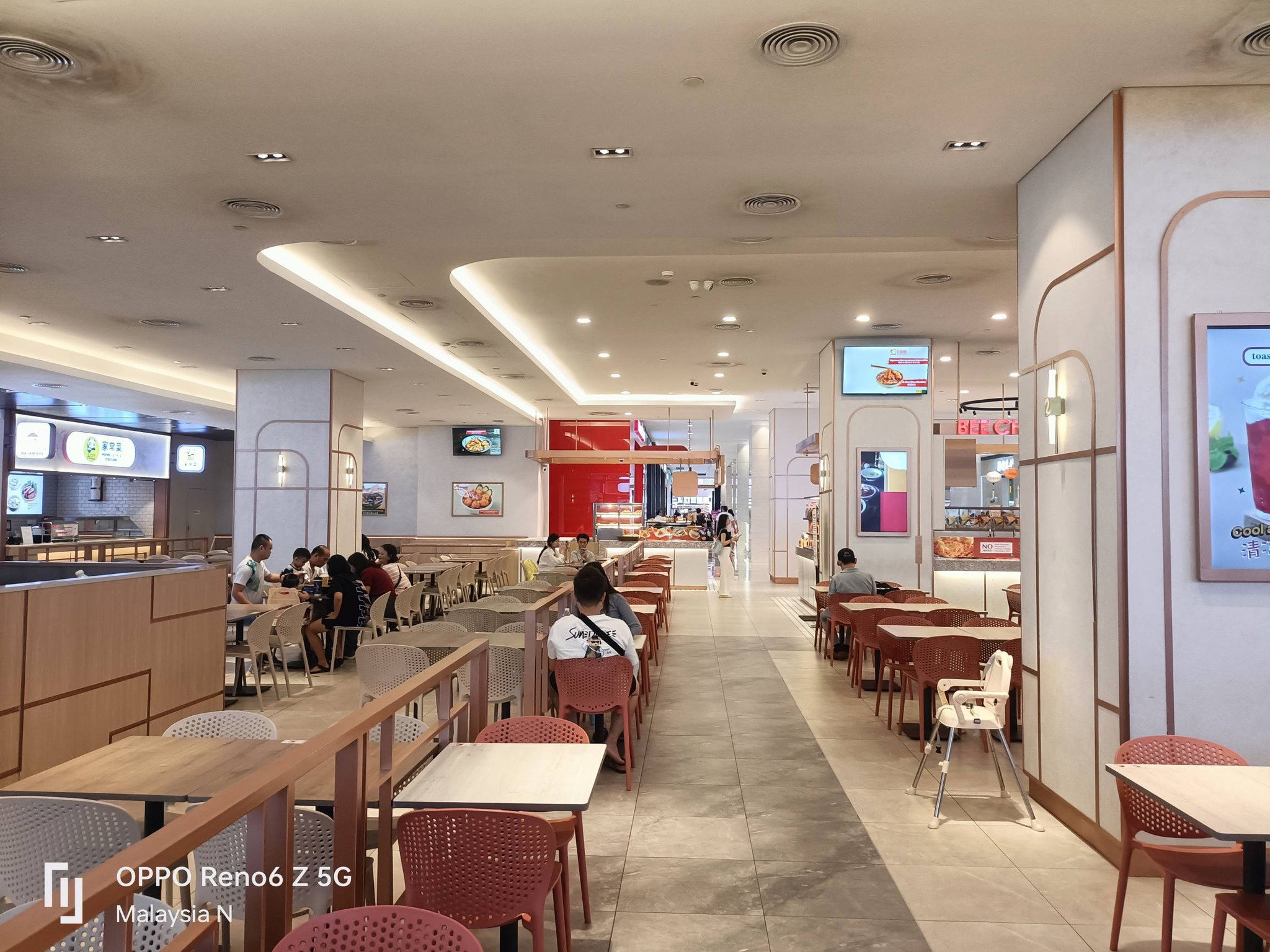
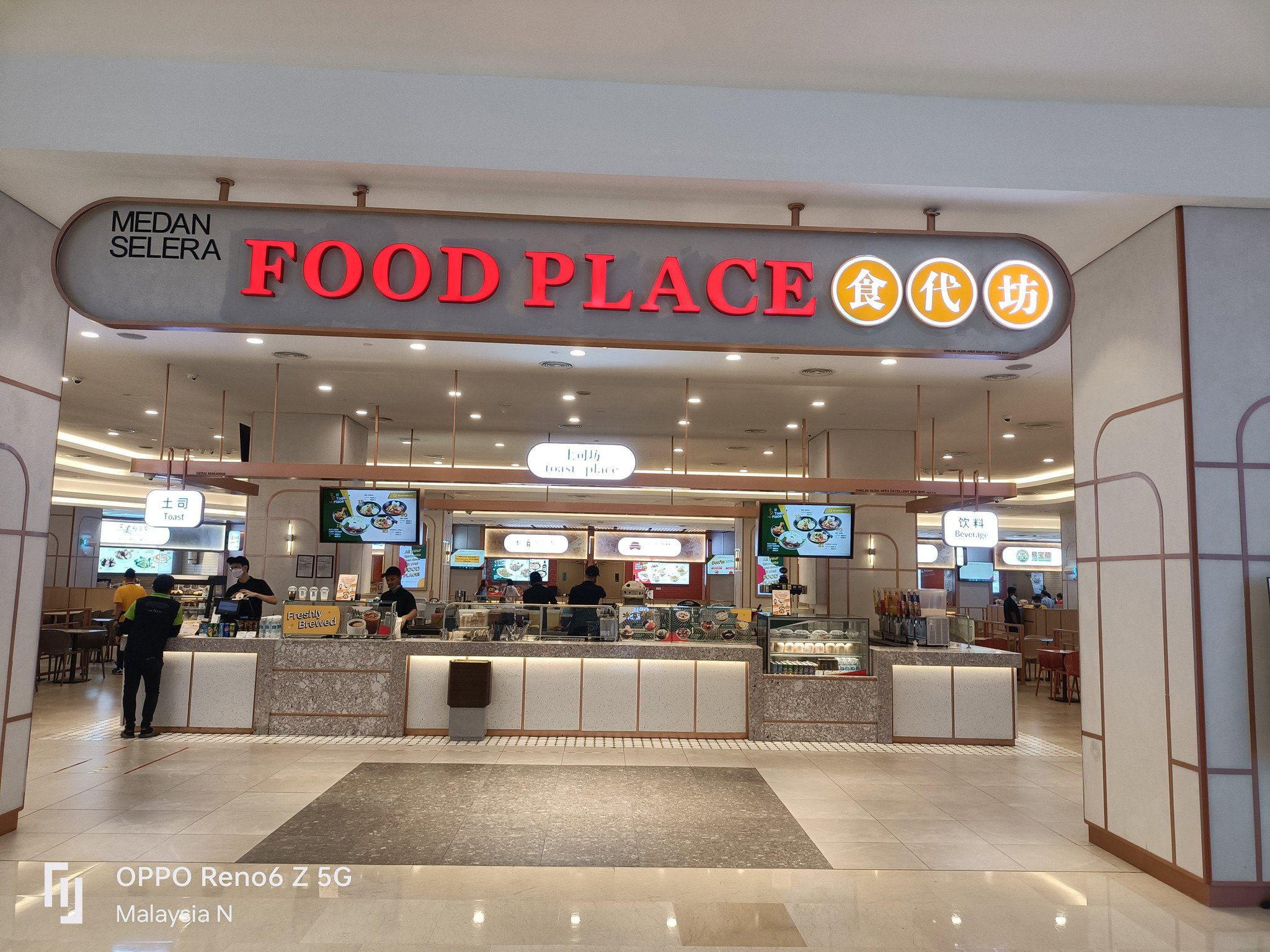
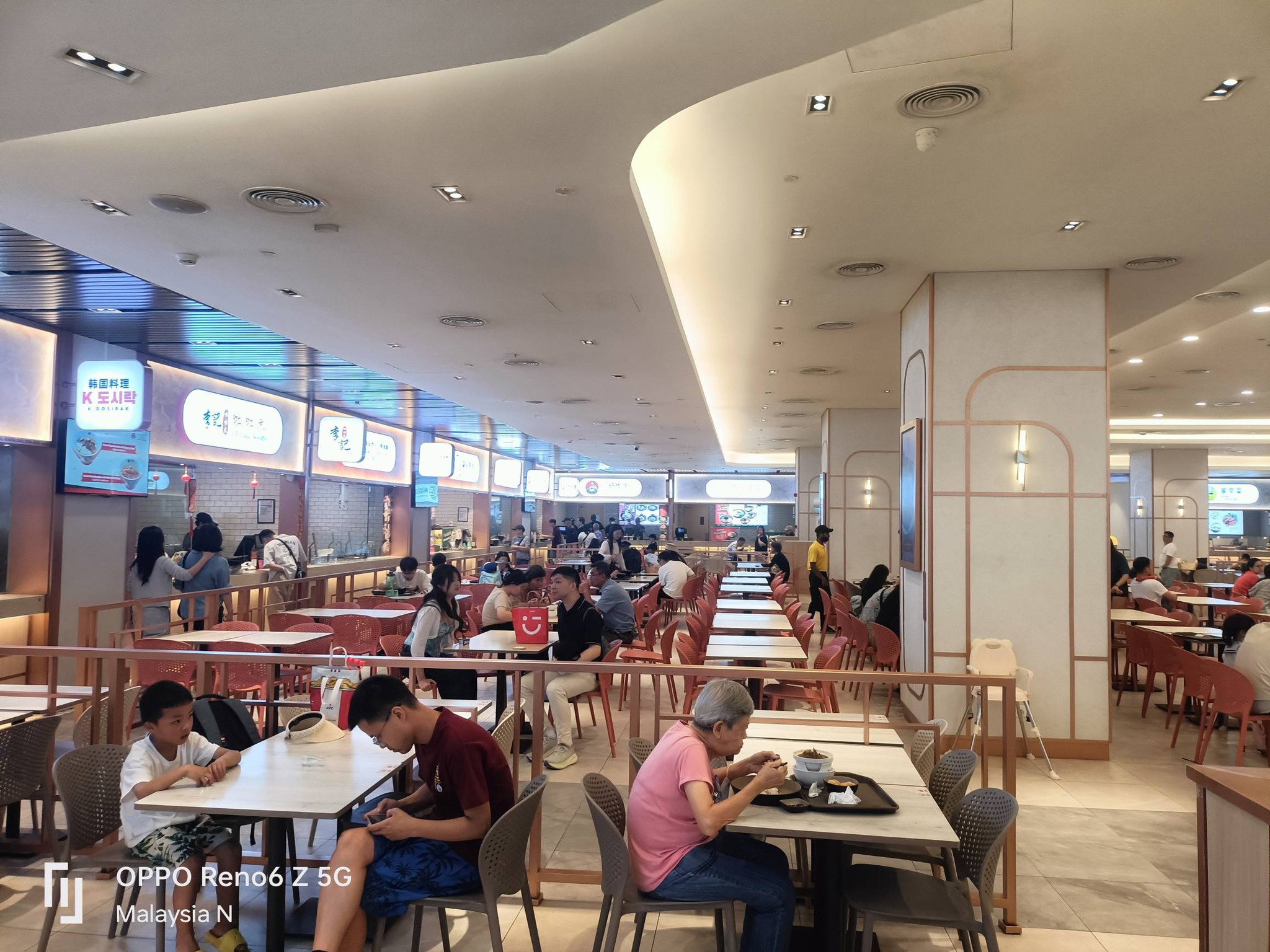
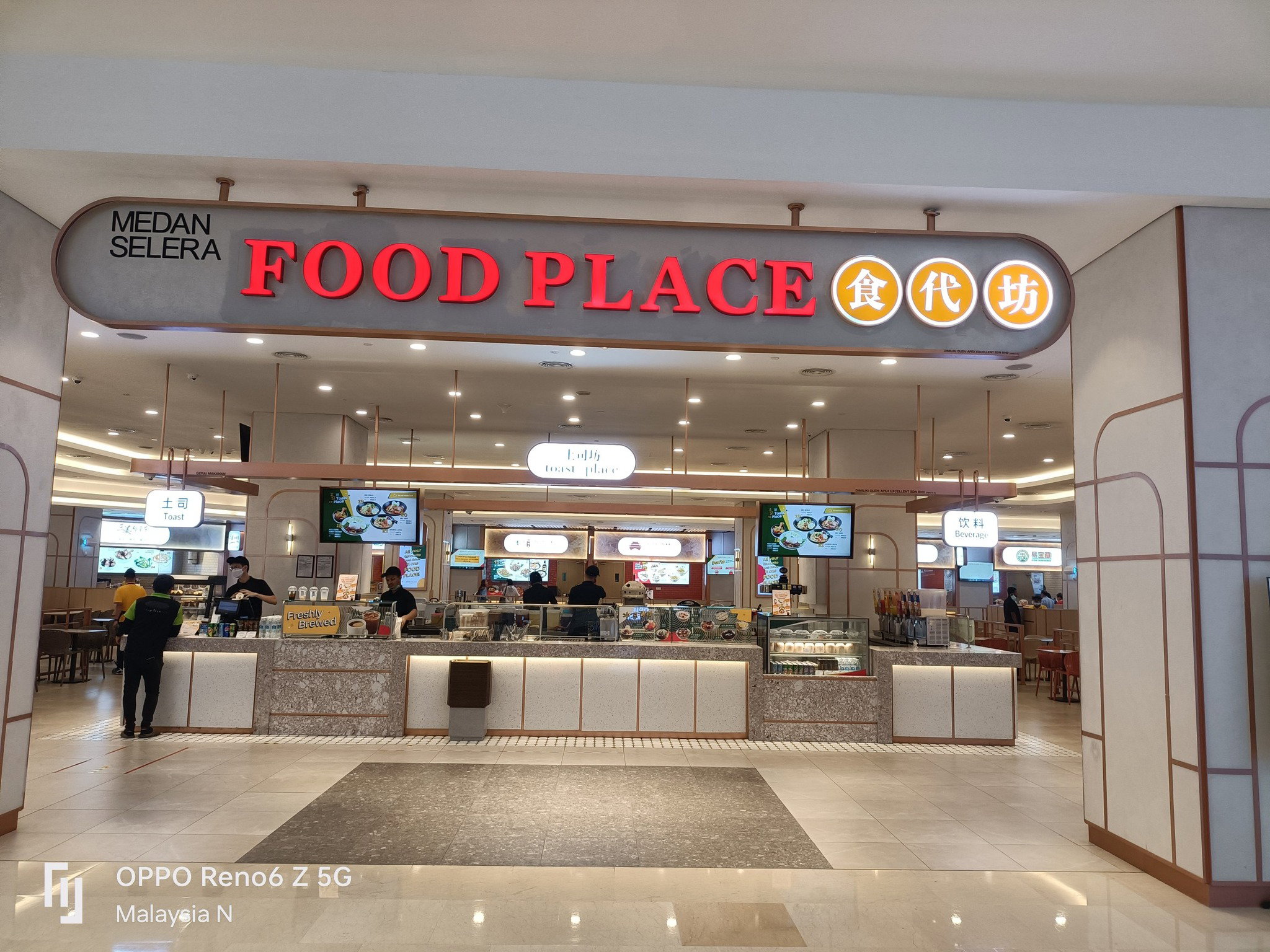
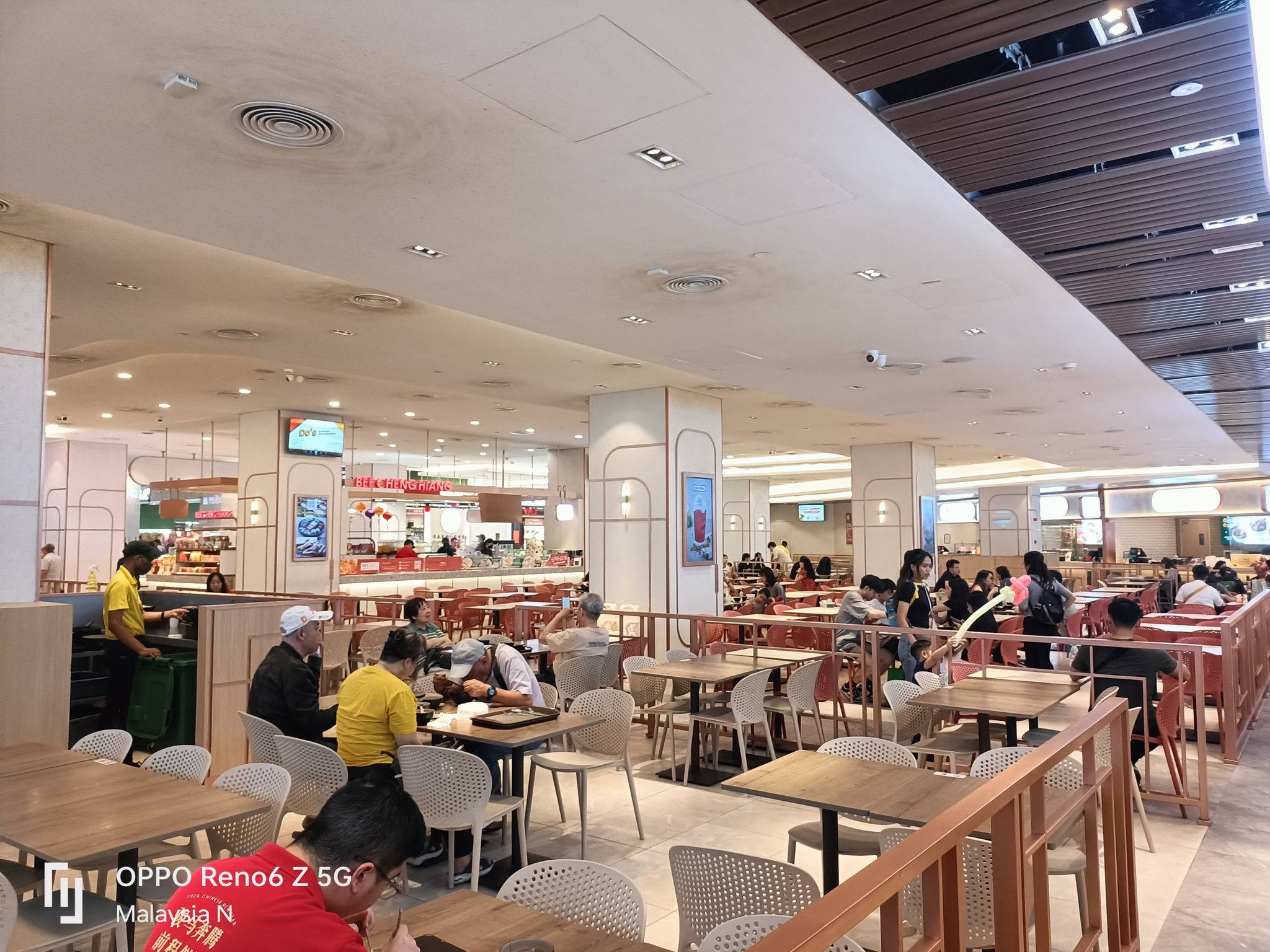
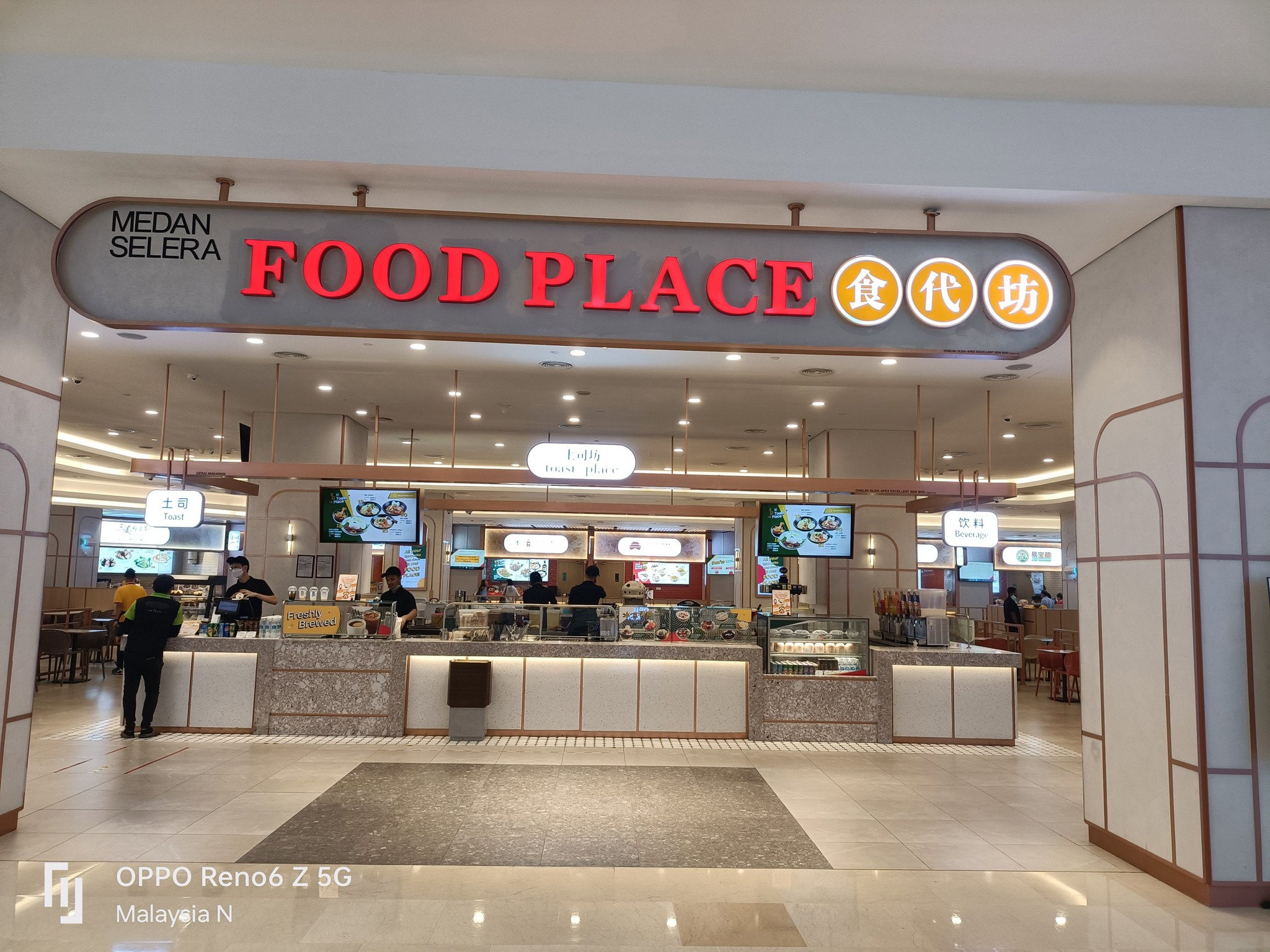
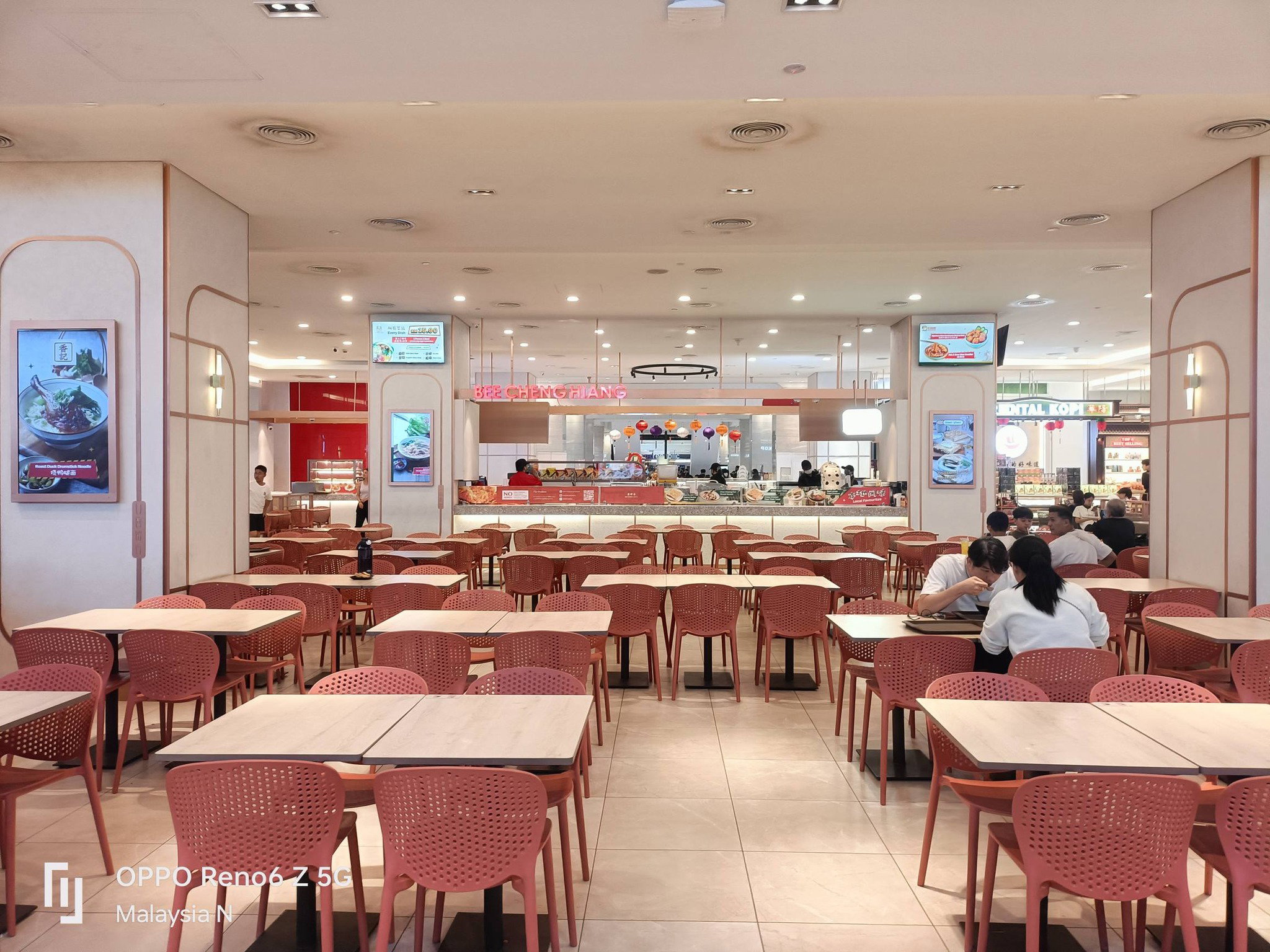
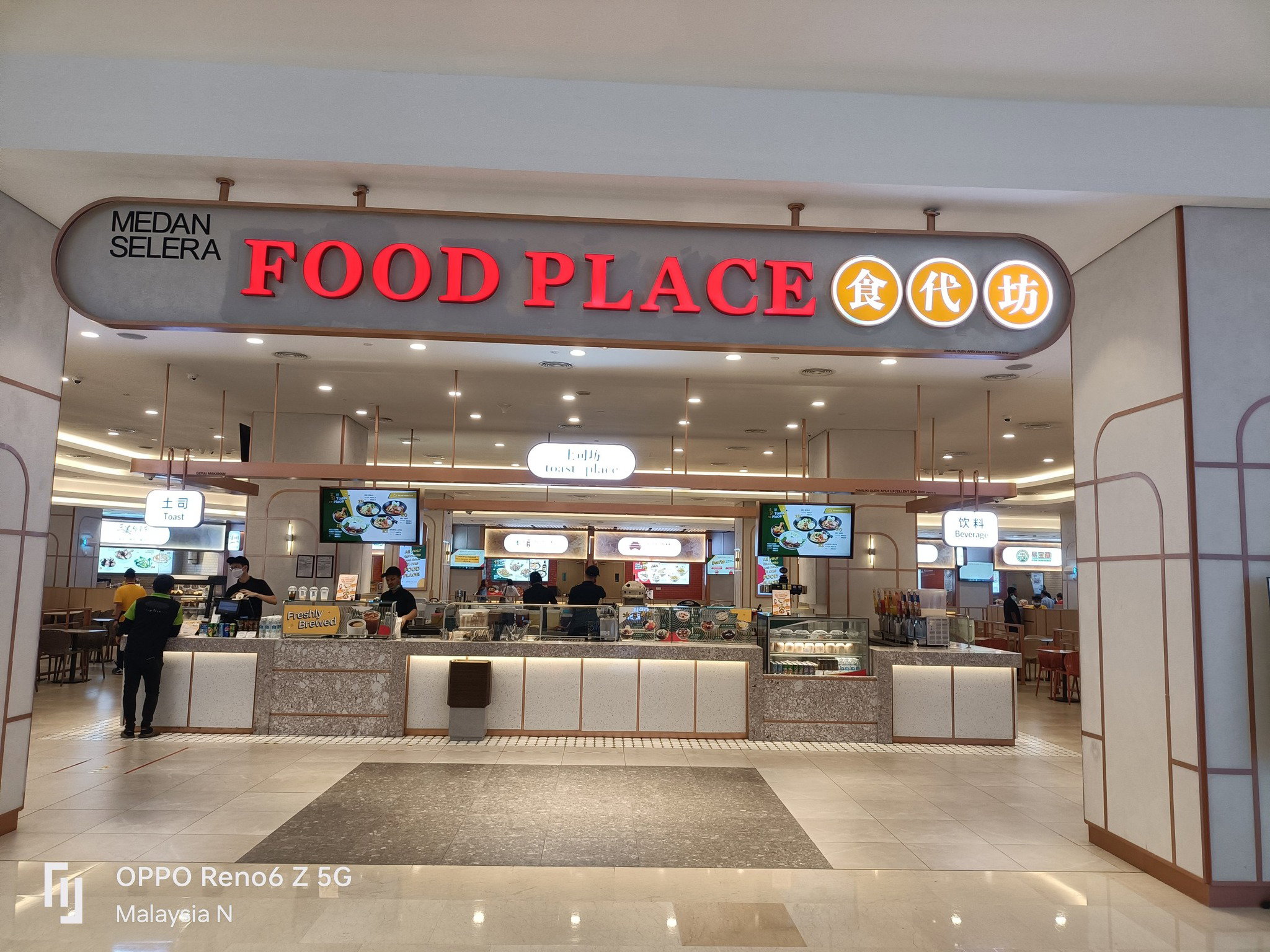
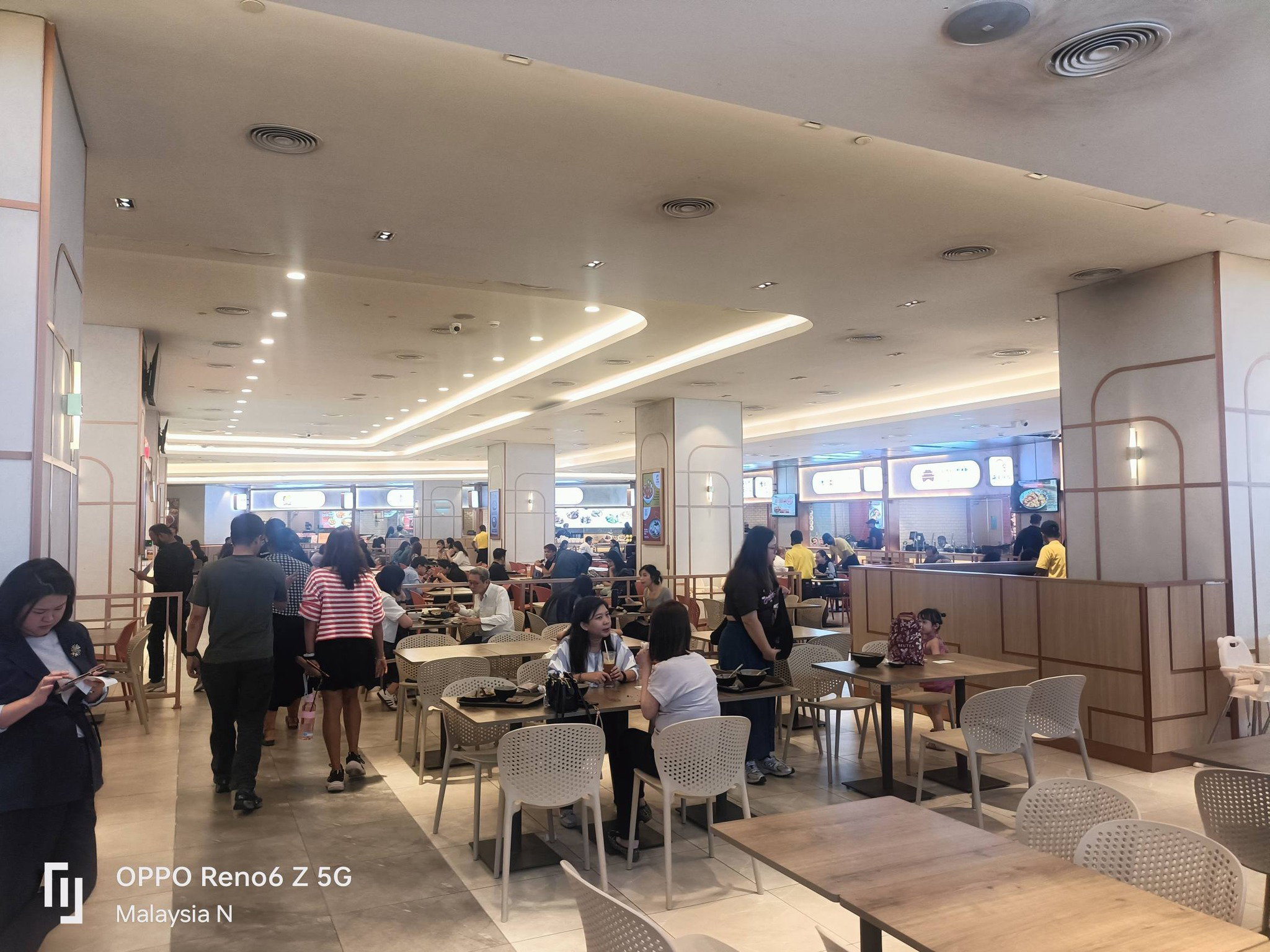
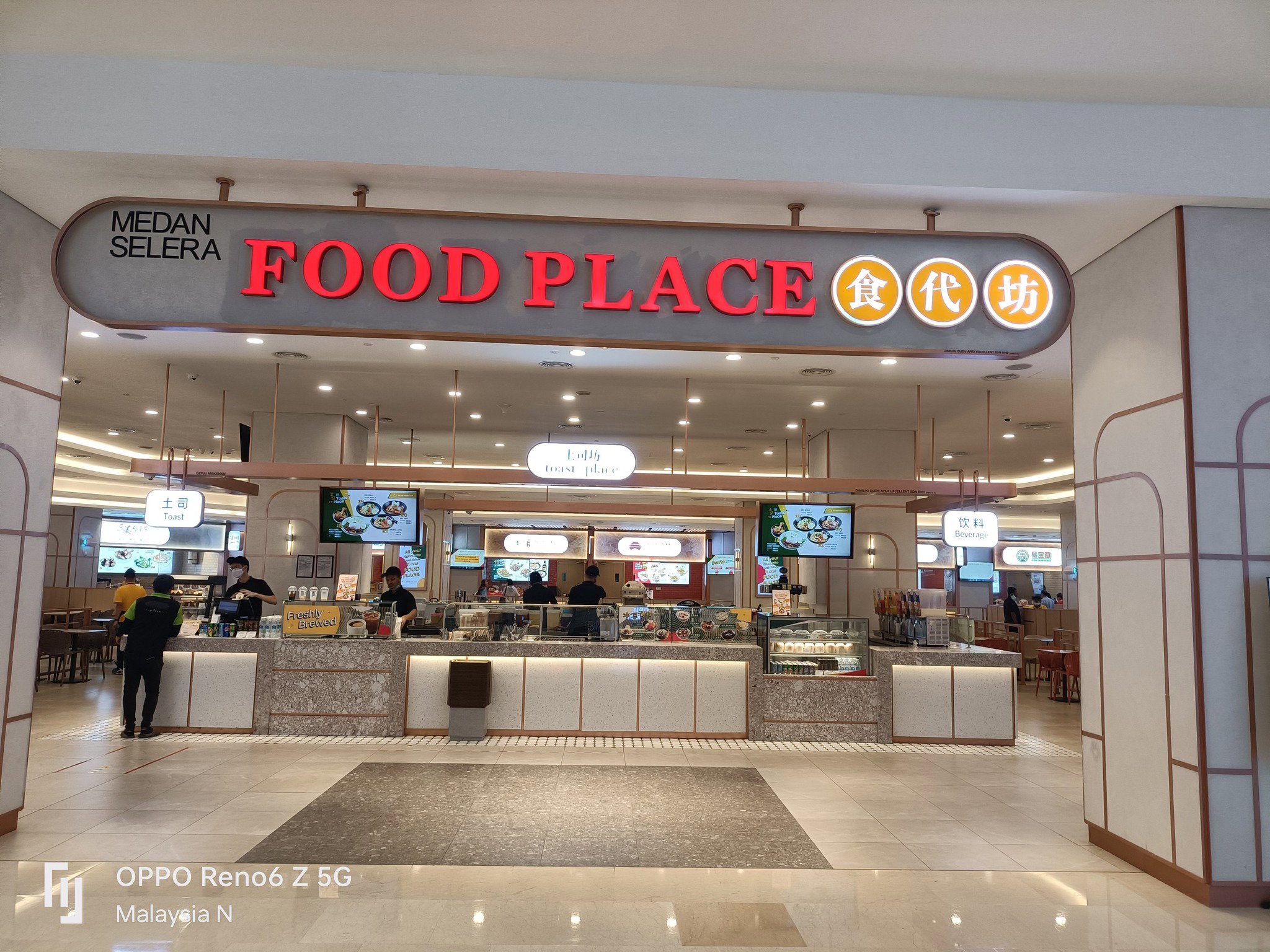
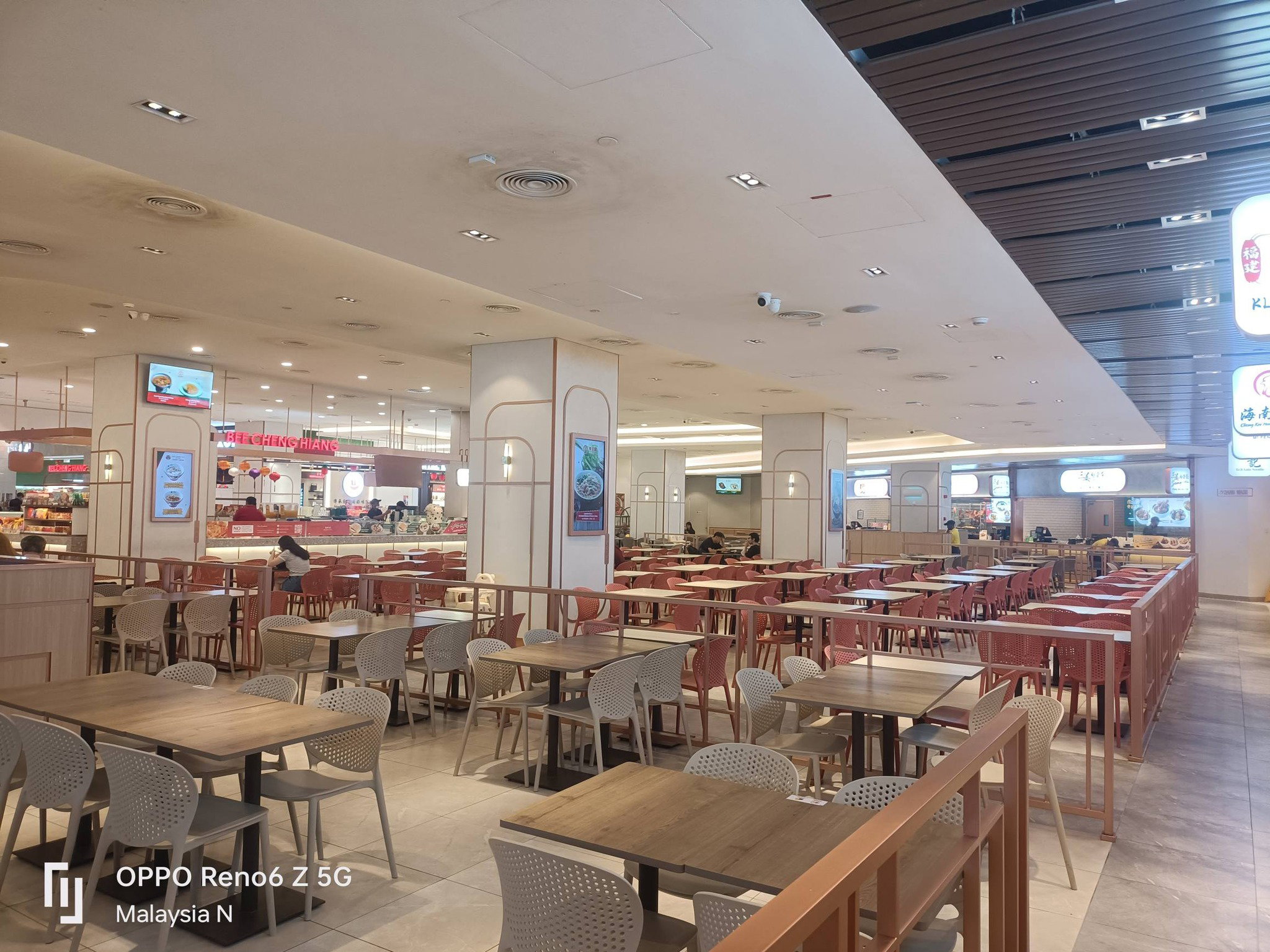
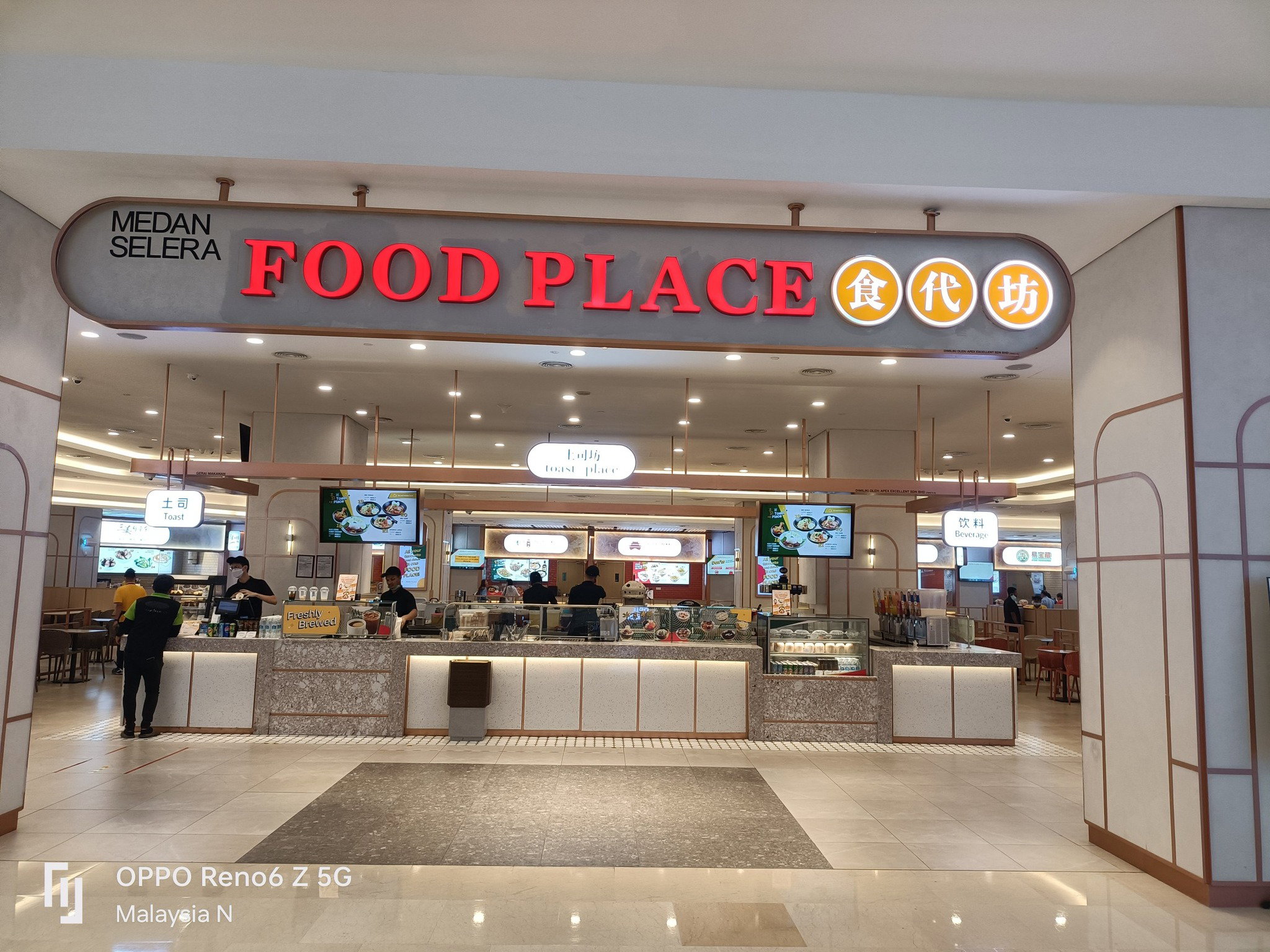
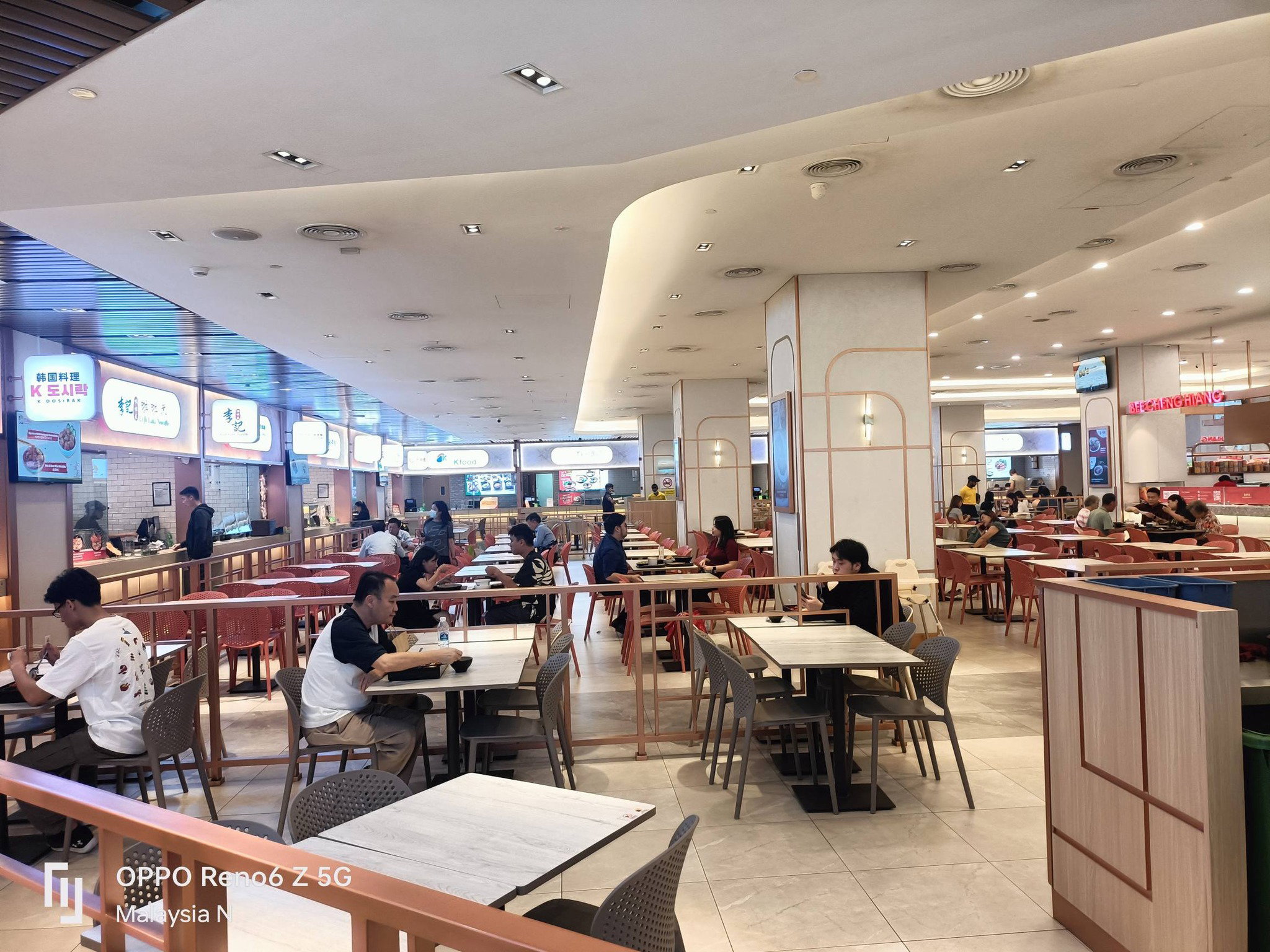
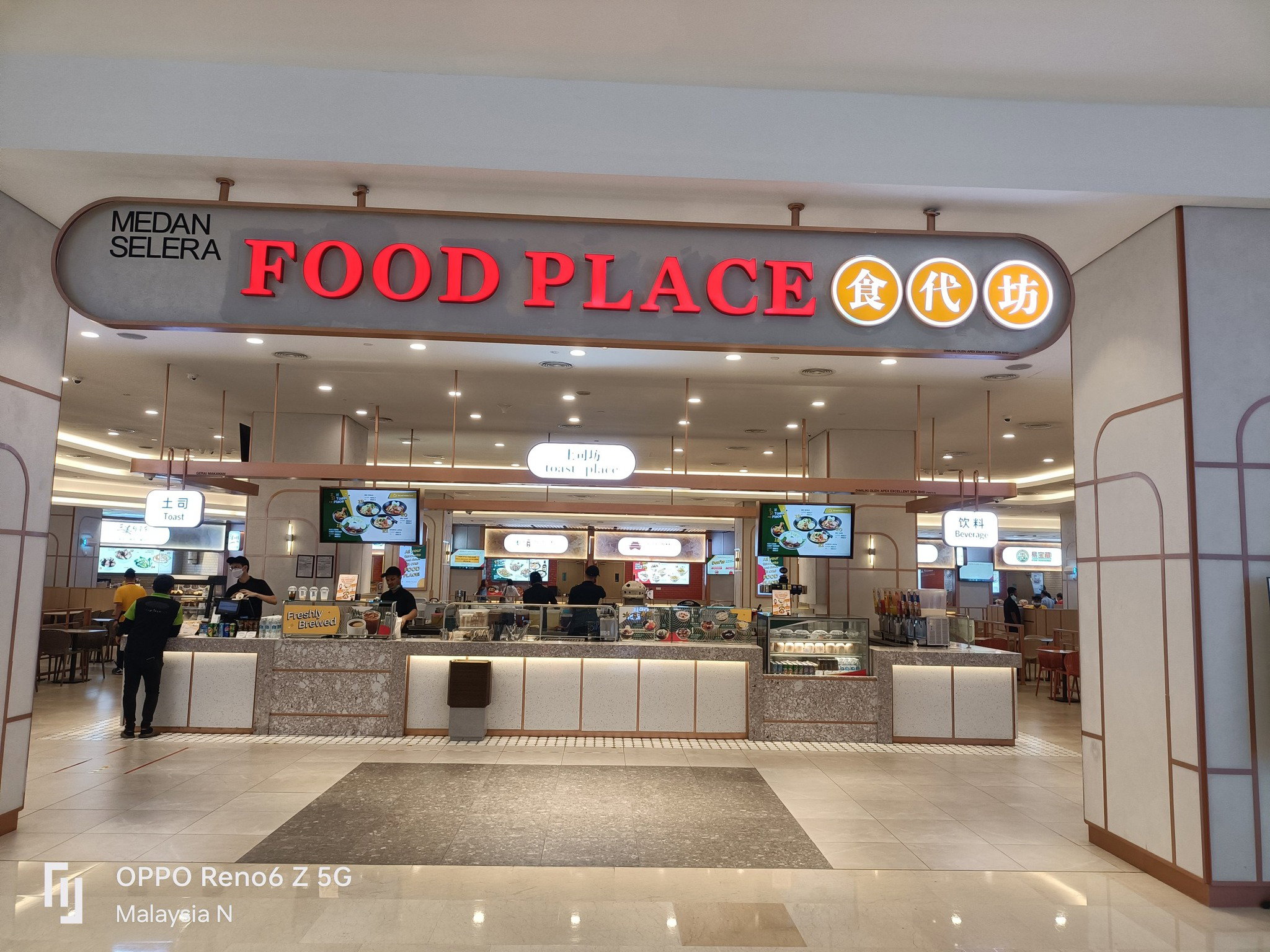
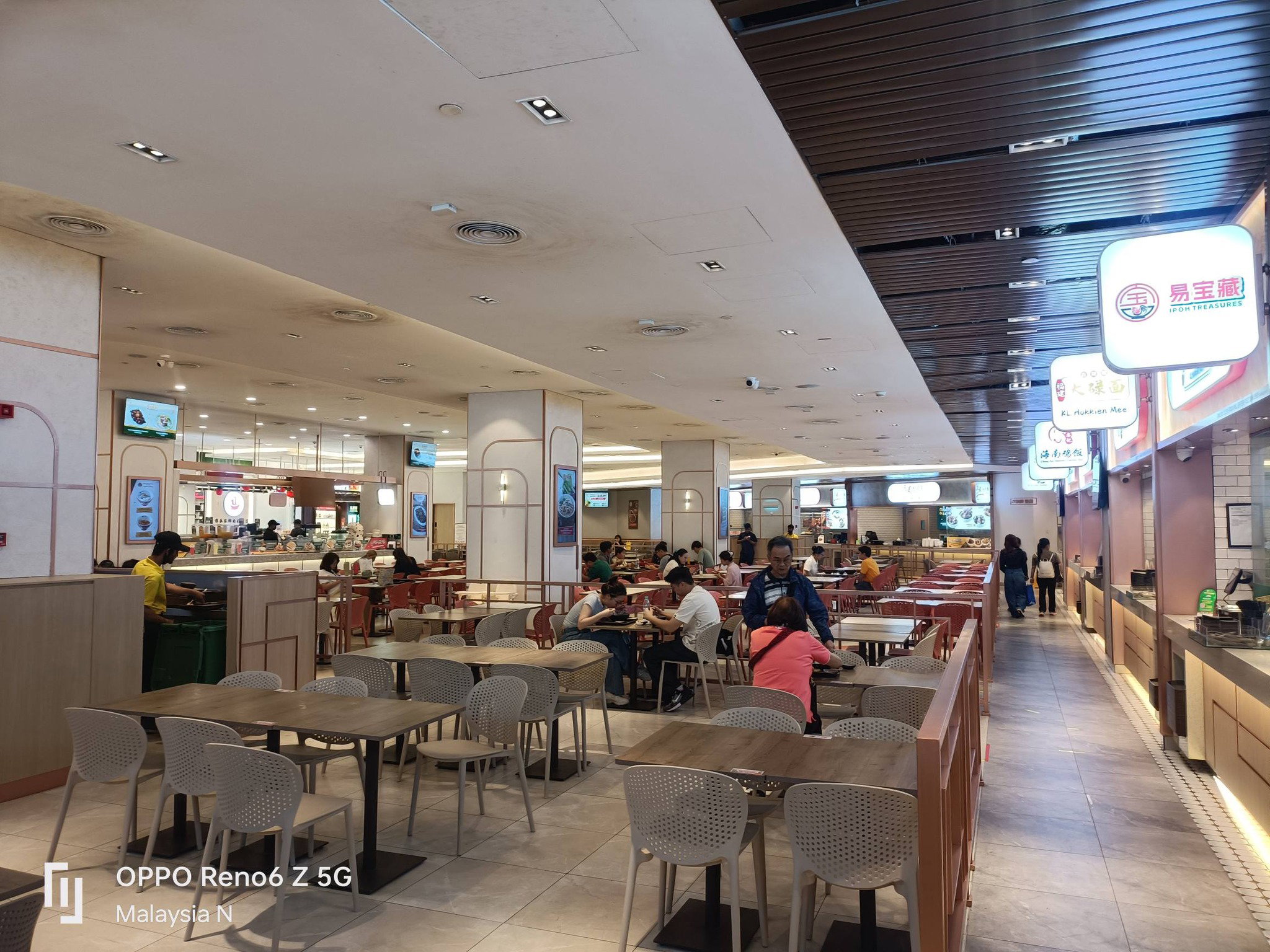
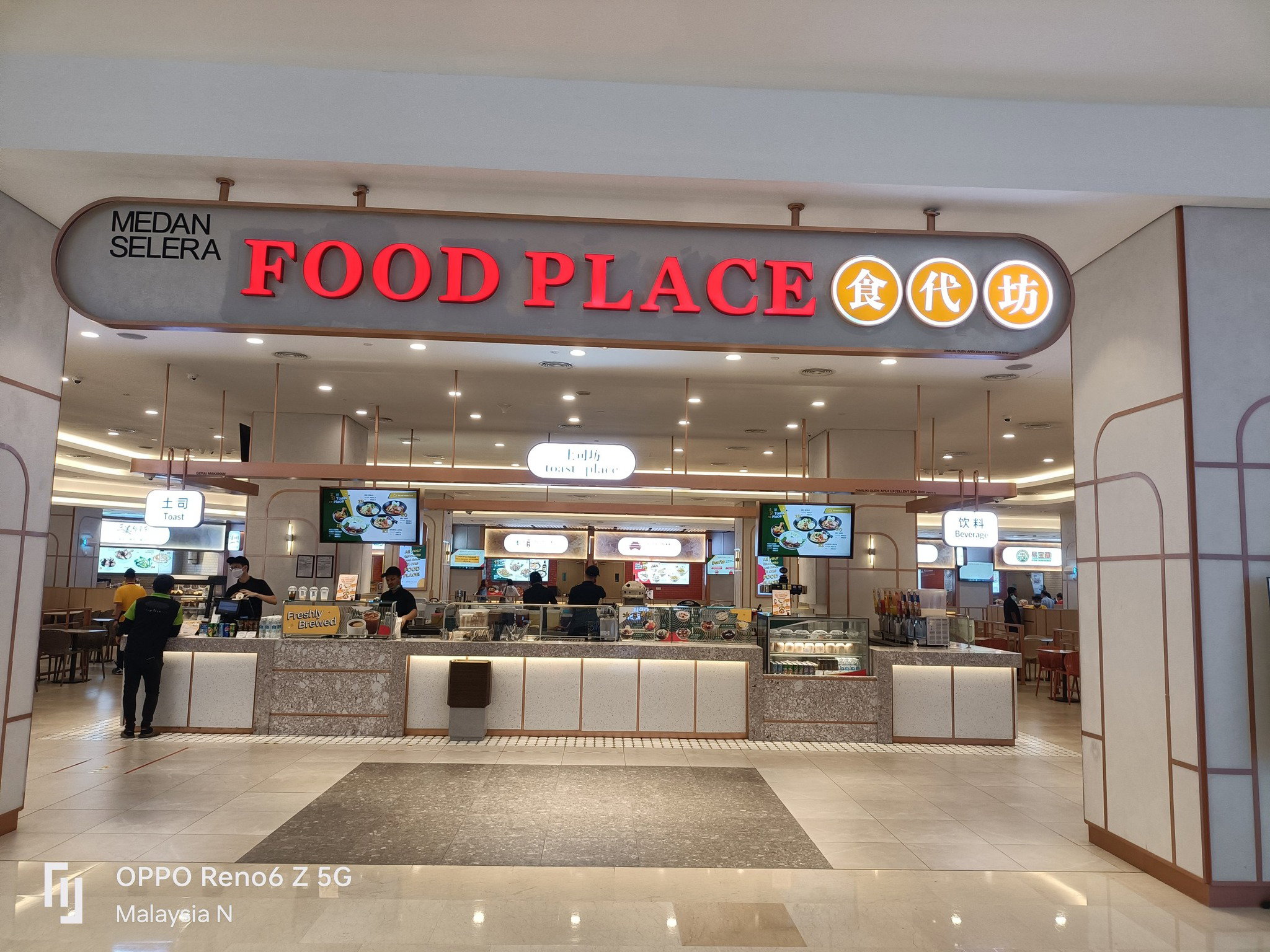
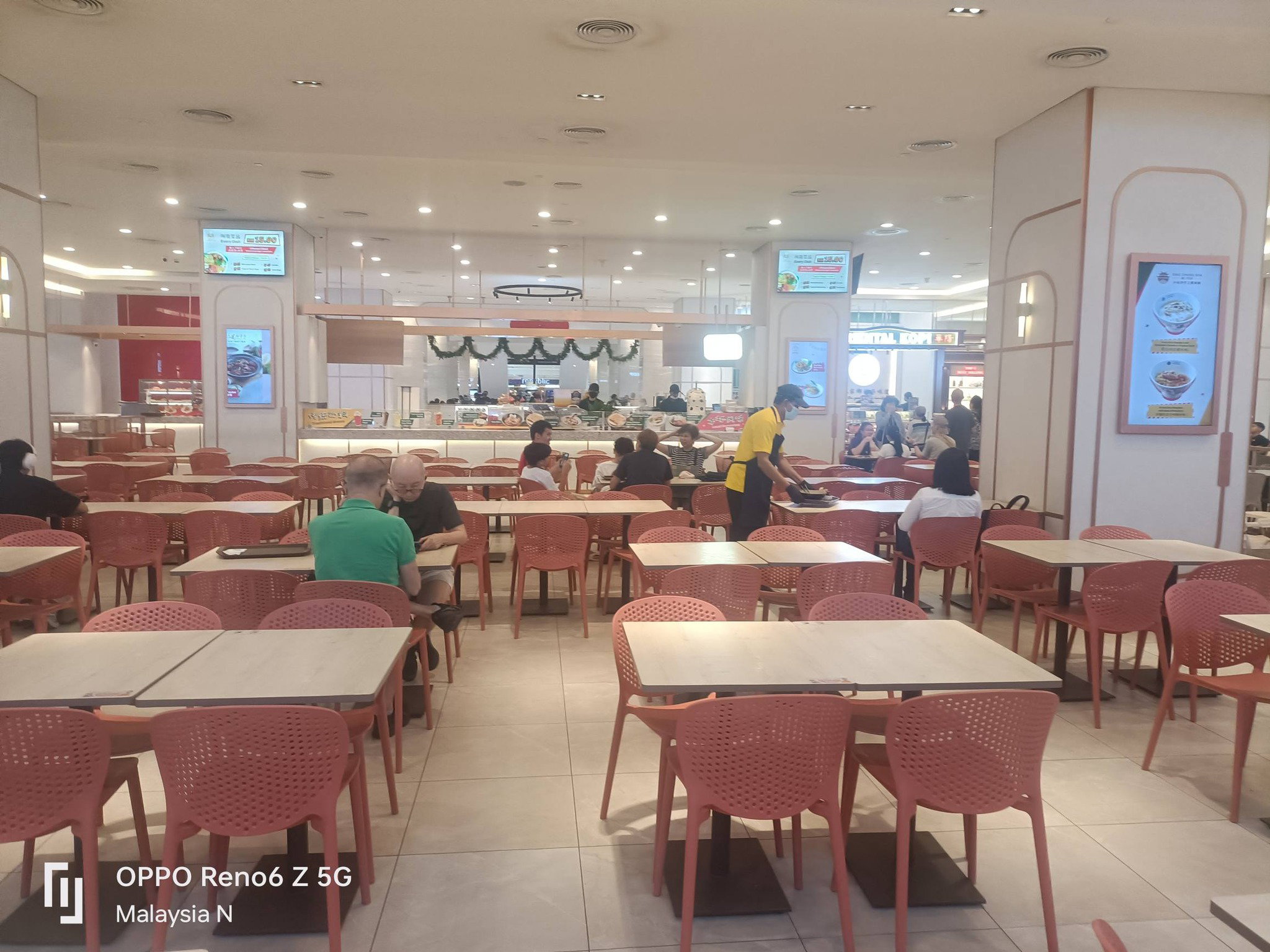
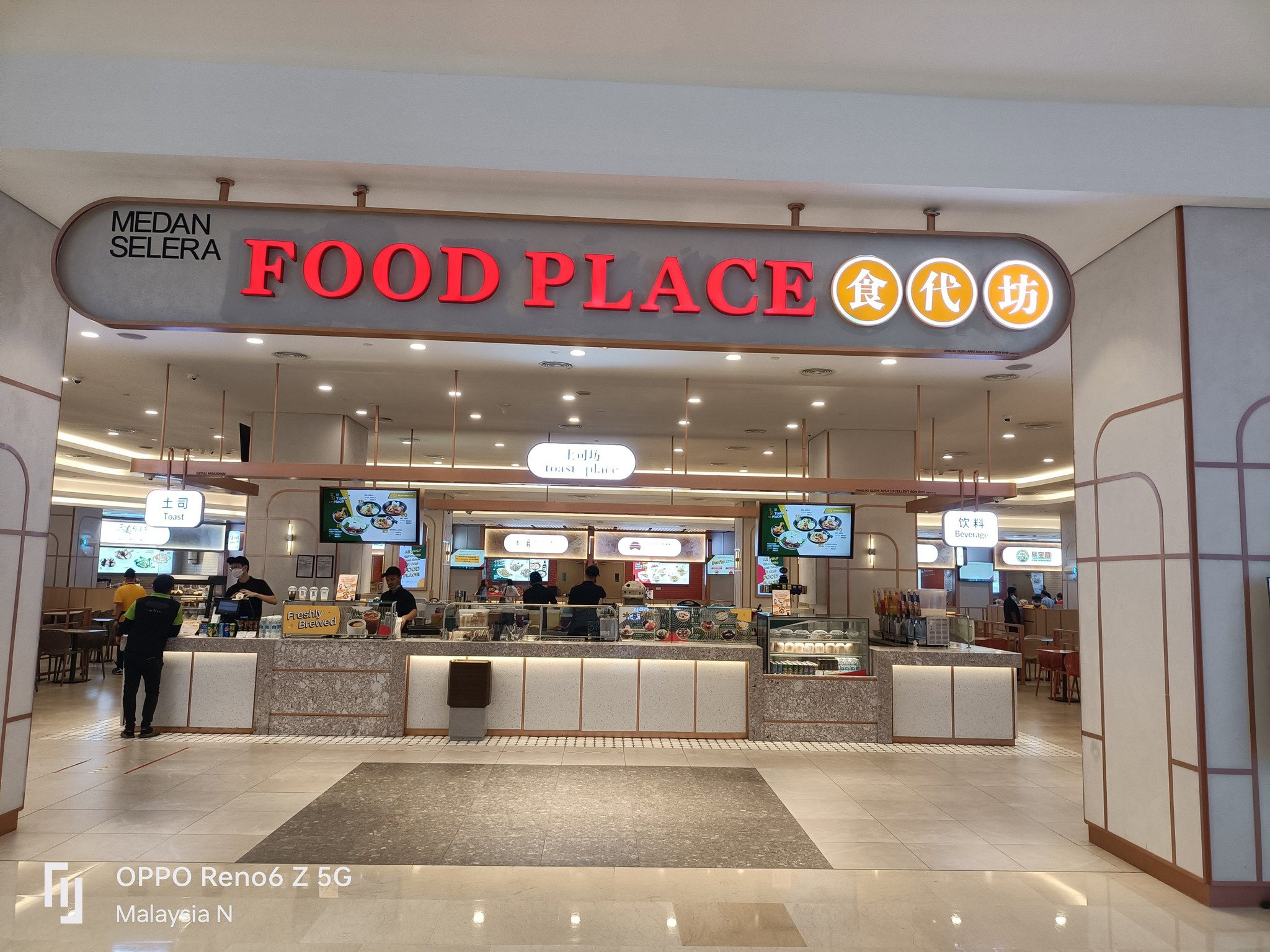
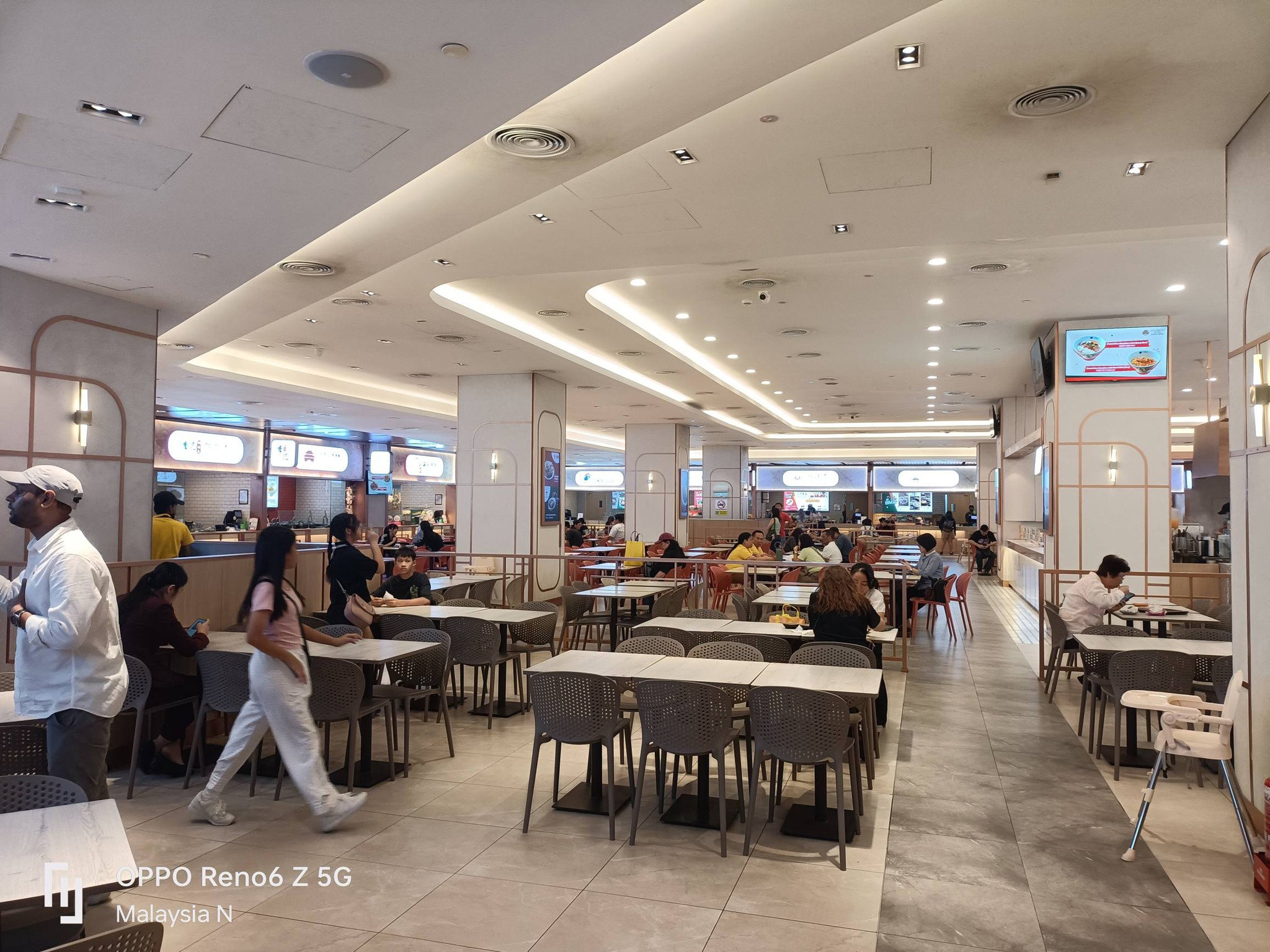
Today, I revisited the Food Place food court, located at Pavilion Mall. The food court is located beside the Oriental Kopi Restaurant. It is time to try another stall.
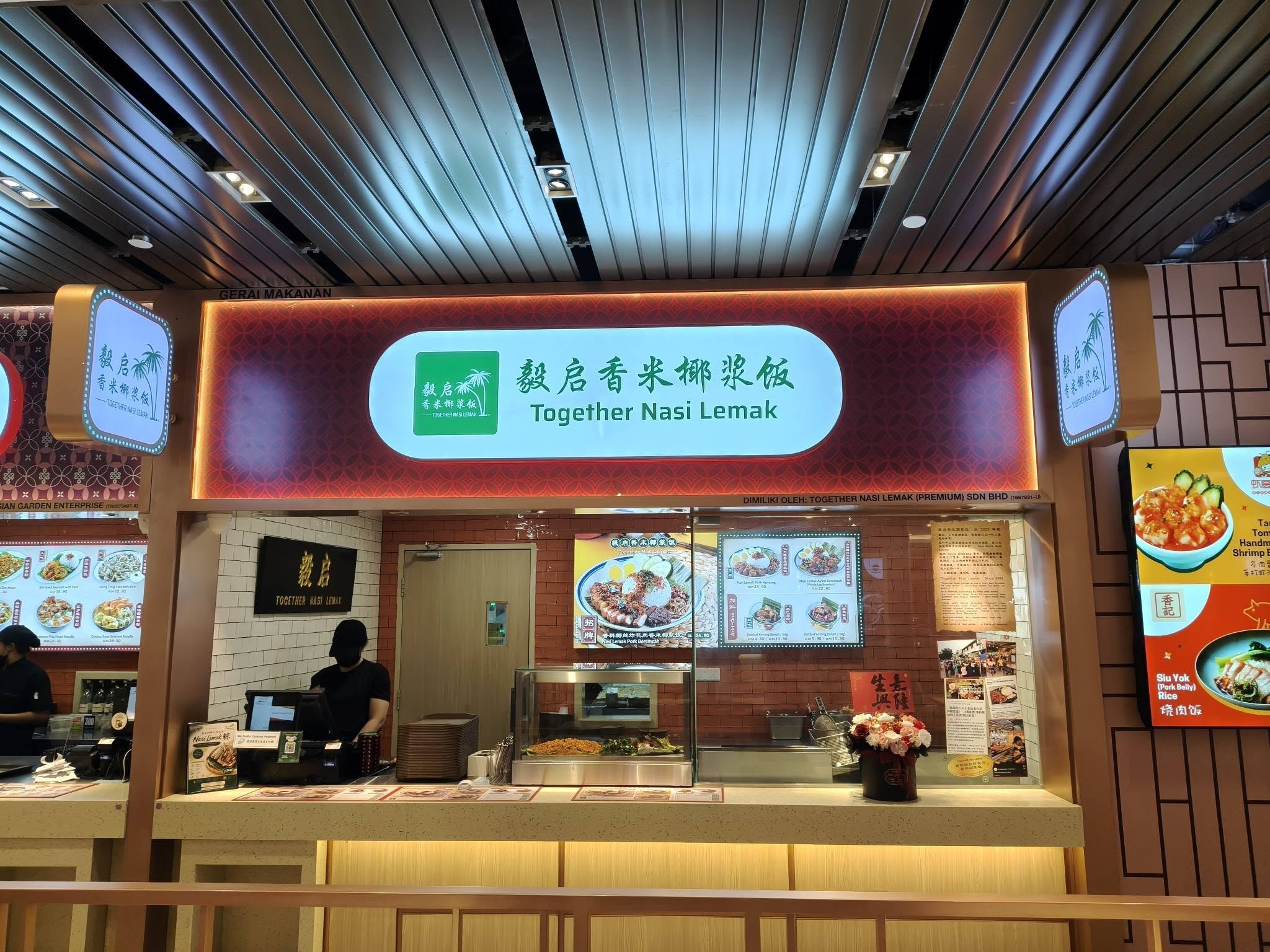
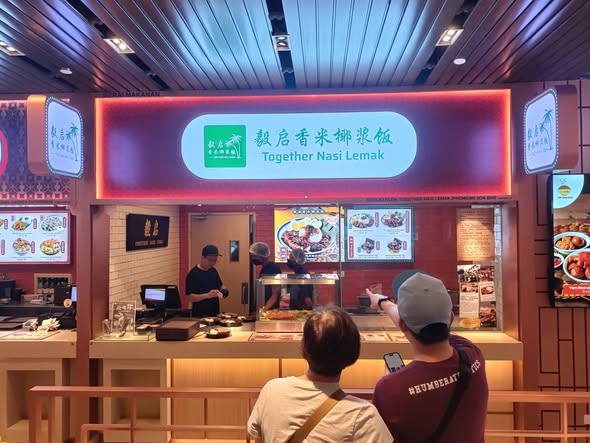
This time, I try Together signature rendang pork nasi lemak dumplings from the Together Nasi Lemak stall, which cost RM24.90 per portion.
This is a creative fusion between two beloved traditions — Malaysian nasi lemak and Chinese-style rice dumplings (zongzi/bak chang).
Wrapped in bamboo leaves and shaped like a traditional dumpling, the dish combines coconut milk glutinous rice with classic nasi lemak ingredients. Inside, you can see thick slices of rendang pork layered together with sambal, peanuts, ikan bilis, and rich salted egg yolk. The rice absorbs the fragrant oils and sambal during steaming, giving every bite a spicy, savoury, and slightly creamy taste.
What makes this version stand out is the use of pork rendang. Rendang is usually associated with Malay-style slow-cooked beef or chicken, but here the pork belly brings a softer texture and richer fat content that melts into the glutinous rice. The salted egg yolk adds an extra luxurious, almost buttery finish.
Visually, it resembles a traditional Chinese bak chang, but the flavour profile is unmistakably Malaysian nasi lemak — spicy sambal, coconut rice, crunchy peanuts, and anchovies all packed into one dense parcel. It is essentially a “portable nasi lemak.”
Historically, nasi lemak itself is one of Malaysia’s most iconic dishes. It originated as a simple meal for farmers and fishermen, with rice cooked in coconut milk and served with sambal, anchovies, peanuts, cucumber, and egg. Over time it evolved from humble roadside packets into a national comfort food with endless modern variations.
The dumpling inspiration comes from Chinese zongzi traditions, where glutinous rice is wrapped in leaves and filled with meats or beans before steaming or boiling. Malaysia’s multicultural food scene often blends Malay, Chinese, and Nyonya influences together, and this dish is a good example of that culinary crossover. The combination of nasi lemak flavours inside a bak chang-style dumpling reflects the way Malaysian food culture constantly reinvents familiar classics.
The branding from Together Nasi Lemak also highlights a nostalgic “grandmother recipe” concept rooted in Nyonya home cooking traditions.
Nan Yang Siew Bao Kuih Koci
Today, I revisited the Food Place food court, located at Pavilion Mall. The food court is located beside the Oriental Kopi Restaurant.
This time, I ordered Kuih Koci from the Nan Yang Siew Bao stall, which cost RM5.90 per piece.
These Kuih Koci look like little emerald pillows covered in a veil of white starch. Their soft, stretchy skin gives way to a velvety red bean filling that is rich, earthy, and delicately sweet.
The pandan-infused glutinous rice skin is pleasantly chewy and aromatic, while the red bean paste inside is smooth and dense, with the comforting flavor commonly found in Chinese and Japanese desserts. This fusion of traditional Malay kuih with East Asian-inspired filling makes it both familiar and unique.
It is a wonderful example of how classic Southeast Asian desserts continue to evolve while preserving their timeless appeal.
Kuih Koci is a traditional dessert found throughout Malaysia, Singapore, Indonesia, and Brunei. It is especially associated with Malay and Peranakan (Nyonya) culinary traditions.
Over time, modern vendors have introduced alternative fillings such as peanut, yam, and red bean paste to cater to broader tastes and to blend influences from Chinese pastry traditions.
uih Koci reflects the multicultural nature of Malaysian cuisine. The use of red bean paste in this version highlights the influence of Chinese dessert-making, while the chewy pandan skin remains distinctly Southeast Asian.
This combination creates a dessert that feels both nostalgic and contemporary.
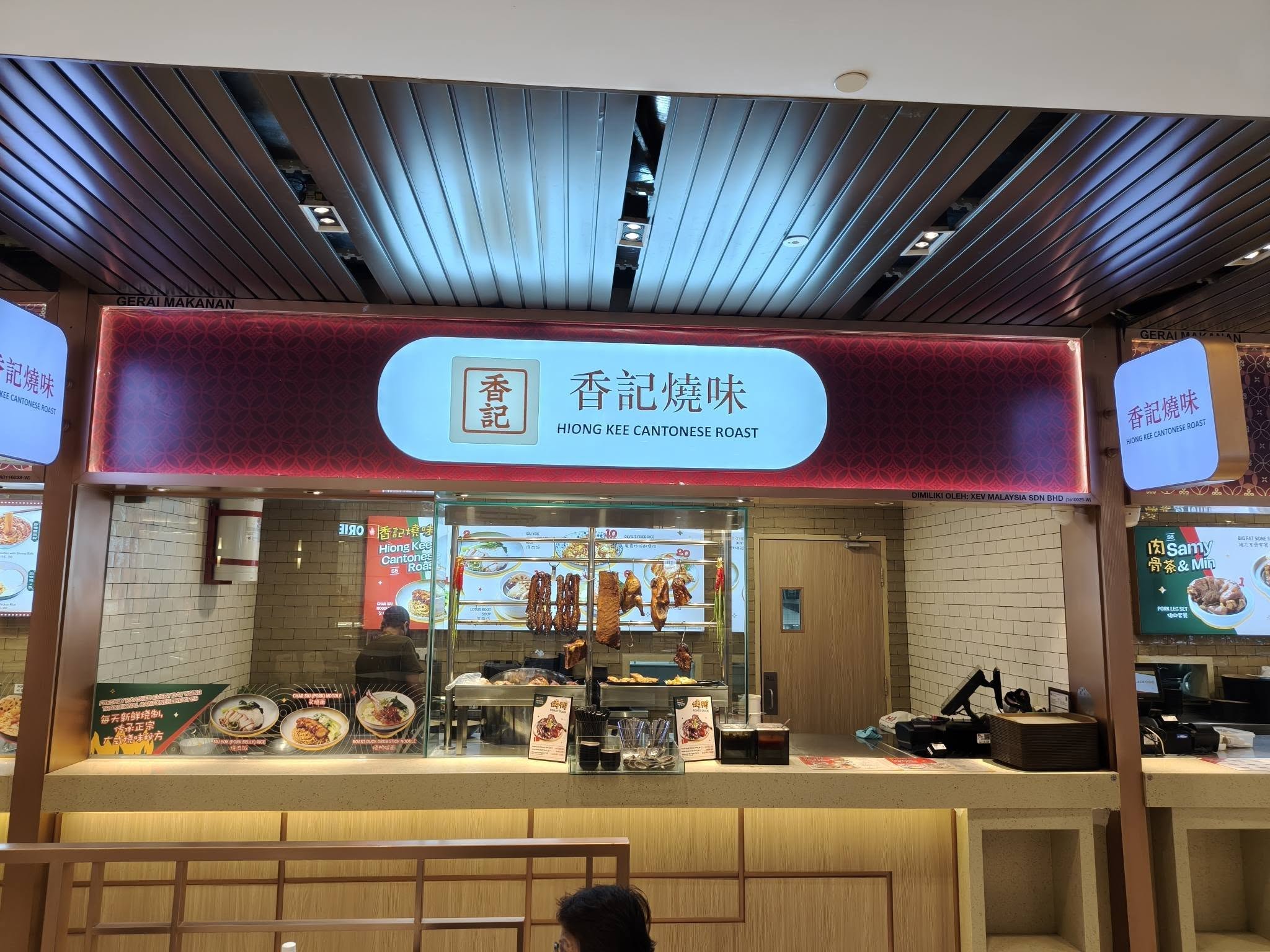
Hiong Kee Canton roast Char Siu chicken rice
Today, I revisited the Food Place food court, located at Pavilion Mall. The food court is located beside the Oriental Kopi Restaurant.
This time, I ordered Char Siu chicken rice from the Hong Kee Cantonese roast stall, which cost RM13.90 per piece.
The Char Siu Chicken Rice at Hiong Kee Canton Roast is the kind of meal that delivers both visual appeal and satisfying flavor in every bite.
The chicken is roasted until the skin develops a shiny caramelized coating, infused with a Cantonese-style marinade made from honey, soy sauce, oyster sauce, and Chinese five-spice. Although "char siu" traditionally refers to barbecued pork, this dish adapts the same sweet and smoky glaze to chicken, creating a succulent alternative with tender meat and lightly charred edges.
Each piece is juicy and flavorful, with a pleasant balance of sweetness and umami. The roasted skin carries a slight smokiness, while the interior remains moist and soft.
Beside the chicken sits a mound of fluffy rice, partially soaked in aromatic soy-based sauce that adds depth and richness. Underneath the chicken is a bed of lightly cooked cabbage, which provides a subtle sweetness and refreshing contrast to the bold glaze.
The meal is completed with a bowl of clear broth—simple, warm, and soothing, perfect for cleansing the palate between bites.
This dish belongs to the famous Cantonese "siu mei" (烧味) tradition, a category of expertly roasted meats that originated in Guangdong Province and later became iconic in Hong Kong.
Common siu mei items include, Char Siu (barbecued pork), Siu Yuk (crispy roast pork belly), Roast Duck, Soy Sauce Chicken, and Roast Chicken. These meats are typically displayed hanging in shop windows, their glistening skins drawing in hungry customers.
The term "char siu" (叉烧) literally means "fork roasted," referring to the traditional method of skewering pork on long forks and roasting it over open flames. The signature glaze combines honey, maltose, soy sauce, and fermented bean curd, resulting in its characteristic reddish-brown sheen.
In modern restaurants, the same flavour profile is often used on chicken, creating dishes like the one shown here.
The Char Siu Chicken Rice from Hiong Kee Canton Roast is a wonderful fusion of Cantonese roasting craftsmanship and Malaysian comfort-food culture. The succulent glazed chicken, fragrant rice, and clear soup create a meal that is both simple and deeply satisfying.
It is the sort of dish that demonstrates why Cantonese roast meats have remained popular for generations: expertly prepared, full of flavor, and universally comforting. Whether enjoyed as a quick lunch or a hearty dinner, this plate captures the enduring appeal of one of Southern China's greatest culinary traditions.
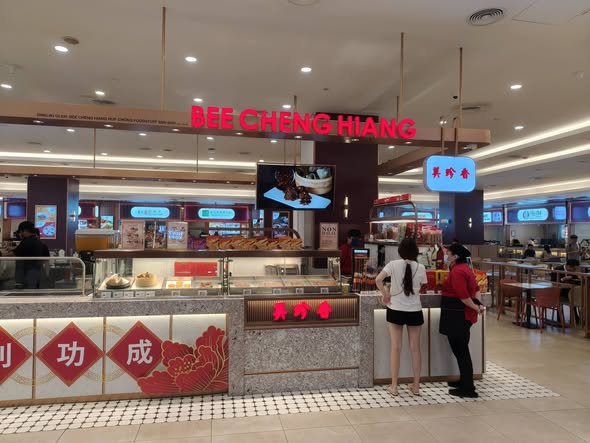
Bee Cheng Hiang Gourmet Bakkwa Rice Dumpling with Salted Egg Yolk
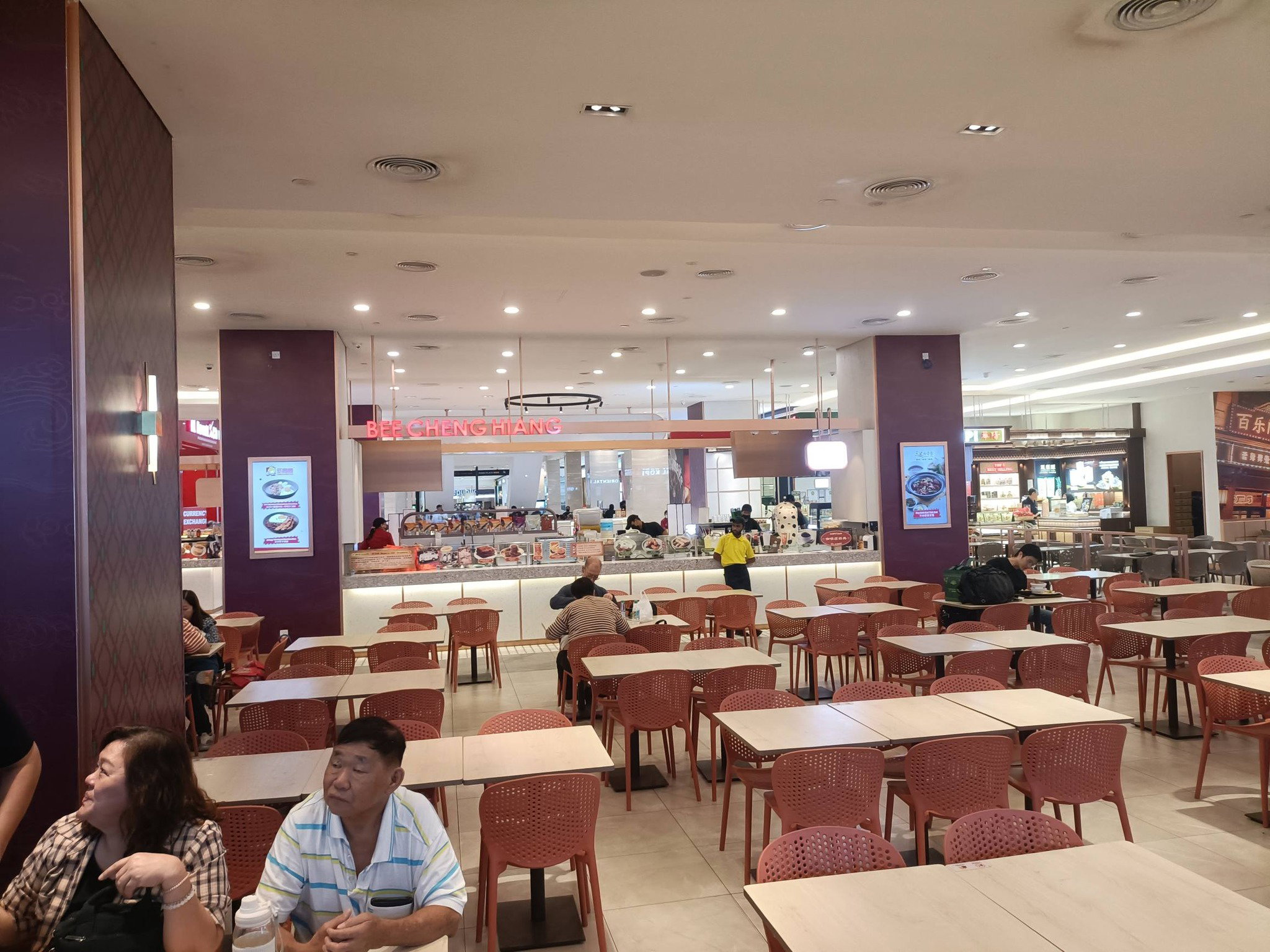
Today, I revisited the Food Place food court, located at Pavilion Mall. The food court is located beside the Oriental Kopi Restaurant. It is time to try another stall.
This time, I ordered the Gourmet Bakkwa Rice Dumpling with Salted Egg Yolk from the Mr Peppery rice stall, which cost RM19.90 per plate.
The Gourmet Bakkwa Rice Dumpling with Salted Egg Yolk is a luxurious seasonal twist on the traditional Chinese rice dumpling, known as zongzi (粽子).
Once unwrapped, the glutinous rice glistens with a deep brown sheen, having absorbed a rich blend of soy sauce and braising juices. Cutting into it reveals a generous filling packed with diced bakkwa, braised pork, mushrooms, and the golden jewel of the dumpling: a creamy salted egg yolk.
What makes this dumpling stand out is the use of Bee Cheng Hiang’s signature bakkwa. Traditionally enjoyed during Chinese New Year, bakkwa is a sweet and smoky barbecued pork delicacy that is both tender and slightly chewy.
Inside the dumpling, the bakkwa adds a subtle caramelized sweetness and a distinctive charcoal aroma that pairs beautifully with the savory rice. The salted egg yolk contributes a rich, buttery texture, while mushrooms add earthiness and the braised pork brings additional depth and succulence.
Rice dumplings have been eaten for more than 2,000 years and are closely associated with the Dragon Boat Festival.
According to Chinese legend, the poet and statesman Qu Yuan drowned himself in protest after the fall of his kingdom. Villagers raced out in boats and tossed rice wrapped in leaves into the river to prevent fish from disturbing his body. Over time, this act evolved into the tradition of dragon boat racing and eating zongzi.
Today, zongzi remains a cherished symbol of remembrance, family unity, and cultural heritage.
By incorporating their iconic bakkwa into a traditional zongzi, Bee Cheng Hiang successfully bridges heritage and innovation—offering a dumpling that feels both nostalgic and modern.
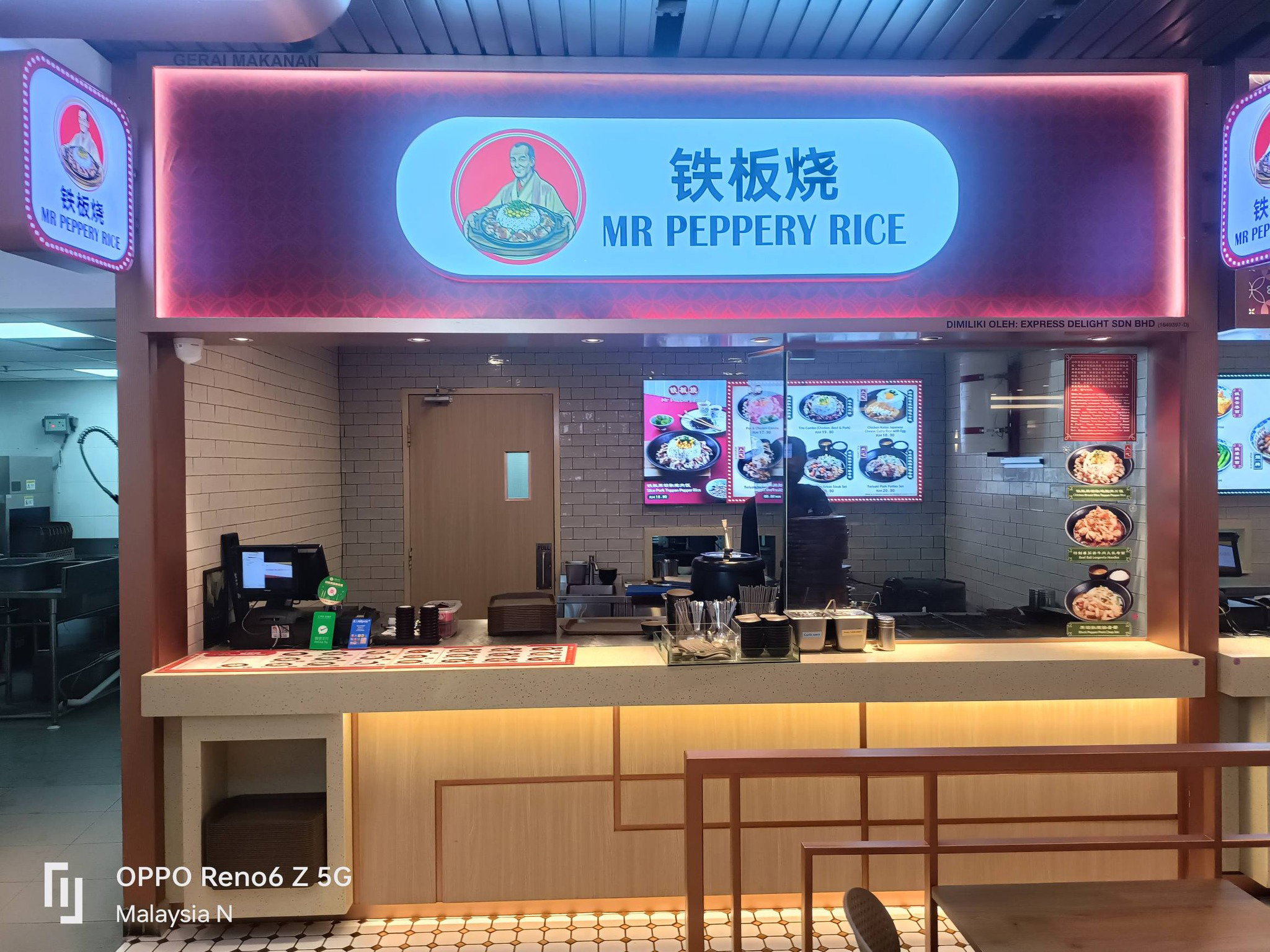
Mr Peppery Rice Teriyaki beef patties set
Today, I revisited the Food Place food court, located at Pavilion Mall. The food court is located beside the Oriental Kopi Restaurant. It is time to try another stall.
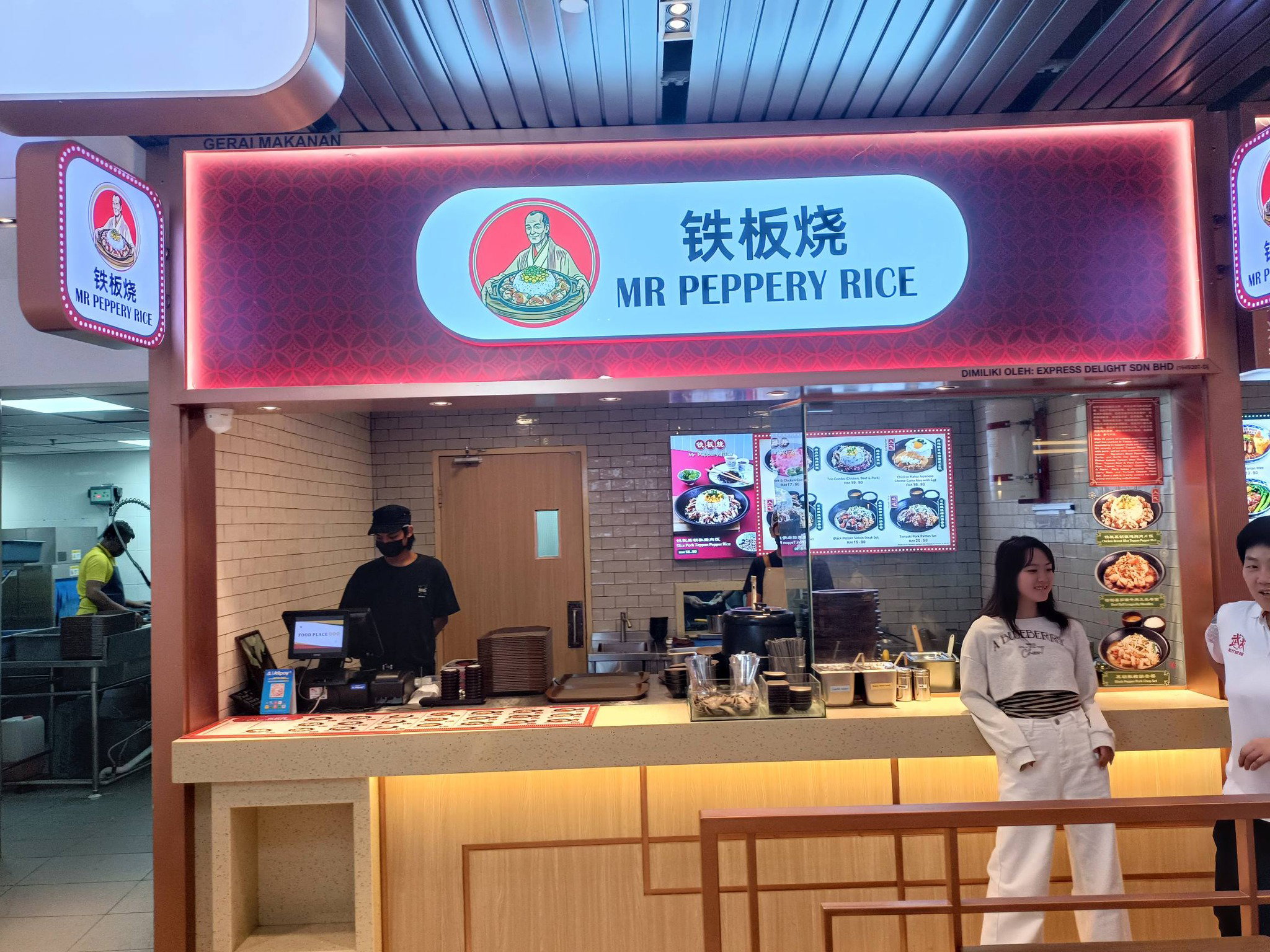
This time, I ordered the Teriyaki beef patties set from the Mr Peppery rice stall, which cost RM19.90 per plate.
The **Teriyaki Beef Patties Set** delivers a sizzling Japanese-style comfort meal built around two juicy beef patties glazed in a glossy teriyaki sauce. Served on a hot plate, the patties arrive lightly caramelised on the outside while remaining tender and moist inside, with the sweet-savoury glaze adding a rich umami finish. Alongside the beef is a generous portion of stir-fried cabbage, bean sprouts, and mixed vegetables, topped with crispy garlic chips for extra aroma and crunch. The set comes complete with steamed rice and miso soup, making it a hearty, balanced meal with strong teppan-style appeal.
This dish draws inspiration from **Japanese hambāgu (hamburg steak)**, a Western-influenced Japanese comfort food consisting of seasoned minced meat patties served without a bun. Hambāgu became popular in Japan in the late 19th century after being adapted from Hamburg-style steak introduced through Western cuisine, eventually evolving into one of Japan’s most beloved home-style dishes. Teriyaki versions are a modern variation, pairing the meat patties with Japan’s iconic sweet soy glaze.
What makes this version stand out is the **teppan presentation**—the sizzling hot plate keeps the patties warm throughout the meal while lightly charring the vegetables and sauce, adding a smoky edge to the sweetness of the teriyaki. It’s a dish that blends Japanese comfort food with food-court practicality: familiar, filling, and crowd-pleasing.
ZDY passion fruit pickled veges fish mihun soup
Today I visited the Food Place food court, located at Pavilion Mall. The food court is located beside the Oriental Kopi Restaurant.
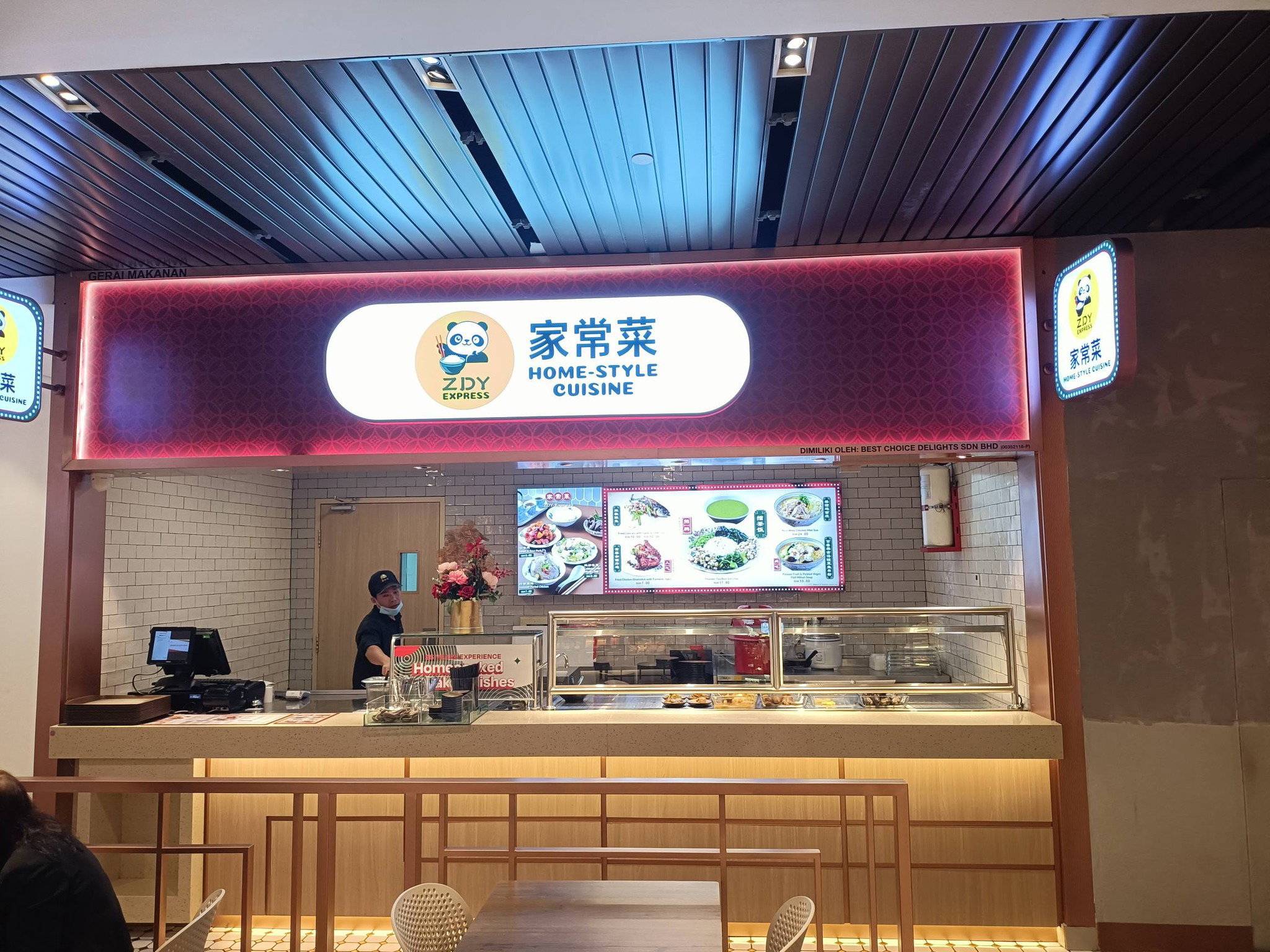
This time, I ordered passion fruit pickled veges fish mihun soup from the ZDY Express stall, which cost RM19.80 per bowl.
This bowl of passion fruit pickled vegetables fish mihun soup looks bright, light and refreshing. The soup has a golden-orange colour with a glossy surface, showing that the broth is rich yet not too heavy. The thin mihun sits beneath slices of soft white fish, while vegetables like bok choy and Chinese cabbage add freshness and crunch.
What makes this soup stand out is the combination of passion fruit, pickled vegetables and a light spicy kick. The passion fruit gives the broth a fruity sweetness and tropical aroma, while the pickled vegetables bring a sour, fermented taste. There is also a mild spiciness in the soup, likely coming from the pickled vegetables themselves, as many preserved vegetables are mixed with chilli during the pickling process. This creates a layered flavour that is sour, savoury, slightly sweet and gently spicy all at once.
The fish slices look soft and delicate, allowing the soup to remain the main highlight. The thin mihun absorbs the broth easily, so every bite carries the flavour of the spicy-sour soup. The vegetables also help balance the richness, making the dish feel lighter and more refreshing.
Traditional fish bee hoon soup has roots in Chinese and Southeast Asian cooking, especially among Teochew communities. It is usually made with fish stock, sliced fish, bee hoon and vegetables. Over time, many modern versions started adding ingredients like pickled vegetables, tomatoes, sour plum or passion fruit to create more unique flavours.
This passion fruit pickled vegetables fish mihun soup is special because it combines the comfort of traditional fish soup with a modern fruity and spicy twist. The sourness from the pickled vegetables, the sweetness of the passion fruit and the slight chilli heat work together to make the broth more addictive and appetising.
Yi Poh Lo C Fun
Today I visited the Food Place food court, located at Pavilion Mall. The food court is located beside the Oriental Kopi Restaurant.
This time, I ordered Lo C Fun from the Yi Poh stall, which cost RM13.90 per bowl.
This bowl, unlike the usual short “mouse tail” loh see fun found elsewhere, Yi Poh’s version is longer and slightly thicker, almost somewhere between loh see fun and lai fun. The dry version is especially popular because the dark sauce clings well to the noodles, giving every bite a strong porky and savoury flavour. Many people also enjoy adding sambal chilli for extra heat.
The thick, smooth rice noodles have a springy and slightly chewy texture, sitting underneath dark soy sauce, minced pork, chopped spring onions, and slices of char siew. Once mixed, the noodles become glossy and coated in the savoury sauce, while the minced pork adds richness and the char siew gives a smoky, slightly sweet taste from its caramelised edges.
The dish has a long history connected to Seremban. The name “Yi Poh” comes from the founder’s grandaunt, who was known as “Yi Poh” in Cantonese. The family started selling loh shee fun from a roadside kopitiam in Seremban in 1948, and by 1954 the grandaunt had taken over the noodle stall herself. Back then, a bowl cost only 5 sen and was served simply with minced pork and char siew, very similar to the version you see today. Her strict standards and consistency made the noodles famous among locals, and the business eventually grew into the chain that exists today.
Bee Cheng Hiang Duo Choco Mini Crunchies
Today I visited the Food Place food court, located at Pavilion Mall. The food court is located beside the Oriental Kopi Restaurant.
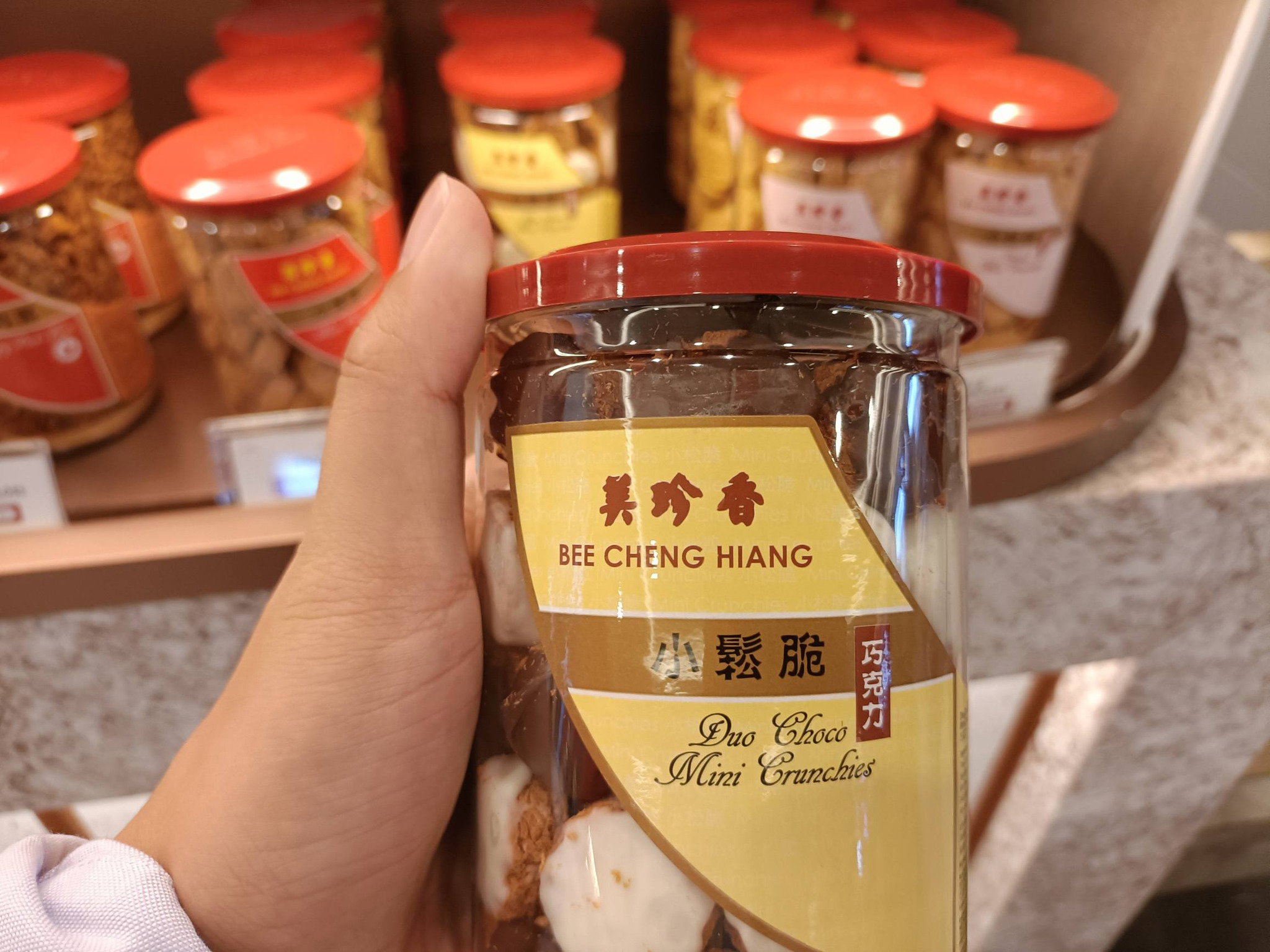
This time, I will show an interesting product from Bee Cheng Hiang. This Duo Choco Mini Crunchies is Pork floss with chocolate, it cost RM66 per bottle.
This is a jar of bite-sized indulgence, the Duo Choco Mini Crunchies from Bee Cheng Hiang reimagines the familiar flavours of pork floss into something unexpectedly playful. Each piece is a delicate crunch—light, airy, and savoury at its core—wrapped in a glossy coat of dark or white chocolate.
On my first bite, it leans sweet, but quickly gives way to the unmistakable umami richness of pork, finishing with a lingering balance of caramelised meat and cocoa. It’s a snack that feels both nostalgic and experimental, bridging the smoky heritage of traditional bak kwa with the universal comfort of chocolate.
Products like “Duo Choco Mini Crunchies” are part of Bee Cheng Hiang’s strategy to: Appeal to younger customers, Turn traditional meats into snackable, gift-friendly items that Blend East (pork floss) and West (chocolate confectionery). It’s similar to trends like salted egg croissants, mala chips, cheese bakkwa.
Ipoh Treasure Hokkien prawn noodles soup
Today I visited the Food Place food court, located at Pavilion Mall. The food court is located beside the Oriental Kopi Restaurant.
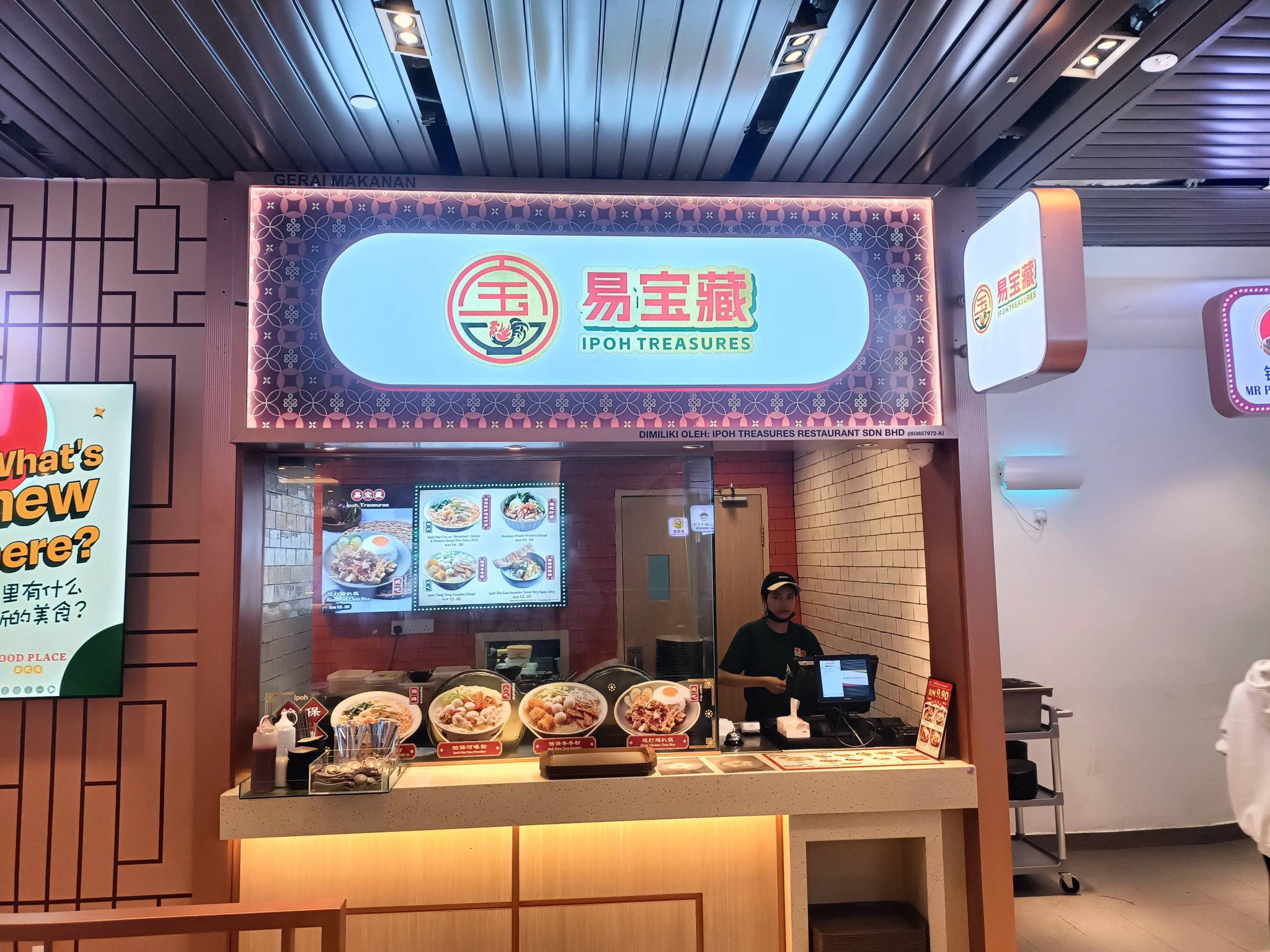
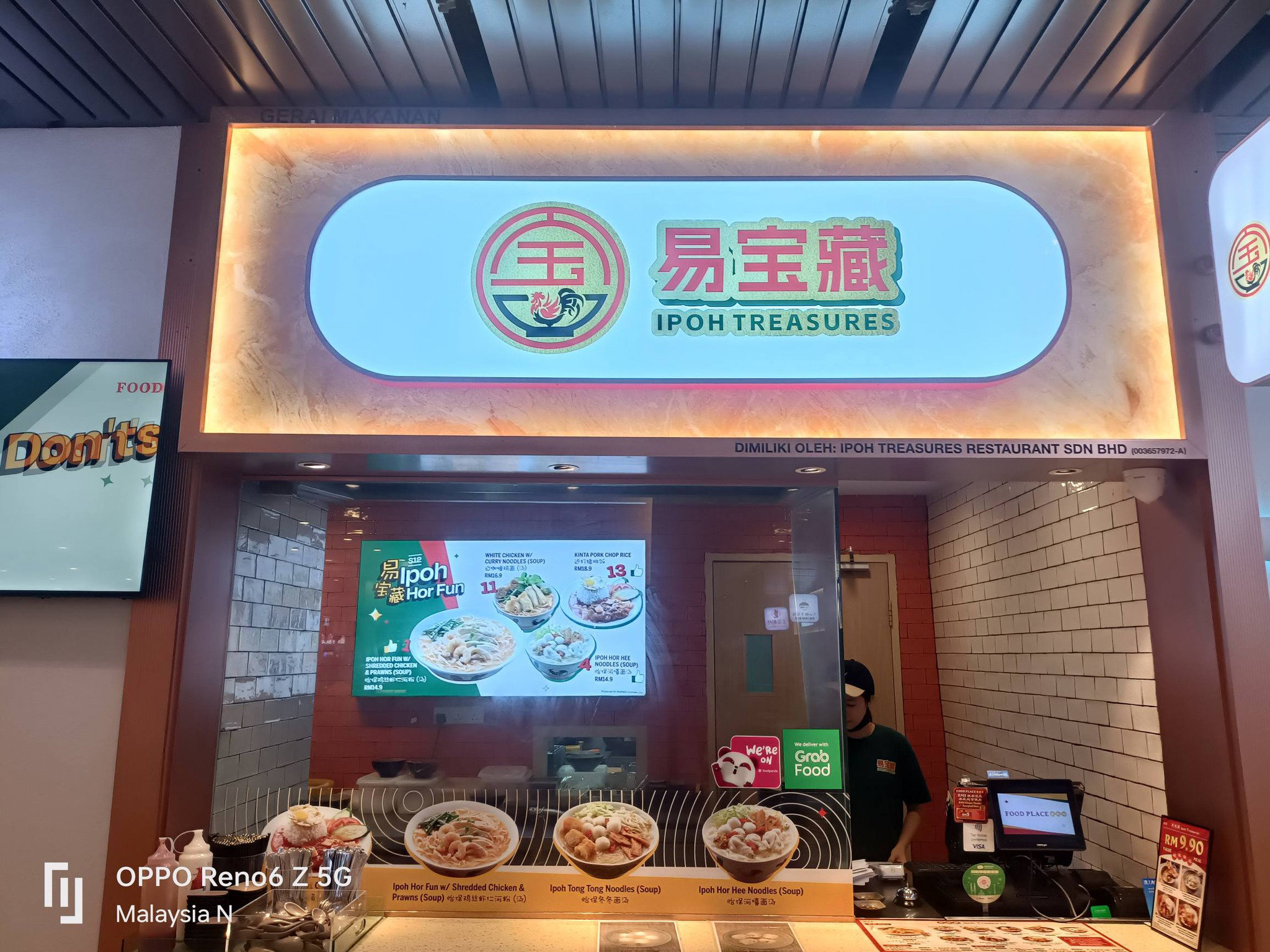
This time, I ordered Hokkien prawn noodles soup from the Ipoh Treasure stall, which cost RM14.90 per plate.
This bowl of Hokkien prawn noodles soup has a rich, slightly cloudy broth with a reddish tint — a clear sign of a prawn-based stock infused with chilli oil.
The bowl carries a dual-carb combination of Yellow egg noodles and Fine rice vermicelli. This mix gives a contrast in texture — one absorbs broth, the other carries bite.
For Toppings, there are fresh prawns, Sliced pork, Fish cake slices, half-boiled egg, Kangkung, and crispy fried shallots.
On the side, the sambal chilli paste adds a punch — thick, oily, and likely shrimp-based, designed to deepen the umami when mixed in.
Overall, this is a bowl that leans toward comfort food with complexity — light enough to slurp, but layered with seafood depth.
Despite its name, Hokkien prawn noodles is not actually from Fujian, China — but rather a Southeast Asian creation inspired by Fujianese immigrants.
The version I am having is closest to the Penang “Hae Mee” style, a soup-based noodle dish built on a broth made by slowly simmering prawn shells, heads, and pork bones for hours. Known for its sweet, umami-rich prawn flavour with a spicy edge
It evolved from early Chinese immigrant cooking, adapting local ingredients. It became a street food staple in Penang, widely sold in hawker stalls for decades. Recipes are often family-guarded and passed down through generations, which is why each stall tastes slightly different
This bowl of Hokkien prawn noodles is the kind of dish that doesn’t shout — it slowly builds on you. The broth carries a quiet intensity, rich with prawn essence, while the mix of noodles gives every bite a different rhythm. Add a touch of sambal, and suddenly the whole bowl comes alive.
It’s humble hawker food at its core — but behind it lies hours of simmering, generations of refinement, and a deep-rooted culinary identity.
Together Nasi Lemak Nasi lemak Pork Berempah
Today, I revisited the Food Place food court, located at Pavilion Mall. The food court is located beside the Oriental Kopi Restaurant. It is time to try another stall.
This time, I ordered Nasi lemak Pork Berempah from the Together Nasi Lemak stall, which cost RM24.90 per plate.
This plate of Nasi lemak immediately stands out for not for being traditional, but for how unapologetically indulgent it is.
The rice is cooked with Royal Umbrella fragrant rice and a generous amount of coconut milk, forming a compact, pearly mound. The grains look plump, slightly glossy, and well-separated—exactly what you’d expect when coconut content is pushed higher than usual. That richness likely gives it a deeper aroma and a creamy mouthfeel that lingers.
Then comes the showstopper: the pork berempah. Thick-cut slices of pork are marinated in spices and deep-fried until golden, before being buried under a generous layer of crispy rempah crumbs. The texture contrast is what makes it addictive—crunchy on the outside, with a firm, juicy bite inside. The fried spice bits, mixed with curry leaves, bring an extra layer of fragrance and a slightly bitter, savoury edge that balances the richness of the meat.
On the side, the familiar components complete the plate. The sambal is thick and punchy, leaning towards a sweet-spicy profile with a slow-building heat. Anchovies and peanuts add that essential salty crunch, while cucumber slices and boiled egg help to reset the palate between bites.
What makes this version interesting is how it departs from tradition. Historically, nasi lemak began as a humble Malay dish—rice cooked in coconut milk, served with simple sides like sambal and ikan bilis, designed to be filling and energising. The berempah style, rooted in Malay and Indonesian spice traditions, was typically paired with chicken. Here, the use of pork transforms it into something more modern and indulgent, reflecting the evolving food culture you often find in urban spots like Pavilion.
What makes this version interesting is how it departs from tradition. Historically, nasi lemak began as a humble Malay dish—rice cooked in coconut milk, served with simple sides like sambal and ikan bilis, designed to be filling and energising. The berempah style, rooted in Malay and Indonesian spice traditions, was typically paired with chicken. Here, the use of pork transforms it into something more modern and indulgent, reflecting the evolving food culture you often find in urban spots like Pavilion.
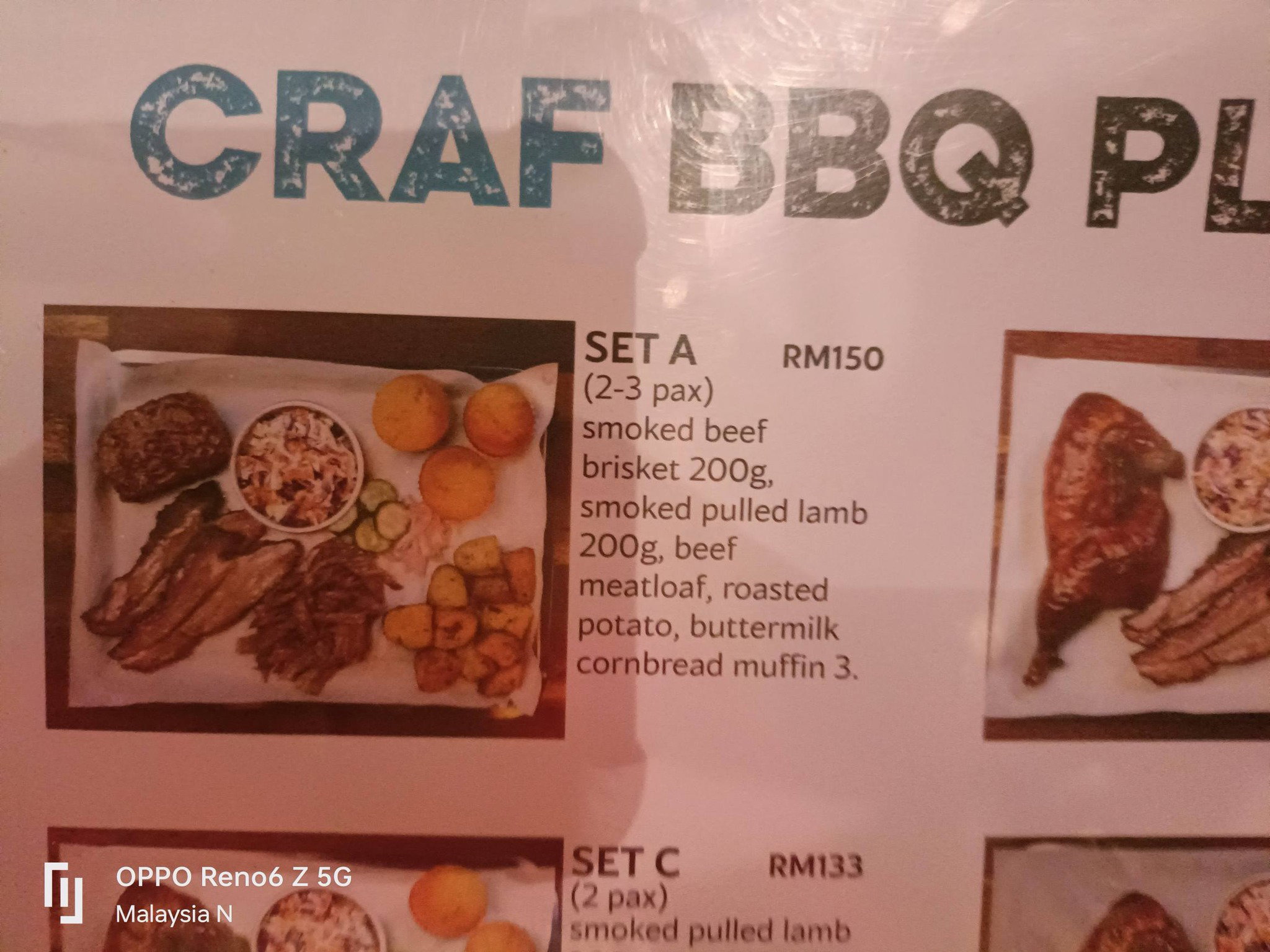
Craf Roasters BBQ Set A
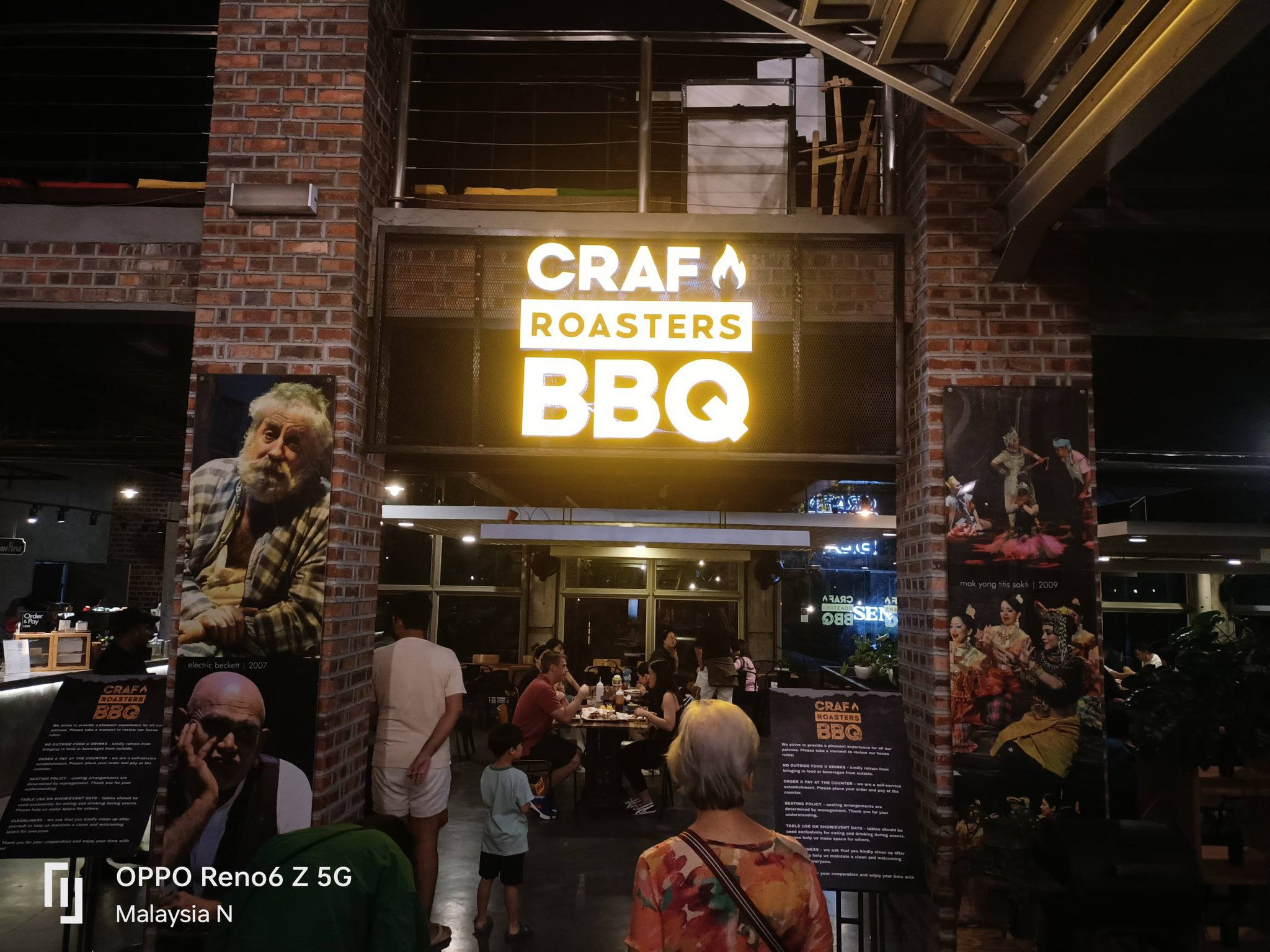
Today, I visited Craf Roasters BBQ to have dinner with my friends since one of us going to be married soon. We decided to come here to have a bachelor night.
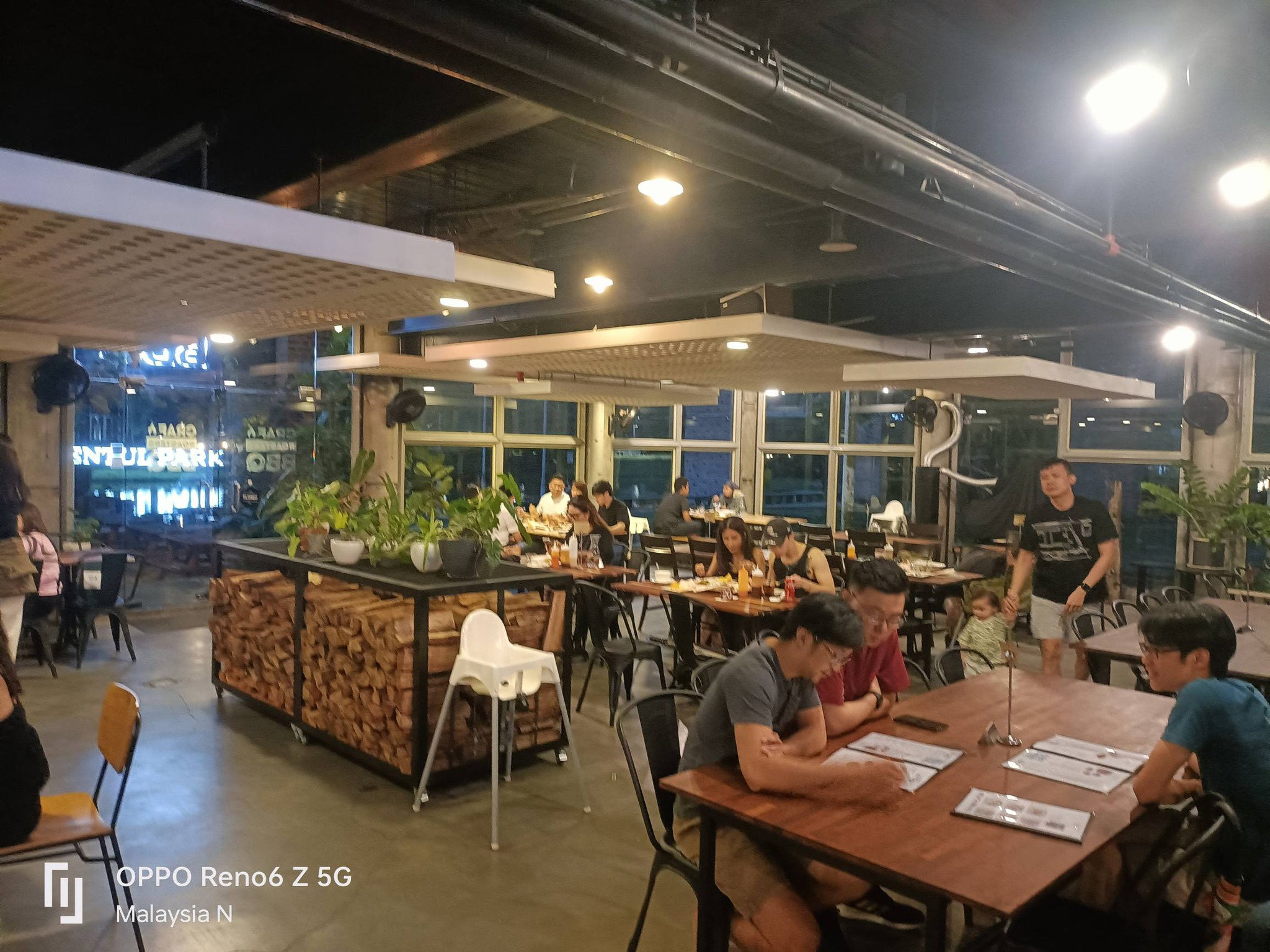
The space here feels more like a modern café at first glance — open, airy, and effortlessly cool. Exposed piping runs across the ceiling, warm lights hang overhead, and stacks of firewood sit neatly beneath planters, hinting at what’s really going on behind the scenes. It’s casual, social, and just the kind of place where you settle in for a long, slow meal with friends.
After looking at the menu, we ordered their set A that cost RM150 per set.
Set A is a proper meat-lover’s platter that leans heavily into Texas-style barbecue, but with a Malaysian-friendly touch.
Front and centre is the smoked beef brisket, sliced thick with a dark bark and visible smoke ring. It’s slow-smoked for hours, which gives it that tender, pull-apart texture and deep woody aroma — the kind of flavour that lingers after every bite.
Next to it, the pulled lamb is softer and slightly more gamey, shredded into juicy strands that carry both the smokiness and natural richness of the meat. The beef meatloaf adds a different dimension — less smoky, more savoury and saucy — almost like a comfort-food anchor to balance the platter.
On the sides, we have roasted potatoes, Coleslaw, Pickles and Buttermilk cornbread muffins.
Overall, it’s a well-structured platter — heavy, hearty, and clearly designed for sharing. We ordered some pasta and fried rice, and had a great time talking and hanging out.
.
Mr Peppery rice Sliced Pork Teppan Pepper rice
Today, I revisited the Food Place food court, located at Pavilion Mall. The food court is located beside the Oriental Kopi Restaurant. It is time to try another stall.
This time, I ordered Sliced Pork Teppan Pepper rice from the Mr Peppery rice stall, which cost RM18.90 per plate.
This is a simple but very satisfying hotplate dish served on a sizzling iron plate. In the centre is a mound of white rice topped with corn, spring onions, and a generous amount of black pepper, with thin slices of pork placed around it. The heat from the plate continues to cook the pork and toast the rice as you mix everything.
Once mixed, the rice absorbs the meat juices and sauce, turning slightly brown and fragrant. The bottom layer crisps up against the hotplate, giving that nice slightly charred, crunchy texture, while the pork becomes tender with some caramelised edges. It ends up somewhere between fried rice and a sizzling meat rice bowl, with strong peppery and savoury flavours.
This style of dish is inspired by the Japanese hotplate concept popularised by **Pepper Lunch**, where food is served on a very hot iron plate, and diners finish cooking it themselves. It became popular because of the sizzling presentation, strong aroma, and interactive experience.
For sauces, the **Honey Soy Sauce** gives a slightly sweet and more balanced flavour that helps the rice caramelise nicely, while the **Garlic Soy Sauce** is more savoury and stronger in taste with a noticeable garlic kick. Most people mix both for a fuller flavour.
Bee Cheng Hiang Curry beef bakkwa
Today, I revisited the Food Place food court, located at Pavilion Mall. The food court is located beside the Oriental Kopi Restaurant. It is time to try food from another stall.
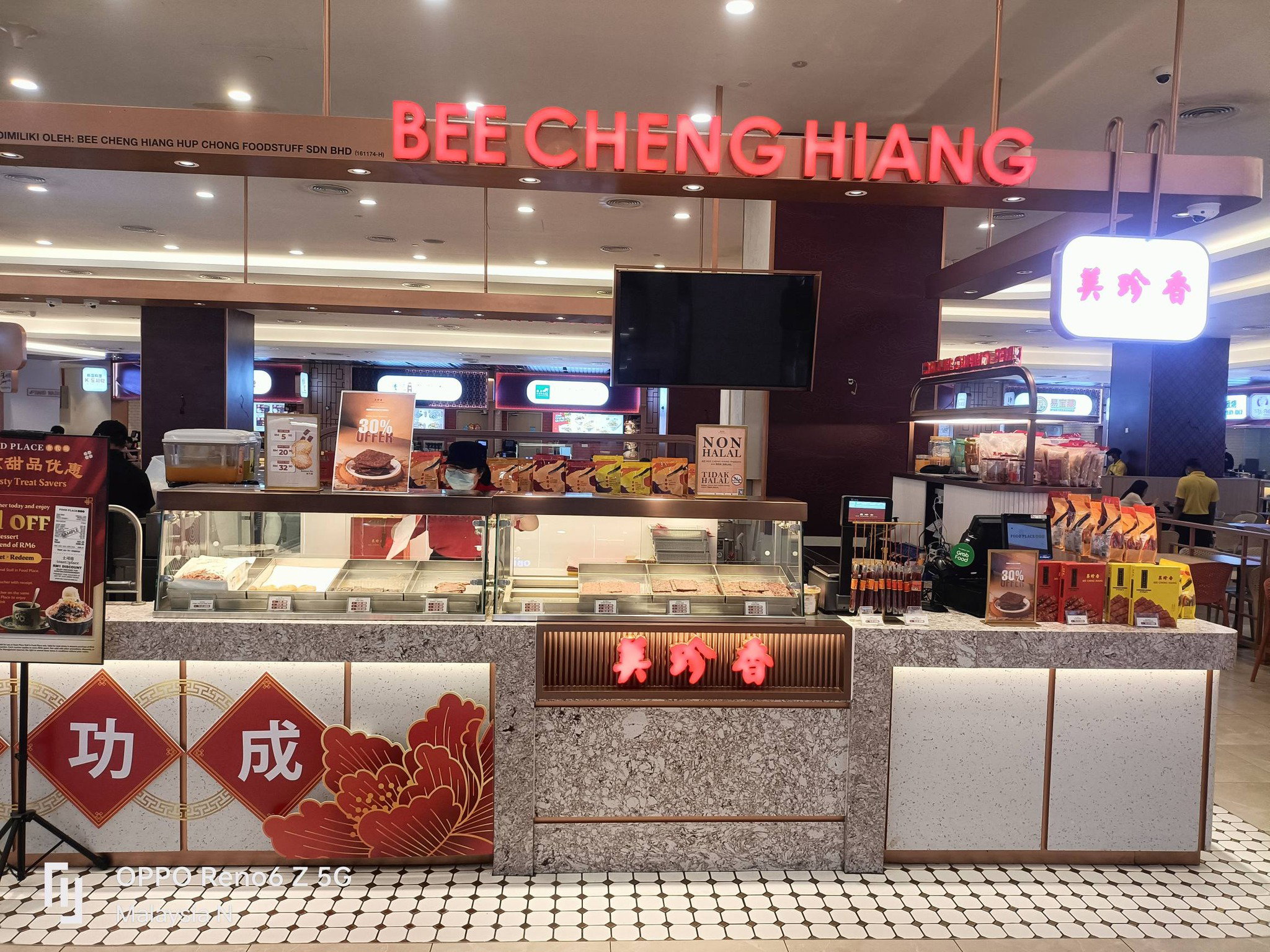
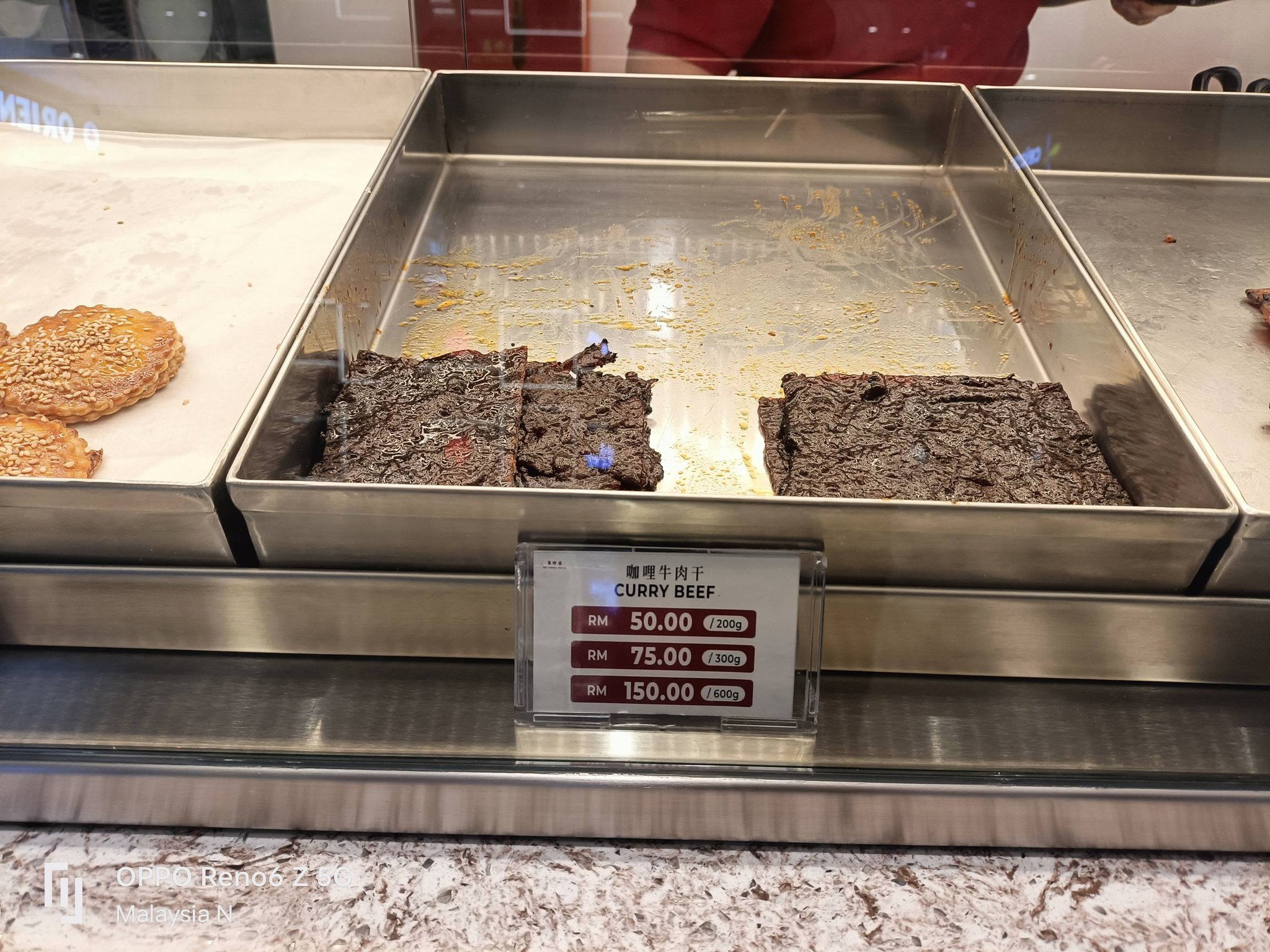
This time, I ordered a Curry beef bakkwa from the Bee Cheng Hiang stall. They sold it in 200 grams at RM50, 300 grams at RM75 and 600 gram at RM150 per packet. They sold it to me in one piece so that I can taste test and write about it.
Curry Beef Bak Kwa, a speciality from the company Bee Cheng Hiang. It is a modern variation of the traditional bak kwa, a sweet barbecued meat jerky popular in Singapore, Malaysia, and southern Chinese communities.
Curry beef bak kwa is a thin sheet of minced beef jerky that is marinated with sugar, soy sauce, spices, and curry seasoning before being grilled over high heat.
The meat is minced, pressed into square sheets, and roasted until slightly caramelised and glossy. The grilling process gives it a smoky aroma, chewy texture, and sweet-savoury flavour, while the curry spices add a warm, fragrant kick compared to the classic sweet pork version. It is typically eaten as a snack, often cut into smaller pieces and enjoyed warm.
Bak kwa has roots in Chinese preserved meat traditions, especially from Fujian and Guangdong. Chinese immigrants brought the technique to Southeast Asia, where it evolved into the sweet barbecued style common today.
Traditionally, meat was marinated with sugar and spices and grilled over charcoal to preserve it and enhance flavour.
In 1933, entrepreneur Teo Swee Ee began selling homemade barbecued meat slices from a street cart in Chinatown, which eventually became the brand Bee Cheng Hiang. Over time, the company expanded across Asia and introduced many variations, including pork, chicken, fish, and beef bak kwa. Bak kwa became especially associated with Chinese New Year, when families buy large amounts as gifts or festive snacks.
Curry beef bak kwa is a modern twist on traditional Southeast Asian barbecued meat jerky—sweet, smoky, chewy slices of grilled beef infused with curry spices, derived from Chinese preserved meat traditions and popularized by brands like Bee Cheng Hiang.
Tea Garden Preserved olive vegetables chicken fried rice
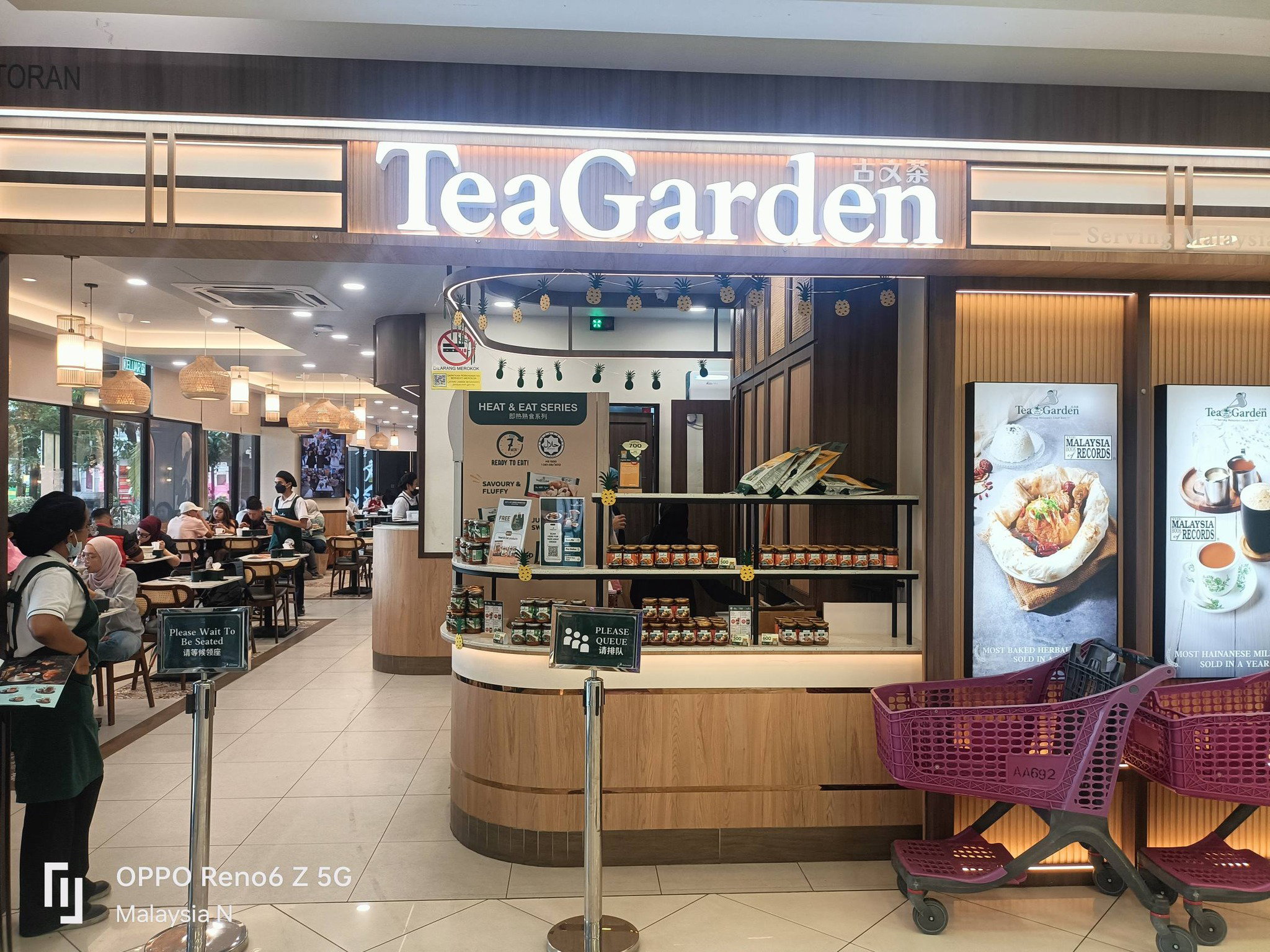
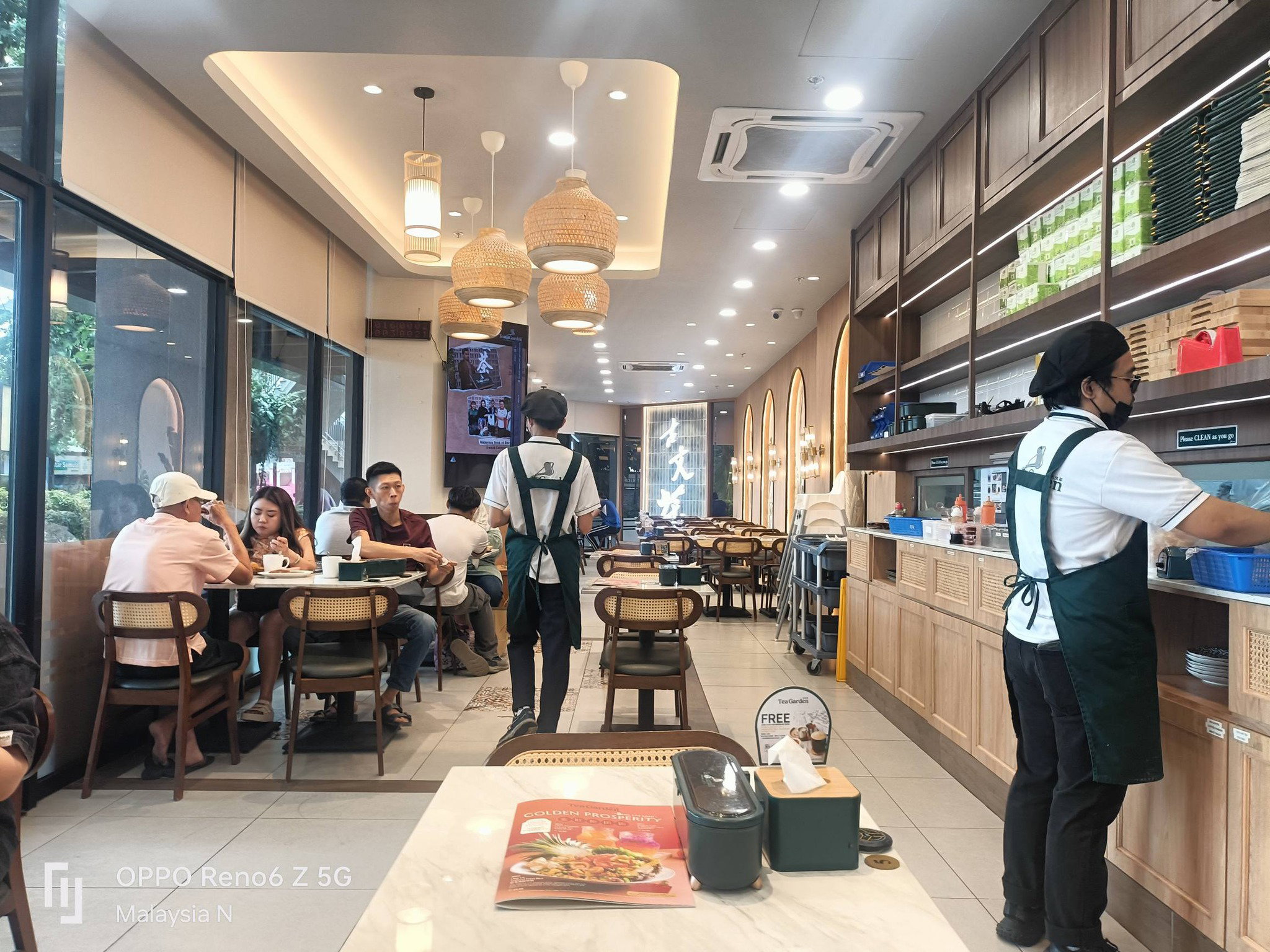
Today I visit the Tea Garden Restaurant, which is known for its traditional Nan Yang food and beverages. The branch is located at the Aeon Wangsa Maju Mall.
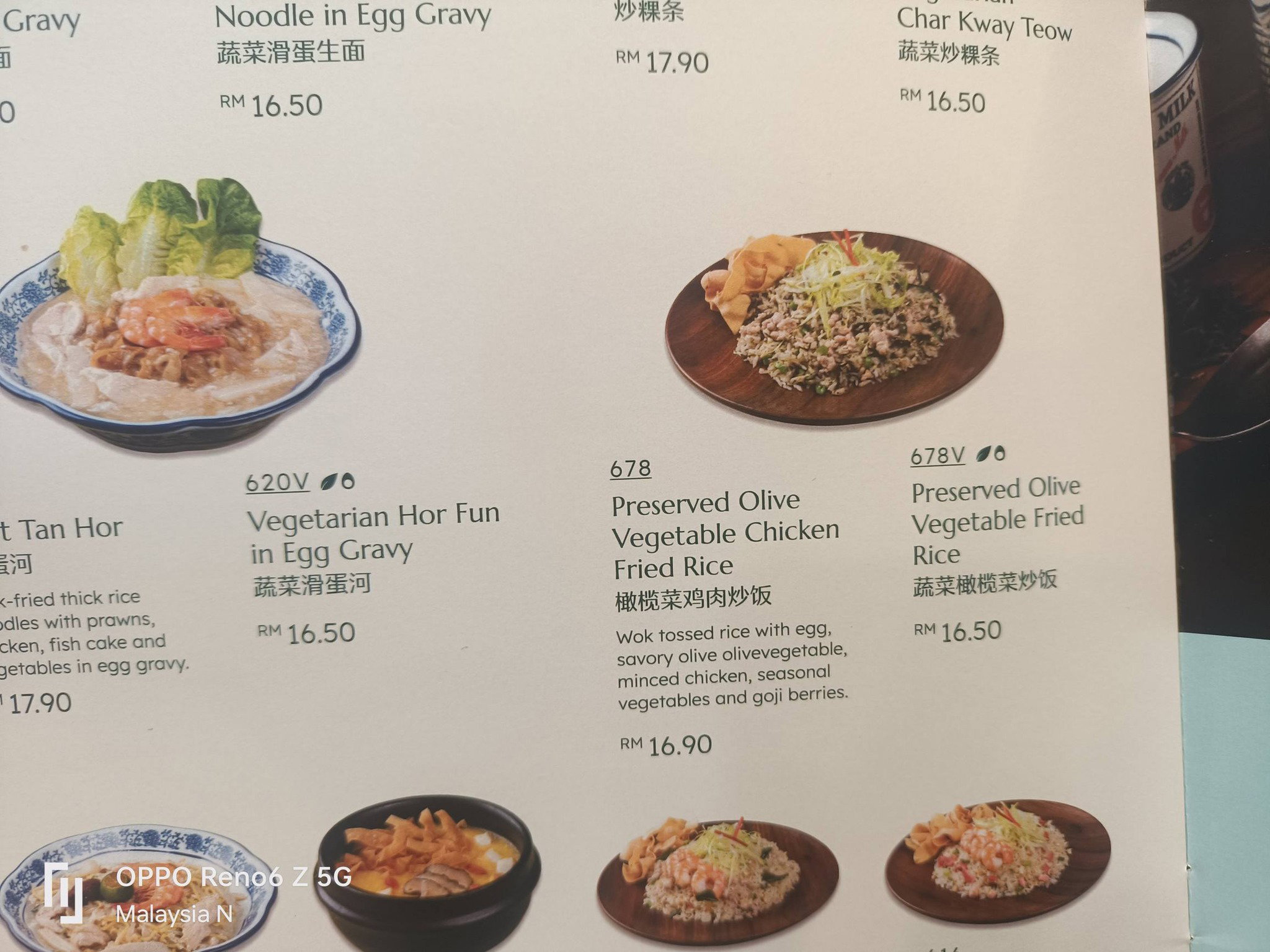
After looking at their menu, I decided to order their Preserved olive vegetables chicken fried rice, which cost RM16.90.
Preserved Olive Vegetable Chicken Fried Rice is a Chinese-style fried rice that uses salted preserved vegetables and minced chicken to create a savory, umami-rich dish. It is commonly served in Chinese cafés and casual restaurants such as Tea Garden.
This fried rice is cooked in a hot wok with rice, egg, minced chicken, and chopped preserved olive vegetables. The preserved vegetable provides a salty, aromatic flavor that spreads through the rice while stir-frying.
The taste is savory, slightly salty, and aromatic, with the preserved vegetable acting as a natural seasoning similar to pickles or fermented greens.
Preserved vegetables have been used in Chinese cooking for centuries as a way to store food before refrigeration. They became famous in dishes like braised pork with preserved vegetables (梅菜扣肉) and later spread into many everyday dishes such as fried rice, noodles, and steamed dishes.
Today, adding preserved olive vegetables to fried rice is a modern café adaptation that combines traditional Chinese preserved ingredients with quick wok cooking.
This dish stands out because the preserved olive vegetable adds a deep fermented umami flavour that normal fried rice does not have.
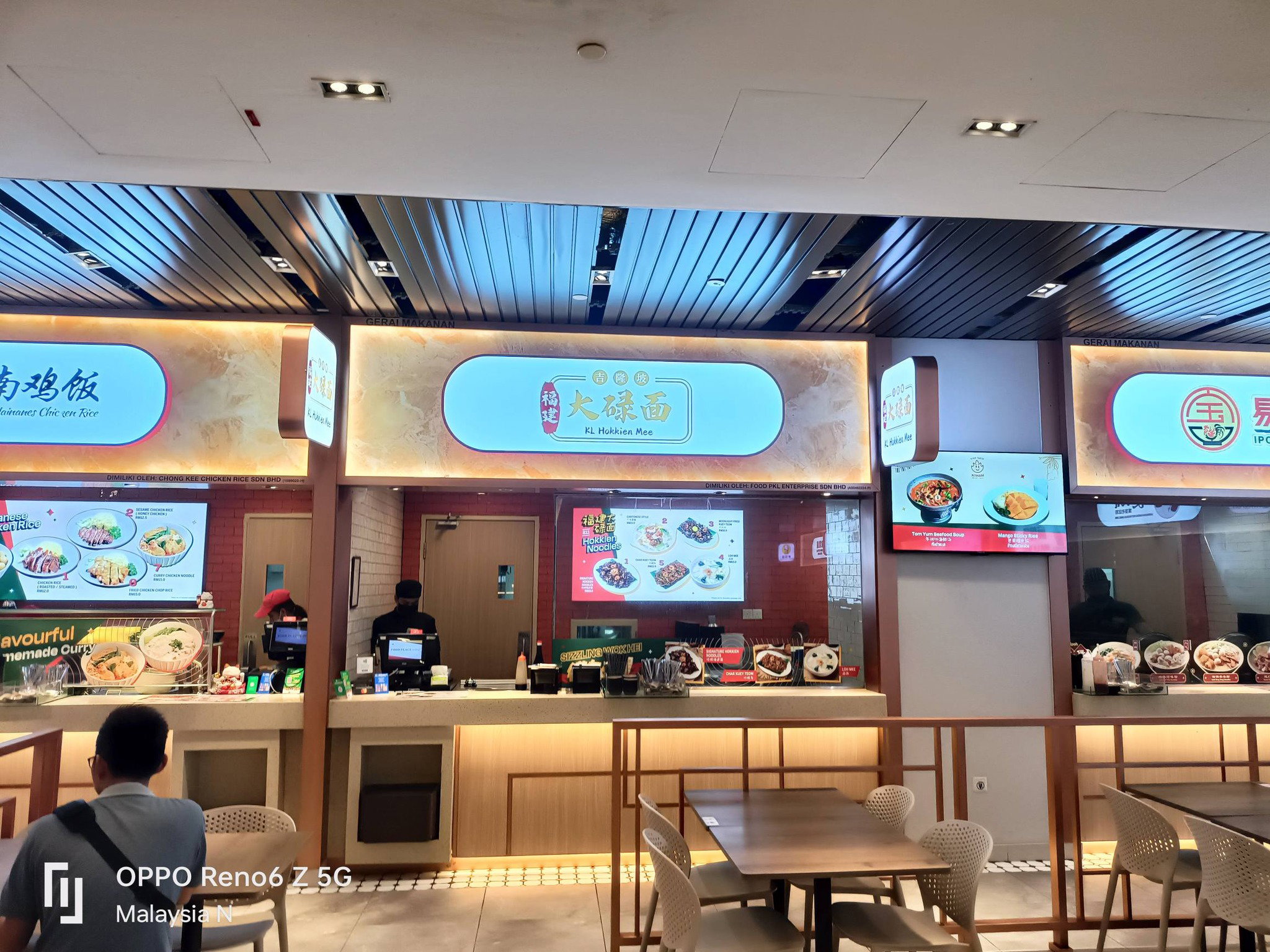
KL Hokkien Mee Loh Mee
Today I visited the Food Place food court, located at Pavilion Mall. The food court is located beside the Oriental Kopi Restaurant.
This time, I ordered Loh Mee from the KL Hokkien noodles stall, which cost RM15.90 per plate.
This bowl of Loh Mee from the KL Hokkien Mee stall features thick yellow noodles served in a glossy, savoury gravy.
The broth is rich and slightly sticky due to starch, giving the dish its signature silky texture. Inside the bowl are slices of pork, prawns, cabbage, leafy greens, and ribbons of egg that gently thicken the soup. Crispy pork lard adds aroma and crunch on top. A drizzle of dark vinegar and soy sauce deepens the flavour, giving the dish a balance of savoury, slightly tangy, and umami notes.
The thick noodles hold the gravy well, making every bite hearty and comforting.
Loh Mee originates from the Fujian (Hokkien) region of China. The word “loh” refers to the thick, braised gravy used in the dish. Hokkien immigrants brought the recipe to Southeast Asia in the late 19th and early 20th centuries.
Over time, the dish evolved in places like Kuala Lumpur, Penang, and Malaysia, where local ingredients and tastes influenced the preparation. Malaysian versions often include pork, prawns, garlic, dark vinegar, and crispy lard for a stronger flavour compared to the milder Chinese original.
Today, Loh Mee is a staple comfort food in many Malaysian Chinese hawker stalls, especially those specialising in Hokkien-style noodles.
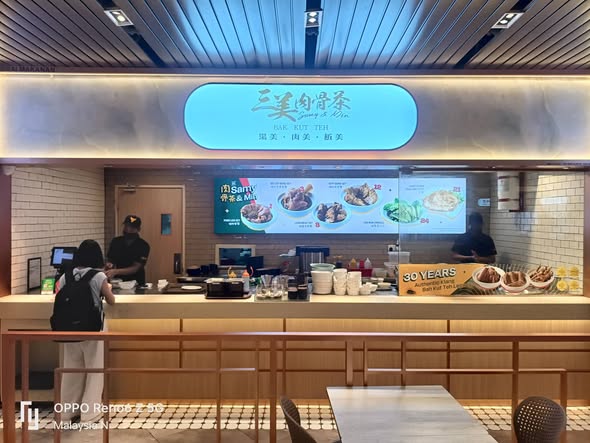
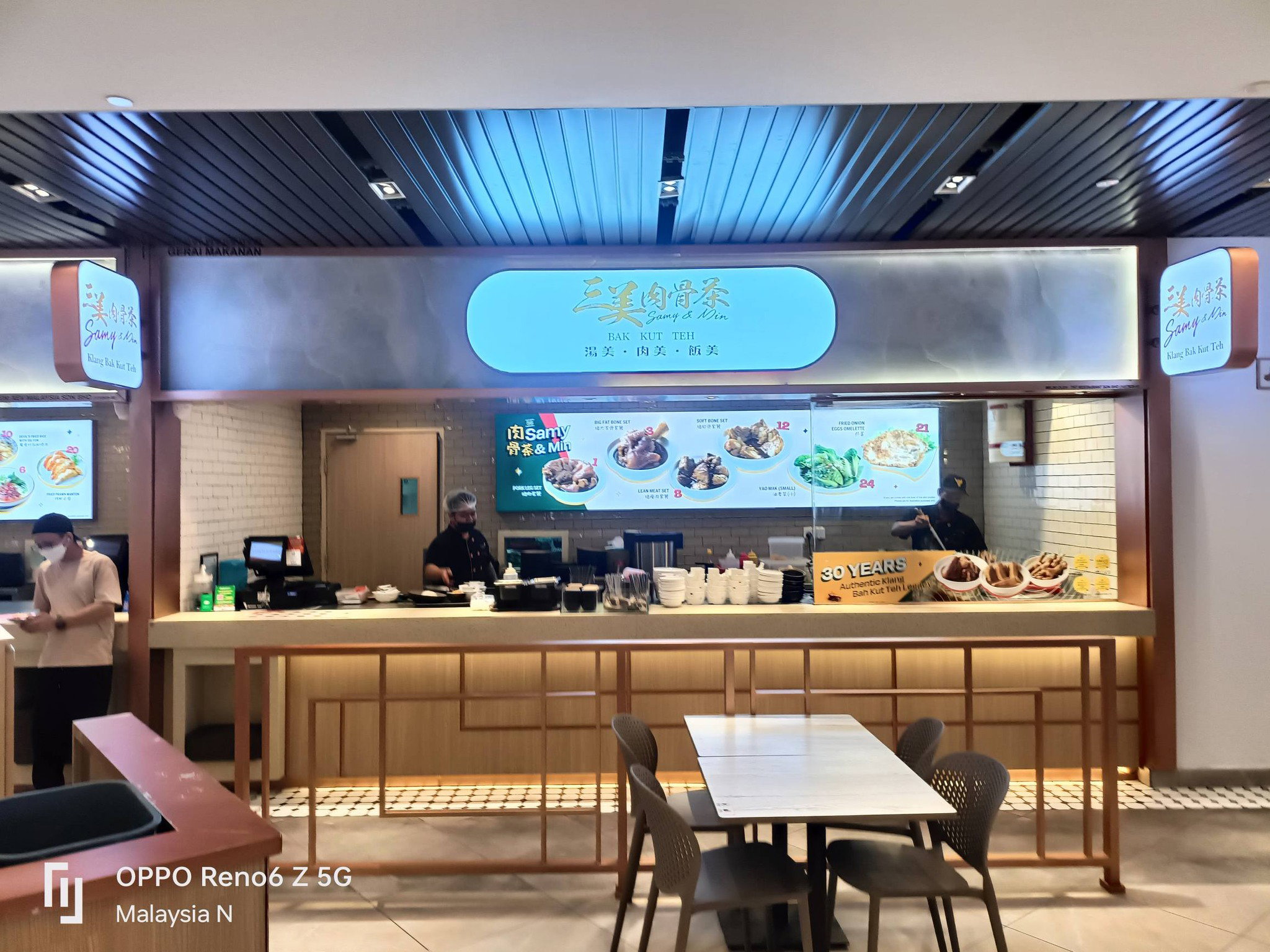
Samy & Min Bak Kut Teh Dry Bak Kut Teh set
Today, I revisited the Food Place food court, located at Pavilion Mall. The food court is located beside the Oriental Kopi Restaurant. It is time to try food from another stall.
This time, I ordered a dry bak kut teh set from the Samy & Min Bak Kut Teh stall, which cost RM31.90 per set. The set comes with bowl of white rice, a small bowl of traditional bak kut teh soup on the side and Crispy you char kway.
Unlike the usual soupy version, this is dry bak kut teh—served in a claypot and braised down until the sauce thickens and clings to every piece of pork.
Inside the pot, you’ll find generous chunks of pork, dark caramelised sauce infused with dried chillies. Inside contains okra and cuttlefish, adding a subtle seafood depth
Bak Kut Teh (literally “meat bone tea”) traces its roots to the Chinese communities in Malaysia and Singapore, particularly among the Hokkien and Teochew immigrants in the 19th century. It was originally a nourishing, affordable meal for port workers and labourers. Pork ribs were simmered with Chinese medicinal herbs such as Angelica root (dang gui), Star anise, Cinnamon, Cloves, and Garlic. Despite the name, there is no tea in the soup itself. The “tea” refers to the strong Chinese tea traditionally served alongside the dish, believed to help cut through the richness of the pork fat.
The **dry bak kut teh** variation is believed to have originated in Klang, Selangor. Instead of a clear herbal broth, the soup is reduced with dark soy sauce, dried chilies, and sometimes dried cuttlefish, creating a thicker, more robust flavour profile. It’s spicier, heavier, and more intense compared to the traditional soup version.
Today, dry bak kut teh is especially popular in Malaysia and is often seen as the more modern, flavour-forward evolution of the classic.
Mr Peppery rice Sliced beef Teppan Pepper rice
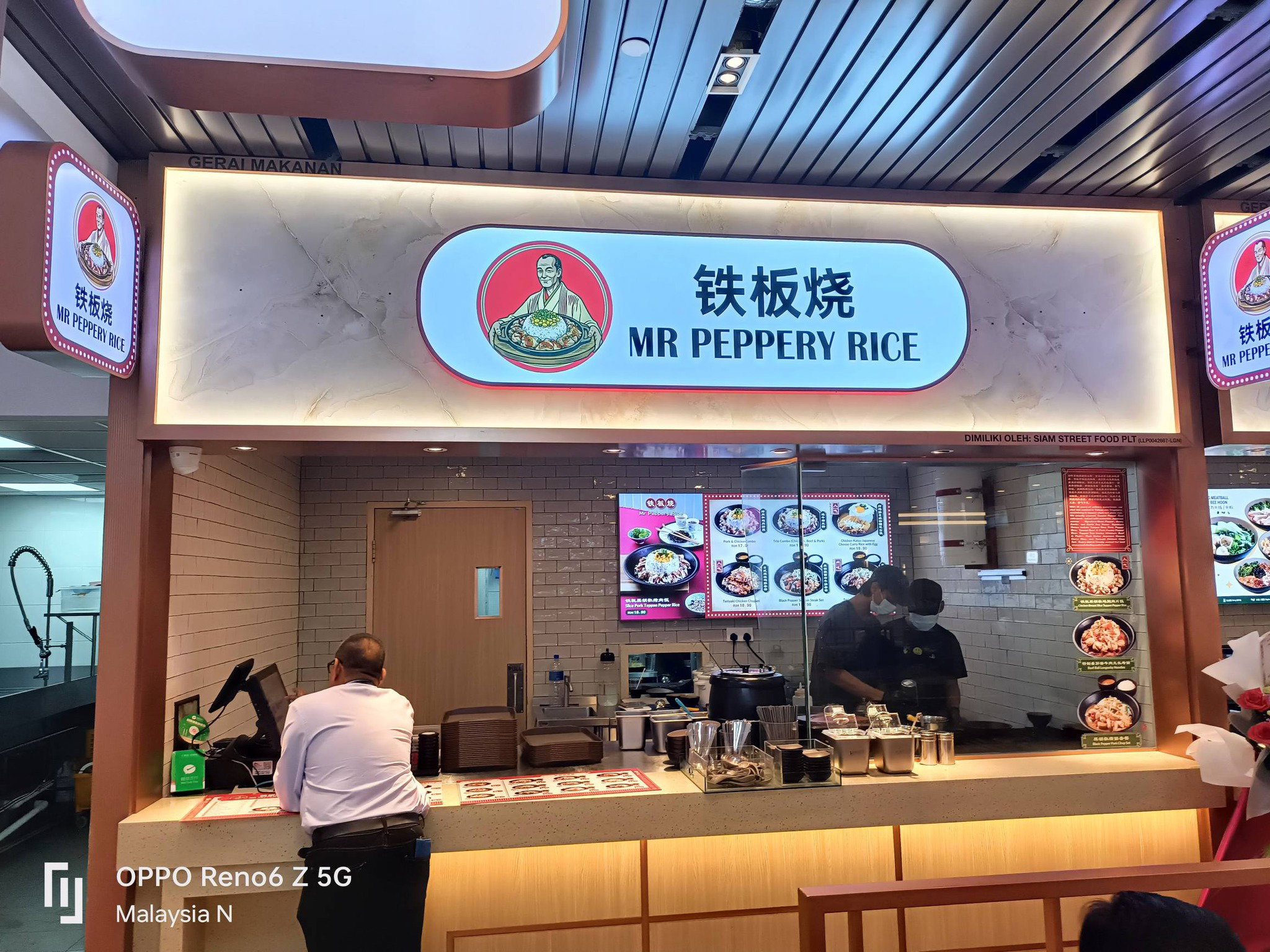
Today, I revisited the Food Place food court, located at Pavilion Mall. The food court is located beside the Oriental Kopi Restaurant. Recently a new stall called Mr Peppery rice open at the food court, so I decided to try from this stall.
This time, I ordered Sliced beef Teppan Pepper rice from the Mr Peppery rice stall, which cost RM16.90 per plate.
This dish arrives on a sizzling hot iron plate, with a neat mound of white rice in the center topped with sweet corn, chopped spring onions, and a heavy sprinkle of cracked black pepper. Thinly sliced beef surrounds the rice, gently cooking on the hotplate’s surface heat.
The beef’s natural juices mix into the rice as you stir everything together, creating a savoury, slightly smoky taste driven mainly by black pepper and the meat itself. The high heat gives subtle charred edges to the beef, adding depth and aroma.
The concept originates from Japanese teppan (iron plate) cooking and was popularised in fast-casual format by chains like Pepper Lunch in the 1990s. The idea was to let customers mix and control the doneness themselves, using intense heat to bring out natural flavours.
n Malaysia, the dish evolved slightly depending on the outlet — some versions include butter, while others focus purely on pepper, meat juices, and sauce for a lighter but still bold experience.
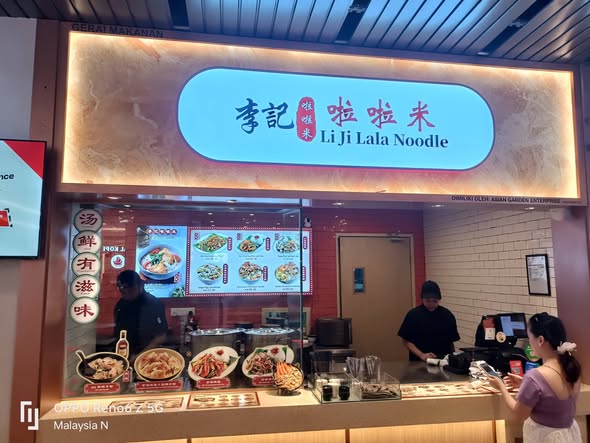
Li Ji lala noodles steamed baby octopus
Today, I revisited the Food Place food court, located at Pavilion Mall. The food court is located beside the Oriental Kopi Restaurant. It is time to try food from another stall.
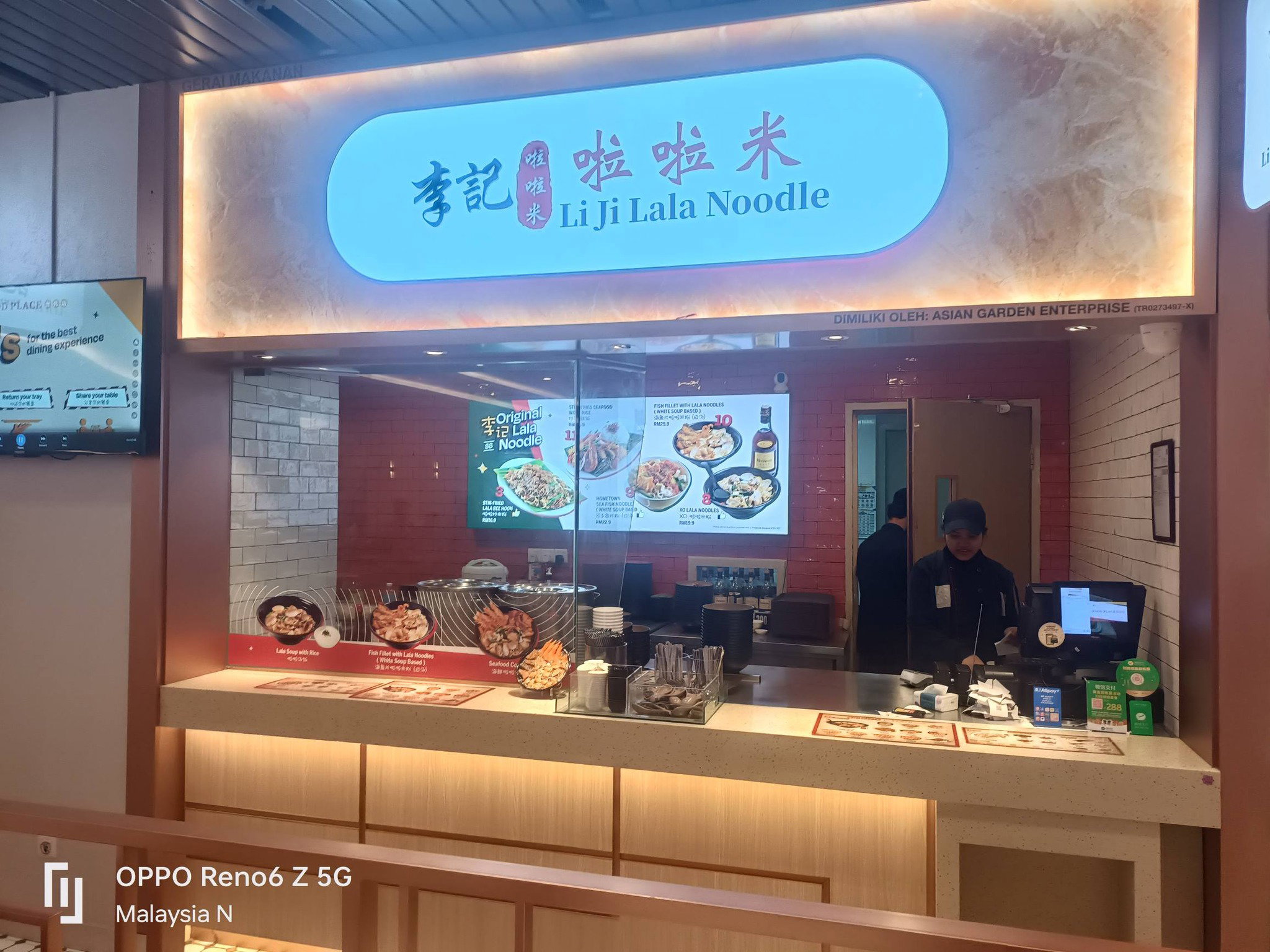
This time, I ordered steamed baby octopus from the Li Ji Lala noodles stall, which cost RM19.90 per plate. Since it come without rice, I ordered a bowl of rice that cost RM2 per bowl.
The baby octopus is served in a shallow oval plate, the octopus is lightly steamed until tender, then bathed in a light, savoury broth. Each piece carries a gentle ocean sweetness, with that signature springy bite that tells you it hasn’t been overcooked. On top sits a generous layer of crispy fried shallots and fresh spring onions. Together, they add texture and aroma without masking the seafood’s natural flavour. This is the kind of dish that doesn’t shout—it whispers quality.
On its own, it’s simple. But once you spoon over the seafood broth and octopus juices, it transforms. The rice soaks up every drop of savoury goodness, turning each bite into something deeply satisfying.
Steamed seafood like this has its roots in Southern Chinese coastal cooking, especially Cantonese and Teochew traditions.
In these cuisines, freshness is everything.
Instead of heavy sauces or deep-frying, seafood is often lightly steamed and quickly blanched. Then it is finished with simple aromatics
Over time, this philosophy made its way into Malaysia’s hawker and noodle stall culture. As seafood became more accessible, dishes like steamed octopus found a home in urban food courts—bridging traditional flavours with modern dining spaces.
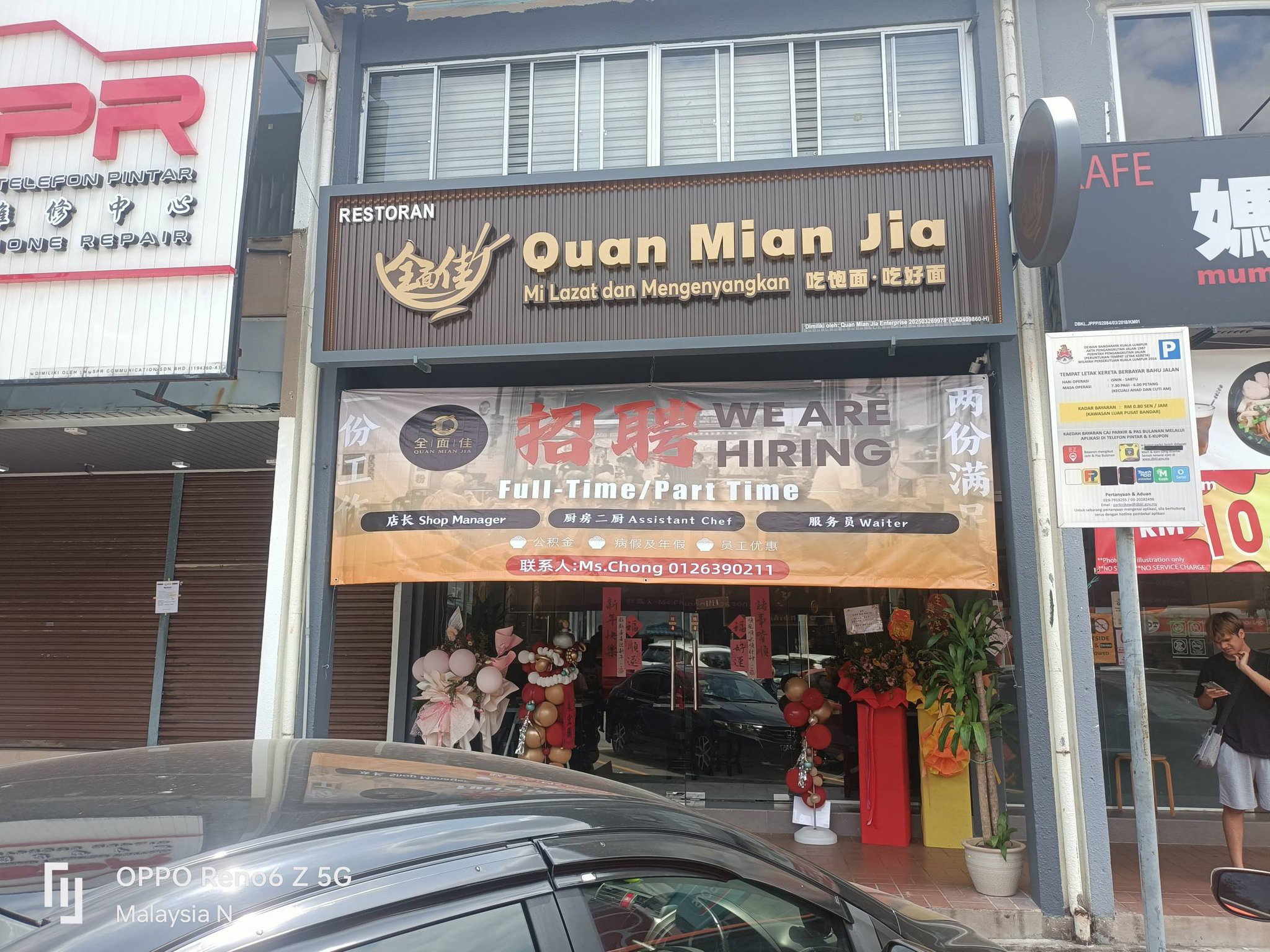
Quan Mian Jia chicken claw noodles
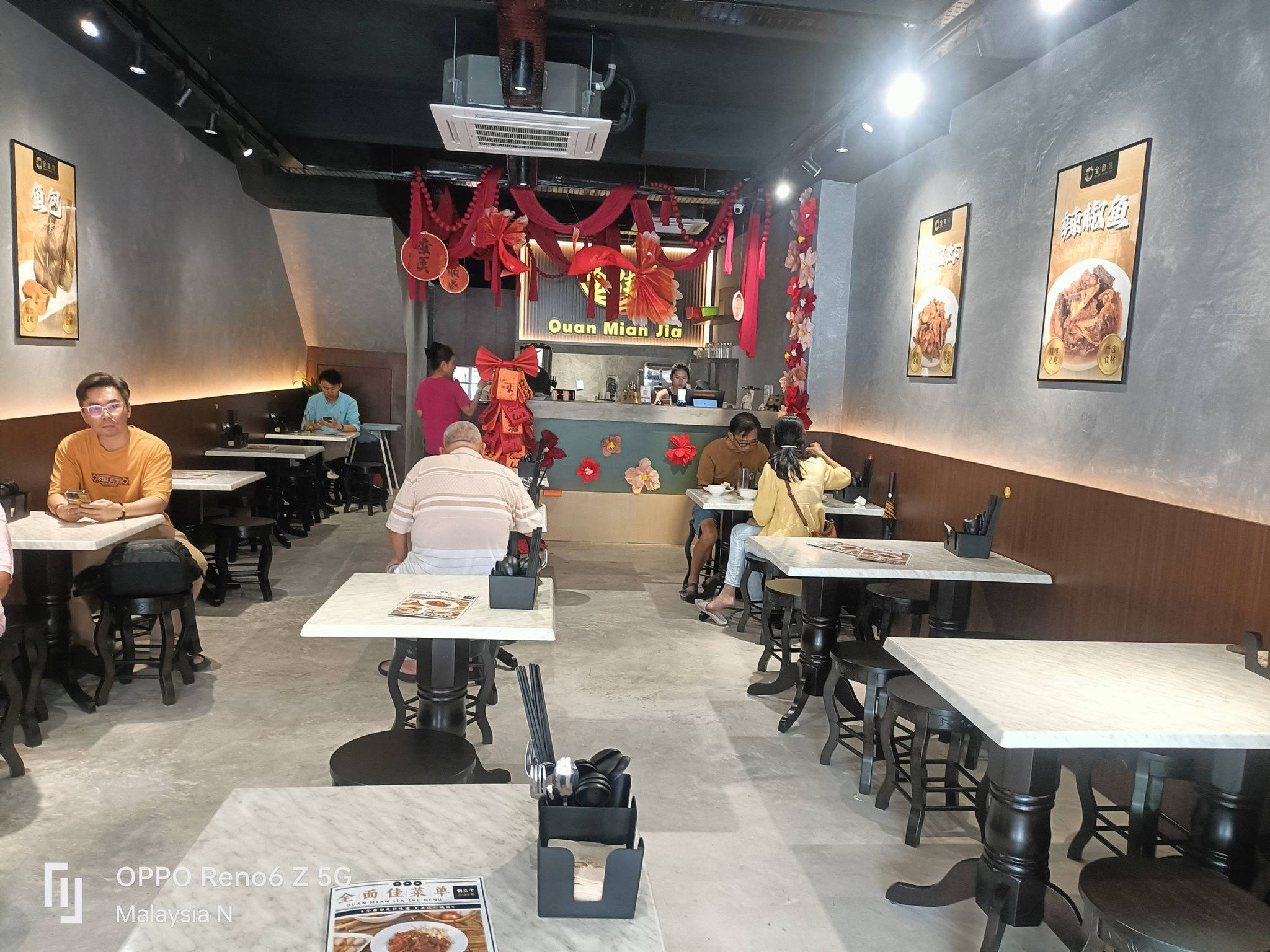
Today I visited Quan Mian Jiain to have lunch. This restaurant recently opened and has a modern, casual Chinese eatery atmosphere that blends traditional elements with contemporary design. The interior features grey-toned walls, marble-top tables, and dark wooden stools, giving it a clean and slightly upscale café-style feel while remaining comfortable for everyday dining. Warm lighting and simple wall posters showcasing signature dishes create a welcoming mood.
After looking at their menu, I decided to order chicken claw noodles, which cost RM9.90 per plate.
The chicken claw noodles are served in a deep white bowl with springy egg noodles as the base. On top, several braised chicken feet are stacked generously, coated in a glossy, dark-brown sauce that reflects slow simmering in soy sauce and spices. The claws appear tender and well-seasoned, with the skin slightly wrinkled and gelatinous, indicating they have been cooked until soft.
Fresh green vegetables, likely choy sum or similar greens, are placed neatly on the side, adding color and balance to the dish. Chopped spring onions are sprinkled over the chicken claws, enhancing aroma and freshness.
The noodles underneath are lightly tossed in sauce, giving them a savory, slightly sweet soy-based flavor. Overall, the dish looks hearty, rich, and satisfying, combining strong umami taste with contrasting textures—soft chicken feet, chewy noodles, and crisp vegetables.
Chicken feet, often called “phoenix claws” (凤爪) in Chinese cuisine, have a long history in Southern Chinese food culture, especially in Cantonese cooking. Traditionally, they were considered a humble ingredient, commonly used by working-class communities who made full use of every part of the chicken.
Over time, braised and steamed chicken feet became popular in dim sum and noodle dishes, particularly in Guangdong, Hong Kong, and later Southeast Asia. They are valued for their high collagen content, which gives them a soft, gelatinous texture when cooked slowly.
In noodle dishes, chicken claws were often paired with soy-sauce braised gravy and egg noodles, creating an affordable yet flavorful meal. This style spread to Malaysia and Singapore through Chinese migration, especially among Cantonese and Hokkien communities.
Today, chicken claw noodles are considered a comfort food and specialty dish rather than a “cheap cut” meal. They represent traditional cooking methods—slow braising, careful seasoning, and respect for ingredients—while remaining popular in modern eateries like Quan Mian Jia.
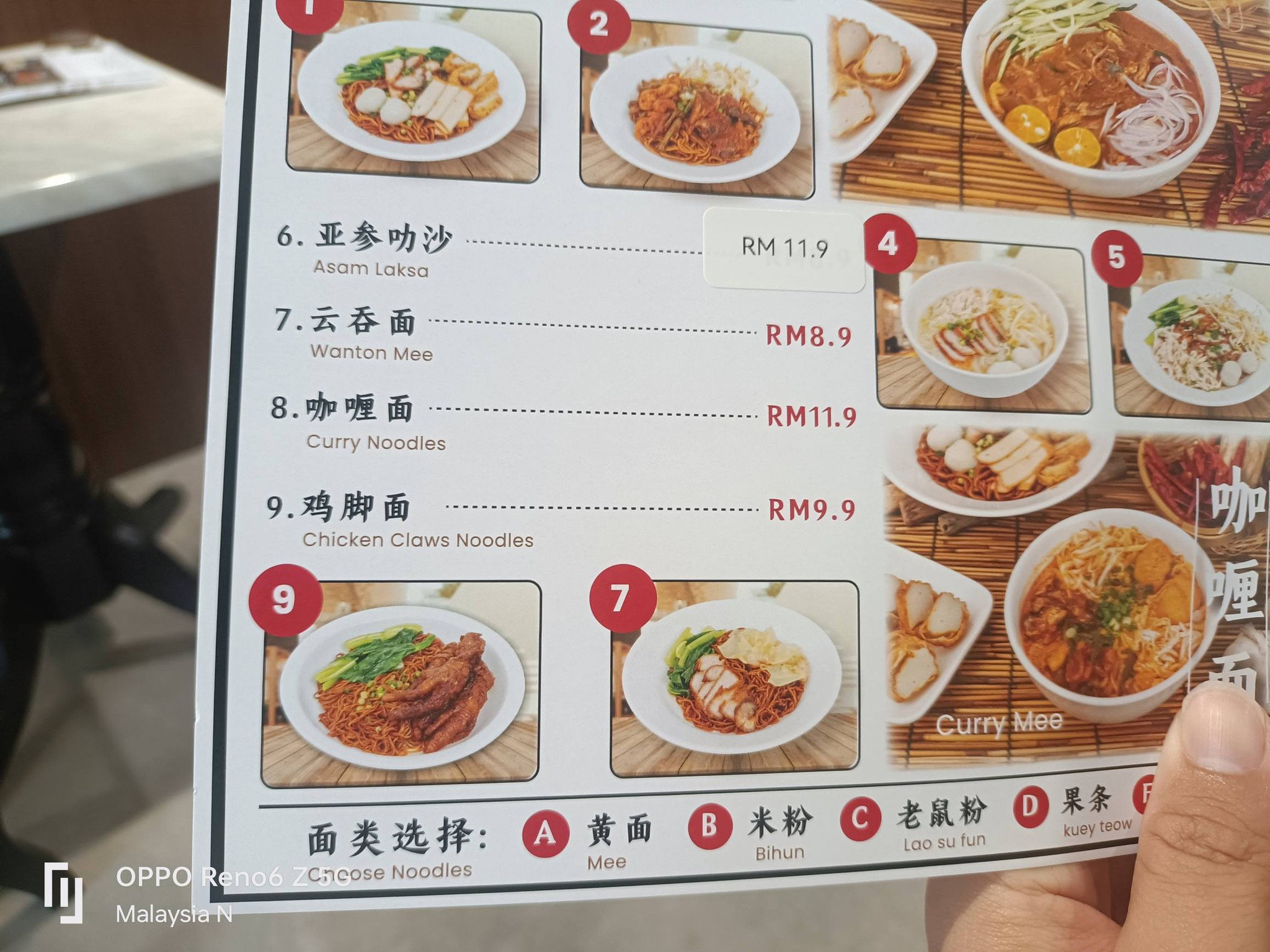
BM Yam Rice with Pork Innar soup
Today, I revisited the Food Place food court, located at Pavilion Mall. The food court is located beside the Oriental Kopi Restaurant.
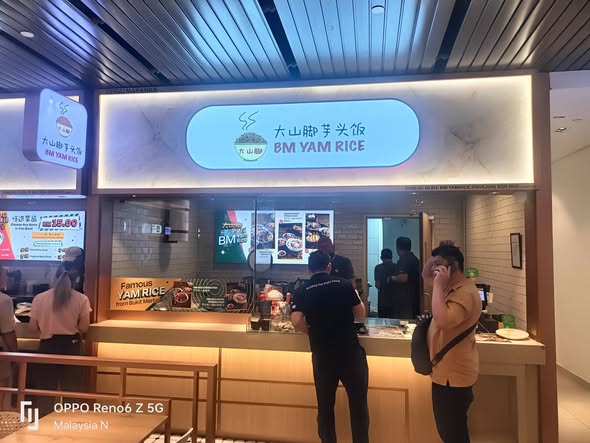
This time, I ordered Yam Rice with pork Innar soup from the BM Yam Rice stall, which cost RM19.90 per set. BM here stand for Bukit Mertajam.
This dish is pork innards soup, commonly known in Malaysia and Singapore as Bak Kut Soup (内脏汤 / Zhu Za Tang 猪杂汤)
The soup is clear and lightly cloudy, showing that it has been simmered with pork bones and offal for several hours. The broth looks clean and natural, without heavy seasoning, focusing on the sweetness of pork and herbs. Floating on top are chopped spring onions and coriander, which add freshness and aroma.
Inside the bowl, you can see a generous mix of pork innards. There are pieces of intestine, tripe, stomach lining, lean pork slices, and pork skin. A cube of dark pork blood curd adds a soft, mineral-rich taste, while the round meatball in the center gives extra bite and protein. Some radish is also included, helping to sweeten the soup naturally. The textures vary from tender to slightly chewy, which is a key attraction of this dish.
When eaten, the soup tastes clean, mildly savoury, and comforting. It is usually enjoyed with yam rice, chilli sauce, and sometimes dark soy sauce. The warmth and lightness of the broth make it suitable both as a main dish and as a side soup.
Pork innards soup has its roots in southern Chinese cuisine, especially from Cantonese and Teochew communities. In traditional Chinese cooking, using the whole animal was considered both economical and respectful, so organs such as intestines, stomach, and liver were never wasted. These parts were cleaned thoroughly and slow-cooked into nourishing soups.
In early Malaysia and Singapore, Chinese migrants brought this practice with them. Offal was affordable and widely available, making it popular among hawkers and working-class communities. Over time, pork innards soup became a common feature in kopitiams, hawker centres, and food courts.
In places that serve yam rice (卤肉芋饭), like BM Yam Rice, this soup became a natural pairing. The rich, savoury yam rice balances well with the light, cleansing taste of the soup. This combination is especially associated with Klang Valley and Penang-style Chinese eateries.
Today, pork innards soup is appreciated not only for its low cost but also for its traditional flavour and nostalgic value. Many people associate it with childhood meals, family-run stalls, and old-school kopitiams. Despite modern food trends, this dish remains popular because of its simplicity, nutrition, and comforting taste.
Ipoh Treasure Crispy chicken chop with french fries
Today I visited the Food Place food court, located at Pavilion Mall. The food court is located beside the Oriental Kopi Restaurant.
This time, I ordered Crispy chicken chop with French fries from the Ipoh Treasure stall, which cost RM9.90 per plate. This is their new dish, and currently they have a promotion.
This crispy chicken chop with French fries is a familiar comfort dish in Malaysian food courts, and the version from Ipoh Treasure reflects that well. A boneless chicken thigh is coated in seasoned breadcrumbs and deep-fried until the exterior turns golden and crunchy, while the inside stays moist and tender. It’s served generously with thick-cut French fries, a sunny-side-up egg placed on top so the yolk can break and mingle with the sauce, and simple fresh garnishes of cucumber and tomato to balance the richness. The sauce is poured around the plate rather than over the crust, keeping the chicken crisp. Diners can choose between a robust black pepper sauce with a sharp, peppery kick or a creamy mushroom sauce that’s milder and more comforting.
Historically, chicken chop is a classic example of Malaysian Hainanese Western food. During the late colonial period, Hainanese cooks worked in British households, hotels, and clubs, where they learned Western cooking techniques. Over time, they adapted these dishes to local tastes and ingredients, replacing expensive cuts like beef steak with chicken, adding thick gravies, fries, and eggs, and serving everything on a single plate. Chicken chop became especially popular in kopitiams and casual eateries across Malaysia, including Ipoh, where hearty portions and nostalgic flavours are highly valued. Today, it remains a staple comfort meal—simple, filling, and familiar—bridging Western influence and local Malaysian food culture.
Samy & Min Bak Kut Teh Big Fat Bone set
Today, I revisited the Food Place food court, located at Pavilion Mall. The food court is located beside the Oriental Kopi Restaurant. It is time to try food from another stall.
This time, I ordered a Big Fat Bone set from the Samy & Min Bak Kut Teh stall, which cost RM25.90 per set.
This Big Fat Bone Set is a hearty, unapologetically indulgent take on a classic Klang-style comfort dish. Served as a complete set, it comes with a bowl of dark, herbal bak kut teh soup crowned by a generously sized pork bone, accompanied by a mound of white rice and a side of golden fried yau char kwai. The presentation is straightforward and functional, very much in the spirit of traditional bak kut teh, letting the aroma and richness speak for themselves.
The highlight is the “big fat bone” itself. The pork bone is thick and meaty, with layers of tender flesh, connective tissue, and gelatin-rich cartilage that have been slowly simmered until soft. The soup is deep brown and opaque, indicating a strong herbal base made from a blend of Chinese medicinal herbs such as dang gui, chuan xiong, licorice root, and garlic. It has a robust, peppery-herbal fragrance with a savoury backbone, slightly oily on the surface from the rendered pork fat, which adds body and richness to every sip. The meat clings to the bone but yields easily, making it especially satisfying to eat slowly, either by lifting pieces with chopsticks or gnawing gently for the marrow and collagen.
Bak kut teh itself has a long history in Malaysia, particularly in Klang, Selangor, where it is widely believed to have originated in the early 20th century. The dish was popular among Chinese labourers and dock workers, who needed a nourishing, warming meal to restore strength after long hours of physical work. Pork bones were simmered for hours with herbs not only for flavour, but also for their perceived restorative properties. Over time, bak kut teh evolved into several styles, with Klang-style being known for its dark, herb-forward broth, as opposed to the lighter, peppery Teochew version.
The inclusion of yau char kwai alongside the soup is traditional, used to soak up the rich broth and add a contrasting crisp texture. Paired with plain rice, the set becomes a complete, balanced meal that highlights the soup and meat as the main attraction. This Big Fat Bone Set reflects the classic spirit of bak kut teh: simple ingredients, long cooking, and a focus on comfort, nourishment, and bold, savoury depth.
Bubur Nasi Melawati Ayam Gepuk
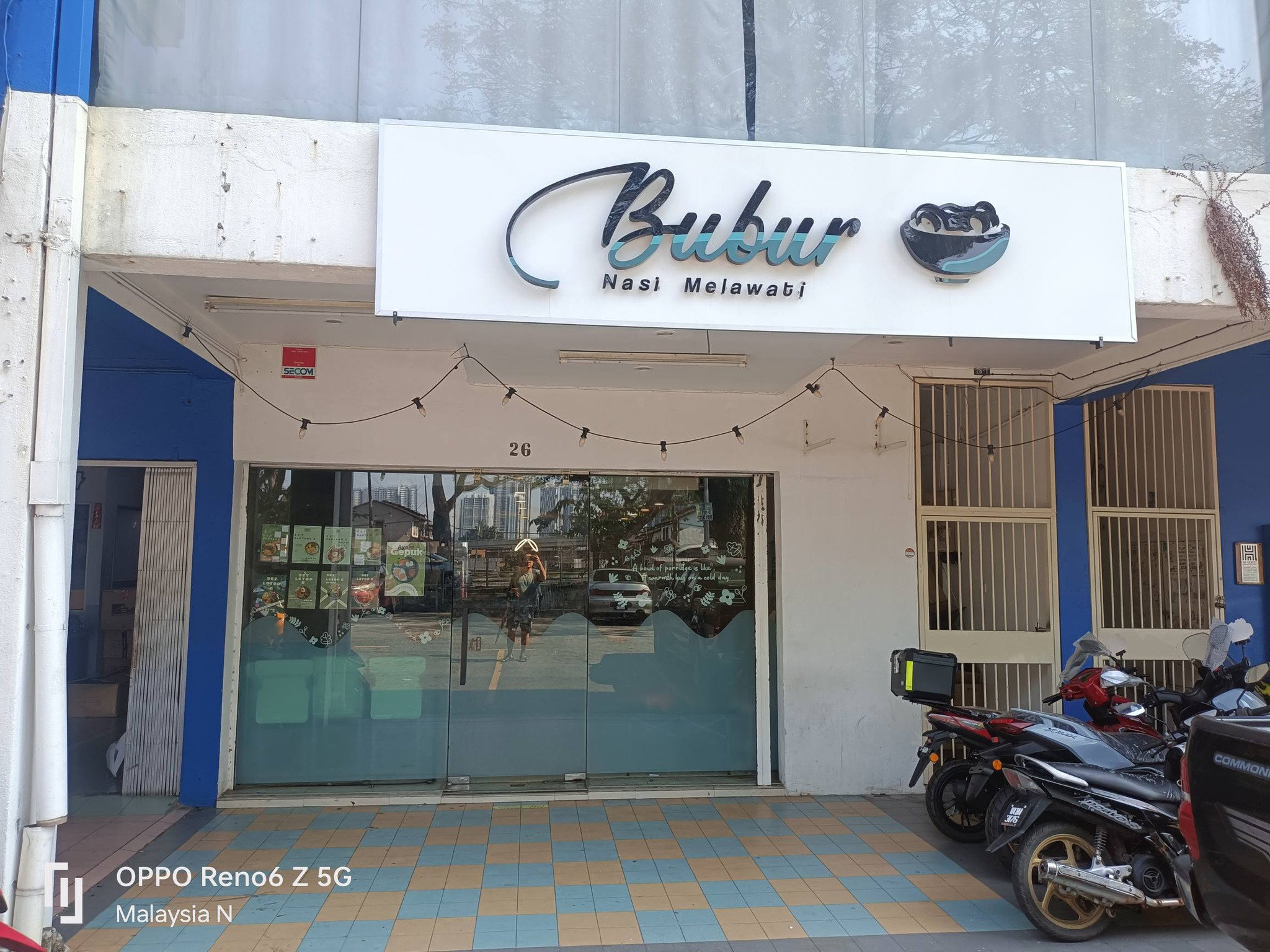
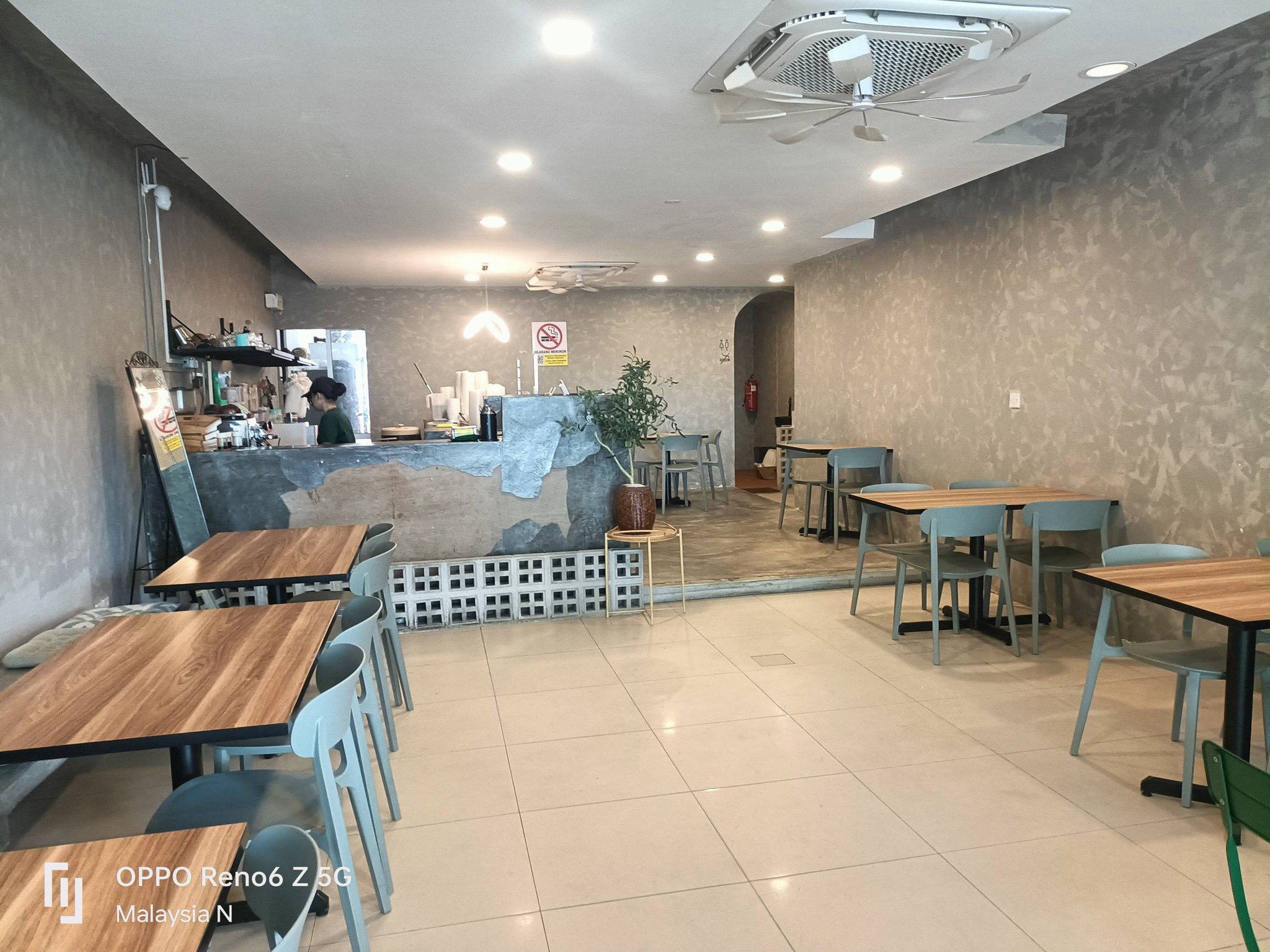
Today I visited Bubur Nasi Melawati in front of the condominium where I stayed to have my lunch.
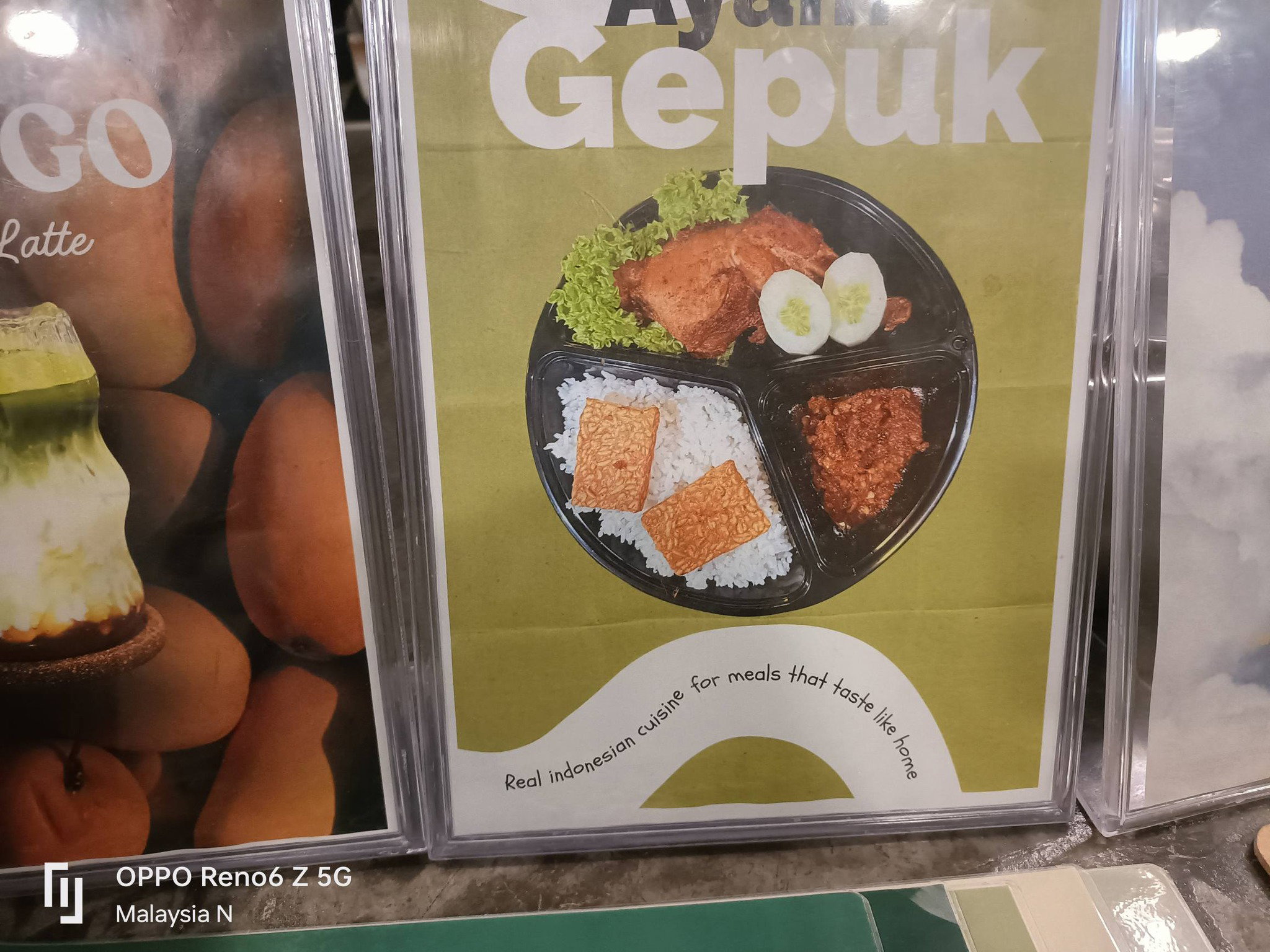
After looking at their menu, I decided to order Ayam Gepuk, which cost RM15.00 per plate. Ayam Gepuk is a popular Indonesian fried chicken dish known for its bold heat, crisp texture, and rustic presentation
The Ayam Gepuk is presented in a simple, rustic manner that reflects its traditional Indonesian warung origins rather than a modern restaurant style. It is served on a wooden tray, giving the meal a casual and practical feel. The main components are arranged in a small woven basket lined with brown parchment paper, which helps absorb excess oil while reinforcing a handmade, street-food aesthetic.
At the center of the presentation sits a neatly molded mound of steamed white rice, forming the visual anchor of the dish. Its clean, bright appearance creates a strong contrast against the darker fried elements. Two rectangular pieces of fried tempeh are placed directly on top of the rice, adding height, structure, and a warm golden-brown color that draws the eye.
The fried chicken is positioned slightly behind the rice and partially supported by fresh lettuce. This placement keeps the chicken prominent while preventing its oil from immediately soaking into the rice. The sambal is served separately in a small square bowl, allowing diners to control the level of spiciness while preserving the texture of the chicken until eating. Its deep red color stands out vividly against the neutral tones of the rice and tray.
Fresh cucumber slices and lettuce are arranged along the side, providing visual freshness and a cooling contrast to the richness of the fried components. There is no excessive garnish or decorative plating; the presentation is straightforward and honest. Overall, the dish communicates comfort and functionality, designed to be enjoyed immediately, with balance achieved through natural color contrast rather than elaborate styling.
Ayam Gepuk originates from Indonesia, particularly associated with Central Java and Yogyakarta. The word “gepok” or “gepuk” in Javanese means to smash or pound. Traditionally, after frying, the chicken is lightly smashed together with sambal using a mortar or pestle. This technique allows the sambal to penetrate the meat instead of just sitting on top.
Historically, Ayam Gepuk grew out of warung (small eatery) culture, where food needed to be affordable, filling and Strong in flavour to go with rice. It became especially popular among students and workers because it’s simple, satisfying, and customizable—diners can usually choose their spice level.
In Malaysia, Ayam Gepuk gained popularity alongside other Indonesian imports like Ayam Penyet. While similar, Ayam Gepuk often has a rougher, chunkier sambal and a more aggressively smashed presentation, giving it a bolder, more rustic character.
Go Noodles Trio Platter
Today, I revisited the Food Place food court, located at Pavilion Mall. The food court is located beside the Oriental Kopi Restaurant. It is time to try food from another stall.
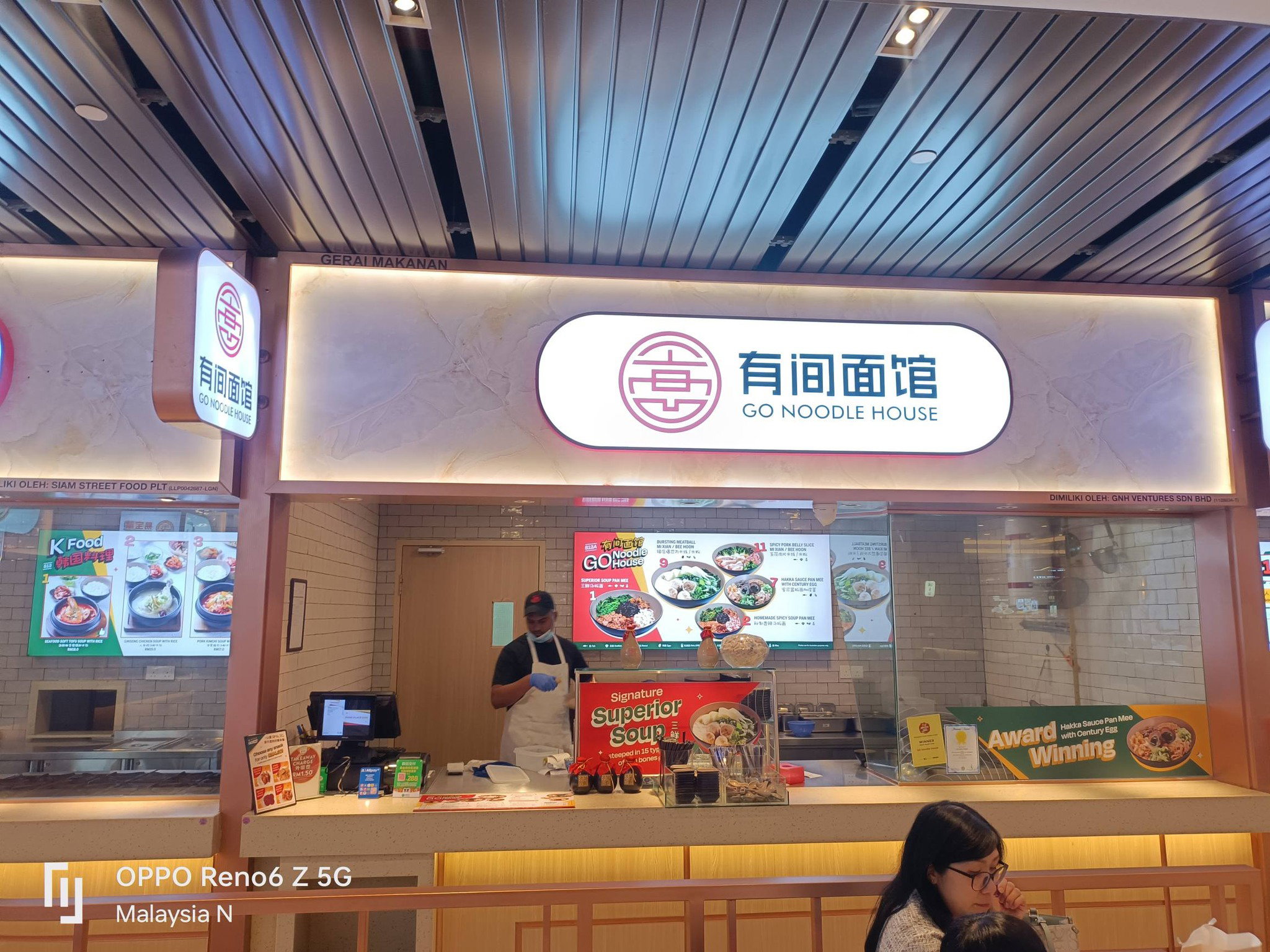
This time, I ordered a Trio Platter from the Go Noodle stall, which cost RM14.70 per plate.
This Trio Platter is a classic Malaysian–Chinese snack combination, often served as a side platter to accompany soup noodles or herbal broths. Simple on the surface, but each item has deep roots in Chinese food culture.
Despite the name, gold coin isn’t made of coins. It’s a pan-fried minced pork patty, shaped flat and round like an old Chinese coin. This pork patty is lightly browned outside, juicy and tender inside. Often mixed with seasoning and sometimes carrot or water chestnut for texture. Savoury, slightly sweet, and very aromatic when hot.
The round shape symbolizes wealth and prosperity, which is why it’s common in festive meals. Originating from Cantonese home cooking, where minced meat dishes were popular for stretching ingredients while keeping meals satisfying. In modern kopitiams and noodle shops, it has become a staple side dish for noodles
Fuchuk is made from soy milk skin, dried into sheets, and later fried. This dish dates back over 1,000 years in Chinese cuisine. Originally valued as a high-protein plant food for monks and households, in Malaysia, deep-fried fuchuk became popular as a textural contrast to soups and noodles
Five-Spice Pork Roll is a close cousin of Hokkien-style ngoh hiang, but without the bean-curd wrapping. This is a minced pork seasoned with five-spice powder than fried until golden, then sliced into thick pieces.
Five-Spice Pork Roll originates from Southern Fujian (Hokkien) cuisine. The five-spice reflects Chinese culinary philosophy: balancing sweet, salty, bitter, sour, and spicy. It migrated to Southeast Asia with Chinese settlers and evolved into many local variations
This Trio Platter is designed to be shared, dipped, and eaten between mouthfuls of noodles—very typical of modern Malaysian noodle house dining.
Li Ji Lala Noodles Siong Tong lala with rice (white salak)
Today, I revisited the Food Place food court, located at Pavilion Mall. The food court is located beside the Oriental Kopi Restaurant. It is time to try food from another stall.
This time, I ordered Siong Tong lala with rice (white salak) from the Li Ji Lala noodles stall, which cost RM18.90 per plate.
This dish, Siong Tong LaLa with Rice (白汤啦啦配饭), is a rice-focused comfort dish rather than a noodle spin-off.
The clams (laLa) are cooked gently so they stay tender and release their natural sweetness into the soup. The clear broth (siong tong) is light but fragrant, built around ginger and garlic, then lifted with Chinese cooking wine. The wine adds warmth and depth, especially noticeable when the soup is hot. Fried garlic and spring onions add aroma and a mild crunch, contrasting nicely with the clean broth. Paired with plain white rice, the dish eats almost like a soup-and-rice set.
This makes it feel closer to home-style Cantonese soup rice rather than a hawker noodle dish.
LaLa dishes are staples in Malaysia and Singapore, especially in Chinese seafood and noodle stalls. The name “lala” simply refers to clams. Siong Tong (clear soup) cooking reflects a Cantonese influence, where minimal seasoning is used to respect premium ingredients.
Pairing clam soup with rice is common in hawker culture—simple, filling, and affordable—while noodle versions (lala meehoon/bee hoon) became popular later for a heartier meal. This rice pairing feels like a back-to-basics interpretation, letting diners enjoy the broth as a soup course with rice, much like home-style cooking.
Xia Yuan Yuan Spicy Chicken katsu with fried rice
Today I visited the Food Place food court, located at Pavilion Mall. The food court is located beside the Oriental Kopi Restaurant.
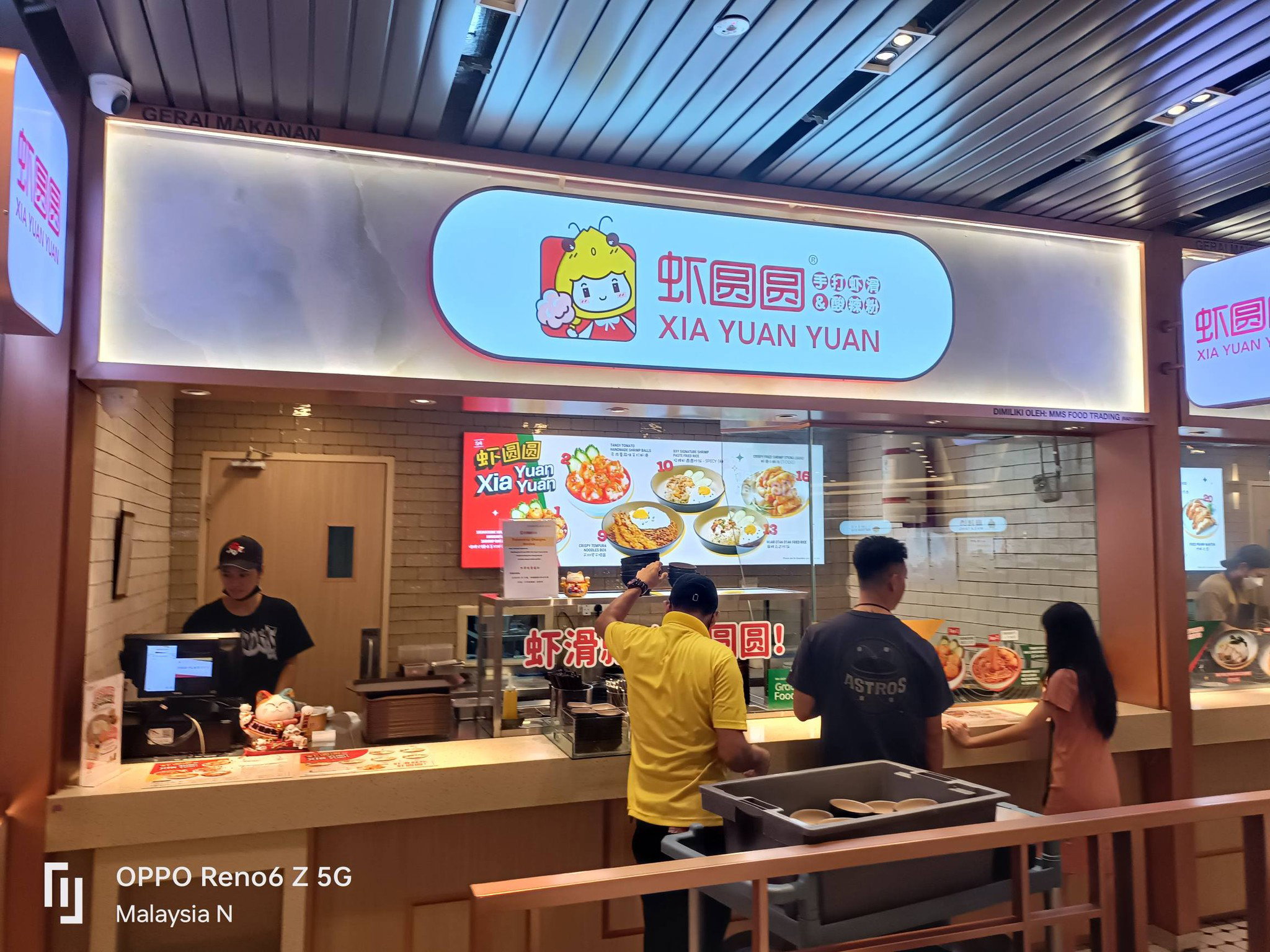
This time I ordered Spicy Chicken katsu with fried rice from Xia Yuan Yuan stall, it cost RM18.90 per plate.
At the center is a compact mound of fried rice, lightly seasoned and stir-fried with egg and scallions. The grains are well-separated rather than oily, suggesting a home-style or canteen-style fried rice rather than a heavily sauced restaurant version. On top sits a sunny-side-up egg, with a crisp edge and a runny yolk that’s meant to flow into the rice when broken—adding richness without extra sauce.
The protein is chicken katsu, breaded and deep-fried until golden. From the close-up, the crust looks coarse and crunchy, while the chicken breast inside remains white and moist. The “spicy” element appears to come from a seasoned crumb or light chili-based coating rather than a thick sauce, keeping the texture crisp. Fresh cucumber slices on the side add a cooling contrast, and a small bowl of clear soup completes the set in classic food-court fashion.
Overall, it’s a balanced tray meal: carbs, protein, fat, freshness, and warmth—all in one
Chicken katsu originates from Japan, adapted from Western breaded cutlets introduced during the Meiji era (late 19th century). Originally made with pork (tonkatsu), chicken versions became popular later as a lighter and more affordable alternative. The hallmark is panko-style breading, which gives a lighter, crunchier crust compared to Western breadcrumbs.
Fried rice has deep roots in **Chinese cuisine**, traditionally a way to repurpose leftover rice by stir-frying it with egg, aromatics, and whatever ingredients were on hand. Over time, fried rice became a pan-Asian staple, evolving into countless local variations across Southeast Asia.
Pairing Japanese-style katsu with Chinese-style fried rice is a relatively modern, Southeast Asian food-court innovation. It reflects how malls and mixed-concept stalls cater to diners who want familiar flavors a “complete meal” on one plate and flexibility across cultural tastes.
Cafe 88 Crispy chicken rice
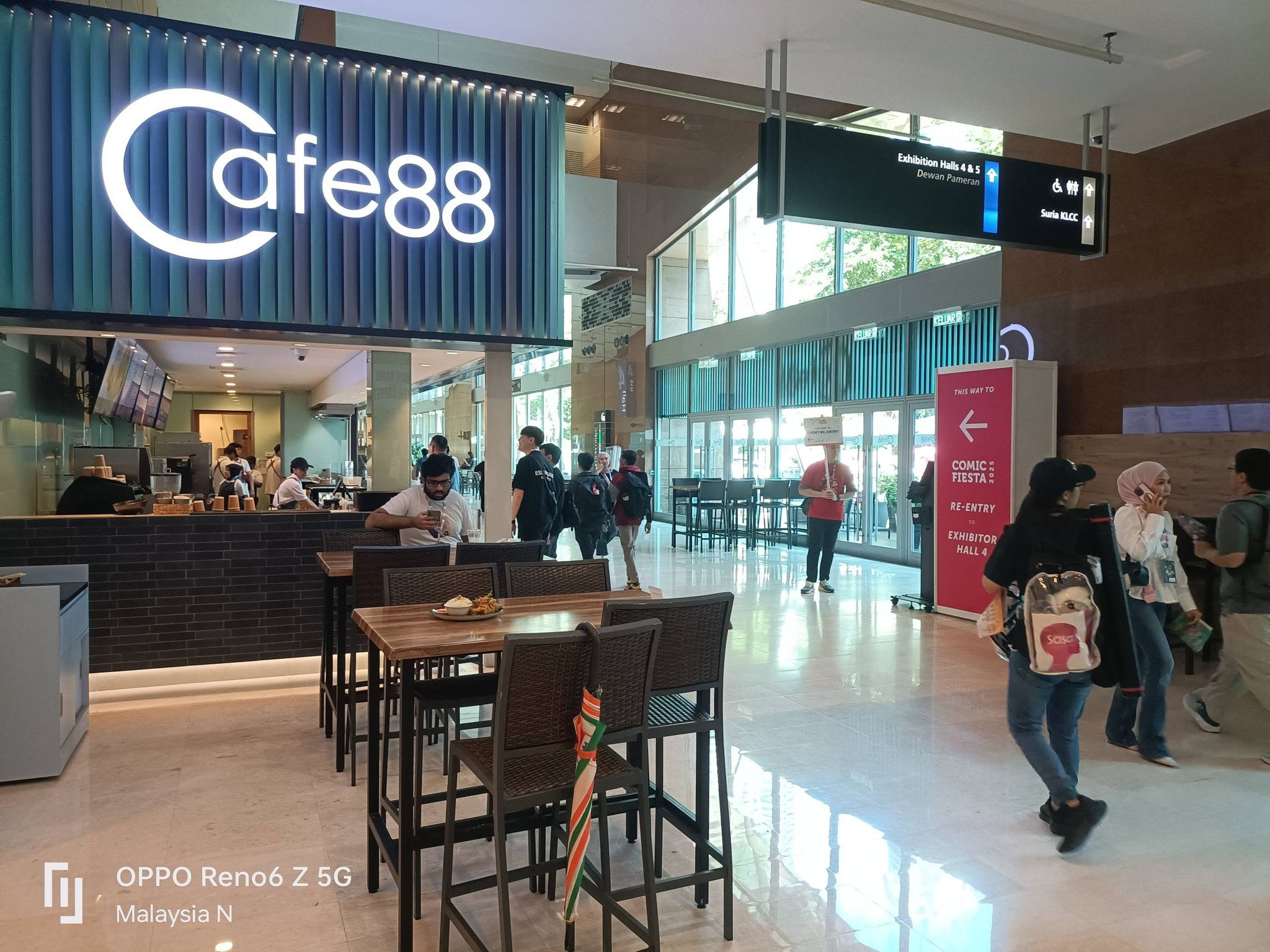
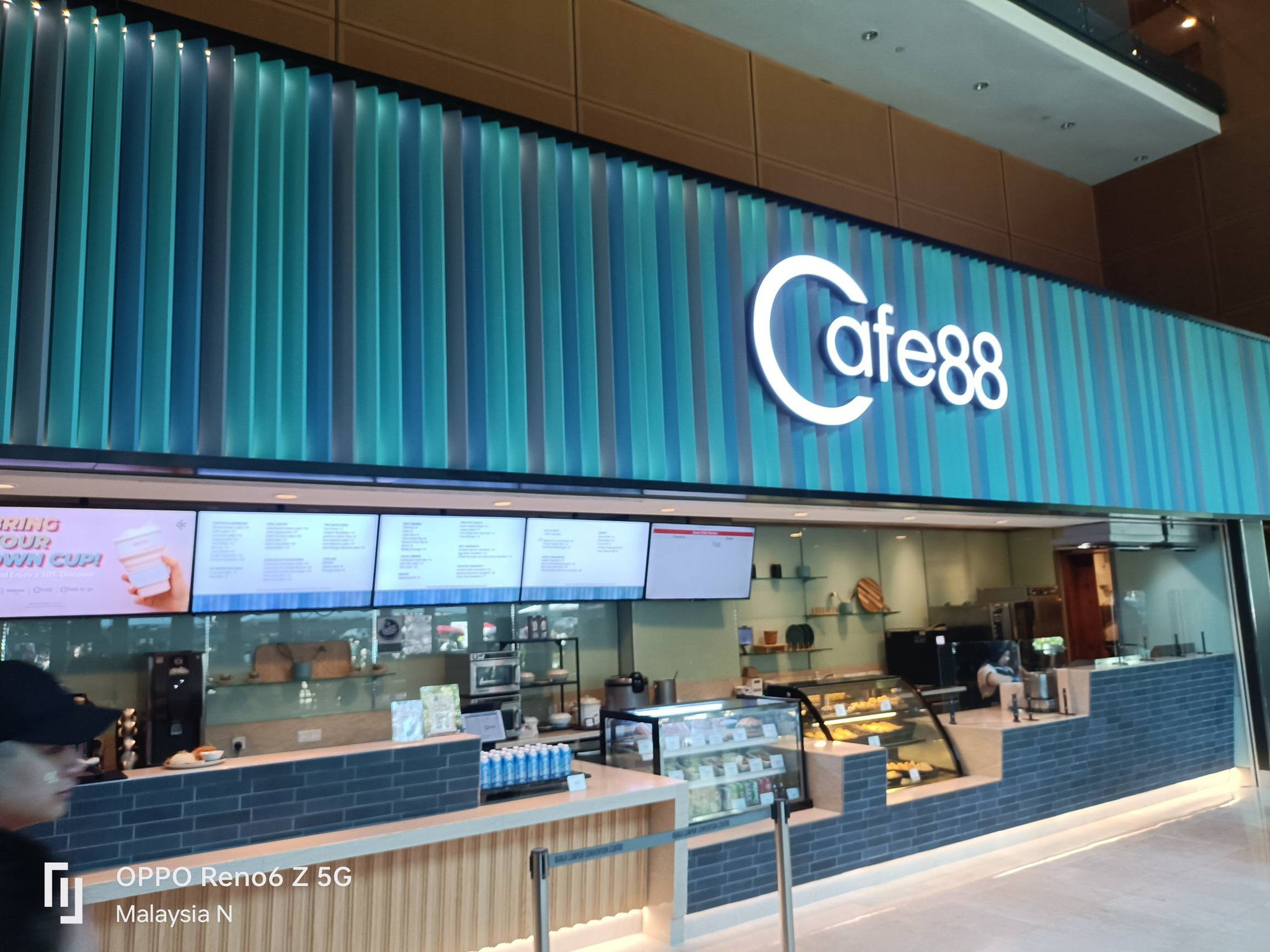
Today, I visited Cafe 88 inside the KLCC Convention Centre during the Comic Fiesta event for my lunch.
I ordered the Crispy Chicken rice that cost RM23 per plate. This plate is a familiar yet comforting take on crispy chicken rice, firmly rooted in the Chinese Hainanese chicken rice tradition, but with a popular modern twist.
At first glance, the plate feels reassuringly classic. A neat mound of fragrant chicken rice—cooked in chicken fat, garlic, and ginger—forms the heart of the dish. The rice is slightly glossy, aromatic, and fluffy, carrying that unmistakable savoury perfume that defines good Hainanese-style rice.
Instead of the usual poached chicken, this version features crispy deep-fried chicken. The chicken is coated in a light batter and fried until golden, creating a crackly exterior while keeping the meat inside tender and juicy. You can see the contrast clearly when cut: crisp crust outside, moist chicken within. It’s a style that appeals especially to diners who prefer stronger textures and richer flavours.
Fresh garnishes—julienned carrots, spring onions, and coriander—add colour and a light herbal note, cutting through the richness of the fried chicken. On the side, there are slices of cucumber and tomato, a simple but traditional cooling accompaniment.
The set comes with a Chinese-style chicken rice chilli sauce and a small bowl of clear chicken soup, lightly seasoned and topped with spring onions and goji berries, offering a clean, soothing contrast to the crispy main.
Malaysia 2025 75th anniversary of the Department of Statistics Malaysia Commemorative coin
On 7 November 2025, Bank Negara Malaysia (BNM) issued a commemorative coin in conjunction with the 75th anniversary of the Department of Statistics Malaysia (DOSM75).
The DOSM75 series comprises:
Single sterling silver, with 92.5% purity and weighing 31 grams. This coin has a face value of RM10 and will be sold at RM363 per piece. The mintage quantity is 1,000 pieces.
Single Nordic gold brilliant uncirculated (B.U.), made of copper and several other metals, weighing 8.5 grams and carrying a face value of RM1. It will be sold at RM16.50 per piece with a mintage quantity of 5,000 pieces.
Set of 2 containing one sterling silver proof coin and one Nordic gold proof coin. The mintage quantity is 1,000 sets and priced at RM396 per set.
**Obverse** – The design concept is themed ‘STATISTIK NADI KEHIDUPAN’, underscoring the idea that statistics are not merely numbers, but a reflection of the everyday lives of Malaysians and a pillar of the country's development. A hand is featured as the central symbol, representing the direct connection between statistics and the people. In the background, circular elements symbolise the continuous flow of data, reflecting the dynamic nature of information. Together, the hand and circular motifs emphasise a human-centred approach, positioning statistics as the driving force behind the nation's progress and well-being.
**Reverse** – The name 'BANK NEGARA MALAYSIA', as the issuing authority of the numismatic coins, is featured at the upper circumference of the coin. At the centre, the 75th anniversary logo of the statistical services is prominently featured, honouring DOSM's vital role in the country’s development. The face value of '10 RINGGIT' for sterling silver and '1 RINGGIT' for Nordic gold is inscribed at the lower circumference of the coin.
RM10 2025 75th anniversary of the Department of Statistics Malaysia silver coin
Technical Specifications:
Type: Silver Proof
Metal: Silver (Ag92.5)
Face Value (RM): 10 RINGGIT
Mintage (piece / set): 1000 for single, 1000 for a set of 2
Diameter (mm): 40.7
Weight (g): 31.1
BNM's Retail Price: RM363
RM1 75th anniversary of the Department of Statistics Malaysia Nordic Gold Proof coin
Technical Specifications:
Type: Nordic Gold (Proof)
Metal: Cu89 Zn5 Al5 Sn1
Face Value (RM): 1 RINGGIT
Mintage (pieces / sets): 1,000
Diameter (mm): 30.0
Weight (g): 8.5
BNM's Retail Price: -
RM1 75th anniversary of the Department of Statistics Malaysia Nordic Gold coin
Technical Specifications:
Type: Nordic Gold (B.U.)
Metal: Cu89 Zn5 Al5 Sn1
Face Value (RM): 1 RINGGIT
Mintage (pieces / sets): 5,000
Diameter (mm): 30.0
Weight (g): 8.5
BNM's Retail Price: RM16.50
Set of 2 in 1:
Contains silver and nordic gold coins
Mintage: 1,000 sets.
BNM's Retail Price: RM396
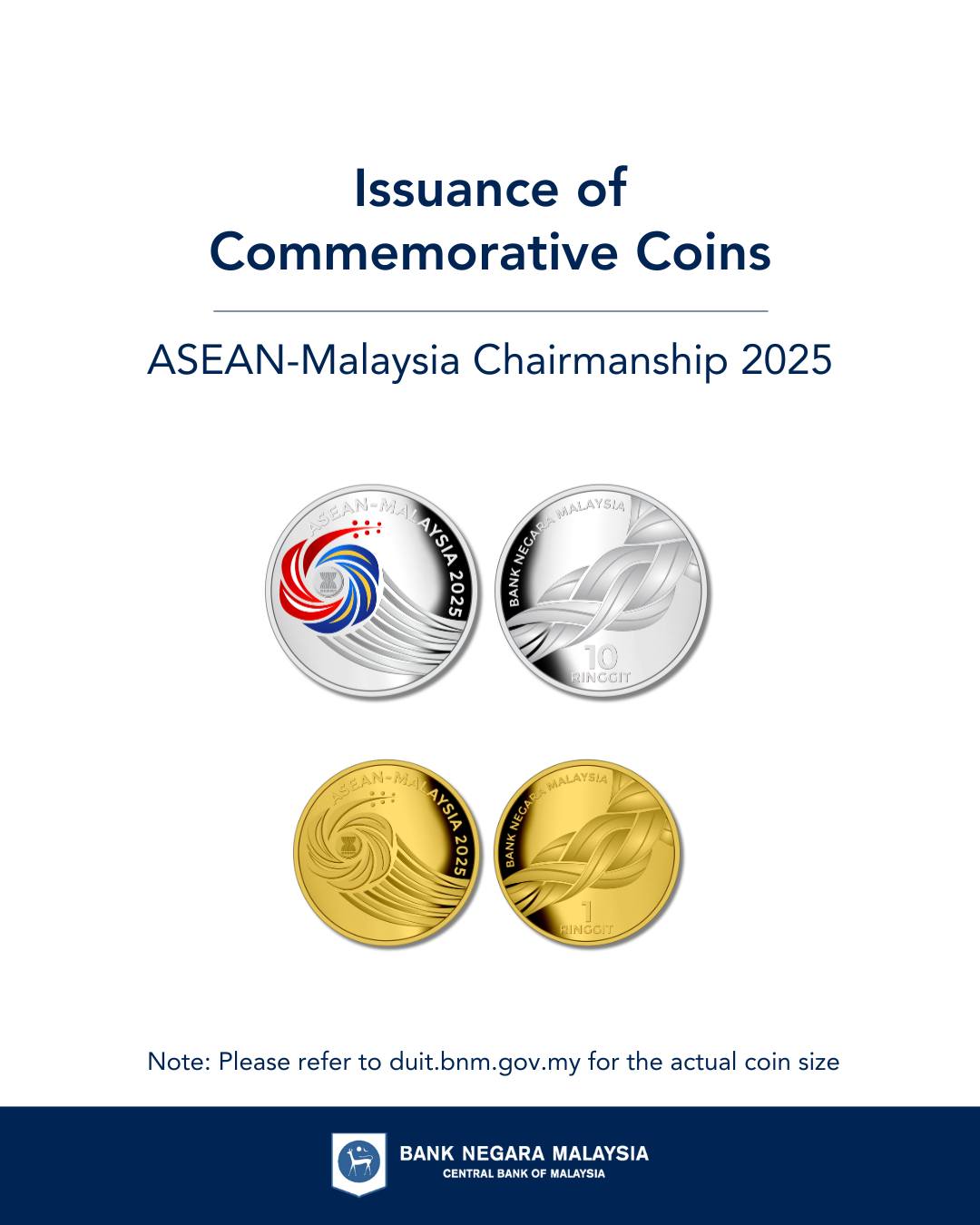
Malaysia 2025 ASEAN-Malaysia Chairmanship (ASEAN25) coin
On 7 November 2025, Bank Negara Malaysia (BNM) issued a commemorative coin in conjunction with Malaysia's 2025 ASEAN Chairmanship.
The ASEAN25 series comprises a single-coloured sterling silver coin proof, with 92.5% purity and weighing 31 grams. This coin has a face value of RM10 and will be sold at RM363 per piece. The mintage quantity is 1,000 pieces.
The 2-coin Nordic gold brilliant uncirculated (B.U.) set, made of copper and several other metals, weighs 8.5 grams each and carries a face value of RM1 per coin. It is sold as a set of two coins to accentuate the novelty of its design, priced at RM24.20 per set. The mintage quantity is 5,000 sets.
Set of 2 containing one single-coloured sterling silver proof coin and one Nordic gold proof coin. The mintage quantity is 1,000 sets and priced at RM396 per set.
**Obverse** – The design draws inspiration from the concept of continuity, incorporating traditional weaving elements as its central motif. The motif flows seamlessly from the obverse to the reverse, the first in the history of Malaysian numismatic coin design. The design features the official logo of the ASEAN-Malaysia Chairmanship 2025 and a stylised fireball, symbolising the dynamic and progressive spirit shared by all ASEAN member countries. The inscription 'ASEAN-MALAYSIA 2025' appears on the top right circumference of the coin, commemorating Malaysia's role as ASEAN Chair in 2025.
**Reverse** – The weaving motif continues, representing the enduring bonds and cooperation among ASEAN member countries. The name 'BANK NEGARA MALAYSIA', as the issuing authority of the numismatic coins, is positioned on the top left circumference of the coin. The face value is inscribed as '10 RINGGIT' for the sterling silver coin and '1 RINGGIT' for the Nordic gold coin.
RM10 2025 ASEAN-Malaysia Chairmanship (ASEAN25) silver coin
Technical Specifications:
Type: Silver Proof
Metal: Silver (Ag92.5)
Face Value (RM): 10 RINGGIT
Mintage (piece / set): 1000 for single, 1000 for a set of 2
Diameter (mm): 40.7
Weight (g): 31.1
BNM's Retail Price: RM363
RM1 2025 ASEAN-Malaysia Chairmanship (ASEAN25) Nordic Gold Proof coin
Technical Specifications:
Type: Nordic Gold (B.U.)
Metal: Cu89 Zn5 Al5 Sn1
Face Value (RM): 1 RINGGIT
Mintage (pieces / sets): 1,000
Diameter (mm): 30.0
Weight (g): 8.5
BNM's Retail Price: -
RM1 52025 ASEAN-Malaysia Chairmanship (ASEAN25) coin Nordic Gold coin
Technical Specifications:
Type: Nordic Gold (B.U.)
Metal: Cu89 Zn5 Al5 Sn1
Face Value (RM): 1 RINGGIT
Mintage (pieces / sets): 5,000
Diameter (mm): 30.0
Weight (g): 8.5
BNM's Retail Price: RM24.20
Set of 2 in 1:
Contains silver and nordic gold coins
Mintage: 1,000 sets.
BNM's Retail Price: RM396
Toast Place Butter Kaya Toast Set
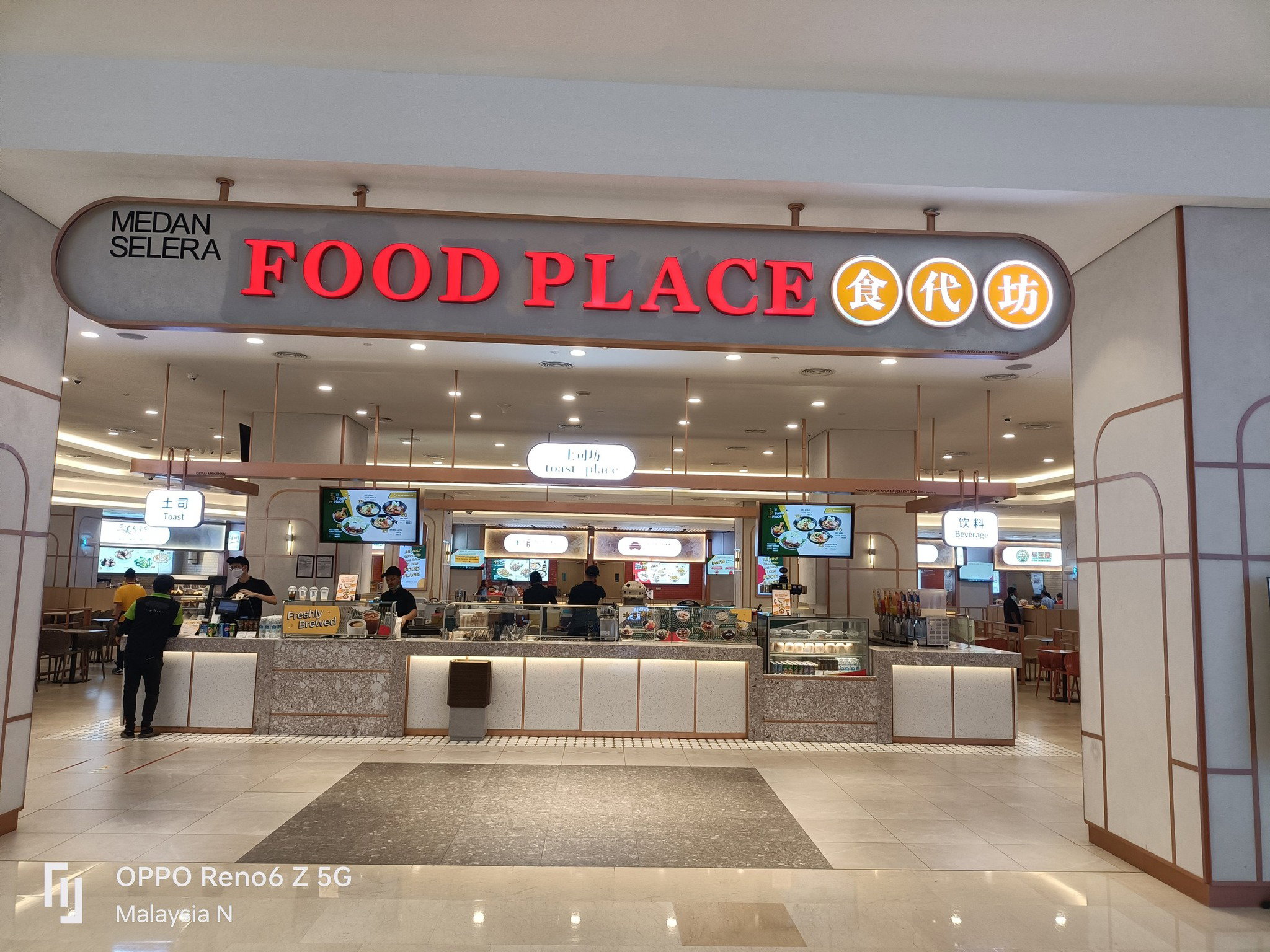
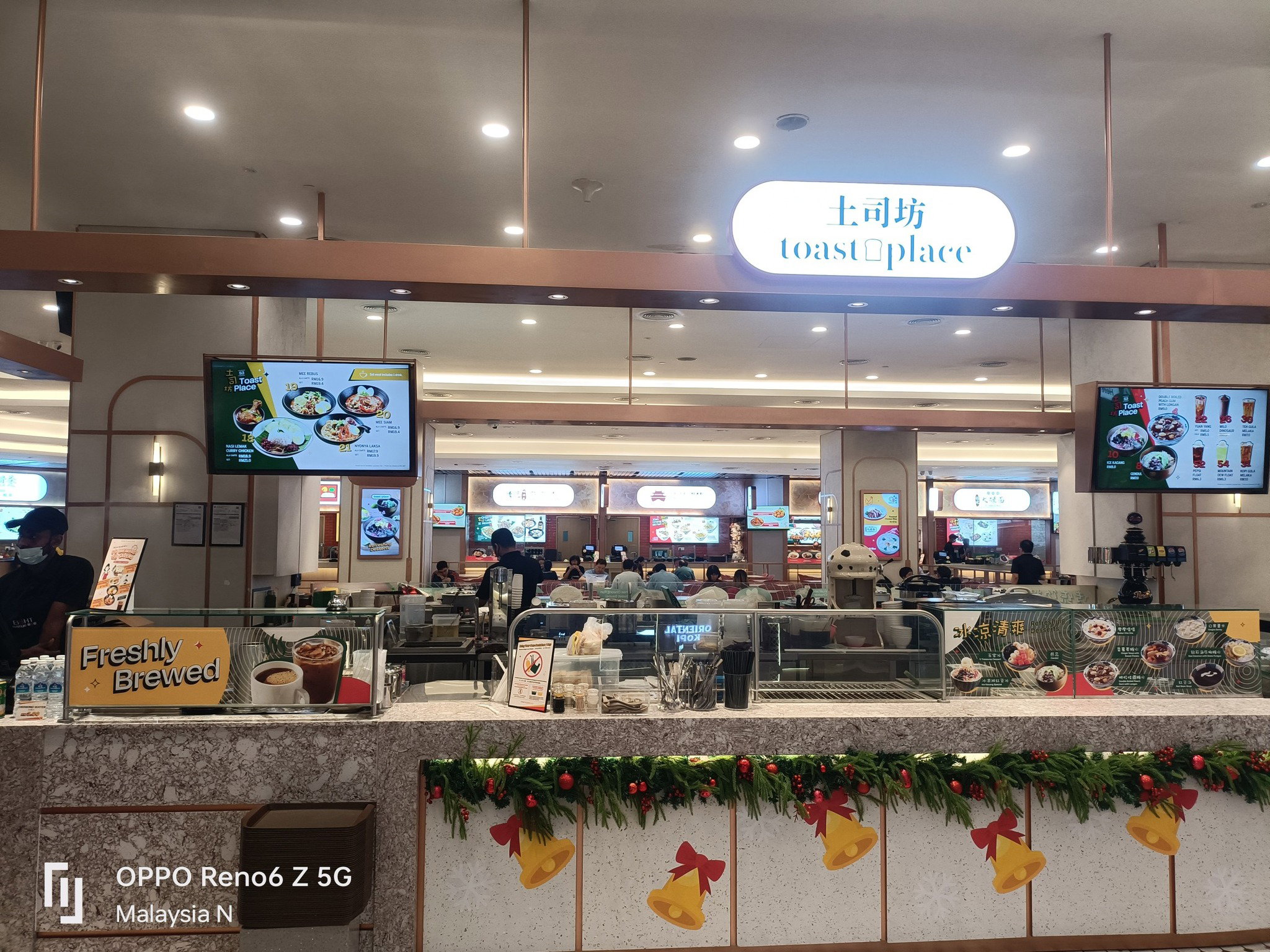
Today, I revisited the Food Place food court, located at Pavilion Mall. The food court is located beside the Oriental Kopi Restaurant.
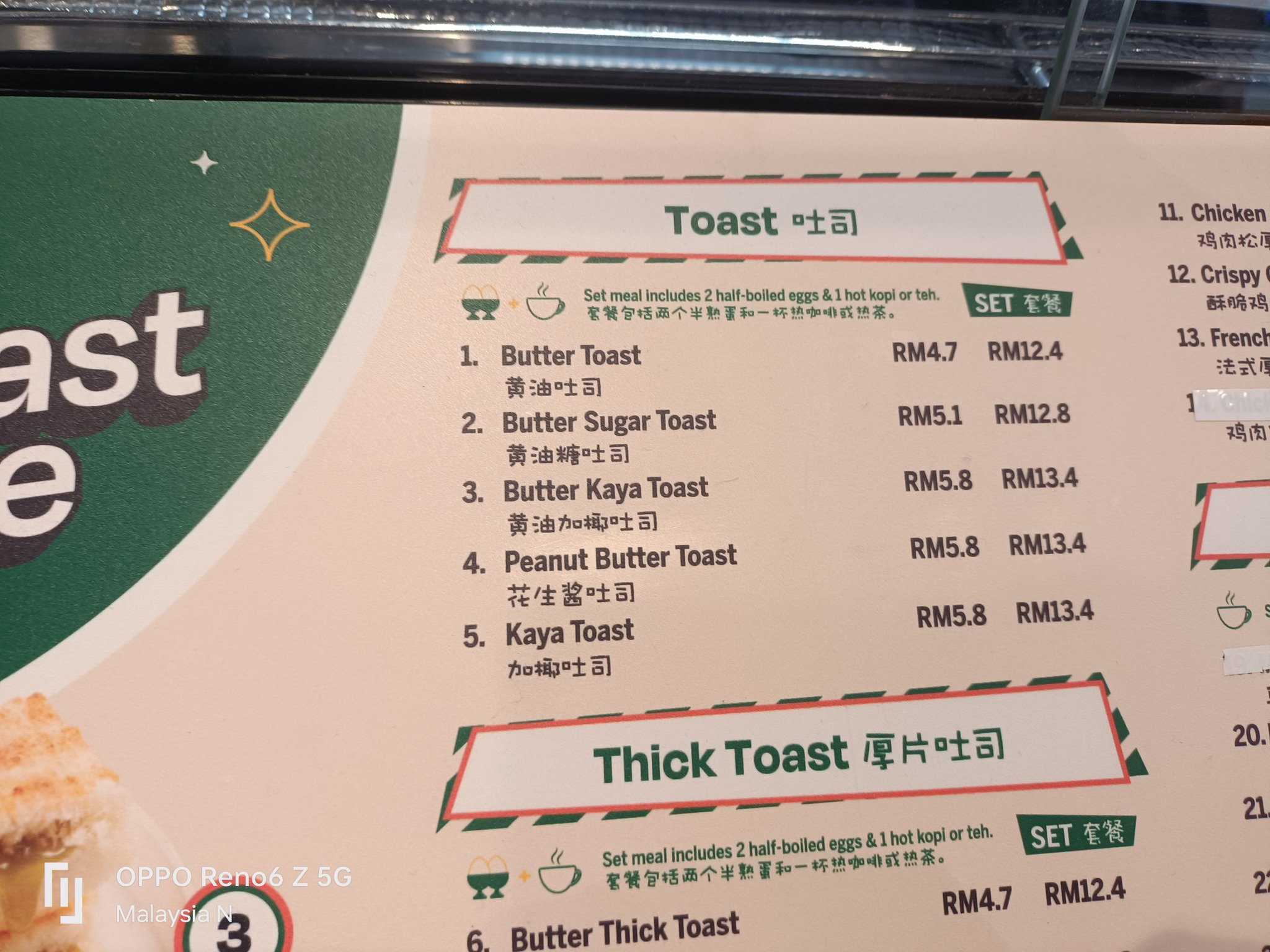
This time I ordered Butter Kaya Toast set from the Toast Place stall, which cost RM13.40 per set. It come with 2 half boiled egg and a cup of drink. For drink, I order a cup of hot coffee.
The butter kaya toast is a lightly toasted bread that’s crisp on the outside yet soft inside, generously spread with fragrant kaya — a coconut-pandan custard — and layered with cold slabs of butter. The contrast is the charm with warm toast melting the edges of the butter, while the kaya adds sweetness and aroma. Accompanying the toast are two half-boiled eggs, prepared in the kopitiam tradition. The whites are silky and barely set, while the yolks remain rich and creamy. They’re typically seasoned with a dash of soy sauce and white pepper, then mixed to a velvety texture. The set is completed with a kopitiam-style drink of your choice: coffee (kopi), tea (teh), or the beloved kopi-teh hybrid cham — available hot or iced. The drinks use the traditional method: strong brew, condensed milk or evaporated milk, and that unmistakable old-school flavour.
Kaya toast is deeply rooted in the early Hainanese kopitiams (traditional coffee shops) of Malaysia and Singapore, dating back to the late 19th and early 20th centuries. Hainanese immigrants, many of whom worked as cooks for British families, adapted Western-style toast and butter to local ingredients. To replace Western fruit jams, they created kaya, a custard of eggs, sugar, and coconut milk infused with pandan leaves. The result was a uniquely Southeast Asian spread that matched perfectly with crispy toast and coffee.
The classic trio — kaya toast, half-boiled eggs, and kopi — became a signature breakfast for workers, students, and families for generations. It’s nostalgic, affordable, and comforting, representing the essence of kopitiam culture: simple food prepared with care.
Today, stalls like Toast Place continue this heritage in modern malls, bringing the old flavours into contemporary settings while preserving the charm and warmth of the classic kopitiam experience.
 @hooiyewlim