Black Thorn Durian
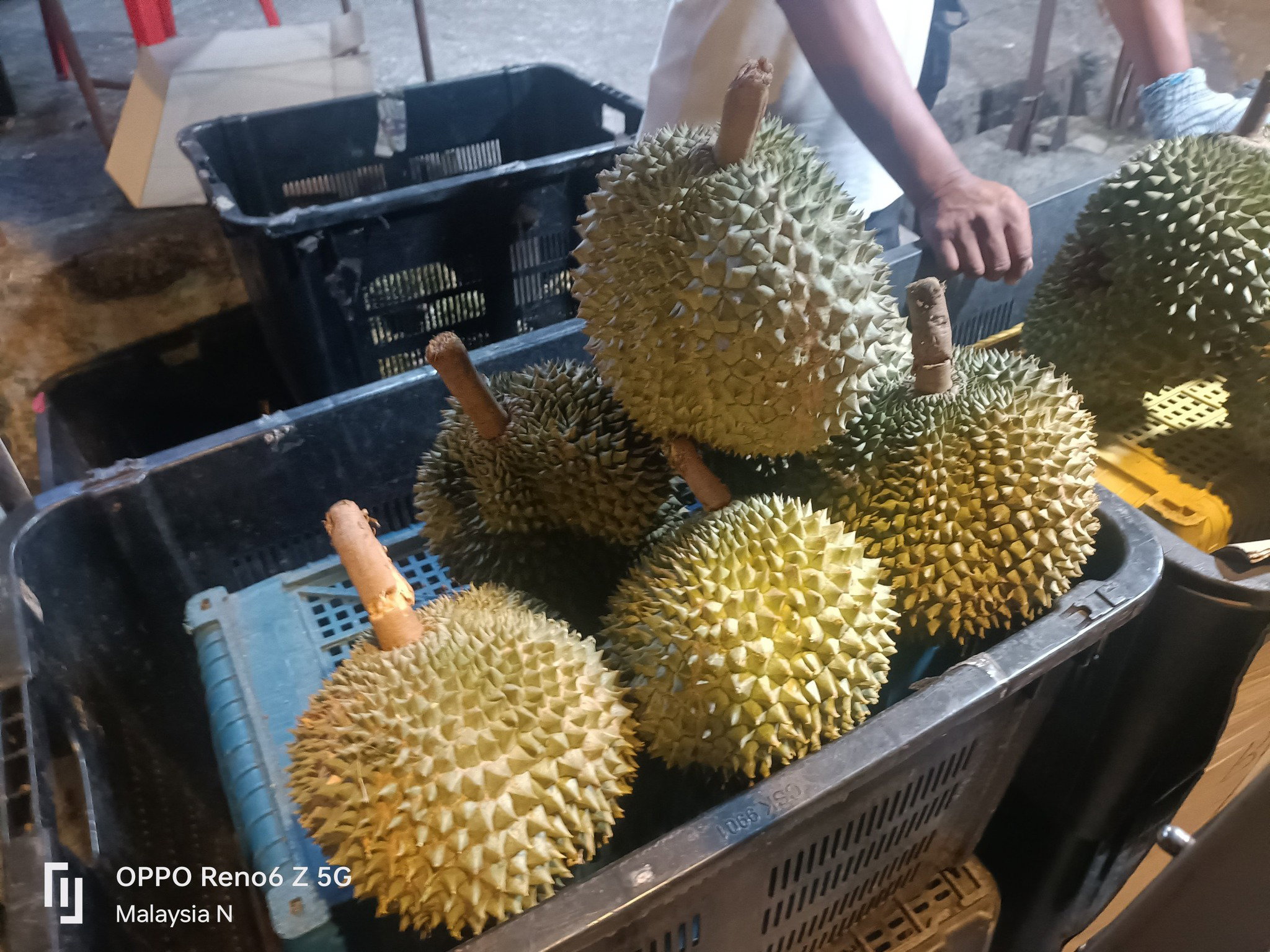
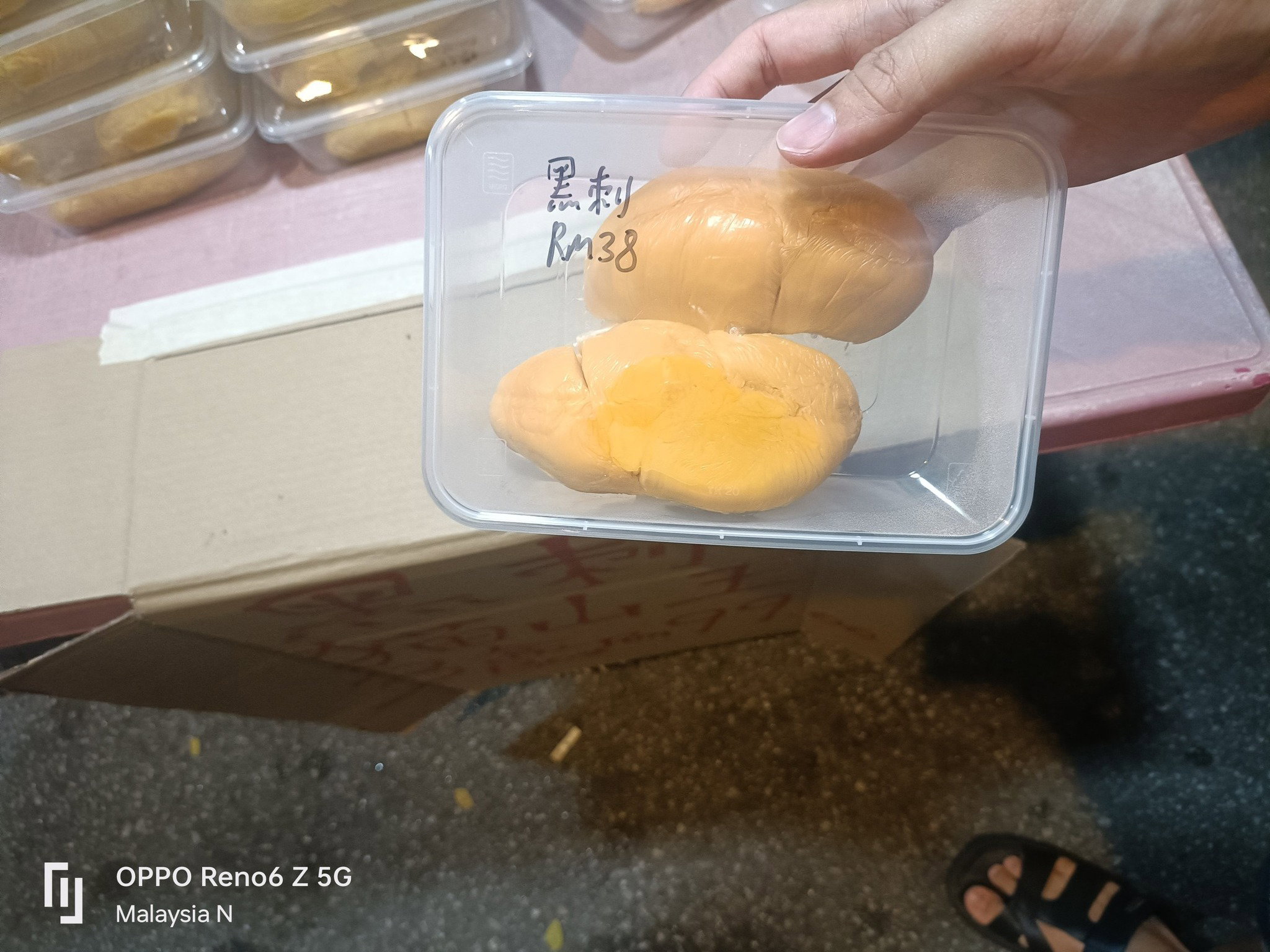
Recently saw a stall selling Black Thorn durian near my home, I decided tu buy one to try. It costs RM38 per box.
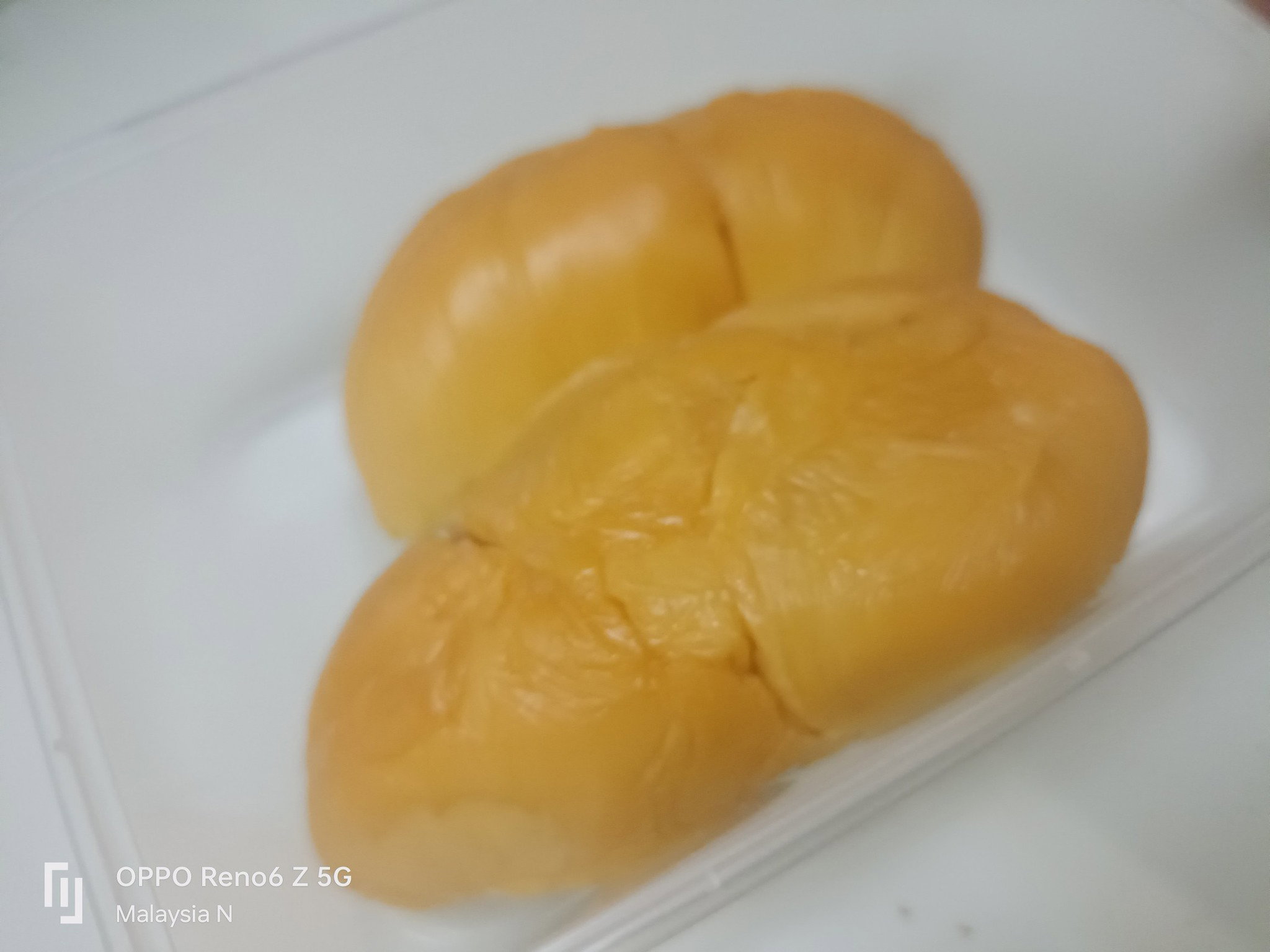
Black Thorn, known locally as Duri Hitam or Ochee (黑刺), is one of Malaysia’s most prized durian varieties. It has a deep golden-orange flesh, thick, glossy, and custard-like. Each lobe is plump and smooth, with a shine that tells you it’s rich, creamy, and high in natural oils. When handled, the flesh dents softly — a signature of its buttery texture.
Black Thorn originated in Penang, particularly around Nibong Tebal, Sungai Bakap, and Batu Kawan. It is a relatively young cultivar, becoming famous only in the early 2010s.
At the base of the fruit, the durian has a small, distinct dark-brown or blackish stem/‘thorn’ that sticks out like a spike — this is the trait that gave it its name.
While Musang King (D197) dominated the 2000s, Black Thorn quietly gained a cult following among Penang growers who believed it had superior flavour. By around 2013–2015, Black Thorn began winning durian competitions, especially the Penang State Durian Championship. Each win increased its fame and pushed demand higher.
Today, it’s considered one of Malaysia’s premium durians, often more expensive than Musang King. This durian tree's yields are lower, so the supply is limited. Growers say Black Thorn is harder to cultivate but worth the effort because of its unique taste and growing demand.
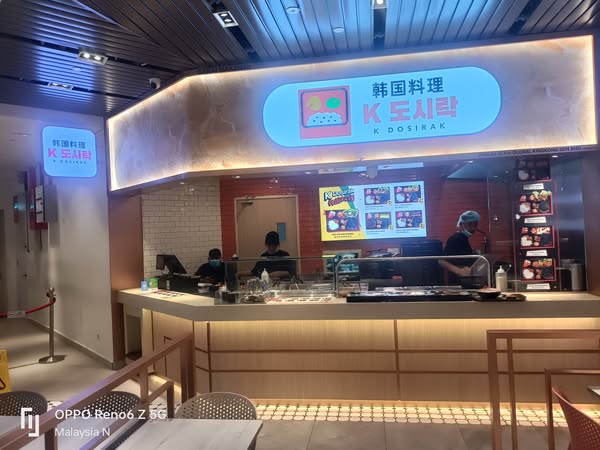
K Dosirak japchae Dosirak
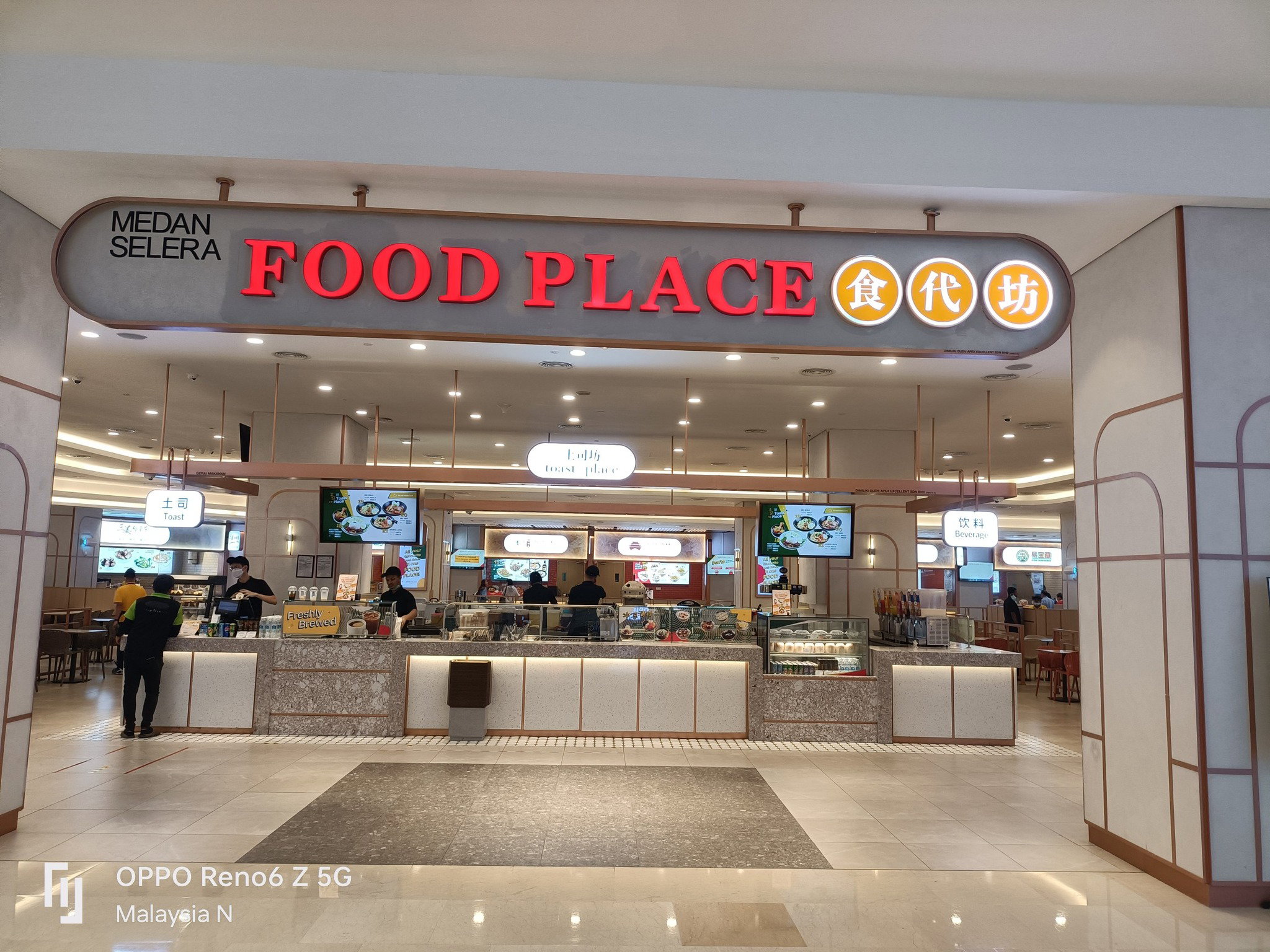
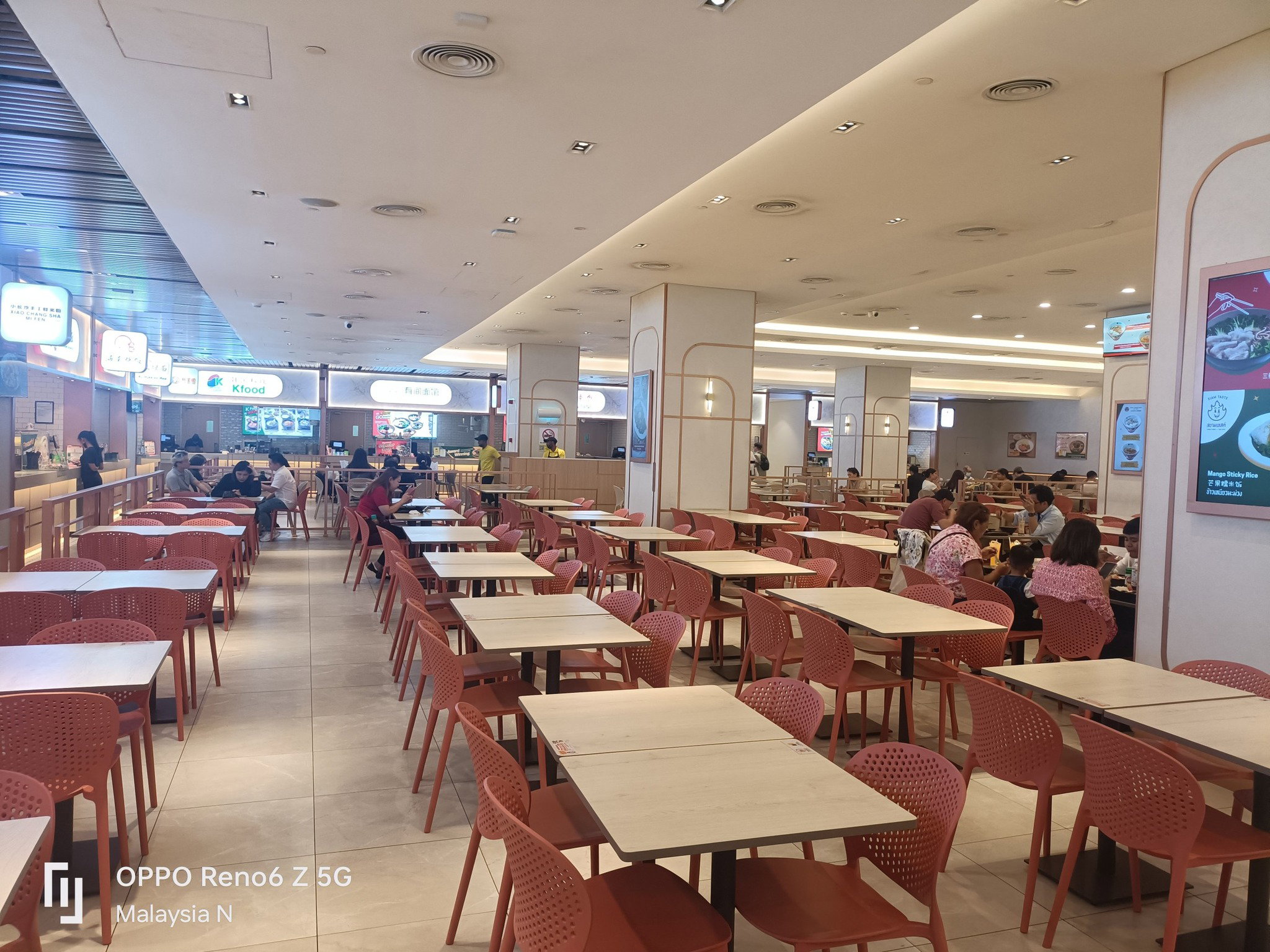
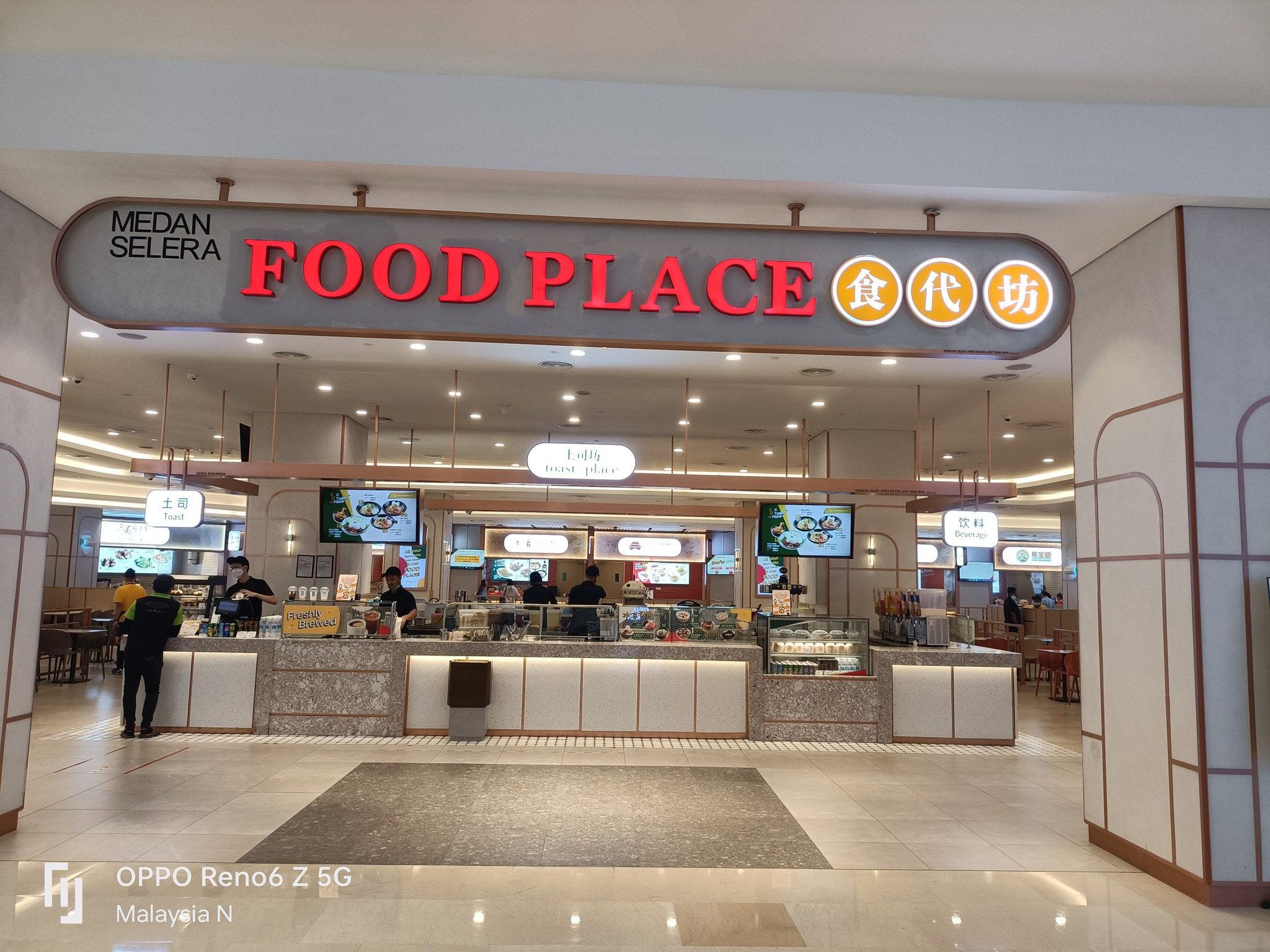
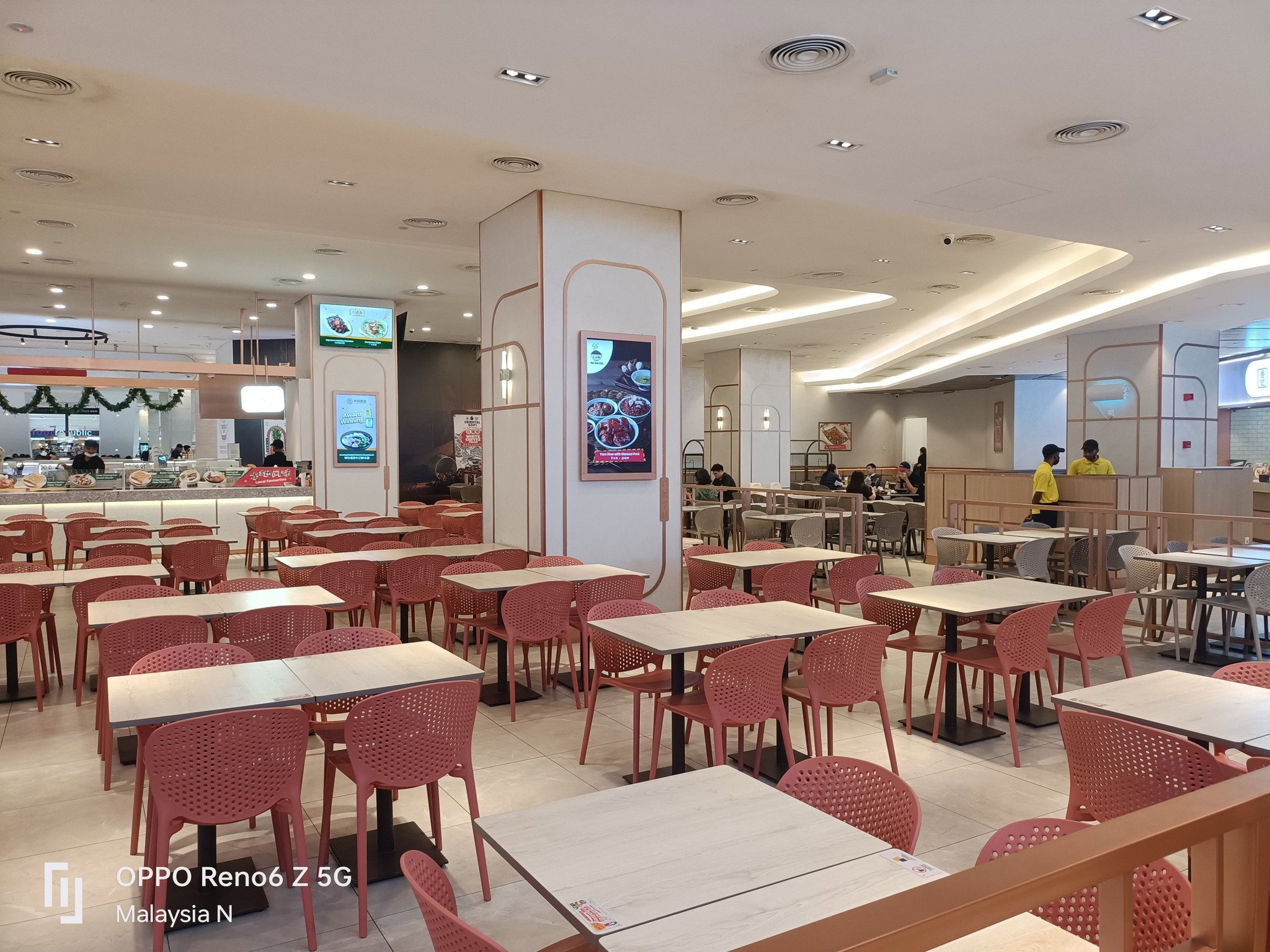
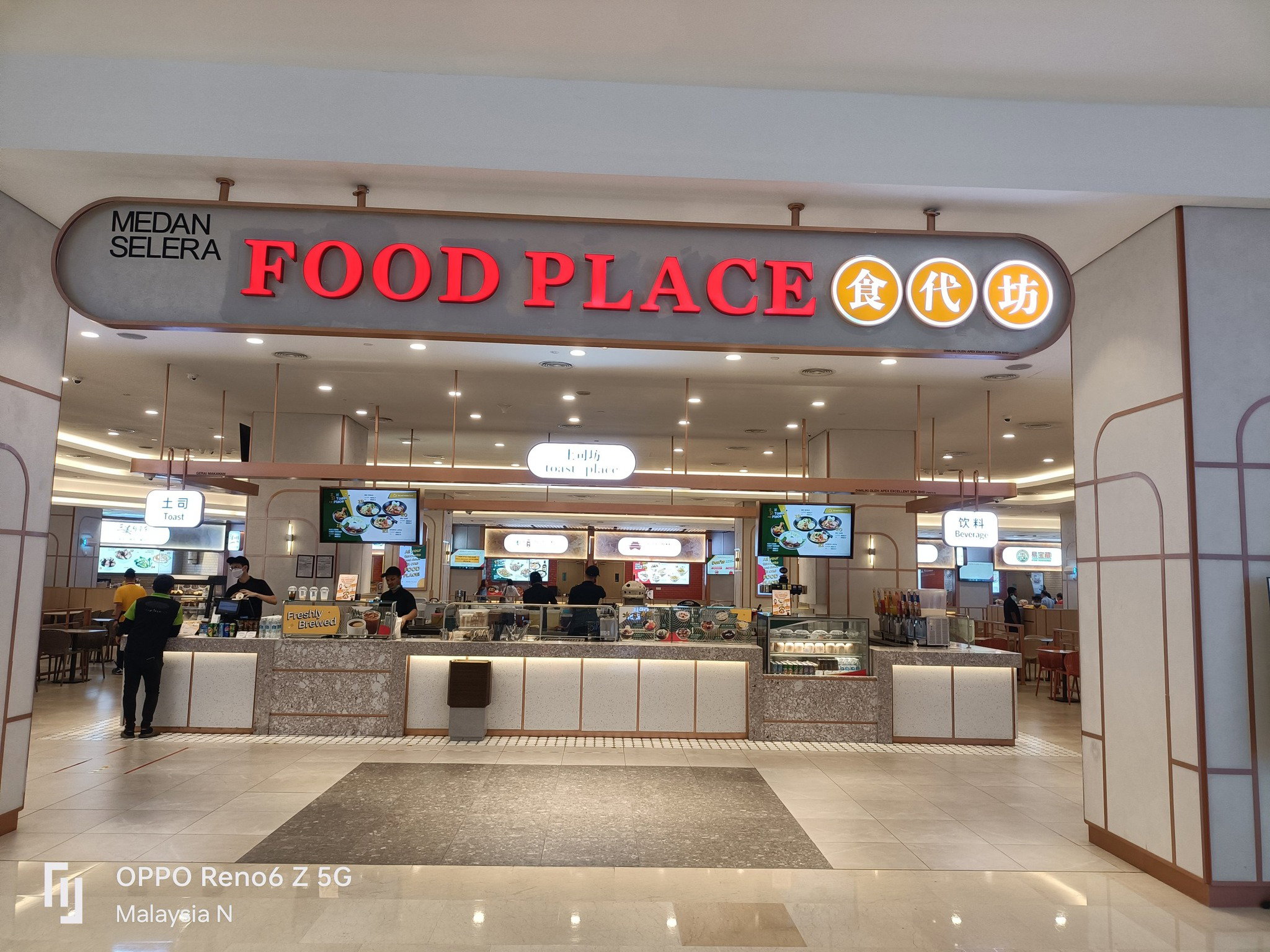
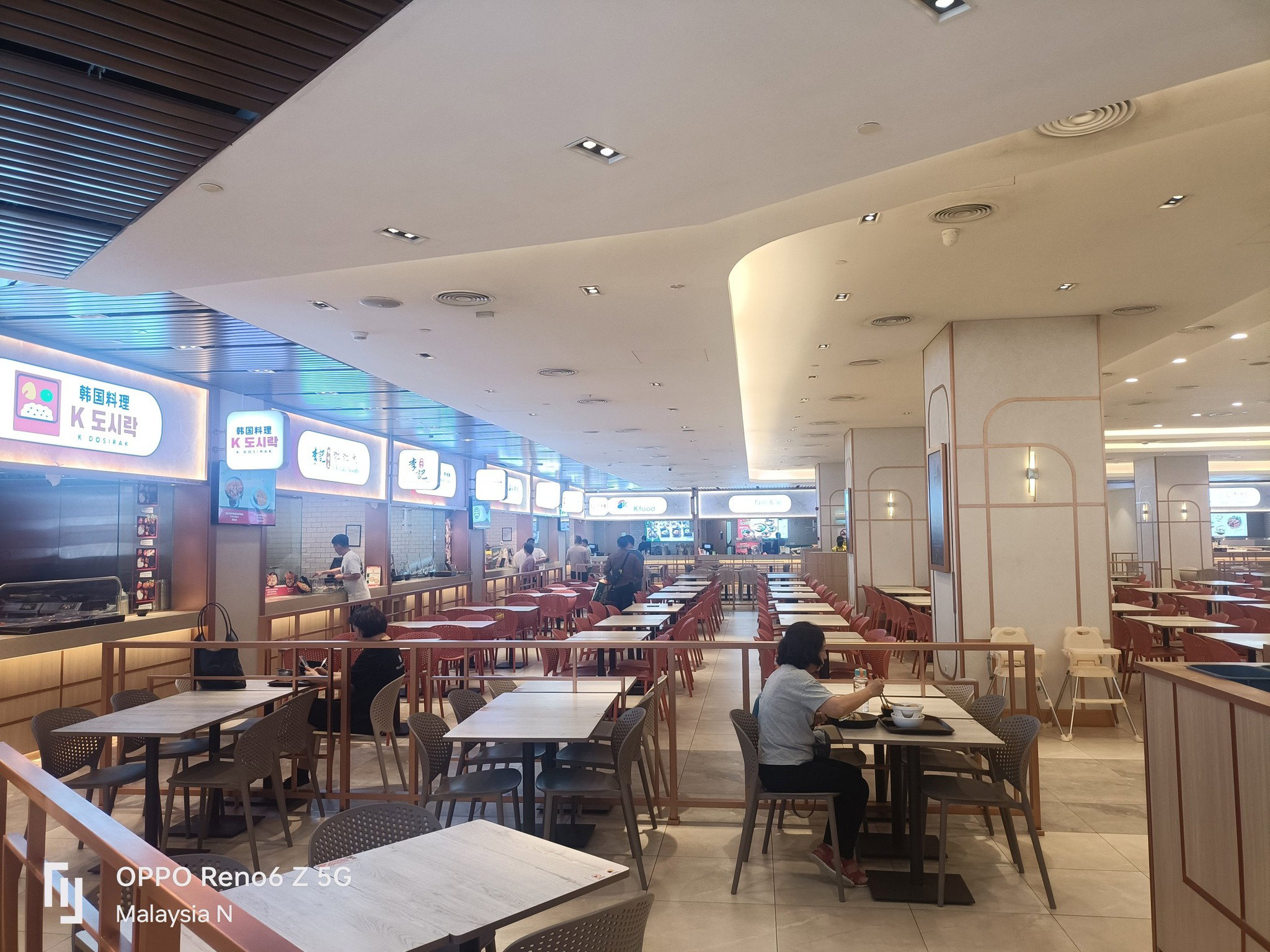
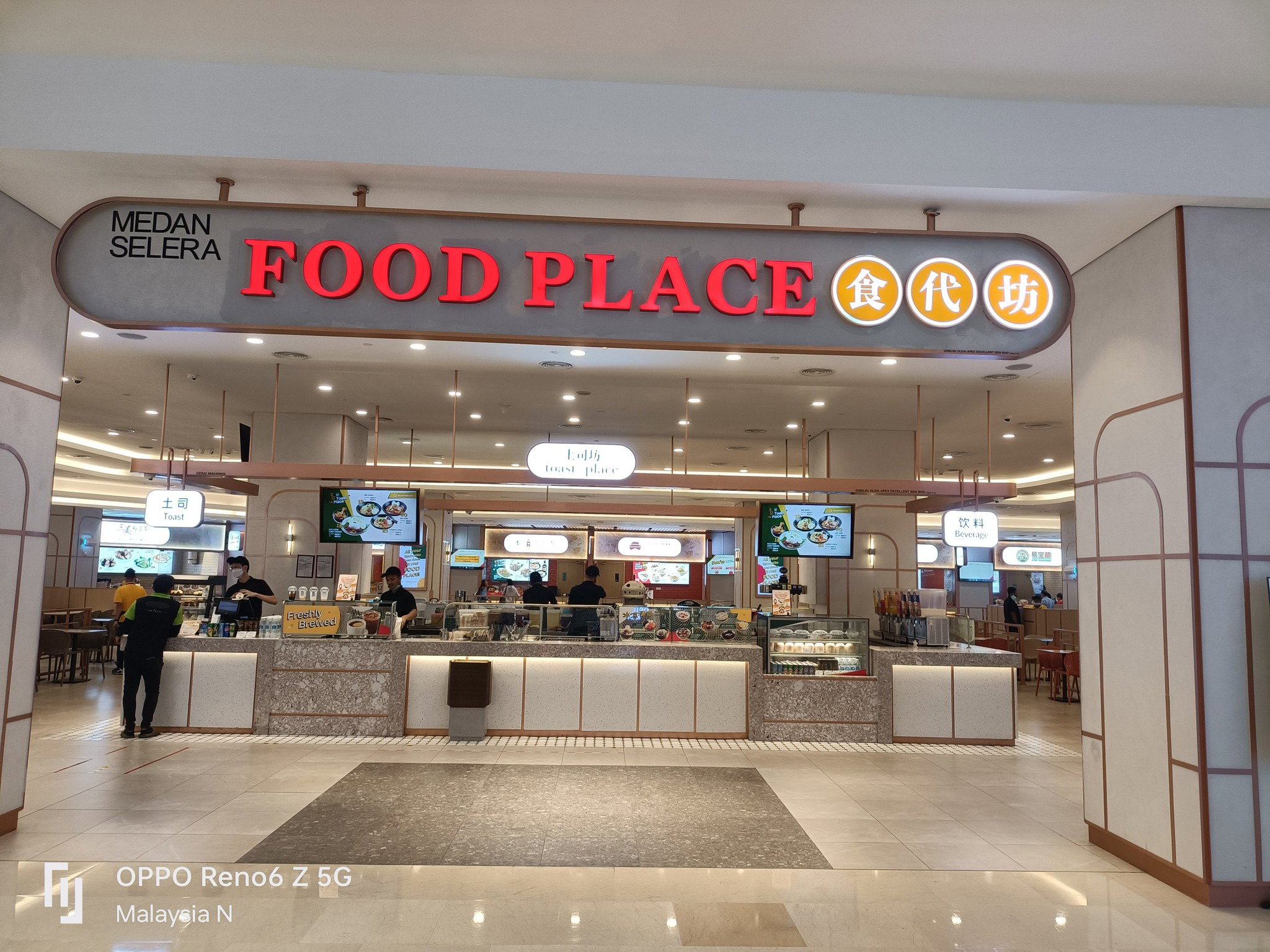
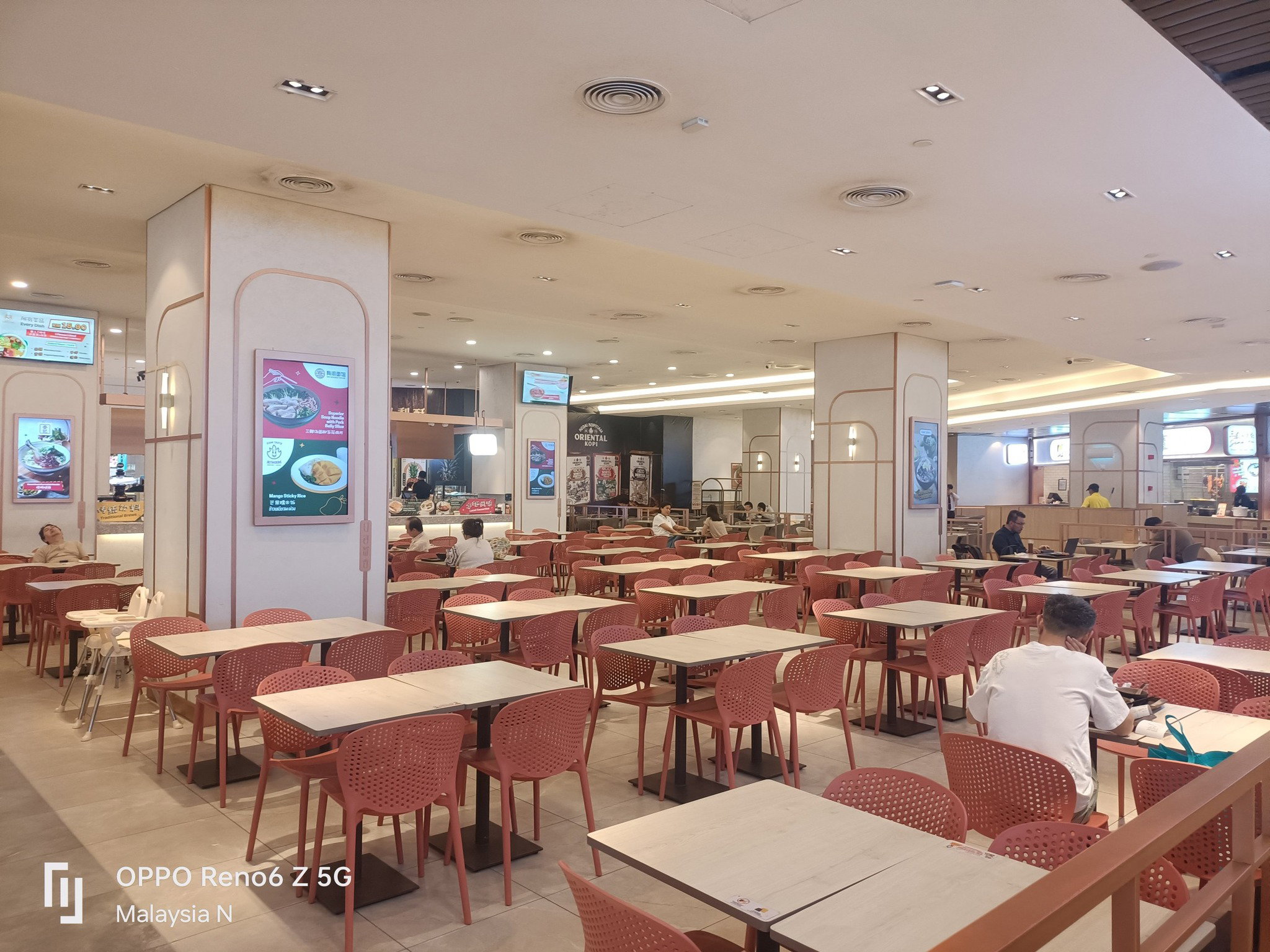
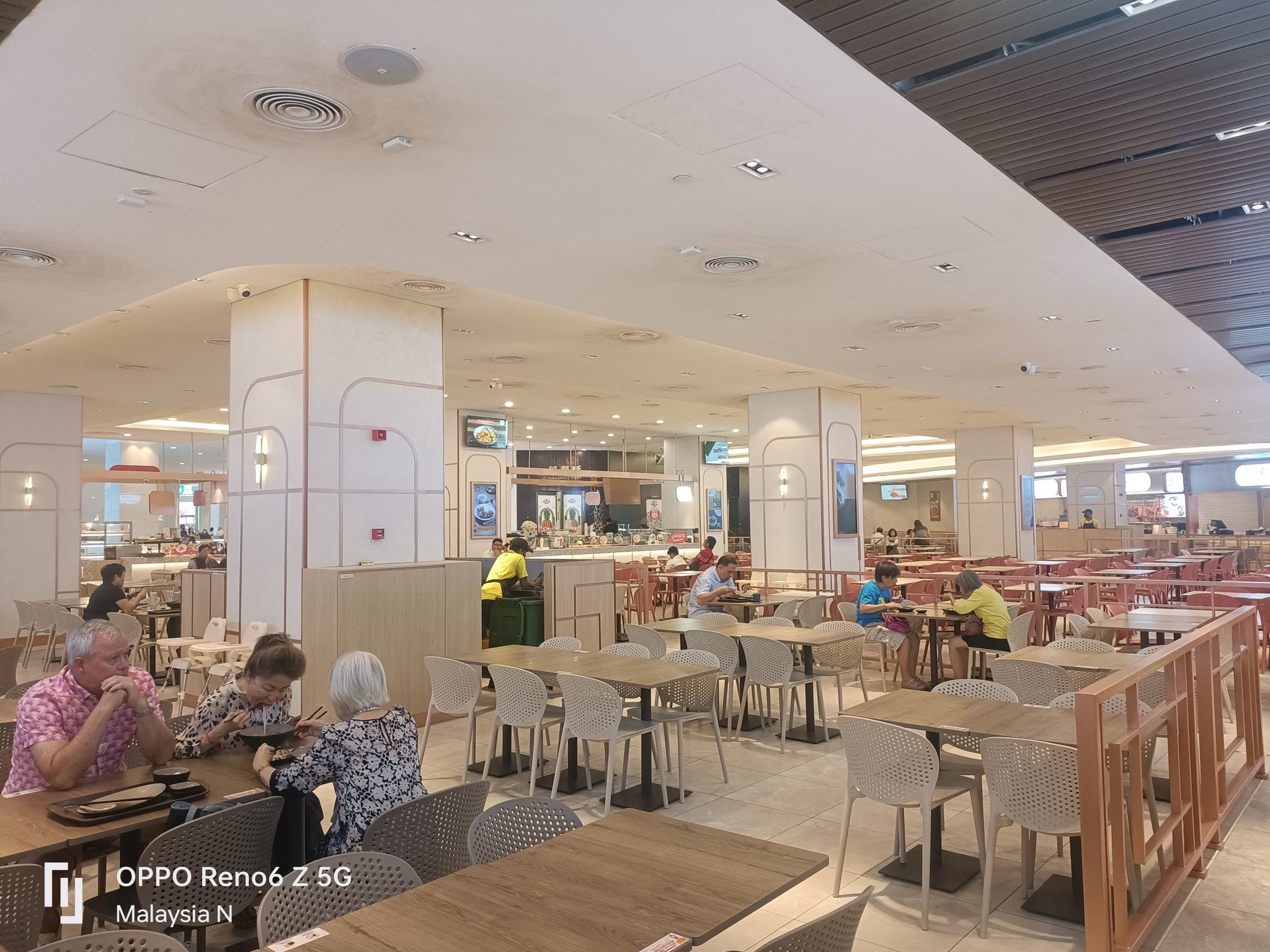
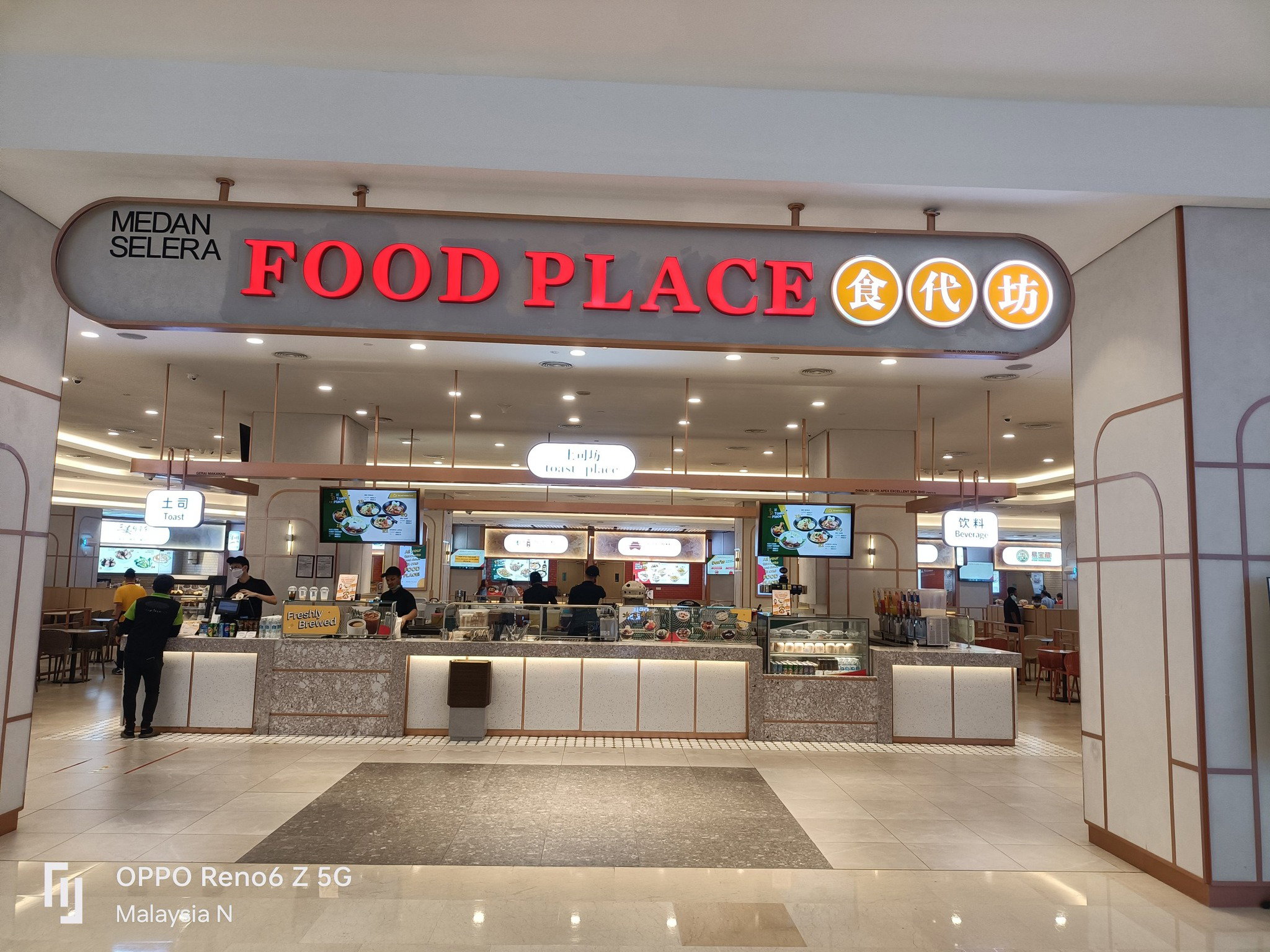
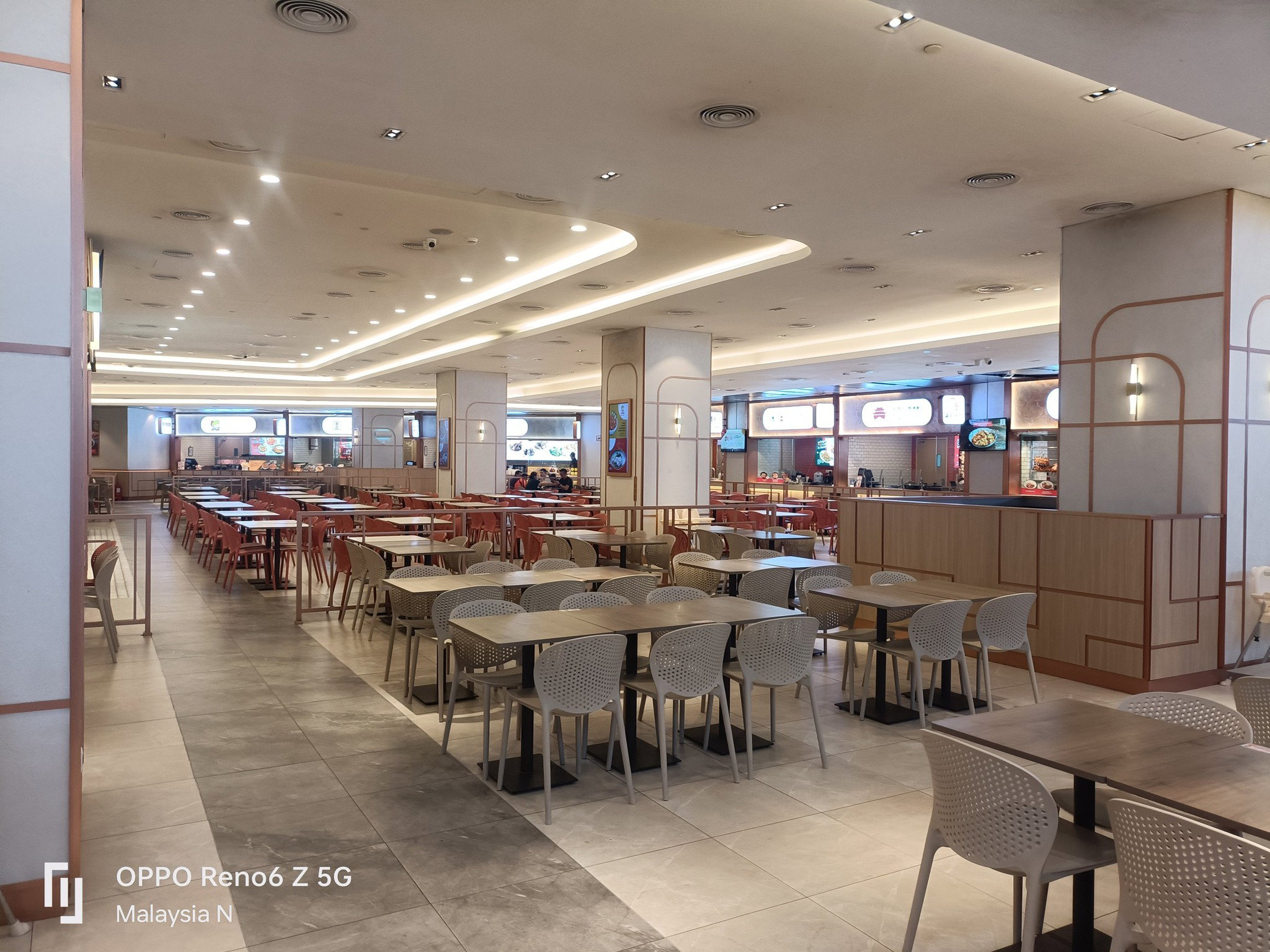
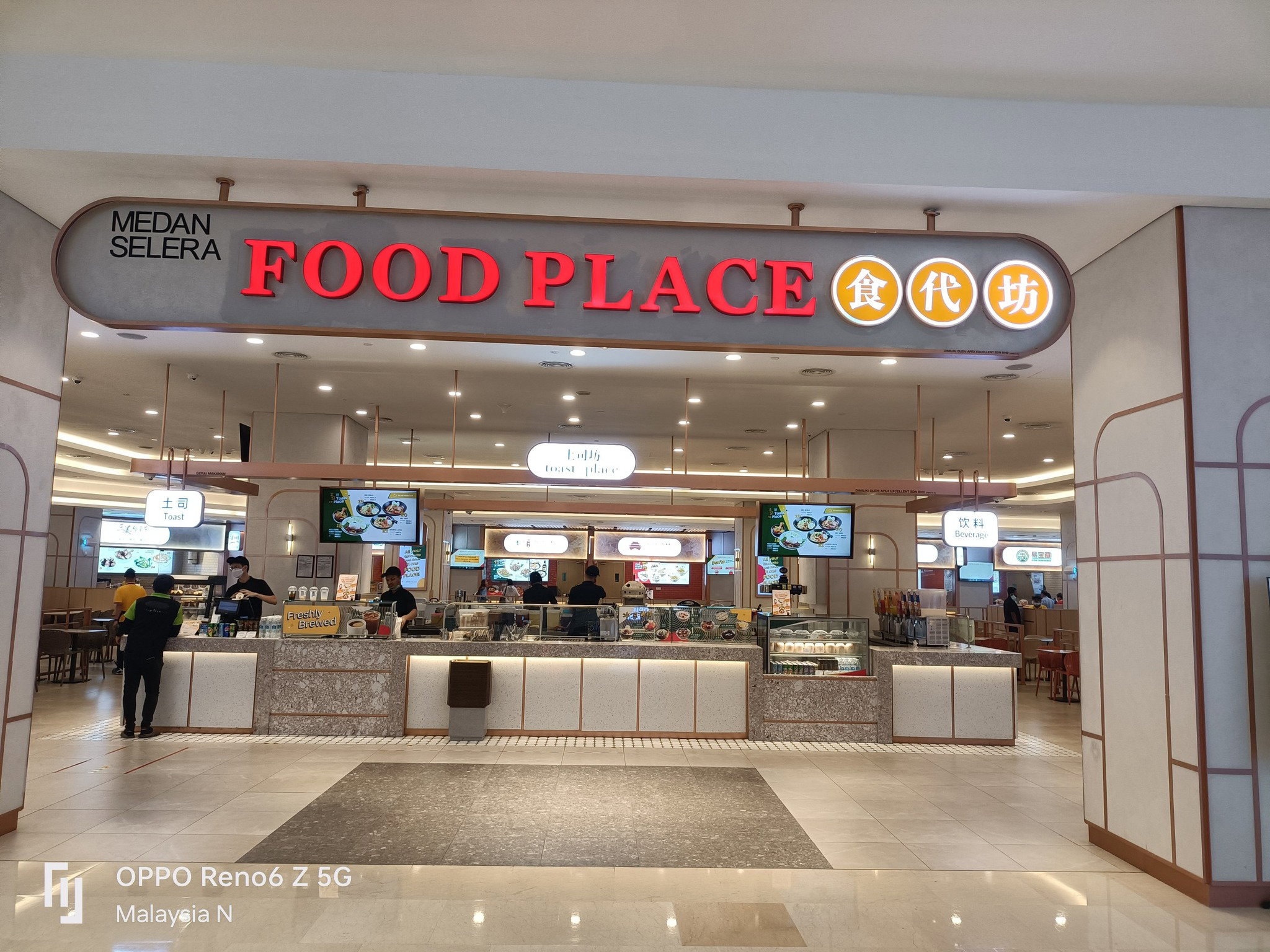
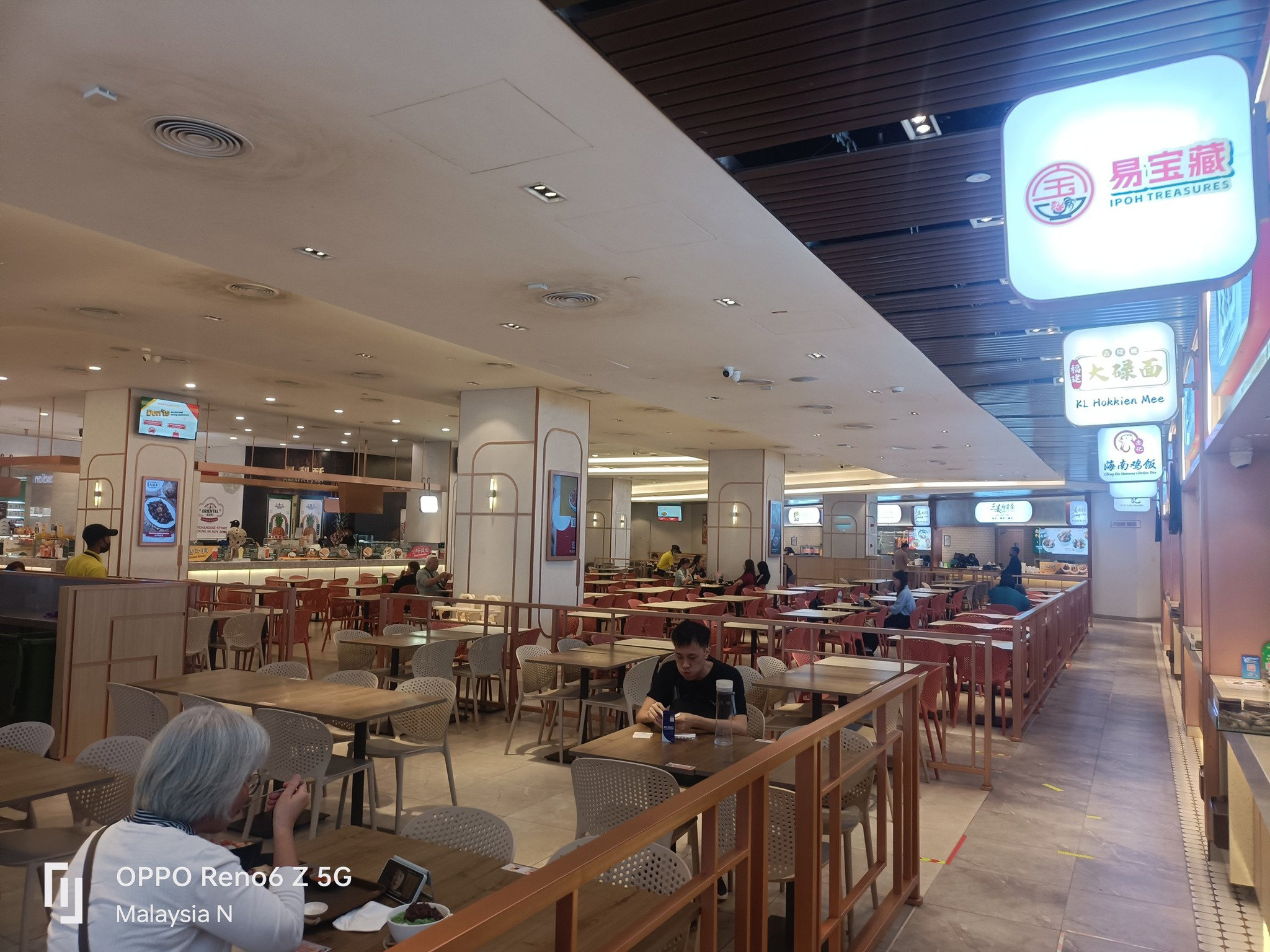
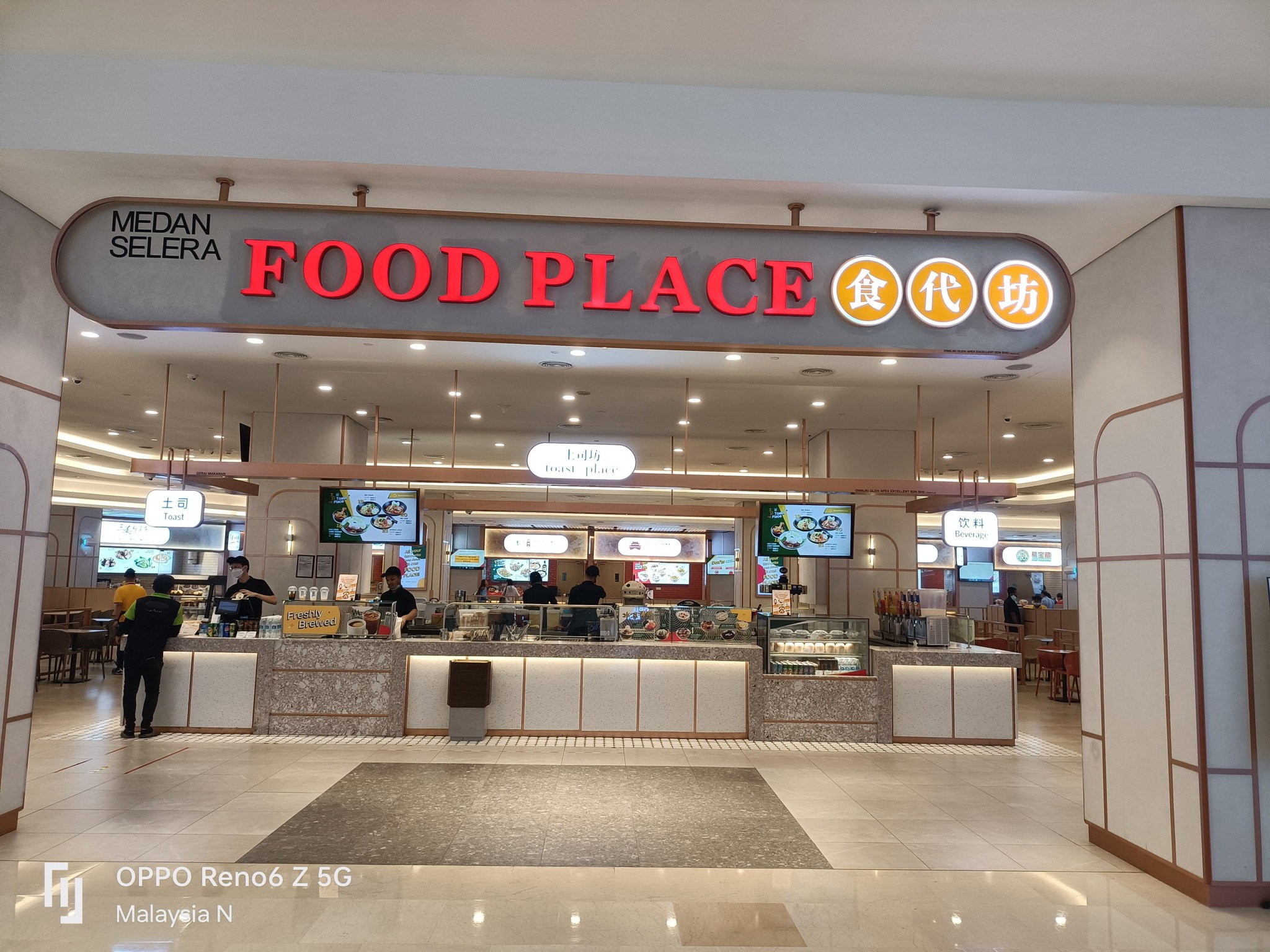
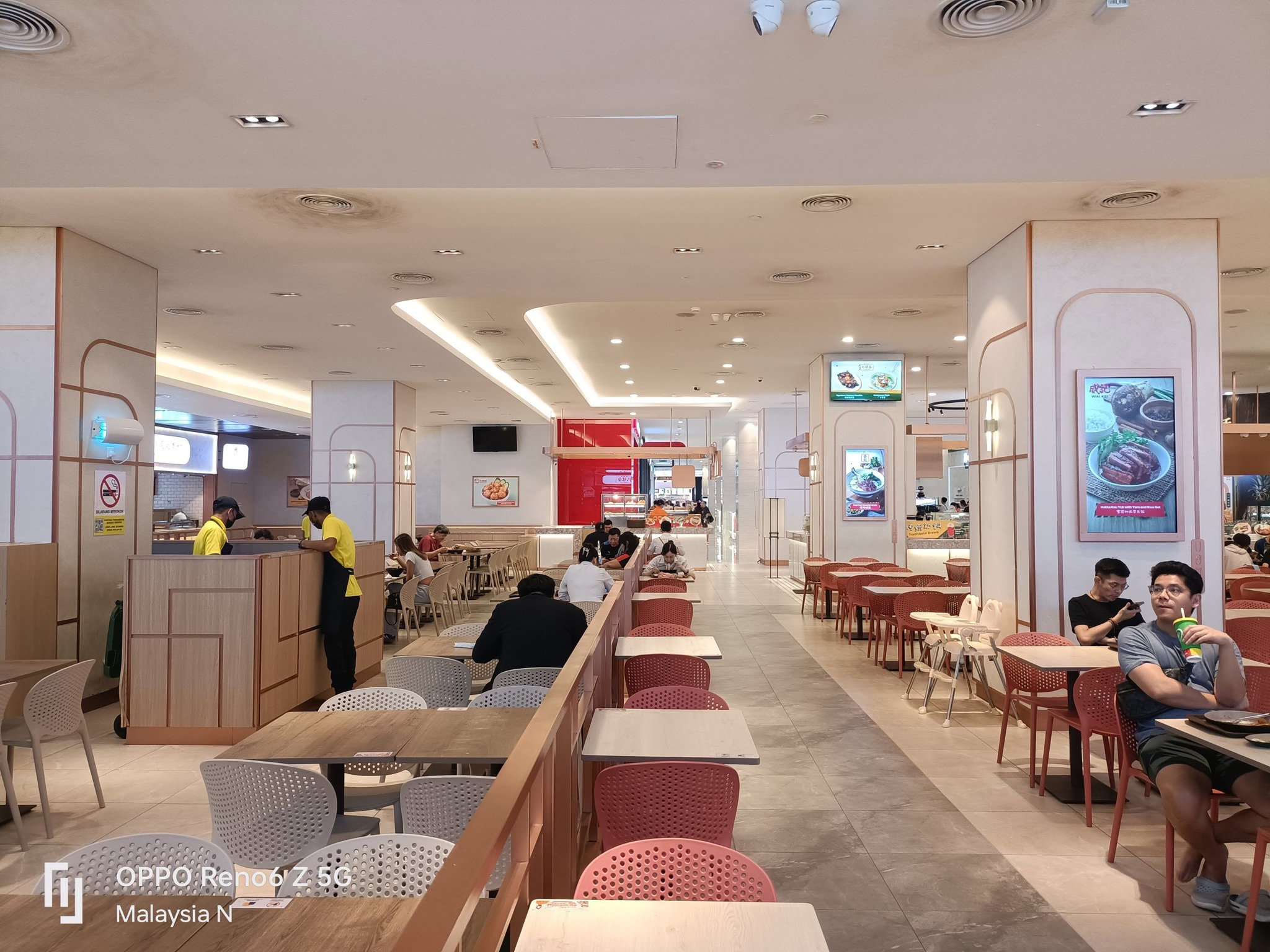
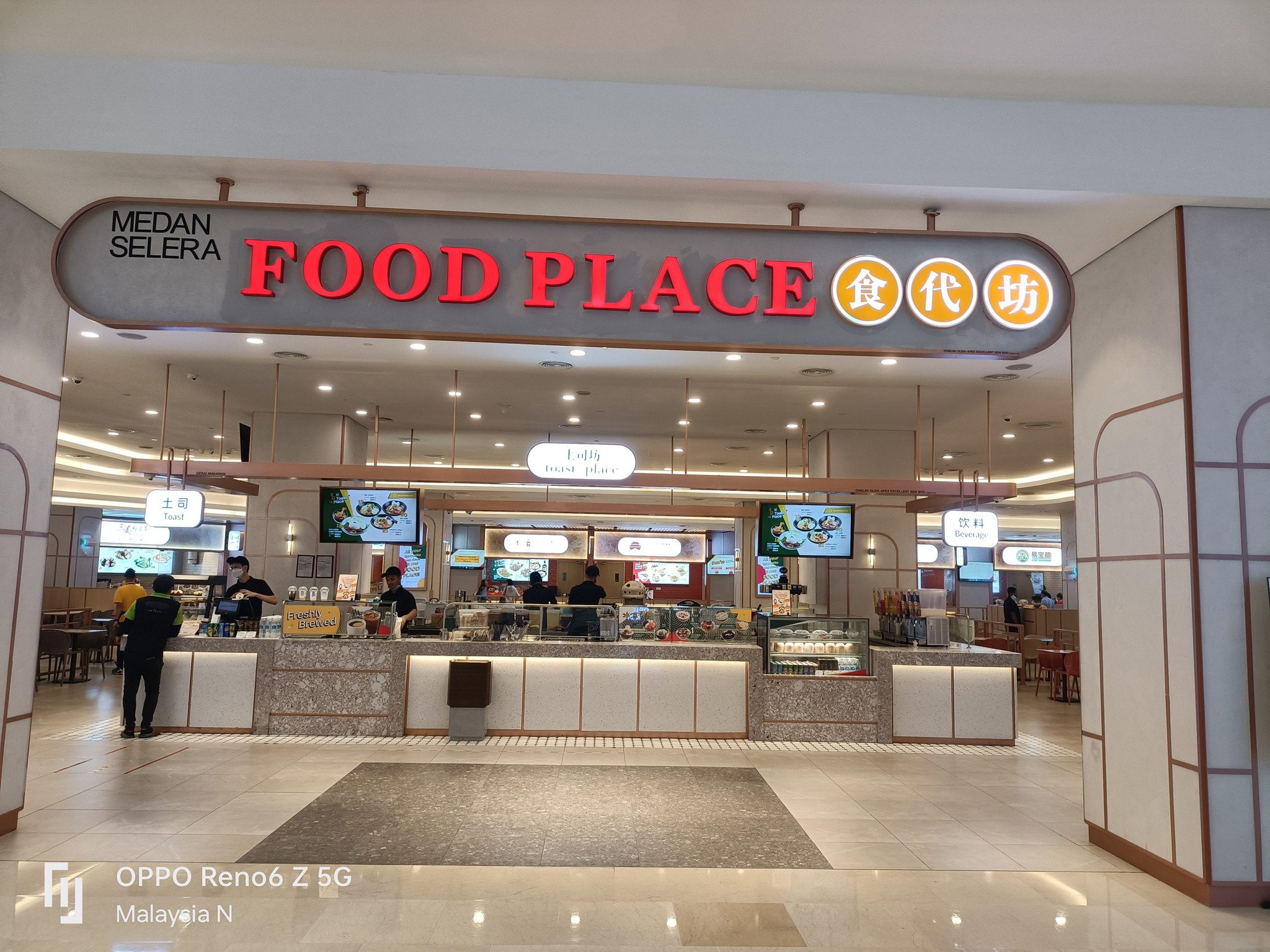
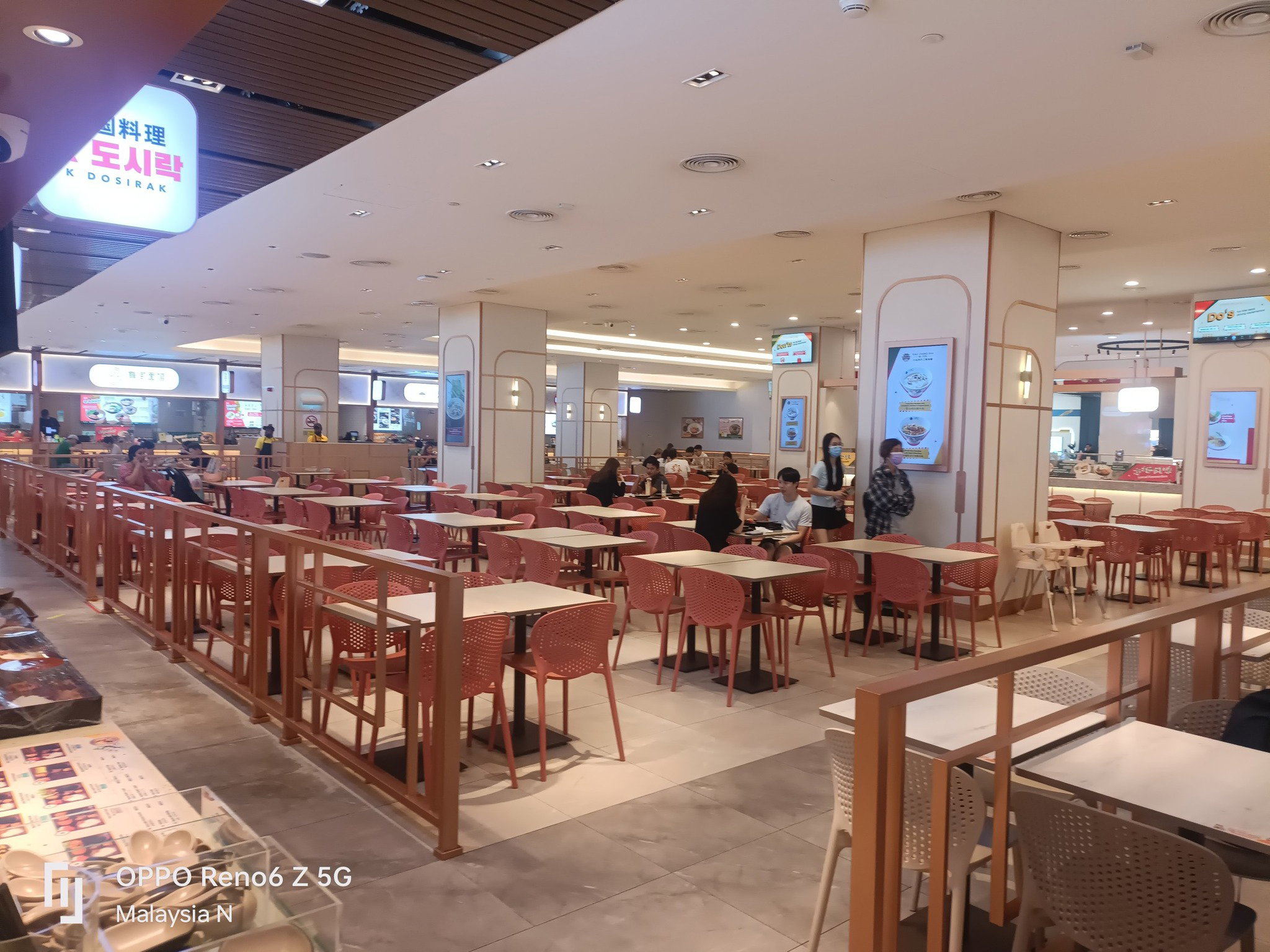
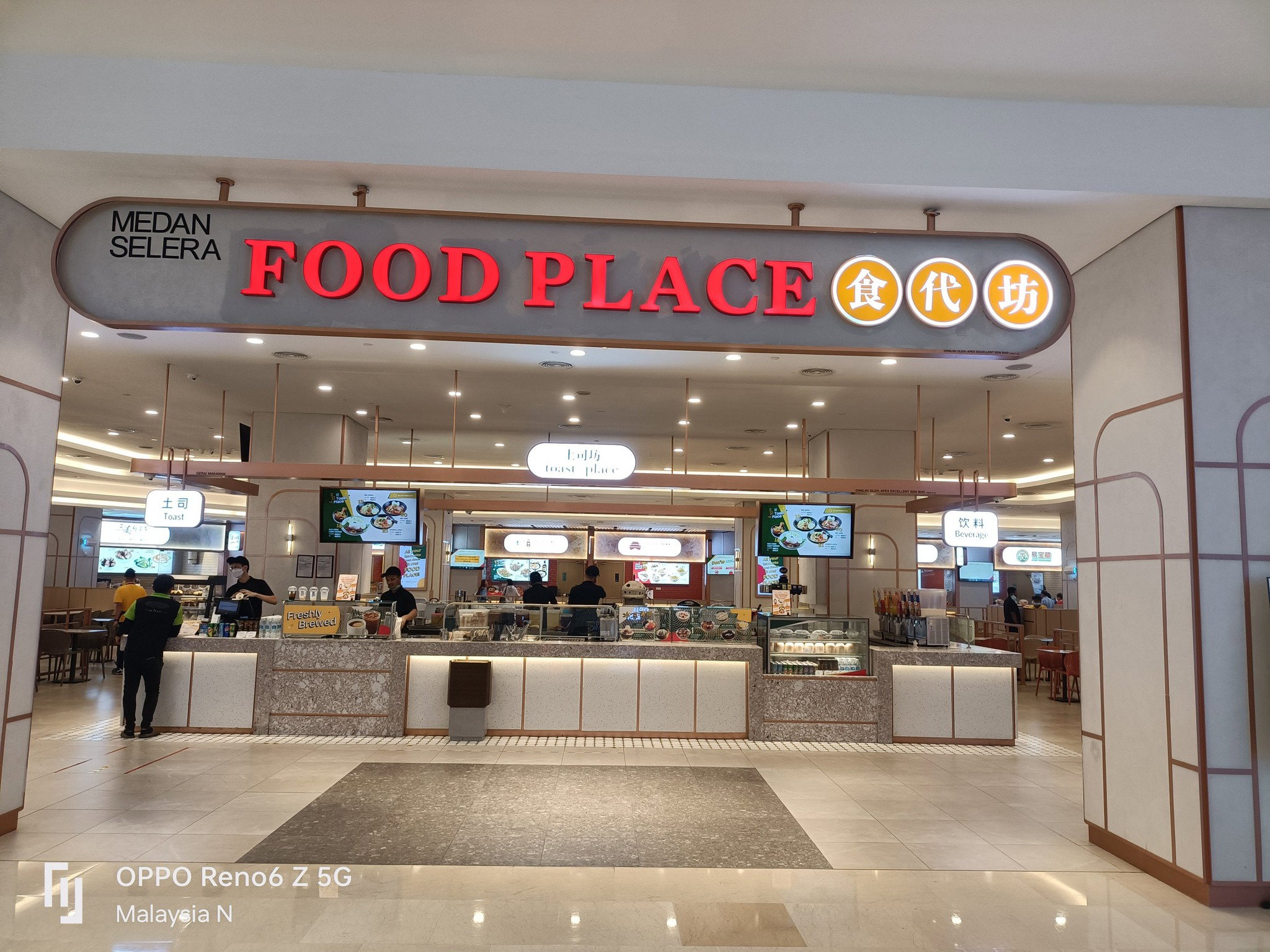
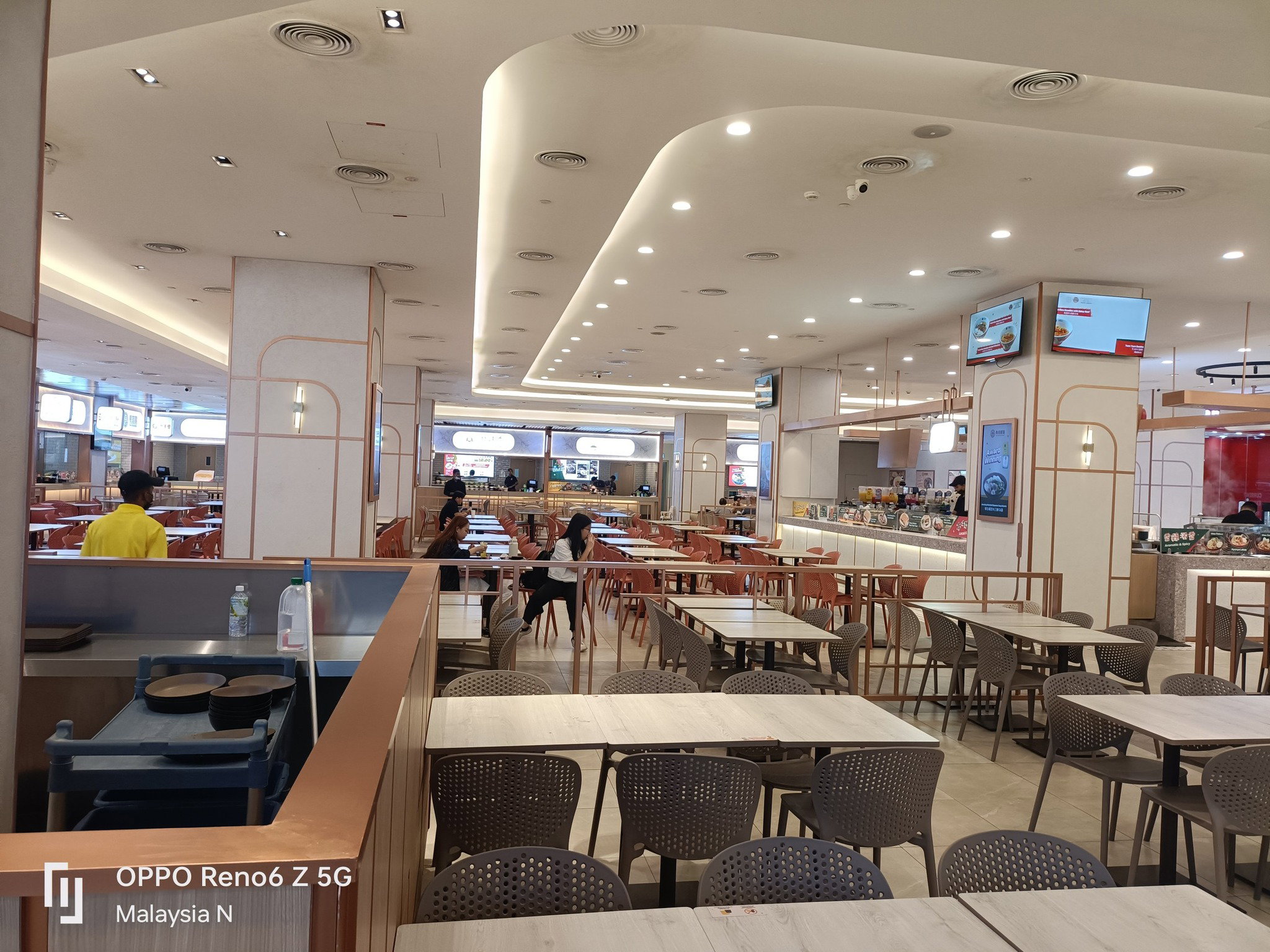
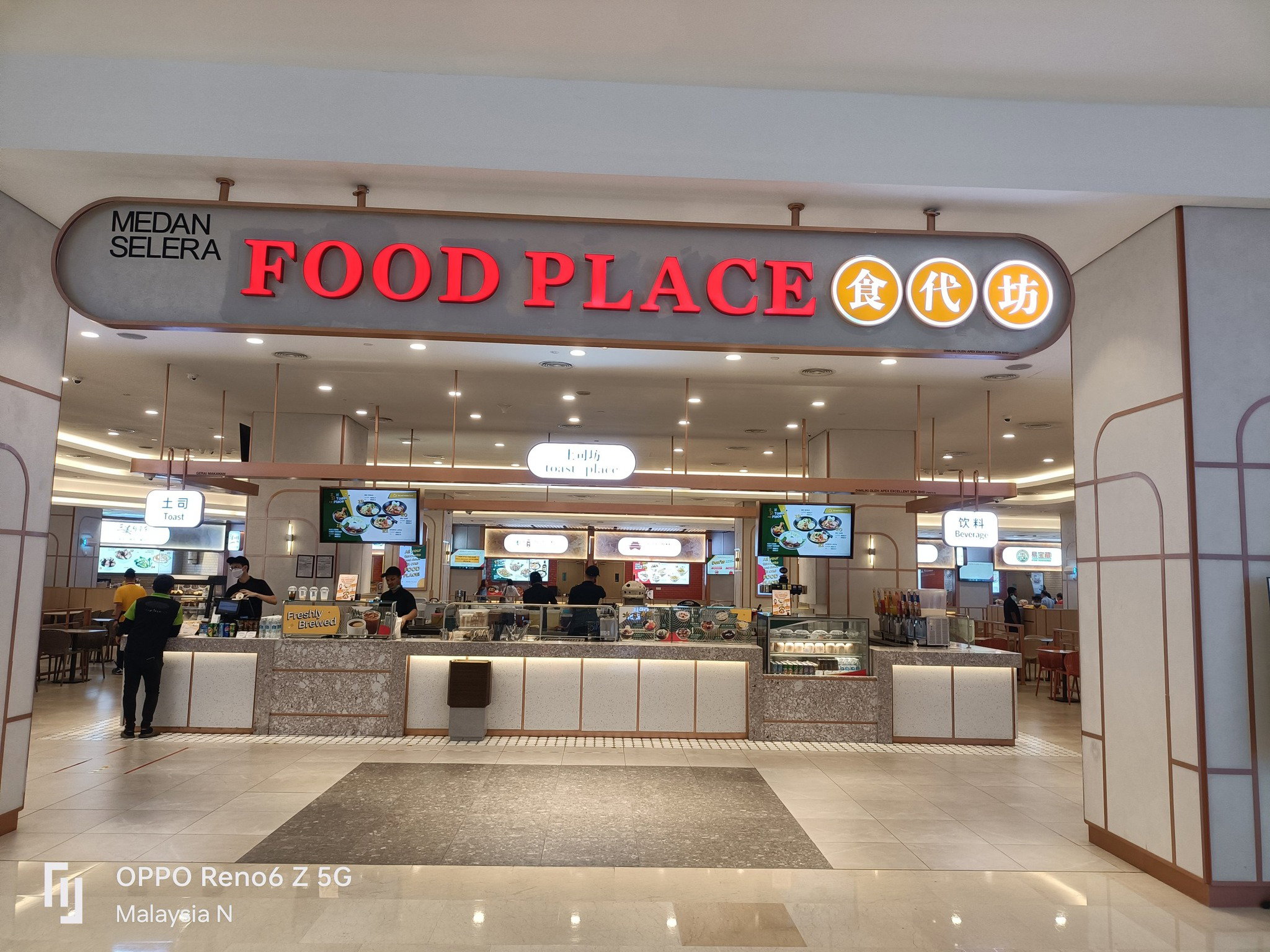
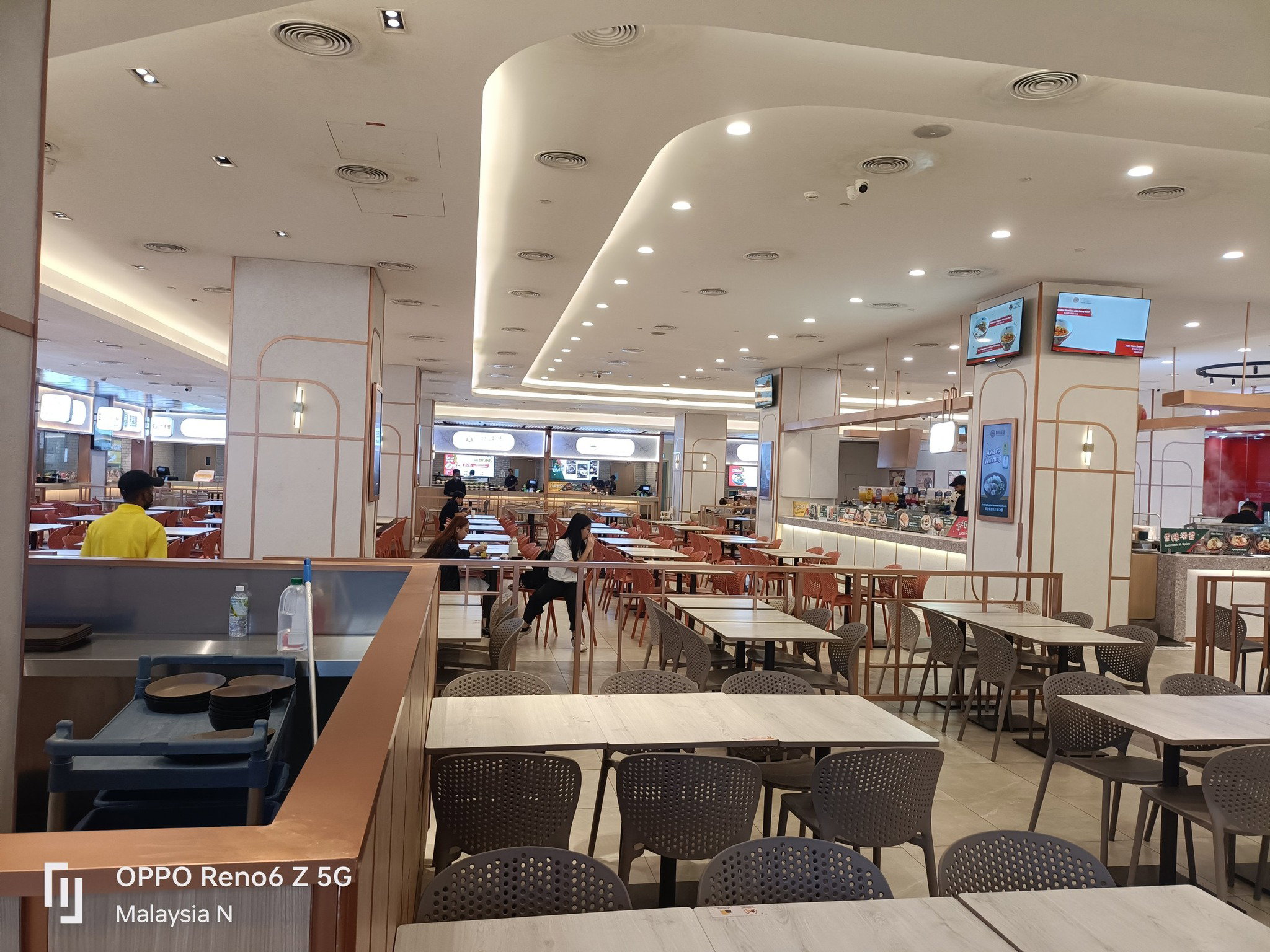
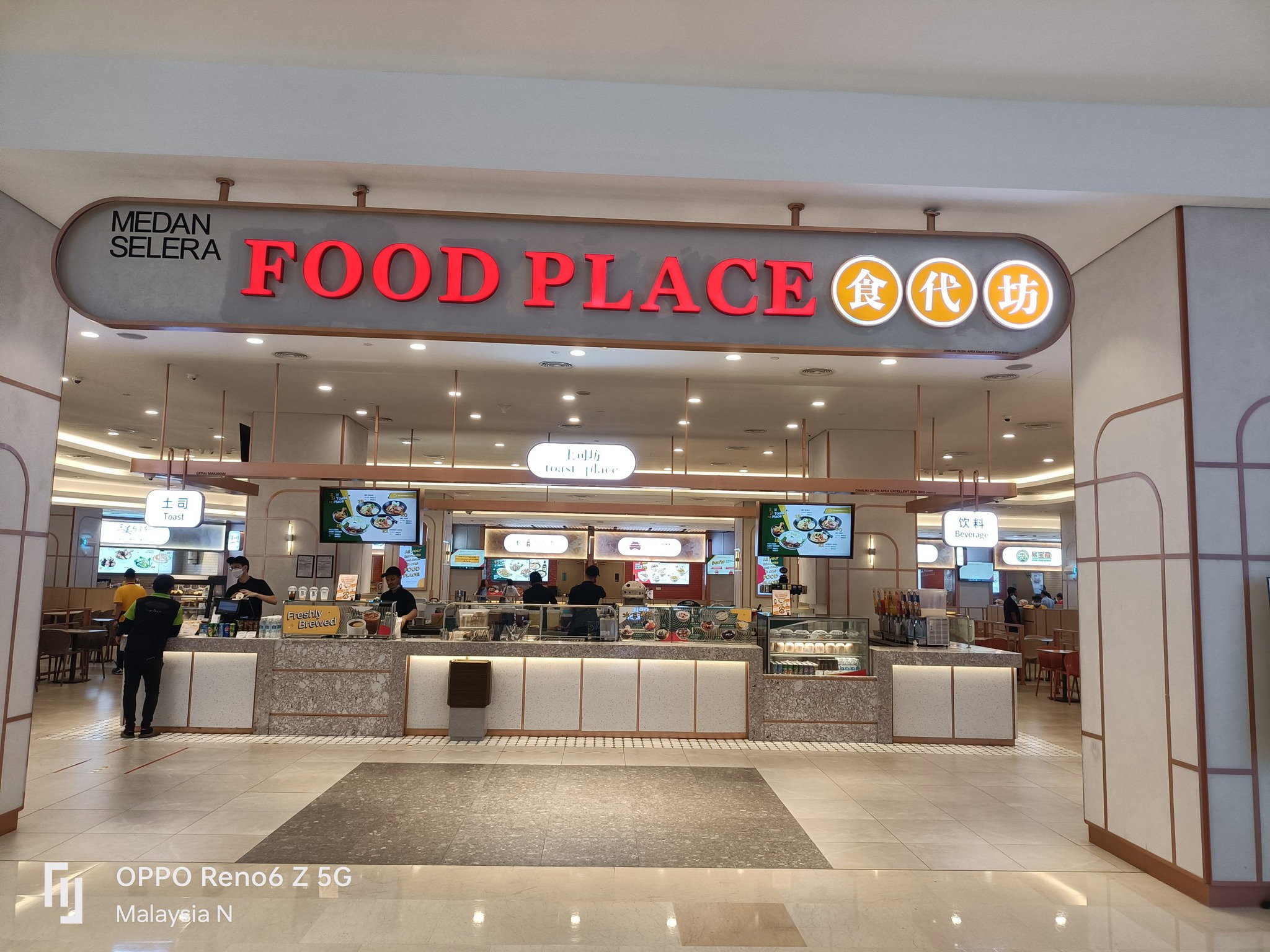
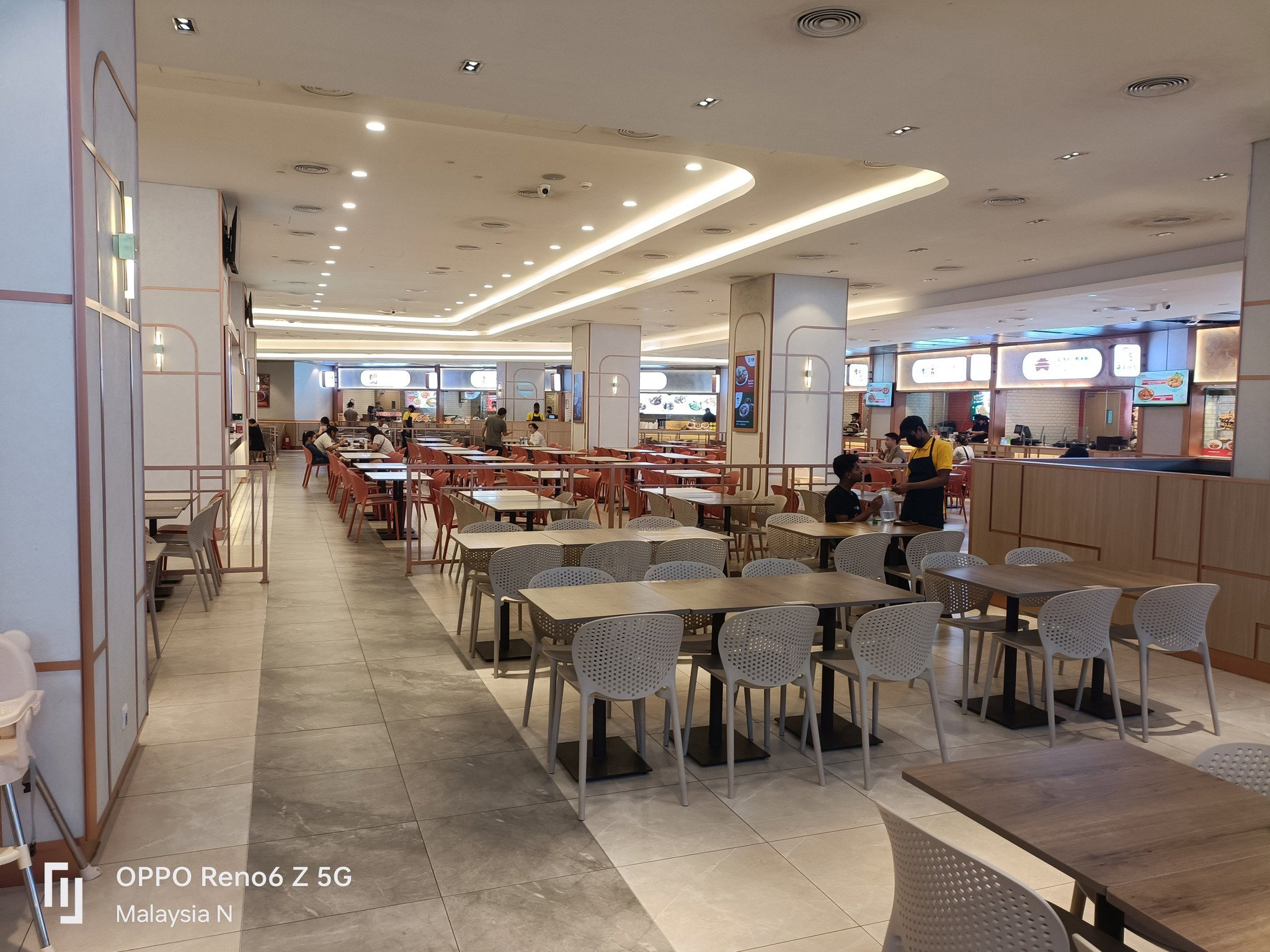
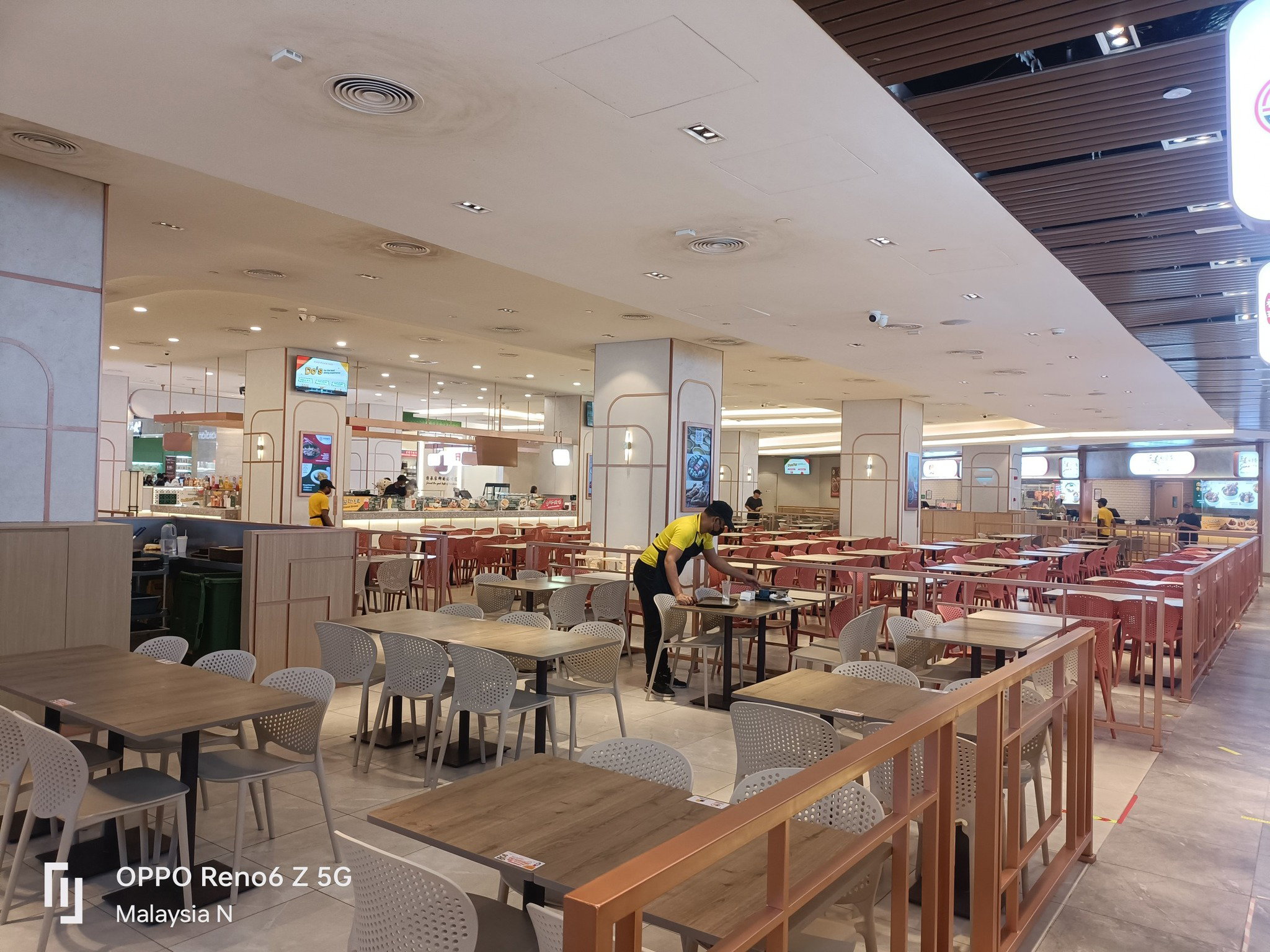
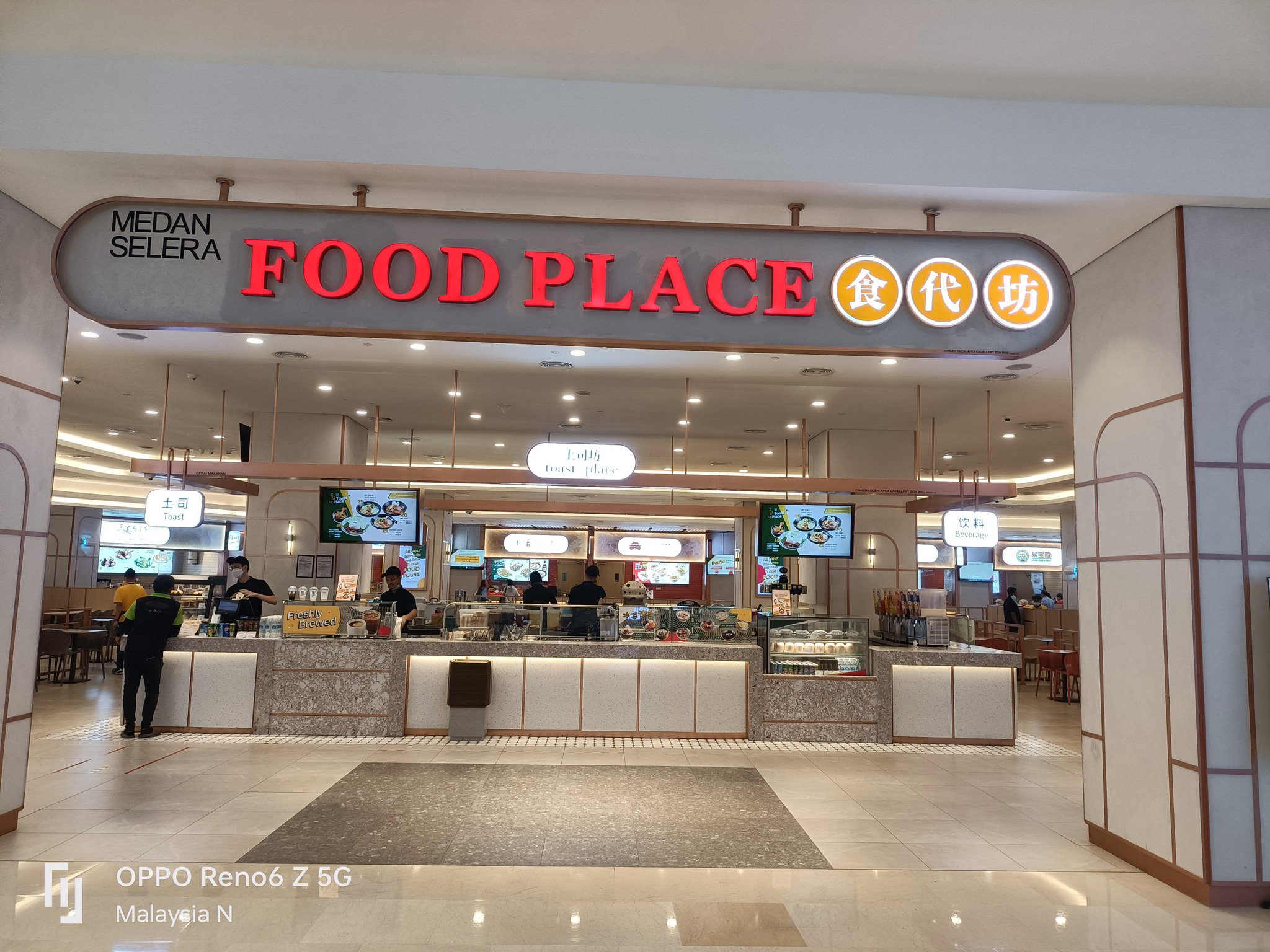
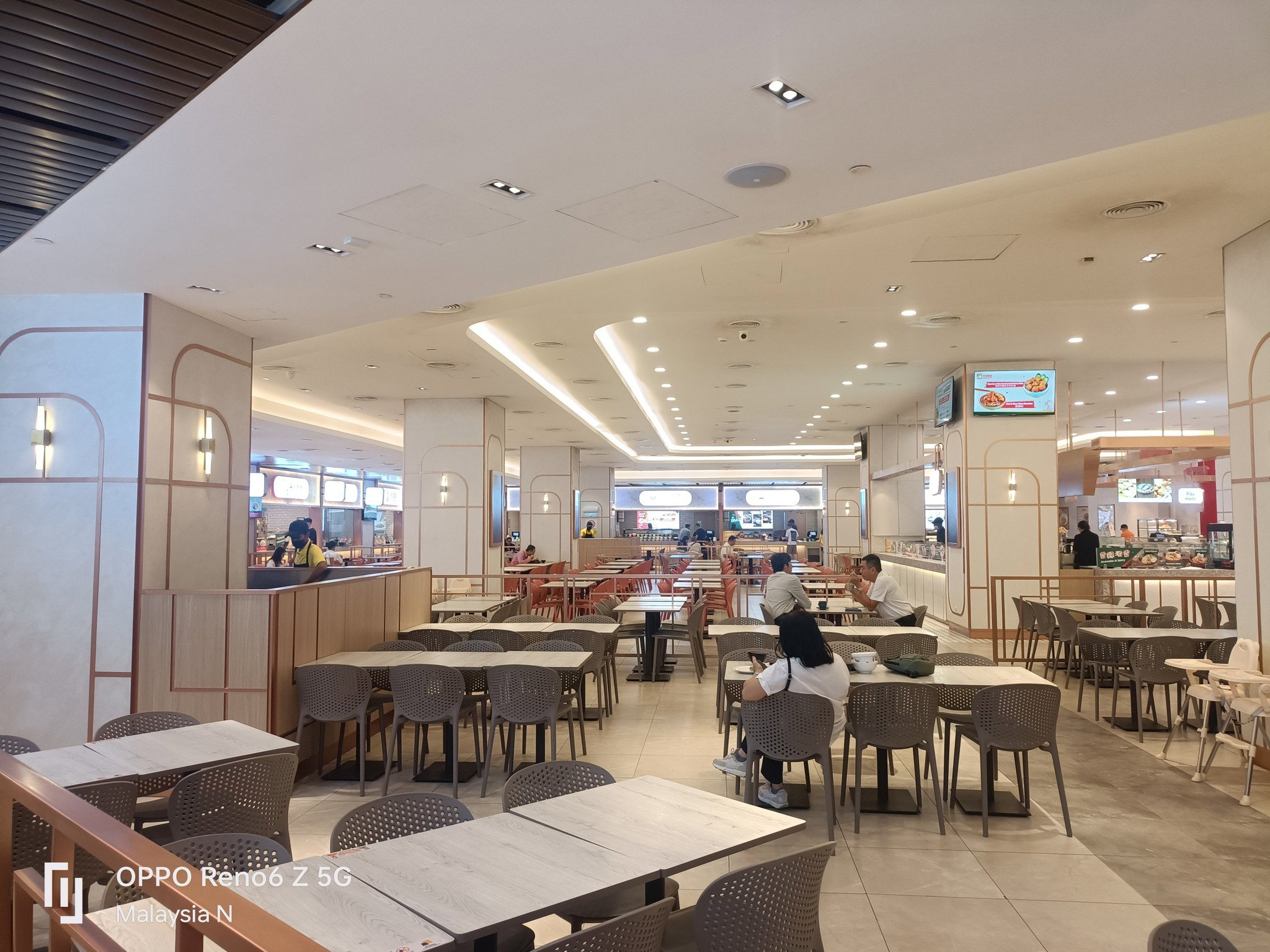
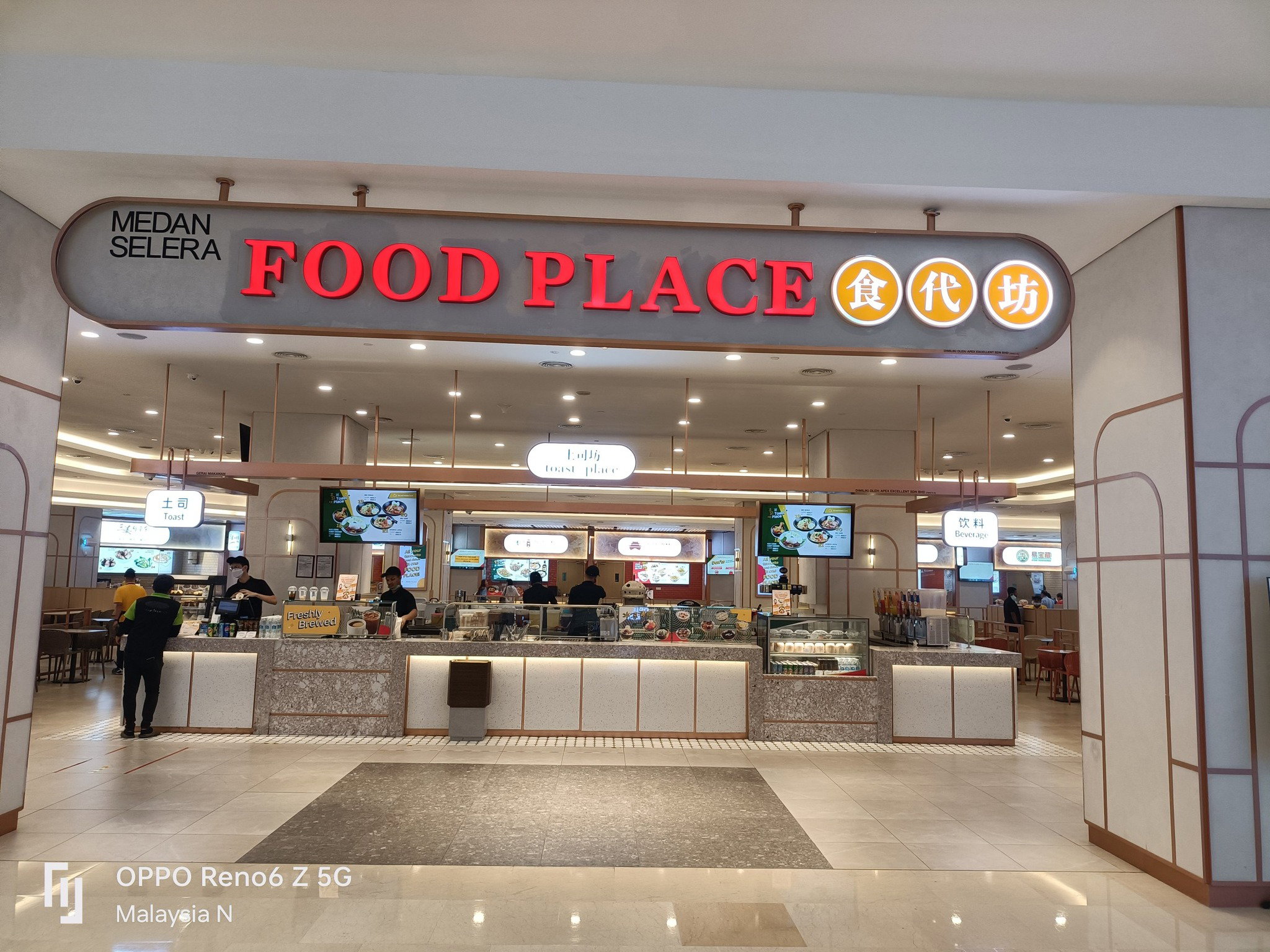
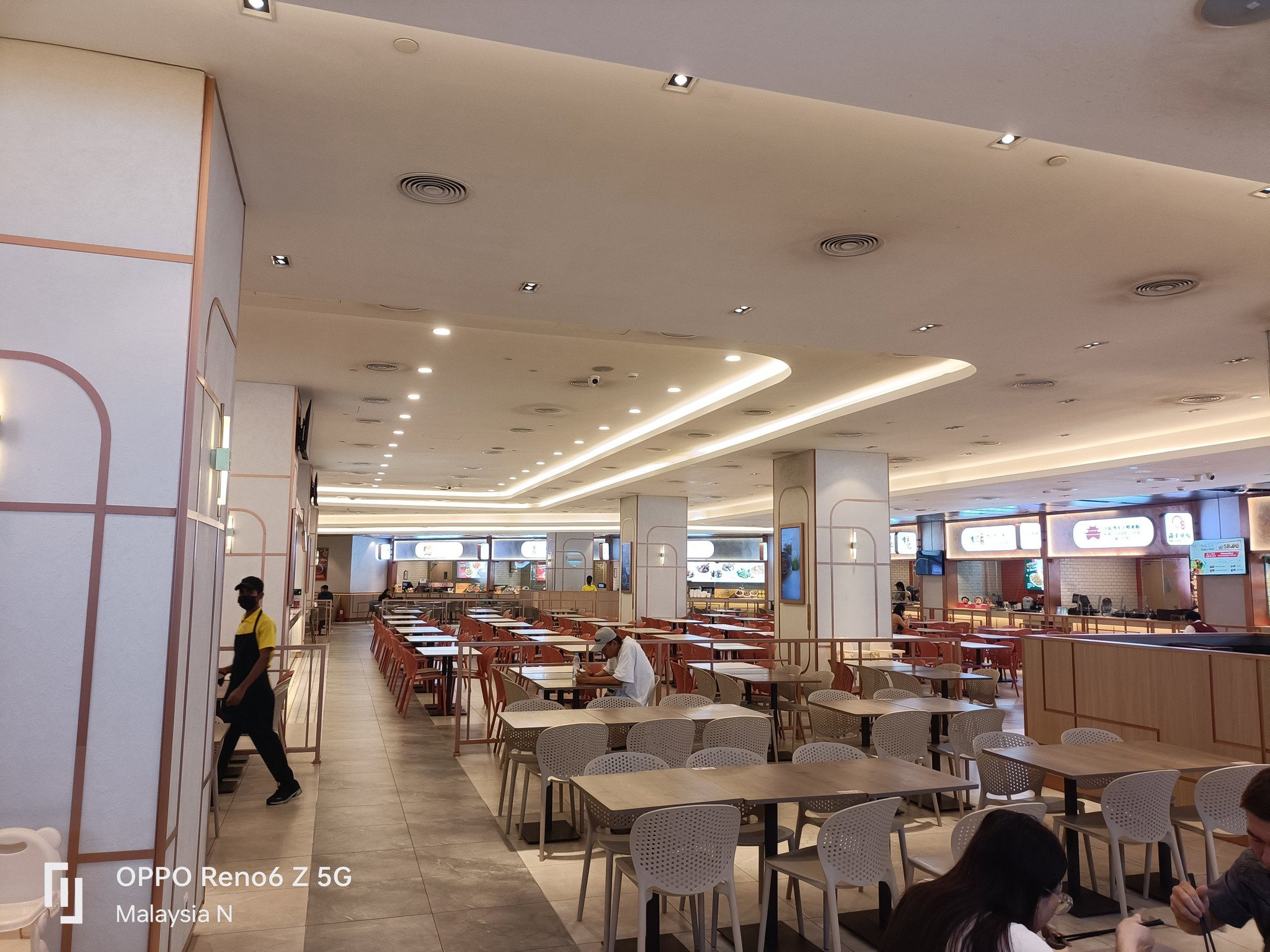
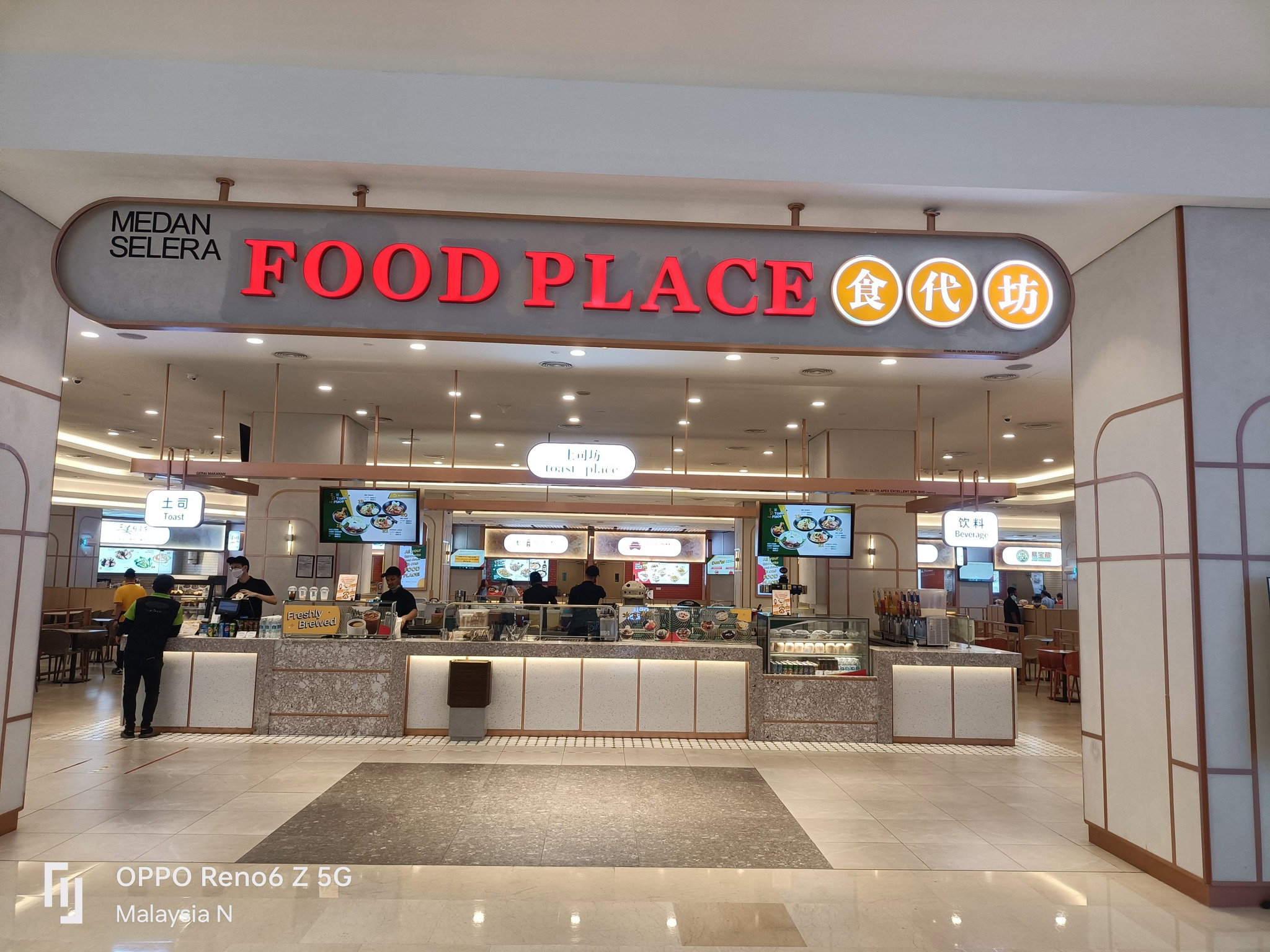
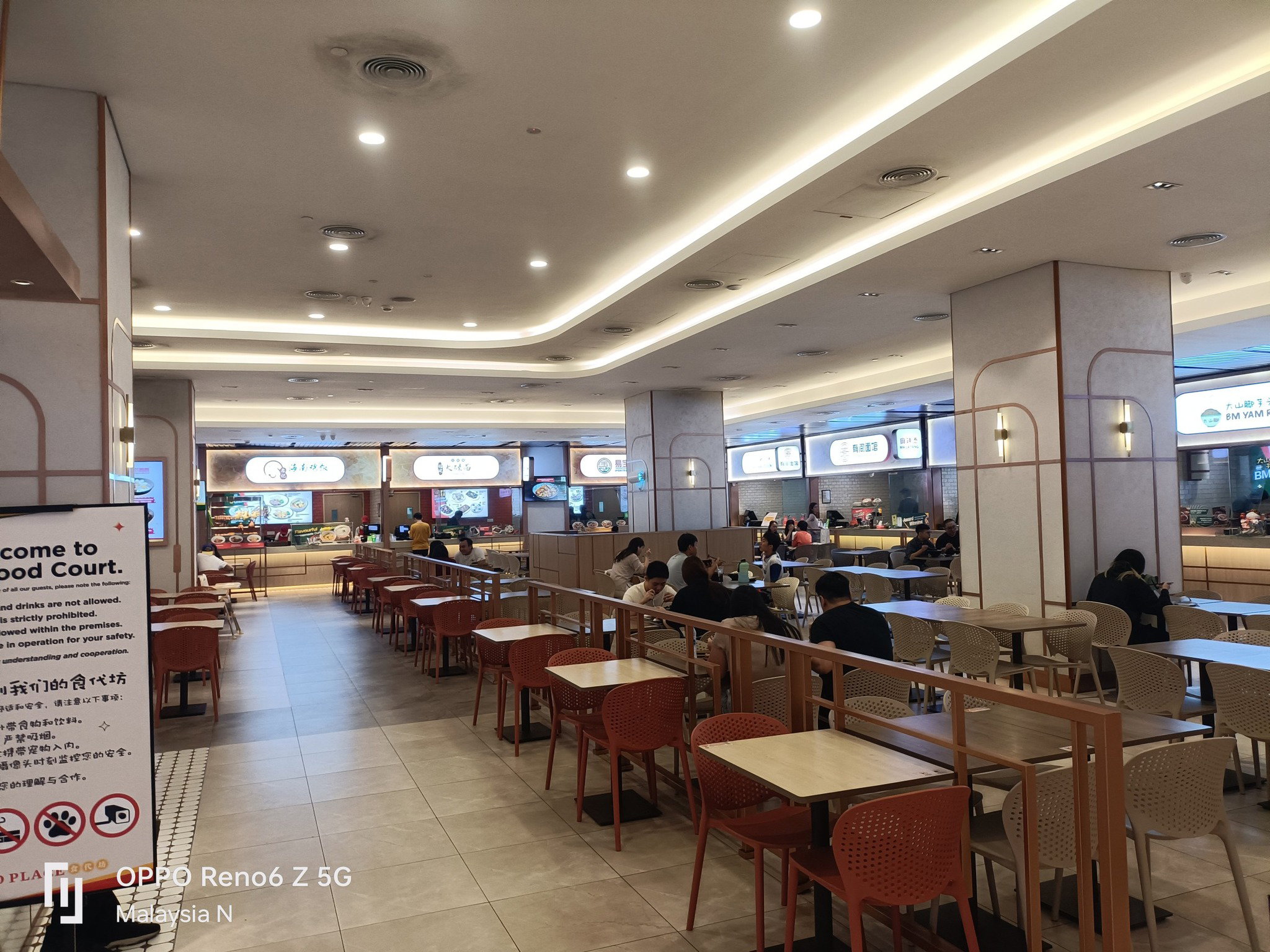
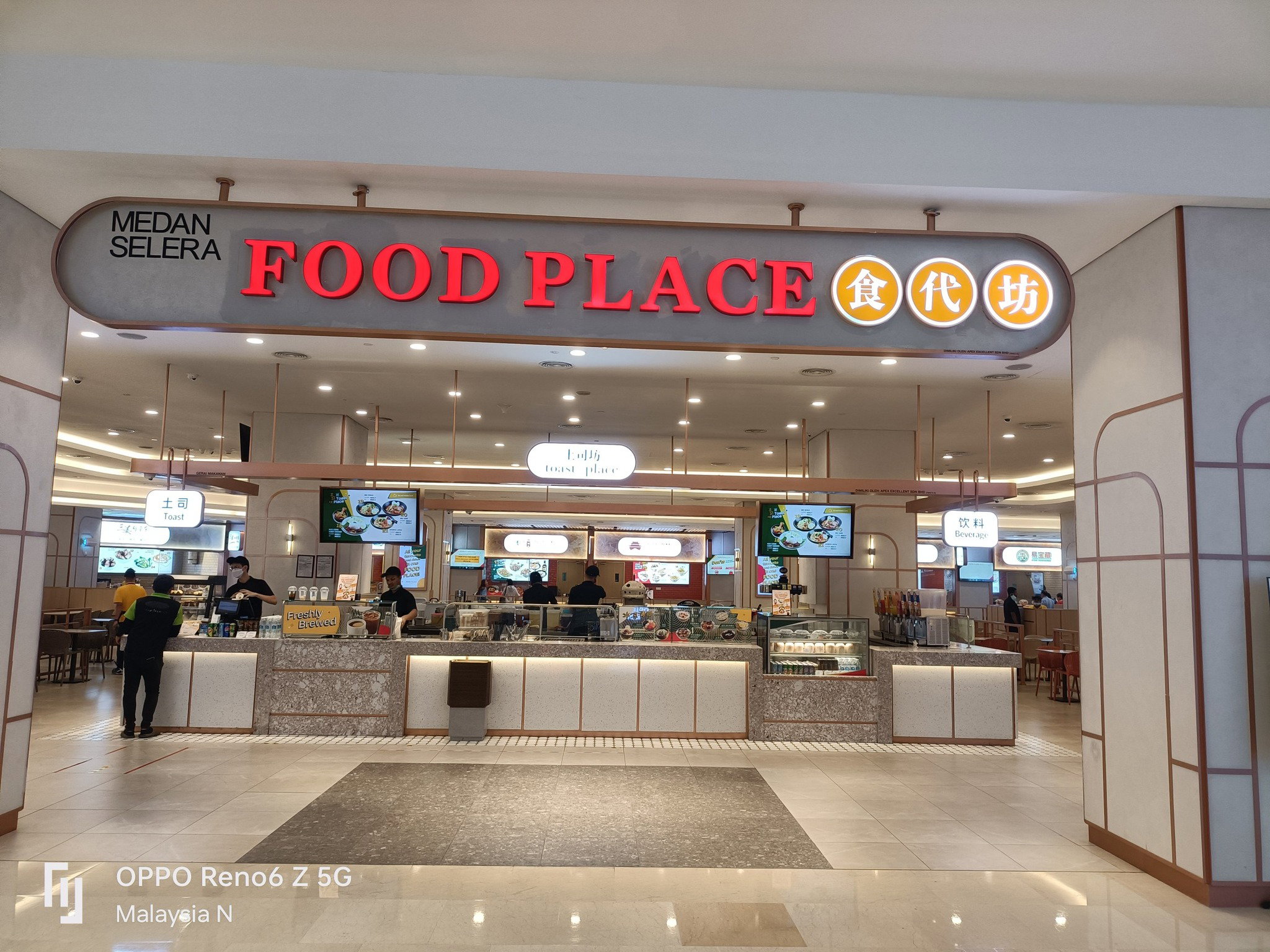
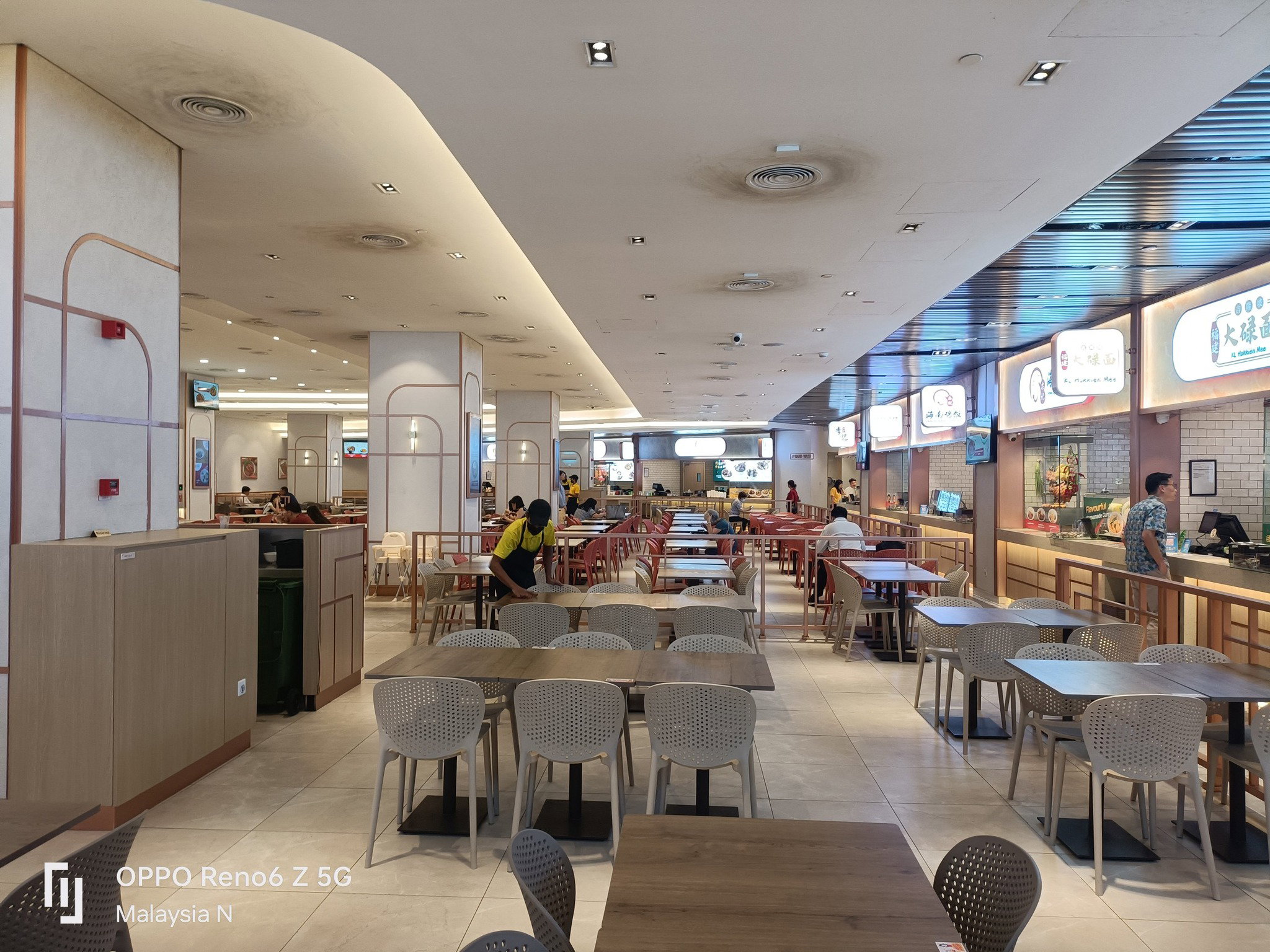
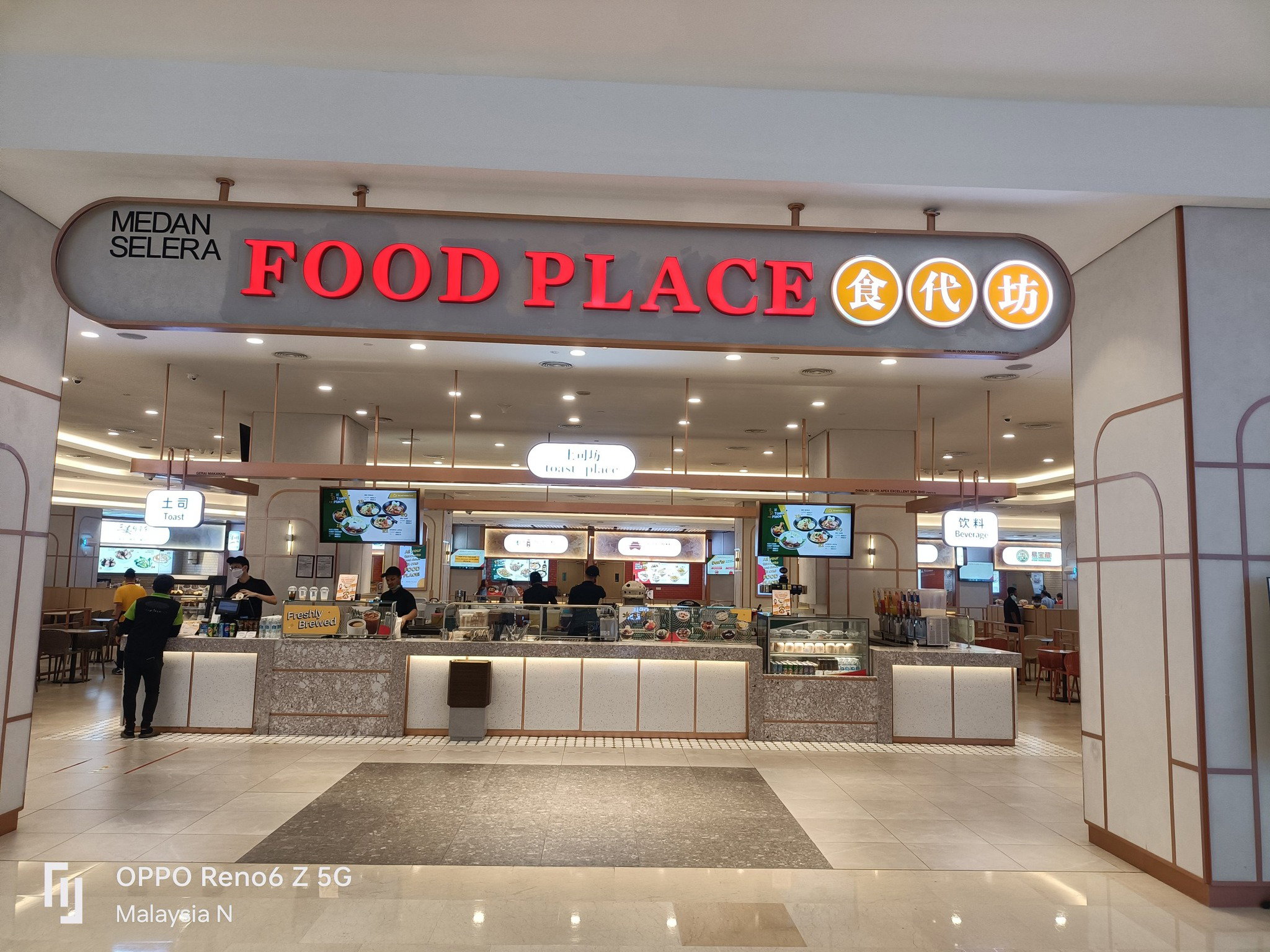
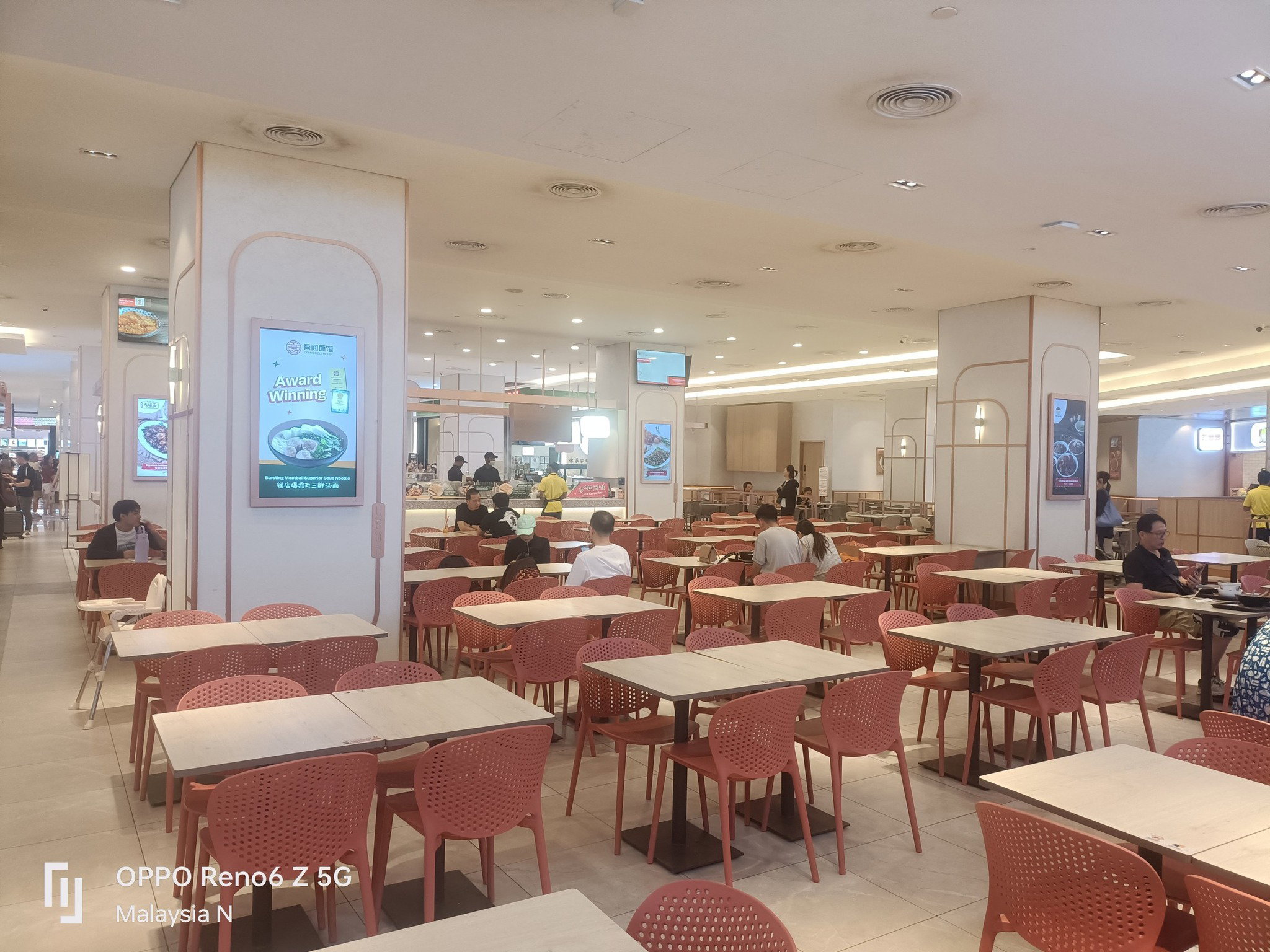
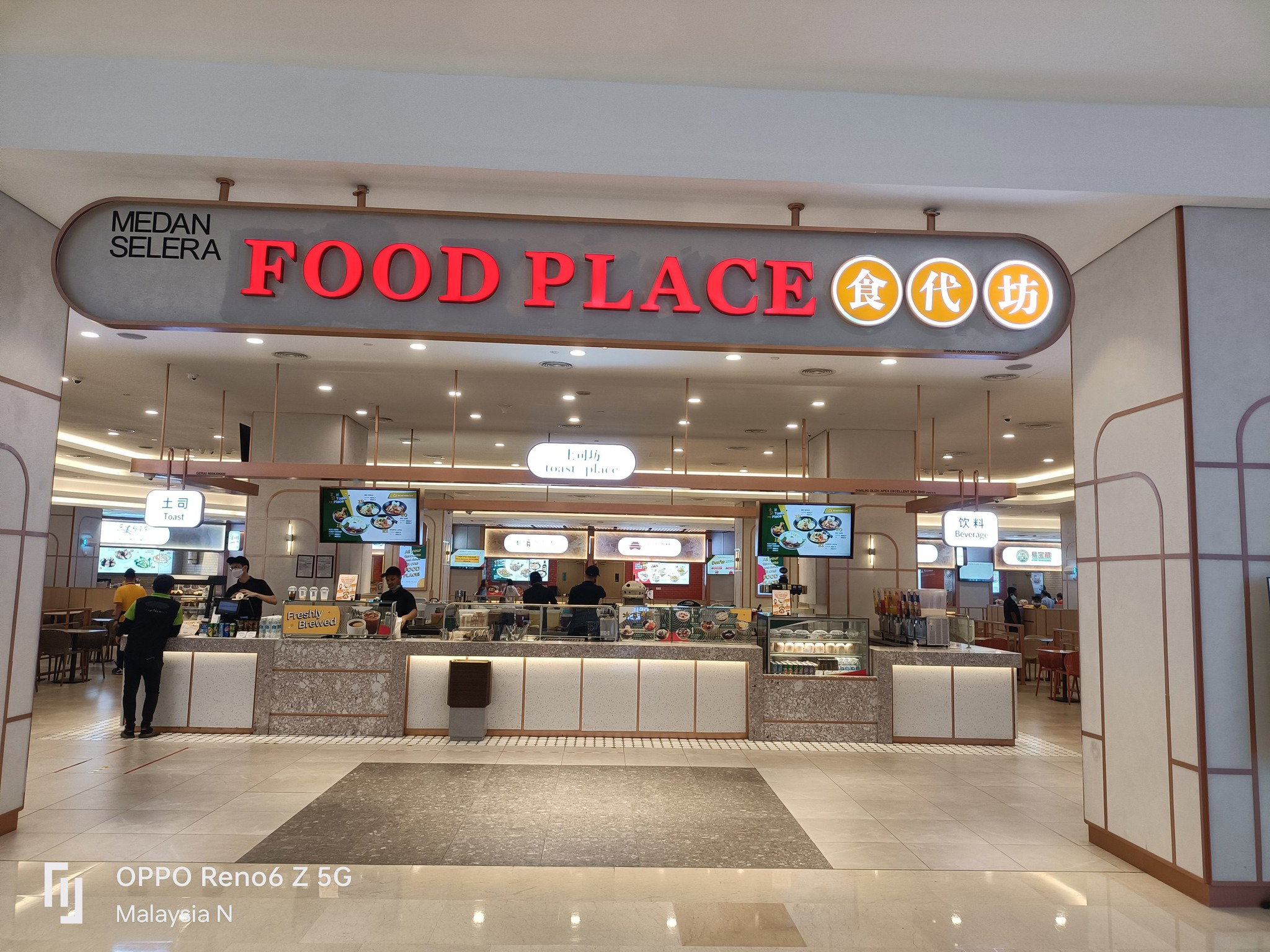
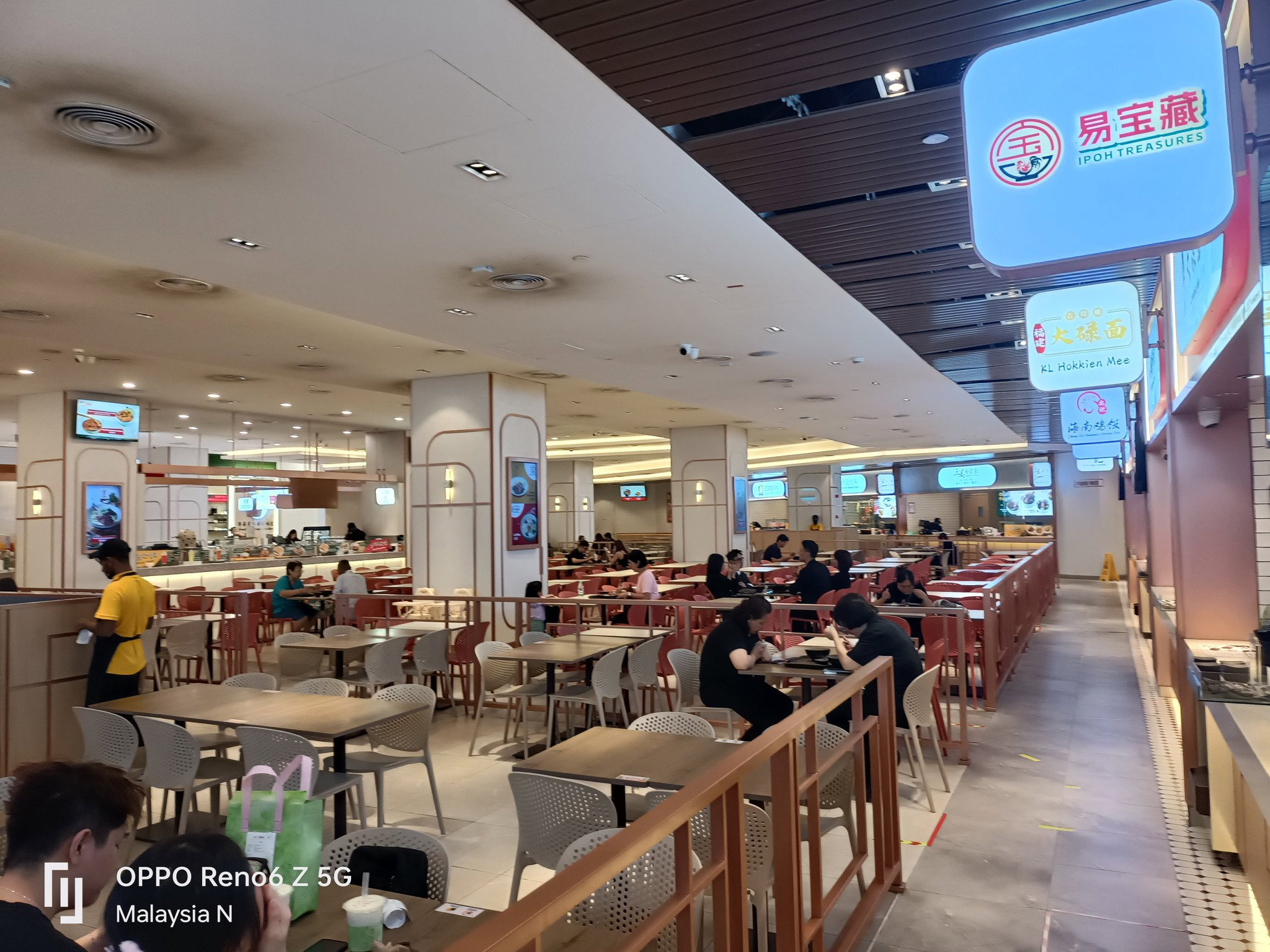
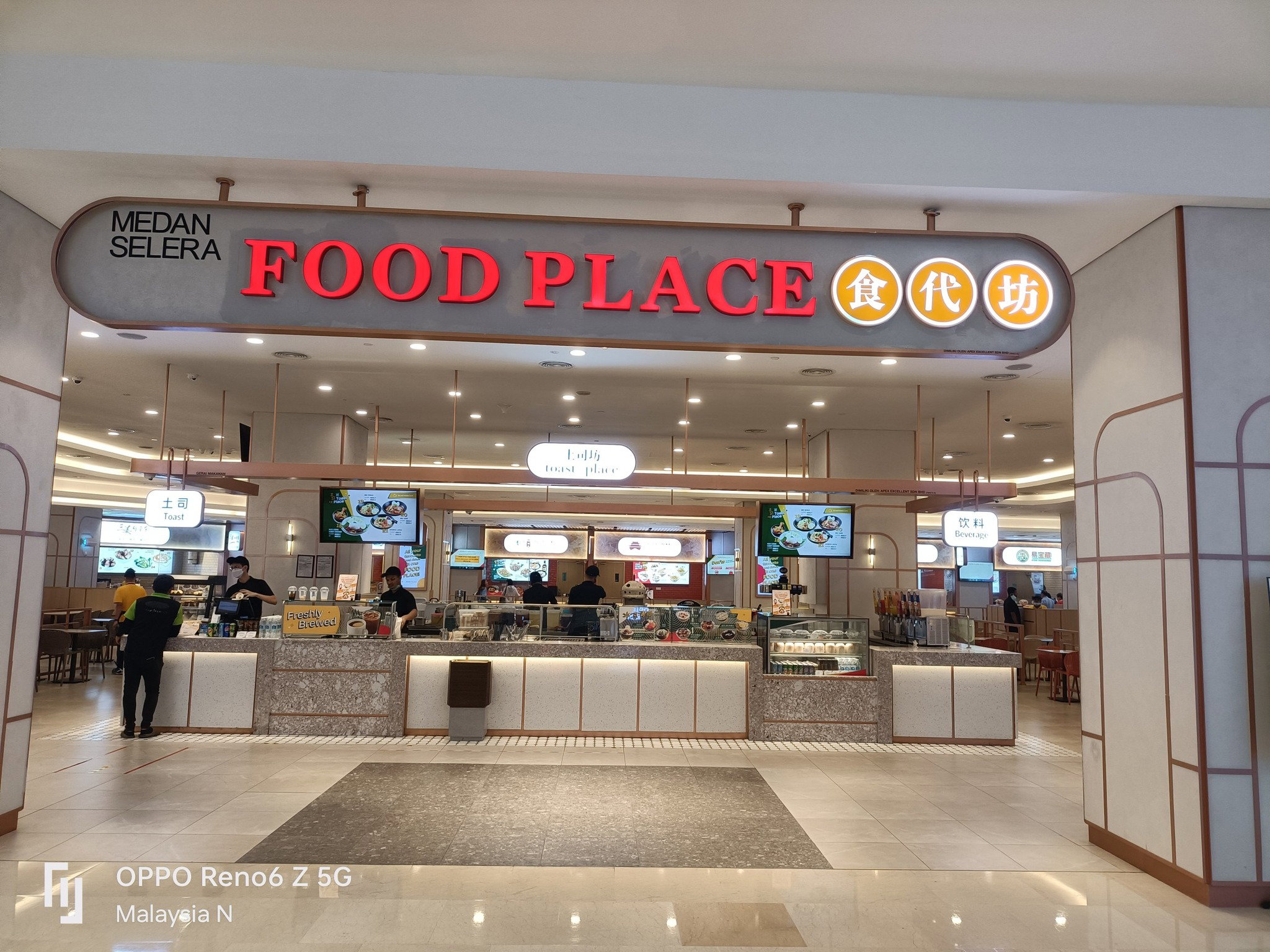
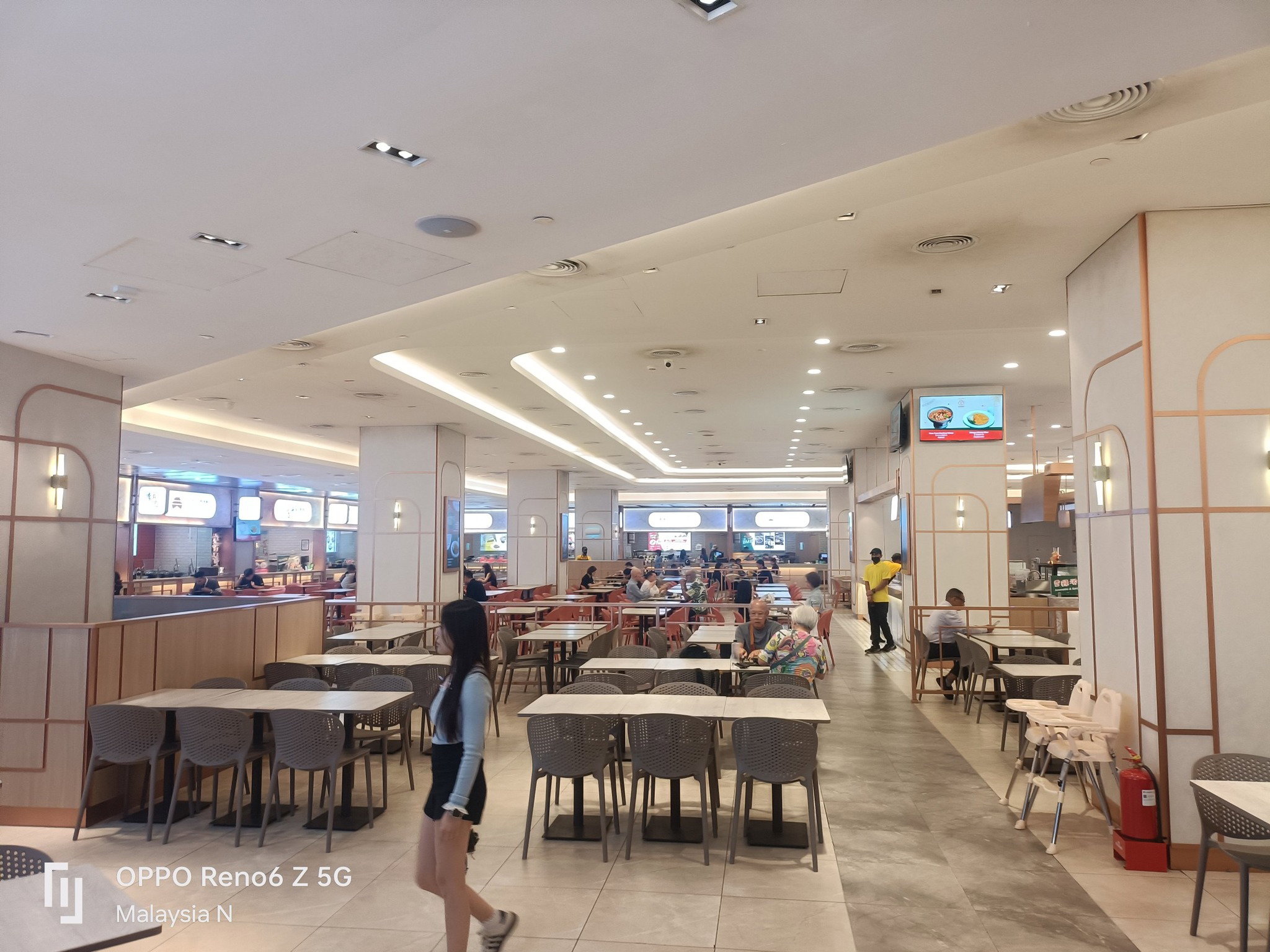
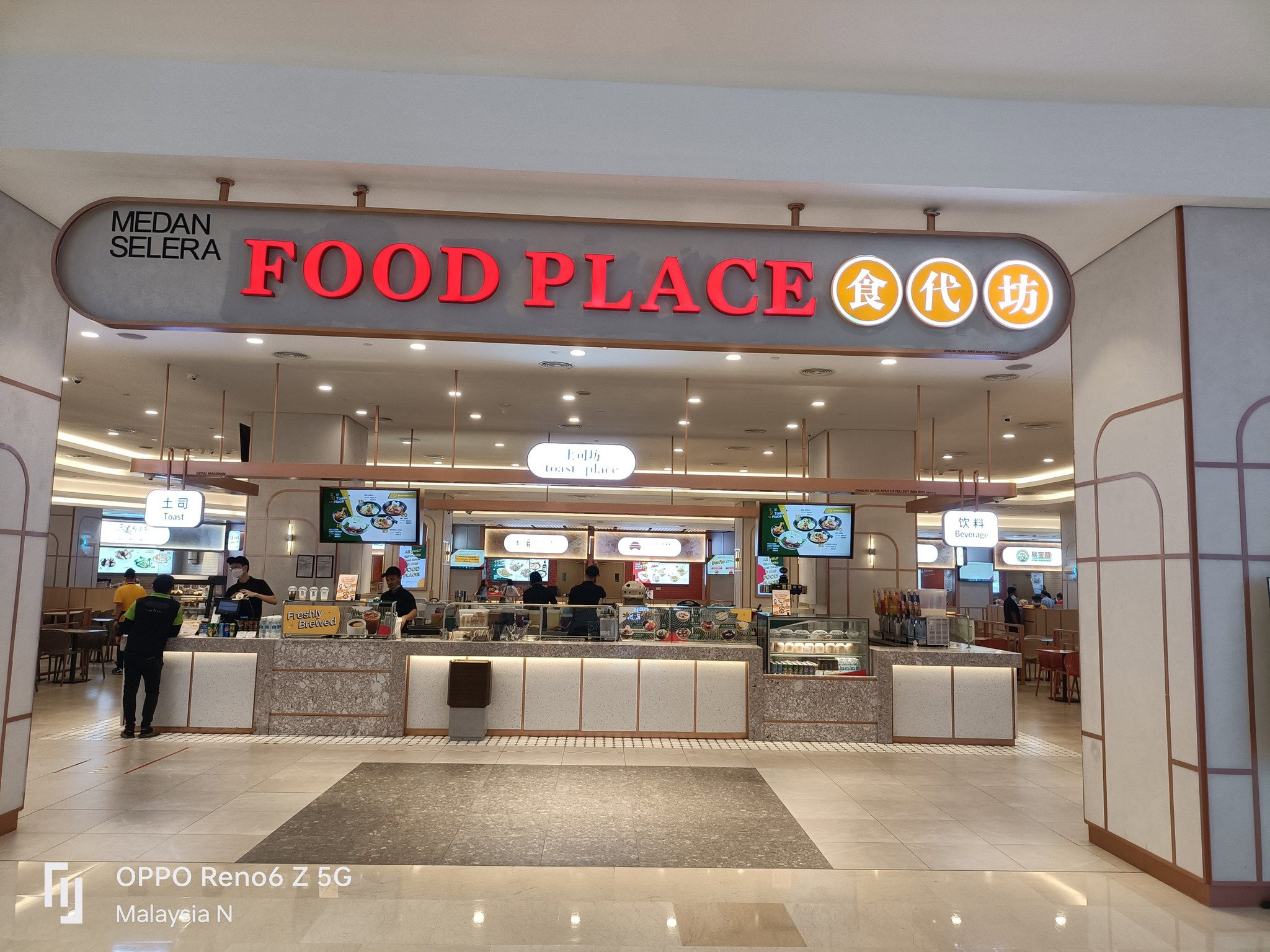
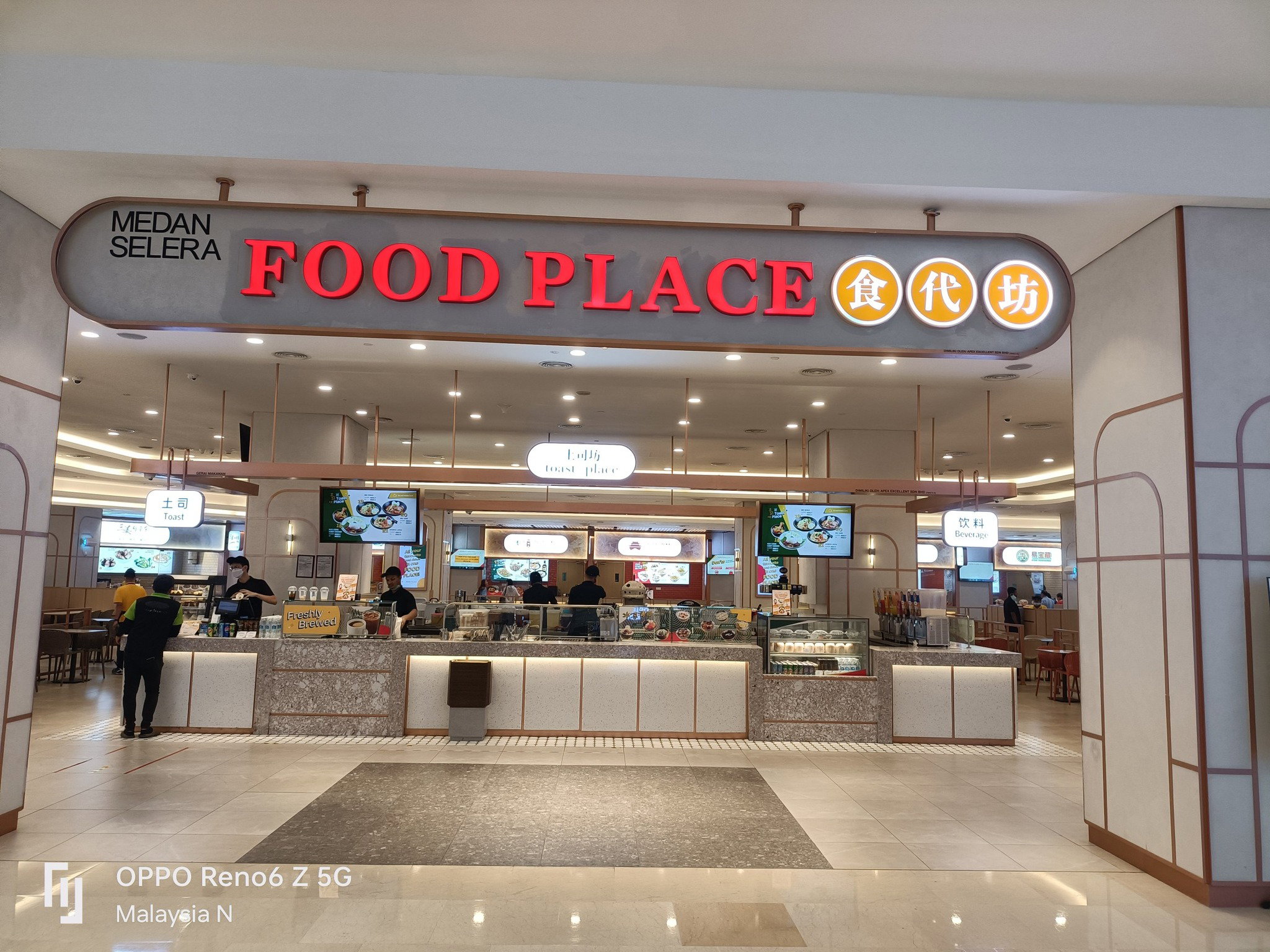
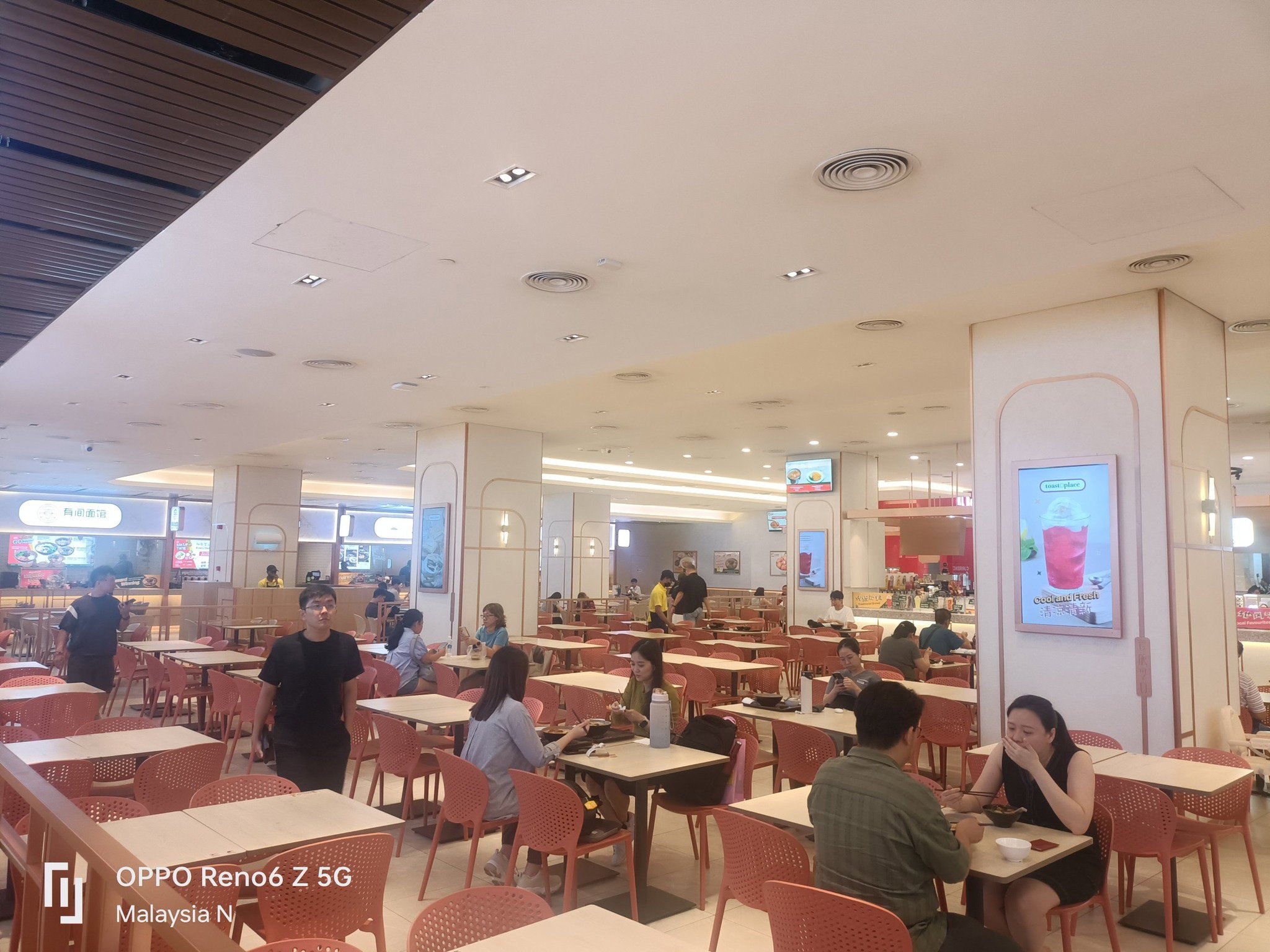
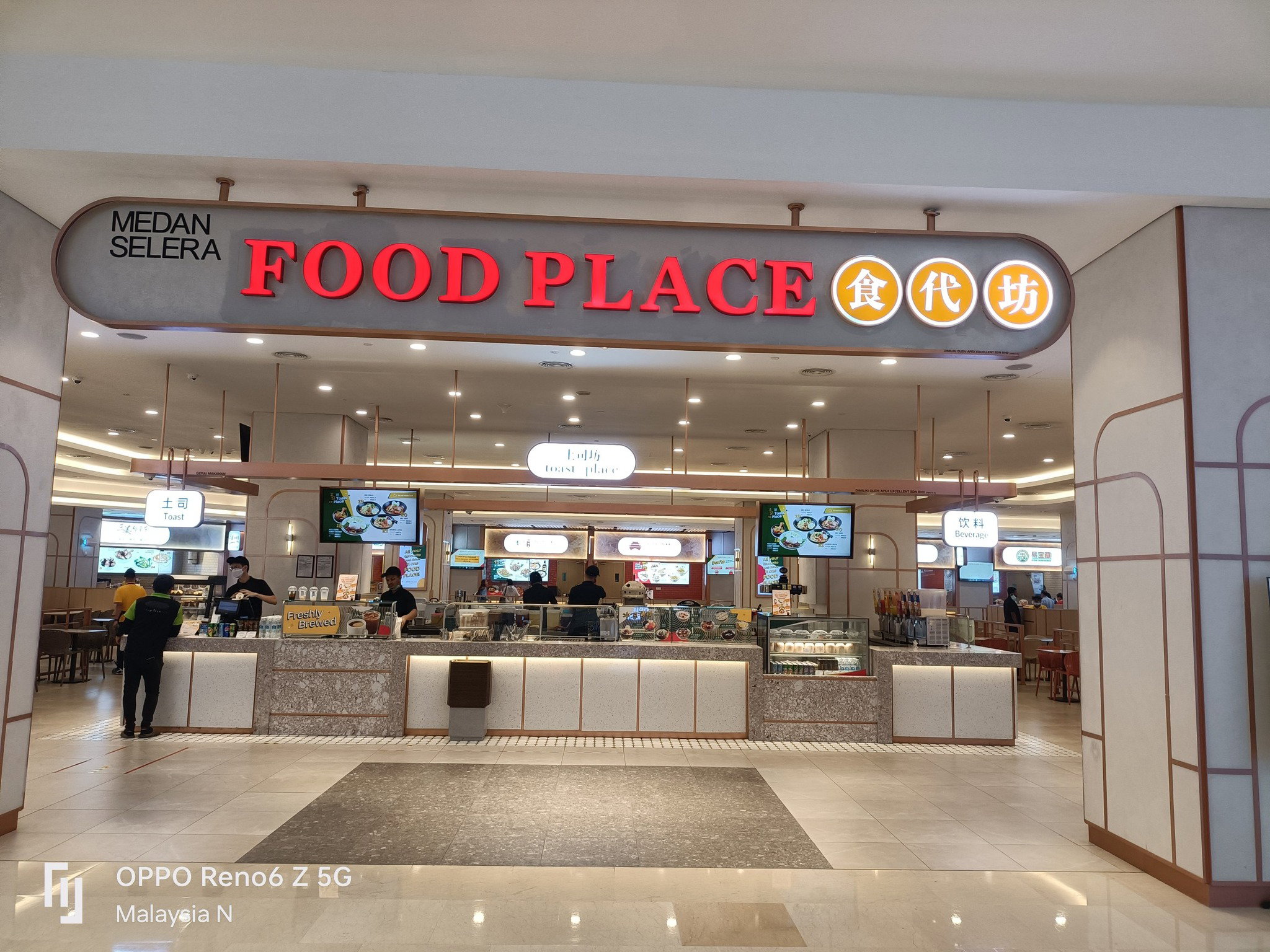
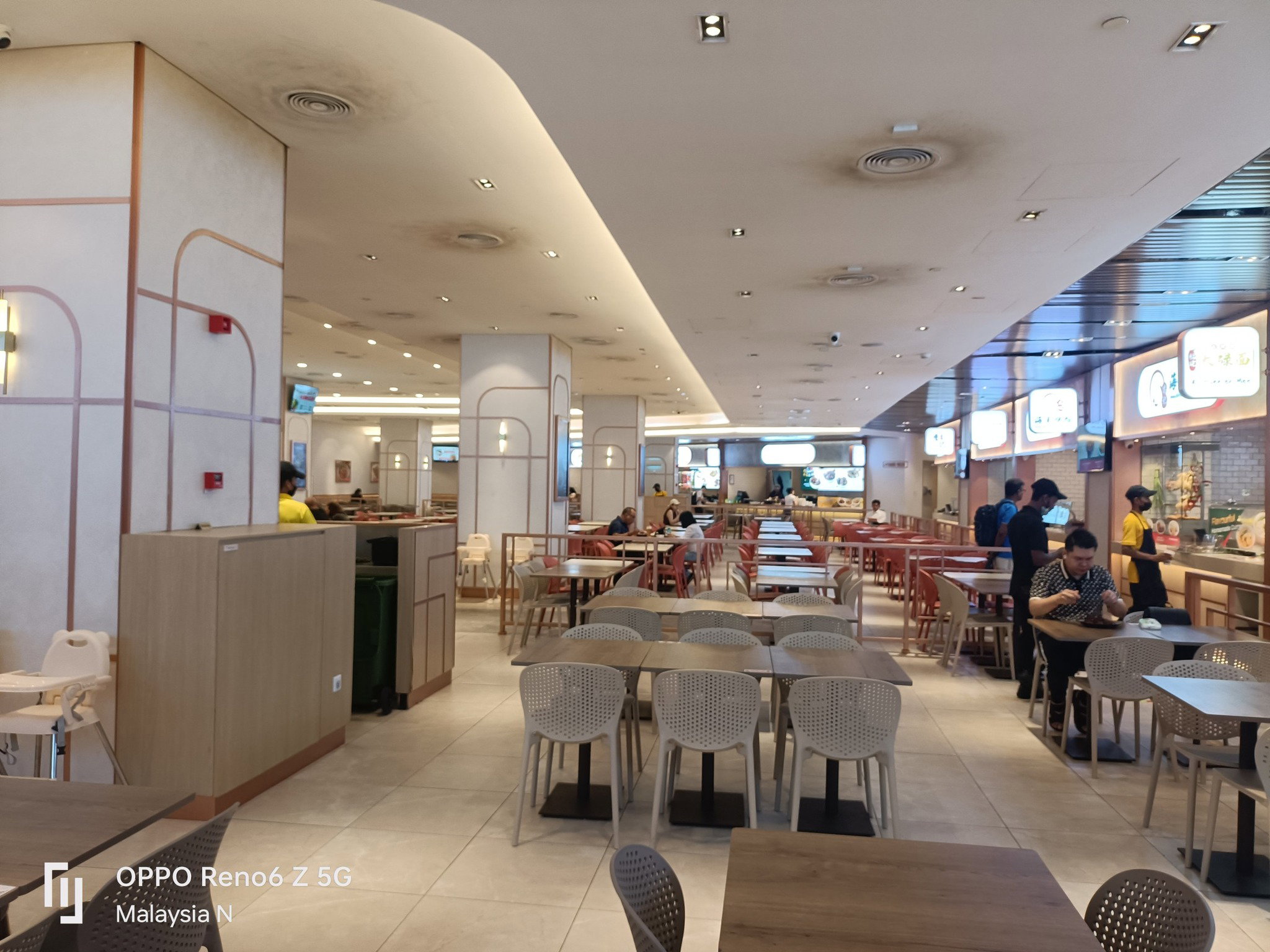
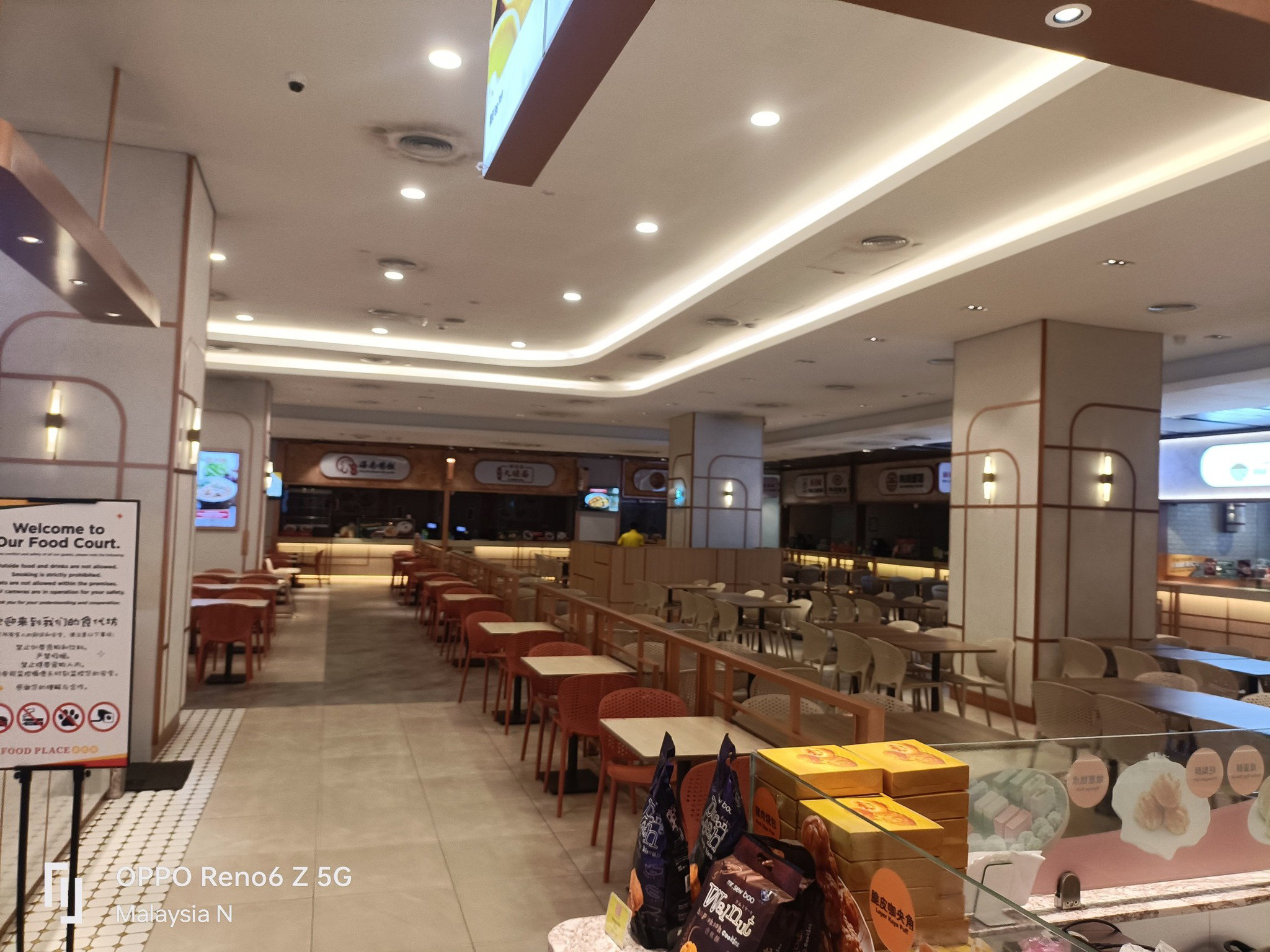
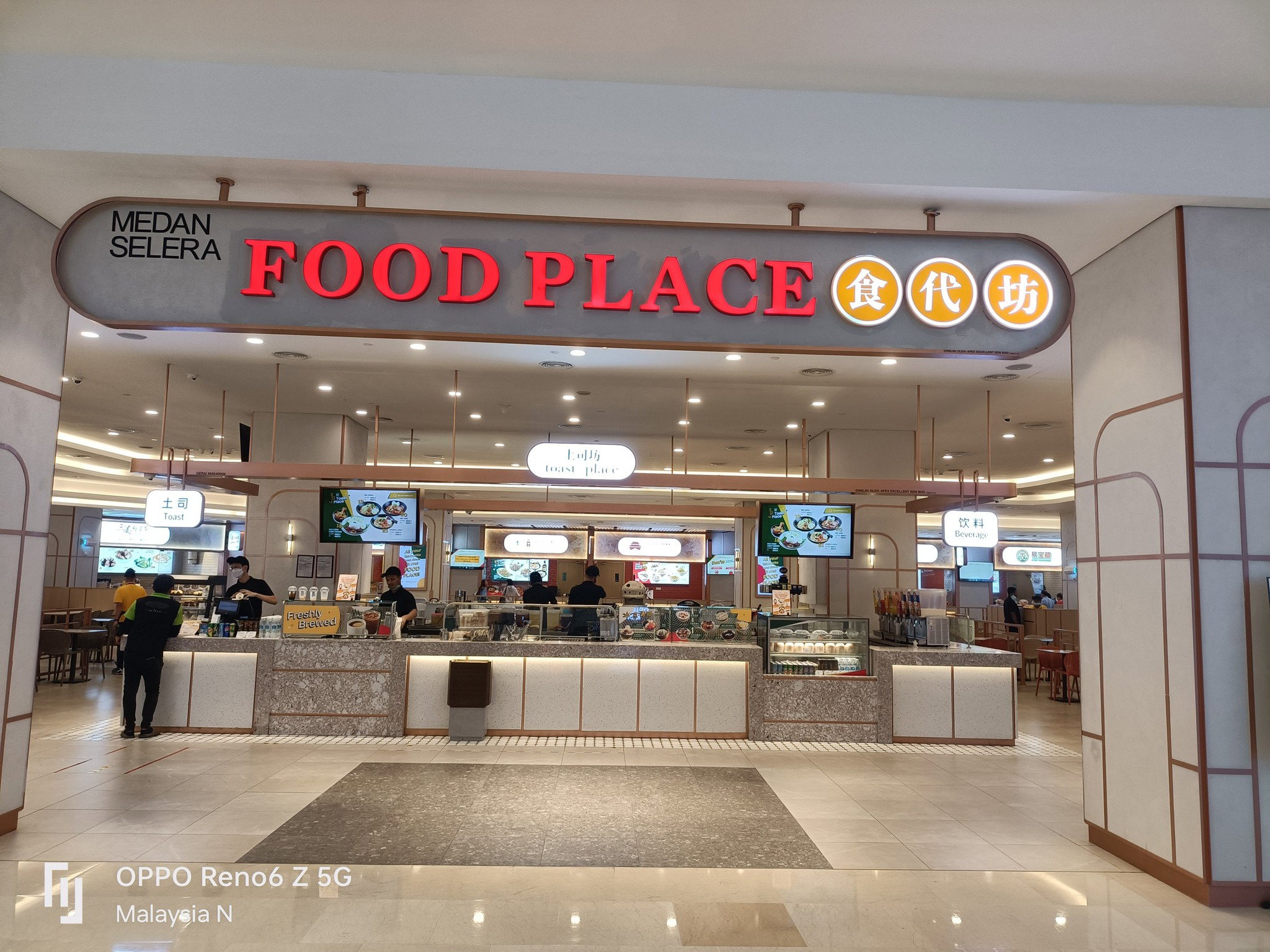
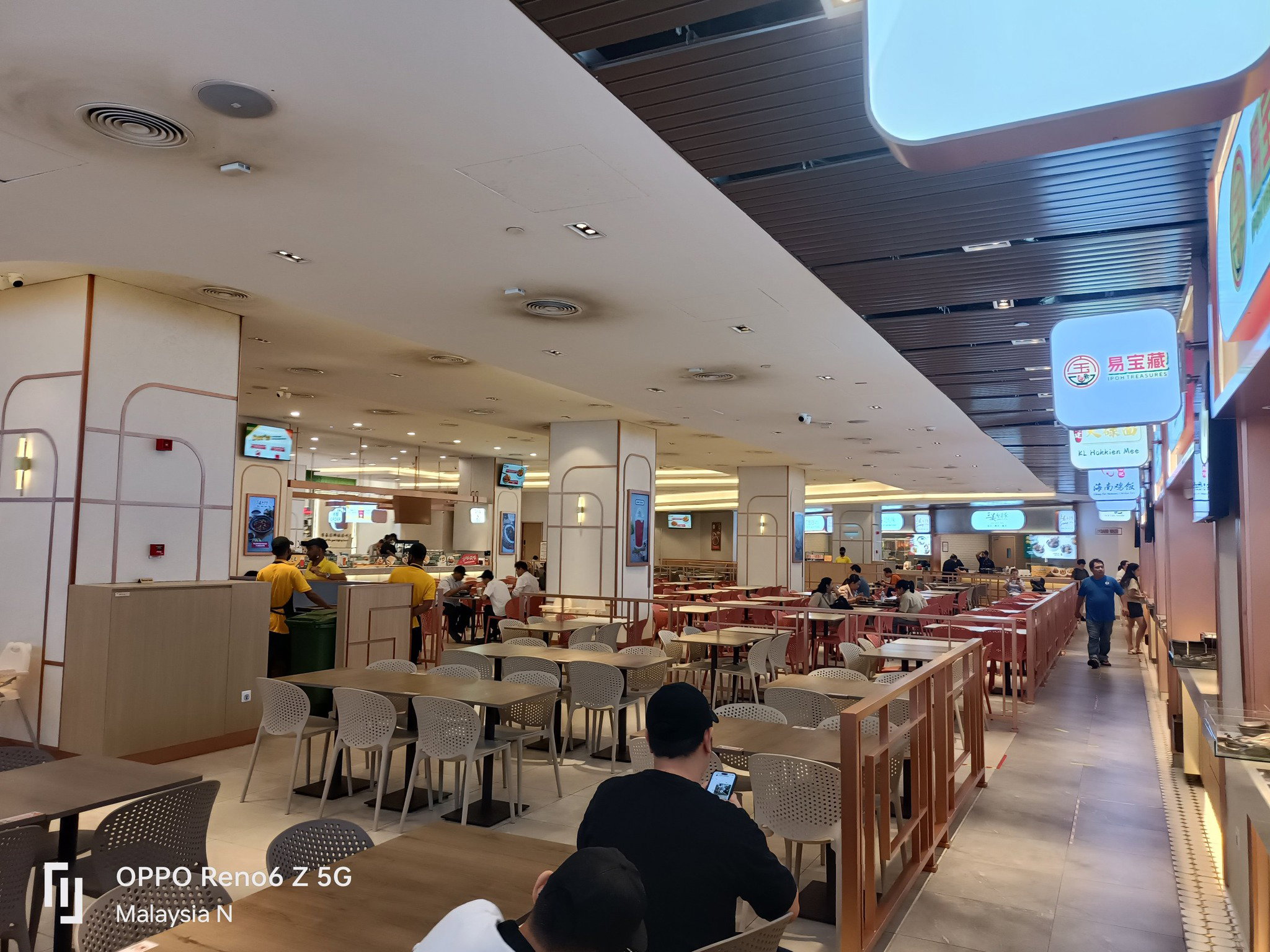
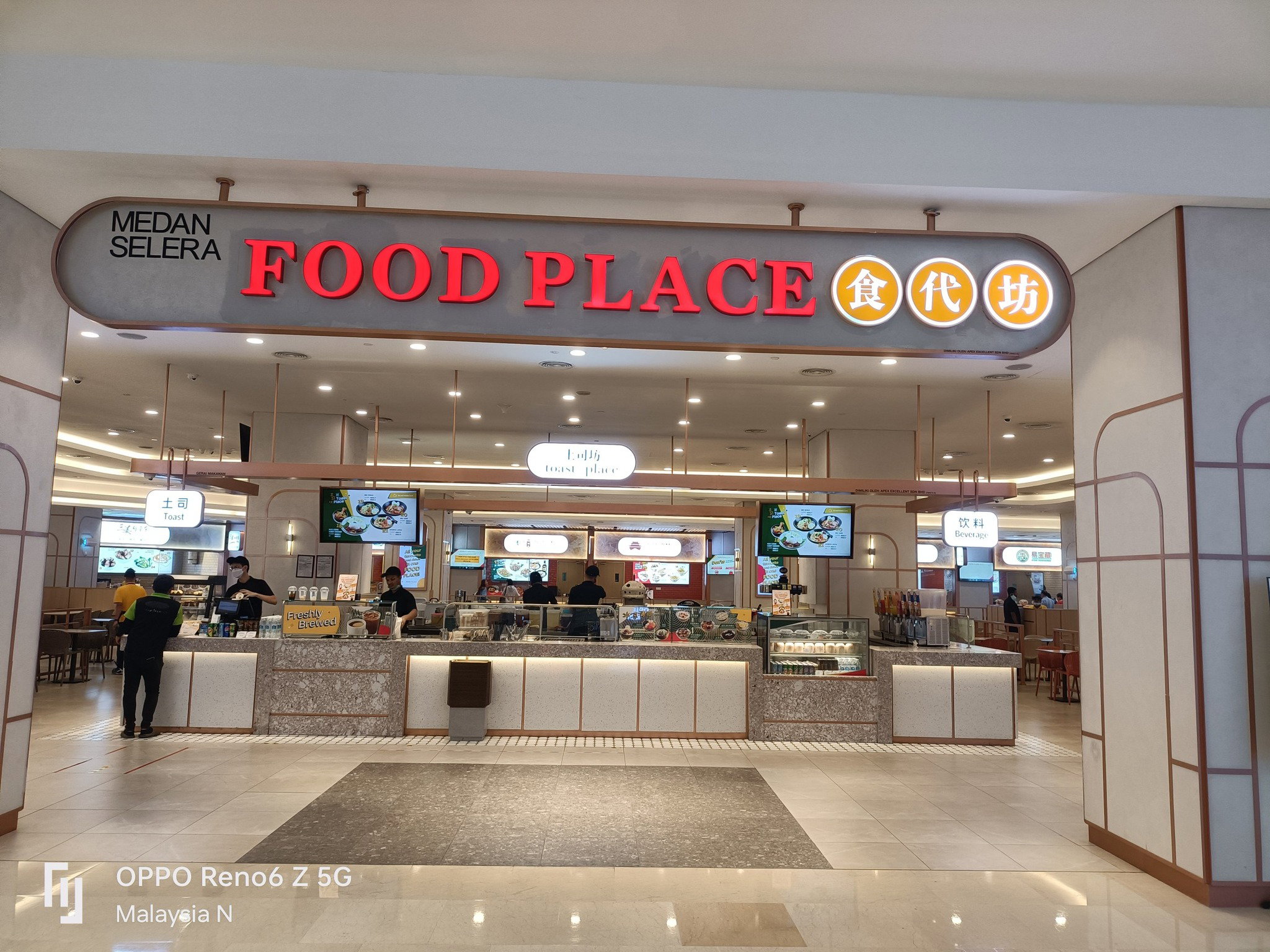
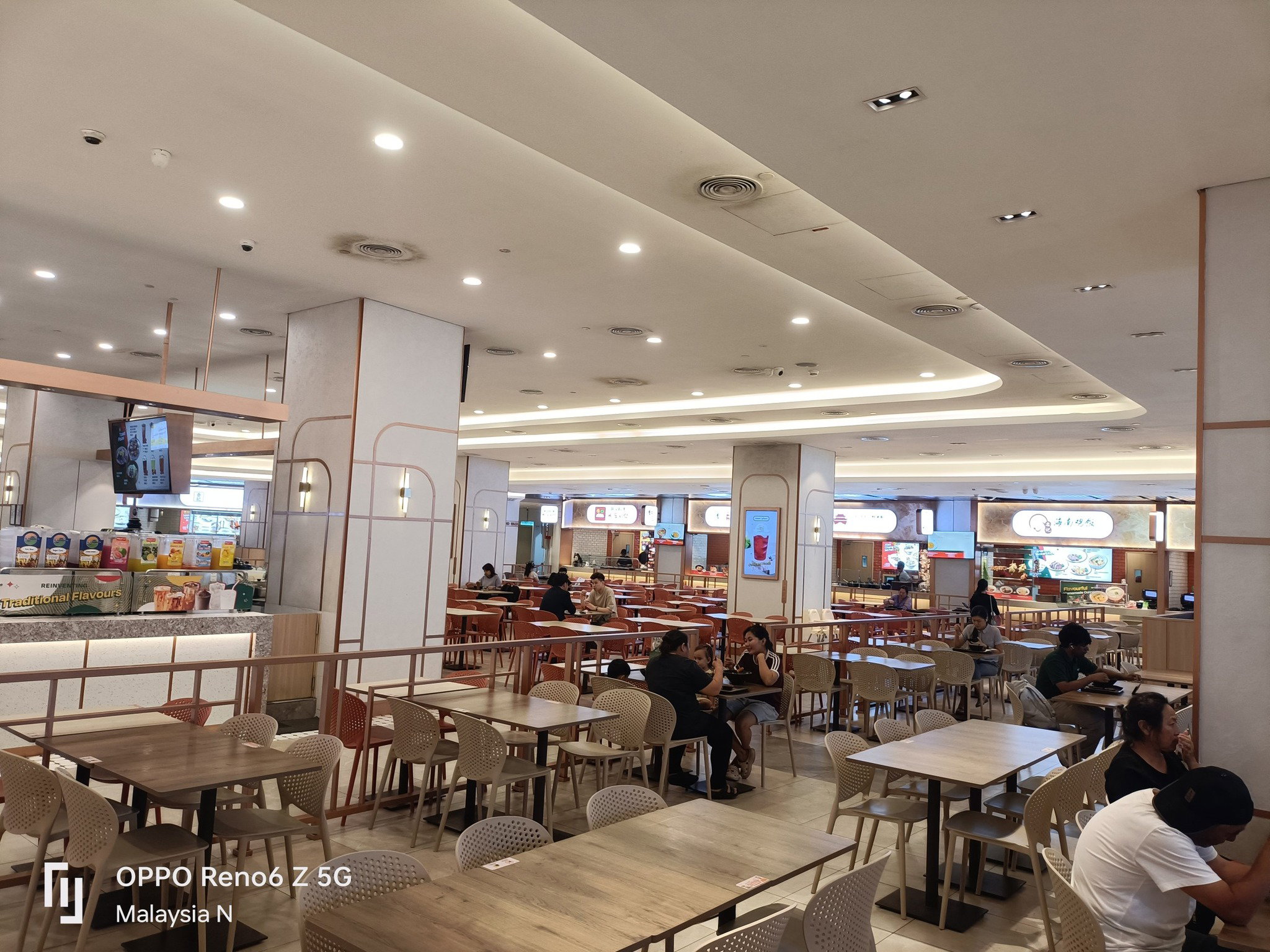
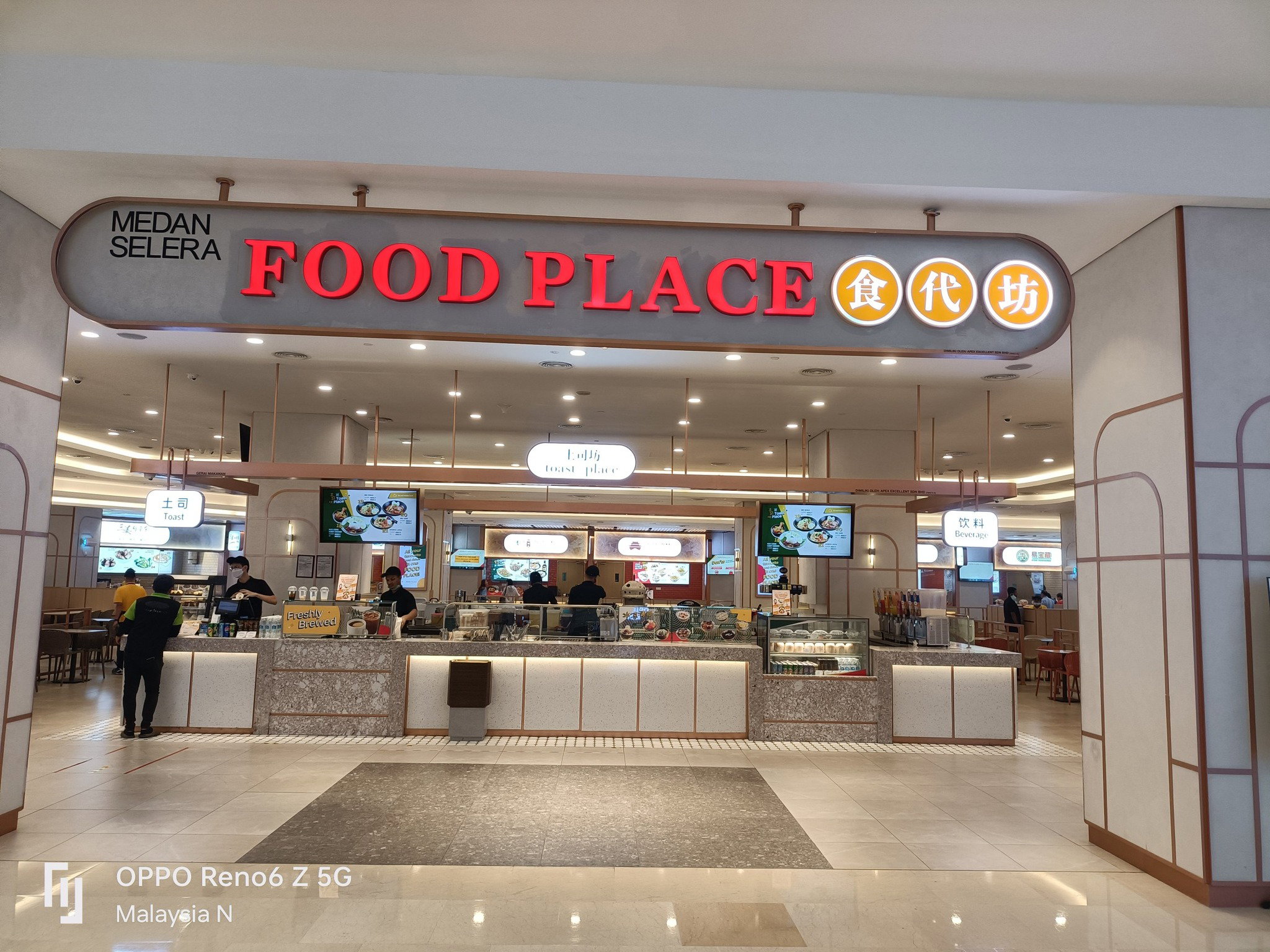
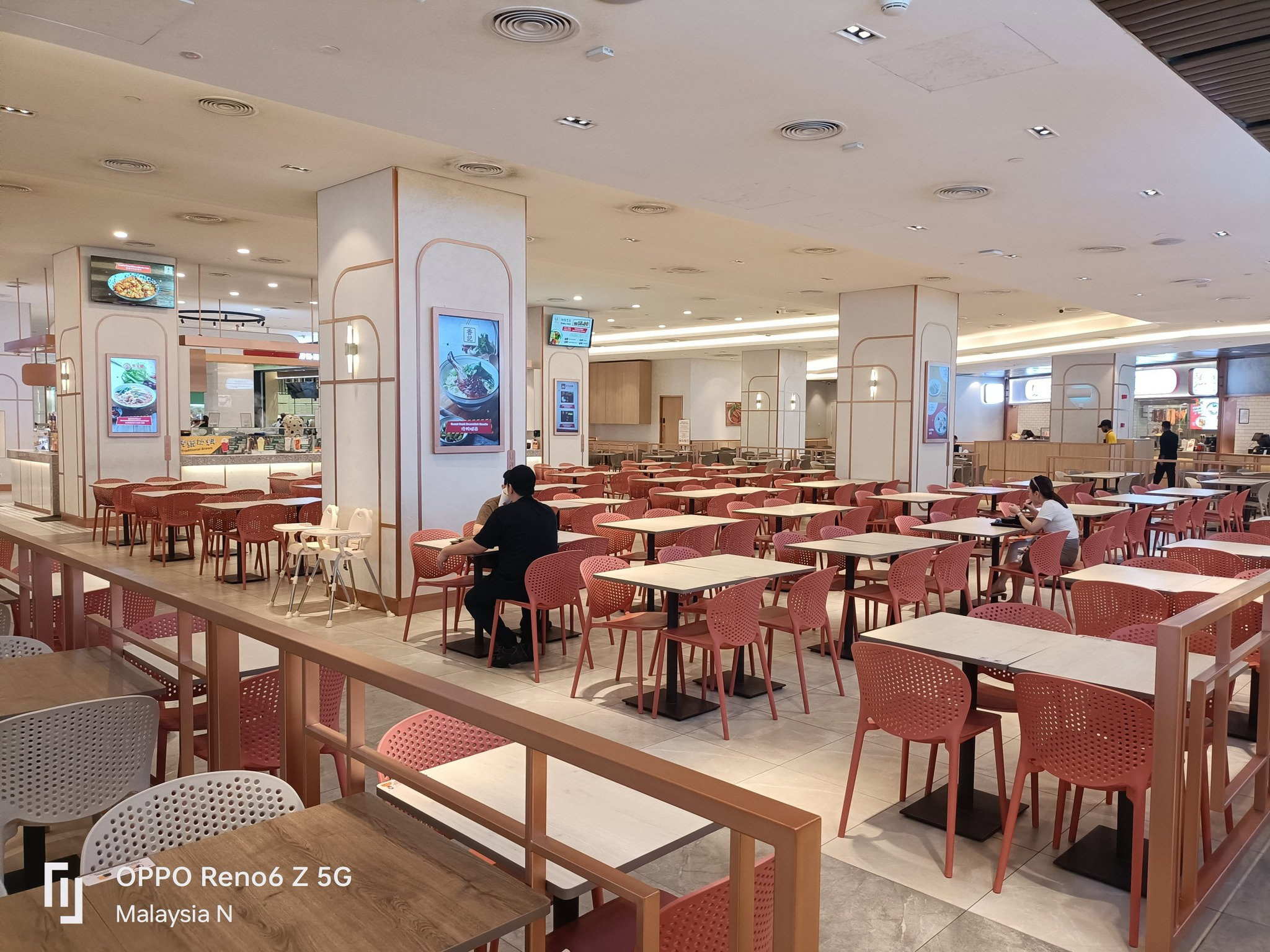
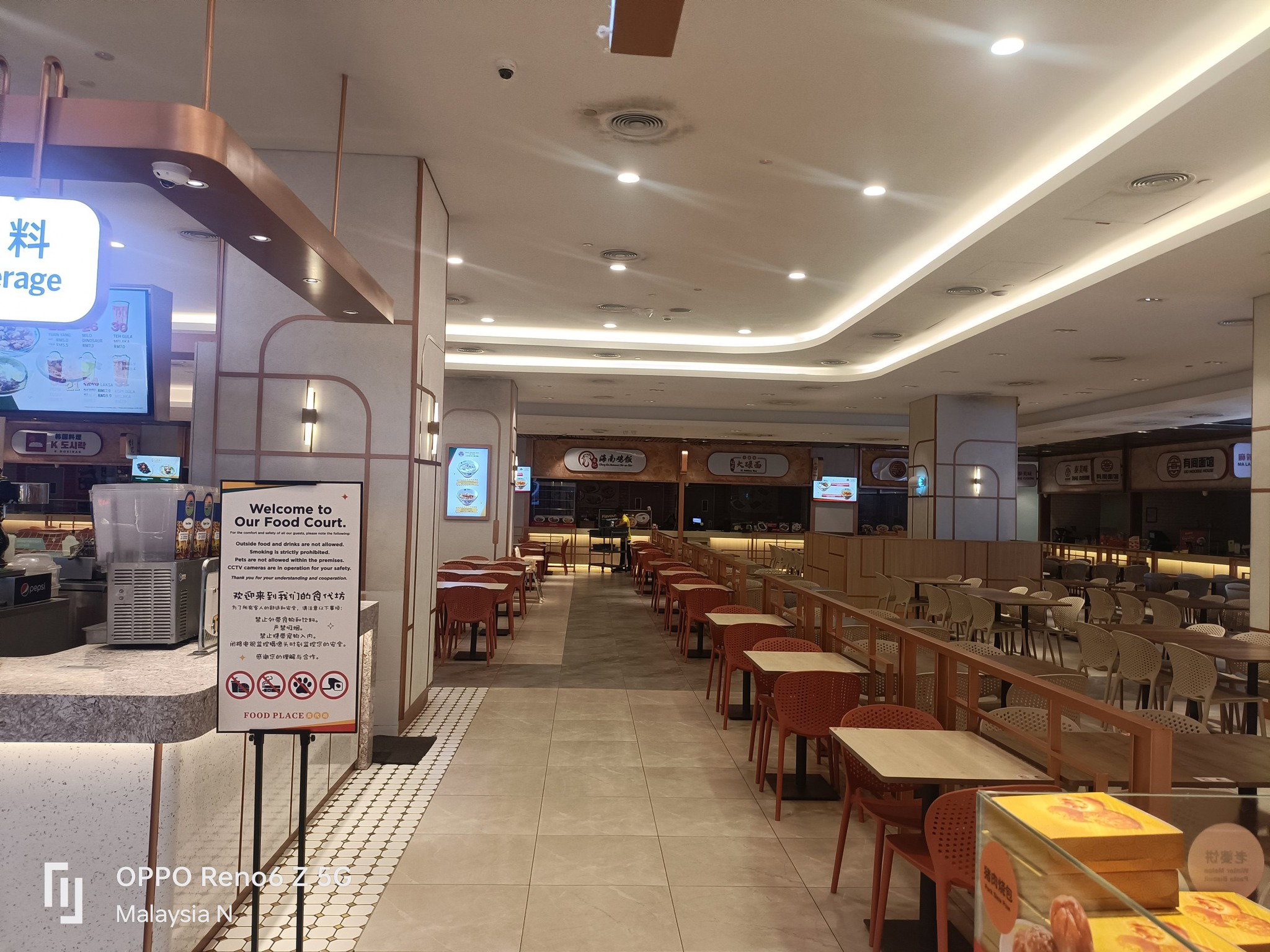
Today, I revisited the Food Place food court, located at Pavilion Mall. The food court is located beside the Oriental Kopi Restaurant.
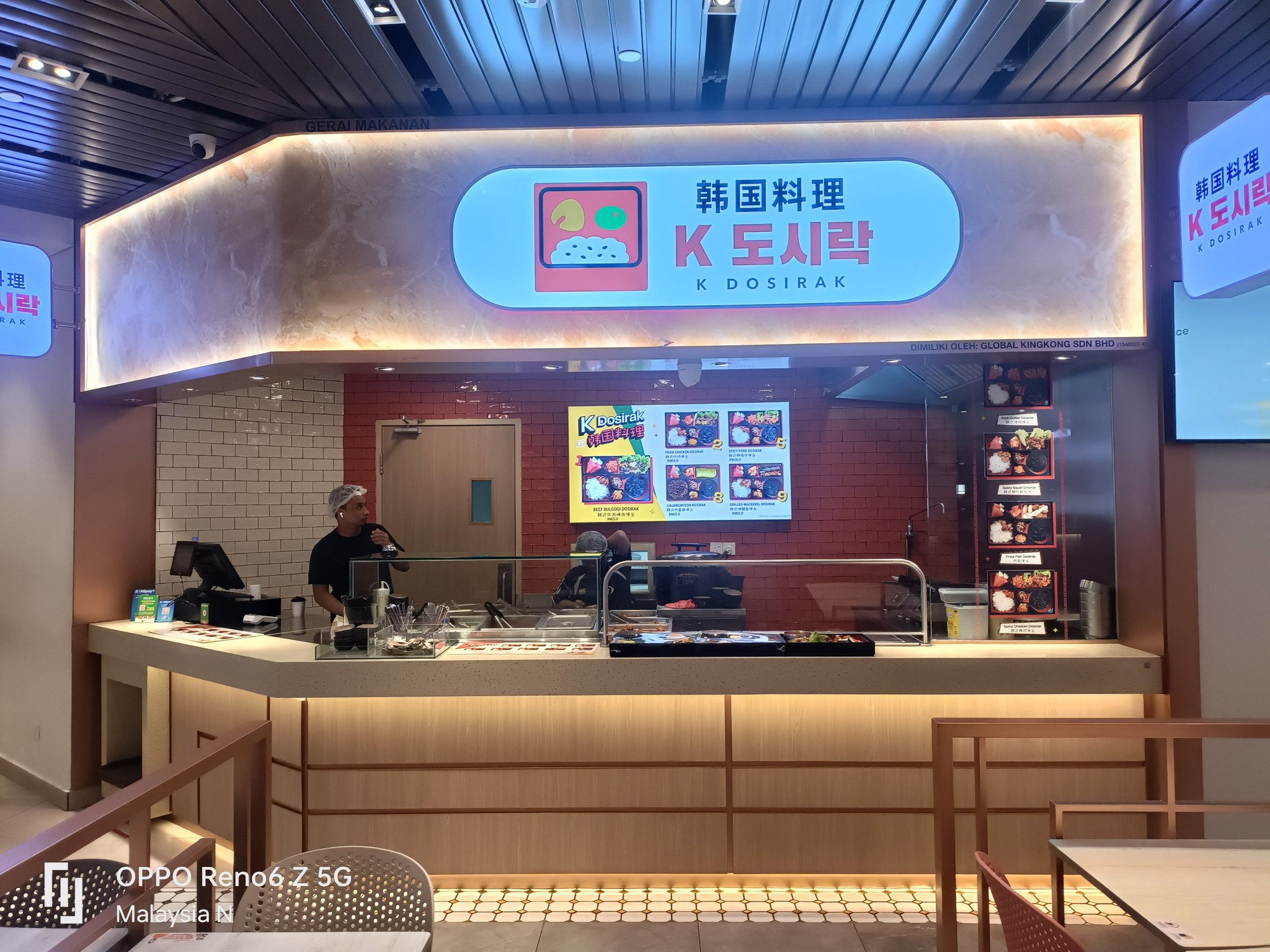
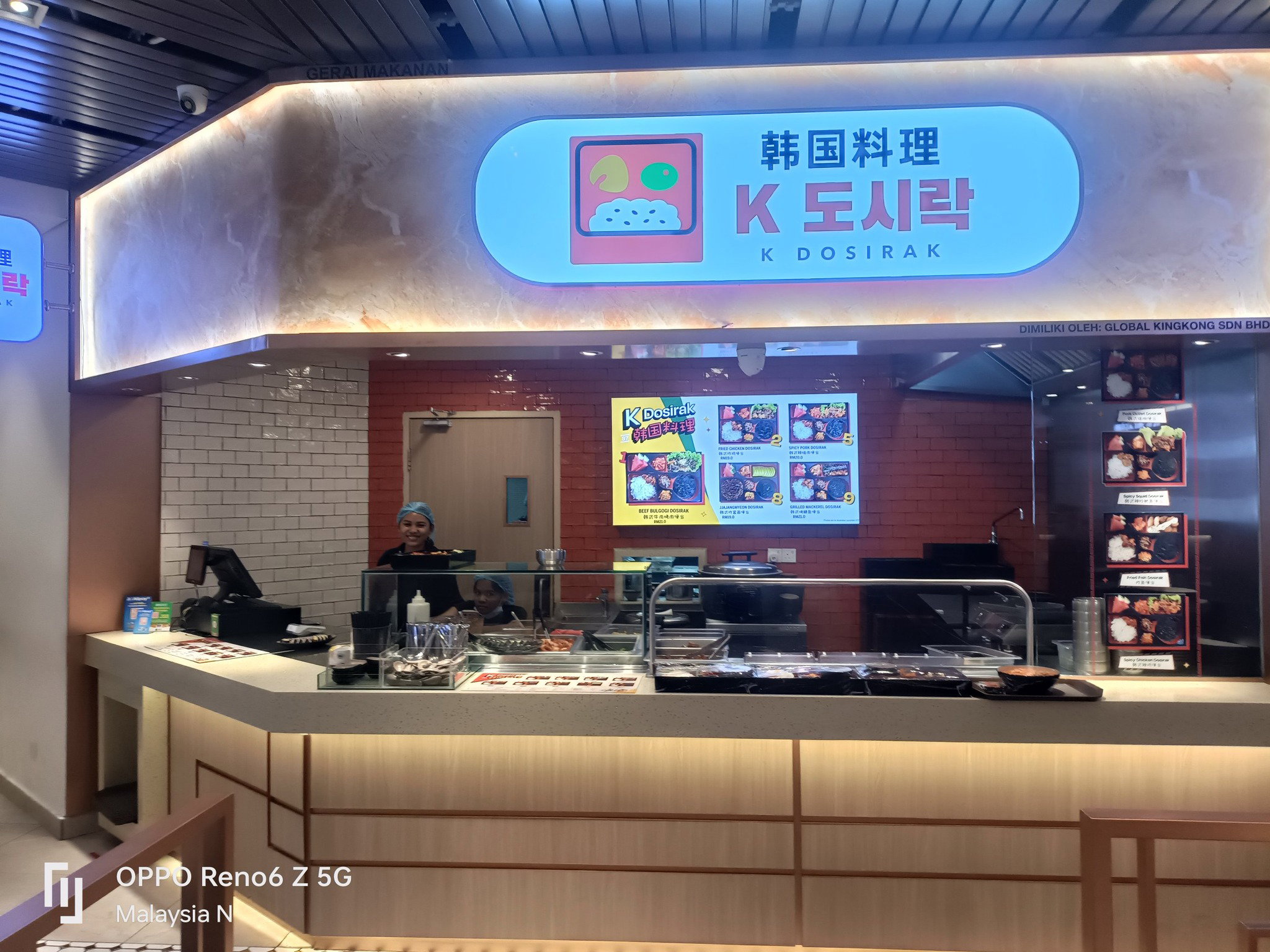
This time I ordered japchae Dosirak from the K Dosirak stall, it cost RM19.00 per box.
This Japchae Dosirak is a classic example of how Korean comfort food balances colour, texture, and nutrition in one tidy bento-style tray. At the heart of the meal is japchae, a beloved Korean noodle dish made from chewy dangmyeon (sweet potato glass noodles) stir-fried with vegetables like carrots, onions, spinach, and mushrooms. The dish is lightly seasoned with soy sauce and sesame oil, then topped with thin ribbons of egg for a touch of richness. Japchae is known for its springy texture and savoury-sweet flavour—simple but incredibly satisfying.
Surrounding the japchae are staple Korean side dishes that complete the dosirak experience. There’s kimchi, offering a tangy and spicy contrast; a soft rolled omelette (gyeran-mari) with mild flavours to balance the meal; and a portion of braised potatoes or radish for that tender, slightly sweet bite. The crispy glazed chicken bites add a comforting, savoury crunch next to the bed of warm white rice. A clear, soothing soup cleanses the palate, and the fresh watermelon slices round off the meal with natural sweetness.
Japchae dates back to the early 17th century during the Joseon Dynasty. It was first created as a royal dish for King Gwanghaegun, originally made without noodles—just vegetables seasoned for flavour. Sweet potato noodles were introduced much later, eventually becoming the version we know today. Today, japchae is often served during celebrations, festivals, and special family gatherings.
**Dosirak**, on the other hand, is Korea’s version of a lunchbox—similar to Japanese bento. Traditionally, dosirak meals were packed for schoolchildren, workers, or travellers, using simple, homemade dishes. Over time, dosirak became a cultural symbol of convenience and care, and now many modern eateries offer their own upgraded versions.
his Japchae Dosirak from K Dosirak blends the royal roots of japchae with the everyday practicality of a Korean lunchbox, making it both nostalgic and complete.
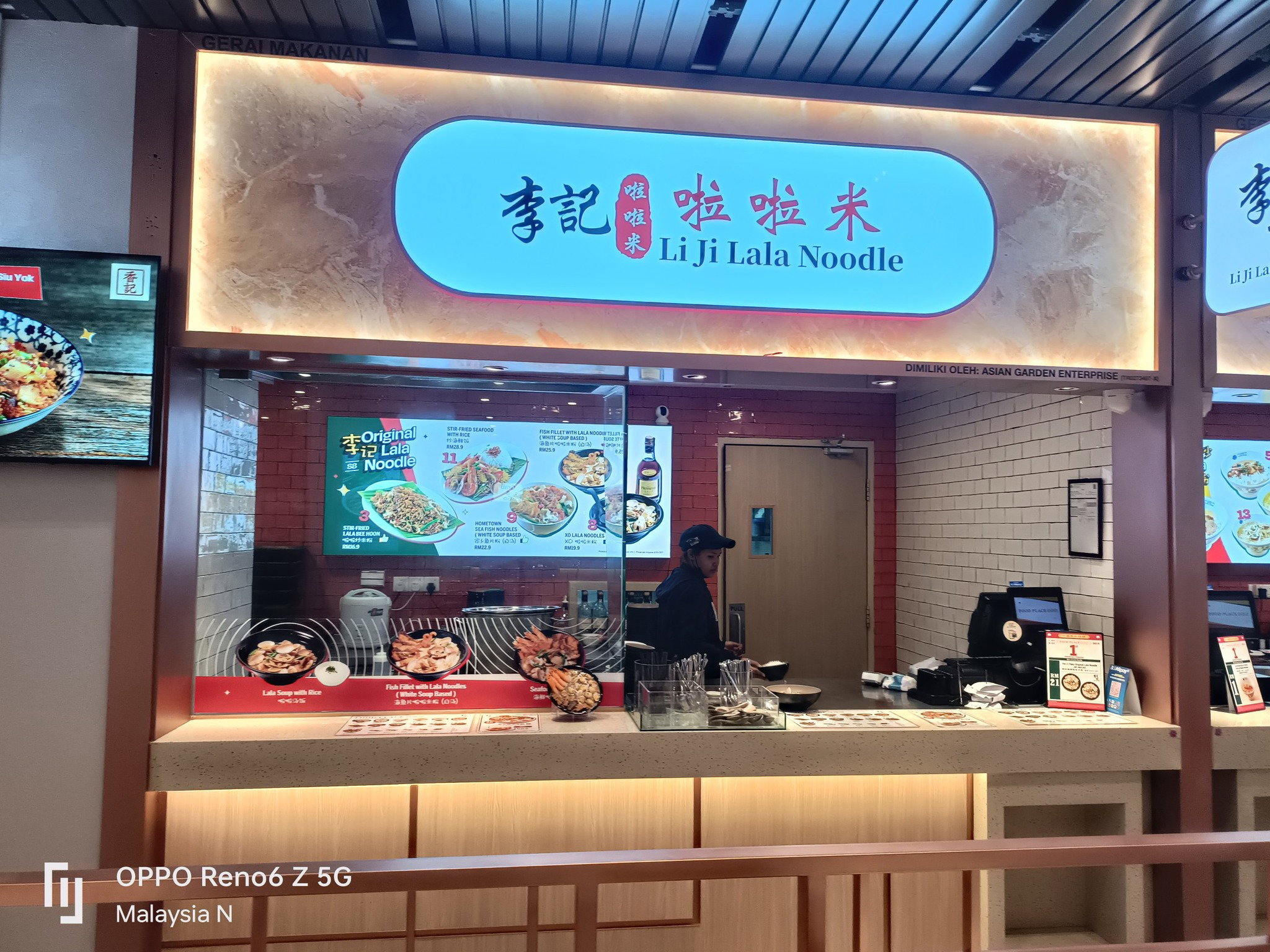
Li ji Lala Noodles lala soup with rice
Today, I revisited the Food Place food court, located at Pavilion Mall. The food court is located beside the Oriental Kopi Restaurant. It is time to try food from another stall.
This time, I ordered lala soup with rice from the Li Ji Lala noodles stall, which cost RM16.90 per plate.
This dish is lala soup (clam soup) served with white rice, a simple but deeply comforting meal commonly found in Malaysian Chinese eateries. The fresh lala clams simmered in a clear broth that contained ginger and Shaoxing wine.
Each lala is plump and tender, carrying that unmistakable burst of umami that clam lovers crave. Ginger slices add a soothing warmth, balancing the seafood sweetness, while the light seasoning keeps everything feeling refreshing and uncluttered. It’s the kind of broth you slowly sip, feeling it warm your chest on every swallow.
Paired with a bowl of steaming white rice, the dish becomes unexpectedly satisfying. The rice absorbs the broth beautifully, turning every bite into a small, comforting moment. It’s homely, it’s nostalgic, and it’s exactly what many of us grew up eating on quiet evenings.
Lala soup has deep roots in the coastal kitchens of southern China, where Cantonese and Fujianese families often simmered fresh clams with ginger to highlight the seafood’s natural sweetness. When Chinese migrants settled in Malaysia, they brought this humble recipe with them — and over time, lala soup became a beloved staple in kopitiams and seafood stalls across the country.
Li Ji continues this tradition, focusing on freshness and simplicity. In a world filled with heavy sauces and complicated seasoning, this lala soup stands out precisely because it dares to stay honest.
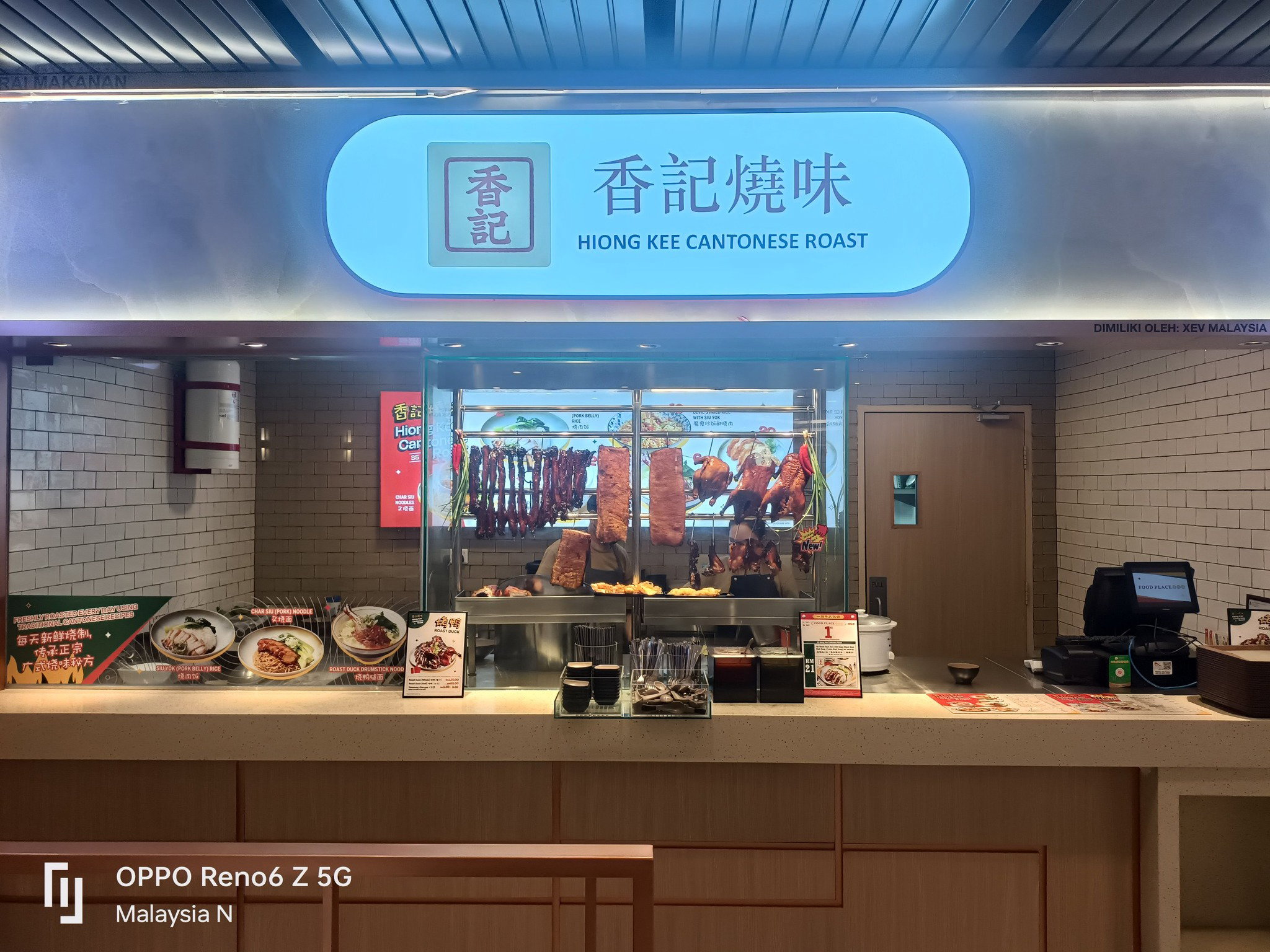
Hiong Kee Cantonese Roast Chicken Wing
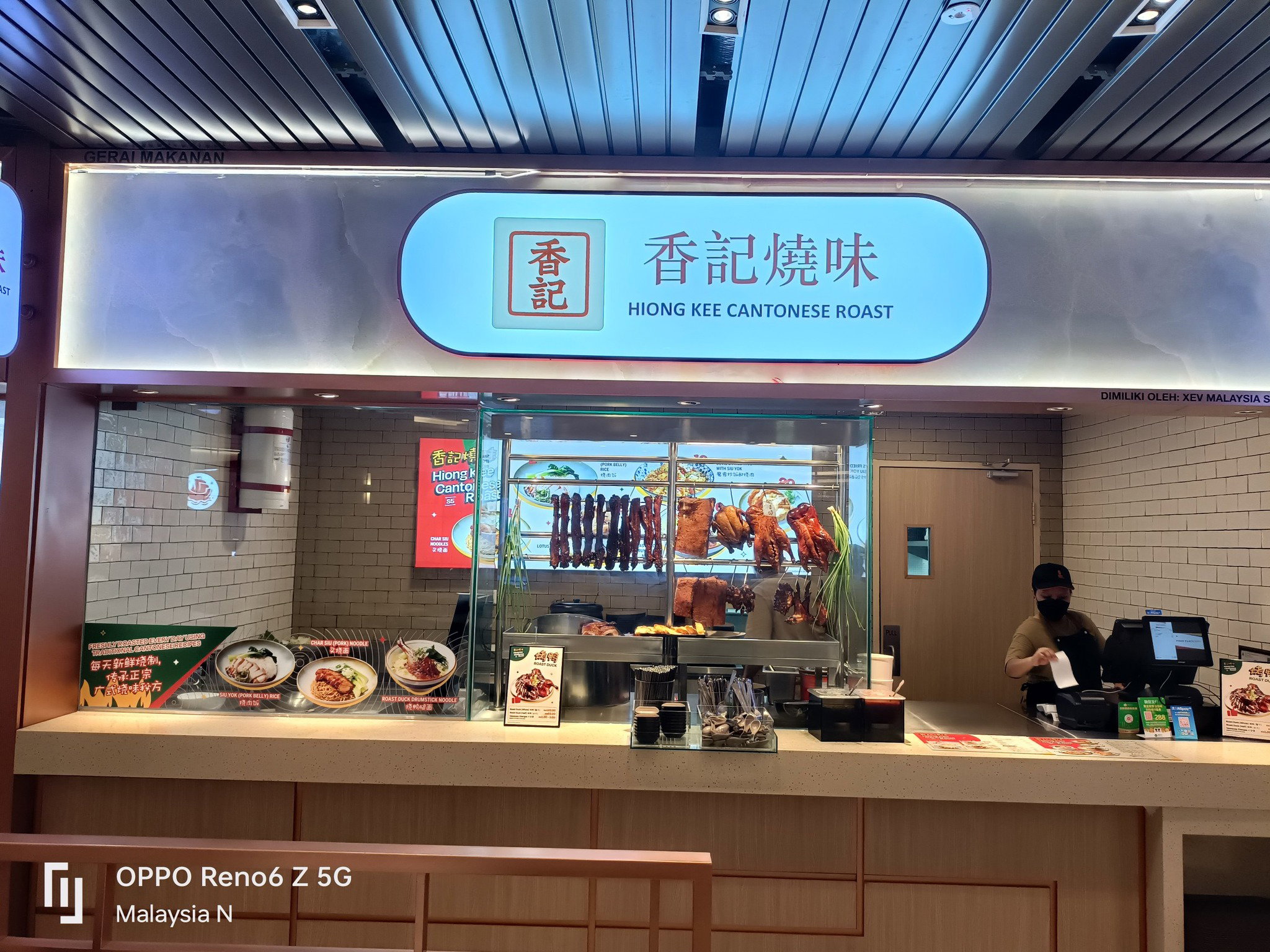
Today, I revisited the Food Place food court, located at Pavilion Mall. The food court is located beside the Oriental Kopi Restaurant.
This time, I ordered Chicken wings from the Hong Kee Cantonese roast stall, which cost RM5.00 per piece. I also ordered a bowl of rice to eat with the chicken wings.
This Chicken Wing is a classic style of Cantonese roast chicken. The chicken wing is golden-brown, achieved through a roasting process, involving a sweet glaze (like honey, maltose, or a combination with soy sauce and spices). The meat inside is expected to be tender, juicy, and moist, a result of a careful brining and roasting process.
The chicken wing from Hiong Kee belongs to the rich tradition of Siu Mei (燒味), which literally means "roast flavor" or "roast meat" in Cantonese.
**Ancient Roots:** Barbecue and roasting traditions in China are ancient, with historical evidence of controlled fires and hearths being used hundreds of thousands of years ago. However, the specific *Cantonese* style of roasting meat—which includes techniques for preparing roast duck, roast goose (*siu ngo*), and char siew (BBQ pork)—can be traced back to the **Guangdong province** in Southern China.
**The Trade Hub Influence:** As Guangdong was a major trade hub via the Maritime Silk Road, scholars believe Siu Mei was developed by incorporating different ingredients and spices influenced by Arabian and Indian traders.
**The Diaspora:** The tradition of Siu Mei spread widely when Cantonese people migrated to places like Hong Kong and Southeast Asia (including Malaysia) after the fall of the Qing dynasty in 1911. They brought their unique roasting techniques and recipes with them.
**A Hong Kong Staple:** During Hong Kong's industrial boom in the 1950s and 60s, Siu Mei rice became a **staple, affordable, and quick meal**, popular with everyone from laborers to executives.
**Modern Day in Malaysia:** Today, Cantonese Roast stalls like Hiong Kee continue this legacy, perfecting traditional techniques. The chicken wing you describe is a smaller, often faster-cooking, version of the larger Cantonese roast chicken, making it a perfect, highly sought-after item for individual sale in a hawker or kopitiam setting.
The emphasis on high-quality roasting, resulting in both tender meat and crispy skin, is a direct continuation of this centuries-old Cantonese culinary art.
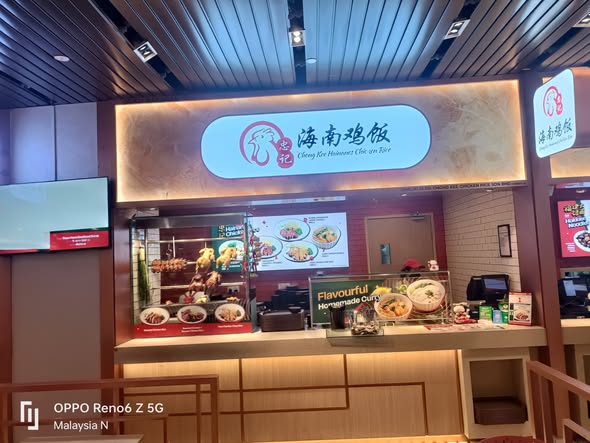
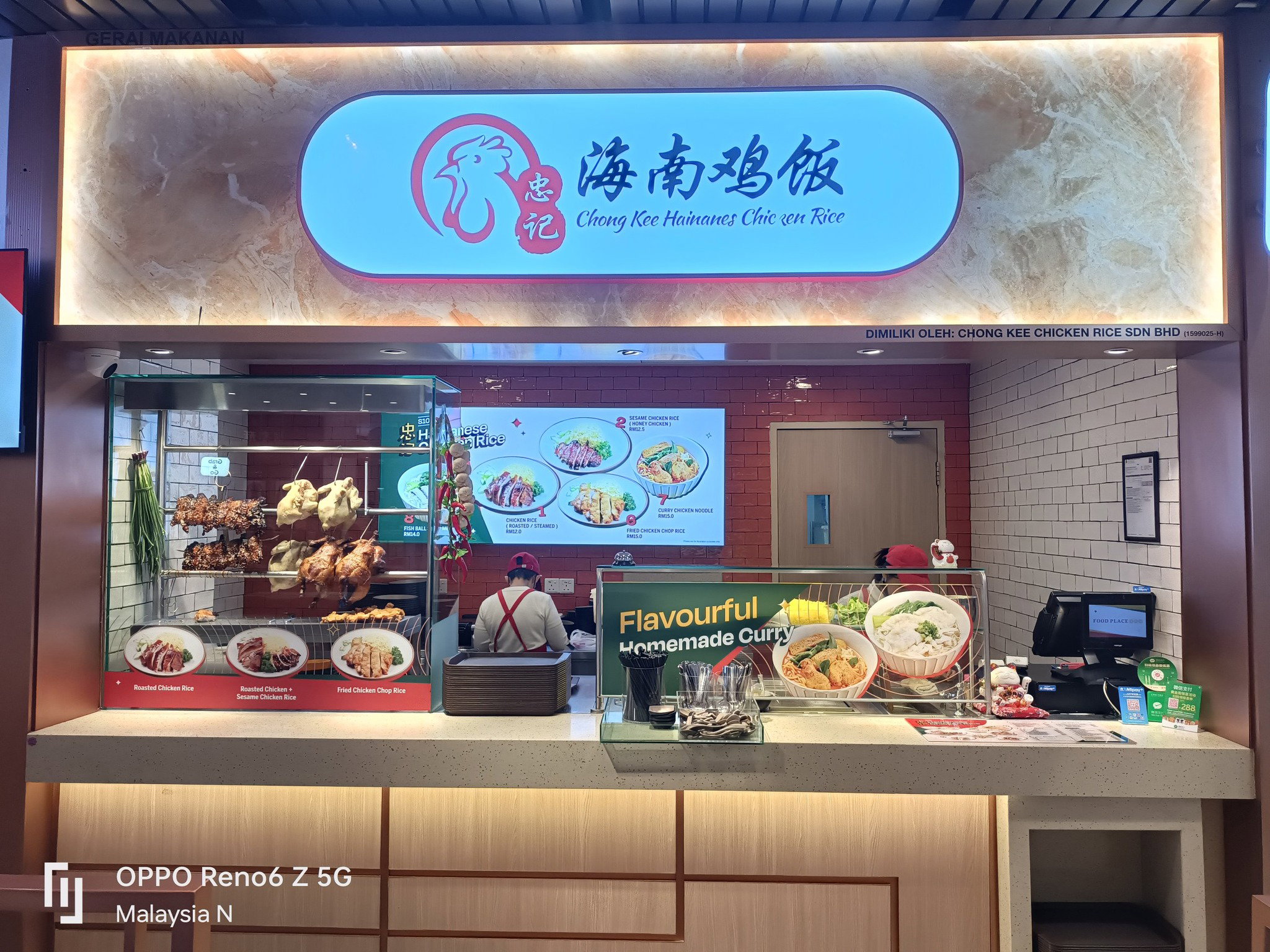
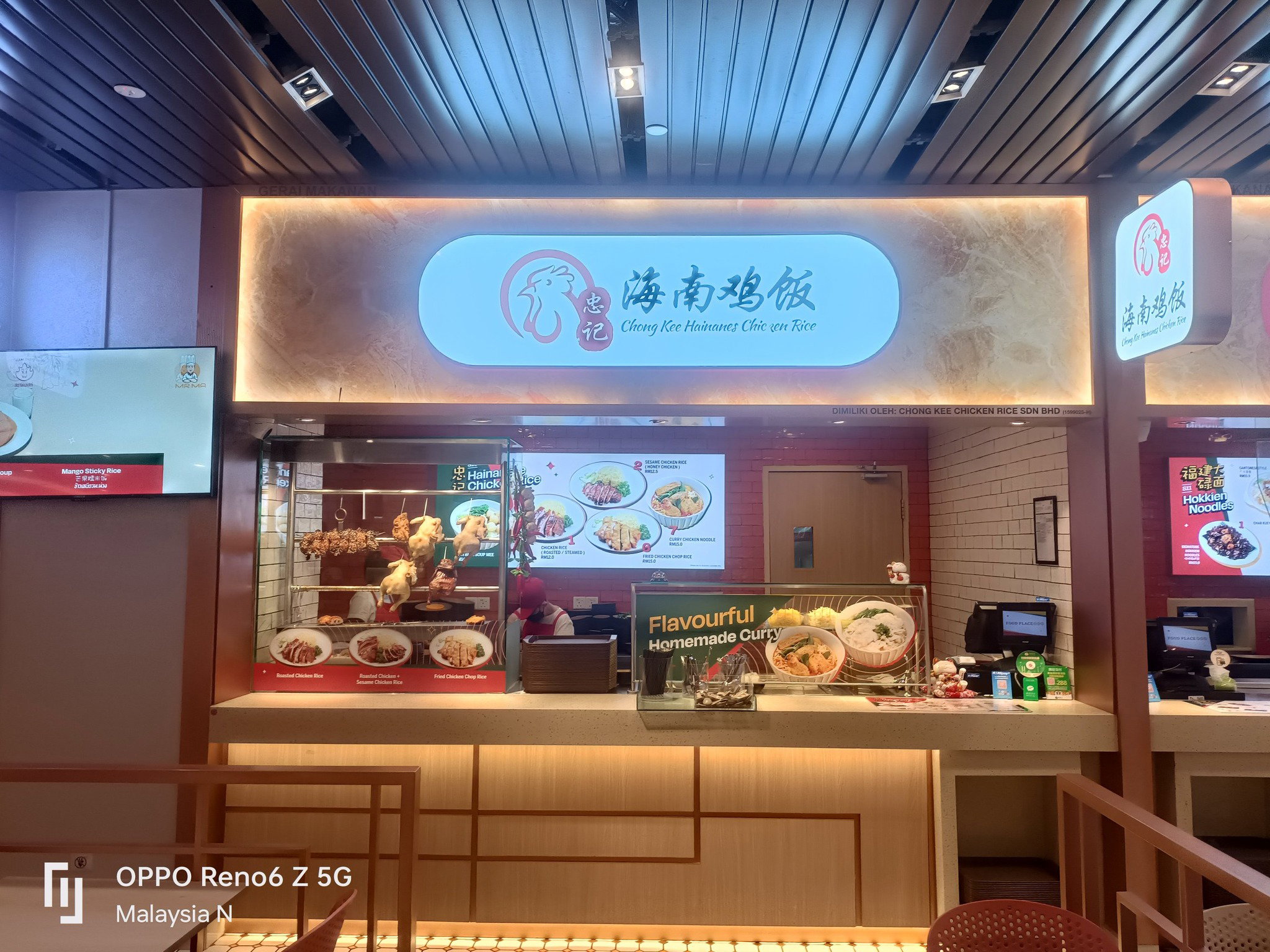
Chong Kee Hainanese chicken rice steamed chicken rice
Today, I revisited the Food Place food court, located at Pavilion Mall. The food court is located beside the Oriental Kopi Restaurant.
This time, I ordered steamed chicken rice from the Chong Kee Hainanese Chicken Rice stall, which costs RM11.00 per plate. Normally, this plate would cost RM12, but now they are having a 1st anniversary promotion.
This plate of steamed chicken rice from Chong Kee Hainanese Chicken Rice showcases one of Southeast Asia’s most beloved comfort foods. The dish features tender pieces of steamed chicken with a slightly yellow, silky skin — a sign of proper poaching and the use of quality chicken. It is served over aromatic rice cooked in chicken stock, ginger, garlic, and chicken fat, giving the grains a glossy texture and savoury depth.
Fresh spring onions add brightness, while the side of cool cucumber offers a refreshing crunch. The meal is completed with a clear chicken soup and a classic Hainanese chilli sauce — spicy, tangy, and fragrant with ginger and garlic.
Hainanese chicken rice traces its origins to Hainan Island in China, where the Wenchang chicken style first emerged. Migrants from Hainan brought the dish to Southeast Asia in the late 1800s and early 1900s, especially to Malaysia and Singapore.
In Malaysia, Hainanese cooks adapted the recipe using local flavours and ingredients, eventually turning it into a national favourite. Over time, the dish evolved, and the chicken became softer and more delicately poached. The rice grew more aromatic with the influence of Malay and Cantonese cooking. The chilli sauce — now a hallmark — was introduced in Southeast Asia.
Today, Hainanese chicken rice is considered a cultural icon, known for its simplicity, purity of flavour, and the skill required to prepare it well.
Chong Kee continues this tradition in Pavilion Mall with a clean, classic presentation that stays true to the roots of authentic Hainanese cuisine.
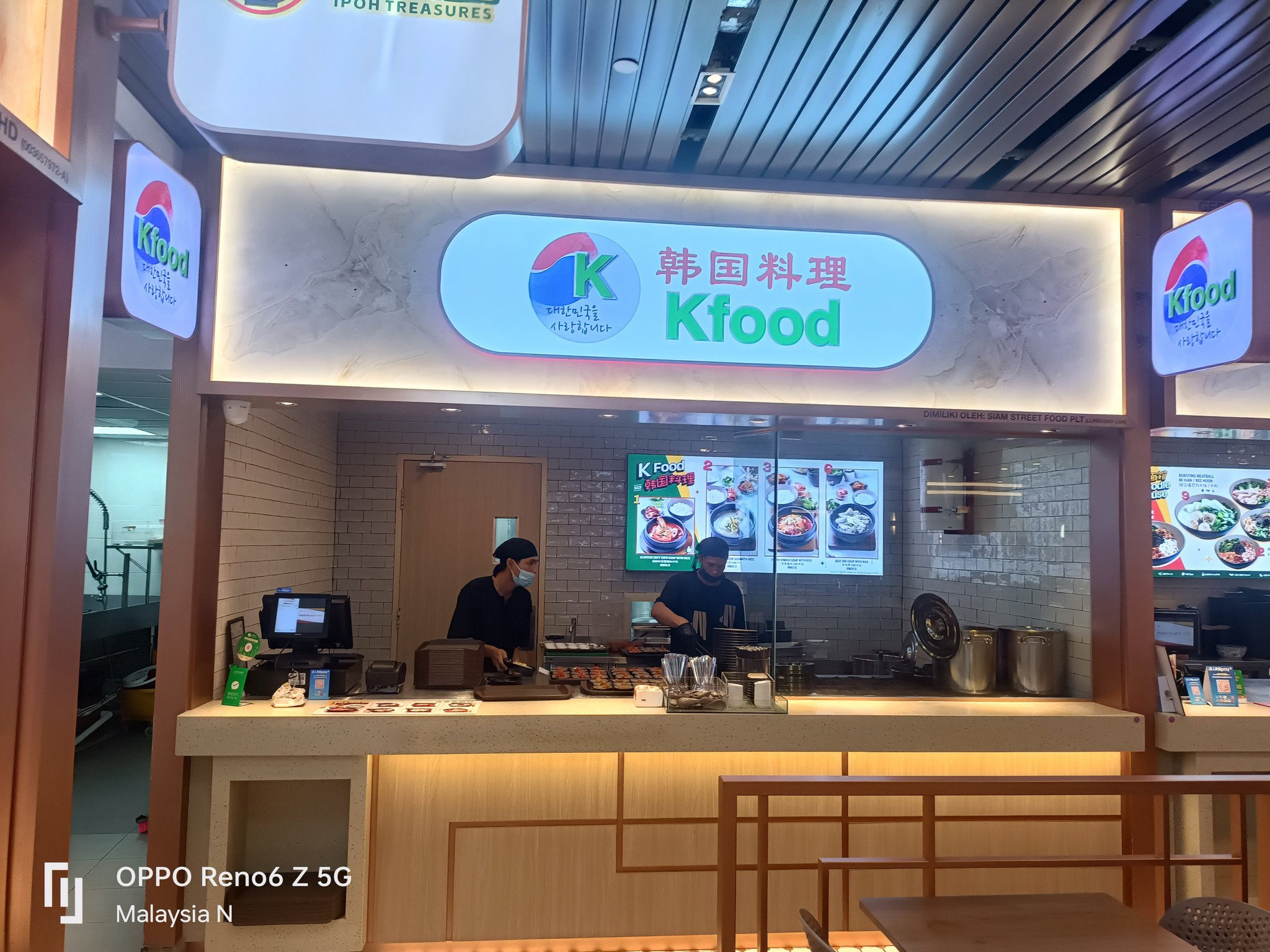
K Food Ginseng Chicken soup with rice
Today, I revisited the Food Place food court, located at Pavilion Mall. The food court is located beside the Oriental Kopi Restaurant.
This time I ordered Ginseng Chicken soup with rice from the K Food stall, it cost RM19.00 per bowl. This is a classic Korean ginseng chicken soup, known as samgyetang (삼계탕) — a warm, nourishing herbal broth traditionally enjoyed for health and vitality.
In the bowl, there is a whole chicken leg, enoki mushrooms, julienned egg omelette, chopped spring onions, and Jujube (red date). A clear, lightly fatty broth that looks comforting and not overly salty Served with white rice, salt-pepper mix (for dipping chicken). It comes with banchan, Kimchi, Stir-fried fish cake and braised potatoes
Samgyetang traces its roots back to Korean royal and medicinal cuisine. It evolved from older dishes like gaejang and yeonggye baeksuk, where whole chickens were cooked with medicinal herbs.
By the Joseon Dynasty (1392–1910), ginseng became treasured as a healing ingredient, and chicken-ginseng soups became popular among aristocrats and scholars.
Samgyetang is strongly connected to the Korean concept of “Iyeol chiyeol” (以熱治熱) — Fight heat with heat. Koreans believe that eating hot, nutrient-rich food during the hottest days of summer helps restore stamina and balance the body’s energy.
This is why samgyetang is traditionally eaten on the three hottest days of the year, known as Boknal, during July and August.
Ginseng, jujube, garlic, and glutinous rice (in the traditional whole-chicken version) are considered yang-boosting ingredients that replenish depleted strength.
In today’s Korea, It is a common dish in restaurants, train stations, and airport eateries. There are even Michelin-rated samgyetang shops in Seoul. Modern versions include abalone, black chicken, or premium ginseng. Its flavour is subtle — not MSG-heavy — relying on long, slow simmering. The version sold at this food court is a refined, everyday interpretation: sliced chicken and ginseng herbal broth served with rice and banchan, making it more practical for quick-service dining.
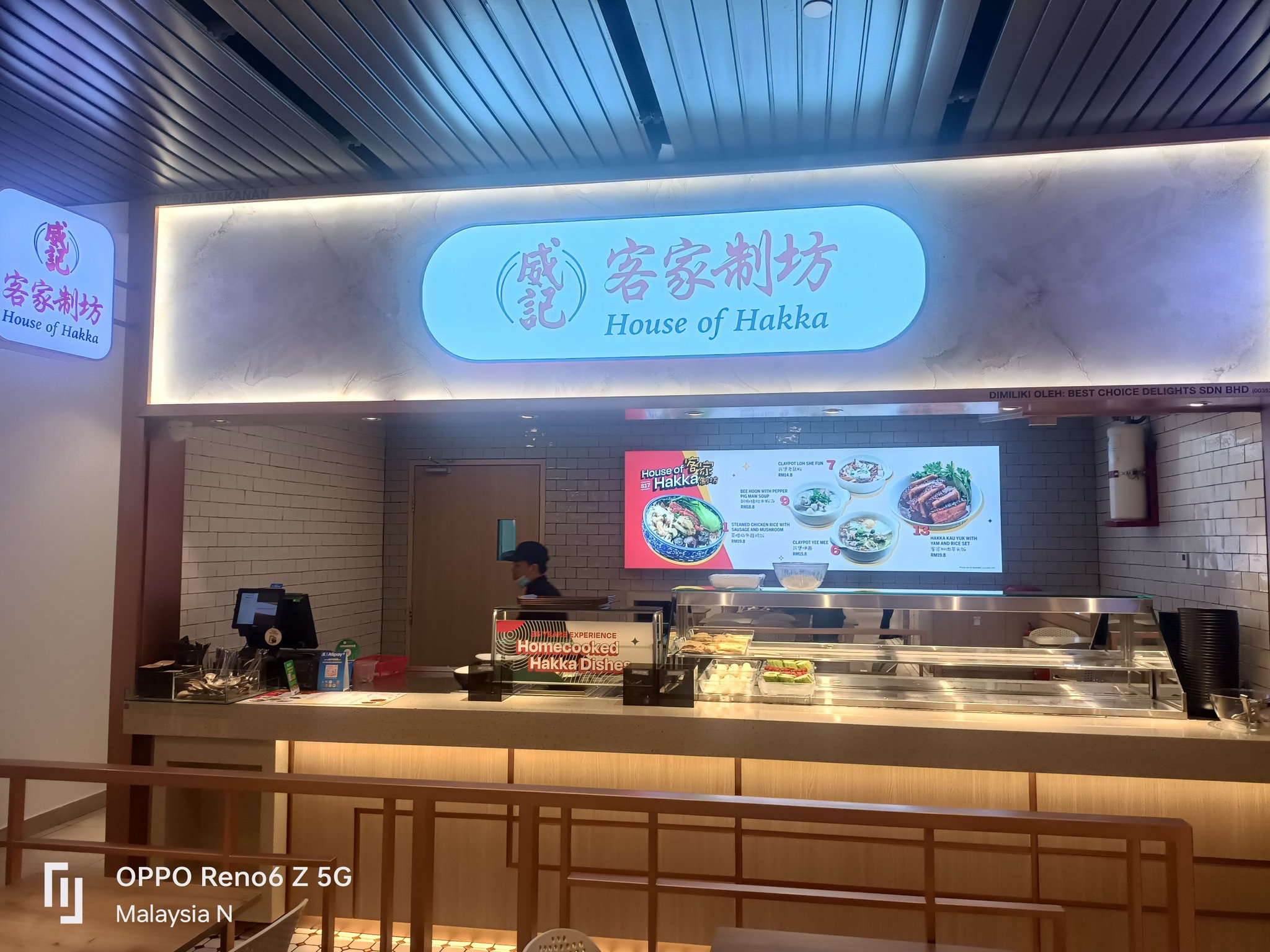
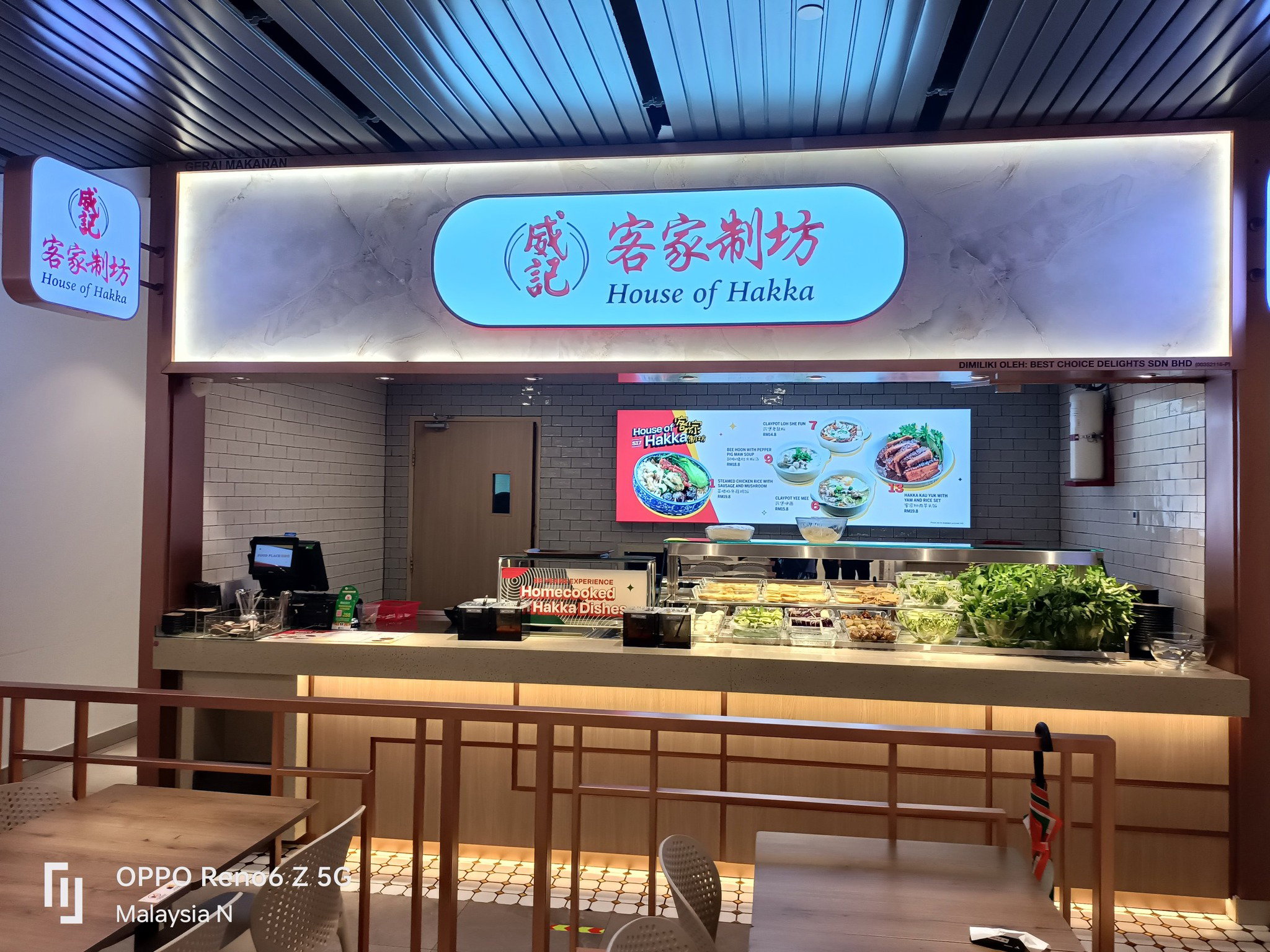
House of Hakka Ginger and Black Vinegar Pork Trotters rice set
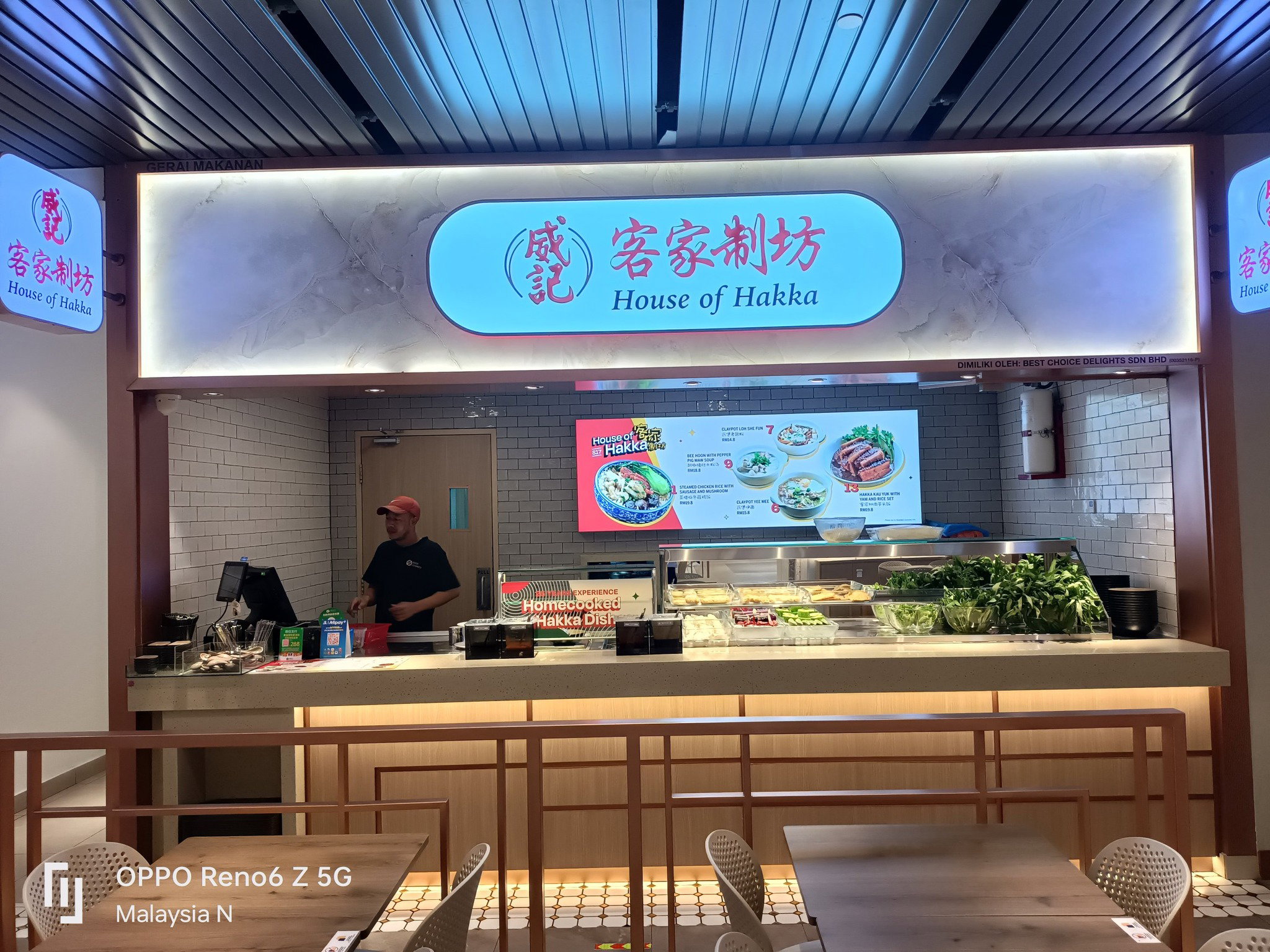
Today I visited the Food Place food court, located at Pavilion Mall. The food court is located beside the Oriental Kopi Restaurant.
This time, I ordered the Ginger and Black Vinegar Pork Trotters rice set from the House of Hakka stall, which cost RM19.80 per plate.
The dish features tender pork trotters braised slowly in a claypot with a rich, aromatic sauce made from black vinegar, old ginger, and a touch of palm sugar. The vinegar gives it a dark, glossy sheen and a deep, tangy-sweet flavour, while the ginger adds warmth and sharpness that cuts through the richness of the pork. The meat itself is gelatinous and flavorful — a balance of tender meat and soft skin, rich in collagen. It’s typically served with a bowl of white rice and a light soup, providing balance to the strong flavors.
This dish originates from Hakka cuisine, a branch of Chinese culinary tradition known for its hearty, homestyle cooking. It is especially famous as a postpartum recovery dish — traditionally prepared for new mothers during their confinement period. The black vinegar is believed to help cleanse the body and restore blood circulation, while ginger aids digestion and expels “wind” from the body. The pork trotters, rich in collagen, are said to promote recovery and improve skin health.
Over time, this confinement delicacy became a popular comfort food across Malaysia and Singapore, enjoyed by everyone for its deep flavour and nostalgic warmth. The **House of Hakka** version serves it in a rustic claypot, staying true to the traditional cooking method that retains heat and enhances the fragrance of the vinegar and ginger.
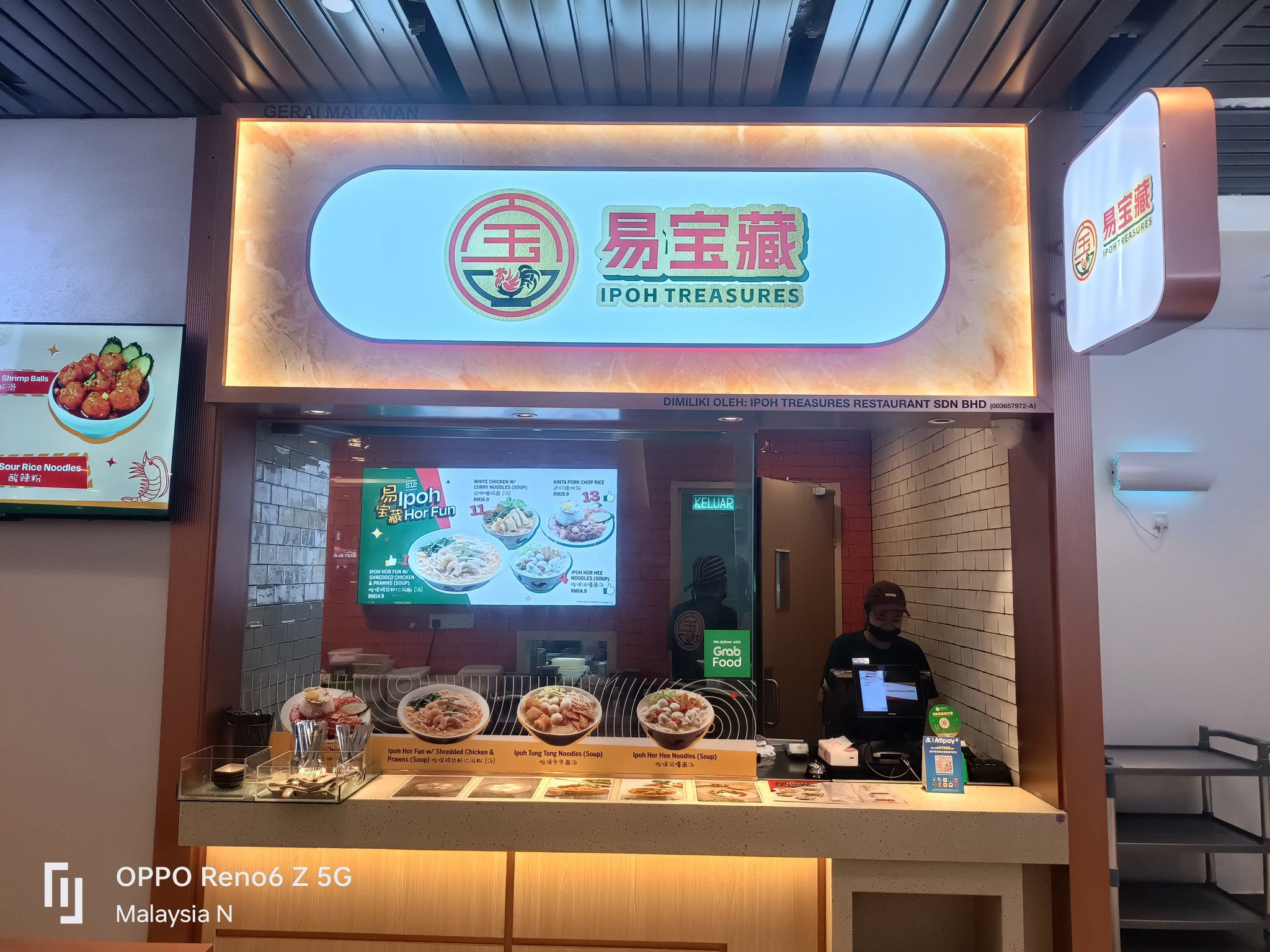
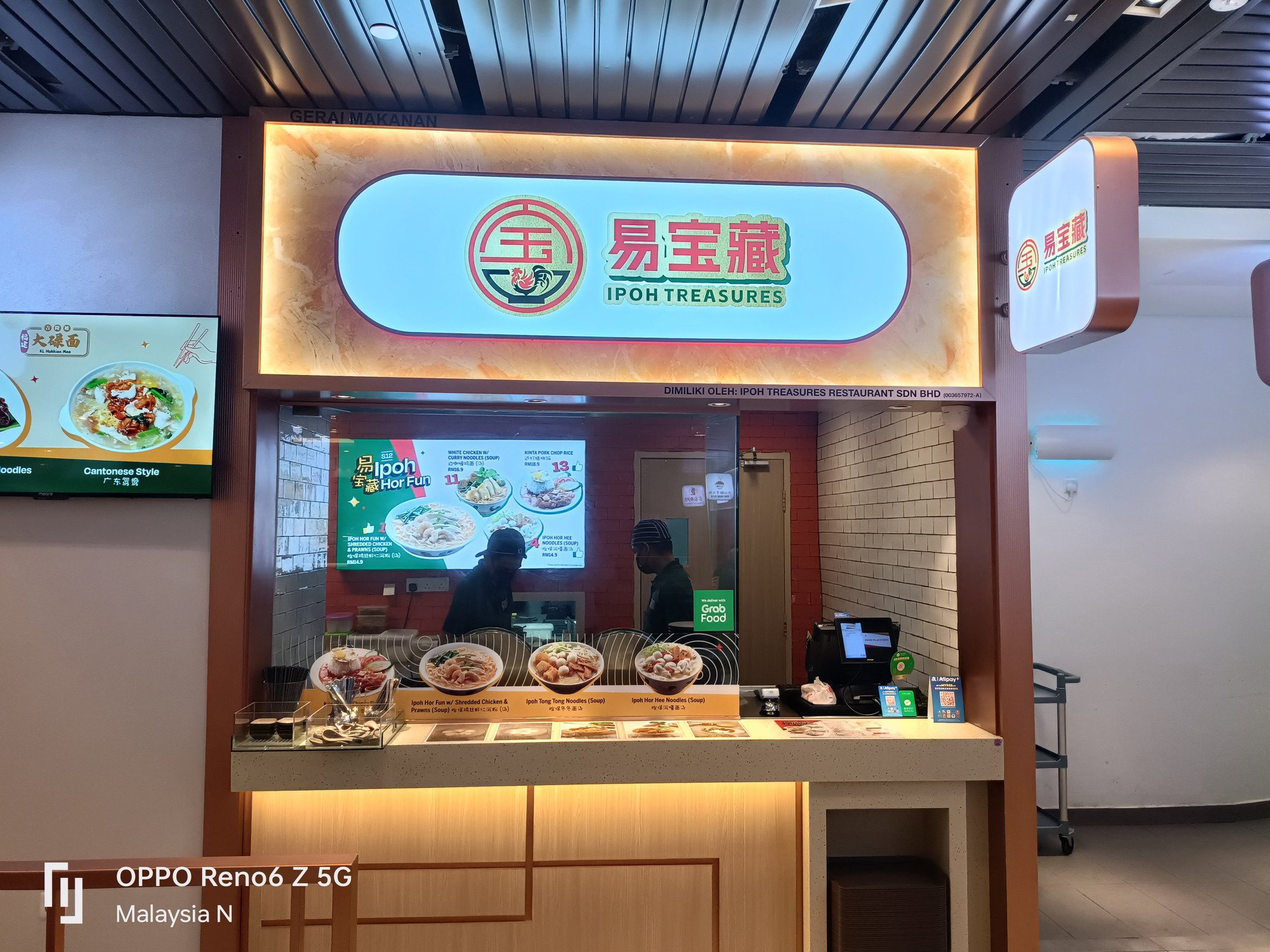
Ipoh Treasure Ipoh Treasure Curry Chicken with noodles (dry)
Today I visited the Food Place food court, located at Pavilion Mall. The food court is located beside the Oriental Kopi Restaurant.
This time, I ordered Ipoh Treasure Curry Chicken with noodles (dry) from the Ipoh Treasure stall, which cost RM15.90 per plate.
This dish is Curry Chicken with Dry Noodles, a Malaysian Chinese comfort meal served at Ipoh Treasure, a restaurant inspired by the culinary heritage of Ipoh — a city famous for its rich, balanced flavors and silky smooth noodles.
The noodles, glistening in a light soy-based sauce, are tossed just enough to coat every strand without drowning them. They come topped with fragrant fried shallots, chopped spring onions, and a generous scoop of sambal on the side. A few sprigs of mint and a halved calamansi lime sit quietly on the edge, waiting to be mixed in for a touch of freshness and acidity.
Then there’s the star of the show — the curry chicken. Unlike the richer, coconut-laden versions common in Penang or KL, this Ipoh-style curry is noticeably leaner. There’s no santan (coconut milk) here. Instead, the gravy is built on layers of ground spices — turmeric, coriander, and chili — simmered slowly until they meld into a thick, aromatic sauce. The chicken pieces are tender and the potatoes have soaked up just enough curry to turn golden and flavorful. The result is a curry that’s bold and spicy, yet not heavy; you taste the spices rather than the fat.
This combination of dry noodles with curry on the side is a signature of old-style coffee shops in Ipoh. It’s said to have emerged when local hawkers wanted to offer something in between curry mee and the usual “kon lo” noodles. The idea was simple — let the customer enjoy the best of both worlds: the fragrance of soy-tossed noodles and the satisfaction of dipping them into rich curry gravy. Over time, this pairing became part of Ipoh’s culinary identity — a reflection of how Chinese hawkers adapted Malay spices into their own cooking style.
This style of dry noodles with curry chicken on the side traces its roots to Ipoh and Kampar in Perak, where Chinese hawkers adapted local curries to suit their taste — less creamy, more aromatic, and paired with noodles instead of rice. In the 1950s–60s, coffee shops in Ipoh Old Town popularized this pairing as an alternative to curry mee, giving customers the option to enjoy “kon lo” (dry-tossed) noodles with spicy curry gravy separately.
Over time, the dish became symbolic of Ipoh’s food culture — a bridge between Chinese noodle traditions and Malay-style spice cooking. The non-coconut version is particularly associated with traditional Hakka or Cantonese eateries, which preferred curries made with stock and spice paste rather than santan (coconut milk).
Chong Kee Hainanese chicken rice curry chicken wantan mee
Today, I revisited the Food Place food court, located at Pavilion Mall. The food court is located beside the Oriental Kopi Restaurant.
This time, I ordered curry chicken wantan mee from the Chong Kee Hainanese Chicken Rice stall, which costs RM15.00 per bowl.
This is Curry Chicken Wantan Mee, a comforting Malaysian Chinese fusion noodle dish that combines the springy texture of Cantonese wantan noodles with the bold flavor of Chinese-style curry.
Unlike the richer, coconut-milk-based curry commonly found in Malay or Nyonya versions, this curry has a lighter, gravy-like consistency with a savory and mildly spicy profile. The flavor leans toward aromatic curry powder, garlic, onions, and dried shrimp, resulting in a sauce that’s fragrant yet not creamy.
The noodles are tossed in the curry gravy and topped with poached chicken slices, fried tofu puffs (tau pok) that soak up the curry essence, crisp bean sprouts, and choy sum for freshness. Each component plays a role — the tofu puffs absorb the curry, the vegetables balance the richness, and the noodles carry the spice perfectly.
This Chinese-style curry noodle is believed to have evolved from Hainanese or Cantonese chefs who adapted Indian and Malay spices to suit Chinese tastes during the British colonial era. Hainanese cooks, known for creating Western-Chinese hybrid dishes, often prepared mild curries to accompany chicken or noodles, giving rise to this uniquely local style.
Today, Curry Chicken Wantan Mee remains a beloved comfort food across Malaysia — hearty, aromatic, and a perfect example of how Chinese culinary traditions blend seamlessly with local flavors.
K Dosirak Kimbap
Today, I revisited the Food Place food court, located at Pavilion Mall. The food court is located beside the Oriental Kopi Restaurant.
This time I ordered Kimbap from the K Dosirak stall, it cost RM15.00 per box. This is a beloved Korean dish made from steamed rice and assorted ingredients rolled in seaweed (gim) and sliced into bite-sized pieces.
Inside each slice, you can see yellow pickled radish (danmuji), egg strips, Crab stick, Carrot, cucumber, Purple cabbage, Seasoned burdock root (ueong) and ham meat.
The roll is wrapped in toasted seaweed and sprinkled with sesame seeds, giving a nutty aroma that complements the rice’s light seasoning of sesame oil and salt.
Kimbap has its origins in early 20th-century Korea, likely influenced by Japan’s norimaki sushi during the colonial era. However, it evolved into a uniquely Korean food with distinct flavors and preparation methods. Unlike sushi rice (which is seasoned with vinegar), Kimbap rice is mixed with sesame oil and salt, giving it a fragrant, savory profile rather than a tangy one.
It became popular as a **portable, complete meal** — ideal for picnics, school lunches, and travel. Over time, regional and modern variations emerged, including tuna mayo kimbap, bulgogi kimbap, and vegetarian options.
Today, Kimbap is a comfort food symbolizing convenience, care, and togetherness in Korean culture — often packed lovingly in lunchboxes (dosirak, 도시락) for family members.
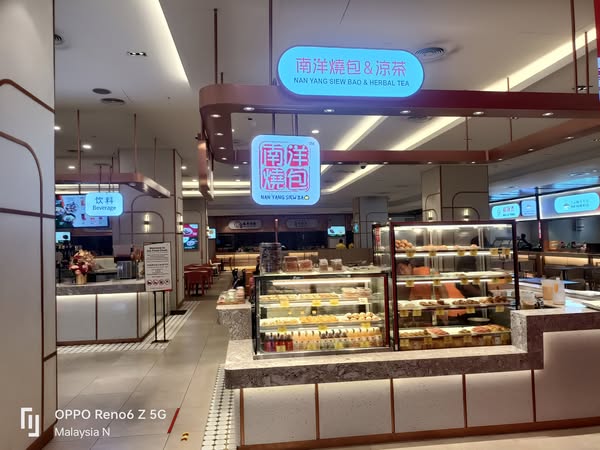
Nan Yang Siew Bao layer kaya puff
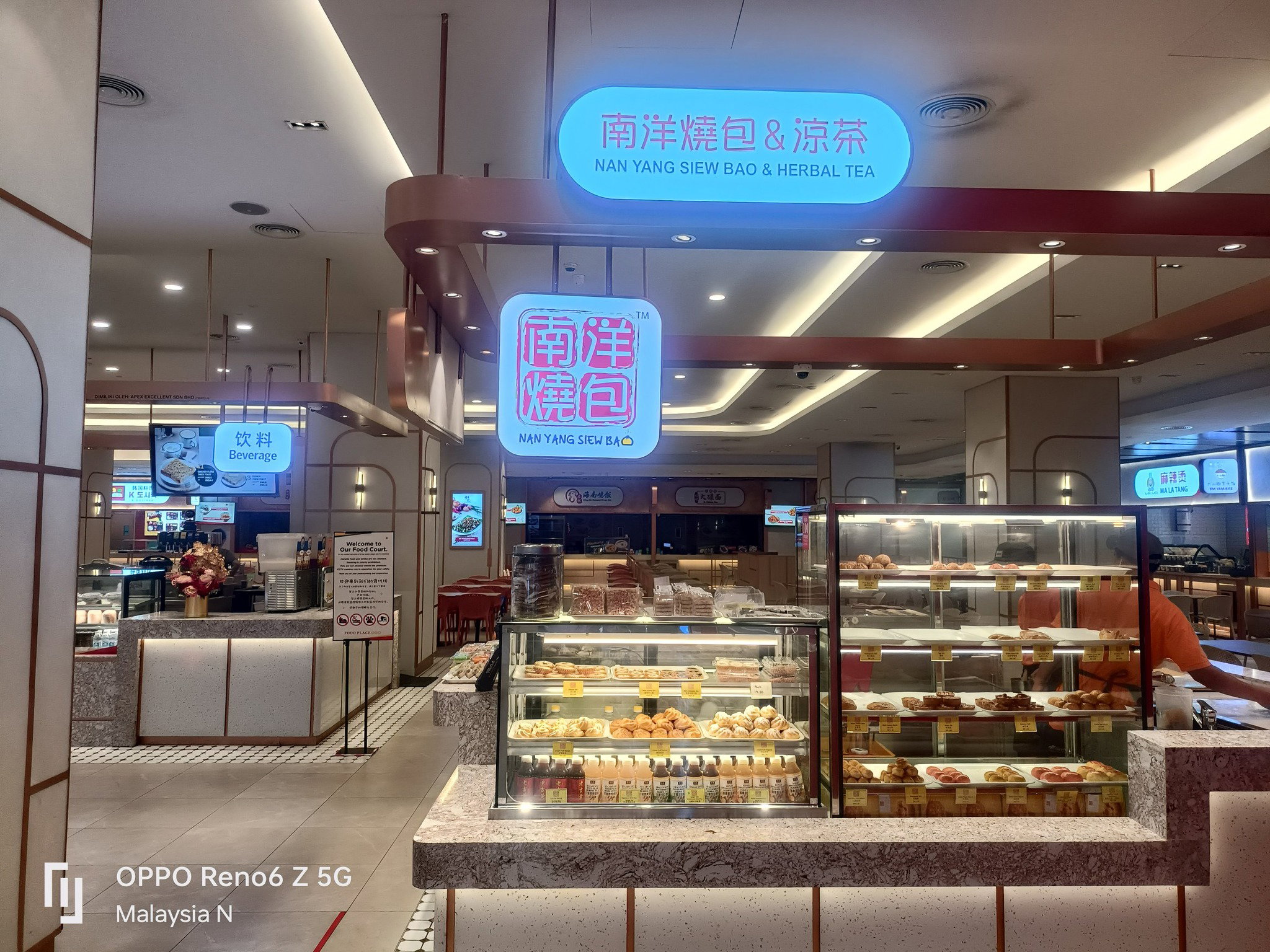
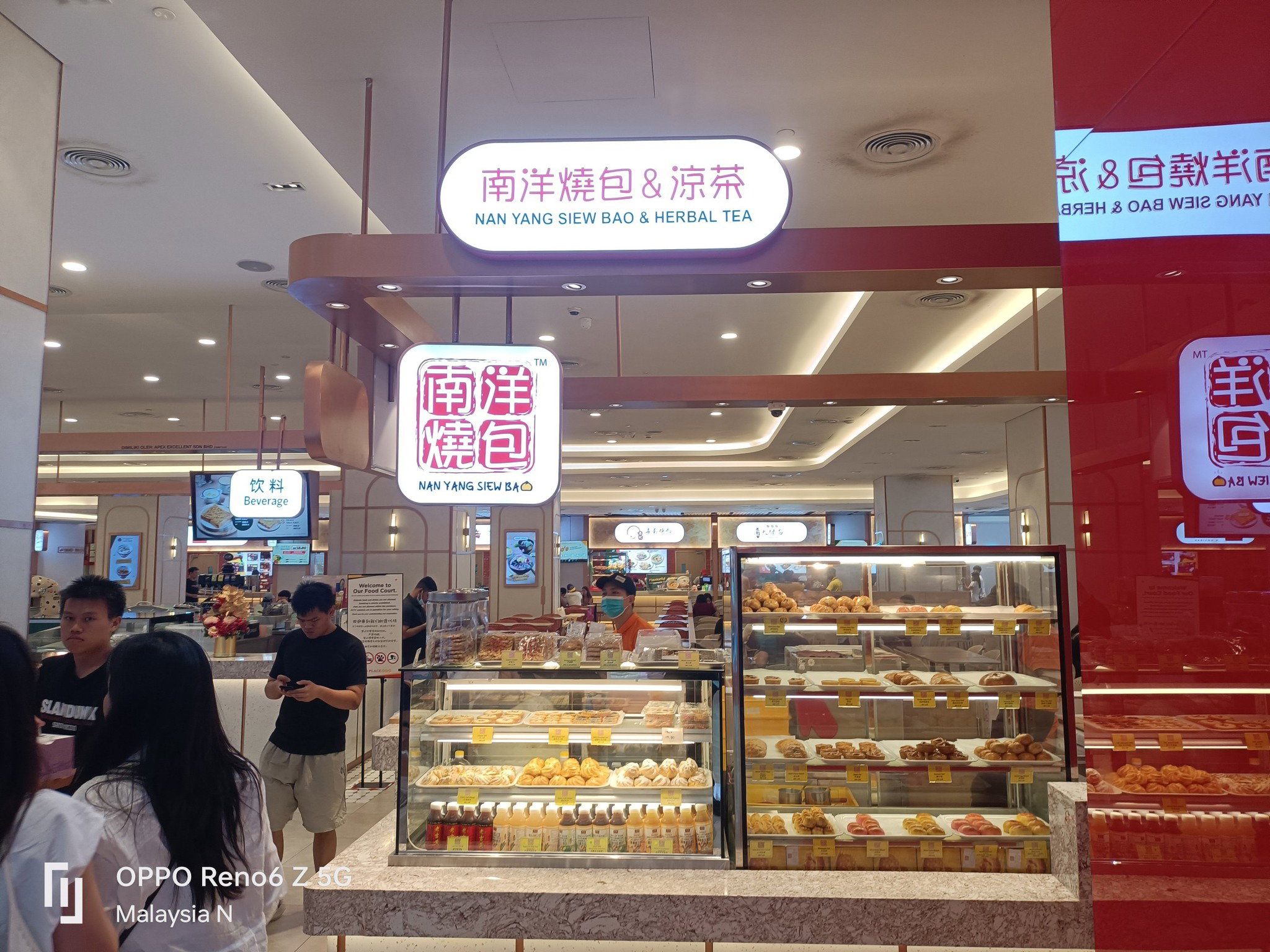
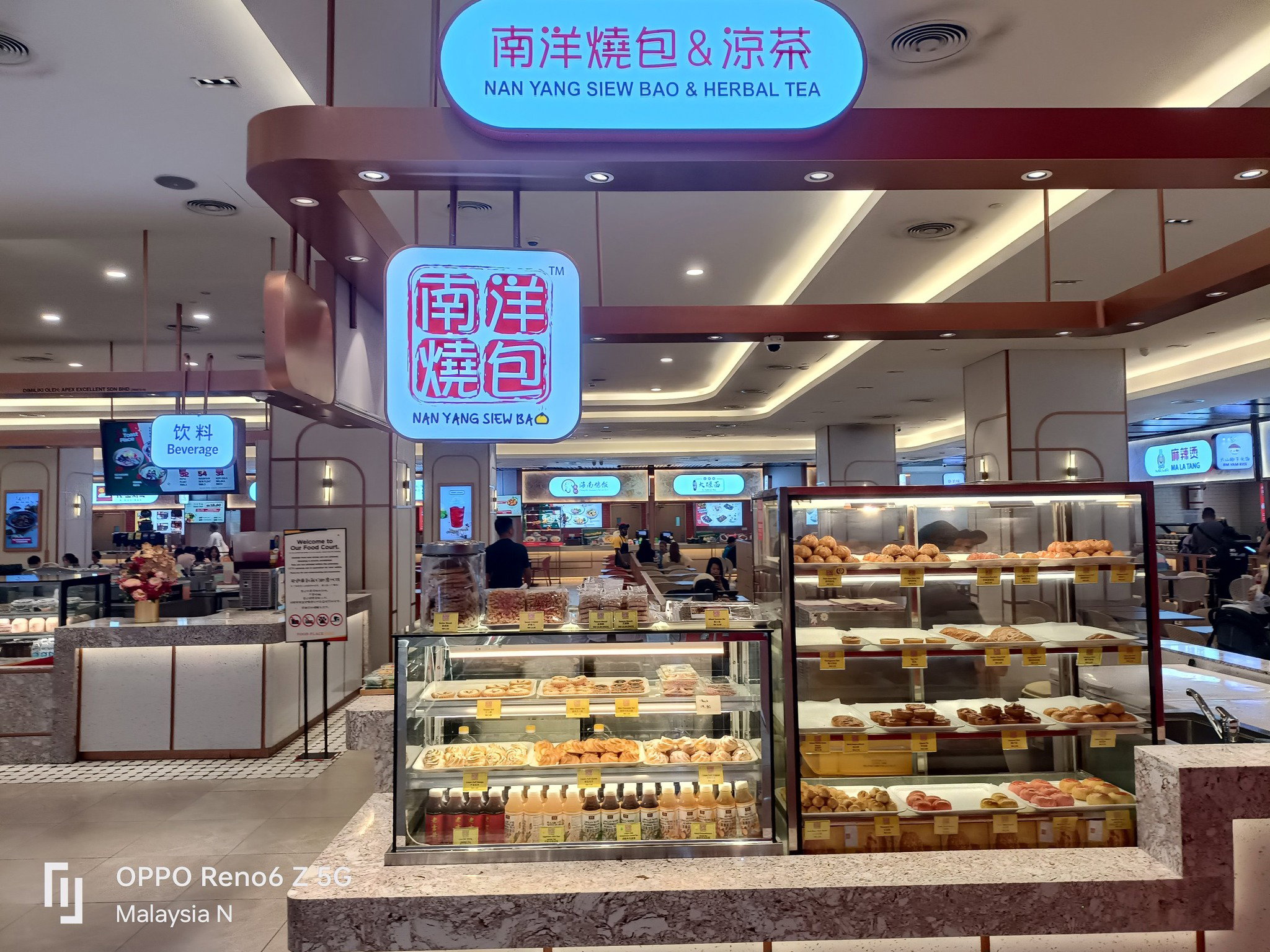
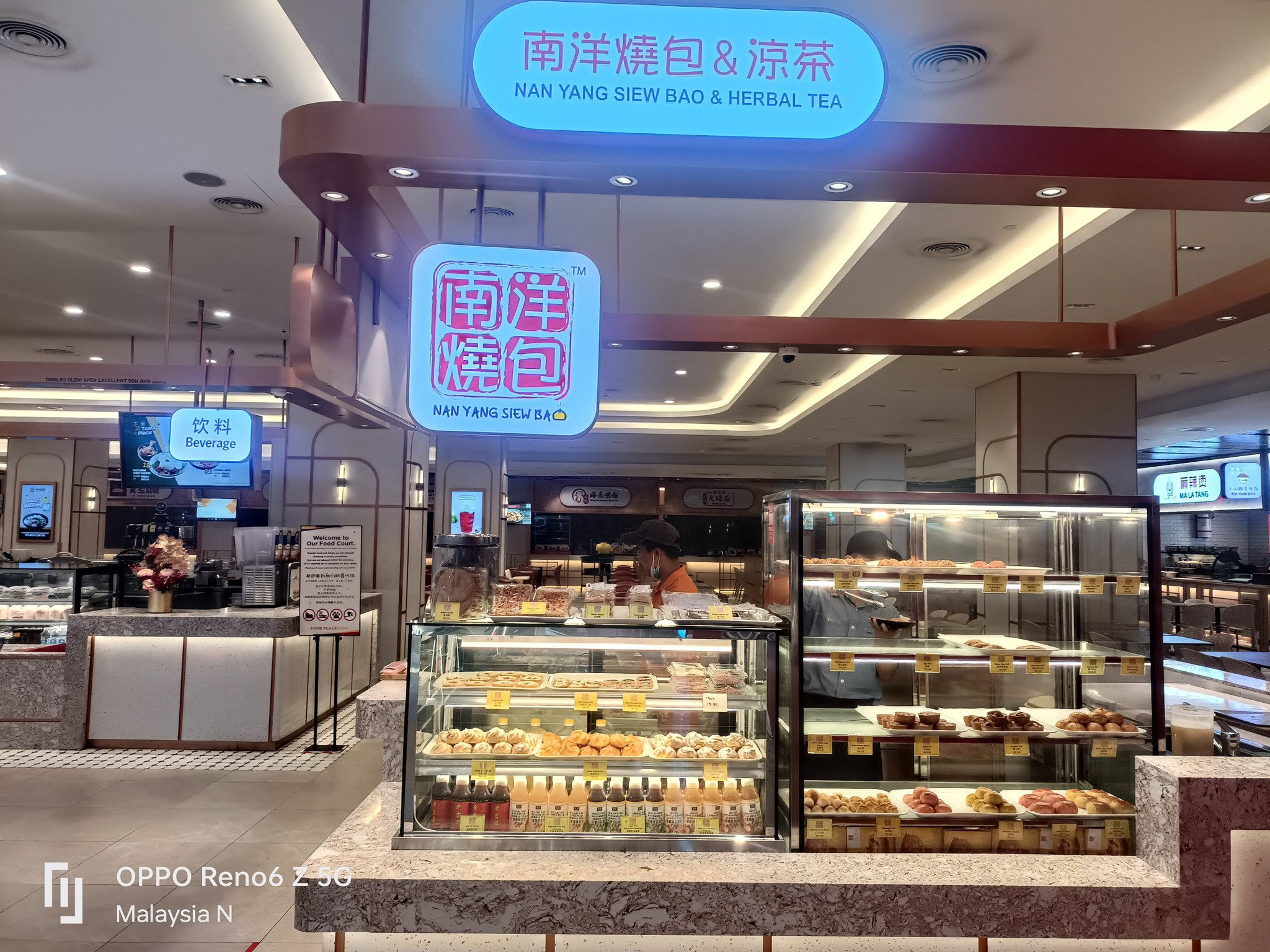
This is the Food Place food court, located at Pavilion Mall. The food court is located beside the Oriental Kopi Restaurant. I will introduce you to another food from another stall.
This time I ordered layer kaya puff from the Nan Yang Siew Bao stall for breakfast, which cost RM3.50 per piece.
The puff features a golden, glossy crust that’s both crisp and fragrant, with beautifully layered pastry sheets revealing a sweet kaya (coconut jam) filling inside. The kaya is rich and slightly sticky, made from coconut milk, eggs, sugar, and pandan leaves — giving it that signature green hue and aromatic sweetness. The delicate layers of the crust shatter lightly with each bite, balancing the buttery pastry with the smooth coconut essence of the filling. It pairs perfectly with my cup of coffee.
The kaya puff traces its roots to Nanyang (Southeast Asia), where Chinese immigrants combined traditional Cantonese pastry-making techniques with local ingredients like coconut and pandan. Kaya itself originated in the Straits Settlements (Malaya, Singapore, and parts of Indonesia) in the 19th century, evolving from Portuguese and Hainanese custard jams. Over time, kaya was used not only as a toast spread but also as a filling for buns and pastries.
The layered style seen here reflects the influence of traditional Chinese “Su Bing” (flaky pastry) techniques — similar to those used in siew bao, wife cakes, and mooncakes. When bakeries like Nan Yang Siew Bao began experimenting with local flavors, the kaya puff became a symbol of fusion between Chinese pastry craftsmanship and tropical Southeast Asian tastes.
So come enjoyed it warm with teh or kopi, this treat captures the nostalgic flavors of old-town bakeries — a comforting blend of tradition, craftsmanship, and Malaysian identity in every bite.
Hiong Kee Cantonese Roast Char Siu Chicken rice
Today, I revisited the Food Place food court, located at Pavilion Mall. The food court is located beside the Oriental Kopi Restaurant.
This time, I ordered Char Siu Chicken rice from the Hong Kee Cantonese roast stall, which cost RM13.90 per plate.
Char Siu Chicken is a modern adaptation of the famous Cantonese-style Char Siu (叉烧), which traditionally features barbecued pork marinated in a sweet and savory sauce made from honey, soy sauce, hoisin, and Chinese five-spice powder. In this chicken version, the meat is marinated and roasted until caramelised, giving it the same signature glossy reddish-brown glaze and smoky aroma associated with classic Char Siu.
The dish is served over a bed of fragrant white rice, lightly drizzled with the flavorful roast sauce to enhance every bite. It’s often accompanied by a clear soup — as seen here — garnished with chopped spring onions, which helps balance the richness of the chicken. A touch of fresh coriander adds a refreshing note to the presentation.
Historically, Char Siu originated in southern China, particularly in Guangdong province, where roasting meats over open flames was a beloved tradition. The word “Char Siu” literally means fork-roasted, referring to the traditional method of skewering the meat on long forks and roasting it over a fire. As Cantonese immigrants spread across Southeast Asia, this method evolved, leading to regional adaptations — including the chicken version found today in Malaysia’s roast meat stalls and food courts.
The Char Siu Chicken Rice is a comforting fusion of classic Cantonese barbecue technique and Malaysian practicality — offering all the flavour of traditional Char Siu, with the tender, juicy texture of chicken that appeals to a wider audience.
House of Hakka Steamed Chicken rice with sausage and mushrooms
Today I visited the Food Place food court, located at Pavilion Mall. The food court is located beside the Oriental Kopi Restaurant.
This time, I ordered the Steamed Chicken rice with sausage and mushrooms from the House of Hakka stall, which cost RM19.80 per plate.
Hidden among the bustling stalls of the Food Place food court at Pavilion Mall, House of Hakka serves something unassuming yet deeply comforting — a humble bowl of Steamed Chicken Rice with Chinese Sausage and Mushrooms. At first glance, it may look simple, but within this bowl lies a quiet story of tradition, homestyle cooking, and the flavours of Southern China.
Each component is carefully layered to create a harmony of taste and texture:
**Tender steamed chicken** – Soft, juicy, and lightly seasoned to let the natural flavour speak.
**Chinese lap cheong (sausage)** – Sweet and savoury, its oils melt into the rice for a rich aroma.
**Shiitake mushrooms** – Earthy and umami-packed, soaking up the chicken juices.
**Fresh greens** – A touch of freshness to balance the richness.
**Steamed white rice** – Fluffy grains that absorb all the essence from above.
**Clear broth on the side** – Mild, soothing, and perfect to cleanse the palate.
This dish takes inspiration from classic Cantonese claypot rice and Hakka ancestral recipes, where rice is cooked together with meats and mushrooms for a wholesome, one-pot meal. It’s the kind of food once served in wooden homes, not fancy restaurants — hearty, humble, and nourishing. For the Hakka people, food is about practicality and comfort. No heavy sauces, no unnecessary garnish — just honest ingredients working together. This bowl carries that very spirit.
Hakka people, known historically as hardworking migrants in Southern China, created this dish as a hearty, long-lasting food that could sustain them during labour. It became a festive favourite served during celebrations, ancestral worship, and reunion meals.
While Pavilion Mall is filled with modern dining and trendy cafés, House of Hakka offers something different — nostalgia. Every bite feels familiar, like something a grandmother would prepare on a quiet afternoon. It's the kind of meal that doesn’t shout for attention, yet leaves a lasting impression.
If you’re searching for comforting rice bowls beyond the usual chicken rice, this is worth sitting down for. It’s not just a meal — it’s a gentle reminder of home, heritage, and the timeless joy of simple cooking.
Ipoh Treasure Ipoh hor fun with shredded chicken and prawns (dry)
Today I visited the Food Place food court, located at Pavilion Mall. The food court is located beside the Oriental Kopi Restaurant.
This time, I ordered Ipoh hor fun with shredded chicken and prawns (dry) from the Ipoh Treasure stall, which cost RM14.90 per plate.
This dish from Ipoh Treasure in Food Place, Pavilion Mall, captures the essence of one of Malaysia’s most beloved noodle classics – Ipoh Hor Fun, served here in its dry style, crowned with shredded chicken, succulent prawns, and a side of savoury broth.
It laid out on a sleek oval plate, the hor fun noodles – soft, flat rice noodles – are generously coated in a dark soy-based sauce, giving them a silky, slightly glossy appearance. Each strand is smooth and slippery, absorbing the sweet-savoury seasoning perfectly. On top, you’ll find delicate strips of poached chicken, fresh prawns, and a sprinkle of chopped spring onions for freshness.
At the side sits a small yet powerful dollop of sambal, offering a fiery kick for those who crave heat. Mixing it in infuses the noodles with smoky chilli undertones, elevating every bite.
The set is completed with a bowl of clear chicken broth, lightly garnished with scallions – simple, comforting, and meant to cleanse the palate between each mouthful of sauce-coated noodles.
Ipoh Hor Fun originates from Ipoh, the capital of Perak, famed for its pristine mountain water, which locals swear gives the noodles their legendary smoothness. Traditionally, the dish is known as “Kai Si Hor Fun” (鸡丝河粉) – shredded chicken rice noodles, often served in a light prawn-and-chicken broth.
It was created by Cantonese migrants in Ipoh during the early 20th century, who adapted their flat rice noodles (*hor fun*) to local tastes, adding local condiments and broth inspirations. Over time, dry variations emerged, especially for coffee shop and kopitiam diners who preferred stronger sauce flavours instead of soup.
The dish gained national popularity through Ipoh’s famous eateries in New Town and Old Town and is now enjoyed in countless versions across Malaysia – from soupy and delicate, to dry and punchy like this one.
Ipoh Treasure’s rendition blends tradition with urban taste. Instead of just light soy and broth, the noodles are darkened with caramelized sauce, offering a slightly richer, more KL-style experience. Yet, it still pays homage to its roots with Shredded chicken, Fresh prawns and Light broth on the side.
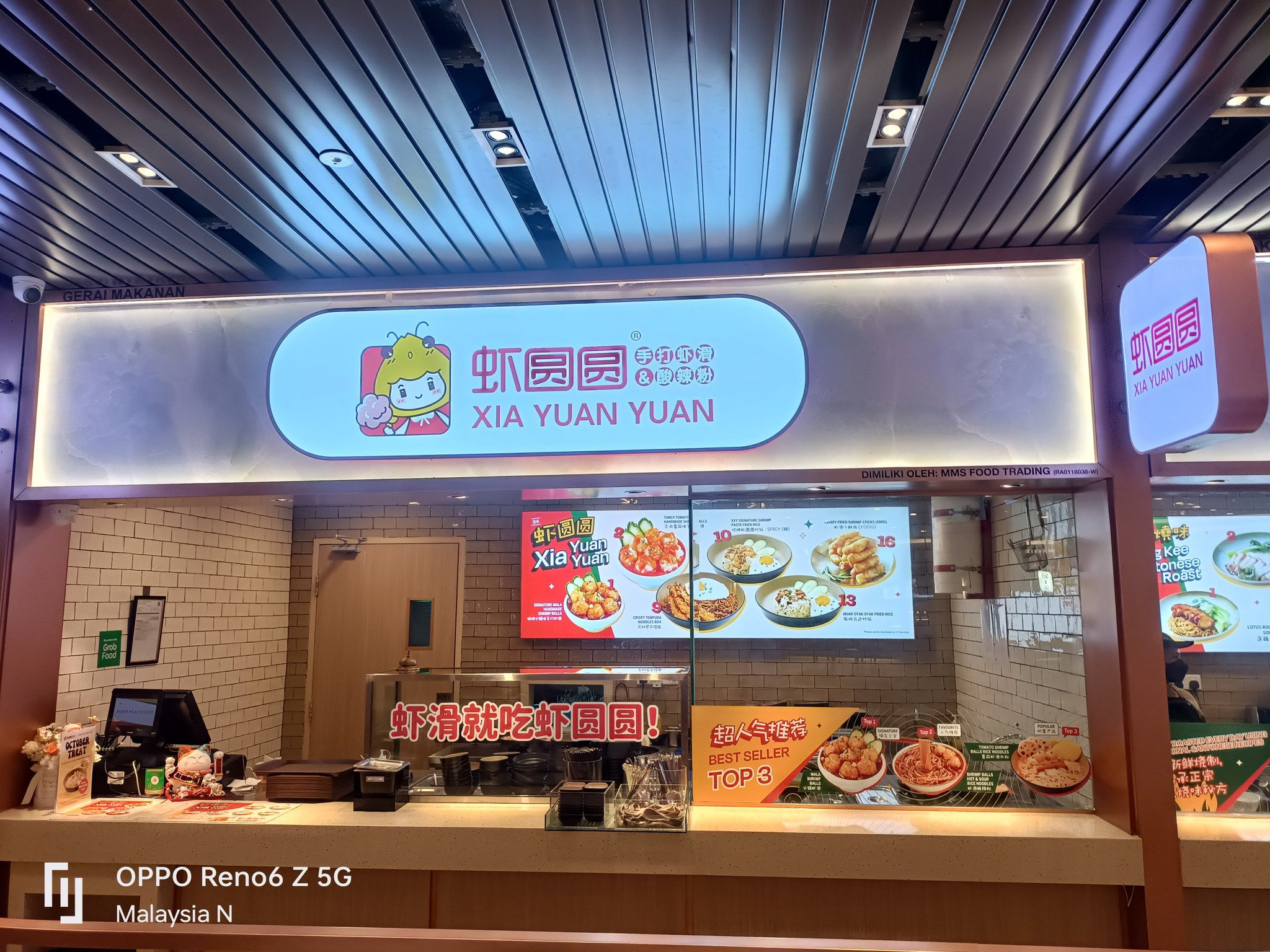
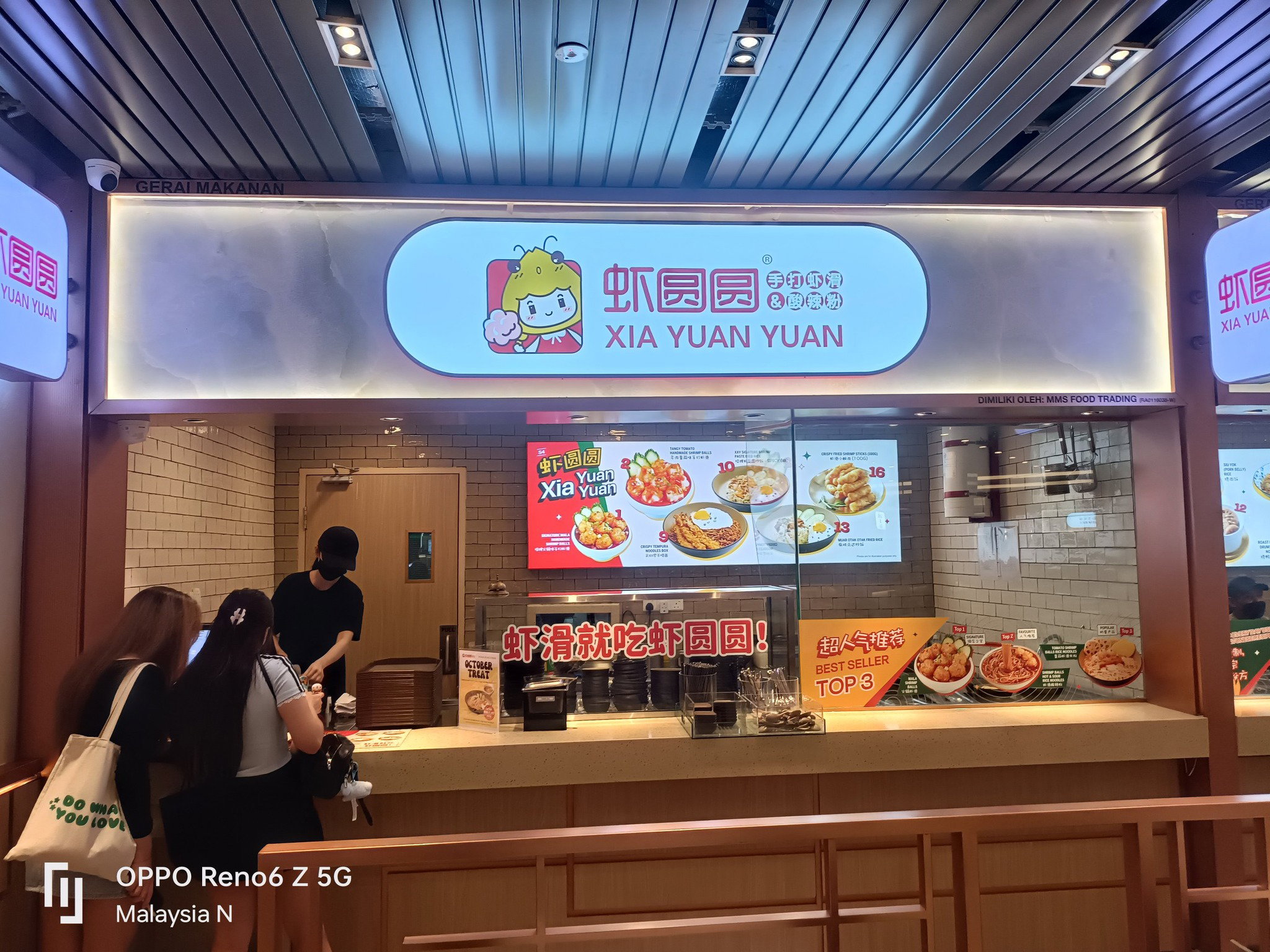
Xia Yuan Yuan October Treat
Today I visited the Food Place food court, located at Pavilion Mall. The food court is located beside the Oriental Kopi Restaurant.
This October, Xia Yuan Yuan is having a promo called October Treat. For this promo, the egg fried rice will only cost RM11.90 instead of RM13.90
The Egg Fried Rice is made with long-grain rice stir-fried with egg, spring onions, and soy-based seasoning, giving it a savoury aroma with slight smokiness from the wok. Each grain of rice is distinct, not sticky, which is the hallmark of good fried rice.
A fried egg with a bright, runny yolk placed on the side adds richness when mixed with the rice. Fresh cucumber provides a cooling contrast to the warm, savoury rice. A clear Soup is served alongside to cleanse the palate and balance the meal.
Fried rice (chǎofàn, 炒饭) has a long history in Chinese cuisine, with origins tracing back to the Sui Dynasty (589–618 AD) in Yangzhou, where Yangzhou fried rice became a benchmark style. Traditionally, fried rice was a way to repurpose leftover rice, ensuring nothing went to waste while still creating a flavorful and filling dish.
The egg fried rice variant, one of the most common and beloved forms, likely became popular during the Ming and Qing dynasties when eggs were more widely available and affordable. It spread across Asia and beyond, becoming a base for numerous variations that depended on local ingredients and preferences.
In Malaysia and Southeast Asia, egg fried rice holds a special place as both a **quick meal and comfort food**, often enjoyed at food courts and hawker stalls. The addition of sliced cucumber and a light soup is typical of Malaysian and Singaporean presentations, making the dish more complete and refreshing.
At Xia Yuan Yuan, this dish continues that tradition: affordable, filling, and familiar, appealing to both office workers looking for a quick meal and diners seeking a taste of home-style simplicity.
House of Hakka braised yee Mee with Hakka char yoke
Today I visited the Food Place food court, located at Pavilion Mall. The food court is located beside the Oriental Kopi Restaurant.
This time, I ordered the Yee Mee with Hakka char yoke from the House of Hakka stall, which cost RM19.80 per plate.
This dish is a beautiful meeting point of noodle comfort and Hakka heritage. Served in a generous bowl, the braised yee mee is richly coated in a glossy, savoury gravy. Each strand of noodle absorbs the sauce, giving a deep umami flavour with every bite. On top lies the star of the dish – Hakka Char Yoke, a traditional braised pork belly cooked with red fermented bean curd (nam yee) until tender, aromatic, and caramelised around the edges.
Mixed within the noodles are crunchy greens, black fungus, cabbage, and spring onions, offering texture to balance the richness. A bowl of light, clear soup with spring onions accompanies the dish – a refreshing contrast to cleanse the palate between bites.
Char Yoke (客家炸肉) is a celebrated Hakka dish, usually made from pork belly marinated in fermented red beancurd, five-spice powder, and rice wine, then deep-fried and slowly braised. It gives a distinct reddish-brown colour and a savoury, mildly tangy flavour from nam yee. It is tender inside with slightly chewy, flavour-packed edges.
Hakka people, known historically as hardworking migrants in Southern China, created this dish as a hearty, long-lasting food that could sustain them during labour. It became a festive favourite served during celebrations, ancestral worship, and reunion meals.
Yee Mee is a classic Malaysian dried egg noodle, often deep-fried and later rehydrated in sauce. When braised, it becomes springy and slightly chewy, perfect for absorbing thick gravy. It’s commonly used in claypot or “wet” noodle dishes, making it ideal to pair with boldly flavoured Hakka-style pork.
This version from *House of Hakka* brings ancestral flavours into a modern food court setting. While simple in appearance, the dish carries generations of Hakka home cooking—comforting, hearty, and honest. It’s more than just noodles; it’s a taste of migration history, resilience, and tradition, now enjoyed in the heart of Kuala Lumpur.
Yooi Kee Chee Cheong Fun red sauce chee cheong fun
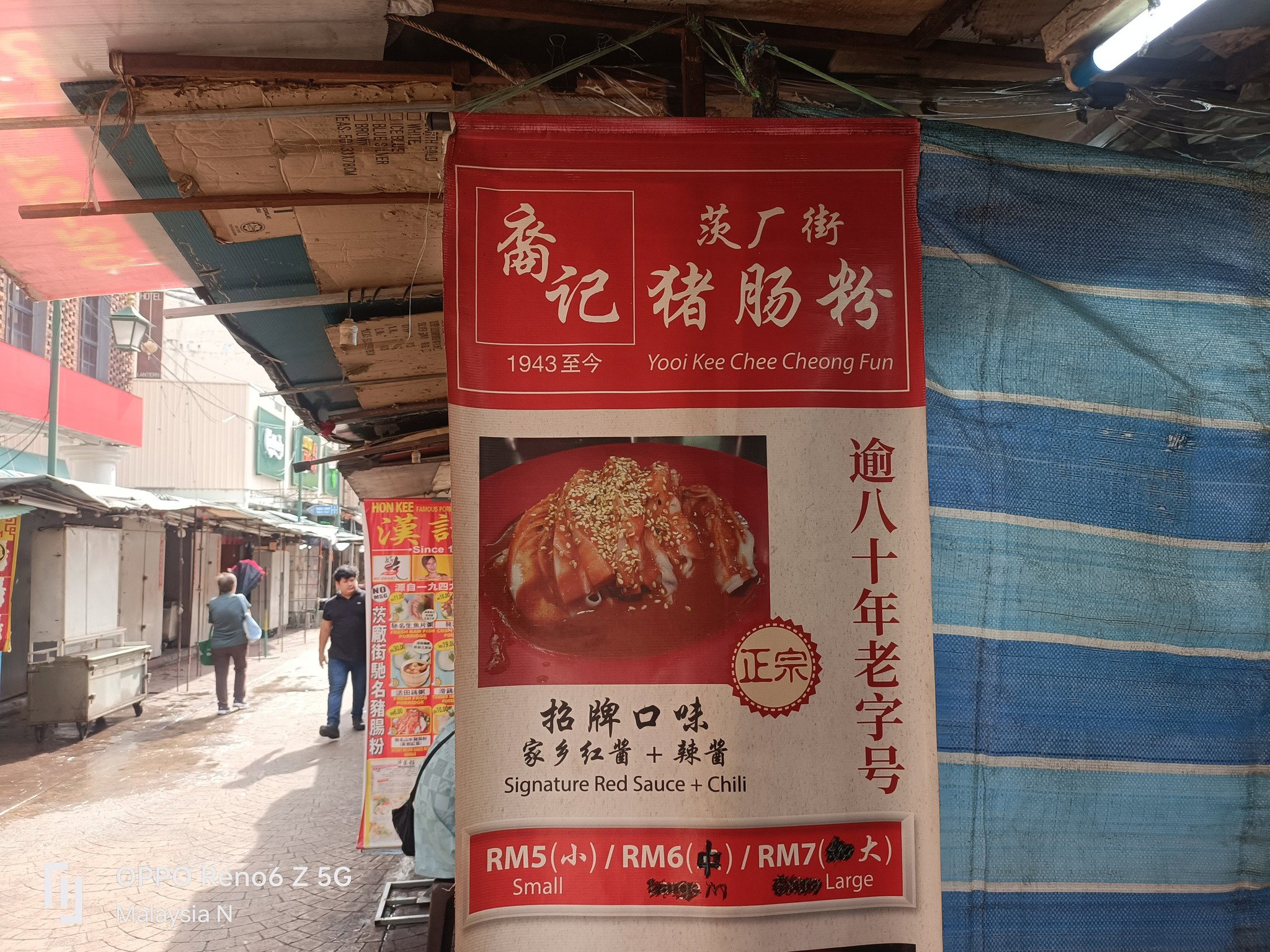
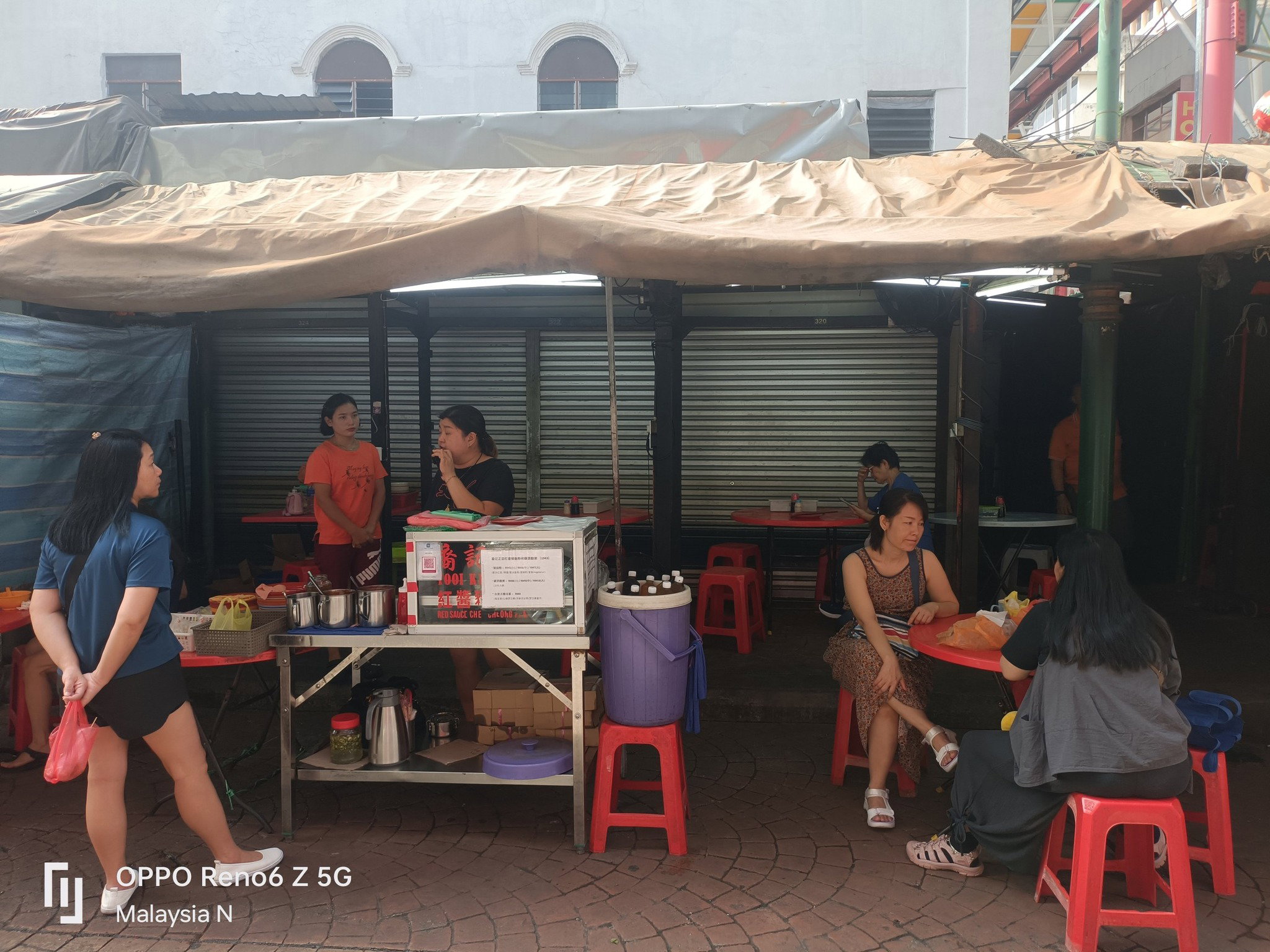
Tucked within the narrow lanes of Petaling Street (Chinatown), Yooi Kee Chee Cheong Fun has been serving one of the most nostalgic versions of this humble dish since 1943. Known for its signature red sweet sauce, this plate of chee cheong fun isn’t just breakfast – it’s a slice of KL’s culinary history.
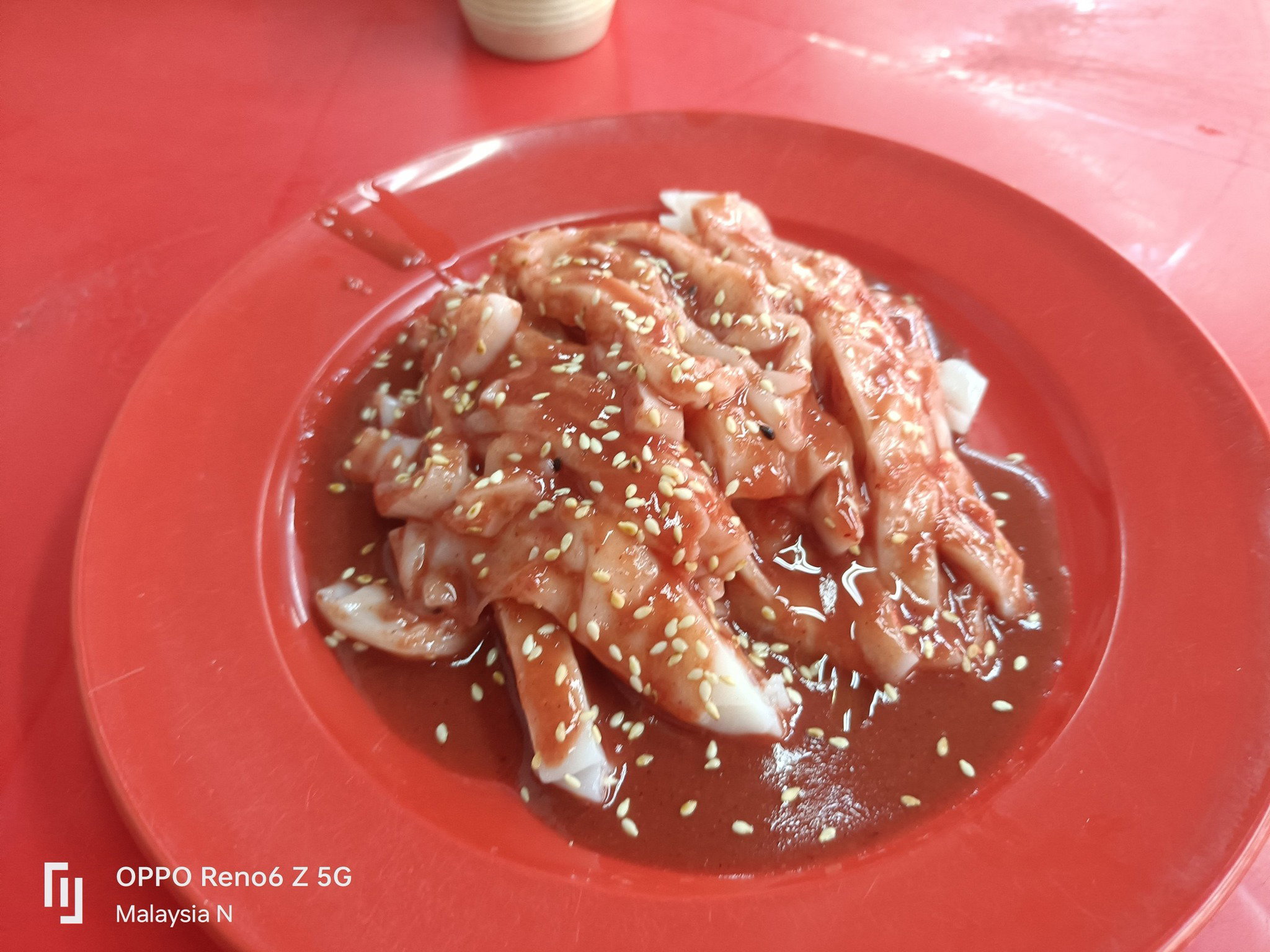
Unlike the Hong Kong-style version with soy sauce and oil, Yooi Kee serves plain rice noodles drenched in a thick, reddish-brown sauce, topped with a sprinkle of toasted sesame seeds. Simple, but unforgettable.
No fishballs, no fried ingredients – just classic chee cheong fun, depending entirely on the power of its sauce.
Founded in 1943, Yooi Kee has survived through generations, from street theatre crowds to today’s urban food hunters. In the early days of Kuala Lumpur, chee cheong fun was a modest street breakfast loved by workers, students, and families.
The unique red sweet sauce is believed to be a local Malaysian creation, inspired by fermented bean paste and sweet chili, different from Cantonese styles. It became a signature taste in KL, especially within Petaling Street.
Eating this dish feels like stepping back in time. Plastic plate, wooden stall, old street atmosphere – nothing fancy, just honest street flavour. It’s the kind of food locals grew up with, and travellers seek out for authenticity.
Nan Yang Siew Bao Portuguese tart
This is the Food Place food court, located at Pavilion Mall. The food court is located beside the Oriental Kopi Restaurant. I will introduce you to another food from another stall.
This time I ordered Portuguese tart from the Nan Yang Siew Bao stall for breakfast, which cost RM3.70 per piece.
This is a beautifully caramelised Portuguese egg tart, a simple yet legendary pastry with roots that stretch far beyond our shores.
Golden on top with dark, blistered patches, the tart immediately promises richness. The crust is made of delicate, flaky pastry, crisp and buttery, breaking softly as you lift it. Inside lies the heart of this classic—a creamy custard filling that’s smooth, lightly sweet, and fragrant with egg and vanilla.
Bite into it, and you get layers of texture: crispy shell, creamy centre, and a whisper of caramel bitterness from the charred top. It’s indulgence in the simplest form.
The Portuguese egg tart, or Pastéis de Nata, was born in the 18th century at the Jerónimos Monastery in Belém, Lisbon. Monks and nuns used egg whites for starching their clothing, leaving behind large amounts of yolks. Rather than waste them, they turned the yolks into pastries—thus, the first custard tarts were created.
After the monastery closed during Portugal’s 1820 Liberal Revolution, the secret recipe was sold to a sugar refinery, which later opened the famous Pastéis de Belém bakery in 1837. Even today, thousands queue daily in Lisbon to taste the original.
The tart made its way to **Macau**, a former Portuguese colony, where it gained popularity with a local twist—slightly sweeter custard with a stronger caramel top. From there, it travelled across Hong Kong, Malaysia, and Singapore, becoming a beloved bakery staple.
In Malaysia, bakeries like Nan Yang Siew Bao embrace this heritage while adding their own craftsmanship. Each tart is baked to achieve that signature golden top and flaky base, staying true to its Portuguese roots.
The Portuguese egg tart may be small, but it carries centuries of history, culture, and care in every bite. From a monastery in Lisbon to a humble stall in a Malaysian food court, its journey is proof that true classics never fade—they simply find new homes.
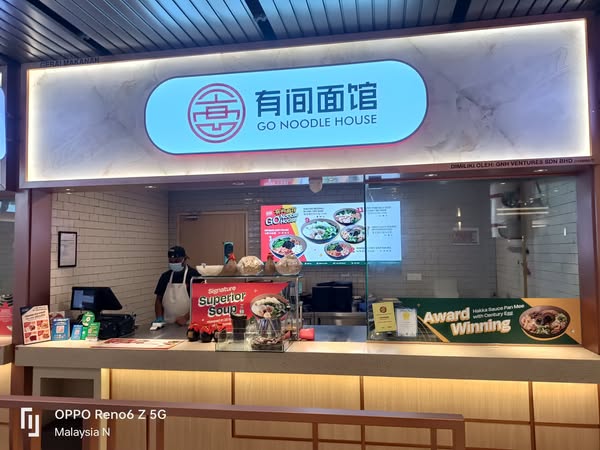
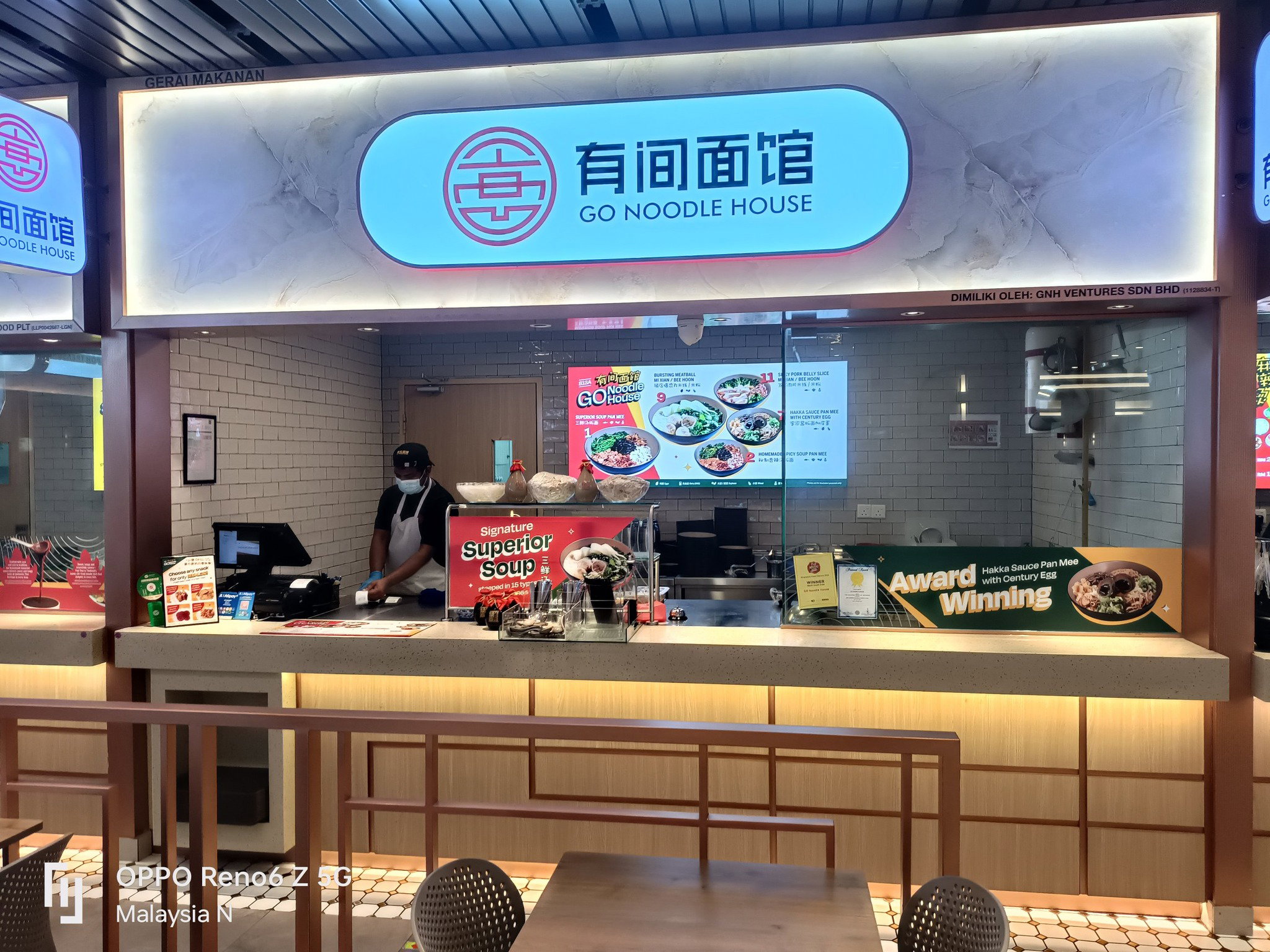
Go noodle Fu Zhou fish ball superior soup noodles
Today, I revisited the Food Place food court, located at Pavilion Mall. The food court is located beside the Oriental Kopi Restaurant. It is time to try food from another stall.
This time, I ordered a Fu Zhou fish ball superior soup noodles from the Go Noodle stall, which cost RM16.50 per bowl.
This humble yet elegant bowl from Go Noodle brings together the gentle soul of Chinese comfort food: clear broth, silky bee hoon, crisp greens, and the star of the dish—Fu Zhou fish balls. The bee hoon, a fine rice vermicelli that absorbs the broth beautifully, offering a smooth and delicate mouthfeel with every slurp.
The broth is light and clear, likely simmered with anchovies or pork bones, delivering a gentle savouriness without overpowering the palate. Floating atop are fresh greens, spring onions, and coriander that lift the aroma with subtle herbal freshness.
The Fu Zhou fish balls—smooth and bouncy on the outside, but when bitten, they reveal a savoury minced meat filling, often seasoned with soy sauce, sesame oil and a hint of white pepper. It’s a delightful contrast: tender fish paste on the exterior, juicy meat at the core.
Fu Zhou (福州) fish balls originate from Fuzhou, the capital of Fujian Province in China. Traditionally known as “Yuan Xian Yu Wan” (stuffed fish balls), they were created by skillful Fujianese cooks who ground fresh fish paste until springy, then filled them with seasoned minced pork. This unique combination symbolised prosperity—fish (鱼) for abundance and meat filling for richness.
When Fujian migrants travelled to Malaysia and Singapore generations ago, they brought along these treasured recipes. Over time, Fuzhou fish balls became a beloved speciality in local noodle houses and soup stalls, often served in clear broth just like this, celebrating both simplicity and heritage.
This dish is not about bold spices or heavy flavours. Instead, it’s about purity, texture, and tradition—a comforting meal that feels like something a Fujian grandmother would proudly serve. Light, nourishing, and heartfelt, it's perfect for those moments when you crave something gentle yet deeply satisfying.
Chong Kee Hainanese chicken rice Sesame Chicken Wantan mee
Today, I revisited the Food Place food court, located at Pavilion Mall. The food court is located beside the Oriental Kopi Restaurant.
This time, I ordered Sesame Chicken Wantan mee from the Chong Kee Hainanese Chicken Rice stall, which costs RM13.00 per bowl.
The plate features springy Cantonese-style egg noodles dressed in a savoury dark soy sauce base, giving them a glossy texture and rich umami flavour. On top are slices of Sesame Chicken. A portion of blanched bok choy is added for freshness and balance. A bowl of soup accompanies the dish.
Sesame chicken (and its close cousin honey chicken) is not a traditional Chinese dish but rather a creation of Chinese-American and Chinese-Malaysian restaurants that adapted Cantonese cooking techniques for local tastes.
In southern China, dishes like sweet-and-sour pork or orange chicken already used the frying + sweet glaze method. When Chinese immigrants brought these techniques abroad, they adapted to local ingredients and preferences for sweeter flavours.
Sesame chicken became especially popular in Chinese-American restaurants in the 1970s–1980s, alongside dishes like General Tso’s chicken and orange chicken. The sesame seeds and honey were added to make it distinct from earlier sweet-and-sour variations.
The dish was adapted to local tastes and ingredients. While the original Hong Kong-style is often served in a light broth with prawn wontons, the Malaysian/Singaporean version popularised the "dry" style (tossed in dark soy and sesame oil) and added Char Siew (BBQ pork) as a standard topping.In modern Southeast Asian hawker culture, it is common for stalls to offer a variety of popular dishes beyond their specialty. A chicken rice stall (Hainanese tradition) often expands its menu to include other noodle dishes (like the Cantonese-based Wantan Mee) to appeal to more customers. The "Sesame Chicken" is likely an adaptation of the traditional pork Char Siew topping, either to offer a unique selling point, cater to those who prefer chicken, or to appeal to a wider non-pork-eating demographic, all while fitting the stall's main chicken-focused expertise.
In essence, the Sesame Chicken Wantan Mee is a reflection of the multicultural melting pot of Southeast Asian street food, fusing Cantonese noodle tradition with a Hainanese-owned stall's creative, chicken-based spin.
Ipoh Treasure Ipoh hor fun with shredded chicken and prawn soup
Today I visited the Food Place food court, located at Pavilion Mall. The food court is located beside the Oriental Kopi Restaurant.
This time, I ordered Ipoh hor fun with shredded chicken and prawn soup from the Ipoh Treasure stall, which cost RM14.90 per plate.
At first glance, this comforting bowl glows with the warmth of amber-hued broth — a mix of slow-simmered chicken bones and prawn shells that releases a naturally sweet aroma. Floating atop the silky hor fun (flat rice noodles) are tender strands of shredded chicken and a few succulent prawns, glistening under a sprinkle of fried shallots and chopped spring onions. The broth is light yet rich, carrying that signature umami depth from both land and sea — a hallmark of a well-made Ipoh-style noodle soup.
Each spoonful is soothing. The hor fun noodles, smooth and slippery, are said to owe their delicate texture to the pure limestone-rich water of Ipoh, Perak — a city famous for producing some of Malaysia’s silkiest rice noodles. When combined with the savoury-sweet soup and the faint aroma of shallot oil, the dish offers a perfect balance of simplicity and elegance.
Ipoh hor fun, also known as Kai See Hor Fun (鸡丝河粉), traces its roots back to the 1940s in Ipoh’s old town, where Cantonese and Hakka immigrants began crafting rice noodles using locally milled rice. The city’s unique water quality — filtered through limestone hills — gave the noodles their exceptional softness. Early vendors paired them with light chicken or prawn broth and shredded poached chicken, a modest yet nourishing meal for miners and townsfolk alike.
Over time, this humble street dish evolved into one of Malaysia’s most iconic noodle soups. It became a breakfast staple in Ipoh coffee shops and eventually spread to major cities, from Penang to Kuala Lumpur, each version adapting slightly to local tastes. Today, Ipoh hor fun remains a proud culinary ambassador of Perak — a bowl that captures the soul of its hometown in every gentle slurp.
Nan yang Siew Bao kuih talam
This is the Food Place food court, located at Pavilion Mall. The food court is located beside the Oriental Kopi Restaurant. I will introduce you to another food from another stall.
This time I ordered kuih talam from the Nan Yang Siew Bao stall for breakfast, which cost RM5.90 per piece.
This is Kuih Talam, a classic two-layered Nyonya dessert that beautifully reflects the balance of flavours in Peranakan cuisine. The name “talam” means “tray” in Malay, referring to the traditional way it’s steamed in large trays before being cut into neat squares.
The top white layer is made from creamy coconut milk and slightly salted to contrast the sweetness of the green layer below, which gets its colour and aroma from pandan leaves and its texture from rice flour and mung bean flour. Together, they create a soft yet firm bite — smooth, fragrant, and subtly rich.
Originating from the Straits Chinese (Peranakan) communities in Malaysia and Singapore, Kuih Talam was often served during festive occasions, tea time, or as offerings. Its simple ingredients reflect local abundance — coconut, pandan, and rice — while its balanced layers show the Nyonya appreciation for harmony in taste and presentation.
Xia Yuan Yuan XYY Signature Shrimp paste fried rice
Today I visited the Food Place food court, located at Pavilion Mall. The food court is located beside the Oriental Kopi Restaurant.
This time, I ordered XYY Signature Shrimp Paste Fried Rice from the Xia Yuan Yuan stall, which cost RM23.90 per plate.
"Xia Yuan Yuan" roughly translates to “Shrimp Balls Round Round,” reflecting their specialisation in handmade shrimp balls and other homestyle Chinese comfort foods.
The XYY Signature Shrimp Paste Fried Rice is a hearty, flavorful plate that brings together the essence of Southeast Asian comfort food. Each grain of rice is evenly coated in the rich aroma of belacan (shrimp paste), a seasoning deeply rooted in Malaysian and regional cooking. The dish is stir-fried with plump shrimp, lending it a natural sweetness that complements the punchy, savoury depth of the shrimp paste.
Adding more texture and fragrance are crispy ikan bilis (anchovies), which give bursts of crunch and umami, along with egg, red chilli, and spring onions, creating layers of colour and flavour. On the side, the fried rice is served with refreshing cucumber slices and a sunny-side-up egg with its runny yolk ready to coat the rice. A clear soup accompanies the dish, providing a gentle contrast to the boldness of the fried rice.
Historically, fried rice is one of Asia’s most beloved ways to repurpose leftover rice, dating back more than a thousand years in Chinese cooking before spreading across the region. The addition of **shrimp paste** is distinctly Southeast Asian, especially Malaysian and Thai, where belacan or kapi is pounded from fermented shrimp and used as a seasoning base. Over time, it became a signature flavour of local fried rice, known for its pungent yet addictive aroma. The mix with ikan bilis reflects Malaysian taste, making this dish not only filling but also a cultural bridge between Chinese-style wok-fried rice and Malay flavour traditions.
K Dosirak Pork Belly BBQ Dosirak
Today, I revisited the Food Place food court, located at Pavilion Mall. The food court is located beside the Oriental Kopi Restaurant.
This time I ordered Pork Belly BBQ dosirak from the K Dosirak stall, it cost RM19.00 per box. This Korean-style lunchbox is a complete, colourful tray packed with Beef Bulgogi Dosirak, Steamed White Rice, Spicy Kimchi, Sweet Anchovy & Peanut Mix (Myulchi Bokkeum), Broccoli, Watermelon Slice and Miyeok-guk (Seaweed Soup)
This set meal is s a hearty Korean-style lunch set featuring grilled pork belly slices topped with sesame seeds, paired with classic kimchi, fried chicken bites, fish cake strips, seasonal fruit, and rotating side dishes like stir-fried potatoes. The meal comes with a spicy **kimchi jjigae** stew, rich with tofu, pork belly, and vegetables, balancing sour, savory, and spicy flavors. Served bento-style, it offers a complete Korean dining experience in one tray.
The word *dosirak* (도시락) refers to a Korean lunchbox, traditionally packed at home for schoolchildren, workers, or travelers. It became popular during the 20th century as an affordable, practical way to enjoy a balanced meal outside. Over time, dosirak evolved from simple rice and kimchi into more elaborate sets with multiple banchan (side dishes) and soups. Today, it’s a staple in Korean restaurants worldwide, often presented in bento-like trays for convenience.
The grilled pork belly (samgyeopsal) is another beloved element of Korean cuisine. Introduced widely in the 1960s–70s, it became one of Korea’s most iconic barbecue dishes, often enjoyed with soju and dipping sauces. Pairing samgyeopsal with dosirak and kimchi jjigae brings together two cornerstones of Korean food culture—BBQ and homestyle lunchboxes—making it both comforting and satisfying.
Go noodle pork belly slice superior soup noodles
Today, I revisited the Food Place food court, located at Pavilion Mall. The food court is located beside the Oriental Kopi Restaurant. It is time to try food from another stall.
This time, I ordered a pork belly slice superior soup noodles from the Go Noodle stall, which cost RM17.90 per bowl.
It features a comforting, clear broth, thin slices of tender pork belly, fresh greens (like bok choy), coriander, and chopped spring onions for fragrance. The noodles can be chosen between mi xian (rice noodles) or bee hoon (vermicelli)—I went with mi xian, which has a smooth, slightly chewy texture that pairs well with the light yet flavorful soup.
The "superior soup" is one of Go Noodle House’s signatures, cooked with slow-simmered pork bones and herbs, giving it a naturally sweet and umami-rich flavour. This style of noodle soup traces its roots to traditional Chinese home cooking, where clear broths were valued for being both nourishing and easy to digest.
Nan Yang Siew Bao Pork Siew Bao
This is the Food Place food court, located at Pavilion Mall. The food court is located beside the Oriental Kopi Restaurant. I will introduce you to another food from another stall.
This time I ordered Pork Siew Bao from the Nan Yang Siew Bao stall for breakfast, which cost RM3.70 per piece.
The Pork Siew Bao is a famous baked bun filled with savoury-sweet barbecued pork. Unlike the more common *char siu bao* (叉烧包), which is usually steamed and fluffy, the *siew bao* is wrapped in a flaky, golden-brown pastry crust that is baked to crisp perfection.
The filling typically consists of diced pork marinated in a sweet-salty sauce made with soy, oyster sauce, sugar, and aromatics, creating a sticky and flavorful interior. The pastry itself is layered and slightly buttery, offering a texture similar to puff pastry but with a more compact consistency.
The siew bao has its roots in Seremban, Negeri Sembilan, Malaysia, where it became a local speciality in the 1970s. It was popularised by Empayar Seremban Siew Pow and quickly gained fame across Malaysia as a unique variant of the Chinese char siu bao. While traditional char siu bao came from Cantonese dim sum culture, the Malaysian siew bao evolved as a baked alternative, more durable for takeaway and travel.
Over time, stalls like Nan Yang Siew Bao brought the pastry into urban food courts and shopping malls, making it a nostalgic yet modern snack. Today, siew bao is enjoyed not only as a tea-time pastry but also as a travel souvenir, with many travelers stopping by Seremban specifically to buy boxes of freshly baked buns.
So, what you have here is not just a pork-filled pastry, but a piece of Malaysian food heritage that blends Chinese dim sum tradition with local innovation.
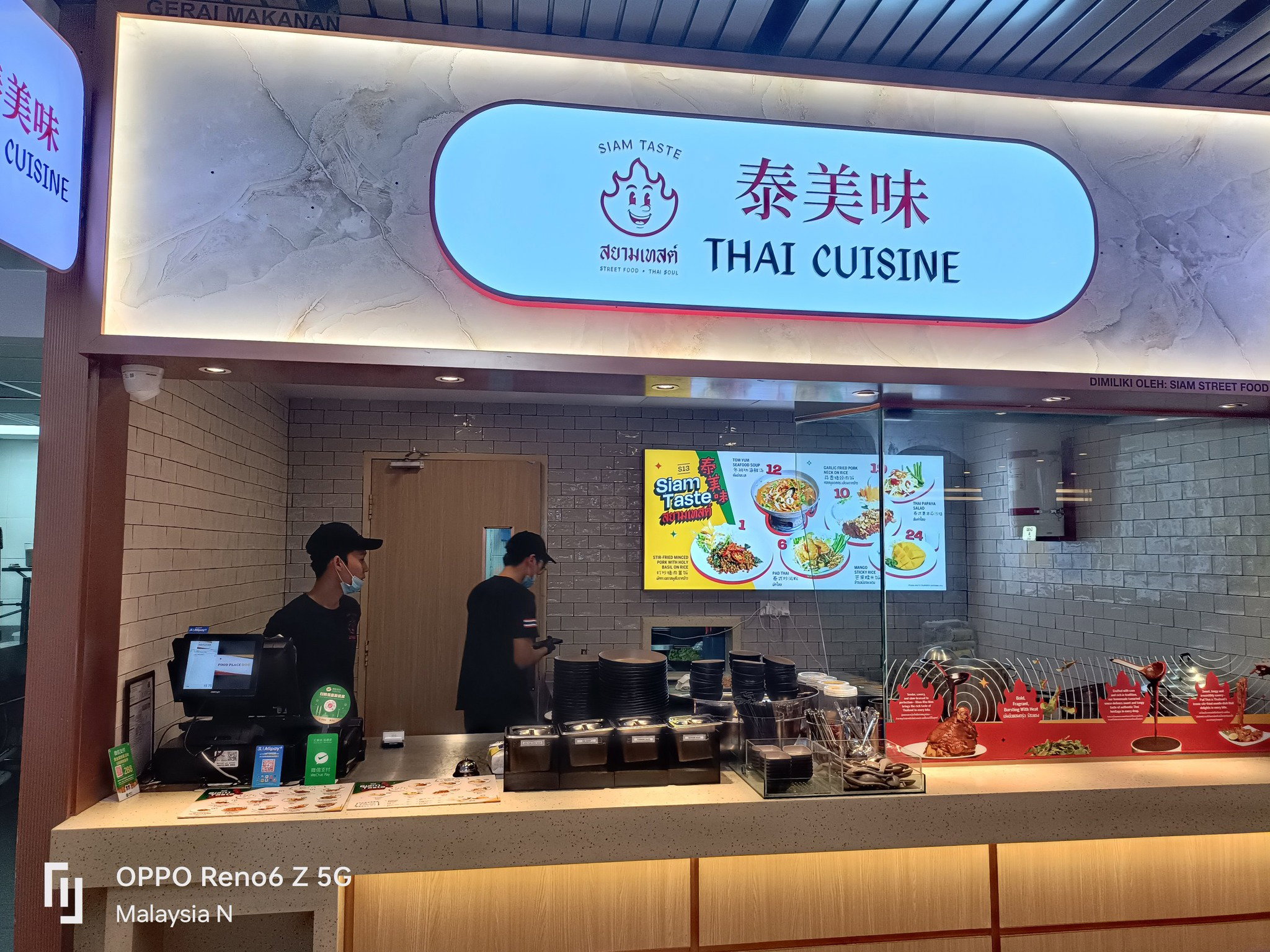
Siam Taste Garlic Fried chicken on rice
This is the Food Place food court, located at Pavilion Mall. The food court is located beside the Oriental Kopi Restaurant. I will introduce you to another food from another stall.
This time I ordered a Garlic Fried chicken on rice from the Siam Taste stall, which cost RM17.50 per plate.
The meal features crispy fried chicken generously topped with golden fried garlic, served alongside steamed white rice and a side of fresh vegetables (cabbage, carrot, cucumber, and lettuce). . The fried garlic adds a fragrant crunch, balancing the tender juiciness of the chicken, while the rice serves as a neutral base to soak up the chicken juices.
Garlic fried chicken is a popular dish in Thai street food culture, often called kai tod gratiem (ไก่ทอดกระเทียม). It is beloved for its simple yet bold flavors, combining the fragrance of fried garlic with the comforting crispiness of fried chicken. Unlike heavily spiced Thai curries, garlic fried chicken is considered more straightforward and approachable, making it a common choice for both locals and visitors.
The dish’s roots trace back to traditional Thai home cooking, where garlic is a staple ingredient used for both flavor and preservation. Over time, this cooking method—marinating chicken with light seasonings, deep-frying it, and topping with crisp garlic—spread across food stalls and restaurants in Thailand. It is now widely enjoyed across Southeast Asia, often served with rice for a hearty, filling meal.
In Malaysia, garlic fried chicken has become a familiar comfort food in Thai eateries and food courts, appealing to diners who enjoy a crispy, aromatic, and less spicy Thai option compared to dishes like Tom Yum or Green Curry.
House of Hakka Steamed mui choy Kau yuk with rice set
Today I visited the Food Place food court, located at Pavilion Mall. The food court is located beside the Oriental Kopi Restaurant.
This time, I ordered the Steamed Mui Choy Kau Yuk with rice set from the House of Hakka stall, which cost RM19.80 per plate.
Steamed Mui Choy Kau Yuk with Rice Set, a beloved Hakka speciality. The dish features pork belly layered with salty preserved mustard greens (mui choy ham), then slowly braised or steamed until tender. The mui choy absorbs the rich pork juices, while its natural saltiness balances the fattiness of the meat. Served with plain white rice and a light soup, the combination makes for a hearty, home-style meal.
Originating from the Hakka people of China, the dish reflects their tradition of resourcefulness. Preserving mustard greens into mui choy was a way to store vegetables for lean seasons.
While both sweet and salty mui choy exist, the salty type (mui choy ham) is most commonly used in kau yuk. It cuts through the richness of pork belly and creates a savoury depth that defines the dish.
As Hakka communities migrated to Southeast Asia, this dish travelled with them, becoming a staple in Malaysia, Singapore, and beyond. Today, it remains a symbol of Hakka comfort food, cherished for its earthy, rustic flavours.
The House of Hakka’s version stays close to tradition: salty mui choy with tender pork belly, eaten with fluffy white rice and a simple soup for balance.
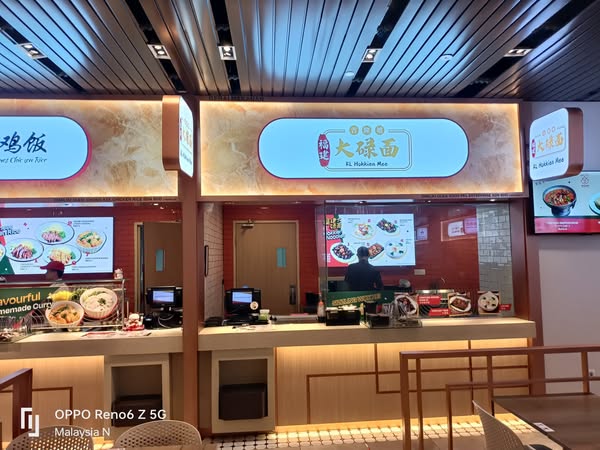
KL Hokkien Mee moonlight fried kuey teow
Today I visited the Food Place food court, located at Pavilion Mall. The food court is located beside the Oriental Kopi Restaurant.
This time, I ordered moonlight fried kuey teow from the KL Hokkien noodles stall, which cost RM16.90 per plate.
Moonlight Fried Kuey Teow (月光河 / Yue Guang He), a popular Malaysian-Chinese noodle dish that’s both comforting and indulgent. It features flat rice noodles (kuey teow) stir-fried with dark soy sauce, cabbage, and slices of meat (often pork or chicken), cooked over high heat to achieve wok hei (the smoky aroma from a hot wok). The highlight is the raw egg cracked on top, resembling the glow of moonlight, which is mixed into the hot noodles just before eating, coating them in a silky, rich texture. A side of sambal belacan (spicy shrimp chilli paste) is usually served to enhance the flavours.
Moonlight Fried Kuey Teow is a variation of the broader family of Hokkien noodle dishes brought by Chinese immigrants, especially the Hokkiens and Teochews, to Malaysia and Singapore during the 19th and 20th centuries. While KL Hokkien Mee is famous for its thick dark soy-braised noodles, this version was created as a creative twist—by adding a raw egg for richness and visual appeal. It’s believed to have originated in Kuala Lumpur night eateries, where hawkers would serve it as a hearty, late-night supper. The raw egg yolk shining over the noodles was said to resemble the moon’s reflection on a river, hence the poetic name.
Nan Yang Siew Bao Butter Kaya Puff
This is the Food Place food court, located at Pavilion Mall. The food court is located beside the Oriental Kopi Restaurant. I will introduce you to another food from another stall.
This time I ordered Butter Kaya Puff from the Nan Yang Siew Bao stall for breakfast, which cost RM3.80 per piece.
The butter kaya puff is a baked pastry with a golden, flaky crust topped with sesame seeds. The outer layer is rich, buttery, and slightly crisp, while inside it is filled with kaya — a traditional Southeast Asian coconut jam made from coconut milk, eggs, sugar, and flavored with pandan leaves. The kaya in this puff is thick, sweet, and aromatic, pairing well with the pastry’s buttery notes. When eaten warm, the puff gives a satisfying contrast between the crisp layers and the soft, sweet filling.
It is often enjoyed with coffee or tea. Kaya puffs are a comforting snack that blends traditional local flavours with Western-style pastry techniques.
Kaya itself has deep roots in Straits-born Nyonya and Hainanese cuisine. It became popular during the colonial era in Malaya and Singapore, when Hainanese cooks working in British households combined European custard-making techniques with local ingredients like coconut milk and pandan.
The kaya puff is a local adaptation of the Portuguese and British-style puff pastries, but filled with kaya instead of savoury fillings like curry or meat.
Over time, kaya puff became a beloved snack in Malaysia and Singapore, often sold in traditional bakeries, kopitiams (coffee shops), and now in modern food courts like Pavilion Mall. The use of butter pastry gives it a richer, more indulgent taste compared to the more common curry puff, highlighting the fusion of colonial pastry traditions with local Southeast Asian flavours.
The butter kaya puff is both a nostalgic treat and a symbol of culinary blending — East meeting West in the most delicious way.
 @hooiyewlim