Repurpose your Content
***Have you ever created a piece of content, only to realize it would work better as something else?***
It happens to the best of us. But don't let it stop you from reusing your hard work.
We've all been there—you spend a lot of time crafting a perfect blog post, and then someone says: "That would make an amazing newsletter." Or: "I'd rather read that as an e-book." Or: "I'd love a short version of this for Instagram."
And then you're stuck with two options: throw away the hard work you've put into something that doesn't really fit the needs of your audience, or keep writing until you can make it work. Neither option is acceptable!
Instead, I recommend repurposing your content. Repurposing is the process of taking existing content and turning it into something different (usually shorter) with minimal effort on your part. When done right, repurposed content can help you reach new audiences without having to start from scratch or do any additional research or writing. It's also a great way to recycle old content so that it's not just taking up space on your hard drive—it's actually getting used!
Repurposing your content is a great way to make sure that your message gets out there as many times as possible. I am not talking about just copying and pasting the same thing over and over again—that's just lazy! Instead, I want you to find different ways to say the same thing.
Repurposing your content is a great way to get more mileage out of your content, and it can be done in a variety of ways. One way is to create an infographic or visual representation of the information you've already shared. Infographics are great because they tend to be shared more often than other types of content, and they can be used in places like social media where space is limited.
Another great way to repurpose your content is by creating a video version of it. Videos are another type of content that tends to be shared more often than other types. This can be especially helpful if what you're sharing is in some way related to a current event or news story, since people will be looking for all kinds of information about those topics online.
Ultimately, your goal should be to find ways to convert this content into something that is more applicable to your readers. Consider what they're looking for and how they might use it and then integrate that information into whatever you end up creating. Doing this will give you a leg up on the competition and help you build a stronger relationship with your readers.
In Conclusion
Your content is your brand. You need to give it the love and attention it deserves.
The world of social media is a wild ride, and it's hard to keep up with all the changes that happen every day. But if you want your content to be seen, you have to be willing to adapt and change.
One of the easiest ways to do this is to repurpose your content by finding new uses for it and giving it new life. You're probably sitting on a treasure trove of information that can be repurposed into new pieces to help build your brand and increase engagement.
What's more, we're all guilty of writing something that we think was amazing at the time—only to realize later that it wasn't quite as good as we thought! If you have any of those "works in progress" hanging around on your hard drive, consider repurposing them into something that will actually live up to its potential.
Overcome Language Barrier
There are many challenges that come with writing across cultures, and the language barrier is one of the most difficult.
What do you do when you want to write, but the language barrier is too high?
I get it. Sometimes the words just aren't there, or you can't find the right way to say what you mean. It's hard enough writing something in your native tongue, but when you have to translate it into another language—even if that language is English—it can be even more challenging. It's frustrating, and it can make you feel like you're stuck in a rut.
In order to overcome the language barrier in your writing, you should first make sure that you understand your audience. This can be done by learning about their culture and their history. What does their culture look like? What are their values? Where do they come from? What are their beliefs about the world? You may not know all of these things offhand, but if you take some time and learn about them before writing anything else, then you'll be able to write with an understanding that goes beyond just knowing English grammar rules (or whatever language your audience speaks).
You should also try to find out what kind of language they are comfortable with using when communicating with others. This will help you make sure that the content you are writing is easy to understand and read. You should also make sure that you are using the right tone of voice in your writing as this can help you connect with your audience.
When we write, we tend to use words that we are familiar with in order to convey our message clearly and accurately. However, this can create a language barrier between the writer and reader. This means that the reader may not understand what you are trying to say or they may misunderstand what you mean by certain words or phrases.
Once you have a better understanding of who your audience is, it will be easier for you to write in a way that will resonate with them. You might be surprised to learn that it's as simple as knowing who you're writing for. The more you know about their way of life, the easier it will be for you to understand them and make sure they understand you.
Finally and probably the most important, remember that each culture has its own way of communicating with others so don't assume that because it makes sense to you it will also make sense to someone else who speaks a different language. Remember, each person has their own unique perspective on life which influences how they interpret the world around them. This means that even though you and I may be able to communicate with each other using language, there's no guarantee that we can understand each other perfectly.
In Conclusion
We all have our own unique perspectives on life. The way we experience the world around us is influenced by our past experiences, cultural background, and personal beliefs.
Language is a powerful tool for communicating these perspectives. But language can also be a barrier when people from different cultures don’t share the same context or point of view.
You may not realize it, but we all have a language barrier that can make things difficult for us sometimes. Maybe it's a language barrier of our own making: we don't know how to use words that are more complicated than what we normally say, or maybe it's because we don't know how to explain something in a way that will make sense to someone who doesn't understand our native language.
Writing is a great way to communicate, but it can be difficult when you don't know the language of your audience. If you want your content to reach an international audience, it’s important to be aware of how your writing will be interpreted by readers with different backgrounds.
Overcoming language barriers in your writing is not an easy task, but it's a necessary one if you want to be successful.
Just Be True to Yourself
***If you're looking to write, then be true to yourself. You are the best person that can write a story and present it to the world. Don't let anyone tell you otherwise.***
We all have a different way of writing. Some of us like to write in the morning and others at night. Some like to go out and experience the world while others prefer to stay in and write. We all have different styles, different backgrounds, and different lives which shape who we are as writers.
And that’s okay.
There is no right or wrong way of writing as long as you're true to yourself as a writer. It's important that you develop your own style so that your readers can learn about who YOU are just by reading your work.
You're going to get feedback on your work that's not always positive. That's just how it goes. But if you're doing this because you want people to tell you what they like about what you write and what they don't like about it, well, that's not really being true to yourself. It's more about trying to please others than it is about pleasing yourself.
If someone says that your writing is not good enough, then ask them why they think so. However, don't do this if you don't want to hear what they have to say about it because it might hurt your feelings. Instead of asking them why they think so, ask them if there is anything that could be changed to make it better. This way, you will get an answer without having your feelings hurt.
Being true to yourself as a writer doesn't mean that everything has to be 100% true-to-life all the time; fiction is often based on real events in order for us as readers to relate better or feel more connected emotionally (which is why so many stories are based on real events). But even then, we need some level of honesty between ourselves as writers and our readers so that we can still enjoy each other's work!
So if this idea of being true-to-yourself isn't about being honest about your own experiences, then what does it mean?
Well, it means being honest about your intentions. It means not trying to be something you're not. It means not trying to force yourself into a box that doesn't fit. And most importantly, it means telling the truth about what matters most to you—whether that's family, friends, or something else entirely—and then writing from the heart about those things.
In Conclusion
Life is full of choices. You can choose to be honest, or you can choose to lie. You can choose to be kind, or you can choose to be mean. And it's important to make these choices when they come up in your life, because they have consequences—consequences that ripple out into the world around you and affect other people. But sometimes, when it comes time for a choice like this, it's hard to know what the right answer is.
It's not always easy to know if you're being true to yourself as a writer. If you're writing about something that happened in real life, does that mean that you have to tell the truth? Or does it mean that if your character did something different from what happened in real life, then your character would no longer be true? There are times when you might want to lie or be dishonest—but do those lies make your story any less interesting?
The answer is no: lying doesn't make things less interesting—it just makes them less true. And being true isn't always easy—sometimes it takes courage; sometimes it takes strength; sometimes it takes creativity and imagination; but either way, being true is worth it!
***Remember, being creative doesn't mean you have to be a genius or a master artist. It comes from within, and it's about just being true to yourself—not living up to other people's expectations. It's also important not to compare yourself to others, as we're all on our own unique creative journey.***
The Good Kind Of Writing
***Writing is an art form, and like all art forms, it can be difficult to describe in words. You might think that writing is just a way to express yourself, but there's actually a lot more to it than that. Writing is also a way to communicate with others, which means that the best kind of writing is clear, concise and easy to understand.***
There are two kinds of writing: good and bad. Bad writing is, well, just that—bad. Good writing is the kind that makes you feel something. It can be funny, or sad, or angry, or nostalgic—it doesn't matter. The point is, good writing makes you feel something.
Good writers know this and they use it to their advantage. They write down their thoughts so they don't forget them later on down the road when they need them again. They write down ideas for stories that they have in their heads because it helps keep them focused on one idea instead of many different ones at once (which can get confusing). They write down everything they need to do because later on down the road when they're busy with other things (like work), it will remind them exactly what needs doing first before moving onto anything else!
The best kind of writing will help your reader see what you mean. If they don't understand what you're trying to say, then your writing isn't working properly. That's why it's important for writers to use words that are easy for everyone to understand—not just other writers!
The good kind of writing also uses sentences that are short and simple so people can read them quickly without getting confused by anything complicated or hard-to-pronounce words (like "susurrus"). It's also important for writers not only use short sentences but also break up long ones into smaller chunks so readers can easily follow along with what they're reading without getting bored by too many details all at once.
Bad writers don't do any of these things because they're not very good at what they do—they're just not motivated enough to go through all this trouble just yet! But if you want to become a great writer someday then you need practice now before things get too difficult later on down the line when everything becomes more complicated than ever before.
When you're writing, you're telling your story in a way that other people can understand. You want to make sure that the words you choose are the best ones possible for saying what you want to say. And the best way to do that is by using good grammar and spelling—and making sure that your sentences are clear and concise.
But good grammar and spelling doesn't mean much without good content. Good content is what makes your readers want to keep reading—it's what makes them feel like they can trust you, and it helps them connect with what you're trying to say.
In Conclusion
Good writing is like a good friend: it's there for you, it's reliable, and it always has your back.
A lot of people think that good writing means flowery language full of big words and complicated sentences—but that's not true! Good writing is simple writing: clear, concise sentences; short paragraphs; easy-to-understand words; and straightforward ideas.
Good writing isn't about how many words you can fit on a page. It's about getting your point across clearly and concisely so that everyone understands what you're trying to say. It makes it easy for your reader to get what you're trying to say, without having to stop and think about it too much. That's why it's important to use simple words and short sentences in your writing—and avoid using fancy language that might make your reader feel like they're reading a textbook or something.
21st Birthday (Message of Gratitude)
I can't believe it's already been 21 years since I was born. Time sure flies when you're having fun… Or maybe time flies because of all the fun things I've done in my life so far? But here I am: another year is over, and it's time to celebrate!
I have had a lot of birthdays in my life. Some have been more special than others, but they're all special in their own way. Whether they were spent with friends or family members, around a campfire or at a restaurant, each of those days was an opportunity for me to reflect on what an incredible life I've lived so far, and how far I've come since the day of my birth.
And now? Now I'm here. At 21 years old. And what does that mean? Well... it means that I've made mistakes along the way—who hasn't?!—but also that each one of those mistakes has taught me something new about myself and about life in general. It means that even though there are still things out there for me to learn (and probably plenty more mistakes ahead), I can be proud of where I am today, because it took me all those years to get here!
I'm not going to lie: it's been a tough road, but I wouldn't change anything about my journey so far. It's been an intense couple of years and I've learned a lot along the way, but at the end of the day, my 20s have brought me to some pretty amazing places. They've brought me closer to my family, they've helped me find friends, and even introduced me to this platform.
It's hard to believe that three years ago, I was just beginning my first semester at college. My entire life was ahead of me, and all of these experiences were waiting for me like presents under a tree that no one had bothered to open yet. What would happen if I opened them? What would happen if I didn't?
I didn't know then what would happen... but here we are today! And here's what happened: I took risks, made mistakes, learned from those mistakes, and grew as a person because of them. With each new experience came new opportunities and new lessons—some good, some bad, but all part of the process of maturing into who I am today.
I feel like I’ve learned some great life lessons since turning 21 that have made me a happier person—and even though it was sad at first to realize my youth was ending, I’m glad that my birthday has reminded me to reflect on what I’ve learned so far.
I started thinking about things differently—and this is what I realized: growing up doesn’t have to mean growing away from the things that make you happy. In fact, it can mean doing more of those things. Being an adult wasn't really about being serious all the time. Sure, you have to take responsibility for yourself and do things like pay bills and save money for retirement—but you also get to make your own decisions! And you get to pick your own career! And you get to hang out with your friends whenever you want! I mean, life is great now that I'm an adult but it definitely took some getting used to at first. Either way, I hope that this year is even better than the last.
I’m so thankful for my life and the amazing people in it. I always knew that growing up was going to be hard, but I never could have guessed how hard it would be. The challenge of figuring out who you are, where you belong and what your purpose is can be daunting.
I’ve had some incredible opportunities over the past year that have helped me learn a lot about myself and what I want to do with my life. It’s been a whirlwind of emotion and growth, but one thing that has remained constant throughout all of this are my friends and family.
My family and friends have been there for me through everything. They've helped me stay on track with school and kept me sane during stressful moments. They are the reason why I am who I am today and why I can look forward to many more years of memories with them!
I'm also thankful for all of you who have read my story and supported me throughout this journey. It means so much to me that you took the time out of your day to read my story, even if only for a few minutes or seconds at a time! It really does mean a lot!
Thank you for being part of this journey with me!
I'm so excited for what lies ahead in my future. I know that this year will be full of new opportunities, challenges and amazing memories. The only thing I'm waiting for now is to see what happens next!
Develop a better vocabulary
As a writer, I know how difficult it can be to find new words.
In the age of the internet, it's easy to find yourself floundering for words. You might be looking up the meaning of a word you read in an article, or you might just be trying to figure out what that word means in your own writing. Either way, it's important to develop a vocabulary that is expansive enough to handle all of the situations you encounter in life.
We've all been there: you're reading something, and you come across a word you don't know. Or maybe it's a phrase that's familiar, but the meaning of the words in the phrase isn't clear to you. It's pretty frustrating, right?
The good news is that reading isn't just about enjoying stories—it's also an excellent way to build your vocabulary. And not just any old vocabulary—reading helps improve your overall reading comprehension and helps make connections between words so they can be used more effectively in conversation, writing, and even in your own thoughts.
Reading in-depth articles is one way to keep your writing fresh and interesting.
This will allow you to learn new words that you may not have seen before, and it will give you the opportunity to learn about different topics in detail. You'll also find that reading these articles will help improve your writing skills overall; after all, the best writers are voracious readers! That's because we learn our vocabulary from reading, not from memorizing lists of words.
In fact, studies show that reading improves your vocabulary by up to 7%. That's like going back in time and learning all the words you didn't know before. You're getting smarter just by picking up a book.
How does it work? When we read, our brain is actively engaged in processing the new information and hopefully remembering it. This creates new connections in our brain that help us remember what we've read longer than we would otherwise. The more we read, the more connections we have—and the more connections we have, the easier it becomes for us to learn new words.
Reading isn't just about memorizing a list of words. It's about understanding what those words mean and how they're used. It's about getting into someone else's head and seeing how they think about things. That's why reading can be so powerful: it helps you develop empathy for other people, because when you read something from someone else's perspective, it makes you step outside of yourself for a moment and see things from someone else's point of view.
The more you read, the better your vocabulary will become. It's important to practice reading with a dictionary close by so that you can look up any new words that come up in the text. You might also want to try reading articles online rather than in print, since many online newspapers have built-in dictionaries and translation tools that make it easier for readers who aren't native speakers of English!
In Conclusion
A great way to improve your vocabulary is by reading in-depth articles about topics that interest you. This way, when you come across a word that has multiple meanings or uses, like "implement," for example, you'll be able to think of an example that makes sense based on what's going on in your life—and then look up the definition later.
The more you read, the more words you'll come across that you don't know and will want to look up. But if you don't know what those words mean, they're not going to help you out much!
***So get out there and start reading! There are tons of books out there waiting to be discovered and also here in this platform. It contains thousands of amazing articles which we can learn from.***
My Writing Schedule Works For Crazy People Like Me
***If you're like me, you've probably thought about how to make your writing schedule more sustainable. Maybe you have an idea of what you need to do, but don't know how to get it done. Maybe you've tried everything and still feel like there's always something more that needs to be done.***
I'm not going to lie: my writing schedule works for crazy people like me because it isn't just a writing schedule. And it's kind of hard to believe that this can work for anyone else, but I think it's worth sharing with everyone because I want everyone to feel as fulfilled and happy as I am with their writing.
Writing is hard, but it doesn't have to be as hard as you think. Sometimes I feel like my brain is going to explode from the pressure of trying to come up with new ideas all the time. But somehow, every day, I manage to keep writing—and even write something that people like!
So how do I do this?
I've been writing for as long as I can remember, and I've been crazy since birth. I’m a very busy person. I have classes every day, I have many school requirements to pass, I have my family and friends, I write and I study our lessons. I also try to watch anime, play mobile legends and occasionally go out for dinner or drinks with friends. But somehow, it all fits in. Despite this, I still able to write something for the day. My secret? Nothing. My writing schedule is pretty much the opposite of what most people would recommend for sane people like you.
Am I crazy? Maybe it's okay to be a little crazy. After all, if you're not a little bit crazy (or at least, not just a little bit), then you probably don't have the drive and ambition to see things through.
For example, when it comes to planning out my day, I don't really do that. I don't have a calendar or a schedule or any sort of plan in place for what I'll be doing each day. Instead, when inspiration strikes (which is often), I get up from where I'm sitting and write until something else comes along that catches my attention more than the story on which I was working (and then off I go).
Now, this isn't the best way to manage time for most people. It's not even the best way for me—it's just how my brain works. Sometimes, there's the part of me that wants to be more organized than this—like, maybe if I could just set aside some time each day specifically for writing, then maybe all those good ideas wouldn't slip away so quickly! And then there's also the part of me who doesn't want to feel like missing out on anything because my life isn't scheduled down to the minute like other people's lives seem to be.
When it comes to taking breaks, though? Yeah… there are none of those either. When one of my stories needs some time off so that my brain can recalibrate itself and come back with fresh ideas later on down the road (or maybe just so that another story can take its place), that doesn't happen until at least three or four days have passed without any new material coming from my fingers.
You might be wondering how this works if you're trying to do something other than write every single day. The answer is simple: it doesn't! My way of doing things isn't going to work for everyone—and that's fine—but it does work for me.
In Conclusion
I know that writing is not the most lucrative job in the world, and it's not the easiest thing to do when you have a family, responsibilities, and other things that are more important than making sure you get your daily word count in. But if you're like me, then it's what you love to do—and sometimes, loving something means you're willing to do whatever it takes to make sure it happens.
That's where my writing schedule comes in. It works for me because it gives me just enough structure to keep me on track without feeling like I'm being held down by some outside force or schedule. And while I don't always write every single day (because life happens), I always stay focused on my goals—and when I do hit those goals? It feels amazing!
Figure who your readers are
***Figuring out who your readers are can feel like trying to solve a puzzle—but it's worth the effort.***
If you don't figure out who your reader is, how can you expect to write something that resonates with them? And how will you know if what you're writing is working?
If you're a writer, it's important to know who your audience is. If you know who they are, you'll be able to write for them in a way that makes sense for them. You'll also be able to write about topics that will interest them and provide value.
You might be wondering: How do I find out who my readers are?
There are a lot of ways to figure out who your readers are. You can ask them what they like, or you could try and guess. But before you do either of those, there's one thing you need to do:
**Know yourself.**
This might sound like an odd way to start a blog post about figuring out your readers, but it's actually the most important part. Why? Because if you don't know who YOU are as a writer, how can anyone else know? If you don't know what kind of content YOU want to create, then how can anyone else want it? And if you don't know why YOU write, then how can anyone else feel justified in spending their hard-earned money on your work?
Knowing yourself is the only way to know how you should be writing for your readers. If you don't know what it is that makes your writing unique and special, then how can you expect anyone else to? The first step in figuring out who your audience is figuring out what kind of writer you are, and what kinds of things make up your style.
You know those writers who seem like they've got it all figured out? They're the ones who are completely transparent with their readers about who they are, what they stand for, and why they write. They show up in every piece of work they do and make themselves known through every word on the page.
Well, here's the deal: your readers are people like you! And if you want your posts to be engaging and interesting for them, then you need to know what makes them tick.
So how do you figure out who your readers are? First of all, take some time to think about what kind of person YOU are and what you like to read about. Then consider what kind of person your reader is likely to be—someone like you, but maybe with different interests or experiences. The more specific information you can gather about that person, the better off you'll be.
Once you've got an idea of who your readers are, think about what they want from your blog. This can be tricky because it's easy to get caught up in how interesting YOUR topic is—but don't do that! Your readers aren't interested in hearing about how fascinating YOU are, no matter how interesting YOU think it is. They want information that will help THEM solve problems, answer questions, and generally improve their lives in some way. So focus on giving them exactly what they need: information that will help them make smarter decisions, look better, feel more confident… whatever makes sense for your particular audience!
In Conclusion
It's so easy to get caught up in the day-to-day grind of writing that we forget why we started in the first place. If all your posts feel uninspired and boring because they're just "work," maybe it's time to take some time away from the keyboard and really think about what makes YOU tick as a writer.
Figure out who you are and who your readers are and give them what they want.
It sounds simple, but you'd be surprised how many people don't think about this. They just write whatever comes to mind and then hope it'll somehow connect with someone. But if you want to make an impact, you need to make sure your content is tailored specifically to the people who will read it—and that means figuring out who those people are!
Writing is My Therapy
When I was in grade school, writing was my least favorite subject; I always did well on exams and received good grades. But when it came to essays and papers, I struggled a lot. I would spend hours trying to figure out what to write about and how to put together the best argument possible. And then there were times when I felt like nothing was making any sense or coming together well enough for me—and then I would just give up completely.
I thought that my struggles with writing were a part of my personality—that maybe I wasn't meant to be a writer. But then one day, something changed: I found myself at a crossroad in life where every decision seemed too big, too important, and too overwhelming. But then one day, in the middle of a particularly bad spell where I was really struggling with everything that was going on in my life, something happened: I realized that writing wasn't just helping me get through the day—it was helping me to see things differently.
Instead of dealing with them all at once, I chose instead to start writing about them—one by one as they came along! And right away, everything started making sense again! It wasn't just that writing helped me think through problems more clearly; it's also that it helped me see the bigger picture.
My perspective started changing when I started writing every day. Suddenly, things were clearer than they had been in weeks and before long it became clear that writing wasn't just something that made me feel good or helped me cope with all the crazy stuff going on in my life. It actually made me better at living! Writing helps me see things more clearly because it forces me to think through my problems step by step instead of just getting overwhelmed by them all at once— and when you do that, you can actually start to make sense of them.
I know I'm not alone when I say that life gets really hard sometimes. But when everything seems like too much and nothing makes sense, writing can be an amazing way to get some clarity on what's going on in your life.
***Indeed, writing is my therapy. It's how I process the world, including the parts of it that make me feel broken or sad.***
I have a lot of feelings, and sometimes I forget to process them in a way that's healthy for me and for those around me. I don't always know how to voice them in ways that are helpful or kind, so instead, I write them down—in my journal, in emails to friends, in messages on social media—and then delete them before anyone sees them. And then sometimes those words end up coming out in conversation anyway.
This isn't always a bad thing! Sometimes it's really nice to be able to say what's on my mind without worrying about hurting anyone's feelings or making someone uncomfortable. But when it happens too often, it becomes clear that there are some things we need to talk about face-to-face because they're too important not to address directly—and sometimes those conversations are hard because they're so honest and raw and real.
When we talk about things that matter most with people who care about us most (especially when we're already having an emotional day), writing down our thoughts can help us cope.
It can also give us a sense of clarity and calm that's sometimes hard to achieve while we're in the throes of emotion, especially if those emotions are conflicting or confusing.
But sometimes, even after you've written all your feelings out on paper, you still need to talk about them—especially if they're complicated or messy. Talking it through with someone else can help you make sense of them, but it also allows you to see yourself from another perspective, which can make a huge difference in how you feel about yourself and your life.

How To Write Everyday (And Still Make It Fun)
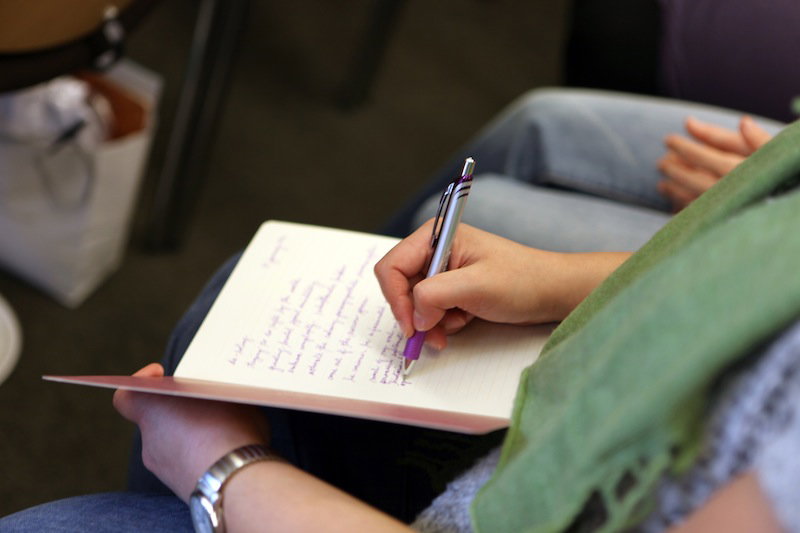
**Every day, we want to write but most of us don't have much time to do it—or the motivation to get started in the first place. We all know it's important to write every day, but sometimes it can be hard to keep up the practice.**
We all have days when we feel like writing is the last thing we want to do. Whether it's because you're tired, stressed, or just don't feel like it, sometimes that blank document can be intimidating and make it hard to get started.
But here's the thing: You can have fun with your writing! You can make it something that doesn't feel like work at all, but rather a way to express yourself and share your thoughts with the world.
A lot of people ask me how I manage to write every day, and the truth is that it's not always easy. Sometimes, I just want to relax and watch anime instead of writing. But if you make writing a habit, it becomes easier over time, and eventually you'll find that it's something you actually look forward to doing. Writing everyday can be a challenge, but it's worth the effort.
For starters, the key to making writing everyday fun is making sure it's not just a chore—it's something you love. So if you're thinking about starting a blog or website and want to make sure you keep up with it, ask yourself why you want to do it in the first place. If your answer is "I want people to read my work," then go ahead and write every day; if not, then maybe try something else instead.
Once you've figured out why you want to write every day, it's time for the fun part: coming up with new ideas! A great way to get started is by setting aside some time in advance (say, 30 minutes) where all of your notes from the day are collected into one place. This way when inspiration strikes in the middle of the night, which it often will, you'll be ready.
Once you've got a good base of notes, try talking to yourself about what happened that day and how it made you feel. This is a great way to get those emotions out on paper so they can be expressed instead of bottled up inside you. It might sound silly but if you're going to write every day, then writing about your feelings should be as important as any other task on your list.
Another way to make writing fun is by listening to music while I work on it. It helps me focus, especially when there's an exciting beat in the background! Writing can be fun! You just have to make it fun for yourself by finding ways to make the process as pain-free as possible and doing things that inspire you in other ways.
In Conclusion
Writing every day is hard. But it's also one of the best things you can do for yourself as a writer—and if you're willing to make it fun, then it doesn't have to be so difficult.
It can feel like a slog, like you're working your way through a desert of words. And then, when you're done with your writing session, you might not even feel like reading any of it.
But if you want to be a writer, and especially if you want to grow more as a writer, you have to write every single day. You have to push through the hard parts and keep going until your fingers are sore from typing. You have to make it fun for yourself somehow.
***Writing everyday can be a great way to improve your writing skills, gain more confidence in yourself as a writer and reach more people with your message—but only if it's something YOU enjoy doing!***
*Note: This article was inspired by one of my readers,* @DrPsycho *Thank you for giving me an idea on what topic I am going to write!*
*Thank you also for the support!*
Write More Than Just A Few Good Lines
Even if you're not a writer and have never written anything before, you've probably had the experience of writing something that wasn't very good. Maybe it was a poem or a letter or even just a text message. But even if it was just a few lines long, you may have found that it wasn't quite as easy as you thought it would be.
That's because writing is hard! As someone who has been writing for years now and has written many things, I can tell you from experience that writing is definitely not easy. It takes time and effort to do it well—which is why so many people don't do it at all!
Writing more than a few good lines is like writing a song that you hope will be on the radio. It takes time and planning, but it's worth it!
Writing is a lot like baking: you can’t just put a few ingredients together and expect something amazing to come out of the oven. You have to plan out your recipe, measure out your ingredients and bake them at the right temperature for the right amount of time.
The same is true with writing—you have to plan and research before you begin writing anything. You need to know what your goal is, and how you can best achieve it. Once you know what you want to say, then it’s time to start writing!
Start by jotting down all of your ideas on a piece of paper so that they don’t escape from your head. Then, start writing! Don’t worry about making mistakes or being perfect, just write as much as possible until it feels like there’s no more left inside your brain. Then take some time away from your work before returning to edit it later on.
When you return, look at each sentence carefully and ask yourself these questions:
Does it make sense? If not, fix it! The goal isn't for people to understand every word—it's for them to understand the point of what you're saying. If a sentence doesn't get us closer toward understanding that point, take it out!
Is this sentence too long? If so, break it up into two shorter sentences or just remove it altogether if neither option works well for the flow of your essay or article.
Does this sentence really need to be here? If not, cut it out! You don't want anything dragging down your work —the reader should be able to read through your piece without getting bogged down by unimportant details.
This may sound like a lot of work, but it will help you create something that is both original and well-edited at the same time—and that's what makes great content.
This approach works for all kinds of writing, from poems to novels and everything in between. It doesn’t matter if you’re an expert or a novice—this technique will help you get started with any kind of project or idea because it gives you room for experimentation and exploration before you narrow down what works best for the piece itself (or its audience).
In Conclusion
Most people think that writing is just about creating a few good lines. In fact, it's more than that. It's about creating a whole story that readers can connect with and relate to.
It's true that you can impress people with a few good lines, but you'll also lose them if you don't keep them engaged. That's why when you're writing anything—whether it's an email, an article, or a novel—you need to make sure that every sentence is saying something meaningful and relevant to the overall topic at hand.
***Writing is an art form, and like any other art form, it takes practice to get good at it. If you want to be a great writer, you need to be willing to put in the time and effort required for improvement.***
Beat Writer's Block & Push Through It
***When you're sitting in front of a blank screen and you don't know what to write, it's easy to feel like you're just not cut out for this whole writing thing. It's easy to get discouraged and frustrated and want to give up. But that's a mistake. Because the truth is that we all get writer's block sometimes—even the most prolific writers.***
As a writer, you know that sometimes you just can't seem to get the ideas out. It's frustrating. You have all of these ideas in your head and you fight to get them on paper, but you just can't do it.
It feels like a block–like there's something in your way and it's just not letting the words come out. You know the feeling: it's like your brain is full of ideas but your fingers are slow or broken or something and they just won't cooperate with the rest of your body. And then, when you finally manage to write something down, it's not what you wanted at all.
Writer's block is a real struggle. It can be hard to navigate the mental and physical obstacles that get in the way of your creativity, but it's not impossible. There are plenty of ways to beat writer's block, and they don't all involve medication or expensive therapists.
The first thing you need to do is accept that you have writer's block (and if you don't believe me, ask any writer). Once you've accepted it, then it's time to move on. But that doesn't mean you can't push through it. There are a lot of different ways to get your creative mojo back and keep writing. Writer's block isn't a problem with your writing skills or intelligence; it's just something that happens sometimes when your brain gets overwhelmed by the amount of work ahead of it and needs a break. Next, take a break! Get up from your desk and go for a walk around the office or outside until you feel ready to sit down again and get back into it. Your brain needs time away from whatever problem is holding it up so that it can come back fresh later on when you’re ready to tackle things again. If possible, try not to check email or social media while taking breaks—it'll only distract you from getting back into writing mode when the time comes!
Or maybe just write something—anything! It doesn't matter if it's terrible, because all that matters is getting the words down on paper. Then, when you're done, look at what you've written and ask yourself: What could I do differently? How could I improve this? You'll start finding ideas for new ways to approach your content as soon as you start looking for them.
You can also decide what kind of writing you're going to do: are you going to write poetry? Fiction? Nonfiction? This is important because different genres require different kinds of thinking. If you're writing poetry, try playing around with rhythms or words that make up a sentence—it might help break up some of those mental blocks!
Finally, remember why you started writing in the first place: because it makes YOU happy! So go back to whatever made you happy as a child—play with crayons, draw up some art projects or make some crafts.
In Conclusion
Writer's block is no joke. It's a little like having your brain stuck in a tar pit, and every time you try to move forward, it pulls you back down again.
You're not alone if this happens to you—everyone gets writer's block at some point in their career. The hardest thing about writing is writing. That's why so many of us have trouble getting started, and why we procrastinate on our work. But there are ways to beat writer's block and push through it—for good.
***It sounds so simple, but it's true. You can't expect inspiration to strike you like lightning—you have to put in the time and effort to create your own inspiration.***
***Whichever route works for you, keep at it until something clicks, then keep doing it until something else clicks—and so on!***
Cut Your Learning Curve In Half As A Writer
***Learning to write is never easy, but it doesn't have to be so hard.***
As a writer, you're always looking for ways to improve your craft. You know that writing is a skill that requires practice and experience, but there are some things you can do to speed up the learning process and make sure your work is as polished as possible.
The truth is, you don't need to spend years studying grammar, learning how to spell, and memorizing the names of every type of punctuation mark that exists in the English language.
While it's important to be open to constructive criticism and accept that it's not easy to write well every time, there are some simple things you can do to cut your learning curve in half.
In fact, it's not just true—it's essential. The more you know about how to write, the better your writing will be. But you don't have to know everything there is to know about writing in order to write at an expert level. You just need to know what you need to know (and not much more).
So how do you know what information is important and what isn't? How do you find the best resources for learning how to write? How do you apply what you've learned in a way that makes sense and builds on itself, so that the next thing you learn will make sense and build on itself, too?
**The answer is simple: You need a system for learning how to write better, one that lets you focus on what matters most so that your learning doesn't get lost in information overload.**
There are tons of resources out there, but they all seem to be geared toward people who already know how to write—and if you're just starting out, that's not you yet. So let's talk about what it takes to get from zero knowledge to expert author in record time.
The first step is understanding why you're doing this in the first place. Why are you learning how to write? What do you hope it will accomplish? This is important because it will determine what kind of writer you want to be: Do you want to be a novelist or an essayist? A journalist or an academic? Knowing where your interests lie will help narrow your search down and make it easier for you find the right resources for developing those skills.
Next, consider how much time and energy it takes for you to learn something new. Are there other things competing with your writing time right now? How much time can realistically be spared without compromising other priorities in life? Then take into account how motivated are you when trying something new.
Thirdly—and probably most importantly—make sure there's a community around whatever form(s) of writing interest you most. Social media is great but nothing beats getting together with friends who share your interests and learning from them in person. That way, when you're stuck on something, you can just ask and get feedback or advice from people who have been through it before.
**In Conclusion**
Learning how to write well is a journey, but it doesn't have to be a slow one. If you're like most writers, you probably want to improve your work as much as possible in the shortest amount of time possible.
A lot of writers try to find their own way through the maze of advice out there, but it can be hard to know where to even start. And once you do start reading, it's easy to get overwhelmed by all the different ideas and techniques out there—what works for one person may not work for another.
It's hard to find time to write when you have an overflowing inbox, deadlines looming over your head, and a million other distractions pulling at your attention. But if you want to be a better writer, then it's time to put some effort into learning the craft.
***It can feel overwhelming at first—especially if you're new to this—but there are ways to cut your learning curve in half and get started on the path to becoming a better writer.***
Furthering Your Writing Career
***Your career as a writer is an ever-changing, evolving thing. You may start out writing about one thing, and then find yourself writing about something else entirely. You may even end up writing about something you never thought you'd write about!***
But that's okay—as long as you're following your passion, the world is your oyster. As a writer, it's easy to get lost in the sea of other writers out there. But if you want to make a name for yourself and really stand out, you need to start by taking care of the basics.
There are many ways to further your writing career, but the most important thing is to keep learning new things and developing your skills. But as your career progresses, you will find that there are certain skills that not only help you to write better and more effectively, but also make it easier for you to navigate the difficult waters.
For example, having good research skills is important for any writer because it helps them to gather information more efficiently and accurately. If you have a good understanding of how to use search engines effectively, then it will be easy for you to find exactly what you need quickly and easily. This will save time and money on unnecessary purchases or trips out into the field.
Another skill that many writers find useful is being able to work well under pressure because it can be very stressful when deadlines are tight or there are lots of other demands on their time as well. It can also help if they are able to organize themselves well enough so that they don't waste valuable time looking for things like pens or stationery items when they need them urgently.
No matter what happens, it's important to keep your mind open to new opportunities and experiences. This will help you grow as a person and as a writer, which means that your work will be better—and your readers will love you for it.
It's also important to stay positive. Even if you've had a bad day or are feeling discouraged about where your career is headed, remember that this is temporary. There will always be another opportunity around the corner, so don't give up hope!
You'll be able to adapt and grow with the times—and that's where your creativity comes in. It's your ability to see the world from different perspectives and imagine new things that will help you stay ahead of the curve in the field of writing.
The world of writing has changed dramatically over the course of its history. In fact, it's never been more important than it is today. We're all so connected—and technology is changing faster than ever before. So how do you stay ahead?
First off, keep learning! There are always new things happening in our industry, whether it's a new way to write an article or a new tool that can help you do something more efficiently. Stay up-to-date on what's going on by reading blogs.
Second, take advantage of technology! Whether it's a spell checker or an automatic grammar checker, tools like these can help make sure that your writing is as good as it possibly can be before you submit it for publication.
Lastly, don't be afraid to take risks and try new things; just remember that there will always be people who want to read what you've written. And if there aren't? Well then that's fine too! Because at least you tried something new and made an effort—and sometimes that's all it takes for success to follow!
**In Conclusion**
Writing is a career that offers you many opportunities. You can write articles, books, blogs, reports, and more. It's a job that will give you freedom and the ability to work from home.
You do have to put in a lot of time and effort in order to become successful, but it is possible for anyone who has a passion for writing. You don't need any formal education, either; all you need is a love of words and sentences.
***If you want to further your career as a writer, there are many things that you can do. It's important that you find ways to develop your skills as well as your confidence as a writer. This will help motivate you when things get tough because sometimes life isn't easy!***
Copyright 2022. frdchckn. All rights reserved.
Writing Is About Time In A Way That's Different From Everything Else
Unlike other forms of art, writing is not something that happens all at once. It's not like drawing or sculpting where you can do it for hours and hours on end, only stopping to get up and stretch your legs, maybe take a snack break. Writing is more like cooking: in order to make something good, you have to be patient and pay close attention to what's going on in the kitchen.
Writing is all about time—and so is reading! When you're reading a book or an article or anything else that someone has written down on paper (or screen), there's an implied contract between reader and writer that says "I'm going to give you my time right now," which means that when I'm reading, I'm saying "I trust that this person has put in the time required to write this piece well enough for me."
Writing isn't just a way of communicating—it's a way of being seen. When we write something down, we're giving ourselves over completely: we're saying "This is what I think" or "This is who I am" or even just "This happened." And when we read that writing, we're also promising ourselves that we'll give it our full attention as well—even if it takes us longer than expected.
It's an incredible thing, really: when you write something, you are making a promise to yourself and to anyone who reads it. You will commit your time and your energy and your attention to the words on the page. And when those words are read by someone else, they are making the same commitment. They are promising themselves that they will give their full selves over to understanding what you were trying to say—even if it takes them longer than expected.
It's not just a matter of effort: reading takes more time than watching a video, because you have to take more time to process the information and make sense of it in your head. But even if you could speed-read through all of your favorite books at once, there's still something about immersing yourself in a text that makes reading feel like an experience. It's almost like being transported into another world for a while—a world where anything can happen, where people are real but not real at the same time.
The truth is that time isn't the same for everybody. It moves faster for some people than for others; there are some people who have more of it than others; and then there are those who are so busy with their lives that they barely have time to breathe (much less write). But when you write something down and share it with someone else, even if that person is yourself, you've made an agreement with yourself to honor your own time by taking care of whatever needs attention next—because ultimately, all writing comes down to honoring the time we spend on this world.
In Conclusion
It's easy to lose yourself in the moment while writing. You can get lost in the process of creation and forget time is passing at all. But then you have to stop, and suddenly you're thrown back into reality where everything happens so quickly and there are so many other things demanding your attention.
The thing is: writing is about time in a way that's different from everything else. Writing is about taking time to gather your thoughts, commit them to paper (or screen), and then share them with someone else—and ideally all three at once! That's because writing doesn't just take up time—it also gives back time by making sure you're focused on what matters most right now.
Writing forces us to slow down and think before we act. It encourages us to be thoughtful rather than reactive; intentional rather than reactive; proactive instead of reactive. In other words: writing helps us get our priorities straight so we can move forward with confidence.
Copyright 2022, frdchckn. All rights reserved
The Best Advice About Writing I've Ever Received
This is a piece of writing advice that I wish I had heard earlier in my career. I hope it helps you as much as it has helped me!
As a writer, you're always learning new things and honing your craft. But if there's one thing I've learned, it's that there are always more lessons to learn—and sometimes you can learn the most from someone who's just starting out.
That's why I want to share with you the best advice about writing that I've ever received:
**"Don't try too hard."**
I think this is great advice because at first glance, it seems counterintuitive. How can trying less help me become a better writer? Isn't effort good? Well, yes and no. It all depends on what kind of effort you're putting forth.
When I was younger and first started out as a writer, I would spend hours trying to perfect each sentence—just like many other folks do when they're starting out (and even after they've been at it for a while). My problem was that instead of focusing on what mattered most—the content—I was getting stuck on every little detail: word choice, grammar rules, punctuation, even the length of sentences.
I wasted so much time that way. But then one day I had a breakthrough: "It's okay to not be perfect," I said to myself. "You're doing just fine."
And you know what? It's true! In fact, this is the best advice about writing I have ever received. If you're writing something important, your readers are more concerned with understanding your message than nitpicking every detail of your sentence structure or word choice.
When you try too hard, you lose sight of what matters most and end up missing the mark altogether. For example, when I was working on this article, I spent hours trying to find just the right words. Instead of focusing on how well my content communicated my message, though, I got stuck on word choice and sentence structure.
Sure, you want your writing to sound good—but if you're trying too hard, it'll just sound forced instead of natural. Your writing will have no personality and it will come across as genuine or honest because there were no mistakes in it. The best way to avoid this? Be yourself! Write like you talk and speak like you write; that way, both sides of your brain will be happy with what they're doing together and we all know how important communication is when it comes down to getting your point across.
It was the best advice about writing I've ever received which came from my high school teacher who told me: "Don't try so hard!" It was the first time someone had ever said those words to me and it took me awhile to really understand what she meant by them. But now that I do understand what she meant by those words, I can honestly say that they've helped me more than anything else has throughout my time as a writer!
In Conclusion
Advice about writing is everywhere. You can find it in books, on blogs, in articles like this one. It's hard to know what advice to follow and what advice to ignore because there's so much of it.
The best way to write is not to think about writing. You don't need to worry about the little details yet—you'll get there eventually! Just focus on the content itself. What do you want your reader to know? What do you want them to feel? How can you best convey that information in as few words as possible?
That simple piece of advice changed everything for me because it helped me understand how important it is to keep things simple when writing for an audience that isn't familiar with what you're trying to say or do.
*So don't try so hard. You'll write better if you let yourself be loose and natural with your words instead of forcing them into being something they're not.*
Copyright 2022 frdchckn. All rights reserved.
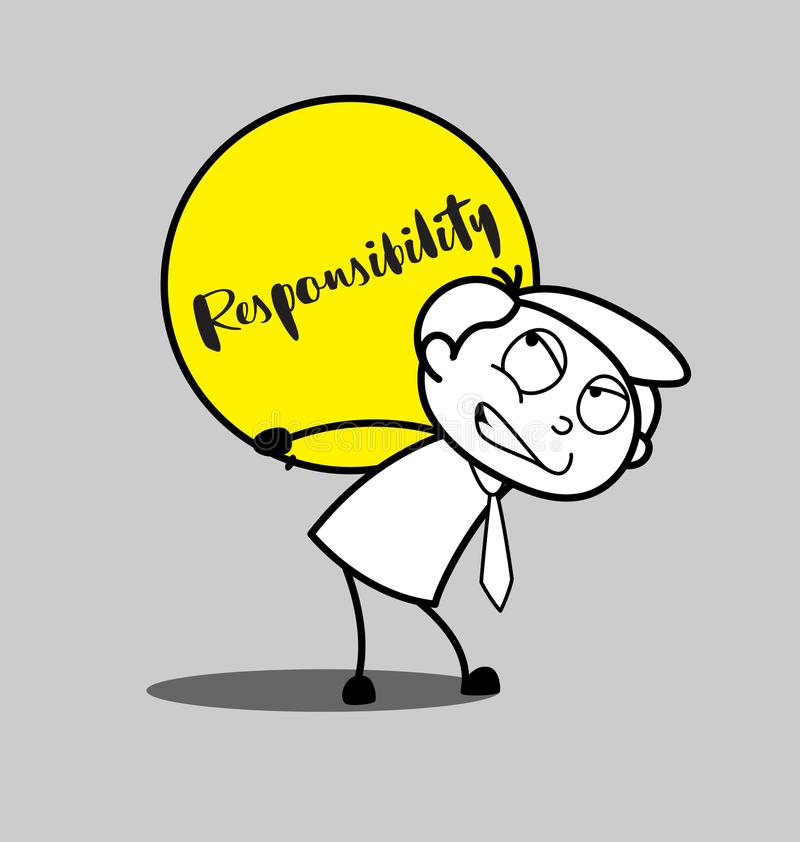
Writing Is Both A Freedom And A Responsibility
As a child, I remember being told by my parents that I could do anything I wanted with my life. *"Anything,"* they said, *"and you can be anything."* They meant it in the sense of, *"You can be anything you want to be."* It was their way of saying, *"You are free to make your own choices in life."* And this was true—to an extent.
But writing is different. Writing is both a freedom and a responsibility. It's not just about what you want to do with your life; it's also about what others have done before you and what they need from you now. You have to consider all those things when writing.
The freedom is obvious: you can write whatever you want, whenever you want. In the best sense, it's what you do when you're not sure what else to do. It's the space where you can be yourself, the place where no one knows who or what you are. You can write anything—and I mean anything—and maybe have it published, maybe not; but either way, it won't matter because you wrote what was true for you at that time. There are no rules, and there are no constraints on what you can write about, who it's for, or how long it should be. It's only limited by your imagination, which is why writing can be so exciting—it's the ultimate creative outlet!
But writing also comes with responsibility. If you're just writing for yourself, that's fine—but if you're writing for other people or even just sharing your writing, then there are things to consider before putting pen to paper or fingers to keyboard. You should never assume that everyone will interpret your work the same way as you do.
Sometimes people will misinterpret what you mean based on their own experiences or biases—and sometimes some of those interpretations will make their way back to you in the form of negative feedback or criticism. That's okay—it happens to all writers eventually! But when it happens, it's important not to take those comments personally or get defensive about them; instead, try looking at them as suggestions on how to improve your writing style or content instead of attacking the person who made them.
Writing should be free and accessible to everyone, regardless of whether they're published or not—but it should also be held accountable for its impact on the world around it. When we share our stories, it's important to do so responsibly—to be aware of the impact our words have on others, whether positive or negative. And when we write about other people, we have an even greater responsibility to get those details right—to respect the stories and experiences we're borrowing from others by making sure they're portrayed accurately and respectfully.
The best writers are those who are honest with themselves and with their readers; they make us feel seen in a way that makes us want to read more of their work because we know that person is real and has lived experience like ours. We need more writers like that in our world—writers who aren't afraid of being imperfect or vulnerable; who don't need everything perfect before showing up on page; who feel comfortable sharing their own stories.
I'm not saying all writers should be transparent about their lives—but I am saying that if you can write in a way that creates this kind of connection between writer and reader, then you're doing it right. In fact, it's one of my favorite things about reading: getting to meet someone new and learning from them through their words.
In Conclusion
Writing is both a freedom and a responsibility. You can write whatever you want, but once you put it out into the world, it's going to have an impact on people.
Writing is a way to express yourself and tell the world what you think. It's an opportunity to share your thoughts and captivate an audience with your words. But writing is also something that holds you accountable for what you say—and if those words are harmful or offensive, the backlash can be overwhelming.
The freedom of writing comes with the responsibility of being careful about what you say. When we write online, our words have no boundaries—they can be seen by anyone, anywhere in the world. If you're going to write publicly, make sure your words are positive and inclusive rather than negative or exclusive.
Copyright, 2022 frdchckn. All rights reserved.
Great Writers Started As Readers
Writers began as readers. The best writers know that reading is what makes writing possible, and reading is what allows you to experience the world as a writer. As William Wordsworth said: "For all good poetry is spontaneous; it springs out of emotion recollected in tranquility." Writing is a solitary pursuit, but you can't be a writer without being a reader first.
Reading is the best way to get inspired. Reading is where we get our ideas and inspiration from—it's what helps us learn how to write. The most successful writers are voracious readers because they know that the more they read, the more they will have to draw from when they write.
It's not just that reading is good for you—it's that it's essential to becoming the kind of writer that you want to be. Reading helps you get better at writing and communicating with others. It gives you a chance to explore new ideas and learn from others' successes and failures. And even if you don't think about it consciously, reading also helps your writing by supplying examples of how other people have solved problems in the past.
The best part? You don't need to be an expert on anything to start reading! You can pick up any book and get something out of it, even if it's completely different from what you've read before. And once you start reading regularly, there will always be more books waiting for you—and more ways for all that reading to help improve your writing skills!
When I was in my early teens, I used to write short stories for fun. One of my favorite things about writing those stories was that I could take on any voice or perspective I wanted—I could be anyone or anything. The world was mine to explore! I mean, I always knew that some people were just born with a knack for writing. But I thought my lack of natural talent meant that I'd never be able to write anything worthwhile.
But then I started writing more seriously, and something happened: it stopped being fun. It was hard work, and I had no idea what kind of writer I wanted to be. Was I supposed to write like my favorite authors? Was it better if my writing sounded like me? Or was it best if it was somewhere in between?
Reading helped me find answers to these questions. When you read the work of other writers, you start building an understanding of how they approach their craft—what they emphasize, what they leave out, what they focus on most strongly. And once you have this understanding, it becomes easier to see where your own strengths lie as a writer and what kind of style will work best for your own voice.
This is what reading has meant for me: it's been an important part of my development as a writer. Now that I think about it, there are many other skills that I've learned through reading as well—like research or editing or copywriting. Reading has also made me a better editor and mentor because it helps me understand what makes good writing so good and why certain pieces resonate with people more than others do
**In Conclusion**
Reading is one of the most important skills a person can develop, and it's also one of the most enjoyable ways to spend your free time. But when it comes to writing, some people get hung up on what kind of reader they were. Were you a fiction lover? A non-fiction fanatic? Did you read only magazines or newspapers? If you were like me, then you spent most of your childhood with a book in your hand—and then went on to write one!
So what does this mean for aspiring writers? **It means that you can use the skills that came naturally to you as a reader (or are still coming naturally to you now) to help make your writing even more amazing than ever before!**
Copyright, 2022 frdchckn. All rights reserved.
What Most Beginner Writers Don't Know
**Have you ever heard a writer say, "I'm just not sure I have enough talent"? Have you ever thought you weren't cut out for writing? Do you think other people are better writers than you?**
If you're a writer, you've probably heard someone say it: **"I just don't think I'm talented enough."** And there's a good chance that you've said it yourself—or at least thought it. Maybe you've even had a good reason for thinking it. Maybe you've sat down to write something, and the words just wouldn't come out right. Maybe your writing was choppy or clunky or full of errors.
If this sounds like you, don't worry—you're not alone. Many writers struggle with the same problems. And the truth is that it isn't your fault—you've just been misled.
Most writers don't realize that they can write well if they take the right approach and learn the right skills. It's not about talent; it's about knowing what to do and how to do it. It takes passion and dedication. If you have those, you can be a great writer—even if right now, you're struggling to write a single sentence.
It's not whether or not you have talent that makes the difference between a good writer and an okay writer—it's how much you know about the craft of writing. As Dean R. Koontz once wrote, "talent is cheaper than table salt." If somebody tells you that the reason your writing isn't as good as theirs is because they have more talent, they are either being incredibly unkind—or incredibly ignorant.
I know what it's like to feel like you aren't a great writer. To feel like your way with words just isn't up to snuff. Like you didn't get the same gene that all the other writers got, the one that makes them write in a way that just flows so perfectly from their fingers, leaving everyone around them in awe of their talent.
I know what it's like to think that you're not good enough, and I'm here to tell you that it's not true! It's not true because everyone has their own version of greatness, but not everyone has been able to find theirs yet.
You have greatness within you—the only question is how to find it. And the answer is simpler than you think: passion. Passion is what drives you ahead when everything else seems uncertain or even impossible. Passion is what lets you see clearly through any fog and keeps your feet moving forward even when they want to stand still. Passion is what will give your writing the power it needs—the right words will simply fall into place at your command.
Aside from that, writing is also all about skill! Just like any other skill, anyone can learn it and get better at it with time and practice. What's more, they can do so without changing their personality or becoming someone else! You don't need to be born a writer to write well; all you need is a desire to learn and improve.
Think about it. If you wanted to learn how to run faster, what would you do?
You wouldn't just sit down and think about it. You'd go out and practice running every day. You'd train and work hard until the results started showing up. That's how everyone who ever became good at something got good—they learned the skills they needed by working hard at them.
Writing is no different. Anyone can be a good writer if they're willing to work for it.
**In Conclusion**
Anyone can become a good writer if they have the passion and dedication, right information and take the time to practice their skills. You don't need to be born with a natural ability or some special gift—you just need to know how to use this information and put in some effort!
The good news is that once you do, it will be much easier for you be successful as a writer, because your work will flow more easily and naturally from your mind onto paper or computer screen. That's why so many successful authors say they wish they'd learned how to write earlier in life—they had no idea how much easier it would've made things for them!
Do what makes you happy and excited, and then write about it with all your heart. Your readers will feel the difference in your words, and they'll respond to that feeling by reading more of your work.
*So go ahead and find your passion, because when that spark ignites inside of you, there's nothing that can stop you from writing the best story of your life!*
Copyright, 2022 frdchckn. All rights reserved
Writer: The Most Overlooked Skill Set In This Digital Age
The digital age is upon us, and it's not going anywhere. In fact, it's becoming more and more important for us to keep up with all of the new technology that comes out every day. We are now all connected. We have access to a wealth of information, and we can do so much more than ever before. But for all that our phones and computers allow us to do, it's still easy to forget that there are still some skills that can't be learned online.
**One of the most overlooked of these is the ability to write.**
The truth is, writing is a skill that you can't get from a computer program or even from another human being. It's something you have to develop on your own—and if you don't do so, you're just not going to get very far in life.
So what does it mean to write well? It means being able to communicate your thoughts clearly and concisely. It means knowing how to use language effectively so that people understand what you're trying to say. And it means understanding how language works in general so that you can pick up new words or phrases quickly when you need them!
Writing is how we communicate with one another in this digital age. We may use Skype and other video chat services, but most of our communication still happens via text message, email, Slack channels, etc. And unless your job is in sales or customer service—where it's imperative that you be able to hear someone's tone of voice through text—you need to be able to communicate clearly and concisely via written word.
Writing isn't just for writers; it's for everyone! You might think that this doesn't apply if you're trying to become a programmer or web designer or something else where the written word isn't necessarily at the forefront of your work. But that would be a mistake! The reality is that almost every job requires some level of communication with other people, and writing is one of the most effective ways to communicate. So whether it's writing emails or blog posts or even just notes for yourself, learning how to write well will make all of your other skills better too.
Whether you're an entrepreneur looking for ways to pitch investors or just someone who wants to be able to write better emails at work (or anywhere else), learning how to write well will go a long way toward helping you succeed in whatever goals are important.
In Conclusion
It's true that we live in an era where communication is extremely easy and accessible. But it doesn't mean that anyone can be a good communicator. You need to know how to communicate in order to be successful—and that means knowing how to write well enough so that people will want to read what you've written.
In this digital age, writing has become more important than ever before. If you don't have good writing skills, your business won't go far. Writing is not just about putting words on paper or computer screen; it's also about conveying your thoughts and ideas effectively so that people can understand them easily.
**But all too often, people overlook the importance of writing skills even though they are such an integral part of our lives today.**
The ability to write well is one of the most important skills you can have. It doesn't matter if you're at home, at school, or at work; if you want others to understand your message and take action on it, being able to write clearly and concisely will help you get there faster than anything else out there today.
If you're like most people, you probably don't think of yourself as a writer. You're not paid to write, so why would you need to hone your writing skills? The truth is that everyone needs to be able to communicate effectively and efficiently, whether they're communicating with their boss or colleagues, customers or clients, or family and friends. And what better way to communicate than through writing?
If you can't write well enough so that people will want to read what you've written, then you're putting yourself at a disadvantage when it comes time for someone else to read what you've written.
Copyright 2022, frdchckn. All rights reserved.
Learn From Other Writers
If you're a writer, one of the best ways to learn how to improve your craft is to look at other people's work. You can learn from the mistakes of others, but even better than that, you can learn from their successes.
As a writer, one of the most common questions you'll get is "where do you find inspiration?" But the truth is, sometimes it's not about finding inspiration: it's about learning from other writers.
In the world of writing, there's no shame in asking for help. After all, you don't have to do this on your own—you're in it together with other writers. So if you're looking to improve your skills, reach out and ask other writers to share their knowledge.
Writing can be intimidating. There are so many different styles and formats to learn, and everyone's story is so different—it can feel impossible to know where to start. But the truth is that there are some simple tips and tricks you can use to help improve your writing skills.
I'm going to be honest: I used to think that writing was something you could just do on your own. You didn't need anyone else's help or advice—you just had to sit down and get it done. But then I realized something:
We all have our own unique style, and when we're first starting out, it can be hard to figure out how to put your voice into words. That's why it's so important to learn from other writers who have been there before us and done what we want to do.
I started reading other people's work and seeing how they approached their writing in order to figure out what worked for them, and what didn't. It helped me learn some new tricks, and it made me feel like a more confident writer overall. Reading other writers' work is a great way to improve your own writing skills because you can see what works for them, but also how they've failed so you can avoid their mistakes in your own work.
One of my favorite ways to do this is by going through the comments on my own posts and reading the feedback from other readers. I've learned so much from doing this! For example, some readers had trouble understanding a certain part of my post and I realized that I needed to make things clearer for them—that's when I went back and rewrote that section with more detail so it would be easier for everyone to follow along.
It's important to remember that everyone starts out as a beginner when they're learning something new, including writing. The first time I tried writing, it was terrible! But over time I got better at it because I kept practicing and learning from my mistakes. If you want to get better at writing then make sure that you're always reading other people's work so that you can learn from what they've done right as well as wrong.
When you read other people's work, it helps you develop your own style and understand what makes good writing tick. You'll also be able to spot patterns in what works and what doesn't when it comes to effective storytelling techniques so that you can use these ideas in your own work too!
In Conclusion
When it comes to writing, there's a lot of wisdom in numbers. The more people you talk to, the better off you'll be. And while that may seem counterintuitive at first (because we all want to be original), it's actually pretty simple when you think about it: other people have gone through what you're going through now, and they've learned from their mistakes and successes. What's more, they probably have different experiences than yours—which means they can give you new perspectives on your work that will help make it even better!
So how do we take advantage of this? We reach out to other writers and ask them for advice. It's not hard to find someone who has published something similar to what you're doing or who has experience with the same audience or topic area as you do.
***So the next time you have an idea for a book or story, take the time to share it with others before getting started. The more input and feedback you get from others, the stronger your final product will be.***
Copyright 2022, frdchckn. All rights reserved.
Pretentious Writing: The Bad, The Ugly and The Good
The world of writing is vast, varied and often surprising. In this article we will look at the bad, the ugly and the good of pretentious writing.
Pretentious writing is one of those things that can be difficult to define. It's not something you can just look up in a dictionary and figure out what it means—it's something you have to feel in order to understand.
What is pretentious, then? Well, it's when a writer uses complex language or words they don't really know how to use correctly in order to sound more intelligent than they really are. It's when a writer tries too hard to impress their audience with their knowledge of a subject—even if it means using obscure vocabulary or convoluted sentence structure.
The Bad
The bad of pretentious writing is that it makes you sound like an idiot: if you use big words in inappropriate situations or use them incorrectly then people will think that you are stupid instead of being impressed by how smart you are!
It's also not just about using big words—it's about using them incorrectly. The word "pretentious" comes from Latin roots that mean "to try on." So when someone is being pretentious, they're trying on a new persona or identity in order to impress other people. When someone says something pretentious, it doesn't mean that they're actually intelligent—it just means that they're faking it!
Here's what happens when you don't know what you're doing: You lose your audience by coming off as arrogant and self-indulgent. Pretentiousness is most commonly used badly by people who are trying too hard or who are insecure about their own abilities and want to appear more sophisticated than they actually are. This kind of pretentiousness can be spotted from a mile away because it lacks subtlety; it's heavy-handed, showy and obvious. It's also harder to defend against because you can't just say "I wasn't trying to be pretentious." You were trying! And readers can tell that you weren't just trying—they know that something went wrong with the execution.
The Ugly
The ugly part about pretentious writing is that it can be difficult for other people to understand what you are trying to say: if a word has multiple meanings or there are multiple ways of saying something then people may get confused about what exactly it means because there's too much information for them to process at once!
It devalues the reader's time and effort by making them feel stupid for not getting what you're talking about right away (even though they'll probably just give up on reading through it). They might even start to wonder whether what YOU'RE saying is any good either!
It's a problem because it makes reading more difficult for your readers—and if they can't read your writing comfortably, they probably won't bother reading it at all. But it can also be a problem because pretentious language is annoying and off-putting. It makes readers feel like they need to prove themselves worthy of the text—and they may simply stop reading or start skimming instead.
The Good
Finally there's some good news: Pretentiousness can also be used in an interesting way—**IF USED CORRECTLY**, it can draw attention to itself so that readers notice how cleverly it's being used (and why they should care). The key is to use pretense as a tool, not as a crutch. For example, if you're writing about a topic that's new for you or unfamiliar to your readers, using pretentious language can make the text more engaging and exciting.
I’m talking about the kind of writing that makes you feel like you've just gotten a glimpse into a different world. It's filled with words like "elucidate" and "seminal," or phrases like "tautological" or "paradigmatic." These are words and phrases that are so uncommon they'll make people stop and look twice at whatever they're reading. And this isn't just for show—it's actually useful because it helps readers understand more about what they're reading by adding layers of meaning and complexity to whatever idea is being communicated.
In Conclusion
There is an extremely fine line between writing in a sophisticated way that makes your words pop off the page, and writing in such a way as to make your readers roll their eyes. As long as you remember to always be yourself, to use small bursts of complex terms if it really conveys what you're trying to say, and to always consider the audience you're writing for, you'll be sure better convey your message.
Copyright, 2022 frdchckn. All rights reserved
Always Add Value in Your Articles
**It's easy to write an article about something that is interesting to you and your audience. But it's much harder to write an article that adds value.**
**It's easy to get caught up in the excitement of writing an article, but if it doesn't add value to your readers' lives, then it's not worth the time or effort.**
You should always ask yourself: *will this article make my reader better off than when they started reading? If not, then don't write it!*
When you're writing content for your blog, it's important to remember that there are tons of blogs in the world. And if yours isn't different or better than the others, no one will come back. They'll just keep scrolling down the page until they find something they like better.
It's not about being the best writer, or having the best ideas—it's about adding value to the reader's life.
And what does that mean? Well, it means that when you write, you should always be thinking: **"How can I make this person's day or life better?"**
Value is basically anything that makes the reader think "Oh yeah, this is worth my time. Value can be given by using compelling language and really digging into a topic so that it feels like you're talking directly to the reader. That way they feel like they're getting something special from you—and not just another article online.
The best way to add value is by thinking about what kind of content would make YOU want to click through and read more about it. If you wouldn't click through because it's not interesting enough for YOU (and let's face it: we all have different interests), then don't post it! You'll just be wasting time and effort on something that isn't going to be useful and the time of anyone who clicks on the article only to find out that there's no substance there. You'll just lose readers and they won't trust you anymore.
A lot of times, I'll see writers posting articles that are just plain boring. They think they're being helpful, but no one wants to read them! It's like this: if you were hanging out with your friends at a party, and one of them started telling a story about how they were making scrambled eggs with toast for breakfast this morning—wouldn't that make everyone else at the party bored?
No one cares about the details of their breakfast unless those details are somehow relevant to something that happened at the party later on in the day. So think about whether or not your article is going to be relevant to something that happens in YOUR life later on down the road (or even if it's relevant now). If not, then why should anyone care?
You don't want to waste your time or anyone else's by posting things that don't interest you, so instead of posting something just because you think it might be popular or relevant, ask yourself: would I click through and read this article? If not, then don't post it!
This will help ensure that your content is always adding value for everyone who reads it—whether they're interested in the topic or not—and will also save you from wasting time trying to promote articles that no one wants to read!
**In Conclusion**
When I started writing, I thought of myself as someone who had something important to say—but I didn't really think about how my readers might feel while reading what I wrote. All of my articles were very self-absorbed and narcissistic but now that I've learned how important it is to add value for others and not just myself, everything has changed!
It doesn't matter if they're an old man with one foot in the grave or a little kid who just wants to learn how to tie their shoes—when you write, your job is to give them something they didn't know before, so that they can use it to make their lives better.
There's a saying that goes like this: ***"If you can't explain it, then you don't understand it."*** It's true: if you want to write something meaningful, you have to know what it means.
So before you ever think about writing an article, first ask yourself: What questions does this raise for me? Does this article make me curious about something new or challenge my existing beliefs? If so, then maybe other people will find it interesting too!
Copyright, 2022 frdchckn. All rights reserved.
Take Criticisms The Right Way
Everyone is going to have an opinion. But when it comes to criticism, how you react can make all the difference in the world.
Criticism is a tricky thing. It's not always easy to know how to take it, and sometimes it can be hard to understand why someone would say something negative about you or your work. Criticism is a part of life. It can be difficult to hear, but it's important to take it in stride.
We're all human, and we all have flaws that can be pointed out by others. When this happens, it can be hard not to take it personally or get defensive. But there are ways to take criticism with grace and gratitude.
First of all, try not to internalize other people's negative opinions of you. Instead, try to see their criticisms as helpful suggestions for improvement rather than outright attacks on your character or abilities. If you can do this, you'll be much more likely to learn from the experience and move on without feeling hurt or upset about it later on down the line. It's also important to remember that anyone who expresses an opinion is entitled to do so, whether you agree with them or not—and they're probably not trying to hurt you on purpose.
Then try asking yourself if there's any truth to what the person criticizing you is saying at all. If not, then don't worry about it! If so, then ask yourself why they would say this about you (or why these things are true). Is it because they think they have something to gain from it? Or is it because they really want to help you become better?
If someone tells you something is wrong with your work, it's usually because they want to help you make it better. This can be difficult when the critique seems personal or harsh, but remember that the person giving the critique is not attacking you—they are trying to help.
Remember that people who offer critiques aren't trying to hurt your feelings; they're just stating their opinion about something they feel strongly about. If someone says something mean or unhelpful, try not to take it personally. Remember that we all have our own opinions and experiences that shape how we look at things. That doesn't mean theirs is right and yours is wrong—it just means they see things differently than you do!
In Conclusion
When someone gives me a critique of my writing or art, I like to thank them for their feedback and then think about what they said for a few days before responding. It helps me think about what I wrote from their perspective instead of getting defensive or upset because of how it makes me feel.
I have learned over time that most people are just trying to help you improve and they're not trying to hurt you. At the same time, I don't want to dismiss the way something makes me feel because that's important too.
If it were easy to take criticism, then everyone would be good at everything! But sometimes criticism can be hard for people because it feels like an attack on who we are as individuals. Everyone has their own process for dealing with criticism and figuring out how best to respond to it. What works for one person might not work for another person in the same situation
I also know that not everyone will agree with me, so if someone says they don't like something, I just take it at face value. If they say they don't like something, but there's nothing in particular that stands out to them as objectionable, then I can only assume there's something about it that doesn't appeal to them personally—it might not be for everyone! We are all different and some people will always hate what others love, so don't take it personally.
*And remember: if someone tells you something's wrong with your writing or art or whatever, that doesn't mean they don't like YOU! It just means they think something could be improved!*
***Copyright 2022 frdchckn. All rights reserved.***
More Than Just A Writer
I'm a writer. I write words. That's what I do.
I used to think being a writer was all about getting paid for your thoughts. I thought it would be so easy, just string together some words and throw them out there into the world and watch the money roll in. I don't know why I thought that, because if anyone knew anything about writing, they'd know that's not how it works.
Writing is a lot more than just putting words on a page. It's about connecting with your audience and making sure that what you say is understood. It is an art. It’s a craft that takes years of practice to master. But it’s also something much more than that: it’s a way to express yourself and make your voice heard.
As a writer, you have the opportunity to share your ideas with the world. You can inspire people, challenge them, and move them in ways that other mediums just can't do. You have the power to change lives—and that's no small thing!
But writing isn't easy. It takes time and effort. And sometimes, as good as you think your work may be, it's hard for people to see how awesome you are at what you do… until someone else does it for them.
The way I see it, writing is like any other art form: it has rules and a structure that must be followed for your message to be effective. It may seem daunting at first, but if you take it one step at a time, you'll find yourself writing with ease in no time!
I learned to love the way words sound when they come together in sentences, and how those sentences can create something beautiful, or witty, or poignant. And there's no feeling quite like it: finding the right word to express exactly what you mean in just the right way. I've always loved writing, but I had no idea it would be such a big part of my life.
But then I realized, being a writer is a great responsibility. I used to think that being a writer was all about creating beautiful worlds in people's minds—and it absolutely is! But there's more to it than that: we have to be careful with what we put into those worlds because once it's out there, it's out there forever. And if we're not careful and thoughtful about what we say and how we say it, then people will treat each other poorly and treat themselves poorly too as a result of what they've read or heard.
When you write something down in words on a page or screen, it becomes more than just an idea; it becomes reality—and it affects everyone who reads it. It's hard not to get caught up in the drama of life sometimes—I know I do it sometimes! But when we do get caught up in drama and start hurting each other with words or actions, that's when our responsibility as writers becomes so important. We need to remember that every time someone reads something we've written or hears something we've said, they are creating an image of who we are based on what they read or heard. That's why being a writer means taking on a special kind of responsibility: You aren't just saying something about yourself when you write; you're saying something about everyone who reads what you wrote too!
**In conclusion**
It can be scary to realize how much power you have when you write something down—but it's also exciting! I'm excited by the idea of being able to create something that someone else might really need at the moment they read it. It means that every time I sit down with my laptop open and an idea in my head, I'm doing something important: giving someone else hope or helping them feel understood or just letting them know that someone out there cares about them enough to want them to feel good about themselves
When I became a writer, I didn't realize how much power I would have over the world around me—or how much responsibility that would entail. I'm not just writing for myself anymore: now, my words have the ability to affect other people's lives and perspectives in ways that are far more powerful than anything else I do.
I know this sounds like a lot to take on, but it's important to remember that writing is not just an outlet for your creative expression; it has real-world consequences.
Writing is an incredible tool for spreading love and empathy in the world. It can be used to build up communities and create new relationships between people who had never met before. It can help us understand each other better than ever before! But if we don't use our words carefully, then all of this potential goes down the drain—and we lose out on all the good things that could come from writing responsibly.
Copyright, 2022 frdchckn. All rights reserved.
It Turns Out I'm A Writer: The Beginning Of My Journey
I know, it's hard to believe. But it's true!
I've always felt like there was something missing in my life, but I didn't know what it was. And then one day I found out that it was writing. I have always loved to read, but I never thought of myself as a writer. Now, I couldn't imagine a day without writing. It's like air—or water—or food. Writing is essential to me; it's an integral part of my being.
I found out a few months ago that I'm a writer. And by “writer,” I mean someone who writes stories—not someone who writes for newspapers or magazines or whatever. I mean someone who writes stuff down on paper in hopes of someday having other people read it and maybe even feel something when they do so.
I realized how much more there is to being a writer than just writing. It's not enough to just write your stuff; you have to put it out there for people to read and respond to, too. And then you have to deal with the responses—both good and bad—and learn how best to use both kinds of feedback in order to improve as an artist and grow as an individual human being! It's kind of overwhelming sometimes, especially when you're running late for school, but also really rewarding when you see how much progress you've made over time thanks to all those hours spent practicing your craft.
I've been writing ever since I was little, but I didn't realize what it meant to be a writer until recently. For a long time, my writing was just something fun to do—a way to pass the time between classes and get my thoughts out there for other people to see. But then one day, after reading some of my old stories, I realized that if someone had told me those were good enough to publish somewhere or even just keep, I would have been thrilled!
I mean, that's what writers do, right? They put words down on paper (or into a computer) and hope that someday those words will make their way into the hearts of readers all over the world.
The funny thing is, though, that before this momentous discovery of my own writerly identity, I had absolutely no idea how many different kinds of writers there are out there—and how many different kinds of stories they could tell! You see, I always thought that being a writer meant writing fiction books like Harry Potter or The Fault in Our Stars or The Hunger Games series—but it turns out there are so many more ways to tell stories than just through novels! There are plays and screenplays and poetry… but even beyond those forms of storytelling, there are also essays and articles—which is where I've found myself most at home lately.
It turns out that my favorite thing to do is share my experiences with others, whether it's through a story about my childhood or an explanation of why I love something so much. And so, as a result of this realization, I've found myself spending more time than ever writing non-fiction pieces instead of novels.
Maybe it's because the act of writing makes me feel like I'm connecting with people on a deeper level than just talking to them face-to-face could ever achieve. Or maybe it's just because when you're writing an article, you can say whatever pops into your head without having to worry about offending anyone, something which can be difficult in real life. Whatever the reason may be, I'm excited about where this new path will take me!
**In Conclusion**
I used to think that maybe I wasn't meant to write because I wasn't very good at it—but now I realize that isn't true at all. In fact, the more I write, the better I get at it! And the more I write, the more confident I feel about myself as a writer (even if no one else reads or cares about what I write). That confidence is so important when you're starting out as an artist or creator: knowing that no matter how many people see your work or how many people support you financially or emotionally—at least one person still believes in you and loves your work enough to keep doing it even after they've seen how awful some of those first few drafts were!
Copyright, 2022 frdchckn. All rights reserved.
Avoid Getting Sued On Your Blogs
*So, you've started a blog. Congratulations! You've got something to say, and you've finally figured out how to say it. But now that you've made your voice heard, be careful—or you might end up getting sued.*
Not sure what I'm talking about? Here's an example: Say you're writing a piece about your favorite musician. You decide to write a list of the top 10 reasons why they're the best performer around, and you include some photos and gifs of them in action. Now imagine that after that piece goes viral, the musician's label sues you for copyright infringement, saying that you didn't have permission to use their images or content.
It's something none of us like to think about: getting sued. But in today's online world, it may be a very real consideration. If you run a blog, you may be encouraging readers to engage with your content and comment on it. While this is great for building a community and engaging readers, it also opens you up to potential legal liability if someone decides to claim that something you've written on your website or something that's been posted by one of your readers has defamed them or caused them some other kind of harm.
If someone feels like their reputation has been harmed by something you or one of your readers has written on your site, the first thing they'll do is contact you and demand that the post be taken down. They'll argue that the post is embarrassing, insensitive, or just plain mean—and they'll be right! But that doesn't necessarily mean that it's illegal. The issue is not whether it's right or wrong but whether there is legal cause for action against you in court.
So, how can you get sued for blogging? Basically, in the same ways as any other company. One specific issue that bloggers need to be aware of is **Copyright Infringement**.
Copyright is a pretty big legal concern for bloggers. Since most blogs are written by any person, it's easy to accidentally plagiarize someone else's work. There are a few ways to avoid this, though:
If you're quoting someone else's work, cite them correctly and link back to their original post (or other appropriate site). Make sure that if you're quoting anyone at length that you get their permission first.
If you want to use an image or another piece of work created by someone else, make sure you ask for permission first—or buy the rights from them. If you don't know who created something that doesn't belong to you, it's better not to use it.
Always make sure everything you post is original. If it isn’t yours, don’t use it. You can get sued for copyright infringement if you use someone else’s work without their permission (or under the terms of a license). This includes text, photos, and videos, basically anything that has been created by someone else and is protected by copyright law.
You can get sued even if you give credit to the original author or link back to the original source! The only way to ensure that you aren't infringing on anyone else's rights is to get their written permission first. But don't worry: there are plenty of resources out there for things you can use legally in your blog! Check out places like Creative Commons and Pixabay for images and videos that are covered under a license that allows them to be shared freely.
If your site has any sort of medical or financial advice, it might be a good idea to add a disclaimer that says something along the lines of *"****This is not professional advice.****"* Of course, this won't protect you from everything, so consult a lawyer if you feel like you might be in trouble!
**In Conclusion**
The number of blog posts, articles, and pages on the Internet is insanely high. With so much text out there, it's no wonder that a person might find themselves involved in legal action due to an accidentally plagiarized post or news article. That said, there are also a number of steps you can take to keep yourself protected. If you want to avoid being sued for copyright infringement and other legal issues, then be sure to design your blog around these practices.
Hopefully, none of us here will ever face the threat of a copyright infringement suit. But just in case that day ever comes, you'll be glad to know that you know how to avoid being sued. The entire purpose of this guide is to make you aware of potential lawsuits so that you can avoid them before they happen. There are, of course, no guarantees that you will escape a lawsuit but knowing your rights can be the first step in protecting yourself.
Copyright 2022 frdchckn. All rights reserved.
Gain Your Readers’ Trust and Engagement
*In order to be a successful writer, you have to know how to keep your readers engaged. And in order to keep them engaged, you have to know how to win their trust.*
When I first started writing articles on this platform, I had this terrible habit of writing everything in what was basically a stream-of-consciousness style. Like, when something came to mind, I would just write it down—and not even bother to think about whether or not it made sense, or whether it would actually help my reader.
And it really hurt my feelings. It got so bad that I almost gave up on the whole thing. But then I figured out the secret ingredient that was missing from my writing: **trust**. When you understand how trust works, and why it's such an important part of writing for the web, you'll learn how to connect with your readers.
You've been writing online for a while now. And you have a lot of great ideas, but they're not getting the traffic they deserve. You might be having trouble engaging your readers in your content, and that may be because you haven't built up enough trust.
Good writing isn't just about being grammatically correct. It's about knowing your audience and knowing the best way to present the subject matter in a way that actually resonates with them. To do this, you need to determine what your audience needs from you, and then deliver on that need in a way that keeps them coming back for more.
Let's face it: it can be hard to gain the trust and engagement of your readers when you're starting out. If you don't know how to make your readers feel like they can rely on you, it's going to be really hard to connect with them on an emotional level—and that's what keeps them coming back.
I'm sure you've experienced this as a reader yourself: You open up a book or an article or start watching the latest funny thing on YouTube, and… you just can't get into it. Maybe the style is too dry, maybe it doesn't feel like it's speaking directly to your needs, maybe the author doesn't seem like someone who gets YOU—whatever it is, something is missing. And so, after five minutes of shuffling through other tabs on your browser while reading/watching/listening, you give up.
**Don't worry, we've all been there.**
When I first started writing, I was so sure of what I wanted to say and how I wanted to say it, but I didn't know how to connect with my audience. And then I realized something: no matter how obvious and right I thought my ideas were, if my readers couldn't relate to me and understand where I was coming from, they weren't going to care about what I had to say.
I figured out that the key is making people feel like they know you on a personal level. They need that connection in order for you to really click with them. But actually, it's not so much about the connection—it's more about the relationship. You need to tell your readers why they should be reading you, and then give them a reason to keep coming back for more. That means grabbing them with an intriguing opener, giving them a reason why they should be reading you instead of someone else, and then showing them a little value along the way
It starts with the first impression—and the first impression is going to be visual. If you want people to stick around and read all of the great stuff you have to say about topics that are important to them, then your content itself needs to be visually appealing—it needs strong imagery that relates directly back to the topic at hand. People love visual materials; studies show that visuals leave a stronger imprint on viewers' memories.
In Conclusion
When you're starting out, your readers don't have any idea who you are. They might not know what to expect from your content, or whether they can trust you with the information that they need. So it's easy to feel like that connection just isn't happening.
If we're honest with ourselves, it's extremely difficult to win over new readers at any point, even after that first post. Good writing requires hard work and patience, and there are no shortcuts to a loyal and engaged audience. That being said, it is possible, and it won't be easy—but a great post is never wasted. Keep the faith, and remember: **sometimes you have to be willing to drop the ball before you can catch it!**
Copyright, 2022 frdchckn. All rights reserved.
Enjoying This Everyday Writing Experience
I'm enjoying this writing experience so far! I've always been a fan of writing, but **I've never really been able to get more than a paragraph out of my head before. Now that I'm being used to write every single day, I feel like I'm finally getting somewhere with the craft.**
I was worried about fitting this into my schedule at first, because it's not like there's a lot of extra time in my daily routine. But it's actually been easier than expected to squeeze in some time for writing each day—and when I do get stuck on something, there are always people around who can help. It's also been great having people respond to my pieces as they're posted online; it gives me an idea of what works (and doesn't) when you're trying to write something that engages your audience.
I'm constantly thinking about new ideas and how to turn them into articles or even full-length stories. It's not just creative stuff, though—I'm also learning a lot about business writing, and how to make something sound fun or exciting without going overboard. That's probably my favorite thing about this. You can tell people all sorts of things.
It's not easy to do this every day, though. Sometimes it can be hard to find the right tone or word to fit the brief. Other times my fingers just hurt and I don't want to write anymore. But each time, it gets a little easier, and I know that my writing skills are improving by leaps and bounds.
Even though I only have the ability to write a set amount of words, it's still been very fun to use my imagination and come up with new ideas and ways to describe things. It's amazing how much more practice you can get when you're having fun. Sometimes it feels like no matter how hard I try, nothing is coming out, but after a few minutes of brainstorming and writing sentences, it's usually all there.
I'm still learning how to express myself in ways that are concise, clear, and engaging—and it's not easy! But the good news is that with practice, it gets better over time. There are also so many other people who are struggling with the same thing as you are, which makes it easier for us all to find new ways of expressing ourselves through our writing.
I'll admit, at first it was hard for me to get into the flow of things each day—I didn't know what kind of topic would be best for me or how long I should spend on each piece or even where should start! But after reading some articles by other writers and talking through some ideas with my friends, everything started falling into place pretty quickly. I've had some ups and downs during this process, but overall it's been great. One thing that has helped me throughout this process is taking notes on what kinds of things work for me and what kinds of things don't—and then using those notes to inform my next writing session.
I'm also really excited about the feedback I've gotten from my audience. It's great to know that people are actually reading what I'm putting out there and taking it seriously—I feel like that makes all the difference in the world when it comes to creating something worthwhile. There's nothing better than finding out that someone else out there actually enjoys what you've written enough that they want more of it! That's why this challenge has been so important for me: It keeps me accountable and helps me stay focused on what's important—namely: keeping people interested in what happens next.
It's been great to be able to look at my writing each day and see how much it has improved from when I started. It's also been really helpful for me to have a deadline—something I've never had before as far as writing goes—so that I actually have something to work towards.
I've always loved the idea of being able to express myself and share what's going on in my head with other people. It can be so hard to put yourself out there, especially if you don't know how people are going to respond. But now that I'm just doing it every day and not worrying about how it will be received, my confidence has grown immensely.
I think it's important for everyone who has a passion for something, like me, but is struggling to find time or opportunity to do it, to try something new like this! The experience has been so rewarding and fun, and has helped me grow as a writer in unexpected ways!
Copyright, 2022 frdchckn. All rights reserved.
Nighttime Writer
Do you ever find yourself waking or staying up late at night and your brain is buzzing with genius ideas?
Perhaps you're writing an essay, or a screenplay, or some kind of novel—or maybe you're just daydreaming about what to do with all the money you'll make when you're finally famous.
Whatever it is, I'm sure we can all agree that there's something magical about nighttime. No one's around to bother you. The rest of the world is asleep, and for a few glorious hours, it feels like you're the only person on earth who's awake.
If you're a writer, it's not just when you're writing that you need to be awake. You also need to be awake when your brain is at its most creative. For some people, that means getting up before dawn and pounding out pages in the pre-dawn hours. But for many others, it means working late into the night—and sometimes even staying up all night long.
It's not just writers who experience this phenomenon: artists, musicians, and other artists have long held nighttime as their muse—a time when they can get their best work done. In fact, many scientific studies have shown that there are actual physical reasons why the hours between 2 and 4 or 5 AM are best suited for creative work. Why? Because our bodies are in a state of rest, but our brains are still wide awake.
This doesn't just mean that whatever you write at nighttime will be better than if you wrote it at noon. It just means that you can sometimes reach higher levels of creativity when your body is more relaxed. At nighttime, your brain is still working hard—but it's also less inhibited by all kinds of mental barriers like self-consciousness or fear of failure. You've already had a chance to sleep off some of your anxiety from the day before (and if you're writing something creative like poetry or prose), all your anxieties about how things should be going or what other people might think about what you're doing melt away into nothingness.
At nighttime, your senses are sharpened; your mind is alert; and your body is calmer than it is during daylight hours—all factors that make this time ideal for writing!
In fact, here's a fun fact: many famous authors used to write at night. Think about it—if you were able to get all those words onto the page in one sitting, wouldn't that make your writing process so much easier?
I myself is also a nighttime writer. I am a fan of the night and all its mysteries. I am a fan of the moon, the stars, and the darkness. I like to write at night—usually, my best work comes between the hours of 10pm and 2am. During these hours, I find that I can focus better on my work and my head is clearer, so I make fewer mistakes than during the day.
In the daytime, I tend to be much more distracted. For one thing, there are often more interruptions from other people around me. I've never been able to write during the day. I just don't feel like myself or like I'm putting my best words on the page. No matter what kind of atmospheric music I listen to, I just can't do it.
But once night rolls around? Well, that's when I find my writing flow. That's when I can finally sit down and focus on what I need to do. My time is mine! I don't have anyone to bother me. I can disconnect from my phone (or not!) and just get into that zone where my thoughts start flowing out through my fingers and onto the page. It gets addicting—the more you write that way, the more you want to be able to do it again and again.
It's an amazing feeling when you can finally sit down and let your imagination roam free without any inhibitions or boundaries—even if it does mean staying up later than you probably should a lot of nights
I know that seems crazy to most people—but it works for me. And in fact, I think it's the reason why I've been able to be so productive throughout my life. I can't be the only one who feels this way, and that's why I've been on the search for other people who write at night.
I'm not sure how many others out there are willing to admit that they write at night, but I know it's more than we think. We're all hiding in our rooms, furiously typing away under the covers, trying to finish our papers before morning arrives. We're like a secret society of nocturnal writers who know what it's like to have insomnia and still have to meet deadlines. But there's nothing wrong with being different! In fact, you should embrace your differences because that's what makes you unique!
Copyright, 2022 frdchckn. All rights reserved.
 @frdchckn