351 Notifications????!!!!!
Hello readcash world! How are you? It’s me, Frdchckn. Do you still remember me? Probably not hahahahaha. I want to apologize for that. I’ve been inactive for more than a month, and it wasn’t because I didn’t want to be active—it was just a busy time for me, and I didn’t have the time to keep up with everything on my list of things to do. I'm sorry that I haven't been around as much as I used to be. It's been a rough time for me, and I promise it won't happen again.
I wanted to write this article because I was thinking about how things were going in the past few months and how much things have changed since then. I've been bombarded with school, life, and responsibilities—and I've been trying my hardest to keep up with everything. I really hope you can all understand that that's what's going on with me right now. Now that my schedule is back in order, I want to make sure you know how much it means to me that you still follow me and support what I do. Thank you so much! Don’t worry, I will try my best to keep my updates regular now and make sure they are worth your time.
When I started writing in this platform, I never thought it would go so far or become such a success. When I started, it was just a hobby. But after a while, it became my passion and even gained many friends. In this short time span, I learned a lot about myself, about life and people around me. What do you want to be when you grow up? What does your future look like? This is the question we all ask ourselves from time to time. But what if there were something that could help us make our dreams come true? What if there was a platform where you can write about your ideas and share them with the world? That is exactly what this platform is for!
I have learned to cherish every moment of my life because there will be no tomorrow for us. I have also learned that love is not only limited to the human world but can also be felt by animals too. I have also learned that if you want something in life then you should take action steps now and do not wait for tomorrow because today is all we got left to live for!
In that time, I've learned a lot about myself—about life and people around me. My writing style has changed and evolved, and I've grown as an individual through these experiences. Now, after a few months of blogging, I'm much more confident in my writing style and my voice. My writing has evolved over time as I've learned more about life and people around me.
And as we all know, when you start something new, it's easy to feel lost and unsure of yourself. But there are so many ways you can grow as an individual when you start blogging: You can learn about yourself and the world around you through your writing!
I think all of these things are what make blogging so special: the journey of self-discovery that happens when you start writing about your experiences with others.
I just hope that when you look back at all of our conversations from the past few months you'll think back on them fondly and realize how much we have in common as people who love reading and writing about books. Lastly, I hope you'll forgive me and let me back into your hearts.


Writing As A Vehicle For Professional Growth
I've been writing since I was a little kid, and I've always loved it. But only recently did I realize that my love for writing is actually a vehicle for professional growth. Yes, you’ve read it right. Writing is a vehicle for professional growth. It's a way to hone your skills, learn new ones, and work on your craft. The more you write, the more opportunities you'll have to do so in different media.
As a writer, you have to be able to do a lot of things. But one thing that can't be outsourced—and certainly shouldn't be neglected—is the practice of writing.
When we're first learning to write, it can feel like a chore. And when we're already good at it, it can feel like an unnecessary task. But just like any other skill, writing is something that can make your professional life easier and more effective if you apply yourself to it in the right way.
Writing is a powerful tool. It can help improve your communication skills, and develop a more analytical mindset. Writing can also be an outlet for expressing yourself and achieving catharsis. It can be used to explore your own thoughts and emotions as well as those of others. In this way, writing can act as a vehicle for professional growth by helping you learn more about yourself and the world around you.
Writing is also a great way to get feedback from others and get to know yourself better. It teaches you how to take criticism well. When you write something out loud or type it into an editor's box or word processor, you're getting immediate feedback from other people about what they think of your ideas and how well they've been communicated. You can use this information to make changes in subsequent drafts and improve on the work that has already been done. Whether you're writing for yourself or for someone else, there will always be people telling you what they think about your work. If you don't learn how to take criticism well from the beginning, then you might miss out on opportunities for growth because of miscommunication or misunderstanding. But if you cultivate the ability to self-reflect and think critically about what others are saying about your work, then this skill will help make sure that when people do have criticisms of your work, they'll actually mean something positive.
Writing can also help you build confidence in your abilities by putting what you know into practice. It's easy to say things like "I can do this," or "I'm really good at [thing]," but when it comes time to actually show off those skills, it can be hard (and scary) to face the reality of where they're at compared with what they want them to be at. Writing allows us all sorts of creative outlets that allow us to try out new things. As a writer, I have a lot of people who I want to impress. But I also have a lot of people who I want to make laugh, or cry, or feel something other than boredom. I want to be able to write something that makes someone feel better, so they can go on living their lives without being too sad. I want to write something that makes someone feel good about themselves because it shows them what they're capable of. I want to write something that makes someone feel bad about themselves because it shows them what they're capable of. I want to write something that makes someone feel afraid because it shows them the things that could happen if those things happened and there was no one there to stop them.
In Conclusion
Writing is an art form, and every great writer has at least one thing in common: they have something they're passionate about. Whether it's their work, their hobbies, or the people they love, these writers all have something to say that matters to them. They write because it's what they do best—it's who they are on the inside.
So when you write for yourself, even if your goal is to improve your craft or hone your writing style, you'll find that the act of writing itself takes on a new meaning. When you write, you're able to express yourself in your own voice. You can share your thoughts and feelings with others, and they're not just words on a page—they're words that have meaning for you.
You can use this same ability to share your ideas with others and help them understand what you're thinking. This is how good writing helps us grow—it helps us learn more about ourselves and the world around us, and it helps us build relationships with people who are important to us. And because of that, writing has become one of my favorite things in life!

Can We Really Learn To Write?
It's a question that's been asked by writers, students, and parents for decades. And this question is more relevant than ever. In today's world of short attention spans and fast-paced lifestyles, it seems like we're always running around trying to keep up with the pace of life—and it can be hard to slow down enough to actually focus on something as important as writing.
We all want to be better writers. And we all have the same goal: to improve our skills and craft our words in such a way that others will be compelled to read them, whether they're reading for work or pleasure.
But how do we get there? We’ve all heard about the writing process, but what does it really look like? Can we actually learn to write? It’s time to clear up some misconceptions about the art of writing, because there are many ways in which people think they can learn—and then they just end up feeling frustrated and discouraged instead of inspired and empowered.
For example, you might have heard that you should "write every day." This is not true. In fact, it's a myth that's been perpetuated by writers who want to sell you their books or eBooks. You shouldn't try to force yourself into a schedule where you write every day or even every week! You need time for self-discovery, reflection, and revision in order to produce good work.
Another common misconception is that if you don't start writing right away, your creative juices will be dry by the time you finish your first draft. Again: false! It takes time for ideas to form into stories and characters. You should be patient with yourself and your ideas as they develop—you may even find yourself coming up with more ideas than expected at first!
We need to understand that writing is not a skill you can learn; instead, it’s an act of discovery that takes place over time. The process of writing is as much about finding your voice as it is about honing your skills. In other words, if you want to become a great writer, you need to find out who your true self is—and then let that person write!
We also need to know that writing isn’t just about words—there are other factors that go into creating good content: grammar, spelling, punctuation. The more of these things you perfect the better! But don’t worry too much about these things right now: focus on getting started and making sure your body language is good for writing (standing up straight; sitting up straight; keeping your hands relaxed).
Lastly, we need to know that writing isn’t just about words—there are other factors that go into creating good content: grammar, spelling, punctuation. The more of these things you perfect the better! But don’t worry too much about these things right now: focus on getting started and making sure your body language is good for writing (standing up straight; sitting up straight; keeping your hands relaxed).
In Conclusion
Can we actually learn to write?
The answer is yes, we can learn to write. And the answer is no, we can’t just start writing and get good at it right away. But here’s what I mean by “we can learn to write”: even though it might be hard, there are ways in which you can improve your skills and become a better writer over time. The key is that if you stick with it and practice regularly, you will eventually be able to produce content that people will enjoy reading on their own time.
Let's end this with some basic facts: Writing is an art form, not a craft. It takes practice and skill to produce quality work, not just talent or natural ability. However, it is possible to improve your skills dramatically if you invest yourself in them. There are no shortcuts when it comes to learning how to write well!
Why Writing Is So Needed In This World
It's impossible for us to do anything without pen and paper. We write letters, emails, memos, short stories, novels—you name it. Writing is one of the most important things we do. And yet, few people understand why writing is so important in our lives.
Writing has been a part of our existence since the beginning of time—writing cave paintings, writing on walls and tablets made of clay, writing on stone tablets that have been around for thousands of years. It's not just about communicating with other people—it's also about expressing ourselves. When you write something down, you're making a permanent mark on the world so that others can see it later if they want to read it or pass it along as an artifact from history. In fact, when people look back at our history books, they'll find that there are more written documents than anything else: archives like hieroglyphics and codices; letters written by kings and emperors; legal documents; scientific reports; newspapers; books… all these things were first written down in order to preserve them for posterity.
Writing is so important in this world that it's hard to find a person who doesn't like writing. Even people who don't write often can't help but scribble down notes and ideas as they think through something. Because of this, writing is a skill that has become essential to our development as humans.
The ability to express ourselves in words is one of the most important skills we have. Words allow us to communicate with others about our thoughts, emotions, and experiences. If we can't communicate clearly, then it's hard for us to understand what others are trying to say and how they feel about things. This can lead to conflict and misunderstanding between people who have different opinions on various issues.
Writing also helps us organize our thoughts on paper so that we can better understand how things work or how they were done before by other people in the past so we can try them out ourselves later on when we want them done again or if there's something else that needs doing at home or at school etc..
The more times you write about something or think about something in your head over time then eventually what you're thinking about will become clear enough. It helps us understand what we want and how to get it. It also helps us understand how other people are feeling or thinking about something that has happened in their lives. Writing helps them process their emotions and deal with their problems by having someone else deal with them.
Writing can be a powerful tool for communication and expression. Research shows that writing improves memory retention, improves cognitive function, boosts creativity, improves mood, and even boosts self-esteem.
So what does all that mean? It means that when you write down your ideas, you're able to process them more easily and understand them more fully. And that means you're better equipped to do what you need to do in life—whether it's getting an amazing grade on an exam or finding a job that suits your personality best!
In Conclusion
Writing is so needed in this world. We can't even imagine how much writing is needed in this world. We need it for our daily lives, we need it for our dreams, and we need it for our future. The world is changing. And what's happening in this world is not going to happen overnight—it will take time. But if you want to see change, you need to be the one who makes it happen.
And that means writing.
If you don't know how to write, you can't do anything else. You can't get a job, and you won't be able to take care of your family. It's not just about getting an education, it's about being able to communicate with others in a way that makes sense.
Writing doesn't just happen—it takes work and dedication, and that's why writing is so needed in this world. Writing helps us express ideas and feelings, and it helps us share our experiences with others. It allows us to be heard by other people, which is something everyone deserves.
What makes writing so special?
We often think that writing is just a tool for communicating with others, but it is much more than that. But what makes writing so different from other forms of art? Why do we love it so much?
***I think I know the answer: because it's ours and ours alone—and nobody else's.***
There's something magical about writing. It's like a gift that you can give to others, and they'll somehow get it. It's like a secret you have that only you know, and you're the only one who can share it. It's like a language that only you understand, and everyone else has to guess at what you mean.
Writing is special because it can make us feel so many different things—it can make us feel smart, or funny, or smart-funny. It can make us cry with joy or laugh at life's little jokes. Writing is an expression of our deepest thoughts and feelings that we want to share with others, but only if they can understand it!
Writing can be used to help us improve our mental health, as well as heal emotional wounds and scars. Writing can be used to better understand ourselves and other people. It's a powerful tool for self-reflection, which is important because we don't always see things from our own perspective or understand why we do what we do every day. Writing also has the potential to change how we interact with the world around us: whether it's by improving communication skills or expressing ourselves more eloquently in letters or emails, writing can help us become better communicators and communicators at heart.
For one thing, writing helps us understand ourselves and our place in the world. It shows us how others see us and how we see ourselves. It forces us to think about ourselves in new ways—to take time away from our daily routine and engage with our own thoughts as they arise. Writing also allows us to share our experiences with others by finding words that convey what we want them to know about who we are or why something matters to us—whether it's about a concept or object, or even a person or event in history.
There are so many reasons why writing is special. It’s a way to express yourself, to connect with others and share your ideas, to tell a story, and more. But there’s another important reason why writing is so special: it allows you to create something out of nothing. You see, when you write something down, it's not just words on paper anymore; it becomes something real. It’s an idea that has been put into motion and made tangible. You can hold it in your hands; you can show it off to people; you can talk about it—and maybe even do all three! It's about finding your voice and using it to create something beautiful with the hope that other people will be able to see how amazing your words are and want to read them too. That's why writing is so special—because when we write something amazing, we get validation from ourselves and those who read our work.
In Conclusion
Writing isn't just about putting words together; it's about creating something that will live beyond the moment. It's about making connections with others and sharing your own ideas in new and exciting ways. It's about building communities through words and ideas and stories. And that's what makes writing so special: when you create something that lasts longer than just a single moment in time.
Writing is a very powerful thing. It can make you laugh, it can make you cry, it can make you feel something deep inside that you didn't know was there. It can give you insight into the world around you, or help you see yourself in a new way. It can inspire people to do things they never thought they could do.
There's no limit to what writing can do!
How Writing Brings Harmony to our Lives
We all, at one point or another, have felt a deep-seated desire to write. But what is it about writing that makes us feel so fulfilled? And how can we harness this feeling to bring harmony into our lives?
Writing is an art. It's one that can help bring harmony to our lives, inspire us and uplift us, and even bring us closer together. The best thing about writing is that it's something you can do every day, no matter what else is going on in your life. You don't have to sit down with pen and paper for hours at a time; you just have to have the desire to write.
And the great thing about writing is that it doesn't matter if you're a writer or not—you can always benefit from the practice of putting words on paper. The power of writing lies within its ability to capture your thoughts and emotions and express them in a way that allows others (including yourself) to understand what's happening inside of you.
When we write, we are putting together symbols that represent our thoughts and emotions. We can use these symbols to express ourselves in ways that are more complex than speaking. The process of writing also allows us to organize our thoughts and emotions into cohesive stories, which can help us understand ourselves better. For example, when we write about how we feel about something, it gives us a chance to connect with other people who have similar feelings—it's like having a support group! And when we write about how we want others to treat us, it helps us come up with solutions for how we can achieve those positive outcomes. Writing also forces us to think about things from different perspectives and consider multiple angles before making decisions. As a result of all these benefits, writing allows us to shape our own lives in powerful ways—and as such, it should be considered an integral part of any self-improvement program or lifestyle choice.
Writing helps us communicate our ideas clearly and concisely, which makes it easier for others to understand them as well. If we write out our thoughts and feelings instead of just talking about them, we can convey them more effectively than if we were just talking about them verbally—and if other people read what we've written down instead of hearing it from our lips.
Aside from those, writing also helps us process our thoughts and feelings so that we can make sense of them, which allows us to manage their impact on our lives. By writing down what we're worried about or frustrated with, we're able to take control of those emotions rather than letting them ruin our day. As we all know, worrying is a lot like a song: it's catchy, it gets stuck in your head, and it keeps playing over and over in your mind. It can even be hard to get out of your head—the thoughts just keep coming back. But if you try to write them down, or at least think about them instead of letting them consume you, they'll start to fade away. You'll feel less overwhelmed by your worries and more supported by the words you put down on paper.
In Conclusion
Writing is a powerful tool for expressing ourselves and connecting with others. It's how we make sense of our lives, how we sort through the chaos of our thoughts, and how we make sense of the world around us. Writing helps us make sense of things that are hard to understand or express—and it can be used to help us face our fears, as well.
Writing helps us find harmony in our lives, because it forces us to slow down and focus on what's important. When we sit down at the computer and start typing out words, we have to take time to organize them into sentences and paragraphs—which means that we have time to think about what those words mean before we write them down.
Ultimately, writing can help us explore our feelings and find peace within ourselves—which is something everyone needs these days!
A Tale of Greed and its Unwelcome Consequences
*Have you ever had the feeling that something you were doing was doing more harm than good? I do, all the time.*
There are many different things we can do to improve our lives. But there are also many things that can do more harm than good. Let me share with you a very short story of a story about greed, and how it can lead to unwanted consequences. **This is the story of the bear and the gold:**
*“Once upon a time there was a bear who lived in the Middle East. He loved to eat berries, and every morning he would leave his cave to do just that. One day he decided to leave his caves to eat some berries but on his way he found something that made him stop: a cave filled with gold! Not just gold but also rocks and other treasures. The bear was tempted by all of the gold and rocks in the cave so he ate all those golds, berries and treasures so much that it was hard for him to walk. He had to lie down and rest all day long. The bear became fat and unhealthy, unable to move in his cave because he was too heavy. Eventually, the bear died of starvation.”*
What did this story teach you? Well, it taught me that there are things we can do that may do us more harm than good! We all have our own ideas of what's right, but sometimes they're not always right for us—and that's okay.
If you have ever wondered why bears hibernate and not humans, it is because bears are greedy. We can easily hear this story as a cautionary tale: do not get too greedy if you want to live a long life. This is an easy lesson to learn, but it's one we often forget. It is easy to think that our only problem with greed is when it leads us to overeat or overspend on things we don't need (or want). But what about when we are so focused on making money that we neglect our health? What about when we become obsessed with acquiring wealth and power and never stop to see how much damage our obsession has caused? Maybe many would say it's a sense of purpose or a sense of direction, or maybe it's just a feeling of fulfillment. But no matter what it is, I've got news for you: **it's all because of greed.**
Greed can be defined as an intense desire for something that is not yours. It can be money, power, or fame. There are many ways to get this "something"—but only one way to end up with nothing: by giving everything up for it!
If you have ever been tempted by greed, this may explain why: since greed has no limit, there's always more than enough for everyone else to have as well. But if everyone had their own greedy desires, then none of us would be happy or fulfilled. So when we see someone else with a lot of stuff or money or power…well, we want some too! But what happens when our greedy desires take over? We start losing control over our lives and
You see, greed is one of the most powerful forces in the world—and it can be found anywhere. It lurks in every corner and waits to take over your life if you let it. And there's no way to fight against greed once it has taken hold—unless you know how to stop yourself from being greedy in the first place!
So how do you do that? By learning how to recognize when greed rears its ugly head, and how to deal with it before it gets out of control.
The best way to start fighting against greed is by developing a greater sense of empathy for other people and by practicing self-discipline. The first step toward stopping yourself from being greedy is learning how to empathize with other people's feelings and needs. The second step is practicing self-discipline by setting aside a portion of your income for savings or other investments that will benefit you in the long run.
It can be difficult at first, but if you stick with it, you'll find that it becomes easier and easier to manage your finances without giving into greed.
Don't Write What You Think . . . Write What You Mean
***Have you ever tried to write something and thought, "I know what I'm trying to say, but I have no idea how to make this happen."?***
If so, don't worry! It happens to the best of us. Words are hard—they're not always consistent or easy to read. And when it comes to writing, sometimes the most important thing we need is some clarity and consistency in our writing style.
Language is the most powerful tool at our disposal, and it can be used to change the world if we're not careful. We often think that what we say is what people hear, but in reality, they hear the words we use and then choose to interpret them based on their own experiences and beliefs. This means that using language that tells the reader what you meant, not just what you thought, can be a great way to influence your audience.
The difference between a good writer and a great one is the ability to take what you're thinking, and put it into words. It's easy to get stuck in your head, and not know how to express what you want to say. This can leave your writing sounding dry, or even flat-out confusing.
When you're writing for yourself (or for others), you have to get inside your head and figure out what your motivations are for each word and how those words will affect the person who reads them. If you try to write in a way that sounds like you're thinking about someone else instead of thinking about yourself, then your writing will probably sound fake or insincere. And that's not good! You want your words to be real and truthful. So forget about how people will react if they don't agree with your words and focus on getting things right on the page instead.
A lot of times, people will go so far as to justify their own opinions with facts and evidence. This can be very convincing if done well, but not always if your arguments are based on assumptions instead of facts (or even worse: if they aren't even specific enough to be called facts).
So how do you avoid this? The best way is just by being honest with yourself about what your opinion actually means before you start writing! Be careful not only about what kind of evidence or arguments support your opinion—make sure there's something for them! And remember: nothing says "right" more than writing a great sentence or two about why the idea is so good. It's also important to remember that not all opinions are created equal. Some opinions are more significant than others—and the more important ones are often more difficult to express.
If you want to be a better writer, the best thing you can do is read other people's work and try to figure out why they wrote what they did. If there's no answer, that means you probably need to think harder about what your opinion actually means and why someone might disagree with it. The most important thing here is that if you're going to write anything at all—whether it's an article on a topic or an essay—you should always be sure that there's something strong enough in support of the argument that makes sense and makes sense alone.
In Conclusion
Writing in a way that's clear and concise means that the reader can easily understand what you're trying to say. It also allows them to get right down to the point of your message (which is another reason why this is so important). Writing in a way that's clear and concise also makes it easier for readers to take action on your message (by sharing it or acting on it).
If you're writing about something new, make sure your language is clear and concise. You can use words like "often" or "in most cases." If you're talking about something that was always true but doesn't necessarily need to be repeated every time someone asks about it, like "the sky is blue," try using the word "blue."
*And most importantly, don't just tell the readers what they already know—tell them something new!*
How Writers Change the World
*One of the greatest gifts a writer can give to the world is the ability to change it.*
I know that sounds like a dramatic statement, but I'm not exaggerating. You can write anything you want and make it happen—and you can do that without being a famous writer or even having any formal training. You just need to have some ideas, an open mind, and the ability to communicate them clearly.
In order to understand how authors change the world, it's important to remember just how powerful words are. When we look back at history and see how certain ideas spread through culture over time, it's easy to get lost in a sea of names and dates—and forget what really happened behind all those names and dates. But when you look at how literature has shaped society over time—taking different forms across cultures—you can see how important these works were in shaping our world as we know it today.
Writers have changed everything from war to politics, from art to science, from history to medicine—all because they were able to take something outside of themselves and put it into words. Whether it's through fiction or non-fiction writing, whether it's poetry or prose (or even somewhere in between), writers have always been at the forefront of social change. And that's because they're able to use their imagination and creativity to make people see things differently than they may have before.
Writers can be anyone—from a poet to a journalist to a novelist—and their work is as diverse as their backgrounds. But regardless of what kind of writer they are, they all have one thing in common: their writing helps us learn about ourselves and the world we live in.
A writer's job is to create a new reality by putting words on paper, and it's these words that make the world around us. When we read, we're reading a version of how things are in the world—and when we write, we're bringing those same words into existence, creating a new reality out of thin air.
Writers help people find their voices again after trauma or illness. Writers often feel compelled to write after experiencing trauma in their own lives—whether it's personal tragedy or something like cancer or other illness that leaves them unable to speak for themselves.
Writers don't just tell stories—they make them happen. They don't just point out what's wrong with the world—they fix it. They don't just point out how messed up everything is—they make it better. They write about things that matter, about people and places that need to be seen or heard. They write about the things that are hard to say, the things that are hard to talk about, and they make it easier for us to hear and see those things.
Writers help us understand what we already know in a way that makes us feel better about ourselves and our place in the world. They don't just tell us what happened, they show us how it happened, so we can learn from their mistakes and do better next time around.
Lastly, writers show us that there is more than one way to solve problems. Sometimes the way is through violence or coercion; sometimes it's through kindness or generosity; sometimes it's through humility or strength; sometimes it's through love or hate; sometimes it's through joy or sorrow; sometimes it's through laughter or tears… and so on!
In Conclusion
Writers change the world. They're not just authors, but also teachers, editors, journalists and more. They help us understand the world around us and make sense of it in our own way. They inspire others to do more than they ever thought possible. Writers are often compelled to write because they want people to know about their experiences and learn from them. Sometimes their stories may be about pain or loss; sometimes they're about triumph and triumph over adversity. But one thing's for sure: no matter what kind of story they write, it will always inspire someone else who needs inspiration!
*So if you want to change something in your life—or someone else's life—write a story about it!*
*Lead image from: TheWritePractice*
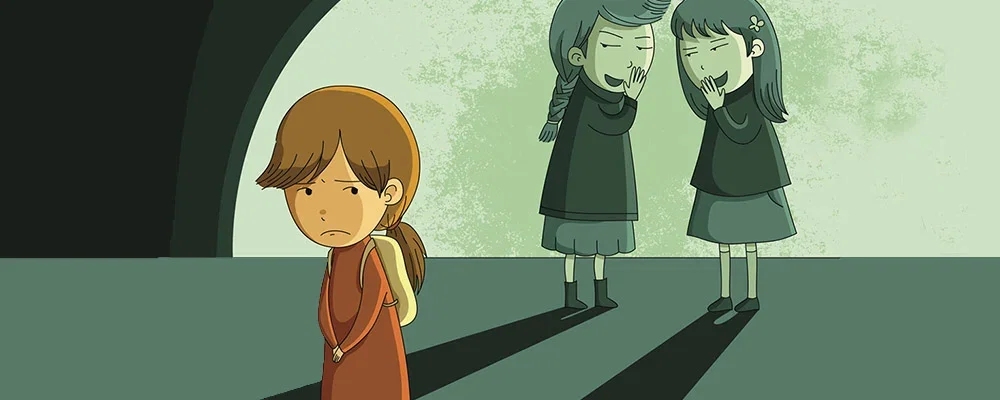
You're not a Mistake... and Will Never Be
There's a lot of talk about how we need to stop judging each other, but the truth is that no one is a mistake. We all have our own journeys—and they're all valid. It's not our job to judge others' choices or decisions, or tell them they're wrong. It's our job to accept that people are different, and that we should all be able to live their lives without judgment.
We know this because we've been there—we've felt it, and we've seen it over and over again. We've been told to just "move on," or that "it's not worth it," or that we're just too much of a hassle to deal with. But I’m here to remind you: you don't have to feel like a mistake.
You are not a mistake, and you will never be one. You're allowed to be angry and sad and frustrated—you just need to find the right way to process those feelings, so they don't take over your whole life in the form of self-harm or drug addiction or suicidal thoughts. Because guess what? Those things are also not mistakes! They happen because people hurt us, they make us feel like shit but still want us around…and they make our lives suck.
You're a person, and that's just it—you're not broken or damaged in any way. You're one of a kind, and you're here for a reason. You are unique and beautiful, but you won't always feel like it. It doesn't matter how hard things get or how much pain comes your way; it doesn't matter what people tell you or how much they try to bring you down. Don't let anyone else define who you are: they'll never get the chance to do so because they don't know who you are at all.
Yes, we make mistakes but your whole existence will never be a mistake. It may feel like you're the only person who makes mistakes in the world—that everyone else is just fine, and you're somehow broken because of your own imperfections. But that's not true. Everyone makes mistakes and everyone has issues, but it's how we respond to those issues that defines us as people—and it's also what makes us whole. We're born into this world with a purpose and a reason, but that doesn't mean that we can't make mistakes along the way—and sometimes those mistakes lead to amazing things.
Our mistakes are an opportunity for growth; they're not a reason to give up hope or throw up our hands in despair. They're a chance to learn something new about ourselves, or to take a step back and reassess where we are right now. If we can learn from our mistakes, then they become stepping-stones toward greater fulfillment in our lives rather than stumbling blocks that prevent us from moving forward.
Don't worry about the future—there isn't one! Your life is right now, so enjoy it while it lasts and make the most of every moment of your existence because this is all we have here on earth together: no second chances, no third chances—just this one precious life that we've been given by God himself!
**In Conclusion**
Your life is not a mistake. I know this is hard to hear, but it's true. You are valuable and capable of so much more than you think you are.
The people who have hurt you—the ones who didn't take the time to understand you, or who didn't ask for your input, or who hurt your feelings or made you feel like there was something wrong with you—they were not mistakes. They were people who did things that hurt you because they didn't know how to show love in a way that was meaningful to you. And now those people have moved on with their lives and are probably doing really great things!
It's time for you to look forward now and get on with your own life. Take care of yourself and learn from the past so that you can be the best version of yourself moving forward into the future!
The Rule of Nature
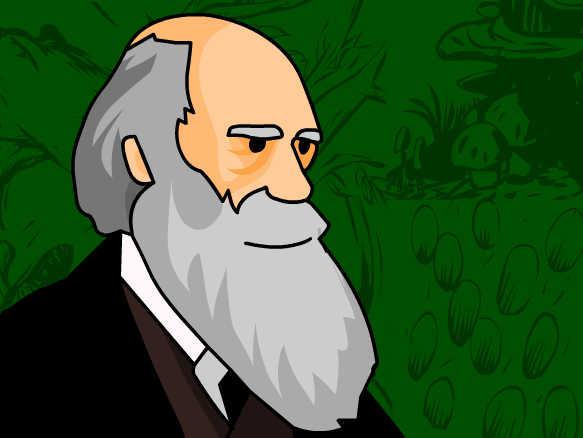
*"The first law of nature is that the species must not be exterminated,"* wrote Charles Darwin in The Descent of Man. "All other laws are dependent on this first, and are but modifications of it." In other words, we are all interconnected. And if you want to understand the world around you, you have to start by understanding how everything fits together.
Many people think that the rule of nature means being self-reliant or having to do everything yourself. But in reality, it's about being able to rely on others when you need help or support. The world is full of people who think they know what's best for you. They tell you how to live your life, how to act and what to say. They even tell you how to think—and that can be especially dangerous.
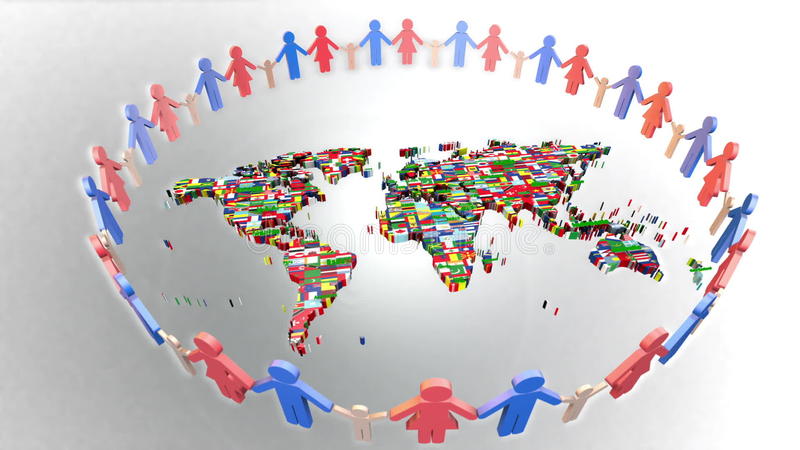
**The rule of nature is to live with others. It is the way of life, and the only way to survive. Even if you think you can live alone, you will soon see that this is a mistake. It is almost impossible to exist without other people, and it's even harder to do so in peace.**
If you try to live alone, you will soon discover that there are many things that need to be done for survival. You will have no time for yourself or your own thoughts or ideas. You will feel lonely and isolated from others, which leads to depression and despair. You will also have trouble sleeping at night because there are too many noises outside your door or window that keep you up all night long!
The Rule of Nature is a philosophy that says that you should live with others, not alone. It means living in harmony with nature, and taking care of the earth and its inhabitants. The Rule of Nature is based on the idea that humans are part of nature, and they must treat other people as they would wish to be treated themselves. Nature teaches us that we need to live in harmony with the other beings around us. We have evolved over time to be able to survive by working together and sharing resources. When we work together, we are stronger and more effective as a collective.
You can't live by yourself forever—you'll need help from time to time. And if you find yourself isolated for long periods of time, then you need someone else around who can share your experiences with you. It's true that this can be awkward at first, but if both people are ready for it and willing to try it out, then they'll learn how much better their lives can be when shared experiences are shared among friends. This is true even if you're in a relationship.
We all need other people in our lives to help us be better versions of ourselves. And the more we get out into the world and interact with others, the better we'll feel about ourselves as individuals and as a species.
In Conclusion
The world is a place where we are all bound together. We are part of a community, and we need each other to survive. We cannot live alone—we need others to help us thrive. That is why it is so important to be kind and considerate of others when you're out in the world. If you want to change the world, you have to start by changing yourself, because that's where most problems start. To make a difference, you have to know how your actions affect others around you—and if they don't feel like they're being treated well, they won't be able to do anything about it either! So remember: **kindness is a choice!**
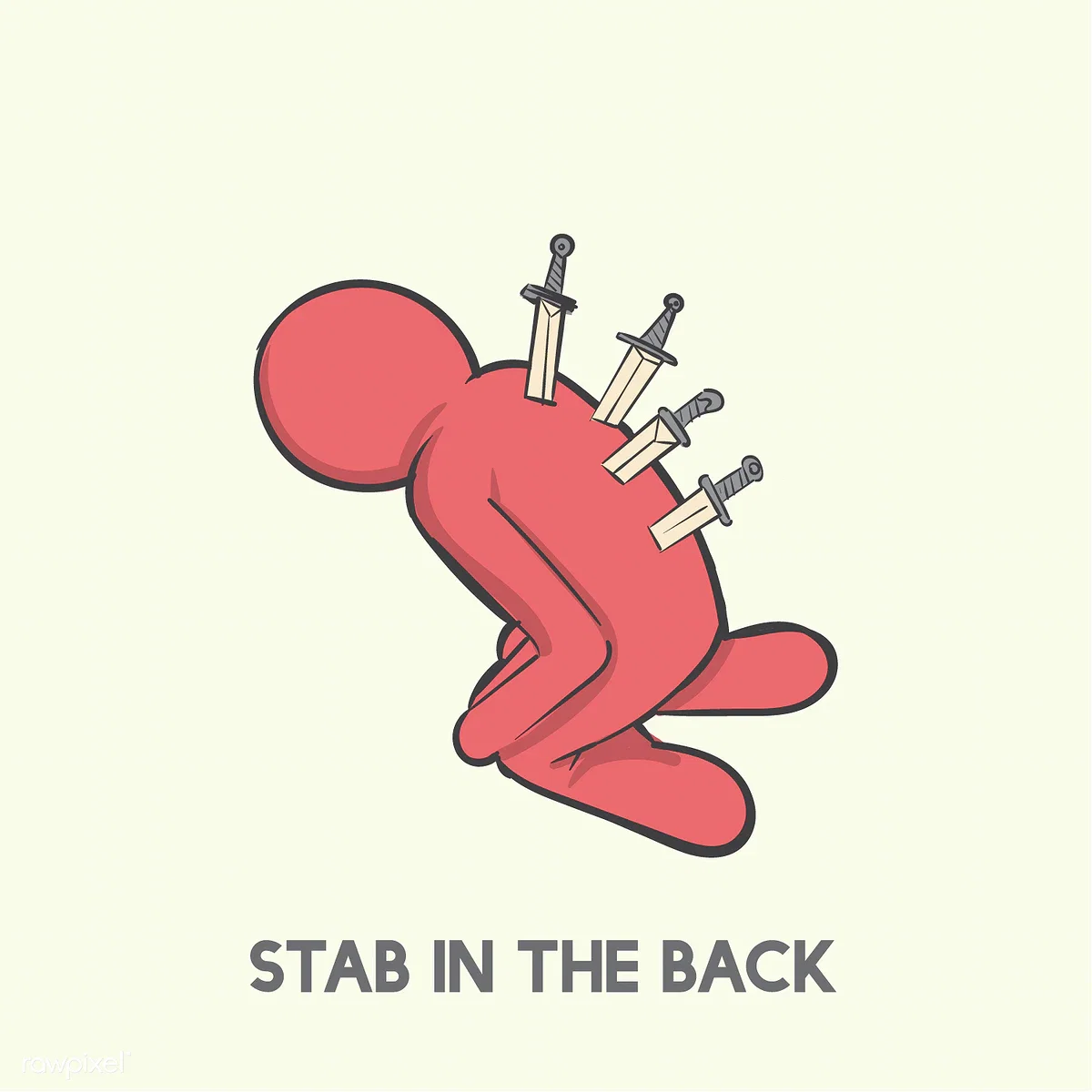
Have you ever been betrayed?
It's a question that has plagued me for years. When I was young, I would ask my mom why people betrayed each other. She just looked at me and said, "They're not always nice."
I'm not sure if she was trying to comfort me or if she was just trying to give me some kind of answer, but it didn't really matter. What mattered was that I couldn't understand how people could betray each other. It seemed like such a mean thing to do—to hurt someone else when they were already hurting enough.
As I grew older, the question changed: "Have you ever been betrayed?" Now, instead of asking my mother, I would ask myself the same question over and over again in different ways until eventually it started feeling like an answer even my brain couldn't find.
I'd ask myself if there was a point in my life where I had been betrayed. When? Where? Who? How did they betray me? How did they betray themselves?
I'd ask myself if there was anything I could have done differently that would have made it different. What could I have done differently when someone betrayed me? What could I do differently when someone betrayed themselves?
I'd ask myself if there was anything else I needed to know about betrayal—if there was any more knowledge or information on the subject that would help me understand this situation better. Why does betrayal hurt so much? How do people deal with betrayal in their lives?
And then sometimes (though not always), I'd just sit there for hours, thinking about betrayal and trying to understand what it meant for both sides: why someone would choose to betray another person.
The way betrayal feels is hard for anyone to describe because everyone experiences it differently. But there are some common themes: betrayal destroys trust and confidence; it hurts your heart; it makes you feel like nothing matters anymore; it changes how you see yourself or others around you; it makes everything seem fake or unreal.
I don't know if we feel like we're alone in our experiences with betrayal. But I do know that it's something that can happen to anyone at any time—even people who are trusted and loved by their friends and family members. Even people who have never done anything wrong in their lives can find themselves betrayed by someone who does.
The experience of betrayal could be the most painful thing you've ever experienced, but it doesn't have to stop there. You can get back up again and learn from this experience, so that next time it won't hurt as much and you can understand where the other person was coming from better than before they let you down (and maybe even forgive them).
You are not alone in your experience with betrayal; there are millions of people out there who have gone through this exact same thing or something similar. Don't let yourself be defined by this one moment of weakness!
In Conclusion
Sometimes betrayal is part of a cycle: one person does something that hurts another person, who then feels hurt and angry, which makes them act in ways that hurt others. And so on…
But sometimes betrayal is more direct, like when someone says "I'm leaving" without telling anyone else first. They won't give a reason for leaving or even explain why they're leaving; they'll just leave! And that can really hurt! You might feel confused or scared about where this person will go next—and maybe even angry at them for leaving without an explanation or warning.
But remember: there are times when people just need space apart from each other and need some time to figure things out on their own before they decide whether they want to stay together again.
Why It's Important To Tell Your Friends When They're Making You Uncomfortable
When you're in a group of friends, it can be hard to know when someone's being hurtful. You might be aware that someone is saying something hurtful, but you don't know why. It's like they're just doing it because they feel like they have the right to say whatever they want. Sometimes they're just being funny, and sometimes they're just being themselves. But if you've ever felt weirded out by something your friend said or did in front of others, then you know how much it sucks to have no idea what's going on.
When you're in that situation, it can be hard to know what to do. You might feel like you're being judged, or that the people around you don't understand how you feel. But there's one thing that can help: telling your friends.
When you're uncomfortable, it's easy to feel like you have to keep quiet about it. You might not want to hurt their feelings or make them feel bad about themselves. But if you don't tell them, then they won't know that they're making someone else feel uncomfortable, and they may not understand what they've done wrong. But always remember that it's totally okay to tell someone when they're making you feel uncomfortable! It's always better when people know how to treat each other with respect, so if someone is being rude or hurtful, they'll learn that being rude and hurting people is wrong in the future.
You have a right to feel comfortable around your friends and family, and no one should ever make you feel uncomfortable in any way. If someone is making you feel uncomfortable or upset, tell them that. But even if they don't change their behavior? Even if they just apologize? That's still super important! Because we can't always change other people's minds or actions (and we shouldn't want to), but we can control our own reactions and attitudes toward other people.
But even if you don't want to tell your friends that they made you uncomfortable, the next time they do it—and the time after that—you'll be glad that you had the courage to speak up. It's important for everyone to know when others are feeling uncomfortable around them (or around anyone else). And when our friends know how we feel, we can stop ourselves from acting in ways that make us feel more self-conscious or uncomfortable than we already do.
When we tell our friends about an issue we have with them, it helps them understand that what we're saying isn't just about this one time—it also represents a larger goal: our desire for safety and comfort around them. By letting them know what's happening in a relationship-specific way (instead of just saying "you make me uncomfortable"), we're showing them how much their behavior matters to us, which helps them respect our boundaries and makes sure that no one is ever making anyone else feel bad about themselves or their choices.
It can be incredibly painful when someone we care about makes us feel uncomfortable—but knowing that they're doing it intentionally can help us understand why they're behaving that way, and make sure it doesn't happen again in the future.
So don't be afraid of telling your friends when they make you uncomfortable! It's better for everyone involved: You get peace of mind and a better sense of self-esteem; your friends learn how not to offend people; and the world at large learns how important it is for people who are feeling uncomfortable.
After all, if everyone knew how often this happens between friends, we'd all be much happier.
Create a more impactful writing
The way you write can make all the difference in your ability to get your point across. It's easy to find yourself in a rut when it comes to writing, especially if you've been doing it for years. But there are some simple things you can do to make your writing more impactful and memorable.
If you're looking to create more impactful writing, the first thing you'll need to do is get your emotions in check.
The word "emotional" can be thrown around a lot, but there are a few things that make it different from just being "emotional." When you're emotional, you're feeling an emotion—whether it's anger or sadness or whatever else. When you write with emotion, though, you're using language that evokes one of those emotions in the reader.
This can be tricky because we all have our own set of triggers and sensitivities. You might want to write something that appeals to a broad audience but not make anyone angry or upset; meanwhile, someone else may want to write an essay about their struggles with depression but avoid mentioning any other mental health issues.
You need to use a tone that will resonate with your readers. You should aim to create an emotional response from the reader by using words like "angry," "frustrated," or "love." These words have a way of making their readers feel something deep inside themselves.
Emotive language is the kind of writing that makes you feel something. It's not just about expressing how you feel—it's about conveying a feeling to your readers, so they can feel it too. In other words, it's all about bringing out your emotions and making sure that those emotions are felt by your audience.
Emotive language helps people understand what you're trying to say by giving them a physical experience of what they're experiencing. It makes them feel the emotion in your writing so they can better connect with it. This can be done through metaphor—using the same words but making them more vivid—or through simile—using different words than originally intended that still evoke the same feeling in your audience.
Emotional language can be used in different ways, so don't worry if you don't know what you should use! The key is to learn what works best for your target audience and then build off of that—whether it's by including specific details about what made someone feel sadder than usual or using more casual language.
If you're trying to write an article about how much you love being outside in nature, try describing a beautiful sunset instead of just saying "beautiful" or "pretty." There's a big difference between those two words and their meanings, and if the reader understands them better, they'll understand your message better too!
In Conclusion
Let's be real: writing is hard.
When you're trying to get your point across, it can feel like you're fighting against the words themselves. You're trying to make a connection, but the words on the page aren't making that connection for you—they're just there. They're not saying anything at all.
We've all been there: we get so frustrated with the way our writing sounds that we either stop writing altogether or start to write in a different way. And then we wonder why nobody seems to be reading what we have written anymore.
The best thing about writing is that there's no right or wrong way to do it, so long as what you're writing is honest and authentic. So go ahead and give yourself permission to write like a child! Write whatever comes out of your head without worrying about how things should be done or how people would expect them to be written. **Just write.**
**And then publish it!**

Every article is a masterpiece
*This is a fact that I believe in with all my heart, and I hope you do too. Each piece of content you create is an opportunity to create something amazing.*
You may be thinking, "But what if I write an article that everyone hates?" Well, guess what? You're still creating something amazing. Your readership will love it, and you can use the feedback to improve your next piece of content or make it even better than the last one!
You might think that reading an article is just like watching a movie or playing a game: you sit down and get absorbed in the story for a little bit, then it ends, and then you forget about it. But that's not true at all! When we read articles, we're doing more than just passively absorbing information; we're actively engaging with the writer's ideas and thinking about them in our own way.
It's like taking a trip down memory lane while also learning something new at the same time: every time you read an article, it's like traveling back into one of your past experiences while also discovering something totally new about yourself. It feels like magic.
When you read an article, you are transported to a world that is completely different from yours. You can feel the emotions of the characters who populate the story and experience what it feels like to be them—the joys, sorrows, anxieties, and triumphs that they face. And in the end, when you finish reading the story, you will have learned something new about yourself as well: not only did you learn about these people and their lives in general; you also learned something about yourself in relation to them.
You see, every piece of writing is imbued with intent and meaning—not just by the writer but by the reader as well. Every word has been chosen with care, and every line has been crafted with precision and thoughtfulness.
Yet even though we all know this intuitively, we rarely stop to think about how our reading habits are affected by this kind of sophisticated thinking. We just pick up the book or magazine or newspaper or whatever and start skimming through. But that's not how it's supposed to be!
You should take time each day to read for enjoyment—to savor each sentence and each paragraph, so that when you do put down what you're reading (and hopefully enjoy it!), those words will linger in your mind long after they've left your fingertips.
You know how you feel when you're working on something and you just know in your gut that it's the best thing ever? You can't wait to see what your friends think of it, and you're kind of excited for them to read it because they'll like it so much? That's what we feel whenever we think about writing an article (or even just thinking about writing an article).
**In Conclusion**
Every article is a masterpiece.
That's right: no matter how many times you read an article, there will always be something new to learn from it. The truth is that there's no limit on how good your writing can be when you put your mind toward it and focus on quality over quantity.
Even if you don't get the full meaning of what's being said or how it applies to your life, even if it doesn't make sense at first glance—even if you're not sure what to do with it—there will be something new for your brain to process. And that's awesome!
I've always been fascinated by how we can learn new things, and how people can use writing as a way to share their experiences with others. I've always been interested in reading and learning more about different topics, but I never thought much about writing until recently.
I started to think about all kinds of different things that could be written about, but they all seemed so… boring! So I decided to start writing my own articles instead of just reading them online—and now I know why: because every article is just as amazing as any other!
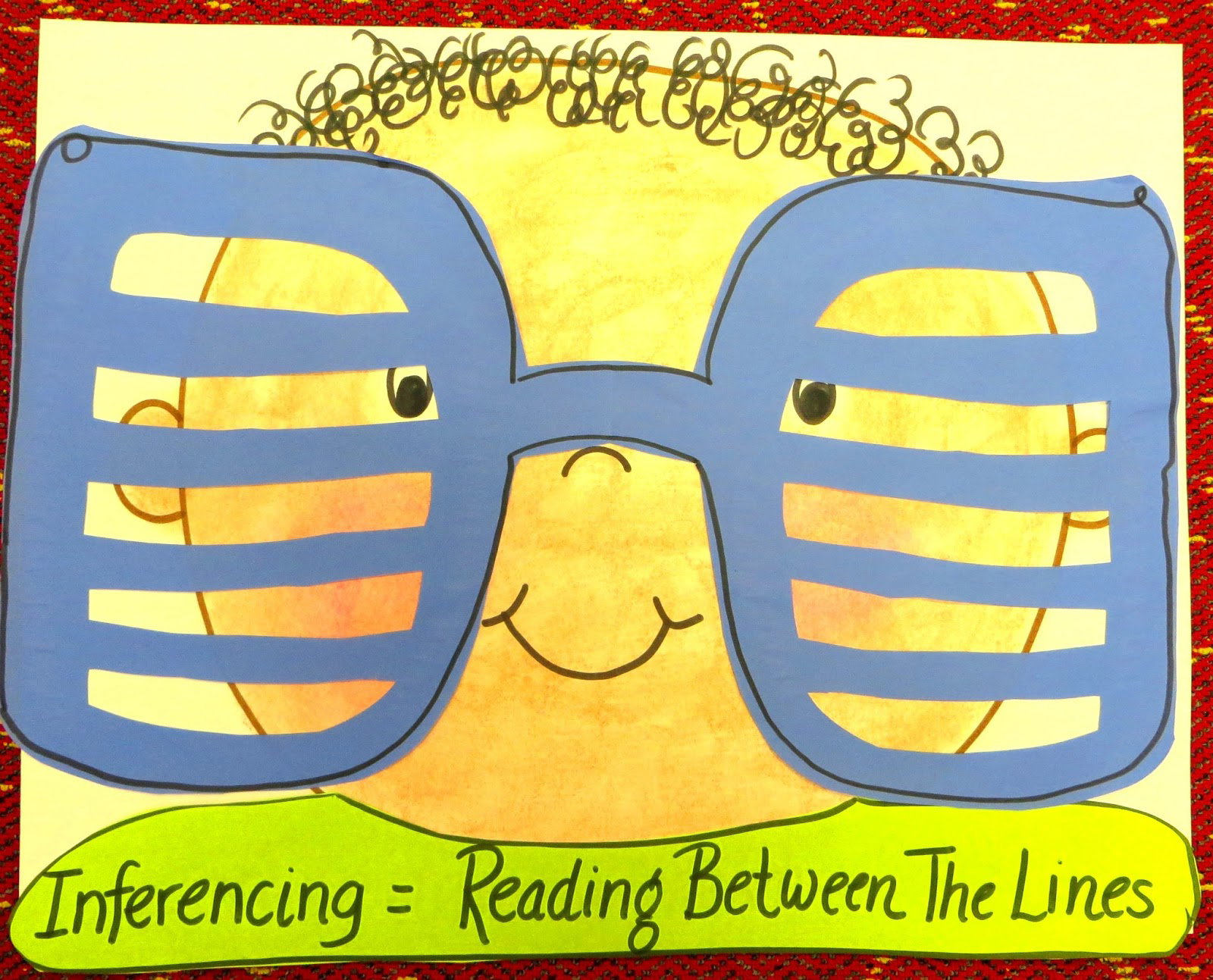
Read Between the Lines
How do you know if a person is being honest with you? Do they give you the whole story? Are they telling you what YOU want to hear? Or are they being deceptive, leading you down a path of self-destruction with their words?
These are all questions that can be answered by reading between the lines.
"Read between the lines" is a simple phrase that can be used to describe the act of reading between the lines. It is also an important skill to have as a writer. Many people assume that they understand what they read, but they do not. In fact, many of them are missing important points that may have been missed if only they had read between the lines.
You may not have noticed it at first, but there are many different meanings and interpretations of a text. It's important to be aware of them because they can help you understand the author's intentions and get a better picture of what they were trying to say. What you think is a simple sentence may actually be something more complex and nuanced, with multiple layers of meaning. You might be reading between the lines, looking for meaning in the words that are already there rather than adding your own.
The act of reading between the lines can be hard for some people because it requires that you understand the context and meaning behind everything you see or hear. If you don't know what something means, it will be hard for you to read between its lines. However, this is where understanding language comes into play. When you know how words are used in different contexts and how those words relate to other words in relation to their context and meaning, then reading between the lines becomes much easier than it would otherwise be.
Reading between the lines is an important skill to develop. You can use this skill as a way to understand other people, or you can use it as a way to figure out what they're really thinking and feeling.
In order to read between the lines, you need to be able to recognize when the person you're talking with is trying to hide something. For example, maybe they've said something that sounds like it might be a lie, but then they try and make it sound like it was a joke—and if you know how people are trained in conversation, you'll know that there's often something more behind those kinds of jokes than just pure humor. If someone seems hesitant about sharing their real thoughts or feelings with you, then they may very well be hiding something.
So when someone tells you something that sounds like a bad joke but doesn't quite come across as funny enough on the surface level (or if they just seem too anxious about telling their story), pay attention! They may have been trying to put on a facade of normality while really meaning something completely different underneath all that smiling.
In Conclusion
In life, sometimes things are not what they seem. There are a lot of things in life that can be hard to understand, especially when you're trying to get through them. Sometimes, it's hard to see what's going on, or why something happened or why someone did something. But sometimes, there are clues and hints that will help you make sense of what's happening. The most obvious example of this is when you're reading a book—or even just a passage in a book. If you read between the lines, you'll see that what the writer meant was not what he or she said on the surface.
The reason for this deception is simple: people don't like to be honest with themselves and others about their real feelings and needs because it's hard to accept them as true or real. We'd rather pretend that we're okay than admit our true feelings and needs, so we use indirect language—language that hides from our own self-awareness—to protect ourselves from having to face reality head-on.
It's not always easy to understand why someone does something—and it takes time and patience to figure out what happened when things go wrong. It's okay if you don't understand everything right away; just keep reading between the lines until you do!
What I Love About Being A Writer
It's a great feeling to be able to share your thoughts with the world. It's also a very humbling experience. Writing is more than just a hobby for me—it's my passion, and I love being able to speak about what matters most to me with words.
We all know that writing is what we do—it's a part of who we are. But what I love about being a writer is that it's not just about my words and my ideas, but also about the way that I can bring others into the story of my life.
As a writer, I can tell people who don't know me what I've been up to and they'll understand the context of my life in a way that they wouldn't have been able to if they just read about it. They'll get how important these experiences were for me, how much I learned from them, and how grateful I am for having lived through them.
I love the freedom that comes with being a writer. I love writing because it allows me to express myself in ways that are hard for others to understand. When I write, I can be honest and vulnerable without having to put on a front just for anyone who might see it or read it later on (like in real life). That's why writing feels so liberating—it lets me be who I really am without worrying about how others will react or judge me based on what they think they know about me based on things they've observed about my personality over time.
I first started writing when I was in elementary school and it was all about me being creative, making my own stories and playing with words. It's always been a big part of my life, even though it wasn't easy at first. I had to learn how to structure my thoughts into stories that other people would enjoy, but also make sense on their own. Writing has helped me grow as a person and see things from different perspectives—it made me realize that everyone has something to say, even if they don't think they do. It also allows me to explore topics that may be difficult or uncomfortable for others around me, which can lead me down paths that are new and exciting while also helping me develop your my unique voice as an individual creator within society (as opposed).
In Conclusion
What I love about being a writer is that I get to express my creativity, even though there is no audience for it. It's so wonderful to be able to just write down what you feel, without worrying about whether it will be good enough or if the audience will like it.
I love being a writer. I love the feeling of satisfaction that comes with creating something new, whether it’s something as simple as a blog post or as involved as a book.
Writing is hard—I mean, we’re talking about putting words together in order to create meaning—but it’s also rewarding and inspiring. There is nothing like seeing your words come alive on the page and hearing them spoken by others. When I write, I feel like I’m making the world a better place for everyone who reads my work.
There are so many parts to writing: coming up with new ideas, coming up with creative ways to get those ideas out of my head and onto paper (and then having fun with them), working through editing and revisions until everything feels perfect, finding time in my schedule to do all these things but every day is different and every day brings a new challenge that makes me love it even more!
The Most Important Lesson I Learned From Mr. Bean
I'm a huge fan of Mr. Bean, and I believe that his lessons can be applied to just about anything. He's so relatable, and he teaches us so much about how to be ourselves.
I'm sure you've heard of the classic film or cartoon show, Mr. Bean. Mr. Bean became an international phenomenon when it first aired on television in 1992, and it's now considered one of the greatest comedies of all time by critics around the world. However, while many people love this film because they can relate to Bean's awkwardness, there are also two elements that make this movie unique—one being that it's based on a comic strip by Dick Van Dyke (played by Rowan Atkinson), who wrote about Bean and his antics for nearly 20 years before creating this film; and two being how much you can learn from watching this film about life lessons that apply to everyone regardless of age or gender identity or social status (or lack thereof).
I first watched Mr. Bean when I was 12 years old, and I have watched it every day since then. The show is about a man who is known for being incredibly goofy and easily distracted, but who is also incredibly kind and helpful (he's even been called "a saint"). But the true genius of the show is that it never takes itself too seriously—the humor never loses its punch because it's always grounded in truth, and that truth comes from Bean himself.
The reason why this show appealed to me so much is because it's just so absurdly funny. No matter what kind of situation you find yourself in with Mr. Bean, he manages to find some way out of it that's totally ridiculous—and sometimes it involves him getting hit on the head with a shovel! But no matter what, watching Mr. Bean has made me realize a very important lesson in life:
“Enjoy you own company”
What I love most about the show is that it teaches us that we should enjoy our own company and develop a sense of humor about ourselves. Mr. Bean is always funny, but he's also always himself, which is why we can't help but love him and his oddball ways.
I know what you're thinking: "How can Mr. Bean teach me anything about enjoying myself?" Well, let me tell you something: even though he's an oddball, lovable guy with no sense of personal space and is always messing up everything he touches—even when he doesn't mean to—he still knows how to appreciate himself for who he is, and that's something we all need to learn more about. He knows how important it is to enjoy your own company, and he does it in so many different ways: by talking to himself and singing songs while walking on the street or just taking a nap in class while everyone else is paying attention; by making jokes at other people's expense; by saying yes when people ask him questions even though he doesn't know the answer; and even by having conversations with himself. It seemed like there was no one he could talk about the way he talked about himself but he didn't seem to care what anybody thought about him.
The thing is, most people don't realize that they have enough time on their hands to do whatever they want (even if it means telling off the boss) because they're always worrying about what other people think or how much money they'll make or if they're going to get fired or if they should be having children right now or if they should take up knitting or something else equally silly. Most of us have the tendency to seek out other people's approval, but it's important to remember that spending time with yourself is really important—especially when you're trying to learn something new.
I think this is a great reminder for us all that sometimes we don't need other people around us to feel good about ourselves; sometimes all we need is our own company! We all have things about ourselves that we find funny, whether it's our quirks or our odd habits. And when we learn to accept ourselves for who we are and don't try to change ourselves for other people's approval, then we open up opportunities for more authentic relationships with others!
Do it for the love of the craft
It's hard to imagine a world without writing. It's one of the most powerful tools we have as human beings, and it can be used for so much—from communicating with loved ones to sharing our experiences with the world.
But here's the thing: writing is not just about sharing our experiences with the world. It's also about expressing ourselves. And it's about letting our voices be heard. It's about sharing our stories and helping people understand who we are and what we believe in.
As a writer, I've always wanted to be able to say that I was doing something important. I wanted to be able to say that my words were changing lives and making people feel better about themselves. I know that I am a child of my own imagination. I write because I need to get out all my feelings and ideas. My creative process is complicated and messy, but it works for me. And when I'm writing in a room that feels like home—my living room—and have my cat by my side to keep me company, creating becomes easier than ever.
Writing is an art, and there's nothing more satisfying than creating something from nothing. Whether you're working on a novel or a blog post, you can't beat the feeling of turning your ideas into something tangible. But while writing is one of the most rewarding things you can do, it can also be extremely time consuming. If you're like me, you've probably got a full-time job that takes up most of your day and even more hours at night. Which means that writing often gets pushed to the bottom of the priority list.
All these years later, writing is still very hard for me—but not because it's not fun or challenging enough. It's because it can feel so lonely sometimes, especially when you're trying new things and not sure if anyone will ever read what you have to say.
But then there are those moments when something clicks into place, and suddenly everything makes sense! And then you realize that maybe this isn't so bad after all—maybe this is just another way of expressing yourself through writing (which is probably how we all started). And maybe that's what makes it worth doing: finding ways to communicate with others through your own voice and experiences.
Writing down your thoughts and feelings is a great way to process them, and it's also just fun—it helps you express yourself in a way that feels natural. Plus, if you write regularly, you'll start to notice how much better your relationships become when they see how much thought and effort you put into communicating with them. You'll find that other people will pay closer attention to what you say and do because they know that it has been deeply considered and crafted.
In Conclusion
I'm writing this because I love the craft. I love to write, and I love to read. And when you combine those two things, it's like a piece of magic is created.
It's not about fame and fortune, it's not about money, it's not about anything else but doing what you love. I think we're all capable of writing something good if we try hard enough. And even if you don't feel like it's going anywhere, I bet there's someone out there who needs your writing more than you do. So why not take a chance? Because when you write something good, but nobody sees it, it feels like a waste of time and energy. But when someone sees what you wrote and feels connected because of it—that's where real magic happens!
When you write for the love of the craft, you are doing what comes naturally: **writing for the sake of writing.** The result is something real and important; something that matters. It's not about who will read it or why they should read it—it's about what you want to say, how you want to say it, and offering up your words to the world so that someone else might hear them too.
Evergreen Content: Still Important
Evergreen content is still important. It's not just a trendy term or something that has been around for a long time. It's still important because it means something different to everyone, and we're all using it in different ways.
Evergreen content is the stuff that's always relevant. It is any piece of content that can be used repeatedly without being stale or dated. In other words, it's content that doesn't need to be refreshed every few months or years—it can stand on its own as long as no one changes what they're doing with it. Evergreen content can be blog posts, social media posts, emails, newsletters—any kind of communication you send out regularly to your audience. Evergreen content is going to be useful for as long as you're sending out information about your brand or people don't forget about it.
But what exactly is evergreen content? And why is it so important?
Well, think back on the last time you needed information, and where did you look? If you're like most people, you probably looked online first—and that's because most of us don't have enough time in our day to go digging through outdated books or magazines to find what we need. Evergreen content lets us find the information we need when we need it in the easiest way possible—by simply typing it into a search engine and clicking "search."
In the ever-changing world of content creation, there are many different types of evergreen content. But all of them have one thing in common: they provide value to the reader. Evergreen content is created by providing people with what they need or want, while also giving them something that helps them accomplish something else.
As a writer, the best way to create evergreen content is to think about what people need, or want, and then provide it in a way that makes sense for them. For example, if you want your audience to read an article about how to make a good first impression at work, you might do some research on what makes a good first impression and then write an article that includes tips like “smiling” or “sticking out your hand when meeting someone new.”
Or maybe you want to help people who are feeling down about their finances by giving them some advice on how they can save money without cutting back on things they enjoy doing (like watching TV or going out with friends).
In either case, you have the opportunity to provide something useful and relevant to your audience—and that will keep them coming back for more.
**In Conclusion**
A lot has changed since the days when people used to blog about their daily lives, recipes for homemade ice cream, or other mundane things that we can all relate to. Blogs have evolved into something more than just a place to write about your life—they're now a way for businesses to connect with their customers and make them feel like they're part of something bigger than themselves.
Let's face it: there are certain things you never outgrow. You'll always want to eat ice cream and watch TV shows on Netflix, but if you're selling those things, there's a good chance that new generations of consumers won't care about them as much as you do. That means that if evergreen content isn't up-to-date enough in terms of language or formula (or both), then it's going to lose some of its value over time.
As the internet has evolved, so have our expectations of what we see on the web. We're not just looking for a few days' worth of entertainment—we want something that will last us a lifetime. That's where evergreen content comes in. Evergreen content can be anything from a blog post to an e-book to an email newsletter that you send out every couple of months. The goal is to make sure your information doesn't fall out of date or become irrelevant over time, which would ultimately mean losing readership.
Be More Confident With Writing
You're a writer. You know it, and we know it.
But sometimes, even the best writers feel stuck and unsure of themselves. They might be wondering what they're missing, or if they're ever going to get their writing just right.
You have something to say, and you want to be heard. You want to share your ideas with the world, but you're afraid of what people will think of them. You don't know if they're good enough, or if they're even worth saying at all.
So here's a tip: don't compare yourself to other writers. Instead, focus on your own strengths and weaknesses—and work on those instead of beating yourself up over the things you can't do yet.
Everyone has areas where they excel and areas where they struggle; it's not about being perfect or being better than anyone else, but rather being the best version of yourself that you can be. Confidence is a key factor in writing. If you are confident, you will be more likely to write well and have your writing accepted.
However, if you don't have any confidence in yourself or your writing abilities, it can be very difficult to write something that is good enough to get published.
When it comes down to it, confidence is all about how much faith we put into ourselves and our work. It helps us accomplish great things like completing projects on time without having any problems along the way because we know we've got this.
The first step is believing in yourself. The second is believing in the words that come out of your head and onto the page. And the third is knowing that it's OK to make mistakes along the way—because those mistakes can actually be helpful!
No one writes perfectly on their first try. No one publishes a book without making mistakes along the way either—but guess what? That's OK! It means we learn from our mistakes and improve as writers over time!
You might not think so right now, but it's true. Writing is something that takes practice and time to get better at—and even when we've been doing it for years and years, we still can't claim to be perfect or without room to grow. But that's okay! It doesn't mean there's anything wrong with you; it just means that there is still so much more for you to learn about writing and how to make it better for yourself and others.
The most important step to more confidence in your writing is to know the difference between confidence and arrogance.
Confidence is not thinking you're better than everyone else. It's just knowing that you have something valuable to offer, and believing in it.
Arrogance is thinking that your way of writing is better than everyone else's. It's about putting yourself on a pedestal, and thinking that no one can do it as well as you can.
Does this mean that you should be arrogant? No! In fact, if you're only arrogant, then no one will want to work with you because they won't feel confident in your ability to deliver what they need. But if you can balance confidence with humility, then people will feel confident working with you.
In Conclusion
Writing is an art. It's not just about making your point and putting it down on paper. You have to be confident in what you're saying, and you need to be able to convey that confidence in your writing.
When you're writing, it can be easy to get stuck in a rut. You might feel like you're not saying anything new, or that no one cares about what you're saying. But the truth is, when you write with confidence, your readers will respond positively to your content—and even more importantly, they'll rem
ember it!
If you keep at it and work hard, you'll get better! The more experience you have under your belt, the more confident you'll feel about your ability to write something great. And as long as what comes out of your fingertips is something that makes someone else happy, then that's all that matters!
Observe The World And Notice Things
Have you ever noticed that there are certain people who always seem to know what's going on in the world? They seem to be aware of all the latest trends and developments, whether it's fashion, tech, or politics. But how do they do it?
They've taken an active interest in observing the world around them and learning about new things. They're constantly observing and noticing things that others might overlook, like a new restaurant opening up or a new way of doing something.
Why should you be interested in this? Because you can use your observations to write better articles! Whether it's a blog post or an article for a client, being able to observe the world around you and notice things can help give your writing more depth, detail, and color than it would have otherwise had.
The world is a big place, and there are so many things to see and do. When you're out and about, take a look at your surroundings. Notice the buildings, trees, people, animals—and don't forget about the sky!
It's a simple, but powerful technique that can help you get unstuck in your writing. When you're stuck, it's easy to think that you need to come up with something brilliant and new. But sometimes all it takes is a small change of perspective or a shift in what you focus on to break through your writer's block.
You might find yourself stuck on a particular scene, or wondering how to get out of an awkward moment in your story. Or maybe you're having trouble figuring out how one character feels about another. The solution could be as simple as observing the world around you and noticing things—especially things that are different from what people normally see.
We may not think of it this way, but observation is a form of meditation. It takes us out of our own thoughts and puts us in a state where we can pay attention to what’s around us without judgment or expectation.
It’s also an incredible source of creativity. When we observe the world around us, we come up with ideas, solve problems, and make connections between things we didn’t even know were related before!
**Observing the world and noticing things is a great way to get inspiration for your writing.**
With this exercise, you’re going to take a walk in nature and observe the natural world around you. You may notice the birds flying overhead, or the trees swaying in the breeze. You may see insects crawling on leaves or flowers. You may notice how sunlight dances on water or how shadows fall across the ground as they move with the sun throughout the day.
The point of this exercise is to find inspiration in what you see around you, even if it isn’t something that seems particularly interesting at first glance. This exercise will help you develop new ideas for writing prompts, character development, plot points—really anything!
When we're talking about observing the world and noticing things, we're not just talking about observing people or places—we're talking about observing yourself too. You see, when you observe yourself, you will begin to notice things that might have been hidden from your view before: thoughts and feelings that have been hiding below the surface of consciousness suddenly become visible; thoughts that have been lurking in your subconscious become apparent; emotions that have been lying dormant rise up into consciousness. And once they're up there, they can't help but affect how we see ourselves and others.
In Conclusion
Observing the world around you is a great way to develop your writing skills. It helps you notice details that you may have otherwise missed, which can give your writing a new level of depth and realism.
It's an easy thing to do, but it can be so hard to do it consistently. It's easy because you just need to open your eyes and look around you, but it can be hard because there are so many distractions that get in the way of seeing what's really going on around you.
If you don't have time for this kind of in-depth observation (or if there's no one around), just take a few minutes every day to look out the window at where you live and think about what's happening there—and then try to write about it!
Get a Useful Break Down of All of Your Posts
Do you ever feel like your posts are getting lost in the shuffle?
If you're a writer, copywriter, or content marketer, you've probably had the experience of writing a piece that is just so good—you can't wait to show it to someone.
You know what I mean—you write a post that you think is super-helpful and interesting, but when it's published, no one seems to notice it. Or maybe they do notice it, but they don't engage with it. Or maybe they do engage with it, but they don't seem to understand what you're trying to say.
It happens to all of us! And it's frustrating because we know that our intentions are good—we want our audience to understand what we've written and be able to take action on it. This can be discouraging if you're trying to build readership and increase engagement on your site.
So, how do we avoid this problem? How do we help our readers understand this information without alienating them with jargon?
The answer is simple: break down your post into chunks that are easy for readers to digest, even if they don't have any background knowledge about your topic or industry.
Chunking is the process of breaking down information into bite-sized pieces that can be easily digested by the reader. It's a great way to make your content more accessible and easier to understand without sacrificing depth.
There are two main ways you can chunk information in your posts: using headings and using lists. Headings are great for splitting up sections while lists allow you to present an overview of multiple points at once.
So how do you do that?
First, think about what kind of information readers need from each post. Do they need a clear explanation of the best way to use a product or service? Do they need an explanation of the history of a particular topic? Are they looking for ways to improve their productivity?
Once you've identified what information readers will be looking for, then it's time to figure out how to present that information in a way that's easy for them to understand and act on. It might help to think about what kind of person is going to read this content—is it someone who has never used [product/service] before? Or someone who already knows everything there is to know about it? Either way, make sure that your content makes sense and is easy enough (and interesting enough) so that even people who aren't familiar with [product/service] will be able to get something out of it.
When you're writing a long-form article, the key is to make it as easy as possible for people to absorb the information you're trying to communicate—and that means breaking up the text into easily digestible sections. You can do this by using subheadings and bullet points, or by using visuals (like charts or graphs) that help readers see what's being discussed in terms of concepts and numbers.
In Conclusion
Writing a post is hard, but it can also be fun. Sometimes, you're just in the zone and everything comes together perfectly. Other times, you might have some trouble getting started or keeping the momentum going.
Either way, it's important to know where your posts stand so that you can make adjustments as necessary. There's always work to be done until you're ready to publish, but it's important to know where your posts stand. Do you need more research? Is your argument solid enough? Is your writing too wordy or not wordy enough? Whether you have someone else proofread your posts or you rely on the platform do a basic proofread, it's important to ask these questions each time. They'll help you write better, stronger posts.
Pay Attention To The Details
Details. Details. Details.
Writing is a skill that can be mastered. The more you practice, the better your writing will become. When you're writing, be sure to pay attention to the details. They are what make it stand out and make it memorable, so don't overlook them
This means that every sentence that you write must be just as important as the last one in terms of helping your reader understand what you're trying to say. It's not enough for you to make an interesting point; your reader needs to know why it's interesting, how it relates to previous ideas, and what they can do with this new information.
Details help describe characters or settings in a way that words alone can't—you can use details to show rather than tell, so your reader gets an idea of what someone looks like without having a physical description written out for them
Details help set the scene for readers—for example, if you're writing about a city and want to give your reader an idea of what it feels like there, you may want to include some details about the weather or the mood of people walking around town
Details can add color and personality to your writing—if you're describing someone's personality or character traits, adding some detail about their clothing or appearance will help readers get a better sense of who they are as people.
The first step in improving your writing is to learn how to use the different parts of speech. These are nouns, verbs, adjectives, adverbs and pronouns. You can also use conjunctions and prepositions to help you get your point across more clearly. For example: "The cat sat on the mat." This sentence uses two different parts of speech: nouns (cat and mat) and a verb (sat).
Next, it's important to learn about sentence structure and punctuation rules so that you can write in complete sentences with proper punctuation. For example: "I want ice cream." This sentence contains two separate thoughts because there are two complete sentences separated by a comma (I want ice cream).
You should also learn about how paragraphs work so that they flow smoothly from one idea into another without confusing readers or using too much filler text like "etc" or "and so forth".
Finally, it's important for writers to know how much research is required before writing anything substantial. It's not enough to have a good idea or even a great idea; you need a thorough understanding of the subject matter in order to write effectively. You may not know everything there is to know about your topic, but you should be able to find out what you don't know before writing anything down.
All of these things will help paint a picture for your reader so that they can better understand where you're coming from and what's happening in your story world.
In Conclusion
If your writing is lacking, you might be missing the details.
As a writer, it is important to pay attention to the details of your writings. If you do not, you may end up writing something that is not grammatically correct or even worse, something that is not even readable. It is easy to get lost in this world and forget what you want to say. This happens all the time with writers who are under pressure from deadlines or just too busy with other things.
No matter what you're writing about, there are always little things that help to make a piece of writing come alive and stand out from the crowd. It's those little details that can really bring something to life and make it memorable for your reader.
Writing is a complicated process. It's not just about sitting down and banging out words on a page; it takes time to get into the right mindset and make sure that you're truly communicating what you want to communicate.


Don’t confuse content length with value
You know the feeling: you're almost done with a blog post, and you realize that it's way too short. You look around for some way to make the post longer—and then you find a bunch of fluff in the form of buzzwords and phrases.
It might seem like adding more words to your content will make it better, but it will actually make you worse off.
Content length doesn't necessarily correlate with value.
You don't need to write a novel to be valuable. You don't need to fill your content with fluff and filler just because it's long. In fact, it's often the opposite—the best content is the kind that gets right to the point and leaves out all unnecessary words.
It's easy to think that the length of your content is the most important thing—it's the most obvious way to measure its value. But it's not! When you're thinking about how much time someone will spend with your content, you need to take into consideration the value of that time.
For example, let's say you're writing a blog post about why people should buy your product—a post that takes 2 minutes to read and understand. On the other hand, let's say you're writing a blog post about why people shouldn't buy your product—a post that takes 10 minutes to read and understand. Which one is more valuable? The first one!
The second post may be longer, but it doesn't actually provide any information that could change someone's mind about whether or not they should buy your product. In fact, it might just confuse them more! The first post, on the other hand, is shorter and provides specific information so that readers can make an informed decision about whether or not they should purchase from you.
When you're writing, don't think about length—think about value. How can you add more value to your readers' lives through your writing? If you can't do that, then you need to make sure that your content is worth the time it takes for your readers to read it.
In fact, sometimes shorter articles can pack more punch than longer ones. A blog post that's too long can lead readers to feel lost or confused, while an article that's too short might not give them enough information to make an informed decision. The trick is finding that happy medium between too much information and not enough.
And if you can't make your content interesting or valuable enough for people to want to read it in the first place, they'll stop coming back no matter how short or long your content is. So first and foremost, focus on making sure your content is good enough to keep people coming back for more.
Think of a blog post like an elevator pitch: if you could only say one thing before getting off the elevator, what would it be? That's your goal for every single blog post you write.
In Conclusion
Content length is the number of words in your article; value is how much you've actually said. The two can be related, but they're not the same thing.
So if you want to write a longer article, that's great! But don't confuse longer with better. If you're just adding fluff or repeating yourself, don't expect your readers to appreciate it—or even read it.
It's tempting to assume that longer articles are more valuable than shorter ones, but that's not always the case. You want to make sure that your content is packed with information, insight, and value for your target audience.
*Instead of trying to make your content longer, focus on making it more valuable to readers by providing them with information they can use right away.*
What "Write" Actually Means
What does "write" actually mean?
Think about it this way: what does "play" mean? It means different things to different people depending on their age, their interests, and their skill sets. You might play basketball with your friends in high school—but then you might find yourself playing chess with an old man when you're older. You might play guitar when you're younger—but then you might start playing drums later on in life. You might play baseball as a kid—but then switch over to soccer as an adult (hey, we've seen it happen!).
So while it's true that everyone has some idea of what "play" means and how they'd define it for themselves, it's also true that no one has the right definition because there isn't just one right definition for something as subjective as play! And so it goes with writing too: we all have our own definitions for what it is, and we all have our own goals and expectations when we sit down to write a story.
We've all been there: you sit down at your desk, pick up a pen, and start writing something. But then you stop. You look at the page and ask yourself: "What do I want to say?" And then, if you're lucky enough to figure out what that is: "How do I say it?" And then maybe even: "Who am I saying this to?"
But what if there was another way? What if writing could be less like solving an equation and more like putting on your favorite song or dancing with a loved one? What if we could write so well that our writing would be like the best thing anyone had ever heard?
The answer lies in understanding the true nature of what "write" means. Some people think it's about words, but that's not the whole story. Words are only a small part of the process. In fact, if you want to write well and successfully, you need to get past your focus on words and start paying attention to what really makes writing work: communicating with people. It's about communicating with people. It's about helping people understand who you are and what you stand for—and getting them excited about joining you on your journey.
When we write, we're not just telling stories or sharing information—we're building relationships with our audience. And when we build those relationships, we make it possible for our readers to see themselves reflected in our words.
Writing can be a powerful tool for advancing social justice and building community. It's also a way for us to express ourselves, so we can feel understood by others.
I'm sure you've heard the phrase "writing is healing," and it's true. When we write, we're able to get things out of our heads and onto paper (or a computer screen) where we can see them clearly. We're also able to explain ourselves in a way that others will understand, which helps us feel understood by them.
Writing is an act of creation—a way we can make something out of nothing. When you write, you're not just putting words on a page; you're creating meaning from the blank slate of your mind, and you're sharing that meaning with the world. And when you share your thoughts and experiences with others through writing, it helps build community with those around us who share similar experiences or viewpoints.
You may think that writing is only good for expressing your thoughts and feelings, but it's actually much more than that! Writing can also be used as a way to communicate with others in order to advance social justice issues or build community with people who share similar beliefs and values.
So next time someone asks you: "What do you write?" tell them that first of all, you're a writer. Period.
But then, tell them what kind of writing you do, and how it fits into your life as a whole. Don't be ashamed of what you do—write with pride! Don't let anyone make you feel like less than an artist because of the medium through which your art is expressed.
Health Benefits of Writing
Writing is an act of creation. It's the process of taking a thought, idea, or concept and creating something from it. It is a powerful tool that can be used to accomplish many things. It can be used to express feelings, to record information, or even to help you organize your thoughts.
Whether you're writing a letter to someone or just jotting down some ideas for a project at work, writing is a great way to get your thoughts out on paper and organize them before sharing them with others. It's a way to express yourself. Writing gives you the opportunity to share your thoughts and feelings with other people. It's a way to connect with others, even if you're not in the same room as them. It can also help you grow as an individual.
There are many health benefits of writing. Writing can help you reduce your stress, improve your memory, and even help you sleep better. If you want to know more about the benefits of writing and how it can help you live a healthier life, keep reading!
Writing is a great way to reduce stress. When you're stressed out, writing down your thoughts can help clear your mind and relieve some of the pressure that's causing you anxiety. It also helps you get things off your chest by creating a space where you can freely express yourself without worrying about what others will think or say about it.
Writing before bed helps many people sleep better at night because it allows them to clear their minds before turning off the lights for bedtime—making it easier for those who suffer from insomnia or other sleeping problems.
Beyond that, there is evidence that writing can also help people who suffer from depression or anxiety. The process of writing down your feelings and thoughts is cathartic, allowing you to take control over them instead of letting them control you. In fact, one study found that simply writing about negative experiences can help reduce symptoms of depression faster than other types of therapy!
Writing isn't just for expressing yourself—it also helps improve your memory! When we write things down, we make them more concrete in our minds so we can recall them later on if needed. Writing down goals and ideas that come to mind is also helpful because it gives us an easy place to refer back to when we need guidance or motivation moving forward toward achieving those goals.
In addition to all these benefits, there are many more reasons why we should all write regularly—including feeling more confident about yourself and your work; improving your creativity; becoming a better listener; and even helping others by sharing your story with them!
In Conclusion
Writing is a powerful tool for healing. The idea that writing can improve health is nothing new—it's been around for thousands of years. Ancient Greek doctors would prescribe patients to write about their feelings and experiences, encouraging them to explore their innermost thoughts and emotions. Over the years, researchers have found that writing about traumatic events can help people recover from their symptoms faster than those who don't journal or reflect on their experiences.
But if you're not in the mood to write down your memories or emotions, there are other ways to get the same benefits. One study found that writing in general—whether it's keeping a journal or just jotting down notes during a meeting—improves how people feel after they've done it. Another study showed that even doodling can improve your focus and attention span!
*So if you're feeling out of touch with yourself or stressed out, try writing something down. You'll find that it helps you relax and focus on what's important in life—and maybe even come up with some good ideas for next time!*
Show, Don't Tell
***When you're writing, it's important to show, not tell. It's one of the first things you learn as a writer, and it's also one of the hardest.***
**"Show, don't tell"** is a writing principle that states that the reader should be able to see the story happening in their mind's eye. They shouldn't have to rely on being told what is happening. By showing your readers what is happening—instead of telling them—you can help them picture the story and feel more engaged with your writing.
It's easy to tell your reader that your protagonist is scared. You can tell them how they're sweating, their heart is racing, their hands are shaking. But what if you want to make the reader feel the same way? That's when you need to show them—instead of telling them—what your character is experiencing.
Telling is good. It's an important tool for writers to have in their toolkit. But there are times when it's better to show instead of tell.
When you're writing, showing your readers what's happening on the page can be one of the most effective ways to help them understand a character or situation. When you're telling them about it instead, you're leaving out some crucial information that could make all the difference in how they interpret what's going on.
How can you do this? Well, let's say our protagonist is scared because she thinks there's someone in her house. What if we write: "She could hear footsteps coming down the hall toward her room." What does this tell us about her fear? "She felt like she couldn't breathe." It tells us that she feels like she can't breathe, but it doesn't actually convey what it feels like for her to have trouble breathing when she's scared.
So what should we do instead? We could write: "She could hear footsteps coming down the hall toward her room, she felt like something was inside of her chest, pressing against it with an iron fist." Here we've done two things: we've given some concrete actions (hearing footsteps), and we've illustrated how those actions make our character feel. Now we have something that really conveys what the character is feeling.
Here are some other examples of telling:
*"She was nervous."*
*“She was very scared”*
*"He was very angry."*
These sentences are both telling because they don't actually show us anything about the character—they just state a fact about them without giving us any details or imagery that would help us understand them better and make them more real for us as readers. How do we know she's nervous? What does she look like? How does her body language change as she gets more nervous? What does she do with her hands? These things would help us understand her more deeply as a character if they were included in the description.
But let's say we added some description:
*“She chewed her lip as she waited for her name to be called, and her heart beat faster than normal”*
*"She felt small and vulnerable as she huddled on the cold concrete floor of the warehouse."*
*"His face flushed red with rage and he clenched his fists so tightly, his knuckles turned white.”*
**So why is this important? Why do we need to write in such detail?**
Well, it's because reading is an active process! When we read something like "she was nervous," we put our minds into neutral—we're just taking in information without putting any effort into imagining what it would look like or feel like for ourselves. If we wrote about what she actually does when she's nervous (chewing her lip and feeling her heart beat faster), then we'd be more engaged in the story because we'd have a vision of what's happening in our mind's eye.
**The point is, you don't have to say anything at all—just show us what someone looks like when they're mad or upset or whatever, and we'll understand exactly how they feel by looking at them. Don't just tell me what happens—show me!**
Write For Yourself First
*What would the world be like if everyone wrote for themselves first?*
Imagine a world where people didn't have to worry about what other people thought of them. Imagine a world where your success was measured by your own standards, not by the standards of others. Imagine that when you wrote, you could just write for yourself.
What would that feel like? What would it look like?
I think it would feel liberating. I think it would look like taking care of yourself and your own needs first before worrying about anyone else's. It would mean spending time on yourself and being okay with being selfish sometimes—not because you're a terrible person, but because you deserve it! You deserve to take care of yourself first, and then maybe share your love with others later.
I know this sounds selfish, but it's not. It's actually one of the most selfless things you can do as a writer.
Writing is a solitary activity—you're in the room with your computer, or you're in the car with your laptop and a book on tape. You might be at a coffee shop, or you might be at home with the kids running around.
It's easy to get caught up in the idea that you need to write for others—and you do—but taking the time to write for yourself first will help you keep your eyes on the prize.
Writing for yourself first means putting down whatever's in your head and getting it out onto the page. It means not worrying about whether anyone else will read it or like it or understand it. It means just writing for yourself.
When you write for yourself, you're not worried about how many people will read it, or how many people will like it. You just want to get your thoughts and feelings out there—you want to satisfy your own need to express yourself on paper or in words. And that's exactly what you should be doing!
It doesn't matter if nobody ever reads what you've written. It doesn't matter if other people hate it or are offended by it. All that matters is that you're writing something truly authentic, something that comes from your heart and is true to who you are as a person.
Once you've done that, then you can worry about how to make it readable for others—but only after you've gotten all of those words out of your head and onto the page.
Well, here's the thing: if you write for yourself first, you'll be able to better understand your audience—and that understanding will help you craft a piece of content that is meaningful to them.
Let me explain. When you write with your own needs in mind, you will naturally start to think about what kind of information they might want or need. And once you start doing that, it becomes easier to figure out what they aren't getting from other sources and how your content could fill those gaps.
Plus, once you start thinking about what they need/want/desire (did I mention desire?), you'll find yourself more motivated to create something helpful and useful for them.
In Conclusion
You're writing for yourself first. That's the most important thing.
You're writing because you want to, because it's something that makes you happy, and you don't care what other people think. If anyone else likes your writing, then that's great! But if they don't, well… that's okay too.
Writing is not a popularity contest. It's not a way to get people to like you or respect you or think that you're smart. It's just a way for YOU to express yourself. And when it comes down to it, that's all that matters.
*So take a deep breath. Write for yourself first. And then let go of that fear and write something that YOU love sharing with people who might be interested in reading it too.*
Time To Find Your Own Creative Writing Voice
Everyone has a creative writing voice. But sometimes, it's hard to find. It's not that you don't have anything to say, or that you aren't able to write well. It's just that sometimes it feels like everything has been said before, and that there's nothing new under the sun.
Your voice can be described as the way that you write, and it's different from anyone else's. When you're writing, you have to find your own voice. You need to have a way of writing that is specific to you. That means you have to find the style that works for you.
But here's the thing: even if you feel like you're just repeating what everyone else has said before, there is still something new in your voice—and it's up to you to find it!
You may be thinking: how can I find my own creative writing voice? The answer is simple: just write! Write about anything and everything. It doesn't matter what topic or theme you choose—just write about it! The more you put down your words on paper or into a text file, the more likely you'll find an original way of expressing yourself.
Writing shouldn't feel like work, because it doesn't have to be. Creativity will flow naturally when you do a little bit of brainstorming and exploration beforehand. The more writing you do, the easier it will become to find your voice and style, which is ultimately the most important part of being successful at creative writing. Creative writing is just like any other kind of writing, and once you understand how it works and how to harness your own creativity, there's no limit to what you can accomplish as a creative writer.
But it also important to keep in mind that you can't be too wordy or too vague—you need to write with clarity and purpose. You need to make sure that every sentence has a purpose and contributes something to your story. You also need to make sure that every word counts for something and doesn't just go into the ether without serving any purpose.
That's not all there is to it, though. You also need to make sure that when you're writing, you're not trying too hard to sound like someone else—or even worse, trying too hard NOT to sound like someone else! This is where the editing process comes in—and it's important for every single piece that goes out into the world. If something isn't quite right with the way it sounds or reads, don't hesitate to change it up until YOU like what's there instead.
This isn't a new concept, but it's one that many writers struggle with when they start out. They want their work to sound like other people's work, so they try to mimic what they hear from their favorite authors or see in professional publications. But this doesn't work—and it will only lead to frustration and disappointment if you try too hard to emulate someone else's style.
In Conclusion
Finding your own creative writing voice can be a time-consuming process, but it's well worth the effort you put into it. Once you discover how to write what you want, you'll start to understand how your own style can complement your message while also enhancing clarity. When you do find your unique way of expressing yourself, share your words with others. As long as you believe in yourself and know your message has merit and value, others will too.
I hope this article helps you find your own creative writing voice. I also hope that it helps you stay motivated and keep on writing. But most importantly, I hope it gives you a workable method to continue growing as a writer, so that one day, you'll be able to contribute original fiction, essays, plays, or poetry to the larger literary world. If you do reach that point, please consider sending me a copy of what you've written.
***So go ahead and start writing! Find your own creative writing voice by exploring topics that interest you and sharing what comes out of it with others who will read what you have to say!***
 @frdchckn