 @basika
more from that month
@basika
more from that month
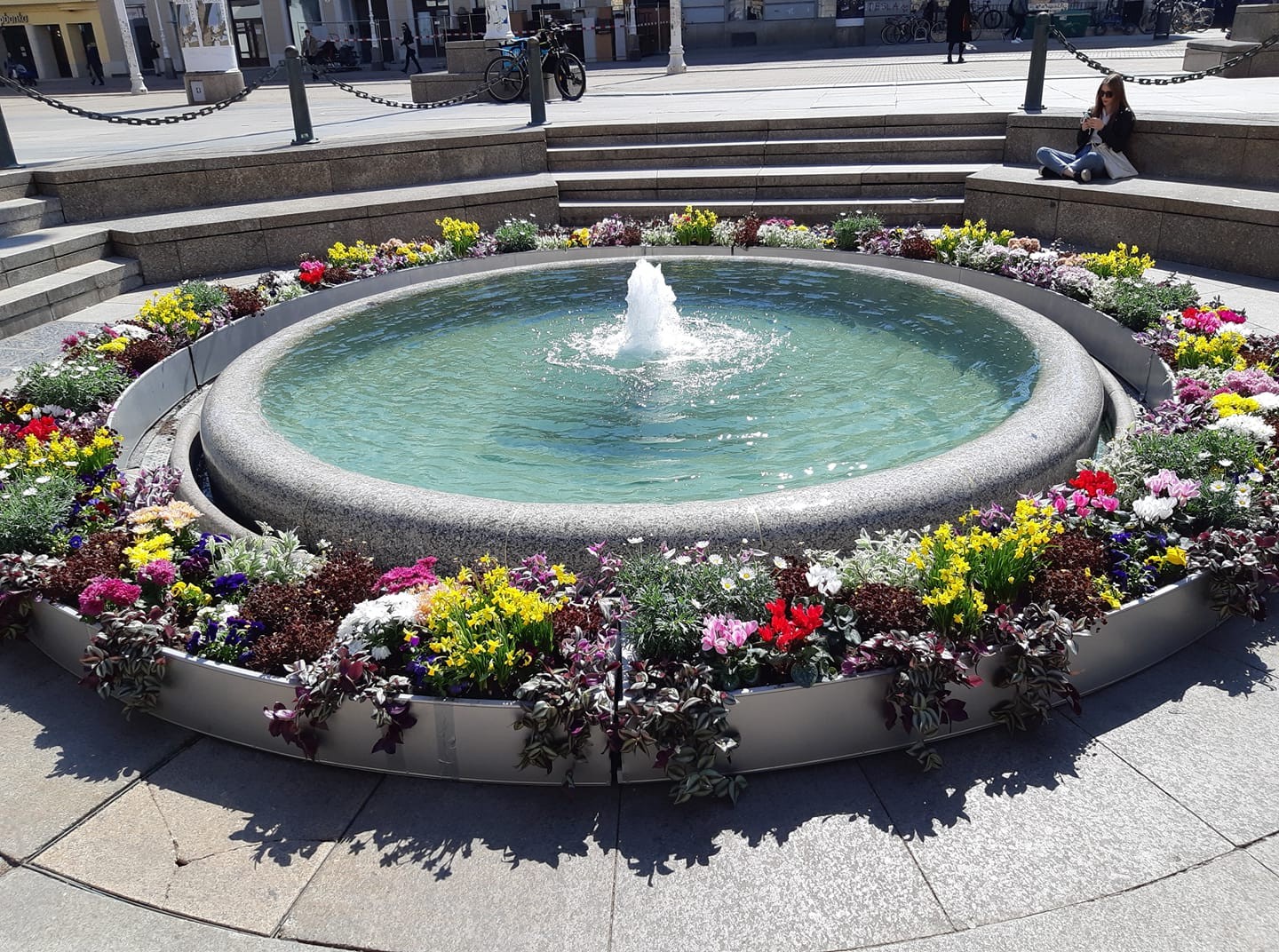
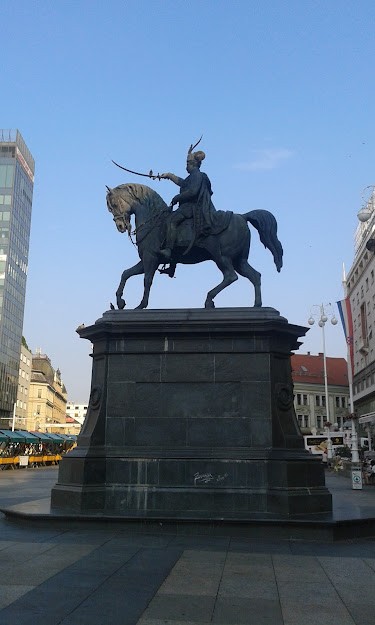
Hello everyone, in my city the well on the main town square got a decorative spring outfit, the first time they decorated it like that. It gives great liveliness to the upcoming Easter holidays and spring. The square was created at the foot of two settlements, Kaptol and Gradec, near the Manduševac spring. In 1641, the city authorities decided that fairs would be held there. Today's buildings date from the beginning of the 19th century. On their facades are visible different architectural styles from 19th century neo-styles, Biedermeier and Art Nouveau to modern and postmodern. The square has changed its name several times. Initially, it was traded, so it was named Harmica after the Hungarian word for thirty, a customs duty levied on goods. In 1848, during the lifetime of Ban Jelačić, the square was named after him. After the Second World War, the square was called Republic Square. The old name was returned to him in 1990. In addition to the central social events held on Ban Josip Jelačić Square, the residents meet every day in the most famous places in the city - "under the clock" and "under the tail". The monument to Ban Josip Jelačić is the work of the Austrian sculptor Anton Fernkorn. It was erected in 1866 and removed in 1947. After a petition from citizens, the monument returns in 1990 to the ban's birthday on October 16th. Since then, the monument has been oriented to the south and no longer to the north and Hungary as in the original 19th century exhibition. Below the Manduševac fountain is a spring that supplied Zagreb until the end of the 19th century. Court documents on the persecution of witches mention the source as their main meeting place. The legend about the origin of the name of the city is connected with the source. Namely, one sunny day, an old, ancient ban, tired and thirsty, on his way back from battle, told the beautiful girl Mandi to grab water from a spring. Thus, the source was named Manduševac, and the city was named Zagreb. At the time when the water from the well was drinkable, it was said that those who drank water there would always return to Zagreb. Today, there is a legend about Manduševac as a well of happiness that fulfills the desire for a coin.
3 comments
Basika one of the class I don't absorb before is history hahaha. But every buildings or monument have histories worth sharing.
My eyes are caught in beautiful flowers, I wish you a happy holiday in advance, my friend
Wow, its amazing decoration ... This increase the beauty of your city.. i like it... How is the weather in your area?