 @Yayaya13
hello there fam! been away for 2 days, just need to take some good rest. I'll be posting another article later so stay tuned. Enjoy the rest of the day and keep safe!
Joined 6 July 2020 · 285 posts
Let's share our thoughts to stop overthinking😊
120 KT
0 KT · $1.57 received · 0 KT · 94¢ given
@Yayaya13
hello there fam! been away for 2 days, just need to take some good rest. I'll be posting another article later so stay tuned. Enjoy the rest of the day and keep safe!
@Yayaya13
Sweet Potato Sweet Potato, scientifically known as *(Ipomoea batatas*L.*)* originated in Central America, is a plant grown for its tuber roots that can be found and grown in many tropical and subtropical countries in different ecological regions in present time. Sweet potato tubers are a staple food or an alternative food in many countries, especially here in the Philippines, and part of its production is used for animal feeding. Its plant is a branching, creeping vine that can reach 4m (13ft) in length with spirally arranged lobed, heart-shaped leaves, and white or lavender flowers. The sweet potato plant has enlarged roots called tubers which act as an energy store for the plant and can be variable in shape and color (red, yellow, brown, white, and purple). Although the leaves and shoots are also edible and are widely consumed as vegetables, the starchy tuberous roots are by far the most important product. Sweet potatoes are high in the following: beta-carotene, vitamin A, vitamin B6, and vitamin C; fiber, thiamine, niacin, potassium, and copper. They are also a good source of protein, calcium, and vitamin E and are rich in dietary fiber, minerals, vitamins, and bioactive compounds such as phenolic acids and anthocyanins, which also contribute to the color of the flesh. Sweet potatoes offer the lowest glycemic index rating since sweet potato digests slowly, causing a gradual rise in blood sugar. With their low carbohydrate content and high fiber content, sweet potatoes keep one full for longer while giving all the essential nutrients. Sweet potato is considered as an "insurance crop" as it can be grown even under suitable climatic conditions and complete crop loss under adverse climatic conditions. The crop is the seventh-largest food crop, grown in tropical, subtropical, and warm temperate regions in the world and is particularly important in Southeast Asia, Oceania, and Latin America regions and China as it records a total of 90% world production. Sweet potatoes are considered as a typical food security crop for disadvantaged populations as the crop can be harvested little by little over a long period. In the Philippines, sweet potato production went down from 541.26 thousand mt in 2010 to 519.86 thousand mt in 2014 at an average annual rate of 1.0 percent. Leyte remained the top producer of sweet potato at 49.24 thousand mt output in 2014 and was followed by Camarines Sur with 40.62 thousand mt and Albay with 33.58 thousand mt. Albay shared 6.46% percent of the national total production of sweet potato as of 2014. For the second quarter of 2020, the production of sweet potato rose to 157.47 thousand metrics or by 4.9 percent, from 150.09 thousand metric tons in the same quarter of 2019. Bicol Region registered the biggest production of 45.76 thousand metric tons or 29.1 percent of the total production this quarter. The other major producing regions were Central Luzon and Eastern Visayas with respective shares of 21.2 percent and 14.3 percent. (FAO, 2020)It is ranked fifth economically after rice, wheat, maize, and cassava; sixth in dry matter production; seventh in energy production and ninth in protein production in the world, and is considered as one of the important crops in the Philippines. References: https://psa.gov.ph/vegetable-root-crops-main/sweet-potato https://media.neliti.com/media/publications/141091-ID-physical-properties-of-sweet-potato-nati.pdf hey there fam, sharing my insights and research work about sweet potato. Hope you can learn something from it. Enjoy! Dont forget to like, comment and subscribe.
 @Yayaya13
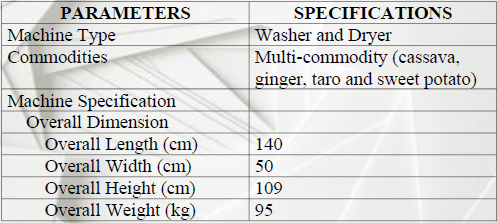
Preparation of Specifications **ENGINEERING SPECIFICATION** Engineering Specifications is defined as the record which provide detailed documentation of the construction, wiring, arrangement and related engineering details of the information processing equipment. It is may also be referred to as “*product specification*” or “*functional requirement*”. **What:** ***Capture the Appropriate Amount of the Right Information*** What does an effective engineering specification look like? At their most basic level, specs are a group of documents detailing your company’s requirements for a product, process or material. Your specs present requirements that are not covered by regulatory bodies and industry codes. To be effective, specs should be: · almost impossible to misread or misinterpret, written in clear, precise language · explicit, but not so detailed they require constant clarifications or deviation requests from your vendors or fabricators · concise yet comprehensive, stating precisely what you need, what you prefer, and what you’re not willing to accept **Why:** ***Reduce Errors, Save Time and Manage Risk*** If your specs aren’t written clearly, they’re easy to misinterpret. A vendor might produce a design based on a bad spec that fails to meet your requirements, forcing you to undertake time-consuming and costly reviews and clarifications. Similarly, confusingly structured information might lead your suppliers to miss some of your requirements. If they provide the wrong materials to site, your project might fall behind schedule or your facility’s downtime might increase, costing you money. Having a set of reliable, well-reviewed specs also saves you time and effort when undertaking projects. Chances are your company repeatedly procures certain items (instruments, valves, pipes) or designs similar plant components (pipe racks, electrical stations, pump houses). Having specs for these topics mean that every time you kick off a project, you aren’t starting from scratch, giving you a running start. Effective specs also help to mitigate risk. In the event of legal or regulatory challenges, safety incidents or environmental problems, you need to be able to produce documented proof that your company isn’t at fault. If your specs are missing important requirements, conflict with code, or contradict other information your company provides, you could be liable. **How:** ***Improve Readability, Write Unambiguously, Eliminate Redundancy*** Best practices for writing specifications include: *Applying the Five Cs of communication*. Your specs need to be clear, concise, correct, complete and consistent. Professional technical writers and editors with experience in the engineering and energy industries can help. *Using simple language and short sentences*. Many technical documents are written to impress, not to inform. It’s easier (and safer) to state “Use only fireproof materials” than to say “Materials that are in compliance with industry best practices for the prevention of combustion shall be used in all fabrication.” *Capturing each requirement in a single, numbered statement or clause*. Avoid lumping together several requirements in a “wall of words” that readers skim over. *Stating explicitly who is responsible for each requirement*. Using the active voice helps—for example, state “The Vendor shall provide suitable protection for all pipes” rather than “Suitable protection for all pipes shall be provided.” The latter statement is unclear as to who is responsible. *Eliminating redundancy and contradictions.* Repeating similar information introduces the possibility that one statement will contradict another, or that a reader could wilfully “cherry pick” one interpretation over another. A good specification should: · state the requirement clearly, concisely and logically in functional and performance terms unless specific technical requirements are needed · contain enough information for off erors to decide and cost the goods or services they will offer and at what level of quality Some useful questions to ask yourself when creating engineering specifications (Makower, 2010): · Does each requirement have a value/number (engineering specification) associated with it? · Does each engineering specification have units associated with it? · Can the engineering specification be validated through testing? · Can you imagine a way to test the engineering specification? · If all the engineering specifications were fulfilled, would the product be a success? If potentially not, then why? · If the concept solution is [insert engineering specification(s)], is it necessarily [corresponding user requirement]? i.e. If the suitcase is ≾2lbs. is it necessarily “easy to carry”? **Sec. 5. Scope of Practice of Agricultural and Biosystems Engineering.** - The practice of agricultural and bio-systems engineering within the meaning and intent of this Act shall embrace, but not be limited to, the following.- (a) Preparation of engineering designs, plans, specifications, project studies, feasibility studies and estimates of irrigation and drainage, soil and water conservation and management systems and facilities, agrometeorological systems, agricultural and bio-systems power, and machinery, agricultural and bio-systems buildings and structures, renewable/bio-energy systems and farm electrification, agricultural and bio-processing and post-harvest facilities and system, agricultural and biological waste utilization and management, agricultural and bio-information system, agricultural and bio-systems resource conservation and management, and agricultural and bio-automation and instrumentation system; Section 5 (a) of RA 10915 states that the Agricultural and Biosystems Engineers shall accomplish the aforementioned duties that are set as standard and must be followed to prevent unnecessary events. With that, the company, or the organization must ensure that its product, services rendered are meeting these standards. Without compliance for the stated condition, the company or organization shall face a penalty as stated in section 42 (g). **Sample Specification:** ***Agricultural and Biosystems Power, Energy and Machinery Engineering*** This is based with the Undergraduate Thesis entitled, " **PERFORMANCE EVALUATION OFA MULTI-COMMODITY WASHER AND DRYER** " by Biñan et al., (2020) References: Biñan et al., (2019). *Performance Evaluation of a Multi-Commodity Washer and Dryer.* Undergraduate Thesis. Bicol University College of Agriculture and Forestry, Guinobatan, Albay, Philippines. https://csed.engin.umich.edu/assets/CoreContent-UserReqsEngSpecs.pdf https://www.hpw.qld.gov.au/__data/assets/pdf_file/0016/3346/procurementguidedevelopingspecifications.pdf https://www.innovatia.net/blog/the-what-why-and-how-of-great-engineering-specifications/ Hello there fam! Let us all be familiarize with specification and on how to prepare it. This was a research activity given to us last week. You can add more ideas about specifications, I am open for more knowledge. Thank you so much!

 @Yayaya13
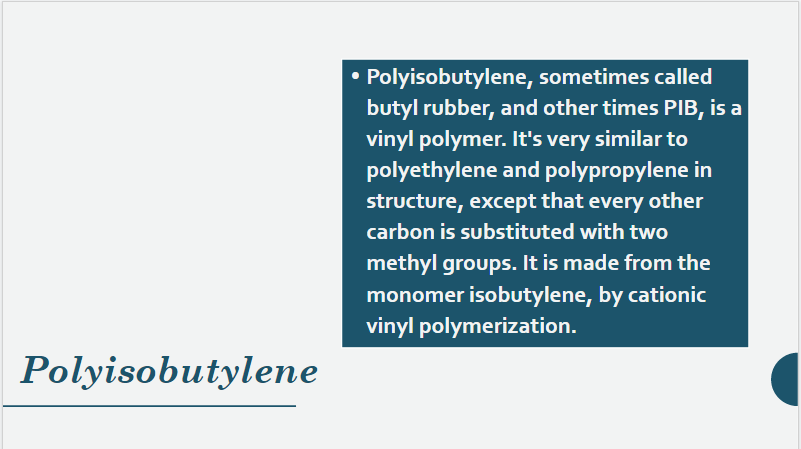
Polyisobutylene Good Morning readcash fam! Found this school activity on my google drive and I hope you learn something from it. Lets recall our chemistry class! Did I meet the objectives for this article? Comment your thoughts below, let me know your insights about polymers. Dont forget to like and subscribe!
+10 more
@Yayaya13
done reading @charlotte 's story. waaaaah. I want more. Just whyyyy? huhuhu don't wanna spoil you guys. If you wanna read it, please do refer to this link https://read.cash/@Charlotte/post-c646f5a9#comment-23c73ec5 ITS WORTH IT.
@Yayaya13
Boon or Bane Information Communication Technology (ICT) is one of the core subjects that can give a great benefit or might cause a distraction not just to the students but also to the people who are highly engaged with technologies. As a senior high student, I see ICT as a boon. It helps me to be knowledgeable about the essence of technology and helps me work more effectively and efficiently. But on the contrary, ICT may consider sometimes as a bane. It causes a distraction for people who are addicted to technologies. These people use this subject to play online and non-online games, download videos, pictures, movies, music, and apps instead of doing the activity given. Some watch animated movies online, do kinds of stuff that are not related to the subject without any accomplishments. How about you? what are your insights about ICT? Is it a boon or bane?
 @Yayaya13
Everyone is kinda busy with other stuffs, I don't see any update recently. Kindly comment your best articles, I am in need of new information. Please do read my recent update. Thank you so much!
@Yayaya13
Comeback *Stressful days are gone* *Rest day is yet to come* *But today, let me ask you a question* *Are you still okay in this type of situation?* *Loads of paperwork and modules* *Nags from someone whom you never expect to rule* *Demands from your surrounding and even sometimes on neighborhood* *Tell me, are you still cool and be able to bloom?* *Dropping this not so good poem is kinda embarrassing* *But I hope I still got appreciations and liking,* *Thank you for patiently waiting, now I'm back* *Let's start posting articles again and make this platform rock!* Good morning readcash fam! I'm back! See you in the comment section, I hope ya'll stay safe and healthy.
 @Yayaya13
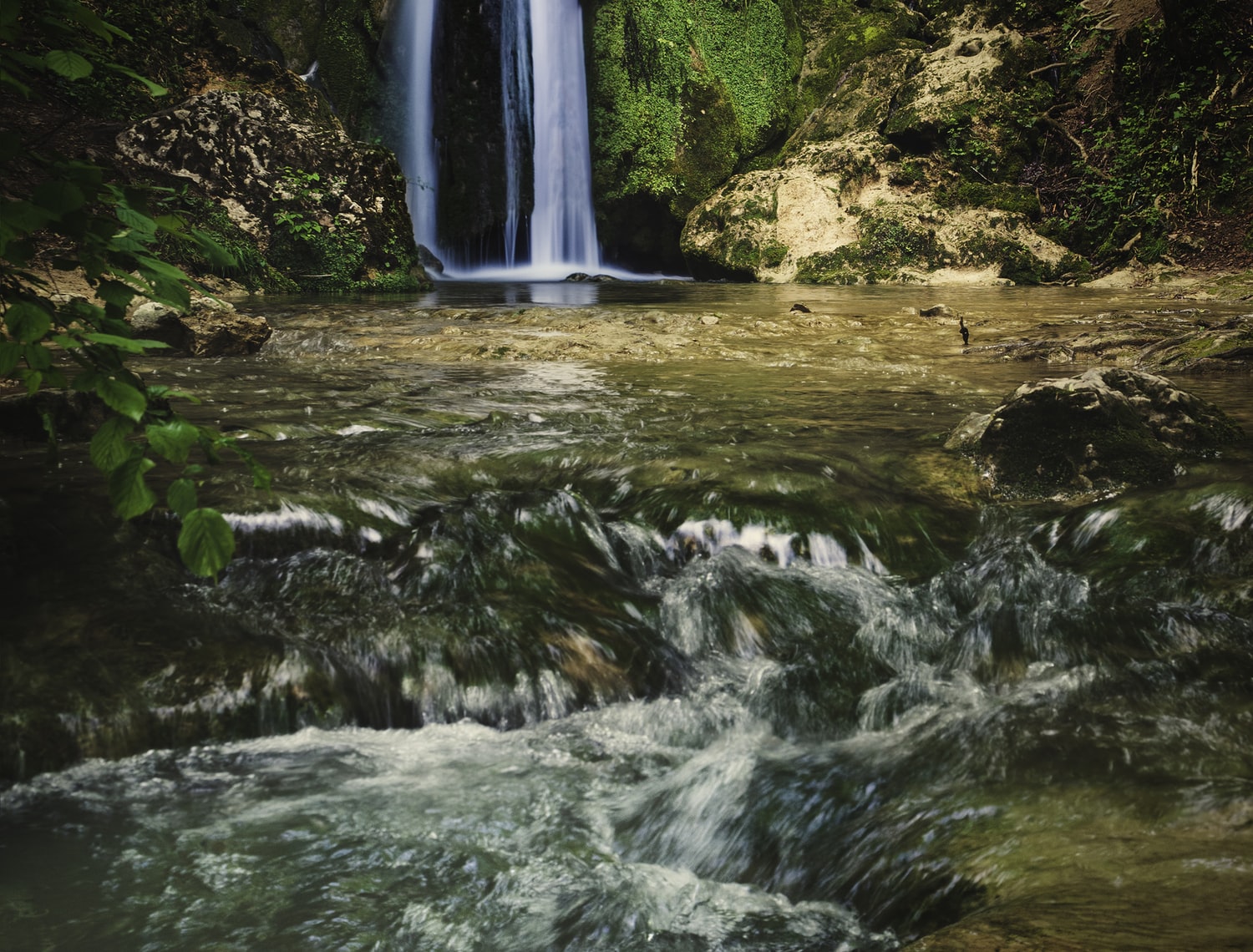
Hydrology The way how the hydrology is established to agriculture will differ according to the country as it involves natural environments. Its application to agriculture is established in irrigation, drainage, and soil and water conservation. The hydrological application in general will be presented briefly in this paper. **Application of hydrology to irrigation** Hydrology in irrigation is constrained to the analysis of irrigated ecosystems in which water storage, applications, or drainage volumes are artificially controlled in the landscape and the spatial domain of processes varies from micrometers to tens of kilometers while the temporal domain spans from seconds to centuries. It is applied to the estimation of effective rainfall, evapotranspiration, streamflow, and inflow into a reservoir. Irrigation planning is usually made against such a droughty year as occurring several times in several-ten years so that irrigation water can meet the requirements for most years. This estimate probably includes the utilization of rainfall detained in dual-purpose canals. **Application of hydrology to drainage** The primary hydrologic unit considered in fluvial geomorphology is the basin. It is a source for water and sediment that moves from a higher elevation through the river system to lower elevations as they reshape the channel forms. Historical concerns focused on increased flows during rains and associated flooding. However, decreased flows during dry periods are now seen to cause receiving water problems. The historical approach to urban drainage has been devastating to the environment and recharge of groundwaters as it has a lot of factors affecting the making of the drainage design. **Applicaton of hydrology to soil and water conservation** Soil and water conservation is an integral part of Watershed Management. Watershed Management was reviewed formerly to be nearly synonymous with soil and water conservation but still, it has to comprise a variety of further activities that attempt to improve the living conditions of the people living within the respective watershed. **Soil and water conservation** are those activities at the local level which maintain or enhance the productive capacity of the land including soil, water, and vegetation in areas prone to degradation through prevention or reduction of soil erosion, compaction, salinity; conservation or drainage of water and maintenance or improvement of soil fertility (WOCAT 2007).v good afternoon fam! just a small information about hydrology.
+1 more
@Yayaya13
Good mornig readcash fam! Its been 3 days I guess? I hope you're in good condition. Take care always!
@Yayaya13
Good Afternoon readcash fam, I am currently looking for a research or study related to crops, more specifically to sweet potato. I'm in need of more information about the crop. If you know someone who have research or study related to sweet potato please do inform me on where can I contact that person. Or if you find some useful links you can comment it here, I will definitely check on it. Thanl you so much!
@Yayaya13
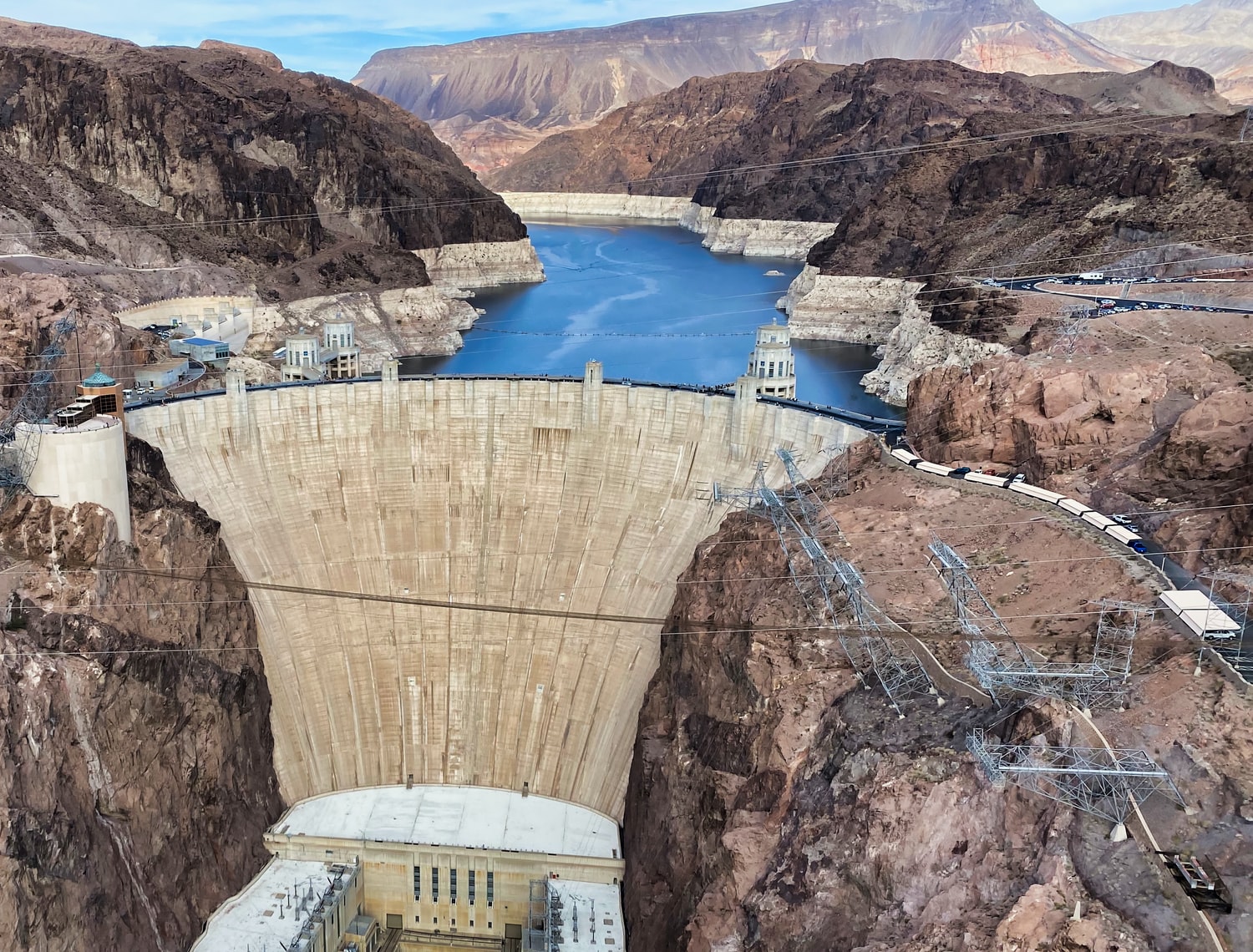
Watershed.2 Good afternoon readcash fam! Below are some activities we must practice in order to maintain the good health of our watershed. 1. Conserve water daily. Fix leaks and do not let the faucet open when not in use. 2. Take the toxic household chemicals to the hazardous waste center instead of pouring it down the drain. 3. Used organic fertilizer. 4. Using a mulching mower can help clean yard waste. 5. Never pour used oil or antifreeze into the storm drain or the street 6. Fix leaky faucets and septic tanks to cut down on wasted water pollution 7. Add plants and trees to prevent landslide and erosion 8. It is advisable to use surfaces like woods, brick, or gravel for decks and walkways as it allows rain to soak in and not runoff. 9. Drive less- walk or bike; many pollutants in our waters come from car exhaust and car leaks. 10. Learning about watersheds can help not just the students but also to everyone to be knowledgeable on how to keep the watershed unharmed from pollution and inhabitants. I hope you learn something from this article. Stay tuned for more environmental/engineering related articles.
 @Yayaya13
xxxxxxxx Good Morning fam! or should I say Good Afternoon rather. so yeah, I was in the middle of doing some stuffs related to my acads when I realized that I am doing it the wrong way. huhuhu I was almost halfway done but it was wrong. now I am frustrated again. please excuse my negativity, hahahha just wanna release some stress. but I hope you wont experience the same scenario. I wish you all a happy and peaceful weekend to enjoy. I hope I can finish this all in no time. Good bye! See you later for more updates and interactions.

 @Yayaya13
Finally, Its Friday! Good day readcash fam! We all know that friday is the last day of the week and finally, we can enjoy our weekend thanks to our God who continue to guide and help us during our busy weekdays. Let us not forget to bow our heads to the source of life and strength. And to everyone who felt like giving up, congratulations! You made it here. Enjoy the rest of the day, everything will be fine😊 Time to work! Hope everyone enjoys the rest of the week😊 Goodmorning!

 @Yayaya13
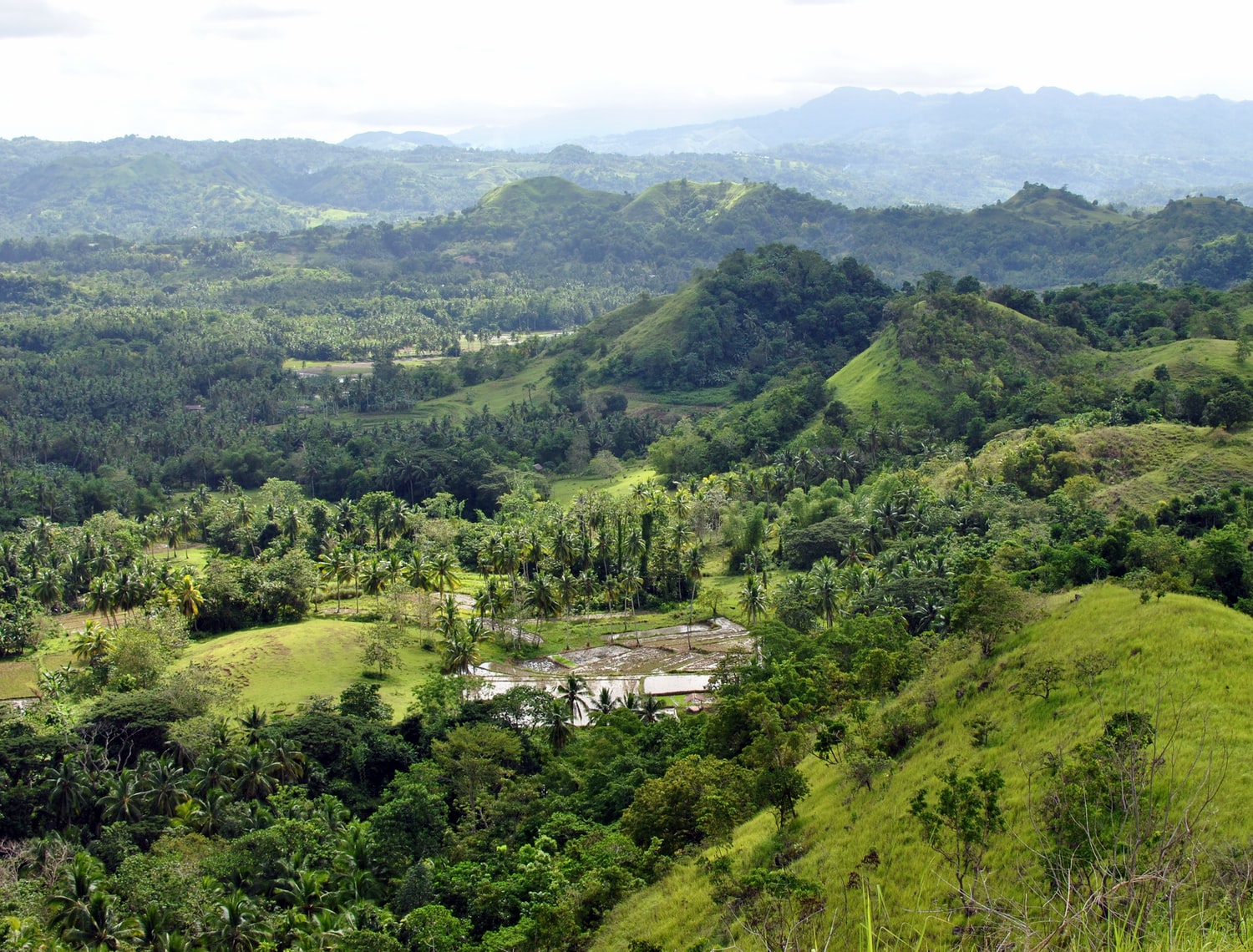
Watershed The Watershed gives life to its surroundings. It provides a drink, food, household needs, and even the power industry. However, due to the imbalance usage of it, raging floods, flush pollutants, and soil into rivers and streams are now more inevitable. Listed below are some activities we do that inflicts harm on the watershed. **1) Improper usage and application of fertilizers and manure for lawns or crops.** Disproportionate application of fertilizers leads to eutrophication. Fertilizers contain substances involving nitrates and phosphorus that are flooded into lakes and oceans through rains and sewage, which in turn creates alga blooms. The eutrophication process turns the water green, clouds the water, causes odor problems, and depletes the oxygen for fish and other species, effectively suffocating them **2) Transportation** Transportation can affect water quality directly or indirectly by either road construction maintenance that can adversely affect water quality due to faster rates of runoff, lower groundwater recharge rates, and increased erosion. Pollutants from cars deposited to roadways and other impervious surfaces. Storage tanks that release petroleum to groundwater and oil spill that affect the water quality of inland waterways and coastal areas. **3) Sewage spills, household and animal waste, yard waste disposed of in streams** Waste that is thrown into roadside dumps for decades may have nutrients that can affect our watershed once runoff occurs. Roadside dumps are a form of illegal dumping wherein wastes are disposed of in a dump that might be adversely affecting a local watershed or drinking water supply. **4) Power plants and industrial discharges.** Polluted water had an impact on the quality of life and incomes of nearby residents, posing a threat to public health. Excessive nutrient runoff in waterways can impact drinking water supplies and, in some cases, cause severe health problems. This is due to industrial pollution where it is one of the leading causes of water pollution that destroys the watershed. **5) Dams and levees** While dams and levees can benefit society, they cause considerable harm to rivers. Dams have depleted fisheries, degraded river ecosystems, and changed recreational occasions on all of the rivers. Some common ways dams and levees inflict threat to the rivers are (1) they prevent fish mitigation, (2) they slow the river, (3) dams also change the way rivers function, and (4) dams had an impact on the water quality. **6) Illegal logging and deforestation** If illegal logging practices occur at a large destructive scale, it can lead to the conversion of forests to grassland and to the depletion of plant and animal species. If illegal logging occurs in protected areas, rare plants and animals may become threatened **7) Riparian Loss** These activities include clearing or mowing of vegetation up to stream banks that result in the increased water temperature, greater pollution input, less groundwater recharge, greater erosion potential from stream banks and it alters community composition. **8) Stream Channel Alteration** Dramatic alteration of biological communities can cause thermal loading and sediment problems. **9) Sediment** During the rainy season, sediments from poorly managed construction sites may be washed and brought to rivers when runoff occurs. **10) Thermal Loading** These activities involve water impoundments (lakes or ponds), runoff from hot paved surfaces in which sensitive species may lose. References: Human Impacts Upon Watersheds. (n.d.). Retrieved from https://loudounwildlife.org/wp-content/uploads/2016/08/SM_Human_Impacts.pdf The Effects of Human Activity on Surface and Ground Water in a Watershed. (n.d.). Retrieved from https://www.allenisd.org/cms/lib/TX01001197/Centricity /Domain/1400/WatershedKiser2015.pdf?fbclid=IwAR39JyFHqnk3KzW0hpHkRDwqretTSzHKme0lOSFAh3Sj55Yk7s26CXbIGQM good day fam, I'll posting another article about on how can we protect our watershed. emjoy reading!
 @Yayaya13
Strength Good Day/Good Morning read cash fam. So I was planning to post this short article yesterday, or at least before 12 midnight but yeah, I wasnt able to meet the deadline. Anyways, its better to be late than never. Yesterday (Philippine Standard Time) was the **WORLD SUICIDE PREVENTION DAY.** I just wanted to say thank you to those who survive their own battles and made it up to this day. I hope you continue to fight and move forward regardless the difficulty you're facing. Congratulations! Just a small advice, **asking or help is not a sign of weakness, it is a sign of strength.** GOOD EVENING! SPREADING LOVE, POSITIVITY AND GOOD VIBES!

 @Yayaya13
Not Yet *Its been a long time since I saw you* *Siting on a tree, listening to music, feeling the groove* *Humming like a bird, dancing like the leaves* *On a bright morning sky, hitting every beat* *You look so happy, kinda strong* *A warrior that's never been wrong* *You inspired a lot of people just by your deeds and commands* *Never thought that life tastes for you is a bit bland* *You've experienced the worst, yet here you are standing* *Proving everyone that you're not just a king* *Taking all the responsibilities that's never been yours* *Seems normal with you even you cant take it anymore* This was supposedly a short story, but it ends up with a short poem. I hope you like it. Hey there fam! For those who feel like giving up, I hope you never stop fighting. Keep pushing, move forward. Good afternoon!

 @Yayaya13
Good day readcash fam! Hows your day so far? Hope that everything is one with everyone. Keep safe!
@Yayaya13
Time to do some paperworks again. See you tomorrow fam! Goodnight everyone!
@Yayaya13
Philippine Agricultural and Biosystems Engineering Act of 2016 REPUBLIC ACT NO. 10915 or also known as the Philippine Agricultural and Biosystems Engineering Act of 2016 is an act strengthening, modernizing and aligning the practice of Agricultural Engineering in the country into the Internationally recognized and practiced of Agricultural and Biosystems Engineering and for other purposes. It is a declared policy with aspects of the scope of practice of profession as an Agricultural and Biosystems Engineer. An Agricultural and Biosystems Engineer can be part or a member of the Board of Agricultural Engineering if they are qualified enough to be part of it. In terms of office, the Chairman and 2 members of the board shall hold office for a term of three (3) years from the date of their appointment and until their successors shall have been appointed and qualified, they can be re-pointed to their position for another term and shall take their oath of office prior to entering upon the performance of duty. While being appointed as a chairperson and a board member, they shall receive compensation and allowances. The vacancy and removal of a board members within the term of a member shall be filled for the unexpired portion of the term only, the president has the right to remove the chairman or any member of the board on the given grounds in the law. With their powers and duties as a board, they shall update the existing Philippine Agricultural and Biosystems Engineering Profession Competitiveness Road Map to align and support to the provisions of R.A No. 10915, the provisions of R.A. No. 10915 11.1.8 and the Food Security Program and Environmental Protection Program of the government, and periodically update/revise it to meet and respond to the needs of the time. The Board shall be under the administrative control and supervision of the Commission who will designate the Secretary of the Professional Regulatory Boards and shall provide the secretariat and other support services to implement the provisions of R.A. No. 10915. The annual report shall, at the close of each calendar year be submitted to the president through the commission. Article lll discusses about the examination required, qualification of an applicant for Examinations, fraudulent examination, scope of examination, rating in the board of examination, report of ratings, re-examination oath, issuance of certificate of registration and professional identification card, refusal to register, and revocation or suspension of the certificate of registration and cancellation of temporary or special permit (TSP). The Board shall periodically evaluate the grounds and revise or add new ones as the need arises subject to approval by the Commission to meet the trends and developments in the profession. The Board may, upon petition, reinstate or reissue a revoked COR after two (2) years from the effectivity of the revocation, which is reckoned from the date of surrender of the said certificate and/or the professional identification card to the Board and/or the Commission. A duplicate copy of a lost COR, professional identification card or TSP may be reissued in accordance with rules thereon and upon payment of the prescribed fee therefor. All Agricultural Engineers holding valid CORs and PICs at the effectivity of R.A. No. 10915 shall automatically be registered and recognized as Agricultural and Biosystems Engineers and shall be issued with new CORs and PICs with the same license number as their original CORs and PICs. No foreign agricultural and biosystems engineer shall be issued a temporary license to practice the agricultural and biosystems engineering profession or consultancy thereof or be entitled to any of the rights and privileges under this Act, only registered and licensed agricultural and biosystems engineers with valid PRC license shall be appointed to all positions in government and private firms and establishments. There shall be an institutionalized national agricultural and biosystems engineering career progression and specialization program to be formulated by the Board in consultation with the AIPO, Civil Service Commission and concerned government agencies and the existing Philippine Agricultural Engineering Standards (PAES) shall be transformed into a Philippine Agricultural and Biosystems Engineering Standards (PABES) and shall serve as Code of Technical Standards of all registered and licensed agricultural and biosystems engineers in the practice of their profession. There must be a development and update for the continual of ABE Education as stated in article 5 section 37. In line with this, all concerned Higher Education Institutions (HEIs) shall formulate and implement their Agricultural and Biosystems Engineering Education Competitiveness Road Map as part of the Philippine Agricultural and Biosystems Engineering Profession Development Plan/Road Map and shall serve as one of the bases in the provision of grants from the government for the upgrading program. The Program shall include the conduct of research studies on the supply and demand and qualifications of the agricultural and biosystems engineering profession and the continuing Professional Development. The enforcement of this Act and Penal Provisions shall be implemented by the Commission and the Board, in addition to the administrative sanctions imposed under this Act, any person who violates this Act shall, upon conviction, be penalized by a fine of not less than one hundred thousand pesos (P100,000.00) but not more than five hundred thousand pesos (P500,000.00), or imprisonment of not less than six (6) months but not more than five (5) years, or both fine and imprisonment, at the discretion of the court. The incumbent Chairperson and members of the Board of Agricultural Engineering shall continue to carry out their functions under the provisions of this Act, if any clause, provision, paragraph or part of this IRR shall be declared unconstitutional or invalid, such judgment shall not affect, but such judgment shall be merely confined to the clause, provision, paragraph or part directly involved in the controversy. the effectivity of this IRR shall take effect after sixty (60) days following its publication in the Official Gazette or in a major daily newspaper of general circulation in the country whichever comes first. Reference: R.A. No. 10915. *R.A. No. 10915.* Retrieved from **https://www.senate.gov.ph/republic_acts/ra%2010915.pdf** I dont know if I included all the important details from Republic Act no. 10915. But I hope you learn something from his article. Goodevening!
 @Yayaya13
Hey fam! I am planning to upload some articles in line with my course and such, will it be okay with you? But of course, I will also upload different genre so that you wont get bored on reading my articles. hahahha Thank you so much fam for the support!
@Yayaya13
Transmission Systems Of Agricultural Prime Movers **POWER TRANSMISSION SYSTEM** Transmission is a speed reducing mechanism, equipped with several gears. It may be called a sequence of gears and shafts, through which the engine power is transmitted to the **tractor wheels**. The system consists of various devices that cause forward and backward movement of tractor to suit different field condition. The complete path of power from the engine to the wheels is called power train. **Function of power transmission system:** to transmit power from the engine to the rear wheels of the tractor, to make reduced speed available, to rear wheels of the tractor, to alter the ratio of wheel speed and engine speed in order to suit the field conditions and To transmit power through right angle drive, because the crankshaft and rear axle are normally at right angles to each other. The power transmission system consists of: (a) Clutch (b) Transmission gears (c) Differential (d) Final drive (e) Rear axle (f) Rear wheels. The Combination of all these components is responsible for transmission of power. **CLUTCH AND FLUID COUPLING CLUTCH:** Clutch is a device, used to connect and disconnect the tractor engine from the transmission gears and drive wheels. It transmits power by means of friction between driving members and driven members. **TRANSMISSION GEARS AND TORQUE CONVERTER GEAR:** A tractor engine runs at high speed, but the rear wheel of the tractor requires power at low speed and high torque. That's why it becomes essential to reduce the engine speed and increase the torque available at the rear wheels of the tractor because *BHP = 2πNT/4500* Where T is torque in kg-m and N is rev/min. If the engine hp is constant, it is obvious that for higher torque at wheels, low speed is required and vice versa. So the gearbox is fitted between engine and rear wheel for variable torque and speed. This is done by suitable design of gear and shafts. Speed varies according to the field requirements and so a number of gear ratios are provided to suit the varying conditions. Gears are usually made of alloy steel. As the tractor has to transmit heavy torque all the time,-best quality lubricants free from sediments, grit, alkali and moisture, is used for lubrication purpose. SAE 90 oil is generally recommended for gearbox. **DIFFERENTIAL UNIT AND FINAL DRIVE** Differential unit is a special arrangement of gears to permit one of the rear wheels of the tractor to rotate slower or faster than the other. While turning the tractor on a curved path, the inner wheel has to travel lesser the tractor to move faster than the other at the turning point. The output shaft coming from the gear box is provided with a bevel pinion at the end of the shaft. The bevel pinion is in mesh with a large bevel wheel known as crown wheel. The main functions of crown wheel assembly are: To transmit power through right angle drive to suit the tractor wheels. To reduce the speed of rotation. **Differential lock:** Differential lock is a device to join both half axles of the tractor so that even if one wheel is under less resistance, the tractor comes out from the mud etc as both wheels move with the same speed and apply equal traction. **Final drive:** Final drive is a gear reduction unit in the power trains between the differential and the drive wheels. Final drive transmits the power finally to the rear axle and the wheels. The tractor rear wheels are not directly attached to the half shafts but the drive is taken through a pair of spur gears. Each half shaft terminates in a small gear, which meshes with a large gear called bull gear. The bull gear is mounted on the shaft, carrying the tractor rear wheel. The device for final speed reduction, suitable for tractor rear wheels is known as final drive mechanism. **STEERING SYSTEM AND BRAKE STEERING SYSTEM**: The system, governing the angular movement of front wheels of a tractor is called steering system. This system steering wheel minimizes the efforts of the operator in turning the front wheel with the application of leverages. When the operator turns the steering wheel, the motion is transmitted through the steering shaft to the angular motion of the pitman arm, through a set of gears. The angular movement of the pitman arm is further transmitted to the steering arm through the drag link and tie rods. Steering arms are keyed to the respective kingpins which are integral part of the stub axle on which wheels are mounted. The movement of the steering arm affects the angular movement of the front wheel. **BRAKE**: Brake is used to stop or slow down the motion of a tractor. It is mounted on the driving axle and operated by two independent pedals. Each pedal can be operated independently to assist the turning of tractor during the fieldwork or locked together by means of a lock. **HYDRAULIC CONTROL SYSTEM:** It is a mechanism in a tractor to raise, hold or lower the mounted or semi-mounted equipment by hydraulic means. Working principle: The working principle of hydraulic system is based on Pascal's law. This law states that the pressure applied to an enclosed fluid is transmitted equally in all directions. Small force acting on small area can produce higher force on a surface of larger area. Principle of operation: Brake works on the principle of friction. When a moving clement is brought into contact with a stationary element, the motion of the moving element is affected. This is due to frictional force, which acts in opposite direction of the motion and converts the kinetic energy into heat energy. REFERENCES: Transmission systems of agricultural prime movers. *Transmission system of tractor.* Retrieved from **http://www.hillagric.ac.in/edu/coa/agengg/lecture/243/Lecture%208%20Transmission.pdf** Transmission systems of agricultural prime movers. *Transmission system of tractor.* Retrieved from **https://patents.google.com/patent/US4262768** Here's my first article for today. Let us all be familiar with transmission system. Good evening!
 @Yayaya13
good evening fam! sorry I wasnt able articles recently, been busy with lots of paperwork. Hays, wishing for some peace for everyone. keep safe!
@Yayaya13
Good day readcash fam! I marked this night as my rest day from radiations and such. Just wanna drop by to greet you all😊 Hope you'll enjoy the rest of the day. GOODNIGHT! I'll be uploading articles tomorrow so stay tuned❤
@Yayaya13
Its Monday! Good morning fam! Time to get up again and rise from the sadness of yesterday. Start your day with a bright smile on your face. Be the one who encourages his/her comrades even at difficult times. Everything pays off, always remember that. Cheer up! Everyone is rooting for your success😊 Hope you win all of your different battles in life. Hey, there fam! Just gonna drop some morning motivations to start your day, may God bless us all❤ Time to focus on my academics first😊 Good morning and God bless!


 @Yayaya13
Time to work again, I'll be back later. Seeyouu 386 notifications....
@Yayaya13
Materials Cycle Earth has different cycles that matter to us humans who were the primary consumer of all materials found on it. Those cycles must be studied and analyze to be able to understand how complicated it was to keep producing materials for the past years. One of these cycles is called the material cycle which has a strong three-way interaction among resources, environment, and energy. Others called it a nutrient cycle that describes the flow of matter from the nonliving to the living world and back again, energy costs are incurred at each stage. As we overlook to the materials cycle, the input of energy is required to obtain metals from ores; to make plastics from crude oil; to work and shape metals, ceramics, and plastics; to assemble components and systems; to transport goods at all stages of production and to operate the final product in the hands of the consumer. Then we start to see energy dissipated as metals corrode or rust, as plastics degrade, as the product is discarded and as the trash in the sanitary landfill returns to the low-energy “natural” state. With this phenomenon, matters can be stored and transformed into different molecules, transferred into different molecules, from organism to organism, and restore to its original configuration. The materials cycle is also a third way in which the analogy between biological metabolism and industrial metabolism is useful to focus attention on the "life cycle" of individual "nutrients." Earth scientists are familiar with the concepts of the hydrological cycle, the carbon cycle, and the nitrogen cycle. The major way in which the industrial metabolic system differs from the natural metabolism of the earth is that the natural cycles (of water, carbon/oxygen, and nitrogen) in other words, the industrial system does not generally recycle it. Rather, the industrial system starts with high-quality mat' (fossil fuels, ores) extracted from the earth, and returns them to nature in a degraded form. The materials cycle is a global system that includes operations of strong three-way interactions among materials, the environment, and energy supply and demand. The environmental condition depends on how carefully man moves materials through the cycle to a large degree, at each stage of which impacts occur. Materials traversing the cycle may represent an investment of energy in the sense that the energy expended to extract a metal from ore, for example, need not be expanded again if the metals are recycled. Thus a pound of usable iron can be recovered from scrap at about 20 percent of the “energy cost” of extracting a pound of iron from ore. For copper, the figure is about 5 percent, for magnesium about 1.5 percent. Materials scientists and engineers work most commonly in that part of the materials cycle that extends from raw materials through dismantling and recycling of basic materials. Events in this (or any other) area typically will have repercussions elsewhere in the cycle or system. Research and development, therefore, can open new and sometimes surprising paths around the cycle with concomitant effects on energy and the environment. The development of a magnetically levitated transportation system could increase considerably the demand for the metals that might be used in the necessary superconducting or magnetic alloys. Widespread use of nuclear power could alter sharply the consumption patterns of fossil fuels and the related pressures on transportation systems. The materials cycle can be perturbed in addition to external factors such as legislation. The Clean Air Act of 1970, for example, created a strong new demand for platinum for use in automotive exhaust-cleanup catalysts. The demand question may be temporary since catalysts have been questioned as to the best long-term solution to the problem, but whatever platinum is required will have to be imported, in large measure, in the face of a serious trade deficit. Environmental legislation also will require extensive recovery of sulfur from fuels and smelter and stack gases; by the end of the century, the tonnage recovered annually could be twice the domestic demand. Such repercussions leave little doubt of the need to approach the materials cycle systematically and with caution. The materials cycle, in general, can be visualized in terms of a system of compartments containing stocks of one or more nutrients, linked by certain flows. For instance, in the case of the hydrological cycle, the glaciers oceans, the freshwater lakes, and the groundwater are stocks, while rainfall and rivers are flowing. A system is closed if there are no sinks. In this sense, the earth as a whole is essential, closed system, except for the occasional meteorite. References: Materials cycle*. Definition of materials cycle*. Retrieved from https://www.sciencedirect.com/topics/engineering/material-cycle The Materials Cycle. *Materials cycle*. Retrieved from http://www.nzdl.org/gsdlmod?e=d-00000-00---off-0hdl--00-0----0-10-0---0---0direct-10---4-------0-1l--11-en-50---20-about---00-0-1-00-0--4----0-0-11-10-0utfZz-8-00&cl=CL1.9&d=HASH308a61a5441d28071cb0c6.4.1.3>=1 If you're looking for some useful works related to academics then visit and join the learners-community-b5b5 !!! https://read.cash/c/learners-community-b5b5 Refer to this link for more info. https://read.cash/c/learners-community-b5b5
 @Yayaya13
Oh mygeee! 412 notifications to reaaaaad! Hope I can read it all today. Looking forward to some good content articles, good evening!
@Yayaya13
UPDATE UPDATE! I am done reading some of your published works and hopefully I can read it all soon. Time to focus on other stuffs again, thank you so much for sharing such a wonderful articles. Looking forward for more. See you again tomorrow.
@Yayaya13
Engineering Economic Analysis Good Morning read cash fam! Still kicking at this moment so I decided to share one of my finished output in one of our subjects, Engineering Economy. Hope you can find this useful and informative. This will be my first entry in Learner's Community and I am inviting you to be part of our growing community. **Think about this:** *A piece of equipment that is being considered as a replacement for an existing item has greater reliability; that is, the Mean Time Between Failure (MTBF) during the operation of the new equipment has been increased 40% in comparison with the present item.* *Describe, how it might be feasible in an engineering economic analysis to consider this situation in terms of the monetary unit.* **Engineering Economic Analysis** When it comes to equipment, we always look for its quality yet at an affordable price, thus, it has differing ideas because the equipment with quality these days is much costly than the ordinary one. If you’ll go to analyze the scenario, a piece of new equipment has 40% greater MTBF or **Mean Time Between Failure where the number of failures during unexpected time is much lesser than the currently used equipment.** More importantly, the usage of time in the production or output of the aforementioned equipment continues where time is the most important aspect in the production industry. It is much better to pick high-quality products than to be stuck on products with less quality as it might cost you much higher money in the long run (Mean Time To Repair). Though its scheduled maintenance shall be done to assure the quality and quantity of the production or output to be made. In monetary aspects, equipment is still considered as an asset even though it depreciates as years passed. You can easily sell the used product but at a cheaper price and its price is not yet enough for payment to the repairs and maintenance you’ve done for the security of quality production of the equipment. Therefore, in my viewpoint, it is feasible to prevent the abovementioned scenarios if and only if we will be choosing and operating a piece of equipment with greater quality, high in MTBF and low in MTTR that can save money and to a task more efficiently and effectively than other commodities in the long run. Thank you so much @Ashma for helping us with this topic. And to everyone, kindly join the Learner's Community. Let us all build a strong foundation of knowledge in this platform. Click here to join https://read.cash/c/learners-community-b5b5