3rd Ebook Available Now for $1 (Update on Next One)
In the past few years, I’ve put out a slow trickle of e-books. I recently added my third. I’m also happy to announce I’m doing final editing on a short book of highly original based esoteric essays. But more on that later.
Here’s what I’ve released so far:
**Vietnamese for Assholes**
Ever wanted to talk about drugs and prostitutes in Vietnam? Or to simply have a more meaningful conversation with the local *dân chơis*? Here’s your guide. This phrasebook covers a range of topics, from cuss words to crime, sex, social issues., and much much more. I wrote it after spending some time in the country studying both formal and informal Vietnamese. I highly recommend it if you’re learning the language or planning to visit (though that might be delays with covid and conflict and all). Available from Gumroad. https://www.amazon.com/dp/B085LFZKQZ
**Executive Summary of '48 Laws of Power'**
I pull out and break down the most salient quotes for each of Robert Greene’s 48 Laws. This is designed for people who don’t have time or aren’t interested in history but still want to understand Greene’s core message. I put a special focus on applicability, both using these laws in your favor and understanding them so you can protect yourself against others. Available from Amazon and Gumroad. https://www.amazon.com/dp/B085LFZKQZ https://gumroad.com/vitalistchad#hfljq
**Daygame Tactical Field Manual: Texting, Voice Notes, and Phone Calls**
If you’ve done daygame (i.e., meeting girls street and in public), you know how frustrating losing girls over texts can be. Unfortunately, there really hasn’t been a great method presented for handling this problem. Until now. This short but dense manual will give you a reliable and easy-to-implement road-map for navigating digital communication with chicks you’re trying to bang. This combines my own experience and years of friendships with some of the best professional men’s dating coaches. I just released this for just $1 on Gumroad and $2 on Amazon.
**Coming Soon...**
Lastly, I’m currently in the final stages of publishing a collection of essays. https://gumroad.com/vitalistchad#pNwTxD https://www.amazon.com/dp/B08R2P7PHZ
The central theme is strength and weakness in the modern world. The topics span philosophy, literature, history, and psychology, and the overall state of the human spirit. The writing style varies greatly, weaving between academic, commentary, surreal, and gonzo-style nonfiction.
This is an esoteric collection loosely about neo-Homeric virtue, the decadence of modernity, and a pragmatic vitalist vision of for the future. Special attention is given to modern literature, particularly Orwell, along with 20th and 21th-century leftist social theory. It elucidates a bold, based call to action for a new generation of warrior-kings, echoing contemporary and past authors such as Nietzsche, BAP, Jack Donovan, and Michael Anton.
Right now you can get a free chapter when you sign-up by email over at Gumroad. https://gumroad.com/vitalistchad
Brutal Advice for Young Men and the Truth About Success with Women
Here are 12 pieces of advice I wish my father would have taught me while growing up.
I've learned all this from other men and confirmed it with first-hand experience running game (i.e., flirting), spinning plates (i.e., balancing several relationships at once), and through having long term relationships.
WARNING: These aren't typical tips.
Women are natural followers. This puts the burden of leadership on the man. Most guys suffer in their relationships for one of two reasons: they either don’t know how to lead (i.e., they lead the relationship to nowhere and become friendzoned, and become seen as weak and indecisive); or they stop taking the leading role while they are in the relationship. Often, the type of relationship you get is the one you yourself build. Conversely, if a woman isn’t following your lead, then she’s not into you. Either become more valuable in her eyes, or quit wasting your time, soft next her, and find a girl who will.
It’s easier to attract many women than just one woman. Much of women’s romantic interest is dictated by pre-selection. If a woman thinks many other women are attracted to you, she will be attracted to you. Thus, by exhibiting the behaviors and characteristics of a man with options and experience, you'll be seen as more attractive by the average woman. This is where unwavering confidence and empathy come into play. They are 'honest signals' of success and status.
Women, some more than others, love emotions. If you are boring and predictable, you rob her of her greatest treasure. Therefore, you need to alternate between periods on intensity and aloofness. Your attention should be a gift or reward bestowed sparingly to the deserving. Make small requests and demands simply to build compliance, sometimes be hot or cold, and give her a roller coaster of emotions.
Any time a woman says something, mentally add this phrase behind it: *“… is how I feel right now.”* Suddenly, everything a woman says will make much more sense. Tangentially, “maybe later” often means “no,” while “no” often means “maybe later.”
In terms of relationships, the first fight is usually the last. Unhappy relationships tend to have recurrent problems, usually based around unmet expectations. It’s important to have boundaries (i.e., don’t let your girl do stuff that crosses your boundary, be clear about what the boundary is, and withhold attention or break up if she transgresses), while maintaining high standards for yourself (remember, you’re the one who is leading her *in action). Don’t spend energy trying to fix clearly broken relationships. Once you break up with a girl, be friendly but never give her a second chance. Your time and energy are better spent on other girls and relationships. Remember, you get what you tolerate.
Ffs, work out. This should be non negotiable. Women say they like their bfs to have dad bods because it’s safe and comfortable and the woman knows it will be more difficult for him to cheat. But women in general (and your wife/girlfriend) lust after healthy strong men. Simply put, attractive men have way more options and leeway in relationships. Additionally, have a life or time away from your girl, preferably doing masculine activities with other men of vigor and value. Give her room to miss you.
Women like to be fucked hard. Probably harder than you think. Generally, dominance and variation, along with emotional intensity, are key drivers of women’s sexual arousal. Be present. Do kinky shit. Over time, you’ll learn to be better in bed and more responsive to the different preferences of individual women. Also, don’t think of foreplay as something that starts at 10pm when you’re already in bed. Build up to things much much earlier than that, setting up the pace or tone for what’s to come later.
Avoid becoming a shoulder to cry on or a sounding board for her complaints in life. Instead, be her company in fun, or a person she can relax and unwind with. You want her to associate you with pleasant feelings, not bad ones.
Avoid apologizing too much. Women, being smaller and weaker than men, lack the ability to physically dominate their mates. Therefore, they’ve development and innate ability to do so psychologically, often through with petty arguments and guilt tripping. Here’s the thing, unless it actually merits an apology (which should very rarely be the case), admitting guilt to ‘get her off your back’ will only signal mental weakness on your part. Since women, deep down, despise being in a relationship with a physically or mentally weak man, her constant grievances and your constant apologies feeds a light resentment as her other feelings go cold. Don’t entertain her petty quarrels, but also trust her feminine insight on some things.
Make her feel special. Be a source of validation, particular by association and your high high mate value. She should be thinking, “I’m happy he picked me.”
Don’t settle down too early. As a man, as long as you take care of yourself, pursue real improvement (not wishy-washy new age bs), and learn a bit of game, your value in the sexual marketplace peaks much later than women. Gain experience, learn what you like, don’t be afraid to pursue better girls. Learn a variety of relationship skills, from meeting new people, balancing multiple girls, and maintaining ltrs.
Don’t dip your pen in company ink. Too much drama.
By the way, I just put out a tactical field manual on digital communication for daygame. This method is designed to be simple, to have a high transition rate, and reduce flakes. You can get it now for as little as a $1. Enjoy:) https://gumroad.com/vitalistchad#pNwTxD

Based-Right as Pro-Masculine Nationalism
The based-right combines two distinct yet related concepts to distinguish itself from other political trends and ideologies: a set of principles positively oriented around a masculine yang spirit; and nationalism or patriotism, i.e., basic support and identification with one's own country or people.
The core value system of the based right supports masculine virtue. Simply put, the alt-alt-right harkens back to Homer, and sees great value in qualities such as strength, honor, courage appreciation of beauty, the will to power - that is to say, the vital spirit. It puts a lesser emphasis on compassion, empathy, equity, and social justice mumbo jumbo without denying their usefulness entirely.
The more authoritarian side of the alt-right views society in organic terms. Rather than seeing society as something distinct from individuals, this side of the right considers society holistically as an environment composed of individuals. To illustrate this perspective, a pond is an apt analogy. The health and life of the individual fish are facilitated by a healthy pond biome. It would be foolish, from this perspective, to place the needs and desires of the individual fish or even an individual species ahead of the overall health of the ecosystem itself (unless, of course, if you were managing a farm). Similarly, according to this view, it would be unwise to demand unchecked individual liberty, especially to the effect of creating a harmful or unstable social environment at large. Nonetheless, these based authoritarians hope to build a social biome where greatness flourishes.
On the more libertarian side of the based-right are the spiritual pirates, those who produce a truly aryan soul and remain steadfast to the ways of the warrior-explorer. For them, any state form that inhibits freedom and self-reliance or acts to extinguished the conquering flame is onerous. They are intuitively adverse to both the modern homoglobo managerial state and sissification of modern males.
The second distinguishing feature of the alt-right is nationalism and patriotism.
For those in the mainstream, this is the most evident feature of the alt-right. But the based-right recognizes the importance on crafting and maintaining a national and civic cultural identity that transcends the individual and unites people from different ethnic, racial, and class backgrounds into a common bond. It is such patriotism, i.e., a respect and regard for one's own people, which brings people together in times of difficulty and propels them to greatness and glory in times plenty and victory. Such a shared identity could help maintain standards against the denationalized consumer identity engendered under the modern world order. That is to say, while the based-right sees room for a diversity of people and opinions, it promotes a particular idealized conception of Americanism (or Britishism, or Australianism, or Nipponism, or whatever) that is unique, unifying, and encouraging of the best virtues and characteristics in individuals and society at large.

How to Hypnotize Yourself
Introduction
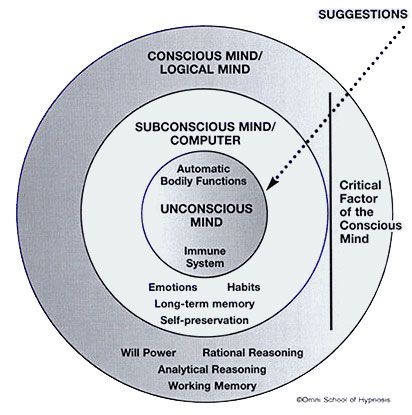
Hypnotism involves going into a trance-like mental state of increased susceptibility to suggestion. When hypnotized, the conscious filtering part of the mind is turned off or reduced, enabling direct access to the subconscious. This allows the hypnotized person to be externally influenced. Self-hypnotism can also be carried out by the subject, who auto-induces a state of hypnosis to re-program parts of their deeper mental behavioral patterns.
*Hypnosis works by bypassing the conscious mind to directly access the subconscious*
Hypnosis is done for a variety of purposes. Common uses include: gaining confidence, treating addictions, easing fears and phobias, alleviating sleep and mood disorders, reducing stress or pain, releasing creative or emotional blocks, breaking bad habits, loosing weight, forming new inner beliefs, changing automatic emotional responses like road rage, or even just to relax.
Prerequisites
Before attempting to hypnotize yourself, there are a few prerequisites:
- Find a safe, private place
- Believe it’s possible to directly tap into and influence the deeper, subconscious layer of the mind
- Have a genuine positive intent; prepare a few related affirmations related to goals ahead of time
The Process
Self-hypnosis involves three primary steps: Entering the hypnotic state, transformation work, exiting.
Entering:
**Step 1:** Lie down in a comfortable position, on a couch, bed or even the floor. Rest your arms at your side, or fold them over your stomach – whichever you are most comfortable with.
**Step 2:** Fix your gaze at a point on the ceiling. Clear your mind and focus on that point for 30 seconds to 1 minute.
**Step 3:** Close your eyes. Scan your body for any tension. Focus on the sensation in your toes, then relax them. Move to your feet, focus on the sensations there, and relax them. Next move to your legs, then thighs, then abdomen, and further up while focusing on the sensations then relaxing. Continue this process for your whole body.
**Step 4:** Imagine in vivid detail being in a relaxing environment. Near the ocean, in a forest, or sitting in a lawn are all suitable. Imagine all the senses. What does it look like, sound like, feel like, and even smell like? Take a moment to imagine all the sensations of being in this environment.
**Step 5:** Beginning from 10, slowly count down to 1. Tell yourself that when you arrive at 1, you’ll be in a fully hypnotic state and able to directly impress upon your subconscious whatever message you desire. At each number, tell yourself you are become more and more relaxed and falling deeper into a trance-like state. Count down, and once you hit 1, take a brief moment before moving onto the next step.
Transformation work:
**Step 7:** At this point, you are in a highly susceptible state. Thus, you can begin to shape your subconscious mind. To do this, use affirmations and visualization.
**7a.** In order for an affirmation to be effective, it must be presented in positive personal terms. For example, if you want to get a good grade on your next test, don’t say, “You won’t fail your math exam.” Instead say, “I study to receive a high grade on my math exam” or “I calmly take my math exam and easily pass.” Again, prepare 2-3 affirmations ahead of time. Make sure they are genuine desires and stated in personal positive terms.
**7b.** To visualize, imagine that your goal is already fulfilled. Focus both on the action steps of getting there and the final result. Most importantly, imagine the positive feelings of accomplishing the goal. For example, if you want to lose weight, imagine having fun and feeling determined while exercising, visualize looking in the mirror and seeing a lighter version of yourself, and feel pride and accomplishment at having transformed your body.
Do Step 7a and 7b for 5-10 minutes.
Exiting:
**Step 8:** After you have finished the transformation work, it is time to exit the hypnotic state. To do this, gain greater conscious awareness as you count from 1 to 10.
Tell yourself that when you reach 10, you will be in a fully alert state, feeling refreshed and having absorbed the suggestions that were presented. Begin counting with 1. At each number, tell yourself you are becoming more alert and awake. Slowly focus back on your bodily sensations and the environment. When you reach 10, open your eyes, get up, stretch, and enjoy the rest of your day.
**Step 9:** To increase effectiveness and durability of the transformation of the subconscious mind, repeat auto-hypnotism multiple times.
Summary of Hard Times by Charles Dickens (Social commentary without sjw shoehorning)
Character and structure in *Hard Times*
Charles Dickens’s *Hard Times* was serialized in 1854. True to his normal form, Dickens novel is rich in social critique for Victorian England and concerns itself with the hardships of the poor and working class. In this particular work, the author uses the story to contrast rationalist utilitarianism with affective humanism. The narrative follows a familiar format, utilizing three sections to set the premise, introduce a problem, and allow for a resolution. These three sections are entitled Sowing, Reaping, and Garnering, terms which provide a symbolic reference to the story itself. Sowing and reaping are widely known terms thanks to their inclusion in the Bible, meaning to plant and harvest wheat. Garnering, on the other hand, means to return to the field to collect the harvest. To pick up, recover, and accumulate from that which has been sown and reaped.
The first section introduces the story and background. In the first chapter, Mr. Gradgrind is introduced as he’s giving instructions for his children's education, telling their teacher, “Teach these boys and girls nothing but Facts.” Metaphorically expanding on the title of the section, Sowing, he continues, “plant nothing else, and root out everything else.”
Mr. Gradgrind is an adherent to a strict utilitarianism, expressed in overbearing rationalism and pragmatism. During the first part of the novel, he discourages free-thinking from his children. Everything, he believes, should be a calculated decision carried out to pursue one’s rational best interest. This is the worldview he attempts to impress upon his children, Tom and Louisa. Much of the novels plot revolves around the resultant effects of his efforts.
Tom, Mr. Gradgrind’s eldest son, is also introduced in section one. In section two, Reaping, we learn he’s become dissipated and taken toward gambling and vice. He plays a tragically villainous role, a plausible result Dicken’s sees for the child inculcated in rigorous rationalism without virtue.
Gradgrind’s daughter, Louisa, is featured much more prominently. Much of the narrative occurs as a result of the tension she feels between following logic or feeling. Her father urges her to marry the wealthy Mr. Bounderby, despite him being decades her senior and her feeling no attraction. She resists at first, but relents, does the 'logical' thing, and fulfills his wish. The transnational nature of their marriage alludes to the ultra-rationalist mentality of the world occupied by Mr. Gradgrind and Bounderby.
Louisa's new husband, Mr. Bounderby, is a wealthy businessman. He has a similar preference for cold utilitarianism yet lacks basic virtue such as humility or honesty. He’s introduced as dispassionate yet arrogant, unable to consider others. During this honeymoon with Louisa, they go to Lyon because he has business dealings there.
Sissy, a young girl taken in by the Gradgrinds, represents a foil for Mr. Gradgrind. She is imaginative and compassionate. Consequently, she encounters great difficulty in the rigid environment while living under his tutelage. The rationalist bourgeois adults around her believe she negatively impacts the mental faculties of Tom and Louisa with her fanciful ideas. In the story, Sissy acts to introduce the notion of humanism both conceptually and in the lives of the Gradgrinds.
The final major character to be introduced in the first section is Stephen Blackpool, a laborer. He’s depicted as faithful, genuine, and compassionate, and offers an additional layer both to the narrative and meaning of the novel. In the opening section, Blackpool is shown as a simple man but one nonetheless beset by troubles. His wife has become an alcoholic. Though he pities her, he wants a divorce. However, he’s not allowed to get one. To add greater sympathy to the character, though he loves another woman, he refuses to fully act on his feelings due to his pious, normative fidelity to his estranged wife.
While Dickens doesn’t provide him with much depth in terms of contrasting qualities, he uses him as a vehicle to project the notion and image of the virtuous lower-class laborer, one who falls victim to high society despite displaying moral rectitude.
In the second section, Reaping, things take a dramatic turn.
Two new characters are introduced, both villains of sorts. The first is James Harthouse, a sophisticated and manipulative dandy who rides into Coketown early in the section. He learns of Louisa and quickly ascertains her longing for emotion and passion, and is thus able to capitalize by sparking an easy romantic fling with her. He does this casually and without regard for the mental impact this will have for her.
The next character to be introduced is Slagbridge, a labor organizer, who attempts to unionize the Hands, the laborers to which Stephen Blackpool belongs. Stephen distrusts the new character and opposes the idea to unionize, stating it will only create more conflict. Because Blackpool fails to get behind plans for a union, he is cast out by the other workers from his job. To make matters worse, he’s soon set up by Tom Gradgrind to take the blame for a bank robbery.
The second section ends with Louisa having a mental breakdown. She confronts her father to tell him that she regrets her childhood, and that her inability to feel or utilize imagination has ruined her. She confesses that she doesn’t love her husband but she might love Harthouse. Then, sobbing, she collapses to the floor. As with reaped grain, she’s fallen.
Out of the second section, the problems faced by the main characters are set to be resolved. The pieces are there to be picked up. Are garnering is set to take place.
In the third and final section, Mr. Gradgrind immediately recognizes the folly of his hard-nosed ways and resolves to allow Louisa to develop emotionally. Louisa separates from her husband and returns home, where she is reunited with and can spend time with Sissy, thus adopting her more affective mentality. She never marries, indicating that her brief liaison with Harthouse had indeed broken part of her. However, she gets to experience maternal joy through her relationships with Sissy’s children.
Harthouse is confronted and chased off by Sissy. This is perhaps the clearest and most direct confrontation in the story between the amoral, calculating world view represented by Harthouse and the compassionate, virtuous one represented by Sissy. The good side, in the author's view, wins, in an undramatic and unceremonious fashion.
Tom escapes with the help of the circus. This is ironic due to his father, Mr. Gradgrind’s, initial disparagement of the circus in the first section.
Blackpool is found, having fallen into a mine while traveling back to Coketown. Though he dies, he’s able to clear his name, thus preserving his image and achieving some resolution.
Though concern for social and economic hardship facing the people of England was clearly on his mind, Dickens didn’t try to shoehorn in large political points or social exhortations into *Hard Times.* Instead, he utilized a character-driven brand of storytelling. In doing so, he imagined how various characters of different stations, personalities, mindsets, and temperaments might be affected by or respond to each other, events, or changes in circumstances, thus driving their growth and development throughout a story. Additionally, he utilizes a simple storytelling structure, one which sets up the characters and provides premises, a second which introduces some change or problem, and a final part in which some resolution is achieved. While Dickens is attempting to depict the resultant problems of cold utilitarianism as a guiding ideology as the well as the redemptive power of humanism, he does so through the personal drama of the cast of characters and their development in a clear, well-written narrative structure.
Simplicity = Sophistication
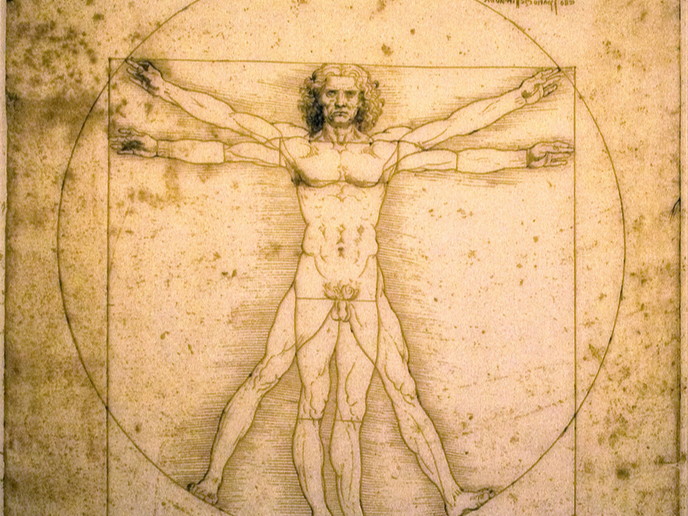
“Simplicity is the ultimate sophistication.” This quote is attributed to renaissance painter and inventor, Leonardo Da Vinci. But it was hardly his idea alone. Prior to Da Vinci, stoic philosophers extolled the virtues of leading a simple life. In modern time, minimalism is trend with diverse and widespread adherents around the world. The benefits of simplicity are wide ranging and reveal themselves in many different realms of life, including business, design, and time management.
It’s hard to know if Leonardo Da Vinci was directly inspired by stoic philosophers such as Seneca and Marcus Aurelius. In my estimation, he wasn’t. Instead, their mutual preference for consciously achieved simplicity is a testament to its universal virtue. For Stoicism, such simplicity allowed people to lead a good life, free from temptation, over-bearing luxury, and the malignant ills they produce. But for stoic philosophers such as Seneca, simplicity wasn’t simply asceticism. In his letters, he exhorts, “We should not believe the lack of silver and gold to be proof of the simple life.” Instead, the simplicity that Seneca prizes is internal, of the thought and spirit – of doing right, and doing so for its own sake, or because that’s what produced the best result and most peace of mind. His deference to equanimity was shared Marcus Aurelius, who saw gratitude as the greatest possession one could have: “When you arise in the morning, think of what a precious privilege it is to be alive – to breathe, to think, to enjoy, to love.” This lack of fear and anger, and an abundance of joy and appreciation, especially for the present moment, was seen by the stoics as the key to happiness.
In recent times, minimalism has emerged as a popular lifestyle and design trend. Popularized through blogs and youtube channels, minimalism forgoes the accumulation of needless stuff, which is seen as a burden. Minimalists prize themselves as frugal, clear-headed, organized, and neatly presented. They avoid the consumerist trap of ‘keeping up with the Joneses.’ Minimalists attempt to live simple lives, without luxury. They often reject what others see as necessities, such as cars and televisions. This simplicity, they claim, drastically improves the quality of their lives. Rather than collecting things, they are able to focus on gaining experiences. Some minimalists take the philosophy further, going so far as the practice relationship minimalism and cutting out associations or social practices which don’t serve their own long-term happiness. Instead, they double down on positive relationships and activities. Through social media (if they use it at all), minimalists share tips on how to live better with less.
Also in modern times, simplicity has emerged as a management principle. Clutter, as we all know, is distracting. And distractions are an opposing force to clarity, a key component of productivity. Likewise, modern copywriting often takes simplicity to an extreme, using one-word slogans, or sentence fragments as standalone paragraphs. This simple style is believed to be the most eye-catching and convincing for time-pressed readers. But the biggest benefits of simplicity are harder to quantify. These include the tranquility and aesthetic beauty which is engendered by simplicity. While the original iPhones were a testament to the positive design qualities of simplicity (and designed by a company headed by Steve Jobs, who was known for his obsessively simple dress style), modern business also has an interest in propagating consumerism, which contradicts the driving spirit and professed benefits behind both stoicism and minimalism.
Perhaps due to the increasingly complex nature of the modern world and as a rejection of messy post-modernism, simplicity is reemerging as a philosophical, art, design, and business trend. The idea of simplicity isn’t new. In fact, it’s been championed by great minds for thousands of years. Whether you are looking to increase your peace of mind, mental clarity, productivity, persuasiveness, or want to surround yourself with beauty, simplicity can help achieve these lofty goals, as they have for notable figures such as Da Vinci, Seneca, Marcus Aurelius, and Steve Jobs.
Celebrity Boxing (Politics Edition)
Celebrity boxing is only good new trend.
First, we saw Connor McGregor get dismantled in the ring by Floyd Mayweather. Since then, the Paul brothers (of yewtube infamy) have entered the sport, with Jake recently brutalizing former NBA player Nate Robbinson as an undercard for Mike Tyson's big return. https://www.youtube.com/watch?v=s_wwuEKiMQE
This must continue and also expand into political and philosophic rivalries.
Here are top 3 picks for celebrity boxing matches:
Donald Trump Jr. vs Hunter Biden
Both sons of elite politicians, both would have plenty of time and resources to dedicate to this fight. For Biden, after his recent laptop scandal, this could be a life-altering point of redemption. If Don Jr. is defeated in the ring after a possible election loss for his father, it could be the final nail in the coffin for Trumpism. On the other hand, a decisive victory for the vocal Don Jr could rally the base for his father's second term and cement his place as heir to glorious Trump Dynasty.
This is main event. Whoever wins will also be rewarded with lifetime supply of young women.
John Mcafee vs Bill Gates
Both began as 90s tech bubble winners, but they ended in vastly different places. Gates has dedicated himself to philanthropy, which many believe is cover for political maneuvers and a larger social agenda. John Mcafee doesn't give a fuck about you or the world, and he doesn't pretend otherwise. He's never attempted to play the saint. He's traveled the world engaging in hedonism. He's was even recently arrested for tax evasion. I've even heard he has scat fetish.
Each would likely follow different training protocols. Gates is more like communist Ivan Drago. He'd use latest cutting edge technology and training methods to show up at peak condition. He'd likely dope with age regression and stem cell therapeutics. Mcafee is far more primal and savage, like Rocky. He'd show up 110% high on methamphetamine.
Ted Cruz vs. Jack Dorsey
There's no love lost between these two. The based Texas senator has grilled evasive Jack Dorsey multiple times. https://www.youtube.com/watch?v=J3ZzLYFWRCc
This one's easy to call.
Ted Cruz has chad aryan soul. Dorsey would be incel in another life. Absolutely no contest. In fact, I recently ran highly accurate Twatter poll. The response was unanimous. Cruz and freedom win. https://twitter.com/khanthecad/status/1332967465165365248
###
I'm currently finishing up major book of longer essays on history, philosophy, and literature. Filled with vital spirit. Must read. Be sure to subscribe for updates on its release.

How to Naturally Boost SEROTONIN:)
Are you feeling down constantly, without a clear explanation or resolution?
The problem might lie in your brain.
Specifically, you could be low in an important *neurotransmitter* called serotonin.
Derived from the amino acid tryptophan, **serotonin is a brain chemical responsible for a sense of well-being and happiness**.
People with low serotonin levels experience more anxiety, depression, nervousness, irritability, compulsiveness, and crave starchy or sugary foods.
Low serotonin levels also lead to a low sex drive.
If you are experiencing any of those symptoms, explore these ways to naturally boost your serotonin level:
1 - Creating Your Own Positive Mood
A positive feedback loop occurs with serotonin.
Being in a good mood triggers the body to produce more serotonin, and having more serotonin helps create a pleasant mood.
Be conscious of and start to control your own self-talk.
**Learn to regulate your emotions**.
There are many ways to do this: meditate, work with a coach, watch comedy, eliminate reoccurring annoyances, or simply re-frame experiences into something positive or a source of personal growth.
Utilizing the ‘winner effect’ is another way to great your own positive mood, thus elevating serotonin.
2 - Get More Sunlight
Have you heard of seasonal affective disorder?
It's a common syndrome where people feel down during the winter months. It’s the result of a lack of sunlight during that time.
Research suggests that exposure to sunlight, particularly light entering the eyes, triggers the production of additional serotonin.
You can buy an expensive ‘blue light’ machine that simulates exposure to sunlight. However, it's probably a better idea to go outside and….
3 - Exercise
Exercise has multiple benefits, more serotonin being just one of them.
Also an added bonus, strenuous training sessions also induces another feel-good neurochemicals: endorphins.
Working out will also get you into better shape, which will boost your confidence.
Fit people get more respect and simply feel better more consistently.
4 - Proper Nutrition
**Diet can have dramatic effects on serotonin levels**.
Since serotonin is synthesized in the body from tryptophan, getting enough of the amino acid can help improve your mood.
The foods highest in tryptophan are actually vegan: nuts and seeds (especially pumpkin seeds, chia seeds, and sesame seeds); and soy products like tofu. Cheese, meat, and eggs also contain tryptophan. But carbohydrates are necessary for releasing serotonin in the brain.
The majority of the body’s serotonin is actually found in the digestive tract, and intestinal bacteria is crucial for its production. Eating fermented foods (such as tempeh, kimchi, miso, and kombucha) or taking probiotics can help boost and maintain healthy levels of microbes in your gut.
It sounds weird. But having ‘healthy’ levels of digestive bacteria may significantly improve your mental state.
In Conclusion
Happiness isn't just a mindset or a spontaneous emotion.
Instead, it's directly affected by a series of neurochemicals, serotonin being one of the most important.
By consciously controlling your mood, getting enough sunlight and exercise, and by eating right, feeling good comes more naturally.

Study Shows Lockdowns Don't Reduce Covid Deaths (So Why Are Democrats Still Pushing Them?)
A recent study published by *Frontiers in Public Health* reveals that government mitigation policies such as lockdowns have **no impact** on covid-19 mortality rates.
The study surveyed data from countries registering over 10 deaths from covid. They found what I long suspected. Higher death rates were associated with countries with higher rates of non-communicable conditions such as heart disease, obesity, diabetes, and cancer. Countries where people have bad diets and don’t exercise, like the US, unsurprisingly have the highest mortality rates.
The study found other inherent factors that contributed to more deaths.
Countries in higher latitudes with a lower UV index saw more deaths. Likewise, developed countries that had plateaued in lengthening life expectancy, and thus where a larger proportion of the population is elderly, also saw more deaths.
Lockdowns and other stringent anti-pandemic measures don't correlate with a lower mortality rate and are NOT an effective tool in fighting covid. If anything, they may make things worse. Barring people from going to the gym, exercising outside, and getting sunlight makes them more susceptible to acute illness over the long run. Secondly, lockdowns have mental health impacts. There have already been several cases of suicides, particularly among children, related to the lockdowns. Lastly, the economic stress caused by lockdowns will no doubt have negative health impacts.
This begs the question: if lockdowns don’t impact the number of covid deaths, why are they still happening?
It’s easy to imagine that Democratic governors are power-hungry technocrats or globalists who are bent on destroying an autonomous middle and plebeian class, forcing everyone into dependency through a combination of ratcheted-up measures of control and economic disaster-ing their way into compliance. Others believe the same Democratic governors wanted to exacerbate the problem and make people's lives worse to blame Trump.
There is a simpler explanation. When faced with crises, our natural tendency is to do something to address it, even if the measures we take are ineffective or make problems worse. This is especially true of the manager class. Democrats, for their part, have a decadent and maximalist approach to government, believing that interventionist policies should address a wide range of issues and attempt to solve every problem, something I’ve described elsewhere as 'Big Sister' or the 'Mammy State.' Even when there isn’t a problem, modern liberals are bound to find one and roll out a convoluted ‘solution.’ They have no real vision, yet they overreach on everything, often in the most effete yet cumbersome ways. https://read.cash/@Vitalismo/thought-experiment-us-vitalist-party-national-platform-9c88cd88
*Ironically, there are real measures governments could take to mediate deaths from covid.* But they’re the opposite of the ones that Democrats (and Republicans) talk about.
They include things like:
- Not just opening the gyms back up, but opening more gyms. A lot more, and a lot more types. Forgoing universal healthcare for universal fitness care.
- Encouraging people to spend more time outdoors, moving around in the sunshine and fresh air. Creating space and designing parks, neighbors, and streets to better facilitate active, healthy lifestyles.
- Generally taking health seriously instead of looking at it as a woke sociology project. Stop the fat acceptance nonsense.
- Ensuring that people get enough key nutrients like zinc and vitamin D.
- Banning soft drinks and other foods, along with chemical agricultural agents, that contribute to hormonal disruption, obesity, immunity suppression, diabetes, and cancer.
These policies, not lockdowns, would not only make populations more resilient in the face of pandemics like covid-19, but they would reduce mortality from a range of communicable diseases and non-communicable conditions. Better yet, they would prolong and enrich life generally.
Lockdowns don't work. The science says so.
Reference:
Larochelambert, Q. D., et al. (2020). Covid-19 mortality: A matter of vulnerability among nations facing margins of adaption. *Frontiers in Public Health.* https://www.frontiersin.org/articles/10.3389/fpubh.2020.604339/full#SM6
5 Take-Aways from 'Antifragile' by Nassim Taleb
Taleb has insight. Neither self-serving sycophant of finance, nor a sore loser critic on the sidelines, he has worked with large amounts of money in a practical sense without taking it too seriously as an abstract concept. This makes him sometimes drawn out and difficult to comprehend while at other times iconoclastic.
His writing is dense. Reading his explanations and presentations of his central ideas requires a degree of acuity, even when he tries to be simple. His humor is characterized by witty pet names and terms ("Soviet-Harvard Illusion") with plenty of hyperbole and irreverence.
But the thesis of the book is encapsulated by the opening line:
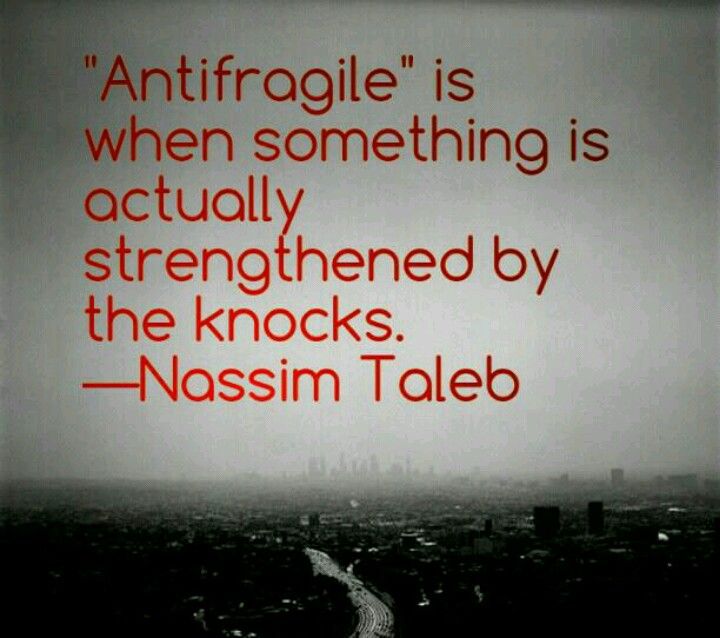
***“Wind extinguishes a candle and energizes a fire.”***
That is, some things are harmed by variance, volatility, pressure, and change - particularly on a nonlinear level. Other things are strengthened by them. Taleb’s idea is that we should embrace the latter, operating in a manner that utilizes anti-fragility to our benefit, both personally and on a society-wide level.
He has little remorse for the fragile. He dedicates pages to denigrate the ‘fragilistas’ who have wormed their way into the upper echelons of government, education, and business (more on that later).
Here are the key takeaways:
1) Asymmetry
The key feature of both fragility and antifragility is asymmetry.
Fragility implies that small potential gains are matched with large potential losses. Antifragility is the opposite: large potential gains are matched with small potential losses.
A simple example is forest and prairie management. Yearly managed burns create small losses while avoiding the potential for massive fires later. On the other hand, preventing and stopping small fires creates conditions where much larger fires inevitably occur sooner or later. One utilizes anti-fragility. The other creates fragility through attempting to impose a false logic of stability.
In the first instance, you avoid large losses at marginal cost. You are making yourself anti-fragile. At any given moment, small fires are less likely to become big ones.
In the second, you embrace catastrophic losses down the road to achieve marginal benefit immediately. You are fragile and increasingly susceptible to the eruption of large wildfires as time goes on.
*When you have little to lose and lots to potentially gain, or are protecting yourself from major injury by accepting slight ones, especially in the face of inevitable or unforeseen change, you’re personally anti-fragile.*
Examples of this asymmetry are all around us:
In dating, facing small embarrassment of rejection matches to the chance of scoring a more attractive dates and longer-term success with women -- verses the safety of immediate social comfort paired with longer dry spells, poorer social skills, and settling for fatties and single moms.
In fitness, minor strains and injuries of daily exercise leads to greater bone density and muscle mass -- verses the ‘safety’ and comfort of inactivity that weakens the body over the long term.
Generally, being anti-fragile means exposing oneself to minor risks for larger rewards. On the other hand, fragility entails avoiding small risks while setting oneself up for catastrophe later.
2) Optionality
*Optionality equals antifragility.*
Having plenty of choices (and being able to choose the best one) equals anti-fragility. For example, speaking 4 major world languages is a large advantage when traveling internationally compared to speaking just one. So is having multiple passports. Income streams from different sources and countries is even better. Having 3 potential dates is preferable to 2, which is better than 1, which is too close to zero. Having a car, motorcycle, and bicycle allows one to travel in a wider variety of ways, to further or more obscure corners than simply having one option, and have a wider range of experiences. Add access to a helicopter and now you have extreme optionality.
*Having options that others don’t put one at a distinct advantage, especially during unforeseen circumstances.*
3) Skin in the Game
A major problem today is that we listen to people who don’t have ‘skin in the game.’ Too, the people who make decisions (typically unelected, career bureaucrats) have nothing to lose if they are wrong. They've effectively transferred risk onto others; created antifragility for themselves at the cost of creating more fragility for those they lead, represent, or administrate over.
In primitive societies, leaders were not only expected to sacrifice, but they would be held personally accountable for misfortune.
Ask yourself, when was the last time a political leader was held to account for the harm they caused their own constituency? Typically, even if corrupt leaders are voted out of office, they exit their public careers as multi-millionaires and immediately enter into the private sector as highly paid consultants. Plainly stated, “democratic” politicians – along with a whole strata of executives, directors, and upper managers, are fragilista scam artists without real skin in the game.
This has two *practical* philosophical implications.
Firstly and most obviously, take with a grain of salt the loudly proclaimed opinions of those who have little to lose by being wrong.
Secondly and inversely, understand what skin in the game means when receiving information. When someone does advocate a position, you should find out if they stand to gain from their position being adopted on a wider scale or from you buying into it.
By this heuristic, we'd be immediately skeptical of single middle-aged women who decry the supposed crime of older guys dating younger girls, or tattoo artists who say that having tattoos looks cool.
4) Via Negativia
Often, improvement comes not through addition, but through subtraction. In effect, if we are trying to cure heart disease, a better route is to eliminate junk food, not add medication.
Optionality and back up systems can build redundancy, which is good. Our bodies are based on it. Having two hands (eyes, kidney, etc) is obviously better than having one. This is a useful evolutionary adaption.
But having too much useless stuff can create a fragilizing asymmetry.
Someone with a large house and corporate job has little to gain and much to lose compared with the poorer entrepreneur in a small apartment.
Traveling with suitcases full of clothes and personal items necessarily limits speed and mobility, especially when surprise factors or problems - volatility - arise.
Massive size and excess often create fragility; things can be more a liability than optionality.
Therefore, it's often better to eliminate (or substitute) that which is bad, unuseful, or harmful, rather than try to add something else to compensate for it.
5) Interventionism and Iatrogenics
*Naive interventionism creates fragility – or even larger harm.*
The overuse of hand sanitizers weakens the immune system by depriving it of opportunities to fight of bacteria in small doses, all while allowing your skin to constantly absorb toxic chemicals. Helicopter parents create manlets like Ben Shapiro.
Medication and hospitals can kill you.
Simply put, short-sighted measures to protect oneself from stress and volatility create bigger problems down the road.
**Conclusions**
Embrace discomfort to build antifragility.
Create and utilize asymmetry and optionality. Eliminate the true source of harm and unhappiness instead of adding more junk. Understand the importance of skin in the game. Avoid well-intended but harmful interventionism.
Better yet, lead a life of personal strength, wisdom, skill, vitality, and virtue.
 @Vitalismo