Weak hands
In fact, the cryptocurrency can be quite difficult for individuals who are new to it but overall are very optimistic. The key explanation behind this conclusion may just be the immense unpredictability that can not really be disputed by the entire crypto industry. That's what makes the crypto market exactly what it is.
There are a few words that you should be aware of and which are used very widely in the market by traders before joining the entire cryptosphere. Weak hands is one of those words. There are, undoubtedly, many kinds of traders with different skills and strategies in the business. Weak hands is a term used to refer to traders that are not very good at making plans and who essentially lack strategic beliefs or may even lack any of the resources needed to carry out and execute the operation perfectly. Some traders still do not wish to take the underlying asset or deliver it, and that is what can also be considered weak hands.
There are many weak hands in the business that are getting richer for the wealthy. Someone has to lose for somebody else to win and that is just what happens in the economy. When the prices are at highs, the poor hands end up purchasing and end up selling assets when the prices are at lows. These are the two most popular ways for the market to lose revenue.
Before recognizing the transition from a normal trader to someone who needs to be called a weak hand, one should realize that the latter refers very simply and quickly to an investor who is motivated by the emotion of fear. In the cryptocurrency industry, there are many rumors and news all the time, which should not be taken too seriously at the first go. The explanation is mainly that most of them are not really true and only a good analyst or strategist will be able to tell you whether or not the situation is negative.
Without much judgment, weak hands actually sell their assets or purchase some assets very easily, being solely dependent on the press. That is certainly not a very smart thing to do. Not only that, but they also seem to adhere to a certain set of rules they have established in the market for themselves, making their next step very predictable. Again, it is not a very intelligent move to have stable plans for an unpredictable market. The fluctuation of regular market rates at any point of time quickly shakes them out. This is why they are most likely to only cell when the cryptocurrency is at low and buy when the cryptocurrency is at large.
Another category of individuals who see the market as speculators and not as investors can be considered "weak hands." If an investor is really looking through the eyes of the speculators, even after minor price fluctuations, they are more likely to reverse whatever decision they have made very flexibly. If the mentality of traders who have built strategies before investing is actually influenced by such small things, it must be out of fear.
Most usually, the repetitive action that these weak hands represent is purchasing a certain asset just because the price chart went up a bit and selling a certain token just because the price chat went down a bit. The consistency of the strategic strategy includes a decision on the stock market as well as the Crypto market. If this fundamental trading rule is not followed, traders become predictable, so they are referred to later as weak hands.

Beating Compulsive Gambling
Gambling issues are linked to other underlying disorders such as anxiety, stress, and impulse control or substance abuse difficulties. As well as preventing slips and relapses, easy-to-apply techniques will end the impulse to gamble.
As a means of controlling anxiety, many individuals gamble. People often report being separated from their nervous feelings when they gamble, or projecting their feelings of anxiety onto the excitement they experience as they engage in their choice of gambling activity. Gambling can then work its way into the fabric of their daily lives, and the impulse to gamble can overtake the remainder of their lives.
For many gamblers, therefore, reducing anxiety is a prerequisite for any improvements in gambling behavior to be made. Fortunately, there are many strategies to alleviate anxiety that can make a huge difference.
Learn to relax
A physiological and psychological reaction that is the opposite of anxiety and panic is true relaxation. This is followed by a reduction in the heart rate and a decrease in blood pressure, deeper breathing, and a relaxed, even state of mind. Its effects are cumulative when experienced on a daily basis. By learning to relax, one of the most important ways that people can counteract fear is. It's not possible at the same time to be calm and nervous. This means more than just plopping down in front of a TV or surfing the Internet, while those things can seem relaxing on the surface.
If the level of anxiety is so high that it makes individuals anxious physically and mentally, it can give them relief by taking active measures to relax. Relaxation activities, such as those outlined below, teach individuals to recognise, defuse, and break the fear loop of worries. Even if the exercises don't seem to help at first, it's better for people to stick to everyday practice, and the more people perform these exercises, the more positive impact they will have.
Being able to relax is an ability, and it gets better with practice, like every other skill someone wants to improve. The more individuals practice, the more mindful of the ebb and flow of anxiety they will become. That way, they can target it as soon as they sense its presence. There are hundreds of approaches to "mind and body," such as yoga, tai chi, and meditation. These methods incorporate strategies of deep breathing and relaxation with techniques of body awareness that help people identify when they get too tense. Many of these are continuing activities that individuals can try at a fitness club, a studio, or even at home.
Before people will learn to relax, having a handle on what makes them nervous in the first place is good for them. Greater sensitivity may assist individuals to predict these emotions, which in turn helps them to understand the need to use a technique for relief. It also helps to understand which are the most powerful methods for relaxation. That is why keeping a journal for at least one week can be helpful. It can be used by individuals to write down what makes them nervous and how they respond to the anxiety. People will typically recognise anxiety causes and patterns of reaction after a week of making journal entries.
Then it's time to identify other ways of coping that might relieve rather than fuel anxiety. To get started, here are three excellent relaxation exercises.
**Progressive muscle relaxation exercise**
For someone to learn body awareness and the difference between tense muscles and relaxed muscles, the aim of this exercise is to learn. People may teach themselves the distinction between a relaxed muscle and a tense one by slowly tensing and relaxing each muscle group in the body. Once individuals master this ability, in situations that make them nervous, they will have improved body awareness. They can learn to cope with tension over time, and with continued practice, by training their muscles to relax while relaxing the mind. It is not possible to be stressed and calm at the same time, after all.
By setting aside 15 uninterrupted minutes in a calm, distraction-free spot, someone can get started. It can help to dim the lights, or to sit in a comfortable position or lie down.
For 15 seconds (about 10 slow counts), the idea is to hold and grip each region of the body, feeling the tension build up. Then release the tension and relax completely, allowing the tension to flow away from the body and out of that area. The person doing this exercise should take a moment for each muscle group to note how different it feels when it's stressed compared to when it's relaxed. Before moving on to the next body area, perform the exercise at least once and as much as three times.
**Take a deep breath**
Exhaling slowly sends a signal to both the body and brain that makes them relax. Even though they are not actively participating in this form of exercise, doing this type of deep breathing will help people breathe like this.
For this exercise, individuals should strive to set aside 10 uninterrupted minutes, ideally in a quiet, distraction-free location. It can help to dim the lights and to sit in a comfortable position or lie down.
By placing one hand gently on the chest and one hand gently on the abdomen, just above the belly button, they may start. For one slow count, inhale deeply through the nose or through pursed lips. As the belly and ribcage expand, the lower hand may travel out. (The upper hand does not move at all.) Next, for one slow count, exhale through the mouth absolutely. As the belly and ribcage grow smaller during exhalation, the bottom hand should turn inward.
Once individuals master this process, rather than taking the short, choppy breaths that often accompany anxiety and depression, they can understand how it feels to breathe evenly and deeply.
**Try an exercise for visualization**
Combining imagery with deep breathing or gradual muscle relaxation is another beneficial strategy. To quell fear, visualization can also be used on its own.
To imagine a healthy, peaceful location or circumstance, using all five senses to conjure up as much detail about it as possible, is a classic visualization exercise. This helps pull someone's attention away from negative thoughts and impulses that are tense.
People might, for instance, imagine taking a leisurely walk on the beach. They can actually see the ocean, sun, sand, and birds through practice. The waves crashing against the shore or the seagulls cawing, they learn to hear. On their skin, they can feel the warm sun and the soft sand under their feet. They can smell the salty air and taste it.
Find Alternative Activities
Better than deprivation is diversion. In other words, doing something else, an alternative activity that is constructive and pleasant, is one of the main ways people can alleviate fear and reduce impulses to gamble. This focuses attention away from concern, decreasing the need for the familiar trend of gambling.
Taking up old hobbies or discovering new interests and activities can be involved in finding a replacement activity. Such new interests grow over time into coping strategies that help individuals handle anxiety and gambling more effectively.
Get started by thinking about at least five fun things that have little to do with gambling, drinking, or misuse of drugs. Watching TV, working out, or gardening may be part of this. Finding activities that are genuinely attractive is the secret.
Have patience
They will need to figure out certain facets of their lives, develop new experiences, and learn new abilities as individuals attempt to improve their relationship with gambling. It is common for individuals to make headway and then take a few steps back. It's important to note that it is a bit like going on a long journey to make any meaningful improvement. Time is required.

We made a difference
One thing I learned in life is you can't please everyone.
This is somewhat related to the article posted by someone.
I joined read.cash because of their advertisement - **write article, earn bitcoin cash.**
You have some point miss. But, it is not easy to pursuade some random people to just join a platform because you want them to adopt something they didn't know at first.
Yes, you can show them what bitcoin cash can truly do. You can say that it is the future money. Let them experience it first hand and let them decide for themselves if they want to adopt or not.
When I was new, I didn't even care what bitcoin cash is. All I want is to earn some and then convert it directly into our local currency. But as I go along the way, I found the true meaning behind bitcoin cash and why read.cash/noise.cash was made. Its not just about spreading awareness. It is about proving the world that Bitcoin cash has a true world use case.
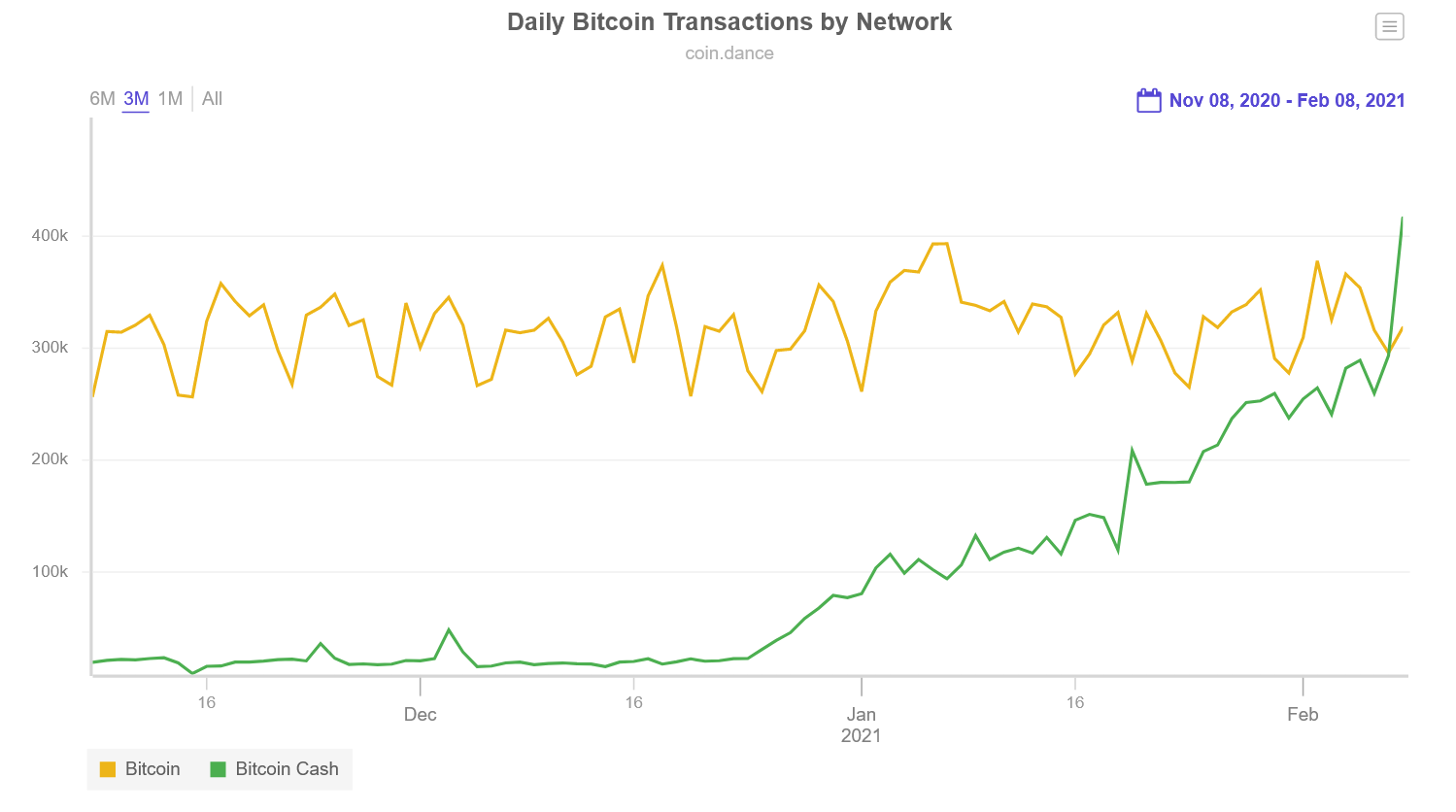
In the recent transaction chart BCH vs BTC, we have just flipped bitcoin on the numbers of transactions made. Is it that great? We all have contributed for this to happen. Along with the people you said that are gone because they have earned enough.
So let us still invite more people by telling them they can earn Bitcoin cash and let them decide. If you invited 10 person and they all adopt, great. If it is one, still good. If none, still good. We can just try to invite again and again.
As the saying goes - Hardwork pays off!
Congratulation to all of us! We made a difference!
Is our landfills enough?
Organic materials 'biodegrade' as they are broken down into their constituent parts by other living organisms (such as fungi, bacteria, or other microbes), which are in turn recycled as the building blocks for new life by design. The process can occur aerobically (using oxygen) or anaerobically (using oxygen) (without oxygen). Under aerobic conditions, compounds break down even quicker, as oxygen helps break the molecules apart, a process called oxidation.
Landfills are too overcrowded for waste to biodegrade
Since they are too densely compacted, most landfills are inherently anaerobic and thus do not allow much air in. As such, any biodegradation that happens does this quite slowly.
"Typically, there is not much dirt, very little oxygen, and few if any microorganisms in landfills," says Debra Lynn Dadd, a green consumer advocate and author. She cites a landfill report performed by researchers from the University of Arizona that discovered still-recognizable 25-year-old hot dogs, corncobs, and grapes in landfills, as well as still-readable 50-year-old newspapers.
Processing May Inhibit Biodegradation
Biodegradable materials can also not break down in landfills if they have been transformed into forms unrecognizable by the microbes and enzymes that promote biodegradation by the industrial processing they experienced until their useful days. Petroleum, which biodegrades easily and quickly in its original form: crude oil, is a typical example. But it is no longer biodegradable when petroleum is refined into plastic, and can permanently clog up landfills as such.
Some manufacturers say that their goods are photodegradable, which means that, when exposed to sunlight, they can biodegrade. The plastic "polybag" in which several magazines now arrive covered in the mail is a common instance. But there is little or no risk that such objects would be exposed to sunlight when buried in a landfill hundreds of feet deep. And if they do photodegrade at all, they are only likely to be smaller bits of plastic, leading to the growing issue of microplastics and adding to our oceans' enormous quantity of plastic.
Landfill Design and Technology May Enhance Biodegradation
Via the injection of water, oxygen and even microbes, some landfills are now being planned to facilitate biodegradation. But it is expensive to build these types of facilities and, as a result, they have not caught on. Landfills that have different parts for compostable items, such as food scraps and yard waste, are another recent trend. Some researchers estimate that 65% of the waste currently sent to landfills in North America consists of such "biomass" that rapidly biodegrades and could create a new source of income for landfills: marketable soil.
Reduce, Reuse, Recycle Is Best Solution for Landfills
But having people to sort their garbage correctly is completely another matter. In fact, paying attention to the meaning of the "three Rs" of the environmental movement (reduce, reuse, recycle) is probably the best solution to addressing the problems created by our ever-growing piles of garbage. With landfills exceeding capacity all over the world, technical solutions are not likely to make our issues with waste disposal go away.

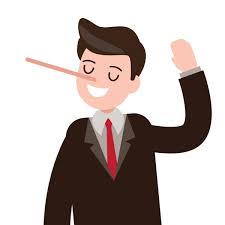
Is it ever morally acceptable to lie?
Is it ever morally acceptable to lie? Although lying can be seen as a danger to civil society, it seems like there are many instances in which the most intuitive moral choice seems to be lying. In addition, if a fairly broad definition of "lying" is embraced, either because of instances of self-deception or because of the social construction of our character, it seems entirely difficult to avoid lies. Let's look at those problems more closely.
It is controversial what lying is, first of all. Four basic criteria for lying have been established by recent discussion of the subject, but none of them seems to really work.
Bearing in mind the difficulties of having an accurate description of lying, let's begin to face the most important moral issue about it: should lying always be despised?
Lying has been seen by writers like Kant as a danger to civil society. The theory goes that a society that tolerates lies is a society in which trust is eroded and, with it, the sense of collectivity.
In the United States, where lying is considered a significant ethical and legal liability, government trust could well be higher than in Italy, where lying is far more accepted. Machiavelli, among others, used the value of confidence centuries ago to focus on it. Yet, he also concluded that, in some situations, deceiving is the best alternative. How is it possible?
So-called "white lies" are a first, less contentious kind of cases in which deception is accepted. In certain situations, it seems easier to say a small lie than to make anyone stress unnecessarily, or become depressed, or lose momentum. While such actions seem difficult to support from the point of view of Kantian ethics, they offer one of the most clear-cut reasons in favor of Consequentialism.
However, popular objections to the Kantian absolute moral prohibition of deception often come from considering more dramatic scenarios. One sort of scenario is here. If you could have saved someone's life by telling a lie to some Nazi soldiers during World War II, without causing any other additional harm, it seems like you should have lied. Or, imagine the scenario in which someone is outraged, out of reach, and asks you where she can find your acquaintance to kill that acquaintance. You know where the acquaintance is and lying would help calm down your friend: should you say the truth?
There are plenty of conditions where lying appears to be morally excusable until you start thinking about it. And it is, yes, usually morally excused. There's an issue with this now, of course: who's to tell if the situation excuses you from lying?
There are many cases under which people appear to be persuaded that they are excused from taking a certain course of action when they really are not, in the eyes of their peers. The phenomenon called self-deception can be a good part of those scenarios. Lance Armstrong may have just given one of the best cases we can offer of self-deception. Yet, who is to say you're self-deceiving?
We may have led ourselves into one of the most daunting skeptical lands to navigate, by trying to determine the morality of deception.
The product of self-deception, perhaps an involuntary result, can not only be seen as lying. When we expand our understanding of what a lie could be, we come to see that our culture is deeply rooted in lies. Clothing, cosmetics, cosmetic surgery, ceremonials: many elements of our society are ways of "masking" the presence of such items. Perhaps the festival that deals best with this basic element of human life is Carnival. Therefore, before you denounce all lies, think again.
Violence Exemption
Violence, a term filled with ethical and political meaning, is a central concept for defining social relationships between people. It is clear in some, perhaps most, cases that violence is unfair; but, in some instances, someone's eyes seem more debatable: can violence ever be justified?
Self defense
The most logical reason for violence is that it is done in retaliation for other violence. It will seem justified to try to react to physical aggression if a person punches you in the face and seems to be willing to keep doing so.
It is important to remember that violence, including psychological violence and verbal violence, can come in various forms. The argument in favor of violence as self-defense, in its mildest form, argues that an equally violent response to violence of some kind can be justified. Thus, for example, you may be legitimate to react with a punch to a punch; but you are not justified in responding to mobbing (a type of psychological, verbal and systemic violence) with a punch (a form of physical violence).
In a more daring version of the rationale for violence in the name of self-defense, violence of any sort can be justified in reaction to violence of any other kind, given that the use of violence in self-defense is quite rational. Therefore, it may also be necessary to use physical violence to react to mobbing, given the violence does not surpass what appears to be a reasonable payoff, adequate to ensure self-defense.
In the name of self-defense, an even more audacious version of the rationale of violence has it that the mere chance that violence will be committed against you in the future gives you ample excuse to practice violence against the alleged attacker. While this scenario happens repeatedly in daily life, it is definitely the more complicated one to justify: how do you know, after all, that an offense will follow?
War
For the ties between states, too, what we have just addressed at the level of individuals can be kept. If physical, psychological, or verbal abuse is at stake, a state can be justified in reacting aggressively to a violent assault. Likewise, according to others, it might be justifiable to react to some legal or institutional violence with physical violence. Suppose, for example, that State S1 imposes an embargo on another State S2 such that immense inflation, shortages of primary commodities, and consequent civil depression would be endured by citizens of the latter. While one might argue that S1 did not impart physical violence against S2, S2 may have some reasons for a physical response to S2.
In the tradition of Western thought, and beyond, matters concerning the justification of war have been addressed at length. Although some have repeatedly advocated a pacifist viewpoint, another author emphasized that it is inevitable to wage wars against some criminals on certain occasions.
Idealistic vs. Realistic Ethics
In pointing out what might be labeled as idealistic and rational approaches to ethics, the debate on the justification of violence is a perfect example. The idealist would insist that violence can never be justified, no matter what: humans should aim for ideal conduct in which violence never figures, whether or not that action is achievable. Authors such as Machiavelli, on the other hand, answered that while idealistic ethics would work perfectly well in principle, such an ethics can not be practiced in practice; considering again our case in point, people are violent in practice, so attempting to have a non-violent action is a policy that is intended to fail.

Post Partum Depression
It's stressful to have a child, no matter how much you've been looking forward to it or how much you love your child. It's no wonder that a lot of new moms feel like they're on an emotional rollercoaster, considering the sleep deprivation, new tasks, and lack of time for themselves.
Possibly, in new mothers, moderate depression and mood swings are so widespread that they have their own name: the baby blues.
The majority of women shortly after childbirth experience at least some signs of baby blues. The rapid shift in hormones after delivery, combined with stress, loneliness, lack of sleep, and exhaustion, causes it. Maybe you feel more tearful, overwhelmed, and vulnerable emotionally. This will usually begin within the first few days after delivery, peak about a week, and taper off by the end of the second postpartum week.
Baby blues are perfectly common, but you may suffer from postpartum depression if the symptoms do not go away after a few weeks or get worse.
Post partum depression signs and symptoms
Postpartum depression, unlike baby blues, is a more severe issue, one that you should not ignore.
Postpartum depression can look like the typical baby blues in the beginning. In reality, many symptoms, including mood swings, crying jags, sadness, insomnia, and irritability, are shared by postpartum depression and baby blues. The distinction is that the symptoms are more severe (such as suicidal thoughts or an inability to care for your newborn) and longer lasting with postpartum depression.
You can find yourself withdrawing from your partner or your baby being unable to bond well.
You might find your anxiety out of control, keeping you from sleeping or eating properly, even when your baby is asleep.
You may find intense feelings of remorse or worthlessness or start to develop thoughts concerned with death or even wish you weren't alive.
These are all red postpartum depression flags.
Risk factors
There is no single explanation why postpartum depression occurs in some new mothers and others do not, but it is suspected that a variety of interrelated causes and risk factors contribute to the issue.
**Hormonal modifications**. Women experience a major decrease in the levels of estrogen and progesterone hormones after childbirth. There may also be a decrease in thyroid levels, contributing to fatigue and depression. These rapid hormonal changes can cause postpartum depression, along with the changes in blood pressure, functioning of the immune system, and metabolism experienced by new mothers.
**Physical Modifications**. Giving birth brings various changes in physique and emotion. You can experience physical pain from childbirth or the difficulties of losing baby weight, leaving you uncertain of your physical and sexual appeal.
**Stress**. A toll may also be taken by the burden of caring for a newborn. New mothers also suffer from sleep deprivation. Furthermore, you could feel exhausted and nervous about your ability to care for your baby properly. If you're a first-time mother who must get used to an entirely new persona, these changes can be especially difficult.

Improving Sex life
There are many things you can do to get your sex life back on track, whether the issue is big or small. Your sexual well-being and your overall mental, physical, and emotional wellbeing go hand in hand. Communicating with your partner, keeping a balanced lifestyle, taking advantage of some of the many great materials on the market for self-help, and just having fun will help you weather rough times.
Enjoying a sex life with satisfaction
Sex. A kaleidoscope of feelings can be evoked by the term. The responses are as complex as the sexual encounters themselves, from passion, enthusiasm, and tenderness to longing, anxiety, and disappointment. What's more, in the course of a sex life spanning many decades, several people will experience all these feelings and several others.
On one stage, sex is yet another bodily feature powered by hormones programmed to perpetuate the species. Of course, the magnitude of the human sexual response is overlooked by that narrow view. Your experiences and aspirations help shape your sexuality, in addition to the biochemical forces at work. In your ability to build and sustain a fulfilling sex life, your view of yourself as a sexual being, your opinions on what constitutes a satisfactory sexual bond, and your relationship with your partner are key factors.
Speaking with your partner
Even under the best of conditions, many couples find it hard to talk about sex. When there are sexual issues, feelings of pain, embarrassment, remorse, and anger will completely halt conversation. Since good communication is a pillar of a healthy relationship, the first step not only to a better sex life but also to a stronger emotional connection is the establishment of a conversation. Here are some tips to approach this delicate issue.
**Find the best time to converse**. There are two forms of sexual conversations: the ones in the bedroom that you have and the ones somewhere that you have. In the middle of lovemaking, it's perfectly appropriate to tell your partner what feels amazing, but it's better to wait until you're in a more neutral place to address bigger problems, such as mismatched sexual desire or problems with orgasm.
**Stop making critiques**. In constructive words, Couch suggestions, such as, "I really love it when you lightly touch my hair that way," rather than dwelling on the negatives. Approach a sexual problem as a question to be addressed together rather than an exercise in blame assignment.
**Trust your partner about your body's shifts.** Speak to your partner about these stuff if hot flashes are keeping you up at night or menopause has left your vagina dry. Instead of taking these physical changes as a lack of interest, it is much easier for him to know what is really going on. Similarly, if you're a guy and you don't just get an erection from the idea of sex anymore, teach your girlfriend how to stimulate you rather than make her think she's not sexy enough to excite you anymore.
**Be truthful**. You might think that by faking an orgasm, you're shielding your partner's feelings, but you're really starting down a slippery slope. As difficult as it is to speak about any sexual issue, once the problem is buried under years of lies, hurt, and frustration, the difficulty level skyrockets.
Using techniques for self-help
It is simpler now than ever before to handle sexual issues. If you need them, innovative drugs and competent sex therapists are there. But by making a few changes in your lovemaking style, you can be able to repair minor sexual problems. Here are a few things at home that you can try.
**Educate yourself**. For every type of sexual problem, plenty of good self-help materials are available. To help you and your partner become better informed about the problem, browse the Internet or your local bookstore, select a few resources that apply to you, and use them. You and your partner can emphasize passages that you particularly like and show them to each other if talking directly is too difficult.
**Giving time to yourself**. Your sexual responses slow down as you age. By finding a quiet, comfortable, interruption-free setting for sex, you and your partner can improve your chances of success. Also, know that your body's physical changes mean that you'll need more time to get aroused and reach orgasm. It's not a bad thing to spend more time having sex when you think about it; working these physical necessities into your routine of lovemaking can open doors to a new kind of sexual experience.
**Lubrication use**. Often, with lubricating liquids and gels, the vaginal dryness that begins at perimenopause can be easily corrected. Use these freely to prevent painful sex, a problem that can snowball into libido flagging and relationship tensions growing. Discuss other options with your doctor when lubricants no longer work.
**Maintain physical fondness**. To maintain an emotional and physical bond, engaging in kissing and cuddling is essential even if you are tired, tense, or upset about the problem
**Touching practice**. Without feeling pressured, the sensitive focus techniques that sex therapists use can help you restore physical intimacy. Many books and educational videos for self-help offer variations on these exercises. You may also want to request that your partner touch you in a way that he or she would like to be touched. This will give you a better sense of how much pressure you should use, from gentle to firm.
**Try different stances**. Not only does the development of a repertoire of different sexual positions add interest to lovemaking, but it can also help overcome issues. The enhanced stimulation to the G-spot that occurs when a man from behind enters his partner will help the woman achieve orgasm, for instance.
**Write your fantasies down**. This exercise will help you explore potential behaviors for you or your partner that you think could be a turn-on. Try to think of an encounter or a movie that aroused you and then share with your partner your memory. For people with little ambition, this is particularly helpful.
**Do Kegels exercise**. By exercising their pelvic floor muscles, both males and females may enhance their sexual fitness. Tighten the muscle you would use if you were attempting to avoid midstream urine in order to perform these exercises. Keep for two or three seconds for the contraction, then release. 10 times to repeat. Try to do five sets a day. When driving, sitting at your desk, or standing in a checkout line, these exercises can be completed anywhere. At home, to add muscle resistance, women can use vaginal weights. Speak to your doctor about where to get them and how to use them, or to a sex therapist.
**Try to relax**. Until you have sex, do something soothing together, like playing a game or going out for a nice dinner. Or try methods for relaxation, such as deep breathing exercises or yoga.
**Make use of a vibrator**. This tool will help a woman learn about her own sexual reaction and encourage her to demonstrate what she likes to her partner.
**Don't give up**. If it seems like none of your efforts are working, don't give up hope. Your doctor will also be able to determine the cause of your sexual problem and will be able to identify therapies that are successful. He or she may also bring you in contact with a sex therapist who can assist you to discuss concerns that could stand in the way of a satisfying sex life.

Preserving Romantic Relationship
Preserving a relationship is hard especially if you both have different schedules and attitude. But, break up or a divorce is not an option. You can save your relationship or preserve your romantic relationship by applying this tips in your life.
Spend quality time face to face
You fall in love, looking at each other and listening. You will maintain the falling in love feeling for the long term if you continue to look and listen in the same attentive ways. You probably have fond memories of the first time you dated your loved one. It all seemed fresh and exciting, and you probably spent hours just talking together or trying out new, exciting stuff. As time goes on, though, the pressures of work, family, other responsibilities, and the need for time that we all have for ourselves will make it more difficult to find time together.
Many couples notice that rushed texts, emails, and instant messaging are eventually replaced by the face-to-face communication of their early dating days. Although digital communication is perfect for certain reasons, in the same way as face-to-face communication, it does not have a beneficial effect on your brain and nervous system. It's nice to give your partner a text or a voice message saying "I love you," but if you barely look at them or have the time to sit down together, they will always feel like you don't understand or respect them. And as a couple, you'll become more distant or disconnected. The emotional signals you both need to feel loved can only be expressed in person, so it is important to carve out time to spend together no matter how busy life gets.
**Commit on a regular basis to spending some quality time together.** Take a few minutes each day to put your mobile devices down, stop worrying about other things, and just concentrate and communicate with your partner, no matter how busy you are.
**Find something that you enjoy doing together**. Whether it is a joint sport, dance class, regular stroll, or relaxing over a cup of coffee in the morning.
**Try something different together**. Together, doing new things can be a fun way of interacting and keeping things interesting. It can be as simple as visiting a new restaurant or going to a place you've never been before on a day trip.
**Emphasis on getting together to have fun.** Couples, in the early stages of a relationship, are often more enjoyable and playful. However, when life problems start getting in the way or old resentments start piling up, this playful mindset may often be overlooked. In reality, having a sense of humor will help you get through difficult times, minimize tension and work more easily through problems. Think of playful ways to surprise your partner, like taking home roses or booking a table at their favorite restaurant unexpectedly. You can also help to reconnect with your fun side by playing with pets or small children.
Stay connected through communication
A essential aspect of a successful partnership is good communication. You feel comfortable and happy when you experience a healthy emotional bond with your partner. They stop connecting well when people stop interacting well, and periods of transition or stress can truly bring out the disconnect. It may sound simplistic, but you can usually work through any issues you face as long as you're talking.
**State what you need to your partner, don't make them guess.**
Talking about what you need isn't always easy. For one thing, many of us don't spend much time in a relationship thinking about what is really important to us. And even though you do know what you need, it can make you feel vulnerable, humiliated or even ashamed to speak about it. Yet look at it from the perspective of your partner. Providing someone you love with warmth and understanding is a joy, not a burden.
You may presume that your partner has a pretty good idea of what you are thinking and what you need if you have known each other for a while. Your companion is not a mind-reader, however. While your partner may have an idea, in order to prevent any misunderstanding, it is much easier to communicate your needs directly.
There might be something your partner can feel, but it may not be what you need. What's more, people are evolving, and, for instance, what you needed and wanted five years ago might be very different now. So get in the habit of asking them exactly what you need instead of letting frustration, confusion, or rage develop when your partner repeatedly gets it wrong.
**Take note of the nonverbal signals from your partner**
Too many of our conversation is expressed by what we're not saying. Far more than words are conveyed through nonverbal signs, including eye contact, tone of voice, stance, and movements such as leaning forward, crossing your arms, or touching someone's hand.
If you can pick up on the nonverbal signs or "body language" of your partner, you will be able to say how they really feel and be able to respond accordingly. In order for a relationship to function well, each person has to understand the nonverbal signs of their own and their partner. Responses from your partner may be different from yours. For instance, after a stressful day, one person might find a hug a caring form of communication, while another might just want to take a walk together or sit and talk.
It's also necessary to make sure that your body language is balanced by what you say. If you say "I'm all right," but clench your teeth and look away, then your body clearly shows that you're anything but "all right."
You feel cherished and satisfied when you experience positive emotional signals from your partner, and your partner feels the same when you give positive emotional signals. If you stop taking an interest in the feelings of your own or your partner, the bond between you will be weakened and your ability to communicate will suffer, particularly during stressful times.
**Be a good listener**
While a great deal of focus is placed on talking in our culture, you will create a deeper, stronger bond between you if you can learn to listen in a way that makes another person feel respected and understood.
There's a major difference between listening and simply hearing in this way. When you really listen, you'll hear the slight intonations in the voice of your partner that tell you how they really feel and the feelings they're trying to express when you're concerned with what's being said. Being a good listener doesn't mean you've got to compromise or change your mind with your partner. Yet it can allow you to find common points of view that can assist you in dispute resolution.
Keep physical intimacy alive
The touch is an integral component of human life. The value of frequent, affectionate touch for brain growth has been shown by studies in infants. And the advantages do not end in infancy. Affectionate touch increases oxytocin levels in the body, a hormone that affects bonding and attachment.
Although sex is often a pillar of a committed relationship, physical intimacy should not be the only process. Frequent, affectionate contact is equally important: holding hands, embracing, kissing.
Of course, being responsive to what your partner likes is crucial. The other person will tense up and withdraw with unwelcome contact or sexual overtures, just what you don't want. This will come down to how well you express your desires and intentions with your partner, as with so many other facets of a healthy relationship.
Even if you have pressing workloads or young kids to think about, by carving out a daily couple of hours, whether in the form of a date night or simply an hour at the end of the day where you can sit and chat or hold hands, you can help to keep physical intimacy alive.
Learn to give and take in your relationship
You are setting yourself up for disappointment if you plan to get what you want 100 percent of the time in a relationship. On agreement, healthy relationships are established. It takes effort, however, on the part of each person to make sure that there is a fair exchange.
**Recognize what is vital for your partner**
It can go a long way towards building trust and an environment of consensus to know what is really important to your partner. It's also necessary for your partner to consider your wishes on the flip side and for you to clearly state them. Constantly giving to others will only create frustration and rage at the cost of your own needs.
**Don't make your goal "winning"**
It will be impossible to find a compromise if you approach your partner with the mentality that things have to be your way or else. Sometimes this mentality stems from not fulfilling your needs when you are younger, or it may be years of cumulative frustration hitting a boiling point in the relationship. Having strong opinions about something is okay, but your partner needs to be heard as well. Be respectful of the other person and his or her point of view.
**Learn how to settle disputes with dignity.**
Conflict in any relationship is unavoidable, but both parties need to feel they've been understood in order to maintain a relationship strong. The aim is not to win, but to preserve the partnership and improve it.
Be prepared for ups and downs
In any relationship, it is necessary to understand that there are ups and downs. You won't be on the same page all the time. One spouse may often deal with a problem that burdens them, such as the death of a close member of the family. Other incidents can impact both spouses and make it difficult to relate to each other, such as job loss or serious health issues. You may have various ideas about handling finances or raising kids.
Different individuals cope differently with stress, and misunderstandings may turn to irritation and anger easily.
**Don't take your concerns out on your mate**. The pressures of life can make us short-tempered. It may seem easier to vent with your partner if you are dealing with a lot of tension, and even feel better to yell at them. Initially, fighting like this might feel like a relief, but it poisons your relationship slowly. Find other ways to handle the tension, anger, and annoyance that are healthier.
**Many more issues can be created by attempting to push a solution**. Every individual works in their own way through issues and problems. You're a squad, remember. It will get you through the tough spots by continuing to step forward together.
**Look back at your relationship's early stages.** Share the moments that brought the two of you together, analyze the point at which you started to break apart, and decide how you can work together to rekindle the feeling of falling in love.
**Be open to change**. In life, change is inevitable, and whether you go for it or fight it, it will happen. In order to adapt to the transition that often takes place in every relationship, flexibility is important and it helps you to develop together through both the good times and the poor.
**If your partnership needs outside support, reach out together**. Problems in a relationship can often seem too complicated or daunting for you to deal with as a couple. Therapy for couples or communicating with a trusted friend or religious figure may help.

Building a Healthy Relationship
All romantic relationships go through ups and downs and with your partner, they all require effort, dedication, and a willingness to adapt and adjust. But there are steps that you can take to create a healthier relationship, whether your relationship is just starting out or you have been together for years. You will find ways to remain linked, find satisfaction, and enjoy lasting happiness, even if you have endured a lot of broken relationships in the past or have struggled before to rekindle the flames of passion in your current relationship.
What makes a healthy relationship?
Every relationship is special, and for many different reasons, people come together. Having a shared vision about precisely what you want the relationship to be and where you want it to go is part of what determines a successful relationship. And that is something you can only discover by talking to your partner sincerely and honestly.
There are also some aspects that most stable partnerships have in common, however. Knowing these universal values will help keep your partnership meaningful, satisfying and enjoyable, regardless of the objectives you are working towards or the difficulties you face together.
You maintain a positive link with each other emotionally. You each make the other feel cherished and satisfied emotionally. There's a distinction between feeling loved and being loved. It makes you feel welcomed and appreciated by your partner when you feel loved, like someone really gets you. In peaceful coexistence, some relationships get stuck, but without the partners ever emotionally relating to each other. While on the surface, the union may appear secure, a lack of continuous interaction and emotional attachment only tends to bring distance between two individuals.
You're not scared of (respectful) opposition. Some couples calmly talk it out, while others can raise their voices and disagree passionately. In a good relationship, the secret, however, is not to be afraid of confrontation. Without fear of retribution, you need to feel safe to say things that concern you, and be able to settle disputes without embarrassment, degradation, or insisting on being right.
You keep outside relationships and desires alive. No one person can fulfill all your needs, despite the claims of romantic fiction or movies. Actually, asking too much from your partner can put a partnership under unhealthy strain. It is necessary to retain your own identity outside of the relationship, preserve relationships with family and friends, and maintain your hobbies and interests in order to stimulate and enrich your romantic relationship.
You're freely and honestly talking. A vital aspect of every partnership is effective communication. It will increase trust and reinforce the bond between you if both parties know what they want from the relationship and feel comfortable sharing their needs, concerns, and desires.
Falling in love vs. staying in love
For most individuals, falling in love usually just seems to happen. It's staying in love-or maintaining the experience of "falling in love"-that needs dedication and effort. However, with its benefits, it's well worth the effort. A safe, stable romantic relationship, through good times and poor, will serve as an enduring source of encouragement and satisfaction in your life, improving all aspects of your well-being. You can create a lasting relationship that lasts, even for a lifetime, by taking measures now to maintain or rekindle your falling in love experience.
Many couples only reflect on their partnership when there are real, imminent issues to resolve. They also turn their focus back to their jobs, children, or other interests once the issues have been solved. Romantic relationships, however, require constant commitment and devotion for love to thrive. It will take your commitment and effort, as long as the wellbeing of a romantic relationship remains important to you. And it can also help to avoid it from developing into a much bigger one down the road by finding and addressing a minor issue in your relationship now.

Dating Tips
Finding the right one is not easy. Especially in this time of pandemic. But as the saying goes - "never lose hope".
Here are some dating tips you can apply. Hope it works.
Keep stuff in perspective
Do not make your search for a relationship the priority of your life. Focus on things that you enjoy, your work, fitness, and relationships with friends and family. It can keep your life balanced when you concentrate on making yourself happy, and make you a more interesting person when you meet someone extraordinary.
Remember that first impressions, particularly when it comes to Internet dating, aren't always accurate. It often takes time to really get to know a person, and in a lot of cases, you have to experience being with someone. How well does this person, for instance, hold up under pressure when things are not going well or when they are tired, upset, or hungry?
Be frank about your own shortcomings and flaws. Everyone has faults, and you want someone to love you for the person you are, not the person you would like to be, or the person they think you should be, for a relationship to last. Besides, what you consider a defect can simply be something that another individual considers quirky and attractive. You would inspire the other person to do the same by shedding any pretense, which can lead to an honest, more satisfying relationship.
Build a genuine connection
Dating activity can be nerve wracking. It's only normal to think about how you're going to come across and whether your date is going to like you or not. But you can conquer your fears and self-consciousness and forge a great bond, no matter how shy or socially awkward you feel.
Concentrate outward, not inward. Focus your attention on what your date is saying and doing and what's going on around you in order to counteract first-date nerves, rather than on your inner thoughts. Staying completely present at the moment will help to eradicate fears and insecurities from your mind.
Be curious. When you're very curious about the feelings, emotions, perceptions, stories, and perspectives of someone else, it shows, and they'll like you for it. If you spend your time trying to sell yourself to your date, you can come across as even more desirable and interesting. And if you are not really interested in your date, there is no point in continuing to try the relationship.
Pay attention. Make an attempt to listen to the other person honestly. You'll easily get to know them by paying careful attention to what they say, do, and how they communicate. Small stuff goes a long way, like remembering the interests of others, the stories they've told you, and what's going on in their lives.
Put away your mobile. When you're multitasking, you can not really pay attention or forge a true connection. Subtle gestures, expressions, and other visual signs of nonverbal communication tell us a lot about another person, but unless you're tuned in, they're easy to miss.
Put a priority on having fun
For some individuals, online dating, single activities, and matchmaking services such as speed dating are fun, but they can sound more like high-pressure work interviews for others. And there is a huge difference between finding the right job and finding lasting love, whatever dating experts might tell you.
Think of your time as a single individual as a perfect opportunity to extend your social network and engage in new activities, instead of scouring dating sites or hanging out in pick-up bars. Make your attention fun to have. You'll meet new people who have common interests and beliefs by doing hobbies that you enjoy and putting yourself in new environments. Even if you don't find a special guy, you're always going to enjoy yourself and maybe build new friendships.
Handle rejection gracefully
Everyone looking for love would have to deal with rejection at some stage, both as the individual being rejected and the individual doing the rejecting. It's an inevitable, and never fatal, aspect of dating. Handling rejection can be much less daunting by remaining optimistic and being honest with yourself and others. The trick is to accept that rejection is an inevitable part of dating, but not to think about it for too long. It's never deadly.
Don't take it personally. If you are rejected after one or a few dates, the other individual is just likely to reject you for shallow reasons that you have little influence over, some individuals either prefer blondes to brunettes, chatty individuals to quiet ones, or because they can not solve their own problems. It will save you much more misery down the road. Be thankful for early rejections.
Don't focus on it, but learn from the experience. Don't beat yourself up for any errors that you think you've made. However, if it happens repeatedly, take some time to think about how you relate to others, and any concerns you need to focus on. Let it go then. Dealing in a positive way with rejection will improve your power and resilience.
Acknowledge your emotions. When met with rejection, it's natural to feel a little hurt, resentful, disappointed, or even sad. Without attempting to hide them, it is necessary to recognize your feelings. Practicing mindfulness will help you stay in contact with your emotions and move on from adverse experiences quickly.
Watch for relationship red flags
Red-flag acts will reveal that a relationship will not lead to good, enduring love. Trust your instincts and pay careful attention to how you feel about the other person. It might be time to rethink the relationship if you appear to feel nervous, embarrassed, or undervalued.
Deal with trust issues
A foundation of any close personal partnership is mutual trust. Trust doesn't happen overnight; as the relationship with another entity deepens, it grows over time. If you are, however, someone with confidence problems, someone who has been betrayed, traumatized, or abused in the past, or someone with an unstable attachment relationship, then you may find it difficult to trust others and find lasting love.
If you have trust issues, fear can control your romantic relationships: fear of being deceived by the other person, fear of being let down, or fear of feeling insecure. But learning to trust others is possible. You will recognize the cause of your mistrust and explore ways to establish deeper, more satisfying relationships through collaborating with the right therapist or in a supportive group therapy environment.
Nurture your budding relationship
Finding the right individual is only the start of the journey, not the destination. You need to cultivate the new bond in order to transition from casual dating to a committed, romantic relationship.
Be open to change.
Over time, all relationships change. At the beginning, what you want from a partnership can be very distinct from what you and your partner want a few months or years down the road. It should not only make you easier to consider change in a stable relationship, but also make you a better individual: kinder, more empathic, and more compassionate.

Finding the Right one
Life as a single person provides many advantages, such as being able to follow your own interests and hobbies, learning how to enjoy your own company, and appreciating the quiet moments of solitude. However, life as a single person can also seem daunting if you are ready to share your life with someone and want to create a lifelong, worthwhile relationship.
Our emotional baggage will make finding the right romantic partner a hard road for many of us. You may have grown up in a household where a good, stable relationship has no role model, and you doubt that such a thing even exists. Or maybe there are just fleeting flings in your dating history and you don't know how to make a relationship last. Because of an unresolved problem from your past, you may be drawn to the wrong type of person or keep making the same bad decisions over and over again. Or maybe you're not putting yourself in the best position to meet the right guy, or you don't feel secure enough when you do.
You should surpass the challenges, whatever the case might be. These will help put you on the road to finding a safe, lasting relationship, even if you have been burned repeatedly or have a bad track record when it comes to dating.
Reassess your dating and relationship myths
The first step to finding love is to reassess some of the dating and relationship myths that may keep you from finding lasting love.
Myth: Whether I'm in a relationship or it's better to have a bad relationship than no relationship, I can just be happy and fulfilled.
Fact: While there are health benefits that come with being in a strong relationship, without being part of a couple, many people can be just as happy and satisfied. Despite the stigma that surrounds being single in certain social circles, it is important not to enter a relationship only to "fit in." It is not the same thing to be alone and to be lonely. And nothing like being in a bad relationship is as toxic and dispiriting.
Myth: It's not a relationship worth pursuing if I don't feel an instant attraction to anyone.
Fact: This is a significant misconception to debunk, especially if you have a history of making inappropriate decisions. Instant sexual desire and enduring love do not go hand-in-hand inherently. Emotions can alter and deepen over time, and when you allow those relationships a chance to grow, friends sometimes become lovers.
Myth: Women have feelings different from men.
Fact: Women and men feel similar things, but often their feelings are articulated differently, sometimes according to the norms of society. But the same main feelings, such as sorrow, rage, fear, and joy, are experienced by both men and women.
Myth: True love is constant or, over time, sexual attraction disappears.
Fact: Love is rarely static, but this does not mean that over time, love or sexual attraction is destined to fade. Both males and females have less sexual hormones as we age, but emotion always affects desire more than hormones, and with time, sexual passion will become greater.
Myth: I'll be able to adjust stuff about someone that I don't like.
Fact: Nobody can change you. Only if and when they want to change should people change.
Myth: I didn't feel close to my parents, so for me, intimacy is always going to be awkward.
Fact: To alter some pattern of conduct, it's never too late. You can alter the way you think, feel, and behave over time, and with enough effort.
Myth: In a partnership, conflicts often cause issues.
Fact: It doesn't have to be negative or harmful to conflict. Conflict can also offer a chance for development in a relationship with the right resolution skills.
Expectations on dating and finding love
Many of us do so with a predetermined collection of (often unrealistic) expectations as we begin to search for a long-term partner or enter into a romantic relationship, such as how the person should look and act, how the relationship should advance, and the roles that each partner should perform. These standards can be based on your family background, your peer group's impact, your prior experiences, or even the values depicted in films and TV shows. It can make any future partner seem inadequate to maintain all of these unreasonable standards and any new relationship feels frustrating.
**Consider what's important**
Distinguish between what you want in a partner and what you require. Wants are negotiable, not needs.
**Wants** include topics such as profession, intelligence, height, weight, and hair color, as well as physical attributes. Even if these characteristics seem crucially essential at first, you will sometimes find over time that your options have been overly restricted. It might be more significant, for instance, to find someone who is:
Curious rather than amazingly smart. Over time, curious individuals tend to grow smarter, while those who are bright can intellectually languish if they lack curiosity.
Sensual instead of sexy.
Caring rather than handsome or stunning.
A bit mysterious instead of glamorous.
Humorous instead of affluent.
From a family of beliefs close to yours, rather than those with a different racial or social background.
**Needs** are different from desires, since certain things that matter most to you, such as values, aspirations, or life goals, are requirements. These might not be the things you would find out about a person by looking at them on the street, reading their profile on a dating site, or sharing a fast drink at a bar before the last call.

Stablecoins
Cryptocurrencies are volatile assets, and compared to fiat, their values fluctuate a lot. But there are some cryptocurrencies built to have a price that is secure.
These are referred to as StableCoins.
Stablecoins are intended to be stable, by definition.
By pegging the price of the coin to another physical commodity, these coins help to retain a constant price. May it be:
A fiat currency
A barrel of fuel
Real Estate
It makes sense for developers of stablecoin to bind their coins to a traditionally stable physical asset, although this is not a necessity.
The fiat price also fluctuates with a stablecoin that is pegged to a fiat currency.
Some stablecoins provide the underlying assets with legal entitlement, and some do not. Ownership of the coin means holders are entitled to the asset that the coin is backed by as the coin reflects ownership of the asset for the coins that do include this.
This implies that if something goes wrong with the network, all owners of the coin are legally entitled to the assets their coins are funded by. The other form of stablecoin maintains a stable price with respect to a particular asset, but owning the stablecoin does not imply that the underlying asset is entitled to you.
Why do you want a stable coin?
Stablecoins have some of the same advantages as conventional cryptocurrencies - they are highly secure and can be easily transferred with minimal or no fees.
Their primary usage is as a store of value. Some crypto exchanges do not sell fiat pairs, but instead have pairs with secure currencies that are fiat-backed, which is the next best thing for many traders.
A stablecoin helps traders of cryptocurrencies to store value and escape market instability. They are seen as a perfect way to reach and exit markets quickly, to either escape or benefit from uncertainty. Traders also use secure coins to exit markets when they fear that the price of a coin they hold will fall.
If a trader keeps Bitcoin and expects a decline in price, they may sell their Bitcoin for a stable coin, wait for the decrease in price, and then buy back in. This preserves the value of their keeping of Bitcoin, but boosts the amount of Bitcoin they have.
Their percentage rise would be higher than before as Bitcoin rises. Of course, if they are available, this can be done by trading with actual fiat pairs. Liquid is a crypto exchange that provides USD, SGD and JPY fiat currencies.
How it works
Depending on how they are configured and what mechanism is used to sustain the price, Stablecoins actually function in a number of ways. Let's take a look at asset-backed stablecoins first.
Tether, which is supported by USD, is one of the most recognized asset-backed stablecoins. Theoretically, any person who owns Tether is legally entitled to the equal amount of their Tether in USD.
Therefore, all the USD that is pledged to the coin holders must be owned by the organization behind the coin, and the coin holders need to trust the team that they actually own all the assets needed.
Coins of this type work fairly easily. The company behind the coin should ensure that when a customer buys one of the coins, they own the asset needed to back the coin and keep it safe.
In this situation, the business is supposed to have USD1 for each Tether sold. It is exchanged for USD1 when one of the coins is sold back to the company, and the coin is burned.
The process is similar for other asset-backed stablecoins - the business behind the coin must ensure that they own enough of the asset for the amount of coins issued.
If coins are purchased, more coins must be produced and more assets must be purchased.
They must burn the sold coins and refund the customer if coins are sold. Users have to trust a third party with stablecoins like this, which is not always attractive.
Stablecoins that are collateralized with cryptocurrencies are also accessible.
This reduce the need to trust a third party because everything is carried out by smart contracts on the blockchain and executed. The problem with crypto collateralized stable coins is that to account for cryptocurrency instability, you have to provide much more collateral than the coin is worth.
Stablecoins, which are not backed by cash, are even more complicated. These coins are held to balance the price of a specific asset, but you are not entitled to the asset by owning the coin.
In order to sustain the price, these coins are regulated by algorithms that are constantly changing the total supply of coins. By using a seigniorage shares scheme, the price can be retained.
Simply put, the algorithm will increase the overall supply when the price increases, and the supply will be reduced when the price decreases. Let's take a look at this scheme in depth now.
A smart contract governs the seigniorage shares scheme. Let's say this coin works to maintain a steady USD1 price. If the price increases above USD1, the availability, selling off the tokens and drawing a profit would be increased by the smart contract. The gain is known as seigniorage.
The smart contract does the reverse if the price drops below USD1. The proceeds from the seigniorage are used to buy back some of the supply to lift the price.
When the smart contract runs out of seigniorage income, the tricky component emerges, but the price is still under USD1. In this situation, shares of seigniorage must be given, which are sold to buyers with the guarantee that future seigniorage will be reimbursed.
The smart contract would have ample funds to lift the price to USD1 until the seigniorage shares are sold. Issues begin to arise when the seigniorage shares do not have buyers. If this is the case, as the price can not be sustained and community sentiment will drop significantly, the project will fail. This model therefore relies on continuous group development, with an increase in demand for the coin.
The Downside of Stablecoin
Stablecoins serve an important function, but they have drawbacks that need to be acknowledged as well.
Trust from third parties is essential - stablecoins are inherently centralized in some way. This goes against the elimination of the necessity for third-party confidence when looking after your assets, one of the fundamental advantages of blockchain technology.
You have to assume that the stablecoin issuer either has the assets needed to back up the coin, or that their algorithms are rock solid. This is not a concern right away, but it is something that must be taken into account.
Stable coins collateralized by Fiat are not really stable because they are impacted by the price fluctuation of the currency to which they are related.
The sum it could buy would stay the same, rather than the arbitrary price, if a coin were actually stable. In addition, fiat-backed coins function as an iteration of an existing currency, so it is more likely that legislation will strike them hard.
You have to over collateralize to compensate for the instability of the crypto for cryptocurrency-collateralized stablecoins. In this situation, it is also possible for the collateral to become useless and therefore for the stablecoin scheme to fail.
At best, the past of stable coins is rocky. Nearly all of the previous attempts at stablecoins failed. BitShares was designed to be pegged to USD, for instance, but the device failed only a few days after launch. This does not imply that present stablecoins are doomed to fail, but it is necessary that they remain impartial.
Projects like these will fail. It is very likely for the price of a non-asset backed stablecoin to decline sharply. If the community loses confidence in the project, the token issuer will not be able to collect the funds needed to purchase units and reduce the coin supply to raise the price to the amount necessary.
Since the price can not be sustained, if this is known, it will fall sharply. This model therefore suffers if there is no continuous rise in demand for the coin. Unless there is a steady influx of new buyers, it is unsustainable to keep rates stable.
Stablecoins have their ups and downs, but they do provide the cryptocurrency world with a new dynamic.

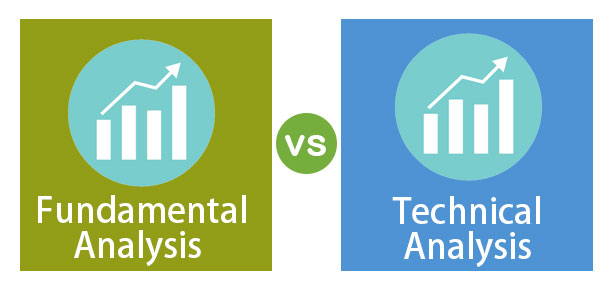
Technical Analysis Vs Fundamental Analysis
One of two general approaches to the study and trading of crypto-currency markets is technical analysis. Fundamental analysis is the other way. Both are equally important and worth exploring.
Technical analysis is limited to the analysis over time of market price behaviour and related data (e.g. volumes). Insights can be shed on potential market activity, improving trade entry and exit accuracy by trends deciphered by analyzing charts and mathematical indicators.
Head and Shoulders Top/Bottoms, Double/Triple Top/Bottoms, Rectangles, Triangles, Wedges, Channels and Flags/Pennants are commonly found charting patterns.
As well as common mathematical indicators such as Moving Averages, Moving Average Convergence Divergence (MACD), Relative Strength Index (RSI), Bollinger Bands and Fibonacci Retracements, candlestick chart patterns are often useful for analyzing.
Point and Figure charts, Elliot Wave Theory, Gann, Market Profile and other indicators are used by some technical analysts, but discussion here will be restricted to the most common indicators that already provide reasonably robust trading signals.
Technical analysis or Fundamental analysis?
Technical analysis complements fundamental analysis and should not be a replacement for it. Both forms of analyses are applied by most effective traders. Fundamental analysis discussed in the sense of how it relates to FX markets generally includes the study, based on macroeconomic, sector and business-specific factors, of the potential earnings prospects of a region, industry sector or company.
Technical analysis is not 100 percent accurate, as with fundamental analysis. Technical analysis, rather than science, is frequently criticised as being an art form. The trick is not to rely exclusively on technical analysis, let alone on a single predictor of mathematics or charting pattern. In Multiple Time Frame Analysis, the study of a variety of trends, various charting patterns and statistical indicators provides a basis for making trading decisions. It is important to supplement this understanding with an awareness of market dynamics and general trading principles.
There is a fairly broad scope of technical analysis. Any asset class (i.e. cryptocurrencies, equities, commodities, fixed income and FX) whose values are dictated by supply and demand can be subject to this. Within every time frame, technological research often works. Across most time frame maps, the understanding of charting trends and statistical measures remains reasonably constant, whether information is plotted every hour or once a week.
The longer the timeframe, however, the more accurate the technical analysis would be, as the greater the liquidity expressed in the market action. Since technical analysis practitioners from the 1970s to the early 1990s typically did not have access to software that could produce mathematical indicators, as opposed to mathematical indicators, the earlier adopters of technical analysis appeared to concentrate on charting patterns. Many of these people continue to stress the value of charting patterns over mathematical metrics to this day.
Technical analysis can also seem unnecessarily subjective to the untrained eye, but the fact is that adequate technical analysis is often applied in a consistent way by traders to produce self-fulfilling trade signals.
Blockchain is the Future
Organizations around the world are jumping at the opportunity to use blockchain technology, hoping to enhance their business.
But how much benefit will the blockchain offer and in which sectors will it have the greatest impact?
**Finance**
For the financial industry, Blockchain has a lot to offer. One such field is an international settlement.
It is typically time consuming and costly to transfer cash globally. To process a transfer, the sending and receiving bank must manually open and close their secure databases. That's healthy, but it doesn't mean that it's fine.
Banks could make these transfers using the blockchain without opening and closing their databases. Instead of days, foreign payments could take seconds, while the process would remain safe.
Without the need for a third party, Blockchain also opens the door for people to be able to send money overseas.
The immutability of the blockchain means that all transactions are documented, so regulators and auditors can use the blockchain.
In financial matters such as trade and investment, Blockchain also eliminates the need for third parties to trust.
**Supply Chain**
The supply chain relates to a product's production and transport, going from producer to customer. Products move from place to place in this process, leaving plenty of chances for things to go wrong.
Items may be lost, stolen, faked or introduced unnoticed to the supply chain.
There are several different components in a supply chain that need to be handled, but they are usually complicated and lack clarity.
Without actually knowing where they came from or even whether they are real, clients purchase items.
It is essential for a supply chain to be effective, clear, secure, and reliable.
Blockchain is permanent, meaning it is open to the whole process and can be referenced instantly.
Putting RFID tags on goods is one common process. The RFID can be easily scanned each time a product changes hands, capturing the transaction straight to the blockchain.
A retailer then has the opportunity to look at the flow of a specific item and see where it has gone.
The customer benefits from this process.
You will see the whole supply chain process and check that the meat is from where it should be and that it follows those requirements, such as being organic or fair trade, if you buy meat from a supermarket you can trace where it has come from.
It just hasn't got to be food. It could be a backpack or a shirt or a pair of sneakers. Anything that has a chain of supply.
Counterfeit medicines entering the supply chain are a major concern in the pharmaceutical business. This can be solved by blockchain technology, too.
**Marketing**
Many functions that could be used by blockchain are performed by advertisers.
One field is the promotion of influencers. It can be tiresome to identify important influencers. But there are initiatives to streamline the whole process with the use of blockchain.
Brands can ensure that they get what they pay for by using blockchain, smart contracts and tokenized payment systems, and influencers can be confident that they are being adequately paid.
Another field is data protection. Blockchain can be used to keep personal data secure, because the data is kept with you when you use apps or websites, not on the server of the service you use.
Although blockchain may be the key to securing the data for customers, it may also be the solution for marketers. Blockchain can be used by businesses and brands to create credibility, while more important advertising is received by customers.
For example, systems are being developed that enable consumers to be paid for viewing relevant adverts in cryptocurrency.
**Gaming**
A great part of gaming is the in-game assets. Individuals would be able to have real control of their in-game properties with the blockchain, able to transfer the value across games.
The development of market places where gamers can easily sell or exchange these assets in a safe environment has also been enabled by Blockchain.
Many gamers are involved in paying for crypto-currency micro-transactions. For the sole purpose of being used for gaming related transactions, there are cryptocurrencies that exist.
Furthermore, game developers can easily create custom currencies in their environment to be used.
**Ticketing**
It can be a nightmare to purchase tickets for shows. They sell out if you don't get in fast enough and then you have to pay a big premium to purchase them from ticket resellers.
Most individuals will agree that you should not be able to purchase the ticket in the first place if you are not intending to go to a show.
Blockchain-based ticket sales tools can be used by ticket providers to ensure that tickets are sold to the right customers, while maintaining control over the secondary market, fully eliminating resellers.
This also encourages artists to carry out their own sales of tickets. All of this helps preserve competitive rates.
**Voting**
Voting schemes are rife with concerns. There are stories of attempts to manipulate votes and miscounts every year after major elections.
Blockchain can be used to eradicate voter fraud and eliminate the need for action by third parties, which will mean that no counting is possible.
Votes could be registered anonymously, and on the blockchain they will have a verifiable and permanent trail.
It was possible to account for every vote, although no votes could be altered thanks to blockchain technology.
**Automobile Industry**
To ensure that the displayed mileage is right along with other aspects of the automobile, Blockchain can monitor the history of vehicles.
This offers customers peace of mind, in much the same way as for blockchain supply chain applications.
It should be possible to purchase a car in the future and be absolutely sure of its entire history, without having to rely on sketchy records.
In addition, auto insurance firms are interested in learning how their clients drive. Blockchain technology can make tracking vehicles and monitoring their driving patterns simpler for insurers.
Various variables, such as acceleration, cornering speed, braking and more, will be taken into account.

BCH awareness: Noise.cash on Tiktok
The other day, while I'm reading some post on noise.cash, I saw Sir Toorik's post. https://noise.cash/u/Toorik
Sad thing, I have uninstalled my Tiktok app and I don't have any followers. Lol.
And then, I remebered that one of my friend have almost 1Million followers on Tiktok.
Sorry for censoring her name and face, but will post the link of the video here once it was done and uploaded.
I suggested to Toorik that we can get her to make a Tiktok advertisement video for Bitcoin Cash. And responded that if I can talk to my friend.
I immediately sent a message to my friend asking her if she can do advertisement of the micro-blogging site noise.cash that night.
The next day, she responded and said she can do it but needed to explore first the site.
Even if she is my friend, I was shy to ask the advertisement for free. And we ended up on a 100$ compensation for her work.
I told Toorik that my friend will do the advertisement and about the compensation. And then this came suddenly.
**Note that I won't get any percentage on the payment. It will be given to her full.**
I did told my friend that I have received the payment for the advertisement and will be given to her immediately. But she insisted to get the payment once the video was actually uploaded on Tiktok.
Now the plan is on the move but something was overlooked.
The problem that may arise
Noise.cash, as we knew has just started and a lot of development is still needed. And I'm thankful for the developers who puts much effort to make noise.cash improve.
Once the video is uploaded and seen by hundred thousands of people, the server of noise.cash might get congested once wave of people came rushing in resulting to the guy with mustache man page (overloaded).
noise.cash told me that he is a little worried that the servers aren't ready yet for that lots of people if ever. https://noise.cash/u/noise.cash
Now, I'm confused whether to complete the plan or not. Can someone tell me what to do?
A little info
**Tiktok** **application** is one of the used application by all ages in our country. It recorder a 6.9Million downloads on March 2020 and was ranked 11th on November 2020.
For people who don't know Sir Toorik, I think he was a big supporter of Bitcoin Cash. He usually give out BCH on lazyfox.io by giving simple task. And for some other events, he sponsors people to spread BCH awareness on their area.
Confronting Elders about Unsafe Driving
For older drivers, driving safety may be a sensitive problem. A driver's license means more than the right to drive a car; it is a sign of self-sufficiency and independence.
If you are in the role of talking about their driving to an older friend or family member, note the following:
**Be respectful**. Also, driving is an important part of freedom. At the same time, if you have a real question, do not be threatened or sit down.
**Offer concrete examples**. Instead of generalizations such as "You can no longer drive safely," explain specific issues that you have noticed. For instance: "You have a harder time turning your head than you used to," or "You suddenly braked three times the last time we drove at stop signs."
**Find power in numbers.** It's less likely to be taken as nagging if more than one family member or close friend has heard. A loved one, such as a doctor or driving professional, can also listen to a more neutral group.
**Help to find alternatives**. The person may be so used to driving that alternatives have never been considered by them. You may provide concrete assistance, such as exploring transportation alternatives or, where possible, providing rides.
**Understand the hardship of the transition.** Having given up the keys, your loved one may feel a deep sense of loss, and not being able to drive may lead to loneliness and depression. Try to help as much as possible with the transition. Try to slowly phase the senior out of driving if it is safe to allow them time to adapt. For example, by no longer driving at night or on the freeways or by using a shuttle service to specific appointments, such as the doctor's, your loved one may begin the transition.

Driving as you age
For many of us, as we age, driving is a significant element of retaining our freedom. You will be able to continue driving safely well into your senior years by decreasing risk factors and adopting healthy driving habits. But it doesn't mean the end of your freedom, even if you learn that you need to limit your driving or give up the keys.
There is no arbitrary limit as to when someone can stop driving, so everyone ages differently. Older adults, however, are more likely than younger drivers to earn traffic tickets and get into accidents. What is causing the increase? Factors such as reduced vision, impaired hearing, sluggish motor reflexes, and declining health conditions can become a concern as we age.
Aging also appears to lead to a decline in power, coordination, and endurance, which may affect the ability to drive a car safely. For instance:
Pain in the neck or stiffness will make it more difficult to look over your shoulder.
Leg pain will make moving the foot from the gas to the brake pedal challenging.
Diminished arm strength can make it difficult to quickly and efficiently turn the steering wheel.
With age, the reaction times will slow down.
You will lose the capacity to split your concentration between various tasks effectively.
You may have driven your whole life and be very proud of your safety record, but it is important that you remember that your driving abilities will change as you age. You can feel surprised or frustrated at the possibility of losing some of your freedom, but without a car, you can still maintain an active, lively, and satisfying lifestyle by keeping your mind open to new possibilities.
Searching for alternative transportation options may provide health and social benefits, as well as a welcome shift in the pace of life. Other facets of your freedom can also be able to prolong you.
Tips on protection for older drivers
Aging does not equate to a complete loss of driving capacity immediately. To continue driving safely, there are many things you can do, including altering your vehicle, changing the way you drive, and fixing any physical conditions that can interfere with driving.
**Remain on top of your fitness**
To keep you in the best possible driving condition, routine check-ups are important.
Each year, get your eyes tested. Make sure the corrective lenses are up to date. Keep your windshield, mirrors, and headlights clean and turn up the brightness on your dashboard's instrument panel.
Each year, have your hearing tested. Be sure to wear them when driving if you need hearing aids. When opening car windows, however, be cautious, as drafts can often hinder the efficacy of a hearing aid.
The exercise. Regular strength and flexibility exercises can help strengthen your reflexes and mobility range, alleviate pain and stiffness, and help you retain adequate strength to handle a vehicle.
Speak to a doctor about how your driving ability can be affected by illnesses or drugs. If you have glaucoma, for instance, tinted eyeglasses will help to minimize glare.
Get plenty of sleep. To drive well, having enough sleep is important. Make sure you sleep well and speak to your doctor about the effect that sleep drugs can have on your driving actions.
**Find the right vehicle and any necessary aids for safe driving**
If needed, equipment to make it easier to steer your car or to control the foot pedals can be recommended by an occupational therapist or a licensed driving rehabilitation specialist. Otherwise: Otherwise:
Choose an automatic transmission vehicle with power steering and power braking.
With regularly scheduled repairs, keep your car in good working shape.
Make sure that there are always clean windows and headlights.
**Defensively driving**
Drivers are much more distracted than they used to be in the days of smartphones, GPS systems, audiobooks, and digital music players. This suggests that you may want to take additional precautions to drive safely:
Leaving enough space in front of you for the vehicle.
Paying special care at intersections.
Make sure that you drive in line with the flow of traffic.
Avoiding distractions such as talking on the phone, texting, or checking a map or GPS while driving.
Allowing a reasonable distance for braking. Note, the braking distance does not become twice as long if you double your speed, say from 30 mph to 60 mph, it becomes four times as long, and more so if the road is wet or icy.
**Know your limits**
Stop it if a driving situation makes you nervous. As we get older, many of us willingly begin to make improvements in our driving habits by:
If seeing well at night is an issue, driving only during daylight hours is a problem.
To stop fast-moving traffic, stay off the freeways and highways.
Not driving in poor weather conditions (rain, thunderstorms, snow, hail, ice).
In order to feel more secure and stop getting lost, prepare the route before leaving.
**Listen to others' suggestions**
It might be time to take a hard, honest look at your driving skill if family, acquaintances, or others raise questions about your driving. Have an occupational therapist administer a thorough driving assessment. By taking a refresher course, brush up on your driving skills. Chat about your ability to drive safely with your doctor

Always take your dog out for a Stroll
Dogs love to go for walks, to the extent where when dreaming about the practice, many owners take to spelling out w-a-l-k to prevent their pooches from getting too excited. Regular walks are not only a fantastic way for your dog to exercise; you will also benefit from them!
You'll need to make sure you have all the necessary supplies before you head out the door. To clean up after your dog, always bring plastic bags with you. Leaving the droppings of your dog on the ground is not only meaningless to other individuals using the road, it is unsafe for the area's natural environment.
You will want to get them a leash so that they don't strain their neck or choke themselves, if your dog tends to pull when excited. There are several designs and sizes of harnesses that are different. Only be mindful that your dog will not be stopped from pulling a collar, which is the aim of loose-leash training. The only other thing you're going to need is a decent pair of walking shoes, and you're ready to hit the road or pavement.
Got what you need? Read on to learn how walking your dog will improve your wellbeing.
Enhancing physical activity
It's no secret that you can get fitter if you work out regularly. Yet half the fight is sticking with it long enough to see the results with several fitness programs. This challenge is almost eliminated by walking with a dog; they will be your training buddy and mentor all in one. They will be so excited to get outside once you start to develop a routine that they won't let you miss a day, rain or shine.
Walking is a perfect low-impact workout that you can do anytime. It'll help strengthen your muscles, bones, and joints over time. You might also find that it feels a bit simple on your usual route and plan to stay out longer or walk up that extra hill.
How far you walk at a time and per day depends on your dog's race and age. For example, a 2-year-old border collie will have more endurance than an elderly pug. Tailor your walk to the needs and strengths of your dog. Be sure to bring water and a dish for your dog if it is a hot day or you are heading for a longer walk.
You would also need to remember the surface you are walking on on warmer days. Pavements can quickly hit dangerously high temperatures in the sun and burn the paws of your dog. Placing your hand or bare foot on the pavement is a successful exam. It means the ground is too hot for your dog to walk on if you can't keep it there for 10 seconds. You'll just need to make sure you walk on the grass or gravel on days like this. Alternatively, for your puppy, you can buy booties to act as foot cover.
You and your dog are both going to get fitter the more you walk. They can one day even make a great running partner if your pooch is up for it!
Better Psychological Wellbeing
For veterans and people coping with PTSD, there is a psychological explanation why so many dogs become service animals: walking a dog can boost mood and alleviate symptoms of depression and anxiety, and evidence suggests that spending time with a dog can reduce the release of the cortisol stress hormone.
Getting a dog can be a total game-changer for people coping with depression. If you are doing it alone, it can be difficult to motivate yourself to get out of the door. As a symptom of depression, you can feel physical exhaustion, and this may make exercising difficult, even though studies have shown that daily exercise can be an effective antidepressant.
But there's no better motivator than a dog who gives you wide puppy eyes and begs you to take a stroll. Having a dog forces you to get outside, which allows your mental health to have a long chain of positive effects. In the brain, physical activity activates endorphins that energize you and build positive emotions. It will decrease anxiety, increase mood, and increase mental energy. In addition, a good diversion from negative thinking may be the routine of walking a dog every day.
The bottom line is that it will make it easier to take care of yourself by taking care of another living thing.
As walking partners can also decrease isolation, the companionship dogs can bring. Walking a dog will also lead to discussions with other owners of dogs as well, which can help you remain linked to others socially.
Even if you don't own a dog yourself, to achieve these advantages, there are always plenty of opportunities to spend time walking them. If you can take their dog around the neighborhood or search for other ways to volunteer, ask a friend or family member. Most animal shelters rely on volunteers in their kennels to walk the dogs. Not only are you having these advantages for yourself in terms of mental and physical wellbeing, you will also get a boost from understanding that you have helped dogs in need.
Enhanced sleep
When they come home from a long walk or long bout of play, you've probably noticed your dog pass out on the floor, because exercise is tiring! Like your dog does, you do not need a nap immediately upon returning home, but studies have shown that daily exercise helps increase the quantity and quality of sleep.
Adult humans need 7-9 hours of sleep a night, but 1 in 3 adults do not get enough sleep, a new report by the Centers for Disease Control and Prevention (CDC) has found. A greater risk of developing conditions such as obesity, diabetes, and high blood pressure is associated with sleep deprivation.
In addition, your mental health may be adversely affected by lack of sleep. You know what we're talking about if you've ever felt irritable or had trouble focusing after a bad night's sleep. Physical symptoms, such as headaches, dry, burning skin, and exhaustion, not to mention. When you are still groggy and tired from a lack of sleep, it can be difficult to get yourself to exercise. This is where it comes to your puppy! He's going to push you to conquer this challenge and get outside and break the destructive cycle of inactivity and bad sleep.
And you don't need triathlon experience to see the results. At least 30 minutes of light to moderate exercise will help you achieve better, more restful sleep (that you can easily get by taking your dog for a walk).
Bear in mind that exercising too close to bedtime will make falling asleep more difficult. Also light physical activity, which can make it more difficult to cool down, briefly increases blood pressure, raises body temperature, and strengthens the nervous system. Keep your walks restricted to daytime hours, and you're going to sleep like a kid!
Reduced cardiovascular disease risk
Not only does physical exercise help to keep the skeletal and muscular systems in optimal working condition, it can also help to maintain cardiovascular health.
The heart, blood, veins, and arteries belong to your cardiovascular system. Severe health complications, including high blood pressure, heart failure, and coronary heart disease, can occur when your heart is unable to pump blood effectively through your body or experiences a blockage.
Regular exercise, as well as the risk of developing cardiovascular disease, decreases blood pressure and heart rate at rest. The CDC recommends that adults per week get at least 150 minutes of moderate physical activity. For you, this results in just over 20 minutes of exercise a day. This can be an easy benchmark to reach, with your dog by your side.
20 minutes a day is not enough exercise for many dogs, you may have to substitute with a longer stroll, jog, or backyard time to ensure that your pooch enjoys its own prescribed daily activity. Again, this will depend on your dog's breed and age. To discuss how much exercise your dog can get every day, please contact your veterinarian.
More dogs than ever before, due to a combination of overfeeding and insufficient exercise, suffer from health problems such as obesity. One of the easiest ways to tackle this is to take walks. Daily walks not only keep your heart safe, but also that of your dog.

Cats are Good
Owning a cat will bring to your life unconditional love and companionship. Getting a feline companion will also help alleviate anxiety and improve the wellbeing of your heart.
It can be an incredibly satisfying relationship to own a cat. A cat has the potential to both relax your nervous system and provide fun and play with an immediate outlet. While cats are independent animals who like to scavenge and explore on their own terms, with their owners and people they trust, they are also very affectionate.
At the end of a long day, most cats love to curl up in your lap while you watch television or read a book. The simplicity of this act will cause your brain to spontaneously release all the right types of chemicals, allowing you to ease into the evening without the world's weight on your shoulders. You'll be told by every pet owner how much their furry companion makes them relax and unwind. While many people love the dog market, a cat may be more of an acquired taste, but it is a hard taste to lose once acquired.
Why cats make amazing pets
One reason so many individuals enjoy feline companionship is the versatility of cat ownership. If you live in a big house or a small apartment, cats make perfect pets, and they have all the fun and play of larger animal companions. There are some of the main advantages if you're thinking of owning a cat:
**Cats have little maintenance.** Perhaps the most appealing benefit of cats is that they are lower in upkeep and cost less than dogs, which require walking, training, daily brushing, and more attention and toys. For apartments or city living, cats are also fine. They don't need tons of room to play and explore. Nosing their way through your kitchen's nooks and crannies will keep them busy for hours.
**They're quiet**. When they're hungry, cats like to meow, but you rarely have to worry about being awakened by a cat asking for affection or distracted from a task. If you are working from home or have youngsters napping during the day, for example, this makes them a perfect pet.
**They're autonomous.** When you need them, a cat will be there for you, but they are also perfectly adept at entertaining themselves. Most do not need constant attention or desire it, and you will never have to experience a cat's guilt-inducing puppy eyes.
**They keep your home pest-free**. You already know that cats like to kill rodents already. But they are also natural insect killers, providing the kind of household security promised but seldom offered by Venus flytraps. Many cats greatly enjoy bugs like house flies and spiders being exterminated, almost like they are being paid for it.
**They have life spans that are long**. Separating with your beloved friend is the most painful stage of pet ownership. While you are still likely to outlive a cat, their longer lifespans mean that you will potentially have more time with them-up to 20 years.
The health advantages of cats
There are several advantages that are unique to cats, though having any pet can provide a variety of health benefits. They're able to:
**Reduce stress and depression**. Cat owners know how one petting or playing session with their cat will turn a bad day into a good one. Scientific evidence also suggests that your nervous system can be relaxed and your blood pressure lowered by a cat's purr.
**Help your cardiovascular health healthier**. Cat owners have been confirmed to have a lower risk of stroke and heart disease.
**Prevent Allergies**. You still hear of one of the most popular allergens being cat fur. However, in the first few years of life, if a child is introduced to cats, they are more likely to grow an immune system that combats not only cat allergies, but also other forms of allergens.
**Reduce lonely feelings**. Cats make terrific companion animals. They deliver an unconditional love that many human friends and confidants can be equal to or even greater than.
Enjoying having fun with your cat
One of the great advantages of having a cat is that you don't need much space to play together and have fun. Unlike big animals that require plenty of space to play fetch or run around, your living room and a little imagination is all you need with a cat. There are plenty of other ways to entertain and bond with a cat outside a ball of yarn.
**Hide and Seek Games**. An old childhood sleepover favorite can now become a favorite pastime for you and your fluff ball. Just hide a toy under a blanket or an object that interests them, and watch your cat scavenge.
**Blowing bubbles**. Their never disappearing interest in the ordinary is one of the greatest joys of cat ownership. Blowing bubbles may seem like an activity you left back in the schoolyard, but with the floating balls of mystery, your cat would be so taken, it may reignite your interest. Cats like to try to trap and pop the bubbles, just make sure that a non-toxic bubble solution is always used.
**Establish a treasure hunt for food**. Cats enjoy the thrill of a competition that keeps their minds sharp and their bellies full! Place treats in your home in hard-to-reach spots and watch as your cat tries to reclaim them. Cats are so agile that you can also set up barriers to navigate them. It might even encourage you to be more involved!
**Using an app**. In order to keep your cat amused, iPhone and Android apps offer games, like catching fish or bugs as they appear on the screen. For more detail, see the Get More Support section below.
How to take care of your cat
While cats are more autonomous than many other pets, it is still a big commitment to own one. To keep them as happy and safe as possible, they need a devoted owner. Kittens need:
**A new box of compost.** Indoor cats are the majority of house cats, which means you would need a litter box. A litter box is convenient, but to prevent unwanted smells, it needs to be cleaned every day. Litter formulations are offered by pet stores that make it easy to scoop out waste and control the smell.
**Grooming consistently**. While a cat does not require the same amount of grooming as a dog, to prevent your house from turning into one big hairball, it still takes effort. Usually, a weekly cleaning is enough, and at most pet stores you can find easy-to-use cat grooming equipment.
**A pole for scratch.** Many cats like to scratch and paw on drapes, chairs, and just about everything else that their fancy takes. Investing in a scratch pole or post will not only have the scratching outlet they need for your pet, but will also save you a lot of cash and frustration.
**A diet that is well-balanced.** To ensure that your feline gets a nutritional diet, consult with your vet. Stop overfeeding, which may contribute to obesity and other severe health problems. Often, to eliminate the chance of contamination, make sure to keep their food and water bowls far away from their litter box.
**A stable environment.** Cats are tiny, fragile animals that, often indoors, live well. Although many cats love to wander outside freely, other predatory animals and traffic, for instance, can endanger their safety. Often track the whereabouts of your cat and keep an ID tag on its head. If your cat gets lost, getting your pet microchipped would allow shelters and veterinarians to quickly recognize you as the owner.

Cultural Trauma: Sharing your pain
It is natural to feel furious, frustrated, or hopeless, whether you have witnessed a blatant racist assault or endured one or more micro-aggressions. It is also natural to want to bottle up your racist experiences or want to believe you haven't been influenced by them. Yet holding painful thoughts to yourself will just intensify them and affect your mental and physical health adversely. The first step in healing is to share your thoughts freely and honestly with others.
The simple act of talking to someone who makes you feel heard and understood can activate hormones that relax your nervous system, relieve tension, and alleviate the symptoms of anxiety and depression. In fact, a 2019 study found that black women who regularly opened up about their experiences of daily racism were less likely than those who kept their experiences to themselves to display signs of chronic stress, premature aging, and ill health.
Talking about your experiences will make them feel less vivid as well. For instance, identifying and communicating feelings of sorrow, frustration, or anxiety will help prevent you from being overwhelmed and better allow you in the future to cope with similar emotions.
**Try to make face-to-face contact a priority.** While it's not always possible in the age of social distancing, it's the most valuable act of looking another person in the eye when you talk. Obviously, the person you're talking to doesn't need to be able to provide solutions-systemic racism isn't something that's ever going to be easily overcome, but they need to be a good listener, someone who can consider your experiences and recognize your feelings.
**Reach out to those nearest to you like your wife, family, and friends**. Opening up is not going to make you a burden to anyone. Really, it will flatter most friends and loved ones that you trust them enough to trust them, and that will only improve the friendship.
**Look for help inside your culture**. Try reaching out to a cultural or community center, school or youth mentor, sports coach, religious group, like-minded people on social media, or a valued neighbor in your area if you feel that you don't have any friends or family who can listen without judging you negatively.
**When they reach out to you, listen to them**. Much like you would like them to support you, make yourself available to support them. Listening carefully to the perceptions of prejudice of another person and making them feel noticed and understood can be just as beneficial to you as it is to them. It can help alleviate your own stress, fight feelings of loneliness and depression, and protect your mental health by helping others. Think of it as being a therapist with one another.

Cultural Trauma
The news headlines appear to catch horrifying pictures of police brutality and the demonstrations they cause. Yet witnessing prejudice and bigotry is always a constant yet ignored fact if you are black or another ethnic minority, and it can take a significant toll on your mental health, increasing the risk of depression, anxiety, tension, trauma, and misuse of drugs.
You are much more likely to experience negative life events, such as poverty, unemployment, imprisonment, or violence, as a person of color. Our society also overlooks black and minority contributions to history and culture, popular films and TV shows appear to concentrate only on negative racial stereotypes, and hateful, aggressive bigotry is promoted by some influential politicians. It is less likely that financial institutions will give you credit or charge even more for doing so. And it's our black and brown communities that bear the brunt of the misery when tragedy hits, such as the global coronavirus pandemic and the subsequent economic fallout.
Then there are the subtler manifestations that pervade everyday life of racism. A security guard who, because of the color of your skin, follows you around the shop. The police officers who stop and without cause search you. The company which refuses service to you. The manager who, again, overlooks you for promotion. When you approach, the white people who cross the street stop seating on the bus next to you, or keep their bags closer when you step into an elevator. Such common "micro-aggressions" can be emotionally scarring and leave you as a human being feeling marginalized, exhausted by stress and devalued. You may rage against our society's lack of equality, despair at the feeling of impotence, or feel traumatized by the injustice of it all.
It's important to note, whatever your experience of prejudice, that you're not alone. There is strength in numbers, and no matter how abhorrent they may be, there are steps you can take to better cope with situations beyond your influence. Hope still remains. Powerful movements around the world are calling for social change and even more people seem to be slowly taking notice. Although personal prejudice and structural and institutional racism will not vanish overnight, in the face of bigotry and intolerance, there are plenty of things that you can do to stand up to discrimination, strengthen your family and community, and protect your mental health.
Cultural trauma or traumatic stress centered on race originates from exposure to racist violence or prejudice. It can erode your sense of self-worth and contribute to insomnia, anxiety, chronic stress, high blood pressure, eating disorders, drug addiction, and even PTSD symptoms such as hypervigilance, suicidal thoughts, and changes in mood.
To feel traumatized or for your mental wellbeing to suffer, you don't need to witness racism firsthand. It can also cause racial trauma to watch news coverage of police violence against black people, experience racism against your friends, relatives, or neighbors, or be exposed to the distressing rhetoric of certain political leaders.
Ethnic trauma may also be transferred from one generation to the next through, for example, recounting harrowing tales or continuously mistreating a group. Research has shown that black babies have higher levels of the stress hormone cortisol than white infants by the time they are a year old, meaning they are already responding negatively to prejudice and racism.

Understanding childhood weight problems
There are few things that are cuter as a parent than your full-cheeked infant or your toddler's chubby knees. However, for some kids, the cute baby fat can turn into a health concern.
Today, almost one out of four children and teenagers are overweight or obese in developing countries. Those extra pounds put children at risk, including diabetes, heart disease, and asthma, for developing serious health problems. An emotional toll is also taken by childhood obesity. Kids who are overweight also have difficulty keeping up with other children and engaging in sports and activities. Other children, leading to low self-esteem, negative body image, and even depression, can tease and exclude them.
It's easy to feel depressed or powerless if you're watching your child struggle with their weight. But there's plenty you can do for your child to support. As early as possible, diagnosing weight issues and obesity will minimize the risk of your child having severe medical conditions as they grow older. And you can break the cycle of weight issues and obesity, improve the physical and mental health of your child, and help them develop a healthier relationship with food that will last a lifetime by getting the whole family involved. Let them know that you love them and that all you want to do is help them be safe and happy, regardless of your child's weight.

Binge Eating: The Road to Recovery
**Develop a healthier relationship with food**
Recovery from any addiction is daunting, but overcoming binge eating and food addiction can be extremely difficult. Your "drug" is important for life, unlike most addictions, so you don't have the luxury of stopping or replacing it. Instead, a healthier relationship with food needs to be established, a relationship focused on satisfying your nutritional needs, not your emotional ones. To do this, you must break the cycle of binge eating by:
**Avoiding temptation.** If you have fast food, desserts, and unhealthy treats in the home, you are a lot more likely to overeat. By clearing your fridge and cupboards of your favorite binge items, eliminate the urge.
**Listening to your body**. Learn to separate physical and emotional hunger from each other. You probably aren't very hungry if you ate recently and don't have a rumbling stomach. Give time for the craving to pass.
**Eating regularly.** Don't wait till you starve. This just contributes to overeating! As missing meals also leads to binge eating later in the day, stick to regular mealtimes.
**Not avoiding fat.** Dietary fat will actually help prevent you from overeating and gaining weight, contrary to what you may expect. At every meal, aim to add healthy fat to keep you feeling relaxed and whole.
Fight boredom. Distract yourself, instead of snacking while you are bored. Take a stroll, send a friend a call, read, or have a hobby like painting or gardening.
Concentrating about what you eat. How much have you binged, not even enjoying what you're drinking, in an almost trance-like state? Be a conscientious eater instead of feeding mindlessly. Slow the textures and flavors down and savor them. You will not only eat less, you will enjoy it more.
**The importance of deciding not to diet**
After a binge, to compensate for overeating and to get back on track with your health, it is only normal to feel the need to diet. But usually dieting backfires. Food cravings and the desire to overeat are caused by starvation and hunger that comes with strict dieting.
Concentrate on eating in moderation, instead of dieting. Find nutritious foods you just like and consume until you feel content, not bloated uncomfortably. As this will make you crave them even more, avoid banning or limiting those foods. "Say "I can eat ice cream as an occasional treat," instead of saying "I will never eat ice cream.
**Find better ways to feed your feelings**
An effort to control negative emotions such as stress, depression, isolation, fear, and anxiety is one of the most common causes for binge eating. It can feel like food is your only friend when you have a bad day. Binge eating can briefly cause emotions to evaporate into thin air, such as tension, disappointment, anxiety, depression, and boredom. The relief is quite brief, however.
**Identify your triggers with a food and mood diary**
With a diet and mood journal, one of the easiest ways to describe the trends behind your binge eating is to keep track. Take a moment every time you overeat or feel tempted to reach for your version of Kryptonite comfort food, to find out what induced the impulse. Usually, if you backtrack, you can find an unsettling incident that has kicked off the binge.
In your food and mood log, write it all down: what you ate (or wanted to eat), what happened to bother you, how you felt before you ate, what you felt when you ate, and how you felt afterward. You'll see a trend emerge over time.
**Learn to tolerate the feelings that trigger your binge eating**
The next time you get the urge to binge, take a moment to stop and explore what's going on inside, instead of giving in.
· Identify an emotion that you perceive. Do your best to name the things that you experience. Anxiety, is it? Hey, shame? Desperation? Huh? Anger? Solitude? Scared? About emptiness?
· Accept the experience you are witnessing. Avoidance and resistance only make negative feelings more strong. Instead, without criticizing him or yourself, try to embrace what you feel.
· Excavate further. Explore what's happening. Where in your body do you feel the emotion? What kinds of feelings are your mind going through?
· Distance on your own. Realize that your emotions are NOT yours. Emotions are phenomena that pass, like clouds that travel through the sky. How you are, they can not identify.
Sitting with your emotions could at first feel extremely uncomfortable. Even unlikely, maybe. But you will begin to understand that you do not have to give in, as you fight the temptation to binge. Other ways to cope are open. Even feelings which feel overwhelming are just temporary. They can move swiftly if you stop battling them. Even, you're in charge. You can choose how you should respond.
**Take back control of cravings**
It feels like the desire to binge hits without warning at times. But there are things you can do to help yourself stay in control even when you are in the grip of a seemingly overpowering and uncontrollable urge.
· Instead of trying to combat it, embrace the temptation and ride it out. This is referred to as "urge surfing." Think of the urge to binge like an ocean wave that will crest, crack, and dissipate soon. You can find that when you ride out the impulse, without attempting to fight, judge, or disregard it, it moves quicker than you might have expected.
· Keep yourself distracted. It will work for something that gets your attention: taking a walk, calling a friend, watching something funny online, etc. The urge to binge can go away until you get interested in something else.
· Chat with someone. Switch to a friend or family member you trust when you start to feel the urge to binge. It will make you feel better and unleash the temptation to binge by sharing what you are going through.
· Pause, postponement, delay. And if you're not sure if you can fight the temptation to binge, make an attempt to postpone it. Try to have 1 minute of holding off. If you're succeeding. Only try stretching it out for 5 minutes. You will be able to stop the binge if you wait long enough.
**Support yourself with healthy lifestyle habits**
You're better able to navigate the curveballs that life eventually throws your way when you're physically strong, relaxed, and well rested. But any little hiccup has the ability to take you off the rails and straight to the refrigerator when you're already tired and stressed. Without binge eating, exercise, sleep, and other good lifestyle habits will assist you get through tough times.
· Make time to exercise regularly. For your mood and your energy levels, physical activity does wonders, and it's also a strong stress reducer. Exercise's natural mood-boosting effects will help put a stop to emotional eating.
· Get ample nightly sleep. Your body craves sugary foods that will give you a fast energy boost if you don't get the sleep you need. Deprivation of sleep may also cause food addiction. Having plenty of rest will help control your appetite and decrease food cravings and support your mood.
· Communicate with others. Don't underestimate the value of social activities and close relationships. If you lack a strong support network, you're more likely to succumb to binge eating causes. Even if it is not with a specialist, talking helps
· Stress Management. Seeking alternative ways to handle tension and other stressful emotions without using food is one of the most critical aspects of controlling binge eating. These may involve meditating, using techniques for sensory stimulation, and basic breathing exercises.

Binge Eating Disorder
From time to time, both of us eat too much. But if you overeat excessively while feeling out of control and unable to resist, you might have a binge eating disorder. Binge eating disorder is a common eating disorder where, though feeling unable to avoid and intensely upset during or after eating, you often consume large quantities of food. You may eat to the point of discomfort, and be consumed afterwards with feelings of guilt, remorse, or depression, beat yourself up for your lack of self-control, or worry about what your body can do with compulsive eating.
In late adolescence or early adulthood, binge eating disorder usually starts, often after a significant diet. You can eat even when you're not hungry during a binge and continue to eat long after you're full. You can also binge so easily that you hardly record what you eat or taste. Unlike bulimia, though, by vomiting, fasting, or over-exercising, there are no daily efforts to "make up" for the binges.
For a fleeting moment, you can find that binge eating is calming, helping to ease uncomfortable feelings or feelings of stress, depression, or anxiety. But then reality sets back in, and feelings of remorse and self-loathing flood you. Binge eating also contributes to obesity and weight gain, which further strengthens compulsive eating. The bad you feel for yourself and your looks, the more food you use to deal with it. It becomes a loop of viciousness: eating to feel better, feeling worse, then turning to food for relief. It is important to remember, as helpless as you may feel about your eating disorder, that binge eating disorder is treatable. You will learn to break the cycle of binge eating, regulate your feelings better, build a healthy food relationship, and regain control over your eating and your health.
Signs and symptoms
You can feel humiliated and guilty of your eating habits if you have a binge eating disorder, and attempt to conceal your symptoms by eating in secret.
**Behavioral symptoms of binge eating and compulsive overeating**
· Inability to stop eating or monitor what you consume.
· Consuming large quantities of food easily.
· Eating when you're finished, too.
· Hiding or saving food to eat secretly later on.
· Eating with others normally, but gorging when you're alone.
· Eating continuously during the day, with no mealtimes scheduled.
**Emotional symptoms**
· Stress or tension that is only released by eating is felt.
· Embarrassment over the amount you eat.
· Feeling numb, like you're not even there or you're on auto-pilot, when bingeing.
· No matter how much you eat, you'll never be satisfied.
· Since overeating, feeling guilty, disgusted or depressed.
· Desperation to keep weight and eating habits under control.
Causes and effects
In general, binge eating disorder, including the genes, feelings, and experience, requires a variety of things to create.
· **Social and cultural risk factors**. Social pressure to be slim will add to the emotional eating you feel and fuel it. By using food to console, dismiss, or reward their children, some parents unwittingly set the stage for binge eating. Like those who have been sexually exploited in infancy, children who are subject to repeated critical remarks about their bodies and weight are often vulnerable.
· **Psychological risk factors**. There are clear connections between depression and binge eating. Some binge eaters are either depressed or have been depressed before; some may have difficulty with regulating urges and handling their emotions and voicing them. Binge eating can also lead to low self-esteem, depression, and body dissatisfaction.
· **Biological risk factors**. Biological anomalies may lead to binge eating. The hypothalamus, for example (the portion of your brain that regulates appetite), does not send right hunger and fulfillment signals. A genetic mutation that tends to cause food addiction has also been discovered by researchers. Finally, there is proof that low levels of the chemical substance serotonin in the brain play a role in compulsive feeding.
Effects of binge eating disorder
Binge eating contributes to a wide range of physical, mental, and social issues. You're more likely than those without an eating disorder to experience health problems, stress, insomnia, and suicidal thoughts. As well as significant weight gain, you can also experience depression, anxiety, and drug abuse.
However, several individuals are able to rebound from binge eating disorder and reverse the unhealthy results, as grim as this sounds. Also, you can. Re-evaluating your relationship with food is the first step.
Emotional Eating: The Road to Recovery
Find other ways to feed your feelings
You will not be able to control your eating habits for too long if you don't know how to handle your emotions in a way that doesn't include food. Diets too often fail because they provide logical dietary guidance that only works if the eating habits are actively managed. When emotions hijack the process, expecting an immediate reward with food, it doesn't work.
In order to prevent emotional eating, you have to find other ways to mentally relieve yourself. It's not enough to understand the emotional eating cycle or even to understand your causes, even though it's a big first move. For emotional satisfaction, you need alternatives to food that you can turn to.
**Alternatives to emotional eating**
· Call anyone that always makes you feel better if you're sad or lonely, play with your dog or cat, or look at a favorite picture or favorite memento.
· Expend your nervous energy by dancing to your favorite tune, holding a stress ball, or taking a brisk walk if you are anxious.
· Give yourself a hot cup of tea if you're tired, take a bath, light some scented candles or cover yourself in a warm blanket.
· Read a good book, watch a comedy show, explore the outdoors, or turn to an activity you love when you're bored (woodworking, playing the guitar, shooting hoops, scrapbooking, etc.).
**Pause when cravings hit and check in with yourself**
About their food cravings, most emotional eaters feel helpless. It's everything you can think about when the desire to eat strikes. Right now, you sense an almost crippling stress that needs nourishment! Since in the past you tried and failed to resist, you conclude that your willpower is just not up to snuff. The reality, however, is that you have more control than you realize over your cravings.
**Take 5 before you give in to a craving**
Emotional eating appears to be essentially senseless and automatic. You have reached for a bowl of ice cream and polished off half of it before you even know what you are doing. But if you can stop and think for a moment when you're struck with an urge, you give yourself the chance to make a different choice.
· Is it five minutes you can put off eating? Or just one minute to start with. Don't tell yourself that you can't give in to craving; note, incredibly tempting is the forbidden one. Tell yourself to just wait.
· Check in on your own while you're waiting. How do you feel? What's happening emotionally? You'll have a better idea of why you did so, even though you end up eating it. This will help you set yourself up next time for a different answer.
**Learn to accept your feelings—even the bad ones**
Although the central issue may seem to be that you're powerless over food, emotional eating simply stems from feeling powerless over your feelings. You don't feel capable of coping head on with your emotions, so with food, you stop them.
It can be frightening to allow yourself to sense unpleasant emotions. You may be afraid that, like a Pandora's box, you won't be able to shut it once you open the door. But the fact is that even the most unpleasant and challenging feelings relatively easily subside and lose their power to dominate our attention when we don't obsess over or block our emotions.
Indulge without overeating by savoring your food
You prefer to do it easily, mindlessly eating food on autopilot when you eat to feed your emotions. You eat so quickly that you miss the various tastes and textures of your meal, as well as the signs that your body is full and not hungry anymore. So you will not only enjoy your food more by slowing down and savoring each bite, but you will also be less likely to overeat.
A significant element of mindful eating is slowing down and savoring your food, the opposite of mindless, emotional eating. Before beginning your meal, try to take a few deep breaths, put your utensils down between bites, and just concentrate on the eating experience. Pay attention to your food's textures, shapes, colors and smells. What does each mouthful taste like? How does your body feel about it?
You'll find you enjoy each bite of food much more by slowing down in this way. You can also indulge in your favorite foods and feel a lot less loaded. It takes time to enter your brain with the body's fullness signal, so taking a few moments to remember how you feel after each bite, hungry or fulfilled, will help you stop overeating.
Support yourself with healthy lifestyle habits
You're better able to navigate the curveballs that life eventually throws your way when you're physically strong, relaxed, and well rested. But any little hiccup has the ability to take you off the rails and straight to the refrigerator when you're already tired and stressed. Without emotional eating, exercise, sleep, and other good lifestyle behaviors can assist you get through tough times.
· Make exercise a goal everyday. Physical exercise does wonders for your levels of mood and energy, and it's also a strong reducer of stress. And it is easier than you may think to get into the exercise habit.
· Pursue 8 hours of sleep each night. Your body craves sugary foods that will give you a fast energy boost if you don't get the sleep you need. Having plenty of rest can help with appetite regulation and decrease cravings for food.
· Allow time for relaxation. Give yourself permission to relax, decompress, and unwind each day for at least 30 minutes. This is your chance to take a break and refresh your battery from your duties.
· Communicate with others. Don't underestimate the value of social activities and close relationships. It will help shield you from the negative effects of stress by spending time with positive people who enrich your life.

Emotional Eating
Only to relieve physical appetite, we don't always feed. For warmth, stress relief, or to reward ourselves, many of us often turn to food. And we prefer to reach out for fast food, candy, and other comforting yet unhealthy things when we do. When you feel down, you could reach for a pint of ice cream, order a pizza if you are bored or lonely, or swing by the drive-through after a stressful day at work.
Emotional eating uses food to make yourself feel better, rather than the stomach, to meet emotional needs. Mental eating, sadly, doesn't cure emotional issues. Probably, it generally makes you feel worse. Afterwards, the initial emotional dilemma not only exists, but you feel guilty for overeating as well.
The emotional eating cycle
It isn't always a bad thing to sometimes use food as a pick-me-up, a treat, or to celebrate. But when eating is your primary emotional coping strategy, you get trapped in an unhealthy loop where the real feeling or problem is never discussed, when your first instinct is to open the refrigerator anytime you are depressed, frustrated, angry, lonely, tired, or bored.
With food, emotional hunger can't be met. Eating may feel nice at the moment, but there are still the feelings that caused the eating. And due to the excessive calories you have just eaten, you sometimes feel worse than you did before. For giving up and not getting more willpower, you beat yourself.
You avoid learning healthy ways to cope with your feelings, you have a harder and harder time managing your weight, and you feel increasingly helpless over both food and your emotions, compounding the issue. Yet it is possible to make a meaningful difference no matter how helpless you feel over food and your emotions. You can learn to deal with your emotions in healthy ways, avoid causes, overcome cravings, and eventually stop emotional eating.
The difference between emotional hunger and physical hunger
You first need to learn how to differentiate between emotional and physical hunger before you can break free from the cycle of emotional eating. This can be trickier than it sounds, particularly if you use food to cope with your feelings on a regular basis.
Emotional hunger can be intense, so it's easy to mistake physical hunger for that. But to help you tell physical and emotional hunger apart, there are signs you can search for.
Emotional appetite suddenly appears. In an instant, it reaches you and feels overwhelming and urgent. Physical hunger, on the other hand, happens more slowly. The desire to eat does not feel as dire or claim immediate gratification (unless for a very long time you haven't eaten).
Emotional appetite craves particular foods for warmth. Almost everything sounds amazing when you're physically hungry, even nutritious items like vegetables. Emotional hunger, however, craves junk food or sugary treats that offer an urgent rush. You sound like you need a cheesecake or pizza, and you're not going to do anything else.
Emotional hunger also results in eating mindlessly. You've eaten a whole bag of chips or a whole pint of ice cream before you know it, without even paying attention or enjoying it entirely. You're usually more conscious of what you're doing when you feed in response to physical hunger.
Emotional hunger until you're full isn't satisfied. More and more, you keep wanting, always consuming until you are uncomfortably stuffed. On the other hand, physical hunger does not require stuffing. When your stomach's full, you feel satisfied.
Emotional hunger until you're full isn't satisfied. More and more, you keep wanting, always consuming until you are uncomfortably stuffed. On the other hand, physical hunger does not require stuffing. When your stomach's full, you feel satisfied.
Emotional hunger is not in the stomach. You sense your hunger as a craving that you can't get out of your mind, instead of a growling belly or a pang in your stomach. Specific textures, tastes, and smells are what you concentrate on.
Sometimes, emotional hunger contributes to remorse, shame, or disgrace. You are unlikely to feel guilty or embarrassed when you eat to relieve physical hunger, since you are actually giving your body what it wants. It's probably because you know deep down that you're not eating for nutritional purposes, if you feel bad after you feed.
Identify your emotional eating triggers
Identifying your personal causes is the first step in putting a stop to emotional eating. What conditions, locations, or emotions make you reach for the comfort of food? Most emotional eating is connected to negative feelings, but optimistic emotions, such as thanking yourself for completing a goal or enjoying a holiday or happy event, may also cause it.
Common causes of emotional eating
Stress. Do you ever notice how stress makes you starve? This isn't just in your head. Your body generates high levels of the stress hormone, cortisol, when stress is chronic, as it is so often in our stressful, fast-paced world. Cortisol induces cravings for salty, sweet, and fried foods that provide you with a burst of energy and enjoyment. For emotional relief, the more uncontrolled tension in your life, the more likely you are to resort to food.
Emotion Stuffing. Eating may be a way to silence or 'stuff down' negative feelings temporarily, like frustration, anxiety, depression, anxiety, isolation, resentment, and shame. When you're numbing yourself with food, the difficult feelings you'd rather not feel can be stopped.
Boredom or lonely thoughts. Do you ever eat either to give yourself something to do, to reduce boredom, or to fill your life with a void? You feel unfulfilled and hollow, and your mouth and your time are consumed by food. It fills you up at the moment and distracts you from your life's underlying feelings of purposelessness and disappointment.
Habits from childhood. Think back to memories of your childhood with food. Did your parents use ice cream to reward good conduct, take you out for pizza when you got a good report card, or serve you candy when you felt sad? Such trends may also carry on into adulthood. Or your eating can be inspired by nostalgia for cherished memories of grilling burgers with your father in the backyard or baking and eating cookies with your wife.
Social Influences. A perfect way to alleviate stress is to get together with other people for a meal, but it can also lead to overeating. Only because the food is there or because someone else is feeding, it's easy to overindulge. You might even overeat out of nervousness in social settings. Or maybe you're motivated to overeat by your family or circle of friends and it's easier to go along with the party.

Bulimia Nervosa: The Road to Recovery
Tip 1: Break the binge and purge cycle
The first step in recovery from bulimia is to avoid the bingeing and purging vicious cycle. It's important that you consider trying to eat in order to do this. Dieting activates the harmful cycle of bingeing and purging of bulimia. The irony is that the stricter the diet, the more likely you are to become concerned about food, even obsessed with it. Your body responds with powerful cravings when you starve yourself, his way of asking for required nutrients.
The desire to eat becomes too strong to resist as the anxiety, hunger, and feelings of deprivation build up: a' prohibited' food is eaten; a dietary law is violated. You believe every diet slip-up is a complete failure with an all-or-nothing mentality. You might think, after getting a bite of ice cream, "I've already blown it, so I might as well go all out."
The relaxation that bingeing gives, sadly, is very short-lived. Soon after, self-loathing and shame set in. And then, to regain power, you vomit to make up for bingeing. Purging, however, only strengthens binge feeding. Although you will convince yourself that this is the last time, there is a voice in the back of your mind saying that if you lose control again, you can still throw up or use laxatives. However, after a binge, purging doesn't come close to wiping the slate clean.
Tip 2: Develop a healthier relationship to food
You can no longer be plagued by cravings and thoughts of food until you stop trying to limit calories and obey strict dietary guidelines. You can break the binge-and-purge cycle by eating normally and still maintain a healthy, desirable weight.
Pay heed to your thirst. Don't wait till you starve. This just contributes to overeating! As soon as you note that you are mildly hungry, eat.
Regularly eat. Don't miss getting meals. Without a meal or snack, try not to let over 4 hours pass by.
Don't limit your meals. It becomes more enticing when something is off limits. "Say "I can eat ice cream as an occasional treat," instead of saying "I will never eat ice cream.
Concentrate about what you're eating. How much have you binged, not even enjoying what you're drinking, in an almost trance-like state? Be a conscientious eater instead of feeding mindlessly. Slow the textures and flavors down and savor them. You will not only eat less, you will enjoy it more.
Tip 3: Learn to tolerate unpleasant feelings
While bingeing is often caused by excessively strict dieting that backfires, it can also be a way of managing or numbing unpleasant moods or emotions.
Tell yourself if there is something more going on the next time you have the urge to binge. Is there an intense sensation that you strive to avoid? Do you eat to calm yourself down, to relax yourself, or to alleviate your boredom? If so, take a moment to interrupt whatever you do and explore what's going on inside, instead of using food as a diversion.
Identify an emotion that you sense. Anxiety, is it? shame? Desperation? Anger? Solitude? Scared? About emptiness?
Accept the experience you are witnessing. Avoidance and resistance only make negative feelings more strong. Instead, without judgment, strive to embrace what you believe.
Excavate further. Explore what's happening. Where in your body do you feel the emotion? What kinds of feelings are your mind going through?
Distance on your own. Realize that your emotions are NOT yours. Emotions are phenomena that pass, like clouds that travel through the sky. How you are, they can not identify.
Sitting with your emotions could at first feel extremely uncomfortable. Even unlikely, maybe. But you will begin to understand that you do not have to give in, as you fight the temptation to binge. Even feelings which feel overwhelming are just temporary. They can move swiftly if you stop battling them. Even, you're in charge. You can choose how you should respond.
Tip 4: Challenge dysfunctional thoughts
Dysfunctional, self-sabotaging ways of thinking that undermine your faith, color all in an unrealistically negative light, and make you feel powerless, incompetent, and humiliated are often fuelled by the bingeing and purging of bulimia. But to put a stop to these unhealthy mental patterns, you should read.
**Damaging mindsets that fuel bulimia**
Pensing all-or-nothing. At least when it comes to yourself, you have a hard time seeing shades of gray. You're a complete failure if you're not fine, and you might as well binge.
Emotional justification. You assume that it must be real if you feel it in a certain way. "I feel fat" means "I am fat." "I feel hopeless" suggests that you will never get better.
Musts, must-nots, and have-tos. You hang on to a strict set of rules ("I don't have to eat such and such food," "I have to get straight A's," "I always have to be in control," etc.) and if you violate them, you beat yourself up.
Labeling. Marking. Based on errors and perceived shortcomings, you call yourself names. Slipping up becomes "I'm a failure." "I'm unhappy with how I look" becomes "I'm disgusting."
Catastrophization. In the worst-case situation, you jump. For starters, if you backslide in recovery, you think there's no chance you'll ever get better.
**Put your thoughts on the witness stand**
If you understand the damaging patterns of thoughts you default to, you will begin to challenge them with questions like:
What is the proof that that thinking is true? Not true? Not true? ”
What was I going to say to a friend who had this thought? ”
Is there another way or an alternative reason to look at the situation? ”
How should I look at the situation if I had no bulimia? ”
You can be shocked by how easily they crumble when you cross-examine your negative thoughts. You'll build a more balanced outlook in the process.

Bulimia Nervosa
Bulimia nervosa
When we're feeling lonely, bored, or stressed, many of us turn to food. Although if you have the bulimia nervosa eating disorder, overeating is almost of a compulsion. Bulimia is characterized by repeated binge eating episodes accompanied by severe attempts to prevent weight gain, often by vomiting, laxative use, or exercise to excess.
This bingeing and purging vicious cycle will take a toll on your body and emotional well-being. It may harm the digestive system and produce chemical imbalances that damage the functioning of major organs, including the heart, in the body. It can be deadly, too.
Bulimia can affect women and men of all ages, even though it is most common among young women. Life is a constant battle between the need to lose weight and the intense urge to binge eat as you deal with the eating disorder. You don't want to binge, you know you're going to feel guilty and embarrassed afterwards, but you give in time and again. Shock sets in after the binge ends and you resort to extreme measures to over-eat your food, such as taking laxatives, vomiting, or going for an intense run.
No matter how stuck you feel in this vicious loop, there is hope though. You can break the loop with care and help, learn to handle negative feelings in a healthy way, and regain control of your life.
"Not all bulimics purge"
It's important to remember that bulimia doesn't necessarily entail purging: by throwing up or using laxatives, enemas, or diuretics, physically extracting the food from your body. This also counts as bulimia, whether you make up for your binges by fasting, exercising to excess, or going on crash diets.
Signs and symptoms of bulimia
If you've been dealing with bulimia for a while, to hide your bingeing and purging patterns, you've actually "done it all." It's only human to feel guilty of having a rough time balancing yourself with food, so you're more likely to binge on your own. If you eat a doughnut box, you should replace it so that your friends or relatives won't miss it. You could shop at four different markets while buying food for a binge, so the checker won't guess. But in spite of your secret existence, those who are closest to you probably believe that something is wrong.
Binge eating signs and symptoms
Lack of eating power. Unable to avoid feeding until the point of pain and physical discomfort.
Secrecy around eating. Going into the kitchen after all the others have gone to bed. Going out on unforeseen food runs alone.
Eating disproportionately large quantities of food with no noticeable weight change.
Disappearance of food in the trash, multiple empty wrappers or food containers, or secret fast food stashes.
Alternating between fasting and overeating. It's all-or-nothing when it comes to food, consuming regular meals seldom.
Purging signs and symptoms
Going to the toilet after a meal. Disappearing regularly after coughing up meals. Running water to disguise the vomiting noises.
Since feeding, use laxatives, diuretics, or enemas. Or take diet pills or use the sauna to "sweat out" the weight of water.
Odor of vomit. The toilet or even the individual might smell like vomit. They can try to use mouthwash, perfume, air freshener, gum, or mint to cover up the smell.
Excessive after-eating workout. High-intensity calorie burners, such as running or aerobics, are common sports.
Physical signs and symptoms
Calluses or marks from inserting fingers down their throat on knuckles or palms to cause vomiting.
Puffy cheeks of "chipmunk" caused by repeated vomiting.
Discolored teeth from stomach acid damage upon throwing up. It can look yellow, ragged, or translucent.
Not being underweight. Bulimia males and females are typically of average weight or slightly overweight. Being underweight when purging could suggest a form of anorexia purging.
Frequent weight swings, due to alternating bingeing and purging, by 10 pounds or more.
Bulimia causes and risk factors
No single cause of bulimia exists. There are several other contributing factors, but low self-esteem and worries about weight and body image play major roles. When you feel frustrated, depressed, overwhelmed, or nervous, you may have difficulty controlling your feelings in a healthy manner and use food as an emotional outlet, bingeing and purging.
Risk factors for bulimia include:
Poor body image, especially when combined with strict dieting.
Low self-esteem, mostly due to depression, perfectionism, or a critical climate at home.
Stressful changes in life, like a divorce, going to college, starting a new career, or going through puberty.
Trauma or violence past. This involves topics such as sexual harassment, neglect or violence in childhood, troubled family relationships, or a loved one's death.
Effects of bulimia
You put your body, and even your life, at risk while you are dealing with bulimia. Dehydration due to purging is the most harmful side effect of bulimia. Electrolyte imbalances in the body, most often in the form of low potassium levels, may be caused by vomiting, laxatives, and diuretics. A wide variety of symptoms, ranging from lethargy and cloudy thinking to irregular heartbeat and death, are caused by low potassium levels. Chronically low levels of potassium can also result in kidney failure. Ipecac syrup is also very harmful and can lead to sudden death.
Getting help for bulimia
You will learn to break the binge and purge cycle and cultivate a healthy attitude about food and your body, regardless of how long you've suffered with bulimia.
**Steps to recovery from bulimia**
Admit that you've got a problem. Up to now, if you lose more weight and watch what you eat, you have been investing in the belief that life will be easier, that you will actually feel healthy. The first step in recovery from bulimia is to admit that your relationship with food is skewed and out of control.
Talk to others. Talking about what you're going through can be challenging, particularly if you've been keeping your bulimia a secret for a long time. You may be ashamed of what others will think, ambivalent, or afraid. But knowing that you're not alone is vital. Find a good listener, someone who can guide you when you continue to change yourself.
Keep away from individuals, locations, and events that trigger the desire to binge or purge. You will need to stop looking at fashion or fitness magazines, spend less time talking about losing weight with friends who regularly diet, and stay away from weight loss blogs and bulimia-promoting "pro-mia" pages. You will also need to be vigilant when it comes to magazines and shows for meal preparation and cooking.
Fix any mood condition underlying it. It is common for people with bulimia to suffer from anxiety or depression as well. It is vital for your bulimia recovery to get assistance for co-existing conditions.
Seek professional assistance. Professional eating disorder therapists' advice and guidance will help you recover your health, learn to eat regularly again, and develop healthy attitudes towards food and your body.

Anorexia nervosa: the road to recovery
Tip 1: Understand this is not really about weight or food
In fact, food and weight-related problems are signs of a deeper problem: anxiety, depression, isolation, fear, pressure to be perfect, or feeling out of control. Problems that cannot be healed by any amount of dieting or weight loss.
You first need to recognize that it satisfies a need in your life in order to conquer anorexia. For instance, in many aspects of your life, maybe you feel helpless, but you can regulate what you eat. You can feel strong and effective, at least for a short while, by saying "no" to food, having the best of hunger, and controlling the number on the scale. As a reminder of a "special talent" that most people may not possess, you might also come to love your hunger pangs.
Anorexia can also be a way to distract yourself from challenging thoughts. You don't have to face other issues in your life or struggle with complex feelings when you spend most of your time worrying about food, dieting, and weight loss. Emotional numbness may be created by restricting food, anesthetizing you from feelings of anxiety, depression, or rage, perhaps even replacing those feelings with a sense of calm or protection.
Sadly, any raise you get from starving yourself or losing pounds is incredibly short-lived, and it will stop working for you at all at some point. At the heart of anorexia, dieting and weight loss can't fix the negative self-image. The only way to do that is to recognise and find other ways to satisfy the emotional need that self-starvation fulfills.
Tip 2: Learn to tolerate your feelings
The first step in healing is to recognise the root problems behind your eating disorder, but insight alone is not enough. Let's assume, for example, that it makes you feel healthy and strong to obey restrictive food laws. If you strip away the coping device, the feelings of anxiety and helplessness that your anorexia helped you escape will confront you.
It can be incredibly uncomfortable to reconnect with your feelings. This is why, at the beginning of your rehabilitation, you might feel worse. But the solution is not to go back to the unhealthy eating patterns that you used to distract yourself before; it is to learn how to embrace and accommodate all of your emotions, including the negative ones.
**Using mindfulness to deal with complicated feelings**
Take a moment to interrupt everything you're doing and study what's going on inside when you start to feel frustrated by negativity, anxiety, or the desire to limit food.
Identify an emotion that you sense. Is this guilt? Shame? Unhelpfulness? Solitude? About anxiety? About disappointment? Scared? Uncertainty?
Accept the experience you are witnessing. Avoidance and resistance only make negative feelings more strong. Instead, without criticizing yourself, try to embrace what you're feeling.
Excavate further. Where in your body do you feel the emotion? What kinds of feelings are your mind going through?
Distance yourself. Realize that your emotions are NOT yours. Emotions are phenomena that pass, like clouds that travel through the sky. How you are, they can not identify.
They won't seem so frightening anymore until you learn how to embrace and tolerate your feelings. You will know that you are still in charge and that there are only temporary negative feelings. They will move easily once you stop battling them.
**Fresh methods of seeking emotional satisfaction**
You still need to find alternatives to dieting that you can turn to for emotional satisfaction until you recognize the relation between your emotions and your disordered eating habits, and can recognise your causes. For instance:
Call anyone that always makes you feel better if you're lonely or alone, arrange time with family or friends, watch a comedy show, or play with a dog or cat.
By dancing to your favorite song, squeezing a stress ball, or taking a fast walk or bike ride, if you are anxious, expend your nervous energy.
Treat yourself to a hot cup of tea if you're tired, go for a stroll, take a bath, or light some scented candles.
If you're bored, read a good book, go outside, visit a museum, or turn to a hobby that you enjoy (playing the guitar, knitting, shooting hoops, scrapbooking, etc.).
Tip 3: Challenge damaging mindsets
Perfectionists and overachievers are also individuals with anorexia. They are the "good" daughters and sons who do what they are told to do, try to succeed and rely on satisfying others with everything they do. But while they may seem to have it all together, they feel powerless, insufficient, and worthless inside.
Here's the good news, if that sounds familiar to you: these feelings do not represent reality. They are fuelled by unfair, self-sabotaging ways of thinking that can be taught to overcome.
**Damaging anorexia-fueling mindsets**
Pensing all-or-nothing. Through this harshly critical prism, you're a complete failure if you're not flawless. At least when it comes to yourself, you have a hard time seeing shades of gray.
Emotional justification. You assume that it must be real if you feel it in a certain way. "I feel fat" means "I am fat." "I feel hopeless" suggests that you will never get better.
Musts, not-must, and have-tos. You adhere to a strict set of rules ("I don't have to consume more than x calories," "I have to get straight A's," "I always have to be in control," etc.) and beat yourself up if you violate them.
Labeling. Marking. Based on errors and perceived shortcomings, you call yourself names. Slipping up becomes "I'm a "failure." "I'm disappointed with how I look" becomes "I'm disgusting.
Catastrophization. In the worst-case situation, you jump. For starters, if you backslide in recovery, you think there's no chance you'll ever get better.
**Place your thoughts on the witness stand**
If you understand the damaging patterns of thoughts you default to, you will begin to challenge them with questions like:
What's the proof that that thought is true? Not true?
What was I going to say to a friend who had this thought? ”
Is there another way or an alternative reason to look at the situation? ”
How should I look at the situation if I had no anorexia? ”
You can be shocked by how easily they crumble when you cross-examine your negative thoughts. You'll build a more balanced outlook in the process.
Tip 4: Develop a healthier relationship with food
While anorexia is not solely about food, you have developed negative food habits over time that can be tough to break. Developing a healthy food partnership means:
Returning to a healthier weight
Starting to consume more food
Changing how you think about food and yourself
**Let the strict guidelines on food go**. Although it can make you feel in charge by following strict laws, it's a temporary illusion. The reality is that you are being governed by these laws, not the other way around. You'll need to let go in order to get better. This is a big change that will at first feel frightening, but it will get easier day by day.
**Let your body back in touch**. If you have anorexia, you have learned to suppress the signs of hunger and fullness in your body. You can no longer even know them. The goal is to get back in contact with these internal signals, so that you can eat according to your physiological needs.
**Enable yourself to consume all of the food**. Eat whatever you want, but pay attention to how you feel physically after eating various foods, instead of taking those foods off limits. Ideally, it should leave you feeling fulfilled and energized by what you eat.
**Get rid of the size of yours**. Focus on how you feel instead of relying on weight as a test of self-worth. Make health and vitality, not a number on the scale, your target.
**Create a meal plan that is safe.** A nutritionist or dietician will help you build a balanced meal plan that contains enough calories to get you back to your regular weight if you need to add weight. Although this can be done on your own, you're probably out of touch with what looks like a standard meal or serving size.

 @Serg0213