 @Quuqueen
Support my new article guys! Thank you 🤗
Joined 20 August 2020 · 104 posts
20, Philippines 🇵🇭 "Happy heart, Happy life!"
120 KT
0 KT · 31¢ received · 0 KT given
@Quuqueen
Support my new article guys! Thank you 🤗
@Quuqueen
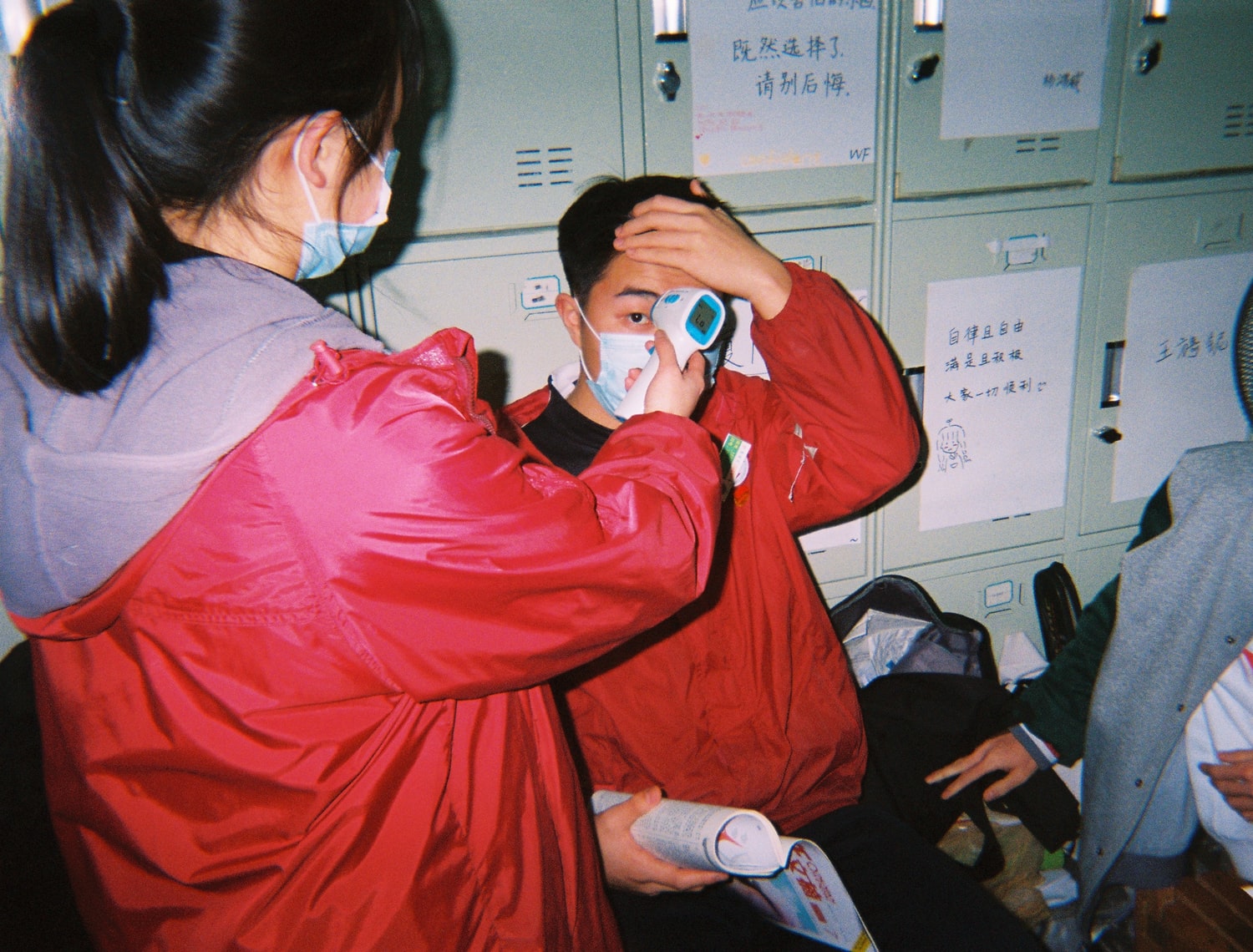
Face Mask Disposal In many public spaces around the world, using a face masks are now a legal necessity. But even before they were mandatory, masks created problems with litter on land and at sea. Covid-19 pandemic not only bring risk on everyone's health but it also bring risk in our environment. The high demand and usage of face mask and other personal protective equipment also helps to increase the waste of the world. There has been no clarification on how to properly dispose of or recycle them, despite millions of individuals being told to use face masks. And as countries start lifting lockdown restrictions, globally, billions of masks will be required every month. An environmental catastrophe is looming without better disposal practices. Most masks are made from long-lasting plastic materials and can stay in the atmosphere for decades to hundreds of years if discarded. This means that they can affect the world and people in a variety of ways. ***Dangerous to humans and animals*** Initially, discarded masks can be at risk of coronavirus spreading to waste collectors, litter pickers or public representatives who first come across the litter. We know that the virus will live on a plastic surgical mask for seven days under some circumstances. Animals and plants are also affected over the medium to long term. Plastic waste, by its sheer mass, can smother oceans and break up habitats. Also, certain animals do not say the difference between plastic objects and their prey, coughing on bits of litter afterwards. Even if they do not choke, as the items fill their stomachs but have no nutrients, animals will become malnourished. When they begin to split apart, smaller animals can even become entangled in the elastic inside the masks or within gloves. Over time, plastic breaks down into smaller parts, and the longer litter remains in the area, the more it can decompose. Second, plastics break down into microplastics and finally into nanoplastics that are much smaller. These small particles and fibers are mostly polymers that are long-lived and can accumulate in food chains. Millions of particles can be generated by just one mask, each with the potential to also bring chemicals and bacteria up the food chain and potentially even into humans. Littered areas often appear to facilitate more littering, worsening the problem. *****We should take these steps to reduce the effect of wearing a face mask with all of this in mind:***** Using reusable masks without filters that are disposable. Following the fabric instructions, the computer washes them daily. Try to bring a spare one, so you don't have to use or purchase a disposable mask if anything goes wrong with the one you're wearing. Take it home (maybe in a bag if you have to take it off) if you need to use a disposable mask, and then throw it straight into a bin with a lid. Place it in a proper public bin, if this is not possible. Do not recycle plastic masks. They can get stuck in the recycling equipment of specialists and be a possible biohazard for waste workers. Don't litter them with anything that you do!

 @Quuqueen
Hi Guys! How are you all?
@Quuqueen
Hi! Hi guys! It's been 3 weeks since the last time I opened my account here in Read.cash. How are you all? I will be using Noise.cash instead of this hahaha. See you there 😊
 @Quuqueen
May alam ba kayong site na parang Read cash?
@Quuqueen
Fighting for Life Life is really full of surprises. Humans on the other hand are unpredictable. We didn't know when and where will it all happen, we just know that it will happen. *What am I talking about?* The challenges that we might face. It will make us stronger but first, it will give us failures, it will make us fall. It will make us feel the hardships in life. It was a random thought that I believe you also encountered. Random thoughts that make us realize what really life is and how it will work. Life realizations that will leave a mark in our minds. It will questions that we may not answer now but, I'm sure it will all be answered in the future. I hope that one day, we can accept the fact that not all we want is will fall in our hands. Not all the dreams will come. Not all the people you are with are going to stay. Not all the things that you're believing now, will be the things that you're still going to believe in the future. How do you overcome challenges that life throws at you? "Always believe in yourself and always stretch yourself beyond your limits. Your life is worth a lot more than you think because you are capable of accomplishing more than you know. You have more potential than you think, but you will never know your full potential unless you keep challenging yourself and pushing beyond your own self imposed limits." - Roy T. Bennett, The Light in the Heart Challenges are part of our life, it makes us stronger and help us to grow. We may think to give up but look at us who are still fighting for it. When I was a child the challenges that I was facing are only; How can I sleeping in the afternoon so that I can play outside, doing simple mathematical equations, how can I hide properly in one place so that my childhood friend in hide and seek (tagu-taguan) won't find me easily, to not cry when I got bruise from running, to pass every level in Chinese garter without an error, to eat vegetables so that my mama won't shout on me. Those are some of the simple challenges that I faced when I was young, but today, that I was a in my twenties I started to face different challenges that make me who I am and will continue to help me to grow up. I was able to overcome challenges in my life in the past years until today by: 1. Accepting the fact that life is hard on me sometimes. I understand that life isn't always having a good day or having everything I want in an instant because I dream for it. We must know that it's not always having the good side but we must face the bad sides of life. It will help us to realize that things are should be give to us because we deserve it, because we work hard on it. 2. Surrender it to God and request a guidance from Him. If things are not going in my way and I can't simply accept it? I ask for a guidance from Him. He help me to calm. I talk to him because I know that he will always listening. I lean to him, it helps me to find the comfort that I will not have to people because it's him that will help me to realize my "Why's". 3. Helping myself to stand up and move forward. After praying and asking a guidance from Him. I talk to myself and analyze the challenges that came to me. By doing that I help myself to cheer up and free my heart from sadness because if I will not going to help myself? No one can help me to do it. 4. To have confidence that you can pass it all. Finally, to keep in mind that challenges are unpredictable and it will surely come on my way so, having confidence and trust in myself is important. It's only me that can lift my self-esteem really well. Others may support me but if I don't have the trust in myself? It doesn't make any sense. Life is not like a fairytale that we already expecting a good happy ending. There's always an ups and downs. It's sad to think in about it but it's the reality. Even we ignore it, it will still happen. Life challenges must not worry you. It must help you to find yourself, for you to grow. Let's find our peace and comfort in every challenges because we can make it. Don't let it fool you, instead fight back!
 @Quuqueen
Mindfulness *What is Meditation?* Meditation is not about being another person, being a new person or even a better person. It's not about sensitivity preparation, and having a good sense of perspective. You are not trying to toggle off emotions or ideas. You learn to watch them without judgment. People often use this activity to develop other beneficial behaviors and emotions. Finally, you will also start to understand them better. *Here are the Benefits that you can get in meditating everyday:* 1. Reduces Stress Reducing stress is one of the most reason why people meditate. Usually, emotional and physical stress induces elevated levels of the stress hormone cortisol. This triggers some of the negative effects of stress, such as the development of inflammation-promoting chemicals called cytokines. These effects can disrupt sleep, encourage depression and anxiety, lead to weight gain and lead to tiredness and blurry thinking. 2. Controls Anxiety Less stress leads to less anxiety. It also the symptoms of anxiety disorders, such as phobias, social anxiety , paranoia, obsessive-compulsive behavior, and panic attacks. Meditation can also help to reduce job-related anxiety in high-pressure work environments. One research showed that the therapy method had decreased anxiety in a group of nurses. 3. Promotes Emotional Health Most types of meditation can boost depression and generate a more optimistic view for life. Studies shows that developing a daily practice of meditation will enable you retain these benefits over the long term. 4. Enhances Self-Awareness Most relaxation techniques can help you develop a better understanding of yourself, helping you to grow into your best self. For example, self-inquiry meditation specifically seeks to help you gain a deeper understanding about yourself and how you relate to others around you. Certain types help you to identify thoughts that may be negative or self-defeating. The theory is that if you become more conscious of your cognitive habits, you will direct them to more positive patterns. 5. It Lengthens Attention Span Oriented-attention meditation is like a weight-lift for your brain capacity. It helps to improve the strength and stamina of your focus. It's almost difficult to pay attention to one thing for a long time. A recent research explores whether Buddhist meditation can enhance a person's ability to be attentive and finds that meditation preparation allows people to concentrate on a long-term task that needs them to identify subtle variations between the things they see. 6. It May Reduce Age-Related Memory Loss Improving concentration and clarity of thought will help to keep your mind young. In the battle against natural age-related memory loss, meditation will at least partly boost the memory of patients with dementia. It can also help reduce stress and improve coping in the treatment of family members with dementia. 7. It Can Generate Kindness In particular, some forms of meditation can increase positive feelings and behavior towards yourself and others. Metta, a form of meditation also known as loving kindness meditation, helps to cultivate positive thoughts and feelings for yourself. Via practice, people learn to spread this compassion and acceptance outwardly, first to relatives, then to acquaintances and finally to enemies. 8. May Help Fight Addictions The mental discipline that you can build through meditation will help you break your dependency by growing self-control and knowledge of the causes for addictive behaviors. Research has shown that meditation can help people learn to focus their attention, increase their resilience, regulate their emotions and desires, and improve their awareness of the reasons behind their addictive behavior. 9. It Improves Sleep About half of the population would suffer with insomnia at some point. Sleep issues are often triggered by stress and anxiety, but meditation enhances your relaxation response. It also improves control of the autonomic nervous system, which limits how quickly you are awoken. Meditation may also increase Melatonin (a sleep hormone). 10. Helps To Control Pain Your perception of pain is related to your state of mind, and can be increased under stressful circumstances. Meditation may reduce the perception of pain in the brain. This can help to relieve chronic pain when used as an alternative to medical treatment or physical therapy. 11. It Can Decrease Blood Pressure Meditation can also enhance physical well-being by reducing stress on the heart. Over time, high blood pressure makes it harder for the heart to pump blood, which can lead to impaired heart function. High blood pressure also leads to atherosclerosis or narrowing of the arteries, which can lead to heart attacks and strokes. Blood pressure drops not only during meditation, but also over time in people who meditate regularly. This will reduce the pressure on the heart and arteries, helping to prevent heart disease. In addition, you can meditate anywhere. You have the freedom to practice anytime, wherever. The trick is to concentrate on what's going on inside your brain. The easiest way to do so is by the easy practice of being mindful of your surroundings when you breathe in and out.
 @Quuqueen
Hi guys! Please do support @Hakobee here in read cash. Thank you!
@Quuqueen
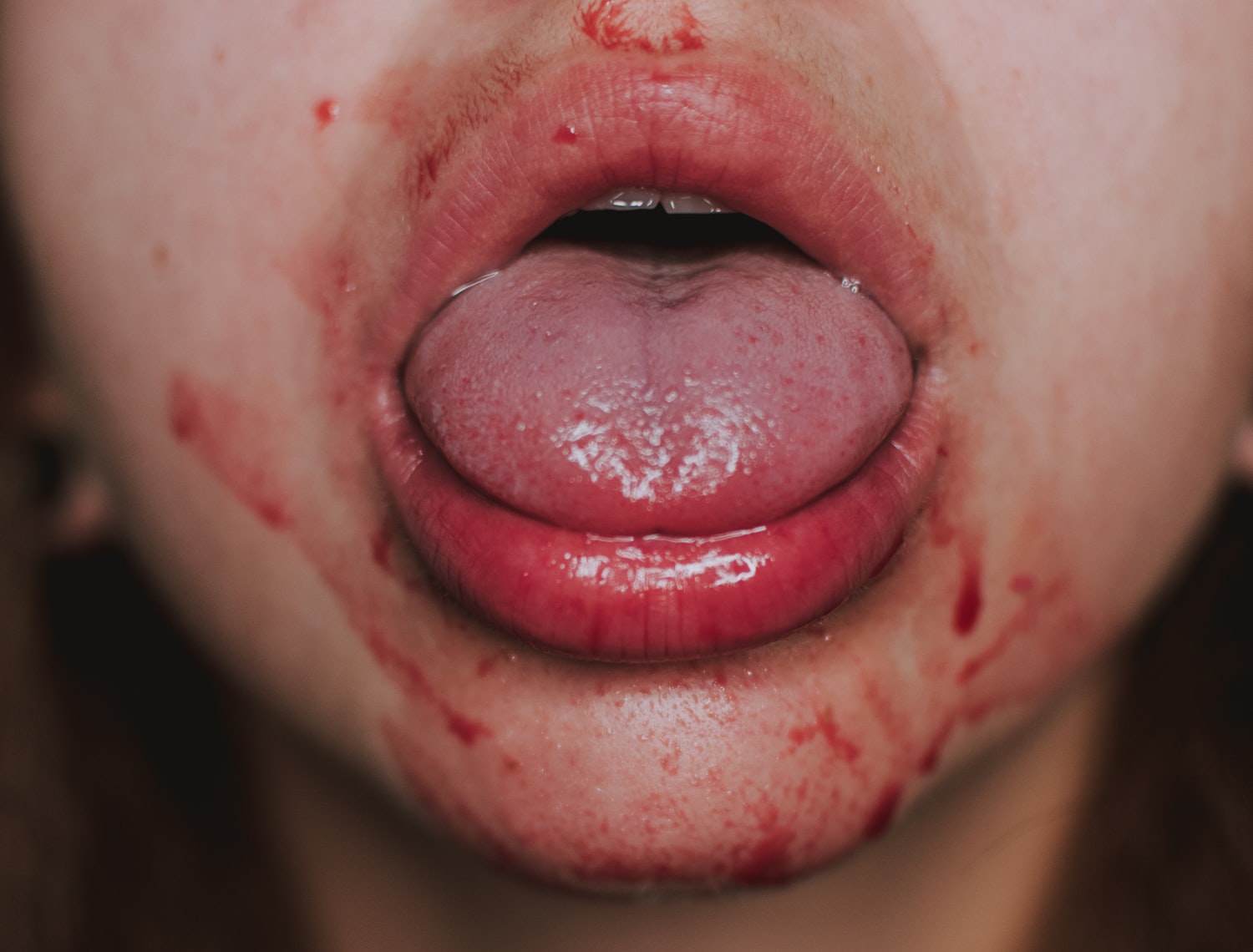
Congenital Insensitivity to Pain **Absence of feeling pain** People who can't feel pain have a serious condition called, "Congenital insensitivity to pain", or CIP is a disease that prevents the capacity to feel physical pain. From birth, affected individuals will never experience discomfort in any part of their body when they are injured. This lack of awareness of pain also contributes to an accumulation of cuts, fractures, broken bones, and other health conditions that might go undetected. Kids with congenital insensitivity to pain may have mouth or finger wounds due to frequent self-biting and may also have numerous burn-related injuries. These repetitive injuries also lead to decreased life expectancy in people with congenital pain insensitivity. Many individuals with congenital pain insensitivity often have a complete lack of sense of smell (anosmia). Congenital pain insensitivity is considered a type of peripheral neuropathy since it affects the peripheral nervous system that links the brain and spinal cord to muscles and cells that sense stimuli such as touch, smell, and pain. Congenital insensitivity to pain is caused by mutations in the SCN9A gene and, in rare cases, is caused by mutations in the PMRD12 gene. It is inherited in an autosomal recessive pattern. The **SCN9A gene** belongs to a family of genes that provide guidance for the development of sodium channels. These channels, which transport positively charged sodium atoms (sodium ions) to cells, play a key role in the cell's ability to produce and transmit electrical signals. The **PRDM12 gene** encodes a family of transcriptional regulators who are involved in the regulation of vertebrate neurogenesis. There's still no treatment for CIPA. Treatment is intended to regulate body temperature, avoid self-injury, and treat orthopedic conditions as soon as possible. It is very important to regulate the temperature of the body during surgery. Sometimes when life hits us hard we tend to wish that "I hope to not feel this kind of pain", and it didn't cross our minds that there is a condition where you can't really feel the pain. People with this kind of condition can feel pressure but they can't really feel the pain. We are blessed that our senses are complete and we can feel everything. That we are completely alive. Keep moving people, you are doing your best. Don't let pain deceive you, those are just challenges to make you stronger and a better version of yourself.
 @Quuqueen
Hw to get tip from the random rewarder?
@Quuqueen
@TheRandmRewarder its been 2 weeks and you keep on ignoring me. And to Readcash i sent multiple of emails regarding my concern and you didn't even give me a reply?!
@Quuqueen
@TheRandomRewarder namamasko poooo! Pansinin mo na ako :(
@Quuqueen
I hope I can now get tip from the rewarder...
@Quuqueen
Breathing Using A Paper Bag Breathing into a paper bag has become a sign of hyperventilation and anxiety attacks. It's used to help you control your breathing. This technique is effective during an anxiety disorder and a panic attack because it can help to manage hyperventilation. Hyperventilation or "overbreathing" occurs when you have quick or shallow breathing. People with an anxiety or panic attack often hyperventilate. You exhale so much air while you hyperventilate. This can reduce the amount of carbon dioxide ( CO2) you have in your blood. Isn't less carbon dioxide good for you, though? Currently, having extremely low levels of carbon dioxide in your blood creates an imbalance in your body. Low carbon dioxide also contributes to low levels of oxygen. This will lower the supply of blood and oxygen to your brain. Symptoms of low levels of CO2 Low carbon dioxide in your blood triggers many of the signs you have when you are hyperventilated, such as: Breath shortness Light-headedness Rapid heart rate Numbness or tingling of the hands, face, and other areas The Chest muscles are aching Fainting Why does it help to breathe in a paper bag? Breathing in a paper bag is a strategy that will help you control hyperventilation. It works by putting some of the carbon dioxide lost back into the lungs and body. This helps to regulate the supply of oxygen in your body. However, breathing in a paper bag must be done properly and it can not work for everybody. Medical literature on how to use it to help hyperventilation is divided on whether it actually works. Some case reports do not recommend the use of this breathing strategy. Other medical review studies have shown that breathing in a paper bag can help some patients with hyperventilation. How to do it Use a paper bag to enable you breathe when you're hyperventilating, follow the steps: Hold a tiny paper bag (the kind used for lunch) over your mouth and nose. Take between 6 and 12 normal breaths. Remove the bag from your nose and mouth. Take a couple of breaths. Repeat it as needed. Do's, and don't Don't breathe over 12 breaths in a paper bag. After 12 breaths, remove the paper bag from your mouth and nose. Keep your own paper bag for breathing. If someone else keeps it for you, they might not know when you took up to 12 breaths. Does it have to be a paper bag? Yes. Always use a small bag of paper when doing it, not a plastic one. A plastic bag doesn't operate the same way, and it can be risky. When you breathe in, thin plastic could get sucked into your mouth. This can be especially dangerous for younger children and older adults. Disadvantages The paper bag strategy will not help with an asthma attack and could make it worse, because you may not have enough oxygen in your body. If you have any heart or lung problems, do not use this breathing procedure. Even, if you're at a high elevation, breathing can be more difficult than normal. Breathing in a paper bag would not aid with changes in breathing. Using the bag method only if you're sure you're having an anxiety attack. Other causes of hyperventilation include an asthma attack, fever, or other illnesses. You may have other signs of anxiety, such as: Breath shortness Feeling as if you're choking A heart pounding or racing Heart palpitations (feeling the heart stops or loses a beat) Dizziness Nausea Sweating Racing Thinking Feeling like you are losing control Thinking that you might die Aggressiveness Other tips to calm you down Some remedies to help you calm down during an anxiety attack or while you are hyperventilating include: Deep belly breathing Sitting down on a couch, a bed or a floor. Place your head between your knees Breathing from your pocketed mouth, like you're whistling Breathing in and enjoying the essential oil or the scent you want. Keep your breath for 10 to 15 seconds Slowly breathing into your own hands. Breathing from alternate nostrils (holding one nostril closed at a time) Inhaling through your nose and exhaling through your mouth Jogging or walking briskly while breathing through your nose and exhaling through your mouth. When to refer to a doctor Contact your health care provider or mental health professional if you have signs of an anxiety or hyperventilation sometimes. Get emergency medical aid if you: Hyperventilate for more than 30 minutes Think you're going to faint or lose consciousness Don't feel any better when trying home remedies during an anxiety or panic attack. Experience serious or recurrent symptoms The bottom line Breathing in a paper bag can help you breathe better while in an anxiety or panic attack. This breathing method helps some people to control hyperventilation. It may not, however, work for everyone. You may have hyperventilation for a number of reasons, including some health conditions. Other medical treatments may be needed, including oxygen therapy and medication. Call emergency hotline if you hyperventilate for longer than 30 minutes or begin to lose consciousness. You may need urgent medical care.
 @Quuqueen
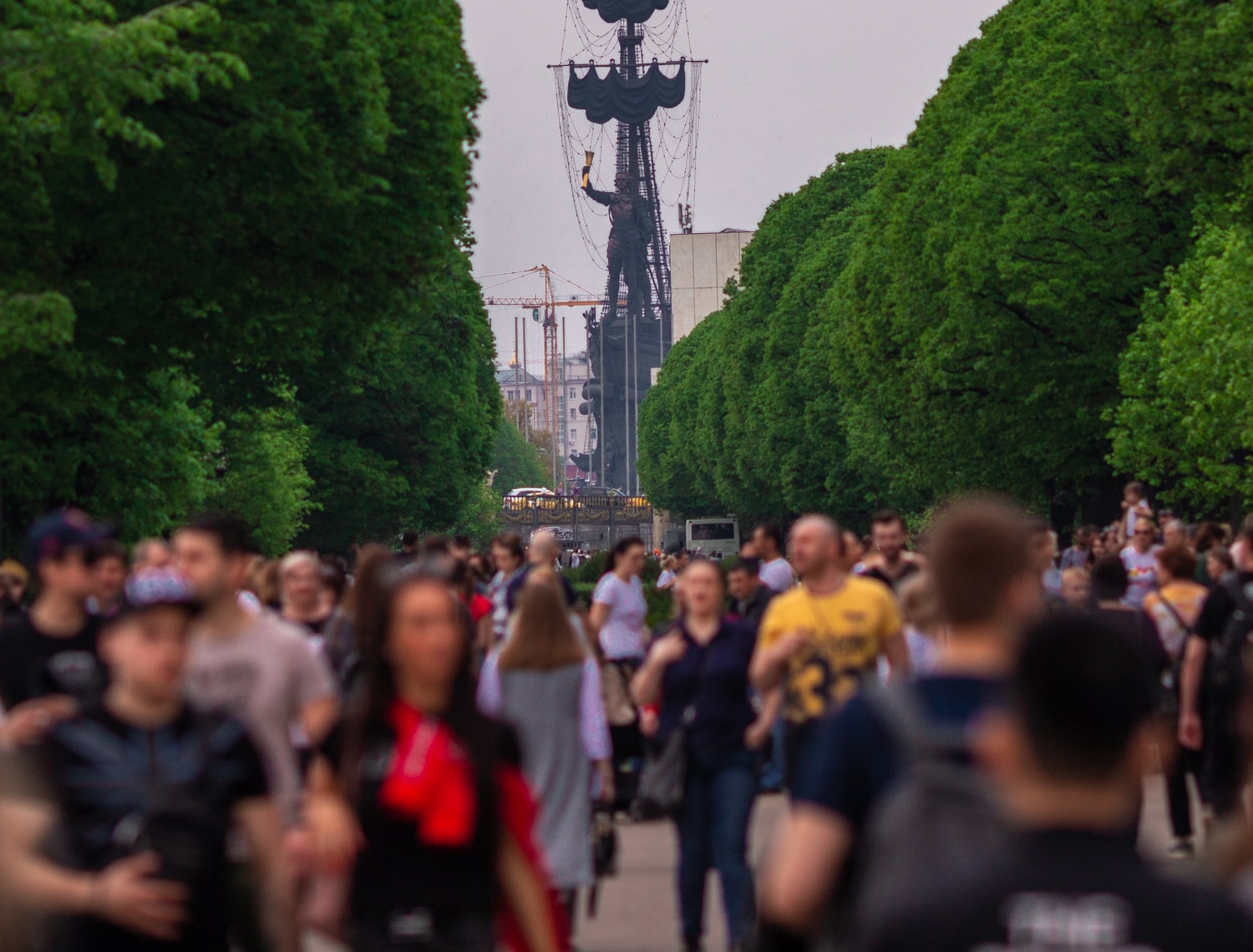
Disadvantages Of Population If It Continues To Grow Depleting Natural Resources The consequences of overpopulation are very severe. The first is the loss of capital. Only a small amount of water and food can be generated on Earth, which falls short of current needs. Much of the environmental degradation seen in the last fifty-odd years is attributed to the rising number of humans on the planet. They involve chopping down trees, carelessly hunting animals, causing waste, and creating a host of other problems. Many involved in debates about overpopulation have found that acts of violence and aggression outside the war zone have risen exponentially when vying for resources. Degrading the climate With the overuse of coal, oil, and natural gas, some significant environmental impacts have begun to arise. Moreover,, the rapid increase in the number of vehicles and industries has had a significant effect on air quality. The increase in the amount of CO2 emissions contributes to global warming. Melting polar ice caps, shifting climate patterns, rising sea levels are some of the effects that we will have to face as a result of environmental pollution. Conflicts and Wars Overpopulation in developing nations puts a huge strain on the resources it should be helping to develop for growth. Clashes over water have become a source of conflict between countries, which could lead to wars. It allows more diseases to spread and makes them more difficult to manage. Starvation is a major problem facing the world, and the infant mortality rate is fueled by it. Poverty is the greatest hallmark we see when we talk of overpopulation. All this would only escalate if we do not pursue solutions to the factors impacting our population. We can no longer avoid this but there are ways to regulate it. Increase in unemployment When a nation is overcrowded, unemployment is generated because there are fewer jobs to help a large population of persons. The increase in unemployment is leading to crime, such as robbery because people want to feed their families and provide them with basic facilities of life. The High Living Expense As the gap between demand and supply continues to widen due to overpopulation, the prices of various essential commodities, including food, shelter, and healthcare, are increasing. This ensures that people need to pay more to live and feed their families. Pandemics as well as the Epidemic Poverty is associated with Thoth many environmental and social factors, involving overcrowded and non-hygienic living conditions, malnutrition, and inaccessible, inadequate, or non-existent health services for which the poor are more likely to be exposed to infectious diseases. Furthermore, high population densities raise the risk of new pandemics and epidemics. Malnutrition, starvation, and famine When resources are scarce, starvation, malnutrition, ill health, and diet-related diseases, such as rakes, become more likely. Famine is usually associated with less developed countries, and there is a high correlation with poverty levels. Water shortage Approximately 1% of the world's water is fresh and available. Overpopulation is a major problem that puts enormous strain on the availability of freshwater planet. According to the report, human demand for freshwater will be about 70% of the freshwater available on the earth by 2025. People living in vulnerable areas that already have limited access to such water would also be at great risk. Lower Expectancy of Life A significant proportion of the world's population growth is happening in less developed countries. As a result, the lower life expectancy triggered by population booms is faced by the less developed nations. This triggers a lack of services in these countries, resulting in less access to medical care, freshwater food, and employment, and, eventually, a drastic decrease in life expectancy. Extinction The effect of overpopulation on the wildlife of the world is significant. As demand for land increases, the loss of natural ecosystems such as forests, is becoming normal. Data have also been collected to demonstrate a clear correlation between the rise in the human population and the decline in the number of species on the planet. Some scientists warn that if current trends continue, as many as 50 percent of the world's wildlife species will be at risk of extinction. Increased intensive agriculture With population increase over the years, farming methods have developed to produce enough food to feed a greater number of people. However, these intensive farming practices cause harm to local habitats and land that could pose problems in the future. Intensive farming also contributes to climate change due to the machinery required. If the population continues to expand at its current pace, this trend is likely to increase. Faster Climate Change Overpopulation forces larger nations, like China and India, to continue to develop their industrial capacities. They are now ranked as two of the three biggest contributors to pollution in the world, other than the United States. According to 97% of the scientific establishment, human emissions are changing global temperatures. If more is not done to reduce individual carbon footprints on a large scale, larger populations will accelerate these changes. Environmental Factors that Contribute to Population Growth Temperature Climate change involves changes in mean temperature and precipitation as well as increases in extreme weather her events; thus, determining how species will respond to climate change requires understanding how organisms respond to change in both mean and extreme conditions. In this case, countries' population's climate like the Philippines has a huge then given the fact that only has a small demographic. When people experience a sudden rise in temperature people might do things to overcome it and it may cause an increase in our population. Resources In the past years, resources have been too much for everyone because the population is manageable and can sustain. However, in our era today, if the population will keep on increasing it will be surely hard for us to have enough resources and to sustain human life. As the population goes up, demand will also increase and the supply will do whatever they can do to sustain the needs of the people. Population Density May Fluctuate Any population has a built-in, characteristic growth rate. This is the rate at which the group would grow if food and space were unlimited and individuals bred freely. Environmental factors do affect a population’s growth rate, however. The interaction of the population’s rate and the environment determines the density of the surviving population. The maximum number of individuals that a given environment can support is called the carrying capacity.
 @Quuqueen
Population Growth Causes Population refers to the total number of people living in the region at a given time. Over time, society has undergone exponential population growth. Population growth has become a pressing concern both in the world and in our country today. This is because the rising population requires a growing economy and increasing needs. As a result, the large population becomes a concern when the country lacks sufficient land, enough food, and the required supplies to live off. *Causes* Poverty Poverty is considered to be the leading cause of overpopulation. The shortage of educational opportunities, combined with high mortality rates leading to higher birth rates, has contributed to significant population booms in deprived areas. The impact is so widespread that the UN has estimated that the world's 48 poorest countries are also probably the biggest factors to population growth. Poor Contraceptive Use Although the availability of contraception is widespread in developing countries, inadequate planning on both sides may lead to unintended pregnancies. Statistics have shown that in Britain, 76% of women between 16 and 49 years of age used at least one type of contraception, leaving a quarter open to unwanted pregnancies. Decline in the Death Rate The variation birth rate and the population death rate is at the root of the overpopulation. If the number of children born each year equals the number of adults dying, the population will be stabilized. Conversing about overpopulation indicates that while there are several factors that can raise the death rate over a short period of time, those that increase the birth rate do so over a long period of time. Developments in agriculture Technological developments and population explosions are taking place at the same time. Three big technological revolutions have taken place. It's the tool-making movement, the agricultural revolution, and the manufacturing revolution. The discovery of agriculture by our ancestors was one aspect that gave them the ability to maintain their diet without hunting. This triggered the first imbalance between the two terms. Agricultural developments in the 20th century have made it possible for humans to increase food production using fertilizers, herbicides and pesticides and to yield more. This has made it possible for people to have more access to food, leading to subsequent population explosions. Improved medical services After that the industrial revolution began. Technological progress was probably the main explanation why the equilibrium was permanently broken. Science has been able to create improved means of processing food, enabling families to feed more mouths. Besides, medical research has made a number of discoveries, thanks to which they have been able to resolve a whole range of diseases. Technological progress in the treatment of fertility With the recent technical advances and further developments in medical research, it has become possible for couples who are unable to conceive to undergo fertility treatment and to have their own kids. There are now effective medicines that can increase the likelihood of conception and lead to an increase in the birth rate. Furthermore, today's pregnancy is much safer due to modern techniques. Immigration Many people choose to migrate to developed countries such as the United States, the United Kingdom, Canada and Australia, where the best services are available in terms of health, education, protection and jobs. As a result, such people are settled there, ultimately leaving those areas overcrowded. If the number of people leaving the country is less than the number of people entering the country, it typically contributes to more demand for food, clothing, electricity, and housing. This gives rise to a lack of money. While the total population stays the same it just affects the density of the population, rendering it literally overcrowded. Failure to prepare for family Many developed nations have a significant number of people who are illiterate, live below the poverty line and have little to no knowledge of family planning. In addition, having their children married at an early age increases the likelihood of raising more children. They are unable to grasp the negative consequences of overpopulation, and lack of quality education allows them to avoid family planning initiatives.
 @Quuqueen
It's been a week hahahaa beke nemen @TheRandomRewarder 😃
@Quuqueen
Isang linggo na Wala pa ring upvoote 😭
@Quuqueen
We are you @TheRandomRewarder?
@Quuqueen
Plantae Kingdom and It's Ecological Niche Organism is an independent type of life consisting of a single cell or a complex of cells, where in kinds of organism such as a bacterium, protista, fungus, plant or animal, in which organelles or organs function together to carry out a variety of life processes. Any individual animal, plant, bacterium, etc. with separate parts or systems that work together as a whole to sustain life and its operations. A system that is regarded as similar to a living organism in its structure or functions. But let us talk about the Plantae. Considering a kind of organism which is the plantae/plant into this environment. Around us, we can see a variety of plants. We can see that their leaves, stems, and fruits are different. Plantae has all the plants included. They are organisms that are eukaryotic, multicellular and autotrophic. A rigid cell wall is contained in the plant cell. Plants have the pigments of chloroplast and chlorophyll that are required for photosynthesis. All plants are included in Plantae: mosses, ferns, conifers, flowering plants, and so on, a wonderful variety of different types. With over 250,000 species, they are second only to the Arthropoda in number. For a very long time, they were around. The plants first appeared in the Ordovician, but did not begin to mimic modern plants. There were a wide range of shapes and sizes of plants around them around 360 million years ago, including small creeping plants and tall forest trees. The green color, the product of a pigment called chlorophyll, is the most striking, and significant, characteristic of plants. In order to absorb light energy, plants use chlorophyll, which fuels the production of food-sugar, starch and other carbohydrates. Without these sources of food, much of the earth's life will be unlikely. Mushrooms and algae would still exist, but there would be no fruits, vegetables, grains, or any animals (which also rely on plants for their food ultimately!) The plantae have the following feature characteristics that we might consider as niches too: • Plantae are non-motile. They make their autotrophs, it’s their own food. • It also reproduces asexually or sexually through vegetative propagation. These are eukaryotes that are multicellular. The outer cell wall and a large central vacuole form the plant cell. • Plants contain chlorophyll-called photosynthetic pigments found in the plastids. For anchorage, reproduction, support and photosynthesis, they have distinct organelles. Color brown and red algae, liverworts, mosses, ferns and seedlings with or without flowers are found in Plantae. These comprise plastids with a photosynthetic pigment. Photosynthesis is the primary mode of nourishment. They construct a multicellular embryo from the zygote during development. The shaping of the ecosystem is another significant contribution made by plants. Without plants, think of a spot. The arctic wastelands, truly arid deserts, and the deep ocean are the only such locations on earth. From the tundra to the forest to the desert, everywhere else is covered with plants. Actually, it is the plants that first come to mind when we think of a specific landscape. Niches and Habitat Niches can be characterized as the spatial and temporal role of the ranges of water, light, nutrients and temperature, and neighborhood competition. This description can be made available for each resource within the gradients: arid-humid (water), oligotrophic-eutrophic (nutrients), sun-shade (light), cold-hot (temperature). The role an organism has in an ecosystem is an ecological niche. An organism's niche includes what resources it needs, how it will obtain these resources, the habitat in which it lives, and how it fits, such as its predators and prey, into the ecosystem. No two species can have an ecological niche that is the same. There are 3 ecological niches Mesophytes, Xerophytes and Hydrophytes. Mesophytes is possible to find living in high densities. The various plants that live together are all in competition for light, water and minerals, and this abundance of mesophytes in the same habitat leads to increased resource competition. Next is Xerophytes. They are plants that, usually, live under conditions where water is scarce. As they are exposed to arid and windy conditions, xerophytes have developed multiple adaptations to help preserve water. The third one is Hydrophytes, they are plants that thrive in aquatic environments where there is a surplus of water, including swamps and wetlands. As a consequence of their environment, hydrophytes have an excessive water supply, so this results in too much water being limited. Consider what niche I would want to introduce your organism into is Hydrophytes. Let us focus on Hydrophytes As I’ve mentioned above, Hydrophytes are plants, like swamps and wetlands, that thrive in aquatic environments where there is a surplus of water. Hydrophytes have an excessive water supply as a consequence of their climate, so this results in too much water being restricted. This suggests that, as opposed to conserving water, the majority of adaptations in hydrophytes are to facilitate the flow of water out of the plant. Hydrophyte examples include: Sea Weeds, Lotus and Water lilies. Three types of adaptations in hydrophytes are ecological, physiological, and anatomical. It modifies its structures such as leaves, stem, roots and cell physiology for survival in an aquatic habitat to adapt to the various aquatic environments such as freshwater, sea water, lakes, ponds. This relies on conditions such as water temperature, osmotic concentration, toxicity, flow, dissolved oxygen, nutrients, etc. All these factors can affect the growth of plant. Hydrophyte adaptation is a natural phenomenon that is important for all aquatic plants to survive according to their surroundings. Since different plants live in different environments, certain modifications are required in order to adapt to the changing climate. Similarly, in order to survive in various marine environments, hydrophytes also experience few changes in their morphology, physiology and anatomy. Therefore, we can conclude that all living beings are subject to particular changes, whether aquatic or terrestrial, according to the environmental conditions of the world in which they have to live. Therefore, in their anatomy and physiology, hydrophytic plants often undergo a few changes in order to support life in an aquatic climate.
 @Quuqueen
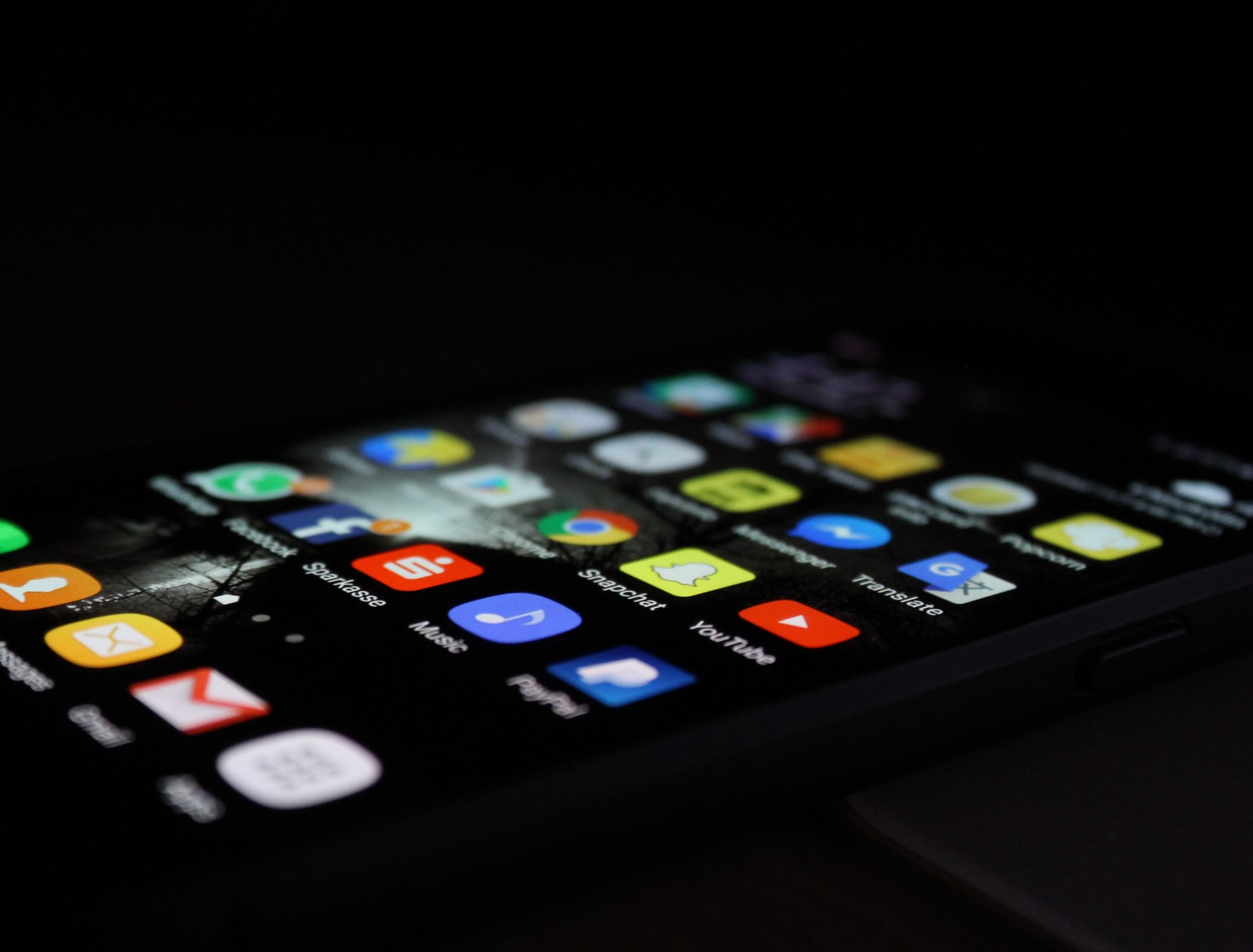
Cleansing Yourself in Using Social Media **Detox** *as stated in Oxford dictionary,* it is a process or period of time in which one abstains from or rids the body of toxic or unhealthy substances; detoxification. Getting away from toxicity have a positive and negative outcomes. Positive because, finally, you free yourself from something that's unhealthy to you. Negative because? You are out to something, you used to do. But we all know that having too much is toxic and can harm us. Today, unhealthy habits are not only be from foods or drinks or other vices, it can also be from **SOCIAL MEDIA.** As the time goes by, technology are more innovative and more Hi-Tech. Social media is in trend, different applications and sites are used by many people everyday. We use our phones first thing in the morning to check if theirs a notifications, we use our laptops, tablets, pc's, and more. People have more than social media accounts! Facebook Twitter Instagram Telegram Snapchat Viber WhatsApp YouTube, and more. Who wouldn't be agree that having an accounts are useful? It's the easiest way to be connected to everyone! But, who wouldn't be also agree that we should take a break from that, even for a short period of time? **Social Media Detox** is being away and not using your accounts for a period of time. Try out these 10 ideas that will help you disconnect a little and have a happier, healthier relationship with social media from now on. **1. Delete your social media apps.** Take off your social media apps, depends on how long do think you can and remind yourself that you can just reinstall it. It's like you're experimenting of yourself and see it yourself what you be the effect of it to you. **2. Detox with a partner.** Whatever is your reason behind detox in social media, it's also recommended if you would have a partner. Find someone who is interesting about "detoxing", so that the two of you will be motivated to do it properly. **3. Identify what apps you're using most.** You can download an app that can help you to monitor on what's app are using the most. By doing it, you will know where and why are spending much time in that app. **4. Talk to your friends and family.** Have more time with you family and friends, all along they were the ones who truly know you. Ask your loved ones what they have think about your phone habits, so that you would have idea on how much you pay attention to your gadget. **5. Think of your attention as a valuable resource.** Our time is precious, we even hate it when someone is late in our appointed time. So, why don't we even notice if we spend so much time in social media? Take your time as a valuable resources. **6. Give your phone a bedtime.** We have to take rest, as well as our things. If we keep on using it non stop? It may be damaged. So, set yourself a time, when will you gave you phone up and place it somewhere it cannot reach by your arms. **7. Get a real alarm clock.** It's our habit to use our phone as an alarm, that's why we can't go off our bed as soon as we woke up. Consider to buy yourself a real alarm closk if your motivated to have a detox in social media. Remind yourself that you need to do things before handling your phone. **8. Set time limits on your apps.** We consume so much time in scrolling in our apps that we don't notice that we don't have time to do other important tasks. So it's recommended to download an app who can help you to set time on how long you can only use a certain app. (Ex. Freedom) **9. Create folders on your home screen.** By having a folder directly to your lock screen you can easily see your important task for the day. By doing this you will not also be distracted by the other apps in your phone. **10. Practice meditation.** It's important to release stress caused by social media and to relax you mind and body. To stay away for a while in social media because it might be a reason of stress that you might feel. It can also triggers anxiety so it's important to have meditation.
 @Quuqueen
Drink Clean Water Regularly How much water a day do you drink? The body is around 60 % water, give or take. You actively expel water from your body, mainly from your urine and sweat. To stop dehydration, you need to drink ample amounts of water. On how much water you can drink every day, there are many different opinions. Eight 8-ounce bottles, which are around 2 liters or half a gallon, are usually recommended by health officials. This is called the law of 8/8, and it's very easy to remember. However, some fitness gurus say that you have to drink water all day long, even when you're not thirsty. It depends on the person, as with most objects. Your water requirements are inevitably influenced by several variables (both internal and external). Does energy levels and brain activity impact water intake? Many individuals assume that your energy levels and brain activity appear to suffer if you do not remain hydrated for much of the day. And there are a lot of studies to support this. One study among women showed that after exercise, fluid loss of 1.36 percent impaired mood and concentration and increased the incidence of headaches. Other studies have shown that exercise or heat-induced mild dehydration (1–3 percent of body weight) can harm many other aspects of brain function. Keep in mind that a fairly large amount is just 1 percent of body weight. This happens primarily when you are sweating a lot. Mild dehydration can also have a negative effect on physical health, resulting in reduced stamina. Will it help you lose weight by drinking a lot of water? There are some suggestions that by increasing your metabolism and reducing your appetite, increased water intake will reduce body weight. Current study found that drinking 17 ounces (500 ml ) of water would increase metabolism by 24-30 percent temporarily. Experts suggest that drinking 68 ounces (2 liters) of energy per day has risen by around 96 calories a day. Moreover, drinking cold water could be advantageous as the body will still need to use more calories to heat the water to body temperature. The amount of calories you end up consuming, especially in older people, can also be decreased by drinking water around half an hour before meals. Overall, it seems that drinking adequate amounts of water, especially before meals, can have a significant impact on weight loss, particularly when combined with a healthy diet. In fact, adequate water intake has a lot of other health benefits. Does More Water Help Prevent Health Problems? Several health conditions are said to react well to increase in water intake: Constipation: increasing the consumption of water may help with constipation, a very common issue. Cancer: Several studies have shown that those who drink more water have a lower risk of bladder and colorectal cancer, although other studies have found no effect. Kidney stones: increased water intake can reduce the risk of kidney stones. Acne and skin hydration: There are a number of anecdotal accounts about how water can help to hydrate the skin and minimize acne. No research have supported or denied this to date. Staying hydrated can help with some health problems, such as constipation and kidney stones, but more research are needed. Do you count other fluids against your total? Plain water is not the only drink to add to the fluid 's balance. There can be significant effects on other drinks and foods. One myth is that, because caffeine is a diuretic, caffeine drinks, such as coffee or tea, do not help you hydrate. Studies show, in fact, that the diuretic effect of these drinks is very minimal. Most of the food is also water-filled. Significant amounts of water are found in meat , fish , eggs and, in particular, fruit and vegetables. Foods rich in coffee or tea and water can help maintain your fluid balance. Believe in Your Thirst. It is necessary for your survival to preserve water equilibrium. Your body has a sophisticated system to monitor when and how much you drink for this reason. Thirst comes about when your average water content is below a certain level. This is controlled by processes such as breathing-you don't need to actively think about it. There's probably no need to worry about water use for most individuals. The thirsty instinct is very reliable. Behind the 8'8 rule, there is really no science. It's perfectly arbitrary. That said, some conditions may require increased intake of water. The most important may be during times of intensified sweating. This includes, particularly in dry weather, exercise and hot weather. Be sure to refill the missing fluid with water if you sweat a lot. Electrolytes may also need to be replenished with water by athletes doing very long, intensive workouts. During breastfeeding, your water also needs to develop, as do other diseases such as vomiting and diarrhea. In addition, older individuals may need to actively control their water consumption, as thirst mechanisms may begin to fail in old age. How much water is better than that? At the end of the day, nobody can tell you exactly how much water you need. It's focused on that guy. Seek to explore to see what fits better for you. Few individuals can perform better with more water than normal, even though it can only make more frequent bathroom visits. If you want to keep it simple, these guidelines should apply to most people: Drink when you are thirsty. Stop when you aren't thirsty anymore. To compensate for the lack of fluid during high heat and exercise, be sure to drink plenty. That was it!
 @Quuqueen
Is It Being Moral Or Amoral? In deciding the essence of society and culture, morality and ethics are significant although most people know that ethics and morality have similarities and something to do with the principles of good and evil, but sadly they are not in the same way. Morality refers to the conviction of a person typically practices as personal conduct, to what I have read, and when they connect and communicate by personal or social contact.The notion of what is right and what is wrong is morality. Houston Community College, according to Dr. Arturo Perez. He said that morality regulates private and personal experiences, that morality extends to all individuals, but that morality depends on people, religion and its society. It is his pleasure, or not, to obey. Morality arises from and grows by itself or by individuals, generally when we believe in something being or doing right and wrong, we do morality. Ethics, in other words, refers to laws, described as a collection of principles and theories that determine the moral values of the individual. Ethics may have evolved externally or in culture and are laws understood in relation to a specific class of human behavior. According to Manuel Velasquez, most people consider norms as ethical in every culture, but norms of conduct in society may vary from ethics. It is easy to decide what is ethical and what is moral in definition as a student, frankly, but if there is a certain circumstance, it is difficult for me to determine where the ethics and morals are on it, but as a student's obligation I will look for any situation that will allow me to know and learn more about ethics and morals. In connection to the Ethics and Morality, the Moral and Amoral Person, Let's define it! Moral and Amoral Person Moral person is one who act good deed, good behavior and thinking in a right way. He/she is a moral person if he/she follow rules, law and regulations within the society. A moral person is always thinking wisely in his decision if it would affect other people, and he knows if it is right or wrong. Moral principles are an important part of what makes a good person. Therefore, what are the characteristic of a moral person? It’s the action you take to carry out the values, ethics and morals that you believe in, and you perform it wisely. People character is mirrored by what we say, or even by what we aim, it is a reflection of what we do. Being of good moral personality is to have a collection of attributes which make up your behavior and define the way in which you act which are considered respectable. There are lot of says that When people do good, it is mirrored how he grow up or what family he may have. On the other hand, amoral person is doing wrong but he doesn’t know that it is wrong, or having no sense in what he’s doing or in his decision and he doesn’t think if it is right or wrong. Amoral actions or events, those areas of interest exhibiting indifference to and not remaining by the moral rules or codes of society. Note that an amoral action by one person could be considered non moral or even immoral by a specific society, depending upon the moral code of the society. But I believe that there is no one who can act that he doesn’t know what he is doing, all people should know and think wisely before he does the action so that there is no problem after doing it. People should be a wise man, follow the rules and moral codes that society has. SITUATION: Is the act of a woman who had a child and who engaged in prostitution for survival moral? According to the Britannica.com, article written by John Philip Jenkins, Prostitution, is the practice of engaging in relatively indiscriminate sexual activity, in general with someone who is not a spouse or a friend, in exchange for immediate payment in money or other valuables. He said also that It is difficult to generalize about the background or conditions of prostitutes because so much of what is known about them derives from studies of poorer and less-privileged individuals, people who are more likely to come into contact with courts and official agencies. The same in the situation of the girl having a child and she is a single mother who wants to strive in life and to support the food and everyday life of his son, because of the poverty and difficulty in finding work. We can’t really judge the person unless we know the reason why she chooses to be a prostitute. The act of prostitution is immoral itself, it is degrading the human dignity. According to another definition “Prostitution is slavery for woman”. The body of a human is sacred and we should care and love it. No one has right to sell her body just for an exchange of money. Why? First of all, we all created by our God juts why it is sacred. Though we all know that the money she can get by being a prostitute is really a big help for her and to her son, because there are a lot of ways on how she can survive the difficulty in life. Also, we don’t have the rights to judge that person. We may judge the act of that person, but not that person. But it doesn’t mean that the said person is bad. In our country, the society hates the prostitution but if those people can think deeply, they will say that being a prostitute in different reason is not immoral, but the act itself is immoral. It is one of the argument on my report that even if it is in moral code of the society that prostitution may be immoral because body is sacred but as the situation or issue came, it is depending on the person who think wisely what is right and what is good. In the situation of the girl, she chooses to be a prostitute because she need money for her child at the same time she choose it because she knows that it is right because it is for her child not for herself. Is the act of Robin Hood as a thief as portrayed in the movies moral? We all know the story of Robin Hood; he really did steal from the rich and give to the poor. Let’s say that Robin Hood story really existed in our life. He’s a historical figure that I am trying to know the reason behind his action, why he did steal from to rich to help other people who were poor. Is Robin Hood moral or not? I know that there are two kinds of people in our society, a rich that spend and abuse their money to nonsense thing and some of rich people are selfless and only make the world worse when they abuse their money and power, though there are some who willing to help poor and the second one is the poor who hardly make a living and can't enjoy life due to them being so poor. But thinking that Robin Hood is existing, He steal money from the rich who those rich people abuse their money and power to nonsense and Robin Hood used it to help other people. It is morality for me. That money who used in non-sense thing, it is big help to the poor which is Robin Hood give to the low part of the society. If wealthy people in our society help poor rather than used it and abuse their power, I think our society would be better and there won’t’ have people who suffering from the poverty. And when you hear the story of Robin Hood who thinks that kind of mind set, you can say that Robin Hood is a moral person. Therefore, if people knows how to understand the virtue, goodness of things and know what is right, it will provide a happiness or someone will be happy. Socrates also said that One’s true happiness is promoted by doing what is right, and according to him presupposes reason is essential for the good life.
 @Quuqueen
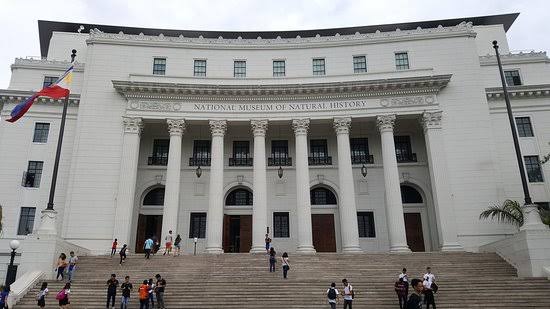
Beautiful Museums inside the Metro Museums are known for it's historical displays, from paintings, sculptures, traditional and cultural clothes, war equipments, animal artifacts, wonders of environment, and more. It's warm and eye pleasing ambiance you will surely relax while roaming around it. One of the known places here in Metro Manila is Luneta Park or also known us Rizal Park, is a place where in you can enjoy the history of the Philippines' National Hero "Dr. Jose Rizal." You can also take a jog, spend your time in watching the dancing fountain but it's more beautiful in the evening as it dance with lights. Inside the park you can also take a look to it's museums; National Museum of Fine Arts, National Museum of Anthropology, National Museum of Natural History, and National Planetarium. National Museum of Fine Arts National Museum of Fine Arts or also known as The National Art Gallery, is composed of the Philippines art from 17th to 20th century. The Museum is also consists of the art from the famous artists such as Juan Luna, Guillermo Tolentino, Fernando C. Amorsolo, Carlos V. Francisco. It's has galleries about Jose Rizal's famous novels "Noli Me Tangere" and "El Filibusterismo", gallery about Botanical garden in Madrid, Academic and Romantic art, Academic and Neoclassical sculpture, the Senate floor, and the Pillars of Philippine Modernism. The buildings are usually designed as a public library by Ralph Harrington Doane, the American consulting architect of the Office of Public Works, and his associate, Antonio Toledo. Construction started in 1918, but was halted multiple times due to lack of funds. The building was officially opened on 16 July 1926, and by then it had cost four million pesos. The building was part of Daniel Burnham's Manila Development Plan. After completion, the second , third and fourth floors were occupied by the Senate and the House of Representatives, while the National Library was housed on the ground floor. National Museum of Fine Arts is the best place for the people who are fun and love arts. You can surely be amaze to different paintings and sculptures there. National Museum of Anthropology The National Museum of Anthropology, formerly known as the Filipino People's Museum, is part of the National Museum of the Philippines, which houses ethnological and archaeological exhibits. The museum includes items and artifacts related to archaeology, primitive civilizations, languages, rituals, practices and the history of the Philippines. The offices of the Museum Foundation of the Philippines, the Archeology Division, the Ethnology Division, the Maritime and Underwater Cultural Heritage Division and the National Museum Library are situated on the ground floor. The second floor consists of two galleries: San Diego: 500 Years of Maritime Commerce, and Garing: the Philippines at the Crossroads of Ivory Trade. The third and fourth floors contain a variety of exhibits. One of the museum's exhibits, showcasing the work and life of 13 Manlilikha ng Bayan (National Living Treasures). They were awarded the Gawad Manlilikha ng Bayan (GAMABA) Award in appreciation of their involvement and the preservation of culture. With them are Teofilo Garcia (or Apu Pilo, the last tabungaw creator we interviewed last November 2017) and Apu Whang-Od, the last mambabatok (tattoo artist). Showcasing the traditional ancient Filipino script,***Baybayin***. Archeological objects such as the Laguna Copperplate Inscription, Calatagan Pot and some books lent by the UST, the NHCP and the National Library are seen here. Some tools, musical instruments, ornaments and pots with Baybayin inscriptions from the native tribes of Mindoro and Palawan are also seen. If you want to go back and learn about the cultural diversity of the Philippines and it's people, National Museum of Anthropology is the place you can be. National Museum of Natural History The National Museum of Natural History is an architectural wonder that has maintained its original Neoclassical exterior on the front, but houses a spacious, airy, expertly built collection of galleries and immersive learning spaces inside. The architecture of the Natural History Museum is the result of a partnership between the architect Dominic Galicia and the interior designer Tina Periquet. In their conception, the structure is designed around an atrium, referred to in the design statement as The Courtyard, the focal point of which is a huge six-storey-high functional sculpture modeled after DNA, the basic building block of life. In general, Galicia refers to the pattern as ***The Tree of Life***. National Museum of Natural History is consists of Botany, Geology and Zoology. **Botany** The museum itself houses the largest number of national repository of plant collection in the Philippines. The PNH (Philippine National Herbarium) plant collections are the result of the compilation of activities in the country in the last century, as well as the exchange of programs with other herbaria, both here and overseas. Several of the early collections dating back to the late 18th and 19th centuries are still in existence. **Geology** One of the primary duties of the Geology Division of the National Museum is to carry out basic and systematic studies on Petrology, Mineralogy and Paleontology with the goal of disseminating information and fostering the growth of natural sciences. It also aims to create and maintain an adequate reference collection of philippine rocks , minerals and fossils by means of collection, exchange or donation. **Zoology** The Philippine archipelago shelters a large number of land and water animals, mostly found nowhere else. A number of these distinct animals are already severely threatened and are facing extinction while a few are already extinct. In order to maintain a record of the Philippine wildlife, the National Museum keeps a large collection of these animal specimens from all over the archipelago. These animal specimens, which had been collected in the last century, had become an important part of the natural history of the Philippines. It's a best place to see preserve animals and plants that the museum taken care of. Its also a beautiful museum because of it's achitectural design. National Planetarium I haven't see the last museum that I will showcase to you but as the name of it. Its primary purpose is to disseminate astronomical knowledge through planetary displays, seminars, experiments, exhibits and actual celestial observations. The special aspect of the Planetarium is the true-to - life projection of celestial bodies that catches the curiosity and the imagination of viewers. The concept of establishing a modern Planetarium in Manila was developed in the 1970s by the former Director of the National Museum, Godofredo Alcasid Sr., with the help of Mr. Maximo P. Sacro, Jr. of the Philippine Weather Office (now PAGASA) and one of the founders of the Philippine Astronomical Society (PAS). Rules and regulations Bags that is smaller than a short bond paper are allowed but bigger than that should be deposited to the baggage counter. Other things like umbrellas are should be deposited in the baggage counter. It is not allowed to bring foods and drinks inside the museums. Wearing of hats, caps, bonnets are not allowed. Touching and leaning on the displays are not allowed. Taking photos without flash. Taking videos is not allowed. Tripods and monopods are prohibited. Wacky and not appropriate poses are not allowed. Vices are not allowed. Security personnel are roaming around the museums to secure that everyone are following the guidelines and to ensure the safety of the things inside the museums.
 @Quuqueen
Blue Roses are Unique Flowers are known to have different representations. If you give flowers, it also shows the feelings that you want them to feel. Specially, if you’re giving it to your “someone.” The meaning of flowers may also know by its colors. Roses are famous because of its colors. Specially, red roses because it symbolize “love.” Everyone loves it, even I. But I love blue roses more. Blue roses are unique for me, it may look sad for other people, but for me? I see more. It’s funny how I actually admire blue roses even I didn’t have one. Blue tones are counted among the cool colors that typically have a cool effect, build distance and express objectivity. But what is the power and what is the sense of the color blue? With the color blue, we automatically equate the radiant sky with the big sea, we can see it anywhere just look up and admire it. Blue Flower was the central theme of romanticism. In this period, in which sentiment, desire and passion stood in the forefront, it symbolizes the link between man and nature, as well as the human yearning for the unattainable. I admire blue roses because it can’t easy to have one, it’s not easy to have the real blue roses. The blue rose cannot occur spontaneously due to genetic limitations. The flower rose lacks a particular gene or pigmentation capable of producing true blue colors. Blue Roses means: In view of its non-existence and the desire for its inclusion in the world of flora, the blue rose symbolizes inaccessibility. It reflects something that is destined to remain a fantasy, a wish that is never to be fulfilled. The Blue Rose was a fragmentation of the wishful, creative and autonomous parts of the mind. Its search has been going on for years, and a lot of florists are still doing their best. In some cultures, the blue rose is similar to the Holy Grail (the chalice used by Christ at the Last Supper) and is thus considered to be the same in the world of roses. Some people consider the blue rose to be an exhibition of inner feelings of love at first sight. It is also a synonym for an unlikely or unrequited love. And there are cultures that equate the blue rose with royal blood; royal majesty and splendor. The fulfillment of the impossible, the battle against all odds, and the new beginnings can also be portrayed by the blue rose. When we choose a path that has an untold, mysterious beginning, our hearts are filled with feelings that are too deep to be defined in words. This enthusiasm can also be conveyed via a blue rose. The cold rose often highlights a personality that is too difficult to understand, or one that does not support simple understanding. In view of the fact that the blue rose is the object of production, and not the true product of nature, it can also mean the ability to be deceptive. A blue rose or a bouquet of blue roses serves as an ideal gift for occasions such as birthdays, travels, projects, etc., as they symbolize new beginnings in life. In the other hand, it may not be a suitable gift for someone you wish to enter into a relationship with, unless the other person is aware of the nature of the relationship. “If you can manage to find the pot of gold at the end of the rainbow, then you may as well, come across the blue rose. The meaning of blue rose is as fictional as the rose itself. Being an element of imagination, blue rose has always been portrayed in art and literature.” - Gardenerdy
 @Quuqueen
Keep safe everyone!
@Quuqueen
Trick or treat Halloween Halloween is a festival held every year on the 31st of October and Halloween 2020 on the 31st of October. Tradition began in the ancient Celtic festival of Samhain, when people would light bonfires and dress up to fend off ghosts. Pope Gregory III, in the eighth century, designated November 1 as a day to remember all the saints. Soon, the All Saints Day added some of the Samhain rituals. The night before was known as All Hallows Eve, and later as Halloween. Through years, Halloween has grown into a day of events such as trick-or-treat, carving jack-o-lanterns, festive parties, giving costumes and eating sweets. Origin of Halloween The roots of Halloween go back to the ancient Celtic festival of Samhain (pronounced sow-in). The Celts, who lived 2,000 years ago, mainly in the region now known as Ireland, the United Kingdom and northern France, celebrated their new year on 1 November. This day marked the end of the summer and the harvest and the beginning of the long , cold season, a time of the year often associated with human death. Celts assumed that the line between the realms of the living and the deceased had blurred the night before the New Year. Samhain was observed on the night of October 31, when it was claimed that the spirits of the dead had come to earth. Besides causing trouble and destroying crops, Celts believed that the presence of unearthly spirits made it easier for the Druids, or Celtic priests, to make predictions for the future. For people entirely reliant on the unpredictable natural environment, these prophecies have been an essential source of relief in the long , dark winter. Halloween in the Philippines Halloween is a day when people will dress up , take part in celebrations, and enjoy free candy, but in the Philippines, this annual festival goes far beyond the normal traditions. The Philippines, as a predominantly Catholic community, celebrates Halloween with devotion. The festivities begin on October 31, or sometimes on October 30, varying on the year. The celebration proceeds during two consecutive national holidays in the country: All Saints' Day on 1 November and All Souls Day on 2 November. Thousands of people go to the nearest cemeteries where their loved ones are buried and remain there for the whole day. Some also set up a camp and spent the night there. Some families are taking advantage of this opportunity to reconnect and catch up with their relatives, particularly those who do not see each other on a regular basis. There are some other ancient rituals such as atang (food offering) when families put the favourite dishes of dead loved ones on their grave or in front of their pictures at home. Then there's Pangangaluluwa — the Philippines' own version of trick-or-treat — when people go door-to - door to sing for the dead in return for small cash or alms. Another ancient tradition that is still observed today is the lighting of the candles in front of the houses. The candles are illuminated in the evening and are thought to help light the way for the deceased as they journey to the afterlife. The people who went to the cemetery before the actual holidays is minimal compared to the number of people coming at the end of All Saints' Day. For the incoming celebration of All Soul's Day here in the Philippines, cemeteries are closed by the Local Government because of the Pandemic so the people authorized to visit their love one's before the usual dates to secure the number of people and to secure their health. People also requested to celebrate it in their homes instead.
 @Quuqueen
Someone May Break Down Over Something "Small" We are naturally feel happy when someone gave things to us, regardless if it's something big or small. We should enjoy little things in life because someday we may realize they were the big things. 10 Reasons Why Someone May Break Down Over Something "Small" https://read.cash/@Quuqueen/breaking-down-6fe26ff7#10-reasons-why-someone-may-break-down-over-something-quotsmallquot 1. They're in "survival mode" https://read.cash/@Quuqueen/breaking-down-6fe26ff7#1-they039re-in-quotsurvival-modequot We all have our own battle to fight for. We shouldn't compare each others scenarios. Some may take so much time in a situations so don't rush them. Just like the saying "time is gold", it is so precious to waste. 2. Their past trauma has been triggered https://read.cash/@Quuqueen/breaking-down-6fe26ff7#2-their-past-trauma-has-been-triggered Past is part of our lives, it may be good or bad pasts but we are all from that. Everyone's past is not our story to tell. Respect everyone, we don't know everything and we shouldn't know everything. 3. That "small" thing meant nothing to you but everything to them https://read.cash/@Quuqueen/breaking-down-6fe26ff7#3-that-quotsmallquot-thing-meant-nothing-to-you-but-everything-to-them Each of us have our own way on appreciating every things. Not all of us can do great and bigger thing, so if it's "small" for you, you don't need to ruin other people mood, specially if its big thing for them. 4. They have anxiety and couldn't control the physical symptoms of it in this moment https://read.cash/@Quuqueen/breaking-down-6fe26ff7#4-they-have-anxiety-and-couldn039t-control-the-physical-symptoms-of-it-in-this-moment Anxiety is the normal reaction of the body to stress. It's a sense of anxiety or uncertainty about what's coming. people tend to feel anxiety because it may triggered because of a current situation. 5. They've been mentally abused and are hypersensitive in social situations https://read.cash/@Quuqueen/breaking-down-6fe26ff7#5-they039ve-been-mentally-abused-and-are-hypersensitive-in-social-situations Some of us may break down over small things because of abused that we may experienced in the past. They may experienced verbal or non-verbal abuse. Emotional abuse can lead to traumas that can change the way you think, feel, and behave. It can lead to anxiety, depression, or even post-traumatic stress disorder (PTSD). https://www.ananiasfoundation.org/definitions/?gclid=EAIaIQobChMI5NbT0q2j6wIVtP7jBx0udgm3EAAYAyAAEgKLPvD_BwE 6. They've been bottling up emotions for so long and couldn't hold onto them any longer https://read.cash/@Quuqueen/breaking-down-6fe26ff7#6-they039ve-been-bottling-up-emotions-for-so-long-and-couldn039t-hold-onto-them-any-longer It is one of the reason why people break down over small things, they can't take it any more and don't know how to react properly. 7. They have anxiety and get triggered by surprises https://read.cash/@Quuqueen/breaking-down-6fe26ff7#7-they-have-anxiety-and-get-triggered-by-surprises Just like in No. 4, where anxiety defines as a normal reaction of the body to stress. Surprises may triggered people's anxiety because of shock that's why they tend to break down over small things. 8. They've had so many things go wrong lately that they were really hoping this would go right https://read.cash/@Quuqueen/breaking-down-6fe26ff7#8-they039ve-had-so-many-things-go-wrong-lately-that-they-were-really-hoping-this-would-go-right Hoping is stronger than fear. It's better to fail because of trying, rather than to simply failing because of the fear of trying. So don't be tired in trying, it may lead you to the way where everything's fall in your plans. 9. They feel overwhelmed and can't take on any other stress https://read.cash/@Quuqueen/breaking-down-6fe26ff7#9-they-feel-overwhelmed-and-can039t-take-on-any-other-stress Overwhelm means having too much, because of overwhelming, people may not think properly and be drown to they're own thoughts. People who are overwhelmed over small things are people who cannot put their emotions into words so that they can't express themselves properly. 10. They're so drained they can't fake smile anymore https://read.cash/@Quuqueen/breaking-down-6fe26ff7#10-they039re-so-drained-they-can039t-fake-smile-anymore Because of the things that happened to them, they can't pretend anymore. They can't put even a small smile because it's too much. We must understand that we have our own way in handling things and situations. We must respect each others feelings and appreciations.
 @Quuqueen
We Should Always Have A Good Sleep Having a good night's sleep is a big help to all of us. It can affect our physical and emotional health so it's important to have a proper sleep always! ***Here's the benefits of having a good night's sleep:*** https://read.cash/@Quuqueen/deep-sleep-1813a746#here039s-the-benefits-of-having-a-good-night039s-sleep **1. Sleep helps reduce stress** https://read.cash/@Quuqueen/deep-sleep-1813a746#1-sleep-helps-reduce-stress If you're body doesn't have an enough and deep sleep it tend to produce a stress hormones and we are easy to be irritated. So having a deep and proper sleep can prevent it. **2. Sleep can improve our memory** https://read.cash/@Quuqueen/deep-sleep-1813a746#2-sleep-can-improve-our-memory When we are tired it's hard to remember things. It's an indication that you're brain need a rest. Having a good sleep helps our brain from resting but while sleeping our brain are organizing and storing our memories. So, it's really helpful to have a sleep well to make things better. **3. Sleep can lower blood pressure** https://read.cash/@Quuqueen/deep-sleep-1813a746#3-sleep-can-lower-blood-pressure Having a high blood pressure is dangerous. It can cause heart attacks and strokes, but if you have a regular restful sleep that enables a continuous state of relaxation that can help to lower blood pressure and eventually keep it under control. **4. Sleep helps our body to fight back** https://read.cash/@Quuqueen/deep-sleep-1813a746#4-sleep-helps-our-body-to-fight-back When you sleep, your body creates extra protein molecules that can improve your ability to combat infections. If you feel a little run down and don't want that to turn into a full-blown cold, go to bed early and have a lot of rest. **5. Sleep can help us to maintain our weight** https://read.cash/@Quuqueen/deep-sleep-1813a746#5-sleep-can-help-us-to-maintain-our-weight It may not be help us to lose weight but, it can helps us maintaining and having a control by regulating hormones that can affect our appetite and to reduce our cravings to high calorie foods. **6. Sleeps can put us in a better mood** https://read.cash/@Quuqueen/deep-sleep-1813a746#6-sleeps-can-put-us-in-a-better-mood Just like what I said in no.1, if we have a better sleep it helps us to not be irritated easily. The better sleep we had, the better mood we have, to stay calm, controlled and reasonable. **7. Sleep can reduce your chances of diabetes** https://read.cash/@Quuqueen/deep-sleep-1813a746#7-sleep-can-reduce-your-chances-of-diabetes Some scientific studies have shown that not having enough sleep can lead to type 2 diabetes by changing the way your body absorbs glucose. It's not definitive in any way, but it's just another example of how significant the effects of sleep can be. 8. Sleep helps our heart to be healthy https://read.cash/@Quuqueen/deep-sleep-1813a746#8-sleep-helps-our-heart-to-be-healthy Regular sleep habits can help lower stress and inflammation levels in your cardiovascular system , which in turn can reduce your risk of developing a heart disease. 9. Sleep can be a pain killer https://read.cash/@Quuqueen/deep-sleep-1813a746#9-sleep-can-be-a-pain-killer If you're feeling the pain of a latest injury like a foot injury, having a lot of sleep will help make it hurt less. A number of studies have shown a correlation between sleep deprivation and a lower pain tolerance. Literally, the more sleep you get, the less discomfort you will have. 10. Sleep can make us smarter https://read.cash/@Quuqueen/deep-sleep-1813a746#10-sleep-can-make-us-smarter Together with a great night's sleep, taking a short nap during the day will help make your brain more efficient and productive. You're not actually going to answer all the questions, but you may feel smarter, more attentive, and more concentrated all through the day. If you have less sleep? Think of it again, having a good night's sleep have a lots of benefits so you should have a great one regularly.
 @Quuqueen
Thank you for 1k views! 😊