 @OverThinker
Hello Everyone! Has anyone missed me? lol kidding. Just accidentally clicked a link from my history and suddenly redirected me here. It's been a long time since I've visited the site. Anyways, how's everyone doing?
Joined 7 July 2020 · 160 posts
Let’s make freedom through writing!
120 KT
0 KT · $29.04 received · 0 KT · $9.90 given
@OverThinker
Hello Everyone! Has anyone missed me? lol kidding. Just accidentally clicked a link from my history and suddenly redirected me here. It's been a long time since I've visited the site. Anyways, how's everyone doing?
@OverThinker
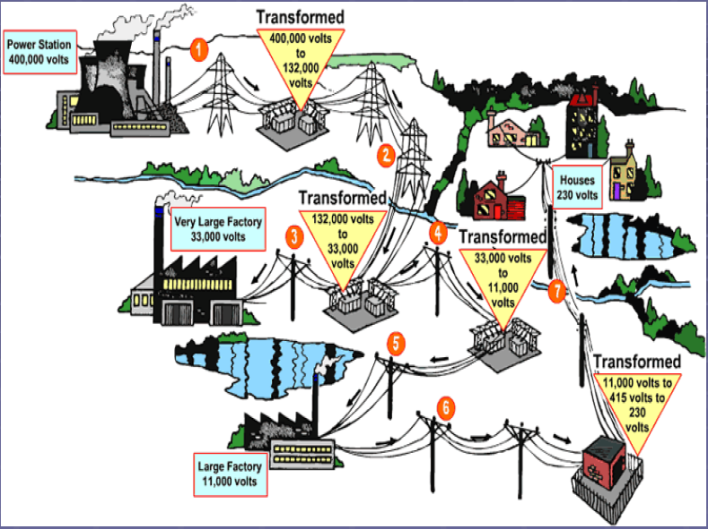
The Power Distribution Story **The basic components of an electric power system consists of:** (1) The electric generating station, (2) The voltage increasing transformer or substation, (3) The high voltage transmission lines, (4) The voltage decreasing transformers or substations, (5) The primary distribution network, and (6) The distribution service to the customer. Components 2 through 4 are termed the transmission system, while 5 and 6 are the distribution system. The transmission and distribution systems each contribute to carrying electrical energy from generating facilities to the customer. However, the functions are different. The transmission system, or bulk system, is designed to carry large quantities of energy over relatively long distances between the generating stations and to the main substations. Transmission system voltages are generally 115 kV to 230 kV and are called High Voltages (HV). When generating stations are very far from the service areas, Extra High Voltage (EHV) transmission lines are used. These typically range from 345 kV to 765 kV. High Voltage Direct Current (HVDC) transmission lines are also used in special circumstances. HVDC systems are used to connect power regions together. Since each of the ac systems being connected might have a different voltage and phase, they cannot be directly connected without being synchronized. But, converting each ac system to dc and then connecting the dc systems together avoids the problem of synchronization and can provide current flow in either direction as needed. Several HVDC connections exist between the East and West power systems in the U.S. Other HVDC systems are used where very long transmission distances occur and the cost of the dc lines and towers are cheaper than the ac equivalent. Two dc power lines can carry the power equivalent to a set of three, three-phase lines at the same rms voltage. However, the distance must be great enough to offset the added cost of the ac-dc-ac conversion equipment at each end. The distribution system is also called the local system. It typically consists of several individual systems, each connected to one or more distribution substations. The distribution system divides and carries energy over a network of low-voltage circuits to each customer. Distribution system voltages range from 120 V to 69 kV. Medium voltage distribution systems (2.4 kV to 69 kV) are used between substations and load centers. Low voltage distribution systems (120 V to 600 V) are used to provide power to residences, small industries, and most individual commercial buildings. **The role of generators and transformers in the power generation system.** The most basic power system components are generators, transformers, transmission lines, busses, and loads. They allow for power to be generated (generators), transformed from one voltage level to another (transformers), transmitted from one location to another (transmission lines), distributed among a number of transmission lines and power transformers (busses), and used by consumers (loads). **Transmission lines, distribution lines and service drop wires.** **Transmission Lines** Transmission line carries energy more efficiently as voltage increases o If the generating station is within the load region, then the required transmission lines are relatively short o However, this system lacks reliability o Failure of a transmission line means energy cannot be supplied to one part of the region o To improve the reliability, additional lines can be constructed between distribution substations o The loss of any one of the transmission lines from the generating station will result in increased energy flow over the remaining lines in such a manner that the required energy reaches each of the substations o Generating plant is located at a considerable distance from the area it serves o It reduces the reliability due to the greatly increased exposure of the system to natural hazards **Distribution System** - consists of several individual systems, each connected to one or more distribution substations - it divides and carries energy over a network of low-voltage circuits to each customer - distribution system voltages range from 120 V to 69 kV • Medium voltage distribution systems (2.4 kV to 69 kV) - are used between substations and load centers • Low voltage distribution systems (120 V to 600 V) - are used to provide power to residences, small industries, and most individual commercial buildings **Service Drop Wires** **Electric service** - the conductors and equipment that deliver electrical power from the electric power utility’s distribution system to the customers being served **Service entrance** - the interface between the overhead or underground cable from the local transformer where the power utility’s responsibility ends and the building owner’s responsibility begin **Difference between a two-wire and a three-wire service drop wire** **Two-wire single phase** or simply single phase power systems are defined by having an AC source with only one voltage waveform. **Three-wire single phase** or split-phase power system is one with multiple (in-phase) AC voltage sources connected in series, delivering power to loads at more than one voltage. **References** Gustafson, Robert J., and Mark T. Morgan. 2004. **Power Generation and Distribution**. Chapter 4 in Fundamentals of Electricity for Agriculture, 4rd edition, 73-113. Lumen (n.d.). **Electric Generators.** Retrieved from ***https://courses.lumenlearning.com/physics/chapter/*** ***23-5-electric-generators/*** Lumen (n.d.). **Generators.** Retrieved from ***https://courses.lumenlearning.com/physics/chapter/23-7-transformers/***
 @OverThinker
Flumes FLUMES **Definition and Functions** **Flumes** Flumes are used to carry irrigation water across gullies, ravines or other natural depressions. They are open canals made of wood (bamboo), metal or concrete which often need to be supported by pillars. Flumes are specially shaped, engineered structures used to measure the flow of water in open channels. Flumes are static in nature - having no moving parts - and develop a relationship between the water level in the flume and the flow rate by restricting the flow of water in various ways. **Types of Flumes** · Elevated flume - a structure used to convey irrigation water across and above natural depressions such as rivers or creeks · Bench flume - usually a rectangular concrete trough supported on a bench excavated into a hillside and through which water flows into an adjoining canal · SI-flume a combination siphon and flume that conveys water across a depression, drainage canal or stream usually from a higher to a lower opposite bank; usually a closed rectangular reinforced concrete conduit supported above by the ground columns or piers **History** **1849-1888** Although Belanger and Bazin were fully aware of the existence of a unique relationship between the upstream sill-referenced head and the discharge over a weir with critical flow at the control section, their hydraulic theory was not used by irrigation engineers in their search for a discharge measuring flume. **1912** A second style of 'Venturi flume' was originated by the irrigation engineers, Harvey and Stoddard, both of the Punjab Irrigation Department. **1917** In Colorado, Cone laid the foundation for the U.S. practice of designing a style of flumes with a piezometer tap. **1928** Inglis reported on Crump's experiments on these 'standing wave flumes'. The head-discharge equation of the long-throated (standing wave) flume. This long-throated flume, became very popular for irrigation water measurement. **1931** Lindley described their flume as follows: 'By introducing a smooth hump on the bed, or smooth contractions of the sides of a regular channel, a dip in the water surface is produced equivalent to the head converted into increased velocity. Knowing the areas of the upstream and throat sections, and the amount of this dip, the discharge can be calculated' **1944** Mahbub and Gulhati report that, in 1944, about 12,500 of these open flumes were being used in canals in the Punjab alone. **Advantages** While having similar accuracy, flumes have distinct advantages over weirs, including: · The ability to measure higher flow rates than a comparably sized weir · Less head loss (1/4th that of a weir) · More readily passes debris · Wide range of styles and sizes · Off-the-shelf availability · Smaller installation footprint · Less rigorous maintenance requirements · Also, most flumes are resistant to changes or restrictions in the downstream hydraulics (submergence) - something not found with weirs. · First, and most importantly, flumes are available in countless styles, which gives them a big advantage over other flow management devices. · Minimal maintenance needs is another benefit of choosing a flume for flow management and measurement. · T biggest strength of flumes is that they provide much more accurate readings than other devices you could choose. With a long-throat flume, for example, there are multiple points of measurement available, allowing your operators to choose the most accurate location. Assuming that they are sized and installed correctly, flumes provide the accurate flow readings that you need. **Disadvantages** · Cost is perhaps the biggest drawback of using a flume. These devices are typically more expensive than weir boxes, especially if you need a customized flume. · Flumes can be difficult to install in some instances, although this isn’t always the case. · Not accurate at low flow rates. It is therefore not entirely satisfactory for measuring widely fluctuating flow rates.
@OverThinker
Dunno but I somehow missed the old read.cash. It's super quiet now and feels like a ghost site or dunno.
@OverThinker
Eat a Happy Variety The concept of variety is very much ingrained in Filipino culture. Take the Filipino sari-san store (variety store). You can find these small neighborhood retail shops in almost every street and eskinita (alley). Here you can buy all sorts of basic commodities, from food items like cooking oil, sugar, and salt to cleaning supplies like laundry detergents, shampoos, and bath soaps. The Filipino folk song “Bahay Kubo” also speaks of variety. Despite its small size, it houses a wide variety of vegetables in its surroundings. The concept of sari-sari or variety is also a valuable principle in healthy eating. This is proven by all the dietary guidelines of different countries. Dietary guidelines are primary recommendations to promote good health. All of these guidelines point toward eating a variety of foods. The Philippine Dietary Guidelines expressed in the “Ten Kumainments” has for its No. 1 recommendation “Kumain ng iba’t ibang pagkain” (Eat a variety of foods). Why is eating a variety of foods %, important for a person to be in and health necessary nutrients your body needs? You do not have to worry whether you get your vitamins A, B, C, D, E, K, and your calcium, iron, potassium, iodine, iron, and the rest of your minerals from what you are eating. As long as you eat a variety of foods with an assortment of colors from the food groups, you will obtain the necessary nutrients you need. There is no single food that contains all the nutrients. Even milk, which has been tagged as a complete food, is not complete at all. It is deficient in vitamin C and iron. Children have their preferred or favorite foods. Their food likes, which they will choose to eat at every meal, may include fried chicken, hotdogs, and eggs. These favored foods are nutritious as they are rich in protein but, if eaten solely, will lead to nutrient deficiencies, They are also quite high in cholesterol and bad fats. Healthier options may also be detrimental if eaten without variety. Cancer patients, upon hearing of the healing wonders of carrots as an antioxidant, include them in their breakfast, lunch, and supper. Diabetic patients resort to eating oatmeal three times a day. While it is true that carrots, oats, and other functional foods have nutritional contributions beyond basic nutrition, they should never be overemphasized. Their functional effects are only beneficial if they are part of a varied diet. A supplement advertisement claims that the product provides nutrients from A to zinc, but eating a variety of foods can supply the A to zinc needs of a person in their most natural, delicious, and enjoyable form. An old rhyme [ hear from the old folks says, “Munggo (mung bean) in the coming, munggo in the evening, munggo in the noontime, and munggo every time.” Yes, murigyo is a very nutritious food, but with MUNggoO every Mealtime, who won't get tired and bloated? The concept of variety is simply not met. So what food is best for the family? A variety of healthy foods eaten together in a happy mood! The wider the variety, the more likely you are to get adequate nutrients.
 @OverThinker
Hello read.cash community! It's been a long time since I posted some articles. I'll post an article later on.
@OverThinker
My GOOOOSHHH. ETH is skyrocketing and is back to $1000
@OverThinker
My GOOOOSHHH. ETH is skyrocketing and is back to $1000
@OverThinker
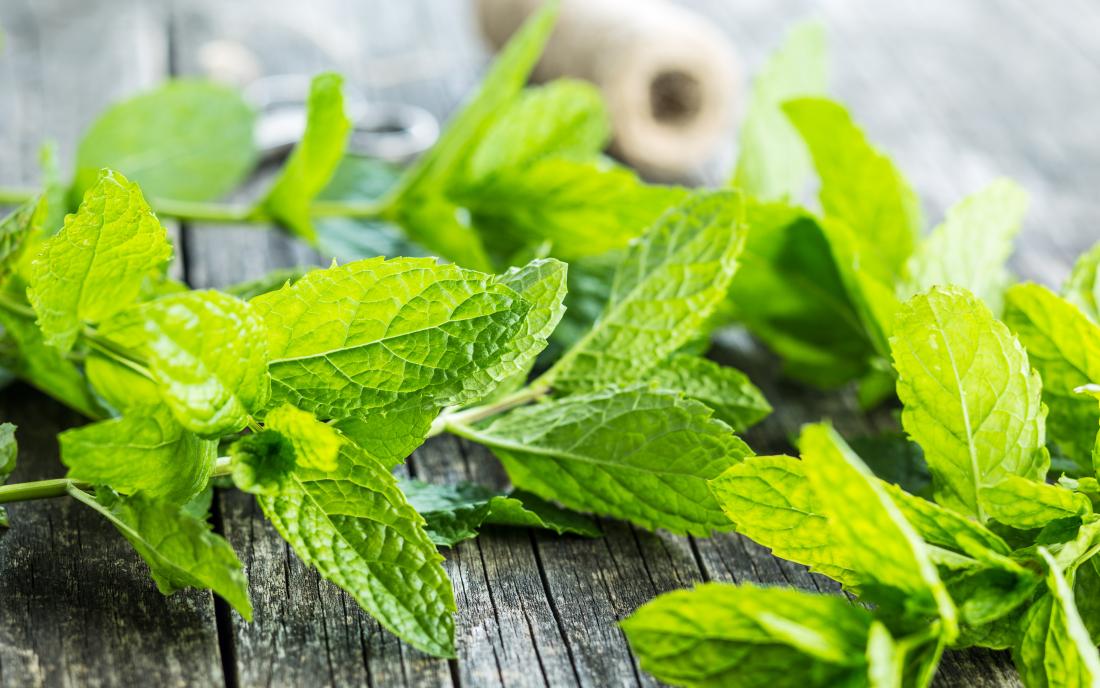
Mint Mint, scientifically known as Mentha, is a genus of about 15-20 species of plants. Two of them stand out with their medicinal uses: spearmint and peppermint. Spearmint and peppermint are both sweet and herbal, and have a solid, sharp fragrance with a cool aftertaste. They are also used as mouth and air fresheners. However, in terms of impact, peppermint is more effective than spearmint. Items that sometimes have a mint foundation include toothpaste, chewing gums, antiseptic mouthwashes, candies, snacks, desserts, chocolates, lip balms and inhalers. Do you know the mint grows better in containers? Benefits of wellness Mint has a lot of health benefits. Let's learn about the benefits of digestion, nausea and headache, oral health, skin care and pills, plus a delicious formula for healthier you. Digestion: Drinking a cup of mint tea while you have all of the above issues with digestion would be of great benefit. **Irritable intestinal syndrome.** The scent of mint stimulates the salivary glands in your mouth as well as the glands that secrete the digestive enzymes.' **Gastric ulcers** Mint's menthol helps shield the lining of the stomach from the harmful effects of indometacin (a synthetic pain-relieving aspirin-style drug) and ethanol. Mint menthol plays a potential role in the treatment of gastric ulcers associated with alcohol intake and the daily use of painkillers.' **Gas and indigestion.** Menthol tends to calm the smooth muscles of the stomach, minimizing the chances of indigestion and spasm.' Peppermint tea is more successful than spearmint 3 as a herbal herb for flatulence as well as gas and bloating pain and discomfort. According to the University of Maryland Medical Center, peppermint allows bile flow more efficient, increasing bile secretion and promoting bile flow. This exercise helps to speed up and relieve digestion and calm the muscles of the digestive tract. However, for handling colic or other stomach issues for very young children, use spearmint so it is not too potent. **Appetizer** When used as an appetizer, all mints are to be consumed before the main course. **Mouthwash** Mint leaves are filled with anti-bacterial and anti-inflammatory properties. Soak 2 tablespoons of the chopped leaves in a glass of hot water for 30 minutes, then strain. Gargle the injection. **Toothache** Mint helps kill bacteria in the mouth and stops tooth decay. Boil 6 teaspoons of mint leaves in 2 glasses of water for 15 minutes. Strain to cool off the stream. **Dental care** Take a few leaves, then crush them and rub them directly onto the teeth and gums to refresh the mouth and remove harmful types of growth. Or, just chew it on the leaves. Mint's antiseptic agents soothe and soothe any contaminated flesh. Its potent anti-inflammatory and anti-bacterial properties serve as cleansers and toners on acne-prone skin. Its heavy antioxidants give a natural glow to the dark and dry skin. It has a high concentration of salicylic acid and vitamin A. On the other side, help avoid pimples and blemishes, and you can also get rid of blackheads.
 @OverThinker
Oh em geee. I'm so glad that my account has been fixed. I was planning of letting go of this account but then this is where I started learning about the cryptoworld. Once again, I'll post more articles soon. Long live read.cash
@OverThinker
Wow. So there’s a new interesting site called noise.cash eh. @Charlotte teach meee pweaseeuuu hahahaha😂 I just entered
@OverThinker
Digital Drawing Hello Everyone! It's been a very busy day since I have to finish this art for a client and I am grateful coz after 1079383388 hours finally I made it. This isn't my typical art style (the struggle is real especially if you have unstable art style😭) but then I didn't expect that the palette turned out into sometimes nice. Here it is: More artworks to come. Ps: TheRandomRewarder isn't noticing me at all and I guess I am marked as spam or dunno. Anyways, Happy Holidays Everyone! (I am open for gifts😉jk)

 @OverThinker
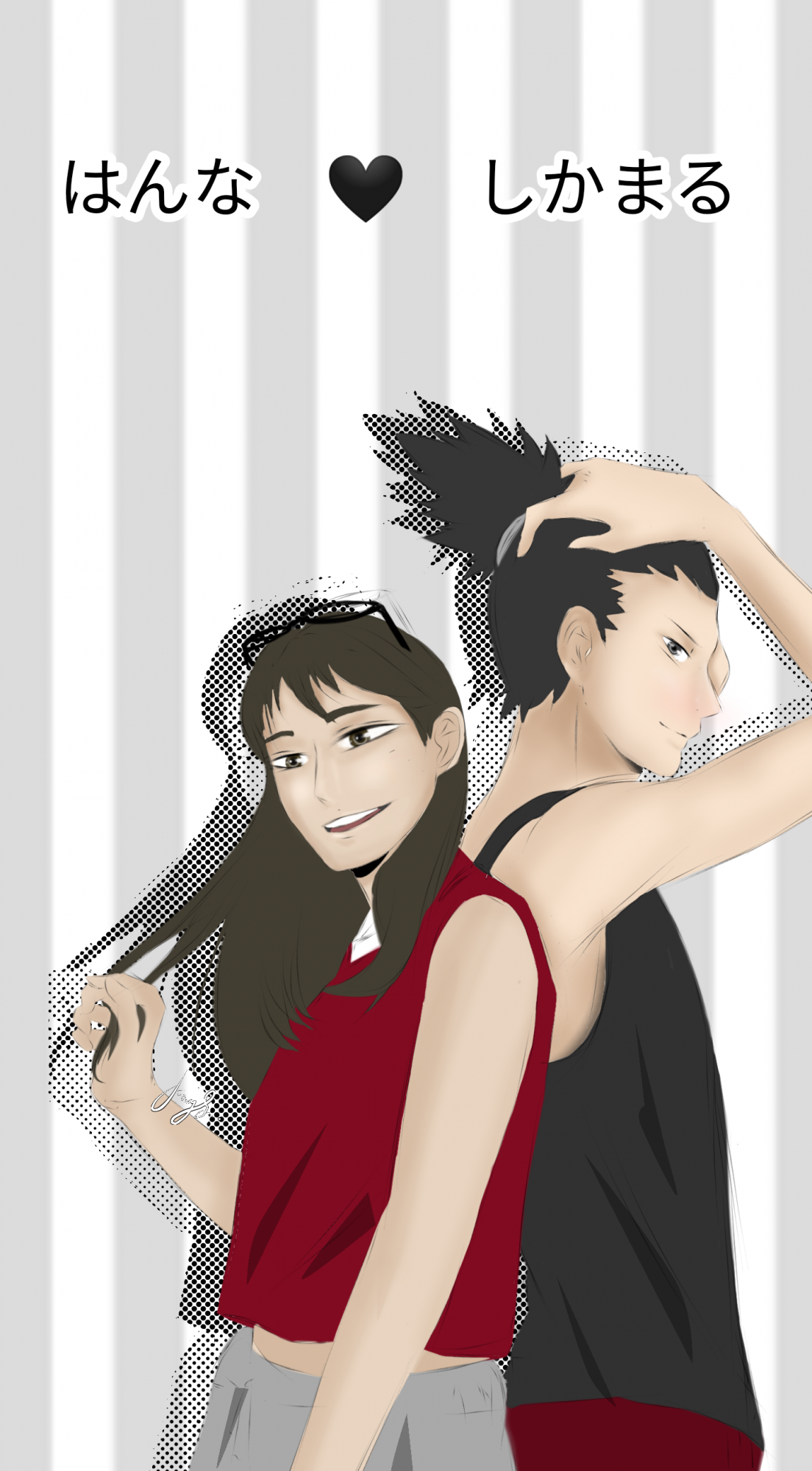
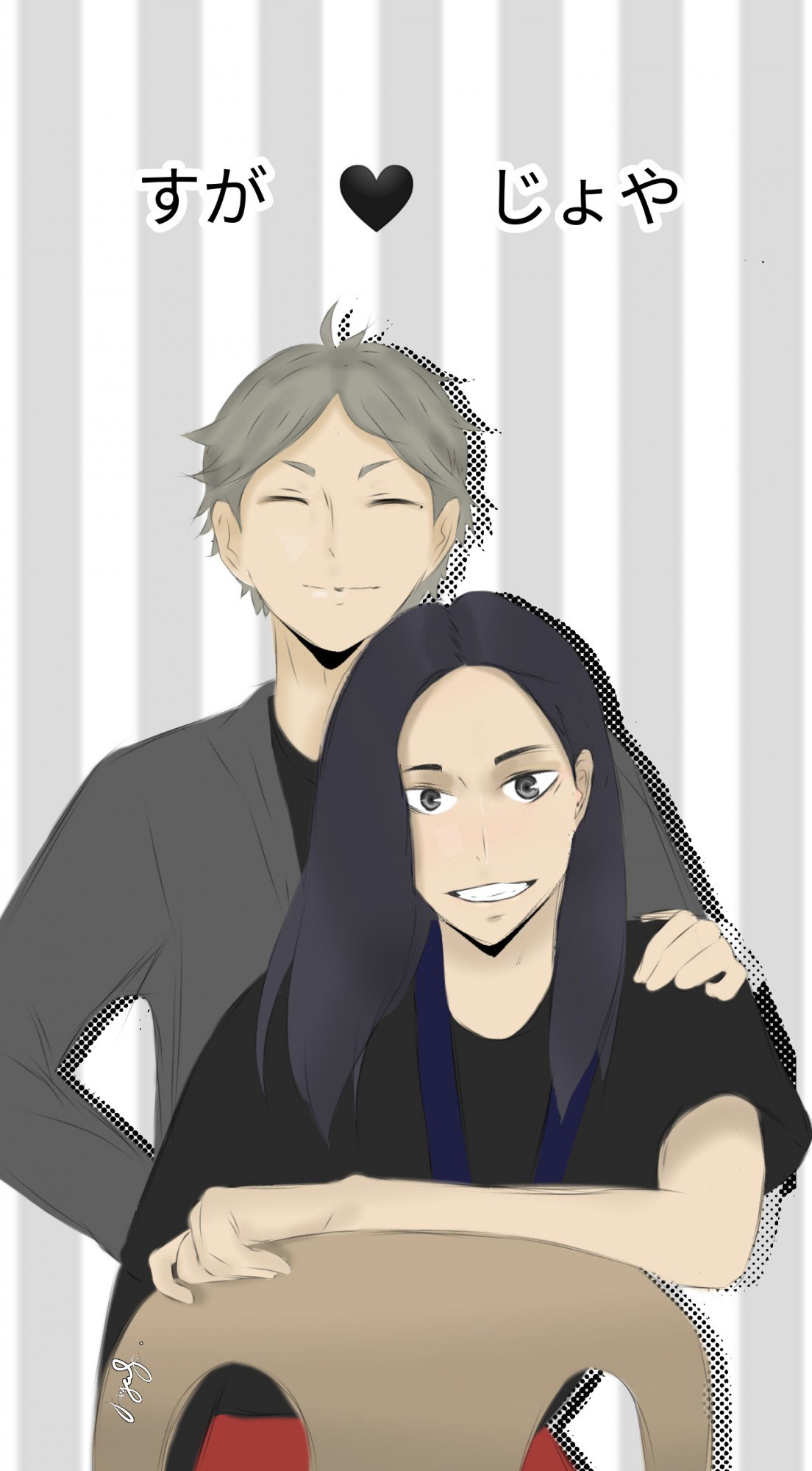
@OverThinker's Digital Arts Konnichiwa Minnaaaa! I just wanted to post the digital arts I made for my friends. This is supposed to be their birthday presents but then, *better late than never* right? (Naisip ko sana na ipagpa next year na lang kaso hahahahahahha. Kidding) Since I don't have any clients this past few days, I started working on my promises and *TADAAAAAA* I finally finished them. Hoping that u guys would love this. Ps. Gumenasai for the inconsistency. I'm still at the verge of finding my own art style huwehuwe. @ladyhanabi @Yayaya13 @Charlotte Guysssss, wala na ko utang senyo ha😂. Sana magustuhan nyo🖤❤️💕 pm nyo ko if you want me to send it to your emails. Merry Christmas in advance! *Note: I am still open for commissions

+1 more
@OverThinker
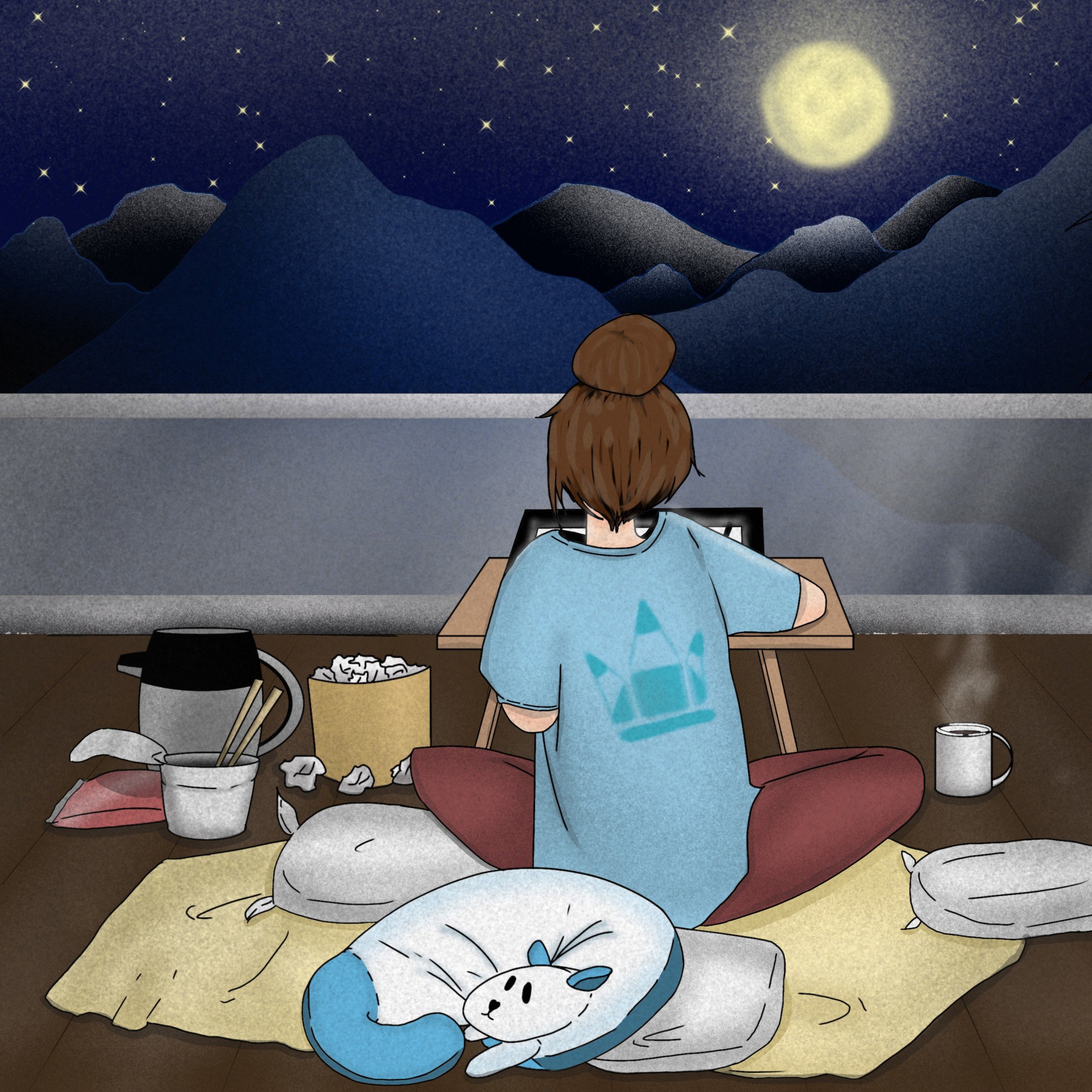
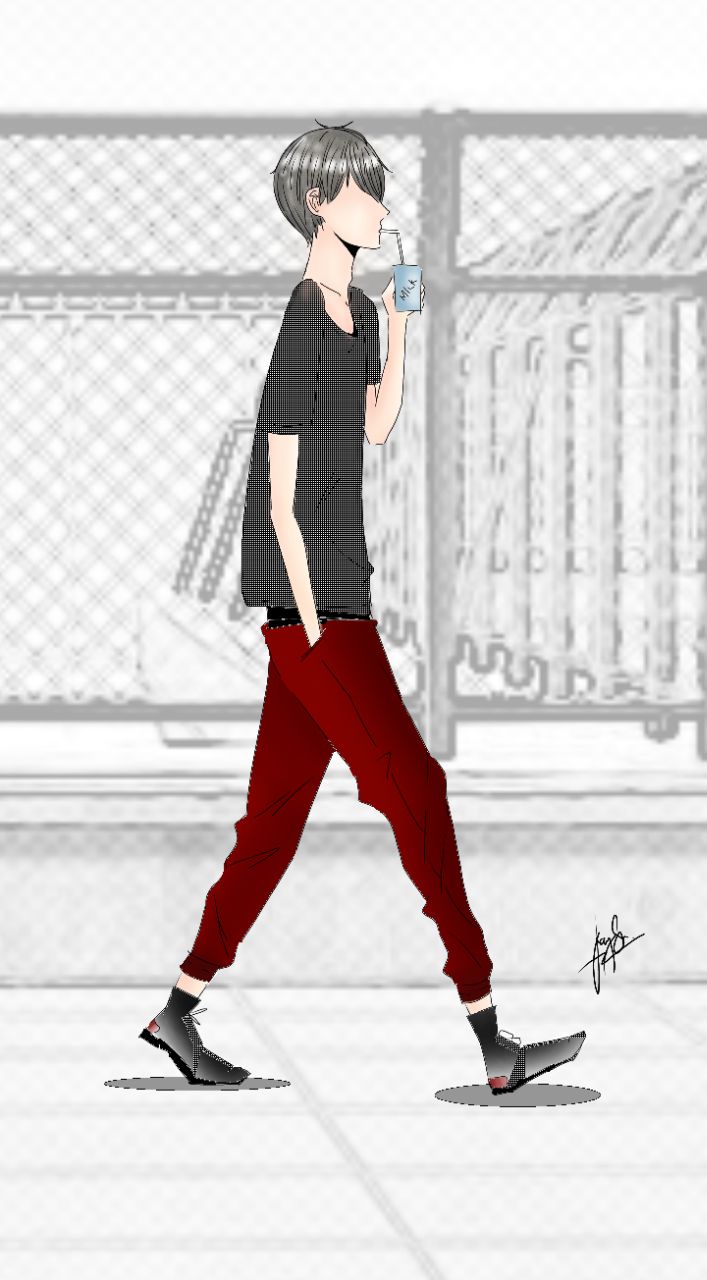
My Digital Drawings Hello everyone! It's been a long time since the last time I made an article. One of the reasons why is because TheRandomRewarder isn't noticing me at all- kidding. I was totally just dozing off most of the time, felt like I want to isolate myself from everything that'll require effort. It has been difficult for me to interact with others and recently checking my inbox was way too exhausting. Anyway, I've been making a lot of digital arts since I've finally managed to buy a bigger tool for digital drawing which makes work easier. Thank you @read.cash and to all of my clients. Here are some of the arts I made: I have a lot of WIP fanarts and hoping that I could post it here soon. Have a great day ahead!

+1 more
@OverThinker
Yakusoku no Neverland Fanart (Emma and Norman) Hello Everyone! I made a fanart yesterday and I'll be posting it here on readcash. The thing is that I tried changing my art style from thick clean stroke to thin outlines. "Yakusoku no Neverland" (The Promised Neverland) is Japanese manga series written by Kaiu Shirai and illustrated by Posuka Demizu. The story follows a group of orphaned children in their escape plan from an orphanage after they realize a dark secret. So here it is
 @OverThinker
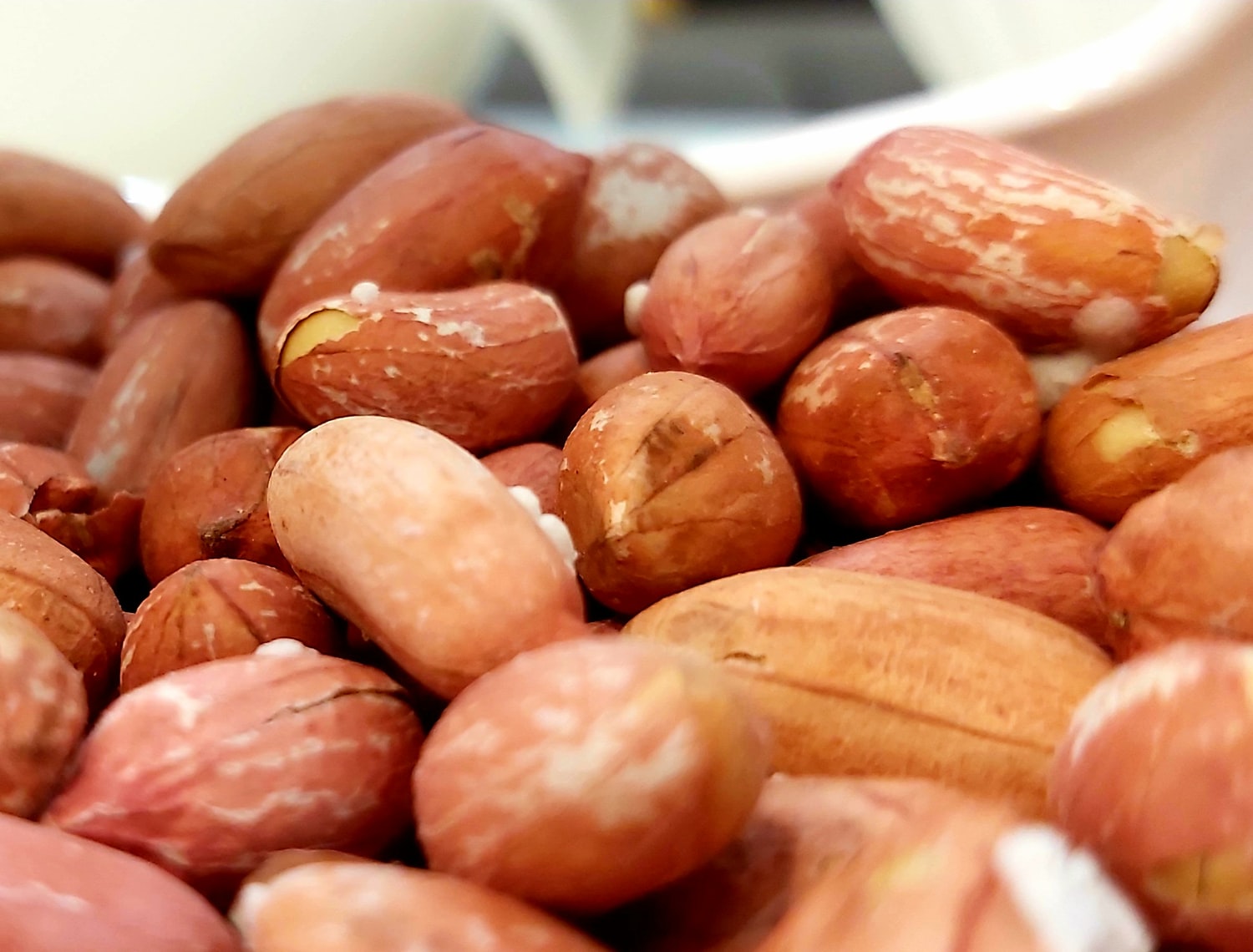
Office Foods Think again if you find yourself reaching into the office biscuit tin to fend off hunger, relieve boredom, or feed a bad habit. The cure will not provide you with lasting energy and even worse, will add to your waistline. **The issue with biscuits** For a very tiny fraction, most biscuits cost a ton of kilocalories. Two cream-filled biscuits supply 206 kilocalories, for instance. But a medium apple provides just 75 kilocalories, less than half that amount, which is more like filling! Biscuits are typically high glycemic index (GI), being made of finely ground white flour (or often wholemeal), meaning they have the wrong form of carbohydrate, causing blood sugar to rise rapidly than fall, effectively a quick-hit impact without the sustaining energy you need to get through the afternoon. High-GI low-fiber foods are undesirable for weight management for this reason. The increased risk of type 2 diabetes, some cancers, and heart disease is also associated with these foods. Also troubling is the quantity and form of fat hidden in biscuits. Two shortbread biscuits, for example, contain about 10 grams of fat, which is one-quarter of the low-fat diet's daily allowance! More worrying is that the form of fat is nasty, saturated or trans fat (often from butter or hydrogenated vegetable oil). These fats are known to improve insulin resistance and raise the amount of blood cholesterol and thus encourage disease. **What to nibble?** If you get hungry or work late during the afternoon and need to top up to last until dinner, have a slice of fruit first. Or try one of the fast and simple suggestions that follows. They contain the right kinds of carbohydrates and fats, and in kilocalories, they do not cost the planet. *Small pack (30 grams) of mixed nuts (188 kcal) *Small can of baked beans(140 kcal) *Small can of vegetable soup (About 115 kcal) *Small pack (40 grams) of sultanas (110 kcal) *Small carton (200 grams) of natural lowfat yoghurt (100 kcal) *Small banana (86 kcal) *Medium corn cob (84 kcal)
 @OverThinker
What is PCOS? A disorder affecting females of reproductive age, PCOS is an abnormality in the metabolism and regulation of hormone output, specifically androgens and estrogens, which regulate the menstrual cycle and ovulation of a person. These sex hormones are developed by both men and women. Women, though are producing more estrogen while men are making more androgen. The concern with PCOS is that the root problem upsets the natural equilibrium of these hormones in the body of a woman. **What causes PCOS?** The origin of PCOS remains uncertain, although there are several potential explanations for this. It may be inherited as an autosomal dominant trait. It can also be attributed to the irregular functioning of the hypothalamic-pituitary-ovary (HPO) axis, which in turn affects androgens and estrogens. Improper metabolism or over-production of testosterone (androgen) can also prohibit ovaries from releasing eggs, which then become cysts. Excess insulin and chronic inflammation are both being investigated as possible causes. Signs and Symptoms About 5 to 10 percent of women between 20 and 40 years of age have PCOS. Patients, particularly before the age of 16, can have no signs or symptoms. Symptoms can occur in slim women with a genetic predisposition to PCOS following weight gain. Common signs include: Obesity: Irregular and often serious menstruation Too much androgen or male hormone manifested as: Hirsutism (excessive hair growth on the upper lip, jaw, lower belly, and around the nipples) Alopecia (thinning of hair) or male-pattern baldness Acanthosis (dark, thickened skin around the neck, armpits, or breasts) Acne, clogged pores Many tiny cysts in the ovary (based on ultrasound) PCOS is most often caused by other disorders such as dyslipidemia (abnormal blood fat levels), diabetes (type 2) and obstructive sleep apnea. Patients may have an elevated risk of coronary and cerebrovascular disease (heart attack and stroke), endometrial hyperplasia, and carcinoma. Diagnosis When you or someone you know has these signs, the safest course of action is to see a gynecologist. The sooner the PCOS is being handled, the better. The doctor can request a transvaginal ultrasound to see both ovaries. This will prove the existence of cysts and will also rule out endometrial (uterine) complications. Blood testing can also be conducted to rule out any associated conditions and to measure androgen, insulin and other hormone levels. Blood sugar and lipid panel monitoring can also be conducted to screen for diabetes or dyslipidemia, which may be a side effect of PCOS. Unfortunately, PCOS may contribute to infertility. Early diagnosis and care are therefore significant particularly if you plan to have a child someday. Many woman with the disorder may have healthy babies when PCOS is appropriately treated. Treatment There is no treatment for PCOS, but effects can be monitored and health risks greatly minimized. Lifestyle improvement, particularly diet and exercise, is the best first-line therapy for women with PCOS. Losing weight is of primary importance, particularly when patients with PCOS are typically obese or overweight. Medicines are prescribed to treat the symptoms of patients, avoid potentially serious diseases and improve the likelihood of birth. They include oral contraceptives, metformin, prednisone, leuprolide, clomiphene, and spironolactone. Certain dermatological treatments can also be prescribed to remove excess hair, avoid hair thinning, or prevent serious acne. With proper counseling, lifestyle modification, a careful intake of medication, women with are known to have good prognosis.
 @OverThinker
Hair Loss Excessive hair loss has a number of reasons. Most of the time, it stems from poor hair treatment. For certain males, hair loss (known as androgen alopecia) is inherited. Nowadays, salons and beauty centers abound. They sell an infinite range of hair treatments — dyes, tints, bleaches, straighteners, permanent waves, hair relief, hot oil, rebound, cellophane, etc. Normally, these treatments are not dangerous, but if repeated too much, the hair can be damaged and it can split or even fall off. Fragile and brittle hair often happens where additives are used in procedures or when treatment solutions are left longer than required. In your situation, this appears to be the cause. If you want to delay hair loss, it's time for your normal hair to grow and your hair to "relax" from various hair treatments or manipulations. Using very strong shampoos and conditioners, or combing too hard, can also contribute to hair loss. Strong rubbing with a towel while drying your hair can do harm as well. Combing should be handled softly using a large-toothed comb. Since a tight ponytail style puts pressure on the roots of the hair, it is also a cause of hair loss. When using ponytails, avoid pulling your hair too tightly. Most of the time, the hair on the sides is pulled out. It's called traction alopecia. Hereditary causes of alopecia or hair loss can not be avoided, but proper hair care can help prevent aggravation. In women, hair thinning is a manifestation of hair loss, while in men it may be bald on the forehead or on the middle head. Hair loss can begin as early as the 20s or the 30s. The daily use of minoxidil or the intake of tablets such as finasteride can help prevent hair loss. Hair transplantation is another option, but get a certified and expert doctor to do it, otherwise, you may end up with a worse and more disfigured condition of your hair and scalp. Such less frequent causes include scalp inflammation during childbirth, high fever, malnutrition, lack of iron, and chemotherapy in cancer patients. Another cause of baldness common to women is more of a psychological problem. Impulsive hair pulling or trichotillomania, as this problem is known, is sometimes used as a stress-coping mechanism or as a sign of an underlying mental problem.
 @OverThinker
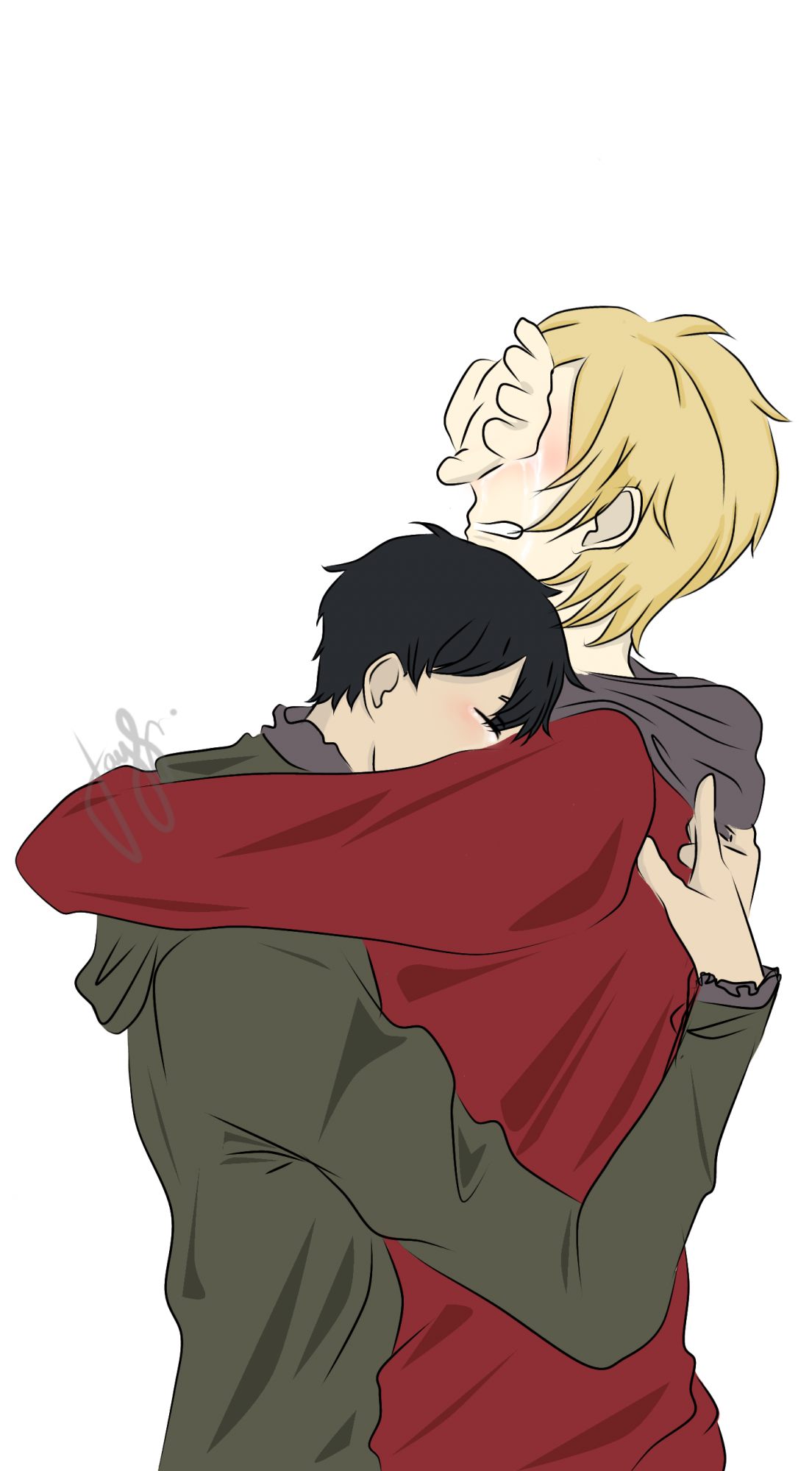
Banana Fish Fan Art Hello everyone! I just finished a good anime which left me cryin' for few days now cause the storyline will surely break your heart. So the movie was entitled "Banana Fish" and the story follows the relationship between Ash Lynx, a teenage gang leader in New York City, and Eiji Okumura, a Japanese photographer's assistant. So I'm not gonna drop a review since it's not the focus of this article rather to show the fanart I made. So this photo basically depicts Eiji and Ash. This is the ending I really wanted to see but reality is so cruel so just gonna cry it out.
 @OverThinker
Staph: Sources of Infection S. Aureus is a bacterial genus worn harmlessly by many healthy individuals in the nose or on the skin. However, it is S. Aureus is a common cause of skin infections such as boils, carbuncles, cellulitis, and wound surgery. It can also cause pneumonia, bloodstream infections, joint infections, and heart valve infections. Around one percent of healthy people and two percent of people over 65 years of age have MRSA in their noses. Antibiotic drugs suppress or prevent sensitive bacteria. However, after antibiotics were introduced in the 1940s, bacteria have been gaining resistance to their effects. Antibiotic tolerance occurs as modifications (mutations) that arise in bacteria allow each generation of the organism to be less susceptible or even entirely immune to the effects of the antibiotic. When this occurs, the bacteria that live will begin to replicate and spread, creating infections that are increasingly difficult to handle. Some bacteria can share genetic information with other types of bacteria. This helps tolerance to propagate between various strains and bacterial organisms. Antibiotic resistance is currently one of the most severe health issues in the world. Staphylococcus aureus (MRSA) is a bacterium that induces infections in various areas of the body. It is difficult to treat than most staphylococcus aureus or staph strains since it is immune to certain antibiotics that are widely used. MRSA Hospital is immune to many antibiotics, including penicillin-related medications, macrolides such as erythromycin and azithromycin. Drugs of the form Zithromax and fluoroquinolone, such as ciprofloxacin (Cipro). Antibiotic medication vancomycin (Vancocin) typically remains effective and is the drug of choice for the treatment of these infections. The comparatively recent discovery of MRSA strains with resistance to vancomycin 1s is of concern. However, at present, these strains remain very rare. Community-acquired MRSA seems to be immune to penicillin-related medications only and can also be easily treated with other antibiotics. MRSA is typically conveyed by direct skin-to - skin contact. Risk factors include skin holes, such as cuts and abrasions, dirty objects and structures, cramped living environments, and poor sanitation. With that in mind, the risk of contamination can be minimized due to proper general hygiene.
 @OverThinker
7 Best Foods for Eyes **Spinach** Like Popeye, a feast of spinach. This leafy green provides four eye-protecting nutrients: vitamin C, beta-carotene, lutein and zeaxanthin. One cup of cooked spinach is filled with lutein and zeaxanthin, two very potent antioxidants that experts say help mitigate the risk of retinal injury and the development of cataract and age-related mascular degeneration (AMD). The only carotenoids present in the eye and tissue lens of the macula. Lutein and zeaxanthin absorb between 40 and 90 per cent of the blue light intensity such that they act as a sunscreen for the skin. Since our bodies do not contain these two antioxidants, we need to consume spinach and other dark green leafy vegetables such as kale as well as maize, green peas, broccoli, roman lettuce and green beans. **Seeds and nuts** Peanuts, preferably fried or boiled. Peanuts are a good source of vitamin E that helps protect your eyes from free-radical damage. Like vitamin C , vitamin E protects the eyes from cataracts and AMD. An ounce of almonds and sunflower seed yields more than 2/3 of the daily vitamin content. Other healthy sources of this vitamin include wheat germ and peanut butter. **Bell pepper, cauliflower, broccoli** These trio and other cruciferous vegetables, such as bok choy and cabbage, are oozing with vitamin C that helps avoid cataracts, glaucoma and AMD. Since our bodies do not store vitamin C, we need to get our regular dose of this vitamin from the vegetables listed above. Black leafy vegetables are also a rich source of vitamin C. **Orange and the lemon.** Orange and lemon, including citrus relatives such as tangerine grapefruit, dalanghita, pomelo and calamansi, have high levels of vitamin C, a vision-friendly antioxidant. According to diet books, our eyes need a lot of vitamin C to work properly. So, celebrate these fruits and help avoid or even postpone cataracts and AMD. Other fruits with a lot of vitamin C are guava, mango, peach, tomatoes and strawberries. **Kidney beans** Zinc is a mineral that helps to nourish the skin, assists in night vision, helps prevent cataract, and protects the eyes from the adverse effects of light. What kind of food is filled with zine? The collection contains beans such as kidney beans, black-eyed peas, lima beans, and other sorts of legumes. **Whole grain** Will you enjoy eating high-fiber whole grains and other whole wheat goods (bread and pasta)? This is fine! Whole wheat grain helps lower the glycemic index ( GI) of your food. Low GI, according to recent reports, helps reduce the chance of AMD by almost 8 percent. **Squash and carrots** Who doesn't like to eat raw carrots or love the good taste of mixed vegetables? Or who doesn't love squash cooked with smooth coconut milk? Carrots and squash help deliver beta-carotene to our brains, which improves night vision. How is beta-carotene working? After digestion, our body converts it to vitamin A. Sweet potatoes and cantaloupes are also a perfect source of beta-carotene. Recent research shows that eating a wide variety of fruits and vegetables, particularly those mentioned above, can keep your eves healthier than just a single nutrient. A mix of stir-fried vegetables — broccoli , cabbage, carrots sprinkled with nuts or kidney beans — will satisfy not just your eyes, but also your palate. Squash and spinach are perfect blends, too. So there are tomatoes, corn, peas and green beans. Increase the intake of high-fiber carbohydrates as much as possible and reduce the beef, sugar and processed flours. Take time to see the optometrist for daily eye checkups, too. This way, if you have vision issues, you will be told as soon as possible.
 @OverThinker
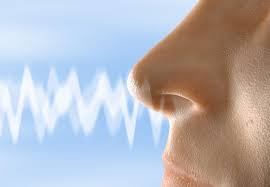
The Wonders of Scent The sense of scent is the least known of all sensory systems. Although it attracted perfume producers and wine specialists, it struggled to draw scientists. Unlike the sense of sight and sound, the sense of smell becomes fully operative at birth. Humans and animals communicate with their surroundings by smelling. Infant rats grow to prefer the scent of their mother's nipples to the first week of life. Ewes can discern the smell of their own lambs from the rest of the flock within two to four hours of birth. Animals also secrete pheromones in order to attract mates and promote sexual activity or aggression in order to reproduce their species. In humans, the scent and voice of mothers during the first three years of their children (not later) is crucial to their emotional health in their adult years. If the boy struggles to understand, bind, and familiarize himself with the mother's voice and scent, he will not be emotionally close to her as he gets older. A fragrance helps us identify a specific person, location or occurrence. It can make us indignant or passionate, pitiful or beautiful, anorexic or gluttonous. Are you getting stressed out? Why don't you try aromatherapy? It could make you more relaxed. When you can't smell, you're in trouble. Erratic smell can contribute to eating disorders, psychiatric issues, asthma, and Alzheimer's disease. Anosmics (people with no sense of smell) can not distinguish typical smells such as baby powder, sugar, cocoa , coffee, mothball, peanut butter, and soap. They often struggle to react properly to harmful odors such as rotten food, smoke or natural gas such as ethyl mercaptan, a chemical applied to liquefied petroleum gas ( LPG) to detect leakage. **How are odors getting to the brain and influencing our behavior?** Smelling occurs in the olfactory epithelium about 7 cm up into the nose. While it's only a little bigger than a 5 cm SIM card, the epithelium is packed. With 40 million detectors called visual olfactory neurons. A very vulnerable place, in fact! Olfactory epithelium can detect harmful gas ozone at approximately 10 molecules per billion; citrus odor, or D-limonene, at 15 molecules per billion; and ethanol at 2,000 molecules per billion in room air. These just imply that a very small quantity of these substances is required to awaken the "smelling" cells. The odor signals are projected to the olfactory bulb, going through the cribriform plate or gaps in the skull. Here, neurons that pick up identical odor signals are grouped together and packed together through mitral (Latin for "turban") and tufted cells. This method intensifies the identification of odors as well as the effective relay of odor signals to the brain. Shape of packaged neurons into glomeruli (Latin for "ball") that make up the olfactory tract of the olfactory cortex in the temporal lobe of the brain. The olfactory cortex consists of brain structures such as piriform cortex, amygdala, and hypothalamus, to name a few. These regions are responsible for our smell, emotion, age, circadian rhythm, memory, and internal homeostasis. When they communicate with each other, it helps us respond memorably to a certain smell. **The Miracles of the Fragrance** After the phase of olfactory cortex, identify and respond to odors, projections are further transferred to higher brain centers — the cerebral cortex. Here, initial odor reactions are analyzed, perpetuated, and long-term, if necessary, ready for retrieval at any moment. Interestingly, unlike cranial nerves for eyes , ears, mouth, and touch, the olfactory nerve does not move through the thalamus, the central station of the brain. Scientists have been unable to provide a plausible reason for this. Yet I agree the God knows best. And when the thalamus is weakened and all the other senses cease functioning, the sense of smell remains functional. Most notably, in the cerebral cortex, the orbitofrontal cortex (OFC) is a particular area that regulates appetite and food consumption. Neuroimaging experiments indicate that the neuron in the OFC is extremely sensitive when a human smells, eats, or sees food. The intensity of the response depends on the degree of hunger and perceived value, such as price or appeal, of the food. In other words, the fuller the individual and the lower the importance of the food, the dimmer is the reaction of the OFC neurons to the scent and sight of specific food products. Many with dementia, though, with their OFC nerves weakened and dead, appear to overeat or consume binge food despite the knowledge of being whole. Healthy OFC is therefore essential for the tight regulation of appetite.
 @OverThinker
Combat "Stress" Have you ever go to work early in the morning with a queasy stomach, headache and high blood? If you do, the energy vulture called "stress" might have driven your pulse upward. In a study undertaken at the University of California in Irvine, researchers find that commuting depression has a substantial effect on well-being. According to the study, it has a clear biochemical effect on the body by increasing blood pressure and releasing stress hormones. **Prepare ahead of time** One of the easiest ways to reduce the burden of road rage is to schedule it the night before your scheduled ride. Clothes, paperwork, attaché case, and even prepared lunches should be set a day beforehand to prevent morning rushes. With all on your hands, you'd save a lot of time to do your morning rituals, have a nice brunch, and have a good time with your mates. Best of all, you will break the highway free of traffic jams. **Sleep well, wake up early** A good night's sleep is rejuvenating the body. Make it a habit to get ample sleep to wake up early. If you're still tired the day before, an inadequate rest will take over the combined stress consequences of your life at work and at home. Your job frustration will inevitably increase, your brain capacity will diminish, and your mood will increase at home. You don't have the energy to live life. **Share the journey** It might be a problem to arrange your arrival and departure with another person or two, but carpooling is worth it. Studies suggest that ride-sharing dramatically decreases tension. With carpooling, there is less air and noise emissions, less traffic congestion, and you can rest more when everyone else is driving. **"Cocoon" in the car** Using your time effectively instead of being worked up while traffic is at a standstill. Listen to the radio or play some music tapes to keep your mind off the stop-and-go driving and traffic tie-ups. If you want to read but just can't have time to flip Pages of a novel, check out books on a recorder, a lot of libraries have full-length books on tapes as well as abridged copies. **Pillow your back** When you're up, the lumbar region of your spine usually bends downwards to your belly. So when you're lying there, it seems to sag outward, crushing the spinal disks and placing tension on them. According to the back specialist Malcolm Pope, Ph.D. , director of the Iowa Spine Research Center at the University of Iowa, it helps protect the back by tucking a folded towel or a pillow in that lumbar section. In cases of longer rides, as sitting in one place for more than 15 minutes progressively stiffens you even with a back cushion, make the requisite changes for a relaxed journey. For eg, you might try putting more of your weight in one buttock, and then in the other. Then change the position of your seat or your buttocks slightly. You could even try to slide down in your seat and sit up again for some fun. **After work, work out** Although the congestion of the night is even worse than the congestion of the morning due to the intensified exhaustion of the working day, it is best to wait for the traffic. Work out in a gym near your office. If you're going to go to dinner, watch a concert or stage show, or go shopping, consider doing this stuff close to work, delaying your departure enough to miss the maddening rush. **Please give yourself a break** It could be a smart idea to give yourself a day off work. Many businesses now offer compressed working hours or extended working days to allow you to rest on work-free days. **Move your workplace** If your job is going on a long drive every day, ask at work if the employer will like you to work at home several days a week, or whether you should work near your house. An alternate job routine will make you feel less tense and thus less stress-free. **Adjust your routine regularly** It could also be advisable to alter intermittent swapping patterns. Try walking or commuting to work for a change. There's nothing like a nice stroll to relieve the anxiety, particularly if it means you don't have to get in your car and battle the rush hour traffic. Lowering the burden of going to work, you're saving a massive amount of resources that can be wasted on exhausting driving. Not only does it leave you a lot of motivation to do your work and be efficient, but it also makes you feel positive and gives you a good excuse to start your day right.
 @OverThinker
Sleep Deprivation Sleep deficiency is one of the biggest obstacles facing our society. As a product of urbanization, people now sleep one or two hours less than the way people slept over 30 years ago. Many citizens, or even any of you, are deprived of sleep. It has also been found, sadly, that teenagers sleep one to one-and-a-half hours less. Why is it so important to get enough sleep? Some people may believe that sleep is voluntary like it's just an extracurricular activity or a leisure time that a person may choose to do or not do. As a result, many people today sleep just when they feel like doing so, or only when they're convenient after they've nearly exhausted the whole 24 hours of their day. Our body is beautifully made because it has a constant rhythm that acts as a clock, much like the regular beat of our hearts. The brain secretes melatonin, an antioxidant that helps to reverse the damage caused by stress and aging. It is also a normal sleep-inducer that increases sleep efficiency. Normally, melatonin is secreted at about 9 p.m. And the peaks are from midnight to 3 a.m. And then it steadily declines to around 7 a.m. Around the same time, a person's wakefulness hours tend to drop from 10 p.m. It's moving on, and it's going up again at around 6 a.m. This sleep-wakefulness cycle is essential such that body functions including bowel movement, alertness, hormonal secretion, balance, and several other things can work as planned. This means that the safest time to sleep is between 9 and 10 p.m. So that the melatonin release is optimized and the normal physiological sleep cycle is followed. An individual who usually sleeps late deprives his or her body of a natural period of rejuvenation. The result is still the same, even though the person makes up for it by oversleeping. And what's worse if he or she doesn't make up for the missed hours? Not enough sleep (less than 6 hours) has also been linked with a higher rate of elevated blood pressure, heart disease, coronary complications associated with glucose and insulin sensitivity, colorectal adenoma, and thyroid dysfunction. It can also affect appetite (increased), mood, and vigilance. Studies have found that shorter sleep is correlated with reduced brain volumes, faster shrinkage, and faster reductions in cognition or thought processes. How long then does a person sleep to make the most of the benefits? According to the National Sleep Foundation, young adults (18-25 y / o) need to sleep for 7-9 hours. Sleep criteria for other age ranges are as follows: preschoolers (3-5 y / o), 10-13 hours; school-aged children (6-13 y / o), 9-11 hours; teenagers (14-17 y / o), 8-10 hours; adults (26-64 y / o), 7-9 hours; and older adults, 7-8 hours of sleep. Sleep is very important for rational thinking, learning, overall health and satisfaction, physical fitness, and safety. Sleep is not a choice but a critical part of natural body function, much as feeding, drinking, or breathing.
 @OverThinker
"What's the role of money in your life?" The secret to happiness and fulfillment is knowing roles. Don't you notice that while you might get irritated with someone or something, it might just be perfectly cool with someone else? A girlfriend who didn't get roses from her boyfriend last Valentine's Day may have considered breaking up with him. On the other hand, another girl wasn't so excited to collect her hundreds of flowers because she knew how costly they were that day. Perhaps Girl A sees flowers as the supreme symbol of romantic love, as it was their first Valentine's Day together, while Girl B hasn't given that "role" to flowers in the way she receives love signals from her boyfriend. This is not an essay on how tough it is to satisfy ladies, but one that explores how important it is to consider the positions that we attach to things and also to people around us. Money is the world's most misunderstood asset. We attribute various feelings and responsibilities to money in our lives, consciously or unknowingly. So I ask you. ***"What's the role of money in your life?"*** It's important to know the role that money plays in our lives. This is the way we can handle our aspirations. I like the capital in the air we breathe. Without it, we can't exist. Yet we can't survive on that, because there's so much more to survive on. It's got to come from a decent place, and no matter how many we get, if it's dirty, it doesn't make us happy and can potentially do us damage. Often we take it for granted, so if it's gone, we scramble like nuts to have it and without it, we can't do something. We've got to take care of the stuff surrounding it to get a great source of it. There's got to be a balance in the attachment/detachment we have with the capital. And I suppose the only way to do this is to accept it a blessing from God. We are the stewards of the gift. We may have been gifted and we can do a wonderful deal about it. Once we can't take care of it, it'll be gone. No matter what we think about the measure of achievement, money is the most commonly appropriate and quantifiable measure we use to determine if we are doing anything effectively. (But don't ignore the analogy of the risky capital poisoned above.) In comparison, any progress in other facets of life can be quickly undermined or diverted if our financial affairs are in a mess. Money is an enabler. It's an exaggerator. On the other hand, if you are a good person, you will be able to expand your goodness ever further. In truth, the very heart of my activism to educate children about money lies in this encouraging position. So let's get the money to speak to the ground, the fundamental unit of society — the family. Let's learn about cash in a safe environment. Discuss with your family members appreciate your wealth and the role that money plays in your life right now.
 @OverThinker
Dementia You've watched a few family member, including your grandparents, battle Alzheimer's disease. And because you've heard that genetic conditions place you at greater risk, you want to do whatever you can to minimize the odds of developing it. Studies have identified a variety of causes that may delay or hinder the progression of Alzheimer's disease and other types of dementia. Managing other health conditions and remaining mentally and socially healthy can play a key role in delaying the onset. Few medications are now being investigated as a way of slowing down the process of mental deterioration. Dementia is a deterioration of analytical and social skills that is severe enough to interfere with everyday life. Dementia inhibits the capacity to thought, talk, understand, recall, and travel. Alzheimer's syndrome is the most common cause of dementia. With this disorder, healthy brain tissue degenerates, leading to a slow loss in memory and mental ability. Besides Alzheimer's, there are also different forms of dementia. When these disorders advance, they are also crippling. Fortunately, there has been a steady psychiatric deterioration in care in recent years. Although these diseases are also more prevalent in the era of science, they are not unavoidable. In recent years, it may help to keep dementia at bay. At the same time, several other possible slowing causes are being investigated. Researchers also found growing evidence that significant risk factors for heart disease and stroke can also predispose people to dementia. Controlling these risk factors, such as diabetes, elevated blood pressure, high cholesterol and obesity, is a major measure that will postpone Alzheimer's disease. Cholesterol-lowering drugs such as statins have not been proven to cure Alzheimer's disease, but are being studied to see whether they can postpone or prolong the disease. Vascular dementia, another prevalent type of dementia, is the result. Injury due to small and large blood vessel disease. By managing cardiovascular risk factors, you can avoid blockages and disruption to the blood vessels in your brain that can lead to this disease. Depression control may also play a part in the effects of dementia. Like dementia, depression can find it hard to recall, think properly, and focus. Depression often occurs in combination with dementia. In such situations, mental and academic decline can be extremely severe. If this is the case, the treatment of depression may decrease mental illness. While it does not stop dementia from advancing, it may mitigate its effect. Studies also identified a correlation between frequent involvement in intellectually stimulating activities and reduced risk of Alzheimer's disease. Some researchers suggest that lifelong mental exercise and learning can encourage the development of additional synapses in your brain, thus delaying dementia. There are a variety of things that can help keep the mind sharp. Try to learn, Reading novels, or playing games like Scrabble, Word Factory, or crossword puzzles. You can also find it difficult to pursue a new hobby, such as painting or woodworking, or to learn how to use a machine. Socialization has a similar function to play. Spending time with friends and relatives, attending adult engagement courses, volunteering or supporting a group are only a few ways to do so. You may also suggest social sports such as badminton, golfing, or cycling. These exercises serve to stimulate your memory , attention, and mental processing, keeping certain parts of your brain more active.
 @OverThinker
Connection of Health and Forgiveness What is simpler to do: forgive someone or ask someone for forgiveness? What are you going to do to the guy who fires you out of the work you really need? Or is that cheating on you in a relationship? Or someone who bypasses you with a career promotion that you rightly deserve? Chill, or do you even get? How about to forgive that person? Forgiveness is easier to claim than to do. It's a feeling that's impossible to conquer, let alone overcome. The definition is simple, but it's difficult to implement. Its negative consequences are much more difficult to cope with. Several studies have shown that, by not giving up, one can experience behavioral or psychological symptoms, such as chronic stress , depression, and paranoia. In the positive hand, the health advantages that can be gained by pursuing forgiving include longer lifespans, freedom from exhaustion, improved sleep, willingness to let go and forgive oneself, a stronger spirit, a strong immune system, escape from vindictiveness, and healthier relationships. We have a choice: whether to be or not to be. “Father forgive them for they do not know what they do.” Jesus spoke these famous words while hanging on the cross for the sins He didn't commit. He gave His grace, not because we deserve it, but because we do not. He understands that this is the only way to bring order and well-being to our dark world and our dark human existence. When we think of His forgiveness as a kind of love, we are changed. We don't bear the emotional baggage that we've been wearing for so long. We are free from frustration, suffering, sadness , anxiety, and vindictiveness. It wouldn't be prudent to load up the emotional baggage for the starting balance next year. We should have to apologize, or even make amends with someone else. Maybe someone is yourself, forgive as long as you can. Be restored.
 @OverThinker
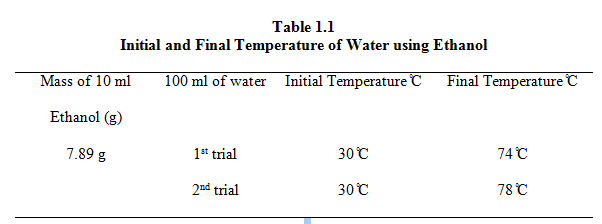
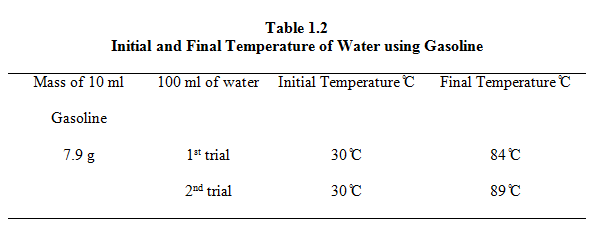
Determining Efficiency of Heat Content Comparison of Ethanol and Gasoline through Combustion The world depends on a great deal of its energy in the form of fuels. It is primaly used as a source of energy in converting to different form of energy in able to fully operate engines and different fuel-running facilities. There is different type of fuels to be used in a specific activity. These fuels undergo processes such as chemical and mechanical process in able to produce another form of energy that will be essentially needed. Many fuels are hydrocarbons such as methane (CH4) and propane (C3H8), *i.e.* compounds containing only hydrogen and carbon. Other fuels such as ethanol (C2H5OH) contain oxygen in addition to carbon and hydrogen. These “oxygenated” fuels are currently mandated in many urban areas because they are believed to lead to less pollution. Examples of fuels include Ethanol, diesel and gasoline. Gasoline is a transparent, petroleum-derived liquid that is used primarily as a fuel in q spark-ignited internal combustion engines. It is mostly of organic compounds obtained by the fractional distillation of peteoleum, enhanced with variety of additives. This fuels have different characteristics, different chemical composition and different properties in which differentiate it's potential use. Because of the wide variety of fuels, it is a must to determine its properties for a proper use. It is also essential to identify a good fuel and its efficiency. A good fuel is any substance which gives out large amounts of energy when it is burnt. In most cases, fuels are burnt in oxygen (air) i.e. they are oxidized. The potential energy released by the form of heat is measured by calorimetry and by the use of fuel efficiency measures. Fuel efficiency is a form of thermal efficiency, meaning the ratio from effort to result of a process that converts chemical potential energy contained in a carrier (fuel) into kinetic energy or work. The specific energy content of a fuel is the heat energy obtained when a certain quantity is burned (such as a gallon, litre, kilogram). It is sometimes called the heat of combustion. There exists two different values of specific heat energy for the same batch of fuel. One is the high (or gross) heat of combustion and the other is the low (or net) heat of combustion. The high value is obtained when, after the combustion, the water in the exhaust is in liquid form. For the low value, the exhaust has all the water in vapor form (steam). Since water vapor gives up heat energy when it changes from vapor to liquid, the liquid water value is larger since it includes the latent heat of vaporization of water. Neither the gross heat of combustion nor the net heat of combustion gives the theoretical amount of mechanical energy (work) that can be obtained from the reaction. (This is given by the change in Gibbs free energy, and is around 45.7 MJ/kg for gasoline.) . The main objective of this experiment is to differentiate and evaluate the potential energy produced by Ethanol, diesel and gasoline in the process of combustion and by measuring the heat content of each of the subject with the use of calorimeter with the consideration of time. Each of the subject will undergo similar process and comparison through the actual experimentation. **Results and Discussion** This section presents a discussion of the data analyzed from the experiment and interpreted to answer the problem of the present experiment of data and relate the experiment to the existing theory and knowledge. Tables, figures, and graphs were used to enable students to understand how the data collected were presented. I. Temperature of H2O This section of the experiment aimed to determine the temperature of H2O in the Calorimeter. In table 1.1, it was shown that using 10 ml of ethanol having a mass of 7.89 grams in the first trial to the initial temperature of the 100 ml of H2O in the calorimeter was 30 ̊C and reached the final temperature of 74 ̊C. In trial two, same mass and volume of ethanol, the H2O obtained a initial temperature of 30 ̊C same with the temperature in the first trial and increased to 78 ̊C which is the final temperature. In table 1.2, it was shown that using 10 ml of ethanol having a mass of 7.9 grams in the first trial to the initial temperature of the 100 ml of H2O in the calorimeter was 30 ̊C and reached the final temperature of 84 ̊C. In trial two, same mass and volume of ethanol, the H2O obtained an initial temperature of 30 ̊C same with the temperature in the first trial and increased to 89 ̊C which is the final temperature. In Table 2, it was shown that there was no difference in mass of the calorimeter with and without H2O. Both of trials weighed same 20 g of calorimeter without H2O on it and when the H2O was added on the calorimeter, both weighed 122 g. **IV. Temperature Change in Water** In the course of the experiment, 10 ml of Ethanol last up to 9 minutes while 10 ml of Gasoline last until 10 minutes. In figure 1, it was shown that the heat capacity of ethanol is less than the heat capacity of gasoline. In the first 60 second interval, all of the fuels increased by 5 degree Celsius. The next interval, Ethanol increased 4.5 degrees Celsius while gasoline increased by 5 degree Celsius. The temperature increased to 41 ̊C after 60s then another 60s resulting for the temperature to rose up to 43 ̊C. The next 60s made the temperature to 43 ̊C and went up to 49 ̊C as 60s passed by. The data implied that the temperature increases in every 60s intervals. A 56 ̊C increased in temperature after another 60s. The next 60s made it to 68 ̊C in temperature. In 9 minutes, it reached it maximum temperature at 74 ̊C. As for the second trial of ethanol, it was shown that the heat capacity of ethanol increased to 78 ̊C from the first trial. In the first 60 second interval, all of the fuels increased by 5 degree Celsius. The next interval, Ethanol increased 4.5 degrees Celsius while gasoline increased by 5 degree Celsius. The temperature increased to 43 ̊C after 60s then another 60s resulting for the temperature to rose up to 43.5 ̊C. The next 60s made the temperature to 48 ̊C and went up to 57 ̊C as 60s passed by. The data implied that the temperature increases in every 60s intervals. A 69 ̊C increased in temperature after another 60s. The next 60s made it to 78 ̊C in temperature. In 9 minutes, it reached it maximum temperature at 78 ̊C. As for the first trial using gasoline, it was shown that the heat capacity of ethanol is less than the heat capacity of gasoline. In the first 60 second interval, all of the fuels increased by 5 degree Celsius. The next interval, gasoline increased 40 degrees Celsius while gasoline increased by 5 degree Celsius. The temperature increased to 42 ̊C after 60s then another 60s resulting for the temperature to rose up to 44 ̊C. The next 60s made the temperature to 50 ̊C and went up to 56 ̊C as 60s passed by. The data implied that the temperature increases in every 60s intervals. A 63 ̊C increased in temperature after another 60s. The next 60s made it to 70 ̊C in temperature and 77 ̊C for another 60s. In 10 minutes, it reached it maximum temperature at 84 ̊C As for the second trial using gasoline, it was shown that the heat capacity of ethanol is less than the heat capacity of gasoline. In the first 60 second interval, all of the fuels increased by 5 degree Celsius. The next interval, gasoline increased 39 degrees Celsius while gasoline increased by 5 degree Celsius. The temperature increased to 44 ̊C after 60s then another 60s resulting for the temperature to rose up to 44.5 ̊C. The next 60s made the temperature to 49 ̊C and went up to 55 ̊C as 60s passed by. The data implied that the temperature increases in every 60s intervals. A 63 ̊C increased in temperature after another 60s. The next 60s made it to 71C in temperature and 79 ̊C for another 60s. In 10 minutes, it reached it maximum temperature at 89 ̊C.
+2 more
@OverThinker
Dealing with Criticisms Abraham Lincoln was highly regarded and regarded throughout his administration. It was deeply reviled. Blamed for leading the country to fall into civil war, he was the president whom people liked to hate. Those who criticized his opinions on war and slavery were outspoken and uninhibited in condemning the president. One day, in the darkest days of his administration, Lincoln was walking down the street outside the Capitol in Washington D.C. When an associate had caught up with him. Rolling along with President Lincoln, the man raised the issue of the growing anti-Lincoln sentiment in Washington and throughout the States at the time. In brutal truth, the man related to Lincoln the tales of the assaults on Lincoln. As the man Lincoln was absolutely silent, the exasperated man He replied, "Mr. Have you heard me, Lincoln? Are you listening to me right now? Lincoln paused, looked squarely at him, and spoke for the first time, saying, "Yeah, I've heard you, but let me tell you a story. You know, at the time of the full moon, it is the custom of all dogs to come out at night and bark and bark and bark on the moon. This keeps running as long as the moon is bright. Clear to the stars. Then he stopped talking and went on his way. Confused by Lincoln's reply, his companion said, "Mr. Lincoln, you've never finished your story. Tell me the rest of it. "Lincoln stopped walking again, looked at the man, and said," There's nothing else to say. The moon is always shining. Criticism Handling President Lincoln is a strong role model for handling criticism. While he was mindful of his shortcomings and recognized that many well esteemed and prominent individuals disagreed with him, the president listened to the criticism and chose to pursue his own innate intuition that his policies would ultimately win over detractors and unify the nation. One of the daunting realities of everyday life is the reality that there are people around us who are fault-finders, people who rarely see the positive but are eager to point the bad out. Like Lincoln, we ought to find opportunities to hear feedback without being weakened or ruined by it. **Don't get rattled by the critiques** The fear of critique is more dangerous than the critique itself. People who are threatened by their opponents live quiet, reluctant, unseen lives. Writer Elbert Hubbard wrote, "To escape ridicule, do nothing, say nothing, do nothing. "Growing up in the face of scrutiny has a negative effect on life. "Fear of criticism will influence you in both trivial and serious ways," says Napoleon Hill. "It can lead you to buy the new trend, the most fanciful vehicle, the most advanced stereo audio systems, because you fear being left behind by the times, out of touch with what everybody is doing." Face the critique with confidence and belief. By declining to be threatened by opponents, you strip them of their ability to discredit your effort and imagination. Switch from emotionally weak to emotionally resilient Any of the people, let them become physically far too fragile. They, therefore, become highly susceptible to critique of some sort. The antidote is to focus on working up the mental muscles. It's one way to recite Seek for the wisdom of critique While several critiques are unwarranted and unjustified, other critique is not only fault-finding, but pleasant guidance. Train your mind and spirit to make critical comments that are clear nonsense from those that contain wisdom. When asked about the criticism levied at her, Eleanor Roosevelt answered, "Criticism makes very little effort on me because I believe there is a strong reason and something needs to be done." Finally, when it comes to critics and criticisms, Jesus’ advice is to “love your enemies! Pray for those who persecute you!” (Matthew 5:44). Although this will seem hard to do while you are suffering from undeserved scrutiny, the guidance of Jesus is sound. Praying with those who harm you provides inward harmony, peace of mind and, finally, liberation from the sting of criticism. ***The fear of critique is more dangerous than the critique itself. People who are threatened by their opponents live quiet, reluctant, unseen lives.***
 @OverThinker
Commission Done **Hello Everyone!** It's a very rainy day. So what I did today was to finish the commissions I should finish. So I finished one! I would like to thank my wonderful mommy-san💕 for being supportive as ever. So here it is: So what you can see is a photo of Kageyama and Hinata. Hope you all like it. P.s. I am open still open for commission. Kindly comment down below for more info. Thank you😊