 @NanV.
What does an anxiety attack feel like? Hi readers, Good morning how are you all feeling today? Welcome once again to another of my article, as you read it any one passing through this should please pratise this. **What Does an Anxiety Attack Feel Like?**There are both mental and physical symptoms to an anxiety attack.
**What is anxiety?** An unpleasant state of mental uneasiness, nervousness, apprehension and obsession or concern about some uncertain event. ***Mental symptoms *** Mental symptoms of an anxiety attack can include: Excessive irritability Apprehension or worry Finding it difficult to concentrate Fear Distress A sense of uneasiness Restlessness And more… **Physical symptoms** Physical symptoms of an anxiety attack can include: Disturbed sleep Excessive fatigue Feeling tense An increased heart rate Heart palpitations Chest pain Dry mouth Tightness in the throat Sweating Increased startle response Dizziness Numbness or tingling Shaking And more… **What is a Panic Attack?** Panic attacks are easier to define because we have clinical consensus on the definition. The official definition, according to the DSM is “A panic attack is a sudden episode of intense fear that triggers severe physical reactions when there is no real danger or apparent cause.” Common Causes & Risk Factors Panic attacks can be triggered by similar things that anxiety attacks are. Stress, social situations, phobias, or even driving can all trigger a panic attack. Panic disorders can also result in an attack as well. **Panic disorder** Repeatedly experiencing panic attacks can be a symptom of panic disorder. If you think you have a panic disorder, consider working with a mental health professional to alleviate some of the burdens. Seeing a therapist, whether in-person, or online, can be a good way for you to learn how to process and manage your anxiety. Certain traumatic events can eventually cause panic disorder. Some people have developed it after witnessing sudden or graphic deaths. Witnessing an unexpected death can be so traumatic, it can make people feel like they might die in a moment, at any time, causing a panic attack. **Risk factors** Risk factors of panic attacks are very similar to those of anxiety attacks. They can include: Stressful life events Witnessing a trauma Being diagnosed or living with a chronic health condition Having another mental health condition like depression Substance use or abuse Having family members who also have panic disorders **What Does a Panic Attack Feel Like?** The main difference between a panic attack vs. anxiety attack can be seen when looking at the mental and physical symptoms of a panic attack. ***Mental symptoms** * Mental symptoms of a panic attack can include: Excessive fear A sense of detachment Fear of dying Fear of losing control And more… **Physical symptoms** Physical symptoms of a panic attack are the same as what you may experience during an anxiety attack. They can include: Accelerated heart rates Heart palpitations Shortness of breath Pain in the chest Sweating Dry mouth Shaking Feeling faint or dizzy Tightness in the throat And more… **How to Calm Anxiety or Panic Attacks** There are a number of ways you can face anxiety or panic attacks. There are many holistic things you can do to help calm yourself down, like simple lifestyle changes, for example. Experts have many other coping techniques they can share with you too. Cynthia Catchings, LCSW-S, LCSW-C, CMHIMP, EMDR, has some great ideas. You can calm anxiety or panic attacks by learning to recognize the symptoms and practicing the following: Acknowledging that you’re experiencing an episode and reminding yourself that it will not last forever Practicing deep breathing, including the 4-7-8 breathing exercise
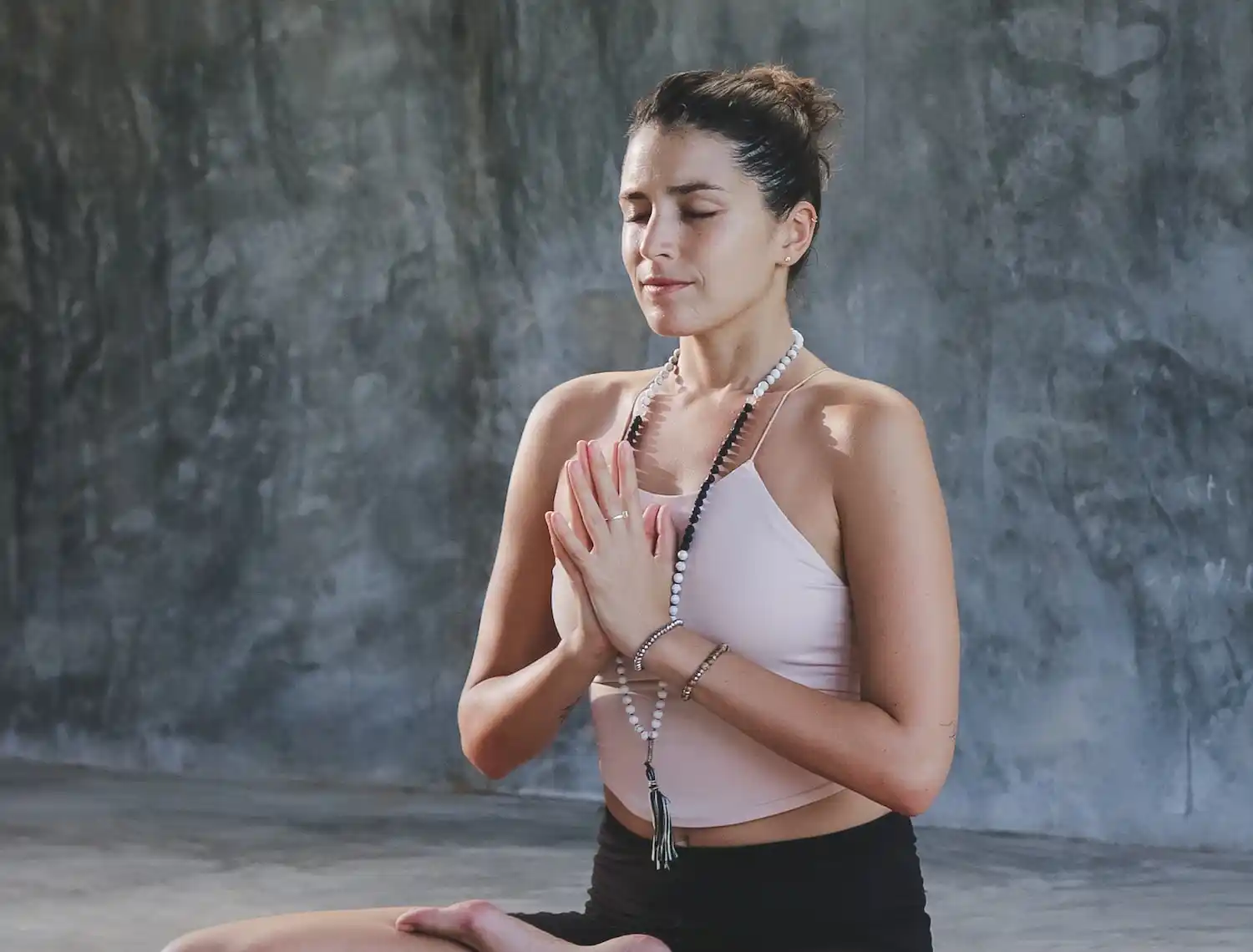
Doing a quick body scan, asking yourself where the anxiety is felt, and releasing it by shaking that body part Talking to your anxiety and permitting it to stay for a bit, but reminding it that it has to leave Practicing, meditation, mindfulness, or Tai Chi Practicing Creative Visualization, where you imagine yourself in a calm and happy place like the beach or a mountain for a minute or 2, and then continue with your daily activities Keep in mind that there is hope; a professional can treat both issues. Remind yourself about this when you want to feel calm. An anxiety or panic attack may also be treated with cognitive-behavioral therapy (CBT) and/or anti-anxiety medication. A panic attack can also be treated with CBT or with selective serotonin reuptake inhibitors (SSRIs) and other antidepressants. Staying informed and looking for help when you need it can create a sense of calmness and help you experience less anxiety or panic attacks in the future. You may get them, but knowing the differences between a panic attack vs. anxiety attack is the first step in being able to deal with them. You don’t have to let anxiety get the best of you — there is help available. Take action today Take a self-assessment Find a licensed therapist Connect with a prescriber

2 comments
It's not good to feel like that it really drag all of aspects of ourself. Think positively. Hi there you're new here nice to meet you. I'm your 3rd subscribers
Nice to know, thank you very much.....i really appreciate